EP0941123B1 - Nukleinsäurekomplex mit kationischen polymer nützlich für gentherapie - Google Patents
Nukleinsäurekomplex mit kationischen polymer nützlich für gentherapie Download PDFInfo
- Publication number
- EP0941123B1 EP0941123B1 EP97911324A EP97911324A EP0941123B1 EP 0941123 B1 EP0941123 B1 EP 0941123B1 EP 97911324 A EP97911324 A EP 97911324A EP 97911324 A EP97911324 A EP 97911324A EP 0941123 B1 EP0941123 B1 EP 0941123B1
- Authority
- EP
- European Patent Office
- Prior art keywords
- polymer
- dna
- reactive
- cationic
- polymer material
- Prior art date
- Legal status (The legal status is an assumption and is not a legal conclusion. Google has not performed a legal analysis and makes no representation as to the accuracy of the status listed.)
- Expired - Lifetime
Links
- 0 CC(C(C)OOOc1ccc(*)cc1)OC Chemical compound CC(C(C)OOOc1ccc(*)cc1)OC 0.000 description 1
Images




Classifications
-
- A—HUMAN NECESSITIES
- A61—MEDICAL OR VETERINARY SCIENCE; HYGIENE
- A61K—PREPARATIONS FOR MEDICAL, DENTAL OR TOILETRY PURPOSES
- A61K48/00—Medicinal preparations containing genetic material which is inserted into cells of the living body to treat genetic diseases; Gene therapy
-
- A—HUMAN NECESSITIES
- A61—MEDICAL OR VETERINARY SCIENCE; HYGIENE
- A61K—PREPARATIONS FOR MEDICAL, DENTAL OR TOILETRY PURPOSES
- A61K47/00—Medicinal preparations characterised by the non-active ingredients used, e.g. carriers or inert additives; Targeting or modifying agents chemically bound to the active ingredient
- A61K47/50—Medicinal preparations characterised by the non-active ingredients used, e.g. carriers or inert additives; Targeting or modifying agents chemically bound to the active ingredient the non-active ingredient being chemically bound to the active ingredient, e.g. polymer-drug conjugates
- A61K47/51—Medicinal preparations characterised by the non-active ingredients used, e.g. carriers or inert additives; Targeting or modifying agents chemically bound to the active ingredient the non-active ingredient being chemically bound to the active ingredient, e.g. polymer-drug conjugates the non-active ingredient being a modifying agent
- A61K47/62—Medicinal preparations characterised by the non-active ingredients used, e.g. carriers or inert additives; Targeting or modifying agents chemically bound to the active ingredient the non-active ingredient being chemically bound to the active ingredient, e.g. polymer-drug conjugates the non-active ingredient being a modifying agent the modifying agent being a protein, peptide or polyamino acid
- A61K47/64—Drug-peptide, drug-protein or drug-polyamino acid conjugates, i.e. the modifying agent being a peptide, protein or polyamino acid which is covalently bonded or complexed to a therapeutically active agent
- A61K47/645—Polycationic or polyanionic oligopeptides, polypeptides or polyamino acids, e.g. polylysine, polyarginine, polyglutamic acid or peptide TAT
Definitions
- the present invention relates to the delivery of nucleic acid material to target cells in biological systems and to the construction of delivery vehicles for this purpose, especially in connection with gene therapy.
- a synthetic carrier vehicle or vector suitable for efficient targeted delivery of DNA or other nucleic acid material in vivo must fulfil various biological requirements. Ideally it would be stable in the blood circulation, non-immunogenic and resistant to enzymatic degradation, capable of efficient target-discrimination, and able to penetrate the target cell membrane selectively to gain access to the nucleus, release the nucleic acid and enable efficient transcription within the target cell.
- DNA can be condensed into polyelectrolyte complexes by the addition of polycations, rendering it easier to package.
- simple mixing of DNA with poly(L)lysine results in formation of discrete polyelectrolyte particles whose size and capacity for spontaneous transfection can be influenced by the molecular weight of the poly(L)lysine used.
- Specific cell targeting groups e.g. transferrin and/or membrane-permeabilising groups such as membrane disrupting oligopeptides, can be incorporated into such structures and significantly enhance the transfection rates achieved.
- nucleic acid delivery vehicles For successful and versatile in vivo application it is very important that nucleic acid delivery vehicles should be small enough to gain access to target cells. Access to target cells frequently involves extravasation through endothelial layers, but even the hyper-permeable endothelia associated with tumours have a size restriction of about 70nm. In addition, most forms of triggered membrane penetration act via the endosomal membrane following endocytosis, and endocytic internalisation is usually limited to materials of less than 100nm diameter. Given the large size of DNA expression vectors in free solution (typical diameter 200nm) it is clearly necessary for the DNA to be compressed and packaged during self-assembly with cationic polymers if the polyelectrolyte complexes thereby formed are to provide satisfactory DNA carriers and delivery vehicles.
- One object of the present invention is to provide improved synthetic polymer-based polyelectrolyte vectors to serve as carrier vehicles for efficient and effective delivery of nucleic acid material, and transfection of target cells, especially in connection with gene therapy or even possibly in connection with development of DNA vaccines.
- Preparation of synthetic polyelectrolyte vectors or nucleic acid carrier vehicles in accordance with the invention will usually involve forming a complex having a nucleic acid-containing core portion by self-assembly between cationic polymer material and nucleic acid material, especially DNA contained in an expression vector, said core portion being provided, directly or indirectly, with various other functional molecules or molecular entities including molecules of hydrophilic polymer material that provide a coating and steric shield for the core portion, thereby improving stability and biocompatibility of the polyelectrolyte complex.
- this may be achieved by synthesising or modifying a soluble synthetic cationic polymer so as to include or incorporate therein discrete reactive groups prior to arranging a selective self-assembly of such polymer with the nucleic acid material.
- This self-assembly with the nucleic acid involves an association or binding between molecules of the polycationic component and the polyanionic nucleic acid component.
- the nucleic acid is condensed in the core portion and at least some of said reactive groups on the molecules of the cationic polymer component are presented at the surface thereof.
- reactive groups can then be coupled or linked with hydrophilic polymer molecules that associate with the solvent and form in effect an outer shield around the polymer nucleic acid complex, thereby improving stability of the complex and presenting a hydrophilic steric barrier to interactions with cells and molecules which may be encountered in the course of in vivo gene therapy, e.g. while circulating in the plasma after i.v. administration.
- the hydrophilic polymer molecules will be multivalent, i.e. will include multiple reactive groups, so that after a first reactive group binds to a reactive group of the cationic polymer and "anchors" the hydrophilic polymer other reactive groups of the latter will bind to other reactive groups of the cationic polymer, thereby cross-linking the coating or outer surface at the same time as providing a steric shielding of the nucleic acid polycation complex.
- reactive group is used herein to denote a group that shows significant chemical reactivity, especially in relation to coupling or linking reactions with complementary reactive groups of other molecules.
- cationic and anionic denote materials which in aqueous solution at neutral pH have net positive and negative charges respectively.
- the invention provides a nucleic acid carrier vehicle for delivery of nucleic acid material to target cells in biological systems, e.g. in vivo delivery of genes or therapeutic DNA to a patient in carrying out gene therapy or DNA vaccination treatment, said carrier vehicle being in the form of a polyelectrolyte complex comprising a nucleic acid-containing cationic polymer core associated with hydrophilic polymer material that forms an outer stabilising steric shield or coating.
- the cationic polymer core which is generally made up of a plurality of polycation molecules, will usually also be linked, directly or indirectly, to other molecular entities or moieties, especially bioactive molecules, that modify the biological and/or physico-chemical characteristics of the complex to improve suitability for use in delivering the nucleic acid material to target cells, for example in carrying out somatic gene therapy treatment.
- These other molecular entities or moieties may comprise cell-receptor targeting moieties and/or other specific bioactive agents providing, for example, membrane disrupting agents, agents capable of promoting endocytic internalisation following binding to cell surface molecules, and nuclear-homing agents, useful for facilitating entry and delivery of the nucleic acid material, e.g. DNA, into cells.
- these other molecular species may include bioactive agents such as peptides, especially for example fusogenic amphipathic helical peptides.
- bioactive agents such as peptides, especially for example fusogenic amphipathic helical peptides.
- peptide material known under the designation INF7 supplied by Severn Biochemicals Limited.
- Targeting groups as referred to above may include growth factors, antibodies or bioactive materials such as transferrin for example.
- Nucleic acid carrier vehicles as referred to above in accordance with the invention may be constructed by means of a stepwise process in which the cationic polymer is first self-assembled with the nucleic acid material to form a complex that provides a core portion of the complete carrier vehicle, and the hydrophilic polymer material is then assembled in a subsequent step.
- the invention broadly provides a method of constructing a synthetic polymer-based carrier vehicle for delivery of nucleic acid material to target cells in biological systems, said method comprising the sequential steps of:
- the hydrophilic polymer material of the coating associated with the nucleic acid-containing core of the complex may be bonded, at least partially, direct to the nucleic acid, for example via reactive carboxyl groups on the polymer binding to reactive hydroxyls of alcohol groups of the nucleic acid to form ester linkages that may subsequently be broken-down by acid-catalysed or hydrophilic degradation, in most embodiments it is presently preferred that the hydrophilic polymer material should be attached or linked directly only to the cationic polyelectrolyte polymer material of the nucleic acid-containing core by reactive groups which react with reactive groups of the cationic polymer material, usually, but not necessarily, to form covalent bonds.
- the reactive group or groups on the cationic polymer molecules for reacting with mutually reactive groups of the hydrophilic polymer will therefore usually be selected so as to have a reactivity not present in the nucleic acid material.
- the reactive groups carried by the cationic polymer and/or by the hydrophilic polymer may often be carried by side chains of the polymer molecules and these side chains may be pH-sensitive and acid labile, hydrolytically unstable or enzymatically biodegradable as hereinafter described.
- the nucleic acid material and the cationic polyelectrolyte polymer material self-assemble to produce the polyelectrolyte complex reactive groups of the cationic polymer molecules will generally be exposed on the surface of the cationic polymer core, probably oriented outwardly, ready for reacting with the reactive hydrophilic polymer material in the subsequent stage.
- the outer protective steric shield provided by the hydrophilic coating not only assists in stabilising the complex but it can also protect the complex from unwanted biological interactions, e.g. in the course of in vivo gene therapy when circulating in the plasma following administration by intravenous injection.
- the other molecular entities mentioned that may be carried by the cationic polymer core may be coupled or linked directly to cationic polymer molecules of the nucleic acid-containing polyelectrolyte complexes, either the same cationic polymer molecules as are linked to the hydrophilic polymer material or different cationic polymer molecules, again via the aforesaid reactive groups. In other embodiments, however, they may be attached to reactive groups carried by the aforesaid hydrophilic polymer material, either before or after assembly of the latter to the cationic polymer/nucleic acid complex.
- the hydrophilic polymer material may conveniently be provided by hydrophilic heterobifunctional or multifunctional polymer molecules that permit in effect the further bioactive agents to be attached to the outside of the steric shield.
- the preferred hydrophilic polymer will be based on copolymers of N-2-hydroxypropylmethacrylamide (HPMA) with activated esters of N-methacryloylated peptides.
- the molecules of the hydrophilic coating polymer material such as p(HPMA) will in fact usually be multivalent with a plurality of reactive groups so that, apart from a possible requirement to attach molecules of other bioactive agents, these reactive groups can form a plurality of cross-linkages with the nucleic acid-containing cationic polyelectrolyte polymer core of the complex which may considerably improve the stability of the construct.
- the reactive groups carried by the reactive hydrophilic coating polymer may include activated esters (e.g. p-nitrophenyl, p-nitrophenoxy), thiol groups, biotin or aldehyde groups which in some cases may be carried by side chains of the main polymer backbone.
- activated esters e.g. p-nitrophenyl, p-nitrophenoxy
- thiol groups e.g. thiol groups
- biotin or aldehyde groups which in some cases may be carried by side chains of the main polymer backbone.
- Aldehyde groups incorporated in dextran or poly[N-(2-hydroxyethyl)-L-glutamine] (pHEG) may be especially useful for reacting with amino group or hydrazide-bearing cationic polymers.
- the polymer may be advantageous in some cases to provide the polymer with more than one type of reactive groups having different reactivities. This may facilitate controlling and distinguishing more readily different coupling reactions. Similarly, different kinds of reactive groups having different reactivities may be carried by the cationic polyelectrolyte polymer where different coupling reactions are required.
- the reactive group or groups of the cationic polyelectrolyte polymer may be incorporated during the polymerisation or copolymerisation process used in forming the polymer from constituent monomers.
- an existing cationic polyelectrolyte polymer already having suitable reactive groups, e.g. reactive amino groups as in poly-(L)-lysine, may be used.
- an existing cationic polyelectrolyte polymer may be modified to introduce the required reactive groups, or to increase the reactivity of an existing reactive group, in a separate preliminary step of the process.
- molecules providing complementary binding groups such as biotin molecules and avidin or streptavidin molecules.
- biotin molecules may be incorporated in the cationic or hydrophilic polymer material, and before use these are linked to avidin or streptavidin molecules providing a complementary binding group attached to appropriate targeting moieties, e.g. site specific antibodies, or other bioactive agents selected by the user.
- appropriate targeting moieties e.g. site specific antibodies, or other bioactive agents selected by the user.
- the reverse arrangement with the avidin or streptavidin incorporated in the cationic or hydrophilic polymer material and the biotin attached to the other molecular species may of course be used.
- the invention also provides a nucleic acid carrier vehicle for in vivo delivery of genes or therapeutic DNA to a patient in carrying out gene therapy or DNA vaccination treatment for example, said carrier vehicle comprising a polyelectrolyte complex of the DNA or other nucleic acid material and cationic polymer material together with one or more molecules of hydrophilic polymer material to provide an outer stabilising steric shield, and comprising also other bioactive molecular species linked either to said cationic polymer or to said hydrophilic polymer material, said complex being constructed in a stepwise process as hereinabove set forth.
- the nucleic acid material will usually be DNA although in some cases it could consist of RNA or ribozymes. Antisense nucleic acid may sometimes also be used for certain therapies.
- the invention also provides a method of delivering gene DNA material to a patient in carrying out somatic gene therapy treatment, said method comprising packaging the selected DNA as a expression vector in a carrier vehicle constructed as herein described, and administering the polyelectrolyte complex material forming the DNA carrier vehicle to said patient.
- the invention may be regarded as providing, for delivery of DNA to target calls in biological systems, a synthetic polymer-based carrier vehicle that comprises a polyelectrolyte complex in which a DNA expression vector located in a core portion is electrostatically bound and condensed through self-assembly with a polycationic polymer that, after assembly with said DNA, is coupled or attached via covalent linkages to associated hydrophilic polymer material that provides a stabilising steric shield around the complex.
- the invention may be regarded as consisting in a synthetic polymer-based carrier vehicle for delivery of DNA to target cells in biological systems
- said carrier vehicle is in the form of a particle consisting of a polyelectrolyte complex comprising a DNA expression vector bound to one or more cationic polymer molecules thereby forming a DNA-containing which is coupled via covalent linkages to one or more associated hydrophilic polymer molecules forming a stabilising and protective steric shield or coating around said DNA-containing complex
- one or more other molecular entities providing bioactive agents or cell receptor targeting moieties are coupled, also via covalent linkages, to said cationic polymer material and/or to the hydrophilic polymer material, with at least some of said covalent linkages being hydrolytically unstable and/or pH sensitive or enzymatically sensitive so as to be biodegradable within the intracellular environment following endocytic uptake and internalisation by a target cell.
- the hydrophilic polymer may include components or linkages in
- the synthetic polymer-based nucleic acid carrier vehicles of the present invention have been designed and developed primarily for in vivo gene therapy, DNA vaccination can be another application and it should be appreciated that in many cases the carrier vehicles will also be suitable for in vitro delivery of DNA to cells, and this is also within the scope of the invention.
- the carrier vehicles may be used for targeted transfection of cancer cell lines and primary cells in vitro, and this may even be carried out on cells removed from a patient which are subsequently reintroduced as part of an in vivo therapeutic strategy.
- the complexes formed with the DNA will include both cationic polymer molecules coupled to a hydrophilic polymer block and cationic polymer molecules coupled to one or more targeting moieties and/or other bioactive molecules, and the stepwise method of construction of this invention may be particularly advantageous.
- the stepwise method of construction of this invention may be particularly advantageous.
- hydrophilic polymer is multivalent
- some cross-linking will occur in the surface coating of the complex as previously mentioned.
- a poly(ethyleneglycol) (pEG) molecule bearing more than one thiol reactive group could react with more than one maleimide group in the cationic polymer core, thereby cross-linking the surface and potentially stabilising the complex.
- the promotion of such cross-linking by using polymers with multiple reactive groups is a much preferred feature of many embodiments.
- polyHPMA-based activated esters e.g. p-aminophenyl esters
- polyHPMA-based activated esters should react with primary amino groups on the cationic polymers but not with the DNA. This can therefore allow formation of the DNA/polymer complex, and then attachment of a hydrophilic coating that will simultaneously shield and cross-link the surface for added biological stability, without reacting at all with the DNA if this is desired.
- the DNA expression vector will usually be a plasmid-based expression vector incorporating an appropriate promoter sequence.
- cationic polymers containing a mixture of different types of amino groups some predominantly charged at neutral pH (e.g. poly(L)lysine) and others subject to significant protonation by the falling pH during endosomal acidification (e.g. L-histidine).
- one presently favoured cationic polymer is poly(L)lysine (pLL), preferably with a molecular weight (weight average) greater than 3 kDa but below 25 kDa, and most preferably in the range 4-20 kDa, in order to provide complexes of a suitable size.
- polyaminoacids e.g. poly(L)ornithine
- non-polypeptide synthetic polymers may be used.
- the latter can include synthetic polymers containing a primary or tertiary amino group or a quaternary ammonium group, e.g. poly-(trimethylammonioethyl methacrylate chloride) (pTMAEM).
- linkages coupling the molecules attached to the cationic polymer component and/or to the outer coating hydrophilic polymer component may be provided by side chains of the polymer molecules that carry the reactive groups that react to couple the molecules together. Moreover, these linkages may be either stable covalent linkages or, if it is required that the hydrophilic coating and/or attached bioactive agents be shed at the target site to permit release of the DNA, relatively unstable hydrolytic, pH-labile or enzymatically degradable linkages are appropriate.
- linkages may be susceptible to acid-catalysed cleavage, and it may be arranged so that release or conformational change of attached bioactive molecules can be triggered by the fall in pH within the endosomal or lysosomal compartment containing the complex after it has been internalised within a target cell following endocytosis.
- This effect can for example facilitate the exposure and activation (or release) of membrane-active fusogenic or membrane-disrupting agents for enabling the DNA to gain access to the cytoplasm of the target cells, and the exposure and activation of nuclear-homing agents, e.g. peptide nuclear-homing agents, for promoting nuclear trans-location and expression.
- pH-sensitive linkages examples include cis-aconityl, ortho-ester, bis esters, amides or ester-amides of dimethyl maleimic acid.
- the linkages may provide a substrate designed for cleavage by cellular enzymes, e.g. they may contain peptide sequences such as GlyPheLeuGly, GlyPheAlaLeu or hydrolytically unstable groups such as esters incorporated in side chains of the polymer molecules that carry the reactive coupling groups.
- the hydrophilic polymer coating of the DNA-containing cationic polymer core it is believed that it will in fact usually be desirable to arrange for the hydrophilic polymer coating of the DNA-containing cationic polymer core to be shed or separate after internalisation in the target cell, either in the endosome or lysosome, in order to open up the structure and prepare for translocation and entry of the DNA into the nucleus.
- the hydrophilic polymer instead of relying upon controlled degradation of the linkages between the cationic polymer in the core and the hydrophilic polymer, it is also possible to arrange for the hydrophilic polymer to be synthesised so as to include degradable components, e.g. enzymatically degradable peptide sequences or degradable ester linkages, in the main polymer chain such that the hydrophilic polymer component would be subject to a controlled disintegration within the intracellular environment.
- degradable components e.g. enzymatically degradable peptide sequences or degradable ester link
- hydrophilic polymer-shielded and/or bioactive agent modified DNA-containing polyelectrolyte complexes constructed in accordance with this invention will be particles having dimensions within a monodisperse size range of less than 100nm in diameter, generally less than 70nm in diameter, and possibly approaching an ideal size of 30-40nm diameter.
- DNA or other nucleic acid carrier vehicles will usually be made up as pharmaceutical compositions formulated for administration by intravenous injection.
- intra-arterial, intraperitoneal or direct intra-tumoural injection could also be useful, and even oral administration may be feasible.
- the reactive groups on the polycation and/or hydrophilic polymer for forming the linkages may be selected from thiol, hydroxyl, SPDP (succinimide-3-(2-dithiopyridyl)proprionic acid), maleimide, amine, carboxyl groups, activated esters and complementary biotin/(strept)avidin groups.
- SPDP succinimide-3-(2-dithiopyridyl)proprionic acid
- maleimide e.g. glutaraldehyde, EEDQ, carbodiimides.
- Activated esters may include for example succinimide, nitrophenyl, pentafluorophenyl or imidazole esters, but in making a selection for therapeutic applications due regard should be given to their toxicity characteristics.
- Parameters which are likely to influence the performance and efficiency of the DNA carrier vehicles of the present invention include charge ratio of the polycation to anionic nucleic acid, especially at neutral pH in aqueous solution, and also the overall hydrophilicity/hydrophobicity characteristics of the complex formed by the cationic polymer and DNA core, the molecular weight of the polymer blocks, and the overall size and conformation of the carrier vehicle.
- Biologically inert pHPMA and similar methacrylate and methacrylamide based addition polymers represent one preferred category of polymeric material for providing the hydrophilic polymer components of the complexes of this invention.
- membrane-active lipids e.g. oleyl, pH-responsive amphipathic peptide helices or constitutively-active amphipathic helices (i.e. not dependent on pH for induction of membrane activity)
- agents to provide internalisation following receptor-binding A particular example of such an agent is the integrin-binding tripeptide RGD (arginine-glycine-aspartic acid) but other materials, probably also integrin-binding functionalities, could also be used.
- the invention also provides new or improved methods for preparing modified cationic polymers incorporating reactive groups, and other features in connection with certain embodiments will become apparent from specific examples hereinafter described in more detail.
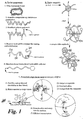
- the components shown in FIGURE 1A comprise a DNA expression vector (A1), a cationic polymer (A2) coupled through a terminal reactive group at an end of the polymer chain to a bioactive component e.g. a fusogenic oleyl molecular group for facilitating membrane penetration, a cationic polymer (A3) provided with a plurality of reactive groups spaced along the polymer chain, a hydrophilic polymer molecule (A4) having a plurality of reactive groups spaced along the polymer chain, and a hydrophilic polymer molecule (A5) having a free reactive group at one end and a biotin molecule attached at the opposite end.
- a bioactive component e.g. a fusogenic oleyl molecular group for facilitating membrane penetration
- a cationic polymer (A3) provided with a plurality of reactive groups spaced along the polymer chain
- a hydrophilic polymer molecule (A4) having a plurality of reactive groups spaced along the polymer chain
- FIGURE 1B Stages in the assembly of these components are shown in FIGURE 1B, components A1, A2 and A3 first being brought together to form the DNA-containing core of the complex as a result of self-assembly of cationic polymer molecules with the DNA expression vector, molecules of the hydrophilic polymer then being linked to exposed reactive groups of the cationic polymer molecules to form a coating and an outer steric shield for the core. Finally, streptavidin/antibody conjugates are attached to exposed biotin groups carried by molecules of the hydrophilic polymer in order to provide specific cell targeting groups.
- FIGURE 1C the pictorial representation shown therein of the main stages involved in the targeted delivery of DNA, using a DNA delivery vehicle assembled as in FIGURE 1B, clearly illustrates the initial extravasation and recognition of a target cell, followed by endocytic internalisation, entry into the cytoplasm after shedding the hydrophilic polymer coat, and finally entry of DNA released from the DNA-containing cationic polymer complex into the nucleus.
- molecular weight values quoted for polymers are intended to represent weight average values.
- EXAMPLE 1 the manner of preparation is described of a DNA/polyaminoacid complex formed with a protective hydrophilic polymer coating using a preferred 2-step assembly procedure in accordance with the invention.
- This example relates to the formation of coated particulate complexes made up of DNA, e.g. expression vector plasmid DNA, poly(L)lysine (pLL) and a so-called polymeric precursor composed of HPMA copolymerised with a methacryloylated-oligopeptide(Glycine-Phenylalanine-Leucine-Glycine) paranitrophenyl ester.
- DNA e.g. expression vector plasmid DNA
- pLL poly(L)lysine
- polymeric precursor composed of HPMA copolymerised with a methacryloylated-oligopeptide(Glycine-Phenylalanine-Leucine-Glycine) paranitrophenyl ester.
- Such methacrylic polymeric precursors provide the hydrophilic polymer material. They will generally have a molecular weight of about 20,000Da and contain from 4-10 mol% of oligopeptide side chains bearing the activated ester groups (-ONp).
- the oligopeptide acts as a spacer and may be varied in size, but the tetrapeptide Gly-Phe-Leu-Gly represents one preferred form which is designed for biodegradation by lysosomal cathepsin enzymes (thiol proteinases).
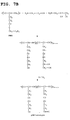
- a typical structure is shown below:
- Preparation of methacrylic polymeric precursors as referred to above generally involves a step of copolymerisation of HPMA with the p-nitrophenyl ester of the N-methacryloylated peptide concerned, and in the "polymeric precursor" so formed the terminal p-nitrophenoxy groups of the peptide side-chains provide convenient leaving groups for subsequent addition reactions with reactive amino or other functional groups of the cationic polymer molecules or of other molecular entities such as targeting moieties that it may be desired to incorporate.
- hydrophilic poly(HPMA) polymers having side chains bearing reactive p-nitrophenyl esters or reactive p-nitrophenoxy groups is hereinafter more particularly described in Examples 3 and 4.
- hydrophilic polymer it is incidentally also possible for constructing the hydrophilic polymer to use polymeric precursors of HPMA copolymerised with N-methacryloylated oligopeptides in which the peptide side chains terminate in carboxyl groups instead of p-nitrophenyl ester groups, prepared as described in EP-A-0187547.
- carboxyl groups will bind to primary amino groups on the polycation, as with nitrophenyl esters.
- the carboxyl groups may bind to reactive alcohol groups in the DNA-polycation complex (potentially either on the DNA and/or the cationic polymer), forming ester groups. In that event such ester groups may be subsequently broken down through acid-catalysed or hydrolytic degradation.
- the cationic polymer/DNA complex was initially formed by gently adding an aqueous solution of the poly(L-lysine) to a DNA solution in water, at a DNA concentration of 40 ⁇ g/ml and a final cation:anion charge ratio of 2.0. In general, this charge ratio should lie within the range of 0.7 to 4.2, at least in neutral solution (pH 7). The reaction mixture was then allowed to stand for at least 30min at room temperature to permit complete self-assembly of complexes. The pH of the solution was then raised to approximately neutral using an equal volume of 100mM borate solution. It is important that the solution does not contain nucleophilic groups such as amines (eg. Tris buffer) which might react with the hydrophilic polymers in the next stage. It is also important that the solution should not become too alkaline (eg. pH not > 8.0) as this will promote unwanted hydrolysis of activated ester groups in the next stage.
- nucleophilic groups such as amines (eg. Tris buffer) which might
- the hydrophilic polymer (polymeric precursor) bearing reactive ester groups was added to the mixture with gentle mixing (200 ⁇ g/m).
- the reaction between the -ONp ester groups and the primary amino functions of the cationic polymer was monitored spectrophotometrically, either by measuring decreasing concentration of the esters or by monitoring appearance of free paranitrophenol.
- the pH was raised to 8.0, accelerating the rate of both aminolysis and hydrolysis, and the complexes formed were ready for use 30 min later.
- the reactive esters did not appear to react with DNA, but reacted rapidly under these conditions with unprotonated amino groups of the cationic polymers.
- Optimal reaction conditions include gentle mixing (but not vortexing), either in borate solution or in water/NaOH at pH 7.0 - 7.6, a temperature of 15 - 37°C, and a maximal DNA concentration of 80 ⁇ g/ml to avoid flocculation.
- This maximal concentration of DNA depends on the hydrophilicity of the structure of the cationic polymer, but for 25 kDa poly(L-lysine), the optimal concentration is in the range 20 - 50 ⁇ g/ml.
- the reaction is preferably carried out using a molar ratio of amines to activated esters within the range 0.7 - 4.0.
- the pH may be gradually raised during the reaction, either by addition of sodium hydroxide or a higher pH buffer, up to about pH 8.0. This promotes reactivity of the poly(L-lysine) primary amino groups, but must be regulated carefully as it also accelerates the rate of ester hydrolysis.
- the reaction may be terminated either by raising the pH to 8.5, promoting rapid ester hydrolysis as mentioned above, or by addition of low molecular weight reactive amines, e.g. aminopropanol or 4-aminobutan-1-ol.
- low molecular weight reactive amines e.g. aminopropanol or 4-aminobutan-1-ol.
- Typical particles produced as described in this example, containing expression vector DNA, low molecular weight poly(L-lysine) (molecular weight 4 - 25 kDa approx.) and hydrophilic polymer material provided by the polymeric precursor of the kind referred to, are discrete and have a small overall size (30 - 50 nm diameter, as determined by atomic force microscopy).
- Particles formed and coated in this way also show improved stability to proteins.
- simple poly(L-lysine)/DNA complexes formed at a charge ratio (cation:anion) > 1.0 are subject to binding and destabilisation by albumin.
- This results in restoration of ethidium bromide/DNA fluorescence, and the existence of an albumin/poly(L-lysine)/DNA ternary complex can be demonstrated using agarose electrophoresis, where the ternary complex remains at the origin and fluoresces.
- Disruption by albumin can be measured in a fluorimeter by the restoration of ethidium bromide/DNA fluorescence, and hydrophilic polymer coated complexes have been found to be in general at least 100 times more stable than uncoated particles. Moreover they retain integrity and do not fluoresce even when incubated in the presence of physiological serum concentrations of albumin.
- coated complexes are relatively stable and easy to handle, and they can be purified by column chromatography (eg. Sepharose 4B-CL) or by density gradient centrifugation.
- the coated complexes can be formed using 32 P-labelled linearised expression vector DNA to permit determination of DNA distribution following injection in vivo.
- Alternative chemistry for example using carbonate esters of paranitrophenol yield the same products on aminolysis, with release of carbon dioxide, but produce hydroxyl groups following hydrolysis.
- the measured zeta potential of the resulting coated particles is generally very close to zero, although it can be influenced by the composition of the polyelectrolyte core of the complex.
- reactive hydrophilic polymers can be used to achieve stabilisation of pre-formed polycation/DNA complexes.
- reactive esters based on other polymer backbones such as poly-N5-(2-hydroxyethyl)-L-glutamine (pHEG), or reactive polymers containing backbones composed primarily of blocks of poly(ethylene glycol) joined end-to-end by oligopeptide or other biodegradable sequences bearing pendant reactive esters. Careful selection of the structure of these molecules can tailor them for degradation by specific enzymes, in specific locations, or for hydrolytic or acid-catalysed hydrolytic degradation.
- Reactive hydrophilic polymer material based on poly-N-(2-hydroxyethyl-L-glutamine) (pHEG), containing reactive ONp carbonate esters with no amino acid spacer, can be produced by reaction of pHEG with chloroformate and is known to be readily biodegradable.
- Coated complexes formed with a net strong negative surface charge are subject to rapid scavenging by phagocytic cells, notably Kupffer cells, following intravenous administration.
- phagocytic cells notably Kupffer cells
- Complexes bearing net positive charges are prone to accumulation in capillary beds, notably the pulmonary capillaries.
- the best surface charge for achieving prolonged plasma circulation is neutral or slightly negative.
- bioactive molecules such as targeting groups or additional shielding molecules
- targeting agent transferrin has been incorporated by simple aminolysis or following oxidation of its carbohydrate component.
- Complexes were then diluted into 50 mM borate solution pH 7.4 and a 28-mer fusogenic oligopeptide known as INF7-GSGC (obtained from Severn Biochemical Ltd, U.K.) was added to a final concentration of 10 ⁇ M.
- INF7-GSGC is thought to promote endosome/lysosome-to-cytoplasm transfer of gene complexes (see Wolfert et al (1996), Human Gene Therapy, 7 , 2123-2133).
- OSu esters can be prepared similarly using the monomer MA-X-OSu.
- pure poly(HPMA) was modified by reaction with p-nitrophenylchloroformate to modify the secondary hydroxyl groups to form -OCOONp.
- This material was then used as a reactive polymeric ester, stabilising complexes as described in Example 1, but yielding complexes which are activated by acid-catalysed ester hydrolysis.
- Such coated complexes are particularly useful where the complex is required to undergo activation within the low pH environment of the endosome after uptake by target cells.
- This example is selected to demonstrate the possibility of preparing hydrophilic reactive polymers which are capable of stabilising DNA-containing complexes, and which are themselves susceptible to acid-catalysed hydrolysis. Such a system permits disintegration of the coating molecule within the endosome, releasing the DNA to begin a journey into the cytoplasm and thence to the nucleus.
- This coating polymer is based on polyethylene glycol (pEG) blocks joined end-to-end by hydrolytically unstable linkages.
- pEG-OH polyethylene glycol
- methylene chloride methylene chloride
- NHS N-hydroxysuccinimide
- the modified pEG esters were then linked together by reaction with lysine benzylester, with subsequent removal of the protecting benzylester group (using hydrogen on Pd-black) to expose the carboxyl termini of the lysine residues.
- the reactive ONp esters were introduced by reaction of the lysine carboxylic groups with p-nitrophenol (in methylene chloride) in the presence of DCCI.
- the resulting polymer containing blocks of pEG linked end to end in a hydrolytically-unstable polymer backbone, and with pendant ONp groups, can then be used as described above for covalent stabilisation of DNA complexes with cationic polymers containing primary amino groups.
- this material has the feature of undergoing rapid hydrolytic degradation in the presence of acid, and is suitable for stabilisation of complexes which require liberation/activation of DNA within the endosomal compartment.
- the polymer structure can be depicted as shown below:
- succinic esters can be readily substituted for maleic esters.
- a DNA reporter construct (containing ⁇ galactosidase gene under the regulation of the cytomegalovirus immediate early gene promoter, encoded within a pUC 19 vector) (final concentration 40 ⁇ g/ml, 2 ml) was allowed to self-assemble in water with poly(L-lysine) (22 kDa molecular weight, used at a charge ratio 2:1 cationic excess). To inhibit precipitation the polycation was added into the DNA solution. The mixture was left for 30 min to stabilise, and then was diluted 1:1 with 100mM borate solution (pH 7.4, final concentration 50 mM).
- Fusogenic peptide known as INF7-SGSC (Wolfert et al., 1996) was then added in 10 ⁇ l DMSO, to a final concentration of 10 ⁇ M. The solution was kept cool to avoid precipitation. After 30 min 800 ⁇ g reactive hydrophilic polymer (pHPMA bearing Gly-Phe-Leu-Gly-paranitrophenyl esters, 8 mol %, as from Example 1) was added (final concentration 200 ⁇ g/ml). The reaction was allowed to proceed for 3 min, before addition of holotransferrin (500 ⁇ g), and the reaction was then allowed to continue for 2 hours, after which time the pH was increased to pH 8.0 using sodium hydroxide. The complexes were allowed to stand for a further 30 min, and were then purified and sterilised by gel permeation chromatography (Sepharose 4B-CL).
- reaction may be performed in an automatic titration apparatus (e.g. a pH-stat from Radiometer) maintained at 16°C and programmed to manipulate the pH conditions as described.
- an automatic titration apparatus e.g. a pH-stat from Radiometer
- Poly(L-lysine)/DNA complexes were prepared at a charge ratio of 4, with or without the addition of INF7-SGSC, and were coated with a reactive hydrophilic polymer as described above. In contrast to Example 6, however, no transferrin was used and the coating reaction was terminated by the addition of a 20-fold molar excess of diaminoethylene. This resulted in the incorporation of amino groups onto the surface of the coated complexes via the remaining unreacted ONp ester groups.
- the amino group-bearing coated complexes were purified from free diamine and polymer by gel filtration on Sepharose 4B-CL with distilled water as eluent.
- transferrin carbohydrate chain 10 mg transferrin (0.13 ⁇ mol) was dissolved in 0.45 ml of sodium acetate buffer (pH 5.0, 30 mM) and chilled to 0°C. Freshly dissolved sodium periodate (50 ⁇ l of a 10 mg/ml solution) was added and the reaction was performed for 90 min at 0°C in the dark.
- the oxidised transferrin was purified by gel filtration on prepacked PD10 columns (Pharmacia) and the presence of aldehyde groups was demonstrated using the anisaldehyde test. The oxidised transferrin was kept at pH 5.0 to prevent autoreaction.
- oxidised transferrin For linkage of the oxidised transferrin to the amino function-bearing coated complexes, an appropriate amount of oxidised transferrin was added to purified coated complexes and the pH was adjusted to 7.4. The mixture was left for 1-2 hrs to permit formation of Schiffs base type covalent linkages. The Schiffs bases were subsequently stabilised by reduction for a minimum of 1 hr using an excess of cyanoborohydride. Finally the complexes were purified from unincorporated transferrin and cyanoborohydride and sterilised by gel filtration on Sepharose 4B-CL or equivalent with PBS pH 7.4 as eluent.
- This procedure involved production of polymer-coated polycation/DNA complexes bearing SH groups and their conjugation with SH-reactive transferrin molecules.
- Poly(L-lysine)-condensed DNA complexes with or without INF7-SGSC were prepared at 40 ⁇ g/ml DNA as described above.
- Cysteamine (2-aminoethane thiol) was reacted with the pHPMA-based reactive coating polymer at different ratios (from 2 to 25 % equivalent to the reactive esters) prior to addition to the pLL/DNA complexes. This reaction was carried out in a pH-Stat (Radiometer) at pH 7.4 and 16°C, as follows:
- Sulphide-reactive transferrin was prepared as follows: Transferrin was dissolved in water at 25 ng/ml. Between 1 - 2 molar-equivalents of succinimidopyridyldithiopropionate (SPDP) was added (for 1 ml of 25 mg/ml transferrin, around 20 ⁇ l of a 10 mg/ml SPDP solution would be used). The mixture was left for 1 hr at room temperature before being subject to gel filtration using a PD10 column.
- SPDP succinimidopyridyldithiopropionate
- PDP-Tf sulphide-reactive pyridyldithiopriopionate-transferrin
- Example 7 describes the formation of complexes of DNA with polyamines combined with polyethylene glycol (pEG) grafted thereto via a labile disulphide bond. These complexes are obtained by forming a complex of DNA with a partially modified form of the polyamine, followed by grafting of polyethylene glycol via a disulfide bond.
- pEG polyethylene glycol
- the polyamine (poly-L-lysine, polyallylamine, polyethyleneimine, etc.) is partially modified to introduce side chains with reactive terminal groups by reacting with N-succinimidyl 3-(2-pyridyldithio)propionate (SPDP) and is then mixed with DNA giving a polyelectrolyte complex.
- SPDP N-succinimidyl 3-(2-pyridyldithio)propionate
- SPDP N-succinimidyl 3-(2-pyridyldithio)propionate
- pEG-SH ⁇ -methoxy- ⁇ -thiol-polyethyleneoxide
- the degree of substitution (5 mol%) was conveniently determined by UV spectroscopy after reacting the polymer with dithiothreitol (DTT).
- DTT dithiothreitol
- the complex formed in the 2nd stage above was mixed under argon with a solution of 100mg pEG-SH in 3ml phosphate buffer, pH 7.4 (oxygen-free). The reaction was carried out at room temperature for 4 hours.
- the pEG-containing complex produced was examined by agarose gel electrophoresis, atomic force microscopy, and photon correlation spectroscopy.
- the grafting of pEG (5 mol%) via disulfide bonds was confirmed by UV spectroscopy (absorption at 412nm) after reaction with DTT, followed by quantitative determination of the pEG-SH released using 5,5'-dithiobis(2-nitrobenzoic acid) (DTNB).
- cross-linking with the cationic polyamine polymer may be achieved at different locations, thereby increasing the stability of the coated complexes.
- the cationic polymer material required for constructing the DNA delivery vehicles in accordance with the invention may be based on the polymerization of acrylic or methacrylic monomers producing, for example, cationic polymers or copolymers containing methacryloyl-2-amidoethylene diamine, methacryloyl glycyl-2-amidoethylene diamine, methacryloyl diglycyl-2-amidoethylene diamine, methacryloyl-6-hexamethylene diamine, methacryloyl glycyl-6-hexamethylene diamine, or methacryloyl diglycyl-6-hexamethylene diamine.
- a protected amino or alkyl preferably C 1-6 alkyl, more preferably C 1-4 alkyl
- N-BOC-1,2-diaminoethane (1g, 0.00625 mol) and triethylamine (Et 3 N, 5.5ml) were dissolved in 50ml of freshly distilled chloroform.
- the mixture was cooled to -5°C and methacryloyl chloride (0.68g, 0.0065 mol) was added dropwise during 3 hours.
- the reaction mixture was extracted four times with 20ml of water and then a chloroform layer was dried with Na 2 SO 4 . Chloroform was evaporated and after trituration in diethyl ether a yellow crude product was obtained. This product was purified by recrystallisation from the benzene-hexane mixture. Yield was 1.2g (81%). Melting point: 73-76°C.
- N-methacryloyl glycine p-nitrophenyl ester (Ma-Gly-ONp) was prepared by Schotten-Baumann reaction of freshly distilled methacryloyl chloride with glycine in alkaline aqueous solution. Esterification with p-nitrophenol was performed in the presence of dicyclohexylcarbodiimide.
- N-methacryloyl glycylglycine p-nitrophenyl ester (Ma-GlyGly-ONp) was prepared by Schotten-Baumann reaction of freshly distilled methacryloyl chloride with glycylglycine in alkaline aqueous solution. Esterification with p-nitrophenol was performed in the presence of dicyclohexylcarbodiimide.
- N,N-dimethyl ethylenediamine (8.22g, 0.093 mol) was diluted with 30ml of dichloromethane and the solution was cooled to -15°C. Freshly distilled methacryloyl chloride (5.0g, 0.047 mol) was then added dropwise during 2 hours. Precipitated N,N-dimethylethylenediamine hydrochloride was filtered off and dichloromethane was evaporated from the reaction mixture. The product was then purified by distillation at reduced pressure.
- the corresponding ester compound, dimethylammonioethylmethacrylate may be prepared in a similar way using N,N-dimethylaminoethyl alcohol instead of the N,N-dimethyl ethylenediamine.
- a similar process can also be used to prepare higher alkyl amino compounds, e.g. diethylammonioethylmethacrylamide/methacrylate.
- TMAEM.Cl - 2-(Trimethylammonio)ethylmethacrylamide chloride
- DMAEM dimethylaminoethylmethacrylamide
- gaseous methyl chloride in 200ml acetone in the presence of 5ml N,N-dimethylformamide at room temperature. Melting point 174°C.
- the corresponding bromide salt may be prepared in the same way.
- higher alkyl amino compounds, e.g. triethylammonio may be prepared using the appropriate dialkylammonio compound.
- TMAEM.Cl - The analogous compound 2-(Trimethylammonio)ethylmethacrylate chloride (TMAEM.Cl - ) can also be prepared in the same way by quaternization of dimethylaminoethylmethacrylate (DMAEM), synthesized as referred to in 8.1.4 above, with gaseous methyl chloride in acetone in the presence of N,N-dimethylformamide at room temperature.
- DMAEM dimethylaminoethylmethacrylate
- the corresponding bromide salt and/or a higher alkyl amino compound may be prepared in a similar manner, as indicated under 8.1.5 above.
- Monomers referred to above have been characterised by determination of the melting point and by an elemental analysis.
- the characterisation of the monomers is summarised in Table 1.
- Characterisation of monomers Sample Structure of monomer Melting point elemental analysis calculated/ found °C C H N Cl 1 Ma-NH(CH 2 ) 2 NH-BOC 73-76 57.87 8.83 12.27 57.64 9.08 12.29 2 Ma-Gly-NH(CH 2 ) 2 NH-BOC 136-38 54.72 8.12 14.73 54.73 8.18 14.65 3 Ma-(Gly) 2 -NH(CH 2 ) 6 NH-BOC 122-24 57.27 8.60 14.06 57.43 8.84 14.00 4 DMAEM --- 61.54 10.26 17.95 61.22 10.76 17.65 5 TMAEM.Cl - 174 52.45 8.74 6.78 17.09 52.20 8.83 6.72 16.83
- a monomer selected from one of the compounds (M1), (M2) and (M3) prepared as described above was dissolved in methanol to form a solution containing 7-30 wt% of monomer.
- Commercially obtained (Fluka AG) 4,4'-azo-bis(4-cyanovaleric acid) was then used as an initiator; the concentration was 0.1-2 wt% relative to the polymerisation mixture.
- N-methacryloyl tyrosinamide (1 mol% relative to monomer) may be added, this being prepared by the reaction of methacryloyl chloride with tyrosinamide in aqueous solution. The solution was introduced into an ampule and bubbled through with nitrogen.
- the ampule was sealed and polymerisation was carried out at a temperature ranging from 50 to 60°C for 24 hours.
- the polymer was precipitated into diethyl ether.
- the precipitated polymer was filtered off, washed with diethyl ether and dried in vacuo.
- the butyl carbonyl (BOC) protection group of the primary amino groups in the side chains of the cationic polymer was then removed by addition of trifluoracetic acid to a methanolic solution of the polymer.
- the deprotected polymer was diluted with methanol, evaporated in vacuo to remove the excess of trifluoracetic acid, and precipitated from methanol into diethyl ether. Again, the precipitated polymer was filtered off, washed with diethyl ether and dried in vacuo.
- Azobisisobutyronitrile (AIBN) was then added (0.6-12 wt% relative to the polymerisation mixture) to act as an initiator.
- Cysteamine hydrochloride (2-10 mol% relative to the amount of monomer) was used as a chain transfer agent. The solution was introduced into an ampule and bubbled through with nitrogen.
- the ampule was sealed and polymerisation was carried out at 50°C for 24 hours.
- the polymer formed was precipitated into acetone or acetone-diethyl ether.
- oligomers and low-molecular weight impurities were removed on a GPC column packed with Sephadex LH-50 in methanol, and polymer was separated from the methanol solution, again by precipitation into acetone-diethyl ether. Precipitated polymer was then filtered off, washed with acetone or diethyl ether and dried in vacuo.
- the molecular weight of the polycations can be varied by changing the amount of cysteamine, initiator or monomer concentration in the polymerization mixture.
- hydrophilic polymers for use in conjunction with the above-described cationic polymers or other suitable cationic polymers to build shielded DNA complexes of the latter there is next described the preparation of some homopolymers with various reactive terminal groups based on free radical addition polymerisation of N-(2-hydroxypropyl)methacrylamide (HPMA) monomers.
- HPMA N-(2-hydroxypropyl)methacrylamide
- Poly[N-2-(hydroxypropyl)methacrylamide] (pHPMA) terminated in one carboxylic end group was prepared by radical solution polymerisation of HPMA in the presence of 3-mercaptopropionic acid as a transfer agent.
- N-2-(hydroxypropyl)methacrylamide (4.2g, 0.0293 mol) was dissolved in methanol (12ml, 20 wt% of monomer).
- AIBN 0.1g, 0.5 wt% of polymerisation mixture
- 3-mercaptopropionic acid (0.08g, 2 mol% to monomer) was added.
- the solution was introduced into an ampule and bubbled through with nitrogen.
- the ampule was sealed and polymerisation was carried out at a temperature 60°C for 24 hours.
- the polymer was precipitated by pouring the reaction mixture into an excess of a mixture of acetone-diethyl ether 3:1.
- the polymer was dissolved in methanol and purified on Sepharose LH60TM column (3.5 x 24cm). The polymer fraction was collected, methanol was evaporated and the polymer was precipitated into acetone.
- Poly[N-2-(hydroxypropyl)methacrylamide] with an amino end group was prepared by free radical solution polymerisation of HPMA in the presence of cysteamine as a transfer agent.
- N-2-(hydroxypropyl)methacrylamide (2.0g, 0.014 mol) was dissolved in methanol (16.6ml, 13.2 wt% of monomer), AIBN (0.014g, 0.7 wt% of polymerisation mixture) and cysteamine (0.2g, 10 wt% to monomer) was added. The solution was introduced into an ampule and nitrogen was bubbled through. The ampule was sealed and polymerisation was carried out at 50°C for 24 hours. Polymer was isolated by precipitation into 300ml of acetone. The polymer was filtered off, dissolved in methanol and reprecipitated into diethyl ether.
- the polymers prepared as described above were characterised as indicated below.
- FPLC fast protein liquid chromatography
- the cationic polymers may be linked to one or more hydrophilic polymers to form in effect graft block copolymers, this being achieved by providing reactive groups spaced along the length of the cationic polymers.
- the preferred reactive groups for bringing about this coupling, either at the ends or on side chains along the main polymer backbone, are conveniently provided by reactive amine or thiol groups.
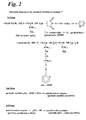
- the present example shown in the diagram of FIGURE 3 of the accompanying drawings, describes the preparation of graft copolymers by the reaction of poly(HPMA)-COOH with cationic polymers bearing primary amino groups in their side chains [poly(Lys), poly(Ma-Gly-NH-(CH 2 )-NH 2 , poly(Ma-NH-(CH 2 )-NH 2 , etc.].
- this reaction would be carried out after self-assembly of the cationic polymer with nucleic acid to form the initial cationic polymer nucleic acid polyelectrolyte complex, but for the sake of simplicity a typical procedure followed for the synthesis of such graft block copolymers which may be represented as polycation-gr-poly(HPMA) is described omitting the first step of assembling the nucleic acid complex.
- graft block copolymers which may be represented as polycation-gr-poly(HPMA)
- reaction of polycations with poly(HPMA)-COOSu can be carried out similarly, i.e. in water, pH 5. This reaction does not require the presence of EDC in the reaction mixture.
- the histidinylated poly(lysine) was allowed to self-assemble with DNA and the resulting particles were stabilised by surface modification using a hydrophilic polymer bearing pendant reactive esters.
- the hydrophilic polymer used was formed from alternating blocks of poly(ethylene glycol) and tripeptides, designed to introduce proteolytic degradability into the polymer backbone.
- N,N'-Bis(tert-butoxycarbonyl)lysine (18.5 g, 53 mmol), benzyl alcohol (5.5 ml, 53 mmol), 4-(dimethylamino)pyridine (DMAP) (1.2 g, 10 mmol) and DCC (12 g, 58 mmol), were dissolved in ethyl acetate (100 ml) at 0°C.
- the reaction mixture was stirred for 20 min at 0°C and then left for 5 h at 20°C.
- the progress of the reaction was checked by TLC (silica gel/ ethyl acetate). The precipitate was filtered off and the filtrate was washed with aqueous CuSO 4 solution (3x50 ml). The organic layer was evaporated to dryness and an oily product was used for the next reaction.
- N,N'-Bis(tert-butoxycarbonyl)lysine Benzyl Ester (about 50 mmol) was dissolved in TFA (20 ml, 260 mmol). The reaction mixture was kept 1 h at 20°C in a flask equipped with CaCl 2 tube. TFA was removed under reduced pressure, the residue was dissolved in water (100 ml) and washed with diethyl ether (2x50 ml) to remove the unreacted benzyl alcohol. The water layer was filtered and freeze dried. An amorphous hygroscopic product was used in the next reaction.
- N,N'-Bis(tert-butoxycarbonyl- -benzylglutamyl)lysine Benzyl Ester (0.5 g, 0.57 mmol) was dissolved in TFA (3 ml, 0.39 mmol) and the mixture was left for 1 h at 20°C. TFA was removed in vacuo and the residue was covered with dry diethyl ether. After 24 h., the non-crystalline solid was dissolved in 10 ml water. The aqueous layer was separated and the traces of ether were removed under reduced pressure. The water solution was freeze-dried yielding 0.6 g (98%) of a hygroscopic product
- pEG 2000 (3.6 g, 1.8 mmol) dried by azeotropic removal of toluene was dissolved in pyridine (20 ml) together with 4-(N,N-dimethylamino)pyridine (88 mg, 0.72 mmol) and mixed with a solution of disuccinimidyl carbonate (1.8 g, 7.2 mmol) in acetonitrile (15 ml). The reaction mixture was left in a darkness at 25°C over weekend.
- the molecular weight (weight average) of the polymer obtained depends very much on reaction conditions (stirring speed, mutual ratio of reactants, etc.). Usually M w will be in the range 15000-30000 Da's.
- the polymeric benzyl ester (800 mg) produced was then dissolved in ethanol (10 ml) with a drop of acetic acid and hydrogenated on paladium catalyst (Pd/C, 10%) 3 hrs.
- the reaction mixture was bubbled with nitrogen, the catalyst was filtered off and ethanol was removed under vacuum. The residue was dissolved in water and freeze-dried yielding over 700 mg of hygroscopic polymer.
- the polymeric acid (200 mg), 4-nitrophenol (100 mg) and N,N'-dicyclohexyl carbodiimide (140 mg) were dissolved in methylene chloride (2 ml) at 0°C. A gel was formed almost immediately (probably acid anhydride formation among the COOH groups) but dissolved during next 5 minutes. The reaction mixture was kept at 4°C for 72 h. A drop of acetic acid was added and the precipitated urea derivative was filtered off 20 minutes later. Precipitation of the polymer to diethyl ether was unsuccessful (oil was formed). The solvents were evaporated and the polymer was purified (removal of 4-nitrophenol) by GPC (Sephadex LH20, methylene chloride).
- the polymer was isolated by freeze-drying from benzene resulting in a hydroscopic yellowish powder which however melts when not kept under vacuum. Yield 200 mg.
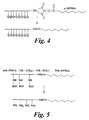
- the molecular weight of the pEG blocks was about 2000 and the structure of this product is illustrated in Figure 4 of the drawings.
- Poly-L-lysine (pLL) 100 mg was dissolved in 60 ml phosphate buffer, pH 7.0, containing 0.1 M sodium chloride.
- N-hydroxysuccinimide ester of histidine (Boc-His(Boc)-OSu) (110 mg) was dissolved in 10 ml dimethylsulfoxide and added to the solution of pLL. After 2 hrs reaction at room temperature, the solution was dialysed against 0.01 N hydrochloric acid and the product was isolated by lyophilization. The product obtained was dissolved in 10 ml trifluoroacetic acid and the solution stirred for 2 hrs at room temperature. Trifluoroacetic acid was evaporated under vacuum, the product was dissolved in water and dialysed against 0.01 N hydrochloric acid and then against water.
- DNA (20 ⁇ g/ml) was incubated, at room temperature in water, with ethidium bromide (400 ng/ml) and the fluorescence ( ⁇ ex 366, ⁇ em 590) was set to 100%. Small volumes of pLL-His were then added and the fluorescence was read. The signal observed was plotted and displayed a sigmoidal fall with increasing amount of pLL-His added. The steepest tangent to the curve was extended to the x-axis, and the amount of pLL-His corresponding to the intercept (charge ratio 0.9) was used as the minimum quantity capable of efficient complex formation. Fresh complexes were then formed using 50 ⁇ g/ml pLL-His and 40 ⁇ g/ml DNA, and allowed to stand for 1 h.
- Reactive pEG-peptide-ONp repeating polymer (dissolved in DMSO) was added to the preformed complexes in borate solution (pH 7.4) to a final concentration of 200 ⁇ g/ml. The solution went gradually yellow as free paranitrophenol was released.
- the stability of the complexes to albumin was determined, by adding ethidium bromide (400 ng/ml) either before or after the polyelectrolyte condensation, with subsequent addition of albumin and measurement of fluorescence as above. Irrespective of the time of addition of ethidium bromide, the presence of the reactive pEG-peptide repeat polymer was found to make the complexes completely resistant to disruption by albumin even at physiological serum concentrations.
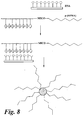
- pHEG is a promising material to act as the main chain of the hydrophilic polymer for surface modification of preformed cationic polymer/DNA complexes, since it is known to be readily biodegradable, facilitating activation of the DNA under appropriate conditions. It is also multifunctional and can incorporate several reactive groups, even of more than one type. In this example some synthetic routes undertaken to demonstrate the versatility of this polymer in this application are described and illustrated in FIGURES 6A and 6B of the drawings.
- the degree of esterification was determined either by titrimetric analysis of the carboxylic acid content or by 1 H-NMR analysis and was 10.1 %.
- pHEG-succinate (1.45 mmol units, 10 mole % succinate substitution) was dissolved in 10 ml dimethylformamide. The solution was cooled to 0°C and 34 mg of N-hydroxysuccinimide (0.29 mmol) and 0.116 mg of N,N-dicyclohexylcarbodiimide (0.29 mmol) were added under stirring.
- the degree of substitution was determined by means of 1 H-NMR-spectroscopy and was 7%.
- the degree of substitution was determined by means of 1 H-NMR-spectroscopy and was 6.8 %.
- Poly(y-benzyl-L-glutamate) (PBG, 100 mg) was dissolved in 1.6 ml dry dimethylformamide. 2-Hydroxypyridine (217 mg) was added to the solution of PBG. Aminoethanol (0,22 ml) and 3-amino-1,2-propanediol (0,07 ml) were added dropwise to the above solution. After complete aminolysis (the reaction is followed by IR-spectroscopy) the polymer was isolated by precipitation in cold ether. The product was filtered, dried and isolated by preparative size exclusion chromatography on a Sephadex G-25 column followed by lyophilization.
- the pHEG-aldehyde is prepared by oxidation of the vicinal diol groups in the polymer prepared in the above step.
- the polymer (100 mg) was dissolved in 20 ml water and protected from the light. NaIO 4 (53 mg) was added and the reaction was allowed to continue for 4 hrs in dark.
- the polymer was isolated by size exclusion chromatography on a Sephadex G-25 column and lyophilized.
- the content of aldehyde groups was 20 %.
- composition of the polymer and the content of the aldehyde groups could be varied by changing the molar ratio between the components.
- the partially hydrazide-modified polylysine derivative was mixed in water with Calf Thymus DNA (Sigma) at charge ratio 2.0 giving a polycation/DNA polyelectrolyte complex.
- the amount of pHEG-aldehyde grafted onto the polyelectrolyte complex was estimated by amino acid analysis of glutamic acid following acid hydrolysis of pHEG in 6N HCl.
- Poly-L-lysine (pLL) 100 mg was dissolved in 15 ml phosphate buffer pH 7,0 containing 0.1 M sodium chloride.
- Sulfo-N-hydroxysuccinimide ester of Biotin Sulfo-NHS-LC-Biotin
- the product could be isolated also by a preparative size exclusion chromatography on a Sephadex G-25 column followed by lyophilization.
- the degree of substitution determined by 1 H NMR, was 5 %.
- the degree of substitution could be varied by changing the molar ratio between pLL and Sulfo-NHS-LC-Biotin.
- Reactive hydrophilic polymers such as the pEG-pHEG-ONp material described here can be used for the stabilisation of complexes formed between cationic polymers and DNA.
- Reactive hydrophilic polymers such as the pEG-pHEG-ONp material described here can be used for the stabilisation of complexes formed between cationic polymers and DNA.
- they In addition to lateral stabilisation against disruption by protein binding, they have the added benefit of introducing a layer of flexible, hydrophilic polymer onto the surface of the particle which should further decrease non-specific and unwanted interactions with the biological environment.
- the activated pHEG was precipitated in anhydrous 2-propanol, filtered, washed with 2-propanol and ether and finally dried.
- the degree of activation was determined with UV-spectroscopy:
- the degree of activation is expressed as the amount of activated units per 100 repeating units in the polymer : 7 mol %
- pEG-NH 2 (Mw 5000) (1.02 g, 2.03 x 10 -4 mol) was added to the activated pHEG.
- reaction mixture was stirred for 48 hours at room temperature.
- product was then precipitated in excess ether/ethanol (10/1,v/v), filtered and dried.
- the degree of substitution was determined by 1 H NMR-spectroscopy.
- the degree of activation was determined by UV-spectroscopy as described above : 5 mol %
- the degree of activation was expressed as the amount of activated units per 100 repeating units in the pHEG backbone.
- the complexes will generally have a compact and roughly spherical core composed of condensed DNA and the cationic polymer material with a plurality of the hydrophilic polymer molecules around the core to form a coating and steric shield.
- Polyelectrolyte complexes produced using such synthetic polymers formed by addition polymerisation of acrylic based monomers may sometimes be relatively inactive in regard to disruption of cellular membranes, unlike complexes having an extended configuration formed by using poly(L)lysine cationic polymers, and for this reason it may often be preferred to incorporate additional membrane disrupting or permeabilising fusogenic agents, e.g. oleyl lipid groups or fusogenic peptides, which may be released within the interior of a target cell following endocytosis.
- fusogenic agents e.g. oleyl lipid groups or fusogenic peptides
- membrane disruptive oleyl blocks are coupled as esters, with glycerol for example, via a hydrolytic unstable or biodegradable linkage direct to a cationic polymer block that in the assembly of the polyelectrolyte complex forms part of the core portion containing the nucleic acid.
- a block copolymer for introducing an oleyl lipid group into a DNA complex carrier vehicle of the invention was prepared using pTMAEM.C1 having a terminal NH 2 group, this being made by radical polymerization in the presence of cysteamine which acts as a chain transfer agent (see Example 8.2.2).
- 0.32g of the pTMAEM.C1-NH 2 (Mw 10,000) was suspended in 1.5ml DMSO and 12.2mg oleyl succinimide ester was added together with 5mg triethylamine.
- the reaction mixture was stirred for 24 hours at room temperature, and the polymer was purified by precipitation into acetone and isolated by filtration. Final purification was carried out on GPC in methanol (Sephadex LH-60).
- Other amino terminated cationic polymers that will complex with DNA could of course also be used.
- poly(L)lysine (pLL) 100mg was dissolved in 60 ml phosphate buffer pH 7.0 containing 0.1 M sodium chloride.
- Oleyl chloride 25 ⁇ l was dissolved in 3 ml dimethylsulfoxide was then added to the solution of pLL.
- Triethylamine 13 ⁇ l was added to the solution and the mixture was stirred for 24 hours. The solution was dialysed against 0.01 N hydrochloric acid and then against water. The product was isolated by lyophilization.
- poly(L)lysine is partially modified with m-maleimidobenzoyl-N-hydroxysuccinimide ester (MBS) and the reaction product is then reacted with a fusogenic peptide having a reactive thiol group so that this peptide is grafted on to the main polymer chain.
- MFS m-maleimidobenzoyl-N-hydroxysuccinimide ester
- the pLL-MBS (50 mg) is then dissolved in 15 ml phosphate buffer pH 7.0 (oxygen-free).
- the system is kept under argon atmosphere and stirred during 2 hours at room temperature.
- the solution is purified by dialysis against 0.01 N hydrochloric acid and then against water.
- the product is isolated by lyophilization. This reaction scheme is illustrated in FIGURE 10 of the drawings.
- poly(L)lysine is partially modified with N-succinimidyl 3-(2-pyridyldithio) propionate (SPDP) and the reaction product is then reacted with a fusogenic peptide having a reactive thiol group.
- SPDP N-succinimidyl 3-(2-pyridyldithio) propionate
- the poly(L)lysine - SPDP (100 mg) is next dissolved in oxygen-free phosphate buffer (25 ml) at pH 7.4. A solution of fusogenic peptide in the same buffer (oxygen-free) then is added and the solution is stirred at room temperature for 4 hours under argon. After dialysis against 0.01 N hydrochloric acid the product is further purified by preparative size exclusion chromatography using Sephadex G-25 and lyophilized.
- the degree of grafting obtained of the fusogenic peptide may be of the order of 5%.
- the cationic polymer and/or the hydrophilic coating polymer has been described as having only one kind of reactive group for bonding the hydrophilic polymer to the cationic core and for coupling other molecular entities such as targeting moieties, membrane disrupting or fusogenic agents, nuclear homing groups etc. It is also possible, however, to form the cationic polymer and/or the hydrophilic coating polymer with two or more kinds of reactive groups having different chemical reactivities, e.g. ONp and SH or ONp and biotin. This may sometimes be advantageous for enabling a better degree of control to be achieved in respect of the different coupling reactions and rendering the extent of reactions in the initial coupling reactions to be less critical than otherwise may be the case.
- nucleic acid delivery vehicles inorganic solvents whereby any hydrolytic action during the stage of coating the complexes with the hydrophilic material can be limited, thus improving definition of the products.
- solvents could be selected from chloroform, methylene chloride and dimethyl sulfoxide.
- the polymer (dextran, PHEG, etc.) is modified via chloroformate activation and subsequent coupling with triethyleneglycoldiamine:
- the experimental procedure is given for the modification of dextran. It could be applied for other polymers as PHEG, other polysaccharides, etc.
- the degree of substitution determined by 1 H NMR, is 5 %.
- the activated dextran (1 gram) is dissolved in a mixture of 30 ml dimethylsulfoxide and 30 ml pyridine. Triethyleneglycoldiamine (2 ml) is added dropwise. The solution is stirred during 48 hrs at room temperature. The polymer is precipitated into hexane/ethylacetate, filtered and dried under vacuum.
- the polymer is characterised by 1 H NMR and by UV-spectroscopy using ortho -phtalic dicarboxaldehyde (OPA) -method for determination of the degree of substitution (amount of NH 2 -groups).
- OPA ortho -phtalic dicarboxaldehyde
- the degree of substitution corresponds to the % of ONp-groups in activated dextran (5%).
- Dextran-NH 2 (1 gram) is dissolved in 20 ml dimethylsulfoxide.
- the solution of SPDP (0,48 g) in 32 ml dimethylsulfoxide is added dropwise to the solution of Dextran-NH 2 under stirring.
- 4-Dimethylaminopyridine is used as a catalyst.
- the reaction mixture is stirred for 24 hrs at room temperature.
- the conjugate is isolated by precipitation in cold ethanol/ether.
- the product is further purified by preparative size exclusion chromatography on a Sephadex G-25 column followed by lyophilization.
- the degree of substitution (5 mol %) is determined by UV spectroscopy after the reaction of the polymer with dithiotreitol (DTT).
- the concentration of the released pyridine-2-thione determined by its absorption at 343 nm, is equivalent to the concentration of the pyridyldithio end groups.
- the degree of substitution corresponds to the % of the amino groups in Polymer - NH 2 conjugate.
- Dextran-SPDP-conjugate (1 gram) is dissolved in mixture of 30 ml DMSO and 30 ml pyridine. 4-Nitrophenylchloroformate (0,375 g) is added under stirring. Dimethylaminopyridine is used as a catalyst. After 4 hrs reaction at 0°C the product is isolated by precipitation into methanol/ether, filtration and drying under vacuum. The polymer is further purified by dialysis against water and isolated by lyophilization.
- the degree of substitution with ONp-groups is 15 %.
- the invention presents a number of different aspects and it embraces within its scope all novel and inventive features and aspects herein disclosed, either explicitly or implicitly and either singly or in combination with one another. Also, many modifications are possible and, in particular, the scope of the invention is not to be construed as being limited by the illustrative examples or by the terms and expressions used herein merely in a descriptive or explanatory sense.
Landscapes
- Health & Medical Sciences (AREA)
- Life Sciences & Earth Sciences (AREA)
- Engineering & Computer Science (AREA)
- Proteomics, Peptides & Aminoacids (AREA)
- Public Health (AREA)
- Chemical & Material Sciences (AREA)
- Medicinal Chemistry (AREA)
- Molecular Biology (AREA)
- Pharmacology & Pharmacy (AREA)
- Epidemiology (AREA)
- Animal Behavior & Ethology (AREA)
- General Health & Medical Sciences (AREA)
- Bioinformatics & Cheminformatics (AREA)
- Veterinary Medicine (AREA)
- Biotechnology (AREA)
- Genetics & Genomics (AREA)
- Medicines That Contain Protein Lipid Enzymes And Other Medicines (AREA)
- Medicinal Preparation (AREA)
- Pharmaceuticals Containing Other Organic And Inorganic Compounds (AREA)
- Addition Polymer Or Copolymer, Post-Treatments, Or Chemical Modifications (AREA)
- Micro-Organisms Or Cultivation Processes Thereof (AREA)
- External Artificial Organs (AREA)
- Polyamides (AREA)
Claims (50)
- Verfahren zum Konstruieren eines auf einem synthetischen Polymer basierenden Trägervehikels, um Zielzellen in biologischen Systemen ein Nucleinsäurematerial zuzuführen, wobei das Verfahren dadurch gekennzeichnet ist, daß es die getrennte, jedoch aufeinanderfolgende Durchführung der Schritte umfaßt:a) das Nucleinsäurematerial wird mit einem kationischen Polyelektrolyt-Polymermaterial in Verbindung gebracht, wodurch durch Selbstassemblierung zwischen diesen ein Polyelektrolytkomplex gebildet wird, der einen Nucleinsäure enthaltenden kationischen Polymerkern für das Trägervehikel bereitstellt,b) der gebildete Polyelektrolytkomplex wird mit einem reaktiven, hydrophilen Polymermaterial umgesetzt, so daß sich letzteres mit dem Komplex verbindet und eine hydrophile Schicht bildet, die eine äußere schützende sterische Abschirmung bietet und zur Stabilisierung des Komplexes beiträgt.
- Verfahren nach Anspruch 1, dadurch gekennzeichnet, daß sowohl die Moleküle des hydrophilen Polymermaterials als auch die des kationischen Polyelektrolyt-Polymermaterials mit reaktiven Gruppen erzeugt oder versehen werden, die reagieren, so daß das hydrophile Polymermaterial, durch kovalente Bindungen an das kationische Polymermaterial gebunden oder gekoppelt wird.
- Verfahren nach Anspruch 1 oder 2, dadurch gekennzeichnet, daß das hydrophile, beschichtende Polymer ein Copolymer auf der Basis von N-2-Hydroxypropylmethacrylamid (HPMA) ist.
- Verfahren nach Anspruch 1 oder 2, dadurch gekennzeichnet, daß auf bestimmte Zellen zielende Gruppen vorgesehen sind, die an den kationischen Polymerkern oder das hydrophile, beschichtende Polymermaterial gebunden sind.
- Verfahren nach Anspruch 4, dadurch gekennzeichnet, daß die zielenden Gruppen aus Wachstumsfaktoren, Antikörpern und Transferrin ausgewählt sind.
- Verfahren nach Anspruch 1 oder 2, dadurch gekennzeichnet, daß das kationische Polyelektrolyt-Polymermaterial aus Polyaminmolekülen besteht.
- Verfahren nach Anspruch 6, dadurch gekennzeichnet, daß die Polyaminmoleküle ein Molekulargewicht im Bereich von 3 bis 25 kD haben.
- Verfahren nach Anspruch 6 oder 7, dadurch gekennzeichnet, daß das Polyamin aus Poly(L)lysin und Poly(L)ornithin ausgewählt ist.
- Verfahren nach Anspruch 6 oder 7, dadurch gekennzeichnet, daß die Polyaminmoleküle teilweise modifiziert werden, indem sie vor der Selbstassemblierung mit dem Nucleinsäurematerial mit N-Succinimidyl-3-(2-pyridyldithio)propionat (SPDP) umgesetzt werden.
- Verfahren nach Anspruch 9, dadurch gekennzeichnet, daß das reaktive, hydrophile Polymermaterial, das mit dem Polyelektrolytkomplex umgesetzt wird, Moleküle umfaßt, die aus einem hydrophilen Polymerblock mit mindestens einer reaktiven Thiolgruppe bestehen, wodurch die hydrophilen Polymermoleküle mittels instabiler S-S-Bindungen auf die Hauptkette der Polyaminpolymer-Moleküle gepfropft werden.
- Verfahren nach Anspruch 10, dadurch gekennzeichnet, daß das hydrophile Polymer ein Polyethylenglycol mit einer reaktiven Thiolgruppe ist.
- Verfahren nach Anspruch 1 oder 2, dadurch gekennzeichnet, daß das kationische Polyelektrolyt-Polymermaterial ein Polymer von Acryl- oder Methacrylmonomeren ist.
- Verfahren nach Anspruch 12, dadurch gekennzeichnet, daß das kationische Polyelektrolyt-Polymermaterial ein Polymer oder Copolymer ist, bestehend aus Monomeren, ausgewählt aus Methacryloyl-2-amidoethylendiamin, Methacryloylglycyl-2-amidoethylendiamin, Methacryloyldiglycyl-2-amidoethylendiamin, Methacryloyl-6-hexamethylendiamin, Methacryloylglycyl-6-hexamethylendiamin oder Methacryloyldiglycyl-6-hexamethylendiamin, und mindestens eine reaktive funktionelle Amino- oder Alkylaminogruppe aufweist.
- Verfahren nach Anspruch 13, dadurch gekennzeichnet, daß die kationischen Polymere endständige Carboxylgruppen haben.
- Verfahren nach Anspruch 13, dadurch gekennzeichnet, daß die kationischen Polymere eine Hauptkette und Seitenketten haben, die in einer primären Aminogruppe enden.
- Verfahren nach Anspruch 1 oder 2, dadurch gekennzeichnet, daß das kationische Polymermaterial reaktive, bindende Gruppen, ausgewählt aus Biotin, Avidin und Streptavidin, enthält.
- Verfahren nach Anspruch 1 oder 2, dadurch gekennzeichnet, daß die Moleküle des hydrophilen Polymermaterials mit einer Vielzahl reaktiver Gruppen polyvalent sind, die eine Vielzahl von Vernetzungen mit dem Nucleinsäure enthaltenden, kationischen Polymerkern des Polyelektrolytkomplexes bilden.
- Verfahren nach Anspruch 17, dadurch gekennzeichnet, daß das hydrophile Polymermaterial reaktive Aldehydgruppen enthält, die der Umsetzung mit einer Aminogruppe oder einem Hydrazid tragenden kationischen Polymermaterial im Kernbereich dienen.
- Verfahren nach Anspruch 17, dadurch gekennzeichnet, daß das hydrophile Polymermaterial, das die Beschichtung bildet, mehr als eine Art eines hydrophilen Polymers umfaßt.
- Verfahren nach einem der vorstehenden Ansprüche, dadurch gekennzeichnet, daß das hydrophile Polymermaterial aus einer Hauptkette eines synthetischen Polymers mit Seitenketten besteht, die in reaktiven Gruppen enden.
- Verfahren nach Anspruch 20, dadurch gekennzeichnet, daß die Seitenketten einen Oligopeptid-Spacer einschließen.
- Verfahren nach Anspruch 21, dadurch gekennzeichnet, daß der Oligopeptid-Spacer säureanfällig, hydrolytisch instabil oder durch Enzyme biologisch abbaubar ist.
- Verfahren nach Anspruch 21, dadurch gekennzeichnet, daß der Oligopeptid-Spacer säureanfällig ist, wodurch die hydrophile Polymerschicht in einer sauren intrazellulären Umgebung abgelöst wird.
- Verfahren nach Anspruch 20 oder 21, dadurch gekennzeichnet, daß die Seitenketten in reaktiven Estern enden.
- Verfahren nach Anspruch 24, dadurch gekennzeichnet, daß die reaktiven Ester aus p-Nitrophenylestern, reaktiven Nitrophenoxyestern und Succinimidylestern ausgewählt sind.
- Verfahren nach Anspruch 20 oder 21, dadurch gekennzeichnet, daß die Oligopeptid-Seitenketten in Carbonsäuregruppen enden.
- Verfahren nach einem der Ansprüche 21 bis 26, dadurch gekennzeichnet, daß das hydrophile Polymer 4 bis 10 % Oligopeptid-Seitenketten enthält.
- Verfahren nach einem der Ansprüche 21 bis 27, dadurch gekennzeichnet, daß der Oligopeptid-Spacer in den Seitenketten ein Tetrapeptid ist.
- Verfahren nach Anspruch 28, dadurch gekennzeichnet, daß das Tetrapeptid aus Glycin-Phenylalanin-Leucin-Glycin, Glycin-Phenylalanin-Alanin-Leucin und Glycin-Leucin-Phenylalanin-Glycin ausgewählt ist.
- Verfahren nach Anspruch 17, dadurch gekennzeichnet, daß das hydrophile Polymer aus poly-N5-(2-Hydroxyethyl)-L-Glutamin (pHEG) mit in reaktiven Gruppen endenden Seitenketten besteht.
- Verfahren nach Anspruch 30, dadurch gekennzeichnet, daß die reaktiven Gruppen reaktive Ester sind.
- Verfahren nach Anspruch 17, dadurch gekennzeichnet, daß die Moleküle des hydrophilen Polymers Hauptketten enthalten, die hauptsächlich aus Blöcken von Poly(ethylenglycol) (pEG) bestehen, die über ihre Enden durch biologisch abbaubare Sequenzen miteinander verbunden sind, die gebundene, reaktive Gruppen tragen.
- Verfahren nach Anspruch 17, dadurch gekennzeichnet, daß das hydrophile Material durch biologisch abbaubare kovalente Bindungen an den DNA enthaltenden Polyelektrolytkomplex gebunden ist.
- Verfahren nach Anspruch 1 oder 2, dadurch gekennzeichnet, daß das kationische Polyelektrolyt-Polymermaterial der DNA in einer wäßrigen Lösung mit einem pH-Wert von weniger als 8,0 zugesetzt wird.
- Verfahren nach Anspruch 1 oder 2, dadurch gekennzeichnet, daß das Zugabeverhältnis von kationischem Polyelektrolyt-Polymermaterial zur DNA im Bereich von 0,7 bis 4,2 liegt.
- Verfahren nach 1 oder 2, dadurch gekennzeichnet, daß das hydrophile Polymer dem DNA enthaltenden Polyelektrolytkomplex bei Reaktionsbedingungen zugesetzt wird, die eine Temperatur im Bereich von 15 bis 37°C und einen pH-Wert von 7 bis 7,6 einschließen.
- Verfahren nach Anspruch 34, dadurch gekennzeichnet, daß die Konzentration der DNA weniger als 80 µg/ml beträgt.
- Verfahren nach Anspruch 37, dadurch gekennzeichnet, daß die Konzentration der DNA im Bereich von 20 bis 50 µg/ml liegt.
- Verfahren nach einem der vorstehenden Ansprüche, dadurch gekennzeichnet, daß vor der Umsetzung mit dem hydrophilen Polymermaterial in den Polyelektrolytkomplex ein auf einem fusogenen Peptid oder Lipid basierendes, die Membran aufbrechendes Mittel eingeführt wird.
- Verfahren nach einem der vorstehenden Ansprüche, dadurch gekennzeichnet, daß die Moleküle des hydrophilen Polymers in ihrer Hauptkette biologisch abbaubare Bestandteile oder Bindungen enthalten.
- Verfahren nach einem der vorstehenden Ansprüche, dadurch gekennzeichnet, daß das Nucleinsäurematerial in einem DNA-Expressionsvektor enthalten ist.
- Verfahren nach einem der Ansprüche 1 bis 40, dadurch gekennzeichnet, daß das Nucleinsäurematerial aus einer ein exogenes Gen enthaltenden Plasmid-DNA, RNA, Antisense-Nucleinsäure und Oligonucleotiden ausgewählt ist.
- Verfahren nach Anspruch 1 oder 2, dadurch gekennzeichnet, daß fusogene Moleküle eingeführt werden, die nach dem Entfernen oder dem Abbau der hydrophilen Polymerschicht bei der Aufnahme durch die Zielzellen freigesetzt werden können.
- Verfahren nach Anspruch 1 oder 2, dadurch gekennzeichnet, daß das kationische Polyelektrolyt-Polymermaterial auf den pH-Wert reagiert, so daß sich sein Protonisierungsgrad in einer sauren Umgebung, wie sie im Endosomen-Kompartiment von Mammaliazellen vorkommt, ändert.
- Verfahren nach Anspruch 1 oder 2, dadurch gekennzeichnet, daß das kationische Polymermaterial ein Gemisch von unterschiedlichen Arten von Aminogruppen enthält, von denen einige vorwiegend bei neutralem pH-Wert geladen sind, wohingegen andere bei einem geringeren pH-Wert, wie er im Endosomen-Kompartiment von Mammaliazellen vorkommt, protoniert und geladen sind.
- Auf einem synthetischen Polymer basierendes Trägervehikel, um Zielzellen in biologischen Systemen ein Nucleinsäurematerial zuzuführen, dadurch gekennzeichnet, daß es nach einem Verfahren nach einem der vorstehenden Ansprüche hergestellt ist, wobei das Trägervehikel in Form von Partikeln mit einem maximalen Durchmesser von < 70 nm vorliegt.
- Trägervehikel nach Anspruch 46, dadurch gekennzeichnet, daß der durch Atomkopplungs-Mikroskopie bestimmte maximale Durchmesser der Partikel im Bereich von 30 bis 50 nm liegt.
- Auf einem synthetischen Polymer basierendes Trägervehikel, um Zielzellen in biologischen Systemen DNA zuzuführen, dadurch gekennzeichnet, daß es einen Polyelektrolytkomplex umfaßt, in dem ein Plasmid-DNA-Expressionsvektor, der sich im Kernbereich befindet, mit einem polykationischen Polymer elektrostatisch verbunden und durch Selbstassemblierung damit kondensiert ist, das nach der Assemblierung mit der DNA mit dem assoziierten hydrophilen Polymermaterial gekopppelt oder durch kovalente Bindungen damit verbunden ist, das eine stabilisierende sterische Abschirmung um den Komplex liefert.
- Auf einem synthetischen Polymer basierendes Trägervehikel, um Zielzellen in biologischen Systemen Nucleinsäure zuzuführen, dadurch gekennzeichnet, daß das Trägervehikel in Form eines Partikels vorliegt, das aus einem Polyelektrolytkomplex besteht, der ein Nucleinsäuremolekül umfaßt, das an ein oder mehrere Moleküle eines kationischen Polymermaterials gebunden ist, wodurch ein Nucleinsäure enthaltender Kern gebildet wird, der durch kovalente Bindungen an ein assoziiertes Molekül oder mehrere assoziierte Moleküle des hydrophilen Polymers gekoppelt ist, wodurch um den Kern eine stabilisierende und schützende sterische Abschirmung oder eine Beschichtung gebildet wird, und daß eine oder mehrere andere molekulare Einheiten bereitstellende biologisch aktive Mittel oder auf einen Zellrezeptor zielende Einheiten ebenfalls über kovalente Bindungen an das kationische Polymermaterial und/oder das hydrophile Polymermaterial gebunden sind, wobei zumindest einige dieser kovalenten Bindungen hydrolytisch instabil und/oder pH-empfindlich oder enzymempfindlich sind, so daß sie nach der endocytischen Aufnahme und der Aufnahme im Inneren der Zielzelle in der intrazellulären Umgebung abgebaut werden können.
- Pharmazeutische Zusammensetzung, dadurch gekennzeichnet, daß sie als aktives Material Nucleinsäure-Trägervehikel nach einem der Ansprüche 46 bis 49 enthält.
Applications Claiming Priority (3)
| Application Number | Priority Date | Filing Date | Title |
|---|---|---|---|
| GB9623051 | 1996-11-06 | ||
| GBGB9623051.1A GB9623051D0 (en) | 1996-11-06 | 1996-11-06 | Delivery of DNA to target cells in biological systems |
| PCT/GB1997/002965 WO1998019710A2 (en) | 1996-11-06 | 1997-11-06 | Delivery of nucleic acid material to target cells in biological systems |
Publications (2)
| Publication Number | Publication Date |
|---|---|
| EP0941123A2 EP0941123A2 (de) | 1999-09-15 |
| EP0941123B1 true EP0941123B1 (de) | 2002-06-12 |
Family
ID=10802492
Family Applications (1)
| Application Number | Title | Priority Date | Filing Date |
|---|---|---|---|
| EP97911324A Expired - Lifetime EP0941123B1 (de) | 1996-11-06 | 1997-11-06 | Nukleinsäurekomplex mit kationischen polymer nützlich für gentherapie |
Country Status (9)
| Country | Link |
|---|---|
| US (1) | US6312727B1 (de) |
| EP (1) | EP0941123B1 (de) |
| AT (1) | ATE218891T1 (de) |
| AU (1) | AU740747B2 (de) |
| CA (1) | CA2271006A1 (de) |
| DE (1) | DE69713381T2 (de) |
| ES (1) | ES2178764T3 (de) |
| GB (1) | GB9623051D0 (de) |
| WO (1) | WO1998019710A2 (de) |
Families Citing this family (136)
| Publication number | Priority date | Publication date | Assignee | Title |
|---|---|---|---|---|
| US8217015B2 (en) * | 2003-04-04 | 2012-07-10 | Arrowhead Madison Inc. | Endosomolytic polymers |
| US20020182258A1 (en) * | 1997-01-22 | 2002-12-05 | Zycos Inc., A Delaware Corporation | Microparticles for delivery of nucleic acid |
| FR2776928B1 (fr) * | 1998-04-03 | 2000-06-23 | Merial Sas | Vaccins adn adjuves |
| EP0963758A3 (de) * | 1998-05-07 | 2000-03-22 | Universiteit Gent | Synthetische polyamiosaure Komplexen zur Verabreichung von Nukleinsäuren zur Zielzellen |
| EP0965584A3 (de) * | 1998-06-15 | 2003-12-17 | Transgene S.A. | Zum Einschleusen von Wirkstoffen in Zellen geeignete Polyamin-Verbindungen und diese enthaltende Zusammensetzungen |
| EP0965583A1 (de) * | 1998-06-15 | 1999-12-22 | Transgene S.A. | Zum Einschleusen von Wirkstoffen in Zellen geeignete Polyamin-Verbindungen und diese enthaltende Zusammensetzungen |
| US6596699B2 (en) | 1998-09-22 | 2003-07-22 | Biosurface Engineering Technologies, Inc. | Nucleic acid coating compositions and methods |
| JP2002532388A (ja) * | 1998-12-02 | 2002-10-02 | イ・デ・エム・イミュノ−デジネ・モレキュル | 生物学的分子を細胞中へ移入させやすくする新規なオリゴマーコンジュゲート |
| US8211468B2 (en) * | 1999-06-07 | 2012-07-03 | Arrowhead Madison Inc. | Endosomolytic polymers |
| US20080281041A1 (en) * | 1999-06-07 | 2008-11-13 | Rozema David B | Reversibly Masked Polymers |
| US8541548B2 (en) * | 1999-06-07 | 2013-09-24 | Arrowhead Madison Inc. | Compounds and methods for reversible modification of biologically active molecules |
| JP2003501440A (ja) * | 1999-06-07 | 2003-01-14 | マイラス コーポレーション | 反応活性なジスルフィド結合を含む化合物 |
| DK1102785T3 (da) * | 1999-06-07 | 2013-05-13 | Arrowhead Res Corp | Sammensætninger til lægemiddeltilførsel ved anvendelse af pH-følsomme molekyler |
| US7279318B1 (en) * | 1999-06-09 | 2007-10-09 | Hybrid Systems Limited | Modification of biological elements |
| US7005123B1 (en) | 1999-06-17 | 2006-02-28 | Universiteit Gent | Functional poly-α-amino-acid derivatives useful for the modification of biologically active materials and their application |
| DE19929104A1 (de) * | 1999-06-24 | 2000-12-28 | Aventis Pharma Gmbh | Neue Vektorkomplexe und deren Verwendung für die Gentherapie |
| DE50006269D1 (de) * | 1999-06-25 | 2004-06-03 | Stemberger Axel | Kombinationen zur einführung von nucleinsäuren in zellen |
| EP1063254A1 (de) * | 1999-06-25 | 2000-12-27 | Technische Uni München, Klinikum rechts der Isar, Inst. für Experiment. Onkoligie und Therapieforschung | Copolymere für den Transport von Nukleinsäuren in die Zelle |
| US7030097B1 (en) * | 1999-07-14 | 2006-04-18 | Cornell Research Foundation, Inc. | Controlled nucleic acid delivery systems |
| JP4659937B2 (ja) * | 1999-11-19 | 2011-03-30 | ナノキャリア株式会社 | コア−シェル構造のポリイオンコンプレックスミセル |
| AU2281201A (en) * | 1999-12-29 | 2001-07-09 | A. James Mixson | Histidine copolymer and methods for using same |
| US7070807B2 (en) * | 1999-12-29 | 2006-07-04 | Mixson A James | Branched histidine copolymers and methods for using same |
| CN101041079A (zh) * | 1999-12-30 | 2007-09-26 | 诺瓦提斯公司 | 用于基因治疗的新的胶体合成载体 |
| WO2001060415A1 (en) * | 2000-02-18 | 2001-08-23 | The Immune Response Corporation | Methods and compositions for gene delivery |
| CA2401327C (en) | 2000-03-03 | 2014-05-06 | Valentis, Inc. | Nucleic acid formulations comprising poly-amino acids for gene delivery and methods of use |
| US7189705B2 (en) * | 2000-04-20 | 2007-03-13 | The University Of British Columbia | Methods of enhancing SPLP-mediated transfection using endosomal membrane destabilizers |
| US20020042388A1 (en) * | 2001-05-01 | 2002-04-11 | Cooper Mark J. | Lyophilizable and enhanced compacted nucleic acids |
| JP5610659B2 (ja) | 2000-07-21 | 2014-10-22 | ルバンス セラピュティックス インク.Revance Therapeutics,Inc. | 多成分生物学的輸送システム |
| US6890556B1 (en) | 2001-02-14 | 2005-05-10 | Northwestern University | Controlled surface-associated delivery of genes and oligonucleotides |
| US7029697B2 (en) | 2001-02-14 | 2006-04-18 | Northwestern University | Controlled surface-associated delivery of genes and oligonucleotides |
| US6652886B2 (en) | 2001-02-16 | 2003-11-25 | Expression Genetics | Biodegradable cationic copolymers of poly (alkylenimine) and poly (ethylene glycol) for the delivery of bioactive agents |
| US6737279B1 (en) * | 2001-03-28 | 2004-05-18 | The Regents Of The University Of California | Tuning the properties of conjugated polyelectrolytes and application in a biosensor platform |
| US6780428B2 (en) * | 2001-06-08 | 2004-08-24 | Labopharm, Inc. | Unimolecular polymeric micelles with an ionizable inner core |
| US7094810B2 (en) | 2001-06-08 | 2006-08-22 | Labopharm, Inc. | pH-sensitive block copolymers for pharmaceutical compositions |
| US6939564B2 (en) | 2001-06-08 | 2005-09-06 | Labopharm, Inc. | Water-soluble stabilized self-assembled polyelectrolytes |
| US7060498B1 (en) * | 2001-11-28 | 2006-06-13 | Genta Salus Llc | Polycationic water soluble copolymer and method for transferring polyanionic macromolecules across biological barriers |
| DE60323936D1 (de) | 2002-01-14 | 2008-11-20 | Gen Hospital Corp | Bioabbaubare polyketale, verfahren zu ihrer herstellung sowie ihre verwendung |
| WO2003066068A1 (en) * | 2002-02-01 | 2003-08-14 | Intradigm Corporation | Hpma-polyamine conjugates and uses therefore |
| KR100466254B1 (ko) * | 2002-02-25 | 2005-01-14 | 한국과학기술원 | 세포내 전달을 위한 올리고뉴클레오티드와 친수성 고분자로 구성되는 유전자 전달용 접합체, 고분자 전해질 복합 미셀 및 그의 제조방법 |
| US7208314B2 (en) | 2002-02-26 | 2007-04-24 | Mirus Bio Corporation | Compositions and methods for drug delivery using pH sensitive molecules |
| US8008355B2 (en) * | 2002-03-11 | 2011-08-30 | Roche Madison Inc. | Endosomolytic poly(vinyl ether) polymers |
| US8138383B2 (en) * | 2002-03-11 | 2012-03-20 | Arrowhead Madison Inc. | Membrane active heteropolymers |
| US20040014698A1 (en) * | 2002-07-18 | 2004-01-22 | Gonzalo Hortelano | Oral administration of therapeutic agent coupled to transporting agent |
| US20040014704A1 (en) * | 2002-07-18 | 2004-01-22 | Gonzalo Hortelano | Oral administration of therapeutic agent coupled to transporting agent induces tolerance |
| US20040016013A1 (en) * | 2002-07-18 | 2004-01-22 | Gonzalo Hortelano | Transgenic animals produced using oral administration of a genetic agent coupled to a transporting agent |
| KR100482774B1 (ko) * | 2002-09-05 | 2005-04-14 | 주식회사 마이진 | 폴리비닐이미다졸계 화합물을 포함하는 유전자 전달체 |
| JP3996028B2 (ja) * | 2002-09-30 | 2007-10-24 | 株式会社日本触媒 | 蛋白質又はペプチドの細胞内導入方法 |
| US8105652B2 (en) * | 2002-10-24 | 2012-01-31 | Massachusetts Institute Of Technology | Methods of making decomposable thin films of polyelectrolytes and uses thereof |
| US7465708B2 (en) | 2002-11-25 | 2008-12-16 | Mixson A James | Branched cationic copolymers and methods for antimicrobial use |
| US20040219100A1 (en) * | 2003-05-02 | 2004-11-04 | Jasbir Sandhu | Composition useful for the treatment of tumors |
| US20040220084A1 (en) * | 2003-05-02 | 2004-11-04 | Jasbir Sandhu | Methods for nucleic acid delivery |
| US20040219097A1 (en) * | 2003-05-02 | 2004-11-04 | Jasbir Sandhu | Composition useful for the diagnosis, imaging and treatment of tumors |
| US20040219099A1 (en) * | 2003-05-02 | 2004-11-04 | Jasbir Sandhu | Method for the treatment of tumors |
| US20040219102A1 (en) * | 2003-05-02 | 2004-11-04 | Jasbir Sandhu | Compositions for drug delivery |
| US20040219101A1 (en) * | 2003-05-02 | 2004-11-04 | Jasbir Sandhu | Composition useful for treatment of tumors |
| US20040220121A1 (en) * | 2003-05-02 | 2004-11-04 | Jasbir Sandhu | Methods for drug delivery |
| US20040219103A1 (en) * | 2003-05-02 | 2004-11-04 | Jasbir Sandhu | Methods useful for the diagnosis, imaging and treatment of tumors |
| US20040220085A1 (en) * | 2003-05-02 | 2004-11-04 | Jasbir Sandhu | Compositions for nucleic acid delivery |
| US20040219104A1 (en) * | 2003-05-02 | 2004-11-04 | Jasbir Sandhu | Methods for treatment of tumors |
| US20040220390A1 (en) * | 2003-05-02 | 2004-11-04 | Jasbir Sandhu | Composition useful for the treatment of tumors |
| US7883720B2 (en) * | 2003-07-09 | 2011-02-08 | Wisconsin Alumni Research Foundation | Charge-dynamic polymers and delivery of anionic compounds |
| CZ294996B6 (cs) * | 2003-07-16 | 2005-04-13 | Ústav Makromolekulární Chemie Av Čr | Reaktivní polymery a kopolymery na bázi N-(2-hydroxypropyl)methakrylamidu, způsob jejich přípravy a jejich použití pro syntézu polymerních léčiv, pro modifikaci biologicky aktivních proteinů a přípravu systémů pro dopravu genů |
| WO2005056752A2 (en) | 2003-10-24 | 2005-06-23 | Gencia Corporation | Methods and compositions for delivering polynucleotides |
| US8507277B2 (en) | 2003-10-24 | 2013-08-13 | Gencia Corporation | Nonviral vectors for delivering polynucleotides |
| US8062891B2 (en) | 2003-10-24 | 2011-11-22 | Gencia Corporation | Nonviral vectors for delivering polynucleotides to plants |
| US8133733B2 (en) | 2003-10-24 | 2012-03-13 | Gencia Corporation | Nonviral vectors for delivering polynucleotides to target tissues |
| US20090123468A1 (en) | 2003-10-24 | 2009-05-14 | Gencia Corporation | Transducible polypeptides for modifying metabolism |
| GB2407501A (en) * | 2003-11-03 | 2005-05-04 | Ist Superiore Sanita | Nanoparticles for delivery of a pharmacologically active agent, comprising water insoluble (co)polymer core & hydrophilic acrylate-based (co)polymer shell |
| US20050265956A1 (en) * | 2004-01-12 | 2005-12-01 | Ye Liu | Polyalkyleneimine-graft-biodegradable polymers for delivery of bioactive agents |
| US20050208032A1 (en) * | 2004-01-16 | 2005-09-22 | Gonzalo Hortelano | Oral administration of therapeutic agent coupled to transporting agent |
| SG150570A1 (en) | 2004-03-03 | 2009-03-30 | Revance Therapeutics Inc | Compositions and methods for topical diagnostic and therapeutic transport |
| US9211248B2 (en) | 2004-03-03 | 2015-12-15 | Revance Therapeutics, Inc. | Compositions and methods for topical application and transdermal delivery of botulinum toxins |
| US8728525B2 (en) | 2004-05-12 | 2014-05-20 | Baxter International Inc. | Protein microspheres retaining pharmacokinetic and pharmacodynamic properties |
| US8821859B2 (en) * | 2004-05-19 | 2014-09-02 | Agency For Science, Technology And Research | Methods and articles for the delivery of therapeutic agents |
| GB0420062D0 (en) * | 2004-09-09 | 2004-10-13 | Akubio Ltd | Assay methods,materials and preparations |
| WO2006094263A2 (en) | 2005-03-03 | 2006-09-08 | Revance Therapeutics, Inc. | Compositions and methods for topical application and transdermal delivery of botulinum toxins |
| SG160358A1 (en) | 2005-03-03 | 2010-04-29 | Revance Therapeutics Inc | Compositions and methods for topical application and transdermal delivery of an oligopeptide |
| US8734851B2 (en) * | 2005-04-29 | 2014-05-27 | Wisconsin Alumni Research Foundation | Localized delivery of nucleic acid by polyelectrolyte assemblies |
| DE102005039154A1 (de) * | 2005-08-17 | 2007-03-01 | GÖPFERICH, Achim, Prof. Dr. | Bioabbaubare Polymere für den Transport von Nukleinsäuren in Zellen |
| EP2647712A3 (de) | 2006-08-04 | 2013-11-20 | Baxter International Inc | Zusammensetzung auf Mikrokügelchenbasis zur Vorbeugung und/oder Umkehrung einer Neuerkrankung an autoimmun bedingter Diabetes |
| BRPI0715375A2 (pt) * | 2006-08-18 | 2013-06-18 | Hoffmann La Roche | policonjugados para distribuiÇço in vivo de polinucleotÍdeos |
| US8017109B2 (en) * | 2006-08-18 | 2011-09-13 | Roche Madison Inc. | Endosomolytic poly(acrylate) polymers |
| JP2010504318A (ja) * | 2006-09-22 | 2010-02-12 | ラボファーム インコーポレイテッド | pH標的化薬剤送達のための組成物及び方法 |
| US8834918B2 (en) * | 2007-01-22 | 2014-09-16 | Wisconsin Alumni Research Foundation | Modified multilayered film |
| WO2008106350A1 (en) * | 2007-02-26 | 2008-09-04 | Board Of Regents Of The University Of Texas System | Endocytotic particles |
| US20080311177A1 (en) | 2007-06-14 | 2008-12-18 | Massachusetts Institute Of Technology | Self Assembled Films for Protein and Drug Delivery Applications |
| US8354259B2 (en) * | 2007-06-18 | 2013-01-15 | Cornell University | Method and system for lactose-free or lactose-reduced milk and associated products, production thereof, and associated processes |
| HRP20161722T1 (hr) | 2007-07-26 | 2017-02-10 | Revance Therapeutics, Inc. | Antimikrobni peptid i njegovi pripravci |
| WO2009030254A1 (en) | 2007-09-04 | 2009-03-12 | Curevac Gmbh | Complexes of rna and cationic peptides for transfection and for immunostimulation |
| KR20100065190A (ko) | 2007-09-14 | 2010-06-15 | 닛토덴코 가부시키가이샤 | 약물 담체 |
| WO2009049100A2 (en) | 2007-10-09 | 2009-04-16 | Wisconsin Alumni Research Foundation | Ultrathin multilayered films for controlled release of anionic reagents |
| WO2009102894A2 (en) * | 2008-02-12 | 2009-08-20 | University Of Utah Research Foundation | Arginine-conjugated bioreducible poly (disulfide amine) polymers for gene delivery systems |
| US8324333B2 (en) | 2008-06-05 | 2012-12-04 | Wisconsin Alumni Research Foundation | Anionic charge-dynamic polymers for release of cationic agents |
| US9198875B2 (en) | 2008-08-17 | 2015-12-01 | Massachusetts Institute Of Technology | Controlled delivery of bioactive agents from decomposable films |
| US8323685B2 (en) | 2008-08-20 | 2012-12-04 | Baxter International Inc. | Methods of processing compositions containing microparticles |
| US8323615B2 (en) | 2008-08-20 | 2012-12-04 | Baxter International Inc. | Methods of processing multi-phasic dispersions |
| US8367427B2 (en) | 2008-08-20 | 2013-02-05 | Baxter International Inc. | Methods of processing compositions containing microparticles |
| WO2010037408A1 (en) | 2008-09-30 | 2010-04-08 | Curevac Gmbh | Composition comprising a complexed (m)rna and a naked mrna for providing or enhancing an immunostimulatory response in a mammal and uses thereof |
| US20110243897A1 (en) * | 2008-12-11 | 2011-10-06 | Leonard William Seymour | Modification of nucleic acid vectors with polymers comprising charged quaternary amino groups |
| GB0907989D0 (en) | 2009-05-08 | 2009-06-24 | Hybrid Systems Ltd | Multivalent adjuvant display |
| US20110053829A1 (en) | 2009-09-03 | 2011-03-03 | Curevac Gmbh | Disulfide-linked polyethyleneglycol/peptide conjugates for the transfection of nucleic acids |
| EP3023495B1 (de) | 2010-02-24 | 2019-05-08 | Arrowhead Pharmaceuticals, Inc. | Zusammensetzung für die gezielte freisetzung von sirna |
| US8968746B2 (en) | 2010-07-30 | 2015-03-03 | Curevac Gmbh | Complexation of nucleic acids with disulfide-crosslinked cationic components for transfection and immunostimulation |
| CA2807552A1 (en) | 2010-08-06 | 2012-02-09 | Moderna Therapeutics, Inc. | Engineered nucleic acids and methods of use thereof |
| ES3005233T3 (en) | 2010-10-01 | 2025-03-14 | Modernatx Inc | Modified nucleosides, nucleotides, and nucleic acids, and uses thereof |
| EP2438908A1 (de) | 2010-10-11 | 2012-04-11 | Vectum Pharma, S.L. | Verankerungszusammensetzungen für topische Anwendungen |
| WO2012116715A1 (en) | 2011-03-02 | 2012-09-07 | Curevac Gmbh | Vaccination in newborns and infants |
| WO2012113413A1 (en) | 2011-02-21 | 2012-08-30 | Curevac Gmbh | Vaccine composition comprising complexed immunostimulatory nucleic acids and antigens packaged with disulfide-linked polyethyleneglycol/peptide conjugates |
| WO2012116714A1 (en) | 2011-03-02 | 2012-09-07 | Curevac Gmbh | Vaccination in elderly patients |
| JP2014511687A (ja) | 2011-03-31 | 2014-05-19 | モデルナ セラピューティクス インコーポレイテッド | 工学操作された核酸の送達および製剤 |
| US9464124B2 (en) | 2011-09-12 | 2016-10-11 | Moderna Therapeutics, Inc. | Engineered nucleic acids and methods of use thereof |
| EP2763701B1 (de) | 2011-10-03 | 2018-12-19 | Moderna Therapeutics, Inc. | Modifizierte nukleoside, nukleotide und nukleinsäuren und verwendungen davon |
| JP2015501844A (ja) | 2011-12-16 | 2015-01-19 | モデルナ セラピューティクス インコーポレイテッドModerna Therapeutics,Inc. | 修飾ヌクレオシド、ヌクレオチドおよび核酸組成物 |
| US9907861B2 (en) | 2012-01-18 | 2018-03-06 | University Of Utah Research Foundation | High molecular weight arginine-grafted bioreducible polymers |
| WO2013113326A1 (en) | 2012-01-31 | 2013-08-08 | Curevac Gmbh | Pharmaceutical composition comprising a polymeric carrier cargo complex and at least one protein or peptide antigen |
| WO2013151663A1 (en) | 2012-04-02 | 2013-10-10 | modeRNA Therapeutics | Modified polynucleotides for the production of membrane proteins |
| US9283287B2 (en) | 2012-04-02 | 2016-03-15 | Moderna Therapeutics, Inc. | Modified polynucleotides for the production of nuclear proteins |
| US9254311B2 (en) | 2012-04-02 | 2016-02-09 | Moderna Therapeutics, Inc. | Modified polynucleotides for the production of proteins |
| US9572897B2 (en) | 2012-04-02 | 2017-02-21 | Modernatx, Inc. | Modified polynucleotides for the production of cytoplasmic and cytoskeletal proteins |
| EP2841056A4 (de) | 2012-04-23 | 2015-09-16 | Massachusetts Inst Technology | Stabile schichtweise beschichtete teilchen |
| US10172956B2 (en) | 2012-10-26 | 2019-01-08 | Vanderbilt University | Polymeric nanoparticles |
| ES2921623T3 (es) | 2012-11-26 | 2022-08-30 | Modernatx Inc | ARN modificado terminalmente |
| WO2014134029A1 (en) | 2013-02-26 | 2014-09-04 | Massachusetts Institute Of Technology | Nucleic acid particles, methods and use thereof |
| WO2014150074A1 (en) | 2013-03-15 | 2014-09-25 | Massachusetts Institute Of Technology | Compositions and methods for nucleic acid delivery |
| US8980864B2 (en) | 2013-03-15 | 2015-03-17 | Moderna Therapeutics, Inc. | Compositions and methods of altering cholesterol levels |
| CN112516179A (zh) | 2013-06-14 | 2021-03-19 | 普赛奥克苏斯治疗公司 | 用于b型腺病毒的给药方案及制剂 |
| CA2915728A1 (en) | 2013-08-21 | 2015-02-26 | Thomas Kramps | Respiratory syncytial virus (rsv) vaccine |
| WO2015048744A2 (en) | 2013-09-30 | 2015-04-02 | Moderna Therapeutics, Inc. | Polynucleotides encoding immune modulating polypeptides |
| KR20160067219A (ko) | 2013-10-03 | 2016-06-13 | 모더나 세라퓨틱스, 인코포레이티드 | 저밀도 지단백질 수용체를 암호화하는 폴리뉴클레오타이드 |
| CA2936286A1 (en) | 2014-04-01 | 2015-10-08 | Curevac Ag | Polymeric carrier cargo complex for use as an immunostimulating agent or as an adjuvant |
| GB201510197D0 (en) | 2014-06-12 | 2015-07-29 | Psioxus Therapeutics Ltd | Method of treating ovarian cancer |
| US10799580B2 (en) * | 2015-09-09 | 2020-10-13 | The United States Of America, As Represented By The Secretary, Department Of Health And Human Services | Expression vector delivery system and use thereof for inducing an immune response |
| CA3057715A1 (en) | 2017-04-04 | 2018-10-11 | Avidea Technologies, Inc. | Peptide-based vaccines, methods of manufacturing, and uses thereof for inducing an immune response |
| US11419947B2 (en) | 2017-10-30 | 2022-08-23 | Massachusetts Institute Of Technology | Layer-by-layer nanoparticles for cytokine therapy in cancer treatment |
| EP3975841A1 (de) | 2019-05-30 | 2022-04-06 | Massachusetts Institute of Technology | Peptid-nukleinsäurefunktionalisierte hydrogelmikronadeln zur probenahme und detektion von nukleinsäuren in interstitieller flüssigkeit |
| JP2022025558A (ja) | 2020-07-29 | 2022-02-10 | 学校法人帝京大学 | miR-96-5pインヒビターとそれを含有する医薬組成物 |
Family Cites Families (10)
| Publication number | Priority date | Publication date | Assignee | Title |
|---|---|---|---|---|
| DE69333434T2 (de) * | 1992-04-03 | 2005-03-03 | The Regents Of The University Of California, Oakland | Selbstorganisierendes system zur verabreichung von polynukleotiden enthaltend ein amphiphatisches peptid |
| US6113946A (en) * | 1992-04-03 | 2000-09-05 | The Regents Of The University Of California | Self-assembling polynucleotide delivery system comprising dendrimer polycations |
| AU681735C (en) * | 1993-07-14 | 2002-02-21 | Regents Of The University Of California, The | Self-assembling polynucleotide delivery system comprising dendrimer polycations |
| ATE277640T1 (de) * | 1994-03-07 | 2004-10-15 | Dow Chemical Co | Bioaktive und/oder gezielte dendrimere-konjugate enthaltend genetisches material |
| US5837533A (en) * | 1994-09-28 | 1998-11-17 | American Home Products Corporation | Complexes comprising a nucleic acid bound to a cationic polyamine having an endosome disruption agent |
| US5656611A (en) * | 1994-11-18 | 1997-08-12 | Supratek Pharma Inc. | Polynucleotide compositions |
| WO1996021036A2 (en) * | 1994-12-30 | 1996-07-11 | Chiron Viagene, Inc. | Nucleic acid condensing agents with reduced immunogenicity |
| US6040295A (en) * | 1995-01-13 | 2000-03-21 | Genemedicine, Inc. | Formulated nucleic acid compositions and methods of administering the same for gene therapy |
| CA2256900A1 (en) * | 1996-05-29 | 1997-12-04 | Xiao-Ying Meng | Cationic polymer/lipid nucleic acid delivery vehicles |
| DE19726186A1 (de) * | 1997-06-20 | 1998-12-24 | Boehringer Ingelheim Int | Komplexe für den Transport von Nukleinsäure in höhere eukaryotische Zellen |
-
1996
- 1996-11-06 GB GBGB9623051.1A patent/GB9623051D0/en active Pending
-
1997
- 1997-11-06 WO PCT/GB1997/002965 patent/WO1998019710A2/en not_active Ceased
- 1997-11-06 EP EP97911324A patent/EP0941123B1/de not_active Expired - Lifetime
- 1997-11-06 CA CA002271006A patent/CA2271006A1/en not_active Abandoned
- 1997-11-06 ES ES97911324T patent/ES2178764T3/es not_active Expired - Lifetime
- 1997-11-06 AU AU48739/97A patent/AU740747B2/en not_active Ceased
- 1997-11-06 DE DE69713381T patent/DE69713381T2/de not_active Expired - Fee Related
- 1997-11-06 AT AT97911324T patent/ATE218891T1/de active
-
1999
- 1999-05-06 US US09/306,568 patent/US6312727B1/en not_active Expired - Fee Related
Also Published As
| Publication number | Publication date |
|---|---|
| EP0941123A2 (de) | 1999-09-15 |
| ATE218891T1 (de) | 2002-06-15 |
| ES2178764T3 (es) | 2003-01-01 |
| DE69713381D1 (de) | 2002-07-18 |
| AU4873997A (en) | 1998-05-29 |
| WO1998019710A3 (en) | 1998-09-17 |
| CA2271006A1 (en) | 1998-05-14 |
| AU740747B2 (en) | 2001-11-15 |
| GB9623051D0 (en) | 1997-01-08 |
| US6312727B1 (en) | 2001-11-06 |
| WO1998019710A2 (en) | 1998-05-14 |
| DE69713381T2 (de) | 2003-01-02 |
Similar Documents
| Publication | Publication Date | Title |
|---|---|---|
| US6312727B1 (en) | Delivery of nucleic acid materials | |
| Duncan et al. | Soluble synthetic polymers as potential drug carriers | |
| Wagner et al. | Gene delivery using polymer therapeutics | |
| EP1503802B1 (de) | Kontrolliertes abbaubares polymer-biomolekül oder wirkstoffträger und verfahren zur synthese dieses trägers | |
| Medina et al. | Dendrimers as carriers for delivery of chemotherapeutic agents | |
| Bauhuber et al. | Delivery of nucleic acids via disulfide‐based carrier systems | |
| Pechar et al. | Poly (ethylene glycol) multiblock copolymer as a carrier of anti-cancer drug doxorubicin | |
| US6652886B2 (en) | Biodegradable cationic copolymers of poly (alkylenimine) and poly (ethylene glycol) for the delivery of bioactive agents | |
| Van Der Poll et al. | Design, synthesis, and biological evaluation of a robust, biodegradable dendrimer | |
| US20030147958A1 (en) | Biodegradable multi-block copolymers of poly(amino acid)s and poly(ethylene glycol) for the delivery of bioactive agents | |
| Troiber et al. | Nucleic acid carriers based on precise polymer conjugates | |
| AU757982B2 (en) | Polymeric system for delivery of nucleic acid material to target cells in biological systems | |
| Magnusson et al. | Synthetic polymers for biopharmaceutical delivery | |
| US7005123B1 (en) | Functional poly-α-amino-acid derivatives useful for the modification of biologically active materials and their application | |
| NZ529789A (en) | Manufacture of polyglutamate-20(S)-camptothecin conjugates | |
| Yu et al. | Bioresponsive polymers for nonviral gene delivery | |
| US7049285B2 (en) | Biocompatible polymers including peptide spacer | |
| CN101501108A (zh) | 用于药物递送的胶束 | |
| JP2003503569A (ja) | 核酸を細胞に輸送するためのコポリマー | |
| NZ517231A (en) | Polypeptide dendrimers as unimolecular carriers of diagnostic imaging contrast agents, bioactive substances and drugs | |
| JP2003528939A (ja) | 分解性ポリマー | |
| Etrych et al. | High-molecular-weight polymers containing biodegradable disulfide bonds: synthesis and in vitro verification of intracellular degradation | |
| Pan et al. | Multifunctional water-soluble polymers for drug delivery | |
| Xiong et al. | Engineering of amphiphilic block copolymers for drug and gene delivery | |
| Rijcken et al. | Synthesis & characterisation of shell functionalised core crosslinked polymeric micelles with thermores-ponsive & biodegradable properties |
Legal Events
| Date | Code | Title | Description |
|---|---|---|---|
| PUAI | Public reference made under article 153(3) epc to a published international application that has entered the european phase |
Free format text: ORIGINAL CODE: 0009012 |
|
| 17P | Request for examination filed |
Effective date: 19990601 |
|
| AK | Designated contracting states |
Kind code of ref document: A2 Designated state(s): AT BE CH DE DK ES FI FR GB GR IE IT LI LU MC NL PT SE |
|
| GRAG | Despatch of communication of intention to grant |
Free format text: ORIGINAL CODE: EPIDOS AGRA |
|
| 17Q | First examination report despatched |
Effective date: 20001221 |
|
| GRAG | Despatch of communication of intention to grant |
Free format text: ORIGINAL CODE: EPIDOS AGRA |
|
| RAP1 | Party data changed (applicant data changed or rights of an application transferred) |
Owner name: HYBRID SYSTEMS LIMITED |
|
| RIN1 | Information on inventor provided before grant (corrected) |
Inventor name: ULBRICH, KAREL Inventor name: SEYMOUR, LEONARD CHARLES WILLIAM Inventor name: SCHACHT, ETIENNE HONORE |
|
| GRAG | Despatch of communication of intention to grant |
Free format text: ORIGINAL CODE: EPIDOS AGRA |
|
| GRAH | Despatch of communication of intention to grant a patent |
Free format text: ORIGINAL CODE: EPIDOS IGRA |
|
| GRAH | Despatch of communication of intention to grant a patent |
Free format text: ORIGINAL CODE: EPIDOS IGRA |
|
| GRAA | (expected) grant |
Free format text: ORIGINAL CODE: 0009210 |
|
| AK | Designated contracting states |
Kind code of ref document: B1 Designated state(s): AT BE CH DE DK ES FI FR GB GR IE IT LI LU MC NL PT SE |
|
| PG25 | Lapsed in a contracting state [announced via postgrant information from national office to epo] |
Ref country code: NL Free format text: LAPSE BECAUSE OF FAILURE TO SUBMIT A TRANSLATION OF THE DESCRIPTION OR TO PAY THE FEE WITHIN THE PRESCRIBED TIME-LIMIT Effective date: 20020612 Ref country code: GR Free format text: LAPSE BECAUSE OF FAILURE TO SUBMIT A TRANSLATION OF THE DESCRIPTION OR TO PAY THE FEE WITHIN THE PRESCRIBED TIME-LIMIT Effective date: 20020612 Ref country code: FI Free format text: LAPSE BECAUSE OF FAILURE TO SUBMIT A TRANSLATION OF THE DESCRIPTION OR TO PAY THE FEE WITHIN THE PRESCRIBED TIME-LIMIT Effective date: 20020612 Ref country code: BE Free format text: LAPSE BECAUSE OF FAILURE TO SUBMIT A TRANSLATION OF THE DESCRIPTION OR TO PAY THE FEE WITHIN THE PRESCRIBED TIME-LIMIT Effective date: 20020612 Ref country code: AT Free format text: LAPSE BECAUSE OF FAILURE TO SUBMIT A TRANSLATION OF THE DESCRIPTION OR TO PAY THE FEE WITHIN THE PRESCRIBED TIME-LIMIT Effective date: 20020612 |
|
| REF | Corresponds to: |
Ref document number: 218891 Country of ref document: AT Date of ref document: 20020615 Kind code of ref document: T |
|
| REG | Reference to a national code |
Ref country code: GB Ref legal event code: FG4D |
|
| REG | Reference to a national code |
Ref country code: CH Ref legal event code: EP |
|
| REG | Reference to a national code |
Ref country code: CH Ref legal event code: NV Representative=s name: E. BLUM & CO. PATENTANWAELTE |
|
| REF | Corresponds to: |
Ref document number: 69713381 Country of ref document: DE Date of ref document: 20020718 |
|
| REG | Reference to a national code |
Ref country code: IE Ref legal event code: FG4D |
|
| ET | Fr: translation filed | ||
| PG25 | Lapsed in a contracting state [announced via postgrant information from national office to epo] |
Ref country code: SE Free format text: LAPSE BECAUSE OF FAILURE TO SUBMIT A TRANSLATION OF THE DESCRIPTION OR TO PAY THE FEE WITHIN THE PRESCRIBED TIME-LIMIT Effective date: 20020912 Ref country code: DK Free format text: LAPSE BECAUSE OF FAILURE TO SUBMIT A TRANSLATION OF THE DESCRIPTION OR TO PAY THE FEE WITHIN THE PRESCRIBED TIME-LIMIT Effective date: 20020912 |
|
| PG25 | Lapsed in a contracting state [announced via postgrant information from national office to epo] |
Ref country code: PT Free format text: LAPSE BECAUSE OF FAILURE TO SUBMIT A TRANSLATION OF THE DESCRIPTION OR TO PAY THE FEE WITHIN THE PRESCRIBED TIME-LIMIT Effective date: 20020916 |
|
| NLV1 | Nl: lapsed or annulled due to failure to fulfill the requirements of art. 29p and 29m of the patents act | ||
| PG25 | Lapsed in a contracting state [announced via postgrant information from national office to epo] |
Ref country code: LU Free format text: LAPSE BECAUSE OF NON-PAYMENT OF DUE FEES Effective date: 20021106 |
|
| REG | Reference to a national code |
Ref country code: ES Ref legal event code: FG2A Ref document number: 2178764 Country of ref document: ES Kind code of ref document: T3 |
|
| PLBE | No opposition filed within time limit |
Free format text: ORIGINAL CODE: 0009261 |
|
| STAA | Information on the status of an ep patent application or granted ep patent |
Free format text: STATUS: NO OPPOSITION FILED WITHIN TIME LIMIT |
|
| PG25 | Lapsed in a contracting state [announced via postgrant information from national office to epo] |
Ref country code: MC Free format text: LAPSE BECAUSE OF NON-PAYMENT OF DUE FEES Effective date: 20030601 |
|
| 26N | No opposition filed |
Effective date: 20030313 |
|
| PGFP | Annual fee paid to national office [announced via postgrant information from national office to epo] |
Ref country code: ES Payment date: 20041116 Year of fee payment: 8 |
|
| PGFP | Annual fee paid to national office [announced via postgrant information from national office to epo] |
Ref country code: CH Payment date: 20041122 Year of fee payment: 8 |
|
| PGFP | Annual fee paid to national office [announced via postgrant information from national office to epo] |
Ref country code: DE Payment date: 20041126 Year of fee payment: 8 |
|
| PGFP | Annual fee paid to national office [announced via postgrant information from national office to epo] |
Ref country code: FR Payment date: 20041129 Year of fee payment: 8 |
|
| PG25 | Lapsed in a contracting state [announced via postgrant information from national office to epo] |
Ref country code: IT Free format text: LAPSE BECAUSE OF NON-PAYMENT OF DUE FEES Effective date: 20051106 |
|
| PG25 | Lapsed in a contracting state [announced via postgrant information from national office to epo] |
Ref country code: ES Free format text: LAPSE BECAUSE OF NON-PAYMENT OF DUE FEES Effective date: 20051107 |
|
| PG25 | Lapsed in a contracting state [announced via postgrant information from national office to epo] |
Ref country code: LI Free format text: LAPSE BECAUSE OF NON-PAYMENT OF DUE FEES Effective date: 20051130 Ref country code: CH Free format text: LAPSE BECAUSE OF NON-PAYMENT OF DUE FEES Effective date: 20051130 |
|
| PG25 | Lapsed in a contracting state [announced via postgrant information from national office to epo] |
Ref country code: DE Free format text: LAPSE BECAUSE OF NON-PAYMENT OF DUE FEES Effective date: 20060601 |
|
| REG | Reference to a national code |
Ref country code: CH Ref legal event code: PL |
|
| PG25 | Lapsed in a contracting state [announced via postgrant information from national office to epo] |
Ref country code: FR Free format text: LAPSE BECAUSE OF NON-PAYMENT OF DUE FEES Effective date: 20060731 |
|
| REG | Reference to a national code |
Ref country code: FR Ref legal event code: ST Effective date: 20060731 |
|
| REG | Reference to a national code |
Ref country code: ES Ref legal event code: FD2A Effective date: 20051107 |
|
| PGFP | Annual fee paid to national office [announced via postgrant information from national office to epo] |
Ref country code: IE Payment date: 20080525 Year of fee payment: 11 |
|
| REG | Reference to a national code |
Ref country code: IE Ref legal event code: MM4A |
|
| PG25 | Lapsed in a contracting state [announced via postgrant information from national office to epo] |
Ref country code: IE Free format text: LAPSE BECAUSE OF NON-PAYMENT OF DUE FEES Effective date: 20081106 |
|
| PGFP | Annual fee paid to national office [announced via postgrant information from national office to epo] |
Ref country code: GB Payment date: 20101124 Year of fee payment: 14 |
|
| REG | Reference to a national code |
Ref country code: GB Ref legal event code: 732E Free format text: REGISTERED BETWEEN 20110721 AND 20110727 |
|
| GBPC | Gb: european patent ceased through non-payment of renewal fee |
Effective date: 20111106 |
|
| PG25 | Lapsed in a contracting state [announced via postgrant information from national office to epo] |
Ref country code: GB Free format text: LAPSE BECAUSE OF NON-PAYMENT OF DUE FEES Effective date: 20111106 |