EP0949907B1 - Methods and compositions for improved bioavailability of bioactive agents for mucosal delivery - Google Patents
Methods and compositions for improved bioavailability of bioactive agents for mucosal delivery Download PDFInfo
- Publication number
- EP0949907B1 EP0949907B1 EP97950343A EP97950343A EP0949907B1 EP 0949907 B1 EP0949907 B1 EP 0949907B1 EP 97950343 A EP97950343 A EP 97950343A EP 97950343 A EP97950343 A EP 97950343A EP 0949907 B1 EP0949907 B1 EP 0949907B1
- Authority
- EP
- European Patent Office
- Prior art keywords
- agents
- composition according
- trehalose
- composition
- delivery
- Prior art date
- Legal status (The legal status is an assumption and is not a legal conclusion. Google has not performed a legal analysis and makes no representation as to the accuracy of the status listed.)
- Expired - Lifetime
Links
- 0 *[C@]1C2(*=C)O[C@](COC[C@]3OC([C@]4*)C4(*)C3*)C(*)C12 Chemical compound *[C@]1C2(*=C)O[C@](COC[C@]3OC([C@]4*)C4(*)C3*)C(*)C12 0.000 description 1
Images

Classifications
-
- A—HUMAN NECESSITIES
- A61—MEDICAL OR VETERINARY SCIENCE; HYGIENE
- A61K—PREPARATIONS FOR MEDICAL, DENTAL OR TOILETRY PURPOSES
- A61K9/00—Medicinal preparations characterised by special physical form
- A61K9/14—Particulate form, e.g. powders, Processes for size reducing of pure drugs or the resulting products, Pure drug nanoparticles
- A61K9/141—Intimate drug-carrier mixtures characterised by the carrier, e.g. ordered mixtures, adsorbates, solid solutions, eutectica, co-dried, co-solubilised, co-kneaded, co-milled, co-ground products, co-precipitates, co-evaporates, co-extrudates, co-melts; Drug nanoparticles with adsorbed surface modifiers
- A61K9/145—Intimate drug-carrier mixtures characterised by the carrier, e.g. ordered mixtures, adsorbates, solid solutions, eutectica, co-dried, co-solubilised, co-kneaded, co-milled, co-ground products, co-precipitates, co-evaporates, co-extrudates, co-melts; Drug nanoparticles with adsorbed surface modifiers with organic compounds
-
- A—HUMAN NECESSITIES
- A61—MEDICAL OR VETERINARY SCIENCE; HYGIENE
- A61K—PREPARATIONS FOR MEDICAL, DENTAL OR TOILETRY PURPOSES
- A61K47/00—Medicinal preparations characterised by the non-active ingredients used, e.g. carriers or inert additives; Targeting or modifying agents chemically bound to the active ingredient
- A61K47/06—Organic compounds, e.g. natural or synthetic hydrocarbons, polyolefins, mineral oil, petrolatum or ozokerite
- A61K47/26—Carbohydrates, e.g. sugar alcohols, amino sugars, nucleic acids, mono-, di- or oligo-saccharides; Derivatives thereof, e.g. polysorbates, sorbitan fatty acid esters or glycyrrhizin
-
- A—HUMAN NECESSITIES
- A61—MEDICAL OR VETERINARY SCIENCE; HYGIENE
- A61K—PREPARATIONS FOR MEDICAL, DENTAL OR TOILETRY PURPOSES
- A61K9/00—Medicinal preparations characterised by special physical form
- A61K9/0012—Galenical forms characterised by the site of application
- A61K9/0048—Eye, e.g. artificial tears
-
- A—HUMAN NECESSITIES
- A61—MEDICAL OR VETERINARY SCIENCE; HYGIENE
- A61K—PREPARATIONS FOR MEDICAL, DENTAL OR TOILETRY PURPOSES
- A61K9/00—Medicinal preparations characterised by special physical form
- A61K9/0012—Galenical forms characterised by the site of application
- A61K9/0053—Mouth and digestive tract, i.e. intraoral and peroral administration
- A61K9/006—Oral mucosa, e.g. mucoadhesive forms, sublingual droplets; Buccal patches or films; Buccal sprays
-
- A—HUMAN NECESSITIES
- A61—MEDICAL OR VETERINARY SCIENCE; HYGIENE
- A61K—PREPARATIONS FOR MEDICAL, DENTAL OR TOILETRY PURPOSES
- A61K9/00—Medicinal preparations characterised by special physical form
- A61K9/0012—Galenical forms characterised by the site of application
- A61K9/007—Pulmonary tract; Aromatherapy
- A61K9/0073—Sprays or powders for inhalation; Aerolised or nebulised preparations generated by other means than thermal energy
- A61K9/0075—Sprays or powders for inhalation; Aerolised or nebulised preparations generated by other means than thermal energy for inhalation via a dry powder inhaler [DPI], e.g. comprising micronized drug mixed with lactose carrier particles
Definitions
- compositions for use in delivery of bioactive agents to mucosal surfaces relate to compositions for use in delivery of bioactive agents to mucosal surfaces.
- the compositions provide increased bioavailability of the bioactive agents, particularly hydrophobic bioactive agents.
- Oral delivery is the potentially most attractive route of bioactive agent delivery as it involves non-invasive techniques and enjoys a high patient compliance.
- the main drawback with oral delivery is the poor bioavailability of the vast majority of molecules via the gastrointestinal mucosa. Bioavailability refers to both the true rate and total amount (extent) of drug that reaches the general circulation from an administered dosage form.
- Bioavailability is limited mainly by the dissolution and stability of the macromolecule in the milieu at the mucosal surface and the transport of the macromolecule across this surface (during absorption). While the former favours hydrophilic bioactive agents with increased dissolution in aqueous body fluids at the mucosal surface, the latter favours hydrophobic molecules which need to cross the apolar lipid bilayer of the cell membrane in order to enter the bloodstream. Bioavailability is also complicated by the non-aqueous behaviour of some mucosal surface milieus such as the amphipathic behaviour of lung surfactant at the pulmonary mucosal surface.
- Hydrophobic bioactive agents in particular suffer from drawbacks in dosage formulation and bioavailability.
- Dosage formulations are often liquid, with the use of hydrophobic solvent such as oils or ethanol.
- detergents are added to hydrophobic bioactive agent suspensions to enable formation of emulsions.
- Emulsions can improve bioavailability by placing the bioactive agent in suspension or a discontinuous array of droplets. Bioavailability from emulsion formulations is still limited. Intestinal mobility often moves these preparations past the absorption window in the proximal small bowel before these droplets or suspended particles are reduced in size sufficiently to be absorbed.
- the manufacture and storage of emulsions is problematic due to phase separation and partitioning.
- bioactive agents such as Cyclosporine A (CyA), Cephalosporins, amphotericins, griseofulvins, and other antifungals and antibiotics, taxols and vitamins would be improved by the formulation of dosage forms with increased bioavailability
- Cyclosporine A Cephalosporins
- amphotericins eofulvins
- taxols and vitamins e.g., fenols and vitamins
- the wide variety of bioactive agents includes, but is not limited to, those listed in Table 1.
- CyA is virtually insoluble in aqueous solvents and soluble in ethanol or fixed oils.
- the two most common dosage forms of CyA are administered as an oil formulation that must be formed into a microemulsion prior to absorption.
- These two formulations, Neoral® and Sandimmune® essentially differ in their bioavailability in that the former forms microemulsions more efficiently and this formulation shows significantly better bioavailability.
- GB Patent No. 2,257,359A Neither formulation allows for a dry formulation such as a tablet or powder which would be of considerable benefit with respect to manufacture and storage of the drug.
- CyA is of particular importance as it is being used not only as an immunosuppressant in transplant patients, but also as a treatment for asthma, dermatitis and arthritis.
- EP 577,544; EP 504,760 Tominaga et al. (1995) Gen. Pharmac. 26 353-356; and Arima et al (1994) Jpn. J. Allergol . 43:1316-1325 Dosage forms for treating asthma, other pulmonary conditions or for by-inhalation administration are most often in the form of aerosols of a fine mist of aqueous droplets. Several dosage forms and devices for by-inhalation delivery of hydrophobic bioactive agents have been described.
- compositions for by-inhalation pharmaceutical administration generally comprise a liquid formulation of the bioactive agent and a divide for delivering the liquid in aerosolized form.
- Unites States Patent No. 5,011,678 describes suitable compositions containing a pharmaceutically active substance, a biocompatible amphiphilic steroid and a biocompatible (hydro/fluor) carbon propellant.
- United States Patent No. 5,006,343 describes suitable compositions containing liposomes, pharmaceutically active substances and an amount of alveolar surfactant protein effective to enhance transport of the liposomes across a pulmonary surface.
- the invention encompasses methods of making compositions with increased bioavailability for mucosal delivery of bioactive agents.
- the invention further comprises the compositions obtained thereby.
- the compositions contain bioactive agents and hydrophobically-derivatized (substituted) carbohydrates (HDCs) and a surfactant in powder form.
- the compositions form solid solutions, suspensions or emulsions of bioactive agents, with or without modifiers and/or other additives, in an HDC glass.
- the invention also encompasses methods of making compositions of suspensions of bioactive agents in aqueous solvents and the compositions obtained thereby.
- the methods include obtaining the compositions described above and dispersing the glass in an aqueous solvent suitable for administration.
- the compositions obtained thereby are also suitable for use as a solid dose form.
- compositions described herein are also suitable for delivery of pharmaceutical agents, particularly hydrophobic agents, as well as other biologically active agents such as flavourings, dyes, pesticides and cosmetics.
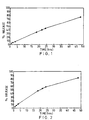
- Figure 1 is a graph depicting the percent release of a model hydrophobic bioactive agent, the dye disperse red 1 (DR1) incorporated in a single HDC vehicle, into a detergent containing medium [3% (w/v) sodium dodecyl sulphate in 0.9% saline solution] to mimic a surface active mucosal milieu.
- the HDC illustrated is trehalose octaacetate incorporating 1.4% (w/w) DR1.
- the identical formulation showed no release of DR1 into a saline solution over a 5 day test period.
- Figure 2 is a graph depicting the percent release of DR1 incorporated in a mixed HDC vehicle, into a detergent containing medium [3% (w/v) sodium dodecyl sulphate in 0 9% saline solution] to mimic a surface active mucosal milieu.
- the HDC mix illustrated is trehalose octaacetate/ trehalose octaproprionate (ratio 10:1) incorporating 1.4% (w/w) DR1.
- the identical formulation showed no release of DR1 into a saline solution over a 5 day test period.
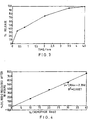
- Figure 3 is a graph depicting the percent release of a model hydrophobic bioactive agent melatonin, incorporated in a solid dose form, into a detergent containing medium [5% (w/v) Tween 80 in 0.9% saline solution] to mimic a surface active mucosal milieu.
- the HDC illustrated is trehalose octa-3,3 dimethylbutyrate incorporating 4% (w/w) melatonin.
- the identical formulation showed no release of melatonin into a saline solution over a 5 day test period.
- Figure 4 is a graph depicting the relationship between the mean release of a model hydrophobic molecule Oil Red O (ORO) at 10 hours from solid dose forms containing varying concentrations of surfactant.
- the HDC used is trehalose octaacetate (TOAC) and the surfactant is Cremophor RH60.
- Figure 5 is a graph depicting the bio-availability of CyA in the rat.
- the open squares represent the blood levels of CyA detected on administration of the QA test formulation (CyA plus surfactant in HDC) at a 10 mg/kg dose.
- the closed triangles represent the blood levels of CyA detected on administration of the QB test formulation (CyA in HDC alone) administered at a 10 mg/kg dose.
- the closed squares represent a commercial oil formulation of CyA administered at a 20 mg/kg dose with the data for blood levels corrected to represent an equivalent 10 mg/kg dose.
- Figure 6 is a graph depicting the bio-availability of orally dosed with solid dose forms of acyclovir in the dog.
- the open circles represent the blood levels of acyclovir detected on administration of the Q1 test formulation (vehicle of trehalose octaacetate and surfactant containing 5% acyclovir) at a 10 mg/kg dose.
- the open triangles represent the blood levels of acyclovir detected on administration of the Q2 test formulation (solid dose vehicle of trehalose octaacetate and surfactant containing 25% acyclovir) at a 10 mg/kg dose.
- the closed diamonds represent a commercial formulation of acyclovir administered at a 10 mg/kg dose.
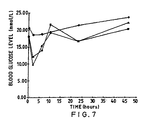
- Figure 7 is a graph depicting the bio-availability of orally dosed with solid dose forms of insulin in the rat.
- the closed squares represent the blood levels of glucose detected on administration of the Q1 insulin formulation (vehicle of trehalose octaacetate containing 10% insulin).
- the closed triangles represent the blood levels of glucose detected on administration of the Q2 insulin formulation (vehicle of trehalose octaacetate and surface active agent (10% Epikuron 200:10% oleic acid mixture) containing 10% insulin).
- the closed diamonds represents the blood levels of glucose detected on administration of a commercial formulation of 10% insulin.
- compositions of the present invention are readily formulated into glasses suitable as dosage forms with increased bioavailability for mucosal delivery of bioactive agents. It has now been found that the dosage forms described herein tailored for delivery to different mucosal surfaces allow for increased bioavailability of bioactive agents, particularly hydrophobic drugs. For instance, as shown below, a solution mimicking lung surfactant allows for release of bioactive agent from the compositions described herein which tack a surface active agent. This is in contrast to the lack of release of these same formulations in saline. Alternatively, to improve release of bioactive agents from the dosage forms described herein for delivery to mucosal surfaces such as gastrointestinal and ocular, the addition of surfactants to the compositions provides increased bioavailability. This is graphically depicted in an animal model system where CyA (Cyclosporine A) delivery from a dosage form containing surfactant is improved over a control. These results are shown in the Examples below.
- CyA Cyclosporine A
- the invention encompasses methods of making glasses for use in making dosage forms providing increased bioavailability of bioactive agents through mucosal delivery.
- the glasses contain both a bioactive agent and a surface active agent in solid solution, suspension or emulsion phase of HDCs.
- Hydrophilic surfactants i.e. those with a high hydrophile-lipophile balance (HLB)
- HLB hydrophile-lipophile balance
- solid solutions are highly stable; they show no sign of phase separation for up to 4 weeks at room temperature and the hydrophobic bioactive agent incorporated therein can be quantitatively extracted by organic solvent extraction and shows no evidence of degradation of analysis by HPLC.
- the glass obtained can be in the vitreous or crystalline form or mixtures thereof.
- the glass can also be an amorphous matrix.
- glass glasses or “glassy” refers to all of these embodiments.
- the invention thus encompasses compositions of bioactive agents, HDCs and surface active agents in powder form.
- These powders can be made either from the melt of the HDC incorporating the bioactive agent or by evaporation from non-aqueous solutions of the HDC and the bioactive agent.
- the compositions obtained from the melt can be processed to a powder by any method known in the art such as milling.
- the powders are suitable for use as solid dose forms or can be further processed into tablets or other dosage forms.
- the invention further encompasses compositions of hydrophobic bioactive agents, HDCs and surface active agents.
- the compositions form solid suspensions, solutions or emulsions.
- the compositions obtained thereby are suitable for use as dosage forms or can be processed into other forms such as powders.
- the invention also encompasses methods of making compositions of stable formulations of hydrophobic, bioactive agents in aqueous solution and the compositions obtained thereby.
- the methods include obtaining the glasses described above and dispersing the solid phase in an aqueous solvent.
- the compositions obtained thereby are also suitable for use as a pharmaceutical dosage form.
- bioactive agents suitable for use in the present invention. A number of these are illustrated in Table 1.
- the various classes of bioactive agents include, but are not limited to, antiinflammatory bioactive agents, analgesics, antiarthritic bioactive agents, antispasmodics, antidepressants, antipsychotics, tranquilizers, antianxiety bioactive agents, narcotic antagonists, antiparkinsonism agents, cholinergic agonists, chemotherapeutic bioactive agents, immunosuppressive agents, antiviral agents, antibiotic agents, appetite suppressants, antiemetics, anticholinergics, antihistaminics, antimigraine agents, coronary, cerebral or peripheral vasodilators, hormonal agents, contraceptives, antithrombotic agents, diuretics, antihypertensive agents, cardiovascular bioactive agents, opioids, and the like. Any suitable bioactive agent can be used The invention is particularly suited for use with hydrophobic bioactive agents. Suitable concentrations and dosage levels are known in the art and are described for instance
- HDCs form a group of non-toxic carbohydrate derivatives. HDCs readily form glasses either from a quenched melt or from an evaporated organic solvent The HDCs can also be processed by the methods known in the art and described for other carbohydrate dosage forms.
- HDC refers to a wide variety of hydrophobically derivatized carbohydrates where at least one hydroxyl group is substituted with a hydrophobic moiety including, but not limited to, esters and ethers.
- suitable HDCs and their syntheses are described in Developments in Food Carbohydrate - 2 ed. C.K. Lee, Applied Science Publishers, London (1980) and PCT publication No. 96/03978 Other syntheses are described for instance, in Akoh et al. (1987) J. Food Sci. 52:1570, Khan et al. (1933) Tetra. Letts 34:7767, Khan (1984) Pure & Appl. Chem.
- HDCs include, but are not limited to, sorbitol hexaacetate, ⁇ -glucose pentaacetate, ⁇ -glucose pentaacetate, 1-0-Octyl- ⁇ -D-glucose tetraacetate, trehalose octaacetate (TOAC), trehalose octapropionate (TOP), trehalose octa-3,3,dimethylbutyrate (TO33DMB), trehalose diisobutyrate hexaacetate, trehalose octaisobutyrate, lactose octaacetate, sucrose octaacetate, cellobiose octaacetate, raffinose undecaacetate, sucrose octapropanoate, cellobiose o
- R represents a hydroxyl group, or less hydrophilic derivative thereof, such as an ester or ether or any functional modifications thereof where at least one R is not hydroxyl but a hydrophobic derivative.
- Suitable functional modifications include, but are not limited to, replacing the oxygen atom with a heteroatom, such as N or S.
- the degree of substitution can also vary, and can be a mixture of distinct derivatives and/or linkages. Full substitution of the hydroxyl groups need not occur and provides an option to alter physical properties (such as solubility) of the vehicle.
- R can be of any chain length from C 2 upwards and can be straight, branched, cyclic or modified and mixtures thereof.
- any of the carbohydrates discussed herein can be the carbohydrate backbone and the position of the glycosidic linkage and saccharide chain length can vary.
- the practical range in terms of cost and efficiency of synthesis is a pentasaccharide; however, the invention is not limited to saccharides of any particular type, glycosidic linkage or chain length.
- the HDCs are not limiting.
- the component saccharides of each HDC can also be varied, the position and nature of the glycosidic bonding between the saccharides can be altered and the type of substitution can vary within an HDC.
- HDCs The ability to modify the properties of HDCs by slight alterations in chemical structure renders them uniquely suited to use as delivery vehicles for bioactive agents, particularly compared to polymeric systems which often depend on regions of crystallinity to vary their properties, particularly bioerosion.
- the HDC vehicles can be tailored to have precise properties such as well-defined release rates of bioactive agents. Such tailoring can be by varying the modifications of a particular carbohydrate or by combining a variety of different HDCs
- HDC glasses have been found to be stable at ambient temperatures and up to at least 60% humidity and even mixtures of HDC glasses incorporating certain bioactive agents are stable at ambient temperatures and up to at least 95% humidity. Incorporation of even 10% (w/v) of extremely hygroscopic bioactive agents, such as the synthetic corticosteroids, yields HDC glasses that are stable when exposed to relative humidities of up to 95% at room temperature for over a month, yet immediately release the bioactive agents within 5-10 minutes upon addition to aqueous solvents
- the HDC glasses can be formed either from evaporation of the solvent or by quenching of the HDC melt. Because of the low softening points of certain HDC glasses, thermally labile bioactive agents such as bioactive agents and biological molecules can be incorporated into the HDC melt during processing without decomposition Surprisingly, these bioactive agents have demonstrated zero order release kinetics when the forming compositions erode in aqueous solution. When the composition is in vitreous form, release follows the process of surface devitrification
- the HDC vehicles can be easily modeled into any shape or form, such as those described herein. Such modeling can be by extrusion, molding etc. by any method known in the art.
- the HDC are suitable for use as delivery vehicles as they are non-toxic and inert to any solutes which can be incorporated therein.
- the vitreous forms of the compositions undergo heterogeneous surface erosion when placed in an aqueous environment, making the compositions particularly suited to mucosal delivery. While not being bound by any one theory, one possible mechanism for degradation of the compositions begins with an initial surface devitrification as supersaturation occurs at the interface, followed by subsequent erosion and/or dissolution of the surface layers at a slower rate.
- the compositions can be modified by careful selection of components to give the desired devitrification rates and hence the required release rates of the bioactive agent as the devitrified layer provides no barrier to the release of the bioactive agent.
- Suitable surfactants are those with a high HLB, i.e., those that are hydrophilic with a HLB of at least about 3.
- the surfactants are dry at room temperature.
- Suitable surfactants include, but are not limited to, glyceryl monostearate, sorbitan monolaurate, polyoxyethylene-4-lauryl ether, polyethylene glycol 400 monostearate, polyoxyethylene-4-sorbitan monolaurate, polyoxyethylene-20-sorbitan monopalmitate, polyoxyethylene-40-stearate, sodium oleate and sodium lauryl sulfate.
- Suitable surfactants also include lung surfactants both naturally derived and synthetically manufactured. A suitable artificial lung surfactant is described for instance in Bangham et al. (1979) Biochim. Biophys. Acta 573:552-556. Suitable concentrations of surfactants can be empirically derived as described in Example 4.
- the dosage forms are in the form of a powder. These are particularly suitable for use in by-inhalation delivery systems.
- the powders are of a particle size of about 0 1 to 10 microns. More preferably, the particle size is about 0.5 to 5 microns. Most preferably, particle size is about 1 to 4 microns. In particular for pulmonary administration, the preferred particle size is about 2.5-3 microns.
- the particles can be of any size
- compositions can be formulated into a wide variety of dosage forms based on further processing of the powders These include, but are not limited to, suspensions in liquids, gels or creams, filled capsules, pessaries, gel/polymer matrices and tablets.
- the powders can be suspended in juices or other palatable liquids for oral administration.
- the powders can be suspended in physiologically acceptable solutions for ocular administration.
- Dosage forms suitable for ocular administration include, but are not limited to, microsphere and macrosphere formulations and saline drops, creams and ointments containing these.
- a wide variety of physiologically acceptable gels, creams and liquids are known in the art.
- compositions can contain other ingredients conventional in pharmaceutical compositions including, but not limited to, flavorants, perfumes, hormones such as estrogen, Vitamins such as A, C or E, alpha-hydroxy or alpha-keto acids such as pyruvic, lactic or glycolic acids, lanolin, vaseline, aloe vera, methyl or propyl paraben, pigments and the like.
- the bioactive agent and HDC(s) are mixed, melted to form a homogeneous mix that is then rapidly quenched to a glass incorporating the bioactive agent and the surfactant (if added).
- the HDC melts are excellent solvents for many organic molecules. This makes them particularly suitable for use in delivery of bioactive materials otherwise difficult to formulate. More than 20% weight percent of organic molecules can be incorporated into the compositions. Notably, HDCs are inert and show no reactivity to their solutes or bioactive agents incorporated therein.
- the HDCs and bioactive agents (and surfactant) are dissolved in at least one solvent therefor and the glass incorporating the bioactive agent (and surfactant) is formed by evaporation of the solvent.
- suitable solvents include, but are not limited to, dichloromethane, chloroform, dimethylsulfoxide, dimethyformamide, acetone, ethanol, propanol and the higher alcohols. The nature of the solvent is immaterial as it is removed in the formation of the delivery system.
- the HDCs concentrate to form a glass incorporating the bioactive agent with properties similar to the glass formed by quenching from the melt.
- compositions include, but are not limited to, spray drying, freeze drying, air drying, vacuum drying, fluidized-bed drying, milling, co-precipitation and super-critical fluid evaporation.
- the HDC, bioactive agent and any other components are first dissolved or suspended in suitable solvents.
- glasses formed from the components, either by solvent evaporation or quenching of the melt are milled in the dried form and processed by any method known in the art.
- co-precipitation the components are mixed in organic conditions and processed as described above.
- Suitable spray drying machines include, but are not limited to, Buchi, NIRO, APV and Lab-plant spray dryers used according to the manufacturer's instructions.
- the dye disperse red (DR1) was used as a model bioactive agent to assess their bioavailability when incorporated in a composition comprising a single HDC in an in vitro model with the use of a detergent containing medium [3% (w/v) sodium dodecyl sulphate in 0.9% saline solution] to mimic a surface active mucosal milieu.
- the HDC illustrated is trehalose octaacetate incorporating 1.4% (w/w) DR1
- the dye was incorporated in the compositon by dissolving the dye in a melt of the HDC and quenching the melt in a stainless steel mould (1 3 cm diameter) to form the solid dose form.
- model bioactive agent from mixed HDCs solid dosage form into surface active mucosal milieu mimic.
- the bioavailability of bioactive agents incorporated in solid dose forms of mixed HDCs was assayed in an in vitro model as described in Example 1.
- the composition illustrated is trehalose octaacetate/ trehalose octaproprionate (ratio 1:10) incorporating 1.4% (w/w) DR1.
- the release of DR1 from the solid dose form into a detergent containing medium [3% (w/v) sodium dodecyl sulphate in 0.9% saline solution] to mimic a surface active mucosal milieu was determined as described in Example 1.
- the results obtained are shown in Fig. 2 and again the identical solid dose form showed no release of DR1 into a saline solution over the 5 day test period.
- the bioavailability of a hydrophobic pharmaceutical bioactive agent, melatonin, incorporated in a solid dose form was assayed in an in vitro model as described in Example 1.
- the solid dose form illustrated is trehalose octa-3,3 dimethylbutyrate incorporating 4% (w/w) melatonin
- the detergent containing medium used to mimic the surface active mucosal milieu was 5% (w/v) Tween 80 in 0.9% saline solution.
- the results obtained are illustrated in Figure 3 and again studies on the release of melatonin from an identical formulation into a saline solution with no surface active agent showed no release of melatonin the 5 day test period.
- the release of dye from the solid dose form was assessed using an in vitro USP (volume 23) type 2 dissolution test in 0.1M HCl as the dissolution medium.
- the USP 2 dissolution apparatus containing 900 ml 0.1M HCl at 37°C stirred at 100 rpm and samples of approximately 5 ml taken hourly and assayed by UV spectroscopy at 523 nm in 10 mm cell against a 0.1M HCl reference cell.
- the assay data were corrected for ongoing media loss during the test.
- the results obtained are summarized in fig 4.
- CyA Cyclosporine A
- formulation QA and QB were made by solvent evaporation of a 10% solution of CyA in trehalose octaacetate (HDC) dissolved in CH 2 Cl 2 , either with (QB) or without (QA) added Lutrol F127 (surfactant, ICI).
- HDC trehalose octaacetate
- ICI Lutrol F127
- the dry compositions were milled and the resulting powder dispersed in carboxymethylcellulose suspending medium (3 mg CyA per ml of medium) and a dose of 10 mg/kg administered by oral gavage.
- the commercial preparation was diluted 1.14 with carboxymethylcellulose suspending medium and again administered by oral gavage to a control group of six rats; the higher dosage of 22 mg/kg for the commercial formulations is corrected for in the results in fig. 5.
- Blood samples were taken by cardiac puncture at intervals over 24 hours and assayed using a commercial immunoassay.
- Dogs were dosed via the oral route with acyclovir presented as two different novel formulations Q1 and Q2 and compared with the best current commercial formulation (Zovirax). Both formulation Q1 and Q2 were made by solvent removal, by lyophilization of an organic solution of acyclovir and trehalose octaacetate dissolved in dimethylsulphoxide (DMSO), with added Lutrol F127 (surfactant, ICI). The dry solid formulations were milled and orally dosed in gelatin capsules at a nominal dose of 200 mg acyclovir. Blood samples taken periodically and assayed chromatographically for acyclovir using a validated high performance liquid chromatographic analysis. The results of the blood levels of acyclovir obtained are shown in fig. 6 Both formulations Q1 and Q2 showed significantly improved bioavailability over the commercial preparation administered as a control (Fig. 6).
- the bioactive polypeptide insulin was formulated (10% loading) in trehalose octaacetate either with or without surface active agent (2.5% sodium taurocholate, 40% Lutrol or a 10% Epikuron 200:10% oleic acid mixture) by solvent evaporation, by lyophilization of a solution of insulin and HDC in DMSO.
- the Tg of the composition obtained (Q2) was measured by differential scanning calorimetry (DSC) at 56 6°C
- DSC differential scanning calorimetry
- Incorporation of surfactant in the glass showed no effect on the Tg of the formulated delivery vehicle (Tg of trehalose octaacetate formulation with 10% Epikuron 200:10% oleic acid mixture (Q1) was 56.3°C).
- Oral administration of 100 i u. of the formulated insulin by gavage to rats showed a reduction in blood glucose levels showing adsorption of the orally administered insulin from the solid dose forms with or without incorporated surfactant whereas the control
Landscapes
- Health & Medical Sciences (AREA)
- Chemical & Material Sciences (AREA)
- Engineering & Computer Science (AREA)
- Life Sciences & Earth Sciences (AREA)
- Pharmacology & Pharmacy (AREA)
- Public Health (AREA)
- Bioinformatics & Cheminformatics (AREA)
- Veterinary Medicine (AREA)
- General Health & Medical Sciences (AREA)
- Medicinal Chemistry (AREA)
- Animal Behavior & Ethology (AREA)
- Epidemiology (AREA)
- Biochemistry (AREA)
- Oil, Petroleum & Natural Gas (AREA)
- Molecular Biology (AREA)
- General Chemical & Material Sciences (AREA)
- Chemical Kinetics & Catalysis (AREA)
- Medicinal Preparation (AREA)
- Pharmaceuticals Containing Other Organic And Inorganic Compounds (AREA)
- Acyclic And Carbocyclic Compounds In Medicinal Compositions (AREA)
Applications Claiming Priority (3)
| Application Number | Priority Date | Filing Date | Title |
|---|---|---|---|
| US3397696P | 1996-12-31 | 1996-12-31 | |
| US33976P | 1996-12-31 | ||
| PCT/GB1997/003557 WO1998029097A1 (en) | 1996-12-31 | 1997-12-31 | Methods and compositions for improved bioavailability of bioactive agents for mucosal delivery |
Publications (2)
| Publication Number | Publication Date |
|---|---|
| EP0949907A1 EP0949907A1 (en) | 1999-10-20 |
| EP0949907B1 true EP0949907B1 (en) | 2003-03-19 |
Family
ID=21873566
Family Applications (1)
| Application Number | Title | Priority Date | Filing Date |
|---|---|---|---|
| EP97950343A Expired - Lifetime EP0949907B1 (en) | 1996-12-31 | 1997-12-31 | Methods and compositions for improved bioavailability of bioactive agents for mucosal delivery |
Country Status (12)
| Country | Link |
|---|---|
| US (1) | US6517860B1 (da) |
| EP (1) | EP0949907B1 (da) |
| JP (1) | JP2001507357A (da) |
| AT (1) | ATE234607T1 (da) |
| AU (1) | AU732347B2 (da) |
| CA (1) | CA2275502A1 (da) |
| DE (1) | DE69720045T2 (da) |
| DK (1) | DK0949907T3 (da) |
| ES (1) | ES2192705T3 (da) |
| PT (1) | PT949907E (da) |
| WO (1) | WO1998029097A1 (da) |
| ZA (1) | ZA9711732B (da) |
Families Citing this family (80)
| Publication number | Priority date | Publication date | Assignee | Title |
|---|---|---|---|---|
| US6565885B1 (en) | 1997-09-29 | 2003-05-20 | Inhale Therapeutic Systems, Inc. | Methods of spray drying pharmaceutical compositions |
| US20060165606A1 (en) | 1997-09-29 | 2006-07-27 | Nektar Therapeutics | Pulmonary delivery particles comprising water insoluble or crystalline active agents |
| US6433040B1 (en) | 1997-09-29 | 2002-08-13 | Inhale Therapeutic Systems, Inc. | Stabilized bioactive preparations and methods of use |
| US6946117B1 (en) | 1997-09-29 | 2005-09-20 | Nektar Therapeutics | Stabilized preparations for use in nebulizers |
| US6309623B1 (en) | 1997-09-29 | 2001-10-30 | Inhale Therapeutic Systems, Inc. | Stabilized preparations for use in metered dose inhalers |
| US20030077227A1 (en) | 1997-10-01 | 2003-04-24 | Dugger Harry A. | Buccal, polar and non-polar spray or capsule containing drugs for treating disorders of the central nervous system |
| EP1952802A3 (en) | 1997-10-01 | 2009-06-17 | Novadel Pharma Inc. | Buccal, polar and non-polar spray or capsule |
| US20030095926A1 (en) * | 1997-10-01 | 2003-05-22 | Dugger Harry A. | Buccal, polar and non-polar spray or capsule containing drugs for treating disorders of the gastrointestinal tract or urinary tract |
| US7632517B2 (en) | 1997-10-01 | 2009-12-15 | Novadel Pharma Inc. | Buccal, polar and non-polar spray containing zolpidem |
| US20040136914A1 (en) | 1997-10-01 | 2004-07-15 | Dugger Harry A. | Buccal, polar and non-polar spray containing ondansetron |
| US20030185761A1 (en) | 1997-10-01 | 2003-10-02 | Dugger Harry A. | Buccal, polar and non-polar spray or capsule containing drugs for treating pain |
| US6352722B1 (en) * | 1997-12-23 | 2002-03-05 | Quadrant Holdings Cambridge Limited | Derivatized carbohydrates, compositions comprised thereof and methods of use thereof |
| ES2251985T3 (es) * | 1999-03-24 | 2006-05-16 | R.P. Scherer Technologies, Inc. | Particula granulada para mejorar la solubilidad acuosa de farmacos, y su procedimiento de preparacion. |
| GB9916316D0 (en) * | 1999-07-12 | 1999-09-15 | Quadrant Holdings Cambridge | Dry powder compositions |
| DE60142043D1 (de) | 2000-04-03 | 2010-06-17 | Battelle Memorial Inst Columbu | Ausgabevorrichtungen und flüssigformulierungen |
| US7871598B1 (en) | 2000-05-10 | 2011-01-18 | Novartis Ag | Stable metal ion-lipid powdered pharmaceutical compositions for drug delivery and methods of use |
| PT1280520E (pt) | 2000-05-10 | 2014-12-16 | Novartis Ag | Pós à base de fosfolípidos para administração de fármacos |
| GB0011807D0 (en) * | 2000-05-16 | 2000-07-05 | Quadrant Holdings Cambridge | Formulation for inhalation |
| GB0020616D0 (en) * | 2000-08-21 | 2000-10-11 | Quadrant Holdings Cambridge | Particulates |
| US6613308B2 (en) * | 2000-09-19 | 2003-09-02 | Advanced Inhalation Research, Inc. | Pulmonary delivery in treating disorders of the central nervous system |
| GB0024271D0 (en) * | 2000-09-25 | 2000-11-15 | Colaco Camilo | Improved methods and compositions for pulmonary delivery of actives |
| JP2004526674A (ja) | 2000-12-01 | 2004-09-02 | バテル・メモリアル・インスティテュート | 液体処方物中における生体分子の安定化のための方法 |
| GB0124710D0 (en) * | 2001-10-15 | 2001-12-05 | Quadrant Healthcare Uk Ltd | Therapeutic composition |
| PT1458360E (pt) | 2001-12-19 | 2011-07-13 | Novartis Ag | Derivados de indole como agonistas do recetor s1p1 |
| CA2470520A1 (en) * | 2001-12-21 | 2003-07-24 | 3M Innovative Properties Company | Medicinal aerosol compositions with a functionalized polyethyleneglycol excipient |
| GB0208608D0 (en) * | 2002-04-13 | 2002-05-22 | Glaxo Group Ltd | Composition |
| GB0210771D0 (en) * | 2002-05-10 | 2002-06-19 | Univ London Pharmacy | Derivatised particulate inhalation carriers |
| EP1713514B1 (en) | 2004-01-28 | 2021-11-24 | Johns Hopkins University | Drugs and gene carrier particles that rapidly move through mucous barriers |
| KR20050104152A (ko) | 2004-04-28 | 2005-11-02 | 최승호 | 경구용 약물의 흡수를 증진하는 약제학적 조성물 |
| JP2008507585A (ja) * | 2004-07-26 | 2008-03-13 | コセリックス インク | 微粒子製剤を用いて吸入したイロプロストによる肺高血圧症の治療 |
| US7175858B2 (en) * | 2004-07-26 | 2007-02-13 | Skeletal Kinetics Llc | Calcium phosphate cements and methods for using the same |
| WO2007011396A2 (en) * | 2004-10-29 | 2007-01-25 | President And Fellows Of Harvard College | Particles for treatment of pulmonary infection |
| WO2006066907A1 (en) * | 2004-12-21 | 2006-06-29 | Glaxo Group Limited | Pharmaceutical formulations |
| US20070009564A1 (en) | 2005-06-22 | 2007-01-11 | Mcclain James B | Drug/polymer composite materials and methods of making the same |
| WO2007011708A2 (en) * | 2005-07-15 | 2007-01-25 | Micell Technologies, Inc. | Stent with polymer coating containing amorphous rapamycin |
| WO2007011707A2 (en) | 2005-07-15 | 2007-01-25 | Micell Technologies, Inc. | Polymer coatings containing drug powder of controlled morphology |
| GB2430880A (en) * | 2005-10-04 | 2007-04-11 | Cambridge Biostability Ltd | Pharmaceutical compositions stabilized in glassy particles |
| GB0523638D0 (en) * | 2005-11-21 | 2005-12-28 | Cambridge Biostability Ltd | Pharmaceutical device for the administration of substances to patients |
| ES2540059T3 (es) | 2006-04-26 | 2015-07-08 | Micell Technologies, Inc. | Recubrimientos que contienen múltiples fármacos |
| EP2061433B1 (en) * | 2006-09-08 | 2011-02-16 | Johns Hopkins University | Compositions for enhancing transport through mucus |
| WO2008042909A2 (en) | 2006-10-02 | 2008-04-10 | Micell Technologies Inc. | Surgical sutures having increased strength |
| CA2667228C (en) * | 2006-10-23 | 2015-07-14 | Micell Technologies, Inc. | Holder for electrically charging a substrate during coating |
| CA2679712C (en) | 2007-01-08 | 2016-11-15 | Micell Technologies, Inc. | Stents having biodegradable layers |
| US11426494B2 (en) | 2007-01-08 | 2022-08-30 | MT Acquisition Holdings LLC | Stents having biodegradable layers |
| BRPI0810370A2 (pt) * | 2007-04-17 | 2014-10-29 | Micell Technologies Inc | Stent revestido, e, método para preparar um stent |
| AU2008256684B2 (en) * | 2007-05-25 | 2012-06-14 | Micell Technologies, Inc. | Polymer films for medical device coating |
| US20100298928A1 (en) * | 2007-10-19 | 2010-11-25 | Micell Technologies, Inc. | Drug Coated Stents |
| CN102083397B (zh) * | 2008-04-17 | 2013-12-25 | 米歇尔技术公司 | 具有生物可吸收层的支架 |
| JP2011528275A (ja) | 2008-07-17 | 2011-11-17 | ミセル テクノロジーズ,インク. | 薬物送達医療デバイス |
| US8834913B2 (en) * | 2008-12-26 | 2014-09-16 | Battelle Memorial Institute | Medical implants and methods of making medical implants |
| US20100241220A1 (en) * | 2009-03-23 | 2010-09-23 | Mcclain James B | Peripheral Stents Having Layers |
| EP2411440B1 (en) * | 2009-03-23 | 2018-01-17 | Micell Technologies, Inc. | Improved biodegradable polymers |
| CA2756386C (en) * | 2009-03-23 | 2019-01-15 | Micell Technologies, Inc. | Drug delivery medical device |
| WO2010120552A2 (en) | 2009-04-01 | 2010-10-21 | Micell Technologies, Inc. | Coated stents |
| EP3366326A1 (en) | 2009-04-17 | 2018-08-29 | Micell Technologies, Inc. | Stents having controlled elution |
| EP2453834A4 (en) | 2009-07-16 | 2014-04-16 | Micell Technologies Inc | MEDICAL DEVICE DISPENSING MEDICINE |
| EP2531140B1 (en) | 2010-02-02 | 2017-11-01 | Micell Technologies, Inc. | Stent and stent delivery system with improved deliverability |
| US8795762B2 (en) | 2010-03-26 | 2014-08-05 | Battelle Memorial Institute | System and method for enhanced electrostatic deposition and surface coatings |
| EP2560576B1 (en) | 2010-04-22 | 2018-07-18 | Micell Technologies, Inc. | Stents and other devices having extracellular matrix coating |
| EP2397484A1 (en) * | 2010-06-11 | 2011-12-21 | Immunovo B.V. | Trisaccharide derivates, and their use as adjuvants |
| WO2012009684A2 (en) | 2010-07-16 | 2012-01-19 | Micell Technologies, Inc. | Drug delivery medical device |
| US9636309B2 (en) | 2010-09-09 | 2017-05-02 | Micell Technologies, Inc. | Macrolide dosage forms |
| WO2012166819A1 (en) | 2011-05-31 | 2012-12-06 | Micell Technologies, Inc. | System and process for formation of a time-released, drug-eluting transferable coating |
| CA2841360A1 (en) | 2011-07-15 | 2013-01-24 | Micell Technologies, Inc. | Drug delivery medical device |
| US10188772B2 (en) | 2011-10-18 | 2019-01-29 | Micell Technologies, Inc. | Drug delivery medical device |
| JP6360039B2 (ja) | 2012-05-03 | 2018-07-18 | カラ ファーマシューティカルズ インコーポレイテッド | 複数の被覆された粒子を含む組成物、医薬組成物、医薬製剤、及び当該粒子の形成方法 |
| US11596599B2 (en) | 2012-05-03 | 2023-03-07 | The Johns Hopkins University | Compositions and methods for ophthalmic and/or other applications |
| US9827191B2 (en) | 2012-05-03 | 2017-11-28 | The Johns Hopkins University | Compositions and methods for ophthalmic and/or other applications |
| ES3055223T3 (en) | 2012-05-03 | 2026-02-10 | Alcon Inc | Pharmaceutical nanoparticles showing improved mucosal transport |
| EP2956138B1 (en) | 2013-02-15 | 2022-06-22 | Kala Pharmaceuticals, Inc. | Therapeutic compounds and uses thereof |
| MX368903B (es) | 2013-02-20 | 2019-10-21 | Kala Pharmaceuticals Inc | Compuestos terapéuticos y sus usos en el tratamiento de enfermedades proliferativas. |
| US9688688B2 (en) | 2013-02-20 | 2017-06-27 | Kala Pharmaceuticals, Inc. | Crystalline forms of 4-((4-((4-fluoro-2-methyl-1H-indol-5-yl)oxy)-6-methoxyquinazolin-7-yl)oxy)-1-(2-oxa-7-azaspiro[3.5]nonan-7-yl)butan-1-one and uses thereof |
| KR20150143476A (ko) | 2013-03-12 | 2015-12-23 | 미셀 테크놀로지즈, 인코포레이티드 | 생흡수성 생체의학적 임플란트 |
| HK1222313A1 (zh) | 2013-05-15 | 2017-06-30 | Micell Technologies, Inc. | 可生物吸收的生物医学植入物 |
| US9458169B2 (en) | 2013-11-01 | 2016-10-04 | Kala Pharmaceuticals, Inc. | Crystalline forms of therapeutic compounds and uses thereof |
| US9890173B2 (en) | 2013-11-01 | 2018-02-13 | Kala Pharmaceuticals, Inc. | Crystalline forms of therapeutic compounds and uses thereof |
| MX392636B (es) | 2014-10-31 | 2025-03-24 | Glaxosmithkline Ip Dev Ltd | Formulacion en polvo. |
| AU2017324713B2 (en) | 2016-09-08 | 2020-08-13 | KALA BIO, Inc. | Crystalline forms of therapeutic compounds and uses thereof |
| US10336767B2 (en) | 2016-09-08 | 2019-07-02 | Kala Pharmaceuticals, Inc. | Crystalline forms of therapeutic compounds and uses thereof |
| EP3509423A4 (en) | 2016-09-08 | 2020-05-13 | Kala Pharmaceuticals, Inc. | CRYSTALLINE FORMS OF THERAPEUTIC COMPOUNDS AND USES THEREOF |
Family Cites Families (16)
| Publication number | Priority date | Publication date | Assignee | Title |
|---|---|---|---|---|
| GB2037735B (en) | 1978-12-21 | 1983-11-09 | Standard Telephones Cables Ltd | Glass composition |
| JPS60258195A (ja) | 1984-06-05 | 1985-12-20 | Ss Pharmaceut Co Ltd | α.α―トレハロース脂肪酸ジエステル誘導体 |
| GB8508173D0 (en) | 1985-03-28 | 1985-05-01 | Standard Telephones Cables Ltd | Controlled delivery device |
| IE63869B1 (en) | 1986-11-06 | 1995-06-14 | Res Dev Foundation | Aerosols containing liposomes and method for their preparation |
| US5006343A (en) * | 1988-12-29 | 1991-04-09 | Benson Bradley J | Pulmonary administration of pharmaceutically active substances |
| US5011678A (en) | 1989-02-01 | 1991-04-30 | California Biotechnology Inc. | Composition and method for administration of pharmaceutically active substances |
| AU5414990A (en) | 1989-04-12 | 1990-11-05 | Aberdeen University | Slow release vitreous systems |
| US5270048A (en) | 1989-04-21 | 1993-12-14 | Borden (Uk) Limited | Controlled delivery devices |
| GB9105705D0 (en) | 1991-03-18 | 1991-05-01 | Sandoz Ltd | Improvements in or relating to organic compounds |
| GB9113872D0 (en) | 1991-06-27 | 1991-08-14 | Sandoz Ag | Improvements in or relating to organic compounds |
| GB9204466D0 (en) | 1992-03-02 | 1992-04-15 | Sandoz Ltd | Improvements in or relating to organic compounds |
| EP0679088B1 (en) * | 1992-09-29 | 2002-07-10 | Inhale Therapeutic Systems | Pulmonary delivery of active fragments of parathyroid hormone |
| US5744155A (en) * | 1993-08-13 | 1998-04-28 | Friedman; Doron | Bioadhesive emulsion preparations for enhanced drug delivery |
| US5591453A (en) | 1994-07-27 | 1997-01-07 | The Trustees Of The University Of Pennsylvania | Incorporation of biologically active molecules into bioactive glasses |
| ATE252373T1 (de) * | 1994-08-04 | 2003-11-15 | Elan Drug Delivery Ltd | Feste verabreichungssysteme zur gesteuerten freisetzung von darin eingebauten molekülen sowie verfahren zu deren herstellung |
| US5747001A (en) * | 1995-02-24 | 1998-05-05 | Nanosystems, L.L.C. | Aerosols containing beclomethazone nanoparticle dispersions |
-
1997
- 1997-12-30 ZA ZA9711732A patent/ZA9711732B/xx unknown
- 1997-12-30 US US09/000,857 patent/US6517860B1/en not_active Expired - Fee Related
- 1997-12-31 PT PT97950343T patent/PT949907E/pt unknown
- 1997-12-31 WO PCT/GB1997/003557 patent/WO1998029097A1/en not_active Ceased
- 1997-12-31 AU AU53338/98A patent/AU732347B2/en not_active Ceased
- 1997-12-31 DE DE69720045T patent/DE69720045T2/de not_active Expired - Fee Related
- 1997-12-31 DK DK97950343T patent/DK0949907T3/da active
- 1997-12-31 CA CA002275502A patent/CA2275502A1/en not_active Abandoned
- 1997-12-31 ES ES97950343T patent/ES2192705T3/es not_active Expired - Lifetime
- 1997-12-31 AT AT97950343T patent/ATE234607T1/de not_active IP Right Cessation
- 1997-12-31 EP EP97950343A patent/EP0949907B1/en not_active Expired - Lifetime
- 1997-12-31 JP JP52975098A patent/JP2001507357A/ja active Pending
Also Published As
| Publication number | Publication date |
|---|---|
| EP0949907A1 (en) | 1999-10-20 |
| DK0949907T3 (da) | 2003-07-14 |
| DE69720045D1 (de) | 2003-04-24 |
| PT949907E (pt) | 2003-07-31 |
| US6517860B1 (en) | 2003-02-11 |
| ZA9711732B (en) | 1998-12-28 |
| ATE234607T1 (de) | 2003-04-15 |
| AU732347B2 (en) | 2001-04-26 |
| JP2001507357A (ja) | 2001-06-05 |
| WO1998029097A1 (en) | 1998-07-09 |
| ES2192705T3 (es) | 2003-10-16 |
| DE69720045T2 (de) | 2003-09-04 |
| CA2275502A1 (en) | 1998-07-09 |
| AU5333898A (en) | 1998-07-31 |
Similar Documents
| Publication | Publication Date | Title |
|---|---|---|
| EP0949907B1 (en) | Methods and compositions for improved bioavailability of bioactive agents for mucosal delivery | |
| JP7753183B2 (ja) | 経鼻送達用の医薬組成物 | |
| US20060147520A1 (en) | Treatment of pulmonary hypertension by inhaled iloprost with a microparticle formulation | |
| EP0901786B1 (en) | Solid pharmaceutical dispersions with enhanced bioavailability | |
| DE69635706T2 (de) | Trägerstoff enthaltend xanthangummi und johannisbrotgummi für medikamente zum einblasen mit verzögerter freisetzung | |
| US20100092453A1 (en) | Method of producing porous microparticles | |
| RU2685236C2 (ru) | Вдыхаемые частицы, содержащие тиотропий | |
| RS63725B1 (sr) | Nova farmaceutska kompozicija za davanje leka | |
| EP0773781A1 (en) | Solid delivery systems for controlled release of molecules incorporated therein and methods of making same | |
| CZ286793B6 (cs) | Injikovatelná farmaceutická kompozice | |
| EP1741424B1 (en) | Solid pharmaceutical dispersions with enhanced bioavailabilty | |
| US12303472B2 (en) | Pharmaceutical device for use in intranasal administration | |
| CN101541309A (zh) | 包含神经激肽拮抗剂的药物制剂 | |
| CN1242702A (zh) | 用于提高通过粘膜送递的生物活性剂生物利用率的方法和组合物 | |
| CN121648088A (zh) | 一种缓释的西维来司他或其盐的药物组合物及其制备方法 | |
| WO2024026412A1 (en) | Thin film freezing methods and compositions formulated from dispersed active agents | |
| KR20260019501A (ko) | Cgrp 수용체 길항제를 포함하는 분무 건조 조성물 | |
| AU688557C (en) | Solid delivery systems for controlled release of molecules incorporated therein and methods of making same | |
| HK1111901A (en) | Treatment of pulmonary hypertension by inhaled iloprost with a microparticle formulation |
Legal Events
| Date | Code | Title | Description |
|---|---|---|---|
| PUAI | Public reference made under article 153(3) epc to a published international application that has entered the european phase |
Free format text: ORIGINAL CODE: 0009012 |
|
| 17P | Request for examination filed |
Effective date: 19990712 |
|
| AK | Designated contracting states |
Kind code of ref document: A1 Designated state(s): AT BE CH DE DK ES FI FR GB GR IE IT LI LU MC NL PT SE |
|
| 17Q | First examination report despatched |
Effective date: 20010222 |
|
| RAP1 | Party data changed (applicant data changed or rights of an application transferred) |
Owner name: QUADRANT HEALTHCARE (UK) LIMITED |
|
| GRAG | Despatch of communication of intention to grant |
Free format text: ORIGINAL CODE: EPIDOS AGRA |
|
| GRAG | Despatch of communication of intention to grant |
Free format text: ORIGINAL CODE: EPIDOS AGRA |
|
| GRAH | Despatch of communication of intention to grant a patent |
Free format text: ORIGINAL CODE: EPIDOS IGRA |
|
| GRAH | Despatch of communication of intention to grant a patent |
Free format text: ORIGINAL CODE: EPIDOS IGRA |
|
| RAP1 | Party data changed (applicant data changed or rights of an application transferred) |
Owner name: ELAN DRUG DELIVERY LIMITED |
|
| GRAA | (expected) grant |
Free format text: ORIGINAL CODE: 0009210 |
|
| AK | Designated contracting states |
Designated state(s): AT BE CH DE DK ES FI FR GB GR IE IT LI LU MC NL PT SE |
|
| REG | Reference to a national code |
Ref country code: GB Ref legal event code: FG4D |
|
| REG | Reference to a national code |
Ref country code: CH Ref legal event code: NV Representative=s name: ISLER & PEDRAZZINI AG Ref country code: CH Ref legal event code: EP |
|
| REG | Reference to a national code |
Ref country code: IE Ref legal event code: FG4D |
|
| REF | Corresponds to: |
Ref document number: 69720045 Country of ref document: DE Date of ref document: 20030424 Kind code of ref document: P |
|
| REG | Reference to a national code |
Ref country code: SE Ref legal event code: TRGR Ref country code: GR Ref legal event code: EP Ref document number: 20030401936 Country of ref document: GR |
|
| REG | Reference to a national code |
Ref country code: DK Ref legal event code: T3 |
|
| REG | Reference to a national code |
Ref country code: ES Ref legal event code: FG2A Ref document number: 2192705 Country of ref document: ES Kind code of ref document: T3 |
|
| ET | Fr: translation filed | ||
| PGFP | Annual fee paid to national office [announced via postgrant information from national office to epo] |
Ref country code: MC Payment date: 20031126 Year of fee payment: 7 |
|
| PGFP | Annual fee paid to national office [announced via postgrant information from national office to epo] |
Ref country code: NL Payment date: 20031205 Year of fee payment: 7 |
|
| PGFP | Annual fee paid to national office [announced via postgrant information from national office to epo] |
Ref country code: AT Payment date: 20031211 Year of fee payment: 7 |
|
| PGFP | Annual fee paid to national office [announced via postgrant information from national office to epo] |
Ref country code: IE Payment date: 20031218 Year of fee payment: 7 |
|
| PG25 | Lapsed in a contracting state [announced via postgrant information from national office to epo] |
Ref country code: LU Free format text: LAPSE BECAUSE OF NON-PAYMENT OF DUE FEES Effective date: 20031231 Ref country code: FI Free format text: LAPSE BECAUSE OF NON-PAYMENT OF DUE FEES Effective date: 20031231 |
|
| PGFP | Annual fee paid to national office [announced via postgrant information from national office to epo] |
Ref country code: PT Payment date: 20040119 Year of fee payment: 7 |
|
| PLBE | No opposition filed within time limit |
Free format text: ORIGINAL CODE: 0009261 |
|
| STAA | Information on the status of an ep patent application or granted ep patent |
Free format text: STATUS: NO OPPOSITION FILED WITHIN TIME LIMIT |
|
| PGFP | Annual fee paid to national office [announced via postgrant information from national office to epo] |
Ref country code: BE Payment date: 20040212 Year of fee payment: 7 |
|
| 26N | No opposition filed |
Effective date: 20031222 |
|
| PGFP | Annual fee paid to national office [announced via postgrant information from national office to epo] |
Ref country code: SE Payment date: 20041206 Year of fee payment: 8 |
|
| PGFP | Annual fee paid to national office [announced via postgrant information from national office to epo] |
Ref country code: DK Payment date: 20041217 Year of fee payment: 8 |
|
| PGFP | Annual fee paid to national office [announced via postgrant information from national office to epo] |
Ref country code: ES Payment date: 20041229 Year of fee payment: 8 Ref country code: CH Payment date: 20041229 Year of fee payment: 8 |
|
| PG25 | Lapsed in a contracting state [announced via postgrant information from national office to epo] |
Ref country code: MC Free format text: LAPSE BECAUSE OF NON-PAYMENT OF DUE FEES Effective date: 20041231 Ref country code: IE Free format text: LAPSE BECAUSE OF NON-PAYMENT OF DUE FEES Effective date: 20041231 Ref country code: BE Free format text: LAPSE BECAUSE OF NON-PAYMENT OF DUE FEES Effective date: 20041231 Ref country code: AT Free format text: LAPSE BECAUSE OF NON-PAYMENT OF DUE FEES Effective date: 20041231 |
|
| BERE | Be: lapsed |
Owner name: *ELAN DRUG DELIVERY LTD Effective date: 20041231 |
|
| PG25 | Lapsed in a contracting state [announced via postgrant information from national office to epo] |
Ref country code: PT Free format text: LAPSE BECAUSE OF NON-PAYMENT OF DUE FEES Effective date: 20050630 |
|
| PG25 | Lapsed in a contracting state [announced via postgrant information from national office to epo] |
Ref country code: NL Free format text: LAPSE BECAUSE OF NON-PAYMENT OF DUE FEES Effective date: 20050701 |
|
| PG25 | Lapsed in a contracting state [announced via postgrant information from national office to epo] |
Ref country code: GR Free format text: LAPSE BECAUSE OF NON-PAYMENT OF DUE FEES Effective date: 20050704 |
|
| REG | Reference to a national code |
Ref country code: PT Ref legal event code: MM4A Effective date: 20050630 |
|
| NLV4 | Nl: lapsed or anulled due to non-payment of the annual fee |
Effective date: 20050701 |
|
| REG | Reference to a national code |
Ref country code: IE Ref legal event code: MM4A |
|
| PGFP | Annual fee paid to national office [announced via postgrant information from national office to epo] |
Ref country code: FR Payment date: 20051208 Year of fee payment: 9 |
|
| PGFP | Annual fee paid to national office [announced via postgrant information from national office to epo] |
Ref country code: GB Payment date: 20051228 Year of fee payment: 9 |
|
| PG25 | Lapsed in a contracting state [announced via postgrant information from national office to epo] |
Ref country code: LI Free format text: LAPSE BECAUSE OF NON-PAYMENT OF DUE FEES Effective date: 20051231 Ref country code: IT Free format text: LAPSE BECAUSE OF NON-PAYMENT OF DUE FEES;WARNING: LAPSES OF ITALIAN PATENTS WITH EFFECTIVE DATE BEFORE 2007 MAY HAVE OCCURRED AT ANY TIME BEFORE 2007. THE CORRECT EFFECTIVE DATE MAY BE DIFFERENT FROM THE ONE RECORDED. Effective date: 20051231 Ref country code: CH Free format text: LAPSE BECAUSE OF NON-PAYMENT OF DUE FEES Effective date: 20051231 |
|
| PG25 | Lapsed in a contracting state [announced via postgrant information from national office to epo] |
Ref country code: SE Free format text: LAPSE BECAUSE OF NON-PAYMENT OF DUE FEES Effective date: 20060101 |
|
| PG25 | Lapsed in a contracting state [announced via postgrant information from national office to epo] |
Ref country code: ES Free format text: LAPSE BECAUSE OF NON-PAYMENT OF DUE FEES Effective date: 20060102 Ref country code: DK Free format text: LAPSE BECAUSE OF NON-PAYMENT OF DUE FEES Effective date: 20060102 |
|
| PGFP | Annual fee paid to national office [announced via postgrant information from national office to epo] |
Ref country code: DE Payment date: 20060103 Year of fee payment: 9 |
|
| REG | Reference to a national code |
Ref country code: DK Ref legal event code: EBP |
|
| REG | Reference to a national code |
Ref country code: CH Ref legal event code: PL |
|
| EUG | Se: european patent has lapsed | ||
| REG | Reference to a national code |
Ref country code: FR Ref legal event code: CD |
|
| REG | Reference to a national code |
Ref country code: ES Ref legal event code: FD2A Effective date: 20060102 |
|
| PG25 | Lapsed in a contracting state [announced via postgrant information from national office to epo] |
Ref country code: DE Free format text: LAPSE BECAUSE OF NON-PAYMENT OF DUE FEES Effective date: 20070703 |
|
| GBPC | Gb: european patent ceased through non-payment of renewal fee |
Effective date: 20061231 |
|
| REG | Reference to a national code |
Ref country code: FR Ref legal event code: ST Effective date: 20070831 |
|
| PG25 | Lapsed in a contracting state [announced via postgrant information from national office to epo] |
Ref country code: GB Free format text: LAPSE BECAUSE OF NON-PAYMENT OF DUE FEES Effective date: 20061231 |
|
| BERE | Be: lapsed |
Owner name: *ELAN DRUG DELIVERY LTD Effective date: 20041231 |
|
| PG25 | Lapsed in a contracting state [announced via postgrant information from national office to epo] |
Ref country code: GR Free format text: LAPSE BECAUSE OF NON-PAYMENT OF DUE FEES Effective date: 20030319 Ref country code: FR Free format text: LAPSE BECAUSE OF NON-PAYMENT OF DUE FEES Effective date: 20070102 |