EP0954573B1 - Herstellung ionisch-gebundener polyphosphacen-mikrosphären durch koazervierung - Google Patents
Herstellung ionisch-gebundener polyphosphacen-mikrosphären durch koazervierung Download PDFInfo
- Publication number
- EP0954573B1 EP0954573B1 EP97928951A EP97928951A EP0954573B1 EP 0954573 B1 EP0954573 B1 EP 0954573B1 EP 97928951 A EP97928951 A EP 97928951A EP 97928951 A EP97928951 A EP 97928951A EP 0954573 B1 EP0954573 B1 EP 0954573B1
- Authority
- EP
- European Patent Office
- Prior art keywords
- salt
- microspheres
- polyphosphazene
- solution containing
- virus
- Prior art date
- Legal status (The legal status is an assumption and is not a legal conclusion. Google has not performed a legal analysis and makes no representation as to the accuracy of the status listed.)
- Expired - Lifetime
Links
- 239000004005 microsphere Substances 0.000 title claims description 113
- 229920002627 poly(phosphazenes) Polymers 0.000 title claims description 66
- 238000005354 coacervation Methods 0.000 title description 23
- 238000002360 preparation method Methods 0.000 title description 18
- 239000000243 solution Substances 0.000 claims description 63
- FAPWRFPIFSIZLT-UHFFFAOYSA-M Sodium chloride Chemical compound [Na+].[Cl-] FAPWRFPIFSIZLT-UHFFFAOYSA-M 0.000 claims description 54
- 238000000034 method Methods 0.000 claims description 52
- 150000003839 salts Chemical class 0.000 claims description 39
- 239000000427 antigen Substances 0.000 claims description 30
- 102000036639 antigens Human genes 0.000 claims description 30
- 108091007433 antigens Proteins 0.000 claims description 30
- 150000002500 ions Chemical class 0.000 claims description 30
- 239000011780 sodium chloride Substances 0.000 claims description 27
- UXVMQQNJUSDDNG-UHFFFAOYSA-L Calcium chloride Chemical compound [Cl-].[Cl-].[Ca+2] UXVMQQNJUSDDNG-UHFFFAOYSA-L 0.000 claims description 21
- 229920000867 polyelectrolyte Polymers 0.000 claims description 19
- 239000001110 calcium chloride Substances 0.000 claims description 16
- 229910001628 calcium chloride Inorganic materials 0.000 claims description 16
- 239000006185 dispersion Substances 0.000 claims description 15
- GKTNLYAAZKKMTQ-UHFFFAOYSA-N n-[bis(dimethylamino)phosphinimyl]-n-methylmethanamine Chemical compound CN(C)P(=N)(N(C)C)N(C)C GKTNLYAAZKKMTQ-UHFFFAOYSA-N 0.000 claims description 12
- 239000000725 suspension Substances 0.000 claims description 12
- 239000007864 aqueous solution Substances 0.000 claims description 9
- 239000012620 biological material Substances 0.000 claims description 9
- 102000004169 proteins and genes Human genes 0.000 claims description 9
- 108090000623 proteins and genes Proteins 0.000 claims description 9
- -1 poly(ethylene oxide-propylene oxide) Polymers 0.000 claims description 6
- 159000000007 calcium salts Chemical class 0.000 claims description 5
- 150000007523 nucleic acids Chemical class 0.000 claims description 5
- 229920003169 water-soluble polymer Polymers 0.000 claims description 5
- DGAQECJNVWCQMB-PUAWFVPOSA-M Ilexoside XXIX Chemical group C[C@@H]1CC[C@@]2(CC[C@@]3(C(=CC[C@H]4[C@]3(CC[C@@H]5[C@@]4(CC[C@@H](C5(C)C)OS(=O)(=O)[O-])C)C)[C@@H]2[C@]1(C)O)C)C(=O)O[C@H]6[C@@H]([C@H]([C@@H]([C@H](O6)CO)O)O)O.[Na+] DGAQECJNVWCQMB-PUAWFVPOSA-M 0.000 claims description 4
- 108020004707 nucleic acids Proteins 0.000 claims description 4
- 102000039446 nucleic acids Human genes 0.000 claims description 4
- 239000011734 sodium Substances 0.000 claims description 4
- 229910052708 sodium Inorganic materials 0.000 claims description 4
- 241000725303 Human immunodeficiency virus Species 0.000 claims description 3
- 150000004676 glycans Chemical class 0.000 claims description 3
- 229920001282 polysaccharide Polymers 0.000 claims description 3
- 239000005017 polysaccharide Substances 0.000 claims description 3
- 241000193449 Clostridium tetani Species 0.000 claims description 2
- 241000186216 Corynebacterium Species 0.000 claims description 2
- 241000606768 Haemophilus influenzae Species 0.000 claims description 2
- 241000588653 Neisseria Species 0.000 claims description 2
- 241000702670 Rotavirus Species 0.000 claims description 2
- 206010013023 diphtheria Diseases 0.000 claims description 2
- 241001529453 unidentified herpesvirus Species 0.000 claims description 2
- 241000991587 Enterovirus C Species 0.000 claims 1
- 241000700721 Hepatitis B virus Species 0.000 claims 1
- 241000709721 Hepatovirus A Species 0.000 claims 1
- 241000712079 Measles morbillivirus Species 0.000 claims 1
- 241000711386 Mumps virus Species 0.000 claims 1
- 241000710799 Rubella virus Species 0.000 claims 1
- 150000001875 compounds Chemical class 0.000 claims 1
- 241000712461 unidentified influenza virus Species 0.000 claims 1
- UNEIHNMKASENIG-UHFFFAOYSA-N para-chlorophenylpiperazine Chemical compound C1=CC(Cl)=CC=C1N1CCNCC1 UNEIHNMKASENIG-UHFFFAOYSA-N 0.000 description 22
- 229920000642 polymer Polymers 0.000 description 22
- XLYOFNOQVPJJNP-UHFFFAOYSA-N water Substances O XLYOFNOQVPJJNP-UHFFFAOYSA-N 0.000 description 17
- 239000002245 particle Substances 0.000 description 15
- 238000009826 distribution Methods 0.000 description 13
- 239000000203 mixture Substances 0.000 description 10
- 125000001931 aliphatic group Chemical group 0.000 description 9
- LOKCTEFSRHRXRJ-UHFFFAOYSA-I dipotassium trisodium dihydrogen phosphate hydrogen phosphate dichloride Chemical compound P(=O)(O)(O)[O-].[K+].P(=O)(O)([O-])[O-].[Na+].[Na+].[Cl-].[K+].[Cl-].[Na+] LOKCTEFSRHRXRJ-UHFFFAOYSA-I 0.000 description 9
- 239000002953 phosphate buffered saline Substances 0.000 description 9
- 239000000017 hydrogel Substances 0.000 description 8
- 239000002244 precipitate Substances 0.000 description 8
- 238000005119 centrifugation Methods 0.000 description 7
- 230000008569 process Effects 0.000 description 7
- 239000007921 spray Substances 0.000 description 7
- 230000015572 biosynthetic process Effects 0.000 description 6
- 239000012071 phase Substances 0.000 description 6
- 230000028993 immune response Effects 0.000 description 5
- 238000011534 incubation Methods 0.000 description 5
- 206010022000 influenza Diseases 0.000 description 5
- 239000012038 nucleophile Substances 0.000 description 5
- IJGRMHOSHXDMSA-UHFFFAOYSA-N Atomic nitrogen Chemical compound N#N IJGRMHOSHXDMSA-UHFFFAOYSA-N 0.000 description 4
- WCUXLLCKKVVCTQ-UHFFFAOYSA-M Potassium chloride Chemical compound [Cl-].[K+] WCUXLLCKKVVCTQ-UHFFFAOYSA-M 0.000 description 4
- 239000008367 deionised water Substances 0.000 description 4
- 229910021641 deionized water Inorganic materials 0.000 description 4
- 239000003814 drug Substances 0.000 description 4
- 230000000694 effects Effects 0.000 description 4
- KWGKDLIKAYFUFQ-UHFFFAOYSA-M lithium chloride Chemical compound [Li+].[Cl-] KWGKDLIKAYFUFQ-UHFFFAOYSA-M 0.000 description 4
- 239000000463 material Substances 0.000 description 4
- 238000002156 mixing Methods 0.000 description 4
- 229920002632 poly(dichlorophosphazene) polymer Polymers 0.000 description 4
- 229960005486 vaccine Drugs 0.000 description 4
- 241001465754 Metazoa Species 0.000 description 3
- HEMHJVSKTPXQMS-UHFFFAOYSA-M Sodium hydroxide Chemical compound [OH-].[Na+] HEMHJVSKTPXQMS-UHFFFAOYSA-M 0.000 description 3
- 150000001768 cations Chemical class 0.000 description 3
- 210000004027 cell Anatomy 0.000 description 3
- 239000003153 chemical reaction reagent Substances 0.000 description 3
- 239000011162 core material Substances 0.000 description 3
- 238000005538 encapsulation Methods 0.000 description 3
- 125000002887 hydroxy group Chemical group [H]O* 0.000 description 3
- 238000004519 manufacturing process Methods 0.000 description 3
- 239000011859 microparticle Substances 0.000 description 3
- 230000003287 optical effect Effects 0.000 description 3
- 239000003960 organic solvent Substances 0.000 description 3
- 238000003921 particle size analysis Methods 0.000 description 3
- HVCOBJNICQPDBP-UHFFFAOYSA-N 3-[3-[3,5-dihydroxy-6-methyl-4-(3,4,5-trihydroxy-6-methyloxan-2-yl)oxyoxan-2-yl]oxydecanoyloxy]decanoic acid;hydrate Chemical compound O.OC1C(OC(CC(=O)OC(CCCCCCC)CC(O)=O)CCCCCCC)OC(C)C(O)C1OC1C(O)C(O)C(O)C(C)O1 HVCOBJNICQPDBP-UHFFFAOYSA-N 0.000 description 2
- 241000251468 Actinopterygii Species 0.000 description 2
- 241000894006 Bacteria Species 0.000 description 2
- OYPRJOBELJOOCE-UHFFFAOYSA-N Calcium Chemical compound [Ca] OYPRJOBELJOOCE-UHFFFAOYSA-N 0.000 description 2
- 229930186217 Glycolipid Natural products 0.000 description 2
- 102000003886 Glycoproteins Human genes 0.000 description 2
- 108090000288 Glycoproteins Proteins 0.000 description 2
- 241000124008 Mammalia Species 0.000 description 2
- PXHVJJICTQNCMI-UHFFFAOYSA-N Nickel Chemical compound [Ni] PXHVJJICTQNCMI-UHFFFAOYSA-N 0.000 description 2
- 229910006069 SO3H Inorganic materials 0.000 description 2
- 241000700605 Viruses Species 0.000 description 2
- 230000008901 benefit Effects 0.000 description 2
- 239000011575 calcium Substances 0.000 description 2
- 229910052791 calcium Inorganic materials 0.000 description 2
- 150000001732 carboxylic acid derivatives Chemical class 0.000 description 2
- 239000000969 carrier Substances 0.000 description 2
- 238000003776 cleavage reaction Methods 0.000 description 2
- 238000004132 cross linking Methods 0.000 description 2
- 229940079593 drug Drugs 0.000 description 2
- 238000000635 electron micrograph Methods 0.000 description 2
- 108010006205 fluorescein isothiocyanate bovine serum albumin Proteins 0.000 description 2
- 210000003126 m-cell Anatomy 0.000 description 2
- 229920002521 macromolecule Polymers 0.000 description 2
- 229910052757 nitrogen Inorganic materials 0.000 description 2
- 238000010534 nucleophilic substitution reaction Methods 0.000 description 2
- 238000010587 phase diagram Methods 0.000 description 2
- 125000004437 phosphorous atom Chemical group 0.000 description 2
- 239000001103 potassium chloride Substances 0.000 description 2
- 235000011164 potassium chloride Nutrition 0.000 description 2
- 108090000765 processed proteins & peptides Proteins 0.000 description 2
- 230000000069 prophylactic effect Effects 0.000 description 2
- 230000007017 scission Effects 0.000 description 2
- 159000000000 sodium salts Chemical group 0.000 description 2
- 239000002904 solvent Substances 0.000 description 2
- 238000005507 spraying Methods 0.000 description 2
- 239000000126 substance Substances 0.000 description 2
- 229940124597 therapeutic agent Drugs 0.000 description 2
- 108010088751 Albumins Proteins 0.000 description 1
- 102000009027 Albumins Human genes 0.000 description 1
- QGZKDVFQNNGYKY-UHFFFAOYSA-O Ammonium Chemical compound [NH4+] QGZKDVFQNNGYKY-UHFFFAOYSA-O 0.000 description 1
- 241000271566 Aves Species 0.000 description 1
- 108010077805 Bacterial Proteins Proteins 0.000 description 1
- LSNNMFCWUKXFEE-UHFFFAOYSA-M Bisulfite Chemical compound OS([O-])=O LSNNMFCWUKXFEE-UHFFFAOYSA-M 0.000 description 1
- ZAMOUSCENKQFHK-UHFFFAOYSA-N Chlorine atom Chemical compound [Cl] ZAMOUSCENKQFHK-UHFFFAOYSA-N 0.000 description 1
- RYGMFSIKBFXOCR-UHFFFAOYSA-N Copper Chemical compound [Cu] RYGMFSIKBFXOCR-UHFFFAOYSA-N 0.000 description 1
- 239000004971 Cross linker Substances 0.000 description 1
- MYMOFIZGZYHOMD-UHFFFAOYSA-N Dioxygen Chemical compound O=O MYMOFIZGZYHOMD-UHFFFAOYSA-N 0.000 description 1
- 108010010803 Gelatin Proteins 0.000 description 1
- WQZGKKKJIJFFOK-GASJEMHNSA-N Glucose Natural products OC[C@H]1OC(O)[C@H](O)[C@@H](O)[C@@H]1O WQZGKKKJIJFFOK-GASJEMHNSA-N 0.000 description 1
- FYYHWMGAXLPEAU-UHFFFAOYSA-N Magnesium Chemical compound [Mg] FYYHWMGAXLPEAU-UHFFFAOYSA-N 0.000 description 1
- 201000005505 Measles Diseases 0.000 description 1
- 208000005647 Mumps Diseases 0.000 description 1
- 108091028043 Nucleic acid sequence Proteins 0.000 description 1
- 229910018830 PO3H Inorganic materials 0.000 description 1
- OAICVXFJPJFONN-UHFFFAOYSA-N Phosphorus Chemical compound [P] OAICVXFJPJFONN-UHFFFAOYSA-N 0.000 description 1
- 208000000474 Poliomyelitis Diseases 0.000 description 1
- RVGRUAULSDPKGF-UHFFFAOYSA-N Poloxamer Chemical compound C1CO1.CC1CO1 RVGRUAULSDPKGF-UHFFFAOYSA-N 0.000 description 1
- ZLMJMSJWJFRBEC-UHFFFAOYSA-N Potassium Chemical compound [K] ZLMJMSJWJFRBEC-UHFFFAOYSA-N 0.000 description 1
- PMZURENOXWZQFD-UHFFFAOYSA-L Sodium Sulfate Chemical compound [Na+].[Na+].[O-]S([O-])(=O)=O PMZURENOXWZQFD-UHFFFAOYSA-L 0.000 description 1
- NINIDFKCEFEMDL-UHFFFAOYSA-N Sulfur Chemical compound [S] NINIDFKCEFEMDL-UHFFFAOYSA-N 0.000 description 1
- 108010067390 Viral Proteins Proteins 0.000 description 1
- HCHKCACWOHOZIP-UHFFFAOYSA-N Zinc Chemical compound [Zn] HCHKCACWOHOZIP-UHFFFAOYSA-N 0.000 description 1
- 238000009825 accumulation Methods 0.000 description 1
- 239000002253 acid Substances 0.000 description 1
- 230000002378 acidificating effect Effects 0.000 description 1
- 239000000443 aerosol Substances 0.000 description 1
- 125000003282 alkyl amino group Chemical group 0.000 description 1
- 125000004947 alkyl aryl amino group Chemical group 0.000 description 1
- 125000002877 alkyl aryl group Chemical group 0.000 description 1
- 125000000217 alkyl group Chemical group 0.000 description 1
- 229910052782 aluminium Inorganic materials 0.000 description 1
- XAGFODPZIPBFFR-UHFFFAOYSA-N aluminium Chemical compound [Al] XAGFODPZIPBFFR-UHFFFAOYSA-N 0.000 description 1
- 150000003863 ammonium salts Chemical class 0.000 description 1
- 229920006125 amorphous polymer Polymers 0.000 description 1
- 238000004458 analytical method Methods 0.000 description 1
- 125000000129 anionic group Chemical group 0.000 description 1
- 230000000890 antigenic effect Effects 0.000 description 1
- 125000003710 aryl alkyl group Chemical group 0.000 description 1
- 125000001769 aryl amino group Chemical group 0.000 description 1
- 125000003118 aryl group Chemical group 0.000 description 1
- 230000001580 bacterial effect Effects 0.000 description 1
- 229910052788 barium Inorganic materials 0.000 description 1
- DSAJWYNOEDNPEQ-UHFFFAOYSA-N barium atom Chemical compound [Ba] DSAJWYNOEDNPEQ-UHFFFAOYSA-N 0.000 description 1
- WQZGKKKJIJFFOK-VFUOTHLCSA-N beta-D-glucose Chemical compound OC[C@H]1O[C@@H](O)[C@H](O)[C@@H](O)[C@@H]1O WQZGKKKJIJFFOK-VFUOTHLCSA-N 0.000 description 1
- 229910052797 bismuth Inorganic materials 0.000 description 1
- JCXGWMGPZLAOME-UHFFFAOYSA-N bismuth atom Chemical compound [Bi] JCXGWMGPZLAOME-UHFFFAOYSA-N 0.000 description 1
- 238000009835 boiling Methods 0.000 description 1
- 239000007853 buffer solution Substances 0.000 description 1
- 229910052793 cadmium Inorganic materials 0.000 description 1
- BDOSMKKIYDKNTQ-UHFFFAOYSA-N cadmium atom Chemical compound [Cd] BDOSMKKIYDKNTQ-UHFFFAOYSA-N 0.000 description 1
- VSGNNIFQASZAOI-UHFFFAOYSA-L calcium acetate Chemical compound [Ca+2].CC([O-])=O.CC([O-])=O VSGNNIFQASZAOI-UHFFFAOYSA-L 0.000 description 1
- 239000001639 calcium acetate Substances 0.000 description 1
- 229960005147 calcium acetate Drugs 0.000 description 1
- 235000011092 calcium acetate Nutrition 0.000 description 1
- 229910001622 calcium bromide Inorganic materials 0.000 description 1
- WGEFECGEFUFIQW-UHFFFAOYSA-L calcium dibromide Chemical compound [Ca+2].[Br-].[Br-] WGEFECGEFUFIQW-UHFFFAOYSA-L 0.000 description 1
- 150000001720 carbohydrates Chemical class 0.000 description 1
- 235000014633 carbohydrates Nutrition 0.000 description 1
- 229910052799 carbon Inorganic materials 0.000 description 1
- 125000004432 carbon atom Chemical group C* 0.000 description 1
- 125000003178 carboxy group Chemical group [H]OC(*)=O 0.000 description 1
- 125000002843 carboxylic acid group Chemical group 0.000 description 1
- 125000002091 cationic group Chemical group 0.000 description 1
- 210000002421 cell wall Anatomy 0.000 description 1
- 230000008859 change Effects 0.000 description 1
- 238000006243 chemical reaction Methods 0.000 description 1
- 239000000460 chlorine Substances 0.000 description 1
- 229910052801 chlorine Inorganic materials 0.000 description 1
- 239000011248 coating agent Substances 0.000 description 1
- 238000000576 coating method Methods 0.000 description 1
- 229910017052 cobalt Inorganic materials 0.000 description 1
- 239000010941 cobalt Substances 0.000 description 1
- GUTLYIVDDKVIGB-UHFFFAOYSA-N cobalt atom Chemical compound [Co] GUTLYIVDDKVIGB-UHFFFAOYSA-N 0.000 description 1
- 230000000052 comparative effect Effects 0.000 description 1
- 238000013270 controlled release Methods 0.000 description 1
- 229910052802 copper Inorganic materials 0.000 description 1
- 239000010949 copper Substances 0.000 description 1
- 230000002950 deficient Effects 0.000 description 1
- 230000018044 dehydration Effects 0.000 description 1
- 238000006297 dehydration reaction Methods 0.000 description 1
- 230000008021 deposition Effects 0.000 description 1
- 238000010586 diagram Methods 0.000 description 1
- 125000004663 dialkyl amino group Chemical group 0.000 description 1
- 125000004986 diarylamino group Chemical group 0.000 description 1
- 239000003937 drug carrier Substances 0.000 description 1
- 239000002158 endotoxin Substances 0.000 description 1
- 238000005516 engineering process Methods 0.000 description 1
- 238000002474 experimental method Methods 0.000 description 1
- 239000012530 fluid Substances 0.000 description 1
- 238000004108 freeze drying Methods 0.000 description 1
- 210000001035 gastrointestinal tract Anatomy 0.000 description 1
- 238000001502 gel electrophoresis Methods 0.000 description 1
- 239000008273 gelatin Substances 0.000 description 1
- 229920000159 gelatin Polymers 0.000 description 1
- 235000019322 gelatine Nutrition 0.000 description 1
- 235000011852 gelatine desserts Nutrition 0.000 description 1
- 239000008103 glucose Substances 0.000 description 1
- 229910052736 halogen Inorganic materials 0.000 description 1
- 150000002367 halogens Chemical class 0.000 description 1
- 238000010438 heat treatment Methods 0.000 description 1
- 208000005252 hepatitis A Diseases 0.000 description 1
- 208000002672 hepatitis B Diseases 0.000 description 1
- 125000004404 heteroalkyl group Chemical group 0.000 description 1
- 125000004475 heteroaralkyl group Chemical group 0.000 description 1
- 125000001072 heteroaryl group Chemical group 0.000 description 1
- 239000012456 homogeneous solution Substances 0.000 description 1
- 230000028996 humoral immune response Effects 0.000 description 1
- BHEPBYXIRTUNPN-UHFFFAOYSA-N hydridophosphorus(.) (triplet) Chemical group [PH] BHEPBYXIRTUNPN-UHFFFAOYSA-N 0.000 description 1
- 229910052739 hydrogen Inorganic materials 0.000 description 1
- 239000001257 hydrogen Substances 0.000 description 1
- 125000004435 hydrogen atom Chemical class [H]* 0.000 description 1
- 230000007062 hydrolysis Effects 0.000 description 1
- 238000006460 hydrolysis reaction Methods 0.000 description 1
- 230000002209 hydrophobic effect Effects 0.000 description 1
- 230000001571 immunoadjuvant effect Effects 0.000 description 1
- 230000009851 immunogenic response Effects 0.000 description 1
- 239000000568 immunological adjuvant Substances 0.000 description 1
- 230000006698 induction Effects 0.000 description 1
- 238000002347 injection Methods 0.000 description 1
- 239000007924 injection Substances 0.000 description 1
- 230000003993 interaction Effects 0.000 description 1
- 125000003010 ionic group Chemical group 0.000 description 1
- 229920000831 ionic polymer Polymers 0.000 description 1
- 230000021633 leukocyte mediated immunity Effects 0.000 description 1
- 229920006008 lipopolysaccharide Polymers 0.000 description 1
- 239000007788 liquid Substances 0.000 description 1
- 239000004973 liquid crystal related substance Substances 0.000 description 1
- 239000007791 liquid phase Substances 0.000 description 1
- 229910003002 lithium salt Inorganic materials 0.000 description 1
- 159000000002 lithium salts Chemical class 0.000 description 1
- 238000011068 loading method Methods 0.000 description 1
- 210000003563 lymphoid tissue Anatomy 0.000 description 1
- 239000011777 magnesium Substances 0.000 description 1
- 229910052749 magnesium Inorganic materials 0.000 description 1
- 229910052751 metal Inorganic materials 0.000 description 1
- 239000002184 metal Substances 0.000 description 1
- 150000002739 metals Chemical class 0.000 description 1
- 239000000693 micelle Substances 0.000 description 1
- 208000010805 mumps infectious disease Diseases 0.000 description 1
- 239000002105 nanoparticle Substances 0.000 description 1
- 229910052759 nickel Inorganic materials 0.000 description 1
- 239000003921 oil Substances 0.000 description 1
- 229910052760 oxygen Inorganic materials 0.000 description 1
- 239000001301 oxygen Substances 0.000 description 1
- 239000011236 particulate material Substances 0.000 description 1
- 125000002467 phosphate group Chemical group [H]OP(=O)(O[H])O[*] 0.000 description 1
- 229910052698 phosphorus Inorganic materials 0.000 description 1
- 239000011574 phosphorus Substances 0.000 description 1
- 229920000447 polyanionic polymer Polymers 0.000 description 1
- 239000011591 potassium Substances 0.000 description 1
- 229910052700 potassium Inorganic materials 0.000 description 1
- 238000001556 precipitation Methods 0.000 description 1
- 125000002924 primary amino group Chemical group [H]N([H])* 0.000 description 1
- 229920005604 random copolymer Polymers 0.000 description 1
- 230000000241 respiratory effect Effects 0.000 description 1
- 201000005404 rubella Diseases 0.000 description 1
- 238000000926 separation method Methods 0.000 description 1
- 239000001488 sodium phosphate Substances 0.000 description 1
- 229910000162 sodium phosphate Inorganic materials 0.000 description 1
- 229910052938 sodium sulfate Inorganic materials 0.000 description 1
- 235000011152 sodium sulphate Nutrition 0.000 description 1
- 239000007787 solid Substances 0.000 description 1
- 210000000952 spleen Anatomy 0.000 description 1
- 238000010561 standard procedure Methods 0.000 description 1
- 239000007858 starting material Substances 0.000 description 1
- 125000001424 substituent group Chemical group 0.000 description 1
- 238000006467 substitution reaction Methods 0.000 description 1
- 125000000020 sulfo group Chemical group O=S(=O)([*])O[H] 0.000 description 1
- 229910052717 sulfur Inorganic materials 0.000 description 1
- 239000011593 sulfur Substances 0.000 description 1
- 239000004094 surface-active agent Substances 0.000 description 1
- 229920001059 synthetic polymer Polymers 0.000 description 1
- RYFMWSXOAZQYPI-UHFFFAOYSA-K trisodium phosphate Chemical compound [Na+].[Na+].[Na+].[O-]P([O-])([O-])=O RYFMWSXOAZQYPI-UHFFFAOYSA-K 0.000 description 1
- 239000003981 vehicle Substances 0.000 description 1
- 229910052725 zinc Inorganic materials 0.000 description 1
- 239000011701 zinc Substances 0.000 description 1
Images



Classifications
-
- A—HUMAN NECESSITIES
- A61—MEDICAL OR VETERINARY SCIENCE; HYGIENE
- A61K—PREPARATIONS FOR MEDICAL, DENTAL OR TOILETRY PURPOSES
- A61K9/00—Medicinal preparations characterised by special physical form
- A61K9/14—Particulate form, e.g. powders, Processes for size reducing of pure drugs or the resulting products, Pure drug nanoparticles
- A61K9/16—Agglomerates; Granulates; Microbeadlets ; Microspheres; Pellets; Solid products obtained by spray drying, spray freeze drying, spray congealing,(multiple) emulsion solvent evaporation or extraction
- A61K9/1605—Excipients; Inactive ingredients
- A61K9/1629—Organic macromolecular compounds
- A61K9/1641—Organic macromolecular compounds obtained otherwise than by reactions only involving carbon-to-carbon unsaturated bonds, e.g. polyethylene glycol, poloxamers
-
- A—HUMAN NECESSITIES
- A61—MEDICAL OR VETERINARY SCIENCE; HYGIENE
- A61K—PREPARATIONS FOR MEDICAL, DENTAL OR TOILETRY PURPOSES
- A61K39/00—Medicinal preparations containing antigens or antibodies
- A61K39/12—Viral antigens
-
- A—HUMAN NECESSITIES
- A61—MEDICAL OR VETERINARY SCIENCE; HYGIENE
- A61K—PREPARATIONS FOR MEDICAL, DENTAL OR TOILETRY PURPOSES
- A61K39/00—Medicinal preparations containing antigens or antibodies
- A61K39/12—Viral antigens
- A61K39/145—Orthomyxoviridae, e.g. influenza virus
-
- A—HUMAN NECESSITIES
- A61—MEDICAL OR VETERINARY SCIENCE; HYGIENE
- A61P—SPECIFIC THERAPEUTIC ACTIVITY OF CHEMICAL COMPOUNDS OR MEDICINAL PREPARATIONS
- A61P31/00—Antiinfectives, i.e. antibiotics, antiseptics, chemotherapeutics
- A61P31/04—Antibacterial agents
-
- A—HUMAN NECESSITIES
- A61—MEDICAL OR VETERINARY SCIENCE; HYGIENE
- A61P—SPECIFIC THERAPEUTIC ACTIVITY OF CHEMICAL COMPOUNDS OR MEDICINAL PREPARATIONS
- A61P31/00—Antiinfectives, i.e. antibiotics, antiseptics, chemotherapeutics
- A61P31/12—Antivirals
- A61P31/14—Antivirals for RNA viruses
-
- A—HUMAN NECESSITIES
- A61—MEDICAL OR VETERINARY SCIENCE; HYGIENE
- A61P—SPECIFIC THERAPEUTIC ACTIVITY OF CHEMICAL COMPOUNDS OR MEDICINAL PREPARATIONS
- A61P31/00—Antiinfectives, i.e. antibiotics, antiseptics, chemotherapeutics
- A61P31/12—Antivirals
- A61P31/14—Antivirals for RNA viruses
- A61P31/16—Antivirals for RNA viruses for influenza or rhinoviruses
-
- A—HUMAN NECESSITIES
- A61—MEDICAL OR VETERINARY SCIENCE; HYGIENE
- A61P—SPECIFIC THERAPEUTIC ACTIVITY OF CHEMICAL COMPOUNDS OR MEDICINAL PREPARATIONS
- A61P31/00—Antiinfectives, i.e. antibiotics, antiseptics, chemotherapeutics
- A61P31/12—Antivirals
- A61P31/14—Antivirals for RNA viruses
- A61P31/18—Antivirals for RNA viruses for HIV
-
- A—HUMAN NECESSITIES
- A61—MEDICAL OR VETERINARY SCIENCE; HYGIENE
- A61P—SPECIFIC THERAPEUTIC ACTIVITY OF CHEMICAL COMPOUNDS OR MEDICINAL PREPARATIONS
- A61P31/00—Antiinfectives, i.e. antibiotics, antiseptics, chemotherapeutics
- A61P31/12—Antivirals
- A61P31/20—Antivirals for DNA viruses
-
- A—HUMAN NECESSITIES
- A61—MEDICAL OR VETERINARY SCIENCE; HYGIENE
- A61P—SPECIFIC THERAPEUTIC ACTIVITY OF CHEMICAL COMPOUNDS OR MEDICINAL PREPARATIONS
- A61P31/00—Antiinfectives, i.e. antibiotics, antiseptics, chemotherapeutics
- A61P31/12—Antivirals
- A61P31/20—Antivirals for DNA viruses
- A61P31/22—Antivirals for DNA viruses for herpes viruses
-
- C—CHEMISTRY; METALLURGY
- C07—ORGANIC CHEMISTRY
- C07F—ACYCLIC, CARBOCYCLIC OR HETEROCYCLIC COMPOUNDS CONTAINING ELEMENTS OTHER THAN CARBON, HYDROGEN, HALOGEN, OXYGEN, NITROGEN, SULFUR, SELENIUM OR TELLURIUM
- C07F9/00—Compounds containing elements of Groups 5 or 15 of the Periodic Table
- C07F9/02—Phosphorus compounds
- C07F9/06—Phosphorus compounds without P—C bonds
- C07F9/062—Organo-phosphoranes without P-C bonds
- C07F9/065—Phosphoranes containing the structure P=N-
- C07F9/067—Polyphosphazenes containing the structure [P=N-n]
-
- C—CHEMISTRY; METALLURGY
- C08—ORGANIC MACROMOLECULAR COMPOUNDS; THEIR PREPARATION OR CHEMICAL WORKING-UP; COMPOSITIONS BASED THEREON
- C08G—MACROMOLECULAR COMPOUNDS OBTAINED OTHERWISE THAN BY REACTIONS ONLY INVOLVING UNSATURATED CARBON-TO-CARBON BONDS
- C08G79/00—Macromolecular compounds obtained by reactions forming a linkage containing atoms other than silicon, sulfur, nitrogen, oxygen, and carbon with or without the latter elements in the main chain of the macromolecule
- C08G79/02—Macromolecular compounds obtained by reactions forming a linkage containing atoms other than silicon, sulfur, nitrogen, oxygen, and carbon with or without the latter elements in the main chain of the macromolecule a linkage containing phosphorus
- C08G79/025—Polyphosphazenes
-
- A—HUMAN NECESSITIES
- A61—MEDICAL OR VETERINARY SCIENCE; HYGIENE
- A61K—PREPARATIONS FOR MEDICAL, DENTAL OR TOILETRY PURPOSES
- A61K39/00—Medicinal preparations containing antigens or antibodies
-
- A—HUMAN NECESSITIES
- A61—MEDICAL OR VETERINARY SCIENCE; HYGIENE
- A61K—PREPARATIONS FOR MEDICAL, DENTAL OR TOILETRY PURPOSES
- A61K48/00—Medicinal preparations containing genetic material which is inserted into cells of the living body to treat genetic diseases; Gene therapy
-
- C—CHEMISTRY; METALLURGY
- C12—BIOCHEMISTRY; BEER; SPIRITS; WINE; VINEGAR; MICROBIOLOGY; ENZYMOLOGY; MUTATION OR GENETIC ENGINEERING
- C12N—MICROORGANISMS OR ENZYMES; COMPOSITIONS THEREOF; PROPAGATING, PRESERVING, OR MAINTAINING MICROORGANISMS; MUTATION OR GENETIC ENGINEERING; CULTURE MEDIA
- C12N2760/00—MICROORGANISMS OR ENZYMES; COMPOSITIONS THEREOF; PROPAGATING, PRESERVING, OR MAINTAINING MICROORGANISMS; MUTATION OR GENETIC ENGINEERING; CULTURE MEDIA ssRNA viruses negative-sense
- C12N2760/00011—Details
- C12N2760/16011—Orthomyxoviridae
- C12N2760/16034—Use of virus or viral component as vaccine, e.g. live-attenuated or inactivated virus, VLP, viral protein
-
- Y—GENERAL TAGGING OF NEW TECHNOLOGICAL DEVELOPMENTS; GENERAL TAGGING OF CROSS-SECTIONAL TECHNOLOGIES SPANNING OVER SEVERAL SECTIONS OF THE IPC; TECHNICAL SUBJECTS COVERED BY FORMER USPC CROSS-REFERENCE ART COLLECTIONS [XRACs] AND DIGESTS
- Y02—TECHNOLOGIES OR APPLICATIONS FOR MITIGATION OR ADAPTATION AGAINST CLIMATE CHANGE
- Y02A—TECHNOLOGIES FOR ADAPTATION TO CLIMATE CHANGE
- Y02A50/00—TECHNOLOGIES FOR ADAPTATION TO CLIMATE CHANGE in human health protection, e.g. against extreme weather
- Y02A50/30—Against vector-borne diseases, e.g. mosquito-borne, fly-borne, tick-borne or waterborne diseases whose impact is exacerbated by climate change
-
- Y—GENERAL TAGGING OF NEW TECHNOLOGICAL DEVELOPMENTS; GENERAL TAGGING OF CROSS-SECTIONAL TECHNOLOGIES SPANNING OVER SEVERAL SECTIONS OF THE IPC; TECHNICAL SUBJECTS COVERED BY FORMER USPC CROSS-REFERENCE ART COLLECTIONS [XRACs] AND DIGESTS
- Y10—TECHNICAL SUBJECTS COVERED BY FORMER USPC
- Y10S—TECHNICAL SUBJECTS COVERED BY FORMER USPC CROSS-REFERENCE ART COLLECTIONS [XRACs] AND DIGESTS
- Y10S530/00—Chemistry: natural resins or derivatives; peptides or proteins; lignins or reaction products thereof
- Y10S530/81—Carrier - bound or immobilized peptides or proteins and the preparation thereof, e.g. biological cell or cell fragment as carrier
- Y10S530/812—Peptides or proteins is immobilized on, or in, an organic carrier
- Y10S530/815—Carrier is a synthetic polymer
- Y10S530/817—Entrapped within the carrier, e.g. gel, hollow fibre
-
- Y—GENERAL TAGGING OF NEW TECHNOLOGICAL DEVELOPMENTS; GENERAL TAGGING OF CROSS-SECTIONAL TECHNOLOGIES SPANNING OVER SEVERAL SECTIONS OF THE IPC; TECHNICAL SUBJECTS COVERED BY FORMER USPC CROSS-REFERENCE ART COLLECTIONS [XRACs] AND DIGESTS
- Y10—TECHNICAL SUBJECTS COVERED BY FORMER USPC
- Y10T—TECHNICAL SUBJECTS COVERED BY FORMER US CLASSIFICATION
- Y10T428/00—Stock material or miscellaneous articles
- Y10T428/29—Coated or structually defined flake, particle, cell, strand, strand portion, rod, filament, macroscopic fiber or mass thereof
- Y10T428/2982—Particulate matter [e.g., sphere, flake, etc.]
- Y10T428/2989—Microcapsule with solid core [includes liposome]
Definitions
- This invention relates to the preparation of polyphosphazene microspheres. More particularly, this invention relates to the preparation of polyphosphazene microspheres by coacervation of the polyphosphazene.
- Water soluble polymers and polymeric hydrogels may be used to microencapsulate antigens for delivery to mucosal surfaces and for the controlled release of antigen at the mucosal surface, or for injection. Such encapsulated antigen also may be administered orally or intranasally.
- Polyphosphazene microspheres may be employed as pharmaceutical carriers for a variety of prophylactic and/or therapeutic agents.
- polyphosphazene microspheres may serve as immunoadjuvants, whereby such microspheres may contain any of a variety of antigens, such as antigens which may be derived from cells, bacteria, virus particles, or portions thereof, the antigen may be a protein, peptide, polysaccharide, glycoprotein, glycolipid, nucleic acid, or combination thereof, which elicits an immunogenic response in an animal, for example, a mammal, bird, or fish.
- the encapsulated antigen may be mixed with a polyphosphazene solution, microparticles of the polyphosphazene and antigen are formed, and the polyphosphazene is crosslinked ionically or covalently to form a stable biodegradable microparticle.
- the microparticles adhere to mucosal surfaces such as the mucosal lining of the gastrointestinal tract, increasing takeup by the reticuloendothelium of antigen as it is released over time.
- the polyphosphazene may be cross-linked ionically with a polyion or divalent cation, such as calcium chloride.
- Hydrogel microspheres or nanoparticles can be prepared in aqueous solutions by a simple coacervation process using natural polyelectrolytes, such as gelatin and some synthetic polyelectrolytes. High concentrations of salt or elevated temperatures were used to induce coacervate formation.
- Microsphere preparation according to these methods requires the use of a water-insoluble "core” material in a liquid or solid form, such as oils, parafin or water-insoluble drugs. (Deasy, et al., Microencapsulation and Related Drug Processes , Marcel Dekker, Inc., New York, pgs. 61-95 (1984); U.S. Patent No. 4,622,244, issued to Lapka, et al.)
- the polymer-rich coacervate droplets deposit on the surface of dispersed water-insoluble core material and then coalesce to form the coating which is usually then cross-linked by chemical means.
- This process requires complicated spraying equipment, and it is difficult to control the microsphere size distribution, especially to achieve high yield and narrow size distribution of microspheres having sizes in the micron range.
- the Cohen, et al. patent also teaches that ionically cross-linked polyphosphazene hydrogel microspheres are unstable in the presence of monovalent ions and their treatment with excess aqueous potassium chloride at pH 7.5 results in cleavage of the ionic cross-links. Disintegration of microspheres in phosphate buffered saline (pH 7.4) was also observed. (Bano, et al., Bio Technology , Vol. 9, pgs. 468-471 (1991).) Allcock, et al., U.S. Patent No. 5,053,451, also teach cleavage of ionic cross-links in the presence of KCl. Axelos, et al., Macromolecules, Vol. 27, No. 22, pgs. 6594-6602 (1995) demonstrate that a monovalent salt, such as sodium chloride, dissolves or precipitates hydrogels formed by ionic cross-linking of polyelectrolyte with divalent metals.
- a solution containing a polyphosphazene is subjected to aqueous coacervation using a salt of a monovalent ion.
- a method of producing polyphosphazene microspheres In such method, a solution containing a polyphosphazene is subjected to coacervation.
- Coacervation means the separation of a macromolecular solution into two immiscible liquid phases.
- One phase is a dense coacervate phase, concentrated in the macromolecules, and the other phase is a polymer deficient phase.
- Coacervation is a result of a molecular dehydration of the polymer and may be induced by a temperature change, the addition of a non-solvent, or the addition of a micro-salt (simple coacervation), or may be induced by the addition of another polymer to form an interpolymer complex (complex coacervation).
- Coacervates may be described as liquid crystals and mesaphases and are more fluid than other systems with higher structural order, such as micelles. Such systems are in dynamic equilibrium and changes in the conditions may result in either the reformation of a one-phase system or the formation of a flocculate or precipitate. (Burgess, Macromolecular Complexes in Chemistry and Biology , Dubin, et al., eds., Springer-Verlag, Berlin, pgs. 285-300 (1994).)
- the advantages of the method for making microspheres using coacervation are that it avoids the use of organic solvents, heat, complicated manufacturing equipment, such as spray equipment and eliminates generation of the aerosol.
- the method is highly reproducible and generates microspheres with an improved, more narrow microsphere size distribution, compared to the spray technique. Contrary to the microspheres obtained by spray method, coacervation microspheres do not contain significant amount of larger size aggregates or amorphous precipitate. This result is important for the preparation of microspheres for vaccine delivery since the uptake of these microspheres by M-cells is limited to the particles having diameter of 10 ⁇ m or less (Payne, et al., 1995).
- a further advantage of the coacervation process that it enables the efficient control of the microsphere size by simply varying the concentration of the components.
- the polyphosphazene microspheres are produced by admixing a solution containing polyphosphazene polyelectrolyte with a solution containing a salt of a monovalent ion to form coacervate droplets. The dispersion then is admixed with a solution containing a salt of a multivalent ion, whereby the microspheres are stabilized. If desired, the polyphosphazene microspheres then are recovered from the dispersion.
- Polyphosphazenes are polymers with backbones consisting of alternating phosphorus and nitrogen, separated by alternating single and double bonds. Each phosphorous atom is covalently bonded to two pendant groups ("R").
- R pendant groups
- the repeat unit in polyphosphazenes has the following general formula: wherein n is an integer.
- R can be any of a wide variety of moieties that can vary within the polymer, including but not limited to aliphatic, aryl, aralkyl, alkaryl, carboxylic acid, heteroaromatic, carbohydrates, including glucose, heteroalkyl, halogen, (aliphatic)amino, including alkylamino-, heteroaralkyl, di (aliphatic) amino- including dialkylamino-, arylamino-, diarylamino-, alkylarylamino-, -oxyaryl including but not limited to -oxyphenylCO 2 H, -oxyphenylSO 3 H, -oxyphenylhydroxyl and -oxyphenylPO 3 H; -oxyaliphatic including -oxyalkyl, - oxy (aliphatic) CO 2 H, -oxy (aliphatic) SO 3 H, -oxy (aliphatic) PO 3 H, and -oxy (aliphatic) hydroxyl, including -oxy(alkyl), -
- the groups will vary randomly throughout the polymer, and the polyphosphazene is thus a random copolymer.
- Phosphorous can be bound to two like groups, or two different groups.
- Polyphosphazenes with two or more types of pendant groups can be produced by reacting poly(dichlorophosphazene) with the desired nucleophile or nucleophiles in a desired ratio.
- the resulting ratio of pendant groups in the polyphosphazene will be determined by a number of factors, including the ratio of starting materials used to produce the polymer, the temperature at which the nucleophilic substitution reaction is carried out, and the solvent system used. While it is very difficult to determine the exact substitution pattern of the groups in the resulting polymer, the ratio of groups in the polymer can be easily determined by one skilled in the art.
- Phosphazene polyelectrolytes are defined herein as polyphosphazenes that contain ionized or ionizable pendant groups that render the polyphosphazene anionic, cationic or amphiphilic.
- the ionic groups can be in the form of a salt, or, alternatively, an acid or base that is or can be at least partially dissociated. Any pharmaceutically acceptable monovalent cation can be used as counterion of the salt, including but not limited to sodium, potassium, and ammonium.
- the phosphazene polyelectrolytes can also contain non-ionic side groups.
- the phosphazene polyelectrolyte can be biodegradable or nonbiodegradable under the conditions of use.
- the ionized or ionizable pendant groups are preferably not susceptible to hydrolysis under the conditions of use.
- a preferred phosphazene polyelectrolyte is a polyanion and contains pendant groups that include carboxylic acid, sulfonic acid, hydroxyl, or phosphate moieties. While the acidic groups are usually on nonhydrolyzable pendant groups, they can alternatively, or in combination, also be positioned on hydrolyzable groups.
- An example of a phosphazene polyelectrolyte having carboxylic acid groups as side chains is shown in the following formula: wherein n is an integer, preferably an integer between 10 and 300,000, and preferably between 1,000 to 300,000. This polymer has the chemical name poly[di(carboxylatophenoxy)phosphazene] or, alternatively, poly[bis(carboxylatophenoxy)phosphazene] ( PCPP ) .
- the phosphazene polyelectrolyte is preferably biodegradable to prevent eventual deposition and accumulation of polymer molecules at distant sites in the body, such as the spleen.
- biodegradable means a polymer that degrades within a period that is acceptable in the desired application, typically less than about five years and most preferably less than about one year, once exposed to a physiological solution of pH 6-8 at a temperature of approximately 25°C - 37°C.
- Polyphosphazenes including phosphazene polyelectrolytes, can be prepared by a macromolecular nucleophilic substitution reaction of poly(dichloro phosphazene) with a wide range of chemical reagents or mixture of reagents in accordance with methods known to those skilled in the art.
- the phosphazene polyelectrolytes are made by reacting the poly(dichloro phosphazene) with an appropriate nucleophile or nucleophiles that displace chlorine.
- Desired proportions of hydrolyzable to non-hydrolyzable side chains in the polymer can be obtained by adjusting the quantity of the corresponding nucleophiles that are reacted with poly(dichlorophosphazene) and the reaction conditions as necessary.
- Preferred polyphosphazenes have a molecular weight of over 1,000, more preferably from about 500,000 to about 1,500,000.
- the polyphosphazene may be contained in an appropriate solution, such as, for example, phosphate buffered saline (PBS), inorganic or organic buffer solutions, or aqueous solutions of biological materials, such as proteins, antigens, or mixtures thereof.
- PBS phosphate buffered saline
- the polyphosphazene may be present in the solution at any concentration, pH, and ionic strength, preferably at a concentration of from about 0.01% to about 1.5%, and a pH from 7 to 8.
- the polyphosphazene solution is admixed with a solution containing at least one salt of a monovalent ion, such as a salt of a Group I element, such as a sodium or lithium salt.
- a monovalent ion such as a salt of a Group I element, such as a sodium or lithium salt.
- Other salts of monovalent ions which may be employed include, but are not limited to, ammonium salts.
- the salt of a monovalent ion is a salt of a Group I element.
- the salt of a Group I element is a sodium salt, such as sodium chloride, sodium sulfate, or sodium phosphate.
- the sodium salt is sodium chloride, or NaCl.
- the salt of the monovalent ion may be present in the solution at any concentration and pH, preferably at a concentration of from about 0.1% to about 40% and a pH from 7 to 8.
- the resulting mixture of the polyphosphazene solution and the solution including a salt of a monovalent ion is allowed to stand for a period of time which is sufficient to allow the formation of a coacervate phase; i.e., coacervate microdroplets of polyphosphazene are formed in the mixture.
- the mixture is added to a solution including at least one salt of a multivalent ion, such as zinc, calcium, bismuth, barium, magnesium, aluminum, copper, cobalt, nickel, or cadmium.
- the salt of the monovalent ion is a calcium salt, such as calcium chloride, calcium bromide or calcium acetate.
- the calcium salt is calcium chloride, or CaCl 2 .
- the salt of the multivalent ion may be present in the solution at any concentration and pH, preferably from about 1% to about 25% and a pH from 7 to 8.
- the Ca 2+ ions in the solution serve as a cross-linker, whereby the microspheres are stabilized when they contact the solution containing the calcium salt.
- the suspension of the polyphosphazene microspheres in the resulting solution which includes a salt of a monovalent ion and a salt of a multivalent ion is stirred for a period of time sufficient to form a suspension of stabilized microspheres. If desired, the microspheres then may be recovered from the suspension by means known to those skilled in the art, such as, for example, by centrifugation.
- the microspheres may be formed by preparing a water soluble interpolymer complex of a polyphosphazene and another water soluble polymer that can form a water-soluble interpolymer complex by means of electrostatic, hydrogen, or hydrophobic interactions.
- a polymer is a poly (ethylene oxide-propylene oxide).
- the interpolymer complex can be formed at any molecular ratio which does not cause precipitation, any pH, any ionic strength, and any temperature, preferably at a pH from 7 to 8 and at room temperature.
- Induction of coacervation then is effected by the addition of a solution of a salt of a monovalent ion, such as hereinabove described to form interpolymer complex coacervate droplets.
- the microdroplets then may be stabilized by adding the dispersion containing the microspheres to a solution containing a salt of a multivalent ion as hereinabove described.
- polyphosphazene microspheres by coacervation enables one to recover an increased yield of polyphosphazene microspheres having a size in the micron range (up to 90 differential percent by volume and 95 differential percent by number), and produce microspheres of other sizes if needed without the use of elaborate equipment.
- the microspheres may be employed as carriers for a variety of prophylactic or therapeutic agents.
- the microspheres may be employed as carriers of a biological material such as an antigen, which is capable of eliciting an immune response in an animal.
- the antigen may be derived from a cell, bacterium, virus particle, or a portion thereof.
- the antigen may be a protein, peptide, polysaccharide, glycoprotein, glycolipid, nucleic acid, or a combination thereof, which elicits an immune response in an animal, including mammals, birds, and fish.
- the immune response may be a humoral immune response or a cell-mediated immune response.
- the material to which the immune response is to be directed is poorly antigenic, it may be conjugated to a carrier such as albumin or to a hapten, using standard covalent binding techniques, for example, with one of the several commercially available reagent kits.
- the microsphere is employed to deliver a nucleic acid sequence which encodes an antigen to a mucosal surface where the nucleic acid is expressed.
- antigens which may be contained in the polyphosphazene microspheres include, but are not limited to, viral proteins such as influenza proteins, human immunodeficiency virus (HIV) proteins, Herpes virus proteins, and hepatitis A and B proteins, and antigens derived from rotavirus, measles, mumps, rubella, and polio; and bacterial proteins and lipopolysaccharides such as Gram-negative bacterial cell walls, and antigens derived from organisms such as Haemophilus influenza, Clostridium tetani, Corynebacterium diphtheria, and Neisseria gonhorrhoae .
- viral proteins such as influenza proteins, human immunodeficiency virus (HIV) proteins, Herpes virus proteins, and hepatitis A and B proteins, and antigens derived from rotavirus, measles, mumps, rubella, and polio
- bacterial proteins and lipopolysaccharides such as Gram
- the antigen is mixed with the polymer solution prior to coacervation to insure dispersion of the antigen throughout the microsphere.
- microspheres which contain an antigen
- the vaccine is administered transmucosally.
- routes of delivery to mucosal surfaces are intranasal (or generally, the nasal associated lymphoid tissue), respiratory, vaginal, and rectal.
- the dosage is determined by the antigen loading and by standard techniques for determining dosage and schedules for administration for each antigen, based on titer of antibody elicited by the microsphere antigen administration.
- PCPP molecular weight 10 6 g/mol
- Sodium chloride solutions in water were also prepared in the range of concentration 2 - 30%.
- Polymer solutions then were mixed with sodium chloride solutions in the ratio 0.4 ml : 0.74 ml and agitated by shaking.
- the solutions or dispersions were examined by microscope to determine the presence of coacervate droplets or precipitate.
- a phase diagram was then established by plotting the concentration of NaCl in the mixture against polymer concentration (Fig. 1). The diagram contains three major regions - coacervate, precipitate, and homogeneous solution.
- Ionicallv cross-linked microspheres of PCPP were prepared by first coacervating an aqueous polyphosphazene solution with a solution of sodium chloride in water and then by treating the resulting mixture with an aqueous solution of calcium chloride as shown in Fig. 2.
- 4 ml of 0.2% solution of PCPP (molecular weight - 1.1 x 10 6 g/mol) in PBS and 7.4 ml of 6.2% sodium chloride solution in water were mixed, shaken and incubated at room temperature for 6 minutes or until coacervate droplets with a mean size approximately 4 - 6 ⁇ m were formed.
- the obtained coacervate dispersion then was poured in 800 ml of 8.8% calcium chloride solution in water.
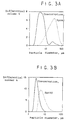
- microspheres were washed with deionized water, collected by centrifugation under the same conditions, and stored at room temperature. Obtained microspheres had a spherical shape when examined in the optical microscope and no amorphous precipitate was detected. Particle size distribution by number and by weight was analyzed by a Coulter LS 100 Particle Sizer and demonstrated narrow particle size distribution. The percentage of microspheres under 10 ⁇ m is 90% (by volume) and 99.7% (by number) (Fig. 3). Electron microphotographs of dried microspheres also revealed homogeneous size distribution and spherical shape of the microspheres (Fig. 4).
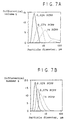
- PCPP solutions with concentrations 0.07%, 0.2% and 1% were prepared and then microspheres were obtained and analyzed using the same method as in Example 3 (concentration of sodium chloride was 6.2%). As seen from Fig. 7 there was only a small increase in microsphere diameter with increase in polymer concentration.
- Microspheres of PCPP containing influenza antigen were prepared by coacervating aqueous polyphosphazene - influenza antigen solution with a solution of sodium chloride in water and then by treating the resulting mixture with an aqueous solution of calcium chloride as shown in Fig. 2.
- 64 ml of 0.2% solution of PCPP (molecular weight - 1.1. x 10 6 g/mol) in PBS was mixed with 0.25 ml of solution of influenza antigen in PBS (2 mg/ml) and then 118 ml of 6.2% sodium chloride solution in water was added, shaken and incubated at room temperature for 6 minutes or until coacervate droplets with a mean size approximately 4 - 6 ⁇ m were formed.
- the coacervate dispersion was poured into 10 l of 8.8% calcium chloride solution in water. The suspension was stirred using a magnetic stirrer for 20 minutes and then microspheres were isolated by centrifugation (300 rpm, 10 min.). Microspheres were washed with deionized water and collected by centrifugation. The percentage of microspheres with size under 10 ⁇ m was 75 (by volume) and 99 (by number). The efficiency of antigen encapsulation was determined by heating microspheres in boiling water for 5 minutes and then measuring the amount of released denatured protein by gel electrophoresis. The efficiency of encapsulation was 94%.
- Microspheres were prepared by the coacervation process and isolated as described in Example 2. The microsphere suspension was then lyophilized for 32 hours and the obtained dried material was redispersed in deionized watcr. Particle size analysis did not reveal significant changes in microsphere size distribution.
- Microsphere preparation using PCPP - poly(ethylene oxide - propylene oxide) interpolymer complex Microsphere preparation using PCPP - poly(ethylene oxide - propylene oxide) interpolymer complex.
- a water-soluble interpolymer complex was prepared by mixing 0.25 ml of 0.5% aqueous PCPP solution with 0.019 ml of 10% solution of poly(ethylene oxide - propylene oxide) (molar ratio 3:1, molecular weight 13,300 g/mol) in water. The obtained solution then was added to 0.1 ml of 10% NaCl solution in water and then cross-linked with 15% aqueous CaCl 2 . Microspheres were isolated as described in Example 3 and appeared spherical in shape under examination by an optical microscope.
Landscapes
- Health & Medical Sciences (AREA)
- Life Sciences & Earth Sciences (AREA)
- Chemical & Material Sciences (AREA)
- Virology (AREA)
- General Health & Medical Sciences (AREA)
- Medicinal Chemistry (AREA)
- Organic Chemistry (AREA)
- Veterinary Medicine (AREA)
- Pharmacology & Pharmacy (AREA)
- Public Health (AREA)
- Animal Behavior & Ethology (AREA)
- Chemical Kinetics & Catalysis (AREA)
- Molecular Biology (AREA)
- Engineering & Computer Science (AREA)
- Epidemiology (AREA)
- Communicable Diseases (AREA)
- Oncology (AREA)
- General Chemical & Material Sciences (AREA)
- Nuclear Medicine, Radiotherapy & Molecular Imaging (AREA)
- Mycology (AREA)
- Bioinformatics & Cheminformatics (AREA)
- Microbiology (AREA)
- Immunology (AREA)
- Pulmonology (AREA)
- Biochemistry (AREA)
- Biotechnology (AREA)
- Polymers & Plastics (AREA)
- AIDS & HIV (AREA)
- Tropical Medicine & Parasitology (AREA)
- Manufacturing Of Micro-Capsules (AREA)
- Medicines Containing Antibodies Or Antigens For Use As Internal Diagnostic Agents (AREA)
- Medicinal Preparation (AREA)
- Peptides Or Proteins (AREA)
- Compositions Of Macromolecular Compounds (AREA)
- Immobilizing And Processing Of Enzymes And Microorganisms (AREA)
- Medicines That Contain Protein Lipid Enzymes And Other Medicines (AREA)
- Pharmaceuticals Containing Other Organic And Inorganic Compounds (AREA)
- Polymers With Sulfur, Phosphorus Or Metals In The Main Chain (AREA)
Claims (24)
- Verfahren zur Herstellung von ionisch vernetzten Polyphosphazen-Mikrokügelchen, umfassend:(a) das Vermischen einer wässrigen Lösung, die einen wasserlöslichen Polyphosphazen-Polyelektrolyten enthält, mit einer Lösung, die ein Salz eines einwertigen Ions enthält, unter Bildung einer Dispersion, die Polyphosphazen-Koazervat-Mikrotröpfchen enthält;(b) das Vermischen dieser Dispersion mit einer Lösung, die ein Salz eines mehrwertigen lons enthält, unter Bildung einer Suspension von Polyphosphazen-Mikrokügelchen.
- Verfahren nach Anspruch 1, femer umfassend:(c) das Gewinnen der ionisch vernetzten Polyphosphazen-Mikrokügelchen aus der Suspension.
- Verfahren nach Anspruch 1, wobei es sich bei dem Salz eines einwertigen lons um ein Salz eines Elements der Gruppe I handelt.
- Verfahren nach Anspruch 3, wobei es sich bei dem Element der Gruppe I um Natrium handelt.
- Verfahren nach Anspruch 4, wobei es sich bei dem Salz eines einwertigen lons um NaCl handelt.
- Verfahren nach Anspruch 1, wobei es sich bei dem Salz eines mehrwertigen Ions um ein Calciumsalz handelt.
- Verfahren nach Anspruch 6, wobei es sich bei dem Salz eines mehrwertigen Ions um CaCl2 handelt.
- Verfahren nach Anspruch 1, wobei es sich bei dem Polyphosphazen-Polyelektrolyten um Poly-[di-(carboxylatophenoxy)-phosphazen] handelt.
- Verfahren nach Anspruch 1, wobei die Mikrokügelchen einen Durchmesser von etwa 1 bis etwa 10 µm aufweisen.
- Verfahren zur Herstellung von ionisch vernetzten Polyphosphazen-Mikrokügelchen, umfassend:(a) das Vermischen einer wässrigen Lösung, die einen wasserlöslichen Polyphosphazen-Polyelektrolyten enthält, mit einer Lösung, die ein wasserlösliches Polymeres enthält, unter Bildung eines wasserlöslichen Interpolymerkomplexes aus dem Polyphosphazen-Polyelektrolyten und dem wasserlöslichen Polymeren;(b) das Vermischen des Interpolymerkomplexes mit einer Lösung, die ein Salz eines einwertigen Ions enthält, unter Bildung einer Dispersion, die Polyphosphazen-Koazervat-Mikrotröpfchen des Interpolymerkomplexes enthält;(c) das Vermischen der Dispersion mit einer Lösung, die ein Salz eines mehrwertigen lons enthält, unter Bildung einer Suspension von Mikrokügelchen des Interpolymerkomplexes.
- Verfahren nach Anspruch 10, femer umfassend:(d) das Gewinnen der Mikrokügelchen aus der Suspension.
- Verfahren nach Anspruch 10, wobei es sich bei dem wasserlöslichen Polymeren um Poly-(ethylenoxid-propylenoxid) handelt.
- Verfahren zur Herstellung von ionisch vernetzten Polyphosphazen-Mikrokügelchen, die ein biologisches Material enthalten, umfassend:(a) das Vermischen einer wässrigen Lösung, die einen wasserlöslichen Polyphosphazen-Polyelektrolyten und biologisches Material enthält, mit einer Lösung, die ein Salz eines einwertigen Ions enthält, unter Bildung einer Dispersion, die Koazervat-Mikrotröpfchen enthält;(b) das Vermischen der Dispersion mit einer Lösung, die ein Salz eines mehrwertigen Ions enthält, unter Bildung einer Suspension der ionisch vernetzten Polyphosphazen-Mikrokügelchen, die biologisches Material enthalten.
- Verfahren nach Anspruch 13, ferner umfassend:(c) das Gewinnen der Mikrokügelchen aus der Suspension.
- Verfahren nach Anspruch 13, wobei es sich bei dem Salz eines einwertigen Ions um ein Salz eines Elements der Gruppe I handelt.
- Verfahren nach Anspruch 15, wobei es sich bei dem Element der Gruppe I um Natrium handelt.
- Verfahren nach Anspruch 16, wobei es sich bei dem Salz eines einwertigen Ions um NaCl handelt.
- Verfahren nach Anspruch 13, wobei es sich bei dem Salz eines mehrwertigen Ions um ein Calciumsalz handelt.
- Verfahren nach Anspruch 18, wobei es sich bei dem Salz eines mehrwertigen Ions um CaCl2 handelt.
- Verfahren nach Anspruch 13, wobei es sich bei dem Polyphosphazen-Polyelektrolyten um Poly-[di-(carboxylatophenoxy)-phosphazen]handelt.
- Verfahren nach Anspruch 13, wobei die Mikrokügelchen einen Durchmesser von etwa 1 bis etwa 10 µm aufweisen.
- Verfahren nach Anspruch 13, wobei das biologische Material aus der Gruppe, die aus Proteinen, biologisch aktiven, synthetischen Verbindungen, Nucleinsäuren und Polysacchariden besteht, ausgewählt wird.
- Verfahren nach Anspruch 13, wobei es sich beim biologischen Material um ein Antigen handelt.
- Verfahren nach Anspruch 23, wobei das Antigen aus der Gruppe, die aus Rotavirus, Masernvirus, Mumpsvirus, Rötelnvirus, Poliovirus, Hepatitis A-virus und Hepatitis B-virus, Herpesvirus, humaner Immunschwächevirvs, Haemophilus influenza, Clostridium tetani, Influenzavirus, Corynebacterium diphteria und Neisseria genorrhoae besteht, ausgewählt ist.
Applications Claiming Priority (3)
| Application Number | Priority Date | Filing Date | Title |
|---|---|---|---|
| US675713 | 1984-11-28 | ||
| US08/675,713 US5807757A (en) | 1996-07-02 | 1996-07-02 | Preparation of ionically cross-linked polyphosphazene microspheresy by coacervation |
| PCT/US1997/010160 WO1998000531A1 (en) | 1996-07-02 | 1997-06-10 | Preparation of ionically cross-linked polyphosphazene microspheres by coacervation |
Publications (3)
| Publication Number | Publication Date |
|---|---|
| EP0954573A1 EP0954573A1 (de) | 1999-11-10 |
| EP0954573A4 EP0954573A4 (de) | 2001-10-04 |
| EP0954573B1 true EP0954573B1 (de) | 2005-06-01 |
Family
ID=24711666
Family Applications (1)
| Application Number | Title | Priority Date | Filing Date |
|---|---|---|---|
| EP97928951A Expired - Lifetime EP0954573B1 (de) | 1996-07-02 | 1997-06-10 | Herstellung ionisch-gebundener polyphosphacen-mikrosphären durch koazervierung |
Country Status (12)
| Country | Link |
|---|---|
| US (1) | US5807757A (de) |
| EP (1) | EP0954573B1 (de) |
| JP (1) | JP2000516129A (de) |
| CN (1) | CN1226927A (de) |
| AR (1) | AR008253A1 (de) |
| AT (1) | ATE296878T1 (de) |
| AU (1) | AU722765B2 (de) |
| CA (1) | CA2258286A1 (de) |
| DE (1) | DE69733436D1 (de) |
| ES (1) | ES2244000T3 (de) |
| WO (1) | WO1998000531A1 (de) |
| ZA (1) | ZA975508B (de) |
Families Citing this family (25)
| Publication number | Priority date | Publication date | Assignee | Title |
|---|---|---|---|---|
| US5981719A (en) | 1993-03-09 | 1999-11-09 | Epic Therapeutics, Inc. | Macromolecular microparticles and methods of production and use |
| US6090925A (en) | 1993-03-09 | 2000-07-18 | Epic Therapeutics, Inc. | Macromolecular microparticles and methods of production and use |
| US7087236B1 (en) * | 1998-09-01 | 2006-08-08 | Merrion Research I Limited | Method for inducing a cell-mediated immune response and improved parenteral vaccine formulations thereof |
| US20020009466A1 (en) * | 1999-08-31 | 2002-01-24 | David J. Brayden | Oral vaccine compositions |
| RU2210361C2 (ru) * | 2001-08-29 | 2003-08-20 | Государственный научный центр вирусологии и биотехнологии "Вектор" | Способ получения микрокапсулированной формы коревой вакцины для перорального применения |
| WO2004035028A1 (fr) * | 2002-10-17 | 2004-04-29 | Gosudarstvenny Nauchny Tsentr Virusologii I Biotekhnologii 'vektor' | Procede de production d'une forme microencapsulee d'un vaccin viral vivant |
| US20040131631A1 (en) * | 2002-11-22 | 2004-07-08 | Alexander Andrianov | Polyphosphazene immunostimulants |
| WO2005099724A2 (en) * | 2004-04-13 | 2005-10-27 | Parallel Solutions, Inc. | Functionalized water-soluble polyphosphazene and uses thereof as modifiers of biological agents |
| US7884185B2 (en) * | 2004-07-28 | 2011-02-08 | University Of Delaware | Hydrogels and uses thereof |
| US20210299056A9 (en) | 2004-10-25 | 2021-09-30 | Varian Medical Systems, Inc. | Color-Coded Polymeric Particles of Predetermined Size for Therapeutic and/or Diagnostic Applications and Related Methods |
| CN101090710B (zh) * | 2004-10-25 | 2012-03-14 | 宝利策尼克斯有限公司 | 治疗和/或诊断用途的含聚磷腈的可负载聚合颗粒和制备方法及其应用 |
| US20060193820A1 (en) * | 2005-02-18 | 2006-08-31 | Andrianov Alexander K | Immunostimulating polyphosphazene compounds |
| CN101128244B (zh) * | 2005-02-25 | 2010-09-29 | Cytec技术有限公司 | 异羟肟酸化聚合物的水包油包水乳液及其使用方法 |
| EP1962870A4 (de) * | 2005-11-14 | 2010-08-11 | Univ Delaware Technology Corp | Neuartige hydrogele und ihre verwendung |
| BRPI0717738A2 (pt) | 2006-10-10 | 2018-09-11 | Celonova Biosciences Inc | válvula cardíaca bioprotética, método de fabricação da mesma, método de aperfeiçoamento das qualidades anti-trombogênicas de biocompatibilidade ou hemocaptabilidade de uma válvula cardíaca bioprotética |
| US20090016935A1 (en) * | 2007-07-09 | 2009-01-15 | Andrianov Alexander K | Coating formulations including polyphosphazene polyelectrolytes and biologically active agents and asperities coated with such formulations |
| WO2009054853A1 (en) * | 2007-10-26 | 2009-04-30 | Celonova Biosciences, Inc. | Loadable polymeric particles for cosmetic and reconstructive tissue augmentation applications and methods of preparing and using the same |
| WO2009117497A1 (en) * | 2008-03-19 | 2009-09-24 | University Of Delaware | Delivery of hydrogels as sprays |
| AU2009304552B2 (en) | 2008-10-16 | 2015-02-19 | Dalhousie University | Combination adjuvant formulation |
| CN102335144B (zh) * | 2011-09-28 | 2013-02-27 | 广东榕泰实业股份有限公司 | 聚苯氧基磷腈微球的制备方法 |
| CN104974350B (zh) * | 2015-06-24 | 2017-09-22 | 四川大学 | 硝基聚苯氧基磷腈及其制备方法 |
| WO2017011919A1 (en) | 2015-07-22 | 2017-01-26 | University Of Saskatchewan | Mycoplasma vaccines and uses thereof |
| WO2017087844A1 (en) * | 2015-11-18 | 2017-05-26 | University Of Maryland, College Park | Polyphosphazenes, methods of making, and uses thereof |
| CN111484531A (zh) * | 2020-03-09 | 2020-08-04 | 南华大学上虞高等研究院有限公司 | 一种含有根皮素单元的聚膦腈微球、制备方法及其应用 |
| BR112022021258A2 (pt) | 2020-04-20 | 2023-01-17 | Univ Saskatchewan | Composições e métodos para prevenir, controlar e diagnosticar infecções micobacterianas |
Family Cites Families (8)
| Publication number | Priority date | Publication date | Assignee | Title |
|---|---|---|---|---|
| US4622244A (en) * | 1979-09-04 | 1986-11-11 | The Washington University | Process for preparation of microcapsules |
| US4880622A (en) * | 1986-05-20 | 1989-11-14 | Research Corporation Technologies, Inc. | Water-soluble phosphazene polymers having pharmacological applications |
| US4948586A (en) * | 1987-11-02 | 1990-08-14 | Lim Technology Laboratories, Inc. | Microencapsulated insecticidal pathogens |
| US5053451A (en) * | 1990-01-19 | 1991-10-01 | The Pennsylvania Research Corporation | Ionically cross-linkable polyphosphazene: poly(bis(carboxylatophenoxy) phosphazene) and its hydrogels and membranes |
| US5562099A (en) * | 1990-10-05 | 1996-10-08 | Massachusetts Institute Of Technology | Polymeric microparticles containing agents for imaging |
| US5149543A (en) * | 1990-10-05 | 1992-09-22 | Massachusetts Institute Of Technology | Ionically cross-linked polymeric microcapsules |
| NZ269411A (en) * | 1993-07-12 | 2001-03-30 | Avant Immunotherapeutics Inc | Hydrogel microencapsulated vaccines containing antigens |
| US5562909A (en) * | 1993-07-12 | 1996-10-08 | Massachusetts Institute Of Technology | Phosphazene polyelectrolytes as immunoadjuvants |
-
1996
- 1996-07-02 US US08/675,713 patent/US5807757A/en not_active Expired - Lifetime
-
1997
- 1997-06-10 CN CN97196090A patent/CN1226927A/zh active Pending
- 1997-06-10 CA CA002258286A patent/CA2258286A1/en not_active Abandoned
- 1997-06-10 DE DE69733436T patent/DE69733436D1/de not_active Expired - Fee Related
- 1997-06-10 JP JP10504153A patent/JP2000516129A/ja not_active Ceased
- 1997-06-10 ES ES97928951T patent/ES2244000T3/es not_active Expired - Lifetime
- 1997-06-10 AU AU33097/97A patent/AU722765B2/en not_active Ceased
- 1997-06-10 WO PCT/US1997/010160 patent/WO1998000531A1/en not_active Ceased
- 1997-06-10 AT AT97928951T patent/ATE296878T1/de not_active IP Right Cessation
- 1997-06-10 EP EP97928951A patent/EP0954573B1/de not_active Expired - Lifetime
- 1997-06-20 ZA ZA975508A patent/ZA975508B/xx unknown
- 1997-07-02 AR ARP970102968A patent/AR008253A1/es unknown
Also Published As
| Publication number | Publication date |
|---|---|
| WO1998000531A1 (en) | 1998-01-08 |
| AU3309797A (en) | 1998-01-21 |
| JP2000516129A (ja) | 2000-12-05 |
| ES2244000T3 (es) | 2005-12-01 |
| ZA975508B (en) | 1998-12-21 |
| US5807757A (en) | 1998-09-15 |
| AU722765B2 (en) | 2000-08-10 |
| CN1226927A (zh) | 1999-08-25 |
| CA2258286A1 (en) | 1998-01-08 |
| EP0954573A1 (de) | 1999-11-10 |
| EP0954573A4 (de) | 2001-10-04 |
| ATE296878T1 (de) | 2005-06-15 |
| AR008253A1 (es) | 1999-12-29 |
| DE69733436D1 (de) | 2005-07-07 |
Similar Documents
| Publication | Publication Date | Title |
|---|---|---|
| EP0954573B1 (de) | Herstellung ionisch-gebundener polyphosphacen-mikrosphären durch koazervierung | |
| US20110009570A1 (en) | Preparation of polyphosphazene microspheres | |
| AU706746B2 (en) | Polyaminoacid-based particles for use as active principle vectors, and methods for preparing same | |
| KR100353496B1 (ko) | 하이드로겔마이크로캡슐화백신 | |
| JP4927256B2 (ja) | ポリアミノ酸ベースの粒子およびその製造方法 | |
| US6207171B1 (en) | Polyphosphazene microspheres | |
| Andrianov et al. | Preparation of hydrogel microspheres by coacervation of aqueous polyphosphazene solutions | |
| US6015563A (en) | Polyphosphazene polyelectrolyte immunoadjuvants | |
| US9687546B2 (en) | Immunostimulating polyphosphazene compounds | |
| CA2167081A1 (en) | Hydrogel microencapsulated vaccines | |
| EP1021168A1 (de) | Mikro- und nanoapartikuläres, polymeres verabreichungssystem | |
| Andrianov | Water-soluble polyphosphazenes for biomedical applications | |
| CA2282698A1 (en) | Recovery of polyphosphazene polyacids or acid salts thereof | |
| Andrianov et al. | Polyphosphazene hydrogel microspheres for protein delivery | |
| MXPA98010887A (en) | Preparation of microspheres of polyphosphacene, ionically reticulated through coacervac | |
| WO2026044002A1 (en) | Nanoparticulate vaccines for small molecules |
Legal Events
| Date | Code | Title | Description |
|---|---|---|---|
| PUAI | Public reference made under article 153(3) epc to a published international application that has entered the european phase |
Free format text: ORIGINAL CODE: 0009012 |
|
| 17P | Request for examination filed |
Effective date: 19981224 |
|
| AK | Designated contracting states |
Kind code of ref document: A1 Designated state(s): AT BE CH DE DK ES FI FR GB GR IE IT LI LU MC NL PT SE |
|
| A4 | Supplementary search report drawn up and despatched |
Effective date: 20010822 |
|
| AK | Designated contracting states |
Kind code of ref document: A4 Designated state(s): AT BE CH DE DK ES FI FR GB GR IE IT LI LU MC NL PT SE |
|
| 17Q | First examination report despatched |
Effective date: 20040212 |
|
| GRAP | Despatch of communication of intention to grant a patent |
Free format text: ORIGINAL CODE: EPIDOSNIGR1 |
|
| GRAS | Grant fee paid |
Free format text: ORIGINAL CODE: EPIDOSNIGR3 |
|
| GRAA | (expected) grant |
Free format text: ORIGINAL CODE: 0009210 |
|
| RAP1 | Party data changed (applicant data changed or rights of an application transferred) |
Owner name: PARALLEL SOLUTIONS, INC. |
|
| AK | Designated contracting states |
Kind code of ref document: B1 Designated state(s): AT BE CH DE DK ES FI FR GB GR IE IT LI LU MC NL PT SE |
|
| PG25 | Lapsed in a contracting state [announced via postgrant information from national office to epo] |
Ref country code: NL Free format text: LAPSE BECAUSE OF FAILURE TO SUBMIT A TRANSLATION OF THE DESCRIPTION OR TO PAY THE FEE WITHIN THE PRESCRIBED TIME-LIMIT Effective date: 20050601 Ref country code: LI Free format text: LAPSE BECAUSE OF FAILURE TO SUBMIT A TRANSLATION OF THE DESCRIPTION OR TO PAY THE FEE WITHIN THE PRESCRIBED TIME-LIMIT Effective date: 20050601 Ref country code: IT Free format text: LAPSE BECAUSE OF FAILURE TO SUBMIT A TRANSLATION OF THE DESCRIPTION OR TO PAY THE FEE WITHIN THE PRESCRIBED TIME-LIMIT;WARNING: LAPSES OF ITALIAN PATENTS WITH EFFECTIVE DATE BEFORE 2007 MAY HAVE OCCURRED AT ANY TIME BEFORE 2007. THE CORRECT EFFECTIVE DATE MAY BE DIFFERENT FROM THE ONE RECORDED. Effective date: 20050601 Ref country code: FI Free format text: LAPSE BECAUSE OF FAILURE TO SUBMIT A TRANSLATION OF THE DESCRIPTION OR TO PAY THE FEE WITHIN THE PRESCRIBED TIME-LIMIT Effective date: 20050601 Ref country code: CH Free format text: LAPSE BECAUSE OF FAILURE TO SUBMIT A TRANSLATION OF THE DESCRIPTION OR TO PAY THE FEE WITHIN THE PRESCRIBED TIME-LIMIT Effective date: 20050601 Ref country code: BE Free format text: LAPSE BECAUSE OF FAILURE TO SUBMIT A TRANSLATION OF THE DESCRIPTION OR TO PAY THE FEE WITHIN THE PRESCRIBED TIME-LIMIT Effective date: 20050601 Ref country code: AT Free format text: LAPSE BECAUSE OF FAILURE TO SUBMIT A TRANSLATION OF THE DESCRIPTION OR TO PAY THE FEE WITHIN THE PRESCRIBED TIME-LIMIT Effective date: 20050601 |
|
| REG | Reference to a national code |
Ref country code: GB Ref legal event code: FG4D |
|
| PG25 | Lapsed in a contracting state [announced via postgrant information from national office to epo] |
Ref country code: LU Free format text: LAPSE BECAUSE OF NON-PAYMENT OF DUE FEES Effective date: 20050610 Ref country code: IE Free format text: LAPSE BECAUSE OF NON-PAYMENT OF DUE FEES Effective date: 20050610 |
|
| PG25 | Lapsed in a contracting state [announced via postgrant information from national office to epo] |
Ref country code: ES Free format text: LAPSE BECAUSE OF NON-PAYMENT OF DUE FEES Effective date: 20050611 |
|
| REG | Reference to a national code |
Ref country code: CH Ref legal event code: EP |
|
| REG | Reference to a national code |
Ref country code: IE Ref legal event code: FG4D |
|
| PG25 | Lapsed in a contracting state [announced via postgrant information from national office to epo] |
Ref country code: MC Free format text: LAPSE BECAUSE OF NON-PAYMENT OF DUE FEES Effective date: 20050630 |
|
| REF | Corresponds to: |
Ref document number: 69733436 Country of ref document: DE Date of ref document: 20050707 Kind code of ref document: P |
|
| PG25 | Lapsed in a contracting state [announced via postgrant information from national office to epo] |
Ref country code: SE Free format text: LAPSE BECAUSE OF FAILURE TO SUBMIT A TRANSLATION OF THE DESCRIPTION OR TO PAY THE FEE WITHIN THE PRESCRIBED TIME-LIMIT Effective date: 20050901 Ref country code: GR Free format text: LAPSE BECAUSE OF FAILURE TO SUBMIT A TRANSLATION OF THE DESCRIPTION OR TO PAY THE FEE WITHIN THE PRESCRIBED TIME-LIMIT Effective date: 20050901 Ref country code: GB Free format text: LAPSE BECAUSE OF NON-PAYMENT OF DUE FEES Effective date: 20050901 Ref country code: DK Free format text: LAPSE BECAUSE OF FAILURE TO SUBMIT A TRANSLATION OF THE DESCRIPTION OR TO PAY THE FEE WITHIN THE PRESCRIBED TIME-LIMIT Effective date: 20050901 |
|
| PG25 | Lapsed in a contracting state [announced via postgrant information from national office to epo] |
Ref country code: PT Free format text: LAPSE BECAUSE OF FAILURE TO SUBMIT A TRANSLATION OF THE DESCRIPTION OR TO PAY THE FEE WITHIN THE PRESCRIBED TIME-LIMIT Effective date: 20051103 |
|
| NLV1 | Nl: lapsed or annulled due to failure to fulfill the requirements of art. 29p and 29m of the patents act | ||
| REG | Reference to a national code |
Ref country code: ES Ref legal event code: FG2A Ref document number: 2244000 Country of ref document: ES Kind code of ref document: T3 |
|
| REG | Reference to a national code |
Ref country code: CH Ref legal event code: PL |
|
| PG25 | Lapsed in a contracting state [announced via postgrant information from national office to epo] |
Ref country code: DE Free format text: LAPSE BECAUSE OF NON-PAYMENT OF DUE FEES Effective date: 20060103 |
|
| REG | Reference to a national code |
Ref country code: IE Ref legal event code: MM4A |
|
| PLBE | No opposition filed within time limit |
Free format text: ORIGINAL CODE: 0009261 |
|
| STAA | Information on the status of an ep patent application or granted ep patent |
Free format text: STATUS: NO OPPOSITION FILED WITHIN TIME LIMIT |
|
| ET | Fr: translation filed | ||
| PG25 | Lapsed in a contracting state [announced via postgrant information from national office to epo] |
Ref country code: FR Free format text: LAPSE BECAUSE OF NON-PAYMENT OF DUE FEES Effective date: 20060428 |
|
| 26N | No opposition filed |
Effective date: 20060302 |
|
| GBPC | Gb: european patent ceased through non-payment of renewal fee |
Effective date: 20050901 |
|
| REG | Reference to a national code |
Ref country code: FR Ref legal event code: ST Effective date: 20060428 |
|
| REG | Reference to a national code |
Ref country code: ES Ref legal event code: FD2A Effective date: 20050611 |
|
| PG25 | Lapsed in a contracting state [announced via postgrant information from national office to epo] |
Ref country code: FR Free format text: LAPSE BECAUSE OF NON-PAYMENT OF DUE FEES Effective date: 20050630 |