EP0954584B1 - Verfahren zur verbesserung der transformationseffizienz. - Google Patents
Verfahren zur verbesserung der transformationseffizienz. Download PDFInfo
- Publication number
- EP0954584B1 EP0954584B1 EP98901210A EP98901210A EP0954584B1 EP 0954584 B1 EP0954584 B1 EP 0954584B1 EP 98901210 A EP98901210 A EP 98901210A EP 98901210 A EP98901210 A EP 98901210A EP 0954584 B1 EP0954584 B1 EP 0954584B1
- Authority
- EP
- European Patent Office
- Prior art keywords
- gene
- plant
- transformation
- plants
- transformed
- Prior art date
- Legal status (The legal status is an assumption and is not a legal conclusion. Google has not performed a legal analysis and makes no representation as to the accuracy of the status listed.)
- Expired - Lifetime
Links
- 230000009466 transformation Effects 0.000 title description 53
- 238000000034 method Methods 0.000 title description 18
- 108090000623 proteins and genes Proteins 0.000 claims description 111
- 241000196324 Embryophyta Species 0.000 claims description 88
- 240000008042 Zea mays Species 0.000 claims description 40
- 235000002017 Zea mays subsp mays Nutrition 0.000 claims description 34
- 235000016383 Zea mays subsp huehuetenangensis Nutrition 0.000 claims description 33
- 235000009973 maize Nutrition 0.000 claims description 33
- 241000209510 Liliopsida Species 0.000 claims description 22
- 239000002773 nucleotide Substances 0.000 claims description 18
- 125000003729 nucleotide group Chemical group 0.000 claims description 18
- 241000209140 Triticum Species 0.000 claims description 6
- 235000021307 Triticum Nutrition 0.000 claims description 6
- 210000004027 cell Anatomy 0.000 description 35
- 230000014509 gene expression Effects 0.000 description 26
- 230000009261 transgenic effect Effects 0.000 description 24
- 101150113864 pat gene Proteins 0.000 description 23
- 239000004009 herbicide Substances 0.000 description 19
- 239000003550 marker Substances 0.000 description 19
- 230000002363 herbicidal effect Effects 0.000 description 17
- 210000001519 tissue Anatomy 0.000 description 17
- 108020004414 DNA Proteins 0.000 description 15
- 108020004705 Codon Proteins 0.000 description 11
- 239000013612 plasmid Substances 0.000 description 11
- 102000004169 proteins and genes Human genes 0.000 description 10
- 235000018102 proteins Nutrition 0.000 description 9
- 239000000203 mixture Substances 0.000 description 8
- 230000008929 regeneration Effects 0.000 description 8
- 238000011069 regeneration method Methods 0.000 description 8
- 108700010070 Codon Usage Proteins 0.000 description 7
- XZMCDFZZKTWFGF-UHFFFAOYSA-N Cyanamide Chemical compound NC#N XZMCDFZZKTWFGF-UHFFFAOYSA-N 0.000 description 7
- 108700019146 Transgenes Proteins 0.000 description 7
- 125000003275 alpha amino acid group Chemical group 0.000 description 7
- 210000002257 embryonic structure Anatomy 0.000 description 7
- 108030005585 Cyanamide hydratases Proteins 0.000 description 6
- 108020004511 Recombinant DNA Proteins 0.000 description 6
- 230000002068 genetic effect Effects 0.000 description 6
- 210000002706 plastid Anatomy 0.000 description 6
- GINJFDRNADDBIN-FXQIFTODSA-N bilanafos Chemical compound OC(=O)[C@H](C)NC(=O)[C@H](C)NC(=O)[C@@H](N)CCP(C)(O)=O GINJFDRNADDBIN-FXQIFTODSA-N 0.000 description 5
- 235000013339 cereals Nutrition 0.000 description 5
- 239000003795 chemical substances by application Substances 0.000 description 5
- 238000002474 experimental method Methods 0.000 description 5
- 230000004048 modification Effects 0.000 description 5
- 238000012986 modification Methods 0.000 description 5
- 238000011084 recovery Methods 0.000 description 5
- ZBMRKNMTMPPMMK-UHFFFAOYSA-N 2-amino-4-[hydroxy(methyl)phosphoryl]butanoic acid;azane Chemical compound [NH4+].CP(O)(=O)CCC(N)C([O-])=O ZBMRKNMTMPPMMK-UHFFFAOYSA-N 0.000 description 4
- 206010020649 Hyperkeratosis Diseases 0.000 description 4
- 238000005516 engineering process Methods 0.000 description 4
- 238000010353 genetic engineering Methods 0.000 description 4
- 230000001404 mediated effect Effects 0.000 description 4
- 238000012546 transfer Methods 0.000 description 4
- 108091032973 (ribonucleotides)n+m Proteins 0.000 description 3
- 102000004190 Enzymes Human genes 0.000 description 3
- 108090000790 Enzymes Proteins 0.000 description 3
- 229920002148 Gellan gum Polymers 0.000 description 3
- CZMRCDWAGMRECN-UGDNZRGBSA-N Sucrose Chemical compound O[C@H]1[C@H](O)[C@@H](CO)O[C@@]1(CO)O[C@@H]1[C@H](O)[C@@H](O)[C@H](O)[C@@H](CO)O1 CZMRCDWAGMRECN-UGDNZRGBSA-N 0.000 description 3
- 229930006000 Sucrose Natural products 0.000 description 3
- 230000004075 alteration Effects 0.000 description 3
- 230000008901 benefit Effects 0.000 description 3
- 229940079593 drug Drugs 0.000 description 3
- 239000003814 drug Substances 0.000 description 3
- 230000006870 function Effects 0.000 description 3
- 230000006872 improvement Effects 0.000 description 3
- 238000010422 painting Methods 0.000 description 3
- 239000002245 particle Substances 0.000 description 3
- 108010082527 phosphinothricin N-acetyltransferase Proteins 0.000 description 3
- 150000003839 salts Chemical class 0.000 description 3
- 241000894007 species Species 0.000 description 3
- 239000005720 sucrose Substances 0.000 description 3
- 238000012360 testing method Methods 0.000 description 3
- 238000011426 transformation method Methods 0.000 description 3
- 238000013519 translation Methods 0.000 description 3
- OVSKIKFHRZPJSS-UHFFFAOYSA-N 2,4-D Chemical compound OC(=O)COC1=CC=C(Cl)C=C1Cl OVSKIKFHRZPJSS-UHFFFAOYSA-N 0.000 description 2
- 239000005631 2,4-Dichlorophenoxyacetic acid Substances 0.000 description 2
- 229940087195 2,4-dichlorophenoxyacetate Drugs 0.000 description 2
- 108010020183 3-phosphoshikimate 1-carboxyvinyltransferase Proteins 0.000 description 2
- 108010000700 Acetolactate synthase Proteins 0.000 description 2
- 241000589158 Agrobacterium Species 0.000 description 2
- 241000287937 Colinus Species 0.000 description 2
- 239000005504 Dicamba Substances 0.000 description 2
- 238000002965 ELISA Methods 0.000 description 2
- 244000068988 Glycine max Species 0.000 description 2
- 235000010469 Glycine max Nutrition 0.000 description 2
- 108010025815 Kanamycin Kinase Proteins 0.000 description 2
- 241000710118 Maize chlorotic mottle virus Species 0.000 description 2
- 241000723994 Maize dwarf mosaic virus Species 0.000 description 2
- 240000007594 Oryza sativa Species 0.000 description 2
- 235000007164 Oryza sativa Nutrition 0.000 description 2
- 241000723792 Tobacco etch virus Species 0.000 description 2
- 241000723873 Tobacco mosaic virus Species 0.000 description 2
- 238000004458 analytical method Methods 0.000 description 2
- 238000013459 approach Methods 0.000 description 2
- IWEDIXLBFLAXBO-UHFFFAOYSA-N dicamba Chemical compound COC1=C(Cl)C=CC(Cl)=C1C(O)=O IWEDIXLBFLAXBO-UHFFFAOYSA-N 0.000 description 2
- 238000004520 electroporation Methods 0.000 description 2
- 241001233957 eudicotyledons Species 0.000 description 2
- 239000013604 expression vector Substances 0.000 description 2
- 239000012634 fragment Substances 0.000 description 2
- 238000012239 gene modification Methods 0.000 description 2
- 230000005017 genetic modification Effects 0.000 description 2
- 235000013617 genetically modified food Nutrition 0.000 description 2
- 108010002685 hygromycin-B kinase Proteins 0.000 description 2
- 230000000977 initiatory effect Effects 0.000 description 2
- 238000002955 isolation Methods 0.000 description 2
- 108020004999 messenger RNA Proteins 0.000 description 2
- 108020004707 nucleic acids Proteins 0.000 description 2
- 150000007523 nucleic acids Chemical class 0.000 description 2
- 102000039446 nucleic acids Human genes 0.000 description 2
- 238000005457 optimization Methods 0.000 description 2
- 230000037039 plant physiology Effects 0.000 description 2
- 230000008569 process Effects 0.000 description 2
- 210000001938 protoplast Anatomy 0.000 description 2
- 230000001105 regulatory effect Effects 0.000 description 2
- 235000009566 rice Nutrition 0.000 description 2
- 230000001131 transforming effect Effects 0.000 description 2
- 230000014621 translational initiation Effects 0.000 description 2
- 229940088594 vitamin Drugs 0.000 description 2
- 239000011782 vitamin Substances 0.000 description 2
- 235000013343 vitamin Nutrition 0.000 description 2
- 229930003231 vitamin Natural products 0.000 description 2
- UPMXNNIRAGDFEH-UHFFFAOYSA-N 3,5-dibromo-4-hydroxybenzonitrile Chemical compound OC1=C(Br)C=C(C#N)C=C1Br UPMXNNIRAGDFEH-UHFFFAOYSA-N 0.000 description 1
- 241000589155 Agrobacterium tumefaciens Species 0.000 description 1
- 241001103808 Albifimbria verrucaria Species 0.000 description 1
- 241000724328 Alfalfa mosaic virus Species 0.000 description 1
- 244000291564 Allium cepa Species 0.000 description 1
- 235000002732 Allium cepa var. cepa Nutrition 0.000 description 1
- DCXYFEDJOCDNAF-UHFFFAOYSA-N Asparagine Natural products OC(=O)C(N)CC(N)=O DCXYFEDJOCDNAF-UHFFFAOYSA-N 0.000 description 1
- 108700003860 Bacterial Genes Proteins 0.000 description 1
- 239000005489 Bromoxynil Substances 0.000 description 1
- 101710132601 Capsid protein Proteins 0.000 description 1
- 241000701489 Cauliflower mosaic virus Species 0.000 description 1
- 101710094648 Coat protein Proteins 0.000 description 1
- 108091026890 Coding region Proteins 0.000 description 1
- FBPFZTCFMRRESA-KVTDHHQDSA-N D-Mannitol Chemical compound OC[C@@H](O)[C@@H](O)[C@H](O)[C@H](O)CO FBPFZTCFMRRESA-KVTDHHQDSA-N 0.000 description 1
- 102000053602 DNA Human genes 0.000 description 1
- 102000004163 DNA-directed RNA polymerases Human genes 0.000 description 1
- 108090000626 DNA-directed RNA polymerases Proteins 0.000 description 1
- 241000710188 Encephalomyocarditis virus Species 0.000 description 1
- 240000002395 Euphorbia pulcherrima Species 0.000 description 1
- 108091029865 Exogenous DNA Proteins 0.000 description 1
- 108700007698 Genetic Terminator Regions Proteins 0.000 description 1
- 239000005562 Glyphosate Substances 0.000 description 1
- 102100021181 Golgi phosphoprotein 3 Human genes 0.000 description 1
- 241000238631 Hexapoda Species 0.000 description 1
- 101000899240 Homo sapiens Endoplasmic reticulum chaperone BiP Proteins 0.000 description 1
- 108091092195 Intron Proteins 0.000 description 1
- DCXYFEDJOCDNAF-REOHCLBHSA-N L-asparagine Chemical compound OC(=O)[C@@H](N)CC(N)=O DCXYFEDJOCDNAF-REOHCLBHSA-N 0.000 description 1
- 241000234280 Liliaceae Species 0.000 description 1
- 101710125418 Major capsid protein Proteins 0.000 description 1
- 229930195725 Mannitol Natural products 0.000 description 1
- 102000008109 Mixed Function Oxygenases Human genes 0.000 description 1
- 108010074633 Mixed Function Oxygenases Proteins 0.000 description 1
- 108010033272 Nitrilase Proteins 0.000 description 1
- 108091092724 Noncoding DNA Proteins 0.000 description 1
- 108091028043 Nucleic acid sequence Proteins 0.000 description 1
- 101710141454 Nucleoprotein Proteins 0.000 description 1
- 238000010222 PCR analysis Methods 0.000 description 1
- 241000709664 Picornaviridae Species 0.000 description 1
- 108700001094 Plant Genes Proteins 0.000 description 1
- 108091036407 Polyadenylation Proteins 0.000 description 1
- 241000710078 Potyvirus Species 0.000 description 1
- 101710083689 Probable capsid protein Proteins 0.000 description 1
- 101710142009 Protein insensitive Proteins 0.000 description 1
- 239000005708 Sodium hypochlorite Substances 0.000 description 1
- 244000061456 Solanum tuberosum Species 0.000 description 1
- 235000002595 Solanum tuberosum Nutrition 0.000 description 1
- 238000002105 Southern blotting Methods 0.000 description 1
- 241000187191 Streptomyces viridochromogenes Species 0.000 description 1
- 229940100389 Sulfonylurea Drugs 0.000 description 1
- 108700005078 Synthetic Genes Proteins 0.000 description 1
- 108090000848 Ubiquitin Proteins 0.000 description 1
- 102000044159 Ubiquitin Human genes 0.000 description 1
- XSQUKJJJFZCRTK-UHFFFAOYSA-N Urea Chemical compound NC(N)=O XSQUKJJJFZCRTK-UHFFFAOYSA-N 0.000 description 1
- 235000005824 Zea mays ssp. parviglumis Nutrition 0.000 description 1
- 230000001133 acceleration Effects 0.000 description 1
- 239000002253 acid Substances 0.000 description 1
- 150000007513 acids Chemical class 0.000 description 1
- 238000007792 addition Methods 0.000 description 1
- 238000000137 annealing Methods 0.000 description 1
- 239000007864 aqueous solution Substances 0.000 description 1
- 230000011681 asexual reproduction Effects 0.000 description 1
- 238000013465 asexual reproduction Methods 0.000 description 1
- 229960001230 asparagine Drugs 0.000 description 1
- 235000009582 asparagine Nutrition 0.000 description 1
- 102000023732 binding proteins Human genes 0.000 description 1
- 108091008324 binding proteins Proteins 0.000 description 1
- 230000003115 biocidal effect Effects 0.000 description 1
- 230000015572 biosynthetic process Effects 0.000 description 1
- 159000000007 calcium salts Chemical class 0.000 description 1
- 239000004202 carbamide Substances 0.000 description 1
- 230000015556 catabolic process Effects 0.000 description 1
- 238000010367 cloning Methods 0.000 description 1
- 150000001875 compounds Chemical class 0.000 description 1
- 238000012790 confirmation Methods 0.000 description 1
- 230000001276 controlling effect Effects 0.000 description 1
- 235000005822 corn Nutrition 0.000 description 1
- 244000038559 crop plants Species 0.000 description 1
- 101150065438 cry1Ab gene Proteins 0.000 description 1
- 230000006378 damage Effects 0.000 description 1
- 238000006731 degradation reaction Methods 0.000 description 1
- 238000012217 deletion Methods 0.000 description 1
- 230000037430 deletion Effects 0.000 description 1
- 238000001514 detection method Methods 0.000 description 1
- 238000011161 development Methods 0.000 description 1
- 230000018109 developmental process Effects 0.000 description 1
- 201000010099 disease Diseases 0.000 description 1
- 208000037265 diseases, disorders, signs and symptoms Diseases 0.000 description 1
- 230000000694 effects Effects 0.000 description 1
- 230000000408 embryogenic effect Effects 0.000 description 1
- 239000000284 extract Substances 0.000 description 1
- 239000003337 fertilizer Substances 0.000 description 1
- 238000001476 gene delivery Methods 0.000 description 1
- XDDAORKBJWWYJS-UHFFFAOYSA-N glyphosate Chemical compound OC(=O)CNCP(O)(O)=O XDDAORKBJWWYJS-UHFFFAOYSA-N 0.000 description 1
- 229940097068 glyphosate Drugs 0.000 description 1
- PCHJSUWPFVWCPO-UHFFFAOYSA-N gold Chemical compound [Au] PCHJSUWPFVWCPO-UHFFFAOYSA-N 0.000 description 1
- 239000010931 gold Substances 0.000 description 1
- 229910052737 gold Inorganic materials 0.000 description 1
- 238000002744 homologous recombination Methods 0.000 description 1
- 230000006801 homologous recombination Effects 0.000 description 1
- 150000004677 hydrates Chemical class 0.000 description 1
- 238000000338 in vitro Methods 0.000 description 1
- 108091006086 inhibitor proteins Proteins 0.000 description 1
- CDAISMWEOUEBRE-GPIVLXJGSA-N inositol Chemical compound O[C@H]1[C@H](O)[C@@H](O)[C@H](O)[C@H](O)[C@@H]1O CDAISMWEOUEBRE-GPIVLXJGSA-N 0.000 description 1
- 238000003780 insertion Methods 0.000 description 1
- 230000037431 insertion Effects 0.000 description 1
- 239000000594 mannitol Substances 0.000 description 1
- 235000010355 mannitol Nutrition 0.000 description 1
- 238000004519 manufacturing process Methods 0.000 description 1
- 239000000463 material Substances 0.000 description 1
- 238000000520 microinjection Methods 0.000 description 1
- 238000002703 mutagenesis Methods 0.000 description 1
- 231100000350 mutagenesis Toxicity 0.000 description 1
- 125000002560 nitrile group Chemical group 0.000 description 1
- 230000003204 osmotic effect Effects 0.000 description 1
- 239000000137 peptide hydrolase inhibitor Substances 0.000 description 1
- 230000008121 plant development Effects 0.000 description 1
- 230000008488 polyadenylation Effects 0.000 description 1
- 229920001184 polypeptide Polymers 0.000 description 1
- 230000023603 positive regulation of transcription initiation, DNA-dependent Effects 0.000 description 1
- 230000002028 premature Effects 0.000 description 1
- 102000004196 processed proteins & peptides Human genes 0.000 description 1
- 108090000765 processed proteins & peptides Proteins 0.000 description 1
- 238000012545 processing Methods 0.000 description 1
- 230000001172 regenerating effect Effects 0.000 description 1
- 230000008439 repair process Effects 0.000 description 1
- 238000011160 research Methods 0.000 description 1
- 238000002271 resection Methods 0.000 description 1
- 108091008146 restriction endonucleases Proteins 0.000 description 1
- 238000005204 segregation Methods 0.000 description 1
- 230000009528 severe injury Effects 0.000 description 1
- 230000014639 sexual reproduction Effects 0.000 description 1
- SUKJFIGYRHOWBL-UHFFFAOYSA-N sodium hypochlorite Chemical compound [Na+].Cl[O-] SUKJFIGYRHOWBL-UHFFFAOYSA-N 0.000 description 1
- 239000002689 soil Substances 0.000 description 1
- 239000000243 solution Substances 0.000 description 1
- 238000009331 sowing Methods 0.000 description 1
- 239000008223 sterile water Substances 0.000 description 1
- 238000006467 substitution reaction Methods 0.000 description 1
- YROXIXLRRCOBKF-UHFFFAOYSA-N sulfonylurea Chemical class OC(=N)N=S(=O)=O YROXIXLRRCOBKF-UHFFFAOYSA-N 0.000 description 1
- 230000008685 targeting Effects 0.000 description 1
- 229960003495 thiamine Drugs 0.000 description 1
- DPJRMOMPQZCRJU-UHFFFAOYSA-M thiamine hydrochloride Chemical compound Cl.[Cl-].CC1=C(CCO)SC=[N+]1CC1=CN=C(C)N=C1N DPJRMOMPQZCRJU-UHFFFAOYSA-M 0.000 description 1
- UZKQTCBAMSWPJD-UQCOIBPSSA-N trans-Zeatin Natural products OCC(/C)=C\CNC1=NC=NC2=C1N=CN2 UZKQTCBAMSWPJD-UQCOIBPSSA-N 0.000 description 1
- UZKQTCBAMSWPJD-FARCUNLSSA-N trans-zeatin Chemical compound OCC(/C)=C/CNC1=NC=NC2=C1N=CN2 UZKQTCBAMSWPJD-FARCUNLSSA-N 0.000 description 1
- 230000002103 transcriptional effect Effects 0.000 description 1
- 238000000844 transformation Methods 0.000 description 1
- 230000007704 transition Effects 0.000 description 1
- 238000011144 upstream manufacturing Methods 0.000 description 1
- 239000013598 vector Substances 0.000 description 1
- 108700026220 vif Genes Proteins 0.000 description 1
- XLYOFNOQVPJJNP-UHFFFAOYSA-N water Chemical compound O XLYOFNOQVPJJNP-UHFFFAOYSA-N 0.000 description 1
- 229940023877 zeatin Drugs 0.000 description 1
Images


Classifications
-
- C—CHEMISTRY; METALLURGY
- C12—BIOCHEMISTRY; BEER; SPIRITS; WINE; VINEGAR; MICROBIOLOGY; ENZYMOLOGY; MUTATION OR GENETIC ENGINEERING
- C12N—MICROORGANISMS OR ENZYMES; COMPOSITIONS THEREOF; PROPAGATING, PRESERVING, OR MAINTAINING MICROORGANISMS; MUTATION OR GENETIC ENGINEERING; CULTURE MEDIA
- C12N15/00—Mutation or genetic engineering; DNA or RNA concerning genetic engineering, vectors, e.g. plasmids, or their isolation, preparation or purification; Use of hosts therefor
- C12N15/09—Recombinant DNA-technology
- C12N15/63—Introduction of foreign genetic material using vectors; Vectors; Use of hosts therefor; Regulation of expression
- C12N15/79—Vectors or expression systems specially adapted for eukaryotic hosts
- C12N15/82—Vectors or expression systems specially adapted for eukaryotic hosts for plant cells, e.g. plant artificial chromosomes (PACs)
- C12N15/8216—Methods for controlling, regulating or enhancing expression of transgenes in plant cells
-
- C—CHEMISTRY; METALLURGY
- C12—BIOCHEMISTRY; BEER; SPIRITS; WINE; VINEGAR; MICROBIOLOGY; ENZYMOLOGY; MUTATION OR GENETIC ENGINEERING
- C12N—MICROORGANISMS OR ENZYMES; COMPOSITIONS THEREOF; PROPAGATING, PRESERVING, OR MAINTAINING MICROORGANISMS; MUTATION OR GENETIC ENGINEERING; CULTURE MEDIA
- C12N15/00—Mutation or genetic engineering; DNA or RNA concerning genetic engineering, vectors, e.g. plasmids, or their isolation, preparation or purification; Use of hosts therefor
- C12N15/09—Recombinant DNA-technology
- C12N15/63—Introduction of foreign genetic material using vectors; Vectors; Use of hosts therefor; Regulation of expression
- C12N15/79—Vectors or expression systems specially adapted for eukaryotic hosts
- C12N15/82—Vectors or expression systems specially adapted for eukaryotic hosts for plant cells, e.g. plant artificial chromosomes (PACs)
- C12N15/8201—Methods for introducing genetic material into plant cells, e.g. DNA, RNA, stable or transient incorporation, tissue culture methods adapted for transformation
- C12N15/8206—Methods for introducing genetic material into plant cells, e.g. DNA, RNA, stable or transient incorporation, tissue culture methods adapted for transformation by physical or chemical, i.e. non-biological, means, e.g. electroporation, PEG mediated
- C12N15/8207—Methods for introducing genetic material into plant cells, e.g. DNA, RNA, stable or transient incorporation, tissue culture methods adapted for transformation by physical or chemical, i.e. non-biological, means, e.g. electroporation, PEG mediated by mechanical means, e.g. microinjection, particle bombardment, silicon whiskers
-
- C—CHEMISTRY; METALLURGY
- C12—BIOCHEMISTRY; BEER; SPIRITS; WINE; VINEGAR; MICROBIOLOGY; ENZYMOLOGY; MUTATION OR GENETIC ENGINEERING
- C12N—MICROORGANISMS OR ENZYMES; COMPOSITIONS THEREOF; PROPAGATING, PRESERVING, OR MAINTAINING MICROORGANISMS; MUTATION OR GENETIC ENGINEERING; CULTURE MEDIA
- C12N15/00—Mutation or genetic engineering; DNA or RNA concerning genetic engineering, vectors, e.g. plasmids, or their isolation, preparation or purification; Use of hosts therefor
- C12N15/09—Recombinant DNA-technology
- C12N15/63—Introduction of foreign genetic material using vectors; Vectors; Use of hosts therefor; Regulation of expression
- C12N15/79—Vectors or expression systems specially adapted for eukaryotic hosts
- C12N15/82—Vectors or expression systems specially adapted for eukaryotic hosts for plant cells, e.g. plant artificial chromosomes (PACs)
- C12N15/8201—Methods for introducing genetic material into plant cells, e.g. DNA, RNA, stable or transient incorporation, tissue culture methods adapted for transformation
- C12N15/8209—Selection, visualisation of transformants, reporter constructs, e.g. antibiotic resistance markers
-
- C—CHEMISTRY; METALLURGY
- C12—BIOCHEMISTRY; BEER; SPIRITS; WINE; VINEGAR; MICROBIOLOGY; ENZYMOLOGY; MUTATION OR GENETIC ENGINEERING
- C12N—MICROORGANISMS OR ENZYMES; COMPOSITIONS THEREOF; PROPAGATING, PRESERVING, OR MAINTAINING MICROORGANISMS; MUTATION OR GENETIC ENGINEERING; CULTURE MEDIA
- C12N15/00—Mutation or genetic engineering; DNA or RNA concerning genetic engineering, vectors, e.g. plasmids, or their isolation, preparation or purification; Use of hosts therefor
- C12N15/09—Recombinant DNA-technology
- C12N15/63—Introduction of foreign genetic material using vectors; Vectors; Use of hosts therefor; Regulation of expression
- C12N15/79—Vectors or expression systems specially adapted for eukaryotic hosts
- C12N15/82—Vectors or expression systems specially adapted for eukaryotic hosts for plant cells, e.g. plant artificial chromosomes (PACs)
- C12N15/8241—Phenotypically and genetically modified plants via recombinant DNA technology
- C12N15/8261—Phenotypically and genetically modified plants via recombinant DNA technology with agronomic (input) traits, e.g. crop yield
- C12N15/8271—Phenotypically and genetically modified plants via recombinant DNA technology with agronomic (input) traits, e.g. crop yield for stress resistance, e.g. heavy metal resistance
- C12N15/8274—Phenotypically and genetically modified plants via recombinant DNA technology with agronomic (input) traits, e.g. crop yield for stress resistance, e.g. heavy metal resistance for herbicide resistance
Definitions
- the invention relates to the genetic modification of plants, particularly monocot plants.
- Gene transfer has offered great promise in the genetic manipulation of organisms.
- the movement of genes within plant species has played an important role in crop improvement for many decades.
- the recombinant DNA methods which have been developed have greatly extended the sources from which genetic information can be obtained for crop improvement.
- Gene transfer systems based on recombinant DNA are available for several crop species and are under development for many others.
- Plant genes are being cloned, genetic regulatory signals deciphered, and genes transferred from entirely unrelated organisms to confer new agriculturally useful traits to crop plants.
- Recombinant DNA methods significantly increase the gene pool available for crop improvement.
- Cereals comprise a commercially valuable group of plant species that could benefit from the introduction and expression of foreign genes controlling improved grain quality and such agronomically important traits as tolerance to disease, insects, herbicides, and stress.
- most cereals have not proven readily amenable to either Agrobacterium -mediated gene delivery, or to the routine regeneration of fertile transgenic plants from directly transformed protoplasts.
- the use of microprojectile-bombardment-mediated transformation of embryogenic tissue culture material, with the subsequent regeneration of transgenic plants, has overcome the regeneration problems associated with the production of plants from cereal protoplasts. Using this technology, transgenic plants have been obtained from microprojectile-bombarded tissue cultures of many species.
- compositions for improving transformation efficiency in plants, particularly monocot plants are provided.
- the compositions, synthetic marker genes, are used in transformation methods and result in increased transformation efficiency.
- the synthetic marker gene are designed for maximum expression in monocots.
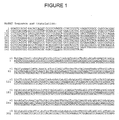
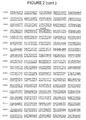
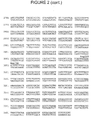
- the current invention thus provides a gene comprising the nucleotide sequence set forth in figure 1 or figure 2.
- the current invention also provides a plant which has been transformed with a gene comprising the nucleotide sequence set forth in figure 1 or figure 2.
- the current invention also proviates a transformed seed of a plant according to the invention.
- the present invention is drawn to compositions having an improved transformation efficiency in plants, particularly monocots.
- the compositions can stably transform a plant cell or culture and regenerating plants from the transformed cells.
- fertile transgenic plants can be grown to maturity with a high frequency.
- the fertile transformed plants are capable of producing transformed progeny that express foreign genes of interest.
- compositions of the present invention improve transformation efficiency. By improve efficiency it is intended that the number of transformed plants recovered by a transformation attempt is increased preferably at least two fold, preferably at least five fold, more preferably at least ten fold.
- the present invention thus encompasses the fertile transgenic plants and transformed seeds thereof, as well as the subsequent progeny and products derived therefrom.
- transformation is intended the genetic manipulation of the plant, cell, cell line, callus, tissue, plant part, and the like. That is, such cell, cell line, callus, tissue, plant part, or plant which has been altered by the presence of recombinant DNA wherein said DNA is introduced into the genetic material within the cell, either chromosomally, or extra-chromosomally.
- Recombinant DNA includes foreign DNA, heterologous DNA, exogenous DNA, and chimeric DNA.
- transformed plants of the invention can be produced by genetic engineering.
- transformed parent plants can be produced by genetic engineering and used to transfer the foreign genes into subsequent generations by sexual or asexual reproduction.
- compositions of the present invention can be used in combination with any means for transformation of plants or plant cells.
- the present invention provides optimized marker genes as set forth in figures 1 and 2. These are optimized for expression in monocots, especially maize.
- the genes of the invention are selectable marker genes. Selectable marker genes facilitate identification and selection of transformed cells.
- Selectable marker genes are utilized for the selection of transformed cells or tissues.
- Selectable marker genes include genes encoding antibiotic resistance, such as those encoding neomycin phosphotransferase II ( NEO ) and hygromycin phosphotransferase ( HPT ) as well as genes conferring resistance to herbicidal compounds.
- Herbicide resistance genes generally code for a modified target protein insensitive to the herbicide or for an enzyme that degrades or detoxifies the herbicide in the plant before it can act. (See DeBlock et al . (1987) EMBO J ., 6 :2513-2518; DeBlock et al . (1989) Plant Physiol ., 91 :691-704; Fromm et al .
- EPSPS 5-enolpyruvylshikimate-3-phosphate synthase
- ALS acetolactate synthase
- the selectable marker genes of the invention encode (figure 2) cyanamide hydratase (Maier-Greiner et al . (1991) Proc . Natl . Acad . Sci . USA , 88 :4250-4264); and (figure 1) phosphinothricin acetyltransferase (DeBlock et al . (1987) EMBO J ., 6 :2513).
- the selectable marker genes of the invention have been synthesized for optimal expression in monocot plants. That is, the coding sequence of the gene has been modified to enhance expression in monocot plants.
- the synthetic marker gene is designed to be expressed in monocot plants at a higher level resulting in higher transformation efficiency.
- Plant preferred codons may be determined from the codons of highest frequency in the proteins expressed in the largest amount in the particular plant species of interest. See, for example, EPA 0359472; EPA 0385962; WO 91/16432; Perlak et al . (1991) Proc . Natl . Acad . Sci . USA , 88 :3324-3328; an Murray et al . (1989) Nucleic Acids Research , 17 : 477-498. U.S Patent No. 5,380,831; U.S. Patent No. 5,436,391.
- the marker genes of the invention are provided in expression cassettes for expression in the organism of interest.
- the cassette will include 5' and 3' regulatory sequence's operably linked to the gene of interest.
- the expression cassette may be linked at the 5' end to various promoters. from the same or different organisms. These promoters would be selected for strength and/or inducibility. Examples of such promoters include but are not limited to the ubiquitin-1 (Ubi-1) promoter or the cauliflower mosaic virus 35S (CaMv) promoter. See for example Christensen et al . (1992) Plant Mol . Biol . 18:675-689; Cornijo et al .. (1993) Plant Mol . Biol .
- the expression cassette may also include 3' terminator regions linked to the gene of interest examples of which are the CaMV 35S terminator and the potato proteinase inhibitor protein or pin II terminator. See for example, Mitsuhara et al . (1996) Plant Cell Physiol . 37(1):49-59; Seymour et al . (1993) Plant Mol . Biol . 23(1):1-9;
- the cassette may additionally contain at least one gene to be cotransformed into the organism.
- the additional gene(s) of interest can be provided on another expression cassette. Where appropriate, the additional gene(s) of interest may be optimized for increased expression in the transformed plant.
- the expression cassettes may additionally contain 5' leader sequences in the expression cassette construct.
- leader sequences can act to enhance translation.
- Translation leaders are known in the art and include: picornavirus leaders, for example, EMCV leader (Facephalomyocarditis 5' noncoding region) (Elroy-Stein, O., Fuerst, T.R., and Moss, B. (1989) PNAS USA , 86 :6126-6130); potyvirus leaders, for example, TEV leader (Tobacco Etch Virus) (Allison et al .
- MDMV leader Maize Dwarf Mosaic Virus: Virology , 154 :9-20
- human immunoglobulin heavy-chain binding protein (BiP), (Macejak, D.G., and P. Sarnow (1991) Nature , 353 :90-94; untranslated leader from the coat protein mRNA of alfalfa mosaic virus (AMV RNA 4).
- the various DNA fragments may be manipulated, so as to provide for the DNA sequences in the proper orientation and, as appropriate in the proper reading frame.
- adapters or linkers may be employed to join the DNA fragments or other manipulations may be involved to provide for convenient restriction sites, removal of superfluous DNA, removal of restriction sites, or the like.
- in vitro mutagenesis, primer repair, restriction, annealing, resection, ligation, PCR, or the like may be employed, where insertions, deletions or substitutions, e . g . transitions and transversions, may be involved.
- compositions of the present invention can be used in any transformation protocol.
- transformation protocols may vary depending on the type of plant or plant cell, i.e. monocot or dicot, targeted for transformation.
- Suitable methods of transforming plant cells include microinjection (Crossway et al . (1986) Biotechniques 4:320-334), electroporation (Riggs et al . (1986) Proc . Natl . Acad. Sci. USA, 83 :5602-5606, Agrobacterium mediated transformation (Hinchee et al . (1988) Biotechnology , 6 :915-921), direct gene transfer (Paszkowski et al .
- the plant plastid can also be transformed directly. Stable transformation of plastids have been reported in higher plants. See, for example, Svab et al . (1990) Proc . Nat'l . Acad . Sci . USA , 87 :8526-8530; Svab & Maliga (1993) Proc . Nat'l Acad . Sci . USA , 90 :913-917; Svab & Maliga (1993) EMBO J ., 12 :601-606.
- the method relies on particular gun delivery of DNA containing a selectable marker and targeting of the DNA to the plastid genome through homologous recombination.
- plastid transformation can be accomplished by trans-activation of a silent plastid-borne transgene by tissue-specific expression of a nuclear-encoded and plastid-directed RNA polymerase.
- tissue-specific expression of a nuclear-encoded and plastid-directed RNA polymerase Such a system has been reported in McBride et al . (1994) Proc . Natl . Acad . Sci ., USA , 91 :7301-7305.
- the marker genes are optimized for expression in the plant plastid.
- the cells which have been transformed may be grown into plants in accordance with conventional ways. See, for example, McCormick et al . (1986) Plant Cell Reports , 5 :81-84. These plants may then be grown, and either pollinated with the same transformed strain or different strains, and the resuiting hybrid having the desired phenotypic characteristic identified. Two or more generations may be grown to ensure that the subject phenotypic characteristic is stably maintained and inherited and then seeds harvested to ensure the desired phenotype or other property has been achieved.
- the present invention is particularly useful in transforming plants which have been recalcitrant to known transformation methods. That is using the present method, maize elite lines, inbreds, and other lines difficult to transform can be transformed directly.
- the PAT gene which confers resistance to the herbicide glufosinate ammonium, was originally cloned from Streptomyces viridochromogenes .
- the plasmid pB2/35SAcK consists of a synthetic plant-optimized PAT gene fused to a 35S-promoter and terminator cloned into pUC19.
- the PAT gene was first modified for expression in plants by replacing the GTG codon with ATG, and by modifying the four nucleotides upstream of the ATG codon to generate a plant-optimized PAT gene.
- the present invention relates to the further modification of the PAT gene to generate an example of a monocot-optimized selectable marker gene, the "monocot-optimized" PAT gene (moPAT).
- moPAT monocot-optimized
- Analysis of the success of monocot-optimization was determined by recovery of transformants when the monocot-optimized PAT gene was used as a selectable marker, resulting in the isolation of a large number of highly herbicide-resistant events.
- the preferred codon usage natterns for maize were examined. See, for example, Adang, U.S. Patent No. 5,380,831. Information regarding the preferred codon usage of maize allowed for the replacement of codons with those codons that were more frequently used in maize. Codons were altered without altering the amino acid sequence of the PAT polypeptide.
- a codon usage table that reflects the codon usage of the monocot Zea mays was utilized to optimize the PAT gene expression in monocots, particularly maize. Because the codon usage among monocots is similar. the genes can be used in any monocot, for example, wheat. It is further recognized that monocot optimized sequences may express in acceptable levels in dicots.
- the plant-optimized sequence of the PAT gene was translated and compared to the native protein sequence.
- the protein sequence was then back-translated to nucleotide sequence using the above-described maize codon usage table. Modifications of the nucleotide sequence were not made if such modification would result in alteration of the amino acid sequence of the encoded PAT protein.
- the basic methodology utilized to generate the monocot-optimized PAT gene sequence is outlined below:
- expression vectors containing the moPAT gene were transformed into maize cells or tissues.
- Several plasmids were generated in order to test the ability of the synthetic moPAT gene to function in a monocot-optimized fashion.
- Two separate methods were utilized in order to determine the efficiency and level of gene expression in monocots transformed with the monocot-optimized gene constructs.
- One method includes transformation of monocot cells with the monocot-optimized gene constructs followed by exposure of the cells to an herbicide (such as Bialaphos®, Basta, or glufosinate ammonium) to which the PAT gene is known to confer resistance.
- an herbicide such as Bialaphos®, Basta, or glufosinate ammonium
- the number of colonies recovered following exposure to the herbicide is an indication of the ability of the monocot-optimized gene to function in maize tissues and cells. If transformation is benefited, a greater number of transformed events (herbicide-resistant colonies) would be recovered following transformation with the moPAT gene than following transformation with the PAT gene.
- a monocot-optimized gene may be utilized to increase recovery of transformed events following selection with a drug to which the monocot-optimized gene confers.resistance.
- An important obstacle encountered by many skilled in the art is the mability to simply and accurately select for certain genes of interest.
- the moPAT gene functions in such a capacity, in that transformation of the moPAT gene with a gene of interest encoding a non-selectable gene product allows for selection of transformed events by selection of the transformed events in the present of a drug.
- the gene encoding a nonselectable gene product may be encoded on the same plasmid comprising the moPAT gene or may be comprised within a separate plasmid or DNA molecule. If the gene of interest is provided on a separate plasmid, then it is likely, although not absolute, that the herbicide-resistant transformed events have been co-transfected with the non-selectable gene of interest, such as the cryIA(b) gene. Similarly, if the gene of interest resides on the same plasmid comprising rhe moPAT gene, then it is likely that herbicide-resistant events will comprise the gene of interest in addition to the moPAT gene.
- the optimized gene enhances the ability to recover transformed events following transformation with a non-selectable gene of interest.
- a transgenic maize plant is generated by transformation of a monocot-optimized gene into a maize regenerable tissue followed by regeneration of said regenerable tissue into a mature trangenic maize plant.
- the maize regenerable tissue is transformed with an expression vector comprising a monocot-optimized gene.
- tissues of the transgenic plant are harvested and assayed for the presence of the monocot-optimized gene.
- GS3 callus lines were the target issue. GS3 is a high-type H (model) corn genotype. Generally, the callus was sieved in perparation for bombardment.
- the tissue After being bombed with particles coated with DNA at a concentration of about 0.1 ⁇ g DNA/shot/plate, the tissue was maintained for two days on medium with no selection agent, afterwhich the tissue was transferred to medium with a selection agent (3 ⁇ g/liter bialophos) to initiate the plant regeneration process.
- a selection agent 3 ⁇ g/liter bialophos
- transgenic plant is generated that has a selective advantage (herbicide resistance) over a non-transgenic plant.
- PAT and moPAT were transformed into the cultivar Bobwhite (wheat) in order to determine whether the monocot-optimized CAH sequence would lead to improved transformation efficiencies in other plant species besides maize.
- Two experiments were conducted comparing the transformation efficiencies of the PAT gene with moPAT. Heads were harvested 12 - 14 days post anthesis, seeds sterilized in 20% sodium hypochlorite for 30 min., and rinsed three times in sterile water. Immature embryos were excised and plated on MS salts, 2% sucrose, 150 mg/l asparagine, 0.5 mg/l thiamine HCl, 1.5 mg/l 2,4-D, pH 5.8, solidified with 2.5 g/l Gelrite (initiation medium).
- Cyanamide in aqueous solution or in the form of its calcium salt is used as a fertilizer in agriculture. It also can act as an effective herbicide if applied prior to sowing.
- the enzyme cyanamide hydratase hydrates the nitrile group of cyanamide to form urea.
- Cyanamide hydratase has been purified from Myrothecium verrucaria . See, Maier-Greiner et al . (1991) Proc . Natl . Acad . Sci . USA , 88 :4260-4264, herein incorporated by reference.
- the gene encoding cyanamide hydratase was optimized for expression in maize by the methods outlines above. Codons were altered without altering the amino acid sequence of the enzyme.
- the nucleic acid and amino acid sequences of the optimized gene are given in Figure 2 .
- moCAH monocot-optimized cyanamide hydratase gene
- T1 plants from one T0 plant were analyzed by PCR of which twenty five T1 plants were positive for the moCAH transgene.
- two T0 plants were used.
- Fifty nine T1 plants from the first T0 were analyzed by PCR, of which thirty two were positive for the moCAH transgene.
- Out of fourteen T1 plants from the second T0 plant eight T1 plants were positive for the moCAH transgene. None of the seventy-one Tlseeds germinated in the third transgenic event due to poor seed quality and mold problems.
- T1 plants at V5-6 stage were leaf-painted with a 10% solution of the commercial herbicide Dormex (containing 50% cyanamide). All control non-transformed plants were susceptible to the herbicide with the painted leaf showing severe damage. Some transgenic T1 plants from both transgenic events were completely resistant to 50% cyanamide demonstrating no damage from leaf painting.
- Event #2 PCR analysis showing the presence of the moCAH transgene and leaf painting results demonstrating improved resistance to cyanamide displayed a segregation pattern of approximately 1:1.
- the DNA construct that contained the moCAH gene was arranged on the integrating vector 10675 in the order Ubi promoter;; moCAH gene;; PinII terminator. Sequences of the primers used for PCR confirmation of moCAH presence in the plant genome are given below.
Landscapes
- Health & Medical Sciences (AREA)
- Genetics & Genomics (AREA)
- Life Sciences & Earth Sciences (AREA)
- Engineering & Computer Science (AREA)
- Biomedical Technology (AREA)
- Biotechnology (AREA)
- Bioinformatics & Cheminformatics (AREA)
- Organic Chemistry (AREA)
- Chemical & Material Sciences (AREA)
- Zoology (AREA)
- General Engineering & Computer Science (AREA)
- Wood Science & Technology (AREA)
- Molecular Biology (AREA)
- General Health & Medical Sciences (AREA)
- Plant Pathology (AREA)
- Cell Biology (AREA)
- Biophysics (AREA)
- Biochemistry (AREA)
- Microbiology (AREA)
- Physics & Mathematics (AREA)
- Micro-Organisms Or Cultivation Processes Thereof (AREA)
- Breeding Of Plants And Reproduction By Means Of Culturing (AREA)
- Prostheses (AREA)
- Diaphragms For Electromechanical Transducers (AREA)
- Steroid Compounds (AREA)
Claims (6)
- Gen, das die Nukleotidsequenz umfasst, die in Figur 1 oder Figur 2 angegeben ist.
- Pflanze, die mit einem Gen transformiert wurde, das die Nukleotidsequenz umfasst, die in Figur 1 oder Figur 2 angegeben ist.
- Pflanze nach Anspruch 2, wobei die Pflanze eine Monokotyle ist.
- Pflanze nach Anspruch 3, wobei die Monokotyle Mais ist.
- Pflanze nach Anspruch 3, wobei die Monokotyle Weizen ist.
- Transformierter Samen der Pflanze nach einem der Ansprüche 2 bis 5.
Applications Claiming Priority (3)
| Application Number | Priority Date | Filing Date | Title |
|---|---|---|---|
| US3556097P | 1997-01-14 | 1997-01-14 | |
| US35560P | 1997-01-14 | ||
| PCT/US1998/000359 WO1998030701A1 (en) | 1997-01-14 | 1998-01-09 | Methods for improving transformation efficiency |
Publications (2)
| Publication Number | Publication Date |
|---|---|
| EP0954584A1 EP0954584A1 (de) | 1999-11-10 |
| EP0954584B1 true EP0954584B1 (de) | 2004-06-30 |
Family
ID=21883449
Family Applications (1)
| Application Number | Title | Priority Date | Filing Date |
|---|---|---|---|
| EP98901210A Expired - Lifetime EP0954584B1 (de) | 1997-01-14 | 1998-01-09 | Verfahren zur verbesserung der transformationseffizienz. |
Country Status (10)
| Country | Link |
|---|---|
| US (1) | US6096947A (de) |
| EP (1) | EP0954584B1 (de) |
| AR (1) | AR011527A1 (de) |
| AT (1) | ATE270334T1 (de) |
| AU (1) | AU729122B2 (de) |
| CA (1) | CA2278028C (de) |
| DE (1) | DE69824832T2 (de) |
| NZ (1) | NZ336687A (de) |
| WO (1) | WO1998030701A1 (de) |
| ZA (1) | ZA98260B (de) |
Families Citing this family (23)
| Publication number | Priority date | Publication date | Assignee | Title |
|---|---|---|---|---|
| UY24959A1 (es) * | 1997-04-18 | 1998-10-14 | Mogen Int Nv | Gen codificador de la cianamida hidratasa como marcador de seleccion para plantas |
| AU7968098A (en) | 1997-06-11 | 1998-12-30 | United States Of America, As Represented By The Secretary Of Agriculture, The | Transformation of wheat with the cyanamide hydratase gene |
| US6586661B1 (en) | 1997-06-12 | 2003-07-01 | North Carolina State University | Regulation of quinolate phosphoribosyl transferase expression by transformation with a tobacco quinolate phosphoribosyl transferase nucleic acid |
| IL122270A0 (en) * | 1997-11-20 | 1998-04-05 | Yeda Res & Dev | DNA molecules conferring to plants resistance to a herbicide and plants transformed thereby |
| WO2000024894A1 (en) * | 1998-10-23 | 2000-05-04 | Mycogen Corporation | Plant-optimized marker genes |
| US6395485B1 (en) | 2000-01-11 | 2002-05-28 | Aventis Cropscience N.V. | Methods and kits for identifying elite event GAT-ZM1 in biological samples |
| JP2004512020A (ja) | 2000-06-23 | 2004-04-22 | イー・アイ・デュポン・ドウ・ヌムール・アンド・カンパニー | 組換え構築物ならびにこれを遺伝子発現を減少させる際に用いる方法 |
| EP1724355A3 (de) | 2000-08-30 | 2007-05-23 | North Carolina State University | Transgene Pflanzen, die molekulare Decoys enthalten, die den Proteininhalt ändern |
| JP2004533807A (ja) | 2000-11-07 | 2004-11-11 | ノース・キャロライナ・ステイト・ユニヴァーシティ | プトレッシン−n−メチルトランスフェラーゼプロモーター |
| CA2449920A1 (en) | 2001-06-08 | 2002-12-19 | Vector Tobacco Ltd. | Modifying nicotine and nitrosamine levels in tobacco |
| ES2339559T3 (es) | 2003-12-16 | 2010-05-21 | Pioneer Hi-Bred International, Inc. | Transgenes de supresion de gen dominante y metodos de uso de los mismos. |
| US20070169227A1 (en) | 2003-12-16 | 2007-07-19 | Pioneer Hi-Bred International Inc. | Dominant Gene Suppression Transgenes and Methods of Using Same |
| US20070271629A1 (en) | 2006-05-17 | 2007-11-22 | Pioneer Hi-Bred International, Inc. | Artificial plant minichromosomes |
| WO2011082310A2 (en) | 2009-12-30 | 2011-07-07 | Pioneer Hi-Bred International, Inc. | Methods and compositions for targeted polynucleotide modification |
| WO2012074868A2 (en) | 2010-12-03 | 2012-06-07 | Ms Technologies, Llc | Optimized expression of glyphosate resistance encoding nucleic acid molecules in plant cells |
| KR102047336B1 (ko) | 2012-02-01 | 2019-11-22 | 다우 아그로사이언시즈 엘엘씨 | 신규한 클래스의 글리포세이트 저항성 유전자 |
| WO2013134651A1 (en) | 2012-03-09 | 2013-09-12 | Board Of Trustees Of Michigan State University | Method of enhancing plant drought tolerance by expression of ndr1 |
| EP2941481A4 (de) * | 2013-01-04 | 2016-11-02 | Novogy Inc | Manipulierte mikroorganismen zur verwendung als unkonventionelle stickstoffquellen |
| IL267043B2 (en) * | 2016-12-08 | 2026-04-01 | Syngenta Participations Ag | Method for improving the frequency of transformation |
| EP3759489A1 (de) | 2018-03-02 | 2021-01-06 | Pioneer Hi-Bred International, Inc. | Pflanzengesundheitstest |
| WO2020205334A1 (en) * | 2019-04-01 | 2020-10-08 | Syngenta Crop Protection Ag | Increasing plant transformability by cytotype transfer |
| EP3757219A1 (de) * | 2019-06-28 | 2020-12-30 | KWS SAAT SE & Co. KGaA | Verbesserte pflanzenregeneration und -umwandlung unter verwendung des grf1-booster-gens |
| CN114736912B (zh) * | 2022-03-24 | 2023-05-26 | 华南农业大学 | 优化的玉米rZmG2基因及其在提高植物遗传转化效率中的应用 |
Family Cites Families (2)
| Publication number | Priority date | Publication date | Assignee | Title |
|---|---|---|---|---|
| US5380831A (en) * | 1986-04-04 | 1995-01-10 | Mycogen Plant Science, Inc. | Synthetic insecticidal crystal protein gene |
| GB9504446D0 (en) * | 1995-03-06 | 1995-04-26 | Medical Res Council | Improvements in or relating to gene expression |
-
1998
- 1998-01-06 US US09/003,287 patent/US6096947A/en not_active Expired - Lifetime
- 1998-01-09 WO PCT/US1998/000359 patent/WO1998030701A1/en not_active Ceased
- 1998-01-09 AT AT98901210T patent/ATE270334T1/de not_active IP Right Cessation
- 1998-01-09 DE DE69824832T patent/DE69824832T2/de not_active Expired - Lifetime
- 1998-01-09 EP EP98901210A patent/EP0954584B1/de not_active Expired - Lifetime
- 1998-01-09 CA CA002278028A patent/CA2278028C/en not_active Expired - Fee Related
- 1998-01-09 NZ NZ336687A patent/NZ336687A/en not_active IP Right Cessation
- 1998-01-09 AU AU57341/98A patent/AU729122B2/en not_active Ceased
- 1998-01-13 ZA ZA98260A patent/ZA98260B/xx unknown
- 1998-01-13 AR ARP980100140A patent/AR011527A1/es unknown
Also Published As
| Publication number | Publication date |
|---|---|
| DE69824832T2 (de) | 2005-07-07 |
| US6096947A (en) | 2000-08-01 |
| ATE270334T1 (de) | 2004-07-15 |
| AU5734198A (en) | 1998-08-03 |
| NZ336687A (en) | 2001-08-31 |
| CA2278028A1 (en) | 1998-07-16 |
| WO1998030701A1 (en) | 1998-07-16 |
| CA2278028C (en) | 2007-11-13 |
| DE69824832D1 (de) | 2004-08-05 |
| AU729122B2 (en) | 2001-01-25 |
| ZA98260B (en) | 1998-07-13 |
| EP0954584A1 (de) | 1999-11-10 |
| AR011527A1 (es) | 2000-08-30 |
Similar Documents
| Publication | Publication Date | Title |
|---|---|---|
| EP0954584B1 (de) | Verfahren zur verbesserung der transformationseffizienz. | |
| Fraley et al. | Genetic transformation in higher plants | |
| AU743706B2 (en) | Agrobacterium mediated transformation of sorghum | |
| EP2024494B1 (de) | Bakterielle glutaminsynthetasen und verwendungsverfahren | |
| US5451513A (en) | Method for stably transforming plastids of multicellular plants | |
| EP2390256A1 (de) | Künstliche Pflanzenchromosomen, deren Verwendung und Verfahren zur Herstellung von künstlichen Pflanzenchromosomen | |
| CN108368517A (zh) | 用于快速植物转化的方法和组合物 | |
| US20230313212A1 (en) | Plastid transformation by complementation of nuclear mutations | |
| AU2009210450A1 (en) | Directed evolution of GRG31 and GRG36 EPSP synthase enzymes | |
| Dyer | Techniques for producing herbicide-resistant crops | |
| Batchvarova et al. | Transgenic tobacco cultivars resistant to Pseudomonas syringae pv. tabaci | |
| Christou et al. | The impact of selection parameters on the phenotype and genotype of transgenic rice callus and plants | |
| US20240417703A1 (en) | Error prone dna polymerase for organelle mutation | |
| EP1276884A2 (de) | Transgene pflanzen | |
| US20030154518A1 (en) | Removal of selectable markers from transformed cells | |
| EP0240331B2 (de) | Gegen Viren resistente Pflanzen mit einem viralen Überzugsprotein | |
| Lambe et al. | Transgenic pearl millet (Pennisetum glaucum) | |
| Bellini et al. | Transformation of Lycopersicon peruvianum and Lycopersicon esculentum mesophyll protoplasts by electroporation | |
| EP0991765B1 (de) | Resistenzmarker für einkeimblättrige pflanzen | |
| WO2000050614A9 (en) | Methods of using viral replicase polynucleotides and polypeptides | |
| Jing-Yu et al. | Chloroplast genetic engineering in higher plants | |
| WO2025222140A2 (en) | Engineered climate resilient plants and methods of making and use thereof | |
| Lal et al. | Agrobacteria-Mediated Gene Transformations and Vectors for Gene Cloning in Plants | |
| Daub et al. | TRANSFORMATION FREQUENCY AND FOREIGN GENE EXPRESSION IN TOBACCO BURLEY AND FLUE-CURED CULTIVARS OF TOBACCO | |
| Spangenberg | Genetic Engineering of Crop Plants |
Legal Events
| Date | Code | Title | Description |
|---|---|---|---|
| PUAI | Public reference made under article 153(3) epc to a published international application that has entered the european phase |
Free format text: ORIGINAL CODE: 0009012 |
|
| 17P | Request for examination filed |
Effective date: 19990802 |
|
| AK | Designated contracting states |
Kind code of ref document: A1 Designated state(s): AT BE CH DE DK ES FI FR GB GR IE IT LI LU MC NL PT SE |
|
| 17Q | First examination report despatched |
Effective date: 20030303 |
|
| GRAP | Despatch of communication of intention to grant a patent |
Free format text: ORIGINAL CODE: EPIDOSNIGR1 |
|
| GRAS | Grant fee paid |
Free format text: ORIGINAL CODE: EPIDOSNIGR3 |
|
| GRAA | (expected) grant |
Free format text: ORIGINAL CODE: 0009210 |
|
| AK | Designated contracting states |
Kind code of ref document: B1 Designated state(s): AT BE CH DE DK ES FI FR GB GR IE IT LI LU MC NL PT SE |
|
| PG25 | Lapsed in a contracting state [announced via postgrant information from national office to epo] |
Ref country code: LI Free format text: LAPSE BECAUSE OF FAILURE TO SUBMIT A TRANSLATION OF THE DESCRIPTION OR TO PAY THE FEE WITHIN THE PRESCRIBED TIME-LIMIT Effective date: 20040630 Ref country code: FI Free format text: LAPSE BECAUSE OF FAILURE TO SUBMIT A TRANSLATION OF THE DESCRIPTION OR TO PAY THE FEE WITHIN THE PRESCRIBED TIME-LIMIT Effective date: 20040630 Ref country code: CH Free format text: LAPSE BECAUSE OF FAILURE TO SUBMIT A TRANSLATION OF THE DESCRIPTION OR TO PAY THE FEE WITHIN THE PRESCRIBED TIME-LIMIT Effective date: 20040630 Ref country code: BE Free format text: LAPSE BECAUSE OF FAILURE TO SUBMIT A TRANSLATION OF THE DESCRIPTION OR TO PAY THE FEE WITHIN THE PRESCRIBED TIME-LIMIT Effective date: 20040630 Ref country code: AT Free format text: LAPSE BECAUSE OF FAILURE TO SUBMIT A TRANSLATION OF THE DESCRIPTION OR TO PAY THE FEE WITHIN THE PRESCRIBED TIME-LIMIT Effective date: 20040630 |
|
| REG | Reference to a national code |
Ref country code: GB Ref legal event code: FG4D Ref country code: CH Ref legal event code: EP |
|
| REG | Reference to a national code |
Ref country code: IE Ref legal event code: FG4D |
|
| REF | Corresponds to: |
Ref document number: 69824832 Country of ref document: DE Date of ref document: 20040805 Kind code of ref document: P |
|
| PG25 | Lapsed in a contracting state [announced via postgrant information from national office to epo] |
Ref country code: SE Free format text: LAPSE BECAUSE OF FAILURE TO SUBMIT A TRANSLATION OF THE DESCRIPTION OR TO PAY THE FEE WITHIN THE PRESCRIBED TIME-LIMIT Effective date: 20040930 Ref country code: GR Free format text: LAPSE BECAUSE OF FAILURE TO SUBMIT A TRANSLATION OF THE DESCRIPTION OR TO PAY THE FEE WITHIN THE PRESCRIBED TIME-LIMIT Effective date: 20040930 Ref country code: DK Free format text: LAPSE BECAUSE OF FAILURE TO SUBMIT A TRANSLATION OF THE DESCRIPTION OR TO PAY THE FEE WITHIN THE PRESCRIBED TIME-LIMIT Effective date: 20040930 |
|
| PG25 | Lapsed in a contracting state [announced via postgrant information from national office to epo] |
Ref country code: ES Free format text: LAPSE BECAUSE OF FAILURE TO SUBMIT A TRANSLATION OF THE DESCRIPTION OR TO PAY THE FEE WITHIN THE PRESCRIBED TIME-LIMIT Effective date: 20041011 |
|
| PG25 | Lapsed in a contracting state [announced via postgrant information from national office to epo] |
Ref country code: LU Free format text: LAPSE BECAUSE OF NON-PAYMENT OF DUE FEES Effective date: 20050109 |
|
| PG25 | Lapsed in a contracting state [announced via postgrant information from national office to epo] |
Ref country code: IE Free format text: LAPSE BECAUSE OF NON-PAYMENT OF DUE FEES Effective date: 20050110 |
|
| REG | Reference to a national code |
Ref country code: CH Ref legal event code: PL |
|
| PG25 | Lapsed in a contracting state [announced via postgrant information from national office to epo] |
Ref country code: MC Free format text: LAPSE BECAUSE OF NON-PAYMENT OF DUE FEES Effective date: 20050131 |
|
| ET | Fr: translation filed | ||
| PLBE | No opposition filed within time limit |
Free format text: ORIGINAL CODE: 0009261 |
|
| STAA | Information on the status of an ep patent application or granted ep patent |
Free format text: STATUS: NO OPPOSITION FILED WITHIN TIME LIMIT |
|
| 26N | No opposition filed |
Effective date: 20050331 |
|
| REG | Reference to a national code |
Ref country code: IE Ref legal event code: MM4A |
|
| PG25 | Lapsed in a contracting state [announced via postgrant information from national office to epo] |
Ref country code: PT Free format text: LAPSE BECAUSE OF NON-PAYMENT OF DUE FEES Effective date: 20041130 |
|
| PGFP | Annual fee paid to national office [announced via postgrant information from national office to epo] |
Ref country code: IT Payment date: 20120124 Year of fee payment: 15 |
|
| PGFP | Annual fee paid to national office [announced via postgrant information from national office to epo] |
Ref country code: DE Payment date: 20130103 Year of fee payment: 16 Ref country code: GB Payment date: 20130109 Year of fee payment: 16 Ref country code: FR Payment date: 20130204 Year of fee payment: 16 |
|
| PGFP | Annual fee paid to national office [announced via postgrant information from national office to epo] |
Ref country code: NL Payment date: 20130110 Year of fee payment: 16 |
|
| REG | Reference to a national code |
Ref country code: DE Ref legal event code: R119 Ref document number: 69824832 Country of ref document: DE |
|
| REG | Reference to a national code |
Ref country code: NL Ref legal event code: V1 Effective date: 20140801 |
|
| GBPC | Gb: european patent ceased through non-payment of renewal fee |
Effective date: 20140109 |
|
| REG | Reference to a national code |
Ref country code: DE Ref legal event code: R119 Ref document number: 69824832 Country of ref document: DE Effective date: 20140801 |
|
| PG25 | Lapsed in a contracting state [announced via postgrant information from national office to epo] |
Ref country code: NL Free format text: LAPSE BECAUSE OF NON-PAYMENT OF DUE FEES Effective date: 20140801 Ref country code: DE Free format text: LAPSE BECAUSE OF NON-PAYMENT OF DUE FEES Effective date: 20140801 |
|
| REG | Reference to a national code |
Ref country code: FR Ref legal event code: ST Effective date: 20140930 |
|
| PG25 | Lapsed in a contracting state [announced via postgrant information from national office to epo] |
Ref country code: GB Free format text: LAPSE BECAUSE OF NON-PAYMENT OF DUE FEES Effective date: 20140109 Ref country code: FR Free format text: LAPSE BECAUSE OF NON-PAYMENT OF DUE FEES Effective date: 20140131 |
|
| PG25 | Lapsed in a contracting state [announced via postgrant information from national office to epo] |
Ref country code: IT Free format text: LAPSE BECAUSE OF NON-PAYMENT OF DUE FEES Effective date: 20140109 |