EP0965584A2 - Composés de polyamine et compositions les contenant, utiles pour le transfert de substances actives dans des cellules - Google Patents
Composés de polyamine et compositions les contenant, utiles pour le transfert de substances actives dans des cellules Download PDFInfo
- Publication number
- EP0965584A2 EP0965584A2 EP99111504A EP99111504A EP0965584A2 EP 0965584 A2 EP0965584 A2 EP 0965584A2 EP 99111504 A EP99111504 A EP 99111504A EP 99111504 A EP99111504 A EP 99111504A EP 0965584 A2 EP0965584 A2 EP 0965584A2
- Authority
- EP
- European Patent Office
- Prior art keywords
- iii
- compound
- boc
- telomer
- complex
- Prior art date
- Legal status (The legal status is an assumption and is not a legal conclusion. Google has not performed a legal analysis and makes no representation as to the accuracy of the status listed.)
- Withdrawn
Links
Images

Classifications
-
- C—CHEMISTRY; METALLURGY
- C07—ORGANIC CHEMISTRY
- C07D—HETEROCYCLIC COMPOUNDS
- C07D233/00—Heterocyclic compounds containing 1,3-diazole or hydrogenated 1,3-diazole rings, not condensed with other rings
- C07D233/54—Heterocyclic compounds containing 1,3-diazole or hydrogenated 1,3-diazole rings, not condensed with other rings having two double bonds between ring members or between ring members and non-ring members
- C07D233/64—Heterocyclic compounds containing 1,3-diazole or hydrogenated 1,3-diazole rings, not condensed with other rings having two double bonds between ring members or between ring members and non-ring members with substituted hydrocarbon radicals attached to ring carbon atoms, e.g. histidine
-
- A—HUMAN NECESSITIES
- A61—MEDICAL OR VETERINARY SCIENCE; HYGIENE
- A61K—PREPARATIONS FOR MEDICAL, DENTAL OR TOILETRY PURPOSES
- A61K48/00—Medicinal preparations containing genetic material which is inserted into cells of the living body to treat genetic diseases; Gene therapy
-
- C—CHEMISTRY; METALLURGY
- C07—ORGANIC CHEMISTRY
- C07C—ACYCLIC OR CARBOCYCLIC COMPOUNDS
- C07C323/00—Thiols, sulfides, hydropolysulfides or polysulfides substituted by halogen, oxygen or nitrogen atoms, or by sulfur atoms not being part of thio groups
- C07C323/50—Thiols, sulfides, hydropolysulfides or polysulfides substituted by halogen, oxygen or nitrogen atoms, or by sulfur atoms not being part of thio groups containing thio groups and carboxyl groups bound to the same carbon skeleton
- C07C323/51—Thiols, sulfides, hydropolysulfides or polysulfides substituted by halogen, oxygen or nitrogen atoms, or by sulfur atoms not being part of thio groups containing thio groups and carboxyl groups bound to the same carbon skeleton having the sulfur atoms of the thio groups bound to acyclic carbon atoms of the carbon skeleton
- C07C323/60—Thiols, sulfides, hydropolysulfides or polysulfides substituted by halogen, oxygen or nitrogen atoms, or by sulfur atoms not being part of thio groups containing thio groups and carboxyl groups bound to the same carbon skeleton having the sulfur atoms of the thio groups bound to acyclic carbon atoms of the carbon skeleton with the carbon atom of at least one of the carboxyl groups bound to nitrogen atoms
-
- C—CHEMISTRY; METALLURGY
- C07—ORGANIC CHEMISTRY
- C07D—HETEROCYCLIC COMPOUNDS
- C07D233/00—Heterocyclic compounds containing 1,3-diazole or hydrogenated 1,3-diazole rings, not condensed with other rings
- C07D233/54—Heterocyclic compounds containing 1,3-diazole or hydrogenated 1,3-diazole rings, not condensed with other rings having two double bonds between ring members or between ring members and non-ring members
-
- C—CHEMISTRY; METALLURGY
- C08—ORGANIC MACROMOLECULAR COMPOUNDS; THEIR PREPARATION OR CHEMICAL WORKING-UP; COMPOSITIONS BASED THEREON
- C08F—MACROMOLECULAR COMPOUNDS OBTAINED BY REACTIONS ONLY INVOLVING CARBON-TO-CARBON UNSATURATED BONDS
- C08F2/00—Processes of polymerisation
- C08F2/38—Polymerisation using regulators, e.g. chain terminating agents, e.g. telomerisation
-
- C—CHEMISTRY; METALLURGY
- C12—BIOCHEMISTRY; BEER; SPIRITS; WINE; VINEGAR; MICROBIOLOGY; ENZYMOLOGY; MUTATION OR GENETIC ENGINEERING
- C12N—MICROORGANISMS OR ENZYMES; COMPOSITIONS THEREOF; PROPAGATING, PRESERVING, OR MAINTAINING MICROORGANISMS; MUTATION OR GENETIC ENGINEERING; CULTURE MEDIA
- C12N15/00—Mutation or genetic engineering; DNA or RNA concerning genetic engineering, vectors, e.g. plasmids, or their isolation, preparation or purification; Use of hosts therefor
- C12N15/09—Recombinant DNA-technology
- C12N15/87—Introduction of foreign genetic material using processes not otherwise provided for, e.g. co-transformation
Definitions
- the present invention concerns new polyamine telomer compounds and new compositions containing them. More particularly, this invention relates to the use of these compounds or compositions to prepare a complex useful for the transfer of an active substance comprising negative charges, particularly a nucleic acid, into a cell, more particularly a mammalian cell.
- Gene therapy has generally been conceived as principally applicable to heritable deficiency diseases (cystic fibrosis, dystrophies, haemophilias,%) where permanent cure may be effected by introducing a functional gene.
- heritable deficiency diseases cystic fibrosis, dystrophies, haemophilias, etc
- permanent cure may be effected by introducing a functional gene.
- a much larger group of diseases notably acquired diseases (cancer, AIDS, multiple sclerosis, might be treatable by transiently engineering host cells to produce beneficial proteins.
- the immunogenic product encoded by the nucleic acid introduced into cells of a vertebrate may be expressed and secreted or be presented by said cells in the context of the major histocompatibility antigens, thereby eliciting an immune response against the expressed immunogen.
- Functional nucleic acid can be introduced into cells by a variety of techniques resulting in either transient expression of the gene of interest, referred to as transient transfection, or permanent transformation of the host cells resulting from incorporation of the nucleic acid into the host genome.
- the retroviral genome is integrated into host cell DNA and may thus cause genetic changes in the recipient cell and infectious viral particles could disseminate within the organism or into the environment; adenoviral vectors can induce a strong immune response in treated patients (Mc Coy et al, 1995, Human Gene Therapy, 6, 1553-1560; Yang et al., 1996, Immunity, 1, 433-442). Nevertheless, despite these drawbacks, viral vectors are currently the most useful delivery systems because of their efficiency.
- the applicant has now identified new polyamine telomer compounds which are capable of transfering negatively-charged active substances, in particular nucleic acids, into a cell and which can find an application in in vivo gene therapy.
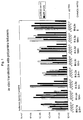
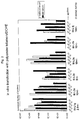
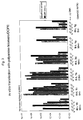
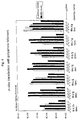
- Figures 1, 2, 3, and 4 Transfection of A549 cells with the complexes composed of polyamine telomer compounds of the invention and plasmid pTG11033 with a charge ratio +/- of 10, 5 or 2.5 (as indicated), in the presence or absence of serum. DNA amounts are indicated ( ⁇ g DNA). The open columns list transfections without serum and the solid columns those containing 10% serum.
- Figures 1 and 3 the analyzed complexes do not contain DOPE ; figures 2 and 4 : DOPE is present in the complexes.
- polyamine telomer compound designates products obtainable from polymerizing 1) at least one monomer (named taxogen M), for example an acrylamide or methylacrylamide derivative comprising a polyamine part, or one of its precursors, in the presence of 2) a transfer agent ZX (named telogen), for example alkanethiols or thiols containing perfluorinated groups, and of 3) an initiator, which could be a radical generator, for example iodine or ⁇ , ⁇ '-azo-isobutyronitrile (AIBN).
- the polyamine telomers according to the present invention are compounds of the formula Z-(M)n-X showing a low degree of polymerization (1 ⁇ ⁇ 200) and hence a relatively low molecular weight, whereas the compounds obtainable with the classic polymerization processes are of the formula (M)n wherein the degree of polymerization is high (n >> 200) and hence molecular weights are significantly higher. Moreover, the average degree of polymerization (n) of the polyamine telomer compounds being particularly linked to the taxogen/telogen molar ratio, the present invention makes it possible to control and modulate the number of amine functions of the telomers.
- the present invention concerns a polyamine telomer compound comprising the group of the formula I: wherein:
- said polyamine telomer compound is in cationic form, this means either a) it is in protonated form by binding a proton to at least one nitrogen atom present in the polyamine, or b) it is in ammonium form by binding -CH 3 ,-C 2 H 5 or HOCH 2 CH 2 - to at least one nitrogen atom presents in the polyamine or c) it is in forms a) and b).
- said cationic polyamine telomer compound would be associated with one or several biologically acceptable anions, such as, for example, trifluoroacetate, monoethylsulfate, acetate, iodide, chloride, bromide, etc.
- the invention provides compounds of formula II wherein:
- [aa] is an ⁇ -amino acid, bonded to the amine residue via its acid function and to the CO(CH 2 ) r moiety via its amine function, said ⁇ -amino acid comprising an amine/ammonium function with a weak pKa, for example an imidazole/imidazolium or a carboxylate/carboxylic function. More specifically, [aa] is selected from the group consisting of histidine, 3-methylhistidine, aspartic and glutamic acid.
- said L group can be attached to the I part through a linkage part such as for example polyether (such as PEG), polythioether, polycyclic residues even saturated or not, polysaccharide or saccharide (such as dextran or hexose, respectively).
- a linkage part such as for example polyether (such as PEG), polythioether, polycyclic residues even saturated or not, polysaccharide or saccharide (such as dextran or hexose, respectively).
- the repeated motif when p is at least 2, can be linear or branched, and each of R 10 , R 11 , R 12 and R 13 can be substituted by R 14 or the hydrogen of OH may be substituted by R 14 .
- R 14 may be independently selected from
- the substitution of the OH group leads to ether or ester compounds.
- the repeats are engaged in a C1/C3 (or C4 depending on b values) linkage.
- said L4 is a sacchride or a polysaccharide deriving, for example, from fructose, ribose, arabinose, glucose, glucosamine, galactose, galactosamine, mannose, lactose, maltose, cellobiose, etc.
- the new cationic polyamine telomer compounds show a modular structure. They consist first of a polar moiety including a variable number of primary and/or secondary amine functions and secondly in a hydrophobic moiety including hydrocarbon and/or perfluoroalkyl chains of variable-length. Because of their modular structure, the properties and biological behavior of these compounds can be adapted. Furthermore, due to the presence of primary or secondary amine functions, the compounds of the invention can be substituted.
- substitutions can consist in the addition of at least one labelling molecule (for example, see molecules disclosed in US-A-4711955) enabling, for example, visualization of the distribution of the compounds, or of complexes incorporating them, after in vitro or in vivo administration; a cell targeting molecule (ligand) or an anchoring molecule.
- the invention also relates to a compound, such as the one described above, conjugated to one or more targeting element(s) bound to at least one of the secondary or primary nitrogen atoms of the polyamine chain.
- targeting element(s) bound to at least one of the secondary or primary nitrogen atoms of the polyamine chain.
- These elements may be composed of all or part of sugars, glycol, peptides (e.g. GRP, Gastrin Releasing Peptide), oligonucleotides, lipids, hormones, vitamins, antigens, antibodies (or fragments thereof), specific membrane receptor ligands, ligands capable of reaction with an anti-ligand, fusogen peptides, nuclear localization peptides, or a combination of said compounds, e.g. galactosyl residues to target the asialoglycoprotein receptor on the surface of hepatocytes, the INF-7 fusogen peptide derivated from the HA-2 subunit of the influenza virus hemagglutinin (Plank et al. 1994, J. Biol.
- Compounds according to the present invention can also be substituted on carbon atoms, in particular carbon atoms selected from those in R 1 to R 13 .
- Such substituted polyamine telomer compounds can be obtained easily using the techniques described in the literature, especially by chemical coupling, notably by using protector groups such as trifluoroacetyl, Fmoc (9-fluorenylmethoxycarbonyl) or BOC (tert-butyloxycarbonyl) on the polyamine moiety. Selective removal of a protector group then allows coupling of the targeting element, and then complete deprotection of the lipopolyamine.
- protector groups such as trifluoroacetyl, Fmoc (9-fluorenylmethoxycarbonyl) or BOC (tert-butyloxycarbonyl)
- the polyamine telomer compounds designed with L1, L2 or L3, L4 , L5 or L6 include fluorinated or perfluoroalkyl termini on their lipidic part which allow to introduce some of the specific features that make up the uniqueness of fluorocarbon material (i.e. high hydrophobicity and low lipophilicity) (Riess, 1994, Journal of Drug Targeting, 2, 455-468) which should render the resulting polyamine telomer compound/active substance complexes (called telopolyplexes) more stable.
- the thioeter group of the polyamine telomer compounds designed with L0, L1, L2, L3, L4, L5 and L6 has been oxidized into a sulfone (-SO 2 -) or sulfoxide (-SO-).
- Particularly preferred compounds of formula III-L1 are the following compounds:
- Particularly preferred compounds of formula III-L2 are the following compounds:
- Particularly preferred compounds of formula III-L3 are the following compounds:
- telomerization is then followed, if need be, by a deprotection reaction of the G groups (see Reaction Scheme 4, route d).
- This telomerization can be performed with variable telogen/taxogen molar ratios, which can easily be determined by those skilled in the art, thus allowing modulation of the average degree of polymerization (n) of the telomers.
- polyamine telomer compounds of the present invention are not limited to those prepared by the method described above, the invention also encompasses polyamine telomer compounds obtainable by said method.
- the invention relates to a composition
- a composition comprising at least one polyamine telomer compound as described above, and optionally at least one adjuvant likely to improve further formation of a complex between said polyamine telomer compound and at least one active substance, or to facilitate transport of said complex across the cell membrane and prevent endosomal degradation.
- said adjuvant is a negatively charged, neutral or zwitterionic lipid, for example a triglyceride, a diglyceride, cholesterol (see for example to US-A-5 438 044), and, in particular, a negatively charged, neutral or zwitterionic lipid which is or derivates from a phosphatidylethanolamine (PE), phosphatidylcholine, phosphocholine, sphingomyelin, ceramide or cerebroside, cationic lipid such as for example glycerolipids (see PCT/FR98/00250) or PEGylated lipids (see WO 98/08489).
- said adjuvant is dioleylphosphatidylethanolamine (DOPE).
- the ratio of polyamine telomer compound of the invention to said adjuvant can range from 1:0.1 to 1:10, but this ratio may be adapted according to the type of compound. In a preferred embodiment said weight ratio is 1:1. A skilled person is capable of handling these minor adjustments. It is also possible to use a mixture of negatively charged, neutral and/or zwitterionic lipids.
- the invention includes a complex comprising at least one compound or composition such as those described above and at least one active substance comprising at least one negative charge. According to the present invention, such complexes are referred to "telopolyplexes".
- One particularly important aspect of the invention relates to such a complex wherein the active substance is selected from nucleic acid and protein, preferably, the active substance is a nucleic acid.
- the nucleic acid may be a DNA and/or RNA fragment, single or double stranded, linear or circular, natural or synthetic, modified or not (see US-A-5525711, US-A-4711955 or EP-A-302175 for modification examples) defining a fragment or a portion of a nucleic acid, without size limitation. It may be, inter alia , a genomic DNA, a cDNA, a mRNA, an antisense RNA, a ribosomal RNA, a ribozyme, a tRNA or DNA encoding such RNAs. "Polynucleotides” and “nucleic acids” are synonyms with regard to the present invention.
- the nucleic acid may also be in the form of a plasmid or linear polynucleotide which contains at least one coding sequence of nucleic acid that can be transcribed and translated to generate polypeptide, ribozyme, antisense or other molecule of interest upon delivery to a cell.
- the nucleic acid can also be an oligonucleotide which is to be delivered to the cell, e.g., for antisense or ribozyme functions.
- said nucleic acid can also be formulated with viral proteins, or cationic lipids, or cationic polymers.
- both DNA and mRNA can be delivered to cells to form therein a polypeptide of interest which may stay within the cell or which will be secreted from the cell.
- plasmid DNA is preferred. If the nucleic acids contain the proper genetic information, they will direct the synthesis of relatively large amounts of the encoded polypeptide.
- the use according to the invention can be applied to achieve improved and effective immunity against infectious agents, including intracellular viruses, and also against tumor cells.
- the genetic information necessary for expression by a target cell comprise all the elements required for transcription of said DNA into mRNA and for translation of mRNA into polypeptide.
- Transcriptional promoters suitable for use in various vertebrate systems are well known.
- suitable promoters include viral promoters RSV, MPSV, SV40, CMV or 7.5k, vaccinia promoter, inducible promoters, etc.
- Nucleic acids can also include intron sequences, targeting sequences, transport sequences, sequences involved in replication or integration. Said sequences have been reported in the literature and can be readily obtained by those skilled in the art. Nucleic acids can also be modified in order to be stabilized with specific components as spermine.
- the nucleic acid can be homologous or heterologous to the target expressing cells.
- said nucleic acid encodes all or part of a polypeptide, especially a therapeutic or prophylactic polypeptide.
- a polypeptide is understood to be any translational product of a polynucleotide regardless of size, and whether glycosylated or not, and includes peptides and proteins.
- Therapeutic polypeptides include as a primary example those polypeptides that can compensate for defective or deficient proteins in an animal, or those that act through toxic effects to limit or remove harmful cells from the body. They can also been immunity-conferring polypeptides which act as endogenous immunogens to provoke a humoral or cellular response, or both.
- encoded polypeptides are enzyme, hormone, cytokine, membrane receptor, structural polypeptide, transport polypeptide, adhesine, ligand, transcription factor, transduction factor, replication factor, stabilisation factor, antibody, more especially CFTR, dystrophin, factors VIII or IX, E6 or E7 from HPV, MUC1, BRCA1, interferon ⁇ , interferon ⁇ , interleukin (IL)2, IL-4, IL-6, IL-7, IL-12, GM-CSF (Granulocyte Macrophage Colony Stimulating Factor), tk gene from Herpes Simplex type 1 virus (HSV-1), p53, VEGF.
- the polynucleotide can also code for an antibody.
- antibody encompasses whole immunoglobulin of any class, chimeric antibodies and hybrid antibodies with dual or multiple antigen or epitope specificities, and fragments, such as F(ab) 2 , Fab', Fab including hybrid fragments and anti-idiotypes (US-A-4,699,880).
- the size of a cationic polyamine telomer compound/active substances complexes according to the invention is small-size (less than 500 nm, more advantageously less than 200 nm and preferably ranges between 20 and 100 nm). Complex size may be selected for optimal use in a particular application.
- Measurements of the complex size can be achieved by a number of techniques including, but not limited to, dynamic laser light scattering (photon correlation spectrocopy, PCS), as well as other techniques known to those skilled in the art (see, Washington, Particle Size Analysis in Pharmaceutics and other Industries, Ellis Horwood, New York, 1992, 135-169).
- PCS photon correlation spectrocopy
- the invention is also directed to methods for preparing complexes comprising cationic polyamine telomer compounds and active anionic substances. Said method is characterized in that one or more polyamine telomer compounds or compositions according to the invention is mixed with one or more active anionic substance, and that said complex is then recovered.
- one or more cationic polyamine telomer compounds are dissolved in an appropriate quantity of solvent or in a mixture of water-miscible solvents, for example ethanol (EtOH), dimethylsulfoxide (DMSO) or preferably a 1:1 (v/v) EtOH/DMSO mixture, so as to form lipid aggregates according to the method described in patent application WO-A-9603977).
- EtOH ethanol
- DMSO dimethylsulfoxide
- a 1:1 (v/v) EtOH/DMSO mixture so as to form lipid aggregates according to the method described in patent application WO-A-9603977.
- a suspension of said cationic polyamine telomer compounds is prepared using a suitable quantity of detergent solution such as an octylglucoside, e.g.
- telomer/active substance complex n-octyl ⁇ -D-glucopyranoside or 6-0-(N-heptylcarbomoyl)-methyl- ⁇ -D-glucopyranoside.
- Said suspension can then be mixed with a solution of negatively-charged active substance and removal of detergent and concomitant formation of the telomer/active substance complex is achieved by dialysis or related techniques.
- the final complex is to include a neutral or zwitterionic lipid
- a film is prepared, according to known methods, with a mixture incorporating a given cationic polyamine telomer and a given neutral or zwitterionic lipid such as DOPE.
- Concentration of the negatively-charged active substance, preferably nucleic acid, which may be added to the cationic polyamine telomer compound or composition to form the complexes of the invention ranges from 10 ⁇ g/ml to 2000 ⁇ g/ml. In a preferred embodiment of the invention, the concentration of the negatively-charged active substance ranges from 100 ⁇ g/ml to 1000 ⁇ g/ml.
- the telopolyplexes of the invention may also be characterized by their theoretical charge ratio (+/-), which is the ratio of the positive charges provided by the cationic polyamine telomer to the negative charges provided by the active substance present in the complex, assuming that all potentially cationic groups are in fact in the cationic state and all potentially anionic groups are in fact in the anionic state.
- a ratio an excess of positive charges on the complex facilitates binding of the complex to the negatively-charged cell surface.
- the calculation shall take into account all negative charges in the active substance and shall then adjust the quantity of cationic polyamine telomer compound necessary to obtain the desired theoretical charge ratio indicated above.
- the quantities and the concentrations of the other ingredients shall be adjusted in function of their respective molar masses and their number of positive charges.
- the ratio is not specifically limited: quantities are selected so that the ratio between the number of positive charges in the cationic polyamine telomer compound or composition and the number of negative charges in the active substance is between 0.05 and 20, notably between 0.8 and 15, between 2.5 and 15, and preferably around 5 to 10.0
- the suspension can be subsequently dialyzed in order to reduce the detergent and recuperate the complexes .
- the principle of such a method is for example described by Hofland et al. (1996, PNAS 93, p 7305-7309) and in chapter II of the document by Philippot et al. (G. Gregoriadis, 81-89, CRC Press 1993).
- the first variant method provides excellent results in regard to the size and reproducibility of the complexes obtained.
- a suspension comprising one or more cationic polyamine telomer compounds or composition and a buffer. This suspension is then subjected to sonication until being visibly homogeneous. The polyamine telomer compound suspension is then extruded, under appropriate pressure, through two micropore membranes of defined pore size. Said suspension, which can consist of liposomes, is then mixed with a negatively-charged active substance solution. This sonication-extrusion method is well known in the art.
- the characteristics of the complexes thus formed can be evaluated using several methods to determine, for example:
- a compound, composition or a complex according to the present invention for in vitro, ex vivo or in vivo transfer of at least one active substance, notably a nucleic acid, into cells. More especially, it relates to a method for therapeutical treatment of humans or animals.
- cells includes prokaryote cells and eukaryote cells, yeast cells, plant cells, human or animal cells, in particular mammalian cells.
- cancer cells should be mentioned.
- the invention can be applied in vivo to the interstitial or luminal space of tissues in the lungs, the trachea, the skin, the muscles, the brain, the liver, the heart, the spleen, the bone marrow, the thymus, the bladder, the lymphatic system, the blood, the pancreas, the stomach, the kidneys, the ovaries, the testicles, the rectum, the peripheral or central nervous system, the eyes, the lymphoid organs, the cartilage, the endothelium.
- the cell will be a muscle cell, a hematopoietic system stem cell or an airways cell, more especially a tracheal or pulmonary cell, and preferably a cell of the respiratory epithelium.
- a polyamine telomer compound or composition/ active substance complex for use as medicinal preparation for curative, preventive or vaccinal purposes.
- Such complex can be used in a therapeutic treatment consisting of transferring at least one active substance, notably a nucleic acid, into cells.
- the present invention also encompasses a process for transferring a nucleic acid into cells wherein said process comprises contacting said cells with at least one complex according to the invention.
- This process may be applied by direct administration of said complex to cells of the animal in vivo , or by in vitro treatment of cells which were recovered from the animal and then re-introduced into the animal body ( ex vivo process).
- in vitro application cells cultivated on an appropriate medium are placed in contact with a suspension consisting of complexes of the invention. After an incubation time, the cells are washed and recovered. Introduction of the active substance can be verified (eventually after lysis of the cells) by any appropriate method.
- Transfection means that the negatively-charged active substance is transferred into the cell and is located, at the end of the process, inside said cell or within or on its membrane. If the active substance is a nucleic acid, this is called “transfection”. Transfection can be verified by any appropriate method, for example by measuring the expression of said gene or by measuring the concentration of the expressed protein.
- the invention more particularly concerns the use of a compound, a composition or a complex of the invention for the made of a pharmaceutical preparation for curative, preventive or vaccinal treatment of humans or animals, and more specifically for gene therapy use.
- the pharmaceutical preparation according to the invention may also comprise a pharmaceutically acceptable injectable carrier.
- the carrier is preferably isotonic, hypotonic or weakly hypertonic and has a relatively low ionic strength, such as provided by a sucrose solution. It includes any relevant solvent, aqueous or partly aqueous liquid carrier comprising sterile, pyrogen-free water, dispersion media, coatings, and/or equivalents.
- the pH of the pharmaceutical preparation is suitably adjusted and buffered.
- a pharmaceutical preparation by solubilizing at least one compound, composition or complex according to the invention in the form of inverted micelles or emulsions in an oily injectable phase, for example a fatty acid compound or a fluorocarbon such as perfluorooctyl bromide (Perflubron®), or even solubilization in an oily phase or in a dispersed fluorocarbon in the form of an aqueous emulsion, using the methods well known by skilled persons.
- an oily injectable phase for example a fatty acid compound or a fluorocarbon such as perfluorooctyl bromide (Perflubron®), or even solubilization in an oily phase or in a dispersed fluorocarbon in the form of an aqueous emulsion, using the methods well known by skilled persons.
- the pharmaceutical preparation in accordance with the present invention can be administered into a vertebrate tissue.
- This administration may be made by intradermal, subdermal, intravenous, intramuscular, intranasal, intracerebral, intratracheal, intraarterial, intraperitoneal, intravesical, intrapleural, intracoronary or intratumoral injection, by means of a syringe or other devices.
- Transdermal administration is also contemplated, as are inhalation or aerosol routes.
- the pharmaceutical preparation can be administered into target tissues of the vertebrate body including those of muscle, skin, brain, lung, liver, spleen, bone marrow, thymus, heart, lymph, bone, cartilage, pancreas, kidney, gall bladder, stomach, intestine, testis, ovary, uterus, rectum, nervous system, eye, gland, connective tissue, blood, tumor, etc.
- this invention allows repeated administration to the patient without any risk of the administered preparation to induce a significant immune reaction.
- Administration may be by single or repeated dose, once or several times after a certain period of time. Repeated administration allows a reduction in the dose of active substance, in particular DNA, administered at a single time.
- the route of administration and the appropriate dose vary in function of several parameters, for example the individual patient, the illness being treated, or the nucleic acid being transferred.
- the invention more particularly pertains to a pharmaceutical preparation comprising at least one of the complexes described above and also incorporating at least one adjuvant capable of improving the transfection capacity of said complex.
- Adjuvants may be selected in the group consisting in a chloroquine, protic polar compounds such as propylene glycol, polyethylene glycol, glycerol, EtOH, 1-methyl L -2-pyrrolidone or their derivatives, or aprotic polar compounds such as dimethylsulfoxide (DMSO), diethylsulfoxide, di-n-propylsulfoxide, dimethylsulfone, sulfolane, dimethylformamide, dimethylacetamide, tetramethylurea, acetonitrile or their derivatives.
- DMSO dimethylsulfoxide
- DMSO dimethylsulfoxide
- di-n-propylsulfoxide dimethylsulfone
- sulfolane dimethylformamide
- dimethylacetamide
- the patient in order to improve the transfection rate, the patient may undergo a macrophage depletion treatment prior to administration of the pharmaceutical preparations described above.
- a macrophage depletion treatment prior to administration of the pharmaceutical preparations described above.
- the invention relates to a cell transfected with a complex such as that described above, in particular a prokaryote cell, a yeast or eukaryote cell, notably a mammalian cell, and more especially a cancerous cell.
- a complex such as that described above, in particular a prokaryote cell, a yeast or eukaryote cell, notably a mammalian cell, and more especially a cancerous cell.
- the invention is particularly effective for airways cells, especially tracheal or pulmonary cells, and even more so for cells of the respiratory epithelium.
- Example 1 Synthesis of Polyamine Telomers of Formulas III-L1a to III-L1m, III-L2a to III-L2d, and III-L3a to III-L3e
- IR spectra were recorded using a Bruker FT-ITS 45 spectrometer. Solid compounds were analyzed using the KBr disk method; liquids were analyzed as thin film between two KBr blocks. 1 H, 13 C and 19 F NMR spectra were recorded at 200, 50.3 and 188.3 MHz, respectively, on a Bruker AC-200. Chemical shifts were measured relative to CHCl 3 ( ⁇ 7.27) or CH 3 OD ( ⁇ 3.35) for 1 H, relative to CDCl 3 ( ⁇ 76.9) for 13 C and expressed indirectly in relation to TMS, and relative to CCl 3 F as internal reference for 19 F.
- Molecules were also analyzed on a VG-ZAB-HF mass spectrometer in FAB mode or on a Fisons BioQ quadrupol, VG BioTech in positive ionisation electrospray mode. Elemental analyses were carried out by the Service Central de Microanalyses du CNRS.
- telogen 3a The synthesis of telogen 3a is carried out in two steps as described above in Reaction scheme 1.
- telogen 3b The synthesis of telogen 3b is carried out in one step as described above (Reaction scheme 1).
- reaction scheme 1 To a solution of 21 ⁇ l (0.24 mmoles) 3-mercaptopropionic acid (Aldrich) in 2 ml anhydrous CHCl 3 , kept at 0°C, 51 mg (0.24 mmoles) dicyclohexylcarbodiimide (DCC; Aldrich), then 33 mg (0.24 mmoles) 1-hydroxy-1H-benzotriazole (HOBt, Aldrich), and 100 mg (0.24 mmoles) ditetradecylamine 1b in 8 ml anhydrous CHCl 3 are added.
- DCC dicyclohexylcarbodiimide
- HOBt 1-hydroxy-1H-benzotriazole
- N ⁇ -Fmoc-im-trityl-L-histidine (Sigma) are solubilized in 25 ml anhydrous CHCl 3 . 0.68 g (5.9 mmoles) N-hydroxysuccinimide (NHS, Aldrich) and 1.2 g (5.9 mmoles) DCC are added together. The reaction mixture is kept, under stirring, at room temperature for 24 h.
- Boc-Asp(OBzl)-OH (Bachem) in 2 ml anhydrous CH 2 Cl 2 , 126 mg (0.31 mmoles) 1b, 0.12 ml (0.92 mmoles) anhydrous NEt 3 and 144 mg (0.31 mmoles) PyBrop® (Novabiochem) are added.
- the reaction is kept under stirring and reflux for 24 h and then concentrated.
- the residue is taken up in CHCl 3 and washed successively with 5% KHSO 4 , 8% NaHCO 3 then with H 2 O.
- the organic phase is dried over Na 2 SO 4 , filtered and evaporated.
- compound 11 To 154 mg (0.21 mmoles) compound 11 are added 0.1 ml (0.72 mmoles) anhydrous NEt 3 and 1.5 ml (0.31 mmoles) of a solution of 0.18 ml 3-mercaptopropionic acid (Aldrich) in 10 ml anhydrous CH 2 Cl 2 . The solution is kept at 0°C under nitrogen atmosphere and then 45 mg (0.33 mmoles) HOBt are added. After 5 min, 64 mg (0.33 mmoles) EDC and 1 ml anhydrous CH 2 Cl 2 are added. The reaction mixture is left under stirring, at room temperature, for 17 h and then concentrated.
- Aldrich 0.18 ml 3-mercaptopropionic acid
- Telogen 9 was obtained in three steps from rac -3-mercaptopropane-1,2-diol.
- telogen L4-SH (6-deoxy-6-thio-1,2:3,4-di-O-isopropylidene-D-galactopyranose)
- the mixture is stirred with saturated aqueous NaHCO 3 for 5 mm. Iodine is then added until coloration of the organic phase. The mixture is stirred for 15 mm and then aqueous Na 2 S 2 O 3 is added until decoloration. The reaction mixture is washed whit H 2 O and the organic phase is dried over Na 2 SO 4 , filtered and evaporated. The residue is extracted with Et 2 O. The filtrate is concentrated and chromatographed on a silica column (eluent : petroleum ether to petroleum ether/Et 2 O, 7/3).
- Taxogen A N- ⁇ 2-[(BOC)aminoethyl] ⁇ acrylamide
- taxogen A The synthesis of taxogen A is carried out as described below.
- Taxogen B N- ⁇ 2- ⁇ dimethylaminoethyl ⁇ acrylamide hydrochloride
- telogen 3a a solution of 500 mg (0.82 mmoles) telogen 3a, 1.68 g (7.85 mmoles) taxogen A (i.e. a molar ration taxogen/telogen of 9.5) and 40 mg (0.24 mmoles) AIBN in 15 ml anhydrous acetonitrile is stirred under reflux during 24h until the telogen 3a has disappeared (followed by TLC/DTNB).
- the solution is concentrated and chromatographed on a silica column (eluent: CHCl 3 to CHCl 3 / MeOH 98/2) and fractionated on a Sephadex LH 20 column (Sigma) with CHCl 3 as eluent.
- the aDP is determined by 1 H NMR.
- the aDP is equal to the integration ratio of the signal corresponding to the taxogen ethyldiamido methylenes relatively to the signal corresponding to the telogen methyl groups.
- aDP is determined by 1 H NMR, as described above.
- the resonances corresponding to the carbons C H 2 NHCO, C H 2 CO, C HCO and to the carbons the NCO appear, respectively, as large signals between 38 and 43 ppm and between 170 and 177 ppm.
- the C H 2 S carbons are not detectable.
- the 13 C NMR spectrum is identical to that of telomer III-L1d(BOC).
- the 13 C NMR spectrum is identical to that of telomer III-L1d(BOC).
- the 13 C NMR spectrum is identical to that of telomer III-L1d(BOC).
- the 13 C NMR spectrum is identical to that of telomer III-L1d(BOC).
- the 13 C NMR spectrum is identical to that of telomer III-L1d(BOC).
- aDP is determined by 1 H NMR, as described above.
- telomers III-L1a(BOC) to III-L1m(BOC) are quantitatively achieved by dissolving and keeping these telomers in a large excess of trifluoroacetic acid (TFA; Aldrich) at room temperature for 1 h.
- TFA trifluoroacetic acid
- the excess of TFA is removed by evaporation in the presence of cyclohexane.
- the telomers III-L1a to III-L1m are obtained in the form of white solids.
- the 13 C NMR spectra are identical to those of telomers III-L1c to III-L1j.
- telomers III-L1a(BOC) to III-L1m(BOC)
- 20 mg (0.02 mmoles) telogen 6b(Y BOC)
- the reaction mixture is evaporated, the dry residue is taken up in 3 ml THF, 5 ml 6N HCl (30 mmoles) are added, and the reaction mixture is kept, under stirring, at room temperature for 3 h. After evaporation of the solvents and washing of the residue with CH 3 CN, telomer III-L2a is obtained.
- telomers III-L2e(Bzl)(BOC) and III-L2f(Bzl)(BOC) is achieved by dissolving and keeping these telomers in a large excess of 30% HBr/AcOH (Aldrich) at 0 ⁇ C for 2 h. After evaporation, the residue is dissolved in MeOH and aceton is added until a precipate appears. Filtration, and washing with CHCl 3 and cyclohexane, yielded telomers III-L2e and III-L2f (as their Br - salts) in the form of white solids.
- the resonances corresponding to the carbons CH C H 2 CH appear as a large signal between 32 and 40 ppm.
- the C O C H 2 C H 2 S C H2, C H 3 ( C H 2 ) 13 N and C O C H C H 2 C O carbons are not detectable.
- telomers III-L1a(BOC) to III-L1m(BOC) were applied to telogen L3-SH 9 and to taxogen A, at a molar ratio of taxogen to telogen of 3 and 5. It leads to two series of telomers in the form of white solids after purification by chromatography on a silica column (eluent: CHCl 3 ) and with a yield of 60 %.
- the aDPs are determined by 1 H NMR, as detailed above (see 1.41).
- telomers III-L3a(BOC) to III-L3e(BOC) are quantitatively achieved by dissolving and keeping these telomers in a large excess of TFA at room temperature for 1h.
- the excess TFA is removed by coevaporation in the presence of cyclohexane.
- Telomers III-L3a to III-L3e are obtained in the form of white solids.
- the mass M + 16 corresponds to the oxidation of the sulfur under the conditions of the analysis.
- the mass M + 16 corresponds to the oxidation of the sulfur under the conditions of the analysis.
- the mass M + 16 corresponds to the oxidation of sulfur under the conditions of the analysis.
- telomers III-L1a(BOC) to III-L1m(BOC) were applied to 16 mg (0.058 mmoles) telogen 6-deoxy-6-thio-1,2:3,4-di-O-isopropylidene-D-galactopyranose, 248 mg (1.16 mmoles) taxogen A (taxogen/telogen ratio of 20) and 4 mg (0.023 mmoles) AIBN in 2.3 ml anhydrous acetonitrile.
- the aDP is determined by 1 H NMR.
- Telomers III-L4a(O)(BOC) and III-L4b(O)(BOC) are obtained by oxidation of telomers III-L4a(BOC) and III-L4b(BOC), respectively. This oxidation is performed quantitatively by suspending these telomers in commercial Et 2 O and in the presence of air.
- telomers III-L4a(BOC), III-L4a(O)(BOC), III-L4b(BOC), and III-L4b(O)(BOC) is quantitatively achieved in a large excess of TFA at room temperature for 1 h.
- the excess of TFA is removed by coevaporation in the presence of cyclohexane.
- the telomers III-L4a, III-L4a(O), III-L4b and III-L4b(O) are obtained in the form of white solids.
- telomers III-L1a(BOC) to III-L1m(BOC) were applied to 0.25 ml (0.023 mmoles) of a 0.092 N solution of 1-propanethiol (Aldrich) in anhydrous acetonitrile, 200 mg (0.93 mmoles) taxogen A (taxogen/telogen ratio of 40) and 2 mg (0.012 mmoles) AIBN and 1.75 ml anhydrous acetonitrile. It yielded after chromatography and fractionation to 168 mg telomer III-L0(BOC).
- telomer III-L0(BOC) The deprotection of 150 mg telomer III-L0(BOC) is achieved by dissolving and keeping this telomer in a large excess of TFA at room temperature for 1 h. The excess of TFA is removed by coevaporation in the presence of cyclohexane. The residue is washed with CHCl 3 , and chromatographed on a Sephadex LH 20 column (eluent CH 3 OH) giving 100 mg telomer III-L0 in the form of a white solid.
- Telomer III-L0 1 H NMR (CD 3 OD): ⁇ 1.20-2.60 (m, (3n+1)H, CH 2 CO and CH 2 CHCO) ; 2.80-3.30 (m, 2n, CH 2 NCO) ; 3.30-3.80 (m, 2n, CH 2 N).
- telogen 3a a solution of 112 mg (0.18 mmoles) telogen 3a, 164 mg (0.91 mmoles) taxogen B (i.e. a molar ratio taxogen /telogen of 5) and 12 mg (0.07 mmoles) AIBN in 2 ml anhydrous methanol is stirred under heating (60°C). After 24 h, 5 mg (0.03 mmoles) AIBN are added to the reaction mixture and left under stirring at 60 °C for 4 h, until the taxogen has disappeared (followed by TLC/DTNB, KMnO 4 ). After evaporation, the residue is taken up in CHCl 3 and filtered.
- the aDP is determined by 1 H NMR.
- telogen 3a 129 mg (0.21 mmoles) telogen 3a are added to a solution of 38 mg (0.21 mmoles) taxogen B and 455 mg (2.12 mmoles) taxogen A in 4.5 ml anhydrous CH 3 OH (telogen/taxogen A/B molar ratio of 1/10/1).
- the mixture is heated to 40°C and 14 mg (0.08 mmoles) AIBN are then added.
- the resulting reaction mixture is stirred under heating (62°C) during 24 h, until the telogen 3a has disappeared (followed by TLC/DTNB).
- the solution is concentrated and chromatographed on a Sephadex LH 20 column (eluent CH 3 OH).
- co-telomers VII-L1a(BOC) and VII-L1b(O)(BOC) is quantitatively achieved in a large excess of TFA at room temperature for 1 h.
- the excess of TFA is removed by coevaporation in the presence of cyclohexane.
- the co-telomers VII-L1a, VII-L1b are obtained in the form of white solids.
- Example 2 Preparation of complexes composed of the polyamine telomer compounds of the invention and of the plasmid pTG11033 (French patent application 97/08267).
- the quantities of compound used in the invention are calculated according to the desired DNA concentration of 0.1 mg/ml (for in vitro tests), the charge ratio, the molar weight and the number of potential positive charges in the compound selected according to the invention.
- the polyamine telomer/DNA complex is formulated by adding a desired volume of telomer preparation at a concentration of 10 mg/ml (in 20 mM HEPES buffer, pH 7.5, containing 10% DMSO and 10% EtOH) to the desired volume of DNA solution to reach desired DNA concentration (for example 0.1 mg/ml).
- the composition further comprises DOPE
- the desired volume of 1 mg/ml chloroform solution (to get mole/mole cationic telomer/DOPE) is added to the volume of polyamine telomer solution (10 mg/ml in CHCl3) and then the mixture is transferred to a borosilicate glass tube.
- the following steps are as described above.
- the analyses are performed on a Coulter N4Plus (Coultronics France S.A., Margency, France) at 25°C, after equilibrating the sample at 25°C for 20 minutes. One aliquot of the sample is aspirated and discharged several times prior to pipetting. The sample is diluted in the measurement tube and homogenized. These analysis were thus carried out on complexes having a 10 ⁇ g/ml concentration of DNA. After waiting 180 seconds, the light diffraction at 90° is measured for 180 seconds. The range is 3 nm to 10.000 nm, using 31 bins. The size measurement is valid if the sample gives between 50.000 and 1.000.000 counts/second.
- polyamine telomer compounds having a common hydrophobic part (C 18 ) and a variable number of amine groups was also analyzed. All the polyamine telomer compounds containing 6 to 60 primary amines are able to condense DNA to a size of less than 100 nm for a charge ratio of 10. Table 1 below shows that smaller ( ⁇ 50 nm) complexes can also be obtained, with or without addition of DOPE.
- A549 cells epidermal cells derived from human pulmonary carcinoma
- DMEM Dulbeco-modified Eagle culture medium
- Gibco BRL 10% fetal calf serum
- Volume of DNA/polyamine telomer complex (40, 20, 5 and 1 ⁇ l, respectively) is diluted to 100 ⁇ l in DMEM or DMEM supplemented wit 10% fetal calf serum (for transfection performed in the presence of serum) in order to obtain various amounts of DNA (4, 2, 0.5 and 0.1 ⁇ g, respectively) in the preparation.
- the culture medium is removed and replaced by 100 ⁇ l of DMEM with or without 10% serum containing the desired amount of DNA.
- 50 ⁇ l of DMEM + 30% fetal calf serum (or 10% for the transfections made with serum) are added.
- 100 ⁇ l of DMEM + 10% serum are added.
- Cells treated with naked DNA under equivalent conditions showed expression level of about 50 fg luciferase/mg of protein.
- polyamines of the invention enable transfection of the plasmid into the cells and that the transfection efficiency depends on the length of polyamine chain, on the charge ratio as well as on the amount of DNA.
- the presence of an equimolar quantity of DOPE is more efficient than the use of complexes composed of strongly charged polyamines (III-L1g, III-L1h or III-L1j), especially in the presence of serum.
- HeLa cells were plated in 48 multi-wells plate to reach 70-80% confluence at time of transfection. They were transfected with 2 ⁇ g pTG11033 formulated with the desired amount of temoler pcTG146 to obtain N/P ratios of 1, 1.5, 2.5 and 5. The final concentration of DNA was 0.1 g/l. Transfection was carried out in the absence of serum and after 3 hours, medium was removed and replaced with fresh one supplemented with 10% fetal calf serum. Expression was stopped 48 hours later and luciferase quantitated. Each condition was performed in triplicate and results are expressed as mean value ⁇ SD (standard deviation).
- Figure 5 represents the transfection efficiency obtained at different N/P ratios.
- L0 propyl
- Measurement of the size of the complexes formed (see example 3 for details)
- the complexes were prepared as described above. 60 ⁇ L were diluted in 540 ⁇ L of 20 mM HEPES buffer, pH 7.5 and size measured. Following table summarizes the results obtained. Charge Ratio +/- Diameter (nm) 5 91 ⁇ 88 2.5 66 ⁇ 34 1.5 115 ⁇ 33 1 147 ⁇ 42
- the size of the complexes pcTG146/pTG11033 were relatively small ( ⁇ 150 nm) whatever the charge ratio used.
Landscapes
- Chemical & Material Sciences (AREA)
- Organic Chemistry (AREA)
- Health & Medical Sciences (AREA)
- Life Sciences & Earth Sciences (AREA)
- Genetics & Genomics (AREA)
- Engineering & Computer Science (AREA)
- Biotechnology (AREA)
- General Health & Medical Sciences (AREA)
- Wood Science & Technology (AREA)
- Zoology (AREA)
- Biomedical Technology (AREA)
- Bioinformatics & Cheminformatics (AREA)
- Medicinal Chemistry (AREA)
- General Engineering & Computer Science (AREA)
- Molecular Biology (AREA)
- Epidemiology (AREA)
- Animal Behavior & Ethology (AREA)
- Microbiology (AREA)
- Physics & Mathematics (AREA)
- Polymers & Plastics (AREA)
- Biochemistry (AREA)
- Biophysics (AREA)
- Chemical Kinetics & Catalysis (AREA)
- Plant Pathology (AREA)
- Pharmacology & Pharmacy (AREA)
- Public Health (AREA)
- Veterinary Medicine (AREA)
- Macromolecular Compounds Obtained By Forming Nitrogen-Containing Linkages In General (AREA)
- Organic Low-Molecular-Weight Compounds And Preparation Thereof (AREA)
- Medicines That Contain Protein Lipid Enzymes And Other Medicines (AREA)
- Pharmaceuticals Containing Other Organic And Inorganic Compounds (AREA)
Priority Applications (1)
| Application Number | Priority Date | Filing Date | Title |
|---|---|---|---|
| EP99111504A EP0965584A3 (fr) | 1998-06-15 | 1999-06-14 | Composés de polyamine et compositions les contenant, utiles pour le transfert de substances actives dans des cellules |
Applications Claiming Priority (3)
| Application Number | Priority Date | Filing Date | Title |
|---|---|---|---|
| EP98401471 | 1998-06-15 | ||
| EP98401471A EP0965583A1 (fr) | 1998-06-15 | 1998-06-15 | Composés de polyamine et compositions les contenant, utiles pour le transfert de substances actives dans des cellules |
| EP99111504A EP0965584A3 (fr) | 1998-06-15 | 1999-06-14 | Composés de polyamine et compositions les contenant, utiles pour le transfert de substances actives dans des cellules |
Publications (2)
| Publication Number | Publication Date |
|---|---|
| EP0965584A2 true EP0965584A2 (fr) | 1999-12-22 |
| EP0965584A3 EP0965584A3 (fr) | 2003-12-17 |
Family
ID=26151651
Family Applications (1)
| Application Number | Title | Priority Date | Filing Date |
|---|---|---|---|
| EP99111504A Withdrawn EP0965584A3 (fr) | 1998-06-15 | 1999-06-14 | Composés de polyamine et compositions les contenant, utiles pour le transfert de substances actives dans des cellules |
Country Status (1)
| Country | Link |
|---|---|
| EP (1) | EP0965584A3 (fr) |
Family Cites Families (5)
| Publication number | Priority date | Publication date | Assignee | Title |
|---|---|---|---|---|
| JPS63251409A (ja) * | 1987-04-09 | 1988-10-18 | Nippon Shokubai Kagaku Kogyo Co Ltd | カチオン性オリゴマ− |
| JPH0543529A (ja) * | 1991-08-10 | 1993-02-23 | Taisho Pharmaceut Co Ltd | アルカンアミドアンモニウム化合物 |
| EP0618191A1 (fr) * | 1993-04-02 | 1994-10-05 | AMERSHAM INTERNATIONAL plc | Composés chelateurs pour les métaux |
| ES2242198T3 (es) * | 1995-10-25 | 2005-11-01 | Octoplus B.V. | Poliacrilatos y poli(alquil) acrilatos cationicos o las correspondientes acrilamidas para utilizar en sistemas de transfeccion sinteticos. |
| GB9623051D0 (en) * | 1996-11-06 | 1997-01-08 | Schacht Etienne H | Delivery of DNA to target cells in biological systems |
-
1999
- 1999-06-14 EP EP99111504A patent/EP0965584A3/fr not_active Withdrawn
Also Published As
| Publication number | Publication date |
|---|---|
| EP0965584A3 (fr) | 2003-12-17 |
Similar Documents
| Publication | Publication Date | Title |
|---|---|---|
| AU727040B2 (en) | New lipid compounds and compositions containing them which can be used for the transfer of at least one active substance, in particular a polynucleotide, into a target cell and use in gene therapy | |
| AU727204B2 (en) | Glycerolipid compounds useful for the transfer of an active substance into a target cell | |
| KR100447517B1 (ko) | 형질감염제로서리포폴리아민및이의약학적용도 | |
| US6300321B1 (en) | Compounds, preparation and use for transferring nucleic acids into cells | |
| KR19990067552A (ko) | 형질감염제로서의 리포폴리아민 및 이의 약학적 용도 | |
| US6291423B1 (en) | Lipid complexes for transferring at least a therapeutically active substance, in particular a polynucleotide into a target cell and use in gene therapy | |
| AU2008313481A1 (en) | Cationic lipids | |
| AU759197B2 (en) | Transfecting compounds which are sensitive to reducing conditions, pharmaceutical compositions containing them and their applications | |
| EP0965583A1 (fr) | Composés de polyamine et compositions les contenant, utiles pour le transfert de substances actives dans des cellules | |
| EP0965584A2 (fr) | Composés de polyamine et compositions les contenant, utiles pour le transfert de substances actives dans des cellules | |
| EP0987029B1 (fr) | Utilisation des polymères cationiques pour la préparation de complexes d' acides nucléiques et compositions apparentées | |
| EP1052288A1 (fr) | Complexe pour le transfert d'une substance anionique dans une cellule | |
| JP4276439B2 (ja) | ポリチオ尿素の脂質誘導体 | |
| EP1300161A1 (fr) | Lipides cationiques pour le transfert de gènes | |
| EP1052287A2 (fr) | Complexe pour le transfert d'une substance anionique d'intérêt dans une cellule | |
| MXPA99010489A (en) | Compounds, preparation and use for transferring nucleic acids into cells |
Legal Events
| Date | Code | Title | Description |
|---|---|---|---|
| PUAI | Public reference made under article 153(3) epc to a published international application that has entered the european phase |
Free format text: ORIGINAL CODE: 0009012 |
|
| AK | Designated contracting states |
Kind code of ref document: A2 Designated state(s): AT BE CH CY DE DK ES FI FR GB GR IE IT LI LU MC NL PT SE |
|
| AX | Request for extension of the european patent |
Free format text: AL;LT;LV;MK;RO;SI |
|
| PUAL | Search report despatched |
Free format text: ORIGINAL CODE: 0009013 |
|
| AK | Designated contracting states |
Kind code of ref document: A3 Designated state(s): AT BE CH CY DE DK ES FI FR GB GR IE IT LI LU MC NL PT SE |
|
| AX | Request for extension of the european patent |
Extension state: AL LT LV MK RO SI |
|
| STAA | Information on the status of an ep patent application or granted ep patent |
Free format text: STATUS: THE APPLICATION IS DEEMED TO BE WITHDRAWN |
|
| 18D | Application deemed to be withdrawn |
Effective date: 20030701 |