EP0966975B1 - Verwendung von 13C oder 14C-markierten Aminosäuren oder Peptiden als Diagnosemittel für die exokrin Pankreasfunktion - Google Patents
Verwendung von 13C oder 14C-markierten Aminosäuren oder Peptiden als Diagnosemittel für die exokrin Pankreasfunktion Download PDFInfo
- Publication number
- EP0966975B1 EP0966975B1 EP99304388A EP99304388A EP0966975B1 EP 0966975 B1 EP0966975 B1 EP 0966975B1 EP 99304388 A EP99304388 A EP 99304388A EP 99304388 A EP99304388 A EP 99304388A EP 0966975 B1 EP0966975 B1 EP 0966975B1
- Authority
- EP
- European Patent Office
- Prior art keywords
- leu
- ala
- amino acid
- gly
- phe
- Prior art date
- Legal status (The legal status is an assumption and is not a legal conclusion. Google has not performed a legal analysis and makes no representation as to the accuracy of the status listed.)
- Expired - Lifetime
Links
Images

Classifications
-
- A—HUMAN NECESSITIES
- A61—MEDICAL OR VETERINARY SCIENCE; HYGIENE
- A61K—PREPARATIONS FOR MEDICAL, DENTAL OR TOILETRY PURPOSES
- A61K51/00—Preparations containing radioactive substances for use in therapy or testing in vivo
- A61K51/12—Preparations containing radioactive substances for use in therapy or testing in vivo characterised by a special physical form, e.g. emulsion, microcapsules, liposomes, characterized by a special physical form, e.g. emulsions, dispersions, microcapsules
- A61K51/1206—Administration of radioactive gases, aerosols or breath tests
-
- A—HUMAN NECESSITIES
- A61—MEDICAL OR VETERINARY SCIENCE; HYGIENE
- A61K—PREPARATIONS FOR MEDICAL, DENTAL OR TOILETRY PURPOSES
- A61K49/00—Preparations for testing in vivo
- A61K49/06—Nuclear magnetic resonance [NMR] contrast preparations; Magnetic resonance imaging [MRI] contrast preparations
- A61K49/18—Nuclear magnetic resonance [NMR] contrast preparations; Magnetic resonance imaging [MRI] contrast preparations characterised by a special physical form, e.g. emulsions, microcapsules, liposomes
- A61K49/1806—Suspensions, emulsions, colloids, dispersions
- A61K49/1815—Suspensions, emulsions, colloids, dispersions compo-inhalant, e.g. breath tests
-
- A—HUMAN NECESSITIES
- A61—MEDICAL OR VETERINARY SCIENCE; HYGIENE
- A61P—SPECIFIC THERAPEUTIC ACTIVITY OF CHEMICAL COMPOUNDS OR MEDICINAL PREPARATIONS
- A61P1/00—Drugs for disorders of the alimentary tract or the digestive system
-
- A—HUMAN NECESSITIES
- A61—MEDICAL OR VETERINARY SCIENCE; HYGIENE
- A61P—SPECIFIC THERAPEUTIC ACTIVITY OF CHEMICAL COMPOUNDS OR MEDICINAL PREPARATIONS
- A61P3/00—Drugs for disorders of the metabolism
Definitions
- the present invention relates to diagnostic agents for pancreatic exocrine function and novel compounds.
- Pantenatic exocrine function tests are useful for the diagnosis of pancreatic diseases such as chronic and acute pancreatitis and pancreatic cancer. It is also useful to assess the condition and the prognosis of patients and to control the medication of protease preparations: The general descriptions are found in Arvanitakis and Cooke, Gastroenterology, 74:932 (1978); Niederau and Grendell, Gastroenterology, 88:1973 (1985); Goldberg, Bull. Mol. Biol. Med., 15:1 (1990); Lankisch, Int. J. Pancreatology, 14:9 (1993); Bank and Chow, Gastroenterologist, 2:224 (1994); and Steer et al., Eng. J. Med., 332:1482 (1995).
- pancreatic exocrine function tests are roughly classified into intubation tests and tubeless tests.
- the intubation tests involve intubating a tube through the mouth to the duodenum to collect the duodenal juice.
- the secretin test is commonly used wherein secretin is intravenously administered to stimulate secretion of the pancreatic juice prior to the collection.
- This method is highly accurate since the amounts and components of the pancreatic juice are directly analyzed and is the "gold standard" of pancreatic exocrine function test.
- this method can not be used repeatedly or used for screening because of the very strong stress caused on the patients. It is not available at only a relatively small number of medical centers since the physician must be highly skilled. Further, since this method requires fluoroscopic tube placement during the collection of the duodenal juice, there is the problem of X ray exposure.
- pancreatic exocrine function which requires no intubation
- the excreted amount of compounds produced by pancreatic exocrine enzymes or the excreted amount of the pancreatic exocrine enzymes per se are measured.
- the following four methods are mainly used:
- 13 C-breath tests have also been applied wherein a 13 C-labeled compound is administered and an increase of the concentration of 13 CO 2 in the exhalation is measured. Examples of such 13 C-breath tests are illustrated below:
- pancreatic exocrine function test it is desirable that a highly sensitive pancreatic exocrine function test be developed that imparts low stress on the subject and give accurate results soon.
- an object of the present invention is to provide a diagnostic agent for pancreatic exocrine function which leads to a highly sensitive test of pancreatic exocrine function imparting low stress on the subject and providing accurate results soon.
- pancreatic exocrine function can be estimated with high sensitivity by orally administering a 13 C-labeled peptide compound to a normal rat and a rat with chronic pancreatitis and measuring the 13 CO 2 concentration in the exhaled CO 2 after administration.
- the present invention was completed.
- the present invention provides use of an amino acid or a peptide containing at least one 13 C or 14 C atom, or a pharmaceutically acceptable salt thereof other than Bz-Tyr- 13 C-PABA in the manufacture of a diagnostic agent for pancreatic exocrine function, wherein the diagnostic agent is used in a breath test.
- amino acid molecule contains a 13 C- or 14 C atom.
- the amino acid or peptide has a modifying or protecting group and the modifying or protecting group contains a 13 C or 14 C atom.
- the amino acid or peptide is represented by the following formula (I): X 1 -R 1 -Y 1 wherein X 1 is a hydrogen atom or a protecting group, R 1 is a peptide of 2 to 50 amino acids, an amino acid or a single bond, Y 1 is an amino acid optionally having a protecting group.
- X 1 is a hydrogen atom or a protecting group
- R 1 is a peptide of 2 to 50 amino acids, an amino acid or a single bond
- Y 1 is an amino acid optionally having a protecting group.
- at least one of the amino acids in R 1 and Y 1 , or at least an ester group in Y 1 when the amino acid in Y 1 is protected with the ester group is 13 C- or 14 C-labelled.
- the amino acid or peptide, or pharmaceutically acceptable salt thereof is capable of being a substrate of a protease or proteases such that it is subsequently capable of being decarboxylated to generate 13 CO 2 or 14 CO 2 .
- the protease or proteases are pancreatic exocrine proteases.
- the pancreatic exocrine protease or proteases are selected from the group consisting of chymotrypsin, trypsin, elastase, and carboxypeptidases.
- the present invention provides a 13 C- or 14 C-labelled compound or salt thereof for use in diagnosis
- the 13 C- or 14 C-labelled compound is represented by the following formula (II): X 2 -R 2 -Y 2 -Z 1 wherein X 2 is a hydrogen atom or a protecting group, R 2 is a peptide of 2 to 5 amino acids, an amino acid or a single bond, Y 2 is an amino acid, Z 1 is an amino acid optionally having a protecting group, and at least one of the amino acids in R 2 ,Y 2 and Z 1 , or at least one of the protecting groups in X 2 and Z 1 when the protecting groups contain a carbon atom, is 13 C or 14 C-labelled, and wherein
- X 2 is selected from the group consisting of Ac, Bz (benzoyl), Boc, Z and a hydrogen atom.
- the 13 C- or 14 C-labelled compound or salt thereof for use in the second aspect of the present invention is capable of being a substrate of a protease or proteases such that it is subsequently capable of being decarboxylated to generate 13 CO 2 or 14 CO 2 .
- the protease or proteases are pancreatic exocrine proteases.
- the pancreatic exocrine protease or proteases are selected from the group consisting of chymotrypsin, trypsin, elastase, and carboxypeptidases.
- X 2 is a protecting group and R 2 is a single bond.
- X 2 is selected from the group consisting of a hydrogen atom, Bz, Ac and Boc
- Y 2 is selected from the group consisting of Phe, Ala, Gly, Tyr and Arg
- Z 1 is selected from the group consisting of Leu optionally having a protecting group, Ala optionally having a protecting group, and Gly optionally having a protecting group.
- Z 1 is selected from the group consisting of Leu, Ala, Gly, Leu-OMe, Leu-OEt, Ala-OMe, Ala-OEt, Gly-OMe and Gly-OEt.
- Z 1 is a 13 C- or 14 C-labelled amino acid optionally having a protecting group.
- the 13 C- or 14 C-labelled compound or salt thereof for use in the second aspect of the present invention is selected from the group consisting of the following compounds:
- the present invention provides use of a 13 C- or 14 C-labelled compound as defined the second aspect of the invention or a pharmaceutically acceptable salt thereof in the manufacture of a diagnostic agent for pancreatic exocrine function, wherein the diagnostic agent is used in a breath test.
- the present invention provides use of a 13 C- or 14 C-labelled compound as defined the second aspect of the invention or a pharmaceutically acceptable salt thereof in the manufacture of a diagnostic agent for chronic pancreatitis or acute pancreatitis.
- Peptides are herein indicated in such a manner that the N-termini are on the left and the C-termini are on the right.
- amino acid residues are shown in three-letter abbreviations. Unless otherwise indicated, amino acids are L-isomers.
- amino acid refers herein to any compounds having carboxyl and amino groups in the molecule and includes imino acids such as proline and hydroxyproline and compounds having a lactam structure in the molecule.
- the "peptide” refers herein to any compounds which are formed by linking at least two amino acids via a peptide bond and includes homomeric peptides consisting of amino acids, heteromeric peptides comprising a non-amino acid component(s), and their derivatives.
- the peptide has less than or equal to 100 amino acid residues.
- amino acid or peptide containing at least one 13 C or 14 C atom refers herein to any amino acid or peptide in which at least one carbon atom present in the amino acid, amino acid residues of the peptide, a modifying group or a protecting group thereof is replaced with a 13 C or 14 C atom, resulting in enriched 13 C or 14 C atoms in the amino acid or peptide molecules than found in nature.
- the diagnostic agent for pancreatic exocrine function comprises an amino acid or a peptide containing at least one 13 C or 14 C atom, or a pharmaceutically acceptable salt thereof other than Bz-Tyr- 13 C-PABA.
- the amino acid molecule may contain a 13 C or 14 C atom.
- the modifying or protecting group may contain a 13 C or 14 C atom.
- the amino acid or peptide may be represented by the following formula (I): X 1 -R 1 -Y 1 wherein X 1 is a hydrogen atom or a protecting group, R 1 is a peptide of 2 to 50 amino acids, an amino acid or a single bond, Y 1 is an amino acid optionally having a protecting group.
- formula (I) X 1 -R 1 -Y 1 wherein X 1 is a hydrogen atom or a protecting group, R 1 is a peptide of 2 to 50 amino acids, an amino acid or a single bond, Y 1 is an amino acid optionally having a protecting group.
- X 1 is a hydrogen atom or a protecting group.
- the protecting group includes any protecting groups which are generally used in the field of organic chemistry, for example, those described in " Textbook for Biochemical Experiments 1 - Protein Chemistry IV", edited by Japan Biochemical Society, published by Tokyo Kagaku Dojin (1977); "Textbook for Experimental Chemistry 22 - Organic Synthesis IV", edited by Japan Chemical Society, published by Maruzen (1992); “Bases and Experiments of Peptide Synthesis", Nobuo Izumiya, Tetsuo Kato, Tohiko Aoyagi and Michinori Waki, published by Maruzen (1985); "Modification of Proteins", ed by Robert E. Feeney, John R.
- examples thereof include benzoyl, acetyl, benzyloxycarbonyl, substituted benzyloxycarbonyl (such as p-nitrobenzyloxycarbonyl, p-methoxybenzyloxycarbonyl, etc.), t-butyloxycarbonyl, 9-fluorenylmethoxycarbonyl, p-toluenesulfonyl, phthalyl, formyl, trifluoroacetyl, triphenylmethyl, cyclohexyloxycarbonyl, o-nitrophenylsulfenyl, t-acyloxycarbonyl, isobornyloxycarbonyl, diphenylphosphinyl, diphenylphosphinothioyl, benzyl, alkyl, allylthiocarbonyl, o-nitrophenoxyacetyl, chloroacetyl, benzenesulfonyl, dibenzylphosphoryl,
- R 1 is a peptide of 2 to 50 amino acids, an amino acid or a single bond.
- the amino acid includes glycine, alanine, valine, leucine, isoleucine, serine, threonine, cystein, methionine, phenylalanine, tyrosine, tryptophan, aspartic acid, asparagine, glutamic acid, glutamine, arginine, lysine, histidine, proline, and ornithine.
- Y 1 is an amino acid optionally having a protecting group.
- the protecting group includes any protecting groups which are generally used in the field of organic chemistry, for example, those described in "Textbook for Biochemical Experiments 1 - Protein Chemistry IV", edited by Japan Biochemical Society, published by Tokyo Kagaku Dojin (1977); "Textbook for Experimental Chemistry 22 - Organic Synthesis IV", edited by Japan Chemical Society, published by Maruzen (1992); "Bases and Experiments of Peptide Synthesis", Nobuo Izumiya, Tetsuo Kato, Tohiko Aoyagi and Michinori Waki, published by Maruzen (1985); Modification of Proteins", ed by Robert E. Feeney, John R. Whitaker, the American Chemical Society (1982); M.
- examples thereof include methyl ester, ethyl ester, benzyl ester, t-butyl ester and p-nitrobenzyl ester groups and N'-substituted hydrazide groups for protecting carboxyl groups; benzyloxycarbonyl, p-toluenesulfonyl and 2-chlorobenzyloxycarbonyl groups for protecting the ⁇ -amino group in lysine and ornithine residues; nitro, methoxybenzyloxycarbonyl and p-toluenesulfonyl groups for protecting the guanidino group in arginine residue; benzyl and t-butyl groups for protecting the hydroxyl group in hydroxyl group-containing amino acid residues such as serine and tyrosine residues; benzyloxycarbonyl and benzyloxymethyl groups for protecting the imidazole group in histidine residue; benzyl and trityl
- the amino acid includes glycine, alanine, valine, leucine, isoleucine, serine, threonine, cystein, methionine, phenylalanine, tyrosine, tryptophan, aspartic acid, asparagine, glutamic acid, glutamine, arginine, lysine, histidine, proline, and ornithine.
- the amino acids represented by R 1 and Y 1 and the peptides represented by R 1 may be modified in various manners. Such modification includes guanidylation, succinylation and acetylation of amino groups; modification of the guanidino group in arginine with a dicarbonyl compound; esterification of carboxyl groups; sulfenylsulfonation and alkylation of the thiol group in cystein; ethoxycarbonylation of the imidazole group in histidine; formation of sulfonium salts of methionine; acetylation of serine and threonine; nitration and iodination of tyrosine; and nitrophenylsulfonylation of tryptophan.
- At least one of the amino acids in R 1 , or at least an ester group in Y 1 when the amino acid in Y 1 is protected with the ester group, may be 13 C- or 14 C-labeled.
- amino acid residues on which pancreatic exocrine proteases react are 13 C- or 14 C-labeled.
- the expression " 13 C- or 14 C-labeled" used herein means that a molecule is marked by introducing thereinto 13 C or 14 C and includes substitution of a constitutive carbon of a molecule with 13 C or 14 C or covalent bonding of a molecule to a 13 C or 14 C-containing atomic group or molecule.
- the present invention also encompasses a 13 C- or 14 C-labeled compound represented by the following formula (II): X 2 -R 2 -Y 2 -Z 1 or a salt thereof, for use in diagnosis wherein X 2 is a hydrogen atom or a protecting group, R 2 is a peptide of 2 to 5 amino acids, an amino acid or a single bond, Y 2 is an amino acid, Z 1 is an amino acid optionally having a protecting group, and at least one of the amino acids in R 2 , Y 2 and Z 1 , or at least one of the protecting groups in X 2 and Z 1 when the protecting groups contain a carbon atom, is 13 C or 14 C-labeled, provided that the following compounds are excluded.
- formula (II) X 2 -R 2 -Y 2 -Z 1 or a salt thereof
- X 2 is a hydrogen atom or a protecting group.
- the protecting group includes any protecting groups which are generally used in the field of organic chemistry, for example, those described in "Textbook for Biochemical Experiments 1 - Protein Chemistry IV", edited by Japan Biochemical Society, published by Tokyo Kagaku Dojin (1977); "Textbook for Experimental Chemistry 22 - Organic Synthesis IV", edited by Japan Chemical Society, published by Maruzen (1992); "Bases and Experiments of Peptide Synthesis", Nobuo Izumiya, Tetsuo Kato, Tohiko Aoyagi and Michinori Waki, published by Maruzen (1985); "Modification of Proteins", ed by Robert E. Feeney, John R.
- examples thereof include benzoyl, acetyl, benzyloxycarbonyl, substituted benzyloxycarbonyl (such as p-nitrobenzyloxycarbonyl, p-methoxybenzyloxycarbonyl, etc.), t-butyloxycarbonyl, 9-fluorenylmethoxycarbonyl, p-toluenesulfonyl, phthalyl, formyl, trifluoroacetyl, triphenylmethyl, cyclohexyloxycarbonyl, o-nitrophenylsulfenyl, t-acyloxycarbonyl, isobornyloxycarbonyl, diphenylphosphinyl, diphenylphosphinothioyl, benzyl, alkyl, allylthiocarbonyl, o-nitrophenoxyacetyl, chloroacetyl, benzenesulfonyl, dibenzylphosphoryl,
- R 2 is a peptide of 2 to 5 amino acids, an amino acid or a single bond.
- the amino acid includes glycine, alanine, valine, leucine, isoleucine, serine, threonine, cystein, methionine, phenylalanine, tyrosine, tryptophan, aspartic acid, asparagine, glutamic acid, glutamine, arginine, lysine, histidine, proline, and ornithine.
- Y 2 is an amino acid and the amino acid includes glycine, alanine, valine, leucine, isoleucine, serine, threonine, cystein, methionine, phenylalanine, tyrosine, tryptophan, aspartic acid, asparagine, glutamic acid, glutamine, arginine, lysine, histidine, proline, and ornithine.
- Z 1 is an amino acid optionally having a protecting group:
- the protecting group includes any protecting groups which are generally used in the field of organic chemistry, for example, those described in "Textbook for Biochemical Experiments 1 - Protein Chemistry IV", edited by Japan Biochemical Society, published by Tokyo Kagaku Dojin (1977); "Textbook for Experimental Chemistry 22 - Organic Synthesis IV", edited by Japan Chemical Society, published by Maruzen (1992); “Bases and Experiments of Peptide Synthesis", Nobuo Izumiya, Tetsuo Kato, Tohiko Aoyagi and Michinori Waki, published by Maruzen (1985); "Modification of Proteins", ed by Robert E. Feeney, John R. Whitaker, the American Chemical Society (1982); M.
- examples thereof include methyl ester, ethyl ester, benzyl ester, t-butyl ester and p-nitrobenzyl ester groups and N'-substituted hydrazide groups for protecting carboxyl groups; benzyloxycarbonyl, p-toluenesulfonyl and 2-chlorobenzyloxycarbonyl groups for protecting the ⁇ -amino group in lysine and ornithine residues; nitro, methoxybenzyloxycarbonyl and p-toluenesulfonyl groups for protecting the guanidino group in arginine residue; benzyl and t-butyl groups for protecting the hydroxyl group in hydroxyl group-containing amino acid residues such as serine and tyrosine residues; benzyloxycarbonyl and benzyloxymethyl groups for protecting the imidazole group in histidine residue; benzyl and trityl
- the amino acid includes glycine, alanine, valine, leucine, isoleucine, serine, threonine, cystein, methionine, phenylalanine, tyrosine, tryptophan, aspartic acid, asparagine, glutamic acid, glutamine, arginine, lysine, histidine, proline, and ornithine.
- the amino acids represented by R 2 , Y 2 and Z 1 and the peptides represented by R 2 may be modified in various manners. Such modification includes guanidylation, succinylation and acetylation of amino groups; modification of the guanidino group in arginine with a dicarbonyl compound; esterification of carboxyl groups; sulfenylsulfonation and alkylation of the thiol group in cystein; ethoxycarbonylation of the imidazole group in histidine; formation of sulfonium salts of methionine; acetylation of serine and threonine; nitration and iodination of tyrosine; and nitrophenylsulfonylation of tryptophan.
- At least one of the amino acids in R 2 , Y 2 and Z 1 , or at least one of the protecting groups in X 2 and Z 1 when the protecting groups contain a carbon atom, is 13 C or 14 C-labeled.
- Z 1 is a 13 C- or 14 C-labeled amino acid optionally having a protecting group.
- the 13 C- or 14 C-labeled compound, or salt thereof may be as follows:
- the 13 Cor 14 C-labeled compound, or salt thereof may be as follows:
- X 2 is selected from the group consisting of Ac, Bz (benzoyl), Boc, Z and a hydrogen atom.
- X 2 is a protecting group and R 2 is a single bond.
- X 2 is selected from the group consisting of a hydrogen atom, Bz, Ac and Boc
- Y 2 is selected from the group consisting of Phe, Ala, Gly, Tyr and Arg
- Z 1 is selected from the group consisting of Leu optionally having a protecting group, Ala optionally having a protecting group, and Gly optionally having a protecting group, for example, the group consisting of Leu, Ala, Gly, Leu-OMe, Leu-OEt, Ala-OMe, Ala-OEt, Gly-OMe and Gly-OEt, and more specifically, the group consisting of 13 C- or 14 C-Leu, 13 C- or 14 C -Ala, 13 C- or 14 C-Gly, 13 C- or 14 C-Leu-OMe, 13 C- or 14 C-Leu-OEt, 13 C- or 14 C-Ala-OMe, 13 C- or 14 C-Ala-OEt, 13 C- or 14 C-Gly
- the 13 C- or 14 C-labeled compound represented by formula (II), or salt thereof is selected from the group consisting of the following compounds:
- the 13 C- or 14 C-labeled compounds represented by the above formula (I) and pharmaceutically acceptable salts thereof and the 13 C- or 14 C-labeled compounds represented by the above formula (II) and salts thereof may be absorbed through the digestive tract after the reaction of a protease or proteases, and decarboxylated by metabolic action to generate 13 CO 2 or 14 CO 2 .
- the protease or proteases may be pancreatic exocrine proteases including chymotrypsin, trypsin, elastase, and carboxypeptidases represented by carboxypeptidase A and B.
- Chymotrypsin specifically cleaves the carboxyl terminal peptide linkage of tyrosine, tryptophan, phenylalanine, leucine, histidine or methionine residue and also acts on esters and amides containing these residues.
- Trypsin catalyzes the hydrolysis of peptide linkages at the carboxyl terminus of an arginine residue, a lysine residue, and an S-aminoethylcysteine residue produced by artificial reactions.
- chemical synthetic products containing an (allyl)amide or ester linkage instead of the peptide linkage may be substrates for trypsin so long as they are derived from the three amino acids.
- Elastase hydrolyzes the peptide linkage at the carboxyl terminus of alanine, glycine, valine, leucine, isoleucine and methionine residues, which are uncharged non-aromatic amino acids. It is known that succinyl-(alanyl)3-p-nitroanilide may be an artificial substrate therefor.
- Carboxypeptidase B has an action to sequentially cleave from the carboxyl terminus basic amino acids such as arginine and lysine.
- Carboxypeptidase A has an action to sequentially cleave from the carboxyl terminus aromatic hydrophobic amino acids such as tyrosine, phenylalanine, tryptophan, leucine, isoleucine, threonine, glutamine, histidine, alanine, valine, asparagine, serine, lysine, glycine, aspartic acid and glutamic acid.
- aromatic hydrophobic amino acids such as tyrosine, phenylalanine, tryptophan, leucine, isoleucine, threonine, glutamine, histidine, alanine, valine, asparagine, serine, lysine, glycine, aspartic acid and glutamic acid.
- 13 C- or 14 C-labeled compounds or salts thereof suitable for use in diagnostic agents for pancreatic exocrine function may be designed.
- the 13 C- or 14 C-labeled compounds may be synthesized in a known manner using commercially available amino acids. For example, methods described in Textbook for Experimental Chemistry 22 - Organic Synthesis IV", edited by Japan Chemical Society, published by Maruzen (1992) may be used. One illustrative example thereof will be described below.
- a 13 C-labeled amino acid is dissolved in hydrogen chloride/methanol and refluxed.
- the resulting methyl ester is suspended in dichloromethane and triethylamine is then dropwise added while being ice-cooled and stirred.
- an N-benzoyl-amino acid, 1-hydroxy-1H-benzotriazole.H 2 0 (HOBt) and dichloromethane are added.
- a solution of 1-ethyl-3-(3-dimethylaminopropyl)-carbodiimide-HCl (WSC) dissolved in dichloromethane is added and the mixture is stirred.
- reaction mixture is extracted with ethyl acetate, washed with 1N HCl, 5% NaHCO 3 , and water, dried over magnesium sulfate, and evaporated to dryness, or further saponified, to yield the desired 13 C-labeled compound represented by the formula (I).
- the 13 C- or 14 C-labeled compounds may be obtained in the form of a salt.
- the salts may include those with inorganic acids such as hydrochloric, sulfuric, nitric and phosphoric acids; with organic acids such as formic, acetic, propionic, glycolic, succinic, malic, tartaric, citric and trifluoroacetic acids; with alkali metals such as sodium and potassium; with alkaline earth metals such as calcium; and with organic amines such as ammonium, ethanolamine, triethylamine and dicyclohexylamine.
- the test using the agents for pancreatic exocrine function according to the present invention may be carried out by administering to a subject the 13 C- or 14 C-labeled compound represented by the formula (I) or pharmaceutically acceptable salt thereof.
- a test is possible in which the concentration of the 13 C- or 14 C-labeled compound is measured in serum, urine or stool after the administration, however, a breath test is desirable in which an increase in 13 C or 14 C concentration is measured in the exhaled CO 2 after the administration.
- a test meal or the like may be ingested by the subject to induce secretion of pancreatic enzymes.
- two or more 13 C- or 14 C-labeled compounds represented by the formula (I) or pharmaceutically acceptable salts thereof may be combined for use.
- the 13 C concentration is determined in the exhaled CO 2 after the administration, then the pancreatic exocrine function is diagnosed from either the data of the degree of increase ( ⁇ 13 C( ⁇ )) of the 13 C concentration in the exhaled 13 CO 2 at predetermined times (e.g., 5, 10 and 15 minutes) after the administration, or the data associated with the time course (onset slope, change in slope, peak time, etc.) in the degree of increase ( ⁇ 13 C( ⁇ )) of the 13 C concentration in the exhaled 13 CO 2 during a predetermined period after the administration.
- the 14 C concentration i.e., radioactivity
- the pancreatic exocrine function is diagnosed from either the data of the quantity of radioactivity in the exhaled 13 CO 2 at predetermined times (e.g., 5, 10 and 15 minutes) after the administration, or the data associated with the time course (onset slope, change in slope, peak time, etc.) in the rate increase of radioactivity in the exhaled 13 CO 2 during a predetermined period after the administration.
- test methods utilize the phenomenon that when the 13 C- or 14 C-labeled compound represented by the formula (I) or pharmaceutically acceptable salt thereof is administered to a subject, the compound is absorbed through the digestive tract after the reaction of a protease or proteases, and decarboxylated by metabolic action in the body to generate 13 CO 2 or 14 CO 2 .
- the 13 C concentration in the exhaled 13 CO 2 can be determined by gas chromatography-mass spectrometry (GC-MS), infrared spectroscopy, mass spectrometry, photoelectric acoustic spectroscopy, NMR (nuclear magnetic resonance), and other methods.
- GC-MS gas chromatography-mass spectrometry
- infrared spectroscopy infrared spectroscopy
- mass spectrometry mass spectrometry
- photoelectric acoustic spectroscopy spectroscopy
- NMR nuclear magnetic resonance
- the 14 C concentration or radioactivity in the exhaled CO 2 may be measured from the breath of a subject, directly or after trapping CO 2 in a solvent, with a GM counter, a liquid scintillation counter, a solid scintillation counter, autoradiography, an ionization chamber, or the like.
- the diagnostic agent for pancreatic exocrine function may be formulated from the 13 C- or 14 C-labeled compound represented by the formula (I) or pharmaceutically acceptable salt thereof alone or in combination with an excipient or carrier into an oral preparation such as a tablet, capsule, powder, granule, liquid, etc.
- the excipient or carrier may be any pharmaceutically acceptable one ordinarily used in this field and its nature and composition may be appropriately chosen.
- water may be used as a liquid carrier.
- Solid carriers include cellulose derivatives such as hydroxypropyl cellulose, and organic acid salts such as magnesium stearate. Also, freeze-dried preparations may be used.
- the 13 C- or 14 C-labeled compound represented by the formula (I) or pharmaceutically acceptable salt thereof is contained in the agent in variable amounts depending on the nature of the agent, but generally in an amount of 1 to 100% by weight, preferably 50 to 100% by weight.
- the 13 C- or 14 C-labeled compound represented by the formula (I) or pharmaceutically acceptable salt thereof is contained in the preparation in an amount of about 10 to 100% by weight, preferably 50 to 100% by weight, the balance being a carrier.
- the dose of the diagnostic agent for pancreatic exocrine function according to the present invention should be sufficient to determine or confirm an increase of 13 CO 2 or 14 CO 2 in the breath after the administration. It will be varied depending upon the age and body weight of a subject and the purpose of the test. For example, the unit dose may be about 1 to 1000 mg/kg of body weight for an adult.
- reaction mixture was extracted with ethyl acetate, washed with water, dried over magnesium sulfate, and concentrated to dryness to yield 1.93 g of Bz-DL-Phe-( 13 C-Leu), which was then recrystallized with ethyl acetate.
- the sodium salt of Bz-DL-Phe-( 13 C-Leu) was obtained by neutralizing Bz-DL-Phe- ( 13 C-Leu) with an equivalent of 1M sodium carbonate followed by lyophilization.
- Bz-DL-Phe-( 13 C-Leu) was reacted with chymotrypsin and the degradation product, leucine, generated upon action of chymotrypsin was quantitatively determined by ninhydrin reaction.
- the reaction was carried out in 20 mM HEPPS-Na (pH 8.0), 23 mM Bz-DL-Phe- ( 13 C-Leu), 0.16 mg/ml chymotrypsin (from bovine pancreas, Worthington Biochemical Corporation, #1432, Lot 37A906) at 37°C for 15 minutes.
- Bz-DL-Phe-( 13 C-Leu) was degraded upon reaction with chymotrypsin to produce leucine.
- the rate of degradation was 1.72 nmole/mg chymotrypsin/min. From these results, it was confirmed that Bz-DL-Phe-( 13 C-Leu) could be a substrate for chymotrypsin.
- reaction mixture was extracted with ethyl acetate, washed with water, dried over magnesium sulfate, and concentrated to dryness to yield 2.85 g of Bz-Ala-( 13 C-Ala), which was then recrystallized with ethyl acetate.
- the sodium salt of Bz-Ala-( 13 C-Ala) was obtained by neutralizing Bz-Ala-( 13 C-Ala) with an equivalent of 1M sodium carbonate followed by lyophilization.
- reaction mixture was extracted with ethyl acetate, washed with water, dried over magnesium sulfate, and concentrated to dryness to yield 3.83 g of Bz-Gly-( 13 C-Leu), which was then recrystallized with ethyl acetate.
- the sodium salt of Bz-Gly-( 13 C-Leu) was obtained by neutralizing Bz-Gly-( 13 C-Leu) with an equivalent of 1M sodium carbonate followed by lyophilization.
- the sodium salt of Bz-DL-Phe-( 13 C-Gly) was obtained by neutralizing Bz-DL-Phe-( 13 C-Gly) with an equivalent of 1M sodium carbonate followed by lyophilization.
- reaction mixture was extracted with ethyl acetate, washed with water, dried over magnesium sulfate, and concentrated to dryness to yield 2.44 g of Ac-Phe-( 13 C-Leu), which was then recrystallized with ethyl acetate.
- the sodium salt of Ac-Phe-( 13 C-Leu) was obtained by neutralizing Ac-Phe-( 13 C-Leu) with an equivalent of 1M sodium carbonate followed by lyophilization.
- reaction mixture was extracted with ethyl acetate, washed with water, dried over magnesium sulfate, and concentrated to dryness to yield 1.36 g of Ac-Tyr-( 13 C-Leu), which was then recrystallized with ethyl acetate.
- the sodium salt of Ac-Tyr-( 13 C-Leu) was obtained by neutralizing Ac-Tyr-( 13 C-Leu) with an equivalent of 1M sodium carbonate followed by lyophilization.
- Example 14 Preparation of a model of chronic pancreatitis in rats 14-1 Method for preparation
- a model of chronic pancreatitis in rats were prepared by injecting oleic acid into the pancreatic duct (Mundlos et al., Pancreas 1:29 (1986)). After overnight fast, a Wistar male rat of 5 weeks old was anesthetized by intraperitoneal administration of Nembutal (50 mg/kg). The abdominal wall was shaved and the rat was fixed supinely on an operating table. An Isodine solution was applied to sterilize, and a 3 to 4 cm midline incision was made on the abdomen. The duodenum and the pancreas were drawn out and a 25G needle was pierced through the duodenal wall.
- a polyethylene cannula (PE-10) was inserted through the pierced hole into the duodenum and further inserted into the common bile duct by about 5 mm from the papilla.
- the inserted cannula was fixed by a microclip.
- the biliary duct was closed by a microclip in order to prevent oleic acid from flowing into the liver.
- Oleic acid (50 ⁇ l) was injected at a rate of 20 ⁇ l/min by a microsyringe pump. After the injection was completed, the rat was allowed to stand for 2 minutes so that the oleic acid was distributed throughout the pancreas. The microclips and cannula were removed and the duodenum was returned.
- the endothelium was sutured with silk thread (Nescosuture silk suture thread 3-0, Nihon Shoji KK) and the outer skin was sutured with a skin stapler (Appose ULC, No. 8034-12, 5.7 x 3.8 mm). As a control, only laparotomy was carried out. These rats subjected to the operation were kept under free intake of standard food and water at 23°C, relative humidity of 55% until use.
- pancreatic extract 200 ⁇ l 1 of 1 mg/ml trypsin (from porcine pancreas, Biozyme, code TRY1, batch 0196), which was 5 mg/ml trypsin, 1 mM acetate buffer, pH 3.2, five times diluted with 20 mM Hepes-Na, pH 8.0, was added and allowed to stand at 4°C for 2 hours to activate chymotrypsinogen to chymotrypsin (Lampel and Kern, Virchows Archiv A 373:97 (1977)).
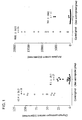
- Both enzyme contents were significantly reduced in the oleic acid-injected rats (Fig. 1). In particular, the chymotrypsinogen content was markedly reduced.
- pancreatitis can be evaluated to have occurred in 12 rats among 17 oleic acid-injected rats (70%), if the normal lower limit is the mean - 2SD of chymotrypsinogen content for the control.
- 3 mg/ml of BT-PABA (PFD solution for internal use, Eisai) was orally administered in an amount of 15 mg/kg.
- Urine was collected for 16 hours until 9:00 AM of the next day.
- the amount of the collected urine and the PABA concentration in the urine were determined using a PABA measuring kit to determine the excretion rate in urine (PFD test).
- a Perma Pure drier (MD-050-12P, Perma Pure INC.) was set between the rat holder and stroke pump to remove out water vapor in the breath. CO 2 concentration was stabilized, the rat was once removed out of the rat holder and Bz-DL-Phe-( 13 C-Leu)-Na dissolved in distilled water was administered into the stomach using an oral sonde.
- Output data from the 13 CO 2 analyzer were AD converted and put into a personal computer (Apple Power Macintosh 8500) .
- a personal computer Apple Power Macintosh 8500
- 10 data points at every 100 msec were integrated and averaged in an interval of 5 seconds and converted to 13 C atom %, ⁇ 13 C ( ⁇ ), and CO 2 concentration (%).
- the converted data were displayed in real time and stored in a hard disc. CO 2 concentration in the collected breath was held at 3 ⁇ 0.5%.
- the abdomen of the rat was cut opened under anesthesia by intraperitoneal administration of Nembutal (50 mg/kg) and the whole pancreas was removed and weighed. Then, the chymotrypsinogen content was determined.
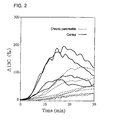
- Bz-DL-Phe-( 13 C-Leu) breath test was carried out (Fig. 2) wherein 250 mg/kg of Bz-DL-Phe-( 13 C-Leu)-Na was orally administered to the chronic pancreatitis and control rats and the time course of the 13 CO 2 concentration in the exhaled CO 2 after the administration was measured.
- the ⁇ 13 C ( ⁇ ) value began to increase at 2 to 3 minutes after the administration, although there was some difference in the degree of increase among individuals. The value reached a peak of 100 to 200 ⁇ at 15 to 20 minutes and then gradually decreased.
- the degree of increase was small and continued to slowly increase for 30 minutes.
- the remaining one rat showed the same behavior as the control rats but the peak time was later.
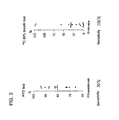
- the ⁇ 13 C ( ⁇ ) values of the chronic pancreatitis rats were smaller than the smallest value of ⁇ 13 C ( ⁇ ) for the control rats. Accordingly, the sensitivity becomes 100% even when the cut off value is set such that the specificity is made to be 100% by using the ⁇ 13 C ( ⁇ ) value at 10 minutes as a check value (Fig. 3).
- the sensitivity in the PFD test of the same group of rats carried out immediately before the breath test was 50%, indicating that the Bz-DL-Phe-( 13 C-Leu) breath test was far superior thereto (Fig. 3).
- the Bz-DL-Phe-( 13 C-Leu) breath test can be said to be the most highly sensitive simple test for pancreatic exocrine function. Further, in addition to the patient's stress because of 6 hours of collecting the urine and forced drinking of a large amount of water, this PFD test is disadvantaged in that subsequent analyses is necessary so that the results are often not found in the same day. On the contrary, the Bz-DL-Phe-( 13 C-Leu) breath test has an advantage in that the restraint period is only 10 minutes and that the results can be known soon at that site and time.
- Bz-Ala-( 13 C-Ala) breath test was carried out wherein 50 mg/kg of Bz-Ala-( 13 C-Ala) ⁇ Na was orally administered and the time course of the 13 CO 2 concentration in the exhaled CO 2 after the administration was measured.
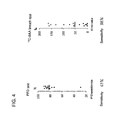
- the sensitivity was 88% when the ⁇ 13 C ( ⁇ ) value at 10 minutes was used as a check value and a cut off value was set such that the specificity was 100% (Fig. 4).
- the sensitivity in the PFD test of the same group of rats carried out immediately before the breath test was 63%; thus, the Bz-Ala-( 13 C-Ala) breath test was higher in sensitivity (Fig. 4).
- this PFD test is disadvantaged in that subsequent analyses is necessary so that the results are often not found in the same day.
- the Bz-Ala-( 13 C-Ala) breath test could be said to be more excellent in that the restraint period is only 10 minutes and that the results can be known soon at that site and time.
- Bz-Gly-( 13 C-Leu) breath test was carried out wherein 50 mg/kg of Bz-Gly-( 13 C-Leu)-Na was orally administered and the time course of the 13 CO 2 concentration in the exhaled CO 2 after the administration was measured.
- the sensitivity was 80% when the ⁇ 13 C ( ⁇ ) value at 18 minutes was used as a check value and a cut off value was set such that the specificity was 100% (Fig. 5).
- the sensitivity in the PFD test of the same group of rats carried out immediately before the breath test was 50%; thus, the Bz-Gly-( 13 C-Leu) breath test was higher in sensitivity (Fig. 5).
- this PFD test is disadvantaged in that subsequent analyses is necessary so that the results are often not found in the same day.
- the Bz-Gly-( 13 C-Leu) breath test has an advantage in that the restraint period is only 18 minutes and that the results can be known soon at that site and time.
- reaction mixture was extracted with ethyl acetate, washed with water, dried over magnesium sulfate, and concentrated to dryness to yield 7.92 g of Bz-L-Phe-( 13 C-Leu), which was then recrystallized with ethyl acetate.
- the sodium salt of Bz-L-Phe-( 13 C-Leu) was obtained by neutralizing Bz-L-Phe-( 13 C-Leu) with an equivalent of 1M sodium carbonate followed by lyophilization.
- reaction mixture was extracted with ethyl acetate, washed with water, dried over magnesium sulfate, and concentrated to dryness to yield 4.39 g of N-Bz-Tyr-( 13 C-Leu), which was then recrystallized with ethyl acetate.
- the sodium salt of N-Bz-Tyr-( 13 C-Leu) was obtained by neutralizing N-Bz-Tyr-( 13 C-Leu) with an equivalent of 1M sodium carbonate followed by lyophilization.
- N ⁇ -Carbobenzoxy Ng-tosyl arginine (Z-Arg(Tos)) and an equimolar amount of 13 C-Leu-OBzl were dissolved in dry tetrahydrofuran (THF) and an equimolar amount of HOBt, two molar amounts of dimethylaminopyridine and 1.5 molar amounts of WSC were added to react for 3 hours. After the reaction was over and the solvent was distilled out under reduced pressure, the material was dissolved in chloroform and the chloroform layer was washed sequentially with 10% citric acid, water, 4% NaHCO 3 and water. The chloroform layer was dried over Na 2 SO 4 and then the solvent was distilled out.
- the organic layer was washed with saturated sodium hydrogen-carbonate, water, 0.1N HCl and water and dried over anhydrous sodium sulfate. After distilling out ethyl acetate under reduced pressure, hexane was added to crystallize to yield Boc-Phe-( 13 C-Leu)-OBzl.
- the Boc-Phe-( 13 C-Leu)-OBzl (5.2 g) was dissolved in 10 ml of acetic acid and 500 mg of 5% palladium carbon (Pd-C) was added. While stirring at room temperature, hydrogen gas was blown thereinto for 1 hour. After the catalyst was filtered out, the mother liquid was concentrated under reduced pressure to about 10 ml.
- Boc-Ala-Ala-Ala-OPac (8.99 g) was dissolved in 50 ml of dichloromethane/trifluoroethanol (TFE) (3:1) and to this 100 ml of acetic acid was added. Then, 26.2 g of zinc powder was added and vigorously stirred at 35°C for 1 hour. The insolubles were filtered out and the remaining was concentrated under reduced pressure. Ethyl acetate was added, washed with water and dried over anhydrous sodium sulfate. Ethyl acetate was distilled out under reduced pressure and ether was added to the residue to crystallize to yield Boc-Ala-Ala-Ala-OH.
- TFE dichloromethane/trifluoroethanol
- Boc-( 13 C-Leu) was extracted with saturated sodium hydrogencarbonate solution and the aqueous layer was acidified with 6N HCl, extracted with ethyl acetate, washed with water and dried over anhydrous sodium sulfate. After concentration under reduced pressure, the residual oily product was dissolved in hexane and 1.2 ml of water was added to crystallize to yield Boc- ( 13 C-Leu)-OH ⁇ H 2 O.
- the sodium salt of Bz-Ala-Ala-Ala-Ala-Gly-Phe-( 13 C-Leu) was obtained by neutralizing Bz-Ala-Ala-Ala-Ala-Gly-Phe-( 13 C-Leu) with an equivalent of 1M sodium carbonate followed by lyophilization.
- Boc-Ala-Ala-Ala-Ala-Gly-Phe-( 13 C-Leu)-OBzl was obtained. After dissolving 1.62 g of Boc-Ala-Ala-Ala-Ala- Gly-Phe-( 13 C-Leu)-OBzl in 40 ml of dichloromethane/hexafluoroisopropyl alcohol (3:1), 0.16 g of 5% palladium-carbon suspended in water/methanol was added. Hydrogen gas was introduced into the reaction mixture for 1.5 hours while being stirred at 27°C. A powdery filter paper was used to filter out the catalyst and the filtrate was concentrated under reduced pressure. Acetonitrile was added to solidify and the solid was filtered out.
- the sodium salt of Boc-Ala-Ala-Ala-Ala-Gly-Phe-( 13 C-Leu) was obtained by neutralizing Boc-Ala-Ala-Ala-Ala-Gly-Phe-( 13 C-Leu) with an equivalent of 1M sodium carbonate followed by lyophilization.
- Boc-Ala-( 13 C-Gly)-Phe-Leu-OBzl To 3.59 g of Boc-Ala-( 13 C-Gly)-Phe-Leu-OBzl, 22.2 ml of TFA was added and allowed to stand at room temperature for 45 minutes. After concentration under reduced pressure, 1.7 ml of 4.6N HCl/dioxane was added and diisopropyl ether was added to solidify. The solid was filtered out and dried. This material was dissolved in 50 ml of DMF and 2.03 g of Boc-Ala-Ala-Ala-OH and 1.06 g of HOObt were added. While being ice-cooled 1.19 ml of WSCD was added and this was stirred for 30 minutes and for 14 hours further at room temperature. After cooling the reaction mixture, water was added and the precipitated gel was filtered out to yield Boc-Ala-Ala-Ala-Ala- ( 13 C-Gly)-Phe-Leu-OBzl.
- the sodium salt of Bz-Ala-Ala-Ala-Ala-( 13 C-Gly)-Phe-Leu was obtained by neutralizing Bz-Ala-Ala-Ala-Ala-( 13 C-Gly)-Phe-Leu with an equivalent of 1M sodium carbonate followed by lyophilization.
- TosOH-H-( 13 C-Leu)-OBzl was obtained. After 18.1 g of TosOH-H-( 13 C-Leu)-OBzl, 14.5 g of N-t-Boc-arginine hydrochloride monohydrate (Boc-Arg ⁇ HCl ⁇ H 2 O) and 5.95 g of HOBt were dissolved in 130 ml of DMF, 8.4 ml of WSCD was added while being cooled at -20 °C and the mixture was stirred at room temperature for 3.5 hours.
- the reaction solution was concentrated, dissolved in ethyl acetate and washed with 0.1 N HCl, saturated aqueous sodium chloride solution and saturated aqueous sodium hydrogencarbonate solution to yield a crystal.
- the crystal was filtered out, washed with ethyl acetate and water, and dissolved in acetic acid.
- ether was added to yield a colorless oily product.
- the product was dissolved in 250 ml of acetic acid.
- 3 g of palladium-carbon was added. The mixture was stirred at room temperature while introducing hydrogen gas thereinto for 2 hours.
- the catalyst was filtered off and acetic acid was distilled off.
- the residue was dissolved in 9 ml of 4.6 N HCl/dioxane. Diisopropyl ether was added to yield a crystal of 16.4 g of Bz-Arg-( 13 C-Leu) ⁇ HCl.
- the ⁇ 13 C ( ⁇ ) value at 10 minutes after the administration was 6.97 ⁇ 6.09 ⁇ in the chronic pancreatitis rats and 115.02 ⁇ 71.26 ⁇ in the normal rats; thus, the value of the chronic pancreatitis rats was significantly smaller than the normal rats (p ⁇ 0.05 (ANOVA with Fischer LSD)) (Table 1).
- Bz-L-Phe-( 13 C-Leu) breath test ⁇ 13 C ( ⁇ ) at 10 min Chronic pancreatitis #1 1.61 Chronic pancreatitis #2 3.28 Chronic pancreatitis #3 17.21 Chronic pancreatitis #4 5.77 Normal #1 31.29 Normal #2 60.25 Normal #3 165.37 Normal #4 203.16
- the ⁇ 13 C ( ⁇ ) value at 20 minutes after the administration was 3.66 ⁇ 3.24 ⁇ in the chronic pancreatitis rats and 69.53 ⁇ 32.50 ⁇ in the normal rats; thus, the value of the chronic pancreatitis rats was significantly smaller than the normal rats (p ⁇ 0.05 (ANOVA with Fischer LSD)) (Table 2).
- the ⁇ 13 C ( ⁇ ) value at 30 minutes after the administration was 4.37 ⁇ 1.83 ⁇ in the chronic pancreatitis rats and 12.37 ⁇ 2.26 ⁇ in the normal rats; thus, the value of the chronic pancreatitis rats was significantly smaller than the normal rats (p ⁇ 0.01 (ANOVA with Fischer LSD)) (Table 3).
- the ⁇ 13 C ( ⁇ ) value at 20 minutes after the administration was 3.05 ⁇ 6.97 ⁇ in the chronic pancreatitis rats and 68.77 ⁇ 12.01 ⁇ in the normal rats; thus, the value of the chronic pancreatitis rats was significantly smaller than the normal rats (p ⁇ 0.01 (ANOVA with Fischer LSD)) (Table 5).
- Purified water was added to 5 parts by weight of Bz-DL-Phe-( 13 C-Leu) ⁇ Na to produce a total of 100 parts by weight and this total amount was dissolved and sterilized through a Millipore filter. The filtrate was taken into a vial bottle and sealed to yield a liquid for internal use.
- the present invention provides a highly sensitive pancreatic exocrine function test method which imparts low stress on a subject and gives accurate results soon.
- pancreatic exocrine function Conventional simple tests for pancreatic exocrine function are less sensitive and therefore have become less used as diagnostic tests for pancreatitis and currently have been utilized generally for follow up of prognosis of pancreatitis which always necessitates repeated tests.
- a highly sensitive simple test for pancreatic exocrine function would be often utilized in diagnosing for pancreatitis in a physical examination. Further, it could be applied to assessing the seriousness of chronic pancreatitis, precognition of onset of serious fulminant pancreatitis with a still high mortality (30%), diagnosis of causes for pancreatitis, and early diagnosis of pancreatic cancer. It would also be usefull as a diagnostic method for ruling out pancreatitis in medical examination of general outpatients.
Landscapes
- Health & Medical Sciences (AREA)
- Life Sciences & Earth Sciences (AREA)
- Chemical & Material Sciences (AREA)
- Veterinary Medicine (AREA)
- Public Health (AREA)
- General Health & Medical Sciences (AREA)
- Animal Behavior & Ethology (AREA)
- Nuclear Medicine, Radiotherapy & Molecular Imaging (AREA)
- Pharmacology & Pharmacy (AREA)
- Medicinal Chemistry (AREA)
- Chemical Kinetics & Catalysis (AREA)
- Engineering & Computer Science (AREA)
- General Chemical & Material Sciences (AREA)
- Epidemiology (AREA)
- Organic Chemistry (AREA)
- Dispersion Chemistry (AREA)
- Bioinformatics & Cheminformatics (AREA)
- Radiology & Medical Imaging (AREA)
- Diabetes (AREA)
- Hematology (AREA)
- Obesity (AREA)
- Atmospheric Sciences (AREA)
- Physics & Mathematics (AREA)
- Optics & Photonics (AREA)
- Medicines Containing Antibodies Or Antigens For Use As Internal Diagnostic Agents (AREA)
- Peptides Or Proteins (AREA)
- Investigating Or Analysing Biological Materials (AREA)
- Medicines That Contain Protein Lipid Enzymes And Other Medicines (AREA)
Claims (22)
- Verwendung einer Aminosäure oder eines Peptids, die/das wenigstens ein 13C- oder 14C-Atom enthält, oder ein pharmazeutisch verträgliches Salz davon, welches nicht Bz-Tyr-13C-PABA ist, bei der Herstellung eines Diagnosemittels für Pankreasexokrinfunktion, wobei das Diagnosemittel in einem Atemtest verwendet wird.
- Verwendung nach Anspruch 1, wobei das Aminosäuremolekül ein 13C- oder 14C-Atom enthält.
- Verwendung nach Anspruch 1, wobei die Aminosäure oder das Peptid eine modifizierende oder schützende Gruppe aufweist und die modifizierende oder schützende Gruppe ein 13C- oder 14C-Atom enthält.
- Verwendung nach einem der Ansprüche 1 bis 3, wobei die Aminosäure oder das Peptid durch die folgende Formel (I) wiedergegeben wird:
R1 ein Peptid mit 2 bis 50 Aminosäuren, eine Aminosäure oder eine Einfachbindung ist,
Y1 eine Aminosäure ist, die optional eine Schutzgruppe aufweist. - Verwendung nach Anspruch 4, wobei wenigstens eine der Aminosäuren in R1 und Y1 oder wenigstens eine Estergruppe in Y1, wenn die Aminosäure in Y1 mit der Estergruppe geschützt ist, mit 13C oder 14C markiert ist.
- Verwendung nach einem der vorangegangenen Ansprüche, wobei die Aminosäure oder das Peptid oder das pharmazeutisch verträgliche Salz davon ein Substrat für eine Protease oder für Proteasen sein kann, so daß sie/es anschließend unter Erzeugung von 13CO2 oder 14CO2 decarboxyliert werden kann.
- Verwendung nach Anspruch 6, wobei die Protease oder die Proteasen Pankreasexokrinproteasen sind.
- Verwendung nach Anspruch 7, wobei die Pankreasexokrinprotease oder die -proteasen aus der Gruppe ausgewählt ist/sind, bestehend aus Chymotrypsin, Trypsin, Elastase und Carboxypeptidasen.
- Eine mit 13C oder 14C markierte Verbindung oder ein Salz davon für die Verwendung in der Diagnose, wobei die mit 13C oder 14C markierte Verbindung durch die folgende Formel (II) wiedergegeben wird:
R2 ein Peptid mit 2 bis 5 Aminosäuren, eine Aminosäure oder eine Einfachbindung ist,
Y2 eine Aminosäure ist,
Z1 eine Aminosäure ist, die optional eine Schutzgruppe aufweist, und wobei wenigstens eine der Aminosäuren in R2, Y2 und Z1 oder wenigstens eine der Schutzgruppen in X2 und Z1, wenn die Schutzgruppen ein Kohlenstoffatom enthalten, mit 13C oder 14C markiert ist, und worinunter der Bedingung, daß die folgenden Verbindungen ausgeschlossen sind:1) in dem Fall, daß X2 eine Schutzgruppe und R2 eine Einfachbindung ist,1-i) Y2 eine andere Aminosäure als D-Ala ist, wenn Z1 D-Ala ist,1-ii) Y2 eine andere Aminosäure als Leu ist, wenn Z1 Ala-OMe ist,1-iii) Y2 eine andere Aminosäure als Gly ist, wenn Z1 Pro-OMe ist,2) in dem Fall, daß X2 eine Schutzgruppe und R2 eine Aminosäure ist,2-i) Y2 eine andere Aminosäure als Val ist, wenn Z1 D-Ala ist,2-ii) Y2 eine andere Aminosäure als Leu ist, wenn Z1 Ala ist,2-iii) Y2 eine andere Aminosäure als Pro, wenn Z1 Gly-OEt ist,3) in dem Fall, daß X2 eine Schutzgruppe, R2 ein Peptid mit zwei Aminosäuren und Z1 Gln, welches optional SEt aufweist, ist, Y2 eine andere Aminosäure als Ala ist,4) in dem Fall, daß X2 ein Wasserstoffatom und R2 eine Einfachbindung ist,4-i) Y2 eine andere Aminosäure als Ala ist, wenn Z1 Pro ist,4-ii) Y2 eine andere Aminosäure als Gly, Val, Leu und Tyr ist, wenn Z1 Leu ist,4-iii) Y2 eine andere Aminosäure als Gly ist, wenn Z1 Phe ist,4-iv) Y2 eine andere Aminosäure als Gly ist, wenn Z1 Gly-OEt ist,4-v) Y2 eine andere Aminosäure als Leu ist, wenn Z1 Ala-OMe ist,5) in dem Fall, daß X2 ein Wasserstoffatom und R2 eine Aminosäure ist,5-i) Y2 eine andere Aminosäure als Pro ist, wenn Z1 Leu ist,5-ii) Y2 eine andere Aminosäure als Pro ist, wenn Z1 Phe ist,5-iii) Y2 eine andere Aminosäure als Gly ist, wenn Z1 Gly ist,5-iv) Y2 eine andere Aminosäure als Leu ist, wenn Z1 Pro ist,5-v) Y2 eine andere Aminosäure als Asp ist, wenn Z1 Met ist,5-vi) Y2 eine andere Aminosäure als Leu ist, wenn Z1 Asn-Bzl ist,6) in dem Fall, daß X2 ein Wasserstoffatom und R2 ein Peptid aus 2 Aminosäuren ist,6-i) Y2 eine andere Aminosäure als Leu ist, wenn Z1 Leu ist,6-ii) Y2 eine andere Aminosäure als Asp ist, wenn Z1 Ser ist, und7) in dem Fall, daß X2 ein Wasserstoffatom und R2 ein Peptid aus 3 Aminosäuren ist,7-i) Y2 eine andere Aminosäure als Phe ist, wenn Z1 Leu ist,7-ii) Y2 eine andere Aminosäure als Phe ist, wenn Z1 Met ist,
Ala-Pro, Gly-Leu, Gly-Phe, Val-Leu, Leu-Leu, Tyr-Leu, Ac-D-Ala-D-Ala, Gly-Gly-OEt, Leu-Ala-OMe, Ac-Gly-Pro-OMe, Boc-Leu-Ala-OMe, Gly-Pro-Leu, Gly-Pro-Phe, Ala-Gly-Gly, Gly-Leu-Pro, Phe-Asp-Met, Gly-Leu-Pro, Dansyl-Tyr-Val-D-Ala, Cbz-Gly-Leu-Ala, Thr-Leu-Asn-Bzl, Z-Pro-Pro-Gly-OEt, Leu-Leu-Leu-Leu, Lys-Arg-Asp-Ser, Ac-Leu-Ala-Ala-Gln (NMe2), Ac-Leu-Ala-Ala-Gln (NMe2)-SEt, Tyr-Gly-Gly-Phe-Leu und Tyr-Gly-Gly-Phe-Met, worin Ac Acetyl ist, Et Ethyl ist, Me Methyl ist, Boc t-Butyloxycarbonyl ist, Dansyl Dansyl ist, Cbz Carbobenzyloxy ist, Bzl Benzoyl ist, Z Benzyloxycarbonyl ist, SEt Ethanthiol ist und NMe2 Dimethylamino ist. - Mit 13C oder 14C markierte Verbindung oder Salz davon für die Verwendung in der Diagnose gemäß Anspruch 9, worin1) in dem Fall, daß X2 eine Schutzgruppe ist, die aus der Gruppe ausgewählt ist, bestehend aus Dansyl, Cbz, Ac und Z, und R2 eine Aminosäure oder ein Peptid mit 2 Aminosäuren ist,1-i) Y2 eine andere Aminosäure als Val ist, wenn Z1 D-Ala ist,1-ii) Y2 eine andere Aminosäure als Leu ist, wenn Z1 Ala ist,1-iii) Y2 eine andere Aminosäure als Pro ist, wenn Z1 Gly-OEt ist,1-iv) Y2 eine andere Aminosäure als Ala ist, wenn Z1 Gln(NMe2) oder Gln(NMe2)-SEt ist,2) in dem Fall, daß X2 Ac oder Boc und R2 eine Einfachbindung ist,2-i) Y2 eine andere Aminosäure als D-Ala ist, wenn Z1 D-Ala ist,2-ii) Y2 eine andere Aminosäure als Gly ist, wenn Z1 Pro-OMe ist,2-iii) Y2 eine andere Aminosäure als Leu ist, wenn Z1 Ala-OMe ist,3) in dem Fall, daß X2 ein Wasserstoffatom und R2 eine Aminosäure oder ein Peptid aus 2 oder 3 Aminosäuren ist,3-i) Y2 eine andere Aminosäure als Pro, Leu und Phe ist, wenn Z1 Leu ist,3-ii) Y2 eine andere Aminosäure als Pro ist, wenn Z1 Phe ist,3-iii) Y2 eine andere Aminosäure als Gly ist, wenn Z1 Gly ist,3-iv) Y2 eine andere Aminosäure als Leu ist, wenn Z1 Pro ist,3-v) Y2 eine andere Aminosäure als Asp und Phe ist, wenn Z1 Met ist,3-vi) Y2 eine andere Aminosäure als Leu ist, wenn Z1 Asn-Bzl ist,3-vii) Y2 eine andere Aminosäure als Asp ist, wenn Z1 Ser ist,4) in dem Fall, daß X2 ein Wasserstoffatom und R2 eine Einfachbindung ist,4-i) Y2 eine andere Aminosäure als Ala ist, wenn Z1 Pro ist,4-ii) Y2 eine andere Aminosäure als Gly, Val, Leu und Tyr ist, wenn Z1 Leu ist,4-iii) Y2 eine andere Aminosäure als Gly ist, wenn Z1 Phe ist,4-iv) Y2 eine andere Aminosäure als Gly ist, wenn Z1 Gly-OEt ist,4-v) Y2 eine andere Aminosäure als Leu ist, wenn Z1 Ala-OMe ist.
- Mit 13C oder 14C markierte Verbindung oder Salz davon für die Verwendung in der Diagnose gemäß Anspruch 9 oder 10, worin X2 aus der Gruppe ausgewählt ist, bestehend aus Ac, Bz (Benzoyl), Boc, Z und einem Wasserstoffatom.
- Mit 13C oder 14C markierte Verbindung oder Salz davon für die Verwendung in der Diagnose nach einem der Ansprüche 9 bis 11, wobei die Verbindung oder das Salz davon ein Substrat für eine Protease oder für Proteasen sein kann, so daß sie/es anschließend unter Erzeugung von 13CO2 oder 14CO2 decarboxyliert werden kann.
- Mit 13C oder 14C markierte Verbindung oder Salz davon für die Verwendung in der Diagnose gemäß Anspruch 12, wobei die Protease oder die Proteasen Pankreasexokrinproteasen sind.
- Mit 13C oder 14C markierte Verbindung oder Salz davon für die Verwendung in der Diagnose gemäß Anspruch 13, wobei die Pankreasexokrinprotease oder die -proteasen aus der Gruppe ausgewählt sind, bestehend aus Chymotrypsin, Trypsin, Elastase und Carboxypeptidasen.
- Mit 13C oder 14C markierte Verbindung oder Salz davon für die Verwendung in der Diagnose gemäß einem der Ansprüche 9 bis 14, wobei X2 eine Schutzgruppe und R2 eine Einfachbindung ist.
- Mit 13C oder 14C markierte Verbindung oder Salz davon für die Verwendung in der Diagnose gemäß einem der Ansprüche 9 bis 15, worin(1) wenigstens eine der Aminosäuren in Y2 und Z1 Arg oder Lys ist,(2) wenigstens eine der Aminosäuren in Y2 und Z1 eine aromatische Aminosäure, Leu, His oder Met ist,(3) wenigstens eine der Aminosäuren in Y2 und Z1 eine neutrale und nicht-aromatische Aminosäure ist,(4) die Aminosäure in Z1 eine andere Aminosäure als Arg, Lys und Pro ist oder(5) die Aminosäure in Z1 Arg oder Lys ist.
- Mit 13C oder 14C markierte Verbindung oder Salz davon für die Verwendung in der Diagnose gemäß einem der Ansprüche 9 bis 16, worin X2 aus der Gruppe ausgewählt ist, bestehend aus einem Wasserstoffatom, Bz, Ac und Boc, Y2 aus der Gruppe ausgewählt ist, bestehend aus Phe, Ala, Gly, Tyr und Arg, Z1 aus der Gruppe ausgewählt ist, bestehend aus Leu, welches optional eine Schutzgruppe aufweist, Ala, welches optional eine Schutzgruppe aufweist, und Gly, welches optional eine Schutzgruppe aufweist.
- Mit 13C oder 14C markierte Verbindung oder Salz davon für die Verwendung in der Diagnose gemäß Anspruch 17, worin Z1 aus der Gruppe ausgewählt ist, bestehend aus Leu, Ala, Gly, Leu-OMe, Leu-OEt, Ala-OMe, Ala-OEt, Gly-OMe und Gly-OEt.
- Mit 13C oder 14C markierte Verbindung oder Salz davon für die Verwendung in der Diagnose gemäß einem der Ansprüche 9 bis 18, worin Z1 eine mit 13C oder 14C markierte Aminosäure ist, die optional eine Schutzgruppe aufweist.
- Mit 13C oder 14C markierte Verbindung oder Salz davon für die Verwendung in der Diagnose gemäß Anspruch 9, welche aus der Gruppe ausgewählt ist, die aus den folgenden Verbindungen besteht:(a) Phe-13C-Leu,(b) Arg-13C-Leu,(c) Bz-Ala-13C-Ala,(d) Bz-Gly-13C-Leu,(e) Bz-Phe-13C-Gly,(f) Bz-Tyr-13C-Leu,(g) Bz-Phe-13C-Leu,(h) Bz-(DL)Phe-13C-Leu,(j) Bz-Arg-13C-Leu,(k) Ac-Phe-13C-Leu,(l) Ac-Tyr-13C-Leu,(m) Bz-Ala-13C-Ala-OMe,(n) Bz-Gly-13C-Leu-OMe,(o) Bz-Phe-13C-Gly-OMe,(p) Bz-Phe-13C-Leu-OMe,(q) Bz-(DL)Phe-13C-Leu-OMe,(r) Ac-Phe-13C-Leu-OMe,(s) Ac-Tyr-13C-Leu-OMe,(t) Bz-Ala-Ala-Ala-Ala-Gly-Phe-13C-Leu,(u) Boc-Ala-Ala-Ala-Ala-Gly-Phe-13C-Leu und(v) Bz-Ala-Ala-Ala-Ala-13C-Gly-Phe-Leu.
- Verwendung einer mit 13C oder 14C markierten Verbindung nach einem der Ansprüche 9 bis 20 oder eines pharmazeutisch verträglichen Salzes davon bei der Herstellung eines Diagnosemittels für Pankreasexokrinfunktion, wobei das Diagnosemittel in einem Atemtest verwendet wird.
- Verwendung einer mit 13C oder 14C markierten Verbindung nach einem der Ansprüche 9 bis 20 oder eines pharmazeutisch verträglichen Salzes davon bei der Herstellung eines Diagnosemittels für chronische Pankreatitis oder akute Pankreatitis.
Priority Applications (1)
| Application Number | Priority Date | Filing Date | Title |
|---|---|---|---|
| DK99304388T DK0966975T3 (da) | 1998-06-05 | 1999-06-04 | Brug af 13C- eller 14C-mærkede aminosyrer eller peptider som midler til diagnosticering af pancreatisk eksokrin funktion |
Applications Claiming Priority (4)
| Application Number | Priority Date | Filing Date | Title |
|---|---|---|---|
| JP15785598 | 1998-06-05 | ||
| JP15785598 | 1998-06-05 | ||
| JP14949699 | 1999-05-28 | ||
| JP14949699A JP3340699B2 (ja) | 1998-06-05 | 1999-05-28 | 膵外分泌機能診断剤 |
Publications (3)
| Publication Number | Publication Date |
|---|---|
| EP0966975A2 EP0966975A2 (de) | 1999-12-29 |
| EP0966975A3 EP0966975A3 (de) | 2002-04-17 |
| EP0966975B1 true EP0966975B1 (de) | 2005-09-07 |
Family
ID=26479372
Family Applications (1)
| Application Number | Title | Priority Date | Filing Date |
|---|---|---|---|
| EP99304388A Expired - Lifetime EP0966975B1 (de) | 1998-06-05 | 1999-06-04 | Verwendung von 13C oder 14C-markierten Aminosäuren oder Peptiden als Diagnosemittel für die exokrin Pankreasfunktion |
Country Status (10)
| Country | Link |
|---|---|
| EP (1) | EP0966975B1 (de) |
| JP (1) | JP3340699B2 (de) |
| AU (1) | AU729896B2 (de) |
| CA (1) | CA2273549C (de) |
| DE (1) | DE69927089T2 (de) |
| DK (1) | DK0966975T3 (de) |
| ES (1) | ES2249873T3 (de) |
| NO (1) | NO323757B1 (de) |
| NZ (1) | NZ336116A (de) |
| PT (1) | PT966975E (de) |
Cited By (10)
| Publication number | Priority date | Publication date | Assignee | Title |
|---|---|---|---|---|
| US7557088B2 (en) | 2006-03-28 | 2009-07-07 | Neopro Labs, Llc | Methods and compositions for treating conditions |
| US7625707B2 (en) | 2003-10-02 | 2009-12-01 | Ramot At Tel Aviv University Ltd. | Antibacterial agents and methods of identifying and utilizing same |
| US7704955B2 (en) | 2004-11-24 | 2010-04-27 | Neopro Pain, Inc. | Methods and compositions for modulating conditions in both mammals and plants |
| US8012929B2 (en) | 2002-01-31 | 2011-09-06 | Tel Aviv University Future Technology Development L.P. | Peptides directed for diagnosis and treatment of amyloid-associated diseases |
| US8017586B2 (en) | 2003-01-07 | 2011-09-13 | Ramot At Tel-Aviv University Ltd. | Peptide nanostructures encapsulating a foreign material and method of manufacturing same |
| US8053554B2 (en) | 2002-12-09 | 2011-11-08 | Ramot At Tel-Aviv University Ltd. | Peptide nanostructures and methods of generating and using the same |
| US8217141B2 (en) | 2007-05-17 | 2012-07-10 | Neopro Labs, Llc | Crystalline and amorphous forms of peptide |
| US8568637B2 (en) | 2004-08-02 | 2013-10-29 | Ramot At Tel-Aviv University Ltd. | Method of forming a fiber made of peptide nanostructures |
| US8796023B2 (en) | 2004-09-08 | 2014-08-05 | Ramot At Tel-Aviv University Ltd. | Peptide nanostructures containing end-capping modified peptides and methods of generating and using the same |
| US10004828B2 (en) | 2005-10-11 | 2018-06-26 | Romat at Tel-Aviv University Ltd. | Self-assembled Fmoc-ff hydrogels |
Families Citing this family (13)
| Publication number | Priority date | Publication date | Assignee | Title |
|---|---|---|---|---|
| US6284219B1 (en) | 1998-06-30 | 2001-09-04 | Phenome Sciences Inc. | In vivo determination of metabolic function for use in therapy management |
| JP2001139498A (ja) * | 1999-11-15 | 2001-05-22 | Tokyo Gas Co Ltd | 膵外分泌機能診断剤 |
| US7232559B1 (en) * | 1999-06-04 | 2007-06-19 | Tokyo Gas Company Limited | Diagnostic agents for pancreatic exocrine function |
| US7125683B2 (en) * | 2000-09-07 | 2006-10-24 | Tokyo Gas Company Limited | Preparations for diagnosis extrapancreatic secretory function |
| DE60216293T2 (de) * | 2001-08-10 | 2007-06-21 | Tokyo Gas Co. Ltd. | Diagnostisches mittel für die exokrine pankreasfunktion |
| NZ534462A (en) * | 2002-02-21 | 2007-06-29 | Tokyo Gas Co Ltd | Test agents for evaluating pharmacological effect of drug, and method and reagents for screening drug having excellent administration effect and/or little side effect from among drugs comprising enzymes, enzyme inhibitors or receptor ligands and/or prodrugs thereof |
| MXPA04008371A (es) * | 2002-02-27 | 2005-05-17 | Cambridge Isotope Lab Inc | Uso de sustancia marcada con carbono 13 para medir la funcion pulmonar. |
| CN101415724B (zh) | 2003-06-30 | 2015-12-02 | 特拉维夫大学未来科技开发有限公司 | 肽、抗肽抗体以及用它们来诊断和治疗淀粉样蛋白相关疾病的方法 |
| EP1663199B1 (de) | 2003-09-25 | 2013-04-03 | Tel Aviv University Future Technology Development L.P. | Zusammensetzungen und diese verwendende verfahren zur behandlung von amyloid-bedingten erkrankungen |
| EP1793816B1 (de) | 2004-08-19 | 2012-01-04 | Tel Aviv University Future Technology Development L.P. | Zusammensetzungen zur behandlung von amyloid-assoziierten erkrankungen |
| US7879212B2 (en) | 2005-11-03 | 2011-02-01 | Ramot At Tel-Aviv University Ltd. | Peptide nanostructure-coated electrodes |
| TR2021004329A2 (tr) * | 2021-03-05 | 2022-09-21 | Argeron Medikal Arastirma Sanayi Ve Ticaret Anonim Sirketi | Bi̇yoki̇myasal tibbi̇ tani ki̇ti̇ |
| JP2024510435A (ja) | 2021-03-18 | 2024-03-07 | シージェン インコーポレイテッド | 生体活性化合物の内部移行複合体からの選択的薬物放出 |
Family Cites Families (7)
| Publication number | Priority date | Publication date | Assignee | Title |
|---|---|---|---|---|
| US4279886A (en) * | 1979-01-02 | 1981-07-21 | University Patents, Inc. | Test for pancreatic exocrine function |
| US4676974A (en) * | 1984-05-17 | 1987-06-30 | The Regents Of The University Of California | Breath test for pancreatic exocrine function |
| US5506147A (en) | 1993-04-15 | 1996-04-09 | Kolhouse; J. Fred | Non-invasive evaluation of maldigestion and malaborption |
| ATE253381T1 (de) * | 1997-02-03 | 2003-11-15 | Mallinckrodt Inc | Verfahren zur detektion und lokalisation maligner meschlicher tumore des pankreas |
| US6284219B1 (en) * | 1998-06-30 | 2001-09-04 | Phenome Sciences Inc. | In vivo determination of metabolic function for use in therapy management |
| NZ337946A (en) * | 1998-09-25 | 2001-11-30 | Tokyo Gas Co Ltd | C-13 labelled oligosaccharides and polysaccharides useful as diagnostic agents for pancreatic exocrine function |
| JP2001139498A (ja) * | 1999-11-15 | 2001-05-22 | Tokyo Gas Co Ltd | 膵外分泌機能診断剤 |
-
1999
- 1999-05-28 JP JP14949699A patent/JP3340699B2/ja not_active Expired - Fee Related
- 1999-06-03 AU AU33168/99A patent/AU729896B2/en not_active Ceased
- 1999-06-03 CA CA002273549A patent/CA2273549C/en not_active Expired - Fee Related
- 1999-06-03 NZ NZ336116A patent/NZ336116A/xx unknown
- 1999-06-04 EP EP99304388A patent/EP0966975B1/de not_active Expired - Lifetime
- 1999-06-04 DK DK99304388T patent/DK0966975T3/da active
- 1999-06-04 ES ES99304388T patent/ES2249873T3/es not_active Expired - Lifetime
- 1999-06-04 DE DE69927089T patent/DE69927089T2/de not_active Expired - Lifetime
- 1999-06-04 NO NO19992727A patent/NO323757B1/no not_active IP Right Cessation
- 1999-06-04 PT PT99304388T patent/PT966975E/pt unknown
Non-Patent Citations (5)
| Title |
|---|
| EVENEPOEL ET AL: "EGG Protein assimilation in ....", 1996, LEUVEN - BELGIUM * |
| HELLER J. ET AL: "Solid-state NMR studies.....", PROTEIN SCIENCE, vol. 5, 1996, pages 1655 - 1661, XP000917914 * |
| MITRA ET AL: "13C NMR study....", INT. J. PEPTIDE PROT. REOS., vol. 22, 1983, pages 502 - 508 * |
| MORRIS ET AL: "IN VITRO AND EX VIVO.....", BIOORGANIC MED. CHEM., vol. 5, no. 5, 1997, pages 797 - 808 * |
| THANABAL ET AL: "The 13C chemical shifts", J. OF BIOMOLECULAR NMR, vol. 4, 1994, pages 47 - 59, XP001117584 * |
Cited By (19)
| Publication number | Priority date | Publication date | Assignee | Title |
|---|---|---|---|---|
| US8012929B2 (en) | 2002-01-31 | 2011-09-06 | Tel Aviv University Future Technology Development L.P. | Peptides directed for diagnosis and treatment of amyloid-associated diseases |
| US8927689B2 (en) | 2002-12-09 | 2015-01-06 | Ramot At Tel-Aviv University Ltd. | Peptide nanostructures and methods of generating and using the same |
| US8053554B2 (en) | 2002-12-09 | 2011-11-08 | Ramot At Tel-Aviv University Ltd. | Peptide nanostructures and methods of generating and using the same |
| US8350004B2 (en) | 2002-12-09 | 2013-01-08 | Ramot At Tel-Aviv University Ltd. | Peptide nanostructures and methods of generating and using the same |
| US8501697B2 (en) | 2003-01-07 | 2013-08-06 | Ramot At Tel-Aviv University Ltd. | Peptide nanostructures encapsulating a foreign material and method of manufacturing same |
| US8017586B2 (en) | 2003-01-07 | 2011-09-13 | Ramot At Tel-Aviv University Ltd. | Peptide nanostructures encapsulating a foreign material and method of manufacturing same |
| US8314069B2 (en) | 2003-01-07 | 2012-11-20 | Ramot At Tel-Aviv University Ltd. | Peptide nanostructures encapsulating a foreign material and method of manufacturing same |
| US7625707B2 (en) | 2003-10-02 | 2009-12-01 | Ramot At Tel Aviv University Ltd. | Antibacterial agents and methods of identifying and utilizing same |
| US9394628B2 (en) | 2004-08-02 | 2016-07-19 | Ramot At Tel-Aviv University Ltd. | Method of forming a fiber made of peptide nanostructures |
| US8568637B2 (en) | 2004-08-02 | 2013-10-29 | Ramot At Tel-Aviv University Ltd. | Method of forming a fiber made of peptide nanostructures |
| US8796023B2 (en) | 2004-09-08 | 2014-08-05 | Ramot At Tel-Aviv University Ltd. | Peptide nanostructures containing end-capping modified peptides and methods of generating and using the same |
| US7858586B2 (en) | 2004-11-24 | 2010-12-28 | Neopro Labs, Llc | Method of treating condition in animal |
| US8492159B2 (en) | 2004-11-24 | 2013-07-23 | Neopro Pain, Inc. | Methods and compositions for treating conditions |
| US8530432B2 (en) | 2004-11-24 | 2013-09-10 | Neopro Labs, Llc | Methods and compositions for treating conditions |
| US7851448B2 (en) | 2004-11-24 | 2010-12-14 | Neopro Labs, Llc | Methods for modulating activities in plants |
| US7704955B2 (en) | 2004-11-24 | 2010-04-27 | Neopro Pain, Inc. | Methods and compositions for modulating conditions in both mammals and plants |
| US10004828B2 (en) | 2005-10-11 | 2018-06-26 | Romat at Tel-Aviv University Ltd. | Self-assembled Fmoc-ff hydrogels |
| US7557088B2 (en) | 2006-03-28 | 2009-07-07 | Neopro Labs, Llc | Methods and compositions for treating conditions |
| US8217141B2 (en) | 2007-05-17 | 2012-07-10 | Neopro Labs, Llc | Crystalline and amorphous forms of peptide |
Also Published As
| Publication number | Publication date |
|---|---|
| NO992727L (no) | 1999-12-06 |
| CA2273549C (en) | 2006-10-24 |
| NZ336116A (en) | 2000-10-27 |
| JP2000053697A (ja) | 2000-02-22 |
| AU729896B2 (en) | 2001-02-15 |
| NO992727D0 (no) | 1999-06-04 |
| JP3340699B2 (ja) | 2002-11-05 |
| DE69927089D1 (de) | 2005-10-13 |
| DK0966975T3 (da) | 2005-10-03 |
| CA2273549A1 (en) | 1999-12-05 |
| EP0966975A3 (de) | 2002-04-17 |
| PT966975E (pt) | 2005-11-30 |
| ES2249873T3 (es) | 2006-04-01 |
| EP0966975A2 (de) | 1999-12-29 |
| AU3316899A (en) | 1999-12-16 |
| NO323757B1 (no) | 2007-07-02 |
| DE69927089T2 (de) | 2006-05-18 |
Similar Documents
| Publication | Publication Date | Title |
|---|---|---|
| CA2273549C (en) | Diagnostic agents for pancreatic exocrine function | |
| US5972890A (en) | Synthetic peptides for arterial imaging | |
| US20050261472A1 (en) | Binding moieties for fibrin | |
| HUT53375A (en) | Process for producing peptide derivatives | |
| Adibi et al. | Influence of molecular structure on half-life and hydrolysis of dipeptides in plasma: importance of glycine as N-terminal amino acid residue | |
| EP1583564B1 (de) | Verbesserte linker für radiopharmazeutische verbindungen | |
| WO1991016919A1 (en) | Synthetic peptides for arterial imaging | |
| JP2009077710A (ja) | 基質プローブ、多重核磁気共鳴法による酵素活性の検出方法および酵素活性のイメージング方法 | |
| CN118852348A (zh) | 靶向碳酸酐酶ix的肽配体、包含其的肽结构体及它们的用途 | |
| Curtis et al. | Protein digestion and absorption in the rat. | |
| US7049289B1 (en) | Labelled glutamine and lysine analogues | |
| US20250186633A1 (en) | Methods for imaging integrin expression and for imaging sites of endometriosis | |
| EP1101499A2 (de) | Diagnostika für die exokrine Pankreasfunktion | |
| US7232559B1 (en) | Diagnostic agents for pancreatic exocrine function | |
| US20050032148A1 (en) | Diagnostic agents for pancreatic exocrine function | |
| US7745410B2 (en) | Bladder tumor-targeting peptide and use thereof | |
| US7662857B2 (en) | Diagnostic agents for pancreatic exocrine function | |
| Bennet et al. | Comparison of precursor pools with leucine, α-ketoisocaproate, and phenylalanine tracers used to measure splanchnic protein synthesis in man | |
| Jackson et al. | Oligopeptide transport in proline peptidase mutants of Salmonella typhimurium. | |
| Dimagno et al. | The clinical application of exocrine pancreatic function tests | |
| JP2003128693A (ja) | 膵外分泌機能診断剤 | |
| Deshpande et al. | Mapping the binding site of tissue kallikrein: preparation and testing of all possible substrate analog inhibitors homologous with the sequence of kininogen between Ser386 and Gln392 | |
| CN116535538B (zh) | 一种胸主动脉瘤和主动脉夹层早期诊断探针的开发及应用 | |
| CN120554445A (zh) | 一种原位酶促多肽自组装分子探针和制备方法及其用途 |
Legal Events
| Date | Code | Title | Description |
|---|---|---|---|
| PUAI | Public reference made under article 153(3) epc to a published international application that has entered the european phase |
Free format text: ORIGINAL CODE: 0009012 |
|
| AK | Designated contracting states |
Kind code of ref document: A2 Designated state(s): AT BE CH CY DE DK ES FI FR GB GR IE IT LI LU MC NL PT SE Kind code of ref document: A2 Designated state(s): DE DK ES FR GB IE IT |
|
| AX | Request for extension of the european patent |
Free format text: AL;LT;LV;MK;RO;SI |
|
| 17P | Request for examination filed |
Effective date: 20000313 |
|
| PUAL | Search report despatched |
Free format text: ORIGINAL CODE: 0009013 |
|
| AK | Designated contracting states |
Kind code of ref document: A3 Designated state(s): AT BE CH CY DE DK ES FI FR GB GR IE IT LI LU MC NL PT SE |
|
| AX | Request for extension of the european patent |
Free format text: AL;LT;LV;MK;RO;SI |
|
| RIC1 | Information provided on ipc code assigned before grant |
Free format text: 7A 61K 51/08 A, 7A 61K 51/12 B |
|
| 17Q | First examination report despatched |
Effective date: 20020524 |
|
| AKX | Designation fees paid |
Free format text: DE DK ES FR GB IE IT |
|
| RBV | Designated contracting states (corrected) |
Designated state(s): DE DK ES FR GB IE IT PT SE |
|
| GRAP | Despatch of communication of intention to grant a patent |
Free format text: ORIGINAL CODE: EPIDOSNIGR1 |
|
| RIC1 | Information provided on ipc code assigned before grant |
Ipc: 7A 61P 3/00 B Ipc: 7A 61P 1/00 B Ipc: 7A 61K 51/12 B Ipc: 7A 61K 51/08 A |
|
| RTI1 | Title (correction) |
Free format text: USE OF 13C OR 14C-LABELLED AMINO ACIDS OR PEPTIDES AS DIGNOSTIC AGENTS FOR PANCREATIC EXOCRINE FUNCTION |
|
| RIC1 | Information provided on ipc code assigned before grant |
Ipc: 7A 61P 3/00 B Ipc: 7A 61P 1/00 B Ipc: 7A 61K 51/12 B Ipc: 7A 61K 51/08 A |
|
| GRAS | Grant fee paid |
Free format text: ORIGINAL CODE: EPIDOSNIGR3 |
|
| GRAA | (expected) grant |
Free format text: ORIGINAL CODE: 0009210 |
|
| AK | Designated contracting states |
Kind code of ref document: B1 Designated state(s): DE DK ES FR GB IE IT PT SE |
|
| REG | Reference to a national code |
Ref country code: GB Ref legal event code: FG4D |
|
| REG | Reference to a national code |
Ref country code: DK Ref legal event code: T3 |
|
| REG | Reference to a national code |
Ref country code: IE Ref legal event code: FG4D |
|
| REF | Corresponds to: |
Ref document number: 69927089 Country of ref document: DE Date of ref document: 20051013 Kind code of ref document: P |
|
| REG | Reference to a national code |
Ref country code: SE Ref legal event code: TRGR |
|
| ET | Fr: translation filed | ||
| REG | Reference to a national code |
Ref country code: ES Ref legal event code: FG2A Ref document number: 2249873 Country of ref document: ES Kind code of ref document: T3 |
|
| PLBE | No opposition filed within time limit |
Free format text: ORIGINAL CODE: 0009261 |
|
| STAA | Information on the status of an ep patent application or granted ep patent |
Free format text: STATUS: NO OPPOSITION FILED WITHIN TIME LIMIT |
|
| 26N | No opposition filed |
Effective date: 20060608 |
|
| PGFP | Annual fee paid to national office [announced via postgrant information from national office to epo] |
Ref country code: PT Payment date: 20110603 Year of fee payment: 13 Ref country code: IE Payment date: 20110617 Year of fee payment: 13 Ref country code: SE Payment date: 20110613 Year of fee payment: 13 Ref country code: ES Payment date: 20110622 Year of fee payment: 13 Ref country code: FR Payment date: 20110621 Year of fee payment: 13 |
|
| PGFP | Annual fee paid to national office [announced via postgrant information from national office to epo] |
Ref country code: GB Payment date: 20110601 Year of fee payment: 13 Ref country code: DK Payment date: 20110610 Year of fee payment: 13 |
|
| PGFP | Annual fee paid to national office [announced via postgrant information from national office to epo] |
Ref country code: IT Payment date: 20110615 Year of fee payment: 13 Ref country code: DE Payment date: 20110601 Year of fee payment: 13 |
|
| REG | Reference to a national code |
Ref country code: PT Ref legal event code: MM4A Free format text: LAPSE DUE TO NON-PAYMENT OF FEES Effective date: 20121204 |
|
| REG | Reference to a national code |
Ref country code: DK Ref legal event code: EBP |
|
| REG | Reference to a national code |
Ref country code: SE Ref legal event code: EUG |
|
| GBPC | Gb: european patent ceased through non-payment of renewal fee |
Effective date: 20120604 |
|
| PG25 | Lapsed in a contracting state [announced via postgrant information from national office to epo] |
Ref country code: IT Free format text: LAPSE BECAUSE OF NON-PAYMENT OF DUE FEES Effective date: 20120604 Ref country code: SE Free format text: LAPSE BECAUSE OF NON-PAYMENT OF DUE FEES Effective date: 20120605 Ref country code: PT Free format text: LAPSE BECAUSE OF NON-PAYMENT OF DUE FEES Effective date: 20121204 |
|
| REG | Reference to a national code |
Ref country code: IE Ref legal event code: MM4A |
|
| REG | Reference to a national code |
Ref country code: FR Ref legal event code: ST Effective date: 20130228 |
|
| PG25 | Lapsed in a contracting state [announced via postgrant information from national office to epo] |
Ref country code: IE Free format text: LAPSE BECAUSE OF NON-PAYMENT OF DUE FEES Effective date: 20120604 Ref country code: DE Free format text: LAPSE BECAUSE OF NON-PAYMENT OF DUE FEES Effective date: 20130101 Ref country code: FR Free format text: LAPSE BECAUSE OF NON-PAYMENT OF DUE FEES Effective date: 20120702 Ref country code: GB Free format text: LAPSE BECAUSE OF NON-PAYMENT OF DUE FEES Effective date: 20120604 |
|
| REG | Reference to a national code |
Ref country code: DE Ref legal event code: R119 Ref document number: 69927089 Country of ref document: DE Effective date: 20130101 |
|
| PG25 | Lapsed in a contracting state [announced via postgrant information from national office to epo] |
Ref country code: DK Free format text: LAPSE BECAUSE OF NON-PAYMENT OF DUE FEES Effective date: 20120702 |
|
| REG | Reference to a national code |
Ref country code: ES Ref legal event code: FD2A Effective date: 20131023 |
|
| PG25 | Lapsed in a contracting state [announced via postgrant information from national office to epo] |
Ref country code: ES Free format text: LAPSE BECAUSE OF NON-PAYMENT OF DUE FEES Effective date: 20120605 |