EP1003874B1 - Proteine de liaison de lactoferrine de neisseria - Google Patents
Proteine de liaison de lactoferrine de neisseria Download PDFInfo
- Publication number
- EP1003874B1 EP1003874B1 EP98945224A EP98945224A EP1003874B1 EP 1003874 B1 EP1003874 B1 EP 1003874B1 EP 98945224 A EP98945224 A EP 98945224A EP 98945224 A EP98945224 A EP 98945224A EP 1003874 B1 EP1003874 B1 EP 1003874B1
- Authority
- EP
- European Patent Office
- Prior art keywords
- lbpb
- seq
- polypeptide
- amino acid
- protein
- Prior art date
- Legal status (The legal status is an assumption and is not a legal conclusion. Google has not performed a legal analysis and makes no representation as to the accuracy of the status listed.)
- Expired - Lifetime
Links
- 102100032241 Lactotransferrin Human genes 0.000 title claims 2
- 241000588653 Neisseria Species 0.000 title description 2
- 108090000765 processed proteins & peptides Proteins 0.000 claims abstract description 153
- 102000004196 processed proteins & peptides Human genes 0.000 claims abstract description 138
- 229920001184 polypeptide Polymers 0.000 claims abstract description 127
- 238000000034 method Methods 0.000 claims abstract description 37
- 241001212279 Neisseriales Species 0.000 claims abstract description 14
- 201000010099 disease Diseases 0.000 claims abstract description 10
- 208000037265 diseases, disorders, signs and symptoms Diseases 0.000 claims abstract description 10
- 108090000623 proteins and genes Proteins 0.000 claims description 129
- 102000004169 proteins and genes Human genes 0.000 claims description 95
- 235000018102 proteins Nutrition 0.000 claims description 93
- 125000003275 alpha amino acid group Chemical group 0.000 claims description 47
- 241000588650 Neisseria meningitidis Species 0.000 claims description 45
- 125000003729 nucleotide group Chemical group 0.000 claims description 44
- 239000002773 nucleotide Substances 0.000 claims description 43
- 239000000203 mixture Substances 0.000 claims description 27
- 229960005486 vaccine Drugs 0.000 claims description 27
- 239000012528 membrane Substances 0.000 claims description 16
- 238000000746 purification Methods 0.000 claims description 10
- 108020001507 fusion proteins Proteins 0.000 claims description 9
- 102000037865 fusion proteins Human genes 0.000 claims description 9
- 238000004519 manufacturing process Methods 0.000 claims description 7
- 239000000427 antigen Substances 0.000 claims description 6
- 102000036639 antigens Human genes 0.000 claims description 6
- 108091007433 antigens Proteins 0.000 claims description 6
- 230000008569 process Effects 0.000 claims description 6
- 239000000546 pharmaceutical excipient Substances 0.000 claims description 2
- 238000012258 culturing Methods 0.000 claims 1
- 239000003814 drug Substances 0.000 claims 1
- 238000003259 recombinant expression Methods 0.000 claims 1
- 238000002560 therapeutic procedure Methods 0.000 claims 1
- 102000040430 polynucleotide Human genes 0.000 abstract description 63
- 108091033319 polynucleotide Proteins 0.000 abstract description 63
- 239000002157 polynucleotide Substances 0.000 abstract description 62
- 238000003556 assay Methods 0.000 abstract description 10
- 238000011282 treatment Methods 0.000 abstract description 3
- 238000010188 recombinant method Methods 0.000 abstract description 2
- XEEYBQQBJWHFJM-UHFFFAOYSA-N Iron Chemical compound [Fe] XEEYBQQBJWHFJM-UHFFFAOYSA-N 0.000 description 85
- 210000004027 cell Anatomy 0.000 description 63
- 102000010445 Lactoferrin Human genes 0.000 description 50
- CSSYQJWUGATIHM-IKGCZBKSSA-N l-phenylalanyl-l-lysyl-l-cysteinyl-l-arginyl-l-arginyl-l-tryptophyl-l-glutaminyl-l-tryptophyl-l-arginyl-l-methionyl-l-lysyl-l-lysyl-l-leucylglycyl-l-alanyl-l-prolyl-l-seryl-l-isoleucyl-l-threonyl-l-cysteinyl-l-valyl-l-arginyl-l-arginyl-l-alanyl-l-phenylal Chemical compound C([C@H](N)C(=O)N[C@@H](CCCCN)C(=O)N[C@@H](CS)C(=O)N[C@@H](CCCNC(N)=N)C(=O)N[C@@H](CCCNC(N)=N)C(=O)N[C@@H](CC=1C2=CC=CC=C2NC=1)C(=O)N[C@@H](CCC(N)=O)C(=O)N[C@@H](CC=1C2=CC=CC=C2NC=1)C(=O)N[C@@H](CCCNC(N)=N)C(=O)N[C@@H](CCSC)C(=O)N[C@@H](CCCCN)C(=O)N[C@@H](CCCCN)C(=O)N[C@@H](CC(C)C)C(=O)NCC(=O)N[C@@H](C)C(=O)N1CCC[C@H]1C(=O)N[C@@H](CO)C(=O)N[C@@H]([C@@H](C)CC)C(=O)N[C@@H]([C@@H](C)O)C(=O)N[C@@H](CS)C(=O)N[C@@H](C(C)C)C(=O)N[C@@H](CCCNC(N)=N)C(=O)N[C@@H](CCCNC(N)=N)C(=O)N[C@@H](C)C(=O)N[C@@H](CC=1C=CC=CC=1)C(O)=O)C1=CC=CC=C1 CSSYQJWUGATIHM-IKGCZBKSSA-N 0.000 description 47
- 108010063045 Lactoferrin Proteins 0.000 description 46
- 235000021242 lactoferrin Nutrition 0.000 description 46
- 229940078795 lactoferrin Drugs 0.000 description 46
- 229910052742 iron Inorganic materials 0.000 description 42
- 239000012634 fragment Substances 0.000 description 39
- 235000001014 amino acid Nutrition 0.000 description 34
- 150000001413 amino acids Chemical class 0.000 description 30
- 230000027455 binding Effects 0.000 description 28
- 108020004414 DNA Proteins 0.000 description 26
- 101150102688 lbpA gene Proteins 0.000 description 22
- 239000013612 plasmid Substances 0.000 description 21
- 108010076504 Protein Sorting Signals Proteins 0.000 description 18
- 108010031127 Transferrin-Binding Protein B Proteins 0.000 description 17
- 230000000694 effects Effects 0.000 description 17
- 210000002966 serum Anatomy 0.000 description 17
- 239000000499 gel Substances 0.000 description 16
- 101000798114 Homo sapiens Lactotransferrin Proteins 0.000 description 15
- 101710162398 Lactoferrin-binding protein A Proteins 0.000 description 15
- 102000050459 human LTF Human genes 0.000 description 15
- 230000003053 immunization Effects 0.000 description 15
- 238000002649 immunization Methods 0.000 description 15
- 241000894006 Bacteria Species 0.000 description 14
- 239000002953 phosphate buffered saline Substances 0.000 description 14
- 101710116435 Outer membrane protein Proteins 0.000 description 13
- 239000013611 chromosomal DNA Substances 0.000 description 13
- 238000009472 formulation Methods 0.000 description 13
- 108091032973 (ribonucleotides)n+m Proteins 0.000 description 12
- 239000000872 buffer Substances 0.000 description 12
- 230000004048 modification Effects 0.000 description 12
- 238000012986 modification Methods 0.000 description 12
- 239000000523 sample Substances 0.000 description 12
- 102000003992 Peroxidases Human genes 0.000 description 11
- 230000000844 anti-bacterial effect Effects 0.000 description 11
- 238000010790 dilution Methods 0.000 description 11
- 239000012895 dilution Substances 0.000 description 11
- 238000001962 electrophoresis Methods 0.000 description 11
- 230000012010 growth Effects 0.000 description 11
- 108040007629 peroxidase activity proteins Proteins 0.000 description 11
- 238000012163 sequencing technique Methods 0.000 description 11
- 238000002965 ELISA Methods 0.000 description 10
- ULGZDMOVFRHVEP-RWJQBGPGSA-N Erythromycin Chemical compound O([C@@H]1[C@@H](C)C(=O)O[C@@H]([C@@]([C@H](O)[C@@H](C)C(=O)[C@H](C)C[C@@](C)(O)[C@H](O[C@H]2[C@@H]([C@H](C[C@@H](C)O2)N(C)C)O)[C@H]1C)(C)O)CC)[C@H]1C[C@@](C)(OC)[C@@H](O)[C@H](C)O1 ULGZDMOVFRHVEP-RWJQBGPGSA-N 0.000 description 10
- 241000588724 Escherichia coli Species 0.000 description 10
- 238000003119 immunoblot Methods 0.000 description 10
- 239000000047 product Substances 0.000 description 10
- 108020003175 receptors Proteins 0.000 description 10
- 102000005962 receptors Human genes 0.000 description 10
- 239000000243 solution Substances 0.000 description 10
- LFQSCWFLJHTTHZ-UHFFFAOYSA-N Ethanol Chemical compound CCO LFQSCWFLJHTTHZ-UHFFFAOYSA-N 0.000 description 9
- 230000001580 bacterial effect Effects 0.000 description 9
- 238000006243 chemical reaction Methods 0.000 description 9
- RAXXELZNTBOGNW-UHFFFAOYSA-N imidazole Natural products C1=CNC=N1 RAXXELZNTBOGNW-UHFFFAOYSA-N 0.000 description 9
- 239000012723 sample buffer Substances 0.000 description 9
- 239000013598 vector Substances 0.000 description 9
- HEDRZPFGACZZDS-UHFFFAOYSA-N Chloroform Chemical compound ClC(Cl)Cl HEDRZPFGACZZDS-UHFFFAOYSA-N 0.000 description 8
- 102000004338 Transferrin Human genes 0.000 description 8
- 108090000901 Transferrin Proteins 0.000 description 8
- 238000010367 cloning Methods 0.000 description 8
- 239000002299 complementary DNA Substances 0.000 description 8
- 230000004044 response Effects 0.000 description 8
- 239000012581 transferrin Substances 0.000 description 8
- 238000001262 western blot Methods 0.000 description 8
- 108091026890 Coding region Proteins 0.000 description 7
- 201000009906 Meningitis Diseases 0.000 description 7
- 108700026244 Open Reading Frames Proteins 0.000 description 7
- 238000002105 Southern blotting Methods 0.000 description 7
- 125000000539 amino acid group Chemical group 0.000 description 7
- 230000004071 biological effect Effects 0.000 description 7
- 238000009396 hybridization Methods 0.000 description 7
- 230000028993 immune response Effects 0.000 description 7
- 230000005847 immunogenicity Effects 0.000 description 7
- 102000039446 nucleic acids Human genes 0.000 description 7
- 108020004707 nucleic acids Proteins 0.000 description 7
- 150000007523 nucleic acids Chemical class 0.000 description 7
- 229920006395 saturated elastomer Polymers 0.000 description 7
- 238000002415 sodium dodecyl sulfate polyacrylamide gel electrophoresis Methods 0.000 description 7
- 229920001817 Agar Polymers 0.000 description 6
- 241000699670 Mus sp. Species 0.000 description 6
- 229920001213 Polysorbate 20 Polymers 0.000 description 6
- FAPWRFPIFSIZLT-UHFFFAOYSA-M Sodium chloride Chemical compound [Na+].[Cl-] FAPWRFPIFSIZLT-UHFFFAOYSA-M 0.000 description 6
- 239000008272 agar Substances 0.000 description 6
- 230000015572 biosynthetic process Effects 0.000 description 6
- 230000000903 blocking effect Effects 0.000 description 6
- 238000003776 cleavage reaction Methods 0.000 description 6
- 230000000295 complement effect Effects 0.000 description 6
- 150000001875 compounds Chemical class 0.000 description 6
- IFQUWYZCAGRUJN-UHFFFAOYSA-N ethylenediaminediacetic acid Chemical compound OC(=O)CNCCNCC(O)=O IFQUWYZCAGRUJN-UHFFFAOYSA-N 0.000 description 6
- 230000002068 genetic effect Effects 0.000 description 6
- 230000002163 immunogen Effects 0.000 description 6
- 238000011534 incubation Methods 0.000 description 6
- 229930027917 kanamycin Natural products 0.000 description 6
- 229960000318 kanamycin Drugs 0.000 description 6
- SBUJHOSQTJFQJX-NOAMYHISSA-N kanamycin Chemical compound O[C@@H]1[C@@H](O)[C@H](O)[C@@H](CN)O[C@@H]1O[C@H]1[C@H](O)[C@@H](O[C@@H]2[C@@H]([C@@H](N)[C@H](O)[C@@H](CO)O2)O)[C@H](N)C[C@@H]1N SBUJHOSQTJFQJX-NOAMYHISSA-N 0.000 description 6
- 229930182823 kanamycin A Natural products 0.000 description 6
- 238000002264 polyacrylamide gel electrophoresis Methods 0.000 description 6
- 239000000256 polyoxyethylene sorbitan monolaurate Substances 0.000 description 6
- 235000010486 polyoxyethylene sorbitan monolaurate Nutrition 0.000 description 6
- 230000007017 scission Effects 0.000 description 6
- 238000006467 substitution reaction Methods 0.000 description 6
- QKNYBSVHEMOAJP-UHFFFAOYSA-N 2-amino-2-(hydroxymethyl)propane-1,3-diol;hydron;chloride Chemical compound Cl.OCC(N)(CO)CO QKNYBSVHEMOAJP-UHFFFAOYSA-N 0.000 description 5
- FWMNVWWHGCHHJJ-SKKKGAJSSA-N 4-amino-1-[(2r)-6-amino-2-[[(2r)-2-[[(2r)-2-[[(2r)-2-amino-3-phenylpropanoyl]amino]-3-phenylpropanoyl]amino]-4-methylpentanoyl]amino]hexanoyl]piperidine-4-carboxylic acid Chemical compound C([C@H](C(=O)N[C@H](CC(C)C)C(=O)N[C@H](CCCCN)C(=O)N1CCC(N)(CC1)C(O)=O)NC(=O)[C@H](N)CC=1C=CC=CC=1)C1=CC=CC=C1 FWMNVWWHGCHHJJ-SKKKGAJSSA-N 0.000 description 5
- 102000053602 DNA Human genes 0.000 description 5
- KCXVZYZYPLLWCC-UHFFFAOYSA-N EDTA Chemical compound OC(=O)CN(CC(O)=O)CCN(CC(O)=O)CC(O)=O KCXVZYZYPLLWCC-UHFFFAOYSA-N 0.000 description 5
- 108010074860 Factor Xa Proteins 0.000 description 5
- 241001465754 Metazoa Species 0.000 description 5
- 241000897304 Neisseria meningitidis H44/76 Species 0.000 description 5
- 108091028043 Nucleic acid sequence Proteins 0.000 description 5
- 108010031133 Transferrin-Binding Protein A Proteins 0.000 description 5
- 238000007792 addition Methods 0.000 description 5
- 230000000890 antigenic effect Effects 0.000 description 5
- 238000012217 deletion Methods 0.000 description 5
- 230000037430 deletion Effects 0.000 description 5
- 229960003276 erythromycin Drugs 0.000 description 5
- 238000000605 extraction Methods 0.000 description 5
- 150000004676 glycans Chemical class 0.000 description 5
- 238000002347 injection Methods 0.000 description 5
- 239000007924 injection Substances 0.000 description 5
- 238000002955 isolation Methods 0.000 description 5
- 150000002632 lipids Chemical group 0.000 description 5
- 229920002401 polyacrylamide Polymers 0.000 description 5
- 229920001282 polysaccharide Polymers 0.000 description 5
- 239000005017 polysaccharide Substances 0.000 description 5
- 239000000725 suspension Substances 0.000 description 5
- 238000012360 testing method Methods 0.000 description 5
- STCOOQWBFONSKY-UHFFFAOYSA-N tributyl phosphate Chemical compound CCCCOP(=O)(OCCCC)OCCCC STCOOQWBFONSKY-UHFFFAOYSA-N 0.000 description 5
- DGVVWUTYPXICAM-UHFFFAOYSA-N β‐Mercaptoethanol Chemical compound OCCS DGVVWUTYPXICAM-UHFFFAOYSA-N 0.000 description 5
- 102000040650 (ribonucleotides)n+m Human genes 0.000 description 4
- 241000124008 Mammalia Species 0.000 description 4
- 241000283973 Oryctolagus cuniculus Species 0.000 description 4
- 238000012408 PCR amplification Methods 0.000 description 4
- ISWSIDIOOBJBQZ-UHFFFAOYSA-N Phenol Chemical compound OC1=CC=CC=C1 ISWSIDIOOBJBQZ-UHFFFAOYSA-N 0.000 description 4
- 108020004682 Single-Stranded DNA Proteins 0.000 description 4
- 241000700605 Viruses Species 0.000 description 4
- 210000004369 blood Anatomy 0.000 description 4
- 239000008280 blood Substances 0.000 description 4
- 125000003178 carboxy group Chemical group [H]OC(*)=O 0.000 description 4
- 238000002474 experimental method Methods 0.000 description 4
- 238000005755 formation reaction Methods 0.000 description 4
- 230000001900 immune effect Effects 0.000 description 4
- 208000015181 infectious disease Diseases 0.000 description 4
- PHTQWCKDNZKARW-UHFFFAOYSA-N isoamylol Chemical compound CC(C)CCO PHTQWCKDNZKARW-UHFFFAOYSA-N 0.000 description 4
- 238000002372 labelling Methods 0.000 description 4
- 101150058164 phoE gene Proteins 0.000 description 4
- 125000002924 primary amino group Chemical group [H]N([H])* 0.000 description 4
- 238000011144 upstream manufacturing Methods 0.000 description 4
- 238000005406 washing Methods 0.000 description 4
- XLYOFNOQVPJJNP-UHFFFAOYSA-N water Substances O XLYOFNOQVPJJNP-UHFFFAOYSA-N 0.000 description 4
- PEDCQBHIVMGVHV-UHFFFAOYSA-N Glycerine Chemical compound OCC(O)CO PEDCQBHIVMGVHV-UHFFFAOYSA-N 0.000 description 3
- 102000004895 Lipoproteins Human genes 0.000 description 3
- 108090001030 Lipoproteins Proteins 0.000 description 3
- 241000588655 Moraxella catarrhalis Species 0.000 description 3
- 108091034117 Oligonucleotide Proteins 0.000 description 3
- 108010008281 Recombinant Fusion Proteins Proteins 0.000 description 3
- 102000007056 Recombinant Fusion Proteins Human genes 0.000 description 3
- 101100411643 Saccharomyces cerevisiae (strain ATCC 204508 / S288c) RAD5 gene Proteins 0.000 description 3
- 108090000233 Signal peptidase II Proteins 0.000 description 3
- JLCPHMBAVCMARE-UHFFFAOYSA-N [3-[[3-[[3-[[3-[[3-[[3-[[3-[[3-[[3-[[3-[[3-[[5-(2-amino-6-oxo-1H-purin-9-yl)-3-[[3-[[3-[[3-[[3-[[3-[[5-(2-amino-6-oxo-1H-purin-9-yl)-3-[[5-(2-amino-6-oxo-1H-purin-9-yl)-3-hydroxyoxolan-2-yl]methoxy-hydroxyphosphoryl]oxyoxolan-2-yl]methoxy-hydroxyphosphoryl]oxy-5-(5-methyl-2,4-dioxopyrimidin-1-yl)oxolan-2-yl]methoxy-hydroxyphosphoryl]oxy-5-(6-aminopurin-9-yl)oxolan-2-yl]methoxy-hydroxyphosphoryl]oxy-5-(6-aminopurin-9-yl)oxolan-2-yl]methoxy-hydroxyphosphoryl]oxy-5-(6-aminopurin-9-yl)oxolan-2-yl]methoxy-hydroxyphosphoryl]oxy-5-(6-aminopurin-9-yl)oxolan-2-yl]methoxy-hydroxyphosphoryl]oxyoxolan-2-yl]methoxy-hydroxyphosphoryl]oxy-5-(5-methyl-2,4-dioxopyrimidin-1-yl)oxolan-2-yl]methoxy-hydroxyphosphoryl]oxy-5-(4-amino-2-oxopyrimidin-1-yl)oxolan-2-yl]methoxy-hydroxyphosphoryl]oxy-5-(5-methyl-2,4-dioxopyrimidin-1-yl)oxolan-2-yl]methoxy-hydroxyphosphoryl]oxy-5-(5-methyl-2,4-dioxopyrimidin-1-yl)oxolan-2-yl]methoxy-hydroxyphosphoryl]oxy-5-(6-aminopurin-9-yl)oxolan-2-yl]methoxy-hydroxyphosphoryl]oxy-5-(6-aminopurin-9-yl)oxolan-2-yl]methoxy-hydroxyphosphoryl]oxy-5-(4-amino-2-oxopyrimidin-1-yl)oxolan-2-yl]methoxy-hydroxyphosphoryl]oxy-5-(4-amino-2-oxopyrimidin-1-yl)oxolan-2-yl]methoxy-hydroxyphosphoryl]oxy-5-(4-amino-2-oxopyrimidin-1-yl)oxolan-2-yl]methoxy-hydroxyphosphoryl]oxy-5-(6-aminopurin-9-yl)oxolan-2-yl]methoxy-hydroxyphosphoryl]oxy-5-(4-amino-2-oxopyrimidin-1-yl)oxolan-2-yl]methyl [5-(6-aminopurin-9-yl)-2-(hydroxymethyl)oxolan-3-yl] hydrogen phosphate Polymers Cc1cn(C2CC(OP(O)(=O)OCC3OC(CC3OP(O)(=O)OCC3OC(CC3O)n3cnc4c3nc(N)[nH]c4=O)n3cnc4c3nc(N)[nH]c4=O)C(COP(O)(=O)OC3CC(OC3COP(O)(=O)OC3CC(OC3COP(O)(=O)OC3CC(OC3COP(O)(=O)OC3CC(OC3COP(O)(=O)OC3CC(OC3COP(O)(=O)OC3CC(OC3COP(O)(=O)OC3CC(OC3COP(O)(=O)OC3CC(OC3COP(O)(=O)OC3CC(OC3COP(O)(=O)OC3CC(OC3COP(O)(=O)OC3CC(OC3COP(O)(=O)OC3CC(OC3COP(O)(=O)OC3CC(OC3COP(O)(=O)OC3CC(OC3COP(O)(=O)OC3CC(OC3COP(O)(=O)OC3CC(OC3COP(O)(=O)OC3CC(OC3CO)n3cnc4c(N)ncnc34)n3ccc(N)nc3=O)n3cnc4c(N)ncnc34)n3ccc(N)nc3=O)n3ccc(N)nc3=O)n3ccc(N)nc3=O)n3cnc4c(N)ncnc34)n3cnc4c(N)ncnc34)n3cc(C)c(=O)[nH]c3=O)n3cc(C)c(=O)[nH]c3=O)n3ccc(N)nc3=O)n3cc(C)c(=O)[nH]c3=O)n3cnc4c3nc(N)[nH]c4=O)n3cnc4c(N)ncnc34)n3cnc4c(N)ncnc34)n3cnc4c(N)ncnc34)n3cnc4c(N)ncnc34)O2)c(=O)[nH]c1=O JLCPHMBAVCMARE-UHFFFAOYSA-N 0.000 description 3
- 239000002671 adjuvant Substances 0.000 description 3
- 239000011543 agarose gel Substances 0.000 description 3
- 238000004458 analytical method Methods 0.000 description 3
- 230000008901 benefit Effects 0.000 description 3
- 239000005018 casein Substances 0.000 description 3
- BECPQYXYKAMYBN-UHFFFAOYSA-N casein, tech. Chemical compound NCCCCC(C(O)=O)N=C(O)C(CC(O)=O)N=C(O)C(CCC(O)=N)N=C(O)C(CC(C)C)N=C(O)C(CCC(O)=O)N=C(O)C(CC(O)=O)N=C(O)C(CCC(O)=O)N=C(O)C(C(C)O)N=C(O)C(CCC(O)=N)N=C(O)C(CCC(O)=N)N=C(O)C(CCC(O)=N)N=C(O)C(CCC(O)=O)N=C(O)C(CCC(O)=O)N=C(O)C(COP(O)(O)=O)N=C(O)C(CCC(O)=N)N=C(O)C(N)CC1=CC=CC=C1 BECPQYXYKAMYBN-UHFFFAOYSA-N 0.000 description 3
- 235000021240 caseins Nutrition 0.000 description 3
- 238000005119 centrifugation Methods 0.000 description 3
- OEUUFNIKLCFNLN-LLVKDONJSA-N chembl432481 Chemical compound OC(=O)[C@@]1(C)CSC(C=2C(=CC(O)=CC=2)O)=N1 OEUUFNIKLCFNLN-LLVKDONJSA-N 0.000 description 3
- 238000004590 computer program Methods 0.000 description 3
- 238000010276 construction Methods 0.000 description 3
- 125000004122 cyclic group Chemical group 0.000 description 3
- 238000004925 denaturation Methods 0.000 description 3
- 230000036425 denaturation Effects 0.000 description 3
- 238000000502 dialysis Methods 0.000 description 3
- 230000001939 inductive effect Effects 0.000 description 3
- 239000003550 marker Substances 0.000 description 3
- 239000000463 material Substances 0.000 description 3
- 230000001404 mediated effect Effects 0.000 description 3
- 230000035772 mutation Effects 0.000 description 3
- 210000001989 nasopharynx Anatomy 0.000 description 3
- 230000001323 posttranslational effect Effects 0.000 description 3
- 230000001105 regulatory effect Effects 0.000 description 3
- 238000011160 research Methods 0.000 description 3
- 238000012216 screening Methods 0.000 description 3
- 239000011780 sodium chloride Substances 0.000 description 3
- 229910000162 sodium phosphate Inorganic materials 0.000 description 3
- 238000007920 subcutaneous administration Methods 0.000 description 3
- 230000001225 therapeutic effect Effects 0.000 description 3
- 238000001890 transfection Methods 0.000 description 3
- 239000003656 tris buffered saline Substances 0.000 description 3
- 229940125575 vaccine candidate Drugs 0.000 description 3
- YBJHBAHKTGYVGT-ZKWXMUAHSA-N (+)-Biotin Chemical compound N1C(=O)N[C@@H]2[C@H](CCCCC(=O)O)SC[C@@H]21 YBJHBAHKTGYVGT-ZKWXMUAHSA-N 0.000 description 2
- 229920000936 Agarose Polymers 0.000 description 2
- 241000228212 Aspergillus Species 0.000 description 2
- 101710110830 Beta-agarase Proteins 0.000 description 2
- 241001301450 Crocidium multicaule Species 0.000 description 2
- 239000003298 DNA probe Substances 0.000 description 2
- 238000001712 DNA sequencing Methods 0.000 description 2
- 108010014303 DNA-directed DNA polymerase Proteins 0.000 description 2
- 102000016928 DNA-directed DNA polymerase Human genes 0.000 description 2
- 108010067770 Endopeptidase K Proteins 0.000 description 2
- 101000621107 Enterobacteria phage N4 Probable portal protein Proteins 0.000 description 2
- ZHNUHDYFZUAESO-UHFFFAOYSA-N Formamide Chemical compound NC=O ZHNUHDYFZUAESO-UHFFFAOYSA-N 0.000 description 2
- WQZGKKKJIJFFOK-GASJEMHNSA-N Glucose Natural products OC[C@H]1OC(O)[C@H](O)[C@@H](O)[C@@H]1O WQZGKKKJIJFFOK-GASJEMHNSA-N 0.000 description 2
- 241000606768 Haemophilus influenzae Species 0.000 description 2
- 108060003951 Immunoglobulin Proteins 0.000 description 2
- TWRXJAOTZQYOKJ-UHFFFAOYSA-L Magnesium chloride Chemical compound [Mg+2].[Cl-].[Cl-] TWRXJAOTZQYOKJ-UHFFFAOYSA-L 0.000 description 2
- 102000018697 Membrane Proteins Human genes 0.000 description 2
- 108010052285 Membrane Proteins Proteins 0.000 description 2
- 108010014251 Muramidase Proteins 0.000 description 2
- 102000016943 Muramidase Human genes 0.000 description 2
- 241000699666 Mus <mouse, genus> Species 0.000 description 2
- 108010062010 N-Acetylmuramoyl-L-alanine Amidase Proteins 0.000 description 2
- 229910019142 PO4 Inorganic materials 0.000 description 2
- 101150005926 Pc gene Proteins 0.000 description 2
- 229920003171 Poly (ethylene oxide) Polymers 0.000 description 2
- 240000004808 Saccharomyces cerevisiae Species 0.000 description 2
- 238000012300 Sequence Analysis Methods 0.000 description 2
- 108010006785 Taq Polymerase Proteins 0.000 description 2
- 229920004890 Triton X-100 Polymers 0.000 description 2
- 239000013504 Triton X-100 Substances 0.000 description 2
- 239000002253 acid Substances 0.000 description 2
- 230000002378 acidificating effect Effects 0.000 description 2
- 238000001042 affinity chromatography Methods 0.000 description 2
- 230000004075 alteration Effects 0.000 description 2
- 229960000723 ampicillin Drugs 0.000 description 2
- AVKUERGKIZMTKX-NJBDSQKTSA-N ampicillin Chemical compound C1([C@@H](N)C(=O)N[C@H]2[C@H]3SC([C@@H](N3C2=O)C(O)=O)(C)C)=CC=CC=C1 AVKUERGKIZMTKX-NJBDSQKTSA-N 0.000 description 2
- 238000000137 annealing Methods 0.000 description 2
- 230000005875 antibody response Effects 0.000 description 2
- 239000012298 atmosphere Substances 0.000 description 2
- 230000002238 attenuated effect Effects 0.000 description 2
- 244000052616 bacterial pathogen Species 0.000 description 2
- 230000003115 biocidal effect Effects 0.000 description 2
- 229960000074 biopharmaceutical Drugs 0.000 description 2
- 238000004587 chromatography analysis Methods 0.000 description 2
- 230000002759 chromosomal effect Effects 0.000 description 2
- NKLPQNGYXWVELD-UHFFFAOYSA-M coomassie brilliant blue Chemical compound [Na+].C1=CC(OCC)=CC=C1NC1=CC=C(C(=C2C=CC(C=C2)=[N+](CC)CC=2C=C(C=CC=2)S([O-])(=O)=O)C=2C=CC(=CC=2)N(CC)CC=2C=C(C=CC=2)S([O-])(=O)=O)C=C1 NKLPQNGYXWVELD-UHFFFAOYSA-M 0.000 description 2
- 230000002950 deficient Effects 0.000 description 2
- 238000001514 detection method Methods 0.000 description 2
- 239000003599 detergent Substances 0.000 description 2
- ZPWVASYFFYYZEW-UHFFFAOYSA-L dipotassium hydrogen phosphate Chemical compound [K+].[K+].OP([O-])([O-])=O ZPWVASYFFYYZEW-UHFFFAOYSA-L 0.000 description 2
- 229910000396 dipotassium phosphate Inorganic materials 0.000 description 2
- BNIILDVGGAEEIG-UHFFFAOYSA-L disodium hydrogen phosphate Chemical compound [Na+].[Na+].OP([O-])([O-])=O BNIILDVGGAEEIG-UHFFFAOYSA-L 0.000 description 2
- 229910000397 disodium phosphate Inorganic materials 0.000 description 2
- 239000003937 drug carrier Substances 0.000 description 2
- 238000004520 electroporation Methods 0.000 description 2
- 238000010828 elution Methods 0.000 description 2
- 230000004927 fusion Effects 0.000 description 2
- 238000010438 heat treatment Methods 0.000 description 2
- 102000018358 immunoglobulin Human genes 0.000 description 2
- 230000002779 inactivation Effects 0.000 description 2
- 238000003780 insertion Methods 0.000 description 2
- 230000037431 insertion Effects 0.000 description 2
- 238000007918 intramuscular administration Methods 0.000 description 2
- 238000007912 intraperitoneal administration Methods 0.000 description 2
- 238000010253 intravenous injection Methods 0.000 description 2
- 108010071397 lactoferrin receptors Proteins 0.000 description 2
- 229960000274 lysozyme Drugs 0.000 description 2
- 239000004325 lysozyme Substances 0.000 description 2
- 235000010335 lysozyme Nutrition 0.000 description 2
- 238000005259 measurement Methods 0.000 description 2
- 238000010369 molecular cloning Methods 0.000 description 2
- 101150061692 nus1 gene Proteins 0.000 description 2
- 230000003287 optical effect Effects 0.000 description 2
- NBIIXXVUZAFLBC-UHFFFAOYSA-K phosphate Chemical compound [O-]P([O-])([O-])=O NBIIXXVUZAFLBC-UHFFFAOYSA-K 0.000 description 2
- 239000010452 phosphate Substances 0.000 description 2
- 230000004481 post-translational protein modification Effects 0.000 description 2
- 238000002360 preparation method Methods 0.000 description 2
- 238000012545 processing Methods 0.000 description 2
- 230000000644 propagated effect Effects 0.000 description 2
- 238000000159 protein binding assay Methods 0.000 description 2
- 230000005180 public health Effects 0.000 description 2
- 239000011541 reaction mixture Substances 0.000 description 2
- 238000007423 screening assay Methods 0.000 description 2
- 101150111792 sda1 gene Proteins 0.000 description 2
- 230000003248 secreting effect Effects 0.000 description 2
- 230000028327 secretion Effects 0.000 description 2
- 239000011734 sodium Substances 0.000 description 2
- AJPJDKMHJJGVTQ-UHFFFAOYSA-M sodium dihydrogen phosphate Chemical compound [Na+].OP(O)([O-])=O AJPJDKMHJJGVTQ-UHFFFAOYSA-M 0.000 description 2
- 241000894007 species Species 0.000 description 2
- 238000001228 spectrum Methods 0.000 description 2
- 230000000638 stimulation Effects 0.000 description 2
- 238000003756 stirring Methods 0.000 description 2
- 239000000126 substance Substances 0.000 description 2
- 239000006228 supernatant Substances 0.000 description 2
- 238000003786 synthesis reaction Methods 0.000 description 2
- 238000007910 systemic administration Methods 0.000 description 2
- 239000008399 tap water Substances 0.000 description 2
- 235000020679 tap water Nutrition 0.000 description 2
- 231100000331 toxic Toxicity 0.000 description 2
- 230000002588 toxic effect Effects 0.000 description 2
- 230000014616 translation Effects 0.000 description 2
- 238000010798 ubiquitination Methods 0.000 description 2
- 230000034512 ubiquitination Effects 0.000 description 2
- 241001515965 unidentified phage Species 0.000 description 2
- 238000002255 vaccination Methods 0.000 description 2
- 230000007923 virulence factor Effects 0.000 description 2
- 239000000304 virulence factor Substances 0.000 description 2
- ZACPHCCJSKOSJN-UHFFFAOYSA-M 1-[10-(4-amino-2-methylquinolin-1-ium-1-yl)decyl]-2-methylquinolin-1-ium-4-amine 1-hexadecylpyridin-1-ium triacetate Chemical compound CC([O-])=O.CC([O-])=O.CC([O-])=O.CCCCCCCCCCCCCCCC[n+]1ccccc1.Cc1cc(N)c2ccccc2[n+]1CCCCCCCCCC[n+]1c(C)cc(N)c2ccccc12 ZACPHCCJSKOSJN-UHFFFAOYSA-M 0.000 description 1
- OWEGMIWEEQEYGQ-UHFFFAOYSA-N 100676-05-9 Natural products OC1C(O)C(O)C(CO)OC1OCC1C(O)C(O)C(O)C(OC2C(OC(O)C(O)C2O)CO)O1 OWEGMIWEEQEYGQ-UHFFFAOYSA-N 0.000 description 1
- JKMHFZQWWAIEOD-UHFFFAOYSA-N 2-[4-(2-hydroxyethyl)piperazin-1-yl]ethanesulfonic acid Chemical compound OCC[NH+]1CCN(CCS([O-])(=O)=O)CC1 JKMHFZQWWAIEOD-UHFFFAOYSA-N 0.000 description 1
- ZQCIMPBZCZUDJM-UHFFFAOYSA-N 2-octoxyethanol Chemical group CCCCCCCCOCCO ZQCIMPBZCZUDJM-UHFFFAOYSA-N 0.000 description 1
- ODHCTXKNWHHXJC-VKHMYHEASA-N 5-oxo-L-proline Chemical compound OC(=O)[C@@H]1CCC(=O)N1 ODHCTXKNWHHXJC-VKHMYHEASA-N 0.000 description 1
- 230000005730 ADP ribosylation Effects 0.000 description 1
- 241000606748 Actinobacillus pleuropneumoniae Species 0.000 description 1
- 241000972773 Aulopiformes Species 0.000 description 1
- 238000011725 BALB/c mouse Methods 0.000 description 1
- 244000063299 Bacillus subtilis Species 0.000 description 1
- 235000014469 Bacillus subtilis Nutrition 0.000 description 1
- 102000014914 Carrier Proteins Human genes 0.000 description 1
- 108010078791 Carrier Proteins Proteins 0.000 description 1
- 108020004635 Complementary DNA Proteins 0.000 description 1
- 108010060123 Conjugate Vaccines Proteins 0.000 description 1
- 108091035707 Consensus sequence Proteins 0.000 description 1
- 229920002307 Dextran Polymers 0.000 description 1
- 101100245206 Dictyostelium discoideum psmC4 gene Proteins 0.000 description 1
- SNRUBQQJIBEYMU-UHFFFAOYSA-N Dodecane Natural products CCCCCCCCCCCC SNRUBQQJIBEYMU-UHFFFAOYSA-N 0.000 description 1
- 241000255581 Drosophila <fruit fly, genus> Species 0.000 description 1
- 241000196324 Embryophyta Species 0.000 description 1
- 102000004190 Enzymes Human genes 0.000 description 1
- 108090000790 Enzymes Proteins 0.000 description 1
- 241000620209 Escherichia coli DH5[alpha] Species 0.000 description 1
- PIICEJLVQHRZGT-UHFFFAOYSA-N Ethylenediamine Chemical compound NCCN PIICEJLVQHRZGT-UHFFFAOYSA-N 0.000 description 1
- CWYNVVGOOAEACU-UHFFFAOYSA-N Fe2+ Chemical compound [Fe+2] CWYNVVGOOAEACU-UHFFFAOYSA-N 0.000 description 1
- 108010000916 Fimbriae Proteins Proteins 0.000 description 1
- 241000700662 Fowlpox virus Species 0.000 description 1
- 108700039691 Genetic Promoter Regions Proteins 0.000 description 1
- 102000005720 Glutathione transferase Human genes 0.000 description 1
- 108010070675 Glutathione transferase Proteins 0.000 description 1
- HVLSXIKZNLPZJJ-TXZCQADKSA-N HA peptide Chemical group C([C@@H](C(=O)N[C@@H](CC(O)=O)C(=O)N[C@@H](C(C)C)C(=O)N1[C@@H](CCC1)C(=O)N[C@@H](CC(O)=O)C(=O)N[C@@H](CC=1C=CC(O)=CC=1)C(=O)N[C@@H](C)C(O)=O)NC(=O)[C@H]1N(CCC1)C(=O)[C@@H](N)CC=1C=CC(O)=CC=1)C1=CC=C(O)C=C1 HVLSXIKZNLPZJJ-TXZCQADKSA-N 0.000 description 1
- 241000238631 Hexapoda Species 0.000 description 1
- 108010093488 His-His-His-His-His-His Proteins 0.000 description 1
- 108091006054 His-tagged proteins Proteins 0.000 description 1
- 101000766306 Homo sapiens Serotransferrin Proteins 0.000 description 1
- 108010001336 Horseradish Peroxidase Proteins 0.000 description 1
- 102000001706 Immunoglobulin Fab Fragments Human genes 0.000 description 1
- 108010054477 Immunoglobulin Fab Fragments Proteins 0.000 description 1
- 229930010555 Inosine Natural products 0.000 description 1
- UGQMRVRMYYASKQ-KQYNXXCUSA-N Inosine Chemical compound O[C@@H]1[C@H](O)[C@@H](CO)O[C@H]1N1C2=NC=NC(O)=C2N=C1 UGQMRVRMYYASKQ-KQYNXXCUSA-N 0.000 description 1
- 229910021578 Iron(III) chloride Inorganic materials 0.000 description 1
- LEVWYRKDKASIDU-IMJSIDKUSA-N L-cystine Chemical compound [O-]C(=O)[C@@H]([NH3+])CSSC[C@H]([NH3+])C([O-])=O LEVWYRKDKASIDU-IMJSIDKUSA-N 0.000 description 1
- 102000004856 Lectins Human genes 0.000 description 1
- 108090001090 Lectins Proteins 0.000 description 1
- 241000829100 Macaca mulatta polyomavirus 1 Species 0.000 description 1
- GUBGYTABKSRVRQ-PICCSMPSSA-N Maltose Natural products O[C@@H]1[C@@H](O)[C@H](O)[C@@H](CO)O[C@@H]1O[C@@H]1[C@@H](CO)OC(O)[C@H](O)[C@H]1O GUBGYTABKSRVRQ-PICCSMPSSA-N 0.000 description 1
- 125000001429 N-terminal alpha-amino-acid group Chemical group 0.000 description 1
- 241000588652 Neisseria gonorrhoeae Species 0.000 description 1
- 241000588677 Neisseria meningitidis serogroup B Species 0.000 description 1
- 239000000020 Nitrocellulose Substances 0.000 description 1
- 108010038807 Oligopeptides Proteins 0.000 description 1
- 102000015636 Oligopeptides Human genes 0.000 description 1
- 101800005149 Peptide B Proteins 0.000 description 1
- 239000004793 Polystyrene Substances 0.000 description 1
- 102000017033 Porins Human genes 0.000 description 1
- 108010013381 Porins Proteins 0.000 description 1
- 229940124158 Protease/peptidase inhibitor Drugs 0.000 description 1
- 108010019653 Pwo polymerase Proteins 0.000 description 1
- AUNGANRZJHBGPY-SCRDCRAPSA-N Riboflavin Chemical compound OC[C@@H](O)[C@@H](O)[C@@H](O)CN1C=2C=C(C)C(C)=CC=2N=C2C1=NC(=O)NC2=O AUNGANRZJHBGPY-SCRDCRAPSA-N 0.000 description 1
- 241000831652 Salinivibrio sharmensis Species 0.000 description 1
- 241000295644 Staphylococcaceae Species 0.000 description 1
- 241000193998 Streptococcus pneumoniae Species 0.000 description 1
- 241000187747 Streptomyces Species 0.000 description 1
- 241000701093 Suid alphaherpesvirus 1 Species 0.000 description 1
- 210000001744 T-lymphocyte Anatomy 0.000 description 1
- JZRWCGZRTZMZEH-UHFFFAOYSA-N Thiamine Natural products CC1=C(CCO)SC=[N+]1CC1=CN=C(C)N=C1N JZRWCGZRTZMZEH-UHFFFAOYSA-N 0.000 description 1
- 108020004566 Transfer RNA Proteins 0.000 description 1
- 241000700618 Vaccinia virus Species 0.000 description 1
- UZQJVUCHXGYFLQ-AYDHOLPZSA-N [(2s,3r,4s,5r,6r)-4-[(2s,3r,4s,5r,6r)-4-[(2r,3r,4s,5r,6r)-4-[(2s,3r,4s,5r,6r)-3,5-dihydroxy-6-(hydroxymethyl)-4-[(2s,3r,4s,5s,6r)-3,4,5-trihydroxy-6-(hydroxymethyl)oxan-2-yl]oxyoxan-2-yl]oxy-3,5-dihydroxy-6-(hydroxymethyl)oxan-2-yl]oxy-3,5-dihydroxy-6-(hy Chemical compound O([C@H]1[C@H](O)[C@@H](CO)O[C@H]([C@@H]1O)O[C@H]1[C@H](O)[C@@H](CO)O[C@H]([C@@H]1O)O[C@H]1CC[C@]2(C)[C@H]3CC=C4[C@@]([C@@]3(CC[C@H]2[C@@]1(C=O)C)C)(C)CC(O)[C@]1(CCC(CC14)(C)C)C(=O)O[C@H]1[C@@H]([C@@H](O[C@H]2[C@@H]([C@@H](O[C@H]3[C@@H]([C@@H](O[C@H]4[C@@H]([C@@H](O[C@H]5[C@@H]([C@@H](O)[C@H](O)[C@@H](CO)O5)O)[C@H](O)[C@@H](CO)O4)O)[C@H](O)[C@@H](CO)O3)O)[C@H](O)[C@@H](CO)O2)O)[C@H](O)[C@@H](CO)O1)O)[C@@H]1O[C@H](CO)[C@@H](O)[C@H](O)[C@H]1O UZQJVUCHXGYFLQ-AYDHOLPZSA-N 0.000 description 1
- 238000002835 absorbance Methods 0.000 description 1
- 230000021736 acetylation Effects 0.000 description 1
- 238000006640 acetylation reaction Methods 0.000 description 1
- 150000007513 acids Chemical class 0.000 description 1
- 208000038016 acute inflammation Diseases 0.000 description 1
- 230000006022 acute inflammation Effects 0.000 description 1
- 230000010933 acylation Effects 0.000 description 1
- 238000005917 acylation reaction Methods 0.000 description 1
- 230000032683 aging Effects 0.000 description 1
- 230000009435 amidation Effects 0.000 description 1
- 238000007112 amidation reaction Methods 0.000 description 1
- BFNBIHQBYMNNAN-UHFFFAOYSA-N ammonium sulfate Chemical compound N.N.OS(O)(=O)=O BFNBIHQBYMNNAN-UHFFFAOYSA-N 0.000 description 1
- 229910052921 ammonium sulfate Inorganic materials 0.000 description 1
- 238000012870 ammonium sulfate precipitation Methods 0.000 description 1
- 235000011130 ammonium sulphate Nutrition 0.000 description 1
- 230000003321 amplification Effects 0.000 description 1
- 210000004102 animal cell Anatomy 0.000 description 1
- 238000005571 anion exchange chromatography Methods 0.000 description 1
- 150000001450 anions Chemical class 0.000 description 1
- 239000005557 antagonist Substances 0.000 description 1
- 230000003466 anti-cipated effect Effects 0.000 description 1
- 239000003963 antioxidant agent Substances 0.000 description 1
- 235000006708 antioxidants Nutrition 0.000 description 1
- 108010054176 apotransferrin Proteins 0.000 description 1
- 230000010516 arginylation Effects 0.000 description 1
- 125000003118 aryl group Chemical group 0.000 description 1
- WQZGKKKJIJFFOK-VFUOTHLCSA-N beta-D-glucose Chemical compound OC[C@H]1O[C@@H](O)[C@H](O)[C@@H](O)[C@@H]1O WQZGKKKJIJFFOK-VFUOTHLCSA-N 0.000 description 1
- 239000003833 bile salt Substances 0.000 description 1
- 229940093761 bile salts Drugs 0.000 description 1
- 229960002685 biotin Drugs 0.000 description 1
- 235000020958 biotin Nutrition 0.000 description 1
- 239000011616 biotin Substances 0.000 description 1
- 230000008499 blood brain barrier function Effects 0.000 description 1
- 210000001218 blood-brain barrier Anatomy 0.000 description 1
- 238000009835 boiling Methods 0.000 description 1
- 238000006664 bond formation reaction Methods 0.000 description 1
- 239000007975 buffered saline Substances 0.000 description 1
- 210000004899 c-terminal region Anatomy 0.000 description 1
- 239000001506 calcium phosphate Substances 0.000 description 1
- 229910000389 calcium phosphate Inorganic materials 0.000 description 1
- 235000011010 calcium phosphates Nutrition 0.000 description 1
- 238000004364 calculation method Methods 0.000 description 1
- 239000011545 carbonate/bicarbonate buffer Substances 0.000 description 1
- 230000000747 cardiac effect Effects 0.000 description 1
- 239000000969 carrier Substances 0.000 description 1
- 238000005277 cation exchange chromatography Methods 0.000 description 1
- -1 cationic lipid Chemical class 0.000 description 1
- 238000004113 cell culture Methods 0.000 description 1
- 230000022534 cell killing Effects 0.000 description 1
- 239000006285 cell suspension Substances 0.000 description 1
- 230000008859 change Effects 0.000 description 1
- 238000012512 characterization method Methods 0.000 description 1
- 238000007385 chemical modification Methods 0.000 description 1
- 239000003153 chemical reaction reagent Substances 0.000 description 1
- 239000003795 chemical substances by application Substances 0.000 description 1
- 239000007979 citrate buffer Substances 0.000 description 1
- 239000011248 coating agent Substances 0.000 description 1
- 238000000576 coating method Methods 0.000 description 1
- 229940031670 conjugate vaccine Drugs 0.000 description 1
- 230000001268 conjugating effect Effects 0.000 description 1
- 230000021615 conjugation Effects 0.000 description 1
- 238000004132 cross linking Methods 0.000 description 1
- 230000009260 cross reactivity Effects 0.000 description 1
- 125000000151 cysteine group Chemical group N[C@@H](CS)C(=O)* 0.000 description 1
- 229960003067 cystine Drugs 0.000 description 1
- 230000003247 decreasing effect Effects 0.000 description 1
- 101150018266 degP gene Proteins 0.000 description 1
- 230000017858 demethylation Effects 0.000 description 1
- 238000010520 demethylation reaction Methods 0.000 description 1
- 229960002086 dextran Drugs 0.000 description 1
- 229960000633 dextran sulfate Drugs 0.000 description 1
- 239000008121 dextrose Substances 0.000 description 1
- LOKCTEFSRHRXRJ-UHFFFAOYSA-I dipotassium trisodium dihydrogen phosphate hydrogen phosphate dichloride Chemical compound P(=O)(O)(O)[O-].[K+].P(=O)(O)([O-])[O-].[Na+].[Na+].[Cl-].[K+].[Cl-].[Na+] LOKCTEFSRHRXRJ-UHFFFAOYSA-I 0.000 description 1
- 230000004064 dysfunction Effects 0.000 description 1
- 210000002472 endoplasmic reticulum Anatomy 0.000 description 1
- 238000005516 engineering process Methods 0.000 description 1
- 230000002708 enhancing effect Effects 0.000 description 1
- 229940088598 enzyme Drugs 0.000 description 1
- 235000020774 essential nutrients Nutrition 0.000 description 1
- 238000012869 ethanol precipitation Methods 0.000 description 1
- 230000022244 formylation Effects 0.000 description 1
- 238000006170 formylation reaction Methods 0.000 description 1
- 230000006870 function Effects 0.000 description 1
- 230000002538 fungal effect Effects 0.000 description 1
- 230000006251 gamma-carboxylation Effects 0.000 description 1
- 239000008103 glucose Substances 0.000 description 1
- 230000013595 glycosylation Effects 0.000 description 1
- 238000006206 glycosylation reaction Methods 0.000 description 1
- 150000003278 haem Chemical group 0.000 description 1
- 229940047650 haemophilus influenzae Drugs 0.000 description 1
- 238000004128 high performance liquid chromatography Methods 0.000 description 1
- 125000000487 histidyl group Chemical group [H]N([H])C(C(=O)O*)C([H])([H])C1=C([H])N([H])C([H])=N1 0.000 description 1
- 101150085823 hsdR gene Proteins 0.000 description 1
- 101150007310 htrA gene Proteins 0.000 description 1
- 230000002209 hydrophobic effect Effects 0.000 description 1
- 238000004191 hydrophobic interaction chromatography Methods 0.000 description 1
- 238000012872 hydroxylapatite chromatography Methods 0.000 description 1
- 230000033444 hydroxylation Effects 0.000 description 1
- 238000005805 hydroxylation reaction Methods 0.000 description 1
- 229940072221 immunoglobulins Drugs 0.000 description 1
- 230000006054 immunological memory Effects 0.000 description 1
- 230000002480 immunoprotective effect Effects 0.000 description 1
- 238000001727 in vivo Methods 0.000 description 1
- 239000004615 ingredient Substances 0.000 description 1
- 229960003786 inosine Drugs 0.000 description 1
- 230000010354 integration Effects 0.000 description 1
- 238000001990 intravenous administration Methods 0.000 description 1
- 230000026045 iodination Effects 0.000 description 1
- 238000006192 iodination reaction Methods 0.000 description 1
- RBTARNINKXHZNM-UHFFFAOYSA-K iron trichloride Chemical compound Cl[Fe](Cl)Cl RBTARNINKXHZNM-UHFFFAOYSA-K 0.000 description 1
- VCJMYUPGQJHHFU-UHFFFAOYSA-N iron(III) nitrate Inorganic materials [Fe+3].[O-][N+]([O-])=O.[O-][N+]([O-])=O.[O-][N+]([O-])=O VCJMYUPGQJHHFU-UHFFFAOYSA-N 0.000 description 1
- BPHPUYQFMNQIOC-NXRLNHOXSA-N isopropyl beta-D-thiogalactopyranoside Chemical compound CC(C)S[C@@H]1O[C@H](CO)[C@H](O)[C@H](O)[C@H]1O BPHPUYQFMNQIOC-NXRLNHOXSA-N 0.000 description 1
- 239000002523 lectin Substances 0.000 description 1
- 239000007788 liquid Substances 0.000 description 1
- 238000011068 loading method Methods 0.000 description 1
- 229910001629 magnesium chloride Inorganic materials 0.000 description 1
- 230000007246 mechanism Effects 0.000 description 1
- 201000001441 melanoma Diseases 0.000 description 1
- 210000002418 meninge Anatomy 0.000 description 1
- 208000037941 meningococcal disease Diseases 0.000 description 1
- 108020004999 messenger RNA Proteins 0.000 description 1
- 230000002503 metabolic effect Effects 0.000 description 1
- MYWUZJCMWCOHBA-VIFPVBQESA-N methamphetamine Chemical compound CN[C@@H](C)CC1=CC=CC=C1 MYWUZJCMWCOHBA-VIFPVBQESA-N 0.000 description 1
- 230000011987 methylation Effects 0.000 description 1
- 238000007069 methylation reaction Methods 0.000 description 1
- 238000000520 microinjection Methods 0.000 description 1
- 238000002703 mutagenesis Methods 0.000 description 1
- 231100000350 mutagenesis Toxicity 0.000 description 1
- 230000007498 myristoylation Effects 0.000 description 1
- 229920001220 nitrocellulos Polymers 0.000 description 1
- 230000009871 nonspecific binding Effects 0.000 description 1
- 238000003199 nucleic acid amplification method Methods 0.000 description 1
- 239000002674 ointment Substances 0.000 description 1
- 101150093139 ompT gene Proteins 0.000 description 1
- 238000005457 optimization Methods 0.000 description 1
- 230000003647 oxidation Effects 0.000 description 1
- 238000007254 oxidation reaction Methods 0.000 description 1
- 238000007911 parenteral administration Methods 0.000 description 1
- 230000036961 partial effect Effects 0.000 description 1
- 239000006072 paste Substances 0.000 description 1
- 244000052769 pathogen Species 0.000 description 1
- 230000001717 pathogenic effect Effects 0.000 description 1
- 239000000137 peptide hydrolase inhibitor Substances 0.000 description 1
- 210000001322 periplasm Anatomy 0.000 description 1
- 239000008194 pharmaceutical composition Substances 0.000 description 1
- 229940080469 phosphocellulose Drugs 0.000 description 1
- 230000026731 phosphorylation Effects 0.000 description 1
- 238000006366 phosphorylation reaction Methods 0.000 description 1
- 230000008488 polyadenylation Effects 0.000 description 1
- 229940031937 polysaccharide vaccine Drugs 0.000 description 1
- 229920002223 polystyrene Polymers 0.000 description 1
- 239000011148 porous material Substances 0.000 description 1
- 239000002243 precursor Substances 0.000 description 1
- 230000013823 prenylation Effects 0.000 description 1
- 230000002265 prevention Effects 0.000 description 1
- 230000001915 proofreading effect Effects 0.000 description 1
- 230000001681 protective effect Effects 0.000 description 1
- 230000009145 protein modification Effects 0.000 description 1
- 238000001243 protein synthesis Methods 0.000 description 1
- 230000002797 proteolythic effect Effects 0.000 description 1
- XNSAINXGIQZQOO-SRVKXCTJSA-N protirelin Chemical compound NC(=O)[C@@H]1CCCN1C(=O)[C@@H](NC(=O)[C@H]1NC(=O)CC1)CC1=CN=CN1 XNSAINXGIQZQOO-SRVKXCTJSA-N 0.000 description 1
- 229940043131 pyroglutamate Drugs 0.000 description 1
- 230000006340 racemization Effects 0.000 description 1
- 230000009257 reactivity Effects 0.000 description 1
- 230000002829 reductive effect Effects 0.000 description 1
- 230000002441 reversible effect Effects 0.000 description 1
- 238000007363 ring formation reaction Methods 0.000 description 1
- 235000019515 salmon Nutrition 0.000 description 1
- 239000012266 salt solution Substances 0.000 description 1
- 238000011451 sequencing strategy Methods 0.000 description 1
- 150000003384 small molecules Chemical class 0.000 description 1
- 229910052708 sodium Inorganic materials 0.000 description 1
- 239000001509 sodium citrate Substances 0.000 description 1
- 239000001488 sodium phosphate Substances 0.000 description 1
- 230000002269 spontaneous effect Effects 0.000 description 1
- 238000010561 standard procedure Methods 0.000 description 1
- 229940031000 streptococcus pneumoniae Drugs 0.000 description 1
- 239000000758 substrate Substances 0.000 description 1
- 230000019635 sulfation Effects 0.000 description 1
- 238000005670 sulfation reaction Methods 0.000 description 1
- 239000000375 suspending agent Substances 0.000 description 1
- 238000010189 synthetic method Methods 0.000 description 1
- 101150095556 tbpB gene Proteins 0.000 description 1
- 229960000814 tetanus toxoid Drugs 0.000 description 1
- 235000019157 thiamine Nutrition 0.000 description 1
- KYMBYSLLVAOCFI-UHFFFAOYSA-N thiamine Chemical compound CC1=C(CCO)SCN1CC1=CN=C(C)N=C1N KYMBYSLLVAOCFI-UHFFFAOYSA-N 0.000 description 1
- 229960003495 thiamine Drugs 0.000 description 1
- 239000011721 thiamine Substances 0.000 description 1
- 239000002562 thickening agent Substances 0.000 description 1
- 230000000699 topical effect Effects 0.000 description 1
- 238000013518 transcription Methods 0.000 description 1
- 230000035897 transcription Effects 0.000 description 1
- 230000002103 transcriptional effect Effects 0.000 description 1
- 238000010361 transduction Methods 0.000 description 1
- 230000026683 transduction Effects 0.000 description 1
- 230000009466 transformation Effects 0.000 description 1
- 238000013519 translation Methods 0.000 description 1
- 230000014621 translational initiation Effects 0.000 description 1
- QORWJWZARLRLPR-UHFFFAOYSA-H tricalcium bis(phosphate) Chemical compound [Ca+2].[Ca+2].[Ca+2].[O-]P([O-])([O-])=O.[O-]P([O-])([O-])=O QORWJWZARLRLPR-UHFFFAOYSA-H 0.000 description 1
- HRXKRNGNAMMEHJ-UHFFFAOYSA-K trisodium citrate Chemical compound [Na+].[Na+].[Na+].[O-]C(=O)CC(O)(CC([O-])=O)C([O-])=O HRXKRNGNAMMEHJ-UHFFFAOYSA-K 0.000 description 1
- 229940038773 trisodium citrate Drugs 0.000 description 1
- RYFMWSXOAZQYPI-UHFFFAOYSA-K trisodium phosphate Chemical compound [Na+].[Na+].[Na+].[O-]P([O-])([O-])=O RYFMWSXOAZQYPI-UHFFFAOYSA-K 0.000 description 1
- 108010087967 type I signal peptidase Proteins 0.000 description 1
- 241000701161 unidentified adenovirus Species 0.000 description 1
- 241000701447 unidentified baculovirus Species 0.000 description 1
- 241001430294 unidentified retrovirus Species 0.000 description 1
- 108700026220 vif Genes Proteins 0.000 description 1
- 230000003612 virological effect Effects 0.000 description 1
- 210000005253 yeast cell Anatomy 0.000 description 1
Images




Classifications
-
- C—CHEMISTRY; METALLURGY
- C12—BIOCHEMISTRY; BEER; SPIRITS; WINE; VINEGAR; MICROBIOLOGY; ENZYMOLOGY; MUTATION OR GENETIC ENGINEERING
- C12N—MICROORGANISMS OR ENZYMES; COMPOSITIONS THEREOF; PROPAGATING, PRESERVING, OR MAINTAINING MICROORGANISMS; MUTATION OR GENETIC ENGINEERING; CULTURE MEDIA
- C12N15/00—Mutation or genetic engineering; DNA or RNA concerning genetic engineering, vectors, e.g. plasmids, or their isolation, preparation or purification; Use of hosts therefor
- C12N15/09—Recombinant DNA-technology
- C12N15/11—DNA or RNA fragments; Modified forms thereof; Non-coding nucleic acids having a biological activity
-
- C—CHEMISTRY; METALLURGY
- C07—ORGANIC CHEMISTRY
- C07K—PEPTIDES
- C07K14/00—Peptides having more than 20 amino acids; Gastrins; Somatostatins; Melanotropins; Derivatives thereof
- C07K14/195—Peptides having more than 20 amino acids; Gastrins; Somatostatins; Melanotropins; Derivatives thereof from bacteria
- C07K14/22—Peptides having more than 20 amino acids; Gastrins; Somatostatins; Melanotropins; Derivatives thereof from bacteria from Neisseriaceae (F)
-
- A—HUMAN NECESSITIES
- A61—MEDICAL OR VETERINARY SCIENCE; HYGIENE
- A61P—SPECIFIC THERAPEUTIC ACTIVITY OF CHEMICAL COMPOUNDS OR MEDICINAL PREPARATIONS
- A61P31/00—Antiinfectives, i.e. antibiotics, antiseptics, chemotherapeutics
- A61P31/12—Antivirals
-
- C—CHEMISTRY; METALLURGY
- C12—BIOCHEMISTRY; BEER; SPIRITS; WINE; VINEGAR; MICROBIOLOGY; ENZYMOLOGY; MUTATION OR GENETIC ENGINEERING
- C12N—MICROORGANISMS OR ENZYMES; COMPOSITIONS THEREOF; PROPAGATING, PRESERVING, OR MAINTAINING MICROORGANISMS; MUTATION OR GENETIC ENGINEERING; CULTURE MEDIA
- C12N15/00—Mutation or genetic engineering; DNA or RNA concerning genetic engineering, vectors, e.g. plasmids, or their isolation, preparation or purification; Use of hosts therefor
- C12N15/09—Recombinant DNA-technology
- C12N15/63—Introduction of foreign genetic material using vectors; Vectors; Use of hosts therefor; Regulation of expression
-
- C—CHEMISTRY; METALLURGY
- C12—BIOCHEMISTRY; BEER; SPIRITS; WINE; VINEGAR; MICROBIOLOGY; ENZYMOLOGY; MUTATION OR GENETIC ENGINEERING
- C12Q—MEASURING OR TESTING PROCESSES INVOLVING ENZYMES, NUCLEIC ACIDS OR MICROORGANISMS; COMPOSITIONS OR TEST PAPERS THEREFOR; PROCESSES OF PREPARING SUCH COMPOSITIONS; CONDITION-RESPONSIVE CONTROL IN MICROBIOLOGICAL OR ENZYMOLOGICAL PROCESSES
- C12Q1/00—Measuring or testing processes involving enzymes, nucleic acids or microorganisms; Compositions therefor; Processes of preparing such compositions
- C12Q1/68—Measuring or testing processes involving enzymes, nucleic acids or microorganisms; Compositions therefor; Processes of preparing such compositions involving nucleic acids
-
- A—HUMAN NECESSITIES
- A61—MEDICAL OR VETERINARY SCIENCE; HYGIENE
- A61K—PREPARATIONS FOR MEDICAL, DENTAL OR TOILETRY PURPOSES
- A61K39/00—Medicinal preparations containing antigens or antibodies
- A61K2039/51—Medicinal preparations containing antigens or antibodies comprising whole cells, viruses or DNA/RNA
-
- A—HUMAN NECESSITIES
- A61—MEDICAL OR VETERINARY SCIENCE; HYGIENE
- A61K—PREPARATIONS FOR MEDICAL, DENTAL OR TOILETRY PURPOSES
- A61K39/00—Medicinal preparations containing antigens or antibodies
Definitions
- This invention relates to newly identified, polypeptides and to the use of such polypeptides, and to their production. More particularly, the polypeptides of the present invention relate to the neisserial outer-membrane protein (OMP) family, and in particular to lactoferrin-binding protein B (LbpB). Furthermore, the invention relates to the therapeutic use of LbpB, such as for vaccination against neisserial disease.
- OMP neisserial outer-membrane protein
- LbpB lactoferrin-binding protein B
- the invention relates to the therapeutic use of LbpB, such as for vaccination against neisserial disease.
- Meningitis is either of bacterial or viral origin, the bacterial form being by far the most severe.
- the bacteria mainly responsible are Neisseria meningitidis, Haemophilus influenzae and Streptococcus pneumoniae. Since the launch of a conjugate vaccine against H. influenzae type B (Hib), and its integration into routine infant vaccination, N. meningitidis is taking over as the leading cause of meningitis throughout the world, there being an estimated 2,600 cases per year in the USA alone.
- the species N. meningitidis is subdivided into 13 serogroups according to the composition of the capsular polysaccharides.
- each serogroup is sub-classified into serotypes, subtypes, and immunotypes on the basis of other components of the bacteria.
- Three serogroups (A, B, and C) account for more than 90 % of cases of meningitis, and in developed, industrial nations, serogroup B is responsible for 50 to 80 % of cases.
- N. meningitidis serogroup B displays little or no immunogenicity in man, irrespective of whether or not it is in a conjugated form. It would therefore be highly desirable to obtain a vaccine against neisserial disease induced by N. meningitidis (in particular of serogroup B) other than a polysaccharide-based vaccine.
- a promising class of vaccine candidates are those using the outer membrane proteins (OMPs) of N. meningitidis, because they may provide antigens that are immunogenic and accessible to the human immune response.
- OMPs outer membrane proteins responsible for the uptake of iron into the cell are particularly promising.
- Iron is an essential nutrient for most bacteria.
- iron is complexed mainly to transferrin in serum and to lactoferrin on mucosal surfaces (Finkelstein et al., 1983), with negligible amounts in the free form. Therefore, efficient iron acquisition is an important virulence factor for pathogenic bacteria.
- N. meningitidis in particular (a strict pathogen of man)
- its iron requirements are met by using receptors for human iron-chelating proteins, such as transferrin or lactoferrin, which enable the cell to bind these proteins and thereafter to take up the iron needed for its growth. The synthesis of these receptor proteins is induced when the bacteria sense iron limitation.
- the transferrin-binding receptor proteins form a complex in the outer membrane. In N. meningitidis, both TbpA and TbpB seem to be necessary for iron transportation (Irwin et al., 1993).
- TbpA is an integral membrane protein
- TbpB is a lipoprotein and is anchored to the membrane only with its lipid moiety.
- the current model for the mechanism of the receptor proposes that iron-loaded transferrin binds to the receptor complex.
- the TbpB protein discriminates between ferrated- and apo-transferrin. Binding of transferrin results in the conformational change in the receptor, which releases iron from transferrin and opens a gated pore in TbpA, and iron can be transported accross the outer membrane (Cornelissen and Sparling, 1994; 1996).
- lactoferrin receptor is also thought to be an important virulence factor of N . meningitidis.
- the main site of entry into the human body is the nasopharynx, where lactoferrin is the main iron source.
- lactoferrin is able to cross the blood-brain barrier in acute inflammation (Gschwentner et al., 1997). It is possible that lactoferrin is also an important iron source for the meningococci at a later stage of infection, when the bacteria have reached the meninges.
- affinity isolation procedure a single lactoferrin-binding protein was originally identified (Schryvers and Morris, 1988).
- LbpA The structural gene for this receptor, designated LbpA, has been characterised (Pettersson et al., 1993; 1994b; Biswas and Sparling, 1995) and a topology model for the protein in the outer membrane has been proposed (Pettersson et al., 1994a).
- the protein shows homology to TbpA.
- part of a possible open reading frame was identified upstream of the lbpA gene, and the deduced amino acid sequence showed homology to TbpB (Pettersson et al,, 1994a)
- CA-A-2 162 193 discloses a lactoferrin receptor protein isolated and purified from bacterial pathogens.
- TbpB and other purified meningococcal OMPs have been the subject of previous patent applications with respect to their use as vaccines against N. meningitidis (e.g. TbpB, WO 9307172; 22 kDa surface protein, WO 9629412; haemoglobin receptor, WO 9612020; porin protein, WO 9503413; pilin proteins, WO 9408013; 64 kDa OMP, EP 474313-B1).
- Antibodies against LbpA do not seem to be bactericidal and it may therefore be of limited use as a vaccine candidate (Pettersson et al., 1993).
- This invention identifies and characterises another lactoferrin-binding receptor protein, lactoferrin binding protein B (LbpB), its role in the utilisation of iron from lactoferrin, and its therapeutic uses.
- LbpB lactoferrin binding protein B
- lactoferrin in the blood-borne stage of meningococcal disease human lactoferrin is essential to the organism as it has a 300 fold greater affinity for binding iron than human transferrin, and hence the use of lactoferrin as an iron source is essential to the organism.
- lactoferrin has a known antibacterial effect, and its concentration in the blood increases upon infection. It is also therefore important for the organism to bind human lactoferrin as a way of gaining some resistance to this effect.
- human lactoferrin is the main source of iron to N. meningitidis at the place of entry of the bacteria to the human body (the nasopharynx).
- LbpB antigens would be likely to be expressed at the cell surface in the vast majority of meningococci in the body, that the cell-surface domain of LbpB is likely to be very conserved because it must effectively bind lactoferrin, and that an immune response directed against the LbpB antigen may not only stop any infection of meningococcus in the blood, it may also stop even the carriage of the organism in the nasopharynx.
- the invention relates to vaccines comprising nonlipidated LbpB polypeptides and recombinant materials and methods for their production. Another aspect of the invention relates to methods for using such LbpB polypeptide vaccines . Such uses include the prevention and treatment of neisserial disease (for example meningitis), among others.
- LbpB refers generally to a polypeptide, preferably a lipoprotein, having the amino acid sequence set forth in SEQ ID NO:2, 4, 6, 8, or 10, or an allelic variant thereof.
- LbpB activity or LbpB polypeptide activity refers to the metabolic or physiologic function of said LbpB including similar activities. Specifically, the LbpB activity is the ability to bind to human lactoferrin. This activity of LbpB can be tested using the method described in Example 6. Also included in this definition are antigenic and immunogenic activities of said LbpB. This antigenicity can best be tested using the immunoblot method described in Example 9, preferably using polyclonal sera against LbpB of meningococcal strain BNCV as described in Example 10A. The immunogenicity can best be tested by measuring antibody responses (using polyclonal sera generated against the variant) in ELISA using purified LbpB from meningococcal strain BNCV, as described in Example 10B.
- lbpB gene refers to a polynucleotide having the nucleotide sequence 100-2274 set forth in SEQ ID NO:1, or the complete nucleotide sequence set forth in SEQ ID NO: 3, 5, 7, or 9, or allelic variants thereof and/or their complements.
- Antibodies as used herein includes polyclonal and monoclonal antibodies, chimeric, single chain, and humanized antibodies, as well as Fab fragments, including the products of a Fab or other immunoglobulin expression library.
- Isolated means altered “by the hand of man” from the natural state. If an "isolated” composition or substance occurs in nature, it has been changed or removed from its original environment, or both.
- a polynucleotide or a polypeptide naturally present in a living animal is not “isolated,” but the same polynucleotide or polypeptide separated from the coexisting materials of its natural state is “isolated”, as the term is employed herein.
- Polynucleotide generally refers to any polyribonucleotide or polydeoxribonucleotide, which may be unmodified RNA or DNA or modified RNA or DNA.
- Polynucleotides include, without limitation single- and double-stranded DNA, DNA that is a mixture of single- and double-stranded regions, single- and double-stranded RNA, and RNA that is mixture of single- and double-stranded regions, hybrid molecules comprising DNA and RNA that may be single-stranded or, more typically, double-stranded or a mixture of single- and double-stranded regions.
- polynucleotide refers to triple-stranded regions comprising RNA or DNA or both RNA and DNA.
- the term polynucleotide also includes DNAs or RNAs containing one or more modified bases and DNAs or RNAs with backbones modified for stability or for other reasons.
- Modified bases include, for example, tritylated bases and unusual bases such as inosine.
- polynucleotide embraces chemically, enzymatically or metabolically modified forms of polynucleotides as typically found in nature, as well as the chemical forms of DNA and RNA characteristic of viruses and cells.
- Polynucleotide also embraces relatively short polynucleotides, often referred to as oligonucleotides.
- Polypeptide refers to any peptide or protein comprising two or more amino acids joined to each other by peptide bonds or modified peptide bonds, i.e., peptide isosteres.
- Polypeptide refers to both short chains, commonly referred to as peptides, oligopeptides or oligomers, and to longer chains, generally referred to as proteins. Polypeptides may contain amino acids other than the 20 gene-encoded amino acids.
- Polypeptides include amino acid sequences modified either by natural processes, such as posttranslational processing, or by chemical modification techniques which are well known in the art. Such modifications are well described in basic texts and in more detailed monographs, as well as in a voluminous research literature.
- Modifications can occur anywhere in a polypeptide, including the peptide backbone, the amino acid side-chains and the amino or carboxyl termini. It will be appreciated that the same type of modification may be present in the same or varying degrees at several sites in a given polypeptide. Also, a given polypeptide may contain many types of modifications. Polypeptides may be branched as a result of ubiquitination, and they may be cyclic, with or without branching. Cyclic, branched and branched cyclic polypeptides may result from posttranslational natural processes or may be made by synthetic methods.
- Modifications include acetylation, acylation, ADP-ribosylation, amidation, covalent attachment of flavin, covalent attachment of a heme moiety, covalent attachment of a nucleotide or nucleotide derivative, covalent attachment of a lipid or lipid derivative, covalent attachment of phosphotidylinositol, cross-linking, cyclization, disulfide bond formation, demethylation, formation of covalent cross-links, formation of cystine, formation of pyroglutamate, formylation, gamma-carboxylation, glycosylation, GPI anchor formation, hydroxylation, iodination, methylation, myristoylation, oxidation, proteolytic processing, phosphorylation, prenylation, racemization, selenoylation, sulfation, transfer-RNA mediated addition of amino acids to proteins such as arginylation, and ubiquitination.
- Variant is a polynucleotide or polypeptide that differs from a reference polynucleotide or polypeptide respectively, but retains essential biological properties.
- a typical variant of a polynucleotide differs in nucleotide sequence from another, reference polynucleotide. Changes in the nucleotide sequence of the variant may or may not alter the amino acid sequence of a polypeptide encoded by the reference polynucleotide. Nucleotide changes may result in amino acid substitutions, additions, deletions, fusions and truncations in the polypeptide encoded by the reference sequence, as discussed below.
- a typical variant of a polypeptide differs in amino acid sequence from another, reference polypeptide. Generally, differences are limited so that the sequences of the reference polypeptide and the variant are closely similar overall and, in many regions, identical.
- a variant and reference polypeptide may differ in amino acid sequence by one or more substitutions, additions, deletions in any combination.
- a substituted or inserted amino acid residue may or may not be one encoded by the genetic code.
- a variant of a polynucleotide or polypeptide may be a naturally occurring such as an allelic variant (for instance, SEQ ID NO:3, 5, 7 or 9 are variants of the lbpB polynucleotide of SEQ ID NO:1; and SEQ ID NO:4, 6, 8 or 10 are variants of the LbpB polypeptide of SEQ ID NO:2), or it may be a variant that is not known to occur naturally.
- Non-naturally occurring variants of polynucleotides and polypeptides may be made by mutagenesis techniques or by direct synthesis. Variants should retain one or more of the biological activities of the LbpB polypeptide.
- the antigenicity can best be tested using the immunoblot method described in Example 9, preferably using polyclonal sera against LbpB of meningococcal strain BNCV as described in Example 10A.
- the immunogenicity can best be tested by measuring antibody responses (using polyclonal sera generated against the variant) in ELISA using purified LbpB from meningococcal strain BNCV, as described in Example 10B.
- a variant would retain all of the above biological activities.
- Identity is a measure of the identity of nucleotide sequences or amino acid sequences. In general, the sequences are aligned so that the highest order match is obtained. “Identity” per se has an art-recognized meaning and can be calculated using published techniques.
- identity is well known to skilled artisans (Carillo, H., and Lipton, D., SIAM J Applied Math (1988) 48:1073). Methods commonly employed to determine identity or similarity between two sequences include, but are not limited to, those disclosed in Guide to Huge Computers, Martin J. Bishop, ed., Academic Press, San Diego, 1994, and Carillo, H., and Lipton, D., SIAM J Applied Math (1988) 48:1073. Methods to determine identity and similarity are codified in computer programs.
- Preferred computer program methods to determine identity and similarity between two sequences include, but are not limited to, GCS program package (Devereux, J., et al., Nucleic Acids Research (1984) 12(1):387), BLASTP, BLASTN, FASTA (Atschul, S.F. et al., J Molec Biol (1990) 215:403).
- a polynucleotide having a nucleotide sequence having at least, for example, 95% "identity" to a reference nucleotide sequence of SEQ ID NO: 1 is intended that the nucleotide sequence of the polynucleotide is identical to the reference sequence except that the polynucleotide sequence may include on average up to five point mutations per each 100 nucleotides of the reference nucleotide sequence of SEQ ID NO: 1.
- a polynucleotide having a nucleotide sequence at least 95% identical to a reference nucleotide sequence up to 5% of the nucleotides in the reference sequence may be deleted or substituted with another nucleotide, or a number of nucleotides up to 5% of the total nucleotides in the reference sequence may be inserted into the reference sequence.
- These mutations of the reference sequence may occur at the 5' or 3' terminal positions of the reference nucleotide sequence or anywhere between those terminal positions, interspersed either individually among nucleotides in the reference sequence or in one or more contiguous groups within the reference sequence.
- a polypeptide having an amino acid sequence having at least, for example, 95% "identity" to a reference amino acid sequence of SEQ ID NO:2 is intended that the amino acid sequence of the polypeptide is identical to the reference sequence except that the polypeptide sequence may include on average up to five amino acid alterations per each 100 amino acids of the reference amino acid of SEQ ID NO: 2.
- the polypeptide sequence may include on average up to five amino acid alterations per each 100 amino acids of the reference amino acid of SEQ ID NO: 2.
- up to 5% of the amino acid residues in the reference sequence may be deleted or substituted with another amino acid, or a number of amino acids up to 5% of the total amino acid residues in the reference sequence may be inserted into the reference sequence.
- These alterations of the reference sequence may occur at the amino or carboxy terminal positions of the reference amino acid sequence or anywhere between those terminal positions, interspersed either individually among residues in the reference sequence or in one or more contiguous groups within the reference sequence.
- the present invention relates to vaccines comprising LbpB polypeptides (or LbpB proteins).
- the LbpB polypeptides include the polypeptides of SEQ ID NO:2, 4, 6, 8, or 10 (residues 1-18 is the natural signal peptide of each of the proteins, and residue Cys19 is the N-terminal amino acid which is lipidated in the natural mature protein); as well as polypeptides comprising the amino acid sequence of SEQ ID NO: 2, 4, 6, 8, or 10; and polypeptides comprising the amino acid sequence which have at least 70% identity to that of SEQ ID NO:2, 4, 6, 8, or 10 over its entire length, and still more preferably at least 80% identity, and even still more preferably at least 90% identity to SEQ ID NO: 2, 4, 6, 8, or 10.
- LbpB polypeptides having the amino acid sequence which have at least 70% identity to the polypeptide having the amino acid sequence of SEQ ID NO:2, 4, 6, 8, or 10 over its entire length, and still more preferably at least 80% identity, and still more preferably at least 90% identity to SEQ ID NO:2, 4, 6, 8, or 10. Furthermore, those with at least 95-99% are highly preferred.
- LbpB polypeptides provided in SEQ ID NO:2, 4, 6, 8, and 10 are the LbpB polypeptides from Neisseria meningitidis strains BNCV, M981, H44/76, M990, and 881607 repectively.
- the LbpB polypeptides may be in the form of the "mature" protein or may be a part of a larger protein such as a fusion protein. It may be advantageous to include an additional amino acid sequence which contains secretory or leader sequences (such as the natural LbpB leader sequence; residues 1-18 in SEQ ID NO:2, 4, 6, 8, and 10), pro-sequences, sequences which aid in purification such as multiple histidine residues, or an additional sequence for stability during recombinant production.
- secretory or leader sequences such as the natural LbpB leader sequence; residues 1-18 in SEQ ID NO:2, 4, 6, 8, and 10
- pro-sequences sequences which aid in purification such as multiple histidine residues, or an additional sequence for stability during recombinant production.
- a fragment is a polypeptide having an amino acid sequence that entirely is the same as part, but not all, of the amino acid sequence of the aforementioned LbpB polypeptides.
- fragments may be "free-standing," or comprised within a larger polypeptide of which they form a part or region, most preferably as a single continuous region.
- Representative examples of polypeptide fragments of the invention include, for example, fragments from about amino acid number 1-20, 21-40, 41-60, 61-80, 81-100, and 101 to the end of LbpB polypeptide.
- “about” includes the particularly recited ranges larger or smaller by several, 5, 4, 3, 2 or 1 amino acid at either extreme or at both extremes.
- Preferred fragments include, for example, truncation polypeptides having the amino acid sequence of LbpB polypeptides, except for deletion of a continuous series of residues that includes the amino terminus, or a continuous series of residues that includes the carboxyl terminus and/or transmembrane region or deletion of two continuous series of residues, one including the amino terminus and one including the carboxyl terminus.
- fragments characterized by structural or functional attributes such as fragments that comprise alpha-helix and alpha-helix forming regions, beta-sheet and beta-sheet-forming regions, turn and turn-forming regions, coil and coil-forming regions, hydrophilic regions, hydrophobic regions, alpha amphipathic regions, beta amphipathic regions, flexible regions, surface-forming regions, substrate binding region, and high antigenic index regions.
- Other preferred fragments are biologically active fragments.
- Biologically active fragments are those that mediate LbpB activity, including those with a similar activity or an improved activity, or with a decreased undesirable activity. Also included are those that are antigenic or immunogenic in an animal, especially in a human.
- the polypeptide fragments should be continuous stretches (over 16 amino acids) of amino acid sequence derived from SEQ ID NO:2, 4, 6, 8, or 10 having an antigenic or immunogenic biological activity that the full length LbpB polypeptide from which it was derived also possesses.
- Variants of the defined sequence and fragments also form part of the present invention.
- Preferred variants are those that vary from the referents by conservative amino acid substitutions -- i.e., those that substitute a residue with another of like characteristics. Typical such substitutions are among Ala, Val, Leu and Ile; among Ser and Thr; among the acidic residues Asp and Glu; among Asn and Gln; and among the basic residues Lys and Arg; or aromatic residues Phe and Tyr.
- Particularly preferred are variants in which several, 5-10, 1-5, or 1-2 amino acids are substituted, deleted, or added in any combination.
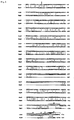
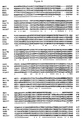
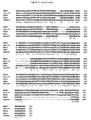
- Most preferred variants are those that vary from the referents by amino acid substitutions that are found in structurally equivalent positions (as shown by a homology alignment) in other LbpB sequences (for example homology alignment of 5 LbpB sequences shown in Figure 9).
- Especially preferred variants comprising the amino acid sequence which have at least 65% identity to that of the reference sequence (for instance SEQ ID NO: 2, 4, 6, 8, or 10) over its entire length, and still more preferably at least 70% identity, and still more preferably at least 80% identity, and even still more preferably at least 90% identity.
- those with at least 95-99% are highly preferred.
- a variant would encompass residues 300-308 being replaced with any of the residues in the equivalent positions in the LbpB sequences of strain H44/76 (residues 305-313 respectively), strain M990 (residues 307-315 respectively), strain M981 (residues 302-310 respectively), or strain 881607 (residues 303-311 respectively).
- the amino acid sequence NPDLAKSHA could therefore be substituted for STDVATNLA [ST (from M981 residues 302-303), D (from BNCV residue 302), V (from 881607 residue 306), A (from M990 residue 311), T (from H44/76 residue 310), NLA (from M990 residues 313-315)] and the resulting protein may be classed a variant, and a polypeptide of the invention.
- substitutions can also include deletions, for instance if residues 357-366 of LbpB of strain M981 are deleted (as there are no equivalent amino acid positions in LbpB from strain BNCV - see Figure 9) such a protein may constitute a variant, and a polypeptide of the invention.
- Neisseria meningitidis and other neisserial strains are genomically very homologous to each other.
- the genomes of Neisseria meningitidis and Moraxella catarrhalis are also sufficiently homologous to allow gene exchange to take place.
- the LbpB equivalent proteins (or LbpB allelic variants) of neisserial strains and of Moraxella catarrhalis strains also constitute polypeptides of the invention if they satisfy the % sequence identity criteria described above.
- polypeptides of the invention if they shared preferably at least 70 % sequence similarity with one of the reference sequences (SEQ ID NO: 2, 4, 6, 8, or 10) over its entire length as measured by the program BLAST (Altschul, S. F. et al., (1997) Nucleic Acids Res. 25:3389-3402; Karlin, S. and Altschul, S. F. (1990) Proc. Natl. Acad. Sci. USA 87:2264-68; Karlin, S. and Altschul, S. F. (1993) Proc. Natl. Acad. Sci. USA 90:5873-7), and more preferably at least 80 % similarity, and still more preferably at least 90%.
- BLAST Altschul, S. F. et al., (1997) Nucleic Acids Res. 25:3389-3402
- Such proteins should bind human lactoferrin (by definition), and should also be able to cross-react with polyclonal sera against LbpB from meningococcal strains.
- the precise amino-acid sequence of such variants can be easily determined using information from the meningococcal polynucleotide and polypeptide sequences of SEQ ID NO: 1-10.
- the LbpB polypeptides of the invention can be prepared in any suitable manner.
- Such polypeptides include isolated naturally occurring lipopolypeptides, recombinantly produced polypeptides or lipopolypeptides, synthetically produced polypeptides, or polypeptides produced by a combination of these methods. Means for preparing such polypeptides are well understood in the art.
- LbpB polynucleotides include isolated polynucleotides which encode the LbpB polypeptides and fragments, and polynucleotides closely related thereto. More specifically, LbpB polynucleotides include a polynucleotide comprising the nucleotide sequence contained in SEQ ID NO:1, 3, 5, 7, or 9 encoding a LbpB polypeptide of SEQ ID NO: 2,4, 6, 8, or 10 respectively, and polynucleotide having the particular sequence of SEQ ID NO:1, 3, 5, 7, or 9.
- LbpB polynucleotides further include a polynucleotide comprising a nucleotide sequence that has at least 65% identity over its entire length to a nucleotide sequence encoding the LbpB polypeptide of SEQ ID NO:2, 4, 6, 8, or 10, and a polynucleotide comprising a nucleotide sequence that is at least 65% identical to that of SEQ ID NO:1 from nucleotide 100 to nucleotide 2274, and a polynucleotide comprising a nucleotide sequence that is at least 65% identical to that of SEQ ID NO:3, 5, 7, or 9.
- polynucleotides at least 70% identical are more preferred
- polynucleotides at least 80% identical are particularly preferred
- those with at least 90% are especially preferred.
- those with at least 95% are highly preferred and those with at least 98-99% are most highly preferred, with at least 99% being the most preferred.
- polynucleotides which are complementary to such LbpB polynucleotides are also included.
- the LbpB polynucleotides provided in SEQ ID NO:1, 3, 5, 7, and 9 are the LbpB polynucleotides from Neisseria meningitidis strains BNCV, M981, H44/76, M990, and 881607 repectively.
- the nucleotide sequence encoding LbpB polypeptide of SEQ ID NO:2, 4, 6, 8, or 10 may be identical to the polypeptide encoding sequence contained in nucleotides 100 to 2274 of SEQ ID NO:1, or the polypeptide encoding sequence contained in SEQ ID NO:3, 5, 7, or 9 respectively, or it may be a sequence, which as a result of the redundancy (degeneracy) of the genetic code, also encodes the polypeptide of SEQ ID NO:2, 4, 6, 8, or 10.
- the polynucleotide may include the coding sequence for the mature polypeptide (residue 19 to the C-terminus of SEQ ID NO:2, 4, 6, 8, and 10) or a fragment thereof, by itself; the coding sequence for the mature polypeptide or fragment in reading frame with other coding sequences, such as those encoding a leader or secretory sequence, a pre-, or pro- or prepro- protein sequence, or other fusion peptide portions (for instance residues 1 to 18 of SEQ ID NO:2, the natural signal sequence of LbpB).
- a marker sequence which facilitates purification of the fused polypeptide can be encoded.
- the marker sequence is a hexa-histidine peptide, as provided in the pQE vector (Qiagen, Inc.) and described in Gentz et al., Proc Natl Acad Sci USA (1989) 86:821-824, or is an HA tag, or is glutathione-s-transferase. Also preferred is LbpB fused to its natural signal sequence (residues 1 to 18 of SEQ ID NO:2).
- the polynucleotide may also contain non-coding 5' and 3' sequences, such as transcribed, non-translated sequences, splicing and polyadenylation signals, ribosome binding sites and sequences that stabilize mRNA.
- LbpB polypeptide variants are polynucleotides encoding LbpB polypeptide variants described earlier. Most preferably they comprise the amino acid sequence of the LbpB polypeptide of SEQ ID NO:2, 4, 6, 8, or 10 in which several, 10-25, 5-10, 1-5, 1-3, 1-2 or 1 amino acid residues are substituted, deleted or added, in any combination, and they retain at least one of the LbpB polypeptide's biological activities.
- polynucleotides that hybridize to the herein above-described sequences.
- other embodiments especially relate to polynucleotides which hybridize under stringent conditions to the herein above-described polynucleotides.
- stringent conditions means hybridization will occur only if there is at least 80%, and preferably at least 90%, and more preferably at least 95%, yet even more preferably 97-99% identity between the sequences.
- Polynucleotides which are identical or sufficiently identical to a nucleotide sequence contained in SEQ ID NO:1, 3, 5, 7, or 9 or a fragment thereof, may be used as hybridization probes for cDNA and genomic DNA, to isolate full-length cDNAs and genomic clones encoding LbpB polypeptide and to isolate cDNA and genomic clones of other genes (including genes encoding homologs and orthologs from species other than Neisseria meningitidis ) that have a high sequence similarity to the LbpB gene.
- Such hybridization techniques are known to those of skill in the art.
- these nucleotide sequences are 80% identical, preferably 90% identical, more preferably 95% identical to that of the referent.
- the probes generally will comprise at least 15 nucleotides.
- such probes will have at least 30 nucleotides and may have at least 50 nucleotides. Particularly preferred probes will range between 30 and 50 nucleotides.
- to obtain a polynucleotide encoding LbpB polypeptide, including homologs and orthologs from species other than Neisseria meningitidis comprises the steps of screening an appropriate library under stingent hybridization conditions with a labeled probe having a nucleotide sequence contained in SEQ ID NO:1, 3, 5, 7, or 9 or a fragment thereof; and isolating full-length cDNA and genomic clones containing said polynucleotide sequence.
- LbpB polynucleotides further include a nucleotide sequence comprising a nucleotide sequence that hybridize under stringent condition to a nucleotide sequence having a nucleotide sequence contained in SEQ ID NO:1, 3, 5, 7, or 9 or a fragment thereof. Also included with LbpB polypeptides are polypeptides comprising amino acid sequences encoded by nucleotide sequences obtained by the above hybridization conditions. Such hybridization techniques are well known to those of skill in the art.
- Stringent hybridization conditions are as defined above or, alternatively, conditions under overnight incubation at 42°C in a solution comprising: 50% formamide, 5xSSC (150mM NaCl, 15mM trisodium citrate), 50 mM sodium phosphate (pH7.6), 5x Denhardt's solution, 10 % dextran sulfate, and 20 microgam/ml denatured, sheared salmon sperm DNA, followed by washing the filters in 0.1x SSC at about 65°C.
- 5xSSC 150mM NaCl, 15mM trisodium citrate
- 50 mM sodium phosphate pH7.6
- 5x Denhardt's solution 10 % dextran sulfate
- 20 microgam/ml denatured, sheared salmon sperm DNA followed by washing the filters in 0.1x SSC at about 65°C.
- polypeptides described herein of the present invention may be employed as research reagents and materials for discovery of treatments and diagnostics to animal and human disease.
- the vaccines of the invention are optionally made using host cells which are genetically engineered with vectors containing polynucleotides encoding LbpB , and to the production of polypeptides of the invention by recombinant techniques.
- Cell-free translation systems can also be employed to produce such proteins using RNAs derived from the DNA constructs described .
- host cells can be genetically engineered to incorporate expression systems or portions thereof for the polynucleotides described.
- polynucleotides into host cells can be effected by methods described in many standard laboratory manuals, such as Davis et al., BASIC METHODS IN MOLECULAR BIOLOGY (1986) and Sambrook et al., MOLECULAR CLONING: A LABORATORY MANUAL, 2nd Ed., Cold Spring Harbor Laboratory Press, Cold Spring Harbor, N.Y. (1989) such as calcium phosphate transfection, DEAE-dextran mediated transfection, transvection, microinjection, cationic lipid-mediated transfection, electroporation, transduction, scrape loading, ballistic introduction or infection.
- methods described in many standard laboratory manuals such as Davis et al., BASIC METHODS IN MOLECULAR BIOLOGY (1986) and Sambrook et al., MOLECULAR CLONING: A LABORATORY MANUAL, 2nd Ed., Cold Spring Harbor Laboratory Press, Cold Spring Harbor, N.Y. (1989) such as calcium phosphate transfection, DEAE-d
- bacterial cells such as meningococci, streptococci, staphylococci, E. coli, Streptomyces and Bacillus subtilis cells
- fungal cells such as yeast cells and Aspergillus cells
- insect cells such as Drosophila S2 and Spodoplera Sf9 cells
- animal cells such as CHO, COS, HeLa, C127, 3T3, BHK, HEK 293 and Bowes melanoma cells
- plant cells include bacterial cells, such as meningococci, streptococci, staphylococci, E. coli, Streptomyces and Bacillus subtilis cells
- fungal cells such as yeast cells and Aspergillus cells
- insect cells such as Drosophila S2 and Spodoplera Sf9 cells
- animal cells such as CHO, COS, HeLa, C127, 3T3, BHK, HEK 293 and Bowes melanoma cells
- Such systems include, among others, chromosomal, episomal and virus-derived systems, e.g., vectors derived from bacterial plasmids, from bacteriophage, from transposons, from yeast episomes, from insertion elements, from yeast chromosomal elements, from viruses such as baculoviruses, papova viruses, such as SV40, vaccinia viruses, adenoviruses, fowl pox viruses, pseudorabies viruses and retroviruses, and vectors derived from combinations thereof, such as those derived from plasmid and bacteriophage genetic elements, such as cosmids and phagemids.
- viruses such as baculoviruses, papova viruses, such as SV40, vaccinia viruses, adenoviruses, fowl pox viruses, pseudorabies viruses and retroviruses
- vectors derived from combinations thereof such as those derived from plasmid and bacteriophage genetic elements, such as cosmid
- the expression systems may contain control regions that regulate as well as engender expression.
- any system or vector suitable to maintain, propagate or express polynucleotides to produce a polypeptide in a host may be used.
- the appropriate nucleotide sequence may be inserted into an expression system by any of a variety of well-known and routine techniques, such as, for example, those set forth in Sambrook et al., MOLECULAR CLONING, A LABORATORY MANUAL ( supra ).
- secretion signals may be incorporated into the desired polypeptide. These signals may be endogenous to the polypeptide (residues 1 to 18 of SEQ ID NO:2, 4, 6, 8, or 10) or they may be heterologous signals.
- lipidated recombinant LbpB preferably the endogenous signal peptide is encoded in the gene construct, and the preferred host system would be a bacterial host.
- the polypeptide be produced at the surface of the cell.
- the cells may be harvested prior to use in the screening assay. If LbpB polypeptide is secreted into the medium, the medium can be recovered in order to recover and purify the polypeptide; if produced intracellularly, the cells must first be lysed before the polypeptide is recovered.
- LbpB polypeptides can be recovered and purified from recombinant cell cultures by well-known methods including ammonium sulfate or ethanol precipitation, acid extraction, anion or cation exchange chromatography, phosphocellulose chromatography, hydrophobic interaction chromatography, affinity chromatography, hydroxylapatite chromatography and lectin chromatography. Most preferably, high performance liquid chromatography is employed for purification. Well known techniques for refolding proteins may be employed to regenerate active conformation when the polypeptide is denatured during isolation and or purification.
- Another aspect of the invention relates to a method for inducing an immunological response in a mammal (preferably a human) which comprises inoculating the mammal with LbpB polypeptide or epitope-bearing fragments, analogs, outer-membrane vesicles or cells (attenuated or otherwise), adequate to produce antibody and/or T cell immune response to protect said animal from neisserial disease, among others.
- Yet another aspect of the invention relates to a method of inducing immunological response in a mammal (preferably a human) which comprises, delivering LbpB polypeptide via a vector directing expression of LbpB polynucleotide in vivo in order to induce such an immunological response to produce antibody to protect said animal from diseases.
- a further aspect of the invention relates to an immunological composition or vaccine formulation which, when introduced into a mammalian host (preferably a human), induces an immunological response in that mammal to a LbpB polypeptide wherein the composition comprises a LbpB gene, or LbpB polypeptide or epitope-bearing fragments, analogs, outer-membrane vesicles or cells (attenuated or otherwise).
- the vaccine formulation may further comprise a suitable carrier.
- the LbpB vaccine composition is preferably administered orally or parenterally (including subcutaneous, intramuscular, intravenous, intradermal etc. injection).
- Formulations suitable for parenteral administration include aqueous and non-aqueous sterile injection solutions which may contain anti-oxidants, buffers, bacteriostats and solutes which render the formulation isotonic with the blood of the recipient; and aqueous and non-aqueous sterile suspensions which may include suspending agents or thickening agents.
- the formulations may be presented in unit-dose or multi-dose containers, for example, sealed ampoules and vials and may be stored in a freeze-dried condition requiring only the addition of the sterile liquid carrier immediately prior to use.
- the vaccine formulation may also include adjuvant systems for enhancing the immunogenicity of the formulation, such as oil-in water systems and other systems known in the art. The dosage will depend on the specific activity of the vaccine and can be readily determined by routine experimentation.
- Peptides such as the soluble form ofLbpB polypeptides, and antagonist peptides or small molecules, may be formulated in combination with a suitable pharmaceutical carrier.
- suitable pharmaceutical carrier include but are not limited to, saline, buffered saline, dextrose, water, glycerol, ethanol, and combinations thereof. Formulation should suit the mode of administration, and is well within the skill of the art.
- the invention further relates to pharmaceutical packs and kits comprising one or more containers filled with one or more of the ingredients of the aforementioned compositions of the invention.
- Polypeptides and other compounds of the present invention may be employed alone or in conjunction with other compounds, such as therapeutic compounds.
- systemic administration of the pharmaceutical compositions include injection, typically by intravenous injection.
- Other injection routes such as subcutaneous, intramuscular, or intraperitoneal, can be used.
- Alternative means for systemic administration include transmucosal and transdermal administration using penetrants such as bile salts or fusidic acids or other detergents.
- penetrants such as bile salts or fusidic acids or other detergents.
- oral administration may also be possible.
- Administration of these compounds may also be topical and/or localized, in the form of salves, pastes, gels and the like.
- the dosage range required depends on the choice of peptide, the route of administration, the nature of the formulation, the nature of the subject's condition, and the judgment of the attending practitioner. Suitable dosages, however, are in the range of 0.1-100 ⁇ g/kg of subject. Wide variations in the needed dosage, however, are to be expected in view of the variety of compounds available and the differing efficiencies of various routes of administration. For example, oral administration would be expected to require higher dosages than administration by intravenous injection. Variations in these dosage levels can be adjusted using standard empirical routines for optimization, as is well understood in the art.
- Example 1 Bacterial strains and growth conditions
- the bacterial strains used are listed in Table 1. Meningococci were cultured overnight on GC agar plates (Difco), supplemented with Vitox (Oxoid) in a humid 5% CO 2 - atmosphere at 37°C. Optimal expression of iron regulated proteins was achieved by adding 5 ⁇ g/ml of the iron chelator ethylenediamine di-o-hydroxyphenylacetic acid (EDDA, Sigma). For preparation of samples for SDS-PAGE, immunoblotting, and for isolation of chromosomal DNA, cells were grown as described before (Pettersson et al., 1993).
- E. coli strain Y1090 (Young and Davis, 1983), which was used to propagate the ⁇ gt11 phage, was grown in Luria-Bertoldi (LB) medium supplemented with ampicillin (100 ⁇ l/ml), 0.2% maltose and 10 mM MgCl 2 .
- Strain DH5 ⁇ used for cloning, was grown in LB medium, supplemented with 100 ⁇ l/ml ampicillin, 25 ⁇ g/ml kanamycin, or 100 ⁇ g/ml erythromycin, when needed for selection of recombinants.
- Peptides (Fig. 3) were synthesised using an automated multiple peptide synthesiser and were coupled to tetanus toxoid as described (van der Ley et al., 1991).
- BALB/c mice were immunised with 50 ⁇ g of peptide and 20 ⁇ g of Quil A as an adjuvant. Two boosters were given. Serum was collected 54 days after the first injection.
- antisera were raised against synthetic peptides (indicated as A1-E1 in Fig. 3) that were based on the deduced amino acid sequence of the partial open reading frame.
- the antisera were tested on Western blots against whole cells of strain BNCV grown under iron limitation. Sera against peptide B 1 did not show any reaction (data not shown). Antisera against the other peptides reacted with a band of approximately 95 kDa (Fig. 1). Since this band was lacking in the lbpB mutant (constructed as described below) (Fig.
- Serum 19-1 (against peptide E1) reacted with two bands of 95 K and 68 K respectively, in strain B16B6, but only with the 95 K band in strain N91. This result indicates that the 68 K band is indeed TbpB (data not shown).
- the sample buffer contained no ⁇ -mercaptoethanol.
- the outer membrane complexes were not heated at 95°C in sample buffer before electrophoresis, but incubated either on ice or at 37°C for 10 min.
- the polyacrylamide gel was composed of a 5% (w/v) stacking gel and an 8% (w/v) resolving gel containing 0.05% (w/v) SDS.
- the electrode buffer contained only 0.05% instead of 0.1% SDS. Electrophoresis was carried out at a constant voltage of 100 V for 2 h at 4°C. Standard sample buffer with 2% SDS was used.
- Electrophoresis of outer membrane proteins to detect folded forms of LbpB was performed with the PhastSystem (Pharmacia) according to the instructions of the manufacturer, using 7.5% (w/v) homogeneous polyacrylamide gels with SDS buffer strips.
- the ⁇ gt11 gene library from strain BNCV was originally provided by E.C. Gotschlich (The Rockefeller University, New York, USA). The library was propagated in E. coli strain Y1090 and screened with DNA probes BE1 and AP6 (Fig. 2).
- BE1 was prepared by isolation of the 355 bp Bst EII- Eco RI-fragment of plasmid pAM1 (Pettersson et al., 1993).
- AP6 was the 417 bp Eco RI- Eco RV-fragment prepared from plasmid pAM6.
- Probe labelling, plaque blotting, and detections were performed as described ( Pettersson et al., 1993), using the DIG DNA Labeling and Detection kit (Boehringer Mannheim).
- ⁇ DNA was isolated (Sambrook et al. , 1989) and the inserts were subcloned in the phagemid pEMBL 19. Plasmid DNA was isolated on Jetstar mini columns (Genomed) as described by the manufacturer. Single-stranded DNA was propagated using the helper phage VCSM13 (Stratagene).
- Chromosomal DNA was isolated as described (Ausubel et al., 1989). The DNA was digested with Acc I and Dra I , and separated on a 1% agarose gel. Southern blotting was performed as described (Pettersson et al., 1993). The probe ES1 (Fig. 2) was prepared by isolation of the 320 bp Eco RI- Sal I-fragment from pAM13, and labelled as above. The probe reacted with a 1.5 kb fragment in the Acc I/ Dra I digested chromosomal DNA on a Southern blot. Fragments of 1.5 kb were isolated from gel and ligated in pEMBL19.
- the ligation mix was PCR amplified with the M13 universal primer (Pharmacia) and the LB11 primer (Table 2). Goldstar polymerase, a Taq polymerase derivative (Eurogentec) was used for PCR amplification according to the instructions from the manufacturer.
- the PCR product of 1.3 kb was purified from agarose gel.
- DNA sequencing was performed manually using the deaza G/A T7 sequencing mixes (Pharmacia) or automatically using the ABI Prism 310 Genetic Analyzer (Perkin Elmer). For automatic sequencing, the labelling was done with the Dye Terminator Cycle sequencing kit (Perkin Elmer). Internal primers (synthesised by Pharmacia or Gibco BRL) and the M13 universal and reverse primers (Pharmacia) were used for sequencing of single-stranded DNA, double-stranded plasmid DNA or the PCR product.
- a ⁇ gt11 gene library of strain BNCV was screened with DNA probes. Two different lambda clones were found. The inserts were subcloned in pEMBL19, resulting in plasmids pAM6 and pAM13 (Fig. 2), and sequenced. The promoter and the beginning of the lbpB gene were not found in this way. Several other attempts to clone the 5' end of the gene failed, suggesting that its expression is toxic to E. coli. To obtain the rest of the sequence, a rich bank was prepared of Acc I - and Dra I-digested chromosomal DNA.
- Chromosomal DNA fragments of approximately 1.5 kb were ligated in pEMBL19, and a PCR amplification was performed directly on the ligation mix, using a primer (LB11, see Fig. 2) based on the known part of the lbpB sequence and an M13 primer. The resulting PCR product (Fig. 2) was used directly for sequencing. This strategy avoids cloning of the possibly toxic gene in E. coli.
- the mature LbpB protein has a calculated molecular mass of 77.5 kDa, which is considerably lower than the apparent molecular mass of 95 kDa observed in sodium dodecyl sulphate-polyacrylamide electrophoresis (SDS-PAGE) (Fig. 1).
- SDS-PAGE sodium dodecyl sulphate-polyacrylamide electrophoresis
- a typical Shine-Dalgamo sequence could be discerned.
- putative -10 and -35 boxes were found (Fig. 4).
- Fur acts, in conjunction with Fe 2+ , as a repressor of iron-regulated genes, by binding to a 19 bp sequence in the promoter region (Bagg and Neilands, 1987).
- the consensus sequence of such a Fur-box is GATAATGATAATCATTATC, and 16 of the 19 bp of this sequence are conserved in this element in the IbpB promoter. Further upstream of the promoter, a direct repeat of 131 bp was found (data not shown).
- the sequence homology between the LbpB proteins of the BNCV and M981 strains of N. meningitidis, and between the LbpB proteins of the BNCV and H44/76 strains of N. meningitidis, is 72.7% and 78.5% respectively.
- Plasmids pAM23 and pAM6 were used for insertional inactivation of lbpA and lbpB, respectively.
- the erythromycin resistance (Erm r ) cassette from pER2 (Jennings et al. , 1993) was excised with Cla I and Hind III .
- the fragment was treated with T4 DNA polymerase and ligated to Eco RV-digested pAM23, resulting in plasmid pAM23E.
- the kanamycin resistance (Km r ) cassette from pUC4K (Pharmacia) was excised with Hinc II .
- Plasmid pAM6 was linearized with Bgl II and treated with T4 DNA polymerase.
- the Km r -cassette was ligated in this site, resulting in plasmid pAM6K.
- the antibiotic resistance genes were in the same directions as IbpA and lbpB in plasmids pAM23E and pAM6K (-nus), respectively.
- Plasmid pAM23E linearized with Kpn I , was used to transform strain H44/76 as described previously (van der Ley and Poolman, 1992). Transformants were selected on GC plates containing 5 ⁇ g of erythromycin per ml. Correct gene replacement in one of the transformants, designated CE1449, was verified by PCR, using primers FW5 and DVAS2 (Table 2), and by Southern blot analysis using probe AP23 (Fig. 2; isolated as the 184 bp Ssp I- Hind III-fragment from pAM23). For Southern blot, chromosomal DNA was digested with Cla I and Sal I.
- the isogenic mutants in strain BNCV were prepared by electroporation (Genco et al., 1991) since this strain appeared not to be transformable. Chromosomal DNA from lbpA mutant CE1449 was used to make the lbpA mutant. Transformants were selected on GC plates with erythromycin and verified as mentioned above. Plasmid pAM6K-nus was used to make the lbpB mutant. Transformants were selected on GC plates containing 100 ⁇ g/ml of kanamycin. Correct gene replacement was verified by PCR, using primers SDA1 and PR1 (Table 2), and by Southern blot using probe AP23.
- Lactoferrin binding to whole cells was assessed in an ELISA-type assay.
- Recombinant human lactoferrin, produced in Aspergillus avamori was kindly provided by Agennix Inc., Houston, Texas, USA.
- the lactoferrin was saturated with iron as described (van Berkel et al., 1995), with the following modifications.
- FeCl 3 was used instead of Fe(NO 3 ) 3 , and the dialysis was done against 5 mM Na 2 HPO 4 /NaH 2 PO 4 -buffer, pH 7.7 for 4 h. Colonies from plates were suspended in Tris-buffered saline, pH 7.5 (TBS) and killed by heating for 30 min at 56°C.
- Samples (100 ⁇ l) with an optical density at 620 nm of 0.05 were dispensed into the wells of a microtiter plate. The samples were allowed to dry overnight at 37°C. The assay was carried out at 37°C. Nonspecific binding was prohibited with 100 ⁇ l of blocking solution containing 0.5% Protifar (Nutricia) and 0.1% Tween 20 in TBS for 1 h. After blocking, the wells were filled with various concentrations of lactoferrin in blocking solution. The concentration of lactoferrin in the wells varied from 3.125 to 200 ng/ml.
- Lactoferrin binding on a blot was performed as follows. Unspecific binding was blocked by incubating the membrane in 0.2 M Na 2 HPO 4 /NaH 2 PO 4 buffer, pH 5.7 containing 0.1% Tween-20 and 0.5% Protifar (Nutricia) for 2 h. The blot was incubated with 1.2 ⁇ gml -1 peroxidase-conjugated human lactoferrin (Pettersson et al., 1993) in blocking buffer for 1 h and washed three times with blocking buffer. The activity of the peroxidase was detected with the ECL system according to the instructions of the manufacturer (Amersham).
- Meningococci were grown overnight in TSB supplemented with Vitox, as described in Example 1. Of the overnight culture, 300 ⁇ l were suspended in 3 ml of top agar (1 % GC agar with 20 ⁇ g EDDA per ml, cooled down to 42°C) and immediately plated on GC agar plates supplemented with Vitox and 20 ⁇ g EDDA per ml. Drops (10 ⁇ l) of recombinant human lactoferrin (11% iron saturated, or saturated as described above) were spotted on the plates. The concentration of lactoferrin in the drops was 10 and 20 mg/ml, respectively. Plates were grown overnight.
- This peptide contains one of the two stretches, rich in negatively charged amino acids and possibly implicated in lactoferrin binding.
- the binding of the antibodies to the folded protein suggests that this part of the protein is exposed, whereas all other peptide epitodes are hidden in the folded structure of LbpB.
- Lactoferrin binding to whole cells was investigated in an ELISA-type assay.
- the ELISA plates were coated with whole cells of strain BNCV of the isogenic mutants, and lactoferrin, in various concentrations, was added to the wells. Binding of lactoferrin to the cells was probed with a peroxidase-conjugated antibody against human lactoferrin (Fig. 7).
- the lbpB mutant was slightly reduced in its ability to bind lactoferrin.
- the lbpA mutant bound lactoferrin less effectively that the lbpB mutant, whereas the double mutant bound virtually no lactoferrin at all (Fig. 7).
- lactoferrin as a sole source of iron was investigated in plate feeding assays. Meningococci were grown under iron limitation on plates, drops of recombinant human lactoferrin were spotted on the plates, and growth stimulation was monitored. The lbpB mutant was able to grow on lactoferrin, whereas the lbpA mutant was not (Fig. 8). The lactoferrin was 11 % iron saturated. The same experiment was performed with iron-loaded lactoferrin with essentially the same results (data not shown). These data demonstrate that the LbpA protein is necessary for iron uptake via lactoferrin, whereas LbpB does not seem to be essential.
- Chromosomal DNA was isolated from bacteria grown on plates. After overnight growth, bacteria were scraped from the plates and suspended in 1.5 ml 10 mM Tris-HCl, 10 mM EDTA, pH 8 and 10 ⁇ l of lysozyme (10 mg/ml) was added. The suspension was incubated for 15 min at room temperature, before 1.5 ml of 2 % Triton X-100, 50 mM Tris-HCl, 10 mM EDTA, pH 8 was added. After 15 min incubation, 10 ⁇ l of proteinase K (10 mg/ml) was added. The tubes were incubated for 30 min at room temperature. The mixture was extracted once with phenol, chloroform, isoamylalcohol (mixed in ratio 24:24:1), and once with chloroform saturated with water. The chromosomal DNA was precipitated with ethanol.
- PCR amplify the lbpB genes were used to PCR amplify the lbpB genes.
- Primers LB20 and REV2 (Table 3) were used on strains H44/76, M990, and 881607.
- Primers LB20 and LB23 were used on strain M981. The primers are based on the sequence of lbpB from strain BNCV.
- LB20 binds upstream of the lbpB gene, and LB23 and REV2 at the beginning of the lbpA gene.
- LB23 has an extra Bam HI site at the 5' end.
- Goldstar polymerase, a Taq polymerase derivative (Eurogentec) was used for PCR amplifications according to the instructions from the manufacturer. The annealing temperature was in all cases 50°C, and 30 cycles were performed.
- PCR products were purified from agarose gels, using ⁇ -agarase (New England Biolabs) according to the instructions of the manufacturer.
- DNA sequencing was performed by gene walking using primers designed for the lbpB genes. Primers were synthesized by Gibco BRL. Sequencing was done automatically using the ABI Prism 310 Genetic Analyser (Perkin-Elmer). The labelling was done with the Dye Terminator Cycle Sequencing Kit (Perkin-Elmer).
- nucleotide sequences of the lbpB genes of the four strains are shown in SEQ ID NO:3, 5, 7, and 9.
- the nucleotide sequences were translated into amino acid sequences and an alignment of the five known sequences of the LbpB proteins is presented in Fig. 9.
- the identity between the LbpB proteins of the different strains was 70-80%.
- a pairwise comparison of identities is summarized in Table 4.
- LbpB in Neisseria meningitidis is very low; the protein could not be detected when outer membrane protein patterns were analysed by SDS-PAGE.
- a construct was made for expression of the protein in Escherichia coli.
- the protein encoded by the construct contained a His-tag , and lipid modification of the N terminus was prevented by replacement of the native signal sequence and first two amino acid residues of the mature domain.
- the meningococcal strain BNCV (-:2a:P 1.2) was cultured overnight on GC agar plates (Difco), supplemented with Vitox (Oxoid) in a humid 5% CO 2 atmosphere at 37°C.
- the construct encoding the recombinant LbpB protein was expressed in the E. coli strain CE1448 (generously provided by C. Jansen), which is a htrA ompT derivative of strain CE1224 (Tommassen et al., 1983).
- the strain was grown at 37°C in a Hepes-buffered synthetic medium (Tommassen and Lugtenberg, 1980) supplemented with growth requirements due to auxotrophic mutations and with 1.32 mM K 2 HPO 4 (phosphate-replete conditions). After overnight growth, the culture was diluted 1:13.5 into the same medium, but without K 2 HPO 4 (phosphate-depleted conditions) and grown for 6 h at 37°C.
- Chromosomal DNA was isolated from meningococcal cells grown overnight on plates. Bacteria were scraped from the plates, suspended in 1.5 ml 10 mM Tris-HCl, 10 mM EDTA, pH 8, and 10 ⁇ l of lysozyme (10 mg/ml) was added. The suspension was incubated for 15 min at room temperature, before 1.5 ml of 2 % Triton X-100, 50 mM Tris-HCl, 10 mM EDTA, pH 8 was added. After 15 min incubation, 10 ⁇ l of proteinase K (10 mg/ml) was added. The tubes were incubated for 30 min at room temperature. The DNA was extracted from the mixture by adding phenol/ chloroform/ isoamylalcohol (24:24:1 by volume), and further purified by extraction with chloroform saturated with water. The chromosomal DNA was precipitated with ethanol.
- the chromosomal DNA was used as a template to amplify the part of the lbpB gene corresponding to the mature LbpB by PCR using primers LB22 and LB23 (Table 5).
- LB22 primes at a site corresponding to the N-terminal part of LbpB and introduces a Pst I-site in the PCR product.
- LB23 primes just downstream of lbpB at the beginning of the lbpA gene and introduces a Bam HI - site.
- Pwo polymerase Boehringer Mannheim
- the annealing temperature was 60°C, and 30 cycles were performed.
- the PCR product was isolated from a gel, using ⁇ -agarase (New England Biolabs) according to the manufacturer's instructions.
- the PCR product was digested with Pst I and Bam HI and ligated into pJP29 (Fig. 10A), which had also been digested with Pst I and Bgl II .
- pAM31 the Bam HI and Bgl II sites are lost.
- the LbpB protein is expressed in this construct from the phoE promoter and contains the PhoE signal sequence instead of the authentic signal sequence. Furthermore, the first two residues from the N-terminus were changed from Cys and Ile to Ala and Val, respectively.
- a His-tag was inserted between the signal sequence and the mature part of LbpB.
- pAM31 was digested with Pst I and ligated to a linker composed of the oligonucleotides VGO12a and VGO13a (Table 5), resulting in plasmid pAM32 (Fig. 10A).
- the Pst I-site is lost after ligation.
- the linker codes for six His residues and a factor Xa cleavage site (Fig. 10B).
- the recombinant LbpB was produced in strain CE1448 containing pAM32.
- Phosphate-limited cells from a 5 litre culture were harvested after 6 h of growth. Cells were washed once with 500 ml physiological salt solution and resuspended in 150 ml of 10 mM Tris-HCl, 5 mM EDTA, pH 8. The suspension was frozen at -20°C overnight. The cells were thawed and three protease inhibitor cocktail tablets (Complete TM , Boehringer Mannheim) were added. The cells were pressed twice through a French press at a pressure of 8000 psi.
- Unbroken cells were removed by centrifugation in a Sorvall GSA rotor at 5000 rpm for 20 min. The supernatant was centrifuged in a Beckman Ti60 rotor at 40,000 rpm for 90 min. The cell envelopes were dissolved in 5 mM Na 2 HPO 4- NaH 2 PO 4 - buffer, pH 7.6.
- the cell envelopes were extracted twice with 2% n-octyl-oligo-oxyethylene (Octyl-POE) at 37°C. The first extraction was done for 1 h, and the second for 3 h. In between and after the extractions, non-soluble proteins were pelleted by centrifugation in a Beckman TLA100.2 rotor at 100,000 rpm for 1 h. Supernatants, containing the LbpB protein, were combined and added to Ni-NTA agarose. Purification of the protein was done in batch under native conditions, according to the instructions provided by the manufacturer (Qiagen). The concentrations of imidazole and NaCl were 20 mM and 300 mM, respectively, during binding and washing.
- Octyl-POE n-octyl-oligo-oxyethylene
- Ni-NTA agarose In total, 2 ml of Ni-NTA agarose was used, divided over 10 tubes. Elution was performed in steps with 3 ml of 100 mM, 200 mM, and 250 mM imidazole, respectively. After elution, the protein was dialyzed twice in a Spectra/Por 2 dialysis bag (Spectrum) against 2.5 l of phosphate-buffered saline. The protein was concentrated in a Fugisept Maxi Centrifugal Concentrator (Intersept) with a cut-off of 10 kDa. The centrifugation was performed in a Sorvall GSA rotor at 5000 rpm, until the total volume was 1-1.5 ml.
- Polyacrylamide gel electrophoresis was performed as described by Lugtenberg et al. (1975) with a few modifications.
- the polyacrylamide gel was composed of a 5% stacking gel and an 11% resolving gel, containing no SDS.
- the sample buffer contained no ⁇ -mercaptoethanol, and the samples were kept at 0°C before PAGE.
- the sample buffer was supplemented with ⁇ -mercaptoethanol, and the samples were boiled for 5 min. Electrophoresis was carried out at a constant current of 20 mA at 4°C. The gel was stained with Coomassie Brilliant Blue.
- a recombinant form of LbpB of N. meningitidis strain BNCV was expressed in the E. coli strain CE1448.
- a construct, pAM32 was made encoding a recombinant protein consisting of the signal sequence of PhoE, a His-tag and the mature LbpB protein (Fig. 10A). The protein is expressed from the phoE promoter under phosphate limitation.
- the authentic type II signal sequence of LbpB is replaced by a type I signal sequence, and a His-tag followed by a Factor Xa cleavage site is inserted between the signal sequence and the mature LbpB.
- the first two amino acids of the mature LbpB, Cys and Ile were changed into Ala and Val (Fig.
- the recombinant protein cannot be lipid-modified at an N-terminal Cys.
- Recombinant LbpB was isolated using the procedure described in Example 8.
- Polyacrylamide gel electrophoresis (PAGE) was performed as described by Lugtenberg et al. (1975) with a few modifications.
- the polyacrylamide gel was composed of a 5% stacking gel and an 11% resolving gel, containing no SDS.
- the sample buffer (Lugtenberg et al., 1975) contained no ⁇ -mercaptoethanol, and the samples were kept at 0°C before electrophoresis.
- the sample buffer was supplemented with ⁇ -mercaptoethanol, and the samples were boiled for 5 min. Electrophoresis was carried out at a constant current of 20 mA at 4°C.
- Example 10 ELISA & Bactericidal tests using sera obtained from mice immunised with meningococcal cells or LbpB
- mice Groups of 10 mice (6 weeks old Balb/C) were immunized (100 ⁇ l intraperitoneal or 100 ⁇ l subcutaneous) three times with 5x10 8 CFU of heat inactivated BNCV whole cells in SBAS2 adjuvant. The three immunizations were carried out 21 days apart, and blood was drawn on day 56 by intra cardiac punction. Sera were pooled by group.
- 100 ⁇ l of pooled sera were 100 fold diluted in PBS Tween 20 0.05% casein 0.1 %, added to the first well, then 2 fold diluted up to 12 dilutions and plates were then incubated for 30 minutes at 37°C with stirring. After washing, 100 ⁇ l of a 2000 fold dilution of Rabbit anti-mouse Immuno-globulins biotin (Dakopatts E0413) in PBS tween 20 0.05% Casein 0.3% were added and the plates were incubated in the same way as before.
- Anti-LbpB ELISA works in the same way as WCE except the coating is different.
- the wells were coated with 100 ⁇ l of a solution of 0.5 ⁇ g/ml pure LbpB in 0.05 M carbonate/bicarbonate buffer pH 9.6 and incubated overnight at 37°C (not evaporated).
- a culture of group B meningococci (strain H44/76) [grown either under conditions of iron depletion (fe-) as described in Example 1, or under iron rich (fe+) conditions by omitting the addition of EDDA] in the log phase of growth (OD ⁇ 0.3) was suspended in sterile Hanks medium with 0.3 % BSA in order to obtain a working cell suspension adjusted to 20000 CFU/ml.
- a primary reaction mixture (75 ⁇ l) was made containing 50 ⁇ l/well of two-fold dilutions of test serum (Example 10A) samples (that had been heat-inactivated at 56°C for 30 min) and 25 ⁇ l/well of the 20000 CFU/ml log phase group B meningococci.
- the reaction vials were incubated at 37°C for 15 minutes and shaked at 210 rpm.
- the final reaction mixture (100 ⁇ l) additionally contained 25 % pretested baby rabbit serum as a complement source, and was incubated under the same conditions for 60 min.
- a sterile polystyrene U-bottom 96-well microtiter plate was used for this assay.
- buffer + bacteria + complement The following three test samples were used as controls: buffer + bacteria + complement; buffer + bacteria + inactivated complement; serum + bacteria + inactivated complement.
- Titers were calculated using a procedure with the program Excel (Microsoft). This procedure gives a precise measurement of the dilution which corresponds to 50 % of cell killing by a regression calculation.
- Table 7 and Fig. 13 show that immunization with LbpB induces a good response against LbpB (Fig. 13A), as well as against whole cell samples from strain BNCV (the source of the recombinant LbpB) AND strain H44/76 (the LbpB of which having only 78.5% sequence identity with that of BNCV) (Fig. 13B and C). Sera obtained using an immunization schedule involving only recombinant LbpB gave a similar result (data not shown). Clearly, anti-whole cell immunization with strain BNCV leads to higher anti-whole cell ELISA for both BNCV cells and H44/76 cells (Fig. 13B and C, respectively).
- Table 8 and Fig. 14 show that the antibodies produced in the sera after immunization with recombinant LbpB (from strain BNCV) are bactericidal against a heterologous strain (H44/76), the LbpB of which having only 78.5% sequence identity with that of BNCV. This was also the case using sera obtained after an immunization schedule involving only recombinant LbpB (data not shown). This is true when the H44/76 has been grown in conditions containing iron (Fig. 14A) and depleted in iron (Fig. 14B). There seems to be a greater effect in conditions of iron depletion as might be expected if LbpB is expressed in greater amounts when the bacterium is under these conditions.
- LbpB is therefore an immunoprotective antigen, and, furthermore, it shows evidence of providing cross-immunoprotection against heterologous strains of N . meningitidis.
- Table 1 Bacterial strains and plasmids used. Strain Description a Reference/Source N. meningitidis H44/76 B:15:P1.7,16 E. Holten CE1449 H44/76 lbpA ::Erm r This application BNCV -:2a:P1.2 Nonencapsulated derivative of M986 E.C.
- NT not typable.
- b ++ indicates strong reaction, + weak reaction and - no reaction with the native or denatured form of the protein.
- c SKB SmithKline Beecham Biologicals, RIVM: National Institute of Public Health and the Environment. Table 7.
- anti-LbpB response 100 a 200 400 800 1600 3200 6400 12800 25600 51200 102400 204800 BNCV 0.341 b 0.196 0.107 0.063 0.033 0.018 0.014 0.011 0.013 0.012 0.009 0.012 LbpB 2.772 2.918 2.794 2.867 2.687 2.487 2.046 1.504 1.043 0.668 0.405 0.202 PBS 0.14 0.079 0.044 0.028 0.016 0.018 0.012 0.01 0.01 0.008 0.012 0.01 anti BNCV(Fe-) response 100 200 400 800 1600 3200 6400 12800 25600 51200 102400 204800 BNCV 2.476 3.09 3.04 3.154 3.034 3.112 3.111 2.905 2.745 2.436 1.659 1.056 LbpB 1.783 1.856 1.292 0.914 0.622 0.385 0.257 0.185
Landscapes
- Health & Medical Sciences (AREA)
- Chemical & Material Sciences (AREA)
- Life Sciences & Earth Sciences (AREA)
- Organic Chemistry (AREA)
- Genetics & Genomics (AREA)
- Engineering & Computer Science (AREA)
- Molecular Biology (AREA)
- General Health & Medical Sciences (AREA)
- Wood Science & Technology (AREA)
- Zoology (AREA)
- Biomedical Technology (AREA)
- General Engineering & Computer Science (AREA)
- Bioinformatics & Cheminformatics (AREA)
- Biochemistry (AREA)
- Biophysics (AREA)
- Biotechnology (AREA)
- Proteomics, Peptides & Aminoacids (AREA)
- Physics & Mathematics (AREA)
- Medicinal Chemistry (AREA)
- Microbiology (AREA)
- Plant Pathology (AREA)
- Gastroenterology & Hepatology (AREA)
- Veterinary Medicine (AREA)
- Pharmacology & Pharmacy (AREA)
- Virology (AREA)
- Communicable Diseases (AREA)
- Immunology (AREA)
- Oncology (AREA)
- General Chemical & Material Sciences (AREA)
- Public Health (AREA)
- Animal Behavior & Ethology (AREA)
- Analytical Chemistry (AREA)
- Chemical Kinetics & Catalysis (AREA)
- Nuclear Medicine, Radiotherapy & Molecular Imaging (AREA)
- Peptides Or Proteins (AREA)
- Medicines Containing Antibodies Or Antigens For Use As Internal Diagnostic Agents (AREA)
- Medicines That Contain Protein Lipid Enzymes And Other Medicines (AREA)
- Saccharide Compounds (AREA)
- Investigating Or Analysing Biological Materials (AREA)
- Preparation Of Compounds By Using Micro-Organisms (AREA)
Claims (12)
- Vaccin comprenant une quantité efficace d'un polypeptide non lipidé de protéine B de liaison de la lactoferrine (LbpB) non lipidée de Neisseria meningitidis, ou d'une protéine de fusion de celui-ci, et un excipient pharmaceutiquement acceptable.
- Vaccin selon la revendication 1 comprenant une quantité efficace de polypeptide LbpB recombinant de Neisseria meningitidis, comprenant une séquence d'acides aminés supplémentaire qui facilite la purification du polypeptide.
- Vaccin selon la revendication 1 ou la revendication 2, comprenant une quantité efficace de polypeptide LpbB comprenant une séquence d'acides aminés qui est identique à au moins 70 % à la séquence d'acides aminés de SEQ ID N° 2, SEQ ID N° 4, SEQ ID N°6, SEQ ID N°8 ou SEQ ID N° 10 sur toute sa longueur, ou d'une protéine de fusion de celui-ci.
- Vaccin selon la revendication 1 ou la revendication 2, comprenant une quantité efficace de polypeptide LpbB comprenant une séquence d'acides aminés qui est identique à au moins 90 % à la séquence d'acides aminés de SEQ ID N° 2, SEQ ID N° 4, SEQ ID N°6, SEQ ID N°8 ou SEQ ID N° 10 sur toute sa longueur, ou d'une protéine de fusion de celui-ci.
- Vaccin selon la revendication 1 ou la revendication 2 comprenant une quantité efficace du polypeptide LbpB de Neisseria meningitidis qui comprend une séquence d'acides aminés de SEQ ID N° 2, 4, 6, 8 ou 10, de la position d'acide aminé 19 à l'extrémité C-terminale du polypeptide, ou d'une protéine de fusion de celui-ci.
- Vaccin selon la revendication 5 dans lequel le polypeptide LpbB a la séquence d'acides aminés de SEQ ID N° 2, 4, 6, 8 ou 10, ou protéine de fusion de celui-ci.
- Vaccin selon l'une quelconque des revendications 1 à 6 dans lequel ladite composition comprend au moins un autre antigène de N. Meningitidis.
- Processus pour fabriquer un vaccin comprenant les étapes consistant à produire LpbB non lipidée recombinante en mettant en culture une cellule hôte comprenant un système d'expression recombinant comprenant une séquence nucléotidique codant un polypeptide qui est identique à au moins 70 % à celle de SEQ ID N° 2, SEQ ID N° 4, SEQ ID N° 6, SEQ ID N° 8 ou SEQ ID N° 10 sur toute sa longueur, ou une protéine de fusion de celui-ci, dans lequel ledit système d'expression est capable de produire un polypeptide LbpB recombinant dans une cellule hôte compatible ; et à récupérer le polypeptide dans la culture et à le formuler avec un porteur adapté.
- Processus selon la revendication 8 dans lequel le polypeptide LpbB récupéré dans la culture fait partie d'une vésicule de membrane externe.
- Polypeptide LbpB non lipidé de Neisseria meningitidis comprenant une séquence d'acides aminés qui est identique à au moins 70 % à la séquence d'acides aminés de SEQ ID N°2, SEQ ID N°4, SEQ ID N°6, SEQ ID N°8, SEQ ID N°10 sur toute sa longueur, ou une protéine de fusion de celle-ci pour l'utilisation dans un traitement, dans lequel le polypeptide est administré en une quantité efficace.
- Utilisation d'une quantité efficace du polypeptide LpbB non lipidé de Neisseria meningitidis comprenant une séquence d'acides aminés qui est identique à au moins 70 % à la séquence d'acides aminés de SEQ ID N° 2, SEQ ID N° 4, SEQ ID N° 6, SEQ ID N° 8 ou SEQ ID N° 10 sur toute sa longueur, ou d'une protéine de fusion de celui-ci dans la fabrication d'un médicament pour prévenir ou traiter une maladie par Neisseria chez un sujet humain.
- Utilisation selon la revendication 11, dans laquelle ledit polypeptide ou ladite protéine doivent être administrés par voie orale, sous-cutanée, rectale, intratrachéenne, intramusculaire ou intranasale.
Applications Claiming Priority (5)
| Application Number | Priority Date | Filing Date | Title |
|---|---|---|---|
| GB9717423 | 1997-08-15 | ||
| GBGB9717423.9A GB9717423D0 (en) | 1997-08-15 | 1997-08-15 | Vaccine |
| GB9802544 | 1998-02-05 | ||
| GBGB9802544.8A GB9802544D0 (en) | 1998-02-05 | 1998-02-05 | Vaccine |
| PCT/EP1998/005117 WO1999009176A1 (fr) | 1997-08-15 | 1998-08-10 | Proteine de liaison de lactoferrine de neisseria |
Publications (2)
| Publication Number | Publication Date |
|---|---|
| EP1003874A1 EP1003874A1 (fr) | 2000-05-31 |
| EP1003874B1 true EP1003874B1 (fr) | 2006-11-02 |
Family
ID=26312080
Family Applications (1)
| Application Number | Title | Priority Date | Filing Date |
|---|---|---|---|
| EP98945224A Expired - Lifetime EP1003874B1 (fr) | 1997-08-15 | 1998-08-10 | Proteine de liaison de lactoferrine de neisseria |
Country Status (18)
| Country | Link |
|---|---|
| US (1) | US7105316B2 (fr) |
| EP (1) | EP1003874B1 (fr) |
| JP (1) | JP2001514894A (fr) |
| KR (1) | KR100509712B1 (fr) |
| CN (1) | CN1204253C (fr) |
| AT (1) | ATE344325T1 (fr) |
| AU (1) | AU744733B2 (fr) |
| BR (1) | BR9811907A (fr) |
| CA (1) | CA2301332A1 (fr) |
| CO (1) | CO4810233A1 (fr) |
| DE (1) | DE69836333T2 (fr) |
| ES (1) | ES2275314T3 (fr) |
| IL (1) | IL134436A0 (fr) |
| NO (1) | NO20000731L (fr) |
| NZ (1) | NZ502750A (fr) |
| PL (1) | PL194800B1 (fr) |
| TR (1) | TR200000416T2 (fr) |
| WO (1) | WO1999009176A1 (fr) |
Families Citing this family (10)
| Publication number | Priority date | Publication date | Assignee | Title |
|---|---|---|---|---|
| NZ515935A (en) * | 1999-05-19 | 2004-01-30 | Chiron S | Combination Neisserial compositions and vaccines for the prevention of infections due to Neisseria bacteria such as meningococcal meningitis |
| GB0007433D0 (en) * | 2000-03-27 | 2000-05-17 | Microbiological Res Authority | Recombinant transferrin binding proteins |
| GB0011108D0 (en) * | 2000-05-08 | 2000-06-28 | Microscience Ltd | Virulence gene and protein and their use |
| GB0107219D0 (en) * | 2001-03-22 | 2001-05-16 | Microbiological Res Authority | Immunogenic commensal neisseria sequences |
| US20060057160A1 (en) | 2002-08-02 | 2006-03-16 | Ralph Biemans | Vaccine composition |
| EP1667712B1 (fr) | 2003-10-02 | 2010-07-21 | GlaxoSmithKline Biologicals S.A. | Antigenes de b. pertussis et leur utilisation dans la vaccination |
| GB0409748D0 (en) * | 2004-04-30 | 2004-06-09 | Chiron Srl | Lactoferrin cleavage |
| CA2654706A1 (fr) | 2006-06-12 | 2007-12-21 | Nathalie Devos | Vaccin a base de lipooligosaccharide neisseria meningitidis |
| CA2792687A1 (fr) | 2010-03-10 | 2011-09-15 | Glaxosmithkline Biologicals S.A. | Composition immunogene |
| JP7832653B2 (ja) * | 2022-02-08 | 2026-03-18 | 国立大学法人京都工芸繊維大学 | ラクトフェリン、コンカナバリンa、リゾチーム及び/またはヘモグロビンを介して抗体等が固定されたニトロセルロース膜の製造方法及び抗原結合性等の増強方法 |
Citations (1)
| Publication number | Priority date | Publication date | Assignee | Title |
|---|---|---|---|---|
| CA2162193A1 (fr) * | 1995-11-02 | 1997-05-03 | Anthony B. Schryvers | Proteine de recepteur de lactoferrine |
Family Cites Families (2)
| Publication number | Priority date | Publication date | Assignee | Title |
|---|---|---|---|---|
| FR2692592B1 (fr) * | 1992-06-19 | 1995-03-31 | Pasteur Merieux Serums Vacc | Fragments d'ADN codant pour les sous-unités du récepteur de la transferrine de Neisseria meningitidis et procédés les exprimant. |
| FR2720408B1 (fr) * | 1994-05-31 | 1996-08-14 | Pasteur Merieux Serums Vacc | Fragments Tbp2 de Neisseria meningitidis. |
-
1998
- 1998-08-10 BR BR9811907-9A patent/BR9811907A/pt not_active Application Discontinuation
- 1998-08-10 EP EP98945224A patent/EP1003874B1/fr not_active Expired - Lifetime
- 1998-08-10 PL PL338649A patent/PL194800B1/pl unknown
- 1998-08-10 NZ NZ502750A patent/NZ502750A/en not_active IP Right Cessation
- 1998-08-10 WO PCT/EP1998/005117 patent/WO1999009176A1/fr not_active Ceased
- 1998-08-10 DE DE69836333T patent/DE69836333T2/de not_active Expired - Lifetime
- 1998-08-10 JP JP2000509840A patent/JP2001514894A/ja active Pending
- 1998-08-10 AU AU92613/98A patent/AU744733B2/en not_active Ceased
- 1998-08-10 KR KR10-2000-7001560A patent/KR100509712B1/ko not_active Expired - Fee Related
- 1998-08-10 IL IL13443698A patent/IL134436A0/xx unknown
- 1998-08-10 AT AT98945224T patent/ATE344325T1/de not_active IP Right Cessation
- 1998-08-10 CA CA002301332A patent/CA2301332A1/fr not_active Abandoned
- 1998-08-10 CN CNB988100975A patent/CN1204253C/zh not_active Expired - Fee Related
- 1998-08-10 TR TR2000/00416T patent/TR200000416T2/xx unknown
- 1998-08-10 ES ES98945224T patent/ES2275314T3/es not_active Expired - Lifetime
- 1998-08-18 CO CO98046967A patent/CO4810233A1/es unknown
-
2000
- 2000-02-14 NO NO20000731A patent/NO20000731L/no not_active Application Discontinuation
-
2003
- 2003-12-12 US US10/735,098 patent/US7105316B2/en not_active Expired - Fee Related
Patent Citations (1)
| Publication number | Priority date | Publication date | Assignee | Title |
|---|---|---|---|---|
| CA2162193A1 (fr) * | 1995-11-02 | 1997-05-03 | Anthony B. Schryvers | Proteine de recepteur de lactoferrine |
Non-Patent Citations (3)
| Title |
|---|
| FEAVERS I.; MAIDEN M.: "A gonococcal porA pseudogene: implications for understanding the evolution and pathogenicity of Neisseria gonorrhoeae", MOLECULAR MICORBIOLOGY, vol. 30, no. 3, 1998, pages 647 - 656 * |
| OGUNNARIWO J.; SCHRYVERS A.: "Rapid Identification and Cloning of Bacterial Transferrin and Lactoferrin Receptor Protein Genes", JOURNAL OF BACTERIOLOGY, vol. 178, no. 24, December 1996 (1996-12-01), US, pages 7326 - 7328 * |
| SHYAMALA V.; FERRO-LUZZI AMES G.: "Genome walking by single-specific primer polymerase chain reaction: SSP-PCR", GENE, vol. 84, 1989, THE NETHERLANDS, pages 1 - 8 * |
Also Published As
| Publication number | Publication date |
|---|---|
| CN1204253C (zh) | 2005-06-01 |
| AU744733B2 (en) | 2002-02-28 |
| US20040131634A1 (en) | 2004-07-08 |
| DE69836333D1 (de) | 2006-12-14 |
| BR9811907A (pt) | 2000-08-15 |
| NO20000731D0 (no) | 2000-02-14 |
| ATE344325T1 (de) | 2006-11-15 |
| KR20010022952A (ko) | 2001-03-26 |
| AU9261398A (en) | 1999-03-08 |
| ES2275314T3 (es) | 2007-06-01 |
| TR200000416T2 (tr) | 2000-07-21 |
| NO20000731L (no) | 2000-03-31 |
| CA2301332A1 (fr) | 1999-02-25 |
| WO1999009176A1 (fr) | 1999-02-25 |
| JP2001514894A (ja) | 2001-09-18 |
| US7105316B2 (en) | 2006-09-12 |
| PL338649A1 (en) | 2000-11-06 |
| NZ502750A (en) | 2002-03-01 |
| IL134436A0 (en) | 2001-04-30 |
| EP1003874A1 (fr) | 2000-05-31 |
| PL194800B1 (pl) | 2007-07-31 |
| DE69836333T2 (de) | 2007-04-19 |
| CN1275164A (zh) | 2000-11-29 |
| CO4810233A1 (es) | 1999-06-30 |
| KR100509712B1 (ko) | 2005-08-24 |
Similar Documents
| Publication | Publication Date | Title |
|---|---|---|
| US8383790B2 (en) | Modified surface antigen | |
| AU747742B2 (en) | Novel surface protein of Neisseria meningitidis | |
| KR100771148B1 (ko) | 그룹 b 스트렙토코커스 항원 | |
| EP1003874B1 (fr) | Proteine de liaison de lactoferrine de neisseria | |
| KR20060118629A (ko) | 나이제리아 고노리아 또는 나이제리아 메닌지티디스에 대한재조합 필린을 함유한 백신 | |
| CN100593544C (zh) | 酶活性减少的非典型流感嗜血杆菌的p4蛋白突变体 | |
| WO2012154121A1 (fr) | Protéine f : nouvelle adhésine haemophilus influenzae ayant des propriétés de liaison à la laminine et à la vitronectine | |
| EP1159426B1 (fr) | Clonage et expression de proteines se liant a la transferrine de haemophilus somnus | |
| PL199497B1 (pl) | Wyizolowany polipeptyd, jego immunogenny fragment, wyizolowany polinukleotyd, wektor ekspresyjny, komórka gospodarza, błona komórki gospodarza, sposób wytwarzania polipeptydu lub immunogennego fragmentu, sposób wyrażania polinukleotydu, kompozycja szczepionki, przeciwciało, zastosowanie kompozycji zawierającej polipeptyd, zastosowanie kompozycji zawierającej polinukleotyd, kompozycja terapeutyczna oraz sposób diagnozowania zakażenia Moraxella catarrhalis | |
| BRPI0709922A2 (pt) | composiÇço farmacÊutica contendo a proteÍna nmb0606 | |
| KR20030032976A (ko) | 보르데텔라 페르투시스 및 보르데텔라 파라페르투시스에대한 백신 제조용 펩티드 | |
| CZ2000530A3 (cs) | Protein Neisserie vázající laktoferin | |
| MXPA00001591A (en) | Neisseria lactoferrin binding protein | |
| EP1790659B1 (fr) | Polypeptides de pseudomonas aeruginosa | |
| HK1104827A (en) | Polypeptides of pseudomonas aeruginosa |
Legal Events
| Date | Code | Title | Description |
|---|---|---|---|
| PUAI | Public reference made under article 153(3) epc to a published international application that has entered the european phase |
Free format text: ORIGINAL CODE: 0009012 |
|
| 17P | Request for examination filed |
Effective date: 20000214 |
|
| AK | Designated contracting states |
Kind code of ref document: A1 Designated state(s): AT BE CH CY DE DK ES FI FR GB GR IE IT LI LU MC NL PT SE |
|
| AX | Request for extension of the european patent |
Free format text: SI PAYMENT 20000301 |
|
| 17Q | First examination report despatched |
Effective date: 20040310 |
|
| GRAP | Despatch of communication of intention to grant a patent |
Free format text: ORIGINAL CODE: EPIDOSNIGR1 |
|
| GRAS | Grant fee paid |
Free format text: ORIGINAL CODE: EPIDOSNIGR3 |
|
| GRAA | (expected) grant |
Free format text: ORIGINAL CODE: 0009210 |
|
| AK | Designated contracting states |
Kind code of ref document: B1 Designated state(s): AT BE CH CY DE DK ES FI FR GB GR IE IT LI LU MC NL PT SE |
|
| AX | Request for extension of the european patent |
Extension state: SI |
|
| PG25 | Lapsed in a contracting state [announced via postgrant information from national office to epo] |
Ref country code: NL Free format text: LAPSE BECAUSE OF FAILURE TO SUBMIT A TRANSLATION OF THE DESCRIPTION OR TO PAY THE FEE WITHIN THE PRESCRIBED TIME-LIMIT Effective date: 20061102 Ref country code: LI Free format text: LAPSE BECAUSE OF FAILURE TO SUBMIT A TRANSLATION OF THE DESCRIPTION OR TO PAY THE FEE WITHIN THE PRESCRIBED TIME-LIMIT Effective date: 20061102 Ref country code: FI Free format text: LAPSE BECAUSE OF FAILURE TO SUBMIT A TRANSLATION OF THE DESCRIPTION OR TO PAY THE FEE WITHIN THE PRESCRIBED TIME-LIMIT Effective date: 20061102 Ref country code: CH Free format text: LAPSE BECAUSE OF FAILURE TO SUBMIT A TRANSLATION OF THE DESCRIPTION OR TO PAY THE FEE WITHIN THE PRESCRIBED TIME-LIMIT Effective date: 20061102 Ref country code: AT Free format text: LAPSE BECAUSE OF FAILURE TO SUBMIT A TRANSLATION OF THE DESCRIPTION OR TO PAY THE FEE WITHIN THE PRESCRIBED TIME-LIMIT Effective date: 20061102 |
|
| REG | Reference to a national code |
Ref country code: GB Ref legal event code: FG4D |
|
| REG | Reference to a national code |
Ref country code: IE Ref legal event code: FG4D |
|
| REG | Reference to a national code |
Ref country code: CH Ref legal event code: EP |
|
| REF | Corresponds to: |
Ref document number: 69836333 Country of ref document: DE Date of ref document: 20061214 Kind code of ref document: P |
|
| PG25 | Lapsed in a contracting state [announced via postgrant information from national office to epo] |
Ref country code: SE Free format text: LAPSE BECAUSE OF FAILURE TO SUBMIT A TRANSLATION OF THE DESCRIPTION OR TO PAY THE FEE WITHIN THE PRESCRIBED TIME-LIMIT Effective date: 20070202 Ref country code: DK Free format text: LAPSE BECAUSE OF FAILURE TO SUBMIT A TRANSLATION OF THE DESCRIPTION OR TO PAY THE FEE WITHIN THE PRESCRIBED TIME-LIMIT Effective date: 20070202 |
|
| PG25 | Lapsed in a contracting state [announced via postgrant information from national office to epo] |
Ref country code: PT Free format text: LAPSE BECAUSE OF FAILURE TO SUBMIT A TRANSLATION OF THE DESCRIPTION OR TO PAY THE FEE WITHIN THE PRESCRIBED TIME-LIMIT Effective date: 20070402 |
|
| NLV1 | Nl: lapsed or annulled due to failure to fulfill the requirements of art. 29p and 29m of the patents act | ||
| REG | Reference to a national code |
Ref country code: CH Ref legal event code: PL |
|
| ET | Fr: translation filed | ||
| REG | Reference to a national code |
Ref country code: ES Ref legal event code: FG2A Ref document number: 2275314 Country of ref document: ES Kind code of ref document: T3 |
|
| PLBE | No opposition filed within time limit |
Free format text: ORIGINAL CODE: 0009261 |
|
| STAA | Information on the status of an ep patent application or granted ep patent |
Free format text: STATUS: NO OPPOSITION FILED WITHIN TIME LIMIT |
|
| 26N | No opposition filed |
Effective date: 20070803 |
|
| REG | Reference to a national code |
Ref country code: HK Ref legal event code: WD Ref document number: 1028622 Country of ref document: HK |
|
| PG25 | Lapsed in a contracting state [announced via postgrant information from national office to epo] |
Ref country code: MC Free format text: LAPSE BECAUSE OF NON-PAYMENT OF DUE FEES Effective date: 20070831 Ref country code: GR Free format text: LAPSE BECAUSE OF FAILURE TO SUBMIT A TRANSLATION OF THE DESCRIPTION OR TO PAY THE FEE WITHIN THE PRESCRIBED TIME-LIMIT Effective date: 20070203 |
|
| PG25 | Lapsed in a contracting state [announced via postgrant information from national office to epo] |
Ref country code: IE Free format text: LAPSE BECAUSE OF NON-PAYMENT OF DUE FEES Effective date: 20070810 |
|
| PG25 | Lapsed in a contracting state [announced via postgrant information from national office to epo] |
Ref country code: LU Free format text: LAPSE BECAUSE OF NON-PAYMENT OF DUE FEES Effective date: 20070810 Ref country code: CY Free format text: LAPSE BECAUSE OF FAILURE TO SUBMIT A TRANSLATION OF THE DESCRIPTION OR TO PAY THE FEE WITHIN THE PRESCRIBED TIME-LIMIT Effective date: 20061102 |
|
| REG | Reference to a national code |
Ref country code: FR Ref legal event code: PLFP Year of fee payment: 18 |
|
| REG | Reference to a national code |
Ref country code: FR Ref legal event code: PLFP Year of fee payment: 19 |
|
| PGFP | Annual fee paid to national office [announced via postgrant information from national office to epo] |
Ref country code: GB Payment date: 20160725 Year of fee payment: 19 Ref country code: DE Payment date: 20160831 Year of fee payment: 19 Ref country code: IT Payment date: 20160811 Year of fee payment: 19 |
|
| PGFP | Annual fee paid to national office [announced via postgrant information from national office to epo] |
Ref country code: FR Payment date: 20160719 Year of fee payment: 19 |
|
| PGFP | Annual fee paid to national office [announced via postgrant information from national office to epo] |
Ref country code: BE Payment date: 20160822 Year of fee payment: 19 Ref country code: ES Payment date: 20160801 Year of fee payment: 19 |
|
| REG | Reference to a national code |
Ref country code: DE Ref legal event code: R119 Ref document number: 69836333 Country of ref document: DE |
|
| GBPC | Gb: european patent ceased through non-payment of renewal fee |
Effective date: 20170810 |
|
| REG | Reference to a national code |
Ref country code: FR Ref legal event code: ST Effective date: 20180430 |
|
| REG | Reference to a national code |
Ref country code: BE Ref legal event code: MM Effective date: 20170831 |
|
| PG25 | Lapsed in a contracting state [announced via postgrant information from national office to epo] |
Ref country code: GB Free format text: LAPSE BECAUSE OF NON-PAYMENT OF DUE FEES Effective date: 20170810 Ref country code: DE Free format text: LAPSE BECAUSE OF NON-PAYMENT OF DUE FEES Effective date: 20180301 |
|
| PG25 | Lapsed in a contracting state [announced via postgrant information from national office to epo] |
Ref country code: BE Free format text: LAPSE BECAUSE OF NON-PAYMENT OF DUE FEES Effective date: 20170831 Ref country code: FR Free format text: LAPSE BECAUSE OF NON-PAYMENT OF DUE FEES Effective date: 20170831 Ref country code: IT Free format text: LAPSE BECAUSE OF NON-PAYMENT OF DUE FEES Effective date: 20170810 |
|
| REG | Reference to a national code |
Ref country code: ES Ref legal event code: FD2A Effective date: 20181025 |
|
| PG25 | Lapsed in a contracting state [announced via postgrant information from national office to epo] |
Ref country code: ES Free format text: LAPSE BECAUSE OF NON-PAYMENT OF DUE FEES Effective date: 20170811 |