EP1031346B1 - Vaccination non invasive à travers la peau - Google Patents
Vaccination non invasive à travers la peau Download PDFInfo
- Publication number
- EP1031346B1 EP1031346B1 EP99101479A EP99101479A EP1031346B1 EP 1031346 B1 EP1031346 B1 EP 1031346B1 EP 99101479 A EP99101479 A EP 99101479A EP 99101479 A EP99101479 A EP 99101479A EP 1031346 B1 EP1031346 B1 EP 1031346B1
- Authority
- EP
- European Patent Office
- Prior art keywords
- antigen
- skin
- vaccine according
- vaccine
- concentration
- Prior art date
- Legal status (The legal status is an assumption and is not a legal conclusion. Google has not performed a legal analysis and makes no representation as to the accuracy of the status listed.)
- Expired - Lifetime
Links
Images






Classifications
-
- A—HUMAN NECESSITIES
- A61—MEDICAL OR VETERINARY SCIENCE; HYGIENE
- A61K—PREPARATIONS FOR MEDICAL, DENTAL OR TOILETRY PURPOSES
- A61K9/00—Medicinal preparations characterised by special physical form
- A61K9/10—Dispersions; Emulsions
- A61K9/127—Synthetic bilayered vehicles, e.g. liposomes or liposomes with cholesterol as the only non-phosphatidyl surfactant
-
- A—HUMAN NECESSITIES
- A61—MEDICAL OR VETERINARY SCIENCE; HYGIENE
- A61K—PREPARATIONS FOR MEDICAL, DENTAL OR TOILETRY PURPOSES
- A61K38/00—Medicinal preparations containing peptides
- A61K38/16—Peptides having more than 20 amino acids; Gastrins; Somatostatins; Melanotropins; Derivatives thereof
- A61K38/17—Peptides having more than 20 amino acids; Gastrins; Somatostatins; Melanotropins; Derivatives thereof from animals; from humans
- A61K38/19—Cytokines; Lymphokines; Interferons
-
- A—HUMAN NECESSITIES
- A61—MEDICAL OR VETERINARY SCIENCE; HYGIENE
- A61K—PREPARATIONS FOR MEDICAL, DENTAL OR TOILETRY PURPOSES
- A61K39/00—Medicinal preparations containing antigens or antibodies
- A61K39/39—Medicinal preparations containing antigens or antibodies characterised by the immunostimulating additives, e.g. chemical adjuvants
-
- A—HUMAN NECESSITIES
- A61—MEDICAL OR VETERINARY SCIENCE; HYGIENE
- A61K—PREPARATIONS FOR MEDICAL, DENTAL OR TOILETRY PURPOSES
- A61K9/00—Medicinal preparations characterised by special physical form
- A61K9/10—Dispersions; Emulsions
- A61K9/127—Synthetic bilayered vehicles, e.g. liposomes or liposomes with cholesterol as the only non-phosphatidyl surfactant
- A61K9/1271—Non-conventional liposomes, e.g. PEGylated liposomes or liposomes coated or grafted with polymers
- A61K9/1272—Non-conventional liposomes, e.g. PEGylated liposomes or liposomes coated or grafted with polymers comprising non-phosphatidyl surfactants as bilayer-forming substances, e.g. cationic lipids or non-phosphatidyl liposomes coated or grafted with polymers
-
- A—HUMAN NECESSITIES
- A61—MEDICAL OR VETERINARY SCIENCE; HYGIENE
- A61P—SPECIFIC THERAPEUTIC ACTIVITY OF CHEMICAL COMPOUNDS OR MEDICINAL PREPARATIONS
- A61P37/00—Drugs for immunological or allergic disorders
-
- A—HUMAN NECESSITIES
- A61—MEDICAL OR VETERINARY SCIENCE; HYGIENE
- A61K—PREPARATIONS FOR MEDICAL, DENTAL OR TOILETRY PURPOSES
- A61K39/00—Medicinal preparations containing antigens or antibodies
- A61K2039/555—Medicinal preparations containing antigens or antibodies characterised by a specific combination antigen/adjuvant
- A61K2039/55511—Organic adjuvants
- A61K2039/55522—Cytokines; Lymphokines; Interferons
-
- Y—GENERAL TAGGING OF NEW TECHNOLOGICAL DEVELOPMENTS; GENERAL TAGGING OF CROSS-SECTIONAL TECHNOLOGIES SPANNING OVER SEVERAL SECTIONS OF THE IPC; TECHNICAL SUBJECTS COVERED BY FORMER USPC CROSS-REFERENCE ART COLLECTIONS [XRACs] AND DIGESTS
- Y02—TECHNOLOGIES OR APPLICATIONS FOR MITIGATION OR ADAPTATION AGAINST CLIMATE CHANGE
- Y02A—TECHNOLOGIES FOR ADAPTATION TO CLIMATE CHANGE
- Y02A50/00—TECHNOLOGIES FOR ADAPTATION TO CLIMATE CHANGE in human health protection, e.g. against extreme weather
- Y02A50/30—Against vector-borne diseases, e.g. mosquito-borne, fly-borne, tick-borne or waterborne diseases whose impact is exacerbated by climate change
Definitions
- the present invention relates to novel vaccines for the non-invasive, transcutaneous administration of antigens associated with ultradeformable carriers, for the purpose of prophylactic or therapeutic vaccination.
- the vaccines comprise (a) a transdermal carrier which is a penetrant, suspended or dispersed in an aqueous solvent in the form of a minute fluid droplet surrounded by a membrane-like coating of one or several layers of at least two different substances or two different forms of a substance with the tendency to aggregate, said substances or forms of a substance differing by at least the factor of 10 in solubility in a preferably aqueous, liquid medium, such that the average diameter of homo-aggregates of the more soluble substance or form of the substance or the average diameter of the hetero-aggregates consisting of both said substances or forms of said substance is smaller than the average diameter of homo-aggregates of the less soluble substance or form of the substance, and/or wherein the more soluble component tends to solubilise the penetrating droplet and wherein the content of such
- Skin is the best accessible, but also the most difficult, entry into the body, due to the presence of the stratum corneum.
- This horny layer of the skin is an evolutionary optimised barrier which resembles the blood vessel wall, in that it comprises flaccid, tightly packed and laterally overlapping cells, whereby the basic cellular-tile motif in the stratum corneum is repeated 20-30 times.
- the intercellular contacts in the skin moreover, are sealed with the densely packed and well organised blend of lipids.
- the stratum corneum therefore not only protects the organism from infections but also precludes an efficient uptake of antigens through the skin. This fact, which is advantageous from the point of allergy, prevented successful immunisation or vaccination through the intact skin to date.
- the stratum corneum elimination from the skin was a prerequisite for producing detectable quantities of the specific antibodies against adenoviruses encoding the human carcinoembryonic antigen or human GM-CSF gene in 96 % or 43 %, respectively, of epicutaneously treated C57BL/6 mice (Deng, H., Qun, L., Khavari, P. A. Sustainable cutaneous gene delivery. Nature Biotechnology (1997) 15: 1388-1390.).
- Drug Carrier 13, 257-388, 1996) inter alia, discusses DRV liposomes, as discribed in WO 92/04009, as immunoadjuvants in their own right. However, it is also disclosed that liposome-mediated penetration of cytokine IFN-gamma into the skin is inefficient and probably restricted to hair follicles.
- WO 91/01146 relates to immunogenic conjugates comprising a carbohydrate-containing antigen or other antigen bound to or genetically fused with a cytokine, lymphokine, hormone or growth factor. Yet, the generation of a protective immune response was not demonstrated in either of these publications and none of these publications provide for means and methods for the elucidation of a therapeutic or prophylactic immune response.
- Th1 or Th2 cells plays an important role in immune response: Th1 cells promote mainly the cell-mediated immunity, phagocyte-mediated host defence, but also the production of antigen specific IgG2a in mice. In contrast, Th2 cells tend preferentially to support phagocyte independent host-response, IgG1, IgE and IgA immunoglobulin generation.
- Th1 or Th2 basis of an immune response that is, the differentiation into Th cell subtypes, not only depends on cytokines and the activity of other regulatory molecules (Luger, T. A., Schwarz, T. The role of cytokines and neuro-endocrine hormones in cutaneous immunity and inflammation. Allergy (1995) 50: 292-302; Lohoff, M., Gessner, M., Bogdan, C., Roellinghoff, M. The Th1/Th2 paradigm and experimental murine Leishmaniasis. Int. Arch Allergy Immunol. (1998) 115: 191-202.); the nature of antigen presenting cells and antigen amount used also play an important role.
- Cytokines are produced transiently by almost all eukaryotic cells and act via specific cell-surface receptors. Indeed, every cell in the skin, after appropriate stimulation, can release such (glyco)protein factors or express their receptors. Most cytokines are pluripotent and can induce each other or else influence the expression of relevant receptors. This allows cytokines to act in synergistic, additive or antagonistic fashion, within the framework of so-called cytokine cascade (Luger & Schwarz, 1995; op. cit. ).
- Langerhans cells located in the suprabasilar skin region, are believed to play the main role in immunopresentation. These cells first bind and process the antigens, then migrate from the epidermis into the lymphatic vessels, and further into the proximal, draining lymph node, bearing the digested antigens with them.
- keratinocytes can augment the local inflammation by producing a plethora of proinflammatory cytokines, including IL-1 ⁇ , GM-CSF and TNF ⁇ (Pastore, S., Fanales-Belaso, E., Abbanesi, C., Chinni, L.M., Giannetti, A., Girolomoni, G. Granulocyte macrophage colony stimulating factor is overproduced by keratinocytes in atopic dermatitis: Implications for sustained dendritic cell activation in the skin. J. Clin. Invest. (1997) 99: 3009-3017.).
- proinflammatory cytokines including IL-1 ⁇ , GM-CSF and TNF ⁇
- Keratinocyte derived cytokines are also critical for the maturation of Langerhans cells into potent antigen presenting cells (Nasir & Gaspari, 1996, op. cit. ).
- the extent to which the former cells directly participate in antigen presentation (Kondo & Sauder, 1995, op. cit. ) is unknown but the production of inhibitory cytokines, such as IL-10, non-functional IL-12 and TGF ⁇ , by keratinocytes is an established fact (Nasir & Gaspari, 1996, op. cit. ).
- the fibroblast pool in the skin also contains cellular subsets that are involved in antigen processing.
- one subset of fibroblasts is recruited selectively by cytokines at the inflammation site in scleroderma (Fries, K.M., Blieden, T., Looney, R. J., Sempowski, G.D., Silvera, M.R., Willis, R. A., Phipps, R. P. Evidence of fibroblast heterogeneity and the role of fibroblast subpopulations in fibrosis. Clin. Immunol. Immunopathol. (1994) 72: 283-292.).
- the technical problem underlying the present invention was therefore to establish a means that allows for the successful induction of a medically useful transdermal immune response.
- the solution to said technical problem is achieved by providing the embodiments characterised in the claims.
- the present invention relates to a transdermal vaccine
- a transdermal carrier which is a penetrant, suspended or dispersed in an aqueous solvent, in the form of a minute fluid droplet surrounded by a membrane-like coating of one or several layers of at least two different substances or two different forms of a substance with the tendency to aggregate, said substances or forms of a substance differing by at least the factor of 10 in solubility in a, preferably aqueous, liquid medium, such that the average diameter of homo-aggregates of the more soluble substance or form of the substance or the average diameter of the hetero-aggregates consisting of both said substances or forms of said substance is smaller than the average diameter of homo-aggregates of the less soluble substance, and/or wherein the more soluble component tends to solubilise the penetrating droplet and wherein the content of such component amounts to up to 99 mol-% of the concentration required to solubilise the droplet or else corresponds to up to 99 mol-
- pathogen refers to an entity which through its presence in or on the body leads to or promotes a pathological state which, in principle, is amenable to or could profit from a preventive, curative or adjuvant immunotherapy.
- pathogens causing microbial diseases such as extracellular bacteria, including pus-forming cocci, such as Staphylococcus and Streptococcus, gram-negative bacteria, such as Meningococcus and Gonococcus species, species of Neisseria, gram negative bacteria, including enteric organisms such as E. coli, Salmonella, Shigella, Pseudomonas, Diptheria, Bordetella Pertussis, and gram-positive bacteria (e.g.
- Bacillus pestis BCG
- anaerobes such as the Clostridium species
- mycobacteria e.g. M. tuberculosis
- Listeria monocytogenes e.g. M. tuberculosis
- retro- and adenoviruses including but not limited to hepatitis virus, (human) immunodeficiency virus, herpex viruses, small-pox, (chicken-pox), influenza, measles, mumps and polio viruses, cytomegalovirus, rhinovirus, etc., and various fungi prospering inside host cells; parasites including animal parasites, such as protozoa and helminths, and ectoparasites, such as ticks and mites.
- the pathogens further include Brucella species, including the causative agent for cholera, Haemophilus species, as well as pathogens triggering paratyphoid, plague, rabies, tetanus and rubella diseases.
- Pathogens in this invention are assumed to include, but are not limited to, the eukaryotic cells or their parts that cause various neoplasiae, auto-immune diseases and other pathological states of the animal or human body which do not result from microbial infections.
- Parts of certain pathogens, especially various microbial toxins have porin-like properties and, consequently, may have some capability to cross the mucosa or to increase the flexibility of penetrant membranes.
- allergen is used in this invention to describe materials of endogenous or xenogenic, e.g. animal or plant, origin which result in an undesired immune response of the body exposed to such an allergen, often resulting in an acute hypersensitivity reaction. Allergising microbes or parts thereof (e.g. of mite), parts of plants (e.g. pollen) or animal (e.g. hair and skin debris), but also man made and inorganic substances belong to this group. On the other hand, nearly any part of the human body, if incorrectly processed by or exposed to the body's immune system, can result in an auto-immune response and lead to the allergic reaction to such a substance. In the narrower interpretation, used when so stated, an allergen is a substance, a group, or an arrangement of substances causing immediate hypersensitivity reactions in the body that could be diminished, or even eliminated, by an immunotherapy, whether done non-invasively through the skin or not.
- (therapeutic) vaccination in the context of this invention describes any kind of therapeutic immunisation, whether done after the disease has been already established, to improve a clinical situation, or else for the purpose of preventing a disease. Such a vaccination can involve single or repeated administration(s) of the vaccine of the invention. Therapeutic vaccination will either prevent a pathological situation and/or improve a clinical situation. When applied as a preventive agent, it will generally result in a protective immune response.
- Immunisation denotes any kind of provoking an immune response, irrespective of whether said response is therapeutic or non-therapeutic.
- an “antibody” or an “immunoglobulin” denotes an IgA, IgD, IgE, IgG, or IgM, including all subtypes, such as IgA1 and IgA2, IgG1, IgG2, IgG3, IgG4.
- Their “derivatives” include chemical, biochemical and otherwise obtainable derivatives, such as genetically engineered antibody derivatives. Fragments include e.g. single chain fragments, Fc-, Fab- F(ab') 2 - and other parts of Ig-s, independent of whether they are of endogenous, xenogenic, (semi)synthetic or recombinant origin. Also comprised by the invention are complexes of two or more of the above-recited antibodies, derivatives or fragments.
- an "antigen” is a part of a pathogen or an allergen in its natural form or after fragmentation or derivatisation. More generally, the word antigen denotes a macromolecule or a fragment thereof, any haptenic moiety (for example, a simple carbohydrate, complex carbohydrate, polysaccharide, deoxyribonucleic acid), in short, any molecule recognized by a body's antibody repertoire and possibly capable of antibody induction when administered in the system.
- antigen denotes a macromolecule or a fragment thereof, any haptenic moiety (for example, a simple carbohydrate, complex carbohydrate, polysaccharide, deoxyribonucleic acid), in short, any molecule recognized by a body's antibody repertoire and possibly capable of antibody induction when administered in the system.
- cytokine denotes cytokines, such as IL-1, IL-2, IL-3, IL4, IL-5, IL-6, IL-7, IL-8, IL-9, IL-10, IL-11, IL-12, IL-13, IL-14, IL-15, IL-16, IL-17, IL-18, with all subtypes, such as IL-1 ⁇ and IL-1 ⁇ , tumour necrosis factor (TNF), transforming growth factor (TGF- ⁇ and - ⁇ ), Type I and II interferons (IFN- ⁇ 1, IFN- ⁇ 2, (IFN- ⁇ ), IFN- ⁇ , IFN- ⁇ ), migration inhibitory factor, MIF, c-kit ligand, granulocyte macrophage colony stimulating factor (GM-CSF), monocyte macrophage colony stimulating factor (M-CSF), granulocyte colony stimulating factor (G-CSF), chemokines, etc., as well as all functional derivatives of any of these molecules.
- cytokine denotes
- Cytokines that mediate natural immunity particularly well include type I interferons (IFN- ⁇ and IFN- ⁇ ), tumour necrosis factor (TNF), interleukin-1 (IL-1 ⁇ and IL-1 ⁇ ), interleukin-6 (IL-6) and leukocytes attracting and activating chemokines.
- the process relies on antiproliferative (e.g. with IFN-s), proinflammatory (e.g. with TNF, IL-1) or co-stimulatory (e.g. with IL-6) action, amongst other.
- Cytokines which best mediate lymphocyte activation, growth and differentiation include interleukin 2 (IL-2), interleukin-4 (IL-4) and transforming growth factor (TGF).
- IL-2 interleukin 2
- IL-4 interleukin-4
- TGF transforming growth factor
- Cytokines that mediate immune-mediated inflammation which heavily relies on the cell-mediated response, are interferon-gamma (IFN- ⁇ ), lymphotoxin (TNF- ⁇ , interleukin-10 (IL-10), interleukin-5 (IL-5), interleukin-12 (IL-12) and, probably, migration inhibition factor.
- IFN- ⁇ interferon-gamma
- TNF- ⁇ lymphotoxin
- IL-10 interleukin-10
- IL-5 interleukin-5
- IL-12 interleukin-12
- Leukocyte growth and differentiation are most affected by interleukin-3 (IL-3), c-kit ligand, granulocyte-macrophage colony stimulating factor (GM-CSF), macrophage or granulocyte colony stimulating factor (M-CSF or G-CSF) and interleukin-7 (IL-7).
- IL-7 interleukin-7
- immunoadjuvant is used here to describe any substance which supports, augments, stimulates, activates, potentiates or modulates the desired immune response of either cellular or humoral type, specifically in the case of prophylactic treatment by increasing the antigen specific immune response of any kind and in the case of therapeutic treatment often by supporting cell-mediated immunity.
- cytokines can be added directly by the chemical irritation of the skin, when this contributes directly or indirectly to the release of cytokines from the skin or other involved peripheral tissues, or else by catalysing or promoting the biosynthesis of the molecules in the tissue which then lead to such action, provided that the final outcome is an increased success of vaccination, that is of prophylactic and/or therapeutic action of used antigen.
- the class of immunoadjuvants which indirectly contribute to the useful cytokine pool includes small chemical entities with an allergenic potential, such as certain allergenic (metal) ions, including but not limited to LiCI, HgCl 2 , molibdenum, acids, bases and other irritating compounds, such as dicyclohexylmethane-4,4'-diisocyanate, ditrocarb (diethyldithiocarbamate), 2,4-dinitrochlorobenzene, isoprinosine, isophorone-diisocyanate, levamisole, (phenyl)oxazolone and alike, Swansonine, sizofran, phthalic anhydride, thymopentin, (fatty) alcohols, (fatty) amines, (fatty) ethers, ricin, or other suitable amphiphiles, many surfactants and chemical skin permeation enhancers, as well as derivatives or combinations thereof; furthermore, (low molecular weight) fragments of or
- coli and their macromolecular fragments, such as A-chain derivatives, most, if not all, of which seem to posses ADP-ribosylating activity, the high potency immunoadjuvant LT holotoxin, etc., cell-wall skeleton, attenuated bacteria, such as BCG, etc.
- Less established examples include clostridial toxin, purified protein derivative of M. tuberculosis, LT-R192G, Fibronectin-binding protein I of Streptococcus pyrogenes, outer membrane protein of group B Neisseria meningitidis (GBOMP), various other peptidoglycanes, etc.
- Immunoadjuvants include molecules that alter the uptake or presentation of antigens, activate or increase the proliferation of antigen specific lymphocytes, or interfere with the dominant control mechanism in the immune response, not just in the skin but also in the other immunocompetent tissues.
- the mucosal adjuvant activity of ADP-ribosylating bacterial enterotoxins is a well established and known example for this.
- molecules which change the (relative) concentrations of cytokines or other immunoadjuvants such as anti-immunoadjuvant antibodies or other agonists or antagonists of immunoadjuvants, also are immunoadjuvants in the sense of this invention.
- lymphocyte homing such as various selectins (LECAMS, e.g. various CD62-s), GlyCAM-1, MadCAM-1, VCAM-1, ICAM-1, hyaluronate, etc., and other chemokines, such as RANTES or MCP-1.
- Endogenous group of immunoadjuvant furthermore comprises histamines, transfer factor, tuftsin, etc.
- an aduvant used in this work includes a fortiory sufficient and such modulation of cytokine concentration and distribution pattern in the body that results in mounting the desired therapeutic or prophylactic immune response. If required to gain clarity said modulation and its extent must be determined in a dedicated experiment, in which the specific cytokine levels are determined, for example.
- Immunoadjuvant manipulation denotes a non-chemical treatment of the skin, such as skin rubbing, pressing, heating, exposing to an electrical or mechanical, e.g. ultrasound, field, etc., or even an injection of a non-immunogenic formulation in the skin, provided that such treatment releases immunoadjuvant compounds from the skin or other peripheral immuno-active tissues or else reduces the concentration / duration of action of antagonists to the desired vaccination.
- immunogen denotes a hapten coupled to an immunological carrier or an antigen, free or associated with a carrier, which is capable of inducing an immune response.
- Immuno-tolerance denotes the lack or, more generally, the reduction of an undesired immune response to an antigen.
- Th1 (T-helper cell type I) related antibodies include IgG2a, IgG2b and IgG3.
- Th2 (T-helper cell type II) related antibodies comprise the classes of IgG1, IgG4 and IgE.
- two forms of a substance in connection with this invention means two ionization states or salt forms of the same substance, two different complexes of such substance, etc..
- Non-invasive administration or “non-invasive delivery” denotes application on or transport through an intact barrier, in the biological applications dealt with in this disclosure, through intact skin.
- Poration describes a non-diffusive motion of relatively large entities across a barrier. This process typically relies on the penetrant adaptation to the otherwise confining pores in the barrier and also may involve a penetration induced decrease in the barrier resistance, such as pore widening or channel opening; the process does not depend, however, primarily on the penetrant concentration gradient across the barrier.
- Permeation refers to a diffusive motion across the semi-permeable barriers. The prime example for this is the transport of molecules or molecular aggregates under the influence of a permeating species concentration gradient across the barrier.
- a penetrant consequently, is an entity comprising a single molecule or an arrangement of molecules too big to permeate through a barrier but capable to cross the barrier owing to the penetrants adaptability to the shape and/or diameter of the otherwise confining passages (pores) of a barrier. This adaptability is seen from the fact, for example, that penetrants more than twice bigger than the pore diameter will cross the bilayer without being fragmented down to the pore size.
- a permeant is an entity that can permeate through the semi-permeable barrier, such as the skin.
- a penetrant in an external field experiences a driving force proportional to the nominal penetrant size and to the applied field, which may occur naturally.
- Such a force which on the intact, non-occluded skin is believed to originate from the water concentration gradient across the stratum corneum, can result in a penetrant motion through the barrier, including the skin, if the force is strong enough either to deform the penetrant or else to widen the passages in the barrier sufficiently to elude the problem of size exclusion, or both.
- the less soluble amongst the aggregating substances forming a carrier is a lipid or lipid-like material, especially a polar lipid, whereas the substance which is more soluble in the suspending liquid and which increases the droplet adaptability belongs to surfactants or else has surfactant-like properties.
- the former ingredient typically, is a lipid or lipid-like material from a biological source or a corresponding synthetic lipid or any of its modifications, such lipid often belonging to the class of pure phospholipids with the chemical formula where R 1 and R 2 is an aliphatic chain, typically a C 10-20 -acyl, or -alkyl or partly unsaturated fatty acid residue, in particular, an oleoyl-, palmitoeloyl-, elaidoyl-, linoleyl-, linolenyl-, linolenoyl-, arachidoyl-, vaccinyl-, lauroyl-, myristoyl-, palmitoyl-, and stearoyl chain, and where R 3 is hydrogen, 2-trimethylamino-1-ethyl, 2-amino-1-ethyl, C 1-4 -alkyl, C 1-5 -alkyl substituted with carboxy, C 2-5
- the surfactant used normally, is nonionic, zwitterionic, anionic or cationic, especially a fatty-acid or -alcohol, an alkyl-tri/di/methyl-ammonium salt, an alkylsulphate salt, a monovalent salt of cholate, deoxycholate, glycocholate, glycodeoxycholate, taurodeoxycholate, taurocholate, etc., an acyl- or alkanoyldimethyl-aminoxida, esp.
- a dodecyl- dimethyl-aminoxide an alkyl- or alkanoyl-N-methylglucamide, N-alkyl-N,N- dimethylglycine, 3-(acyldimethylammonio)-alkanesulphonate, N-acyl-sulphobetaine, a polyethylene-glycol-octylphenyl ether, esp. a nonaethylene-glycol-octylphenyl ether, a polyethylene-acyl ether, esp. a nonaethylen-dodecyl ether, a polyethylene-glycol-isoacyl ether, esp.
- a octaethylene-glycol-isotridecyl ether polyethylene-acyl ether, esp. octaethylenedodecyl ether, polyethylene-glycol-sorbitane-acyl ester, such as polyethylenglykol-20-monolaurate (Tween 20) or polyethylenglykol-20-sorbitan-monooleate (Tween 80), a polyhydroxyethylene-acyl ether, esp.
- a sorbitane-monoalkylate e.g. in Arlacel or Span
- sorbitane-monolaurate -myristate, -linoleate, -linolenate-, - palmitoleate- or -oleate, an acyl- or alkanoyl-N-methylglucamide, esp. in or decanoyl- or dodecanoyl-N-methylglucamide, an alkyl-sulphate (salt), e.g.
- lauryl myristoyl, palmitoyl, oleoyl-, palmitoleoyl-, elaidyl-, vaccinyl-, linoleyl-, linolenyl-glycero-phosphatidic acid, -phosphorylglycerol, or -phosphorylserine, or a corresponding short, double chain phospholipid, such dodecyl-phosphatidylcholine, or else is a surface-active polypeptide.
- Physiologically acceptable acids are, for example, diluted aqueous solutions of mineral acids, such as hydrochloric acid, sulphuric acid, or phosphoric acid, or organic acids, such as carboxyalkane acids, e.g. acetic acid.
- Physiologically acceptable bases are, for example, diluted sodium hydroxide, suitably ionised phosphoric acid, etc.
- immunogen suspension can be diluted or concentrated (e.g. by ultracentrifugation or ultra-filtration) before the application; additives can also be given into the suspension at this time or before.
- the additives are often selected amongst substances that reduce the formulation sensitivity to ambient stress, including microbicides, anti-oxidants, antagonists of undesired enzyme action, in case cryo-preservants, thickening agents, etc..
- the carrier characteristics should be checked and, if required, readjusted.
- macromolecular antigens associated with ultradeformable lipid aggregates described herein can cross artificial porous barriers as well as the skin, despite the fact that the average diameter of said penetrants exceeds the average pore/channel diameter, and that such immuno-penetrants can elicit a therapeutic or prophylactic immune response, provided that said immuno-penetrants are associated with compounds that display cytokine activity or induce the generation in and/or the release of cytokines from the skin, and/or other immunocompetent organs in the body. Alternatively, said compounds antagonize cytokine activity.
- This latter embodiment advantageously directs the immune response into a Th1 or Th2 dependent immune response by blocking the respective other route.
- the antigen carriers described in this invention maintain sufficient stability before and during the process. It was further surprisingly found that the resulting immune response is not directly proportional to the applied dose, which implies that the amount of antigen may be varied. Said amount should be well chosen for optimum effect. Choosing optimum amount or range of antigen is well within the skills of the person knowledgeable in the art taking into account the teachings of this specification.
- the at least bi-component immuno-aggregates used as carriers in the vaccines of this invention excel in high deformability and most often have the form of vesicles a with highly flexible membrane.
- such carriers have been employed in immunisation protocols before, it was unexpected that the previously postulated carrier immunoadjuvancy does not eliminate the need to include compounds with cytokine activity or the appropriate antagonists thereto, preferably of IL-4, IL-10, TGF- ⁇ , IL-5, IL-6, IL-9 and IL-13; or, after the pre-stimulation of T-cell receptor, also of IL-1 in order, to achieve the desired protective immune response.
- IL-12, IFN- ⁇ and lymphotoxin are advantageously included to promote the Th1 response and thus to favour the cell-mediated immune response and to provide a means for treating viral and other parasite diseases or for promoting the immuno-tolerance.
- LT or TNF- ⁇ lymphotoxin
- a combination of IFN ⁇ , IL-12 and anti IL-4 is expected to revert Th2 response toward Th1 type.
- a particular advantage of the present invention is due to the fact that it was surprisingly found that the transfer of the penetrant described in this invention does not lead to an essential disturbance of the cytokine composition within the skin. In other words, the transfer of these carriers through the skin will per se not induce any essential release of cytokines. It is therefore possible to study now and to trigger a desired immuno response by including into the vaccine of the invention a compound that specifically induces or releases cytokines from cells in the skin or other organs that are competent to release such cytokines. Fine tuning of a desired immuno response thus may be possible. Alternatively, a compound having or exerting cytokine activity can be included into the vaccine of the invention.
- an antagonist of cytokine activity may be used that specifically prevents the action of such cytokines.
- the immuno response may advantageously be directed towards the Th1 or Th2 pathway. It is important to note that these compounds specifically induce or release cytokines in dependence on antigen properties. They are thus distinguished from adjuvants which, in accordance with the present invention, unspecifically and broadly support an immuno response.
- the vaccine of the present invention allows, in conclusion, therefore the fine tuning of a desired immuno response to a given antigen, the nature of which also plays a given role, of course.
- This immuno response may be enhanced by an unspecific immuno response, triggered, for example, by an adjuvant.
- the option of fine tuning the immuno response is in particular advantageous over the prior art using only the injection of vaccines because the injection process per se will heavily and unspecifically disturb the relative cytokine concentrations in the skin.
- the vaccine of this invention is not useful just for prophylactic or therapeutic vaccination but, moreover, is applicable for the treatment of allergy and for obtaining immunity against microbes, including extracellular and intercellular bacteria, viruses and parasites in the human and veterinary medicine.
- an antigen such as an immunoactive substance
- an antigen is transported across the barrier in form of a physical or a chemical complex with the former.
- optimisation methods are proposed which can be used to improve immunogens and vaccination based on highly deformable penetrants.
- Preferred is a method wherein the flux of penetrants associated with an immunogen through the various pores in a well-defined barrier is determined as a function of suitable driving force or pressure acting across the barrier and the data are then conveniently described by a characteristic curve which, in turn, is employed to optimise the formulation or application further.
- Its core is the determination of the flux of immuno-penetrants through the pores in a well-defined barrier as a function of suitable driving force or pressure, which acts across the barrier, and the resulting data analysis in terms of a characteristic curve which, in turn, can be employed to optimise the formulation or application further, based on comparison of different data sets.
- Vaccination is typically done at ambient temperature, but lower or higher temperatures may also be suitable. They make particular sense with the formulations comprising synthetic substances which are rigid between the room and the skin or other barrier temperature.
- Manufacturing temperature is normally chosen in the 0 to 95 °C range. Preferably, one works in the temperature range 10-70 °C, most frequently at temperatures between 15 °C and 45 °C, under all circumstances below the temperature at which any important formulation ingredient would undergo an irreversible change in composition or physical state.
- the skin temperature is normally 32 °C. Other temperature ranges are possible, however, most notably for the systems containing freezable or non-volatile components, cryo-or heat-stabilised formulations, etc.
- carrier formulations can be stored in cold (e.g. at 4°C), with or without an associated antigen. Manufacturing and storage under an inert atmosphere, e.g. under nitrogen, is possible and sometimes sensible.
- the shelf-life of immunogen formulation can also be extended by using substances with only a small number of double bonds, that is, by a low degree of unsaturation, by the addition of antioxidants, chelators, and other stabilising agents, or by preparing the immuno-penetrants ad hoc or in situ from a freeze dried or a dry mixture.
- the compound which specifically releases or specifically induces molecules with cytokine or anti-cytokine activity and the antigen are associated with the penetrant.
- the less soluble self-aggregating molecule is a polar lipid and the more soluble component is a surfactant or a surfactant-like molecule or else such form of polar lipid which is sufficiently soluble for the purpose of this invention.
- the average diameter of the penetrant is between 30 nm and 500 nm, preferably between 40 nm and 250 nm, even more preferably between 50 nm and 200 nm and particularly preferably between 60 nm and 150 nm.
- the invention in one further preferred embodiment relates to a vaccine wherein total weight of droplets in the formulation for the use on human or animal skin is 0.01 weight-% (w-%) to 40 w-% of total mass, in particular between 0.1 w-% and 30 w-%, and most preferably between 5 w-% and 20 w-%.
- total antigen concentration is between 0.001 w-% and 40 w-% of the total penetrant mass, in particular between 0.01 w-% and 30 w-%, even better between 0.1 w-% and 20 w-% and most preferably between 0.5 w-% and 10 w-%.
- the formulation further comprises (da) a low molecular weight chemical irritant, and/or (db) a low molecular weight compound from a pathogen or a fragment or a derivative thereof.
- the compound exerting cytokine activity is IL-4, IL-2, TGF, IL-6, TNF, IL-1 ⁇ and IL-1 ⁇ , a type I interferon, preferably IFN- ⁇ or IFN- ⁇ , IL-12, IFN- ⁇ , TNF- ⁇ , IL-5 or IL-10.
- the compound displaying anti-cytokine activity is an anti-cytokine antibody or the corresponding active fragment, a derivative or an analogue thereof.
- active fragment or derivative thereof in this connection means that the above-recited activity is essentially maintained or mimicked by the substance used.
- the antigen is derived from a pathogen.
- said pathogen is selected from extracellular bacteria, including pus-forming cocci, such as Staphylococcus and Streptococcus, gram-negative bacteria, such as Meningococcus and Gonococcus species, species of Neisseria, gram negative bacteria, including enteric organisms such as E. coli, Salmonella, Shigella, Pseudomonas, Diptheria, Bordetella Pertussis, and gram-positive bacteria (e.g. Bacillus pestis, BCG ), particularly anaerobes, such as the Clostridium species, bacteria and viruses, which survive and replicate within host cells, comprising mycobacteria (e.g. M.
- pus-forming cocci such as Staphylococcus and Streptococcus
- gram-negative bacteria such as Meningococcus and Gonococcus species, species of Neisseria
- gram negative bacteria including enteric organisms such as E. coli, Salmonella, Shigella, Pseudomonas,
- tuberculosis and Listeria monocytogenes, retro- and adenoviruses, including hepatitis virus, (human) immunodeficiency virus, herpex viruses, small-pox (chicken-pox), influenza, measles, mumps and polio viruses, cytomegalovirus, rhinovirus, etc., and fungi prospering inside host cells, parasites including animal parasites, such as protozoa and helminths, and ectoparasites, such as ticks and mites, or Brucella species, including the causative agent for cholera, Haemophilus species, as well as pathogens triggering paratyphoid, plague, rabies, tetanus and rubella diseases and pathogens that cause various neoplasiae, auto-immune diseases or are related to other pathological states of the animal or human body which do not necessarily result from pathogen infections.
- parasites including animal parasites, such
- the allergen is of xenogenic or endogenic origin, derived from a microorganism, an animal or a plant which leads to an acute hypersensitivity reaction of the body exposed to the allergen, many such allergens stemming from mite, polen, animal hair or skin debris, or belonging to the group of man made and/or irritating inorganic substances, or to such parts or components of the human body which were incorrectly processed by or exposed to the body immune system.
- the concentration of each compound displaying cytokine activity used is selected to be up to 1000 times higher than the concentration optimum established in the corresponding tests with the antigen and immunoadjuvant chosen, performed by subcutaneously injecting the formulation or performing the tests in vitro, and preferably is up to 100x, more often up to 50x and even better up to 20x higher.
- the pathogen extract or compound is a lipopolysaccharide, cord-factor (trehalose-dimycolate), muramyl dipeptide, or another (poly)saccharide or (poly)peptide identical to or resembling an immunologically active part of a membrane of a pathogen; an extract of a pathogen, including bacterial exo-and endotoxins, preferably cholera toxin or the heat labile toxin of E. coli, an A-chain derivative, a component with an ADP-ribosylating activity, a peptidoglycane, a clostridial toxin, or a purified protein derivative of M. tuberculosis, LT-R192G, Fibronectin-binding protein I of Streptococcus pyrogenes, or outer membrane protein of group B Neisseria meningitidis (GBOMP).
- GOMP Neisseria meningitidis
- said lipopolysaccharide is lipid A or a derivative and modification thereof, such as monophosphoryl lipid A, or its analogue, such as a fatty derivative of saccharose.
- the concentration of the pathogen compound derived from a pathogen is between 10x lower and up to 1000x higher than that otherwise used with the corresponding injected formulations employing similar antigen, the epicutaneously administered immunoadjuvant concentration more often differing from the injected immunoadjuvant concentration by the factor between 0.5 and 100, or better, by the factor between 1 and 50, and best between 2 and 25.
- the low molecular weight irritant is selected from the classes of allergenic metal ions, acids, bases, irritating fluids, (fatty-) alcohols, (fatty-) amines, (fatty-) ethers, (fatty-) sulphonates, -phosphates, etc., or other suitable solvents or amphiphiles, or from the group of surfactant-like molecules, often with the skin permeation enhancing capability, as well as derivatives or combinations thereof.
- the concentration of a low molecular weight irritant is chosen to be by at least the factor of 2, more often by the factor of 5, and even better by the factor of 10 or more, below the concentration which in independent tests on the same or comparable subject is deemed to be unacceptable owing to the local irritancy, as assessed by the methods and standards commonly used to test such an irritant.
- the allergen belongs to the class of inhalation allergens, including various pollen, spores, bits of animal hair, skin, feather, natural and synthetic textiles, wheat, (house) dust, including mite; food and drug allergens; contact allergens; injection, invasion and depot allergens, such as various (gastrointestine-resident) worms, echinococci, trichines, etc., parts of implantation material, etc..
- the applied dose of an antigen differs by the factor of 0.1 to 100 from the dose which otherwise would have to be injected in the process of immunisation, but more often is in the range between 0.5 to 50, even better between 1 and 20 and ideally is less than 10x higher than that used with an injection.
- the applied penetrant dose is between 0.1 mg cm -2 and 15 mg cm -2 , even more often is in the range 0.5 mg cm -2 and 10 mg cm -2 , and preferably is between 1 mg cm -2 and 5 mg cm -2 . It may also be advantageous to use different administration areas to control the applied immunogen dose, using easily accessible or sheltered body areas (such as the chest or back regions, arms, lateral side of the neck, e.g. behind the ears, or even in the scalp region) for the purpose.
- easily accessible or sheltered body areas such as the chest or back regions, arms, lateral side of the neck, e.g. behind the ears, or even in the scalp region
- said antigen is a pure or purified antigen.
- the use of highly purified antigens in the vaccine of the invention has turned out to be particularly advantageous for the generation of a protective imrnuno response.
- the present invention further relates to a kit comprising, in a bottled or otherwise packaged form, at least one dose of the vaccine.
- the kit comprises at least one injectable dose of the antigen described above.
- the present invention further relates to a method for generating a protective immune response on a mammal comprising vaccinating said mammal with a vaccine as described above.
- different treatment areas are selected to control the applied immunogen dose and the outcome of therapeutic vaccination.
- a suspension of antigen-free penetrants is loaded with the antigen to be associated therewith during the day prior to an administration, preferably 360 min, more preferably 60 min and even more preferably 30 min before the administration of resulting formulation on the skin.
- the vaccine of the present invention is applied on the skin after pre-treating the organ by an immunoadjuvant manipulation, said manipulation comprising, for example, skin rubbing, pressing, heating, exposing to an electrical or mechanical, e.g. ultrasound field, etc., or injecting a non-immunogenic formulation in the skin, provided that any such treatment releases immunoadjuvant compounds from the skin or other peripheral immuno-active tissues or else reduces the concentration / duration of action of antagonists to the desired vaccination.
- an immunoadjuvant manipulation comprising, for example, skin rubbing, pressing, heating, exposing to an electrical or mechanical, e.g. ultrasound field, etc., or injecting a non-immunogenic formulation in the skin, provided that any such treatment releases immunoadjuvant compounds from the skin or other peripheral immuno-active tissues or else reduces the concentration / duration of action of antagonists to the desired vaccination.
- immunogen is applied in a non-occlusive patch.
- This embodiment can also be used for the purpose of assessing the skin reaction to an epicutaneously administered immunogen in the penetrant suspension, to which the former, at least originally, is allergic and which thus gives rise to an acute local hypersensitivity reaction, as seen, for example from the resulting flare, irritation, etc.
- At least one dose of vaccine is administered.
- This embodiment of the method of the invention includes the repeated administration of the vaccine of the invention.
- Repeated administration includes repeated administration on the skin or one or more administrations on the skin in combination with e.g. parenteral administrations.
- the kit of the invention may be advantageously used that comprises one or more containers or ampules comprising the vaccine of the invention.
- said vaccine is administered as a booster vaccination.
- the primary immunisation is done invasively, typically using a subcutaneous injection or some other suitable skin barrier perforating/destructing method, and the at least one subsequent, booster immunisation is done non-invasively.
- the vaccine is applied between 2 and 10, preferably between 2 and 7, even more preferably up to 5 and most preferably up to 3 times, when a non-allergenic antigen is used, or such a number of times, in the case of allergens, as is required either to achieve the desired immuno-tolerance, determined according to a suitable assessment method, or else to deem the effort as having failed.
- the time interval between the subsequent vaccinations is chosen to be between 2 weeks and 5 years, often between 1 month and up to 3 years, more frequently between 2 months and 1.5 years.
- repeated immunogen administration is advocated to maximise the final effect of a therapeutic vaccination. It is proposed to use between 2 and 10, often between 2 and 7, more typically up to 5 and most preferred up to 3 immunisations, when a non-allergenic antigen is used, or such a number of times, in the case of allergens, as is required either to achieve the desired immuno-tolerance, determined as described above or another suitable assessment method, or else to deem the effort as having failed.
- the time interval between subsequent vaccinations should preferably be between 2 weeks and 5 years, often between 1 month and up to 3 years, more frequently between 2 months and 1.5 years, when a subject is being immunised for the first time.
- Rodents, such as mice and rabbits are advantageously immunised in 2 weeks interval, primates, e.g. monkeys and often humans, need a booster vaccination in 3-6 months interval.
- the flux of penetrants that carry an immunogen through the various pores in a well-defined barrier is determined as a function of a suitable driving force or a pressure acting across the barrier and the data are then conveniently described by a characteristic curve which, in turn, is employed to optimise the formulation or application further.
- the invention finally relates to the use of the transdermal carrier, the compound which specifically releases or specifically induces cytokine or anti-cytokine activity or exerts such an activity, the antigen or allergen, and optionally an extract or a compound from a microorganism or a fragment or a derivative thereof, and/or a low molecular weight chemical irritant as defined hereinbefore for the preparation of a vaccine for inducing a protective or tolerogenic immune response.
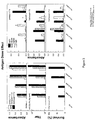
- Figure 1 gives the data on survival of animals immunised epicutaneously with mixed micelles or Transfersomes loaded with TT, to illustrate aggregate size (stability) effect, since the over-destabilised Transfersomes normally disintegrate into the mixed lipid micelles.
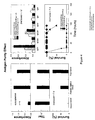
- Figure 3 illustrates the effect of increasing antigen dose on the outcome of epicutaneous immunisation by means of Transfersomes, the results being expressed as absorbance change, antibody titre, or animal survival, together with the corresponding specific antibody isotyping data.
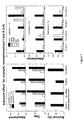
- Figure 4 highlights the effect of antigen purity on the result of epicutaneous immunisation with tetanus toxoid in Transfersomes, including information on time dependence of animal survival.
- Figure 5 compares the outcome of repeated invasive (subcutaneous) and non-invasive (epicutaneous) immunisation by means of TT in Transfersomes, including animal survival, serum concentration (in terms of absorbance), specific antibody titre, and antibody distribution pattern values.
- Figure 6 illustrates the effect of skin pre-treatment (non-specific challenge) on the immune response following Transfersome mediated TT delivery across the skin.
- Figure 7 focuses on adjuvant effect of a relatively low-molecular weight immuno-stimulator, monophosphoryl Lipid A (LA), delivered across intact skin together with TT in Transfersomes.
- LA monophosphoryl Lipid A
- Figure 8 demonstrates the immuno-adjuvancy of a cytokine, interleukin-12 (IL-12) transported across the skin together with TT by means of Transfersomes.
- IL-12 interleukin-12
- Figure 9 deals with the immuno-modulation by various cytokines of the murine response against TT antigen delivered in Transfersomes non-invasively through the skin.
- Figure 10 presents experimental evidence for the immune response stimulation of mice treated on the skin by TT in Transfersomes, when the carriers also include cholera toxin (CT) to support the specific antibody production, and thus animal protection against an otherwise lethal challenge by the tetanus toxin.
- CT cholera toxin
- mice of Swiss albino strain (18-20 g) were obtained from The National Institute of Nutrition (Hyderabad, India). They were 8 to 12 weeks old at the time of first immunisation and were normally kept in suspension cages in groups of 4 to 6. The animals had free access to standard chow and water. One day prior to an immunisation, the application area on murine back was shaved carefully. The antigen was administered with a high precision pipette on the skin surface and left to dry out partially. To prevent immunogen abrasion, the animals were transferred into individual cages in which they were kept for 18 hours following each epicutaneous material administration.
- Ketavet and Rompun were used for the purpose. This typically kept the animals asleep for app. 2 hours.
- Ultradeformable immuno-carriers or immuno-penetrants (immuno-Transfersomes), studied in this work, typically had the form of (oligo)bilayer vesicles. They contained biocompatible (phospho)lipids, such as phosphatidylcholine, and (bio)surfactants, such as sodium cholate or polysorbate (Tween 80), different compositions maintaining the high aggregate deformability being possible. Additional ingredients were monophosphoryl lipid A, with a versatile immunoadjuvant activity, and antigens, as required and specified.
- vesicles comprised soy phosphatidylcholine (SPC; Nattermann Phospholipids, Rhone-Poulenc Rorer, Cologne, Germany) and were prepared as described as follows.
- SPC soy phosphatidylcholine
- MVA adjuvant monophosphoryl lipid A
- Crude suspension of lipid vesicles was extruded through the series of polycarbonate membranes with 800 nm, 400 nm, and 200 nm pores, to narrow down the final vesicle size distribution.
- the formulation was passed through a micro-porous filter (200 nm; Poretics, CA) under pressure.
- a micro-porous filter 200 nm; Poretics, CA
- the optical density at 400 nm was measured with each preparation and confirmed to be approximately constant.
- Lipid vesicles without the surfactant added which are commonly known as liposomes and have at least 10x less flexible membranes than Transfersomes, were used as negative controls.
- Total lipid concentration was typically 10 w-%, unless stated otherwise.
- Antigen concentration was typically, but not necessarily, of the order of 1 mg/mL.
- a buffer containing microbicide provided the bulk phase.
- the expert is explicitly referred to other publications and patents from our laboratory.
- tetanus toxoid doses between 1 ⁇ g and 80 ⁇ g, associated with different carriers, were administered per mouse on the intact skin of upper dorsum. All non-injected formulations were applied with a high precision pipette and left to dry; during this period mice were kept in separate cages to minimise the applied material abrasion, such as might result from the rubbing of the murine backs on each other. Animals were boosted every two weeks, that is on days 14 and 28; the total immunisation scheme thus consisted of three doses, and comprised a prime and two boosts.
- horse radish peroxidase (hrp) conjugated to the appropriate Anti-lg was used. After a 3 hours incubation at 37 °C, the plates were washed thrice with 200 ⁇ L/well of washing buffer and the color was developed using o-phenyl diamine as hrp substrate. 0.4 mg/mL of o-phenyl-diamine in phosphate-citrate buffer (pH 4.5) with 0.4 pL H 2 O 2 per mL was used for the purpose. After 2 minutes the reaction was stopped by the addition of 50 ⁇ L of 2N H 2 SO 4 . The absorbency was measured at 492 nm.
- the method used to detect various isotypes was also ELISA based. It relied on the peroxidase-labeled, affinity purified secondary antibodies specific for IgG1 (1:1000), IgG2a (1:1000), IgG2b (1:1000), and lgG3 (1:200) which were all obtained from ICN ImmunoBiologicals. Further secondary antibodies included IgA (1:1000) and IgM (1:1000) linked to horse-radish peroxidase (Sigma, Neu-Ulm, Germany). The correspondingly labelled anti-mouse IgE was purchased from PharMingen (San Diego, CA.
- the antigens were again permitted to adsorb on test plates and incubated with the test serum after excess of the antigen had been washed away. Subsequently, 100 ⁇ L of appropriate specific secondary antibody solution was added to one of the six different plates, to determine anti-IgG1, IgG2a, IgG2b, IgG3, IgA, IgM, respectively. The plates were incubated for 3 hours at 37 °C and processed further as described in previous paragraphs.
- test animals were challenged by injecting 50 times the LD 50 of the tetanus toxin subcutaneously (s.c.).
- the actual value of LD 50 was fixed in separate experiments, during which a group of 16 weight-matched animals was challenged s.c. with increasing amounts of toxin and the number of survivors was determined.
- the clinical status of such test mice was recorded for 4 days after the first challenge.
- Non-protected mice showed signs of paralysis after 24 hours resulting in death, after 36 hours, at latest. Animals which developed no symptoms of paralysis or other anomaly over a 4 days period following the challenge were deemed immune against tetanus.
- the long-term immunity was tested by challenging all immunised mice on a monthly basis with a dose of toxin corresponding to 50 times LD 50 , for at least half a year.
- Tetanus toxoid (2 mg/mL; Accurate Antibodies) used at the dose of 40 ⁇ g (20 ⁇ L) or 80 ⁇ g (40 ⁇ L) TT per mouse and immunisation
- Application area 1 cm 2 or 2 cm 2 for 40 ⁇ g or 80 ⁇ g TT per mouse on the upper dorsum.
- Antibody titres as reflected in the serum absorbency at 492 nm, are shown in figure 1. They show that mixed lipid micelles are less efficient antigen carriers than ultradeformable mixed lipid vesicles (Tfs) loaded with the same amount of TT. Mixed micelles containing less potent detergents (with lesser skin permeation enhancing capability) were even less efficient immune response mediators.
- Tetanus toxoid used at the dose of 40 ⁇ g or 80 ⁇ g TT/ mouse/ immunisation
- Application area 1 cm 2 or 2 cm 2 for 40 ⁇ g or 80 ⁇ g TT/ mouse/ immunisation on the upper dorsum.
- results obtained with the conventional vesicles differ from the data measured with highly deformable vesicles: simple liposomes, which do not cross the narrow pores in a barrier also do not elicit a substantial antibody titre.
- the vesicles with a highly flexible and deformable, and thus better adaptable, membrane which were shown separately to move through the narrow pores in a barrier with greater ease, generate an appreciable quantity of antibody when applied on intact skin, according to the results of serum absorbency measurements (cf. figure 2).
- Application area 1 cm 2 for 0 ⁇ g, 10 ⁇ g, 20 ⁇ g, 40 ⁇ g and 2 cm 2 for 80 ⁇ g TT/mouse/ immunisation on the upper dorsum.
- IgG1 shows dose dependence similar to that of IgG1.
- IgG2a shows dose dependence similar to that of IgG1.
- Tetanus toxoid 2 mg/mL, corresponding to 80 ⁇ g TT per mouse/ immunisation
- Antigen purity strongly affects the level of murire protection against tetanus toxin when the toxoid has been applied non-invasively on the skin. (Similar results obtained with injected antigen are not shown).
- the medium filtrate from a culture of Clostridium tetani grown in vitro first was used as an impure antigen.
- such filtrate was passed through a 10 kDa cut-off membrane and washed thoroughly with phosphate buffer, pH 6.5; in the process, the culture filtrate was concentrated 15 times.
- Purified toxoid was purchased from Accurate Antibodies, NY, USA.
- the antigen was always associated with similar Transfersomes.
- the composition and the method of preparation for the latter were the same are as described with previous examples.
- the details of immunisation schedule, bleeding times and challenge as well as analysis details were also similar to those mentioned before.
- Tetanus toxoid 2 mg/mL, corresponding to 80 ⁇ g TT per mouse/ immunisation of 6 Swiss albino mice per group using impure antigen
- the skin can be (pre)stimulated to release corresponding messenger molecules from the organ prior to the actual non-invasive antigen administration by means of ultradeformable vesicles.
- ultradeformable vesicles For this purpose we have pre-injected the application site with 0.1 mL of saline, or a mild formulation of non-antigenic vesicles, prepared from biodegradable material of similar composition as the antigen carrying vesicles one day before using the latter.
- incomplete Freund's adjuvant was also injected in different animals 24 hours before the application of immuno-carriers on the skin.
- TT-TransfersomesTM As above but without LA added
- Tetanus toxoid 2 mg/mL, with 20 ⁇ L or 40 ⁇ L corresponding to 40 ⁇ g or 80 ⁇ g TT per immunisation
- Th1-cytokine IgG2b was higher with LA groups, compared with the groups that received no LA. This difference was more pronounced for low doses, by the factor of 4, than for high doses, where only an enhancement by the factor of 2 was observed. Th2-cytokine IgG1 was present predominantly, except in the low dose with LA group in which IgG2b contributed comparably.
- Tetanus toxoid 2 mg/mL, corresponding to 80 ⁇ g TT per mouse/ immunisation (partially purified as described with examples 9-11)
- cytokines To study the effect of cytokines on results of non-invasive, epicutaneous vaccination with tetanus toxoid, a combination of monophosphoryl lipid A with 0.4 ⁇ g IL-12 per mouse was used. 80 ⁇ g of IL-12 was administered per mouse in association with Transfersomes loaded with tetanus toxoid and monophosphoryl lipid A. The details of immunisation schedule, bleeding intervals, or the final challenge with the tetanus toxin were the same as mentioned above.
- Tetanus toxoid 2 mg/mL, corresponding to 80 ⁇ g TT per mouse/ immunisation (impure)
- Negative control 2.5 pL of phosphate buffered saline (PBS)
- Cell type Normal human keratinocytes, forming a pluri-stratified epithelium with a compact stratum corneum were used; histology revealed strong resemblance with human epidermis in vivo.
- Keratinocytes were inoculated on polycarbonate filter inserts of 0.63 cm 2 in chemically defined, supplemented medium, and cultured for 17 days at the air-liquid interface.
- Test measurements given amount of each tested product was deposited with a micropipette and spread evenly over the surface of the stratum corneum of eight reconstituted epidermis using a small sterile device. The cultures were incubated at 37 °C, 5 % CO 2 for 24 hours. Quadruplicate cultures (except for the LPS treated cells which were incubated in duplicate) were washed with 0.5 mL of PBS and incubated on 300 ⁇ L of 0.5 mg/mL MTT for 3 hours at 37 °C, 5 % CO 2 .
- inflammatory mediators IL1 ⁇ , IL2, IL4, IL8, IL10, IFN- ⁇ , and TNF- ⁇
- ELISA kits R&D systems UK; Quantikine
- the relatively big standard deviation observed with Transfersomes O can be explained by the fact that the product was difficult to spread uniformly onto the stratum corneum of the reconstructed epidermis.
- TNF- ⁇ level was increased to the level of 113.43 pg/mL when the cells were in contact with the positive controls containing LPS, which is an established immunoadjuvant.
- IL8 concentration after cells incubation with Transfersomes exceeded the lower limit of detection by just the factor of 2, which in one case is not and in the other is barely significant at 95 % confidence level, but in either situation is negligible compared to the increase observed with the positive control containing the immunoadjuvant LPS, which gave a 167x higher value.
- Non-specific irritant, SDS released a great quantity of IL-1 ⁇ from the skin cells into the bathing medium in vitro.
- SDS Non-specific irritant
- IL-1 ⁇ concentration for the other tested Transfersomes of type A and type B changed to approximately 2 times the background level. This difference is statistically significant, compared to negative controls, but practically negligible, taken that the increase observed with the positive control containing LPS was more than 60 times higher.
- IFN- ⁇ , IL-2, IL4 or IL10 was not elevated to a measurable level, suggesting a lack of release of these cytokines, under any other test condition.
- volume doses corresponding to 0 ⁇ g TT/mouse/immunisation (negative control), 1 ⁇ g TT/mouse, 5 ⁇ g TT/mouse, 10 ⁇ g TT/ mouse, 20 ⁇ g TT/ mouse, 40 ⁇ g TT/mouse (in the case of CT usage) and 80 ⁇ g TT/mouse (without CT) were used epicutaneously over an area of up to 2 cm 2 on the upper dorsum of 4-6 Swiss albino mice; 20 ⁇ g TT/ mouse/immunisation were injected subcutaneously at the corresponding site in the positive control group. Unimmunised mice were used as another negative control.
Landscapes
- Health & Medical Sciences (AREA)
- Life Sciences & Earth Sciences (AREA)
- Chemical & Material Sciences (AREA)
- Pharmacology & Pharmacy (AREA)
- Veterinary Medicine (AREA)
- Public Health (AREA)
- General Health & Medical Sciences (AREA)
- Animal Behavior & Ethology (AREA)
- Medicinal Chemistry (AREA)
- Epidemiology (AREA)
- Immunology (AREA)
- Engineering & Computer Science (AREA)
- General Chemical & Material Sciences (AREA)
- Chemical Kinetics & Catalysis (AREA)
- Dispersion Chemistry (AREA)
- Bioinformatics & Cheminformatics (AREA)
- Gastroenterology & Hepatology (AREA)
- Microbiology (AREA)
- Mycology (AREA)
- Zoology (AREA)
- Proteomics, Peptides & Aminoacids (AREA)
- Biophysics (AREA)
- Molecular Biology (AREA)
- Organic Chemistry (AREA)
- Nuclear Medicine, Radiotherapy & Molecular Imaging (AREA)
- Medicines Containing Antibodies Or Antigens For Use As Internal Diagnostic Agents (AREA)
- Medicinal Preparation (AREA)
Claims (36)
- Vaccin transdermique comprenant(a) un porteur transdermique qui est pénétrant, en suspension ou dispersé dans un solvant aqueux, sous la forme d'une minuscule gouttelette de liquide entourée d'un enrobage de type membranaire d'une ou plusieurs couches d'au moins deux substances différentes ou deux formes différentes d'une substance ayant tendance à s'agréger, lesdites substances ou formes d'une substance différant d'au moins un facteur 10 en terme de solubilité dans un milieu liquide, de préférence aqueux, de sorte que le diamètre moyen d'homo-agrégats de la substance ou forme de la substance plus soluble ou le diamètre moyen d'hétéro-agrégats comprenant lesdites deux substances ou formes de ladite substance est inférieur au diamètre moyen d'homo-agrégats de la substance ou forme de la substance moins soluble, et/ou dans lequel le composant plus soluble a tendance à solubiliser la gouttelette pénétrante et dans lequel la teneur d'un tel composant peut atteindre 99 % molaire de la concentration requise pour solubiliser la gouttelette ou sinon correspond jusqu'à 99 % molaire de la concentration de saturation dans la gouttelette non solubilisée, suivant le plus élevé, et/ou dans lequel l'énergie de déformation élastique de la gouttelette entourant le revêtement de type membranaire est au moins 5 fois plus faible, plus préférablement est au moins 10 fois plus faible et idéalement est plus de 10 fois plus faible que celle de globules rouges ou des bicouches de phospholipides comprenant des chaínes aliphatiques fluides ;(b) un composé qui libère spécifiquement ou induit spécifiquement l'activité cytokine ou anticytokine ou exerce une telle activité lui-même ; et(c) un antigène ou un allergène.
- Vaccin selon la revendication 1, dans lequel le composé présentant ou induisant l'activité cytokine ou anticytokine et l'antigène sont associés au pénétrant.
- Vaccin selon l'une quelconque des revendications 1 à 2, dans lequel la molécule auto-agrégante moins soluble est un lipide polaire et le composant plus soluble est un agent tensioactif ou une molécule de type tensioactif ou sinon une forme de lipide polaire telle qu'il soit suffisamment soluble pour les besoins de l'invention.
- Vaccin selon l'une quelconque des revendications 1 à 3, dans lequel le diamètre moyen du pénétrant est compris entre 30 nm et 500 nm, de préférence entre 40 nm et 250 nm, encore plus préférablement entre 50 nm et 200 nm et de la manière la plus préférée entre 60 nm et 150 nm.
- Vaccin selon l'une quelconque des revendications 1 à 4, dans lequel le poids total des gouttelettes dans la formule pour utilisation sur la peau humaine ou animale est de 0,01 % en poids (% m/m) à 40 % en poids de la masse totale, en particulier entre 0,1 % m/m et 30 % m/m et le plus préférablement entre 5% m/m et 20% m/m.
- Vaccin selon l'une quelconque des revendications 1 à 5, dans lequel la concentration totale de l'antigène est de 0,001 et 40 % m/m de la masse totale pénétrante, en particulier entre 0,01 % m/m et 30 % m/m, plus préférablement entre 0,1 % m/m et 20 % m/m et le plus préférablement entre 0,5 % m/m et 10 % m/m.
- Vaccin selon l'une quelconque des revendications 1 à 6 comprenant en outre(da) un irritant chimique à bas poids moléculaire; et/ou(db) un extrait ou un composé d'un pathogène ou un fragment ou dérivé de celui-ci.
- Vaccin selon l'une quelconque des revendications 1 à 7, dans lequel le composé exerçant une activité cytokine est IL-4, IL-2, TGF, IL-6, TNF, IL-1α et IL-1β, un interféron de type I, de préférence IFN-α ou IFN-β, IL-12, IFN-γ, TNF-β, IL-5 ou IL-10.
- Vaccin selon l'une quelconque des revendications 1 à 8, dans lequel le composé présentant une activité anticytokine est un anticorps anticytokine ou le fragment actif correspondant, un dérivé ou un analogue de celui-ci.
- Vaccin selon l'une quelconque des revendications 1 à 9, dans lequel l'antigène est dérivé d'un pathogène.
- Vaccin selon la revendication 10 dans lequel ledit pathogène est choisi parmi des bactéries extracellulaires, comprenant les cocci formant du pus, tels que Staphylococcus et Streptococcus, des bactéries gram négatif, telles que les espèces Meningococcus et Gonococcus, les espèces de Neisseria, des bactéries gram négatif, comprenant des organismes entériques tels que E. coli, Salmonella, Shigella, Pseudomonas, Diphteria, Bordetella, Pertussis, et des bactéries gram positif (par exemple, Bacillus pestis, BCG), en particulier des anaérobies tels que les espèces Clostridium, les bactéries et les virus, qui survivent et se répliquent à l'intérieur des cellules hôtes, comprenant les mycobactéries (par exemple, M. tuberculosis) et Listeria monocytogenes, des rétrovirus et adénovirus, comprenant le virus de l'hépatite (humain), le virus d'immunodéficience, les virus de l'herpès, les virus de la petite vérole (varicelle), la grippe, la rougeole, les oreillons et la polio, le cytomégalovirus, le rhinovirus, etc., et les champignons proliférant à l'intérieur de cellules hôtes, les parasites comprenant des parasites animaux, tels que les protozoaires et les helminthes, et les ectoparasites, tels que les tiques et les mites, ou les espèces de Brucella, comprenant l'agent causal du choléra, les espèces de Haemophilius, ainsi que des pathogènes déclenchant les maladies paratyphoïde, peste, rage, tétanos et rubéole et les pathogènes provoquant différentes néoplasies, des maladies auto-immunes ou autres associées à d'autres états pathologiques du corps animal ou humain qui ne résultent pas nécessairement d'infections pathogènes.
- Vaccin selon l'une quelconque des revendications 1 à 11, dans lequel l'allergène est d'origine xénogène ou endogène, dérivé d'un microorganisme, un animal ou une plante, ou appartenant au groupe des substances synthétiques et/ou irritantes inorganiques, ou à des parties ou composants du corps humain qui ont été incorrectement traités par ou exposés au système immunitaire corporel.
- Vaccin selon l'une quelconque des revendications 1 à 12, dans lequel la concentration de chaque composé présentant une activité cytokine utilisée est choisie de façon à être jusqu'à 1000 fois plus forte que la concentration optimale déterminée dans les essais correspondants avec la dose d'antigène et l'immunoadjuvant choisi, conduits en injectant la formule ou en conduisant les essais in vitro, et préférablement jusqu'à 100 fois, plus préférablement jusqu'à 50 fois, et encore plus préférablement jusqu'à 20 fois plus élevée.
- Vaccin selon l'une quelconque des revendications 7 à 13, dans lequel l'extrait ou composé de pathogène est un lipopolysaccharide, le facteur médullaire dimycolate de tréhalose), un dipeptide de muramyle, ou un autre (poly)saccharide ou (poly)peptide identique à ou ressemblant à une partie immunologiquement active d'une membrane d'un pathogène ; un extrait d'un pathogène, comprenant des exo- et endotoxines bactériennes, de préférence la toxine du choléra et la toxine thermolabile de E. coli, un dérivé de chaíne A, un composant ayant une activité ADP-ribosylante, un peptidoglycan, une toxine clostridienne, ou un dérivé de protéine purifié de M. tuberculosis, LT-R192G, la protéine fixant la fibronectine I de Streptococcus pyrogenes, ou une protéine de membrane externe de Neisseria meningitidis groupe B (GBOMP).
- Vaccin selon la revendication 14 dans lequel ledit lipopolysaccharide est le lipide A ou un dérivé et une modification de celui-ci, tel qu'un monophosphoryllipide A, ou son analogue, tel qu'un dérivé lipidique du saccharose.
- Vaccin selon l'une quelconque des revendications 7 à 13, dans lequel la concentration du composé pathogène dérivé d'un pathogène est 10 fois plus faible à 1000 fois plus forte que celle utilisée avec les formulations injectées correspondantes utilisant un antigène similaire, la concentration d'immunoadjuvant administrée par voie épicutanée différant plus souvent de la concentration d'immunoadjuvant injectée d'un facteur compris entre 0,5 et 100, ou plus préférablement, d'un facteur compris entre 1 et 50, et le plus préférablement entre 2 et 25.
- Vaccin selon l'une quelconque des revendications 7 à 16, dans lequel ledit irritant à bas poids moléculaire est choisi parmi les classes d'ions de métal, acides, bases, liquides irritants, alcools (gras), amines (grasses), éthers (gras), sulfonates (gras), phosphates, etc. allergènes, ou d'autres solvants ou amphiphiles adaptés, ou dans le groupe des molécules de type tensioactif, présentant souvent la capacité d'améliorer la perméation de la peau, ainsi que des dérivés ou combinaisons de ceux-ci.
- Vaccin selon l'une quelconque des revendications 7 à 17, dans lequel la concentration d'un irritant à bas poids moléculaire est choisi pour être d'au moins un facteur 2, plus préférablement d'un facteur 5, et encore plus préférablement d'un facteur 10 ou plus, inférieure à la concentration qui, dans des essais indépendants sur un sujet identique ou comparable est jugée inacceptable en raison de l'irritation locale, comme déterminé par les méthodes et standards couramment utilisés pour tester un tel irritant.
- Vaccin selon l'une quelconque des revendications 7 à 16, dans lequel l'allergène appartient à la classe des allergènes par inhalation, comprenant sans y être limités différentes pollens, spores, fragments de poil, peau, plumes d'animal, textiles naturels et synthétiques, blé, poussières (domestiques), comprenant les mites ; de plus, des allergènes alimentaires et pharmaceutiques ; des allergènes de contact ; des allergènes par injection, invasion ou dépôt, tels que différents vers (résidant dans le tube digestif), echinococcus, trichines, etc., un fragment de matériau d'implantation.
- Vaccin selon l'une quelconque des revendications 1 à 19, dans lequel la dose appliquée d'un antigène diffère d'un facteur de 0,1 à 100 de la dose qui aurait dû être injectée dans le processus d'immunisation, mais plus souvent est dans l'intervalle compris entre 0,5 et 50, plus préférablement entre 1 et 20 et idéalement, est inférieur à 10 fois plus que celle qui est utilisée avec une injection.
- Vaccin selon l'une quelconque des revendications 1 à 20, dans lequel la dose pénétrante appliquée est comprise entre 0,1 mg.cm-2 et 15 mg.cm-2, plus souvent dans l'intervalle de 0,5 mg.cm-2 et 10 mg.cm-2, et de préférence entre 1 mg.cm-2 et 5 mg.cm-2.
- Vaccin selon l'une quelconque des revendications 1 à 21, dans lequel ledit antigène est un antigène pur ou purifié.
- Kit comprenant, sous une forme flaconnée ou un autre conditionnement, au moins une dose du vaccin selon l'une quelconque des revendications 1 à 22.
- Kit selon la revendication 23 comprenant également au moins une dose injectable de l'antigène spécifié dans la revendication 11 ou de l'allergène spécifié dans la revendication 12.
- Utilisation d'un vaccin selon l'une quelconque des revendications 1 à 22 pour la préparation d'une composition pharmaceutique pour générer une réponse immunoprotectrice chez un mammifère.
- Utilisation selon la revendication 25 dans laquelle différents domaines de traitement sont sélectionnés pour contrôler la dose d'immunogène appliquée et le résultat de la vaccination thérapeutique.
- Utilisation selon la revendication 25 ou 26, dans laquelle une suspension de pénétrants sans antigène est chargée avec l'antigène pour être associée à celui-ci pendant le jour précédant l'administration, de préférence 360 min, plus préférablement 60 min et encore plus préférablement 30 min avant l'administration de la formulation résultante sur la peau.
- Utilisation selon l'une quelconque des revendications 25 à 27, dans laquelle le vaccin selon l'une quelconque des revendications 1 à 22 doit être appliqué sur la peau après prétraitement de l'organe par une manipulation immunoadjuvante, ladite manipulation comprenant, par exemple, abrasion, pression, chauffage, exposition à un champ électrique ou mécanique, des ultrasons par exemple, etc. de la peau ou l'injection d'une formule non immunogène dans la peau, à condition qu'un tel traitement libère des composés immunoadjuvants depuis la peau ou d'autres tissus immunoactifs périphériques ou diminue autrement la concentration / durée d'action d'antagonistes de la vaccination souhaitée.
- Utilisation selon l'une quelconque des revendications 25 à 28, dans laquelle l'immunogène doit être appliqué dans un patch non occlusif.
- Utilisation selon l'une quelconque des revendications 25 à 29, caractérisée en ce qu'au moins une dose de vaccin doit être administrée.
- Utilisation selon la revendication 30 dans laquelle ledit vaccin doit être administré comme vaccination de rappel.
- Utilisation selon la revendication 31, dans lequel l'immunisation primaire est effectuée de manière invasive, généralement en utilisant une injection sous-cutanée ou tout autre méthode de perforation/destruction de la barrière cutanée adaptée, et dans laquelle la au moins une immunisation de rappel ultérieure doit être effectuée de manière non invasive.
- Utilisation selon l'une quelconque des revendications 25 à 32, dans laquelle le vaccin doit être appliqué entre 2 et 10, de préférence entre 2 et 7, encore plus préférablement jusqu'à 5 et plus préférablement jusqu'à 3 fois, quand un antigène non allergène est utilisé, ou un nombre de fois tel, dans le cas d'allergènes, requis pour obtenir l'immunotolérance souhaitée, déterminé suivant une méthode d'évaluation adaptée, ou sinon pour estimer l'action comme ayant échoué.
- Utilisation selon la revendication 33, dans laquelle l'intervalle de temps entre les vaccinations successives est choisi pour être entre 2 semaines et 5 ans, souvent entre 1 mois et jusqu'à 3 ans, plus fréquemment entre 2 mois et 1,5 ans.
- Utilisation selon l'une quelconque des revendications 25 à 34, dans laquelle le flux de pénétrants qui transporte un immunogène par l'intermédiaire des différents pores dans une barrière bien définie doit être déterminé en fonction d'une force d'entraínement ou d'une pression adaptée exercée à travers la barrière et les données sont ensuite commodément décrites par une courbe caractéristique qui est ensuite utilisée pour optimiser plus avant la formule ou application.
- Utilisation du porteur transdermique, du composé qui libère spécifiquement ou induit spécifiquement l'activité cytokine ou anticytokine ou exerce une telle activité lui-même, de l'antigène ou allergène, et facultativement d'un extrait ou d'un composé d'un microorganisme, ou un fragment ou dérivé de celui-ci, et/ou un irritant chimique à bas poids moléculaire comme défini dans l'une quelconque des revendications précédentes pour la préparation d'un vaccin pour induire une réponse immunitaire protectrice ou tolérogène.
Priority Applications (21)
| Application Number | Priority Date | Filing Date | Title |
|---|---|---|---|
| SI9930060T SI1031346T1 (en) | 1999-01-27 | 1999-01-27 | Noninvasive vaccination through the skin |
| EP99101479A EP1031346B1 (fr) | 1999-01-27 | 1999-01-27 | Vaccination non invasive à travers la peau |
| ES99101479T ES2173678T3 (es) | 1999-01-27 | 1999-01-27 | Vacunacion no invasiva a traves de la piel. |
| DE69901377T DE69901377T2 (de) | 1999-01-27 | 1999-01-27 | Nichtinvasive Impfung durch die Haut |
| AT99101479T ATE216875T1 (de) | 1999-01-27 | 1999-01-27 | Nichtinvasive impfung durch die haut |
| DK99101479T DK1031346T3 (da) | 1999-01-27 | 1999-01-27 | Ikke-invasiv vaccination gennem huden |
| PT99101479T PT1031346E (pt) | 1999-01-27 | 1999-01-27 | Vacinacao nao invasiva atraves da pele |
| CA2360692A CA2360692C (fr) | 1999-01-27 | 2000-01-26 | Vaccination transcutanee non effractive |
| BR0007749-6A BR0007749A (pt) | 1999-01-27 | 2000-01-26 | Vacinação não-invasiva através da pele |
| PCT/EP2000/000597 WO2000044349A1 (fr) | 1999-01-27 | 2000-01-26 | Vaccination non invasive a travers la peau |
| EP00906231A EP1146858A1 (fr) | 1999-01-27 | 2000-01-26 | Vaccination non invasive a travers la peau |
| KR1020017009479A KR20010112252A (ko) | 1999-01-27 | 2000-01-26 | 피부통과 비침습성 예방접종 |
| AU27988/00A AU778972B2 (en) | 1999-01-27 | 2000-01-26 | Non-invasive vaccination through the skin |
| MXPA01007657A MXPA01007657A (es) | 1999-01-27 | 2000-01-26 | Vacunacion no invasiva a traves de la piel. |
| CNB008044538A CN1230151C (zh) | 1999-01-27 | 2000-01-26 | 通过皮肤的非侵入性接种的透皮疫苗 |
| JP2000595653A JP2002535350A (ja) | 1999-01-27 | 2000-01-26 | 非浸襲経皮予防接種 |
| KR1020077018740A KR20070094662A (ko) | 1999-01-27 | 2000-01-26 | 비침습성 경피 예방접종 |
| US09/890,335 US7867480B1 (en) | 1999-01-27 | 2000-01-26 | Non-invasive vaccination through the skin |
| HU0200315A HU225170B1 (en) | 1999-01-27 | 2000-01-26 | Non-invasive vaccination through the skin |
| ARP000100372A AR037312A1 (es) | 1999-01-27 | 2000-01-27 | Vacunacion transdermica no invasiva |
| HK01101136A HK1030363A1 (en) | 1999-01-27 | 2001-02-16 | Noninvasive vaccination through the skin |
Applications Claiming Priority (1)
| Application Number | Priority Date | Filing Date | Title |
|---|---|---|---|
| EP99101479A EP1031346B1 (fr) | 1999-01-27 | 1999-01-27 | Vaccination non invasive à travers la peau |
Publications (2)
| Publication Number | Publication Date |
|---|---|
| EP1031346A1 EP1031346A1 (fr) | 2000-08-30 |
| EP1031346B1 true EP1031346B1 (fr) | 2002-05-02 |
Family
ID=8237425
Family Applications (2)
| Application Number | Title | Priority Date | Filing Date |
|---|---|---|---|
| EP99101479A Expired - Lifetime EP1031346B1 (fr) | 1999-01-27 | 1999-01-27 | Vaccination non invasive à travers la peau |
| EP00906231A Withdrawn EP1146858A1 (fr) | 1999-01-27 | 2000-01-26 | Vaccination non invasive a travers la peau |
Family Applications After (1)
| Application Number | Title | Priority Date | Filing Date |
|---|---|---|---|
| EP00906231A Withdrawn EP1146858A1 (fr) | 1999-01-27 | 2000-01-26 | Vaccination non invasive a travers la peau |
Country Status (19)
| Country | Link |
|---|---|
| US (1) | US7867480B1 (fr) |
| EP (2) | EP1031346B1 (fr) |
| JP (1) | JP2002535350A (fr) |
| KR (2) | KR20070094662A (fr) |
| CN (1) | CN1230151C (fr) |
| AR (1) | AR037312A1 (fr) |
| AT (1) | ATE216875T1 (fr) |
| AU (1) | AU778972B2 (fr) |
| BR (1) | BR0007749A (fr) |
| CA (1) | CA2360692C (fr) |
| DE (1) | DE69901377T2 (fr) |
| DK (1) | DK1031346T3 (fr) |
| ES (1) | ES2173678T3 (fr) |
| HK (1) | HK1030363A1 (fr) |
| HU (1) | HU225170B1 (fr) |
| MX (1) | MXPA01007657A (fr) |
| PT (1) | PT1031346E (fr) |
| SI (1) | SI1031346T1 (fr) |
| WO (1) | WO2000044349A1 (fr) |
Cited By (4)
| Publication number | Priority date | Publication date | Assignee | Title |
|---|---|---|---|---|
| US7459171B2 (en) | 1999-07-05 | 2008-12-02 | Idea Ag | Method for the improvement of transport across adaptable semi-permeable barriers |
| US7473432B2 (en) | 2002-10-11 | 2009-01-06 | Idea Ag | NSAID formulations, based on highly adaptable aggregates, for improved transport through barriers and topical drug delivery |
| US7867480B1 (en) | 1999-01-27 | 2011-01-11 | Gregor Cevc | Non-invasive vaccination through the skin |
| US7927622B1 (en) | 1999-01-27 | 2011-04-19 | Gregor Cevc | Methods of transnasal transport/immunization with highly adaptable carriers |
Families Citing this family (53)
| Publication number | Priority date | Publication date | Assignee | Title |
|---|---|---|---|---|
| US5980898A (en) | 1996-11-14 | 1999-11-09 | The United States Of America As Represented By The U.S. Army Medical Research & Material Command | Adjuvant for transcutaneous immunization |
| US20060002949A1 (en) | 1996-11-14 | 2006-01-05 | Army Govt. Of The Usa, As Rep. By Secretary Of The Office Of The Command Judge Advocate, Hq Usamrmc. | Transcutaneous immunization without heterologous adjuvant |
| US6797276B1 (en) | 1996-11-14 | 2004-09-28 | The United States Of America As Represented By The Secretary Of The Army | Use of penetration enhancers and barrier disruption agents to enhance the transcutaneous immune response |
| HK1038929B (zh) | 1998-07-31 | 2005-05-06 | 株式会社国际癌症免疫研究所 | 基於癌抑制基因wt1的产物的癌抗原 |
| PT1372708E (pt) | 2001-02-13 | 2008-09-29 | Us Gov Sec Army | Vacina para imunização transcutânea |
| FR2822049B1 (fr) | 2001-03-13 | 2003-08-01 | Dbv Medica 1 | Patch destine notamment a depister l'etat de sensibilisation d'un sujet a un allergene, procede de fabrication et utilisation |
| US7635488B2 (en) | 2001-03-13 | 2009-12-22 | Dbv Technologies | Patches and uses thereof |
| EP1371664B1 (fr) | 2001-03-22 | 2008-01-09 | International Institute of Cancer Immunology, Inc. | Peptide modifie wt1 |
| US20020193729A1 (en) | 2001-04-20 | 2002-12-19 | Cormier Michel J.N. | Microprojection array immunization patch and method |
| US8735357B2 (en) | 2001-09-28 | 2014-05-27 | International Institute Of Cancer Immunology, Inc. | Method of inducing antigen-specific T cells |
| US20050002951A1 (en) * | 2001-09-28 | 2005-01-06 | Haruo Sugiyama | Novel method of inducing antigen-specific t cells |
| DK1545605T3 (da) * | 2002-10-02 | 2010-04-12 | Nordic Vaccine As | Komposition til vaccination |
| GB0417487D0 (en) | 2004-08-05 | 2004-09-08 | Novartis Ag | Organic compound |
| BRPI0706055B8 (pt) | 2006-04-28 | 2021-06-22 | Zeltiq Aesthetics Inc | sistema e conjunto de componentes para remover calor de células subcutâneas ricas em lipídios |
| US8192474B2 (en) | 2006-09-26 | 2012-06-05 | Zeltiq Aesthetics, Inc. | Tissue treatment methods |
| US20080077201A1 (en) | 2006-09-26 | 2008-03-27 | Juniper Medical, Inc. | Cooling devices with flexible sensors |
| US9132031B2 (en) | 2006-09-26 | 2015-09-15 | Zeltiq Aesthetics, Inc. | Cooling device having a plurality of controllable cooling elements to provide a predetermined cooling profile |
| US20080287839A1 (en) | 2007-05-18 | 2008-11-20 | Juniper Medical, Inc. | Method of enhanced removal of heat from subcutaneous lipid-rich cells and treatment apparatus having an actuator |
| US8523927B2 (en) | 2007-07-13 | 2013-09-03 | Zeltiq Aesthetics, Inc. | System for treating lipid-rich regions |
| WO2009026471A1 (fr) | 2007-08-21 | 2009-02-26 | Zeltiq Aesthetics, Inc. | Surveillance du refroidissement de cellules riches en lipides sous-cutanés, tel que le refroidissement du tissu adipeux |
| FR2924350B1 (fr) | 2007-12-03 | 2010-08-13 | Dbv Tech | Procede et compositions pour la vaccination par voie cutanee |
| FR2924349B1 (fr) | 2007-12-03 | 2010-01-01 | Dbv Tech | Methode de desensibilitation aux allergenes |
| US8603073B2 (en) | 2008-12-17 | 2013-12-10 | Zeltiq Aesthetics, Inc. | Systems and methods with interrupt/resume capabilities for treating subcutaneous lipid-rich cells |
| SG10201401922TA (en) | 2009-04-30 | 2014-06-27 | Zeltiq Aesthetics Inc | Device, system and method of removing heat from subcutaneous lipid-rich cells |
| WO2011000889A1 (fr) * | 2009-06-30 | 2011-01-06 | William Henry | Formulations vaccinales topiques et méthodes de traitement de toxicomanie associées |
| US20120232034A1 (en) | 2009-08-21 | 2012-09-13 | Henk-Andre Kroon | Vesicular formulations |
| EP2528560A1 (fr) | 2010-01-25 | 2012-12-05 | Zeltiq Aesthetics, Inc. | Applicateurs à usage domestique pour éliminer de façon non invasive de la chaleur de cellules sous-cutanées riches en lipides par l'intermédiaire d'agents de refroidissement à changement de phase, et dispositifs, systèmes et procédés associés |
| US8676338B2 (en) | 2010-07-20 | 2014-03-18 | Zeltiq Aesthetics, Inc. | Combined modality treatment systems, methods and apparatus for body contouring applications |
| GB201205642D0 (en) | 2012-03-29 | 2012-05-16 | Sequessome Technology Holdings Ltd | Vesicular formulations |
| GB201212010D0 (en) * | 2012-07-05 | 2012-08-22 | Sigmoid Pharma Ltd | Formulations |
| US8652457B2 (en) | 2012-07-13 | 2014-02-18 | Wisconsin Alumni Research Foundation | Interleukin-10 peptides and antibodies thereof for inhibiting adverse effects of protozoan infection |
| US9844460B2 (en) | 2013-03-14 | 2017-12-19 | Zeltiq Aesthetics, Inc. | Treatment systems with fluid mixing systems and fluid-cooled applicators and methods of using the same |
| US9545523B2 (en) | 2013-03-14 | 2017-01-17 | Zeltiq Aesthetics, Inc. | Multi-modality treatment systems, methods and apparatus for altering subcutaneous lipid-rich tissue |
| ES2542088B1 (es) * | 2014-01-29 | 2016-05-05 | Enoc Solutions, S.L. | Composición de azufre liposomado |
| EP3099261A2 (fr) | 2014-01-31 | 2016-12-07 | Zeltiq Aesthetics, Inc. | Systèmes de traitement destinés au traitement de la cellulite par refroidissement |
| US10675176B1 (en) | 2014-03-19 | 2020-06-09 | Zeltiq Aesthetics, Inc. | Treatment systems, devices, and methods for cooling targeted tissue |
| USD777338S1 (en) | 2014-03-20 | 2017-01-24 | Zeltiq Aesthetics, Inc. | Cryotherapy applicator for cooling tissue |
| US10952891B1 (en) | 2014-05-13 | 2021-03-23 | Zeltiq Aesthetics, Inc. | Treatment systems with adjustable gap applicators and methods for cooling tissue |
| US9821028B2 (en) * | 2014-07-11 | 2017-11-21 | Wisconsin Alumni Research Foundation | Methods of controlling parasitic worms in animals |
| US10935174B2 (en) | 2014-08-19 | 2021-03-02 | Zeltiq Aesthetics, Inc. | Stress relief couplings for cryotherapy apparatuses |
| US10568759B2 (en) | 2014-08-19 | 2020-02-25 | Zeltiq Aesthetics, Inc. | Treatment systems, small volume applicators, and methods for treating submental tissue |
| ES2879383T3 (es) | 2015-06-30 | 2021-11-22 | Sequessome Tech Holdings Limited | Fórmulas mixtas |
| WO2017070112A1 (fr) | 2015-10-19 | 2017-04-27 | Zeltiq Aesthetics, Inc. | Systèmes de traitement vasculaire, dispositifs de refroidissement et procédés pour refroidir des structures vasculaires |
| CN108472151B (zh) | 2016-01-07 | 2020-10-27 | 斯尔替克美学股份有限公司 | 在组织冷却期间施用器与皮肤之间的温度依赖性粘附 |
| US10765552B2 (en) | 2016-02-18 | 2020-09-08 | Zeltiq Aesthetics, Inc. | Cooling cup applicators with contoured heads and liner assemblies |
| US11382790B2 (en) | 2016-05-10 | 2022-07-12 | Zeltiq Aesthetics, Inc. | Skin freezing systems for treating acne and skin conditions |
| US10555831B2 (en) | 2016-05-10 | 2020-02-11 | Zeltiq Aesthetics, Inc. | Hydrogel substances and methods of cryotherapy |
| US10682297B2 (en) | 2016-05-10 | 2020-06-16 | Zeltiq Aesthetics, Inc. | Liposomes, emulsions, and methods for cryotherapy |
| IL265109B2 (en) | 2016-09-13 | 2024-05-01 | Allergan Inc | Stabilized non-protein clostridial toxin compositions |
| US11076879B2 (en) | 2017-04-26 | 2021-08-03 | Zeltiq Aesthetics, Inc. | Shallow surface cryotherapy applicators and related technology |
| EP3681910B1 (fr) | 2017-09-12 | 2023-01-25 | Wisconsin Alumni Research Foundation | Peptides du récepteur-2 de l'interleukine-10, anticorps, compositions et procédés d'utilisation de ceux-ci |
| CA3107932A1 (fr) | 2018-07-31 | 2020-02-06 | Zeltiq Aesthetics, Inc. | Procedes, dispositifs et systemes pour l'amelioration d'une ou de plusieurs caracteristiques de la peau |
| CN114075551B (zh) * | 2021-06-11 | 2024-01-26 | 华中农业大学 | 沙林鼠种布鲁氏菌脂多糖的单克隆抗体及应用 |
Family Cites Families (127)
| Publication number | Priority date | Publication date | Assignee | Title |
|---|---|---|---|---|
| FR2160326B1 (fr) | 1971-11-19 | 1975-02-07 | Anvar | |
| US4185100A (en) | 1976-05-13 | 1980-01-22 | Johnson & Johnson | Topical anti-inflammatory drug therapy |
| US4095596A (en) | 1976-11-26 | 1978-06-20 | Smithkline Corporation | Nasal inhaler |
| US4369182A (en) | 1978-09-27 | 1983-01-18 | A. Nattermann & Cie Gmbh | Inflammation-preventing pharmaceutical composition of oral administration |
| JPS55153713A (en) | 1979-05-02 | 1980-11-29 | Kureha Chem Ind Co Ltd | Pharmaceutical preparation of ribosome containing active substance |
| US4383993A (en) | 1980-05-30 | 1983-05-17 | University Of Kentucky Research Foundation | Nasal dosage forms containing natural female sex hormones |
| IL64397A0 (en) | 1981-01-07 | 1982-02-28 | Weder Hans G | Process for the preparation of liposomal medicaments |
| DE3374837D1 (en) | 1982-02-17 | 1988-01-21 | Ciba Geigy Ag | Lipids in the aqueous phase |
| EP0102324A3 (fr) | 1982-07-29 | 1984-11-07 | Ciba-Geigy Ag | Lipides et composés tensio-actifs en phase aqueuse |
| USRE33273E (en) | 1982-08-18 | 1990-07-24 | Georgia Tech Research Corporation | Materials having improved nonfouling characteristics and method of making same |
| FR2542998B1 (fr) | 1983-03-24 | 1986-01-31 | Rhone Poulenc Sante | Nouvelle forme transdermale du dinitrate d'isosorbide |
| GB8321913D0 (en) | 1983-08-15 | 1983-09-14 | Acacia Chem Ltd | Spray method |
| EP0152379A3 (fr) | 1984-02-15 | 1986-10-29 | Ciba-Geigy Ag | Procédé pour la préparation de compositions pharmaceutiques contenant des liposomes unilamellaires |
| US5008050A (en) | 1984-06-20 | 1991-04-16 | The Liposome Company, Inc. | Extrusion technique for producing unilamellar vesicles |
| US4897269A (en) | 1984-09-24 | 1990-01-30 | Mezei Associates Limited | Administration of drugs with multiphase liposomal delivery system |
| US4921706A (en) | 1984-11-20 | 1990-05-01 | Massachusetts Institute Of Technology | Unilamellar lipid vesicles and method for their formation |
| IL79114A (en) | 1985-08-07 | 1990-09-17 | Allergan Pharma | Method and composition for making liposomes |
| JPS6295134A (ja) | 1985-10-21 | 1987-05-01 | Nippon Saafuakutanto Kogyo Kk | リポソ−ムの製造法 |
| IN166447B (fr) | 1985-11-27 | 1990-05-12 | Ethicon Inc | |
| DE3542773A1 (de) | 1985-12-04 | 1987-06-11 | Roehm Pharma Gmbh | Hautwirksame pharmaka mit liposomen als wirkstofftraeger |
| US5244678A (en) | 1986-01-14 | 1993-09-14 | Ire-Celltarg S.A. | Pharmaceutical composition containing a local anesthetic and/or centrally acting analgesic encapsulated in liposomes |
| FR2597367B1 (fr) | 1986-04-22 | 1988-07-15 | Oreal | Procede pour faciliter la formation de spherules lipidiques en dispersion dans une phase aqueuse et pour ameliorer leur stabilite et leur taux d'encapsulation, et dispersions correspondantes. |
| WO1988003797A1 (fr) | 1986-11-28 | 1988-06-02 | The Liposome Company, Inc. | Composition a base de phospholipides |
| US4938970A (en) | 1987-02-06 | 1990-07-03 | Hustead Robert E | Painless electrolyte solutions |
| DK86988A (da) | 1987-02-25 | 1988-08-26 | Takeda Chemical Industries Ltd | Liposompraeparat og anvendelse deraf |
| US5154930A (en) | 1987-03-05 | 1992-10-13 | The Liposome Company, Inc. | Pharmacological agent-lipid solution preparation |
| CA1323306C (fr) | 1987-03-05 | 1993-10-19 | Mircea C. Popescu | Preparation comprenant une solution lipidique et un agent pharmacologique |
| US4855090A (en) | 1987-03-13 | 1989-08-08 | Micro-Pak, Inc. | Method of producing high aqueous volume multilamellar vesicles |
| US4911928A (en) | 1987-03-13 | 1990-03-27 | Micro-Pak, Inc. | Paucilamellar lipid vesicles |
| US4783450A (en) | 1987-04-13 | 1988-11-08 | Warner-Lambert Company | Use of commercial lecithin as skin penetration enhancer |
| US5238613A (en) | 1987-05-20 | 1993-08-24 | Anderson David M | Microporous materials |
| IL86650A0 (en) | 1987-06-30 | 1988-11-30 | Biophor Corp | Animal derived cells and liposomes,having an antigenic protein incorporated into their membrane |
| US4849224A (en) | 1987-11-12 | 1989-07-18 | Theratech Inc. | Device for administering an active agent to the skin or mucosa |
| US4983395A (en) | 1987-11-12 | 1991-01-08 | Theratech Inc. | Device for administering an active agent to the skin or mucosa |
| US4937078A (en) | 1988-08-26 | 1990-06-26 | Mezei Associates Limited | Liposomal local anesthetic and analgesic products |
| US5043165A (en) | 1988-12-14 | 1991-08-27 | Liposome Technology, Inc. | Novel liposome composition for sustained release of steroidal drugs |
| US5049392A (en) | 1989-01-18 | 1991-09-17 | The Liposome Company, Inc. | Osmotically dependent vesicles |
| US4944948A (en) | 1989-02-24 | 1990-07-31 | Liposome Technology, Inc. | EGF/Liposome gel composition and method |
| DE69013557D1 (de) | 1989-04-21 | 1994-12-01 | Otsuka Pharma Co Ltd | An Liposome gekuppelte bioaktive Verbindungen und ihre Verwendung in pharmazeutischen Zubereitungen. |
| JPH04506662A (ja) * | 1989-07-14 | 1992-11-19 | アメリカン・サイアナミド・カンパニー | 接合体ワクチンのためのサイトカイニンおよびホルモンのキヤリヤー |
| DK0484529T3 (da) | 1989-08-03 | 1994-05-30 | Hisamitsu Pharmaceutical Co | Hudcremepræparat til udvortes brug |
| US5104661A (en) | 1989-08-14 | 1992-04-14 | Technology Unlimited, Inc. | Reverse loading of liposomes |
| US5209720A (en) | 1989-12-22 | 1993-05-11 | Unger Evan C | Methods for providing localized therapeutic heat to biological tissues and fluids using gas filled liposomes |
| US6165500A (en) | 1990-08-24 | 2000-12-26 | Idea Ag | Preparation for the application of agents in mini-droplets |
| CA2067754C (fr) | 1990-08-24 | 2002-06-04 | Gregor Cevc | Preparation visant l'application d'agents sous forme de mini- gouttelettes |
| WO1992004009A1 (fr) * | 1990-09-10 | 1992-03-19 | School Of Pharmacy, University Of London | Liposomes |
| US5202125A (en) | 1990-12-10 | 1993-04-13 | Theratech, Inc. | Method and systems for administering nitroglycerin transdermally at enhanced transdermal fluxes |
| US5145684A (en) | 1991-01-25 | 1992-09-08 | Sterling Drug Inc. | Surface modified drug nanoparticles |
| US5552160A (en) | 1991-01-25 | 1996-09-03 | Nanosystems L.L.C. | Surface modified NSAID nanoparticles |
| JP2922017B2 (ja) | 1991-03-25 | 1999-07-19 | 第一製薬株式会社 | 経口用脂質膜構造体 |
| US5498420A (en) | 1991-04-12 | 1996-03-12 | Merz & Co. Gmbh & Co. | Stable small particle liposome preparations, their production and use in topical cosmetic, and pharmaceutical compositions |
| HU223343B1 (hu) | 1991-05-20 | 2004-06-28 | Novartis Ag. | Allil-amin-származékot tartalmazó gyógyászati készítmények és eljárás azok előállítására |
| DE59203307D1 (de) | 1991-06-10 | 1995-09-21 | Lohmann Therapie Syst Lts | Nitroglycerin-pflaster und verfahren zu seiner herstellung. |
| IT1250691B (it) | 1991-07-22 | 1995-04-21 | Giancarlo Santus | Composizioni terapeutiche per somministrazione intranasale comprendenti ketorolac. |
| GB9116610D0 (en) | 1991-08-01 | 1991-09-18 | Danbiosyst Uk | Preparation of microparticles |
| ES2114569T3 (es) | 1991-10-16 | 1998-06-01 | Richardson Vicks Inc | Sistema mejorado de penetracion en la piel para la administracion topica mejorada de farmacos. |
| EG20380A (en) | 1991-10-16 | 1999-02-28 | Richardson Vicks Inc | Enhanced skin penetration system for improved topical delivery of drugs |
| US5985860A (en) | 1992-06-03 | 1999-11-16 | Toppo; Frank | System for transdermal delivery of pain relieving substances |
| KR950702436A (ko) | 1992-07-28 | 1995-07-29 | 자코부스 코르넬리스 라세르 | 가교 결합 양이온성 중합체 및 알콜실화 에테르를 함유하는 국소용 약학 조성물(pharmaceutical composition for topical use containing a crosslinked cationic polymer and an alkoxylated ether) |
| EP0582239B1 (fr) | 1992-08-04 | 1999-08-04 | Rhone-Poulenc Rorer Gmbh | Préparation pharmaceutique et/ou cosmétique |
| ES2147744T3 (es) | 1993-03-24 | 2000-10-01 | Collaborative Lab Inc | Sistema de administracion cosmetico para acido salicilico y proceso para su preparacion. |
| DE4336557C2 (de) | 1993-05-06 | 1997-07-17 | Lohmann Therapie Syst Lts | Estradiolhaltiges transdermales therapeutisches System, Verfahren zu seiner Herstellung und seine Verwendung |
| US5460820B1 (en) | 1993-08-03 | 1999-08-03 | Theratech Inc | Method for providing testosterone and optionally estrogen replacement therapy to women |
| FR2714601B1 (fr) | 1993-12-30 | 1996-02-09 | Oreal | Composition dépigmentante pour le traitement simultané des couches superficielles et profondes, son utilisation. |
| US5716526A (en) | 1994-01-14 | 1998-02-10 | The Liposome Company, Inc. | Method of separating materials from liposomes or lipid complexes |
| US5536263A (en) | 1994-03-30 | 1996-07-16 | Lectec Corporation | Non-occulusive adhesive patch for applying medication to the skin |
| US5540934A (en) | 1994-06-22 | 1996-07-30 | Touitou; Elka | Compositions for applying active substances to or through the skin |
| DE19536244A1 (de) | 1994-09-30 | 1996-04-04 | Juergen Dr Regenold | Pharmazeutische Zusammensetzung zur lokalen Applikation |
| IT1270678B (it) | 1994-10-20 | 1997-05-07 | Bayer Ag | Liposomi al chetoprofen |
| DE4447287C1 (de) | 1994-12-30 | 1996-11-07 | Cevc Gregor | Präparat zum Wirkstofftransport durch Barrieren |
| US20020048596A1 (en) | 1994-12-30 | 2002-04-25 | Gregor Cevc | Preparation for the transport of an active substance across barriers |
| US5763422A (en) | 1995-01-27 | 1998-06-09 | Board Of Regents, The University Of Texas System | Methods of enhancing the therapeutic activity of NSAIDS and compositions of zwitterionic phospholipids useful therein |
| US5510118A (en) | 1995-02-14 | 1996-04-23 | Nanosystems Llc | Process for preparing therapeutic compositions containing nanoparticles |
| IT1275955B1 (it) | 1995-03-22 | 1997-10-24 | Dompe Spa | Formulazioni farmaceutiche in forma di gel tissotropico |
| US5654337A (en) | 1995-03-24 | 1997-08-05 | II William Scott Snyder | Topical formulation for local delivery of a pharmaceutically active agent |
| DE19512181C2 (de) | 1995-03-31 | 2003-11-06 | Hexal Pharma Gmbh | Transdermales System mit Ramipril und/oder Trandolapril als ACE-Hemmer |
| DE19518221A1 (de) | 1995-05-10 | 1996-11-14 | Schering Ag | Verwendung nichtsteroidaler Entzündungshemmer zur Verbesserung der physiologischen Verträglichkeit partikulärer pharmazeutischer Zubereitungen |
| US5653987A (en) | 1995-05-16 | 1997-08-05 | Modi; Pankaj | Liquid formulations for proteinic pharmaceuticals |
| US6037149A (en) | 1995-08-24 | 2000-03-14 | Magainin Pharmaceuticals Inc. | DNA encoding human asthma associated factor 1 |
| US6214386B1 (en) | 1995-11-22 | 2001-04-10 | Recordati, S.A. | Prompt-release oral pharmaceutical compositions for extemporaneous suspensions |
| US5783208A (en) | 1996-07-19 | 1998-07-21 | Theratech, Inc. | Transdermal drug delivery matrix for coadministering estradiol and another steroid |
| US5837289A (en) | 1996-07-23 | 1998-11-17 | Grasela; John C. | Transdermal delivery of medications using a combination of penetration enhancers |
| US5980898A (en) * | 1996-11-14 | 1999-11-09 | The United States Of America As Represented By The U.S. Army Medical Research & Material Command | Adjuvant for transcutaneous immunization |
| US6797276B1 (en) | 1996-11-14 | 2004-09-28 | The United States Of America As Represented By The Secretary Of The Army | Use of penetration enhancers and barrier disruption agents to enhance the transcutaneous immune response |
| US5891472A (en) | 1996-11-19 | 1999-04-06 | Meri Charmyne Russell | Treatment of equine laminitis |
| US6090800A (en) | 1997-05-06 | 2000-07-18 | Imarx Pharmaceutical Corp. | Lipid soluble steroid prodrugs |
| WO1998050071A1 (fr) * | 1997-05-01 | 1998-11-12 | Chiron Corporation | Utilisation de particules de type viral en tant qu'adjuvants |
| US6274634B1 (en) | 1997-05-14 | 2001-08-14 | Senju Pharmaceutical Co., Ltd. | Aqueous suspension preparations with excellent redispersibility |
| JP2002506448A (ja) * | 1997-06-24 | 2002-02-26 | カイロン コーポレイション | 抗髄膜炎菌ワクチン組成物を使用して成体を免疫する方法 |
| US6083996A (en) | 1997-11-05 | 2000-07-04 | Nexmed Holdings, Inc. | Topical compositions for NSAI drug delivery |
| IT1298214B1 (it) | 1998-01-28 | 1999-12-20 | Dompe Spa | Sali dell'acido (r) 2-(3-benzoilfenil) propionico e loro composizioni farmaceutiche. |
| US6193996B1 (en) | 1998-04-02 | 2001-02-27 | 3M Innovative Properties Company | Device for the transdermal delivery of diclofenac |
| US6248329B1 (en) * | 1998-06-01 | 2001-06-19 | Ramaswamy Chandrashekar | Parasitic helminth cuticlin nucleic acid molecules and uses thereof |
| US6200598B1 (en) | 1998-06-18 | 2001-03-13 | Duke University | Temperature-sensitive liposomal formulation |
| US6726925B1 (en) | 1998-06-18 | 2004-04-27 | Duke University | Temperature-sensitive liposomal formulation |
| SE9802864D0 (sv) | 1998-08-27 | 1998-08-27 | Pharmacia & Upjohn Ab | Transdermally administered tolterodine as antimuscarinic agent for the treatment of overactive bladder |
| JP2002524415A (ja) | 1998-09-03 | 2002-08-06 | ローマ リンダ ユニヴァーシティ メディカル センター | 炎症を治療するための医薬組成物及び方法 |
| KR100464601B1 (ko) | 1998-10-23 | 2004-12-31 | 이데아 악티엔게젤샤프트 | 페이로드를 증가시키고, 분리/결합율을 제어하기 위한 거대 분자 결합체 및 복합응집체의 생장, 시험 및 사용방법 |
| CN1320880C (zh) | 1998-12-23 | 2007-06-13 | 伊迪亚股份公司 | 改进的体内局部无创伤用制剂 |
| EP1031346B1 (fr) | 1999-01-27 | 2002-05-02 | Idea Ag | Vaccination non invasive à travers la peau |
| PT1031347E (pt) | 1999-01-27 | 2002-09-30 | Idea Ag | Transporte/imunizacao transnasal com veiculos muitissimo adaptaveis |
| US6294192B1 (en) | 1999-02-26 | 2001-09-25 | Lipocine, Inc. | Triglyceride-free compositions and methods for improved delivery of hydrophobic therapeutic agents |
| US6362227B1 (en) | 1999-03-02 | 2002-03-26 | Sepracor, Inc. | Methods for the treatment of tinnitus and other disorders using R(−)ketoptofen |
| US7063859B1 (en) | 1999-04-28 | 2006-06-20 | Noven Pharmaceuticals, Inc. | Barrier film lined backing layer composition and method for topical administration of active agents |
| EP1191977A1 (fr) | 1999-06-18 | 2002-04-03 | Powerlung Inc | Dispositif d'exercices pulmonaires |
| MXPA02000053A (es) | 1999-07-05 | 2003-07-21 | Idea Ag | Un metodo para mejorar el tratamiento a traves de barreras adaptables semipermeables. |
| US6276598B1 (en) | 1999-07-13 | 2001-08-21 | Asm Assembly Automation Ltd. | Method and apparatus for ball placement |
| JP2001036949A (ja) | 1999-07-19 | 2001-02-09 | Hitachi Ltd | 無線通信方法および無線通信システム |
| US6685928B2 (en) | 1999-12-07 | 2004-02-03 | Rutgers, The State University Of New Jersey | Therapeutic compositions and methods |
| US6248353B1 (en) | 1999-12-10 | 2001-06-19 | Dade Behring Inc. | Reconstitution of purified membrane proteins into preformed liposomes |
| US6582724B2 (en) | 1999-12-16 | 2003-06-24 | Dermatrends, Inc. | Dual enhancer composition for topical and transdermal drug delivery |
| US6673363B2 (en) | 1999-12-16 | 2004-01-06 | Dermatrends, Inc. | Transdermal and topical administration of local anesthetic agents using basic enhancers |
| US6645520B2 (en) | 1999-12-16 | 2003-11-11 | Dermatrends, Inc. | Transdermal administration of nonsteroidal anti-inflammatory drugs using hydroxide-releasing agents as permeation enhancers |
| US6586000B2 (en) | 1999-12-16 | 2003-07-01 | Dermatrends, Inc. | Hydroxide-releasing agents as skin permeation enhancers |
| US6562370B2 (en) | 1999-12-16 | 2003-05-13 | Dermatrends, Inc. | Transdermal administration of steroid drugs using hydroxide-releasing agents as permeation enhancers |
| EP1116485A3 (fr) | 2000-01-10 | 2002-01-16 | Gerhard Dr. Gergely | Granulé instantané et son procédé de préparation |
| US20020119188A1 (en) | 2000-02-08 | 2002-08-29 | Susan Niemiec | Method of manufacturing liposomes |
| ES2303527T3 (es) | 2000-05-10 | 2008-08-16 | Jagotec Ag | Procedimiento de molienda. |
| JP2004504357A (ja) | 2000-07-26 | 2004-02-12 | アルコン,インコーポレイテッド | ポリマー性懸濁化剤を含有しない薬学的懸濁組成物 |
| US6387383B1 (en) | 2000-08-03 | 2002-05-14 | Dow Pharmaceutical Sciences | Topical low-viscosity gel composition |
| KR20030079784A (ko) | 2002-04-04 | 2003-10-10 | 마츠시타 덴끼 산교 가부시키가이샤 | 냉동 사이클 장치와, 그것을 구비하는 공기 조화기,냉장고, 온수 공급기 및 극저온 냉동 장치 |
| US20040105881A1 (en) | 2002-10-11 | 2004-06-03 | Gregor Cevc | Aggregates with increased deformability, comprising at least three amphipats, for improved transport through semi-permeable barriers and for the non-invasive drug application in vivo, especially through the skin |
| EP1815847A3 (fr) | 2002-10-11 | 2008-11-05 | Idea Ag | Agrégat à capacité de déformation accrue, comprenant au moins trois composants amphipathiques permettant un transport amelioré à travers des barrières semi-perméables, et pour administration non effractive de medicaments in vivo, en particulier par voie transcutanée |
| US7387788B1 (en) | 2003-10-10 | 2008-06-17 | Antares Pharma Ipl Ag | Pharmaceutical compositions of nicotine and methods of use thereof |
| WO2005063213A1 (fr) | 2003-12-19 | 2005-07-14 | Biodelivery Sciences International, Inc. | Compositions cochleaires liposomales rigides et leurs procedes de fabrication |
| GB0417494D0 (en) | 2004-08-05 | 2004-09-08 | Glaxosmithkline Biolog Sa | Vaccine |
| EP1811961A2 (fr) | 2004-11-12 | 2007-08-01 | Idea Ag | Agregats a grande surface pour le traitement de troubles cutanes |
-
1999
- 1999-01-27 EP EP99101479A patent/EP1031346B1/fr not_active Expired - Lifetime
- 1999-01-27 DE DE69901377T patent/DE69901377T2/de not_active Expired - Lifetime
- 1999-01-27 DK DK99101479T patent/DK1031346T3/da active
- 1999-01-27 SI SI9930060T patent/SI1031346T1/xx unknown
- 1999-01-27 AT AT99101479T patent/ATE216875T1/de active
- 1999-01-27 ES ES99101479T patent/ES2173678T3/es not_active Expired - Lifetime
- 1999-01-27 PT PT99101479T patent/PT1031346E/pt unknown
-
2000
- 2000-01-26 KR KR1020077018740A patent/KR20070094662A/ko not_active Ceased
- 2000-01-26 US US09/890,335 patent/US7867480B1/en not_active Expired - Fee Related
- 2000-01-26 KR KR1020017009479A patent/KR20010112252A/ko not_active Ceased
- 2000-01-26 AU AU27988/00A patent/AU778972B2/en not_active Ceased
- 2000-01-26 EP EP00906231A patent/EP1146858A1/fr not_active Withdrawn
- 2000-01-26 HU HU0200315A patent/HU225170B1/hu not_active IP Right Cessation
- 2000-01-26 CA CA2360692A patent/CA2360692C/fr not_active Expired - Fee Related
- 2000-01-26 MX MXPA01007657A patent/MXPA01007657A/es not_active IP Right Cessation
- 2000-01-26 BR BR0007749-6A patent/BR0007749A/pt not_active Application Discontinuation
- 2000-01-26 JP JP2000595653A patent/JP2002535350A/ja active Pending
- 2000-01-26 CN CNB008044538A patent/CN1230151C/zh not_active Expired - Fee Related
- 2000-01-26 WO PCT/EP2000/000597 patent/WO2000044349A1/fr not_active Ceased
- 2000-01-27 AR ARP000100372A patent/AR037312A1/es unknown
-
2001
- 2001-02-16 HK HK01101136A patent/HK1030363A1/en not_active IP Right Cessation
Cited By (5)
| Publication number | Priority date | Publication date | Assignee | Title |
|---|---|---|---|---|
| US7867480B1 (en) | 1999-01-27 | 2011-01-11 | Gregor Cevc | Non-invasive vaccination through the skin |
| US7927622B1 (en) | 1999-01-27 | 2011-04-19 | Gregor Cevc | Methods of transnasal transport/immunization with highly adaptable carriers |
| US7459171B2 (en) | 1999-07-05 | 2008-12-02 | Idea Ag | Method for the improvement of transport across adaptable semi-permeable barriers |
| US7591949B2 (en) | 1999-07-05 | 2009-09-22 | Idea Ag | Method for the improvement of transport across adaptable semi-permeable barriers |
| US7473432B2 (en) | 2002-10-11 | 2009-01-06 | Idea Ag | NSAID formulations, based on highly adaptable aggregates, for improved transport through barriers and topical drug delivery |
Also Published As
| Publication number | Publication date |
|---|---|
| HK1030363A1 (en) | 2003-05-06 |
| EP1146858A1 (fr) | 2001-10-24 |
| AR037312A1 (es) | 2004-11-03 |
| HU225170B1 (en) | 2006-07-28 |
| ATE216875T1 (de) | 2002-05-15 |
| DE69901377T2 (de) | 2003-01-02 |
| US7867480B1 (en) | 2011-01-11 |
| DK1031346T3 (da) | 2002-08-12 |
| AU778972B2 (en) | 2004-12-23 |
| HUP0200315A2 (en) | 2002-05-29 |
| AU2798800A (en) | 2000-08-18 |
| BR0007749A (pt) | 2001-11-13 |
| KR20070094662A (ko) | 2007-09-20 |
| ES2173678T3 (es) | 2002-10-16 |
| CA2360692A1 (fr) | 2000-08-03 |
| KR20010112252A (ko) | 2001-12-20 |
| CA2360692C (fr) | 2011-01-04 |
| WO2000044349A1 (fr) | 2000-08-03 |
| DE69901377D1 (de) | 2002-06-06 |
| EP1031346A1 (fr) | 2000-08-30 |
| JP2002535350A (ja) | 2002-10-22 |
| PT1031346E (pt) | 2002-09-30 |
| SI1031346T1 (en) | 2002-08-31 |
| MXPA01007657A (es) | 2003-06-24 |
| CN1342066A (zh) | 2002-03-27 |
| CN1230151C (zh) | 2005-12-07 |
Similar Documents
| Publication | Publication Date | Title |
|---|---|---|
| US7867480B1 (en) | Non-invasive vaccination through the skin | |
| HK1030363B (en) | Noninvasive vaccination through the skin | |
| WO2000044349A9 (fr) | Vaccination non invasive a travers la peau | |
| JP2002535350A5 (fr) | ||
| EP1031347B1 (fr) | Transport/immunisation transnasale avec véhicules très adaptables | |
| HK1030364B (en) | Transnasal transport/immunisation with highly adaptable carriers | |
| EP0440742B1 (fr) | Immunoadjuvants liposomiques contenant de l'il-2 | |
| US20020160011A1 (en) | Adjuvant compositions for vaccines | |
| JP5519477B2 (ja) | T1免疫応答とt2免疫応答との間で調節するためのワクチン | |
| JPH04210925A (ja) | 鼻腔内または吸入投与用ワクチン製剤およびその製造方法 | |
| CA2244727A1 (fr) | Methodes immunomodulatrices mettant en oeuvre des oligosaccharides | |
| US4484923A (en) | Method for administering immunopotentiator | |
| Gupta et al. | Topical immunization: mechanistic insight and novel delivery systems | |
| Lofthouse et al. | Humoral and cellular responses induced by intradermally administered cytokine and conventional adjuvants | |
| SINGH et al. | Vesicular systems for non-invasive topical immunization: rationale and prospects | |
| KR20050026681A (ko) | 서방성 미립구 형태의 il-12 면역증강제를 포함하는백신 조성물 | |
| Stewart-Tull | Immunopotentiating conjugates | |
| US20040081686A1 (en) | Use of particle vectors in immunomodulation | |
| Sehra et al. | Role of liposomes in selective proliferation of splenic lymphocytes | |
| Tan et al. | A Novel Positively-Charged Lipid 1, 2-Bis (Hexadecylcycloxy)-3-Trimethyl aminopropane (BisHOP) Enhances the Adjuvant Effect of Liposomes on Encapsulated Tetanus Toxoid | |
| Canbolat | 14 Vaccine Adjuvants in Immunotoxicology | |
| Verheul et al. | Beneficial Effects of Additional Adjuvants on the Immune Response to Haptenated Liposomes |
Legal Events
| Date | Code | Title | Description |
|---|---|---|---|
| PUAI | Public reference made under article 153(3) epc to a published international application that has entered the european phase |
Free format text: ORIGINAL CODE: 0009012 |
|
| 17P | Request for examination filed |
Effective date: 19990809 |
|
| AK | Designated contracting states |
Kind code of ref document: A1 Designated state(s): AT BE CH DE DK ES FI FR GB GR IE IT LI LU MC NL PT SE |
|
| AX | Request for extension of the european patent |
Free format text: AL;LT;LV;MK;RO;SI |
|
| GRAG | Despatch of communication of intention to grant |
Free format text: ORIGINAL CODE: EPIDOS AGRA |
|
| AKX | Designation fees paid |
Free format text: AT BE CH DE DK ES FI FR GB GR IE IT LI LU MC NL PT SE |
|
| AXX | Extension fees paid |
Free format text: LT PAYMENT 20010221;LV PAYMENT 20010221;RO PAYMENT 20010221;SI PAYMENT 20010221 |
|
| GRAG | Despatch of communication of intention to grant |
Free format text: ORIGINAL CODE: EPIDOS AGRA |
|
| GRAH | Despatch of communication of intention to grant a patent |
Free format text: ORIGINAL CODE: EPIDOS IGRA |
|
| GRAH | Despatch of communication of intention to grant a patent |
Free format text: ORIGINAL CODE: EPIDOS IGRA |
|
| REG | Reference to a national code |
Ref country code: GB Ref legal event code: IF02 |
|
| GRAA | (expected) grant |
Free format text: ORIGINAL CODE: 0009210 |
|
| AK | Designated contracting states |
Kind code of ref document: B1 Designated state(s): AT BE CH DE DK ES FI FR GB GR IE IT LI LU MC NL PT SE |
|
| AX | Request for extension of the european patent |
Free format text: LT PAYMENT 20010221;LV PAYMENT 20010221;RO PAYMENT 20010221;SI PAYMENT 20010221 |
|
| REF | Corresponds to: |
Ref document number: 216875 Country of ref document: AT Date of ref document: 20020515 Kind code of ref document: T |
|
| REG | Reference to a national code |
Ref country code: GB Ref legal event code: FG4D |
|
| REG | Reference to a national code |
Ref country code: CH Ref legal event code: EP |
|
| REF | Corresponds to: |
Ref document number: 69901377 Country of ref document: DE Date of ref document: 20020606 |
|
| REG | Reference to a national code |
Ref country code: IE Ref legal event code: FG4D |
|
| REG | Reference to a national code |
Ref country code: DK Ref legal event code: T3 |
|
| REG | Reference to a national code |
Ref country code: CH Ref legal event code: NV Representative=s name: A. BRAUN, BRAUN, HERITIER, ESCHMANN AG PATENTANWAE |
|
| REG | Reference to a national code |
Ref country code: PT Ref legal event code: SC4A Free format text: AVAILABILITY OF NATIONAL TRANSLATION Effective date: 20020619 |
|
| REG | Reference to a national code |
Ref country code: GR Ref legal event code: EP Ref document number: 20020402329 Country of ref document: GR |
|
| REG | Reference to a national code |
Ref country code: ES Ref legal event code: FG2A Ref document number: 2173678 Country of ref document: ES Kind code of ref document: T3 |
|
| ET | Fr: translation filed | ||
| PLBE | No opposition filed within time limit |
Free format text: ORIGINAL CODE: 0009261 |
|
| STAA | Information on the status of an ep patent application or granted ep patent |
Free format text: STATUS: NO OPPOSITION FILED WITHIN TIME LIMIT |
|
| 26N | No opposition filed |
Effective date: 20030204 |
|
| REG | Reference to a national code |
Ref country code: SI Ref legal event code: IF |
|
| REG | Reference to a national code |
Ref country code: CH Ref legal event code: PFA Owner name: IDEA AG Free format text: IDEA AG#FRANKFURTER RING 193A#80807 MUNICH (DE) -TRANSFER TO- IDEA AG#FRANKFURTER RING 193A#80807 MUNICH (DE) |
|
| PGFP | Annual fee paid to national office [announced via postgrant information from national office to epo] |
Ref country code: MC Payment date: 20101230 Year of fee payment: 13 |
|
| PGFP | Annual fee paid to national office [announced via postgrant information from national office to epo] |
Ref country code: GR Payment date: 20101221 Year of fee payment: 13 |
|
| PGFP | Annual fee paid to national office [announced via postgrant information from national office to epo] |
Ref country code: IE Payment date: 20110112 Year of fee payment: 13 Ref country code: DK Payment date: 20110111 Year of fee payment: 13 |
|
| PGFP | Annual fee paid to national office [announced via postgrant information from national office to epo] |
Ref country code: SE Payment date: 20110111 Year of fee payment: 13 Ref country code: PT Payment date: 20110105 Year of fee payment: 13 Ref country code: CH Payment date: 20110112 Year of fee payment: 13 Ref country code: AT Payment date: 20101222 Year of fee payment: 13 Ref country code: LU Payment date: 20110215 Year of fee payment: 13 Ref country code: NL Payment date: 20110117 Year of fee payment: 13 Ref country code: FI Payment date: 20110112 Year of fee payment: 13 |
|
| PGFP | Annual fee paid to national office [announced via postgrant information from national office to epo] |
Ref country code: BE Payment date: 20110225 Year of fee payment: 13 |
|
| PGFP | Annual fee paid to national office [announced via postgrant information from national office to epo] |
Ref country code: FR Payment date: 20120216 Year of fee payment: 14 |
|
| PGFP | Annual fee paid to national office [announced via postgrant information from national office to epo] |
Ref country code: DE Payment date: 20120131 Year of fee payment: 14 |
|
| PGFP | Annual fee paid to national office [announced via postgrant information from national office to epo] |
Ref country code: GB Payment date: 20120201 Year of fee payment: 14 Ref country code: IT Payment date: 20120130 Year of fee payment: 14 |
|
| BERE | Be: lapsed |
Owner name: *IDEA A.G. Effective date: 20120131 |
|
| REG | Reference to a national code |
Ref country code: PT Ref legal event code: MM4A Free format text: LAPSE DUE TO NON-PAYMENT OF FEES Effective date: 20120727 |
|
| REG | Reference to a national code |
Ref country code: NL Ref legal event code: V1 Effective date: 20120801 |
|
| PG25 | Lapsed in a contracting state [announced via postgrant information from national office to epo] |
Ref country code: MC Free format text: LAPSE BECAUSE OF NON-PAYMENT OF DUE FEES Effective date: 20120131 |
|
| REG | Reference to a national code |
Ref country code: CH Ref legal event code: PL |
|
| REG | Reference to a national code |
Ref country code: SE Ref legal event code: EUG |
|
| REG | Reference to a national code |
Ref country code: DK Ref legal event code: EBP |
|
| REG | Reference to a national code |
Ref country code: GR Ref legal event code: ML Ref document number: 20020402329 Country of ref document: GR Effective date: 20120802 |
|
| LTLA | Lt: lapse of european patent or patent extension |
Effective date: 20120127 |
|
| REG | Reference to a national code |
Ref country code: IE Ref legal event code: MM4A |
|
| PG25 | Lapsed in a contracting state [announced via postgrant information from national office to epo] |
Ref country code: SE Free format text: LAPSE BECAUSE OF NON-PAYMENT OF DUE FEES Effective date: 20120128 Ref country code: FI Free format text: LAPSE BECAUSE OF NON-PAYMENT OF DUE FEES Effective date: 20120127 Ref country code: CH Free format text: LAPSE BECAUSE OF NON-PAYMENT OF DUE FEES Effective date: 20120131 Ref country code: LI Free format text: LAPSE BECAUSE OF NON-PAYMENT OF DUE FEES Effective date: 20120131 |
|
| PG25 | Lapsed in a contracting state [announced via postgrant information from national office to epo] |
Ref country code: PT Free format text: LAPSE BECAUSE OF NON-PAYMENT OF DUE FEES Effective date: 20120727 Ref country code: GR Free format text: LAPSE BECAUSE OF NON-PAYMENT OF DUE FEES Effective date: 20120802 |
|
| REG | Reference to a national code |
Ref country code: SI Ref legal event code: KO00 Effective date: 20121015 |
|
| REG | Reference to a national code |
Ref country code: AT Ref legal event code: MM01 Ref document number: 216875 Country of ref document: AT Kind code of ref document: T Effective date: 20120127 |
|
| PG25 | Lapsed in a contracting state [announced via postgrant information from national office to epo] |
Ref country code: BE Free format text: LAPSE BECAUSE OF NON-PAYMENT OF DUE FEES Effective date: 20120131 |
|
| PG25 | Lapsed in a contracting state [announced via postgrant information from national office to epo] |
Ref country code: AT Free format text: LAPSE BECAUSE OF NON-PAYMENT OF DUE FEES Effective date: 20120127 Ref country code: NL Free format text: LAPSE BECAUSE OF NON-PAYMENT OF DUE FEES Effective date: 20120801 Ref country code: IE Free format text: LAPSE BECAUSE OF NON-PAYMENT OF DUE FEES Effective date: 20120127 Ref country code: DK Free format text: LAPSE BECAUSE OF NON-PAYMENT OF DUE FEES Effective date: 20120131 |
|
| PGFP | Annual fee paid to national office [announced via postgrant information from national office to epo] |
Ref country code: ES Payment date: 20120130 Year of fee payment: 14 |
|
| GBPC | Gb: european patent ceased through non-payment of renewal fee |
Effective date: 20130127 |
|
| REG | Reference to a national code |
Ref country code: FR Ref legal event code: ST Effective date: 20130930 |
|
| PG25 | Lapsed in a contracting state [announced via postgrant information from national office to epo] |
Ref country code: DE Free format text: LAPSE BECAUSE OF NON-PAYMENT OF DUE FEES Effective date: 20130801 |
|
| REG | Reference to a national code |
Ref country code: DE Ref legal event code: R119 Ref document number: 69901377 Country of ref document: DE Effective date: 20130801 |
|
| PG25 | Lapsed in a contracting state [announced via postgrant information from national office to epo] |
Ref country code: GB Free format text: LAPSE BECAUSE OF NON-PAYMENT OF DUE FEES Effective date: 20130127 Ref country code: FR Free format text: LAPSE BECAUSE OF NON-PAYMENT OF DUE FEES Effective date: 20130131 |
|
| PG25 | Lapsed in a contracting state [announced via postgrant information from national office to epo] |
Ref country code: IT Free format text: LAPSE BECAUSE OF NON-PAYMENT OF DUE FEES Effective date: 20130127 |
|
| REG | Reference to a national code |
Ref country code: ES Ref legal event code: FD2A Effective date: 20140324 |
|
| PG25 | Lapsed in a contracting state [announced via postgrant information from national office to epo] |
Ref country code: ES Free format text: LAPSE BECAUSE OF NON-PAYMENT OF DUE FEES Effective date: 20130128 Ref country code: LU Free format text: LAPSE BECAUSE OF NON-PAYMENT OF DUE FEES Effective date: 20120127 |