EP1087014B1 - Vaccin et test de diagnostic pour le virus du choléra porcin - Google Patents
Vaccin et test de diagnostic pour le virus du choléra porcin Download PDFInfo
- Publication number
- EP1087014B1 EP1087014B1 EP00204410A EP00204410A EP1087014B1 EP 1087014 B1 EP1087014 B1 EP 1087014B1 EP 00204410 A EP00204410 A EP 00204410A EP 00204410 A EP00204410 A EP 00204410A EP 1087014 B1 EP1087014 B1 EP 1087014B1
- Authority
- EP
- European Patent Office
- Prior art keywords
- hcv
- nucleic acid
- virus
- acid sequence
- polypeptide
- Prior art date
- Legal status (The legal status is an assumption and is not a legal conclusion. Google has not performed a legal analysis and makes no representation as to the accuracy of the status listed.)
- Expired - Lifetime
Links
Images








Classifications
-
- C—CHEMISTRY; METALLURGY
- C12—BIOCHEMISTRY; BEER; SPIRITS; WINE; VINEGAR; MICROBIOLOGY; ENZYMOLOGY; MUTATION OR GENETIC ENGINEERING
- C12N—MICROORGANISMS OR ENZYMES; COMPOSITIONS THEREOF; PROPAGATING, PRESERVING, OR MAINTAINING MICROORGANISMS; MUTATION OR GENETIC ENGINEERING; CULTURE MEDIA
- C12N7/00—Viruses; Bacteriophages; Compositions thereof; Preparation or purification thereof
-
- C—CHEMISTRY; METALLURGY
- C07—ORGANIC CHEMISTRY
- C07K—PEPTIDES
- C07K14/00—Peptides having more than 20 amino acids; Gastrins; Somatostatins; Melanotropins; Derivatives thereof
- C07K14/005—Peptides having more than 20 amino acids; Gastrins; Somatostatins; Melanotropins; Derivatives thereof from viruses
-
- A—HUMAN NECESSITIES
- A61—MEDICAL OR VETERINARY SCIENCE; HYGIENE
- A61P—SPECIFIC THERAPEUTIC ACTIVITY OF CHEMICAL COMPOUNDS OR MEDICINAL PREPARATIONS
- A61P31/00—Antiinfectives, i.e. antibiotics, antiseptics, chemotherapeutics
- A61P31/12—Antivirals
-
- A—HUMAN NECESSITIES
- A61—MEDICAL OR VETERINARY SCIENCE; HYGIENE
- A61P—SPECIFIC THERAPEUTIC ACTIVITY OF CHEMICAL COMPOUNDS OR MEDICINAL PREPARATIONS
- A61P43/00—Drugs for specific purposes, not provided for in groups A61P1/00-A61P41/00
-
- A—HUMAN NECESSITIES
- A61—MEDICAL OR VETERINARY SCIENCE; HYGIENE
- A61K—PREPARATIONS FOR MEDICAL, DENTAL OR TOILETRY PURPOSES
- A61K39/00—Medicinal preparations containing antigens or antibodies
- A61K2039/51—Medicinal preparations containing antigens or antibodies comprising whole cells, viruses or DNA/RNA
-
- A—HUMAN NECESSITIES
- A61—MEDICAL OR VETERINARY SCIENCE; HYGIENE
- A61K—PREPARATIONS FOR MEDICAL, DENTAL OR TOILETRY PURPOSES
- A61K39/00—Medicinal preparations containing antigens or antibodies
-
- C—CHEMISTRY; METALLURGY
- C07—ORGANIC CHEMISTRY
- C07K—PEPTIDES
- C07K2319/00—Fusion polypeptide
-
- C—CHEMISTRY; METALLURGY
- C12—BIOCHEMISTRY; BEER; SPIRITS; WINE; VINEGAR; MICROBIOLOGY; ENZYMOLOGY; MUTATION OR GENETIC ENGINEERING
- C12N—MICROORGANISMS OR ENZYMES; COMPOSITIONS THEREOF; PROPAGATING, PRESERVING, OR MAINTAINING MICROORGANISMS; MUTATION OR GENETIC ENGINEERING; CULTURE MEDIA
- C12N2770/00—MICROORGANISMS OR ENZYMES; COMPOSITIONS THEREOF; PROPAGATING, PRESERVING, OR MAINTAINING MICROORGANISMS; MUTATION OR GENETIC ENGINEERING; CULTURE MEDIA ssRNA viruses positive-sense
- C12N2770/00011—Details
- C12N2770/24011—Flaviviridae
- C12N2770/24311—Pestivirus, e.g. bovine viral diarrhea virus
- C12N2770/24322—New viral proteins or individual genes, new structural or functional aspects of known viral proteins or genes
Definitions
- the present invention is concerned with a nucleic acid sequence, a recombinant nucleic acid molecule comprising such a nucleic acid sequence, a recombinant expression system comprising such a recombinant nucleic acid molecule, a polypeptide characteristic of the hog cholera virus, a vaccine comprising such a polypeptide or recombinant expression system as well as a method for the preparation of such vaccines.
- HC Classical swine fever or hog cholera
- the causative agent the hog cholera virus (HCV) has been shown to be structurally and serologically related to bovine viral diarrhea virus (BVDV) of cattle and to border disease virus (BDV) of sheep. These viruses are grouped together into the genus pestivirus within the family togaviridae.
- BVDV bovine viral diarrhea virus
- BDV border disease virus
- RNA i.e. positive-strand RNA which lacks significant polyadenylation.
- the HCV probably comprises 3-5 structural proteins of which two are possibly glycosylated. The number of non-structural viral proteins is unknown.
- Modified HCV vaccines comprising attenuated or killed viruses
- HCV material to be used in said modified virus vaccines leads to low virus yields and the virions are hard to purify.
- Modified live virus vaccines always involve the risk of inoculating animals with partially attenuated pathogenic HCV which is still pathogenic and can cause disease in the inoculated animal or offspring and of contamination by other viruses in the vaccine.
- the attenuated virus may revert to a virulent state.
- inactivated vaccines There are also several disadvantages using inactivated vaccines, e.g. the risk of only partial inactivation of viruses, the problem that only a low level of immunity is achieved requiring additional immunizations and the problem that antigenic determinants are altered by the inactivation treatment leaving the inactivated virus less immunogenic.
- modified HCV vaccines is not suited for eradication programmes.
- Vaccines containing only the necessary and relevant HCV immunogenic material which is capable of eliciting an immune response against the pathogen do not display abovementioned disadvantages of modified vaccines.
- nucleic acid sequence encoding a polypeptide characteristic of hog cholera virus has been found. Both the nucleic acid sequence and the polypeptide or fragments thereof can be used for the preparation of a vaccine containing only the necessary and relevant immunogenic material for immunizing animals against HCV infection.
- Nucleic acid sequence refers both to a ribonucleic acid sequence and a deoxy-ribonucleic acid sequence.
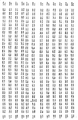
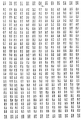
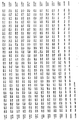
- a nucleic acid sequence according to the present invention is shown in figure 2 (SEQ ID NO: 1).
- the degeneracy of the genetic code permits substitution of bases in a codon resulting in an other codon but still coding for the same amino acid, e.g. the codon for the amino acid glutamic acid is both GAT and GAA. Consequently, it is clear that for the expression of a polypeptide with the amino acid sequence shown in figure 2 (SEQ ID NO: 1-2) use can be made of a nucleic acid sequence with such an alternative codon composition different from the nucleic acid sequence shown in figure 2 (SEQ ID NO: 1).
- the nucleic acid sequence shown in figure 2 is a cDNA sequence derived from the genomic RNA of HCV. This continuous sequence is 12284 nucleotides in length, and contains one long open reading frame (ORF), starting with the ATG codon at position 364 to 366 and ending with a TGA codon as a translational stop codon at position 12058 to 12060. This ORF consists of 3898 codons capable of encoding 435 kDa of protein.
- this protein is synthesized as a polyprotein precursor molecule which is subsequently processed to fragment polypeptides by (enzymatic) cleavage of the precursor molecule. These fragments form after possible post-translational modifications the structural and non-structural proteins of the virus.
- a preferred nucleic acid sequence contains the genetic information for such a fragment with immunizing properties against HCV or immunological properties characteristic for HCV or contains the genetic information for a portion of such a fragment which still has the immunizing properties or the immunological properties characteristic for HCV.
- a fragment-coding region is located within the amino acid position about 1-249, 263-487, 488-688 or 689-1067.
- the 1-249 region essentially represents the core protein whereas the 263-487, 488-688 and 689-1067 regions essentially represent glycoproteins of 33 kD, 44/48 kD and 55 kD respectively.
- nucleic acid sequences comprising the genetic information for one or more of the coding regions mentioned above or portions thereof.
- a preferred region to be incorporated into a vaccine against HCV infection is the region corresponding to the 55 kD protein of HCV or a portion thereof still having immunizing activity.
- nucleic acid sequence at least comprising the coding sequences for said 55 kD protein or portion thereof can advantageously be applied according to the present invention.
- HCV 55 kD protein which can be used for immunization of pigs against HCV infection, is determined by analyses of HCV deletion mutants with anti-55 kD protein monoclonal antibodies having virus neutralizing activity.
- a portion comprising an epitope spans the amino acid sequence about 812-859 and is coded by the nucleotide sequence about 2799-2938.
- a polypeptide at least comprising said amino acid sequence or a nucleic acid sequence at least comprising said nucleotide sequence form part of the present invention too.
- a nucleic acid sequence according to the invention which can be used for the diagnosis of HCV infection in pigs and which can be applied to discriminate HCV from BVDV can be derived from the gene encoding the 55 kD protein.
- nucleic acid sequence is derived from the nucleotide sequences 2587-2619 or 2842-2880, both sequences being part of the gene encoding the 55 kD protein.
- a preferred oligonucleotide for diagnostic purposes is (SEQ ID NO: 3 and 4, respectively): or
- nucleic acid sequence comprising at least a sub-sequence of said oligonucleotides and which still can be used to differentiate between HCV and BVDV forms part of the invention.
- the invention also relates to a test kit to be used in an assay, this test kit containing a nucleic acid sequence according to the invention.
- test kit comprises an oligonucleotide mentioned above or a nucleic acid sequence comprising at least a sub-sequence thereof.
- Variations or modifications in the polypeptide shown in figure 2 are possible while retaining the same immunologic properties. These variations may be demonstrated by (an) amino acid difference(s) in the overall sequence or by deletions, substitutions, insertions, inversions or additions of (an) amino acid(s) in said polypeptide.
- RNA isolated from pelleted virions was isolated and used for the synthesis of cDNA.
- This cDNA was cloned in phage ⁇ gt11 and the respective library was amplified and screened with goat anti-HCV antiserum. Two positive clones could be identified and shown to have inserts with sizes of 0,8 kb and 1,8 kb.
- the 0,8 kb ⁇ gt11 insert was partially sequenced (see figure 3, SEQ ID NO: 8-9) and determined to be located between about 1,2 and 2,0 kb on the HCV genome (see figure 2).
- a nucleic acid sequence according to the invention which can be used for the diagnosis of HCV in infected animals and which surprisingly can be applied to discriminate HCV from BVDV is represented by the nucleotide sequence 5551-5793 shown in figure 2 (SEQ ID NO: 1).
- nucleic acid sequence comprising at least a sub-sequence of said nucleotide sequence and which still can be used to differentiate between HCV and BVDV forms part of the invention.
- the invention also relates to a test kit to be used in an assay, this test kit containing a nucleic acid sequence according to the invention.
- test kit comprises the nucleic acid sequence represented by the nucleotide sequence 5551-5793 shown in figure 2 (SEQ ID NO: 1) or a nucleic acid sequence comprising at least a sub-sequence thereof mentioned above.
- RNA isolated from pelleted virions was isolated and used for the synthesis of cDNA.
- This cDNA was cloned in phage ⁇ gt11 and the respective library was amplified and screened with goat anti-HCV antiserum. Two positive clones could be identified and shown to have inserts with sizes of 0,8 kb and 1,8 kb.
- the 0, 8 kb ⁇ gt11 insert was partially sequenced (see figure 3, SEQ ID NO: 8-9) and determined to be located between about 1,2 and 2,0 kb on the HCV genome (see figure 2).
- a nucleic acid sequence according to the present invention can be ligated to various vector nucleic acid molecules such as plasmid DNA, bacteriophage DNA or viral DNA to form a recombinant nucleic acid molecule.
- the vector nucleic acid molecules preferably contain DNA sequences to initiate, control and terminate transcription and translation.
- a recombinant expression system comprising a host containing such a recombinant nucleic acid molecule can be used to allow for a nucleic acid sequence according to the present invention to express a polypeptide encoded by said nucleic acid sequence.
- the host of above-mentioned recombinant expression system can be of procaryotic origin, e.g.
- bacteria such as E.coli, B.subtilis and Pseudomonas
- viruses such as vaccinia and fowl pox virus or eucaryotic origin such as yeasts or higher eucaryotic cells such as insect, plant or animal cells.
- Immunization of animals against HC can, for example, be achieved by administering to the animal a polypeptide according to the invention as a so-called "sub-unit" vaccine.
- the subunit vaccine according to the invention comprises a polypeptide generally in a pure form, optionally in the presence of a pharmaceutically acceptable carrier.
- Small fragments are preferably conjugated to carrier molecules in order to raise their immunogenicity.
- Suitable carriers for this purpose are macromolecules, such as natural polymers (proteins, like key hole limpet hemocyanin, albumin, toxins), synthetic polymers like polyamino acids (polylysine, polyalanine), or micelles of amphiphilic compounds like saponins.
- these fragments may be provided as polymers thereof, preferably linear polymers.
- Polypeptides to be used in such subunit vaccines can be prepared by methods known in the art, e.g. by isolation said polypeptides from hog cholera virus, by recombinant DNA techniques or by chemical synthesis.
- polypeptides according to the invention to be used in a vaccine can be modified in vitro or in vivo, for example by glycosylation, amidation, carboxylation or phosphorylation.
- a nucleic acid sequence according to the invention is integrated by recombinant techniques into the genetic material of another micro-organism (e.g. virus or bacterium) thereby enabling the micro-organism to express a polypeptide according to the invention.
- This recombinant expression system is administered to the animal to be immunized whereafter it replicates in the inoculated animal and expresses the polypeptide resulting in the stimulation of the immune system of the animal.
- Suitable examples of vaccine vectors are pox viruses (such as vaccinia, cow pox, rabbit pox), avian pox viruses (such as fowl pox virus) pseudorabies virus, adeno viruses, influenza viruses, bacteriophages or bacteria (such as Escherichia coli and Salmonella).
- pox viruses such as vaccinia, cow pox, rabbit pox
- avian pox viruses such as fowl pox virus
- pseudorabies virus such as fowl pox virus
- adeno viruses such as influenza viruses, bacteriophages or bacteria (such as Escherichia coli and Salmonella).
- the recombinant expression system having a nucleic acid sequence according to the invention inserted in its nucleic acid sequence can for example be grown in a cell culture and can if desired be harvested from the infected cells and formed to a vaccine optionally in a lyophilized form. Said genetically manipulated micro-organism can also be harvested from live animals infected with said micro-organism. Abovementioned recombinant expression system can also be propagated in a cell culture expressing a polypeptide according to the invention, whereafter the polypeptide is isolated from the culture.
- a vaccine comprising a polypeptide or a recombinant expression system according to the present invention can be prepared by procedures well-known in the art for such vaccines.
- a vaccine according to the invention can consist inter alia of whole host, host extract, partially or completely purified polypeptide or a partially or completely purified recombinant expression system as above-mentioned.
- the vaccine according to the invention can be administered in a conventional active immunization scheme: single or repeated administration in a manner compatible with the dosage formulation and in such amount as will be therapeutically effective and immunogenic.
- the administration of the vaccine can be done, e.g. intradermally, subcutaneously, intramusculary, intra-venously or intranasally.
- the vaccines may additionally contain a suitable carrier, e.g. water, saline or buffer solution with or without adjuvants, stabilizers, solubilizers, emulsifiers etc.
- the vaccine may additionally contain immunogens related to other diseases or nucleic acid sequences encoding these immunogens like antigens of parvovirus, pseudorabies virus, swine influenza virus, TGE virus, rotavirus, Escherichia coli, Bordetella, Pasteurella, Erysipelas etc. to produce a multivalent vaccine.
- Polypeptides according to the present invention can also be used in diagnostic methods to detect the presence of HCV antigen or antibody in an animal.
- nucleic acid sequences according to the invention can be used to produce polypeptides to be used in above-mentioned diagnostic methods or as a hybridisation probe for the detection of the presence of HCV nucleic acid in a sample.
- PK15 and 38A 1 D cells were grown in DMEM with 10% FCS and were infected in suspension by the virulent HCV strain Alfort in a volume of 20-30 ml at a cell concentration of 5 x 10 7 /ml at 37 °C for 90 min with an m.o.i. of 0.01 to 0.001 (as determined by immunofluorescence assay). Thereafter, the PK15 cells were seeded in tissue culture plates (150 mm diameter), while the suspension cells 38A 1 D were incubated in bottles with gentle stirring (Tecnomara, Switzerland). For cDNA synthese, the tissue culture supernatant was harvested 48 hours after infection, clarified at 12,000 g, and afterwards the virus pelleted in a TFA 20 rotor (Contron, Italy) at 54,000 g for 12 hours.
- TFA 20 rotor Contron, Italy
- a fibroblastic cell strain was established from the skin biopsy of a young goat by standard cell culture techniques. The cells were initially grown in F-10 medium with 10% FCS and later in DMEM with 10% FCS. Goat fibroblasts were infected with HCV. Over the first 26 hours p.i., the cells were washed every 8 hours 3 times with PBS and afterwards incubated in DMEM with 10% preimmune goat serum (PGS). 48 hours p.i., the tissue culture supernatant was harvested and used as stock virus. Before immunization, goat cells for 30 tissue culture dishes (150 mm diameter) were kept for 3 passages in medium with 10% PGS and then infected with the stock virus.
- PGS preimmune goat serum
- the goat was immunized with X-ray-inactivated pelleted virus and infected cells. Both were emulsified in Freund's adjuvant (complete for basis immunization, incomplete for booster injections) and injected subcutaneously. To obtain antibodies recognizing denatured molecules, the antigen preparations were incubated in 0.2% SDS, 3 mM DTT at 95 °C for 5 min before injection.
- RNA preparation cDNA synthesis and cloning RNA from virions was isolated by using the guanidine thiocyanate method described by Chirgwin et al. (1979). RNA from pelleted virions (5 ⁇ g total RNA, approximately 0.5 ⁇ g HCV RNA) and 0.1 ⁇ g of random hexanucleotide primer (Pharmacia, Sweden) in 20 ⁇ l of water were heated to 65 °C for 10 min, chilled on ice, and adjusted to first strand buffer (50 mM Tris-HCl pH 8.3; 30 mM KCl; 8 mM MgCl 2 ; 1 mM DTT, dATP, dCTP, dGTP, dTTP 1 mM each and 500 units RNAguard [Pharmacia, Sweden] per ml) in a final volume of 32 ⁇ l.
- first strand buffer 50 mM Tris-HCl pH 8.3; 30 mM
- the cDNA was size-fractionated by preparative agarose gel electrophoresis. The part of the gel containing DNA molecules smaller than 0.5 kb was discarded. The remaining DNA was concentrated by running the gel reversely for 15 min and extracted from the agarose after 3 cycles of freezing and thawing with phenol.
- Ethanol co-precipitated cDNA and ⁇ gt11 DNA (1 ⁇ g EcoRI digested dephosphorylated arms, Promega, USA) was ligated by 3 units of T4 DNA ligase (Pharmacia, Sweden) in a total volume of 10 ⁇ l ligase buffer (30 mM Tris-HCl pH 7.4; 10 mM MgCl 2 ; 10 mM DTT; 1 mM ATP).
- 10 ⁇ l ligase buffer (30 mM Tris-HCl pH 7.4; 10 mM MgCl 2 ; 10 mM DTT; 1 mM ATP).
- In vitro packaging with a commercially available extract Packagene, Promega, USA
- infection of E.coli K12 cells, strain Y 1090, with resulting phages was performed as recommended by the supplier.
- the library was amplified once as described (Davis et al., 1986).
- the 0.8 kb nucleic acid sequence hybridized not only to intact HCV RNA but also to degradation products thereof.
- the 0.8 kb nucleic acid sequence did not hybridize to the 1.8 kb nucleic acid sequence, indicating that these two nucleic acid sequences correspond with fragments of the HCV genome which are not located in the same region of the genomic RNA.
- RNA preparation, cDNA synthesis and cloning RNA preparation, cDNA synthesis and cloning.
- RNA preparation, cDNA synthesis, size selection and ligation of co-precipitated cDNA and ⁇ gt10 DNA (1 ⁇ g EcoRI digested dephosphorylated arms, Promega, USA) were done as described above.
- In vitro packaging of phage DNA using Packagene (Promega, USA) and titration of phages on E.coli strain C 600 HFL were performed as suggested by the supplier.
- the library was amplified once (Davis et al., 1986), and replicas transferred to nictrocellulose membranes (Amersham Buchler, FRG) (Benton and Davis, 1977) were hybridized with oligonucleotides as described above for Northern hybridization. Screening with cDNA fragments labeled with [ ⁇ 32 P] dCTP by nick translation (nick translation kit, Amersham Buchler, FRG) was done as described by Benton and Davis (1977). Positive clones were plaque purified and inserts subcloned into pEMBL plasmids (Maniatis et al., 1982; Dente et al., 1985; Davis et al., 1986).
- a 32 P 5'-end labeled oligonucleotide of 17 bases complementary to the RNA sequence encoding the amino acid sequence Cys Gly Asp Asp Gly Phe was used for screening a ⁇ gt10 cDNA library.
- This 0.75 kb nucleic acid sequence which represents a fragment of the HCV genome together with the 0.8 kb ⁇ gt11 nucleic acid sequence insert were used for further library screening resulting in a set of overlapping HCV nucleic acid sequences of which the relative positions and restriction site maps are shown in figure 1.
- nucleic acid sequence fragments of the HCV genome are located between the following nucleic acid positions 4.0 kb fragment: 27-4027 4.5 kb fragment: 54-4494 0.8 kb fragment: 1140-2002 4.2 kb fragment: 3246-7252 5.5 kb fragment: 6656-11819 and-within about the following nucleic acid positions 3.0 kb fragment: 8920-11920 1.9 kb fragment: 10384-12284 0.75 kb fragment: 10913-11663
- nucleotide sequencing For complete nucleotide sequence determination exonuclease III and nuclease S1 (enzymes from Boehringer Mannheim, FRG) were used to establish deletion libraries of HCV derived cDNA inserts subcloned into pEMBL 18+ or 19+ plasmids (Hennikoff, 1987). Dideoxy sequencing (Sanger et al. 1977) of single stranded (Dente et al., 1985) or double stranded DNA templates was carried out using the T7 polymerase sequencing kit (Pharmacia, Sweden).
- a continuous sequence of 12284 nucleotides in length could be determined as shown in figure 2 (SEQ ID NO: 1).
- This sequence contains one long open reading frame (ORF), starting with the ATG codon at position 364 to 366 and ending with TGA as a translational stop codon at 12058 to 12060.
- This ORF consists of 3898 codons capable of encoding a 435 kDa protein with an amino acid sequence shown in figure 2 (SEQ ID NO: 1-2).
- Three nucleotide exchanges were detected as a result of differences in nucleotide sequence caused by possible heterogenicity of the virus population, two of which resulted in changes in the deduced amino acid sequence (figure 2, SEQ ID NO: 1-2).
- the 0.8 kb ⁇ gt11 nucleic acid sequence encoding an immunogenic HCV polypeptide identified with anti HCV serum was partially sequenced (see figure 3, SEQ ID NO: 8-9) which revealed that this sequence _is located within 1.2 and 2.0 kb on the HCV RNA.
- cDNA fragments derived from two regions of the HCV genome i.e. the 0,8 kb ⁇ gt11 insert of example 1 encoding amino acids 262-546 (see figure 2, SEQ ID NO: 1-2) and the nucleic acid sequence encoding amino acids 747-1071 (figure 2, SEQ ID NO: 1-2), are expressed as fusion proteins in the pEx system (Strebel, K. et al., 1986).
- Bacterial extracts were separated by SDS-PAGE and stained according to standard procedures, and then tested for reactivity with the goat anti-HCV serum of example 1 in a Western blot.
- the HCV specific fusion proteins were partially purified by SDS-PAGE and transfered to nitrocellulose and incubated with the goat anti-HCV serum. Specific antibodies against said fusion proteins were obtained after elution.
- Antibodies specific for the above-mentioned fusion proteins were employed in a radio-immuno precipitation assay.
- Antibodies specific for the 262-546-fusion protein precipitated the 44/48 kD and 33 kD protein, antibodies specific for the 747-1071-fusion protein precipitated the 55 kD protein from virus infected cells.
- a fragment of the 4,0 kb clone shown in figure 1 (pHCK11) is prepared starting at the HinfI restriction site (nucleotide 372) and ending at an artificial EcoRI site (nucleotide 4000) (Maniatis et al. 1982).
- an oligonucleotide adaptor was synthesized which contained an overhang compatible to BamHI, the original ATG(364-366) as translational start codon and a protruding end compatible to HinfI at the 3' end (SEQ ID NO: 5 and 6).
- a translational stop codon was introduced by deletion of the EcoRI protruding end with Mung bean nuclease and ligation into a blunt-end StuI/EcoRI adaptor residue (SEQ ID NO: 7): (Maniatis et al. 1982).
- the heterologous gene Prior to inserting above-mentioned HCV sequences into vaccinia virus the heterologous gene is cloned into a recombination vector.
- a pGS62 plasmid (Cranage, M.P. et al. 1986) was used which contains a cloning site downstream the P7.5K promotor within the 4.9kb thymidine kinase sequence.
- the cloning site comprises three unique restriction sites, BamHI, SmaI and EcoRI.
- the recombination vector pGS62-3.8 was established by ligation of the described HCV sequence (372-4000) together with the adaptors into the BamHI/EcoRI digested pGS62.
- CVI cells were infected with vaccinia (strain Copenhagen, mutant TS7) at a MOI of 0.1.
- vaccinia strain Copenhagen, mutant TS7
- Three hours after infection pGS62-3.8 DNA as well as vaccinia WR DNA were transfected by the Ca 3 (PO 4 ) 2 precipitation method and incubated for two days.
- Virus progeny was harvested and selected for tk-phenotype on 143 tk-cells in the presence of brom-deoxy-Uridine (100 ⁇ g/ml). This selection was performed at least twice followed by two further cycles of plaque purification.
- CVI cells were infected at an MOI between 2 and 10 with vaccinia-HCV recombinants and incubated for 8-16 hours. After fixation of the cells indirect immunofluorescence was performed using either monoclonal antibodies specific for HCV 55 kD protein or polyvalent anti-HCV sera. In all cases a cytoplasmatic fluorescence could be demonstrated.
- HCV-specific proteins After radioimmunoprecipitation and western blot analysis of cells infected with vaccinia recombinants four HCV-specific proteins were detected. By labeling with [ 3 H] glucosamine it was shown that three of these proteins are glycosylated. The apparent molecular weights of these proteins were identical to those found in HCV infected cells with HCV specific sera, namely 20 kD(core), 44/48 kD, 33 kD and 55 kD.
- HCV proteins produced by expression via vaccinia virus have the same apparent molecular weights as in HCV infected cells.
- mice/group Four groups of mice (3 mice/group) were infected once with a. Vaccinia WR wildtype (5x10 6 pfu/individual) WR b. Vaccinia 3.8 recombinant (5x10 7 pfu/individual) VAC3.8 c. Vaccinia 3.8Exo 4 (55 kD deleted) (5x10 7 pfu/individual) VAC3.8Exo 4 d. Vaccinia 3.8Exo 5 (5x10 7 pfu/individual) VAC3.8Exo 5 e. Vaccinia 3.8Exo 15 (55 kD deleted) (5x10 7 pfu/individual) VAC3.8Exo 15 by injection of purified virus intraperitoneally.
- vaccinia virus containing a nucleic acid sequence comprising the genetic information for all structural proteins (VAC3.8) is able to induce virus neutralizing antibodies in mice, while incomplete constructs VAC3.8Exo 5-15 and WR are not.
- each of the pigs was challenged by infection with 5x10 7 TCID 50 HCV Alfort.
- Virus was applicated oronasal according to the natural route of infection. This amount of virus has been experimentally determined to be compulsory lethal for pigs.
- Clone pHCK11 is digested with restriction enzymes SacI and HpaI according to standard techniques.
- PRV pseudorabies virus
- the cloned gX sequence was digested with SacI and ApaI.
- the ApaI 5' protruding ends were made blunt by filling up with Klenow fragment.
- the putative gX leader peptide coding sequence was located just upstream of the inserted HCV 55 kD sequence.
- a translational stop codon downstream the HCV sequence was introduced by digestion with Bgl II (Bgl II site: 3936-3941) and religation after filling up the overhangs with Klenow fragment.
- This construct was placed downstream of the PRV gX promotor (clone 16/4-1.3).
Landscapes
- Health & Medical Sciences (AREA)
- Life Sciences & Earth Sciences (AREA)
- Chemical & Material Sciences (AREA)
- Organic Chemistry (AREA)
- General Health & Medical Sciences (AREA)
- Medicinal Chemistry (AREA)
- Virology (AREA)
- Bioinformatics & Cheminformatics (AREA)
- Engineering & Computer Science (AREA)
- Genetics & Genomics (AREA)
- General Chemical & Material Sciences (AREA)
- Public Health (AREA)
- Zoology (AREA)
- Wood Science & Technology (AREA)
- Biochemistry (AREA)
- Chemical Kinetics & Catalysis (AREA)
- Veterinary Medicine (AREA)
- Nuclear Medicine, Radiotherapy & Molecular Imaging (AREA)
- Pharmacology & Pharmacy (AREA)
- Animal Behavior & Ethology (AREA)
- Gastroenterology & Hepatology (AREA)
- Microbiology (AREA)
- Communicable Diseases (AREA)
- Oncology (AREA)
- Immunology (AREA)
- Biomedical Technology (AREA)
- Biotechnology (AREA)
- Proteomics, Peptides & Aminoacids (AREA)
- Biophysics (AREA)
- Molecular Biology (AREA)
- General Engineering & Computer Science (AREA)
- Medicines Containing Antibodies Or Antigens For Use As Internal Diagnostic Agents (AREA)
- Peptides Or Proteins (AREA)
- Micro-Organisms Or Cultivation Processes Thereof (AREA)
Claims (10)
- Un polypeptide du virus du choléra porcin (HCV) présentant un poids moléculaire de 44/48Kd qui réagit avec un antisérum monospécifique préparé contre une protéine de fusion existante de AA262-546 de la SEQ IN N°1.
- Un polypeptide selon la revendication 1, caractérisé en ce qu'il contient une ou plusieurs modifications post-translationnelles.
- Une séquence d'acide nucléique consistant en en fragment du génome du HCV codant pour le polypeptide de la revendication 1.
- Une molécule d'acide nucléique recombinant comprenant une molécule d'acide nucléique vecteur et une séquence d'acide nucléique selon la revendication 3.
- Une cellule hôte susceptible de produire un polypeptide selon la revendication 1, comprenant une molécule d'acide nucléique recombinant selon la revendication 4.
- Une cellule hôte selon la revendication 5, caractérisé en ce que la cellule hôte est un bactérium.
- Un virus recombinant consistant en une molécule d'acide nucléique recombinant selon la revendication 4.
- Un vaccin pour la protection d'animaux contre les infections HCV, caractérisé en ce que il comprend une cellule hôte selon la revendication 6 ou un virus recombinant selon la revendication 7.
- Un procédé pour la préparation d'un vaccin HCV, caractérisé en ce que la cellule hôte selon la revendication 5 ou 6 ou un virus recombinant selon la revendication 7 est développé dans une culture, après quoi la cellule hôte ou le virus recombinant est récolté et est mis sous forme d'une préparation pharmaceutique présentant une activité immunisante.
- L'utilisation in vitro d'un polypeptide selon la revendication 1 dans un procdé de diagnostique pour détecter la présence d'un anticorps ou d'un antigène HCV.
Priority Applications (1)
| Application Number | Priority Date | Filing Date | Title |
|---|---|---|---|
| EP00204410A EP1087014B1 (fr) | 1989-03-19 | 1990-03-12 | Vaccin et test de diagnostic pour le virus du choléra porcin |
Applications Claiming Priority (5)
| Application Number | Priority Date | Filing Date | Title |
|---|---|---|---|
| EP89104921 | 1989-03-19 | ||
| EP89104921 | 1989-03-19 | ||
| EP94200200A EP0614979B1 (fr) | 1989-03-19 | 1990-03-12 | Vaccin et test de diagnostique pour le virus du choléra porcin |
| EP00204410A EP1087014B1 (fr) | 1989-03-19 | 1990-03-12 | Vaccin et test de diagnostic pour le virus du choléra porcin |
| EP95202375A EP0713915A1 (fr) | 1989-03-19 | 1990-03-12 | Vaccin et test de diagnostique pour le virus du choléra porcin |
Related Parent Applications (1)
| Application Number | Title | Priority Date | Filing Date |
|---|---|---|---|
| EP95202375A Division EP0713915A1 (fr) | 1989-03-19 | 1990-03-12 | Vaccin et test de diagnostique pour le virus du choléra porcin |
Publications (2)
| Publication Number | Publication Date |
|---|---|
| EP1087014A1 EP1087014A1 (fr) | 2001-03-28 |
| EP1087014B1 true EP1087014B1 (fr) | 2006-03-29 |
Family
ID=8201107
Family Applications (4)
| Application Number | Title | Priority Date | Filing Date |
|---|---|---|---|
| EP00204410A Expired - Lifetime EP1087014B1 (fr) | 1989-03-19 | 1990-03-12 | Vaccin et test de diagnostic pour le virus du choléra porcin |
| EP94200200A Revoked EP0614979B1 (fr) | 1989-03-19 | 1990-03-12 | Vaccin et test de diagnostique pour le virus du choléra porcin |
| EP95202375A Withdrawn EP0713915A1 (fr) | 1989-03-19 | 1990-03-12 | Vaccin et test de diagnostique pour le virus du choléra porcin |
| EP90200573A Expired - Lifetime EP0389034B2 (fr) | 1989-03-19 | 1990-03-12 | Vaccin et test de diagnostic pour le virus du choléra porcin |
Family Applications After (3)
| Application Number | Title | Priority Date | Filing Date |
|---|---|---|---|
| EP94200200A Revoked EP0614979B1 (fr) | 1989-03-19 | 1990-03-12 | Vaccin et test de diagnostique pour le virus du choléra porcin |
| EP95202375A Withdrawn EP0713915A1 (fr) | 1989-03-19 | 1990-03-12 | Vaccin et test de diagnostique pour le virus du choléra porcin |
| EP90200573A Expired - Lifetime EP0389034B2 (fr) | 1989-03-19 | 1990-03-12 | Vaccin et test de diagnostic pour le virus du choléra porcin |
Country Status (12)
| Country | Link |
|---|---|
| EP (4) | EP1087014B1 (fr) |
| JP (1) | JP3262787B2 (fr) |
| KR (1) | KR0179993B1 (fr) |
| CN (1) | CN1053012C (fr) |
| AU (1) | AU632545B2 (fr) |
| CA (1) | CA2012414C (fr) |
| DE (4) | DE69027339T2 (fr) |
| DK (3) | DK0614979T3 (fr) |
| ES (3) | ES2261148T3 (fr) |
| HU (1) | HU208494B (fr) |
| NZ (1) | NZ232947A (fr) |
| ZA (1) | ZA901719B (fr) |
Cited By (1)
| Publication number | Priority date | Publication date | Assignee | Title |
|---|---|---|---|---|
| US8202977B2 (en) | 2006-04-21 | 2012-06-19 | Minister for Primary Industries For And On Behalf Of The State Of New South Wales | Pestivirus species |
Families Citing this family (9)
| Publication number | Priority date | Publication date | Assignee | Title |
|---|---|---|---|---|
| NL8901651A (nl) * | 1989-06-29 | 1991-01-16 | Centraal Diergeneeskundig Inst | Vaccin tegen pestivirusinfecties, zoals varkenspest; daarvoor bruikbare nucleotidesequenties en polypeptiden. |
| DE4105480A1 (de) * | 1991-02-21 | 1992-08-27 | Boehringer Mannheim Gmbh | Verbesserte aktivierung von rekombinanten proteinen |
| GB2300419A (en) * | 1994-11-01 | 1996-11-06 | Mini Agriculture & Fisheries | Detection of classical swine fever virus |
| EP0924298A1 (fr) | 1997-12-18 | 1999-06-23 | Stichting Instituut voor Dierhouderij en Diergezondheid (ID-DLO) | Expression de proteine dans des systèmes d'expression faisant appel aux baculovirus |
| EP1035205A1 (fr) | 1999-03-08 | 2000-09-13 | Stichting Dienst Landbouwkundig Onderzoek | Pestivirus non-propagateur |
| CN1338309A (zh) * | 2000-08-10 | 2002-03-06 | 清华大学 | 一种合成肽猪瘟疫苗及其制备方法 |
| PL199190B1 (pl) * | 2002-12-31 | 2008-08-29 | Inst Biotechnologii I Antybiot | Ciałka inkluzyjne jako antygeny do pokarmowej immunizacji zwierząt |
| CU23544A1 (es) | 2006-02-28 | 2010-06-17 | Ct Ingenieria Genetica Biotech | Antígenos vacunales quiméricos contra el virus de la peste porcina clásica |
| CN109182380B (zh) * | 2018-08-14 | 2022-06-03 | 浙江大学 | 杆状病毒表达的猪瘟e2亚单位疫苗的制备方法及应用 |
Family Cites Families (2)
| Publication number | Priority date | Publication date | Assignee | Title |
|---|---|---|---|---|
| IE870507L (en) * | 1986-03-07 | 1987-09-07 | Biothechnological Res Partners | Bovine virus diarrhea and hog cholera vaccines |
| NL8901651A (nl) * | 1989-06-29 | 1991-01-16 | Centraal Diergeneeskundig Inst | Vaccin tegen pestivirusinfecties, zoals varkenspest; daarvoor bruikbare nucleotidesequenties en polypeptiden. |
-
1990
- 1990-03-06 ZA ZA901719A patent/ZA901719B/xx unknown
- 1990-03-12 DE DE69027339T patent/DE69027339T2/de not_active Revoked
- 1990-03-12 EP EP00204410A patent/EP1087014B1/fr not_active Expired - Lifetime
- 1990-03-12 EP EP94200200A patent/EP0614979B1/fr not_active Revoked
- 1990-03-12 DK DK94200200.7T patent/DK0614979T3/da active
- 1990-03-12 ES ES00204410T patent/ES2261148T3/es not_active Expired - Lifetime
- 1990-03-12 DK DK90200573T patent/DK0389034T4/da active
- 1990-03-12 DK DK00204410T patent/DK1087014T3/da active
- 1990-03-12 DE DE69034218T patent/DE69034218T2/de not_active Expired - Lifetime
- 1990-03-12 DE DE2000175036 patent/DE10075036I2/de active Active
- 1990-03-12 ES ES94200200T patent/ES2091083T3/es not_active Expired - Lifetime
- 1990-03-12 ES ES90200573T patent/ES2063897T5/es not_active Expired - Lifetime
- 1990-03-12 DE DE69012386T patent/DE69012386T3/de not_active Expired - Lifetime
- 1990-03-12 EP EP95202375A patent/EP0713915A1/fr not_active Withdrawn
- 1990-03-12 EP EP90200573A patent/EP0389034B2/fr not_active Expired - Lifetime
- 1990-03-14 HU HU901571A patent/HU208494B/hu active Protection Beyond IP Right Term
- 1990-03-16 NZ NZ232947A patent/NZ232947A/en unknown
- 1990-03-16 CA CA002012414A patent/CA2012414C/fr not_active Expired - Lifetime
- 1990-03-17 KR KR1019900003575A patent/KR0179993B1/ko not_active Expired - Lifetime
- 1990-03-19 AU AU51451/90A patent/AU632545B2/en not_active Expired
- 1990-03-19 CN CN90101494A patent/CN1053012C/zh not_active Expired - Lifetime
- 1990-03-19 JP JP06953790A patent/JP3262787B2/ja not_active Expired - Lifetime
Cited By (4)
| Publication number | Priority date | Publication date | Assignee | Title |
|---|---|---|---|---|
| US8202977B2 (en) | 2006-04-21 | 2012-06-19 | Minister for Primary Industries For And On Behalf Of The State Of New South Wales | Pestivirus species |
| US8569473B2 (en) | 2006-04-21 | 2013-10-29 | Intervet International B.V. | Pestivirus species |
| US9346857B2 (en) | 2006-04-21 | 2016-05-24 | Intervet Inc. | Pestivirus species |
| US10041132B2 (en) | 2006-04-21 | 2018-08-07 | Intervet Inc. | Pestivirus species |
Also Published As
Similar Documents
| Publication | Publication Date | Title |
|---|---|---|
| AU2020277165B2 (en) | Feline calicivirus vaccine | |
| US7645455B2 (en) | Chimeric lyssavirus nucleic acids and polypeptides | |
| EP0510773B1 (fr) | Vaccin de sous-unités contre le coronavirus canin | |
| EP0614979B1 (fr) | Vaccin et test de diagnostique pour le virus du choléra porcin | |
| US5858373A (en) | Recombinant poxvirus-feline infectious peritionitis virus, compositions thereof and methods for making and using them | |
| DK173779B1 (da) | Schistosomprotein, DNA-fragment kodende for proteinet, ekspressionsenhed og viral vektor indeholdende DNA-fragmentet, celle transformeret med ekspressionsenheden, farmaceutisk præparat indeholdende proteinet eller vektoren, anvendelse af proteinet | |
| US5811103A (en) | Hog cholera virus vaccine and diagnostic | |
| DE69523055T2 (de) | T-zellen stimulierendes protein von pestivirus | |
| EP0704528B1 (fr) | Virus de l'hémorragie des lapins (RHDV), capsides recombinants, protéines, et trousse de diagnostic et vaccins les contenant | |
| EP0423869B1 (fr) | Vaccin contre le virus de la bronchite infectieuse (IBV) | |
| US5935582A (en) | Hog cholera virus vaccine and diagnostic | |
| EP0479866B1 (fr) | Sequences de nucleotides et polypeptides du pestivirus, en particulier du virus du cholera porcin | |
| US7238672B1 (en) | Chimeric lyssavirus nucleic acids and polypeptides | |
| BRPI0009746B1 (pt) | molécula de veículo contendo plasmídeo pg-pviii compreendendo uma seqúência que codifica uma parte de uma glicoproteína de lissavírus contendo pelo menos o sítio iii da glicoproteína de lissavírus mas não contendo o sítio ii, e, composição imunogênica | |
| AU769221B2 (en) | Recombinant poxvirus-feline infectious peritonitis virus, compositions thereof and methods for making and using them | |
| HK1014547B (en) | Rabbit hemorrhagic disease virus (rhdv) recombinant capsids and proteins, diagnostic kits and vaccines containing them |
Legal Events
| Date | Code | Title | Description |
|---|---|---|---|
| PUAI | Public reference made under article 153(3) epc to a published international application that has entered the european phase |
Free format text: ORIGINAL CODE: 0009012 |
|
| AC | Divisional application: reference to earlier application |
Ref document number: 713915 Country of ref document: EP Ref document number: 614979 Country of ref document: EP |
|
| AK | Designated contracting states |
Kind code of ref document: A1 Designated state(s): BE CH DE DK ES FR GB GR IT LI NL SE |
|
| RIN1 | Information on inventor provided before grant (corrected) |
Inventor name: THIEL, HEINZ-JUERGEN Inventor name: RUEMENAPF, TILLMANN Inventor name: MEYERS, GREGOR |
|
| 17P | Request for examination filed |
Effective date: 20010928 |
|
| AKX | Designation fees paid |
Free format text: BE CH DE DK ES FR GB GR IT LI NL SE |
|
| 17Q | First examination report despatched |
Effective date: 20021003 |
|
| GRAP | Despatch of communication of intention to grant a patent |
Free format text: ORIGINAL CODE: EPIDOSNIGR1 |
|
| GRAS | Grant fee paid |
Free format text: ORIGINAL CODE: EPIDOSNIGR3 |
|
| GRAA | (expected) grant |
Free format text: ORIGINAL CODE: 0009210 |
|
| AC | Divisional application: reference to earlier application |
Ref document number: 0713915 Country of ref document: EP Kind code of ref document: P Ref document number: 0614979 Country of ref document: EP Kind code of ref document: P |
|
| AK | Designated contracting states |
Kind code of ref document: B1 Designated state(s): BE CH DE DK ES FR GB GR IT LI NL SE |
|
| REG | Reference to a national code |
Ref country code: GB Ref legal event code: FG4D |
|
| REG | Reference to a national code |
Ref country code: CH Ref legal event code: EP |
|
| REF | Corresponds to: |
Ref document number: 69034218 Country of ref document: DE Date of ref document: 20060518 Kind code of ref document: P |
|
| REG | Reference to a national code |
Ref country code: CH Ref legal event code: NV Representative=s name: ISLER & PEDRAZZINI AG |
|
| REG | Reference to a national code |
Ref country code: DK Ref legal event code: T3 |
|
| REG | Reference to a national code |
Ref country code: SE Ref legal event code: TRGR |
|
| REG | Reference to a national code |
Ref country code: GR Ref legal event code: EP Ref document number: 20060402106 Country of ref document: GR |
|
| ET | Fr: translation filed | ||
| REG | Reference to a national code |
Ref country code: CH Ref legal event code: PUE Owner name: INTERVET INTERNATIONAL B. V. Free format text: AKZO NOBEL N.V.#VELPERWEG 76#6824 BM ARNHEM (NL) -TRANSFER TO- INTERVET INTERNATIONAL B. V.#WIM DE KOERVERSTRAAT 35#5831 AN BOXMEER (NL) |
|
| REG | Reference to a national code |
Ref country code: ES Ref legal event code: FG2A Ref document number: 2261148 Country of ref document: ES Kind code of ref document: T3 |
|
| PLBE | No opposition filed within time limit |
Free format text: ORIGINAL CODE: 0009261 |
|
| STAA | Information on the status of an ep patent application or granted ep patent |
Free format text: STATUS: NO OPPOSITION FILED WITHIN TIME LIMIT |
|
| REG | Reference to a national code |
Ref country code: FR Ref legal event code: TP |
|
| 26N | No opposition filed |
Effective date: 20070102 |
|
| NLS | Nl: assignments of ep-patents |
Owner name: INTERVET INTERNATIONAL B.V. Effective date: 20070208 |
|
| REG | Reference to a national code |
Ref country code: CH Ref legal event code: PCAR Free format text: ISLER & PEDRAZZINI AG;POSTFACH 1772;8027 ZUERICH (CH) |
|
| BECA | Be: change of holder's address |
Owner name: *INTERVET INTERNATIONAL B.V.WIM DE K?RVERSTRAAT 35 Effective date: 20060329 |
|
| BECH | Be: change of holder |
Owner name: *INTERVET INTERNATIONAL B.V. Effective date: 20060329 |
|
| PGFP | Annual fee paid to national office [announced via postgrant information from national office to epo] |
Ref country code: DK Payment date: 20090325 Year of fee payment: 20 Ref country code: ES Payment date: 20090326 Year of fee payment: 20 |
|
| PGFP | Annual fee paid to national office [announced via postgrant information from national office to epo] |
Ref country code: NL Payment date: 20090224 Year of fee payment: 20 |
|
| PGFP | Annual fee paid to national office [announced via postgrant information from national office to epo] |
Ref country code: GR Payment date: 20090330 Year of fee payment: 20 Ref country code: CH Payment date: 20090325 Year of fee payment: 20 |
|
| PGFP | Annual fee paid to national office [announced via postgrant information from national office to epo] |
Ref country code: SE Payment date: 20090327 Year of fee payment: 20 Ref country code: DE Payment date: 20090327 Year of fee payment: 20 Ref country code: IT Payment date: 20090331 Year of fee payment: 20 |
|
| PGFP | Annual fee paid to national office [announced via postgrant information from national office to epo] |
Ref country code: BE Payment date: 20090430 Year of fee payment: 20 |
|
| PGFP | Annual fee paid to national office [announced via postgrant information from national office to epo] |
Ref country code: FR Payment date: 20090317 Year of fee payment: 20 |
|
| PGFP | Annual fee paid to national office [announced via postgrant information from national office to epo] |
Ref country code: GB Payment date: 20090403 Year of fee payment: 20 |
|
| REG | Reference to a national code |
Ref country code: CH Ref legal event code: PL |
|
| REG | Reference to a national code |
Ref country code: NL Ref legal event code: V4 Effective date: 20100312 |
|
| REG | Reference to a national code |
Ref country code: DK Ref legal event code: EUP |
|
| BE20 | Be: patent expired |
Owner name: *INTERVET INTERNATIONAL B.V. Effective date: 20100312 |
|
| REG | Reference to a national code |
Ref country code: GB Ref legal event code: PE20 Expiry date: 20100311 |
|
| EUG | Se: european patent has lapsed | ||
| REG | Reference to a national code |
Ref country code: ES Ref legal event code: FD2A Effective date: 20100313 |
|
| PG25 | Lapsed in a contracting state [announced via postgrant information from national office to epo] |
Ref country code: GB Free format text: LAPSE BECAUSE OF EXPIRATION OF PROTECTION Effective date: 20100311 |
|
| PG25 | Lapsed in a contracting state [announced via postgrant information from national office to epo] |
Ref country code: NL Free format text: LAPSE BECAUSE OF EXPIRATION OF PROTECTION Effective date: 20100312 Ref country code: ES Free format text: LAPSE BECAUSE OF EXPIRATION OF PROTECTION Effective date: 20100313 |
|
| PG25 | Lapsed in a contracting state [announced via postgrant information from national office to epo] |
Ref country code: DE Free format text: LAPSE BECAUSE OF EXPIRATION OF PROTECTION Effective date: 20100312 |