EP1093459B1 - Mit einer kohlenhydratgruppe chemisch modifizierte proteine - Google Patents
Mit einer kohlenhydratgruppe chemisch modifizierte proteine Download PDFInfo
- Publication number
- EP1093459B1 EP1093459B1 EP99937203A EP99937203A EP1093459B1 EP 1093459 B1 EP1093459 B1 EP 1093459B1 EP 99937203 A EP99937203 A EP 99937203A EP 99937203 A EP99937203 A EP 99937203A EP 1093459 B1 EP1093459 B1 EP 1093459B1
- Authority
- EP
- European Patent Office
- Prior art keywords
- glc
- see
- protein
- chemically modified
- cysteine
- Prior art date
- Legal status (The legal status is an assumption and is not a legal conclusion. Google has not performed a legal analysis and makes no representation as to the accuracy of the status listed.)
- Expired - Lifetime
Links
- 102000035118 modified proteins Human genes 0.000 title description 5
- 108091005573 modified proteins Proteins 0.000 title description 5
- 125000000837 carbohydrate group Chemical group 0.000 title 1
- 238000000034 method Methods 0.000 claims abstract description 108
- 235000018102 proteins Nutrition 0.000 claims abstract description 81
- 102000004169 proteins and genes Human genes 0.000 claims abstract description 81
- 108090000623 proteins and genes Proteins 0.000 claims abstract description 81
- 102000008300 Mutant Proteins Human genes 0.000 claims abstract description 63
- 108010021466 Mutant Proteins Proteins 0.000 claims abstract description 63
- 235000018417 cysteine Nutrition 0.000 claims abstract description 48
- XUJNEKJLAYXESH-UHFFFAOYSA-N cysteine Natural products SCC(N)C(O)=O XUJNEKJLAYXESH-UHFFFAOYSA-N 0.000 claims abstract description 45
- GWIKYPMLNBTJHR-UHFFFAOYSA-M thiosulfonate group Chemical group S(=S)(=O)[O-] GWIKYPMLNBTJHR-UHFFFAOYSA-M 0.000 claims abstract description 36
- FHBSGPWHCCIQPG-UHFFFAOYSA-N hydroxy-methyl-oxo-sulfanylidene-$l^{6}-sulfane Chemical class CS(S)(=O)=O FHBSGPWHCCIQPG-UHFFFAOYSA-N 0.000 claims abstract description 30
- 125000000151 cysteine group Chemical group N[C@@H](CS)C(=O)* 0.000 claims abstract description 20
- 239000002243 precursor Substances 0.000 claims abstract description 13
- 102000004190 Enzymes Human genes 0.000 claims description 80
- 108090000790 Enzymes Proteins 0.000 claims description 80
- 230000013595 glycosylation Effects 0.000 claims description 68
- 238000006206 glycosylation reaction Methods 0.000 claims description 66
- 239000000758 substrate Substances 0.000 claims description 37
- 150000001720 carbohydrates Chemical group 0.000 claims description 31
- 150000003573 thiols Chemical group 0.000 claims description 19
- 108090000787 Subtilisin Proteins 0.000 claims description 18
- 108091005804 Peptidases Proteins 0.000 claims description 14
- 239000004365 Protease Substances 0.000 claims description 14
- 241000193422 Bacillus lentus Species 0.000 claims description 13
- 239000000412 dendrimer Substances 0.000 claims description 13
- 229920000736 dendritic polymer Polymers 0.000 claims description 13
- 235000001014 amino acid Nutrition 0.000 claims description 12
- 229940024606 amino acid Drugs 0.000 claims description 12
- 150000001413 amino acids Chemical class 0.000 claims description 12
- 125000000539 amino acid group Chemical group 0.000 claims description 9
- 150000001945 cysteines Chemical class 0.000 claims description 9
- MTCFGRXMJLQNBG-REOHCLBHSA-N (2S)-2-Amino-3-hydroxypropansäure Chemical compound OC[C@H](N)C(O)=O MTCFGRXMJLQNBG-REOHCLBHSA-N 0.000 claims description 6
- 102000035122 glycosylated proteins Human genes 0.000 claims description 6
- 108091005608 glycosylated proteins Proteins 0.000 claims description 6
- ROHFNLRQFUQHCH-YFKPBYRVSA-N L-leucine Chemical compound CC(C)C[C@H](N)C(O)=O ROHFNLRQFUQHCH-YFKPBYRVSA-N 0.000 claims description 5
- MTCFGRXMJLQNBG-UHFFFAOYSA-N Serine Natural products OCC(N)C(O)=O MTCFGRXMJLQNBG-UHFFFAOYSA-N 0.000 claims description 5
- DCXYFEDJOCDNAF-UHFFFAOYSA-N Asparagine Natural products OC(=O)C(N)CC(N)=O DCXYFEDJOCDNAF-UHFFFAOYSA-N 0.000 claims description 4
- DCXYFEDJOCDNAF-REOHCLBHSA-N L-asparagine Chemical compound OC(=O)[C@@H](N)CC(N)=O DCXYFEDJOCDNAF-REOHCLBHSA-N 0.000 claims description 4
- ROHFNLRQFUQHCH-UHFFFAOYSA-N Leucine Natural products CC(C)CC(N)C(O)=O ROHFNLRQFUQHCH-UHFFFAOYSA-N 0.000 claims description 4
- 235000009582 asparagine Nutrition 0.000 claims description 4
- 229960001230 asparagine Drugs 0.000 claims description 4
- 102100037486 Reverse transcriptase/ribonuclease H Human genes 0.000 claims 6
- 239000003153 chemical reaction reagent Substances 0.000 abstract description 43
- 108090000288 Glycoproteins Proteins 0.000 abstract description 14
- 102000003886 Glycoproteins Human genes 0.000 abstract description 14
- 230000000694 effects Effects 0.000 description 102
- 229940088598 enzyme Drugs 0.000 description 76
- OKKJLVBELUTLKV-UHFFFAOYSA-N Methanol Chemical compound OC OKKJLVBELUTLKV-UHFFFAOYSA-N 0.000 description 57
- XEKOWRVHYACXOJ-UHFFFAOYSA-N Ethyl acetate Chemical compound CCOC(C)=O XEKOWRVHYACXOJ-UHFFFAOYSA-N 0.000 description 54
- 239000000243 solution Substances 0.000 description 53
- VLKZOEOYAKHREP-UHFFFAOYSA-N n-Hexane Chemical compound CCCCCC VLKZOEOYAKHREP-UHFFFAOYSA-N 0.000 description 48
- 108090000371 Esterases Proteins 0.000 description 41
- HEDRZPFGACZZDS-MICDWDOJSA-N Trichloro(2H)methane Chemical compound [2H]C(Cl)(Cl)Cl HEDRZPFGACZZDS-MICDWDOJSA-N 0.000 description 40
- 230000021736 acetylation Effects 0.000 description 39
- 238000006640 acetylation reaction Methods 0.000 description 39
- 230000004048 modification Effects 0.000 description 39
- 238000012986 modification Methods 0.000 description 39
- 238000002360 preparation method Methods 0.000 description 34
- 238000006243 chemical reaction Methods 0.000 description 31
- ZMXDDKWLCZADIW-UHFFFAOYSA-N N,N-Dimethylformamide Chemical compound CN(C)C=O ZMXDDKWLCZADIW-UHFFFAOYSA-N 0.000 description 29
- XLYOFNOQVPJJNP-UHFFFAOYSA-N water Substances O XLYOFNOQVPJJNP-UHFFFAOYSA-N 0.000 description 29
- HEDRZPFGACZZDS-UHFFFAOYSA-N Chloroform Chemical compound ClC(Cl)Cl HEDRZPFGACZZDS-UHFFFAOYSA-N 0.000 description 28
- IAZDPXIOMUYVGZ-UHFFFAOYSA-N Dimethylsulphoxide Chemical compound CS(C)=O IAZDPXIOMUYVGZ-UHFFFAOYSA-N 0.000 description 28
- 235000019439 ethyl acetate Nutrition 0.000 description 27
- 108700023418 Amidases Proteins 0.000 description 26
- 102000005922 amidase Human genes 0.000 description 26
- 230000015572 biosynthetic process Effects 0.000 description 25
- 239000002904 solvent Substances 0.000 description 23
- 238000003786 synthesis reaction Methods 0.000 description 23
- UQPFVKRJBVEITH-QJFGALSTSA-N [(2r,3r,4s,5r,6s)-3,4,5-triacetyloxy-6-methylsulfonothioyloxyoxan-2-yl]methyl acetate Chemical compound CC(=O)OC[C@H]1O[C@@H](OS(C)(=O)=S)[C@H](OC(C)=O)[C@@H](OC(C)=O)[C@@H]1OC(C)=O UQPFVKRJBVEITH-QJFGALSTSA-N 0.000 description 22
- 238000003818 flash chromatography Methods 0.000 description 22
- QTBSBXVTEAMEQO-UHFFFAOYSA-N Acetic acid Chemical group CC(O)=O QTBSBXVTEAMEQO-UHFFFAOYSA-N 0.000 description 20
- -1 acyclic amines Chemical class 0.000 description 19
- 229910052739 hydrogen Inorganic materials 0.000 description 19
- 235000000346 sugar Nutrition 0.000 description 19
- 238000005160 1H NMR spectroscopy Methods 0.000 description 18
- YMWUJEATGCHHMB-UHFFFAOYSA-N Dichloromethane Chemical compound ClCCl YMWUJEATGCHHMB-UHFFFAOYSA-N 0.000 description 18
- 108010056079 Subtilisins Proteins 0.000 description 18
- 102000005158 Subtilisins Human genes 0.000 description 18
- WQZGKKKJIJFFOK-VFUOTHLCSA-N beta-D-glucose Chemical compound OC[C@H]1O[C@@H](O)[C@H](O)[C@@H](O)[C@@H]1O WQZGKKKJIJFFOK-VFUOTHLCSA-N 0.000 description 18
- 238000001644 13C nuclear magnetic resonance spectroscopy Methods 0.000 description 14
- WQDUMFSSJAZKTM-UHFFFAOYSA-N Sodium methoxide Chemical compound [Na+].[O-]C WQDUMFSSJAZKTM-UHFFFAOYSA-N 0.000 description 14
- 230000007423 decrease Effects 0.000 description 14
- 239000000203 mixture Substances 0.000 description 14
- 239000007787 solid Substances 0.000 description 14
- 239000000126 substance Substances 0.000 description 14
- LFQSCWFLJHTTHZ-UHFFFAOYSA-N Ethanol Chemical compound CCO LFQSCWFLJHTTHZ-UHFFFAOYSA-N 0.000 description 13
- 235000014633 carbohydrates Nutrition 0.000 description 13
- WFDIJRYMOXRFFG-UHFFFAOYSA-N Acetic anhydride Chemical compound CC(=O)OC(C)=O WFDIJRYMOXRFFG-UHFFFAOYSA-N 0.000 description 12
- WQZGKKKJIJFFOK-GASJEMHNSA-N Glucose Natural products OC[C@H]1OC(O)[C@H](O)[C@@H](O)[C@@H]1O WQZGKKKJIJFFOK-GASJEMHNSA-N 0.000 description 12
- 238000007385 chemical modification Methods 0.000 description 12
- 230000006196 deacetylation Effects 0.000 description 12
- 238000003381 deacetylation reaction Methods 0.000 description 12
- 238000002741 site-directed mutagenesis Methods 0.000 description 12
- 230000008901 benefit Effects 0.000 description 11
- 230000003197 catalytic effect Effects 0.000 description 11
- 238000005100 correlation spectroscopy Methods 0.000 description 11
- 150000004676 glycans Chemical group 0.000 description 11
- 239000001257 hydrogen Substances 0.000 description 11
- 230000035772 mutation Effects 0.000 description 11
- APRZHQXAAWPYHS-UHFFFAOYSA-N 4-[5-[3-(carboxymethoxy)phenyl]-3-(4,5-dimethyl-1,3-thiazol-2-yl)tetrazol-3-ium-2-yl]benzenesulfonate Chemical compound S1C(C)=C(C)N=C1[N+]1=NC(C=2C=C(OCC(O)=O)C=CC=2)=NN1C1=CC=C(S([O-])(=O)=O)C=C1 APRZHQXAAWPYHS-UHFFFAOYSA-N 0.000 description 10
- 239000006260 foam Substances 0.000 description 10
- 238000005556 structure-activity relationship Methods 0.000 description 10
- LDLCZOVUSADOIV-UHFFFAOYSA-N 2-bromoethanol Chemical compound OCCBr LDLCZOVUSADOIV-UHFFFAOYSA-N 0.000 description 9
- RTZKZFJDLAIYFH-UHFFFAOYSA-N Diethyl ether Chemical compound CCOCC RTZKZFJDLAIYFH-UHFFFAOYSA-N 0.000 description 9
- 150000001242 acetic acid derivatives Chemical class 0.000 description 9
- 238000013459 approach Methods 0.000 description 9
- 230000003247 decreasing effect Effects 0.000 description 9
- 125000001495 ethyl group Chemical group [H]C([H])([H])C([H])([H])* 0.000 description 9
- 229930182470 glycoside Natural products 0.000 description 9
- KIUMMUBSPKGMOY-UHFFFAOYSA-N 3,3'-Dithiobis(6-nitrobenzoic acid) Chemical compound C1=C([N+]([O-])=O)C(C(=O)O)=CC(SSC=2C=C(C(=CC=2)[N+]([O-])=O)C(O)=O)=C1 KIUMMUBSPKGMOY-UHFFFAOYSA-N 0.000 description 8
- UXVMQQNJUSDDNG-UHFFFAOYSA-L Calcium chloride Chemical compound [Cl-].[Cl-].[Ca+2] UXVMQQNJUSDDNG-UHFFFAOYSA-L 0.000 description 8
- GUBGYTABKSRVRQ-QKKXKWKRSA-N Lactose Natural products OC[C@H]1O[C@@H](O[C@H]2[C@H](O)[C@@H](O)C(O)O[C@@H]2CO)[C@H](O)[C@@H](O)[C@H]1O GUBGYTABKSRVRQ-QKKXKWKRSA-N 0.000 description 8
- CSNNHWWHGAXBCP-UHFFFAOYSA-L Magnesium sulfate Chemical compound [Mg+2].[O-][S+2]([O-])([O-])[O-] CSNNHWWHGAXBCP-UHFFFAOYSA-L 0.000 description 8
- 102000035195 Peptidases Human genes 0.000 description 8
- UIIMBOGNXHQVGW-UHFFFAOYSA-M Sodium bicarbonate Chemical compound [Na+].OC([O-])=O UIIMBOGNXHQVGW-UHFFFAOYSA-M 0.000 description 8
- WAUIUUNDCFRMRS-IBEHDNSVSA-N [(2r,3r,4s,5r,6r)-3,4,5-triacetyloxy-6-(2-bromoethoxy)oxan-2-yl]methyl acetate Chemical compound CC(=O)OC[C@H]1O[C@@H](OCCBr)[C@H](OC(C)=O)[C@@H](OC(C)=O)[C@@H]1OC(C)=O WAUIUUNDCFRMRS-IBEHDNSVSA-N 0.000 description 8
- 239000000872 buffer Substances 0.000 description 8
- 239000001110 calcium chloride Substances 0.000 description 8
- 229910001628 calcium chloride Inorganic materials 0.000 description 8
- YBYRMVIVWMBXKQ-UHFFFAOYSA-N phenylmethanesulfonyl fluoride Chemical compound FS(=O)(=O)CC1=CC=CC=C1 YBYRMVIVWMBXKQ-UHFFFAOYSA-N 0.000 description 8
- WEVYAHXRMPXWCK-UHFFFAOYSA-N Acetonitrile Chemical compound CC#N WEVYAHXRMPXWCK-UHFFFAOYSA-N 0.000 description 7
- CPELXLSAUQHCOX-UHFFFAOYSA-M Bromide Chemical compound [Br-] CPELXLSAUQHCOX-UHFFFAOYSA-M 0.000 description 7
- 238000012512 characterization method Methods 0.000 description 7
- 238000002330 electrospray ionisation mass spectrometry Methods 0.000 description 7
- 230000002255 enzymatic effect Effects 0.000 description 7
- 108090000765 processed proteins & peptides Proteins 0.000 description 7
- 230000009467 reduction Effects 0.000 description 7
- 238000006722 reduction reaction Methods 0.000 description 7
- 150000008163 sugars Chemical class 0.000 description 7
- 238000004448 titration Methods 0.000 description 7
- KZMGYPLQYOPHEL-UHFFFAOYSA-N Boron trifluoride etherate Chemical compound FB(F)F.CCOCC KZMGYPLQYOPHEL-UHFFFAOYSA-N 0.000 description 6
- CYAYKKUWALRRPA-RGDJUOJXSA-N [(2r,3r,4s,5r,6r)-3,4,5-triacetyloxy-6-bromooxan-2-yl]methyl acetate Chemical compound CC(=O)OC[C@H]1O[C@H](Br)[C@H](OC(C)=O)[C@@H](OC(C)=O)[C@@H]1OC(C)=O CYAYKKUWALRRPA-RGDJUOJXSA-N 0.000 description 6
- 125000002252 acyl group Chemical group 0.000 description 6
- 230000007062 hydrolysis Effects 0.000 description 6
- 238000006460 hydrolysis reaction Methods 0.000 description 6
- 239000008101 lactose Substances 0.000 description 6
- 238000010647 peptide synthesis reaction Methods 0.000 description 6
- BQGLYRBERUCSMN-HEIBUPTGSA-N (2s,3s,4s,5s,6r)-2-(2-bromoethoxy)-6-(hydroxymethyl)oxane-3,4,5-triol Chemical compound OC[C@H]1O[C@H](OCCBr)[C@@H](O)[C@@H](O)[C@@H]1O BQGLYRBERUCSMN-HEIBUPTGSA-N 0.000 description 5
- QKNYBSVHEMOAJP-UHFFFAOYSA-N 2-amino-2-(hydroxymethyl)propane-1,3-diol;hydron;chloride Chemical compound Cl.OCC(N)(CO)CO QKNYBSVHEMOAJP-UHFFFAOYSA-N 0.000 description 5
- KRHYYFGTRYWZRS-UHFFFAOYSA-M Fluoride anion Chemical compound [F-] KRHYYFGTRYWZRS-UHFFFAOYSA-M 0.000 description 5
- 230000004075 alteration Effects 0.000 description 5
- 230000001419 dependent effect Effects 0.000 description 5
- 239000008103 glucose Substances 0.000 description 5
- 239000003112 inhibitor Substances 0.000 description 5
- 229920001467 poly(styrenesulfonates) Polymers 0.000 description 5
- 239000000725 suspension Substances 0.000 description 5
- 108091003079 Bovine Serum Albumin Proteins 0.000 description 4
- 108020004414 DNA Proteins 0.000 description 4
- 102000002068 Glycopeptides Human genes 0.000 description 4
- 108010015899 Glycopeptides Proteins 0.000 description 4
- UFHFLCQGNIYNRP-UHFFFAOYSA-N Hydrogen Chemical compound [H][H] UFHFLCQGNIYNRP-UHFFFAOYSA-N 0.000 description 4
- 102000012479 Serine Proteases Human genes 0.000 description 4
- 108010022999 Serine Proteases Proteins 0.000 description 4
- CHNNLAAIGGQBOC-HHZNOXSWSA-N [(2r,3r,4s,5r,6r)-4,5-diacetyloxy-6-(2-bromoethoxy)-3-[(2s,3r,4s,5s,6r)-3,4,5-triacetyloxy-6-(acetyloxymethyl)oxan-2-yl]oxyoxan-2-yl]methyl acetate Chemical compound CC(=O)OC[C@H]1O[C@@H](OCCBr)[C@H](OC(C)=O)[C@@H](OC(C)=O)[C@@H]1O[C@H]1[C@H](OC(C)=O)[C@@H](OC(C)=O)[C@@H](OC(C)=O)[C@@H](COC(C)=O)O1 CHNNLAAIGGQBOC-HHZNOXSWSA-N 0.000 description 4
- WAUIUUNDCFRMRS-LYYZXLFJSA-N [(2r,3s,4s,5r,6r)-3,4,5-triacetyloxy-6-(2-bromoethoxy)oxan-2-yl]methyl acetate Chemical compound CC(=O)OC[C@H]1O[C@@H](OCCBr)[C@H](OC(C)=O)[C@@H](OC(C)=O)[C@H]1OC(C)=O WAUIUUNDCFRMRS-LYYZXLFJSA-N 0.000 description 4
- 229940098773 bovine serum albumin Drugs 0.000 description 4
- 150000002016 disaccharides Chemical class 0.000 description 4
- 150000002148 esters Chemical class 0.000 description 4
- 239000000284 extract Substances 0.000 description 4
- 230000006870 function Effects 0.000 description 4
- 125000002791 glucosyl group Chemical group C1([C@H](O)[C@@H](O)[C@H](O)[C@H](O1)CO)* 0.000 description 4
- 239000005457 ice water Substances 0.000 description 4
- 230000006872 improvement Effects 0.000 description 4
- 229910052943 magnesium sulfate Inorganic materials 0.000 description 4
- 238000005259 measurement Methods 0.000 description 4
- 238000000302 molecular modelling Methods 0.000 description 4
- 230000000717 retained effect Effects 0.000 description 4
- 229910000030 sodium bicarbonate Inorganic materials 0.000 description 4
- 238000012360 testing method Methods 0.000 description 4
- DQJCDTNMLBYVAY-ZXXIYAEKSA-N (2S,5R,10R,13R)-16-{[(2R,3S,4R,5R)-3-{[(2S,3R,4R,5S,6R)-3-acetamido-4,5-dihydroxy-6-(hydroxymethyl)oxan-2-yl]oxy}-5-(ethylamino)-6-hydroxy-2-(hydroxymethyl)oxan-4-yl]oxy}-5-(4-aminobutyl)-10-carbamoyl-2,13-dimethyl-4,7,12,15-tetraoxo-3,6,11,14-tetraazaheptadecan-1-oic acid Chemical compound NCCCC[C@H](C(=O)N[C@@H](C)C(O)=O)NC(=O)CC[C@H](C(N)=O)NC(=O)[C@@H](C)NC(=O)C(C)O[C@@H]1[C@@H](NCC)C(O)O[C@H](CO)[C@H]1O[C@H]1[C@H](NC(C)=O)[C@@H](O)[C@H](O)[C@@H](CO)O1 DQJCDTNMLBYVAY-ZXXIYAEKSA-N 0.000 description 3
- GVRORIVXGHKHBZ-VNQPAINQSA-N (2s,3r,4s,5r,6r)-2-[(2r,3s,4r,5r,6r)-6-(2-bromoethoxy)-4,5-dihydroxy-2-(hydroxymethyl)oxan-3-yl]oxy-6-(hydroxymethyl)oxane-3,4,5-triol Chemical compound O[C@@H]1[C@@H](O)[C@@H](O)[C@@H](CO)O[C@H]1O[C@@H]1[C@@H](CO)O[C@@H](OCCBr)[C@H](O)[C@H]1O GVRORIVXGHKHBZ-VNQPAINQSA-N 0.000 description 3
- XILIYVSXLSWUAI-UHFFFAOYSA-N 2-(diethylamino)ethyl n'-phenylcarbamimidothioate;dihydrobromide Chemical compound Br.Br.CCN(CC)CCSC(N)=NC1=CC=CC=C1 XILIYVSXLSWUAI-UHFFFAOYSA-N 0.000 description 3
- NHTMVDHEPJAVLT-UHFFFAOYSA-N Isooctane Chemical compound CC(C)CC(C)(C)C NHTMVDHEPJAVLT-UHFFFAOYSA-N 0.000 description 3
- NINIDFKCEFEMDL-UHFFFAOYSA-N Sulfur Chemical compound [S] NINIDFKCEFEMDL-UHFFFAOYSA-N 0.000 description 3
- LPTITAGPBXDDGR-WHWZVRATSA-N [(2r,3r,4s,5s)-3,4,5,6-tetraacetyloxyoxan-2-yl]methyl acetate Chemical compound CC(=O)OC[C@H]1OC(OC(C)=O)[C@@H](OC(C)=O)[C@@H](OC(C)=O)[C@@H]1OC(C)=O LPTITAGPBXDDGR-WHWZVRATSA-N 0.000 description 3
- 230000002009 allergenic effect Effects 0.000 description 3
- 238000004458 analytical method Methods 0.000 description 3
- 230000004071 biological effect Effects 0.000 description 3
- 210000004899 c-terminal region Anatomy 0.000 description 3
- 238000004364 calculation method Methods 0.000 description 3
- 230000023549 cell-cell signaling Effects 0.000 description 3
- 230000002939 deleterious effect Effects 0.000 description 3
- 230000001627 detrimental effect Effects 0.000 description 3
- JVSWJIKNEAIKJW-UHFFFAOYSA-N dimethyl-hexane Natural products CCCCCC(C)C JVSWJIKNEAIKJW-UHFFFAOYSA-N 0.000 description 3
- 230000005283 ground state Effects 0.000 description 3
- 230000001900 immune effect Effects 0.000 description 3
- 238000011065 in-situ storage Methods 0.000 description 3
- 238000004519 manufacturing process Methods 0.000 description 3
- 230000007246 mechanism Effects 0.000 description 3
- 150000002772 monosaccharides Chemical class 0.000 description 3
- 238000005897 peptide coupling reaction Methods 0.000 description 3
- 230000000144 pharmacologic effect Effects 0.000 description 3
- 235000010482 polyoxyethylene sorbitan monooleate Nutrition 0.000 description 3
- 229920000053 polysorbate 80 Polymers 0.000 description 3
- 230000002797 proteolythic effect Effects 0.000 description 3
- 238000010791 quenching Methods 0.000 description 3
- 230000002829 reductive effect Effects 0.000 description 3
- 238000000638 solvent extraction Methods 0.000 description 3
- 238000006467 substitution reaction Methods 0.000 description 3
- 229910052717 sulfur Inorganic materials 0.000 description 3
- 239000011593 sulfur Substances 0.000 description 3
- WQZGKKKJIJFFOK-SVZMEOIVSA-N (+)-Galactose Chemical compound OC[C@H]1OC(O)[C@H](O)[C@@H](O)[C@H]1O WQZGKKKJIJFFOK-SVZMEOIVSA-N 0.000 description 2
- JKMHFZQWWAIEOD-UHFFFAOYSA-N 2-[4-(2-hydroxyethyl)piperazin-1-yl]ethanesulfonic acid Chemical compound OCC[NH+]1CCN(CCS([O-])(=O)=O)CC1 JKMHFZQWWAIEOD-UHFFFAOYSA-N 0.000 description 2
- 125000005999 2-bromoethyl group Chemical group 0.000 description 2
- LKDMKWNDBAVNQZ-WJNSRDFLSA-N 4-[[(2s)-1-[[(2s)-1-[(2s)-2-[[(2s)-1-(4-nitroanilino)-1-oxo-3-phenylpropan-2-yl]carbamoyl]pyrrolidin-1-yl]-1-oxopropan-2-yl]amino]-1-oxopropan-2-yl]amino]-4-oxobutanoic acid Chemical compound OC(=O)CCC(=O)N[C@@H](C)C(=O)N[C@@H](C)C(=O)N1CCC[C@H]1C(=O)N[C@H](C(=O)NC=1C=CC(=CC=1)[N+]([O-])=O)CC1=CC=CC=C1 LKDMKWNDBAVNQZ-WJNSRDFLSA-N 0.000 description 2
- RGHHSNMVTDWUBI-UHFFFAOYSA-N 4-hydroxybenzaldehyde Chemical compound OC1=CC=C(C=O)C=C1 RGHHSNMVTDWUBI-UHFFFAOYSA-N 0.000 description 2
- IJGRMHOSHXDMSA-UHFFFAOYSA-N Atomic nitrogen Chemical compound N#N IJGRMHOSHXDMSA-UHFFFAOYSA-N 0.000 description 2
- 241000193744 Bacillus amyloliquefaciens Species 0.000 description 2
- 239000008000 CHES buffer Substances 0.000 description 2
- 101100401100 Caenorhabditis elegans mes-1 gene Proteins 0.000 description 2
- WQZGKKKJIJFFOK-QTVWNMPRSA-N D-mannopyranose Chemical compound OC[C@H]1OC(O)[C@@H](O)[C@@H](O)[C@@H]1O WQZGKKKJIJFFOK-QTVWNMPRSA-N 0.000 description 2
- OKKJLVBELUTLKV-MZCSYVLQSA-N Deuterated methanol Chemical compound [2H]OC([2H])([2H])[2H] OKKJLVBELUTLKV-MZCSYVLQSA-N 0.000 description 2
- 239000007995 HEPES buffer Substances 0.000 description 2
- MKWKNSIESPFAQN-UHFFFAOYSA-N N-cyclohexyl-2-aminoethanesulfonic acid Chemical compound OS(=O)(=O)CCNC1CCCCC1 MKWKNSIESPFAQN-UHFFFAOYSA-N 0.000 description 2
- 238000005481 NMR spectroscopy Methods 0.000 description 2
- 108090000854 Oxidoreductases Proteins 0.000 description 2
- 102000004316 Oxidoreductases Human genes 0.000 description 2
- 239000004743 Polypropylene Substances 0.000 description 2
- JUJWROOIHBZHMG-UHFFFAOYSA-N Pyridine Chemical compound C1=CC=NC=C1 JUJWROOIHBZHMG-UHFFFAOYSA-N 0.000 description 2
- 108020004511 Recombinant DNA Proteins 0.000 description 2
- 239000007983 Tris buffer Substances 0.000 description 2
- LPTITAGPBXDDGR-RRMRAIHUSA-N [(2r,3s,4s,5r)-3,4,5,6-tetraacetyloxyoxan-2-yl]methyl acetate Chemical compound CC(=O)OC[C@H]1OC(OC(C)=O)[C@H](OC(C)=O)[C@@H](OC(C)=O)[C@H]1OC(C)=O LPTITAGPBXDDGR-RRMRAIHUSA-N 0.000 description 2
- 230000010933 acylation Effects 0.000 description 2
- 238000005917 acylation reaction Methods 0.000 description 2
- 125000003275 alpha amino acid group Chemical group 0.000 description 2
- 230000000890 antigenic effect Effects 0.000 description 2
- 125000004429 atom Chemical group 0.000 description 2
- 230000009286 beneficial effect Effects 0.000 description 2
- 238000006664 bond formation reaction Methods 0.000 description 2
- 125000002915 carbonyl group Chemical group [*:2]C([*:1])=O 0.000 description 2
- 239000012230 colorless oil Substances 0.000 description 2
- 230000008878 coupling Effects 0.000 description 2
- 238000010168 coupling process Methods 0.000 description 2
- 238000005859 coupling reaction Methods 0.000 description 2
- 230000020176 deacylation Effects 0.000 description 2
- 238000005947 deacylation reaction Methods 0.000 description 2
- 238000010511 deprotection reaction Methods 0.000 description 2
- 239000003599 detergent Substances 0.000 description 2
- 238000006073 displacement reaction Methods 0.000 description 2
- 238000005516 engineering process Methods 0.000 description 2
- 238000005886 esterification reaction Methods 0.000 description 2
- 238000009472 formulation Methods 0.000 description 2
- 230000001279 glycosylating effect Effects 0.000 description 2
- 230000002209 hydrophobic effect Effects 0.000 description 2
- 238000011534 incubation Methods 0.000 description 2
- 238000012933 kinetic analysis Methods 0.000 description 2
- 239000008176 lyophilized powder Substances 0.000 description 2
- 238000002844 melting Methods 0.000 description 2
- 230000008018 melting Effects 0.000 description 2
- 238000012544 monitoring process Methods 0.000 description 2
- 239000012038 nucleophile Substances 0.000 description 2
- 230000000269 nucleophilic effect Effects 0.000 description 2
- 230000001590 oxidative effect Effects 0.000 description 2
- 125000004430 oxygen atom Chemical group O* 0.000 description 2
- 230000035790 physiological processes and functions Effects 0.000 description 2
- 229920001155 polypropylene Polymers 0.000 description 2
- 150000003141 primary amines Chemical class 0.000 description 2
- 102000004196 processed proteins & peptides Human genes 0.000 description 2
- 238000012545 processing Methods 0.000 description 2
- 238000009790 rate-determining step (RDS) Methods 0.000 description 2
- 125000001424 substituent group Chemical group 0.000 description 2
- OBTWBSRJZRCYQV-UHFFFAOYSA-N sulfuryl difluoride Chemical compound FS(F)(=O)=O OBTWBSRJZRCYQV-UHFFFAOYSA-N 0.000 description 2
- LENZDBCJOHFCAS-UHFFFAOYSA-N tris Chemical compound OCC(N)(CO)CO LENZDBCJOHFCAS-UHFFFAOYSA-N 0.000 description 2
- FDKWRPBBCBCIGA-REOHCLBHSA-N (2r)-2-azaniumyl-3-$l^{1}-selanylpropanoate Chemical compound [Se]C[C@H](N)C(O)=O FDKWRPBBCBCIGA-REOHCLBHSA-N 0.000 description 1
- GDYKVBQIWSAEAQ-PDUARZFISA-N (2r,3r,4r,5r,6s)-2-(hydroxymethyl)-6-(2-methylsulfonothioyloxyethyl)oxane-3,4,5-triol Chemical compound CS(=O)(=S)OCC[C@@H]1O[C@H](CO)[C@H](O)[C@H](O)[C@H]1O GDYKVBQIWSAEAQ-PDUARZFISA-N 0.000 description 1
- GDYKVBQIWSAEAQ-KICZKRAESA-N (2r,3s,4r,5r,6r)-2-(hydroxymethyl)-6-(2-methylsulfonothioyloxyethyl)oxane-3,4,5-triol Chemical compound CS(=O)(=S)OCC[C@H]1O[C@H](CO)[C@@H](O)[C@H](O)[C@H]1O GDYKVBQIWSAEAQ-KICZKRAESA-N 0.000 description 1
- GDYKVBQIWSAEAQ-UAFWYBLOSA-N (2r,3s,4r,5r,6s)-2-(hydroxymethyl)-6-(2-methylsulfonothioyloxyethyl)oxane-3,4,5-triol Chemical compound CS(=O)(=S)OCC[C@@H]1O[C@H](CO)[C@@H](O)[C@H](O)[C@H]1O GDYKVBQIWSAEAQ-UAFWYBLOSA-N 0.000 description 1
- GDYKVBQIWSAEAQ-DGRMBANXSA-N (2r,3s,4r,5s,6r)-2-(hydroxymethyl)-6-(2-methylsulfonothioyloxyethyl)oxane-3,4,5-triol Chemical compound CS(=O)(=S)OCC[C@H]1O[C@H](CO)[C@@H](O)[C@H](O)[C@@H]1O GDYKVBQIWSAEAQ-DGRMBANXSA-N 0.000 description 1
- GBYLPSJNCGRMCO-IUERXUOLSA-N (2s,3r,4s,5r,6r)-2-[(2r,3s,4r,5r,6s)-4,5-dihydroxy-2-(hydroxymethyl)-6-(2-methylsulfonothioyloxyethyl)oxan-3-yl]oxy-6-(hydroxymethyl)oxane-3,4,5-triol Chemical compound O[C@@H]1[C@@H](O)[C@H](CCOS(=O)(=S)C)O[C@H](CO)[C@H]1O[C@H]1[C@H](O)[C@@H](O)[C@@H](O)[C@@H](CO)O1 GBYLPSJNCGRMCO-IUERXUOLSA-N 0.000 description 1
- 125000004169 (C1-C6) alkyl group Chemical group 0.000 description 1
- KFEUJDWYNGMDBV-UHFFFAOYSA-N (N-Acetyl)-glucosamin-4-beta-galaktosid Natural products OC1C(NC(=O)C)C(O)OC(CO)C1OC1C(O)C(O)C(O)C(CO)O1 KFEUJDWYNGMDBV-UHFFFAOYSA-N 0.000 description 1
- RYHBNJHYFVUHQT-UHFFFAOYSA-N 1,4-Dioxane Chemical compound C1COCCO1 RYHBNJHYFVUHQT-UHFFFAOYSA-N 0.000 description 1
- IZAYCFBWPSFFJI-UHFFFAOYSA-N 1-methylsulfonylsulfanylethane Chemical compound CCSS(C)(=O)=O IZAYCFBWPSFFJI-UHFFFAOYSA-N 0.000 description 1
- 101710184263 Alkaline serine protease Proteins 0.000 description 1
- 102000004092 Amidohydrolases Human genes 0.000 description 1
- 108090000531 Amidohydrolases Proteins 0.000 description 1
- 108010065511 Amylases Proteins 0.000 description 1
- 102000013142 Amylases Human genes 0.000 description 1
- 102000005427 Asialoglycoprotein Receptor Human genes 0.000 description 1
- 241000193830 Bacillus <bacterium> Species 0.000 description 1
- CURLTUGMZLYLDI-UHFFFAOYSA-N Carbon dioxide Chemical group O=C=O CURLTUGMZLYLDI-UHFFFAOYSA-N 0.000 description 1
- 102000005575 Cellulases Human genes 0.000 description 1
- 108010084185 Cellulases Proteins 0.000 description 1
- 108090000317 Chymotrypsin Proteins 0.000 description 1
- FDKWRPBBCBCIGA-UWTATZPHSA-N D-Selenocysteine Natural products [Se]C[C@@H](N)C(O)=O FDKWRPBBCBCIGA-UWTATZPHSA-N 0.000 description 1
- 125000002353 D-glucosyl group Chemical group C1([C@H](O)[C@@H](O)[C@H](O)[C@H](O1)CO)* 0.000 description 1
- SHZGCJCMOBCMKK-UHFFFAOYSA-N D-mannomethylose Natural products CC1OC(O)C(O)C(O)C1O SHZGCJCMOBCMKK-UHFFFAOYSA-N 0.000 description 1
- 125000003423 D-mannosyl group Chemical group C1([C@@H](O)[C@@H](O)[C@H](O)[C@H](O1)CO)* 0.000 description 1
- 238000001157 Fourier transform infrared spectrum Methods 0.000 description 1
- CPELXLSAUQHCOX-UHFFFAOYSA-N Hydrogen bromide Chemical compound Br CPELXLSAUQHCOX-UHFFFAOYSA-N 0.000 description 1
- 235000000177 Indigofera tinctoria Nutrition 0.000 description 1
- 206010061218 Inflammation Diseases 0.000 description 1
- 102000004195 Isomerases Human genes 0.000 description 1
- 108090000769 Isomerases Proteins 0.000 description 1
- 239000002841 Lewis acid Substances 0.000 description 1
- 108090001060 Lipase Proteins 0.000 description 1
- 102000004882 Lipase Human genes 0.000 description 1
- 239000004367 Lipase Substances 0.000 description 1
- KDXKERNSBIXSRK-UHFFFAOYSA-N Lysine Natural products NCCCCC(N)C(O)=O KDXKERNSBIXSRK-UHFFFAOYSA-N 0.000 description 1
- 108010090054 Membrane Glycoproteins Proteins 0.000 description 1
- 102000012750 Membrane Glycoproteins Human genes 0.000 description 1
- 241001465754 Metazoa Species 0.000 description 1
- UGJBHEZMOKVTIM-UHFFFAOYSA-N N-formylglycine Chemical compound OC(=O)CNC=O UGJBHEZMOKVTIM-UHFFFAOYSA-N 0.000 description 1
- 108091007187 Reductases Proteins 0.000 description 1
- 229920005654 Sephadex Polymers 0.000 description 1
- 239000012507 Sephadex™ Substances 0.000 description 1
- VYPSYNLAJGMNEJ-UHFFFAOYSA-N Silicium dioxide Chemical compound O=[Si]=O VYPSYNLAJGMNEJ-UHFFFAOYSA-N 0.000 description 1
- XUIMIQQOPSSXEZ-UHFFFAOYSA-N Silicon Chemical compound [Si] XUIMIQQOPSSXEZ-UHFFFAOYSA-N 0.000 description 1
- VMHLLURERBWHNL-UHFFFAOYSA-M Sodium acetate Chemical compound [Na+].CC([O-])=O VMHLLURERBWHNL-UHFFFAOYSA-M 0.000 description 1
- 229920002472 Starch Polymers 0.000 description 1
- BYEPYNLHUSFZSE-WBGNDEEFSA-N [(2r,3r,4r,5s,6r)-3,4,5-triacetyloxy-6-(2-methylsulfonothioyloxyethyl)oxan-2-yl]methyl acetate Chemical compound CC(=O)OC[C@H]1O[C@H](CCOS(C)(=O)=S)[C@H](OC(C)=O)[C@@H](OC(C)=O)[C@@H]1OC(C)=O BYEPYNLHUSFZSE-WBGNDEEFSA-N 0.000 description 1
- UAOKXEHOENRFMP-ZJIFWQFVSA-N [(2r,3r,4s,5r)-2,3,4,5-tetraacetyloxy-6-oxohexyl] acetate Chemical compound CC(=O)OC[C@@H](OC(C)=O)[C@@H](OC(C)=O)[C@H](OC(C)=O)[C@@H](OC(C)=O)C=O UAOKXEHOENRFMP-ZJIFWQFVSA-N 0.000 description 1
- LPTITAGPBXDDGR-IWQYDBTJSA-N [(2r,3r,4s,5r)-3,4,5,6-tetraacetyloxyoxan-2-yl]methyl acetate Chemical compound CC(=O)OC[C@H]1OC(OC(C)=O)[C@H](OC(C)=O)[C@@H](OC(C)=O)[C@@H]1OC(C)=O LPTITAGPBXDDGR-IWQYDBTJSA-N 0.000 description 1
- WAUIUUNDCFRMRS-LJIZCISZSA-N [(2r,3r,4s,5r,6s)-3,4,5-triacetyloxy-6-(2-bromoethoxy)oxan-2-yl]methyl acetate Chemical compound CC(=O)OC[C@H]1O[C@H](OCCBr)[C@H](OC(C)=O)[C@@H](OC(C)=O)[C@@H]1OC(C)=O WAUIUUNDCFRMRS-LJIZCISZSA-N 0.000 description 1
- WAUIUUNDCFRMRS-OWYFMNJBSA-N [(2r,3r,4s,5s,6s)-3,4,5-triacetyloxy-6-(2-bromoethoxy)oxan-2-yl]methyl acetate Chemical compound CC(=O)OC[C@H]1O[C@H](OCCBr)[C@@H](OC(C)=O)[C@@H](OC(C)=O)[C@@H]1OC(C)=O WAUIUUNDCFRMRS-OWYFMNJBSA-N 0.000 description 1
- NTBPJRJSFICPRU-ZWDXDOMWSA-N [(2r,3r,4s,5s,6s)-4,5-diacetyloxy-6-(2-methylsulfonothioyloxyethyl)-3-[(2s,3r,4s,5s,6r)-3,4,5-triacetyloxy-6-(acetyloxymethyl)oxan-2-yl]oxyoxan-2-yl]methyl acetate Chemical compound CC(=O)OC[C@H]1O[C@@H](CCOS(C)(=O)=S)[C@H](OC(C)=O)[C@@H](OC(C)=O)[C@@H]1O[C@H]1[C@H](OC(C)=O)[C@@H](OC(C)=O)[C@@H](OC(C)=O)[C@@H](COC(C)=O)O1 NTBPJRJSFICPRU-ZWDXDOMWSA-N 0.000 description 1
- BYEPYNLHUSFZSE-RIEYMMHNSA-N [(2r,3s,4r,5s,6s)-3,4,5-triacetyloxy-6-(2-methylsulfonothioyloxyethyl)oxan-2-yl]methyl acetate Chemical compound CC(=O)OC[C@H]1O[C@@H](CCOS(C)(=O)=S)[C@H](OC(C)=O)[C@@H](OC(C)=O)[C@H]1OC(C)=O BYEPYNLHUSFZSE-RIEYMMHNSA-N 0.000 description 1
- 239000008186 active pharmaceutical agent Substances 0.000 description 1
- 150000001298 alcohols Chemical class 0.000 description 1
- 108090000637 alpha-Amylases Proteins 0.000 description 1
- WQZGKKKJIJFFOK-DVKNGEFBSA-N alpha-D-glucose Chemical compound OC[C@H]1O[C@H](O)[C@H](O)[C@@H](O)[C@@H]1O WQZGKKKJIJFFOK-DVKNGEFBSA-N 0.000 description 1
- WQZGKKKJIJFFOK-PQMKYFCFSA-N alpha-D-mannose Chemical compound OC[C@H]1O[C@H](O)[C@@H](O)[C@@H](O)[C@@H]1O WQZGKKKJIJFFOK-PQMKYFCFSA-N 0.000 description 1
- VSRVRBXGIRFARR-QEOJKCTASA-N alpha-L-Fucp-(1->2)-D-Galp Chemical compound O[C@H]1[C@H](O)[C@H](O)[C@H](C)O[C@H]1O[C@@H]1[C@@H](O)[C@@H](O)[C@@H](CO)OC1O VSRVRBXGIRFARR-QEOJKCTASA-N 0.000 description 1
- 150000001408 amides Chemical class 0.000 description 1
- 235000019418 amylase Nutrition 0.000 description 1
- 229940025131 amylases Drugs 0.000 description 1
- 239000004599 antimicrobial Substances 0.000 description 1
- 239000012062 aqueous buffer Substances 0.000 description 1
- 239000007864 aqueous solution Substances 0.000 description 1
- 108010006523 asialoglycoprotein receptor Proteins 0.000 description 1
- 238000003556 assay Methods 0.000 description 1
- QVGXLLKOCUKJST-UHFFFAOYSA-N atomic oxygen Chemical compound [O] QVGXLLKOCUKJST-UHFFFAOYSA-N 0.000 description 1
- 125000001797 benzyl group Chemical group [H]C1=C([H])C([H])=C(C([H])=C1[H])C([H])([H])* 0.000 description 1
- UENWRTRMUIOCKN-UHFFFAOYSA-N benzyl thiol Chemical compound SCC1=CC=CC=C1 UENWRTRMUIOCKN-UHFFFAOYSA-N 0.000 description 1
- KFEUJDWYNGMDBV-RPHKZZMBSA-N beta-D-Galp-(1->4)-D-GlcpNAc Chemical compound O[C@@H]1[C@@H](NC(=O)C)C(O)O[C@H](CO)[C@H]1O[C@H]1[C@H](O)[C@@H](O)[C@@H](O)[C@@H](CO)O1 KFEUJDWYNGMDBV-RPHKZZMBSA-N 0.000 description 1
- WQZGKKKJIJFFOK-FPRJBGLDSA-N beta-D-galactose Chemical compound OC[C@H]1O[C@@H](O)[C@H](O)[C@@H](O)[C@H]1O WQZGKKKJIJFFOK-FPRJBGLDSA-N 0.000 description 1
- 125000001488 beta-D-galactosyl group Chemical group C1([C@H](O)[C@@H](O)[C@@H](O)[C@H](O1)CO)* 0.000 description 1
- 125000000188 beta-D-glucosyl group Chemical group C1([C@H](O)[C@@H](O)[C@H](O)[C@H](O1)CO)* 0.000 description 1
- 235000013361 beverage Nutrition 0.000 description 1
- 238000010170 biological method Methods 0.000 description 1
- GDTBXPJZTBHREO-UHFFFAOYSA-N bromine Substances BrBr GDTBXPJZTBHREO-UHFFFAOYSA-N 0.000 description 1
- 229910052794 bromium Inorganic materials 0.000 description 1
- 235000014121 butter Nutrition 0.000 description 1
- 125000004432 carbon atom Chemical group C* 0.000 description 1
- 238000001460 carbon-13 nuclear magnetic resonance spectrum Methods 0.000 description 1
- 125000003178 carboxy group Chemical group [H]OC(*)=O 0.000 description 1
- 150000001732 carboxylic acid derivatives Chemical class 0.000 description 1
- 239000003054 catalyst Substances 0.000 description 1
- 210000004027 cell Anatomy 0.000 description 1
- 230000008568 cell cell communication Effects 0.000 description 1
- 239000007810 chemical reaction solvent Substances 0.000 description 1
- 239000003795 chemical substances by application Substances 0.000 description 1
- 238000013375 chromatographic separation Methods 0.000 description 1
- 229960002376 chymotrypsin Drugs 0.000 description 1
- 238000004140 cleaning Methods 0.000 description 1
- 238000003776 cleavage reaction Methods 0.000 description 1
- 150000001875 compounds Chemical class 0.000 description 1
- 239000013078 crystal Substances 0.000 description 1
- 125000004122 cyclic group Chemical group 0.000 description 1
- 238000000354 decomposition reaction Methods 0.000 description 1
- 230000007812 deficiency Effects 0.000 description 1
- 238000000502 dialysis Methods 0.000 description 1
- VILAVOFMIJHSJA-UHFFFAOYSA-N dicarbon monoxide Chemical group [C]=C=O VILAVOFMIJHSJA-UHFFFAOYSA-N 0.000 description 1
- 238000006471 dimerization reaction Methods 0.000 description 1
- 229960001760 dimethyl sulfoxide Drugs 0.000 description 1
- FFHWGQQFANVOHV-UHFFFAOYSA-N dimethyldioxirane Chemical compound CC1(C)OO1 FFHWGQQFANVOHV-UHFFFAOYSA-N 0.000 description 1
- 238000006911 enzymatic reaction Methods 0.000 description 1
- 239000002532 enzyme inhibitor Substances 0.000 description 1
- 229940125532 enzyme inhibitor Drugs 0.000 description 1
- 125000003700 epoxy group Chemical group 0.000 description 1
- 230000032050 esterification Effects 0.000 description 1
- 238000002474 experimental method Methods 0.000 description 1
- 235000013305 food Nutrition 0.000 description 1
- 125000000524 functional group Chemical group 0.000 description 1
- 238000007306 functionalization reaction Methods 0.000 description 1
- 239000000499 gel Substances 0.000 description 1
- YVECGMZCTULTIS-PBXRRBTRSA-N glucal Chemical compound OC[C@H]1OC=C[C@@H](O)[C@@H]1O YVECGMZCTULTIS-PBXRRBTRSA-N 0.000 description 1
- 238000005858 glycosidation reaction Methods 0.000 description 1
- 150000002338 glycosides Chemical class 0.000 description 1
- HNDVDQJCIGZPNO-UHFFFAOYSA-N histidine Natural products OC(=O)C(N)CC1=CN=CN1 HNDVDQJCIGZPNO-UHFFFAOYSA-N 0.000 description 1
- 230000005745 host immune response Effects 0.000 description 1
- 125000004435 hydrogen atom Chemical group [H]* 0.000 description 1
- 230000003301 hydrolyzing effect Effects 0.000 description 1
- 125000001165 hydrophobic group Chemical group 0.000 description 1
- 125000002887 hydroxy group Chemical group [H]O* 0.000 description 1
- CBOIHMRHGLHBPB-UHFFFAOYSA-N hydroxymethyl Chemical compound O[CH2] CBOIHMRHGLHBPB-UHFFFAOYSA-N 0.000 description 1
- 230000009851 immunogenic response Effects 0.000 description 1
- 238000010348 incorporation Methods 0.000 description 1
- 229940097275 indigo Drugs 0.000 description 1
- COHYTHOBJLSHDF-UHFFFAOYSA-N indigo powder Natural products N1C2=CC=CC=C2C(=O)C1=C1C(=O)C2=CC=CC=C2N1 COHYTHOBJLSHDF-UHFFFAOYSA-N 0.000 description 1
- 230000004054 inflammatory process Effects 0.000 description 1
- 238000002329 infrared spectrum Methods 0.000 description 1
- 230000003993 interaction Effects 0.000 description 1
- 238000011835 investigation Methods 0.000 description 1
- 238000000752 ionisation method Methods 0.000 description 1
- 150000007517 lewis acids Chemical class 0.000 description 1
- 239000003446 ligand Substances 0.000 description 1
- 235000019421 lipase Nutrition 0.000 description 1
- 239000007788 liquid Substances 0.000 description 1
- 125000003588 lysine group Chemical group [H]N([H])C([H])([H])C([H])([H])C([H])([H])C([H])([H])C([H])(N([H])[H])C(*)=O 0.000 description 1
- 230000000873 masking effect Effects 0.000 description 1
- 239000000463 material Substances 0.000 description 1
- 239000011159 matrix material Substances 0.000 description 1
- 239000000155 melt Substances 0.000 description 1
- 235000006109 methionine Nutrition 0.000 description 1
- 125000001360 methionine group Chemical class N[C@@H](CCSC)C(=O)* 0.000 description 1
- 230000011987 methylation Effects 0.000 description 1
- 238000007069 methylation reaction Methods 0.000 description 1
- 230000000813 microbial effect Effects 0.000 description 1
- 238000006011 modification reaction Methods 0.000 description 1
- 239000002808 molecular sieve Substances 0.000 description 1
- 239000012452 mother liquor Substances 0.000 description 1
- 238000002703 mutagenesis Methods 0.000 description 1
- 231100000350 mutagenesis Toxicity 0.000 description 1
- 229910052757 nitrogen Inorganic materials 0.000 description 1
- 229920001542 oligosaccharide Polymers 0.000 description 1
- 150000002482 oligosaccharides Chemical class 0.000 description 1
- 239000003960 organic solvent Substances 0.000 description 1
- 229910052760 oxygen Inorganic materials 0.000 description 1
- 239000001301 oxygen Substances 0.000 description 1
- WXZMFSXDPGVJKK-UHFFFAOYSA-N pentaerythritol Chemical compound OCC(CO)(CO)CO WXZMFSXDPGVJKK-UHFFFAOYSA-N 0.000 description 1
- 125000001151 peptidyl group Chemical group 0.000 description 1
- 239000008194 pharmaceutical composition Substances 0.000 description 1
- 125000001997 phenyl group Chemical group [H]C1=C([H])C([H])=C(*)C([H])=C1[H] 0.000 description 1
- 239000008363 phosphate buffer Substances 0.000 description 1
- 230000010287 polarization Effects 0.000 description 1
- 229920000136 polysorbate Polymers 0.000 description 1
- 238000003825 pressing Methods 0.000 description 1
- 230000008569 process Effects 0.000 description 1
- 125000006239 protecting group Chemical group 0.000 description 1
- 230000009145 protein modification Effects 0.000 description 1
- 230000017854 proteolysis Effects 0.000 description 1
- 230000006337 proteolytic cleavage Effects 0.000 description 1
- 238000000425 proton nuclear magnetic resonance spectrum Methods 0.000 description 1
- 238000000746 purification Methods 0.000 description 1
- UMJSCPRVCHMLSP-UHFFFAOYSA-N pyridine Natural products COC1=CC=CN=C1 UMJSCPRVCHMLSP-UHFFFAOYSA-N 0.000 description 1
- 230000006340 racemization Effects 0.000 description 1
- 238000002708 random mutagenesis Methods 0.000 description 1
- 239000000376 reactant Substances 0.000 description 1
- 238000011084 recovery Methods 0.000 description 1
- 238000006268 reductive amination reaction Methods 0.000 description 1
- 230000001105 regulatory effect Effects 0.000 description 1
- 238000011160 research Methods 0.000 description 1
- 239000013557 residual solvent Substances 0.000 description 1
- 230000004044 response Effects 0.000 description 1
- 238000012552 review Methods 0.000 description 1
- 239000012146 running buffer Substances 0.000 description 1
- 230000007017 scission Effects 0.000 description 1
- ZKZBPNGNEQAJSX-UHFFFAOYSA-N selenocysteine Natural products [SeH]CC(N)C(O)=O ZKZBPNGNEQAJSX-UHFFFAOYSA-N 0.000 description 1
- 235000016491 selenocysteine Nutrition 0.000 description 1
- 229940055619 selenocysteine Drugs 0.000 description 1
- 125000003607 serino group Chemical group [H]N([H])[C@]([H])(C(=O)[*])C(O[H])([H])[H] 0.000 description 1
- 230000011664 signaling Effects 0.000 description 1
- 239000000741 silica gel Substances 0.000 description 1
- 229910002027 silica gel Inorganic materials 0.000 description 1
- 229910052710 silicon Inorganic materials 0.000 description 1
- 239000010703 silicon Substances 0.000 description 1
- 238000004088 simulation Methods 0.000 description 1
- 238000012868 site-directed mutagenesis technique Methods 0.000 description 1
- 238000001542 size-exclusion chromatography Methods 0.000 description 1
- URGAHOPLAPQHLN-UHFFFAOYSA-N sodium aluminosilicate Chemical compound [Na+].[Al+3].[O-][Si]([O-])=O.[O-][Si]([O-])=O URGAHOPLAPQHLN-UHFFFAOYSA-N 0.000 description 1
- 238000010532 solid phase synthesis reaction Methods 0.000 description 1
- 238000007614 solvation Methods 0.000 description 1
- 125000006850 spacer group Chemical group 0.000 description 1
- 230000006641 stabilisation Effects 0.000 description 1
- 238000011105 stabilization Methods 0.000 description 1
- 235000019698 starch Nutrition 0.000 description 1
- 239000008107 starch Substances 0.000 description 1
- 108010082371 succinyl-alanyl-alanyl-prolyl-phenylalanine-4-nitroanilide Proteins 0.000 description 1
- 230000009897 systematic effect Effects 0.000 description 1
- 239000004753 textile Substances 0.000 description 1
- 108010074429 thiolsubtilisins Proteins 0.000 description 1
- 125000004055 thiomethyl group Chemical group [H]SC([H])([H])* 0.000 description 1
- 238000012546 transfer Methods 0.000 description 1
- 230000007704 transition Effects 0.000 description 1
- 229960005486 vaccine Drugs 0.000 description 1
- 230000001018 virulence Effects 0.000 description 1
- 150000008501 α-D-glucopyranosides Chemical class 0.000 description 1
Images






Classifications
-
- B—PERFORMING OPERATIONS; TRANSPORTING
- B82—NANOTECHNOLOGY
- B82Y—SPECIFIC USES OR APPLICATIONS OF NANOSTRUCTURES; MEASUREMENT OR ANALYSIS OF NANOSTRUCTURES; MANUFACTURE OR TREATMENT OF NANOSTRUCTURES
- B82Y5/00—Nanobiotechnology or nanomedicine, e.g. protein engineering or drug delivery
-
- C—CHEMISTRY; METALLURGY
- C12—BIOCHEMISTRY; BEER; SPIRITS; WINE; VINEGAR; MICROBIOLOGY; ENZYMOLOGY; MUTATION OR GENETIC ENGINEERING
- C12N—MICROORGANISMS OR ENZYMES; COMPOSITIONS THEREOF; PROPAGATING, PRESERVING, OR MAINTAINING MICROORGANISMS; MUTATION OR GENETIC ENGINEERING; CULTURE MEDIA
- C12N9/00—Enzymes; Proenzymes; Compositions thereof; Processes for preparing, activating, inhibiting, separating or purifying enzymes
- C12N9/14—Hydrolases (3)
- C12N9/48—Hydrolases (3) acting on peptide bonds (3.4)
- C12N9/50—Proteinases, e.g. Endopeptidases (3.4.21-3.4.25)
- C12N9/52—Proteinases, e.g. Endopeptidases (3.4.21-3.4.25) derived from bacteria or Archaea
- C12N9/54—Proteinases, e.g. Endopeptidases (3.4.21-3.4.25) derived from bacteria or Archaea bacteria being Bacillus
Definitions
- the present invention also relates to a method of producing the chemically modified mutant proteins and a glycosylated methanethiosulfonate. Another aspect of the present invention is a method of modifying the functional characteristics of a protein by reacting the protein with a glycosylated methanethiosulfonate reagent. The present invention also relates to methods of determining the structure-function relationships of chemically modified mutant proteins.
- Enzymes are now widely accepted as useful catalysts in organic synthesis.
- natural, wild-type, enzymes can never hope to accept all structures of synthetic chemical interest, nor always be transformed stereospecifically into the desired enantiomerically pure materials needed for synthesis.
- This potential limitation on the synthetic applicabilities of enzymes has been recognized, and some progress has been made in altering their specificities in a controlled manner using the site-directed and random mutagenesis techniques of protein engineering.
- modifying enzyme properties by protein engineering is limited to making natural amino acid replacements, and molecular biological methods devised to overcome this restriction are not readily amenable to routine application or large scale synthesis.
- the generation of new specificities or activities obtained by chemical modification of enzymes has pointed chemists for many years and continues to do so.
- Bech U.S. Patent No. 5,208,158 to Bech et al .
- Bech describes chemically modified detergent enzymes where one or more methionines have been mutated into cysteines. The cysteines are subsequently modified in order to confer upon the enzyme improved stability towards oxidative agents.
- the claimed chemical modification is the replacement of the thiol hydrogen with C 1-6 alkyl.
- Bech has described altering the oxidative stability of an enzyme through mutagenesis and chemical modification, it would also be desirable to develop one or more enzymes with altered properties such as activity, nucleophile specificity, substrate specificity, stereoselectivity, thermal stability, pH activity profile, and surface binding properties for use in, for example, detergents or organic synthesis.
- enzymes such as subtilisins, tailored for peptide synthesis would be desirable. Enzymes useful for peptide synthesis have high esterase and low amidase activities. Generally, subtilisins do not meet these requirements and the improvement of the esterase to amidase selectivities of subtilisins would be desirable.
- Glycoproteins occur naturally in a number of forms (glycoforms) ( Rademacher et al., Annu. Rev. Biochem., 57:785-838 (1988 )) that possess the same peptide backbone, but differ in both the nature and site of glycosylation. The differences exhibited ( Rademacher et al., Annu. Rev.
- Neoglycoproteins ( Krantz et al., Biochem., 15:3963-3968 (1976 )), formed via unnatural linkages between sugars and proteins, provide an invaluable alternative source of carbohydrate-protein conjugates (For reviews see Stowell et al., Adv. Carbohydr. Chem.
- Neoglycoconjugates Preparation and Applications, Lee et al., Eds., Academic Press, London (1994 ); Abelson et al., Methods Enzymol., 242: (1994 ); Lee et al., Methods Enzymol., 247: (1994 ); Bovin et al., Chem. Soc. Rev., 24:413-421 (1995 )).
- chemical glycosylation allows control of the glycan structure and the nature of the sugar-protein bond.
- existing methods for their preparation Stowell et al., Adv. Carbohydr. Chem.
- the present invention is directed to overcoming these deficiencies.
- glycosylation pattern of a protein is modified in a predictable and repeatable manner.
- the modification of the protein occurs via reaction of a cysteine residue in the protein with a glycosylated thiosulfonate.
- glycosylated thiosulfonate is an alkylthiosulfonate, most preferably a methanethiosulfonate.
- a method of producing a chemically modified mutant protein comprising the steps of: (a) providing a precursor protein: (b) substituting an amino acid residue other than cysteine in said precursor protein with a cysteine: (c) reacting said substituted cysteine with a glycosylated thiosulfonate, said glycosylated thiosulfonate comprising a carbohydrate moiety: and (d) obtaining a modified glycosylated protein wherein said substituted cysteine comprises a carbohydrate moiety attached thereto.
- the glycosylated thiosulfonate is an alkylthiosulfonate, most preferably, a methanethiosulfonate.
- the substitution in said precursor protein is obtained by using recombinant DNA techniques by modifying a DNA encoding said precursor protein to comprise DNA encoding a cysteine at a desired location within the protein.
- glycosylated thiosulfonates may be a methanethiosulfonate.
- the glycosylated methanethiosulfonate may comprise a chemical structure including: where R comprises - ⁇ -Glc, -Et- ⁇ -Gal, -Et- ⁇ -Glc, -Et- ⁇ -Glc, -Et- ⁇ -Man, -Et-Lac, - ⁇ -Glc(Ac) 2 , - ⁇ -Glc(Ac) 3 , - ⁇ -Glc(Ac) 4 , -Et- ⁇ -Glc(Ac) 2 , -Et- ⁇ -Glc(Ac) 3 , -Et- ⁇ -Glc(Ac) 4 , -Et- ⁇ -Glc(Ac) 2 , -Et- ⁇ -Glc(Ac) 3 , -Et- ⁇ -Glc(Ac
- the present invention also relates to methods of determining the structure-function relationships of chemically modified mutant proteins.
- One method includes providing first and second chemically modified mutant proteins of the present invention, wherein the glycosylation pattern of the second chemically modified mutant protein differs from the glycosylation pattern of the first chemically modified mutant protein, evaluating a functional characteristic of the first and second chemically modified mutant proteins, and correlating the functional characteristic of the first and second chemically modified mutant proteins with the structures of the first and second chemically modified mutant proteins.
- Another method involves providing first and second chemically modified mutant proteins of the present invention, wherein at least one different cysteine residue in the second chemically modified mutant protein is modified by reacting said cysteine residue with a glycosylated thiosulfonate, evaluating a functional characteristic of the first and second chemically modified mutant proteins, and correlating, the functional characteristic of the first and second chemically modified mutant proteins with the structures of the first and second chemically modified mutant proteins.
- modified mutant proteins provide an alternative to site-directed mutagenesis and chemical modification for introducing unnatural amino acids into proteins.
- the methods of the present invention allow the preparation of pure glycoproteins (i.e., not mixtures) with predetermined and unique structures. These glycoproteins can then be used to determine structure-function relationships (e.g.. structure-activity relationships ("SARs")) of non-natural variants of the proteins.
- SARs structure-activity relationships
- An advantage of the present invention is that it is possible to introduce predetermined glycosylation patterns into proteins in a simple and repeatable manner. This advantage provides an ability to modify critical protein characteristics such as partitioning, solubility, cell-cell signaling, catalytic activity, biological activity and pharmacological activity. Additionally, the methods of the present invention provide for a mechanism of "masking" certain chemically or biologically important protein sites, for example, sites which are critical for immunological or allergenic response or sites which are critical to proteolytic degradation of the modified protein.
- Another advantage of the present invention is the ability to glycosylate a protein which is not generally glycosylated, or to modify the glycosylation pattern of a protein which is generally glycosylated.
- Another advantage of the present invention is to produce enzymes which have altered catalytic activity.
- the inventors herein have shown that it is possible to modify the substrate specificity of a protease to increase the esterase activity as compared to the amidase activity. Similarly, modifications of substrate specificity would be expected when utilizing the present invention with other enzymes.
- a method wherein the glycosylation pattern of a protein is modified in a predictable and repeatable manner.
- the modification of the protein occurs via reaction of a cysteine residue in the protein with a glycosylated thiosulfonate. reacting said cysteine residue with a glycosylated thiosulfonate.
- the glycosylated thiosulfonate is an alkylthiosulfonate, most preferably, a methanethiosulfonate.
- a method of producing a chemically modified mutant protein comprising the steps of: (a) providing a precursor protein; (b) substituting an amino acid residue other than cysteine in said precursor protein with a cysteine; (c) reacting said substituted cysteine with a glycosylated thiosulfonate, said glycosylated thiosulfonate comprising a carbohydrate moiety; and (d) obtaining a modified glycosylated protein wherein said substituted cysteine comprises a carbohydrate moiety attached thereto.
- the glycosylated thiosulfonate is an alkylthiosulfonate, most preferably, a methanethiosulfonate.
- the substitution in said precursor protein is obtained by using recombinant DNA techniques by modifying a DNA encoding said precursor protein to comprise DNA encoding a cysteine at a desired location within the protein.
- the amino acid residues to be substituted with cysteine residues according to the present invention may be replaced using site-directed mutagenesis methods or other methods well known in the art. See, for example, PCT Publication No. WO 95/10615 , which is hereby incorporated by reference.
- glycosylated thiosulfonates comprises methanethiosulfonate. More preferably, the methanethiosulfonate comprises the chemical structure: where R comprises - ⁇ -Glc, -Et- ⁇ -Gal, -Et- ⁇ -Glc, -Et- ⁇ -Glc, -Et- ⁇ -Man, -Et-Lac, - ⁇ -Glc(Ac) 2 , - ⁇ -Glc(Ac) 3 , - ⁇ -Glc(Ac) 4 , -Et- ⁇ -Glc(Ac) 2, -Et- ⁇ -Glc(Ac) 3 , -Et- ⁇ -Glc(Ac) 4 , -Et- ⁇ -Glc(Ac) 2 , -Et- ⁇ Glc(Ac) 3 , -Et- ⁇ -Glc(Ac) 4 , -Et- ⁇ -G
- glycosylation pattern means the composition of a carbohydrate moiety.
- the present invention also relates to methods of determining the structure-function relationships of chemically modified mutant proteins.
- the first method includes providing first and second chemically modified mutant proteins of the present invention, wherein the glycosylation pattern of the second chemically modified mutant protein differs from the glycosylation pattern of the first chemically modified mutant protein, evaluating a functional characteristic of the first and second chemically modified mutant proteins, and correlating the functional characteristic of the first and second chemically modified mutant proteins with the structures of the first and second chemically modified mutant proteins.
- the second method involves providing first and second chemically modified mutant proteins of the present invention, wherein at least one different cysteine residue in the second chemically modified mutant protein is modified by reacting said cysteine residue with a glycosylated thiosulfonate, evaluating a functional characteristic of the first and second chemically modified mutant proteins, and correlating the functional characteristic of the first and second chemically modified mutant proteins with the structures of the first and second chemically modified mutant proteins.
- Chemically modified mutant proteins provide a valuable source of carbohydrate-protein conjugates.
- the methods of the present invention allow the preparation of pure and glycoproteins (i.e., not mixtures) with predetermined and unique structures. These glycoproteins can then be used to determine structure-function relationships (e.g., structure-activity relationships ("SARs")) of non-natural variants of the proteins.
- SARs structure-activity relationships
- the protein may be any protein for which a modification of the glycosylation pattern thereof may be desirable.
- proteins which are naturally not glycosylated may be glycosylated via the invention.
- proteins which exist in a naturally glycosylated form may be modified so that the glycosylation pattern confers improved or desirable properties to the protein.
- proteins useful in the present invention are those in which glycosylation plays a role in functional characteristics such as, for example, biological activity, chemical activity, pharmacological activity, or immunological activity.
- Glycosylated proteins as referred to herein means moieties having carbohydrate components which are present on proteins, peptides, or amino acids.
- the glycosylation is provided, for example, as a result of reaction of the glycosylated thiosulfonate with the thiol hydrogen of a cysteine residue thereby producing an amino acid residue which has bound thereto the carbohydrate component present on the glycosylated thiosulfonate.
- the functional characteristics of a protein which may be altered by the present invention include, but are not limited to, enzymatic activity, the effect on a human or animal body, the ability to act as a vaccine, the tertiary structure (i.e.. how the protein folds), whether it is allergenic, its solubility, its signaling effects, its biological activity, and its pharmacological activity ( Paulson, "Glycoproteins: What are the Sugar Chains For?". Trends in Biochem. Sciences, 14:272-276 (1989 ) ).
- the use of glycosylated thiosulfonates as thiol-specific modifying reagents in the method of the present invention allows virtually unlimited alterations of protein residues.
- this method allows the production of pure glycoproteins with predetermined and unique structures and, therefore, unique functional characteristics, with control over both the site and level of glycosylation.
- the method of modifying the functional characteristics of a protein allows the preparation of single glycoforms through regio- and glycan-specific protein glycosylation at predetermined sites.
- the protein may be an enzyme.
- the term "enzyme” includes proteins that are capable of catalyzing chemical changes in other substances without being changed themselves.
- the enzymes can be wild-type enzymes or variant enzymes. Enzymes within the scope of the present invention include pullulanases, proteases, cellulases, amylases, isomerases, lipases, oxidases, and reductases. Preferably, the enzyme is a protease.
- the enzyme can be a wild-type or mutant protease. Wild-type proteases can be isolated from, for example, Bacillus lentus or Bacillus amyloliquefaciens (also referred to as BPN'). Mutant proteases can be made according to the teachings of, for example, PCT Publication Nos. WO 95/10615 and WO 91/06637 .
- Functional characteristics of enzymes which are suitable for modification according to the present invention include, for example, enzymatic activity, solubility, partitioning, cell-cell signaling, substrate specificity, substrate binding, stability to temperature and reagents, ability to mask an antigenic site, physiological functions, and pharmaceutical functions ( Paulson, "Glycoproteins: What are the Sugar Chains For?”, Trends in Biochem. Sciences, 14:272-276 (1989 )).
- the protein is modified so that a non-cysteine residue is substituted with a cysteine residue, preferably by recombinant means.
- the amino acids replaced in the protein by cysteines are selected from the group consisting of asparagine, leucine, or serine.
- thiol side chain group thiol containing group
- thiol side chain are terms which are can be used interchangeably and include groups that are used to replace the thiol hydrogen of a cysteine used to replace one of the amino acids in a protein.
- the thiol side chain group includes a sulfur through which the thiol side chain groups defined above are attached to the thiol sulfur of the cysteine.
- glycosylated thiosulfonates as referred to herein are those which are capable of reacting with a thiol hydrogen of a cysteine to produce a glycosylated amino acid residue.
- glycosylated is meant that the thiosulfonate has bound thereto a sugar or carbohydrate moiety which can be transferred to a protein pursuant to the present invention.
- the glycosylated thiosulfonates are glycosylated alkylthiosulfonates, most preferably, glycosylated methanethiosulfonates.
- Such glycosylated methanethiosulfonate have the general formula:
- the methanethiosulfonate may comprise an R group which comprises: - ⁇ -Glc, -Et- ⁇ -Gal, -Et- ⁇ -Glc, -Et- ⁇ -Glc, -Et- ⁇ -Man, -Et-Lac, - ⁇ -Glc(Ac) 2 , - ⁇ -Glc(Ac) 3 , - ⁇ -Glc(Ac) 4 , -Et- ⁇ -Glc(Ac) 2 , -Et- ⁇ -Glc(Ac) 3 , -Et- ⁇ -Glc(Ac) 4 , -Et- ⁇ -Glc(Ac) 2 , -Et- ⁇ -Glc(Ac) 3 , -Et- ⁇ -Glc(Ac) 4 , -Et- ⁇ -Glc(Ac) 2 , -Et- ⁇ -Glc(Ac) 3 ,
- the carbohydrate moiety may be a dendrimer moiety.
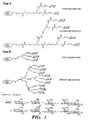
- Multiple functionalization of chemically modified mutant proteins can be achieved by dendrimer approaches, whereby multiple-branched linking structures can be employed to create poly-functionalized chemically modified mutant proteins.
- the dendrimer reagent structures would include methanethiosulfonates with simple branching such as: derived from pentaerythritol, to very complex branched dendrimer reagents (see Figure 1 ).
- a first generation glycodendrimer reagent is synthesized as shown in Figure 2 .
- This approach can be extended to cover larger dendrimers. More specifically, by leaving one "arm" of the glycodendrimer free for conversion to a methanethiosulfonate, the remaining arms can be further branched to synthesize highly-functionalized glycodendrimer reagents as shown in Figure 3 . Through further branching and by using different carbohydrates, this concept can be extended to virtually unlimited levels.
- glycosylated thiosulfonate compositions are methanethiosulfonates and comprise a chemical structure: wherein R comprises - ⁇ -Glc, -Et- ⁇ -Gal, -Et- ⁇ -Glc, -Et- ⁇ -Glc, -Et- ⁇ -Man, -Et-Lac, - ⁇ -Glc(Ac) 2 , - ⁇ -Glc(Ac) 3 , - ⁇ -Glc(Ac) 4 , -Et- ⁇ -Glc(Ac) 2 , -Et- ⁇ -Glc(Ac) 3 , -Et- ⁇ -Glc(Ac) 4 , -Et- ⁇ -Glc(Ac) 2 , -Et- ⁇ -Glc(Ac) 3 , -Et- ⁇ -Glc(Ac) 4 , -Et- ⁇ -Glc(Ac) 2
- the present invention also relates to a method of determining the structure-function relationships of chemically modified mutant proteins.
- This method involves providing first and second chemically modified mutant proteins of the present invention, wherein the glycosylation pattern of the second chemically modified mutant protein is different from the glycosylation pattern of the first chemically modified mutant protein evaluating a functional characteristic of the first and second chemically modified mutant proteins, and correlating the functional characteristic of the first and second chemically modified mutant proteins with the structures of the first and second chemically modified mutant proteins.
- Evaluating a functional characteristic of the first and second chemically modified mutant protein includes testing for functional characteristics including, but not limited to stability to temperature and reagents, solubility, partitioning, enzymatic activity, cell-cell signaling, substrate specificity, substrate binding, ability to mask an antigenic site, physiological functions, and pharmaceutical functions ( Paulson, "Glycoproteins: What are the Sugar Chains For?'', Trends in Biochem. Sciences, 14:272-276 (1989 )).
- Another aspect of the present invention is a second method of determining the structure-function relationships of chemically modified mutant proteins.
- This method involves providing first and second chemically modified mutant proteins of the present invention, wherein at least one different cysteine residue in the second chemically modified mutant protein is modified by reacting said cysteine residue with a glycosylated thiosulfonate, evaluating a functional characteristic of the first and second chemically modified mutant proteins, and correlating the functional characteristic of the first and second chemically modified mutant proteins with the structures of the first and second chemically modified mutant proteins.
- subtilisins Alkaline serine proteases
- subtilisins can catalyze peptide bond formation starting from an ester substrate, by first forming an acyl enzyme intermediate which then reacts with a primary amine to form the peptide product.
- This application requires high esterase activity to promote acyl enzyme formation and low amidase activity to minimize hydrolysis of the peptide bond of the desired product.
- subtilisins do not meet these requirements.
- the improvement of the esterase to amidase selectivities of subtilisins has been a long sought after goal.
- the inventors in the present case used site specific mutagenesis to modify certain residues and introduce additional cysteine residues within subtilisin which would then serve to react with a glycosylated methanethiosulfonate to produce a glycosylation point at the introduced cysteine.
- Bacillus lentus subtilisin was selected for illustrative purposes because it does not contain a natural cysteine and is not naturally glycosylated.
- the substrate binding site of an enzyme consists of a series of subsites across the surface of the enzyme.
- the portion of substrate that corresponds to the subsites are labeled P and the subsites are labeled S.
- the subsites are labeled S 1 , S 2 , S 3 , S 4 , S 1 ', and S 2 '.
- a discussion of subsites can be found in Berger et al., Phil. Trans. Roy. Soc. Lond. B, 257:249-264 (1970 ), Siezen et al., Protein Engineering, 4:719-737 (1991 ), and Fersht, Enzyme Structure and Mechanism, 2 ed., Freeman: New York, 29-30 (1985 ).
- the S 1 , S 1 ', or S 2 subsites were selected as suitable targets for modification.
- the amino acids corresponding to N62, L217, S 156, and S166 in naturally-occurring subtilisin from Bacillus amyloliquefaciens or to equivalent amino acid residues in other subtilisins, such as Bacillus lentus subtilisin were selected for modification to cysteine.
- the mutated subtilisin was produced through standard site directed mutagenesis techniques and the obtained mutant subtilisin was reacted with certain glycosylated alkylthiosulfonates, particularly glycosylated methanethiosulfonates, as provided in the examples appended hereto.
- Enzymatic peptide coupling is an attractive method for preparation of a variety of peptides, because this method requires minimal protection of the substrate, proceeds under mild conditions, and does not cause racemization. Wong et al.. Enzymes in Synthetic Organic Chemistry, Pergamon Press: Oxford. 41-130 (1994 ).
- subtilisins have altered esterase-to-amidase activity as compared to the precursor enzyme.
- Increasing the esterase-to-amidase ratio enables the use of the enzyme to more efficiently catalyze peptide synthesis.
- subtilisins can catalyze peptide bond formation starting from an ester substrate (i.e. an acyl donor), by first forming an acyl enzyme intermediate which then reacts with a primary amine (i.e. an acyl acceptor) to form the peptide product, as shown in Figure 5 .
- This reaction thus requires high esterase activity to promote acyl enzyme formation and, then, low amidase activity to minimize hydrolysis of the peptide bond of the desired product.
- the chemically modified mutant subtilisins produced according to the present invention show an increased esterase-to-amidase ratio, without reducing the absolute esterase activity of the enzyme.
- certain modified enzymes even show a concomitant increase in the absolute esterase activity.
- Proteins obtained using the methods provided herein may be used in any application in which it is desired to use such proteins, where having modified functional capabilities is advantageous.
- proteins modified as provided herein may be used in the medical field for pharmaceutical compositions and in diagnostic preparations.
- proteins such as enzymes which are modified according to the present invention may be used in applications which are generally known for such enzymes including industrial applications such as cleaning products, textile processing, feed modification, food modification, brewing of grain beverages, starch processing, as antimicrobials, and in personal care formulations.
- the unique functionalities made possible by the present invention may result in uses for proteins which have nut heretofore been recognized as feasible.
- ES-MS data were acquired using a PE SCIEX API III Biomolecular mass spectrometer. All HRMS data were acquired using Micromass 70-250S or Micromass ZAB-SE mass spectrometers according to the ionization methods indicated. Solvents were removed in vacuo .
- Acetobromoglucose (3) (See Figure 6 ) (1 g, 2.43 mmol) was added to a solution of NaSSO 2 CH 3 (380 mg, 2.84 mmol) in ethanol (4 mL) at 90°C under N 2 . After 20 minutes the resulting suspension was cooled and the solvent removed. The residue was purified by flash chromatography (EtOAc : hexane, 9:11) and the resulting solid recrystallized from ether to give 1a (See Figure 8 ) (674 mg. 63%) as a white solid; mp 151 -152°C melts then decomp.
- reaction solution was added to ice water (15 mL) and extracted with CH 2 Cl 2 (20 mL x 2). These extracts were combined, washed with water (20 mL), sat. NaHCO 3 (aq., 20 mL), water (20 mL), dried (MgSO 4 ), filtered, and the solvent removed.
- the reaction was poured onto a pre-packed, pre-equilibrated G-25 Sephadex ® PD10 column and eluted with 3.5 mL Quench Buffer (see below).
- the eluant was dialysed at 4°C against 10 mM MES, l mM CaCl, pH 5.8 (2 x 1L.2 x 45 minutes).
- the resulting dialysate was flash frozen in liquid nitrogen and stored at -18°C.
- Modifying Buffer pH 9.5: 140 mM CHES, 2 mM CaCl 2 pH 7.5: 140 mM HEPES. 2 mM CaCl 2 pH 6.5: 140 mM MES. 2 mM CaCl 2 pH 5.5: 140 mM MES.
- CMMs Prior to ES-MS analysis, CMMs were purified by FPLC (BioRad, Biologic System, Hercules, CA) on a Source 15 RPC matrix (17-0727-20 from Pharmacia, Bridgewater, NJ) with 5% acetonitrile, 0.01% TFA as the running buffer and eluted with 80% acetonitrile, 0.01 % TFA in a one step gradient.
- FPLC BioRad, Biologic System, Hercules, CA
- the active enzyme concentration was determined as previously described ( Hsia et al., "Active-Site Titration of Serine Proteases Using a Fluoride-Ion Selective Electrode and Sulfonyl Fluoride Inhibitors," Anal. Biochem., 242:221-227 (1996 ) ) by monitoring fluoride release upon enzyme reaction with ⁇ -toluenesulfonyl fluoride (PMSF) as measured by a fluoride ion sensitive electrode (Orion Research 96-09). The active enzyme concentration determined in this way was used to calculate k cut values for each CMM.
- S156 of the S 1 -pocket (Nomenclature of Schechter: Berger. Biochem. Biophys. Res. Commun., 27:157-162 (1967 )) is a surface-exposed residue that permits the introduction of externally-disposed glycans mirroring those found naturally in glycoproteins ( Molecular Glycobiology. Fukuda et al.. Eds.. Oxford University. Oxford (1994 )).In contrast. N62 in the S 2 pocket.
- S166 in the S 1 , pocket, and L217 in the S 1 ' pocket have side chains which are internally oriented and test the applicability of the method for introducing sugars at hindered locations. Broad applicability with respect to the sugar moiety was evaluated by using the representative series of protected and deprotected mono- and disaccharide methanethiosulfonates (“MTS") 1a-k (see Figure 8 ). These were prepared from their parent carbohydrates in good to excellent yields ( Figures 6 (Reagents and Conditions: (i) Ac 2 O, py then HBr. AcOH; (ii) NaSSO 2 CH 3 , EtOH. 90°C: (iii) Br(CH 2 ) 2 OH.
- MTS mono- and disaccharide methanethiosulfonates
- the ⁇ -D-gluco-MTS reagents 1c and 1h which are epimeric at C-1 relative to 1b and 1g, respectively, were prepared from the corresponding peracetylated ⁇ -bromine 4h .
- the preparation of 4h took advantage of well-defined methodology utilizing Lewis acid catalyzed displacement of anomeric acetates by alcohols ( Dahmen et al.. "2-Bromoethyl Glycosides - Synthesis and Characterization," Carbohvdr. Res., 116:303-307 (1983 )).
- glyco-MTS reagents 1a-k (See Figure 8 ) were reacted with the chosen cysteine mutants SBL-N62C. -S156C, -S166C and -L217C in aqueous buffer under conditions described previously ( Stabile et al.. Bioorg. Med. Chem. Lett., 6:2501 -2512 (1996 ); Berglund et al., J. Am. Chem. Soc., 119:5265-5266 (1997 ); DeSantis et al.. Biochem., 37:5968-5973 (1998 )).
- the active enzyme concentration of the resulting CMM solutions was determined by active site titration with ⁇ -toluenesulfonyl fluoride (PMSF) using a fluoride ion-sensitive electrode ( Hsia et al., "Active-Site Titration of Serine Proteases Using a Fluoride-Ion Selective Electrode and Sulfonyl Fluoride Inhibitors.” Anal. Biochem., 242:221-227 (1996 )). In all cases modification with the fully deprotected reagents 1b-f (See Figure 8 ) led to site-specific glycosylation and the formation of single glycoforms.
- PMSF ⁇ -toluenesulfonyl fluoride
- N62C-S-Et- ⁇ -Glc(Ac) 2 it allowed the introduction of diacetylated ⁇ -glucose, forming N62C-S-Et- ⁇ -Glc(Ac) 2 , in place of the triacetylated N62C-S-Et- ⁇ -Glc(Ac) 3 formed at pH 5.5.
- the range of acetylation at position 166 was similarly expanded through the formation S166C-S-Et- ⁇ -Glc(Ac) 2 in place of S166C-S-Et- ⁇ -Glc(Ac) 3 .
- N62C-S- c In contrast, increasing the number from zero to two or three, from N62C-S- c to N62C-S-Et- ⁇ -Glc(Ac) 2or3 , was detrimental for the ⁇ -gluco side-chain c (See Figure 8 ) and led to a 2-fold decrease. Similarly, N62C-S-Et- ⁇ -Gal(Ac) 3 displayed a distinctly lower k car / K M than N62C-S- e (See Figure 8 ) that was 5-fold lower than WT.
- the ⁇ -tethered S166C-S-Et- ⁇ -Glc(Ac) 3 had a 1.8-fold lower k car / K M value than the corresponding deprotected S166C-S- b (See Figure 8 ), while ⁇ -linked CMMs S166-S-Et- ⁇ -Glc(Ac) 2.3 had 1.6-fold higher k car / K M values than the corresponding fully deprotected S166-S- c (See Figure 8 ).
- K M increased 1.4-fold from S166C-S-Et- ⁇ -Man (- d ) (See Figure 8 ) to S166C-SEt- ⁇ -Man(Ac) 3 .
- the glycosylated CMMs formed display k car / K M values that ranged from 1.1-fold higher than WT to 7-fold lower than WT. Without the use of this highly selective glycosylation technique, the determination of such precise trends would be unachievable and variations caused by previous non-specific glycosylation could only be interpreted in a general manner. It has been demonstrated that subtle differences in carbohydrate structure may be used to fine tune the activity of SBL. For example, the anomeric stereochemistry of the glycans introduced modulated changes in k car / K M upon acetylation. At positions 62 and 217, acetylation enhanced the activity of ⁇ -tethered CMMs but decreased that of ⁇ -tethered.
- glycosylation method to glycosylate the binding pockets of SBL also creates opportunities to broaden its substrate specificity. For instance, an array of hydrogen bonding hydroxyl groups may broaden its specificity towards hydrogen bonding substrates such as glycosylated amino acids.
- Subtilisins have been elegantly used to catalyze the synthesis of glycopeptides ( Witte et al.. "Solution- and Solid-Phase Synthesis of N-protected Glycopeptide Esters of the Benzyl Type as Substrates for Subtilisin-Catalyzed Glycopeptide Couplings," J. Am. Chem. Soc. 120:1979-1989 (1998 ); Wong et al..
- SARs may be determined by examining changes in activity as the nature of sugar side chain is varied.
- the effect of inverting stereocenters in the order C-4 ⁇ C-1 ⁇ C-2 can be determined using CMMs in the series e ⁇ c ⁇ b ⁇ d (See Figure 8 ). While the current illustrations have been with SBL as a protein example, the method is clearly amenable to the glycosylation of any protein and is without limitation with respect to the sites and to the glycans that may be conjugated.
- Michaelis-Menten constants were measured at 25 °C by curve fitting (Grafit . 3.03, Erithacus Software Ltd., Staines, Middlesex, UK) of the initial rate data determined at eight concentrations (31.25 ⁇ M - 3 mM) of the succinyl-AAPF-SBn substrate, followed indirectly using Ellman's reagent in 0.1M Tris.HCl, containing 0.005 vol% DMSO, 1 vol% 37.5 mM Ellman's reagent in DMSO, pH 8.6.
- glyco-CMMs shown in Table 4 were prepared, by reacting reagents 1a-k (See Figure 8 ) with the chosen cysteine mutants SBL-N62C, -S156C, -S166C and - L217C, purified and extensively characterized as described previously. Table 4.
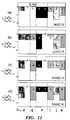
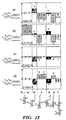
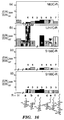
- the S156C deprotected glyco-CMMs had similar k car / K M s that were 1.3- to 2.1-fold lower than WT ( Figure 13C ).
- acetylated N62C CMMs had a wide range of k car / K M s .
- Introduction of acetates increased the k car / K M s of the ⁇ -linked CMMs relative to the corresponding deprotected glyco-CMMs ( Figure 14A ).
- N62C-SEt ⁇ Glc(Ac) 4 ( -b ) See Figure 8
- N62C-SEt ⁇ Man(Ac) 4 (-d) See Figure 8
- N62C-SEt ⁇ Gal(Ac) 3 was clearly deleterious for ⁇ -linked CMMs, as N62C-SEt ⁇ Gal(Ac) 3 , N62C-SEt ⁇ Glc(Ac) 2 , and N62C-SEt ⁇ Glc(Ac) 3 all had k car / K M s lower than WT.
- increasing the number of acetates present on the CMM restored activity: N62C-SEt ⁇ Glc(Ac) 3 had a k car / K M only 1.3-fold lower than WT and 1.5-fold higher than N62C-SEt ⁇ Glc(Ac) 2 .
- L217C-S ⁇ Glc(Ac) 3 had a k car / K M , 3.2-fold greater than WT, as compared with the 1.4-fold greater than WT k car / K M of L217C-SEt ⁇ Glc(Ac) 3
- glycosylation at position 217 in the S 1 ' pocket, led to enzymes that had greatly increased E/A ratios relative to WT.
- Mutation to cysteine at position 217 increased E/A to 6.4-fold greater than WT.
- Modification with unacetylated ⁇ -linked sugars -S ⁇ Glc, -SEt ⁇ Glc (-c) (See Figure 8 ), -SEt ⁇ Gal (- e ) (See Figure 8 ), -SEtLac (- f ) (See Figure 8 ) further increased E/A ( Figure 15B ).
- ⁇ -linked glyco-CMMs had lower E/A values than that of the mutant.
- E/A ratios for unacetylated glyco-CMMs were all similar to each other in the range 1.2- to 1.6-fold greater than WT ( Figure 15C ).
- the mutant S166C had an exceptionally low E/A that was 4.2-fold lower than WT ( Figure 15D ) and this was largely a result of its very low esterase k car / K M . Because modification of S 166C restored esterase k car / K M s to levels approaching that of WT and because S 166C glyco-CMMs were poor amidases relative to WT, the net result was a family of CMMs with similar E/A ratios that were all enhanced relative to WT and significantly higher than the cysteine mutant ( Figure 15D ).
- L217C acetylated glyco CMMs all had enhanced E/As relative to WT ( Figure 16B ).
- ⁇ -linked acetylated glyco-CMMs had higher E/As than that of the L217C mutant, whereas the E/As of the ⁇ -linked acetylated glyco-CMMs were lower than that of the mutant.
- modification at this site produced CMMs with by far the greatest enhancement of this ratio and the E/A for L217C-S ⁇ Glc(Ac) 3 was 17.2-fold greater than WT.
- subtilisin Bacillus lentus with the peptide inhibitor AAPF bound (Brookhaven database entry 1 JEA) was used as the starting point for calculations on wild type and CMMs.
- the enzyme setup was performed with Insight II, version 2.3.0 (Biosym Technologies, Inc. San Diego, CA).
- To create initial coordinates for the minimization hydrogens were added at the pH 8.6 used for kinetic measurements.
- the protonated form of His 64 was used in all calculations.
- the model system was solvated with a 5 ⁇ layer of water molecules.
- the total number of water molecules in the system was 1143.
- the overall charge of the enzyme-inhibitor complex resulting from this setup was +4 for the WT enzyme.
- Energy simulations were performed with the DISCOVER program, Version 2.9.5 (Biosym Technologies, Inc., San Diego, CA) on a Silicon Graphics Indigo computer, using the consistent valence force field (CVFF) function.
- a non-bonded cutoff distance of 18 ⁇ with a switching distance of 2 ⁇ was employed.
- the non-bonded pair list was updated every 20 cycles and a dielectric constant of 1 was used in all calculations.
- the WT enzyme was minimized in stages, with initially only the water molecules being allowed to move, followed by water molecules and the amino acid side chains, and then finally the entire enzyme.
- the mutated and chemically modified enzymes were generated by modifying the relevant amino acid using the Builder module of Insight. These structures were then minimized in a similar manner. Initially, the side-chain of the mutated residue and the water molecules were minimized. Then, all side-chains and the water molecules were minimized while the backbones of the residues were constrained, then all of the atoms were minimized. The AAPF inhibitor was free to move throughout all stages of the minimization.
- Each stage of energy minimization was conducted by means of the method of steepest descents without Morse or cross terms until the derivative of energy with respect to structural perturbation was less than 5.0 kcal/ ⁇ ; then, the method of conjugate gradients, without Morse or cross terms until the derivative of energy with respect to structural perturbation was less than 1.0 kcal/ ⁇ ; and, finally, the method of conjugate gradients, with Morse and cross terms until the final derivative of energy with respect to structural perturbation was less than 0.1 kcal/ ⁇ .
- the carbonyl oxygen atom of the C-2 acetate group acts a hydrogen bond (1.89 ⁇ ) acceptor and stabilizes water molecule 127 in close proximity to the carboxy terminus of AAPF, used here as a substrate analog for modeling, and is shown in Figure 17 hydrogen-bonding to the O atom of the carboxylic acid.
- the glucose moiety stabilizes a crucial, nucleophilic water molecule (Wat 127) in close proximity to the carbonyl carbon atom, through a hydrogen-bond to the oxygen of the C-2 acetate of glucose, as illustrated in Figure 18 .
- This facilitates hydroylsis of the acyl-enzyme intermediate and therefore increases the rate of deacylation, which is the rate limiting step for esterase activity ( Zerner et al., J. Am. Chem. Soc., 86:3674-3679 (1964 ); Whitaker et al., J. Am. Chem. Soc., 87:2728-2737 (1965 ); Berezin et al., FEBS Lett., 15:121-124 (1971 ) ).
- Glycosylation of SBL at sites within the active site can dramatically enhance its esterase activity.
- the library of glycosylated CMMs synthesized using the combined site directed mutagenesis and chemical modification strategy contains 22 CMMs with greater than WT activity. Glycosylation at positions 62, in the S 2 pocket, and 217, in the S 1 ' pocket, gave the greatest increases in k car / K M .
- the most active CMM L217C-S ⁇ Glc(Ac) 3 had a k car / K M that was 8.4-fold greater that WT and was the most active esterase synthesized using this approach.
- surface exposed position 156 was glycosylated, there was little alteration in activity, and this demonstrates that the introduction of sugars at such sites has little effect on the catalytic activity of SBL.
Landscapes
- Chemical & Material Sciences (AREA)
- Engineering & Computer Science (AREA)
- Health & Medical Sciences (AREA)
- Life Sciences & Earth Sciences (AREA)
- Bioinformatics & Cheminformatics (AREA)
- Wood Science & Technology (AREA)
- Genetics & Genomics (AREA)
- General Engineering & Computer Science (AREA)
- General Health & Medical Sciences (AREA)
- Organic Chemistry (AREA)
- Medicinal Chemistry (AREA)
- Molecular Biology (AREA)
- Zoology (AREA)
- Biotechnology (AREA)
- Nanotechnology (AREA)
- Biomedical Technology (AREA)
- Crystallography & Structural Chemistry (AREA)
- Microbiology (AREA)
- Biophysics (AREA)
- Pharmacology & Pharmacy (AREA)
- Biochemistry (AREA)
- Medical Informatics (AREA)
- Peptides Or Proteins (AREA)
- Preparation Of Compounds By Using Micro-Organisms (AREA)
- Enzymes And Modification Thereof (AREA)
- Measuring Or Testing Involving Enzymes Or Micro-Organisms (AREA)
- Polysaccharides And Polysaccharide Derivatives (AREA)
Claims (26)
- Verfahren zur Herstellung eines chemisch veränderten, mutierten Proteins, das die Schritte umfasst: (a) Bereitstellen eines Ausgangsproteins; (b) Substituieren eines Aminosäurerestes, der kein Cystein ist, in diesem Ausgangsprotein mit einem Cystein; (c) Reaktion dieses substituierten Cysteins mit einem glykosylierten Thiosulfonat, wobei dieses glykosylierte Thiosulfonat einen Kohlenhydratrest umfasst; und (d) Erhalten eines veränderten glykosylierten Proteins, wobei dieses substituierte Cystein einen damit verbundenen Kohlenhydratrest umfasst.
- Verfahren gemäß Anspruch 1, wobei dieses Thiosulfonat ein Alkylthiosulfonat umfasst.
- Verfahren gemäß Anspruch 2, wobei dieses Alkylthiosulfonat ein Methanthiosulfonat umfasst.
- Verfahren gemäß Anspruch 1, wobei das Protein ein Enzym ist.
- Verfahren gemäß Anspruch 4, wobei das Enzym eine Protease ist.
- Verfahren gemäß Anspruch 5, wobei die Protease ein Bacillus lentus-Subtilisin ist.
- Verfahren gemäß Anspruch 1, wobei der Aminosäurerest, der kein Cystein ist, eine Aminosäure ist, die ausgewählt ist aus der Gruppe bestehend aus Asparagin, Leucin und Serin.
- Verfahren gemäß Anspruch 6, wobei der Aminosäurerest, der kein Cystein ist, sich in einer Substrat bindenden Untereinheit des Proteins befindet.
- Verfahren gemäß Anspruch 1, wobei das glykosylierte Thiosulfonat eine Thiolseitenkette umfasst, die -S-β-Glc, -S-Et-β-Gal, -S-Et-β-Glc, -S-Et-α-Glc, -S-Et-α-Man, -S-Et-Lac, -S-β-Glc(Ac)2, -S-β-Glc(Ac)3, -S-β-Glc(Ac)4, -S-Et-α-Glc(Ac)2, -S-Et-α-Glc(Ac)3, -S-Et-α-Glc(AC)4, -S-Et-β-Glc(Ac)2, -S-Et-β-Glc(AC)3, -S-Et-β-Glc(Ac)4, -S-Et-α-Man(Ac)3, -S-Et-α-Man(Ac)4, -S-Et-β-Gal(Ac)3, -S-Et-β-Gal(Ac)4, -S-Et-Lac(Ac)5, -S-Et-Lac(Ac)6 oder -S-Et-LaC(Ac), umfasst.
- Verfahren gemäß Anspruch 1, wobei der Kohlenhydratrest ein Dendrimerrest ist.
- Verfahren zur Bestimmung der Struktur-Funktions-Beziehung von chemisch veränderten, mutierten Proteinen, umfassend:Bereitstellen eines ersten und eines zweiten chemisch veränderten, mutierten Proteins gemäß Anspruch 1, wobei das Glykosylierungsmuster des zweiten chemisch veränderten, mutierten Proteins vom Glykosylierungsmuster des ersten chemisch veränderten, mutierten Proteins verschieden ist;Evaluieren einer funktionellen Eigenschaft der ersten und zweiten chemisch veränderten, mutierten Proteine; undKorrelieren der funktionellen Eigenschaft der ersten und zweiten chemisch veränderten, mutierten Proteine mit den Strukturen der ersten und zweiten chemisch veränderten, mutierten Proteine.
- Verfahren gemäß Anspruch 11, wobei das Protein ein Enzym ist.
- Verfahren gemäß Anspruch 12, wobei das Enzym eine Protease ist.
- Verfahren gemäß Anspruch 13, wobei die Protease ein Bacillus lentus-Subtilisin ist.
- Verfahren gemäß Anspruch 11, wobei der Rest, der kein Cystein ist, eine Aminosäure ist, die ausgewählt ist aus der Gruppe bestehend aus Asparagin, Leucin und Serin.
- Verfahren gemäß Anspruch 14, wobei der Rest, der kein Cystein ist, sich in einer Substrat bindenden Untereinheit des Proteins befindet,
- Verfahren gemäß Anspruch 11, wobei das glykosylierte Thiosulfonat eine Thiolseitenkette umfasst, die -S-β-Glc, -S-Et-β-Gal, -S-Et-β-Glc, -S-Et-α-Glc, -S-Et-α-Man, -S-Et-Lac, -S-β-Glc(Ac)2, -S-β-Glc(Ac)3, -S-β-Glc(Ac)4, -S-Et-α-Glc(Ac)2, -S-Et-α-Glc(Ac)3, -S-Et-α-Glc(Ac)4, -S-Et-β-Glc(Ac)2, -S-Et-β-Glc(Ac)3, -S-Et-β-Glc(Ac)4, -S-Et-α-Man(Ac)3, -S-Et-α-Man(Ac)4, -S-Et-β-Gal(Ac)3, -S-Et-β-Gal(Ac)4, -S-Et-Lac(Ac)5, -S-Et-Lac(Ac)6 oder -S-Et-Lac(Ac)7 umfasst.
- Verfahren gemäß Anspruch 11, wobei das glykosylierte Thiosulfonat einen Kohlenhydratrest umfasst, und wobei der Kohlenhydratrest ein Dendrimerrest ist.
- Verfahren zur Bestimmung der Struktur-Funktions-Beziehung von chemisch veränderten, mutierten Proteinen, umfassend:Bereitstellen eines ersten und eines zweiten chemisch veränderten, mutierten Proteins gemäß Anspruch 1, wobei mindestens ein anderer Cysteinrest im zweiten chemisch veränderten, mutierten Enzym durch Reaktion dieses Cysteinrestes mit einem glykosylierten Thiosulfonat verändert wurde;Evaluieren einer funktionellen Eigenschaft der ersten und zweiten chemisch veränderten, mutierten Proteine; undKorrelieren der funktionellen Eigenschaft der ersten und zweiten chemisch veränderten, mutierten Proteine mit den Strukturen der ersten und zweiten chemisch veränderten, mutierten Proteine.
- Verfahren gemäß Anspruch 19, wobei das Protein ein Enzym ist.
- Verfahren gemäß Anspruch 20, wobei das Enzym eine Protease ist.
- Verfahren gemäß Anspruch 21, wobei die Protease ein Bacillus lentzis- Subtilisin ist.
- Verfahren gemäß Anspruch 19, wobei der Rest, der kein Cystein ist, eine Aminosäure ist, die ausgewählt ist aus der Gruppe bestehend aus Asparagin, Leucin und Serin.
- Verfahren gemäß Anspruch 22, wobei der Rest, der kein Cystein ist, sich in einer Substrat bindenden Untereinheit des Proteins befindet.
- Verfahren gemäß Anspruch 19, wobei das glykosylierte Thiosulfonat eine Thiolseitenkette umfasst, die -S-β-Glc, -S-Et-β-Gal, -S-Et-β-Glc, -S-Et-α-Glc, -S-Et-α-Man, -S-Et-Lac, -S-β-Glc(Ac)2, -S-β-Glc(Ac)3, -S-β-Glc(Ac)4, -S-Et-α-Glc(Ac)2, -S-Et-α-Glc(Ac)3, -S-Et-α-Glc(Ac)4, -S-Et-β-Glc(Ac)2, -S-Et-β-Glc(Ac)3, -S-Et-β-Glc(Ac)4, -S-Et-α-Man(Ac)3, -S-Et-α-Man(Ac)4, -S-Et-β-Gal(Ac)3, -S-Et-β-Gal(Ac)4, -S-Et-Lac(Ac)5, -S-Et-Lac(Ac)6 oder -S-Et-Lac(Ac)7 umfasst.
- Verfahren gemäß Anspruch 19, wobei das glykosylierte Thiosulfonat einen Kohlenhydratrest umfasst, und wobei der Kohlenhydratrest ein Dendrimerrest ist.
Applications Claiming Priority (5)
| Application Number | Priority Date | Filing Date | Title |
|---|---|---|---|
| US9168798P | 1998-07-02 | 1998-07-02 | |
| US91687P | 1998-07-02 | ||
| US13144699P | 1999-04-28 | 1999-04-28 | |
| US131446P | 1999-04-28 | ||
| PCT/US1999/015138 WO2000001712A2 (en) | 1998-07-02 | 1999-07-02 | Chemically modified proteins with a carbohydrate moiety |
Publications (3)
| Publication Number | Publication Date |
|---|---|
| EP1093459A2 EP1093459A2 (de) | 2001-04-25 |
| EP1093459A4 EP1093459A4 (de) | 2002-02-06 |
| EP1093459B1 true EP1093459B1 (de) | 2008-09-10 |
Family
ID=26784230
Family Applications (1)
| Application Number | Title | Priority Date | Filing Date |
|---|---|---|---|
| EP99937203A Expired - Lifetime EP1093459B1 (de) | 1998-07-02 | 1999-07-02 | Mit einer kohlenhydratgruppe chemisch modifizierte proteine |
Country Status (8)
| Country | Link |
|---|---|
| US (2) | US6512098B2 (de) |
| EP (1) | EP1093459B1 (de) |
| JP (1) | JP2002519050A (de) |
| AT (1) | ATE407941T1 (de) |
| AU (1) | AU749383B2 (de) |
| CA (1) | CA2331783C (de) |
| DE (1) | DE69939538D1 (de) |
| WO (1) | WO2000001712A2 (de) |
Families Citing this family (13)
| Publication number | Priority date | Publication date | Assignee | Title |
|---|---|---|---|---|
| EP1093459B1 (de) | 1998-07-02 | 2008-09-10 | The Governing Council Of The University Of Toronto | Mit einer kohlenhydratgruppe chemisch modifizierte proteine |
| AU772427B2 (en) | 1998-11-10 | 2004-04-29 | Genencor International, Inc. | Chemically modified mutant serine hydrolases show improved catalytic activity and chiral selectivity |
| KR20020057797A (ko) * | 1999-04-28 | 2002-07-12 | 더 거버닝 카운실 오브 더 유니버시티 오브 토론토 | 특이적으로 표적화된 촉매적 안타고니스트 및 그 용도 |
| US6627744B2 (en) | 1999-07-02 | 2003-09-30 | Genencor International, Inc. | Synthesis of glycodendrimer reagents |
| EP1263942B1 (de) | 2000-03-08 | 2013-11-06 | Novozymes A/S | Varianten mit veränderten eigenschaften |
| US20040097720A1 (en) * | 2001-04-02 | 2004-05-20 | Bott Richard R. | Use of glycodendrimer reagents for inhibiting adhesion by microorganisms |
| US7312301B2 (en) * | 2002-12-31 | 2007-12-25 | Nektar Therapeutics Al, Corporation | Methods for the formation of hydrogels using thiosulfonate compositions and uses thereof |
| US20040180852A1 (en) * | 2003-03-10 | 2004-09-16 | Cara-Lynne Schengrund | Use of multivalent glycodendrimers to inhibit the activity of human immunodeficiency virus |
| BRPI0411766A (pt) * | 2003-06-24 | 2006-08-08 | Isis Innovation | métodos para formar uma ligação de dissulfeto e para modificar quimicamente uma proteìna, um peptìdeo ou um aminoácido, composto, método para preparar o composto, uso do composto, e, proteìna, peptìdeo ou aminoácido |
| GB0507123D0 (en) * | 2005-04-08 | 2005-05-11 | Isis Innovation | Method |
| DE602007005349D1 (de) * | 2006-01-17 | 2010-04-29 | Organon Nv | SELEKTIVE ENZYMATISCHE HYDROLYSE VON C-TERMINALEN tert-BUTYL-PEPTIDESTERN |
| US20080221027A1 (en) * | 2007-03-09 | 2008-09-11 | The Regents Of The University Of California | Composition and Methods for the Treatment of Duchene Muscular Dystrophy |
| GB0801966D0 (en) * | 2008-02-04 | 2008-03-12 | Isis Innovation | Process |
Family Cites Families (17)
| Publication number | Priority date | Publication date | Assignee | Title |
|---|---|---|---|---|
| US5244791A (en) | 1984-05-29 | 1993-09-14 | Genecor International, Inc. | Methods of ester hydrolysis |
| US5155033A (en) | 1989-01-06 | 1992-10-13 | Genencor, Inc. | Subtilisins modified at position 225 resulting in a shift in catalytic activity |
| US5972682A (en) | 1984-05-29 | 1999-10-26 | Genencor International, Inc. | Enzymatically active modified subtilisins |
| CN1056187C (zh) | 1988-02-11 | 2000-09-06 | 金克克国际有限公司 | 新的蛋白水解酶及其在洗涤剂中的应用 |
| DK97190D0 (da) | 1990-04-19 | 1990-04-19 | Novo Nordisk As | Oxidationsstabile detergentenzymer |
| US5629173A (en) | 1990-08-09 | 1997-05-13 | Genentech, Inc. | Methods of use of serine protease variants having peptide ligase activity |
| JP3362847B2 (ja) | 1990-08-09 | 2003-01-07 | ジェネンテック インコーポレイテッド | ペプチドリガーゼ活性を有するセリンプロテアーゼ変異体 |
| US5340735A (en) * | 1991-05-29 | 1994-08-23 | Cognis, Inc. | Bacillus lentus alkaline protease variants with increased stability |
| US5316935A (en) | 1992-04-06 | 1994-05-31 | California Institute Of Technology | Subtilisin variants suitable for hydrolysis and synthesis in organic media |
| US5443953A (en) * | 1993-12-08 | 1995-08-22 | Immunomedics, Inc. | Preparation and use of immunoconjugates |
| US5837516A (en) | 1995-03-03 | 1998-11-17 | Genentech, Inc. | Subtilisin variants capable of cleaving substrates containing basic residues |
| US6946280B1 (en) | 1996-03-29 | 2005-09-20 | Genencor International, Inc. | Enzyme multimer and process of producing same |
| CA2273079C (en) | 1996-11-26 | 2012-04-10 | Genencor International, Inc. | Chemically modified subtilisin mutants |
| AR016969A1 (es) | 1997-10-23 | 2001-08-01 | Procter & Gamble | VARIANTE DE PROTEASA, ADN, VECTOR DE EXPRESIoN, MICROORGANISMO HUESPED, COMPOSICIoN DE LIMPIEZA, ALIMENTO PARA ANIMALES Y COMPOSICIoN PARA TRATAR UN TEXTIL |
| KR20010040397A (ko) | 1998-01-23 | 2001-05-15 | 마가렛 에이.혼 | 개질된 효소 및 펩티드 합성에 이들을 사용하는 용도 |
| WO1999037323A1 (en) | 1998-01-23 | 1999-07-29 | Genencor International, Inc. | Chemically modified mutant enzymes and methods for producing them and screening them |
| EP1093459B1 (de) | 1998-07-02 | 2008-09-10 | The Governing Council Of The University Of Toronto | Mit einer kohlenhydratgruppe chemisch modifizierte proteine |
-
1999
- 1999-07-02 EP EP99937203A patent/EP1093459B1/de not_active Expired - Lifetime
- 1999-07-02 CA CA002331783A patent/CA2331783C/en not_active Expired - Fee Related
- 1999-07-02 AT AT99937203T patent/ATE407941T1/de not_active IP Right Cessation
- 1999-07-02 AU AU52081/99A patent/AU749383B2/en not_active Ceased
- 1999-07-02 JP JP2000558113A patent/JP2002519050A/ja active Pending
- 1999-07-02 WO PCT/US1999/015138 patent/WO2000001712A2/en not_active Ceased
- 1999-07-02 DE DE69939538T patent/DE69939538D1/de not_active Expired - Fee Related
- 1999-07-02 US US09/347,029 patent/US6512098B2/en not_active Expired - Lifetime
-
2002
- 2002-02-01 US US10/062,970 patent/US6930180B2/en not_active Expired - Fee Related
Also Published As
| Publication number | Publication date |
|---|---|
| EP1093459A4 (de) | 2002-02-06 |
| US20010018200A1 (en) | 2001-08-30 |
| DE69939538D1 (de) | 2008-10-23 |
| US6512098B2 (en) | 2003-01-28 |
| US6930180B2 (en) | 2005-08-16 |
| ATE407941T1 (de) | 2008-09-15 |
| JP2002519050A (ja) | 2002-07-02 |
| WO2000001712A9 (en) | 2000-06-22 |
| CA2331783C (en) | 2009-12-29 |
| WO2000001712A3 (en) | 2000-05-11 |
| WO2000001712A2 (en) | 2000-01-13 |
| AU5208199A (en) | 2000-01-24 |
| CA2331783A1 (en) | 2000-01-13 |
| EP1093459A2 (de) | 2001-04-25 |
| US20020146803A1 (en) | 2002-10-10 |
| AU749383B2 (en) | 2002-06-27 |
Similar Documents
| Publication | Publication Date | Title |
|---|---|---|
| US6512098B2 (en) | Chemically modified proteins with a carbohydrate moiety | |
| Davis | Synthesis of glycoproteins | |
| US5316941A (en) | Non-human carbonyl hydrolase mutants, DNA sequences and vectors encoding same and hosts transformed with said vectors | |
| KR20060084456A (ko) | 당쇄 아스파라긴 유도체의 제조 방법 | |
| Wu et al. | Sortase A-mediated chemoenzymatic synthesis of complex glycosylphosphatidylinositol-anchored protein | |
| US6627744B2 (en) | Synthesis of glycodendrimer reagents | |
| CN101798586B (zh) | 糖肽的制造方法 | |
| Davis et al. | Controlled site-selective protein glycosylation for precise glycan structure–catalytic activity relationships | |
| US20260109962A1 (en) | Method for the production of an enzymatic composition comprising a recombinant endopeptidase | |
| EP1047445B1 (de) | Modifizierte enzyme und ihre verwendung zur peptidsynthese | |
| JP2004500008A (ja) | ストレプトマイセス属のサブチリシンの変異体と融合したプロテアーゼ | |
| JP2002500873A (ja) | 化学的に修飾された突然変異体酵素およびその産生方法とスクリーニング方法 | |
| US20180320149A1 (en) | High yields of isomelezitose from sucrose by engineered glucansucrases | |
| JP2004500007A (ja) | ストレプトマイセス属のサブチリシンインヒビターの安定化変異体 | |
| Davis et al. | Glycoprotein synthesis: From glycobiological tools to tailor-made catalysts | |
| WO1997033984A1 (en) | Novel achromobacter lyticus protease variants | |
| Kraus et al. | UDP-N-acetylmuramylpentapeptide as acceptor in murein biosynthesis in Escherichia coli membranes and ether-permeabilized cells | |
| US6740509B2 (en) | Method for the production of mucin-type glycopeptide | |
| Sauerbrei et al. | Enzymatic synthesis of peptide conjugates—Tools for the study of biological signal transduction | |
| McGrath et al. | Production of crystallizable human chymase from a Bacillus subtilis system | |
| JP2002176998A (ja) | ムチン型糖ペプチドおよび糖タンパク質製造法 | |
| KR101274976B1 (ko) | 알파-자일로시데이즈의 양자공여/수용체 촉매기 변이 효소 및 이를 이용한 고효율 당전이 방법 | |
| JP2000300287A (ja) | トランスグルタミナーゼを用いた糖鎖導入方法 | |
| KR100758209B1 (ko) | 안정화된 베타갈락토시다아제 생물촉매 및 이를 이용한 생물전환 방법 | |
| André et al. | New methods for chemo-enzymatic galactosidation of 2S rapeseed protein |
Legal Events
| Date | Code | Title | Description |
|---|---|---|---|
| PUAI | Public reference made under article 153(3) epc to a published international application that has entered the european phase |
Free format text: ORIGINAL CODE: 0009012 |
|
| 17P | Request for examination filed |
Effective date: 20010123 |
|
| AK | Designated contracting states |
Kind code of ref document: A2 Designated state(s): AT BE CH CY DE DK ES FI FR GB GR IE IT LI LU MC NL PT SE |
|
| AX | Request for extension of the european patent |
Free format text: AL;LT;LV;MK;RO;SI |
|
| A4 | Supplementary search report drawn up and despatched |
Effective date: 20011227 |
|
| AK | Designated contracting states |
Kind code of ref document: A4 Designated state(s): AT BE CH CY DE DK ES FI FR GB GR IE IT LI LU MC NL PT SE |
|
| RAP1 | Party data changed (applicant data changed or rights of an application transferred) |
Owner name: THE GOVERNING COUNCIL OF THE UNIVERSITY OF TORONTO |
|
| 17Q | First examination report despatched |
Effective date: 20060213 |
|
| 17Q | First examination report despatched |
Effective date: 20060213 |
|
| GRAP | Despatch of communication of intention to grant a patent |
Free format text: ORIGINAL CODE: EPIDOSNIGR1 |
|
| GRAC | Information related to communication of intention to grant a patent modified |
Free format text: ORIGINAL CODE: EPIDOSCIGR1 |
|
| GRAS | Grant fee paid |
Free format text: ORIGINAL CODE: EPIDOSNIGR3 |
|
| GRAA | (expected) grant |
Free format text: ORIGINAL CODE: 0009210 |
|
| AK | Designated contracting states |
Kind code of ref document: B1 Designated state(s): AT BE CH CY DE DK ES FI FR GB GR IE IT LI LU MC NL PT SE |
|
| REG | Reference to a national code |
Ref country code: GB Ref legal event code: FG4D |
|
| REG | Reference to a national code |
Ref country code: CH Ref legal event code: EP |
|
| REG | Reference to a national code |
Ref country code: IE Ref legal event code: FG4D |
|
| REF | Corresponds to: |
Ref document number: 69939538 Country of ref document: DE Date of ref document: 20081023 Kind code of ref document: P |
|
| PG25 | Lapsed in a contracting state [announced via postgrant information from national office to epo] |
Ref country code: FI Free format text: LAPSE BECAUSE OF FAILURE TO SUBMIT A TRANSLATION OF THE DESCRIPTION OR TO PAY THE FEE WITHIN THE PRESCRIBED TIME-LIMIT Effective date: 20080910 Ref country code: AT Free format text: LAPSE BECAUSE OF FAILURE TO SUBMIT A TRANSLATION OF THE DESCRIPTION OR TO PAY THE FEE WITHIN THE PRESCRIBED TIME-LIMIT Effective date: 20080910 |
|
| NLV1 | Nl: lapsed or annulled due to failure to fulfill the requirements of art. 29p and 29m of the patents act | ||
| PG25 | Lapsed in a contracting state [announced via postgrant information from national office to epo] |
Ref country code: BE Free format text: LAPSE BECAUSE OF FAILURE TO SUBMIT A TRANSLATION OF THE DESCRIPTION OR TO PAY THE FEE WITHIN THE PRESCRIBED TIME-LIMIT Effective date: 20080910 |
|
| PG25 | Lapsed in a contracting state [announced via postgrant information from national office to epo] |
Ref country code: ES Free format text: LAPSE BECAUSE OF FAILURE TO SUBMIT A TRANSLATION OF THE DESCRIPTION OR TO PAY THE FEE WITHIN THE PRESCRIBED TIME-LIMIT Effective date: 20081221 |
|
| PG25 | Lapsed in a contracting state [announced via postgrant information from national office to epo] |
Ref country code: PT Free format text: LAPSE BECAUSE OF FAILURE TO SUBMIT A TRANSLATION OF THE DESCRIPTION OR TO PAY THE FEE WITHIN THE PRESCRIBED TIME-LIMIT Effective date: 20090210 Ref country code: NL Free format text: LAPSE BECAUSE OF FAILURE TO SUBMIT A TRANSLATION OF THE DESCRIPTION OR TO PAY THE FEE WITHIN THE PRESCRIBED TIME-LIMIT Effective date: 20080910 |
|
| PLBE | No opposition filed within time limit |
Free format text: ORIGINAL CODE: 0009261 |
|
| STAA | Information on the status of an ep patent application or granted ep patent |
Free format text: STATUS: NO OPPOSITION FILED WITHIN TIME LIMIT |
|
| PG25 | Lapsed in a contracting state [announced via postgrant information from national office to epo] |
Ref country code: DK Free format text: LAPSE BECAUSE OF FAILURE TO SUBMIT A TRANSLATION OF THE DESCRIPTION OR TO PAY THE FEE WITHIN THE PRESCRIBED TIME-LIMIT Effective date: 20080910 |
|
| 26N | No opposition filed |
Effective date: 20090611 |
|
| PG25 | Lapsed in a contracting state [announced via postgrant information from national office to epo] |
Ref country code: IT Free format text: LAPSE BECAUSE OF FAILURE TO SUBMIT A TRANSLATION OF THE DESCRIPTION OR TO PAY THE FEE WITHIN THE PRESCRIBED TIME-LIMIT Effective date: 20080910 |
|
| PG25 | Lapsed in a contracting state [announced via postgrant information from national office to epo] |
Ref country code: SE Free format text: LAPSE BECAUSE OF FAILURE TO SUBMIT A TRANSLATION OF THE DESCRIPTION OR TO PAY THE FEE WITHIN THE PRESCRIBED TIME-LIMIT Effective date: 20081210 |
|
| PG25 | Lapsed in a contracting state [announced via postgrant information from national office to epo] |
Ref country code: MC Free format text: LAPSE BECAUSE OF NON-PAYMENT OF DUE FEES Effective date: 20090731 |
|
| REG | Reference to a national code |
Ref country code: CH Ref legal event code: PL |
|
| GBPC | Gb: european patent ceased through non-payment of renewal fee |
Effective date: 20090702 |
|
| REG | Reference to a national code |
Ref country code: FR Ref legal event code: ST Effective date: 20100331 |
|
| REG | Reference to a national code |
Ref country code: IE Ref legal event code: MM4A |
|
| PG25 | Lapsed in a contracting state [announced via postgrant information from national office to epo] |
Ref country code: LI Free format text: LAPSE BECAUSE OF NON-PAYMENT OF DUE FEES Effective date: 20090731 Ref country code: FR Free format text: LAPSE BECAUSE OF NON-PAYMENT OF DUE FEES Effective date: 20090731 Ref country code: CH Free format text: LAPSE BECAUSE OF NON-PAYMENT OF DUE FEES Effective date: 20090731 |
|
| PG25 | Lapsed in a contracting state [announced via postgrant information from national office to epo] |
Ref country code: GB Free format text: LAPSE BECAUSE OF NON-PAYMENT OF DUE FEES Effective date: 20090702 |
|
| PG25 | Lapsed in a contracting state [announced via postgrant information from national office to epo] |
Ref country code: DE Free format text: LAPSE BECAUSE OF NON-PAYMENT OF DUE FEES Effective date: 20100202 |
|
| PG25 | Lapsed in a contracting state [announced via postgrant information from national office to epo] |
Ref country code: IE Free format text: LAPSE BECAUSE OF NON-PAYMENT OF DUE FEES Effective date: 20090702 |
|
| PG25 | Lapsed in a contracting state [announced via postgrant information from national office to epo] |
Ref country code: GR Free format text: LAPSE BECAUSE OF FAILURE TO SUBMIT A TRANSLATION OF THE DESCRIPTION OR TO PAY THE FEE WITHIN THE PRESCRIBED TIME-LIMIT Effective date: 20081211 |
|
| PG25 | Lapsed in a contracting state [announced via postgrant information from national office to epo] |
Ref country code: LU Free format text: LAPSE BECAUSE OF NON-PAYMENT OF DUE FEES Effective date: 20090702 |
|
| PG25 | Lapsed in a contracting state [announced via postgrant information from national office to epo] |
Ref country code: CY Free format text: LAPSE BECAUSE OF FAILURE TO SUBMIT A TRANSLATION OF THE DESCRIPTION OR TO PAY THE FEE WITHIN THE PRESCRIBED TIME-LIMIT Effective date: 20080910 |