EP1111050A2 - Procalcitonine humaine, sa production et son utilisation - Google Patents
Procalcitonine humaine, sa production et son utilisation Download PDFInfo
- Publication number
- EP1111050A2 EP1111050A2 EP00125719A EP00125719A EP1111050A2 EP 1111050 A2 EP1111050 A2 EP 1111050A2 EP 00125719 A EP00125719 A EP 00125719A EP 00125719 A EP00125719 A EP 00125719A EP 1111050 A2 EP1111050 A2 EP 1111050A2
- Authority
- EP
- European Patent Office
- Prior art keywords
- pct
- polypeptide
- antibodies
- procalcitonin
- human
- Prior art date
- Legal status (The legal status is an assumption and is not a legal conclusion. Google has not performed a legal analysis and makes no representation as to the accuracy of the status listed.)
- Granted
Links
Images



Classifications
-
- C—CHEMISTRY; METALLURGY
- C07—ORGANIC CHEMISTRY
- C07K—PEPTIDES
- C07K14/00—Peptides having more than 20 amino acids; Gastrins; Somatostatins; Melanotropins; Derivatives thereof
- C07K14/435—Peptides having more than 20 amino acids; Gastrins; Somatostatins; Melanotropins; Derivatives thereof from animals; from humans
- C07K14/575—Hormones
- C07K14/585—Calcitonins
-
- A—HUMAN NECESSITIES
- A61—MEDICAL OR VETERINARY SCIENCE; HYGIENE
- A61P—SPECIFIC THERAPEUTIC ACTIVITY OF CHEMICAL COMPOUNDS OR MEDICINAL PREPARATIONS
- A61P3/00—Drugs for disorders of the metabolism
- A61P3/12—Drugs for disorders of the metabolism for electrolyte homeostasis
- A61P3/14—Drugs for disorders of the metabolism for electrolyte homeostasis for calcium homeostasis
-
- A—HUMAN NECESSITIES
- A61—MEDICAL OR VETERINARY SCIENCE; HYGIENE
- A61P—SPECIFIC THERAPEUTIC ACTIVITY OF CHEMICAL COMPOUNDS OR MEDICINAL PREPARATIONS
- A61P35/00—Antineoplastic agents
- A61P35/04—Antineoplastic agents specific for metastasis
-
- A—HUMAN NECESSITIES
- A61—MEDICAL OR VETERINARY SCIENCE; HYGIENE
- A61P—SPECIFIC THERAPEUTIC ACTIVITY OF CHEMICAL COMPOUNDS OR MEDICINAL PREPARATIONS
- A61P5/00—Drugs for disorders of the endocrine system
- A61P5/18—Drugs for disorders of the endocrine system of the parathyroid hormones
- A61P5/22—Drugs for disorders of the endocrine system of the parathyroid hormones for decreasing, blocking or antagonising the activity of calcitonin
-
- A—HUMAN NECESSITIES
- A61—MEDICAL OR VETERINARY SCIENCE; HYGIENE
- A61K—PREPARATIONS FOR MEDICAL, DENTAL OR TOILETRY PURPOSES
- A61K38/00—Medicinal preparations containing peptides
-
- C—CHEMISTRY; METALLURGY
- C07—ORGANIC CHEMISTRY
- C07K—PEPTIDES
- C07K2319/00—Fusion polypeptide
-
- Y—GENERAL TAGGING OF NEW TECHNOLOGICAL DEVELOPMENTS; GENERAL TAGGING OF CROSS-SECTIONAL TECHNOLOGIES SPANNING OVER SEVERAL SECTIONS OF THE IPC; TECHNICAL SUBJECTS COVERED BY FORMER USPC CROSS-REFERENCE ART COLLECTIONS [XRACs] AND DIGESTS
- Y10—TECHNICAL SUBJECTS COVERED BY FORMER USPC
- Y10S—TECHNICAL SUBJECTS COVERED BY FORMER USPC CROSS-REFERENCE ART COLLECTIONS [XRACs] AND DIGESTS
- Y10S435/00—Chemistry: molecular biology and microbiology
- Y10S435/967—Standards, controls, materials, e.g. validation studies, buffer systems
Definitions
- the invention relates to human procalcitonin, its production, in particular through genetic engineering processes and their use.
- Procalcitonin is a 116 amino acid protein with a molecular weight of approximately 13,000 daltons. It is the prohormone of calcitonin, which is formed and secreted in the thyroid gland under normal metabolic conditions.
- the synthesis of pCT and calcitonin begins with the translation of a 141 amino acid precursor peptide, the preprocalcitonin ("Pre-pCT”).
- Pre-pCT The amino acid sequence of human pre-pCT was published in 1984 by Moullec et al. in FEBS Letters, 167 : 93-97. After splitting off the signal peptide (first 25 amino acids of pre-pCT), pCT is formed.
- TSS toxin shock syndrome
- sepsis The importance of detecting the pathogen in the blood (“positive blood culture, bacteremia”) has moved into the background for the diagnosis of sepsis, since usually only in 20 to 40% of sepsis cases the blood culture is positive. The term sepsis has therefore changed undergone a change.
- WO 98/33524 proposes antibodies that bind to pCT for therapy from sepsis and SIRS.
- polyclonal antibodies which were obtained by immunization with calcitonin, have been used to detect the so-called immunoreactive calcitonin, which in addition to calcitonin also includes procalcitonin and other fragments of procalcitonin.
- immunoreactive calcitonin which in addition to calcitonin also includes procalcitonin and other fragments of procalcitonin.
- Sandwich immunoassays for detection were also based on these antibodies developed by pCT or calcitonin in serum samples.
- For the detection of calcitonin precursors was a combination of an anti-katacalcin antibody with an anti-calcitonin antibody.
- A was used as the standard material these antibodies matched synthetic peptide.
- murine pCT differs so clearly from human pCT (about 77% Homology at the amino acid level) that the task continues for the person skilled in the art to develop a method that allows human pCT in larger To produce quantities, inexpensively and in isolated form, in particular to use as an immunogen and / or as a standard and control serum antigen.
- pCT is not expressed as pCT in the cell, but arises from preprocalcitonin by proteolytic cleavage of the N-terminal signal peptide. It was assumed that without the signal peptide in eukaryotes, pCT would not be expressed in the natural cell compartment and would fold differently, thereby potentially being biologically inactivated and possibly becoming unstable.
- the heterologous expression in E. coli instead of the natural expression in animal cells and the expression of a fusion protein of procalcitonin and N-terminal to the artificial sequence MRGSHHHHHHGS attempted within the scope of the invention were also not predictable from the prospects of success.
- murine pCT Although the expression of murine pCT is described in the literature as poly-His fusion in E. coli (Rehli et al.), No deductions can be made for the feasibility of the expression of the human pCT, since this is only approximately at the amino acid level 77% is identical and therefore a completely different behavior can be expected. Furthermore, the murine pCT was not expressed directly after the suspected cleavage site of the signal peptide (A25 / V26) (Jakobs et al., 1981, Science, 213: 457-459), but only a fragment of the murine procalcitonin shortened by 7 amino acids, which in turn can have unforeseeable consequences for expressibility. Finally, the publication does not contain the exact fermentation conditions or the achievable yields after purification of the fusion protein.
- a preferred subject of the invention is an isolated polypeptide, in particular if it was produced using genetic engineering methods, which the amino acid sequence of human pCT contains.
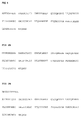
- the amino acid sequence of human pCT is shown in FIG. 1.
- the term “genetic engineering processes” includes in particular also understand methods in which the polypeptide to be expressed is produced by eukaryotic or prokaryotic cells, the for which Nucleic acid sequence to be expressed polypeptide, recombinant nucleic acid sequences included in these cells e.g. using vectors, liposomes, Projectiles or co-precipitation with salts was previously introduced.
- Another method is one that is already naturally present in the cell Gene encoding the polypeptide to be expressed by activating measures, e.g. by gene amplification or by activation by means of artificially introduced Promoter and / or enhancer sequences or by deletion of repressor-binding Sequences activated so that the cell contains the polypeptide to be expressed larger amount than naturally expressed.
- amino acid sequence of human pCT means in the sense of this Invention also easy by exchanging, deleting or adding amino acids to understand modified amino acid sequences, these changes none serious negative influence on the binding properties of the polypeptide Anti-pCT antibodies are said to have.
- the person skilled in the art can use check the corresponding binding studies with existing anti-pCT antibodies.
- peptides in the sense of this invention encompasses acid amides which are used in hydrolysis break down into amino acids, e.g. amino acid polymers such as e.g. Polypeptides, Oligopeptides, proteins or protein fragments. Are not more than ten Amino acids linked together, this is usually referred to as oligopeptides, moreover from polypeptides.
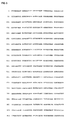
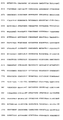
- polypeptides according to the invention are isolated polypeptides which have the properties shown in FIG. 2A or 2B contain amino acid sequence and preferably with the help of genetic engineering Processes were made.
- a preferred method according to the invention is a method for producing human procalcitonin, wherein (i) a gene coding for a polypeptide that the Contains amino acid sequence of human procalcitonin inserted into a vector (ii) a host organism is transformed with this gene-containing vector and (iii) isolating the polypeptide expressed by the host organism.
- Preferred Variants of this method according to the invention are those in which a Polypeptide with the amino acid sequence according to FIG 1, 2A or 2B is produced
- a "vector” is particularly a DNA or RNA molecule that is in a host organism is capable of replication and from which one can install one or more foreign genes can construct a recombined DNA or RNA molecule.
- vectors are bacterial plasmids; viral genomes, in particular the genomes of bacteriophages; Yeast chromosomes u. plasmids, in particular YEp, YIp, YRp, YAC; Ti plasmid; as well as adenoviruses, papilloma viruses and retrovirus derived vectors.
- a vector usually has a promoter which is as physical as possible or chemically inducible initiates the transcription of a messenger RNA which encodes the protein to be expressed. Furthermore, a vector usually has one Nucleic acid sequence that causes a transcription stop and nucleic acid sequences, that achieve the most efficient translation possible, such as in bacterial expression a ribosome binding site. An expression vector should also be used via translation stop sequences in all possible reading frames feature.
- Particularly preferred methods according to the invention are characterized in that that the vector, e.g. pQE-30, a fusion fraction, preferably poly-histidine, encoded, which later allows easy purification of the procalcitonin fusion protein.
- the vector e.g. pQE-30
- a fusion fraction preferably poly-histidine
- Suitable host cells for the methods according to the invention are human, animal, plant or prokaryotic cells, E. coli are particularly preferred. Cells.
- fusion protein is to be understood as a protein which consists of pCT and either C- or N-terminal another poly or oligopeptide composed, which is translated overall as a polypeptide.
- the Fusion fraction should preferably either increase the expressibility of procalcitonin and / or a later simple affinity chromatographic purification of the Enable fusion protein.
- Metal affinity chromatography takes advantage of the fact that a chromatography gel matrix which contains chelate-bound divalent metal ions, for example Ni 2+ , and in which several coordination sites of the metal ion are still freely accessible, reversibly bind with proteins which contain several histidines in succession can come in. Gentle elution of the poly-histidine polypeptide can then be achieved competitively, for example, using buffers containing imidazole.
- chelate-bound divalent metal ions for example Ni 2+
- Another object of this invention is a plasmid, which one or more Contains nucleic acid sequences that one or more of the invention Encode polypeptides.
- Plasmid with the internal name pQE-PCT was published on December 16, 1999 at DSMZ German Collection of Microorganisms and Cell Cultures GmbH, Mascheroder Weg 1b, Braunschweig, Germany, with the deposit number DSM 13203 deposited.
- Another embodiment according to the invention are animal, vegetable, isolated human or prokaryotic cells comprising one or more of the invention Can express polypeptides.
- Yet another embodiment of this invention is the use of the invention Polypeptides as immunogens for the production of antibodies.
- the method according to the invention for the production of antibodies is characterized in that that one or more polypeptides according to the invention as immunization antigen can be used as immunogens.
- Antibodies raised using this procedure were obtained, are called "antibodies according to the invention” below.
- an antibody means an immunoglobulin, for example an immunoglobulin of the class or subclass IgA, IgD, IgE, IgG 1 , IgG 2a , IgG 2b , IgG 3 , IgG 4 , IgM.
- An antibody has at least one binding site (often called a paratope) for an epitope (often also called an antigenic determinant) on an antigen or hapten.
- an epitope is characterized, for example, by its spatial structure and / or by the presence of polar and / or apolar groups.
- the binding site of the antibody is complementary to the epitope.
- the antigen-antibody reaction or the hapten-antibody reaction works according to the so-called "key-keyhole principle" and is usually to a high degree specific, ie the antibodies are capable of small deviations in the primary structure, in the charge to differentiate in the spatial configuration and the steric arrangement of the antigen or hapten.
- the so-called “complementarity determining regions" of the antibody contribute to the binding of the antibody to the antigen or hapten.
- antigens encompasses monovalent and polyvalent antigens.
- a polyvalent one Antigen is a molecule or a molecular complex to which more than one immunoglobulin is attached can bind simultaneously, while with a monovalent antigen each can only bind a single antibody at a time.
- a hapten denotes a molecule that is not immunogenic by itself, but which is usually bound to a carrier for immunization purposes.
- antibody is not only to be understood to mean complete antibodies but also expressly antibody fragments, such as, for example, Fab, Fv, F (ab ') 2 , Fab'; as well as chimeric, humanized, bi- or oligo-specific, or "single chain”antibodies; furthermore also aggregates, polymers and conjugates of immunoglobulins and / or their fragments, provided that the binding properties to the antigen or hapten are preserved.
- Antibody fragments can be produced, for example, by enzymatic cleavage of antibodies with enzymes such as pepsin or papain.
- Antibody aggregates, polymers and conjugates can be generated by a variety of methods, for example by heat treatment, reaction with substances such as glutaraldehyde, reaction with immunoglobulin-binding molecules, biotinylation of antibodies and subsequent reaction with streptavidin or avidin, etc.
- An antibody in the sense of this invention can be a monoclonal or a polyclonal antibody.
- the antibody can have been produced by the customary methods, for example by immunization of humans or an animal, such as, for example, mouse, rat, investigating, rabbit, horse, sheep, goat, chicken (see also Messerschmid (1996) BIOforum, 11 : 500-502 ), and then obtaining the antiserum; or by establishing hybridoma cells and then purifying the secreted antibodies; or by cloning and expression of the nucleotide sequences or modified versions thereof, which encode the amino acid sequences which are responsible for the binding of the natural antibody to the antigen and / or hapten.
- the polypeptides according to the invention used as immunization antigen are not bound and / or carrier-bound for immunization.
- Typical carriers are for example proteins, e.g. Ovalbumin, albumin or hemocyanin, or polymers, e.g. Polyethylene glycol, polyacrylamide or poly-d-glutamine-d-lysine.
- the polypeptides can, for example, with the help of carbodiimide or glutaraldehyde be bound to these carriers or also by means of a bifunctional Reagent which can also act as a spacer (examples and Coupling methods see e.g. Wong S. (1993) Chemistry of Protein Conjugation and Cross-Linking, CRC Press, Inc, Boca Raton).
- the immunization antigen can be taken up, for example, in phosphate-buffered saline and add Freund's adjuvant.
- This emulsion can then e.g. intradermally, intraperitoneally and / or subcutaneously in an animal, for example a rabbit, a mouse, a rat, a meerkat, one Horse, a sheep, a goat, a chicken, etc.
- Booster injections, the immunization antigen also with incomplete Freund's Adjuvant can be emulsified can help increase the immune response.
- Polyclonal antibodies according to the invention can be obtained from the antiserum of the immunized Animals are obtained. Using affinity chromatography over a matrix, to which, for example, pCT or pCT fragments have been bound, they can Antibodies can be further purified.
- Hybridomas the invention Produce antibodies are cloned.
- the hybridoma cell lines obtained in this way are ready then available for permanent MAK production. Larger amounts of antibodies can be obtained, for example, from cell culture supernatant, in particular from fermenters or scooter cultures, as well as gain from ascites.
- Fab fragments
- F (ab ') 2 fragments
- Fab' fragments fragments that can be generated, for example, using the enzymatic cleavage methods known to the person skilled in the art (sazB Harlow & Lane (1988) Antibodies: A Laboratory Manual, Cold Spring Harbor Laboratory, Cold Spring Harbor).
- the antigen binding sites of an antibody are located in the so-called variable domains, which are encoded by the V genes.
- V genes genes that are encoded by the V genes.
- the known genetic engineering methods see eg Sambrook et al (1989) Molecular Cloning: A Laboratory Manual, Cold Spring Harbor Laboratory, Cold Spring Harbor, 2 nd edition; McCafferty et al (1990) Nature 348:.. 552-554
- the corresponding nucleic acid sequence of an antibody according to the invention can be determined, and thereby also the corresponding amino acid sequence, provided that this was not already known by amino acid sequencing.
- the hybridoma cells or the antibody-producing immune cells of immunized animals can be used as the starting material for such analyzes.
- humanized, chimeric, bi- or oligospecific antibodies and the like can then be obtained using customary genetic engineering and molecular biological methods (see also Johnson & Chiswell (1993) Current Opinion in Structural Biology, 3 : 564-571) "complementarity determining region" derived peptides ("minimal recognition units"), single-chain fragments, and / or functional fusion products, for example recombinantly produced antibody-enzyme constructs, can be produced (see, for example, Larrick & Fry (1991) Human Antibodies and Hybridomas, 2 : 172-189; Kitano et al (1986) Appl. Microbiol.
- antibody for example, a reduction in immunogenicity and / or an increased effectiveness when administered as a medicament or in vivo diagnostic agent can be achieved and / or there are advantages for use as or in an in vitro diagnostic agent.
- the antibodies can also be produced, if necessary with the aid of genetic engineering methods in plant - such as yeast cells (Fischer et al. (1999) Biol. Chem., 380 : 825-839; Hiatt et al. (1992) Genetic Engineering, 14 : 49 -64)), animal and prokaryotic cells (see WO 95/25172) and isolated human cells.
- Another object of this invention are also animal, vegetable or prokaryotic Cells as well as isolated human cells, which have an inventive Produce antibodies.
- antibodies according to the invention it is also possible for the person skilled in the art to identify other specific binding partners, antibodies expressly included, for example by competition experiments (see also Peters et al. (1985) Monoclonal Antibodies, Springer Verlag, Chapter 12.2 "Epitope Analysis") that bind to the epitope of an antibody according to the invention.
- specific binding partners can now be selected using techniques known to those skilled in the art using phage display libraries, synthetic peptide databases or using "recombinatorial antibody libraries” (Larrick & Fry (1991) Human Antibodies and Hybridomas, 2 : 172-189).
- a specific binding partner is a member of a specific binding pair to understand.
- members of a specific bond pair are two molecules, each at least one to a structure of the other molecule have complementary structure, the two molecules are able to bind themselves by binding the complementary structures.
- the term molecule also includes molecular complexes such as Enzymes from Apo and Coenzyme, proteins that consist of several subunits, lipoproteins consisting of protein and lipids, etc.
- Specific binding partners can naturally occurring but also e.g. using chemical synthesis, microbiological Techniques and / or genetic engineering processes be substances. To illustrate the term specific binding partner, but not as a limitation to understand, e.g.
- Thyroxine-binding globulin Thyroxine-binding globulin, steroid-binding Proteins, antibodies, antigens, haptens, enzymes, lectins, nucleic acids, Repressors, oligo- and polynucleotides, protein A, protein G, avidin, streptavidin, Biotin, complement component C1q, nucleic acid binding proteins, etc.
- Specific Binding pairs are, for example: antibody-antigen, antibody-hapten, Operator repressor, nuclease nucleotide, biotin avidin, lectin polysaccharide, steroid-steroid binding Protein, drug-receptor, hormone-hormone receptor, Enzyme substrate, IgG protein A, complementary oligo- or polynucleotides, etc.
- This invention also relates to the use of the polypeptides according to the invention in affinity chromatography, especially for purifying an pCT binding specific binding partners.
- affinity chromatography is a method for purification and Isolation of substances, especially biopolymers, to understand that on the The fact is that many substances have specific binding partners for them can form a selective, non-covalent, reversible bond.
- the principle of The method is that the specific binding partner to an insoluble Matrix (e.g. porous glasses, gels on agarose, cellulose, dextran, polymer and Silica gel base) usually covalently bound and in contact with the substance containing sample is brought.
- the substance you are looking for is because of it specific interaction with the matrix-bound specific binding partner immobilized and held back while everyone else in the sample contained substances are separated by elution.
- Yet another object of this invention is the use of the invention Polypeptides and / or the antibodies according to the invention as diagnostic agents, as part of a diagnostic, for the production of a diagnostic, as a drug, as part of a drug and / or for manufacture of a drug.
- the term “diagnostic agent” is to be understood as a means which is used in particular for any illnesses, health status, determine the physical or mental condition of living beings and / or Detect or quantify substances or living things in samples.
- an “in in vitro diagnostic” is the analyte to be detected, e.g. procalcitonin or against Procalcitonin-directed antibodies, in a sample outside of a living one human or animal body detected and / or its concentration or quantity determined.
- the polypeptides according to the invention and / or those according to the invention Antibodies can be unlabelled or labeled with a label, e.g. one radioactive isotope, also as an "in vivo diagnostic agent", for example in the context of a Function tests or a scintigraphy method can be applied to a living being.
- polypeptides according to the invention can e.g. in physiologically active pCT fission products, such as, in particular, calcitonin, to be processed into a drug to produce, for example, on calcium and bone metabolism can act.
- physiologically active pCT fission products such as, in particular, calcitonin
- the polypeptides according to the invention themselves or the antibodies according to the invention either alone or together with one or more pharmacologically active substances administered as a drug e.g. for the treatment of tumors, sepsis and / or SIRS.
- the invention Polypeptides or the antibodies according to the invention can also through modifications and / or through the connection pharmacologically more effective Substances are enhanced in their effectiveness.
- Yet another object of this invention includes those of the invention Polypetide and / or the antibodies according to the invention in a pharmaceutical compatible, sterile injection medium.
- a pharmaceutically acceptable, sterile injection medium is, for example, a sterile, pyrogen-free solution, e.g. Saline or another electrolyte solution, to understand how they are usually used intravenous, intramuscular, intraperitoneal or subcutaneous administration of drugs, vaccines or contrast agents.
- polypeptides according to the invention and / or the antibodies according to the invention can in particular also in a method for quantitative or qualitative Detection of an analyte, preferably procalcitonin or directed against procalcitonin Antibodies to be used in a sample.
- an inventive Detection methods can, for example, the polypeptides according to the invention as a standard antigen and / or as a specific binding partner in an analyte-binding partner complex serve.
- the amount or the concentration of the analyte measured in the sample In the case of a quantitative detection, the amount or the concentration of the analyte measured in the sample.
- quantitative evidence are also includes semi-quantitative methods that only approximate the amount or concentration of the analyte in the sample or only to a relative amount or Concentration can serve.
- the qualitative proof is the Detection of the presence of the analyte in the sample at all or indicating, that the concentration of the analyte in the sample is below or above of a certain one or more certain threshold values.
- analyte means the substance to be detected. Examples for an analyte are listed on pages 8-15 in EP-A2-0 515 194.
- sample is to be understood as the material that the substance to be detected, presumably contains.
- sample includes, for example biological fluids or tissues, especially of humans and animals such as blood, plasma, serum, sputum, exudate, bronchoalveolar lavage, lymphatic fluid, Synovial fluid, seminal fluid, vaginal mucus, feces, urine, cerebrospinal fluid, Hair, skin, tissue samples or cuts.
- Cell culture samples are also included, vegetable liquids or tissues, forensic samples, water and waste water samples, Food, pharmaceuticals. The samples may need to be pretreated to make the analyte accessible for the detection method or to remove interfering sample components.
- Such pretreatment of samples may involve the separation and / or lysis of cells, the precipitation of the Hydrolysis or denaturation of sample components such as e.g. Proteins that Centrifugation of samples, treatment of the sample with organic solvents such as. Alcohols, especially methanol; treating the sample with detergents. Often the sample is transferred to another, mostly aqueous, medium, which should not interfere with the detection method if possible.
- sample components such as e.g. Proteins that Centrifugation of samples
- organic solvents such as. Alcohols, especially methanol
- the detection of an analyte according to the invention with the polypeptides according to the invention and / or the antibodies according to the invention can be carried out using methods such as: Western blot, dot blot, immunohistochemical test methods, Immunoelectrophoresis, immunofixation electrophoresis, electroimmun diffusion, immunoprecipitation, radial immunodiffusion, immunfixation, immunochromatography, Latex agglutination, turbidimetric or nephelometric test, homogeneous or heterogeneous binding test, one or two step test, sandwich test, indirect test, competitive test, "point-of-care” tests, etc.
- methods such as: Western blot, dot blot, immunohistochemical test methods, Immunoelectrophoresis, immunofixation electrophoresis, electroimmun diffusion, immunoprecipitation, radial immunodiffusion, immunfixation, immunochromatography, Latex agglutination, turbidi
- the analyte if present in the sample, is sent to one or several analyte-specific binding partners are bound, and analyte-specific binding form Binding partner complexes.
- homogeneous immunoassays see also Boguslaski & Li (1982) Applied Biochemistry and Biotechnology, 7 : 401-414
- homogeneous immunoassays are many turbidimetric or nephelometric methods, where the specific binding partners used for the detection can be associated with latex particles; EMIT® tests; CEDIA® tests; Fluorescence polarization immunoassays; Luminescent Oxygen Channeling Immunoassays (EP-A2-0 515 194; Ullman et al. (1994) Proc. Natl. Acad. Sci., 91 : 5426-5430; Ullman et al. (1996) Clinical Chemistry, 42 : 1518-1526 ); Etc..
- Heterogeneous binding tests are through one or more separation steps and / or washing steps marked.
- the separation can be done, for example, by Immunoprecipitation, precipitation with substances such as polyethylene glycol or ammonium sulfate, Filtration, magnetic separation, connection to a solid phase such as on a Tube, on a ball, on a microtitration plate well, or on a filter or chromatography paper.
- a specific binding partner with a component of a signal-forming Systems and a specific binding partner associated with a solid phase (regarding indirect binding s.a. EP-A2-0 411 945).
- These can be different or are the same specific binding partners, e.g. can an analyte-specific monoclonal antibody both as a catcher (e.g. as a solid-phase antibody) as well as a labeled antibody if the Analyte has more than one epitope.
- the analyte is usually associated with a solid phase specific binding partner and a specific binding partner, that is associated with a component of a signal-generating system, bound.
- the specific binding partners can be in the case of a sandwich immunoassay are analyte-specific antibodies or if the analyte is itself an antibody to the antigen and / or a "modified antigen", e.g. a labeled antigen, an antigen section, an antigen analog.
- the analyte is an antibody in this case.
- the binding partner is its antigen and / or a modified antigen and the other specific binding partner is an antibody that binds the analyte, and / or an immunoglobulin binding protein.
- sample analyte competes with a "modified analyte", e.g. a labeled analyte, an analyte section, an analyte analog, etc., around a limited number of analyte-specific binding sites.
- modified analyte e.g. a labeled analyte, an analyte section, an analyte analog, etc.
- POC tests point-of-care tests
- He closes Test one in which no separate analysis or measuring device is used to carry out the test or test evaluation is required.
- POC tests are based on immunochromatographic Processes, immune complex separations by filtration and / or Immunfixation techniques.
- the POC tests are particularly useful for on-site measurements, e.g. at the bedside or at home, for the emergency doctor and / or at the resident Doctor and less intended for the large laboratory. POC tests can in particular also by people who have no in-depth medical-technical training and experience in the field of laboratory medicine.
- POC tests are also so-called home tests in the sense of this invention or to understand OTC tests performed by lay medical professionals allowed, e.g. the various pregnancy tests that are distributed for home use become.
- Other POC tests concern, for example, the detection of Heart attack markers, drugs, medicines, infection and inflammation markers.
- POC tests are or will become specific as the test is performed Binding partner on or on filter or chromatography strips or disks associated.
- a positive or negative detection reaction can, for example, with the Appearance or non-appearance of a ribbon in a specific test field be linked and / or the appearance or non-appearance of a particular Symbols, e.g. a "+", a "-” and / or the intensity of the respective measurement signal.
- a POC test for pCT can be structured as follows: sample and labeled Antibodies according to the invention which are able to bind to pCT are applied to a Test strips applied. Suitable labels are e.g. colored latex particles, colloidal Gold, enzymes, etc. If pCT is contained in the sample, there will be pCT-antibody complexes form. These complexes move in by means of capillary force Direction to an area where antibodies bind to other pCT epitopes assets, e.g. are fixed in the form of a band or in the course of the test procedure fixed (e.g. via a biotin-avidin bridge).
- the labeled pCT-antibody complexes are bound in this area and form with the fixed antibodies a sandwich complex.
- the intensity of the label signal is proportional here for pCT sample concentration.
- the polypeptides according to the invention in a region of the test strip be fixed or fixed in the course of the test procedure.
- the fixed ones Polypeptides according to the invention would be bound to the sample with pCT labeled anti-pCT antibodies compete.
- fixed anti-pCT antibodies can also be used and labeled polypeptides according to the invention for the construction of a competitive pCT tests can be used.
- a particularly preferred embodiment of the method according to the invention is a nephelometric or a turbidimetric test, especially one Test in which antibodies and / or polypeptides according to the invention associated with latex particles.
- Another preferred method is a competitive detection method in which the polypeptides according to the invention with a solid phase and / or a component of a signal-forming system are associated.
- Another object of this invention are polypeptides according to the invention which associated with a solid phase and / or a component of a signal-forming system are. Furthermore, the antibodies according to the invention can also have a solid phase and / or a component of a signal-forming system.
- association is to be understood broadly and includes, for example, a covalent one and a non-covalent bond, a direct and an indirect bond that Adsorption to a surface and inclusion in a well or Cavity, etc.
- the polypeptides according to the invention are and / or the antibodies according to the invention via a chemical bond the solid phase or tied to the label.
- a non-covalent bond are surface adsorption, inclusion in cavities or binding from two specific attachment partners.
- inventive polypeptides and / or the inventive Antibodies also indirectly through specific interaction with others specific binding partners to the solid phase or the label be (see also EP-A2-0 411 945).
- biotinylated polypeptide according to the invention can be obtained via label-bound avidin the label be bound; or it can be a fluorescein according to the invention Polypeptide conjugate to the anti-fluorescein antibodies bound to the solid phase Solid phase are bound; or the antibody according to the invention can be via Immunoglobulin-binding proteins are bound to the solid phase or the label.
- solid phase in the sense of this invention includes an object that consists of porous and / or non-porous, usually water-insoluble material and can have a wide variety of shapes, such as Vessel, tube, Microtitration plate, sphere, microparticles, rods, strips, filter or Chromatography paper, etc.
- the surface of the solid phase is hydrophilic or can be made hydrophilic.
- the solid phase can be of the most varied Materials consist of e.g. from inorganic and / or from organic Materials made from synthetic, from naturally occurring and / or from modified naturally occurring materials.
- solid phase materials are polymers such as Cellulose, nitrocellulose, cellulose acetate, polyvinyl chloride, Polyacrylamide, cross-linked dextran molecules, agarose, polystyrene, polyethylene, polypropylene, Polymethacrylate or nylon; Ceramics; Glass; Metals, especially precious metals like gold and silver; Magnetite; Mixtures or combinations thereof; etc. Also cells, liposomes or phospholipid vesicles are from the term solid phase co-recorded.
- the solid phase can have a coating of one or more layers, e.g. from proteins, carbohydrates, lipophilic substances, biopolymers, organic Polymers or mixtures thereof, for example the non-specific Suppress or prevent binding of sample components to the solid phase, or, for example, to achieve improvements in suspension stability of particulate solid phases, the storage stability, the shaping Stability or resistance to UV light, microbes or other destructive Agents.
- layers e.g. from proteins, carbohydrates, lipophilic substances, biopolymers, organic Polymers or mixtures thereof, for example the non-specific Suppress or prevent binding of sample components to the solid phase, or, for example, to achieve improvements in suspension stability of particulate solid phases, the storage stability, the shaping Stability or resistance to UV light, microbes or other destructive Agents.
- a “signal-generating system” can be one or more components act, at least one component being a detectable Label acts.
- a label is any molecule that is itself a signal produced or can induce the production of a signal such as a fluorescent Substance, a radioactive substance, an enzyme, or a chemiluminescent Substance.
- the signal can for example be based on the enzyme activity, the Luminescence, light absorption, light scattering, the emitted electromagnetic or radioactive radiation, or a chemical reaction or be measured.
- a label can generate a detectable signal itself, so that no others Components are necessary. Many organic molecules absorb ultraviolet and visible light, whereby energy transmitted by light absorption these molecules can come into an excited energy state, and the absorbed Energy in the form of light of a different wavelength than that of the incident Give off light. Still other labels can directly produce a detectable signal generate such as radioactive isotopes or dyes.
- the signal-producing system closes all those for signal formation required components with e.g. Substrates, coenzymes, quenchers, Accelerators, additional enzymes, substances that react with enzyme products, Catalysts, activators, cofactors, inhibitors, ions etc.
- Suitable labels are, for example, enzymes including horseradish peroxidase, alkaline phosphatase, glucose-6 Phosphate dehydrogenase, alcohol dehydrogenase, glucose oxidase, ⁇ -galactosidase, luciferase, urease and acetylcholinesterase; Dyes; fluorescent substances including fluorescein isothiocyanate, rhodamine, phycoerythrin, phycocyanin, ethidium bromide, 5-dimethylaminonapthalene-1-sulfonyl chloride and fluorescent rare earth chelates; chemiluminescent substances including luminol, isoluminol, acridinium compounds, olefin, enol
- a signal-generating system can also comprise components which can interact with one another in the vicinity of one another, for example in the form of energy donors and energy receivers such as photosensitizers and chemiluminescent substances (EP-A2-0 515 194), photosensitizers and fluorophores (WO 95 / 06877), radioactive iodine-125 and fluorophores (Udenfriend et al. (1985) Proc. Natl. Acad. Sci. 82 : 8672-8676), fluorophores and fluorophores (Mathis (1993) Clin. Chem. 39 : 1953-1959) or fluorophores and fluorescence quencher (US 3,996,345).
- photosensitizers and chemiluminescent substances EP-A2-0 515 194
- photosensitizers and fluorophores WO 95 / 06877
- radioactive iodine-125 and fluorophores Udenfriend et al. (1985) Proc. Natl. Ac
- Interaction between the components is the direct transmission energy between components, e.g. through light or electron radiation as well as via short-lived reactive chemical molecules. Further This also includes processes in which the activity of a component is caused by one or more others is inhibited or amplified, for example the inhibition or increase in enzyme activity or inhibition, increase or change (e.g. wavelength shift, polarization) of the component affected emitted electromagnetic radiation.
- the interaction between the components also include enzyme cascades. In this case they are Component enzymes, at least one of which is the substrate for another provides, so that a maximum or minimum reaction speed of the coupled Substrate conversion results.
- An effective interaction between the components usually takes place if these are spatially adjacent, e.g. within a distance range of a few ⁇ m, in particular within a distance range of below 600 nm, preferably below 400 nm, very particularly preferably below 200 nm.
- Microparticles are often used as a solid phase and / or as a label.
- the term “microparticles” is understood to mean particles which an approximate diameter of at least 20 nm and not more than 20 ⁇ m have, usually between 40 nm and 10 microns, preferably between 0.1 and 10 ⁇ m, particularly preferably between 0.1 and 5 ⁇ m, very particularly preferably between 0.15 and 2 ⁇ m.
- the microparticles can be shaped regularly or irregularly his. You can use spheres, spheroids, spheres with more or less large ones Show cavities or pores.
- the microparticles can be organic or inorganic Material or a mixture or combination of both.
- the microparticles can be any Have density, but preferred are particles with a density that the density of the Water approximates as about 0.7 to about 1.5 g / ml.
- the preferred microparticles are suspendable in aqueous solutions and stable in suspension for as long as possible. They may be translucent, partially translucent, or opaque.
- the microparticles can consist of several layers such as the so-called "core-and-shell" particles with a core and one or more enveloping Layers.
- microparticles includes, for example, dye crystals, Metal sols, silica particles, glass particles, magnetic particles, polymer particles, oil drops, Lipid particles, dextran, and protein aggregates.
- Preferred microparticles are in aqueous Solutions suspendable and consisting of water-insoluble polymer material Particles, in particular from substituted polyethylenes.
- Very particularly preferred are latex particles e.g. made of polystyrene, acrylic acid polymers, methacrylic acid polymers, Acrylonitrile polymers, acrylonitrile butadiene styrene, polyvinyl acetate acrylate, Polyvinyl pyridine, vinyl chloride acrylate.
- Latex particles are of particular interest with reactive groups on their surface such as carboxyl, amino or Aldehyde groups which form a covalent bond e.g. from specific attachment partners allow to the latex particles.
- reactive groups on their surface such as carboxyl, amino or Aldehyde groups which form a covalent bond e.g. from specific attachment partners allow to the latex particles.
- the production of latex particles is for example in EP 0 080 614, EP 0 227 054 and EP 0 246 446.
- test kit that has one or more the antibody according to the invention and / or one or more of the inventive Contains polypeptides.
- a kit usually includes all or only a few Components of a test included in packaged form.
- the invention Antibodies and the polypeptides according to the invention can for example with one or more solid phases and / or one or more components associated with a signal-generating system.
- the test kit can, for example Standards; Controls; as well as other reagents, e.g. Buffers, washing solutions, Solutions triggering measurement signal and / or enzyme substrate; Cuvettes; Pipettes and / or test instructions included.
- a particularly preferred one according to the invention Test kit contains polypeptides according to the invention associated with latex particles and / or antibodies according to the invention.
- polypeptides according to the invention are a particularly preferred embodiment of the invention.
- concentration, amount or activity of a substance to be detected often determined in a sample using reference or standard curves.
- standards also called calibrators, which is a certain known concentration, amount or activity of the analyte included, measured in the detection method.
- calibrators which is a certain known concentration, amount or activity of the analyte included, measured in the detection method.
- Controls like the standards, contain a certain known concentration, Amount or activity of the analyte or a modified analyte and serve to check the verification procedure.
- a certain amount of one or more of the polypeptides according to the invention one Matrix added.
- This matrix can be, for example, a human or animal Be serum or plasma, or an artificial matrix such as a protein-free or a protein-containing buffer, which also contain other substances can.
- the standards and controls can also include one or more additional ones Contain analytes. They can be in liquid, frozen or lyophilized form so that they are either directly or only after preparation in the detection procedure can be used.
- stable pCT solutions for example as controls, standards or for other in vitro and in vivo applications can be used.
- stable means that the desired property of the procalcitonin contained in the solution, e.g. the Binding ability to certain antibodies, in particular over a certain period of time remains largely unchanged in liquid storage, while this property with "unstable” pCT solutions changed significantly in the same period.
- Stable pCT solutions can be produced by the polypeptides according to the invention and sterol esters of a serum / plasma-containing or serum / plasma-free matrix be added.
- the pCT used also e.g. one isolated from natural sources or be a recombinantly produced peptide which has at least essential subregions contains the amino acid sequence of human pCT, such as larger ones Fission products from pCT.
- the peptide must be in a quantitative process or qualitative detection of pCT as standard and / or control serum antigen be suitable.
- the sterol esters suitable for the preparation of the pCT solution according to the invention belong to the class of steroids (gonan derivatives) which generally have a hydroxy group in the 3 ⁇ position. There are significant differences in the in the 17 (20) position sticking side chain. Sterols are a great class (BEYER et al. (1981), Textbook of Organic Chemistry, pp. 649-664 "Steroids").
- vitamin D3, oestrone, and stigmasterol can be particularly beneficial Cholesterol and its derivatives are used.
- the sterol esters to be used according to the invention preferably also have one polyethylene glycol group (PEG group) coupled via a dicarboxylic acid.
- PEG group polyethylene glycol group
- all known dicarboxylic acids can be used; particularly advantageous is the use of succinic acid, adipic acid or sebacic acid.
- the PEG group should essentially also ensure the solubility of the sterol ester, so that the skilled person, if necessary through an experiment, the optimal Can easily determine length.
- the following chain lengths are advantageous: Polyethylene glycol 600, polyethylene glycol 900 or polyethylene glycol 3000.
- sterol esters are very particularly preferred, the sterol residue from cholesterol, vitamin D3, stigmasterol or oestrone.
- the sterol ester is advantageously added in such a concentration that the concentration in the pCT solution is 0.05-5% by weight, preferably 0.1-3% by weight. %, particularly preferably 0.5-1.5% by weight.
- the pCT solutions according to the invention can also contain proteinase inhibitors, e.g. Aprotinin, benzamidine, bestatin, cystatin, pepstatin, PMSF, trypsin inhibitor, and / or detergents, in particular non-ionic and / or hermaphrodite ionic detergents, contain.
- proteinase inhibitors e.g. Aprotinin, benzamidine, bestatin, cystatin, pepstatin, PMSF, trypsin inhibitor, and / or detergents, in particular non-ionic and / or hermaphrodite ionic detergents, contain.
- a particularly preferred embodiment of the pCT solution contains, in addition to the sterol esters also polygeline.
- Polygeline is a mixture of thermally degraded and crosslinked gelatin proteins and can be manufactured according to the German Publication 1155134 or US Patent 3057782.
- polygeline added in such a concentration that the concentration in the pCT solution 0.1-10% by weight, preferably 1-8% by weight, particularly preferably 2 - Is 6% by weight.
- Another embodiment of this invention involves the use of the invention Standards, controls and pCT solutions in quantitative methods or qualitative detection of pCT, calcitonin, katacalcin, N-procalcitonin and / or other pCT fragments in a sample.
- FIG. 2 shows the amino acid sequence of a polypeptide according to the invention without (A) and with (B) fusion portion.
- 3 shows the nucleic acid sequence of the vector pQE-30 (3462 base pairs).
- FIG. 4 shows the nucleic acid sequence of the pCT-encoding insert which is in pQE-30 was cloned including the interfaces used.
- Figure 5 shows the nucleic acid sequence of human pCT
- the N-terminus of pCT was determined using synthetic oligonucleotides constructed during the C-terminus by means of PCR (Polymerase Chain Reaction) Based on genomic human placental DNA:
- the 16 3'-terminal nucleotides were complementary to each other.
- genomic DNA was isolated from 2 g human placental tissue and used as a template for the following PCR:
- the vector pCR2.1 became which contained the C-terminus, cut out the C-terminus using BglII and HindIII, isolated according to standard methods and in the vector opened with Bglll and Hindlll pQE-30, which already contained the N-terminus, ligated.
- the correct plasmid Clone containing was identified and the construct verified by sequencing.
- the insert from BamHl to Hindlll used for the construction is in Fig. 4, the natural human pCT sequence shown in Fig. 5.
- procalcitonin was initially on a small scale of 1 ml carried out:
- the expression strain JM109, M15, BL21 and W3110 (Stratagene, LaJolla, USA)
- the strength of the selection pressure via the variation of ampicillin Concentration the strength of the induction via variation of the inductor IPTG and the duration of expression by tracking the time course of the induction strength after induction.
- JM109 freshly transformed with the expression plasmid are grown overnight at 37 ° C. with shaking in LB medium with 100 ⁇ g / ml ampicillin and then diluted 1:50 in 11 fresh LB medium (ampicillin 100 ⁇ g / ml) and shaken further at 37 ° C. , and induced at an OD 600 of 0.4 with 2mM IPTG for 3h.
- amino terminal sequence of the recombinant human procalcitonin was through automatic Edman degradation on an Applied Biosystems 477A sequencer certainly.
- amino-terminal sequence found is identical to the one found by pCT from a human thyroid tumor after the sequence of the pQE vector (JM Conlon et al. (1988) Biochm. J. 256 : 245-250 (see Table 1)).
- Determination of the molecular weight of the recombinant procalcitonin produced was carried out by means of electrospray mass spectrometry. That after expression and purification obtained recombinant pCT was against dist. Dialyzed water and in a concentration of 50 ⁇ g / ml in methanol / water / acetic acid (50/50 / 0.1) measured. (Orifice voltage 90 V; ion spray voltage 5000 V).
- the average molecular weight of recombinant calculated from the spectrum obtained human pCT is 14235 ⁇ 2 daltons.
- the LUMItest® PCT (B.R.A.H.M.S, Berlin) is an immunoluminometric assay for Determination of procalcitonin.
- Two monoclonal antibodies are the Procalcitonin in two different places (the calcitonin and the katacalcin portion) bind, used.
- the Luminescence signals determined in a suitable luminometer.
- the size of the luminescence signal is directly proportional to the PCT concentration of the respective sample.
- the luminescence signal values of the standards carried can be used create a standard curve on which the unknown procalcitonin concentration of the Sample can be read.
- mice BALB / c mice with 20 ⁇ g rec. pCT in complete Freund's adjuvants immunized intraperitoneally. After 4 weeks there is a booster with 20 ⁇ g rec. pCT in incomplete Freund's adjuvants (ICN Biomedical GmbH, Eschwege, Germany) and after 8 weeks with 20 ⁇ g rec. pCT without Freund's adjuvant.
- mice are intravenously recreated with 20 ⁇ g each. pCT boosted.
- mice After killing the mice by CO 2 inhalation, the spleens were removed and single cell suspensions were prepared in serum-free Dulbecco's modified Eagle Medium (DMEM, CC Pro GmbH, Neustadt / W, Germany). The cells were centrifuged (g number 652) and washed twice in DMEM. The cell number was then determined by trypan blue staining. 2x10 7 myeloma cells (Sp2 / 0) were added to about 10 8 spleen cells. After centrifuging (g-number 360), the supernatant was discarded, 1 ml of polyethylene glycol solution (PEG 4000, Merck Eurolab, Bruchsal, Germany; approx.
- PEG 4000 polyethylene glycol solution
- the resulting cell colonies were removed 2-3 weeks later and transferred to new culture plates.
- the specificity of the antibodies released into the cell culture was determined in a first Test step with the help of immunization-coated microtiter plates (Fa. Nunc, type B), coating 0.2 ⁇ g / ml ⁇ 0.003 ⁇ g / well, tested.
- Chromogen TMB solution (Dade Behring, Marburg, Germany) were introduced into each well and incubated at +15 to + 25 ° C. for a further 30 minutes. After the incubation, 100 .mu.l stop solution POD (Dade Behring, Marburg, Germany) was poured into each well and the microplate was evaluated at the BEP II (Behring ELISA processor II) at 450 nm.
- the subclass of the antibody is made using IsoStrip TM -Mouse Monoclonal Antibody Isotyping kit - from Boehringer Mannheim, Germany.
- the corresponding cell clones in roller bottles (Corning Costar Germany, Bodenheim) transferred and expanded to the desired final volume at + 37 ° C.
- the roller culture suspension is then used to remove the cells above 0.22 ⁇ m filtered.
- the now cell-free antibody solution is made using an ultrafilter (cut-off 30 kilodaltons) concentrated and then purified.
- the antibody solution obtained is buffered against 0.14 M phosphate buffer pH 8.6 and on a filled with rProtein A Sepharose Fast Flow (from Amersham Pharmacia) Chromatography column applied (per 10 mg of antibody to be purified 1ml rProtein A Sepharose Fast Flow used). All unbound components are removed by washing the column with 0.14 M phosphate buffer pH 8.6. The bound antibody is eluted from the column with 0.1 M citric acid pH 3.0 and against 0.05 M sodium acetate + 0.5 M NaCl + 0.05 M Tris + 0.01% sodium azide pH 7.0 dialyzed.
- a monoclonal antibody against calcitonin according to the invention was in each case 310 nm and a monoclonal antibody against katacalcin according to the invention:
- the latex polymer used was distilled. Water to a solids content diluted by 4% by weight.
- the antibodies to be bound were mixed with 0.05 M sodium acetate + 0.5 M NaCl + 0.05 M Tris + 0.01% sodium azide pH 7.0 to a protein content diluted by 5 mg / ml.
- 1 ml of the above polymer was mixed with 200 ⁇ l antibody solution mixed.
- 0.050 ml of a 20% solution from Tween 20 (Merck Eurolab, Darmstadt, Germany) added and the Whole mixed again. For this, 0.025 ml of 1N HCl was added, so that a pH of about 3 was reached.
- This loading batch was then 30 min. centrifuged at approximately 50,000 g. The The supernatant was discarded. The residue was dissolved in 4 ml of pH 8.1 imidazole buffer (5g / L imidazole, 40g / L sucrose, 1g / L human albumin) resuspended. Subsequently there was an ultrasound treatment (Bronson Sonyfier B15) for 30 seconds. The reagent thus redispersed in a volume ratio of 1: 7.5 with that previously diluted imidazole buffer and treated again with ultrasound for 30 seconds.
- the protein content of the recombinant obtained after expression and purification pCT was determined using a protein determination according to Lowry et al. (1951, J.Biol.Chem. 193, 265-275) in the preparation. To produce a standard was a suitable amount of this preparation in phosphate buffered saline 10g / l bovine serum albumin added and the content of recombinant pCT calculated.
- the reagents prepared according to Example 7 (i) by binding the antibody against calcitonin according to the invention and the antibody against katacalcin according to the invention to latex particles were mixed in a volume ratio 1 + 1 and for measuring pCT in a standard and in patient sera on the Behring nephelometer analyzer (BNA, Dade Behring, Marburg, Germany).
- the mixed reagent is agglutinated when mixed with samples containing pCT.
- the intensity of the scattered light in the BNA depends on the pCT concentration of the sample, so that the pCT concentration in the sample can be determined by comparison with dilutions of a standard of known concentration.
- the required dilutions of the standard with N-Diluens are created automatically by the Behring Nephelometer Analyzer.
- the measurement result is calculated automatically using a logit-log function.
- 100 .mu.l sample or standard were mixed with 100 .mu.l N-diluent (Dade Behring, Marburg, Germany) and with 40 .mu.l of the mixed reagent in the reaction cuvette and after 12 min the change in the measurement signal (in bits) was measured on the BNA.
- Table 4 The results are summarized in Table 4.
- Standard curve and measurement of samples sample Measurement signal BNA in bits ng pCT / ml Standard dilution 1 2727 250 Standard dilution 2 1972 125 Standard dilution 3 1152 62.5 Standard dilution 4 450 31.3 Standard dilution 5 157 15.6 Standard dilution 6 54 7.8 Standard dilution 7 26 3.9 Standard dilution 8 14 2.0 Normal serum -188 ⁇ 2.0 Serum containing pCT 1 219 19.3 Serum containing pCT 2 770 46.3 Serum containing pCT 3 1594 90.7 Serum containing pCT 4 627 39.6 Serum containing pCT 5 43 6.3
Landscapes
- Health & Medical Sciences (AREA)
- Chemical & Material Sciences (AREA)
- Life Sciences & Earth Sciences (AREA)
- Organic Chemistry (AREA)
- General Health & Medical Sciences (AREA)
- Medicinal Chemistry (AREA)
- Endocrinology (AREA)
- Chemical Kinetics & Catalysis (AREA)
- General Chemical & Material Sciences (AREA)
- Veterinary Medicine (AREA)
- Public Health (AREA)
- Animal Behavior & Ethology (AREA)
- Pharmacology & Pharmacy (AREA)
- Nuclear Medicine, Radiotherapy & Molecular Imaging (AREA)
- Engineering & Computer Science (AREA)
- Biophysics (AREA)
- Bioinformatics & Cheminformatics (AREA)
- Diabetes (AREA)
- Toxicology (AREA)
- Zoology (AREA)
- Proteomics, Peptides & Aminoacids (AREA)
- Molecular Biology (AREA)
- Gastroenterology & Hepatology (AREA)
- Genetics & Genomics (AREA)
- Biochemistry (AREA)
- Oncology (AREA)
- Rheumatology (AREA)
- Hematology (AREA)
- Obesity (AREA)
- Peptides Or Proteins (AREA)
- Preparation Of Compounds By Using Micro-Organisms (AREA)
- Steroid Compounds (AREA)
- Micro-Organisms Or Cultivation Processes Thereof (AREA)
- Medicinal Preparation (AREA)
- Medicines That Contain Protein Lipid Enzymes And Other Medicines (AREA)
- Medicines Containing Antibodies Or Antigens For Use As Internal Diagnostic Agents (AREA)
Applications Claiming Priority (6)
| Application Number | Priority Date | Filing Date | Title |
|---|---|---|---|
| DE19962434 | 1999-12-22 | ||
| DE19962434 | 1999-12-22 | ||
| DE10016278 | 2000-04-03 | ||
| DE10016278 | 2000-04-03 | ||
| DE10027954 | 2000-06-08 | ||
| DE10027954A DE10027954A1 (de) | 1999-12-22 | 2000-06-08 | Humanes Procalcitonin, dessen Herstellung und Verwendung |
Publications (3)
| Publication Number | Publication Date |
|---|---|
| EP1111050A2 true EP1111050A2 (fr) | 2001-06-27 |
| EP1111050A3 EP1111050A3 (fr) | 2001-07-25 |
| EP1111050B1 EP1111050B1 (fr) | 2007-03-14 |
Family
ID=27213777
Family Applications (1)
| Application Number | Title | Priority Date | Filing Date |
|---|---|---|---|
| EP00125719A Expired - Lifetime EP1111050B1 (fr) | 1999-12-22 | 2000-11-24 | Solutions de procalcitonine humaine |
Country Status (7)
| Country | Link |
|---|---|
| US (3) | US6562946B2 (fr) |
| EP (1) | EP1111050B1 (fr) |
| JP (1) | JP2001224388A (fr) |
| AT (1) | ATE356874T1 (fr) |
| CA (1) | CA2328783C (fr) |
| DE (1) | DE50014159D1 (fr) |
| ES (1) | ES2280170T3 (fr) |
Cited By (3)
| Publication number | Priority date | Publication date | Assignee | Title |
|---|---|---|---|---|
| US6905687B2 (en) * | 1999-12-22 | 2005-06-14 | Dade Behring Marburg Gmbh | Human procalcitonin and the preparation and use thereof |
| EP3321284A4 (fr) * | 2015-07-09 | 2018-07-11 | Nanjing Norman Biological Technology Co., Ltd. | Anticorps monoclonal de la procalcitonine humaine, son procédé de préparation et son application |
| WO2021151820A1 (fr) | 2020-01-28 | 2021-08-05 | Diasys Diagnostic Systems Gmbh | Réactif de diagnostic pour la détermination quantitative de la procalcitonine dans un échantillon |
Families Citing this family (18)
| Publication number | Priority date | Publication date | Assignee | Title |
|---|---|---|---|---|
| FR2816943B1 (fr) * | 2000-11-22 | 2004-02-13 | Inst Nat Sante Rech Med | Derives de la biotine, leurs procedes de fabrication et leurs utilisations en tant que vecteurs |
| DE102005034174A1 (de) * | 2005-07-21 | 2007-02-08 | B.R.A.H.M.S Ag | Liquordiagnostisches in vitro Verfahren zur Diagnose von Demenz-Erkrankungen und neuroinflammatorischen Erkrankungen |
| FR2894675B1 (fr) | 2005-12-14 | 2008-06-27 | Assist Publ Hopitaux De Paris | Distinction des meningites bacteriennes et virales |
| DE102006046996A1 (de) * | 2006-10-01 | 2008-04-03 | Brahms Aktiengesellschaft | Diagnose von Infektionen oder Entzündungserkrankungen der Atemwege und Lunge assoziiert mit Herzinsuffizienz |
| DE102006053442A1 (de) | 2006-11-12 | 2008-05-15 | Brahms Aktiengesellschaft | Diagnose und Risikostratifizierung von Infektionen und chronischen Erkrankungen der Atemwege und Lunge mittels proVasopressin, insbesondere Copeptin oder Neurophysin II |
| DE102007009751A1 (de) * | 2007-02-28 | 2008-09-04 | B.R.A.H.M.S Aktiengesellschaft | Verfahren zur selektiven Bestimmung von Procalcitonin 1-116 für diagnostische Zwecke sowie Antikörper und Kits zur Durchführung eines solchen Verfahrens |
| JP2010087357A (ja) * | 2008-10-01 | 2010-04-15 | Toshiba Corp | 不揮発性半導体記憶装置 |
| FR2943788B1 (fr) | 2009-03-24 | 2016-12-30 | Hopitaux Paris Assist Publique | Procede de prediction d'un reflux vesico ureteral de haut grade chez les enfants avec une premiere infection urinaire febrile |
| CN102643332B (zh) * | 2011-09-15 | 2014-12-31 | 重庆业为基生物科技有限公司 | 人pct的b细胞表位肽段及其单克隆抗体的应用 |
| CN102702323B (zh) * | 2011-09-15 | 2015-04-22 | 重庆业为基生物科技有限公司 | 降钙素原b细胞表位肽段及其单克隆抗体的应用 |
| CN102702324B (zh) * | 2011-09-15 | 2015-04-22 | 重庆业为基生物科技有限公司 | 人降钙素原b细胞表位肽段及其单克隆抗体的应用 |
| CN103275223B (zh) * | 2013-06-04 | 2015-06-17 | 福建省洪诚生物药业有限公司 | 降钙素原抗体的制备方法 |
| CN103558400A (zh) * | 2013-11-25 | 2014-02-05 | 重庆中元生物技术有限公司 | 一种降钙素原乳胶增强免疫比浊法检测试剂盒 |
| US10260111B1 (en) | 2014-01-20 | 2019-04-16 | Brett Eric Etchebarne | Method of detecting sepsis-related microorganisms and detecting antibiotic-resistant sepsis-related microorganisms in a fluid sample |
| CN105999232B (zh) * | 2016-08-03 | 2018-07-03 | 黑龙江中医药大学 | 包含升麻皂苷的药物组合物及其应用 |
| CN106110305B (zh) * | 2016-08-03 | 2018-07-17 | 黑龙江中医药大学 | 包含升麻皂苷的药物制剂及其应用 |
| CN114478745B (zh) * | 2022-03-30 | 2023-12-15 | 南京京达生物技术有限公司 | 一种重组降钙素原pct的分离纯化方法 |
| CN114437199B (zh) * | 2022-04-08 | 2022-06-07 | 广州市雷德生物科技有限公司 | 高稳定性重组降钙素原及其表达载体和应用 |
Family Cites Families (24)
| Publication number | Priority date | Publication date | Assignee | Title |
|---|---|---|---|---|
| US3057782A (en) * | 1958-01-22 | 1962-10-09 | Hoechst Ag | Cross-linked gelatin plasma substitute and production thereof |
| DE1155134B (de) | 1958-06-07 | 1963-10-03 | Hoechst Ag | Verfahren zur Herstellung von Blutplasmaersatzmitteln aus Kollagenabbauprodukten |
| DE2345412C2 (de) * | 1973-09-08 | 1983-11-03 | Bomag-Menck GmbH, 5407 Boppard | Zweiachsige Straßenwalze |
| US3996345A (en) | 1974-08-12 | 1976-12-07 | Syva Company | Fluorescence quenching with immunological pairs in immunoassays |
| DE3145082A1 (de) | 1981-11-13 | 1983-05-19 | Behringwerke Ag, 3550 Marburg | "ein latex, biologisch aktive latexkonjugate und verfahren zu ihrer herstellung" |
| DE3545595A1 (de) | 1985-12-21 | 1987-06-25 | Behringwerke Ag | Dispersionspolymere, verfahren zu ihrer herstellung und ihre verwendung |
| DE3613111A1 (de) | 1986-04-18 | 1987-10-22 | Behringwerke Ag | Dispersionspolymere, verfahren zu ihrer herstellung und ihre verwendung |
| US5512659A (en) | 1989-08-04 | 1996-04-30 | Syntex (U.S.A.) Inc. | Compositions useful in heterogeneous immunoassays |
| DE69232161T2 (de) | 1991-05-22 | 2002-05-16 | Dade Behring Marburg Gmbh | Bestimmungsmethoden unter Verwendung von induzierter Lumineszenz |
| US5340716A (en) | 1991-06-20 | 1994-08-23 | Snytex (U.S.A.) Inc. | Assay method utilizing photoactivated chemiluminescent label |
| WO1994002486A1 (fr) | 1992-07-20 | 1994-02-03 | Syntex (U.S.A.) Inc. | Nouveaux composes chimioluminescents et procedes d'utilisation |
| DE4227454C1 (de) | 1992-08-19 | 1994-02-03 | Henning Berlin Gmbh | Verfahren zur Früherkennung, zur Erkennung des Schweregrads sowie zur therapiebegleitenden Verlaufsbeurteilung einer Sepsis sowie Mittel zur Durchführung des Verfahrens |
| WO1995006877A1 (fr) | 1993-09-03 | 1995-03-09 | Behringwerke Ag | Immunotitrages a formation de canaux d'oxygene fluorescent |
| FR2717499B1 (fr) | 1994-03-17 | 1996-05-24 | Ulp | Fragments d'anticorps recombinants synthétisés et biotinylés dans E. coli, leur utilisation en immunodosages et en purification par immunoaffinité. |
| US5740800A (en) | 1996-03-01 | 1998-04-21 | Hewlett-Packard Company | Method and apparatus for clinical pathway order selection in a medical information system |
| DE19634313A1 (de) * | 1996-08-24 | 1998-02-26 | Behringwerke Ag | Methode zur Stabilisierung von Plättchen |
| US5993811A (en) | 1997-02-03 | 1999-11-30 | Biology Associates, Llc | Method and compositions for preventing and treating the systemic inflammatory response syndrome including sepsis |
| US5915240A (en) | 1997-06-12 | 1999-06-22 | Karpf; Ronald S. | Computer system and method for accessing medical information over a network |
| DE69825137T2 (de) * | 1998-02-23 | 2005-07-21 | Cilag Ag International | Liposomale Erythropoietin-Dispersion |
| JPH11302199A (ja) * | 1998-04-16 | 1999-11-02 | Sankyo Co Ltd | 薬物運搬体を構成するグラフト共重合体 |
| DE19847690A1 (de) | 1998-10-15 | 2000-04-20 | Brahms Diagnostica Gmbh | Verfahren und Substanzen für die Diagnose und Therapie von Sepsis und sepsisähnlichen systemischen Infektionen |
| DE19850074A1 (de) * | 1998-10-30 | 2000-05-04 | Dade Behring Marburg Gmbh | Stabilisierung von biologischen Flüssigkeiten durch Zusatz von Sterinestern |
| DE19903336C2 (de) | 1999-01-28 | 2000-12-14 | Brahms Diagnostica Gmbh | Gebrauchsfertige Kalibratoren für die Bestimmung von Procalcitonin |
| DE50014159D1 (de) * | 1999-12-22 | 2007-04-26 | Dade Behring Marburg Gmbh | Lösungen von humanem Procalcitonin |
-
2000
- 2000-11-24 DE DE50014159T patent/DE50014159D1/de not_active Expired - Lifetime
- 2000-11-24 EP EP00125719A patent/EP1111050B1/fr not_active Expired - Lifetime
- 2000-11-24 AT AT00125719T patent/ATE356874T1/de not_active IP Right Cessation
- 2000-11-24 ES ES00125719T patent/ES2280170T3/es not_active Expired - Lifetime
- 2000-12-19 CA CA2328783A patent/CA2328783C/fr not_active Expired - Fee Related
- 2000-12-21 JP JP2000389161A patent/JP2001224388A/ja active Pending
- 2000-12-22 US US09/742,373 patent/US6562946B2/en not_active Expired - Lifetime
-
2003
- 2003-03-24 US US10/394,058 patent/US6905687B2/en not_active Expired - Lifetime
-
2005
- 2005-02-11 US US11/055,622 patent/US7338770B2/en not_active Expired - Fee Related
Cited By (7)
| Publication number | Priority date | Publication date | Assignee | Title |
|---|---|---|---|---|
| US6905687B2 (en) * | 1999-12-22 | 2005-06-14 | Dade Behring Marburg Gmbh | Human procalcitonin and the preparation and use thereof |
| US7338770B2 (en) | 1999-12-22 | 2008-03-04 | Dade Behring Marburg Gmbh | Human procalcitonin and the preparation and use thereof |
| EP3321284A4 (fr) * | 2015-07-09 | 2018-07-11 | Nanjing Norman Biological Technology Co., Ltd. | Anticorps monoclonal de la procalcitonine humaine, son procédé de préparation et son application |
| EP3702370A1 (fr) * | 2015-07-09 | 2020-09-02 | Nanjing Norman Biological Technology Co., Ltd. | Anticorps monoclonal de la procalcitonine d'origine humaine et son application |
| US10882900B2 (en) | 2015-07-09 | 2021-01-05 | Nanjing Norman Biological Technology Co., Ltd. | Monoclonal antibody of human-derived procalcitonin, and preparation method and application thereof |
| WO2021151820A1 (fr) | 2020-01-28 | 2021-08-05 | Diasys Diagnostic Systems Gmbh | Réactif de diagnostic pour la détermination quantitative de la procalcitonine dans un échantillon |
| EP4097476B1 (fr) * | 2020-01-28 | 2024-08-14 | DiaSys Diagnostic Systems GmbH | Réactif de diagnostic pour la détermination quantitative de la procalcitonine dans un échantillon |
Also Published As
| Publication number | Publication date |
|---|---|
| DE50014159D1 (de) | 2007-04-26 |
| ATE356874T1 (de) | 2007-04-15 |
| EP1111050A3 (fr) | 2001-07-25 |
| US20050186660A1 (en) | 2005-08-25 |
| US7338770B2 (en) | 2008-03-04 |
| US20030181662A1 (en) | 2003-09-25 |
| US6562946B2 (en) | 2003-05-13 |
| JP2001224388A (ja) | 2001-08-21 |
| CA2328783A1 (fr) | 2001-06-22 |
| US6905687B2 (en) | 2005-06-14 |
| ES2280170T3 (es) | 2007-09-16 |
| CA2328783C (fr) | 2011-12-06 |
| US20020052471A1 (en) | 2002-05-02 |
| EP1111050B1 (fr) | 2007-03-14 |
Similar Documents
| Publication | Publication Date | Title |
|---|---|---|
| EP1110970B1 (fr) | Anticorps anti-procalcitonin, procédé de production et utilisation | |
| EP1111050A2 (fr) | Procalcitonine humaine, sa production et son utilisation | |
| US9469687B2 (en) | Binding partners of the placental growth factor, especially antibodies directed against the placental growth factor, and production and use thereof | |
| EP0600326A2 (fr) | Antigène peptidique de la streptolysine O et méthode de détermination d'anticorps de la streptolysine | |
| EP1630175B1 (fr) | Anticorps dirigés contre le polymorphisme Marburg I de la protéase activatrice du facteur VII (FSAP), leur production et utilisation | |
| EP0298210A2 (fr) | Procédé pour la détermination immunologique sélective de procollagène-peptide intact (type III) et procollagène (type III) dans les fluides corporels et réactifs utilisés à cet effet | |
| EP1541676B1 (fr) | Les anticorps dirigés contre le fragment F1+2 du progthrombin, leur production et utilisation | |
| DE10027954A1 (de) | Humanes Procalcitonin, dessen Herstellung und Verwendung | |
| DE10041215A1 (de) | Gegen Procalcitonin gerichtete Antikörper, ihre Herstellung und Verwendung | |
| EP0776906A2 (fr) | Peptides de l'antigène Sm-D et leur utilisation notamment pour le diagnostic du lupus erythémateux disséminé | |
| DE69434914T2 (de) | Verfahren und zusammensetzungen zur herstellung von rekombinantem osteogenischem protein | |
| EP2077280B1 (fr) | Anticorps specifiques pour la transferrine déficiente en carbohydrate, leur production et utilisation | |
| DE19721113A1 (de) | Diagnosekit | |
| EP3698137B1 (fr) | Procédé de détermination quantitative d'un inhibiteur du tnf-alpha therapeutique | |
| EP1237927A2 (fr) | Anticorps, leur procede de production, leur utilisation, cocktails immunologiques, ensembles de dosage immunologique et peptides | |
| DE19619418C1 (de) | Peptide des Antigens Sm-D und ihre Verwendung, insbesondere für die Diagnostik des SLE |
Legal Events
| Date | Code | Title | Description |
|---|---|---|---|
| PUAI | Public reference made under article 153(3) epc to a published international application that has entered the european phase |
Free format text: ORIGINAL CODE: 0009012 |
|
| PUAL | Search report despatched |
Free format text: ORIGINAL CODE: 0009013 |
|
| AK | Designated contracting states |
Kind code of ref document: A2 Designated state(s): AT BE CH CY DE DK ES FI FR GB GR IE IT LI LU MC NL PT SE TR |
|
| AX | Request for extension of the european patent |
Free format text: AL;LT;LV;MK;RO;SI |
|
| AK | Designated contracting states |
Kind code of ref document: A3 Designated state(s): AT BE CH CY DE DK ES FI FR GB GR IE IT LI LU MC NL PT SE TR |
|
| AX | Request for extension of the european patent |
Free format text: AL;LT;LV;MK;RO;SI |
|
| 17P | Request for examination filed |
Effective date: 20020125 |
|
| AKX | Designation fees paid |
Free format text: AT BE CH CY DE DK ES FI FR GB GR IE IT LI LU MC NL PT SE TR |
|
| 17Q | First examination report despatched |
Effective date: 20030718 |
|
| RTI1 | Title (correction) |
Free format text: SOLUTIONS OF HUMAN PROCALCITONIN |
|
| GRAP | Despatch of communication of intention to grant a patent |
Free format text: ORIGINAL CODE: EPIDOSNIGR1 |
|
| GRAS | Grant fee paid |
Free format text: ORIGINAL CODE: EPIDOSNIGR3 |
|
| GRAA | (expected) grant |
Free format text: ORIGINAL CODE: 0009210 |
|
| AK | Designated contracting states |
Kind code of ref document: B1 Designated state(s): AT BE CH CY DE DK ES FI FR GB GR IE IT LI LU MC NL PT SE TR |
|
| PG25 | Lapsed in a contracting state [announced via postgrant information from national office to epo] |
Ref country code: IE Free format text: LAPSE BECAUSE OF FAILURE TO SUBMIT A TRANSLATION OF THE DESCRIPTION OR TO PAY THE FEE WITHIN THE PRESCRIBED TIME-LIMIT Effective date: 20070314 Ref country code: NL Free format text: LAPSE BECAUSE OF FAILURE TO SUBMIT A TRANSLATION OF THE DESCRIPTION OR TO PAY THE FEE WITHIN THE PRESCRIBED TIME-LIMIT Effective date: 20070314 Ref country code: FI Free format text: LAPSE BECAUSE OF FAILURE TO SUBMIT A TRANSLATION OF THE DESCRIPTION OR TO PAY THE FEE WITHIN THE PRESCRIBED TIME-LIMIT Effective date: 20070314 |
|
| REG | Reference to a national code |
Ref country code: GB Ref legal event code: FG4D Free format text: NOT ENGLISH |
|
| REG | Reference to a national code |
Ref country code: CH Ref legal event code: EP |
|
| REF | Corresponds to: |
Ref document number: 50014159 Country of ref document: DE Date of ref document: 20070426 Kind code of ref document: P |
|
| REG | Reference to a national code |
Ref country code: IE Ref legal event code: FG4D Free format text: LANGUAGE OF EP DOCUMENT: GERMAN |
|
| PG25 | Lapsed in a contracting state [announced via postgrant information from national office to epo] |
Ref country code: SE Free format text: LAPSE BECAUSE OF FAILURE TO SUBMIT A TRANSLATION OF THE DESCRIPTION OR TO PAY THE FEE WITHIN THE PRESCRIBED TIME-LIMIT Effective date: 20070614 |
|
| ET | Fr: translation filed | ||
| PG25 | Lapsed in a contracting state [announced via postgrant information from national office to epo] |
Ref country code: PT Free format text: LAPSE BECAUSE OF FAILURE TO SUBMIT A TRANSLATION OF THE DESCRIPTION OR TO PAY THE FEE WITHIN THE PRESCRIBED TIME-LIMIT Effective date: 20070814 |
|
| NLV1 | Nl: lapsed or annulled due to failure to fulfill the requirements of art. 29p and 29m of the patents act | ||
| REG | Reference to a national code |
Ref country code: ES Ref legal event code: FG2A Ref document number: 2280170 Country of ref document: ES Kind code of ref document: T3 |
|
| GBV | Gb: ep patent (uk) treated as always having been void in accordance with gb section 77(7)/1977 [no translation filed] |
Effective date: 20070314 |
|
| REG | Reference to a national code |
Ref country code: IE Ref legal event code: FD4D |
|
| PG25 | Lapsed in a contracting state [announced via postgrant information from national office to epo] |
Ref country code: GB Free format text: LAPSE BECAUSE OF FAILURE TO SUBMIT A TRANSLATION OF THE DESCRIPTION OR TO PAY THE FEE WITHIN THE PRESCRIBED TIME-LIMIT Effective date: 20070314 |
|
| PLBE | No opposition filed within time limit |
Free format text: ORIGINAL CODE: 0009261 |
|
| STAA | Information on the status of an ep patent application or granted ep patent |
Free format text: STATUS: NO OPPOSITION FILED WITHIN TIME LIMIT |
|
| PG25 | Lapsed in a contracting state [announced via postgrant information from national office to epo] |
Ref country code: DK Free format text: LAPSE BECAUSE OF FAILURE TO SUBMIT A TRANSLATION OF THE DESCRIPTION OR TO PAY THE FEE WITHIN THE PRESCRIBED TIME-LIMIT Effective date: 20070314 |
|
| 26N | No opposition filed |
Effective date: 20071217 |
|
| PG25 | Lapsed in a contracting state [announced via postgrant information from national office to epo] |
Ref country code: GR Free format text: LAPSE BECAUSE OF FAILURE TO SUBMIT A TRANSLATION OF THE DESCRIPTION OR TO PAY THE FEE WITHIN THE PRESCRIBED TIME-LIMIT Effective date: 20070615 |
|
| BERE | Be: lapsed |
Owner name: DADE BEHRING MARBURG G.M.B.H. Effective date: 20071130 |
|
| PG25 | Lapsed in a contracting state [announced via postgrant information from national office to epo] |
Ref country code: MC Free format text: LAPSE BECAUSE OF NON-PAYMENT OF DUE FEES Effective date: 20071130 |
|
| PG25 | Lapsed in a contracting state [announced via postgrant information from national office to epo] |
Ref country code: CH Free format text: LAPSE BECAUSE OF NON-PAYMENT OF DUE FEES Effective date: 20071130 Ref country code: LI Free format text: LAPSE BECAUSE OF NON-PAYMENT OF DUE FEES Effective date: 20071130 |
|
| REG | Reference to a national code |
Ref country code: CH Ref legal event code: PL |
|
| PG25 | Lapsed in a contracting state [announced via postgrant information from national office to epo] |
Ref country code: BE Free format text: LAPSE BECAUSE OF NON-PAYMENT OF DUE FEES Effective date: 20071130 |
|
| PG25 | Lapsed in a contracting state [announced via postgrant information from national office to epo] |
Ref country code: AT Free format text: LAPSE BECAUSE OF NON-PAYMENT OF DUE FEES Effective date: 20071124 |
|
| PG25 | Lapsed in a contracting state [announced via postgrant information from national office to epo] |
Ref country code: CY Free format text: LAPSE BECAUSE OF FAILURE TO SUBMIT A TRANSLATION OF THE DESCRIPTION OR TO PAY THE FEE WITHIN THE PRESCRIBED TIME-LIMIT Effective date: 20070314 |
|
| PG25 | Lapsed in a contracting state [announced via postgrant information from national office to epo] |
Ref country code: LU Free format text: LAPSE BECAUSE OF NON-PAYMENT OF DUE FEES Effective date: 20071124 |
|
| PG25 | Lapsed in a contracting state [announced via postgrant information from national office to epo] |
Ref country code: TR Free format text: LAPSE BECAUSE OF FAILURE TO SUBMIT A TRANSLATION OF THE DESCRIPTION OR TO PAY THE FEE WITHIN THE PRESCRIBED TIME-LIMIT Effective date: 20070314 |
|
| REG | Reference to a national code |
Ref country code: ES Ref legal event code: PC2A |
|
| REG | Reference to a national code |
Ref country code: FR Ref legal event code: CD |
|
| REG | Reference to a national code |
Ref country code: FR Ref legal event code: PLFP Year of fee payment: 16 |
|
| REG | Reference to a national code |
Ref country code: FR Ref legal event code: PLFP Year of fee payment: 17 |
|
| REG | Reference to a national code |
Ref country code: FR Ref legal event code: PLFP Year of fee payment: 18 |
|
| PGFP | Annual fee paid to national office [announced via postgrant information from national office to epo] |
Ref country code: FR Payment date: 20191118 Year of fee payment: 20 Ref country code: IT Payment date: 20191128 Year of fee payment: 20 |
|
| PGFP | Annual fee paid to national office [announced via postgrant information from national office to epo] |
Ref country code: ES Payment date: 20200225 Year of fee payment: 20 Ref country code: DE Payment date: 20200120 Year of fee payment: 20 |
|
| REG | Reference to a national code |
Ref country code: DE Ref legal event code: R071 Ref document number: 50014159 Country of ref document: DE |
|
| REG | Reference to a national code |
Ref country code: ES Ref legal event code: FD2A Effective date: 20210303 |
|
| PG25 | Lapsed in a contracting state [announced via postgrant information from national office to epo] |
Ref country code: ES Free format text: LAPSE BECAUSE OF EXPIRATION OF PROTECTION Effective date: 20201125 |