EP1129707A2 - Procédés d'identification et de traitement de tumeurs résistantes - Google Patents
Procédés d'identification et de traitement de tumeurs résistantes Download PDFInfo
- Publication number
- EP1129707A2 EP1129707A2 EP01103130A EP01103130A EP1129707A2 EP 1129707 A2 EP1129707 A2 EP 1129707A2 EP 01103130 A EP01103130 A EP 01103130A EP 01103130 A EP01103130 A EP 01103130A EP 1129707 A2 EP1129707 A2 EP 1129707A2
- Authority
- EP
- European Patent Office
- Prior art keywords
- phenoxy
- ethyl
- benzoic acid
- fluorophenyl
- mmol
- Prior art date
- Legal status (The legal status is an assumption and is not a legal conclusion. Google has not performed a legal analysis and makes no representation as to the accuracy of the status listed.)
- Withdrawn
Links
- 0 *c(c(F)ccc1)c1I Chemical compound *c(c(F)ccc1)c1I 0.000 description 2
- XDCMHOFEBFTMNL-UHFFFAOYSA-N CCCc(c(O)ccc1)c1O Chemical compound CCCc(c(O)ccc1)c1O XDCMHOFEBFTMNL-UHFFFAOYSA-N 0.000 description 1
- LCNWPQKBDUJVOD-UHFFFAOYSA-N CCCc(c(Oc1c(C(OC)=O)c(F)ccc1)ccc1)c1O Chemical compound CCCc(c(Oc1c(C(OC)=O)c(F)ccc1)ccc1)c1O LCNWPQKBDUJVOD-UHFFFAOYSA-N 0.000 description 1
- WYMMKCWWVZDKTO-UHFFFAOYSA-N CCc(c(OCCCCl)c1)cc(-c2ccc(C(C)C)cc2)c1OCc1ccccc1 Chemical compound CCc(c(OCCCCl)c1)cc(-c2ccc(C(C)C)cc2)c1OCc1ccccc1 WYMMKCWWVZDKTO-UHFFFAOYSA-N 0.000 description 1
Images



Classifications
-
- A—HUMAN NECESSITIES
- A61—MEDICAL OR VETERINARY SCIENCE; HYGIENE
- A61K—PREPARATIONS FOR MEDICAL, DENTAL OR TOILETRY PURPOSES
- A61K31/00—Medicinal preparations containing organic active ingredients
-
- A—HUMAN NECESSITIES
- A61—MEDICAL OR VETERINARY SCIENCE; HYGIENE
- A61K—PREPARATIONS FOR MEDICAL, DENTAL OR TOILETRY PURPOSES
- A61K31/00—Medicinal preparations containing organic active ingredients
- A61K31/185—Acids; Anhydrides, halides or salts thereof, e.g. sulfur acids, imidic, hydrazonic or hydroximic acids
- A61K31/19—Carboxylic acids, e.g. valproic acid
- A61K31/192—Carboxylic acids, e.g. valproic acid having aromatic groups, e.g. sulindac, 2-aryl-propionic acids, ethacrynic acid
-
- A—HUMAN NECESSITIES
- A61—MEDICAL OR VETERINARY SCIENCE; HYGIENE
- A61K—PREPARATIONS FOR MEDICAL, DENTAL OR TOILETRY PURPOSES
- A61K31/00—Medicinal preparations containing organic active ingredients
- A61K31/33—Heterocyclic compounds
- A61K31/335—Heterocyclic compounds having oxygen as the only ring hetero atom, e.g. fungichromin
- A61K31/35—Heterocyclic compounds having oxygen as the only ring hetero atom, e.g. fungichromin having six-membered rings with one oxygen as the only ring hetero atom
- A61K31/352—Heterocyclic compounds having oxygen as the only ring hetero atom, e.g. fungichromin having six-membered rings with one oxygen as the only ring hetero atom condensed with carbocyclic rings, e.g. methantheline
- A61K31/353—3,4-Dihydrobenzopyrans, e.g. chroman, catechin
-
- A—HUMAN NECESSITIES
- A61—MEDICAL OR VETERINARY SCIENCE; HYGIENE
- A61K—PREPARATIONS FOR MEDICAL, DENTAL OR TOILETRY PURPOSES
- A61K31/00—Medicinal preparations containing organic active ingredients
- A61K31/33—Heterocyclic compounds
- A61K31/395—Heterocyclic compounds having nitrogen as a ring hetero atom, e.g. guanethidine or rifamycins
- A61K31/435—Heterocyclic compounds having nitrogen as a ring hetero atom, e.g. guanethidine or rifamycins having six-membered rings with one nitrogen as the only ring hetero atom
- A61K31/47—Quinolines; Isoquinolines
-
- A—HUMAN NECESSITIES
- A61—MEDICAL OR VETERINARY SCIENCE; HYGIENE
- A61P—SPECIFIC THERAPEUTIC ACTIVITY OF CHEMICAL COMPOUNDS OR MEDICINAL PREPARATIONS
- A61P43/00—Drugs for specific purposes, not provided for in groups A61P1/00-A61P41/00
Definitions
- cancers are now considered to be curable by chemotherapy and include Hodgkin's disease, large cell lymphoma, acute lymphocytic leukemia, testicular cancer and early stage breast cancer.
- Other cancers such as ovarian cancer, small cell lung and advanced breast cancer, while not yet curable, are exhibiting positive response to combination chemotherapy.
- Drug resistance includes both intrinsic resistance at the time of treatment using chemotherapy and acquired drug resistance. This problem is a reason for the added importance of combination chemotherapy, as the therapy both has to avoid the emergence of resistant cells and to kill pre-existing cells which are already drug resistant.
- Anthracyclines represent an important class of oncolytic agents.
- Doxorubicin an anthracycline, which is also known in the art as AdriamycinTM, is a drug of choice in the clinical management of breast cancer.
- Therapy with anthracyclines such as doxorubicin is complicated by the appearance of the anthracycline resistant phenotype which limits or negates the oncolytic activity of doxorubicin.
- Topoisomerase inhibitors represent a further class of oncolytic agents.
- Epipodophyllotoxins such as Etoposide® and Teniposide® are topoisomerase inhibitors which are useful in the therapy of neoplasms of the testis, small-cell lung and other lung, breast, Hodgkin's disease, non-Hodgkin's lymphomas, acute granulocytic leukemia and Karposi's sarcoma.
- the therapeutic utility of the epipodophylotoxins is limited by the appearance of the epipodophyllotoxin resistant phenotype.
- MDR multi-drug resistance
- P-gp a 170-180 kD energy-dependent efflux pump designated as P-glycoProtein, P-gp.
- P-gp has been shown to play a major role in the intrinsic and acquired resistance of a number of human tumors against hydrophobic, natural product drugs.
- Drugs that act as substrates for and are consequently detoxified by P-gp include the vinca alkaloids (vincristine and vinblastine), anthracyclines (Adriamycin), and epipodophyllotoxins (etoposide).
- MDR is a major determinant in tumor cell resistance to chemotherapeutic agents
- the phenomenon of MDR is multifactorial and involves a number of different mechanisms.
- One such alternative pathway for resistance to anthracyclines involves the emergence of a 190 kD protein that is not P-gp. See McGrath, T., Latoud, C., Arnold, S. T., Safa, A. R., Felsted, R. S., and Center, M. S. Biochem. Pharmacol ., 38: 3611, (1989).
- P190 also referred to as MRP, is found on the plasma membrane and also appears to be localized in the endoplasmic reticulum See Marquardt, D. and Center, M. S., Cancer Res ., 52: 3157, (1992).
- MRP possesses a nucleotide binding domain that is homologous with the ATP binding site of P-gp. See Marquardt, D., McCrone, S., and Center M. S., Cancer Res ., 50: 1426, (1990).
- the mechanisms) utilized by P190 to confer resistance to Adriamycin is not well understood but may involve the intracellular redistribution of Adriamycin away from the nucleus. See Marquardt, D. and Center, M. S., supra.
- Adriamycin is an inhibitor of topoisomerase II (Beck, W. T. Bull . Cancer , 77: 1131, (1990), which is an enzyme involved in DNA replication.
- MRP MRP
- P190 drug resistance was made by sodium dodecyl sulfate polyacrylamide gel electrophoresis (SDS-PAGE) of radioactive extracts prepared from Adriamycin-resistant HL60/Adr human leukemia cells labeled with 8-azido-alpha[ 32 P]ATP. See McGrath, T., Latoud, C., Arnold, S. T., Safa, A. R., Felsted, R. S., and Center, M. S., supra.
- the drug-resistance phenotype conferred by P190 is not limited to the anthracyclines. Epipodophyllotoxin resistance is linked to P190 expression.
- the IC 50 s of HL60/S cells treated with Adriamycin and Etoposide were 0.011 ⁇ g/ml and 0.39 ⁇ g/ml respectively.
- the IC 50 s for HL60/Adr cells (a HL60-derived cell line which is resistant to doxorubicin) treated with Adriamycin and Etoposide were 2.2 ⁇ g/ml and >10 ⁇ g/ml respectively.
- HL60/S and HL60/Adr cell lines do not express P-glycoProtein.
- HL60/Adr expresses P190. Thus, resistance to the anthracyclines and epipodophyllotoxins results from P190 expression.
- MRP functions comprise an energy dependent transporter function to transport a range of oncolytics which include compounds which are generally conjugates of lipophilic compounds having anionic groups such as cysteinyl, carboxyl, cysteinylglycine, glutatione S, glucuronic acid or sulfate groups.
- Biochemical characterization of the MRP protein allowed the development of MRP-based assays for compounds which reverse MDR by blocking the transport function of MRP, which in turn led to the identification of the compounds of the present invention.
- the invention disclosed and claimed herein provides test kits and assay methodology for measuring MRP inhibition as well as compounds and associated formulations for use in reversing multiple drug resistance and therby rendering otherwise refractory neoplasms susceptable to oncolytic therapies.
- the ability to determine the existance and extent of multiple drug resistance prior to attempts at therapy by evaluating a biopsy sample is a significant advance in the art and allows the elimination of costly and ineffective therapeutic attempts.
- Compounds amenable to use in the invention are generally amphiphilic anions having a molecular weight of 300 to 950 and a molecular mass of 300 to 950 daltons respectively.
- Especially preferred multiple drug resistance compounds for use in accordance with the present invention include: MK571, BAY u9773 and compounds of Formula I: wherein
- Figure 1 shows the ATP-dependent transport of [ 3 H]LTC 4 (left-hand) and S-(2,4-dinitrophenyl)-[ 3 H]glutathione (right-hand side) by membrane vesicles of MRP-overexpressing HL60/ADR cells and control cells (cytostatic agent-sensitive parental cells as well as revertants);
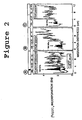
- Figure 2 shows [ 3 H]LTC4-binding proteins and immunoreactive MRP in membranes of HL60/ADR cells (A), revertant HL60 cells (B) and parental, cytostatic agent-sensitive HL60 cells (C).
- the top illustrates the evidence of MRP by immunoblot, the molecular weights of standard proteins following electrophoretic separation are shown therebelow, and the bottom illustrates the introduction of [ 3 H]LTC 4 after photoaffinity labeling and separation by SDS polyacrylamide electrophoresis.
- the suppression of the [ 3 H]LTC 4 labeling of HL60/ADR membranes by the transport inhibitor MK571 is shown in the left-hand illustration (A).
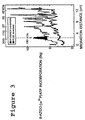
- Figure 3 shows 8-azido[ ⁇ - 32 P] ATP-binding proteins in membranes of HL60/ADR cells and revertant, cytostatic agent-sensitive cells.
- Figure 4 shows the inhibition of the ATP-dependent transport of LTC 4 by the leukotriene receptor antagonist MK 571.
- the inhibition is shown in double-reciprocal (Lineweaver and Burk) plot. Membrane vesicles of MRP-overexpressing cells were incubated in the presence of ATP and LTC 4 at 37°C for 2 minutes. Without the inhibitor (O), the transport activity is high, as also shown in Figure 1 (left-hand side). MK 571 (5 micromolar) substantially inhibits transport. The inhibition is competitive.
- the inhibition constant (K i ) is 0.6 micromolar.
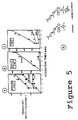
- Panel A illustrates the ATP-dependent transport of [ 3 H]etoposide glucuronide into membrane vesicles from MRP-overexpressing cells.
- Panel B provides a comparison of MRP-mediated ATP-dependent transport of [ 3 H]etoposide glucuronide and [ 3 H]etoposide into membrane vesicles from MRP-overexpressing cells.
- Panel C provides a comparison of MRP-mediated ATP-dependent transport of [ 3 H]etoposide glucuronide into membrane vesicles from MRP-overexpressing cells and controls cells and its inhibition by 5 ⁇ M MK 571.
- the structures of etoposide and etoposide glucuronide are provided in Panel D.
- FIGURE 6 illustrates the ATP-dependent transport of LTC4 into membrane vesicles from MRP-overexpressing cells and its competitive inhibition by the leukotriene receptor antagonist BAY u9773.
- the inhibition constant (K i ) is 0.7 micromolar
- cytostatic agent cytotoxic agent and oncolytic are used interchangeably to describe the present invention and these terms encompass the compounds used in cancer therapy regimens.
- Amphiphilic anions which are lipophilic compounds having a negative charge and a molecular weight of 300 to 950 (daltons), represent substrates for MRP and inhibit its ability to transport cytostatic agents out of the tumor cell again.
- compounds which are usually conjugates of lipophilic compounds having anionic groups such as cysteinyl, carboxyl, cysteinylglycine, glutathione S, glucuronic acid or sulfate groups.
- the glutathione S-conjugate leukotriene C 4 as well as leukotrienes D 4 and E 4 were identified as substrates for the MRP protein, occurring naturally in the body. For this reason, substances structurally related to the leukotrienes C 4 , D 4 and E 4 (LTC 4 , LTD 4 , LTE 4 ) are effective inhibitors for MRP.
- cysteinyl leukotriene receptor antagonists are in consideration as substances structurally related to the leukotrienes.
- the receptor antagonists which react with C 4 , D 4 and E 4 leukotriene receptors are also understood to include compounds structurally related to the receptor antagonists.
- the use of these inhibitors leads to an inhibition of MRP and thus to a drastic reduction of the cytostatic-agent resistance in tumors, e.g. in the case of bronchial carcinomas and leukemias.
- the compounds relevant to the present invention are grouped for description based on the extensive mechanistic data and assay kit development data which was generated using MK 571 and BAY u9773 versus the extensive synthetic chemistry effort directed to the phenoxy compounds of Formula I. Examples 1-18 describe the chemistry and cell-based assay system activity data relevant to the phenoxy compounds of Formula I.
- a subset of leukotriene receptor antagonists of particular importance are those described in the scientific and patent literature in association with the bronchodilatation of asthma, e.g. MK 571 and BAY u9773. These compounds and their use in elucidating the mechanism of MRP and assay and kit development are further described below and in Examples 19-21 Results of transporter assays are summarized in Figures 1-6.
- the studies summarized in Figures 1-6 indicate that the preferred of the inhibitor at the site of action is 0.1 to 10 micromolar.
- the present inventors have further determined that a concentration of a MDR reversal agent of about 0.5 to to about 50 mg/kg body weight of the patient should be given to achieve the desired concentration at the site of action.
- C 1 -C 6 alkyl refers to the straight and branched aliphatic radicals of 1 to 6 carbon atoms such as methyl, ethyl, propyl, isopropyl, n-butyl, sec-butyl, tert-butyl, n-pentyl, 2,2-dimethylpropyl, hexyl, and the like. Included within this definition are the terms “C 1 -C 3 alkyl", “C 1 -C 4 alkyl” and "C 1 -C 5 alkyl”.
- C 2 -C 5 alkynyl refers to straight and branched aliphatic residues of 2 to 5 carbon atoms containing one triple bond, such as -C ⁇ CH, -CH 2 -C ⁇ CH, -CH 2 CH 2 C ⁇ CH, -CH 2 CH(CH 3 )C ⁇ CH, -CH 2 C ⁇ CCH 3 , and the like.
- halo refers to fluoro, chloro, bromo, and iodo.
- Preferred compounds of Formula I which are employed in this invention are those wherein R 1 is 4-halo (especially fluoro)phenyl or acetyl.
- R 1 is 4-halo (especially fluoro)phenyl or acetyl.
- This invention includes the use of pharmaceutically acceptable base addition salts of the compounds of Formula I.
- Such salts include those derived from inorganic bases, such as ammonium and alkali and alkaline earth metal hydroxides, carbonates, bicarbonates, and the like, as well as salts derived from basic organic amines, such as aliphatic and aromatic amines, aliphatic diamines, hydroxy alkylamines, and the like.
- bases useful in preparing the salts of this invention thus include ammonium hydroxide, potassium carbonate, sodium bicarbonate, calcium hydroxide, methyl amine, diethyl amine, ethylene diamine, cyclohexylamine, ethanolamine, and the like.
- the potassium and sodium salt forms are particularly preferred.
- this invention includes any solvate forms of the compounds of Formula I or salts thereof, such as ethanol solvates, hydrates, and the like.
- An important aspect of the current invention concerns the discovery that a select group of phenoxy compounds, those of Formula I, and the racemate and isomers of MK 571 and Bay u9771 are useful for treating resistant neoplasms.
- the synthesis of compounds of Formula 1 are taught in Examples 1-18.
- BAY u977 is commercially avialable from Cascade Biochem LTD, University Park, Whiteknights, Reading, Berkshire RG6 6BX, United Kingdom.
- MK571 and structurally related compounds of use in the present invention are taught in US 5,350,761; US 5,260,316; EP 526402-A1; US 5,310,884; US 5,155,130; EP 412,939-A; US 5,120,758; US 5,118,858; US 5,428,171; US 4,851,409; and EP 233763, the entire contents of which are hereby incorporated by reference.
- the methods of treatment provided by this invention are practiced by administering to a human or other mammal in need a multidrug resistance reversing amount of a compound of Formula I or a pharmaceutically acceptable salt or solvate thereof, that is effective to make the neoplasms less resistant to chemotherapy.
- the compounds of the invention may be used on neoplasms having intrinsic and/or acquired resistance.
- neoplasms include those which have a pathway for resistance which includes the protein P190 (MRP).
- MRP protein P190
- Resistance to drugs such as epipodophyllotoxins and anthracyclines are linked to P190.
- the treatment of the resistant and susceptible neoplasm will result in a reversal or inhibition of resistance, or in other words, will cause the neoplasm to be more sensitive to the appropriate chemotherapy such as treatment with vinblastine, vincristine, vindesine, navelbine, daunorubicin, doxorubicin, mitroxantrone, etoposide, teniposide, mitomycin C, actinomycin D, taxol, topotecan, mithramycin, colchicine, puromycin, podophyllotoxin, ethidium bromide, emetine, gramicidin D, and valinomycin.
- chemotherapy such as treatment with vinblastine, vincristine, vindesine, navelbine, daunorubicin, doxorubicin, mitroxantrone, etoposide, teniposide, mitomycin C, actinomycin D, taxol, topotecan, mithramycin, colchicine,
- the compounds of the invention may be used for many resistant neoplasms, including colon cancer, mesothelioma, melanoma, prostate cancer, ovarian cancer, non-small cell lung cancer, small-cell lung cancer, bladder cancer, endometrial cancer, leukemia, testicular cancer, breast cancer, and large cell lymphoma. More particular types of cancer are Hodgkin's disease, Karposi's sarcoma, and acute granulocytic leukemia.
- the compound is formulated with common excipients, diluents or carriers, and compressed into tablets, or formulated as elixirs or solutions for convenient oral administration, or administered by the intramuscular or intravenous routes.
- the compounds can be administered transdermally, and may be formulated as sustained release dosage forms and the like. Formulations containing more than one of the compounds of the present invention are also contemplated for use in the methods of the present invention.
- phenoxy compounds of Formula I employed in this invention are either disclosed in the two aforementioned references or can be prepared according to the same methods as disclosed therein.
- Mass spectral data were determined on a CEC-21-110 spectrometer using electron impact (EI) conditions, a MAT-731 spectrometer using free desorption (FD) conditions, or a VG ZAB-3F spectrometer using fast atom bombardment (FAB) conditions.
- Silica gel chromatography was performed using ethyl acetate/hexane gradients unless otherwise indicated.
- Reverse-phase chromatography was performed on MCI CHP20P gel using an acetonitrile/water or methanol/water gradient unless otherwise indicated.
- Tetrahydrofuran (THF) was distilled from sodium/benzophenone ketyl immediately prior to use. All reactions were conducted under argon atmosphere with stirring unless otherwise noted. Where structures were confirmed by infra-red, proton nuclear magnetic resonance, or mass spectral analysis, the compound is so designated by "IR”, “NMR”, or “MS”, respectively.
- Tetrakis(triphenylphosphine)palladium(0) (0.659 g, 0.6 mmol) and aqueous sodium carbonate solution (20 mL of a 2M solution) were added to a 30 mL benzene solution of ethyl 7-[3-[(2-benzyloxy-1-bromo-5-ethyl-4-yl)oxy]propoxy]-3,4-dihydro-8-propyl-2H-1-benzopyran-2-carboxylate (2.163 g, 3.5 mmol) under an argon atmosphere. The reaction was refluxed for 17 hours, then cooled to room temperature and extracted with ethyl acetate.
- the organic extract was dried over magnesium sulfate, filtered and the solvent removed under vacuum.
- the crude product was purified by Waters Prep 500 silica gel chromatography eluting with a gradient of 5% to 20% ethyl acetate/hexane over 50 minutes.
- the desired title biphenyl was obtained as a clear oil (1.722 g, 78%).
- 3-(2-Cyanophenoxy)-2-propylphenol (1.66 g, 6.56 mmol) was alkylated with 2-benzyloxy-1-phenyl-5-ethyl-4-(3-chloro-1-propyloxy)benzene.
- the crude product was dissolved in hexane/ethyl acetate and passed through a short silica gel column. The solution was concentrated in vacuo and the residue dissolved in 2-methoxyethanol (50 mL). To this solution was added lithium azide (1.38 g, 24.2 mmol) and triethylanmonium bromide (1.30 g, 7.14 mmol).
- the mixture was diluted with ethyl acetate and shaken.
- the organic layer was washed once with water and once with 1N aqueous sodium hydroxide, dried over sodium sulfate, filtered, and concentrated in vacuo to provide an oil.
- the solution was washed once with 5N aqueous hydrochloric acid.
- the aqueous layer was extracted once with fresh ethyl ether and the combined organic layers were washed twice with 5N aqueous ammonium hydroxide.
- the organic layer was washed once with a saturated sodium chloride solution, dried over sodium sulfate, filtered, and concentrated in vacuo.
- the mixture was cooled to room temperature, diluted with water, and extracted three times with diethyl ether
- the combined ether fractions were filtered through a mat of Celite®, washed once with 5N aqueous hydrochloric acid, once with 2N aqueous sodium hydroxide, and filtered again through a mat of Celite®.
- the resulting solution was dried over magnesium sulfate, filtered, and evaporated in vacuo.
- the organic layer was washed three times with 1N sodium hydroxide solution and the combined aqueous layers were back-extracted with a fresh portion of diethyl ether.
- the aqueous layer was adjusted to pH-3 with aqueous hydrochloric acid and extracted three times with fresh diethyl ether.
- the combined organic layers were washed once with water, once with saturated sodium chloride solution, dried over sodium sulfate, filtered, and concentrated in vacuo to reveal an off-white solid.
- the aqueous layer was extracted with three times with diethyl ether and the combined organic layers were washed once with water, once with a saturated sodium chloride solution, dried over sodium sulfate, filtered, and concentrated in vacuo to provide a yellow oil.
- the residue was dissolved in a fresh portion of ether and extracted with 1N aqueous sodium hydroxide.
- the aqueous layer was washed with a fresh portion of ether and acidified with aqueous hydrochloric acid.
- the resulting aqueous layer was extracted with a fresh portion of ether.
- the organic layer was washed with a saturated sodium chloride solution, dried over sodium sulfate, filtered, and concentrated in vacuo .
- the crude acid was dissolved in methanol (125 mL) and the resulting solution saturated with hydrogen chloride gas. After stirring for 18 hours, the reaction mixture was concentrated in vacuo, the residue dissolved in ether, and the resulting solution washed with saturated sodium bicarbonate solution.
- HL60/ADR is a continuous cell line, which was selected for AdriamycinTM resistance by culturing HL60, a human acute myeloblastic leukemia cell line, in increasing concentrations of AdriamycinTM until a highly resistant variant was attained.
- HL60/ADR cells were grown in RPMI 1640 (Gibco) containing 10% fetal bovine serum (FBS) and 250 ⁇ g/ml gentamicinTM (Sigma). Cells were harvested; washed twice with assay medium (same as culture media); counted; and diluted to 2 x 10 5 cells/ml in assay medium. Fifty ⁇ l of cells were aliquoted into wells of a 96 well tissue culture plate. One column of each 96 well plate served as a negative control and received assay medium containing no cells.
- Test compounds and references compounds were dissolved in dimethyl sulfoxide (DMSO) at a concentration of 5 mM. Samples were diluted to 20 ⁇ M in assay medium and 25 ⁇ l of each test compound was added to 6 wells. Assay standards were run in quadruplicate. 25 ⁇ l of 0.4% DMSO was added to four wells as a solvent control. Assay media was added to all wells to achieve a final volume of 100 ⁇ l per well.
- DMSO dimethyl sulfoxide
- the plates were incubated at 37° Centigrade for 72 hours in a humidified incubator with a 5% CO 2 atmosphere.
- a CellTiter96 Aqueous Assay Kit (Promega) was used to measure cell viability and vitality via oxidation of a tetrazolium salt.
- the assay was performed in accordance with the vendors instructions, which required 2 ml of MTS reagent being mixed with 0.1 ml of PMS reagent and 20 ⁇ l of this solution was added to each well.
- the plates were incubated for 3 hours at 37° C. Absorbance was determined at 490 nm using a microtitre plate reader.
- test compound The ability of a test compound to reverse the resistance of HL60/ADR cells to Adriamycin was determined by comparison of the absorbance of the wells containing a test compound in addition to Adriamycin with the absorbance of wells containing Adriamycin without a test compound. Controls were used to eliminate background and to ensure the results were not artifactual. The results of the assay are expressed as percent inhibition of cell growth. Adriamycin alone at the tested concentration does not usually inhibit the growth of HL60/ADR cells.
- Example % Inhibition 1 54% 2 63% 3 55% 4 38% 5 23% 6 35% 7 72% 8 57% 9 61% 10 49% 11 47% 12 62% 13 64% 14 58% 15 73% 16 35% 17 25% 18 67%
- the compounds or formulations employed in the present invention may be administered by the oral and rectal routes, topically, parenterally, e.g., by injection and by continuous or discontinuous intra-arterial infusion, in the form of, for example, tablets, lozenges, sublingual tablets, sachets, cachets, elixirs, gels, suspensions, aerosols, ointments, for example, containing from 1 to 10% by weight of the active compound in a suitable base, soft and hard gelatin capsules, suppositories, injectable solutions and suspensions in physiologically acceptable media, and sterile packaged powders adsorbed onto a support material for making injectable solutions.
- compositions may be provided in dosage unit form, preferably each dosage unit containing from about 5 to about 500 mg (from about 5 to 50 mg in the case of parenteral or inhalation administration, and from about 25 to 500 mg in the case of oral or rectal administration) of a compound of Formula I.
- Dosages from about 0.5 to about 300 mg/kg per day, preferably 0.5 to 20 mg/kg, of active ingredient may be administered although it will, of course, readily be understood that the amount of the compound or compounds of Formula I actually to be administered will be determined by a physician, in the light of all the relevant circumstances including the condition to be treated, the choice of compound to be administered and the choice of route of administration and therefore the above preferred dosage range is not intended to limit the scope of the present invention in any way.
- the formulations employed in the present invention normally will consist of at least one compound of Formula I mixed with a carrier, or diluted by a carrier,or enclosed or encapsulated by an ingestible carrier in the form of a capsule, sachet, cachet, paper or other container or by a disposable container such as an ampoule.
- a carrier or diluent may be a solid, semi-solid or liquid material which serves as a vehicle, excipient or medium for the active therapeutic substance.
- diluents or carrier which may be employed in the pharmaceutical compositions of the present: invention are lactose, dextrose, sucrose, sorbitol, mannitol, propylene glycol, liquid paraffin, white soft paraffin, kaolin, fumed silicon dioxide, microcrystalline cellulose, calcium silicate, silica, polyvinylpyrrolidone, cetostearyl alcohol, starch, modified starches, gum acacia, calcium phosphate, cocoa butter, ethoxylated esters, oil of theobroma, arachis oil, alginates, tragacanth, gelatin, syrup, methyl cellulose, polyoxyethylene sorbitan monolaurate, ethyl lactate, methyl and propyl hydroxybenzoate, sorbitan trioleate, sorbitan sesquioleate and oleyl alcohol and propellants such as trichloromonofluoromethane, dichlorodifluoromethane and
- a lubricant may be incorporated to prevent sticking and binding of the powdered ingredients in the dies and on the punch of the tableting machine.
- a lubricant may be employed for instance aluminum, magnesium or calcium stearates, talc or mineral oil.
- Preferred pharmaceutical forms of the present invention are capsules, tablets, suppositories, and injectable solutions. Especially preferred are formulations for oral ingestion.
- HL60/ADR cells human leukemia cells grown in adriamycin and overexpressing MRP
- revertant HL60 cells and parental HL60 cells, respectively
- plasma membrane vesicles were prepared according to standard methods. Briefly, the cells were lysed by incubation in hypotonic buffer (0.5 mM sodium phosphate (pH 7.0), 0.1 mM EDTA supplemented with protease inhibitors) for 1.5 hours, followed by homogenization in a homogenizer. After centrifugation of the homogenate at 12,000 x g(4°C, 10 minutes), the supernatant was centrifuged at 100,000 x g at 4°C for 45 minutes.
- hypotonic buffer 0.5 mM sodium phosphate (pH 7.0), 0.1 mM EDTA supplemented with protease inhibitors
- the resulting pellet was homogenized in incubation buffer (250 mM sucrose-10 mM tris-HCl, pH 7.4) and layered over 38% sucrose in 5 mM 4(2-hydroxyethyl)-1-piperazineethanesulfonic acid/KOH, pH 7.4. After centrifugation at 280,000 x g at 4°C for 2 hours, the interphase was collected, washed by centrifugation in incubation buffer (100,000 x g) and passed 20 times through a 27-gauge needle. The resulting membrane vesicles had enriched plasma membranes with moderate contaminations from endoplasmic reticulum and Golgi's apparatus.
- the dilute samples were filtered immediately through a nitrocellulose membrane (0.2 ⁇ m pore size), presoaked in incubation buffer using a rapid filtration device and rinsed twice with 5 ml of incubation buffer.
- the filters were immersed in liquid and measured in a liquid scintillation counter.
- ATP was replaced by an equal concentration of 5' -AMP in a control experiment. All rates of the ATP-dependent transport were obtained by subtracting the values obtained in the presence of 5' -AMP from those measured in the presence of ATP.
- Figure 1 shows that the ATP-dependent transport of S-(2,4-dinitrophenyl-[ 3 H]glutathione at a concentration of 5 ⁇ M using HL60/ADR membranes was 50 ⁇ 4 pmol x mg protein -1 x min -1 .
- the transport rate of the revertant and parental HL60 cells was 10 times less.
- Figure 4 further reveals that the receptor antagonist MK 571 is a potent inhibitor of the ATP-dependent LTC 4 transport.
- Vesicle suspensions (200 ⁇ g protein) were incubated with 74 kBq [ 3 H]LTC 4 (150 nM) at 37°C for 10 minutes, shock-frozen in liquid nitrogen and irradiated at 300 nm for 5 minutes.
- the vesicle preparations were preincubated with 50 ⁇ M of MK 571 at 4°C for 30 minutes.
Landscapes
- Health & Medical Sciences (AREA)
- Chemical & Material Sciences (AREA)
- Medicinal Chemistry (AREA)
- Pharmacology & Pharmacy (AREA)
- Life Sciences & Earth Sciences (AREA)
- Animal Behavior & Ethology (AREA)
- General Health & Medical Sciences (AREA)
- Public Health (AREA)
- Veterinary Medicine (AREA)
- Epidemiology (AREA)
- Engineering & Computer Science (AREA)
- Bioinformatics & Cheminformatics (AREA)
- Chemical Kinetics & Catalysis (AREA)
- General Chemical & Material Sciences (AREA)
- Nuclear Medicine, Radiotherapy & Molecular Imaging (AREA)
- Organic Chemistry (AREA)
- Pharmaceuticals Containing Other Organic And Inorganic Compounds (AREA)
- Medicines That Contain Protein Lipid Enzymes And Other Medicines (AREA)
- Organic Low-Molecular-Weight Compounds And Preparation Thereof (AREA)
- Pyrane Compounds (AREA)
- Acyclic And Carbocyclic Compounds In Medicinal Compositions (AREA)
Applications Claiming Priority (5)
| Application Number | Priority Date | Filing Date | Title |
|---|---|---|---|
| US298644 | 1994-08-31 | ||
| US08/298,644 US5543428A (en) | 1994-08-31 | 1994-08-31 | Method for treating resistant tumors |
| DE4432563 | 1994-09-13 | ||
| DE19944432563 DE4432563C2 (de) | 1994-09-13 | 1994-09-13 | Verwendung von amphiphilen Anionen zur Verminderung der Zytostatika-Resistenz durch Hemmung des durch das MRP-Protein vermittelten Membrantransports |
| EP95932371A EP0777472A2 (fr) | 1994-08-31 | 1995-08-31 | Procedes d'identification et de traitement de tumeurs resistantes |
Related Parent Applications (1)
| Application Number | Title | Priority Date | Filing Date |
|---|---|---|---|
| EP95932371A Division EP0777472A2 (fr) | 1994-08-31 | 1995-08-31 | Procedes d'identification et de traitement de tumeurs resistantes |
Publications (2)
| Publication Number | Publication Date |
|---|---|
| EP1129707A2 true EP1129707A2 (fr) | 2001-09-05 |
| EP1129707A3 EP1129707A3 (fr) | 2002-02-27 |
Family
ID=25940080
Family Applications (2)
| Application Number | Title | Priority Date | Filing Date |
|---|---|---|---|
| EP95932371A Withdrawn EP0777472A2 (fr) | 1994-08-31 | 1995-08-31 | Procedes d'identification et de traitement de tumeurs resistantes |
| EP01103130A Withdrawn EP1129707A3 (fr) | 1994-08-31 | 1995-08-31 | Procédés d'identification et de traitement de tumeurs résistantes |
Family Applications Before (1)
| Application Number | Title | Priority Date | Filing Date |
|---|---|---|---|
| EP95932371A Withdrawn EP0777472A2 (fr) | 1994-08-31 | 1995-08-31 | Procedes d'identification et de traitement de tumeurs resistantes |
Country Status (6)
| Country | Link |
|---|---|
| US (3) | US6235785B1 (fr) |
| EP (2) | EP0777472A2 (fr) |
| JP (1) | JPH10505348A (fr) |
| AU (1) | AU3543495A (fr) |
| CA (1) | CA2198752A1 (fr) |
| WO (1) | WO1996006604A2 (fr) |
Families Citing this family (13)
| Publication number | Priority date | Publication date | Assignee | Title |
|---|---|---|---|---|
| EP0777472A2 (fr) * | 1994-08-31 | 1997-06-11 | Eli Lilly And Company | Procedes d'identification et de traitement de tumeurs resistantes |
| ATE255420T1 (de) * | 1998-09-25 | 2003-12-15 | Horst Lindhofer | Verwendung von tumorzellen zeitversetzt in kombination mit intakten antikörpern zur immunisierung |
| AU1916501A (en) * | 1999-11-11 | 2001-06-06 | Eli Lilly And Company | Oncolytic combinations for the treatment of cancer |
| CN1237968C (zh) * | 2000-05-09 | 2006-01-25 | 克赖顿大学 | 抑制癌细胞的增殖和诱导其凋亡的方法 |
| JP2004513090A (ja) | 2000-09-27 | 2004-04-30 | メルク エンド カムパニー インコーポレーテッド | 糖尿病及び脂質異常症の治療のためのベンゾピランカルボン酸誘導体 |
| WO2002060434A2 (fr) | 2000-10-31 | 2002-08-08 | Merck & Co., Inc. | Derives d'acide benzopyranocarboxylique pour traiter le diabete et d'autres troubles lipidiques |
| IL156988A0 (en) * | 2001-02-20 | 2004-02-08 | Bristol Myers Squibb Co | Pharmaceutical compositions containing epothilone derivatives |
| EP3268085A4 (fr) | 2015-03-13 | 2018-10-31 | The Board of Trustees of The Leland Stanford Junior University | Inhibition de ltb4 pour prévenir et traiter le lymphoedème humain |
| US10107437B2 (en) * | 2015-09-15 | 2018-10-23 | Mustang Sampling Llc | Tooling friendly adapter for insertion probe access |
| WO2017095725A1 (fr) | 2015-11-30 | 2017-06-08 | Merck Sharp & Dohme Corp. | Sulfonamides d'aryle utilisés en tant qu'antagonistes de blt1 |
| US10336733B2 (en) | 2015-11-30 | 2019-07-02 | Merk Sharp & Dohme Corp. | Aryl acylsulfonamides as BLT1 antagonists |
| US10370368B2 (en) | 2015-11-30 | 2019-08-06 | Merck Sharp & Dohme Corp. | Aryl acylsulfonamides as BLT1 antagonists |
| WO2017095724A1 (fr) | 2015-11-30 | 2017-06-08 | Merck Sharp & Dohme Corp. | Sulfonamides d'aryle utilisés en tant qu'antagonistes de blt1 |
Family Cites Families (19)
| Publication number | Priority date | Publication date | Assignee | Title |
|---|---|---|---|---|
| US4200577A (en) | 1975-09-23 | 1980-04-29 | Beecham Group Limited | Coumarin derivatives |
| US4211791A (en) | 1975-09-23 | 1980-07-08 | Beecham Group Limited | Indanediones |
| US4889871A (en) | 1987-05-29 | 1989-12-26 | G. D. Searle & Co. | Alkoxy-substituted dihydrobenzopyran-2-carboxylate derivatives |
| US5216024A (en) | 1987-07-28 | 1993-06-01 | Baylor College Of Medicine | Cell growth inhibitors and methods of treating cancer and cell proliferative diseases |
| US5216172A (en) | 1988-02-24 | 1993-06-01 | Ajinomoto Co., Inc. | 1,4-dihydropyridine-4-aryl-2,6-dimethyl-3,5-dicarboxylates useful as agents against drug resistant tumor cells |
| JPH02218654A (ja) * | 1988-10-12 | 1990-08-31 | Ono Pharmaceut Co Ltd | 安息香酸誘導体、それらの製造方法およびそれらを含有する薬剤 |
| ZA925185B (en) | 1991-07-18 | 1993-04-29 | Hoffmann La Roche | Dithianes. |
| PH30449A (en) | 1991-11-25 | 1997-05-28 | Lilly Co Eli | Substituted phenyl phenol leukotriene antagonists |
| ZA929051B (en) * | 1991-11-25 | 1994-05-23 | Lilly Co Eli | Substituted phenyl phenol leukotriene antagonists |
| DK0643693T3 (da) | 1992-02-06 | 1999-11-29 | Merrell Pharma Inc | Reversering af multi-lægemiddelresistens med triphenyl-piperidin-derivater |
| AU668910B2 (en) | 1992-02-06 | 1996-05-23 | Merrell Dow Pharmaceuticals Inc. | Reversal of multi-drug resistance by tetraarylethylenes |
| WO1994006938A1 (fr) | 1992-09-17 | 1994-03-31 | The Board Of Trustees Of The University Of Illinois | Procedes destines a eviter une resistance a une therapie polymedicamenteuse dans des cellules cancereuses |
| IL107462A0 (en) * | 1992-11-05 | 1994-02-27 | Lilly Co Eli | Drug resistance-conferring protein, antibodies reactive therewith and utilities thereof |
| US5324743A (en) | 1992-12-10 | 1994-06-28 | Eli Lilly And Company | Leukotriene B4 antagonists |
| US5643909A (en) | 1993-04-19 | 1997-07-01 | Syntex (U.S.A.) Inc. | 10,11-Methanodibenzosuberane derivatives |
| US5387685A (en) | 1993-07-16 | 1995-02-07 | American Cyanamid Co | MDR reversal agents |
| CZ253694A3 (en) * | 1993-10-15 | 1995-05-17 | Lilly Co Eli | Pharmaceutical preparation for treating resistant neoplasms |
| US5543428A (en) | 1994-08-31 | 1996-08-06 | Eli Lilly And Company | Method for treating resistant tumors |
| EP0777472A2 (fr) * | 1994-08-31 | 1997-06-11 | Eli Lilly And Company | Procedes d'identification et de traitement de tumeurs resistantes |
-
1995
- 1995-08-31 EP EP95932371A patent/EP0777472A2/fr not_active Withdrawn
- 1995-08-31 US US08/793,659 patent/US6235785B1/en not_active Expired - Fee Related
- 1995-08-31 CA CA002198752A patent/CA2198752A1/fr not_active Abandoned
- 1995-08-31 JP JP8508977A patent/JPH10505348A/ja not_active Ceased
- 1995-08-31 WO PCT/US1995/011125 patent/WO1996006604A2/fr not_active Ceased
- 1995-08-31 EP EP01103130A patent/EP1129707A3/fr not_active Withdrawn
- 1995-08-31 AU AU35434/95A patent/AU3543495A/en not_active Abandoned
-
2001
- 2001-04-17 US US09/836,567 patent/US20020013370A1/en not_active Abandoned
- 2001-04-17 US US09/836,429 patent/US6673813B2/en not_active Expired - Fee Related
Also Published As
| Publication number | Publication date |
|---|---|
| EP0777472A2 (fr) | 1997-06-11 |
| US20020013370A1 (en) | 2002-01-31 |
| US6673813B2 (en) | 2004-01-06 |
| WO1996006604A3 (fr) | 1996-08-01 |
| US6235785B1 (en) | 2001-05-22 |
| EP1129707A3 (fr) | 2002-02-27 |
| US20020010213A1 (en) | 2002-01-24 |
| AU3543495A (en) | 1996-03-22 |
| WO1996006604A2 (fr) | 1996-03-07 |
| CA2198752A1 (fr) | 1996-03-07 |
| JPH10505348A (ja) | 1998-05-26 |
Similar Documents
| Publication | Publication Date | Title |
|---|---|---|
| JP7466128B2 (ja) | TGFβ阻害剤およびプロドラッグ | |
| US6673813B2 (en) | Methods for identifying and treating resistant tumors | |
| US20070099826A1 (en) | Treatment of diseases associated with the egr-1 enhancer element | |
| JP2758902B2 (ja) | アルコキシ置換ジヒドロベンゾピラン−2−カルボキシレート誘導体 | |
| JP2007509842A (ja) | 心血管障害の処置のためにApoA1の発現を誘導するための、一酸化窒素部分を含む化合物 | |
| JP6570042B2 (ja) | 官能化ベンゾピラン化合物およびその使用 | |
| Liu et al. | Synthesis of xanthone derivatives and studies on the inhibition against cancer cells growth and synergistic combinations of them | |
| US20050080021A1 (en) | Nitric oxide donating derivatives of stilbenes, polyphenols and flavonoids for the treatment of cardiovascular disorders | |
| RU2657750C1 (ru) | Новые способы направленного воздействия на раковые стволовые клетки | |
| US11312676B2 (en) | Small molecule stimulators of steroid receptor coactivator proteins and their use in the treatment of cancer | |
| AU2943300A (en) | Novel ligands of nuclear receptors ppar's | |
| US5543428A (en) | Method for treating resistant tumors | |
| Ling et al. | Development of novel amino-quinoline-5, 8-dione derivatives as NAD (P) H: quinone oxidoreductase 1 (NQO1) inhibitors with potent antiproliferative activities | |
| KR900001511B1 (ko) | 카테콜 유도체 및 그것을 함유하는 중추신경계 퇴행성질환의 진행방지 및 치료제 | |
| EP2640718B1 (fr) | Sodium-1h-pyrazol-5-olate substitue | |
| KR20210027382A (ko) | 접히지 않은 단백질 반응의 활성화제 | |
| CA3169315A1 (fr) | Conjugues de glucose de triptolide et leurs utilisations | |
| US20120083440A1 (en) | Methods and compounds for the targeted delivery of agents to bone for interaction therewith | |
| EA014695B1 (ru) | Модулятор рецепторов глюкокортикостероидов и его применение | |
| Sakthivel et al. | Natural product-inspired rational design, synthesis and biological evaluation of 2, 3-dihydropyrano [2, 3-f] chromen-4 (8H)-one based hybrids as potential mitochondrial apoptosis inducers | |
| Hudacova et al. | Synthesis of New Biscoumarin Derivatives | |
| Karmacharya et al. | Synthesis and anticancer evaluation of 6-azacyclonol-2, 4, 6-trimethylpyridin-3-ol derivatives: M3 muscarinic acetylcholine receptor-mediated anticancer activity of a cyclohexyl derivative in androgen-refractory prostate cancer | |
| Xu et al. | Design, synthesis, and biological evaluation of novel water-soluble triptolide derivatives: Antineoplastic activity against imatinib-resistant CML cells bearing T315I mutant Bcr-Abl | |
| Lu et al. | Design, synthesis and biological evaluation of 3-aryl-7-hydroxy scopoletin derivatives as autophagy activators against tumorigenesis | |
| US9873705B2 (en) | Vinylogous thioester compounds and methods of use |
Legal Events
| Date | Code | Title | Description |
|---|---|---|---|
| PUAI | Public reference made under article 153(3) epc to a published international application that has entered the european phase |
Free format text: ORIGINAL CODE: 0009012 |
|
| 17P | Request for examination filed |
Effective date: 20010209 |
|
| AC | Divisional application: reference to earlier application |
Ref document number: 777472 Country of ref document: EP |
|
| AK | Designated contracting states |
Kind code of ref document: A2 Designated state(s): AT BE CH DE DK ES FR GB GR IE IT LI NL PT SE |
|
| PUAL | Search report despatched |
Free format text: ORIGINAL CODE: 0009013 |
|
| AK | Designated contracting states |
Kind code of ref document: A3 Designated state(s): AT BE CH DE DK ES FR GB GR IE IT LI NL PT SE |
|
| RIN1 | Information on inventor provided before grant (corrected) |
Inventor name: KEPPLER, DIETRICH Inventor name: LEIER, INKA, DR. Inventor name: JEDLITSCHKY, GABRIELE Inventor name: STARLING, JAMES JACOB Inventor name: SPAETHE, STEPHEN M. Inventor name: SAWYER, JASON SCOTT |
|
| RIN1 | Information on inventor provided before grant (corrected) |
Inventor name: KEPPLER, DIETRICH Inventor name: LEIER, INKA, DR. Inventor name: JEDLITSCHKY, GABRIELE Inventor name: STARLING, JAMES JACOB Inventor name: SPAETHE, STEPHEN M. Inventor name: SAWYER, JASON SCOTT |
|
| AKX | Designation fees paid |
Free format text: AT BE CH DE DK ES FR GB GR IE IT LI NL PT SE |
|
| STAA | Information on the status of an ep patent application or granted ep patent |
Free format text: STATUS: THE APPLICATION IS DEEMED TO BE WITHDRAWN |
|
| 18D | Application deemed to be withdrawn |
Effective date: 20060301 |