EP1189631B1 - Neurodegenerative-erkrankung verwandtes gen - Google Patents
Neurodegenerative-erkrankung verwandtes gen Download PDFInfo
- Publication number
- EP1189631B1 EP1189631B1 EP00907858A EP00907858A EP1189631B1 EP 1189631 B1 EP1189631 B1 EP 1189631B1 EP 00907858 A EP00907858 A EP 00907858A EP 00907858 A EP00907858 A EP 00907858A EP 1189631 B1 EP1189631 B1 EP 1189631B1
- Authority
- EP
- European Patent Office
- Prior art keywords
- pkcγ
- polypeptide
- gene
- nervous system
- disorder
- Prior art date
- Legal status (The legal status is an assumption and is not a legal conclusion. Google has not performed a legal analysis and makes no representation as to the accuracy of the status listed.)
- Expired - Lifetime
Links
- 208000015122 neurodegenerative disease Diseases 0.000 title claims abstract description 25
- 108090000623 proteins and genes Proteins 0.000 title claims description 78
- 108090000765 processed proteins & peptides Proteins 0.000 claims abstract description 54
- 102000004196 processed proteins & peptides Human genes 0.000 claims abstract description 51
- 108090000315 Protein Kinase C Proteins 0.000 claims abstract description 50
- 102000003923 Protein Kinase C Human genes 0.000 claims abstract description 50
- 229920001184 polypeptide Polymers 0.000 claims abstract description 50
- 239000012634 fragment Substances 0.000 claims abstract description 45
- 230000035772 mutation Effects 0.000 claims abstract description 41
- 108091033319 polynucleotide Proteins 0.000 claims abstract description 32
- 102000040430 polynucleotide Human genes 0.000 claims abstract description 32
- 239000002157 polynucleotide Substances 0.000 claims abstract description 32
- 241001465754 Metazoa Species 0.000 claims abstract description 23
- 241000282414 Homo sapiens Species 0.000 claims abstract description 19
- 239000003814 drug Substances 0.000 claims abstract description 17
- 238000004519 manufacturing process Methods 0.000 claims abstract description 16
- 238000010998 test method Methods 0.000 claims abstract description 4
- 101001026864 Homo sapiens Protein kinase C gamma type Proteins 0.000 claims description 90
- 102100037314 Protein kinase C gamma type Human genes 0.000 claims description 54
- 238000000034 method Methods 0.000 claims description 36
- 208000037265 diseases, disorders, signs and symptoms Diseases 0.000 claims description 30
- 208000035475 disorder Diseases 0.000 claims description 30
- 230000003412 degenerative effect Effects 0.000 claims description 21
- 150000001413 amino acids Chemical class 0.000 claims description 19
- 230000007850 degeneration Effects 0.000 claims description 19
- 108020004999 messenger RNA Proteins 0.000 claims description 19
- 210000003169 central nervous system Anatomy 0.000 claims description 17
- 208000018737 Parkinson disease Diseases 0.000 claims description 15
- 208000023105 Huntington disease Diseases 0.000 claims description 14
- 210000000653 nervous system Anatomy 0.000 claims description 14
- 238000012360 testing method Methods 0.000 claims description 14
- 208000024827 Alzheimer disease Diseases 0.000 claims description 10
- 101000971437 Rattus norvegicus Protein kinase C gamma type Proteins 0.000 claims description 9
- 230000006735 deficit Effects 0.000 claims description 8
- 241000282412 Homo Species 0.000 claims description 7
- 241000124008 Mammalia Species 0.000 claims description 7
- 238000001514 detection method Methods 0.000 claims description 7
- 210000004002 dopaminergic cell Anatomy 0.000 claims description 7
- 208000001089 Multiple system atrophy Diseases 0.000 claims description 6
- 230000002401 inhibitory effect Effects 0.000 claims description 6
- 230000033001 locomotion Effects 0.000 claims description 6
- 241000894007 species Species 0.000 claims description 6
- 238000010171 animal model Methods 0.000 claims description 5
- 206010067889 Dementia with Lewy bodies Diseases 0.000 claims description 4
- 201000002832 Lewy body dementia Diseases 0.000 claims description 4
- 206010068100 Vascular parkinsonism Diseases 0.000 claims description 4
- 230000000574 ganglionic effect Effects 0.000 claims description 4
- 201000002212 progressive supranuclear palsy Diseases 0.000 claims description 4
- 230000001737 promoting effect Effects 0.000 claims description 4
- 238000003556 assay Methods 0.000 claims description 2
- 238000001415 gene therapy Methods 0.000 claims description 2
- 239000002243 precursor Substances 0.000 claims description 2
- 210000004899 c-terminal region Anatomy 0.000 claims 2
- 230000001537 neural effect Effects 0.000 claims 1
- 101150034785 gamma gene Proteins 0.000 abstract description 3
- 241000700159 Rattus Species 0.000 description 59
- 102000004169 proteins and genes Human genes 0.000 description 45
- 210000004556 brain Anatomy 0.000 description 31
- 238000006243 chemical reaction Methods 0.000 description 28
- 239000002299 complementary DNA Substances 0.000 description 28
- 108020004414 DNA Proteins 0.000 description 24
- 239000002585 base Substances 0.000 description 24
- 239000002773 nucleotide Substances 0.000 description 24
- 125000003729 nucleotide group Chemical group 0.000 description 24
- 239000013598 vector Substances 0.000 description 23
- 238000002474 experimental method Methods 0.000 description 22
- 230000014509 gene expression Effects 0.000 description 21
- 210000004027 cell Anatomy 0.000 description 20
- 239000000047 product Substances 0.000 description 20
- 230000000694 effects Effects 0.000 description 19
- 230000002068 genetic effect Effects 0.000 description 19
- 238000009396 hybridization Methods 0.000 description 16
- 108091032973 (ribonucleotides)n+m Proteins 0.000 description 15
- LFQSCWFLJHTTHZ-UHFFFAOYSA-N Ethanol Chemical compound CCO LFQSCWFLJHTTHZ-UHFFFAOYSA-N 0.000 description 15
- 108091028043 Nucleic acid sequence Proteins 0.000 description 14
- 239000003550 marker Substances 0.000 description 14
- 150000007523 nucleic acids Chemical class 0.000 description 13
- 239000000523 sample Substances 0.000 description 13
- 108020004705 Codon Proteins 0.000 description 12
- VYFYYTLLBUKUHU-UHFFFAOYSA-N dopamine Chemical compound NCCC1=CC=C(O)C(O)=C1 VYFYYTLLBUKUHU-UHFFFAOYSA-N 0.000 description 12
- 238000012163 sequencing technique Methods 0.000 description 12
- 239000000499 gel Substances 0.000 description 11
- 238000013507 mapping Methods 0.000 description 11
- DBMJMQXJHONAFJ-UHFFFAOYSA-M Sodium laurylsulphate Chemical compound [Na+].CCCCCCCCCCCCOS([O-])(=O)=O DBMJMQXJHONAFJ-UHFFFAOYSA-M 0.000 description 10
- 238000000338 in vitro Methods 0.000 description 9
- 108010062154 protein kinase C gamma Proteins 0.000 description 9
- 235000019333 sodium laurylsulphate Nutrition 0.000 description 9
- 239000000243 solution Substances 0.000 description 9
- 108091092878 Microsatellite Proteins 0.000 description 8
- 238000010367 cloning Methods 0.000 description 8
- 239000012528 membrane Substances 0.000 description 8
- 238000001262 western blot Methods 0.000 description 8
- 108091034117 Oligonucleotide Proteins 0.000 description 7
- FAPWRFPIFSIZLT-UHFFFAOYSA-M Sodium chloride Chemical compound [Na+].[Cl-] FAPWRFPIFSIZLT-UHFFFAOYSA-M 0.000 description 7
- 210000000349 chromosome Anatomy 0.000 description 7
- 150000001875 compounds Chemical class 0.000 description 7
- 230000000875 corresponding effect Effects 0.000 description 7
- 238000001727 in vivo Methods 0.000 description 7
- 238000011282 treatment Methods 0.000 description 7
- CFFZDZCDUFSOFZ-UHFFFAOYSA-N 3,4-Dihydroxy-phenylacetic acid Chemical compound OC(=O)CC1=CC=C(O)C(O)=C1 CFFZDZCDUFSOFZ-UHFFFAOYSA-N 0.000 description 6
- 102000004190 Enzymes Human genes 0.000 description 6
- 108090000790 Enzymes Proteins 0.000 description 6
- 229920002873 Polyethylenimine Polymers 0.000 description 6
- 239000007983 Tris buffer Substances 0.000 description 6
- 239000000872 buffer Substances 0.000 description 6
- 230000008859 change Effects 0.000 description 6
- 239000003153 chemical reaction reagent Substances 0.000 description 6
- 229960003638 dopamine Drugs 0.000 description 6
- 102000039446 nucleic acids Human genes 0.000 description 6
- 108020004707 nucleic acids Proteins 0.000 description 6
- 239000002953 phosphate buffered saline Substances 0.000 description 6
- LENZDBCJOHFCAS-UHFFFAOYSA-N tris Chemical compound OCC(N)(CO)CO LENZDBCJOHFCAS-UHFFFAOYSA-N 0.000 description 6
- 208000016285 Movement disease Diseases 0.000 description 5
- 230000000692 anti-sense effect Effects 0.000 description 5
- 230000008827 biological function Effects 0.000 description 5
- 230000000903 blocking effect Effects 0.000 description 5
- 238000011065 in-situ storage Methods 0.000 description 5
- 238000000520 microinjection Methods 0.000 description 5
- 230000004048 modification Effects 0.000 description 5
- 238000012986 modification Methods 0.000 description 5
- 239000013612 plasmid Substances 0.000 description 5
- 230000006798 recombination Effects 0.000 description 5
- 238000005215 recombination Methods 0.000 description 5
- 238000011160 research Methods 0.000 description 5
- 210000001519 tissue Anatomy 0.000 description 5
- XLYOFNOQVPJJNP-UHFFFAOYSA-N water Chemical compound O XLYOFNOQVPJJNP-UHFFFAOYSA-N 0.000 description 5
- DHMQDGOQFOQNFH-UHFFFAOYSA-N Glycine Chemical compound NCC(O)=O DHMQDGOQFOQNFH-UHFFFAOYSA-N 0.000 description 4
- TWRXJAOTZQYOKJ-UHFFFAOYSA-L Magnesium chloride Chemical compound [Mg+2].[Cl-].[Cl-] TWRXJAOTZQYOKJ-UHFFFAOYSA-L 0.000 description 4
- 108091000080 Phosphotransferase Proteins 0.000 description 4
- 230000003321 amplification Effects 0.000 description 4
- 239000000074 antisense oligonucleotide Substances 0.000 description 4
- 238000012230 antisense oligonucleotides Methods 0.000 description 4
- 230000007423 decrease Effects 0.000 description 4
- 239000000284 extract Substances 0.000 description 4
- 230000036541 health Effects 0.000 description 4
- 238000002347 injection Methods 0.000 description 4
- 239000007924 injection Substances 0.000 description 4
- 210000001577 neostriatum Anatomy 0.000 description 4
- 238000003199 nucleic acid amplification method Methods 0.000 description 4
- 239000008194 pharmaceutical composition Substances 0.000 description 4
- 102000020233 phosphotransferase Human genes 0.000 description 4
- 238000000746 purification Methods 0.000 description 4
- 230000002829 reductive effect Effects 0.000 description 4
- 239000011780 sodium chloride Substances 0.000 description 4
- 238000013519 translation Methods 0.000 description 4
- HRPVXLWXLXDGHG-UHFFFAOYSA-N Acrylamide Chemical compound NC(=O)C=C HRPVXLWXLXDGHG-UHFFFAOYSA-N 0.000 description 3
- 108020000948 Antisense Oligonucleotides Proteins 0.000 description 3
- 108091003079 Bovine Serum Albumin Proteins 0.000 description 3
- 241001573498 Compacta Species 0.000 description 3
- 229920000742 Cotton Polymers 0.000 description 3
- 102000053602 DNA Human genes 0.000 description 3
- PEDCQBHIVMGVHV-UHFFFAOYSA-N Glycerine Chemical compound OCC(O)CO PEDCQBHIVMGVHV-UHFFFAOYSA-N 0.000 description 3
- OKKJLVBELUTLKV-UHFFFAOYSA-N Methanol Chemical compound OC OKKJLVBELUTLKV-UHFFFAOYSA-N 0.000 description 3
- 241000699666 Mus <mouse, genus> Species 0.000 description 3
- 208000012902 Nervous system disease Diseases 0.000 description 3
- 239000000020 Nitrocellulose Substances 0.000 description 3
- 241000283973 Oryctolagus cuniculus Species 0.000 description 3
- 239000006180 TBST buffer Substances 0.000 description 3
- 239000011543 agarose gel Substances 0.000 description 3
- 229940098773 bovine serum albumin Drugs 0.000 description 3
- 210000005013 brain tissue Anatomy 0.000 description 3
- 230000000295 complement effect Effects 0.000 description 3
- 238000010790 dilution Methods 0.000 description 3
- 239000012895 dilution Substances 0.000 description 3
- 210000005064 dopaminergic neuron Anatomy 0.000 description 3
- 230000006870 function Effects 0.000 description 3
- 238000003205 genotyping method Methods 0.000 description 3
- 238000003365 immunocytochemistry Methods 0.000 description 3
- 238000011534 incubation Methods 0.000 description 3
- 239000000203 mixture Substances 0.000 description 3
- 229920001220 nitrocellulos Polymers 0.000 description 3
- 230000008569 process Effects 0.000 description 3
- 230000001915 proofreading effect Effects 0.000 description 3
- 210000000449 purkinje cell Anatomy 0.000 description 3
- 230000002441 reversible effect Effects 0.000 description 3
- 210000003625 skull Anatomy 0.000 description 3
- 210000003523 substantia nigra Anatomy 0.000 description 3
- 230000009466 transformation Effects 0.000 description 3
- 238000005406 washing Methods 0.000 description 3
- 108020005345 3' Untranslated Regions Proteins 0.000 description 2
- KJDSORYAHBAGPP-UHFFFAOYSA-N 4-(3,4-diaminophenyl)benzene-1,2-diamine;hydron;tetrachloride Chemical compound Cl.Cl.Cl.Cl.C1=C(N)C(N)=CC=C1C1=CC=C(N)C(N)=C1 KJDSORYAHBAGPP-UHFFFAOYSA-N 0.000 description 2
- 108700028369 Alleles Proteins 0.000 description 2
- 206010002091 Anaesthesia Diseases 0.000 description 2
- IJGRMHOSHXDMSA-UHFFFAOYSA-N Atomic nitrogen Chemical compound N#N IJGRMHOSHXDMSA-UHFFFAOYSA-N 0.000 description 2
- 108020004635 Complementary DNA Proteins 0.000 description 2
- 102100033215 DNA nucleotidylexotransferase Human genes 0.000 description 2
- 229920002307 Dextran Polymers 0.000 description 2
- ZHNUHDYFZUAESO-UHFFFAOYSA-N Formamide Chemical compound NC=O ZHNUHDYFZUAESO-UHFFFAOYSA-N 0.000 description 2
- 102100022887 GTP-binding nuclear protein Ran Human genes 0.000 description 2
- 206010017577 Gait disturbance Diseases 0.000 description 2
- WQZGKKKJIJFFOK-GASJEMHNSA-N Glucose Natural products OC[C@H]1OC(O)[C@H](O)[C@@H](O)[C@@H]1O WQZGKKKJIJFFOK-GASJEMHNSA-N 0.000 description 2
- 239000004471 Glycine Substances 0.000 description 2
- 101000774835 Heteractis crispa PI-stichotoxin-Hcr2o Proteins 0.000 description 2
- 101000620756 Homo sapiens GTP-binding nuclear protein Ran Proteins 0.000 description 2
- VEXZGXHMUGYJMC-UHFFFAOYSA-N Hydrochloric acid Chemical compound Cl VEXZGXHMUGYJMC-UHFFFAOYSA-N 0.000 description 2
- WTDRDQBEARUVNC-LURJTMIESA-N L-DOPA Chemical compound OC(=O)[C@@H](N)CC1=CC=C(O)C(O)=C1 WTDRDQBEARUVNC-LURJTMIESA-N 0.000 description 2
- WTDRDQBEARUVNC-UHFFFAOYSA-N L-Dopa Natural products OC(=O)C(N)CC1=CC=C(O)C(O)=C1 WTDRDQBEARUVNC-UHFFFAOYSA-N 0.000 description 2
- 241000699670 Mus sp. Species 0.000 description 2
- 238000012408 PCR amplification Methods 0.000 description 2
- 229930040373 Paraformaldehyde Natural products 0.000 description 2
- 108010029485 Protein Isoforms Proteins 0.000 description 2
- 102000001708 Protein Isoforms Human genes 0.000 description 2
- 238000010240 RT-PCR analysis Methods 0.000 description 2
- 241000700161 Rattus rattus Species 0.000 description 2
- 108020004511 Recombinant DNA Proteins 0.000 description 2
- 208000007014 Retinitis pigmentosa Diseases 0.000 description 2
- 229920005654 Sephadex Polymers 0.000 description 2
- 239000012507 Sephadex™ Substances 0.000 description 2
- 108010006785 Taq Polymerase Proteins 0.000 description 2
- 241000700605 Viruses Species 0.000 description 2
- 238000013019 agitation Methods 0.000 description 2
- 239000000556 agonist Substances 0.000 description 2
- 238000001949 anaesthesia Methods 0.000 description 2
- 230000037005 anaesthesia Effects 0.000 description 2
- 239000005557 antagonist Substances 0.000 description 2
- 230000002788 anti-peptide Effects 0.000 description 2
- 238000000376 autoradiography Methods 0.000 description 2
- 230000006399 behavior Effects 0.000 description 2
- 230000008901 benefit Effects 0.000 description 2
- 230000004071 biological effect Effects 0.000 description 2
- 238000009395 breeding Methods 0.000 description 2
- 230000001488 breeding effect Effects 0.000 description 2
- 238000010805 cDNA synthesis kit Methods 0.000 description 2
- 239000001506 calcium phosphate Substances 0.000 description 2
- 229910000389 calcium phosphate Inorganic materials 0.000 description 2
- 235000011010 calcium phosphates Nutrition 0.000 description 2
- 125000003178 carboxy group Chemical group [H]OC(*)=O 0.000 description 2
- 230000002490 cerebral effect Effects 0.000 description 2
- 238000012512 characterization method Methods 0.000 description 2
- 230000002759 chromosomal effect Effects 0.000 description 2
- 230000003247 decreasing effect Effects 0.000 description 2
- 230000007812 deficiency Effects 0.000 description 2
- 238000012217 deletion Methods 0.000 description 2
- 230000037430 deletion Effects 0.000 description 2
- 238000007877 drug screening Methods 0.000 description 2
- 238000001962 electrophoresis Methods 0.000 description 2
- 238000001502 gel electrophoresis Methods 0.000 description 2
- 239000008103 glucose Substances 0.000 description 2
- 230000013595 glycosylation Effects 0.000 description 2
- 238000006206 glycosylation reaction Methods 0.000 description 2
- UYTPUPDQBNUYGX-UHFFFAOYSA-N guanine Chemical compound O=C1NC(N)=NC2=C1N=CN2 UYTPUPDQBNUYGX-UHFFFAOYSA-N 0.000 description 2
- 238000011835 investigation Methods 0.000 description 2
- 230000003137 locomotive effect Effects 0.000 description 2
- 229910001629 magnesium chloride Inorganic materials 0.000 description 2
- 210000001259 mesencephalon Anatomy 0.000 description 2
- 238000010369 molecular cloning Methods 0.000 description 2
- ZIUHHBKFKCYYJD-UHFFFAOYSA-N n,n'-methylenebisacrylamide Chemical compound C=CC(=O)NCNC(=O)C=C ZIUHHBKFKCYYJD-UHFFFAOYSA-N 0.000 description 2
- 229920002866 paraformaldehyde Polymers 0.000 description 2
- 230000036961 partial effect Effects 0.000 description 2
- 239000002245 particle Substances 0.000 description 2
- 102000054765 polymorphisms of proteins Human genes 0.000 description 2
- 230000000750 progressive effect Effects 0.000 description 2
- 230000001105 regulatory effect Effects 0.000 description 2
- 210000002966 serum Anatomy 0.000 description 2
- 229910052709 silver Inorganic materials 0.000 description 2
- 239000004332 silver Substances 0.000 description 2
- 239000001509 sodium citrate Substances 0.000 description 2
- NLJMYIDDQXHKNR-UHFFFAOYSA-K sodium citrate Chemical compound O.O.[Na+].[Na+].[Na+].[O-]C(=O)CC(O)(CC([O-])=O)C([O-])=O NLJMYIDDQXHKNR-UHFFFAOYSA-K 0.000 description 2
- 230000002311 subsequent effect Effects 0.000 description 2
- 238000006467 substitution reaction Methods 0.000 description 2
- 208000024891 symptom Diseases 0.000 description 2
- 229940124597 therapeutic agent Drugs 0.000 description 2
- RWQNBRDOKXIBIV-UHFFFAOYSA-N thymine Chemical compound CC1=CNC(=O)NC1=O RWQNBRDOKXIBIV-UHFFFAOYSA-N 0.000 description 2
- 238000012546 transfer Methods 0.000 description 2
- QORWJWZARLRLPR-UHFFFAOYSA-H tricalcium bis(phosphate) Chemical compound [Ca+2].[Ca+2].[Ca+2].[O-]P([O-])([O-])=O.[O-]P([O-])([O-])=O QORWJWZARLRLPR-UHFFFAOYSA-H 0.000 description 2
- QKNYBSVHEMOAJP-UHFFFAOYSA-N 2-amino-2-(hydroxymethyl)propane-1,3-diol;hydron;chloride Chemical compound Cl.OCC(N)(CO)CO QKNYBSVHEMOAJP-UHFFFAOYSA-N 0.000 description 1
- BFSVOASYOCHEOV-UHFFFAOYSA-N 2-diethylaminoethanol Chemical compound CCN(CC)CCO BFSVOASYOCHEOV-UHFFFAOYSA-N 0.000 description 1
- UPXRTVAIJMUAQR-UHFFFAOYSA-N 4-(9h-fluoren-9-ylmethoxycarbonylamino)-1-[(2-methylpropan-2-yl)oxycarbonyl]pyrrolidine-2-carboxylic acid Chemical compound C1C(C(O)=O)N(C(=O)OC(C)(C)C)CC1NC(=O)OCC1C2=CC=CC=C2C2=CC=CC=C21 UPXRTVAIJMUAQR-UHFFFAOYSA-N 0.000 description 1
- TYJOQICPGZGYDT-UHFFFAOYSA-N 4-methylsulfonylbenzenesulfonyl chloride Chemical compound CS(=O)(=O)C1=CC=C(S(Cl)(=O)=O)C=C1 TYJOQICPGZGYDT-UHFFFAOYSA-N 0.000 description 1
- PCCVCJAQMHDWJY-UHFFFAOYSA-N 5-(2-ethyl-1,3-dihydroinden-2-yl)-1h-imidazole;hydrochloride Chemical compound Cl.C1C2=CC=CC=C2CC1(CC)C1=CN=CN1 PCCVCJAQMHDWJY-UHFFFAOYSA-N 0.000 description 1
- 101150055806 AS gene Proteins 0.000 description 1
- 108020005544 Antisense RNA Proteins 0.000 description 1
- 108010002913 Asialoglycoproteins Proteins 0.000 description 1
- 241000972773 Aulopiformes Species 0.000 description 1
- 241000894006 Bacteria Species 0.000 description 1
- 0 CC*(C)(C)*(C)C1C*C(C)CC1 Chemical compound CC*(C)(C)*(C)C1C*C(C)CC1 0.000 description 1
- 241000283707 Capra Species 0.000 description 1
- 108090000994 Catalytic RNA Proteins 0.000 description 1
- 102000053642 Catalytic RNA Human genes 0.000 description 1
- 241000284156 Clerodendrum quadriloculare Species 0.000 description 1
- 238000007399 DNA isolation Methods 0.000 description 1
- 108010008286 DNA nucleotidylexotransferase Proteins 0.000 description 1
- 238000001712 DNA sequencing Methods 0.000 description 1
- 108010014303 DNA-directed DNA polymerase Proteins 0.000 description 1
- 102000016928 DNA-directed DNA polymerase Human genes 0.000 description 1
- 241000702421 Dependoparvovirus Species 0.000 description 1
- 108010044266 Dopamine Plasma Membrane Transport Proteins Proteins 0.000 description 1
- KCXVZYZYPLLWCC-UHFFFAOYSA-N EDTA Chemical compound OC(=O)CN(CC(O)=O)CCN(CC(O)=O)CC(O)=O KCXVZYZYPLLWCC-UHFFFAOYSA-N 0.000 description 1
- 241000283074 Equus asinus Species 0.000 description 1
- 108060002716 Exonuclease Proteins 0.000 description 1
- HTTJABKRGRZYRN-UHFFFAOYSA-N Heparin Chemical compound OC1C(NC(=O)C)C(O)OC(COS(O)(=O)=O)C1OC1C(OS(O)(=O)=O)C(O)C(OC2C(C(OS(O)(=O)=O)C(OC3C(C(O)C(O)C(O3)C(O)=O)OS(O)(=O)=O)C(CO)O2)NS(O)(=O)=O)C(C(O)=O)O1 HTTJABKRGRZYRN-UHFFFAOYSA-N 0.000 description 1
- 241000238631 Hexapoda Species 0.000 description 1
- 101000874141 Homo sapiens Probable ATP-dependent RNA helicase DDX43 Proteins 0.000 description 1
- 101000610557 Homo sapiens U4/U6 small nuclear ribonucleoprotein Prp31 Proteins 0.000 description 1
- 102000001706 Immunoglobulin Fab Fragments Human genes 0.000 description 1
- 108010054477 Immunoglobulin Fab Fragments Proteins 0.000 description 1
- 108010044467 Isoenzymes Proteins 0.000 description 1
- 239000007836 KH2PO4 Substances 0.000 description 1
- FYYHWMGAXLPEAU-UHFFFAOYSA-N Magnesium Chemical compound [Mg] FYYHWMGAXLPEAU-UHFFFAOYSA-N 0.000 description 1
- 241000282332 Martes Species 0.000 description 1
- 241001529936 Murinae Species 0.000 description 1
- 241000699660 Mus musculus Species 0.000 description 1
- 206010067482 No adverse event Diseases 0.000 description 1
- 108010038807 Oligopeptides Proteins 0.000 description 1
- 102000015636 Oligopeptides Human genes 0.000 description 1
- 238000009004 PCR Kit Methods 0.000 description 1
- 229910019142 PO4 Inorganic materials 0.000 description 1
- 239000002033 PVDF binder Substances 0.000 description 1
- 241001494479 Pecora Species 0.000 description 1
- 108091093037 Peptide nucleic acid Proteins 0.000 description 1
- 108010039918 Polylysine Proteins 0.000 description 1
- 229920001213 Polysorbate 20 Polymers 0.000 description 1
- 102100035724 Probable ATP-dependent RNA helicase DDX43 Human genes 0.000 description 1
- 238000012181 QIAquick gel extraction kit Methods 0.000 description 1
- 101150009575 RH10 gene Proteins 0.000 description 1
- 108091034057 RNA (poly(A)) Proteins 0.000 description 1
- 241000283984 Rodentia Species 0.000 description 1
- 240000004808 Saccharomyces cerevisiae Species 0.000 description 1
- 101001109965 Saccharomyces cerevisiae (strain ATCC 204508 / S288c) 60S ribosomal protein L7-A Proteins 0.000 description 1
- 101001109960 Saccharomyces cerevisiae (strain ATCC 204508 / S288c) 60S ribosomal protein L7-B Proteins 0.000 description 1
- 241000710961 Semliki Forest virus Species 0.000 description 1
- 238000012300 Sequence Analysis Methods 0.000 description 1
- 208000009106 Shy-Drager Syndrome Diseases 0.000 description 1
- 241000700584 Simplexvirus Species 0.000 description 1
- 241000710960 Sindbis virus Species 0.000 description 1
- 108020004682 Single-Stranded DNA Proteins 0.000 description 1
- 102100033928 Sodium-dependent dopamine transporter Human genes 0.000 description 1
- 108091081024 Start codon Proteins 0.000 description 1
- QAOWNCQODCNURD-UHFFFAOYSA-L Sulfate Chemical compound [O-]S([O-])(=O)=O QAOWNCQODCNURD-UHFFFAOYSA-L 0.000 description 1
- 101710192266 Tegument protein VP22 Proteins 0.000 description 1
- 101710136739 Teichoic acid poly(glycerol phosphate) polymerase Proteins 0.000 description 1
- 108010001244 Tli polymerase Proteins 0.000 description 1
- 102000004338 Transferrin Human genes 0.000 description 1
- 108090000901 Transferrin Proteins 0.000 description 1
- YZCKVEUIGOORGS-NJFSPNSNSA-N Tritium Chemical compound [3H] YZCKVEUIGOORGS-NJFSPNSNSA-N 0.000 description 1
- 102100040118 U4/U6 small nuclear ribonucleoprotein Prp31 Human genes 0.000 description 1
- 230000005856 abnormality Effects 0.000 description 1
- 239000002253 acid Substances 0.000 description 1
- 239000012190 activator Substances 0.000 description 1
- 239000003513 alkali Substances 0.000 description 1
- 230000009435 amidation Effects 0.000 description 1
- 238000007112 amidation reaction Methods 0.000 description 1
- 150000001412 amines Chemical class 0.000 description 1
- 238000004458 analytical method Methods 0.000 description 1
- 210000003484 anatomy Anatomy 0.000 description 1
- 239000000427 antigen Substances 0.000 description 1
- 108091007433 antigens Proteins 0.000 description 1
- 102000036639 antigens Human genes 0.000 description 1
- 229940109449 antisedan Drugs 0.000 description 1
- 238000013459 approach Methods 0.000 description 1
- HSWPZIDYAHLZDD-UHFFFAOYSA-N atipamezole Chemical compound C1C2=CC=CC=C2CC1(CC)C1=CN=CN1 HSWPZIDYAHLZDD-UHFFFAOYSA-N 0.000 description 1
- 229960001352 atipamezole hydrochloride Drugs 0.000 description 1
- 210000004227 basal ganglia Anatomy 0.000 description 1
- 230000006736 behavioral deficit Effects 0.000 description 1
- 230000033228 biological regulation Effects 0.000 description 1
- UDSAIICHUKSCKT-UHFFFAOYSA-N bromophenol blue Chemical compound C1=C(Br)C(O)=C(Br)C=C1C1(C=2C=C(Br)C(O)=C(Br)C=2)C2=CC=CC=C2S(=O)(=O)O1 UDSAIICHUKSCKT-UHFFFAOYSA-N 0.000 description 1
- 239000007975 buffered saline Substances 0.000 description 1
- 230000021523 carboxylation Effects 0.000 description 1
- 238000006473 carboxylation reaction Methods 0.000 description 1
- 210000001638 cerebellum Anatomy 0.000 description 1
- 150000005829 chemical entities Chemical class 0.000 description 1
- 239000007795 chemical reaction product Substances 0.000 description 1
- 230000014107 chromosome localization Effects 0.000 description 1
- 238000000975 co-precipitation Methods 0.000 description 1
- 239000003184 complementary RNA Substances 0.000 description 1
- 238000010276 construction Methods 0.000 description 1
- 239000007799 cork Substances 0.000 description 1
- 210000001653 corpus striatum Anatomy 0.000 description 1
- 230000002596 correlated effect Effects 0.000 description 1
- 230000006378 damage Effects 0.000 description 1
- 239000007857 degradation product Substances 0.000 description 1
- 238000004925 denaturation Methods 0.000 description 1
- 230000036425 denaturation Effects 0.000 description 1
- 239000000412 dendrimer Substances 0.000 description 1
- 229920000736 dendritic polymer Polymers 0.000 description 1
- 239000003479 dental cement Substances 0.000 description 1
- 238000007435 diagnostic evaluation Methods 0.000 description 1
- 238000002405 diagnostic procedure Methods 0.000 description 1
- 238000010586 diagram Methods 0.000 description 1
- 229960001760 dimethyl sulfoxide Drugs 0.000 description 1
- XPPKVPWEQAFLFU-UHFFFAOYSA-J diphosphate(4-) Chemical compound [O-]P([O-])(=O)OP([O-])([O-])=O XPPKVPWEQAFLFU-UHFFFAOYSA-J 0.000 description 1
- 235000011180 diphosphates Nutrition 0.000 description 1
- LOKCTEFSRHRXRJ-UHFFFAOYSA-I dipotassium trisodium dihydrogen phosphate hydrogen phosphate dichloride Chemical compound P(=O)(O)(O)[O-].[K+].P(=O)(O)([O-])[O-].[Na+].[Na+].[Cl-].[K+].[Cl-].[Na+] LOKCTEFSRHRXRJ-UHFFFAOYSA-I 0.000 description 1
- BNIILDVGGAEEIG-UHFFFAOYSA-L disodium hydrogen phosphate Chemical compound [Na+].[Na+].OP([O-])([O-])=O BNIILDVGGAEEIG-UHFFFAOYSA-L 0.000 description 1
- 229910000397 disodium phosphate Inorganic materials 0.000 description 1
- 230000003291 dopaminomimetic effect Effects 0.000 description 1
- 229940079593 drug Drugs 0.000 description 1
- 239000003937 drug carrier Substances 0.000 description 1
- 238000004520 electroporation Methods 0.000 description 1
- 102000013165 exonuclease Human genes 0.000 description 1
- 239000013604 expression vector Substances 0.000 description 1
- 238000000605 extraction Methods 0.000 description 1
- 210000002950 fibroblast Anatomy 0.000 description 1
- 108020001507 fusion proteins Proteins 0.000 description 1
- 102000037865 fusion proteins Human genes 0.000 description 1
- 238000012252 genetic analysis Methods 0.000 description 1
- 210000004565 granule cell Anatomy 0.000 description 1
- 229960002897 heparin Drugs 0.000 description 1
- 229920000669 heparin Polymers 0.000 description 1
- 238000004128 high performance liquid chromatography Methods 0.000 description 1
- 238000002513 implantation Methods 0.000 description 1
- 239000000411 inducer Substances 0.000 description 1
- 239000003112 inhibitor Substances 0.000 description 1
- 230000000977 initiatory effect Effects 0.000 description 1
- 238000003780 insertion Methods 0.000 description 1
- 230000037431 insertion Effects 0.000 description 1
- 230000003993 interaction Effects 0.000 description 1
- 230000003834 intracellular effect Effects 0.000 description 1
- 238000002955 isolation Methods 0.000 description 1
- 229960004184 ketamine hydrochloride Drugs 0.000 description 1
- VCMGMSHEPQENPE-UHFFFAOYSA-N ketamine hydrochloride Chemical compound [Cl-].C=1C=CC=C(Cl)C=1C1([NH2+]C)CCCCC1=O VCMGMSHEPQENPE-UHFFFAOYSA-N 0.000 description 1
- 208000032839 leukemia Diseases 0.000 description 1
- 239000003446 ligand Substances 0.000 description 1
- 230000002197 limbic effect Effects 0.000 description 1
- 239000002502 liposome Substances 0.000 description 1
- 230000007774 longterm Effects 0.000 description 1
- 210000003141 lower extremity Anatomy 0.000 description 1
- 239000011777 magnesium Substances 0.000 description 1
- 229910052749 magnesium Inorganic materials 0.000 description 1
- 210000004962 mammalian cell Anatomy 0.000 description 1
- 238000005259 measurement Methods 0.000 description 1
- 230000001404 mediated effect Effects 0.000 description 1
- 230000002503 metabolic effect Effects 0.000 description 1
- 239000002207 metabolite Substances 0.000 description 1
- 238000001690 micro-dialysis Methods 0.000 description 1
- 230000003278 mimic effect Effects 0.000 description 1
- 238000012544 monitoring process Methods 0.000 description 1
- 229910000402 monopotassium phosphate Inorganic materials 0.000 description 1
- 238000010172 mouse model Methods 0.000 description 1
- 230000007498 myristoylation Effects 0.000 description 1
- 230000000626 neurodegenerative effect Effects 0.000 description 1
- 210000002569 neuron Anatomy 0.000 description 1
- 229910052757 nitrogen Inorganic materials 0.000 description 1
- 208000031237 olivopontocerebellar atrophy Diseases 0.000 description 1
- DIVDFFZHCJEHGG-UHFFFAOYSA-N oxidopamine Chemical compound NCCC1=CC(O)=C(O)C=C1O DIVDFFZHCJEHGG-UHFFFAOYSA-N 0.000 description 1
- 102000013415 peroxidase activity proteins Human genes 0.000 description 1
- 108040007629 peroxidase activity proteins Proteins 0.000 description 1
- NBIIXXVUZAFLBC-UHFFFAOYSA-K phosphate Chemical compound [O-]P([O-])([O-])=O NBIIXXVUZAFLBC-UHFFFAOYSA-K 0.000 description 1
- 239000010452 phosphate Substances 0.000 description 1
- 230000026731 phosphorylation Effects 0.000 description 1
- 238000006366 phosphorylation reaction Methods 0.000 description 1
- 229920003023 plastic Polymers 0.000 description 1
- 229920000729 poly(L-lysine) polymer Polymers 0.000 description 1
- 229920002401 polyacrylamide Polymers 0.000 description 1
- 238000002264 polyacrylamide gel electrophoresis Methods 0.000 description 1
- 229920000656 polylysine Polymers 0.000 description 1
- 238000003752 polymerase chain reaction Methods 0.000 description 1
- 239000000256 polyoxyethylene sorbitan monolaurate Substances 0.000 description 1
- 235000010486 polyoxyethylene sorbitan monolaurate Nutrition 0.000 description 1
- 235000010482 polyoxyethylene sorbitan monooleate Nutrition 0.000 description 1
- 229920000053 polysorbate 80 Polymers 0.000 description 1
- 229920002981 polyvinylidene fluoride Polymers 0.000 description 1
- GNSKLFRGEWLPPA-UHFFFAOYSA-M potassium dihydrogen phosphate Chemical compound [K+].OP(O)([O-])=O GNSKLFRGEWLPPA-UHFFFAOYSA-M 0.000 description 1
- 239000008057 potassium phosphate buffer Substances 0.000 description 1
- 235000008476 powdered milk Nutrition 0.000 description 1
- 230000002028 premature Effects 0.000 description 1
- 230000003518 presynaptic effect Effects 0.000 description 1
- 230000000069 prophylactic effect Effects 0.000 description 1
- 238000011321 prophylaxis Methods 0.000 description 1
- 238000002731 protein assay Methods 0.000 description 1
- 239000011535 reaction buffer Substances 0.000 description 1
- 108020003175 receptors Proteins 0.000 description 1
- 102000005962 receptors Human genes 0.000 description 1
- 238000010188 recombinant method Methods 0.000 description 1
- 238000009877 rendering Methods 0.000 description 1
- 230000010076 replication Effects 0.000 description 1
- 238000007894 restriction fragment length polymorphism technique Methods 0.000 description 1
- 230000001177 retroviral effect Effects 0.000 description 1
- 108091092562 ribozyme Proteins 0.000 description 1
- 229920002477 rna polymer Polymers 0.000 description 1
- 229940069575 rompun Drugs 0.000 description 1
- 239000012146 running buffer Substances 0.000 description 1
- 235000019515 salmon Nutrition 0.000 description 1
- 239000012723 sample buffer Substances 0.000 description 1
- 229920006298 saran Polymers 0.000 description 1
- 238000007423 screening assay Methods 0.000 description 1
- 238000005204 segregation Methods 0.000 description 1
- 238000002864 sequence alignment Methods 0.000 description 1
- 238000002415 sodium dodecyl sulfate polyacrylamide gel electrophoresis Methods 0.000 description 1
- 239000001488 sodium phosphate Substances 0.000 description 1
- 229910000162 sodium phosphate Inorganic materials 0.000 description 1
- 239000007790 solid phase Substances 0.000 description 1
- 210000000952 spleen Anatomy 0.000 description 1
- 230000002269 spontaneous effect Effects 0.000 description 1
- 208000026841 staggering gait Diseases 0.000 description 1
- 238000010186 staining Methods 0.000 description 1
- 208000003755 striatonigral degeneration Diseases 0.000 description 1
- 238000010254 subcutaneous injection Methods 0.000 description 1
- 239000007929 subcutaneous injection Substances 0.000 description 1
- 239000000126 substance Substances 0.000 description 1
- 239000000758 substrate Substances 0.000 description 1
- 210000004281 subthalamic nucleus Anatomy 0.000 description 1
- 229910021653 sulphate ion Inorganic materials 0.000 description 1
- 239000006228 supernatant Substances 0.000 description 1
- 238000001356 surgical procedure Methods 0.000 description 1
- 230000008685 targeting Effects 0.000 description 1
- 229940113082 thymine Drugs 0.000 description 1
- 239000003053 toxin Substances 0.000 description 1
- 231100000765 toxin Toxicity 0.000 description 1
- 238000010361 transduction Methods 0.000 description 1
- 230000026683 transduction Effects 0.000 description 1
- 239000012581 transferrin Substances 0.000 description 1
- 238000012451 transgenic animal system Methods 0.000 description 1
- 230000009261 transgenic effect Effects 0.000 description 1
- 238000011830 transgenic mouse model Methods 0.000 description 1
- 239000003656 tris buffered saline Substances 0.000 description 1
- RYFMWSXOAZQYPI-UHFFFAOYSA-K trisodium phosphate Chemical compound [Na+].[Na+].[Na+].[O-]P([O-])([O-])=O RYFMWSXOAZQYPI-UHFFFAOYSA-K 0.000 description 1
- 229910052722 tritium Inorganic materials 0.000 description 1
- 241000701161 unidentified adenovirus Species 0.000 description 1
- 241001529453 unidentified herpesvirus Species 0.000 description 1
- 241001515965 unidentified phage Species 0.000 description 1
- 210000004885 white matter Anatomy 0.000 description 1
- 239000002023 wood Substances 0.000 description 1
- 229960004175 xylazine hydrochloride Drugs 0.000 description 1
- QYEFBJRXKKSABU-UHFFFAOYSA-N xylazine hydrochloride Chemical compound Cl.CC1=CC=CC(C)=C1NC1=NCCCS1 QYEFBJRXKKSABU-UHFFFAOYSA-N 0.000 description 1
- DGVVWUTYPXICAM-UHFFFAOYSA-N β‐Mercaptoethanol Chemical compound OCCS DGVVWUTYPXICAM-UHFFFAOYSA-N 0.000 description 1
Images











Classifications
-
- C—CHEMISTRY; METALLURGY
- C12—BIOCHEMISTRY; BEER; SPIRITS; WINE; VINEGAR; MICROBIOLOGY; ENZYMOLOGY; MUTATION OR GENETIC ENGINEERING
- C12N—MICROORGANISMS OR ENZYMES; COMPOSITIONS THEREOF; PROPAGATING, PRESERVING, OR MAINTAINING MICROORGANISMS; MUTATION OR GENETIC ENGINEERING; CULTURE MEDIA
- C12N9/00—Enzymes; Proenzymes; Compositions thereof; Processes for preparing, activating, inhibiting, separating or purifying enzymes
- C12N9/10—Transferases (2.)
- C12N9/12—Transferases (2.) transferring phosphorus containing groups, e.g. kinases (2.7)
- C12N9/1205—Phosphotransferases with an alcohol group as acceptor (2.7.1), e.g. protein kinases
-
- A—HUMAN NECESSITIES
- A61—MEDICAL OR VETERINARY SCIENCE; HYGIENE
- A61K—PREPARATIONS FOR MEDICAL, DENTAL OR TOILETRY PURPOSES
- A61K38/00—Medicinal preparations containing peptides
- A61K38/16—Peptides having more than 20 amino acids; Gastrins; Somatostatins; Melanotropins; Derivatives thereof
- A61K38/43—Enzymes; Proenzymes; Derivatives thereof
- A61K38/45—Transferases (2)
-
- A—HUMAN NECESSITIES
- A61—MEDICAL OR VETERINARY SCIENCE; HYGIENE
- A61P—SPECIFIC THERAPEUTIC ACTIVITY OF CHEMICAL COMPOUNDS OR MEDICINAL PREPARATIONS
- A61P21/00—Drugs for disorders of the muscular or neuromuscular system
-
- A—HUMAN NECESSITIES
- A61—MEDICAL OR VETERINARY SCIENCE; HYGIENE
- A61P—SPECIFIC THERAPEUTIC ACTIVITY OF CHEMICAL COMPOUNDS OR MEDICINAL PREPARATIONS
- A61P25/00—Drugs for disorders of the nervous system
-
- A—HUMAN NECESSITIES
- A61—MEDICAL OR VETERINARY SCIENCE; HYGIENE
- A61P—SPECIFIC THERAPEUTIC ACTIVITY OF CHEMICAL COMPOUNDS OR MEDICINAL PREPARATIONS
- A61P25/00—Drugs for disorders of the nervous system
- A61P25/14—Drugs for disorders of the nervous system for treating abnormal movements, e.g. chorea, dyskinesia
-
- A—HUMAN NECESSITIES
- A61—MEDICAL OR VETERINARY SCIENCE; HYGIENE
- A61P—SPECIFIC THERAPEUTIC ACTIVITY OF CHEMICAL COMPOUNDS OR MEDICINAL PREPARATIONS
- A61P25/00—Drugs for disorders of the nervous system
- A61P25/14—Drugs for disorders of the nervous system for treating abnormal movements, e.g. chorea, dyskinesia
- A61P25/16—Anti-Parkinson drugs
-
- A—HUMAN NECESSITIES
- A61—MEDICAL OR VETERINARY SCIENCE; HYGIENE
- A61P—SPECIFIC THERAPEUTIC ACTIVITY OF CHEMICAL COMPOUNDS OR MEDICINAL PREPARATIONS
- A61P25/00—Drugs for disorders of the nervous system
- A61P25/28—Drugs for disorders of the nervous system for treating neurodegenerative disorders of the central nervous system, e.g. nootropic agents, cognition enhancers, drugs for treating Alzheimer's disease or other forms of dementia
-
- C—CHEMISTRY; METALLURGY
- C12—BIOCHEMISTRY; BEER; SPIRITS; WINE; VINEGAR; MICROBIOLOGY; ENZYMOLOGY; MUTATION OR GENETIC ENGINEERING
- C12N—MICROORGANISMS OR ENZYMES; COMPOSITIONS THEREOF; PROPAGATING, PRESERVING, OR MAINTAINING MICROORGANISMS; MUTATION OR GENETIC ENGINEERING; CULTURE MEDIA
- C12N9/00—Enzymes; Proenzymes; Compositions thereof; Processes for preparing, activating, inhibiting, separating or purifying enzymes
- C12N9/10—Transferases (2.)
- C12N9/12—Transferases (2.) transferring phosphorus containing groups, e.g. kinases (2.7)
-
- C—CHEMISTRY; METALLURGY
- C12—BIOCHEMISTRY; BEER; SPIRITS; WINE; VINEGAR; MICROBIOLOGY; ENZYMOLOGY; MUTATION OR GENETIC ENGINEERING
- C12Q—MEASURING OR TESTING PROCESSES INVOLVING ENZYMES, NUCLEIC ACIDS OR MICROORGANISMS; COMPOSITIONS OR TEST PAPERS THEREFOR; PROCESSES OF PREPARING SUCH COMPOSITIONS; CONDITION-RESPONSIVE CONTROL IN MICROBIOLOGICAL OR ENZYMOLOGICAL PROCESSES
- C12Q1/00—Measuring or testing processes involving enzymes, nucleic acids or microorganisms; Compositions therefor; Processes of preparing such compositions
- C12Q1/68—Measuring or testing processes involving enzymes, nucleic acids or microorganisms; Compositions therefor; Processes of preparing such compositions involving nucleic acids
- C12Q1/6876—Nucleic acid products used in the analysis of nucleic acids, e.g. primers or probes
- C12Q1/6883—Nucleic acid products used in the analysis of nucleic acids, e.g. primers or probes for diseases caused by alterations of genetic material
-
- A—HUMAN NECESSITIES
- A61—MEDICAL OR VETERINARY SCIENCE; HYGIENE
- A61K—PREPARATIONS FOR MEDICAL, DENTAL OR TOILETRY PURPOSES
- A61K48/00—Medicinal preparations containing genetic material which is inserted into cells of the living body to treat genetic diseases; Gene therapy
-
- C—CHEMISTRY; METALLURGY
- C12—BIOCHEMISTRY; BEER; SPIRITS; WINE; VINEGAR; MICROBIOLOGY; ENZYMOLOGY; MUTATION OR GENETIC ENGINEERING
- C12Q—MEASURING OR TESTING PROCESSES INVOLVING ENZYMES, NUCLEIC ACIDS OR MICROORGANISMS; COMPOSITIONS OR TEST PAPERS THEREFOR; PROCESSES OF PREPARING SUCH COMPOSITIONS; CONDITION-RESPONSIVE CONTROL IN MICROBIOLOGICAL OR ENZYMOLOGICAL PROCESSES
- C12Q2600/00—Oligonucleotides characterized by their use
- C12Q2600/156—Polymorphic or mutational markers
Definitions
- the present invention relates to the use of a polynucleotide fragment encoding protein kinase C type I (PKC type I) as well as fragments thereof, mutant polynucleotide fragments of the polynucleotide fragment, a recombinant vector comprising such a polynucleotide fragment or mutant polynucleotide fragment, a host cell comprising said polynucleotide fragment or mutant polynucleotide fragment, a host cell comprising a recombinant vector comprising said polynucleotide fragment or mutant polynucleotide fragment, a recombinant or synthetic polypeptide thereto, antibodies specific to said polypeptide, antisense oligonucleotides complementary to said polynucleotide fragment or mutant polynucleotide fragment, pharmaceutical compositions comprising said recombinant or synthetic polypeptide, pharmaceutical compositions comprising said antisense oligonucleotides and pharmaceutical compositions compris
- Degenerative disorders of the nervous system such as Parkinson's Disease, Alzheimer's Disease and Huntington's Disease have provided a challenge for many years, in both the basic research and clinical contexts.
- a major problem has been the lack of animal models which accurately mimic the clinical conditions since a large proportion of research is carried out initially on animals in which a disorder has been created by experimental manipulation of the central nervous system (CNS).
- CNS central nervous system
- Examples of experimental manipulation of the CNS in the field of Parkinson's Disease include rodent studies which have relied on lesioning the nigrostriatal system with, for example, the toxin 6-hydroxydopamine.
- a mutant rat strain (AS/AGU) which had risen spontaneously in a closed breeding colony of Albino-Swiss (AS) rats at the Department of Anatomy, Glasgow University (AGU) was initially described by Clarke & Payne (1994) European Journal of Neuroscience 6 pp885 - 888.
- the mutant rat displayed a movement disorder which consisted primarily of a difficulty in initiating movement, with a staggering gait and hind limb rigidity.
- the animals were in good general health and were fertile.
- Successful breeding between affected individuals resulted after several generations in all off-spring bearing the same motor deficits. Subsequent genetic analysis has shown that the mutation is an autosomal recessive.
- the gait disturbances are first detected at around postnatal day 10 and become progressively more severe.
- the life expectancy of these animals is around 18 months, somewhat foreshortened when compared with the parent Albino-Swiss strain, whose life expectancy is more than 2 years.
- Extracellular levels of dopamine and its metabolite, 3,4-dihydroxyphenylacetic acid (DOPAC) were measured by microdialysis in the corpus striatum of conscious AS/AGU mutant rats. Extracellular levels of dopamine were found to be very significantly reduced-approximately 80% in 9 month old AS/AGU rats compared to age matched AS controls. This was also found to be progressive over an age range. The extracellular levels of the degradation product of dopamine, ie. DOPAC, was found to be elevated in AS/AGU rats compared to AS controls at all ages (Campbell et al, 1998 Neuroscience 85 pp323 - 325).
- Local cerebral glucose utilisation is a measure of the metabolic activity of cells in various brain regions. This was measured in AS/AGU rats and statistically significant decreases in glucose utilisation were apparent in 12 out of 44 brain regions examined in 12 month rats. The most significant decreases were found in the substantia nigra pars compacta and the medidical geniculate. Lesser effects were observed in the subthalamic nucleus in extra pyramidal regions and several limbic structures. The cerebellum and white matter areas were not affected. This evidence suggests that the dopaminergic cells of the SNpc are in some way metabolically comprised (Lam et al, 1998 European Journal of Neuroscience 10 pp1963 - 1967).
- AS/AGU rat may be a good candidate as a phenotypic model for Parkinson's Disease. However, there was no evidence of how the AS/AGU rat may be affected at the genetic level.
- PKC type I protein kinase C type I
- RP retinitis pigmentosa
- the present invention is based on the discovery by the present inventors that a mutation(s) within the PKC ⁇ gene encoding the type I subtype of protein kinase C is associated with the AS/AGU mutant rat.
- the present invention provides use of a polynucleotide fragment comprising the PKC ⁇ gene encoding the type I subtype of protein kinase C in the manufacture of a medicament for treating a neurodegenerative disorder.
- the present invention provides use of a polypeptide which comprises protein kinase C type I in the manufacture of a medicament for treating a neurodegenerative disorder.
- the neurodegenerative disorder may be a degenerative disorder of the central nervous system, such as Alzheimer's Disease, or more particularly, a neurodegenerative disorder associated with dopaminergic cell degeneration and/or movement impairments such as Parkinson's Disease, or Huntington's Disease/Chorea, Dementia with Lewy bodies, Multiple-system atrophy (including striatonigral degeneration, sporadic olivopontocerebellar atrophy and shy-drager syndrome), Progressive supranuclear palsy, cortical-basal ganglionic (corticobasal) degeneration, vascular Parkinsonism or ballism.
- a degenerative disorder of the central nervous system such as Alzheimer's Disease, or more particularly, a neurodegenerative disorder associated with dopaminergic cell degeneration and/or movement impairments such as Parkinson's Disease, or Huntington's Disease/Chorea, Dementia with Lewy bodies, Multiple-system atrophy (including striatonigral degeneration, sporadic olivopontocerebell
- Polynucleotide fragment refers to a polymeric form of nucleotides of any length, both to ribonucleic acid sequences and to deoxyribonucleic acid sequences. In principle, this term refers to the primary structure of the molecule, thus this term includes double stranded and single stranded DNA, as well as double and single stranded RNA, and modifications thereof.
- polypeptide refers to a molecular chain of amino acids with a biological activity. It does not refer to a specific length of the product, and if required it can be modified in vivo and/or in vitro, for example by glycosylation, myristoylation, amidation, carboxylation or phosphorylation; thus inter alia peptides, oligopeptides and proteins are included.
- the polypeptides disclosed herein may be obtained, for example, by synthetic or recombinant techniques known in the art.
- the term extends to cover, for example, polypeptides obtainable from various transcripts and splice variants of these transcripts from the PKC ⁇ gene.
- functional domains may be observed in the protein and isolated polypeptides relating to these functional domains may be of particular use.
- a regulatory domain, a kinase domain and an ATP-binding domain have been observed in the PKC type I polypeptide.
- the present invention also relates to polynucleotide fragments comprising a nucleotide sequence encoding such functional domain polypeptides.
- the present invention also includes nucleotide sequences similar to the polynucleotide sequences disclosed herein. It is understood that similar sequences include sequences which remain hybridised to the polynucleotide sequences of the present invention under stringent conditions.
- a similar test sequence and a polynucleotide sequence of the present invention are allowed to hybridise for a specified period of time generally at a temperature of between 50 and 70°C in double strength SSC (2 x NaCl 17.5g/l and sodium citrate (SC) at 8.8 g/l) buffered saline containing 0.1% sodium dodecyl sulphate (SDS) followed by rinsing of the support at the same temperature but with a buffer having a reduced SSC concentration.
- SSC sodium dodecyl sulphate
- such reduced concentration buffers are typically single strength SSC containing 0.1% SDS, half strength SSC containing 0.1% SDS and one tenth strength SSC containing 0.1% SDS.
- Sequences having the greatest degree of similarity are those the hybridisation of which is least affected by washing in buffers of reduced concentration. It is most preferred that the similar and inventive sequences are so similar that the hybridisation between them is substantially unaffected by washing or incubation in one tenth strength SSC containing 0.1% SDS.
- PKC ⁇ specific properties is understood to relate to biological functions which are attributable to naturally-occurring PKC ⁇ gene
- PKC type I specific properties is understood to relate to biological functions which are attributable to naturally-occurring PKC type I protein. This may include fusion proteins.
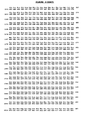
- the present inventors applied genetic mapping techniques in order to ascertain the genotypic variation displayed in the AS/AGU rat using the process of "positional cloning" (Collins, 1992, Nature Genetics, 1, 3 - 6). This mapping revealed that the AS/AGU mutation was in close proximity to the genetic marker R158 (Serikawa et al, 1992, Genetics 137 , pp701 - 721). Nucleotide sequencing was then carried out, which upon comparison with wild type AS sequence, revealed a mutation in the PKC ⁇ gene.
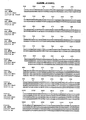
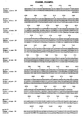
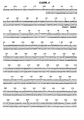
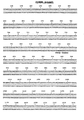
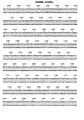
- a point mutation was observed at nucleotide 841 of the rat PKC ⁇ messenger RNA sequence(shown in Figure 1 where nucleotide numbering is such that base A of the ATG start codon is no. 1) such that a guanine base, present in the AS gene sequence, was mutated to a thymine base in the AS/AGU mutant sequence.
- This transversion mutation results in the generation of an in-frame stop codon which upon translation of the PKC ⁇ gene would result in a prematurely terminated protein the length of which would be 280 amino acids. It is postulated that this truncated protein would not possess several of the domains present in the wild-type protein. That is, the regulatory domain would be present in the truncated protein and not the kinase or ATP-binding domains.
- this genotypic mutation is associated with the phenotypic movement disorder observed in the AS/AGU mutant rat
- observation of such a mutation in PKC ⁇ may be used in a predictive test for neurodegenerative disorders, such as Parkinson's disease, Alzheimer's Disease or Huntington's Disease.
- measuring levels of PKC type I protein levels and/or activity may be useful in a predictive or diagnostic test for neurodegenerative disorders.
- the present invention provides a method of testing an animal thought to have or be predisposed to having a neurodegenerative disorder which comprises detecting the presence of a mutation in the PKC ⁇ gene and/or its associated promoter.
- the mutation(s) may result in a truncated product from the PKC ⁇ gene being produced. More particularly the mutation may occur in the 5' half of the gene.
- the mutation may be a point mutation such as at position 841 of the rat PKC ⁇ gene or similar region of the PKC ⁇ gene from another species.
- the skilled man will immediately appreciate that the information presented herein relating to the rat PKC ⁇ may easily be equated or correlated with a similar mutation at a corresponding location in the PKC ⁇ gene from another species, such as humans.
- the present invention provides the means with which to test humans for a similar mutation in the human PKC ⁇ gene and therefore predict if the test subject has or is predisposed to developing a neurodegenerative disorder for example, Parkinson's Disease, Alzheimer's Disease or Huntington's Disease.
- Typical techniques for detecting the mutation may include restriction fragment length polymorphism, hybridisation techniques, DNA sequencing, exonuclease resistance, microsequencing, solid phase extension using ddNTPs, extension in solution using ddNTPs, oligonucleotide ligation assays, methods for detecting single nucleotide polymorphisms such as dynamic allele-specific hybridisation, ligation chain reaction, mini-sequencing, DNA "chips", allele-specific oligonucleotide hybridisation with single or dual-labelled probes merged with PCR or with molecular beacons, and others.
- Altered levels of the mRNA transcripts encoding the truncated PKC type I polypeptide have been observed.
- detection of altered levels of the mRNA transcript or mRNA precursors, such as nascent RNA may be used to diagnose if the test subject has or is predisposed to developing a neurodegenerative disorder.
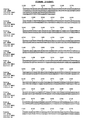
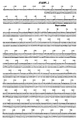
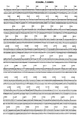
- the information presented herein may also be used to genetically manipulate the wild-type PKC ⁇ gene, mutant PKC ⁇ gene or derivatives thereof, for example to clone the gene by recombinant DNA techniques generally known in the art. Cloning of homologous genes from other species of mammal may be performed with this information by widely known techniques; for example, suitable primers may be designed to a consensus region and/or functional domains of the sequence shown in Figure 2 and such primers used as probes for cloning homologous genes from other organisms.
- mammalian PKC ⁇ mutant and wild-type nucleotide sequences of the present invention are preferably linked to expression control sequences.
- control sequences may comprise promoters, operators, inducers, ribosome binding sites etc.
- Suitable control sequences for a given host may be selected by those of ordinary skill in the art.
- a nucleotide sequence according to the present invention can be ligated to various expression-controlling DNA sequences, resulting in a so-called recombinant nucleic acid molecule.
- the present invention also includes an expression vector comprising an expressible PKC ⁇ mutant or wild-type nucleotide sequence. Said recombinant nucleic acid molecule can then be used for transformation of a suitable host.
- Such recombinant nucleic acid molecules are preferably derived from for example, plasmids, or from nucleic acid sequences present in bacteriophages or viruses and are termed vector molecules.
- the present invention also relates to a transformed cell comprising the mutant or wild-type nucleic acid molecule in an expressible form.
- Transformation refers to the introduction of a heterologous nucleic acid sequence into a host cell in vivo , ex vivo or in vitro irrespective of the method used, for example, by calcium phosphate co-precipitation, direct uptake or transduction.
- the heterologous nucleic acid sequence may be maintained through autonomous replication or alternatively may be integrated into the host's genome.
- the recombinant DNA molecules are preferably provided with appropriate control sequences compatible with the designated host which can regulate the expression of the inserted nucleic acid sequence.
- the most widely used hosts for expression of recombinant nucleic acid molecules are bacteria, yeast, insect cells and mammalian cells. Each system has advantages and disadvantages in terms of the vector used, potential ease of production and purification of a recombinant polypeptide and authenticity of product in terms of tertiary structure, glycosylation state, biological activity and stability and will be a matter of choice for the skilled addressee.
- an antisense nucleotide fragment complementary to a PKC ⁇ nucleotide sequence of the present invention.
- antisense nucleotide fragment is the use of synthetic oligonucleotide sequences, or of equivalent chemical entities known to those skilled in the art, for example, peptide nucleic acids. Further, such sequences can be used as part of ribozyme and/or triple helix sequences, which may also be useful for target gene regulation.
- a nucleotide fragment comprising a nucleotide sequence which, when transcribed by the cell, produces such an antisense fragment.
- antisense RNA fragments will be provided which bind to complementary PKC ⁇ mRNA fragments to form RNA double helices, allowing RNAse H to cleave the molecule and rendering it incapable of being translated by the cell into polypeptides.
- a further aspect of the present invention provides antibodies specific to the PKC type I polypeptide or truncated polypeptide as identified herein or epitopes thereof. Production and purification of antibodies specific to an antigen is a matter of ordinary skill, and the methods to be used are clear to those skilled in the art.
- the term antibodies can include, but is not limited to, polyclonal antibodies, monoclonal antibodies (mAbs), humanised or chimeric antibodies, single chain antibodies, Fab fragments, F(ab') 2 fragments, fragments produced by a Fab expression library, anti-idiotypic (anti-Id) antibodies, and epitope binding fragments of any of the above. Such antibodies may be used in modulating the expression or activity of the full length or truncated PKC type I polypeptide, or in detecting said polypeptide in vivo or in vitro.
- the present invention further provides a recombinant or synthetic PKC type I polypeptide for the manufacture of reagents for use as prophylactic or therapeutic agents in mammals.
- the invention provides pharmaceutical compositions comprising the recombinant or synthetic PKC type I polypeptide together with a pharmaceutically acceptable carrier therefor.
- a polypeptide or nucleic acid sequence as hereinbefore described for promoting nervous system degeneration for use in, for example, production of animal models which may be used in drug screening.
- a polypeptide or nucleic acid sequence as hereinbefore described in preventing, delaying, treating or inhibiting degeneration of the nervous system.
- a method of preventing, delaying, treating or inhibiting degeneration of the nervous system comprising providing PKC type I polypeptide to a subject displaying or predicted to display degeneration of the nervous system.
- Such a method may find particular application in the treatment of degenerative disorders of the central nervous system, such as Alzheimer's Disease, or more particularly neurodegenerative disorders associated with movement impairment such as Parkinson's Disease or Huntington's Chorea.
- Also provided is a method of preventing, delaying, treating or inhibiting degeneration of the nervous system comprising providing a subject with a nucleotide sequence or an antibody which substantially prevents or reduces expression or activity of a mutant PKC type I polypeptide.
- a yet further aspect of the present invention provides use of polypeptides or nucleic acid sequences as hereinbefore described in the treatment of degenerative disorders of the nervous system, such as Parkinson's Disease, Alzheimer's Disease or Huntington's Disease.
- One such envisaged treatment may be by way of so-called gene therapy in which a wild-type PKC ⁇ gene is introduced to a subject possessing a mutant PKC ⁇ gene in order to counter the effects of the mutant PKC ⁇ gene. This may be performed by the implantation of cells, such as fibroblasts expressing human or mammalian PKC ⁇ fused to herpes virus VP22 protein that will transfer itself and PKC ⁇ into adjacent neurons.
- Transformation of the cells to be implanted may be performed in vitro by any number of techniques, including physical means such as microinjection, electroporation, bioballistic or particle bombardment, jet injection or others; by chemical means such as using calcium phosphate, DEAE dextran, polylysine conjugates, "starburst” dendrimer conjugates, polybrene-dimethyl sulphoxide.
- the PKC ⁇ gene itself within an appropriate vector end-linked to an appropriate expression system, may be directly delivered via receptor-mediated uptake systems such as asialoglycoprotein and transferrin, liposomes, virus-like particles, intracellular targeting ligands and others; and by biological means including retroviral vectors such as Moloney murine leukaemia virus, adenovirus vectors and adeno-associated virus vectors, Herpes Simplex virus vectors, Semliki Forest virus vectors, Sindbis virus vectors and others.
- receptor-mediated uptake systems such as asialoglycoprotein and transferrin, liposomes, virus-like particles, intracellular targeting ligands and others
- biological means including retroviral vectors such as Moloney murine leukaemia virus, adenovirus vectors and adeno-associated virus vectors, Herpes Simplex virus vectors, Semliki Forest virus vectors, Sindbis virus vectors and others.
- the present invention also relates to methods for prognostic and diagnostic evaluation of various degenerative disorders of the nervous system, and for the identification of subjects who are predisposed to such disorders, for example determination of allelic variation by determination of the PKC ⁇ nucleotide sequence in an individual and/or detection of truncated transcripts derived from the PKC ⁇ gene, whether they are mRNA or polypeptide or measurements of PKC type I levels and/or activity. Furthermore, the invention provides methods for evaluating the efficacy of drugs for such disorders and monitoring the progress of patients involved in clinical trials for the treatment of such disorders.
- the invention further provides methods for the identification of compounds which modulate the expression of a mutated or wild-type PKC ⁇ gene and/or the activity of the product(s) of such a mutant or wild-type PKC ⁇ gene which may be involved in processes relevant to degenerative disorders of the nervous system.
- Such compounds may include agonists, defined as compounds which increase the expression of a mutated or wild-type PKC ⁇ gene and/or activity of the product(s) of such a mutant or wild-type PKC ⁇ gene, and/or antagonists, defined as compounds which decrease the expression of a mutated or wild-type PKC ⁇ gene and/or the activity of the product(s) of such a mutant or wild-type PKC ⁇ gene.
- the present invention in a further aspect also provides agonists and/or antagonists.
- In vivo systems can include, but are not limited to, animal systems which naturally exhibit the symptoms of nervous system disorders, or ones which have been engineered to exhibit such symptoms. Further, such systems can include, but are not limited to, transgenic animal systems.
- In vitro systems can include, but are not limited to, cell-based systems comprising PKC ⁇ gene/PKC type I protein expressing cell types. The cells can be wild type cells, or can be non-wild type cells containing modifications known or suspected of contributing to the disorder of interest.
- the expression of the PKC ⁇ mutant or wild-type gene can be modulated within the in vivo and/or in vitro systems, i.e. either overexpressed or underexpressed in, for example, transgenic animals and/or cell lines, and its subsequent effect on the system can then be assayed.
- the activity of the product of the identified gene can be modulated by either increasing or decreasing the level of activity in the in vivo and/or in vitro system of interest, and its subsequent effect then assayed.
- relevant treatment can include a modulation of gene expression and/or gene product activity. Characterisation procedures such as those described herein can indicate whether such modulation should be positive or negative.
- positive modulation refers to an increase in gene expression or activity of the gene or gene product of interest.
- Negative modulation refers to a decrease in gene expression or activity.
- In vitro systems can be designed to identify compounds capable of binding the PKC ⁇ mutant or wild-type gene products of the invention.
- Compounds identified could be useful in modulating the activity of wild type or mutant PKC ⁇ gene products, could be useful in elaborating the biological function of the PKC ⁇ gene products, or could disrupt or enhance normal PKC ⁇ gene product interactions, for example, the activators or inhibitors of PKC type I protein as disclosed in Keenan et al, 1997, FEBS Letters, 415 pp101 - 108.
- Such compounds may be investigated for their use in treating or alleviating motor impairment and/or dopaminergic cell degeneration disorders.
- the present inventors applied genetic mapping techniques in order to ascertain the genotypic variation displayed in the AS/AGU strain using the process of "positional cloning" (Collins, 1992, Nature Genetics, 1, 3 - 6).
- Application of this approach relied upon initially determining the chromosomal localisation of the gene by demonstrating linkage to known marker genes. This was followed by additional fine mapping to narrow down the genetic region containing the gene, followed by either sequencing of the region or selection of mRNA transcripts from the region.
- microsatellite sequences are defined as tandem repeats of simple dinucleotide or other DNA sequences which occur in allelic forms of various lengths. They are considered convenient genetic markers and are examined by assessing the length of a short polymerase chain reaction product containing the microsatellite using gel electrophoresis.
- each strain in question (DA, F344 and BN) was crossed to the NNG3 strain and the resulting heterozygous F1 progeny were backcrossed to the NNG3 strain.
- the resulting backcross progeny were then genotyped to identify if a cross-over event had occurred between the gene of interest and any genetic marker. This allowed positioning of the gene to within a particular chromosome or sub-chromosomal region.
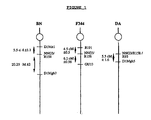
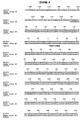
- the closest marker loci bracketing the nng3 mutation were chosen to establish a chromosomal interval within which to carry out precise mapping. This interval was different for each backcross, as shown in Figure 1. This allowed fine mapping of the region and identified recombination events between markers.
- the markers used are shown in Figure 1 for the three backcrosses (BN X NNG3) F1 X NNG3,(F344 X NNG3) F1 X NNG3 and (DA X NNG3) F1 X NNG3.
- the genetic marker R158 consists of a pair of PCR primers which amplify a (CA) 26 microsatellite repeat from the 3'UTR of the PKC ⁇ gene.
- the three rat strains BN, F344 and DA were shown to be informative for R158, that is, the length of the microsatellite was shown to vary between strains, when compared to the NNG3 rat strain.
- the genotyping was carried out by PCR, as described in the following experimental section, on genomic DNA. The PCR products were then resolved by gel electrophoresis either on 6% acrylamide or on 4% metaphor (Flowgen) agarose gels.
- the genetic mapping evidence implicated the PKC ⁇ gene as the location of the nng3 mutation. If this implication was correct, a DNA sequence difference must have existed between the allelic forms of the PKC ⁇ gene in the NNG3 strain and in the AS strain from which the NNG3 strain arose by spontaneous mutation. Thus, the following experiment was performed to provide evidence of the sequence difference.
- TRI REAGENTTM Sigma
- the PCR reaction was carried out using 1 unit of Taq DNA polymerase (Promega) in a reaction containing 1x magnesium free Thermo buffer, 1mM magnesium chloride (all supplied with Tag polymerase from Promega), 125 ⁇ M dNTPs (Promega) and forward and reverse primers at 5ng/ ⁇ l each. A hot start was always performed in the PCR reaction. The sequences of all PCR primers used are given in Table 1, along with the PCR reactions in which they were used.
- the PCR parameters used for Taq DNA polymerase were as follows: 113 Forward/114 Reverse 120 Forward + Reverse 99°C - 3 mins 99°C - 10 mins 80°C - Taq added 80°C - Taq added followeded by 35 cycles of: Followed by 30 cycles of: 94°C - 15 secs 94°C - 15 secs 55°C - 30 secs 55°C 30 secs 72°C - 1 min.
- 72°C - 30 sees.
- PCR products were then resolved on a 2% agarose gel (Boehringer Mannheim) and then extracted from the gel using the QiaquickTM gel extraction kit prior to sequencing.
- PCR reactions were also carried out on rat genomic DNA isolated from rat spleen taken from both rat strains. DNA was isolated using the Pure Gene DNA Isolation kit (Gentra). PCR reactions were carried out as before containing 100 ng of genomic DNA as template. The initial denaturation step of the PCR reaction was also increased to 10 minutes.
- PCR reactions were also carried out using proof-reading DNA polymerase enzymes to eradicate errors during DNA polymerisation.
- the enzymes and modifications of the PCR reactions were as follows: Tli polymerase (Promega) reactions were carried out with 1.25 units of the enzyme, which extends at 74°C.
- the High Fidelity (HF) kit from Clontech has an automatic hot start and anneals and extends concurrently at 68°C for 3 minutes.
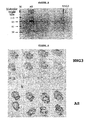
- PKC gamma was detected by immunocytochemistry using standard protocols with the following modifications: rat brains were taken from 9 months old male rats and were fixed overnight in 4% paraformaldehyde. Brains were then trimmed, placed on a block and sections cut at 50 microns using a vibratome. Paired sections were placed into blocking serum (10% NGS - normal goat serum) and placed on shaker for 1 hour at room temperature. Sections were then placed into primary antibody (rabbit anti-peptide antibody generated using a synthetic peptide corresponding to amino acids 306 - 318 of rat PKC ⁇ , 1:100 - 1:2000, Boehringer Mannheim) overnight at 4°C. Slides were then washed three times in PBS for 5 mins each.
- Figures 4(a) and (b) illustrate the difference between the NNG3 strain and the AS parent strain, from which NNG3 is derived.
- Purkinje cell layer is a region where PKC ⁇ is predominantly expressed when compared to other PKC isoforms.
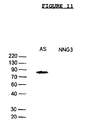
- a Western blot experiment was carried out to determine the level of expression of the Type I PKC protein in brains from the rat strains AS and NNG3. Specifically, antibodies raised against a peptide located in the carboxy terminal to the truncation site in the PKC ⁇ type I protein of the NNG3 strain were used in order to confirm the lack of expression of this region of the protein.
- Total brain proteins were extracted from male, 9 month old rats from both the AS and NNG3 stains.
- the proteins were isolated from 0.2g of brain tissue using TRI-REAGENTTM (Sigma) and suspended in 2% SDS. 50 ⁇ g of total proteins were resolved on a 10% SDS-PAGE (polyacrylamide gel electrophoresis) gel at 200V for 45 minutes. The proteins were then transferred to nitrocellulose (Amersham Life Science) in a wet Western blotter at 30V overnight.
- the nitrocellulose was then blocked for 1 hour at room temperature, in a solution of Tris-buffered saline (20 mM Tris-HCl, pH 7.5, 150 mM NaCl) containing 0.05% Tween 20 (TEST) and 1% bovine serum albumin (BSA).
- TEST Tween 20
- BSA bovine serum albumin
- the nitrocellulose was then incubated in TBST plus 1% BSA containing 2 ⁇ g/ml anti-PKC ⁇ (Rabbit anti-peptide antibody generated using a synthetic peptide corresponding to amino acids 306-318 of PKC ⁇ , GibcoBRL). The blot was then washed 3 times in TBST for 10 minutes each.
- the blot was incubated for one hour at room temperature in TBST containing anti-rabbit Ig, peroxidase-linked species-specific whole antibody (from donkey, Amersham Life Science) at a dilution of 1/1000. The blot was then washed as detailed above. After washing the blot was incubated with ECL Western blotting detection reagents (Amersham Pharmacia biotech) and then exposed to autoradiography film (Fuji XR).
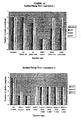
- An antisense oligonucleotide probe was designed to the 3' region of the PKC ⁇ MRNA (nucleotides 2085-2326, numbers taken from Figure 2) and was synthesised and purified by HPLC (GibcoBRL).
- the sequence of the oligonucleotide was as follows:
- the in situ hybridisation probes are labelled and prepared for hybridisation in the following way: 40ng of the oligonucleotide was labelled in a reaction volume of 12.5 ⁇ l made up in DEPC-water containing 1x reaction buffer (supplied with enzyme), 25 ⁇ Ci of S 35 ⁇ -dATP and 36 units of Terminal deoxynucleotidyl transferase (TdT, FPLC pure, Pharmacia). The reaction was then incubated at 37°C for 1 hour. Purification columns were constructed in 1 ml plastic syringes with GF/C filter paper, cut with a No.
- the specific activity of the probe was then measured in a scintillation counter uwing the Tritium channel.
- the probe was then standardised so as produce 2 x 10 3 disintegration's per minute/ml of hybridisation mix 50% formamide, 4 x SSC, 10% dextran sulphate, 5 x Denardt's, 200 ⁇ g/ml acid-alkali cleared salmon sperm DNA, 100 ⁇ g/ml long chain polyadenylic acid, 120 ⁇ g/ml heparin, 25mm sodium phosphate, pH7, 1mm pyrophosphate, then DDT added to a final concentration of 20mm. A 100 times excess of cold oligonucleotide was also added to the control hybridisation mix.
- RNA isolated from both the rat strain Albino Swiss (AS) and human was removed from a 12 month old male AS rat after decapitation and 1g of tissue removed. Total RNA was isolated from the tissue using TRI REAGENTTM (Sigma, Poole, Dorset) as per the protocol supplied by the manufacturer. Human brain RNA from a normal individual was obtained from Stratagene.
- RNA from each was then used to synthesise cDNA using the Oligo (dt) 12-18 SuperscriptTM Preamplification System for First Strand cDNA synthesis kit from Gibco BRL (Inchinnan Business Park, Paisley). 50 ng of cDNA was then used as template in PCR reactions. All PCR reactions were carried out using the Clontech Advantage®-HF PCR kit as per the manufacturers instructions (Basingstoke, Hampshire).
- the full length AS cDNA was amplified using the primers Neup 118F 5' -CCT TCC GAT CTC AGA GTC TGC GG- 3' and K3R 5'-TTC TAC AAC TGA AGT GGA GG-3' (PCR parameters: 94°C for 15 seconds, 25 cycles of 94°C for 10 seconds, 64°C for 4 minutes, followed by 68°C for 3 minutes).
- the full length human cDNA was amplified using the primers Neup 144F 5'-TGA TCC TTC GAG TCT CCA GC-3' and Neup 144R 5'- ACG TTG GGG ACA CCT AGT GG-3' (PCR parameters: 94°C for 15 seconds, 25 cycles of 94°C for 10 secs, 68°C for 3 minutes, followed by 68°C for 3 minutes).
- the amplified fragments were cloned using the Zero Blunt® ToPO® PCR cloning kit (Invitrogen, CH Groningen, Netherlands).
- Sequence analysis was then carried out on the clones to investigate any errors introduced during PCR amplification. Sequencing reactions were carried out using the BigDye terminator kit (PE Biosystems, Birchwood science park, Warrington) in the presence of 3.2 pmoles of a primer used in the PCR reaction. The reactions were carried out in a Perkin Elmer GeneAmp PCR system 9600 (Perkin Elmer, Birchwood science park, Warrington) as follows: 96°C for 2 minutes, 25 cycles of 94°C for 10 seconds, 50°C for 5 seconds and 60°C for 4 minutes. The sequencing reactions were resolved on an ABI 373 stretch automatic DNA sequencer. Sequence data was analysed using Seqed software (PE Biosystems).
- RNA from NNG3 rat brain was prepared using Tri-reagent (Sigma) according to manufacturers instructions. 1mg of this total RNA was used with the 5' RACE system (Gibco BRL). The protocol supplied with the kit was followed. Gene specific primer 104R (5' - CTTA AACTTGCCCAGTTGCT - 3') was used as the GSP1. This corresponds to the antisense sequence between bases 1480 and 1500 of the PKC ⁇ cDNA (see figs 7 and 9).
- the PCR reaction was conducted using 0.4 ⁇ l of the high fidelity enzyme, Expand (Roche Diagnostics Ltd, Lewes, East Hampshire), with 1 ⁇ l 10mM dNTPs, 5 ⁇ l template cDNA, 5 ⁇ l 10 x expand buffer, 3 ⁇ l 25 mM MgCl 2 , 1 ⁇ l of 10 ⁇ M abridged anchor primer (5' -GGCCACGCGTCGACTAGTACGGGIIGGGIIGGGIIG - 3') and 1 ⁇ l of 1 ⁇ M GSP1.
- Expand Roche Diagnostics Ltd, Lewes, East Wales
- the product of this PCR was a smear. Therefore the DNA was diluted 1:500 in T/E (10mM Tris pH 8.0, 0.1 mM EDTA) and a second round of PCR was performed. The same reaction conditions as above were used, but the abridged anchor primer was replaced with the gene specific primer 118F (5' - CCTTCCGATCTCAGACT - 3').
- a product of the expected size (1.3kB) was obtained from this round of PCR and it was directly cloned into the vector pCRbluntIITOPO using the Zero Blunt® TOPO® PCR cloning kit (Invitrogen) and manufacturers directions. It was named NNG3 5/12.
- RNA from NNG3 rat brain was prepared using Tri-reagent (Sigma) according to manufacturers instructions. 1mg of this total RNA was used with the 3' RACE system (Gibco BRL). The protocol supplied with the kit was followed.
- the PCR reaction was performed using the above conditions and components but replacing the primers with the universal amplification primer (5'-CUACUACUACUAGGCCACGCGTCGACTAGTAC - 3') and the gene specific primer 113F (5' - GCTACTCAAGGCTCCTGTGGATGG - 3') corresponding to the region 793 to 816 bases of the PKC ⁇ cDNA (see figs 7 and 9).
- the universal amplification primer 5'-CUACUACUACUAGGCCACGCGTCGACTAGTAC - 3'
- the gene specific primer 113F 5' - GCTACTCAAGGCTCCTGTGGATGG - 3'
- a product of the expected size (1.3kB) was obtained from this round of PCR and it was directly cloned into the vector pCRbluntIITOPO using the Zero Blunt® TOPO ® PCR cloning kit (Invitrogen) and following manufacturers directions. It was named NNG3 3/9.
- the two NNG3 clones provide overlapping sequence between bases 797 and 1357.
- a single BamHI restriction digest site at 1112 bases was therefore used to join the two fragments together.
- NNG3 5/12 and NNG3 3/9 were digested with HindIII (Promega) and BamHI (Promega) to release the 5' NNG3 fragment from both plasmids.
- the NNG3 5' fragments was purified from the NNG3 5/12 digest whilst the plasmid was purified from the NNG3 3/9 digest.
- Agarose gel purification was performed using a Qiaquick Gel Extraction kit (Qiagen).
- NNG3 5/12 could then be ligated into NNG3 3/9 to give the full length NNG3 cDNA.
- the DNA was then sequenced to check assembly and to ensure that no mutations had been introduced by PCR.
- Brain protein extracts from normal AS rats and NNG3 rats were prepared by homogenising 500mg of tissue in 2.5ml of ice cold 0.2 M potassium phosphate buffer, pH 7.6. The homogenates were centrifuged at 1000g for 15 minutes at 4°C. The supernatant from each sample was carefully removed with a syringe and stored at -20°C in aliquots.
- each sample was measured using a bicinchinic acid protein assay kit (Sigma). 30 ⁇ g of each protein sample, combined with an equal volume of sample buffer (0.0625M Tris, pH 6.8, 2% sodium dodecyl sulphate, 10% glycerol, 5% ⁇ -mercaptoethanol, 0.001% bromophenol blue), was then loaded onto a 10% polyacrylamide gel (28.2:0.8 acrylamide:bisacrylamide, 0.375 M Tris, pH 8.8, 0.1% sodium dodecyl sulphate) with a 3% stacking gel (28.2:0.8 acrylamide:bisacrylamide, 0.125 M Tris, pH 6.8, 0.1% sodium dodecyl sulphate).
- sample buffer 0.0625M Tris, pH 6.8, 2% sodium dodecyl sulphate, 10% glycerol, 5% ⁇ -mercaptoethanol, 0.001% bromophenol blue
- Prestained Benchmark protein standards (Gibco BRL) were loaded alongside the protein samples to provide a reference for the molecular weight of the protein of interest.
- Running buffer 0.025 M Tris (base), 0.192 M glycine, 0.1% sodium dodecyl sulphate) was added to the mini-gel apparatus (Biorad, Hemel Hempstead, Hertfordshire) and a voltage of 200V was placed across the gel, using a Biorad Power Pack 300 electrophoresis power supply unit.
- the gel apparatus was dismantled and the gel was placed in a western blotting apparatus (Biorad) against a piece of PVDF membrane (Roche).
- the proteins were transferred onto the membrane using Towbin buffer (12.11.g Tris (base), 57.6 g Glycine, 800ml methanol, 1.2 ml hydrochloric acid in a volume of 4 l) and a voltage of 40v, applied over night.
- the membrane, with bound proteins, was removed from the apparatus and submerged in blocking solution (10% (w/v) dried milk in PBS-T (8 g NaCl, 0.2 g KCl, 1.44 g Na 2 HPO 4 , 0.24 g KH 2 PO 4 adjusted to pH 7.4 and made up to 11, with 0.1% tween 80) for 30 minutes. A second wash of 30 minutes was then performed.
- Antibody specific for PKC ⁇ (epitope amino acids 684-697)(RBI, Sigma, Poole, Dorset) was diluted, in blocking solution, to a concentration of 1:1000 and the membrane was placed in this for three hours, with gentle agitation. After incubation the membrane was washed three times in blocking solution, ten minutes each wash. HRP-labelled secondary antibody, specific for rabbit (Amersham, Buckinghamshire), diluted to 1:1000 in blocking solution, was then poured over the membrane and incubation allowed to proceed for 1 hour, with gentle agitation. The membrane was finally washed three times in PBS-T, for ten minutes each wash.
- Detection reagent was made up using an equal volume of ECL reagent 1 and 2 (Amersham). The membrane was incubated in this for 1 minute, then wrapped in Saran Wrap (Dow, Germany) and exposed to X-ray film (Konica, Tokyo, Japan) for five minutes before being developed using an X2 processor (Genetic Research Instrumentation, Dunmore, Essex).
- the Western blot shown in Figure 11 demonstrates that full-length PKC ⁇ is not expressed in the brain of the NNG3 rat. However, it is not possible to determine whether a truncated form of the protein is expressed, or whether PKC ⁇ is missing in its entirety, from the brain of the NNG3 rat.
- Vetalar ketamine hydrochloride; 100mg/ml; Code VM 14851/4009 Pharmacia & Upjohn Ltd, Animal Health Division, Crawley RH10 2LZ
- Rompun Xylazine hydrochloride 2%; Bayer plc, Animal Health Business Group, Eastern Way, Bury St. Edmunds, Suffolk IP32 7AH
- Injections were given intraperitoneally at 1.1ml/kg.
- Deep anaesthesia was established after 5-10 minutes using the 'pad pinching' technique where no reflexual withdrawing of the foot was observed when full anaesthesia was established. A small area on the head was then shaved using an electric razor.
- the animal was placed into ear bars on a stereotaxic frame (Kopf, Kunststoff, Germany).
- the head was held in_place using teeth bars and horizontally using a nose bar.
- Co-ordinates were calculated, using the Paxinos and Watson stereotaxic brain atlas, and microinjection made at anterior/posterior (-3.8mm), lateral (+1.8mm) and ventral (-2.0mm) when compared with the co-ordinates of Bregma.
- the tip of a drill head (1mm) was placed over the pencil mark and a hole was drilled into the skull.
- the area was again dried using a cotton bud.
- the microsyringe needle was then placed over the hole and lowered into it slowly. The needle was then lowered into the brain to the appropriate depth according to the calculated ventral co-ordinate.
- Antisedan atipamezole hydrochloride; 5mg/ml; Code VM 0057/4111, Pfizer Ltd; Ramsgate Road, Sandwich, Kent CT13 9LU
- Antisedan atipamezole hydrochloride; 5mg/ml; Code VM 0057/4111, Pfizer Ltd; Ramsgate Road, Sandwich, Kent CT13 9LU
- the experiment was repeated with microinjection at co-ordinates of anterior/posterior (-3.8mm), lateral (+1.8mm) and ventral (-3.5mm) when compared with the co-ordinates of Bregma.
- planks of wood were used ranging between 10-120mm.
- the six planks used were 10, 20, 50, 70, 90 and 120mm.
- Each rat was placed onto each plank assessed for its ability to maintain it's balance and walk down to the bottom of the plank without falling off. This was carried out once. If the rat could do this, it received a score of 1 and if it fell off the plank it received a score of 0. This was repeated for all planks and was video-recorded.
Landscapes
- Health & Medical Sciences (AREA)
- Life Sciences & Earth Sciences (AREA)
- Chemical & Material Sciences (AREA)
- Engineering & Computer Science (AREA)
- Bioinformatics & Cheminformatics (AREA)
- Organic Chemistry (AREA)
- General Health & Medical Sciences (AREA)
- Medicinal Chemistry (AREA)
- Biomedical Technology (AREA)
- Neurology (AREA)
- Public Health (AREA)
- Wood Science & Technology (AREA)
- Pharmacology & Pharmacy (AREA)
- Animal Behavior & Ethology (AREA)
- Neurosurgery (AREA)
- Genetics & Genomics (AREA)
- Veterinary Medicine (AREA)
- Zoology (AREA)
- Nuclear Medicine, Radiotherapy & Molecular Imaging (AREA)
- Chemical Kinetics & Catalysis (AREA)
- General Chemical & Material Sciences (AREA)
- Proteomics, Peptides & Aminoacids (AREA)
- Molecular Biology (AREA)
- General Engineering & Computer Science (AREA)
- Biochemistry (AREA)
- Microbiology (AREA)
- Biotechnology (AREA)
- Immunology (AREA)
- Psychology (AREA)
- Analytical Chemistry (AREA)
- Biophysics (AREA)
- Hospice & Palliative Care (AREA)
- Pathology (AREA)
- Gastroenterology & Hepatology (AREA)
- Physics & Mathematics (AREA)
- Epidemiology (AREA)
- Orthopedic Medicine & Surgery (AREA)
- Physical Education & Sports Medicine (AREA)
- Psychiatry (AREA)
- Medicines That Contain Protein Lipid Enzymes And Other Medicines (AREA)
Claims (42)
- verwendung eines Polynukleotidfragments umfassend das PKCY-Gen, welches für den Typ 1 Subtyp von proteinkinase C kodiert, bei der Herstellung eines Medikaments zur Behandlung einer neurodegenerativen Erkrankung.
- Verwendung eines Polynukleotidfragments gemäß Anspruch 1, wobei das Medikament zur Behandlung von Säugetieren verwendet wird.
- Verwendung eines Polynukleotidfragments gemäß Anspruch 1, wobei das Medikament zur Behandlung von Menschen verwendet wird.
- Verwendung eines Polynukleotidfragments gemäß einem der vorangehenden Ansprüche, wobei die degenerative Erkrankung eine degenerative Erkrankung des zentralen Nervensystems ist.
- Verwendung eines Polynukleotidfragments gemäß Anspruch 4, wobei die degenerative Erkrankung des zentralen Nervensystems Alzheimer'sche Krankheit ist.
- Verwendung eines Polynukleotidfragments gemäß Anspruch 4, wobei die degenerative Erkrankung des zentralen Nervensystems mit Degeneration dopaminerger Zellen assoziiert ist.
- Verwendung eines Polynukleotidfragments gemäß Anspruch 4, wobei die degenerative Erkrankung des zentralen Nervensystems eine mit Bewegungsbeeinträchtigung assoziierte neurodegenerative Erkrankung ist.
- Verwendung eines Polynukleotidfragments gemäß einem der Ansprüche 6 oder 7, wobei die neurodegenerative Erkrankung ausgewählt ist aus der Gruppe umfassend Parkinson Krankheit, Huntington's Krankheit/Chorea, Dementia mit Lewy-Körpern, Multiple-System-Atropie, progressive supranukleare Lähmung, kortikal-basale ganglionische (kortikobasale) Degenerierung, vaskulärer Parkinsonismus und Ballismus.
- Verwendung eines Polypeptids, welches Proteinkinase C von Typ 1 umfasst, bei der Herstellung eines Medikaments zur Behandlung einer neurodegenerativen Erkrankung.
- Verwendung eines Polypeptids gemäß Ansprüchen 9 bis 11, wobei das Medikament zur Behandlung von Säugetieren verwendet wird.
- Verwendung eines Polypeptids gemäß Anspruch 9, wobei das Medikament zur Behandlung von Menschen verwendet wird.
- Verwendung eines Polypeptids gemäß einem der Ansprüche 9 bis 11, wobei eine degenerative Erkrankung eine degenerative Erkrankung des zentralen Nervensystems ist.
- Verwendung eines Polypeptids gemäß Anspruch 12, wobei die degenerative Erkrankung des zentralen Nervensystems Alzheimer'sche Krankheit ist.
- Verwendung eines Polypeptids gemäß Anspruch 12, wobei die degenerative Erkrankung des zentralen Nervensystems mit Degeneration dopaminerger Zellen assoziiert ist.
- Verwendung eines Polypeptids gemäß Anspruch 12, wobei die degenerative Erkrankung des zentralen Nervensystems eine mit Bewegungsbeeinträchtigung assoziierte neurodegenerative Erkrankung ist.
- Verwendung eines Polypeptids gemäß einem der Ansprüche 14 oder 15, wobei die neurodegenerative Erkrankung ausgewählt ist aus der Gruppe umfassend Parkinson Krankheit, Huntington's Krankheit/Chorea, Dementia mit Lewy-Körpern, Multiple-System-Atropie, progressive supranukleare Lähmung, kortikal-basale ganglionische (kortikobasale) Degenerierung, vaskulärer Parkinsonismus und Ballismus.
- Verwendung eines Polypeptids gemäß einem der Ansprüche 9 bis 16, wobei das Polypeptid synthetisch ist.
- verfahren zum Untersuchen eines Tieres, bei dem eine neurodegenerative Erkrankung vermutet wird, umfassend Detektieren der Gegenwart einer Mutation in dem PKCγ-Gen oder dem mit ihm assoziierten Promotor.
- Verfahren zum Untersuchen eines Tieres, bei dem eine Prädisposition für eine neurodegenerative Erkrankung vermutet wird, umfassend Detektieren der Gegenwart einer Mutation in dem PKCγ-Gen oder dem mit ihm assoziierten Promotor.
- Verfahren gemäß einem der Ansprüche 18 oder 19, wobei das Tier ein Säugetier ist.
- Verfahren gemäß Anspruch 20, wobei das Säugetier ein Mensch ist.
- Verfahren gemäß einem der Ansprüche 18 und 19, wobei die degenerative Erkrankung eine degenerative Erkrankung des zentralen Nervensystems ist.
- Verfahren gemäß Anspruch 22, wobei die degenerative Erkrankung des zentralen Nervensystems Alzheimer'sche Krankheit ist.
- Verfahren gemäß Anspruch 22, wobei die degenerative Erkrankung des zentralen Nervensystems mit Degeneration dopaminerger Zellen assoziiert ist.
- Verfahren gemäß Anspruch 22, wobei die degenerative Erkrankung des zentralen Nervensystems eine mit Bewegungsneeinträchtigung assoziierte neurodegenerative Erkrankung ist.
- Verfahren gemäß einem der Ansprüche 24 oder 25, wobei die neurodegenerative Erkrankung ausgewählt ist aus der Gruppe umfassend Parkinson Krankheit, Huntington's Krankheit/Chorea, Dementia mit Lewy-Körpern, Multiple-System-Atropie, progressive supranukleare Lähmung, kortikal-basale ganglionische (kortikobasale) Degenerierung, vaskulärer Parkinsonismus und Ballismus.
- Verfahren gemäß einem der Ansprüche 18 oder 19, wobei die Mutation zu einem verkürzten Produkt des produziert werdenden PKCγ-Gens führt.
- Verfahren gemäß Anspruch 27, wobei die Mutation in der 5'-Hälfte des Gens auftritt.
- Verfahren gemäß Anspruch 28, wobei die Mutation eine Punktmutation an Position 841 des Ratten-PKCY-Gens oder einem ähnlichen Bereich des PKCγ-Gens einer anderen Spezies ist.
- Verfahren gemäß einem der Ansprüche 18 oder 19, wobei Detektion der Gegenwart der Mutation im PKCY-Gen erreicht wird durch Detektion veränderter Gehalte des mRNA-Transkripts oder mRNA-Vorläufers.
- Verfahren gemäß einem der Ansprüche 18 oder 19, wobei die Mutation im PKCy-Gen detektiert wird unter Verwendung von Antikörpern, welche gegen das verkürzte PKC-Typ I-Polypeptid erzeugt wurden.
- Verwendung eines verkürzten PKCY-Polynukleotidfragments zum Fördern der Degenerierung des Nervensystems zur Produktion von Tiermodellen.
- Verwendung eines verkürzten PKC-Typ I-Polypeptids zum Fördern der Degenerierung des Nervensystems zur Produktion von Tiermodellen.
- Verwendung eines PKCY-Polynukleotidfragments, welches für das PKC-Typ 1-Polypeptid kodiert, bei der Herstellung eines Medikaments zu Prävention, Verzögerung, Behandlung oder Inhibierung der Degenerierung des Nervensystems.
- Verwendung eines PKC-Typ 1-Polypeptids bei der Herstellung eines Medikaments zu Prävention, Verzögerung, Behandlung oder Inhibierung der Degenerierung des Nervensystems.
- Polynukleotidfragment, welches für das PKC- Typ I-Polypeptid kodiert, zur Verwendung bei Gentherapie.
- Humanisierter monoklonaler Antikörper, welcher spezifisch für ein Epitop/Epitope ist, welche/s auf einem verkürzten Polypeptid angeordnet ist/sind, welches von dem PKCY-Gen erzeugt wurde.
- Antikörper gemäß Anspruch 37, wobei das Epitop/die Epitope in der C-terminalen Hälfte des PKC-Typ I-Polypeptids angeordnet ist/sind.
- Antikörper gemäß Anspruch 38, wobei die C-terminale Hälfte des Polypeptids bei Aminosäure Nr. 282 beginnt und an dem C-Terminus des nativen Polypeptids endet.
- Antikörper gemäß einem der Ansprüche 37 bis 39, wobei der Antikörper ein monoklonaler Antikörper ist.
- Verwendung eines Antikörpers gemäß Ansprüchen 37 bis 40 für die Herstellung eines Medikaments zu Prävention, Verzögerung, Behandlung oder Inhibierung der Degenerierung des Nervensystems.
- Verwendung eines Antikörpers gemäß Ansprüchen 37 bis 40 in einem diagnostischen Assay zur Untersuchung eines Menschen, von dem vermutet wird, dass er eine neurale degenerative Erkrankung hat oder für diese prädisponiert ist.
Applications Claiming Priority (3)
| Application Number | Priority Date | Filing Date | Title |
|---|---|---|---|
| GBGB9905218.5A GB9905218D0 (en) | 1999-03-09 | 1999-03-09 | Neurodegenerative disorder related gene |
| GB9905218 | 1999-03-09 | ||
| PCT/GB2000/000860 WO2000053218A1 (en) | 1999-03-09 | 2000-03-09 | Neurodegenerative disorder related gene |
Publications (2)
| Publication Number | Publication Date |
|---|---|
| EP1189631A1 EP1189631A1 (de) | 2002-03-27 |
| EP1189631B1 true EP1189631B1 (de) | 2004-12-01 |
Family
ID=10849132
Family Applications (1)
| Application Number | Title | Priority Date | Filing Date |
|---|---|---|---|
| EP00907858A Expired - Lifetime EP1189631B1 (de) | 1999-03-09 | 2000-03-09 | Neurodegenerative-erkrankung verwandtes gen |
Country Status (7)
| Country | Link |
|---|---|
| EP (1) | EP1189631B1 (de) |
| JP (1) | JP2003511346A (de) |
| AT (1) | ATE283703T1 (de) |
| AU (1) | AU2932100A (de) |
| DE (1) | DE60016405T2 (de) |
| GB (1) | GB9905218D0 (de) |
| WO (1) | WO2000053218A1 (de) |
Families Citing this family (12)
| Publication number | Priority date | Publication date | Assignee | Title |
|---|---|---|---|---|
| US7393835B2 (en) | 2002-04-22 | 2008-07-01 | The Board Of Trustees Of The Leland Stanford Junior University | Peptide inhibitors of protein kinase C |
| US7655401B2 (en) * | 2002-09-26 | 2010-02-02 | University Of Washington | Methods for identifying subjects susceptible to ataxic neurological disease |
| WO2005095983A1 (en) * | 2004-03-04 | 2005-10-13 | Bayer Healthcare Ag | Diagnostics and therapeutics for diseases associated with protein kinase c, gamma (prkcg) |
| CA2899650A1 (en) * | 2012-02-29 | 2013-09-06 | Benitec Biopharma Limited | Pain treatment |
| WO2017123806A1 (en) | 2016-01-12 | 2017-07-20 | Cedars-Sinai Medical Center | A method of non destructive monitoring of biological processes in microfluidic tissue culture systems |
| WO2018140647A1 (en) | 2017-01-25 | 2018-08-02 | Cedars-Sinai Medical Center | In vitro induction of mammary-like differentiation from human pluripotent stem cells |
| US11767513B2 (en) | 2017-03-14 | 2023-09-26 | Cedars-Sinai Medical Center | Neuromuscular junction |
| US12161676B2 (en) | 2018-03-23 | 2024-12-10 | Cedars-Sinai Medical Center | Methods of use of islet cells |
| JP7464532B2 (ja) | 2018-04-06 | 2024-04-09 | シーダーズ-サイナイ メディカル センター | マイクロ流体チップ上のヒト多能性幹細胞由来の神経変性疾患モデル |
| WO2019195800A1 (en) | 2018-04-06 | 2019-10-10 | Cedars-Sinai Medical Center | Novel differentiation technique to generate dopaminergic neurons from induced pluripotent stem cells |
| US20210033628A1 (en) * | 2018-04-30 | 2021-02-04 | Cedars-Sinai Medical Center | Diagnostic and drug screening for molecular signatures of early onset sporadic parkinson's disease |
| JP7520986B2 (ja) | 2020-02-06 | 2024-07-23 | ペルセウス サイエンス グループ エルエルシー | 中枢神経系損傷を診断するためのインビトロの方法 |
Family Cites Families (3)
| Publication number | Priority date | Publication date | Assignee | Title |
|---|---|---|---|---|
| US5681747A (en) * | 1992-03-16 | 1997-10-28 | Isis Pharmaceuticals, Inc. | Nucleic acid sequences encoding protein kinase C and antisense inhibition of expression thereof |
| JPH06279311A (ja) * | 1993-03-26 | 1994-10-04 | Sagami Chem Res Center | プロテインキナーゼcアイソザイムの活性化剤 |
| US5922571A (en) * | 1997-03-06 | 1999-07-13 | Incyte Pharmaceuticals, Inc. | Polynucleotides encoding a protein kinase C homolog |
-
1999
- 1999-03-09 GB GBGB9905218.5A patent/GB9905218D0/en not_active Ceased
-
2000
- 2000-03-09 WO PCT/GB2000/000860 patent/WO2000053218A1/en not_active Ceased
- 2000-03-09 AU AU29321/00A patent/AU2932100A/en not_active Abandoned
- 2000-03-09 AT AT00907858T patent/ATE283703T1/de not_active IP Right Cessation
- 2000-03-09 DE DE60016405T patent/DE60016405T2/de not_active Expired - Fee Related
- 2000-03-09 JP JP2000603707A patent/JP2003511346A/ja active Pending
- 2000-03-09 EP EP00907858A patent/EP1189631B1/de not_active Expired - Lifetime
Also Published As
| Publication number | Publication date |
|---|---|
| AU2932100A (en) | 2000-09-28 |
| DE60016405T2 (de) | 2005-11-24 |
| EP1189631A1 (de) | 2002-03-27 |
| GB9905218D0 (en) | 1999-04-28 |
| WO2000053218A1 (en) | 2000-09-14 |
| DE60016405D1 (de) | 2005-01-05 |
| ATE283703T1 (de) | 2004-12-15 |
| JP2003511346A (ja) | 2003-03-25 |
Similar Documents
| Publication | Publication Date | Title |
|---|---|---|
| US6423527B1 (en) | Sphingosine-1-phosphate lyase polypeptides, polynucleotides and modulating agents and methods of use therefor | |
| EP1189631A1 (de) | Neurodegenerative-erkrankung verwandtes gen | |
| US6979724B2 (en) | Calcium channel proteins | |
| WO1997041222A1 (en) | HUMAN P2x4 RECEPTOR SPLICE-VARIANTS | |
| CA2411730A1 (en) | Tumour suppressor and uses thereof | |
| US6376214B1 (en) | DNA encoding a novel homolog of CSBP/p38 MAP kinase | |
| US9049849B2 (en) | Screening methods for compounds useful for treating pancreatic dysfunction | |
| JPH11123086A (ja) | セリン−トレオニンプロテインキナーゼ(h−sgk2) | |
| US20050049212A1 (en) | Bestrophin and bestrophin homologous proteins involved in the regulation of energy homeostasis | |
| JP2005505273A (ja) | アトラスチン | |
| EP0910641A1 (de) | Spleissvarianten des neuronalen zelladhäsionsmoleküls | |
| WO2005024024A1 (en) | Mutations in the nedd4 gene family in epilepsy and other cns disorders | |
| JPH11206391A (ja) | ヒトlig−1相同体(hlig−1) | |
| CA2285631A1 (en) | Antioxidant protein 2, gene and methods of use therefor | |
| US6759525B2 (en) | Protein kinase A and carney complex | |
| WO2002020786A2 (en) | Kinase d interacting protein | |
| US20060257409A1 (en) | Breast Specific Genes and Proteins | |
| JP4802331B2 (ja) | 新規イオンチャネル様ポリペプチドおよびその利用 | |
| US20040096841A1 (en) | Novel polypeptide-phosphatidic acid phsphatase 29.81 and the polynucleotide encoding said polypeptide | |
| US20030229035A1 (en) | Method of restoring ciliated cell motility | |
| US20020068342A1 (en) | Novel nucleic acid and amino acid sequences and novel variants of alternative splicing | |
| US20040115675A1 (en) | Regulation of human transient receptor potential channel | |
| US20040126858A1 (en) | Novel polypeptide-nadp dependent leukotriene b412-hydroxydehydrogenase-36 and the polynucleotide encoding said polypeptide | |
| CA2408559A1 (en) | Polynucleotides encoding for polymorphic isoforms of the pthrp protein, the encoded proteins and their therapeutic applications thereof | |
| US20040034210A1 (en) | Novel polypeptide-protein p125-77.22 and a polynucleotide encoding the same |
Legal Events
| Date | Code | Title | Description |
|---|---|---|---|
| PUAI | Public reference made under article 153(3) epc to a published international application that has entered the european phase |
Free format text: ORIGINAL CODE: 0009012 |
|
| 17P | Request for examination filed |
Effective date: 20010907 |
|
| AK | Designated contracting states |
Kind code of ref document: A1 Designated state(s): AT BE CH CY DE DK ES FI FR GB GR IE IT LI LU MC NL PT SE |
|
| AX | Request for extension of the european patent |
Free format text: AL;LT;LV;MK;RO;SI |
|
| 17Q | First examination report despatched |
Effective date: 20030508 |
|
| GRAP | Despatch of communication of intention to grant a patent |
Free format text: ORIGINAL CODE: EPIDOSNIGR1 |
|
| GRAS | Grant fee paid |
Free format text: ORIGINAL CODE: EPIDOSNIGR3 |
|
| GRAA | (expected) grant |
Free format text: ORIGINAL CODE: 0009210 |
|
| AK | Designated contracting states |
Kind code of ref document: B1 Designated state(s): AT BE CH CY DE DK ES FI FR GB GR IE IT LI LU MC NL PT SE |
|
| PG25 | Lapsed in a contracting state [announced via postgrant information from national office to epo] |
Ref country code: IT Free format text: LAPSE BECAUSE OF FAILURE TO SUBMIT A TRANSLATION OF THE DESCRIPTION OR TO PAY THE FEE WITHIN THE PRESCRIBED TIME-LIMIT;WARNING: LAPSES OF ITALIAN PATENTS WITH EFFECTIVE DATE BEFORE 2007 MAY HAVE OCCURRED AT ANY TIME BEFORE 2007. THE CORRECT EFFECTIVE DATE MAY BE DIFFERENT FROM THE ONE RECORDED. Effective date: 20041201 Ref country code: NL Free format text: LAPSE BECAUSE OF FAILURE TO SUBMIT A TRANSLATION OF THE DESCRIPTION OR TO PAY THE FEE WITHIN THE PRESCRIBED TIME-LIMIT Effective date: 20041201 Ref country code: AT Free format text: LAPSE BECAUSE OF FAILURE TO SUBMIT A TRANSLATION OF THE DESCRIPTION OR TO PAY THE FEE WITHIN THE PRESCRIBED TIME-LIMIT Effective date: 20041201 Ref country code: FI Free format text: LAPSE BECAUSE OF FAILURE TO SUBMIT A TRANSLATION OF THE DESCRIPTION OR TO PAY THE FEE WITHIN THE PRESCRIBED TIME-LIMIT Effective date: 20041201 |
|
| REG | Reference to a national code |
Ref country code: GB Ref legal event code: FG4D |
|
| REG | Reference to a national code |
Ref country code: CH Ref legal event code: EP |
|
| REG | Reference to a national code |
Ref country code: IE Ref legal event code: FG4D |
|
| REF | Corresponds to: |
Ref document number: 60016405 Country of ref document: DE Date of ref document: 20050105 Kind code of ref document: P |
|
| PG25 | Lapsed in a contracting state [announced via postgrant information from national office to epo] |
Ref country code: GR Free format text: LAPSE BECAUSE OF FAILURE TO SUBMIT A TRANSLATION OF THE DESCRIPTION OR TO PAY THE FEE WITHIN THE PRESCRIBED TIME-LIMIT Effective date: 20050301 Ref country code: SE Free format text: LAPSE BECAUSE OF FAILURE TO SUBMIT A TRANSLATION OF THE DESCRIPTION OR TO PAY THE FEE WITHIN THE PRESCRIBED TIME-LIMIT Effective date: 20050301 Ref country code: DK Free format text: LAPSE BECAUSE OF FAILURE TO SUBMIT A TRANSLATION OF THE DESCRIPTION OR TO PAY THE FEE WITHIN THE PRESCRIBED TIME-LIMIT Effective date: 20050301 |
|
| PG25 | Lapsed in a contracting state [announced via postgrant information from national office to epo] |
Ref country code: LU Free format text: LAPSE BECAUSE OF NON-PAYMENT OF DUE FEES Effective date: 20050309 Ref country code: CY Free format text: LAPSE BECAUSE OF FAILURE TO SUBMIT A TRANSLATION OF THE DESCRIPTION OR TO PAY THE FEE WITHIN THE PRESCRIBED TIME-LIMIT Effective date: 20050309 |
|
| PG25 | Lapsed in a contracting state [announced via postgrant information from national office to epo] |
Ref country code: ES Free format text: LAPSE BECAUSE OF FAILURE TO SUBMIT A TRANSLATION OF THE DESCRIPTION OR TO PAY THE FEE WITHIN THE PRESCRIBED TIME-LIMIT Effective date: 20050312 |
|
| PG25 | Lapsed in a contracting state [announced via postgrant information from national office to epo] |
Ref country code: MC Free format text: LAPSE BECAUSE OF NON-PAYMENT OF DUE FEES Effective date: 20050331 |
|
| NLV1 | Nl: lapsed or annulled due to failure to fulfill the requirements of art. 29p and 29m of the patents act | ||
| PLBE | No opposition filed within time limit |
Free format text: ORIGINAL CODE: 0009261 |
|
| STAA | Information on the status of an ep patent application or granted ep patent |
Free format text: STATUS: NO OPPOSITION FILED WITHIN TIME LIMIT |
|
| 26N | No opposition filed |
Effective date: 20050902 |
|
| ET | Fr: translation filed | ||
| PGFP | Annual fee paid to national office [announced via postgrant information from national office to epo] |
Ref country code: GB Payment date: 20070320 Year of fee payment: 8 |
|
| PGFP | Annual fee paid to national office [announced via postgrant information from national office to epo] |
Ref country code: CH Payment date: 20070326 Year of fee payment: 8 |
|
| PGFP | Annual fee paid to national office [announced via postgrant information from national office to epo] |
Ref country code: BE Payment date: 20070327 Year of fee payment: 8 Ref country code: IE Payment date: 20070327 Year of fee payment: 8 |
|
| PGFP | Annual fee paid to national office [announced via postgrant information from national office to epo] |
Ref country code: DE Payment date: 20070330 Year of fee payment: 8 |
|
| PG25 | Lapsed in a contracting state [announced via postgrant information from national office to epo] |
Ref country code: PT Free format text: LAPSE BECAUSE OF NON-PAYMENT OF DUE FEES Effective date: 20050501 |
|
| PGFP | Annual fee paid to national office [announced via postgrant information from national office to epo] |
Ref country code: FR Payment date: 20070326 Year of fee payment: 8 |
|
| BERE | Be: lapsed |
Owner name: THE *UNIVERSITY COURT OF THE UNIVERSITY OF GLASGOW Effective date: 20080331 |
|
| REG | Reference to a national code |
Ref country code: CH Ref legal event code: PL |
|
| GBPC | Gb: european patent ceased through non-payment of renewal fee |
Effective date: 20080309 |
|
| REG | Reference to a national code |
Ref country code: FR Ref legal event code: ST Effective date: 20081125 |
|
| REG | Reference to a national code |
Ref country code: IE Ref legal event code: MM4A |
|
| PG25 | Lapsed in a contracting state [announced via postgrant information from national office to epo] |
Ref country code: DE Free format text: LAPSE BECAUSE OF NON-PAYMENT OF DUE FEES Effective date: 20081001 Ref country code: CH Free format text: LAPSE BECAUSE OF NON-PAYMENT OF DUE FEES Effective date: 20080331 Ref country code: IE Free format text: LAPSE BECAUSE OF NON-PAYMENT OF DUE FEES Effective date: 20080310 Ref country code: LI Free format text: LAPSE BECAUSE OF NON-PAYMENT OF DUE FEES Effective date: 20080331 |
|
| PG25 | Lapsed in a contracting state [announced via postgrant information from national office to epo] |
Ref country code: BE Free format text: LAPSE BECAUSE OF NON-PAYMENT OF DUE FEES Effective date: 20080331 |
|
| PG25 | Lapsed in a contracting state [announced via postgrant information from national office to epo] |
Ref country code: FR Free format text: LAPSE BECAUSE OF NON-PAYMENT OF DUE FEES Effective date: 20080331 |
|
| PG25 | Lapsed in a contracting state [announced via postgrant information from national office to epo] |
Ref country code: GB Free format text: LAPSE BECAUSE OF NON-PAYMENT OF DUE FEES Effective date: 20080309 |