EP1197549A2 - Verfahren zur Klonierung und Herstellung der MseI Restriktionsendonuklease - Google Patents
Verfahren zur Klonierung und Herstellung der MseI Restriktionsendonuklease Download PDFInfo
- Publication number
- EP1197549A2 EP1197549A2 EP01203828A EP01203828A EP1197549A2 EP 1197549 A2 EP1197549 A2 EP 1197549A2 EP 01203828 A EP01203828 A EP 01203828A EP 01203828 A EP01203828 A EP 01203828A EP 1197549 A2 EP1197549 A2 EP 1197549A2
- Authority
- EP
- European Patent Office
- Prior art keywords
- mse
- dna
- gene
- expression
- endonuclease
- Prior art date
- Legal status (The legal status is an assumption and is not a legal conclusion. Google has not performed a legal analysis and makes no representation as to the accuracy of the status listed.)
- Granted
Links
Images








Classifications
-
- C—CHEMISTRY; METALLURGY
- C12—BIOCHEMISTRY; BEER; SPIRITS; WINE; VINEGAR; MICROBIOLOGY; ENZYMOLOGY; MUTATION OR GENETIC ENGINEERING
- C12N—MICROORGANISMS OR ENZYMES; COMPOSITIONS THEREOF; PROPAGATING, PRESERVING, OR MAINTAINING MICROORGANISMS; MUTATION OR GENETIC ENGINEERING; CULTURE MEDIA
- C12N9/00—Enzymes; Proenzymes; Compositions thereof; Processes for preparing, activating, inhibiting, separating or purifying enzymes
- C12N9/10—Transferases (2.)
- C12N9/1003—Transferases (2.) transferring one-carbon groups (2.1)
- C12N9/1007—Methyltransferases (general) (2.1.1.)
-
- C—CHEMISTRY; METALLURGY
- C12—BIOCHEMISTRY; BEER; SPIRITS; WINE; VINEGAR; MICROBIOLOGY; ENZYMOLOGY; MUTATION OR GENETIC ENGINEERING
- C12N—MICROORGANISMS OR ENZYMES; COMPOSITIONS THEREOF; PROPAGATING, PRESERVING, OR MAINTAINING MICROORGANISMS; MUTATION OR GENETIC ENGINEERING; CULTURE MEDIA
- C12N9/00—Enzymes; Proenzymes; Compositions thereof; Processes for preparing, activating, inhibiting, separating or purifying enzymes
- C12N9/14—Hydrolases (3)
- C12N9/16—Hydrolases (3) acting on ester bonds (3.1)
- C12N9/22—Ribonucleases [RNase]; Deoxyribonucleases [DNase]
Definitions
- Restriction endonucleases belong to the class of enzymes called nucleases which degrade or cut single or double stranded DNA.
- a restriction endonuclease acts by recognizing and binding to particular sequences of nucleotides (the 'recognition sequence') along the DNA molecule. Once bound, the endonuclease cleaves the molecule within or to one side of the recognition sequence. The location of cleavage may differ among various restriction endonucleases, though for any given endonuclease the position is fixed. Different restriction endonucleases have different affinity for recognition sequences. More than two hundred restriction endonucleases recognizing unique specificities have been identified among thousands of bacterial and archaeal species that have been examined to date.
- Restriction endonucleases are classified on the basis of their composition and cofactor requirements, the nature of target sequence, and the position of the site of DNA cleavage with respect to the target sequence (Yuan, R. Ann. Rev. Biochem., 50:285-315 (1981)).
- Type I enzymes recognize specific sequences, but cleave randomly with respect to that sequence.
- type III restriction endonucleases recognize specific sequences, cleave at a defined position to one side of that sequence, but never give complete digestion. Neither of these two kinds of enzymes is suitable for practical use.
- type II restriction endonucleases recognize specific sequences (4-8 nucleotides long) and cleave at a defined position either within or very close to that sequence. Usually they require only Mg 2+ ions for their action. When they are purified away from other bacterial components, type II restriction endonucleases can be used in the laboratory to cleave DNA molecules into specific fragments. This property allows the researcher to manipulate the DNA molecule and analyze the resulting constructions.
- restriction endonucleases Bacteria tend to possess at most, only a small number of restriction endonucleases per isolate.
- the restriction endonucleases are designated by a three-letter acronym derived from the name of organism in which they occur (Smith and Nathans, J. Mol. Biol. 81:419-423 (1973)). The first letter comes from the genus, and the second and third letters come from the species.
- a strain of the species Deinococcus radiophilus for example, synthesizes three different type II restriction endonucleases, named Dra I, Dra II and Dra III. These enzymes recognize and cleave the sequences TTTAAA, PuGGNCCPy and CACNNNGTG, respectively.
- Escherichia coli RY13 synthesizes only one type II restriction enzyme, Eco RI, which recognizes the sequence GAATTC (Roberts R.J and Macelis D., Nucl. Acids Res., 28:306-7 (2000)).
- a second component of bacterial and archaeal restriction systems are the modification methylases (Roberts and Halford, in 'Nucleases', 2 nd ed., Linn et al., ed.'s, p. 35-88 (1993)). These enzymes are complementary to restriction endonucleases and they provide the means by which bacteria are able to protect their own DNA and distinguish it from foreign, invading DNA. Modification methylases recognize and bind to the same recognition sequence as the corresponding restriction endonuclease, but instead of cleaving the DNA, they chemically modify one or other of the nucleotides within the sequence by the addition of a methyl group.
- the recognition sequence is no longer cleaved by the restriction endonuclease.
- the DNA of a bacterial cell is modified by virtue of the activity of its modification methylase, and is therefore insensitive to the presence of the endogenous restriction endonuclease. It is only unmodified, and therefore identifiably foreign DNA, that is sensitive to restriction endonuclease recognition and cleavage.
- type II restriction endonucleases cleave foreign DNA such as viral and plasmid DNA when this DNA has not been modified by the appropriate modification enzyme (Wilson and Murray, Annu. Rev. Genet. 25:585-627 (1991)). In this way, cells are protected from invasion by foreign DNA. Thus, it has been widely believed that evolution of type II restriction modification systems has been driven by the cell's need to protect itself from infection by foreign DNA (the cellular defense hypothesis).
- restriction endonuclease genes may not express in E. coli due to differences in the transcriptional and translational machinery of the source organism and of E. coli, such as differences in promotor or ribosome binding sites or the codon composition of the gene.
- the isolation of the methylase gene requires that the methylase express well enough in E.
- the first cloned systems used bacteriophage infection as a means of identifying or selecting restriction endonuclease clones ( Eco RII: Kosykh et al., Molec . Gen . Genet 178:717-719, (1980)); Hha II: Mann et al., Gene 3:97-112, (1978)); Pst I: Walder et al., Proc. Nat Acad. Sci. 78:1503-1507, (1981)). Since the presence of restriction-modification systems in bacteria enable them to resist infection by bacteriophages, cells that carry cloned restriction-modification genes can, in principle, be selectively isolated as survivors from libraries that have been exposed to phage. This method has been found, however, to have only limited value. Specifically, it has been found that cloned restriction-modification genes do not always manifest sufficient phage resistance to confer selective survival under standard conditions.
- Another cloning approach involves transferring systems initially characterized as plasmid-borne into E. coli cloning plasmids ( EcoRVI : Bougueleret et al., Nucl. Acid. Res. 12: 3659-3676, (1984); Pae R7I: Gingeras and Brooks, Proc. Natl. Acad. Sci. USA 80:402-406, (1983); Theriault and Roy, Gene 19:355-359 (1982); Pvu II: Blumenthal et al., J. Bacteriol. 164:501-509, (1985)).
- methylase (and/or endonuclease) clone due to various obstacles. See, e.g., Lunnen, et al., Gene, 74(1):25-32 (1988).
- One potential obstacle to cloning restriction-modification genes lies in trying to introduce the endonuclease gene into a host not already protected by modification. If the methylase gene and endonuclease gene are introduced together as a single clone, the methylase must protectively modify the host DNA before the endonuclease has the opportunity to cleave it. On occasion, therefore, it might only be possible to clone the genes sequentially, methylase first then endonuclease (see, U.S. Pat. No. 5,320,957).
- Another method for cloning methylase and endonuclease genes is based on a colorimetric assay for DNA damage (see, U.S. Pat. No. 5,492,823).
- the plasmid library is transformed into a sensitive host E . coli strain such as AP1-200.
- the expression of a methylase will induce the SOS response in an E . coli strain which is McrA + , McrBC + , or Mrr + .
- the AP1-200 strain is temperature sensitive for the Mcr and Mrr systems and includes a lacZ gene fused to the damage inducible dinD locus of E. coli.
- the detection of recombinant plasmids encoding a methylase or endonuclease gene is based on induction at the restrictive temperature of the lacZ gene.
- Transformants encoding methylase genes are detected on LB agar plates containing X-gal as blue colonies. (Piekarowicz, et.al., Nucleic Acids Res. 19:1831-1835, (1991) and Piekarowicz, et.al. J. Bacteriology 173:150-155 (1991)).
- the E . coli strain ER1992 contains a dinD1-Lac Z fusion but is lacking the methylation dependent restriction systems McrA, McrBC and Mrr.
- the endonuclease gene can be detected in the absence of it's cognate methylase when the endonuclease damages the host cell DNA, inducing the SOS response.
- the SOS-induced cells form deep blue colonies on LB agar plates supplemented with X-gal. (Fomenkov, et.al. Nucleic Acids Res. 22:2399-2403 (1994) and U.S. Pat. No. 5,498,535).
- the polypeptide sequence obtained is reverse-translated into DNA sequence and degenerate PCR primers can be designed to amplify a portion of the endonuclease gene from genomic DNA of the original organism or from a gene library made therefrom.
- the DNA sequence of the complete genes can be obtained by methods dependent on Southern blot analysis or by further direct or inverse PCR methods. If the cognate methyltransferase gene cannot be obtained or cannot be expressed, the stability and utility of the solo restriction endonuclease clone will usually be severely compromised.
- genes for both the methyltransferase and the restriction endonuclease of a particular system can be obtained by the methods described above, but nevertheless establishment of a usable strain for enzyme production is problematic. Frequently the difficulty is with expression of the methyltransferase gene at a suitable level. This is particularly true with method (6).
- Such clones sometimes can be stabilized by using heterospecific methyltransferase genes, which were not associated with the endonuclease gene in the original host but which recognize the same or a related sequence and prevent the endonuclease from cleaving its recognition sequence (see, U.S. Pat. No. 6,048,731).
- levels of methyltransferase can potentially be too high and become toxic, for example by binding to or methylating extraneous sites related to the cognate site and thus interfering with the reading of the DNA sequence by regulatory or DNA-condensing proteins.
- the absolute level of expression of the methyltransferase may need to fluctuate in response to conditions over the life of a culture, in order to be indefinitely perpetuated.
- the present invention relates to a method for cloning and expressing a target restriction modification system, comprising first implementing a method for producing a balanced level of activity of a protective modification methyltransferase, such that expression compensates for changes in the physiological state of the cell and therefore confers full protection preferably during all growth phases from cleavage by the cognate restriction endonuclease; and then introducing the restriction endonuclease gene and providing for its expression.
- the invention further relates to the method for producing a balanced level of activity of a protective modification methyltransferase comprising specifically testing for the extent of protection during critical growth phases which may be selected from stationary phase, the logarithmic phase of growth, recovery from storage or other growth phases, and then identifying a suitable expression vector by selecting for its function at those critical growth phases.
- the above method is exemplified by the cloning and expression of the MseI restriction modification system, which is encoded on a DNA (deoxyribonucleic acid) fragment, which fragment codes for two related enzymes, namely an enzyme which recognizes the DNA sequence 5'-TTAA-3' and cleaves the phosphodiester bond between the T residues of this recognition sequence to produce a 2 base 5' extension (Morgan R.D., Nucl . Acids Res., 16:3104 (1988)) (hereinafter referred to as the Mse I restriction endonuclease), and a second enzyme, known as M.
- MseI restriction modification system which is encoded on a DNA (deoxyribonucleic acid) fragment, which fragment codes for two related enzymes, namely an enzyme which recognizes the DNA sequence 5'-TTAA-3' and cleaves the phosphodiester bond between the T residues of this recognition sequence to produce a 2 base 5' extension (Morgan R.D., Nucl
- the invention relates to two additional DNA fragments, each of which encodes an enzyme differing in sequence from M. Mse I that perform the same function as M. MseI, namely modifying the sequence 5'-TTAA-3' by the addition of a methyl group thus preventing cleavage by the Mse I endonuclease.
- the present invention also relates to a process for preparing the DNA fragment, a vector containing the DNA fragment, a transformed host containing this DNA fragment, and an improved process for producing Mse I restriction endonuclease from such a transformed host.
- Mse I restriction endonuclease produced according to the present invention is substantially pure and free of the contaminants commonly found in restriction endonuclease preparations made by conventional techniques.
- the Mse I methylase gene but not the Mse I endonuclease gene, was obtained generally in accordance with the technique referred to as methylase selection (U.S. Pat. No. 5,200,333, the disclosure of which is hereby incorporated by reference herein). However none of the clones obtained by methylase selection expressed detectable Mse I restriction endonuclease activity and none was fully protected from Mse I digestion after overnight incubation. A methylase clone was sequenced and the Mse I methylase gene was identified based on homology to other N6-adenine methylases.
- methylase clone did not produce any detectable Mse I endonuclease activity, it was speculated that the endonuclease gene was likely located adjacent to the methylase gene. DNA contiguous to the Mse I methylase gene was therefore amplified from Micrococcus species by inverse PCR techniques and sequenced.
- the N-terminal amino acid sequence of highly purified Mse I restriction endonuclease protein obtained from Micrococcus species was determined.
- An open reading frame in which the deduced amino acid sequence matched the N-terminal amino acid sequence of the Mse I endonuclease was observed in the DNA sequence obtained by inverse PCR techniques and located 3' of the methylase gene.
- the Ms eI methylase gene was amplified and cloned into a vector compatible with a standard high expression vector.
- the Mse I endonuclease gene was then amplified, ligated to an expression vector such as the pET series of vectors, and introduced into a host which was pre-modified with the Mse I methylase carried on a separate compatible vector; however, no Mse I activity was found in the few such constructs obtained. From further results below, it appears that this failure of Mse I expression from inadequate expression of the methylase so that successful endonuclease expression became a lethal event.
- the expression of the endonuclease was also carefully regulated by construction of a vector which suppressed expression of the endonuclease during cell growth prior to the induction of the endonuclease gene.
- a host carrying the endonuclease and methylase genes in these special constructs was then grown, induced and harvested and used to make the Mse I endonuclease.
- the preferred method for cloning and expressing the Mse I restriction-modification system consists of obtaining methylase positive clones according to methylase selection method and determining the DNA sequence of these Mse I methylase positive clones.
- the DNA adjacent to the methylase gene is obtained by inverse PCR techniques and sequenced.
- the Mse I endonuclease protein from Micrococcus species is purified to near homogeneity and the N-terminal amino acid sequence determined.
- the Mse I endonuclease gene is identified based on the DNA sequence and amino acid sequence data.
- the expression of the Mse I methylase is modulated to achieve full protection of the host genome without creating so much methylase expression as to be toxic to the host.
- This full methylation state is monitored by testing DNA obtained from cells in rapid logarithmic growth for protection from Mse I endonuclease cleavage and using a construct which provides full protection under these rapid growth conditions.
- the Mse I endonuclease is then expressed by amplifying the complete gene from Micrococcus species genomic DNA and ligating it into an expression vector designed to limit expression of the Mse I endonuclease during cell growth prior to induction, such as pVR-24 (New England Biolabs, Inc., Beverly, Mass.).
- the construct is introduced into a host with appropriate genetic composition to provide sufficient regulatory capacity (U.S. Application Serial No. 09/689,359) which is premodified at Mse I sites by virtue of carrying the Mse I methylase gene expressed on the separate compatible plasmid providing full protection against Mse I cleavage.
- the Mse I endonuclease is produced by growing the host containing the Mse I endonuclease and methylase genes, inducing with the appropriate expression conditions, harvesting the cells and purifying the Mse I endonuclease therefrom.
- the present invention relates to a method of producing a target restriction endonuclease by first providing a vector expressing a modification methyltransferase gene protecting DNA from restriction enzyme cleavage, in such a form that complete protection of the host DNA is observed preferably at all growth phases in which the cognate restriction endonuclease is present without leading to toxicity (a fully-protecting methyltransferase vector), followed by providing a vector expressing the desired restriction endonuclease gene.
- the present invention is not limited by the identity of the modification methyltransferase gene or restriction enzyme, except that the modification methyltransferase must protect against cleavage by the said restriction enzyme.
- the fully-protecting methyltransferase vector may be obtained by identifying regulatory elements capable of driving methyltransferase expression to provide full protection during a phase of growth that is especially sensitive to methyltransferase expression pattern. In accordance with the present invention, this may be done by the following steps:
- step (4) of this procedure may be performed with pooled vector isolated from logarithmic phase or from various other phases of growth, for example from stationary phase, from a resting state achieved by starvation for carbon or nitrogen or other essential nutrient, or from cells in a special physiological state, such as a state of DNA damage, or in the presence of physiological insults such as acidic media or toxic compounds, as may be appropriate.
- the regulatory element of step (2) is identified by a procedure comprising the following steps:
- step (2a) cloning a pool of fragments containing regulatory elements at the same or a different location, may be repeated followed by repeated selection as may be appropriate.
- the present invention is not limited by the identity of the regulatory element, which may be a promoter, an operator, an enhancer, or a down-stream regulatory element.
- the methyltransferase gene of step (1) is isolated by the methylase selection procedure (U.S. Pat. No. 5,200,333).
- the present invention is not limited to methyltransferase genes isolated in this way but includes genes isolated by any of the methods described above such as phage selection, subcloning of natural plasmids, identification based on induction of the DNA-damage-inducible SOS response, by inverse PCR based on amino acid sequence of a purified protein, or identification in sequence databases from similarity to sequences of other methyltransferase followed by cloning by PCR or by Southern blot based procedures (see e.g., Kong, et al., Nucleic Acids Res. 28:3216-3223 (2000)).
- the collection of distinct regulatory elements of step (2a) comprises copies of the his promoter of S. typhimurium randomly mutagenized by error-prone PCR together with such contaminating chromosomal fragments as may be present in the preparation of mutagenized fragments.
- the present invention is not limited to fragments obtained in this way, but may include collections of fragments isolated from genomic DNA of E. coli or another organism or fragments derived by oligonucleotide synthesis with degenerate sequences at random or specific locations or fragments derived by recombinational PCR of a random or specific collection of fragments.
- the regulatory element obtained in this way is the sequence of SEQ ID NO:9.
- this method may be applied to any methyltransferase that confers protection from cleavage by the restriction endonuclease in question, not merely that which co-occurs with the said endonuclease in a particular natural isolate.
- the present invention further relates to the isolation of methyltransferase genes of desired specificity from DNA of environmental sources without first culturing the organisms contained therein.
- these genes are isolated by methylase selection from DNA made from a sample of a mixed green filament and mat community of prokaryotes growing at 68°C at Dixie Valley Hot Spring, Nevada.
- the present invention further relates to provision of a desired restriction endonuclease gene expressed from a vector with tight regulation such that extremely low levels of protein are expressed in the absence of induction (very low basal expression is observed).
- this tight regulation vector comprises a vector with antagonistic and independently regulatable promoters reading through the cloned target gene as described in WO 99/11821 and U.S. Application Serial No. 09/486,356 but basal expression has been further lowered by providing for a lower copy number than is present in the previously existing vector pLT7K used for this purpose.
- the copy number of the vector is lowered by exchanging the replication origin of pLT7K for that of pACYC184.
- replication origins might also be used, such as those of pSC101 (Stoker, et al., Gene 18:335-341 (1982)), pSYX20 (U.S. Patent No. 5,262,313), F (Shizuya, et al., Proc. Natl. Acad. Sci. USA 89(18):8794-8797 (1992)) or other low-copy vectors (Harayama, et al., Mol. Gen. Genet. 184:52-55 (1981) and Wohlfarth, et al., J. Gen. Microbiol. 134:433-440 (1988)).
- the vector is pVR-24.
- further lowering of basal expression level is achieved by employment of a strain expressing high levels of the negative regulator of expression in the direction that allows translation of the target gene, as described in the accompanying U.S. Application Serial No. 09/701,626.
- the present invention also provides novel DNA constructs and novel compositions comprising microbial strains producing Mse I restriction endonuclease.
- the restriction endonuclease of interest in the present invention, Mse I recognizes the DNA sequence 5'-TTAA-3' and cleaves the phosphodiester bond on between the T residues of this recognition sequence to produce a 2 base 5' extension.
- Mse I endonuclease producing constructs are identified by growing individual transformants and assaying for Mse I endonuclease activity, (as in Example V below).
- the method described herein by which the Mse I methylase gene and the Mse I restriction endonuclease genes are preferably cloned and expressed in E. coli employs the following steps:
- DNA modification methylases recognize and bind to the same nucleotide recognition sequence as the corresponding restriction endonuclease, but instead of breaking the DNA, they chemically modify one or other of the nucleotides within the sequence by the addition of a methyl group. Following this methylation, the recognition sequence is no longer bound or cleaved by the restriction endonuclease.
- the DNA of a bacterial cell is always fully modified, by virtue of its modification methylase, and it is therefore completely insensitive to the presence of the endogenous restriction endonuclease. In this situation, only unmodified, and therefore identifiably foreign, DNA that is sensitive to restriction endonuclease recognition and attack.
- the first step of present method is to identify the DNA methyltransferase gene which protects from Mse I cleavage.
- the DNA methylase from Micrococcus species (NEB446) can be cloned.
- a DNA methyltransferase from an R-M system other than the Mse I R-M system, but able to protectively modify DNA to prevent digestion by the Mse I restriction enzyme can be identified as described in U.S. Pat. No. 5,179,015.
- three DNA methylases able to protect DNA from digestion by the Mse I restriction enzyme were identified.
- the total genomic DNA was purified from Micrococcus species (NEB#446).
- a random library of this DNA was constructed by partially digesting the DNA with a frequent cutting endonuclease, Sau 3AI, to produce fragments of approximately 1 to 10 kilobases (kb) in length. These fragments were ligated into a vector pBR322, previously cleaved with Bam HI and dephosphorylated.
- the ligation reaction was transformed into chemically competent E. coli ER2502 cells. The transformants were pooled, and the plasmid was population purified to form the primary plasmid library.
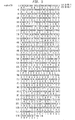
- the methyltransferase gene is one protecting against the restriction endonuclease MseI obtainable from Micrococcus species (NEB#446), and may be selected from among the set of sequences that can encode proteins specified in SEQ ID NO:2, SEQ ID NO:4, and SEQ ID NO:7. These proteins may be encoded for example by those DNA sequences set forth in SEQ ID NO:1, SEQ ID NO:3, and SEQ ID NO:6.
- a library of clones from a source of DNA other than Micrococcus species may be constructed in a vector containing one or more Mse I restriction sites. This library of clones is then selected by one or more rounds of Mse I digestion to destroy non-protecting clones followed by transformation of the digested plasmids to recover protected clones.
- Such a library was created from DNA (designated "environmental DNA”) isolated from a sample of a mixed green filament and mat community of prokaryotes growing at 68°C at Dixie Valley Hot Spring, Nevada.
- Purified enviromental DNA was digested with Nsi I endonuclease and ligated into the vector pNEB193 previously cleaved with Pst I restriction endonuclease and dephosphorylated.
- the ligation reaction was transformed into E. coli ER2683 by electroporation.
- the transformants were pooled and the plasmid population was purified to form the primary plasmid library.
- An aliquot of these purified plasmids was digested to completion with an excess of Mse I restriction endonuclease and used to transform ER2683.
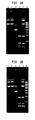
- Plasmids of the resulting transformants were miniprepped and analyzed by Mse I restriction enzyme digestion and subsequent agarose gel electrophoresis. 9 plasmids examined were found to be resistant to Mse I digestion and each was found to encode one of two different methylase genes that each function to protect DNA from cleavage by Mse I. These two methylases were named esaDix4IM (SEQ ID NO:3 and SEQ ID NO:4) and esaDix5IM (SEQ ID NO:5 and SEQ ID NO:6). Analysis of crude cell extracts prepared from these clones revealed no endonuclease activity. These methyltransferases, or others like them, may be used to protect a host's own DNA and thus enable the successful expression of the Mse I endonuclease.
- the Mse I methylase gene but not the Mse I endonuclease gene, was obtained generally in accordance with the technique referred to as methylase selection (U.S. Pat. No. 5,200,333) as above in step 1. However none of the clones obtained by methylase selection expressed detectable Mse I restriction endonuclease activity.
- a methylase clone was sequenced using standard techniques on an ABI 373 DNA sequencing machine. The Mse I methylase gene was identified based on amino acid homology to other N6-adenine methylases.
- methylase clone did not produce any detectable Mse I endonuclease activity, it was speculated that the endonuclease gene was likely located adjacent to the methylase gene. DNA contiguous to the Mse I methylase gene obtained from Micrococcus species (NEB#446) was therefore amplified from Micrococcus species genomic DNA by inverse PCR techniques and sequenced.
- Mse I endonuclease To locate and positively identify the Mse I endonuclease gene, the N-terminal amino acid sequence of highly purified Mse I restriction endonuclease protein obtained from Micrococcus species was determined. Mse I endonuclease may be purified from Micrococcus species (NEB#446) as set forth in Example III below. An open reading frame in which the deduced amino acid sequence matched the N-terminal amino acid sequence of the Mse I endonuclease was observed in the DNA sequence obtained by inverse PCR techniques which was located 3' of the methylase gene.
- the N-terminal amino acid sequence of Mse I restriction endonuclease can be used to design degenerate oligonucleotide primers for PCR amplification of a portion of the Mse I endonuclease gene from Micrococcus species (NEB#446).
- the DNA sequence obtained can then be used to guide inverse PCR amplification of the DNA on either side of this original portion of the Mse I endonuclease gene, and the mseIM and Mse I genes can be identified in this DNA sequence as above. Both methods were used for cloning and sequence determination of the entire Mse I restriction-modification system.
- a unique combination of methods including the introduction of a second, controllable promoter before the methylase gene, using a low copy replicon for the endonuclease gene and increasing the copy number of LacI repressor in the host prior to the introduction of the endonuclease gene, was used to control the overexpression of recombinant Mse I endonuclease.
- methylase constructs obtained by methylase selection did not fully protect the host E. coli chromosomal DNA when the cells were rapidly growing in logarithmic phase of growth.
- the methylase gene was amplified from Micrococcus species DNA and cloned into a family of vectors (pNK series, see Example IV below) under the expression of various strength constitutive promoters. In this attempt, no methylase constructs were obtained for the two highest level of expression promoters, due we believe to toxicity to the cell from too much expression of the methylase.
- Mutated clones expressing Mse I methylase were selected using the methylase selection technique referenced above, and then individual clones were tested for the ability to fully protect host genomic DNA from Mse I cleavage during rapid logarithmic growth by harvesting cells during logarithmic growth, purifying DNA from these host cells and testing for full protection from Mse I cleavage.
- One of the constructs found to fully protect against Mse I was then used for the expression of the Mse I endonuclease.
- inducible or constitutive promoters are well known and may be used to express high levels of an mseIR gene in a recombinant host.
- high copy number vectors well known in the art, may be used to achieve high levels of expression.
- a particularly preferred method for expression of Mse I restriction endonuclease is an expression vector designed to limit expression of the Mse I endonuclease during cell growth prior to induction, such as pVR-24 (New England Biolabs, Inc., Beverly, Mass.).
- This plasmid contains the segment encoding replicative function (ori), a chloramphenicol-resistance gene (Cm), gene encoding kanamycin resistance which is flanked by restriction endonuclease sites suitable for cloning.
- the cI857 gene encodes a mutant form of the of the lambda bacteriophage repressor protein, which conditionally binds to DNA sequences (the CI operator) that overlap PL and PR (the lambda bacteriophage major leftward and rightward promoters, respectively).
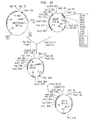
- the lacI gene encodes a repressor protein, LacI, that conditionally binds a DNA sequence (the lac operator) which has been constructed to overlap P T7 (bacteriophage T7 RNA polymerase transcriptional promoter). Briefly, at high temperature (42°C) without IPTG, the antisense promoter is active, while P T7 is repressed by LacI. At 30°C and with IPTG expression occurs from P T7 (see Figures 11 and 12). At intermediate temperatures and with intermediate IPTG concentrations, intermediate levels of expression can be obtained.
- the host is generally pre-protected from restriction endonuclease digestion.
- this is accomplished by cloning the Mse I methylase gene, or another methylase gene that protects against Mse I cleavage, such as esaDix4IM or esaDix5IM , expressed on the separate compatible plasmid in a manner providing full protection against Mse I cleavage.
- the Mse I endonuclease is produced by growing the host containing the Mse I endonuclease and the protective methylase gene, inducing with the appropriate expression conditions, harvesting the cells and purifying the Mse I endonuclease therefrom.
- the invention further provides a process for producing the Mse I restriction endonuclease, in which recombinant DNA modification methods are used for transforming a microorganism such that the gene encoding the Mse I restriction endonuclease and a gene coding for a DNA methyltransferase which protects the host DNA from Mse I cleavage are introduced into said microorganism, the organism is grown under conditions suitable for expression of Mse I endonuclease, harvested and the Mse I endonuclease is purified therefrom.
- Micrococcus species (NEB#446) was grown overnight in 1L of LB broth, the cells were harvested and genomic DNA was isolated using Qiagen Genomic-tip 100/G Genomic DNA Purification Kit (Cat. No. 10243) according to the manufacturer's instructions. Genomic DNA was partialy digested with Sau 3AI to produce fragments from 1 to 10 kb, and 20 ug of this cleaved genomic DNA was ligated with 3 ug of Bam HI-digested and dephosphorylated pBR322. The ligation mixture was transformed into E. coli strain ER2502. Approximately 100,000 transformants were obtained.
- the transformants were pooled, grown in 500 ml LB broth containing 100 ⁇ g/ml ampicillin, and the plasmid population was purified to form the primary plasmid library. 2 micrograms of this plasmid library was digested to completion with an excess of Mse I restriction endonuclease and used to transform ER2505. Plasmids of the resulting transformants were subjected to a second round of selection. 80 transformants were obtained and the plasmid DNA of 16 of these was analyzed by Mse I restriction enzyme digestion and subsequent agarose gel electrophoresis.
- a library of clones from a source of DNA other than Micrococcus species may be constructed in a vector containing one or more Mse I restriction sites. This library of clones is then selected as above by one or more rounds of Mse I digestion to destroy non-protecting clones followed by transformation of the digested plasmids to recover protected clones, as in Example I above.
- Such a library was created from DNA isolated from a sample of a mixed green filament and mat community of prokaryotes growing at 68°C at Dixie Valley Hot Spring, Nevada.
- Plasmids of the resulting transformants were miniprepped and analyzed by Mse I restriction enzyme digestion and subsequent agarose gel electrophoresis. 9 plasmids examined were found to be resistant to Mse I digestion and were found to encode one of either two different methylase genes that both function to protect DNA from cleavage by Mse I. These two methylases were named esaDix4IM and esaDix5IM (SEQ ID NO:3, SEQ ID NO:4 and SEQ ID NO:5 and SEQ ID NO:6). Analysis of crude cell extracts prepared from these clones revealed no endonuclease activity. These methyltransferases, or others like them, may be used to protect a host's own DNA and thus enable the successful expression of the Mse I endonuclease.
- Micrococcus species (NEB#446) cells were propagated in LB media at 30°C. The cells were harvested by centrifugation after 20 hours growth and stored at -70°C until used. All of the procedures were performed on ice or at 4°C.
- the Mse I endonuclease was purified following the same scheme as in Example VI. Approximately 10,000 units of Mse I activity were purified to near homogeneity. 16 ⁇ l of the peak fraction was loaded onto an SDS-PAGE protein gel and subjected to electrophoresis. The gel was stained with Coomassie blue R-250 and a prominent band at approximately 21 kD corresponding to the Mse I restriction endonuclease activity was observed.
- the membrane was stained with Coomassie Blue R-250 and the protein band of approximately 21 kd was excised and subjected to sequential degradation on an Applied BioSystems Division, Perkin-Elmer Corporation (Foster City, California) Model 407A gas phase protein sequencer (Waite-Rees, et al., J. Bacteriol.
- the first 25 residues of the 21 kD protein corresponded to (Met)-Thr-His-Glu-Pro-Thr-Asp-Asp-Pro-Asp-Phe-Ile-Val-Met-Ala-Ala-Ser-Ala-Xxx-Asn-Leu-Ala-Asp-Xxx-Tyr (SEQ ID NO:10). This data was used to compare with amino acid sequence deduced from the DNA sequence adjacent to the methylase gene to identify the endonuclease gene.
- Template preparation for inverse PCR amplification 1 ⁇ g of Micrococcus species (NEB#446) DNA was digested with 10 units of Hae II restriction endonuclease in 1X NEBuffer #4 in a 50 ⁇ l reaction volume for 1 hour at 37°C. The Hae II enzyme was heat inactivated by incubating at 75°C for 20 minutes. The Hae II digested DNA was circularized by adding 50 ⁇ l 10X T4 DNA ligase buffer and 400 ⁇ l dH 2 O, followed by 5 ⁇ l (2000 NEB units) T4 DNA ligase (NEB#202) and incubating at 16°C for 16 hours. A portion of this circularization ligation reaction was then used as the template for subsequent inverse PCR reactions.
- the PCR amplification conditions were: 95°C for 3 minutes for one cycle, followed by 4 cycles of 95°C for 30 seconds, 52°C for 30 seconds and 72°C for 1.5 minutes, followed by 20 cycles of 95°C for 30 seconds, 62°C for 30 seconds and 72°C for 1.5 minutes. 10 ⁇ l of the PCR reaction was analyzed by electrophoresis on a 0.8 % agarose gel.
- the Mse I endonuclease gene is identified by comparing the amino acid translation of DNA sequences adjacent to the Mse I methylase gene with the amino acid sequence data obtained from N-terminal amino acid sequencing of the Mse I endonuclease.
- An open reading frame oriented in the same direction as the Mse I methylase gene and overlaping the methylase gene by 7 amino acid residues was found in which the first 25 amino acids coded for in the DNA sequence matched the amino acid sequence determined from the Mse I endonuclease protein.
- GPS®-1 contains a modified Tn7 with the nptII gene for resistance to kanamycin, and insertions were generated in vitro in pVR-18 and pNEB193 containing part of the Mse I methylase gene according to the instructions of the manufacturer (New England Biolabs, Beverly, MA). These insertions were then sequenced using an ABI 373 automated sequencing system according to the manufacturer's instructions, using the primers included in GPS®-1 kit (Primer S and Primer N for the left and right end of the Transprimer, respectively)
- pNK vectors gene gifts from N. Kleckner
- constitutive promoters of different strengths were utilized. These plasmids contain either the WT or mutated pHis promoters upstream of a Bam HI site and are derivatives of the RS415 plasmid (Simons, et al. Gene, 53 (1987) 85-96 ). Their designations and promoter strength are as follows: No. Plasmids Promoter Strength 1 pNK1707 (wildtype) 1x 2 pNK2213 20x 3 pNK1786 100x 4 pNK2138 1070x
- the above plasmids were digested by Bam HI, Mun I and Ban II and the vector backbones containing the constitutive promoters were gel purified. (The Ban II digest was included to aid in gel purification of the vector backbone by eliminating a similarly sized plasmid fragment.)
- PCR was done using Vent® DNA polymerase, 1X ThermoPol buffer, 4 mM MgSO 4 , 80 ng of pVR19 plasmid (R.
- Vaisvila containing the Mse I methylase gene as the template in a 100 ⁇ l PCR reaction, and primers introducing an upstream Bam HI site 5'-GAACC GGATCC GACCCTGAGTGAGAACATGCC-3' (SEQ ID NO:15) and a downstream Mfe I site 5'-AGGTCG CAATTG CCAGG GGTCGTCTTCACTCGCTAC-3' (SEQ ID NO:16) with respect to the methylase gene. Twenty-five cycles were done consisting of 10 sec at 95°C, 60 sec at 60°C and 75 sec at 72°C. The resulting 1019 bp PCR product was purified using a QiaQuick PCR purification protocol, digested sequentially by Bam HI and Mun I, and purified once again using the QiaQuick PCR purification protocol.
- the Mse I methylase gene was ligated into all four Bam HI- Mun I vector backbones, transformed into ER2688 cells, and plated on Luria-Bertani (supplemented with 1 gram glucose and 1 gram MgCL 2 per liter; subsequently referred to as supplemented LB) agar plates.
- Luria-Bertani supplemented with 1 gram glucose and 1 gram MgCL 2 per liter; subsequently referred to as supplemented LB
- the constitutive promoter region was subjected to random PCR mutagenesis and selection.
- the mutagenesis protocol employed high levels of Taq DNA polymerase (5 units/100 ⁇ l reaction volume), unequal dNTP pools (1.2 mM dCTP and TTP; 0.2 mM dATP and dGTP), high levels of MgCl 2 (7 mM), presence of MnCl 2 (0.5 mM), 2 ng of the pNKR1707MseIm per 100 ⁇ l volume and high PCR cycle numbers (35).
- the mutated promoter copies were restricted by Age I and Bam HI, gel purified with a Qiagen gel purification kit, and ligated into a Age I- Bam HI restricted pNKRMseIm construct that had been purified away from its endogenous constitutive promoter.
- a Qiagen purification protocol Following electroporation into competent ER2688 cells, 20,000 colonies were achieved. These colonies were pooled and the plasmids were purified using a Qiagen purification protocol. This constituted a library of randomly mutagenized constitutive promoters, upstream of the Mse I methylase gene.
- plasmids possessing a mutated constitutive promoter resulting in a stable, high level of methylation 5 ⁇ g of the plasmid library was challenged by Mse I restriction (5 ⁇ g DNA, 50 units Mse I for 4 hrs at 37°C, followed by a 20 min incubation at 65°C to inactivate the Mse I restriction endonuclease.
- a portion of the challenged pool (250 ng) was transformed into calcium-competent ER2688 cells and plated on supplemented LB agar plates and grown overnight at 37°C. This resulted in 63 colonies.
- plasmid DNA was purified using a Qiagen Qia-prep spin miniprep protocol. When 100 ng of the purified plasmid DNA was challenged with 20 units of Mse I for 30 minutes at 37°C, all 6 were found to be fully restricted, indicating an inadequate level of methylation.
- the remaining 57 colonies were pooled and a plasmid purification was done using a Qiagen plasmid purification protocol. From this plasmid pool, 50 ng was subjected to a longer (overnight) 50 unit Mse I challenge, followed by a 20 min incubation at 65°C to inactivate the Mse I restriction endonuclease. A portion of the challenged pool (4 ng) was transformed into calcium-competent ER2688 cells, plated on supplemented LB agar plates and grown overnight at 37°C. This resulted in 13 colonies.
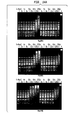
- the 7 colonies were harvested for plasmid purification during the logarithmic phase of culture growth (cells were harvested 4 hours at 37°C after a 1:100 dilution of an overnight culture into fresh supplemented LB growth medium). Such cells would be expected to be replicating their DNA at such a rate that methylation by an expressed Mse I methylase might be unable to achieve complete methylation. Plasmid DNA was purified from these logarithmically growing cultures using Qiagen Qia-prep purification protocols and 0.5 ug of this plasmid DNA was incubated overnight at 37°C with 50 units Mse I. Using this more difficult methylation standard, 3 of the 7 colonies were fully protected (methylated) and resistant to restriction.
- the three clones (#4, #9 and #10) resulting in a stable and full level of Mse I methylation had their promoter regions examined by mapping with Age I and Bam HI, and sequencing using a primer with an annealing position upstream of the promoter region. (5'-GGATCTTCCAGTGGTGCATGAACG-3' (SEQ ID NO:19). Two of the 3 clones (#9 and #10) were identical; thus the two step selection process described resulted in finding two independent promoters that yield a stable, full level of Mse I methylation.
- promoter #4 and promoter #9/#10 were not mutagenized constitutive promoters as had been the experimental design, but instead were Age I- Bam HI E. coli sequences that must have originated from the low level of E. coli DNA contamination present in the plasmid preparations.
- This E. coli sequence contains the 5' end of the yigW_2 orf and two predicted promoters, one of which is oriented in the same direction as the Mse I methylase (#8672-8704).
- the #9/#10 promoter mapping appeared, by Age I/ Bam HI, to be approximately 420 bp in length; by sequencing, the promoter was identical to E. coli K-12 MG1655 section 41 (Accession No. AE000151), base # 2511-2998. This defines a 488 bp Age I- Bam HI E. coli fragment that contains the 5' end of the cof orf and two predicted promoters oriented in the same direction as the Mse I methylase at positions #2605-2632 and #2714-2742. This #9/#10 sequence was used for further work.
- the Mse I methylase construct was further modified to achieve greater Mse I modification of the host. As described above, the attempts to place the Mse I methylase under the highest two levels of constitutive expression failed, presumably due to instability from high levels of methylation in the cells. To achieve a maximum tolerated level of methylation, a new M.Mse I expression plasmid, pVR-26, was constructed. pVR-26 was constructed by inserting a second promoter, derived as described in (3) above (see Table 1). This was done by cutting out a 1.244-kb DNA fragment containing the M.
- Mse I coding region mseIM gene
- upstream promoter from plasmid pNKR1707mseIM-9 (digested with Pme I and Mfe I) and inserting it just downstream of the P lacUV5 promoter in vector pNEB193 (New England Biolabs, Inc., Beverly, MA) cut with Eco RI and Hinc II.
- Another Mse I methylase construct, pVR-27 was made by deleting a 0.379-kb Pme I- Af /III fragment containing the P lacUV5 promoter and lacI operator from pVR-26.
- the pVR-26 mse IM methylase expressing vector allowed the stable expression of Mse I endonuclease.
- restriction endonucleases are cytotoxic proteins. Attempting to clone a toxic gene into a plasmid designed to facilitate high expression is, in many cases, extremely difficult.
- One especially preferred plasmid for expressing cytotoxic genes is pLT7K (Kong, et al., Nucl . Acids Res. 28:3216-3222 (2000)).
- This plasmid contains the segment encoding replicative function (ori), a gene encoding ⁇ -lactamase, and a gene encoding kanamycin resistance which is flanked by restriction endonuclease sites suitable for cloning.
- the cI857 gene encodes a mutant form of the of the lambda bacteriophage repressor protein, which conditionally binds to DNA sequences (the CI operator) that overlap PL and PR (the lambda bacteriophage major leftward and rightward promoters, respectively).
- the lacI gene encodes a repressor protein, LacI, that conditionally binds a DNA sequence (the lac operator) which has been constructed to overlap PT7 (bacteriophage T7 RNA polymerase transcriptional promoter). Briefly, at high temperature (42°C) without IPTG, the antisense promoter is active, while P T7 is repressed by LacI. At 30°C and with IPTG, expression occurs from P T7 .
- the pACYC184-T7ter ⁇ PshAI is a Psh AI deletion derivative of pACYC184-T7ter. This construct was designated pVR-24 (Fig. 11).
- the open reading frame (ORF) for the mseIR gene was amplified by PCR with a set of forward (5' AGACTCCCC CATAT G ACCCACGAACCGACGGATG 3' (SEQ ID NO:20) and reverse (5' GGGTGGTCCCGCTAGCTATTAGTAGGGACCGGGG 3' (SEQ ID NO:21) primers, where the underlined bases show the positions of the NdeI cleavage site for the forward primer.
- PCR was performed using Vent® DNA polymerase, 1X ThermoPol buffer, 500 ng of Micrococcus species (NEB#446) chromosomal DNA as the template in a 100 ⁇ l PCR reaction, and primers.
- the resulting 700 bp PCR product was purified using a QiaQuick PCR purification protocol, treated with Klenow fragment, digested by Nde I, and purified once again using the QiaQuick PCR purification protocol.
- strain ER2833 T7lacIq strain was constructed as described in U.S. Application Serial No. 09/689,359.
- the pVR-25 plasmid was transferred into the expression strain ER2566/pCEF-8, which was pre-protected against Mse I endonuclease auto-digestion by carrying one of these Mse I methylase expressing plasmids (pNKR1707 Mse Im-9, pCR-26 and pVR-27).
- ER2566/pCEF-8 is a host strain containing a chromosomal copy of the gene for T7 RNA polymerase under control of the inducible lac promoter and a pSYX20 based plasmid, pCEF-8, which specifies low levels of T7 lysozyme, a natural inhibitor of T7 RNA polymerase.
- T7 Lysozyme inhibits transrciption by T7 RNA polymerase
- lysozyme reduces the basal activity of the T7 RNA polymerase and increases the range of target genes that can be stably maintained in the expression host.
- another expression strain, ER2833/ pCEF-8 was used, which has an copy of lacIq gene on the F' episome.
- strains were used of Mse I restriction endonuclease expression studies in E . coli (Table 1). All strains contain pVR-25 plasmid, expressing Mse I restriction endonuclease, and pCEF-8 plasmid which encodes a T7 bacteriophage lysozyme gene.
- a variety of growth conditions were employed to grow transformed host cells to select for higher yields of Mse I restriction endonuclease.
- the preferred medium in optimization experiments was Luria-Bertani (supplemented with 1 gram glucose and 1 gram MgCL2 per liter; subsequently referred to as supplemented LB) media.
- the growth conditions were as follows:
- MseRM1 cells from an individual colony were grown in 0.5 liter of LB medium at 42°C for 8h, after which IPTG was added to 0.2 mM final concentration to induce the T7 RNA polymerase and cells were grown overnight (15 h) at 30°C. Antibiotics were added as needed: 30 ⁇ g of kanamycin per ml, 100 ⁇ g of ampicillin per ml, and 30 ⁇ g of chloramphenicol per ml. Finally, cultures were harvested by centrifugation and frozen at -20°C.
- MseRM3 for each experiment, cells from an individual colony were grown in O.5 liter of LB medium at 30°C overnight (17 h), after which IPTG was added to 0.2 mM final concentration to induce T7 RNA polymerase and cells continued to grow for 4 h. Antibiotics were added as needed: 30 ⁇ g of kanamycin per ml, 100 ⁇ g of ampicillin per ml, and 30 ⁇ g of chloramphenicol per ml. Finally, cultures were harvested by centrifugation and frozen at -20°C.
- MseRM4, MseRM5 and MseRM6 bacterial cultures were kept as frozen stock solutions at 70°C in 50% glycerol. Cultures used for seed inoculation were streaked onto LB medium plates containing the appropriate antibiotics to obtain single colonies. An individual colony was resuspended in 1 ml of LB medium and inoculated into a 1000-ml flasks containing 500 ml of LB medium supplemented with 30 ⁇ g of kanamycin/ml 100 ⁇ g of ampicillin/ml, and 30 ⁇ g of chloramphenicol/ml. Cells were grown overnight (16 h) in a shaking incubator at 37°C and 250 rpm. Thereafter, IPTG was added to a final concentration of 0.2 mM. Cells were cultivated for another 4 h and then were harvested by centrifugation at 8,000 g for 5 min at 4°C and frozen at -20°C.
- Sonication method induced cultures (500 ml) were harvested and resuspended in 20 ml sonication buffer containing 10 mM Tris.HCI (pH 7.5) and 1 mM EDTA. Cells were sonicated on ice by four 30 second blasts with a macro-tip probe. A portion of the crude extract was added to lambda DNA (1 ⁇ l) in NEBuffer 2 buffer (50 ⁇ l) and incubated for 1 hour at 37°C. DNA was fractionated by 0.8% gel electrophoresis and visualized by EtBr staining.
- EXPRESS method one ml of an overnight or induced culture (10 - 500 ml) was harvested and resuspended in 0.2 ml buffer containing 50 mM TRIS-HCl, pH 7.5 and 25% (vol/vol) sucrose and mixed until the solution was homogenous. 11 ⁇ l of 200 mM EDTA, pH 8.0 plus 200 ⁇ l of freshly-prepared 10 mg/ml lysozyme in 0.25M Tris-HCI (pH 8.0) were added and the solution was incubated on ice for 5 min. 11.5 ⁇ l of 1 M MgCl 2 and 24.2 ⁇ l of 5% (vol/vol) Brij-58 were then added.
- Lambda DNA substrate (1.0 ⁇ g) was digested in Mse I reaction buffer buffer (NEBuffer 2) with serial dilutions of cell extract for 1 hour at 37°C degree. DNA was fractionated by electrophoresis and visualized by EtdBr staining. Activity was determined by the presence of the appropriate size bands associated with a Mse I digestion of lambda DNA.
- MseRM1 strain gave a variable yield of Mse I restriction endonuclease (0.08-0.5x10 6 U/g wet cells). Cells grew slowly and the lag time was exceptionally long.
- the new host strain ER2833 (U.S. Application Serial No. 09/689,359) was constructed, which has an copy of lacI q gene on the F' episome.
- MseRM3 expression stability and plasmid maintenance in the lacI q host
- the Mse I restriction endonuclease purified from this strain was substantially free of non-specific endonuclease and exonuclease and the final yield was ⁇ 150,000U/g. It is about 100 times greater yield than from native Micrococcus species (NEB#446).
- MseRM3 strain showed no Mse I restriction endonuclease activity after the strain was stored at -70 °C and revived.
- Mse I methylase expression level was increased by constructing pVR-26 and pVR-27 plasmids (Example IV above).
- These strains (MseRM4, MseRM5 and MseRM6) gave high Mse I restriction endonuclease yield from even after storing the strain at -70 °C and one strain, MseRM4 (NEB#1284; New England Biolabs, Inc., Beverly, MA) was used for scale-up in the 100 L production fermentor (see Example VI).
- the yield of Mse I restriction endonuclease from this larger scale fermentation was 0.5x10 6 U/g wet cells.
- the Mse I restriction enzyme was produced from recombinant E. coli strain NEB#1284 propagated to late-log phase in a 100-liter fermenter. A sample of these cells was deposited under the terms and conditions of the Budapest Treaty with the American Type Culture Collection on August 28, 2000 and received ATCC Accession No. PTA-2421.
- the transformed E. coli host, NEB#1284 containing the recombinant Mse I restriction endonuclease clone was stored as a frozen stock solution at -70°C in 50% glycerol. Cultures used for seed inoculation were streaked onto LB agar plates containing ampicillin (100 ⁇ g/ml), chloramphenicol (30 ⁇ g/ml) and kanamycin (50 ⁇ g/ml) and incubated overnight at 37°C to obtain single colonies. Several colonies were used to inoculate 10 ml LB medium supplemented with 30 ⁇ g of kanamycin/ml 100 ⁇ g of ampicillin/ml, and 30 ⁇ g of chloramphenicol/ml.
- the 580 ml of supernatant was diluted to 0.1M NaCl with Buffer A without NaCl and loaded onto a 430 ml Heparin Hyper D column equilibrated with Buffer A.
- the column was washed with 1200 ml Buffer A and then a 4000 ml linear gradient from 0.1 M NaCl to 1.0 M NaCl was applied.
- the restriction enzyme activity eluted at 0.25-0.35M NaCl and was pooled.
- the Heparin Hyper D pool was diluted to 0.1M NaCl with Buffer A without NaCl and loaded onto an 88 ml PEI column equilibrated with buffer A.
- the column was washed with 100 mls Buffer A and then a 1000 ml linear gradient from 0.1M to 1.7M NaCl was applied.
- the restriction enzyme activity eluted at 0.7 - 0.9M NaCl and was dialyzed against Buffer C (50 mM NaCl, 15 mM Tris pH 7.5, 10 mM BME, 0.1 mM EDTA and 5% (v/v) glycerol) overnight and loaded onto a 20 ml Source Q column equilibrated with Buffer C.
- the column was washed with 40 ml Buffer C and a 400 ml linear gradient from 0.05M NaCl to 1.0M NaCl was applied.
- the restriction enzyme activity eluted at 0.25M -0.35M NaCl and was pooled.
- the Source Q pool was dialyzed against Buffer D (10 mM KPO4 pH7.0, 0.075M NaCl, 10 mM BME, 0.1mM EDTA, 5% (v/v) glycerol) and loaded onto a 20 ml Heparin TSK column equilibrated with Buffer D. The column was washed with 40 ml Buffer D and a 400 ml linear gradient from 0.075 M to 1 M NaCl in buffer D was applied. The restriction enzyme activity eluted at 0.3M -0.4M NaCl and was pooled.
- BSA was added to a final concentration of 100 ⁇ g/ml.
- the pool was dialyzed to Storage Buffer (20 mM Tris pH 7.5, 0.1M EDTA, 1mM DTT, 50 mM NaCl, 50% (v/v) glycerol, 200 ⁇ g/ml BSA) overnight.
- Storage Buffer (20 mM Tris pH 7.5, 0.1M EDTA, 1mM DTT, 50 mM NaCl, 50% (v/v) glycerol, 200 ⁇ g/ml BSA) overnight.
- This purification scheme yielded 26,000,000 units of Mse I restriction endonuclease.
- the Mse I restriction endonuclease obtained from this purification was substantially free of non-specific endonuclease and exonuclease.
- NEBuffer 2 50 mM NaCl, 10 mM MgCl2, 10 mM Tris-HCI, 1 mM DTT, (pH 7.9 at 25°C, supplemented with 100 ⁇ g/ml BSA.
- One unit of restriction endonuclease activity is defined as the amount of enzyme required to completely digest 1 ⁇ g of substrate DNA in a total reaction volume of 50 ⁇ l in one hour using the NEBuffer specified.
Landscapes
- Life Sciences & Earth Sciences (AREA)
- Health & Medical Sciences (AREA)
- Chemical & Material Sciences (AREA)
- Wood Science & Technology (AREA)
- Engineering & Computer Science (AREA)
- Bioinformatics & Cheminformatics (AREA)
- Organic Chemistry (AREA)
- Zoology (AREA)
- Genetics & Genomics (AREA)
- Molecular Biology (AREA)
- Medicinal Chemistry (AREA)
- Microbiology (AREA)
- Biotechnology (AREA)
- Biochemistry (AREA)
- General Engineering & Computer Science (AREA)
- General Health & Medical Sciences (AREA)
- Biomedical Technology (AREA)
- Enzymes And Modification Thereof (AREA)
- Micro-Organisms Or Cultivation Processes Thereof (AREA)
Applications Claiming Priority (2)
| Application Number | Priority Date | Filing Date | Title |
|---|---|---|---|
| US689343 | 2000-10-12 | ||
| US09/689,343 US6846658B1 (en) | 2000-10-12 | 2000-10-12 | Method for cloning and producing the Msel restriction endonuclease |
Publications (3)
| Publication Number | Publication Date |
|---|---|
| EP1197549A2 true EP1197549A2 (de) | 2002-04-17 |
| EP1197549A3 EP1197549A3 (de) | 2002-06-26 |
| EP1197549B1 EP1197549B1 (de) | 2004-09-22 |
Family
ID=24768039
Family Applications (1)
| Application Number | Title | Priority Date | Filing Date |
|---|---|---|---|
| EP01203828A Expired - Lifetime EP1197549B1 (de) | 2000-10-12 | 2001-10-10 | Verfahren zur Klonierung und Herstellung der MseI Restriktionsendonuklease |
Country Status (4)
| Country | Link |
|---|---|
| US (2) | US6846658B1 (de) |
| EP (1) | EP1197549B1 (de) |
| JP (1) | JP4825383B2 (de) |
| DE (1) | DE60105728T2 (de) |
Cited By (1)
| Publication number | Priority date | Publication date | Assignee | Title |
|---|---|---|---|---|
| CN116064359A (zh) * | 2022-11-07 | 2023-05-05 | 杭州珲益生物科技有限公司 | 一种重组工程菌及其制备方法与应用 |
Families Citing this family (10)
| Publication number | Priority date | Publication date | Assignee | Title |
|---|---|---|---|---|
| JP5088034B2 (ja) * | 2006-08-14 | 2012-12-05 | ソニー株式会社 | 物質の検出等に有用な核酸鎖とその方法 |
| US9074251B2 (en) | 2011-02-10 | 2015-07-07 | Illumina, Inc. | Linking sequence reads using paired code tags |
| WO2012106546A2 (en) | 2011-02-02 | 2012-08-09 | University Of Washington Through Its Center For Commercialization | Massively parallel continguity mapping |
| EP2753715A4 (de) | 2011-09-09 | 2015-05-20 | Univ Leland Stanford Junior | Verfahren zur gewinnung einer sequenz |
| US9683230B2 (en) | 2013-01-09 | 2017-06-20 | Illumina Cambridge Limited | Sample preparation on a solid support |
| EP3553175B1 (de) | 2013-03-13 | 2021-07-14 | Illumina, Inc. | Verfahren zur herstellung von nukleinsäuresequenzierungsbibliotheken |
| US10246746B2 (en) | 2013-12-20 | 2019-04-02 | Illumina, Inc. | Preserving genomic connectivity information in fragmented genomic DNA samples |
| CN111733147A (zh) * | 2014-04-09 | 2020-10-02 | 广州复能基因有限公司 | 一种t7核酸内切酶i的制备方法 |
| JP6808617B2 (ja) | 2014-10-17 | 2021-01-06 | イルミナ ケンブリッジ リミテッド | 連続性を維持した転位 |
| CN112175979A (zh) * | 2019-07-04 | 2021-01-05 | 华大青兰生物科技(无锡)有限公司 | 构建用于表达限制性内切酶的甲基化宿主的方法 |
Family Cites Families (14)
| Publication number | Priority date | Publication date | Assignee | Title |
|---|---|---|---|---|
| US5200333A (en) | 1985-03-01 | 1993-04-06 | New England Biolabs, Inc. | Cloning restriction and modification genes |
| EP0618295B1 (de) | 1986-06-06 | 1996-03-06 | New England Biolabs, Inc. | Verfahren zur Klonierung des Dde I- Restriktions-Modifikationssystems |
| US5179015A (en) | 1990-07-23 | 1993-01-12 | New England Biolabs, Inc. | Heterospecific modification as a means to clone restriction genes |
| US5262318A (en) | 1992-08-20 | 1993-11-16 | New England Biolabs, Inc. | Isolated DNA encoding the SPHI restriction endonuclease and related methods for producing the same |
| US5371006A (en) * | 1993-01-11 | 1994-12-06 | New England Biolabs, Inc. | Isolated DNA encoding the NotI restriction endonuclease and related methods for producing the same |
| US5492823A (en) | 1994-05-24 | 1996-02-20 | New England Biolabs, Inc. | Method for direct cloning and producing the BsoBI restriction endonuclease in E. coli |
| US5498535A (en) | 1994-05-24 | 1996-03-12 | New England Biolabs, Inc. | Method for direct cloning of nuclease genes in E. coli |
| US6383770B1 (en) | 1997-09-02 | 2002-05-07 | New England Biolabs, Inc. | Method for screening restriction endonucleases |
| US5945288A (en) * | 1997-11-24 | 1999-08-31 | New England Biolabs, Inc. | Method for cloning and producing the PmeI restriction endonuclease |
| US5885818A (en) * | 1998-05-14 | 1999-03-23 | New England Biolabs, Inc. | Method for cloning and producing ageI restriction endonuclease in E. coli |
| US6025179A (en) | 1998-08-31 | 2000-02-15 | New England Biolabs, Inc. | Method for cloning and producing the SnaBI restriction endonuclease and purification of the recombinant SnaBI restriction endonuclease |
| US6048731A (en) | 1998-09-03 | 2000-04-11 | New England Biolabs, Inc. | Method for cloning and producing the SgrAI restriction endonuclease |
| US6018731A (en) * | 1998-12-22 | 2000-01-25 | Ac Properties B.V. | System, method and article of manufacture for a goal based system utilizing a spreadsheet and table based architecture |
| US6723546B2 (en) * | 2002-03-26 | 2004-04-20 | New England Biolabs, Inc. | Method for cloning and expression of BsaI restriction endonuclease and BsaI methylase in E. coli |
-
2000
- 2000-10-12 US US09/689,343 patent/US6846658B1/en not_active Expired - Lifetime
-
2001
- 2001-09-28 JP JP2001337070A patent/JP4825383B2/ja not_active Expired - Fee Related
- 2001-10-10 DE DE60105728T patent/DE60105728T2/de not_active Expired - Lifetime
- 2001-10-10 EP EP01203828A patent/EP1197549B1/de not_active Expired - Lifetime
-
2004
- 2004-12-21 US US11/018,116 patent/US20050158769A1/en not_active Abandoned
Cited By (1)
| Publication number | Priority date | Publication date | Assignee | Title |
|---|---|---|---|---|
| CN116064359A (zh) * | 2022-11-07 | 2023-05-05 | 杭州珲益生物科技有限公司 | 一种重组工程菌及其制备方法与应用 |
Also Published As
| Publication number | Publication date |
|---|---|
| EP1197549A3 (de) | 2002-06-26 |
| DE60105728D1 (de) | 2004-10-28 |
| EP1197549B1 (de) | 2004-09-22 |
| US6846658B1 (en) | 2005-01-25 |
| JP2002306186A (ja) | 2002-10-22 |
| JP4825383B2 (ja) | 2011-11-30 |
| DE60105728T2 (de) | 2006-03-09 |
| US20050158769A1 (en) | 2005-07-21 |
Similar Documents
| Publication | Publication Date | Title |
|---|---|---|
| EP1757683A1 (de) | Verfahren zur Herstellung von einer mutierten TypIIT ENDONUKLEASE DIE NICKING AKTIVITÄT AUFWEIST | |
| EP0869174B1 (de) | Verfahren zur Klonierung und Herstellung der Spel Restriktionsendonuclease | |
| EP1197549B1 (de) | Verfahren zur Klonierung und Herstellung der MseI Restriktionsendonuklease | |
| EP0483797B1 (de) | Verfahren zur Klonierung und Herstellung von Restriktionsendonuklease Nco I | |
| US5334526A (en) | Cloning and expression of AluI restriction endonuclease | |
| US5248605A (en) | Cloning and expressing restriction endonucleases from haemophilus | |
| US5470740A (en) | Cloned NsiI restriction-modification system | |
| JP3592350B2 (ja) | AatII制限エンドヌクレアーゼ及びメチラーゼのクローニング及び産生方法並びに制限エンドヌクレアーゼの過剰発現関連方法 | |
| EP1048731B1 (de) | Verfahren zur Klonierung und Herstellung von der Restrictionsendonuklease SwaI | |
| EP0607005B1 (de) | Für die Not I Restriktionsendonuklease kodierende, isolierte DNA und Verfahren zu ihrer Herstellung | |
| US5292651A (en) | Method for cloning and producing the NaeI restriction endonuclease and methylase | |
| EP0778346B1 (de) | Verfahren zur Klonierung und Herstellung einer Sca1-Restriktionsendonuklease in E. Coli | |
| US5637476A (en) | Method for cloning and producing the SFII restriction endonuclease and methylase | |
| EP0931835B1 (de) | Verfahren zur Klonierung und Herstellung von Restriktionsendonuklease PmeI | |
| JPH06205683A (ja) | SphI制限エンドヌクレアーゼをコードする単離DNA及び該制限エンドヌクレアーゼを製造するための方法 | |
| EP1164189B1 (de) | Methode zur Klonierung und Produktion der RsaI Restriktions-endonuklease in E.coli | |
| US5849558A (en) | Discovery of and method for cloning and producing the PspGI restriction endonuclease | |
| EP0707066A2 (de) | Verfahren zur Herstellung der SspI Restriktions-Endonuklease und Methylase | |
| EP0985730A1 (de) | Verfahren zur Klonierung und Herstellung der Restriktionsendonuklease SnaBI und ihre Isolierung | |
| US5616484A (en) | Cloning and expression of the ApaLI restriction endonuclease | |
| EP0794252A2 (de) | Verfahren zur Klonierung und Herstellung der PshAI-Restriktionsendonuklease | |
| WO1991013975A1 (en) | CLONING AND EXPRESSION OF RESTRICTION ENDONUCLEASES FROM $i(NEISSERIA) |
Legal Events
| Date | Code | Title | Description |
|---|---|---|---|
| PUAI | Public reference made under article 153(3) epc to a published international application that has entered the european phase |
Free format text: ORIGINAL CODE: 0009012 |
|
| AK | Designated contracting states |
Kind code of ref document: A2 Designated state(s): AT BE CH CY DE DK ES FI FR GB GR IE IT LI LU MC NL PT SE TR |
|
| AX | Request for extension of the european patent |
Free format text: AL;LT;LV;MK;RO;SI |
|
| PUAL | Search report despatched |
Free format text: ORIGINAL CODE: 0009013 |
|
| AK | Designated contracting states |
Kind code of ref document: A3 Designated state(s): AT BE CH CY DE DK ES FI FR GB GR IE IT LI LU MC NL PT SE TR |
|
| AX | Request for extension of the european patent |
Free format text: AL;LT;LV;MK;RO;SI |
|
| 17P | Request for examination filed |
Effective date: 20021118 |
|
| AKX | Designation fees paid |
Designated state(s): DE FR GB |
|
| AXX | Extension fees paid |
Extension state: LT Payment date: 20021118 |
|
| 17Q | First examination report despatched |
Effective date: 20030220 |
|
| GRAP | Despatch of communication of intention to grant a patent |
Free format text: ORIGINAL CODE: EPIDOSNIGR1 |
|
| GRAS | Grant fee paid |
Free format text: ORIGINAL CODE: EPIDOSNIGR3 |
|
| GRAA | (expected) grant |
Free format text: ORIGINAL CODE: 0009210 |
|
| RIN1 | Information on inventor provided before grant (corrected) |
Inventor name: CLAUS, TOBY E. Inventor name: MORGAN, RICHARD D. Inventor name: VAISVILA, ROMUALDAS Inventor name: RALEIGH, ELISABETH A. Inventor name: KUCERA, REBECCA B. |
|
| AK | Designated contracting states |
Kind code of ref document: B1 Designated state(s): DE FR GB |
|
| AX | Request for extension of the european patent |
Extension state: LT |
|
| REG | Reference to a national code |
Ref country code: GB Ref legal event code: FG4D |
|
| REG | Reference to a national code |
Ref country code: IE Ref legal event code: FG4D |
|
| REF | Corresponds to: |
Ref document number: 60105728 Country of ref document: DE Date of ref document: 20041028 Kind code of ref document: P |
|
| PLBE | No opposition filed within time limit |
Free format text: ORIGINAL CODE: 0009261 |
|
| STAA | Information on the status of an ep patent application or granted ep patent |
Free format text: STATUS: NO OPPOSITION FILED WITHIN TIME LIMIT |
|
| ET | Fr: translation filed | ||
| 26N | No opposition filed |
Effective date: 20050623 |
|
| PGFP | Annual fee paid to national office [announced via postgrant information from national office to epo] |
Ref country code: FR Payment date: 20131023 Year of fee payment: 13 Ref country code: GB Payment date: 20131023 Year of fee payment: 13 Ref country code: DE Payment date: 20131030 Year of fee payment: 13 |
|
| REG | Reference to a national code |
Ref country code: DE Ref legal event code: R119 Ref document number: 60105728 Country of ref document: DE |
|
| GBPC | Gb: european patent ceased through non-payment of renewal fee |
Effective date: 20141010 |
|
| PG25 | Lapsed in a contracting state [announced via postgrant information from national office to epo] |
Ref country code: GB Free format text: LAPSE BECAUSE OF NON-PAYMENT OF DUE FEES Effective date: 20141010 Ref country code: DE Free format text: LAPSE BECAUSE OF NON-PAYMENT OF DUE FEES Effective date: 20150501 |
|
| REG | Reference to a national code |
Ref country code: FR Ref legal event code: ST Effective date: 20150630 |
|
| PG25 | Lapsed in a contracting state [announced via postgrant information from national office to epo] |
Ref country code: FR Free format text: LAPSE BECAUSE OF NON-PAYMENT OF DUE FEES Effective date: 20141031 |
|
| REG | Reference to a national code |
Ref country code: LT Ref legal event code: MM9A Effective date: 20211010 |