EP1297109B1 - Hepatitis-b-virus-dna-polymerase und oberflächenantigen-varianten und methoden iher verwendung - Google Patents
Hepatitis-b-virus-dna-polymerase und oberflächenantigen-varianten und methoden iher verwendung Download PDFInfo
- Publication number
- EP1297109B1 EP1297109B1 EP01937883A EP01937883A EP1297109B1 EP 1297109 B1 EP1297109 B1 EP 1297109B1 EP 01937883 A EP01937883 A EP 01937883A EP 01937883 A EP01937883 A EP 01937883A EP 1297109 B1 EP1297109 B1 EP 1297109B1
- Authority
- EP
- European Patent Office
- Prior art keywords
- hbv
- viral
- variants
- hepatitis
- hbsag
- Prior art date
- Legal status (The legal status is an assumption and is not a legal conclusion. Google has not performed a legal analysis and makes no representation as to the accuracy of the status listed.)
- Expired - Lifetime
Links
- 108010014303 DNA-directed DNA polymerase Proteins 0.000 title claims description 25
- 102000016928 DNA-directed DNA polymerase Human genes 0.000 title claims description 24
- 238000000034 method Methods 0.000 title claims description 17
- 241000700721 Hepatitis B virus Species 0.000 title abstract description 106
- 239000000427 antigen Substances 0.000 title description 14
- 102000036639 antigens Human genes 0.000 title description 14
- 108091007433 antigens Proteins 0.000 title description 14
- 230000035772 mutation Effects 0.000 claims abstract description 51
- 229940127073 nucleoside analogue Drugs 0.000 claims abstract description 29
- 230000035945 sensitivity Effects 0.000 claims abstract description 23
- 230000002829 reductive effect Effects 0.000 claims abstract description 18
- 150000001413 amino acids Chemical class 0.000 claims description 12
- 230000003247 decreasing effect Effects 0.000 claims description 7
- 238000012216 screening Methods 0.000 claims description 4
- 108020004999 messenger RNA Proteins 0.000 claims description 3
- 150000003833 nucleoside derivatives Chemical group 0.000 claims description 2
- 230000003612 virological effect Effects 0.000 abstract description 31
- 239000003795 chemical substances by application Substances 0.000 abstract description 25
- 241000700605 Viruses Species 0.000 abstract description 14
- 238000003556 assay Methods 0.000 abstract description 12
- 230000010076 replication Effects 0.000 abstract description 10
- 208000015181 infectious disease Diseases 0.000 abstract description 9
- 230000001747 exhibiting effect Effects 0.000 abstract description 6
- 230000002401 inhibitory effect Effects 0.000 abstract description 6
- 230000001225 therapeutic effect Effects 0.000 abstract description 6
- 230000001900 immune effect Effects 0.000 abstract description 5
- 229960005486 vaccine Drugs 0.000 abstract description 4
- 230000000840 anti-viral effect Effects 0.000 abstract description 3
- 230000036961 partial effect Effects 0.000 abstract description 3
- 238000012544 monitoring process Methods 0.000 abstract description 2
- GGXKWVWZWMLJEH-UHFFFAOYSA-N famcyclovir Chemical compound N1=C(N)N=C2N(CCC(COC(=O)C)COC(C)=O)C=NC2=C1 GGXKWVWZWMLJEH-UHFFFAOYSA-N 0.000 description 39
- 229960004396 famciclovir Drugs 0.000 description 38
- JTEGQNOMFQHVDC-NKWVEPMBSA-N lamivudine Chemical compound O=C1N=C(N)C=CN1[C@H]1O[C@@H](CO)SC1 JTEGQNOMFQHVDC-NKWVEPMBSA-N 0.000 description 33
- 229960001627 lamivudine Drugs 0.000 description 33
- 210000004027 cell Anatomy 0.000 description 16
- 108090000623 proteins and genes Proteins 0.000 description 16
- 238000011282 treatment Methods 0.000 description 16
- 108020004414 DNA Proteins 0.000 description 15
- 235000001014 amino acid Nutrition 0.000 description 13
- 238000001514 detection method Methods 0.000 description 13
- 238000010322 bone marrow transplantation Methods 0.000 description 12
- 229940024606 amino acid Drugs 0.000 description 11
- 230000008859 change Effects 0.000 description 11
- 150000001875 compounds Chemical class 0.000 description 11
- 238000012545 processing Methods 0.000 description 11
- 239000012472 biological sample Substances 0.000 description 10
- 238000013500 data storage Methods 0.000 description 10
- 239000000203 mixture Substances 0.000 description 10
- 239000000047 product Substances 0.000 description 9
- 239000011248 coating agent Substances 0.000 description 8
- 238000000576 coating method Methods 0.000 description 8
- 108700024845 Hepatitis B virus P Proteins 0.000 description 7
- 239000003153 chemical reaction reagent Substances 0.000 description 7
- 239000000677 immunologic agent Substances 0.000 description 7
- 229940124541 immunological agent Drugs 0.000 description 7
- 238000012163 sequencing technique Methods 0.000 description 7
- 238000002054 transplantation Methods 0.000 description 7
- 125000003275 alpha amino acid group Chemical group 0.000 description 6
- 230000003321 amplification Effects 0.000 description 6
- 239000012530 fluid Substances 0.000 description 6
- 208000006454 hepatitis Diseases 0.000 description 6
- 231100000283 hepatitis Toxicity 0.000 description 6
- 210000004185 liver Anatomy 0.000 description 6
- 238000003199 nucleic acid amplification method Methods 0.000 description 6
- 238000011084 recovery Methods 0.000 description 6
- 230000003936 working memory Effects 0.000 description 6
- 239000003443 antiviral agent Substances 0.000 description 5
- 230000002068 genetic effect Effects 0.000 description 5
- 208000002672 hepatitis B Diseases 0.000 description 5
- 102000004169 proteins and genes Human genes 0.000 description 5
- 238000003860 storage Methods 0.000 description 5
- 239000000126 substance Substances 0.000 description 5
- JNTOCHDNEULJHD-UHFFFAOYSA-N Penciclovir Chemical compound N1C(N)=NC(=O)C2=C1N(CCC(CO)CO)C=N2 JNTOCHDNEULJHD-UHFFFAOYSA-N 0.000 description 4
- 230000000735 allogeneic effect Effects 0.000 description 4
- 210000001124 body fluid Anatomy 0.000 description 4
- 230000003197 catalytic effect Effects 0.000 description 4
- 239000013592 cell lysate Substances 0.000 description 4
- 230000015654 memory Effects 0.000 description 4
- 239000002773 nucleotide Substances 0.000 description 4
- 125000003729 nucleotide group Chemical group 0.000 description 4
- 238000003752 polymerase chain reaction Methods 0.000 description 4
- 238000011321 prophylaxis Methods 0.000 description 4
- 230000007420 reactivation Effects 0.000 description 4
- 210000002966 serum Anatomy 0.000 description 4
- 108020004705 Codon Proteins 0.000 description 3
- 108091035707 Consensus sequence Proteins 0.000 description 3
- 108020005038 Terminator Codon Proteins 0.000 description 3
- 210000004369 blood Anatomy 0.000 description 3
- 239000008280 blood Substances 0.000 description 3
- 239000012228 culture supernatant Substances 0.000 description 3
- 238000012258 culturing Methods 0.000 description 3
- 239000003814 drug Substances 0.000 description 3
- 230000002458 infectious effect Effects 0.000 description 3
- 230000005381 magnetic domain Effects 0.000 description 3
- 239000002245 particle Substances 0.000 description 3
- 238000006467 substitution reaction Methods 0.000 description 3
- 239000000758 substrate Substances 0.000 description 3
- 108091032973 (ribonucleotides)n+m Proteins 0.000 description 2
- QKNYBSVHEMOAJP-UHFFFAOYSA-N 2-amino-2-(hydroxymethyl)propane-1,3-diol;hydron;chloride Chemical compound Cl.OCC(N)(CO)CO QKNYBSVHEMOAJP-UHFFFAOYSA-N 0.000 description 2
- NKDFYOWSKOHCCO-YPVLXUMRSA-N 20-hydroxyecdysone Chemical compound C1[C@@H](O)[C@@H](O)C[C@]2(C)[C@@H](CC[C@@]3([C@@H]([C@@](C)(O)[C@H](O)CCC(C)(O)C)CC[C@]33O)C)C3=CC(=O)[C@@H]21 NKDFYOWSKOHCCO-YPVLXUMRSA-N 0.000 description 2
- XNCOSPRUTUOJCJ-UHFFFAOYSA-N Biguanide Chemical compound NC(N)=NC(N)=N XNCOSPRUTUOJCJ-UHFFFAOYSA-N 0.000 description 2
- HEDRZPFGACZZDS-UHFFFAOYSA-N Chloroform Chemical compound ClC(Cl)Cl HEDRZPFGACZZDS-UHFFFAOYSA-N 0.000 description 2
- 102000053602 DNA Human genes 0.000 description 2
- 206010062016 Immunosuppression Diseases 0.000 description 2
- KFZMGEQAYNKOFK-UHFFFAOYSA-N Isopropanol Chemical compound CC(C)O KFZMGEQAYNKOFK-UHFFFAOYSA-N 0.000 description 2
- 108010038807 Oligopeptides Proteins 0.000 description 2
- 102000015636 Oligopeptides Human genes 0.000 description 2
- 108700026244 Open Reading Frames Proteins 0.000 description 2
- 238000012408 PCR amplification Methods 0.000 description 2
- ISWSIDIOOBJBQZ-UHFFFAOYSA-N Phenol Chemical compound OC1=CC=CC=C1 ISWSIDIOOBJBQZ-UHFFFAOYSA-N 0.000 description 2
- 125000000539 amino acid group Chemical group 0.000 description 2
- 230000000692 anti-sense effect Effects 0.000 description 2
- 238000001574 biopsy Methods 0.000 description 2
- 239000010839 body fluid Substances 0.000 description 2
- 210000001185 bone marrow Anatomy 0.000 description 2
- 238000006243 chemical reaction Methods 0.000 description 2
- 238000002512 chemotherapy Methods 0.000 description 2
- 238000004590 computer program Methods 0.000 description 2
- 238000012217 deletion Methods 0.000 description 2
- 230000037430 deletion Effects 0.000 description 2
- 238000011161 development Methods 0.000 description 2
- 239000003085 diluting agent Substances 0.000 description 2
- 239000003937 drug carrier Substances 0.000 description 2
- 108010050151 hepatitis B hyperimmune globulin Proteins 0.000 description 2
- 210000003494 hepatocyte Anatomy 0.000 description 2
- 230000001506 immunosuppresive effect Effects 0.000 description 2
- 238000000338 in vitro Methods 0.000 description 2
- 238000004519 manufacturing process Methods 0.000 description 2
- 230000001404 mediated effect Effects 0.000 description 2
- 238000007899 nucleic acid hybridization Methods 0.000 description 2
- 108020004707 nucleic acids Proteins 0.000 description 2
- 102000039446 nucleic acids Human genes 0.000 description 2
- 150000007523 nucleic acids Chemical class 0.000 description 2
- 210000000056 organ Anatomy 0.000 description 2
- 229960001179 penciclovir Drugs 0.000 description 2
- 238000002203 pretreatment Methods 0.000 description 2
- 235000018102 proteins Nutrition 0.000 description 2
- 238000007894 restriction fragment length polymorphism technique Methods 0.000 description 2
- 238000003757 reverse transcription PCR Methods 0.000 description 2
- 230000000405 serological effect Effects 0.000 description 2
- 239000011232 storage material Substances 0.000 description 2
- 239000000725 suspension Substances 0.000 description 2
- 241000701447 unidentified baculovirus Species 0.000 description 2
- MTCFGRXMJLQNBG-REOHCLBHSA-N (2S)-2-Amino-3-hydroxypropansäure Chemical compound OC[C@H](N)C(O)=O MTCFGRXMJLQNBG-REOHCLBHSA-N 0.000 description 1
- 208000007788 Acute Liver Failure Diseases 0.000 description 1
- 206010000804 Acute hepatic failure Diseases 0.000 description 1
- 235000014653 Carica parviflora Nutrition 0.000 description 1
- 241001227713 Chiron Species 0.000 description 1
- 241000243321 Cnidaria Species 0.000 description 1
- KCXVZYZYPLLWCC-UHFFFAOYSA-N EDTA Chemical compound OC(=O)CN(CC(O)=O)CCN(CC(O)=O)CC(O)=O KCXVZYZYPLLWCC-UHFFFAOYSA-N 0.000 description 1
- 238000002965 ELISA Methods 0.000 description 1
- 241000196324 Embryophyta Species 0.000 description 1
- 108010067770 Endopeptidase K Proteins 0.000 description 1
- 101710091045 Envelope protein Proteins 0.000 description 1
- 102000004190 Enzymes Human genes 0.000 description 1
- 108090000790 Enzymes Proteins 0.000 description 1
- 101710142246 External core antigen Proteins 0.000 description 1
- 108010010803 Gelatin Proteins 0.000 description 1
- 208000005176 Hepatitis C Diseases 0.000 description 1
- 208000037262 Hepatitis delta Diseases 0.000 description 1
- 206010019799 Hepatitis viral Diseases 0.000 description 1
- QNAYBMKLOCPYGJ-REOHCLBHSA-N L-alanine Chemical compound C[C@H](N)C(O)=O QNAYBMKLOCPYGJ-REOHCLBHSA-N 0.000 description 1
- AGPKZVBTJJNPAG-WHFBIAKZSA-N L-isoleucine Chemical compound CC[C@H](C)[C@H](N)C(O)=O AGPKZVBTJJNPAG-WHFBIAKZSA-N 0.000 description 1
- FFEARJCKVFRZRR-BYPYZUCNSA-N L-methionine Chemical compound CSCC[C@H](N)C(O)=O FFEARJCKVFRZRR-BYPYZUCNSA-N 0.000 description 1
- OUYCCCASQSFEME-QMMMGPOBSA-N L-tyrosine Chemical compound OC(=O)[C@@H](N)CC1=CC=C(O)C=C1 OUYCCCASQSFEME-QMMMGPOBSA-N 0.000 description 1
- 102000018697 Membrane Proteins Human genes 0.000 description 1
- 108010052285 Membrane Proteins Proteins 0.000 description 1
- 238000000636 Northern blotting Methods 0.000 description 1
- 108091028043 Nucleic acid sequence Proteins 0.000 description 1
- 101710188315 Protein X Proteins 0.000 description 1
- MTCFGRXMJLQNBG-UHFFFAOYSA-N Serine Natural products OCC(N)C(O)=O MTCFGRXMJLQNBG-UHFFFAOYSA-N 0.000 description 1
- DBMJMQXJHONAFJ-UHFFFAOYSA-M Sodium laurylsulphate Chemical compound [Na+].CCCCCCCCCCCCOS([O-])(=O)=O DBMJMQXJHONAFJ-UHFFFAOYSA-M 0.000 description 1
- 238000002105 Southern blotting Methods 0.000 description 1
- 102100021696 Syncytin-1 Human genes 0.000 description 1
- 108010006785 Taq Polymerase Proteins 0.000 description 1
- YSGAPESOXHFTQY-IHRRRGAJSA-N Tyr-Met-Asp Chemical compound CSCC[C@@H](C(=O)N[C@@H](CC(=O)O)C(=O)O)NC(=O)[C@H](CC1=CC=C(C=C1)O)N YSGAPESOXHFTQY-IHRRRGAJSA-N 0.000 description 1
- 101150003160 X gene Proteins 0.000 description 1
- 231100000836 acute liver failure Toxicity 0.000 description 1
- 229960001997 adefovir Drugs 0.000 description 1
- WOZSCQDILHKSGG-UHFFFAOYSA-N adefovir depivoxil Chemical compound N1=CN=C2N(CCOCP(=O)(OCOC(=O)C(C)(C)C)OCOC(=O)C(C)(C)C)C=NC2=C1N WOZSCQDILHKSGG-UHFFFAOYSA-N 0.000 description 1
- 235000004279 alanine Nutrition 0.000 description 1
- 230000006229 amino acid addition Effects 0.000 description 1
- 238000000137 annealing Methods 0.000 description 1
- 230000003042 antagnostic effect Effects 0.000 description 1
- 230000036436 anti-hiv Effects 0.000 description 1
- 108010040443 aspartyl-aspartic acid Proteins 0.000 description 1
- 238000002820 assay format Methods 0.000 description 1
- 230000002238 attenuated effect Effects 0.000 description 1
- 230000002457 bidirectional effect Effects 0.000 description 1
- 238000010367 cloning Methods 0.000 description 1
- 230000001351 cycling effect Effects 0.000 description 1
- 231100000433 cytotoxic Toxicity 0.000 description 1
- 230000001472 cytotoxic effect Effects 0.000 description 1
- 230000006378 damage Effects 0.000 description 1
- 238000004925 denaturation Methods 0.000 description 1
- 230000036425 denaturation Effects 0.000 description 1
- 201000010099 disease Diseases 0.000 description 1
- 208000037265 diseases, disorders, signs and symptoms Diseases 0.000 description 1
- 230000000694 effects Effects 0.000 description 1
- 238000005516 engineering process Methods 0.000 description 1
- 230000007717 exclusion Effects 0.000 description 1
- 238000000605 extraction Methods 0.000 description 1
- 238000009472 formulation Methods 0.000 description 1
- 239000012634 fragment Substances 0.000 description 1
- 239000000499 gel Substances 0.000 description 1
- 239000008273 gelatin Substances 0.000 description 1
- 229920000159 gelatin Polymers 0.000 description 1
- 235000019322 gelatine Nutrition 0.000 description 1
- 235000011852 gelatine desserts Nutrition 0.000 description 1
- 210000002865 immune cell Anatomy 0.000 description 1
- 230000036737 immune function Effects 0.000 description 1
- 238000003018 immunoassay Methods 0.000 description 1
- 238000003364 immunohistochemistry Methods 0.000 description 1
- 230000006054 immunological memory Effects 0.000 description 1
- 229940125721 immunosuppressive agent Drugs 0.000 description 1
- 239000003018 immunosuppressive agent Substances 0.000 description 1
- 238000002650 immunosuppressive therapy Methods 0.000 description 1
- 238000001727 in vivo Methods 0.000 description 1
- 238000002955 isolation Methods 0.000 description 1
- 229960000310 isoleucine Drugs 0.000 description 1
- AGPKZVBTJJNPAG-UHFFFAOYSA-N isoleucine Natural products CCC(C)C(N)C(O)=O AGPKZVBTJJNPAG-UHFFFAOYSA-N 0.000 description 1
- 230000000670 limiting effect Effects 0.000 description 1
- 238000011866 long-term treatment Methods 0.000 description 1
- 210000002751 lymph Anatomy 0.000 description 1
- 239000003550 marker Substances 0.000 description 1
- 230000000873 masking effect Effects 0.000 description 1
- 229930182817 methionine Natural products 0.000 description 1
- 244000005700 microbiome Species 0.000 description 1
- 229930014626 natural product Natural products 0.000 description 1
- 238000006386 neutralization reaction Methods 0.000 description 1
- 239000002777 nucleoside Substances 0.000 description 1
- 210000004789 organ system Anatomy 0.000 description 1
- 230000008506 pathogenesis Effects 0.000 description 1
- 239000008194 pharmaceutical composition Substances 0.000 description 1
- 230000010287 polarization Effects 0.000 description 1
- 108091033319 polynucleotide Proteins 0.000 description 1
- 102000040430 polynucleotide Human genes 0.000 description 1
- 239000002157 polynucleotide Substances 0.000 description 1
- 229920001184 polypeptide Polymers 0.000 description 1
- 238000002360 preparation method Methods 0.000 description 1
- 230000008569 process Effects 0.000 description 1
- 102000004196 processed proteins & peptides Human genes 0.000 description 1
- 108090000765 processed proteins & peptides Proteins 0.000 description 1
- 239000000651 prodrug Substances 0.000 description 1
- 229940002612 prodrug Drugs 0.000 description 1
- 239000011253 protective coating Substances 0.000 description 1
- 238000000746 purification Methods 0.000 description 1
- 238000003127 radioimmunoassay Methods 0.000 description 1
- 230000009467 reduction Effects 0.000 description 1
- 230000003252 repetitive effect Effects 0.000 description 1
- 238000010839 reverse transcription Methods 0.000 description 1
- 210000000130 stem cell Anatomy 0.000 description 1
- 239000006228 supernatant Substances 0.000 description 1
- 229940124597 therapeutic agent Drugs 0.000 description 1
- 238000002560 therapeutic procedure Methods 0.000 description 1
- 210000001519 tissue Anatomy 0.000 description 1
- OUYCCCASQSFEME-UHFFFAOYSA-N tyrosine Natural products OC(=O)C(N)CC1=CC=C(O)C=C1 OUYCCCASQSFEME-UHFFFAOYSA-N 0.000 description 1
- 238000002255 vaccination Methods 0.000 description 1
- 230000029812 viral genome replication Effects 0.000 description 1
- 201000001862 viral hepatitis Diseases 0.000 description 1
- XLYOFNOQVPJJNP-UHFFFAOYSA-N water Substances O XLYOFNOQVPJJNP-UHFFFAOYSA-N 0.000 description 1
- 238000001262 western blot Methods 0.000 description 1
Images


Classifications
-
- C—CHEMISTRY; METALLURGY
- C07—ORGANIC CHEMISTRY
- C07K—PEPTIDES
- C07K14/00—Peptides having more than 20 amino acids; Gastrins; Somatostatins; Melanotropins; Derivatives thereof
- C07K14/005—Peptides having more than 20 amino acids; Gastrins; Somatostatins; Melanotropins; Derivatives thereof from viruses
-
- C—CHEMISTRY; METALLURGY
- C12—BIOCHEMISTRY; BEER; SPIRITS; WINE; VINEGAR; MICROBIOLOGY; ENZYMOLOGY; MUTATION OR GENETIC ENGINEERING
- C12N—MICROORGANISMS OR ENZYMES; COMPOSITIONS THEREOF; PROPAGATING, PRESERVING, OR MAINTAINING MICROORGANISMS; MUTATION OR GENETIC ENGINEERING; CULTURE MEDIA
- C12N9/00—Enzymes; Proenzymes; Compositions thereof; Processes for preparing, activating, inhibiting, separating or purifying enzymes
- C12N9/10—Transferases (2.)
- C12N9/12—Transferases (2.) transferring phosphorus containing groups, e.g. kinases (2.7)
- C12N9/1241—Nucleotidyltransferases (2.7.7)
- C12N9/1252—DNA-directed DNA polymerase (2.7.7.7), i.e. DNA replicase
-
- C—CHEMISTRY; METALLURGY
- C12—BIOCHEMISTRY; BEER; SPIRITS; WINE; VINEGAR; MICROBIOLOGY; ENZYMOLOGY; MUTATION OR GENETIC ENGINEERING
- C12Q—MEASURING OR TESTING PROCESSES INVOLVING ENZYMES, NUCLEIC ACIDS OR MICROORGANISMS; COMPOSITIONS OR TEST PAPERS THEREFOR; PROCESSES OF PREPARING SUCH COMPOSITIONS; CONDITION-RESPONSIVE CONTROL IN MICROBIOLOGICAL OR ENZYMOLOGICAL PROCESSES
- C12Q1/00—Measuring or testing processes involving enzymes, nucleic acids or microorganisms; Compositions therefor; Processes of preparing such compositions
- C12Q1/70—Measuring or testing processes involving enzymes, nucleic acids or microorganisms; Compositions therefor; Processes of preparing such compositions involving virus or bacteriophage
- C12Q1/701—Specific hybridization probes
- C12Q1/706—Specific hybridization probes for hepatitis
-
- A—HUMAN NECESSITIES
- A61—MEDICAL OR VETERINARY SCIENCE; HYGIENE
- A61K—PREPARATIONS FOR MEDICAL, DENTAL OR TOILETRY PURPOSES
- A61K39/00—Medicinal preparations containing antigens or antibodies
- A61K2039/51—Medicinal preparations containing antigens or antibodies comprising whole cells, viruses or DNA/RNA
- A61K2039/525—Virus
-
- C—CHEMISTRY; METALLURGY
- C12—BIOCHEMISTRY; BEER; SPIRITS; WINE; VINEGAR; MICROBIOLOGY; ENZYMOLOGY; MUTATION OR GENETIC ENGINEERING
- C12N—MICROORGANISMS OR ENZYMES; COMPOSITIONS THEREOF; PROPAGATING, PRESERVING, OR MAINTAINING MICROORGANISMS; MUTATION OR GENETIC ENGINEERING; CULTURE MEDIA
- C12N2730/00—Reverse transcribing DNA viruses
- C12N2730/00011—Details
- C12N2730/10011—Hepadnaviridae
- C12N2730/10111—Orthohepadnavirus, e.g. hepatitis B virus
- C12N2730/10122—New viral proteins or individual genes, new structural or functional aspects of known viral proteins or genes
-
- C—CHEMISTRY; METALLURGY
- C12—BIOCHEMISTRY; BEER; SPIRITS; WINE; VINEGAR; MICROBIOLOGY; ENZYMOLOGY; MUTATION OR GENETIC ENGINEERING
- C12Q—MEASURING OR TESTING PROCESSES INVOLVING ENZYMES, NUCLEIC ACIDS OR MICROORGANISMS; COMPOSITIONS OR TEST PAPERS THEREFOR; PROCESSES OF PREPARING SUCH COMPOSITIONS; CONDITION-RESPONSIVE CONTROL IN MICROBIOLOGICAL OR ENZYMOLOGICAL PROCESSES
- C12Q2600/00—Oligonucleotides characterized by their use
- C12Q2600/156—Polymorphic or mutational markers
Definitions
- the present invention relates generally to viral variants exhibiting reduced sensitivity to agents and in particular nucleoside analogues. More particularly, the present invention is directed to hepatitis B virus variants exhibiting complete or partial resistance to nucleoside analogues. The variants may also comprise corresponding mutations affecting immunological interactivity to viral surface components. The present invention further contemplates assays for detecting such viral variants which assays are useful in monitoring anti-viral therapeutic regimes and in developing new or modified vaccines directed against viral agents and in particular hepatitis B virus variants. The present invention also contemplates the use of the viral variants to screen for agents capable of inhibiting infection, replication and/or release of the virus.
- Xaa 1 nXaa 2 Specific mutations in an amino acid sequence are represented herein as "Xaa 1 nXaa 2 " where Xaa 1 is the original amino acid residue before mutation, n is the residue number and Xaa 2 is the mutant amino acid.
- the abbreviation "Xaa” may be the three letter or single letter (i.e. "X") code.
- the amino acid residues for Hepatitis B virus DNA polymerase are numbered with the residue methionine in the motif Tyr Met Asp Asp (YMDD) being residue number 550.
- Hepatitis B virus can cause debilitating disease conditions and can lead to acute liver failure.
- HBV is a DNA virus which replicates via an RNA intermediate and utilizes reverse transcription in its replication strategy (1).
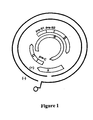
- the HBV genome is of a complex nature having a partially double stranded DNA structure with overlapping open reading frames encoding surface, core, polymerase and X genes.
- the complex nature of the HBV genome is represented in Figure 1 .
- nucleoside analogues could act as effective anti-viral agents.
- nucleoside analogues currently being tested are penciclovir and its oral form famciclovir [FAM] (2,3,4,5) and lamivudine [LAM] (6,7).
- FAM penciclovir
- LAM lamivudine
- Hepatitis due to hepatitis B virus (HBV) reactivation, is a major cause of morbidity and mortality in hepatitis B surface antigen positive (HBsAg+) patients undergoing bone marrow transplantation (BMT) (8-10).
- the underlying pathogenesis is related to the intense immunosuppression, during cytotoxic or immunosuppressive therapy, which enhances viral replication with a consequent increase in hepatocyte infection.
- the outcome of allogeneic BMT is also affected by the HBV status of the donor (11).
- FAM is the oral prodrug of penciclovir [9-(4-hydroxy-3-hydroxymethylbut-1-yl) guanine; BRL 39123], which was shown to inhibit hepadnavirus replication in both in vitro and in vivo studies (18-22).
- FAM and LAM ((-)- ⁇ -2'-deoxy-3'-thiacytidine or 3TC) have been used successfully to prevent/treat hepatitis related to HBV reactivation on withdrawal of chemotherapy/immunosuppression (23, 24) and to prevent HBV recurrence following orthotopic liver transplantation [OLT] (25-28).
- FAM resistance in the post-OLT setting has been identified in both immunosuppressed and immunocompetent subjects.
- the reported FAM polymerase mutations associated with "breakthrough” include G518E (29), V519L (30), G520C (29), P523L (30), L526M (30), L526V (31), T530S (29), V553I (32). Since the polymerase gene of HBV overlaps the envelope gene, mutations in the catalytic domain of the polymerase can affect the amino acid sequence of the envelope protein and vice versa.
- the genetic sequence for the neutralization domain of HBV known as the "a" determinant, which is found within the HBsAg and located between amino acids 99 and 169, actually overlaps the major catalytic regions of the viral polymerase protein and in particular domains A and B (33).
- V519L, V553I, G518E are associated with changes to the HBsAg of E164D, stop codon at 199 and E164K, respectively (30,32,33).
- use of HBIG for prophylaxis against HBV recurrence after OLT was associated with variants in the HBsAg, which could have concomitant changes in the polymerase gene (34-36).
- the inventors identified the selection of HBV variants in HBsAg positive recipients treated with FAM and/or LAM following allogeneic bone marrow transplantation and post-OLT.
- HBV polymerase and HBsAg selected during treatment, there were a number of amino acid changes in some HBV isolates which were consistent with a change of HBV genotype in the predominant virus population.
- the inventors have identified variants of HBV, selected following FAM and/or LAM treatment, with mutations in the HBV DNA polymerase gene which reduce the sensitivity of HBV to this nucleoside analogue. Corresponding mutations in the surface antigen also occur.
- the identification of these HBV variants is important for the development of assays to monitor FAM and/or LAM resistance and/or resistance to other nucleoside analogue therapeutic regimes and to screen for agents which are useful as alternative therapeutic agents.
- SEQ ID NO: Nucleotide and amino acid sequences are referred to by a sequence identifier number (SEQ ID NO:).
- the SEQ ID NOs: correspond numerically to the sequence identifiers ⁇ 400>1, ⁇ 400>2, etc.
- a sequence listing is provided after the claims.
- One aspect of the present invention is directed to an isolated HBV variant comprising a mutation in the HBV DNA polymerase selected from S548G and S548C wherein said variant exhibits decreased sensitivity to c nucleoside analogue.
- Another aspect of the present invention provides an HBV variant
- Yet another aspect of the present invention provides
- Another aspect of the present invention contemplates a method for determining the potential for an HBV to exhibit reduced sensitivity to a nucleoside analogue, said method comprising isolating DNA or corresponding mRNA from said HBV and screening for a mutation in the nucleotide sequence encoding HBV DNA polymerase resulting in at least one amino acid substitution, being selected from S548G and S548C wherein the presence of such a mutation is an indication of the likelihood of resistance to said nucleoside analogue.
- compositions comprising a variant HBV resistant to FAM and/or LAM and optionally other nucleoside analogues according to the invention or an HBV surface antigen from said variant HBV or a recombinant or derivative form thereof or its chemical equivalent and one or more pharmaceutically acceptable carriers and/or diluents.
- Still another aspect of the present description provides a use of a variant HBV according to the invention in the manufacture of a medicament for the treatment and/or prophylaxis of hepatitis.
- the description contemplates a computer program product for assessing the likely usefulness of a viral variant or biological sample comprising same for determining an appropriate therapeutic protocol in a subject, said product comprising:
- the invention extends to a computer for assessing the likely usefulness of a viral variant or biological sample comprising same in a subject, wherein said computer comprises:
- nucleoside analogue resistant variants of HBV following treatment of patients with FAM and/or LAM and optionally other nucleoside analogues.
- FAM and/or LAM treated patients gave rise to variants of HBV exhibiting decreased or reduced sensitivity to FAM and/or LAM.
- Reference herein to "decreased” or “reduced” in relation to sensitivity to FAM and/or LAM includes and encompasses a complete or substantial resistance to the nucleoside analogue as well as partial resistance and includes a replication rate or replication efficiency which is more than a wild-type in the presence of a nucleoside analogue. In one aspect, this is conveniently measured by an increase in viral load to a level similar or greater than pre-treatment levels.
- one aspect of the present description is directed to an isolated HBV variant wherein said variant comprises a nucleotide mutation in a gene encoding a DNA polymerase resulting in at least one amino acid addition, substitution and/or deletion to said DNA polymerase and wherein said variant exhibits decreased sensitivity to FAM and/or LAM and optionally other nucleoside analogues.
- a corresponding mutation may also occur in the gene encoding the surface antigen (HBsAg) resulting in reduced interactivity of immunological reagents such as antibodies and immune cells to HBsAg.
- the reduction in the interactivity of immunological reagents to a viral surface component generally includes the absence of immunological memory to recognize or substantially recognize the viral surface component.
- the present invention extends, therefore, to an HBV variant exhibiting decreased sensitivity to FAM and/or LAM and reduced interactivity of an immunological reagent to HBsAg wherein the variant is selected for following FAM and/or LAM treatment:
- a viral variant may, therefore, carry mutation only in the DNA polymerase or both in the DNA polymerase and the HBsAg.
- the term "mutation" is to be read in its broadest context and includes multiple mutations.
- the variants according to the invention are in isolated form such that they have undergone at least one purification step away from naturally occurring body fluid.
- the variants may be maintained in isolated body fluid or may be in DNA form.
- the present invention also contemplates infectious molecular clones comprising the genome or parts thereof from a variant HBV.
- Mutations in the HBV DNA polymerase include for instance variants selected from patients with HBV recurrence following FAM and/or LAM treatment.
- Nucleoside analogue treatment may occur in relation to a transplantation procedure (e.g. bone marrow transplantation (BMT) or OLT) or following treatment of patients diagnosed with hepatitis.
- BMT bone marrow transplantation
- OLT oxygen transfer protocol
- viral loads are obtainable at levels greater than pre-treatment levels.
- Mutations in the HBV DNA polymerase include for instance one or more of Q471K, Q471N, Y472Q, T474A, L478L/M, N485H, Y487Y/STOP, V/G/E488L, L493L/W, F524F/L, I5331/V, V537I, S548G, S548S/C, N/S/H584T, N/S/H584A, H584S/I, R588R/S and I599A.
- STOP means a stop codon.
- Corresponding mutations may also occur in the surface antigen (i.e. HBsAg).
- Preferred HbsAg's include one or more of T118R, N131T, M133K/M, M133I, C139C/G and W182/STOP.
- Mutations in the HBV DNA polymerase according to the present invention are selected from S548G and S548C.
- the identification of the variants of the present invention permits the generation of a range of assays to detect such variants.
- the detection of such variants may be important in identifying resistant variants to determine the appropriate form of chemotherapy and/or to monitor vaccination protocols, develop new or modified vaccine preparations.
- another aspect of the present description contemplates a method for determining the potential for an HBV to exhibit reduced sensitivity to FAM and/or LAM and optionally other nucleoside analogues, said method comprising isolating DNA or corresponding mRNA from said HBV and screening for a mutation in the nucleotide sequence encoding HBV DNA polymerase resulting in at least one amino acid substitution, deletion and/or addition in any one or more of domains F and A through E or a region proximal thereto of said DNA polymerase and associated with resistance or decreased sensitivity to FAM and/or LAM wherein the presence of such a mutation is an indication of the likelihood of resistance to said FAM and/or LAM and optionally other nucleoside analogues.
- the assay detects one or more of the following mutations in the HBV DNA polymerase: S548G and S548C.
- the detection of HBV or its components in cells, cell lysates, cultured supernatant fluid and bodily fluid may be by any convenient means including any nucleic acid-based detection means, for example, by nucleic acid hybridization techniques or via one or more polymerase chain reactions (PCRs).
- PCRs polymerase chain reactions
- the term "bodily fluid” includes any fluid derived from the blood, lymph, tissue or organ systems including serum, whole blood, biopsy and biopsy fluid, organ explants and organ suspension such as liver suspensions.
- the invention further encompasses the use of different assay formats of said nucleic acid-based detection means, including restriction fragment length polymorphism (RFLP), amplified fragment length polymorphism (AFLP), single-strand chain polymorphism (SSCP), amplification and mismatch detection (AMD), interspersed repetitive sequence polymerase chain reaction (IRS-PCR), inverse polymerase chain reaction (iPCR) and reverse transcription polymerase chain reaction (RT-PCR), amongst others.
- RFLP restriction fragment length polymorphism
- AFLP amplified fragment length polymorphism
- SSCP single-strand chain polymorphism
- ATD amplification and mismatch detection
- IFS-PCR interspersed repetitive sequence polymerase chain reaction
- iPCR inverse polymerase chain reaction
- RT-PCR reverse transcription polymerase chain reaction
- a particularly useful assay includes the reagents and components required for immobilized oligonucleotide- or oligopeptide-mediated detection systems.
- Variants may also be detected with reference to the HBsAg.
- Preferred HBsAg mutations include one or more of T118R, N131T, M133K/M, M133I, C139C/G and W182/STOP.
- agents which inhibit FAM- and/or LAM-resistant HBV variants Such agents will be particularly useful if long term treatment by FAM and/or LAM and/or optionally other nucleoside analogues is contemplated by the clinician.
- the agents may be DNA or RNA or proteinaceous or non-proteinaceous chemical molecules. Natural product screening such as from plants, coral and microorganisms is also contemplated as a useful potential source of masking agents.
- the agents may be in isolated form or in the form of a pharmaceutical composition and may be administered sequentially or simultaneously with the nucleoside analogue.
- the present description contemplates a method for detecting an agent which exhibits inhibitory activity to an HBV with reduced sensitivity to FAM and/or LAM and optionally other nucleoside analogues, said method comprising:
- the present invention provides a method for detecting an HBV agent which exhibits inhibitory activity to an HBV with reduced sensitivity to FAM and/or LAM and optionally other nucleoside analogues, said method comprising:-
- a method for detecting an HBV agent which exhibits inhibitory activity to an HBV with reduced sensitivity to FAM and/or LAM and optionally other nucleoside analogues comprising:-
- the present description further describes an isolated HBsAg from the HBV variants herein described. More particularly, the present description provides an HBsAg or a recombinant form thereof or derivative or chemical equivalent thereof.
- the isolated surface component and, more particularly, isolated surface antigen or its recombinant, derivative or chemical equivalents are useful in the development of biological compositions such as vaccine formulations.
- composition comprising a variant HBV resistant to famciclovir or an HBV surface antigen from said variant HBV or a recombinant or derivative form thereof or its chemical equivalent.
- the composition may be considered as a biological composition.
- the biological composition according to this aspect of the present invention generally further comprises one or more pharmaceutically acceptable carriers and/or diluents.
- the biological composition may comprise HBsAg or like molecule from one HBV variant or the composition may be a cocktail of HBsAgs or like molecules from a range of FAM- and/or LAM-resistant HBV variants. Similar inclusions apply where the composition comprises an HBV.
- kits for assays for variant HBV resistant to FAM and/or LAM may, for example, contain the reagents from PCR or other nucleic acid hybridization technology or reagents for immunologically based detection techniques.
- a particularly useful assay includes the reagents and components required for immobilized oligonucleotide- or oligopeptide-mediated detection systems.
- the present invention further contemplates the use of a variant HBV according to the invention in the manufacture of a medicament for the treatment and/or prophylaxis of hepatitis.
- the present invention also provides for the use of the subject HBV variants to screen for anti-viral agents.
- anti-viral agents inhibit the virus.
- the term "inhibit” includes antagonizing or otherwise preventing infection, replication, assembly and/or release or any intermediate step.
- Preferred anti-viral agents include nucleoside analogues, however, the present invention extends to non-nucleoside molecules.
- another aspect of the present invention contemplates the use of an HBV variant according to the invention to screen for an anti-viral agent capable of inhibiting said HBV variant.
- the present invention further relates to an HBV variant comprising the mutation S548G or S548C selected following LAM treatment of a patient previously on FAM/HBIG therapy prior to transplantation of the liver.
- the S548G mutation occurred concurrently with L526M, M550V and Y472Q mutations as detected by sequencing of clones derived from PCR amplified product.
- a further mutation, S548S/C was detected in an HBV isolated from a patient treated with LAM.
- An assessment of a potential viral variant is important for selection of an appropriate therapeutic protocol. Such an assessment is suitably facilitated with the assistance of a computer programmed with software, which inter alia adds index values (I v ) for at least two features associated with the viral variants to provide a potency value (P A ) corresponding to the resistance or sensitivity of a viral variant to a particular chemical compound or immunological agent.
- the I v s can be selected from (a) the ability to exhibit resistance for reduced sensitivity to a particular compound or immunological agent; (b) an altered DNA polymerase from wild-type HBV; (c) an altered surface antigen from wild-type HBV; or (d) morbidity or recovery potential of a patient.
- I V S for such features are stored in a machine-readable storage medium, which is capable of processing the data to provide a P A for a particular viral variant or a biological specimen comprising same.
- the description contemplates a computer program product for assessing the likely usefulness of a viral variant or biological sample comprising same for determining an appropriate therapeutic protocol in a subject, said product comprising:
- the invention extends to a computer for assessing the likely usefulness of a viral variant or biological sample comprising same in a subject, wherein said computer comprises:
- FIG. 3 shows a system 10 including a computer 11 comprising a central processing unit ("CPU") 20, a working memory 22 which may be, e.g. RAM (random-access memory) or “core” memory, mass storage memory 24 (such as one or more disk drives or CD-ROM drives), one or more cathode-ray tube (“CRT”) display terminals 26, one or more keyboards 28, one or more input lines 30, and one or more output lines 40, all of which are interconnected by a conventional bidirectional system bus 50.
- CPU central processing unit
- working memory 22 which may be, e.g. RAM (random-access memory) or “core” memory
- mass storage memory 24 such as one or more disk drives or CD-ROM drives
- CRT cathode-ray tube
- Input hardware 36 coupled to computer 11 by input lines 30, may be implemented in a variety of ways.
- machine-readable data of this invention may be inputted via the use of a modem or modems 32 connected by a telephone line or dedicated data line 34.
- the input hardware 36 may comprise CD.
- ROM drives or disk drives 24 in conjunction with display terminal 26, keyboard 28 may also be used as an input device.
- Output hardware 46 coupled to computer 11 by output lines 40, may similarly be implemented by conventional devices.
- output hardware 46 may include CRT display terminal 26 for displaying a synthetic polynucleotide sequence or a synthetic polypeptide sequence as described herein.
- Output hardware might also include a printer 42, so that hard copy output may be produced, or a disk drive 24, to store system output for later use.
- CPU 20 coordinates the use of the various input and output devices 36,46 coordinates data accesses from mass storage 24 and accesses to and from working memory 22, and determines the sequence of data processing steps.
- a number of programs may be used to process the machine readable data of this invention. Exemplary programs may use, for example, the following steps:-
- Figure 4 shows a cross section of a magnetic data storage medium 100 which can be encoded with machine readable data, or set of instructions, for designing a synthetic molecule of the invention, which can be carried out by a system such as system 10 of Figure 3 .
- Medium 100 can be a conventional floppy diskette or hard disk, having a suitable substrate 101, which may be conventional, and a suitable coating 102, which may be conventional, on one or both sides, containing magnetic domains (not visible) whose polarity or orientation can be altered magnetically.
- Medium 100 may also have an opening (not shown) for receiving the spindle of a disk drive or other data storage device 24.
- the magnetic domains of coating 102 of medium 100 are polarised or oriented so as to encode in manner which may be conventional, machine readable data such as that described herein, for execution by a system such as system 10 of Figure 3 .
- Figure 5 shows a cross section of an optically readable data storage medium 110 which also can be encoded with such a machine-readable data, or set of instructions, for designing a synthetic molecule of the invention, which can be carried out by a system such as system 10 of Figure 3 .
- Medium 110 can be a conventional compact disk read only memory (CD-ROM) or a rewritable medium such as a magneto-optical disk, which is optically readable and magneto-optically writable.
- Medium 100 preferably has a suitable substrate 111, which may be conventional, and a suitable coating 112, which may be conventional, usually of one side of substrate 111.
- coating 112 is reflective and is impressed with a plurality of pits 113 to encode the machine-readable data.
- the arrangement of pits is read by reflecting laser light off the surface of coating 112.
- a protective coating 114 which preferably is substantially transparent, is provided on top of coating 112.
- coating 112 has no pits 113, but has a plurality of magnetic domains whose polarity or orientation can be changed magnetically when heated above a certain temperature, as by a laser (not shown).
- the orientation of the domains can be read by measuring the polarization of laser light reflected from coating 112.
- the arrangement of the domains encodes the data as described above.
- Hepatitis serology and serum HBV DNA quantitation assay hepatitis B serological markers, including HBsAg, anti-HBs, HBeAg, anti-HBe, anti-hepatitis C virus (HCV; by EIA II), anti-hepatitis D virus and anti-HIV, were tested by commercially available enzyme immunoassays (Abbott Laboratories, Chicago, IL, USA). Total hepatitis B core antibody (anti-HbC) was tested by radioimmunoassay (Corab, Abbott Laboratories, Chicago, IL, USA).
- Serum HBV DNA was quantitated by the bDNA signal amplification assay (bDNA Quantiplex TM HBV DNA, Chiron, Emeryville, CA, USA). Serial samples from the same patient were tested within a single run to minimize interassay variation.
- the catalytic domain of the polymerase protein and the "a" determinant of the surface protein were amplified.
- the first round sense primer (5'GCC TCA TTT T GTG GGT CAC CAT A-3' [SEQ ID NO:1]
- the antisense primer (5'-TCT CTG ACA TAC TTT CCA AT-3' [SEQ ID NO:2]) were used in the amplification (Bresatec, Sydney, Australia).
- reaction was carried out using 5 ⁇ l of the extracted DNA as template, 1.5 U of Taq polymerase (Perkin Elmer Cetus, Norwalk, CT), 1 ⁇ mol/l of sense and antisense primers, 200 ⁇ mol/l Tris-HCl (pH 8.3) and 0.01 % w/v gelatin.
- PCR was performed by 40 cycles of denaturation (94°C for 45 sec), annealing (55°C for 45 sec) and extension (72°C for 1.5 min), followed by a final extension of 7 min (Perkin-Elmer 2400, Cetus, Norwalk, CT).
- a further hemi-nested round of amplification was performed if required, using 2 ⁇ l of first round product as template and primer 5' CAC AAC AAT CCA CCA AGC T3' [SEQ ID NO:3] as the sense primer.
- the amplification conditions were the same as the initial round of amplification, with only 25 rounds of cycling.
- Amplified products were gel purified using Geneclean II (BIO 101 Inc., La Jolla, CA) and were directly sequenced using the ABI Prism Big Dye Terminator Cycle Sequencing Ready Reaction Kit according to the Manufacturer's specifications (Perkin Elmer, Cetus Norwalk, CT).
- the PCR primers were used as sequencing primers as well as several additional primers (5'-AAA TTC GCA GTC CCC AAC-3 [SEQ ID NO:4]', 5'-TCT CTG ACA TAC TTT CCA AT-3' [SEQ ID NO:5] and 5'-GAT TCC CTC CTG TTG CTG T-3' [SEQ ID NO:6]) required to sequence the internal regions of the PCR products.
- MacVector and Assembly LIGN (MacVector version 6.0 and Assembly LIGN, Oxford Molecular, UK) were used to analyze all automatic sequence data.
- the deduced amino acid sequences were compared to the individual pretreatment isolate using the subprogram clustal W and to published HBV polymerase consensus sequence and HBsAg sequences (38-40).
- HBV variants selected after BMT and FCV treatment were examined by sequencing of the analytic region of the polymerase gene and the "a" determinant of the HBsAg.
- a number of deduced amino acid changes were detected in the catalytic region of the gene encoding the HBV polymerase, however, the majority of these changes were consistent with the changes normally found within HBV genotypes.
- the unique HBV mutations detected during treatment are listed in Table 1. In six out of eight patients, a mutation was detected in the polymerase at amino acid 584, in which a tyrosine, or alanine, or serine/isoleucine (mixed population) was detected (Table 1).
- a mutation at codon 548 was detected.
- the S548G mutation occurred concurrently with L526M, M550V and Y472Q mutations as detected by sequencing of clones derived from PCR amplified product.
- a further mutation, G548S/C was detected in an HBV isolated from a patient treated with LAM.
- HBsAg changes detected at 133, 139, 145 and 182 are variants which are not detected in other genotypes (39,40).
- a G145R mutation was detected after BMT and FAM treatment.
- Two mutations resulting in a truncated HBsAg were detected in two other patients. These termination codons were found at amino acid 182 and 216 (Tables 1 and 2).
Landscapes
- Life Sciences & Earth Sciences (AREA)
- Chemical & Material Sciences (AREA)
- Health & Medical Sciences (AREA)
- Organic Chemistry (AREA)
- Genetics & Genomics (AREA)
- Molecular Biology (AREA)
- Engineering & Computer Science (AREA)
- Zoology (AREA)
- Wood Science & Technology (AREA)
- General Health & Medical Sciences (AREA)
- Bioinformatics & Cheminformatics (AREA)
- Biochemistry (AREA)
- Proteomics, Peptides & Aminoacids (AREA)
- Microbiology (AREA)
- Biotechnology (AREA)
- General Engineering & Computer Science (AREA)
- Medicinal Chemistry (AREA)
- Virology (AREA)
- Immunology (AREA)
- Biophysics (AREA)
- Biomedical Technology (AREA)
- Communicable Diseases (AREA)
- Gastroenterology & Hepatology (AREA)
- Physics & Mathematics (AREA)
- Analytical Chemistry (AREA)
- Measuring Or Testing Involving Enzymes Or Micro-Organisms (AREA)
- Peptides Or Proteins (AREA)
- Micro-Organisms Or Cultivation Processes Thereof (AREA)
- Medicines Containing Material From Animals Or Micro-Organisms (AREA)
Claims (2)
- Isolierte HBV-Variante, umfassend eine Mutation in der HBV-DNA-Polymerase, gewählt von S548G und S548C, wobei die Variante eine verringerte Empfindlichkeit gegenüber einem Nukleosidanalog zeigt.
- Verfahren zur Bestimmung des Potentials für einen HBV, eine verringerte Empfindlichkeit gegenüber einem Nukleosidanalog zu zeigen, wobei das Verfahren das Isolieren von DNA oder entsprechender mRNA aus dem HBV und das Screenen nach einer Mutation in der HBV-DNA-Polymerase codierenden Nukleosidsequenz umfasst, was zu mindestens einer Aminosäuremutation, ausgewählt aus S548G und S548C, führt, wobei das Vorhandensein einer solchen Mutation ein Hinweis auf die Wahrscheinlichkeit der Resistenz gegenüber dem Nukleosidanalog ist.
Priority Applications (1)
| Application Number | Priority Date | Filing Date | Title |
|---|---|---|---|
| EP10182339.1A EP2360243B1 (de) | 2000-06-09 | 2001-06-08 | Hepatitis-B-Virus-DNA-Polymerase und Oberflächenantigen-Varianten und Methoden ihrer Verwendung |
Applications Claiming Priority (3)
| Application Number | Priority Date | Filing Date | Title |
|---|---|---|---|
| AUPQ8109A AUPQ810900A0 (en) | 2000-06-09 | 2000-06-09 | Viral variants and methods of using same |
| AUPQ810900 | 2000-06-09 | ||
| PCT/AU2001/000690 WO2001094559A1 (en) | 2000-06-09 | 2001-06-08 | Hepatitis b virus dna polymerase and surface antigen variants and methods of using same |
Related Child Applications (2)
| Application Number | Title | Priority Date | Filing Date |
|---|---|---|---|
| EP10182339.1A Division EP2360243B1 (de) | 2000-06-09 | 2001-06-08 | Hepatitis-B-Virus-DNA-Polymerase und Oberflächenantigen-Varianten und Methoden ihrer Verwendung |
| EP10182339.1 Division-Into | 2010-09-29 |
Publications (3)
| Publication Number | Publication Date |
|---|---|
| EP1297109A1 EP1297109A1 (de) | 2003-04-02 |
| EP1297109A4 EP1297109A4 (de) | 2004-12-29 |
| EP1297109B1 true EP1297109B1 (de) | 2011-11-23 |
Family
ID=3822180
Family Applications (2)
| Application Number | Title | Priority Date | Filing Date |
|---|---|---|---|
| EP01937883A Expired - Lifetime EP1297109B1 (de) | 2000-06-09 | 2001-06-08 | Hepatitis-b-virus-dna-polymerase und oberflächenantigen-varianten und methoden iher verwendung |
| EP10182339.1A Expired - Lifetime EP2360243B1 (de) | 2000-06-09 | 2001-06-08 | Hepatitis-B-Virus-DNA-Polymerase und Oberflächenantigen-Varianten und Methoden ihrer Verwendung |
Family Applications After (1)
| Application Number | Title | Priority Date | Filing Date |
|---|---|---|---|
| EP10182339.1A Expired - Lifetime EP2360243B1 (de) | 2000-06-09 | 2001-06-08 | Hepatitis-B-Virus-DNA-Polymerase und Oberflächenantigen-Varianten und Methoden ihrer Verwendung |
Country Status (7)
| Country | Link |
|---|---|
| US (2) | US7431933B2 (de) |
| EP (2) | EP1297109B1 (de) |
| AT (1) | ATE534729T1 (de) |
| AU (2) | AUPQ810900A0 (de) |
| CA (1) | CA2409983C (de) |
| ES (2) | ES2630024T3 (de) |
| WO (1) | WO2001094559A1 (de) |
Families Citing this family (13)
| Publication number | Priority date | Publication date | Assignee | Title |
|---|---|---|---|---|
| AUPO351996A0 (en) * | 1996-11-08 | 1996-12-05 | Western Health Care Network | Viral variants and methods for detecting same |
| AUPQ810900A0 (en) | 2000-06-09 | 2000-07-06 | Austin and Repatriation Medical Centre, The | Viral variants and methods of using same |
| AU2003202301B8 (en) * | 2002-02-07 | 2009-01-08 | Austin Health | Viral variants with altered susceptibility to nucleoside analogs and uses thereof |
| US7405039B2 (en) | 2002-02-07 | 2008-07-29 | Austin Health | Viral variants with altered susceptibility to nucleoside analogs and uses thereof |
| EP1476543B1 (de) * | 2002-02-07 | 2014-05-14 | Melbourne Health | Virusvarianten mit veränderter empfindlichkeit gegenüber nukleosidanalogen und verwendungen davon |
| EP2455390A1 (de) | 2002-04-12 | 2012-05-23 | Melbourne Health | Hepatitis-B-Virusvarianten mit reduzierter Suszeptibilität für Nukleosidanaloga und Verwendungen dafür |
| AU2003213874B2 (en) * | 2002-04-12 | 2008-12-04 | Austin Health | Hepatitis B viral variants with redused susceptibility to nucleoside analogs and uses thereof |
| JP2007509614A (ja) | 2003-10-21 | 2007-04-19 | メルボルン ヘルス | Hbv変種の検出および適用 |
| AU2006230802A1 (en) | 2005-04-08 | 2006-10-12 | Austin Health | Variants of hepatitis B virus with resistance to anti-viral nucleoside agents and applications thereof |
| EP1874923A4 (de) | 2005-04-08 | 2010-08-04 | Melbourne Health | Varianten des hepatitis-b-virus mit resistenz gegenüber antiviralen nukleosidagentien und anwendungen davon |
| US12235273B2 (en) | 2018-05-04 | 2025-02-25 | Abbott Laboratories | HBV diagnostic, prognostic, and therapeutic methods and products |
| CN109609694B (zh) * | 2018-12-29 | 2022-03-01 | 上海昂朴生物科技有限公司 | 基于Illumina测序技术检测乙型肝炎分型及多耐药位点的试剂盒及方法 |
| CN117778346A (zh) * | 2022-09-27 | 2024-03-29 | 南京普济生物有限公司 | 一种dna聚合酶及其制备方法和应用 |
Family Cites Families (5)
| Publication number | Priority date | Publication date | Assignee | Title |
|---|---|---|---|---|
| AUPO351996A0 (en) * | 1996-11-08 | 1996-12-05 | Western Health Care Network | Viral variants and methods for detecting same |
| HUP0103258A3 (en) * | 1998-06-19 | 2003-10-28 | Government Of The Republic Of | A vaccine-induced hepatitis b viral strain and uses thereof |
| AUPP706098A0 (en) * | 1998-11-11 | 1998-12-03 | North Western Health Care Network | Biological compositions, components thereof and uses therefor |
| AUPP967999A0 (en) * | 1999-04-09 | 1999-05-06 | North Western Health Care Network | Viral variants |
| AUPQ810900A0 (en) | 2000-06-09 | 2000-07-06 | Austin and Repatriation Medical Centre, The | Viral variants and methods of using same |
-
2000
- 2000-06-09 AU AUPQ8109A patent/AUPQ810900A0/en not_active Abandoned
-
2001
- 2001-06-08 EP EP01937883A patent/EP1297109B1/de not_active Expired - Lifetime
- 2001-06-08 AT AT01937883T patent/ATE534729T1/de active
- 2001-06-08 ES ES10182339.1T patent/ES2630024T3/es not_active Expired - Lifetime
- 2001-06-08 US US10/297,664 patent/US7431933B2/en not_active Expired - Lifetime
- 2001-06-08 ES ES01937883T patent/ES2384343T3/es not_active Expired - Lifetime
- 2001-06-08 AU AU6367201A patent/AU6367201A/xx active Pending
- 2001-06-08 CA CA2409983A patent/CA2409983C/en not_active Expired - Lifetime
- 2001-06-08 EP EP10182339.1A patent/EP2360243B1/de not_active Expired - Lifetime
- 2001-06-08 WO PCT/AU2001/000690 patent/WO2001094559A1/en not_active Ceased
-
2008
- 2008-10-06 US US12/245,994 patent/US7931907B2/en not_active Expired - Fee Related
Also Published As
| Publication number | Publication date |
|---|---|
| CA2409983C (en) | 2012-02-21 |
| ATE534729T1 (de) | 2011-12-15 |
| CA2409983A1 (en) | 2001-12-13 |
| US7931907B2 (en) | 2011-04-26 |
| US20090155771A1 (en) | 2009-06-18 |
| EP1297109A4 (de) | 2004-12-29 |
| AU6367201A (en) | 2001-12-17 |
| ES2630024T3 (es) | 2017-08-17 |
| EP2360243A1 (de) | 2011-08-24 |
| EP1297109A1 (de) | 2003-04-02 |
| HK1053144A1 (en) | 2003-10-10 |
| US7431933B2 (en) | 2008-10-07 |
| WO2001094559A1 (en) | 2001-12-13 |
| ES2384343T3 (es) | 2012-07-04 |
| US20040005541A1 (en) | 2004-01-08 |
| EP2360243B1 (de) | 2017-05-03 |
| AUPQ810900A0 (en) | 2000-07-06 |
Similar Documents
| Publication | Publication Date | Title |
|---|---|---|
| US7931907B2 (en) | Hepatitis B virus DNA polymerase and surface antigen variants and methods of using same | |
| US6555311B1 (en) | Viral variants and methods for detecting same | |
| Okamoto et al. | Hepatitis B viruses with precore region defects prevail in persistently infected hosts along with seroconversion to the antibody against e antigen | |
| Sterneck et al. | Hepatitis B virus genomes of patients with fulminant hepatitis do not share a specific mutation | |
| KR100370341B1 (ko) | B형간염백신 | |
| EP1476543B1 (de) | Virusvarianten mit veränderter empfindlichkeit gegenüber nukleosidanalogen und verwendungen davon | |
| US8211633B2 (en) | Viral variants with altered susceptibility to nucleoside analogs and uses thereof | |
| CN101203528A (zh) | 对核苷类似物敏感性降低的乙型肝炎病毒变异体及其用途 | |
| Alexopoulou et al. | Whole genome analysis of hepatitis B virus from four cases of fulminant hepatitis: genetic variability and its potential role in disease pathogenicity | |
| AU734831C (en) | Viral variants and methods for detecting same | |
| US20050272031A1 (en) | Viral variants and uses therefor | |
| AU2001263672B2 (en) | Hepatitis B virus DNA polymerase and surface antigen variants and methods of using same | |
| Sominskaya et al. | Hepatitis B and C virus variants in long-term immunosuppressed renal transplant patients in Latvia | |
| HK1053144B (en) | Hepatitis b virus dna polymerase and surface antigen variants and methods of using same | |
| AU2001263672A1 (en) | Hepatitis B virus DNA polymerase and surface antigen variants and methods of using same | |
| USRE40233E1 (en) | Viral variants and methods for detecting same | |
| HK1161617A (en) | Hepatitis b virus dna polymerase and surface antigen variants and methods of using same | |
| Nguyen et al. | Precore region mutation in hepatitis B virus genome in early stage of infection: a study in hepatitis B e antigen-positive young carriers | |
| HK1027374B (en) | Hbv mutants and methods for detecting same |
Legal Events
| Date | Code | Title | Description |
|---|---|---|---|
| PUAI | Public reference made under article 153(3) epc to a published international application that has entered the european phase |
Free format text: ORIGINAL CODE: 0009012 |
|
| 17P | Request for examination filed |
Effective date: 20021219 |
|
| AK | Designated contracting states |
Kind code of ref document: A1 Designated state(s): AT BE CH CY DE DK ES FI FR GB GR IE IT LI LU MC NL PT SE TR |
|
| AX | Request for extension of the european patent |
Extension state: AL LT LV MK RO SI |
|
| A4 | Supplementary search report drawn up and despatched |
Effective date: 20041115 |
|
| 17Q | First examination report despatched |
Effective date: 20050701 |
|
| GRAP | Despatch of communication of intention to grant a patent |
Free format text: ORIGINAL CODE: EPIDOSNIGR1 |
|
| GRAS | Grant fee paid |
Free format text: ORIGINAL CODE: EPIDOSNIGR3 |
|
| GRAA | (expected) grant |
Free format text: ORIGINAL CODE: 0009210 |
|
| AK | Designated contracting states |
Kind code of ref document: B1 Designated state(s): AT BE CH CY DE DK ES FI FR GB GR IE IT LI LU MC NL PT SE TR |
|
| AX | Request for extension of the european patent |
Extension state: AL LT LV MK RO SI |
|
| REG | Reference to a national code |
Ref country code: GB Ref legal event code: FG4D |
|
| REG | Reference to a national code |
Ref country code: CH Ref legal event code: EP |
|
| REG | Reference to a national code |
Ref country code: IE Ref legal event code: FG4D |
|
| REG | Reference to a national code |
Ref country code: DE Ref legal event code: R096 Ref document number: 60145701 Country of ref document: DE Effective date: 20120119 |
|
| REG | Reference to a national code |
Ref country code: NL Ref legal event code: T3 |
|
| LTLA | Lt: lapse of european patent or patent extension | ||
| PG25 | Lapsed in a contracting state [announced via postgrant information from national office to epo] |
Ref country code: PT Free format text: LAPSE BECAUSE OF FAILURE TO SUBMIT A TRANSLATION OF THE DESCRIPTION OR TO PAY THE FEE WITHIN THE PRESCRIBED TIME-LIMIT Effective date: 20120323 Ref country code: GR Free format text: LAPSE BECAUSE OF FAILURE TO SUBMIT A TRANSLATION OF THE DESCRIPTION OR TO PAY THE FEE WITHIN THE PRESCRIBED TIME-LIMIT Effective date: 20120224 Ref country code: SE Free format text: LAPSE BECAUSE OF FAILURE TO SUBMIT A TRANSLATION OF THE DESCRIPTION OR TO PAY THE FEE WITHIN THE PRESCRIBED TIME-LIMIT Effective date: 20111123 |
|
| PG25 | Lapsed in a contracting state [announced via postgrant information from national office to epo] |
Ref country code: CY Free format text: LAPSE BECAUSE OF FAILURE TO SUBMIT A TRANSLATION OF THE DESCRIPTION OR TO PAY THE FEE WITHIN THE PRESCRIBED TIME-LIMIT Effective date: 20111123 |
|
| REG | Reference to a national code |
Ref country code: ES Ref legal event code: FG2A Ref document number: 2384343 Country of ref document: ES Kind code of ref document: T3 Effective date: 20120704 |
|
| PG25 | Lapsed in a contracting state [announced via postgrant information from national office to epo] |
Ref country code: DK Free format text: LAPSE BECAUSE OF FAILURE TO SUBMIT A TRANSLATION OF THE DESCRIPTION OR TO PAY THE FEE WITHIN THE PRESCRIBED TIME-LIMIT Effective date: 20111123 |
|
| REG | Reference to a national code |
Ref country code: HK Ref legal event code: GR Ref document number: 1053144 Country of ref document: HK |
|
| REG | Reference to a national code |
Ref country code: AT Ref legal event code: MK05 Ref document number: 534729 Country of ref document: AT Kind code of ref document: T Effective date: 20111123 |
|
| PLBE | No opposition filed within time limit |
Free format text: ORIGINAL CODE: 0009261 |
|
| STAA | Information on the status of an ep patent application or granted ep patent |
Free format text: STATUS: NO OPPOSITION FILED WITHIN TIME LIMIT |
|
| 26N | No opposition filed |
Effective date: 20120824 |
|
| REG | Reference to a national code |
Ref country code: DE Ref legal event code: R097 Ref document number: 60145701 Country of ref document: DE Effective date: 20120824 |
|
| PG25 | Lapsed in a contracting state [announced via postgrant information from national office to epo] |
Ref country code: MC Free format text: LAPSE BECAUSE OF NON-PAYMENT OF DUE FEES Effective date: 20120630 Ref country code: AT Free format text: LAPSE BECAUSE OF FAILURE TO SUBMIT A TRANSLATION OF THE DESCRIPTION OR TO PAY THE FEE WITHIN THE PRESCRIBED TIME-LIMIT Effective date: 20111123 |
|
| REG | Reference to a national code |
Ref country code: CH Ref legal event code: PL |
|
| REG | Reference to a national code |
Ref country code: CH Ref legal event code: PL |
|
| GBPC | Gb: european patent ceased through non-payment of renewal fee |
Effective date: 20120608 |
|
| REG | Reference to a national code |
Ref country code: IE Ref legal event code: MM4A |
|
| PG25 | Lapsed in a contracting state [announced via postgrant information from national office to epo] |
Ref country code: LI Free format text: LAPSE BECAUSE OF NON-PAYMENT OF DUE FEES Effective date: 20120630 Ref country code: CH Free format text: LAPSE BECAUSE OF NON-PAYMENT OF DUE FEES Effective date: 20120630 Ref country code: IE Free format text: LAPSE BECAUSE OF NON-PAYMENT OF DUE FEES Effective date: 20120608 Ref country code: GB Free format text: LAPSE BECAUSE OF NON-PAYMENT OF DUE FEES Effective date: 20120608 |
|
| PG25 | Lapsed in a contracting state [announced via postgrant information from national office to epo] |
Ref country code: FI Free format text: LAPSE BECAUSE OF FAILURE TO SUBMIT A TRANSLATION OF THE DESCRIPTION OR TO PAY THE FEE WITHIN THE PRESCRIBED TIME-LIMIT Effective date: 20111123 |
|
| PG25 | Lapsed in a contracting state [announced via postgrant information from national office to epo] |
Ref country code: LU Free format text: LAPSE BECAUSE OF NON-PAYMENT OF DUE FEES Effective date: 20120608 |
|
| REG | Reference to a national code |
Ref country code: FR Ref legal event code: PLFP Year of fee payment: 16 |
|
| REG | Reference to a national code |
Ref country code: FR Ref legal event code: PLFP Year of fee payment: 17 |
|
| REG | Reference to a national code |
Ref country code: FR Ref legal event code: PLFP Year of fee payment: 18 |
|
| PGFP | Annual fee paid to national office [announced via postgrant information from national office to epo] |
Ref country code: TR Payment date: 20200608 Year of fee payment: 20 Ref country code: DE Payment date: 20200618 Year of fee payment: 20 Ref country code: FR Payment date: 20200619 Year of fee payment: 20 |
|
| PGFP | Annual fee paid to national office [announced via postgrant information from national office to epo] |
Ref country code: BE Payment date: 20200625 Year of fee payment: 20 Ref country code: NL Payment date: 20200625 Year of fee payment: 20 |
|
| PGFP | Annual fee paid to national office [announced via postgrant information from national office to epo] |
Ref country code: ES Payment date: 20200824 Year of fee payment: 20 |
|
| PGFP | Annual fee paid to national office [announced via postgrant information from national office to epo] |
Ref country code: IT Payment date: 20200625 Year of fee payment: 20 |
|
| REG | Reference to a national code |
Ref country code: DE Ref legal event code: R071 Ref document number: 60145701 Country of ref document: DE |
|
| REG | Reference to a national code |
Ref country code: NL Ref legal event code: MK Effective date: 20210607 |
|
| REG | Reference to a national code |
Ref country code: BE Ref legal event code: MK Effective date: 20210608 |
|
| PG25 | Lapsed in a contracting state [announced via postgrant information from national office to epo] |
Ref country code: ES Free format text: LAPSE BECAUSE OF EXPIRATION OF PROTECTION Effective date: 20210609 |