EP1311297B1 - Procede pour reduire la surproduction de neuropeptide y chez une personne - Google Patents
Procede pour reduire la surproduction de neuropeptide y chez une personne Download PDFInfo
- Publication number
- EP1311297B1 EP1311297B1 EP01960783A EP01960783A EP1311297B1 EP 1311297 B1 EP1311297 B1 EP 1311297B1 EP 01960783 A EP01960783 A EP 01960783A EP 01960783 A EP01960783 A EP 01960783A EP 1311297 B1 EP1311297 B1 EP 1311297B1
- Authority
- EP
- European Patent Office
- Prior art keywords
- npy
- use according
- individual
- polymorphism
- neuropeptide
- Prior art date
- Legal status (The legal status is an assumption and is not a legal conclusion. Google has not performed a legal analysis and makes no representation as to the accuracy of the status listed.)
- Expired - Lifetime
Links
Images


Classifications
-
- C—CHEMISTRY; METALLURGY
- C07—ORGANIC CHEMISTRY
- C07K—PEPTIDES
- C07K16/00—Immunoglobulins [IG], e.g. monoclonal or polyclonal antibodies
- C07K16/18—Immunoglobulins [IG], e.g. monoclonal or polyclonal antibodies against material from animals or humans
- C07K16/26—Immunoglobulins [IG], e.g. monoclonal or polyclonal antibodies against material from animals or humans against hormones ; against hormone releasing or inhibiting factors
-
- A—HUMAN NECESSITIES
- A61—MEDICAL OR VETERINARY SCIENCE; HYGIENE
- A61P—SPECIFIC THERAPEUTIC ACTIVITY OF CHEMICAL COMPOUNDS OR MEDICINAL PREPARATIONS
- A61P25/00—Drugs for disorders of the nervous system
-
- A—HUMAN NECESSITIES
- A61—MEDICAL OR VETERINARY SCIENCE; HYGIENE
- A61P—SPECIFIC THERAPEUTIC ACTIVITY OF CHEMICAL COMPOUNDS OR MEDICINAL PREPARATIONS
- A61P25/00—Drugs for disorders of the nervous system
- A61P25/02—Drugs for disorders of the nervous system for peripheral neuropathies
-
- A—HUMAN NECESSITIES
- A61—MEDICAL OR VETERINARY SCIENCE; HYGIENE
- A61P—SPECIFIC THERAPEUTIC ACTIVITY OF CHEMICAL COMPOUNDS OR MEDICINAL PREPARATIONS
- A61P27/00—Drugs for disorders of the senses
- A61P27/02—Ophthalmic agents
-
- A—HUMAN NECESSITIES
- A61—MEDICAL OR VETERINARY SCIENCE; HYGIENE
- A61P—SPECIFIC THERAPEUTIC ACTIVITY OF CHEMICAL COMPOUNDS OR MEDICINAL PREPARATIONS
- A61P43/00—Drugs for specific purposes, not provided for in groups A61P1/00-A61P41/00
-
- A—HUMAN NECESSITIES
- A61—MEDICAL OR VETERINARY SCIENCE; HYGIENE
- A61P—SPECIFIC THERAPEUTIC ACTIVITY OF CHEMICAL COMPOUNDS OR MEDICINAL PREPARATIONS
- A61P5/00—Drugs for disorders of the endocrine system
- A61P5/48—Drugs for disorders of the endocrine system of the pancreatic hormones
- A61P5/50—Drugs for disorders of the endocrine system of the pancreatic hormones for increasing or potentiating the activity of insulin
-
- A—HUMAN NECESSITIES
- A61—MEDICAL OR VETERINARY SCIENCE; HYGIENE
- A61P—SPECIFIC THERAPEUTIC ACTIVITY OF CHEMICAL COMPOUNDS OR MEDICINAL PREPARATIONS
- A61P9/00—Drugs for disorders of the cardiovascular system
-
- A—HUMAN NECESSITIES
- A61—MEDICAL OR VETERINARY SCIENCE; HYGIENE
- A61P—SPECIFIC THERAPEUTIC ACTIVITY OF CHEMICAL COMPOUNDS OR MEDICINAL PREPARATIONS
- A61P9/00—Drugs for disorders of the cardiovascular system
- A61P9/10—Drugs for disorders of the cardiovascular system for treating ischaemic or atherosclerotic diseases, e.g. antianginal drugs, coronary vasodilators, drugs for myocardial infarction, retinopathy, cerebrovascula insufficiency, renal arteriosclerosis
-
- C—CHEMISTRY; METALLURGY
- C07—ORGANIC CHEMISTRY
- C07K—PEPTIDES
- C07K14/00—Peptides having more than 20 amino acids; Gastrins; Somatostatins; Melanotropins; Derivatives thereof
- C07K14/435—Peptides having more than 20 amino acids; Gastrins; Somatostatins; Melanotropins; Derivatives thereof from animals; from humans
- C07K14/575—Hormones
- C07K14/57545—Neuropeptide Y
-
- A—HUMAN NECESSITIES
- A61—MEDICAL OR VETERINARY SCIENCE; HYGIENE
- A61K—PREPARATIONS FOR MEDICAL, DENTAL OR TOILETRY PURPOSES
- A61K39/00—Medicinal preparations containing antigens or antibodies
- A61K2039/505—Medicinal preparations containing antigens or antibodies comprising antibodies
-
- A—HUMAN NECESSITIES
- A61—MEDICAL OR VETERINARY SCIENCE; HYGIENE
- A61K—PREPARATIONS FOR MEDICAL, DENTAL OR TOILETRY PURPOSES
- A61K38/00—Medicinal preparations containing peptides
-
- A—HUMAN NECESSITIES
- A61—MEDICAL OR VETERINARY SCIENCE; HYGIENE
- A61K—PREPARATIONS FOR MEDICAL, DENTAL OR TOILETRY PURPOSES
- A61K48/00—Medicinal preparations containing genetic material which is inserted into cells of the living body to treat genetic diseases; Gene therapy
Definitions
- This invention concerns a method for reducing stress-induced overproduction of neuropeptide Y (NPY) in an individual.
- NPY neuropeptide Y
- Neuropeptide Y is the most abundant neuropeptide and an important neurotransmitter in the human central and peripheral nervous systems. Trough five cloned widely expressed receptors (Y1-Y5) it regulates e.g. food intake, vasoconstriction, hormone release, kidney function, lipolysis and even angiogenesis 1-9 . Exogenously given NPY is a potent vasoconstrictor and modifies the vasoconstriction achieved by norepinephrine (NE) 10-12 . NPY is co-stored and co-released with NE in all sympathetic nerve terminals innervating different organs 13-16 . In plasma, NPY concentration is considered to reflect the level of sympathetic activation in rest and during exercise 17-20 .
- Leu7Pro Leucine 7 to Proline 7
- LDL low-density
- the carrier frequency for this polymorphism is 6 to 13% in studied European populations 21 .
- the same polymorphism is also associated with higher serum triglyseride levels in preschool-aged children 22 and with accelerated atherosclerosis in middle-aged men and type II diabetic patients as well as with early development of diabetic retinopathy in these patients 23 .
- Baby boys born with this polymorphism are heavier at birth 22 , but later in life the polymorphism does not associate with body mass index (BMI) or absolute food intake or food preferences 21 .
- BMI body mass index
- the mechanisms of how the mutated preproNPY mediates the important blood lipid and vascular changes are not known, but may include altered secretion of NPY from cells to circulation or locally to tissues.
- the newly formed preproNPY is a 96-amino acid (aa) peptide, which has a 28-aa signal peptide in the N-terminal end and a 32-aa C-ponderal peptide (C-pon) in the other end.
- the signal peptide guides the peptide into endoplasmic reticulum (ER).
- the signal peptide is cleaved off and the remaining proNPY undergoes further modification by several enzymes into mature 36-residue amidated NPY, which is stored in secretory vesicles 24 . It is proposed that the secondary and tertiary structure of the signal peptide may be altered dramatically by the Leu7Pro -switch as proline easily forms brakes and kinks in alpha-helical structures 25,26 . Therefore, the found polymorphism may modify the formation, storage or release kinetics of the mature NPY.
- NPY excretion was induced by strenuous physical exercise in Leu7Pro and Leu7Leu genotype groups of healthy subjects.
- endothelial cells which are known to contain and secrete NPY 9 were used for immunocytochemical studies.
- Human umbilical vein endothelial cells (HUVEC) were isolated, genotyped and studied by confocal microscopy to determine the patterns of NPY- and proNPY-ir in Leu7Pro compared to Leu7Leu cells.
- This invention concerns the use of a substance for the manufacture of a pharmaceutical composition for use in a method for reducing stress-induced overproduction of neuropeptide Y (NPY) in an individual, wherein the stress-induced overproduction of NPY is caused by a polymorphism comprising the substitution of the position 7 leucine for proline in the signal peptide part of the human preproNPY, wherein
- this invention concerns a method for diagnosing a person's susceptibility for having a risk for stress-induced overproduction of neuropeptide Y (NPY), said method comprising determining in vitro whether said subject has a polymorphism in the signal peptide part of the human preproNPY, said polymorphism comprising the subsitution of the position 7 leucine for proline in the signal peptide part of said preproNPY, said polymorphism being indicative of a risk for stress-induced overproduction of NPY.
- NPY neuropeptide Y
- FIGS 1A and 1B show the heart rate and blood pressure.
- Heart rate (Figure 1A) was significantly higher (p ⁇ 0.05) in subjects with Leu7Pro genotype (open triangles) than in subjects with Leu7Leu genotype (solid triangles). No differences were detected in systolic (upper curves) or diastolic blood pressure (lower curves) between the groups ( Figure 1B).
- the exercise-time was 30 min (hatched area).
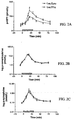
- Figures 2A, 2B and 2C show the plasma concentration of NPY, norepinephrine and epinephrine. Overall and the mean plasma NPY concentrations (Figure 2A) at 20 min (*) were significantly higher (p ⁇ 0.05) in subjects with Leu7Pro genotype (open triangles) than in subjects with Leu7Leu genotype (solid triangles). Similar catecholamine concentrations ( Figures 2B and 2C) in plasma were detected in the two study groups. The exercise-time was 30 min (hatched area).
- Figures 3A, 3B and 3C show the serum FFA, plasma insulin and plasma lactate concentrations. Overall and the mean serum FFA concentrations (Figure 3A) at 40 min (*) were significantly lower (p ⁇ 0.05) in subjects with Leu7Pro genotype (open triangles) than in subjects with Leu7Leu genotype (solid triangles). Different overall insulin concentrations (Figure 3B) were detected between the genotypes with significant differences (*) at 0min (p ⁇ 0.05) and at 60 min. Lactate concentrations in plasma ( Figure 3C) were similar in the two study groups. The exercise-time was 30 min (hatched area).
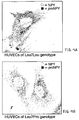
- Figures 4A and 4B show printed pictures based on scanning confocal images of HWECs with Leu7Leu genotype ( Figure 4A) and Leu7Pro genotype ( Figure 4B), double-immunostained with rabbit polyclonal anti-human C-pon antibody and goat polyclonal anti-human NPY antibody.
- the images are summations of 8 mid-sections of permeabilized cells. Prominent overlapping staining of NPY and C-pon was seen in cells with Leu7Leu genotype ( Figure 4A), indicating overwhelming presence of proNPY. NPY without C-pon was abundant in vesicle-like structures in HUVECs with Leu7Pro genotype ( Figure 4B), these cells had also some proNPY staining.
- production shall in this document be understood to cover excessive expression, excessive release, or increased intracellular formation, distribution or storage.
- the International Patent Publication WO 99/32518 shows the relationship between Leu7Pro polymorphism and increased total cholesterol and increased LDL-cholesterol in serum.
- Figures 1a to 1c show the location of the Leu7Pro polymorphism in the NPY-gene.
- the overproduction of NPY is counteracted by administering an antagonist to said individual.
- the antagonist can be one aimed to decrease the expression of the NPY gene.
- Y1-, Y2- and Y5-receptor antagonists As examples can be mentioned Y1-, Y2- and Y5-receptor antagonists.
- Y1-receptor antagonists can be mentioned BIBO 3304 (Br J Pharmacol 125, 549-55, 1998); BIBP 3226 (Regul Pept 25, 377-82, 1998); GR231118 (Bur J Pharmacol 349, 97-105, 1998); and 1,3-disubstituted benzazepines (Bioorg Med Chem 1703-14, 1999).
- Y2-receptor antagonists can be mentioned BIIE0246 (Eur J Pharmacol 396, R1-3, 2000 Br J Pharmacol 129, 1075-1088, 2000).
- Y5-receptor antagonists can be mentioned L-152,804 (Biochem Biophys Res Commun 272, 169-173, 2000) and CGP71683A (Can J Physiol Pharmacol 78, 116-25, 2000).
- the antagonist can be an NPY antibody.
- an NPY antibody can be either bound to tissue or a soluble antibody in free form in serum. In the latter case, such an antibody can catch the NPY in serum and form a complex with the same. Thereby the binding of NPY to the NPY receptors is prevented.
- the overproduction of NPY can be caused by a polymorphism comprising the substitution of the position 7 leucine for proline in the signal peptide part of the human preproNPY or by any other reason.
- the individual in case the overproduction of NPY is caused by a polymorphism comprising the substitution of the position 7 leucine for proline in the signal peptide part of the human preproNPY, the individual is subjected to a method aimed to reduce or prevent expression of the mutated allele causing said polymorphism.
- Such a method can be a specific gene therapy aimed to repair the mutated allele, for example by use of an antisense oligonucleotide, a peptide nucleid acid (PNA), or ribozyme.
- an antisense oligonucleotide a peptide nucleid acid (PNA), or ribozyme.
- PNA peptide nucleid acid
- the antisense therapy refers to methods designed to impair translation through direct interactions with target messenger RNA (mRNA). This can be accomplished by applying a targeted oligonucleotide, which forms Watson-Crick base pairs with the messenger RNA whose function is to be disrupted.
- mRNA target messenger RNA
- antisense oligonucleotide depends on the ability of an antisense oligonucleotide to bind a complementary mRNA sequence and prevent the translation of the mRNA. It is possible to correct a single mutant base in a gene by using an oligonucleotide based strategy (Giles et al., 1995; Schwab et al., 1994; Yoon et al., 1996). A short, 7 or 8 bases, oligonucleotide is enough to posses an antisense activity and specificity, which depends greatly on the flanking sequences of the target RNA. Binding should be enough to promote stable binding and RNase H - mediated cleavage.
- oligonucleotide which includes the sequence of mutated part: ...cga ct/cg ggg...(mutated base marked on bold). This can be accomplished by using oligonucleotides of various lengths, but all recognizing the mutated base sequence.
- the best target sequence is between -9 and +2 bases around the mutation i.e. sequence targeting to 3'-ac aag cga ctg g-5'. This sequence contains 'bulbs' which are known to enhance the binding of oligonucleotide to the target mRNA.
- oligonucleotide it is possible to use unmodified oligonucleotides, but to increase their stability, nuclease resistance, and penetration to the nucleus, several modifications of oligonucleotide can be used.
- a relatively large number of modified pyrimidines have been synthesized, mainly C-2, C-4, C-5, and C-6 sites, and incorporated into nucleotides.
- purine analogs can be synthesized and incorporated into oligonucleotides.
- the 2' position of the sugar moiety, pentofuranose ring is substituted with methoxy, propoxy, O-alkoxy or methoxyethoxy groups.
- a new backbone for oligonucleotides that replace the phosphate or the sugar-phosphate unit has been made, like C-5 propynylpyrimidine-modified phosphothioate oligonucleotides. Also chimeric oligonucleotides with 5'- and 3'-ends are modified with internucleotide linkages, like methylphosphorothioate, phosphodiester, or methylphosphonate can be used.
- a relatively new technique is conformationally restricted LNA (locked nucleic acid) oligonucleotides and peptide nucleic acids. Bioengineered ribozymes are structurally different, but their specificity also relay on the recognition of the targeted mRNA sequence.
- Gene replacement or gene switching techniques inactivate the mutated gene sequence and introduce a corrected one. This can be accomplished by transfecting exogenous gene with normal coding sequence and blocking mutant coding sequence with antisense oligonucleotide. Also a technique with only introducing a corrected normal sequence without disrupting the mutated sequence could be use. This could be used in heterozygous cells i.e. cell carrying one normal allele and one mutated allele resulting in an overexpression of normal alleles. Also homozygous mutant cells could be treated resulting in a dominant positive -effect i.e. the normal allele is expressed in higher degree than the mutant allele.
- Ribozyme protocols Turner, Philip C (editor). Humana Press, ISBN 0-89603-389-9, 512 pp. 1997; Rossi JJ. Ribozymes, genomics and therapeutics. Chem Biol 6, R33-7, 1999; and Ellington AD, Robertson MP, Bull J. Ribozymes in wonderland. Science 276, 546-7, 1997.
- PNA Peptide nucleic acid
- Leu7Pro polymorphism in the signal peptide of neuropeptide Y has previously been shown to be associated with high blood lipid concentrations and also to accelerated atherosclerosis independently from blood lipid values.
- Leu7Pro genotype was studied the effects of the Leu7Pro genotype on NPY secretion and processing in humans and in isolated human endothelial cells expressing endogenously NPY.
- NPY secretion and other symphatetic responses were stimulated in nine subjects having the Leu7Pro genotype and in nine matched Leu7Leu genotype controls by strenuous cycle-ergometer exercise.
- Subjects with the Leu7Pro genotype had 42 % higher maximal increases in the plasma NPY concentrations than subjects with the Leu7Leu genotype.
- NPY-immunoreactivity was observed in human endothelial cells with the Leu7Pro genotype as verified by confocal microscopy.
- the present study provides the first direct evidence of functional consequences of the Leu7Pro polymorphism leading to more efficient production and release of NPY.
- overproduction of NPY may lead to atherosclerosis and unfavourable changes in plasma lipids.
- the present observations may provide new strategies for prevention and treatment of these diseases and other disorders caused by overproduction of NPY.
- PCR polymerase chain reaction
- Thymidine-1128 to cytosine substitution results in the Leucine to Proline switch in position seven in preproNPY, which was_detected by digestion of the PCR product with Bsi E1 (New England Biolabs Inc., Beverly, MA, USA) and restriction fragment length polymorphism analysis (189bp and 48 bp fragments are produced by the mutant Pro7 allele).
- the 18 healthy study subjects were asked to refuse from any medication, alcohol -containing drinks or food for 48 hours and from any caffeine- containing drinks or food for 12 hours before the Vo 2max measurement and before the 80% Vo 2max bicycle exercise test. They were asked to eat lots of carbohydrate-rich food and to avoid strenuous physical exercise for two days preceding the tests. A standard light meal was offered 2 h before running the tests. The individual maximal oxygen uptake (Vo 2max ) was determined in the Paavo Nurmi Centre, Turku. The initial power output was 40 W for women and 60 W for men and was increased by 20 W and 30 W, respectively, every 2 min until exhaustion.
- Respiratory gases were analyzed (AMETEK S-3A1 O 2 and Beckman LB-2 CO 2 analyzer) and recorded every 15 seconds by an online real-time PC-based system. Respiratory exchange ratio (> 1.15) and oxygen uptake (Vo 2 ) uniformity were evaluated to ensure a true maximum effort. The highest Vo 2 was determined and the corresponding power level was considered as 100% Vo 2max .
- an intravenous cannula was inserted into an antecubital vein and the subjects were lying for 35 minutes (min) thereafter. Before starting to run the bicycle (at 0 min), they were sitting on the cycle-ergometer for 5 min and at 0 min the study subjects started to exercise with minimal (20 W) workload.
- the workload was increased by 20% VO 2max steps in 2-min intervals and the 80% Vo 2max workload was thus reached after 4 steps in 8 min.
- the study subjects then continued to exercise at this 80% Vo 2max level for 12 min followed for 10 min cooling with 20% Vo 2max workload.
- the study subjects were monitored (EKG and blood pressure) by Datex Engstrom AS/3-system (Datex Ohmeda, Oulu, Finland) for a 30-minute baseline period before the exercise, during the 30-min exercise and also 50 min in a sitting position after the exercise.
- Plasma NPY concentrations were determined using a commercial radioimmunoassay kit (EURIA-NPY, Euro-Diagnostica Inc., Malmö, Sweden). NE and E concentrations in plasma were determined using high performance liquid chromatography with electrochemical detection 28 . This method had the intra- and interassay variances for both NE and E below 12%. FFA concentrations in serum were determined with NEFA-C Reagent set (Wako Chemicals GmbH, Neuss, Germany) and plasma lactate concentrations with an enzymatic UV-method (Roche Diagnostics GmbH, Mannheim, Germany) using Hitachi 917 Automatic Analyzer (Hitachi Ltd., Tokyo, Japan).
- Plasma insulin concentrations were determined by radioimmunoassay kit INSIK-5 (DiaSorin s.r.1., Saluggia, Italy). Other laboratory measurements were done by standard methods.
- Baseline characteristics (Table 1) of study subjects were compared using unpaired two-tailed t tests. Chatecolamine (E, NE) values were log-transformed before further analysis. The means of each sequentially measured parameter between genotypes Leu7Pro and Leu7Leu were compared using repeated measures ANOVA for mixed models (Table 2). If the ANOVA revealed statistically significant genotype-by-time interaction (overall difference) the Fisher least significant difference multiple comparison procedure was used to test equality of group means at each time point. These tests were carried out as linear contrasts using the same statistical model. For correlation analysis, Pearson's correlation coefficients were calculated. All data are presented as mean ⁇ SEM. Statistical analysis was performed with SAS software (Version 6.12, SAS Institute Inc., Cary, NC, USA).
- HWECs were isolated from freshly delivered umbilical cords using collagenase type II (0.3 mg/ml) and type IV (0.3 mg/ml) enzymes (Sigma Chemical Co., St Louis, MO, USA) in PBS at 37 °C for 15 minutes. Detached cells were seeded into 0.2 % gelatin-coated (Sigma Chemical Co., St Louis, MO, USA) 25 cm 2 cell culture flasks.
- HWECs were grown in Medium-199 (Life Technologies Ltd., Paisley, Scotland) supplemented with 2.5 U/ml sodium heparin, 10 % heat inactivated FBS (Autogen Bioclear, Wiltshire, United Kingdom), 100 U/ml penicillin, 100 ⁇ g/ml streptomycin (BioWittaker, Walkersville, MD, USA), 2 mM L-glutamine (Life Technologies Ltd., Paisley, Scotland), 50 ⁇ g/ml gentamycin (BioWittaker, Walkersville, MD, USA) and 25 ⁇ g/ml ECGS (Endothelial Cell Growth Supplement) (Upstate Biotechnology, Lake Placid, NY, USA). Fresh media was added every other day and the cells were replated every 2-3 days.
- the cells were double-stained by 45 min incubation with two primary antibodies, rabbit polyclonal anti-human C-pon antibody (1:200) (Affiniti Research Products Ltd., Mamhead, United Kingdom) and goat polyclonal anti-human NPY antibody (1:100) (Affiniti Research Products Ltd., Mamhead, United Kingdom) in the same buffer.
- the coverslips were mounted for fluorescent microscopy onto a drop of anti-fade mounting medium containing 50% glycerol, 100 mg/ml DABCO (1,4-diazabicyclo-[2.2.2.]octane, Sigma) and 0.05% sodium azide in PBS on microscope slides.
- Double-label immunofluorescent microscopy was performed using a laser scanning confocal microscope (Leica TCS 4 D, 100x /1.4 oil ICT:D objective, Heidelberg, Germany). With these immunocytochemical reactions, proNPY is stained as overlapping staining of green and red (becomes yellow), because the C-pon and NPY are co-localized. Red staining is a marker for sole NPY-ir and green staining as sole C-pon-ir.
- NPY-genotype influences heart rate level
- NPY-genotype influences exercise-induced increases in NPY and FFA concentrations
- the mean exercise-induced raise of NPY between 0 min and 20 min was 90.4 ⁇ 12.7 pmol/L in the subjects with the Pro7 allele and 51.9 pmol/L ⁇ 5.4 in subjects without this allele (p ⁇ 0.05, t test).
- There were no statistically significant differences in the concentrations of E and NE in plasma (Table 2, Fig. 2B and 2C) between the groups.
- the mean NE/NPY ratio in plasma was 84.9 ⁇ 9.7 in Leu7Leu subjects and 56 ⁇ 5.3 in Leu7Pro subjects (p ⁇ 0.05; t-test).
- NPY-genotype dertermines the pattern of NPY- and proNPY-ir in epithelial cells
- Fig. 4 Clear intracellular punctate staining (Fig. 4) could be seen in HWECs with immunocytohemical detection of proNPY and NPY. These clustered immunoreactive puncta were considered to represent peptides concentrated in some intracellular compartments of the cells. As shown in the Fig. 4, there was a marked difference in the pattern of staining between HUVECs of Leu7Pro and of Leu7Leu genotype, the former having prominent NPY-ir in addition to some proNPY-ir (Fig. 4B). In contrast, HUVECs with Leu7Leu genotype did not contain any NPY or C-pon staining, but exhibited profound vesicle-like structures with proNPY-ir (Fig. 4A).
- NPY secretion was stimulated by high-intense cycle-ergometer exercise in healthy subjects having the Leu7Pro polymorphism and their matched Leu7Leu controls. Other responses reflecting the changes of sympathetic stimulation were also measured.
- human endothelial cells which are known to contain and process NPY, were isolated, genotyped and studied by immunocytochemistry to view possible differences in proNPY and NPY contents of cells with the Pro7 substitution compared to cells without this substitution.
- NPY circulates mainly as an intact 36-aa peptide, but also as Y2-receptor ligand NPY 3-36 , a product of dipeptidyl peptidase IV enzyme which is found in endothelium 9,29 .
- NPY found in circulating blood in rest and during physical exercise is derived maily from perivascular symphatetic nerve-bundles 16,20,30 .
- a minor proportion of plasma NPY level originates from endothelium 9 .
- NPY and NE are co-released, NPY release is stimulated only in high-intensity exercise whereas NE is released more easily also in low-intensity exercise in healthy subjects 19,31 . Therefore, 80% Vo 2max level exrcise was used as a stimulator for symphathetic nervous system in this study.
- NPY neurotrophic factor
- the subjects with the NPY polymorphism had higher heart rate in the current study, the difference in the mean heart rate was 5 to 10 beats/min continuously during the study period, also during the 30 min pre-exercise resting period. This suggests that the NPY genotype regulates heart rate in healthy non-smoking subjects. As the catecholamine levels were not different between the study groups, the higher heart rate is not explained by their action.
- NPY is found in symphatetic nerve innervations in heart, where dense NPY-ir has been detected in close contact to nodal tissue and cardiac muscle fibres 32 , it is not known to have direct inotropic or chronotropic effects 33 .
- NPY may promote parasymphatolytic cardiac responses by inhibiting acetylcholine release from colinergic nerves in heart 34,35 . that could result in higher pulse rate in the subjects with higher NPY release.
- the increased sympatovagal ratios found in type II diabetic patients with the Leu7Pro genotype 23 also support the conclusion that this genotype may have higher overall heart rate compared to Leu7Leu genotype.
- Elevated NPY-concentrations in plasma have been reported in hypertension 36-38 , although this has not been considered as the ethiology for the disease, but rather reflect sympathetic activation related to the disease.
- Catecholamines rapidly promote lipolysis and raise the plasma FFA concentrations by increasing the rate of adipose tissue triacylglycerol mobilization by hormone-sensitive lipase.
- the increase in lipolysis during exercise is mainly mediated by adrenergic beta-receptor activation and the consequent increase in intracellular cAMP-concentration 39 , which is known to be the main regulator of the activity of hormone-sensitive lipase.
- hormones and drugs, including NPY that reduce intracellular cAMP consentrations in human adipocytes are able to inhibit lipolysis
- the inhibition of lipolysis in human adipocytes by NPY has been shown to be dose-dependent 5 and therefore higher NPY release in Leu7Pro subjects during exercise may explain the difference in FFA concentration between the genotypes.
- the decrease in insulin concentrations during exercise have been shown to facilitate FFA mobilization during exercise 40-42 . Therefore differences in plasma insulin concentrations observed between the groups do not explain the observed lower FFA levels in the Leu7Pro group since the insulin levels were lower in this group.
- FFAs modulate the activity of cholesterol ester transfer protein (CEPT) by inhibiting the lipid transfer inhibitor protein (LTIP) 43 .
- CEPT cholesterol ester transfer protein
- LTIP lipid transfer inhibitor protein
- the more pronounced exercise-induced FFA-release in the Leu7Leu genotype may thus result in increased CEPT activity, which according to recent reports is atheroprotective 44 .
- the FFA levels in plasma known to activate LTIP are 0.8-1.0 mmol/L 43 . These levels are transiently produced by both genotypes at least in exercise but are more prolonged in the Leu7Leu genotype, thus leaving the Leu7Pro genotype subjects at higher risk for atherosclerosis.
- NPY is a mitogenic substance, which clearly accelerates smooth muscle and endothelial cell proliferation 9,45,46 .
- the observed higher proportion of NPY in HUVECs with the Leu7Pro genotype may indicate higher local endothelial NPY release, and enhanced proliferation of the underlying intimal smooth muscle cell layer, which could be the mechanism for accelerated intima-media thickening observed in subjects with this genotype 23 (Karvonen et al., unpublished observation).
Landscapes
- Health & Medical Sciences (AREA)
- Chemical & Material Sciences (AREA)
- Organic Chemistry (AREA)
- Life Sciences & Earth Sciences (AREA)
- General Health & Medical Sciences (AREA)
- Medicinal Chemistry (AREA)
- Engineering & Computer Science (AREA)
- Bioinformatics & Cheminformatics (AREA)
- Animal Behavior & Ethology (AREA)
- Pharmacology & Pharmacy (AREA)
- Public Health (AREA)
- Nuclear Medicine, Radiotherapy & Molecular Imaging (AREA)
- General Chemical & Material Sciences (AREA)
- Veterinary Medicine (AREA)
- Chemical Kinetics & Catalysis (AREA)
- Endocrinology (AREA)
- Neurosurgery (AREA)
- Diabetes (AREA)
- Biomedical Technology (AREA)
- Neurology (AREA)
- Heart & Thoracic Surgery (AREA)
- Cardiology (AREA)
- Proteomics, Peptides & Aminoacids (AREA)
- Molecular Biology (AREA)
- Genetics & Genomics (AREA)
- Biophysics (AREA)
- Biochemistry (AREA)
- Vascular Medicine (AREA)
- Immunology (AREA)
- Gastroenterology & Hepatology (AREA)
- Toxicology (AREA)
- Zoology (AREA)
- Urology & Nephrology (AREA)
- Ophthalmology & Optometry (AREA)
- Medicines That Contain Protein Lipid Enzymes And Other Medicines (AREA)
- Peptides Or Proteins (AREA)
- Acyclic And Carbocyclic Compounds In Medicinal Compositions (AREA)
- Pharmaceuticals Containing Other Organic And Inorganic Compounds (AREA)
- Medicines Containing Antibodies Or Antigens For Use As Internal Diagnostic Agents (AREA)
- Crystals, And After-Treatments Of Crystals (AREA)
Claims (14)
- Utilisation d'une substance pour la fabrication d'une composition pharmaceutique à utiliser dans un procédé de réduction d'une surproduction de neuropeptide Y (NPY) induite par le stress chez un individu, dans laquelle la surproduction de NPY induite par le stress est due à un polymorphisme comprenant la substitution de la proline en position 7 par la leucine dans la partie peptide signal du précurseur de NPY humain, dans laquelle- ledit procédé est destiné à moduler un système de NPY hyperactif chez ledit individu, ou- ledit individu est soumis à un procédé destiné à réduire ou à empêcher l'expression de l'allèle muté entraînant ledit polymorphisme, et ladite substance est- un antagoniste du récepteur Y1 choisi dans le groupe constitué par BIBO 3304 ; BIBP 3226 ; GR231118 ; et une benzazépine 1,3-disubstituée,- un antagoniste du récepteur Y2 qui est BIIE0246,- un antagoniste du récepteur Y5 choisi dans le groupe constitué par L-152 804 et CGP71683A,- un anticorps anti-NPY,- un oligonucléotide anti-sens,- un acide peptido-nucléique (PNA), ou- un ribozyme.
- Utilisation selon la revendication 1, dans laquelle ledit procédé est utilisé pour réduire la surexpression constitutive du NPY dans les cellules endothéliales dudit individu.
- Utilisation selon la revendication 1, dans laquelle ledit procédé est utilisé pour faire baisser le rythme cardiaque chez ledit individu.
- Utilisation selon la revendication 1, dans laquelle ledit procédé est utilisé pour renforcer la sécrétion d'insuline chez ledit individu.
- Utilisation selon l'une quelconque des revendications 1 à 4, dans laquelle une surproduction de NPY est neutralisée par l'administration d'un antagoniste tel que défini dans la revendication 1 au dit individu.
- Utilisation selon la revendication 5, dans laquelle ledit antagoniste est destiné à réduire l'expression du gène du NPY.
- Utilisation selon la revendication 5, dans laquelle ledit antagoniste est un antagoniste du récepteur du NPY tel que défini dans la revendication 1.
- Utilisation selon la revendication 5, dans laquelle ledit antagoniste est un anticorps anti-NPY.
- Utilisation selon la revendication 8, dans laquelle ledit anticorps est un anticorps réagissant avec le NPY dans le sérum.
- Utilisation selon l'une quelconque des revendications 1 à 4, dans laquelle ledit procédé est une thérapie génique spécifique destinée à réparer l'allèle muté.
- Utilisation selon la revendication 10, qui comprend l'utilisation d'un oligonucléotide anti-sens.
- Utilisation selon la revendication 10, qui comprend l'utilisation d'un acide peptido-nucléique (PNA).
- Utilisation selon la revendication 10, qui comprend l'utilisation d'un ribozyme.
- Procédé de diagnostic de la prédisposition d'une personne à un risque de surproduction de neuropeptide Y (NPY) induite par le stress, ledit procédé comprenant l'étape consistant à déterminer in vitro si ledit sujet présente un polymorphisme dans la partie peptide signal du précurseur de NPY humain, ledit polymorphisme comprenant la substitution de la proline en position 7 par la leucine dans la partie peptide signal dudit précurseur de NPY, ledit polymorphisme étant indicateur d'un risque de surproduction de NPY induite par le stress.
Applications Claiming Priority (3)
| Application Number | Priority Date | Filing Date | Title |
|---|---|---|---|
| US645590 | 1991-01-24 | ||
| US64559000A | 2000-08-25 | 2000-08-25 | |
| PCT/FI2001/000687 WO2002015941A1 (fr) | 2000-08-25 | 2001-07-31 | Procede pour reduire la surproduction de neuropeptide y chez une personne |
Publications (2)
| Publication Number | Publication Date |
|---|---|
| EP1311297A1 EP1311297A1 (fr) | 2003-05-21 |
| EP1311297B1 true EP1311297B1 (fr) | 2006-07-26 |
Family
ID=24589630
Family Applications (1)
| Application Number | Title | Priority Date | Filing Date |
|---|---|---|---|
| EP01960783A Expired - Lifetime EP1311297B1 (fr) | 2000-08-25 | 2001-07-31 | Procede pour reduire la surproduction de neuropeptide y chez une personne |
Country Status (7)
| Country | Link |
|---|---|
| EP (1) | EP1311297B1 (fr) |
| JP (1) | JP2004506700A (fr) |
| AT (1) | ATE333902T1 (fr) |
| AU (1) | AU2001282182A1 (fr) |
| DE (1) | DE60121776T2 (fr) |
| ES (1) | ES2263647T3 (fr) |
| WO (1) | WO2002015941A1 (fr) |
Family Cites Families (2)
| Publication number | Priority date | Publication date | Assignee | Title |
|---|---|---|---|---|
| CA2220036A1 (fr) * | 1995-05-05 | 1996-11-07 | Human Genome Sciences, Inc. | Recepteur de neuropeptides humain |
| US6046317A (en) * | 1997-12-19 | 2000-04-04 | Hormos Medical Oy, Ltd. | DNA molecule encoding a mutant prepro-neuropeptide Y, a mutant signal peptide, and uses thereof |
-
2001
- 2001-07-31 EP EP01960783A patent/EP1311297B1/fr not_active Expired - Lifetime
- 2001-07-31 ES ES01960783T patent/ES2263647T3/es not_active Expired - Lifetime
- 2001-07-31 JP JP2002520862A patent/JP2004506700A/ja active Pending
- 2001-07-31 AT AT01960783T patent/ATE333902T1/de not_active IP Right Cessation
- 2001-07-31 DE DE60121776T patent/DE60121776T2/de not_active Expired - Fee Related
- 2001-07-31 AU AU2001282182A patent/AU2001282182A1/en not_active Abandoned
- 2001-07-31 WO PCT/FI2001/000687 patent/WO2002015941A1/fr not_active Ceased
Also Published As
| Publication number | Publication date |
|---|---|
| JP2004506700A (ja) | 2004-03-04 |
| EP1311297A1 (fr) | 2003-05-21 |
| DE60121776T2 (de) | 2007-08-09 |
| DE60121776D1 (de) | 2006-09-07 |
| AU2001282182A1 (en) | 2002-03-04 |
| WO2002015941A1 (fr) | 2002-02-28 |
| ES2263647T3 (es) | 2006-12-16 |
| ATE333902T1 (de) | 2006-08-15 |
Similar Documents
| Publication | Publication Date | Title |
|---|---|---|
| Taylor et al. | Intermedin/adrenomedullin-2 acts within central nervous system to elevate blood pressure and inhibit food and water intake | |
| Gutkowska et al. | Structure, expression, and function of atrial natriuretic factor in extraatrial tissues | |
| Rehfeld | Cholecystokinin | |
| O’Connor et al. | Pancreastatin: multiple actions on human intermediary metabolism in vivo, variation in disease, and naturally occurring functional genetic polymorphism | |
| US7790683B2 (en) | Leptin-related peptides | |
| Rubattu et al. | The atrial natriuretic peptide: a changing view | |
| US7371721B2 (en) | Use of GLP-2 and related compounds for the treatment, prevention, diagnosis, and prognosis of bone-related disorders and calcium homeostasis related syndromes | |
| Delafontaine et al. | G-protein coupled and tyrosine kinase receptors: evidence that activation of the insulin-like growth factor I receptor is required for thrombin-induced mitogenesis of rat aortic smooth muscle cells. | |
| AU2014296288B2 (en) | Compositions and methods for modulating thermogenesis using PTH-related and EGF-related molecules | |
| McCann et al. | Peptidergic and dopaminergic control of prolactin release | |
| JP2004515533A (ja) | 代謝障害を治療するためのペプチドyyおよびペプチドyyアゴニスト | |
| EP2277909A1 (fr) | Dérivés du glucagon-like-peptide 2 et leur applications thérapeutiques | |
| JP2017515852A (ja) | 代謝障害を処置するための組成物および方法 | |
| US20080108562A1 (en) | Treatment Of Bone Metastases By Means Of Pth Receptor Agonists | |
| Egidy et al. | The endothelin system in normal human colon | |
| Fahrenkrug | Vip and pacap | |
| EP1169475B1 (fr) | Diagnostic portant sur le risque qu'une personne a de developper la retinopathie diabetique | |
| WO1998029451A1 (fr) | Procede pour elever la concentration de facteur de croissance libre apparente a l'insuline | |
| Mikkelsen et al. | Concentrations and distribution of vasoactive intestinal peptide (VIP), peptide histidine isoleucine (PHI) and peptide histidine valine (PHV) in the cerebral cortex and the suprachiasmatic nucleus of the mouse | |
| US20050107327A1 (en) | Method for reducing overproduction of neuropeptide Y in an individual | |
| Matteri | Overview of central targets for appetite regulation | |
| Champion et al. | Structure–activity relationships of adrenomedullin in the circulation and adrenal gland | |
| Martari et al. | Diseases associated with growth hormone‐releasing hormone receptor (GHRHR) mutations | |
| EP1311297A1 (fr) | Procede pour reduire la surproduction de neuropeptide y chez une personne | |
| Xiao et al. | Human placenta and fetal membranes contain peptide YY1-36 and peptide YY3-36 |
Legal Events
| Date | Code | Title | Description |
|---|---|---|---|
| PUAI | Public reference made under article 153(3) epc to a published international application that has entered the european phase |
Free format text: ORIGINAL CODE: 0009012 |
|
| 17P | Request for examination filed |
Effective date: 20030115 |
|
| AK | Designated contracting states |
Designated state(s): AT BE CH CY DE DK ES FI FR GB GR IE IT LI LU MC NL PT SE TR |
|
| AX | Request for extension of the european patent |
Extension state: AL LT LV MK RO SI |
|
| 17Q | First examination report despatched |
Effective date: 20040810 |
|
| GRAP | Despatch of communication of intention to grant a patent |
Free format text: ORIGINAL CODE: EPIDOSNIGR1 |
|
| RAP1 | Party data changed (applicant data changed or rights of an application transferred) |
Owner name: HORMOS MEDICAL LTD. |
|
| GRAS | Grant fee paid |
Free format text: ORIGINAL CODE: EPIDOSNIGR3 |
|
| GRAA | (expected) grant |
Free format text: ORIGINAL CODE: 0009210 |
|
| AK | Designated contracting states |
Kind code of ref document: B1 Designated state(s): AT BE CH CY DE DK ES FI FR GB GR IE IT LI LU MC NL PT SE TR |
|
| PG25 | Lapsed in a contracting state [announced via postgrant information from national office to epo] |
Ref country code: BE Free format text: LAPSE BECAUSE OF FAILURE TO SUBMIT A TRANSLATION OF THE DESCRIPTION OR TO PAY THE FEE WITHIN THE PRESCRIBED TIME-LIMIT Effective date: 20060726 Ref country code: CH Free format text: LAPSE BECAUSE OF FAILURE TO SUBMIT A TRANSLATION OF THE DESCRIPTION OR TO PAY THE FEE WITHIN THE PRESCRIBED TIME-LIMIT Effective date: 20060726 Ref country code: NL Free format text: LAPSE BECAUSE OF FAILURE TO SUBMIT A TRANSLATION OF THE DESCRIPTION OR TO PAY THE FEE WITHIN THE PRESCRIBED TIME-LIMIT Effective date: 20060726 Ref country code: FI Free format text: LAPSE BECAUSE OF FAILURE TO SUBMIT A TRANSLATION OF THE DESCRIPTION OR TO PAY THE FEE WITHIN THE PRESCRIBED TIME-LIMIT Effective date: 20060726 Ref country code: AT Free format text: LAPSE BECAUSE OF FAILURE TO SUBMIT A TRANSLATION OF THE DESCRIPTION OR TO PAY THE FEE WITHIN THE PRESCRIBED TIME-LIMIT Effective date: 20060726 Ref country code: LI Free format text: LAPSE BECAUSE OF FAILURE TO SUBMIT A TRANSLATION OF THE DESCRIPTION OR TO PAY THE FEE WITHIN THE PRESCRIBED TIME-LIMIT Effective date: 20060726 |
|
| RAP1 | Party data changed (applicant data changed or rights of an application transferred) |
Owner name: PHASE ONE PHARMA OY LTD. |
|
| REG | Reference to a national code |
Ref country code: GB Ref legal event code: FG4D |
|
| PG25 | Lapsed in a contracting state [announced via postgrant information from national office to epo] |
Ref country code: IE Free format text: LAPSE BECAUSE OF NON-PAYMENT OF DUE FEES Effective date: 20060731 Ref country code: MC Free format text: LAPSE BECAUSE OF NON-PAYMENT OF DUE FEES Effective date: 20060731 |
|
| REG | Reference to a national code |
Ref country code: CH Ref legal event code: EP |
|
| REG | Reference to a national code |
Ref country code: IE Ref legal event code: FG4D |
|
| REF | Corresponds to: |
Ref document number: 60121776 Country of ref document: DE Date of ref document: 20060907 Kind code of ref document: P |
|
| PG25 | Lapsed in a contracting state [announced via postgrant information from national office to epo] |
Ref country code: SE Free format text: LAPSE BECAUSE OF FAILURE TO SUBMIT A TRANSLATION OF THE DESCRIPTION OR TO PAY THE FEE WITHIN THE PRESCRIBED TIME-LIMIT Effective date: 20061026 Ref country code: DK Free format text: LAPSE BECAUSE OF FAILURE TO SUBMIT A TRANSLATION OF THE DESCRIPTION OR TO PAY THE FEE WITHIN THE PRESCRIBED TIME-LIMIT Effective date: 20061026 |
|
| REG | Reference to a national code |
Ref country code: ES Ref legal event code: FG2A Ref document number: 2263647 Country of ref document: ES Kind code of ref document: T3 |
|
| PG25 | Lapsed in a contracting state [announced via postgrant information from national office to epo] |
Ref country code: PT Free format text: LAPSE BECAUSE OF FAILURE TO SUBMIT A TRANSLATION OF THE DESCRIPTION OR TO PAY THE FEE WITHIN THE PRESCRIBED TIME-LIMIT Effective date: 20061226 |
|
| ET | Fr: translation filed | ||
| NLV1 | Nl: lapsed or annulled due to failure to fulfill the requirements of art. 29p and 29m of the patents act | ||
| PLBE | No opposition filed within time limit |
Free format text: ORIGINAL CODE: 0009261 |
|
| STAA | Information on the status of an ep patent application or granted ep patent |
Free format text: STATUS: NO OPPOSITION FILED WITHIN TIME LIMIT |
|
| 26N | No opposition filed |
Effective date: 20070427 |
|
| PG25 | Lapsed in a contracting state [announced via postgrant information from national office to epo] |
Ref country code: GR Free format text: LAPSE BECAUSE OF FAILURE TO SUBMIT A TRANSLATION OF THE DESCRIPTION OR TO PAY THE FEE WITHIN THE PRESCRIBED TIME-LIMIT Effective date: 20061027 |
|
| PG25 | Lapsed in a contracting state [announced via postgrant information from national office to epo] |
Ref country code: LU Free format text: LAPSE BECAUSE OF NON-PAYMENT OF DUE FEES Effective date: 20060731 Ref country code: TR Free format text: LAPSE BECAUSE OF FAILURE TO SUBMIT A TRANSLATION OF THE DESCRIPTION OR TO PAY THE FEE WITHIN THE PRESCRIBED TIME-LIMIT Effective date: 20060726 |
|
| PGFP | Annual fee paid to national office [announced via postgrant information from national office to epo] |
Ref country code: DE Payment date: 20080718 Year of fee payment: 8 Ref country code: ES Payment date: 20080704 Year of fee payment: 8 |
|
| PG25 | Lapsed in a contracting state [announced via postgrant information from national office to epo] |
Ref country code: CY Free format text: LAPSE BECAUSE OF FAILURE TO SUBMIT A TRANSLATION OF THE DESCRIPTION OR TO PAY THE FEE WITHIN THE PRESCRIBED TIME-LIMIT Effective date: 20060726 |
|
| PGFP | Annual fee paid to national office [announced via postgrant information from national office to epo] |
Ref country code: FR Payment date: 20080630 Year of fee payment: 8 Ref country code: IT Payment date: 20080726 Year of fee payment: 8 |
|
| PGFP | Annual fee paid to national office [announced via postgrant information from national office to epo] |
Ref country code: GB Payment date: 20080723 Year of fee payment: 8 |
|
| GBPC | Gb: european patent ceased through non-payment of renewal fee |
Effective date: 20090731 |
|
| REG | Reference to a national code |
Ref country code: FR Ref legal event code: ST Effective date: 20100331 |
|
| PG25 | Lapsed in a contracting state [announced via postgrant information from national office to epo] |
Ref country code: FR Free format text: LAPSE BECAUSE OF NON-PAYMENT OF DUE FEES Effective date: 20090731 |
|
| PG25 | Lapsed in a contracting state [announced via postgrant information from national office to epo] |
Ref country code: GB Free format text: LAPSE BECAUSE OF NON-PAYMENT OF DUE FEES Effective date: 20090731 |
|
| PG25 | Lapsed in a contracting state [announced via postgrant information from national office to epo] |
Ref country code: DE Free format text: LAPSE BECAUSE OF NON-PAYMENT OF DUE FEES Effective date: 20100202 |
|
| REG | Reference to a national code |
Ref country code: ES Ref legal event code: FD2A Effective date: 20090801 |
|
| PG25 | Lapsed in a contracting state [announced via postgrant information from national office to epo] |
Ref country code: ES Free format text: LAPSE BECAUSE OF NON-PAYMENT OF DUE FEES Effective date: 20090801 |
|
| PG25 | Lapsed in a contracting state [announced via postgrant information from national office to epo] |
Ref country code: IT Free format text: LAPSE BECAUSE OF NON-PAYMENT OF DUE FEES Effective date: 20090731 |