EP1321476B1 - Verbindendes Protein - Google Patents
Verbindendes Protein Download PDFInfo
- Publication number
- EP1321476B1 EP1321476B1 EP02080494A EP02080494A EP1321476B1 EP 1321476 B1 EP1321476 B1 EP 1321476B1 EP 02080494 A EP02080494 A EP 02080494A EP 02080494 A EP02080494 A EP 02080494A EP 1321476 B1 EP1321476 B1 EP 1321476B1
- Authority
- EP
- European Patent Office
- Prior art keywords
- protein
- hcv
- cells
- binding
- molt
- Prior art date
- Legal status (The legal status is an assumption and is not a legal conclusion. Google has not performed a legal analysis and makes no representation as to the accuracy of the status listed.)
- Expired - Lifetime
Links
- 102000014914 Carrier Proteins Human genes 0.000 title 1
- 108091008324 binding proteins Proteins 0.000 title 1
- 108090000623 proteins and genes Proteins 0.000 claims abstract description 114
- 102000004169 proteins and genes Human genes 0.000 claims abstract description 112
- 241000711549 Hepacivirus C Species 0.000 claims abstract description 72
- 230000027455 binding Effects 0.000 claims abstract description 59
- 108091005703 transmembrane proteins Proteins 0.000 claims abstract description 4
- 102000035160 transmembrane proteins Human genes 0.000 claims abstract description 4
- BFNBIHQBYMNNAN-UHFFFAOYSA-N ammonium sulfate Chemical compound N.N.OS(O)(=O)=O BFNBIHQBYMNNAN-UHFFFAOYSA-N 0.000 claims description 28
- 229910052921 ammonium sulfate Inorganic materials 0.000 claims description 28
- 239000001166 ammonium sulphate Substances 0.000 claims description 28
- 235000011130 ammonium sulphate Nutrition 0.000 claims description 28
- 238000000034 method Methods 0.000 claims description 20
- 238000003556 assay Methods 0.000 claims description 19
- 238000002360 preparation method Methods 0.000 claims description 19
- 239000006228 supernatant Substances 0.000 claims description 19
- 238000002415 sodium dodecyl sulfate polyacrylamide gel electrophoresis Methods 0.000 claims description 14
- 238000001556 precipitation Methods 0.000 claims description 13
- 150000001413 amino acids Chemical class 0.000 claims description 12
- 101710125507 Integrase/recombinase Proteins 0.000 claims description 10
- 210000002966 serum Anatomy 0.000 claims description 10
- 238000004191 hydrophobic interaction chromatography Methods 0.000 claims description 8
- 239000002244 precipitate Substances 0.000 claims description 7
- 238000009007 Diagnostic Kit Methods 0.000 claims description 4
- 210000004962 mammalian cell Anatomy 0.000 claims description 4
- 230000004048 modification Effects 0.000 claims description 4
- 238000012986 modification Methods 0.000 claims description 4
- 230000009137 competitive binding Effects 0.000 claims description 3
- 210000004180 plasmocyte Anatomy 0.000 claims description 3
- 238000007385 chemical modification Methods 0.000 claims description 2
- 238000012217 deletion Methods 0.000 claims description 2
- 230000037430 deletion Effects 0.000 claims description 2
- 238000003780 insertion Methods 0.000 claims description 2
- 230000037431 insertion Effects 0.000 claims description 2
- 238000005259 measurement Methods 0.000 claims description 2
- HRPVXLWXLXDGHG-UHFFFAOYSA-N Acrylamide Chemical compound NC(=O)C=C HRPVXLWXLXDGHG-UHFFFAOYSA-N 0.000 claims 2
- 125000003275 alpha amino acid group Chemical group 0.000 claims 2
- 108010052285 Membrane Proteins Proteins 0.000 abstract description 14
- 208000015181 infectious disease Diseases 0.000 abstract description 8
- 230000001413 cellular effect Effects 0.000 abstract description 6
- 241000894007 species Species 0.000 abstract description 5
- 238000013461 design Methods 0.000 abstract description 3
- 102000018697 Membrane Proteins Human genes 0.000 abstract description 2
- 238000003745 diagnosis Methods 0.000 abstract description 2
- 239000003814 drug Substances 0.000 abstract description 2
- 210000005260 human cell Anatomy 0.000 abstract description 2
- 210000004027 cell Anatomy 0.000 description 115
- 239000012528 membrane Substances 0.000 description 41
- 108020003175 receptors Proteins 0.000 description 33
- 102000005962 receptors Human genes 0.000 description 33
- 239000000872 buffer Substances 0.000 description 31
- 239000000523 sample Substances 0.000 description 24
- 238000002474 experimental method Methods 0.000 description 22
- 238000001262 western blot Methods 0.000 description 22
- 239000000463 material Substances 0.000 description 20
- CSCPPACGZOOCGX-UHFFFAOYSA-N Acetone Chemical compound CC(C)=O CSCPPACGZOOCGX-UHFFFAOYSA-N 0.000 description 16
- 239000012634 fragment Substances 0.000 description 16
- 239000008188 pellet Substances 0.000 description 16
- 238000012546 transfer Methods 0.000 description 16
- 238000000746 purification Methods 0.000 description 15
- 241000283973 Oryctolagus cuniculus Species 0.000 description 12
- 210000000170 cell membrane Anatomy 0.000 description 12
- 102100038132 Endogenous retrovirus group K member 6 Pro protein Human genes 0.000 description 10
- 101710091045 Envelope protein Proteins 0.000 description 9
- 102000004190 Enzymes Human genes 0.000 description 9
- 108090000790 Enzymes Proteins 0.000 description 9
- OKKJLVBELUTLKV-UHFFFAOYSA-N Methanol Chemical compound OC OKKJLVBELUTLKV-UHFFFAOYSA-N 0.000 description 9
- 101710188315 Protein X Proteins 0.000 description 9
- 102000007056 Recombinant Fusion Proteins Human genes 0.000 description 9
- 108010008281 Recombinant Fusion Proteins Proteins 0.000 description 9
- 238000004458 analytical method Methods 0.000 description 9
- 229940088598 enzyme Drugs 0.000 description 9
- 239000011159 matrix material Substances 0.000 description 9
- 239000013504 Triton X-100 Substances 0.000 description 8
- 229920004890 Triton X-100 Polymers 0.000 description 8
- 230000000694 effects Effects 0.000 description 8
- 238000000684 flow cytometry Methods 0.000 description 8
- 210000003819 peripheral blood mononuclear cell Anatomy 0.000 description 8
- 241000700605 Viruses Species 0.000 description 7
- 235000013336 milk Nutrition 0.000 description 7
- 239000008267 milk Substances 0.000 description 7
- 210000004080 milk Anatomy 0.000 description 7
- 239000013642 negative control Substances 0.000 description 7
- 230000008569 process Effects 0.000 description 7
- FAPWRFPIFSIZLT-UHFFFAOYSA-M Sodium chloride Chemical compound [Na+].[Cl-] FAPWRFPIFSIZLT-UHFFFAOYSA-M 0.000 description 6
- 238000010790 dilution Methods 0.000 description 6
- 239000012895 dilution Substances 0.000 description 6
- 230000003472 neutralizing effect Effects 0.000 description 6
- YBYRMVIVWMBXKQ-UHFFFAOYSA-N phenylmethanesulfonyl fluoride Chemical compound FS(=O)(=O)CC1=CC=CC=C1 YBYRMVIVWMBXKQ-UHFFFAOYSA-N 0.000 description 6
- 229920000136 polysorbate Polymers 0.000 description 6
- LWIHDJKSTIGBAC-UHFFFAOYSA-K tripotassium phosphate Chemical compound [K+].[K+].[K+].[O-]P([O-])([O-])=O LWIHDJKSTIGBAC-UHFFFAOYSA-K 0.000 description 6
- 108020004414 DNA Proteins 0.000 description 5
- 102000000447 Peptide-N4-(N-acetyl-beta-glucosaminyl) Asparagine Amidase Human genes 0.000 description 5
- 108010055817 Peptide-N4-(N-acetyl-beta-glucosaminyl) Asparagine Amidase Proteins 0.000 description 5
- 229920002684 Sepharose Polymers 0.000 description 5
- XSQUKJJJFZCRTK-UHFFFAOYSA-N Urea Chemical compound NC(N)=O XSQUKJJJFZCRTK-UHFFFAOYSA-N 0.000 description 5
- 239000004202 carbamide Substances 0.000 description 5
- 238000005119 centrifugation Methods 0.000 description 5
- 238000010367 cloning Methods 0.000 description 5
- 230000000875 corresponding effect Effects 0.000 description 5
- 229940042399 direct acting antivirals protease inhibitors Drugs 0.000 description 5
- 238000011534 incubation Methods 0.000 description 5
- 239000000137 peptide hydrolase inhibitor Substances 0.000 description 5
- 239000000243 solution Substances 0.000 description 5
- DGVVWUTYPXICAM-UHFFFAOYSA-N β‐Mercaptoethanol Chemical compound OCCS DGVVWUTYPXICAM-UHFFFAOYSA-N 0.000 description 5
- UMCMPZBLKLEWAF-BCTGSCMUSA-N 3-[(3-cholamidopropyl)dimethylammonio]propane-1-sulfonate Chemical compound C([C@H]1C[C@H]2O)[C@H](O)CC[C@]1(C)[C@@H]1[C@@H]2[C@@H]2CC[C@H]([C@@H](CCC(=O)NCCC[N+](C)(C)CCCS([O-])(=O)=O)C)[C@@]2(C)[C@@H](O)C1 UMCMPZBLKLEWAF-BCTGSCMUSA-N 0.000 description 4
- 241000699666 Mus <mouse, genus> Species 0.000 description 4
- 229920001213 Polysorbate 20 Polymers 0.000 description 4
- 239000004365 Protease Substances 0.000 description 4
- 108020004511 Recombinant DNA Proteins 0.000 description 4
- UIIMBOGNXHQVGW-UHFFFAOYSA-M Sodium bicarbonate Chemical compound [Na+].OC([O-])=O UIIMBOGNXHQVGW-UHFFFAOYSA-M 0.000 description 4
- 238000010171 animal model Methods 0.000 description 4
- 210000004978 chinese hamster ovary cell Anatomy 0.000 description 4
- 210000004700 fetal blood Anatomy 0.000 description 4
- 238000001943 fluorescence-activated cell sorting Methods 0.000 description 4
- 239000000499 gel Substances 0.000 description 4
- 239000001963 growth medium Substances 0.000 description 4
- 239000000815 hypotonic solution Substances 0.000 description 4
- 238000001114 immunoprecipitation Methods 0.000 description 4
- 239000000256 polyoxyethylene sorbitan monolaurate Substances 0.000 description 4
- 235000010486 polyoxyethylene sorbitan monolaurate Nutrition 0.000 description 4
- 230000000717 retained effect Effects 0.000 description 4
- 238000012163 sequencing technique Methods 0.000 description 4
- DAEPDZWVDSPTHF-UHFFFAOYSA-M sodium pyruvate Chemical compound [Na+].CC(=O)C([O-])=O DAEPDZWVDSPTHF-UHFFFAOYSA-M 0.000 description 4
- JKMHFZQWWAIEOD-UHFFFAOYSA-N 2-[4-(2-hydroxyethyl)piperazin-1-yl]ethanesulfonic acid Chemical compound OCC[NH+]1CCN(CCS([O-])(=O)=O)CC1 JKMHFZQWWAIEOD-UHFFFAOYSA-N 0.000 description 3
- 108010039627 Aprotinin Proteins 0.000 description 3
- 238000002965 ELISA Methods 0.000 description 3
- 238000012413 Fluorescence activated cell sorting analysis Methods 0.000 description 3
- 241000282412 Homo Species 0.000 description 3
- GDBQQVLCIARPGH-UHFFFAOYSA-N Leupeptin Natural products CC(C)CC(NC(C)=O)C(=O)NC(CC(C)C)C(=O)NC(C=O)CCCN=C(N)N GDBQQVLCIARPGH-UHFFFAOYSA-N 0.000 description 3
- 241001465754 Metazoa Species 0.000 description 3
- 239000000020 Nitrocellulose Substances 0.000 description 3
- 108091028043 Nucleic acid sequence Proteins 0.000 description 3
- 241000282577 Pan troglodytes Species 0.000 description 3
- 239000006146 Roswell Park Memorial Institute medium Substances 0.000 description 3
- 101000895926 Streptomyces plicatus Endo-beta-N-acetylglucosaminidase H Proteins 0.000 description 3
- 239000007983 Tris buffer Substances 0.000 description 3
- 229960004405 aprotinin Drugs 0.000 description 3
- 238000012512 characterization method Methods 0.000 description 3
- 239000003638 chemical reducing agent Substances 0.000 description 3
- 239000012228 culture supernatant Substances 0.000 description 3
- 230000022811 deglycosylation Effects 0.000 description 3
- 210000004408 hybridoma Anatomy 0.000 description 3
- ZPNFWUPYTFPOJU-LPYSRVMUSA-N iniprol Chemical compound C([C@H]1C(=O)NCC(=O)NCC(=O)N[C@H]2CSSC[C@H]3C(=O)N[C@@H](CCCCN)C(=O)N[C@@H](C)C(=O)N[C@@H](CCCNC(N)=N)C(=O)N[C@H](C(N[C@H](C(=O)N[C@@H](CCCNC(N)=N)C(=O)N[C@@H](CC=4C=CC(O)=CC=4)C(=O)N[C@@H](CC=4C=CC=CC=4)C(=O)N[C@@H](CC=4C=CC(O)=CC=4)C(=O)N[C@@H](CC(N)=O)C(=O)N[C@@H](C)C(=O)N[C@@H](CCCCN)C(=O)N[C@@H](C)C(=O)NCC(=O)N[C@@H](CC(C)C)C(=O)N[C@@H](CSSC[C@H](NC(=O)[C@H](CC(O)=O)NC(=O)[C@H](CCC(O)=O)NC(=O)[C@H](C)NC(=O)[C@H](CO)NC(=O)[C@H](CCCCN)NC(=O)[C@H](CC=4C=CC=CC=4)NC(=O)[C@H](CC(N)=O)NC(=O)[C@H](CC(N)=O)NC(=O)[C@H](CCCNC(N)=N)NC(=O)[C@H](CCCCN)NC(=O)[C@H](C)NC(=O)[C@H](CCCNC(N)=N)NC2=O)C(=O)N[C@@H](CCSC)C(=O)N[C@@H](CCCNC(N)=N)C(=O)N[C@@H]([C@@H](C)O)C(=O)N[C@@H](CSSC[C@H](NC(=O)[C@H](CC=2C=CC=CC=2)NC(=O)[C@H](CC(O)=O)NC(=O)[C@H]2N(CCC2)C(=O)[C@@H](N)CCCNC(N)=N)C(=O)N[C@@H](CC(C)C)C(=O)N[C@@H](CCC(O)=O)C(=O)N2[C@@H](CCC2)C(=O)N2[C@@H](CCC2)C(=O)N[C@@H](CC=2C=CC(O)=CC=2)C(=O)N[C@@H]([C@@H](C)O)C(=O)NCC(=O)N2[C@@H](CCC2)C(=O)N3)C(=O)NCC(=O)NCC(=O)N[C@@H](C)C(O)=O)C(=O)N[C@@H](CCC(N)=O)C(=O)N[C@H](C(=O)N[C@@H](CC=2C=CC=CC=2)C(=O)N[C@H](C(=O)N1)C(C)C)[C@@H](C)O)[C@@H](C)CC)=O)[C@@H](C)CC)C1=CC=C(O)C=C1 ZPNFWUPYTFPOJU-LPYSRVMUSA-N 0.000 description 3
- GDBQQVLCIARPGH-ULQDDVLXSA-N leupeptin Chemical compound CC(C)C[C@H](NC(C)=O)C(=O)N[C@@H](CC(C)C)C(=O)N[C@H](C=O)CCCN=C(N)N GDBQQVLCIARPGH-ULQDDVLXSA-N 0.000 description 3
- 108010052968 leupeptin Proteins 0.000 description 3
- 238000004519 manufacturing process Methods 0.000 description 3
- 229920001220 nitrocellulos Polymers 0.000 description 3
- 239000002773 nucleotide Substances 0.000 description 3
- 125000003729 nucleotide group Chemical group 0.000 description 3
- 229950000964 pepstatin Drugs 0.000 description 3
- 108010091212 pepstatin Proteins 0.000 description 3
- FAXGPCHRFPCXOO-LXTPJMTPSA-N pepstatin A Chemical compound OC(=O)C[C@H](O)[C@H](CC(C)C)NC(=O)[C@H](C)NC(=O)C[C@H](O)[C@H](CC(C)C)NC(=O)[C@H](C(C)C)NC(=O)[C@H](C(C)C)NC(=O)CC(C)C FAXGPCHRFPCXOO-LXTPJMTPSA-N 0.000 description 3
- 229910000160 potassium phosphate Inorganic materials 0.000 description 3
- 235000011009 potassium phosphates Nutrition 0.000 description 3
- 230000009467 reduction Effects 0.000 description 3
- 239000011347 resin Substances 0.000 description 3
- 229920005989 resin Polymers 0.000 description 3
- 239000012047 saturated solution Substances 0.000 description 3
- 239000011780 sodium chloride Substances 0.000 description 3
- LENZDBCJOHFCAS-UHFFFAOYSA-N tris Chemical compound OCC(N)(CO)CO LENZDBCJOHFCAS-UHFFFAOYSA-N 0.000 description 3
- XLYOFNOQVPJJNP-UHFFFAOYSA-N water Chemical compound O XLYOFNOQVPJJNP-UHFFFAOYSA-N 0.000 description 3
- YBJHBAHKTGYVGT-ZKWXMUAHSA-N (+)-Biotin Chemical compound N1C(=O)N[C@@H]2[C@H](CCCCC(=O)O)SC[C@@H]21 YBJHBAHKTGYVGT-ZKWXMUAHSA-N 0.000 description 2
- IJGRMHOSHXDMSA-UHFFFAOYSA-N Atomic nitrogen Chemical compound N#N IJGRMHOSHXDMSA-UHFFFAOYSA-N 0.000 description 2
- 108091003079 Bovine Serum Albumin Proteins 0.000 description 2
- KCXVZYZYPLLWCC-UHFFFAOYSA-N EDTA Chemical compound OC(=O)CN(CC(O)=O)CCN(CC(O)=O)CC(O)=O KCXVZYZYPLLWCC-UHFFFAOYSA-N 0.000 description 2
- DHMQDGOQFOQNFH-UHFFFAOYSA-N Glycine Chemical compound NCC(O)=O DHMQDGOQFOQNFH-UHFFFAOYSA-N 0.000 description 2
- TWRXJAOTZQYOKJ-UHFFFAOYSA-L Magnesium chloride Chemical compound [Mg+2].[Cl-].[Cl-] TWRXJAOTZQYOKJ-UHFFFAOYSA-L 0.000 description 2
- 241000124008 Mammalia Species 0.000 description 2
- 108010090665 Mannosyl-Glycoprotein Endo-beta-N-Acetylglucosaminidase Proteins 0.000 description 2
- 241000699670 Mus sp. Species 0.000 description 2
- 102000005348 Neuraminidase Human genes 0.000 description 2
- 108010006232 Neuraminidase Proteins 0.000 description 2
- 108090000526 Papain Proteins 0.000 description 2
- 108091005804 Peptidases Proteins 0.000 description 2
- 102000003992 Peroxidases Human genes 0.000 description 2
- 108010076039 Polyproteins Proteins 0.000 description 2
- 108010059712 Pronase Proteins 0.000 description 2
- PXIPVTKHYLBLMZ-UHFFFAOYSA-N Sodium azide Chemical compound [Na+].[N-]=[N+]=[N-] PXIPVTKHYLBLMZ-UHFFFAOYSA-N 0.000 description 2
- 108090000631 Trypsin Proteins 0.000 description 2
- 102000004142 Trypsin Human genes 0.000 description 2
- 102000014384 Type C Phospholipases Human genes 0.000 description 2
- 108010079194 Type C Phospholipases Proteins 0.000 description 2
- 108010067390 Viral Proteins Proteins 0.000 description 2
- 208000009956 adenocarcinoma Diseases 0.000 description 2
- 230000008901 benefit Effects 0.000 description 2
- 238000000423 cell based assay Methods 0.000 description 2
- 239000003153 chemical reaction reagent Substances 0.000 description 2
- 210000002919 epithelial cell Anatomy 0.000 description 2
- 239000003797 essential amino acid Substances 0.000 description 2
- 235000020776 essential amino acid Nutrition 0.000 description 2
- 230000001747 exhibiting effect Effects 0.000 description 2
- 239000012894 fetal calf serum Substances 0.000 description 2
- MHMNJMPURVTYEJ-UHFFFAOYSA-N fluorescein-5-isothiocyanate Chemical compound O1C(=O)C2=CC(N=C=S)=CC=C2C21C1=CC=C(O)C=C1OC1=CC(O)=CC=C21 MHMNJMPURVTYEJ-UHFFFAOYSA-N 0.000 description 2
- 238000005194 fractionation Methods 0.000 description 2
- ZDXPYRJPNDTMRX-UHFFFAOYSA-N glutamine Natural products OC(=O)C(N)CCC(N)=O ZDXPYRJPNDTMRX-UHFFFAOYSA-N 0.000 description 2
- 230000013595 glycosylation Effects 0.000 description 2
- 238000006206 glycosylation reaction Methods 0.000 description 2
- 210000004524 haematopoietic cell Anatomy 0.000 description 2
- SHFKGANKURXVMY-LCWPZEQJSA-N hcv e2 protein Chemical compound CC(C)[C@@H](C(O)=O)NC(=O)[C@H](CC(C)C)NC(=O)[C@H](CCC(N)=O)NC(=O)[C@H]([C@@H](C)CC)NC(=O)[C@H](CCCNC(N)=N)NC(=O)[C@H](CCC(N)=O)NC(=O)[C@H](CCC(N)=O)NC(=O)[C@@H]1CCCN1C(=O)[C@H](CCC(N)=O)NC(=O)[C@H](CCCNC(N)=N)NC(=O)[C@H]([C@@H](C)O)NC(=O)[C@@H](NC(=O)[C@H](CC(C)C)NC(=O)[C@H](CO)NC(=O)[C@H](C)NC(=O)[C@H](CC=1C=CC=CC=1)NC(=O)[C@H](CCCNC(N)=N)NC(=O)[C@H](CCC(N)=O)NC(=O)[C@@H](NC(=O)[C@@H](NC(=O)[C@H](CC=1NC=NC=1)NC(=O)[C@H](C)NC(=O)[C@H](CCC(N)=O)NC(=O)[C@H](C)NC(=O)CNC(=O)CNC(=O)[C@@H](NC(=O)[C@@H](NC(=O)[C@@H](NC(=O)[C@@H](NC(=O)[C@H](CC=1C=CC(O)=CC=1)NC(=O)CNC(=O)[C@H](CC(O)=O)NC(=O)[C@@H](NC(=O)CNC(=O)[C@H](C)NC(=O)[C@H](CC=1C=CC=CC=1)NC(=O)[C@H](CC(C)C)NC(=O)[C@H](CC(C)C)NC(=O)[C@@H](N)CCSC)C(C)C)[C@@H](C)O)[C@@H](C)O)C(C)C)[C@@H](C)O)[C@@H](C)O)[C@@H](C)O)CC1=CC=CC=C1 SHFKGANKURXVMY-LCWPZEQJSA-N 0.000 description 2
- 230000000984 immunochemical effect Effects 0.000 description 2
- 230000016784 immunoglobulin production Effects 0.000 description 2
- 229930182823 kanamycin A Natural products 0.000 description 2
- 210000005229 liver cell Anatomy 0.000 description 2
- 230000008018 melting Effects 0.000 description 2
- 238000002844 melting Methods 0.000 description 2
- 229940055729 papain Drugs 0.000 description 2
- 235000019834 papain Nutrition 0.000 description 2
- 108040007629 peroxidase activity proteins Proteins 0.000 description 2
- 238000000159 protein binding assay Methods 0.000 description 2
- 238000011160 research Methods 0.000 description 2
- 238000012216 screening Methods 0.000 description 2
- 238000000926 separation method Methods 0.000 description 2
- 235000020183 skimmed milk Nutrition 0.000 description 2
- 239000002002 slurry Substances 0.000 description 2
- 229910000030 sodium bicarbonate Inorganic materials 0.000 description 2
- 229910000162 sodium phosphate Inorganic materials 0.000 description 2
- 229940054269 sodium pyruvate Drugs 0.000 description 2
- 230000009870 specific binding Effects 0.000 description 2
- 238000010186 staining Methods 0.000 description 2
- 238000003756 stirring Methods 0.000 description 2
- 239000000725 suspension Substances 0.000 description 2
- 230000009261 transgenic effect Effects 0.000 description 2
- 239000012588 trypsin Substances 0.000 description 2
- 229960005486 vaccine Drugs 0.000 description 2
- 239000011782 vitamin Substances 0.000 description 2
- 229940088594 vitamin Drugs 0.000 description 2
- 229930003231 vitamin Natural products 0.000 description 2
- 235000013343 vitamin Nutrition 0.000 description 2
- ZIIUUSVHCHPIQD-UHFFFAOYSA-N 2,4,6-trimethyl-N-[3-(trifluoromethyl)phenyl]benzenesulfonamide Chemical compound CC1=CC(C)=CC(C)=C1S(=O)(=O)NC1=CC=CC(C(F)(F)F)=C1 ZIIUUSVHCHPIQD-UHFFFAOYSA-N 0.000 description 1
- BLCWMBYNAFPGJB-UHFFFAOYSA-N 2-aminoacetic acid methanol Chemical compound OC.NCC(O)=O.NCC(O)=O.NCC(O)=O BLCWMBYNAFPGJB-UHFFFAOYSA-N 0.000 description 1
- 238000000035 BCA protein assay Methods 0.000 description 1
- 241000193755 Bacillus cereus Species 0.000 description 1
- 241000894006 Bacteria Species 0.000 description 1
- UXVMQQNJUSDDNG-UHFFFAOYSA-L Calcium chloride Chemical compound [Cl-].[Cl-].[Ca+2] UXVMQQNJUSDDNG-UHFFFAOYSA-L 0.000 description 1
- 241000283707 Capra Species 0.000 description 1
- 241000867607 Chlorocebus sabaeus Species 0.000 description 1
- 230000006820 DNA synthesis Effects 0.000 description 1
- 229920002307 Dextran Polymers 0.000 description 1
- 239000004471 Glycine Substances 0.000 description 1
- 108010031186 Glycoside Hydrolases Proteins 0.000 description 1
- 102000005744 Glycoside Hydrolases Human genes 0.000 description 1
- 206010019786 Hepatitis non-A non-B Diseases 0.000 description 1
- 241000238631 Hexapoda Species 0.000 description 1
- 241000701044 Human gammaherpesvirus 4 Species 0.000 description 1
- 108060003951 Immunoglobulin Proteins 0.000 description 1
- 239000012741 Laemmli sample buffer Substances 0.000 description 1
- 208000007727 Muscle Tissue Neoplasms Diseases 0.000 description 1
- 108700026244 Open Reading Frames Proteins 0.000 description 1
- 241000282579 Pan Species 0.000 description 1
- 102000035195 Peptidases Human genes 0.000 description 1
- 102000015439 Phospholipases Human genes 0.000 description 1
- 108010064785 Phospholipases Proteins 0.000 description 1
- 229920002562 Polyethylene Glycol 3350 Polymers 0.000 description 1
- 101710132593 Protein E2 Proteins 0.000 description 1
- 239000012979 RPMI medium Substances 0.000 description 1
- 239000012980 RPMI-1640 medium Substances 0.000 description 1
- 240000004808 Saccharomyces cerevisiae Species 0.000 description 1
- 108010022999 Serine Proteases Proteins 0.000 description 1
- 102000012479 Serine Proteases Human genes 0.000 description 1
- 108010090804 Streptavidin Proteins 0.000 description 1
- 206010042971 T-cell lymphoma Diseases 0.000 description 1
- 208000027585 T-cell non-Hodgkin lymphoma Diseases 0.000 description 1
- 210000001744 T-lymphocyte Anatomy 0.000 description 1
- 101710097834 Thiol protease Proteins 0.000 description 1
- 241000700618 Vaccinia virus Species 0.000 description 1
- 241000607626 Vibrio cholerae Species 0.000 description 1
- 108010003533 Viral Envelope Proteins Proteins 0.000 description 1
- 230000002776 aggregation Effects 0.000 description 1
- 238000004220 aggregation Methods 0.000 description 1
- 239000005557 antagonist Substances 0.000 description 1
- 239000000427 antigen Substances 0.000 description 1
- 108091007433 antigens Proteins 0.000 description 1
- 102000036639 antigens Human genes 0.000 description 1
- 210000003719 b-lymphocyte Anatomy 0.000 description 1
- 208000021592 benign granular cell tumor Diseases 0.000 description 1
- 229960002685 biotin Drugs 0.000 description 1
- 235000020958 biotin Nutrition 0.000 description 1
- 239000011616 biotin Substances 0.000 description 1
- 210000004369 blood Anatomy 0.000 description 1
- 239000008280 blood Substances 0.000 description 1
- 238000009835 boiling Methods 0.000 description 1
- 239000001110 calcium chloride Substances 0.000 description 1
- 229910001628 calcium chloride Inorganic materials 0.000 description 1
- 230000003833 cell viability Effects 0.000 description 1
- 238000006243 chemical reaction Methods 0.000 description 1
- 150000001875 compounds Chemical class 0.000 description 1
- 238000007796 conventional method Methods 0.000 description 1
- 230000002596 correlated effect Effects 0.000 description 1
- 238000012258 culturing Methods 0.000 description 1
- 239000004148 curcumin Substances 0.000 description 1
- 230000009089 cytolysis Effects 0.000 description 1
- 238000001514 detection method Methods 0.000 description 1
- 238000011161 development Methods 0.000 description 1
- 238000010586 diagram Methods 0.000 description 1
- 238000004090 dissolution Methods 0.000 description 1
- 239000012153 distilled water Substances 0.000 description 1
- 238000009826 distribution Methods 0.000 description 1
- 241001493065 dsRNA viruses Species 0.000 description 1
- 230000005684 electric field Effects 0.000 description 1
- 238000001962 electrophoresis Methods 0.000 description 1
- 210000003527 eukaryotic cell Anatomy 0.000 description 1
- 230000007717 exclusion Effects 0.000 description 1
- 238000001914 filtration Methods 0.000 description 1
- 239000012737 fresh medium Substances 0.000 description 1
- 230000005714 functional activity Effects 0.000 description 1
- 206010017758 gastric cancer Diseases 0.000 description 1
- 208000010749 gastric carcinoma Diseases 0.000 description 1
- 238000007429 general method Methods 0.000 description 1
- 238000010438 heat treatment Methods 0.000 description 1
- 208000002672 hepatitis B Diseases 0.000 description 1
- 206010073071 hepatocellular carcinoma Diseases 0.000 description 1
- 210000004201 immune sera Anatomy 0.000 description 1
- 229940042743 immune sera Drugs 0.000 description 1
- 238000003119 immunoblot Methods 0.000 description 1
- 102000018358 immunoglobulin Human genes 0.000 description 1
- 238000012744 immunostaining Methods 0.000 description 1
- 238000002372 labelling Methods 0.000 description 1
- 239000003446 ligand Substances 0.000 description 1
- 229910001629 magnesium chloride Inorganic materials 0.000 description 1
- 239000002609 medium Substances 0.000 description 1
- 210000004779 membrane envelope Anatomy 0.000 description 1
- 239000000203 mixture Substances 0.000 description 1
- 210000001616 monocyte Anatomy 0.000 description 1
- 238000010172 mouse model Methods 0.000 description 1
- 201000004130 myoblastoma Diseases 0.000 description 1
- 229910052757 nitrogen Inorganic materials 0.000 description 1
- 230000003287 optical effect Effects 0.000 description 1
- 239000002245 particle Substances 0.000 description 1
- 239000008194 pharmaceutical composition Substances 0.000 description 1
- 125000001997 phenyl group Chemical group [H]C1=C([H])C([H])=C(*)C([H])=C1[H] 0.000 description 1
- 239000008363 phosphate buffer Substances 0.000 description 1
- 229920001184 polypeptide Polymers 0.000 description 1
- 108090000765 processed proteins & peptides Proteins 0.000 description 1
- 102000004196 processed proteins & peptides Human genes 0.000 description 1
- 239000000047 product Substances 0.000 description 1
- 210000001236 prokaryotic cell Anatomy 0.000 description 1
- XJMOSONTPMZWPB-UHFFFAOYSA-M propidium iodide Chemical compound [I-].[I-].C12=CC(N)=CC=C2C2=CC=C(N)C=C2[N+](CCC[N+](C)(CC)CC)=C1C1=CC=CC=C1 XJMOSONTPMZWPB-UHFFFAOYSA-M 0.000 description 1
- 235000019419 proteases Nutrition 0.000 description 1
- 230000007026 protein scission Effects 0.000 description 1
- 239000012460 protein solution Substances 0.000 description 1
- 230000017854 proteolysis Effects 0.000 description 1
- 230000002797 proteolythic effect Effects 0.000 description 1
- 229920006395 saturated elastomer Polymers 0.000 description 1
- 238000000822 sequential centrifugation Methods 0.000 description 1
- 235000017557 sodium bicarbonate Nutrition 0.000 description 1
- AJPJDKMHJJGVTQ-UHFFFAOYSA-M sodium dihydrogen phosphate Chemical compound [Na+].OP(O)([O-])=O AJPJDKMHJJGVTQ-UHFFFAOYSA-M 0.000 description 1
- 239000001488 sodium phosphate Substances 0.000 description 1
- 239000012064 sodium phosphate buffer Substances 0.000 description 1
- 239000007787 solid Substances 0.000 description 1
- 238000005063 solubilization Methods 0.000 description 1
- 230000007928 solubilization Effects 0.000 description 1
- 238000010561 standard procedure Methods 0.000 description 1
- 201000000498 stomach carcinoma Diseases 0.000 description 1
- 239000000126 substance Substances 0.000 description 1
- 238000003786 synthesis reaction Methods 0.000 description 1
- 238000012360 testing method Methods 0.000 description 1
- 238000002560 therapeutic procedure Methods 0.000 description 1
- RYFMWSXOAZQYPI-UHFFFAOYSA-K trisodium phosphate Chemical compound [Na+].[Na+].[Na+].[O-]P([O-])([O-])=O RYFMWSXOAZQYPI-UHFFFAOYSA-K 0.000 description 1
- GPRLSGONYQIRFK-MNYXATJNSA-N triton Chemical compound [3H+] GPRLSGONYQIRFK-MNYXATJNSA-N 0.000 description 1
- 241000712461 unidentified influenza virus Species 0.000 description 1
Images



Classifications
-
- G—PHYSICS
- G01—MEASURING; TESTING
- G01N—INVESTIGATING OR ANALYSING MATERIALS BY DETERMINING THEIR CHEMICAL OR PHYSICAL PROPERTIES
- G01N33/00—Investigating or analysing materials by specific methods not covered by groups G01N1/00 - G01N31/00
- G01N33/48—Biological material, e.g. blood, urine; Haemocytometers
- G01N33/50—Chemical analysis of biological material, e.g. blood, urine; Testing involving biospecific ligand binding methods; Immunological testing
- G01N33/53—Immunoassay; Biospecific binding assay; Materials therefor
- G01N33/569—Immunoassay; Biospecific binding assay; Materials therefor for microorganisms, e.g. protozoa, bacteria, viruses
- G01N33/56983—Viruses
-
- A—HUMAN NECESSITIES
- A61—MEDICAL OR VETERINARY SCIENCE; HYGIENE
- A61P—SPECIFIC THERAPEUTIC ACTIVITY OF CHEMICAL COMPOUNDS OR MEDICINAL PREPARATIONS
- A61P1/00—Drugs for disorders of the alimentary tract or the digestive system
-
- A—HUMAN NECESSITIES
- A61—MEDICAL OR VETERINARY SCIENCE; HYGIENE
- A61P—SPECIFIC THERAPEUTIC ACTIVITY OF CHEMICAL COMPOUNDS OR MEDICINAL PREPARATIONS
- A61P1/00—Drugs for disorders of the alimentary tract or the digestive system
- A61P1/16—Drugs for disorders of the alimentary tract or the digestive system for liver or gallbladder disorders, e.g. hepatoprotective agents, cholagogues, litholytics
-
- A—HUMAN NECESSITIES
- A61—MEDICAL OR VETERINARY SCIENCE; HYGIENE
- A61P—SPECIFIC THERAPEUTIC ACTIVITY OF CHEMICAL COMPOUNDS OR MEDICINAL PREPARATIONS
- A61P31/00—Antiinfectives, i.e. antibiotics, antiseptics, chemotherapeutics
-
- A—HUMAN NECESSITIES
- A61—MEDICAL OR VETERINARY SCIENCE; HYGIENE
- A61P—SPECIFIC THERAPEUTIC ACTIVITY OF CHEMICAL COMPOUNDS OR MEDICINAL PREPARATIONS
- A61P31/00—Antiinfectives, i.e. antibiotics, antiseptics, chemotherapeutics
- A61P31/12—Antivirals
-
- A—HUMAN NECESSITIES
- A61—MEDICAL OR VETERINARY SCIENCE; HYGIENE
- A61P—SPECIFIC THERAPEUTIC ACTIVITY OF CHEMICAL COMPOUNDS OR MEDICINAL PREPARATIONS
- A61P31/00—Antiinfectives, i.e. antibiotics, antiseptics, chemotherapeutics
- A61P31/12—Antivirals
- A61P31/14—Antivirals for RNA viruses
-
- C—CHEMISTRY; METALLURGY
- C07—ORGANIC CHEMISTRY
- C07K—PEPTIDES
- C07K14/00—Peptides having more than 20 amino acids; Gastrins; Somatostatins; Melanotropins; Derivatives thereof
- C07K14/435—Peptides having more than 20 amino acids; Gastrins; Somatostatins; Melanotropins; Derivatives thereof from animals; from humans
- C07K14/705—Receptors; Cell surface antigens; Cell surface determinants
-
- G—PHYSICS
- G01—MEASURING; TESTING
- G01N—INVESTIGATING OR ANALYSING MATERIALS BY DETERMINING THEIR CHEMICAL OR PHYSICAL PROPERTIES
- G01N33/00—Investigating or analysing materials by specific methods not covered by groups G01N1/00 - G01N31/00
- G01N33/48—Biological material, e.g. blood, urine; Haemocytometers
- G01N33/50—Chemical analysis of biological material, e.g. blood, urine; Testing involving biospecific ligand binding methods; Immunological testing
- G01N33/53—Immunoassay; Biospecific binding assay; Materials therefor
- G01N33/576—Immunoassay; Biospecific binding assay; Materials therefor for hepatitis
- G01N33/5767—Immunoassay; Biospecific binding assay; Materials therefor for hepatitis non-A, non-B hepatitis
-
- G—PHYSICS
- G01—MEASURING; TESTING
- G01N—INVESTIGATING OR ANALYSING MATERIALS BY DETERMINING THEIR CHEMICAL OR PHYSICAL PROPERTIES
- G01N2333/00—Assays involving biological materials from specific organisms or of a specific nature
- G01N2333/005—Assays involving biological materials from specific organisms or of a specific nature from viruses
- G01N2333/08—RNA viruses
- G01N2333/18—Togaviridae; Flaviviridae
-
- G—PHYSICS
- G01—MEASURING; TESTING
- G01N—INVESTIGATING OR ANALYSING MATERIALS BY DETERMINING THEIR CHEMICAL OR PHYSICAL PROPERTIES
- G01N2333/00—Assays involving biological materials from specific organisms or of a specific nature
- G01N2333/435—Assays involving biological materials from specific organisms or of a specific nature from animals; from humans
- G01N2333/705—Assays involving receptors, cell surface antigens or cell surface determinants
-
- G—PHYSICS
- G01—MEASURING; TESTING
- G01N—INVESTIGATING OR ANALYSING MATERIALS BY DETERMINING THEIR CHEMICAL OR PHYSICAL PROPERTIES
- G01N2469/00—Immunoassays for the detection of microorganisms
- G01N2469/20—Detection of antibodies in sample from host which are directed against antigens from microorganisms
Definitions
- the present invention relates to proteins capable of binding the E2 envelope protein of hepatitis C virus (HCV) and to processes for production and purification.
- HCV hepatitis C virus
- the invention also relates to the use of the proteins in therapy and diagnosis and to pharmaceutical compositions and diagnostic kits for such uses.
- the invention also relates to a process for screening putative molecules for competition with HCV for receptor binding.
- the invention also relates to an animal model for HCV infection.
- HCV (previously known as Non-A Non-B hepatitis - NANBV)is a positive sense RNA virus of about 10000 nucleotides with a single open reading frame encoding a polyprotein of about 3000 amino acids.
- the structure of the virus has been elucidated by recombinant DNA techniques (1, 2), the virus itself has not been isolated and the functions of the various viral proteins produced by proteolysis of the polyprotein have only been inferred by analogy with other similar viruses of similar genomic organisation (3).
- the viral proteins are all available in recombinant form, expressed in a variety of cells and cell types, including yeast, bacteria, insect and mammalian cells (4,5).
- E1 and E2 Two proteins, named E1 and E2 (corresponding to amino acids 192-383 and 384-750 respectively) have been suggested to be external proteins of the viral envelope which are responsible for the binding of virus to target cells (3).
- HCV research is hindered very considerably by the limited host range of the virus.
- the only reliable animal model for HCV infection is the chimpanzee and it is not possible to propagate HCV in tissue culture.
- an assay utilizing a protein having a molecular weight of about 24kD and capable of specifically binding to a protein of hepatitis C virus, or a functionally equivalent variant or fragment thereof, as defined in claim 1.
- a significant characterising feature of the protein according to the present invention is its ability to bind specifically to an HCV protein, preferably an envelope protein, particularly the E2 protein.
- the 24kd protein of the invention is a cellular receptor for HCV.
- the 24kd protein may be in its naturally occurring form, albeit isolated from its native environment, or may be modified, provided that it retains the functional characteristic of at least binding to the E2 protein of HCV.
- the 24 kd protein may be modified chemically to introduce one or more chemical modifications to the amino acid structure. It may include modifications of the amino acid sequence involving one or more insertions, deletions or replaced amino acids. It may, for example, be truncated by the removal of a functional part of the transmembrane domain to facilitate ready production by recombinant DNA means in a suitable mammalian host cell (6).
- the protein of the present invention may be purified from cells exhibiting binding to an HCV protein, such as the E2 protein.
- a process for the preparation of a protein according to the invention or a functionally equivalent variant or fragment thereof comprising the step of culturing cells exhibiting binding to an HCV protein and purifying from a cell preparation a protein according to the invention.
- the cells may be transformed or untransformed mammalian cells and are suitably human cells.
- the cells may be screened for binding to an HCV protein using fluorescence flow cytometry or any other suitable assay.
- fluorescence flow cytometry any other suitable assay.
- the present description provides the information necessary to produce the 24kd protein or a functionally equivalent variant or fragment thereof which then itself be used to assay for further cells carrying the protein.
- the cell preparation may be a cell membrane preparation but is preferably a plasma cell membrane preparation.
- the cells are selected and cloned to provide hyperexpression of the protein of the present invention.
- the cell preparation is subjected to an ammonium sulphate precipitation purification step employing ammonium sulphate at between 33 and 50%.
- an ammonium sulphate precipitation purification step employing ammonium sulphate at between 33 and 50%.
- a first precipitation is conducted at less than 33% and precipitated material discarded followed by precipitation of the desired material at between 33 and 50%, most preferably 50%.
- the purification involves at least one step of hydrophobic interaction chromatography.
- the process of purification comprises the steps of:
- the protein of the invention or a functionally equivalent variant or fragment thereof may be made by any suitable synthetic process including chemical synthesis.
- the protein or a functionally equivalent variant or fragment thereof is made by expression of a gene encoding the protein in a suitable host cell or animal.
- a suitable soluble form of the protein of the invention might comprise, for example, a truncated form of the protein from which the transmembrane domain has been removed either be a protein cleavage step or ,by design, in a chemical or recombinant DNA synthesis.
- a hybrid particle comprising at least one particle-forming protein, such as hepatitis B surface antigen or a particle-forming fragment thereof, in combination with the protein of the invention or a functionally equivalent variant or fragment thereof could be used as an antagonist of binding of HCV to the cellular receptor.
- particle-forming protein such as hepatitis B surface antigen or a particle-forming fragment thereof
- a protein of the invention or a functionally equivalent variant or fragment thereof to bind to HCV permits the use of the protein or a functionally equivalent variant or fragment thereof as a diagnostic for HCV infection, for example in an ELISA or RIA.
- a soluble form of the protein could, for example, be used in an ELISA form of assay to measure neutralising antibodies in serum.
- an assay for HCV antibodies in a serum sample comprising the step of allowing competitive binding between antibodies in the sample and a known amount of an HCV protein for binding to a protein of the invention or a functionally equivalent variant or fragment thereof and measuring the amount of the known HCV protein bound.
- the protein of the invention or functionally equivalent variant or fragment thereof is immobilised on a solid support and the HCV protein, which may suitably be E2 HCV envelope protein, optionally recombinant E2 protein, is labelled, suitably enzyme labelled.
- HCV protein which may suitably be E2 HCV envelope protein, optionally recombinant E2 protein, is labelled, suitably enzyme labelled.
- a significant advantage of the assay is that measurement is made of neutralising antibodies directly (i.e those which interfere with binding of HCV envelope protein to the cellular receptor).
- Such an assay particularly in the form of an ELISA test has considerable applications in the clinical environment and in routine blood screening.
- the assay measures neutralising antibody titre
- the assay forms a ready measure of putative vaccine efficacy, neutralising antibody titre being correlated with host protection.
- kits comprising the protein of the invention or a functionally equivalent variant or fragment thereof, as described in claim 1.
- the kit also contains at least one HCV labelled HCV protein, optionally enzyme labelled.
- the protein of the invention or a functionally equivalent variant or fragment thereof may be used to screen for chemical compounds mimicking the HCV surface structure responsible for binding to the HCV receptor.
- the only available animal model is the chimpanzee, which is a protected species. Experiments on such animals pose a number of difficulties which together result in a very considerable expense (a one year experiment with one chimpanzee can cost $70,000). Compared to this, a mouse model would be far more acceptable. Unfortunately, as described below the HCV receptor, whilst ubiquitous in humans and found in chimpanzees, is absent in other mammals. A transgenic mammal, for example a mouse, carrying the HCV receptor on the cell surface would be of great benefit to HCV research and the development of vaccines.
- Envelope 1 (E1) and Envelope 2 (E2) of HCV refer to the proteins, and fragments thereof, the nucleotide sequence of which are published (EP-A-0318216 and EP-A-0388232 cited above).
- the nucleotides of the E1 and E2 genes and of the encoded proteins vary in different HCV isolates. Therefore, the E1 and E2 for any HCV isolates are identified because included in the amino acid sequences 192-383 and 384-750 respectively.
- E1 and E2 have been produced by recombinant DNA techniques using different expression systems (Spaete et al and Chien et al cited above).
- HCV proteins CHO expressed recombinant E2 protein
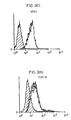
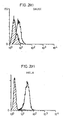
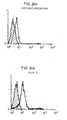
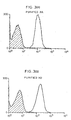
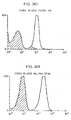
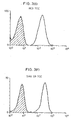
- PBS PBS in different concentrations (from 10 ⁇ g/ml to 0.001 ⁇ g/ml) were mixed with the pellet of Molt-4 cells and incubated at 4°C for 60 minutes.
- Non bound HCV proteins were removed by two centrifugations in PBS at 200 x g for 5 minutes at 4°C.
- the cells were washed twice in PBS and incubated for 30 minutes with the appropriate dilutions of fluorescein-isothiocyanate-conjugated antisera (either to human IgG, or rabbit IgG, or mouse IgG).
- haematopoietic cells other than MOLT-4 such as Jurkat, K562, Daudi, EBV-B (B-cell line transformed with Epstein-Barr virus and epithelial cells such as Hela, Adenocarcinoma and Huh 7) to identify cells capable of binding HCV proteins and therefore cells that have the putative receptor(s) for HCV following the protocol described above.
- repetition of this experiment is not necessary for the working of the present invention, but serves to prove the ubiquitous nature of the putative receptor (most of the cells are, in any event commonly available and were, in fact, obtained
- E2-CHO SMC-PC (130 ⁇ g/ml) in 20 mM potassium phosphate, 0.1 M NaCl, pH 6.0 were buffered at pH 8.0 with 1M Tris-base (total 1 ⁇ l) and then added with BSH (beta mercaptoethanol) to a final concentration of 500mM; tubes were flushed with nitrogen and the reaction allowed to proceed for 100 minutes at 37°C.
- BSH beta mercaptoethanol
- E2-CHO SMC-PC (130 ⁇ g/ml) in 20 mM potassium phosphate, 0.1 M NaCl, pH 6.0 were added with 30 ⁇ l of 0.2 M NaH 2 PO 4 to a final pH of 5.5 plus SDS to a final concentration of 0.01%.
- 10 ⁇ l of Endo-H stock was added to a final concentration of 200 mU/ml keeping the pH constant and the resulting sample was kept at 37°C for 20 hours.
- the sample was then diluted 1:20 with RPMI and used for in a FACS binding assay as described above.
- Monoclonal antibodies were prepared using standard procedures and by immunising mice with recombinant HCV E2 produced in CHO cells (E2-CHO).
- E2-CHO CHO cells
- Several cell lines were established which were capable of binding to E2-CHO as were cell lines capable of binding to E2 bound to MOLT-4 cells and cell lines capable of neutralising the binding of E2-CHO to MOLT-4 cells.
- the 24kd protein was purified from MOLT-4 cells by membrane purification and by plasma membrane purification, the latter giving the better yield of protein.
- MOLT-4 cells were grown at 37°C, 5% CO 2 in RPMI buffered with 25 mM Hepes in a growth medium containing Fetal Calf Serum (FCS - final concentration 5%), 1 mM glutamine, 100 ⁇ g/ml kanamicin, MEM vitamins (Gibco), 1mM sodium pyruvate, MEM non essential amino acids (Gibco), 5 x 10 -5 M ⁇ -mercaptoethanol.
- Cells were harvested after reaching a density of 750,000-1,000,000 cells per ml.
- the growth medium containing cells was centrifuged at 300g for 10 minutes to pellet down the cells. Pelleted cells were washed three times in PBS Buffer (resuspended and recentrifuged).
- the cell pellet was resuspended in hypotonic solution at 1 ml of hypotonic solution per 100 x 10 6 cells.
- the hypotonic solution contained Tris (10 mM), NaCl (10 mM), CaCl 2 (0.2 mM), MgCl 2 (1.5 mM), PMSF (1.0 mM), aprotinin (2.0 ⁇ g/ml), pepstatin (0.7 ⁇ g/ml) and leupeptin (0.5 ⁇ g/ml).
- Membranes were recovered after sequential centrifugation of the supernatant at 100g for 7 minutes, 3500 g for 10 minutes and 40,000 g for 60 minutes.
- the pellet obtained from the above was dissolved in suitable buffer.
- the buffer used for dissolution of the 40,000 g membrane pellet contained 1% Triton X-100 in PBS buffer pH 7.4, 8 mM Chaps in PBS buffer pH 7.4 and 4 M Urea in sodium phosphate buffer pH 7.4.
- All the buffers used for membrane solubilisation contained protease inhibitors at the concentrations reported above for the hypotonic solution and were used at a ratio of 200 ⁇ l of buffer per 5 x 10 8 cells.
- Solubilised material was centrifuged at 100,000 g for 60 minutes and the supernatant kept for further use after estimation of protein content by BCA method.
- the material obtained was subjected to analyses as described below.
- MOLT-4 cells were grown at 37°C, 5% CO 2 in RPMI buffered with 25 mM Hepes in a growth medium containing Fetal Calf Serum (FCS - final concentration 5%), 1 mM glutamine, 100 ⁇ l/ml kanamicin, MEM vitamins (Gibco), 1mM sodium pyruvate, MEM non essential amino acids (Gibco), 5 x 10 -5 M ⁇ -mercaptoethanol.
- the pelleted cells were resuspended in 0.2 mM EDTA, 1 mM NaHCO 3 containing the following protease inhibitors: PMSF (1.0 mM), aprotinin (2.0 ⁇ g/ml), pepstatin (0.7 ⁇ g/ml), leupeptin (0.5 ⁇ g/ml) at a ratio between buffer and cells of 2 ml per each 10 8 cells.
- PMSF 1.0 mM
- aprotinin 2.0 ⁇ g/ml
- pepstatin 0.7 ⁇ g/ml
- leupeptin 0.5 ⁇ g/ml
- Resuspended cells were disrupted with a Polytron homogenizer using an S25 N10 G probe for 40 seconds at 9500 rpm. Cell disruption was verified by optical microscope. The homogenate was centrifuged at 300 g and the resulting supernatant further centrifuged at 23,500 g for 60 minutes. The resulting pellet was resuspended in 0.2 M potassium phosphate pH 7.2 containing protease inhibitors in the ratios described above. The buffer volume was 1 ml each 5 x 10 8 cells.
- the membrane suspension was partitioned across the following two phase system: 20% (w/w) T500 Dextran 13.2g 40% (w/w) PEG 3350 6.6 g 0.2 KP, pH 7.2 0.8 ml membrane susp. 5.0 g Distilled water up to 35 g
- the sample was then centrifuged on a swinging bucket rotor at 150-200 g for 5 minutes at 4°C.
- the upper phase was removed and five-fold diluted with 1mM sodium bicarbonate containing protease inhibitors.
- the membranes were collected by centrifugation at 30,000 g for 30 minutes.
- the pellet was dissolved in a suitable buffer and centrifuged at 100,000 g for 60 minutes to eliminate undissolved material.
- the material obtained was subjected to analyses as described below.
- a further cell line capable of hyperexpression of the characteristic binding ability for E2 was prepared by selecting and recloning MOLT-4 cells binding E2 strongly.
- the resulting cell-line showed a markedly greater binding affinity for E2 than the wild-type strain.
- transfer supports were washed 1 x 15 minutes and 2 x 5 minutes with PBS Tween 0.05% milk 1% solution. Transfer supports were then incubated for 1 hour with biotin conjugated goat anti-mouse immunoglobulin specific polyclonal antibody of commercial source (PharMingen, San Diego, CA, USA) at 1:2000 dilution in the PBS/Tween/Milk solution mentioned above. After this step, transfer supports were washed 1 x 15 minutes and 2 x 5 minutes with PBS/Tween/Milk.
- transfer supports were incubated for 1 hour with Extravidin®-Peroxidase (Sigma Immunochemicals Co., St Louis, MO, USA) at 1:2500 dilution in PBS/Tween/Milk. Transfer supports were then washed 1 x 15 minutes and 4 x 5 minutes with PBS buffer pH 7.4 containing 0.05% Tween 20. Chemiluminescent staining was performed using ECLTM western blotting detection reagents (Amersham, UK).
- Extravidin®-Peroxidase Sigma Immunochemicals Co., St Louis, MO, USA
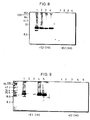
- a membrane preparation was prepared as described above.
- Membrane pellets resulting from 40,000 g centrifugation were dissolved in buffers reported below and centrifuged at 100,000 g to remove undissolved material. Pellets were reextracted with 1% Triton X-100 in PBS pH 7.4.
- 1B to 6B are negative controls for the corresponding samples in lanes 1A to 6A.
- the protein band at 24kd is clearly visible.
- a plasma membrane preparation was prepared as described above.
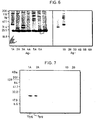
- Plasma membranes were solubilized in PBS pH 7.4 containing 1% Triton X-100 and subjected to Laemmli SDS-PAGE.
- the transfer support was incubated with E2-CHO recombinant protein.
- Lanes 1B and 2B are negative controls for the corresponding samples in lanes 1A and 2A.
- the protein band at 24kd is clearly visible.
- the negative control lanes are marked "-E2 CHO"
- the proteinaceous nature of the receptor was demonstrated when cells pretreated with proteases abolished binding capability of E2 CHO whereas phospholipase treatment of cells did not affect the binding, suggesting that the cellular attachment proteins were not glycosylphosphatilylinositol anchor linked.
- the E2 binding site on Molt 4 cells was sensitive to all protease used, which included both serine proteases, such as trypsin, and a thiol protease, such as papain.
- proteolytic treatment demonstrated the involvement of membrane proteins in envelope protein binding and were as follows: Treatment Concentration Fluorescence intensity (% of control) Control 100 Pronase E 10 ⁇ g/ml 36 Pronase E 100 ⁇ g/ml 34 Trypsin 100 ⁇ g/ml 33 Papain 100 ⁇ g/ml 42 Phospholipase C (from Bacillus cereus) 3U/ml 100 Phospholipase C 25U/ml 96 Neuraminidase 50mU/ml 100
- Enzymes were used at a concentration that did not affect cell viability as measured by propidium iodine exclusion during FACS analysis.
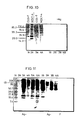
- Peptide N-Glycosidase F treatment was performed incubating membrane proteins (50 ⁇ g) overnight at 37°C in phosphate buffer pH 7,4,25 mM EDTA plus enzyme (50 U/ml) and successively loaded on 12% SDS PAGE.
- N-Glycosidase F enzyme PNGase F
- gp 120 polypeptide was used in the same experiment (data not shown).
- Transfer supports were incubated with E2-CHO recombinant protein as described above.
- 1B to 4B are negative controls for the corresponding lanes 1A to 4A.
- a membrane preparation from 400 million MOLT-4 cells was treated with 200 ⁇ l of PBS buffer, pH 7.4, containing CHAPS 7.5 mM and the following protease inhibitors in ⁇ l/ml: PMSF 35, aprotinin 2, pepstatin 0.7, leupeptin 0.5.
- PMSF 35 aprotinin 2
- pepstatin 0.7 aprotin 1 2
- leupeptin 0.5 ase inhibitors in ⁇ l/ml
- the resulting suspension was centrifuged at 100,000 g for 1 hour and the clear supernatant underwent immunoprecipitation experiments.
- the final protein concentration based on BCA protein assay was 2.7 mg/ml.
- the resulting solution was divided into two aliquots of 100 ⁇ l and each was mixed with 5 ⁇ l of preimmune and postimmune antiserum from a rabbit (R#1) previously immunized with E2 protein. The final dilution of antisera was 1:20. Incubation was performed for 1 hour at 4°C.
- Protein-A Sepharose CL-4B resin (Pharmacia, Sweden) was extensively washed with PBS containing 7.5 mM CHAPS at pH 7.4, and 30 ⁇ l of compact slurry (capacity of matrix is 20 mg of human Ig per ml of slurry) were added to each 100 ⁇ l sample resulting from the step above. Incubation was performed under stirring for 1 hour at 4°C.
- the samples were centrifuged to pellet down the resin and the supernatant was removed, mixed with Laemmli-Buffer (without reducing agent) and kept for SDS-PAGE.
- the resin pellet was washed twice with 500 ⁇ l of PBS-CHAPS (10 min each wash at 4°C) and then the pellet was treated with 50 ⁇ l of Laemmli Buffer containing 5M urea. The resulting supernatant was subjected to SDS-PAGE.
- the nitrocellulose transferred support was incubated with E2-CHO SMC-PC recombinant protein at 1.73 ⁇ g/ml followed by 291A2 hybridoma culture supernatant (containing a monoclonal antibody that recognises epitopes exposed on E2 when bound to its putative receptor), biotinylated polyclonal anti-mouse Ig antibodies and peroxidase labelled ExtravidinTM (Sigma Immunochemicals, USA). Chemiluminescent staining obtained with ECL-Luminol (Amersham, GB), exposure 1 minute.
- the negative controls employed the nitrocellulose membrane incubated with 291A2 hybridoma culture supernatant followed by biotinylated polyclonal anti-mouse Ig antibodies and peroxidase labelled streptavidin. 1B to 4B correspond to 3A to 6A respectively.
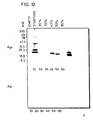
- Membranes were prepared as reported in the membrane preparation protocol from MOLT-4 cells and solubilized in PBS buffer pH 7.4 containing 8 mM CHAPS.
- the protein concentration estimated on the basis of BCA assay ranges from 1.8 and 2.5 mg/ml.
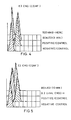
- Solubilized membranes were mixed with an ammonium sulphate (AS) saturated solution in a volume sufficient to obtain 25% saturation of ammonium sulphate (i.e. the final concentration of AS is 25% of the starting saturated solution).
- AS ammonium sulphate
- the sample was allowed to stand in melting ice for 2 hours and then centrifuged at 15800 g for 30 minutes.
- the supernatant was mixed with AS saturated solution to a final saturation of 50%.
- the sample was allowed to stand for 2 hours on melting ice and then filtered on a Spin-XTM centrifuge filter unit (Costar, Cambridge, MA, USA) for 15 minutes at 4°C.
- the precipitates obtained above were dissolved in suitable buffers and undergo further treatment.
- the pellets were redissolved in PBS pH 7.4 containing 10M urea and underwent Laemmli SDS-PAGE.
- the volumes of AS fractions were loaded in such a way that the amount of putative receptor should be comparable in different samples.
- the transfer support was incubated with E2-CHO recombinant protein as described above.
- the non retained material was recovered by filtering on a Spin-XTM centrifuge filter units (Costar, USA).
- Phenyl-Sepharose was washed twice with 100 ⁇ l of PBS, 25% AS saturation and once with 300ml of the same buffer. The matrix was then eluted with PBS pH 7.4 (200 ⁇ l) and then with PBS, pH 7.4 containing 20 MeOH. Finally, the matrix was treated with 40 ⁇ l of non reducing Laemmli buffer.
- the sample was centrifuged at 15800g for 15 minutes and the supernatant was discarded.
- the obtained precipitate was dissolved in non reducing Laemmli sample buffer and underwent SDS-PAGE and Western Blot.
- the transfer supports incubated with E2-CHO recombinant protein as described above.
- the membrane extract can be precipitated with acetone without loss of binding capacity of HCV putative receptor.
- the amino acid sequence of the 24kd protein may be elucidated either by inference from the cloned DNA or by microsequencing of protein prepared by one of the processes described above. Based upon the molecular weight of the protein (and the knowledge that, if glycosylated it is only glycosylated to a small extent) it is expected that the protein will have approximately 210 - 230 amino acids (allowing the average of 110 daltons per amino acid).
- the DNA sequence of the 24kd protein may be determined by one of a number of techniques known to the art, such as ⁇ gt11 "shotgun" cloning where a DNA library is produced, suitably from a hyperexpressing cell-line (see above) and fragments of DNA were caused to express in prokaryotic or eukaryotic cell, the products being screened using antibodies to the 24kd protein or by binding to recombinant E2-CHO.
- ⁇ gt11 "shotgun" cloning where a DNA library is produced, suitably from a hyperexpressing cell-line (see above) and fragments of DNA were caused to express in prokaryotic or eukaryotic cell, the products being screened using antibodies to the 24kd protein or by binding to recombinant E2-CHO.
- the DNA encoding the 24kd protein may be used to produce large quantities of the protein which, as a result of its binding to HCV may prove useful in an assay for HCV infection or for the manufacture of a medicament for treating HCV infection.
- the DNA may be used to prepare transgenic animals bearing the 24kd protein which may then serve as animal models for HCV infection.
Landscapes
- Health & Medical Sciences (AREA)
- Life Sciences & Earth Sciences (AREA)
- Chemical & Material Sciences (AREA)
- Immunology (AREA)
- Engineering & Computer Science (AREA)
- General Health & Medical Sciences (AREA)
- Molecular Biology (AREA)
- Medicinal Chemistry (AREA)
- Organic Chemistry (AREA)
- Biomedical Technology (AREA)
- Hematology (AREA)
- Urology & Nephrology (AREA)
- Virology (AREA)
- Biochemistry (AREA)
- Cell Biology (AREA)
- Pharmacology & Pharmacy (AREA)
- Veterinary Medicine (AREA)
- Public Health (AREA)
- Animal Behavior & Ethology (AREA)
- Communicable Diseases (AREA)
- Chemical Kinetics & Catalysis (AREA)
- General Chemical & Material Sciences (AREA)
- Nuclear Medicine, Radiotherapy & Molecular Imaging (AREA)
- Analytical Chemistry (AREA)
- Food Science & Technology (AREA)
- Physics & Mathematics (AREA)
- General Physics & Mathematics (AREA)
- Biotechnology (AREA)
- Microbiology (AREA)
- Pathology (AREA)
- Gastroenterology & Hepatology (AREA)
- Oncology (AREA)
- Biophysics (AREA)
- Proteomics, Peptides & Aminoacids (AREA)
- Genetics & Genomics (AREA)
- Zoology (AREA)
- Toxicology (AREA)
- Bioinformatics & Cheminformatics (AREA)
- Tropical Medicine & Parasitology (AREA)
- Peptides Or Proteins (AREA)
Claims (5)
- Assay für HCV-Antikörper in einer Serumprobe, wobei eines der folgenden Proteine diagnostisch verwendet wird:(i) ein Transmembran-Protein, das in der Lage ist, spezifisch an das E2-Protein des Hepatitis-C-Virus zu binden mit einem Molekulargewicht von etwa 24 kD, wie bestimmt durch Natriumdodecylsulfat-Polyacrylamidgelelektrophorese auf einem 12%-igen Acrylamidgel, und erhältlich ist durch ein Verfahren umfassend die Schritte:(a) Herstellen einer Plasmazellzubereitung aus Säugerzellen, ausgewählt für die Überexpression des Transmembran-Proteins;(b) Durchführen einer Ammoniumsulfatfällung bei weniger als 33% Sättigung mit der Zubereitung und Zurückbehalten des Überstands;(c) Durchführen einer Ammoniumsulfatfällung bei einer Sättigung zwischen 33 und 50% mit dem Überstand und Zurückbehalten des Proteins; undd) Resuspendieren des Präzipitats und Durchführen einer hydrophoben Wechselwirkungschromatographie;(ii) eine Variante des in (i) beschriebenen Proteins, das chemisch modifiziert wurde, um ein oder mehrere chemische Modifikationen in die Aminosäurestruktur einzuführen, oder das modifiziert wurde, um Modifikationen der Aminosäuresequenz einzuführen, die ein oder mehrere Insertionen, Deletionen oder ersetzte Aminosäuren betreffen, wobei diese Variante die Fähigkeit aufweist, spezifisch an das E2-Protein des Hepatitis-C-Virus zu binden, und die ein Molekulargewicht von etwa 24 kD hat, wie bestimmt durch Natriumdodecylsulfat-Polyacrylamidgelelektrophorese auf einem 12%-igen Acrylamidgel;(iii) eine lösliche Variante eines in (i) oder (ii) beschriebenen Proteins.
- Assay nach Anspruch 1, wobei der Assay die folgenden Schritte umfasst:wobei das Vorliegen von HCV-Antikörpern in der Serumprobe zur Messung einer geringeren Menge des bekannten HCV-Proteins führt, das durch das Protein wie in Anspruch 1 ausgeführt, gebunden ist.(a) Ermöglichen der kompetitiven Bindung zwischen Antikörpern in der Probe und einer bekannten Menge eines HCV-Proteins zur Bindung an das in Anspruch 1 ausgeführte Protein; und(b) Messen der Menge des bekannten HCV-Proteins, das an die HCV-Antikörper oder durch das in Anspruch 1 ausgeführte Protein gebunden ist;
- Diagnostisches Kit, umfassend ein Protein wie in Anspruch 1 ausgeführt.
- Assay gemäß Anspruch 1 oder 2, wobei die lösliche Variante unglycosyliert ist.
- Diagnostisches Kit gemäß Anspruch 3, wobei die lösliche Variante unglycosyliert ist.
Applications Claiming Priority (3)
| Application Number | Priority Date | Filing Date | Title |
|---|---|---|---|
| GB9517926 | 1995-09-01 | ||
| GBGB9517926.3A GB9517926D0 (en) | 1995-09-01 | 1995-09-01 | Binding protein |
| EP96928648A EP0852586B1 (de) | 1995-09-01 | 1996-08-30 | Verwendung eines 24 kD Proteins zur Behandlung und Diagnose einer HCV Infektion |
Related Parent Applications (1)
| Application Number | Title | Priority Date | Filing Date |
|---|---|---|---|
| EP96928648A Division EP0852586B1 (de) | 1995-09-01 | 1996-08-30 | Verwendung eines 24 kD Proteins zur Behandlung und Diagnose einer HCV Infektion |
Publications (3)
| Publication Number | Publication Date |
|---|---|
| EP1321476A2 EP1321476A2 (de) | 2003-06-25 |
| EP1321476A3 EP1321476A3 (de) | 2003-08-13 |
| EP1321476B1 true EP1321476B1 (de) | 2005-11-30 |
Family
ID=10780099
Family Applications (2)
| Application Number | Title | Priority Date | Filing Date |
|---|---|---|---|
| EP02080494A Expired - Lifetime EP1321476B1 (de) | 1995-09-01 | 1996-08-30 | Verbindendes Protein |
| EP96928648A Expired - Lifetime EP0852586B1 (de) | 1995-09-01 | 1996-08-30 | Verwendung eines 24 kD Proteins zur Behandlung und Diagnose einer HCV Infektion |
Family Applications After (1)
| Application Number | Title | Priority Date | Filing Date |
|---|---|---|---|
| EP96928648A Expired - Lifetime EP0852586B1 (de) | 1995-09-01 | 1996-08-30 | Verwendung eines 24 kD Proteins zur Behandlung und Diagnose einer HCV Infektion |
Country Status (14)
| Country | Link |
|---|---|
| US (4) | US6737233B1 (de) |
| EP (2) | EP1321476B1 (de) |
| JP (3) | JP4223074B2 (de) |
| AT (2) | ATE311408T1 (de) |
| AU (1) | AU712540B2 (de) |
| CA (1) | CA2227301C (de) |
| DE (2) | DE69635535T2 (de) |
| DK (1) | DK0852586T3 (de) |
| ES (1) | ES2202459T3 (de) |
| GB (1) | GB9517926D0 (de) |
| IL (1) | IL123169A (de) |
| NZ (1) | NZ316186A (de) |
| PT (1) | PT852586E (de) |
| WO (1) | WO1997009349A1 (de) |
Families Citing this family (5)
| Publication number | Priority date | Publication date | Assignee | Title |
|---|---|---|---|---|
| GB9416671D0 (en) * | 1994-08-17 | 1994-10-12 | Biocine Spa | Assay |
| NZ516848A (en) * | 1997-06-20 | 2004-03-26 | Ciphergen Biosystems Inc | Retentate chromatography apparatus with applications in biology and medicine |
| WO1999018198A1 (en) | 1997-10-06 | 1999-04-15 | Chiron S.P.A. | Hepatitis c receptor protein cd81 |
| GB9927320D0 (en) | 1999-11-18 | 2000-01-12 | Chiron Spa | Exosome separation |
| CA2748500C (en) | 2009-01-29 | 2017-10-17 | Commonwealth Scientific And Industrial Research Organisation | Measuring g protein coupled receptor activation |
Family Cites Families (7)
| Publication number | Priority date | Publication date | Assignee | Title |
|---|---|---|---|---|
| WO1989004669A1 (en) | 1987-11-18 | 1989-06-01 | Chiron Corporation | Nanbv diagnostics and vaccines |
| HUT54896A (en) | 1989-03-17 | 1991-04-29 | Chiron Corp | Process for producing aquous diagnosticum and vaccine of nanbv |
| US5308750A (en) | 1989-12-22 | 1994-05-03 | Abbott Laboratories | Monoclonal antibodies to putative HCV E2/NS1 proteins and methods for using same |
| EP0565172A1 (de) * | 1992-04-10 | 1993-10-13 | Quest International B.V. | Klonierung und Expression von einer DNS, welche eine gereifte Form eines Polypeptides mit Sulfhydryl-Oxidase-Aktivität kodiert |
| US5622861A (en) * | 1994-08-05 | 1997-04-22 | The United States Of America As Represented By The Department Of Health And Human Services | Recombinant DNA encoding hepatitis A virus receptor |
| GB9416671D0 (en) * | 1994-08-17 | 1994-10-12 | Biocine Spa | Assay |
| AU2001292667A1 (en) * | 2000-09-13 | 2002-03-26 | Hawaii Biotechnology Group, Inc. | Immunogenic composition of hepatitis c and methods of use thereof |
-
1995
- 1995-09-01 GB GBGB9517926.3A patent/GB9517926D0/en active Pending
-
1996
- 1996-08-30 US US09/011,910 patent/US6737233B1/en not_active Expired - Fee Related
- 1996-08-30 DK DK96928648T patent/DK0852586T3/da active
- 1996-08-30 EP EP02080494A patent/EP1321476B1/de not_active Expired - Lifetime
- 1996-08-30 ES ES96928648T patent/ES2202459T3/es not_active Expired - Lifetime
- 1996-08-30 IL IL12316996A patent/IL123169A/en not_active IP Right Cessation
- 1996-08-30 DE DE69635535T patent/DE69635535T2/de not_active Expired - Lifetime
- 1996-08-30 PT PT96928648T patent/PT852586E/pt unknown
- 1996-08-30 WO PCT/IB1996/000943 patent/WO1997009349A1/en not_active Ceased
- 1996-08-30 EP EP96928648A patent/EP0852586B1/de not_active Expired - Lifetime
- 1996-08-30 AT AT02080494T patent/ATE311408T1/de active
- 1996-08-30 AT AT96928648T patent/ATE245166T1/de active
- 1996-08-30 JP JP51103497A patent/JP4223074B2/ja not_active Expired - Fee Related
- 1996-08-30 AU AU68351/96A patent/AU712540B2/en not_active Ceased
- 1996-08-30 NZ NZ316186A patent/NZ316186A/en not_active IP Right Cessation
- 1996-08-30 CA CA2227301A patent/CA2227301C/en not_active Expired - Fee Related
- 1996-08-30 DE DE69629121T patent/DE69629121T2/de not_active Expired - Lifetime
-
2001
- 2001-01-05 US US09/755,251 patent/US6777538B2/en not_active Expired - Fee Related
-
2004
- 2004-03-18 US US10/804,879 patent/US7026130B2/en not_active Expired - Fee Related
-
2006
- 2006-03-09 US US11/372,935 patent/US7320875B2/en not_active Expired - Fee Related
- 2006-09-06 JP JP2006242180A patent/JP2007039462A/ja not_active Withdrawn
-
2007
- 2007-09-27 JP JP2007252724A patent/JP2008079613A/ja not_active Withdrawn
Also Published As
| Publication number | Publication date |
|---|---|
| US7320875B2 (en) | 2008-01-22 |
| US7026130B2 (en) | 2006-04-11 |
| DE69629121D1 (de) | 2003-08-21 |
| CA2227301C (en) | 2013-08-27 |
| EP0852586B1 (de) | 2003-07-16 |
| JP4223074B2 (ja) | 2009-02-12 |
| PT852586E (pt) | 2003-12-31 |
| EP1321476A2 (de) | 2003-06-25 |
| CA2227301A1 (en) | 1997-03-13 |
| US20060166193A1 (en) | 2006-07-27 |
| DE69629121T2 (de) | 2004-05-27 |
| JP2007039462A (ja) | 2007-02-15 |
| WO1997009349A1 (en) | 1997-03-13 |
| IL123169A0 (en) | 1998-09-24 |
| ES2202459T3 (es) | 2004-04-01 |
| JP2000500004A (ja) | 2000-01-11 |
| NZ316186A (en) | 1999-09-29 |
| AU712540B2 (en) | 1999-11-11 |
| IL123169A (en) | 2001-10-31 |
| DK0852586T3 (da) | 2003-11-03 |
| US6777538B2 (en) | 2004-08-17 |
| GB9517926D0 (en) | 1995-11-01 |
| EP0852586A1 (de) | 1998-07-15 |
| US20010027565A1 (en) | 2001-10-04 |
| EP1321476A3 (de) | 2003-08-13 |
| ATE245166T1 (de) | 2003-08-15 |
| AU6835196A (en) | 1997-03-27 |
| ATE311408T1 (de) | 2005-12-15 |
| DE69635535T2 (de) | 2006-08-17 |
| US6737233B1 (en) | 2004-05-18 |
| US20040180053A1 (en) | 2004-09-16 |
| DE69635535D1 (de) | 2006-01-05 |
| JP2008079613A (ja) | 2008-04-10 |
Similar Documents
| Publication | Publication Date | Title |
|---|---|---|
| Scarselli et al. | The human scavenger receptor class B type I is a novel candidate receptor for the hepatitis C virus | |
| Schneider-Schaulies et al. | Physical association of moesin and CD46 as a receptor complex for measles virus | |
| AU685059B2 (en) | Immunoassays for anti-HCV antibodies using antigens with conformational epitopes | |
| CA2305192C (en) | Method for assaying hepatitis c virus | |
| JP3974620B2 (ja) | 還元剤を用いる改良された免疫診断アッセイ | |
| JPH07503614A (ja) | Hcv蛋白のための哺乳動物発現システム | |
| US6623921B2 (en) | Method for measurement of hepatitis C virus | |
| EP1021534B1 (de) | Hepatitis c rezeptorprotein cd81 | |
| JP2008079613A (ja) | 結合タンパク質 | |
| JP3886518B2 (ja) | Hcvレセプター結合を検出するためのアッセイ | |
| JP5498637B2 (ja) | C型肝炎ウイルス抗原免疫アッセイ検出システム | |
| Fukuda et al. | Identification of a new autoantibody in patients with chronic hepatitis | |
| JPH11341984A (ja) | Hhv―8感染と関連する疾患の診断と治療 | |
| Flesch et al. | Biotinylation: A nonradioactive method for the identification of cell surface antigens in immunoprecipitates | |
| WO2021001510A1 (en) | Analysis for blood group antigens dacy/ycad | |
| KR860008284A (ko) | 재결합성 dna 기술에 의해 형성된 b형 간염 표면항원, 왁진, 진단법, 세포선 및 이것들의 형성방법 | |
| JPH06317597A (ja) | C型肝炎ウイルスのグルーピング方法 |
Legal Events
| Date | Code | Title | Description |
|---|---|---|---|
| PUAI | Public reference made under article 153(3) epc to a published international application that has entered the european phase |
Free format text: ORIGINAL CODE: 0009012 |
|
| AC | Divisional application: reference to earlier application |
Ref document number: 0852586 Country of ref document: EP Kind code of ref document: P |
|
| AK | Designated contracting states |
Designated state(s): AT BE CH DE DK ES FI FR GB GR IE IT LI LU MC NL PT SE |
|
| PUAL | Search report despatched |
Free format text: ORIGINAL CODE: 0009013 |
|
| 17P | Request for examination filed |
Effective date: 20030606 |
|
| AK | Designated contracting states |
Designated state(s): AT BE CH DE DK ES FI FR GB GR IE IT LI LU MC NL PT SE |
|
| RIC1 | Information provided on ipc code assigned before grant |
Ipc: 7C 07K 14/705 A Ipc: 7G 01N 33/00 B |
|
| RAP1 | Party data changed (applicant data changed or rights of an application transferred) |
Owner name: CHIRON S.R.L. |
|
| AKX | Designation fees paid |
Designated state(s): AT BE CH DE DK ES FI FR GB GR IE IT LI LU MC NL PT SE |
|
| 17Q | First examination report despatched |
Effective date: 20040708 |
|
| GRAP | Despatch of communication of intention to grant a patent |
Free format text: ORIGINAL CODE: EPIDOSNIGR1 |
|
| GRAS | Grant fee paid |
Free format text: ORIGINAL CODE: EPIDOSNIGR3 |
|
| GRAA | (expected) grant |
Free format text: ORIGINAL CODE: 0009210 |
|
| AC | Divisional application: reference to earlier application |
Ref document number: 0852586 Country of ref document: EP Kind code of ref document: P |
|
| AK | Designated contracting states |
Kind code of ref document: B1 Designated state(s): AT BE CH DE DK ES FI FR GB GR IE IT LI LU MC NL PT SE |
|
| PG25 | Lapsed in a contracting state [announced via postgrant information from national office to epo] |
Ref country code: FI Free format text: LAPSE BECAUSE OF FAILURE TO SUBMIT A TRANSLATION OF THE DESCRIPTION OR TO PAY THE FEE WITHIN THE PRESCRIBED TIME-LIMIT Effective date: 20051130 |
|
| REG | Reference to a national code |
Ref country code: CH Ref legal event code: EP Ref country code: GB Ref legal event code: FG4D |
|
| REG | Reference to a national code |
Ref country code: IE Ref legal event code: FG4D |
|
| REF | Corresponds to: |
Ref document number: 69635535 Country of ref document: DE Date of ref document: 20060105 Kind code of ref document: P |
|
| PG25 | Lapsed in a contracting state [announced via postgrant information from national office to epo] |
Ref country code: SE Free format text: LAPSE BECAUSE OF FAILURE TO SUBMIT A TRANSLATION OF THE DESCRIPTION OR TO PAY THE FEE WITHIN THE PRESCRIBED TIME-LIMIT Effective date: 20060228 Ref country code: GR Free format text: LAPSE BECAUSE OF FAILURE TO SUBMIT A TRANSLATION OF THE DESCRIPTION OR TO PAY THE FEE WITHIN THE PRESCRIBED TIME-LIMIT Effective date: 20060228 Ref country code: DK Free format text: LAPSE BECAUSE OF FAILURE TO SUBMIT A TRANSLATION OF THE DESCRIPTION OR TO PAY THE FEE WITHIN THE PRESCRIBED TIME-LIMIT Effective date: 20060228 |
|
| PG25 | Lapsed in a contracting state [announced via postgrant information from national office to epo] |
Ref country code: ES Free format text: LAPSE BECAUSE OF FAILURE TO SUBMIT A TRANSLATION OF THE DESCRIPTION OR TO PAY THE FEE WITHIN THE PRESCRIBED TIME-LIMIT Effective date: 20060313 |
|
| REG | Reference to a national code |
Ref country code: CH Ref legal event code: NV Representative=s name: PATENTANWAELTE SCHAAD, BALASS, MENZL & PARTNER AG |
|
| PG25 | Lapsed in a contracting state [announced via postgrant information from national office to epo] |
Ref country code: PT Free format text: LAPSE BECAUSE OF FAILURE TO SUBMIT A TRANSLATION OF THE DESCRIPTION OR TO PAY THE FEE WITHIN THE PRESCRIBED TIME-LIMIT Effective date: 20060502 |
|
| ET | Fr: translation filed | ||
| PLBE | No opposition filed within time limit |
Free format text: ORIGINAL CODE: 0009261 |
|
| STAA | Information on the status of an ep patent application or granted ep patent |
Free format text: STATUS: NO OPPOSITION FILED WITHIN TIME LIMIT |
|
| 26N | No opposition filed |
Effective date: 20060831 |
|
| BECN | Be: change of holder's name |
Owner name: NOVARTIS VACCINES AND DIAGNOSTICS S.R.L. Effective date: 20051130 |
|
| REG | Reference to a national code |
Ref country code: CH Ref legal event code: PFA Owner name: NOVARTIS VACCINES AND DIAGNOSTICS S.R.L. Free format text: CHIRON S.R.L.#VIA FIORENTINA, 1#53100 SIENA (IT) -TRANSFER TO- NOVARTIS VACCINES AND DIAGNOSTICS S.R.L.#VIA FIORENTINA 1#53100 SIENA (SI) (IT) |
|
| NLT1 | Nl: modifications of names registered in virtue of documents presented to the patent office pursuant to art. 16 a, paragraph 1 |
Owner name: NOVARTIS VACCINES AND DIAGNOSTICS S.R.L. |
|
| REG | Reference to a national code |
Ref country code: FR Ref legal event code: CD |
|
| PGFP | Annual fee paid to national office [announced via postgrant information from national office to epo] |
Ref country code: CH Payment date: 20110812 Year of fee payment: 16 |
|
| PGFP | Annual fee paid to national office [announced via postgrant information from national office to epo] |
Ref country code: LU Payment date: 20120913 Year of fee payment: 17 Ref country code: GB Payment date: 20120829 Year of fee payment: 17 Ref country code: MC Payment date: 20120726 Year of fee payment: 17 Ref country code: IE Payment date: 20120810 Year of fee payment: 17 |
|
| PGFP | Annual fee paid to national office [announced via postgrant information from national office to epo] |
Ref country code: IT Payment date: 20120813 Year of fee payment: 17 Ref country code: BE Payment date: 20120820 Year of fee payment: 17 Ref country code: DE Payment date: 20120822 Year of fee payment: 17 Ref country code: FR Payment date: 20120823 Year of fee payment: 17 |
|
| PGFP | Annual fee paid to national office [announced via postgrant information from national office to epo] |
Ref country code: NL Payment date: 20120809 Year of fee payment: 17 |
|
| PGFP | Annual fee paid to national office [announced via postgrant information from national office to epo] |
Ref country code: AT Payment date: 20120726 Year of fee payment: 17 |
|
| BERE | Be: lapsed |
Owner name: NOVARTIS VACCINES AND DIAGNOSTICS S.R.L. Effective date: 20130831 |
|
| REG | Reference to a national code |
Ref country code: NL Ref legal event code: V1 Effective date: 20140301 |
|
| REG | Reference to a national code |
Ref country code: CH Ref legal event code: PL |
|
| REG | Reference to a national code |
Ref country code: AT Ref legal event code: MM01 Ref document number: 311408 Country of ref document: AT Kind code of ref document: T Effective date: 20130830 |
|
| GBPC | Gb: european patent ceased through non-payment of renewal fee |
Effective date: 20130830 |
|
| PG25 | Lapsed in a contracting state [announced via postgrant information from national office to epo] |
Ref country code: LI Free format text: LAPSE BECAUSE OF NON-PAYMENT OF DUE FEES Effective date: 20130831 Ref country code: MC Free format text: LAPSE BECAUSE OF NON-PAYMENT OF DUE FEES Effective date: 20130902 Ref country code: DE Free format text: LAPSE BECAUSE OF NON-PAYMENT OF DUE FEES Effective date: 20140301 Ref country code: NL Free format text: LAPSE BECAUSE OF NON-PAYMENT OF DUE FEES Effective date: 20140301 Ref country code: CH Free format text: LAPSE BECAUSE OF NON-PAYMENT OF DUE FEES Effective date: 20130831 |
|
| REG | Reference to a national code |
Ref country code: IE Ref legal event code: MM4A |
|
| REG | Reference to a national code |
Ref country code: FR Ref legal event code: ST Effective date: 20140430 |
|
| PG25 | Lapsed in a contracting state [announced via postgrant information from national office to epo] |
Ref country code: IT Free format text: LAPSE BECAUSE OF NON-PAYMENT OF DUE FEES Effective date: 20130830 Ref country code: AT Free format text: LAPSE BECAUSE OF NON-PAYMENT OF DUE FEES Effective date: 20130830 Ref country code: BE Free format text: LAPSE BECAUSE OF NON-PAYMENT OF DUE FEES Effective date: 20130831 |
|
| REG | Reference to a national code |
Ref country code: DE Ref legal event code: R119 Ref document number: 69635535 Country of ref document: DE Effective date: 20140301 |
|
| PG25 | Lapsed in a contracting state [announced via postgrant information from national office to epo] |
Ref country code: IE Free format text: LAPSE BECAUSE OF NON-PAYMENT OF DUE FEES Effective date: 20130830 Ref country code: GB Free format text: LAPSE BECAUSE OF NON-PAYMENT OF DUE FEES Effective date: 20130830 |
|
| PG25 | Lapsed in a contracting state [announced via postgrant information from national office to epo] |
Ref country code: FR Free format text: LAPSE BECAUSE OF NON-PAYMENT OF DUE FEES Effective date: 20130902 |
|
| PG25 | Lapsed in a contracting state [announced via postgrant information from national office to epo] |
Ref country code: LU Free format text: LAPSE BECAUSE OF NON-PAYMENT OF DUE FEES Effective date: 20130830 |