EP1356060B1 - Translocation des arginines couplees dans bacillus - Google Patents
Translocation des arginines couplees dans bacillus Download PDFInfo
- Publication number
- EP1356060B1 EP1356060B1 EP01973140A EP01973140A EP1356060B1 EP 1356060 B1 EP1356060 B1 EP 1356060B1 EP 01973140 A EP01973140 A EP 01973140A EP 01973140 A EP01973140 A EP 01973140A EP 1356060 B1 EP1356060 B1 EP 1356060B1
- Authority
- EP
- European Patent Office
- Prior art keywords
- phod
- subtilis
- protein
- gene
- tatcd
- Prior art date
- Legal status (The legal status is an assumption and is not a legal conclusion. Google has not performed a legal analysis and makes no representation as to the accuracy of the status listed.)
- Expired - Lifetime
Links
- 241000193830 Bacillus <bacterium> Species 0.000 title claims abstract description 16
- 239000004475 Arginine Substances 0.000 title claims description 18
- 230000005945 translocation Effects 0.000 title description 32
- 108090000623 proteins and genes Proteins 0.000 claims abstract description 263
- 241000588724 Escherichia coli Species 0.000 claims abstract description 98
- 230000028327 secretion Effects 0.000 claims abstract description 70
- 108090000765 processed proteins & peptides Proteins 0.000 claims abstract description 65
- 108010076504 Protein Sorting Signals Proteins 0.000 claims abstract description 44
- 102000004196 processed proteins & peptides Human genes 0.000 claims abstract description 44
- 238000000034 method Methods 0.000 claims abstract description 42
- 229920001184 polypeptide Polymers 0.000 claims abstract description 29
- 235000014469 Bacillus subtilis Nutrition 0.000 claims description 143
- 210000004027 cell Anatomy 0.000 claims description 97
- 239000001963 growth medium Substances 0.000 claims description 21
- 108091028043 Nucleic acid sequence Proteins 0.000 claims description 19
- 238000004519 manufacturing process Methods 0.000 claims description 16
- 230000001580 bacterial effect Effects 0.000 claims description 14
- 239000013604 expression vector Substances 0.000 claims description 11
- 102000004190 Enzymes Human genes 0.000 claims description 8
- 108090000790 Enzymes Proteins 0.000 claims description 8
- 241000894006 Bacteria Species 0.000 claims description 6
- 210000001322 periplasm Anatomy 0.000 claims description 6
- 230000009962 secretion pathway Effects 0.000 claims description 5
- 241000193744 Bacillus amyloliquefaciens Species 0.000 claims description 4
- 241000194108 Bacillus licheniformis Species 0.000 claims description 4
- 238000003259 recombinant expression Methods 0.000 claims description 4
- 241000193388 Bacillus thuringiensis Species 0.000 claims description 3
- 239000003102 growth factor Substances 0.000 claims description 3
- 241000193752 Bacillus circulans Species 0.000 claims description 2
- 241001328122 Bacillus clausii Species 0.000 claims description 2
- 241000193749 Bacillus coagulans Species 0.000 claims description 2
- 241000193422 Bacillus lentus Species 0.000 claims description 2
- 241000149420 Bothrometopus brevis Species 0.000 claims description 2
- 241000193385 Geobacillus stearothermophilus Species 0.000 claims description 2
- 241000194109 Paenibacillus lautus Species 0.000 claims description 2
- 239000000122 growth hormone Substances 0.000 claims description 2
- 229940088597 hormone Drugs 0.000 claims description 2
- 238000012258 culturing Methods 0.000 claims 2
- 210000005256 gram-negative cell Anatomy 0.000 claims 1
- 210000005255 gram-positive cell Anatomy 0.000 claims 1
- 102000004169 proteins and genes Human genes 0.000 abstract description 188
- 235000018102 proteins Nutrition 0.000 abstract description 185
- 101710149951 Protein Tat Proteins 0.000 abstract description 48
- 230000037361 pathway Effects 0.000 abstract description 35
- 101150107164 phoD gene Proteins 0.000 abstract description 25
- 244000005700 microbiome Species 0.000 abstract description 18
- 230000002018 overexpression Effects 0.000 abstract description 2
- 241000520272 Pantoea Species 0.000 abstract 1
- 235000004252 protein component Nutrition 0.000 abstract 1
- 239000013612 plasmid Substances 0.000 description 54
- 108020004414 DNA Proteins 0.000 description 53
- 101100536412 Bacillus subtilis (strain 168) tatC1 gene Proteins 0.000 description 48
- 150000007523 nucleic acids Chemical class 0.000 description 44
- 101100536415 Bacillus subtilis (strain 168) tatC2 gene Proteins 0.000 description 41
- 230000014509 gene expression Effects 0.000 description 35
- 230000001419 dependent effect Effects 0.000 description 34
- 239000002609 medium Substances 0.000 description 33
- 230000032258 transport Effects 0.000 description 28
- 102000039446 nucleic acids Human genes 0.000 description 27
- 108020004707 nucleic acids Proteins 0.000 description 27
- 101150075675 tatC gene Proteins 0.000 description 25
- 239000003550 marker Substances 0.000 description 24
- 239000012528 membrane Substances 0.000 description 24
- 239000012634 fragment Substances 0.000 description 23
- 229910019142 PO4 Inorganic materials 0.000 description 22
- 230000000694 effects Effects 0.000 description 22
- NBIIXXVUZAFLBC-UHFFFAOYSA-K phosphate Chemical compound [O-]P([O-])([O-])=O NBIIXXVUZAFLBC-UHFFFAOYSA-K 0.000 description 22
- 239000010452 phosphate Substances 0.000 description 22
- 238000012545 processing Methods 0.000 description 22
- 125000003729 nucleotide group Chemical group 0.000 description 20
- 238000003752 polymerase chain reaction Methods 0.000 description 20
- 239000002773 nucleotide Substances 0.000 description 19
- 244000063299 Bacillus subtilis Species 0.000 description 18
- PXIPVTKHYLBLMZ-UHFFFAOYSA-N Sodium azide Chemical compound [Na+].[N-]=[N+]=[N-] PXIPVTKHYLBLMZ-UHFFFAOYSA-N 0.000 description 18
- 230000004807 localization Effects 0.000 description 18
- 108091005804 Peptidases Proteins 0.000 description 17
- 102000035195 Peptidases Human genes 0.000 description 17
- 239000004365 Protease Substances 0.000 description 17
- 108091033319 polynucleotide Proteins 0.000 description 17
- 102000040430 polynucleotide Human genes 0.000 description 17
- 239000002157 polynucleotide Substances 0.000 description 17
- 108020001507 fusion proteins Proteins 0.000 description 16
- 102000037865 fusion proteins Human genes 0.000 description 16
- BPHPUYQFMNQIOC-NXRLNHOXSA-N isopropyl beta-D-thiogalactopyranoside Chemical compound CC(C)S[C@@H]1O[C@H](CO)[C@H](O)[C@H](O)[C@H]1O BPHPUYQFMNQIOC-NXRLNHOXSA-N 0.000 description 16
- 238000002415 sodium dodecyl sulfate polyacrylamide gel electrophoresis Methods 0.000 description 15
- 239000013598 vector Substances 0.000 description 15
- 235000001014 amino acid Nutrition 0.000 description 14
- 210000000349 chromosome Anatomy 0.000 description 14
- 230000004927 fusion Effects 0.000 description 14
- 125000003275 alpha amino acid group Chemical group 0.000 description 13
- 229940024606 amino acid Drugs 0.000 description 13
- 150000001413 amino acids Chemical class 0.000 description 13
- 102000005936 beta-Galactosidase Human genes 0.000 description 13
- 108010005774 beta-Galactosidase Proteins 0.000 description 13
- 230000001086 cytosolic effect Effects 0.000 description 13
- 230000006870 function Effects 0.000 description 13
- 238000009396 hybridization Methods 0.000 description 13
- 235000019419 proteases Nutrition 0.000 description 13
- 239000000523 sample Substances 0.000 description 13
- 230000009466 transformation Effects 0.000 description 12
- 235000003642 hunger Nutrition 0.000 description 11
- 230000006698 induction Effects 0.000 description 11
- 230000037351 starvation Effects 0.000 description 11
- 241000276408 Bacillus subtilis subsp. subtilis str. 168 Species 0.000 description 10
- FFEARJCKVFRZRR-BYPYZUCNSA-N L-methionine Chemical compound CSCC[C@H](N)C(O)=O FFEARJCKVFRZRR-BYPYZUCNSA-N 0.000 description 10
- 238000002474 experimental method Methods 0.000 description 10
- 230000012010 growth Effects 0.000 description 10
- 108091026890 Coding region Proteins 0.000 description 9
- 238000000746 purification Methods 0.000 description 9
- 238000013518 transcription Methods 0.000 description 9
- 230000035897 transcription Effects 0.000 description 9
- 239000007160 ty medium Substances 0.000 description 9
- 101100480626 Bacillus subtilis (strain 168) tatAd gene Proteins 0.000 description 8
- 108010067770 Endopeptidase K Proteins 0.000 description 8
- ULGZDMOVFRHVEP-RWJQBGPGSA-N Erythromycin Chemical compound O([C@@H]1[C@@H](C)C(=O)O[C@@H]([C@@]([C@H](O)[C@@H](C)C(=O)[C@H](C)C[C@@](C)(O)[C@H](O[C@H]2[C@@H]([C@H](C[C@@H](C)O2)N(C)C)O)[C@H]1C)(C)O)CC)[C@H]1C[C@@](C)(OC)[C@@H](O)[C@H](C)O1 ULGZDMOVFRHVEP-RWJQBGPGSA-N 0.000 description 8
- 230000027455 binding Effects 0.000 description 8
- 230000002759 chromosomal effect Effects 0.000 description 8
- 238000010367 cloning Methods 0.000 description 8
- 238000001727 in vivo Methods 0.000 description 8
- 101150066555 lacZ gene Proteins 0.000 description 8
- 238000013507 mapping Methods 0.000 description 8
- 230000035772 mutation Effects 0.000 description 8
- 230000008569 process Effects 0.000 description 8
- 230000001105 regulatory effect Effects 0.000 description 8
- JDFUJAMTCCQARF-UHFFFAOYSA-N tatb Chemical compound NC1=C([N+]([O-])=O)C(N)=C([N+]([O-])=O)C(N)=C1[N+]([O-])=O JDFUJAMTCCQARF-UHFFFAOYSA-N 0.000 description 8
- 101150079396 trpC2 gene Proteins 0.000 description 8
- 238000001262 western blot Methods 0.000 description 8
- 101100135641 Caenorhabditis elegans par-3 gene Proteins 0.000 description 7
- 229940088598 enzyme Drugs 0.000 description 7
- 239000000499 gel Substances 0.000 description 7
- 238000001502 gel electrophoresis Methods 0.000 description 7
- 101150091094 lipA gene Proteins 0.000 description 7
- 230000002103 transcriptional effect Effects 0.000 description 7
- PEDCQBHIVMGVHV-UHFFFAOYSA-N Glycerine Chemical compound OCC(O)CO PEDCQBHIVMGVHV-UHFFFAOYSA-N 0.000 description 6
- PYMYPHUHKUWMLA-WDCZJNDASA-N arabinose Chemical compound OC[C@@H](O)[C@@H](O)[C@H](O)C=O PYMYPHUHKUWMLA-WDCZJNDASA-N 0.000 description 6
- PYMYPHUHKUWMLA-UHFFFAOYSA-N arabinose Natural products OCC(O)C(O)C(O)C=O PYMYPHUHKUWMLA-UHFFFAOYSA-N 0.000 description 6
- 238000003556 assay Methods 0.000 description 6
- SRBFZHDQGSBBOR-UHFFFAOYSA-N beta-D-Pyranose-Lyxose Natural products OC1COC(O)C(O)C1O SRBFZHDQGSBBOR-UHFFFAOYSA-N 0.000 description 6
- 229940041514 candida albicans extract Drugs 0.000 description 6
- 238000005119 centrifugation Methods 0.000 description 6
- 238000003776 cleavage reaction Methods 0.000 description 6
- 238000012217 deletion Methods 0.000 description 6
- 230000037430 deletion Effects 0.000 description 6
- 230000010354 integration Effects 0.000 description 6
- 238000002372 labelling Methods 0.000 description 6
- 230000007398 protein translocation Effects 0.000 description 6
- 230000007017 scission Effects 0.000 description 6
- 108010087967 type I signal peptidase Proteins 0.000 description 6
- 239000012138 yeast extract Substances 0.000 description 6
- 108020004774 Alkaline Phosphatase Proteins 0.000 description 5
- 102000002260 Alkaline Phosphatase Human genes 0.000 description 5
- 108090001030 Lipoproteins Proteins 0.000 description 5
- 102000004895 Lipoproteins Human genes 0.000 description 5
- 125000000539 amino acid group Chemical group 0.000 description 5
- 230000015572 biosynthetic process Effects 0.000 description 5
- 230000008859 change Effects 0.000 description 5
- 230000029087 digestion Effects 0.000 description 5
- DANUORFCFTYTSZ-UHFFFAOYSA-N epinigericin Natural products O1C2(C(CC(C)(O2)C2OC(C)(CC2)C2C(CC(O2)C2C(CC(C)C(O)(CO)O2)C)C)C)C(C)C(OC)CC1CC1CCC(C)C(C(C)C(O)=O)O1 DANUORFCFTYTSZ-UHFFFAOYSA-N 0.000 description 5
- 238000001114 immunoprecipitation Methods 0.000 description 5
- 230000001404 mediated effect Effects 0.000 description 5
- DANUORFCFTYTSZ-BIBFWWMMSA-N nigericin Chemical compound C([C@@H]1C[C@H]([C@H]([C@]2([C@@H](C[C@](C)(O2)C2O[C@@](C)(CC2)C2[C@H](CC(O2)[C@@H]2[C@H](C[C@@H](C)[C@](O)(CO)O2)C)C)C)O1)C)OC)[C@H]1CC[C@H](C)C([C@@H](C)C(O)=O)O1 DANUORFCFTYTSZ-BIBFWWMMSA-N 0.000 description 5
- 229920002401 polyacrylamide Polymers 0.000 description 5
- 238000002264 polyacrylamide gel electrophoresis Methods 0.000 description 5
- 230000003248 secreting effect Effects 0.000 description 5
- 238000000926 separation method Methods 0.000 description 5
- 239000000758 substrate Substances 0.000 description 5
- 238000012360 testing method Methods 0.000 description 5
- 230000014616 translation Effects 0.000 description 5
- 241000193375 Bacillus alcalophilus Species 0.000 description 4
- 108090001060 Lipase Proteins 0.000 description 4
- 102000004882 Lipase Human genes 0.000 description 4
- 239000004367 Lipase Substances 0.000 description 4
- 108090001050 Phosphoric Diester Hydrolases Proteins 0.000 description 4
- 102000004861 Phosphoric Diester Hydrolases Human genes 0.000 description 4
- 102000004879 Racemases and epimerases Human genes 0.000 description 4
- 108090001066 Racemases and epimerases Proteins 0.000 description 4
- FAPWRFPIFSIZLT-UHFFFAOYSA-M Sodium chloride Chemical compound [Na+].[Cl-] FAPWRFPIFSIZLT-UHFFFAOYSA-M 0.000 description 4
- 239000004098 Tetracycline Substances 0.000 description 4
- 229960000723 ampicillin Drugs 0.000 description 4
- AVKUERGKIZMTKX-NJBDSQKTSA-N ampicillin Chemical compound C1([C@@H](N)C(=O)N[C@H]2[C@H]3SC([C@@H](N3C2=O)C(O)=O)(C)C)=CC=CC=C1 AVKUERGKIZMTKX-NJBDSQKTSA-N 0.000 description 4
- 244000052616 bacterial pathogen Species 0.000 description 4
- 230000000295 complement effect Effects 0.000 description 4
- 238000010276 construction Methods 0.000 description 4
- 210000000805 cytoplasm Anatomy 0.000 description 4
- 238000001962 electrophoresis Methods 0.000 description 4
- 239000003623 enhancer Substances 0.000 description 4
- 229960003276 erythromycin Drugs 0.000 description 4
- 230000001939 inductive effect Effects 0.000 description 4
- 230000003993 interaction Effects 0.000 description 4
- 229930027917 kanamycin Natural products 0.000 description 4
- 229960000318 kanamycin Drugs 0.000 description 4
- SBUJHOSQTJFQJX-NOAMYHISSA-N kanamycin Chemical compound O[C@@H]1[C@@H](O)[C@H](O)[C@@H](CN)O[C@@H]1O[C@H]1[C@H](O)[C@@H](O[C@@H]2[C@@H]([C@@H](N)[C@H](O)[C@@H](CO)O2)O)[C@H](N)C[C@@H]1N SBUJHOSQTJFQJX-NOAMYHISSA-N 0.000 description 4
- 229930182823 kanamycin A Natural products 0.000 description 4
- 235000019421 lipase Nutrition 0.000 description 4
- 229930182817 methionine Natural products 0.000 description 4
- 238000010369 molecular cloning Methods 0.000 description 4
- 230000026206 response to starvation Effects 0.000 description 4
- 108091008146 restriction endonucleases Proteins 0.000 description 4
- VWDWKYIASSYTQR-UHFFFAOYSA-N sodium nitrate Chemical compound [Na+].[O-][N+]([O-])=O VWDWKYIASSYTQR-UHFFFAOYSA-N 0.000 description 4
- 239000000243 solution Substances 0.000 description 4
- 238000006467 substitution reaction Methods 0.000 description 4
- 238000003786 synthesis reaction Methods 0.000 description 4
- 108700004027 tat Genes Proteins 0.000 description 4
- 101150073677 tatE gene Proteins 0.000 description 4
- 229960002180 tetracycline Drugs 0.000 description 4
- 229930101283 tetracycline Natural products 0.000 description 4
- 235000019364 tetracycline Nutrition 0.000 description 4
- 150000003522 tetracyclines Chemical class 0.000 description 4
- YNJBWRMUSHSURL-UHFFFAOYSA-N trichloroacetic acid Chemical compound OC(=O)C(Cl)(Cl)Cl YNJBWRMUSHSURL-UHFFFAOYSA-N 0.000 description 4
- 229960004319 trichloroacetic acid Drugs 0.000 description 4
- 108091032973 (ribonucleotides)n+m Proteins 0.000 description 3
- WEVYAHXRMPXWCK-UHFFFAOYSA-N Acetonitrile Chemical compound CC#N WEVYAHXRMPXWCK-UHFFFAOYSA-N 0.000 description 3
- 108010065511 Amylases Proteins 0.000 description 3
- 102000013142 Amylases Human genes 0.000 description 3
- 102000005575 Cellulases Human genes 0.000 description 3
- 108010084185 Cellulases Proteins 0.000 description 3
- 108020004705 Codon Proteins 0.000 description 3
- 241001583810 Colibri Species 0.000 description 3
- LFQSCWFLJHTTHZ-UHFFFAOYSA-N Ethanol Chemical compound CCO LFQSCWFLJHTTHZ-UHFFFAOYSA-N 0.000 description 3
- 241000186394 Eubacterium Species 0.000 description 3
- 108010062010 N-Acetylmuramoyl-L-alanine Amidase Proteins 0.000 description 3
- 239000000020 Nitrocellulose Substances 0.000 description 3
- 108020004511 Recombinant DNA Proteins 0.000 description 3
- 229920004890 Triton X-100 Polymers 0.000 description 3
- 239000013504 Triton X-100 Substances 0.000 description 3
- XSQUKJJJFZCRTK-UHFFFAOYSA-N Urea Natural products NC(N)=O XSQUKJJJFZCRTK-UHFFFAOYSA-N 0.000 description 3
- 238000000246 agarose gel electrophoresis Methods 0.000 description 3
- 235000019418 amylase Nutrition 0.000 description 3
- 229940025131 amylases Drugs 0.000 description 3
- 108010089934 carbohydrase Proteins 0.000 description 3
- 210000002421 cell wall Anatomy 0.000 description 3
- 230000001413 cellular effect Effects 0.000 description 3
- 239000013611 chromosomal DNA Substances 0.000 description 3
- 210000000172 cytosol Anatomy 0.000 description 3
- 230000007547 defect Effects 0.000 description 3
- 238000001514 detection method Methods 0.000 description 3
- 238000005516 engineering process Methods 0.000 description 3
- 230000002255 enzymatic effect Effects 0.000 description 3
- 230000002068 genetic effect Effects 0.000 description 3
- 230000002209 hydrophobic effect Effects 0.000 description 3
- 238000003780 insertion Methods 0.000 description 3
- 230000037431 insertion Effects 0.000 description 3
- 229920001220 nitrocellulos Polymers 0.000 description 3
- 238000001556 precipitation Methods 0.000 description 3
- 239000002243 precursor Substances 0.000 description 3
- 239000000047 product Substances 0.000 description 3
- 230000002797 proteolythic effect Effects 0.000 description 3
- 210000001938 protoplast Anatomy 0.000 description 3
- 230000002285 radioactive effect Effects 0.000 description 3
- 230000002829 reductive effect Effects 0.000 description 3
- 239000000310 rehydration solution Substances 0.000 description 3
- 230000003362 replicative effect Effects 0.000 description 3
- 229960000268 spectinomycin Drugs 0.000 description 3
- UNFWWIHTNXNPBV-WXKVUWSESA-N spectinomycin Chemical compound O([C@@H]1[C@@H](NC)[C@@H](O)[C@H]([C@@H]([C@H]1O1)O)NC)[C@]2(O)[C@H]1O[C@H](C)CC2=O UNFWWIHTNXNPBV-WXKVUWSESA-N 0.000 description 3
- 230000028070 sporulation Effects 0.000 description 3
- 230000008685 targeting Effects 0.000 description 3
- -1 tautomerases Proteins 0.000 description 3
- 238000012546 transfer Methods 0.000 description 3
- 238000013519 translation Methods 0.000 description 3
- KUWPCJHYPSUOFW-YBXAARCKSA-N 2-nitrophenyl beta-D-galactoside Chemical compound O[C@@H]1[C@@H](O)[C@@H](O)[C@@H](CO)O[C@H]1OC1=CC=CC=C1[N+]([O-])=O KUWPCJHYPSUOFW-YBXAARCKSA-N 0.000 description 2
- 101100480629 Bacillus subtilis (strain 168) tatAy gene Proteins 0.000 description 2
- 241000283707 Capra Species 0.000 description 2
- 102000014914 Carrier Proteins Human genes 0.000 description 2
- HEDRZPFGACZZDS-UHFFFAOYSA-N Chloroform Chemical compound ClC(Cl)Cl HEDRZPFGACZZDS-UHFFFAOYSA-N 0.000 description 2
- 108091035707 Consensus sequence Proteins 0.000 description 2
- 230000004568 DNA-binding Effects 0.000 description 2
- 238000002965 ELISA Methods 0.000 description 2
- ZHNUHDYFZUAESO-UHFFFAOYSA-N Formamide Chemical compound NC=O ZHNUHDYFZUAESO-UHFFFAOYSA-N 0.000 description 2
- 108700039691 Genetic Promoter Regions Proteins 0.000 description 2
- WHUUTDBJXJRKMK-UHFFFAOYSA-N Glutamic acid Natural products OC(=O)C(N)CCC(O)=O WHUUTDBJXJRKMK-UHFFFAOYSA-N 0.000 description 2
- DHMQDGOQFOQNFH-UHFFFAOYSA-N Glycine Chemical compound NCC(O)=O DHMQDGOQFOQNFH-UHFFFAOYSA-N 0.000 description 2
- 108060003951 Immunoglobulin Proteins 0.000 description 2
- 102000005385 Intramolecular Transferases Human genes 0.000 description 2
- 108010031311 Intramolecular Transferases Proteins 0.000 description 2
- 108091092195 Intron Proteins 0.000 description 2
- 102000004195 Isomerases Human genes 0.000 description 2
- 108090000769 Isomerases Proteins 0.000 description 2
- WHUUTDBJXJRKMK-VKHMYHEASA-N L-glutamic acid Chemical compound OC(=O)[C@@H](N)CCC(O)=O WHUUTDBJXJRKMK-VKHMYHEASA-N 0.000 description 2
- KDXKERNSBIXSRK-UHFFFAOYSA-N Lysine Natural products NCCCCC(N)C(O)=O KDXKERNSBIXSRK-UHFFFAOYSA-N 0.000 description 2
- 108020005196 Mitochondrial DNA Proteins 0.000 description 2
- 108010006519 Molecular Chaperones Proteins 0.000 description 2
- 108010014251 Muramidase Proteins 0.000 description 2
- 102000016943 Muramidase Human genes 0.000 description 2
- 108090000854 Oxidoreductases Proteins 0.000 description 2
- 102000004316 Oxidoreductases Human genes 0.000 description 2
- 108091000080 Phosphotransferase Proteins 0.000 description 2
- 108700008625 Reporter Genes Proteins 0.000 description 2
- 241000293869 Salmonella enterica subsp. enterica serovar Typhimurium Species 0.000 description 2
- 101710127006 Signal peptidase I Proteins 0.000 description 2
- 101710170939 Signal peptidase I P Proteins 0.000 description 2
- 101100095302 Streptococcus gordonii secA1 gene Proteins 0.000 description 2
- 102000004357 Transferases Human genes 0.000 description 2
- 108090000992 Transferases Proteins 0.000 description 2
- DTQVDTLACAAQTR-UHFFFAOYSA-N Trifluoroacetic acid Chemical compound OC(=O)C(F)(F)F DTQVDTLACAAQTR-UHFFFAOYSA-N 0.000 description 2
- 108010092282 Trimethylamine dehydrogenase Proteins 0.000 description 2
- 101001059186 Zymomonas mobilis subsp. mobilis (strain ATCC 31821 / ZM4 / CP4) Glucose-fructose oxidoreductase Proteins 0.000 description 2
- 230000003321 amplification Effects 0.000 description 2
- 238000004458 analytical method Methods 0.000 description 2
- 238000004364 calculation method Methods 0.000 description 2
- 210000000170 cell membrane Anatomy 0.000 description 2
- 238000006243 chemical reaction Methods 0.000 description 2
- 239000003795 chemical substances by application Substances 0.000 description 2
- 229960005091 chloramphenicol Drugs 0.000 description 2
- WIIZWVCIJKGZOK-RKDXNWHRSA-N chloramphenicol Chemical compound ClC(Cl)C(=O)N[C@H](CO)[C@H](O)C1=CC=C([N+]([O-])=O)C=C1 WIIZWVCIJKGZOK-RKDXNWHRSA-N 0.000 description 2
- 239000013599 cloning vector Substances 0.000 description 2
- 239000002299 complementary DNA Substances 0.000 description 2
- 230000018109 developmental process Effects 0.000 description 2
- 239000000284 extract Substances 0.000 description 2
- 101150045500 galK gene Proteins 0.000 description 2
- 101150041954 galU gene Proteins 0.000 description 2
- 239000005090 green fluorescent protein Substances 0.000 description 2
- 101150096208 gtaB gene Proteins 0.000 description 2
- 238000002744 homologous recombination Methods 0.000 description 2
- 230000006801 homologous recombination Effects 0.000 description 2
- 102000018358 immunoglobulin Human genes 0.000 description 2
- 239000003112 inhibitor Substances 0.000 description 2
- 229960000274 lysozyme Drugs 0.000 description 2
- 239000004325 lysozyme Substances 0.000 description 2
- 235000010335 lysozyme Nutrition 0.000 description 2
- 239000000463 material Substances 0.000 description 2
- 101150023497 mcrA gene Proteins 0.000 description 2
- 230000007246 mechanism Effects 0.000 description 2
- 238000002844 melting Methods 0.000 description 2
- 230000008018 melting Effects 0.000 description 2
- 108020004999 messenger RNA Proteins 0.000 description 2
- 229910052751 metal Inorganic materials 0.000 description 2
- 239000002184 metal Substances 0.000 description 2
- 230000004048 modification Effects 0.000 description 2
- 238000012986 modification Methods 0.000 description 2
- 238000003199 nucleic acid amplification method Methods 0.000 description 2
- 230000008520 organization Effects 0.000 description 2
- 102000020233 phosphotransferase Human genes 0.000 description 2
- 210000002706 plastid Anatomy 0.000 description 2
- 230000017854 proteolysis Effects 0.000 description 2
- 238000011002 quantification Methods 0.000 description 2
- 238000003127 radioimmunoassay Methods 0.000 description 2
- 230000006798 recombination Effects 0.000 description 2
- 238000005215 recombination Methods 0.000 description 2
- 230000022532 regulation of transcription, DNA-dependent Effects 0.000 description 2
- 230000004044 response Effects 0.000 description 2
- 238000012552 review Methods 0.000 description 2
- 101150108659 secA gene Proteins 0.000 description 2
- SQGYOTSLMSWVJD-UHFFFAOYSA-N silver(1+) nitrate Chemical compound [Ag+].[O-]N(=O)=O SQGYOTSLMSWVJD-UHFFFAOYSA-N 0.000 description 2
- 239000011780 sodium chloride Substances 0.000 description 2
- 235000010344 sodium nitrate Nutrition 0.000 description 2
- 238000000527 sonication Methods 0.000 description 2
- 241000894007 species Species 0.000 description 2
- 101150002464 spoVG gene Proteins 0.000 description 2
- 239000007362 sporulation medium Substances 0.000 description 2
- 238000010561 standard procedure Methods 0.000 description 2
- 239000006228 supernatant Substances 0.000 description 2
- 230000001629 suppression Effects 0.000 description 2
- UMGDCJDMYOKAJW-UHFFFAOYSA-N thiourea Chemical compound NC(N)=S UMGDCJDMYOKAJW-UHFFFAOYSA-N 0.000 description 2
- 238000001890 transfection Methods 0.000 description 2
- 230000001131 transforming effect Effects 0.000 description 2
- 239000012137 tryptone Substances 0.000 description 2
- MTCFGRXMJLQNBG-REOHCLBHSA-N (2S)-2-Amino-3-hydroxypropansäure Chemical compound OC[C@H](N)C(O)=O MTCFGRXMJLQNBG-REOHCLBHSA-N 0.000 description 1
- VHJLVAABSRFDPM-UHFFFAOYSA-N 1,4-dithiothreitol Chemical compound SCC(O)C(O)CS VHJLVAABSRFDPM-UHFFFAOYSA-N 0.000 description 1
- BHNQPLPANNDEGL-UHFFFAOYSA-N 2-(4-octylphenoxy)ethanol Chemical compound CCCCCCCCC1=CC=C(OCCO)C=C1 BHNQPLPANNDEGL-UHFFFAOYSA-N 0.000 description 1
- DVGKRPYUFRZAQW-UHFFFAOYSA-N 3 prime Natural products CC(=O)NC1OC(CC(O)C1C(O)C(O)CO)(OC2C(O)C(CO)OC(OC3C(O)C(O)C(O)OC3CO)C2O)C(=O)O DVGKRPYUFRZAQW-UHFFFAOYSA-N 0.000 description 1
- 108020005345 3' Untranslated Regions Proteins 0.000 description 1
- 108020003589 5' Untranslated Regions Proteins 0.000 description 1
- 102100038222 60 kDa heat shock protein, mitochondrial Human genes 0.000 description 1
- 101710154868 60 kDa heat shock protein, mitochondrial Proteins 0.000 description 1
- 241000242759 Actiniaria Species 0.000 description 1
- 229920000936 Agarose Polymers 0.000 description 1
- 108700023418 Amidases Proteins 0.000 description 1
- 108090000531 Amidohydrolases Proteins 0.000 description 1
- 102000004092 Amidohydrolases Human genes 0.000 description 1
- 108010048816 AraC Transcription Factor Proteins 0.000 description 1
- 241000205042 Archaeoglobus fulgidus Species 0.000 description 1
- DCXYFEDJOCDNAF-UHFFFAOYSA-N Asparagine Natural products OC(=O)C(N)CC(N)=O DCXYFEDJOCDNAF-UHFFFAOYSA-N 0.000 description 1
- 241000194107 Bacillus megaterium Species 0.000 description 1
- 101100510831 Bacillus subtilis (strain 168) sipU gene Proteins 0.000 description 1
- 101100480625 Bacillus subtilis (strain 168) tatAc gene Proteins 0.000 description 1
- 101100159226 Bacillus subtilis (strain 168) yabD gene Proteins 0.000 description 1
- 101710117545 C protein Proteins 0.000 description 1
- 101100268670 Caenorhabditis elegans acc-3 gene Proteins 0.000 description 1
- 101100507655 Canis lupus familiaris HSPA1 gene Proteins 0.000 description 1
- 101710132601 Capsid protein Proteins 0.000 description 1
- 108010078791 Carrier Proteins Proteins 0.000 description 1
- 241001112695 Clostridiales Species 0.000 description 1
- 101710094648 Coat protein Proteins 0.000 description 1
- 108700010070 Codon Usage Proteins 0.000 description 1
- 108090000695 Cytokines Proteins 0.000 description 1
- 102000004127 Cytokines Human genes 0.000 description 1
- 102000004163 DNA-directed RNA polymerases Human genes 0.000 description 1
- 108090000626 DNA-directed RNA polymerases Proteins 0.000 description 1
- 108010092160 Dactinomycin Proteins 0.000 description 1
- 108090000204 Dipeptidase 1 Proteins 0.000 description 1
- 108700035208 EC 7.-.-.- Proteins 0.000 description 1
- 101710121765 Endo-1,4-beta-xylanase Proteins 0.000 description 1
- 108010013369 Enteropeptidase Proteins 0.000 description 1
- 102100029727 Enteropeptidase Human genes 0.000 description 1
- 101100281765 Escherichia coli (strain K12) ftsL gene Proteins 0.000 description 1
- 101100266926 Escherichia coli (strain K12) ydiJ gene Proteins 0.000 description 1
- 241001288713 Escherichia coli MC1061 Species 0.000 description 1
- 241000701533 Escherichia virus T4 Species 0.000 description 1
- 108090000371 Esterases Proteins 0.000 description 1
- 241000206602 Eukaryota Species 0.000 description 1
- 108700024394 Exon Proteins 0.000 description 1
- 101710108755 Extracellular serine protease Proteins 0.000 description 1
- 108010074860 Factor Xa Proteins 0.000 description 1
- 108700007698 Genetic Terminator Regions Proteins 0.000 description 1
- 102100022624 Glucoamylase Human genes 0.000 description 1
- 108050008938 Glucoamylases Proteins 0.000 description 1
- 239000004471 Glycine Substances 0.000 description 1
- 101100175482 Glycine max CG-3 gene Proteins 0.000 description 1
- 102100021181 Golgi phosphoprotein 3 Human genes 0.000 description 1
- 108010043121 Green Fluorescent Proteins Proteins 0.000 description 1
- 102000004144 Green Fluorescent Proteins Human genes 0.000 description 1
- 101001033279 Homo sapiens Interleukin-3 Proteins 0.000 description 1
- 102000004157 Hydrolases Human genes 0.000 description 1
- 108090000604 Hydrolases Proteins 0.000 description 1
- 239000007836 KH2PO4 Substances 0.000 description 1
- QNAYBMKLOCPYGJ-REOHCLBHSA-N L-alanine Chemical compound C[C@H](N)C(O)=O QNAYBMKLOCPYGJ-REOHCLBHSA-N 0.000 description 1
- DCXYFEDJOCDNAF-REOHCLBHSA-N L-asparagine Chemical compound OC(=O)[C@@H](N)CC(N)=O DCXYFEDJOCDNAF-REOHCLBHSA-N 0.000 description 1
- CKLJMWTZIZZHCS-REOHCLBHSA-N L-aspartic acid Chemical compound OC(=O)[C@@H](N)CC(O)=O CKLJMWTZIZZHCS-REOHCLBHSA-N 0.000 description 1
- ZDXPYRJPNDTMRX-VKHMYHEASA-N L-glutamine Chemical compound OC(=O)[C@@H](N)CCC(N)=O ZDXPYRJPNDTMRX-VKHMYHEASA-N 0.000 description 1
- AGPKZVBTJJNPAG-WHFBIAKZSA-N L-isoleucine Chemical compound CC[C@H](C)[C@H](N)C(O)=O AGPKZVBTJJNPAG-WHFBIAKZSA-N 0.000 description 1
- ROHFNLRQFUQHCH-YFKPBYRVSA-N L-leucine Chemical compound CC(C)C[C@H](N)C(O)=O ROHFNLRQFUQHCH-YFKPBYRVSA-N 0.000 description 1
- COLNVLDHVKWLRT-QMMMGPOBSA-N L-phenylalanine Chemical compound OC(=O)[C@@H](N)CC1=CC=CC=C1 COLNVLDHVKWLRT-QMMMGPOBSA-N 0.000 description 1
- AYFVYJQAPQTCCC-GBXIJSLDSA-N L-threonine Chemical compound C[C@@H](O)[C@H](N)C(O)=O AYFVYJQAPQTCCC-GBXIJSLDSA-N 0.000 description 1
- OUYCCCASQSFEME-QMMMGPOBSA-N L-tyrosine Chemical compound OC(=O)[C@@H](N)CC1=CC=C(O)C=C1 OUYCCCASQSFEME-QMMMGPOBSA-N 0.000 description 1
- KZSNJWFQEVHDMF-BYPYZUCNSA-N L-valine Chemical compound CC(C)[C@H](N)C(O)=O KZSNJWFQEVHDMF-BYPYZUCNSA-N 0.000 description 1
- ROHFNLRQFUQHCH-UHFFFAOYSA-N Leucine Natural products CC(C)CC(N)C(O)=O ROHFNLRQFUQHCH-UHFFFAOYSA-N 0.000 description 1
- 239000004472 Lysine Substances 0.000 description 1
- 241000193386 Lysinibacillus sphaericus Species 0.000 description 1
- 101710125418 Major capsid protein Proteins 0.000 description 1
- PWHULOQIROXLJO-UHFFFAOYSA-N Manganese Chemical compound [Mn] PWHULOQIROXLJO-UHFFFAOYSA-N 0.000 description 1
- PKVZBNCYEICAQP-UHFFFAOYSA-N Mecamylamine hydrochloride Chemical compound Cl.C1CC2C(C)(C)C(NC)(C)C1C2 PKVZBNCYEICAQP-UHFFFAOYSA-N 0.000 description 1
- 108010003060 Methionine-tRNA ligase Proteins 0.000 description 1
- 102000000362 Methionyl-tRNA synthetases Human genes 0.000 description 1
- 102000005431 Molecular Chaperones Human genes 0.000 description 1
- 108091005461 Nucleic proteins Proteins 0.000 description 1
- 101710141454 Nucleoprotein Proteins 0.000 description 1
- 108091034117 Oligonucleotide Proteins 0.000 description 1
- 108700026244 Open Reading Frames Proteins 0.000 description 1
- 238000012408 PCR amplification Methods 0.000 description 1
- 241000193418 Paenibacillus larvae Species 0.000 description 1
- 102000006335 Phosphate-Binding Proteins Human genes 0.000 description 1
- 108010058514 Phosphate-Binding Proteins Proteins 0.000 description 1
- 101710159756 Phosphate-binding protein PstS Proteins 0.000 description 1
- 101710083689 Probable capsid protein Proteins 0.000 description 1
- 108010026552 Proteome Proteins 0.000 description 1
- 108010019653 Pwo polymerase Proteins 0.000 description 1
- 108020004518 RNA Probes Proteins 0.000 description 1
- 239000003391 RNA probe Substances 0.000 description 1
- 102000007056 Recombinant Fusion Proteins Human genes 0.000 description 1
- 108010008281 Recombinant Fusion Proteins Proteins 0.000 description 1
- 108091003202 SecA Proteins Proteins 0.000 description 1
- 108091058545 Secretory proteins Proteins 0.000 description 1
- 102000040739 Secretory proteins Human genes 0.000 description 1
- MTCFGRXMJLQNBG-UHFFFAOYSA-N Serine Natural products OCC(N)C(O)=O MTCFGRXMJLQNBG-UHFFFAOYSA-N 0.000 description 1
- 238000002105 Southern blotting Methods 0.000 description 1
- 108010019589 Staphylococcus aureus glutamic acid-specific endopeptidase Proteins 0.000 description 1
- 241000187747 Streptomyces Species 0.000 description 1
- 101710172711 Structural protein Proteins 0.000 description 1
- 108700005078 Synthetic Genes Proteins 0.000 description 1
- 101000865057 Thermococcus litoralis DNA polymerase Proteins 0.000 description 1
- AYFVYJQAPQTCCC-UHFFFAOYSA-N Threonine Natural products CC(O)C(N)C(O)=O AYFVYJQAPQTCCC-UHFFFAOYSA-N 0.000 description 1
- 239000004473 Threonine Substances 0.000 description 1
- KZSNJWFQEVHDMF-UHFFFAOYSA-N Valine Natural products CC(C)C(N)C(O)=O KZSNJWFQEVHDMF-UHFFFAOYSA-N 0.000 description 1
- 241000700605 Viruses Species 0.000 description 1
- 235000010724 Wisteria floribunda Nutrition 0.000 description 1
- 241000588901 Zymomonas Species 0.000 description 1
- 238000009825 accumulation Methods 0.000 description 1
- 229930183665 actinomycin Natural products 0.000 description 1
- 230000009471 action Effects 0.000 description 1
- 239000012190 activator Substances 0.000 description 1
- 230000009603 aerobic growth Effects 0.000 description 1
- 238000001261 affinity purification Methods 0.000 description 1
- 238000013019 agitation Methods 0.000 description 1
- 235000004279 alanine Nutrition 0.000 description 1
- 102000004139 alpha-Amylases Human genes 0.000 description 1
- 108090000637 alpha-Amylases Proteins 0.000 description 1
- 229940024171 alpha-amylase Drugs 0.000 description 1
- 102000005922 amidase Human genes 0.000 description 1
- 230000009604 anaerobic growth Effects 0.000 description 1
- 230000003698 anagen phase Effects 0.000 description 1
- 239000003242 anti bacterial agent Substances 0.000 description 1
- 229940088710 antibiotic agent Drugs 0.000 description 1
- 238000013459 approach Methods 0.000 description 1
- ODKSFYDXXFIFQN-UHFFFAOYSA-N arginine Natural products OC(=O)C(N)CCCNC(N)=N ODKSFYDXXFIFQN-UHFFFAOYSA-N 0.000 description 1
- 125000000637 arginyl group Chemical group N[C@@H](CCCNC(N)=N)C(=O)* 0.000 description 1
- 235000009582 asparagine Nutrition 0.000 description 1
- 229960001230 asparagine Drugs 0.000 description 1
- 235000003704 aspartic acid Nutrition 0.000 description 1
- 230000009286 beneficial effect Effects 0.000 description 1
- 230000008901 benefit Effects 0.000 description 1
- OQFSQFPPLPISGP-UHFFFAOYSA-N beta-carboxyaspartic acid Natural products OC(=O)C(N)C(C(O)=O)C(O)=O OQFSQFPPLPISGP-UHFFFAOYSA-N 0.000 description 1
- 102000006635 beta-lactamase Human genes 0.000 description 1
- 108091008324 binding proteins Proteins 0.000 description 1
- 238000004166 bioassay Methods 0.000 description 1
- 230000003115 biocidal effect Effects 0.000 description 1
- 238000010170 biological method Methods 0.000 description 1
- 239000004202 carbamide Substances 0.000 description 1
- 125000003178 carboxy group Chemical group [H]OC(*)=O 0.000 description 1
- 238000004113 cell culture Methods 0.000 description 1
- 230000010261 cell growth Effects 0.000 description 1
- 230000006037 cell lysis Effects 0.000 description 1
- 230000036978 cell physiology Effects 0.000 description 1
- 239000003153 chemical reaction reagent Substances 0.000 description 1
- 230000004186 co-expression Effects 0.000 description 1
- 238000004440 column chromatography Methods 0.000 description 1
- 150000001875 compounds Chemical class 0.000 description 1
- 230000021615 conjugation Effects 0.000 description 1
- NKLPQNGYXWVELD-UHFFFAOYSA-M coomassie brilliant blue Chemical compound [Na+].C1=CC(OCC)=CC=C1NC1=CC=C(C(=C2C=CC(C=C2)=[N+](CC)CC=2C=C(C=CC=2)S([O-])(=O)=O)C=2C=CC(=CC=2)N(CC)CC=2C=C(C=CC=2)S([O-])(=O)=O)C=C1 NKLPQNGYXWVELD-UHFFFAOYSA-M 0.000 description 1
- 101150037486 cotC gene Proteins 0.000 description 1
- 238000005520 cutting process Methods 0.000 description 1
- 238000003795 desorption Methods 0.000 description 1
- 238000011161 development Methods 0.000 description 1
- 238000004520 electroporation Methods 0.000 description 1
- 101150054317 elfG gene Proteins 0.000 description 1
- 210000003527 eukaryotic cell Anatomy 0.000 description 1
- 239000012737 fresh medium Substances 0.000 description 1
- 235000013922 glutamic acid Nutrition 0.000 description 1
- 239000004220 glutamic acid Substances 0.000 description 1
- ZDXPYRJPNDTMRX-UHFFFAOYSA-N glutamine Natural products OC(=O)C(N)CCC(N)=O ZDXPYRJPNDTMRX-UHFFFAOYSA-N 0.000 description 1
- 108010048607 glycerophosphodiester phosphodiesterase Proteins 0.000 description 1
- 230000013595 glycosylation Effects 0.000 description 1
- 238000006206 glycosylation reaction Methods 0.000 description 1
- 125000001165 hydrophobic group Chemical group 0.000 description 1
- 230000001900 immune effect Effects 0.000 description 1
- 238000003018 immunoassay Methods 0.000 description 1
- 238000003119 immunoblot Methods 0.000 description 1
- 229940072221 immunoglobulins Drugs 0.000 description 1
- 238000000338 in vitro Methods 0.000 description 1
- 238000010348 incorporation Methods 0.000 description 1
- 208000015181 infectious disease Diseases 0.000 description 1
- 230000002401 inhibitory effect Effects 0.000 description 1
- 230000002452 interceptive effect Effects 0.000 description 1
- 239000002555 ionophore Substances 0.000 description 1
- 230000000236 ionophoric effect Effects 0.000 description 1
- BKWBIMSGEOYWCJ-UHFFFAOYSA-L iron;iron(2+);sulfanide Chemical compound [SH-].[SH-].[Fe].[Fe+2] BKWBIMSGEOYWCJ-UHFFFAOYSA-L 0.000 description 1
- 229960000310 isoleucine Drugs 0.000 description 1
- AGPKZVBTJJNPAG-UHFFFAOYSA-N isoleucine Natural products CCC(C)C(N)C(O)=O AGPKZVBTJJNPAG-UHFFFAOYSA-N 0.000 description 1
- 230000002147 killing effect Effects 0.000 description 1
- 239000003446 ligand Substances 0.000 description 1
- 230000000670 limiting effect Effects 0.000 description 1
- 239000002502 liposome Substances 0.000 description 1
- 239000006249 magnetic particle Substances 0.000 description 1
- 210000004962 mammalian cell Anatomy 0.000 description 1
- 229910052748 manganese Inorganic materials 0.000 description 1
- 239000011572 manganese Substances 0.000 description 1
- 238000004949 mass spectrometry Methods 0.000 description 1
- 239000011159 matrix material Substances 0.000 description 1
- 230000035800 maturation Effects 0.000 description 1
- 101150012694 metS gene Proteins 0.000 description 1
- 150000002739 metals Chemical class 0.000 description 1
- 238000000520 microinjection Methods 0.000 description 1
- ZAHQPTJLOCWVPG-UHFFFAOYSA-N mitoxantrone dihydrochloride Chemical compound Cl.Cl.O=C1C2=C(O)C=CC(O)=C2C(=O)C2=C1C(NCCNCCO)=CC=C2NCCNCCO ZAHQPTJLOCWVPG-UHFFFAOYSA-N 0.000 description 1
- 239000000203 mixture Substances 0.000 description 1
- 238000012544 monitoring process Methods 0.000 description 1
- 229910000402 monopotassium phosphate Inorganic materials 0.000 description 1
- 230000003287 optical effect Effects 0.000 description 1
- 108010087558 pectate lyase Proteins 0.000 description 1
- 239000008188 pellet Substances 0.000 description 1
- 102000014187 peptide receptors Human genes 0.000 description 1
- 108010011903 peptide receptors Proteins 0.000 description 1
- COLNVLDHVKWLRT-UHFFFAOYSA-N phenylalanine Natural products OC(=O)C(N)CC1=CC=CC=C1 COLNVLDHVKWLRT-UHFFFAOYSA-N 0.000 description 1
- 238000007747 plating Methods 0.000 description 1
- 230000004983 pleiotropic effect Effects 0.000 description 1
- 230000008092 positive effect Effects 0.000 description 1
- GNSKLFRGEWLPPA-UHFFFAOYSA-M potassium dihydrogen phosphate Chemical compound [K+].OP(O)([O-])=O GNSKLFRGEWLPPA-UHFFFAOYSA-M 0.000 description 1
- 238000002360 preparation method Methods 0.000 description 1
- 125000002924 primary amino group Chemical group [H]N([H])* 0.000 description 1
- 210000001236 prokaryotic cell Anatomy 0.000 description 1
- 238000001273 protein sequence alignment Methods 0.000 description 1
- 238000000575 proteomic method Methods 0.000 description 1
- 108020003175 receptors Proteins 0.000 description 1
- 102000005962 receptors Human genes 0.000 description 1
- 238000011084 recovery Methods 0.000 description 1
- 230000010076 replication Effects 0.000 description 1
- 210000003705 ribosome Anatomy 0.000 description 1
- 230000000405 serological effect Effects 0.000 description 1
- 229910001961 silver nitrate Inorganic materials 0.000 description 1
- 238000002741 site-directed mutagenesis Methods 0.000 description 1
- 230000004763 spore germination Effects 0.000 description 1
- 230000004960 subcellular localization Effects 0.000 description 1
- 101150015324 tatAc gene Proteins 0.000 description 1
- 231100000331 toxic Toxicity 0.000 description 1
- 230000002588 toxic effect Effects 0.000 description 1
- 238000010361 transduction Methods 0.000 description 1
- 230000026683 transduction Effects 0.000 description 1
- 230000009261 transgenic effect Effects 0.000 description 1
- 238000000539 two dimensional gel electrophoresis Methods 0.000 description 1
- OUYCCCASQSFEME-UHFFFAOYSA-N tyrosine Natural products OC(=O)C(N)CC1=CC=C(O)C=C1 OUYCCCASQSFEME-UHFFFAOYSA-N 0.000 description 1
- 238000011144 upstream manufacturing Methods 0.000 description 1
- 229960005486 vaccine Drugs 0.000 description 1
- 239000004474 valine Substances 0.000 description 1
- 230000035899 viability Effects 0.000 description 1
- 108700026220 vif Genes Proteins 0.000 description 1
- 238000005406 washing Methods 0.000 description 1
- AFVLVVWMAFSXCK-UHFFFAOYSA-N α-cyano-4-hydroxycinnamic acid Chemical class OC(=O)C(C#N)=CC1=CC=C(O)C=C1 AFVLVVWMAFSXCK-UHFFFAOYSA-N 0.000 description 1
Images




Classifications
-
- C—CHEMISTRY; METALLURGY
- C07—ORGANIC CHEMISTRY
- C07K—PEPTIDES
- C07K14/00—Peptides having more than 20 amino acids; Gastrins; Somatostatins; Melanotropins; Derivatives thereof
- C07K14/195—Peptides having more than 20 amino acids; Gastrins; Somatostatins; Melanotropins; Derivatives thereof from bacteria
- C07K14/32—Peptides having more than 20 amino acids; Gastrins; Somatostatins; Melanotropins; Derivatives thereof from bacteria from Bacillus (G)
-
- C—CHEMISTRY; METALLURGY
- C12—BIOCHEMISTRY; BEER; SPIRITS; WINE; VINEGAR; MICROBIOLOGY; ENZYMOLOGY; MUTATION OR GENETIC ENGINEERING
- C12N—MICROORGANISMS OR ENZYMES; COMPOSITIONS THEREOF; PROPAGATING, PRESERVING, OR MAINTAINING MICROORGANISMS; MUTATION OR GENETIC ENGINEERING; CULTURE MEDIA
- C12N15/00—Mutation or genetic engineering; DNA or RNA concerning genetic engineering, vectors, e.g. plasmids, or their isolation, preparation or purification; Use of hosts therefor
- C12N15/09—Recombinant DNA-technology
- C12N15/11—DNA or RNA fragments; Modified forms thereof; Non-coding nucleic acids having a biological activity
- C12N15/62—DNA sequences coding for fusion proteins
- C12N15/625—DNA sequences coding for fusion proteins containing a sequence coding for a signal sequence
-
- C—CHEMISTRY; METALLURGY
- C12—BIOCHEMISTRY; BEER; SPIRITS; WINE; VINEGAR; MICROBIOLOGY; ENZYMOLOGY; MUTATION OR GENETIC ENGINEERING
- C12N—MICROORGANISMS OR ENZYMES; COMPOSITIONS THEREOF; PROPAGATING, PRESERVING, OR MAINTAINING MICROORGANISMS; MUTATION OR GENETIC ENGINEERING; CULTURE MEDIA
- C12N15/00—Mutation or genetic engineering; DNA or RNA concerning genetic engineering, vectors, e.g. plasmids, or their isolation, preparation or purification; Use of hosts therefor
- C12N15/09—Recombinant DNA-technology
- C12N15/63—Introduction of foreign genetic material using vectors; Vectors; Use of hosts therefor; Regulation of expression
- C12N15/70—Vectors or expression systems specially adapted for E. coli
-
- C—CHEMISTRY; METALLURGY
- C12—BIOCHEMISTRY; BEER; SPIRITS; WINE; VINEGAR; MICROBIOLOGY; ENZYMOLOGY; MUTATION OR GENETIC ENGINEERING
- C12N—MICROORGANISMS OR ENZYMES; COMPOSITIONS THEREOF; PROPAGATING, PRESERVING, OR MAINTAINING MICROORGANISMS; MUTATION OR GENETIC ENGINEERING; CULTURE MEDIA
- C12N15/00—Mutation or genetic engineering; DNA or RNA concerning genetic engineering, vectors, e.g. plasmids, or their isolation, preparation or purification; Use of hosts therefor
- C12N15/09—Recombinant DNA-technology
- C12N15/63—Introduction of foreign genetic material using vectors; Vectors; Use of hosts therefor; Regulation of expression
- C12N15/74—Vectors or expression systems specially adapted for prokaryotic hosts other than E. coli, e.g. Lactobacillus, Micromonospora
- C12N15/75—Vectors or expression systems specially adapted for prokaryotic hosts other than E. coli, e.g. Lactobacillus, Micromonospora for Bacillus
-
- C—CHEMISTRY; METALLURGY
- C12—BIOCHEMISTRY; BEER; SPIRITS; WINE; VINEGAR; MICROBIOLOGY; ENZYMOLOGY; MUTATION OR GENETIC ENGINEERING
- C12P—FERMENTATION OR ENZYME-USING PROCESSES TO SYNTHESISE A DESIRED CHEMICAL COMPOUND OR COMPOSITION OR TO SEPARATE OPTICAL ISOMERS FROM A RACEMIC MIXTURE
- C12P21/00—Preparation of peptides or proteins
- C12P21/02—Preparation of peptides or proteins having a known sequence of two or more amino acids, e.g. glutathione
-
- C—CHEMISTRY; METALLURGY
- C07—ORGANIC CHEMISTRY
- C07K—PEPTIDES
- C07K2319/00—Fusion polypeptide
- C07K2319/01—Fusion polypeptide containing a localisation/targetting motif
- C07K2319/034—Fusion polypeptide containing a localisation/targetting motif containing a motif for targeting to the periplasmic space of Gram negative bacteria as a soluble protein, i.e. signal sequence should be cleaved
Definitions
- the present invention generally relates to expression of proteins in a host cell.
- the present invention provides expression vectors, methods and systems for the production of proteins in a host cell.
- Eubacteria export numerous proteins across the plasma membrane into either the periplasmic space (Gram-negative species), or the growth medium (Gram-positive species).
- the Gram-positive eubacterium Bacillus subtilis and, in particular, its close relatives Bacillus amyloliquefaciens and Bacillus licheniformis are well known for their high capacity to secrete proteins (at gram per liter concentrations) into the medium.
- the Sec machinery is composed of a proteinaceous channel in the membrane (consisting of SecY, SecE, SecG and SecDF-YrbF) and a translocation motor (SecA).
- the Sec machinery is known to 'thread' its substrates in an unfolded state through the membrane. Consequently, this machinery is inherently incapable of translocating proteins that fold in the cytosol.
- a second bottleneck has been identified for other heterologous proteins that are translocated correctly but fold slowly or incorrectly in the cell wall environment, probably because this compartment lacks the appropriate chaperone molecules to assist in their folding.
- Hsp60 and Hsp70 classes are essential for the folding of many proteins, but these are all absent from bacterial extracytoplasmic compartments.
- membrane-cell wall environment of bacilli is highly proteolytic, slowly or incorrectly folding translocated proteins are often degraded before being secreted into the medium. Consequently, protein secretion via the Sec pathway is a highly efficient tool for the production of only a subset of heterologous proteins.
- Protein production and secretion from Bacillus species is a major production tool with a market of over $1 billion per year.
- the standard export technologies based on the well-characterized general secretory (Sec) pathway, are frequently inapplicable for the production of proteins.
- Sec general secretory pathway
- WO99/51753 discloses the expression and secretion of chimeric polypeptides having an E. coli twin-arginine signal peptide in cells having suitable membrane targeting and translocation (MTT) genes.
- the host cell is a gram-positive bacterium.
- the gram-positive microorganism is preferably a member of the genus Bacillus. In a more preferred embodiment the host cell is Bacillus subtilis.
- the host cell is a gram-negative microorganism.
- the gram-negative microorganism is preferably a member of the genus Pantoaea, preferably Pantoaea citrea .
- the gram-negative microorganism is preferably Escherichia coli .
- the host cell is genetically engineered to produce a desired protein, such as an enzyme, growth factor or hormone.
- the enzyme may be selected from the group consisting of proteases, carbohydrases including amylases, cellulases, xylanases, and lipases; isomerases such as racemases, epimerases, tautomerases, or mutases; transferases, kinases and phophatases acylases, amidases, esterases, oxidases.
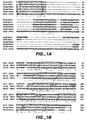
- Fig. 1 Tat components of B. subtilis and E. coli .
- the amino acid sequences of Tat components of B. subtilis and E. coli as deduced from the SubtiList (http://bioweb.pasteur.fr/Genolist/ SubtiList.html) and Colibri (http:/bioweb.pasteur.fr/ Genolist/Colibri.html) databases were used for comparisons.
- Identical amino acids [*], or conservative replacements [.] are marked.
- Putative transmembrane segments, indicated in gray shading, were predicted with the TopPred2 algorithm (34, 35) ( A ) Comparison of TatAc (YnzA), TatAd (YczB) and TatAy (Ydil) of B.
- subtilis (Bsu) with TatA, TatB and TatE of E. coli (Eco).
- B Comparison of TatCd (YcbT) and TatCy (YdiJ) of B. subtilis with TatC of E. coli.
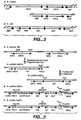
- Fig. 2 The tatAC regions of B. subtilis and E . col i.
- A Chromosomal organization of the B. subtilis tatAd-tatCd and tatAy-tatCy regions (adapted from the SubtiList database). Note that the tatAd and tatCd genes are located downstream of the phoD gene.
- B Chromosomal organization of the E. coli tatABCD region (adapted from the Colibri database).
- FIG. 3 Construction of tatC mutant strains of B. subtilis.
- A Schematic presentation of the construction of B. subtilis ⁇ tatCd and B. subtilis ⁇ tatC y. The chromosomal tat Cd gene was disrupted with a kanamycin resistance marker (Km r ) by homologous recombination.
- Km r kanamycin resistance marker
- B. subtilis 168 was transformed with plasmid pJCd2, which cannot replicate in B. subtilis, and contains a mutant copy of the tatCd gene with an internal Bcl l -Acc l fragment replaced by a Km r marker.
- the chromosomal tatCy gene was disrupted with a spectinomycin resistance marker (Sp r ) by homologous recombination.
- Sp r spectinomycin resistance marker
- B. subtilis 168 was transformed with plasmid pJCy2, which cannot replicate in B. subtilis, and contains a mutant copy of the tatCy gene with a Sp r marker in the Pst l site. Only restriction sites relevant for the construction are shown.
- subtilis 168 chromosome the tatCd gene was placed under the control of the IPTG-dependent Pspac promoter, which can be repressed by the product of the lacl .gene.
- the spoV G -lacZ reporter gene of pMutin2 was placed under the transcriptional control of the tatCd promoter region. PCR-amplified regions are indicated with black bars.
- FIG. 1 Schematic presentation of the tatCy region of B. subtilis ItatC y .
- the tatCy gene was placed under the control of the IPTG-dependent Pspac promoter.
- the spoVG-lacZ reporter gene of pMutin2 was placed under the transcriptional control of the tatCy promoter region.
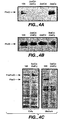
- TatCd is required for secretion of PhoD.
- B. subtilis 168 parental strain
- B. subtilis ⁇ tatC d B. subtilis ⁇ tatC y
- B. subtilis ⁇ tatC d - ⁇ tatCy B. subtilis ⁇ tatC d - ⁇ tatCy were grown under conditions of phosphate starvation, using LPDM medium.
- PhoD A
- PhoB B. subtilis cells were separated from the growth medium by centrifugation. Secreted PhoD and PhoB in the growth medium were visualized by SDS-PAGE and Western blotting, using PhoD- or PhoB-specific antibodies.
- C Cells of B.
- subtilis 168 and B. subtilis l tatC d - ⁇ tatCy were grown under conditions of phosphate starvation, in LPDM medium. Next, cells and growth medium were separated by centrifugation, and PhoD was visualised by SDS-PAGE and Western blotting, using PhoD-specific antibodies.
- B. subtilis 168 parental strain
- B. subtilis ⁇ tatCd B. subtilis ⁇ tatCy
- B. subtilis ⁇ tatCd- ⁇ tatCy were grown in TY-medium to end-exponential growth fase.
- B. subtilis cells were separated from the growth medium by centrifugation. Proteins in the growth medium were concentrated 20-fold upon precipitation with trichloroacetic acid, and samples for polyacrylamide gel electrophoresis (SDS-PAGE) were prepared. Secreted LipA in the growth medium was visualized by SDS-PAGE and Western blotting, using LipA-specific antibodies.
- Fig 7. Predicted twin-arginine (RR-)signal peptides of B. subtilis.
- the listed signal peptides contain, in addition to the twin-arginines, at least one other residue of the consensus sequence (R-R-X- ⁇ ; printed in bold).
- RR-motifs in the N-domain, and SPase I recognition sites in the C-domain are shown. Proteins lacking a (putative) SPase I cleavage site, some of which contain additional transmembrane domains, are indicated with "TM”. One protein containing cell wall binding repeats is indicated with "W” .
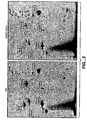
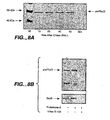
- FIG. 8 Processing of prePhoD in E. coli TG1.
- E. coli TG1I carrying plasmid pAR phoD encoding wild type PhoD was grown in M9 minimal medium to early logarithmic phase. 1 hour prior labelling expression of phoD was induced with IPTG (1 mM). Cells were labelled for 1 min with [35S]-methionine, after which non-radioactive methionine was added. Samples were withdrawn at chase times 10, 20, 40 and 60 min and subjected to immunoprecipitation with monospecific antibodies against PhoD, followed by SDS-PAGE using a 10% polyacrylamide gel and fluorography. M, molecular weight marker; Glu, uninduced control.
- E. coli TG1 (pMUTIN2 bla-phoD) was grown in TY medium to logarithmic growth phase. Expression of bla-phoD was induced with IPTG (1 mM, lanes 2- 4) or remained uninduced (lane 1). At the time of induction cultures were treated with sodium azide (3 mM, lane 3), with nigericin (1 ⁇ M, lane 4) or remained untreated (lane 2). Samples were taken 20 min after induction of SP Bla -PhoD, lysed and cell extracts were analysed by SDS-PAGE using 10 % polyacrylamide.
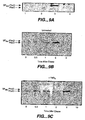
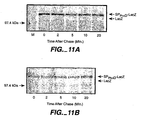
- TG1 (pMUTIN2 bla-phoD) was grown in M9 minimal medium to early logarithmic phase. 1 hour prior labelling expression of phoD was induced with IPTG (1mM). While one culture remained untreated (B), the other was treated with sodium azide (3 mM) upon induction (C). Cells were labelled for 1 min with [35S]-methionine, after which non-radioactive methionine was added. Samples were withdrawn at times after chase as indicated in the figures and subjected to immunoprecipitation with antibodies against PhoD, followed by SDS-PAGE using a 12.5% polyacrylamide gel and fluorography. Localisation of SP Bla -PhoD and mature PhoD is indicated. [14C]-labelled molecular weight marker.
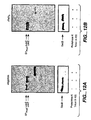
- FIG. 10 Localisation of SP PhoD -LacZ in E. coli TG1 in absence or presence of B. subtilis tatAd / Cd.
- E. coli TG1 strains carrying either plasmid pAR3 phoD-lacZ (A) or plasmids pAR3 phoD-lacZ , pREP4 and pQE9 tatAd / Cd (B) were grown in TY medium to exponential growth and expression of phoD-lacZ and tatAd / Cd were induced for 1 hour with arabinose (0.2 %) and IPTG (1 mM), respectively.
- SP PhoD -LacZ Subcellular localisation of SP PhoD -LacZ was detected by in vivo protease mapping according to Fig 8B. SP PhoD -LacZ and SecB were monitored by antisera against LacZ and SecB. Bands representing SP PhoD -LacZ, LacZ and SecB are indicated.
- E. coli strains TG1 (pAR3phoD-lacZ) (A) and TG1 (pAR3phoD-lacZ, pREP4, pQE9 tatAd / Cd) (B) were grown in M9 minimal medium to early logarithmic phase and labelled for 1 min With [35S]-methionine and subsequently chased with non-radioactive methionine.
- E. coli TG1 (pAR3 phoD-lacZ, pREP4, pQE9 tatAd / Cd ) was grown in TY medium to exponential growth, nigericin (1 uM) (A) or sodium azide (3.mM) (B) were added to the cultures prior induction of gene expression. Localisation of LacZ was analysed by in vivo protease mapping as described in Fig. 10. Samples were submitted to immunological detection of LacZ with specific antibodies. Bands representing SP PhoD -LacZ, LacZ and SecB are indicated.
- FIG 14 Homologs from B. alcalophilus B subtilis sequences were used to BLAST search an in-house database of B. alcalophilus genome.
- nucleic acids are written left to right in 5' to 3' orientation; amino acid sequences are written left to right in amino to carboxy orientation, respectively. Practitioners are particularly directed to Sambrook et al., 1989, and Ausubel FM et al., 1993, for definitions and terms of the art. It is to be understood that this invention is not limited to the particular methodology, protocols, and reagents described, as these may vary.
- Bacillus includes all members known to those of skill in the art, including but not limited to B. subtilis, B. licheniformis, B. lentus, B. brevis, B. stearothermophilus, B. alkalophilus, B. amyloliquefaciens, B. clausii, B. coagulans, B. circulans, B. lautus and B. thuringiensis.
- polypeptide refers to a compound made up of a single chain of amino acid residues linked by peptide bonds.
- protein as used herein may be synonymous with the term “polypeptide” or may refer, in addition, to a complex of two or more polypeptides.
- chimeric polypeptide and “fusion polypeptide” are used interchangeably herein and refer to a signal peptide from phoD linked to the protein of interest or heterologous protein.
- a “signal peptide” as used herein refers to an amino-terminal extension on a protein to be secreted. Nearly all secreted proteins use an amino-terminal protein extension which plays a crucial role in the targeting to and translocation of precursor proteins across the membrane and which is proteolytically removed by a signal peptidase during or immediately following membrane transfer.
- a "protein of interest” or “polypeptide of interest” refers to the protein to be expressed and secreted by the host cell.
- the protein of interest may be any protein which up until now has been considered for expression in prokaryotes.
- the protein of interest is heterologous to the host.
- isolated or “purified” as used herein refer to a nucleic acid or amino acid that is removed from at least one component with which it is naturally associated.
- heterologous protein refers to a protein or polypeptide that does not naturally occur in a host cell.
- heterologous proteins include enzymes such as hydrolases including proteases, cellulases, amylases, other carbohydrases, and lipases; isomerases such as racemases, epimerases, tautomerases, or mutases; transferases, kinases and phophatases.
- the heterologous gene may encode therapeutically significant proteins or peptides, such as growth factors, cytokines, ligands, receptors and inhibitors, as well as vaccines and antibodies.
- the gene may encode commercially important industrial proteins or peptides, such as proteases, carbohydrases such as amylases and glucoamylases, cellulases, oxidases and lipases.
- the gene of interest may be a naturally occurring gene, a mutated gene or a synthetic gene.
- homologous protein refers to a protein or polypeptide native or naturally occurring in a host cell.
- nucleic acid molecule includes RNA, DNA and cDNA molecules. It will be understood that, as a result of the degeneracy of the genetic code, a multitude of nucleotide sequences encoding a given protein such as TatC and/or TatA may be produced. The present invention contemplates every possible variant nucleotide sequence, encoding TatC and/or TatA, all of which are possible given the degeneracy of the genetic code.
- a “heterologous” nucleic acid construct or sequence has a portion of the sequence which is not native to the cell in which it is expressed.
- Heterologous, with respect to a control sequence refers to a control sequence (i.e. promoter or enhancer) that does not function in nature to regulate the same gene the expression of which it is currently regulating.
- heterologous nucleic acid sequences are not endogenous to the cell or part of the genome in which they are present, and have been added to the cell, by infection, transfection, microinjection, electroporation, or the like.
- a “heterologous” nucleic acid construct may contain a control sequence/DNA coding sequence combination that is the same as, or different from a control sequence/DNA coding sequence combination found in the native cell.
- vector refers to a nucleic acid construct designed for transfer between different host cells.
- expression vector refers to a vector that has the ability to incorporate and express heterologous DNA fragments in a foreign cell. Many prokaryotic and eukaryotic expression vectors are commercially available. Selection of appropriate expression vectors is within the knowledge of those having skill in the art.
- an "expression cassette” or “expression vector” is a nucleic acid construct generated recombinantly or synthetically, with a series of specified nucleic acid elements that permit transcription of a particular nucleic acid in a target cell.
- the recombinant expression cassette can be incorporated into a plasmid, chromosome, mitochondrial DNA, plastid DNA, virus, or nucleic acid fragment.
- the recombinant expression cassette portion of an expression vector includes, among other sequences, a nucleic acid sequence to be transcribed and a promoter.
- plasmid refers to a circular double-stranded (ds) DNA construct used as a cloning vector, and which forms an extrachromosomal self-replicating genetic element in many bacteria and some eukaryotes.
- selectable marker-encoding nucleotide sequence refers to a nucleotide sequence which is capable of expression in mammalian cells and where expression of the selectable marker confers to cells containing the expressed gene the ability to grow in the presence of a corresponding selective agent.
- promoter refers to a nucleic acid sequence that functions to direct transcription of a downstream gene.
- the promoter will generally be appropriate to the host cell in which the target gene is being expressed.
- the promoter together with other transcriptional and translational regulatory nucleic acid sequences are necessary to express a given gene.
- control sequences also termed “control sequences”
- the transcriptional and translational regulatory sequences include, but are not limited to, promoter sequences, ribosomal binding sites, transcriptional start and stop sequences, translational start and stop sequences, and enhancer or activator sequences.
- Chimeric gene or “heterologous nucleic acid construct”, as defined herein refers to a non-native gene (i.e., one that has been introduced into a host) that may be composed of parts of different genes, including regulatory elements.
- a chimeric gene construct for transformation of a host cell is typically composed of a transcriptional regulatory region (promoter) operably linked to a heterologous protein coding sequence, or, in a selectable marker chimeric gene, to a selectable marker gene encoding a protein conferring antibiotic resistance to transformed cells.
- a typical chimeric gene of the present invention for transformation into a host cell, includes a transcriptional regulatory region that is constitutive or inducible, a signal peptide coding sequence, a protein coding sequence, and a terminator sequence.
- a chimeric gene construct may also include a second DNA sequence encoding a signal peptide if secretion of the target protein is desired.
- a nucleic acid is "operably linked" when it is placed into a functional relationship with another nucleic acid sequence.
- DNA encoding a secretory leader is operably linked to DNA for a polypeptide if it is expressed as a preprotein that participates in the secretion of the polypeptide; a promoter or enhancer is operably linked to a coding sequence if it affects the transcription of the sequence; or a ribosome binding site is operably linked to a coding sequence if it is positioned so as to facilitate translation.
- "operably linked” means that the DNA sequences being linked are contiguous, and, in the case of a secretory leader, contiguous and in reading phase. However, enhancers do not have to be contiguous. Linking is accomplished by ligation at convenient restriction sites. If such sites do not exist, the synthetic oligonucleotide adaptors or linkers are used in accordance with conventional practice.
- the term "gene” means the segment of DNA involved in producing a polypeptide chain, that may or may not include regions preceding and following the coding region, e.g . 5' untranslated (5' UTR) or “leader” sequences and 3' UTR or “trailer” sequences, as well as intervening sequences (introns) between individual coding segments (exons).
- a nucleic acid sequence is considered to be "selectively hybridizable" to a reference nucleic acid sequence if the two sequences specifically hybridize to one another under moderate to high stringency hybridization and wash conditions.
- Hybridization conditions are based on the melting temperature (Tm) of the nucleic acid binding complex or probe.
- Tm melting temperature
- maximum stringency typically occurs at about Tm-5°C (5° below the Tm of the probe); “high stringency” at about 5-10° below the Tm; “intermediate stringency” at about 10-20° below the Tm of the probe; and “low stringency” at about 20-25° below the Tm.
- maximum stringency conditions may be used to identify sequences having strict identity or near-strict identity with the hybridization probe; while high stringency conditions are used to identify sequences having about 80% or more sequence identity with the probe.
- Moderate and high stringency hybridization conditions are well known in the art (see, for example, Sambrook, et al , 1989, Chapters 9 and 11, and in Ausubel, F.M., et al ., 1993, expressly incorporated by reference herein).
- An example of high stringency conditions includes hybridization at about 42°C in 50% formamide, 5X SSC, 5X Denhardt's solution, 0.5% SDS and 100 ⁇ g/ml denatured carrier DNA followed by washing two times in 2X SSC and 0.5% SDS at room temperature and two additional times in 0.1X SSC and 0.5% SDS at 42°C.
- recombinant includes reference to a cell or vector, that has been modified by the introduction of a heterologous nucleic acid sequence or that the cell is derived from a cell so modified.
- recombinant cells express genes that are not found in identical form within the native (non-recombinant) form of the cell or express native genes that are otherwise abnormally expressed, under expressed or not expressed at all as a result of deliberate human intervention.
- the terms “transformed”, “stably transformed” or “transgenic” with reference to a cell means the cell has a non-native (heterologous) nucleic acid sequence integrated into its genome or as an episomal plasmid that is maintained through two or more gene.rations.
- expression refers to the process by which a polypeptide is produced based on the nucleic acid sequence of a gene.
- the process includes both transcription and translation.
- the term "introduced” in the context of inserting a nucleic acid sequence into a cell means “transfection”, or “transformation'' or “transduction” and includes reference to the incorporation of a nucleic acid sequence into a eukaryotic or prokaryotic cell where the nucleic acid sequence may be incorporated into the genome of the cell (for example, chromosome, plasmid, plastid, or mitochondrial DNA), converted into an autonomous replicon, or transiently expressed (for example, transfected mRNA).
- the present invention provides methods that can be used in microorganisms to ameliorate the bottleneck to protein secretion and the production of proteins in secreted form when the proteins are recombinantly introduced and overexpressed by the host cell.
- the secretion factors TatC and TatA derived from Bacillus subtilis and in particular, the TatCd and TatCy peptide, as well as the genes encoding them, are described herein.
- TatC membrane-bound components
- Bacillus subtilis contains two tatC -like genes, denoted tatCd and tatCy .
- the corresponding TatCd and TatCy proteins have the potential to be involved in the translocation of 27 proteins with putative twin-arginine signal peptides of which about 6 to 14 are likely to be secreted into the growth medium.
- TatCd is of major importance for the secretion of PhoD, whereas TatCy is not required for this process.
- TatC appears to be a specificity determinant for protein secretion via the Tat pathway.
- the TatCd polynucleotide having the sequence corresponding to the amino acid sequence as shown in Figure 1 or 14 encodes the Bacillus subtilis secretion factor TatCd.
- the Bacillus subtilis TatCd was identified via a FASTA search of Bacillus subtilis translated genomic sequences using a consensus sequence of TatC derived from E.coli. A FASTA search of Bacillus subtilis translated genomic sequences with the E.coli TatC sequence alone did not identify the B. subtilis TatCd.
- Gram-positive polynucleotide homologs of B.subtilis tatCd may be obtained by standard procedures known in the art from, for example, cloned DNA (e.g. , a DNA "library”), genomic DNA libraries, by chemical synthesis once identified, by cDNA cloning, or by the cloning of genomic DNA, or fragments thereof, purified from a desired cell.
- cloned DNA e.g. , a DNA "library”
- genomic DNA libraries by chemical synthesis once identified, by cDNA cloning, or by the cloning of genomic DNA, or fragments thereof, purified from a desired cell.
- a preferred source is from genomic DNA. Nucleic acid sequences derived from genomic DNA may contain regulatory regions in addition to coding regions. Whatever the source, the isolated TatCd gene should be molecularly cloned into a suitable vector for propagation of the gene.
- DNA fragments are generated, some of which will encode the desired gene.
- the DNA may be cleaved at specific sites using various restriction enzymes.
- DNAse in the presence of manganese to fragment the DNA, or the DNA can be physically sheared, as for example, by sonication.
- the linear DNA fragments can then be separated according to size by standard techniques, including but not limited to, agarose and polyacrylamide gel electrophoresis and column chromatography.
- identification of the specific DNA fragment containing the tatCd may be accomplished in a number of ways.
- a B.subtilis tatCd gene or its specific RNA, or a fragment thereof, such as a probe or primer may be isolated and labeled and then used in hybridization assays to detect a gram-positive tatC gene.
- Those DNA fragments sharing substantial sequence similarity to the probe will hybridize under stringent conditions.
- Hybridization conditions are based on the melting temperature (Tm) of the nucleic acid binding complex, as taught in Berger and Kimmel (1987, Guide to Molecular Cloning Techniques, Methods in Enzymology, Vol 152, Academic Press, San Diego CA) and confer a defined "stringency” as explained below.
- Maximum stringency typically occurs at about Tm-5°C (5°C below the Tm of the probe); “high stringency” at about 5°C to 10°C below Tm; “intermediate stringency” at about 10°C to 20°C below Tm; and “low stringency” at about 20°C to 25°C below Tm.
- a maximum stringency hybridization can be used to identify or detect identical polynucleotide ' sequences while an intermediate or low stringency hybridization can be used to identify or detect polynucleotide sequence homologs.
- hybridization shall include "the process by which a strand of nucleic acid joins with a complementary strand through base pairing" (Coombs J (1994) Dictionary of Biotechnology, Stockton Press, New York NY).
- PCR polymerase chain reaction
- the B. subtilis tatCd polynucleotide corresponding to the amino acid sequence as shown in Figure 1 encodes B. subtilis TatCd .
- the present invention may make use of gram positive microorganism amino acid variants of the amino acid sequence shown in Figure 1 that are at least 80% identical, at least 90% identical and at least 95% identical to the sequence shown in Figure 1 as long as the amino acid sequence variant is able to function by modulating secretion of proteins in gram-positive microorganisms.
- the secretion factor TatCd as shown in Figure 1 was subjected to a FASTA (Lipmann Pearson routine) amino acid search against a consensus amino acid sequence for TatCd.
- FASTA Lipmann Pearson routine
- the amino acid alignment is shown in Figure 1.
- the present invention provides expression systems for the enhanced production and secretion of desired heterotogous proteins in a host microorganism.
- a vector may comprise at least one copy of nucleic acid encoding a gram-positive microorganism TatC and/or TatA secretion factor and preferably comprises multiple copies.
- the gram-positive microorganism is Bacillus.
- the gram-positive microorganism is Bacillus subtilis.
- polynucleotides which encode B. subtilis TatC and/or TatA, or fragments thereof, or fusion proteins or polynucleotide homolog sequences that encode amino acid variants of TatC and/or TatA may be used to generate recombinant DNA molecules that direct the expression of TatC and/or TatA, or amino acid variants thereof, respectively, in gram-positive host cells.
- the host cell belongs to the genus Bacillus.
- the host cell is B.subtilis.
- Codons preferred by a particular gram-positive host cell can be selected, for example, to increase the rate of expression or to produce recombinant RNA transcripts having desirable properties, such as a longer half-life, than transcripts produced from naturally occurring sequence.
- Altered gram positive tatC and/or tatA polynucleotide sequences which may be used in accordance with the invention include deletions, insertions or substitutions of different nucleotide residues resulting in a polynucleotide that encodes the same or a functionally equivalent TatC and / or TatA homolog, respectively.
- a ''detetion is defined as a change in either nucleotide or amino acid sequence in which one or more nucleotides or amino acid residues, respectively, are absent.
- an "insertion” or “addition” is that change in a nucleotide or amino acid sequence which has resulted in the addition of one or more nucleotides or amino acid residues, respectively, as compared to the naturally occurring gram positive TatC and / or TatA.
- substitution results from the replacement of one or more nucleotides or amino acids by different nucleotides or amino acids, respectively.
- the encoded protein may also show deletions, insertions or substitutions of amino acid residues which produce a silent change and result in a functionally equivalent gram-positive TatC and/or TatA variant.
- Deliberate amino acid substitutions may be made on the basis of similarity in polarity, charge, solubility, hydrophobicity, hydrophilicity, and/or the amphipathic nature of the residues as long as the variant retains the ability to modulate secretion.
- negatively charged amino acids include aspartic acid and glutamic acid; positively charged amino acids include lysine and arginine; and amino acids with uncharged polar head groups having similar hydrophilicity values include leucine, isoleucine, valine; glycine, alanine; asparagine, glutamine; serine, threonine, phenylalanine, and tyrosine.
- the TatC and / or TatA polynucleotides of the present invention may be engineered in order to modify the cloning, processing and/or expression of the gene product.
- mutations may be introduced using techniques which are well known in the art, eg, site-directed mutagenesis to insert new restriction sites, to alter glycosylation patterns or to change codon preference, for example.
- a TatC and / or TatA polynucleotide may be ligated to a heterologous sequence to encode a fusion protein.
- a fusion protein may also be engineered to contain a cleavage site located between the TatC and / or TatA nucleotide sequence and the heterologous protein sequence, so that the TatC and/or TatA protein may be cleaved and purified away from the heterologous moiety.
- Expression vectors used in expressing the secretion factors of the present invention in gram-positive microorganisms comprise at least one promoter associated with a gram-positive tatC and/or tatA, which promoter is functional in the host cell.
- the promoter is the wild-type promoter for the selected secretion factor and in another embodiment of the present invention, the promoter is heterologous to the secretion factor, but still functional in the host cell.
- the host cell is capable of overexpressing a heterologous protein or polypeptide and nucleic acid encoding one or more secretion factor(s) is(are) recombinantly introduced.
- nucleic acid encoding TatC and/or TatA is stably integrated into the microorganism genome.
- the host cell is engineered to overexpress a secretion factor of the present invention and nucleic acid encoding the heterologous protein or polypeptide is introduced via recombinant DNA techniques.
- the present invention encompasses gram-positive host cells that are capable of overexpressing other secretion factors known to those of skill in the art, or other secretion factors known to those of skill in the art or identified in the future.
- the expression vector contains a multiple cloning site cassette which preferably comprises at least one restriction endonuclease site unique to the vector, to facilitate ease of nucleic acid manipulation.
- the vector also comprises one or more selectable markers.
- selectable marker refers to a gene capable of expression in the gram-positive host which allows for ease of selection of those hosts containing the vector. Examples of such selectable markers include but are not limited to antibiotics, such as, erythromycin, actinomycin, chloramphenicol and tetracycline.
- nucleic acid encoding one or more gram-positive secretion factor(s) is introduced into a gram-positive host cell via an expression vector capable of replicating within the host cell.
- Suitable replicating plasmids for Bacillus are described in Molecular Biological Methods for Bacillus, Ed. Harwood and Cutting, John Wiley & Sons, 1990, hereby expressly incorporated by reference; see chapter 3 on plasmids.
- Suitable replicating plasmids for B. subtilis are listed on page 92.
- nucleic acid encoding a gram-positive micro-organism tatC and/or tatA is stably integrated into the microorganism genome.
- Preferred gram-positive host cells are from the genus Bacillus.
- Another preferred gram-positive host cell is B. subtilis.
- Plasmid marker rescue transformation involves the uptake of a donor plasmid by competent cells carrying a partially homologous resident plasmid (Contente et al., Plasmid 2.555-571 (1979); Haima et al, Mol. Gen. Genet. 223 :185-191 (1990); Weinrauch et al., J.
- marker gene expression suggests that the gene of interest is also present, its presence and expression should be confirmed.
- nucleic acid encoding tatC and/or tatA is inserted within a marker gene sequence, recombinant cells containing the insert can be identified by the absence of marker gene function.
- a marker gene can be placed in tandem with nucleic acid encoding the secretion factor under the control of a single promoter. Expression of the marker gene in response to induction or selection usually indicates expression of the secretion factor as well.
- host cells which contain the coding sequence for a secretion factor and express the protein may be identified by a variety of procedures known to those of skill in the art. These procedures include, but are not limited to, DNA-DNA or DNA-RNA hybridization and protein bioassay or immunoassay techniques which include membrane-based, solution-based, or chip-based technologies for the detection and/or quantification of the nucleic acid or protein.
- the presence of the tatC and/or tatA polynucleotide sequence can be detected by DNA-DNA or DNA-RNA hybridization or amplification using probes, portions or fragments derived from the B.subtilis tatC and/or tatA polynucleotide.
- Means for determining the levels of secretion of a heterologous protein in a gram-positive host cell and detecting secreted proteins include, using either polyclonal or monoclonal antibodies specific for the protein. Examples include enzyme-linked immunosorbent assay (ELISA), radioimmunoassay (RIA) and fluorescent activated cell sorting (FACS). These and other assays are described, among other places, in Hampton R et al (1990, Serological Methods, a Laboratory Manual, APS Press, St Paul MN) and Maddox DE et al (1983, J Exp Med 158:1211).
- ELISA enzyme-linked immunosorbent assay
- RIA radioimmunoassay
- FACS fluorescent activated cell sorting
- Means for producing labeled hybridization or PCR probes for detecting specific polynucleotide sequences include oligolabeling, nick translation, end-labeling or PCR amplification using a labeled nucleotide.
- the nucleotide sequence, or any portion of it may be cloned into a vector for the production of an mRNA probe.
- Such vectors are known in the art, are commercially available, and may be used to synthesize RNA probes in vitro by addition of an appropriate RNA polymerase such as T7, T3 or SP6 and labeled nucleotides.
- reporter molecules or labels include those radionuclides, enzymes, fluorescent, chemiluminescent, or chromogenic agents as well as substrates, cofactors, inhibitors, magnetic particles and the like.
- Patents teaching the use of such labels include US Patents 3,817,837; 3,850,752; 3,939,350; 3,996,345; 4,277,437; 4,275,149 and 4,366,241.
- recombinant immunoglobulins may be produced as shown in US Patent No. 4,816,567.
- Host cells transformed with polynucleotide sequences encoding heterologous protein may be cultured under conditions suitable for the expression and recovery of the encoded protein from cell culture.
- the protein produced by a recombinant host cell comprising a secretion factor of the present invention will be secreted into the culture media.
- Other recombinant constructions may join the heterologous polynucleotide sequences to nucleotide sequence encoding a polypeptide domain which will facilitate purification of soluble proteins (Kroll DJ et al (1993) DNA Cell Biol 12:441-53).
- Such purification facilitating domains include, but are not limited to, metal chelating peptides such as histidine-tryptophan modules that allow purification on immobilized metals (Porath J (1992) Protein Expr Purif 3:263-281), protein A domains that allow purification on immobilized immunoglobulin, and the domain utilized in the FLAGS extension/affinity purification system (Immunex Corp, Seattle WA).
- metal chelating peptides such as histidine-tryptophan modules that allow purification on immobilized metals (Porath J (1992) Protein Expr Purif 3:263-281), protein A domains that allow purification on immobilized immunoglobulin, and the domain utilized in the FLAGS extension/affinity purification system (Immunex Corp, Seattle WA).
- a cleavable linker sequence such as Factor XA or enterokinase (Invitrogen, San Diego CA) between the purification domain and the heterologous protein can be used to
- TatCy seems to be actively involved in RR-pre-protein translocation.
- TatC is a specificity determinant for protein secretion via the Tat pathway.
- our observation that the secretion of PhoD was increased in the absence of TatCy suggests that abortive interactions between pre-PhoD and TatCy or TatCy-containing translocases can occur. Nevertheless, alternative, more indirect explanations for this observation can presently not be excluded.
- the positive effect of the tatCy mutation on PhoD secretion is reminiscent of the effect that was observed when certain genes (i.e.
- sipS and/or sip U for paralogous type I signal peptidases of B. subtilis were disrupted. This resulted in significantly improved rates of processing of the ⁇ -amylase AmyQ precursor by the remaining type I signal peptidases (i.e. SipT, SipV and/or SipW; Tjalsma et al. (1998) Genes Dev. 12 , 2318-2331, Tjalsma et al. (1997) J. Biol. Chem. 272 , 25983-25992, and Bolhuis et al. (1996). Mol. Microbiol. 22 , 605-618). Taken together, these observations suggest that, in general, the presence of two or more paralogous secretion machinery components in B. subtilis may result in, as yet undefined, abortive interactions with certain secretory pre-proteins.
- the PhoD protein of B. subtilis is synthesized with a typical RR-signal peptide that contains a long hydrophilic N-region with a consensus RR-motif, and a mildly hydrophobic H-region (Table I).
- the RR-signal peptide of PhoD contains no detectably atypical features for RR-signal peptides (see: Berks, B. C. (1996) Mol. Microbiol. 22 , 393-404) and, therefore, it is presently not clear why PhoD specifically requires the presence of TatCd for efficient secretion.
- subtilis which have predicted RR-signal peptides (Table I), were recently shown to be secreted in a strongly Ffh-and SecA-dependent manner (Hirose et al. (2000) Microbiology 146 , 65-75), which implies that these proteins do not use the Tat pathway. Even though the H-regions of these signal peptides are of similar size as that of the PhoD signal peptide, they are significantly more hydrophobic. The latter observation suggests that, like in E. coli (Cristóbal et al. (1999) EMBO J. 18 , 2982-2990), the hydrophobicity of the H-region is an important determinant that allows the cell to discriminate between Sec-type and RR-signal peptides.
- the predicted RR-motifs of WapA, WprA and YdhF are also different from previously described RR-signal peptides, because they contain Lys or Ser residues at the +3 position relative to the twin-arginines (Table I).
- hydrophilic residues are completely absent from the +2 and +3 positions, relative to the twin-arginines of known RR-signal peptides (Berks, B. C. (1996) Mol. Microbiol. 22, 393-404, Brink et al. (1998) FEBS Lett. 434 , 425-430, Sargent et al. (1998) EMBO J . 17 , 3640-3650, Chaddock et al.
- YdhF protein was also predicted to be a lipoprotein (Table I; Tjalsma et al. (1999) J. Bio l. Chem. 274 , 1698-1707).
- the fact that YdhF was found in the growth medium either suggests that this prediction was wrong, or that YdhF is released into the growth medium via a secondary processing event that follows cleavage by the lipoprotein-specific (type II) signal peptidase (Prágai et al. (1997) Microbiology 143 , 1327-1333).
- Such secondary processing events have been described previously for other Bacillus lipoproteins (see: Tjalsma et al. (1999) J. Bio l . Chem.
- Tat pathway of E. coli is its ability to translocate fully-folded proteins that bind cofactors prior to export from the cytoplasm, and even multimeric enzyme complexes (Berks, B. C. (1996) Mol. Microbiol. 22 , 393-404, Weiner et a;. (1998) Cell 93 , 93-101, Santini et al. (1998) EMBO J. 17,101-112, and Rodrigue et al. (1999) J. Bio l. Che m . 274 , 13223-13228). Similarly, the thylakoidal Tat pathway has been shown to translocate folded proteins (Bogsch et al. (1997) EMBO J.
- TatC is a specificity determinant for protein secretion via the Tat pathway of B. subtilis.
- TatC-like proteins recognise specific elements of certain exported proteins, such as the RR-signal peptide.
- our results might represent the first experimental support for the 'sea anemone' model of Berks et. al. ( Mo l . Microbio l .
- TatABE proteins form a protein-conducting channel, while the TatC protein acts as an RR-signal peptide receptor.
- TatC protein acts as an RR-signal peptide receptor.
- certain proteins with RR-signal peptides are recognized by TatA-like proteins, provided that a specific TatC-like partner protein is present.
- TatA-and TatC-like partner proteins are jointly involved in substrate recognition. The fact that neither TatAc nor TatAd of B. subtilis were able to complement tatA, tatB or tatE mutations in E. col i , and that TatCd of B. subtilis was unable to complement the E.
- TatC-determined pathway specificity is based on specific interactions between TatA- and TatC-like proteins. If so, this implies that B. subtilis contains two parallel routes for twin-arginine translocation, one of which involves the TatCd protein. As shown in the present studies, the TatCd-dependent translocation appears to be activated specifically under conditions of phosphate starvation, perhaps with the sole purpose of translocating PhoD. Similar to the situation in B. subtilis, parallel routes for twin-arginine translocation may be present in other organisms, such as Archaeoglobus fulgidus, which was shown to contain two paralogous talC-like genes (Berks et al. (2000) Mo l . Microbio l . 5 , 260-274, and Klenk et a l. (1997) Nature 390 , 364-370).
- tatCd and tatCy may be TAT components and responsible for secretion of other genes as well.
- a tatCd deletion totally abolishes the secretion of LipA.
- TatCd is the primary TAT component
- TatCy plays some role on the secretion of LipA (although not as stringent as TatCd).
- the bacterial twin-arginine translocation (Tat) pathway has been recently described for PhoD of Bacillus subtilis, a phosphodiesterase containing a twin-arginine signal peptide.
- the expression of phoD induced in response to phosphate depletion, is co-regulated with expression of tatA d and tatC d genes localized downstream of phoD. While tatC d was of major importance for the secretion of PhoD, the second copy of a tatC (tatC y ) was not required for this process.
- tatC y translocation of PhoD was investigated in E. coli .
- subtilis tatA d / C d genes resulted in the processing of SP phoD -LacZ and periplasmic localisation of LacZ illustrating a close substrate-Tat component specificity of the PhoD-TatA d /C d transport system. While blockage of the Sec-dependent transport did not affect the localisation of SP phoD -LacZ, translocation and processing was dependent on the pH gradient of the cytosolic membrane. TatAd/Cd-mediated transport of SP phoD- LacZ was observed in absence of the E. coli Tat proteins indicating SP PhoD -peptides and its adopted TatAd/Cd protein pair form an autonomous Tat system in E. coli.
- the minimal requirement of an active Tat-dependent protein translocation system consists of a twin-arginine signal peptide containing Tat substrate, its specific TatA/C proteins and the pH-gradient across the cytosolic membrane.
- B. subtilis contains a potential Tat pathway
- a search for homologues of E. coli Tat proteins was performed, using the complete sequence of the B. subtilis genome (Kunst et a l. (1997) Nature 390 , 249-256).
- sequence comparisons revealed that B. subtilis contains three paralogous genes (ie. yczB, ydil and ynzA ) that specify proteins with sequence similarity to the three paralogous E. co li TatA, TatB and TatE proteins.
- the Ydil protein (57 residues), which was renamed TatAy, showed the highest degree of sequence similarity with the E.
- TatA protein (58% identical residues and conservative replacements); the YczB protein (70 residues), which was renamed TatAd, showed the highest degree of sequence similarity with the E . coli TatB protein (54% identical residues and conservative replacements); and the YnzA protein (62 residues), which was renamed TatAc, showed the highest degree of sequence similarity with the E . coli TatB protein (53% identical residues and conservative replacements). All three B. subtilis proteins were renamed TatA to avoid possible mis-interpretations with respect to their respective functions, which are presently unknown. Like TatA, TatB, and TatE of E. coli, the three TatA proteins of B.
- subtilis appear to have one amino-terminal membrane spanning domain (Fig. 1A), and the carboxyl-terminal parts of these proteins are predicted to face the cytoplasm. Even though TatAc, TatAd and TatAy of B . subtilis show significant similarity to TatA, TatB and TatE of E. coli when the amino acid sequences of these proteins are compared pairwise, only a limited number of residues is conserved in all six amino acid sequences (17% identical residues and conservative replacements; Fig. 1A).
- B. subtilis in contrast to E. col i , which contains a unique tatC gene (10), B. subtilis was shown to contain two paralogous tat C-like genes (ie. ycbT and ydi J) .
- the YcbT protein (245 residues), which was renamed TatCd
- the YdiJ protein (254 residues), which was renamed TatCy
- TatC of E. col i TatCd and TatCy of B. subtilis have six potential transmembrane segments (Fig. 1B), and the amino-termini of these proteins are predicted to face the cytoplasm (data not shown).
- the tat genes of B. subtilis are located at three distinct chromosomal regions. Two of these regions contain adjacent tatA and tatC genes, the tatAd and tatAy genes being located immediately upstream of the tatCd and tatCy genes, respectively (Fig. 2). Strikingly, the tatAd and tatCd genes, which map at 24.4 o on the B.
- subtilis chromosome are located immediately downstream of the phoD gene, specifying a secreted protein with a putative RR-signal peptide (Table I). Furthermore, the tatAy and tatCy genes are located at 55.3° on the B. subtilis chromosome, within a cluster of genes with unknown function (Fig. 2), and the tatAc gene is located at 162.7° on the B. subtilis chromosome (data not shown), immediately downstream of the cotC gene specifying a spore coat protein (Donovan et al. (1987) J. Mo l. Bio l. 196 , 1-10).
- a tat D-like gene denoted yab D , is located at 4.1 ° on the B. subtilis chromosome, immediately downstream of the metS gene encoding a methionyl-tRNA synthetase (data not shown).
- the tatCd gene was either disrupted with a Km resistance marker, or it was placed under the control of the IPTG-dependent Pspac promoter of plasmid pMutin2, resulting in the B. subtilis strains ⁇ tatCd and I tatCd, respectively (Fig. 3, A and B).
- the tatCy gene was either disrupted with an Sp resistance marker, or it was placed under the control of the IPTG-dependent Pspac promoter of plasmid pMutin2, resulting in the B.
- subtilis strains ⁇ tatCy and I tatCy were constructed by transforming the ⁇ tatCy mutant with chromosomal DNA of the ⁇ tatCd or I tatCd mutant strains.
- TY 1 medium (tryptone/yeast extract) contained Bacto tryptone (1%), Bacto yeast extract (0.5%) and NaCl (1 %).
- Minimal medium MM was prepared as described in Tjalsma et al. (1998) Genes Dev. 12 , 2318-2331.
- Schaeffer's sporulation medium (SSM) was prepared as described in Schaeffer et al. (1965) Pro c . Nat l . Aca d . Sc i. USA 271, 5463-5467.
- High phosphate (HPDM) and low phosphate (LPDM) defined media were prepared as described in Müller et al. (1997) Microbiology 143 , 947-956.
- S7 medium was prepared as described in van Dijl et al. (1991) J. Gen. Microbio l . 137 ,2073-2083 and van Dijl et al. (1991) Mo l. Ge n. Gene t . 227 , 40-48 and supplemented with NaNO3 (0.2%) and glycerol (2%).
- media for E. coli were supplemented with ampicillin (Ap; 100 ⁇ g/ml), erythromycin (Em; 100 ⁇ g/ml), kanamycin (Km; 40 ⁇ g/ml), or spectinomycin (Sp; 100 ⁇ g/ml); media for B.
- subtilis were supplemented with Em (1 ⁇ g/ml), Km (10 ⁇ g/ml), Sp (100 ⁇ g/ml), and/or isopropyl- ⁇ -D- thiogalactopyranoside (IPTG; 100 ⁇ M).
- B. subtilis I tatCd the 5' region of the tatCd gene was amplified by PCR with the primers JJ14bT (5'-CCC AAG CTT ATG AAA GGG AGG GCT TTT TTG AAT GG-3') containing a Hind III site, and JJ15bT (5'-GCG GAT CCA AAG CTG AGC ACG ATC GG-3') containing a Bam HI site.
- the amplified fragment was cleaved with Hin dIII and Bam Hl, and cloned in the corresponding sites of pMutin2 (Vagner et al. (1998) Microbiol. 144 , 3097-3104), resulting in pMICd1.
- B. subtilis I tatCd was obtained by a Campbell-type integration (single cross-over) of pMICd1 into the tatCd region of the chromosome.
- B. subtilis I tatCy the 5' region of the tatCy gene was amplified by PCR with the primers JJ03iJ (5'-CCC AAG CTT AAA AAG AAA GAA GAT CAG TAA GTT AGG ATG-3') containing a Hin dIII site, and JJ04iJ (5'-GCG GAT CCA AGT CCT GAG AAA TCC G-3') containing a Bam HI site.
- the amplified fragment was cleaved with Hin dIII and Bam HI, and cloned in the corresponding sites of pMutin2, resulting in pMlCy1.
- B. subtilis I tatCy was obtained by a Campbell-type integration- (single cross-over) of pMlCy1 into the tatCy region of the chromosome.
- the tatCd gene was amplified by PCR with primer JJ33Cdd (5'-GGA ATT CGT GGG ACG GCT ACC-3') containing an Eco RI site and 5' sequences of tatCd, and primer JJ34Cdd (5'-CGG GAT CCA TCA TGG GAA GCG-3') containing a Bam HI site and 3' sequences of tatCd.
- primer JJ33Cdd 5'-GGA ATT CGT GGG ACG GCT ACC-3'
- primer JJ34Cdd 5'-CGG GAT CCA TCA TGG GAA GCG-3'
- Plasmid pJCd2 was obtained by replacing an internal Bc II- Acc I fragment of the tatCd gene in pJCd1 with a pDG792-derived Km resistance marker, flanked by Bam HI and Cla l restriction sites. Finally, B. subtilis ⁇ tatCd was obtained by a double cross-over recombination event between the disrupted tatCd gene of pJCd2 and the chromosomal tatCd gene.
- the tatCy gene was amplified by PCR with primer JJ29Cyd (5'-GGG GTA CCG GAA AAC GCT TGA TCA GG-3') containing a Kpn I site and 5' sequences of tatCy, and primer JJ30Cyd (5'-CGG GAT CCT TTG GGC GAT AGC C-3') containing a Bam HI site and 3' sequences of tatCy.
- the PCR-amplified fragment was cleaved with Kpn I and Bam Hl and ligated into the Asp 718 and Bam Hl sites of pUC21, resulting in pJCy1.
- Plasmid pJCy2 was obtained by ligating a pDG1726-derived Sp resistance marker, flanked by Pst l restriction sites, into the unique Pst l site of the tatCy gene in pJCy1. Finally, B. subtilis ⁇ tatCy was obtained by a double cross-over recombination event between the disrupted tatCy gene of pJCy2 and the chromosomal tatCy gene.
- Double tatC d -tatCy mutants were constructed by transforming the ⁇ tatCy mutant with chromosomal DNA of the ⁇ tatCd or ItatCd mutant strains. Correct integration of plasmids or resistance markers into the chromosome of B. subtilis was verified by Southern blotting.
- the BLAST algorithm Altschul et al. (1997) Nucleic Acids Res. 25 , 3389-3402) was used for protein comparisons in GenBank. Protein sequence alignments were carried out with the ClustalW program (Thompson et al.-(1994) Nucleic Acids Re s .
- Competence and sporulation- Competence for DNA binding and uptake was determined by transformation with plasmid or chromosomal DNA (Bron et al. (1972) Muta t . Re s . 15 , 1-10). The efficiency of sporulation was determined by overnight growth in SSM medium, killing of cells with 0.1 volume chloroform, and subsequent plating.
- PhoB and PhoD were visualized with specific antibodies (Müller, J. P., and Wagner, M. (1999) FEMS Microbiol. Lef t . 180, 287-296) and alkaline phosphatase-conjugated goat anti-rabbit antibodies (SIGMA) according to the manufacturer's instructions.
- specific antibodies Müller, J. P., and Wagner, M. (1999) FEMS Microbiol. Lef t . 180, 287-296
- SIGMA alkaline phosphatase-conjugated goat anti-rabbit antibodies
- Two-dimensional (2D) gel electrophoresis of secreted proteins B. subtilis strains were grown at 37°C under vigorous agitation in 1 litre of a synthetic medium (Antelmann et al. (1997) J. Bacteriol. 179 , 7251-7256, and Antelmann et al., (2000) J. Bacterio l . in press) containing 0.16 mM KH 2 PO 4 to induce a phosphate starvation response. After 1 hour of post-exponential growth, cells were separated from the growth medium by centrifugation. The secreted proteins in the growth medium were precipitated overnight with ice-cold 10% trichloroacetic acid, and collected by centrifugation (40000 g, 2 h, 4°C).
- the pellet was washed 3 times with 96% ethanol, dried and resuspended in 400 ⁇ l of rehydration solution containing 2 M thiourea, 8 M urea, 1% Nonidet P40, 20 mM DTT and 0.5% Pharmalyte (pH 3-10).
- Cell's were disrupted by sonication as described in Eymann et al. (1996) Microbiology 142 , 3163-3170, and cellular proteins were resuspended in rehydration solution as described above. Samples of secreted or cellular proteins in rehydration solution were used for the re-swelling of immobilized pH gradient (IPG) strips (pH range 3-10).
- IPG immobilized pH gradient
- Protein identification In-gel tryptic digestion of proteins, separated by 2D gel electrophoresis, was performed using a peptide-collecting device (Otto et al. (1996) Electrophoresis 17,1643-1650). To this purpose, 0.5 ⁇ l peptide solution was mixed with an equal volume of a saturated ⁇ -cyano-4-hydroxy cinnamic acid solution in 50% acetonitrile and 0.1% trifluoroacetic acid. The resulting mixture was applied to the sample template of a matrix-assisted laser desorption/ionization mass spectrometer (Voyager DE-STR, PerSeptive Biosystems). Peptide mass fingerprints were analysed using the 'MS-it'software, as provided by Baker and Clausner through http://prospector.ucsf.edu.
- TatC function is not essential for viability of B. subtilis, at least not when cells are grown aerobically in TY or minimal medium at 37°C, or anaerobically in S7 medium, supplemented with NaNO3 (0.2%) and glycerol (2%) at 37°C (data not shown).
- the ⁇ tatC d- ⁇ tatCy double mutation did not inhibit the development of competence for DNA binding and uptake, sporulation and the subsequent spore germination (data not shown), showing that these primitive developmental processes do not require TatC function.
- tatC mutant strains were grown under conditions of phosphate starvation, using LPDM medium. As shown by Western blotting, the secretion of PhoD was strongly reduced in the ⁇ tatCd mutant strain and the ⁇ tatCd- ⁇ tatCy double mutant, whereas it was not affected or even improved in the ⁇ tatCy mutant strain (Fig. 4A).
- subtilis I tatC d - ⁇ tatCy double mutant strain the cells of all tatC mutant strains contained similar amounts of pre-PhoD, which were comparable to those in the parental strain 168 (Fig. 4C; data not shown).
- 2D-gel electrophoresis of proteins in the medium of phosphate-starved cells of B. subtilis ⁇ tatC d - ⁇ tatCy or the parental strain 168 showed that PhoD is the only protein of which the secretion is detectably affected by the double tatC mutation under conditions of phosphate starvation (Fig. 5).
- Enzyme activity assays The assay and the calculation of ⁇ -galactosidase units (expressed as units per OD600) were carried out as described in Miller, J. H. (1982) Experiments in Molecular Biology, Cold Spring Harbor Laboratory Press, Cold Spring Harbor NY. Overnight cultures were diluted 100-fold in fresh medium and samples were taken at hourly intervals for OD600 readings and ⁇ -galactosidase activity determinations. Induction of the phosphate starvation response was monitored by alkaline phosphatase activity determinations as described in Hulett et al. (1990) J. Bacteriol. 172 , 735-740.
- subtilis I tatCd were grown in minimal (MM), sporulation (SSM) or trypton/yeast extract (TY) media, none of which induces a phosphate starvation response, no transcription of the tatCd gene was detectable; under these conditions, the ⁇ -galactosidase levels in cells of B. subtilis I tatCd were similar to those of the parental strain 168. Completely different results were obtained with B. subtilis I tatC y : the tatCy gene was transcribed in all growth media tested and, notably, the transcription of tatCy in LPDM medium was much higher than that of the tatCd gene (Table III).
- PhoD is not transported in E. coli
- Plasmids, bacterial strains and media - Table 5 lists the plasmids and bacterial strains used.
- TY medium h-yptone/ yeast extract
- Bacto wiptone 1%
- Bacto yeast extract 0.5%)
- NaCl 1%
- M9-Minimal medium was prepared as described (Miller et al. (1992) Suppression of the growth and export defects of an Escherichia coli secA(Ts) mutant by a gene cloned from Bacillus subtilis. MoL Gen. Genet. 235, 89-96).
- media were supplemented with ampicillin (100 ⁇ g/ml), kanamycin (40 ⁇ g/ml), chloramphenicol (20 ⁇ g/ml), tetracycline (12.5 ⁇ g/ml), arabinose (0.2%), isopropyl- ⁇ -D-thiogalactopyranoside (IPTG; 100 ⁇ M), nigericin (1 ⁇ M) and/or sodium azide (3 mM).
- IPTG isopropyl- ⁇ -D-thiogalactopyranoside
- IPTG isopropyl- ⁇ -D-thiogalactopyranoside
- nigericin (1 ⁇ M
- sodium azide 3 mM
- DNA techniques Procedures for DNA purification, restriction, ligation, agarose gel electrophoresis, and transformation of E . coli were carried out as described in Sambrook et al . Restriction enzymes were from MBI Fermentas. PCR (polymerase chain reaction) was carried out with the VENT DNA polymerase (New England Biolabs).
- the phoD gene including its ribosome binding site was amplified from the chromosome of B. subtilis strain 168 by PCR using the primers P1 (5'- GAG GAT CCA TGA GGA GAG AGG GGA TCT TGA ATG GCA TAC GAC-3') containing a Bam HI site, and P2 (5'-CGA TCC TGC AGG ACC TCA TCG GAT TGC-3') containing a Pst l site.
- P1 5'- GAG GAT CCA TGA GGA GAG AGG GGA TCT TGA ATG GCA TAC GAC-3'
- P2 5'-CGA TCC TGC AGG ACC TCA TCG GAT TGC-3'
- the signal sequence less phoD was amplified using primers P3 (5'-GTA GGA TCC GCG CCT AAC TTC TCA AGC-3') containing a Bam HI site and primer P2 containing a Pst l site.
- the amplified fragment was cleaved with Bam Hl and Pst l, and cloned in the corresponding sites of pUC19, resulting in plasmid pUC19' phoD .
- the 5' region of TEM- ⁇ -lactamase encoding its signal sequence was amplified from plasmid pBR322 by PCR with primers B1 (5 i -ATA GAA TTC AAA AAG GAA GAG TAT G-3') containing an EcoRI site, and primer B2 (5'-CTG GGG ATC CAA AAA CAG GAA GGC-3') containing a Bam HI site.
- the amplified PCR fragment was cleaved with Bam Hl and Eco RI and inserted into pUC19' phoD , cleaved with the same restriction enzymes, resulting in plasmid pUC19 bla-phoD.
- plasmid pOR124 containing a tetracycline resistance gene was inserted 3' of the bla-phoD gene fusion using an unique Pst l site.
- plasmid pUC19 bla - phoD -Tc an Eco RI -Bg /ll fragment containing bla- phoD and the tetracycline resistance gene of pOR124 was isolated and inserted into pMUTIN2 cleaved with Eco RI and Bam HI .
- the bla-phoD gene fusion is under control of the IPTG-inducible P SPAC promoter.
- a DNA fragment encoding the signal peptide of PhoD and the translational start site of phoD was amplified by PCR with primer P1 containing a Bam HI site and primer P4 (5'-GAG AAG GTC GAC GCA GCA TTT ACT TCA AAG GCC CC-3') containing a Sal l site, and inserted into the corresponding sites of pOR124 resulting in plasmid pOR124 phoD '.
- the lacZ gene lacking nine 5' terminal codons was amplified using primers L1 (5'-ACC GGG TCG ACC GTC GTT TTA CAA CG-3') containing a Sal l site and primer L2 (5'-GGG AAT TCA TGG CCT GCC CGG TT-3') containing an Eco RI site and subsequently inserted into the corresponding sites of pOR124phoD.
- the resulting plasmid pOR124phoD-lacZ was linearized with Bam HI and inserted into pAR3 cleaved with Bgl ll .
- the resulting plasmid pAR3phoD- lacZ allows the arabinose inducible expression of the phoD-lacZ gene fusion.
- the DNA region containing these genes including their ribosome binding sites was amplified by PCR with the primers T1 (5'-CAA GGA TCC CGA ATT AAG GAG TGG-3') containing a Bam HI site and primer T2 (5'-GGT CTG CAG CTG CAC TAA GCG GCC GCC-3') containing a Pst l site.
- the amplified fragment was cleaved with Bam HI and Pst l and cloned into the corresponding sites of pQE9 (QIAGEN), resulting in pQE9 tatA d / C d .
- TG1 ⁇ tatABCDE plasmids pFAT44 and subsequently PFAT126 covering in-frame deletions of E. coli tatE and tatABCD genes, respectively, were transferred to the chromosome of TG1 as described.
- Mutant strain TG1 ⁇ tatABCDE was verified phenotypically by mutant cell septation phenotype, hypersensitivty to SDS and resistance to P1 phages as described (Stanley et al. (2001) Escherichia coli strains blocked in Tat-dependent protein export exhibit pleiotropic defects in the cell envelope. J. BacterioL 183 ,139-144).
- SDS-PAGE and Western blot analysis - SDS-polyacrylamide gel electrophoresis was carried out as described by Laemmli (Laemmli, U.K. (1970) Cleavage of structural proteins during assembly of the head of bacteriophage T4. Nature, 227, 680-685).
- proteins were transferred to a nitrocellulose membrane (Schleicher and Schiill) as described by Towbin et al (Towbin et al. (1979) Electrophoretic transfer of proteins from polyacrylamide gels to nitrocellulose sheets: procedure and some applications. Proc. Nati. Acad. Sci. USA, 76,4350-4354).
- Proteins were visualised using specific antibodies against PhoD (16), LacZ (5PRIME- 3PRIME, Boulder, USA) and SecB (laboratory collection) and alkaline phosphatase-conjugated goat anti-rabbit antibodies (SIGMA) according to the manufacturer's instructions.
- ⁇ -galactosidase activity The assay and the calculation of ⁇ - galactosidase units (expressed as units per OD 600 ) were carried out as described by Miller ((1972) Experiments in molecular genetics. Cold Spring Harbor Laboratory, Cold Spring Harbor, N.Y.) using 2-Nitrophenyl- ⁇ -D-galactopyranoside (ONPG, Serva). Enzymatic activity of the supernatant of lysozyme treated spheroplasts reflected the periplasmic space. Activity associated to the spheroplasts represented the cytosolic and cytoplasms membrane bound activity.
- PhoD is not transported in E. coli -
- the initial aim was to test whether PhoD could be exported by the Tat pathway in E. coli.
- the resulting plasmind allowed the arabinose-inducible enzymaticallyactive production of PhoD in E . coli TG1 (data not shown). Since phosphodiesterase is highly toxic for the cell physiology of E. coli immediately after induction of phoD expression cell growth ceased.
- pulse-chase experiments were performed.
- PhoD can be transported via the Sec-dependent protein translocation pathway - Absence of prePhoD processing in E. coli could be due to inefficient recognition of the signal peptide of PhoD by the E. coli Tat-machinery or due to the nature of the mature part of the PhoD peptide.
- This B. subtilis protein could have unexpected folding characteristics or necessity of co-factors not present in E. coli.
- the DNA encoding the mature peptide of PhoD was fused to the region encoding the signal peptideof TEM- ⁇ -lactamase (SP Bla ).
- the resulting gene fusion was cloned into the pMUTIN2 vector containing an IPTG-inducible P SPAC promoter allowing the synthesis of the SP Bla -PhoD peptide.
- the transport and processing of this fusion protein was analysed by immunoblotting of whole cell extracts of E . coli strain TG1 (pMUTIN2 bla-phoD ).
- Fig. 8A lane 2, SP Bla -PhoD was completely converted to a protein with a molecular weight of mature PhoD indicating the efficient transport of the protein.
- Sec-dependent transport was selectively inhibited by addition of sodium azide (3 mM).
- the signal peptide of PhoD can not mediate transport of LacZ in E . coli wild type cells - It has been shown that signal peptides containing a twin arginine motif can canalise transport of heterologous proteins via the Tat-dependent translocation route (reviewed in Wu et al. (2000) Bacterial twin-arginine signal peptide-dependent protein translocation pathway: evolution and mechanism. J . MoL MicrobioL Biotechnol 2 , 179-189). The signal peptide of the E.
- Tat-signal peptides could determine the specificity of the Tat-dependent transport (Wu, supra). So could GFOR not be translocated in E. coli (28).
- the B. subtilis tatA d lC d gene pair was amplified from the chromosome of B. subtilis and inserted under the control of the IPTG-inducible promoter of pQE9 (QIAGEN).
- the resulting plasmid pQE9 tatA d / C d and the repressor plasmid pREP4 were transformed into E. coli TG1 (pARphoD) and TG1 (pAR phoD - lacZ ).
- strain TG1 (pAR phoD , pREP4, pQE9 tatA d lC d ) expression of phoD as well as tatA d / C d was induced with arabinose and IPTG.
- no PhoD could be detected in strain TG1 (pAR phoD , pREP4, pQE9 tatA d / C d ) using Western blotting (data not shown).
- TatA d / C d -mediated transport of SP PhoD -LacZ needs delta pH dependent gradient at the cytosolic membrane and is Sec-independent -
- Sec- and Tat-dependent protein translocation pathways were selectively blocked.
- Nigericin, an ionophore inhibiting the Tat-dependent protein translocation as a result of destroying the membrane potential (29) did efficiently block both, processing and transtocation of SP PhoD -LacZ in TG 1 (pAR phoD'-lacZ , pREP4, pQE9 tatA d / Cd) (Fig. 11 A).
- TatA d / C d -mediated transport of SP PhoD -LacZ is not assisted by E. coli Tat components - Despite the above observations it can not be excluded that the E. coli Tat machinery assists TatA d /C d -mediated transport of SP PhoD -LacZ.
- the E. coli tat genes are constitutively expressed in E. coli and therefore form a functional constitutive translocase unit (Jack et al. (2001) Constitutive expression of Escherichia coli tat genes indicates an important role for the twin-arginine translocase during aerobic and anaerobic growth. J . Bacteriot 183, 1801-1804). To exclude co-operative action of B. subtilis and E.
- E. coli strain TG1 was deleted for tatABCDE genes and subsequently transformed with plasmids pAR phoD '- lac Z, pREP4 and pQE9 tatA d / C d . Processing and localisation of the SP PhoD -LacZ fusion protein was analysed under identical conditions as described for the E. coli tat+ strain. Despite the fact that the total amount of LacZ found in the periplasmic fraction was reduced than compared to the E.
- Plasmids and Strains Plasmids Relevant properties Reference pUC21 cloning vector; 3.2 kb; Ap r 63 pJCd1 pUC21 derivative; carrying the tatCd gene; 5.4 kb; Ap r This work pJCd2 pUC21 derivative for the disruption of tatCd ; 6.3 kb; Ap r ; Km r This work pJCy1 pUC21 derivative; carrying the tatCy gene; 5.3 kb; Ap r This work pJCy2 pUC21 derivative for the disruption of tatCy; 6.5kb; Ap r ; Sp r This work pMutin2 pBR322-based integration vector for B.
- subtilis tatCy gene This work pDG792 contains a Km resistance cassette; 4.0 kb; Ap r , Km r 64 pDG1726 contains a Sp resistance cassette; 3.9 kb; Ap r , Sp r 64 Strains E. coli MC1061 F - ; araD 139; ⁇ (ara-leu) 7696 ; ⁇ ( lac )X74; galU ; galK ; hsdR2 ; mcrA ; mcrB 1; rspL 65 B.
- subtilis 168 trpC2 ⁇ tatCd trpC2 ; tatCd ; Km r This work ⁇ tatCy trpC2 ; tatCy ; Sp r
- This work ⁇ tatCd- ⁇ tatCy trpC2 ; tatCd ; Km r ; tatCy; Sp r This work I tatCd- ⁇ tatCy trpC2 ; P spac-tatCd ; tatCd-lacZ ; Em r ; tatCy ; Sp r This work I tat
- Plasmids and Strains Plasmids Relevant properties Reference pAR3 pACYC184 derived plasmid carrying the araB promoter operator and the araC repressor gene from Salmonella typhimurium; Cm r 25 pAR3phoD pAR3 derivative; carrying the phoD gene; Cm r This work pAR3phoD-lacZ pAR3 derivative; carrying a fusion gene consisting of the signal sequence region of phoD and lacZ; Cm r This work pQE9 pBR322-based vector for IPTG-inducible synthesis of His 6 -tagged proteins; Ap r Qiagen pREP4
- subtilis tat4 d lC d genes This work pFAT44 pMAK705 (Hamilton et al., 1989) derivative plasmid containing in frame deletion of E. coli tatE 7 - pFAT126 pMAK705 derivative plasmid containing in frame deletion of E. coli tatABCD 39 Strains E. coli TG1 F - araD139 ⁇ ( ara-leu )7696 ⁇ ( lac )X74 galU galK hsdR2 mcrA mcrB1 rspL 40 TG1 ⁇ tatABCE TG1 ⁇ tatABCE This work B.
- E. coli TG1 pAR3phoD-lacZ
- cells of E. coli strains were grown in TY medium to exponential growth.
- Samples for ⁇ -galactosidase activity determinations were taken from supernatants of lysozyme treated cells representing periplasmic activity and spheroplasts representing cell bound activity. Experiments were carried out with duplicated cultures. +/-, standard deviation.
- LacZ activity (units/OD 600 ) strain cell bound periplasmic total activity % export TG1(pAR3 phoD - lacZ ) 1108 +/- 201 67 +/- 5 1175 6.4+/-3,4 TG1(pAR3 phoD -lacZ, pREP4, pQE9 tatA d /C d ) 226 +/-11 94+/-2 320 29.4 +/- 0.4 TG1 ⁇ tatABCE (pAR3 phoD - lacZ , pREP4. pQE9 tatA d / C d ) 278 +/-8 39+/-5 5 317 12.5 +/ 0.9
Landscapes
- Health & Medical Sciences (AREA)
- Genetics & Genomics (AREA)
- Life Sciences & Earth Sciences (AREA)
- Chemical & Material Sciences (AREA)
- Engineering & Computer Science (AREA)
- Organic Chemistry (AREA)
- Zoology (AREA)
- Wood Science & Technology (AREA)
- Biomedical Technology (AREA)
- Bioinformatics & Cheminformatics (AREA)
- Biotechnology (AREA)
- General Engineering & Computer Science (AREA)
- Molecular Biology (AREA)
- General Health & Medical Sciences (AREA)
- Biochemistry (AREA)
- Microbiology (AREA)
- Biophysics (AREA)
- Plant Pathology (AREA)
- Physics & Mathematics (AREA)
- Proteomics, Peptides & Aminoacids (AREA)
- Medicinal Chemistry (AREA)
- Gastroenterology & Hepatology (AREA)
- Chemical Kinetics & Catalysis (AREA)
- General Chemical & Material Sciences (AREA)
- Micro-Organisms Or Cultivation Processes Thereof (AREA)
- Preparation Of Compounds By Using Micro-Organisms (AREA)
- Enzymes And Modification Thereof (AREA)
- Peptides Or Proteins (AREA)
- Organic Low-Molecular-Weight Compounds And Preparation Thereof (AREA)
- Cereal-Derived Products (AREA)
Claims (10)
- Procédé de production d'un polypeptide hétérologue dans des bactéries, comprenant :(a) la culture de cellules bactériennes qui (i) possèdent les gènes fonctionnels TatCd et TatA de B. subtilis ; (ii) ne possèdent pas un gène fonctionnel TatCy de B. subtilis ; et (iii) contiennent un vecteur d'expression recombinant comprenant une première séquence d'ADN codant pour une séquence signal de PhoD liée de manière opérationnelle à une seconde séquence d'ADN codant pour un polypeptide hétérologue de telle sorte que le polypeptide hétérologue est produit par les cellules ; et(b) la récupération du polypeptide hétérologue du périplasme ou du milieu de culture.
- Procédé de production d'un polypeptide hétérologue dans des bactéries, comprenant :(a) la culture de cellules bactériennes qui (i) surexpriment les gènes TatCd et TatA de B. subtilis par rapport à d'autres composants de la voie de sécrétion des arginines couplées de B. subtilis ; et (ii) contiennent un vecteur d'expression recombinant comprenant une première séquence d'ADN codant pour une séquence signal de PhoD liée de manière opérationnelle à une seconde séquence d'ADN codant pour un polypeptide hétérologue de telle sorte que le polypeptide hétérologue est produit par les cellules ; et(b) la récupération du polypeptide hétérologue du périplasme ou du milieu de culture.
- Procédé selon la revendication 1 ou la revendication 2, dans lequel le gène TatA est TatAd.
- Procédé selon la revendication 1 ou la revendication 2, dans lequel les cellules bactériennes sont des cellules gram-positif.
- Procédé selon la revendication 4, dans lequel les cellules bactériennes sont des cellules de Bacillus.
- Procédé selon la revendication 5, dans lequel les cellules bactériennes sont des cellules de B. subtilis, B. licheniformis, B. lentus, B. brevis, B. stearothermophilus, B. alkalophilus, B. amyloliquefaciens, B. clausii, B. coagulans, B. circulans, B. lautus et B. thuringiensis.
- Procédé selon la revendication 1 ou la revendication 2, dans lequel les cellules bactériennes sont des cellules gram-négatif.
- Procédé selon la revendication 7, dans lequel les cellules bactériennes sont des cellules de Pantoaea ou de E. coli.
- Procédé selon l'une quelconque des revendications précédentes, dans lequel le polypeptide hétérologue est une enzyme, un facteur de croissance ou une hormone.
- Procédé selon l'une quelconque des revendications précédentes, dans lequel le polypeptide hétérologue n'est pas naturellement associé à un peptide signal de sécrétion.
Applications Claiming Priority (3)
| Application Number | Priority Date | Filing Date | Title |
|---|---|---|---|
| US23361000P | 2000-09-18 | 2000-09-18 | |
| US233610P | 2000-09-18 | ||
| PCT/US2001/029151 WO2002022667A2 (fr) | 2000-09-18 | 2001-09-17 | Translocation des arginines couplees dans bacillus |
Publications (2)
| Publication Number | Publication Date |
|---|---|
| EP1356060A2 EP1356060A2 (fr) | 2003-10-29 |
| EP1356060B1 true EP1356060B1 (fr) | 2005-12-14 |
Family
ID=22877967
Family Applications (1)
| Application Number | Title | Priority Date | Filing Date |
|---|---|---|---|
| EP01973140A Expired - Lifetime EP1356060B1 (fr) | 2000-09-18 | 2001-09-17 | Translocation des arginines couplees dans bacillus |
Country Status (7)
| Country | Link |
|---|---|
| US (4) | US7316924B2 (fr) |
| EP (1) | EP1356060B1 (fr) |
| AT (1) | ATE312932T1 (fr) |
| AU (1) | AU2001292749A1 (fr) |
| DE (1) | DE60115958T2 (fr) |
| DK (1) | DK1356060T3 (fr) |
| WO (1) | WO2002022667A2 (fr) |
Families Citing this family (30)
| Publication number | Priority date | Publication date | Assignee | Title |
|---|---|---|---|---|
| US7655249B2 (en) * | 1998-09-30 | 2010-02-02 | Corixa Corporation | Compositions and methods for WT1 specific immunotherapy |
| US7329410B1 (en) | 1998-09-30 | 2008-02-12 | Corixa Corporation | Compositions and method for WT1 specific immunotherapy |
| US7901693B2 (en) * | 1998-09-30 | 2011-03-08 | Corixa Corporation | Compositions and methods for WT1 specific immunotherapy |
| US7553494B2 (en) * | 2001-08-24 | 2009-06-30 | Corixa Corporation | WT1 fusion proteins |
| WO2003040335A2 (fr) * | 2001-11-05 | 2003-05-15 | Research Development Foundation | Genie de peptides leader pour la secretion de proteines recombinees dans des bacteries |
| US7419783B2 (en) | 2001-11-05 | 2008-09-02 | Research Development Foundation | Engineering of leader peptides for the secretion of recombinant proteins in bacteria |
| EP1487966B1 (fr) * | 2002-03-23 | 2006-12-13 | Research Development Foundation | Secretion de proteines a plusieurs liaisons disulfure chez des bacteries et leur utilisation |
| DE10256669B4 (de) | 2002-12-04 | 2006-03-09 | Universitätsklinikum Charité an der Humboldt-Universität zu Berlin Technologietransferstelle | Gemisch mindestens zweier Fusionsproteine sowie ihre Herstellung und Verwendung |
| JP4730302B2 (ja) * | 2004-04-20 | 2011-07-20 | 味の素株式会社 | タンパク質の製造法 |
| US20070026012A1 (en) * | 2005-08-01 | 2007-02-01 | Cornell Research Foundation, Inc. | Compositions and methods for monitoring and altering protein folding and solubility |
| EP2360473A1 (fr) * | 2005-08-22 | 2011-08-24 | Cornell Research Foundation | Compositions et procédés pour analyser les interactions de protéines |
| KR100742218B1 (ko) | 2005-10-21 | 2007-07-24 | 학교법인 포항공과대학교 | 트윈 아르기닌 트랜스로케이션 분비경로를 가지는오가노포스포러스 하이드롤라제 분비서열을 이용한대장균에서의 목적 외래 단백질 분비 |
| EP2426199A3 (fr) | 2006-10-20 | 2012-08-22 | Danisco US Inc. | Oxydases de polyol |
| EP2431470B1 (fr) | 2006-11-30 | 2017-11-29 | Novozymes A/S | Expression d'une dnase dans des cellules hôtes recombinées |
| US8722584B2 (en) * | 2007-01-12 | 2014-05-13 | Cornell University | Genetic selection for protein folding and solubility in the bacterial periplasm |
| KR20100024943A (ko) * | 2007-06-18 | 2010-03-08 | 다니스코 유에스 인크. | 원핵생물에서의 단백질 생성을 위한 tat 신호 펩타이드 |
| DE102008025926A1 (de) | 2008-05-29 | 2009-12-03 | Henkel Ag & Co. Kgaa | Sekretionsoptimierter Mikroorganismus |
| DE102008025791A1 (de) | 2008-05-29 | 2009-12-03 | Henkel Ag & Co. Kgaa | Sekretionsoptimierter Mikroorganismus |
| SI3044320T1 (sl) * | 2013-09-11 | 2020-07-31 | Impossible Foods Inc. | Sekrecija polipeptidov, ki vsebujejo hem |
| US9616114B1 (en) | 2014-09-18 | 2017-04-11 | David Gordon Bermudes | Modified bacteria having improved pharmacokinetics and tumor colonization enhancing antitumor activity |
| US10676723B2 (en) | 2015-05-11 | 2020-06-09 | David Gordon Bermudes | Chimeric protein toxins for expression by therapeutic bacteria |
| PT3294762T (pt) | 2015-05-11 | 2022-03-21 | Impossible Foods Inc | Constructos de expressão e métodos de modificar geneticamente levedura metilotrófica |
| KR101791526B1 (ko) * | 2016-02-18 | 2017-11-01 | (주)케어젠 | 발모 촉진 활성을 나타내는 펩타이드 및 이의 용도 |
| US11180535B1 (en) | 2016-12-07 | 2021-11-23 | David Gordon Bermudes | Saccharide binding, tumor penetration, and cytotoxic antitumor chimeric peptides from therapeutic bacteria |
| US11129906B1 (en) | 2016-12-07 | 2021-09-28 | David Gordon Bermudes | Chimeric protein toxins for expression by therapeutic bacteria |
| GB201713732D0 (en) * | 2017-08-25 | 2017-10-11 | Alta Innovations Ltd | Tat expression system |
| US11471497B1 (en) | 2019-03-13 | 2022-10-18 | David Gordon Bermudes | Copper chelation therapeutics |
| EP3959311A1 (fr) | 2019-04-25 | 2022-03-02 | Impossible Foods Inc. | Compositions et procédés pour la production de protéines contenant de l'hème |
| US10973908B1 (en) | 2020-05-14 | 2021-04-13 | David Gordon Bermudes | Expression of SARS-CoV-2 spike protein receptor binding domain in attenuated salmonella as a vaccine |
| US12537071B1 (en) | 2020-07-22 | 2026-01-27 | David Gordon Bermudes | Bacteria having boolean control pathways expressing therapeutic proteins including immunotherapeutic cytotoxins |
Family Cites Families (12)
| Publication number | Priority date | Publication date | Assignee | Title |
|---|---|---|---|---|
| NL154598B (nl) | 1970-11-10 | 1977-09-15 | Organon Nv | Werkwijze voor het aantonen en bepalen van laagmoleculire verbindingen en van eiwitten die deze verbindingen specifiek kunnen binden, alsmede testverpakking. |
| US3817837A (en) | 1971-05-14 | 1974-06-18 | Syva Corp | Enzyme amplification assay |
| US3939350A (en) | 1974-04-29 | 1976-02-17 | Board Of Trustees Of The Leland Stanford Junior University | Fluorescent immunoassay employing total reflection for activation |
| US3996345A (en) | 1974-08-12 | 1976-12-07 | Syva Company | Fluorescence quenching with immunological pairs in immunoassays |
| US4275149A (en) | 1978-11-24 | 1981-06-23 | Syva Company | Macromolecular environment control in specific receptor assays |
| US4277437A (en) | 1978-04-05 | 1981-07-07 | Syva Company | Kit for carrying out chemically induced fluorescence immunoassay |
| US4366241A (en) | 1980-08-07 | 1982-12-28 | Syva Company | Concentrating zone method in heterogeneous immunoassays |
| US4816567A (en) | 1983-04-08 | 1989-03-28 | Genentech, Inc. | Recombinant immunoglobin preparations |
| IE910663A1 (en) * | 1990-02-28 | 1991-08-28 | Gist Brocades Nv | Improved processing of proteins |
| US5641671A (en) * | 1990-07-06 | 1997-06-24 | Unilever Patent Holdings B.V. | Production of active Pseudomonas glumae lipase in homologous or heterologous hosts |
| WO1999051753A1 (fr) * | 1998-04-01 | 1999-10-14 | The Governors Of The University Of Alberta | Compositions et methodes de secretion proteique |
| DK1354056T3 (en) * | 2000-10-10 | 2015-02-23 | Danisco Us Inc | IMPROVED secretion of a polypeptide by a microorganism |
-
2001
- 2001-09-17 EP EP01973140A patent/EP1356060B1/fr not_active Expired - Lifetime
- 2001-09-17 DE DE60115958T patent/DE60115958T2/de not_active Expired - Lifetime
- 2001-09-17 AU AU2001292749A patent/AU2001292749A1/en not_active Abandoned
- 2001-09-17 DK DK01973140T patent/DK1356060T3/da active
- 2001-09-17 WO PCT/US2001/029151 patent/WO2002022667A2/fr not_active Ceased
- 2001-09-17 US US09/954,737 patent/US7316924B2/en not_active Expired - Lifetime
- 2001-09-17 AT AT01973140T patent/ATE312932T1/de not_active IP Right Cessation
-
2007
- 2007-06-01 US US11/809,669 patent/US7884192B2/en not_active Expired - Fee Related
- 2007-06-01 US US11/809,756 patent/US7897742B2/en not_active Expired - Fee Related
- 2007-06-01 US US11/809,528 patent/US7884191B2/en not_active Expired - Fee Related
Also Published As
| Publication number | Publication date |
|---|---|
| ATE312932T1 (de) | 2005-12-15 |
| WO2002022667A3 (fr) | 2003-09-04 |
| US20090093025A1 (en) | 2009-04-09 |
| US20080248525A1 (en) | 2008-10-09 |
| US7884192B2 (en) | 2011-02-08 |
| WO2002022667A2 (fr) | 2002-03-21 |
| WO2002022667A9 (fr) | 2003-03-20 |
| US20080166757A1 (en) | 2008-07-10 |
| DE60115958D1 (en) | 2006-01-19 |
| US7884191B2 (en) | 2011-02-08 |
| EP1356060A2 (fr) | 2003-10-29 |
| DK1356060T3 (da) | 2006-05-01 |
| US7897742B2 (en) | 2011-03-01 |
| AU2001292749A1 (en) | 2002-03-26 |
| DE60115958T2 (de) | 2006-08-03 |
| US20020110860A1 (en) | 2002-08-15 |
| US7316924B2 (en) | 2008-01-08 |
Similar Documents
| Publication | Publication Date | Title |
|---|---|---|
| EP1356060B1 (fr) | Translocation des arginines couplees dans bacillus | |
| US20150361405A1 (en) | High level expression of recombinant toxin proteins | |
| JP2021500896A (ja) | 組み換えerwiniaアスパラギナーゼの製造のための方法 | |
| Lu et al. | Sporulation protein SpoIVFB from Bacillus subtilis enhances processing of the sigma factor precursor Pro-sigma K in the absence of other sporulation gene products | |
| EP1003872B1 (fr) | Augmentation de la production de proteines dans des micro-organismes gram-positifs | |
| CA2296689C (fr) | Augmentation de la production de proteines dans les micro-organismes gram-positifs | |
| CA2507307C (fr) | Augmentation de la production de proteines secg dans le bacillus subtilis | |
| US6630328B2 (en) | Increasing production of proteins in gram-positive microorganisms | |
| US6506579B1 (en) | Increasing production of proteins in gram-positive microorganisms using SecG | |
| EP0990039B1 (fr) | Augmentation de la production de proteines dans des micro-organismes gram positif | |
| US7553637B2 (en) | Oxa1p enhanced protein secretion | |
| Abdel-Fattah | Bacillus subtilis Phop∼ P direct roles in PHO and RES regulation in response to Pi-stress | |
| EP1290194B1 (fr) | Production de polypeptides secretes | |
| McCready | Regulation of and by the Bacillus subtilis transcription factor, SenS | |
| Leite | Construction of an efficient secretion system for recombinant proteins in Bacillus subtilis | |
| Lam | Application of novel Bacillus subtilis systems to efficient secretory production of heterologous proteins | |
| WO2011107756A1 (fr) | Système d'expression de protéine |
Legal Events
| Date | Code | Title | Description |
|---|---|---|---|
| PUAI | Public reference made under article 153(3) epc to a published international application that has entered the european phase |
Free format text: ORIGINAL CODE: 0009012 |
|
| 17P | Request for examination filed |
Effective date: 20030403 |
|
| AK | Designated contracting states |
Kind code of ref document: A2 Designated state(s): AT BE CH CY DE DK ES FI FR GB GR IE IT LI LU MC NL PT SE TR |
|
| AX | Request for extension of the european patent |
Extension state: AL LT LV MK RO SI |
|
| 17Q | First examination report despatched |
Effective date: 20040102 |
|
| GRAP | Despatch of communication of intention to grant a patent |
Free format text: ORIGINAL CODE: EPIDOSNIGR1 |
|
| GRAS | Grant fee paid |
Free format text: ORIGINAL CODE: EPIDOSNIGR3 |
|
| GRAA | (expected) grant |
Free format text: ORIGINAL CODE: 0009210 |
|
| AK | Designated contracting states |
Kind code of ref document: B1 Designated state(s): AT BE CH CY DE DK ES FI FR GB GR IE IT LI LU MC NL PT SE TR |
|
| PG25 | Lapsed in a contracting state [announced via postgrant information from national office to epo] |
Ref country code: IT Free format text: LAPSE BECAUSE OF FAILURE TO SUBMIT A TRANSLATION OF THE DESCRIPTION OR TO PAY THE FEE WITHIN THE PRESCRIBED TIME-LIMIT;WARNING: LAPSES OF ITALIAN PATENTS WITH EFFECTIVE DATE BEFORE 2007 MAY HAVE OCCURRED AT ANY TIME BEFORE 2007. THE CORRECT EFFECTIVE DATE MAY BE DIFFERENT FROM THE ONE RECORDED. Effective date: 20051214 Ref country code: LI Free format text: LAPSE BECAUSE OF FAILURE TO SUBMIT A TRANSLATION OF THE DESCRIPTION OR TO PAY THE FEE WITHIN THE PRESCRIBED TIME-LIMIT Effective date: 20051214 Ref country code: CH Free format text: LAPSE BECAUSE OF FAILURE TO SUBMIT A TRANSLATION OF THE DESCRIPTION OR TO PAY THE FEE WITHIN THE PRESCRIBED TIME-LIMIT Effective date: 20051214 Ref country code: AT Free format text: LAPSE BECAUSE OF FAILURE TO SUBMIT A TRANSLATION OF THE DESCRIPTION OR TO PAY THE FEE WITHIN THE PRESCRIBED TIME-LIMIT Effective date: 20051214 Ref country code: BE Free format text: LAPSE BECAUSE OF FAILURE TO SUBMIT A TRANSLATION OF THE DESCRIPTION OR TO PAY THE FEE WITHIN THE PRESCRIBED TIME-LIMIT Effective date: 20051214 |
|
| REG | Reference to a national code |
Ref country code: GB Ref legal event code: FG4D |
|
| REG | Reference to a national code |
Ref country code: CH Ref legal event code: EP |
|
| REG | Reference to a national code |
Ref country code: IE Ref legal event code: FG4D |
|
| REF | Corresponds to: |
Ref document number: 60115958 Country of ref document: DE Date of ref document: 20060119 Kind code of ref document: P |
|
| PG25 | Lapsed in a contracting state [announced via postgrant information from national office to epo] |
Ref country code: SE Free format text: LAPSE BECAUSE OF FAILURE TO SUBMIT A TRANSLATION OF THE DESCRIPTION OR TO PAY THE FEE WITHIN THE PRESCRIBED TIME-LIMIT Effective date: 20060314 Ref country code: GR Free format text: LAPSE BECAUSE OF FAILURE TO SUBMIT A TRANSLATION OF THE DESCRIPTION OR TO PAY THE FEE WITHIN THE PRESCRIBED TIME-LIMIT Effective date: 20060314 |
|
| PG25 | Lapsed in a contracting state [announced via postgrant information from national office to epo] |
Ref country code: ES Free format text: LAPSE BECAUSE OF FAILURE TO SUBMIT A TRANSLATION OF THE DESCRIPTION OR TO PAY THE FEE WITHIN THE PRESCRIBED TIME-LIMIT Effective date: 20060325 |
|
| REG | Reference to a national code |
Ref country code: DK Ref legal event code: T3 |
|
| PG25 | Lapsed in a contracting state [announced via postgrant information from national office to epo] |
Ref country code: PT Free format text: LAPSE BECAUSE OF FAILURE TO SUBMIT A TRANSLATION OF THE DESCRIPTION OR TO PAY THE FEE WITHIN THE PRESCRIBED TIME-LIMIT Effective date: 20060515 |
|
| REG | Reference to a national code |
Ref country code: CH Ref legal event code: PL |
|
| ET | Fr: translation filed | ||
| PG25 | Lapsed in a contracting state [announced via postgrant information from national office to epo] |
Ref country code: IE Free format text: LAPSE BECAUSE OF NON-PAYMENT OF DUE FEES Effective date: 20060918 |
|
| PG25 | Lapsed in a contracting state [announced via postgrant information from national office to epo] |
Ref country code: MC Free format text: LAPSE BECAUSE OF NON-PAYMENT OF DUE FEES Effective date: 20060930 |
|
| PLBE | No opposition filed within time limit |
Free format text: ORIGINAL CODE: 0009261 |
|
| STAA | Information on the status of an ep patent application or granted ep patent |
Free format text: STATUS: NO OPPOSITION FILED WITHIN TIME LIMIT |
|
| 26N | No opposition filed |
Effective date: 20060915 |
|
| REG | Reference to a national code |
Ref country code: IE Ref legal event code: MM4A |
|
| PG25 | Lapsed in a contracting state [announced via postgrant information from national office to epo] |
Ref country code: TR Free format text: LAPSE BECAUSE OF FAILURE TO SUBMIT A TRANSLATION OF THE DESCRIPTION OR TO PAY THE FEE WITHIN THE PRESCRIBED TIME-LIMIT Effective date: 20051214 Ref country code: LU Free format text: LAPSE BECAUSE OF NON-PAYMENT OF DUE FEES Effective date: 20060917 |
|
| PG25 | Lapsed in a contracting state [announced via postgrant information from national office to epo] |
Ref country code: CY Free format text: LAPSE BECAUSE OF FAILURE TO SUBMIT A TRANSLATION OF THE DESCRIPTION OR TO PAY THE FEE WITHIN THE PRESCRIBED TIME-LIMIT Effective date: 20051214 |
|
| PGFP | Annual fee paid to national office [announced via postgrant information from national office to epo] |
Ref country code: DK Payment date: 20140910 Year of fee payment: 14 Ref country code: FI Payment date: 20140910 Year of fee payment: 14 Ref country code: NL Payment date: 20140910 Year of fee payment: 14 Ref country code: DE Payment date: 20140911 Year of fee payment: 14 |
|
| PGFP | Annual fee paid to national office [announced via postgrant information from national office to epo] |
Ref country code: GB Payment date: 20140917 Year of fee payment: 14 |
|
| PGFP | Annual fee paid to national office [announced via postgrant information from national office to epo] |
Ref country code: FR Payment date: 20140906 Year of fee payment: 14 |
|
| REG | Reference to a national code |
Ref country code: DE Ref legal event code: R119 Ref document number: 60115958 Country of ref document: DE |
|
| REG | Reference to a national code |
Ref country code: DK Ref legal event code: EBP Effective date: 20150930 |
|
| GBPC | Gb: european patent ceased through non-payment of renewal fee |
Effective date: 20150917 |
|
| PG25 | Lapsed in a contracting state [announced via postgrant information from national office to epo] |
Ref country code: FI Free format text: LAPSE BECAUSE OF NON-PAYMENT OF DUE FEES Effective date: 20150917 |
|
| REG | Reference to a national code |
Ref country code: NL Ref legal event code: MM Effective date: 20151001 |
|
| REG | Reference to a national code |
Ref country code: FR Ref legal event code: ST Effective date: 20160531 |
|
| PG25 | Lapsed in a contracting state [announced via postgrant information from national office to epo] |
Ref country code: DE Free format text: LAPSE BECAUSE OF NON-PAYMENT OF DUE FEES Effective date: 20160401 Ref country code: GB Free format text: LAPSE BECAUSE OF NON-PAYMENT OF DUE FEES Effective date: 20150917 |
|
| PG25 | Lapsed in a contracting state [announced via postgrant information from national office to epo] |
Ref country code: FR Free format text: LAPSE BECAUSE OF NON-PAYMENT OF DUE FEES Effective date: 20150930 Ref country code: NL Free format text: LAPSE BECAUSE OF NON-PAYMENT OF DUE FEES Effective date: 20151001 |
|
| PG25 | Lapsed in a contracting state [announced via postgrant information from national office to epo] |
Ref country code: DK Free format text: LAPSE BECAUSE OF NON-PAYMENT OF DUE FEES Effective date: 20150930 |