EP1359220A2 - Plantes transgèniques exprimant une cytokine et un auto-antigene - Google Patents
Plantes transgèniques exprimant une cytokine et un auto-antigene Download PDFInfo
- Publication number
- EP1359220A2 EP1359220A2 EP02257531A EP02257531A EP1359220A2 EP 1359220 A2 EP1359220 A2 EP 1359220A2 EP 02257531 A EP02257531 A EP 02257531A EP 02257531 A EP02257531 A EP 02257531A EP 1359220 A2 EP1359220 A2 EP 1359220A2
- Authority
- EP
- European Patent Office
- Prior art keywords
- plant
- cytokine
- autoantigen
- plants
- tobacco
- Prior art date
- Legal status (The legal status is an assumption and is not a legal conclusion. Google has not performed a legal analysis and makes no representation as to the accuracy of the status listed.)
- Withdrawn
Links
Images




Classifications
-
- C—CHEMISTRY; METALLURGY
- C12—BIOCHEMISTRY; BEER; SPIRITS; WINE; VINEGAR; MICROBIOLOGY; ENZYMOLOGY; MUTATION OR GENETIC ENGINEERING
- C12N—MICROORGANISMS OR ENZYMES; COMPOSITIONS THEREOF; PROPAGATING, PRESERVING, OR MAINTAINING MICROORGANISMS; MUTATION OR GENETIC ENGINEERING; CULTURE MEDIA
- C12N15/00—Mutation or genetic engineering; DNA or RNA concerning genetic engineering, vectors, e.g. plasmids, or their isolation, preparation or purification; Use of hosts therefor
- C12N15/09—Recombinant DNA-technology
- C12N15/63—Introduction of foreign genetic material using vectors; Vectors; Use of hosts therefor; Regulation of expression
- C12N15/79—Vectors or expression systems specially adapted for eukaryotic hosts
- C12N15/82—Vectors or expression systems specially adapted for eukaryotic hosts for plant cells, e.g. plant artificial chromosomes (PACs)
- C12N15/8241—Phenotypically and genetically modified plants via recombinant DNA technology
- C12N15/8242—Phenotypically and genetically modified plants via recombinant DNA technology with non-agronomic quality (output) traits, e.g. for industrial processing; Value added, non-agronomic traits
-
- A—HUMAN NECESSITIES
- A61—MEDICAL OR VETERINARY SCIENCE; HYGIENE
- A61K—PREPARATIONS FOR MEDICAL, DENTAL OR TOILETRY PURPOSES
- A61K38/00—Medicinal preparations containing peptides
- A61K38/16—Peptides having more than 20 amino acids; Gastrins; Somatostatins; Melanotropins; Derivatives thereof
- A61K38/17—Peptides having more than 20 amino acids; Gastrins; Somatostatins; Melanotropins; Derivatives thereof from animals; from humans
- A61K38/19—Cytokines; Lymphokines; Interferons
- A61K38/20—Interleukins [IL]
- A61K38/2026—IL-4
-
- A—HUMAN NECESSITIES
- A61—MEDICAL OR VETERINARY SCIENCE; HYGIENE
- A61K—PREPARATIONS FOR MEDICAL, DENTAL OR TOILETRY PURPOSES
- A61K39/00—Medicinal preparations containing antigens or antibodies
- A61K39/0005—Vertebrate antigens
- A61K39/0008—Antigens related to auto-immune diseases; Preparations to induce self-tolerance
-
- C—CHEMISTRY; METALLURGY
- C07—ORGANIC CHEMISTRY
- C07K—PEPTIDES
- C07K14/00—Peptides having more than 20 amino acids; Gastrins; Somatostatins; Melanotropins; Derivatives thereof
- C07K14/435—Peptides having more than 20 amino acids; Gastrins; Somatostatins; Melanotropins; Derivatives thereof from animals; from humans
- C07K14/52—Cytokines; Lymphokines; Interferons
- C07K14/54—Interleukins [IL]
- C07K14/5406—IL-4
-
- C—CHEMISTRY; METALLURGY
- C07—ORGANIC CHEMISTRY
- C07K—PEPTIDES
- C07K14/00—Peptides having more than 20 amino acids; Gastrins; Somatostatins; Melanotropins; Derivatives thereof
- C07K14/435—Peptides having more than 20 amino acids; Gastrins; Somatostatins; Melanotropins; Derivatives thereof from animals; from humans
- C07K14/52—Cytokines; Lymphokines; Interferons
- C07K14/54—Interleukins [IL]
- C07K14/5428—IL-10
-
- C—CHEMISTRY; METALLURGY
- C12—BIOCHEMISTRY; BEER; SPIRITS; WINE; VINEGAR; MICROBIOLOGY; ENZYMOLOGY; MUTATION OR GENETIC ENGINEERING
- C12N—MICROORGANISMS OR ENZYMES; COMPOSITIONS THEREOF; PROPAGATING, PRESERVING, OR MAINTAINING MICROORGANISMS; MUTATION OR GENETIC ENGINEERING; CULTURE MEDIA
- C12N15/00—Mutation or genetic engineering; DNA or RNA concerning genetic engineering, vectors, e.g. plasmids, or their isolation, preparation or purification; Use of hosts therefor
- C12N15/09—Recombinant DNA-technology
- C12N15/63—Introduction of foreign genetic material using vectors; Vectors; Use of hosts therefor; Regulation of expression
- C12N15/79—Vectors or expression systems specially adapted for eukaryotic hosts
- C12N15/82—Vectors or expression systems specially adapted for eukaryotic hosts for plant cells, e.g. plant artificial chromosomes (PACs)
- C12N15/8241—Phenotypically and genetically modified plants via recombinant DNA technology
- C12N15/8242—Phenotypically and genetically modified plants via recombinant DNA technology with non-agronomic quality (output) traits, e.g. for industrial processing; Value added, non-agronomic traits
- C12N15/8243—Phenotypically and genetically modified plants via recombinant DNA technology with non-agronomic quality (output) traits, e.g. for industrial processing; Value added, non-agronomic traits involving biosynthetic or metabolic pathways, i.e. metabolic engineering, e.g. nicotine, caffeine
-
- C—CHEMISTRY; METALLURGY
- C12—BIOCHEMISTRY; BEER; SPIRITS; WINE; VINEGAR; MICROBIOLOGY; ENZYMOLOGY; MUTATION OR GENETIC ENGINEERING
- C12N—MICROORGANISMS OR ENZYMES; COMPOSITIONS THEREOF; PROPAGATING, PRESERVING, OR MAINTAINING MICROORGANISMS; MUTATION OR GENETIC ENGINEERING; CULTURE MEDIA
- C12N15/00—Mutation or genetic engineering; DNA or RNA concerning genetic engineering, vectors, e.g. plasmids, or their isolation, preparation or purification; Use of hosts therefor
- C12N15/09—Recombinant DNA-technology
- C12N15/63—Introduction of foreign genetic material using vectors; Vectors; Use of hosts therefor; Regulation of expression
- C12N15/79—Vectors or expression systems specially adapted for eukaryotic hosts
- C12N15/82—Vectors or expression systems specially adapted for eukaryotic hosts for plant cells, e.g. plant artificial chromosomes (PACs)
- C12N15/8241—Phenotypically and genetically modified plants via recombinant DNA technology
- C12N15/8242—Phenotypically and genetically modified plants via recombinant DNA technology with non-agronomic quality (output) traits, e.g. for industrial processing; Value added, non-agronomic traits
- C12N15/8257—Phenotypically and genetically modified plants via recombinant DNA technology with non-agronomic quality (output) traits, e.g. for industrial processing; Value added, non-agronomic traits for the production of primary gene products, e.g. pharmaceutical products, interferon
-
- C—CHEMISTRY; METALLURGY
- C12—BIOCHEMISTRY; BEER; SPIRITS; WINE; VINEGAR; MICROBIOLOGY; ENZYMOLOGY; MUTATION OR GENETIC ENGINEERING
- C12N—MICROORGANISMS OR ENZYMES; COMPOSITIONS THEREOF; PROPAGATING, PRESERVING, OR MAINTAINING MICROORGANISMS; MUTATION OR GENETIC ENGINEERING; CULTURE MEDIA
- C12N15/00—Mutation or genetic engineering; DNA or RNA concerning genetic engineering, vectors, e.g. plasmids, or their isolation, preparation or purification; Use of hosts therefor
- C12N15/09—Recombinant DNA-technology
- C12N15/63—Introduction of foreign genetic material using vectors; Vectors; Use of hosts therefor; Regulation of expression
- C12N15/79—Vectors or expression systems specially adapted for eukaryotic hosts
- C12N15/82—Vectors or expression systems specially adapted for eukaryotic hosts for plant cells, e.g. plant artificial chromosomes (PACs)
- C12N15/8241—Phenotypically and genetically modified plants via recombinant DNA technology
- C12N15/8242—Phenotypically and genetically modified plants via recombinant DNA technology with non-agronomic quality (output) traits, e.g. for industrial processing; Value added, non-agronomic traits
- C12N15/8257—Phenotypically and genetically modified plants via recombinant DNA technology with non-agronomic quality (output) traits, e.g. for industrial processing; Value added, non-agronomic traits for the production of primary gene products, e.g. pharmaceutical products, interferon
- C12N15/8258—Phenotypically and genetically modified plants via recombinant DNA technology with non-agronomic quality (output) traits, e.g. for industrial processing; Value added, non-agronomic traits for the production of primary gene products, e.g. pharmaceutical products, interferon for the production of oral vaccines (antigens) or immunoglobulins
-
- C—CHEMISTRY; METALLURGY
- C12—BIOCHEMISTRY; BEER; SPIRITS; WINE; VINEGAR; MICROBIOLOGY; ENZYMOLOGY; MUTATION OR GENETIC ENGINEERING
- C12N—MICROORGANISMS OR ENZYMES; COMPOSITIONS THEREOF; PROPAGATING, PRESERVING, OR MAINTAINING MICROORGANISMS; MUTATION OR GENETIC ENGINEERING; CULTURE MEDIA
- C12N15/00—Mutation or genetic engineering; DNA or RNA concerning genetic engineering, vectors, e.g. plasmids, or their isolation, preparation or purification; Use of hosts therefor
- C12N15/09—Recombinant DNA-technology
- C12N15/63—Introduction of foreign genetic material using vectors; Vectors; Use of hosts therefor; Regulation of expression
- C12N15/79—Vectors or expression systems specially adapted for eukaryotic hosts
- C12N15/82—Vectors or expression systems specially adapted for eukaryotic hosts for plant cells, e.g. plant artificial chromosomes (PACs)
- C12N15/8241—Phenotypically and genetically modified plants via recombinant DNA technology
- C12N15/8261—Phenotypically and genetically modified plants via recombinant DNA technology with agronomic (input) traits, e.g. crop yield
- C12N15/8271—Phenotypically and genetically modified plants via recombinant DNA technology with agronomic (input) traits, e.g. crop yield for stress resistance, e.g. heavy metal resistance
- C12N15/8273—Phenotypically and genetically modified plants via recombinant DNA technology with agronomic (input) traits, e.g. crop yield for stress resistance, e.g. heavy metal resistance for drought, cold, salt resistance
-
- C—CHEMISTRY; METALLURGY
- C12—BIOCHEMISTRY; BEER; SPIRITS; WINE; VINEGAR; MICROBIOLOGY; ENZYMOLOGY; MUTATION OR GENETIC ENGINEERING
- C12N—MICROORGANISMS OR ENZYMES; COMPOSITIONS THEREOF; PROPAGATING, PRESERVING, OR MAINTAINING MICROORGANISMS; MUTATION OR GENETIC ENGINEERING; CULTURE MEDIA
- C12N9/00—Enzymes; Proenzymes; Compositions thereof; Processes for preparing, activating, inhibiting, separating or purifying enzymes
- C12N9/88—Lyases (4.)
Definitions
- the present invention relates to the use of plants as a bioreactor for the production of heterologous proteins. More specifically this invention relates to the expression of transgenes of interest for oral administration using plants.
- Oral administration of protein antigens can result in a diminished immune response to subsequent systemic administration (eg., by injection) of the same antigen, a process known as oral tolerance (Mowat, 1987). Oral tolerance has recently been explored as a potential antigen-specific immunotherapeutic strategy for the treatment of organ-specific autoimmune diseases. In animal models, oral administration of disease inducing autoantigens has been shown to inhibit several experimental autoimmune diseases, including animal NOD diabetes, uveoretinitis, experimental autoimmune encephalomyelitis (EAE), and rheumatoid arthritis (RA).
- EAE experimental autoimmune encephalomyelitis
- RA rheumatoid arthritis
- one limitation with clinical use of the oral tolerance approach is the cost of protein production, as oral tolerance requires the ingestion of relatively large amounts of protein antigens, often in excess of quantities that can be provided by conventional protein synthesis or fermentation systems.
- the antigens are mammalian and species specific to elicit the desired reduction in antigen directed immune responses.
- the use of plants as an expression system for the production of mammalian antigen proteins offers unique advantages beyond high production yields at competitive low cost. These advantages include reduced health risks from possible pathogen contamination as would be the case with extraction from mammalian tissues, correct modification and assembly of protein leading to function of proteins expressed by the plant when required or desired, optimization of high expression levels, and the ability to induce oral immune tolerance without extensive purification of the plant material. Using edible plant tissue leads to major cost reductions due to the simplicity of the delivery system.
- Peripheral immune responses can be downregulated with oral administration of protein antigens, and this effect is antigen and protein specific.
- Human volunteers fed keyhole limpet hemocyanin (KLH) demonstrated reduced peripheral immune responses to KLH on recall responses of lymphocytes re-exposed to that antigen in vitro (Matsui, M. et al., 1996, Ann N Y Acad Sci 778:398-404). Therefore, oral tolerance can be demonstrated in humans.
- the magnitude of response may be influenced by several factors, including expression levels of the transgenic protein of interest within plants, or the presence of immune adjuvants or response modifiers present within the composition. Plants also may represent an ideal expression system for oral immune tolerance for several additional factors.
- immune tolerance requires activation events within T lymphocytes, and plants by their composition which includes lectins may facilitate this. Additionally, the accumulation of transgenic proteins within plant cell compartments may protect the antigen from degradation in the digestive tract. This could augment oral immune tolerance by delivering transgenic plant protein to effector sites in the gut distal to the digestive environment of the stomach and duodenum (e.g. Kong et al, 2001, P.N.A.S., 98:11539-11544).
- plants as an expression system for production of mammalian antigenic proteins offers several unique advantages, including high production yields at competitive low cost, reduced health risks from pathogen contamination, and correct modification and assembly of foreign proteins.
- An additional advantage of a plant production system is that proteins, in the case of oral immune tolerance induction, may be used directly without extensive purification resulting in further cost reductions.
- proteins produced in transgenic tobacco required purification prior to administration.
- steps involving purification or processing are undesirable if ease of oral administration is to be maximized as well as minimizing any associated costs for production.
- non-food crop plants are ideal species for the transgenic production of biologically active proteins.
- Non-food crop plants minimize the risk of accidental leakage of transgenic plant material expressing genes for biologically active proteins into the human food chain.
- Other plant bioreactor systems based on canola (Rooijen et al. 1995), potato (Manson et al 1996), rice and cassava (Ma and Hein 1995) do not offer this advantage.
- non-food crop plants can be selected so that production in areas where there are no naturally occurring wild species further minimizes the risk of gene leakage to the local flora, an example of this would be to grow tobacco in regions where tobacco does not overwinter, such as Canada.
- transgenic proteins can be produced using any tissue or organ of the plant.
- protein production is based on leaves, not seeds or tubers, and when coupled with the fact that the leaves are harvested before flowering there is virtually no risk of uncontrolled bioreactor plants occurring in future crop seasons.
- US 6,338,850 and EP 720, 484 discloses the expression of glutamic acid decarboxylase within a plant.
- Oral tolerance has been explored as a potential antigen specific immunotherapeutic strategy for the treatment of organ specific autoimmune disease and prevention of transplantation and rejection.
- this approach includes selection of the appropriate antigen that is specific to disease, intervention in the disease process prior to onset of marked epitope spreading in which the targeting of the initial peptide is extended to associated peptides within the triggering protein, intervention in the disease process prior to onset of advanced clinical symptoms, and the requirement for large amounts of protein antigen suitable for clinical use.
- This latter issue leads to large costs of protein production from the use of conventional expression systems including transgenic expression in tissue culture and fermentation systems, to produce the amounts of protein needed.
- expression in bacterial systems incapable of glycosylation and correct folding of the protein leads to the formation of inclusion bodies and marked reduction in levels of recoverable usable protein antigens.
- the present invention relates to the use of plants as a bioreactor for the production of heterologous proteins. More specifically this invention relates to the expression of transgenes of interest for oral administration using plants.
- the present invention provides a nucleotide sequence encoding a cytokine and an autoantigen, and a plant, or portion thereof, a plant cell, or a seed, comprising the nucleotide sequence.
- the cytokine may be selected from the group consiting of IL-4, IL-10, and TGF- ⁇
- the autoantigen may be glutamic acid decarboxylase (GAD), or a fragment thereof.
- GAD glutamic acid decarboxylase
- the nucleotide sequence encoding the cytokine may, or may not be not genetically linked to the nucleotide sequence encoding the autoantigen, or a fragment thereof.
- Non-limiting examples of the plant include alfalfa, corn, wheat, soybean, potato, canola, tobacco, and low-nicotine, low-alkaloid tobacco.
- the leaves of the low nicotine, low alkaloid tobacco plant comprise:
- the present invention pertains to a vector comprising a nucleotide sequence, wherein a first nucleotide sequence encodes a cytokine is operatively linked to a plant regulatory region and a terminator region, and a second nucleotide sequence encodes autoantigen, is operatively linked to a plant regulatory region and a terminator region.
- the present invention also provides a method (method A) for the production of a cytokine and an autoantigen, comprising:
- step iii) there is a step of harvesting the tissue from the plant, to produce harvested tissue. Furthermore, after the step of harvesting, the cytokine and autoantigen, are obtained from the harvested tissue.
- the cytokine may be selected from the group consiting of IL-4, IL-10, and TGF- ⁇ , and the autoantigen may be glutamic acid decarboxylase (GAD), or a fragment thereof.
- GAD glutamic acid decarboxylase
- the present invention also embraces a use of the plant, or the plant and second plant, produced using the method A, defined above, for the production of a medicament for the treatment of a disease state in an animal.
- the present invention also provides a use of the harvested material, produced using the method A as defined above, for the production of a medicament for the treatment of a disease state in an animal.
- the present invention is directed to a composition comprising a cytokine and an autoantigen, wherein the cytokine and autoantigen, are produced by the method A as defined above.
- the composition as just defined may be used for the production of a medicament for the treatment of a disease state in an animal.
- the disease state may be selected from the group consisting of an auto-immune disease, rheumatoid arthritis, diabetes and insulitus.
- the composition may also be used for inducing regulatory T cells.
- the composition as defined may be orally administered.
- the cytokine may be selected from the group consisting of IL-4, IL-10, and TGF- ⁇
- the autoantigen may be glutamic acid decarboxylase (GAD), or a fragment thereof.
- the present invention relates to a method (method B) for the production of a cytokine and an autoantigen comprising:
- step iv) there is a step of harvesting the tissue from the plant, to produce harvested tissue.
- the cytokine and autoantigen, or a fragment thereof may be obtained from the harvested tissue.
- the cytokine may be selected from the group consiting of IL-4, IL-10, and TGF- ⁇ , and the autoantigen may be glutamic acid decarboxylase (GAD), or a fragment thereof.
- GAD glutamic acid decarboxylase
- the present invention also embraces a use of the transformed plant produced using the method B defined above, for the production of a medicament for the treatment of a disease state in an animal.
- the present invention also provides a use of the harvested material obtained from transformed plant produced using the method B as defined above, for the production of a medicament for the treatment of a disease state in an animal.
- the cytokine may be selected from the group consiting of IL-4, IL-10, and TGF- ⁇
- the autoantigen may be glutamic acid decarboxylase (GAD), or a fragment thereof.
- GAD glutamic acid decarboxylase
- Examples of the disease state include auto-immune disease, rheumatoid arthritis, diabetes and insulitus.
- the present invention provides a composition comprising a cytokine and an autoantigen, wherein one, or both of the cytokine and autoantigen, are plant expressed.
- the cytokine may be selected from the group consiting of IL-4, IL-10, and TGF- ⁇
- the autoantigen may be glutamic acid decarboxylase (GAD), or a fragment thereof.
- GAD glutamic acid decarboxylase
- the present invention relates to the use of the composition as just defined, for the preparation of a medicament for the treatment of a disease state.
- the disease state may be selected from the group consisting of an autoimmune disease, rheumatoid arthritis, diabetes and insulitus.
- the medicament may also be used for inducing regulatory T cells.
- the composition as defined may be orally administered.
- the present invention provides for a method (method C) for the production of a cytokine and an autoantigen, comprising, growing a plant, or a portion thereof, comprising a first nucleotide sequence encoding the cytokine or the autoantigen, and a second nucleotide sequence encoding the other of the cytokine or autoantigen, or a fragment thereof, and allowing for expression of the cytokine and autoantigen. Additionally, tissue may be harvested from the plant, to produce harvested tissue, and the cytokine and autoantigen, may be obtained from the harvested tissue.
- the cytokine may be selected from the group consiting of IL-4, IL-10, and TGF- ⁇ , and the autoantigen may be glutamic acid decarboxylase (GAD), or a fragment thereof.
- the present invention is directed to a composition comprising the cytokine and the autoantigen, wherein the cytokine and the autoantigen, are produced by the method C, as defined above, and a use of the composition for the preparation of a medicament for the treatment of a disease state.
- the present invention relates to a method (method D) for the production of a cytokine and an autoantigen, comprising, transforming a plant, or a portion thereof, with a vector comprising, a first nucleotide sequence encoding the cytokine and operatively linked to a plant regulatory region and a terminator region, and a second nucleotide sequence encoding the autoantigen, operatively linked to a plant regulatory region and a terminator region, to produce a transformed plant, growing the transformed plant, and allowing expression of the cytokine and the autoantigen.
- the cytokine may be selected from the group consiting of IL-4, IL-10, and TGF- ⁇
- the autoantigen may be glutamic acid decarboxylase (GAD), or a fragment thereof.
- compositions comprising a cytokine and an autoantigen, wherein the cytokine and autoantigen, are produced by the method D, as described above, and a use of the composition for the preparation of a medicament for the treatment of a disease state.
- the present invention embraces a method (method E) for the production of a cytokine and an autoantigen comprising:
- the IL-4 and GAD, or a fragment thereof may comprise sequences from different species, or the IL-4 and GAD, or a fragment thereof, may comprise sequences from the same species.
- the IL-4 and GAD, or a fragment thereof may be selected from, but are not limited to being selected from the group consisting of:
- a composition comprising an plant-expressed cytokine, and an autoantigen.
- the cytokine is a contra-inflammatory cytokine and the autoantigen is GAD or a fragment thereof.
- the cytokine and autoantigen may be produced in the same plant or in different plants.
- the cytokine may be produced in a first plant, and the autoantigen may produced in a second plant.
- the present invention pertains to a method of treating an auto-immune disease in a subject comprising, orally administering to the subject a composition comprising a plant-expressed contra-inflammatory cytokine, and an autoantigen, a contra-inflammatory cytokine, and a plant-expressed autoantigen, or a plant-expressed contra-inflammatory cytokine, and a plant-expressed autoantigen.
- the present invention provides a method of eliciting an immune response against an antigen in a subject, the method comprising orally administering a plant or portion thereof comprising an antigen and an cytokine to the subject.
- the antigen may be an autoantigen, for example, but not limited to GAD, or a fragment thereof.
- the cytokine may comprise a contra-inflammatory cytokine.
- the autoantigen and cytokine comprise sequences naturally present in the subject.
- the present invention further contemplates a plant produced according to the methods, methods A-D as defined above.
- the plant may be a potato, tomato, alfalfa, corn, tobacco, or a low-nicotine, low-alkaloid tobacco plant comprising a transgenic nucleotide sequence capable of producing two or more proteins of interest in the plant.
- the protein of interest may comprise, but is not limited a cytokine, for example a contra- inflammatory (anti-inflammatory) cytokine, IL-4, IL-10, TGF ⁇ , or an autoantigen, for example GAD, or a combination thereof.
- the protein of interest comprises IL-4 and GAD.
- the present invention also contemplates plant cells, tissues, seeds comprising the protein or proteins of interest.
- Also provided in the present invention is a method of delivering an interleukin, an autoantigen, or both an interleukin and an autoantigen to a subject in need thereof comprising, orally administering the plant as defined above, or portion thereof, to the subject.
- the present invention also discloses a method of enhancing the effect of an immune response against an antigen in a subject, comprising administering a plant-expressed interleukin and the antigen to the subject.
- the present invention also provides a use of plant-expressed IL-4 for the preparation of a medicament for use as an immunomodulator in oral tolerance.
- the present invention also is directed to a use of plant-expressed IL-10 for the preparation of a medicament for: inducing mast cell proliferation, inhibiting the production of a proinflamatory cytokine, treating psorasis, wound healing, treating liver fibrosis, or treating chronic hepatitis C.
- the present invention relates to the use of plants as a bioreactor for the production of heterologous proteins. More specifically this invention relates to the expression of transgenes of interest for oral administration using plants.
- a transgenic plant encoding or expressing two or more than two proteins of interest. Also provided is a first transgenic plant encoding or expressing a first protein of interest, and a second transgenic plant encoding or expressing a second protein of interest, so that when these plants are crossed, a transgenic plant, encoding or expressing two, or more than two proteins of interest is produced.
- the transgenic plant, or portion thereof expressing the two or more proteins of interest may be orally administered to a subject with minimal or no prior processing.
- the transgenic plant or portion thereof comprising the two or more proteins of interest may be used to treat, prevent or both treat and prevent a medical ailment in a subject.
- operatively linked or “operably linked” it is meant that the particular sequences interact either directly or indirectly to carry out their intended as described herein.
- the interaction of operatively linked sequences may, for example, be mediated by proteins associating with the sequences.
- a transcriptional regulatory region and a sequence of interest are "operatively linked” when the sequences are functionally connected so as to permit transcription of the sequence of interest to be mediated or modulated by the transcriptional regulatory region.
- a terminator region and a coding region of interest are operatively linked when a terminator region connected to the coding region, results in the termination of a transcript encoded by the sequence of interest.
- DNA regulatory region it is meant a nucleic acid sequence that has the property of controlling the expression of a DNA sequence that is operably linked with the regulatory region.
- regulatory regions may include promoter or enhancer regions, and other regulatory elements recognized by one of skill in the art.
- promoter it is meant the nucleotide sequences at the 5' end of a coding region, or fragment thereof that contain all the signals essential for the initiation of transcription and for the regulation of the rate of transcription and include constitutive promoters, tissue specific promoters or inducible promoters as would be known to those of skill in the art. Examples of known constitutive regulatory elements include promoters associated with the CaMV 35S transcript.
- constitutive does not necessarily indicate that a gene under control of the constitutive regulatory element is expressed at the same level in all cell types, but that the gene is expressed in a wide range of cell types even though variation in abundance is often observed. However, it is to be understood that development, tissue specific, or inducible regulatory elements may also be used.
- tissue specific expression of the gene is desired, for example seed, or leaf specific expression
- regulatory regions or promoters specific to these tissues may also be employed.
- Inducible promoters may also be used in order to regulate the expression of the gene following the induction of expression by providing the appropriate stimulus for inducing expression. In the absence of an inducer the DNA sequences or genes will not be transcribed. Typically the protein factor, that binds specifically to an inducible promoter to activate transcription, is present in an inactive form which is then directly or indirectly converted to the active form by the inducer.
- the inducer can be a chemical agent such as a protein, metabolite, growth regulator, herbicide or phenolic compound or a physiological stress imposed directly by heat, cold, salt, or toxic elements or indirectly through the action of a pathogen or disease agent such as a virus.
- a plant cell containing an inducible promoter may be exposed to an inducer by externally applying the inducer to the cell or plant such as by spraying, watering, heating or similar methods (e.g. Gatz, C. and Lenk, I.R.P.,1998, Trends Plant Sci. 3, 352-358; which is incorporated by reference).
- Non-limiting examples, of potential inducible promoters include, but not limited to, teracycline-inducible promoter (Gatz, C.,1997, Ann. Rev. Plant Physiol. Plant Mol. Biol. 48, 89-108; which is incorporated by reference), steroid inducible promoter (Aoyama, T. and Chua, N.H.,1997, Plant J. 2, 397-404; which is incorporated by reference) and ethanol-inducible promoter (Salter, M.G., et al, 1998, Plant Journal 16, 127-132; Caddick, M.X., et al, 1998, Nature Biotech.
- cytokinin inducible IB6 and CKI1 genes (Brandstatter, I. and Kieber, J.J.,1998, Plant Cell 10, 1009-1019; Kakimoto, T., 1996, Science 274, 982-985; which are incorporated by reference) and the auxin inducible element, DR5 (Ulmasov, T., et al., 1997, Plant Cell 9, 1963-1971; which is incorporated by reference).
- the chimeric constructs of the present invention may further comprise a 3' untranslated (or terminator) region.
- a 3' untranslated region refers to that portion of a nucleotide sequence comprising a segment that contains a polyadenylation signal and any other regulatory signals capable of effecting, or terminating mRNA processing or gene expression.
- suitable 3' regions are the 3' transcribed non-translated regions containing a polyadenylation signal of Agrobacterium tumour inducing (Ti) plasmid genes, such as the nopaline synthase ( Nos gene) and plant genes such as the soybean storage protein genes and the small subunit of the ribulose-1, 5-bisphosphate carboxylase (ssRUBISCO) gene.
- protein of interest any protein that is to be expressed in a transformed plant.
- Such proteins may include, but are not limited to, pharmaceutically active proteins, for example one or more than one of IL-1 to IL-24, IL-26 and IL-27, cytokines, contra-inflammatory cytokines, Erythropoietin (EPO), CSF, including G-CSF, GM-CSF, hPG-CSF, M-CSF, TGF ⁇ , Factor VIII, Factor IX, tPA, hGH, receptors, receptor agonists, antibodies, neuropolypeptides, insulin, vaccines, growth factors for example but not limited to epidermal growth factor, keratinocyte growth factor, transformation growth factor, growth regulators, antigens, autoantigens including, but not limited to GAD, or a fragment thereof, their derivatives and the like.
- pharmaceutically active proteins for example one or more than one of IL-1 to IL-24, IL-26 and IL-27, cytokines, contra
- the one or more proteins of interest may be expressed within a plant using an appropriate vector comprising a nucleotide sequence that encodes a protein of interest, and that is capable of being expressed within plant tissue.
- a vector may also include ubiquitous, development, tissue specific, or inducible regulatory regions and other 5' and 3' regulatory elements as would be known to one of skill in the art.
- Other elements that may be included with this vector include sequences for targeting the protein of interest to the cytosol or secretory pathway such as, but not limited to, the C-terminal KDEL sequence, an endoplasmic reticulum retention motif (Schouten et al 1966). Other retention signals, as would be known to one of skill in the art, may also be used for this purpose.
- such a vector may include marker genes for the detection of expression within the transgenic plant, or linker sequences, proteolytic cleavage sequences, and other sequences that aid in the purification of a protein of interest.
- An example, which is not to be considered limiting in any manner, of a sequence that aids in the purification of a protein of interest is an affinity tag, for example, sequences that encode a HIS tag.
- affinity tags as are known within the art, may also be used for the purpose of purification.
- An example, of a sequence that aids in proteolytic cleavage may include, but is not limited to a thrombin cleavage sequence. Such a sequence may permit a protein of interest to be separated from an attached co-translated sequence, such as, but not limited to a KDEL or other sequence.
- the present invention provides a nucleotide sequence encoding a cytokine and an autoantigen. Furthermore, there is provided a vector comprising the nucleotide sequence encoding a cytokine and autoantigen, wherein the nucleotide sequence encoding cytokine is operatively linked to a plant regulatory region and a terminator region, and the nucleotide sequence encoding the autoantigen, is operatively linked to a plant regulatory region and a terminator region.
- the present invention is also directed to a plant, or a portion thereof, plant cell, or seed, comprising the nucleotide sequence encoding a cytokine and an autoantigen.
- the nucleotide sequence is stably integrated within the genome of the plant.
- Plant matter any material derived from a plant.
- Plant matter may comprise an entire plant, tissue, cells, or any fraction thereof.
- plant matter may comprise intracellular plant components, extracellular plant components, liquid or solid extracts of plants, or a combination thereof.
- plant matter may comprise plants, plant cells, tissue, a liquid extract, or a combination thereof, from plant leaves, stems, fruit, roots or a combination thereof.
- Plant matter may comprise a plant or portion thereof which has not be subjected to any processing steps.
- the plant material, or matter may be subjected to minimal processing steps as defined below, or more rigorous processing, including partial or substantial protein purification using techniques commonly known within the art including, but not limited to chromatography, electrophoresis and the like.
- Any plant may be used to express the protein described herein, for example but not limited to food-crop plants for example alfalfa, corn, wheat, soybean, potato, canola, and non food crop plants, such as tobacco or a low-nicotine, low alkaloid tobacco.
- minimal processing it is meant plant matter, for example, a plant or portion thereof comprising a protein of interest which is partially purified to yield a plant extract, homogenate, fraction of plant homogenate or the like.
- Partial purification may comprise, but is not limited to disrupting plant cellular structures thereby creating a composition comprising soluble plant components, and insoluble plant components which may be separated for example, but not limited to, by centrifugation, filtration or a combination thereof.
- proteins secreted within the extracellular space of leaf or other tissues could be readily obtained using vacuum or centrifugal extraction, or tissues could be extracted under pressure by passage through rollers or grinding or the like to squeeze or liberate the protein free from within the extracellular space.
- Minimal processing could also involve preparation of crude extracts of soluble proteins, since these preparations would have negligible contamination from secondary plant products. Further, minimal processing may involve methods such as those employed for the preparation of F1P as disclosed in Woodleif et al (1981). These methods include aqueous extraction of soluble protein from green tobacco leaves by precipitation with any suitable salt, for example but not limited to KHSO 4 . Other methods may include large-scale maceration and juice extraction in order to permit the direct use of the extract. As an example, which is not meant to be limiting in any manner, a composition comprising plant matter, IL-4, and GAD 65 proteins of interest may be partially purified to increase the yield of IL-4 and GAD in relation to the amount of plant matter.
- oral administration it is meant the oral delivery of plant matter to a subject in the form of plant material or tissue.
- the plant matter may be administered as part of a dietary supplement, along with other foods, or encapsulated.
- the plant matter or tissue may also be concentrated to improve or increase palatability, or provided along with other materials, ingredients, or pharmaceutical excipients, as required.
- medical ailment it is meant a defined medical condition that can be treated with a specific pharmaceutical suitable for the treatment of the condition.
- suitable pharmaceutical include, but are not limited to: diabetes and the administration of IL-4 or insulin or a combination thereof; other autoimmune diseases for example rheumatoid arthritis, diabetes and the administration of a cytokine, for example IL10, IL-4, GAD, or a combination thereof, allergy treatment and administration of IL-12, or direct effects, for example, cytokines may also be used for topical delivery in the treatment of psoriasis or for wound healing, for the treatment of liver fibrosis or chronic hepatitis C and treatment using IL-10, for conditions related to blood clotting with the administration of Factor VIII, Factor IX or tPA or combinations thereof; medical conditions requiring the stimulation of progenitor cells to monocytes/macrophages and the administration of G-CSF, GM-CSF, hPG-CSF,
- the proteins of interest comprise one or more cytokines, for example contra-inflamatory cytokines or interleukins, and one or more autoantigens.
- autoantigen it is meant a compound, such as but not limited to, a protein of interest that is administered to a subject that otherwise produces this protein and this exogenously administered protein is capable of eliciting an immunological response following oral administration.
- the immunological response comprises either reducing or eliminating T lymphocytes and other cells capable of tissue specific injury, or inducing regulatory T lymphocytes or other cells which may lead to reduced destruction of tissues expressing the autoantigen either by direct effect or by secondary effect on destructive T lymphocytes or other cells.
- the present invention provides a transgenic plant expressing, IL-4, IL-10, or IL-4 and glutamic acid decarboxylase (GAD), or a fragment thereof.
- cytokine for example a contra-inflammatory cytokine, interleukin, or biologically active derivative or variant thereof, and any autoantigen, or biologically active derivative or variant thereof may be produced in the transgenic plant of the present invention.
- the cytokine and autoantigen may comprise an amino acid sequence as found naturally in the same or different species.
- the cytokine may be produced in the same plant cells, or tissues, as the autoantigen, or the cytokine and autoantigen may be produced in different plant cells or tissues of the same plant.
- the one or proteins of interest may be expressed under the control of different regulatory regions that are active at different stages of the cell cycles, plant or tissue development, or that are inducible.
- the plant may express murine IL-4 and murine GAD 67; murine IL-4 and murine GAD 65; murine IL-4 and human GAD 65; murine IL-4 and human GAD 67; human IL-4 and human GAD 65; and human IL-4 and human GAD 67.
- the present invention further contemplates a composition comprising a plant-expressed cytokine, for example a contra-inflammatory cytokine, an autoantigen, or a plant expressed cytokine and autoantigen.
- the composition may comprise plant-expressed IL-10, plant expressed IL-4, plant expressed GAD, or plant expressed IL-4 and GAD.
- the IL-10, IL-4, and GAD may comprise an amino acid sequence which is identical to any IL-10, IL-4, and GAD amino acid sequence, respectively, as known in the art.
- the invention contemplates variations and derivatives of IL-10, IL-4 and GAD that comprise biological activity.
- the IL-10, IL-4, and GAD may be produced together in a single plant or they may be produced in separate plants.
- the composition of the present invention may comprise a combination of autoantigen such as GAD from one plant, combined with a plant expressed adjuvant cytokine such as IL-4, or IL-10 from a second plant. Production of these proteins in separate plants allows control of the composition mix in terms of relative proportions of autoantigen to cytokine.
- the composition of the present invention may comprise a combination of partially purified IL-4 from a first plant and GAD from a second plant comprising associated plant matter, or the composition may comprise IL-4 and GAD obtained from separate plants following purification of these proteins.
- the expression vector used for the transgenic plants may comprise nucleic acid sequences that express both the autoantigen or transplantation antigen, and a cytokine or a number of cytokines. Such a vector may be used to develop a single plant expressing several proteins of interest.
- a plant expressing the autoantigen or transplant antigen may be crossed using techniques as known in the art, with a plant expressing one or more than one cytokines in order to produce a plant expressing both an autoantigen or transplant antigen and one or more than one cytokines.
- Plants of the present invention may also be useful in oral application to the gut for modulation of immune responses in the absence of a concurrently administered autoantigen.
- An example of such a case, where an autoantigen may not be required relates to inflammation, for example but not limited to inflammatory bowel disease (IBD), by which the direct topical application to the gut of anti-inflammatory cytokines mauy be used to prevent and treat disease.
- IBD inflammatory bowel disease
- Cytokines such as interleukin-10 and interleukin-4 may be used for this purpose, however, other cytokines and growth factors growth factors which have a direct protective effect on enterocyte epithelial cell survival in any inflammatory condition as would be determined by one of skill in the art may also be used.
- the present invention provides a composition comprising a cytokine or growth factor, an autoantigen or transplantation antigen, or a combination therof.
- This composition may be used for a variety of purposes, for example but not limited to, augment the tolerizing capacity of an autoantigen, either to improve the tolerance effect of low level expression of autoantigen, or to maximize the effect by inducing regulatory cells or deleting harmful cells, or by benefiting oral tolerance by skewing immune responses at the time of antigen presentation.
- composition may also be used to deliver cytokines, growth factors or other compounds expressed within the plant delivery system to attenuate or abrogate inflammatory conditions as would be found in inflammatory bowel disease but also graft-versus-host disease following transplantation, or as a result of inflammation secondary to injury caused by infection or physical injury of epithelial and other parenchymal cells of the gut or skin.
- endogenous proteins such as cytokines as adjuvants may augment oral immune tolerance by skewing T helper responses to a less harmful subset.
- these proteins would not induce neutralizing immune responses since they are endogenous proteins.
- Neutralizing immune responses may be observed with the use of foreign proteins, for example, mucosal immune adjuvants such as cholera toxin B subunits (Arakawa T, et al., 1998, Nat Biotechnol. 16:934-8), where with continued exposure, immune responses and antibodies will be directed against the cholera toxin B subunits and lead to neutralization of any beneficial effect thus preventing long term oral tolerance induction.
- the immune response at the time of initial antigen presentation to T lymphocytes is influenced by the presence of cytokines which act as potent biological response modifiers at the time of initial activation.
- Cytokines such as IL-4 and IL-10 may shift T cell responses towards T helper 2 (Th2) subsets, which have been shown to be of benefit in autoimmune diseases mediated by autoaggressive Th-1 helper (Th1) subsets.
- Th-1 cytokines eg. interferon gamma, IL-2, IL-12
- the present invention provides plant(s) expressing both regulatory cytokines and an autoantigen(s) or transplantation antigen(s) of interest, as these compositions would maximize the effect of antigen specific oral immune tolerance.
- Immune tolerance requires activation events within T lymphocytes, and plants that include lectins, in addition to other compounds, may facilitate such activation events. While the specificity of oral immune tolerance depends on antigen selection, the magnitude of response may be influenced by expression levels of the transgenic protein of interest within a plant. It can also be influenced by the presence of immune adjuvants or response modifiers present within the composition. Plant lectins for example expressed within the cell walls of plant cells may generally augment the immune response by direct activation of T cells.
- transgenic proteins within plant cell compartments may become protected from degradation in the digestive tract (Kong et al, 2001, P.N.A.S. 98:11539-11544). This would augment oral immune tolerance by delivering transgenic plant protein to immune effector sites more in the gut distal to the digestive environment of the stomach and duodenum.
- plants may also be useful for direct, oral application of a cytokine to the gut for modulation of immune responses in the absence of a concurrently administered autoantigen, for example as in the cases of inflammation such as in the case of inflammatory bowel disease (IBD).
- IBD inflammatory bowel disease
- the direct topical application to the gut of anti-inflammatory cytokines would prevent and treat disease.
- This approach would include the use of cytokines such as IL-10 and IL-4 but may also include other cytokines and growth factors, or growth factors that have a direct protective effect on enterocyte epithelial cell survival in any inflammatory condition.
- IBD Inflammatory bowel disease
- IL-10 cytokine interleukin-10
- IL10 is biologically active at mucosal surfaces, at least when administered with an autoantigen and when related to oral tolerance (Slavin et al. 2001. Int. Immunol. 13:825-833).
- the problem that remains is the delivery of a sufficient dose of recombinant IL10 to lesions in the GI tract so that a direct contra-inflammatory effect is created.
- Crohn's disease is a chronic inflammatory bowel disease with frequent remissions and exacerbations, and several extra-GI manifestations. Lesions are typically discontinuous and can occur anywhere within the G1 tract. The most common locations are ileum and colon, and formation of strictures and fistulas are common. In contrast, ulcerative colitis is contiguous and characteristically affects the colon. While the etiology of both of these inflammatory bowel diseases remains unknown, there is data demonstrating the participation of immune cells in these conditions. Cytokines may direct the intensity, extent, and eventual outcome of inflammatory lesions.
- mice made deficient for IL-10 by targeted gene disruption, develop bowel inflammation and lesions resembling inflammatory bowel disease, which can be improved by systemic administration of IL-10 (Kuhn et al. 1993).
- proinflammatory cytokines such as interleukin-1, interleukin-6, ⁇ -interferon and tumor necrosis factor (TNF)
- anti-inflammatory cytokines such as receptor antagonists, IL-10, IL-4, and transforming growth factor beta (TGF- ⁇ ) might ultimately determine the outcome of inflammatory bowel disease (Fiocchi 1993).
- IL-10 may be an effective strategy to treat inflammatory bowel disease.
- the present treatments for inflammatory bowel disease are empirically designed to reduce inflammation and rely heavily on corticosteroids and immuno-solisolates (5-ASA).
- IL-10 Human IL-10 has been cloned, and both mouse and human cDNA encode functionally and structurally similar proteins (with 178 amino acids) including a hydrophobic leader sequence and greater than 70% homology in predicted amino acid sequences.
- IL-10 is produced by B cells, activated mast cells, macrophages, monocytes and keratinocytes.
- B cells activated mast cells, macrophages, monocytes and keratinocytes.
- cytokines particularly those of the TH-1 T cell subset (interferon gamma) and inhibition of B cell proliferation.
- the inhibition of various cytokines such as interferon gamma, GM-CSF and TNF following lectin or anti-CD3 activation is both transcriptional and translational.
- MHC class 11 antigen expression which is a protein central to the recognition of antigen presenting cells by T-cell.
- IL-10 also inhibits the production of hydrogen peroxide and nitric oxide following interferon-gamma activation. Therefore there is a strong basis for the concept that IL-10 naturally occurs to provide negative regulation to immune responses.
- Glutamic acid decarboxylase is an enzyme which is found in brain as well as pancreatic islets.
- GAD65 molecular weight of 65kDa
- GAD67 molecular weight of 67kDa
- isoforms are implicated in the pathogenesis of IDDM, as immune responses to GAD appear prior to the onset of clinical disease, and strategies used to re-establish tolerance to both isoforms of GAD prevent disease in mammals, for example mice.
- Fragments of GAD are also known to and assist in oral tolerance (see for example: US 5,837,812; US 6,211,352; WO 96/26218; US 5,645,998; US 5,762,937; US 6,001,360; US 5,475,086; US 5,674,978; US 5,705,626; US 5,846,740; US 5,998,366; US 6,011,139; all of which are incorporated herein by reference). Therefore, the present invention contemplates the use of full length GAD, fragments thereof, or a combination of full length GAD and fragments thereof.
- the immune response at the time of initial antigen presentation to T lymphocytes is influenced by the presence of cytokines which act as potent biological response modifiers at the time of initial activation.
- cytokines which act as potent biological response modifiers at the time of initial activation.
- contra inflammatory cytokines for example but not limited to IL-4, IL-10, or TGF- ⁇ may shift T cell responses towards T helper 2 (Th2) subsets, which have been shown to be of benefit in autoimmune diseases mediated by autoaggressive Th-1 helper (Th1) subsets.
- Th-1 cytokines eg.
- interferon gamma IL-2, interleukin-12
- Th-1 Th-1 responses
- plant(s) expressing both regulatory cytokines and an autoantigen(s) or transplantation antigen(s) of interest would maximize the effect of antigen specific oral immune tolerance.
- IL-4 is a growth and differentiation factor for T-cells.
- IL-4 promotes the development of the subset of T helper (Th2) cells from native T cells upon antigen stimulation.
- Th2 T helper
- Th2 T helper
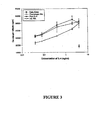
- Plant produced IL-4 is biologically active, for example as demonstrated by the stimulation of mast cell growth in the presence of IL-4 ( Figure 3).
- plant recombinant IL-4 exhibits the same effect as commercially available IL-4, and IL-4 from other sources.
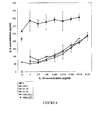
- plant produced IL-10 is also biologically active, for example as demonstrated in the inhibition of LPS-induced secretion of IL-6 by macrophage/monocyte cells ( Figure 8). This example demonstrates that plant recombinant IL-10 exhibits the same biological activity as recombinant insect IL-10, or IL-10 from other sources.
- the present invention provides a method of producing a cytokine and an autoantigen comprising,
- the present invention also provides a method of producing a cytokine and an autoantigen comprising,
- the present invention also provides a method of producing a cytokine and an autoantigen comprising,
- the steps of transforming and expressing may be performed in any manner as described within the art and may be readily practised by a person of skill in the art.
- the constructs of the present invention can be introduced into plant cells using Ti plasmids, Ri plasmids, plant virus vectors, direct DNA transformation, micro-injection, electroporation, etc.
- Ti plasmids Ri plasmids
- plant virus vectors direct DNA transformation, micro-injection, electroporation, etc.
- nucleotide sequences encoding the proteins of interest are stably integrated within the genome of the plant.
- the plant may be any plant known in the art, for example, but not limited to food-crop plants for example alfalfa, corn, wheat, soybean, potato, canola, and non food crop plants, such as tobacco. If the plant is a tobacco plant, it is preferred that the tobacco plant is a low-nicotine, low alkaloid tobacco plant.
- the plant, or portion thereof may be orally administered to a subject, or the plant, or portion thereof, may be partially purified as described previously prior to being administered to a subject.
- the present invention also provides a method of treating, or preventing diabetes in a subject.
- the method comprises administering to a subject a plant or more than one plant expressing an autoantigen, for example GAD, with a cytokine, for example, but not limited to IL-4 or IL-10, either singly or in combination, to augment oral immune tolerance to the autoantigen.
- an autoantigen for example GAD
- a cytokine for example, but not limited to IL-4 or IL-10, either singly or in combination
- Any IL-4, IL-10, or GAD may be used provided that the protein exhibits IL-4, IL-10 or GAD activity, respectively.
- fragments of GAD are biologically active, or that fragments of GAD assist in oral tolerance
- the present invention also pertains to a method of treating, or preventing diabetes in a subject comprising administering to a subject a plant, or more than one plant, expressing an autoantigen, for example GAD or a fragment thereof, with a cytokine, for example IL-4 or IL-10, either singly or in combination.
- the IL-4, IL-10, GAD, or a fragment of GAD comprise amino acid sequences which are substantially identical to the amino acid sequences of the proteins in the subject being treated.
- substantially identical it is meant that the administered amino acids sequences exhibit from about 95% to about 100% identity with the subject sequence.
- the administered sequence exhibits 100% identity with the subject sequence.
- a human IL-4 is employed with human GAD to treat, prevent or both treat and prevent diabetes in a human subject.
- Homology determinations may be made as known in the art using oligonucleotide alignment algorithms for example, but not limited to a BLAST (GenBank URL: www.ncbi.nlm.nih.gov/cgi-bin/BLAST/, using default parameters: Program: blastp; Database: nr; Expect 10; filter: default; Alignment: pairwise; Query genetic Codes: Standard(1)) or FASTA, again using default parameters.
- BLAST GenBank URL: www.ncbi.nlm.nih.gov/cgi-bin/BLAST/, using default parameters: Program: blastp; Database: nr; Expect 10; filter: default; Alignment: pairwise; Query genetic Codes: Standard(1)) or FASTA, again using default parameters.
- the present invention provides a vector comprising a nucleotide sequence encoding an cytokine, a autoantigen or both a cytokine and an autoantigen, and operativly linked with one, or more than one regulatory regions active in a plant.
- cytokine is an interleukin, for example any one of IL1 to IL24, IL-26 or IL-27, or a contra-inflammatory cytokine, for example but not limited to IL-4, IL-10 or TGF- ⁇ .
- the interlekin is a member of the IL-10 family (Fickensher, 2002, Trends in Immunology 23: 89), which includes members that have conserved helical structures of a homo-dimer, but variable receptor binding residues which alter their function.
- members of the IL-10 family include IL-10, IL-19, IL-20, IL-22, IL-24 and IL-26.
- the interleukin is IL-4 or IL10.
- An example of the autoantigen is GAD, or a fragment of GAD that is biologically active, or functional in assisting oral tolerance.
- the vector may further comprise a second nucleotide sequence fused to nucleotide sequence, the second nucleotide sequence encoding, an enzyme cleavage site, an endoplasmic reticulum retention signal, an affinity tag to aid purification of said protein of interest, or a combination thereof.
- the endoplasmic reticulum retention signal comprises the amino acid sequence KDEL.
- the present invention is also directed to a plant comprising the vector, and to plants expressing the nucleotide sequence as defined above.
- the present invention also provides a composition comprising a plant-expressed cytokine, and an autoantigen.
- the plant-expressed cytokine can a contra-inflammatory cytokine, for example IL-4, IL10, or TGF- ⁇ .
- the contra-inflammatory cytokine is IL-4.
- the autoantigen can be GAD, or a fragment thereof.
- the present invention also provides a method of eliciting an immune response against an antigen in a subject, the method comprising orally administering a plant or portion thereof comprising an antigen and an interleukin to the subject.
- the antigen may be an autoantigen, for example, but not limited to GAD, or a fragment thereof.
- the interleukin may comprise IL-4, but may be one or more other interleukins.
- the autoantigen is GAD, or a fragment thereof
- the interleukin is IL-4.
- the autoantigen and interleukin comprise sequences that are naturally present in the subject.
- the present invention further contemplates a method of treating inflammatory bowel disease in a subject, the method comprising, administering a plant, or portion thereof comprising IL-10 to said subject.
- the inflammatory bowel disease may comprise ulcerative colitis or Crohn's colitis, but is not limited to these inflammatory bowel diseases.
- the present invention also provides a use of a plant, or a first and second plant comprising a cytokine and an autoantigen for the production of a medicament for the treatment of a disease state in an animal, for example but not limited to a mammal, including a human. If the cytokine and autoantigen are produced in separate plants, then the plant material comprising the cytokine and autoantigen may be combined for use in preparing the medicament. Similarly, extracts, either crude extracts comprising plant material, partially purified extracts or purified extracts, may be obtained from plants expressing a cytokine, and an autoantigen, and these extracts may be combined for preparing the medicament comprising a cytokine and an autoantigen.
- the cytokine can be selected from the group consisting of IL-4, IL-10, and TGF- ⁇ , and the autoantigen is glutamic acid decarboxylase (GAD), or a fragment thereof.
- FIG. 1 there is shown an immunoblot of Nicotiana tabacum cv. SR1 tobacco plants transformed with a plant expression vector comprising the human GAD65 gene.
- the results show that transgenic plants producing human GAD65 exhibit a single protein band that is of the correct size.
- the expression level of GAD65 estimated from blot densitometry was about 0.04% by weight of the total soluble protein.
- the level of expression may be modulated in plants as would be evident to someone of skill in the art, for example, but not limited to, through the use of promoters with different activities, or by other accessory nucleotide sequences such as but not limited to enhancer, repressor, ER retention, and signal, sequences.
- SR1 tobacco is provided as a non-limiting example of a plant that can be used to express a protein of interest as described herein, for example but not limited to GAD65.
- SR1 is a wild type tobacco plant with respect to nicotine expression, however, GAD65, and other proteins as described herein may be expressed in low nicotine tobacco as described below.
- the use of low nicotine tobacco may be desired if plant matter expressing one or more than one proteins described herein is to be orally administered.
- FIG. 2 there is shown an immunoblot of proteins extracted from Nicotiana tabacum cv. SR1) transformed with expression vectors comprising a nucleotide sequence encoding IL-4.
- the results indicate that transgenic IL-4 may be produced in plants.
- the immunoblot analysis exhibits a unique protein band recognized by a monoclonal antibody specific for mouse IL-4 which is comparable in size to standard recombinant mouse IL-4.
- mIL-4 plant-derived recombinant murine IL-4
- the level of expression may be modulated in plants as would be evident to someone of skill in the art, for example, but not limited to, through the use of promoters with different activities, or by other accessory nucleotide sequences such as, but not limited to enhancer, repressor ER retention, and signal sequences.
- FIG. 3 there is shown results following stimulation of a mast cell line with plant recombinant IL-4.
- proliferation of mast cells occurred with plant recombinant IL-4 demonstrating that plant-derived recombinant IL-4 is biologically active, and that it may be used as an immunomodulator in oral tolerance.
- Transgenic tobacco leaf tissues comprising GAD and IL-4 were added to the feed of non-obese diabetic (NOD) mice in an amount of up to about 12% (w/w) of their diet.
- the amount of IL-4 was estimated to be about 10 ⁇ g to about 12 ⁇ g per mouse daily, whereas the amount of human GAD65 was estimated to be about 8 ⁇ g to about 10 ⁇ g per mouse daily.
- NOD mice receiving a composition of GAD65 and IL-4 produced within tobacco exhibited a decrease in the incidence of developing diabetes compared with mice fed plant-produced GAD65, plant-produced IL-4, or plant matter comprising an empty vector.
- the invention as described does not depend on the reduction of peri-islet infiltrates, as these infiltrates if present may not be destructive, and may represent T cells producing Th2 cytokines themselves.
- IL-4 is known to mediate immunoglobulin class switching to IgE production (Ryan, 1997), and such an event is thought to be associated with the induction of an allergic response. As described in Example 6, oral immune tolerance with Th2 response skewing did not induce IgE response in the mouse models tested, either with autoantigen GAD or with IL-4.
- the present invention contemplates a method for inducing regulatory T-cells against an autoantigen in a subject, comprising orally administering a composition comprising IL-4 and an autoantigen. Further, there is provided a method of inducing regulatory T-cells against GAD in a subject, comprising orally administering a plant comprising IL-4 and GAD, or a fragment thereof, or a composition comprising plant produced IL-4 and GAD, or a fragment thereof.
- the subject may be an animal or any mammalian subject but is preferably human. In the latter embodiment, preferably the IL-4 is human IL-4, and GAD is human GAD 67, GAD 65, or a combination thereof, or an active fragment of GAD 67, GAD 645 or a combination thereof .
- the present invention also provides a plant or portion thereof expressing IL-4, IL-10, GAD, or a combination thereof.
- the plant may be any plant known in the art for example but not limited to, alfalfa, wheat, corn, soybean, canola, potato and tobacco.
- the tobacco plant may be a low-alkaloid plant, or a low-nicotine tobacco plant.
- the plant can be a low nicotine low alkaloid tobacco plant, such as, but not limited to, 81V-9 or SR1.
- a low nicotine low alkaloid tobacco plant is an example of a non-food crop plant.
- non-food crop plants are ideal species for the transgenic production of biologically active proteins since the risk of leakage of transgenic plant material into the human food chain is negligible. Even though non-food crop plants are ideal species for use as bioreactors from both a regulatory and public safety point of view, there are several obstacles that must be overcome prior to their use as bioreactors.
- a potential drawback with the use of non-food crop plants, for example tobacco, as bioreactors is that these plants may contain undesirable secondary plant products.
- Secondary plant products are constituents that are generally toxic or reduce the palatability of the plant tissue or that are addictive in nature. This is a significant concern since one of the benefits of preparing proteins of interest within a plant is that large quantities of protein may be required for administration (Ma and Hein, 1995). Therefore, any toxic, addictive, or otherwise non-desirable products should be avoided within the plant tissue.
- tobacco plants contain high levels of secondary plant products such as nicotine and related alkaloids, making the plant tissue generally unsuitable for the direct oral administration.
- Earlier studies have described the administration of tobacco-derived proteins to mice, however, the proteins were in a partially purified form.
- non-food crop plant it is meant a plant that has traditionally not been used, or grown for human food purposes.
- non-food crop plants include, but are not limited to, ornamental plants, tobacco, hemps, weeds, trees and the like. It is contemplated that such non-food crops plants may be used for the production of one or more proteins of interest.
- the non-food crop plant be used as a bioreactor for the production of one or more transgenically-expressed proteins of interest suitable for oral administration with minimal or no processing, it is preferably that such a non-food crop plant is characterized as being:
- any plant may be used for the production of a protein of interest, following the methods of the present invention, as described herein.
- the protein of interest may be combined with other nucleic acid sequences that are useful for the purification of the protein of interest in order that the protein be suitable for further use.
- a low alkaloid tobacco plant may be defined as a plant that contains less than from about 0.2% to about 70 % of the total alkaloids present in plants comprising a regular level of alkaloids. More preferably, a low-alkaloid plant is one that contains about 0.2% to about 10% of the total alkaloids present in plants comprising a regular level of alkaloids.
- a low alkaloid plant that comprises about 2.8% of the total alkaloid level of a regular tobacco, is 81V-9 (see Table 1, Example 4).
- a low nicotine tobacco plant is one that contains a significantly lower concentration of nicotine when compared with a similar plant comprising regular nicotine content.
- a low nicotine tobacco plant may be defined as a plant that contains less than from about 0.2% to about 70 % of the total nicotine present in plants comprising a regular level of nicotine. More preferably a low-nicotine plant is one that contains from about 0.2% to about 10% of the total nicotine present in plants comprising a regular level of nicotine.
- an example of a tobacco plant which may be considered to comprise a regular level of alkaloids and nicotine is Delgold tobacco plants.
- Low alkaloid or low nicotine plants may be obtained through conventional breeding programs (e.g. Chaplin, 1977), through selective down regulation of undesired genes (e.g. U.S. 5,260,205, issued November 9, 1993 and U.S. 5,369,023, issued November 29, 1994; inventors Nakatani and Malik), or by any other means e.g. mutagenesis followed by selection of desired traits.
- the ultimate nicotine or alkaloid level may still depend upon the environment under which the plant is grown.
- a low-nicotine plant or a low-nicotine low-alkaloid plant, such as, but not limited to 81V-9
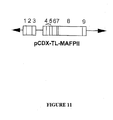
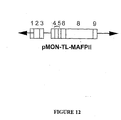
- proteins of interest included, but are not limited to IL-4, IL-10, GAD, and a Type II antifreeze protein (AFP).
- AFP Type II antifreeze protein
- any protein of interest may be expressed in a low-nicotine, low-alkaloid tobacco plant.
- cytokines orally may offer an alternative to systemic application or topical application and may have local and systemic effects.
- acid inactivation and protease digestion does not appear to inactivate all cytokine effects, in the limited experience to date using an oral approach.
- Bioactivity may be retained even in the presence of trypsin and chymotrypsin, at least for IL-6, suggesting heavy glycosylation and other factors confer acids stability to cytokines (Rollwagen and Baqar 1996).
- interferons can suppress collagen induced arthritis in rats when given in high dose orally.
- Oral cytokines may simplify an approach to delivery and could be useful in models of infection, HIV, autoimmunity and transplantation rejection.
- Transgenic plants may also protect a transgenic protein of interest that is administered orally, providing greater resistance to gastrointestinal digestion (e.g. Kong et al., 2001, P.N.A.S. 98:11539-11544).
- This protection includes the "encapsulation" of transgenic proteins within cytoplasmic micro compartments, as well as the presence of plant glycosylation and other factors which confers as stability to functional proteins such as cytokines and as well the other components of the plant tissue which may further enable the transgenic proteins of interest to reach heights within the GI tract that are responsible for immune modulation, or to reach those sites within the GI tract that are undergoing inflammation such as in inflammatory bowel disease.
- Gene constructs were transformed into N. tabacum cv. Xanthi and 81V9-4 tobacco strains (available from Agricuture and Agri-Food Canada, Pest Management Research Center, Delhi Farm, Genetics Section) .
- 81V9-4 is a flue-cured tobacco line containing only trace amounts of alkaloids and is an ideal component for tobacco-based molecular farming applications.
- Gene constructs were built for production of pro and mature forms of a Type II antifreeze protein (AFP), IL-4, IL-10 or GAD to be accumulated in the cell cytosol and extracelluar space.
- AFP Type II antifreeze protein
- IL-4 IL-4
- IL-10 GAD
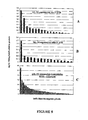
- Figure 5C shows the quantity of plant recombinant IL-10 expressed in transgenic tobacco plants transformed with an IL-10 nucleotide sequence which further comprises a KDEL endoplasmic reticulum retention signal.
- human IL-10 may be produced in plants, such as, but not limited to low-nicotine, low-alkaloid tobacco plants.
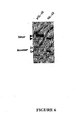
- FIG. 6 there is shown an immunoblot following non-denaturing SDS-PAGE of recombinant human IL-10 (hIL-10) produced in insect cells and plant recombinant IL-10 (prIL-10).
- hIL-10 human IL-10
- prIL-10 plant recombinant IL-10
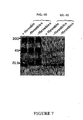
- FIG. 7 there is shown results of digesting plant recombinant IL-10 that comprises the (thrombin)-(His tag)-(KDEL) with thrombin. As shown in Figure 7, thrombin digestion of the protein indicated that the signal peptide was properly processed in plants.
- IL-10 inhibits the production of proinflammatory cytokines such as TNF- ⁇ and IL-6 by LPS stimulated cells. Complete inhibition requires the intact IL-10 protein, as small synthesized peptides taken from the C and N terminus of the IL-10 protein are ineffective (Gesser, 1997 PNAS 94, 14620-14625). Biological activity was tested by determining its ability to inhibit the LPS induced secretion of IL-6 by the murine monocyte cell line PU51.8.
- plant recombinant IL-10 inhibits LPS induced secretion of IL-6 in a dose dependent manner similar to insect derived human IL-10 (hIL-10).
- hIL-10 insect derived human IL-10
- a linear inhibition of IL-6 secretion occurred at concentrations of between about 0.039 and about 2.5 ng per mL.
- Control protein from an untransformed plant has no effect.
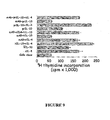
- Human IL-10 is known to induce proliferation of MC/9 murine mast cells. Further, proliferation can be blocked by a monoclonal antibody (mAB) specific for the IL-10 soluble receptor.
- mAB monoclonal antibody
- Figure 9 there is shown results demonstrating that plant recombinant IL-10 induced proliferation of mast cells. Further, the proliferation was blocked by the addition of neutralizing anti-IL-10 mAb, confirming that the proliferation was due to the plant recombinant IL-10 and not other factors present in the purified plant fraction. These results demonstrate that plants are able to express IL-10, and can process and assemble the protein into biologically active dimeric form.
- IgG expression in plants lends support to the idea that passage through the endoplasmic reticulum may enhance protein accumulation.
- the amount of each protein increased up to 60-fold over that seen when expressed individually into the same compartment (Hiatt et al 1989).
- Expression of both protein components into the cytosol did not affect their level of accumulation.
- IgG processing and assembly in lymphocytes occurs through the action of heavy-chain binding proteins present in the endoplasmic reticulum (ER).
- ER endoplasmic reticulum
- the observed increase in yield when both proteins were targeted to the extracelluar space has been attributed to an enhanced stability contingent on IgG assembly. Consistent with this hypothesis, active antibody complexes were observed when the proteins were targeted to the extracelluar space but not when targeted to the cytosol.
- the codon usage within the non-crop plant of interest should be determined. Also, it has been shown that endoplasmic reticulum retention signals can dramatically increase transgene protein levels, for example the KDEL motif (Schouten et al 1996). Replacing any secretory signal sequence with a plant secretory signal will also ensure targeting to the endoplasmic reticulum (Denecke et al 1990).
- a method for the production of a protein of interest comprising,
- The, present invention also pertain to a method for the production of a protein of interest, the method comprising,
- the low-nicotine, low-alkaloid tobacco plant exhibits an alkaloid concentration and a nicotine concentration which is less than about 10% the alkaloid concentration and less than about 10% the nicotine concentration of Delgold tobacco plants grown under the same conditions. More preferably, the low-nicotine, low-alkaloid tobacco plant exhibits an alkaloid concentration and a nicotine concentration which is less than about 5% the alkaloid concentration and less than about 5% the nicotine concentration of Delgold tobacco plants grown under the same conditions. Still more preferably, the low-nicotine, low-alkaloid tobacco plant exhibits an alkaloid concentration and a nicotine concentration which is less than about 0.28% the alkaloid concentration and less than about 2.6% the nicotine concentration of Delgold tobacco plants grown under the same conditions.
- the protein of interest may be any protein.
- the protein may be an interleukin, for example, but not limited to IL-4, IL-10, or both.
- the interleukin may comprise a human interleukin, but is not limited to being human. Further, the interleukin may be genetically modified for example by site-directed mutagenesis or other methods which are known to those skilled in the art.
- the plant may comprise GAD, for example, but not limited to GAD67, GAD65, or a combination thereof.
- GAD may comprise a human GAD, but is not limited to being human.
- GAD may be genetically modified for example by site-directed mutagenesis or other methods which are known to those skilled in the art.
- the protein of interest may also comprise a protease cleavage sequence, for example but not limited to a thrombin cleavage sequence, a localization signal, for example but not limited to an endoplasmic reticulum retention sequence, and an affinity tag sequence to aid in the purification of the protein of interest, for example a HIS tag.
- a protease cleavage sequence for example but not limited to a thrombin cleavage sequence
- a localization signal for example but not limited to an endoplasmic reticulum retention sequence
- an affinity tag sequence to aid in the purification of the protein of interest
- the native 5' untranslated region of the fish cDNA was replaced with the 5'-untranslated leader region of the tobacco mosaic virus (TMV) (Richards et al 1977 & 1978, Sleat et al 1988).
- TMV tobacco mosaic virus
- the fish signal peptide sequence was also replaced with that of the tobacco pathogenesis-related protein 1b (PR-1b) (Cornelissen et al 1986, Sijmons et al 1990, Denecke et al 1990).
- PR-1b tobacco pathogenesis-related protein 1b
- Oligonucleotide cassettes were designed: three oligonucleotides, #1091, (SEQ ID NO:1); #1092 (SEQ ID NO:4); and #1309 (SEQ ID NO:2), which would hybridize to generate the complete TMV leader sequence (TMV Cassette: Figure 10A); and five oligonucleotides #4361-#4365 (SEQ ID NOs: 3, 5, 6, 8 and 9, respetively) which in concert with oligonucleotides #1091 and #1092 (SEQ ID NO:1 and 4) would hybridize to generate a linked TMV leader and PR-1b signal peptide DNA sequence (TMV-PR Cassette: Figure 10B).
- the 5' end of these cassettes corresponded to a Bam H I sticky end restriction site.
- the 3' end of the TMV cassette was blunt and incorporated an additional adenine nucleotide intended to form the first nucleotide of the start codon while the 3' end of the TMV-PR cassette was compatible with Nde I-cut DNA but would not be able to re-generate the restriction site following ligation.
- Type II AFP cDNA was site-specifically mutated according to the method described by Kunkel (1985) to incorporate an Nde I restriction site at either bp 157 or 207. These mutations also introduced appropriate in-frame methionine start codons at the junctions between sequences encoding pre and pro, or pro and mature portions of the AFP.
- plasmids containing the mutated Type II AFP cDNAs were initially cut with Nde I and made blunt-ended with mung bean nuclease.
- the cDNA fragments were released by cleavage with Sal I, were isolated and directionally ligated into a Bam H I/ Sal I-cut pTZ18 vector together with annealed TMV oligonucleotides #1091, #1092 and #1309.
- the TMV-proAFP and TMV-mAFP constructs were then cut with Bam H I and Hinc II, and the isolated AFP gene fragments ligated separately into pMON 893.
- the mutated Type II AFP cDNAs were initially subcloned from their pTZ 19 vectors into Hind III/ Sal I-cut pBluescript vectors to position a Bam H I restriction site 5' to the AFP coding sequence.
- the pBluescript-AFP clones were cut with Bam H I and Nde I restriction enzymes to remove the sea raven signal peptide sequence or signal peptide and pro-region DNA.
- the plasmid portions of these digests were isolated and ligated with annealed oligonucleotides #1091, #1092, and #4361 through #4365.
- the gene constructs were then cut with Xba I and Kpn I, and separately cloned into pCDX-1.
- AFP encoded by the transgene constructs was identical to the pro and mature AFP forms present in fish with the exception of one additional methionine at the N-terminal end of the proteins.
- the T-DNA portion of the final constructs are depicted in Figures 11 and 12.
- transgenic plants were regenerated carrying gene constructs for AFP accumulation into the extracellular space: two proAFP transgenics in each strain and four mature AFP transgenics in 81V-9. Transformed and regenerated plants were initially selected for kanamycin resistance. Transgenic status was subsequently determined by direct PCR screening for the AFP transgene using primers #3339: and #4708: which hybridize to the TMV leader and at the 3' end of the sea raven AFP coding sequence, respectively. Type II AFP gene constructs were amplified in 30 cycles of denaturation for 1 min at 95°C, annealing for 1 min at 55°C, and elongation for 2 min at 72°C.
- Total soluble protein extracts were prepared from three to four leaves taken from the upper half of a healthy plant according to the method described by Gengenheimer (1990). Extracts were dialysed at 4EC against 0.1%, 0.01% and 0.001% ascorbic acid in SpectraPor® #3 dialysis tubing (MWCO 3.5 kDa) and centrifuged for 15 min at 12,000xg to remove precipitate formed during dialysis prior to lyophilization. Samples were resuspended in Millipore®-filtered water and their protein concentrations determined by Bradford assay (16) relative to a BSA standard.
- Lyophilized protein was resuspended directly in loading buffer (60 mM Tris-HCl, pH 6.8/10% glycerol/5% ⁇ -mercaptoethanol/2% (w/v) SDS/ 1.3 x 10 -3 % (w/v) bromophenol blue), and were electrophoresed through a 17% polyacrylamide/0.1 M sodium phosphate, pH 6.8/4 M Urea/0.1% SDS gel using 0.1 M sodium phosphate, pH 6.8/0.1% SDS running buffer. Electrophoresis was conducted at 50 V for 3-4 h or until the 6 kDa pre-stained marker was at the bottom of the gel.
- Western blots were prepared according to the method described by Burnette et al (1981) and probed with polyclonal antibody to the mature sea raven AFP.
- a chemiluminescence detection kit (Amersham) for probing of Western blots was used to detect bound first antibody. All reactions were carried out according to the manufacturer's directions.
- RNA extracts of plants transgenic with gene constructs for cytosolic AFP accumulation were analysed by Northern blot to determine if the AFP transgene was transcribed.
- Two plants, Xanthi TmSR #1 and 81V9-4 TmSR #1, carrying transgenes for AFP accumulation into the cell cytosol were found to produce a 0.96 kb RNA transcript which hybridized with the AFP cDNA used as a probe: on longer exposure of the blots, the same RNA transcript was also seen in extract from Xanthi TmSR #2 and slightly larger one of approximately 1.02 kb was detected in extract from 81V9-4 TpSR #3. Transcripts from pro and mature AFP transgene constructs were expected to differ by 51 nucleotides.
- Both plant-produced AFP gene transcripts were both considerably larger than a PCR-generated control sample estimated to be 0.36 kb and representing the size of the mature AFP transgene between the TMV leader and the 3' end of the coding sequence. This was consistent with the size difference expected based on the additional coding sequence and 3'-untranslated region (155 nt total) present in the transgene construct, and with the use of the NOS polyadenylation sequence to obtain polyadenylated transcripts. Both transcripts were smaller than an equivalent gene transcript of 1.06 kb produced in a plant carrying the transgene for targeted mature AFP accumulation into the extracellular space.
- Vacuum infiltration extracts were prepared from AFP-producing plants to determine if the expressed AFP was present in the extracellular space. These extracts were not subject to the viscosity and sample distortion associated with total soluble protein extracts, so were also considered more suitable to estimate the sizes of the plant AFPs.
- Western blot analysis confirmed the presence of AFP.
- AFP was detected in plants pII3a-#7 and II4c 2 -#1 which carried mature and proAFP transgenes respectively, as a diffuse band of approximately 14.7 kDa which migrated at a similar rate to mature AFP isolated from fish sera. A small mobility difference was observed between the AFPs produced by the two plants, however, proAFP isolated from fish sera was distinctly larger than either plant-produced AFP.
- RNA analysis of the transgenic plants has shown that they are able to transcribe the integrated transgene constructs, and that the size of the plant AFP mRNA from both construct types is consistent with that expected for a full-length, polyadenylated transcript. mRNA produced from the transgene for AFP accumulation into the extracellular space was obviously translatable.
- the presence of plant-produced AFPs in vacuum infiltration extracts indicates that the plant recognized the PR-1b signal peptide component and correctly targeted the attached AFPs to the extracellular space.
- the predicted size of the AFPs for export to the extracellular space is 18.7 or 17 kDa with the signal peptide component attached and 15.8 or 14.1 kDa without the signal peptide for the pro and mature AFPs, respectively.
- Western blot analysis of the plant vacuum infiltration extracts showed that the AFPs produced from the proAFP and mature AFP transgene constructs and present in the extracellular space both co-migrated with mature Type II AFP and were approximately 14.7 kDa. This suggests that not only is the plant capable of cleaving the signal peptide from the expressed AFP but that it can remove most or all of the pro-region of the AFP.
- Example 2 IL-4 expression and determination of biological activity.
- Mouse IL-4 is a glycoprotein of 140 amino acid residues including a putative 20-amino acid signal peptide, which has a molecular weight of 19 to 21 kDa, depending on the degree of glycosylation (Proc. Natl. Acad. Sci. USA 83:2061, 86).
- Mouse IL-4 cDNA was first amplified with PCR using the primers: and and the PCR product encoding the full protein was isolated and ligated to a signal peptide encoding sequence from peanut peroxidase and the KDEL sequence (SEQ ID NO: 22).
- IL-4 gene SEQ ID NO:21
- the reconstituted IL-4 cDNA was then used to replace the b-glucuronidase (GUS) gene in plasmid pTRL2-GUS composed of a CaMV35S promoter with a double enhancer sequence (Ehn-35S) linked to a 5' untranslated tobacco etch virus leader sequence, GUS and a nonpaline synthase (NOS) terminator.
- GUS b-glucuronidase
- pTRL2-GUS composed of a CaMV35S promoter with a double enhancer sequence (Ehn-35S) linked to a 5' untranslated tobacco etch virus leader sequence, GUS and a nonpaline synthase (NOS) terminator.
- the resulting IL-4 expression cassette was inserted into the binary plant expression vector pBin19, and then transferred into the Agrobacterium tumefaciens strain LBA4404 (pAL4404) for plant transformation.
- Nicotiana tabacum cv. SR1 was by leaf disc cocultivation with A. tumefaciens LBA4404 harbouring IL-4 using procedures described previously (Ma et al, 1997). Mature plants were generated from regenerated shoots under antibiotic selection in hormone-free rooting medium, and then subjected to screening for recombinant protein expression. Transgenic plants expressing the highest levels of transgene proteins were selected for long-term maintenance.
- Tobacco plants ( Nicotiana tabacum cv. SR1) were transformed with the plant expression vectors comprising a mouse IL-4 gene by A. tumefaciens-mediated leaf explant transformation method. The regenerated tobacco plants were then analyzed for the presence of mIL-4 DNA, its specific mRNA transcripts and protein products.
- the leaf tissue from IL-4 transgenic tobacco was homogenized on ice in extraction-buffer (25 mM Tris-HCl, pH 8.0, 50 mM NaCl 0.1% SDS, 2 mM 2-mercaptoethanol, 1 mM PMSF, 2 mg/ml Leupeptin, 2 mg/ml Aprotitin, and 2 mg/ml Pepstatin A).
- tissue homogenates were centrifuged at 4 C for 15 min at 14,000 g and the concentration of proteins in the supernatants was determined by protein assay (Bio-Rad, Canada). Samples of proteins were separated by SDS polyacrylamide gel electrophoresis, proteins were transferred onto PDF membrane by electroblotting and the recombinant protein was detected by incubation with anti-mouse IL-4 antibody (PharMingen) and a horseradish peroxidase-conjugated secondary antibody and ECL detection reagents (Amersham).
- IL-4 production in trangenic tobacco leaf tissues was determined by chemiluminescent ELISA. Briefly, for quantification of plant-derived recombinant mouse IL-4 (prIL-4), the 96-well microtiter plates (Nunc, Roskilde) were coated overnight at 4°C with 2 mg/ml anti-IL-4 capture mAb (clone 111311; PharMingen) in 100 ml binding buffer (0.1 M Na2HPO4, pH 9.0). The plates were then washed three times with PBS containing 0.5% Tween 20, blocked with 1% BSA in PBS, washed and incubated with leaf extracts and mouse rIL-4 standard (Pharmingen), overnight at 4°C.
- biotinylated mouse anti-IL-4 detection mAb (clone BVD6-24G2, PharMingen; 1 mg/ml) for 1 h at room temperature, followed by avidin-horseradish peroxidase (HRP) and ABTS substrate (both from Sigma Chemical Co., Oakville, Ontario) for 30 min at room temperature for colour development.
- ODs were read by a Microplate reader (ML3000, Dynatech Laboratories) at 405 nm to determine the relative amounts of recombinant IL-4 in the extracts.
- IL-4 was first described as a T-cell-derived B-cell growth factor (Howard et al., 1982), and has now been shown to mediate a wide array of biological effects on the immune system including growth stimulation for B cells, T cells and mast cells (Hu-Li et al., 1987; Lee et al., 1986). Measurement of IL-4 dependent cell proliferation is considered to be a sensitive bioassay for IL-4 activity.
- the in vitro T-cell proliferation and cytokine induction were determined as previously described. Briefly, a spleen cell suspension was prepared from individual mice in ice-cold PBS. The spleen cell suspension was cultured in 96-well flat-bottomed plates at 2 X 10 5 cells/well in RPMI (BioWhittaker, Walkersville, MD) supplemented with 10% FCS (Life Technologies, Grand Island, NY).
- IL-4 was tested with the MC/9 murine mast cell line (obtained from the American Type Culture Collection, Rockville, MD) which requires IL-4 for proliferation.
- Oral administration of low-dose IL-4 does not significantly alter serum IL-4 levels.
- NOD mice The in-vivo activity of plant produced IL-4 is determined in NOD mice.
- NOD and control strain insulitis- and diabetes-free female mice (20 mice/group) are fed either transgenic low nicotine tobacco leaves expressing recombinantly produced IL-4.
- circulating serum levels of plant recombinant IL-4-fed and un-fed NOD and control mice are analyzed by ELISA as described above. Both NOD and control mice are monitored for any potential toxic effects arising from the plant recombinant IL-4 feeding, and their serum concentrations of IgE and IgG quantified by ELISA.
- Feeding of plant recombinant IL-4 to protect against the onset of insulitis and/or Type 1 diabetes in NOD mice is also determined.
- Pre-diabetic female NOD mice (4 weeks of age) fed or not fed with plant recombinant IL-4 are maintained in a specific pathogen free animal facility.
- Mice are monitored weekly for their blood glucose levels (BGL), and mice that are hyperglycemic (i.e. BGL > 11.1 mmol/L) for two consecutive weeks are diagnosed as Type 1 diabetic.
- BGL blood glucose levels
- mice that are hyperglycemic i.e. BGL > 11.1 mmol/L
- the onset of insulitis is monitored by immunohistochemical analysis of pancreatic tissue by sacrificing mice at various times (2 weeks to 2 months) after plant recombinant IL-4-feeding is initiated.
- Example 3 Interleukin-10 (IL-10) expression and determination of biological activity
- Full length mRNA encoding human IL-10 is 1601 nucleotides long, with a short 5' UTR of 30 nucleotides (nt) and a long 3' UTR of 1037 nt.
- the hIL-10 coding sequence is 534 base pairs long and codes for a 178 amino acid preprotein with a 18 amino acid secretory signal (Vieira et al., 1991).
- the full length human IL10 cDNA is isolated from polyA RNA by RT-PCR and fully sequenced to ensure fidelity. In order to maximize expression levels and transgene protein production, the IL10 cDNA is examined for codon usage patterns and optimized as necessary (Perlak et al. 1991).
- the KDEL ER retention motif may be added to the IL-10 cDNA using site directed mutagenesis (see results in Figure 5 (C)).
- SEQ ID NO:12 For comparative purposes an identical synthetic gene, without the KDEL signal, is prepared and used in the transformation studies (SEQ ID NO:12).
- the expression system adopts a duplicated 35S enhancer-promoter plus AMV leader sequence (Kay et al. 1987; Jobling and Gehrke 1987).
- constitutive promoters may also be employed, for example, T1276 a constitutive promoter from tobacco (see co-pending application US application serial No.08/593,121).
- the IL-10 gene is cloned into a T-DNA vector between the T-DNA border sequences using the Bin19 derived plant expression vector pCamTerX.
- the synthetic IL-10 gene is transformed to tobacco using Agrobacterium mediated transformation (Horsch et al. 1989).
- the Agrobacterium strain used is EHA101 carrying the disarmed Ti plasmid pEHA104.
- the plant selectable marker is neomycin phosphotransferase.
- a sequence containing the hIL-10 open reading frame and a truncated 3' UTR is amplified by PCR using oligonuleotides hIL-10-5'-BamHI and hIL-10-3'-EcoRI ( Figure 15 (B); transformed plants comprising this contruct are denoted "E” in Figure 16, and see Figure 5(A).
- the 5' oligonucleotide is designed with a BamHI site at the 5' end, and the 3' oligo is designed with an EcoRI site at the 5' end.
- the endoplasmic reticulum (ER) retention signal KDEL (Schouten et al., 1996)
- KDEL Schotten et al., 1996)
- G 3' end of hIL-10 coding sequence
- C transformed plants comprising this contruct are denoted "G” in Figure 16, and Figure 5 (C).
- a His tag is also added before the KDEL signal to facilitate purification of the transgenic protein (see Figure 15 (C), and SEQ ID NO:12, nucleotides 544-630).
- a thrombin recognition sequence is inserted immediately preceding the His tag that allows the cleavage of the His tag and the KDEL peptides. This third construct encodes a preprotein of 197 amino acids.
- a single oligonucleotide is used to fuse these sequences to the end of hIL-10 reading frame (see Figures 14 and 15).
- This oligonucleotide is used in conjunction with oligonucleotide hIL-10-5'-BamHI in a PCR to generate the fragment which was then cloned both in pBluescript and in pCaMter X.
- IL-10 IL-10 gene constructs into pCaMter X orientes the gene between the double CaMV double 35S promoter (Kay et al., 1987) and the NOS (Nopaline synthase) polyadenylation sequence (Frisch et al., 1995).
- the plant recombinant IL-10 (prIL-10) encoded by the native transgene constructs was identical to the native human IL-10. After purification and thrombin cleavage, the prIL-10 encoded by the tagged construct differs in only its two terminal amino acids from the native hIL-10.
- Gene constructs are transformed into N. tabacum cv. 81V9-4 low alkaloid tobacco strains according to the method described by Miki et al. (1998).
- Transformed and regenerated plants are initially selected for kanamycin resistance.
- Regenerated plants are analyzed for expression of the IL10 protein by solid phase sandwich Enzyme-Linked ImmunoSorbent Assay (ELISA). Briefly, the JES3-9D7 anti-IL-10 mAB (PharMingen) is used as a capture antibody and is paired with the biotinylated JES3-12G8 anti-IL-10 mAB (PharMingen) as the detecting antibody. Recombinant human IL-10 (PharMingen) is used as standard.
- Leaf tissue (1 g of fresh weight) was ground in 2 ml of extraction buffer (phosphate buffered saline (PBS) pH 7.4, 0.05% (v/v) Tween 20, 2% (w/v) polyvinylpolypyrrolidone (PVPP), 1 mM phenylmethylsulfonylfluoride (PMSF), 1 ug/ml Leupeptin) and clarified by centrifugation at 13,000g for 15 min at 4*C. The supernatant containing total soluble proteins was analyzed directly in a hIL-10 ELISA using standard protein and antibodies as per the supplier's protocol (Pharmingen). The results are presented in Figure 16.
- extraction buffer phosphate buffered saline (PBS) pH 7.4, 0.05% (v/v) Tween 20, 2% (w/v) polyvinylpolypyrrolidone (PVPP), 1 mM phenylmethylsulfonylfluoride (PMSF), 1
- Leaf tissue from transgenic plants containing HIS-tagged phIL-10C was ground (1g fresh weight in 3.5 ml buffer) in 20mM Tris pH 8, 100 mM NaCl, 0.1% (v/v) Tween 20. The extract was clarified by centrifugation, and the supernatant was filtered through a 0.22 ⁇ m membrane. prIL-10C was purified by IMAC on a chelating Hi-Trap column (Amersham Pharmacia).
- phIL-10C The presence of phIL-10C in the eluted fractions was assessed by immunoblotting using biotinylated polyclonal anti-IL-10 antibodies (1:1000 R&D systems), Streptavidin-HRP (1:3000 Genzyme) and ECL detection reagents (Amersham Pharmacia). Protein was quantitated using the Bradford method. Thrombin (1 unit, Novagen) was used to digest 1 ng of insect recombinant IL-10 or phIL-10C in a 20 ⁇ l reaction in 20 mM Tris-HCl pH 8.4, 0.15 M NaCl, 2.5 mM CaCl 2 for 16 hours at 23°C.
- transgenic plants are regenerated from the native construct containing only a short stretch of 3' UTR (called E6 and E15 in Figure 16), and nineteen plants are regenerated from the native construct containing the entire 3' UTR (called F10 in Figure 16). All of those and the first two plants regenerated from the construct containing the His tag and KDEL ER retention signal (called G7 in Figure 16) are tested for presence of IL-10 protein by ELISA.
- Figure 5(A) and Figure 5(B) show the quantity of IL-10 secreted to the apoplast following transformation of tobacco plants with nuclotide sequences comprising either a long hIL-10 3'UTR region or a short hIL-10 UTR region respectively.
- Figure 5(C) shows the quantity of plant recombinant IL-10 expressed in transgenic tobacco plants transformed with an IL-10 nucleotide sequence which further comprises a KDEL endoplasmic reticulum retention signal. The results demonstrate that human IL-10 may be produced in plants.
- prIL-10 Functional activity was assessed in two independent assays. First, the ability of prIL-10 to inhibit the secretion of IL-6 by lipopolysaccharide (LPS) -stimulated (20 ⁇ g ml -1 ) macrophages was evaluated. ELISA was used to measure IL-6 (Pharmingen) levels in the culture supernatent of the murine monocyte /macrophage cell line PU5-1.8 (ATCC) stimulated by varying doses of rIL-10 (Pharmingen), prIL-10 purified by IMAC, or control plant proteins (Fiorentino et al. 1991. J. Immunol. 147:3815-3822 1991).
- LPS lipopolysaccharide
- IL-10 IL-4 dependent proliferation of the mast cell line MC/9 (ATCC) was measured.
- MC/9 cells were grown for 2 days in varying doses of rIL-10 and phIL-10C in the presence or absence of rIL-4 and in the presence or absence of 1 ⁇ g of neutralizing anti-human IL-10 mAB (Pharmingen) (Zheng et al. 1995. J. Immunol. 154:5590-5600). Cells were pulsed for 16 h with 1 ⁇ Ci well -1 [ 3 H] thymidine and cultures were harvested in glass fiber filters and counted in a liquid scintillation counter.
- Proliferation was assessed by measuring the incorporation of [ 3 H] thymidine.
- the commercial rIL-10 was calibrated to an IL-10 reference reagent (5000 reference units (RU) per microgram) obtained from the National Cancer Institute.
- IL-10 inhibits the production of proinflammatory cytokines such as TNF- ⁇ and IL-6 by LPS stimulated cells, however, complete inhibition requires the intact IL-10 protein.
- Biological activity of recombinant IL-10 was tested by determining its ability to inhibit the LPS induced secretion of IL-6 by the murine monocyte cell line PU51.8.
- Plant recombinant IL-10 (prIL-10) inhibits LPS induced secretion of IL-6 in a dose dependent manner similar to insect derived human IL-10 (hIL-10) as shown in Figure 8. For both proteins (insect and plant produced IL-10), a linear inhibition of IL-6 secretion occurred at concentrations of between about 0.039 and about 2.5 ng per mL. Control protein from an untransformed plant has no effect.
- Human IL-10 is known to induce proliferation of MC/9 murine mast cells. As shown in Figure 9, addition of plant recombinant IL-10 (hIL-10), or rIL-4 and hIL-10 induced proliferation of mast cells.
- Cell proliferation can be blocked by a monoclonal antibody (mAb) specific for the IL-10 soluble receptor.
- mAb monoclonal antibody
- cell proliferation was blocked by the addition of neutralizing anti-IL-10 mAb (Pharmingen), in the presence or absence of rIL-4, (see Example 2) confirming that the increase in observed cell proliferation was due to the plant recombinant IL-10 and not other factors present in the purified plant fraction. Similar results were observed for insect-produced IL-10 (hIL-10).
- MHC class II proteins Surface expression of MHC class II proteins is determined on human lymphocytes activated by either PHA or ConA in the presence of increasing concentrations of IL-10. And compared to control plant extracts.
- Peripheral blood lymphocytes are stimulated with LPS (1-10 ⁇ /ml) for 24-48 hours, and levels of cytokines determined by ELISA or bioassay. Inhibition is determined as well, at the RNA level, by Northern blot analysis.
- IL-10 is beneficial in prevention of lethal endotoxemia. Following appropriate approval the effect of IL-10 purified from plant extract on endotoxic injury in BALB/c mice is tested. E.coli is administered interperitoneally or intravenously in the presence of various amounts of recombinant munne IL 10. Plant extract is given to mice orally in addition to purified IL-10 from plants given intravenously. Outcomes are determined by survival of mice, which is essentially zero percent in untreated mice. Appropriate controls include PBS treated mice as well as mice given standard animal chow.
- IL-10 deficient mice develop bowel inflammation and lesions resembling inflammatory bowel disease, which is improved by systemic IL-10.
- transgenic plant material is administered to IL-10 null mice daily from age 4 weeks and mice are assessed for the presence of bowel lesions from age 8 to 30 weeks by weight gain and histology of tissue.
- the concentration of recombinant IL10 in the leaf tissue was determined as follows: lyophillized leaf tissue (1 g of dry weight) was ground in 2 ml of extraction buffer (phosphate buffered saline (PBS) pH 7.4, 0.05% (v/v) Tween 20, 2% (w/v) polyvinylpolypyrrolidone (PVPP), 1 mM phenylmethylsulfonylfluoride (PMSF), 1 ug/ml Leupeptin) and clarified by centrifugation at 13,000g for 15 min at 4°C.
- extraction buffer phosphate buffered saline (PBS) pH 7.4, 0.05% (v/v) Tween 20, 2% (w/v) polyvinylpolypyrrolidone (PVPP), 1 mM phenylmethylsulfonylfluoride (PMSF), 1 ug/ml Leupeptin
- the supernatant containing total soluble proteins was analyzed directly in a commercial human IL-10 ELISA using standard protein and antibodies as per the supplier's protocol (Pharmingen). Protein was quantitated using the Bradford method (Bradford. 1976. Anal. Biochem. 72:248-254). The lyophilized tissue was found to contain 2.234 mg plant recombinant IL10 per gram of dry tissue.
- Mouse chow with either 10 % (w/w) or 20 % (w/w) of lyophilized plant tissue (G7-9-2) with a concentration of 2.234 mg /g dry weight of plant recombinant IL10 was prepared.
- similar chow was prepared with either 10 % (w/w) or 20 % (w/w) of untransformed (81V9) lyophilized tobacco tissue.
- Control chow with no plant tissue was also prepared.
- One hundred grams of 10 % plant tissue chow contained 20 g lyophilized tobacco tissue , 44 g of dextrose, 12 g of corn starch, 17 g of casein, 5 g cellulose, 4 g minerals, 2 g salt supplement, 1 g of vitamins, 4.5 g of fat and and 0.5 g of corn oil.
- One hundred grams of 20 % plant tissue chow contained 20 g lyophilized tobacco tissue , 40 g of dextrose, 11 g of corn starch, 17 g of casein, 4 g minerals, 2 g salt supplement, 1 g of vitamins, 4.5 g of fat and 0.5 g of corn oil.
- control chow contained 50 g of dextrose, 15 g of corn starch, 18 g of casein, 5 g cellulose, 4 g minerals, 2 g salt supplement, 1 g of vitamins, 4.5 g of fat and 0.5 g of corn oil. The amount of chow eaten by each group and the amount of water consumed was recorded.
- mice An experiment was conducted for 30 days with 5 groups of 6 week old IL10 null mice (Kuhn et al. 1993. Cell 75:263-270), with four males and four females in each group. Body weight of the mice ranged between 17 and 21 grams. All mice were fed 5 g of chow per day and were housed in micro-isolator cages. The first group of mice received control chow, the second group chow with 10 % 81V9, the third group chow with 20 % 81V9, the fourth group chow with 10 % G7-9-2, the fifth chow with 20 % G7-9-2.
- mice contained 1.16 ml/l of an H2 antihistamine (ranitidine) to reduce gastric acidity and limit acid induced loss of biological activity of the IL10 in the plant tissue (Grimley et al. 1997. Aliment Pharmacol. Ther. 11:875-879; Syto et al. 1998. Biochem. 37:16943-16951). All mice were sacrificed at the end of 30 days.
- H2 antihistamine ranitidine
- mice The predominant pathology in IL-10 deficient mice appears to be within the small bowel, with large bowel involvement increasing in mice housed in facilities in which there is a higher rate of pathogen infections within various colonies. Consistent with this, given the clean facilities that the mice were treated in, the predominant pathology was found in the small bowels of mice, and greatest in those mice given control chow or vector control chow. The greatest benefit was found in the small bowel of mice given 20% of their total daily protein in the form of interleukin-10 expressing low nicotine tobacco plant material. In these treated mice, the level of pathology was essentially equivalent to normal mice without inflammatory bowel disease.
- Example 4 Alkaloid levels in leaf tissue of low-nicotine, low-alkaloid tobacco plants.
- the tissue was then lyophillized and tobacco alkaloid concentrations in the tissue determined by gas chromatography.
- approximately 1 gram of lyophilized tobacco tissue was ground to pass a 20 mesh screen and was then extracted with dichloromethane and aqueous sodium hydroxide by shaking for 10 min on a wrist action shaker.
- the dichloromethane layer was filtered and collected for alkaloid analysis.
- the internal standard method was used with anethole being that standard. All gas chromatographic analyses were performed on an Hewlett Packard 5890 series II using a DB5 60m x.25mm i.d. column with splitless injection and a 2 ⁇ l sample volume.
- RNA TRIZOL kit Life Technologies, Inc.
- Poly(A) + mRNA was selected by oligo(dT)-cellulose chromatography (Pharmacia). The concentration and purity of isolated Poly(A) + mRNA were determined at A 260 and A 280 .
- Human mRNA (250 ng used as template) for GAD65 was reverse-transcribed using a random primer (oligo (dT) 12-18 ) and Superscript II reverse transcriptase (Life Technologies, Inc.) according to the manufacturer's instructions in a total reaction volume of 20 ⁇ l.
- cDNA (1 ⁇ l) was amplified with GAD65 gene-specific oligonucleotide primers; (NcoI and XbaI were the two new restriction enzyme cleavage sites created to facilitate subsequent cloning) in a total reaction volume of 100 ⁇ l containing NH 4 buffer, 1.5 mM MgCl 2 , 200 ⁇ M of dNTP, 0.2 ⁇ M of each primer and 2.5 units of high fidelity DNA polymerase Pwo (Boehringer Mannheim).
- GAD65 gene-specific oligonucleotide primers (NcoI and XbaI were the two new restriction enzyme cleavage sites created to facilitate subsequent cloning) in a total reaction volume of 100 ⁇ l containing NH 4 buffer, 1.5 mM MgCl 2 , 200 ⁇ M of dNTP, 0.2 ⁇ M of each primer and 2.5 units of high fidelity DNA polymerase Pwo (Boehringer Mannheim).
- the PCR reaction was performed as follows: 3 min at 94°C, followed by 30 cycles at 94°C for 1 min, 55°C for 1 min and 72°C for 2 min, followed by a final extension at 72°C for 10 min.
- the PCR products were purified by agarose-gel electrophoresis and extracted using a gel extraction kit (QIAGEN Inc.)
- the purified cDNA was digested with both NcoI and XbaI, and ligated to modified plasmid vector pBluescript at the same sites.
- the PCR reaction was as follows: 3 min at 94°C, followed by 30 cycles at 94°C for 1 min, 55°C for 1 min and 72°C for 2 min, followed by a final extension at 72°C for 10 min.
- the PCR products were purified by agarose-gel electrophoresis and extracted by using gel extraction kit (QIAGEN Inc.)
- the purified cDNA was digested with XbaI, and ligated to modified plasmid vector PBluescript at the same site.
- the sequence of both human GAD65 and human GAD67 cDNA was determined in both directions by the dideoxynucleotide chain-termination method using DNA oligonucleotide primers complementary to different sequences of the coding region. The sequence was compared with published sequence of human brain and islet GAD65 and GAD67. A comparison of the sequence of our isolated human brain GAD65 and GAD67 gene with published sequence of human brain GAD65 and GAD67 demonstrated that they are identical.
- Tobacco plants ( Nicotiana tabacum cv. SR1) were transformed with the plant expression vectors comprising a human GAD65 gene by A. tumefaciens -mediated leaf explant transformation method. The regenerated tobacco plants were then analyzed for the presence of hGAD65 DNA, its specific mRNA transcripts and protein products. Integration of human GAD65 cDNA into the plant genome was confirmed by polymerase chain reaction (PCR) using GAD65 specific primers of genomic DNA, and mRNA transcripts were demonstrated by northern blot analysis using P32-labeled DNA probes representing the structural gene of hGAD65. Immunoblot analysis of plant recombinant GAD65 was performed according to the following procedure.
- the leaf tissue from GAD65 transgenic tobacco was homogenized on ice in extraction-buffer (25 mM Tris-HCl, pH 8.0, 50 mM NaCl 0.1% SDS, 2 mM 2-mercaptoethanol, 1 mM PMSF, 2 mg/ml Leupeptin, 2 mg/ml Aprotitin, and 2 mg/ml Pepstatin A).
- extraction-buffer 25 mM Tris-HCl, pH 8.0, 50 mM NaCl 0.1% SDS, 2 mM 2-mercaptoethanol, 1 mM PMSF, 2 mg/ml Leupeptin, 2 mg/ml Aprotitin, and 2 mg/ml Pepstatin A.
- coli-derived recombinant GAD67 standard was included for the purpose of densitometry comparison.
- the level of plant-derived recombinant GAD65 expression was determined by scanning the signal strength of the applied GAD leaf extracts and purified E. coli-derived recombinant GAD67 of known concentration on the obtained blots using a pdi white light scanner (Raytest).
- NOD mice were housed according to guidelines of the Canadian Council on Animal Care and were screened for bacterial and viral pathogens. Parental colony incidence of diabetes in female mice is 70-80% by 30 weeks.
- Female pre-diabetic NOD mice were started at 4 weeks of age.
- Fresh mIL-4 and hGAD65 transgenic tobacco leaf tissues were homogenized in liquid nitrogen and the tissue homogenates were added to feed up to 12% (w/w) of diet.
- the amount of mouse IL-4 was calculated to deliver approximately 10-12 ⁇ g per mouse daily if completely digested, whereas the amount of human GAD65 fed per mouse daily was approximately 8-10 ⁇ g.
- Mice were caged as a group of 4. Control mice received an equivalent amount of corresponding leaf tissue from vector-transformed tobacco. Mice were monitored for glucose levels in urine weekly by using TES-TAPE Lilly, Indianapolis, IN), with serum testing to confirm diabetes (> 16.7 mmol/l on two consecutive days (Glucoscan 2000 Strips, Lifescan, Milpitas
- pancreatic tissue The pancreata of NOD mice were harvested at 10 weeks of age. Pancreatic tissue was removed, fixed with 10% buffered formalin, embedded in paraffin and sectioned at 5 ⁇ m intervals. The incidence and severity of insulitis was examined by hematoxylin and eosin staining.
- mice were supplemented with hGAD65 plus mIL-4 plant leaf tissues in their diet from 5 weeks to 30 weeks of age.
- the amount of hGAD65 delivered daily per mouse was estimated to be approximately 8 to 10 ⁇ g, whereas the amount of IL-4 delivered daily per mouse was approximately 10 to 12 ⁇ g.
- Control groups of mice were fed tobacco leaves transformed with empty vector or hGAD65 or mIL-4 transgenic leaf tissues alone. The mice were followed for the development of hyperglycemia.
- NOD mice receiving GAD65 plus IL-4 transgenic plant tissues showed a significant decrease in the incidence of developing diabetes ( ⁇ 30%, 2 out of 7 NOD mice at 30 weeks of age), compared with the GAD65 plant alone fed mice (80%, 8 out of 10 NOD developed diabetes) or IL-4 plant alone fed mice (100%, 10 out of 10 NOD mice developed diabetes) or empty vector transgenic plants fed mice (>60%, 5 out of 8 developed diabetes).
- IL-4 mediates immunoglobulin class switch to IgE production (Ryan, 1997), which is associated with the induction of an allergic response.
- GAD plus IL-4 treated, IL-4 treated and control plant-treated mice were monitored for their relative serum IgE concentrations.
- the levels of IgE Abs in serum samples collected from female NOD mice were determined by ELISA. Briefly, serum samples were added at appropriate dilutions to microtiter plates coated with 2 ⁇ g/ml of purified anti-mouse IgE capture mAb (clone R35-72; PharMingen).
- Biotinylated anti-mouse IgE mAb (2 ⁇ g/ml, clone R35-118; PharMingen) together with avidin-peroxidase and ABTS substrate were used for detection. No serum IgE concentrations were found to be significantly elevated in GAD plus IL-4 treated or IL-4 treated mice compared to that in control-treated mice. Thus, administration of low dose IL-4 does not induce an appreciable increase in serum IgE concentration.
- IL-4 reverses thymic T cell proliferative unresponsiveness and prevents diabetes in NOD mice. J. Exp. Med. 178, 87-99.
Landscapes
- Health & Medical Sciences (AREA)
- Life Sciences & Earth Sciences (AREA)
- Genetics & Genomics (AREA)
- Chemical & Material Sciences (AREA)
- Engineering & Computer Science (AREA)
- Organic Chemistry (AREA)
- Molecular Biology (AREA)
- Zoology (AREA)
- Bioinformatics & Cheminformatics (AREA)
- Wood Science & Technology (AREA)
- Biotechnology (AREA)
- Biomedical Technology (AREA)
- General Engineering & Computer Science (AREA)
- General Health & Medical Sciences (AREA)
- Biochemistry (AREA)
- Medicinal Chemistry (AREA)
- Microbiology (AREA)
- Biophysics (AREA)
- Plant Pathology (AREA)
- Physics & Mathematics (AREA)
- Cell Biology (AREA)
- Pharmacology & Pharmacy (AREA)
- Proteomics, Peptides & Aminoacids (AREA)
- Immunology (AREA)
- Gastroenterology & Hepatology (AREA)
- Toxicology (AREA)
- Animal Behavior & Ethology (AREA)
- Public Health (AREA)
- Veterinary Medicine (AREA)
- Epidemiology (AREA)
- Mycology (AREA)
- Rheumatology (AREA)
- Nutrition Science (AREA)
- Breeding Of Plants And Reproduction By Means Of Culturing (AREA)
- Medicines Containing Plant Substances (AREA)
- Medicines That Contain Protein Lipid Enzymes And Other Medicines (AREA)
Priority Applications (1)
| Application Number | Priority Date | Filing Date | Title |
|---|---|---|---|
| CA 2427574 CA2427574A1 (fr) | 2002-05-03 | 2003-05-05 | Bioreacteur pour plante |
Applications Claiming Priority (2)
| Application Number | Priority Date | Filing Date | Title |
|---|---|---|---|
| US137647 | 2002-05-03 | ||
| US10/137,647 US7361331B2 (en) | 1996-10-18 | 2002-05-03 | Plant bioreactors |
Publications (2)
| Publication Number | Publication Date |
|---|---|
| EP1359220A2 true EP1359220A2 (fr) | 2003-11-05 |
| EP1359220A3 EP1359220A3 (fr) | 2003-12-10 |
Family
ID=29215704
Family Applications (1)
| Application Number | Title | Priority Date | Filing Date |
|---|---|---|---|
| EP02257531A Withdrawn EP1359220A3 (fr) | 2002-05-03 | 2002-10-30 | Plantes transgèniques exprimant une cytokine et un auto-antigene |
Country Status (2)
| Country | Link |
|---|---|
| US (2) | US7361331B2 (fr) |
| EP (1) | EP1359220A3 (fr) |
Cited By (3)
| Publication number | Priority date | Publication date | Assignee | Title |
|---|---|---|---|---|
| WO2007063075A1 (fr) * | 2005-11-29 | 2007-06-07 | Actogenix Nv | Induction de tolerance muqueuse a des antigenes |
| WO2009012249A1 (fr) * | 2007-07-18 | 2009-01-22 | Dow Agrosciences Llc | Préservation de cellules végétales en culture ou en suspension après dégradation causée par cryopréservation |
| US10143729B2 (en) | 2007-01-25 | 2018-12-04 | Intrexon Actobiotics Nv | Treatment of immune disease by mucosal delivery of antigens using genetically modified Lactococcus |
Families Citing this family (22)
| Publication number | Priority date | Publication date | Assignee | Title |
|---|---|---|---|---|
| US7959910B2 (en) * | 2000-07-31 | 2011-06-14 | Biolex Therapeutics, Inc. | C-terminally truncated interferon alpha variants |
| US20060024272A1 (en) * | 2004-07-29 | 2006-02-02 | Large Scale Biology Corporation | C-terminally truncated interferon |
| CA2587597A1 (fr) * | 2004-11-19 | 2006-05-26 | Biogen Idec Ma Inc. | Traitement pour la sclerose en plaques |
| NZ581497A (en) * | 2004-12-03 | 2012-07-27 | Biogen Idec Inc | Delaying or preventing onset of multiple sclerosis by vla-4 ginding antibody |
| AU2006216715A1 (en) * | 2005-02-22 | 2006-08-31 | Ceres Inc. | Modulating plant alkaloids |
| WO2006133461A1 (fr) * | 2005-06-08 | 2006-12-14 | Ceres Inc. | Identification d'associations entre des proteines regulatrices et des regions regulatrices liees a la biosynthese des terpenoides |
| US20100062137A1 (en) * | 2005-09-30 | 2010-03-11 | Steven Craig Bobzin | Modulating plant tocopherol levels |
| US20090178160A1 (en) * | 2005-10-25 | 2009-07-09 | Joon-Hyun Park | Modulation of Triterpenoid Content in Plants |
| US20070199090A1 (en) * | 2006-02-22 | 2007-08-23 | Nestor Apuya | Modulating alkaloid biosynthesis |
| WO2007117693A2 (fr) * | 2006-04-07 | 2007-10-18 | Ceres, Inc. | Associations de protéines de régulation et de régions de régulation associées à une biosynthèse d'alcaloïdes |
| CA2695809A1 (fr) * | 2007-08-08 | 2009-02-12 | Her Majesty The Queen In Right Of Canada, As Represented By The Minister Of Agriculture And Agri-Food | Bioreacteur vegetal pour la production de cytokine interleukine-24 |
| BRPI0913983A2 (pt) * | 2008-06-30 | 2015-10-20 | Orf Liftaekni Hf | composição cosmética e/ou terapêutica, e, método para fabricar um produto para cuidado da pele tópico |
| IT1390613B1 (it) * | 2008-07-25 | 2011-09-09 | Uni Degli Studi Di Verona | Metodo di espressione in pianta di gad65 e vettori di espressione relativi. |
| JP2013525260A (ja) * | 2009-04-17 | 2013-06-20 | バイオジェン・アイデック・エムエイ・インコーポレイテッド | 急性骨髄性白血病を治療するための組成物および方法 |
| HRP20171045T1 (hr) | 2010-04-16 | 2017-10-06 | Biogen Ma Inc. | Protutijela anti-vla-4 |
| CN102462837B (zh) | 2010-11-19 | 2016-08-03 | 生物林格斯Ip有限公司 | 抗炎组合物 |
| US20160017021A1 (en) | 2013-03-06 | 2016-01-21 | Protalix Ltd. | TNF alpha INHIBITOR POLYPEPTIDES, POLYNUCLEOTIDES ENCODING SAME, CELLS EXPRESSING SAME AND METHODS OF PRODUCING SAME |
| AU2014224174B2 (en) * | 2013-03-06 | 2018-08-30 | Hadasit Medical Research Services And Development Ltd. | Use of plant cells expressing a TNFalpha polypeptide inhibitor in therapy |
| US10000551B2 (en) | 2014-09-11 | 2018-06-19 | Protalix Ltd. | Chimeric polypeptides, polynucleotides encoding same, cells expressing same and methods of producing same |
| CN119080931A (zh) | 2018-06-04 | 2024-12-06 | 马萨诸塞州渤健公司 | 具有降低的效应功能的抗vla-4抗体 |
| EP3820268B1 (fr) | 2018-07-11 | 2025-03-05 | Raven Industries, INC. | Détection d'une rangée associée à une récolte à partir d'une image |
| US11615543B2 (en) * | 2019-07-11 | 2023-03-28 | Raven Industries, Inc. | Determining image feature height disparity |
Family Cites Families (29)
| Publication number | Priority date | Publication date | Assignee | Title |
|---|---|---|---|---|
| US4183364A (en) * | 1976-12-07 | 1980-01-15 | Gumushan Osman H | Tobacco refining process |
| DE2844781A1 (de) | 1978-10-13 | 1980-04-24 | Hag Ag | Verfahren zur extraktiven bearbeitung von pflanzlichen und tierischen materialien |
| US4956282A (en) * | 1985-07-29 | 1990-09-11 | Calgene, Inc. | Mammalian peptide expression in plant cells |
| EP0302429B1 (fr) | 1987-08-03 | 1993-07-28 | Tasuku Honjo | Interleukine-4 humaine, vecteurs d'expression pour celle-ci ainsi que transformants les contenant |
| AU2811889A (en) * | 1987-10-20 | 1989-05-23 | Plant Genetic Systems N.V. | A process for the production of biologically active peptide via the expression of modified storage seed protein genes in transgenic plants |
| US5316931A (en) * | 1988-02-26 | 1994-05-31 | Biosource Genetics Corp. | Plant viral vectors having heterologous subgenomic promoters for systemic expression of foreign genes |
| GB2218420B (en) | 1988-04-12 | 1992-07-15 | British Bio Technology | Synthetic gene encoding interleukin 4 |
| US5645998A (en) | 1988-12-13 | 1997-07-08 | University Of Florida Research Foundation | Methods and compositions for the early detection and treatment of insulin dependent diabetes mellitus |
| US6001360A (en) | 1988-12-13 | 1999-12-14 | University Of Florida | Method and compositions for early detection and treatment of insulin dependent diabetes mellitus |
| US5762937A (en) | 1988-12-13 | 1998-06-09 | University Of Florida Research Foundation, Inc. | Methods and compositions for the early detection and treatment of insulin dependent diabetes mellitus |
| KR910014790A (ko) | 1990-01-10 | 1991-08-31 | 한태희 | 랩탑 컴퓨터의 기능선택방법 및 인터페이스회로 |
| US5674978A (en) | 1990-09-21 | 1997-10-07 | The Regents Of The University Of California | Peptides derived from glutamic acid decarboxylase |
| US5475086A (en) | 1990-09-21 | 1995-12-12 | The Regents Of The University Of California | Cloned glutamic acid decarboxylase peptides |
| US5998366A (en) | 1990-09-21 | 1999-12-07 | The Regents Of The University Of California | Method for ameliorating glutamic acid decarboxylase associated autoimmune disorders |
| US5593698A (en) * | 1990-10-31 | 1997-01-14 | Autoimmune, Inc. | Suppression of proliferative response and induction of tolerance with polymorphic class II MHC allopeptides |
| US5260205A (en) * | 1990-11-14 | 1993-11-09 | Philip Morris Incorporated | Method of purifying putrescine N-methyltransferase from tobacco plant extract with a polyamine |
| EP0572478B1 (fr) | 1991-02-22 | 2005-09-07 | The Walter And Eliza Hall Institute Of Medical Research | Polypeptides et acides nucleiques de hbgad et higad et leur utilisation dans le traitement et le diagnostic de maladies associees a l'autoantigene gad. |
| JPH07503361A (ja) | 1991-08-01 | 1995-04-13 | バイオソース テクノロジーズ インコーポレイティド | 組み換え植物ウィルス核酸 |
| US5368854A (en) * | 1992-08-20 | 1994-11-29 | Schering Corporation | Use of IL-10 to treat inflammatory bowel disease |
| US5328989A (en) * | 1993-03-05 | 1994-07-12 | Schering-Plough | Purification of human interleukin-10 from a cell culture medium |
| GB9319429D0 (en) | 1993-09-21 | 1993-11-03 | London Health Ass | Methods and products for controlling immune responses in mammals |
| ES2164759T3 (es) | 1993-12-09 | 2002-03-01 | Texas A & M Univ Sys | Transformacion de especies musa utilizando agrobacterium tumefaciens. |
| EP0815136B1 (fr) | 1995-02-20 | 2007-06-13 | The Walter And Eliza Hall Institute Of Medical Research | Molecules immunoreactives et immunotherapeutiques interagissant chez des sujets atteints du diabete sucre insulinodependant (iddm) |
| US5705151A (en) * | 1995-05-18 | 1998-01-06 | National Jewish Center For Immunology & Respiratory Medicine | Gene therapy for T cell regulation |
| AU6504796A (en) | 1995-07-20 | 1997-02-18 | Washington State University Research Foundation | Production of secreted foreign polypeptides in plant cell culture |
| ES2326705T3 (es) * | 1995-09-14 | 2009-10-16 | Virginia Tech Intellectual Properties, Inc. | Produccion de enzimas lisosomicas en sistemas de expresion basados en plantas. |
| CA2188220A1 (fr) | 1996-10-18 | 1998-04-18 | Kimberley Kenward | Bioreacteur pour plantes cultivees non vivrieres |
| ES2336861T3 (es) | 1998-06-22 | 2010-04-16 | Her Majesty The Queen In Right Of Canada As Represented By The Minister Of Agriculture And Agri-Food | Produccion de il-10 en biorreactor de planta de cultivo no alimenticia. |
| BR9915919A (pt) | 1998-10-07 | 2001-08-21 | Syngenta Participations Ag | Proteìnas terapeuticamente ativas em plantas |
-
2002
- 2002-05-03 US US10/137,647 patent/US7361331B2/en not_active Expired - Fee Related
- 2002-10-30 EP EP02257531A patent/EP1359220A3/fr not_active Withdrawn
-
2006
- 2006-01-10 US US11/328,161 patent/US20060107353A1/en not_active Abandoned
Cited By (12)
| Publication number | Priority date | Publication date | Assignee | Title |
|---|---|---|---|---|
| WO2007063075A1 (fr) * | 2005-11-29 | 2007-06-07 | Actogenix Nv | Induction de tolerance muqueuse a des antigenes |
| EP2119450A3 (fr) * | 2005-11-29 | 2010-06-30 | Actogenix N.V. | Induction de tolérance antigénique mucosale |
| US8398995B2 (en) | 2005-11-29 | 2013-03-19 | Actogenix Nv | Method of inducing immune tolerance to type I diabetes |
| US8748126B2 (en) | 2005-11-29 | 2014-06-10 | Actogenix N.V. | Induction of mucosal tolerance to antigens |
| EP3097924A1 (fr) * | 2005-11-29 | 2016-11-30 | Intrexon Actobiotics NV | Induction de tolerance muqueuse a des antigenes |
| US9526750B2 (en) | 2005-11-29 | 2016-12-27 | Intrexon Actobiotics Nv | Induction of mucosal tolerance to antigens |
| US9539291B2 (en) | 2005-11-29 | 2017-01-10 | Intrexon Actobiotics Nv | Induction of mucosal tolerance to antigens |
| US10195269B2 (en) | 2005-11-29 | 2019-02-05 | Intrexon Actobiotics Nv | Induction of mucosal tolerance to antigens |
| US10143729B2 (en) | 2007-01-25 | 2018-12-04 | Intrexon Actobiotics Nv | Treatment of immune disease by mucosal delivery of antigens using genetically modified Lactococcus |
| US10668136B2 (en) | 2007-01-25 | 2020-06-02 | Intrexon Actobiotics Nv | Treatment of immune disease by mucosal delivery of antigens using genetically modified Lactococcus |
| WO2009012249A1 (fr) * | 2007-07-18 | 2009-01-22 | Dow Agrosciences Llc | Préservation de cellules végétales en culture ou en suspension après dégradation causée par cryopréservation |
| US7785885B2 (en) | 2007-07-18 | 2010-08-31 | Dow Agrosciences Llc | Rescue of plant cell cultures and suspensions after cryopreservation-induced damage |
Also Published As
| Publication number | Publication date |
|---|---|
| US20060107353A1 (en) | 2006-05-18 |
| US20030135887A1 (en) | 2003-07-17 |
| EP1359220A3 (fr) | 2003-12-10 |
| US7361331B2 (en) | 2008-04-22 |
Similar Documents
| Publication | Publication Date | Title |
|---|---|---|
| US7361331B2 (en) | Plant bioreactors | |
| US7683238B2 (en) | Production of pharmaceutically active proteins in sprouted seedlings | |
| Menassa et al. | A self-contained system for the field production of plant recombinant interleukin-10 | |
| AU758817B2 (en) | Therapeutically active proteins in plants | |
| Wang et al. | Production of biologically active GM-CSF in sugarcane: a secure biofactory | |
| EP1090133B1 (fr) | Production de il-10 dans un bioreacteur de plantes cultivees non alimentaires | |
| Gutiérrez-Ortega et al. | Expression of functional interleukin-12 from mouse in transgenic tomato plants | |
| KR20080038131A (ko) | 생물학적으로 활성인 거대분자의 점막 또는 장관 투여 | |
| AU2007215066A1 (en) | Production of foreign nucleic acids and polypeptides in plant systems | |
| US10752909B2 (en) | Chloroplasts engineered to express pharmaceutical proteins in edible plants | |
| US20110070609A1 (en) | Production of Foreign Nucleic Acids and Polypeptides in Sprout Systems | |
| US7554006B2 (en) | Commercial production of insulin and insulin-like protein in plants | |
| CA2427574A1 (fr) | Bioreacteur pour plante | |
| US20020038470A1 (en) | Non-food crop plant bioreactor | |
| CA2188220A1 (fr) | Bioreacteur pour plantes cultivees non vivrieres | |
| US20050050602A1 (en) | Production of GM-CSF in plants | |
| WO2006030492A1 (fr) | Plante et organe de stockage de plante ayant un derive du glp-1 accumule dans ceux-ci et procede de production de ceux-ci | |
| US20100278775A1 (en) | Plant Bioreactor For The Production Of Interleukin-24 Cytokine | |
| AU2012241058B2 (en) | Mucosal or Enteral Administration of Biologically Active Macromolecules | |
| Masloboy | Two Zona Pellucida vaccines expressed in different plant expression systems for spaying mammals | |
| Du | L. Erickson, WJ. Yu, T. Tuboly¹¹², E. Nagy', A. Bailey, J. Zhang, D. Yoo' | |
| Class et al. | Patent application title: CHLOROPLASTS ENGINEERED TO EXPRESS PHARMACEUTICAL PROTEINS IN EDIBLE PLANTS Inventors: Henry Daniell (Winter Park, FL, US) | |
| CA2451001A1 (fr) | Production du gm-csf dans les plantes |
Legal Events
| Date | Code | Title | Description |
|---|---|---|---|
| PUAI | Public reference made under article 153(3) epc to a published international application that has entered the european phase |
Free format text: ORIGINAL CODE: 0009012 |
|
| PUAL | Search report despatched |
Free format text: ORIGINAL CODE: 0009013 |
|
| AK | Designated contracting states |
Kind code of ref document: A2 Designated state(s): AT BE BG CH CY CZ DE DK EE ES FI FR GB GR IE IT LI LU MC NL PT SE SK TR |
|
| AX | Request for extension of the european patent |
Extension state: AL LT LV MK RO SI |
|
| AK | Designated contracting states |
Kind code of ref document: A3 Designated state(s): AT BE BG CH CY CZ DE DK EE ES FI FR GB GR IE IT LI LU MC NL PT SE SK TR |
|
| AX | Request for extension of the european patent |
Extension state: AL LT LV MK RO SI |
|
| 17P | Request for examination filed |
Effective date: 20040607 |
|
| AKX | Designation fees paid |
Designated state(s): AT BE BG CH CY CZ DE DK EE ES FI FR GB GR IE IT LI LU MC NL PT SE SK TR |
|
| 17Q | First examination report despatched |
Effective date: 20060720 |
|
| GRAP | Despatch of communication of intention to grant a patent |
Free format text: ORIGINAL CODE: EPIDOSNIGR1 |
|
| RTI1 | Title (correction) |
Free format text: TRANSGENIC PLANTS EXPRESSING IL-4 AND GAD |
|
| GRAJ | Information related to disapproval of communication of intention to grant by the applicant or resumption of examination proceedings by the epo deleted |
Free format text: ORIGINAL CODE: EPIDOSDIGR1 |
|
| GRAP | Despatch of communication of intention to grant a patent |
Free format text: ORIGINAL CODE: EPIDOSNIGR1 |
|
| STAA | Information on the status of an ep patent application or granted ep patent |
Free format text: STATUS: THE APPLICATION IS DEEMED TO BE WITHDRAWN |
|
| 18D | Application deemed to be withdrawn |
Effective date: 20110126 |