EP1365033A1 - Procede de diagnostic moleculaire de leucemie myeloide chronique - Google Patents
Procede de diagnostic moleculaire de leucemie myeloide chronique Download PDFInfo
- Publication number
- EP1365033A1 EP1365033A1 EP02701664A EP02701664A EP1365033A1 EP 1365033 A1 EP1365033 A1 EP 1365033A1 EP 02701664 A EP02701664 A EP 02701664A EP 02701664 A EP02701664 A EP 02701664A EP 1365033 A1 EP1365033 A1 EP 1365033A1
- Authority
- EP
- European Patent Office
- Prior art keywords
- gene
- myeloid leukemia
- chronic myeloid
- piasx
- compound
- Prior art date
- Legal status (The legal status is an assumption and is not a legal conclusion. Google has not performed a legal analysis and makes no representation as to the accuracy of the status listed.)
- Withdrawn
Links
Images
Classifications
-
- G—PHYSICS
- G01—MEASURING; TESTING
- G01N—INVESTIGATING OR ANALYSING MATERIALS BY DETERMINING THEIR CHEMICAL OR PHYSICAL PROPERTIES
- G01N33/00—Investigating or analysing materials by specific methods not covered by groups G01N1/00 - G01N31/00
- G01N33/48—Biological material, e.g. blood, urine; Haemocytometers
- G01N33/50—Chemical analysis of biological material, e.g. blood, urine; Testing involving biospecific ligand binding methods; Immunological testing
- G01N33/53—Immunoassay; Biospecific binding assay; Materials therefor
- G01N33/575—Immunoassay; Biospecific binding assay; Materials therefor for cancer
- G01N33/57505—Immunoassay; Biospecific binding assay; Materials therefor for cancer of the blood, e.g. leukaemia
-
- A—HUMAN NECESSITIES
- A61—MEDICAL OR VETERINARY SCIENCE; HYGIENE
- A61P—SPECIFIC THERAPEUTIC ACTIVITY OF CHEMICAL COMPOUNDS OR MEDICINAL PREPARATIONS
- A61P35/00—Antineoplastic agents
- A61P35/02—Antineoplastic agents specific for leukemia
-
- C—CHEMISTRY; METALLURGY
- C12—BIOCHEMISTRY; BEER; SPIRITS; WINE; VINEGAR; MICROBIOLOGY; ENZYMOLOGY; MUTATION OR GENETIC ENGINEERING
- C12Q—MEASURING OR TESTING PROCESSES INVOLVING ENZYMES, NUCLEIC ACIDS OR MICROORGANISMS; COMPOSITIONS OR TEST PAPERS THEREFOR; PROCESSES OF PREPARING SUCH COMPOSITIONS; CONDITION-RESPONSIVE CONTROL IN MICROBIOLOGICAL OR ENZYMOLOGICAL PROCESSES
- C12Q1/00—Measuring or testing processes involving enzymes, nucleic acids or microorganisms; Compositions therefor; Processes of preparing such compositions
- C12Q1/68—Measuring or testing processes involving enzymes, nucleic acids or microorganisms; Compositions therefor; Processes of preparing such compositions involving nucleic acids
- C12Q1/6876—Nucleic acid products used in the analysis of nucleic acids, e.g. primers or probes
- C12Q1/6883—Nucleic acid products used in the analysis of nucleic acids, e.g. primers or probes for diseases caused by alterations of genetic material
- C12Q1/6886—Nucleic acid products used in the analysis of nucleic acids, e.g. primers or probes for diseases caused by alterations of genetic material for cancer
-
- C—CHEMISTRY; METALLURGY
- C12—BIOCHEMISTRY; BEER; SPIRITS; WINE; VINEGAR; MICROBIOLOGY; ENZYMOLOGY; MUTATION OR GENETIC ENGINEERING
- C12Q—MEASURING OR TESTING PROCESSES INVOLVING ENZYMES, NUCLEIC ACIDS OR MICROORGANISMS; COMPOSITIONS OR TEST PAPERS THEREFOR; PROCESSES OF PREPARING SUCH COMPOSITIONS; CONDITION-RESPONSIVE CONTROL IN MICROBIOLOGICAL OR ENZYMOLOGICAL PROCESSES
- C12Q1/00—Measuring or testing processes involving enzymes, nucleic acids or microorganisms; Compositions therefor; Processes of preparing such compositions
- C12Q1/68—Measuring or testing processes involving enzymes, nucleic acids or microorganisms; Compositions therefor; Processes of preparing such compositions involving nucleic acids
- C12Q1/6813—Hybridisation assays
- C12Q1/6834—Enzymatic or biochemical coupling of nucleic acids to a solid phase
- C12Q1/6837—Enzymatic or biochemical coupling of nucleic acids to a solid phase using probe arrays or probe chips
-
- C—CHEMISTRY; METALLURGY
- C12—BIOCHEMISTRY; BEER; SPIRITS; WINE; VINEGAR; MICROBIOLOGY; ENZYMOLOGY; MUTATION OR GENETIC ENGINEERING
- C12Q—MEASURING OR TESTING PROCESSES INVOLVING ENZYMES, NUCLEIC ACIDS OR MICROORGANISMS; COMPOSITIONS OR TEST PAPERS THEREFOR; PROCESSES OF PREPARING SUCH COMPOSITIONS; CONDITION-RESPONSIVE CONTROL IN MICROBIOLOGICAL OR ENZYMOLOGICAL PROCESSES
- C12Q2600/00—Oligonucleotides characterized by their use
- C12Q2600/112—Disease subtyping, staging or classification
-
- C—CHEMISTRY; METALLURGY
- C12—BIOCHEMISTRY; BEER; SPIRITS; WINE; VINEGAR; MICROBIOLOGY; ENZYMOLOGY; MUTATION OR GENETIC ENGINEERING
- C12Q—MEASURING OR TESTING PROCESSES INVOLVING ENZYMES, NUCLEIC ACIDS OR MICROORGANISMS; COMPOSITIONS OR TEST PAPERS THEREFOR; PROCESSES OF PREPARING SUCH COMPOSITIONS; CONDITION-RESPONSIVE CONTROL IN MICROBIOLOGICAL OR ENZYMOLOGICAL PROCESSES
- C12Q2600/00—Oligonucleotides characterized by their use
- C12Q2600/118—Prognosis of disease development
-
- C—CHEMISTRY; METALLURGY
- C12—BIOCHEMISTRY; BEER; SPIRITS; WINE; VINEGAR; MICROBIOLOGY; ENZYMOLOGY; MUTATION OR GENETIC ENGINEERING
- C12Q—MEASURING OR TESTING PROCESSES INVOLVING ENZYMES, NUCLEIC ACIDS OR MICROORGANISMS; COMPOSITIONS OR TEST PAPERS THEREFOR; PROCESSES OF PREPARING SUCH COMPOSITIONS; CONDITION-RESPONSIVE CONTROL IN MICROBIOLOGICAL OR ENZYMOLOGICAL PROCESSES
- C12Q2600/00—Oligonucleotides characterized by their use
- C12Q2600/136—Screening for pharmacological compounds
-
- C—CHEMISTRY; METALLURGY
- C12—BIOCHEMISTRY; BEER; SPIRITS; WINE; VINEGAR; MICROBIOLOGY; ENZYMOLOGY; MUTATION OR GENETIC ENGINEERING
- C12Q—MEASURING OR TESTING PROCESSES INVOLVING ENZYMES, NUCLEIC ACIDS OR MICROORGANISMS; COMPOSITIONS OR TEST PAPERS THEREFOR; PROCESSES OF PREPARING SUCH COMPOSITIONS; CONDITION-RESPONSIVE CONTROL IN MICROBIOLOGICAL OR ENZYMOLOGICAL PROCESSES
- C12Q2600/00—Oligonucleotides characterized by their use
- C12Q2600/158—Expression markers
Definitions
- This invention relates to a method for detecting chronic myeloid leukemia; a method for evaluating a compound for its effectiveness in treating or preventing chronic myeloid leukemia; a therapeutic or prophylactic agent for chronic myeloid leukemia containing the compound obtained by the evaluation method; a therapeutic or prophylactic agent for chronic myeloid leukemia containing such compound; and a method for determining the risk of suffering from chronic myeloid leukemia.
- Chronic myeloid leukemia is a malignant disease caused by abnormal clonal growth of pluripotent hematopoietic stem cells [Kantarjian, H.M. et al.: Blood 82: 691(1993)]. Onset of this disease is believed to be caused by BCR-ABL fusion protein which is produced as a result of reciprocal translocation between chromosomes 9 and 22, and this BCR-ABL fusion protein is believed to act as an active tyrosine kinase to induce uncontrolled cell growth [Era, T. et al.: Proc. Natl. Acad. Sci. USA 97: 1737(2000)]. This uncontrolled cell growth results not only in the increase of undifferentiated blood cells but also in the differentiated blood cells from malignant clone, and as a consequence, the peripheral blood exhibits leukocytosis, thrombocytosis, and like.
- the phase when the malignant clone has not yet lost its differentiation ability is called chronic phase (chronic phase: CP), and in this phase, the patients suffer from relatively mild clinical conditions. In most patients in their chronic phase, blood cell count of the peripheral blood can be controlled by administering interferon (IFN) ⁇ or hydroxyurea (HU) [Silver, R.T. et al.: Blood 94: 1517(1999)].
- IFN interferon
- HU hydroxyurea
- malignant blasts of many chronic myeloid leukemia patients lose their differentiation potency after several years, and as a result, the patients exhibits "acute leukemia” like conditions in which only the undifferentiated CML blasts propagate with the decrease in the mature blood cells.
- This phase is called blast crisis (blast crisis: BC) phase, and some patients are observed to experience accelerated phase (accelerated phase: AP) in the transition from the chronic phase to the blast crisis phase.
- DNA microarray also referred to as a DNA chip
- DNA chip is a recently developed system for analyzing gene expression, and this system has enabled macroscopic observation of gene expression of several thousands to tens of thousands of genes by repeating the experiment for several times.
- no report is so far known that has analyzed gene expression profile of the chronic myeloid leukemia patients by such system.
- An object of this invention is to provide a method for detecting chronic myeloid leukemia; a method for detecting risk factor for chronic myeloid leukemia; a method for evaluating a compound for its effectiveness in treating or preventing chronic myeloid leukemia; a compound having therapeutic or prophylactic effects obtained by such evaluation method; and a therapeutic or prophylactic agent for chronic myeloid leukemia containing such compound as its effective component.
- the inventors of the present invention have made an extensive investigation to solve the problems as described above, and succeeded in identifying the genes whose expression level alters in phase-specific manner in the AC 133 protein-positive hematopoietic stem cell of the patients suffering from chronic myeloid leukemia.
- the present invention has been completed on the bases of such identification.
- This invention provides a method for detecting chronic myeloid leukemia comprising the step of measuring expression level of a gene selected from the group consisting of IFIT-2 gene, LAGE-1 gene, BAGE gene, DDB1 gene, ETS2 gene, PIASy gene, PIASx- ⁇ gene, PIASx- ⁇ gene, and DAPK3 gene in a test tissue or a test cell; or determining expression profile of a gene group containing at least one of said genes to thereby detect chronic myeloid leukemia.
- IFIT-2 gene is the gene for the interferon-induced protein represented by the nucleotide sequence shown in SEQ ID NO: 1 [Levy, Det al.: Proc. Natl. Acad. Sci.
- LAGS-1 gene is the gene represented by the nucleotide sequence shown in SEQ ID NO: 3 [Lethe, B et al.: Int. J. Cancer 76: 903(1998)] or its allelic variant
- BAGE gene is the gene represented by the nucleotide sequence shown in SEQ ID NO: 5 [Boel, P et al.: Immunity 2: 167(1995)] or its allelic variant
- DDB1 gene is the gene for a DNA damage-binding protein represented by the nucleotide sequence shown in SEQ ID NO: 7 [Dualan, R et al.: Genomics 29: 62(1995)] or its allelic variant
- ETS2 gene is the gene represented by the nucleotide sequence shown in SEQ ID NO: 9 [Watson, D.K.
- PIASy gene is the gene represented by the nucleotide sequence shown in SEQ ID NO: 11 [Liu, B et al.: Proc. Natl. Acad. Sci. USA 95: 10626(1998)] or its allelic variant
- PIASx- ⁇ gene is the gene represented by the nucleotide sequence shown in SEQ ID NO: 13 [Liu, B et al.: Proc. Natl. Acad. Sci.
- PIASx- ⁇ gene is the gene represented by the nucleotide sequence shown in SEQ ID NO: 15 [Liu, B et al.: Proc. Natl. Acad. Sci. USA 95: 10626(1998)] or its allelic variant
- DAPK3 gene is the gene represented by the nucleotide sequence shown in SEQ ID NO: 17 [Kawai, T. et al.: Mol. Cell. Biol. 18: 1642(1998)] or its allelic variant.
- Table 1 Name of the gene Accession No.
- the test cell used may be a bone marrow cell or a blood cell, and in particular, an undifferentiated stem cell which propagates in the patient suffering from chronic myeloid leukemia, namely, a pluripotent hematopoietic stem cell (in particular, AC133 protein-positive hematopoietic stem cell).
- the measurement of the expression level of the gene or the determination of the expression profile of the gene group may be conducted at the level of either mRNA or protein.
- the measurement of the expression level of the gene or the determination of the expression profile of the gene group at the mRNA level may be conducted, for example, by gene amplification or by using a DNA microarray.
- the measurement of the expression level of the gene or the determination of the expression profile of the gene group at the protein level may be conducted, for example, by means of immunological method or by using a protein chip.
- This invention also provides a method for determining phase of the chronic myeloid leukemia wherein the phase of the chronic myeloid leukemia is determined by using the detection method of the chronic myeloid leukemia according to any one of the detection methods as described above.
- the phase may be selected from chronic phase, accelerated phase, and blastic phase.
- This invention also provides a method for evaluating a compound for its effectiveness in treating or preventing chronic myeloid leukemia, comprising the steps of:
- This invention also provides a method for evaluating a compound for its effectiveness in treating or preventing chronic myeloid leukemia, comprising the steps of:
- This invention also provides a method for evaluating a compound for its effectiveness in treating or preventing chronic myeloid leukemia, comprising the steps of:
- This invention also provides method for evaluating a compound for its effectiveness in treating or preventing chronic myeloid leukemia, comprising the steps of:
- This invention also provides a therapeutic or prophylactic agent for chronic myeloid leukemia containing the compound obtained by the evaluation method of any one of the evaluation method as described above as its effective component.
- This invention also provides a reagent for research purpose, or an agent for detection, treatment, or prevention of chronic myeloid leukemia comprising an antibody directed against a protein encoded by a gene selected from the group consisting of IFIT-2 gene, LAGE-1 gene, BAGE gene, DDB1 gene, ETS2 gene, PIASy gene, PIASx- ⁇ gene, PIASx- ⁇ gene, and DAPK3 gene, as an active ingredient.
- a gene selected from the group consisting of IFIT-2 gene, LAGE-1 gene, BAGE gene, DDB1 gene, ETS2 gene, PIASy gene, PIASx- ⁇ gene, PIASx- ⁇ gene, and DAPK3 gene, as an active ingredient.
- This invention also provides a method for determining the risk of being susceptible for chronic myeloid leukemia comprising the step of detecting genetic polymorphism which causes abnormality in expression level of a gene selected from the group consisting of IFIT-2 gene, LAGE-1 gene, BAGE gene, DDB1 gene, ETS2 gene, PIASy gene, PIASx- ⁇ gene, PIASx- ⁇ gene, and DAPK3.
- a gene selected from the group consisting of IFIT-2 gene, LAGE-1 gene, BAGE gene, DDB1 gene, ETS2 gene, PIASy gene, PIASx- ⁇ gene, PIASx- ⁇ gene, and DAPK3.
- This invention also provides a method for determining the risk of being susceptible for chronic myeloid leukemia comprising the step of detecting genetic polymorphism which causes abnormality in biological activity of a protein encoded by a gene selected from the group consisting of IFIT-2 gene, LAGE-1 gene, BAGE gene, DDB 1 gene, ETS2 gene, PIASy gene, PIASx- ⁇ gene, PIASx- ⁇ gene, and DAPK3 gene.
- This invention also provides a therapeutic or prophylactic agent for chronic myeloid leukemia comprising an antisense nucleic acid which is capable of specifically hybridizing with the mRNA of a gene selected from the group consisting of IFIT-2 gene, LAGE-1 gene, BAGE gene, DDB1 gene, and ETS2 gene.
- This invention also provides a therapeutic or prophylactic agent for chronic myeloid leukemia comprising a ribozyme capable of specifically cleaving the mRNA of a gene selected from the group consisting of IFIT-2 gene, LAGE-1 gene, BAGE gene, DDB1 gene, and ETS2 gene.
- This invention relates to a unique method for detecting chronic myeloid leukemia which is quite different from conventional methods used for detecting chronic myeloid leukemia, wherein expression level of a particular gene or expression profile of a particular gene group in the test tissue or the test cell is used as an index for the detection of the chronic myeloid leukemia.
- expression level refers to an absolute or relative amount of the transcription product of the particular gene (hereinafter also referred to as the "mRNA level”) or an absolute, or relative amount of the translation product of the particular gene (hereinafter also referred to as the "protein level”).
- expression profile refers to a patternized profile of expression levels of a plurality of genes including the above-mentioned particular gene.
- the present invention has revealed that IFIT-2 gene, LAGE-1 gene, BAGE gene, DDB1 gene, ETS2 gene, PIASy gene, PIASx- ⁇ gene, PIASx- ⁇ gene, and DAPK3 gene exhibit unique alteration of expression level in the AC133-positive hematopoietic stem cell of patients suffering from chronic myeloid leukemia. Accordingly, these genes are useful as a marker gene for chronic myeloid leukemia, and chronic myeloid leukemia can be detected by measuring the expression level of such gene or by determining the expression profile of the gene group including such gene in the tissue from the donor (used interchangeably herein with "test tissue") or the cell from the donor (used interchangeably herein with "test cell”).
- the test cell used may be a bone marrow cells or a blood cell, and preferably a pluripotent hematopoietic stem cell, and most preferably an AC133-positive hematopoietic stem cell, an Flt3/Flk2 (GenBank XM007174)-positive hematopoietic stem cell, or a KDR/Flk (GenBank NM002253)-positive hematopoietic stem cell.
- test cell used in the Examples of the present invention is the AC133-positive hematopoietic stem cell from bone marrow, it is to be noted that the AC133-positive hematopoietic stem cell is also found in peripheral blood [Blood 95: 3106-3112 (2000)], and a blood cell can also be used in the detection method of the present invention.
- the donor can be evaluated as suffering from the chronic myeloid leukemia.
- the genes as described above exhibit alteration of the expression level as described below in each phase of the chronic myeloid leukemia.
- the expression level of IFIT-2 gene increases in the patient of chronic phase chronic myeloid leukemia to the level of about 2 to 500 times higher than that of the normal donor while the expression level reduces again in the accelerated phase and the blast crisis phase.
- the expression level in the normal donor is either zero or at a very low level if expressed, and the expression is found only in the chronic phase and the expression level again reduces in the accelerated phase and the blast crisis phase.
- the donor can be determined to be a patient of chronic myeloid leukemia and the phase of the disease can be evaluated to be the chronic phase.
- the expression level of DDB gene can increase to the level of about 20 to 50 times higher than that of the normal donor or the patient of chronic phase chronic myeloid leukemia, and/or the expression level of ETS2 gene can increase to the level of about 2 to 10 times higher than that of the normal donor or the patient of chronic phase chronic myeloid leukemia.
- the donor can be determined to be a patient of chronic myeloid leukemia and the phase of the disease can be evaluated to be the accelerated phase or the blast crisis phase.
- the expression level of PIASy gene, PIASx- ⁇ and ⁇ genes, and DAPK3 gene can uniquely decrease to the level of about 1/2 to 1/50. respectively, compared to the normal donor or the patient of chronic phase chronic myeloid leukemia. Therefore, if the expression level of such gene in the hematopoietic stem cell of a donor is found to have decreased to the level equivalent to the level as described above, the donor can be determined to be a patient of chronic myeloid leukemia and the phase of the disease can be evaluated to be the accelerated phase or the blast crisis phase.
- the mRNA expression level for the gene can be measured by gene amplification (for example, by PCR or by real time RT-PCR), by using a DNA microarray, or by dot blot hybridization, slot blot hybridization, northern hybridization, or the like.
- the protein expression level for the gene can be measured by using a protein chip, by an immunological process (for example, by ELISA), or the like.
- whether the donor suffers from chronic myeloid leukemia can be determined more accurately by specifying expression profile of a gene group including any one of the chronic myeloid leukemia marker genes for the biological sample from the donor, and comparing the resulting expression profile with the expression profile of the case which has been preliminarily identified as the expression profile of the chronic myeloid leukemia.
- the expression profile is preferably determined by using a DNA microarray in view of convenience, sensitivity, reproducibility, and the like.
- a DNA containing at least a part of the IFIT-2 gene, LAGS-1 gene, BAGE gene, DDB1 gene, ETS2 gene, PIASy gene, PIASx- ⁇ gene, PIASx- ⁇ gene, or DAPK3 gene can be used as a primer or a probe to analyze the gene or the mRNA of the gene.
- the oligonucleotide which is used for the primer or the probe comprises a nucleotide sequence containing at least 8 nucleotides corresponding to the DNA sequence of the present invention, and preferably a nucleotide sequence of at least 10 nucleotides, and more preferably a polynucleotide containing at least about 15 to 25 nucleotides having the corresponding sequence.
- a substance, which is capable of normalizing the expression level or the activity level of the chronic myeloid leukemia-marker gene product thereby to enable differentiation of the leukemia cell into a normal cell or suppression of the abnormal growth of the leukemia cell is expected to be found among some of the compounds which can regulate the expression level of a chronic myeloid leukemia marker gene, the activity of the chronic myeloid leukemia-marker gene product, or the STAT protein activity inhibited by the chronic myeloid leukemia-marker gene.
- compounds which may be effective in treating or preventing chronic myeloid leukemia may be determined by the procedure as described below.
- evaluation is to a wide concept including both the screening and the validation of a compound.
- a test compound can be evaluated for its effectiveness in the treatment or prevention of the chronic myeloid leukemia by administering the test compound to or by bringing the test compound in contact with a test animal (for example, mouse, rat, or rabbit) or a test cell (for example, a human cell line of chronic myeloid leukemia, human blood cell, or AC133-positive hematopoietic stem cell), and confirming whether the test compound regulates the expression level of IFIT-2 gene, LAGE-1 gene, BAGE gene, DDB1 gene, ETS2 gene, PIASy gene, PIASx- ⁇ gene, PIASx- ⁇ gene, DAPK3 gene, or a gene which is functionally equivalent to these genes (i.e.
- the test animal or the test cell used may also be an animal or a cell having artificially introduced therein a fusion gene of the region regulating the expression of the IFIT-2 gene, LAGE-1 gene, BAGE gene, DDB1 gene, ETS2 gene, PIASy gene, PIASx- ⁇ gene, PIASx- ⁇ gene, or DAPK3 gene with a reporter gene .
- the reporter gene used is not limited to any specific gene, and exemplary reporter genes include ⁇ -galactosidase gene, luciferase gene, green fluorescence protein gene, and the like.
- a test compound can be evaluated for its effectiveness in the treatment or prevention of the chronic myeloid leukemia by bringing the test compound in contact with a protein coded by IFIT-2 gene, LAGE-1 gene, BAGE gene, DDB1 gene, ETS2 gene, PIASy gene, PIASx- ⁇ gene, PIASx- ⁇ gene, or DAPK3 gene, and confirming whether the test compound regulates the activity of the protein.
- an antibody against the product of the chronic myeloid leukemia-marker gene can be produced by the procedure as described below.
- the term "antibody”, as used herein, refers to the entire molecule of the antibody which binds to the product of a chronic myeloid leukemia-marker gene which is the antigen, as well as its fragment (for example, Fab or F(ab') 2 fragment).
- the antibody against the product of the chronic myeloid leukemia-marker gene can be produced by any of the techniques known in the art.
- a monoclonal antibody can be isolated from the culture supernatant of the hybridoma or from the ascites of the mouse administered with the hybridoma, after preparing the cell fusion of a commercially available mouse myeloma cell with the splenocyte from the mouse immunized against the chronic myeloid leukemia-marker gene product.
- the monoclonal antibody can also be produced from an in vitro system using phage display method.
- the product of the chronic myeloid leukemia-marker gene used for the antigen does not necessarily have the entire amino acid structure, and may be a peptide having a partial amino acid structure, its variant, derivative, or fusion peptide with other peptides, and the product of the marker gene may be the one produced by any one of genetic engineering technique, biological process, and chemical synthesis.
- the antibody can be used as a research-purpose reagent used in identifying or quantitating the product of the chronic myeloid leukemia-marker gene in a human biological sample, or as an effective component in a diagnostic, therapeutic, or prophylactic agent for chronic myeloid leukemia.
- the antibody used in the present invention can also be used as a fragment such as Fab, F(ab') 2 , or its derivative, or as a chimeric antibody or a humanized antibody, all of which are included within the present invention.
- the product of the chronic myeloid leukemia-marker gene can be immunologically measured by any of the methods known in the art including fluorescein antibody technique, passive hemagglutination, and enzyme antibody technique.
- antisense nucleic acids which can hybridize with the mRNAs of chronic myeloid leukemia marker gene, and the ribozymes capable of cleaving such mRNAs
- IFIT-2 gene, LAGE-1 gene, BAGE gene, DDB 1 gene, and ETS2 gene are found to exhibit increased mRNA expression levels in the AC133-positive hematopoietic stem cells derived from chronic myeloid leukemia patients.
- the expression levels for the DDB1 gene and the ETS2 gene are found to increase in the transition from the accelerated phase to the blast crisis phase in proportion to the malignancy of the chronic myeloid leukemia.
- an antisense nucleic acid for example, DNA or RNA
- a gene construct expressing such antisense nucleic acid a ribozyme which specifically cleaves such mRNA
- a gene construct expressing such ribozyme are candidates for the therapeutic agent of the chronic myeloid leukemia.
- the antisense nucleic acid, the ribozyme, and the gene constructs expressing such antisense nucleic acid or ribozyme can be produced by a method known in the art by using the nucleotide sequence of the IFIT-2 gene, LAGE-1 gene, BAGE gene, DDB1 gene, or ETS2 gene.
- Chronic myeloid leukemia marker genes are genes whose expression level markedly alters in the blood cell of the patient suffering from chronic myeloid leukemia. Therefore, a substance capable of regulating the expression level of the chronic myeloid leukemia marker gene so as to get it back to its normal level in the blood cell is useful for treating or preventing the chronic myeloid leukemia.
- Exemplary substances which regulate the expression level of the chronic myeloid leukemia marker gene in the blood cell back to the normal level include the compound evaluated in the above 2, the antibody obtained in the above 3, and the antisense nucleic acid, the ribozyme, and the gene constructs expressing these obtained in the above 4.
- the substance can be formulated into an appropriate dosage form by mixing the substance with a carrier generally used in the art depending on the administration route.
- a carrier generally used in the art depending on the administration route.
- the substance may be formulated into a tablet, capsule, granule, powder, liquid, or other dosage form, and a solid formulation for oral administration may be prepared by using an excipient, a binder, or a lubricant, or in further combination with a colorant or a disintegrant.
- Exemplary excipients include lactose, starch, talc, magnesium stearate, crystalline cellulose, methyl cellulose, carboxymethylcellulose, glycerin, sodium alginate, and gum arabic.
- Exemplary binders include polyvinyl alcohol, polyvinylether, ethyl cellulose, gum arabic, shellac, and saccharose.
- Exemplary lubricants include magnesium stearate and talc.
- the colorant, disintegrant, and the like used may be those known in the art.
- the tablet may be coated by the method well known in the art.
- the liquid formulation may be an aqueous or oleaginous suspension, a solution, a syrup, a elixir, or the like which is prepared by the method generally used in the art.
- the substance as described above may be mixed with a pH adjusting agent, a buffer, a stabilizer, an isotonic agent, a local anesthetic, or the like, and a subcutaneous, intramuscular, or intravenous injection may be produced by a conventional method.
- Exemplary bases used in producing a suppository include cacao butter, polyethylene glycol, and other oil base.
- the dose of the resulting preparation can not be determined universally since the dose differs by the conditions, weight, age, and the like of the patient.
- the compound of the present invention is generally administered at a dose in the range of about 0.1 to 1000 mg, which is administered in 1 to 4 times a day. If desired, the administration may be accomplished at an interval of 1 to several days, or at an even longer interval.
- Liability to suffer from chronic myeloid leukemia can be determined by detecting the genetic polymorphism which results in the abnormal expression of the marker gene for chronic myeloid revealed by the present invention, or by the polymorphism which results in the abnormal activity of the product of such gene.
- Exemplary genetic polymorphisms include minisatellite DNA, microsatellite DNA, and SNP (single nucleotide polymorphism), and such genetic polymorphism may be identified as described below.
- genetic polymorphism may be identified by sequencing the region of the chronic myeloid leukemia marker gene revealed by the present invention and the region which may be associated with the increase or decrease of the expression level of such gene in both the group of normal donors and the group of chronic rheumatism patients to thereby determine the polymorphic site, and then calculating the allele frequency of the polymorphic site thus determined and finding the allele whose frequency is significantly higher in the patient group to thereby identify the polymorphism correlated to the chronic myeloid leukemia.
- the genetic polymorphism thus determined is preferably detected, for example, by determining the nucleotide sequence of the polymorphic site of the genomic DNA from the donor; by using a method which utilizes the difference in physicochemical nature of the DNA sample or the difference of the restriction site which depends on the changed nucleotide sequence for the polymorphic site (for example, by the method utilizing the difference in the mobility of the DNA sample including the polymorphic site in gel electrophoresis, capillary electrophoresis, or other electrophoretic means); by using a detection probe which is appropriate for detecting the particular polymorphic site; or by a method using mass spectroscopy.
- the method used is not limited to those described above as long as the method is capable of detecting the genetic polymorphism as described above, and any method known in the art can be employed for the detection.
- the DNA sample to be assayed is a sample of human origin, and the type of the sample is not limited as long as the sample contains the DNA to be assayed.
- Exemplary samples are body fluids such as blood, bone marrow, semen, ascites, and urine; cells from the tissue such as liver; hairs such as those on the head. Genomic DNA can be extracted, purified, and prepared from these samples by the method generally used in the art.
- the donor is determined to have a high risk of suffering from chronic myeloid leukemia when the polymorphism detected for the donor is the one whose frequency is significantly high in a chronic myeloid leukemia patient, and the donor is determined to have a low risk of suffering from chronic myeloid leukemia when the polymorphism detected is not such type.
- AC133-positive hematopoietic stem cells were prepared from donors by the procedure as described below.
- bone marrow aspirates were obtained from 14 donors (normal donors: 2, chronic phase patient: 7, accelerated phase patient: 2, and blast crisis phase patient: 3) after obtaining informed consent.
- bone marrow mononuclear cells MNC were isolated and purified from the thus obtained bone marrow aspirates by Ficoll-Hypaque density gradient centrifugation, and the cells were washed with PBS.
- the bone marrow mononuclear cells were then suspended in 300 ⁇ l MACS buffer [PBS /3% fetal calf serum (FCS) /2mM EDTA], and AC133 positive cell in the bone marrow mononuclear cells were labeled with anti-AC133 MicroBeads by adding 100 ⁇ l each of FcR blocking reagent and solution of anti-AC133 antibody conjugated to magnetic beads included in the ACC133-positive cell isolation kit (Militenyi Biotec, Auburn, CA), and allowing the reaction to take place at 4°C for 30 minutes to thereby label the AC133 positive cell in the bone marrow mononuclear cell with the anti-AC133 MicroBeads.
- MACS buffer PBS /3% fetal calf serum (FCS) /2mM EDTA
- miniMACS column (Militenyi Biotec, Auburn, CA) was used to obtain the AC133 positive cells.
- the resulting AC133 positive cells were evaluated for their purity by staining with Wright-Giemsa solution (Muto Pure Chemicals), juvenile hematopoietic stem cells constituted 80% or more of the total cells in the samples from all donors.
- AC133 positive cells from each donor obtained in Example 1 were used to prepare cRNA for gene expression analysis.
- total RNA was purified from each AC133 positive cell by using RNAzol B reagent (TEL-TEST, Friendswood, TX).
- T7-dT primer 5'-tctagtcgacggccagtgaattgtaatacgactcactatagggcgtttttttttttttttttttttttttttttttttttttttttttttttttttttt-3' (SEQ ID NO: 19) to hybridize the primer to the mRNA in the total RNA, and cDNA chain complementary to the mRNA was synthesized by using reverse transcriptase Superscript II (Life Technologies, Rockville, MD).
- a double-strand cDNA was then synthesized by using the resulting single strand cDNA as a template.
- cRNA was then synthesized from the resulting double-strand cDNA by using Ampliscribe transcription kit (Epicentre Technologies, Madison, MI). This procedure was repeated twice to finally obtain 5 to 70 ⁇ g of cRNA from the AC133 positive cells of each patient.
- ExpressChip DNA microarray system (Mergen, San Leandro, CA) and the cRNA obtained in Example 2 were used to analyze the gene expression in the AC133 positive cell from each donor.
- Double-stranded cDNA was synthesized from 1 ⁇ g of the cRNA, and biotin-labeled cRNA was obtained from the resulting double-stranded cDNA by using Ampliscribe transcription kit (Epicentre Technologies, Madison, MI) and biotin-CTP (Life Technologies, Rockville, MD) for the substrate.
- the labeled cRNA was hybridized with 3 types of DNA microarrays (HO-1, HO-2, and HO-3; Mergen, San Leandro, CA) each having 1152 types of oligonucleotides from human gene spotted thereon. This means that expression levels for 3456 types of genes in total were analyzed for each of the AC133 positive cell from each donor.
- the DNA microarray after the hybridization was brought in contact with streptavidin, and the microarray was reacted with anti-streptavidin primary antibody, and then, with Cy3 conjugated secondary antibody.
- streptavidin the anti-streptavidin primary antibody
- Cy3-conjugated secondary antibody were those purchased from Mergen (San Leandro, CA), and the experiment was carried out in accordance with the protocol attached to the ExpressChip DNA microarray system (Mergen, San Leandro, CA).
- IFIT-2 interferon-induced protein with tetratricopeptide repeats 2
- DDB1 DNA damage binding protein
- ETS2 transcription factor gene SEQ ID NO: 9
- DDB1 is involved in the DNA repair mechanism, and loss of its activity is related to complementation group E of xeroderma pigmentosum. Loss of stability of the DNA and various types of chromosome aberration are often found in the blast from chronic myeloid leukemia patient of advanced phase.
- DDB1 gene expression is believed to reflect the DNA damage accumulated in the leukemia cell of the patients in the accelated phase or the blast crisis phase.
- both DDB1 gene and ETS2 gene are induced in CP-1 patient, indicating the possibility that this patient is in the course of the transfer to the accelerated phase or the blast crisis phase.
- PIASy gene SEQ ID NO: 11
- PIASx- ⁇ gene SEQ ID NO: 13
- PIASx- ⁇ gene SEQ ID NO: 15
- PIAS1 and PIAS3 bind to STAT1 and STAT3, respectively, and suppress their activity.
- PIASy may have some function to regulate a member of STAT pathway proteins. It is known that STAT protein is frequently phosphorylated in excess and is activated in the cells derived from individuals suffering from various types of leukemia. Activation of the STAT protein occurs upon introduction of the BCR-ABL kinase into the hematopoietic system, and this indicates the possibility of the STAT protein being a mediator of the BCR-ABL signaling. It was thus speculated that overexpression of PIASy hinders transport of the activated STAT proteins in CML blast cells in chronic phase, while loss of PIASy results in uncontrolled blast cell growth that leads to the progress of the disease phase.
- cDNA was prepared from the AC133 positive cells of patients by the procedure as described in Examples 1 and 2. The resulting cDNA was subjected to PCR using SYBR Green PCR Core Reagents (PE Applied Biosystems, Foster City, CA).
- the primers used for the amplification IFIT-2 gene were 5'-ctgcggtatggcaactttcag-3' (SEQ ID NO: 20) and 5'-aggaatgccaagacatgcaa-3' (SEQ ID NO: 21), and the primers used for the amplification of PIASy gene were 5'-aactacggcaagagctactcggtg-3' (SEQ ID NO: 22) and 5'-gttcatctgcaggtagaagacggc-3' (SEQ ID NO: 23).
- ⁇ -actin gene was also used for the control according to the method used in the art.
- ABI PRISM 7700 Sequence Detection System (PE Applied Biosystems) was used to determine the cycle threshold (C T value) at which the exponential growth of the PCR product is first detected in the real time monitoring of the incorporation of the SYBR Green dye to the PCR product.
- Amount of the target gene in relation to the ⁇ -actin mRNA amount was calculated from the C T value of the cDNA corresponding to the ⁇ -actin gene and the target gene.
- the amount of IFIT-2 gene and PIASy gene expressed in the AC133 positive cells from the patients of each disease phase was then found to be consistent with the measurement of Example 3 obtained by using a DNA microarray confirming the reproducibility in the expression of these genes.
- PIASy gene which had been identified in Example 3 to be a phase-specific gene for the chronic myeloid leukemia was introduced in a cell from a chronic myeloid leukemia patient of blast crisis phase to thereby examine the effects of the PIASy gene expression.
- the expression vector containing the PIASy gene was constructed as described below.
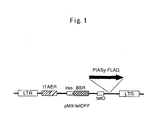
- pMX-tetOFF vector was prepared by introducing the cDNA coding for tTAER and ires-BSR and tetO fragments in pMX retroviral vector (Onishi et al.: Exp. Hematol., 24,: 324-329 (1996)).
- PIASy-F gene coding for PIASy (PIASy-F) having FLAG epitope tag (Eastman Kodak) conjugated at the C terminal was amplified by the PCR using PIASy cDNA (Helix Research Institute) for the template.
- PIASy-F gene was then ligated to the downstream of the tetO fragment in the pMX-tetOFF vector to thereby construct the expression vector (pMX-tetOFF/PIASy-F) (FIG. 1).
- the resulting expression vector was introduced in a packaging cell line (PA317, American Type Culture Collection).
- KCL22 cells (American Type Culture Collection) were used for the cell from a chronic myeloid leukemia patient in the blast crisis phase.
- KCL22 cells were infected with the pMX-tetOFF/PIASy-F in the culture supernatant of the PA317 by treating the cell in RPMI1640 medium supplemented with 10% fetal bovine serum (FBS) for 24 hours in the presence RetroNectin (Takara Shuzo).
- the KCL22 cells recovered were then cultivated in the RPMI1640 medium supplemented with 10% fetal bovine serum (FBS) further supplemented with 5 ⁇ g/ml of blasticidin and 1 ⁇ g/ml of tetracycline.
- PIASy-F gene in the expression vector was then expressed by cultivating the KCL22 cells in the RPMI1640 medium supplemented with 10% fetal bovine serum (FBS) having 2 ⁇ M of 17 ⁇ -estradiol added thereto.
- the expression vector (pMX-tetOFF/PIASy-F) shown in FIG. 1 does not express the gene (PIASy-F gene) in the downstream of tetO when tetracycline is present and ⁇ estradiol is absent.
- the expression vector (pMX-tetOFF/PIASy-F) expresses the gene (PIASy-F gene) in the downstream of tetO when tetracycline is absent and ⁇ estradiol is present.
- the effects of the PIASy gene expression was confirmed by examining the growth of KCL22 cells carrying pMX-tetOFF/PIASy-F introduced therein.
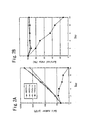
- the KCL22 cells carrying pMX-tetOFF introduced therein and the KCL22 cells carrying pMX-tetOFF/PIASy-F introduced therein were evaluated for their cell number and the survival rate both under the conditions that allow expression of the gene in the downstream of tetO and under the conditions that do not allow expression of the gene in the downstream of tetO. It is to be noted that KCL22 cells cultivated in RPMI1640 medium supplemented with 10% fetal bovine serum (FBS) in both conditions.
- FBS fetal bovine serum
- FIGS. 2A and 2B The results of evaluating the cell number and the survival rate are shown in FIGS. 2A and 2B, respectively. As shown in FIGS.2A and 2B, both the cell number and the survival rate decreased in proportion to the growing period of the KCL22 cells expressing PIASy gene. On the contrary, the cell number and the survival rate for the KCL22 cells carrying pMX-tetOFF/PIASy-F, which show no expression of the PIASy gene ("PIASy (-)" in FIG.2), were not different from those for the KCL22 cells carrying pMX-tetOFF irrespective of the growing period of the cells.
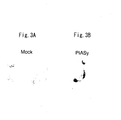
- FIGS. 3A and 3B are photomicrographs (x 400) of the KCL22 cells carrying pMX-tetOFF introduced therein and the KCL22 cells carrying pMX-tetOFF/PIASy-F introduced therein when these cells were cultivated for 6 days under the conditions that allow expression of the gene in the downstream of tetO.
- FIG. 3A is the photomicrograph of the KCL22 cells carrying pMX-tetOFF introduced therein (MOCK)
- FIG. 3B is the photomicrograph of the KCL22 cells carrying pMX-tetOFF/PIASy-F introduced therein (PIASy). It is to be noted that both KCL22 cells were stained with Wright-Giemsa solution. As shown in FIGS.
- the KCL22 cells carrying pMX-tetOFF introduced therein showed normal phenotype (intermediate sized cell having a basophilic cytoplasm, high proportion of nucleus in relation to cytoplasm, and good nuclear structure) while the KCL22 cells carrying pMX-tetOFF/PIASy-F introduced therein (PIASy) showed apoptotic change (size reduction of the cell, and contraction and fragmentation of the nucleus).
- FIGS. 2 and 3 revealed that expression of the PIASy-F gene in the KCL22 cells carrying pMX-tetOFF/PIASy-F introduced therein results in the induction of apoptosis in the KCL22 cells.
- PIASy protein has been recently demonstrated to inhibit activity of STAT1, and it is postulated that the apoptosis as described above is induced by the inhibition of the STAT1 in the KCL22 cells.
- High-level expression of the PIASy gene has been observed in the AC133 positive cells derived from each of normal donors and chronic patients, and it may relate to the reduced risk of chronic patients to progress into the blast crisis phase.
- a method for detecting chronic myeloid leukemia a method for evaluating a compound for its effectiveness in treating or preventing chronic myeloid leukemia; a compound which is effective in treating or preventing chronic myeloid leukemia containing the compound obtained by such evaluation method; a therapeutic or prophylactic agent for chronic myeloid leukemia containing such compound; and a method for determining the risk of being susceptible for chronic myeloid leukemia.
Landscapes
- Health & Medical Sciences (AREA)
- Life Sciences & Earth Sciences (AREA)
- Chemical & Material Sciences (AREA)
- Engineering & Computer Science (AREA)
- Immunology (AREA)
- Organic Chemistry (AREA)
- Pathology (AREA)
- Analytical Chemistry (AREA)
- Proteomics, Peptides & Aminoacids (AREA)
- Molecular Biology (AREA)
- General Health & Medical Sciences (AREA)
- Hematology (AREA)
- Genetics & Genomics (AREA)
- Biotechnology (AREA)
- Microbiology (AREA)
- Biomedical Technology (AREA)
- Physics & Mathematics (AREA)
- Wood Science & Technology (AREA)
- Zoology (AREA)
- Biochemistry (AREA)
- Urology & Nephrology (AREA)
- Oncology (AREA)
- Medicinal Chemistry (AREA)
- Bioinformatics & Cheminformatics (AREA)
- General Physics & Mathematics (AREA)
- Food Science & Technology (AREA)
- General Engineering & Computer Science (AREA)
- Hospice & Palliative Care (AREA)
- Cell Biology (AREA)
- Biophysics (AREA)
- Public Health (AREA)
- Veterinary Medicine (AREA)
- Animal Behavior & Ethology (AREA)
- Pharmacology & Pharmacy (AREA)
- Nuclear Medicine, Radiotherapy & Molecular Imaging (AREA)
- General Chemical & Material Sciences (AREA)
- Chemical Kinetics & Catalysis (AREA)
- Medicines That Contain Protein Lipid Enzymes And Other Medicines (AREA)
- Measuring Or Testing Involving Enzymes Or Micro-Organisms (AREA)
- Pharmaceuticals Containing Other Organic And Inorganic Compounds (AREA)
Applications Claiming Priority (3)
| Application Number | Priority Date | Filing Date | Title |
|---|---|---|---|
| JP2001056438 | 2001-03-01 | ||
| JP2001056438 | 2001-03-01 | ||
| PCT/JP2002/001901 WO2002070747A1 (fr) | 2001-03-01 | 2002-03-01 | Procede de diagnostic moleculaire de leucemie myeloide chronique |
Publications (2)
| Publication Number | Publication Date |
|---|---|
| EP1365033A1 true EP1365033A1 (fr) | 2003-11-26 |
| EP1365033A4 EP1365033A4 (fr) | 2004-04-07 |
Family
ID=18916463
Family Applications (1)
| Application Number | Title | Priority Date | Filing Date |
|---|---|---|---|
| EP02701664A Withdrawn EP1365033A4 (fr) | 2001-03-01 | 2002-03-01 | Procede de diagnostic moleculaire de leucemie myeloide chronique |
Country Status (4)
| Country | Link |
|---|---|
| US (1) | US20040161760A1 (fr) |
| EP (1) | EP1365033A4 (fr) |
| JP (1) | JPWO2002070747A1 (fr) |
| WO (1) | WO2002070747A1 (fr) |
Cited By (4)
| Publication number | Priority date | Publication date | Assignee | Title |
|---|---|---|---|---|
| US7034144B2 (en) | 1997-05-13 | 2006-04-25 | Erasmus Universiteit Rotterdam | Molecular detection of chromosome aberrations |
| US7105294B2 (en) | 1998-05-04 | 2006-09-12 | Dako Denmark A/S | Method and probes for the detection of chromosome aberrations |
| US9857359B2 (en) | 2012-06-29 | 2018-01-02 | Celgene Corporation | Methods for determining drug efficacy using cereblon-associated proteins |
| WO2019106388A1 (fr) * | 2017-12-01 | 2019-06-06 | Oxford University Innovation Limited | Cellules souches leucémiques |
Families Citing this family (3)
| Publication number | Priority date | Publication date | Assignee | Title |
|---|---|---|---|---|
| ES2315040B2 (es) * | 2004-11-22 | 2009-10-16 | Universidad De Cantabria | Procedimiento para determinar la eficacia del tratamiento y el grado de progresion de la leucemia mieloide cronica mediante el uso de spi-1/pi.1. |
| GB0426993D0 (en) * | 2004-12-09 | 2005-01-12 | Council Cent Lab Res Councils | Apparatus for depth-selective raman spectroscopy |
| WO2008089274A2 (fr) * | 2007-01-16 | 2008-07-24 | The Johns Hopkins University | Gènes répresseurs tumoraux destinés à la prévention du cancer |
-
2002
- 2002-03-01 EP EP02701664A patent/EP1365033A4/fr not_active Withdrawn
- 2002-03-01 JP JP2002570769A patent/JPWO2002070747A1/ja active Pending
- 2002-03-01 US US10/468,406 patent/US20040161760A1/en not_active Abandoned
- 2002-03-01 WO PCT/JP2002/001901 patent/WO2002070747A1/fr not_active Ceased
Non-Patent Citations (3)
| Title |
|---|
| LAFAGE-POCHITALOFF M ET AL: "EXPRESSION OF THE ETS2 AND TRANSFERRIN RECEPTOR GENES IN PHILADELPHIA-POSITIVE CHRONIC MYELOID LEUKEMIA PATIENTS WITH A RECIPROCAL T3 21" GENES CHROMOSOMES AND CANCER, vol. 5, no. 1, 1992, pages 1-13, XP009025558 ISSN: 1045-2257 * |
| PAPAS, T. S. ET AL: "ETS family of gnes in leukemia and Down syndrome" AMERICAN JOURNAL OF MEDICAL GENETICS , vol. 7, 1990, pages 251-261, XP009025563 * |
| See also references of WO02070747A1 * |
Cited By (6)
| Publication number | Priority date | Publication date | Assignee | Title |
|---|---|---|---|---|
| US7034144B2 (en) | 1997-05-13 | 2006-04-25 | Erasmus Universiteit Rotterdam | Molecular detection of chromosome aberrations |
| US7105294B2 (en) | 1998-05-04 | 2006-09-12 | Dako Denmark A/S | Method and probes for the detection of chromosome aberrations |
| US7368245B2 (en) | 1998-05-04 | 2008-05-06 | Dako Denmark A/S | Method and probes for the detection of chromosome aberrations |
| US7642057B2 (en) | 1998-05-04 | 2010-01-05 | Dako Denmark A/S | Method and probes for the detection of chromosome aberrations |
| US9857359B2 (en) | 2012-06-29 | 2018-01-02 | Celgene Corporation | Methods for determining drug efficacy using cereblon-associated proteins |
| WO2019106388A1 (fr) * | 2017-12-01 | 2019-06-06 | Oxford University Innovation Limited | Cellules souches leucémiques |
Also Published As
| Publication number | Publication date |
|---|---|
| WO2002070747A1 (fr) | 2002-09-12 |
| WO2002070747A9 (fr) | 2004-01-15 |
| US20040161760A1 (en) | 2004-08-19 |
| JPWO2002070747A1 (ja) | 2004-07-02 |
| EP1365033A4 (fr) | 2004-04-07 |
Similar Documents
| Publication | Publication Date | Title |
|---|---|---|
| Tracey et al. | Identification of genes involved in resistance to interferon-α in cutaneous T-cell lymphoma | |
| EP2890815B1 (fr) | Méthodes de diagnostic et de traitement du cancer | |
| US20040058376A1 (en) | Expression monitoring for gene function identification | |
| EP1824997B1 (fr) | Alterations genetiques utiles pour predire la response de neoplasies malignes a des traitements medicaux bases sur le taxane | |
| KR20080080525A (ko) | 유전자 전사에 대한 fgfr3의 억제제의 효과 | |
| US6258536B1 (en) | Expression monitoring of downstream genes in the BRCA1 pathway | |
| KR20120047334A (ko) | 자궁내막암 마커 | |
| KR101618950B1 (ko) | 피부 자극 물질 스크리닝용 조성물 및 이를 이용한 피부 자극 물질의 스크리닝 방법 | |
| JP2007512807A (ja) | 悪性腫瘍の処置に対する応答予測のための方法および組成物 | |
| WO2001023426A2 (fr) | Genes humains et proteines relatifs a l'hypoxie et leurs utilisations | |
| EP1690932A1 (fr) | Gene associe aux maladies des os/et ou des articulations | |
| US20040161760A1 (en) | Method of molecular diagnosis of chronic myelogenous leukemia | |
| EP2169077A1 (fr) | Procédés et compositions pour le diagnostic d'un adénocarcinome | |
| US20060127896A1 (en) | Materials and methods for treating cancer | |
| US20090215642A1 (en) | Methods and Compositions for Assessing Alterations in Gene Expression Patterns in Clinically Normal Tissues Obtained from Heterozygous Carriers of Mutant Genes Associated with Cancer and Methods of Use Thereof | |
| US20040146862A1 (en) | Methods of diagnosis of breast cancer, compositions and methods of screening for modulators of breast cancer | |
| US6933119B2 (en) | Methods and compositions for the detection and treatment of multiple sclerosis | |
| EP1277842A2 (fr) | Méthode pour la quantification d'acides nucléiques basé sur la numération cellulaire | |
| US9939428B2 (en) | Compositions, kits, and methods for the diagnosis, prognosis, and monitoring of immune disorders using galectin-1 | |
| EP1682679B1 (fr) | Marqueur moleculaire | |
| Sangiuliano et al. | Identification and quantification of notch receptors in human cutaneous melanoma using molecular biology techniques: literature review | |
| CN108753790B (zh) | 与bavm相关的基因标志物及其突变 | |
| JP2005137202A (ja) | 多発性骨髄腫の分子診断方法 | |
| US20060094007A1 (en) | Method of identifying pancreatic ductal carcinoma-specific gene using pancreatic ductal cells, method of testing for pdc using said genes, and method of screening pharmaceutical candidate compounds for treating or preventing pdc | |
| JP4098236B2 (ja) | 肝芽腫と正常肝で発現差がある核酸 |
Legal Events
| Date | Code | Title | Description |
|---|---|---|---|
| PUAI | Public reference made under article 153(3) epc to a published international application that has entered the european phase |
Free format text: ORIGINAL CODE: 0009012 |
|
| 17P | Request for examination filed |
Effective date: 20030903 |
|
| AK | Designated contracting states |
Kind code of ref document: A1 Designated state(s): AT BE CH CY DE DK ES FI FR GB GR IE IT LI LU MC NL PT SE TR |
|
| A4 | Supplementary search report drawn up and despatched |
Effective date: 20040225 |
|
| STAA | Information on the status of an ep patent application or granted ep patent |
Free format text: STATUS: THE APPLICATION HAS BEEN WITHDRAWN |
|
| 18W | Application withdrawn |
Effective date: 20050114 |