EP1380595A1 - Tetrasaccharide cyclique ramifie et procede de production correspondant - Google Patents
Tetrasaccharide cyclique ramifie et procede de production correspondant Download PDFInfo
- Publication number
- EP1380595A1 EP1380595A1 EP02705093A EP02705093A EP1380595A1 EP 1380595 A1 EP1380595 A1 EP 1380595A1 EP 02705093 A EP02705093 A EP 02705093A EP 02705093 A EP02705093 A EP 02705093A EP 1380595 A1 EP1380595 A1 EP 1380595A1
- Authority
- EP
- European Patent Office
- Prior art keywords
- cyclotetrasaccharide
- branched
- glucopyranosyl
- represented
- groups
- Prior art date
- Legal status (The legal status is an assumption and is not a legal conclusion. Google has not performed a legal analysis and makes no representation as to the accuracy of the status listed.)
- Withdrawn
Links
- HSBOSGGWMZTPRU-GFVJPQQJSA-N OCC(C(C(C1O)O)O)O[C@H]1OCC(C([C@H](C1O)OC(CC2O)OC(COC3OC(CO)C4O)[C@H]2O)N=O)OC1O/C=C(/[C@H](C(C1O)O)O)\O[C@@H]1OC4C3O Chemical compound OCC(C(C(C1O)O)O)O[C@H]1OCC(C([C@H](C1O)OC(CC2O)OC(COC3OC(CO)C4O)[C@H]2O)N=O)OC1O/C=C(/[C@H](C(C1O)O)O)\O[C@@H]1OC4C3O HSBOSGGWMZTPRU-GFVJPQQJSA-N 0.000 description 1
Images








Classifications
-
- A—HUMAN NECESSITIES
- A61—MEDICAL OR VETERINARY SCIENCE; HYGIENE
- A61K—PREPARATIONS FOR MEDICAL, DENTAL OR TOILETRY PURPOSES
- A61K9/00—Medicinal preparations characterised by special physical form
- A61K9/08—Solutions
-
- A—HUMAN NECESSITIES
- A23—FOODS OR FOODSTUFFS; TREATMENT THEREOF, NOT COVERED BY OTHER CLASSES
- A23L—FOODS, FOODSTUFFS OR NON-ALCOHOLIC BEVERAGES, NOT OTHERWISE PROVIDED FOR; PREPARATION OR TREATMENT THEREOF
- A23L27/00—Spices; Flavouring agents or condiments; Artificial sweetening agents; Table salts; Dietetic salt substitutes; Preparation or treatment thereof
- A23L27/20—Synthetic spices, flavouring agents or condiments
- A23L27/205—Heterocyclic compounds
- A23L27/2052—Heterocyclic compounds having oxygen or sulfur as the only hetero atoms
-
- A—HUMAN NECESSITIES
- A23—FOODS OR FOODSTUFFS; TREATMENT THEREOF, NOT COVERED BY OTHER CLASSES
- A23L—FOODS, FOODSTUFFS OR NON-ALCOHOLIC BEVERAGES, NOT OTHERWISE PROVIDED FOR; PREPARATION OR TREATMENT THEREOF
- A23L27/00—Spices; Flavouring agents or condiments; Artificial sweetening agents; Table salts; Dietetic salt substitutes; Preparation or treatment thereof
- A23L27/30—Artificial sweetening agents
- A23L27/33—Artificial sweetening agents containing sugars or derivatives
-
- A—HUMAN NECESSITIES
- A23—FOODS OR FOODSTUFFS; TREATMENT THEREOF, NOT COVERED BY OTHER CLASSES
- A23L—FOODS, FOODSTUFFS OR NON-ALCOHOLIC BEVERAGES, NOT OTHERWISE PROVIDED FOR; PREPARATION OR TREATMENT THEREOF
- A23L33/00—Modifying nutritive qualities of foods; Dietetic products; Preparation or treatment thereof
- A23L33/10—Modifying nutritive qualities of foods; Dietetic products; Preparation or treatment thereof using additives
-
- A—HUMAN NECESSITIES
- A61—MEDICAL OR VETERINARY SCIENCE; HYGIENE
- A61K—PREPARATIONS FOR MEDICAL, DENTAL OR TOILETRY PURPOSES
- A61K47/00—Medicinal preparations characterised by the non-active ingredients used, e.g. carriers or inert additives; Targeting or modifying agents chemically bound to the active ingredient
- A61K47/06—Organic compounds, e.g. natural or synthetic hydrocarbons, polyolefins, mineral oil, petrolatum or ozokerite
- A61K47/26—Carbohydrates, e.g. sugar alcohols, amino sugars, nucleic acids, mono-, di- or oligo-saccharides; Derivatives thereof, e.g. polysorbates, sorbitan fatty acid esters or glycyrrhizin
-
- A—HUMAN NECESSITIES
- A61—MEDICAL OR VETERINARY SCIENCE; HYGIENE
- A61K—PREPARATIONS FOR MEDICAL, DENTAL OR TOILETRY PURPOSES
- A61K47/00—Medicinal preparations characterised by the non-active ingredients used, e.g. carriers or inert additives; Targeting or modifying agents chemically bound to the active ingredient
- A61K47/30—Macromolecular organic or inorganic compounds, e.g. inorganic polyphosphates
- A61K47/36—Polysaccharides; Derivatives thereof, e.g. gums, starch, alginate, dextrin, hyaluronic acid, chitosan, inulin, agar or pectin
- A61K47/40—Cyclodextrins; Derivatives thereof
-
- A—HUMAN NECESSITIES
- A61—MEDICAL OR VETERINARY SCIENCE; HYGIENE
- A61K—PREPARATIONS FOR MEDICAL, DENTAL OR TOILETRY PURPOSES
- A61K8/00—Cosmetics or similar toiletry preparations
- A61K8/18—Cosmetics or similar toiletry preparations characterised by the composition
- A61K8/30—Cosmetics or similar toiletry preparations characterised by the composition containing organic compounds
- A61K8/60—Sugars; Derivatives thereof
-
- A—HUMAN NECESSITIES
- A61—MEDICAL OR VETERINARY SCIENCE; HYGIENE
- A61K—PREPARATIONS FOR MEDICAL, DENTAL OR TOILETRY PURPOSES
- A61K8/00—Cosmetics or similar toiletry preparations
- A61K8/18—Cosmetics or similar toiletry preparations characterised by the composition
- A61K8/72—Cosmetics or similar toiletry preparations characterised by the composition containing organic macromolecular compounds
- A61K8/73—Polysaccharides
-
- A—HUMAN NECESSITIES
- A61—MEDICAL OR VETERINARY SCIENCE; HYGIENE
- A61K—PREPARATIONS FOR MEDICAL, DENTAL OR TOILETRY PURPOSES
- A61K9/00—Medicinal preparations characterised by special physical form
- A61K9/0012—Galenical forms characterised by the site of application
- A61K9/0014—Skin, i.e. galenical aspects of topical compositions
-
- A—HUMAN NECESSITIES
- A61—MEDICAL OR VETERINARY SCIENCE; HYGIENE
- A61K—PREPARATIONS FOR MEDICAL, DENTAL OR TOILETRY PURPOSES
- A61K9/00—Medicinal preparations characterised by special physical form
- A61K9/20—Pills, tablets, discs, rods
- A61K9/2004—Excipients; Inactive ingredients
- A61K9/2013—Organic compounds, e.g. phospholipids, fats
- A61K9/2018—Sugars, or sugar alcohols, e.g. lactose, mannitol; Derivatives thereof, e.g. polysorbates
-
- A—HUMAN NECESSITIES
- A61—MEDICAL OR VETERINARY SCIENCE; HYGIENE
- A61P—SPECIFIC THERAPEUTIC ACTIVITY OF CHEMICAL COMPOUNDS OR MEDICINAL PREPARATIONS
- A61P3/00—Drugs for disorders of the metabolism
- A61P3/02—Nutrients, e.g. vitamins, minerals
-
- A—HUMAN NECESSITIES
- A61—MEDICAL OR VETERINARY SCIENCE; HYGIENE
- A61P—SPECIFIC THERAPEUTIC ACTIVITY OF CHEMICAL COMPOUNDS OR MEDICINAL PREPARATIONS
- A61P3/00—Drugs for disorders of the metabolism
- A61P3/04—Anorexiants; Antiobesity agents
-
- A—HUMAN NECESSITIES
- A61—MEDICAL OR VETERINARY SCIENCE; HYGIENE
- A61Q—SPECIFIC USE OF COSMETICS OR SIMILAR TOILETRY PREPARATIONS
- A61Q1/00—Make-up preparations; Body powders; Preparations for removing make-up
- A61Q1/02—Preparations containing skin colorants, e.g. pigments
- A61Q1/04—Preparations containing skin colorants, e.g. pigments for lips
- A61Q1/06—Lipsticks
-
- A—HUMAN NECESSITIES
- A61—MEDICAL OR VETERINARY SCIENCE; HYGIENE
- A61Q—SPECIFIC USE OF COSMETICS OR SIMILAR TOILETRY PREPARATIONS
- A61Q11/00—Preparations for care of the teeth, of the oral cavity or of dentures; Dentifrices, e.g. toothpastes; Mouth rinses
-
- A—HUMAN NECESSITIES
- A61—MEDICAL OR VETERINARY SCIENCE; HYGIENE
- A61Q—SPECIFIC USE OF COSMETICS OR SIMILAR TOILETRY PREPARATIONS
- A61Q17/00—Barrier preparations; Preparations brought into direct contact with the skin for affording protection against external influences, e.g. sunlight, X-rays or other harmful rays, corrosive materials, bacteria or insect stings
- A61Q17/04—Topical preparations for affording protection against sunlight or other radiation; Topical sun tanning preparations
-
- A—HUMAN NECESSITIES
- A61—MEDICAL OR VETERINARY SCIENCE; HYGIENE
- A61Q—SPECIFIC USE OF COSMETICS OR SIMILAR TOILETRY PREPARATIONS
- A61Q19/00—Preparations for care of the skin
-
- A—HUMAN NECESSITIES
- A61—MEDICAL OR VETERINARY SCIENCE; HYGIENE
- A61Q—SPECIFIC USE OF COSMETICS OR SIMILAR TOILETRY PREPARATIONS
- A61Q19/00—Preparations for care of the skin
- A61Q19/001—Preparations for care of the lips
-
- A—HUMAN NECESSITIES
- A61—MEDICAL OR VETERINARY SCIENCE; HYGIENE
- A61Q—SPECIFIC USE OF COSMETICS OR SIMILAR TOILETRY PREPARATIONS
- A61Q19/00—Preparations for care of the skin
- A61Q19/02—Preparations for care of the skin for chemically bleaching or whitening the skin
-
- A—HUMAN NECESSITIES
- A61—MEDICAL OR VETERINARY SCIENCE; HYGIENE
- A61Q—SPECIFIC USE OF COSMETICS OR SIMILAR TOILETRY PREPARATIONS
- A61Q19/00—Preparations for care of the skin
- A61Q19/10—Washing or bathing preparations
-
- C—CHEMISTRY; METALLURGY
- C07—ORGANIC CHEMISTRY
- C07H—SUGARS; DERIVATIVES THEREOF; NUCLEOSIDES; NUCLEOTIDES; NUCLEIC ACIDS
- C07H3/00—Compounds containing only hydrogen atoms and saccharide radicals having only carbon, hydrogen, and oxygen atoms
- C07H3/06—Oligosaccharides, i.e. having three to five saccharide radicals attached to each other by glycosidic linkages
-
- C—CHEMISTRY; METALLURGY
- C12—BIOCHEMISTRY; BEER; SPIRITS; WINE; VINEGAR; MICROBIOLOGY; ENZYMOLOGY; MUTATION OR GENETIC ENGINEERING
- C12P—FERMENTATION OR ENZYME-USING PROCESSES TO SYNTHESISE A DESIRED CHEMICAL COMPOUND OR COMPOSITION OR TO SEPARATE OPTICAL ISOMERS FROM A RACEMIC MIXTURE
- C12P19/00—Preparation of compounds containing saccharide radicals
- C12P19/18—Preparation of compounds containing saccharide radicals produced by the action of a glycosyl transferase, e.g. alpha-, beta- or gamma-cyclodextrins
-
- A—HUMAN NECESSITIES
- A61—MEDICAL OR VETERINARY SCIENCE; HYGIENE
- A61K—PREPARATIONS FOR MEDICAL, DENTAL OR TOILETRY PURPOSES
- A61K9/00—Medicinal preparations characterised by special physical form
- A61K9/0012—Galenical forms characterised by the site of application
- A61K9/0053—Mouth and digestive tract, i.e. intraoral and peroral administration
- A61K9/0056—Mouth soluble or dispersible forms; Suckable, eatable, chewable coherent forms; Forms rapidly disintegrating in the mouth; Lozenges; Lollipops; Bite capsules; Baked products; Baits or other oral forms for animals
-
- A—HUMAN NECESSITIES
- A61—MEDICAL OR VETERINARY SCIENCE; HYGIENE
- A61K—PREPARATIONS FOR MEDICAL, DENTAL OR TOILETRY PURPOSES
- A61K9/00—Medicinal preparations characterised by special physical form
- A61K9/10—Dispersions; Emulsions
- A61K9/107—Emulsions ; Emulsion preconcentrates; Micelles
Definitions
- the present invention relates to a novel branched cyclic tetrasaccharide, more particularly, a glycosyl derivative of a cyclic tetrasaccharide represented by the chemical formula of cyclo ⁇ 6)- ⁇ -D-glucopyranosyl-(1 ⁇ 3)- ⁇ -D-glucopyranosyl-(1 ⁇ 6 )- ⁇ -D-glucopyranosyl-(1 ⁇ 3)- ⁇ -D-glucopyranosyl-(1 ⁇ , a process for producing the same, and uses thereof.
- ⁇ -, ⁇ -, and ⁇ -Cyclodextrins which consist of 6, 7, and 8 glucose molecules that are linked each other via the ⁇ -1,4 glucosyl linkage, respectively, have been known as cyclic saccharides composed of glucose units.
- These cyclodextrins have been used in a variety of fields due to their advantageous inherent properties of non-reducibility, tasteless, enclosing hydrophobic materials, etc. There have been being pursued remarkable researches directed to improve properties of cyclodextrins and impart additional new functions thereupon. For example, Japanese Patent Kokai Nos.
- a glycosyl group such as a glucosyl, galactosyl, mannosyl, glucosaminyl, or N-acetylglucosaminyl group
- cyclic saccharide As an example of cyclic saccharide reported recently, there is a cyclic tetrasaccharide, reported by Gregory L. Cote et al. in European Journal of Biochemistry, Vol. 226, pp. 641-648 (1994), composed of glucose molecules linked each other via the alternating ⁇ -1,3 and ⁇ -1,6 bonds and having the structures represented by Chemical Formulae A and B as bonding fashions between atoms and between glucosyl groups, respectively.
- cyclo ⁇ 6)- ⁇ -D-glucopyranosyl-(1 ⁇ 3)- ⁇ -D-glucopyranosyl-(1 ⁇ 6)- ⁇ -D-glucopyranosyl-(1 ⁇ 3)- ⁇ -D-glucopyranosyl-(1 ⁇ belongs to the above cyclic tetrasaccharide.
- cyclotetrasaccharide means the above-identified cyclic tetrasaccharide.
- ⁇ - isomaltosyl-transferring enzyme a novel enzyme which forms cyclotetrasaccharide when acts on a saccharide having a glucose polymerization degree of at least three and having both an isomaltosyl group at the non-reducing end and the ⁇ -1,4 glucosyl bond as a linkage other than the linkage at the non-reducing end (abbreviated as " ⁇ -isomaltosylglucosaccharide” hereinafter) as disclosed in Japanese Patent Application No. 149,484/2000, and Japanese Patent Application No 229,557/2000 (International Publication No.
- WO 01/90,338 A1 applied for based on the above Japanese Patent Application; and also disclosed an ⁇ - isomaltosylglucosaccharide-forming enzyme, a novel enzyme which forms ⁇ -isomaltosylglucosaccharide when acts on a maltooligosaccharide having a glucose polymerization degree of at least three, as disclosed in Japanese Patent Application No. 233,364/2000 and Japanese Patent Application No. 234,937/2000 (International Publication No. WO 02/10,361 A1), applied for based on Japanese Patent Application No. 233,364/2000.
- the above applicant proposed a method to produce cyclotetrasaccharide as a main product from starch, a widely, commonly used material for producing foods by using the ⁇ -isomaltosylglucosaccharide-forming enzyme and the ⁇ -isomaltosyl-transferring enzyme in combination, as disclosed in Japanese Patent Application Nos. 233,364/2000 and 234,937/2000 (International Publication No. WO 02/10,361 A1).
- This proposal was a breakthrough for an industrial scale production of cyclotetrasaccharide.
- glycosyl derivatives of cyclotetrasaccharide would provide a useful knowledge for developing uses of cyclotetrasaccharide through analyses on their properties, and also it remarkably influences on the development of uses of novel saccharides, obtained by improving or modifying the properties and functions of cyclotetrasaccharide.
- the first object of the present invention is to provide a novel glycosyl derivative of cyclotetrasaccharide
- the second object is to provide a process for producing the same
- the third object is to provide uses thereof.
- the present inventors firstly found that cyclotetrasaccharide-related-saccharides were formed as by-products in the reaction system accomplished by the present inventors, where cyclotetrasaccharide was formed by subjecting a partial starch hydrolyzate to the action of ⁇ -isomaltosyl-transferring enzyme and ⁇ -isomaltosylglucosaccharide-forming enzyme, and then tried to isolate and identify the by-products. As a result, they confirmed that all the by-products were novel glycosyl derivatives of cyclotetrasaccharide.
- glycosyl derivatives of cyclotetrasaccharide They isolated the formed glycosyl derivatives of cyclotetrasaccharide and examined their properties, and confirmed that the glycosyl derivatives can be advantageously used in the fields of food products, cosmetics, pharmaceuticals, etc.
- the present invention was made based on the above self-findings by the present inventors.
- the present invention solves the first object by providing branched cyclotetrasaccharides, i.e., glycosyl derivatives of cyclotetrasaccharide represented by Formula 1.
- R 1 to R 12 each independently represents an optionally substituted glycosyl group or hydrogen atom, with the proviso that all of R 1 to R 12 are not hydrogen atom at the same time and that, when either R 4 or R 10 is an optionally substituted glycosyl group, the glycosyl group R 4 or R 10 is a glycosyl group other than D-glucopyranosyl group.
- the present invention solves the second object by providing a process for producing the branched cyclotetrasaccharides of the present invention, which uses an enzyme capable of transferring a glycosyl group from a monosaccharide, oligosaccharide, or polysaccharide to cyclotetrasaccharide; and comprises a step of forming the branched cyclotetrasaccharides by reacting the above enzyme with a mixture of cyclotetrasaccharide and the above monosaccharide, oligosaccharide, or polysaccharide, and collecting the formed branched cyclotetrasaccharides.
- the present invention solves the third object by providing a composition in the form of a food product, cosmetic, or pharmaceutical, which comprises the branched cyclotetrasaccharide(s) of the present invention.
- Novel branched cyclotetrasaccharides which the present invention provides, have the structure represented by Formula 1.
- R 1 to R 12 each independently represents an optionally substituted glycosyl group or hydrogen atom, with the proviso that all of R 1 to R 12 are not hydrogen atom at the same time and that when either R 4 or R 10 is an optionally substituted glycosyl group, the glycosyl group R 4 or R 10 is a glycosyl group other than D-glucopyranosyl group.
- glycosyl group as referred to as in the present invention means an atomic group represented by a structure where an anomeric hydroxyl group is removed from the molecular structure of a saccharide.
- saccharide as referred to as in the present invention means a general term for compounds including polyalcohols and their aldehydes, ketons and acids; amino sugars and their derivatives; and oligosaccharides, polysaccharides, and their condensed compounds.
- substituted in glycosyl groups with an optional group as referred to as in the present invention means substituent groups which can substitute hydrogen(s) of one or more non-anomeric hydroxyl groups in a saccharide molecule, or of one or more non-anomeric hydroxyl groups and amino groups when the saccharide molecule is an amino sugar. Examples of such substituent groups are alkyl, acyl, acetyl, phosphoric acid, and sulfuric acid groups.
- glycosyl groups that are positioned at the branched parts of the branched cyclotetrasaccharides of the present invention, i.e. , one or more glycosyl groups selected from R 1 to R 12 in Formula 1 are optionally substituted ⁇ ⁇ -D-glucopyranosyl-(1 ⁇ 4)- ⁇ n ⁇ -D-glucopyranosyl groups, with the proviso that "n" represents an integer of 0 or over and, when at least two of R 1 to R 12 are the above glycosyl groups, the integers of "n" in each glycosyl groups are independent each other; optionally substituted ⁇ -D-glucopyranosyl-(1 ⁇ 6)- ⁇ ⁇ -D-glucopyranosyl-(1 ⁇ 3)- ⁇ -D-glucopyranosyl- (1 ⁇ 6)- ⁇ n ⁇ -D-glucopyranosyl group, with the proviso that "
- the first more concrete example of the branched cyclotetrasaccharides are those wherein R 1 and/or R 7 in Formula 1 are optionally substituted ⁇ -D-glucopyranosyl-(1 ⁇ 4)- ⁇ n ⁇ -D-glucopyranosyl groups, with the proviso that "n” represents an integer of 0 or over and, when both R 1 and R 7 are such glycosyl groups, the integers of "n" in each groups are independent each other.
- Examples of the structural formulae thereof are Chemical Formulae 1 and 2 as shown in Experiments 3-4 and 4-3.
- the second more concrete example of the branched cyclotetrasaccharides are those wherein R 2 and/or R 8 in Formula 1 are optionally substituted ⁇ -D-glucopyranosyl- (1 ⁇ 6) - ⁇ ⁇ -D-glucopyranosyl-(1 ⁇ 3)- ⁇ -D-glucopyranosyl-(1 ⁇ 6)- ⁇ n ⁇ -D-glucopyranosyl groups, with the proviso that "n” represents an integer of 0 or over and, when both R 2 and R 8 are such glycosyl groups, the integers of "n” in each groups are independent each other.
- Examples of the structural formulae thereof are Chemical Formulae 3 and 4 as shown in Experiment 3-4.
- the third more concrete example of the branched cyclotetrasaccharides are those wherein R 2 and/or R 8 in Formula 1 are optionally substituted ⁇ ⁇ -D-galactopyranosyl-(1 ⁇ 6)- ⁇ n ⁇ -D-galactopyranosyl groups, with the proviso that "n” represents an integer of 0 or over and, when both R 2 and R 8 are such glycosyl groups, the integers of "n” in each groups are independent each other.
- Example of the structural formula thereof is Chemical Formula 6 as shown in Experiment 4-4.
- branched cyclotetrasaccharides are those wherein R 4 and/or R 10 in Formula 1 are optionally substituted ⁇ -D-galactopyranosyl-(1 ⁇ 6)- ⁇ n ⁇ -D-galactopyranosyl groups, with the proviso that "n” represents an integer of 0 or over and, when both R 4 and R 10 are such glycosyl groups, the integers of "n” in each groups are independent each other.
- Examples of the structural formulae thereof are Chemical Formulae 7 and 8 as shown in Experiment 4-5.
- the fifth more concrete example of the branched cyclotetrasaccharides are those wherein R 4 and/or R 10 in Formula 1 are optionally substituted ⁇ -D-galactopyranosyl groups.
- Example of the structural formula thereof is Chemical Formula 9 as shown in Experiment 4-6.
- the sixth more concrete example of the branched cyclotetrasaccharides are those wherein R 2 and/or R 8 in Formula 1 are optionally substituted ⁇ -D-chitosaminyl groups ("a chitosaminyl group” is also generally called"a glucosaminyl group”).
- Example of the structural formula thereof is Chemical Formula 10 as shown in Experiment 4-7.
- the branched cyclotetrasaccharides of the present invention are respectively classified and exemplified based on their constituent saccharides positioned at their branched parts
- the branched cyclotetrasaccharides may be those which have either one of these branched parts or two or more of them in an appropriate combination.
- An example of such structures is Chemical Formula 5 in Experiment 3-4.
- the branched cyclotetrasaccharides of the present invention have any of the above-mentioned structures, they should not be restricted to those which are produced by specific methods such as organic syntheses and include those which are produced by enzymatic reactions. However, since the branched cyclotetrasaccharides are efficiently produced by the process according to the present invention described in detail below, those which are produced by the above process are advantageously used in a variety of fields.
- the branched cyclotetrasaccharides of the present invention are provided in the form of a product consisting essentially of the branched cyclotetrasaccharides as a saccharide component, usually, in a purified form with a purity of at least 90%, preferably, at least 95%, and more preferably, at least 97%; in the form of a solution, amorphous powder, or molasses; or in the form of an isolated crystal.
- the branched cyclotetrasaccharides in a crystal form can be isolated by crystallizing in water, an organic solvent such as lower alcohols and dimethylformamide, or a solvent in a mixture form of two or more of the above solvents selected appropriately; and further separating the resulting crystals in a conventional manner.
- Crystals of branched cyclotetrasaccharides in a hydrous or anhydrous form can be obtained by crystallization in water. Examples of such hydrous crystal are those of the branched cyclotetrasaccharides represented by Chemical Formulae 1, 2, 3, 6 and 7. These hydrous crystals can be converted into anhydrous ones by heating at normal pressure or reduced pressure and at ambient temperature.
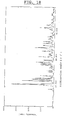
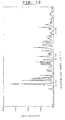
- Crystals of these branched cyclotetrasaccharides can be identified by conventional X-ray powder diffraction analysis.
- the branched cyclotetrasaccharides represented by Chemical Formulae 1, 2 , 3, 6, and 7 have main diffraction angles (2 ⁇ ) of (1) 8.1°, 12.2°, 14.2°, and 15.4°; (2) 5.6° , 8.8° , 16.9° , and 21.9° ; (3)7.9° , 12.1°, 17.9°, and 20.2° ; (4)11.0° , 12.3° , 12.8° , and 24.9° ; and (5) 8.7° , 13.0° , 21.7° , and 26.1° , respectively.
- Each branched cyclotetrasaccharide can be provided in the form of a saccharide composition comprising the same as a main ingredient.
- the saccharide composition which contains one or more of the branched cyclotetrasaccharides in an amount, usually, of at least 50%, preferably, at least 60%, more preferably, at least 70%, and more preferably, at least 80% against the total amount of sugar components, on a dry solid basis (d.s.b.), is provided in the form of a solution, syrup, block, granule, crystalline powder containing hydrous and/or anhydrous crystal, amorphous crystalline powder, or molasses of the branched cyclotetrasaccharide(s).
- the process for producing the branched cyclotetrasaccharides of the present invention employs the action of an enzyme that transfers a glycosyl group from a monosaccharide, oligosaccharide, or polysaccharide to cyclotetrasaccharide, and it is characterized in that it comprises the steps of allowing the enzyme to act on a mixture of cyclotetrasaccharide and any of the above monosaccharide, oligosaccharide, and polysaccharide to form the desired branched cyclotetrasaccharides, and collecting the produced branched cyclotetrasaccharides.
- the process for producing cyclotetrasaccharide is not specifically restricted. Examples of such are (1) a process for producing cyclotetrasaccharide by contacting alternanase, i.e., a hydrolyzing enzyme, with alternan, i.e., a polysaccharide reported by Gregory L. Cote et al. in European Journal of Biochemistry, Vol. 226, pp.
- ⁇ -isomaltosylglucosaccharide-forming enzyme and " ⁇ - isomaltosyl-transferring enzyme” as referred to as in the present invention mean enzymes having the following enzymatic activities (A) and (B), respectively, independently of their other enzymatic activities, not specified in (A) and (B), such as physicochemical properties and origins.
- the processes (2) and (3) are relatively advantageous in terms of its production cost and labors, particularly, the process (3) is more preferable.
- the process for producing cyclotetrasaccharide is explained below:
- ⁇ -Isomaltosyl-transferring enzyme and ⁇ - isomaltosylglucosaccharide-forming enzyme can be obtained, for example, by culturing a microorganism which produces either or both of the enzymes, and applying conventional methods for preparing enzymes to the resulting culture.
- Bacillus globisporus C9 strain was deposited on April 25, 2000, with International Patent Organism Depositary National Institute of Advanced Industrial Science and Technology Tsukuba Central 6, 1-1, Higashi 1-Chome Tsukuba-shi, Ibaraki-ken, Japan, and has been maintained therein under the accession number of FERM BP-7143; and Bacillus globisporus C11 strain was deposited on April 25, 2000, with the same depositary as above and has been maintained therein under the accession number of FERM BP-7144, are particularly useful as sources of the above enzymes because they produce both the enzymes (the above microorganisms may be called "Strain C9" and "Strain C11", hereinafter).
- the nutrient culture media and culture conditions used for culturing Strain C9, FERM BP-7143, and Strain C11, FERM BP-7144 are as follows:
- Examples of the carbon sources usable in the present invention are starches and phytoglycogens from plants; glycogens and pullulans from animals and microorganisms; partial hydrolyzates thereof; saccharides such as D-glucose, D-fructose, lactose, sucrose, mannitol, L-sorbitol, and molasses; and organic acids such as citric acid and succinic acid.
- the concentration of these carbon sources in nutrient culture media is appropriately changed depending on their types.
- the nitrogen sources usable in the present invention are, for example, inorganic nitrogen-containing compounds such as ammonium salts and nitrates; and organic nitrogen-containing compounds such as urea, corn steep liquor, casein, yeast extract, and beef extract.
- the inorganic ingredients usable in the present invention are, for example, salts of calcium, magnesium, potassium, sodium, phosphoric acid, manganese, zinc, iron, copper, molybdenum, and cobalt. If necessary, amino acids and vitamins can be appropriately used in combination.
- microorganisms are preferably cultured, usually, under aerobic conditions at temperatures, usually, of 4 to 40°C, preferably, 20 to 37°C, at pHs, usually, of 4 to 10, preferably, 5 to 9, for 10 to 150 hours.
- concentration of dissolved oxygen (DO) can be controlled during the culturing, and it can be kept within the range of 0.5-20 ppm, for example, by means of controlling the aeration rate and the stirring speed, increasing or decreasing the oxygen concentration in gas used for aeration, and increasing or decreasing the inner pressure of fermenters.
- the cultivation is freely carried out batchwise, in a continuous manner, or in a semi-continuous manner, as long as it affords the conditions in which microorganisms can grow and produce ⁇ -isomaltosyl-transferring enzyme.
- the cultures of Strain C9, FERM BP-7143, and Strain C11, FERM BP-7144 usually contain ⁇ -isomaltosyl-transferring enzyme and ⁇ -isomaltosylglucosaccharide-forming enzyme. Therefor, in the process for producing cyclotetrasaccharide, the above cultures can be used intact as an enzyme agent or used after purified into an enzyme agent which contains either or both of the above enzymes.
- a partially purified enzyme agent containing both the enzymes, can be obtained by removing cells from the cultures by means of a conventional liquid-solid separation method, collecting the resulting supernatant, and optionally subjecting the supernatant to conventional methods for concentrating proteins such as salting out using ammonium sulfate, sedimentation using acetone or alcohol, concentration in vacuo, and concentration using membranes.
- the enzyme agent thus obtain can be further treated by appropriately combining with conventional methods for purifying enzymes such as gel-filtration chromatography, ion-exchange chromatography, affinity chromatography, and hydrophobic chromatography. From the separated fractions, those with the desired enzymatic activities are separately collected into enzyme agents having either of the enzymes purified to the desired level.
- the enzymatic activity of ⁇ -isomaltosyl-transferring enzyme can be assayed as follows: Dissolve panose in 100 mM acetate buffer (pH 6.0) to give a concentration of 2% (w/v) for a substrate solution, add 0.5 ml of an enzyme solution to 0.5 ml of the substrate solution, and keep the mixture at 35°C for 30 min to proceed the formation of cyclotetrasaccharide from panose.
- glucose is formed together with cyclotetrasaccharide from panose.
- boil the reaction mixture for 10 min to suspend the reaction.
- one unit activity of ⁇ -isomaltosyl-transferring enzyme is defined as the enzyme amount that forms one micromole of glucose per minute under the above enzymatic reaction conditions.
- the ⁇ -isomaltosylglucosaccharide-forming enzyme activity can be assayed as follows: Add 0.5 ml of an enzymatic solution to 0.5 ml of a substrate solution obtained by dissolving maltotriose in 100 mM acetate buffer (pH 6.0) to give a concentration of 2% (w/v) is added, incubate the mixture at 35°C for 60 min to proceed the formation reaction of isomaltosylmaltose from maltotriose. In the reaction system, maltose is formed together with isomaltosylmaltose from maltotriose. Thereafter, boil the reaction mixture for 10 min to suspend the enzymatic reaction.
- one unit activity of the ⁇ -isomaltosylglucosaccharide-forming enzyme is defined as the enzyme amount that forms one micromole of maltose per minute under the above enzymatic reaction conditions.
- Table 1 shows the physicochemical properties of both the enzymes obtained from Strain C9, FERM BP-7143; and Strain C11, FERM BP-7144, which are confirmed by the index in the above defined enzymatic activities.
- an enzyme agent is a composition of ⁇ -isomaltosyl-transferring enzyme and ⁇ -isomaltosylglucosaccharide-forming enzyme, it has an activity of forming cyclotetrasaccharide from partial starch hydrolyzates.
- the activity of forming cyclotetrasaccharide from partial starch hydrolyzates can be assayed as follows: Add 0.5 ml of an enzyme solution to 0.5 ml of a substrate solution obtained by dissolving "PINE-DEX #100 TM ", a partial starch hydrolyzate commercialized by Matsutani Chemical Ind., Tokyo, Japan, in 50 mM acetate buffer (pH 6.0) to give a concentration of 2% (w/v), incubate the mixture at 35°C for 60 min to proceed the formation reaction of cyclotetrasaccharide.
- one unit activity of forming cyclotetrasaccharide from partial starch hydrolyzates is defined as the enzyme amount that forms one micromole of cyclotetrasaccharide per minute under the above conditions.
- ⁇ -isomaltosyl-transferring enzyme and ⁇ isomaltosylglucosaccharide-forming enzyme can be also obtained by the recombinant DNA technology.
- the same applicant as the present invention disclosed the nucleotide sequences of DNAs which encode the ⁇ -isomaltosyl-transferring enzyme and ⁇ - isomaltosylglucosaccharide-forming enzyme from Strain C11, FERM BP-7144, in Japanese Patent Application Nos. 350,142/2000 and 5,441/2001.
- each of the above nucleotide sequences includes a nucleotide sequence of a coding region, which corresponds to a precursor of each of the enzymes having a signal peptide at the N-terminus, and those in the 5'- and 3'-non-translational regions.
- SEQ ID NO:1 represents a nucleotide sequence of a coding region corresponding to a precursor of ⁇ - isomaltosyl-transferring enzyme from Strain C11 disclosed in Japanese Patent Application No.
- SEQ ID NO:2 represents a nucleotide sequence of a coding region corresponding to a precursor of ⁇ -isomaltosylglucosaccharide-forming enzyme from Strain C11 disclosed in Japanese Patent Application No. 5,441/2001.
- both of the above enzymes can be prepared by using conventional recombinant DNA technologies such as a DNA cloning method, site-directed mutagenesis, transformation of microorganisms, and artificial expression method of DNAs.
- Conventional recombinant DNA technologies are, for example, described in detail in "Molecular cloning, A LABORATORY MANUAL, THIRD EDITION" by J. Sambrook, published by Cold Spring Harbor Laboratory Press, 2001.
- ⁇ -isomaltosyl-transferring enzyme and ⁇ -isomaltosylglucosaccharide-forming enzyme the former enzyme is allowed to act on a substrate, usually, in an aqueous solution form, after the action of or under the coaction of the latter enzyme.
- the coaction of the above enzymes is relatively preferable in view of the production efficiency of cyclotetrasaccharide.
- Examples of the substrates used in this method are saccharides having a glucose polymerization degree of at least two and the ⁇ -1,4 glucosyl bond as a linkage at their non-reducing ends; maltooligosaccharides, maltodextrins, amylodextrins, amyloses, amylopectins, soluble starches, liquefied starches, gelatinized starches, and glycogens.
- vegetastoreal starches such as corn, wheat, and rice
- subterranean starches such as potato, sweet potato, and tapioca are preferably used as starting materials.
- Both of the enzymes are preferably allowed to act on liquefied starches prepared by allowing liquefying-type amylases to act on suspensions of the above starches or heating the suspensions under acid conditions.
- the DE is usually 20 or lower, preferably, 12 or lower, and more preferably, five or lower.
- debranching enzymes such as pullulanase or isoamylase can be advantageously used because they may increase the yield of cyclotetrasaccharide.
- the concentration of substrates is not specifically restricted as long as cyclotetrasaccharide is formed.
- the concentration is preferably set to 40% (w/w) or lower, preferably, 35% (w/w) or lower, d.s.b., to ease handlings.
- the reaction condition is not specifically restricted as along as cyclotetrasaccharide is formed.
- any temperatures of from ambient temperature to 50°C, preferably, 30°C to 45°C, can be suitably used; and any pHs of from 4.5 to 8 , preferably, from 5.5 to 7 can be preferably used.
- Metal ions such as Ca 2+ and Mg 2+ , which stabilize any of the enzymes used, can be advantageously coexisted in a reaction mixture.
- the reaction time can be arbitrarily set in view of the reaction progress, depending on the amount of the enzymes used.
- ⁇ -isomaltosyl-transferring enzyme and ⁇ - isomaltosylglucosaccharide-forming enzyme are allowed to act on a substrate.
- the combination use of cyclomaltodextrin glucanotransferase may increase the production yield of cyclotetrasaccharide as compared with the case without the combination use.
- any microorganism which produces both the enzymes can be used.
- microorganisms for example, Strain C9, FERM BP-7143, and Strain C11, FERM BP-7144, which are capable of forming both the enzymes, are cultured and proliferated up to reach the desired cell density under their proliferation conditions.
- the above ones for forming enzymes can be arbitrarily used. The resulting cultures can be allowed to act on substrates similarly as in the above enzyme agent.
- the reaction mixtures thus obtained contain cyclotetrasaccharide and they can be used intact as cyclotetrasaccharide solutions or used after purification.
- To purify cyclotetrasaccharide conventional purification methods for saccharides can be appropriately employed.
- Examples of such are decoloration with activated charcoal; desalting with ion-exchange resins in H- and OH-forms; fractionation by column chromatography using an ion-exchange resin, activated charcoal, and silica gel (usually called "chromatography”); separation sedimentation using organic solvents such as alcohol and acetone; separation using membranes with appropriate separability; and decomposition and treatment to remove coexisting or remaining other saccharides, for example, enzymatic treatment with amylases such as ⁇ -amylase, ⁇ - amylase, and glucoamylase, and ⁇ -glucosidase, fermentation treatment with yeasts, and alkaline treatment.
- amylases such as ⁇ -amylase, ⁇ - amylase, and glucoamylase, and ⁇ -glucosidase
- fermentation treatment with yeasts and alkaline treatment.
- cyclotetrasaccharide and saccharide compositions containing the same can be prepared into the desired form of a solution, syrup, block, powder, granule, crystal, etc., by applying thereunto an appropriate combination of treatments such as concentration, crystallization, drying, pulverization, and dissolution.
- Any enzymes can be used in the process of the present invention independently of their unrequisite actions and origins other than the ability of forming the above-identified branched cyclotetrasaccharides, represented by Formula 1, by transferring a glycosyl group from monosaccharides, oligosaccharides, or polysaccharides (hereinafter, these saccharides are called "donors of glycosyl group").
- cyclomaltodextrin glucanotransferase examples include cyclomaltodextrin glucanotransferase, ⁇ -isomaltosyl-transferring enzyme, ⁇ -isomaltosylglucosaccharide-forming enzyme, ⁇ -galactosidase, ⁇ - galactosidase, and lysozyme.
- ⁇ -isomaltosyl-transferring enzyme ⁇ -isomaltosylglucosaccharide-forming enzyme
- ⁇ -galactosidase ⁇ -galactosidase
- lysozyme the properties of each enzymes are briefly explained in the below:
- Cyclomaltodextrin glucanotransferase (EC 2.4.1.19) usually transfers a glycosyl group from, as a donor of glycosyl group, a saccharide having the ⁇ -1 , 4 glucosyl bond as a linkage and having a glucose polymerization degree of at least two, such as maltooligosaccharide, maltodextrin, amylodextrin, amylose, amylopectin, soluble starch, liquefied starch, gelatinized starch, or glycogen; and usually forms the branched cyclotetrasaccharides as in the first example of the aforesaid paragraph "1. Branched cyclotetrasaccharides".
- ⁇ -Isomaltosyl-transferring enzyme transfers a glycosyl group from, as a donor of glycosyl group, ⁇ - isomaltosylglucosaccharides such as panose to cyclotetrasaccharide and usually forms the branched cyclotetrasaccharides as in the second example of the aforesaid paragraph "1.
- Branched cyclotetrasaccharides particularly, those represented by Chemical formulae 3 and 4.
- ⁇ -Isomaltosylglucosaccharide-forming enzyme usually forms saccharides, which have the ⁇ -1,4 glucosyl bond as a linkage and a glucose polymerization degree of at least three such as maltooligosaccharide, maltodextrin, amylodextrin, amylose, amylopectin, soluble starch, liquefied starch, gelatinized starch, or glycogen; and usually forms the branched cyclotetrasaccharides represented by Formula 1.
- ⁇ -Galactosidase (EC 3.2.1.23) usually transfers a glucosyl group from lactose as a donor of glycosyl group to cyclotetrasaccharide and usually forms the branched cyclotetrasaccharides as in the third and forth examples of the above paragraph "1.
- Branched cyclotetrasaccharides Depending on the origin of ⁇ -galactosidase used, the type or the composition of the formed branched cyclotetrasaccharides may differ.
- the enzymes from the microorganisms of the species Bacillus circulans relatively efficiently form the branched cyclotetrasaccharides represented by Chemical Formula 6, while those from the microorganisms of the species Aspergillus niger form the branched cyclotetrasaccharides represented by Chemical Formulae 6 to 8.
- ⁇ -Galactosidase (EC 3.2.1.22) usually transfers a glycosyl group from melibiose as a donor of glycosyl group to cycloterasaccharide and usually forms branched cyclotetrasaccharides, particularly, those represented by Chemical Formula 9 as in the fifth example of the above paragraph "1. Branched cyclotetrasaccharides".
- Lysozyme (EC 3.2.1.17) usually transfers to cyclotetrasaccharide a glycosyl group from oligosaccharides or polysaccharides, as a donor of a glycosyl group, such as N-acetylchitooligosaccharide and chitin, which are composed of N-acetylchitosamine (also known as N-acetylglucosamine) as a constituent saccharide and the ⁇ -1,4 glycosyl bond; and usually forms the branched cyclotetrasaccharides, particularly, those represented by Chemical Formula 10 as in the sixth example of the above paragraph "1. Branched cyclotetrasaccharides".
- the above describes the transferring reactions that are mainly catalyzed by the above enzymes when they each independently act on cyclotetrasaccharide, however, combination use of two or more of them can form other branched cyclotetrasaccharides.
- cyclomaltodextrin glucanotransferase and ⁇ -isomaltosyl-transferring enzyme are combinationally allowed to act on both cyclotetrasaccharide and an appropriate saccharide as a donor of glycosyl group, the branched cyclotetrasaccharides represented by Chemical Formula 5 will be formed.
- Another combination of the above enzymes may form different types of branched cyclotetrasaccharides.
- saccharide-related enzymes such as kojibiose phosphorylase, disclosed in Japanese Patent Kokai No. 304,882/98 applied for by the same applicant as the present applicant, glycogen phosphorylase (EC 2.4.1.1), maltose phosphorylase (EC 2.4.1.8), ⁇ -glucosidase (EC 3.2.1.20), oligo-1,6-glucosidase (EC 3.2.1.10), and ⁇ -glucosidase (EC 3.2.1.21) can be arbitrarily used in the process of the present invention as long as they transfer a glycosyl group from its donor to cyclotetrasaccharide and form the branched cyclotetrasaccharides represented by the above-mentioned Formula 1.
- glycogen phosphorylase EC 2.4.1.1
- maltose phosphorylase EC 2.4.1.8
- ⁇ -glucosidase EC 3.2.1.20
- the above kojibiose phosphorylase can be advantageously used to meet its purpose because, depending on reaction conditions, it can transfer a glycosyl group from either glucose-1-phosphate, as a donor saccharide, or a glycosyl group to cyclotetrasaccharide and form the branched cyclotetrasaccharides represented by Formula 1, with the proviso that one or more of R 3 , R 6 , R 9 , and R 12 are oligoglucosyl groups having ⁇ -1, 2-glucosyl bonds such as a glycosyl group and a kojibiosyl group.
- an enzyme (hereinafter abbreviated as "a glycosyl-transferring enzyme" in this paragraph 2.3.) is firstly selected depending on the structure of the aimed branched cyclotetrasaccharides, and is obtained by purchasing a commercialized enzyme preparation of such an enzyme or by preparing the enzyme in a conventional manner.
- a suitable saccharide as a donor of glycosyl group is obtained by purchasing a commercialized product thereof or by preparing the donor in a conventional manner, depending on the properties of the enzymes used.
- the cyclotetrasaccharide used in the present invention is prepared according to any of the methods described in the above paragraph 2.1.
- a glycosyl-transferring enzyme and any of the above-mentioned substrates i.e., cyclotetrasaccharide and a donor of glycosyl group
- a mixture of substrates usually in the form of an aqueous solution is provided and then admixed with the enzyme to effect enzymatic reaction for forming the desired branched cyclotetrasaccharides in the resulting reaction mixture.
- the reaction conditions for the glycosyl-transferring enzyme are not specifically restricted as long as the desired branched cyclotetrasaccharides are formed.
- the concentrations of substrates i.e., the one of cyclotetrasaccharide is usually set to 1 to 40% (w/w) , preferably, 5 to 35% (w/w); and the one of the donor of glycosyl group is set to the highest possible level but within the range that the donor dissolves therein, usually, in an amount of at least a half time of, preferably, at least the same as, and more preferably, at least two times of that of cyclotetrasaccharide.
- reaction temperatures and pHs are arbitrarily selected in view of the enzymological properties of the glycosyl-transferring enzymes used as long as they do not completely inactivate the enzymes during their enzymatic reactions.
- the amount of enzymes is arbitrarily selected to yield the desired product at the end of enzymatic reaction depending on the substrate concentration and the reaction time used.
- the resulting reaction mixture with branched cyclotetrasaccharides can be used intact as a saccharide composition containing the same, it is usually purified from the mixture before use.
- the branched cyclotetrasaccharides are purified according to conventional methods: Decoloration with an activated charcoal and desalting with ion-exchange resins in H- and OH-forms can be arbitrarily used.
- the degree of purification of the desired branched cyclotetrasaccharides can be advantageously increased by an appropriate combination of fractionation by column chromatography using ion-exchange resins, activated cachols, and silica gels; fractional precipitation using organic solvents such as alcohol and acetone; separation using membranes with an adequate separability; and other treatments of decomposing and removing the coexisting or remaining other saccharides, for example, enzymatic treatments with amylases such ⁇ -amylase, ⁇ -amylase, and glucoamylase, and ⁇ -glucosidase, fermentations with yeasts, and alkaline treatments.
- the resulting purified branched cyclotetrasaccharide(s) and saccharide compositions containing the same can be treated with an appropriate combination of treatments such as concentration, crystallization, drying, pulverization, and dissolution, and optionally mixed with an appropriate saccharide other than the branched cyclotetrasaccharides of the present invention into the desired products in the form of a solution, syrup, block, crystalline powder containing hydrous- and/or anhydrous-crystals, amorphous powder, granule, isolated crystal, or molasses.
- the branched cyclotetrasaccharides of the present invention are formed as by-products in different yields depending on the reaction conditions used.
- main components are those represented by Chemical Formula 1, and those in the second example of the above paragraph "1.
- the branched cyclotetrasaccharides of the present invention can be obtained by separating from cyclotetrasaccharide in their reaction mixture obtained after the action of the aforesaid both enzymes or the sole use of ⁇ -isomaltosyl-transferring enzyme.
- the branched cyclotetrasaccharides of the present invention usually have substantially the same properties and functions as of cyclotetrasaccharide. Therefore, the branched cyclotetrasaccharides can be used for purposes similarly as in cyclotetrasaccharide.
- the following is a brief description of the uses of the branched cyclotetrasaccharides of the present invention which can be used in accordance with those of the cyclotetrasaccharide disclosed in Japanese Patent Application No. 234,937/2000 (International Publication No. WO 02/10,361 A1).
- the branched cyclotetrasaccharides of the present invention are usually stable, non-reducing saccharides, which have a white powder form and a relatively low- or non-sweetness, refined taste.
- the branched cyclotetrasaccharides When mixed and processed with other materials, particularly, amino acids or materials containing amino acids such as oligopeptides and proteins, the branched cyclotetrasaccharides hardly induce the browning reaction, hardly cause undesirable smell, and hardly spoil the other materials mixed.
- the branched cyclotetrasaccharides of the present invention can be incorporated and used as materials or bases in many fields such as food products, cosmetics, and pharmaceuticals.
- the branched cyclotetrasaccharides of the present invention have an inclusion ability, they effectively inhibit the volatilization and the deterioration of flavoring ingredients and effective ingredients, and quite satisfactorily, stably keep these ingredients.
- the above stabilization by inclusion can be enhanced by the combination use of other cyclotetrasaccharides such as cyclodextrins, branched cyclodextrins, cyclodextrans, and cyclofractans.
- cyclotetrasaccharides such as cyclodextrins should not be limited to those with the highest purity, and include those with a lower purity, for example, partial starch hydrolyzates rich in maltodextrins along with cyclodextrins can be arbitrarily used.
- cyclotetrasaccharide Since cyclotetrasaccharide is not hydrolyzed by amylase or ⁇ -glucosidase, it is not assimilated and absorbed by living bodies when orally taken, hardly fermented by intestinal bacteria, and utilized as an aqueous dietary fiber with quite low calories. Also, since cyclotetrasaccharide is hardly assimilated by dental-caries-inducing bacteria, it can be used as a sweetener which does not substantially cause dental caries. Further, cyclotetrasaccharide also has a function of preventing the adhesion and solidification of solid materials within the oral cavity.
- the branched cyclotetrasaccharides of the present invention have the same basic structure as cyclotetrasaccharide and have a high utility as saccharides with a relatively low calorie and cariogenicity compared with conventional saccharides susceptible to fermentation by dental-caries inducing bacteria.
- the branched cyclotetrasaccharides of the present invention are non-poisonous, harmless saccharides, free from side effect, and useful as stable materials or bases, and when they are in the form of a crystalline product, they can be arbitrarily processed into tablets or sugar coated tablets in combination with binders such as pullulan, hydroxyethyl starch, or poly(vinylpyrrolidone).
- the branched cyclotetrasaccharides of the present invention have properties such as osmotic pressure-controlling ability, filling ability, gloss-imparting ability, moisture-retaining ability, viscosity-imparting ability, crystallization preventing ability of other saccharides, and insubstantial fermentability. Therefore, the branched cyclotetrasaccharides and the saccharide compositions comprising the same can be advantageously used in compositions such as food products, articles of taste including tobaccos and cigarettes, feeds, baits, cosmetics, and pharmaceuticals as saccharide seasonings, taste-improving agents, quality-improving agents, stabilizers, color-deterioration preventing agents, and fillers.
- the branched cyclotetrasaccharides and the saccharide compositions comprising the same can be used intact as seasonings to give a refined taste, and if necessary, they can be used in combination with other sweeteners such as a powdered starch hydrogenate, glucose, isomerized sugar, sugar, maltose, trehalose, honey, maple sugar, sorbitol, maltitol, dihydrochalcones, stevioside, ⁇ -glycosylstevioside, extract from Momordica grosvenori, glycyrrhizin, thaumatin, L-aspartylphenylalanine methylester, saccharin, acesulfam K, sucralose, glycine, and alanine; or fillers such as dextrins, starches, and lactose.
- other sweeteners such as a powdered starch hydrogenate, glucose, isomerized sugar, sugar, maltose,
- the branched cyclotetrasaccharide and the saccharide compositions comprising the same can be preferably used as low-caloric or diet sweeteners in combination with one or more sweeteners such as meso -erythritol, xylitol, or maltitol; sweeteners with high sweetness such as ⁇ -glycosylstevioside, thaumatin, L-aspartylphenylalanine methylester, saccharin, acesulfam K, and sucralose.
- sweeteners such as meso -erythritol, xylitol, or maltitol
- sweeteners with high sweetness such as ⁇ -glycosylstevioside, thaumatin, L-aspartylphenylalanine methylester, saccharin, acesulfam K, and sucralose.
- the branched cyclotetrasaccharides and the saccharide compositions comprising the same can be arbitrarily used intact or optionally mixed with fillers, excipients, and binders; and then shaped into appropriate forms such as a granule, sphere, short stick/rod, sheet, cube, and tablet.
- the refined taste of the branched cyclotetrasaccharides and the saccharide compositions comprising the same well harmonize with other materials having sour-, acid-, salty-, delicious-, astringent-, and bitter-tastes; and have a satisfactorily-high acid- and heat-tolerance.
- soy sauce powdered soy sauce, miso, "funmatsu-miso” (a powdered miso), “moromi” (a refined sake), “hishio” (a refined soy sauce), “furikake” (a seasoned fish meal), mayonnaise, dressing, vinegar, “sanbai-zu” (a sauce of sugar, soy sauce and vinegar), “funmatsu-sushi-su” (powdered vinegar for sushi), “chuka-no-moto” (an instant mix for Chinese dish), “tentsuyu” (a sauce for Japanese deep-fat fried food), “mentsuyu” (a sauce for Japanese vermicelli), sauce, catsup, “yakiniku-no-tare” (a sauce for Japanese grilled meat), curry roux, instant stew mix, instant soup mix, "dashi -no-moto”
- the cyclotetrasaccharide and the saccharide compositions comprising the same can be arbitrarily used to sweeten and improve the taste and quality of "wagashi” (Japanese cakes) such as “senbei” (a rice cracker), “arare” (a rice cake cube), “okoshi” (a millet-and-rice cake), “gyuhi” (a starch paste), “mochi” (a rice paste) and the like, “manju” (a bun with a bean-jam), “uiro” (a sweet rice jelly) “an” (a bean jam) and the like, “yokan” (a sweet jelly of beans), “mizu-yokan” (a soft adzuki-bean jelly), “kingyoku” (a kind of yokan), jelly, pao de Castella, and “amedama” (a Japanese toffee); Western confectioneries such as a bun, biscuit, cracker, cookie, pie, pudding, butter cream, custard cream,
- the branched cyclotetrasaccharides and the saccharide compositions comprising the same can be arbitrarily used to improve the taste preference and property of feeds and pet foods for animals and pets such as domestic animals, poultry, honey bees, silk warms, and fishes; and also they can be arbitrary used as a taste preference-improving agent, taste-improving agent, flavor-imparting agent, quality-improving agent, and stabilizer in other tastable products, cosmetics, and pharmaceuticals in a solid, paste, or liquid form such as a tobacco, cigarette, tooth paste, lipstick, rouge, lip cream, internal liquid medicine, tablet, troche, cod liver oil drop, cachou, oral refreshment, and gargle.
- the branched cyclotetrasaccharides and the saccharide compositions comprising the same can be arbitrarily used in biologically active substances susceptible to lose their active ingredients, as well as health foods and pharmaceuticals containing such biologically active substances.
- liquid preparations containing lymphokines such as ⁇ -, ⁇ - and ⁇ - interferons, tumor necrosis factor- ⁇ (TNF- ⁇ ), tumor necrosis factor- ⁇ (TNF- ⁇ ), macrophage migration inhibitory factor, colony-stimulating factor, transfer factor, and interleukin 2; liquid preparations containing hormones such as insulin, growth hormone, prolactin, erythropoietin, and follicle-stimulating hormone; liquid preparations containing biologically active substaces such as BCG vaccine, Japanese encephalitis vaccine, measles vaccine, live polio vaccine, smallpox vaccine, tetanus toxoid, Trimeresurus antitoxin, and human immunoglobulin; liquid preparations containing antibiotics such as penicillin, erythromycin, chloramphenicol, tetracycline, streptomycin, and kanamycin sulfate; liquid preparations containing antibiotics such as penicillin
- the branched cyclotetrasaccharides and the saccharide compositions containing the same to the above biologically active substances facilitate the production of stabilized, high-quality health foods and pharmaceuticals in the form of a liquid, paste, or solid with less fear of losing or inactivating the effective ingredients and activities of the substances.
- the methods for incorporating the branched cyclotetrasaccharides or the saccharide compositions containing the same into the aforesaid compositions are those which can incorporate them into a variety of compositions before completion of their processings.
- the following conventional methods such as mixing, kneading, dissolving, melting, soaking, penetrating, dispersing, applying, coating, spraying, injecting, crystallizing, and solidifying can be appropriately selected.
- the percentage of the branched cyclotetrasaccharides or the saccharide compositions containing the same to the final compositions is usually at least 0.1%, desirably, at least 1%, d.s.b.
- the branched cyclotetrasaccharides of the present invention may exhibit an activity of growing bifid bacteria and it can be used as a factor for such purpose when incorporated into foods, beverages, health foods, health food supplements, and pharmaceuticals.
- other saccharides, having an activity of growing bifid bacteria such as lactosucrose (4- ⁇ -D-galactosylsucrose), N-acetyl-D-chitosamine (N-acetyl-D-glucosamine), and lactulose can be advantageously used together.
- the branched cyclotetrasaccharides of the present invention has a function of preventing crystallization of cyclotetrasaccharide in an aqueous solution, it can be used as a crystallization-preventing agent for such purpose.
- the branched cyclotetrasaccharides or the saccharide compositions containing the same of the present invention are added to an aqueous solution, containing cyclotetrasaccharide alone or in combination with another reducing saccharide(s) such as glucose, maltose and panose, obtained by any of the above methods, the resulting solution can be concentrated into a supersaturated solution of cyclotetrasaccharide.
- the above solution can be used after hydrogenation by reducing saccharides contained therein into sugar alcohols, if necessary.
- the high cyclotetrasaccharide content solutions thus obtained can be more efficiently stored in tanks and transported by pumps and tank lorries compared with solutions free of the branched cyclotetrasaccharides of the present invention.
- the branched cyclotetrasaccharides of the present invention are remarkably useful in industrial handlings of cyclotetrasaccharide.
- a liquid culture medium consisting of 5% (w/v) of panose, 1. 5% (w/v) of "ASAHIMEAST TM ", a yeast extract commercialized by Asahi Breweries, Ltd., Tokyo, Japan, 0.1% (w/v) of dipotassium phosphate, 0.06% (w/v) of sodium dihydrogen phosphate dodecahydrate, 0.05% (w/v) magnesium sulfate heptahydrate, and water was placed in a 500-ml Erlenmeyer flask in an amount of 100 ml, was sterilized by autoclaving at 121°C for 20 min, cooled, and then seeded with a seed culture of Bacillus globisporus C9 strain, FERM BP-7143, followed by culturing under rotary-shaking conditions at 27°C and 230 rpm for 48 hours and centrifuging the resulting culture to remove cells to obtain a supernatant.
- ASAHIMEAST TM a yeast extract
- the supernatant was autoclaved at 120°C for 15 min and then cooled, and the resulting insoluble substances were removed by centrifugation to obtain a supernatant.
- a non-reducing saccharide which was positive on the sulfuric acid-methanol method and negative on the diphenylamine-aniline method, was observed in this supernatant.
- HPLC high-performance liquid chromatography
- Mass analysis by fast atom bombardment mass spectrometry (called "FAB-MS") of the non-reducing saccharide, obtained by the aforesaid method, significantly detected a proton-addition-molecular ion with a mass number of 649, revealing that the saccharide had a mass number of 648.
- the above non-reducing saccharide was hydrolyzed with sulfuric acid and then analyzed for sugar composition by conventional gas chromatography. As a result, only D-glucose was detected, revealing that the saccharide was cyclotetrasaccharide composed of four moles of D-glucose in view of the above mass number and non-reducibility.
- NMR Nuclear magnetic resonance analysis
- the non-reducing saccharide isolated in the above method was identified with cyclotetrasaccharide, i.e., cyclo ⁇ 6)- ⁇ -D-glucopyranosyl-(1 ⁇ 3 ) - ⁇ -D-glucopyranosyl- ( 1 ⁇ 6 ) - ⁇ -D-glucopyranosyl- ( 1 ⁇ 3 ) - ⁇ -D-glucopyranosyl-(1 ⁇ .
- cyclotetrasaccharide i.e., cyclo ⁇ 6- ⁇ -D-glucopyranosyl-(1 ⁇ 3 ) - ⁇ -D-glucopyranosyl- ( 1 ⁇ 6 ) - ⁇ -D-glucopyranosyl- ( 1 ⁇ 3 ) - ⁇ -D-glucopyranosyl-(1 ⁇ .
- a liquid culture medium consisting of 4.0% (w/v) of "PINE-DEX #4 TM " , a partial starch hydrolyzate commercialized by Matsutani Chemical Ind., Tokyo, Japan, 1.8% (w/v) of "ASAHIMEAST TM ", a yeast extract commercialized by Asahi Breweries, Ltd., Tokyo, Japan, 0.1% (w/v) of dipotassium phosphate, 0.06% (w/v) of sodium dihydrogen phosphate dodecahydrate, 0.05% (w/v) magnesium sulfate heptahydrate, and water, was placed in 500-ml Erlenmeyer flasks in respective volumes of 100 ml, sterilized by autoclaving at 121°C for 20 min, cooled, and then seeded with a stock culture of Bacillus globisporus C9 strain, FERM BP-7143, followed by culturing under rotary-shaking conditions at 27°C and 230 rpm for 48 hours for
- the obtained supernatant had an activity of about 1.5 units/ml of ⁇ -isomaltosyl-transferring enzyme, an activity of about 0.45 unit/ml of ⁇ - isomaltosylglucosaccharide-forming enzyme, and an activity of about 0.95 unit/ml of cyclotetrasaccharide-forming enzyme.
- the supernatant was concentrated to give a volume of two liters by using "API-2013 TM ", a membrane for ultrafiltration commercialized by Asahi Kasei Corporation, Tokyo, Japan, to obtain an enzyme preparation containing ⁇ -isomaltosylglucosaccharide-forming enzyme and ⁇ -isomaltosyl-transferring enzyme.
- the enzyme preparation had about 8.5 units/ml of cyclotetrasaccharide-forming activity.
- the dialyzed inner solution was fed to a column packed with 1,000 ml of "SEPABEADS FP-DA13 TM " gel, an ion-exchange resin commercialized by Mitsubishi Chemical Industries, Ltd., Tokyo, Japan, followed by collecting non-adsorbed fractions.
- the non-adsorbed fractions were pooled and dialyzed against 10 mM phosphate buffer (pH 7.0) with 1 M ammonium sulfate, and the dialyzed inner solution was collected and centrifuged to remove insoluble substances , and then fed to affinity column chromatography using 500 ml of "SEPHACRYL HR S-200 TM ", a gel commercialized by Amersham Corp., Div. Amersham International, Arlington Heights, IL, USA, followed by feeding thereunto a linear gradient decreasing from 1 M to 0 M of ammonium sulfate and collecting fractions, having an ⁇ -isomaltosyl-transferring enzyme activity, eluted at around 0 M ammonium sulfate.
- SEPHACRYL HR S-200 TM a gel commercialized by Amersham Corp., Div. Amersham International, Arlington Heights, IL, USA
- the factions purified on the above affinity column chromatography were pooled and dialyzed against 10 mM phosphate buffer (pH 7.0) containing 1 M ammonium sulfate.
- the dialyzed inner solution was centrifuged to remove insoluble substances, and the resulting supernatant was fed to hydrophobic chromatography using 350 ml of "BUTYL-TOYOPEARL 650 M", a gel commercialized by Tosoh Corporation, Tokyo, Japan, followed by feeding thereunto a linear gradient decreasing from 1 M to 0 M of ammonium sulfate and collecting fractions, having an ⁇ -isomaltosyl-transferring enzyme activity, eluted at around 0.3 M ammonium sulfate.
- the factions purified in the above hydrophobic chromatography were pooled and dialyzed against 10 mM phosphate buffer (pH 7.0) containing 1 M ammonium sulfate.
- the dialyzed inner solution was centrifuged to remove insoluble substances, and the resulting supernatant was fed to affinity column chromatography again under the same conditions as above, followed by collecting a fraction with the enzyme activity.
- the specific activity of the enzyme in the fraction was calculated based on its enzyme activity and protein quantitative analysis, revealing that it had a specific activity of about 26.9 units/mg protein.
- a purified ⁇ -isomaltosyl-transferring enzyme specimen was obtained.
- the fractions purified on the ion-exchange resin were pooled and dialyzed against 10 mM phosphate buffer (pH 7.0) with 1 M ammonium sulfate.
- the dialyzed inner solution was centrifuged to remove insoluble substances, and fed to affinity column chromatography using 500 ml of "SEPHACRYL HR S-200", a gel commercialized by Amersham Corp., Div., Amersham International, Arlington Heights, IL, USA.
- the elution of the enzyme was carried out using a linear gradient decreasing from 1 M to 0 M of ammonium sulfate and subsequently a linear gradient increasing from 0 mM to 100 mM of maltotetraose, followed by collecting fractions eluted at around 30 mM maltotetraose with an ⁇ - isomaltosylglucosaccharide-forming enzyme activity.
- the above faction was subjected to SDS-PAGE using a 7.5% (w/v) of a polyacrylamide gel and detected as a single protein band with a molecular weight of about 140,000 ⁇ 20,000 daltons.
- the specific activity of the enzyme in the fraction was calculated based on its enzyme activity and protein quantitative analysis, revealing that it had a specific activity of about 13.6 units/mg protein.
- a purified specimen of ⁇ -isomaltosylglucosaccharide-forming enzyme was obtained.
- Experiments 2-1 to 2-3 show the data on preparations of enzymes from Bacillus globisporus C9 strain, such enzymes can be also obtained from Bacillus globisporus C11 strain, FERM BP-7144, in accordance with the above methods.
- the following are the properties of enzymes purified from Bacillus globisporus C11 strain in accordance with Experiments 2-1 to 2-3:
- the resulting mixture was cooled to 45°C and admixed with 11g (137,500 units) of "NEO-SPITASE PK2 TM ", an ⁇ -amylase specimen commercialized by Nagase Biochemicals, Ltd., Kyoto, Japan, and 44 g (140,800 units) of "GLUCOZYME TM ", a glucoamylase specimen commercialized by Nagase Biochemicals, Ltd., Kyoto, Japan, and then adjusted to pH 6.0, followed by enzymatically reacting at 45°C for one day.
- the reaction mixture was boiled for 20 minutes to inactivate the remaining enzymes, and then cooled and filtered in a usual manner to obtain a filtrate.
- the filtrate was concentrated to give a solid concentration of about 16% (w/w) by using a reverse osmosis membrane.
- the resulting concentrate was subjected in a usual manner to decoloration, desalting, filtration, and concentration to obtain about 6.1 kg of a saccharide solution with a solid content of about 3.5 kg.
- the saccharide solution was analyzed by the following HPLC by using both cyclotetrasaccharide, isolated by the method in Experiment 1, and known saccharides as a standard.
- HPLC was run using "CCPM” , a chromatograph commercialized by Tosoh Corporation, Tokyo, Japan, "AQ-303 ODS", and a column with a diameter of 4.6 mm and a length of 25 cm commercialized by YMC Co. , Ltd. , Tokyo, Japan, at a column temperature of 40°C and a flow rate of 0. 5 ml/min of water; and using "RI-8012 TM ", a differential refractometer commercialized by Tosoh Corporation, Tokyo, Japan.
- the resulting elute was fractionated and analyzed for saccharide composition on HPLC as described in Experiment 3-1 in such a manner of pooling fractions relatively rich in cyclotetrasaccharide into a saccharide solution with a solid content of 1,530 g.
- HPLC analysis of the saccharide solution conducted under the same conditions as above and the data calculated based on the results on the peak areas of HPLC revealed that the pooled fraction, i.e. , a high cyclotetrasaccharide content fraction, contained 79.8% cyclotetrasaccharide of 79.8% and 6.1% isomaltose to the total sugar contents.
- the high cyclotetrasaccharide content fraction with a solid content of 1,310 g was adjusted to pH 5 . 0 and 50°C , and then incubated for 20 hours after admixed with 1,000 units/g solids of "TRANSGLUCOSIDASE L AMANO TM ", an ⁇ -glucosidase commercialized by Amano Pharmaceutical Co. , Ltd. , Aichi, Japan, and 60 units/g solids of "GLUCOTEAM TM ", a glucoamylase commercialized by Nagase Biochemicals, Ltd., Kyoto, Japan.
- the above reaction mixture was desalted with "DIAION PK218 TM ", a cation exchange resin commercialized by Mitsubishi Chemical Industries, Ltd., Tokyo, Japan, and "AMBERLITE IRA411 TM '', an anion exchange resin commercialized by Japan Organo Co., Ltd., Tokyo, Japan, followed by concentrating.
- the concentrate was fractionated according to the conditions used in the above chromatography to obtain a fraction with a cyclotetrasaccharide purity of at least 97%.
- the fractions were pooled and in a conventional manner decolored, desalted, filtered, and concentrated into a saccharide solution with a solid content of about 1,260 g.
- the saccharide solution was placed in a cylindrical plastic vessel and cooled from 65°C to 20°C over about 20 hours under gentle stirring conditions to effect crystallization.
- the formed crystals were collected by separation and dried at 60°C for three hours under normal pressure to obtain 544 g of a crystalline powder.
- the crystalline powder was of a crystalline cyclotetrasaccharide with a purity of 99.9% and a moisture content of 12.7%.
- Fraction 1 and 2 Based on the peak areas of Fractions 1 and 2 on HPLC, their saccharide compositions were determined, revealing that Fraction 1 contained 47.9% of the by-product 1 and 14.9% of the by-product 2 to the total sugars and Fraction 2 contained components, which contained the by-products 3 and 4 had a retention time longer than that of by-product 2 when measured on the above HPLC, in an amount of at least 25% to the total sugars.
- Fraction 1 was kept at a pH of 11 or higher by the addition of sodium hydroxide and heated at 95°C or higher for one hour to decompose reducing saccharides, followed by decoloring, desalting, filtering, and concentrating in a conventional manner.
- An adequate amount of the concentrate equal to a solid content of 50 g by weight was subjected to preparative liquid chromatography using "YMN-PACK ODS-A R355-15 S-15 120A", a preparative column commercialized by YMC Co., Ltd., Tokyo, Japan, and a purified, deionized water as a moving phase.
- Fraction 1 the above Fraction 2 was subjected to decomposition of reducing saccharides, followed by decoloring, desalting, filtrating, and concentrating. An adequate amount of the concentrate equal to a solid content of 10 g by weight was subjected to preparative liquid chromatography by using preparative chromatography similarly as in Fraction 1. Based on the HPLC analysis described in Experiment 3-1, the above chromatography yielded a fraction with a solid content of 77 mg containing the by-product 3 with a purity of at least 97 % , and another fraction with a solid content of 77 mg containing the by-product 4 with a purity of at least 97%.
- the by-product 1 was a substantially non-reducing saccharide with a mass number of 810. Considering the mass number and the fact that the constituent saccharides were only D-glucose molecules, the by-product 1 was estimated to be composed of five D-glucose molecules.
- ⁇ -glucosidase When treated with ⁇ -glucosidase, cyclotetrasaccharide and an equimolar of glucose were formed.
- 2,3-dimethylated compound, 2,3,4-trimethylated compound, 2,4,6-trimethylated compound, and 2,3,4,6-tetramethylated compound were detected in a molar ratio of 0.83:1.02:1.69:1, meaning a composition ratio of 1:1:2:1.
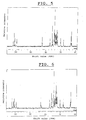
- the by-product 1 had a specific rotation of [ ⁇ ] 25 d+246° and a 13 C-NMR spectrum in FIG. 4.
- the data on the signal assignment of the by-product 1 is in Table 4 below together with those of cyclotetrasaccharide and other saccharides in Experiments 3-4 and 4-3.
- the by-product 2 was a substantially non-reducing saccharide with a mass number of 972. Considering the mass number and the fact that the constituent saccharides were D-glucose molecules, the by-product 2 was estimated to be composed of six D-glucose molecules. Upon methylation analysis, 2,4-dimethylated compound, 2,3,4-trimethylated compound, 2,4,6-trimethylated compound, and 2,3,4,6-tetramethylated compound were detected in a molar ratio of 0.94:2.01:1.72:1, meaning a composition ratio of 1:2:2:1. By-product 2 had a specific rotation of [ ⁇ ] 25 d+246° and a 13 C-NMR spectrum in FIG. 5. The data on the signal assignment of the by-product 2 is in Table 4 below together with those of cyclotetrasaccharide and other saccharides in Experiments 3-4 and 4-3.
- the by-product 3 was a substantially non-reducing saccharide with a mass number of 1, 296 . Considering the mass number and the fact that the constituent saccharides were D-glucose molecules, the by-product 3 was estimated to be composed of eight D-glucose molecules and had a 13 C-NMR spectrum in FIG. 6. The data on the signal assignment of the by-product 3 is in Table 4 below together with those of cyclotetrasaccharide and other saccharides in Experiments 3-4 and 4-3.
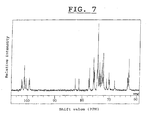
- the by-product 4 was a substantially non-reducing saccharide with a mass number of 1,134 . Considering the mass number and the fact that the constituent saccharides were D-glucose molecules, the by-product 4 was estimated to be composed of seven D-glucose molecules. Upon methylation analysis, 2,3-dimethylated compound, 2 , 4-dimethylated compound, 2,3, 4-trimethylated compound, 2,4,6-trimethylated compound, and 2,3,4,6-tetramethylated compound were detected in molar ratio of 0.78:0.78:1.47:1.60:2, meaning a composition ratio of 1:1:1:2:2. The by-product 4 gave a 13 C-NMR spectrum in FIG. 7. The data on the signal assignment of the by-product 3 is in Table 4 below together with those of cyclotetrasaccharide and other saccharides in Experiments 3-4 and 4-3.
- the blanched cyclotetrasaccharides have a basic structure represented by Formula 1, where one or more of R 1 to R 12 are optionally substituted ⁇ -D-glucopyranosyl-(1 ⁇ 6) ⁇ ⁇ -D-glucopyranosyl-(1 ⁇ 3)- ⁇ -D-glucopyranosyl-(1 ⁇ 6) ⁇ n ⁇ -D-glucopyranosyl groups, with the proviso that "n” is an integer of at least 0 and, when at least two of the groups of R 1 to R 12 are the above groups, the number of each "n” is independent in each group; and in relatively many cases, R 2 and/or R 8 are/is optionally substituted ⁇ -D-glucopyranosyl-(1 ⁇ 6)- ⁇ -D-glucopyranosyl-(1 ⁇ 3)- ⁇ -D-glucopyranosyl-(1 ⁇ 6) ⁇ n ⁇ -D-glucopyranosy
- the resulting mixture was adjusted to pH 5.0 and incubated at 50°C for one hour after admixed with 500 units/g solids of "GLUCOTEAM TM " , a glucoamylase commercialized by Nagase Biochemicals, Ltd., Kyoto, Japan. Thereafter, the reaction mixture was boiled for 10 minutes to inactivate the remaining enzyme.
- GLUCOTEAM TM a glucoamylase commercialized by Nagase Biochemicals, Ltd., Kyoto, Japan.
- the reaction mixture was in a conventional manner filtered with a membrane, desalted, and analyzed on HPLC as shown in Experiment 3-1.
- This result revealed that the branched cyclotetrasaccharide of the present invention can be efficiently produced by contacting ⁇ - isomaltosyl-transferring enzyme with cyclotetrasaccharide.
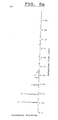
- the reaction mixture with the CGTase treatment contained newly formed components with longer retention times than that of cyclotetrasaccharide (FIG. 8a), while that with the combination treatment of CGTase and glucoamylase has almost lost these components except for two components with peaks 1 and 2 (FIG. 8b) .
- DIION PK218 TM a cation exchange resin commercialized by Mitsubishi Chemical Industries, Ltd., Tokyo, Japan
- AMBERLITE IRA411 TM an anion exchange resin commercialized by Japan Organo Co., Ltd., Tokyo, Japan, followed by concentrating.
- the concentrate was fractionated according to the chromatographic conditions in Experiment 3-2, and the resulting each fraction was analyzed on HPLC in Experiment 3-1 to obtain a fraction containing product 1 or 2 produced by CGTase (called "CGTase product 1 or 2”) with a purity of 97%.
- the fraction rich in the CGTase product 1 was in a conventional manner subjected to 13 C-NMR, and the obtained spectrum coincided with that of the by-product 1 of Chemical Formula 1 (FIG. 4) in Experiment 3-4. Based on the result, the CGTase product 1 was identified with a branched cyclotetrasaccharide represented by Chemical formula 1.
- the fraction rich in the CGTase product 2 was analyzed in accordance with the 7th analytical item in Experiment 3-4.
- the CGTase product 2 was a substantially non-reducing saccharide with a mass number of 972. Considering the mass number and the fact that the constituent saccharides were D-glucose molecules, the CGTase product 2 was judged to be composed of six molecules of D-glucose. When treated with ⁇ -glucosidase, the CGTase product 2 was hydrolyzed into cyclotetrasaccharide and glucose in a molecule ratio of 1:2.
- the blanched cyclotetrasaccharide has a basic structure represented by Formula 1, wherein in Formula 1 one or more of R 1 to R 12 , particularly, R 1 and/or R 7 in relatively many cases are/is an optionally substituted ⁇ -D-glucopyranosyl-(1 ⁇ 4)- ⁇ n ⁇ -D-glucopyranosyl group(s), with the proviso that "n” is an integer of 0 or more, and when at least two of R 1 to R 12 are the
- the eluate was analyzed on HPLC as described in Experiment 3-1, resulting in obtaining a fraction containing a product produced by ⁇ -galactosidase (or ⁇ -galactosidase product 1) with a purity of at least 97%.
- the above fraction was analyzed in accordance with seven analytical items in Experiment 3-4.
- the ⁇ -galactosidase product 1 was a substantially non-reducing saccharide with a mass number of 810 .
- the constituent saccharides of the ⁇ -galactosidase product 1 were D-glucose and D-galactose which were present in a composition ratio of 4:1. Judging from its mass number, the ⁇ -galactosidase product 1 was considered to be composed of four molecules of D-glucose and one molecule of D-galactose.
- the ⁇ -galactosidase product 1 had a specific rotation of [ ⁇ ] 25 d+200° and a 13 C-NMR spectrum of FIG. 10. Table 7 shows the results of assignment of signals of the spectrum together with those of cyclotetrasaccharide and other results in Experiments 4-5 to 4-7.
- the eluate was analyzed on HPLC described in Experiment 3-1, resulting in obtaining a fraction containing a product formed by ⁇ -galactosidase (or ⁇ -galactosidase product 4) with a purity of at least 94%, and another fraction containing a product formed by ⁇ -galactosidase (or ⁇ -galactosidase product 5) with a purity of at least 99%.
- the above fraction of ⁇ -galactosidase product 4 was analyzed in accordance with the seven analytical items in Experiment 3-4.
- the ⁇ -galactosidase product 4 was a substantially non-reducing saccharide with a mass number of 973.
- the constituent saccharides were D-glucose and D-galactose, which were present in a molar ratio of 2:1. Judging from its mass number, the ⁇ -galactosidase product 4 was considered to be composed of four molecules of D-glucose and two molecules of D-galactose.
- the above fraction rich in the ⁇ -galactosidase product 5 was analyzed in accordance with the seven analytical items in Experiment 3-4.
- the ⁇ -galactosidase product 5 was a substantially non-reducing saccharide with a mass number of 810.
- the constituent saccharides were D-glucose and D-galactose present in a composition ratio of 4:1.
- the ⁇ -galactosidase product 4 was considered to be composed of four molecules of D-glucose and one molecule of D-galactose.
- the branched cyclotetrasaccharide formed by the enzymatic reaction in Experiment 4-5(a) has the following characteristics in general.
- the blanched cyclotetrasaccharide has a basic structure represented by Formula 1, wherein in Formula 1 one or more of R 1 to R 12 , particularly in many cases, R 6 and/or R 12 are/is an optionally substituted ⁇ ⁇ -D-galactopyranosyl-(1 ⁇ 6)- ⁇ n ⁇ -D-galactopyranosyl group(s), with the proviso that "n" is an integer of at least 0 and it is independent when at least two of R 1 to R 12 have the above groups.
- the reaction mixture and an aqueous solution of cyclotetrasaccharide were subjected to HPLC described in Experiment 3-1.
- the HPLC analysis revealed the formation of at least one newly formed component with a retention time of 13.3 min, which differed from cyclotetrasaccharide with a retention time of about 10 min.
- the newly formed component had a peak area of about 1.0% to the total peak areas.
- the above fraction rich in ⁇ -galactosidase product was analyzed according to seven analytical items in Experiment 3-4 .
- the ⁇ -galactosidase product was a substantially non-reducing saccharide with a mass number of 810 .
- the ⁇ -galactosidase product had constituent saccharides of D-glucose and D-galactose in a composition ratio of 4:1. Judging from its mass number, the ⁇ -galactosidase product was considered to be composed of four molecules of D-glucose and one molecule of D-galactose.
- the resulting reaction mixture was centrifuged, then the supernatant was filtered by using "SEP-0013 TM ", an ultrafiltration membrane commercialized by Asahi Kasei Corporation, Tokyo, Japan, to remove proteins and desalted in a conventional manner.
- the pretreated solution and an aqueous solution of cyclotetrasaccharide were subjected to HPLC described in Experiment 3-1.
- the HPLC analysis revealed the formation of at least one newly formed component with a retention time of 36.6 min, which differed from cyclotetrasaccharide with a retention time of about 10 min.
- the newly-formed component had a peak area of about 7.3% to the total peak areas.
- the above fraction rich in the lysozyme product was analyzed according to the seven analytical items in Experiment 3-4.
- the lysozyme product was a substantially non-reducing saccharide with a mass number of 851.
- the lysozyme product had D-glucose and N-acetyl-D-glucosamine (N-acetyl-D-chitosamine) as constituent saccharides in a composition ratio of 4:1. Judging from its mass number, the lysozyme product was considered to be composed of four molecules of D-glucose and one molecule of N-acetyl-D-glucosamine.
- the crystalline powders were respectively analyzed on the following whole or part of the items of crystalline form, X-ray diffraction, color, moisture content, melting point, and thermal property.
- the crystalline form was microscopically observed.
- the X-ray analysis was examined by a conventional powdery X-ray diffraction analysis .
- the moisture content was measured by the Karl Fischer method, and the melting point was measured by "MODEL MP-21 TM ", a melting point measurement device commercialized by Yamato Scientific Co., Ltd., Tokyo, Japan.
- the thermal property was analyzed based on thermogravimetric analysis using "TG/DTA220 type TM ", a digital thermoanalyzer commercialized by Seiko Instruments Inc., Chiba, Japan.
- the compound of Chemical Formula 2 gave a weight reduction corresponding to that of six to seven moles of water as the temperature incfreased to about 150°C, and also gave a weight reduction due to its decomposition at a temperature of around 300°C or over.
- the compound of Chemical Formula 3 gave a weight reduction corresponding to that of six to seven moles of water as the temperature increased to about 110°C, and also gave a weight reduction due to its decomposition at a temperature of around 300°C or over. These results indicated that the compound of Chemical Formula 3 in the form of a deca- or undeca-hydrous crystal is converted into a tri- or tetra-hydrous crystal when heated to 114°C under normal pressure.
- the compound of Chemical Formula 6 gave a weight reduction corresponding to that of seven to eight moles of water as the temperature increased to about 120°C, and also gave a weight reduction due to its decomposition at a temperature of around 300°C or over.
- the compound of Chemical Formula 7 gave a weight reduction corresponding to that of five to six moles of water as the temperature increased to about 130°C. and also gave a weight reduction due to its decomposition at a temperature of around 300°C or over.
- Example A-1 Syrup containing branched cyclotetrasaccharide represented by Chemical Formulae 1 and 2
- reaction mixture was added 350 g of 50 mM sodium acetate buffer (pH 4.5) and then incubated at 40°C for four hours after admixed with 200 units of "GLUCOTEAM TM ", a glucoamylase specimen commercialized by Nagase Biochemicals, Ltd., Kyoto, Japan, per gram of the initially added ⁇ -cyclodextrin. Thereafter, the resulting mixture was boiled for 20 min to inactivate the remaining enzyme.
- GLUCOTEAM TM a glucoamylase specimen commercialized by Nagase Biochemicals, Ltd., Kyoto, Japan
- the reaction mixture thus obtained was membrane filtered, desalted with "DIAION PK218 TM”, a cation exchange resin commercialized by Mitsubishi Chemical Industries, Ltd., Tokyo, Japan, and "AMBERLITE IRA411 TM " , an anion exchange resin commercialized by Japan Organo Co., Ltd., Tokyo, Japan, and concentrated.
- the concentrate was fractionated by chromatography according to the conditions used in Experiment 3-2, and the resulting each fraction was analyzed on the HPLC in Experiment 3-1 to collect a fraction containing a branched cyclotetrasaccharide, represented by Chemical Formulae 1 and 2 , with a purity of 85% or higher each.
- the fraction was concentrated into a syrup with a solid concentration of about 50% (w/w).
- the syrup can be advantageously used as a material for products in a variety fields of foods, beverages, cosmetics, and pharmaceuticals without any treatment or after concentrated, dried, crystallized, or pulverized into a product in the form of an amorphous powder, molasses, block, etc.
- Example A-2 Syrup containing branched cyclotetrasaccharide represented by Chemical Formula 3
- the reaction mixture thus obtained was membrane filtered, desalted with "DIAION PK218 TM”, a cation exchange resin commercialized by Mitsubishi Chemical Industries, Ltd., Tokyo, Japan, and "AMBERLITE IRA411 TM”, an anion exchange resin commercialized by Japan Organo Co., Ltd., Tokyo, Japan, and concentrated.
- the concentrate was fractionated by chromatography according to the conditions in Experiment 3-2, and the resulting each fraction was analyzed on the HPLC in Experiment 3-1 to collect a fraction with a branched cyclotetrasaccharide, represented by Chemical Formula 3, with a purity of 80% or higher.
- the fraction was concentrated into a syrup with a solid concentration of about 40% (w/w).
- the syrup can be advantageously used as a material for products in a variety fields of foods, beverages, cosmetics, and pharmaceuticals without any treatment or after concentrated, dried, crystallized, or pulverized into a product in the form of an amorphous powder, molasses, block, etc.
- Example A-3 Syrup containing branched cyclotetrasaccharide represented by Chemical Formula 6
- reaction mixture thus obtained was added 0.5 part by weight of sodium hydroxide and kept at 100°C for one hour to decompose reducing saccharides.
- the obtained reaction mixture was in a conventional manner desalted, filtered, and concentrated.
- the concentrate was subjected to preparative liquid chromatography using "YMC-PACK ODS-AQR355-15AQ S-10/20 ⁇ m, 120A TM ", a preparative column commercialized by YMC Co., Ltd., Tokyo, Japan, where a purified, deionized water was used as a moving phase.
- the eluate was analyzed on the HPLC described in Experiment 3-1 to collect a fraction containing a branched cyclotetrasaccharide, represented by Chemical Formula 6 , with a purity of at least 85%.
- the fraction was concentrated to obtain a syrup with a solid concentration of 40% (w/w).
- the syrup can be advantageously used as a material for products in variety fields of foods, beverages, cosmetics, and pharmaceuticals without any treatment or after concentrated, dried, crystallized, or pulverized into a product in the form of an amorphous powder, molasses, block, etc.
- Example A-4 Syrup containing branched cyclotetrasaccharide represented by Chemical Formula 7
- reaction mixture thus obtained was added 0.5 part by weight of sodium hydroxide and kept at 100°C for one hour to decompose reducing saccharides.
- the resulting reaction mixture was in a conventional manner desalted, filtrated, and concentrated.
- the concentrate was subjected to preparative liquid chromatography using "YMC-PACK ODS-AQR355-15AQ, S-10/20 ⁇ m 120A TM ", a preparative column commercialized by YMC Co., Ltd., Tokyo, Japan, where a purified, deionized water was used as a moving phase.
- the eluate was analyzed on the HPLC described in Experiment 3-1 to collect a fraction containing a branched cyclotetrasaccharide, represented by Chemical Formula 7, with a purity of at least 85%.
- the fraction was concentrated into a syrup with a solid concentration of 45% (w/w) .
- the syrup can be advantageously used as a material for products in variety fields of foods, beverages, cosmetics, and pharmaceuticals without any treatment or after concentrated, dried, crystallized, or pulverized into a product in the form of an amorphous powder, molasses, block, etc.
- Example A-5 Crystal of branched cyclotetrasaccharide represented by Chemical Formula 1 or 2
- Example A-1 a reaction mixture, obtained through the sequential treatments of CGTase and glucoamylase and the inactivation of enzyme, was subjected to chromatographic separation similarly as in Example A-1.
- the eluate was analyzed on the HPLC in Experiment 3-1 to collect fractions containing branched cyclotetrasaccharides, represented by Chemical Formulae 1 and 2, with a purity of 97% or higher each.
- the fractions were respectively concentrated and then admixed with a corresponding crystal of Chemical Formula 1 or 2 obtained in Experiment 5 as a seed crystal to effect sufficient crystallization.
- the crystals were centrifuged and collected in a conventional manner, and the collected crystals were dried at ambient temperature to obtain respective crystals of branched cyclotetrasaccharides, represented by Chemical Formulae 1 and 2, with a purity of at least 99% each.
- Measurement of moisture content described in Experiment 5 revealed that the compound of Chemical Formula 1 was a penta- or hexa-hydrous crystal, while the compound of Chemical Formula 2 was an undeca- or dodeca-hydrous crystal.
- the crystals can be arbitrarily used as materials for products in variety fields of foods, beverages, cosmetics, and pharmaceuticals.
- Example A-6 Crystal of branched cyclotetrasaccharide represented by Chemical Formula 3
- Example A-2 a reaction mixture, obtained through the treatments of ⁇ -galactosidase and the inactivation of enzyme, was subjected to chromatographic separation similarly as in Example A-2.
- the eluate was analyzed on the HPLC described in Experiment 3-1 to collect a fraction containing branched cyclotetrasaccharides, represented by Chemical Formula 3, with a purity of at least 97%.
- the fraction was concentrated and then admixed with the crystal of the compound of Chemical Formula 3 obtained in Experiment 5 as a seed crystal to effect sufficient crystallization.
- the formed crystal was centrifuged and collected in a conventional manner, and the collected crystal was dried at ambient temperature to obtain a crystal of a branched cyclotetrasaccharide, represented by Chemical Formula 3, with a purity of at least 99%.
- Measurement of moisture content described in Experiment 5 revealed that the crystal was a deca- or undeca-hydrous crystal.
- the crystal can be arbitrarily used as a material for products in variety fields of foods, beverages, cosmetics, and pharmaceuticals.
- Example A-7 Crystal of branched cyclotetrasaccharide represented by Chemical Formula 6
- Example A-3 a reaction mixture, obtained through the treatments of ⁇ -isomaltosyl-transferring enzyme and the inactivation of enzyme, was subjected to chromatographic separation similarly as in Example A-3.
- the eluate was analyzed on the HPLC described in Experiment 3-1 to collect a fraction containing branched cyclotetrasaccharides, represented by Chemical Formula 6, with a purity of at least 96%.
- the fraction was concentrated and then admixed with the crystal of the compound of Chemical Formula 6 obtained in Experiment 5 as a seed crystal to effect sufficient crystallization.
- the crystal was centrifuged and collected in a conventional manner, and the collected crystal was dried at ambient temperature to obtain a crystal of a branched cyclotetrasaccharide, represented by Chemical Formula 6, with a purity of at least 99%.
- Measurement of moisture content described in Experiment 5 revealed that the crystal was a nona- or deca-hydrous crystal.
- the crystal can be arbitrarily used as a material for products in variety fields of foods, beverages, cosmetics, and pharmaceuticals.
- Example A-8 Crystal of branched cyclotetrasaccharide represented by Chemical Formula 7
- Example A-4 a reaction mixture, obtained through the treatments of ⁇ -galactosidase and the inactivation of enzyme, was subjected to chromatographic separation similarly as in Example A-4.
- the eluate was analyzed on the HPLC described in Experiment 3-1 to collect a fraction containing branched cyclotetrasaccharides, represented by Chemical Formula 7, with a purity of at least 97%.
- the fraction was concentrated and admixed with the crystal of the compound of Chemical Formula 7 obtained in Experiment 5 as a seed crystal to effect sufficient crystallization.
- the crystal was centrifuged and collected in a conventional manner, and the collected crystal was dried at ambient temperature to obtain a crystal of a branched cyclotetrasaccharide, represented by Chemical Formula 7, with a purity of at least 99%.
- Measurement of moisture described in Experiment 5 revealed that the crystal was a penta- or hexa-hydrous crystal.
- the crystal can be arbitrarily used as a material for products in variety fields of foods, beverages, cosmetics, and pharmaceuticals.
- Example A-9 Syrup containing branched cyclotetrasaccharides
- the reaction mixture was cooled to 45°C and admixed with 11 g (137,500 units) of "NEO-SPITASE TM " , an ⁇ -amylase specimen commercialized by Nagase Biochemicals, Ltd., Kyoto, Japan, and 44 grams (140,800 units) of "GLUCOZYME TM ", a glucoamylase specimen commercialized by Nagase Biochemicals, Ltd. , Kyoto, Japan, and then adjusted to pH 6. 0 , followed by enzymatically reacting at 45°C for one day.
- the reaction mixture thus obtained was boiled for 20 minutes to inactivate remaining enzymes, and then cooled and filtered in a conventional manner to obtain a filtrate.
- the filtrate was concentrated to give a solid concentration of about 16% (w/w) by using a reverse osmosis membrane.
- the concentrate was subjected in a conventional manner to decoloration, desalting, filtration, and concentration to obtain about 6.1 kg of a syrup containing 3.5 kg of solids consisting of 12% of branched cyclotetrasaccharides, 44% of cyclotetrasaccharide, 25% of glucose, and 19% of oligosaccharides.
- the syrup Since the syrup is substantially free of crystallization and easily produced on an industrial scale and at a lesser cost, it can be arbitrarily used as a material for products in a variety fields of foods, beverages, cosmetics, and pharmaceuticals.
- Example A-10 Syrup containing branched cyclotetrasaccharides
- a saccharide solution obtained by the method in Experiment 3-1, was fed to ten columns, having an inner diameter of 13.5 cm and a length of 160 cm each, which had been packed with about 225 L of "AMBERLITE CR-1310 (Na-form ) TM ", an ion-exchange resin commercialized by Japan Organo Co. , Ltd. , Tokyo, Japan, and cascaded in series, and chromatographed at a flow rate of about 45 L/h of water and at a column temperature of 60°C.
- the eluate from the columns was fractionated and determined for saccharide composition by the HPLC described in Experiment 3-1.
- the saccharide solution i.e., a high cyclotetrasaccharide content fraction, was analyzed on the HPLC under the same conditions as above, and based on the peak areas determined on the HPLC analysis, it was composed of 79.8% of cyclotetrasaccharide and 6.1% of isomaltose to the total sugars.
- the saccharide solution in an amount equal to a solid content of 1,310 g was adjusted to pH 5.0 and 50°C, and then incubated for 20 hours after admixed with 1,000 units/g solids of "TRANSGLUCOSIDASE L AMANO TM ", an ⁇ -glucosidase specimen commercialized by Amano Pharmaceutical Co., Ltd., Aichi, Japan, and 60 units/g solids of "GLUCOZYME TM ", a glucoamylase specimen commercialized by Nagase Biochemicals, Ltd., Kyoto, Japan.
- the above enzymatic reaction mixture was desalted with "DIAION PK218 TM”
- a cation exchange resin commercialized by Mitsubishi Chemical Industries, Ltd . , Tokyo, Japan
- AMBERLITE IRA411 TM an anion exchange resin commercialized by Japan Organo Co., Ltd., Tokyo, Japan
- the concentrate was fractionated according to the conditions as used in the above chromatographic separation to collect a fraction of cyclotetrasaccharide with a purity of 97%.
- the fraction was in a conventional manner decolored, desalted, filtered, and concentrated to obtain a saccharide solution with a solid content of 1,260 g.
- the saccharide solution was placed in a cylindrical plastic vessel and cooled from 65°C to 20°C over about 20 hours under gentle stirring conditions.
- the resulting mixture was subjected to separation, and the obtained mother liquor was purified and concentrated into a syrup with a solid concentration of about 45%, consisting of 4% of branched cyclotetrasaccharides, 94% of cyclotetrasaccharide, 1% of glucose, and 1% of other saccharides.
- the syrup Since the syrup is substantially free of crystallization and easily produced on an industrial scale and at a lesser cost, it can be arbitrarily used as a material for products in a variety fields of foods, beverages, cosmetics, and pharmaceuticals.
- Example A-11 Syrup containing branched cyclotetrasaccharides
- Example A-9 To 400 g of a syrup containing branched cyclotetrasaccharides obtained in Example A-9 was added 0.1 g/g solids of "N154 TM " commercialized by Nikki Chemical Co. , Ltd. , Kanagawa, Japan, an activated Raney nickel catalyst with an alkali. The mixture was placed in an autoclave and hydrogenated by reacting at 100°C for four hours and further at 120°C for two hours while stirring and keeping at a hydrogen pressure of 100 kg/cm 2 . After cooled, the resulting hydrogenated mixture was taken out from the autoclave and filtered by passing through an activated carbon layer with about one centimeter in thickness to remove the Raney nickel catalyst .
- N154 TM commercialized by Nikki Chemical Co. , Ltd. , Kanagawa, Japan
- the filtrate was in a conventional manner decolored with an activated charcoal, desalted with ion-exchange resins in H-and OH-forms, purified, and concentrated to give a concentration of about 40% and to obtain a syrup which was substantially free of crystallization and composed of 12% of branched cyclotetrasaccharides, 44% of cyclotetrasaccharide, 25% of sorbitol, and 19% of other saccharides.
- the syrup Since the syrup is substantially free of crystallization and easily produced on an industrial scale and at a lesser cost, it can be arbitrarily used as a material for products in a variety fields of foods, beverages, cosmetics, and pharmaceuticals.
- Example A-12 Syrup of branched cyclotetrasaccharides
- a substantially non-reducing and non-crystallizing syrup which had a solid concentration of about 55% and consisted of 4% of branched cyclotetrasaccharides, 94% of cyclotetrasaccharide, 1% of sorbitol, and 1% of other saccharides, was obtained similarly as in Example A-11 except for replacing 400 g of the syrup containing branched cyclotetrasaccharides obtained in Example A-9 with 400g of the syrup containing branched cyclotetrasaccharides obtained in Example A-10.
- the syrup Since the syrup is substantially free of crystallization and easily produced on an industrial scale and at a lesser cost, it can be arbitrarily used as a material for products in a variety fields of foods, beverages, cosmetics, and pharmaceuticals.
- the product Since the branched cyclotetrasaccharide is hardly digestible and ferfmentable and is substantially free from calorie, the product has only about 1/10 calorie of that of sucrose with respect to sweetening power. In addition, the product is substantially free of deterioration and stable even when stored at room temperature. Thus, the product is preferable as a high quality, low caloric, less cariogenic sweetener.
- One hundred parts by weight of a 55% (w/w) sucrose solution were mixed while heating with 50 parts by weight of a syrup containing a branched cyclotetrasaccharide represented by Chemical Formula 6, obtained by the method in Example A-3.
- the mixture was then concentrated by heating under a reduced pressure to give a moisture content of less than 2%.
- the concentrate was mixed with 0.6 part by weight of citric acid and an adequate amount of a lemon flavor, followed by forming the resultant into the desired product in a conventional manner.
- the product is a stable, high quality hard candy which has a satisfactory mouth feel, taste, and flavor; less adsorbs moisture; and does neither induce crystallization of sucrose nor cause melting.
- Example B-3 Beverage with lactic acid bacteria
- the product can be suitably used as a lactic acid beverage which has a satisfactory flavor and taste, contains oligosaccharides and cyclotetrasaccharide, stably retains the lactic acid bacteria, and has actions of promoting the growth of the bacteria and controlling the intestinal conditions.
- a toothpaste was prepared by mixing 13 parts by weight of water with 15 parts by weight of the above syrup, 45 parts by weight of calcium secondary phosphate, 1.5 parts by weight of sodium lauryl sulfate, 25 parts by weight of glycerol, 0. 5 part by weight of polyoxyethylene sorbitan laurate, 0.02 part by weight of saccharine, 0.05 part by weight of an antiseptic, and 13 parts by weight of water.
- the product has an improved after taste and a satisfactory feeling after use without reducing the detergent power of the surfactant.
- a peel juice of "yuzu” (a Chinese lemon) was admixed with 10 parts by weight of a branched cyclotetrasaccharide crystal, undeca- or dodeca-hydrate, represented by Chemical Formula 2, obtained by the method in Example A-5, followed by drying and pulverizing the mixture into a powder containing a yuzu peel extract.
- a bath salt was prepared by mixing five parts by weight of the above powder with 90 parts by weight of grilled salt, two parts by weight of hydrous crystalline trehalose, one part by weight of silicic anhydride, and 0.5 part by weight of " ⁇ G HESPERIDIN", an ⁇ -glucosyl hesperidin product commercialized by Hayashibara Shoji, Inc., Okayama, Japan.
- the product is a bath salt with an elegant, gentle flavor and a superior skin moisturizing effect.
- the resulting solution was admixed with two parts by weight of L-lactic acid, five parts by weight of 1,3- butylene glycol, and 66 parts by weight of refined water.
- the resultant mixture was emulsified by a homogenizer and admixed with an adequate amount of a flavor while stirring to obtain a cosmetic cream.
- the product exhibits an antioxidant activity and has a relatively high stability, and these render it advantageously useful as a high quality sunscreen, skin-refining agent, and skin-whitening agent.
- Example A-7 Fourteen parts by weight of a branched cyclotetrasaccharide crystal, nona- or deca-hydrate, represented by Chemical Formula 6, obtained by the method in Example A-7, were sufficiently mixed with 50 parts by weight of aspirin and four parts by weight of corn starch. The mixture was then in a conventional manner tabletted by a tabulating machine into a tablet, 680 mg, 5.25 mm in thickness each. The tablet, processed with the filler-imparting ability of the branched cyclotetrasaccharide, has a quite low hygroscopicity, sufficient physical strength, and superior degradability in water.
- glycosyl derivatives of cyclotetrasaccharide are formed as by-products of cyclotetrasaccharide when the novel enzymes, i.e., ⁇ - isomaltosyl-transferring enzyme and ⁇ - isomaltosylglucosaccharide-forming enzyme, which the present inventors had previously found, are allowed to act on starch hydrolyzates; and that a variety of glycosyl derivatives are obtained by allowing saccharide-related enzymes such as the above-identified enzymes, cyclomaltodextrin glucanotransferase, ⁇ - galactosidase, ⁇ -galactosidase, and lysozyme to act on cyclotetrasaccharide.
- novel enzymes i.e., ⁇ - isomaltosyl-transferring enzyme and ⁇ - isomaltosylglucosaccharide-forming enzyme, which the present inventors
- glycosyl derivatives provided by the present invention i.e., branched cyclotetrasaccharides
- branched cyclotetrasaccharides have the intrinsic properties of cyclotetrasaccharide such as an inclusion ability and substantially non-digestibility, they can be advantageously used in a various fields of foods and beverages, cosmetics, and pharmaceuticals similarly as cyclotetrasaccharide.
- Advanced analysis of physical and chemical properties and functions of the branched cyclotetrasaccharides of the present invention will give an important finding that leads to development of novel uses of cyclotetrasaccharide and improvement of the properties and functions thereof.
Landscapes
- Health & Medical Sciences (AREA)
- Life Sciences & Earth Sciences (AREA)
- Chemical & Material Sciences (AREA)
- General Health & Medical Sciences (AREA)
- Veterinary Medicine (AREA)
- Public Health (AREA)
- Animal Behavior & Ethology (AREA)
- Engineering & Computer Science (AREA)
- Epidemiology (AREA)
- Dermatology (AREA)
- Medicinal Chemistry (AREA)
- Organic Chemistry (AREA)
- Pharmacology & Pharmacy (AREA)
- Nutrition Science (AREA)
- Polymers & Plastics (AREA)
- General Chemical & Material Sciences (AREA)
- Chemical Kinetics & Catalysis (AREA)
- Biochemistry (AREA)
- Molecular Biology (AREA)
- Food Science & Technology (AREA)
- Wood Science & Technology (AREA)
- Birds (AREA)
- Bioinformatics & Cheminformatics (AREA)
- Genetics & Genomics (AREA)
- Biotechnology (AREA)
- Zoology (AREA)
- Diabetes (AREA)
- Inorganic Chemistry (AREA)
- General Engineering & Computer Science (AREA)
- Nuclear Medicine, Radiotherapy & Molecular Imaging (AREA)
- Proteomics, Peptides & Aminoacids (AREA)
- Hematology (AREA)
- Oil, Petroleum & Natural Gas (AREA)
- Mycology (AREA)
- Biophysics (AREA)
- Oral & Maxillofacial Surgery (AREA)
- Obesity (AREA)
- Microbiology (AREA)
- Child & Adolescent Psychology (AREA)
- Preparation Of Compounds By Using Micro-Organisms (AREA)
Applications Claiming Priority (3)
| Application Number | Priority Date | Filing Date | Title |
|---|---|---|---|
| JP2001067282 | 2001-03-09 | ||
| JP2001067282 | 2001-03-09 | ||
| PCT/JP2002/002213 WO2002072594A1 (fr) | 2001-03-09 | 2002-03-08 | Tetrasaccharide cyclique ramifie et procede de production correspondant |
Publications (2)
| Publication Number | Publication Date |
|---|---|
| EP1380595A1 true EP1380595A1 (fr) | 2004-01-14 |
| EP1380595A4 EP1380595A4 (fr) | 2007-08-29 |
Family
ID=18925659
Family Applications (1)
| Application Number | Title | Priority Date | Filing Date |
|---|---|---|---|
| EP02705093A Withdrawn EP1380595A4 (fr) | 2001-03-09 | 2002-03-08 | Tetrasaccharide cyclique ramifie et procede de production correspondant |
Country Status (4)
| Country | Link |
|---|---|
| US (1) | US7223570B2 (fr) |
| EP (1) | EP1380595A4 (fr) |
| JP (1) | JP4164367B2 (fr) |
| WO (1) | WO2002072594A1 (fr) |
Cited By (3)
| Publication number | Priority date | Publication date | Assignee | Title |
|---|---|---|---|---|
| US7375095B2 (en) | 2001-11-20 | 2008-05-20 | Kabashiki Kaisha Hayashibara Seibutsu Kagaku | Sugar derivative |
| US7994155B2 (en) | 2003-07-18 | 2011-08-09 | Kabushiki Kaisha Hayashibara Seibutsu Kaguku Kenkyujo | Accelerator for mineral absorption and use thereof |
| TWI874466B (zh) * | 2019-10-04 | 2025-03-01 | 日商長瀨微態生物科技股份有限公司 | 含有環狀四糖的糖組成物、其用途及製造方法 |
Families Citing this family (10)
| Publication number | Priority date | Publication date | Assignee | Title |
|---|---|---|---|---|
| KR101217382B1 (ko) | 2003-02-13 | 2012-12-31 | 가부시끼가이샤 하야시바라 세이부쓰 가가꾸 겐꾸조 | α,α-트레할로오스의 당질 유도체를 함유하는 것을 특징으로 하는 피부 외용제 |
| JP4893981B2 (ja) * | 2003-04-03 | 2012-03-07 | 株式会社林原生物化学研究所 | 脂質調節剤及びその用途 |
| EP1731134B1 (fr) | 2004-03-17 | 2015-10-07 | Hayashibara Co., Ltd. | Poudres fonctionnelles |
| JP4766653B2 (ja) * | 2005-01-28 | 2011-09-07 | 株式会社林原生物化学研究所 | 眼科用医薬組成物 |
| JP4667101B2 (ja) * | 2005-03-31 | 2011-04-06 | 昭和産業株式会社 | 分岐構造を有する4糖類の新規用途、これらの糖類を有効成分とする抑制剤 |
| JP5027395B2 (ja) * | 2005-09-21 | 2012-09-19 | 株式会社林原 | 環状マルトシルマルトースの糖質誘導体とその製造方法並びに用途 |
| US9101160B2 (en) | 2005-11-23 | 2015-08-11 | The Coca-Cola Company | Condiments with high-potency sweetener |
| US8017168B2 (en) | 2006-11-02 | 2011-09-13 | The Coca-Cola Company | High-potency sweetener composition with rubisco protein, rubiscolin, rubiscolin derivatives, ace inhibitory peptides, and combinations thereof, and compositions sweetened therewith |
| JP5688798B2 (ja) * | 2010-12-28 | 2015-03-25 | 公立大学法人大阪府立大学 | α−1,3−分枝シクロデキストランの使用方法 |
| WO2023054540A1 (fr) | 2021-09-30 | 2023-04-06 | 株式会社林原 | Aliment solide et son procédé de production, et procédé de fourniture de texture à un aliment solide |
Family Cites Families (11)
| Publication number | Priority date | Publication date | Assignee | Title |
|---|---|---|---|---|
| JPH0614789A (ja) | 1992-04-08 | 1994-01-25 | Ensuiko Sugar Refining Co Ltd | 分岐シクロデキストリンの製造方法 |
| JP3078923B2 (ja) | 1992-04-08 | 2000-08-21 | 塩水港精糖株式会社 | 新規分岐シクロデキストリンおよびその製造方法 |
| JP3086076B2 (ja) | 1992-06-26 | 2000-09-11 | 塩水港精糖株式会社 | 新規ガラクトシル−分岐シクロデキストリン |
| JP3552732B2 (ja) | 1993-04-09 | 2004-08-11 | 塩水港精糖株式会社 | 新規な分岐シクロデキストリン |
| US5786196A (en) * | 1995-06-12 | 1998-07-28 | The United States Of America As Represented By The Secretary Of Agriculture | Bacteria and enzymes for production of alternan fragments |
| JP3865436B2 (ja) | 1996-07-11 | 2007-01-10 | 塩水港精糖株式会社 | 分岐シクロデキストリンの製造方法 |
| JP3967438B2 (ja) | 1996-11-08 | 2007-08-29 | 株式会社林原生物化学研究所 | コージビオースホスホリラーゼとその製造方法並びに用途 |
| WO2001090338A1 (fr) | 2000-05-22 | 2001-11-29 | Kabushiki Kaisha Hayashibara Seibutsu Kagaku Kenkyujo | $g(a)-isomaltosyltransferase, procede de production et utilisation |
| TWI312369B (en) * | 2000-08-01 | 2009-07-21 | Hayashibara Biochem Lab | A-isomaltosylglucosaccharide synthase,process for producing the same and use thereof |
| US7098013B2 (en) | 2000-11-16 | 2006-08-29 | Kabushiki Kaisha Hayashibara Seibutsu Kagaku Kenkyujo | Polypeptide having α-isomaltosyl-transferase activity |
| CN1484701A (zh) | 2001-01-12 | 2004-03-24 | ��ʽ������ԭ���ﻯѧ�о��� | 具有α-异麦芽糖基葡糖生成酶活性的多肽 |
-
2002
- 2002-03-08 JP JP2002571508A patent/JP4164367B2/ja not_active Expired - Lifetime
- 2002-03-08 EP EP02705093A patent/EP1380595A4/fr not_active Withdrawn
- 2002-03-08 US US10/471,377 patent/US7223570B2/en not_active Expired - Lifetime
- 2002-03-08 WO PCT/JP2002/002213 patent/WO2002072594A1/fr not_active Ceased
Cited By (3)
| Publication number | Priority date | Publication date | Assignee | Title |
|---|---|---|---|---|
| US7375095B2 (en) | 2001-11-20 | 2008-05-20 | Kabashiki Kaisha Hayashibara Seibutsu Kagaku | Sugar derivative |
| US7994155B2 (en) | 2003-07-18 | 2011-08-09 | Kabushiki Kaisha Hayashibara Seibutsu Kaguku Kenkyujo | Accelerator for mineral absorption and use thereof |
| TWI874466B (zh) * | 2019-10-04 | 2025-03-01 | 日商長瀨微態生物科技股份有限公司 | 含有環狀四糖的糖組成物、其用途及製造方法 |
Also Published As
| Publication number | Publication date |
|---|---|
| WO2002072594A1 (fr) | 2002-09-19 |
| JP4164367B2 (ja) | 2008-10-15 |
| US20040236097A1 (en) | 2004-11-25 |
| EP1380595A4 (fr) | 2007-08-29 |
| JPWO2002072594A1 (ja) | 2004-07-02 |
| US7223570B2 (en) | 2007-05-29 |
Similar Documents
| Publication | Publication Date | Title |
|---|---|---|
| EP0841398B1 (fr) | Kojibiose phosphorylase, sa préparation et son utilisation | |
| US8633005B2 (en) | Isocyclomaltooligosaccharide(s), isocyclomaltooligosaccharide-forming enzyme, their preparation and uses | |
| US7951530B2 (en) | Cyclic maltosylmaltose, cyclic maltosymaltose-forming enzyme, their preparation and uses | |
| EP0606753A2 (fr) | Enzyme de formation de saccharides non réductrices, et leur préparation et utilisations | |
| US5681826A (en) | Saccharide composition with reduced reducibility, and preparation and uses thereof | |
| US5714368A (en) | Thermostable non-reducing saccharide-forming enzyme its production and uses | |
| AU2002255280B2 (en) | Process for producing isomaltose and use thereof | |
| US7223570B2 (en) | Branched cyclic tetrasaccharide, process for producing the same, and use | |
| US7592160B2 (en) | Processes for producing isomaltose and isomaltitol and use thereof | |
| EP0726272B1 (fr) | Saccharides non réductrices, leur préparation et utilisation | |
| US5858992A (en) | Non-reducing saccharides, their preparation and use | |
| US7709230B2 (en) | Process for producing isomaltose and uses thereof | |
| US20060183714A1 (en) | 3-Alpha-glycosyl alpha, alpha-trehalose compound, process for producing the same, and use |
Legal Events
| Date | Code | Title | Description |
|---|---|---|---|
| PUAI | Public reference made under article 153(3) epc to a published international application that has entered the european phase |
Free format text: ORIGINAL CODE: 0009012 |
|
| 17P | Request for examination filed |
Effective date: 20031003 |
|
| AK | Designated contracting states |
Kind code of ref document: A1 Designated state(s): AT BE CH CY DE DK ES FI FR GB GR IE IT LI LU MC NL PT SE TR |
|
| A4 | Supplementary search report drawn up and despatched |
Effective date: 20070726 |
|
| RIC1 | Information provided on ipc code assigned before grant |
Ipc: A61K 9/08 20060101ALI20070721BHEP Ipc: A61K 9/00 20060101ALI20070721BHEP Ipc: A61K 9/20 20060101ALI20070721BHEP Ipc: C08B 37/00 20060101ALI20070721BHEP Ipc: A61K 9/107 20060101ALI20070721BHEP Ipc: A23L 1/00 20060101ALI20070721BHEP Ipc: C12P 19/18 20060101ALI20070721BHEP Ipc: C07H 3/06 20060101AFI20070721BHEP |
|
| 17Q | First examination report despatched |
Effective date: 20071213 |
|
| STAA | Information on the status of an ep patent application or granted ep patent |
Free format text: STATUS: THE APPLICATION IS DEEMED TO BE WITHDRAWN |
|
| 18D | Application deemed to be withdrawn |
Effective date: 20080424 |