EP1493818A2 - Nucléosides triphosphates et leur intégration aux ribozymes - Google Patents
Nucléosides triphosphates et leur intégration aux ribozymes Download PDFInfo
- Publication number
- EP1493818A2 EP1493818A2 EP04000537A EP04000537A EP1493818A2 EP 1493818 A2 EP1493818 A2 EP 1493818A2 EP 04000537 A EP04000537 A EP 04000537A EP 04000537 A EP04000537 A EP 04000537A EP 1493818 A2 EP1493818 A2 EP 1493818A2
- Authority
- EP
- European Patent Office
- Prior art keywords
- nucleic acid
- rna
- amino
- nucleotide
- deoxy
- Prior art date
- Legal status (The legal status is an assumption and is not a legal conclusion. Google has not performed a legal analysis and makes no representation as to the accuracy of the status listed.)
- Withdrawn
Links
Images




Classifications
-
- C—CHEMISTRY; METALLURGY
- C07—ORGANIC CHEMISTRY
- C07H—SUGARS; DERIVATIVES THEREOF; NUCLEOSIDES; NUCLEOTIDES; NUCLEIC ACIDS
- C07H21/00—Compounds containing two or more mononucleotide units having separate phosphate or polyphosphate groups linked by saccharide radicals of nucleoside groups, e.g. nucleic acids
-
- C—CHEMISTRY; METALLURGY
- C07—ORGANIC CHEMISTRY
- C07H—SUGARS; DERIVATIVES THEREOF; NUCLEOSIDES; NUCLEOTIDES; NUCLEIC ACIDS
- C07H19/00—Compounds containing a hetero ring sharing one ring hetero atom with a saccharide radical; Nucleosides; Mononucleotides; Anhydro-derivatives thereof
- C07H19/02—Compounds containing a hetero ring sharing one ring hetero atom with a saccharide radical; Nucleosides; Mononucleotides; Anhydro-derivatives thereof sharing nitrogen
- C07H19/04—Heterocyclic radicals containing only nitrogen atoms as ring hetero atom
- C07H19/06—Pyrimidine radicals
- C07H19/10—Pyrimidine radicals with the saccharide radical esterified by phosphoric or polyphosphoric acids
-
- C—CHEMISTRY; METALLURGY
- C07—ORGANIC CHEMISTRY
- C07H—SUGARS; DERIVATIVES THEREOF; NUCLEOSIDES; NUCLEOTIDES; NUCLEIC ACIDS
- C07H19/00—Compounds containing a hetero ring sharing one ring hetero atom with a saccharide radical; Nucleosides; Mononucleotides; Anhydro-derivatives thereof
- C07H19/02—Compounds containing a hetero ring sharing one ring hetero atom with a saccharide radical; Nucleosides; Mononucleotides; Anhydro-derivatives thereof sharing nitrogen
- C07H19/04—Heterocyclic radicals containing only nitrogen atoms as ring hetero atom
- C07H19/16—Purine radicals
- C07H19/20—Purine radicals with the saccharide radical esterified by phosphoric or polyphosphoric acids
-
- C—CHEMISTRY; METALLURGY
- C12—BIOCHEMISTRY; BEER; SPIRITS; WINE; VINEGAR; MICROBIOLOGY; ENZYMOLOGY; MUTATION OR GENETIC ENGINEERING
- C12P—FERMENTATION OR ENZYME-USING PROCESSES TO SYNTHESISE A DESIRED CHEMICAL COMPOUND OR COMPOSITION OR TO SEPARATE OPTICAL ISOMERS FROM A RACEMIC MIXTURE
- C12P19/00—Preparation of compounds containing saccharide radicals
- C12P19/26—Preparation of nitrogen-containing carbohydrates
- C12P19/28—N-glycosides
- C12P19/30—Nucleotides
- C12P19/34—Polynucleotides, e.g. nucleic acids, oligoribonucleotides
Definitions
- This invention relates to novel nucleotide triphosphates (NTPs); methods for synthesizing nucleotide triphosphates; and methods for incorporation of novel nucleotide triphosphates into oligonucleotides.
- NTPs novel nucleotide triphosphates
- the invention further relates to incorporation of these nucleotide triphosphates into nucleic acid molecules using polymerases under several novel reaction conditions.
- nucleotide triphosphates The following is a brief description of nucleotide triphosphates. This summary is not meant to be complete, but is provided only to assist understanding of the invention that follows. This summary is not an admission that all of the work described below is prior art to the claimed invention.
- nucleotide triphosphates and their incorporation into nucleic acids using polymerase enzymes has greatly assisted in the advancement of nucleic acid research.
- the polymerase enzyme utilizes nucleotide triphosphates as precursor molecules to assemble oligonucleotides. Each nucleotide is attached by a phosphodiester bond formed through nucleophilic attack by the 3' hydroxyl group of the oligonucleotide's last nucleotide onto the 5' triphosphate of the next nucleotide. Nucleotides are incorporated one at a time into the oligonucleotide in a 5' to 3' direction. This process allows RNA to be produced and amplified from virtually any DNA or RNA templates.
- RNA polymerase incorporates ATP, CTP, UTP, and GTP into RNA.
- polymerases that are capable of incorporating non-standard nucleotide triphosphates into nucleic acids (Joyce, 1997, PNAS 94, 1619-1622, Huang et al., Biochemistry 36, 8231-8242).
- nucleosides Before nucleosides can be incorporated into RNA transcripts using polymerase enzymes they must first be converted into nucleotide triphosphates which can be recognized by these enzymes. Phosphorylation of unblocked nucleosides by treatment with POCl 3 and trialkyl phosphates was shown to yield nucleoside 5'-phosphorodichloridates (Yoshikawa et al ., 1969, Bull. Chem. Soc. (Japan) 42, 3505).
- Adenosine or 2'-deoxyadenosine 5'-triphosphate was synthesized by adding an additional step consisting of treatment with excess tri-n-butylammonium pyrophosphate in DMF followed by hydrolysis (Ludwig, 1981, Acta Biochim. et Biophys. Acad . Sci. Hung. 16, 131-133).
- Non-standard nucleotide triphosphates are not readily incorporated into RNA transcripts by traditional RNA polymerases. Mutations have been introduced into RNA polymerase to facilitate incorporation of deoxyribonucleotides into RNA (Sousa & Padilla, 1995, EMBO J. 14,4609-4621, Bonner et al ., 1992, EMBO J 11, 3767-3775, Bonner et al., 1994, J. Biol . Chem . 42, 25120-25128, Aurup et al ., 1992, Biochemistry 31, 9636-9641).
- This invention relates to novel nucleotide triphosphate (NTP) molecules, and their incorporation into nucleic acid molecules, including nucleic acid catalysts.
- NTPs of the instant invention are distinct from other NTPs known in the art.
- the invention further relates to incorporation of these nucleotide triphosphates into oligonucleotides using an RNA polymerase; the invention further relates to novel transcription conditions for the incorporation of modified (non-standard) and unmodified NTP's into nucleic acid molecules. Further, the invention relates to methods for synthesis of novel NTP's
- the invention features NTP's having the formula triphosphate-OR, for example the following formula I: where R is any nucleoside; specifically the nucleosides 2'- O -methyl-2,6-diaminopurine riboside; 2'-deoxy-2'amino-2,6-diaminopurine riboside; 2'-( N -alanyl) amino-2'-deoxy-uridine; 2'-( N -phenylalanyl)amino-2'-deoxy-uridine; 2'-deoxy -2'-( N - ⁇ -alanyl) amino ; 2'-deoxy-2'-(lysiyl) amino uridine; 2'- C -allyl uridine; 2'- O -amino-uridine; 2'- O -methylthiomethyl adenosine; 2'- O -methylthiomethyl cytidine ; 2'- O -methylthiomethyl gua
- nucleotide as used herein is as recognized in the art to include natural bases (standard), and modified bases well known in the art. Such bases are generally located at the 1' position of a sugar moiety.
- Nucleotides generally include a base, a sugar and a phosphate group.
- the nucleotides can be unmodified or modified at the sugar, phosphate and/or base moiety, (also referred to interchangeably as nucleotide analogs, modified nucleotides, non-natural nucleotides, non-standard nucleotides and other; see for example, Usman and McSwiggen, supra ; Eckstein et al ., International PCT Publication No.
- base modifications that can be introduced into nucleic acids without significantly effecting their catalytic activity include, inosine, purine, pyridin-4-one, pyridin-2-one, phenyl, pseudouracil, 2, 4, 6-trimethoxy benzene, 3-methyl uracil, dihydrouridine, naphthyl, aminophenyl, 5-alkylcytidines ( e . g ., 5-methylcytidine), 5-alkyluridines ( e.g., ribothymidine), 5-halouridine ( e.g., 5-bromouridine) or 6-azapyrimidines or 6-alkylpyrimidines ( e . g .
- modified bases in this aspect is meant nucleotide bases other than adenine, guanine, cytosine and uracil at 1' position or their equivalents; such bases may be used within the catalytic core of an enzymatic nucleic acid molecule and/or in the substrate-binding regions of such a molecule.
- modified nucleotides include dideoxynucleotides which have pharmaceutical utility well known in the art, as well as utility in basic molecular biology methods such as sequencing.
- unmodified nucleoside or “unmodified nucleotide” is meant one of the bases adenine, cytosine, guanine, uracil joined to the 1' carbon of ⁇ -D-ribo-furanose.
- modified nucleoside or “modified nucleotide” is meant any nucleotide base which contains a modification in the chemical structure of an unmodified nucleotide base, sugar and/or phosphate.
- pyrimidines nucleotides comprising modified or unmodified derivatives of a six membered pyrimidine ring.
- An example of a pyrimidine is modified or unmodified uridine.
- nucleotide triphosphate or "NTP” is meant a nucleoside bound to three inorganic phosphate groups at the 5' hydroxyl group of the modified or unmodified ribose or deoxyribose sugar where the 1' position of the sugar may comprise a nucleic acid base or hydrogen.
- the triphosphate portion may be modified to include chemical moieties which do not destroy the functionality of the group (i.e., allow incorporation into an RNA molecule).
- nucleotide triphosphates (NTPs) of the instant invention are incorporated into an oligonucleotide using an RNA polymerase enzyme.
- RNA polymerases include but are not limited to mutated and wild type versions of bacteriophage T7, SP6, or T3 RNA polymerases. Applicant has also found that the NTPs of the present invention can be incorporated into oligonucleotides using certain DNA polymerases, such as Taq polymerase.
- the invention features a process for incorporating modified NTP's into an oligonucleotide including the step of incubating a mixture having a DNA template, RNA polymerase, NTP, and an enhancer of modified NTP incorporation under conditions suitable for the incorporation of the modified NTP into the oligonucleotide.
- reagent of modified NTP incorporation is meant a reagent which facilitates the incorporation of modified nucleotides into a nucleic acid transcript by an RNA polymerase.
- reagents include but are not limited to methanol; LiCl; polyethylene glycol (PEG); diethyl ether; propanol; methyl amine; ethanol and the like.
- the modified nucleotide triphosphates can be incorporated by transcription into a nucleic acid molecules including enzymatic nucleic acid, antisense, 2-5A antisense chimera, oligonucleotides, triplex forming oligonucleotide (TFO), aptamers and the like (Stull et al ., 1995 Pharmaceutical Res. 12, 465).
- antisense it is meant a non-enzymatic nucleic acid molecule that binds to target RNA by means of RNA-RNA or RNA-DNA or RNA-PNA (protein nucleic acid; Egholm et al ., 1993 Nature 365, 566) interactions and alters the activity of the target RNA (for a review see Stein and Cheng, 1993 Science 261, 1004; Agrawal et al ., U.S. Patent No. 5,591,721; Agrawal, U.S. Patent No. 5,652,356).
- antisense molecules will be complementary to a target sequence along a single contiguous sequence of the antisense molecule.
- an antisense molecule may bind to substrate such that the substrate molecule forms a loop, and/or an antisense molecule may bind such that the antisense molecule forms a loop.
- the antisense molecule may be complementary to two (or even more) non-contiguous substrate sequences or two (or even more) non-contiguous sequence portions of an antisense molecule may be complementary to a target sequence or both.
- 2-5A antisense chimera an antisense oligonucleotide containing a 5' phosphorylated 2'-5'-linked adenylate residues. These chimeras bind to target RNA in a sequence-specific manner and activate a cellular 2-5A-dependent ribonuclease which, in turn, cleaves the target RNA (Torrence et al ., 1993 Proc. Natl . Acad . Sci. USA 90, 1300).
- TFO triple forming oligonucleotides
- oligonucleotide as used herein is meant a molecule having two or more nucleotides.
- the polynucleotide can be single, double or multiple stranded and may have modified or unmodified nucleotides or non-nucleotides or various mixtures and combinations thereof.
- nucleic acid catalyst is meant a nucleic acid molecule capable of catalyzing (altering the velocity and/or rate of) a variety of reactions including the ability to repeatedly cleave other separate nucleic acid molecules (endonuclease activity) in a nucleotide base sequence-specific manner.
- a molecule with endonuclease activity may have complementarity in a substrate binding region to a specified gene target, and also has an enzymatic activity that specifically cleaves RNA or DNA in that target.
- the nucleic acid molecule with endonuclease activity is able to intramolecularly or intermolecularly cleave RNA or DNA and thereby inactivate a target RNA or DNA molecule.
- This complementarity functions to allow sufficient hybridization of the enzymatic RNA molecule to the target RNA or DNA to allow the cleavage to occur. 100% complementarity is preferred, but complementarity as low as 50-75% may also be useful in this invention.
- the nucleic acids may be modified at the base, sugar, and/or phosphate groups.
- enzymatic nucleic acid is used interchangeably with phrases such as ribozymes, catalytic RNA, enzymatic RNA, catalytic DNA, catalytic oligonucleotides, nucleozyme, DNAzyme, RNA enzyme, endoribonuclease, endonuclease, minizyme, leadzyme, oligozyme, finderon or DNA enzyme. All of these terminologies describe nucleic acid molecules with enzymatic activity.
- enzymatic nucleic acid molecules described in the instant application are not limiting in the invention and those skilled in the art will recognize that all that is important in an enzymatic nucleic acid molecule of this invention is that it has a specific substrate binding site which is complementary to one or more of the target nucleic acid regions, and that it have nucleotide sequences within or surrounding that substrate binding site which impart a nucleic acid cleaving activity to the molecule (Cech et al., U.S. Patent No. 4,987,071; Cech et al ., 1988, 260 JAMA 3030).
- enzymatic portion or “catalytic domain” is meant that portion/region of the enzymatic nucleic acid molecule essential for cleavage of a nucleic acid substrate.
- substrate binding arm or “substrate binding domain” is meant that portion/region of a enzymatic nucleic acid molecule which is complementary to ( i.e ., able to base-pair with) a portion of its substrate. Generally, such complementarity is 100%, but can be less if desired. For example, as few as 10 bases out of 14 may be base-paired. That is, these arms contain sequences within a enzymatic nucleic acid molecule which are intended to bring enzymatic nucleic acid molecule and target together through complementary base-pairing interactions.
- the enzymatic nucleic acid molecule of the invention may have binding arms that are contiguous or non-contiguous and may be varying lengths.
- the length of the binding arm(s) are preferably greater than or equal to four nucleotides; specifically 12-100 nucleotides; more specifically 14-24 nucleotides long. If two binding arms are chosen, the design is such that the length of the binding arms are symmetrical ( i . e ., each of the binding arms is of the same length; e . g ., five and five nucleotides, six and six nucleotides or seven and seven nucleotides long) or asymmetrical ( i.e.
- the binding arms are of different length; e.g., six and three nucleotides; three and six nucleotides long; four and five nucleotides long; four and six nucleotides long; four and seven nucleotides long; and the like).
- nucleic acid molecule as used herein is meant a molecule having nucleotides.
- the nucleic acid can be single, double or multiple stranded and may comprise modified or unmodified nucleotides or non-nucleotides or various mixtures and combinations thereof.
- An example of a nucleic acid molecule according to the invention is a gene which encodes for macromolecule such as a protein.
- a nucleic acid molecule e.g., an antisense molecule, a triplex DNA, or an enzymatic nucleic acid molecule
- is 13 to 100 nucleotides in length e.g., in specific embodiments 35, 36, 37, or 38 nucleotides in length (e.g., for particular ribozymes).
- the nucleic acid molecule is 15-100, 17-100, 20-100, 21-100, 23-100, 25-100, 27-100, 30-100, 32-100, 35-100, 40-100, 50-100, 60-100, 70-100, or 80-100 nucleotides in length.
- the upper limit of the length range can be, for example, 30, 40, 50, 60, 70, or 80 nucleotides.
- the length range for particular embodiments has lower limit as specified, with an upper limit as specified which is greater than the lower limit.
- the length range can be 35-50 nucleotides in length. All such ranges are expressly included.
- a nucleic acid molecule can have a length which is any of the lengths specified above, for example, 21 nucleotides in length.
- nucleic acid can form hydrogen bond(s) with another RNA sequence by either traditional Watson-Crick or other non-traditional types.
- the binding free energy for a nucleic acid molecule with its target or complementary sequence is sufficient to allow the relevant function of the nucleic acid to proceed, e.g., enzymatic nucleic acid cleavage, antisense or triple helix inhibition. Determination of binding free energies for nucleic acid molecules is well-known in the art (see, e.g., Turner et al ., 1987, CSH Symp. Quant. Biol. LII pp.123-133; Frier et al ., 1986, Proc.
- a percent complementarity indicates the percentage of contiguous residues in a nucleic acid molecule which can form hydrogen bonds (e.g., Watson-Crick base pairing) with a second nucleic acid sequence (e.g., 5, 6, 7, 8, 9, 10 out of 10 being 50%, 60%, 70%, 80%, 90%, and 100% complementary).
- Perfectly complementary means that all the contiguous residues of a nucleic acid sequence will hydrogen bond with the same number of contiguous residues in a second nucleic acid sequence.
- the modified nucleotide triphosphates of the instant invention can be used for combinatorial chemistry or in vitro selection of nucleic acid molecules with novel function.
- Modified oligonucleotides can be enzymatically synthesized to generate libraries for screening.
- the invention features nucleic acid based techniques (e.g., enzymatic nucleic acid molecules), antisense nucleic acids, 2-5A antisense chimeras, triplex DNA, antisense nucleic acids containing RNA cleaving chemical groups) isolated using the methods described in this invention and methods for their use to diagnose, down regulate or inhibit gene expression.
- nucleic acid based techniques e.g., enzymatic nucleic acid molecules
- antisense nucleic acids e.g., 2-5A antisense chimeras, triplex DNA, antisense nucleic acids containing RNA cleaving chemical groups
- inhibit it is meant that the activity of target genes or level of mRNAs or equivalent RNAs encoding target genes is reduced below that observed in the absence of the nucleic acid molecules of the instant invention (e.g., enzymatic nucleic acid molecules), antisense nucleic acids, 2-5A antisense chimeras, triplex DNA, antisense nucleic acids containing RNA cleaving chemical groups).
- inhibition with enzymatic nucleic acid molecule preferably is below that level observed in the presence of an enzymatically attenuated nucleic acid molecule that is able to bind to the same site on the mRNA, but is unable to cleave that RNA.
- inhibition with nucleic acid molecules is preferably greater than that observed in the presence of for example, an oligonucleotide with scrambled sequence or with mismatches.
- inhibition of target genes with the nucleic acid molecule of the instant invention is greater than in the presence of the nucleic acid molecule than in its absence.
- the invention features a process for the incorporating a plurality of compounds of formula I.
- the invention features a nucleic acid molecule with catalytic activity having formula II:
- the enzymatic nucleic acid molecule of Formula II may independently comprise a cap structure which may independently be present or absent.
- sufficient length is meant an oligonucleotide of greater than or equal to 3 nucleotides.
- stably interact is meant, interaction of the oligonucleotides with target nucleic acid (e.g., by forming hydrogen bonds with complementary nucleotides in the target under physiological conditions).
- chimeric nucleic acid molecule or “chimeric oligonucleotide” is meant that, the molecule may be comprised of both modified or unmodified DNA or RNA.
- cap structure is meant chemical modifications, which have been incorporated at the terminus of the oligonucleotide. These terminal modifications protect the nucleic acid molecule from exonuclease degradation, and may help in delivery and/or localization within a cell.
- the cap may be present at the 5'-terminus (5'-cap) or at the 3'-terminus (3'-cap) or may be present on both terminus.
- the 5'-cap is selected from the group comprising inverted abasic residue (moiety), 4',5'-methylene nucleotide; 1-(beta-D-erythrofuranosyl) nucleotide, 4'-thio nucleotide, carbocyclic nucleotide; 1,5-anhydrohexitol nucleotide; L-nucleotides; alpha-nucleotides; modified base nucleotide; phosphorodithioate linkage; threo -pentofuranosyl nucleotide; acyclic 3',4'-seco nucleotide; acyclic 3,4-dihydroxybutyl nucleotide; acyclic 3,5-dihydroxypentyl nucleotide, 3'-3'-inverted nucleotide moiety; 3'-3'-inverted abasic moiety; 3'-2'-inverted nucleot
- the 3'-cap is selected from a group comprising, 4',5'-methylene nucleotide; 1-(beta-D-erythrofuranosyl) nucleotide; 4'-thio nucleotide, carbocyclic nucleotide; 5'-amino-alkyl phosphate; 1,3-diamino-2-propyl phosphate, 3-aminopropyl phosphate; 6-aminohexyl phosphate; 1,2-aminododecyl phosphate; hydroxypropyl phosphate; 1,5-anhydrohexitol nucleotide; L-nucleotide; alpha-nucleotide; modified base nucleotide; phosphorodithioate; threo -pentofuranosyl nucleotide; acyclic 3',4'-seco nucleot
- non-nucleotide any group or compound which can be incorporated into a nucleic acid chain in the place of one or more nucleotide units, including either sugar and/or phosphate substitutions, and allows the remaining bases to exhibit their enzymatic activity.
- the group or compound is abasic in that it does not contain a commonly recognized nucleotide base, such as adenosine, guanine, cytosine, uracil or thymine.
- abasic or “abasic nucleotide” as used herein encompass sugar moieties lacking a base or having other chemical groups in place of base at the 1' position.
- amino 2'-NH 2 or 2'-O- NH 2 , which may be modified or unmodified.
- modified groups are described, for example, in Eckstein et al., U.S. Patent 5,672,695 and Matulic-Adamic et al., WO 98/28317, respectively, which are both incorporated by reference in their entireties.
- nucleosides are dissolved in triethyl phosphate and chilled in an ice bath. Phosphorus oxychloride (POCl 3 ) is then added followed by the introduction of DMAP. The reaction is then warmed to room temperature and allowed to proceed for 5 hours. This reaction allows the formation of nucleotide monophosphates which can then be used in the formation of nucleotide triphosphates. Tributylamine is added followed by the addition of anhydrous acetonitrile and tributylammonium pyrophosphate.
- reaction is then quenched with TEAB and stirred overnight at room temperature (about 20°C).
- TEAB Triphosphate
- the triphosphate is purified using column purification and HPLC and the chemical structure is confirmed using NMR analysis.
- the invention provides nucleotide triphosphates which can be used for a number of different functions.
- the nucleotide triphosphates formed from nucleosides found in table I are unique and distinct from other nucleotide triphosphates known in the art.
- Incorporation of modified nucleotides into DNA or RNA oligonucleotides can alter the properties of the molecule. For example, modified nucleotides can hinder binding of nucleases, thus increasing the chemical half-life of the molecule. This is especially important if the molecule is to be used for cell culture or in vivo.
- Modified nucleotides are incorporated using either wild type and mutant polymerases.
- mutant T7 polymerase is used in the presence of modified nucleotide triphosphate(s), DNA template and suitable buffers.
- Other polymerases and their respective mutant versions can also be utilized for the incorporation of NTP's of the invention.
- Nucleic acid transcripts were detected by incorporating radiolabelled nucleotides ( ⁇ - 32 P NTP).
- the radiolabeled NTP contained the same base as the modified triphosphate being tested.
- the effects of methanol, PEG and LiCl were tested by adding these compounds independently or in combination.
- Detection and quantitation of the nucleic acid transcripts was performed using a Molecular Dynamics Phosphorlmager. Efficiency of transcription was assessed by comparing modified nucleotide triphosphate incorporation with all-ribonucleotide incorporation control. Wild type polymerase was used to incorporate NTP's using the manufacturer's buffers and instructions (Boehringer Mannheim
- Incorporation rates of modified nucleotide triphosphates into oligonucleotides can be increased by adding to traditional buffer conditions, several different enhancers of modified NTP incorporation.
- Applicant has utilized methanol and LiCl in an attempt to increase incorporation rates of dNTP using RNA polymerase. These enhancers of modified NTP incorporation can be used in different combinations and ratios to optimize transcription. Optimal reaction conditions differ between nucleotide triphosphates and can readily be determined by standard experimentation. Overall however, inclusion of enhancers of modified NTP incorporation such as methanol or inorganic compound such as lithium chloride, have been shown by the applicant to increase the mean transcription rates.
- Antisense molecules may be modified or unmodified RNA, DNA, or mixed polymer oligonucleotides and primarily function by specifically binding to matching sequences resulting in inhibition of peptide synthesis (Wu-Pong, Nov 1994, BioPharm , 20-33).
- the antisense oligonucleotide binds to target RNA by Watson Crick base-pairing and blocks gene expression by preventing ribosomal translation of the bound sequences either by steric blocking or by activating RNase H enzyme.
- Antisense molecules may also alter protein synthesis by interfering with RNA processing or transport from the nucleus into the cytoplasm (Mukhopadhyay & Roth, 1996, Crit. Rev. in Oncogenesis 7, 151-190).
- binding of single stranded DNA to RNA may result in nuclease degradation of the heteroduplex (Wu-Pong, supra ; Crooke, supra ).
- the only backbone modified DNA chemistry which will act as substrates for RNase H are phosphorothioates and phosphorodithioates.
- 2'-arabino and 2'-fluoro arabino- containing oligos can also activate RNase H activity.
- antisense molecules have been described that utilize novel configurations of chemically modified nucleotides, secondary structure, and/or RNase H substrate domains (Woolf et al ., International PCT Publication No. WO 98/13526; Thompson et al ., USSN 60/082,404 which was filed on April 20, 1998; Hartmann et al ., USSN 60/101,174 which was filed on September 21, 1998) all of these are incorporated by reference herein in their entirety.
- TFO Triplex Forming Oligonucleotides
- 2-5A Antisense Chimera The 2-5A system is an interferon-mediated mechanism for RNA degradation found in higher vertebrates (Mitra et al ., 1996, Proc Nat Acad Sci USA 93, 6780-6785). Two types of enzymes, 2-5A synthetase and RNase L, are required for RNA cleavage.
- the 2-5A synthetases require double stranded RNA to form 2'-5' oligoadenylates (2-5A).
- 2-5A then acts as an allosteric effector for utilizing RNase L which has the ability to cleave single stranded RNA.
- the ability to form 2-5A structures with double stranded RNA makes this system particularly useful for inhibition of viral replication.
- (2'-5') oligoadenylate structures may be covalently linked to antisense molecules to form chimeric oligonucleotides capable of RNA cleavage (Torrence, supra ). These molecules putatively bind and activate a 2-5A dependent RNase, the oligonucleotide/enzyme complex then binds to a target RNA molecule which can then be cleaved by the RNase enzyme.
- Enzymatic nucleic acids act by first binding to a target RNA. Such binding occurs through the target binding portion of an enzymatic nucleic acid which is held in close proximity to an enzymatic portion of the molecule that acts to cleave the target RNA. Thus, the enzymatic nucleic acid first recognizes and then binds a target RNA through complementary base-pairing, and once bound to the correct site, acts enzymatically to cut the target RNA. Strategic cleavage of such a target RNA will destroy its ability to direct synthesis of an encoded protein. After an enzymatic nucleic acid has bound and cleaved its RNA target, it is released from that RNA to search for another target and can repeatedly bind and cleave new targets.
- the enzymatic nature of an enzymatic nucleic acid has significant advantages, such as the concentration of enzymatic nucleic acid molecules necessary to affect a therapeutic treatment is lower. This advantage reflects the ability of the enzymatic nucleic acid molecules to act enzymatically. Thus, a single enzymatic nucleic acid molecule is able to cleave many molecules of target RNA.
- the enzymatic nucleic acid molecule is a highly specific inhibitor, with the specificity of inhibition depending not only on the base-pairing mechanism of binding to the target RNA, but also on the mechanism of target RNA cleavage. Single mismatches, or base-substitutions, near the site of cleavage can be chosen to completely eliminate catalytic activity of enzymatic nucleic acid molecules.
- Nucleic acid molecules having an endonuclease enzymatic activity are able to repeatedly cleave other separate RNA molecules in a nucleotide base sequence-specific manner. Such enzymatic nucleic acid molecules can be targeted to virtually any RNA transcript, and efficient cleavage achieved in vitro (Zaug et al ., 324, Nature 429 1986 ; Uhlenbeck, 1987 Nature 328, 596; Kim et al., 84 Proc. Natl. Acad . Sci. USA 8788, 1987; Dreyfus, 1988, Einstein Quart . J . Bio.
- Enzymatic nucleic acid molecules can be designed to cleave specific RNA targets within the background of cellular RNA. Such a cleavage event renders the RNA non-functional and abrogates protein expression from that RNA. In this manner, synthesis of a protein associated with a disease state can be selectively inhibited.
- Catalytic activity of the enzymatic nucleic acid molecules described and identified using the methods of the instant invention can be optimized as described by Draper et al., supra and using the methods well known in the art. The details will not be repeated here, but include altering the length of the enzymatic nucleic acid molecules' binding arms, or chemically synthesizing enzymatic nucleic acid molecules with modifications (base, sugar and/or phosphate) that prevent their degradation by serum ribonucleases and/or enhance their enzymatic activity (see e . g ., Eckstein et al ., International Publication No.
- nucleic acid molecules e.g., enzymatic nucleic acid molecules
- Enzymatic nucleic acid molecules are modified to enhance stability and/or enhance catalytic activity by modification with nuclease resistant groups, for example, 2'-amino, 2'-C-allyl, 2'-fluoro, 2'- O -methyl, 2'-H, nucleotide base modifications (for a review see Usman and Cedergren, 1992 TIBS 17, 34; Usman et al ., 1994 Nucleic Acids Symp . Ser .
- Nucleic acid catalysts having chemical modifications which maintain or enhance enzymatic activity are provided. Such nucleic acid molecules are generally more resistant to nucleases than unmodified nucleic acid. Thus, in a cell and/or in vivo the activity may not be significantly lowered. As exemplified herein such enzymatic nucleic acid molecules are useful in a cell and / or in vivo even if activity over all is reduced 10 fold (Burgin et al ., 1996, Biochemistry, 35, 14090). Such enzymatic nucleic acid molecules herein are said to "maintain" the enzymatic activity.
- nucleic acid molecules e.g., enzymatic nucleic acid molecules and antisense nucleic acid molecules
- delivered exogenously must optimally be stable within cells until translation of the target RNA has been inhibited long enough to reduce the levels of the undesirable protein. This period of time varies between hours to days depending upon the disease state.
- these nucleic acid molecules must be resistant to nucleases in order to function as effective intracellular therapeutic agents. Improvements in the chemical synthesis of nucleic acid molecules described in the instant invention and in the art have expanded the ability to modify nucleic acid molecules by introducing nucleotide modifications to enhance their nuclease stability as described above.
- enhanced enzymatic activity is meant to include activity measured in cells and/or in vivo where the activity is a reflection of both catalytic activity and enzymatic nucleic acid molecules stability. In this invention, the product of these properties is increased or not significantly (less that 10 fold) decreased in vivo compared to an unmodified enzymatic nucleic acid molecules.
- nucleic acid catalysts having chemical modifications which maintain or enhance enzymatic activity is provided.
- Such nucleic acid is also generally more resistant to nucleases than unmodified nucleic acid.
- the activity may not be significantly lowered.
- enzymatic nucleic acid molecules are useful in a cell and/or in vivo even if activity over all is reduced 10 fold (Burgin et al ., 1996, Biochemistry, 35, 14090).
- Such enzymatic nucleic acid molecules herein are said to "maintain” the enzymatic activity on all RNA enzymatic nucleic acid molecule.
- combination therapies e.g., multiple enzymatic nucleic acid molecules targeted to different genes, enzymatic nucleic acid molecules coupled with known small molecule inhibitors, or intermittent treatment with combinations of enzymatic nucleic acid molecules (including different enzymatic nucleic acid molecules motifs) and/or other chemical or biological molecules).
- the treatment of patients with nucleic acid molecules may also include combinations of different types of nucleic acid molecules.
- Therapies may be devised which include a mixture of enzymatic nucleic acid molecules (including different enzymatic nucleic acid molecules motifs), antisense and/or 2-5A chimera molecules to one or more targets to alleviate symptoms of a disease.
- nucleotide mono, di or triphosphates and Nucleic Acid Molecules
- nucleotide monophosphates, diphosphates, or triphosphates or the nucleic acid molecules of the instant invention can be used as a therapeutic agent either independently or in combination with other pharmaceutical components.
- These molecules of the inventions can be administered to patients using the methods of Sullivan et al ., PCT WO 94/02595 Akhtar et al ., 1992, Trends Cell Bio., 2, 139; and Delivery Strategies for Antisense Oligonucleotide Therapeutics, ed. Akhtar, 1995 which are both incorporated herein by reference.
- Molecules of the invention may be administered to cells by a variety of methods known to those familiar to the art, including, but not restricted to, encapsulation in liposomes, by iontophoresis, or by incorporation into other vehicles, such as hydrogels, cyclodextrins, biodegradable nanocapsules, and bioadhesive microspheres.
- enzymatic nucleic acid molecules may be directly delivered ex vivo to cells or tissues with or without the aforementioned vehicles.
- the modified nucleotide triphosphate, diphosphate or monophosphate/vehicle combination is locally delivered by direct injection or by use of a catheter, infusion pump or stent.
- routes of delivery include, but are not limited to, intravascular, intramuscular, subcutaneous or joint injection, aerosol inhalation, oral (tablet or pill form), topical, systemic, ocular, intraperitoneal and/or intrathecal delivery. More detailed descriptions of delivery and administration are provided in Sullivan et al ., supra and Draper et al ., PCT WO93/23569 which have been incorporated by reference herein.
- the molecules of the instant invention can be used as pharmaceutical agents.
- Pharmaceutical agents prevent, inhibit the occurrence, or treat (alleviate a symptom to some extent, preferably all of the symptoms) of a disease state in a patient.
- the negatively charged nucleotide mono, di or triphosphates of the invention can be administered and introduced into a patient by any standard means, with or without stabilizers, buffers, and the like, to form a pharmaceutical composition.
- standard protocols for formation of liposomes can be followed.
- the compositions of the present invention may also be formulated and used as tablets, capsules or elixirs for oral administration; suppositories for rectal administration; sterile solutions; suspensions for injectable administration; and the like.
- the present invention also includes pharmaceutically acceptable formulations of the compounds described. These formulations include salts of the above compounds, e.g. , ammonium, sodium, calcium, magnesium, lithium, and potassium salts.
- a pharmacological composition or formulation refers to a composition or formulation in a form suitable for administration, e.g. , systemic administration, into a cell or patient, preferably a human. Suitable forms, in part, depend upon the use or the route of entry, for example oral, transdermal, or by injection. Such forms should not prevent the composition or formulation to reach a target cell (i.e. , a cell to which the negatively charged polymer is desired to be delivered to). For example, pharmacological compositions injected into the blood stream should be soluble. Other factors are known in the art, and include considerations such as toxicity and forms which prevent the composition or formulation from exerting its effect.
- systemic administration in vivo systemic absorption or accumulation of drugs in the blood stream followed by distribution throughout the entire body.
- Administration routes which lead to systemic absorption include, without limitations: intravenous, subcutaneous, intraperitoneal, inhalation, oral, intrapulmonary and intramuscular.
- Each of these administration routes expose the desired negatively charged polymers, e.g. , NTP's, to an accessible diseased tissue.
- the rate of entry of a drug into the circulation has been shown to be a function of molecular weight or size.
- the use of a liposome or other drug carrier comprising the compounds of the instant invention can potentially localize the drug, for example, in certain tissue types, such as the tissues of the reticular endothelial system (RES).
- RES reticular endothelial system
- a liposome formulation which can facilitate the association of drug with the surface of cells, such as, lymphocytes and macrophages is also useful. This approach may provide enhanced delivery of the drug to target cells by taking advantage of the specificity of macrophage and lymphocyte immune recognition of abnormal cells, such as the cancer cells.
- the invention also features the use of the a composition comprising surface-modified liposomes containing poly (ethylene glycol) lipids (PEG-modified, or long-circulating liposomes or stealth liposomes).
- PEG-modified, or long-circulating liposomes or stealth liposomes These formulations offer a method for increasing the accumulation of drugs in target tissues.
- This class of drug carriers resists opsonization and elimination by the mononuclear phagocytic system (MPS or RES), thereby enabling longer blood circulation times and enhanced tissue exposure for the encapsulated drug (Lasic et al . Chem. Rev. 1995, 95, 2601-2627; Ishiwata et al ., Chem . Pharm. Bull. 1995, 43, 1005-1011).
- liposomes have been shown to accumulate selectively in tumors, presumably by extravasation and capture in the neovascularized target tissues (Lasic et al ., Science 1995, 267, 1275-1276; Oku et al ., 1995, Biochim. Biophys. Acta, 1238, 86-90).
- the long-circulating liposomes enhance the pharmacokinetics and pharmacodynamics of drugs, particularly compared to conventional cationic liposomes which are known to accumulate in tissues of the MPS (Liu et al ., J Biol . Chem . 1995, 42, 24864-24870; Choi et al ., International PCT Publication No.
- WO 96/10391 Ansell et al ., International PCT Publication No. WO 96/10390; Holland et al ., International PCT Publication No. WO 96/10392; all of these are incorporated by reference herein).
- Long-circulating liposomes are also likely to protect drugs from nuclease degradation to a greater extent compared to cationic liposomes, based on their ability to avoid accumulation in metabolically aggressive MPS tissues such as the liver and spleen. All of these references are incorporated by reference herein.
- compositions prepared for storage or administration which include a pharmaceutically effective amount of the desired compounds in a pharmaceutically acceptable carrier or diluent.
- Acceptable carriers or diluents for therapeutic use are well known in the pharmaceutical art, and are described, for example, in Remington's Pharmaceutical Sciences, Mack Publishing Co. (A.R. Gennaro edit. 1985) hereby incorporated by reference herein.
- preservatives, stabilizers, dyes and flavoring agents may be provided. Id . at 1449. These include sodium benzoate, sorbic acid and esters of p -hydroxybenzoic acid.
- antioxidants and suspending agents may be used.
- patient is meant an organism which is a donor or recipient of explanted cells or the cells themselves.
- Patient also refers to an organism to which the compounds of the invention can be administered.
- a patient is a mammal, e.g., a human, primate or a rodent.
- a pharmaceutically effective dose is that dose required to prevent, inhibit the occurrence, or treat (alleviate a symptom to some extent, preferably all of the symptoms) of a disease state.
- the pharmaceutically effective dose depends on the type of disease, the composition used, the route of administration, the type of mammal being treated, the physical characteristics of the specific mammal under consideration, concurrent medication, and other factors which those skilled in the medical arts will recognize. Generally, an amount between 0.1 mg/kg and 100 mg/kg body weight/day of active ingredients is administered dependent upon potency of the negatively charged polymer.
- the invention provides enzymatic nucleic acid molecules that can be delivered exogenously to specific cells as required.
- the nucleic acid molecules of the present invention may also be administered to a patient in combination with other therapeutic compounds to increase the overall therapeutic effect.
- the use of multiple compounds to treat an indication may increase the beneficial effects while reducing the presence of side effects.
- Applicant synthesized pyrimidine nucleotide triphosphates using DMAP in the reaction For purines, applicant utilized standard protocols previously described in the art (Yoshikawa et al supra; . Ludwig, supra). Described below is one example of a pyrimdine nucleotide triphosphate and one purine nucleotide triphosphate synthesis.
- Example 1 Synthesis of purine nucleotide triphosphates: 2'- O -methyl-guanosine-5'-triphosphate
- tributylamine (0.65 ml) was added followed by the addition of anhydrous acetonitrile (10.0 ml), and after 5 minutes (reequilibration to 0°C) tributylammonium pyrophosphate (4.0 eq., 1.53 g) was added.
- the reaction mixture was quenched with 20 ml of 2M TEAB after 15 minutes at 0°C (HPLC analysis with above conditions showed consumption of monophosphate at 10 minutes) then stirred overnight at room temperature, the mixture was evaporated in vacuo with methanol co-evaporation (4x) then diluted in 50 ml 0.05M TEAB.
- tributylamine 1.0 ml was added followed by anhydrous acetonitrile (10.0 ml), and after 5 minutes tributylammonium pyrophosphate (4.0 eq., 1.8 g) was added.
- the reaction mixture was quenched with 20 ml of 2M TEAB after 15 minutes at 20°C (HPLC analysis with above conditions showed consumption of monophosphate at 10 minutes) then stirred overnight at room temperature.
- the mixture was evaporated in vacuo with methanol co-evaporation (4x) then diluted in 50 ml 0.05M TEAB.
- DEAE fast flow Sepharose purification with a gradient of 0.05 to 1.0 M TEAB was used to obtain pure triphosphate (0.40 g, 44% yield) (elutes around 0.3M TEAB) as determined by HPLC and NMR analysis.
- the reactions were performed on 20 mg aliquots of nucleoside dissolved in 1 ml of triethyl phosphate and 19 ul of phosphorus oxychloride. The reactions were monitored at 40 minute intervals automatically by HPLC to generate yield-of-product curves at times up to 18 hours.
- a reverse phase column and ammonium acetate/ sodium acetate buffer system (50mM & 100mM respectively at pH 4.2) was used to separate the 5', 3', 2' monophosphates (the monophosphates elute in that order) from the 5'-triphosphate and the starting nucleoside. The data is shown in table 2.
- Each modified nucleotide triphosphate was individully tested in buffers 1 through 6 at two different temperatures (25 and 37°C). Buffers 1-6 tested at 25°C were designated conditions 1-6 and buffers 1-6 test at 37°C were designated conditions 7-12 (table 3). In each condition, Y639F mutant T7 polymerase (Sousa and Padilla, Supra ) (0.3-2 mg/20 ml reaction), NTP's (2 mM each), DNA template (10 pmol), inorganic pyrophosphatase (5U/ml) and ⁇ - 32 P NTP(0.8 mCi/pmol template) were combined and heated at the designated temperatures for 1-2 hours. The radiolabeled NTP used was different from the modified triphosphate being testing.
- the samples were resolved by polyacrylamide gel electrophoresis. Using a phosphorImager (Molecular Dynamics, Sunnyvale, CA), the amount of full-length transcript was quantified and compared with an all-RNA control reaction. The data is presented in Table 4; results in each reaction is expressed as a percent compared to the all-ribonucleotide triphosphate (rNTP) control. The control was run with the mutant T7 polymerase using commercially available polymerase buffer (Boehringer Mannheim, Indianapolis, IN).
- Bacteriophage T7 RNA polymerase was purchased from Boehringer Mannheim at 0.4 U/ ⁇ L concentration. Applicant used the commercial buffer supplied with the enzyme and 0.2 ⁇ Ci alpha- 32 P NTP in a 50 ⁇ L reaction with nucleotides triphosphates at 2 mM each. The template was double-stranded PCR fragment, which was used in previous screens. Reactions were carried out at 37°C for 1 hour. 10 ⁇ L of the sample was run on a 7.5% analytical PAGE and bands were quantitated using a Phosphorlmager. Results are calculated as a comparison to an "all ribo" control (non-modified nucleotide triphosphates) and the results are in Table 5.
- Two modified cytidines (2'-NH 2 -CTP or 2'dCTP) were incorporated along with 2'-his-NH 2 -UTP with identical efficiencies.
- 2'-his-NH 2 -UTP and 2'-NH 2 -CTP were then tested with various unmodified and modified adenosine triphosphates in the same buffer ( Table 6b ).
- the best modified adenosine triphosphate for incorporation with both 2'-his-NH 2 -UTP and 2'-NH 2 -CTP was 2'-NH 2 -DAPTP.
- Example 8 Selection of Novel Enzymatic nucleic acid molecule Motifs using 2'-deoxy-2'amino Modified GTP and CTP
- pools of enzymatic nucleic acid molecule were designed to have two substrate binding arms (5 and 16 nucleotides long) and a random region in the middle.
- the substrate has a biotin on the 5' end, 5 nucleotides complementary to the short binding arm of the pool, an unpaired G (the desired cleavage site), and 16 nucleotides complementary to the long binding arm of the pool.
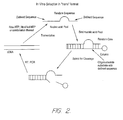
- the substrate was bound to column resin through an avidin-biotin complex. The general process for selection is shown in figure 2.
- the protocols described below represent one possible method which may be utilized for selection of enzymatic nucleic acid molecules and are given as a non-limiting example of enzymatic nucleic acid molecule selection with combinatorial libraries.
- Construction of Libraries The oligonucleotides listed below were synthesized by Operon Technologies (Alameda, CA). Templates were gel purified and then run through a Sep-Pak cartridge (Waters, Millford, MA) using the manufacturers protocol. Primers (MST3, MST7c, MST3del) were used without purification.
- N60 library was constructed using MSN60c as a template and MST3/MST7c as primers.
- N40 and N20 libraries were constructed using MSN40c (or MSN20c) as template and MST3del/MST7c as primers.
- Transcription of the initial pools was performed in a 1 ml volume comprising: 500 pmol double-stranded template (3 x 10 14 molecules), 40 mM tris-HCl (pH 8.0), 12 mM MgCl 2 , 1 mM spermidine, 5 mM DTT, 0.002% triton X-100, 1 mM LiCl, 4% PEG 8000, 10% methanol, 2 mM ATP (Pharmacia), 2 mM GTP (Pharmacia), 2 mM 2'-deoxy-2'-amino-CTP (USB), 2 mM 2'-deoxy-2'-amino-UTP (USE), 5 U/ml inorganic pyrophosphatase (Sigma), 5 U/ ⁇ l T7 RNA polymerase (USB; Y639F mutant was used in some cases at 0.1 mg/ml (Sousa and Padilla, Supra )), 37°C, 2 hours.
- Substrate was purified by denaturing PAGE and ethanol precipitated. 10 nmol of substrate was linked to a NeutrAvidin column using the following protocol: 400 ⁇ l UltraLink Immobilized NeutrAvidin slurry (200 ⁇ l beads, Pierce, Rockford, IL) were loaded into a polystyrene column (Pierce). The column was washed twice with 1 ml of binding buffer (20 mM NaPO 4 (pH 7.5), 150 mM NaCl) and then capped off (i.e., a cap was put on the bottom of the column to stop the flow).
- binding buffer 20 mM NaPO 4 (pH 7.5), 150 mM NaCl
- This column substrate was linked to UltraLink NeutrAvidin resin as previously described (40 pmol) which was washed twice with elution buffer. The eluent from the first column purification was then run on the second column. The use of this column allowed for binding of RNA that non-specifically diluted from the first column, while RNA that performed a catalytic event and had product bound to it, flowed through the second column. The fractions were ethanol precipitated using glycogen as carrier and rehydrated in sterile water for amplification. Amplification: RNA and primer MST3 (10-100 pmol) were denatured at 90°C for 3 minutes in water and then snap-cooled on ice for one minute.
- the following reagents were added to the tube (final concentrations given): 1X PCR buffer (Boerhinger Mannheim), 1 mM dNTP's (for PCR, Boerhinger Mannheim), 2 U/ ⁇ l RNase-Inhibitor (Boerhinger Mannheim), 10 U/ ⁇ l Superscript II Reverse Transcriptase (BRL). The reaction was incubated for 1 hour at 42°C, then at 95°C for 5 minutes in order to destroy the Superscript.
- MST7c primer (10-100 pmol, same amount as in RT step)
- IX PCR buffer taq DNA polymerase (0.025-0.05 U/ ⁇ l, Boerhinger Mannheim).
- the reaction was cycled as follows: 94°C, 4minutes; (94°C, 30s; 42-54°C, 30s; 72°C, 1minute) x 4-30 cycles; 72°C, 5minutes; 30°C, 30 minutes. Cycle number and annealing temperature were decided on a round by round basis.
- Subsequent rounds Subsequent rounds of selection used 20 pmols of input RNA and 40 pmol of the 22 nucleotide substrate on the column.
- Kinetic Activity of the enzymatic nucleic acid molecule shown in table 10 was determined by incubating enzymatic nucleic acid molecule (10 nM) with substrate in a cleavage buffer (pH 8.5, 25 mM MgCl 2 , 100 mM NaCl, 50 mM KCl) at 37°C.
- a cleavage buffer pH 8.5, 25 mM MgCl 2 , 100 mM NaCl, 50 mM KCl
- Magnesium Dependence Magnesium dependence of round 15 of N20 was tested by varying MgCl 2 while other conditions were held constant (50 mM tris pH 8.0, 100 mM NaCl, 50 mM KCl, single turnover, 10 nM pool). The data is shown in table 11, which demonstrates increased activity with increased magnesium concentrations.
- Example 9 Selection of Novel Enzymatic nucleic acid molecule Motifs using 2'-Deoxy-2'-(N-histidyl) amino UTP, 2'-Fluoro-ATP, and 2'-deoxy-2'-amino CTP and GTP
- the method described in example 8 was repeated using 2'-Deoxy-2'-( N -histidyl) amino UTP, 2'-Fluoro-ATP, and 2'-deoxy-2'-amino CTP and GTP.
- the initial random modified-RNA pool was loaded onto substrate-resin in the following buffer; 5 mM NaoAc pH 5.2, 1 M NaCl at 4° C. After ample washing the resin was moved to 22 ° C and the buffer switch 20 mM HEPES pH 7.4, 140 mM KCl, 10 mM NaCl, 1 mM CaCl 2 , 1 mM MgCl 2 .
- N60 oligonucleotides In one selection of N60 oligonucleotides, no divalent cations (MgCl 2 , CaCl 2 ) was used. The resin was incubated for 10 minutes to allow reaction and the eluant collected. The enzymatic nucleic acid molecule pools were capable of cleaving 1-3% of the present substrate even in the absense of divalent cations, the background (in the absence of modified pools) was 0.2 - 0.4 %.
- 5-dintrophenylimidazoleacetic acid 2'-deoxy uridine nucleoside (80 mg) was dissolved in 5 ml of triethylphosphate while stirring under argon, and the reaction mixture was cooled to 0°C.
- Phosphorous oxychloride (1.8 eq, 22 ml) was added to the reaction mixture at 0°C, three more aliquots were added over the course of 48 hours at room temperature.
- the reaction mixture was then diluted with anhydrous MeCN (5 ml) and cooled to 0°C,followed by the addition of tributylamine (0.65 ml) and tributylammonium pyrophosphate (4.0 eq, 0.24 g).
- Tributylamine (0.303 mL) and Tributylammonium pyrophosphate (4 eq., 0.734 g) dissolved in 6.3 mL of acetonitrile (added dropwise) were added to the monophosphate solution.
- the reaction was allowed to warm up to room temperature. After stirring for 15 min methyl amine (10 mL) was added at room temperature and stirring continued for 2 hours.
- TLC (7:1:2 iPrOH:NH 4 OH:H 2 O) showed the appearance of a triphosphate material.
- the solution was concentrated, dissolved in water and loaded on a DEAE Sephadex A-25 column.
- the column was washed with a gradiant up to 0.6 M TEAB buffer and the product eluted off in fractions 170-179.
- the fractions were analyzed by ion exchange HPLC. Each fraction showed one triphosphate peak that eluted at ⁇ 6.77 minutes.
- the fractions were combined and pumped down from methanol to remove buffer salt to aford 17 mgs of product.
- Example 13 Screening for Novel Enzymatic nucleic acid molecule Motifs Using Modified NTPs (Class I Motif)
- Our initial pool contained 3 x 10 14 individual sequences of 2'-amino-dCTP/2'-amino-dUTP RNA.
- 2'-amino deoxynucleotides do not interfere with the reverse transcription and amplification steps of selection and confer nuclease resistance.
- the 16-mer substrate had two domains, 5 and 10 nucleotides long, that bind the pool, separated by an unpaired guanosine. On the 5' end of the substrate was a biotin attached by a C18 linker.
- Enzymatic nucleic acid molecule Pool Prep The initial pool DNA was prepared by converting the following template oligonucleotides into double-stranded DNA by filling in with taq polymerase.
- Substrates for in vitro cleavage assays were 5'-end labeled with gamma- 32 P-ATP and T4 polynucleotide kinase followed by denaturing PAGE purification and ethanol precipitation.
- 5 nmole of template, 10 nmole of each primer and 250 U taq polymerase were incubated in a 10 ml volume with 1X PCR buffer (10 mM tris-HCl (pH 8.3), 1.5 mM MgCl 2 , 50 mM KCl) and 0.2 mM each dNTP as follows: 94°C, 4 minutes; (94°C, 1 min; 42°C, 1 min; 72°C, 2 min) through four cycles; and then 72°C, for 10 minutes.
- RNA pool was made by transcription of 500 pmole (3 x 10 14 molecules) of this DNA as follows.
- Template DNA was added to 40 mM tris-HCl (pH 8.0), 12 mM MgCl 2 , 5 mM dithiothreitol (DTT), 1 mM spermidine, 0.002% triton X-100, 1 mM LiCl, 4% PEG-8000, 10% methanol, 2 mM ATP, 2 mM GTP, 2 mM 2'-amino-dCTP, 2 mM 2'-amino-dUTP, 5 U/ml inorganic pyrophosphatase, and 5 U/ ⁇ l T7 RNA polymerase at room temperature for a total volume of 1 ml.
- a separate reaction contained a trace amount of alpha- 32 P-GTP for detection. Transcriptions were incubated at 37°C for 2 hours followed by addition of equal volume STOP buffer (94% formamide, 20 mM EDTA, 0.05% bromophenol blue). The resulting RNA was purified by 6% denaturing PAGE gel, Sep-pak chromatography, and ethanol precipitated.
- the flow was capped off and 1000 pmole of initial pool RNA in 200 ⁇ l column buffer was added to the column and incubated 30 minutes at room temperature.
- the column was uncapped and washed with 2 ml column buffer, then capped off.
- the column was uncapped and eluent collected followed by three 200 ⁇ l elution buffer washes.
- the eluent/washes were ethanol precipitated using glycogen as carrier and rehydrated in 50 ⁇ l sterile H 2 O.
- the eluted RNA was amplified by standard reverse transcription/PCR amplification techniques.
- RNA was incubated with 20 pmol of primer 1 in 14 ⁇ l volume 90° for 3 min then placed on ice for 1 minute.
- the following reagent were added (final concentrations noted): 1X PCR buffer, 1 mM each dNTP, 2 U/ ⁇ l RNase Inhibitor, 10 U/ ⁇ l Superscript II reverse transcriptase.
- the reaction was incubated 42° for 1 hour followed by 95° for 5 min in order to inactivate the reverse transcriptase.
- the volume was then increased to 100 ⁇ l by adding water and reagents for PCR: 1X PCR buffer, 20 pmol primer 2, and 2.5 U taq DNA polymerase.
- the product trap column was prepared as follows: 200 pmol 16 mer 5'-biotinylated "product" (5'-GGU UGC ACA CCU UUC C-C18 linker-biotin-3') was linked to the column as described above and the column was equilibrated in elution buffer. Eluent from the product column was precipitated as previously described. The products were amplified as above only with 2.5-fold more volume and 100 pmol each primer. 100 ⁇ l of the PCR reaction was used to do a cycle course; the remaining fraction was amplified the minimal number of cycles needed for product. After 3 rounds (G11), there was visible activity in a single turnover cleavage assay.
- N40H Reselection of the N40 pool was started from G12 DNA.
- Part of the G12 DNA was subjected to hypermutagenic PCR (Vartanian et al ., 1996, Nucleic Acids Research 24, 2627-2631) to introduce a 10% per position mutation frequency and was designated N40H.
- part of the DNA was hypermutagenized again, giving N40M and N40HM (a total of 4 parallel pools).
- the column substrates remained the same; buffers were changed and temperature of binding and elution was raised to 37°C.
- CLONING AND SEQUENCING Generations 13 and 22 were cloned using Novagen's Perfectly Blunt Cloning kit (pT7Blue-3 vector) following the kit protocol. Clones were screened for insert by PCR amplification using vector-specific primers. Positive clones were sequenced using ABI Prism 7700 sequence detection system and vector-specific primer. Sequences were aligned using MacVector software; two-dimensional folding was done using Mulfold software ( Zuker,, 1989, Science 244, 48-52; Jaeger et al ., 1989, Biochemistry 86, 7706-7710; Jaeger et al ., 1989, R. F. Doolittle ed., Methods in Enzymology, 183, 281-306).
- Individual clone transcription units were constructed by PCR amplification with 50 pmol each primer 1 and primer 2 in 1X PCR buffer, 0.2 mM each dNTP, and 2.5 U of taq polymerase in 100 ⁇ l volume cycled as follows: 94°C, 4 min; (94°C, 30 sec; 54°C, 30 sec; 72°C, 1 min) X 20; 72°C, 5 min. Transcription units were ethanol precipitated, rehydrated in 30 ⁇ l H2O, and 10 ⁇ l was transcribed in 100 ⁇ l volume and purified as previously described.
- the molecule was shortened even further by truncating base pairs in the stem loop structures as well as the substrate recognition arms to yield a 48 nucleotide molecule.
- many of the ribonucleotides were replaced with 2-O-methyl modified nucleotides to stabilize the molecule.
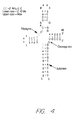
- An example of the new motif is given in figure 4. Those of ordinary skill in the art will recognize that the molecule is not limited to the chemical modifications shown in the figure and that it represents only one possible chemically modified molecule.
- Single turnover kinetics were performed with trace amounts of 5'- 32 P-labeled substrate and 10-1000 nM pool of enzymatic nucleic acid molecule.
- 2X substrate in 1X buffer and 2X pool/enzymatic nucleic acid molecule in 1X buffer were incubated separately 90° for 3 min followed by equilibration to 37° for 3 min.
- Equal volume of 2X substrate was added to pool/enzymatic nucleic acid molecule at t 0 and the reaction was incubated at 37°C. Time points were quenched in 1.2 vol STOP buffer on ice. Samples were heated to 90°C for 3 min prior to separation on 15% sequencing gels. Gels were imaged using a Phosphorlmager and quantitated using ImageQuant software (Molecular Dynamics).
- viral RNA is present as a potential target for enzymatic nucleic acid molecule cleavage at several processes: uncoating, translation, RNA replication and packaging.
- Target RNA may be more or less accessible to enzymatic nucleic acid molecule cleavage at any one of these steps.
- HCV initial ribosome entry site IVS
- HCV 5'UTR/luciferase reporter system example 9
- these other viral processes are not represented in the OST7 system.
- the resulting RNA/protein complexes associated with the target viral RNA are also absent.
- these processes may be coupled in an HCV-infected cell which could further impact target RNA accessibility. Therefore, we tested whether enzymatic nucleic acid molecules designed to cleave the HCV 5'UTR could effect a replicating viral system.
- Poliovirus (PV) is a positive strand RNA virus like HCV, but unlike HCV is non-enveloped and replicates efficiently in cell culture.
- the HCV-PV chimera expresses a stable, small plaque phenotype relative to wild type PV.
- the capability of the new enzymatic nucleic acid molecule motif to inhibit HCV RNA intracellularly was tested using a dual reporter system that utilizes both firefly and Renilla luciferase (figure 5). A number of enzymatic nucleic acid molecules having the new class I motif were designed and tested (Table XII). The new enzymatic nucleic acid molecule motif targeted to the 5' HCV UTR region, which when cleaved, would prevent the translation of the transcript into luciferase.
- OST-7 cells were plated at 12,500 cells per well in black walled 96 well plates (Packard) in medium DMEM containing 10% fetal bovine serum, 1% pen/strep, and 1% L-glutamine and incubated at 37°C overnight.
- the complex mixture was incubated at 37°C for 20 minutes. The media was removed from the cells and 120 ⁇ l of Opti-mem media was added to the well followed by 30 ⁇ l of the 5X complex mixture. 150 ⁇ l of Opti-mem was added to the wells holding the untreated cells. The complex mixture was incubated on OST-7 cells for 4 hours, lysed with passive lysis buffer (Promega Corporation) and luminescent signals were quantified using the Dual Luciferase Assay Kit using the manufacturer's protocol (Promega Corporation).
- the data shown in figure 6 is a dose curve of enzymatic nucleic acid molecule targeting site 146 of the HCV RNA and is presented as a ratio between the firefly and Renilla luciferase fluorescence.
- the enzymatic nucleic acid molecule was able to reduce the quantity of HCV RNA at all enzymatic nucleic acid molecule concentrations yielding an IC 50 of approximately 5 nM.
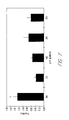
- Other sites were also efficacious (figure 7), in particular enzymatic nucleic acid molecules targeting 133, 209, and 273 were also able to reduce HCV RNA compared to the irrelevant (IRR) controls.
- Example 16 Screening for Novel Enzymatic nucleic acid molecule Motifs (Class II Motifs)
- RNA was enzymatically generated using the mutant T7 Y639F RNA polymerase prepared by Rui Souza.
- RNA pools were purified by denaturing gel electrophoresus 8% polyacrilamide 7 M Urea.
- RNA (resin A) was synthesized and coupled to Iodoacetyl Ultralink resin (Pierce) by the supplier's proceedure:5' -b-L-GGACUGGGAGCGAGCGCGGCGCAGGCACU GAAG-L-S- B -3'; where b is biotin (Glenn Research cat# 10-1953-nn), L is polyethylene glycol spacer (Glenn Research cat# 10-1918-nn), S is thiol-modifier C6 S-S (Glenn Research cat# 10-1936-nn), B is a standard inverted deoxy abasic.
- RNA pools were added to 100 ul of 5 uM Resin A in the buffer A (20 mM HEPES pH 7.4, 140 mM KCL, 10 mM NaCl) and incubated at 22°C for 5 minutes. The temperature was then raised to 37°C for 10 minutes. The resin was washed with 5 ml buffer A. Reaction was triggered by the addition of buffer B(20 mM HEPES pH 7.4, 140 mM KCL, 10 mM NaCl, 1 mM MgCl 2 , 1 mM CaCl 2 ). Incubation proceeded for 20 minutes in the first generation and was reduced progressively to 1 minute in the final generations; with 13 total generations.
- buffer A (20 mM HEPES pH 7.4, 140 mM KCL, 10 mM NaCl, 1 mM MgCl 2 , 1 mM CaCl 2 .
- RNA's were removed by a 1.2 ml denaturing wash 1M NaCl, 10 M Urea at 94° C over 10 minutes. RNA's were double precipitated in 0.3 M sodium acetate to remove Cl - ions inhibitory to reverse transcription.
- RNA's were again transcribed with the modified NTP's described above.
- 13 generations cloning and sequencing provided 14 sequences which were able to cleave the target substrate.
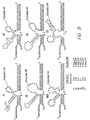
- Six sequences were characterized to determine secondary structure and kinetic cleavage rates. The structures and kinetic data is given in figure 8.
- the sequences of eight other enzymatic nucleic acid molecule sequences are given in table XIII. Size, sequence, and chemical compositions of these molecules can be modified as described under example 13 and as well known in the art.
- Class I and Class II enzymatic nucleic acid molecule can be engineered and re-engineered using the techniques shown in this application and known in the art.
- the size of class I and class II enzymatic nucleic acid molecules can, be reduced or increased using the techniques known in the art (Zaug et al ., 1986, Nature , 324, 429; Ruffner et al ., 1990, Biochem ., 29, 10695; Beaudry et al ., 1990, Biochem., 29, 6534; McCall et al ., 1992, Proc. Natl . Acad.
- NTP's described in this invention have several research and commercial applications. These modified nucleotide triphosphates can be used for in vitro selection (evolution) of oligonucleotides with novel functions. Examples of in vitro selection protocols are incorporated herein by reference (Joyce, 1989, Gene, 82, 83-87; Beaudry et al ., 1992, Science 257, 635-641; Joyce, 1992, Scientific American 267, 90-97; Breaker et al ., 1994, TIBTECH 12, 268; Bartel et al ., 1993, Science 261:1411-1418; Szostak, 1993, TIBS 17, 89-93; Kumar et al ., 1995, FASEB J., 9, 1183; Breaker, 1996, Curr . Op. Biotech., 7, 442).
- modified nucleotide triphosphates can be employed to generate modified oligonucleotide combinatorial chemistry libraries.
- Several references for this technology exist (Brenner et al ., 1992, PNAS 89, 5381-5383, Eaton, 1997, Curr . Opin . Chem . Biol . 1, 10-16) which are all incorporated herein by reference.
- Enzymatic nucleic acid molecules of this invention may be used as diagnostic tools to examine genetic drift and mutations within diseased cells or to detect the presence of specific RNA in a cell.
- the close relationship between enzymatic nucleic acid molecule activity and the structure of the target RNA allows the detection of mutations in any region of the molecule which alters the base-pairing and three-dimensional structure of the target RNA.
- By using multiple enzymatic nucleic acid molecules described in this invention one may map nucleotide changes which are important to RNA structure and function in vitro, as well as in cells and tissues. Cleavage of target RNAs with enzymatic nucleic acid molecules may be used to inhibit gene expression and define the role (essentially) of specified gene products in the progression of disease.
- enzymatic nucleic acid molecules of this invention include detection of the presence of mRNAs associated with related conditions. Such RNA is detected by determining the presence of a cleavage product after treatment with a enzymatic nucleic acid molecule using standard methodology.
- enzymatic nucleic acid molecules which can cleave only wild-type or mutant forms of the target RNA are used for the assay.
- the first enzymatic nucleic acid molecule is used to identify wild-type RNA present in the sample and the second enzymatic nucleic acid molecule will be used to identify mutant RNA in the sample.
- synthetic substrates of both wild-type and mutant RNA will be cleaved by both enzymatic nucleic acid molecules to demonstrate the relative enzymatic nucleic acid molecule efficiencies in the reactions and the absence of cleavage of the "non-targeted" RNA species.
- the cleavage products from the synthetic substrates will also serve to generate size markers for the analysis of wild-type and mutant RNAs in the sample population.
- each analysis will require two enzymatic nucleic acid molecules, two substrates and one unknown sample which will be combined into six reactions.
- the presence of cleavage products will be determined using an RNAse protection assay so that full-length and cleavage fragments of each RNA can be analyzed in one lane of a polyacrylamide gel. It is not absolutely required to quantify the results to gain insight into the expression of mutant RNAs and putative risk of the desired phenotypic changes in target cells.
- the expression of mRNA whose protein product is implicated in the development of the phenotype is adequate to establish risk.
- RNA levels will be adequate and will decrease the cost of the initial diagnosis. Higher mutant form to wild-type ratios will be correlated with higher risk whether RNA levels are compared qualitatively or quantitatively.
- sequence-specific enzymatic nucleic acid molecules of the instant invention might have many of the same applications for the study of RNA that DNA restriction endonucleases have for the study of DNA (Nathans et al ., 1975 Ann. Rev. Biochem. 44:273).
- the pattern of restriction fragments could be used to establish sequence relationships between two related RNAs, and large RNAs could be specifically cleaved to fragments of a size more useful for study.
- the ability to engineer sequence specificity of the enzymatic nucleic acid molecule is ideal for cleavage of RNAs of unknown sequence.
- Applicant describes the use of nucleic acid molecules to down-regulate gene expression of target genes in bacterial, microbial, fungal, viral, and eukaryotic systems including plant, or mammalian cells.
Landscapes
- Chemical & Material Sciences (AREA)
- Organic Chemistry (AREA)
- Life Sciences & Earth Sciences (AREA)
- Health & Medical Sciences (AREA)
- Molecular Biology (AREA)
- Biochemistry (AREA)
- Engineering & Computer Science (AREA)
- Biotechnology (AREA)
- General Health & Medical Sciences (AREA)
- Genetics & Genomics (AREA)
- Wood Science & Technology (AREA)
- Zoology (AREA)
- Microbiology (AREA)
- Chemical Kinetics & Catalysis (AREA)
- General Chemical & Material Sciences (AREA)
- Bioinformatics & Cheminformatics (AREA)
- General Engineering & Computer Science (AREA)
- Saccharide Compounds (AREA)
- Pharmaceuticals Containing Other Organic And Inorganic Compounds (AREA)
Applications Claiming Priority (5)
| Application Number | Priority Date | Filing Date | Title |
|---|---|---|---|
| US8372798P | 1998-04-29 | 1998-04-29 | |
| US83727P | 1998-04-29 | ||
| US186675 | 1998-11-04 | ||
| US09/186,675 US6127535A (en) | 1997-11-05 | 1998-11-04 | Nucleoside triphosphates and their incorporation into oligonucleotides |
| EP99921537A EP1073732A2 (fr) | 1998-04-29 | 1999-04-28 | Nucleoside triphosphates et leur integration aux ribozymes |
Related Parent Applications (1)
| Application Number | Title | Priority Date | Filing Date |
|---|---|---|---|
| EP99921537A Division EP1073732A2 (fr) | 1998-04-29 | 1999-04-28 | Nucleoside triphosphates et leur integration aux ribozymes |
Publications (2)
| Publication Number | Publication Date |
|---|---|
| EP1493818A2 true EP1493818A2 (fr) | 2005-01-05 |
| EP1493818A3 EP1493818A3 (fr) | 2006-02-15 |
Family
ID=33436907
Family Applications (1)
| Application Number | Title | Priority Date | Filing Date |
|---|---|---|---|
| EP04000537A Withdrawn EP1493818A3 (fr) | 1998-04-29 | 1999-04-28 | Nucléosides triphosphates et leur intégration aux ribozymes |
Country Status (1)
| Country | Link |
|---|---|
| EP (1) | EP1493818A3 (fr) |
Cited By (5)
| Publication number | Priority date | Publication date | Assignee | Title |
|---|---|---|---|---|
| US9381208B2 (en) | 2006-08-08 | 2016-07-05 | Rheinische Friedrich-Wilhelms-Universität | Structure and use of 5′ phosphate oligonucleotides |
| US9399658B2 (en) | 2011-03-28 | 2016-07-26 | Rheinische Friedrich-Wilhelms-Universität Bonn | Purification of triphosphorylated oligonucleotides using capture tags |
| US9738680B2 (en) | 2008-05-21 | 2017-08-22 | Rheinische Friedrich-Wilhelms-Universität Bonn | 5′ triphosphate oligonucleotide with blunt end and uses thereof |
| US10059943B2 (en) | 2012-09-27 | 2018-08-28 | Rheinische Friedrich-Wilhelms-Universität Bonn | RIG-I ligands and methods for producing them |
| CN112899366A (zh) * | 2021-01-06 | 2021-06-04 | 南京普济生物有限公司 | 一种结直肠癌基因突变位点的检测方法及其试剂盒 |
Family Cites Families (5)
| Publication number | Priority date | Publication date | Assignee | Title |
|---|---|---|---|---|
| US4879214A (en) * | 1988-11-15 | 1989-11-07 | E. I. Du Pont De Nemours And Company | Differentiation of nucleic acid segments on the basis of nucleotide differences |
| US5610054A (en) * | 1992-05-14 | 1997-03-11 | Ribozyme Pharmaceuticals, Inc. | Enzymatic RNA molecule targeted against Hepatitis C virus |
| EP0767657A4 (fr) * | 1994-06-22 | 1999-01-20 | Nexstar Pharmaceuticals Inc | Nouveau procede de production de nucleosides connus et nouveaux, modifies en position 2' par deplacement nucleophile intramoleculaire |
| CA2207593A1 (fr) * | 1994-12-13 | 1996-06-20 | John Gustofson | Procede et reactif servant a traiter les etats arthritiques, a introduitre une tolerance aux greffes et a inverser les reactions immunes |
| AU749561B2 (en) * | 1997-05-09 | 2002-06-27 | Ribozyme Pharmaceuticals, Inc. | Nucleic acid molecules having endonuclease and/or catalytic activity |
-
1999
- 1999-04-28 EP EP04000537A patent/EP1493818A3/fr not_active Withdrawn
Cited By (11)
| Publication number | Priority date | Publication date | Assignee | Title |
|---|---|---|---|---|
| US9381208B2 (en) | 2006-08-08 | 2016-07-05 | Rheinische Friedrich-Wilhelms-Universität | Structure and use of 5′ phosphate oligonucleotides |
| US10238682B2 (en) | 2006-08-08 | 2019-03-26 | Rheinische Friedrich-Wilhelms-Universität Bonn | Structure and use of 5′ phosphate oligonucleotides |
| US9738680B2 (en) | 2008-05-21 | 2017-08-22 | Rheinische Friedrich-Wilhelms-Universität Bonn | 5′ triphosphate oligonucleotide with blunt end and uses thereof |
| US10036021B2 (en) | 2008-05-21 | 2018-07-31 | Rheinische Friedrich-Wilhelms-Universität Bonn | 5′ triphosphate oligonucleotide with blunt end and uses thereof |
| US10196638B2 (en) | 2008-05-21 | 2019-02-05 | Rheinische Friedrich-Wilhelms-Universität Bonn | 5′ triphosphate oligonucleotide with blunt end and uses thereof |
| US9399658B2 (en) | 2011-03-28 | 2016-07-26 | Rheinische Friedrich-Wilhelms-Universität Bonn | Purification of triphosphorylated oligonucleotides using capture tags |
| US9896689B2 (en) | 2011-03-28 | 2018-02-20 | Rheinische Friedrich-Wilhelms-Universität Bonn | Purification of triphosphorylated oligonucleotides using capture tags |
| US10059943B2 (en) | 2012-09-27 | 2018-08-28 | Rheinische Friedrich-Wilhelms-Universität Bonn | RIG-I ligands and methods for producing them |
| US10072262B2 (en) | 2012-09-27 | 2018-09-11 | Rheinische Friedrich-Wilhelms-Universität Bonn | RIG-I ligands and methods for producing them |
| US11142763B2 (en) | 2012-09-27 | 2021-10-12 | Rheinische Friedrich-Wilhelms-Universität Bonn | RIG-I ligands and methods for producing them |
| CN112899366A (zh) * | 2021-01-06 | 2021-06-04 | 南京普济生物有限公司 | 一种结直肠癌基因突变位点的检测方法及其试剂盒 |
Also Published As
| Publication number | Publication date |
|---|---|
| EP1493818A3 (fr) | 2006-02-15 |
Similar Documents
| Publication | Publication Date | Title |
|---|---|---|
| AU751480B2 (en) | Nucleoside triphosphates and their incorporation into ribozymes | |
| US6528640B1 (en) | Synthetic ribonucleic acids with RNAse activity | |
| US6617438B1 (en) | Oligoribonucleotides with enzymatic activity | |
| US20030004122A1 (en) | Nucleotide triphosphates and their incorporation into oligonucleotides | |
| US6110462A (en) | Enzymatic DNA molecules that contain modified nucleotides | |
| US6093555A (en) | Amido and peptido modified enzymatic nucleic acid molecules | |
| US6831171B2 (en) | Nucleic acid catalysts with endonuclease activity | |
| US5639647A (en) | 2'-deoxy-2'alkylnucleotide containing nucleic acid | |
| US6506888B1 (en) | 2′-O-amino-containing nucleoside analogs and polynucleotides | |
| US6818759B2 (en) | 2′-O-alkylthioalkyl and 2′-C-alkylthioalkyl-containing nucleic acids | |
| US5627053A (en) | 2'deoxy-2'-alkylnucleotide containing nucleic acid | |
| JP3903392B2 (ja) | ヌクレオシド類似体の化学合成とそのポリヌクレオチドへの導入 | |
| US6482932B1 (en) | Nucleoside triphosphates and their incorporation into oligonucleotides | |
| WO2001016312A2 (fr) | Modulateurs d'expression genetique a base d'acide nucleique | |
| JP2003525017A (ja) | 遺伝子発現を調節しうる新規な化学組成を有する核酸分子 | |
| PL169576B1 (pl) | Sposób wytwarzania czasteczki RNA o aktywnosci katalitycznej PL PL | |
| WO1998043993A2 (fr) | Acides nucleiques en tant que catalyseurs | |
| US20030125291A1 (en) | Xylofuranosly-containing nucleoside phosphoramidites and polynucleotides | |
| US6127535A (en) | Nucleoside triphosphates and their incorporation into oligonucleotides | |
| JP2001525667A (ja) | C−rafの発現レベルに関係した疾患または状態の酵素核酸処置 | |
| EP1493818A2 (fr) | Nucléosides triphosphates et leur intégration aux ribozymes | |
| JP2003521943A (ja) | エンドヌクレアーゼ活性を有するヌクレオザイム | |
| AU2004200709A1 (en) | Nucleoside Triphosphates and their Incorporation into Ribozymes | |
| CA2334161A1 (fr) | Utilisation de molecules d'acide nucleique comme agents antiviraux | |
| US20030105308A1 (en) | Nucleoside triphosphates and their incorporation into oligonucleotides |
Legal Events
| Date | Code | Title | Description |
|---|---|---|---|
| PUAI | Public reference made under article 153(3) epc to a published international application that has entered the european phase |
Free format text: ORIGINAL CODE: 0009012 |
|
| AC | Divisional application: reference to earlier application |
Ref document number: 1073732 Country of ref document: EP Kind code of ref document: P |
|
| AK | Designated contracting states |
Kind code of ref document: A2 Designated state(s): AT BE CH CY DE DK ES FI FR GB GR IE IT LI LU MC NL PT SE |
|
| 17P | Request for examination filed |
Effective date: 20050203 |
|
| PUAL | Search report despatched |
Free format text: ORIGINAL CODE: 0009013 |
|
| RIC1 | Information provided on ipc code assigned before grant |
Ipc: C12N 9/00 20060101ALI20051222BHEP Ipc: C07H 21/00 20060101ALI20051222BHEP Ipc: C12P 19/34 20060101ALI20051222BHEP Ipc: C12N 15/11 20060101AFI20051222BHEP Ipc: C07H 19/04 20060101ALI20051222BHEP |
|
| AK | Designated contracting states |
Kind code of ref document: A3 Designated state(s): AT BE CH CY DE DK ES FI FR GB GR IE IT LI LU MC NL PT SE |
|
| AKX | Designation fees paid | ||
| STAA | Information on the status of an ep patent application or granted ep patent |
Free format text: STATUS: THE APPLICATION IS DEEMED TO BE WITHDRAWN |
|
| 18D | Application deemed to be withdrawn |
Effective date: 20060816 |
|
| REG | Reference to a national code |
Ref country code: DE Ref legal event code: 8566 |