EP1503737B1 - Formulations de nystatine nanoparticulaires - Google Patents
Formulations de nystatine nanoparticulaires Download PDFInfo
- Publication number
- EP1503737B1 EP1503737B1 EP03728678A EP03728678A EP1503737B1 EP 1503737 B1 EP1503737 B1 EP 1503737B1 EP 03728678 A EP03728678 A EP 03728678A EP 03728678 A EP03728678 A EP 03728678A EP 1503737 B1 EP1503737 B1 EP 1503737B1
- Authority
- EP
- European Patent Office
- Prior art keywords
- less
- mpa
- nystatin
- composition
- agents
- Prior art date
- Legal status (The legal status is an assumption and is not a legal conclusion. Google has not performed a legal analysis and makes no representation as to the accuracy of the status listed.)
- Expired - Lifetime
Links
Images

Classifications
-
- A—HUMAN NECESSITIES
- A61—MEDICAL OR VETERINARY SCIENCE; HYGIENE
- A61K—PREPARATIONS FOR MEDICAL, DENTAL OR TOILETRY PURPOSES
- A61K45/00—Medicinal preparations containing active ingredients not provided for in groups A61K31/00 - A61K41/00
- A61K45/06—Mixtures of active ingredients without chemical characterisation, e.g. antiphlogistics and cardiaca
-
- A—HUMAN NECESSITIES
- A61—MEDICAL OR VETERINARY SCIENCE; HYGIENE
- A61K—PREPARATIONS FOR MEDICAL, DENTAL OR TOILETRY PURPOSES
- A61K31/00—Medicinal preparations containing organic active ingredients
- A61K31/70—Carbohydrates; Sugars; Derivatives thereof
-
- A—HUMAN NECESSITIES
- A61—MEDICAL OR VETERINARY SCIENCE; HYGIENE
- A61K—PREPARATIONS FOR MEDICAL, DENTAL OR TOILETRY PURPOSES
- A61K31/00—Medicinal preparations containing organic active ingredients
- A61K31/70—Carbohydrates; Sugars; Derivatives thereof
- A61K31/7042—Compounds having saccharide radicals and heterocyclic rings
- A61K31/7048—Compounds having saccharide radicals and heterocyclic rings having oxygen as a ring hetero atom, e.g. leucoglucosan, hesperidin, erythromycin, nystatin, digitoxin or digoxin
-
- A—HUMAN NECESSITIES
- A61—MEDICAL OR VETERINARY SCIENCE; HYGIENE
- A61K—PREPARATIONS FOR MEDICAL, DENTAL OR TOILETRY PURPOSES
- A61K9/00—Medicinal preparations characterised by special physical form
- A61K9/14—Particulate form, e.g. powders, Processes for size reducing of pure drugs or the resulting products, Pure drug nanoparticles
- A61K9/141—Intimate drug-carrier mixtures characterised by the carrier, e.g. ordered mixtures, adsorbates, solid solutions, eutectica, co-dried, co-solubilised, co-kneaded, co-milled, co-ground products, co-precipitates, co-evaporates, co-extrudates, co-melts; Drug nanoparticles with adsorbed surface modifiers
- A61K9/145—Intimate drug-carrier mixtures characterised by the carrier, e.g. ordered mixtures, adsorbates, solid solutions, eutectica, co-dried, co-solubilised, co-kneaded, co-milled, co-ground products, co-precipitates, co-evaporates, co-extrudates, co-melts; Drug nanoparticles with adsorbed surface modifiers with organic compounds
-
- A—HUMAN NECESSITIES
- A61—MEDICAL OR VETERINARY SCIENCE; HYGIENE
- A61K—PREPARATIONS FOR MEDICAL, DENTAL OR TOILETRY PURPOSES
- A61K9/00—Medicinal preparations characterised by special physical form
- A61K9/14—Particulate form, e.g. powders, Processes for size reducing of pure drugs or the resulting products, Pure drug nanoparticles
- A61K9/141—Intimate drug-carrier mixtures characterised by the carrier, e.g. ordered mixtures, adsorbates, solid solutions, eutectica, co-dried, co-solubilised, co-kneaded, co-milled, co-ground products, co-precipitates, co-evaporates, co-extrudates, co-melts; Drug nanoparticles with adsorbed surface modifiers
- A61K9/146—Intimate drug-carrier mixtures characterised by the carrier, e.g. ordered mixtures, adsorbates, solid solutions, eutectica, co-dried, co-solubilised, co-kneaded, co-milled, co-ground products, co-precipitates, co-evaporates, co-extrudates, co-melts; Drug nanoparticles with adsorbed surface modifiers with organic macromolecular compounds
-
- A—HUMAN NECESSITIES
- A61—MEDICAL OR VETERINARY SCIENCE; HYGIENE
- A61P—SPECIFIC THERAPEUTIC ACTIVITY OF CHEMICAL COMPOUNDS OR MEDICINAL PREPARATIONS
- A61P31/00—Antiinfectives, i.e. antibiotics, antiseptics, chemotherapeutics
- A61P31/10—Antimycotics
Definitions
- the present invention relates to a nanoparticulate composition
- nystatin and at least one surface stabilizer associated with or adsorbed to the surface of the drug, as defined in the claims.
- the nanoparticulate nystatin particles have an effective average particle size of less than about 2000 nm.
- Nanoparticulate compositions are particles consisting of a poorly soluble therapeutic or diagnostic agent having associated with or adsorbed to the surface thereof a non-crosslinked surface stabilizer.
- the '684 patent does not describe nanoparticulate compositions of nystatin.
- Nanoparticulate compositions are also described, for example, in U.S. Patent Nos. 5,298,262 for "Use of Ionic Cloud Point Modifiers to Prevent Particle Aggregation During Sterilization," 5,302,401 for “Method to Reduce Particle Size Growth During Lyophilization;” 5,318,767 for “X-Ray Contrast Compositions Useful in Medical Imaging;” 5,326,552 for “Novel Formulation For Nanoparticulate X-Ray Blood Pool Contrast Agents Using High Molecular Weight Non-ionic Surfactants;” 5,328,404 for “Method of X-Ray Imaging Using Iodinated Aromatic Propanedioates;” 5,336,507 for “Use of Charged Phospholipids to Reduce Nanoparticle Aggregation;” 5,340,564 for “Formulations Comprising Olin 10-G to Prevent Particle Aggregation and Increase Stability;” 5,346,702 for "Use of Non-Ionic Cloud Point Modifier
- Amorphous small particle compositions are described, for example, in U.S. Patent Nos. 4,783,484 for "Particulate Composition and Use Thereof as Antimicrobial Agents;” 4,826,689 for “Method for Making Uniformly Sized Particles from Water-Insoluble Organic Compounds;” 4,997,454 for “Method for Making Uniformly-Sized Particles From Insoluble Compounds;” 5,741,522 for "Ultrasmall, Non-aggregated Porous Particles of Uniform Size for Entrapping Gas Bubbles Within and Methods;” and 5,776,496 , for "Ultrasmall Porous Particles for Enhancing Ultrasound Back Scatter.”
- Nystatin is a poorly water-soluble antimycotic polyene antibiotic obtained from Streptomyces noursei. Nystatin is poorly absorbed. Nystatin A is a macrocyclic lactone containing a ketal ring, an all- trans polyene system, and a mycosamine (3-amino-3-deoxy-rhamnose) moiety. Nystatin A has a molecular formula of C 47 H 75 NO 17 and a molecular weight of 926.11. See The Physicians' Desk Reference, 56th Edition, pp. 2445 and 2608 (2002 ).
- Nystatin is both fungistatic and fungicidal in vitro against a wide variety of yeasts and yeast-like fungi, including Candida albicans, C. parapsilosis, C. tropicalis, C. guilliermondi, C. pseudotropicalis, C. krusei, Torulopsis glabrata, Tricophyton rubrum, and T. mentagrophytes.
- Nystatin is fungistatic in vitro against a variety of fungi including the principal fungi pathogenic in man. Orally, it inhibits the overgrowth of candida albicans and other yeast-like flora in the mouth and intestinal tract.
- Nystatin exerts its therapeutic effect by binding to sterols in the cell membrane of sensitive fungi with a resultant change in membrane permeability allowing leakage of intracellular components. Nystatin exhibits no appreciable activity against bacteria, protozoa, trichomonads, or viruses.
- Nystatin is not absorbed from intact skin or mucous membrane. When administered orally nystatin is virtually not absorbed by the digestive tract. Therefore, when therapeutic and prophylactic doses are given as recommended, no detectable blood levels are obtained. Trace blood levels may be detected with the administration of very high doses of nystatin. The non absorbed nystatin is passed unchanged in the faeces.
- the drug is useful in treating infections of susceptible organisms.
- Oral candidiasis in particular, is a common affliction of immunocompromised patients.
- Nystatin is indicated in the therapy of all infections caused by susceptible microorganisms in those patients in whom candidal (monilial) infections are most likely to complicate therapy. It is useful in the treatment of patients receiving high and prolonged dosages of antibiotics, with or without corticosteroid therapy, elderly or debilitated patients, diabetics, patients receiving radiation therapy and antineoplastic drugs and patients with prior or recurrent candidal infections. It is also indicated in the treatment of women with infections who are taking oral contraceptives or have histories of recurrent vaginal moniliasis.
- respiratory infections such as pneumonia, bronchitis, tonsillitis, pharyngitis, laryngitis, and otitis media
- genitourinary infections such as cystitis, pyelonephritis, urethritis, and gonorrhoea
- skin and soft tissue infections such as pyoderma, erysipelas, lymphangitis, and cellulitis.
- Nystatin Vaginal Tablets 100,000 units, by Odyssey Pharmaceuticals, Inc. (East Hanover, NJ).
- the tablets are effective for the local treatment of vulvovaginal candidiasis (moniliasis).
- the usual dosage is one tablet (100,000 units nystatin) daily for two weeks, and each tablet is deposited high in the vagina by means of an applicator.
- nystatin topical powder is for dermatologic use.
- PADDOCK TM Nystatin which is an oral suspension
- NYSTOP® which is a nystatin topical powder, both manufactured by Paddock Laboratories, Inc. (Minneapolis, MN).
- the oral suspension is a ready-to-use, non-sterile powder for oral administration which contains no excipients or preservatives. It is available in containers of 50 million, 150 million, 500 million, 2 billion, and 5 billion units. Each milligram of nystatin contains a minimum of 5,000 units.
- the nystatin topical powder marketed under the tradename NYSTOP®, is for dermatologic use.
- the powder contains 100,000 USP nystatin units per gram dispersed in talc, and the product is marketed in 15 g plastic squeeze bottles. It is indicated for the treatment of cutaneous or mucocutaneous mycotic infections caused by Candida albicans and other suseptible Candida species. Id.
- nystatin is marketed by Geneva Pharmaceuticals, Inc. (Broomfield, CO) in an oral suspension.
- Other marketed products containing nystatin include CANSTAT® suspension (Wyeth South Africa Ltd.; for the specific treatment and prevention of Candida albicans moniliasis of the oral cavity), CANSTAT® topical cream (Wyeth South Africa Ltd.; for the treatment of cutaneous mycotic infections caused by Candida species (Monilia)), and CANSTAT® vaginal tablets (Wyeth South Africa Ltd.; for the specific treatment for Candida albicans moniliasis of the vaginal cavity and as an adjuvant preventive against secondary infections during antibiotic or corticosteroid therapy).
- nystatin has several drawbacks.
- aqueous suspensions suffer from a number of compliance-related drawbacks.
- the suspension must be dosed multiple times daily, must be retained in the mouth for prolonged periods, and has an unpleasant taste which in some cases is covered by addition of sucrose, a promoter of tooth decay.
- the present invention relates to nanoparticulate compositions comprising nystatin.
- the compositions comprise nystatin and at least one surface stabilizer associated with or adsorbed to the surface of the nystatin particles, as defined in the claims.
- the nanoparticulate nystatin particles have an effective average particle size of less than about 2000 nm.
- compositions comprising a nanoparticulate nystatin composition of the invention.
- the pharmaceutical compositions preferably comprise nystatin, at least one surface stabilizer, and a pharmaceutically acceptable carrier, as well as any desired excipients, as defined in the claims.
- the present invention is also directed towards nystatin compositions with improved characteristics as compared to traditional forms of nystatin.
- Such characteristics or benefits of the compositions of the invention as compared to conventional prior art micronized or solubilized forms of nystatin may include, but are not limited to: (1) faster onset of action; (2) a potential decrease in the frequency of dosing; (3) smaller doses of nystatin required to obtain the same pharmacological effect as compared to conventional microcrystalline forms of nystatin; (4) improved performance characteristics for oral, intravenous, subcutaneous, or intramuscular injection, such as higher dose loading and smaller tablet or liquid dose volumes; (5) low viscosity liquid nanoparticulate nystatin dosage forms; (6) for liquid nanoparticulate nystatin compositions having a low viscosity - better subject compliance due to the perception of a lighter formulation which is easier to consume and digest; (7) for liquid nanoparticulate nystatin compositions having a low viscosity - ease
- This invention further discloses a method of making a nanoparticulate nystatin composition according to the invention.
- Such a method comprises contacting nystatin and at least one surface stabilizer for a time and under conditions sufficient to provide a nanoparticulate nystatin composition as defined in the claims.
- the one or more surface stabilizers can be contacted with nystatin either before, during, or after size reduction of the nystatin.
- the present invention is also directed to methods of treatment using the nanoparticulate compositions of the invention for fungal infections of organisms including, but not limited to, Candida albicans, C. parapsilosis, C. tropicalis, C. guilliermondi, C. pseudotropicalis, C. krusei, Torulopsis glabrala, Tricophyton rubrum, and T. mentagrophytes.
- the fungal infections can be topical or non-topical, and include, but are not limited to, vaginal infections, skin infections, and mucous membrane infections, including oral infections.
- the present invention is directed to nanoparticulate compositions comprising nystatin as defined in the claims.
- the compositions comprise nystatin and at least one surface stabilizer associated with or adsorbed to the surface of the drug.
- the nanoparticulate nystatin particles have an effective average particle size of less than about 2000 nm.
- nystatin for oral candidiasis suffer from the following problems: (1) the poor solubility of the drug necessitates making a suspension in water for administration; (2) since the medication is only effective when in the mouth the dose must be held in the mouth and swished or gargled for as long as the patient is reasonably able; (3) dosing must be repeated up to 5 times each day, resulting in patient compliance issues; (4) the oral suspension is unpalatable, with a thick and viscous consistency and a very bad taste, which may again limit patient compliance; and (5) the current marketed nystatin liquid dosage formulation must be retained in the mouth for a prolonged period to obtain the best therapeutic effect, which again results in patient compliance issues. Factor (4) has been addressed in some current formulations by the addition of sucrose and other sweeteners, but sucrose in particular is not ideal from a dental standpoint.
- the nanoparticulate nystatin formulations of the invention may offer the following advantages: (1) faster onset of action; (2) a potential decrease in the frequency of dosing; (3) smaller doses of nystatin required to obtain the same pharmacological effect as compared to conventional microcrystalline forms of nystatin; (4) improved performance characteristics for oral, intravenous, subcutaneous, or intramuscular injection, such as higher dose loading and smaller tablet or liquid dose volumes; (5) low viscosity liquid nanoparticulate nystatin dosage forms; (6) for liquid nanoparticulate nystatin compositions having a low viscosity - better subject compliance due to the perception of a lighter formulation which is easier to consume and digest; (7) for liquid nanoparticulate nystatin compositions having a low viscosity- ease of dispensing because one can use a cup or a syringe; (8) the nanoparticulate nystatin particles
- 'stable' means that drug particles do not appreciably flocculate or agglomerate due to interparticle attractive forces or otherwise increase in particle size.
- Non-nanoparticulate active agents refers to non-nanoparticulate compositions of active agents or solubilized active agents or drugs.
- Non-nanoparticulate active agents have an effective average particle size of greater than about 2 microns.
- 'Therapeutically effective amount' as used herein with respect to a drug dosage shall mean that dosage that provides the specific pharmacological response for which the drug is administered in a significant number of subjects in need of such treatment. It is emphasized that 'therapeutically effective amount,' administered to a particular subject in a particular instance will not always be effective in treating the diseases described herein, even though such dosage is deemed a 'therapeutically effective amount' by those skilled in the art. It is to be further understood that drug dosages are, in particular instances, measured as oral dosages, or with reference to drug levels as measured in blood.
- nystatin is not ideal due to delayed onset of action.
- nanoparticulate nystatin compositions of the invention exhibit faster therapeutic effects.
- nystatin compositions of the invention may be administered less frequently and at lower doses in dosage forms such as liquid dispersions, powders, sprays, solid re-dispersable dosage forms, ointments, creams, etc .
- dosage forms such as liquid dispersions, powders, sprays, solid re-dispersable dosage forms, ointments, creams, etc .
- Exemplary types of formulations useful in the present invention include, but are not limited to, liquid dispersions, gels, aerosols (pulmonary and nasal), ointments, creams, solid dose forms, etc. of nanoparticulate nystatin.
- nystatin particles ensure greater absorption, and in the case of bioadhesive nanoparticulate nystatin compositions, the nystatin is retained at the desired site of application for a longer period of time as compared to conventional nystatin dosage forms.
- compositions of the invention exhibit improved performance characteristics for oral, intravenous, subcutaneous, or intramuscular injection, such as higher dose loading and smaller tablet or liquid dose volumes.
- the therapeutically effective amount of the nanoparticulate nystatin compositions is 1/6, 1/5, 1 ⁇ 4, 1/3 rd , or 1 ⁇ 2 of the therapeutically effective amount of a standard commercial nystatin formulation.
- nystatin formulations used in treating infections of the oral cavity caused by Candida (monilia) albicans are generally dosed for infants at 1 -2 mL (20 -40 drops) (100,000 -200,000 units) four times daily taken orally and to be swallowed.
- the usual prophylactic dosage is 1 mL (20 drops) (100,000 units) daily to be given directly on the tongue.
- the usual therapeutic dose is 1 -2 mL (20 to 40 drops) (100,000 to 200,000 units) four times daily. This dose may be increased to 4 to 6 mL (80 -120 drops) (400,000 to 600,000 units) four times daily.
- the oral suspension should not be swallowed directly but rather be swirled around the oral cavity for a brief period of time prior to swallowing.
- liquid dispersion compositions of the invention can be administered less frequently and at lower doses in dosage forms such as liquid dispersions, powders, solid re-dispersable dosage forms, etc.
- Typical liquid commercial formulations of nystatin are relatively large volume, highly viscous substances that are not well accepted by patient populations. Moreover, viscous solutions can be problematic in parenteral administration because these solutions require a slow syringe push and can stick to tubing. In addition, conventional formulations of poorly water-soluble active agents, such as nystatin, tend to be unsafe for intravenous administration techniques, which are used primarily in conjunction with highly water-soluble substances.
- Liquid dosage forms of the nanoparticulate nystatin compositions of the invention provide significant advantages over conventional liquid nystatin dosage forms.
- the low viscosity and silky texture of liquid dosage forms of the nanoparticulate nystatin compositions of the invention results in advantages in both preparation and use. These advantages include, for example: (1) better subject compliance due to the perception of a lighter formulation which is easier to consume and digest; (2) ease of dispensing because one can use a cup or a syringe; (3) potential for formulating a higher concentration of nystatin resulting in a smaller dosage volume and thus less volume for the subject to consume; and (4) easier overall formulation concerns.
- Liquid nystatin dosage forms which are easier to consume are especially important when considering juvenile patients, terminally ill patients, and elderly patients. Viscous or gritty formulations, and those that require a relatively large dosage volume, are not well tolerated by these patient populations.
- the viscosities of liquid dosage forms of nanoparticulate nystatin according to the invention are preferably less than about 1/200, less than about 1/175, less than about 1/150, less than about 1/125, less than about 1/100, less than about 1/75, less than about 1/50, or less than about 1/25 of existing commercial liquid oral nystatin compositions at about the same concentration per ml of nystatin.
- the viscosity of liquid nanoparticulate nystatin dosage forms of the invention is from about 2000 mPa s to about 1 mPa s, from about 1900 mPa ⁇ s to about 1 mPa ⁇ s, from about 1800 mPa ⁇ s to about 1 mPa ⁇ s, from about 1700 mPa ⁇ s to about 1 mPa ⁇ s, from about 1600 mPa ⁇ s to about 1 mPa ⁇ s, from about 1500 mPa ⁇ s to about 1 mPa ⁇ s, from about 1400 mPa ⁇ s to about 1 mPa ⁇ s, from about 1300 mPa ⁇ s to about 1 mPa ⁇ s, from about 1200 mPa ⁇ s to about 1 mPa ⁇ s, from about 1100 mPa ⁇ s to about 1 mPa ⁇ s, from about 1000 mPa ⁇ s to about 1 mPa ⁇ s, from about 2000 mPa s to about 1 mPa s
- Viscosity is concentration and temperature dependent. Typically, a higher concentration results in a higher viscosity, while a higher temperature results in a lower viscosity. Viscosity as defined above refers to measurements taken at about 20°C. (The viscosity of water at 20°C is 1 mPa s.) The invention encompasses equivalent viscosities measured at different temperatures.
- the nanoparticulate nystatin compositions of the invention are not turbid.
- "Turbid,” as used herein refers to the property of particulate matter that can be seen with the naked eye or that which can be felt as “gritty.”
- the nanoparticulate nystatin compositions of the invention can be poured out of or extracted from a container as easily as water, whereas a conventional standard commercial (i.e. , non-nanoparticulate or solubilized) nystatin liquid dosage form exhibits notably more "sluggish" characteristics.
- liquid formulations of this invention can be formulated for dosages in any volume but preferably equivalent or smaller volumes than existing commercial formulations.
- nanoparticulate nystatin compositions of the invention redisperse such that the effective average particle size of the redispersed nystatin particles is less than about 2 microns.
- the redispersibility is observed with both solid dose and liquid dose formulations of nanoparticulate nystatin. This is significant, as if upon administration the nanoparticulate nystatin particles present in the compositions of the invention did not redisperse to a substantially nanoparticulate particle size, then the dosage form may lose the benefits afforded by formulating nystatin into a nanoparticulate particle size.
- nanoparticulate nystatin compositions benefit from the small particle size of nystatin; if the nanoparticulate nystatin particles do not redisperse into the small particle sizes upon administration, then "clumps" or agglomerated nystatin particles are formed. With the formation of such agglomerated particles, the bioavailability of the dosage form may fall.
- the nanoparticulate nystatin compositions also preferably exhibit an increased rate of dissolution as compared to conventional microcrystalline forms of nystatin.
- the redispersed nystatin particles of the invention have an effective average particle size, by weight, of less than about 2 microns, less than about 1900 nm, less than about 1800 nm, less than about 1700 nm, less than about 1600 nm, less than about 1500 nm, less than about 1400 nm, less than about 1300 nm, less than about 1200 nm, less than about 1100 nm, less than about 1000 nm, less than about 900 nm, less than about 800 nm, less than about 700 nm, less than about 600 nm, less than about 500 nm, less than about 400 nm, less than about 300 nm, less than about 250 nm, less than about 200 nm, less than about 150 nm, less than about 100 nm, less than about 75 nm, or less than about 50 nm, as measured by light-scattering methods, microscopy, or other appropriate methods.
- the nanoparticulate nystatin compositions of the invention exhibit dramatic redispersion of the nanoparticulate nystatin particles upon administration to a mammal, such as a human or animal, as demonstrated by reconstitution in a biorelevant aqueous media.
- biorelevant aqueous media can be any aqueous media that exhibit the desired ionic strength and pH, which form the basis for the biorelevance of the media.
- the desired pH and ionic strength are those that are representative of physiological conditions found in the human body.
- Such biorelevant aqueous media can be, for example, aqueous electrolyte solutions or aqueous solutions of any salt, acid, or base, or a combination thereof, which exhibit the desired pH and ionic strength.
- Biorelevant pH is well known in the art.
- the pH ranges from slightly less than 2 (but typically greater than 1) up to 4 or 5.
- the pH can range from 4 to 6, and in the colon it can range from 6 to 8.
- Biorelevant ionic strength is also well known in the art. Fasted state gastric fluid has an ionic strength of about 0.1M while fasted state intestinal fluid has an ionic strength of about 0.14. See e.g., Lindahl et al., "Characterization of Fluids from the Stomach and Proximal Jejunum in Men and Women," Pharm. Res., 14 (4): 497-502 (1997 ).
- pH and ionic strength of the test solution is more critical than the specific chemical content. Accordingly, appropriate pH and ionic strength values can be obtained through numerous combinations of strong acids, strong bases, salts, single or multiple conjugate acid-base pairs ( i.e. , weak acids and corresponding salts of that acid), monoprotic and polyprotic electrolytes, etc .
- electrolyte solutions can be, but are not limited to, HCl solutions, ranging in concentration from about 0.001 to about 0.1 M, and NaCl solutions, ranging in concentration from about 0.001 to about 0.1 M, and mixtures thereof.
- electrolyte solutions can be, but are not limited to, about 0.1 M HCl or less, about 0.01 M HCl or less, about 0.001 M HCl or less, about 0.1 M NaCl or less, about 0.01 M NaCl or less, about 0.001 M NaCl or less, and mixtures thereof.
- 0.01 M HCl and/or 0.1 M NaCl are most representative of fasted human physiological conditions, owing to the pH and ionic strength conditions of the proximal gastrointestinal tract.
- Electrolyte concentrations of 0.001 M HCl, 0.01 M HCl, and 0.1 M HCl correspond to pH 3, pH 2, and pH 1, respectively.
- a 0.01 M HCl solution simulates typical acidic conditions found in the stomach.
- a solution of 0.1 M NaCl provides a reasonable approximation of the ionic strength conditions found throughout the body, including the gastrointestinal fluids, although concentrations higher than 0.1 M may be employed to simulate fed conditions within the human GI tract.
- Exemplary solutions of salts, acids, bases or combinations thereof, which exhibit the desired pH and ionic strength include but are not limited to phosphoric acid/phosphate salts + sodium, potassium and calcium salts of chloride, acetic acid/acetate salts + sodium, potassium and calcium salts of chloride, carbonic acid/bicarbonate salts + sodium, potassium and calcium salts of chloride, and citric acid/citrate salts + sodium, potassium and calcium salts of chloride.
- Bioadhesive nanoparticulate nystatin compositions of the invention comprise at least one cationic surface stabilizer, which are described in more detail below.
- Bioadhesive formulations of nystatin exhibit exceptional bioadhesion to biological surfaces, such as mucous.
- Bioadhesive formulations of the invention are primarily useful in cutaneous, oral, gastrointestinal, and vaginal candidiasis. In addition, such a formulation could be used in an inhaled version for pulmonary fungal infections. Non-bioadhesive nanoparticulate nystatin formulations may also be useful for systemic IV administration.
- bioadhesive nanoparticulate nystatin compositions the term “bioadhesion” is used to describe the adhesion between the nanoparticulate nystatin compositions and a biological substrate (i.e. gastrointestinal mucin, lung tissue, nasal mucosa, etc. ). See e.g., U.S. Patent No. 6,428,814 for "Bioadhesive Nanoparticulate Compositions Having Cationic Surface Stabilizers.”
- bioadhesive nystatin compositions of the invention are useful in any situation in which it is desirable to apply the compositions to a biological surface.
- the bioadhesive nystatin compositions coat the targeted surface in a continuous and uniform film which is invisible to the naked human eye.
- a bioadhesive nanoparticulate nystatin composition slows the transit of the composition, and some nystatin particles would also most likely adhere to tissue other than the mucous cells and therefore give a prolonged exposure to nystatin, thereby increasing absorption and the bioavailability of the administered dosage.
- Preferred bioadhesive formulations of nanoparticulate nystatin comprise the cationic stabilizers 1,2 Dipalmitoyl-sn-Glycero-3-Phosphoethanolamine-N-[Amino(Polyethylene Glycol)2000] (sodium salt) (Avanti Polar Lipids, Alabaster, A1) (also known as DPPE-PEG(2000)-Amine Na); Poly(2-methacryloxyethyl trimethylammonium bromide) (Polysciences, Inc., Warrington, PA) (also known as S1001), or poloxamines such as Tetronic 908 ® , also known as Poloxamine 908 ® , which is a tetrafunctional block copolymer derived from sequential addition of propylene oxide and ethylene oxide to ethylenediamine (BASF Wyandotte Corporation, Parsippany. N.J.).
- bioadhesive surface stabilizers include lysozyme and long-chain polymers such as alginic acid, carrageenan, and POLYOX® (Dow, Midland, MI).
- Useful surface stabilizers in the compositions of the invention can also bind to fungi, rather than to the biological surface being targeted.
- Such stabilizers include, but are not limited to, negatively charged surface stabilizers, such as lectins, sugars, antibodies or fragments thereof, etc .
- a first nanoparticulate nystatin composition providing a desired pharmacokinetic profile is co-administered, sequentially administered, or combined with at least one other nystatin composition that generates a desired different pharmacokinetic profile. More than two nystatin compositions can be co-administered, sequentially administered, or combined. While the first nystatin composition has a nanoparticulate particle size, the additional one or more nystatin compositions can be nanoparticulate, solubilized, or have a conventional microparticulate particle size.
- a first nystatin composition can have a nanoparticulate particle size, conferring a short T max and typically a higher C max .
- This first nystatin composition can be combined, co-administered, or sequentially administered with a second composition comprising: (1) nystatin having a larger (but still nanoparticulate as defined herein) particle size, and therefore exhibiting slower absorption, a longer T max, and typically a lower C max ; or (2) a microparticulate or solubilized nystatin composition, exhibiting a longer T max, and typically a lower C max .
- nystatin compositions can differ from the first, and from each other, for example: (1) in the effective average particle sizes of nystatin; or (2) in the dosage of nystatin.
- Such a combination composition can reduce the dose frequency required.
- the nystatin particles of the second composition have at least one surface stabilizer associated with the surface of the drug particles.
- the one or more surface stabilizers can be the same as or different from the surface stabilizer(s) present in the first nystatin composition.
- the two formulations are combined within a single composition, for example a dual-release composition.
- the invention encompasses the nanoparticulate nystatin compositions of the invention formulated or co-administered with one or more non-nystatin active agents, which are either conventional (solubilized or microparticulate) or nanoparticulate. Methods of using such combination compositions are also encompassed by the invention.
- the non-nystatin active agents can be present in a crystalline phase, an amorphous phase, a semi-crystalline phase, a semi-amorphous phase, or a mixture thereof.
- the compound to be administered in combination with a nanoparticulate nystatin composition of the invention can be formulated separately from the nanoparticulate nystatin composition or co-formulated with the nanoparticulate nystatin composition.
- a nanoparticulate nystatin composition is co-formulated with a second active agent
- the second active agent can be formulated in any suitable manner, such as immediate-release, rapid-onset, sustained-release, or dual-release form.
- the non-nystatin active agent has a nanoparticulate particle size i.e. , a particle size of less than about 2 microns, then preferably it will have one or more surface stabilizers associated with the surface of the active agent.
- the active agent has a nanoparticulate particle size, then it is preferably poorly soluble and dispersible in at least one liquid dispersion media.
- “poorly soluble” it is meant that the active agent has a solubility in a liquid dispersion media of less than about 30 mg/mL, less than about 20 mg/mL, less than about 10 mg/mL, or less than about 1 mg/mL.
- Useful liquid dispersion medias include, but are not limited to, water, aqueous salt solutions, safflower oil, and solvents such as ethanol, t-butanol, hexane, and glycol.
- non-nystatin active agents can be, for example, a therapeutic agent.
- a therapeutic agent can be a pharmaceutical agent, including biologics.
- the active agent can be selected from a variety of known classes of drugs, including, for example, amino acids, proteins, peptides, nucleotides, anti-obesity drugs, central nervous system stimulants, carotenoids, corticosteroids, elastase inhibitors, anti-fungals, oncology therapies, anti-emetics, analgesics, cardiovascular agents, anti-inflammatory agents, such as NSAIDs and COX-2 inhibitors, anthelmintics, anti-arrhythmic agents, antibiotics (including penicillins), anticoagulants, antidepressants, antidiabetic agents, antiepileptics, antihistamines, antihypertensive agents, antimuscarinic agents, antimycobacterial agents, antineoplastic agents, immunosuppressants, antithyroid agents, antiviral agents, anxiolytics, sedative
- nutraceuticals and dietary supplements are disclosed, for example, in Roberts et al., Nutraceuticals: The Complete Encyclopedia of Supplements, Herbs, Vitamins, and Healing Foods (American Nutraceutical Association, 2001). Dietary supplements and nutraceuticals are also disclosed in Physicians' Desk Reference for Nutritional Supplements, 1st Ed. (2001 ) and The Physicians' Desk Reference for Herbal Medicines, 1st Ed. (2001 ).
- a nutraceutical or dietary supplement, also known as a phytochemical or functional food is generally any one of a class of dietary supplements, vitamins, minerals, herbs, or healing foods that have medical or pharmaceutical effects on the body.
- nutraceuticals or dietary supplements include, but are not limited to, lutein, folic acid, fatty acids (e.g. , DHA and ARA), fruit and vegetable extracts, vitamin and mineral supplements, phosphatidylserine, lipoic acid, melatonin, glucosamine/chondroitin, Aloe Vera, Guggul, glutamine, amino acids (e.g.
- Nutraceuticals and dietary supplements also include bio-engineered foods genetically engineered to have a desired property, also known as "pharmafoods.”
- nanoparticulate nystatin compositions of the invention can be sterile filtered. This obviates the need for heat sterilization, which can harm or degrade nystatin, as well as result in crystal growth and particle aggregation.
- Sterile filtration can be difficult because of the required small particle size of the composition. Filtration is an effective method for sterilizing homogeneous solutions when the membrane filter pore size is less than or equal to about 0.2 microns (200 nm) because a 0.2 micron filter is sufficient to remove essentially all bacteria. Sterile filtration is normally not used to sterilize conventional suspensions of micron-sized nystatin because the nystatin particles are too large to pass through the membrane pores.
- a sterile nanoparticulate nystatin dosage form is particularly useful in treating immunocompromised patients, infants or juvenile patients, and the elderly, as these patient groups are the most susceptible to infection caused by a non-sterile liquid dosage form.
- nanoparticulate nystatin compositions of the invention can be sterile filtered, and because the compositions can have a very small nystatin effective average particle size, the compositions are suitable for parenteral administration.
- the nystatin composition may be formulated as a ready to use colloidal dispersion rather than as a suspension that may settle or must be prepared immediately before dosing.
- the bad taste associated with current conventional nystatin compositions may be reduced or eliminated.
- the nanoparticulate nystatin compositions do not require organic solvents or pH extremes.
- compositions comprising nanoparticulate nystatin particles and at least one surface stabilizer, as defined in the claims.
- the surface stabilizers are associated with the surface of the nystatin particles.
- Surface stabilizers useful herein do not chemically react with the nystatin particles or itself. Individual molecules of the surface stabilizer are essentially free of intermolecular cross-linkages.
- the present invention also includes nanoparticulate nystatin compositions together with one or more non-toxic physiologically acceptable carriers, adjuvants, or vehicles, collectively referred to as carriers.
- the compositions can be formulated for parenteral injection (e.g. , intravenous, intramuscular, or subcutaneous), oral administration (in solid, liquid, or aerosol (i.e. , pulmonary) form), vaginal, nasal, rectal, ocular, local (powders, ointments or drops), buccal, intracisternal, intraperitoneal, or topical administration, and the like.
- Exemplary types of formulations useful in the present invention include, but are not limited to, liquid dispersions, gels, aerosols, ointments, creams, solid dose forms, etc. ofnanoparticulate nystatin.
- nystatin refers to the poorly water-soluble antimycotic polyene antibiotic obtained from Streptomyces noursei. Nystatin is well known in the art and is readily recognized by one of ordinary skill.
- Nystatin is an antifungal agent indicated for oral, gastrointestinal, and vaginal candidiasis. Oral candidiasis, in particular, is a common affliction of immunocompromised patients. Nystatin is indicated in the therapy of all infections caused by susceptible microorganisms in those patients in whom candidal (monilial) infections are most likely to complicate therapy.
- the drug is useful in the treatment of patients receiving high and prolonged dosages of antibiotics, with or without corticosteroid therapy, elderly or debilitated patients, diabetics, patients receiving radiation therapy and antineoplastic drugs, and patients with prior or recurrent candidal infections.
- nystatin is useful as an adjuvant preventive against secondary infections during antibiotic or corticosteroid therapy.
- nystatin is useful in clinical situations where the intestinal overgrowth of fungus may complicate the use of a broad-spectrum antibiotic, such as during prolonged or high-dosage antibiotic therapy, during the administration of corticosteroids or antimetabolites, or in the presence of debilitation or impaired host-defense mechanisms.
- Nystatin is also indicated in the treatment of women with infections who are taking oral contraceptives or have histories of recurrent vaginal moniliasis. It is indicated for the treatment of cutaneous or mucocutaneous mycotic infections caused by Candida albicans and other suseptible Candida species.
- Nystatin is indicated in the treatment of respiratory infections, such as pneumonia, bronchitis, tonsillitis, pharyngitis, laryngitis, and otitis media; genitourinary infections such as cystitis, pyelonephritis, urethritis, and gonorrhoea; and skin and soft tissue infections such as pyoderma, erysipelas, lymphangitis, and cellulitis.
- respiratory infections such as pneumonia, bronchitis, tonsillitis, pharyngitis, laryngitis, and otitis media
- genitourinary infections such as cystitis, pyelonephritis, urethritis, and gonorrhoea
- skin and soft tissue infections such as pyoderma, erysipelas, lymphangitis, and cellulitis.
- nystatin nanoparticulate compositions can be made.
- surface stabilizers which can be employed include, but are not limited to, known organic and inorganic pharmaceutical excipients. Such excipients include various polymers, low molecular weight oligomers, natural products, and surfactants. Surface stabilizers include nonionic, cationic, zwitterionic, and ionic surfactants.
- Preferred surface stabilizers include, but are not limited to: (1) Distearoyl Phosphatidyl Ethanolamine : polyethyleneglycol : NH 2 (DSPE-PEG-NH 2 , which is a functionalized phospholipid; Avanti Polar Lipids, Alabaster, AL); (2) Poly (Lysine, tryptophan) (Sigma, St.
- Poly(2-methacryloxyethyl trimethylammonium bromide) also known as S1001 (Polysciences, Inc., Warrington, PA); and (9) Dipalmitoylphosphatidylethanolamine : polyethyleneglycol : NH 2 (also known as 1,2-Dipalmitoyl-sn-Glycero-3-Phosphoethanolamine-N-[Amino(Polyethylene Glycol)2000] and as DPPE-PEG-NH 2 , Avanti Polar Lipids, Alabaster, AL).
- bioadhesive formulations of nanoparticulate nystatin can be prepared by selecting one or more surface stabilizers that impart bioadhesive properties to the resultant composition.
- surface stabilizers include, but are not limited to, cationic surface stabilizers, DPPE-PEG(2000)-Amine Na), S1001, poloxamines such as Tetronic 908 ® , lysozyme, alginic acid, carrageenan (FMC Corp.), and POLYOX (Dow, Midland, MI). These surface stabilizers can also be used in combination with one or more non-bioadhesive surface stabilizers to form a bioadhesive formulation.
- surface stabilizers include hydroxypropyl methylcellulose, hydroxypropylcellulose, polyvinylpyrrolidone, sodium lauryl sulfate, dioctylsulfosuccinate, gelatin, casein, lecithin (phosphatides), dextran, gum acacia, cholesterol, tragacanth, stearic acid, benzalkonium chloride, calcium stearate, glycerol monostearate, cetostearyl alcohol, cetomacrogol emulsifying wax, sorbitan esters, polyoxyethylene alkyl ethers (e.g.
- macrogol ethers such as cetomacrogol 1000
- polyoxyethylene castor oil derivatives such as cetomacrogol 1000
- polyoxyethylene sorbitan fatty acid esters e.g. , the commercially available Tweens ® such as e.g. , Tween 20 ® and Tween 80 ® (ICI Speciality Chemicals)
- polyethylene glycols e.g.
- Pluronics F68 ® and F108 ® which are block copolymers of ethylene oxide and propylene oxide); poloxamines (e.g. , Tetronic 908 ® , also known as Poloxamine 908 ® , which is a tetrafunctional block copolymer derived from sequential addition of propylene oxide and ethylene oxide to ethylenediamine (BASF Wyandotte Corporation, Parsippany, N.J.)); Tetronic 1508 ® (T-1508) (BASF Wyandotte Corporation), Tritons X-200 ® , which is an alkyl aryl polyether sulfonate (Rohm and Haas); Crodestas F-110 ® , which is a mixture of sucrose stearate and sucrose distearate (Croda Inc.); p-isononylphenoxypoly-(glycidol), also known as Olin-1OG ® or Surfactant 10-G ® (O
- cationic surface stabilizers include, but are not limited to, polymers, biopolymers, polysaccharides, cellulosics, alginates, phospholipids, and nonpolymeric compounds, such as zwitterionic stabilizers, poly-n-methylpyridinium, anthryul pyridinium chloride, cationic phospholipids, chitosan, polylysine, polyvinylimidazole, polybrene, polymethylmethacrylate trimethylammoniumbromide bromide (PMMTMABr), hexyldesyltrimethylammonium bromide (HDMAB), and polyvinylpyrrolidone-2-dimethylaminoethyl methacrylate dimethyl sulfate.
- cationic stabilizers include, but are not limited to, cationic lipids, sulfonium, phosphonium, and quaternary ammonium compounds, such as stearyltrimethylammonium chloride, benzyl-di(2-chloroethyl)ethylammonium bromide, coconut trimethyl ammonium chloride or bromide, coconut methyl dihydroxyethyl ammonium chloride or bromide, decyl triethyl ammonium chloride, decyl dimethyl hydroxyethyl ammonium chloride or bromide, C 12-15 dimethyl hydroxyethyl ammonium chloride or bromide, coconut dimethyl hydroxyethyl ammonium chloride or bromide, myristyl trimethyl ammonium methyl sulphate, lauryl dimethyl benzyl ammonium chloride or bromide, lauryl dimethyl (ethenoxy) 4 ammonium chloride or bromide, N
- Such exemplary cationic surface stabilizers and other useful cationic surface stabilizers are described in J. Cross and E. Singer, Cationic Surfactants: Analytical and Biological Evaluation (Marcel Dekker, 1994 ); P. and D. Rubingh (Editor), Cationic Surfactants: Physical Chemistry (Marcel Dekker, 1991 ); and J. Richmond, Cationic Surfactants: Organic Chemistry, (Marcel Dekker, 1990 ).
- Nonpolymeric surface stabilizers are any nonpolymeric compound, such as benzalkonium chloride, a carbonium compound, a phosphonium compound, an oxonium compound, a halonium compound, a cationic organometallic compound, a quarternary phosphorous compound, a pyridinium compound, an anilinium compound, an ammonium compound, a hydroxylammonium compound, a primary ammonium compound, a secondary ammonium compound, a tertiary ammonium compound, and quarternary ammonium compounds of the formula NR 1 R 2 R 3 R 4 (+) .
- benzalkonium chloride a carbonium compound, a phosphonium compound, an oxonium compound, a halonium compound, a cationic organometallic compound, a quarternary phosphorous compound, a pyridinium compound, an anilinium compound, an ammonium compound, a hydroxylammonium compound, a primary
- Such compounds include, but are not limited to, behenalkonium chloride, benzethonium chloride, cetylpyridinium chloride, behentrimonium chloride, lauralkonium chloride, cetalkonium chloride, cetrimonium bromide, cetrimonium chloride, cethylamine hydrofluoride, chlorallylmethenamine chloride (Quatemium-15), distearyldimonium chloride (Quatemium-5), dodecyl dimethyl ethylbenzyl ammonium chloride(Quatemium-14), Quaternium-22, Quatemium-26, Quaternium-18 hectorite, dimethylaminoethylchloride hydrochloride, cysteine hydrochloride, diethanolammonium POE (10) oletyl ether phosphate, diethanolammonium POE (3)oleyl ether phosphate, tallow alkonium chloride, dimethyl dioctadecylammoniumbento
- the surface stabilizers are commercially available and/or can be prepared by techniques known in the art.
- compositions according to the invention may also comprise one or more binding agents, filling agents, lubricating agents, suspending agents, sweeteners, flavoring agents, preservatives, buffers, wetting agents, disintegrants, effervescent agents, and other excipients.
- excipients are known in the art.
- filling agents are lactose monohydrate, lactose anhydrous, and various starches
- binding agents are various celluloses and cross-linked polyvinylpyrrolidone, microcrystalline cellulose, such as Avicel ® PH101 and Avicel ® PH102, microcrystalline cellulose, and silicified microcrystalline cellulose (ProSolv SMCCTM).
- Suitable lubricants including agents that act on the flowability of the powder to be compressed, are colloidal silicon dioxide, such as Aerosil ® 200, talc, stearic acid, magnesium stearate, calcium stearate, and silica gel.
- sweeteners are any natural or artificial sweetener, such as sucrose, xylitol, sodium saccharin, cyclamate, aspartame, and acsulfame.
- sweeteners are any natural or artificial sweetener, such as sucrose, xylitol, sodium saccharin, cyclamate, aspartame, and acsulfame.
- flavoring agents are Magnasweet ® (trademark of MAFCO), bubble gum flavor, and fruit flavors, and the like.
- preservatives examples include potassium sorbate, methylparaben, propylparaben, benzoic acid and its salts, other esters of parahydroxybenzoic acid such as butylparaben, alcohols such as ethyl or benzyl alcohol, phenolic compounds such as phenol, or quarternary compounds such as benzalkonium chloride.
- Suitable diluents include pharmaceutically acceptable inert fillers, such as microcrystalline cellulose, lactose, dibasic calcium phosphate, saccharides, and/or mixtures of any of the foregoing.
- examples of diluents include microcrystalline cellulose, such as Avicel ® PH101 and Avicel ® PH102; lactose such as lactose monohydrate, lactose anhydrous, and Pharmatose ® DCL21; dibasic calcium phosphate such as Emcompress ® ; mannitol; starch; sorbitol; sucrose; and glucose.
- Suitable disintegrants include lightly crosslinked polyvinyl pyrrolidone, corn starch, potato starch, maize starch, and modified starches, croscarmellose sodium, cross-povidone, sodium starch glycolate, and mixtures thereof.
- effervescent agents are effervescent couples such as an organic acid and a carbonate or bicarbonate.
- Suitable organic acids include, for example, citric, tartaric, malic, fumaric, adipic, succinic, and alginic acids and anhydrides and acid salts.
- Suitable carbonates and bicarbonates include, for example, sodium carbonate, sodium bicarbonate, potassium carbonate, potassium bicarbonate, magnesium carbonate, sodium glycine carbonate, L-lysine carbonate, and arginine carbonate.
- sodium bicarbonate component of the effervescent couple may be present.
- particle size is determined on the basis of the weight average particle size as measured by conventional particle size measuring techniques well known to those skilled in the art. Such techniques include, for example, sedimentation field flow fractionation, photon correlation spectroscopy, light scattering, and disk centrifugation.
- compositions of the invention contain nystatin nanoparticles which have an effective average particle size of less than about 2000 nm (i.e., 2 microns), less than about 1900 nm, less than less than about 1800 nm, less than about 1700 nm, less than about 1600 nm, less than about 1500 nm, less than about 1400 nm, less than about 1300 nm, less than about 1200 nm, less than about 1100 nm, less than about 1000 nm, less than about 900 nm, less than about 800 nm, less than about 700 nm, less than about 600 nm, less than about 500 nm, less than about 400 nm, less than about 300 nm, less than about 250 nm, less than about 200 nm, less than about 150 nm, less than about 100 nm, less than about 75 nm, or less than about 50 nm, as measured by light-scattering methods, microscopy, or other appropriate methods.
- the nanoparticulate nystatin composition additionally comprises one or more non-nystatin nanoparticulate active agents, then such active agents have an effective average particle size of less than about 2000 nm ( i.e., 2 microns).
- the nanoparticulate non-nystatin active agents can have an effective average particle size of less than about 1900 nm, less than about 1800 nm, less than about 1700 nm, less than about 1600 nm, less than about 1500 nm, less than about 1400 nm, less than about 1300 nm, less than about 1200 nm, less than about 1100 nm, less than about 1000 run, less than about 900 nm, less than about 800 nm, less than about 700 nm, less than about 600 nm, less than about 500 nm, less than about 400 nm, less than about 300 nm, less than about 250 nm, less than about 200 nm, less than about 150 nm, less than
- an effective average particle size of less than about 2000 nm it is meant that at least 50% by weight of the nanoparticulate nystatin particles or nanoparticulate non-nystatin active agent is present in particles having a size of less than about 2000 nm when measured by the above-noted techniques. In other embodiments of the invention, at least about 70%, at least about 90%, or at least about 95% of the nanoparticulate nystatin particles nanoparticulate non-nystatin active agent particles have a particle size of less than about 2000 nm.
- nanoparticulate nystatin composition is combined with a conventional or microparticulate nystatin composition or non-nystatin active agent composition, then such a composition is either solubilized or has an effective average particle size of greater than about 2 microns.
- an effective average particle size of greater than about 2 microns it is meant that at least 50% of the conventional nystatin or conventional non-nystatin active agent particles have a particle size of greater than about 2 microns, by weight, when measured by the above-noted techniques. In other embodiments of the invention, at least about 70%, about 90%, about 95%, or about 99% of the conventional nystatin or conventional non-nystatin active agent particles have a particle size greater than about 2 microns.
- nystatin and one or more surface stabilizers can vary widely.
- the optimal amount of the individual components can depend, for example, upon the particular active agent selected, the hydrophilic lipophilic balance (HLB), melting point, and the surface tension of water solutions of the stabilizer, etc .
- the concentration of nystatin can vary from about 99.5% to about 0.001%, from about 95% to about 0.1%, and from about 90% to about 0.5%, by weight, based on the total combined weight of the nystatin and at least one surface stabilizer, not including other excipients.
- the concentration of the at least one surface stabilizer can vary from about 0.5% to about 99.999%, from about 5.0% to about 99.9%, or from about 10.0% to about 99.5%, by weight, based on the total combined dry weight of the nystatin and at least one surface stabilizer, not including other excipients.
- the nanoparticulate nystatin compositions can be made using, for example, milling, homogenization, or precipitation techniques. Exemplary methods of making nanoparticulate compositions are described in the'684 patent. Methods of making nanoparticulate compositions are also described in U.S. Patent No. 5,518,187 for "Method of Grinding Pharmaceutical Substances;” U.S. Patent No. 5,718,388 for "Continuous Method of Grinding Pharmaceutical Substances;” U.S. Patent No. 5,862,999 for "Method of Grinding Pharmaceutical Substances;” U.S. Patent No. 5,665,331 for "Co-Microprecipitation of Nanoparticulate Pharmaceutical Agents with Crystal Growth Modifiers;” U.S. Patent No.
- Nanoparticulate nystatin compositions made, e.g ., via milling, homogenization, or precipitation, can be utilized in solid or liquid dosage formulations, such as controlled release formulations, solid dose fast melt formulations, aerosol formulations, lyophilized formulations, tablets, capsules, solid lozenge, powders, etc.
- Milling nystatin to obtain a nanoparticulate dispersion comprises dispersing nystatin particles in a liquid dispersion medium in which nystatin is poorly soluble, followed by applying mechanical means in the presence of grinding media to reduce the particle size of nystatin to the desired effective average particle size.
- the dispersion medium can be, for example, water, safflower oil, ethanol, t-butanol, glycerin, polyethylene glycol (PEG), hexane, or glycol.
- the nystatin particles can be reduced in size in the presence of at least one surface stabilizer. Alternatively, the nystatin particles can be contacted with one or more surface stabilizers after attrition. Other compounds, such as a diluent, can be added to the nystatin/surface stabilizer composition during the size reduction process. Dispersions can be manufactured continuously or in a batch mode.
- Another method of forming the desired nanoparticulate nystatin composition is by microprecipitation.
- This is a method of preparing stable dispersions of poorly soluble active agents in the presence of one or more surface stabilizers and one or more colloid stability enhancing surface active agents free of any trace toxic solvents or solubilized heavy metal impurities.
- Such a method comprises, for example: (1) dissolving nystatin in a suitable solvent; (2) adding the formulation from step (1) to a solution comprising at least one surface stabilizer; and (3) precipitating the formulation from step (2) using an appropriate non-solvent.
- the method can be followed by removal of any formed salt, if present, by dialysis or diafiltration and concentration of the dispersion by conventional means.
- Such a method comprises dispersing nystatin particles in a liquid dispersion medium, followed by subjecting the dispersion to homogenization to reduce the particle size of the nystatin to the desired effective average particle size.
- the nystatin particles can be reduced in size in the presence of at least one surface stabilizer.
- the nystatin particles can be contacted with one or more surface stabilizers either before or after attrition.
- Other compounds, such as a diluent can be added to the nystatin/surface stabilizer composition either before, during, or after the size reduction process.
- Dispersions can be manufactured continuously or in a batch mode.
- nystatin compositions of the present invention can be administered to a subject via any conventional means including, but not limited to, orally, rectally, ocularly, parenterally (e.g ., intravenous, intramuscular, or subcutaneous), intracisternally, pulmonary, intravaginally, intraperitoneally, locally ( e.g. , powders, ointments or drops), or as a buccal or nasal spray.
- parenterally e.g ., intravenous, intramuscular, or subcutaneous
- intracisternally e.g., intravenous, intramuscular, or subcutaneous
- pulmonary intravaginally
- intraperitoneally e.g. , powders, ointments or drops
- buccal or nasal spray e.g., powders, ointments or drops
- the method of the invention comprises administering to a subject an effective amount of a composition comprising nystatin.
- compositions of the invention are useful in treating infections of susceptible organisms.
- Oral candidiasis in particular, is a common affliction of immunocompromised patients.
- Nystatin is indicated in the therapy of all infections caused by susceptible microorganisms in those patients in whom candidal (monilial) infections are most likely to complicate therapy.
- Nystatin is useful in the treatment of patients receiving high and prolonged dosages of antibiotics, with or without corticosteroid therapy, elderly or debilitated patients, diabetics, patients receiving radiation therapy and antineoplastic drugs, and patients with prior or recurrent candidal infections.
- nystatin is useful as an adjuvant preventive against secondary infections during antibiotic or corticosteroid therapy.
- nystatin is useful in clinical situations where the intestinal overgrowth of fungus may complicate the use of a broad-spectrum antibiotic, such as during prolonged or high-dosage antibiotic therapy, during the administration of corticosteroids or antimetabolites, or in the presence of debilitation or impaired host-defense mechanisms.
- Nystatin is indicated in the treatment of respiratory infections, such as pneumonia, bronchitis, tonsillitis, pharyngitis, laryngitis, and otitis media; genitourinary infections such as cystitis, pyelonephritis, urethritis, and gonorrhoea; and skin and soft tissue infections such as pyoderma, erysipelas, lymphangitis, and cellulitis.
- respiratory infections such as pneumonia, bronchitis, tonsillitis, pharyngitis, laryngitis, and otitis media
- genitourinary infections such as cystitis, pyelonephritis, urethritis, and gonorrhoea
- skin and soft tissue infections such as pyoderma, erysipelas, lymphangitis, and cellulitis.
- compositions suitable for parenteral injection may comprise physiologically acceptable sterile aqueous or nonaqueous solutions, dispersions, suspensions or emulsions, and sterile powders for reconstitution into sterile injectable solutions or dispersions.
- suitable aqueous and nonaqueous carriers, diluents, solvents, or vehicles including water, ethanol, polyols (propyleneglycol, polyethylene-glycol, glycerol, and the like), suitable mixtures thereof, vegetable oils (such as olive oil) and injectable organic esters such as ethyl oleate.
- Proper fluidity can be maintained, for example, by the use of a coating such as lecithin, by the maintenance of the required particle size in the case of dispersions, and by the use of surfactants.
- the nanoparticulate compositions may also contain adjuvants such as preserving, wetting, emulsifying, and dispensing agents. Prevention of the growth of microorganisms can be ensured by various antibacterial and antifungal agents, such as parabens, chlorobutanol, phenol, sorbic acid, and the like. It may also be desirable to include isotonic agents, such as sugars, sodium chloride, and the like. Prolonged absorption of the injectable pharmaceutical form can be brought about by the use of agents delaying absorption, such as aluminum monostearate and gelatin.
- Solid dosage forms for oral administration include, but are not limited to, capsules, tablets, pills, powders, and granules.
- the active agent is admixed with at least one of the following: (a) one or more inert excipients (or carriers), such as sodium citrate or dicalcium phosphate; (b) fillers or extenders, such as starches, lactose, sucrose, glucose, mannitol, and silicic acid; (c) binders, such as carboxymethylcellulose, alignates, gelatin, polyvinylpyrrolidone, sucrose, and acacia; (d) humectants, such as glycerol; (e) disintegrating agents, such as agar-agar, calcium carbonate, potato or tapioca starch, alginic acid, certain complex silicates, and sodium carbonate; (f) solution retarders, such as paraffin; (g) absorption accelerators, such as quaternary ammonium compounds; (
- Liquid dosage forms for oral administration include pharmaceutically acceptable emulsions, solutions, suspensions, syrups, and elixirs.
- the liquid dosage forms may comprise inert diluents commonly used in the art, such as water or other solvents, solubilizing agents, and emulsifiers.
- Exemplary emulsifiers are ethyl alcohol, isopropyl alcohol, ethyl carbonate, ethyl acetate, benzyl alcohol, benzyl benzoate, propyleneglycol, 1,3-butyleneglycol, dimethylformamide, oils, such as cottonseed oil, groundnut oil, corn germ oil, olive oil, castor oil, and sesame oil, glycerol, tetrahydrofurfuryl alcohol, polyethyleneglycols, fatty acid esters of sorbitan, or mixtures of these substances, and the like.
- oils such as cottonseed oil, groundnut oil, corn germ oil, olive oil, castor oil, and sesame oil
- glycerol tetrahydrofurfuryl alcohol
- polyethyleneglycols fatty acid esters of sorbitan, or mixtures of these substances, and the like.
- composition can also include adjuvants, such as wetting agents, emulsifying and suspending agents, sweetening, flavoring, and perfuming agents.
- adjuvants such as wetting agents, emulsifying and suspending agents, sweetening, flavoring, and perfuming agents.
- nystatin can be determined empirically and can be employed in pure form or, where such forms exist, in pharmaceutically acceptable salt, ester, or prodrug form.
- Actual dosage levels of nystatin in the nanoparticulate compositions of the invention may be varied to obtain an amount of nystatin that is effective to obtain a desired therapeutic response for a particular composition and method of administration. The selected dosage level therefore depends upon the desired therapeutic effect, the route of administration, the potency of the administered nystatin, the desired duration of treatment, and other factors.
- Dosage unit compositions may contain such amounts of such submultiples thereof as may be used to make up the daily dose. It will be understood, however, that the specific dose level for any particular patient will depend upon a variety of factors: the type and degree of the cellular or physiological response to be achieved; activity of the specific agent or composition employed; the specific agents or composition employed; the age, body weight, general health, sex, and diet of the patient; the time of administration, route of administration, and rate of excretion of the agent; the duration of the treatment; drugs used in combination or coincidental with the specific agent; and like factors well known in the medical arts.
- D50 is the particle size below which 50% of the active agent particles fail.
- D90 is the particle size below which 90% of the active agent particles fall.
- the purpose of this example was to prepare nanoparticulate dispersions of nystatin.
- a wet-milling technique was used to produce aqueous nanoparticle dispersions of nystatin stabilized by polymeric surface stabilizers.
- Stabilizers were selected for their ability to promote particle interaction with biological surfaces via charge and chain-entanglement interactions.
- nystatin is amenable to formulation by a nanoparticulate technique that may offer enhanced therapeutic efficacy against candidiasis compared to currently-available formulations.
- the particulates are expected to demonstrate affinity for biological surfaces, and all formulations are expected to be successful in reducing levels of candida, demonstrating that drug activity is retained through the milling process.
- nanoparticulate nystatin formulations having various novel surface stabilizers, which were selected based on their potential bioadhesive or antimicrobial properties.
- the formulations were milled using either high-energy (NanomillTM( see e.g., U.S. Patent No. 6,431,478 for "Small Scale Mill"), 10 ml chamber) or low energy (ball milling) techniques. Milling was stopped when 90% of the particles (by weight) were less than 400 nm in diameter. Particle size was determined by static light scattering using a Horiba LA-910 light-scattering particle size analyzer (Horiba Instruments, Irvine, CA). Zeta potential was measured by electrophoresis in 5x10 -4 M NaCl (Malvem ZetaSizer). Dispersibility was verified by phase contrast microscopy.
- Figure 1 shows representative photomicrographs of the nystatin crystals before ( Fig. 1A ) and after ( Fig. 1B ) milling.
- nystatin can be successfully formulated into nanoparticulate compositions using novel stabilizers that may confer additional therapeutic advantage to the final formulation.
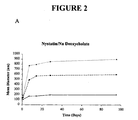
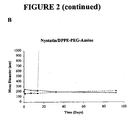
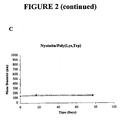
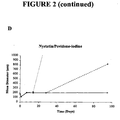
- All four formulations exhibited mean particle sizes of less than 250 nm and were free of agglomeration. Physical stability as measured by particle size was acceptable for all four formulations at 5°C. Notably, the formulation stabilized by Poly(Lys,Trp) exhibited virtually no particle size growth at all three temperatures.
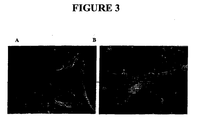
- the purpose of this example was to determine whether a cationic surface charge, such as that obtained with the use of a cationic surface stabilizer in nanoparticulate nystatin formulations, enhances the adhesion of small particles to cells.
- the microspheres were incubated with NIH/3T3 fibroblasts, washed thoroughly, fixed, and subjected to SEM analysis.
- Figure 3 shows representative micrographs of cells with anionic particles ( Fig. 3A ) and cationic particles ( Fig. 3B ).
- the purpose of this example was to determine if milling of nystatin affects the drug's activity.
- the minimum inhibitory concentration (MIC) of five milled nystatin compositions was compared to the MIC of two unmilled nystatin compositions.
- Nystatin for the milled nanoparticulate compositions was obtained from Sigma-Aldrich Co. and the two unmilled nystatin compositions were obtained from Sigma-Aldrich Co. and Paddock Laboratories, Inc.
- milled and unmilled nystatin formulations are given in Table 7 below, including particle size of the milled nanoparticulate nystatin compositions, the identify of the surface stabilizer for the milled nanoparticulate nystatin compositions, and the potency (USP U/ml) and MIC for each nystatin composition.
- 4 Na Deoxycholate (sodium deoxycholate) is used as a solubilizer in polyene formulations and is available from Spectrum Quality Products.
- 5 DSPE-PEG is available from Avanti Polar Lipids (Alabaster, AL).
- MIC minimum inhibitory concentration
Landscapes
- Health & Medical Sciences (AREA)
- Life Sciences & Earth Sciences (AREA)
- Veterinary Medicine (AREA)
- Chemical & Material Sciences (AREA)
- Medicinal Chemistry (AREA)
- Pharmacology & Pharmacy (AREA)
- Animal Behavior & Ethology (AREA)
- General Health & Medical Sciences (AREA)
- Public Health (AREA)
- Epidemiology (AREA)
- Engineering & Computer Science (AREA)
- Bioinformatics & Cheminformatics (AREA)
- Molecular Biology (AREA)
- Communicable Diseases (AREA)
- Oncology (AREA)
- Chemical Kinetics & Catalysis (AREA)
- General Chemical & Material Sciences (AREA)
- Nuclear Medicine, Radiotherapy & Molecular Imaging (AREA)
- Organic Chemistry (AREA)
- Medicinal Preparation (AREA)
- Pharmaceuticals Containing Other Organic And Inorganic Compounds (AREA)
- Acyclic And Carbocyclic Compounds In Medicinal Compositions (AREA)
- Medicines That Contain Protein Lipid Enzymes And Other Medicines (AREA)
Claims (19)
- Composition nanoparticulaire stable de nystatine comprenant :(a) des particules de nystatine ou d'un sel de celle-ci ; et(b) associé avec ou adsorbé à la surface de celles-ci, au moins un stabilisant de surface choisi dans le groupe constitué par le sel de sodium de 1,2-dipalmitoyl-sn-glycéro-3-phosphoéthanolamine-N-[amino(polyéthylèneglycol)2000] ; le poly(bromure de 2-méthacryloxyéthyltriméthylammonium) ; un copolymère séquencé tétrafonctionnel dérivé de l'addition séquentielle d'oxyde de propylène et d'oxyde d'éthylène à de l'éthylènediamine ; le désoxycholate de sodium ; le bromhydrate de poly(lysine,tryptophane) ; la povidone iodée ; la polyvinylpyrrolidone ; le distéaroylphosphatidyléthanolamine:polyéthylèneglycol:NH2 ; et le distéaroylphosphatidyléthanolamine:polyéthylèneglycol,dans laquelle les particules de nystatine ont une taille moyenne effective de particules de moins de 2000 nm.
- Composition selon la revendication 1 formulée sous une forme posologique liquide, dans laquelle la forme posologique a une viscosité de moins d'environ 2000 mPa·s, mesurée à 20°C, à une vitesse de cisaillement de 0,1 (l/s).
- Composition selon la revendication 2, ayant une viscosité à une vitesse de cisaillement de 0,1 (1/s) choisie dans le groupe constitué par d'environ 2000 mPa.s à environ 1 mPa.s, d'environ 1900 mPa.s à environ 1 mPa.s, d'environ 1800 mPa.s à environ 1 mPa.s, d'environ 1700 mPa.s à environ 1 mPa.s, d'environ 1600 mPa.s à environ 1 mPa.s, d'environ 1500 mPa.s à environ 1 mPa.s, d'environ 1400 mPa.s à environ 1 mPa.s, d'environ 1300 mPa.s à environ 1 mPa.s, d'environ 1200 mPa.s à environ 1 mPa.s, d'environ 1100 mPa.s à environ 1 mPa.s, d'environ 1000 mPa.s à environ 1 mPa.s, d'environ 900 mPa.s à environ 1 mPa.s, d'environ 800 mPa.s à environ 1 mPa.s, d'environ 700 mPa.s à environ 1 mPa.s, d'environ 600 mPa.s à environ 1 mPa.s, d'environ 500 mPa.s à environ 1 mPa.s, d'environ 400 mPa.s à environ 1 mPa.s, d'environ 300 mPa.s à environ 1 mPa.s, d'environ 200 mPa.s à environ 1 mPa.s, d'environ 175 mPa.s à environ 1 mPa.s, d'environ 150 mPa.s à environ 1 mPa.s, d'environ 125 mPa.s à environ 1 mPa.s, d'environ 100 mPa.s à environ 1 mPa.s, d'environ 75 mPa.s à environ 1 mPa.s, d'environ 50 mPa.s à environ 1 mPa.s, d'environ 25 mPa.s à environ 1 mPa.s, d'environ 15 mPa.s à environ 1 mPa.s, d'environ 10 mPa.s à environ 1 mPa.s, et d'environ 5 mPa.s à environ 1 mPa.s.
- Composition selon l'une ou l'autre des revendications 2 et 3, dans laquelle la viscosité de la forme posologique est choisie dans le groupe constitué par moins d'environ 1/200, moins d'environ 1/100, moins d'environ 1/50, moins d'environ 1/25, et moins d'environ 1/10, de la viscosité d'une composition de nystatine dans laquelle l'agent actif est présent sous une forme solubilisée ou présent sous forme de particules ayant une taille moyenne effective de particules de plus de deux microns, à peu près à la même concentration par ml de nystatine et/ou dans laquelle la viscosité de la forme posologique est choisie dans le groupe constitué par moins d'environ 5 %, moins d'environ 10 %, moins d'environ 15 %, moins d'environ 20 %, moins d'environ 25 %, moins d'environ 30 %, moins d'environ 35 %, moins d'environ 40 %, moins d'environ 45 %, moins d'environ 50 %, moins d'environ 55 %, moins d'environ 60 %, moins d'environ 65 %, moins d'environ 70 %, moins d'environ 75 %, moins d'environ 80 %, moins d'environ 85 %, et moins d'environ 90 %, de la viscosité d'une composition de nystatine dans laquelle l'agent actif est présent sous une forme solubilisée ou présent sous forme de particules ayant une taille moyenne effective de particules de plus de deux microns à peu près à la même concentration par ml de nystatine.
- Composition selon l'une quelconque des revendications 1 à 4, dans laquelle la nystatine est choisie dans le groupe constitué par une phase cristalline, une phase amorphe, une phase semi-cristalline, une phase semi-amorphe, et les mélanges de celles-ci.
- Composition selon l'une quelconque des revendications 1 à 5, dans laquelle la taille moyenne effective des particules nanoparticulaires de nystatine est choisie dans le groupe constitué par moins d'environ 1500 nm, moins d'environ 1000 nm, moins d'environ 900 nm, moins d'environ 800 nm, moins d'environ 700 nm, moins d'environ 600 nm, moins d'environ 500 nm, moins d'environ 400 nm, moins d'environ 300 nm, moins d'environ 250 nm, moins d'environ 200 nm, moins d'environ 100 nm, moins d'environ 75 nm, et moins d'environ 50 nm.
- Composition selon l'une quelconque des revendications 1 à 6, dans laquelle :(a) la nystatine est présente dans une quantité choisie dans le groupe constitué par d'environ 99,5 % à environ 0,001 %, d'environ 95 % à environ 0,1 %, et d'environ 90 % à environ 0,5 %, en poids, rapporté au poids total combiné de la nystatine et d'au moins un stabilisant de surface, sans compter d'autres excipients ; et/ou(b) au moins un stabilisant de surface est présent dans une quantité choisie dans le groupe constitué par d'environ 0,5 % à environ 99,999 % en poids, d'environ 5,0 % à environ 99,9 % en poids, et d'environ 10,0 % à environ 99,5 % en poids, rapporté au poids sec total combiné de la nystatine et d'au moins un stabilisant de surface, sans compter d'autres excipients,ou dans laquelle la composition comprend au moins deux stabilisants de surface.
- Composition selon l'une quelconque des revendications 1 à 7, la composition étant bioadhésive.
- Composition selon l'une quelconque des revendications 1 à 8, la composition étant formulée sous une forme posologique liquide, et dans laquelle la quantité de nystatine par ml est égale ou supérieure à la quantité de nystatine par ml d'une composition de nystatine dans laquelle l'agent actif est présent sous une forme solubilisée ou présent sous forme de particules ayant une taille moyenne effective de particules de plus de deux microns.
- Composition selon l'une quelconque des revendications 1 à 9, la composition comprenant en outre une composition de nystatine ayant une taille moyenne effective de particules de plus d'environ deux microns.
- Composition selon l'une quelconque des revendications 1 à 10, la composition comprenant de plus au moins une composition nanoparticulaire de nystatine supplémentaire ayant une taille moyenne effective de particules de moins d'environ deux microns,
dans laquelle ladite composition nanoparticulaire de nystatine supplémentaire a une taille moyenne effective de particules qui est différente de la taille moyenne effective de particules de la composition nanoparticulaire de nystatine des revendications 1 à 10. - Composition selon l'une quelconque des revendications 1 à 11, comprenant de plus au moins un autre agent actif que la nystatine, particulièrement choisi dans le groupe constitué par les acides aminés, les protéines, les peptides, les nucléotides, les médicaments anti-obésité, les nutraceutiques, les compléments alimentaires, les stimulants du système nerveux central, les caroténoïdes, les corticostéroïdes, les inhibiteurs de l'élastase, les antifongiques, les alkylxanthines, les thérapies oncologiques, les antiémétiques, les analgésiques, les opioïdes, les antipyrétiques, les agents cardiovasculaires, les agents anti-inflammatoires, les anthelmintiques, les agents anti-arythmiques, les antibiotiques, les anticoagulants, les antidépresseurs, les agents antidiabétiques, les antiépileptiques, les antihistaminiques, les agents antihypertenseurs, les agents antimuscariniques, les agents antimycobactériens, les agents antinéoplasiques, les immunosuppresseurs, les agents antithyroïdiens, les agents antiviraux, les anxiolytiques, les sédatifs, les astringents, les agents bloquant les récepteurs alpha-adrénergiques, les agents bloquant les récepteurs bêta-adrénergiques, les produits sanguins, les substituts sanguins, les agents inotropes cardiaques, les milieux de contraste, les antitussifs, les agents de diagnostic, les agents d'imagerie de diagnostic, les diurétiques, les dopaminergiques, les hémostatiques, les agents immunologiques, les agents de régulation des lipides, les relaxants musculaires, les parasympathomimétiques, la calcitonine et les biphosphonates parathyroïdiens, les prostaglandines, les produits radiopharmaceutiques, les hormones sexuelles, les agents antiallergiques, les stimulants, les anorexigènes, les sympathomimétiques, les agents thyroïdiens, les vasodilatateurs, les vasomodulateurs, les xanthines, les antagonistes du récepteur Mu, les antagonistes du récepteur Kappa, les analgésiques non-narcotiques, les inhibiteurs de l'assimilation de monoamines, les agents régulant l'adénosine, les dérivés de cannabinoïdes, les antagonistes de la substance P, les antagonistes des récepteurs de la neurokinine-1, et les inhibiteurs sodiques, plus particulièrement dans laquelle ledit nutraceutique est choisi dans le groupe constitué par la lutéine, l'acide folique, les acides gras, les extraits de fruits, les extraits de légumes, les compléments vitaminés, les compléments en minéraux, la phosphatidylsérine, l'acide lipoïque, la mélatonine, la glucosamine/chondroïtine, l'aloe vera, le guggul, la glutamine, les acides aminés, le thé vert, le lycopène, les aliments complets, les additifs alimentaires, les herbes, les phytonutriments, les antioxydants, les constituants flavonoïdes des fruits, l'huile d'onagre, les graines de lin, les huiles de poissons, les huiles d'animaux marins, et les probiotiques.
- Composition selon la revendication 12, dans laquelle :(a) au moins un autre agent actif que la nystatine a une taille moyenne effective de particules de moins d'environ deux microns ; et/ou(b) au moins un autre agent actif que la nystatine a une taille moyenne effective de particules de plus d'environ deux microns.
- Composition selon l'une quelconque des revendications 1 à 13 dans laquelle, lors d'une administration, la composition se redisperse de telle sorte que les particules de nystatine ont une taille moyenne effective de particules choisie dans le groupe constitué par moins d'environ deux microns, moins d'environ 1900 nm, moins d'environ 1800 nm, moins d'environ 1700 nm, moins d'environ 1600 nm, moins d'environ 1500 nm, moins d'environ 1400 nm, moins d'environ 1300 nm, moins d'environ 1200 nm, moins d'environ 1100 nm, moins d'environ 1000 nm, moins d'environ 900 nm, moins d'environ 800 nm, moins d'environ 700 nm, moins d'environ 600 nm, moins d'environ 500 nm, moins d'environ 400 nm, moins d'environ 300 nm, moins d'environ 250 nm, moins d'environ 200 nm, moins d'environ 150 nm, moins d'environ 100 nm, moins d'environ 75 nm, et moins d'environ 50 nm ; et/ou dans laquelle la composition se redisperse dans un milieu d'importance biologique de telle sorte que les particules de nystatine ont une taille moyenne effective de particules choisie dans le groupe constitué par moins d'environ deux microns, moins d'environ 1900 nm, moins d'environ 1800 nm, moins d'environ 1700 nm, moins d'environ 1600 nm, moins d'environ 1500 nm, moins d'environ 1400 nm, moins d'environ 1300 nm, moins d'environ 1200 nm, moins d'environ 1100 nm, moins d'environ 1000 nm, moins d'environ 900 nm, moins d'environ 800 nm, moins d'environ 700 nm, moins d'environ 600 nm, moins d'environ 500 nm, moins d'environ 400 nm, moins d'environ 300 nm, moins d'environ 250 nm, moins d'environ 200 nm, moins d'environ 150 nm, moins d'environ 100 nm, moins d'environ 75 nm, et moins d'environ 50 nm.
- Forme posologique orale liquide comprenant une composition selon l'une quelconque des revendications 1 à 14.
- Composition selon l'une quelconque des revendications 1 à 14, la composition étant formulée pour une administration choisie dans le groupe constitué par l'administration orale, pulmonaire, rectale, ophtalmique, colonique, parentérale, intracisternale, intravaginale, intrapéritonéale, locale, buccale, nasale, et topique ; et/ou la composition comprenant en outre un ou plusieurs excipients ou véhicules pharmaceutiquement acceptables, ou une combinaison de ceux-ci.
- Utilisation d'une composition selon l'une quelconque des revendications 1 à 14 pour la préparation d'un médicament pour le traitement d'une infection fongique.
- Composition selon l'une quelconque des revendications 1 à 14 pour utilisation dans le traitement d'une infection fongique.
- Procédé de préparation d'une composition nanoparticulaire comprenant la mise en contact de particules de nystatine avec au moins un stabilisant de surface pendant une durée et dans des conditions suffisantes pour obtenir une composition nanoparticulaire de nystatine ayant une taille moyenne effective de particules de moins d'environ 2000 nm, dans lequel le stabilisant de surface est choisi dans le groupe constitué par le sel de sodium de 1,2-dipalmitoyl-sn-glycéro-3-phosphoéthanolamine-N-[amino(polyéthylèneglycol)2000] ; le poly(bromure de 2-méthacryloxyéthyltriméthylammonium) ; un copolymère séquencé tétrafonctionnel dérivé de l'addition séquentielle d'oxyde de propylène et d'oxyde d'éthylène à de l'éthylènediamine ; le désoxycholate de sodium ; le bromhydrate de poly(lysine,tryptophane) ; la povidone iodée ; la polyvinylpyrrolidone ; le distéaroylphosphatidyléthanolamine:polyéthylèneglycol:NH2 ; et le distéaroylphosphatidyléthanolamine:polyéthylèneglycol.
Applications Claiming Priority (7)
| Application Number | Priority Date | Filing Date | Title |
|---|---|---|---|
| US37759902P | 2002-05-06 | 2002-05-06 | |
| US377599P | 2002-05-06 | ||
| US38000802P | 2002-05-07 | 2002-05-07 | |
| US380008P | 2002-05-07 | ||
| US42338502P | 2002-11-04 | 2002-11-04 | |
| US423385P | 2002-11-04 | ||
| PCT/US2003/013833 WO2003094894A1 (fr) | 2002-05-06 | 2003-05-05 | Formulations de nystatine nanoparticulaires |
Publications (2)
| Publication Number | Publication Date |
|---|---|
| EP1503737A1 EP1503737A1 (fr) | 2005-02-09 |
| EP1503737B1 true EP1503737B1 (fr) | 2009-01-07 |
Family
ID=29424512
Family Applications (1)
| Application Number | Title | Priority Date | Filing Date |
|---|---|---|---|
| EP03728678A Expired - Lifetime EP1503737B1 (fr) | 2002-05-06 | 2003-05-05 | Formulations de nystatine nanoparticulaires |
Country Status (8)
| Country | Link |
|---|---|
| US (1) | US20040018242A1 (fr) |
| EP (1) | EP1503737B1 (fr) |
| JP (1) | JP2005529911A (fr) |
| AT (1) | ATE419835T1 (fr) |
| AU (1) | AU2003234452A1 (fr) |
| CA (1) | CA2484637A1 (fr) |
| DE (1) | DE60325718D1 (fr) |
| WO (1) | WO2003094894A1 (fr) |
Families Citing this family (55)
| Publication number | Priority date | Publication date | Assignee | Title |
|---|---|---|---|---|
| US8236352B2 (en) | 1998-10-01 | 2012-08-07 | Alkermes Pharma Ireland Limited | Glipizide compositions |
| US8293277B2 (en) | 1998-10-01 | 2012-10-23 | Alkermes Pharma Ireland Limited | Controlled-release nanoparticulate compositions |
| US20080102121A1 (en) * | 1998-11-02 | 2008-05-01 | Elan Pharma International Limited | Compositions comprising nanoparticulate meloxicam and controlled release hydrocodone |
| US7521068B2 (en) | 1998-11-12 | 2009-04-21 | Elan Pharma International Ltd. | Dry powder aerosols of nanoparticulate drugs |
| US7198795B2 (en) | 2000-09-21 | 2007-04-03 | Elan Pharma International Ltd. | In vitro methods for evaluating the in vivo effectiveness of dosage forms of microparticulate of nanoparticulate active agent compositions |
| CA2475092C (fr) * | 2002-02-04 | 2012-05-01 | Baudax Bio, Inc. | Compositions nanoparticulaires a stabilisateur superficiel de lysozyme |
| AU2003245313A1 (en) * | 2002-06-10 | 2003-12-22 | Elan Pharma International, Ltd | Nanoparticulate formulations comprising hmg coa reductase inhibitor derivatives (statins), novel combinations thereof as well as manufacturing of these pharmaceutical compositions |
| US8512727B2 (en) * | 2003-03-03 | 2013-08-20 | Alkermes Pharma Ireland Limited | Nanoparticulate meloxicam formulations |
| US20100297252A1 (en) | 2003-03-03 | 2010-11-25 | Elan Pharma International Ltd. | Nanoparticulate meloxicam formulations |
| JP2006526007A (ja) * | 2003-05-20 | 2006-11-16 | ロレアル | 二酸コポリマーで寸法安定化された粒子 |
| FR2855051B1 (fr) * | 2003-05-20 | 2006-08-25 | Oreal | Particules stabilisees en taille par copolymere diacide |
| JP4787165B2 (ja) * | 2003-11-05 | 2011-10-05 | エラン ファーマ インターナショナル,リミティド | 表面安定剤としてペプチドを有するナノ粒子組成物 |
| US7754230B2 (en) | 2004-05-19 | 2010-07-13 | The Regents Of The University Of California | Methods and related compositions for reduction of fat |
| ES2660172T3 (es) | 2004-05-19 | 2018-03-21 | Los Angeles Biomedical Research Institute At Harbor-Ucla Medical Center | Composición inyectable que comprende desoxicolato de sodio |
| US20060127468A1 (en) | 2004-05-19 | 2006-06-15 | Kolodney Michael S | Methods and related compositions for reduction of fat and skin tightening |
| WO2006124047A2 (fr) * | 2004-08-13 | 2006-11-23 | Emisphere Technologies, Inc. | Formulations pharmaceutiques contenant des microparticules ou des nanoparticules d'un agent d'administration |
| CA2598288A1 (fr) * | 2005-03-03 | 2006-09-14 | Elan Pharma International Limited | Compositions nanoparticulaires de derives d'amide heterocyclique |
| GB2442366A (en) * | 2005-04-13 | 2008-04-02 | Elan Pharma Int Ltd | Nanoparticulate and controlled release compositions comprising prostaglandin derivatives |
| KR20080008403A (ko) * | 2005-05-10 | 2008-01-23 | 엘란 파마 인터내셔널 리미티드 | 나노입자형 클로피도그렐 제제 |
| US20110064803A1 (en) * | 2005-05-10 | 2011-03-17 | Elan Pharma International Limited. | Nanoparticulate and controlled release compositions comprising vitamin k2 |
| AU2006344711A1 (en) * | 2005-05-16 | 2008-01-24 | Alkermes Pharma Ireland Limited | Nanoparticulate and controlled release compositions comprising a cephalosporin |
| US20100028439A1 (en) * | 2005-05-23 | 2010-02-04 | Elan Pharma International Limited | Nanoparticulate stabilized anti-hypertensive compositions |
| ES2341996T3 (es) * | 2005-06-03 | 2010-06-30 | Elan Pharma International Limited | Formulaciones de mesilato de imatinib en forma de manoparticulas. |
| BRPI0611075A2 (pt) * | 2005-06-03 | 2010-08-03 | Elan Pharma Int Ltd | formulações de acetaminofeno em nanopartìcula |
| WO2006133045A1 (fr) * | 2005-06-03 | 2006-12-14 | Elan Pharma International, Limited | Préparations de benidipine nanoparticulaire |
| EP1954253A4 (fr) | 2005-06-08 | 2011-07-27 | Elan Pharma Int Ltd | Compositions à nanoparticules et à libération contrôlée comprenant du cefditoren |
| EP1898882B1 (fr) * | 2005-06-09 | 2009-10-28 | Elan Pharma International Limited | Formulations d'ebastine nanoparticulaire |
| CA2611741A1 (fr) * | 2005-06-13 | 2006-12-28 | Elan Pharma International, Limited | Preparations combinant de l'aspirine et des nanoparticules de clopidogrel |
| JP2008543862A (ja) * | 2005-06-15 | 2008-12-04 | エラン ファーマ インターナショナル リミテッド | ナノ粒子アゼルニジピン製剤 |
| CA2614412A1 (fr) * | 2005-07-07 | 2007-01-18 | Elan Pharma International, Limited | Formulations de clarithromycine nanoparticulaires |
| US20070104792A1 (en) * | 2005-09-13 | 2007-05-10 | Elan Pharma International, Limited | Nanoparticulate tadalafil formulations |
| CA2622758A1 (fr) * | 2005-09-15 | 2007-03-29 | Elan Pharma International, Limited | Formulations aripiprazoliques nanoparticulaires |
| JP2009538927A (ja) | 2006-05-30 | 2009-11-12 | エラン ファーマ インターナショナル,リミティド | ナノ粒子状のポサコナゾール製剤 |
| JP2009543797A (ja) * | 2006-07-10 | 2009-12-10 | エラン ファーマ インターナショナル,リミティド | ナノ粒子ソラフェニブ製剤 |
| KR20090031618A (ko) * | 2006-07-12 | 2009-03-26 | 엘란 코포레이션, 피엘씨 | 나노입자형 모다피닐 제제 |
| TWI405590B (zh) * | 2007-04-06 | 2013-08-21 | 活效製藥股份有限公司 | 微粉碎化有機化合物粒子之製法 |
| US20090118228A1 (en) * | 2007-11-07 | 2009-05-07 | Bristol-Myers Squibb Company | Carotenoid-containing compositions and methods |
| EP2070521A1 (fr) | 2007-12-10 | 2009-06-17 | Bayer Schering Pharma Aktiengesellschaft | Nanoparticules à surface modifiée |
| US20090238867A1 (en) * | 2007-12-13 | 2009-09-24 | Scott Jenkins | Nanoparticulate Anidulafungin Compositions and Methods for Making the Same |
| MX2010009848A (es) * | 2008-03-21 | 2010-09-30 | Elan Pharma Int Ltd | Composiciones para el suministro especifico en sitio de imatinib y metodos de uso. |
| US8101593B2 (en) | 2009-03-03 | 2012-01-24 | Kythera Biopharmaceuticals, Inc. | Formulations of deoxycholic acid and salts thereof |
| RU2589823C2 (ru) * | 2009-04-09 | 2016-07-10 | Алкермес Фарма Айэленд Лимитед | Композиция для доставки лекарственных средств |
| HUE032426T2 (en) | 2009-05-27 | 2017-09-28 | Alkermes Pharma Ireland Ltd | Inhibition of flake aggregation in nanoparticulate meloxicam formulations |
| US20120237492A1 (en) | 2011-02-18 | 2012-09-20 | Kythera Biopharmaceuticals, Inc. | Treatment of submental fat |
| US8653058B2 (en) | 2011-04-05 | 2014-02-18 | Kythera Biopharmaceuticals, Inc. | Compositions comprising deoxycholic acid and salts thereof suitable for use in treating fat deposits |
| HK1213780A1 (zh) * | 2013-03-04 | 2016-07-15 | Vtv治疗有限责任公司 | 穩定的葡萄糖激酶活化劑組合物 |
| US8883747B1 (en) * | 2013-10-09 | 2014-11-11 | Craig W. Carver | Topical antifungal compositions and methods of use thereof |
| US11135158B2 (en) * | 2014-05-26 | 2021-10-05 | Michael Lee Martin | Medicated hard candy product for treating esophageal inflammation and a method using the same |
| EP3173067B1 (fr) * | 2015-11-16 | 2018-11-14 | Istanbul Universitesi Rektorlugu | Gingival muco-adhesif in situ gel formulation |
| US11103547B2 (en) * | 2016-02-04 | 2021-08-31 | Yissum Research Development Company Of The Hebrew University Of Jerusalem Ltd. | Methods for disrupting biofilms |
| EP3295937A1 (fr) * | 2016-09-20 | 2018-03-21 | Centre National De La Recherche Scientifique | Promédicament nanoparticulaire |
| WO2022211481A1 (fr) * | 2021-04-01 | 2022-10-06 | 에스엔제이 파마 인크 | Nanoparticules orales pour composé bioactif et leur procédé de préparation |
| CN115363212B (zh) * | 2022-07-27 | 2024-04-05 | 海南师范大学 | 负载类胡萝卜素的海藻酸衍生物胶束、制备方法及其应用 |
| CN116686841B (zh) * | 2023-06-07 | 2024-07-19 | 丽珠集团新北江制药股份有限公司 | 一种含有多烯烃大环内酯类物质的液态组合物的制备方法 |
| CN119606873B (zh) * | 2025-02-14 | 2025-08-01 | 深圳市药欣生物科技有限公司 | 一种口腔凝胶剂及其应用 |
Family Cites Families (66)
| Publication number | Priority date | Publication date | Assignee | Title |
|---|---|---|---|---|
| US4826689A (en) * | 1984-05-21 | 1989-05-02 | University Of Rochester | Method for making uniformly sized particles from water-insoluble organic compounds |
| US4783484A (en) * | 1984-10-05 | 1988-11-08 | University Of Rochester | Particulate composition and use thereof as antimicrobial agent |
| JP3126128B2 (ja) * | 1989-07-12 | 2001-01-22 | 三菱製紙株式会社 | インクジェット記録媒体 |
| US5399363A (en) * | 1991-01-25 | 1995-03-21 | Eastman Kodak Company | Surface modified anticancer nanoparticles |
| US5145684A (en) * | 1991-01-25 | 1992-09-08 | Sterling Drug Inc. | Surface modified drug nanoparticles |
| US5552160A (en) * | 1991-01-25 | 1996-09-03 | Nanosystems L.L.C. | Surface modified NSAID nanoparticles |
| AU642066B2 (en) * | 1991-01-25 | 1993-10-07 | Nanosystems L.L.C. | X-ray contrast compositions useful in medical imaging |
| CA2112905A1 (fr) * | 1991-07-05 | 1993-01-21 | Michael R. Violante | Particules poreuses ultra petites, non solidarisees, a bulles de gaz piegees |
| NZ244862A (en) * | 1991-10-23 | 1995-07-26 | Block Drug Co | Use of vitamin e in topical pharmaceuticals to enhance penetration of the active agent |
| NZ248813A (en) * | 1992-11-25 | 1995-06-27 | Eastman Kodak Co | Polymeric grinding media used in grinding pharmaceutical substances |
| US5349957A (en) * | 1992-12-02 | 1994-09-27 | Sterling Winthrop Inc. | Preparation and magnetic properties of very small magnetite-dextran particles |
| US5298262A (en) * | 1992-12-04 | 1994-03-29 | Sterling Winthrop Inc. | Use of ionic cloud point modifiers to prevent particle aggregation during sterilization |
| US5302401A (en) * | 1992-12-09 | 1994-04-12 | Sterling Winthrop Inc. | Method to reduce particle size growth during lyophilization |
| US5340564A (en) * | 1992-12-10 | 1994-08-23 | Sterling Winthrop Inc. | Formulations comprising olin 10-G to prevent particle aggregation and increase stability |
| US5336507A (en) * | 1992-12-11 | 1994-08-09 | Sterling Winthrop Inc. | Use of charged phospholipids to reduce nanoparticle aggregation |
| US5429824A (en) * | 1992-12-15 | 1995-07-04 | Eastman Kodak Company | Use of tyloxapole as a nanoparticle stabilizer and dispersant |
| US5352459A (en) * | 1992-12-16 | 1994-10-04 | Sterling Winthrop Inc. | Use of purified surface modifiers to prevent particle aggregation during sterilization |
| US5326552A (en) * | 1992-12-17 | 1994-07-05 | Sterling Winthrop Inc. | Formulations for nanoparticulate x-ray blood pool contrast agents using high molecular weight nonionic surfactants |
| US5401492A (en) * | 1992-12-17 | 1995-03-28 | Sterling Winthrop, Inc. | Water insoluble non-magnetic manganese particles as magnetic resonance contract enhancement agents |
| US5264610A (en) * | 1993-03-29 | 1993-11-23 | Sterling Winthrop Inc. | Iodinated aromatic propanedioates |
| TW384224B (en) * | 1994-05-25 | 2000-03-11 | Nano Sys Llc | Method of preparing submicron particles of a therapeutic or diagnostic agent |
| US5525328A (en) * | 1994-06-24 | 1996-06-11 | Nanosystems L.L.C. | Nanoparticulate diagnostic diatrizoxy ester X-ray contrast agents for blood pool and lymphatic system imaging |
| US5587143A (en) * | 1994-06-28 | 1996-12-24 | Nanosystems L.L.C. | Butylene oxide-ethylene oxide block copolymer surfactants as stabilizer coatings for nanoparticle compositions |
| US5585108A (en) * | 1994-12-30 | 1996-12-17 | Nanosystems L.L.C. | Formulations of oral gastrointestinal therapeutic agents in combination with pharmaceutically acceptable clays |
| US5466440A (en) * | 1994-12-30 | 1995-11-14 | Eastman Kodak Company | Formulations of oral gastrointestinal diagnostic X-ray contrast agents in combination with pharmaceutically acceptable clays |
| US5628981A (en) * | 1994-12-30 | 1997-05-13 | Nano Systems L.L.C. | Formulations of oral gastrointestinal diagnostic x-ray contrast agents and oral gastrointestinal therapeutic agents |
| US5560932A (en) * | 1995-01-10 | 1996-10-01 | Nano Systems L.L.C. | Microprecipitation of nanoparticulate pharmaceutical agents |
| US5662883A (en) * | 1995-01-10 | 1997-09-02 | Nanosystems L.L.C. | Microprecipitation of micro-nanoparticulate pharmaceutical agents |
| US5665331A (en) * | 1995-01-10 | 1997-09-09 | Nanosystems L.L.C. | Co-microprecipitation of nanoparticulate pharmaceutical agents with crystal growth modifiers |
| US5569448A (en) * | 1995-01-24 | 1996-10-29 | Nano Systems L.L.C. | Sulfated nonionic block copolymer surfactants as stabilizer coatings for nanoparticle compositions |
| US5560931A (en) * | 1995-02-14 | 1996-10-01 | Nawosystems L.L.C. | Formulations of compounds as nanoparticulate dispersions in digestible oils or fatty acids |
| US5571536A (en) * | 1995-02-06 | 1996-11-05 | Nano Systems L.L.C. | Formulations of compounds as nanoparticulate dispersions in digestible oils or fatty acids |
| US5518738A (en) * | 1995-02-09 | 1996-05-21 | Nanosystem L.L.C. | Nanoparticulate nsaid compositions |
| US5534270A (en) * | 1995-02-09 | 1996-07-09 | Nanosystems Llc | Method of preparing stable drug nanoparticles |
| US5593657A (en) * | 1995-02-09 | 1997-01-14 | Nanosystems L.L.C. | Barium salt formulations stabilized by non-ionic and anionic stabilizers |
| US5622938A (en) * | 1995-02-09 | 1997-04-22 | Nano Systems L.L.C. | Sugar base surfactant for nanocrystals |
| US5591456A (en) * | 1995-02-10 | 1997-01-07 | Nanosystems L.L.C. | Milled naproxen with hydroxypropyl cellulose as a dispersion stabilizer |
| US5500204A (en) * | 1995-02-10 | 1996-03-19 | Eastman Kodak Company | Nanoparticulate diagnostic dimers as x-ray contrast agents for blood pool and lymphatic system imaging |
| US5573783A (en) * | 1995-02-13 | 1996-11-12 | Nano Systems L.L.C. | Redispersible nanoparticulate film matrices with protective overcoats |
| US5543133A (en) * | 1995-02-14 | 1996-08-06 | Nanosystems L.L.C. | Process of preparing x-ray contrast compositions containing nanoparticles |
| US5510118A (en) * | 1995-02-14 | 1996-04-23 | Nanosystems Llc | Process for preparing therapeutic compositions containing nanoparticles |
| US5580579A (en) * | 1995-02-15 | 1996-12-03 | Nano Systems L.L.C. | Site-specific adhesion within the GI tract using nanoparticles stabilized by high molecular weight, linear poly (ethylene oxide) polymers |
| US5565188A (en) * | 1995-02-24 | 1996-10-15 | Nanosystems L.L.C. | Polyalkylene block copolymers as surface modifiers for nanoparticles |
| CA2213638C (fr) * | 1995-02-24 | 2004-05-04 | Nanosystems L.L.C. | Aerosols contenant des dispersions de nanoparticules |
| US5747001A (en) * | 1995-02-24 | 1998-05-05 | Nanosystems, L.L.C. | Aerosols containing beclomethazone nanoparticle dispersions |
| US5718919A (en) * | 1995-02-24 | 1998-02-17 | Nanosystems L.L.C. | Nanoparticles containing the R(-)enantiomer of ibuprofen |
| US5573749A (en) * | 1995-03-09 | 1996-11-12 | Nano Systems L.L.C. | Nanoparticulate diagnostic mixed carboxylic anhydrides as X-ray contrast agents for blood pool and lymphatic system imaging |
| US5472683A (en) * | 1995-03-09 | 1995-12-05 | Eastman Kodak Company | Nanoparticulate diagnostic mixed carbamic anhydrides as X-ray contrast agents for blood pool and lymphatic system imaging |
| US5643552A (en) * | 1995-03-09 | 1997-07-01 | Nanosystems L.L.C. | Nanoparticulate diagnostic mixed carbonic anhydrides as x-ray contrast agents for blood pool and lymphatic system imaging |
| US5521218A (en) * | 1995-05-15 | 1996-05-28 | Nanosystems L.L.C. | Nanoparticulate iodipamide derivatives for use as x-ray contrast agents |
| US5573750A (en) * | 1995-05-22 | 1996-11-12 | Nanosystems L.L.C. | Diagnostic imaging x-ray contrast agents |
| US5834025A (en) * | 1995-09-29 | 1998-11-10 | Nanosystems L.L.C. | Reduction of intravenously administered nanoparticulate-formulation-induced adverse physiological reactions |
| WO1998035666A1 (fr) * | 1997-02-13 | 1998-08-20 | Nanosystems Llc | Preparation de pastilles de naproxene nanoparticulaire |
| US6045829A (en) * | 1997-02-13 | 2000-04-04 | Elan Pharma International Limited | Nanocrystalline formulations of human immunodeficiency virus (HIV) protease inhibitors using cellulosic surface stabilizers |
| US6153225A (en) * | 1998-08-13 | 2000-11-28 | Elan Pharma International Limited | Injectable formulations of nanoparticulate naproxen |
| US6165506A (en) * | 1998-09-04 | 2000-12-26 | Elan Pharma International Ltd. | Solid dose form of nanoparticulate naproxen |
| US8293277B2 (en) * | 1998-10-01 | 2012-10-23 | Alkermes Pharma Ireland Limited | Controlled-release nanoparticulate compositions |
| US6428814B1 (en) * | 1999-10-08 | 2002-08-06 | Elan Pharma International Ltd. | Bioadhesive nanoparticulate compositions having cationic surface stabilizers |
| AU2530700A (en) * | 1999-02-11 | 2000-08-29 | Kinetana Inc. | Serum albumin-based parenteral formulations of polyene macrolides |
| US6270806B1 (en) * | 1999-03-03 | 2001-08-07 | Elan Pharma International Limited | Use of peg-derivatized lipids as surface stabilizers for nanoparticulate compositions |
| US6267989B1 (en) * | 1999-03-08 | 2001-07-31 | Klan Pharma International Ltd. | Methods for preventing crystal growth and particle aggregation in nanoparticulate compositions |
| US6413537B1 (en) * | 2000-03-10 | 2002-07-02 | Wisconsin Alumni Research Foundation | Nystatin formulation having reduced toxicity |
| US6316029B1 (en) * | 2000-05-18 | 2001-11-13 | Flak Pharma International, Ltd. | Rapidly disintegrating solid oral dosage form |
| EP1313451B1 (fr) * | 2000-08-31 | 2009-03-11 | Jagotec AG | Particules broyees |
| US6623761B2 (en) * | 2000-12-22 | 2003-09-23 | Hassan Emadeldin M. | Method of making nanoparticles of substantially water insoluble materials |
| US6660761B2 (en) * | 2002-02-06 | 2003-12-09 | Council Of Scientific And Industrial Research | Method of treatment for fungal infections with a synergistic formulation of antifungal agents |
-
2003
- 2003-05-05 US US10/429,245 patent/US20040018242A1/en not_active Abandoned
- 2003-05-05 CA CA002484637A patent/CA2484637A1/fr not_active Abandoned
- 2003-05-05 EP EP03728678A patent/EP1503737B1/fr not_active Expired - Lifetime
- 2003-05-05 AT AT03728678T patent/ATE419835T1/de not_active IP Right Cessation
- 2003-05-05 WO PCT/US2003/013833 patent/WO2003094894A1/fr not_active Ceased
- 2003-05-05 JP JP2004502980A patent/JP2005529911A/ja active Pending
- 2003-05-05 AU AU2003234452A patent/AU2003234452A1/en not_active Abandoned
- 2003-05-05 DE DE60325718T patent/DE60325718D1/de not_active Expired - Lifetime
Also Published As
| Publication number | Publication date |
|---|---|
| EP1503737A1 (fr) | 2005-02-09 |
| DE60325718D1 (de) | 2009-02-26 |
| CA2484637A1 (fr) | 2003-11-20 |
| JP2005529911A (ja) | 2005-10-06 |
| ATE419835T1 (de) | 2009-01-15 |
| US20040018242A1 (en) | 2004-01-29 |
| WO2003094894A1 (fr) | 2003-11-20 |
| AU2003234452A1 (en) | 2003-11-11 |
Similar Documents
| Publication | Publication Date | Title |
|---|---|---|
| EP1503737B1 (fr) | Formulations de nystatine nanoparticulaires | |
| US7101576B2 (en) | Nanoparticulate megestrol formulations | |
| US9101549B2 (en) | Nanoparticulate megestrol formulations | |
| EP1471887B1 (fr) | Compositions nanoparticulaires a stabilisateur superficiel de lysozyme | |
| EP1658053B1 (fr) | Nouvelles compositions de base libre de sildenafil | |
| US8236352B2 (en) | Glipizide compositions | |
| EP1895984B1 (fr) | Formulations d'imatinib mesylate nanoparticulaires | |
| US20050004049A1 (en) | Novel griseofulvin compositions | |
| US20080152585A1 (en) | Low viscosity liquid dosage forms | |
| US20040101566A1 (en) | Novel benzoyl peroxide compositions | |
| EP2279727A2 (fr) | Formulations nanoparticulaires d'aripiprazole | |
| EP1686962A2 (fr) | Compositions nanoparticulaires comprenant un peptide comme stabilisant de surface | |
| CA2631757A1 (fr) | Nouvelles compositions de mometasone et procedes de fabrication et utilisation de celles-ci | |
| CA2481390C (fr) | Preparations de megestrol nanoparticulaires | |
| US20120087955A1 (en) | Nanoparticulate megestrol formulations | |
| EP1935407A1 (fr) | Formules de dosage de liquide à faible viscosité | |
| HK1118467B (en) | Nanoparticulate imatinib mesylate formulations |
Legal Events
| Date | Code | Title | Description |
|---|---|---|---|
| PUAI | Public reference made under article 153(3) epc to a published international application that has entered the european phase |
Free format text: ORIGINAL CODE: 0009012 |
|
| 17P | Request for examination filed |
Effective date: 20041202 |
|
| AK | Designated contracting states |
Kind code of ref document: A1 Designated state(s): AT BE BG CH CY CZ DE DK EE ES FI FR GB GR HU IE IT LI LU MC NL PT RO SE SI SK TR |
|
| AX | Request for extension of the european patent |
Extension state: AL LT LV MK |
|
| DAX | Request for extension of the european patent (deleted) | ||
| 17Q | First examination report despatched |
Effective date: 20071213 |
|
| GRAP | Despatch of communication of intention to grant a patent |
Free format text: ORIGINAL CODE: EPIDOSNIGR1 |
|
| GRAS | Grant fee paid |
Free format text: ORIGINAL CODE: EPIDOSNIGR3 |
|
| GRAS | Grant fee paid |
Free format text: ORIGINAL CODE: EPIDOSNIGR3 |
|
| RAP1 | Party data changed (applicant data changed or rights of an application transferred) |
Owner name: ELAN PHARMA INTERNATIONAL LIMITED |
|
| GRAA | (expected) grant |
Free format text: ORIGINAL CODE: 0009210 |
|
| AK | Designated contracting states |
Kind code of ref document: B1 Designated state(s): AT BE BG CH CY CZ DE DK EE ES FI FR GB GR HU IE IT LI LU MC NL PT RO SE SI SK TR |
|
| REG | Reference to a national code |
Ref country code: GB Ref legal event code: FG4D |
|
| REG | Reference to a national code |
Ref country code: CH Ref legal event code: EP |
|
| REG | Reference to a national code |
Ref country code: IE Ref legal event code: FG4D |
|
| REF | Corresponds to: |
Ref document number: 60325718 Country of ref document: DE Date of ref document: 20090226 Kind code of ref document: P |
|
| PG25 | Lapsed in a contracting state [announced via postgrant information from national office to epo] |
Ref country code: NL Free format text: LAPSE BECAUSE OF FAILURE TO SUBMIT A TRANSLATION OF THE DESCRIPTION OR TO PAY THE FEE WITHIN THE PRESCRIBED TIME-LIMIT Effective date: 20090107 Ref country code: SI Free format text: LAPSE BECAUSE OF FAILURE TO SUBMIT A TRANSLATION OF THE DESCRIPTION OR TO PAY THE FEE WITHIN THE PRESCRIBED TIME-LIMIT Effective date: 20090107 |
|
| NLV1 | Nl: lapsed or annulled due to failure to fulfill the requirements of art. 29p and 29m of the patents act | ||
| REG | Reference to a national code |
Ref country code: CH Ref legal event code: NV Representative=s name: RENTSCH & PARTNER |
|
| PG25 | Lapsed in a contracting state [announced via postgrant information from national office to epo] |
Ref country code: ES Free format text: LAPSE BECAUSE OF FAILURE TO SUBMIT A TRANSLATION OF THE DESCRIPTION OR TO PAY THE FEE WITHIN THE PRESCRIBED TIME-LIMIT Effective date: 20090418 Ref country code: FI Free format text: LAPSE BECAUSE OF FAILURE TO SUBMIT A TRANSLATION OF THE DESCRIPTION OR TO PAY THE FEE WITHIN THE PRESCRIBED TIME-LIMIT Effective date: 20090107 |
|
| PG25 | Lapsed in a contracting state [announced via postgrant information from national office to epo] |
Ref country code: AT Free format text: LAPSE BECAUSE OF FAILURE TO SUBMIT A TRANSLATION OF THE DESCRIPTION OR TO PAY THE FEE WITHIN THE PRESCRIBED TIME-LIMIT Effective date: 20090107 Ref country code: PT Free format text: LAPSE BECAUSE OF FAILURE TO SUBMIT A TRANSLATION OF THE DESCRIPTION OR TO PAY THE FEE WITHIN THE PRESCRIBED TIME-LIMIT Effective date: 20090608 Ref country code: SE Free format text: LAPSE BECAUSE OF FAILURE TO SUBMIT A TRANSLATION OF THE DESCRIPTION OR TO PAY THE FEE WITHIN THE PRESCRIBED TIME-LIMIT Effective date: 20090407 |
|
| PG25 | Lapsed in a contracting state [announced via postgrant information from national office to epo] |
Ref country code: BE Free format text: LAPSE BECAUSE OF FAILURE TO SUBMIT A TRANSLATION OF THE DESCRIPTION OR TO PAY THE FEE WITHIN THE PRESCRIBED TIME-LIMIT Effective date: 20090107 |
|
| PG25 | Lapsed in a contracting state [announced via postgrant information from national office to epo] |
Ref country code: DK Free format text: LAPSE BECAUSE OF FAILURE TO SUBMIT A TRANSLATION OF THE DESCRIPTION OR TO PAY THE FEE WITHIN THE PRESCRIBED TIME-LIMIT Effective date: 20090107 Ref country code: EE Free format text: LAPSE BECAUSE OF FAILURE TO SUBMIT A TRANSLATION OF THE DESCRIPTION OR TO PAY THE FEE WITHIN THE PRESCRIBED TIME-LIMIT Effective date: 20090107 Ref country code: CZ Free format text: LAPSE BECAUSE OF FAILURE TO SUBMIT A TRANSLATION OF THE DESCRIPTION OR TO PAY THE FEE WITHIN THE PRESCRIBED TIME-LIMIT Effective date: 20090107 |
|
| PLBE | No opposition filed within time limit |
Free format text: ORIGINAL CODE: 0009261 |
|
| STAA | Information on the status of an ep patent application or granted ep patent |
Free format text: STATUS: NO OPPOSITION FILED WITHIN TIME LIMIT |
|
| PG25 | Lapsed in a contracting state [announced via postgrant information from national office to epo] |
Ref country code: SK Free format text: LAPSE BECAUSE OF FAILURE TO SUBMIT A TRANSLATION OF THE DESCRIPTION OR TO PAY THE FEE WITHIN THE PRESCRIBED TIME-LIMIT Effective date: 20090107 Ref country code: RO Free format text: LAPSE BECAUSE OF FAILURE TO SUBMIT A TRANSLATION OF THE DESCRIPTION OR TO PAY THE FEE WITHIN THE PRESCRIBED TIME-LIMIT Effective date: 20090107 |
|
| 26N | No opposition filed |
Effective date: 20091008 |
|
| PG25 | Lapsed in a contracting state [announced via postgrant information from national office to epo] |
Ref country code: MC Free format text: LAPSE BECAUSE OF NON-PAYMENT OF DUE FEES Effective date: 20090531 |
|
| PG25 | Lapsed in a contracting state [announced via postgrant information from national office to epo] |
Ref country code: BG Free format text: LAPSE BECAUSE OF FAILURE TO SUBMIT A TRANSLATION OF THE DESCRIPTION OR TO PAY THE FEE WITHIN THE PRESCRIBED TIME-LIMIT Effective date: 20090407 |
|
| PG25 | Lapsed in a contracting state [announced via postgrant information from national office to epo] |
Ref country code: GR Free format text: LAPSE BECAUSE OF FAILURE TO SUBMIT A TRANSLATION OF THE DESCRIPTION OR TO PAY THE FEE WITHIN THE PRESCRIBED TIME-LIMIT Effective date: 20090408 |
|
| PG25 | Lapsed in a contracting state [announced via postgrant information from national office to epo] |
Ref country code: IT Free format text: LAPSE BECAUSE OF FAILURE TO SUBMIT A TRANSLATION OF THE DESCRIPTION OR TO PAY THE FEE WITHIN THE PRESCRIBED TIME-LIMIT Effective date: 20090107 |
|
| PG25 | Lapsed in a contracting state [announced via postgrant information from national office to epo] |
Ref country code: LU Free format text: LAPSE BECAUSE OF NON-PAYMENT OF DUE FEES Effective date: 20090505 |
|
| PG25 | Lapsed in a contracting state [announced via postgrant information from national office to epo] |
Ref country code: HU Free format text: LAPSE BECAUSE OF FAILURE TO SUBMIT A TRANSLATION OF THE DESCRIPTION OR TO PAY THE FEE WITHIN THE PRESCRIBED TIME-LIMIT Effective date: 20090708 |
|
| REG | Reference to a national code |
Ref country code: CH Ref legal event code: PFA Owner name: ELAN PHARMA INTERNATIONAL LIMITED Free format text: ELAN PHARMA INTERNATIONAL LIMITED#MONKSLAND#ATHLONE COUNTY WESTMEATH (IE) -TRANSFER TO- ELAN PHARMA INTERNATIONAL LIMITED#MONKSLAND#ATHLONE COUNTY WESTMEATH (IE) |
|
| PGFP | Annual fee paid to national office [announced via postgrant information from national office to epo] |
Ref country code: FR Payment date: 20110607 Year of fee payment: 9 Ref country code: CH Payment date: 20110525 Year of fee payment: 9 Ref country code: IE Payment date: 20110525 Year of fee payment: 9 |
|
| PG25 | Lapsed in a contracting state [announced via postgrant information from national office to epo] |
Ref country code: TR Free format text: LAPSE BECAUSE OF FAILURE TO SUBMIT A TRANSLATION OF THE DESCRIPTION OR TO PAY THE FEE WITHIN THE PRESCRIBED TIME-LIMIT Effective date: 20090107 |
|
| PGFP | Annual fee paid to national office [announced via postgrant information from national office to epo] |
Ref country code: GB Payment date: 20110525 Year of fee payment: 9 |
|
| PG25 | Lapsed in a contracting state [announced via postgrant information from national office to epo] |
Ref country code: CY Free format text: LAPSE BECAUSE OF FAILURE TO SUBMIT A TRANSLATION OF THE DESCRIPTION OR TO PAY THE FEE WITHIN THE PRESCRIBED TIME-LIMIT Effective date: 20090107 |
|
| PGFP | Annual fee paid to national office [announced via postgrant information from national office to epo] |
Ref country code: DE Payment date: 20110527 Year of fee payment: 9 |
|
| REG | Reference to a national code |
Ref country code: CH Ref legal event code: PL |
|
| GBPC | Gb: european patent ceased through non-payment of renewal fee |
Effective date: 20120505 |
|
| PG25 | Lapsed in a contracting state [announced via postgrant information from national office to epo] |
Ref country code: LI Free format text: LAPSE BECAUSE OF NON-PAYMENT OF DUE FEES Effective date: 20120531 Ref country code: CH Free format text: LAPSE BECAUSE OF NON-PAYMENT OF DUE FEES Effective date: 20120531 |
|
| REG | Reference to a national code |
Ref country code: IE Ref legal event code: MM4A |
|
| REG | Reference to a national code |
Ref country code: FR Ref legal event code: ST Effective date: 20130131 |
|
| REG | Reference to a national code |
Ref country code: DE Ref legal event code: R119 Ref document number: 60325718 Country of ref document: DE Effective date: 20121201 |
|
| PG25 | Lapsed in a contracting state [announced via postgrant information from national office to epo] |
Ref country code: IE Free format text: LAPSE BECAUSE OF NON-PAYMENT OF DUE FEES Effective date: 20120505 Ref country code: FR Free format text: LAPSE BECAUSE OF NON-PAYMENT OF DUE FEES Effective date: 20120531 Ref country code: GB Free format text: LAPSE BECAUSE OF NON-PAYMENT OF DUE FEES Effective date: 20120505 |
|
| PG25 | Lapsed in a contracting state [announced via postgrant information from national office to epo] |
Ref country code: DE Free format text: LAPSE BECAUSE OF NON-PAYMENT OF DUE FEES Effective date: 20121201 |