EP1504092B2 - Verfahren und zusammensetzungen zur verwendung von zinkfinger-endonukleasen zur verbesserung der homologen rekombination - Google Patents
Verfahren und zusammensetzungen zur verwendung von zinkfinger-endonukleasen zur verbesserung der homologen rekombination Download PDFInfo
- Publication number
- EP1504092B2 EP1504092B2 EP03714379.9A EP03714379A EP1504092B2 EP 1504092 B2 EP1504092 B2 EP 1504092B2 EP 03714379 A EP03714379 A EP 03714379A EP 1504092 B2 EP1504092 B2 EP 1504092B2
- Authority
- EP
- European Patent Office
- Prior art keywords
- cell
- sequence
- zinc finger
- homologous recombination
- endonuclease
- Prior art date
- Legal status (The legal status is an assumption and is not a legal conclusion. Google has not performed a legal analysis and makes no representation as to the accuracy of the status listed.)
- Expired - Lifetime
Links
- HCHKCACWOHOZIP-UHFFFAOYSA-N Zinc Chemical compound [Zn] HCHKCACWOHOZIP-UHFFFAOYSA-N 0.000 title claims abstract description 113
- 239000011701 zinc Substances 0.000 title claims abstract description 113
- 229910052725 zinc Inorganic materials 0.000 title claims abstract description 113
- 238000002744 homologous recombination Methods 0.000 title claims abstract description 100
- 230000006801 homologous recombination Effects 0.000 title claims abstract description 100
- 238000000034 method Methods 0.000 title claims abstract description 92
- 108010042407 Endonucleases Proteins 0.000 title claims abstract description 83
- 102000004533 Endonucleases Human genes 0.000 title claims abstract description 23
- 239000000203 mixture Substances 0.000 title description 2
- 108020004414 DNA Proteins 0.000 claims abstract description 92
- 230000002759 chromosomal effect Effects 0.000 claims abstract description 55
- 150000007523 nucleic acids Chemical class 0.000 claims abstract description 50
- 239000002773 nucleotide Substances 0.000 claims abstract description 46
- 125000003729 nucleotide group Chemical group 0.000 claims abstract description 46
- 108020004707 nucleic acids Proteins 0.000 claims abstract description 40
- 102000039446 nucleic acids Human genes 0.000 claims abstract description 40
- 108091028043 Nucleic acid sequence Proteins 0.000 claims abstract description 33
- 210000004027 cell Anatomy 0.000 claims description 152
- 108090000623 proteins and genes Proteins 0.000 claims description 133
- 102000004169 proteins and genes Human genes 0.000 claims description 40
- 239000013598 vector Substances 0.000 claims description 25
- 241001465754 Metazoa Species 0.000 claims description 19
- 241000124008 Mammalia Species 0.000 claims description 18
- 101001025539 Saccharomyces cerevisiae (strain ATCC 204508 / S288c) Homothallic switching endonuclease Proteins 0.000 claims description 18
- 241001494479 Pecora Species 0.000 claims description 14
- 230000035772 mutation Effects 0.000 claims description 13
- 241000271566 Aves Species 0.000 claims description 8
- 241001223854 teleost fish Species 0.000 claims description 8
- 241000283707 Capra Species 0.000 claims description 6
- 230000001105 regulatory effect Effects 0.000 claims description 6
- HVLSXIKZNLPZJJ-TXZCQADKSA-N HA peptide Chemical compound C([C@@H](C(=O)N[C@@H](CC(O)=O)C(=O)N[C@@H](C(C)C)C(=O)N1[C@@H](CCC1)C(=O)N[C@@H](CC(O)=O)C(=O)N[C@@H](CC=1C=CC(O)=CC=1)C(=O)N[C@@H](C)C(O)=O)NC(=O)[C@H]1N(CCC1)C(=O)[C@@H](N)CC=1C=CC(O)=CC=1)C1=CC=C(O)C=C1 HVLSXIKZNLPZJJ-TXZCQADKSA-N 0.000 claims description 4
- 101710135898 Myc proto-oncogene protein Proteins 0.000 claims description 3
- 102100038895 Myc proto-oncogene protein Human genes 0.000 claims description 3
- 101710150448 Transcriptional regulator Myc Proteins 0.000 claims description 3
- 210000000130 stem cell Anatomy 0.000 claims description 3
- 238000000338 in vitro Methods 0.000 claims 10
- 108091033319 polynucleotide Proteins 0.000 claims 1
- 102000040430 polynucleotide Human genes 0.000 claims 1
- 239000002157 polynucleotide Substances 0.000 claims 1
- 230000002708 enhancing effect Effects 0.000 abstract description 3
- 102100031780 Endonuclease Human genes 0.000 description 60
- 239000003550 marker Substances 0.000 description 47
- 241000196324 Embryophyta Species 0.000 description 44
- 230000006798 recombination Effects 0.000 description 27
- 238000005215 recombination Methods 0.000 description 27
- 239000013604 expression vector Substances 0.000 description 20
- 238000012546 transfer Methods 0.000 description 15
- 108091026890 Coding region Proteins 0.000 description 12
- 210000001671 embryonic stem cell Anatomy 0.000 description 12
- 230000014509 gene expression Effects 0.000 description 12
- 238000003780 insertion Methods 0.000 description 12
- 230000037431 insertion Effects 0.000 description 12
- 230000010354 integration Effects 0.000 description 12
- 238000000746 purification Methods 0.000 description 12
- 210000004940 nucleus Anatomy 0.000 description 11
- 241000699670 Mus sp. Species 0.000 description 10
- 238000013461 design Methods 0.000 description 10
- 240000004808 Saccharomyces cerevisiae Species 0.000 description 9
- 235000003869 genetically modified organism Nutrition 0.000 description 9
- 210000001082 somatic cell Anatomy 0.000 description 9
- 241000699666 Mus <mouse, genus> Species 0.000 description 8
- 235000014680 Saccharomyces cerevisiae Nutrition 0.000 description 8
- 101710185494 Zinc finger protein Proteins 0.000 description 8
- 102100023597 Zinc finger protein 816 Human genes 0.000 description 8
- 238000003776 cleavage reaction Methods 0.000 description 8
- 230000007017 scission Effects 0.000 description 8
- 241000283690 Bos taurus Species 0.000 description 7
- 230000037430 deletion Effects 0.000 description 7
- 238000012217 deletion Methods 0.000 description 7
- 210000000287 oocyte Anatomy 0.000 description 7
- 230000004568 DNA-binding Effects 0.000 description 6
- 239000012634 fragment Substances 0.000 description 6
- 238000012239 gene modification Methods 0.000 description 6
- 230000005017 genetic modification Effects 0.000 description 6
- 235000013617 genetically modified food Nutrition 0.000 description 6
- 210000001938 protoplast Anatomy 0.000 description 6
- 108010051219 Cre recombinase Proteins 0.000 description 5
- 241000282898 Sus scrofa Species 0.000 description 5
- 230000027455 binding Effects 0.000 description 5
- 239000013611 chromosomal DNA Substances 0.000 description 5
- 238000010367 cloning Methods 0.000 description 5
- 238000004519 manufacturing process Methods 0.000 description 5
- 108020004705 Codon Proteins 0.000 description 4
- 241000701022 Cytomegalovirus Species 0.000 description 4
- 102000053602 DNA Human genes 0.000 description 4
- 241000829100 Macaca mulatta polyomavirus 1 Species 0.000 description 4
- 241000589579 Planomicrobium okeanokoites Species 0.000 description 4
- 241000282887 Suidae Species 0.000 description 4
- 230000001580 bacterial effect Effects 0.000 description 4
- 230000003115 biocidal effect Effects 0.000 description 4
- 230000001605 fetal effect Effects 0.000 description 4
- 210000002950 fibroblast Anatomy 0.000 description 4
- 238000010363 gene targeting Methods 0.000 description 4
- 210000004602 germ cell Anatomy 0.000 description 4
- 230000001939 inductive effect Effects 0.000 description 4
- 238000010561 standard procedure Methods 0.000 description 4
- 230000008685 targeting Effects 0.000 description 4
- 210000001519 tissue Anatomy 0.000 description 4
- 210000003014 totipotent stem cell Anatomy 0.000 description 4
- 241000894006 Bacteria Species 0.000 description 3
- 108091035707 Consensus sequence Proteins 0.000 description 3
- 241000252212 Danio rerio Species 0.000 description 3
- 102000004190 Enzymes Human genes 0.000 description 3
- 108090000790 Enzymes Proteins 0.000 description 3
- 241000702191 Escherichia virus P1 Species 0.000 description 3
- 241000287828 Gallus gallus Species 0.000 description 3
- 229930193140 Neomycin Natural products 0.000 description 3
- 238000002105 Southern blotting Methods 0.000 description 3
- 241000723873 Tobacco mosaic virus Species 0.000 description 3
- 238000013459 approach Methods 0.000 description 3
- 238000006243 chemical reaction Methods 0.000 description 3
- 238000004587 chromatography analysis Methods 0.000 description 3
- 239000002299 complementary DNA Substances 0.000 description 3
- 239000000539 dimer Substances 0.000 description 3
- 238000005516 engineering process Methods 0.000 description 3
- 230000006698 induction Effects 0.000 description 3
- 238000001638 lipofection Methods 0.000 description 3
- 210000004962 mammalian cell Anatomy 0.000 description 3
- 239000011859 microparticle Substances 0.000 description 3
- 229960004927 neomycin Drugs 0.000 description 3
- 210000000056 organ Anatomy 0.000 description 3
- 239000013612 plasmid Substances 0.000 description 3
- 108090000765 processed proteins & peptides Proteins 0.000 description 3
- 108091008146 restriction endonucleases Proteins 0.000 description 3
- 241000894007 species Species 0.000 description 3
- 108091032973 (ribonucleotides)n+m Proteins 0.000 description 2
- 108020005065 3' Flanking Region Proteins 0.000 description 2
- FWMNVWWHGCHHJJ-SKKKGAJSSA-N 4-amino-1-[(2r)-6-amino-2-[[(2r)-2-[[(2r)-2-[[(2r)-2-amino-3-phenylpropanoyl]amino]-3-phenylpropanoyl]amino]-4-methylpentanoyl]amino]hexanoyl]piperidine-4-carboxylic acid Chemical compound C([C@H](C(=O)N[C@H](CC(C)C)C(=O)N[C@H](CCCCN)C(=O)N1CCC(N)(CC1)C(O)=O)NC(=O)[C@H](N)CC=1C=CC=CC=1)C1=CC=CC=C1 FWMNVWWHGCHHJJ-SKKKGAJSSA-N 0.000 description 2
- 108010066133 D-octopine dehydrogenase Proteins 0.000 description 2
- 108700020911 DNA-Binding Proteins Proteins 0.000 description 2
- 102000052510 DNA-Binding Proteins Human genes 0.000 description 2
- YQYJSBFKSSDGFO-UHFFFAOYSA-N Epihygromycin Natural products OC1C(O)C(C(=O)C)OC1OC(C(=C1)O)=CC=C1C=C(C)C(=O)NC1C(O)C(O)C2OCOC2C1O YQYJSBFKSSDGFO-UHFFFAOYSA-N 0.000 description 2
- 241000282326 Felis catus Species 0.000 description 2
- 241000701484 Figwort mosaic virus Species 0.000 description 2
- 206010020649 Hyperkeratosis Diseases 0.000 description 2
- 101710175625 Maltose/maltodextrin-binding periplasmic protein Proteins 0.000 description 2
- 101710160107 Outer membrane protein A Proteins 0.000 description 2
- 241000269370 Xenopus <genus> Species 0.000 description 2
- 108010017070 Zinc Finger Nucleases Proteins 0.000 description 2
- 238000004458 analytical method Methods 0.000 description 2
- 230000009286 beneficial effect Effects 0.000 description 2
- 239000000872 buffer Substances 0.000 description 2
- 230000001413 cellular effect Effects 0.000 description 2
- 238000007796 conventional method Methods 0.000 description 2
- 238000011161 development Methods 0.000 description 2
- 230000018109 developmental process Effects 0.000 description 2
- 230000005782 double-strand break Effects 0.000 description 2
- 230000000694 effects Effects 0.000 description 2
- 238000004520 electroporation Methods 0.000 description 2
- 210000002257 embryonic structure Anatomy 0.000 description 2
- 239000003623 enhancer Substances 0.000 description 2
- 230000001973 epigenetic effect Effects 0.000 description 2
- 238000001943 fluorescence-activated cell sorting Methods 0.000 description 2
- 238000010353 genetic engineering Methods 0.000 description 2
- 229960000027 human factor ix Drugs 0.000 description 2
- 239000006166 lysate Substances 0.000 description 2
- 238000000520 microinjection Methods 0.000 description 2
- 230000004048 modification Effects 0.000 description 2
- 238000012986 modification Methods 0.000 description 2
- 108010058731 nopaline synthase Proteins 0.000 description 2
- 239000002245 particle Substances 0.000 description 2
- 230000008569 process Effects 0.000 description 2
- 238000011160 research Methods 0.000 description 2
- 210000001995 reticulocyte Anatomy 0.000 description 2
- 210000001626 skin fibroblast Anatomy 0.000 description 2
- 230000000392 somatic effect Effects 0.000 description 2
- 208000011580 syndromic disease Diseases 0.000 description 2
- 230000009466 transformation Effects 0.000 description 2
- 230000009261 transgenic effect Effects 0.000 description 2
- OWEGMIWEEQEYGQ-UHFFFAOYSA-N 100676-05-9 Natural products OC1C(O)C(O)C(CO)OC1OCC1C(O)C(O)C(O)C(OC2C(OC(O)C(O)C2O)CO)O1 OWEGMIWEEQEYGQ-UHFFFAOYSA-N 0.000 description 1
- JKMHFZQWWAIEOD-UHFFFAOYSA-N 2-[4-(2-hydroxyethyl)piperazin-1-yl]ethanesulfonic acid Chemical compound OCC[NH+]1CCN(CCS([O-])(=O)=O)CC1 JKMHFZQWWAIEOD-UHFFFAOYSA-N 0.000 description 1
- 101710169336 5'-deoxyadenosine deaminase Proteins 0.000 description 1
- 102100036664 Adenosine deaminase Human genes 0.000 description 1
- 241000589155 Agrobacterium tumefaciens Species 0.000 description 1
- 108700028369 Alleles Proteins 0.000 description 1
- 101000587984 Arabidopsis thaliana Protein SPOROCYTELESS Proteins 0.000 description 1
- 102000000905 Cadherin Human genes 0.000 description 1
- 108050007957 Cadherin Proteins 0.000 description 1
- 101710132601 Capsid protein Proteins 0.000 description 1
- 241000701489 Cauliflower mosaic virus Species 0.000 description 1
- 208000037051 Chromosomal Instability Diseases 0.000 description 1
- 101710094648 Coat protein Proteins 0.000 description 1
- 108010001132 DNA Polymerase beta Proteins 0.000 description 1
- 239000003298 DNA probe Substances 0.000 description 1
- 208000035240 Disease Resistance Diseases 0.000 description 1
- 241000255581 Drosophila <fruit fly, genus> Species 0.000 description 1
- 241000701832 Enterobacteria phage T3 Species 0.000 description 1
- 101001091269 Escherichia coli Hygromycin-B 4-O-kinase Proteins 0.000 description 1
- 108091092566 Extrachromosomal DNA Proteins 0.000 description 1
- 108060003306 Galactosyltransferase Proteins 0.000 description 1
- 244000068988 Glycine max Species 0.000 description 1
- 235000010469 Glycine max Nutrition 0.000 description 1
- 102100021181 Golgi phosphoprotein 3 Human genes 0.000 description 1
- 108010043121 Green Fluorescent Proteins Proteins 0.000 description 1
- 102000004144 Green Fluorescent Proteins Human genes 0.000 description 1
- 239000007995 HEPES buffer Substances 0.000 description 1
- 101150043522 HO gene Proteins 0.000 description 1
- 241000238631 Hexapoda Species 0.000 description 1
- 101000687346 Homo sapiens PR domain zinc finger protein 2 Proteins 0.000 description 1
- 108090000144 Human Proteins Proteins 0.000 description 1
- 102000003839 Human Proteins Human genes 0.000 description 1
- 108010091358 Hypoxanthine Phosphoribosyltransferase Proteins 0.000 description 1
- 102000018251 Hypoxanthine Phosphoribosyltransferase Human genes 0.000 description 1
- 108060003951 Immunoglobulin Proteins 0.000 description 1
- 108091092195 Intron Proteins 0.000 description 1
- 208000009625 Lesch-Nyhan syndrome Diseases 0.000 description 1
- 108091006025 MBP-tagged proteins Proteins 0.000 description 1
- 101710125418 Major capsid protein Proteins 0.000 description 1
- GUBGYTABKSRVRQ-PICCSMPSSA-N Maltose Natural products O[C@@H]1[C@@H](O)[C@H](O)[C@@H](CO)O[C@@H]1O[C@@H]1[C@@H](CO)OC(O)[C@H](O)[C@H]1O GUBGYTABKSRVRQ-PICCSMPSSA-N 0.000 description 1
- 102000018697 Membrane Proteins Human genes 0.000 description 1
- 108010052285 Membrane Proteins Proteins 0.000 description 1
- 241000699660 Mus musculus Species 0.000 description 1
- 206010028980 Neoplasm Diseases 0.000 description 1
- 241000208133 Nicotiana plumbaginifolia Species 0.000 description 1
- 244000061176 Nicotiana tabacum Species 0.000 description 1
- 235000002637 Nicotiana tabacum Nutrition 0.000 description 1
- 101710163270 Nuclease Proteins 0.000 description 1
- 101710141454 Nucleoprotein Proteins 0.000 description 1
- 206010053159 Organ failure Diseases 0.000 description 1
- 238000010222 PCR analysis Methods 0.000 description 1
- 102100024885 PR domain zinc finger protein 2 Human genes 0.000 description 1
- 101710083689 Probable capsid protein Proteins 0.000 description 1
- 108010050808 Procollagen Proteins 0.000 description 1
- 108010003581 Ribulose-bisphosphate carboxylase Proteins 0.000 description 1
- 102000012152 Securin Human genes 0.000 description 1
- 108010061477 Securin Proteins 0.000 description 1
- FCHAMFUEENBIDH-UHFFFAOYSA-N Severin Natural products CC1CCC2C(C)C3CCC4(O)C(CC5C4CC(O)C6CC(CCC56C)OC(=O)C)C3CN2C1 FCHAMFUEENBIDH-UHFFFAOYSA-N 0.000 description 1
- 101001091268 Streptomyces hygroscopicus Hygromycin-B 7''-O-kinase Proteins 0.000 description 1
- 210000001744 T-lymphocyte Anatomy 0.000 description 1
- 108010022394 Threonine synthase Proteins 0.000 description 1
- 102000006601 Thymidine Kinase Human genes 0.000 description 1
- 108020004440 Thymidine kinase Proteins 0.000 description 1
- 208000035317 Total hypoxanthine-guanine phosphoribosyl transferase deficiency Diseases 0.000 description 1
- 108091023040 Transcription factor Proteins 0.000 description 1
- 102000040945 Transcription factor Human genes 0.000 description 1
- 102000001742 Tumor Suppressor Proteins Human genes 0.000 description 1
- 108010040002 Tumor Suppressor Proteins Proteins 0.000 description 1
- 241000700605 Viruses Species 0.000 description 1
- 108010027570 Xanthine phosphoribosyltransferase Proteins 0.000 description 1
- 230000009471 action Effects 0.000 description 1
- 238000007792 addition Methods 0.000 description 1
- 229940126575 aminoglycoside Drugs 0.000 description 1
- 238000010171 animal model Methods 0.000 description 1
- 239000003242 anti bacterial agent Substances 0.000 description 1
- 230000006907 apoptotic process Effects 0.000 description 1
- 210000003578 bacterial chromosome Anatomy 0.000 description 1
- 210000002459 blastocyst Anatomy 0.000 description 1
- 229910000389 calcium phosphate Inorganic materials 0.000 description 1
- 239000001506 calcium phosphate Substances 0.000 description 1
- 235000011010 calcium phosphates Nutrition 0.000 description 1
- 238000010236 cell based technology Methods 0.000 description 1
- 238000004113 cell culture Methods 0.000 description 1
- 210000003855 cell nucleus Anatomy 0.000 description 1
- 239000002458 cell surface marker Substances 0.000 description 1
- 210000002421 cell wall Anatomy 0.000 description 1
- 210000004671 cell-free system Anatomy 0.000 description 1
- 230000008859 change Effects 0.000 description 1
- 208000028831 congenital heart disease Diseases 0.000 description 1
- 238000010276 construction Methods 0.000 description 1
- 230000001276 controlling effect Effects 0.000 description 1
- 210000004748 cultured cell Anatomy 0.000 description 1
- 230000007547 defect Effects 0.000 description 1
- 102000004419 dihydrofolate reductase Human genes 0.000 description 1
- 229940079593 drug Drugs 0.000 description 1
- 239000003814 drug Substances 0.000 description 1
- 230000013020 embryo development Effects 0.000 description 1
- 230000004720 fertilization Effects 0.000 description 1
- 230000004927 fusion Effects 0.000 description 1
- 238000001502 gel electrophoresis Methods 0.000 description 1
- 230000004077 genetic alteration Effects 0.000 description 1
- 231100000118 genetic alteration Toxicity 0.000 description 1
- 230000009395 genetic defect Effects 0.000 description 1
- 230000002068 genetic effect Effects 0.000 description 1
- 238000012248 genetic selection Methods 0.000 description 1
- BRZYSWJRSDMWLG-CAXSIQPQSA-N geneticin Natural products O1C[C@@](O)(C)[C@H](NC)[C@@H](O)[C@H]1O[C@@H]1[C@@H](O)[C@H](O[C@@H]2[C@@H]([C@@H](O)[C@H](O)[C@@H](C(C)O)O2)N)[C@@H](N)C[C@H]1N BRZYSWJRSDMWLG-CAXSIQPQSA-N 0.000 description 1
- 210000002503 granulosa cell Anatomy 0.000 description 1
- 239000005090 green fluorescent protein Substances 0.000 description 1
- 239000003102 growth factor Substances 0.000 description 1
- 239000000122 growth hormone Substances 0.000 description 1
- HNDVDQJCIGZPNO-UHFFFAOYSA-N histidine Natural products OC(=O)C(N)CC1=CN=CN1 HNDVDQJCIGZPNO-UHFFFAOYSA-N 0.000 description 1
- 229940088597 hormone Drugs 0.000 description 1
- 210000005260 human cell Anatomy 0.000 description 1
- 102000018358 immunoglobulin Human genes 0.000 description 1
- 238000003364 immunohistochemistry Methods 0.000 description 1
- 238000001727 in vivo Methods 0.000 description 1
- 238000002955 isolation Methods 0.000 description 1
- 229960000318 kanamycin Drugs 0.000 description 1
- 229930027917 kanamycin Natural products 0.000 description 1
- SBUJHOSQTJFQJX-NOAMYHISSA-N kanamycin Chemical compound O[C@@H]1[C@@H](O)[C@H](O)[C@@H](CN)O[C@@H]1O[C@H]1[C@H](O)[C@@H](O[C@@H]2[C@@H]([C@@H](N)[C@H](O)[C@@H](CO)O2)O)[C@H](N)C[C@@H]1N SBUJHOSQTJFQJX-NOAMYHISSA-N 0.000 description 1
- 229930182823 kanamycin A Natural products 0.000 description 1
- 210000000415 mammalian chromosome Anatomy 0.000 description 1
- 210000001161 mammalian embryo Anatomy 0.000 description 1
- 210000005075 mammary gland Anatomy 0.000 description 1
- 108010083942 mannopine synthase Proteins 0.000 description 1
- 239000011159 matrix material Substances 0.000 description 1
- 230000001404 mediated effect Effects 0.000 description 1
- 239000012528 membrane Substances 0.000 description 1
- 238000000386 microscopy Methods 0.000 description 1
- 230000002438 mitochondrial effect Effects 0.000 description 1
- 239000000178 monomer Substances 0.000 description 1
- 238000002703 mutagenesis Methods 0.000 description 1
- 231100000350 mutagenesis Toxicity 0.000 description 1
- 238000010449 nuclear transplantation Methods 0.000 description 1
- 235000016709 nutrition Nutrition 0.000 description 1
- 230000008488 polyadenylation Effects 0.000 description 1
- 230000002285 radioactive effect Effects 0.000 description 1
- 230000001172 regenerating effect Effects 0.000 description 1
- 230000022532 regulation of transcription, DNA-dependent Effects 0.000 description 1
- 230000008672 reprogramming Effects 0.000 description 1
- 238000012216 screening Methods 0.000 description 1
- 230000035939 shock Effects 0.000 description 1
- 230000003007 single stranded DNA break Effects 0.000 description 1
- 239000007787 solid Substances 0.000 description 1
- 239000000243 solution Substances 0.000 description 1
- 238000010374 somatic cell nuclear transfer Methods 0.000 description 1
- 230000009870 specific binding Effects 0.000 description 1
- 239000000725 suspension Substances 0.000 description 1
- 208000024891 symptom Diseases 0.000 description 1
- 238000012360 testing method Methods 0.000 description 1
- 238000013518 transcription Methods 0.000 description 1
- 230000035897 transcription Effects 0.000 description 1
- 238000001890 transfection Methods 0.000 description 1
- 238000011830 transgenic mouse model Methods 0.000 description 1
- 230000010474 transient expression Effects 0.000 description 1
- 238000013519 translation Methods 0.000 description 1
- 230000005945 translocation Effects 0.000 description 1
- QORWJWZARLRLPR-UHFFFAOYSA-H tricalcium bis(phosphate) Chemical compound [Ca+2].[Ca+2].[Ca+2].[O-]P([O-])([O-])=O.[O-]P([O-])([O-])=O QORWJWZARLRLPR-UHFFFAOYSA-H 0.000 description 1
- 230000003612 virological effect Effects 0.000 description 1
- 210000005253 yeast cell Anatomy 0.000 description 1
Images



Classifications
-
- A—HUMAN NECESSITIES
- A01—AGRICULTURE; FORESTRY; ANIMAL HUSBANDRY; HUNTING; TRAPPING; FISHING
- A01K—ANIMAL HUSBANDRY; AVICULTURE; APICULTURE; PISCICULTURE; FISHING; REARING OR BREEDING ANIMALS, NOT OTHERWISE PROVIDED FOR; NEW BREEDS OF ANIMALS
- A01K67/00—Rearing or breeding animals, not otherwise provided for; New or modified breeds of animals
- A01K67/027—New or modified breeds of vertebrates
- A01K67/0275—Genetically modified vertebrates, e.g. transgenic
-
- C—CHEMISTRY; METALLURGY
- C12—BIOCHEMISTRY; BEER; SPIRITS; WINE; VINEGAR; MICROBIOLOGY; ENZYMOLOGY; MUTATION OR GENETIC ENGINEERING
- C12N—MICROORGANISMS OR ENZYMES; COMPOSITIONS THEREOF; PROPAGATING, PRESERVING, OR MAINTAINING MICROORGANISMS; MUTATION OR GENETIC ENGINEERING; CULTURE MEDIA
- C12N15/00—Mutation or genetic engineering; DNA or RNA concerning genetic engineering, vectors, e.g. plasmids, or their isolation, preparation or purification; Use of hosts therefor
- C12N15/09—Recombinant DNA-technology
- C12N15/63—Introduction of foreign genetic material using vectors; Vectors; Use of hosts therefor; Regulation of expression
- C12N15/79—Vectors or expression systems specially adapted for eukaryotic hosts
- C12N15/82—Vectors or expression systems specially adapted for eukaryotic hosts for plant cells, e.g. plant artificial chromosomes (PACs)
- C12N15/8201—Methods for introducing genetic material into plant cells, e.g. DNA, RNA, stable or transient incorporation, tissue culture methods adapted for transformation
- C12N15/8213—Targeted insertion of genes into the plant genome by homologous recombination
-
- C—CHEMISTRY; METALLURGY
- C12—BIOCHEMISTRY; BEER; SPIRITS; WINE; VINEGAR; MICROBIOLOGY; ENZYMOLOGY; MUTATION OR GENETIC ENGINEERING
- C12N—MICROORGANISMS OR ENZYMES; COMPOSITIONS THEREOF; PROPAGATING, PRESERVING, OR MAINTAINING MICROORGANISMS; MUTATION OR GENETIC ENGINEERING; CULTURE MEDIA
- C12N15/00—Mutation or genetic engineering; DNA or RNA concerning genetic engineering, vectors, e.g. plasmids, or their isolation, preparation or purification; Use of hosts therefor
- C12N15/09—Recombinant DNA-technology
- C12N15/87—Introduction of foreign genetic material using processes not otherwise provided for, e.g. co-transformation
- C12N15/90—Stable introduction of foreign DNA into chromosome
- C12N15/902—Stable introduction of foreign DNA into chromosome using homologous recombination
- C12N15/907—Stable introduction of foreign DNA into chromosome using homologous recombination in mammalian cells
-
- C—CHEMISTRY; METALLURGY
- C12—BIOCHEMISTRY; BEER; SPIRITS; WINE; VINEGAR; MICROBIOLOGY; ENZYMOLOGY; MUTATION OR GENETIC ENGINEERING
- C12N—MICROORGANISMS OR ENZYMES; COMPOSITIONS THEREOF; PROPAGATING, PRESERVING, OR MAINTAINING MICROORGANISMS; MUTATION OR GENETIC ENGINEERING; CULTURE MEDIA
- C12N9/00—Enzymes; Proenzymes; Compositions thereof; Processes for preparing, activating, inhibiting, separating or purifying enzymes
- C12N9/14—Hydrolases (3)
- C12N9/16—Hydrolases (3) acting on ester bonds (3.1)
- C12N9/22—Ribonucleases [RNase]; Deoxyribonucleases [DNase]
-
- A—HUMAN NECESSITIES
- A01—AGRICULTURE; FORESTRY; ANIMAL HUSBANDRY; HUNTING; TRAPPING; FISHING
- A01K—ANIMAL HUSBANDRY; AVICULTURE; APICULTURE; PISCICULTURE; FISHING; REARING OR BREEDING ANIMALS, NOT OTHERWISE PROVIDED FOR; NEW BREEDS OF ANIMALS
- A01K2217/00—Genetically modified animals
- A01K2217/05—Animals comprising random inserted nucleic acids (transgenic)
-
- A—HUMAN NECESSITIES
- A01—AGRICULTURE; FORESTRY; ANIMAL HUSBANDRY; HUNTING; TRAPPING; FISHING
- A01K—ANIMAL HUSBANDRY; AVICULTURE; APICULTURE; PISCICULTURE; FISHING; REARING OR BREEDING ANIMALS, NOT OTHERWISE PROVIDED FOR; NEW BREEDS OF ANIMALS
- A01K2217/00—Genetically modified animals
- A01K2217/07—Animals genetically altered by homologous recombination
- A01K2217/075—Animals genetically altered by homologous recombination inducing loss of function, i.e. knock out
-
- C—CHEMISTRY; METALLURGY
- C07—ORGANIC CHEMISTRY
- C07K—PEPTIDES
- C07K2319/00—Fusion polypeptide
Definitions
- mice For scientists studying gene function, the introduction of genetic modifications in the germ-line of live animals was both a major breakthrough in biology, and also an invaluable tool ( Jaenisch, Science 2405, 1468-74 (1988 )).
- the mouse has been the favorite model of scientists studying mammals.
- the mouse has also been the only species for which large scale analysis has been possible.
- Using mice it is not only possible to add genes, but also to delete ("knock-out"), replace, or modify genes ( Capecchi, "Altering the genome by homologous, recombination," Science 244, 1288-1292 (1989 )).
- Two key technologies facilitated the generation of genetically modified mice:
- ES embryonic stem cells
- mice carrying null mutations in any desired gene have become a reality. For some genes this is the ultimate way to find gene function.
- transgenic mice or genetically modified mice using ES cells is still relatively inefficient, technically demanding, and costly.
- the ability to generate genetically modified mice using ES technology is a result of the fact that ES cells can be maintained in culture virtually indefinitely remaining totipotent. Because ES cells can be maintained in culture for long periods of time, it is possible to obtain a sufficient number of ES cells in which a desired homologous recombination event has occurred despite the fact that homologous recombination is a very inefficient process.
- somatic cells such as fetal fibroblasts, skin fibroblasts or mammary gland cells ( Ridout III et al., "Nuclear cloning and epigenetic reprogramming of the genome," Science 293(5532):1093-8 (Aug. 10, 2001 )).
- somatic cells such as fetal fibroblasts, skin fibroblasts or mammary gland cells
- Ridout III et al. "Nuclear cloning and epigenetic reprogramming of the genome," Science 293(5532):1093-8 (Aug. 10, 2001 )
- a genetically modified somatic cell is generated and the nucleus from the genetically modified cell then is transferred (nuclear transfer) into a fertilized oocyte.
- somatic cells which provide the nuclei used in nuclear transfer, only divide in culture for a limited time. This consequently makes homologous recombination in animals without ES cells a very challenging undertaking, although not impossible, as discussed below.
- mice, cattle, goats, pigs and a cat all have been cloned by nuclear transfer ( Shin et al., "Cell biology: A cat cloned by nuclear transplantation," Nature 415 (6874):859 (2002 )).
- Human Factor IX genes were randomly inserted into fetal sheep somatic cell nuclei and over-expressed. The engineered nuclei were subsequently used to clone sheep ( Schnieke et al., "Human factor IX transgenic sheep produced by transfer of nuclei from transfected fetal fibroblasts," Sci. 278, 2130-2133 (1997 )). Transgenic animals with site-specific gene inserts have recently been achieved in sheep, with the targeted insertion at the sheep ⁇ 1 (alpha-1) procollagen locus ( McCreath et al. "Production of gene-targeted sheep by nuclear transfer from cultured somatic cells," Nature 405, 1066-1069 (2000 )).
- I-Sce I is an endonuclease encoded by a mitochondrial intron which has an 18 bp recognition sequence, and therefore a very low frequency of recognition sites within a given DNA, even within large genomes ( Thierry et al., "Cleavage of yeast and bacteriophage T7 genomes at a single site using the rare cutter endonuclease I-Sce I," Nucleic Acids Res. 19 (1):189-190 (1991 )).
- the infrequency of cleavage sites recognized by I-SceI makes it suitable to use for enhancing homologous recombination.
- I-Sce I The recognition site for I-Sce I has been introduced into a range of different systems. Subsequent cutting of this site with I-Sce I increases homologous recombination at the position where the site has been introduced. Enhanced frequencies of homologous recombination have been obtained with I-Sce I sites introduced into the extra-chromosomal DNA in Xenopus oocytes, the mouse genome, and the genomic DNA of the tobacco plant Nicotiana plumbaginifolia. See, for example, Segal et al., "Endonuclease-induced, targeted homologous extrachromosomal recombination in Xenopus oocytes," Proc.Nati.Acad.Sci.U.S.A.
- I-Sce I The limitation of the I-Sce I approach is that the I-Sce I recognition site has to be introduced by standard methods of homologous recombination at the desired location prior to the use of I-Sce-I endonuclease to enhance homologous recombination at that site.
- the methods can include providing a primary cell containing an endogenous chromosomal target DNA sequence in which it is desired to have homologous recombination occur.
- the methods also can include providing a zinc finger endonuclease (ZFE) that includes an endonuclease domain that cuts DNA, and a zinc finger domain that includes a plurality of zinc fingers that bind to a specific nucleotide sequence within the endogenous chromosomal target DNA in the primary cell.
- ZFE zinc finger endonuclease
- the methods can include contacting the endogenous chromosomal target DNA sequence with the zinc finger endonuclease in the primary cell such that the zinc finger endonuclease cuts both strands of a nucleotide sequence within the endogenous chromosomal target DNA sequence in the primary cell, thereby enhancing the frequency of homologous recombination in the endogenous chromosomal target DNA sequence.
- the methods also include providing a nucleic acid comprising a sequence homologous to at least a portion of said endogenous chromosomal target DNA such that homologous recombination occurs between the endogenous chromosomal target DNA sequence and the nucleic acid.
- the zinc finger endonuclease further can include a protein tag to purify the resultant protein.
- the protein tag can be HA tag, FLAG-tag, GST-tag, c-myc, His-tag, and the like.
- the contacting step can include transfecting the primary cell with a vector that includes a cDNA encoding the zinc finger endonuclease, and expressing a zinc finger endonuclease protein in the primary cell.
- the contacting step can include injecting a zinc finger endonuclease protein into said primary cell, for example by microinjection.
- the endonuclease domain is an HO endonuclease.
- the zinc finger domain that binds to a specific nucleotide sequence within the endogenous chromosomal target DNA includes according to the invention, five or more zinc fingers. It is described that the zinc finger domain that binds to a specific nucleotide sequence within the endogenous chromosomal target DNA can include three or more zinc fingers. Each of the plurality of zinc fingers can bind, for example, to the sequence G/ANN.
- the cell can be from a plant, a mammal, a marsupial, teleost fish, an avian, and the like. In preferred embodiments, the mammal can be a human, a non-human primate, a sheep, a goat, a cow, a rat a pig, and the like.
- the mammal can be a mouse.
- the teleost fish can be a zebrafish.
- the avian can be a chicken, a turkey and the like.
- the primary cell can be from an organism in which totipotent stem cells are not available.
- Bibikova et al (Molecular and Cellular Biology, Jan. 2001, p. 289-297 ) discloses homologous recombination through targeted cleavage by chimeric nucleases.
- Bibikova et al (Science, Vol. 300, 2003, p. 764 ) relates to enhanced gene targeting with designed zinc finger nucleases in Drosophila.
- Puchta et al (Nucleic Acid Research, 1993, Vol. 21, p. 5034-5040 ) relates to homologous recombination in plant cells by induction of double-strand breaks into DNA by a site-specific endonuclease.
- WO 03/087341 describes targeted chromosomal mutagenesis using zinc finger nucleases.
- the methods include identifying a first unique endogenous chromosomal nucleotide sequence adjacent to a second nucleotide sequence at which it is desired to introduce a double-stranded cut; and designing a combination of sequence specific zinc finger endonucleases that are capable of cleaving DNA at a specific location, the zinc finger endonucleases including a plurality of zinc fingers which bind to the unique endogenous chromosomal nucleotide sequence and an endonuclease which generates a double-stranded cut at the second nucleotide sequence.
- the designing step can include designing a zinc finger endonuclease that includes a plurality of zinc fingers that are specific for said endogenous nucleic acid sequence and an endonuclease which generates a double-stranded cut at said second nucleotide sequence.
- Still further embodiments of the invention relate to zinc finger endonuclease for cutting a specific DNA sequence to enhance the rate of homologous recombination.
- the zinc finger endonucleases include an endonuclease domain and a zinc finger domain specific for an endogenous chromosomal DNA sequence.
- the zinc finger endonucleases also can include a purification tag.
- the endonuclease domain is HO endonuclease.
- the zinc finger domain specific for said endogenous chromosomal DNA sequence includes at least five zinc fingers, and more preferably six zinc fingers.
- the purification tag can include HA tag, FLAG-tag, GST-tag, c-myc, His-tag, and the like.
- Additional embodiments of the invention relate to methods of generating a genetically modified animal in which a desired nucleic acid has been introduced.
- the methods include obtaining a primary cell that includes an endogenous chromosomal target DNA sequence into which it is desired to introduce said nucleic acid; generating a double-stranded cut within said endogenous chromosomal target DNA sequence with a zinc finger endonuclease comprising a zinc finger domain that binds to an endogenous target nucleotide sequence within said target sequence and an endonuclease domain; introducing an exogenous nucleic acid that includes a sequence homologous to at least a portion of the endogenous chromosomal target DNA into the primary cell under conditions which permit homologous recombination to occur between the exogenous nucleic acid and the endogenous chromosomal target DNA; and generating an animal from the primary cell in which homologous recombination has occurred.
- the zinc finger domain includes at least 5 zinc fingers.
- the animal can be, for example, a mammal, a marsupial, teleost fish, an avian, and the like.
- the mammal can be, for example, a human, a non-human primate, a sheep, a goat, a cow, a rat a pig, and the like.
- the mammal can be a mouse.
- the teleost fish can be a zebrafish in some embodiments.
- the avian can be a chicken, a turkey, and the like.
- the homologous nucleic acid can include a nucleotide sequence can be a nucleotide sequence which disrupts a gene after homologous recombination, a nucleotide sequence which replaces a gene after homologous recombination, a nucleotide sequence which introduces a point mutation into a gene after homologous recombination, a nucleotide sequence which introduces a regulatory site after homologous recombination, and the like.
- the regulatory site can include a LoxP site.
- Further embodiments relate to methods of generating a genetically modified plant in which a desired nucleic acid has been introduced.
- the methods can include obtaining a plant cell that includes an endogenous target DNA sequence into which it is desired to introduce the nucleic acid; generating a double-stranded cut within the endogenous target DNA sequence with a zinc finger endonuclease that includes a zinc finger domain that binds to an endogenous target nucleotide sequence within the target sequence and an endonuclease domain; introducing an exogenous nucleic acid that includes a sequence homologous to at least a portion of the endogenous target DNA into the plant cell under conditions which permit homologous recombination to occur between the exogenous nucleic acid and the endogenous target DNA; and generating a plant from the plant cell in which homologous recombination has occurred.
- genetically modified cells and plants made according to the method described above and herein.
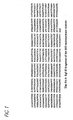
- Figure 1 illustrates the sequence of the Pst I-Bgl II fragment of the HO endonuclease (SEQ ID NO: 1).
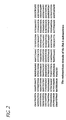
- Figure 2 illustrates a sequence for the Fok I endonuclease domain used in chimeric endonucleases (SEQ ID NO: 2) (for comparison)
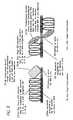
- Figure 3 illustrates exemplary zinc finger endonuclease strategies.
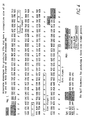
- Figure 4 illustrates a Sp1C framework for producing a zinc finger protein with three fingers (SEQ ID NOs: 3-5).
- Figure 5 illustrates exemplary primers used to create a zinc finger domain with three fingers (SEQ ID NOs: 6-9).
- Figure 6 illustrates a method for comparison.
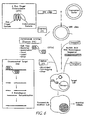
- Figure 7 illustrates a "Positive/Negative" homologous recombination construct.
- Figure 8 illustrates a "Gene Trap" homologous recombination construct.
- Figure 9 illustrates an "Over-lapping" homologous recombination construct.
- the present invention provides more efficient methods for generating genetically modified cells which can be used to obtain genetically modified organisms.
- a cell capable of generating a desired organism is obtained.
- the cell is a primary cell.
- the cell contains an endogenous nucleotide sequence at or near which it is desired to have homologous recombination occur in order to generate an organism containing a desired genetic modification.
- the frequency of homologous recombination at or near the endogenous nucleotide sequence is enhanced by cleaving the endogenous nucleotide sequence in the cell with an zinc finger endonuclease.
- Both strands of the endogenous nucleotide sequence are cleaved by the zinc finger endonuclease.
- a nucleic acid comprising a nucleotide sequence homologous to at least a portion of the chromosomal region containing or adjacent to the endogenous nucleotide sequence at which the zinc finger endonuclease cleaves is introduced into the cell such that homologous recombination occurs between the nucleic acid and the chromosomal target sequence. Thereafter, a cell in which the desired homologous recombination event has occurred may be identified and used to generate a genetically modified organism using techniques such as nuclear transfer.
- Zinc finger endonucleases are used to enhance the rate of homologous recombination in cells.
- the cells are from species in which totipotent stem cells are not available, but in other embodiments the cells may be from an organism in which totipotent stem cells are available, and, in some embodiments, the cell may be a totipotent stem cell.
- the cell is a primary cell, but in some embodiments, the cell may be a cell from a cell line.
- the cells may be from an organism such as a mammal, a marsupial, a teleost fish, an avian and the like.
- the mammal may be a human, a non-human primate, a sheep, a goat, a cow, a rat, a pig, and the like.
- the mammal can be a mouse.
- the teleost fish may be a zebrafish.
- the avian may be a chicken, a turkey, and the like.
- the cells may be any type of cell which is capable of being used to generate a genetically modified organism or tissue.
- the cell may be primary skin fibroblasts, granulosa cells, primary fetal fibroblasts, stem cells, germ cells, fibroblasts or non-transformed cells from any desired organ or tissue.
- the cell may be a cell from which a plant may be generated, such as for example, a protoplast.
- a ZFE is used to cleave an endogenous chromosomal nucleotide sequence at or near which it is desired to introduce a nucleic acid by homologous recombination.
- the ZFE comprises a zinc finger domain which binds near the endogenous nucleotide sequence at which is to be cleaved and an endonuclease domain which cleaves the endogenous chromosomal nucleotide sequence.
- cleavage of the endogenous chromosomal nucleotide sequence increases the frequency of homologous recombination at or near that nucleotide sequence.
- the ZFEs can also include a purification tag which facilitates the purification of the ZFE.
- the endonuclease used according to the invention is HO endonuclease.
- the endonuclease domain is fused to the heterologous DNA binding domain (such as a zinc finger DNA binding domain) such that the endonuclease will cleave the endogenous chromosomal DNA at the desired nucleotide sequence. It is described for comparison that the endonuclease domain may be from the Fok I endonuclease.
- the HO endonuclease domain from Saccharomyces cerevisiae is encoded by a 753 bp Pst I-Bgl II fragment of the HO endonuclease cDNA available on Pubmed (Acc # X90957).
- the HO endonuclease cuts both strands of DNA ( Nahon et al., "Targeting a truncated Ho-endonuclease of yeast to novel DNA sites with foreign zinc fingers," Nucleic Acids Res. 26 (5):1233-1239 (1998 )).
- Figure 1 illustrates the sequence of the Pst I-Bgl II fragment of the HO endonuclease cDNA (SEQ ID NO: 1) which may be used in the ZFEs of the present invention.
- Saccharomyces cerevisiae genes rarely contain any introns, so, if desired, the HO gene can be cloned directly from genomic DNA prepared by standard methods.
- the HO endonuclease domain can be cloned using standard PCR methods.
- Fok I F lavobacterium ok eanokoites
- the Fok I endonuclease domain functions independently of the DNA binding domain and cuts a double stranded DNA only as a dimer (the monomer does not cut DNA)
- Li et al. "Functional domains in Fok I restriction endonuclease," Proc.Noti.Acad.Sci.U.S.A 89 (10):4275-4279 (1992 )
- Kim et al. "Hybrid restriction enzymes: zinc finger fusions to Fok I cleavage domain," Proc.Natl.Acad.Sci. U.S.A 93 (3):1156-1160 (1996 )). Therefore, in order to create double stranded DNA breaks, two ZFEs are positioned so that the Fok I domains they contain dimerise.
- the Fok I endonuclease domain can be cloned by PCR from the genomic DNA of the marine bacteria Flavobacterium okeanokoites (ATCC) prepared by standard methods.
- the sequence of the Fok I endonuclease is available on Pubmed (Acc # M28828 and Acc # J04623).
- Figure 2 depicts the sequence of the Fok I endonuclease domain (SEQ ID NO: 2).
- the ZFE includes a zinc finger domain with specific binding affinity for a desired specific target sequence.
- the ZFE specifically binds to an endogenous chromosomal DNA sequence.
- the specific nucleic acid sequence or more preferably specific endogenous chromosomal sequence can be any sequence in a nucleic acid region where it is desired to enhance homologous recombination.
- the nucleic acid region may be a region which contains a gene in which it is desired to introduce a mutation, such as a point mutation or deletion, or a region into which it is desired to introduce a gene conferring a desired phenotype.
- ZFE zinc finger DNA binding proteins
- Each individual "zinc finger" in the ZFE recognizes a stretch of three consecutive nucleic acid base pairs.
- the ZFE may have a variable number of zinc fingers. For example, ZFEs with between one and six zinc fingers can be designed. In other examples, more than six fingers can be used.
- ZFEs according to the invention comprise five or more zinc fingers.
- a two finger protein has a recognition sequence of six base pairs, a three finger protein has a recognition sequence of nine base pairs and so on.
- the ZFEs used in the methods of the present invention may be designed to recognize any desired endogenous chromosomal target sequence, thereby avoiding the necessity of introducing a cleavage site recognized by the endonuclease into the genome through genetic engineering
- the ZFE protein is designed and/or constructed to recognize a site which is present only once in the genome of a cell.
- One ZFE protein is designed and made with at least five zinc fingers.
- more than one ZFE protein can be designed and made so that collectively the ZFEs have five zinc fingers (i.e. a ZFE having two zinc fingers may complex with a ZFE having 3 zinc fingers to yield a complex with five zinc fingers).
- Five is used here only as an exemplary number. Any other number of fingers can be used.
- Five zinc fingers, either individually or in combination have a recognition sequence of at least fifteen base pairs.
- a ZFE with 5 fingers will cut the genome once every 415 (about 1 x 10 9 ) base pairs, which should be less than once per average size genome.
- an individual protein or a combination of proteins with six zinc fingers can be used. Such proteins have a recognition sequence of 18 bp.
- Appropriate ZFE domains can be designed based upon many different considerations. For example, use of a particular endonuclease may contribute to design considerations for a particular ZFE. As an exemplary illustration, the yeast HO domain can be linked to a single protein that contains six zinc fingers because the HO domain cuts both strands of DNA. Further discussion of the design of sequence specific ZFEs is presented below.
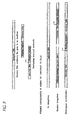
- FIG. 3 illustrates examples of a ZFE that includes an HO endonuclease (inventive), and ZFEs using the Fok I endonuclease (for comparison). Each ZFE in Figure 3 has an 18 bp recognition site and cuts both strands of double stranded DNA.
- Figure 3 illustrates a ZFE that includes an HO endonuclease.
- Figure 3 includes (1) six zinc finger (ZF) domains, each of which recognizes a DNA sequence of 3 bp resulting in a total recognition site of 18 bp. (2) The sequence recognized by the ZF domains is shown by bolded "N"s. (3) The ZFs are attached to an HO Endonuclease domain cloned from Saccharomyces cerevisiae genomic DNA. The HO endonuclease domain cuts both strands of DNA of any sequence, and the position of the cut is shown (4).
- ZF zinc finger
- Figure 3 also depicts a ZFE that includes a Fok I zinc finger endonuclease.
- the ZFE includes (5) a dimer with six zinc finger (ZF) domains, each of which recognizes a DNA sequence of 3 bp, resulting in a total recognition sit of 9 bp. (6) The sequences recognized by the ZF domains are shown by bolded "N"s. (7) The ZFs are each attached to a Fok I endonuclease domain cloned from Flavobacterium okeanokoites genomic DNA. When two Fok I domains interact they cut double-stranded DNA of any sequence. The Fok 1 endonuclease domains cut at the shown position (8).
- the particular zinc fingers used in the ZFE will depend on the target sequence of interest.
- a target sequence in which it is desired to increase the frequency of homologous recombination can be scanned to identify binding sites therein which will be recognized by the zinc finger domain of a ZFE.
- the scanning can be accomplished either manually (for example, by eye) or using DNA analysis software, such as MacVector (Macintosh) or Omiga 2.0 (PC), both produced by the Genetics Computer Group.
- DNA analysis software such as MacVector (Macintosh) or Omiga 2.0 (PC), both produced by the Genetics Computer Group.
- Fok I containing ZFEs two zinc finger proteins, each with three fingers, bind DNA in a mirror image orientation, with a space of 6 bp in between the two.
- the sequence that is scanned for can be 5'-G/A N N G/A N N G/A N N N N N N N N N N N C/T N N C/T-3' (SEQ ID NO: 10). If according to the invention a six finger protein with an HO endonuclease domain attached is used, then the desired target sequence can be 5'- G/A N N G/A N N G/A N N G/A N N G/A N N G/A N N G/A N N G/A N N G/A N N-3' (SEQ ID NO: 11), for example.
- Figure 4 illustrates one possible peptide framework into which any three zinc fingers that recognize consecutive base pair triplets can be cloned. Any individual zinc finger coding region can be substituted at the positions marked for zinc finger 1, zinc finger 2 and zinc finger 3.
- zinc finger 1 recognizes "GTG”, zinc finger 2 "GCA” and zinc finger 3 "GCC", so all together this protein will recognize "GTGGCAGCC” (SEQ ID NO: 12). Restriction sites are present on either side of this sequence to facilitate cloning.
- the backbone peptide in this case is that of SpIC, a consensus sequence framework based on the human transcription factor Spl ( Desjarlais et al., "Use of a zinc-finger consensus sequence framework and specificity rules to design specific DNA binding proteins," Proc.Natl.Acad.Sci.U.S.A 90 (6):2256-2260 (1993 )).
- SpIC is a three finger network and as such can be the zinc finger DNA binding domain that is linked to the Fok I endonuclease domain.
- Age I and Xma I two three-finger coding regions can be joined to form a six-finger protein with the same consensus linker (TGEKP; SEQ ID NO: 13) between all fingers.
- This technique is described in ( Desjarlais et al., "Use of a zinc-finger consensus sequence framework and specificity rules to design specific DNA binding proteins," Proc.Natl.Acad.Sci.U.S.A 90 (6):2256-2260 (1993 ).)
- This six finger framework can be the zinc finger DNA binding domain that is linked to a desired endonuclease domain.
- the skilled artisan will appreciate that many other frameworks can be used to clone sequences encoding a plurality of zinc fingers.
- Figure 4 can be constructed using standard PCR methods.
- Figure 5 illustrates exemplary PCR primers that can be used.
- Two 94 bp "forward" primers (SEQ ID NOs: 6 and 8) can encode the 5' strand, and two "backward” primers that overlap these "forward" primers, one 84 bp (SEQ ID NO: 7) the other 91 bp (SEQ ID NO: 9), can encode the 3' strand.
- These primers can provide both the primers and the template when mixed together in a PCR reaction.
- the zinc fingers in the ZFEs used in the methods of the present invention may be any combination of zinc fingers which recognize the desired binding site.
- the zinc fingers may come from the same protein or from any combination of heterologous proteins which yields the desired binding site.
- a nucleotide sequence encoding a ZFE with the desired number of fingers fused to the desired endonuclease is cloned into a desired expression vector.
- a desired expression vector There are a number of commercially available expression vectors into which the nucleotide sequence encoding the ZFE can be cloned.
- the expression vector is then introduced into a cell capable of producing an active ZFE.
- the expression vector may be introduced into a bacterial cell, a yeast cell, an insect cell or a mammalian cell.
- the cell lacks the binding site recognized by the ZFE.
- the cell may contain the binding site recognized by the ZFE but the site may be protected from cleavage by the endonuclease through the action of cellular enzymes.
- the ZFE can be expressed or produced in a cell free system such as TNT Reticulocyte Lysate.
- the produced ZFE can be purified by any appropriate method, including those discussed more fully herein.
- the ZFE also includes a purification tag which facilitates purification of the ZFE.
- the purification tag may be the maltose binding protein, myc epitope, a poly-histidine tag, HA tag, FLAG-tag, GST-tag, or other tags familiar to those skilled in the art.
- the purification tag may be a peptide which is recognized by an antibody which may be linked to a solid support such as a chromatography column.
- purification tags which can be used with the embodiments of the invention.
- Three examples of this are pET-14b (Novagen) which produces a Histidine tagged protein produced under the control of T7 polymerase.
- This vector is suitable for use with TNT Reticulocyte Lysate (Promega).
- the pMal system (New England Biolabs) which produces maltose binding protein tagged proteins under the control of the malE promoter in bacteria may also be used.
- the pcDNA vectors (Invitrogen) which produce proteins tagged with many different purification tags in a way that is suitable for expression in mammalian cells may also be used.
- the ZFE produced as described above is purified using conventional techniques such as a chromatography column containing moieties thereon which bind to the purification tag.
- the purified ZFE is then quantified and the desired amount of ZFE is introduced into the cells in which it is desired to enhance the frequency of homologous recombination.
- the ZFE may be introduced into the cells using any desired technique. In a preferred embodiment, the ZFE is microinjected into the cells.
- the ZFE may be expressed directly in the cells.
- an expression vector containing a nucleotide sequence encoding the ZFE operably linked to a promoter is introduced into the cells.
- the promoter may be a constitutive promoter or a regulated promoter.
- the expression vector may be a transient expression vector or a vector which integrates into the genome of the cells.
- a recombination vector comprising a 5' region homologous to at least a portion of the chromosomal region in which homologous recombination is desired and a 3' region homologous to at least a portion of the chromosomal region in which homologous recombination is introduced into the cell.
- the lengths of the 5' region and the 3' region may be any lengths which permit homologous recombination to occur.
- the recombination also contains an insertion sequence located between the 5' region and the 3' region. The insertion sequence is a sequence which is desired to be introduced into the genome of the cell.
- the insertion sequence may comprise a gene which is desired to be introduced into the genome of the cell.
- the gene may be operably linked to a promoter in the recombination vector.
- the gene may become operably linked to a promoter in the adjacent chromosomal region after homologous recombination has occurred.
- the gene may be a gene from the same organism as the cells in which it is to be introduced.
- the gene may be a wild type gene which rescues a genetic defect in the cell after it is introduced through homologous recombination.
- the gene may confer a desired phenotype, such as disease resistance or enhanced nutritional value, on the organism in which it is introduced.
- the gene may be from a different organism than the cell into which it is to be introduced.
- the gene may encode a therapeutically beneficial protein from an organism other than the organism from which the cell was obtained.
- the gene may encode a therapeutically beneficial human protein such as a growth factor, hormone, or tumor suppressor.
- the insertion sequence introduces a point mutation into an endogenous chromosomal gene after homologous recombination has occurred.
- the point mutation may disrupt the endogenous chromosomal gene or, alternatively, the point mutation may enhance or restore its activity.
- the insertion sequence introduces a deletion into an endogenous chromosomal gene after homologous recombination has occurred.
- the insertion sequence may "knock out" the target gene.
- two homologous recombination procedures are performed as described herein to introduce the desired nucleotide sequence into both copies of the chromosomal target sequence.
- a genetically modified organism in which one copy of the chromosomal target sequence has been modified as desired may be generated using the methods described herein.
- cells may be obtained from the genetically modified organism and subjected to a second homologous recombination procedure as described herein. The cells from the second homologous recombination procedure may then be used to generate an organism in which both chromosomal copies of the target sequence have been modified as desired.
- the insertion sequence or a portion thereof may be located between two sites, such as loxP sites, which allow the insertion sequence or a portion thereof to be deleted from the genome of the cell at a desired time.
- the insertion sequence or portion thereof may be removed from the genome of the cell by providing the Cre protein. Cre may be provided in the cells in which a homologous recombination event has occurred by introducing Cre into the cells through lipofection ( Baubonis et al., 1993, Nucleic Acids Res. 21:2025-9 ), or by transfecting the cells with a vector comprising an inducible promoter operably linked to a nucleic acid encoding Cre ( Gu et al., 1994, Science 265:103-106 ).
- the recombination vector comprises a nucleotide sequence which encodes a detectable or selectable marker which facilitates the identification or selection of cells in which the desired homologous recombination event has occurred.
- the detectable marker may be a cell surface protein which is recognized by an antibody such that cells expressing the cell surface marker may be isolated using FACS.
- the recombination vector may comprise a selectable marker which provides resistance to a drug.
- the recombination vector may be introduced into the cell concurrently with the ZFE, prior to the ZFE, or after the ZFE. Cleavage of the chromosomal DNA by the ZFE enhances the frequency of homologous recombination by the recombination vector. Cells in which the desired recombination event has occurred are identified and, if desired, the chromosomal structure of the cells may verified using techniques such as PCR or Southern blotting. Further discussion of recombination vectors and methods for their use is provided in Example 6, and several exemplary constructs are provided in Figures 7-9 .
- Figure 6 illustrates a method for comparison.
- a ZFE is designed with an endonuclease domain that cuts DNA and a zinc finger domain which recognizes the specific DNA sequence "GTGGCAGCC” (SEQ ID NO: 12).
- the zinc finger domains encoded by the sequence illustrated in Figure 4 are fused to the Fok I endonuclease.
- a standard PCR protocol is performed using the primers illustrated in Figure 5 in order to make and amplify the zinc finger domain encoded by the sequence in Figure 4 .
- the Fok I sequence illustrated in Figure 2 is amplified using standard PCR methods.
- the amplified zinc finger domain sequence is joined to the amplified Fok I construct thereby forming a chimeric DNA sequence.
- the zinc finger coding domains of Figure 4 are cut using the restriction sites Age I and Xma I.
- the two three-finger coding domains are joined to form a six-finger coding domain with the same consensus linker (TGEKP; SEQ ID NO: 13) between all fingers.
- TGEKP consensus linker
- a target endogenous chromosomal nucleotide sequence at or near which it is desired to enhance the frequency of homologous recombination is identified and scanned to identify a sequence which will be bound by a zinc finger protein comprising 6 zinc finger domains. If "N" is any base pair, then the zinc fingers are selected to bind to the following sequence within the target nucleic acid: 5'- G/A N N G/A N N G/A N N N G/A N N G/A N N G/A N N G/A N N-3' (SEQ ID NO: 11), where N is A, G, C or T.
- a target endogenous chromosomal target sequence at or near which it is desired to enhance the frequency of homologous recombination is identified and scanned to identify a nucleotide sequence which will be recognized by a ZFE.
- Two 3-mer zinc finger domains for use with the Fok I endonuclease are designed by determining a zinc finger protein that will specifically bind to the target DNA in a mirror image orientation, with a space of 6 bp in between the two. If "N” is A, G, C or T, then all of the zinc fingers that bind to any sequence "GNN" and "ANN" are known.
- the zinc finger domain is selected to bind to the sequence 5'-G/A N N G/A N N N G/A N N N N N N N N N N N N N N C/T N N C/T-3' (SEQ ID NO: 10).
- Example 1 for comparison or 2 (inventive) is introduced into the pMal bacterial expression vector (New England Biolabs) and expressed.
- the ZFE protein is expressed under the control of the malE promoter in bacteria tagged with a maltose binding protein.
- the ZFE protein is purified by maltose chromatography and quantified.
- ZFE protein from Example 5 is microinjected into a primary cow cell.
- a range of concentrations of ZFE protein is injected. In some embodiments, this range is approximately 5-10 mg of protein per ml of buffer injected, but any concentration of ZFE which is sufficient to enhance the frequency of homologous recombination may be used.
- a recombination vector containing the target gene or a portion thereof in which the coding sequence has been disrupted is introduced into the cow cell. In some embodiments, the vector is introduced at a concentration of about 100ng/ ⁇ l, but any concentration which is sufficient to permit homologous recombination may be used.
- Both the DNA and the ZFE protein are resuspended in a buffer, such as 10mM HEPES buffer (pH 7.0) which contains 30mM KCl.
- a buffer such as 10mM HEPES buffer (pH 7.0) which contains 30mM KCl.
- the homologous recombination construct containing the disrupted coding sequence is either introduced into the cell by microinjection with the ZFE protein or using techniques such as lipofection or calcium phosphate transfection.
- Homologous recombination is the exchange of homologous stretches of DNA.
- DNA constructs containing areas of homology to genomic DNA are added to a cell.
- One challenge associated with homologous recombination is that it normally occurs rarely.
- a second problem is that there is a relatively high rate of random integration into the genome. ( Capecchi, "Altering the genome by homologous recombination," Science 244 (4910):1288-1292 (1989 )).
- the inclusion of ZFEs increases the rate of homologous recombination while the rate of random integration is unaffected.
- DNA construct designs can be used to distinguish homologous recombination from random integration, thereby facilitating the identification of cells in which the desired homologous recombination has occurred.
- exemplary DNA constructs used for homologous recombination are provided below. The first three (“Positive/Negative selection constructs,” “Gene Trapping constructs,” and “Overlapping constructs”) all provide methods that allow homologous recombination to be efficiently distinguished from random integration.
- a Positive/Negative Knockout Construct is one that indicates that the DNA construct has integrated somewhere in the genome.
- a “negative” marker is one that indicates that the DNA construct has integrated at random in the genome, ( Hanson et al., "Analysis of biological selections for high-efficiency gene targeting," Mol.Cell Biol. 15 (1):45-51 (1995 )).
- the "positive” marker is a gene under the control of a constitutively active promoter, for example the promoters of Cyto MegaloVirus (CMV) or the promoter of Simian Virus 40 (SV40).
- the gene controlled in this way may be an auto-fluorescent protein such as, for example, Enhance Green Fluorescent Protein (EGFP) or DsRed2 (both from Clontech), a gene that encodes resistance to a certain antibiotic (neomycin resistance or hygromycin resistance), a gene encoding a cell surface antigen that can be detected using commercially available antibody, for example CD4 or CD8 (antibodies raised against these proteins come from Rockland, Pharmingen or Jackson), and the like.
- EGFP Enhance Green Fluorescent Protein
- DsRed2 both from Clontech
- CD4 or CD8 antibodies raised against these proteins come from Rockland, Pharmingen or Jackson
- the "negative” marker is also a gene under the control of a constitutively active promoter like that of CMV or SV40.
- the gene controlled in this way may also be an auto-fluorescent protein such as EGFP or DsRed2 (Clontech), a gene that encodes resistance to a certain antibiotic (neomycin resistance or hygromycin resistance) a gene encoding a cell surface antigen that can be detected by antibodies, and the like.
- the "negative” marker may also be a gene whose product either causes the cell to die by apoptosis, for example, or changes the morphology of the cell in such a way that it is readily detectable by microscopy, for example E-cadherin in early blastocysts.
- the "positive" marker is flanked by regions of DNA homologous to genomic DNA.
- the region lying 5' to the "positive” marker can be about I kB in length, to allow PCR analysis using the primers specific for the "positive” marker and a region of the genome that lies outside of the recombination construct, but may have any length which permits homologous recombination to occur. If the PCR reaction using these primers produces a DNA product of expected size, this is further evidence that a homologous recombination event has occurred.
- the region to the 3' of the positive marker can also have any length which permits homologous recombination to occur.
- the 3' region is as long as possible, but short enough to clone in a bacterial plasmid.
- the upper range for such a stretch of DNA can be about 10 kB in some embodiments.
- This 3' flanking sequence can be at least 3 kB. To the 3' end of this stretch of genomic DNA the "negative" marker is attached.
- Gene Trapping construct Another type of construct used is called a "Gene Trapping construct.” These constructs contain a promoter-less "positive” marker gene. This gene may be, for example, any of the genes mentioned above for a positive/negative construct. This marker gene is also flanked by pieces of DNA that are homologous to genomic DNA. In this case however, 5' flanking DNA must put the marker gene under the control of the promoter of the gene to be modified if homologous recombination happens as desired ( Sedivy et al., "Positive genetic selection for gene disruption in mammalian cells by homologous recombination," Proc.Natl.Acad.Sci.U.S.A 86 (1):227-231 (1989 )).
- this 5' flanking DNA does not drive expression of the "positive" marker gene by itself.
- One possible way of doing this is to make a construct where the marker is in frame with the first coding exon of the target gene, but does not include the actual promoter sequences of the gene to be modified. It should be noted that, in preferred embodiments, this technique works if the gene to be modified is expressed at a detectable level in the cell type in which homologous recombination is being attempted. The higher the expression of the endogenous gene the more likely this technique is to work.
- the region 5' to the marker can also have any length that permits homologous recombination to occur.
- the 5' region can be about 1 kB long, to facilitate PCR using primers in the marker and endogenous DNA, in the same way as described above.
- the 3' flanking region can contain as long a region of homology as possible.
- An example of an enhancer trapping knockout construct is shown in Figure 8 .
- enhancer trapping based knockout constructs may also contain a 3' flanking "negative” marker.
- the DNA construct can be selected for on the basis of three criteria, for example. Expression of the "positive” marker under the control of the endogenous promoter, absence of the "negative” marker, and a positive result of the PCR reaction using the primer pair described above.
- a further type of construct is called an "Over-lapping knockout construct.”
- This technique uses two DNA constructs ( Jallepalli et al., "Securin is required for chromosomal stability in human cells," Cell 105 (4):445-457 (2001 )).
- Each construct contains an overlapping portion of a "positive" marker, but not enough of the marker gene to make a functional reporter protein on its own.
- the marker is composed of both a constitutively active promoter, for example CMV or SV40 and the coding region for a "positive" marker gene, such as for example, any of those described above.
- each of the constructs contains a segment of DNA that flanks the desired integration site.
- the region of the gene replaced by the "positive" marker is the same size as that marker. If both of these constructs integrate into the genome in such a way as to complete the coding region for the "positive” marker, then that marker is expressed. The chances that both constructs will integrate at random in such an orientation are negligible. Generally, if both constructs integrate by homologous recombination, is it likely that a functional coding region for the "positive" marker will be recreated, and its expression detectable. An example of an overlapping knockout construct is shown in Figure 9 .
- Another DNA construct enhances the rate of homologous recombination, but does not contain an intrinsic means of distinguishing homologous recombination from random integration. Unlike the other constructs this one contains no marker genes either "positive” or "negative.”
- the construct is a stretch of DNA homologous to at least part of the coding region of a gene whose expression is to be removed. The only difference between this piece of DNA and its genomic homolog is that somewhere in region of this DNA that would normally form part of the coding region of the gene, the following sequence, herein referred to as a "stopper sequence,” has been substituted: 5'-ACTAGTTAACTGATCA-3' (SEQ ID NO: 14).
- This DNA sequence is 16 bp long, and its introduction adds a stop codon in all three reading frames as well as a recognition site for SpeI and BclI.
- BclI is methylated by Dam and Dcm methylase activity in bacteria.
- Integration by homologous recombination is detectable in two ways.
- the first method is the most direct, but it requires that the product of the gene being modified is expressed on the surface of the cell, and that there is an antibody that exists that recognizes this protein. If both of these conditions are met, then the introduction of the stop codons truncates the translation of the protein. The truncation shortens the protein so much that it is no longer functional in the cell or detectable by antibodies (either by FACS of Immuno-histochemistry).
- the second indirect way of checking for integration of the "stopper construct" is PCR based.
- Primers are designed so that one lies outside of the knockout construct, and the other lies within the construct past the position of the "stopper sequence.” PCR will produce a product whether there has been integration or not. A SpeI restriction digest is carried out on the product of this PCR. If homologous recombination has occurred the "stopper construct" will have introduced a novel SpeI site that should be detectable by gel electrophoresis.
- any of the constructs described above by homologous recombination can be verified using a Southern blot.
- Introduction of the construct will add novel restriction endonuclease sites into the target genomic DNA. If this genomic DNA is digested with appropriate enzymes the DNA flanking the site of recombination is contained in fragments of DNA that are a different size compared to the fragments of genomic DNA which have been digested with the same enzymes but in which homologous recombination has not occurred. Radioactive DNA probes with sequences homologous to these flanking pieces of DNA can be used to detect the change in size of these fragments by Southern blotting using standard methods.
- the genetically modified cell ends up with an exogenous marker gene integrated into the genome.
- the marker gene and any exogenous regulatory sequences may be flanked by LoxP recombination sites and subsequently removed.
- Cre recombinase Abremski et al., "Bacteriophage P1 site-specific recombination. Purification and properties of the Cre recombinase protein," J.Bio/.Chem. 259 (3):1509-1514 (1984 )). This can be provided in cells in which homologous recombination has occurred by introducing it into cells through lipofection ( Baubonis et al., “Genomic targeting with purified Cre recombinase,” Nucleic Acids Res.
- the recombination vector may include any sequence, which sequence one desires to introduce into the genome using homologous recombination.
- the genomic sequence homologous to the target chromosomal sequence may comprise a stop codon in the coding sequence of the target gene.
- the recombination vector may contain a gene which rescues a defect in the endogenous target gene or a gene from another organism which one desires to express.
- the recombination vector may contain a sequence which introduces a deletion in the target gene.
- Nuclear transfer using nuclei from cells obtained as described in Example 6 is performed as described by Wilmut et al., Nature 385(6619)810-813 (1997 ), U.S. Patent Number 6,147,276 , U.S. Patent Number 5,945,577 or U.S. Patent Number 6,077,710 . Briefly, the nuclei are transferred into enucleated fertilized oocytes. A large number of oocytes are generated in this manner. Approximately ten animals are fertilized with the oocytes, with at least six fertilized embryos being implanted into each animal and allowed to progress through birth.
- Animals and/or plants comprising cells, organs or tissues containing the desired genetic modifications may also be generated using other methods familiar to those skilled in the art. For example, as discussed above, stem cell-based technologies may be employed.
- Homologous recombination methods are also useful to introduce genetic changes into plant cells, which can then be used, for example, for research or for regenerating whole plants for agricultural purposes.
- a suitable endogenous chromosomal target sequence is first chosen, and a ZFE which recognizes a specific nucleotide sequence within that target sequence is designed.
- a nucleic acid fragment that is homologous to at least a portion of the endogenous chromosomal target sequence is prepared.
- a suitable vector containing the ZFE sequence may be constructed and introduced into the plant cell by various means, along with the prepared homologous nucleic acid fragment to be inserted.
- the ZFE can be expressed outside of the plant cell, and then the protein can be introduced into the plant cell. Once produced inside the plant cell (or introduced into the plant cell), the ZFE binds to the specified nucleic acid site on the target sequence, and subsequently performs a double stranded cut in the target sequence. Upon the introduction of the prepared homologous nucleic acid fragment, homologous recombination occurs.
- any vector which produces a cell or a plant carrying the introduced DNA sequence is sufficient. Even a naked piece of DNA encoding the ZFE may be used to express the ZFE in the cell or Plant.
- the ZFE gene is cloned into a suitable expression vector capable of expressing the gene in plant cells.
- the expression vector is typically amplified in a bacterial host cell culture, and purified by conventional means known to one of skill in the art.
- a variety of host-expression vector systems may be utilized to express the ZFE coding sequence in plant cells. Examples include but are not limited to plant cell systems infected with recombinant virus expression vectors (e.g., cauliflower mosaic virus, CaMV; tobacco mosaic virus, TMV) or transformed with recombinant plasmid expression vectors containing the ZFE coding sequence.
- the ZFE encoding nucleic acid sequence is preferably associated with a promoter which is effective in driving transcription of the ZFE gene in plant cells.
- a promoter which is effective in driving transcription of the ZFE gene in plant cells.
- Any of a number of promoters may be suitable, such as constitutive promoters, inducible promoters, and regulatable promoters.
- suitable viral promoters include but are not limited to the 35S RNA and 19S RNA promoters of CaMV ( Brisson, et al., Nature, 310:511, 1984 ; Odell, et al., Nature, 313:810, 1985 ); the full-length transcript promoter from Figwort Mosaic Virus (FMV) ( Gowda, et al., J.
- plant promoters such as the light-inducible promoter from the small subunit of ribulose bis-phosphate carboxylase (ssRUBISCO) ( Coruzzi, et al., EMBO J., 3:1671, 1984 ; Broglie, et al., Science, 224:838, 1984 ); mannopine synthase promoter ( Velten, et al., EMBO J., 3:2723, 1984 ) nopaline synthase (NOS) and octopine synthase (OCS) promoters (carried on tumor-inducing plasmids of Agrobacterium tumefaciens ) or heat shock promoters, e.g., soybean hsp 17.5-E or hsp17.3-B ( Gurley
- a selectable marker may be associated with the ZFE nucleic acid sequence to be introduced to the plant cell.
- the term "marker” refers to a gene encoding a trait or a phenotype which permits the selection of, or the screening for, a plant or plant cell containing the marker.
- the marker gene may be an antibiotic resistance gene whereby the appropriate antibiotic can be used to select for cells that have taken up the vector containing the ZFE gene.
- Suitable selectable markers include adenosine deaminase, dihydrofolate reductase, hygromycin-B-phospho-transferase, thymidine kinase, xanthine-guanine phosphoribosyltransferase and amino-glycoside 3'-O-phospho-transferase II (kanamycin, neomycin and G418 resistance).
- Other suitable markers are known to those of skill in the art.
- Genetically modified plants of the present invention may be produced by contacting a plant cell with the above-described expression vector comprising a nucleic acid encoding the ZFE protein.
- One method for introducing the ZFE expression vector to plant cells utilizes electroporation techniques.
- plant protoplasts are prepared following conventional methods (i.e., Shillito and Saul, (1988) Protoplast isolation and transformation in Plant Molecular Biology - A Practical Approach (C.H. Shaw, Ed.; IRL Press) 161-186 ).
- the protoplasts are then electroporated in the presence of the ZFE-encoding expression vector. Electrical impulses of high field strength reversibly permeabilize membranes allowing the introduction of nucleic acids.
- the ZFE-encoding expression vector can also be by means of high velocity microparticle bombardment techniques to transfer small particles with the nucleic acid to be introduced contained either within the matrix of such particles, or on the surface thereof to the inside of the plant cell ( Klein, et al., Nature 327:70, 1987 ). Microparticle bombardment methods are also described in Sanford, et al. (Techniques 3:3, 1991 ) and Klein, et al. (Bio/Techniques 10:286, 1992 ).
- the homologous nucleic acid fragment to be inserted may also be introduced into the plant cell using microparticle bombardment or electroporation techniques as described herein.
- the nucleic acid fragment to be inserted into the genome may be transferred to the cell at the same time and method as the expression vector (or the expressed ZFE), or it may be transferred to the cell prior or subsequent to the transfer of the expression vector (or the expressed ZFE).
- the nucleic acid to be inserted into the genome may be included in any of the recombination vectors described above. Likewise, the nucleic acid to be inserted into the genome may have any of the characteristics or features described above.
- the electroporated plant protoplasts typically reform the cell wall, divide and form a plant callus.
- the callus may be regenerated into plantlets and whole, mature plants, if desired.
- the protoplasts may be cultured as suspension of single intact cells in a solution. Methods of testing for the success of the homologous recombination, as well as methods for selecting for cells transformed by the above-described homologous transformation procedure, may then be performed.
Landscapes
- Life Sciences & Earth Sciences (AREA)
- Health & Medical Sciences (AREA)
- Genetics & Genomics (AREA)
- Engineering & Computer Science (AREA)
- Chemical & Material Sciences (AREA)
- Zoology (AREA)
- Biotechnology (AREA)
- Organic Chemistry (AREA)
- Biomedical Technology (AREA)
- Wood Science & Technology (AREA)
- Bioinformatics & Cheminformatics (AREA)
- Molecular Biology (AREA)
- General Engineering & Computer Science (AREA)
- General Health & Medical Sciences (AREA)
- Microbiology (AREA)
- Biochemistry (AREA)
- Plant Pathology (AREA)
- Biophysics (AREA)
- Physics & Mathematics (AREA)
- Environmental Sciences (AREA)
- Cell Biology (AREA)
- Veterinary Medicine (AREA)
- Animal Behavior & Ethology (AREA)
- Animal Husbandry (AREA)
- Biodiversity & Conservation Biology (AREA)
- Mycology (AREA)
- Medicinal Chemistry (AREA)
- Micro-Organisms Or Cultivation Processes Thereof (AREA)
- Enzymes And Modification Thereof (AREA)
Claims (16)
- In vitro Verfahren zur Veränderung des Genoms einer isolierten Zelle durch homologe Rekombination, wobei die Zelle eine endogene chromosomale Ziel-DNA-Sequenz umfasst, die nur einmal im Genom vorliegt, wobei das Verfahren umfasst:Inkontaktbringen der Zelle mit einer Zinkfinger-Endonuklease oder mit einem Polynukleotid, welches für eine Zinkfinger-Endonuklease kodiert, wobei die ZinkfingerEndonuklease eine Endonukleasedomäne und eine Zinkfingerdomäne,umfassend fünf oder mehr Zinkfinger, umfasst, die an eine spezifische Nukleotidsequenz innerhalb der endogenen chromosomalen Ziel-DNA in der Zelle bindet, unter solchen Bedingungen, dass die Zinkfinger-Endonuklease beide Stränge der Nukleotidsequenz innerhalb der endogenen chromosomalen Ziel-DNA-Sequenz in der Zelle schneidet; und Einführen einer Nukleinsäure, welche eine Sequenz umfasst, die mindestens zu einem Teilbereich homolog zu der endogenen chromosomalen Ziel-DNA ist, in die Zelle, so dass homologe Rekombination zwischen der endogenen chromosomalen Ziel-DNA-Sequenz und der Nukleinsäure stattfindet, wobei die Endonukleasedomäne eine HO-Endonuklease ist.
- In vitro Verfahren nach Anspruch 1, wobei eine oder mehrere der Zinkfinger-Endonukleasen ferner einen Proteintag zur Aufreinigung des resultierenden Proteins umfassen.
- In vitro Verfahren nach Anspruch 2, wobei der Proteintag aus der Gruppe bestehend aus HA-tag, FLAG-tag, GST-tag, c-myc, und His-tag ausgewählt ist.
- In vitro Verfahren nach Anspruch 1, wobei das Inkontaktbringen die Transfizierung der Zelle mit einem Vektor, umfassend eine Sequenz, die für die eine oder mehrere Zinkfinger-Endonukleasen kodiert, umfasst, so dass die eine oder mehreren Zinkfinger-Endonukleasen in der Zelle exprimiert werden.
- In vitro Verfahren nach Anspruch 1, wobei das Inkontaktbringen die Einführung eines Zinkfinger-Endonuklease Proteins in die Zelle umfasst.
- In vitro Verfahren nach Anspruch 1, wobei jeder von der Vielzahl an Zinkfingern an die Sequenz G/ANN bindet.
- In vitro Verfahren nach Anspruch 1, wobei die Zelle von einem Orgnismus ist, der aus der Gruppe bestehend aus einer Pflanze, einem Säuger, einem Beuteltier, einem Vogel und einem Knochenfisch, ausgewählt ist.
- In vitro Verfahren nach Anspruch 7, wobei der Säuger aus der Gruppe bestehend aus einem nicht-humanen Primaten, einem Schaf, einer Ziege, einer Kuh, einer Ratte und einem Schwein ausgewählt ist.
- In vitro-Verfahren nach Anspruch 7, wobei der Säuger eine Maus ist.
- In vitro Verfahren nach Anspruch 1, wobei die Zelle eine Primärzelle oder eine nichthumane Stammzelle ist.
- Verfahren zur Herstellung eines genetisch modifizierten Tieres, in welches eine gewünschte Nukleinsäure eingeführt worden ist, umfassend:Herstellung eines Tieres aus einer Zelle, deren Genom durch das Verfahren nach einem der Ansprüche 1 bis 10 verändert worden ist, wobei das Tier keinen Menschen umfasst, wobei das Tier aus der Gruppe bestehend aus einem Säuger, einem Beuteltier, einem Vogel, und einem Knochenfisch ausgewählt ist, wobei die Zinkfingerdomäne mindestens 5 Zinkfinger umfasst.
- Verfahren nach Anspruch 11, wobei der Säuger aus der Gruppe bestehend aus einem nicht-humanen Primaten, einem Schaf, einer Ziege, einer Kuh, einer Ratte und einem Schwein ausgewählt ist.
- Verfahren nach Anspruch 11, wobei der Säuger eine Maus ist.
- Verfahren nach Anspruch 11, wobei die in die Zelle eingeführte Nukleinsäure eine Nukleotidsequenz umfasst, die aus der Gruppe bestehend aus einer Nukleotidsequenz, welche ein Gen nach homologer Rekombination unterbricht, einer Nukleotidsequenz, welche ein Gen nach homologer Rekombination ersetzt, einer Nukleotidsequenz, welche eine Punktmutation in ein Gen nach homologer Rekombination einführt, und
einer Nukleotidsequenz, welche eine Regulationsstelle nach homologer Rekombination einführt, ausgewählt ist. - Verfahren nach Anspruch 14, wobei die Regulationsstelle eine LoxP Stelle umfasst.
- Verfahren zur Herstellung einer genetisch modifizierten Pflanze, in welche eine gewünschte Nukleinsäure eingeführt worden ist, umfassend:Herstellung einer Pflanze aus einer Zelle, deren Genom durch das Verfahren nach einem der Ansprüche 1 bis 6 verändert worden ist.
Priority Applications (1)
| Application Number | Priority Date | Filing Date | Title |
|---|---|---|---|
| EP11165685A EP2368982A3 (de) | 2002-03-21 | 2003-03-20 | Verfahren und Zusammensetzungen zur Verwendung von Zinkfinger-Endonukleasen zur Verbesserung der homologen Rekombination |
Applications Claiming Priority (3)
| Application Number | Priority Date | Filing Date | Title |
|---|---|---|---|
| US36711402P | 2002-03-21 | 2002-03-21 | |
| US367114P | 2002-03-21 | ||
| PCT/US2003/009081 WO2003080809A2 (en) | 2002-03-21 | 2003-03-20 | Methods and compositions for using zinc finger endonucleases to enhance homologous recombination |
Related Child Applications (2)
| Application Number | Title | Priority Date | Filing Date |
|---|---|---|---|
| EP11165685A Division-Into EP2368982A3 (de) | 2002-03-21 | 2003-03-20 | Verfahren und Zusammensetzungen zur Verwendung von Zinkfinger-Endonukleasen zur Verbesserung der homologen Rekombination |
| EP11165685.6 Division-Into | 2011-05-11 |
Publications (4)
| Publication Number | Publication Date |
|---|---|
| EP1504092A2 EP1504092A2 (de) | 2005-02-09 |
| EP1504092A4 EP1504092A4 (de) | 2007-08-08 |
| EP1504092B1 EP1504092B1 (de) | 2011-11-02 |
| EP1504092B2 true EP1504092B2 (de) | 2014-06-25 |
Family
ID=28454835
Family Applications (2)
| Application Number | Title | Priority Date | Filing Date |
|---|---|---|---|
| EP03714379.9A Expired - Lifetime EP1504092B2 (de) | 2002-03-21 | 2003-03-20 | Verfahren und zusammensetzungen zur verwendung von zinkfinger-endonukleasen zur verbesserung der homologen rekombination |
| EP11165685A Ceased EP2368982A3 (de) | 2002-03-21 | 2003-03-20 | Verfahren und Zusammensetzungen zur Verwendung von Zinkfinger-Endonukleasen zur Verbesserung der homologen Rekombination |
Family Applications After (1)
| Application Number | Title | Priority Date | Filing Date |
|---|---|---|---|
| EP11165685A Ceased EP2368982A3 (de) | 2002-03-21 | 2003-03-20 | Verfahren und Zusammensetzungen zur Verwendung von Zinkfinger-Endonukleasen zur Verbesserung der homologen Rekombination |
Country Status (6)
| Country | Link |
|---|---|
| US (3) | US20030232410A1 (de) |
| EP (2) | EP1504092B2 (de) |
| AT (1) | ATE531796T1 (de) |
| AU (1) | AU2003218382B2 (de) |
| CA (1) | CA2479858A1 (de) |
| WO (1) | WO2003080809A2 (de) |
Families Citing this family (460)
| Publication number | Priority date | Publication date | Assignee | Title |
|---|---|---|---|---|
| ATE347593T1 (de) * | 2002-01-23 | 2006-12-15 | Univ Utah Res Found | Zielgerichtete chromosomale mutagenese mit zinkfingernukleasen |
| US9447434B2 (en) | 2002-09-05 | 2016-09-20 | California Institute Of Technology | Use of chimeric nucleases to stimulate gene targeting |
| US20080311095A1 (en) * | 2007-05-23 | 2008-12-18 | Sangamo Biosciences, Inc. | Methods and compositions for increased transgene expression |
| US8409861B2 (en) | 2003-08-08 | 2013-04-02 | Sangamo Biosciences, Inc. | Targeted deletion of cellular DNA sequences |
| US20120196370A1 (en) | 2010-12-03 | 2012-08-02 | Fyodor Urnov | Methods and compositions for targeted genomic deletion |
| US7888121B2 (en) | 2003-08-08 | 2011-02-15 | Sangamo Biosciences, Inc. | Methods and compositions for targeted cleavage and recombination |
| US11311574B2 (en) | 2003-08-08 | 2022-04-26 | Sangamo Therapeutics, Inc. | Methods and compositions for targeted cleavage and recombination |
| EP2927318B1 (de) * | 2003-08-08 | 2020-05-20 | Sangamo Therapeutics, Inc. | Verfahren und Zusammensetzungen für gezielte Spaltung und Rekombination |
| PT2025756E (pt) * | 2003-11-18 | 2011-09-28 | Bayer Bioscience Nv | Inserção direccionada de adn em plantas |
| US7972854B2 (en) | 2004-02-05 | 2011-07-05 | Sangamo Biosciences, Inc. | Methods and compositions for targeted cleavage and recombination |
| CN101027396B (zh) | 2004-03-26 | 2011-08-03 | 美国陶氏益农公司 | Cry1F和Cry1Ac转基因棉花株系及其事件特异性鉴定 |
| AU2005233583B2 (en) * | 2004-04-08 | 2011-02-03 | Sangamo Therapeutics, Inc. | Methods and compositions for modulating cardiac contractility |
| KR20070060115A (ko) | 2004-09-16 | 2007-06-12 | 상가모 바이오사이언스 인코포레이티드 | 단백질 생산을 위한 조성물 및 방법 |
| JP5639336B2 (ja) | 2005-04-04 | 2014-12-10 | バイエル・クロップサイエンス・エヌ・ヴェーBayer Cropscience N.V. | 選ばれたdna配列を除去するための方法および手段 |
| PL1947926T3 (pl) | 2005-10-28 | 2015-08-31 | Dow Agrosciences Llc | Nowe geny odporności na herbicydy |
| US20070266449A1 (en) * | 2006-05-12 | 2007-11-15 | Zivin Robert A | Generation of animal models |
| WO2007136685A2 (en) * | 2006-05-19 | 2007-11-29 | Sangamo Biosciences, Inc. | Methods and compositions for inactivation of dihydrofolate reductase |
| US7951925B2 (en) | 2006-05-25 | 2011-05-31 | Sangamo Biosciences, Inc. | Methods and compositions for gene inactivation |
| EP2027262B1 (de) * | 2006-05-25 | 2010-03-31 | Sangamo Biosciences Inc. | Variante foki-spaltungshälften-domänen |
| JP2010500029A (ja) | 2006-08-11 | 2010-01-07 | ダウ アグロサイエンシィズ エルエルシー | ジンクフィンガーヌクレアーゼ媒介相同組換え |
| EP2082051B1 (de) | 2006-09-28 | 2016-03-23 | Bayer CropScience NV | Verfahren und mittel zur entfernung einer ausgewählten dna-sequenz |
| WO2008060510A2 (en) | 2006-11-13 | 2008-05-22 | Sangamo Biosciences, Inc. | Zinc finger nuclease for targeting the human glucocorticoid receptor locus |
| CA2669746C (en) * | 2006-12-14 | 2017-05-16 | Dow Agrosciences Llc | Optimized non-canonical zinc finger proteins |
| US8110379B2 (en) | 2007-04-26 | 2012-02-07 | Sangamo Biosciences, Inc. | Targeted integration into the PPP1R12C locus |
| AR066520A1 (es) | 2007-05-09 | 2009-08-26 | Dow Agrosciences Llc | Nuevos genes de resistencia a herbicidas |
| KR101703299B1 (ko) * | 2007-06-01 | 2017-02-06 | 오픈 모노클로날 테크놀로지, 인코포레이티드 | 내생적 면역글로불린 유전자를 억제하고 트랜스제닉 인간 이디오타입 항체를 생산하기 위한 방법 및 조성물 |
| CA2689345C (en) | 2007-06-05 | 2017-07-11 | Bayer Bioscience N.V. | Methods and means for exact replacement of target dna in eukaryotic organisms |
| AU2008275649B2 (en) | 2007-07-12 | 2013-09-05 | Sangamo Therapeutics, Inc. | Methods and compositions for inactivating alpha 1,6 fucosyltransferase (FUT 8) gene expression |
| ES2585157T3 (es) * | 2007-09-27 | 2016-10-04 | Dow Agrosciences Llc | Proteínas de dedo de cinc de diseño que se dirigen a los genes de 5-enolpiruvil shikimato-3-fosfato sintasa |
| US8563314B2 (en) | 2007-09-27 | 2013-10-22 | Sangamo Biosciences, Inc. | Methods and compositions for modulating PD1 |
| US11235026B2 (en) | 2007-09-27 | 2022-02-01 | Sangamo Therapeutics, Inc. | Methods and compositions for modulating PD1 |
| JP5763341B2 (ja) * | 2007-09-27 | 2015-08-12 | サンガモ バイオサイエンシーズ, インコーポレイテッド | 生物学的活性のあるヌクレアーゼの迅速なインビボ同定法 |
| EP2597155B1 (de) | 2007-10-25 | 2016-11-23 | Sangamo BioSciences, Inc. | Verfahren und Zusammensetzungen für gezielte Integration |
| EP2247736B1 (de) | 2008-02-29 | 2013-05-15 | Monsanto Technology, LLC | Maispflanze der linie mon87460 sowie zusammensetzungen und verfahren zu ihrer erkennung |
| CA2720903C (en) | 2008-04-14 | 2019-01-15 | Sangamo Biosciences, Inc. | Linear donor constructs for targeted integration |
| JP5908725B2 (ja) | 2008-08-22 | 2016-04-26 | サンガモ バイオサイエンシーズ, インコーポレイテッド | 標的一本鎖開裂および標的組込みのための方法、並びに組成物 |
| JP5756016B2 (ja) * | 2008-10-29 | 2015-07-29 | サンガモ バイオサイエンシーズ, インコーポレイテッド | グルタミンシンセターゼ遺伝子の発現を不活性化する方法及び組成物 |
| US20110023150A1 (en) * | 2008-12-04 | 2011-01-27 | Sigma-Aldrich Co. | Genome editing of genes associated with schizophrenia in animals |
| US20110016539A1 (en) * | 2008-12-04 | 2011-01-20 | Sigma-Aldrich Co. | Genome editing of neurotransmission-related genes in animals |
| US20110023147A1 (en) * | 2008-12-04 | 2011-01-27 | Sigma-Aldrich Co. | Genomic editing of prion disorder-related genes in animals |
| US20110023153A1 (en) * | 2008-12-04 | 2011-01-27 | Sigma-Aldrich Co. | Genomic editing of genes involved in alzheimer's disease |
| US20110023140A1 (en) * | 2008-12-04 | 2011-01-27 | Sigma-Aldrich Co. | Rabbit genome editing with zinc finger nucleases |
| US20110023154A1 (en) * | 2008-12-04 | 2011-01-27 | Sigma-Aldrich Co. | Silkworm genome editing with zinc finger nucleases |
| US20110016540A1 (en) * | 2008-12-04 | 2011-01-20 | Sigma-Aldrich Co. | Genome editing of genes associated with trinucleotide repeat expansion disorders in animals |
| US20110023139A1 (en) * | 2008-12-04 | 2011-01-27 | Sigma-Aldrich Co. | Genomic editing of genes involved in cardiovascular disease |
| US20110023141A1 (en) * | 2008-12-04 | 2011-01-27 | Sigma-Aldrich Co. | Genomic editing of genes involved with parkinson's disease |
| US20110023158A1 (en) * | 2008-12-04 | 2011-01-27 | Sigma-Aldrich Co. | Bovine genome editing with zinc finger nucleases |
| US20110023144A1 (en) * | 2008-12-04 | 2011-01-27 | Sigma-Aldrich Co. | Genomic editing of genes involved in amyotrophyic lateral sclerosis disease |
| US20110023146A1 (en) * | 2008-12-04 | 2011-01-27 | Sigma-Aldrich Co. | Genomic editing of genes involved in secretase-associated disorders |
| US20110023152A1 (en) * | 2008-12-04 | 2011-01-27 | Sigma-Aldrich Co. | Genome editing of cognition related genes in animals |
| US20110023151A1 (en) * | 2008-12-04 | 2011-01-27 | Sigma-Aldrich Co. | Genome editing of abc transporters |
| US20110016546A1 (en) * | 2008-12-04 | 2011-01-20 | Sigma-Aldrich Co. | Porcine genome editing with zinc finger nucleases |
| US20110023156A1 (en) * | 2008-12-04 | 2011-01-27 | Sigma-Aldrich Co. | Feline genome editing with zinc finger nucleases |
| US20110023145A1 (en) * | 2008-12-04 | 2011-01-27 | Sigma-Aldrich Co. | Genomic editing of genes involved in autism spectrum disorders |
| US20110023149A1 (en) * | 2008-12-04 | 2011-01-27 | Sigma-Aldrich Co. | Genomic editing of genes involved in tumor suppression in animals |
| US20110016543A1 (en) * | 2008-12-04 | 2011-01-20 | Sigma-Aldrich Co. | Genomic editing of genes involved in inflammation |
| US20110023143A1 (en) * | 2008-12-04 | 2011-01-27 | Sigma-Aldrich Co. | Genomic editing of neurodevelopmental genes in animals |
| US20110023148A1 (en) * | 2008-12-04 | 2011-01-27 | Sigma-Aldrich Co. | Genome editing of addiction-related genes in animals |
| US20110016541A1 (en) * | 2008-12-04 | 2011-01-20 | Sigma-Aldrich Co. | Genome editing of sensory-related genes in animals |
| US20110030072A1 (en) * | 2008-12-04 | 2011-02-03 | Sigma-Aldrich Co. | Genome editing of immunodeficiency genes in animals |
| EP3156494B8 (de) * | 2008-12-04 | 2018-09-19 | Sangamo Therapeutics, Inc. | Genomänderung bei ratten mithilfe von zink-finger-nukleasen |
| AU2009333863B2 (en) * | 2008-12-17 | 2015-02-05 | Corteva Agriscience Llc | Targeted integration into the Zp15 locus |
| US20110239315A1 (en) | 2009-01-12 | 2011-09-29 | Ulla Bonas | Modular dna-binding domains and methods of use |
| US12612435B2 (en) | 2009-01-12 | 2026-04-28 | Ulla Bonas | Modular DNA-binding domains and methods of use |
| EP2206723A1 (de) | 2009-01-12 | 2010-07-14 | Bonas, Ulla | Modulare DNA-bindende Domänen |
| CA2755192C (en) * | 2009-03-20 | 2018-09-11 | Sangamo Biosciences, Inc. | Modification of cxcr4 using engineered zinc finger proteins |
| AU2010235161B2 (en) | 2009-04-09 | 2015-01-22 | Sangamo Therapeutics, Inc. | Targeted integration into stem cells |
| US8772008B2 (en) * | 2009-05-18 | 2014-07-08 | Sangamo Biosciences, Inc. | Methods and compositions for increasing nuclease activity |
| EP2449135B1 (de) | 2009-06-30 | 2016-01-06 | Sangamo BioSciences, Inc. | Schnelles screening biologisch aktiver nukleasen und isolation nukleasemodifizierter zellen |
| WO2011005849A1 (en) | 2009-07-08 | 2011-01-13 | Cellular Dynamics International, Inc. | Modified ips cells having a mutant form of human immunodeficiency virus (hiv) cellular entry gene |
| CA2769262C (en) * | 2009-07-28 | 2019-04-30 | Sangamo Biosciences, Inc. | Methods and compositions for treating trinucleotide repeat disorders |
| CN102612565B (zh) * | 2009-08-11 | 2016-04-06 | 桑格摩生物科学股份有限公司 | 靶向修饰的纯合生物体 |
| CN102782140B (zh) | 2009-10-22 | 2016-04-13 | 陶氏农业科学有限公司 | 靶向参与脂肪酸生物合成的植物基因的工程改造锌指蛋白 |
| EP2495313A4 (de) | 2009-10-26 | 2013-03-20 | Nat Inst Of Agrobio Sciences | Verfahren zur herstellung von genmanipulierten pflanzenzellen |
| CA2779337A1 (en) | 2009-10-28 | 2011-05-05 | Helmholtz Zentrum Muenchen Deutsches Forschungszentrum Fuer Gesundheit U Nd Umwelt (Gmbh) | Homologous recombination in the oocyte |
| US8956828B2 (en) | 2009-11-10 | 2015-02-17 | Sangamo Biosciences, Inc. | Targeted disruption of T cell receptor genes using engineered zinc finger protein nucleases |
| US9420770B2 (en) | 2009-12-01 | 2016-08-23 | Indiana University Research & Technology Corporation | Methods of modulating thrombocytopenia and modified transgenic pigs |
| PT2816112T (pt) * | 2009-12-10 | 2018-11-20 | Univ Iowa State Res Found Inc | Modificação do adn modificada pelo efector tal |
| CA2787494C (en) | 2010-01-22 | 2019-09-17 | Dow Agrosciences Llc | Targeted genomic alteration |
| JP6137596B2 (ja) | 2010-02-08 | 2017-05-31 | サンガモ セラピューティクス, インコーポレイテッド | 遺伝子操作された切断ハーフドメイン |
| US9255259B2 (en) | 2010-02-09 | 2016-02-09 | Sangamo Biosciences, Inc. | Targeted genomic modification with partially single-stranded donor molecules |
| US20110197290A1 (en) * | 2010-02-11 | 2011-08-11 | Fahrenkrug Scott C | Methods and materials for producing transgenic artiodactyls |
| US9315825B2 (en) * | 2010-03-29 | 2016-04-19 | The Trustees Of The University Of Pennsylvania | Pharmacologically induced transgene ablation system |
| US9567573B2 (en) | 2010-04-26 | 2017-02-14 | Sangamo Biosciences, Inc. | Genome editing of a Rosa locus using nucleases |
| AU2011256838B2 (en) | 2010-05-17 | 2014-10-09 | Sangamo Therapeutics, Inc. | Novel DNA-binding proteins and uses thereof |
| AU2011264074B2 (en) | 2010-06-09 | 2015-01-22 | Bayer Cropscience Nv | Methods and means to modify a plant genome at a nucleotide sequence commonly used in plant genome engineering |
| MX347575B (es) | 2010-06-09 | 2017-05-03 | Bayer Cropscience N V * | Metodos y medios para modificar un genoma vegetal en una secuencia de nucleotidos usada comunmente en la ingenieria genetica de genomas vegetales. |
| WO2011159369A1 (en) * | 2010-06-14 | 2011-12-22 | Iowa State University Research Foundation, Inc. | Nuclease activity of tal effector and foki fusion protein |
| CA2805442C (en) | 2010-07-21 | 2020-05-12 | Sangamo Biosciences, Inc. | Methods and compositions for modification of an hla locus |
| WO2012012738A1 (en) * | 2010-07-23 | 2012-01-26 | Sigma-Aldrich Co., Llc | Genome editing using targeting endonucleases and single-stranded nucleic acids |
| WO2012018726A1 (en) * | 2010-08-02 | 2012-02-09 | Cellectis Sa | Method for increasing double-strand break-induced gene targeting |
| EP3511420B1 (de) | 2010-09-27 | 2021-04-07 | Sangamo Therapeutics, Inc. | Zusammensetzungen zur hemmung des eindringens von viren in zellen |
| EP2627665B1 (de) | 2010-10-12 | 2015-12-16 | The Children's Hospital Of Philadelphia | Verfahren und Zusammensetzungen zur Behandlung von Hämophilie B |
| CN103561564B (zh) | 2010-12-03 | 2016-11-16 | 陶氏益农公司 | 叠加的除草剂耐受性事件8264.44.06.1、相关转基因大豆系、及其检测 |
| WO2012094132A1 (en) | 2011-01-05 | 2012-07-12 | Sangamo Biosciences, Inc. | Methods and compositions for gene correction |
| MX363013B (es) * | 2011-02-25 | 2019-03-04 | Recombinetics Inc | Animales genéticamente modificados y métodos para su obtención. |
| US10920242B2 (en) | 2011-02-25 | 2021-02-16 | Recombinetics, Inc. | Non-meiotic allele introgression |
| US9528124B2 (en) | 2013-08-27 | 2016-12-27 | Recombinetics, Inc. | Efficient non-meiotic allele introgression |
| CA2834375C (en) | 2011-04-27 | 2020-07-14 | Amyris, Inc. | Methods for genomic modification |
| CA2834679C (en) | 2011-05-02 | 2021-12-28 | Board Of Regents Of The University Of Nebraska | Method for producing a plant with useful traits by suppressing msh1 gene |
| WO2012168124A1 (en) | 2011-06-06 | 2012-12-13 | Bayer Cropscience Nv | Methods and means to modify a plant genome at a preselected site |
| BR112013030652A2 (pt) | 2011-06-10 | 2016-12-13 | Basf Plant Science Co Gmbh | polinucleotídeo que codifica um polipeptídeo, molécula de ácido nucleico, vetor, organismo não humano, polipeptídeo e método para introduzir um ácido nucleico de interesse em um genoma de um organismo não humano |
| CA2841541C (en) | 2011-07-25 | 2019-11-12 | Sangamo Biosciences, Inc. | Methods and compositions for alteration of a cystic fibrosis transmembrane conductance regulator (cftr) gene |
| BR102012019434B1 (pt) | 2011-07-26 | 2021-11-09 | Dow Agrosciences Llc | Métodos de controle de pestes, de insetos, molécula e sequência de dna diagnóstica para o evento de soja 9582.814.19.1 |
| BR112014003919A2 (pt) | 2011-08-22 | 2017-03-14 | Bayer Cropscience Ag | métodos e meios para modificar um genoma de planta |
| EP2758529B1 (de) | 2011-09-21 | 2019-03-20 | Sangamo Therapeutics, Inc. | Verfahren und zusammensetzungen zur regulierung der transgenexpression |
| US20140283819A1 (en) | 2011-10-12 | 2014-09-25 | Bayer Cropscience Ag | Plants with decreased activity of a starch dephosphorylating enzyme |
| US20140251317A1 (en) | 2011-10-12 | 2014-09-11 | Bayer Cropscience Ag | Plants with decreased activity of a starch dephosphorylating enzyme |
| US9222105B2 (en) | 2011-10-27 | 2015-12-29 | Sangamo Biosciences, Inc. | Methods and compositions for modification of the HPRT locus |
| WO2013074999A1 (en) | 2011-11-16 | 2013-05-23 | Sangamo Biosciences, Inc. | Modified dna-binding proteins and uses thereof |
| US9688997B2 (en) | 2011-12-29 | 2017-06-27 | Iowa State University Research Foundation, Inc. | Genetically modified plants with resistance to Xanthomonas and other bacterial plant pathogens |
| GB201122458D0 (en) | 2011-12-30 | 2012-02-08 | Univ Wageningen | Modified cascade ribonucleoproteins and uses thereof |
| US9353381B2 (en) | 2012-01-23 | 2016-05-31 | Dow Agrosciences Llc | Cotton event pDAB4468.19.10.3 detection method |
| US9506077B2 (en) | 2012-02-01 | 2016-11-29 | Dow Agrosciences Llc | Synthetic chloroplast transit peptides |
| CA2865011C (en) | 2012-02-29 | 2021-06-15 | Sangamo Biosciences, Inc. | Methods and compositions for treating huntington's disease |
| CA2871008C (en) | 2012-04-23 | 2022-11-22 | Bayer Cropscience Nv | Targeted genome engineering in plants |
| ES2683071T3 (es) | 2012-04-25 | 2018-09-24 | Regeneron Pharmaceuticals, Inc. | Direccionamiento mediado por nucleasas con grandes vectores de direccionamiento |
| AU2013256240B2 (en) | 2012-05-02 | 2018-09-20 | Corteva Agriscience Llc | Targeted modification of malate dehydrogenase |
| CA2871524C (en) | 2012-05-07 | 2021-07-27 | Sangamo Biosciences, Inc. | Methods and compositions for nuclease-mediated targeted integration of transgenes |
| ES2728782T3 (es) | 2012-05-25 | 2019-10-28 | Univ California | Métodos y composiciones para la modificación de ADN objetivo dirigida por ARN y para la modulación de la transcripción dirigida por ARN |
| US20150225734A1 (en) | 2012-06-19 | 2015-08-13 | Regents Of The University Of Minnesota | Gene targeting in plants using dna viruses |
| WO2014011901A2 (en) | 2012-07-11 | 2014-01-16 | Sangamo Biosciences, Inc. | Methods and compositions for delivery of biologics |
| HUE051612T2 (hu) | 2012-07-11 | 2021-03-01 | Sangamo Therapeutics Inc | Eljárások és készítmények lizoszomális tárolási betegségek kezelésére |
| US10648001B2 (en) | 2012-07-11 | 2020-05-12 | Sangamo Therapeutics, Inc. | Method of treating mucopolysaccharidosis type I or II |
| US10058078B2 (en) | 2012-07-31 | 2018-08-28 | Recombinetics, Inc. | Production of FMDV-resistant livestock by allele substitution |
| EP2890780B8 (de) | 2012-08-29 | 2020-08-19 | Sangamo Therapeutics, Inc. | Verfahren und zusammensetzungen zur behandlung eines genetischen leidens |
| UA118090C2 (uk) | 2012-09-07 | 2018-11-26 | ДАУ АГРОСАЙЄНСІЗ ЕлЕлСі | Спосіб інтегрування послідовності нуклеїнової кислоти, що представляє інтерес, у ген fad2 у клітині сої та специфічний для локусу fad2 білок, що зв'язується, здатний індукувати спрямований розрив |
| US20140075593A1 (en) | 2012-09-07 | 2014-03-13 | Dow Agrosciences Llc | Fluorescence activated cell sorting (facs) enrichment to generate plants |
| UA119135C2 (uk) | 2012-09-07 | 2019-05-10 | ДАУ АГРОСАЙЄНСІЗ ЕлЕлСі | Спосіб отримання трансгенної рослини |
| BR112015004995B1 (pt) | 2012-09-07 | 2023-05-02 | Sangamo Biosciences, Inc. | Método para modificação do genoma de uma célula, uso de uma célula, semente ou planta obtida pelo referido método e nuclease de dedo de zinco sítio específica |
| WO2014059173A2 (en) | 2012-10-10 | 2014-04-17 | Sangamo Biosciences, Inc. | T cell modifying compounds and uses thereof |
| US20140120578A1 (en) | 2012-11-01 | 2014-05-01 | Medicago Inc. | Plants for production of therapeutic proteins |
| ES2778033T3 (es) | 2012-11-16 | 2020-08-07 | Poseida Therapeutics Inc | Enzimas específicas de sitio y métodos de uso |
| CA2892448A1 (en) | 2012-12-05 | 2014-06-12 | Sangamo Biosciences, Inc. | Methods and compositions for regulation of metabolic disorders |
| DK3363902T3 (da) | 2012-12-06 | 2020-01-02 | Sigma Aldrich Co Llc | Crispr-baseret genommodifikation og -regulering |
| CA2895117A1 (en) | 2012-12-13 | 2014-06-19 | James W. Bing | Precision gene targeting to a particular locus in maize |
| CN105120656A (zh) | 2012-12-21 | 2015-12-02 | 塞尔克蒂斯股份有限公司 | 冷诱导甜味降低的马铃薯 |
| MX2015010841A (es) | 2013-02-20 | 2016-05-09 | Regeneron Pharma | Modificacion genetica de ratas. |
| US10227610B2 (en) | 2013-02-25 | 2019-03-12 | Sangamo Therapeutics, Inc. | Methods and compositions for enhancing nuclease-mediated gene disruption |
| ES2786253T3 (es) | 2013-03-14 | 2020-10-09 | Immusoft Corp | Métodos para la diferenciación y transducción in vitro de células b de memoria con vectores virales pseudotipados vsv-g |
| ES2749624T3 (es) | 2013-03-14 | 2020-03-23 | Caribou Biosciences Inc | Composiciones y métodos de ácidos nucleicos dirigidos a ácido nucleico |
| US10113162B2 (en) | 2013-03-15 | 2018-10-30 | Cellectis | Modifying soybean oil composition through targeted knockout of the FAD2-1A/1B genes |
| AU2014235968B2 (en) | 2013-03-21 | 2018-05-24 | Ospedale San Raffaele Srl | Targeted disruption of T cell receptor genes using engineered zinc finger protein nucleases |
| CN105121650A (zh) | 2013-04-02 | 2015-12-02 | 拜尔作物科学公司 | 真核生物中的靶向基因组工程 |
| CN105263312A (zh) | 2013-04-05 | 2016-01-20 | 美国陶氏益农公司 | 用于在植物基因组内整合外源序列的方法和组合物 |
| DK3456831T3 (da) | 2013-04-16 | 2021-09-06 | Regeneron Pharma | Målrettet modifikation af rottegenom |
| EP2796558A1 (de) | 2013-04-23 | 2014-10-29 | Rheinische Friedrich-Wilhelms-Universität Bonn | Verbessertes Gen-Targeting und Nucleinsäureträgermoleküle, insbesondere zur Verwendung bei Pflanzen |
| US10604771B2 (en) | 2013-05-10 | 2020-03-31 | Sangamo Therapeutics, Inc. | Delivery methods and compositions for nuclease-mediated genome engineering |
| EP2997146A4 (de) | 2013-05-15 | 2017-04-26 | Sangamo BioSciences, Inc. | Verfahren und zusammensetzungen zur behandlung eines genetischen leidens |
| WO2015017866A1 (en) | 2013-08-02 | 2015-02-05 | Enevolv, Inc. | Processes and host cells for genome, pathway, and biomolecular engineering |
| CA2920899C (en) | 2013-08-28 | 2023-02-28 | Sangamo Biosciences, Inc. | Compositions for linking dna-binding domains and cleavage domains |
| US20160251410A1 (en) | 2013-09-03 | 2016-09-01 | Yissum Research Development Company Of The Hebrew University Of Jerusalem Ltd. | Compositions and methods for expressing recombinant polypeptides |
| KR20160048212A (ko) * | 2013-09-04 | 2016-05-03 | 씨에스아이알 | 유전자 발현을 침묵화시키기 위해 유전자 조절 인자들을 표적으로하는 부위-특이적인 뉴클레아제 단일 세포 분석법 |
| BR102014021800B1 (pt) | 2013-09-04 | 2022-03-29 | Dow Agrosciences Llc | Método para detectar a integração específica de sítio de uma sequência de doador de polinucleotídeo dentro de um sítio-alvo genômico |
| US10767188B2 (en) | 2013-09-25 | 2020-09-08 | Nutech Ventures | Methods and compositions for obtaining useful plant traits |
| US10117899B2 (en) | 2013-10-17 | 2018-11-06 | Sangamo Therapeutics, Inc. | Delivery methods and compositions for nuclease-mediated genome engineering in hematopoietic stem cells |
| EP3058072B1 (de) | 2013-10-17 | 2021-05-19 | Sangamo Therapeutics, Inc. | Freisetzungsverfahren und zusammensetzungen für nukleasevermitteltes genomengineering |
| US10767156B2 (en) | 2013-10-24 | 2020-09-08 | Yeda Research And Development Co., Ltd. | Polynucleotides encoding BREX system polypeptides and methods of using same |
| ES2962492T3 (es) | 2013-10-25 | 2024-03-19 | Livestock Improvement Corporation Ltd | Marcadores genéticos y usos de los mismos |
| WO2015066643A1 (en) | 2013-11-04 | 2015-05-07 | Dow Agrosciences Llc | Optimal soybean loci |
| EP3066110B1 (de) | 2013-11-04 | 2021-12-29 | Corteva Agriscience LLC | Optimale maispflanzen |
| BR102014027448A8 (pt) | 2013-11-04 | 2021-08-24 | Dow Agrosciences Llc | cassete de doador de polinucleotídeo, uso de uma planta, de uma parte de planta, ou de uma célula vegetal compreendendo o referido cassete, e método para integração direcionada do mesmo |
| CN105980395A (zh) | 2013-11-04 | 2016-09-28 | 美国陶氏益农公司 | 最优大豆座位 |
| JP6633532B2 (ja) | 2013-11-04 | 2020-01-22 | ダウ アグロサイエンシィズ エルエルシー | 最適なトウモロコシ遺伝子座 |
| MX391904B (es) | 2013-11-11 | 2025-03-12 | Sangamo Biosciences Inc | Un represor genetico para usarse en el tratamiento de la enfermedad de huntington. |
| ES2721936T3 (es) | 2013-11-13 | 2019-08-06 | Childrens Medical Center | Regulación de la expresión genética mediada por las nucleasas |
| CA3229275A1 (en) | 2013-12-09 | 2015-06-18 | Sangamo Biosciences, Inc. | Methods and compositions for genome engineering |
| MX388127B (es) | 2013-12-11 | 2025-03-19 | Regeneron Pharma | Metodos y composiciones para la modificacion dirigida de un genoma. |
| EP3460063B1 (de) | 2013-12-11 | 2024-03-13 | Regeneron Pharmaceuticals, Inc. | Verfahren und zusammensetzungen zur gezielten modifikation eines genoms |
| JP2017505756A (ja) | 2013-12-13 | 2017-02-23 | ザ ジェネラル ホスピタル コーポレイション | 可溶性高分子量(hmw)タウ種およびその用途 |
| US9476065B2 (en) | 2013-12-19 | 2016-10-25 | Amyris, Inc. | Methods for genomic integration |
| UY35928A (es) | 2013-12-31 | 2015-07-31 | Dow Agrosciences Llc | ?GEN Rf3 RESTAURADOR DE LA ANDROESTERILIDAD CITOPLASMÁTICA (CMS) TIPO S?. |
| US10774338B2 (en) | 2014-01-16 | 2020-09-15 | The Regents Of The University Of California | Generation of heritable chimeric plant traits |
| PT3102673T (pt) | 2014-02-03 | 2020-05-21 | Sangamo Biosciences Inc | Métodos e composições para tratamento de beta-talassemia |
| JP6416939B2 (ja) | 2014-02-13 | 2018-10-31 | タカラ バイオ ユーエスエー,インコーポレイティド | 核酸の初期収集物から標的分子を減損させる方法、並びにそれを実施するための組成物及びキット |
| EP3110454B1 (de) | 2014-02-24 | 2020-11-18 | Sangamo Therapeutics, Inc. | Verfahren und zusammensetzungen zur nukleasevermittelten gezielten integration |
| EP3929279A1 (de) | 2014-03-18 | 2021-12-29 | Sangamo Therapeutics, Inc. | Verfahren und zusammensetzungen zur regulierung der zinkfingerproteinexpression |
| US9522936B2 (en) | 2014-04-24 | 2016-12-20 | Sangamo Biosciences, Inc. | Engineered transcription activator like effector (TALE) proteins |
| BR112016025849A2 (pt) | 2014-05-08 | 2017-10-17 | Chdi Foundation Inc | métodos e composições para o tratamento da doença de huntington |
| WO2015175642A2 (en) | 2014-05-13 | 2015-11-19 | Sangamo Biosciences, Inc. | Methods and compositions for prevention or treatment of a disease |
| US9970001B2 (en) | 2014-06-05 | 2018-05-15 | Sangamo Therapeutics, Inc. | Methods and compositions for nuclease design |
| DK3152312T3 (da) | 2014-06-06 | 2020-04-06 | Regeneron Pharma | Fremgangsmåder og sammensætninger til modifikation af et mållocus |
| WO2015193858A1 (en) | 2014-06-20 | 2015-12-23 | Cellectis | Potatoes with reduced granule-bound starch synthase |
| US9738897B2 (en) | 2014-06-23 | 2017-08-22 | Regeneron Pharmaceuticals, Inc. | Nuclease-mediated DNA assembly |
| DK3161128T3 (en) | 2014-06-26 | 2018-11-05 | Regeneron Pharma | METHODS AND COMPOSITIONS FOR TARGETED GENTICAL MODIFICATIONS AND PROCEDURES FOR USE THEREOF |
| US20170159065A1 (en) | 2014-07-08 | 2017-06-08 | Vib Vzw | Means and methods to increase plant yield |
| WO2016005985A2 (en) | 2014-07-09 | 2016-01-14 | Yissum Research Development Company Of The Hebrew University Of Jerusalem Ltd. | Method for reprogramming cells |
| WO2016014794A1 (en) | 2014-07-25 | 2016-01-28 | Sangamo Biosciences, Inc. | Methods and compositions for modulating nuclease-mediated genome engineering in hematopoietic stem cells |
| WO2016014837A1 (en) | 2014-07-25 | 2016-01-28 | Sangamo Biosciences, Inc. | Gene editing for hiv gene therapy |
| US9616090B2 (en) | 2014-07-30 | 2017-04-11 | Sangamo Biosciences, Inc. | Gene correction of SCID-related genes in hematopoietic stem and progenitor cells |
| IL234638A0 (en) | 2014-09-14 | 2014-12-02 | Yeda Res & Dev | NMDA receptor antagonists for the treatment of Gaucher disease |
| CN113699113A (zh) | 2014-09-16 | 2021-11-26 | 桑格摩治疗股份有限公司 | 用于造血干细胞中核酸酶介导的基因组工程化和校正的方法和组合物 |
| BR112017007770A2 (pt) | 2014-10-15 | 2018-01-16 | Regeneron Pharma | cultura in vitro, população de hipscs, método para modificar um locus-alvo genômico, e, hipsc. |
| US10889834B2 (en) | 2014-12-15 | 2021-01-12 | Sangamo Therapeutics, Inc. | Methods and compositions for enhancing targeted transgene integration |
| MX388784B (es) | 2014-12-19 | 2025-03-20 | Regeneron Pharma | Métodos y composiciones para la modificación genética dirigida a través de direccionamiento múltiple de una sola etapa. |
| EP3240560B1 (de) | 2014-12-30 | 2022-08-31 | Corteva Agriscience LLC | Modifizierte cry1ca-toxine zur bekämpfung von insektenschädlingen |
| US20180002379A1 (en) | 2015-01-21 | 2018-01-04 | Sangamo Therapeutics, Inc. | Methods and compositions for identification of highly specific nucleases |
| EP4218771A1 (de) | 2015-03-27 | 2023-08-02 | Yeda Research and Development Co. Ltd | Verfahren zur behandlung von motoneuronenerkrankungen |
| CA2981077A1 (en) | 2015-04-03 | 2016-10-06 | Dana-Farber Cancer Institute, Inc. | Composition and methods of genome editing of b-cells |
| US10179918B2 (en) | 2015-05-07 | 2019-01-15 | Sangamo Therapeutics, Inc. | Methods and compositions for increasing transgene activity |
| SG10202112057QA (en) | 2015-05-12 | 2021-12-30 | Sangamo Therapeutics Inc | Nuclease-mediated regulation of gene expression |
| JP2018521689A (ja) | 2015-06-17 | 2018-08-09 | ポセイダ セラピューティクス, インコーポレイテッド | タンパク質をゲノム内の特定の遺伝子座に導くための組成物および方法 |
| US9957501B2 (en) | 2015-06-18 | 2018-05-01 | Sangamo Therapeutics, Inc. | Nuclease-mediated regulation of gene expression |
| CA2991301A1 (en) | 2015-07-13 | 2017-01-19 | Sangamo Therapeutics, Inc. | Delivery methods and compositions for nuclease-mediated genome engineering |
| MX2017016844A (es) | 2015-07-16 | 2018-08-15 | Biokine Therapeutics Ltd | Composiciones y procedimientos para tratar cancer. |
| US10837024B2 (en) | 2015-09-17 | 2020-11-17 | Cellectis | Modifying messenger RNA stability in plant transformations |
| DK3352776T3 (da) | 2015-09-23 | 2025-06-23 | Sangamo Therapeutics Inc | Htt-repressorer og deres anvendelse |
| US10143760B2 (en) | 2015-10-28 | 2018-12-04 | Sangamo Therapeutics, Inc. | Liver-specific constructs, factor VIII expression cassettes and methods of use thereof |
| EP3368673B1 (de) | 2015-10-29 | 2020-07-29 | Amyris, Inc. | Zusammensetzungen und verfahren zur herstellung von myrcen |
| EP3380622A4 (de) | 2015-11-23 | 2019-08-07 | Sangamo Therapeutics, Inc. | Verfahren und zusammensetzungen zum immunitäts-engineering |
| US11352631B2 (en) | 2015-12-18 | 2022-06-07 | Sangamo Therapeutics, Inc. | Targeted disruption of the T cell receptor |
| AU2016374253B2 (en) | 2015-12-18 | 2021-10-21 | Sangamo Therapeutics, Inc. | Targeted disruption of the MHC cell receptor |
| AU2017204950A1 (en) | 2016-01-06 | 2018-08-16 | Yeda Research And Development Co. Ltd. | Compositions and methods for treating malignant, autoimmune and inflammatory diseases |
| JP7012645B2 (ja) | 2016-01-11 | 2022-01-28 | ザ ボード オブ トラスティーズ オブ ザ レランド スタンフォード ジュニア ユニバーシティー | キメラタンパク質および免疫治療の方法 |
| WO2017123559A2 (en) | 2016-01-11 | 2017-07-20 | The Board Of Trustees Of The Leland Stanford Junior University | Chimeric proteins and methods of regulating gene expression |
| EP3402533B1 (de) | 2016-01-15 | 2021-08-04 | Sangamo Therapeutics, Inc. | Verfahren und zusammensetzungen zur behandlung von neurologischer erkrankung |
| WO2017125931A1 (en) | 2016-01-21 | 2017-07-27 | The State Of Israel, Ministry Of Agriculture & Rural Development, Agricultural Research Organization (Aro) (Volcani Center) | Parthenocarpic plants and methods of producing same |
| WO2017130205A1 (en) | 2016-01-31 | 2017-08-03 | Hadasit Medical Research Services And Development Ltd. | Autosomal-identical pluripotent stem cell populations having non-identical sex chromosomal composition and uses thereof |
| JP7012650B2 (ja) | 2016-02-02 | 2022-01-28 | サンガモ セラピューティクス, インコーポレイテッド | Dna結合ドメインと切断ドメインとを連結するための組成物 |
| ES3039237T3 (en) | 2016-02-02 | 2025-10-20 | Cellectis | Modifying soybean oil composition through targeted knockout of the fad3a/b/c genes |
| WO2017138008A2 (en) | 2016-02-14 | 2017-08-17 | Yeda Research And Development Co. Ltd. | Methods of modulating protein exocytosis and uses of same in therapy |
| WO2017143071A1 (en) | 2016-02-18 | 2017-08-24 | The Regents Of The University Of California | Methods and compositions for gene editing in stem cells |
| WO2017153982A1 (en) | 2016-03-06 | 2017-09-14 | Yeda Research And Development Co. Ltd. | Method for modulating myelination |
| JP2019515654A (ja) | 2016-03-16 | 2019-06-13 | ザ ジェイ. デヴィッド グラッドストーン インスティテューツ | 肥満及び/又は糖尿病を処置するための方法及び組成物、並びに候補処置薬剤を識別するための方法及び組成物 |
| US11293033B2 (en) | 2016-05-18 | 2022-04-05 | Amyris, Inc. | Compositions and methods for genomic integration of nucleic acids into exogenous landing pads |
| US11021713B2 (en) | 2016-05-25 | 2021-06-01 | Cargill, Incorporated | Engineered nucleases to generate deletion mutants in plants |
| HUE067217T2 (hu) | 2016-05-26 | 2024-10-28 | Nunhems Bv | Magnélküli gyümölcsöt termõ növények |
| US11471462B2 (en) | 2016-06-27 | 2022-10-18 | The Broad Institute, Inc. | Compositions and methods for detecting and treating diabetes |
| CA3030587A1 (en) | 2016-07-15 | 2018-01-18 | Salk Institute For Biological Studies | Methods and compositions for genome editing in non-dividing cells |
| CN109803530A (zh) | 2016-07-29 | 2019-05-24 | 瑞泽恩制药公司 | 包含引起c-截短的原纤维蛋白-1表达的突变的小鼠 |
| WO2018029034A1 (en) | 2016-08-09 | 2018-02-15 | Vib Vzw | Cellulose synthase inhibitors and mutant plants |
| US11774442B2 (en) | 2016-08-15 | 2023-10-03 | Enevolv, Inc. | Molecule sensor systems |
| IL247368A0 (en) | 2016-08-18 | 2016-11-30 | Yeda Res & Dev | Diagnostic and therapeutic uses of exosomes |
| IL264792B2 (en) | 2016-08-24 | 2023-10-01 | Sangamo Therapeutics Inc | Engineered target-specific zinc-finger nucleases |
| WO2018039440A1 (en) | 2016-08-24 | 2018-03-01 | Sangamo Therapeutics, Inc. | Regulation of gene expression using engineered nucleases |
| JP7256739B2 (ja) | 2016-09-07 | 2023-04-12 | サンガモ セラピューティクス, インコーポレイテッド | 肝臓遺伝子のモジュレーション |
| US20190225974A1 (en) | 2016-09-23 | 2019-07-25 | BASF Agricultural Solutions Seed US LLC | Targeted genome optimization in plants |
| DK3757120T3 (da) | 2016-10-04 | 2022-07-25 | Prec Biosciences Inc | Co-stimulerende domæner til anvendelse i genetisk modificerede celler |
| GB201617559D0 (en) | 2016-10-17 | 2016-11-30 | University Court Of The University Of Edinburgh The | Swine comprising modified cd163 and associated methods |
| KR102712926B1 (ko) | 2016-10-20 | 2024-10-07 | 상가모 테라퓨틱스, 인코포레이티드 | 파브리병의 치료를 위한 방법 및 조성물 |
| WO2018081775A1 (en) | 2016-10-31 | 2018-05-03 | Sangamo Therapeutics, Inc. | Gene correction of scid-related genes in hematopoietic stem and progenitor cells |
| WO2018092072A1 (en) | 2016-11-16 | 2018-05-24 | Cellectis | Methods for altering amino acid content in plants through frameshift mutations |
| CN110234765A (zh) | 2016-11-28 | 2019-09-13 | 耶达研究及发展有限公司 | 分离的多核苷酸和多肽及使用它们来表达感兴趣的表达产物的方法 |
| EP4276187A3 (de) | 2016-12-08 | 2024-01-17 | Case Western Reserve University | Verfahren und zusammensetzungen zur erhöhung der herstellung von funktionalem myelin |
| RU2019121801A (ru) | 2016-12-14 | 2021-01-15 | Лигандал, Инк. | Композиции и способы для доставки полезной нагрузки в виде нуклеиновой кислоты и/или белка |
| EP3563159A1 (de) | 2016-12-29 | 2019-11-06 | Ukko Inc. | Verfahren zur identifizierung und entepitopisierung von allergenen polypeptiden |
| CA3050715A1 (en) | 2017-01-19 | 2018-07-26 | Open Monoclonal Technology, Inc. | Human antibodies from transgenic rodents with multiple heavy chain immunoglobulin loci |
| CA3049980A1 (en) | 2017-01-23 | 2018-07-26 | Regeneron Pharmaceuticals, Inc. | Hydroxysteroid 17-beta dehydrogenase 13 (hsd17b13) variants and uses thereof |
| IL250479A0 (en) | 2017-02-06 | 2017-03-30 | Sorek Rotem | Genetically engineered cells expressing a disarm system that confers resistance to phages and methods for their production |
| EP3579858A4 (de) | 2017-02-07 | 2020-12-23 | The Regents of The University of California | Gentherapie für haploinsuffizienz |
| US20200010519A1 (en) | 2017-03-10 | 2020-01-09 | Institut National De La Sante Et De La Recherche Medicale(Inserm) | Nuclease fusions for enhancing genome editing by homology-directed transgene integration |
| CA3060622A1 (en) | 2017-04-25 | 2018-11-01 | Cellectis | Alfalfa with reduced lignin composition |
| US11820728B2 (en) | 2017-04-28 | 2023-11-21 | Acuitas Therapeutics, Inc. | Carbonyl lipids and lipid nanoparticle formulations for delivery of nucleic acids |
| JP2020518245A (ja) | 2017-05-03 | 2020-06-25 | サンガモ セラピューティクス, インコーポレイテッド | 嚢胞性線維症膜貫通コンダクタンス制御因子(cftr)遺伝子の改変のための方法および組成物 |
| IL252151A0 (en) | 2017-05-07 | 2017-07-31 | Fainzilber Michael | Treatment of stress disorders |
| JP7170666B2 (ja) | 2017-05-08 | 2022-11-14 | プレシジョン バイオサイエンシズ,インク. | 操作された抗原受容体をコードする核酸分子及び阻害性核酸分子、並びにそれらの使用方法 |
| DK3635102T3 (da) | 2017-06-05 | 2025-10-27 | Regeneron Pharma | B4galt1-varianter og anvendelser deraf |
| MY200418A (en) | 2017-06-15 | 2023-12-25 | Univ California | Targeted non-viral dna insertions |
| US11512287B2 (en) | 2017-06-16 | 2022-11-29 | Sangamo Therapeutics, Inc. | Targeted disruption of T cell and/or HLA receptors |
| WO2019006464A1 (en) | 2017-06-30 | 2019-01-03 | Memorial Sloan Kettering Cancer Center | COMPOSITIONS AND METHODS OF ADOPTIVE CELLULAR THERAPY AGAINST CANCER |
| EP4775669A2 (de) | 2017-06-30 | 2026-07-15 | Precision Biosciences, Inc. | Genetisch modifizierte t-zellen mit einem modifizierten intron im t-zell-rezeptor-alpha-gen |
| SG10201913147WA (en) | 2017-07-11 | 2020-02-27 | Compass Therapeutics Llc | Agonist antibodies that bind human cd137 and uses thereof |
| IL253642A0 (en) | 2017-07-24 | 2017-09-28 | Seger Rony | Combined treatment for cancer |
| KR102712142B1 (ko) | 2017-07-31 | 2024-10-07 | 리제너론 파마슈티칼스 인코포레이티드 | Cas-형질전환 마우스 배아 줄기 세포 및 마우스 및 이것의 용도 |
| CN111182790A (zh) | 2017-07-31 | 2020-05-19 | 瑞泽恩制药公司 | Crispr报告体非人类动物及其用途 |
| CA3065579A1 (en) | 2017-07-31 | 2019-02-07 | Regeneron Pharmaceuticals, Inc. | Assessment of crispr/cas-induced recombination with an exogenous donor nucleic acid in vivo |
| JP2020530997A (ja) | 2017-08-08 | 2020-11-05 | サンガモ セラピューティクス, インコーポレイテッド | キメラ抗原受容体媒介性細胞標的化 |
| US11692166B2 (en) | 2017-08-23 | 2023-07-04 | Technion Research & Development Foundation Limited | Compositions and methods for improving alcohol tolerance in yeast |
| HUE073358T2 (hu) | 2017-08-29 | 2026-01-28 | Kws Saat Se & Co Kgaa | Továbbfejlesztett kék aleuron és egyéb szegregációs rendszerek |
| AU2018336161A1 (en) | 2017-09-19 | 2020-03-26 | The State Of Israel, Ministry Of Agriculture & Rural Development, Agricultural Research Organization (Aro) (Volcani Center) | Genome-edited birds |
| WO2019067875A1 (en) | 2017-09-29 | 2019-04-04 | Regeneron Pharmaceuticals, Inc. | NON-HUMAN ANIMALS COMPRISING A HUMANIZED TTR LOCUS AND METHODS OF USE |
| EP3692057B9 (de) | 2017-10-03 | 2023-10-04 | Precision BioSciences, Inc. | Modifizierte epidermale wachstumsfaktorrezeptorpeptide zur verwendung in genetisch modifizierten zellen |
| CN111565731B (zh) | 2017-10-24 | 2024-03-08 | 达莉亚·伊兰妮 | 治疗缺血性疾病的方法 |
| SG11202003798TA (en) | 2017-10-27 | 2020-05-28 | Univ California | Targeted replacement of endogenous t cell receptors |
| US11718679B2 (en) | 2017-10-31 | 2023-08-08 | Compass Therapeutics Llc | CD137 antibodies and PD-1 antagonists and uses thereof |
| EP3704238B1 (de) | 2017-11-01 | 2024-01-03 | Precision Biosciences, Inc. | Gegen humane und canine faktor-viii-gene gerichtete manipulierte nukleasen als behandlung für hämophilie a |
| WO2019094725A2 (en) | 2017-11-09 | 2019-05-16 | Sangamo Therapeutics, Inc. | Genetic modification of cytokine inducible sh2-containing protein (cish) gene |
| IL255664A0 (en) | 2017-11-14 | 2017-12-31 | Shachar Idit | Hematopoietic stem cells with enhanced properties |
| EP3713961A2 (de) | 2017-11-20 | 2020-09-30 | Compass Therapeutics LLC | Cd137-antikörper und tumorantigenbindende antikörper sowie deren verwendung |
| EP3501268B1 (de) | 2017-12-22 | 2021-09-15 | KWS SAAT SE & Co. KGaA | Regeneration von pflanzen in der gegenwart von histondeacetylaseinhibitoren |
| EP3508581A1 (de) | 2018-01-03 | 2019-07-10 | Kws Saat Se | Regenerierung von genetisch modifizierten pflanzen |
| CN111566121A (zh) | 2018-01-12 | 2020-08-21 | 巴斯夫欧洲公司 | 小麦7a染色体上决定每穗小穗数QTL的基因 |
| IL257225A (en) | 2018-01-29 | 2018-04-09 | Yeda Res & Dev | Treatment of sarcoma |
| BR112020015488A2 (pt) | 2018-02-08 | 2020-12-08 | Sangamo Therapeutics, Inc. | Nucleases alvo-específicas modificadas |
| CN112041432A (zh) | 2018-02-15 | 2020-12-04 | 纪念斯隆-凯特林癌症中心 | Foxp3靶向剂组合物以及用于过继细胞疗法的使用方法 |
| CA3093716A1 (en) | 2018-03-16 | 2019-09-19 | Immusoft Corporation | B cells genetically engineered to secrete follistatin and methods of using the same to treat follistatin-related diseases, conditions, disorders and to enhance muscle growth and strength |
| EP3592140A1 (de) | 2018-03-19 | 2020-01-15 | Regeneron Pharmaceuticals, Inc. | Transkriptionsmodulation bei tieren unter verwendung von crispr/cas-systemen |
| EP3545756A1 (de) | 2018-03-28 | 2019-10-02 | KWS SAAT SE & Co. KGaA | Regeneration von pflanzen in gegenwart von inhibitoren der histonmethyltransferase ezh2 |
| CN112585277A (zh) | 2018-04-05 | 2021-03-30 | 朱诺治疗学股份有限公司 | 表达重组受体的t细胞、相关多核苷酸和方法 |
| CN112585276A (zh) | 2018-04-05 | 2021-03-30 | 朱诺治疗学股份有限公司 | 产生表达重组受体的细胞的方法和相关组合物 |
| EP3772928B1 (de) | 2018-04-06 | 2025-02-26 | Children's Medical Center Corporation | Zusammensetzungen und verfahren zur prägung der umprogrammierung und modulation von somatischen zellen |
| JP7332622B2 (ja) | 2018-04-18 | 2023-08-23 | サンガモ セラピューティクス, インコーポレイテッド | ハンチンチン(htt)の調節のためのジンクフィンガータンパク質組成物 |
| DK3567111T3 (da) | 2018-05-09 | 2025-10-13 | Kws Saat Se & Co Kgaa | Gen til resistens over for et patogen af slægten heterodera |
| US11690921B2 (en) | 2018-05-18 | 2023-07-04 | Sangamo Therapeutics, Inc. | Delivery of target specific nucleases |
| GB201809273D0 (en) | 2018-06-06 | 2018-07-25 | Vib Vzw | Novel mutant plant cinnamoyl-coa reductase proteins |
| EP3807301A1 (de) | 2018-06-15 | 2021-04-21 | KWS SAAT SE & Co. KGaA | Verfahren zur verbesserung von genom-engineering und regeneration bei pflanzen ii |
| CN112566924B (zh) | 2018-06-15 | 2024-10-29 | 科沃施种子欧洲股份两合公司 | 改善植物中基因组工程化和再生的方法 |
| BR112020025284A2 (pt) | 2018-06-15 | 2021-03-09 | KWS SAAT SE & Co. KGaA | Métodos para melhorar a eficiência da engenharia genômica |
| US11291176B2 (en) | 2018-06-15 | 2022-04-05 | Nunhems B.V. | Seedless watermelon plants comprising modifications in an ABC transporter gene |
| AU2019297677B2 (en) | 2018-07-04 | 2024-11-07 | Ukko Inc. | Methods of de-epitoping wheat proteins and use of same for the treatment of celiac disease |
| JP7541508B2 (ja) | 2018-08-23 | 2024-08-28 | サンガモ セラピューティクス, インコーポレイテッド | 操作された標的特異的な塩基エディター |
| US11708569B2 (en) | 2018-08-29 | 2023-07-25 | University Of Copenhagen | Modified recombinant lysosomal alpha-galactosidase A and aspartylglucoaminidase having low mannose-6-phosphate and high sialic acid |
| EP3623379A1 (de) | 2018-09-11 | 2020-03-18 | KWS SAAT SE & Co. KGaA | Gen zur modifizierung von rhizomania-virus (bnyvv)-resistenz |
| EP3849565A4 (de) | 2018-09-12 | 2022-12-28 | Fred Hutchinson Cancer Research Center | Verminderung der cd33-expression zum selektiven schutz von therapeutischen zellen |
| EP4234570A3 (de) | 2018-09-18 | 2023-12-13 | Sangamo Therapeutics, Inc. | Für programmierten zelltod 1 (pd1) spezifische nukleasen |
| EP3852911B1 (de) | 2018-09-21 | 2025-01-22 | Acuitas Therapeutics, Inc. | Systeme und verfahren zur herstellung von lipidnanopartikeln und liposomen |
| US12285495B2 (en) | 2018-10-15 | 2025-04-29 | Fondazione Telethon Ets | Genome editing methods and constructs |
| CA3116576A1 (en) | 2018-10-18 | 2020-04-23 | Acuitas Therapeutics, Inc. | Lipids for lipid nanoparticle delivery of active agents |
| IL262658A (en) | 2018-10-28 | 2020-04-30 | Memorial Sloan Kettering Cancer Center | Prevention of age related clonal hematopoiesis and diseases associated therewith |
| JP7497351B2 (ja) | 2018-11-13 | 2024-06-10 | コンパス セラピューティクス リミテッド ライアビリティ カンパニー | チェックポイント分子に対する多重特異性結合性構築物およびその使用 |
| KR20210094609A (ko) | 2018-11-28 | 2021-07-29 | 포티 세븐, 인코포레이티드 | 절제 레짐에 대해 저항성인 유전적으로 변형된 hspc |
| KR20200071198A (ko) | 2018-12-10 | 2020-06-19 | 네오이뮨텍, 인코퍼레이티드 | Nrf2 발현 조절 기반 T 세포 항암면역치료법 |
| GB201820109D0 (en) | 2018-12-11 | 2019-01-23 | Vib Vzw | Plants with a lignin trait and udp-glycosyltransferase mutation |
| WO2020131632A1 (en) | 2018-12-20 | 2020-06-25 | Regeneron Pharmaceuticals, Inc. | Nuclease-mediated repeat expansion |
| EP3898661A1 (de) | 2018-12-21 | 2021-10-27 | Precision BioSciences, Inc. | Genetische modifikation des hydroxysäure-oxidase-1-gens zur behandlung von primärer hyperoxalurie |
| AU2020204657A1 (en) | 2019-01-04 | 2021-07-29 | Pioneer Hi-Bred International, Inc. | Engineered nucleases to generate mutations in plants |
| CN113423419A (zh) | 2019-01-04 | 2021-09-21 | 桑格摩生物治疗股份有限公司 | 用于治疗法布里病的方法和组合物 |
| PL3908568T3 (pl) | 2019-01-11 | 2024-12-02 | Acuitas Therapeutics, Inc. | Lipidy do dostarczania środków czynnych w nanocząstkach lipidowych |
| WO2020157573A1 (en) | 2019-01-29 | 2020-08-06 | The University Of Warwick | Methods for enhancing genome engineering efficiency |
| CA3106693A1 (en) | 2019-02-06 | 2020-08-13 | Sangamo Therapeutics, Inc. | Method for the treatment of mucopolysaccharidosis type i |
| US12460230B2 (en) | 2019-02-10 | 2025-11-04 | The J. David Gladstone Institutes | Modified mitochondrion and methods of use thereof |
| MX2021010611A (es) | 2019-03-05 | 2021-11-12 | The State Of Israel Ministry Of Agriculture & Rural Development Agricultural Res Organization Aro Vo | Aves con genoma editado. |
| EP3708651A1 (de) | 2019-03-12 | 2020-09-16 | KWS SAAT SE & Co. KGaA | Verbesserung der pflanzenregeneration |
| WO2020205838A1 (en) | 2019-04-02 | 2020-10-08 | Sangamo Therapeutics, Inc. | Methods for the treatment of beta-thalassemia |
| EP4332115A3 (de) | 2019-04-03 | 2024-05-29 | Precision Biosciences, Inc. | Genetisch modifizierte immunzellen mit einer mikrorna-adaptierten shrna (shrnamir) |
| EP3945800A1 (de) | 2019-04-03 | 2022-02-09 | Regeneron Pharmaceuticals, Inc. | Verfahren und zusammensetzungen zum einfügen von antikörpercodierenden sequenzen in einen sicheren locus |
| AU2020253531C1 (en) | 2019-04-04 | 2022-06-16 | Regeneron Pharmaceuticals, Inc. | Methods for scarless introduction of targeted modifications into targeting vectors |
| JP7506686B2 (ja) | 2019-04-04 | 2024-06-26 | リジェネロン・ファーマシューティカルズ・インコーポレイテッド | ヒト化凝固因子12遺伝子座を含む非ヒト動物 |
| EP3947646A1 (de) | 2019-04-05 | 2022-02-09 | Precision BioSciences, Inc. | Verfahren zur herstellung von populationen genetisch modifizierter immunzellen |
| CA3136737A1 (en) | 2019-05-01 | 2020-11-05 | Juno Therapeutics, Inc. | Cells expressing a recombinant receptor from a modified tgfbr2 locus, related polynucleotides and methods |
| SG11202111372VA (en) | 2019-05-01 | 2021-11-29 | Juno Therapeutics Inc | Cells expressing a chimeric receptor from a modified cd247 locus, related polynucleotides and methods |
| WO2020247452A1 (en) | 2019-06-04 | 2020-12-10 | Regeneron Pharmaceuticals, Inc. | Non-human animals comprising a humanized ttr locus with a beta-slip mutation and methods of use |
| CN113939595A (zh) | 2019-06-07 | 2022-01-14 | 瑞泽恩制药公司 | 包括人源化白蛋白基因座的非人动物 |
| US20220259617A1 (en) | 2019-06-13 | 2022-08-18 | The General Hospital Corporation | Engineered human-endogenous virus-like particles and methods of use thereof for delivery to cells |
| KR20220024053A (ko) | 2019-06-14 | 2022-03-03 | 리제너론 파마슈티칼스 인코포레이티드 | 타우병증의 모델 |
| EP3757219A1 (de) | 2019-06-28 | 2020-12-30 | KWS SAAT SE & Co. KGaA | Verbesserte pflanzenregeneration und -umwandlung unter verwendung des grf1-booster-gens |
| EP3994268A1 (de) | 2019-07-04 | 2022-05-11 | Ukko Inc. | Entepitopiertes alpha-gliadin und verwendung davon zum managemen von zöliakie und glutenempfindlichkeit |
| IL268111A (en) | 2019-07-16 | 2021-01-31 | Fainzilber Michael | Methods of treating pain |
| US20220273715A1 (en) | 2019-07-25 | 2022-09-01 | Precision Biosciences, Inc. | Compositions and methods for sequential stacking of nucleic acid sequences into a genomic locus |
| WO2021035054A1 (en) | 2019-08-20 | 2021-02-25 | Precision Biosciences, Inc. | Lymphodepletion dosing regimens for cellular immunotherapies |
| WO2021035170A1 (en) | 2019-08-21 | 2021-02-25 | Precision Biosciences, Inc. | Compositions and methods for tcr reprogramming using fusion proteins |
| US20220411479A1 (en) | 2019-10-30 | 2022-12-29 | Precision Biosciences, Inc. | Cd20 chimeric antigen receptors and methods of use for immunotherapy |
| IL270306A (en) | 2019-10-30 | 2021-05-31 | Yeda Res & Dev | Prevention and treatment of pre-myeloid and myeloid malignancies |
| US12521451B2 (en) | 2019-11-08 | 2026-01-13 | Regeneron Pharmaceuticals, Inc. | CRISPR and AAV strategies for x-linked juvenile retinoschisis therapy |
| BR112022009067A2 (pt) | 2019-11-12 | 2022-08-09 | Kws Saat Se & Co Kgaa | Gene para resistência a um patógeno do gênero heterodera |
| WO2021108363A1 (en) | 2019-11-25 | 2021-06-03 | Regeneron Pharmaceuticals, Inc. | Crispr/cas-mediated upregulation of humanized ttr allele |
| EP4069285A1 (de) | 2019-12-06 | 2022-10-12 | Precision BioSciences, Inc. | Methoden zur krebsimmuntherapie unter verwendung von lymphodepletionsregimen und allogenen cd19-, cd20- oder bcma-car-t-zellen |
| IL271656A (en) | 2019-12-22 | 2021-06-30 | Yeda Res & Dev | System and methods for identifying cells that have undergone genome editing |
| EP4096647A1 (de) | 2020-01-30 | 2022-12-07 | Yeda Research and Development Co. Ltd | Behandlung einer akuten lebererkrankung mit tlr-mik-inhibitoren |
| WO2021158915A1 (en) | 2020-02-06 | 2021-08-12 | Precision Biosciences, Inc. | Recombinant adeno-associated virus compositions and methods for producing and using the same |
| WO2021170785A1 (en) | 2020-02-28 | 2021-09-02 | KWS SAAT SE & Co. KGaA | Immature inflorescence meristem editing |
| CA3169105A1 (en) | 2020-02-28 | 2021-09-02 | Ling MENG | Method for rapid genome modification in recalcitrant plants |
| JP7837276B2 (ja) | 2020-03-04 | 2026-03-30 | リジェネロン・ファーマシューティカルズ・インコーポレイテッド | 免疫療法に対する腫瘍細胞の感作のための方法及び組成物 |
| US20230102342A1 (en) | 2020-03-23 | 2023-03-30 | Regeneron Pharmaceuticals, Inc. | Non-human animals comprising a humanized ttr locus comprising a v30m mutation and methods of use |
| CA3173213A1 (en) | 2020-03-31 | 2021-10-07 | Roland B. WALTER | Anti-cd33 antibodies and uses thereof |
| US20230263121A1 (en) | 2020-03-31 | 2023-08-24 | Elo Life Systems | Modulation of endogenous mogroside pathway genes in watermelon and other cucurbits |
| EP4127158A2 (de) | 2020-04-02 | 2023-02-08 | Takeda Pharmaceutical Company Limited | Adamts13-variante, zusammensetzungen und verwendungen davon |
| JP7891314B2 (ja) | 2020-05-06 | 2026-07-16 | セレクティス ソシエテ アノニム | 治療用タンパク質の送達のために細胞を遺伝子改変する方法 |
| WO2021224395A1 (en) | 2020-05-06 | 2021-11-11 | Cellectis S.A. | Methods for targeted insertion of exogenous sequences in cellular genomes |
| EP4146797A1 (de) | 2020-05-06 | 2023-03-15 | Orchard Therapeutics (Europe) Limited | Behandlung von neurodegenerativen erkrankungen |
| WO2021231259A1 (en) | 2020-05-11 | 2021-11-18 | Precision Biosciences, Inc. | Self-limiting viral vectors encoding nucleases |
| KR20230022868A (ko) | 2020-05-13 | 2023-02-16 | 주노 쎄러퓨티크스 인코퍼레이티드 | 재조합 수용체를 발현하는 공여자-배치 세포의 제조 방법 |
| JP2023530234A (ja) | 2020-06-05 | 2023-07-14 | ザ・ブロード・インスティテュート・インコーポレイテッド | 新生物を治療するための組成物および方法 |
| EP4171616A1 (de) | 2020-06-26 | 2023-05-03 | Juno Therapeutics GmbH | Manipulierte t-zellen zur bedingten expression eines rekombinanten rezeptors, zugehörige polynukleotide und verfahren |
| KR20230051172A (ko) | 2020-07-16 | 2023-04-17 | 아퀴타스 테라퓨틱스 인크. | 지질 나노 입자에 사용하기 위한 양이온성 지질 |
| BR112023001272A2 (pt) | 2020-07-24 | 2023-04-04 | Massachusetts Gen Hospital | Partículas semelhantes a vírus aprimoradas e métodos de uso das mesmas para entrega às células |
| EP4192875A1 (de) | 2020-08-10 | 2023-06-14 | Precision BioSciences, Inc. | Antikörper und fragmente spezifisch für b-zellreifungsantigen und verwendungen davon |
| JP2023545999A (ja) | 2020-10-05 | 2023-11-01 | プロタリクス リミテッド | ダイサー(dicer)様ノックアウト植物細胞 |
| US20230365995A1 (en) | 2020-10-07 | 2023-11-16 | Precision Biosciences, Inc. | Lipid nanoparticle compositions |
| WO2022079719A1 (en) | 2020-10-15 | 2022-04-21 | Yeda Research And Development Co. Ltd. | Method of treating myeloid malignancies |
| MX2023004761A (es) | 2020-10-23 | 2023-07-17 | Elo Life Systems Inc | Metodos para producir plantas de vainilla con mejor sabor y produccion agronomica. |
| JP2023549780A (ja) | 2020-11-04 | 2023-11-29 | ジュノー セラピューティクス インコーポレイテッド | 改変されたインバリアントcd3免疫グロブリンスーパーファミリー鎖遺伝子座からキメラ受容体を発現する細胞ならびに関連するポリヌクレオチドおよび方法 |
| JP2023550979A (ja) | 2020-11-26 | 2023-12-06 | ウッコ インコーポレイテッド | 改変された高分子量グルテニンサブユニット及びその使用 |
| IL279559A (en) | 2020-12-17 | 2022-07-01 | Yeda Res & Dev | Controlling ubiquitination of mlkl for treatment of disease |
| JP7880877B2 (ja) | 2020-12-18 | 2026-06-26 | イェダ リサーチ アンド ディベロップメント カンパニー リミテッド | Chd2ハプロ不全の処置における使用のための組成物及びその同定方法 |
| EP4019638A1 (de) | 2020-12-22 | 2022-06-29 | KWS SAAT SE & Co. KGaA | Förderung der regeneration und transformation in beta vulgaris |
| EP4019639B1 (de) | 2020-12-22 | 2026-06-24 | KWS SAAT SE & Co. KGaA | Förderung der regeneration und transformation in beta vulgaris |
| WO2022165111A1 (en) | 2021-01-28 | 2022-08-04 | Precision Biosciences, Inc. | Modulation of tgf beta signaling in genetically-modified eukaryotic cells |
| CN118019546A (zh) | 2021-03-23 | 2024-05-10 | 艾欧凡斯生物治疗公司 | 肿瘤浸润淋巴细胞的cish基因编辑及其在免疫疗法中的用途 |
| WO2022226316A1 (en) | 2021-04-22 | 2022-10-27 | Precision Biosciences, Inc. | Compositions and methods for generating male sterile plants |
| AU2022272489A1 (en) | 2021-05-10 | 2023-11-30 | Yissum Research Development Company Of The Hebrew University Of Jerusalem Ltd. | Pharmaceutical compositions for treating neurological conditions |
| EP4337769A1 (de) | 2021-05-10 | 2024-03-20 | SQZ Biotechnologies Company | Verfahren zur abgabe von genomeditierungsmolekülen an den zellkern oder cytosol einer zelle und verwendungen davon |
| KR20240028362A (ko) | 2021-05-28 | 2024-03-05 | 라이엘 이뮤노파마, 인크. | Nr4a3-결핍 면역 세포 및 이의 용도 |
| KR20240027676A (ko) | 2021-06-02 | 2024-03-04 | 라이엘 이뮤노파마, 인크. | Nr4a3-결핍 면역 세포 및 이의 용도 |
| WO2022264132A1 (en) | 2021-06-13 | 2022-12-22 | Yissum Research Development Company Of The Hebrew University Of Jerusalem Ltd. | Method for reprogramming human cells |
| EP4130028A1 (de) | 2021-08-03 | 2023-02-08 | Rhazes Therapeutics Ltd | Manipulierter tcr-komplex und verfahren zur verwendung davon |
| CA3226947A1 (en) | 2021-08-03 | 2023-02-09 | Muhammad YASSIN | Engineered tcr complex and methods of using same |
| WO2023035011A1 (en) | 2021-09-03 | 2023-03-09 | North Carolina State University | Compositions and methods for conferring resistance to geminivirus |
| WO2023062636A1 (en) | 2021-10-14 | 2023-04-20 | Weedout Ltd. | Methods of weed control |
| MX2024003887A (es) | 2021-10-14 | 2024-07-09 | Arsenal Biosciences Inc | Células inmunitarias que tienen arnch coespresados y sistemas de compuerta lógica. |
| CN118119702A (zh) | 2021-10-14 | 2024-05-31 | 隆萨销售股份有限公司 | 用于细胞外囊泡产生的经修饰的生产者细胞 |
| WO2023064872A1 (en) | 2021-10-14 | 2023-04-20 | Precision Biosciences, Inc. | Combinations of anti-bcma car t cells and gamma secretase inhibitors |
| MX2024004812A (es) | 2021-10-19 | 2024-07-15 | Prec Biosciences Inc | Métodos de edición génica para el tratamiento de la deficiencia de alfa-1 antitripsina (aat). |
| KR20240099358A (ko) | 2021-10-27 | 2024-06-28 | 리제너론 파마슈티칼스 인코포레이티드 | B형 혈우병 치료를 위한 인자 ix를 발현하기 위한 조성물 및 방법 |
| US20250043269A1 (en) | 2021-11-03 | 2025-02-06 | The J. David Gladstone Institutes, a testamentary trust established under the Will of J. David Glad | Precise Genome Editing Using Retrons |
| US20250129067A1 (en) | 2021-11-08 | 2025-04-24 | Progentos Therapeutics, Inc. | Platelet-derived growth factor receptor (pdgfr) alpha inhibitors and uses thereof |
| WO2023081900A1 (en) | 2021-11-08 | 2023-05-11 | Juno Therapeutics, Inc. | Engineered t cells expressing a recombinant t cell receptor (tcr) and related systems and methods |
| US20250009800A1 (en) | 2021-11-16 | 2025-01-09 | Precision Biosciences, Inc. | Methods for cancer immunotherapy |
| GB202117314D0 (en) | 2021-11-30 | 2022-01-12 | Clarke David John | Cyclic nucleic acid fragmentation |
| US20250223584A2 (en) | 2021-12-03 | 2025-07-10 | The Broad Institute, Inc. | Compositions and methods for efficient in vivo delivery |
| AU2022408167A1 (en) | 2021-12-08 | 2024-06-06 | Regeneron Pharmaceuticals, Inc. | Mutant myocilin disease model and uses thereof |
| GB202118058D0 (en) | 2021-12-14 | 2022-01-26 | Univ Warwick | Methods to increase yields in crops |
| WO2023114943A2 (en) | 2021-12-16 | 2023-06-22 | Acuitas Therapeutics, Inc. | Lipids for use in lipid nanoparticle formulations |
| KR20240128067A (ko) | 2021-12-29 | 2024-08-23 | 브리스톨-마이어스 스큅 컴퍼니 | 랜딩 패드 세포주의 생성 |
| WO2023131616A1 (en) | 2022-01-05 | 2023-07-13 | Vib Vzw | Means and methods to increase abiotic stress tolerance in plants |
| WO2023131637A1 (en) | 2022-01-06 | 2023-07-13 | Vib Vzw | Improved silage grasses |
| WO2023141602A2 (en) | 2022-01-21 | 2023-07-27 | Renagade Therapeutics Management Inc. | Engineered retrons and methods of use |
| WO2023144199A1 (en) | 2022-01-26 | 2023-08-03 | Vib Vzw | Plants having reduced levels of bitter taste metabolites |
| IL314482A (en) | 2022-02-02 | 2024-09-01 | Regeneron Pharma | Anti-tfr:gaa and anti-cd63:gaa insertions for treatment of pompe disease |
| WO2023150798A1 (en) | 2022-02-07 | 2023-08-10 | Regeneron Pharmaceuticals, Inc. | Compositions and methods for defining optimal treatment timeframes in lysosomal disease |
| CN118613498A (zh) | 2022-02-11 | 2024-09-06 | 瑞泽恩制药公司 | 用于筛选4R Tau靶向剂的组合物和方法 |
| US20250288694A1 (en) | 2022-05-02 | 2025-09-18 | Fondazione Telethon Ets | Homology independent targeted integration for gene editing |
| AU2023269134A1 (en) | 2022-05-09 | 2024-12-12 | Regeneron Pharmaceuticals, Inc. | Vectors and methods for in vivo antibody production |
| JP2025519070A (ja) | 2022-05-17 | 2025-06-24 | エンヴェロップ セラピューティクス, インコーポレイテッド | 効率的in vivo送達のための組成物および方法 |
| US20260083846A1 (en) | 2022-05-19 | 2026-03-26 | Lyell Immunopharma, Inc. | Polynucleotides targeting nr4a3 and uses thereof |
| KR20250022800A (ko) | 2022-06-10 | 2025-02-17 | 우모자 바이오파마 인코포레이티드 | 조작된 줄기 세포 및 그의 용도 |
| GB2621813A (en) | 2022-06-30 | 2024-02-28 | Univ Newcastle | Preventing disease recurrence in Mitochondrial replacement therapy |
| CN120659627A (zh) | 2022-07-29 | 2025-09-16 | 瑞泽恩制药公司 | 用于转铁蛋白受体(tfr)介导的脑和肌肉递送的组合物和方法 |
| EP4565603A1 (de) | 2022-08-05 | 2025-06-11 | Regeneron Pharmaceuticals, Inc. | Aggregationsresistente varianten von tdp-43 |
| AU2023329392A1 (en) | 2022-08-25 | 2025-02-27 | Renagade Therapeutics Management Inc. | Engineered retrons and methods of use |
| WO2024064958A1 (en) | 2022-09-23 | 2024-03-28 | Lyell Immunopharma, Inc. | Methods for culturing nr4a-deficient cells |
| WO2024064952A1 (en) | 2022-09-23 | 2024-03-28 | Lyell Immunopharma, Inc. | Methods for culturing nr4a-deficient cells overexpressing c-jun |
| KR20250075694A (ko) | 2022-09-28 | 2025-05-28 | 리제너론 파마슈티칼스 인코포레이티드 | 세포 기반 요법을 강화하기 위한 항체 저항성 변형 수용체 |
| WO2024077174A1 (en) | 2022-10-05 | 2024-04-11 | Lyell Immunopharma, Inc. | Methods for culturing nr4a-deficient cells |
| AU2023371614A1 (en) | 2022-11-04 | 2025-05-15 | Regeneron Pharmaceuticals, Inc. | Calcium voltage-gated channel auxiliary subunit gamma 1 (cacng1) binding proteins and cacng1-mediated delivery to skeletal muscle |
| WO2024100604A1 (en) | 2022-11-09 | 2024-05-16 | Juno Therapeutics Gmbh | Methods for manufacturing engineered immune cells |
| AU2023379457A1 (en) | 2022-11-14 | 2025-05-15 | Regeneron Pharmaceuticals, Inc. | Compositions and methods for fibroblast growth factor receptor 3-mediated delivery to astrocytes |
| US20260232729A1 (en) | 2023-02-03 | 2026-08-13 | C3S2 Gmbh | Methods for non-viral manufacturing of engineered immune cells |
| EP4687956A1 (de) | 2023-03-31 | 2026-02-11 | Briacell Therapeutics Corp. | Verfahren zur erhöhung der immunogenität zellulärer impfstoffe |
| CN121311497A (zh) | 2023-04-14 | 2026-01-09 | 精密生物科学公司 | 肌肉特异性表达盒 |
| WO2024216116A1 (en) | 2023-04-14 | 2024-10-17 | Precision Biosciences, Inc. | Muscle-specific expression cassettes |
| IT202300007968A1 (it) | 2023-04-21 | 2024-10-21 | Fond Telethon Ets | Metodi di editing genomico e costrutti |
| WO2024226499A1 (en) | 2023-04-24 | 2024-10-31 | The Broad Institute, Inc. | Compositions and methods for modifying fertility |
| WO2024236547A1 (en) | 2023-05-18 | 2024-11-21 | Inceptor Bio, Llc | Modified phagocytic cells expressing chimeric antigen receptors comprising a herpes virus entry mediator (hvem) co-stimulatory domain and uses thereof |
| AR133384A1 (es) | 2023-07-28 | 2025-09-24 | Regeneron Pharma | Anti-tfr:esfingomielinasa ácida para el tratamiento de la deficiencia de esfingomielinasa ácida |
| IL326018A (en) | 2023-07-28 | 2026-03-01 | Regeneron Pharma | Introduction of anti-TFR:GAA and anti-CD63:GAA for the treatment of Pompe disease |
| AU2024315073A1 (en) | 2023-07-28 | 2026-01-22 | Regeneron Pharmaceuticals, Inc. | Use of bgh-sv40l tandem polya to enhance transgene expression during unidirectional gene insertion |
| EP4771049A1 (de) | 2023-08-28 | 2026-07-08 | Regeneron Pharmaceuticals, Inc. | Gegen cxcr4 antikörper resistente modifizierte rezeptoren |
| WO2025046513A1 (en) | 2023-08-29 | 2025-03-06 | Inceptor Bio, Llc | Methods of manufacturing myeloid-derived cells from hematopoietic stem cells and compositions and uses thereof |
| EP4771154A2 (de) | 2023-09-01 | 2026-07-08 | Renagade Therapeutics Management Inc. | Geneditierungssysteme, zusammensetzungen und verfahren zur behandlung des vexas-syndroms |
| EP4777526A1 (de) | 2023-09-12 | 2026-07-22 | Aadigen, LLC | Verfahren und zusammensetzungen zur behandlung oder prävention von krebs |
| WO2025064408A1 (en) | 2023-09-18 | 2025-03-27 | The Broad Institute, Inc. | Compositions and methods for treating cardiovascular disease |
| GB202314578D0 (en) | 2023-09-22 | 2023-11-08 | Univ Manchester | Methods of producing homoplasmic modified plants or parts thereof |
| IL328711A (en) | 2023-12-13 | 2026-07-01 | Umoja Biopharma Inc | Myeloid cells derived from engineered induced stem cells and methods for differentiating and using them |
| WO2025147573A2 (en) | 2024-01-05 | 2025-07-10 | Immusoft Corporation | Glp-1 expressing modified b cells for the treatment of metabolic disease |
| WO2025174765A1 (en) | 2024-02-12 | 2025-08-21 | Renagade Therapeutics Management Inc. | Lipid nanoparticles comprising coding rna molecules for use in gene editing and as vaccines and therapeutic agents |
| WO2025184567A1 (en) | 2024-03-01 | 2025-09-04 | Regeneron Pharmaceuticals, Inc. | Methods and compositions for re-dosing aav using anti-cd40 antagonistic antibody to suppress host anti-aav antibody response |
| WO2025217398A1 (en) | 2024-04-10 | 2025-10-16 | Lyell Immunopharma, Inc. | Methods for culturing cells with improved culture medium |
| WO2025235388A1 (en) | 2024-05-06 | 2025-11-13 | Regeneron Pharmaceuticals, Inc. | Transgene genomic identification by nuclease-mediated long read sequencing |
| US20250345431A1 (en) | 2024-05-10 | 2025-11-13 | Juno Therapeutics, Inc. | Genetically engineered t cells expressing a cd19 chimeric antigen receptor (car) and uses thereof for allogeneic cell therapy |
| WO2025265017A1 (en) | 2024-06-20 | 2025-12-26 | Regeneron Pharmaceuticals, Inc. | Ass1 gene insertion for the treatment of citrullinemia type i |
| WO2026009227A1 (en) | 2024-07-04 | 2026-01-08 | Yeda Research And Development Co. Ltd. | Compositions for downregulating zeb2 in macrophages and uses thereof |
| WO2026047626A1 (en) | 2024-08-30 | 2026-03-05 | Inceptor Bio, Llc | Compositions and methods involving immune cells engineered for binding bispecific antibodies for use in cell therapy |
| WO2026072529A1 (en) | 2024-09-24 | 2026-04-02 | University Of Florida Research Foundation, Incorporated | Mettl7a for improved embryo competence |
| WO2026083328A1 (en) | 2024-10-18 | 2026-04-23 | Precision Biosciences, Inc. | Base editing nucleotide sequences using homology directed repair |
| WO2026083329A1 (en) | 2024-10-18 | 2026-04-23 | Precision Biosciences, Inc. | Methods of nuclease-initiated homology directed repair and replacement and compositions and uses thereof |
| WO2026096383A1 (en) | 2024-10-28 | 2026-05-07 | The Broad Institute, Inc. | Compositions and methods for inducing phagocytosis |
| WO2026123001A2 (en) | 2024-12-06 | 2026-06-11 | Umoja Biopharma, Inc. | Lineage-loci engineered cell therapy and related methods of producing and using same |
| WO2026125469A1 (en) | 2024-12-10 | 2026-06-18 | KWS SAAT SE & Co. KGaA | Mirna396 mimicry for promoting plant regeneration |
| WO2026136848A2 (en) | 2024-12-20 | 2026-06-25 | Juno Therapeutics, Inc. | Cd70-targeted cars and engineered cells comprising same and related methods |
Family Cites Families (36)
| Publication number | Priority date | Publication date | Assignee | Title |
|---|---|---|---|---|
| US152488A (en) * | 1874-06-30 | Improvement in carpenters gages and trams | ||
| US131365A (en) * | 1872-09-17 | Improvement in floatsng-docks | ||
| US4942227A (en) * | 1982-01-11 | 1990-07-17 | California Institute Of Technology | Bifunctional molecules having a DNA intercalator or DNA groove binder linked to ethylene diamine tetraacetic acid, their preparation and use to cleave DNA |
| US4665184A (en) * | 1983-10-12 | 1987-05-12 | California Institute Of Technology | Bifunctional molecules having a DNA intercalator or DNA groove binder linked to ethylene diamine tetraacetic acid |
| US4795700A (en) * | 1985-01-25 | 1989-01-03 | California Institute Of Technology | Nucleic acid probes and methods of using same |
| US5789155A (en) * | 1987-10-30 | 1998-08-04 | California Institute Of Technology | Process for identifying nucleic acids and triple helices formed thereby |
| US5955341A (en) * | 1991-04-10 | 1999-09-21 | The Scripps Research Institute | Heterodimeric receptor libraries using phagemids |
| US5792640A (en) * | 1992-04-03 | 1998-08-11 | The Johns Hopkins University | General method to clone hybrid restriction endonucleases using lig gene |
| US5356802A (en) * | 1992-04-03 | 1994-10-18 | The Johns Hopkins University | Functional domains in flavobacterium okeanokoites (FokI) restriction endonuclease |
| US5436150A (en) * | 1992-04-03 | 1995-07-25 | The Johns Hopkins University | Functional domains in flavobacterium okeanokoities (foki) restriction endonuclease |
| US5916794A (en) * | 1992-04-03 | 1999-06-29 | Johns Hopkins University | Methods for inactivating target DNA and for detecting conformational change in a nucleic acid |
| US5487994A (en) * | 1992-04-03 | 1996-01-30 | The Johns Hopkins University | Insertion and deletion mutants of FokI restriction endonuclease |
| US5496720A (en) | 1993-02-10 | 1996-03-05 | Susko-Parrish; Joan L. | Parthenogenic oocyte activation |
| US6331658B1 (en) * | 1993-04-20 | 2001-12-18 | Integris Baptist Medical Center, Inc. | Genetically engineered mammals for use as organ donors |
| US6242568B1 (en) * | 1994-01-18 | 2001-06-05 | The Scripps Research Institute | Zinc finger protein derivatives and methods therefor |
| US6140466A (en) * | 1994-01-18 | 2000-10-31 | The Scripps Research Institute | Zinc finger protein derivatives and methods therefor |
| CA2196419C (en) * | 1994-08-20 | 2007-08-21 | Yen Choo | Improvements in or relating to binding proteins for recognition of dna |
| US6326166B1 (en) * | 1995-12-29 | 2001-12-04 | Massachusetts Institute Of Technology | Chimeric DNA-binding proteins |
| US5789538A (en) * | 1995-02-03 | 1998-08-04 | Massachusetts Institute Of Technology | Zinc finger proteins with high affinity new DNA binding specificities |
| GB9517780D0 (en) * | 1995-08-31 | 1995-11-01 | Roslin Inst Edinburgh | Biological manipulation |
| US6331617B1 (en) * | 1996-03-21 | 2001-12-18 | University Of Iowa Research Foundation | Positively charged oligonucleotides as regulators of gene expression |
| US6265196B1 (en) * | 1996-05-07 | 2001-07-24 | Johns Hopkins University | Methods for inactivating target DNA and for detecting conformational change in a nucleic acid |
| US5916640A (en) * | 1996-09-06 | 1999-06-29 | Msp Corporation | Method and apparatus for controlled particle deposition on surfaces |
| US5945577A (en) | 1997-01-10 | 1999-08-31 | University Of Massachusetts As Represented By Its Amherst Campus | Cloning using donor nuclei from proliferating somatic cells |
| DE69942334D1 (de) * | 1998-03-02 | 2010-06-17 | Massachusetts Inst Technology | Poly-zinkfinger-proteine mit verbesserten linkern |
| US5945794A (en) * | 1998-07-02 | 1999-08-31 | Shimano, Inc. | Power saving antitheft control device for a bicycle |
| US6140081A (en) * | 1998-10-16 | 2000-10-31 | The Scripps Research Institute | Zinc finger binding domains for GNN |
| US6534261B1 (en) * | 1999-01-12 | 2003-03-18 | Sangamo Biosciences, Inc. | Regulation of endogenous gene expression in cells using zinc finger proteins |
| US6453242B1 (en) * | 1999-01-12 | 2002-09-17 | Sangamo Biosciences, Inc. | Selection of sites for targeting by zinc finger proteins and methods of designing zinc finger proteins to bind to preselected sites |
| WO2000046385A1 (en) * | 1999-02-03 | 2000-08-10 | The Children's Medical Center Corporation | Gene repair involving in vivo excision of targeting dna |
| AU2982900A (en) * | 1999-02-03 | 2000-08-25 | Children's Medical Center Corporation | Gene repair involving the induction of double-stranded dna cleavage at a chromosomal target site |
| US7205103B2 (en) * | 2000-02-11 | 2007-04-17 | The Salk Institute For Biological Studies | Method of regulating transcription in a cell |
| US7091026B2 (en) * | 2001-02-16 | 2006-08-15 | University Of Iowa Research Foundation | Artificial endonuclease |
| WO2002066610A2 (en) * | 2001-02-16 | 2002-08-29 | University Of Miami | Hepp, a novel gene with a role in hematopoietic and neural development |
| ATE347593T1 (de) * | 2002-01-23 | 2006-12-15 | Univ Utah Res Found | Zielgerichtete chromosomale mutagenese mit zinkfingernukleasen |
| CA2480059C (en) * | 2002-03-22 | 2015-11-24 | Amrad Operations Pty. Ltd. | Monoclonal antibody against interleukin-13 receptor alpha 1 (il-13r.alpha.1) |
-
2003
- 2003-03-20 EP EP03714379.9A patent/EP1504092B2/de not_active Expired - Lifetime
- 2003-03-20 CA CA002479858A patent/CA2479858A1/en not_active Withdrawn
- 2003-03-20 US US10/395,816 patent/US20030232410A1/en not_active Abandoned
- 2003-03-20 EP EP11165685A patent/EP2368982A3/de not_active Ceased
- 2003-03-20 AU AU2003218382A patent/AU2003218382B2/en not_active Expired
- 2003-03-20 WO PCT/US2003/009081 patent/WO2003080809A2/en not_active Ceased
- 2003-03-20 AT AT03714379T patent/ATE531796T1/de active
-
2007
- 2007-10-17 US US11/975,017 patent/US20080209587A1/en not_active Abandoned
-
2009
- 2009-06-11 US US12/456,111 patent/US20090305402A1/en not_active Abandoned
Also Published As
| Publication number | Publication date |
|---|---|
| AU2003218382B2 (en) | 2007-12-13 |
| US20030232410A1 (en) | 2003-12-18 |
| US20090305402A1 (en) | 2009-12-10 |
| AU2003218382A1 (en) | 2003-10-08 |
| EP2368982A2 (de) | 2011-09-28 |
| WO2003080809A2 (en) | 2003-10-02 |
| WO2003080809A3 (en) | 2004-12-16 |
| CA2479858A1 (en) | 2003-10-02 |
| EP1504092A2 (de) | 2005-02-09 |
| EP1504092B1 (de) | 2011-11-02 |
| EP1504092A4 (de) | 2007-08-08 |
| US20080209587A1 (en) | 2008-08-28 |
| HK1073331A1 (en) | 2005-09-30 |
| ATE531796T1 (de) | 2011-11-15 |
| EP2368982A3 (de) | 2011-10-12 |
Similar Documents
| Publication | Publication Date | Title |
|---|---|---|
| EP1504092B1 (de) | Verfahren und zusammensetzungen zur verwendung von zinkfinger-endonukleasen zur verbesserung der homologen rekombination | |
| JP6700306B2 (ja) | 受精前の卵細胞、受精卵、及び標的遺伝子の改変方法 | |
| EP2602323B1 (de) | Zusammensetzungen und Verfahren zur Hemmung endogener Immunglobulingene und zur Herstellung transgener menschlicher idiotypischer Antikörper | |
| CN106795521B (zh) | 用于修饰所靶向基因座的方法和组合物 | |
| JP6279562B2 (ja) | 条件付きノックアウト対立遺伝子を生成するための方法および組成物 | |
| JP2018099136A (ja) | 部位特異的酵素および使用方法 | |
| EP2493288B1 (de) | Homologe rekombination in der eizelle | |
| AU2016349738A1 (en) | Large genomic DNA knock-in and uses thereof | |
| WO2016025759A1 (en) | Dna knock-in system | |
| HU227639B1 (en) | Methods of modifying eukaryotic cells | |
| WO2014205192A2 (en) | Targeted integration | |
| US20190169653A1 (en) | Method for preparing gene knock-in cells | |
| US12305168B2 (en) | Materials and methods for efficient targeted knock in or gene replacement | |
| CN113646429B (zh) | 敲入细胞的制作方法 | |
| US7285699B2 (en) | Ends-out gene targeting method | |
| JP5481661B2 (ja) | 変異導入遺伝子作製方法 | |
| AU2007201617B2 (en) | Methods and Compositions for using Zinc Finger Endonucleases to Enhance Homologous Recombination | |
| HK1073331C (en) | Methods and compositions for using zinc finger endonucleases to enhance homologous recombination | |
| HK1073331B (en) | Methods and compositions for using zinc finger endonucleases to enhance homologous recombination | |
| HK1186493B (en) | Compositions and methods for inhibiting endogenous immunoglobin genes and producing transgenic human idiotype antibodies |
Legal Events
| Date | Code | Title | Description |
|---|---|---|---|
| PUAI | Public reference made under article 153(3) epc to a published international application that has entered the european phase |
Free format text: ORIGINAL CODE: 0009012 |
|
| 17P | Request for examination filed |
Effective date: 20041018 |
|
| AK | Designated contracting states |
Kind code of ref document: A2 Designated state(s): AT BE BG CH CY CZ DE DK EE ES FI FR GB GR HU IE IT LI LU MC NL PT RO SE SI SK TR |
|
| AX | Request for extension of the european patent |
Extension state: AL LT LV MK |
|
| REG | Reference to a national code |
Ref country code: HK Ref legal event code: DE Ref document number: 1073331 Country of ref document: HK |
|
| EL | Fr: translation of claims filed | ||
| A4 | Supplementary search report drawn up and despatched |
Effective date: 20070710 |
|
| 17Q | First examination report despatched |
Effective date: 20090603 |
|
| GRAP | Despatch of communication of intention to grant a patent |
Free format text: ORIGINAL CODE: EPIDOSNIGR1 |
|
| GRAS | Grant fee paid |
Free format text: ORIGINAL CODE: EPIDOSNIGR3 |
|
| GRAA | (expected) grant |
Free format text: ORIGINAL CODE: 0009210 |
|
| RAP1 | Party data changed (applicant data changed or rights of an application transferred) |
Owner name: SANGAMO BIOSCIENCES, INC. |
|
| AK | Designated contracting states |
Kind code of ref document: B1 Designated state(s): AT BE BG CH CY CZ DE DK EE ES FI FR GB GR HU IE IT LI LU MC NL PT RO SE SI SK TR |
|
| AX | Request for extension of the european patent |
Extension state: AL LT LV MK |
|
| REG | Reference to a national code |
Ref country code: GB Ref legal event code: FG4D |
|
| REG | Reference to a national code |
Ref country code: CH Ref legal event code: EP |
|
| REG | Reference to a national code |
Ref country code: IE Ref legal event code: FG4D |
|
| REG | Reference to a national code |
Ref country code: DE Ref legal event code: R096 Ref document number: 60338968 Country of ref document: DE Effective date: 20120202 |
|
| REG | Reference to a national code |
Ref country code: NL Ref legal event code: VDEP Effective date: 20111102 |
|
| LTLA | Lt: lapse of european patent or patent extension | ||
| PG25 | Lapsed in a contracting state [announced via postgrant information from national office to epo] |
Ref country code: NL Free format text: LAPSE BECAUSE OF FAILURE TO SUBMIT A TRANSLATION OF THE DESCRIPTION OR TO PAY THE FEE WITHIN THE PRESCRIBED TIME-LIMIT Effective date: 20111102 Ref country code: GR Free format text: LAPSE BECAUSE OF FAILURE TO SUBMIT A TRANSLATION OF THE DESCRIPTION OR TO PAY THE FEE WITHIN THE PRESCRIBED TIME-LIMIT Effective date: 20120203 Ref country code: BE Free format text: LAPSE BECAUSE OF FAILURE TO SUBMIT A TRANSLATION OF THE DESCRIPTION OR TO PAY THE FEE WITHIN THE PRESCRIBED TIME-LIMIT Effective date: 20111102 Ref country code: SI Free format text: LAPSE BECAUSE OF FAILURE TO SUBMIT A TRANSLATION OF THE DESCRIPTION OR TO PAY THE FEE WITHIN THE PRESCRIBED TIME-LIMIT Effective date: 20111102 Ref country code: SE Free format text: LAPSE BECAUSE OF FAILURE TO SUBMIT A TRANSLATION OF THE DESCRIPTION OR TO PAY THE FEE WITHIN THE PRESCRIBED TIME-LIMIT Effective date: 20111102 Ref country code: PT Free format text: LAPSE BECAUSE OF FAILURE TO SUBMIT A TRANSLATION OF THE DESCRIPTION OR TO PAY THE FEE WITHIN THE PRESCRIBED TIME-LIMIT Effective date: 20120302 |
|
| REG | Reference to a national code |
Ref country code: HK Ref legal event code: GR Ref document number: 1073331 Country of ref document: HK |
|
| PG25 | Lapsed in a contracting state [announced via postgrant information from national office to epo] |
Ref country code: CY Free format text: LAPSE BECAUSE OF FAILURE TO SUBMIT A TRANSLATION OF THE DESCRIPTION OR TO PAY THE FEE WITHIN THE PRESCRIBED TIME-LIMIT Effective date: 20111102 |
|
| PG25 | Lapsed in a contracting state [announced via postgrant information from national office to epo] |
Ref country code: BG Free format text: LAPSE BECAUSE OF FAILURE TO SUBMIT A TRANSLATION OF THE DESCRIPTION OR TO PAY THE FEE WITHIN THE PRESCRIBED TIME-LIMIT Effective date: 20120202 Ref country code: SK Free format text: LAPSE BECAUSE OF FAILURE TO SUBMIT A TRANSLATION OF THE DESCRIPTION OR TO PAY THE FEE WITHIN THE PRESCRIBED TIME-LIMIT Effective date: 20111102 Ref country code: CZ Free format text: LAPSE BECAUSE OF FAILURE TO SUBMIT A TRANSLATION OF THE DESCRIPTION OR TO PAY THE FEE WITHIN THE PRESCRIBED TIME-LIMIT Effective date: 20111102 Ref country code: EE Free format text: LAPSE BECAUSE OF FAILURE TO SUBMIT A TRANSLATION OF THE DESCRIPTION OR TO PAY THE FEE WITHIN THE PRESCRIBED TIME-LIMIT Effective date: 20111102 Ref country code: DK Free format text: LAPSE BECAUSE OF FAILURE TO SUBMIT A TRANSLATION OF THE DESCRIPTION OR TO PAY THE FEE WITHIN THE PRESCRIBED TIME-LIMIT Effective date: 20111102 |
|
| PLBI | Opposition filed |
Free format text: ORIGINAL CODE: 0009260 |
|
| PG25 | Lapsed in a contracting state [announced via postgrant information from national office to epo] |
Ref country code: IT Free format text: LAPSE BECAUSE OF FAILURE TO SUBMIT A TRANSLATION OF THE DESCRIPTION OR TO PAY THE FEE WITHIN THE PRESCRIBED TIME-LIMIT Effective date: 20111102 Ref country code: RO Free format text: LAPSE BECAUSE OF FAILURE TO SUBMIT A TRANSLATION OF THE DESCRIPTION OR TO PAY THE FEE WITHIN THE PRESCRIBED TIME-LIMIT Effective date: 20111102 |
|
| 26 | Opposition filed |
Opponent name: BAYER CROPSCIENCE NV Effective date: 20120801 |
|
| PLAX | Notice of opposition and request to file observation + time limit sent |
Free format text: ORIGINAL CODE: EPIDOSNOBS2 |
|
| REG | Reference to a national code |
Ref country code: AT Ref legal event code: MK05 Ref document number: 531796 Country of ref document: AT Kind code of ref document: T Effective date: 20111102 |
|
| REG | Reference to a national code |
Ref country code: DE Ref legal event code: R026 Ref document number: 60338968 Country of ref document: DE Effective date: 20120801 |
|
| PG25 | Lapsed in a contracting state [announced via postgrant information from national office to epo] |
Ref country code: MC Free format text: LAPSE BECAUSE OF NON-PAYMENT OF DUE FEES Effective date: 20120331 |
|
| REG | Reference to a national code |
Ref country code: CH Ref legal event code: PL |
|
| PLBB | Reply of patent proprietor to notice(s) of opposition received |
Free format text: ORIGINAL CODE: EPIDOSNOBS3 |
|
| PG25 | Lapsed in a contracting state [announced via postgrant information from national office to epo] |
Ref country code: CH Free format text: LAPSE BECAUSE OF NON-PAYMENT OF DUE FEES Effective date: 20120331 Ref country code: AT Free format text: LAPSE BECAUSE OF FAILURE TO SUBMIT A TRANSLATION OF THE DESCRIPTION OR TO PAY THE FEE WITHIN THE PRESCRIBED TIME-LIMIT Effective date: 20111102 Ref country code: LI Free format text: LAPSE BECAUSE OF NON-PAYMENT OF DUE FEES Effective date: 20120331 |
|
| REG | Reference to a national code |
Ref country code: DE Ref legal event code: R119 Ref document number: 60338968 Country of ref document: DE Effective date: 20121002 |
|
| PG25 | Lapsed in a contracting state [announced via postgrant information from national office to epo] |
Ref country code: ES Free format text: LAPSE BECAUSE OF FAILURE TO SUBMIT A TRANSLATION OF THE DESCRIPTION OR TO PAY THE FEE WITHIN THE PRESCRIBED TIME-LIMIT Effective date: 20120213 |
|
| PG25 | Lapsed in a contracting state [announced via postgrant information from national office to epo] |
Ref country code: FI Free format text: LAPSE BECAUSE OF FAILURE TO SUBMIT A TRANSLATION OF THE DESCRIPTION OR TO PAY THE FEE WITHIN THE PRESCRIBED TIME-LIMIT Effective date: 20111102 |
|
| RIC2 | Information provided on ipc code assigned after grant |
Ipc: A01K 67/027 20060101ALI20131121BHEP Ipc: C12N 15/90 20060101ALI20131121BHEP Ipc: C12N 15/82 20060101ALI20131121BHEP Ipc: C12N 9/22 20060101AFI20131121BHEP Ipc: C12N 15/63 20060101ALI20131121BHEP |
|
| PG25 | Lapsed in a contracting state [announced via postgrant information from national office to epo] |
Ref country code: TR Free format text: LAPSE BECAUSE OF FAILURE TO SUBMIT A TRANSLATION OF THE DESCRIPTION OR TO PAY THE FEE WITHIN THE PRESCRIBED TIME-LIMIT Effective date: 20111102 |
|
| PUAH | Patent maintained in amended form |
Free format text: ORIGINAL CODE: 0009272 |
|
| STAA | Information on the status of an ep patent application or granted ep patent |
Free format text: STATUS: PATENT MAINTAINED AS AMENDED |
|
| PG25 | Lapsed in a contracting state [announced via postgrant information from national office to epo] |
Ref country code: LU Free format text: LAPSE BECAUSE OF NON-PAYMENT OF DUE FEES Effective date: 20120320 |
|
| 27A | Patent maintained in amended form |
Effective date: 20140625 |
|
| AK | Designated contracting states |
Kind code of ref document: B2 Designated state(s): AT BE BG CH CY CZ DE DK EE ES FI FR GB GR HU IE IT LI LU MC NL PT RO SE SI SK TR |
|
| AX | Request for extension of the european patent |
Extension state: AL LT LV MK |
|
| PG25 | Lapsed in a contracting state [announced via postgrant information from national office to epo] |
Ref country code: HU Free format text: LAPSE BECAUSE OF FAILURE TO SUBMIT A TRANSLATION OF THE DESCRIPTION OR TO PAY THE FEE WITHIN THE PRESCRIBED TIME-LIMIT Effective date: 20030320 |
|
| REG | Reference to a national code |
Ref country code: DE Ref legal event code: R102 Ref document number: 60338968 Country of ref document: DE Effective date: 20140625 |
|
| REG | Reference to a national code |
Ref country code: HK Ref legal event code: AM43 Ref document number: 1073331 Country of ref document: HK |
|
| PG25 | Lapsed in a contracting state [announced via postgrant information from national office to epo] |
Ref country code: DE Free format text: LAPSE BECAUSE OF FAILURE TO SUBMIT A TRANSLATION OF THE DESCRIPTION OR TO PAY THE FEE WITHIN THE PRESCRIBED TIME-LIMIT Effective date: 20121002 |
|
| REG | Reference to a national code |
Ref country code: FR Ref legal event code: PLFP Year of fee payment: 13 |
|
| REG | Reference to a national code |
Ref country code: FR Ref legal event code: PLFP Year of fee payment: 14 |
|
| REG | Reference to a national code |
Ref country code: FR Ref legal event code: PLFP Year of fee payment: 15 |
|
| REG | Reference to a national code |
Ref country code: FR Ref legal event code: PLFP Year of fee payment: 16 |
|
| PGFP | Annual fee paid to national office [announced via postgrant information from national office to epo] |
Ref country code: IE Payment date: 20220328 Year of fee payment: 20 Ref country code: GB Payment date: 20220328 Year of fee payment: 20 |
|
| PGFP | Annual fee paid to national office [announced via postgrant information from national office to epo] |
Ref country code: FR Payment date: 20220325 Year of fee payment: 20 |
|
| REG | Reference to a national code |
Ref country code: GB Ref legal event code: PE20 Expiry date: 20230319 |
|
| REG | Reference to a national code |
Ref country code: IE Ref legal event code: MK9A |
|
| PG25 | Lapsed in a contracting state [announced via postgrant information from national office to epo] |
Ref country code: GB Free format text: LAPSE BECAUSE OF EXPIRATION OF PROTECTION Effective date: 20230319 |
|
| PG25 | Lapsed in a contracting state [announced via postgrant information from national office to epo] |
Ref country code: IE Free format text: LAPSE BECAUSE OF EXPIRATION OF PROTECTION Effective date: 20230320 |