EP1517146A2 - Diagnostic et traitement de cancer par l'intermédiaire des (ant)agonistes de Flamingo. - Google Patents
Diagnostic et traitement de cancer par l'intermédiaire des (ant)agonistes de Flamingo. Download PDFInfo
- Publication number
- EP1517146A2 EP1517146A2 EP04104608A EP04104608A EP1517146A2 EP 1517146 A2 EP1517146 A2 EP 1517146A2 EP 04104608 A EP04104608 A EP 04104608A EP 04104608 A EP04104608 A EP 04104608A EP 1517146 A2 EP1517146 A2 EP 1517146A2
- Authority
- EP
- European Patent Office
- Prior art keywords
- flamingo
- protein
- substance
- tumor
- peptide
- Prior art date
- Legal status (The legal status is an assumption and is not a legal conclusion. Google has not performed a legal analysis and makes no representation as to the accuracy of the status listed.)
- Withdrawn
Links
Images



Classifications
-
- G—PHYSICS
- G01—MEASURING; TESTING
- G01N—INVESTIGATING OR ANALYSING MATERIALS BY DETERMINING THEIR CHEMICAL OR PHYSICAL PROPERTIES
- G01N33/00—Investigating or analysing materials by specific methods not covered by groups G01N1/00 - G01N31/00
- G01N33/48—Biological material, e.g. blood, urine; Haemocytometers
- G01N33/50—Chemical analysis of biological material, e.g. blood, urine; Testing involving biospecific ligand binding methods; Immunological testing
- G01N33/53—Immunoassay; Biospecific binding assay; Materials therefor
- G01N33/575—Immunoassay; Biospecific binding assay; Materials therefor for cancer
- G01N33/57545—Immunoassay; Biospecific binding assay; Materials therefor for cancer of the ovaries
-
- C—CHEMISTRY; METALLURGY
- C12—BIOCHEMISTRY; BEER; SPIRITS; WINE; VINEGAR; MICROBIOLOGY; ENZYMOLOGY; MUTATION OR GENETIC ENGINEERING
- C12Q—MEASURING OR TESTING PROCESSES INVOLVING ENZYMES, NUCLEIC ACIDS OR MICROORGANISMS; COMPOSITIONS OR TEST PAPERS THEREFOR; PROCESSES OF PREPARING SUCH COMPOSITIONS; CONDITION-RESPONSIVE CONTROL IN MICROBIOLOGICAL OR ENZYMOLOGICAL PROCESSES
- C12Q1/00—Measuring or testing processes involving enzymes, nucleic acids or microorganisms; Compositions therefor; Processes of preparing such compositions
- C12Q1/68—Measuring or testing processes involving enzymes, nucleic acids or microorganisms; Compositions therefor; Processes of preparing such compositions involving nucleic acids
- C12Q1/6876—Nucleic acid products used in the analysis of nucleic acids, e.g. primers or probes
- C12Q1/6883—Nucleic acid products used in the analysis of nucleic acids, e.g. primers or probes for diseases caused by alterations of genetic material
- C12Q1/6886—Nucleic acid products used in the analysis of nucleic acids, e.g. primers or probes for diseases caused by alterations of genetic material for cancer
-
- G—PHYSICS
- G01—MEASURING; TESTING
- G01N—INVESTIGATING OR ANALYSING MATERIALS BY DETERMINING THEIR CHEMICAL OR PHYSICAL PROPERTIES
- G01N33/00—Investigating or analysing materials by specific methods not covered by groups G01N1/00 - G01N31/00
- G01N33/48—Biological material, e.g. blood, urine; Haemocytometers
- G01N33/50—Chemical analysis of biological material, e.g. blood, urine; Testing involving biospecific ligand binding methods; Immunological testing
- G01N33/53—Immunoassay; Biospecific binding assay; Materials therefor
- G01N33/575—Immunoassay; Biospecific binding assay; Materials therefor for cancer
- G01N33/57515—Immunoassay; Biospecific binding assay; Materials therefor for cancer of the breast
-
- G—PHYSICS
- G01—MEASURING; TESTING
- G01N—INVESTIGATING OR ANALYSING MATERIALS BY DETERMINING THEIR CHEMICAL OR PHYSICAL PROPERTIES
- G01N33/00—Investigating or analysing materials by specific methods not covered by groups G01N1/00 - G01N31/00
- G01N33/48—Biological material, e.g. blood, urine; Haemocytometers
- G01N33/50—Chemical analysis of biological material, e.g. blood, urine; Testing involving biospecific ligand binding methods; Immunological testing
- G01N33/53—Immunoassay; Biospecific binding assay; Materials therefor
- G01N33/575—Immunoassay; Biospecific binding assay; Materials therefor for cancer
- G01N33/5755—Immunoassay; Biospecific binding assay; Materials therefor for cancer of the uterine cervix, uterine corpus or endometrium
-
- C—CHEMISTRY; METALLURGY
- C12—BIOCHEMISTRY; BEER; SPIRITS; WINE; VINEGAR; MICROBIOLOGY; ENZYMOLOGY; MUTATION OR GENETIC ENGINEERING
- C12Q—MEASURING OR TESTING PROCESSES INVOLVING ENZYMES, NUCLEIC ACIDS OR MICROORGANISMS; COMPOSITIONS OR TEST PAPERS THEREFOR; PROCESSES OF PREPARING SUCH COMPOSITIONS; CONDITION-RESPONSIVE CONTROL IN MICROBIOLOGICAL OR ENZYMOLOGICAL PROCESSES
- C12Q2600/00—Oligonucleotides characterized by their use
- C12Q2600/136—Screening for pharmacological compounds
-
- C—CHEMISTRY; METALLURGY
- C12—BIOCHEMISTRY; BEER; SPIRITS; WINE; VINEGAR; MICROBIOLOGY; ENZYMOLOGY; MUTATION OR GENETIC ENGINEERING
- C12Q—MEASURING OR TESTING PROCESSES INVOLVING ENZYMES, NUCLEIC ACIDS OR MICROORGANISMS; COMPOSITIONS OR TEST PAPERS THEREFOR; PROCESSES OF PREPARING SUCH COMPOSITIONS; CONDITION-RESPONSIVE CONTROL IN MICROBIOLOGICAL OR ENZYMOLOGICAL PROCESSES
- C12Q2600/00—Oligonucleotides characterized by their use
- C12Q2600/158—Expression markers
-
- G—PHYSICS
- G01—MEASURING; TESTING
- G01N—INVESTIGATING OR ANALYSING MATERIALS BY DETERMINING THEIR CHEMICAL OR PHYSICAL PROPERTIES
- G01N2333/00—Assays involving biological materials from specific organisms or of a specific nature
- G01N2333/435—Assays involving biological materials from specific organisms or of a specific nature from animals; from humans
- G01N2333/705—Assays involving receptors, cell surface antigens or cell surface determinants
Definitions
- the invention relates to new uses of flamingo or from it derived sequences for screening for binding thereto Substances, as well as the use of flamingo binding Substances for the diagnosis and / or treatment of cancer, in particular of breast, ovarian and / or uterine carcinoma.
- Flamingo is known, for example, as SEQ ID 44 (and in its extended form as SEQ ID 153) from PCT / DE99 / 00908. Flamingo uses the following synonyms: CELSR1, Flamingo 2, FM12. Flamingo is a 7 transmembrane (TM) cadherin, which has been described mainly at the cell-cell boundaries in the Drosophila wing and plays a crucial role in planar cell polarity (PCP) (Usui et al, 1999, Cell 98 (5)). : 585-95). To date, three flamingo homologues (CELSR1, CELSR2 and CELSR3) have been identified in the human genome.
- CELSR1, CELSR2 and CELSR3 three flamingo homologues
- the gene CELSR1 described here is located on chromosome 22q13 (Wu et al., 2000, PNAS 97 (7): 3124-3129). All three CELSR genes belong to a subfamily of the caherin superfamily, which, unlike classical cadherins, does not interact with catenins (Nollet et al ., 2000, JMB 299 (3): 551-572). The special feature of these cadherins is their 7 TM domain, which has homology to G-coupled receptors.
- flamingo has nine extracellular protocadherin domains, which do not have the characteristic of other protocadherins leucine in their midst, but instead each isoleucine, which is also conserved in the ectodomains of N-cadherin. Furthermore, flamingo has eight epidermal growth factor (EGF) -like domains and two laminin AG domains (Wu et al., 2000, PNAS 97 (7): 3124-3129). Flamingo is exceptionally large with an open reading frame (ORF of 9045 bp (SEQ ID 1) (NCBI data bank: AF231024) and encodes a 3014 amino acid protein (SEQ ID 2).
- Rho-associated are also on the PCP signaling pathway kinase (ROK) and RhoA (GTPase) (Winter et al., 2001, Cell 105 (1): 81-9; Strutt et al. 2001, Curr Biol 11 (13): R506-9).
- ROK PCP signaling pathway kinase
- GTPase RhoA
- the JNK / PCP / signaling pathway is both in human cell lines (HEK293, Saos) as well as in vertebrates (zebrafish, Xenopus) has been identified (Habas et al. 2001, Cell 107 (7): 843-54; Yamanaka et al. 2002, EMBO Rep 3 (1): 69-75; Lisovsky et al. 2002, Curr Biol 12 (1): 53-8; Wiggan et al. 2002, J Cell Sci 115 (Pt 3): 531-41; Marlow et al. 2002, Curr. Biol. 12 (11): 876-84; Schwarz-Romond et al. 2002, Genes Dev. 16 (16): 2073-84; Takeuchi et al. 2003, Curr. Biol. 13 (8): 674-9; Habas et al. 2003, Genes Dev 17 (2): 295-309).
- flamingo is in a different signaling pathway involved.
- An interaction with the Notch receptor occurs an imbalance of the frizzled (fz) signal in R3 and R4 cells (Strutt et al. 2002, Curr. Biol. 12 (10): 813-24; The et al. 2002, Dev Cell 2 (5): 655-66).
- Flamingo has an influence on the possesses neuronal morphogenesis in Drosophila. Flamingo influences that Axon distance and the correct connection of axon and target cell. Overexpression of flamingo leads to retraction of the axons the target cells (Senti et al., 2003, Curr Biol 13 (10): 828-32; Reuter et al. 2003, Development 130 (6): 1203-13; Lee et al. 2003, Nat Neurosci 6 (6) 557-63).
- Cancer is a mostly lethal disease with increasing Incidence. Therefore, it is desirable, improved approaches to diagnosis and to provide therapy for cancers.
- the invention is therefore based on the technical problem pharmaceutical compositions for diagnosis and / or for Treatment of cancer, in particular breast, ovarian and / or Uterine carcinoma, as well as means of identification.
- a for Flamingo-encoding nucleic acid and / or a flamingo peptide or Protein for the detection of cancer, in particular breast, ovary, and / or uterine carcinoma or for detecting a risk of Disease on such a carcinoma or for the detection of a risk progression of such a carcinoma, using a tissue sample, in particular a breast, ovarian and / or uterine tissue sample, on Transcription or transcription of flamingo RNA or on Expression or overexpression of a flamingo protein is examined.
- a flamingo-encoding nucleic acid or a flamingo Protein or peptide-binding detector substance preferably containing a reporter group, can be used, with binding of said Nucleic acid and / or said protein or peptide to the Detector substance is detected semi-quantitatively or quantitatively.
- the invention further teaches a test system for (in vitro) Detection of an aforementioned carcinoma or risk of Disease on this or the progression prognosis, containing means for quantitative measurement of the expression of flamingo in tissue samples, which means, for example, means for amplification and specific Detection of flamingo RNA and / or a detector substance, especially specific for flamingo protein.
- the invention further teaches the use of a flamingo RNA or a flamingo protein or peptide to screen for binding substances, especially prospective agents for Modulating, in particular inhibiting, said RNA or said Protein or peptide, or prospective detector substances, wherein a prospective substance or a mixture of such prospective substances contacted with said RNA or said protein or peptide, whereby binding events are detected with a binding assay, and being a binding prospective substance, possibly after Deconvoluting, is selected.
- the invention further provides a screening system for determining for the Treatment of prominent tumor diseases suitable Active substances containing a flamingo nucleic acid or a flamingo Protein or peptide, means for the determination of (in vitro) Binding events to the flamingo nucleic acid or to the flamingo Protein or peptide, and / or means for determining the (in vitro) activity of flamingo protein.
- Flamingo can be in a cell-free or a cell-based system, the latter in particular comprising cells the above-mentioned tissues or a cell line developed therefrom, available.
- Means for determining binding events can for example, naturally in normal or in tumor cells e.g.
- Binding Events can be immobilized, then marked flamingo is applied.
- One Binding event then goes through after order and subsequent rinse Detection, possibly locally resolved, of the tagged flamingos detected.
- Binding events can also be done without marking any of the Binding partner by means of the biacore familiar to the person skilled in the art Technology (surface plasmon resonance) are detected.
- Flamingo can be immobilized and it becomes a labeled Prospective substance or a mixture thereof applied. Binding events are determined analogously to the above variant.
- the invention teaches the use of a flamingo inhibiting or binding substance for producing a pharmaceutical composition for treatment and / or diagnosis of cancer, in particular breast, ovarian, and / or uterine carcinomas.
- the substance may be an antibody obtained by immunizing a non-human mammal with a flamingo peptide or protein, with cDNA coding for cDNA encoding, cDNA immunization (Genovac) endogenously expressing such a peptide or protein Tumor cells, or with recombinantly produced flamingo peptides or Proteins, or be a phage display antibody.
- the Substance can also be a mimicry of an antibody against be a flamingo peptide or protein.
- the substance can eventually become one Aptamer, an antisense RNA, a ribozyme or an siRNA against Flamingo nucleic acids.
- the substance can additionally one carry cytotoxic and / or immunostimulating component.
- the above flamingo protein binding Specifically identify substances for use for therapeutic purposes bind the flamingo protein and it in its biological activity modulate. This is not necessary in case of merger or connection the substance with a cytotoxic component. This is not required if the substance of obtaining an anti-idiotypic Antibody serves as a result of a patient's immune system its non-humanized form is recognized as foreign to the body and the Immune system otherwise presents a flamingo antigen.
- the pharmaceutical composition can be used for any application, for example i.v. or i.p. Injection, be prepared.
- a preparation for the local application in tissue containing tumor cells will be recommended in the case of the use of a cytotoxic component.
- the invention can be in the context of a method for diagnosis or (Progression) prognosis of a tumor disease using one Detector substance in one embodiment with a reporter group in to examining tissue, if necessary in vitro after tissue removal, applied with the tissue to be examined then one Is subjected to detection process stage, which is sensitive to the Reporter group is, and wherein in the case of the detection of a defined Minimum value of reporter group in tissue the tissue as Tumor cells containing qualified or at risk of progression or is classified as not at risk of progression, as well as a procedure for Treatment of a cancer, wherein an inventive pharmaceutical composition in a physiologically active Dose is given to a patient.
- diagnosis or Progression prognosis may additionally or alternatively be a tissue sample with a test system according to the invention for flamingo expression to be examined.
- the invention is based in particular on the finding that flamingo in Breast, ovary and / or uterine tissues are expressed differently, i.e. in said tumor tissues, expression is in the case of such carcinomas higher compared to normal cells of the same tissue and of the same deducible technical teaching that flamingo as the target molecule in the Diagnosis and therapy or prophylaxis of said tumor diseases can be used.
- Flamingo can be used as a specific marker for Identification of tumor cells in said tumor tissues serve. It It has been recognized that pathologically normal cells with an elevated Expression at increased risk to cancer cells too transform.
- flamingo the ability to interact with the tumor-specific flamingo associations other processes in the tumor cells intervene and thus ultimately To disturb the tumor cell specific changed metabolism and to a death or at least a growth inhibition of Tumor cells, but in particular a inhibition of the transformation to Tumor cells, contribute.
- a sample of a tissue which as Tumor tissue is identified by other methods, refer to and the Tissue sample for expression or overexpression of flamingo too investigate.
- a sample of a tissue which as Tumor tissue is identified by other methods, refer to and the Tissue sample for expression or overexpression of flamingo too investigate.
- an inventive Detector substance tested for flamingo dependence in vivo for diagnosis become. Is an expression or overexpression of flamingo found against normal tissue of the same type, so is the application the pharmaceutical composition of the invention indicated.
- the tumor a type in which tumor cells Flamingo express normal cells of the same tissue type but not so it is particularly preferred if the substance binding to flamingo additionally a cytotoxic and / or immunostimulating component wearing. This ultimately leads to almost exclusively Tumor cells are killed, whether by cytotoxicity or through Attack by the stimulated immune system, while normal cells in the Tissues remain practically completely intact.
- the binding substance itself does not need to be inhibitory to flamingo act as the binding substance then only function as a marker which carries the components to target tumor cells.
- a cytotoxic component will be particularly recommend if the pharmaceutical composition is to local Application prepared in tissue containing tumor cells, for example, for injection.
- the invention teaches a protein or peptide containing the Sequence SEQ ID 37, viz
- This flamingo according to the invention Splice variant has an ORF of 9057 bp (SEQ ID 3) and encodes Protein of 3019 AS (SEQ ID 4). This variant is opposite at the 3'-end AF231024 extended.
- Flamingo sequences especially partial sequences, which are included in the framework contain usable nucleic acids or peptides or proteins of the invention are shown in Seq. ID 1 to 36. The within the scope of the invention Usable nucleic acids or peptides or proteins may also be made consist of these sequences. Flamingo sequences are under the Invention also binds to flamingo nucleic acids or these inhibiting nucleic acid sequences.
- Flamingo for all human isoforms, known or novel, on nucleic acids or Amino acid base, used. Also covered with these terms are the short sequences disclosed in the context of this description, for example immunization sequences. Also included are Homologs, wherein the homology is at least 80%, preferably more than 90%, most preferably more than 95%, calculated with the Program MEGALIGN (DNASTAR LASERGENE) at the time of present application current version. In case of Nucleic acid sequences are also complementary or allelic Variants included.
- sequences are included which only Partial sequences of the explicitly disclosed sequences, for example an exon or multiple exons, or complementary sequences thereto, with the proviso that these partial sequences in the case of nucleic acids one for hybridization with a nucleic acid according to the invention have sufficient length, at least 50 bases, and in the case of Proteins or peptides with at least the same affinity to a protein or bind peptide-specific target molecule.
- nucleic acids hybridizing nucleic acids according to the invention namely, those under stringent conditions (5 ° C to 25 ° C below the melting temperature; see in addition J.M. Sambrook et al., A laboratory manual, Cold Spring Harbor Laboratory Press (1989) and E.M.
- the invention also includes expression cassettes, i. one or more the nucleic acid sequences according to the invention with at least one operatively linked control or regulatory sequence.
- Such Expression cassette may also be a sequence for a known protein comprising, in the course of translation, a fusion protein from a known protein and a protein or peptide according to the invention arises.
- antisense sequences to the above Nucleic acid sequences After all, RNA as well as it includes correlating DNA and vice versa, as well as genomic DNA as well as correlated cDNA and vice versa.
- the Terms of flamingo nucleic acids or protein or peptides in addition to the Full-length of the disclosed sequences also partial sequences of this, with a minimum length of 12 to 30 nucleotides, preferably 30 to 90 nucleotides, in the case of Nucleic acids and a minimum length of 4 to 10 amino acids, preferably 10 to 30 amino acids, in the case of the peptides or proteins.
- These subsequences can be different in otherwise from Flamingo Be incorporated nucleic acid or protein or peptide sequences.
- treatment also includes prophylaxis, in particular the Prophylaxis of progression to tumors.
- an inhibitor a compound or substance is designated which either the formation of flamingo protein inhibited or formed Flamingo protein reduced in activity, relative to the flamingo Activity in the absence of the inhibitor.
- an inhibitor on the one hand a substance that is in the genesis cascade of flamingo inhibiting intervention.
- an inhibitor can be a substance which binds with flamingo formed, namely such that further physiological interactions with endogenous Substances are at least reduced.
- Mimicry molecules are compounds that are the variable region, in particular the binding region of an antibody, and reproduce bind same site of a target molecule as the underlying Antibody.
- antibodies includes polyclonal antibodies, monoclonal antibodies Antibodies, non-human, human and humanized antibodies, as well Phage display antibodies, but also chimeric antibodies as well as specific ones Fragments of the light and / or heavy chain of the variable Range of underlying antibody of the above type as well anti-idiotypic antibodies.
- the production or extraction of such Antibody with given immunogens is the A person skilled in the art probably familiar and need not be explained in more detail become.
- the term antibodies comprises bispecific Antibody.
- Bispecific antibodies combine a defined one Immune cell activity with a specific tumor cell recognition, thereby Tumor cells are killed.
- a bispecific antibody binds on the one hand to a triggering molecule of the immune effector cell (e.g., CD3, CD16, CD64) and, on the other hand, antigens of the tumor target cell.
- a triggering molecule of the immune effector cell e.g., CD3, CD16, CD64
- the galenic preparation of a pharmaceutical according to the invention Composition can be done in the usual way.
- As counterions for ionic compounds for example, Na +, K +, Li + or Cyclohexylammonium in question.
- Geeigente solid or liquid galenic Forms of preparation are, for example, granules, powders, dragees, Tablets, (micro-) capsules, suppositories, syrups, juices, suspensions, Emulsions, drops or injectable solutions (i.v., i.p., i.m.) as well as Preparations with protracted release of active ingredient during their preparation usual aids such as carriers, blasting, binding, coating, Swelling, lubricants or lubricants, flavorings, sweeteners and solubilizers, find use.
- a inventive pharmaceutical composition is characterized that at least one inhibitor used according to the invention can be prepared in defined dose with a pharmaceutically acceptable and physiological compatible carrier and optionally other suitable active, additional or Adjuvants mixed with defined inhibitor dose and to the desired Dosage form is prepared.
- Tumor cells express flamingo differentially when normal cells of the same tissue type (same or different subjects) this do not express. Tumor cells overexpress flamingo specifically or differentially, when flamingo compared to normal cells of the same Tissue type is expressed at least in duplicate.
- Cytotoxic components or groups are compounds which directly or indirectly induce apoptosis or lead to necrosis or at least inhibit growth. Such groups or compounds can besides radioisotopes (e.g., 188Re, 213Bi, 99mTc, 90Y, 131J, 177Lu) in particular cytostatics, which are used in tumor therapy become.
- radioisotopes e.g., 188Re, 213Bi, 99mTc, 90Y, 131J, 177Lu
- cytostatics which are used in tumor therapy become.
- alkylating agents e.g., mechlorethamine, ifosfamide, Chlorambucil, cyclophosphamide, melphalan, alkylsulfonates, busulphan, Nitrosoureas, carmustine, lomustine, semustine, triazene, dacarbazine
- Antimetabolites e.g., folic acid antagonists, methotrexate, Pyrimidine analogues, fluorouracil, fluorodeoxyuridine, cytarabine, gemcitabine, Purine analogs, mercaptopurine
- mitotic inhibitors e.g., vinca alkaloids, Voncristine, vinblastine, paclitaxal, docetaxel, protaxel
- epipodophyllotoxins e.g., etoposide, teniposide
- antibiotics e.g., dactinomycin, daunorubicin, Idarubicin,
- An immune-stimulating component is usually a protein or a effective component thereof, which is cells of the immune system stimulated.
- cytokines such as M-CSF, GM-CSF, G-CSF, Interferons such as IFN-alpha, beta, gamma, interleukins such as IL-1 to -16 (except -8), human LIF, chemokines such as Rantes, MCAF, MIP-1-alpha, beta, NAP-1 and IL-8.
- a reporter group is an atom, molecule or compound that is in Combined with an assay assayed for this, proof of Reporter group and thus associated with the reporter group Compound or substance allows.
- reporter groups and Detection methods associated therewith are: 32P labeling and Intensity measurement by means of phosphoimager. Many more examples are known to those of ordinary skill in the art and need not be detailed Enumeration.
- a flamingo-binding substance may be a substance which a flamingo protein or a flamingo RNA binds.
- Extended definitions also include the specific terms in the narrow sense of the word.
- In situ hybridizations show that overexpression of the flamingo Gene in tumors of the breast, ovary and uterus.
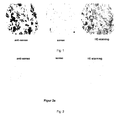
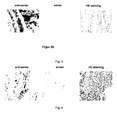
- the Analyzes were performed by in situ hybridization in the different Tissues with a flamingo-specific probe (SEQ ID 15) (FIG. 1, FIG. Figure 2 (a + b), Figure 3).
- SEQ ID 15 a flamingo-specific probe
- none of the Normal tissue of the ovary is to measure a flamingo expression, whereas in 72% of the tumor samples a clear expression was detected can be.
- In 94% of the normal tissues of the uterus is no expression detectable, while 32% of the tumor tissue as positive were measured (Table 2).
- Table 1 Results of RNA in situ hybridization with a flamingo specif. antisense probe SEQ ID 15 on breast tumor (T) and normal tissue (N).
- Figure 1 can be seen in detail an RNA in situ hybridization to Analysis of the overexpression of flamingo in breast tumor tissue.
- Tissue samples from breast tumor tissue were treated with a flamingo incubated with specific antisense probe and stained with BM-Purple.
- the Counterstaining was done with KernechtRot. They are malignant and non-malignant To distinguish epithelial cells from each other, of which the malignant cells show strong staining of the RNA in in situ hybridization. you recognizes in the figure 1 that flamingo in the breast tumor tissue (left) RNA level is significantly overexpressed compared to the control (middle).
- Figure 2a shows an in situ hybridization for the analysis of overexpression of flamingo in cervical tumor tissue.
- Tissue samples off Cervical tumor tissues were antisense with a flamingo specific Probe incubated and stained with BM-Purple. The counterstaining took place with Core Real-red. They are malignant and non-malignant epithelial cells of which the malignant cells have a strong Staining of the RNA in situ hybridization show.
- flamingo in the cervical tumor tissue (left) at the RNA level is clearly overexpressed compared to the control (middle).
- Figure 2b shows in situ hybridization for analysis of overexpression of flamingo in endometrial tumor tissue.
- Tissue samples off Endometrial tumor tissues were specific with a flamingo antisense probe incubated and stained with BM-Purple. The counterstain took place with KernechtRot. They are malignant and non-malignant epithelial cells of which the malignant cells have a strong Show staining of the RNA in in situ hybridization.
- RNA level is significantly overexpressed compared to the control (middle).
- FIG. 3 shows an in situ hybridization for the analysis of the overexpression of Flamingo in ovary tumor tissue.
- Tissue samples from Ovartumorgeweb tissue were incubated with a flamingo specific antisense probe and with Dyed BM-Purple. Counterstaining was done with KernechtRot. There are to distinguish malignant and nonmalignant epithelial cells from each other the malignant cells show a strong staining of the RNA in the in situ Show hybridization.
- RNAi oligos were obtained from the company RNAx from the flamingo sequence derived and manufactured by the company Qiagen.
- the transfection of the human cancer cell lines with the RNAi oligos was carried out with the reagent TransMessenger (Qiagen).
- 48 h after transfection was the endogenous RNA levels of flamingo by RT-PCR (TaqMan) with the QuantiTect SYBR Green RT-PCR Kit from Qiagen according to the instructions of the Determined by the manufacturer.
- FIG. 4a shows flamingo knock-down in MCF-7 cells by RNAi.
- RNAi shows the results of the transfections of the flamingo siRNAs or Control GFP (green fluorescent protein) siRNAs in MCF-7 cells. It each involves two parallel transfections (1 and 2). From each transfection batch, duplicates of the endogenous Flamingo RNA Levels with the Real-Time PCR Method (TaqMan) certainly. The result is a significant reduction by a factor of 2.5 to 5 the flamingo RNA in the flamingo-specifically-treated RNAis to eat.
- FIG. 4b shows flamingo knock-down in MCF-7 cells RNAi.
- FIG. 4c shows flamingo knock-down in FIG ZR75-1 cells by RNAI.
- flamingos became endogenous expressing breast (e.g., MCF-7, ZR75-1 or T47-D) and ovarian cell lines (T0V112 D, OV 90, PA 1, TOV 21 G).
- the stably transfected Cell lines in which the endogenously expressed flamingo RNA by stable Introduction of siRNA is permanently downregulated in cell-based assays and used in mouse models.
- the flamingo siRNA (SEQ ID 16) may be used as oligo or vector for gene therapy Approach can be used.
- sequences according to the invention SEQ ID 17, SEQ ID 19, SEQ ID 21, SEQ ID 25 show an RNA knock-down in MCF-7 and SKBR3 cells ( Figure 5 and Figure 6). Also these sequences were used for cellular assays and mouse models.
- the flamingo Partial sequences SEQ ID 17, SEQ ID 19, SEQ ID 21, SEQ ID 25 are as Oligo or cloned into a vector for the gene therapy approach suitable.
- Figure 5 shows antisense knock-down in MCF-7.
- MCF-7 cells were over treated a period of four days with 60 nM antisense oligos and subsequently to their endogenous expression of the flamingo gene (here as BLX62A). The result is in the figure 5 in comparison to untreated cells a significant decrease in RNA to find a factor of 2-5 in the cells with the flamingo specific antisense oligos (SEQ ID 17, SEQ ID 19, SEQ ID 21, SEQ ID 25).
- the oligo # 21959 shows in the first two days of treatment its strongest effect.
- the control oligo 73MM (missmatch), usually behaves like the untreated one Control.
- GBC is the use of the transfection reagent without Antisense oligo and serves as a negative control.
- Figure 6 shows antisense knock-down in SKBR3.
- SKBR3 cells were transferred over treated a period of four days with 30 nM antisense oligos and subsequently to their endogenous expression of the flamingo gene (here as BLX62A).
- the result is compared in the figure 6 to untreated cells a significant decrease in RNA to find the factor 2-10 in the cells with the flamingo specific antisense oligos (SEQ ID 19, SEQ ID 21, SEQ ID 25) were treated.
- Oligo # 21959 SEQ ID 21
- the control oligo 73MM (mismatch), usually behaves like the untreated control.
- GBC is the use of the transfection reagent without antisense oligo and serves as a negative control
- the C-terminal (C) region of flamingo (SEQ ID 35) was cloned into the vector pSecTag2 (Invitrogen).
- This vector contains an Ig K chain as a secretory leader sequence.
- a V5 tag has been inserted so that the inserted flamingo sequence becomes detectable via an N-terminal extracellular V5 sequence.
- the control vector (vector without flamingo insertion) and the flamingo vector were stably transfected into HEK293 and selected on zeocin.
- the stable mock (cell clones with control vector) and C clones (Flamingo C-terminal domain) were analyzed with the V5 antibody (invitrogen) in FACS and Western blot. 90% of all C clones were stably transfected with flamingo.
- the stable mock and C clones show a different phenotype ( Figure 7). While the mock clones, similar to the wild type, adhere and spread to the plate, the C clones adhere poorly and assume a roundish form. The C clones grow lumpy and swim mostly as detached spheroids in the medium. A staining with trypan blue shows that these detached cells, however, are vital and therefore able to divide. As a result, the flamingo protein subsequence (SEQ ID 36) induces an altered phenotype over the control cells.
- Figure 7 shows a representation of different phenotypes of stable transfected HEK293 cells. It is the different phenotypes the mock-transfected HEK293 cells (Mock-Kl; left) and with the flamingo C-terminal fragment (SEQ ID 35, SEQ ID 36) (C-K8, right). While the mock clone is good at the Surface of the culture dish adheres and spreads its cell body, grows the C-K8 clone does not attach to the culture dish, but the cells swim as detached spheroids in the medium. Both clone populations, however, are vital.
- pFR-Luc reporter Plasmid, 50ng Fusion Transactivator (pFAR-c-jun), 100ng JNK Expression vector and 200 ng Renilla luciferase (transfection efficiency) mixed together.
- pFAR-c-jun 50ng Fusion Transactivator
- JNK Expression vector 100ng JNK Expression vector
- 200 ng Renilla luciferase transfection efficiency
- 1-3 pg pSecTag2 + V5 containing (SEQ ID 35) (see above) or a vector containing pFc-Mekk or a vector containing frizzled8 (fz8) added as a control / stimulator.
- the cells were incubated for 18 hours, then lysed and then the luciferase values were measured.
- Figure 8 shows the influence of flamingo (SEQ ID 35, 36) on the JNK activity in HEK293 cells after transient transfection with MEKK and fz8.
- MEKK and fz8 stimulate JNK, with MEKK being a stronger one Stimulator is as fz8.
- the C-terminus of flamingo alone shows compared with the control (empty vector) no effect.
- Will be MEKK or fz8 cotransfected with flamingo (C-terminus) JNK activity decreases by more than half off.
- Lisovsky et al. could show that the activation of JNK in the PCP signal transduction pathway in Xenopus embryos leads to apoptosis (Lisovsky et al., 2002, Curr Biol 12 (1): 53-8). What is new is that the inhibition of JNK by flamingo (SEQ ID 36) in human cancer cell lines and in human tumors the cells from apoptosis
- Western blot was stably transfected with HEK293 clones HEK flamingo C-terminal region (SEQ ID 35, SEQ ID 36), Mock's (Empty vector) and wild-type cells. These stable HEK293 cells were transfected with MEKK to stimulate JNK.
- For the Transfection was Lipofectamine® 2000 (Invitrogen) according to the Manufacturer's information used (2.5 ul LF: 1 ug DNA), with usually 2 ug pFc-MEKK were transfected. To a concentration dependence In some cases, 1 ⁇ g of pFc-MEKK was also transfected.
- NP40 protein lysates were removed from the cells prepared and used for Western blot analysis.
- the primary Antibody polyclonal rabbit
- the secondary antibody is a Anti-rabbit antibody to the Horse Raddish Peroxidase (HRP) is coupled.
- HRP Horse Raddish Peroxidase
- flamingo clones (Flamingo C-terminal fragment, SEQ ID 35, SEQ ID 36) performs the same Amount of MEKK at a much lower apoptosis response compared to the Mock-transfected clones.
- the C-terminal fragment of flamingo (SEQ ID 35, SEQ ID 36) thus protects the cells from apoptosis.
- Tumor in which flamingo is overexpressed offers a decreased Apoptoserate a growth advantage.
- FIG. She represents one Western blot represents the amount of protein "cleaved” PARP and the amount shows the activated (phosphorylated) JNK in the expected sizes.
- Negative control were untransfected mock clone 1 (lane 1) and the Clones C-K3 and C-K8 (lanes 2 and 3) and with a control plasmid transfected mock K1 or C-K3 and C-K8 lysates (lanes 10 - 14) applied. Transfection of MEKK into the cells leads to activation from JNK (lane 4-9).
- “Cleaved PARP” serves as an apoptosis marker.
- the Apo-ONE® assay (Promega) was discontinued 24 hours after MEKK transfection into the stable HEK293 cells according to the manufacturer's instructions carried out. The result is shown in FIG.
- the stable with the Flamingo C-terminal fragment (SEQ ID 35, SEQ ID 36) transfected HEK293 clones C-K3, C-K5 and C-K8 show in the presence of MEKK a very low caspase-3 / -7 activity up to a factor of 4.5 to 7.5-fold below the caspase-3 / -7 activity of control (Mock K1 + MEKK).
- Figure 10 shows in detail the influence of flamingo on caspase-3 / -7 Activity in stably transfected HEK293 cells.
- As negative controls were stably transfected with the empty vector mock K1 clone and the HEK293 wild-type (not transfected) used and co-transfected with MEKK.
- the JNK stimulator MEKK leads to a high caspase-3 / -7 activity and the cells go into apoptosis.
- the stably transfected with flamingo In contrast, cells show a factor of 4.5-7.5 lower apoptosis rate compared to the Mock K1 clone.
- FIG. 11 is a diagrammatic representation of FIG. 11
- Stably transfected HEK293 cells - Mock-K1 vector without flamingo Insertion
- C-K3, C-K5 and a mixture of C-K3 and C-K5 were 9 weeks old
- Male UTI NMRI-nu / nu mice injected subcutaneously into the right flank. 2 million cells per mouse in 50 ⁇ l PBS Matrigel in the ratio 1: 1 used.
- the mixture (C-K3 / K5) consisted of 1 million C-K3 and 1 Million C-K5 cells in 50 ⁇ l PBS Matrigel.
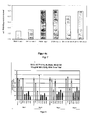
- the tumor volume is subcutaneous on days 4, 7, 12 and 14 Injection of the stable clones (Mock-K1, C-K3, C-K5 and C-K3 / K5) into the Mice shown.
- the tumor volume was determined as follows: length and The width of the tumor was determined by one and the same person during the Measure the entire duration of the experiment to individual fluctuations excluded. Because the tumor can only be measured two-dimensionally could, the tumor volume was then according to the following formula determined:
- Width x width x length Width x width x length .
- the graph shows the mean values of the tumor volume - measured at 6 (mock-K1) and 10 mice (C-clones) per group.
- the mock-treated mice did not show tumor growth on day 4 and 7.
- tumor growth was seen in the mock-treated mice.
- the maximum achieved tumor volume was 74 mm 3 .
- a tumor volume of 74 to 118 mm 3 could be determined in the individual groups.
- the tumor volume increased here to values of 206 to 270 mm 3 .
- tumor mass is at day 14 after intrarenal and subcutaneous injection of the stable clones (Mock-K1, C-K3, C-K5 and C-K3 / K5) into the mice. On day 14, the tumors were removed from the Mice surgically removed and weighed.
- the mock-K1 HEK293 cells produced a tumor in the kidney Mass of 1427 mg.
- the good growth of these embryonic Kidney cell-derived HEK293 cells in the kidney confirm the Vitality of the injected mock-K1 cells.
- these mock-K1 cells are vital are enough to form tumors in the kidney, they show injected subcutaneously only a mean tumor weight of 41 mg. In contrast, the Tumors were created by subcutaneous injection of C-K cells, a weight from 217 to 560 mg.
- Figures 1-3 show that the stably transfected flamingo C-terminal fragment in the mouse model has a growth advantage over the mock clones.
Landscapes
- Health & Medical Sciences (AREA)
- Life Sciences & Earth Sciences (AREA)
- Chemical & Material Sciences (AREA)
- Immunology (AREA)
- Engineering & Computer Science (AREA)
- Molecular Biology (AREA)
- Biomedical Technology (AREA)
- Hematology (AREA)
- Urology & Nephrology (AREA)
- Pathology (AREA)
- Analytical Chemistry (AREA)
- Biochemistry (AREA)
- Physics & Mathematics (AREA)
- Microbiology (AREA)
- General Health & Medical Sciences (AREA)
- Biotechnology (AREA)
- Food Science & Technology (AREA)
- Medicinal Chemistry (AREA)
- Cell Biology (AREA)
- General Physics & Mathematics (AREA)
- Organic Chemistry (AREA)
- Proteomics, Peptides & Aminoacids (AREA)
- Genetics & Genomics (AREA)
- Wood Science & Technology (AREA)
- Zoology (AREA)
- Oncology (AREA)
- Biophysics (AREA)
- Hospice & Palliative Care (AREA)
- Bioinformatics & Cheminformatics (AREA)
- General Engineering & Computer Science (AREA)
- Medicines That Contain Protein Lipid Enzymes And Other Medicines (AREA)
- Micro-Organisms Or Cultivation Processes Thereof (AREA)
- Medicines Containing Antibodies Or Antigens For Use As Internal Diagnostic Agents (AREA)
Applications Claiming Priority (2)
| Application Number | Priority Date | Filing Date | Title |
|---|---|---|---|
| DE10345009A DE10345009A1 (de) | 2003-09-22 | 2003-09-22 | Verwendung von Flamingo Antagonisten und/oder Agonisten zur Diagnose und Behandlung von Krebs |
| DE10345009 | 2003-09-22 |
Publications (2)
| Publication Number | Publication Date |
|---|---|
| EP1517146A2 true EP1517146A2 (fr) | 2005-03-23 |
| EP1517146A3 EP1517146A3 (fr) | 2005-06-15 |
Family
ID=34177998
Family Applications (1)
| Application Number | Title | Priority Date | Filing Date |
|---|---|---|---|
| EP04104608A Withdrawn EP1517146A3 (fr) | 2003-09-22 | 2004-09-22 | Diagnostic et traitement de cancer par l'intermédiaire des (ant)agonistes de Flamingo. |
Country Status (2)
| Country | Link |
|---|---|
| EP (1) | EP1517146A3 (fr) |
| DE (1) | DE10345009A1 (fr) |
Cited By (1)
| Publication number | Priority date | Publication date | Assignee | Title |
|---|---|---|---|---|
| WO2007098297A3 (fr) * | 2006-02-27 | 2009-04-09 | Picobella Llc | Méthode de diagnostic et de traitement du cancer du rein |
Family Cites Families (2)
| Publication number | Priority date | Publication date | Assignee | Title |
|---|---|---|---|---|
| DE19813839A1 (de) * | 1998-03-20 | 1999-09-23 | Metagen Gesellschaft Fuer Genomforschung Mbh | Menschliche Nukleinsäuresequenzen aus Brusttumorgewebe |
| GB0004196D0 (en) * | 2000-02-19 | 2000-04-12 | Smithkline Beecham Plc | Novel compounds |
-
2003
- 2003-09-22 DE DE10345009A patent/DE10345009A1/de not_active Ceased
-
2004
- 2004-09-22 EP EP04104608A patent/EP1517146A3/fr not_active Withdrawn
Cited By (1)
| Publication number | Priority date | Publication date | Assignee | Title |
|---|---|---|---|---|
| WO2007098297A3 (fr) * | 2006-02-27 | 2009-04-09 | Picobella Llc | Méthode de diagnostic et de traitement du cancer du rein |
Also Published As
| Publication number | Publication date |
|---|---|
| DE10345009A1 (de) | 2005-06-30 |
| EP1517146A3 (fr) | 2005-06-15 |
Similar Documents
| Publication | Publication Date | Title |
|---|---|---|
| Di Giovanni et al. | The tumor suppressor protein p53 is required for neurite outgrowth and axon regeneration | |
| DE69918072T2 (de) | P53-regulierte gene | |
| DE10316701A1 (de) | Humane Nukleinsäuresequenzen aus Bronchialkarzinomen | |
| DE60207254T2 (de) | Natürlicher ligand von gpcr chemr23 und dessen verwendung | |
| DE69633272T2 (de) | Methoden zur Krebsbehandlung und -kontrolle | |
| DE19957065B4 (de) | Screening-Verfahren für Arzneistoffe | |
| WO2004076614A2 (fr) | Sequences d'acide nucleique humaines issues de carcinomes de la prostate | |
| DE10215321A1 (de) | Trp-p8 Splice Varianten und regulatorische RNA | |
| Stromskaya et al. | Role of P-glycoprotein in evolution of populations of chronic myeloid leukemia cells treated with imatinib | |
| DE10339820A1 (de) | Verwendung von an GPR49 bindenden Substanzen zur Diagnose und Behandlung von Krebs | |
| EP1517146A2 (fr) | Diagnostic et traitement de cancer par l'intermédiaire des (ant)agonistes de Flamingo. | |
| DE10215320A1 (de) | Verwendungen von TFF3 bindenden Substanzen zur Diagnose und Behandlung von Krebserkrankungen | |
| Rudolph et al. | Expression of Mad1 in T cells leads to reduced thymic cellularity and impaired mitogen-induced proliferation | |
| DE10230631A1 (de) | Verwendungen von an Ngal bindenden Substanzen zur Diagnose und Behandlung von Krebserkrankungen | |
| DE60113660T2 (de) | G-protein gekoppelter rezeptor | |
| Phansuwan-Pujito et al. | The opioid receptors in inner ear of different stages of postnatal rats | |
| DE10309729A1 (de) | Humane Nukleinsäuresequenzen aus Harnblasenkarzinomen | |
| EP2198058B1 (fr) | Marqueur pour le diagnostic du cancer | |
| EP1522599A1 (fr) | Utilisation des substances de fixation metaring pour le diagnose et le traitement du cancer | |
| EP1544617A2 (fr) | Utilisation d'une substance liant la Nifie 14 pour la diagnose et le traitement de cancer | |
| DE10131382A1 (de) | Screening-Verfahren | |
| DE60315189T2 (de) | Verfahren zum untersuchen von krebs aggressivität mit polymerisierte aktin bestimmung | |
| DE10234901A1 (de) | Verwendung von am Mrp4 bindenden Substanzen zur Diagnose und Behandlung von Krebserkrankungen | |
| DE10301592A1 (de) | Verwendung von an GSTM bindenden Substanzen zur Diagnose und Behandlung des Harnblasenkarzinoms | |
| DE10223246A1 (de) | Slit1 und MEGF4 Isoformen und deren Verwendung |
Legal Events
| Date | Code | Title | Description |
|---|---|---|---|
| PUAI | Public reference made under article 153(3) epc to a published international application that has entered the european phase |
Free format text: ORIGINAL CODE: 0009012 |
|
| AK | Designated contracting states |
Kind code of ref document: A2 Designated state(s): AT BE BG CH CY CZ DE DK EE ES FI FR GB GR HU IE IT LI LU MC NL PL PT RO SE SI SK TR |
|
| AX | Request for extension of the european patent |
Extension state: AL HR LT LV MK |
|
| PUAL | Search report despatched |
Free format text: ORIGINAL CODE: 0009013 |
|
| AK | Designated contracting states |
Kind code of ref document: A3 Designated state(s): AT BE BG CH CY CZ DE DK EE ES FI FR GB GR HU IE IT LI LU MC NL PL PT RO SE SI SK TR |
|
| AX | Request for extension of the european patent |
Extension state: AL HR LT LV MK |
|
| RIC1 | Information provided on ipc code assigned before grant |
Ipc: 7G 01N 33/574 A |
|
| AKX | Designation fees paid | ||
| STAA | Information on the status of an ep patent application or granted ep patent |
Free format text: STATUS: THE APPLICATION IS DEEMED TO BE WITHDRAWN |
|
| 18D | Application deemed to be withdrawn |
Effective date: 20060303 |
|
| REG | Reference to a national code |
Ref country code: DE Ref legal event code: 8566 |