EP1546134B1 - Piperazinsubstituierte arylbenzodiazepine - Google Patents
Piperazinsubstituierte arylbenzodiazepine Download PDFInfo
- Publication number
- EP1546134B1 EP1546134B1 EP03784411A EP03784411A EP1546134B1 EP 1546134 B1 EP1546134 B1 EP 1546134B1 EP 03784411 A EP03784411 A EP 03784411A EP 03784411 A EP03784411 A EP 03784411A EP 1546134 B1 EP1546134 B1 EP 1546134B1
- Authority
- EP
- European Patent Office
- Prior art keywords
- alkyl
- sup
- sub
- hydrogen
- mmol
- Prior art date
- Legal status (The legal status is an assumption and is not a legal conclusion. Google has not performed a legal analysis and makes no representation as to the accuracy of the status listed.)
- Expired - Lifetime
Links
- 0 C1NC*NC1 Chemical compound C1NC*NC1 0.000 description 13
- ZQPIROYWNUJDBB-AWEZNQCLSA-N CC(C)(C)OC(N(CC1)C[C@H](CCCCO)N1C(OC(C)(C)C)=O)=O Chemical compound CC(C)(C)OC(N(CC1)C[C@H](CCCCO)N1C(OC(C)(C)C)=O)=O ZQPIROYWNUJDBB-AWEZNQCLSA-N 0.000 description 1
- AJBUKLQZLAOFEA-QMMMGPOBSA-N CC(C)(C)OC(N[C@@H](COCC=C)C(O)=O)=O Chemical compound CC(C)(C)OC(N[C@@H](COCC=C)C(O)=O)=O AJBUKLQZLAOFEA-QMMMGPOBSA-N 0.000 description 1
- QALUWTFBICFDLV-ZETCQYMHSA-N CC(C)(C[C@@H]1NCCNC1)O Chemical compound CC(C)(C[C@@H]1NCCNC1)O QALUWTFBICFDLV-ZETCQYMHSA-N 0.000 description 1
- GXJPEHQQAAKRRG-IBGZPJMESA-N CC(C)c(cc1)cc2c1Nc1ccccc1N=C2N1C[C@H](CCOC)N(C)CC1 Chemical compound CC(C)c(cc1)cc2c1Nc1ccccc1N=C2N1C[C@H](CCOC)N(C)CC1 GXJPEHQQAAKRRG-IBGZPJMESA-N 0.000 description 1
- DZXRZISNKJFVTQ-UHFFFAOYSA-N CC(C)c(cc1C#N)ccc1Nc(cccc1)c1[N+]([O-])=O Chemical compound CC(C)c(cc1C#N)ccc1Nc(cccc1)c1[N+]([O-])=O DZXRZISNKJFVTQ-UHFFFAOYSA-N 0.000 description 1
- HRIRXNRCVJVYFH-HNNXBMFYSA-N CC(C)c1cc(C(N2C[C@H](CCOC)NCC2)=Nc(c(N2)c3)ccc3F)c2[s]1 Chemical compound CC(C)c1cc(C(N2C[C@H](CCOC)NCC2)=Nc(c(N2)c3)ccc3F)c2[s]1 HRIRXNRCVJVYFH-HNNXBMFYSA-N 0.000 description 1
- LBFBBDXDHHSPHK-UHFFFAOYSA-O CC(C)c1nc(C(N(CC[NH3+])CS)=Nc(cccc2)c2N2)c2[s]1 Chemical compound CC(C)c1nc(C(N(CC[NH3+])CS)=Nc(cccc2)c2N2)c2[s]1 LBFBBDXDHHSPHK-UHFFFAOYSA-O 0.000 description 1
- ZJJIFQXKROUUIU-AWEZNQCLSA-N CC(C)c1nc(C(N2C[C@H](CCOC)NCC2)=Nc(cccc2)c2N2)c2[s]1 Chemical compound CC(C)c1nc(C(N2C[C@H](CCOC)NCC2)=Nc(cccc2)c2N2)c2[s]1 ZJJIFQXKROUUIU-AWEZNQCLSA-N 0.000 description 1
- JWGVEVILITUIHC-UHFFFAOYSA-N CCCCC(NC(C(Nc(cccc1)c1N1)=O)C1=O)=O Chemical compound CCCCC(NC(C(Nc(cccc1)c1N1)=O)C1=O)=O JWGVEVILITUIHC-UHFFFAOYSA-N 0.000 description 1
- ZZGXWHZFEJCGBV-ZDUSSCGKSA-N CCOCC[C@@H](C1)NCCN1C(c1c(Nc2c3)[s]c(C)c1)=Nc2cc(F)c3F Chemical compound CCOCC[C@@H](C1)NCCN1C(c1c(Nc2c3)[s]c(C)c1)=Nc2cc(F)c3F ZZGXWHZFEJCGBV-ZDUSSCGKSA-N 0.000 description 1
- DANUWKCZWIJCGC-HNNXBMFYSA-N CCOCC[C@@H](C1)NCCN1C1=Nc(cc(cc2)F)c2Nc2c1cc(C)[s]2 Chemical compound CCOCC[C@@H](C1)NCCN1C1=Nc(cc(cc2)F)c2Nc2c1cc(C)[s]2 DANUWKCZWIJCGC-HNNXBMFYSA-N 0.000 description 1
- KNBDVSSESAKBJM-ZETCQYMHSA-N CCOC[C@@H](C(O)=O)NC(OC(C)(C)C)=O Chemical compound CCOC[C@@H](C(O)=O)NC(OC(C)(C)C)=O KNBDVSSESAKBJM-ZETCQYMHSA-N 0.000 description 1
- APCAHIFDYPFYFU-KRWDZBQOSA-N CN(CC1)[C@@H](CCCOC)CN1C1=Nc(ccc(F)c2)c2Nc2c1c(cccc1)c1[s]2 Chemical compound CN(CC1)[C@@H](CCCOC)CN1C1=Nc(ccc(F)c2)c2Nc2c1c(cccc1)c1[s]2 APCAHIFDYPFYFU-KRWDZBQOSA-N 0.000 description 1
- PLJOKYVEFROQRT-XNUZUHMRSA-O CN(CC1[OH+]C(CCC(O)=O)=O)[C@@H](CCCOC)CN1C(c(cc(C(F)(F)F)cc1)c1Nc1c2)=Nc1ccc2F Chemical compound CN(CC1[OH+]C(CCC(O)=O)=O)[C@@H](CCCOC)CN1C(c(cc(C(F)(F)F)cc1)c1Nc1c2)=Nc1ccc2F PLJOKYVEFROQRT-XNUZUHMRSA-O 0.000 description 1
- PURYAYRMNKEYFN-KRWDZBQOSA-N CN(c1c2c(cccc3)c3[s]1)c1cc(F)ccc1N=C2N1C[C@H](CCCOC)NCC1 Chemical compound CN(c1c2c(cccc3)c3[s]1)c1cc(F)ccc1N=C2N1C[C@H](CCCOC)NCC1 PURYAYRMNKEYFN-KRWDZBQOSA-N 0.000 description 1
- PIDTWJWINPUTFV-ZDUSSCGKSA-N COCC#C[C@@H](C1)NCCN1C1=Nc2ccccc2N2c3c1c2c[s]3 Chemical compound COCC#C[C@@H](C1)NCCN1C1=Nc2ccccc2N2c3c1c2c[s]3 PIDTWJWINPUTFV-ZDUSSCGKSA-N 0.000 description 1
- YMGUENIZJMFGNI-VIFPVBQESA-N COCCCC[C@@H]1NCCNC1 Chemical compound COCCCC[C@@H]1NCCNC1 YMGUENIZJMFGNI-VIFPVBQESA-N 0.000 description 1
- DSTOMJWRFWSRGL-ZDUSSCGKSA-N COCC[C@@H](C1)N(CCO)CCN1C1=Nc(cccc2)c2Nc2c1nc(C(F)(F)F)[s]2 Chemical compound COCC[C@@H](C1)N(CCO)CCN1C1=Nc(cccc2)c2Nc2c1nc(C(F)(F)F)[s]2 DSTOMJWRFWSRGL-ZDUSSCGKSA-N 0.000 description 1
- OVGHFIMIVJLCBJ-BJQOMGFOSA-N COCC[C@@H](CN1C2=Nc(ccc(F)c3)c3Nc3ccc(C(F)(F)F)cc23)NCC1OC(CCC(O)=O)=O Chemical compound COCC[C@@H](CN1C2=Nc(ccc(F)c3)c3Nc3ccc(C(F)(F)F)cc23)NCC1OC(CCC(O)=O)=O OVGHFIMIVJLCBJ-BJQOMGFOSA-N 0.000 description 1
- QFLONTIJVYEDNG-HOTGVXAUSA-O C[C@@H](COCCN(CC1)[C@@H](CC[OH+]C)CN1C1=Nc(cccc2)c2Nc2c1nc(C(F)(F)F)[s]2)O Chemical compound C[C@@H](COCCN(CC1)[C@@H](CC[OH+]C)CN1C1=Nc(cccc2)c2Nc2c1nc(C(F)(F)F)[s]2)O QFLONTIJVYEDNG-HOTGVXAUSA-O 0.000 description 1
- IEYMGYKDFWJTPF-YWZLYKJASA-O C[OH+][C@@H](CC1)N(CC2)[C@@H]1CN2C1=Nc2cc(F)ccc2Nc2c1cc(C(F)(F)F)cc2 Chemical compound C[OH+][C@@H](CC1)N(CC2)[C@@H]1CN2C1=Nc2cc(F)ccc2Nc2c1cc(C(F)(F)F)cc2 IEYMGYKDFWJTPF-YWZLYKJASA-O 0.000 description 1
- IUDMVRKLFDCVNL-KRWDZBQOSA-N Cc(cc1)cc(C(N2C[C@H](CCOC)N(C)CC2)=Nc2c3)c1Nc2ccc3Cl Chemical compound Cc(cc1)cc(C(N2C[C@H](CCOC)N(C)CC2)=Nc2c3)c1Nc2ccc3Cl IUDMVRKLFDCVNL-KRWDZBQOSA-N 0.000 description 1
- DUHFIPZTTCXXFI-UHFFFAOYSA-N Cc1cc(C#N)c(Nc(ccc(Cl)c2)c2[N+]([O-])=O)[s]1 Chemical compound Cc1cc(C#N)c(Nc(ccc(Cl)c2)c2[N+]([O-])=O)[s]1 DUHFIPZTTCXXFI-UHFFFAOYSA-N 0.000 description 1
- OTGQMOWJJGWJRT-UHFFFAOYSA-O Cc1cc(C(N2CC(COCc3ccccc3)[NH2+]CC2)=Nc(cccc2)c2N2)c2[s]1 Chemical compound Cc1cc(C(N2CC(COCc3ccccc3)[NH2+]CC2)=Nc(cccc2)c2N2)c2[s]1 OTGQMOWJJGWJRT-UHFFFAOYSA-O 0.000 description 1
- FJADGRUTBASLDS-HNNXBMFYSA-N Cc1cc(C(N2C[C@H](CCCOC)NCC2)=Nc(ccc(F)c2)c2N2)c2[s]1 Chemical compound Cc1cc(C(N2C[C@H](CCCOC)NCC2)=Nc(ccc(F)c2)c2N2)c2[s]1 FJADGRUTBASLDS-HNNXBMFYSA-N 0.000 description 1
- WIVFWXLFMWUNLU-AWEZNQCLSA-N Cc1cc(C(N2C[C@H](CCO)N(C)CC2)=Nc2cc(Cl)ccc2N2)c2[s]1 Chemical compound Cc1cc(C(N2C[C@H](CCO)N(C)CC2)=Nc2cc(Cl)ccc2N2)c2[s]1 WIVFWXLFMWUNLU-AWEZNQCLSA-N 0.000 description 1
- KAVLHDSVDBNTCM-AWEZNQCLSA-N Cc1cc(C(N2C[C@H](CCOC)NCC2)=Nc(cc(cc2)Cl)c2N2)c2[s]1 Chemical compound Cc1cc(C(N2C[C@H](CCOC)NCC2)=Nc(cc(cc2)Cl)c2N2)c2[s]1 KAVLHDSVDBNTCM-AWEZNQCLSA-N 0.000 description 1
- JJTRFKNPTFXPJQ-AWEZNQCLSA-N Cc1cc(C(N2C[C@H](CCOC)NCC2)=Nc(ccc(Cl)c2)c2N2)c2[s]1 Chemical compound Cc1cc(C(N2C[C@H](CCOC)NCC2)=Nc(ccc(Cl)c2)c2N2)c2[s]1 JJTRFKNPTFXPJQ-AWEZNQCLSA-N 0.000 description 1
- YHLPQQGFLRKJMR-AWEZNQCLSA-N Cc1cc(C(N2C[C@H](CCOC)NCC2)=Nc2cc(F)ccc2N2)c2[s]1 Chemical compound Cc1cc(C(N2C[C@H](CCOC)NCC2)=Nc2cc(F)ccc2N2)c2[s]1 YHLPQQGFLRKJMR-AWEZNQCLSA-N 0.000 description 1
- VQGGXPIKDFMYJR-UHFFFAOYSA-N Cc1cc(C(NC)=Nc(cc(cc2)Cl)c2N2)c2[s]1 Chemical compound Cc1cc(C(NC)=Nc(cc(cc2)Cl)c2N2)c2[s]1 VQGGXPIKDFMYJR-UHFFFAOYSA-N 0.000 description 1
- TZCVZXJVGDLGBI-UHFFFAOYSA-N Cc1cc(C(Nc(c(N2)c3)ccc3F)=S)c2[s]1 Chemical compound Cc1cc(C(Nc(c(N2)c3)ccc3F)=S)c2[s]1 TZCVZXJVGDLGBI-UHFFFAOYSA-N 0.000 description 1
- MXSOFHISVARBEO-UHFFFAOYSA-N Cc1cc(C(SC)=Nc2cc(Cl)ccc2N2)c2[s]1 Chemical compound Cc1cc(C(SC)=Nc2cc(Cl)ccc2N2)c2[s]1 MXSOFHISVARBEO-UHFFFAOYSA-N 0.000 description 1
- LXHNHESSVZMYGP-HNNXBMFYSA-N Cc1cccc(N=C2N3C[C@H](CCOC)N(C)CC3)c1Nc1c2nc(CCC(F)(F)F)[s]1 Chemical compound Cc1cccc(N=C2N3C[C@H](CCOC)N(C)CC3)c1Nc1c2nc(CCC(F)(F)F)[s]1 LXHNHESSVZMYGP-HNNXBMFYSA-N 0.000 description 1
- QSWDVOSFBFFUQC-UHFFFAOYSA-N N#Cc(cc(C(F)(F)F)cc1)c1Nc(cccc1)c1[N+]([O-])=O Chemical compound N#Cc(cc(C(F)(F)F)cc1)c1Nc(cccc1)c1[N+]([O-])=O QSWDVOSFBFFUQC-UHFFFAOYSA-N 0.000 description 1
- NRKFZXNUKTZXLE-FQEVSTJZSA-N O=CC[C@@H]1N(Cc2ccccc2)CCN(Cc2ccccc2)C1 Chemical compound O=CC[C@@H]1N(Cc2ccccc2)CCN(Cc2ccccc2)C1 NRKFZXNUKTZXLE-FQEVSTJZSA-N 0.000 description 1
Classifications
-
- C—CHEMISTRY; METALLURGY
- C07—ORGANIC CHEMISTRY
- C07D—HETEROCYCLIC COMPOUNDS
- C07D403/00—Heterocyclic compounds containing two or more hetero rings, having nitrogen atoms as the only ring hetero atoms, not provided for by group C07D401/00
- C07D403/02—Heterocyclic compounds containing two or more hetero rings, having nitrogen atoms as the only ring hetero atoms, not provided for by group C07D401/00 containing two hetero rings
- C07D403/04—Heterocyclic compounds containing two or more hetero rings, having nitrogen atoms as the only ring hetero atoms, not provided for by group C07D401/00 containing two hetero rings directly linked by a ring-member-to-ring-member bond
-
- A—HUMAN NECESSITIES
- A61—MEDICAL OR VETERINARY SCIENCE; HYGIENE
- A61P—SPECIFIC THERAPEUTIC ACTIVITY OF CHEMICAL COMPOUNDS OR MEDICINAL PREPARATIONS
- A61P25/00—Drugs for disorders of the nervous system
- A61P25/18—Antipsychotics, i.e. neuroleptics; Drugs for mania or schizophrenia
-
- C—CHEMISTRY; METALLURGY
- C07—ORGANIC CHEMISTRY
- C07D—HETEROCYCLIC COMPOUNDS
- C07D495/00—Heterocyclic compounds containing in the condensed system at least one hetero ring having sulfur atoms as the only ring hetero atoms
- C07D495/02—Heterocyclic compounds containing in the condensed system at least one hetero ring having sulfur atoms as the only ring hetero atoms in which the condensed system contains two hetero rings
- C07D495/04—Ortho-condensed systems
-
- C—CHEMISTRY; METALLURGY
- C07—ORGANIC CHEMISTRY
- C07D—HETEROCYCLIC COMPOUNDS
- C07D513/00—Heterocyclic compounds containing in the condensed system at least one hetero ring having nitrogen and sulfur atoms as the only ring hetero atoms, not provided for in groups C07D463/00, C07D477/00 or C07D499/00 - C07D507/00
- C07D513/02—Heterocyclic compounds containing in the condensed system at least one hetero ring having nitrogen and sulfur atoms as the only ring hetero atoms, not provided for in groups C07D463/00, C07D477/00 or C07D499/00 - C07D507/00 in which the condensed system contains two hetero rings
- C07D513/04—Ortho-condensed systems
Definitions
- Patients suffering from schizophrenia exhibit a group of both positive and negative symptoms.
- Positive symptoms include delusions, hallucinations, disordered thoughts, and disorganized speech
- negative symptoms include flat affect, anhedonia, social withdrawal, emotional detachment, cognitive deficits, and poverty of speech.
- schizophrenia cause personal suffering by the patient, it also severely affects the patient's occupational and social functions, so that often the patient must be institutionalized, which results in a high cost to society.
- One approach to developing better antipsychotic agents involves the identification of compounds that combine D 2 receptor blockade with actions at other receptors.
- One such agent is clozapine.
- Clozapine was the first drug identified as an "atypical" antipsychotic, i . e ., a drug effective in treating both the positive and negative symptoms of schizophrenia. Additionally, it has a decreased propensity to induce EPS, hyprolactinemia, and tardive dyskinesia seen with classical, "typical” antipsychotics. Although clozapine is an effective drug, its utility in treating schizophrenia has been limited because of the clinical observation that 1 - 2% of treated patients developed a potentially fatal blood disorder, agranulocytosis. More recently, olanzapine has been widely accepted as an atypical antipsychotic with relatively few adverse events.
- Atypical antipsychotics like clozapine and olanzapine are D 2 receptor antagonists but also interact with other neurotransmitter receptors, including other subtypes for dopamine, and certain receptor subclasses for serotonin, norepinephrine, histamine, and acetylcholine. It is believed that some of these additional receptor activities are responsible for the improved efficacy of the atypical antipsychotics and the adverse events of these agents may be mediated by interactions with others.
- the weight gain effects of the atypical antipsychotics may be due to the blockade of the histamine H1 receptor (Wetterling, "Body Weight Gain with Atypical Antipsychotics, A Comparative Review", Drug Safety 24 , 59-73 (2001); Wirshing, et al, “Novel Antipsychotics: Comparison of Weight Gain Liabilities”' J. Clin. Psychiatry 60 , 358-363 (1999); Kroeze, et al, "H1 Histamine Receptor Affinity Predicts Short-Term Weight Gain for Typical and Atypical Antipsychotic Drugs", Neuropsychopharmacology 28 , 519-526 (2003); Orthen-Gambill, N.
- Antihistaminic drugs increase feeding, while histidine suppresses feeding in rats. Pharmacol. Biochem. Behav. 31 , 81-86, (1988). Hence, the development of atypical antipsychotics with decreased affinity for the histamine H 1 receptor represents one mechanism for identifying antipsychotics with improved adverse event profiles.
- US-A-5824676 discloses compounds that bind selectively to the serotonin receptor b 5-HT2, the preparation of such compounds and the use of such compounds for therapeutic and drug screening purposes.
- EP-A-0354781 discloses thiazolo-[1,5]benzodiazepine compounds and their use as pharmaceuticals.
- US-A-5602121 discloses alkyl-substituted compounds having dopamine receptor affinity.
- EP-A-1016664 discloses condensed thiophene compounds useful for the treatment of schizophrenia, Alzheimer's disease, manic-depressive illness and the like, pharmaceutical use thereof and a synthetic intermediate thereof.
- the present invention provides antipsychotic compounds and methods of using those compounds to treat psychotic disorders, in particular, schizophrenia and mood disorders, such as bipolar disorders. These compounds offer certain improvements and advantages over the currently available antipsychotic agents, as for example, but not limited to, improved adverse event profiles. In particular, many of the compounds of this invention have reduced propentsity to cause weight gain because of their decreased affinity for the H 1 receptor.
- Also preferred among the compounds of formula (I) are those wherein the stereo configuration is "S" about the carbon of the piperazine group bound to Alk. More preferred are those "S"-configuration compounds wherein Alk is (C 2-4 ) alkylene.
- Also preferred among the compounds of formula (I) are those wherein the stereo configuration is "R" about the carbon of the piperazine group bound to Alk. More preferred are those "R"-configuration compounds wherein Alk is methylene.
- Alk is -CH 2 -, -CH 2 CH 2 -, -CH 2 CH 2 CH 2 -, -CH 2 CH(CH 3 )- or -CH 2 C(CH 3 ) 2 -. More preferred are compounds wherein Alk is -CH 2 CH 2 CH 2 - or -CH 2 CH 2 -.
- R 1 is (C 1-4 ) alkyl. More preferred are compounds wherein R 1 is methyl.
- R 2 is (C 1-6 ) alkyl or (C 1-6 ) fluoroalkyl. More preferred are compounds wherein R 2 is -CF 3 , methyl or isopropyl.
- R 3 is (C 1-4 ) alkyl. More preferred are compounds wherein R 3 is methyl or ethyl.
- Z 1 and Z 2 are independently selected from hydrogen and halogen. More preferred are compounds wherein at least one of Z 1 and Z 2 is halogen. Even more preferred are those compounds wherein the halogen is fluorine.
- Another aspect of the invention provides a pharmaceutical composition
- a pharmaceutical composition comprising an effective amount of a compound of formula (I) in association with a pharmaceutically acceptable carrier, diluent or excipient.
- Another aspect of the invention provides a pharmaceutical composition
- a pharmaceutical composition comprising a compound of formula (I) in an amount effective to antagonize D 2 receptor stimulation, and a pharmaceutically acceptable carrier, diluent or excipient.
- Another aspect of the invention provides a pharmaceutical composition
- a pharmaceutical composition comprising a compound of formula (I) in an amount effective to antagonize 5-HT 2A receptor stimulation, and a pharmaceutically acceptable carrier, diluent or excipient.
- compositions comprising a compound of formula (I) in an amount effective to antagonize 5-HT 6 receptor stimulation, and a pharmaceutically acceptable carrier, diluent or excipient.
- Another aspect of the invention provides a compound of formula (I) for use in treating a psychotic disorder.
- the psychotic disorder is schizophrenia, schizophreniform, or schizoaffective disorder.
- Another aspect of the invention provides use of a compound of formula (I) for the manufacture of a medicament for the treatment of a psychotic disorder.
- the psychotic disorder is schizophrenia, schizophreniform, or schizoaffective disorder.
- Another aspect of the invention provides a compound of formula (I) for use in treating a mood disorder.
- the mood disorder is a bipolar disorder.
- the bipolar disorder is acute mania or bipolar depression.
- Another aspect of the invention provides use of a compound of formula (I) for the manufacture of a medicament for the treatment of a mood disorder.
- the mood disorder is a bipolar disorder.
- the bipolar disorder is acute mania or bipolar depression.
- Another aspect of the invention involves improved adverse event profiles (e.g., reduced weight gain) over currently available antipsychotic agents and/or better dopamine D 2 binding.
- (C 1-6 ) alkyl includes saturated alkyl groups that may be branched or unbranched such as methyl, ethyl, n-propyl, isopropyl, n-butyl, isobutyl, sec-butyl, tert-butyl, pentyl, 2-pentyl, 3-pentyl, neopentyl, n-hexyl and the like.
- (C 1-4 ) alkyl includes saturated and that may be branched or unbranched such as methyl, ethyl, n-propyl, isopropyl, n-butyl, isobutyl, sec-butyl, tert-butyl and the like.
- (C 1-4 ) alkylene refers to straight chain alkylene groups such as -CH 2 -, -CH 2 CH 2 -, -CH 2 CH 2 CH 2 -, -CH 2 CH 2 CH 2 CH 2 -, or branched alkylene groups such as -CH 2 C(CH 3 ) 2 -, or -CH 2 CH(CH 3 )-, -CH 2 CH 2 CH(CH 3 )-, -CH 2 CH(CH 3 )CH 2 -, and the like.
- (C 3-6 ) cycloalkyl refers to cyclopropyl, cyclobutyl, cyclopentyl, and cyclohexyl.
- halogen includes fluoro, chloro, bromo and iodo.
- (C 1-6 ) fluoroalkyl refers to a (C 1-6 ) alkyl group which is substituted with one to six fluorines, such as, fluoromethyl, difluoromethyl, trifluoromethyl, 2-fluoroethyl, 2,2,2-trifluoroethyl, 1,1,2,2,2-pentafluoroethyl, 3-fluoropropyl, 3,3,3-trifluoropropyl, 1,1,1,3,3,3-hexafluoroprop-2-yl, and 6-fluorohexyl and the like.
- (C 1-6 ) alkoxy includes such groups as methoxy, ethoxy, isopropoxy, sec-butoxy, tert-butoxy, 2-pentoxy, 3-hexyloxy, and the like.
- (C 1-6 ) fluoroalkoxy refers to a (C 1-6 ) fluoroalkyl group which is attached to an oxygen.
- (C 1-6 ) alkylthio includes such groups as methylthio, ethylthio, isopropylthio, sec-butylthio, tert-butylthio, 1-hexylthio, and the like.
- acyl includes, for example, formyl, acetyl, propanoyl, butanoyl, 2-methylpropanoyl, hexanoyl, and the like.
- (C 1-4 )alkylsulfonyl includes methanesulfonyl, ethanesulfonyl, propanesulfonyl, isopropanesulfonyl, 1-butanesulfonyl and the like.
- optionally substituted aromatic refers to a phenyl, napthyl, monocyclic heteroaromatic or bicyclic heteroaromatic group which may be substituted with one to three substituents independently selected from hydrogen, halogen, (C 1-6 ) alkyl, (C 1-6 ) fluoroalkyl, -OH, (C 1-6 ) alkoxy, (C 1-6 ) fluoroalkoxy, (C 1-6 )alkylthio, acyl, (C 1 - 4 ) alkylsulfonyl, -NO 2 , -CN, carboxamido which may be substituted on the nitrogen by one or two (C 1-4 ) alkyl groups, and NH 2 in which one of the hydrogens may be replaced by a (C 1-4 ) alkyl group and the other hydrogen may be replaced by either a (C 1-4 ) alkyl group, an acyl group or a (C 1 -C 4 alkyl)sulfon
- monocyclic heteroaromatic refers to a five or six membered aromatic ring containing one to three heteroatoms selected from N, O, and S. Recognize that if one of the heteroatoms is O or S, the heteroaromatic ring must be a five membered ring and that any other heteroatoms contained therein must be N. Examples of such monocyclic heteroaromatic systems include furan, thiophene, pyridine, pyrimidine, thiazole, 1,2,3-triazole, and the like.
- bicyclic heteroaromatic refers to a bicyclic aromatic system containing one to three heteroatoms selected from N, O, and S. Examples include indole, benzofuran, benzothiophene, quinoline, isoquinoline, indazole, benzothiazole, and the like.
- phenyl refers to phenyl which may be substituted with one to three substituents independently selected from hydrogen, halogen, (C 1-6 ) alkyl, (C 1-6 ) fluoroalkyl, -OH, (C 1-6 ) alkoxy, (C 1-6 ) fluoroalkoxy, (C 1-6 ) thioalkyl, acyl, (C 1-4 )alkylsulfonyl, -NO 2 , -CN, carboxamido which may be substituted on the nitrogen by one or two (C 1-4 ) alkyl groups, and NH 2 in which one of the hydrogens may be replaced by a (C 1-4 ) alkyl group and the other hydrogen may be replaced by either a (C 1-4 ) alkyl group, an acyl group, or a (C 1-4 ) alkylsulfonyl group.
- substituents independently selected from hydrogen, halogen, (C 1-6 ) alkyl, (C
- phenyl, naphthyl, monocyclic heteroaromatic, or bicyclic heteroaromatic refers to phenyl, naphthyl, monocyclic heteroaromatic, or bicyclic heteroaromatic which may be substituted with one to three substituents independently selected from hydrogen, halogen, (C 1-6 ) alkyl, (C 1-6 )fluoroalkyl, -OH, (C 1-6 ) alkoxy, (C 1-6 ) fluoroalkoxy, (C 1-6 ) thioalkyl, acyl, (C 1-4 )alkylsulfonyl, -NO 2 , -CN, carboxamido which may be substituted on the nitrogen by one or two (C 1-4 ) alkyl groups, and NH 2 in which one of the hydrogens may be replaced by a (C 1-4 ) alkyl group and the other hydrogen may be replaced by either a (C 1-4 ) alkyl group
- the two atoms of the aromatic ring which are fused to the adjoining seven member ring are constrained to both be carbon. If the aromatic ring contains two additional adjacent carbon atoms, a benzene ring may be fused to the aromatic ring at those two adjacent carbon atoms.
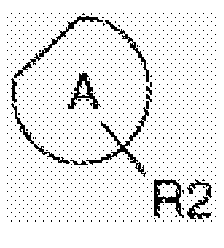
- Examples of optionally benzo-fused five or six member aromatic rings having zero to three hetero atoms independently selected from N, S, and O include benzene, pyridine, furan, pyrrole, thiophene, thiazole, oxazole, pyrazole, imidazole, 1,2,3-triazole, naphthylene, quinoline, isoquinoline, indole, benzofuran, benzothiophene, and the like.
- the compounds of the present invention may, depending upon their structure and manner of synthesis and isolation, exist as a pharmaceutically acceptable solvate. These solvates include water, methanol, and ethanol. Solvated forms of the compounds of the present invention represent a further embodiment of the present invention.
- the compounds of the present invention may, depending upon their structure and manner of synthesis and isolation, exist as a pharmaceutically acceptable hydrates. Hydrated forms of the compounds of the present invention represent a further embodiment of the present invention.
- the present invention also provides novel crystalline forms of the compounds of formula (I).
- Novel crystalline forms may be prepared by crystallization under controlled conditions. Crystallization from a solution and slurrying techniques are contemplated to be within the scope of the present process. In practice, a number of factors can influence the form obtained, including temperature, solvent composition and also optional seeding. Seed crystals can be obtained from previous synthesis of the compound in which crystals were isolated.
- the novel crystalline forms of the present invention may also be prepared by dissolving compounds of formula (I) in a solvent and then forming the hydrochloride salt by the addition of a solution containing hydrochloric acid and then allowing crystallization while controlling the temperature. Also the novel crystalline forms of the present invention may also be prepared by dissolving the anhydrate salt form of compounds of formula (I) in water and seeding with a crystalline form.
- a number of methods are available to characterize crystalline forms of organic compounds. For example, methods include differential scanning calorimetry, solid state NMR spectrometry, infra-red spectroscopy, and X-ray powder diffraction. Among these X-ray powder diffraction and solid state NMR spectroscopy are very useful for identifying and distinguishing between crystalline forms.
- DTA/TGA Differential thermal/thermogravimetric analyses
- SDT2960 TA simultaneous DTA/TGA unit
- Samples are heated in open aluminum pans from 25 to 295°C at 10°C/min with a nitrogen purge of 150mL/min.
- the temperature is calibrated with indium.
- the weight calibration is performed with manufacturer-supplied standards and verified against sodium tartrate desolvation.
- X-ray powder diffraction analysis are performed by a variety of methods known to the skilled person. These methods can be varied to increase sensitivity by sample preparation techniques and by using more intense radiation, smaller scan steps, and slower scan rates.
- One method is as follows. Either with or without lightly grinding the sample with an agate mortar and pestle, the sample is loaded into a sample holder for the X-ray powder diffraction measurement.
- the instrument is configured with a single Göebel mirror on the incident beam, a 0.05 mm collimator, and a sample to detector distance of 15 cm. Data is integrated over the range of 5.5 to 35° 2 ⁇ .
- the relative intensities and peak widths of the diffraction peaks may vary due to a number of factors, including the effects of preferred orientation and/or particle size. Where the effects of preferred orientation and/or particle size are present, peak intensities may be altered, but the characteristic peak positions of the polymorph are unchanged. See, e.g., The United States Pharmacopoeia #24, National Formulary #19, pages 1843-1844, 2000.
- Grinding may be used to minimize peak intensity. However, if grinding significantly alters the diffractogram or alters the crystalline state of the sample, then the diffractogram of the unground sample should be used. Grinding is done in a small agate mortar and pestle. The mortar is held during the grinding and light pressure was applied to the pestle.
- a properly prepared sample crystalline compound of formula I may be characterized by one or more 2 ⁇ values in an X-ray diffraction pattern obtained as described above.
- Crystalline compounds of formula I may also be characterized by solid state NMR spectroscopy. Solid state 13 C chemical shifts reflect not only the molecular structure of but also the electronic environment of the molecule in the crystal.
- the compounds of formula (I) can exist in optically isomeric forms, i.e. , stereoisomeric forms. That is, these compounds have a least one chiral, i . e ., asymmetric, center at the carbon atom of the piperazine ring to which "Alk” is attached. Such asymmetry gives raise to at least one pair of enantiomers.
- An equal mixture of enantiomers is known as a "racemic” mixture or a "racemate.”
- the representation of formula (I) is intended to represent each of those stereoisomers and mixtures thereof.
- R and S are used herein as commonly used in organic chemistry to denote specific configuration of a chiral center. It is understood that compounds of the present invention may exist as stereoisomers. As such, all enantiomers, diastereomers, and mixtures thereof, are included within the scope of the present invention. Where specific stereochemistries are identified in this application, the Cahn-Prelog-Ingold designations of (R)- and (S)- and the cis and trans designation of relative stereochemistry are used to refer to specific isomers and relative stereochemistry. Some of the compounds of formula (I) may have two or more chiral centers.
- Some of the compounds of the present invention may also be isomeric with respect to one or more double bonds, which introduces geometric, i.e., cis and trans, isomers.
- geometric i.e., cis and trans
- a discussion of optical and geometric isomers can be found in standard organic chemistry text books such as March's Advanced Organic Chemistry, 5 th Ed., Chapter 4, Wiley-Interscience, John Wiley & Sons, Inc., New York (2001), hereinafter, " March ".
- March March
- a compound of the present invention is named, or its structure presented, without an indication of asymmetric form, all of the possible asymmetric forms are intended. This invention is not limited to any particular isomer but includes all possible individual isomers and racemates.
- the compounds of this invention react with any of a number of inorganic and organic acids to form acid addition salts.
- the salt of the claimed compounds must be pharmaceutically acceptable.
- Acids commonly employed to form pharmaceutically acceptable salts are inorganic acids such as hydrochloric acid, hydrobromic acid, hydroiodic acid, sulfuric acid, phosphoric acid, and organic acids, such as p -toluenesulfonic acid, methanesulfonic acid, oxalic acid, p -bromo-phenylsulfonic acid, carbonic acid, succinic acid, citric acid, benzoic acid, acetic acid, lactic acid, maleic acid, tartaric acid, and the like.
- Salts that are not pharmaceutically acceptable may be used as intermediates to prepare other compounds of formula (I) or a pharmaceutically acceptable salt of compounds of formula (I) and are within the scope of the present invention.
- Particular pharmaceutically acceptable salts are those formed with hydrochloric acid, sulfuric acid, fumaric acid, or phosphoric acid.
- Salts of compounds of formula (I) are known to exist in anhydrate forms and various hydrated forms.
- the intermediates and final products described herein may be isolated and purified by the conventional techniques known to artisans of organic chemistry.
- the well-known techniques of chromatography, recrystallization, distillation, and sublimation may be used singularly and sequentially.
- compounds of formula (I) may be conveniently prepared from compounds of formula (II a), by removal of the protecting group "ProG” from the amine nitrogen of the seven-member ring of the tricyclic ring system.
- the methods for introducing and removing these protecting groups are known in the art. See T.W. Green, Protective Groups in Organic Synthesis, John Wiley and Sons, Inc., (1981).
- Examples of such ProG groups include benzyl, acetyl, t-butoxycarbonyl, methanesulfonyl, and the like.
- Pg represents either hydrogen or an amine protecting group ProG.
- the penultimate intermediate can be converted to the compound of formula (I) by removal of the protecting group.
- the protecting group may be removed to give the unprotected amine.
- an amine protecting group may be incorporated into the intermediate.
- the reaction is usually performed in the presence of a base and solvent.
- the base can be either an organic base such as pyridine or diisopropylethylamine or an inorganic base such as potassium carbonate.
- Solvents include methanol, ethanol, THF, and DMF.
- This transformation can also be accomplished by reductive alkylation of the piperazine by treatment with an aldehyde or ketone under reducing conditions.
- suitable aldehydes include formaldehyde, acetaldehyde, propionaldehyde, butyraldehyde, isobutyraldehyde, and the like.
- Suitable ketones include acetone, methylethylketone, and the like.
- Reductive alkylations are often performed under catalytic hydrogenation conditions.
- Other reducing agents include formic acid, sodium borohydride, sodium cyanoborohydride, and sodium triacetoxyborohydride. This transformation can also be accomplished by acylation of the piperazine nitrogen to form an amide and reduction of the amide to yield the alkylated piperazine.
- acylating agents include acyl halides such as acetyl chloride, propionyl chloride, pivaloyl chloride, and cyclopropylcarbonyl chloride, carboxylic acid anhydrides such as formylacetic anhydride and acetic anhydride, and carboxylic acids in the presence of an activating agent such as dicyclohexylcarbodiimide or carbonyldiimidazole.
- an activating agent such as dicyclohexylcarbodiimide or carbonyldiimidazole.
- the resulting amides may be reduced to the tertiary amines with reducing agents such as lithium aluminum hydride or borane.
- compounds of formula (II) may be prepared by reacting an appropriately substituted piperazine of formula (V) with a tricyclic intermediate of formula (IV).
- R 10 can be morpholine.
- This reaction may conveniently be performed with heating in a solvent such as DMSO, toluene, IPA, DMF, and N-methylpyrrolidinone or a mixture of solvents such as DMSO and toluene in ratios of (1:2, 1:3, or 1:4).
- a solvent such as DMSO, toluene, IPA, DMF, and N-methylpyrrolidinone
- the equivalence of piperazine maybe reduced to 1 to 2 when heating in IPA.
- tricyclic amide and thioamide intermediates of formula (VI) wherein X 1 is O or S, respectively can react with substituted piperazines of formula (V) to give corresponding compounds of formula (II).
- This reaction is conveniently performed in a polar solvent such as pyridine and methylene chloride and may be performed in the presence or absence of a Lewis acid such as TiCl 4 .
- compounds of formula (VI b), wherein X 1 is S may be prepared from compounds of formula (VI a), wherein X 1 is O, by treatment with a dehydrative thiolating agent in the presence of an inert solvent.
- dehydrative thiolating agents include P 2 S 5 and Lawesson's reagent (2,4-bis(4-methoxyphenyl)-1,3-dithia-2,4-diphosphetane-2,4-disulfide).
- Lawesson's reagent and its use see M.P. Cava and M.I. Levinson, Tetrahedron , 41 , 5061 (1985).
- tricyclic intermediates of formula (IV) can be prepared from the corresponding tricyclic amide and thioamide intermediates of formula (VI).
- Suitable alkylating agents include Meerwein's reagent and methyl fluorosulfonate.
- Suitable dehydrative halogenating agents include POCl 3 , SOCl 2 , PCl 3 , PCl 5 , PBr 3 , PPh 3 /Br 2 , P(OPh) 3 /I 2 and PPh 3 /MeI.
- Compounds of formula (IV) in which LG is NH 2 , OY 1 or SY 1 may be prepared from compounds of formula (VI), wherein LG is halo, by reaction with a suitable nucleophile, such as ammonia, an alcohol, or a thiol to give compounds of formula (IV), wherein LG is NH 2 , OY 1 or SY 1 , respectively.
- a suitable nucleophile such as ammonia, an alcohol, or a thiol
- This reaction may be conveniently performed in a solvent such as DMF and under basic conditions such as K 2 CO 3 .
- compounds of formula (II) may also be prepared by ring closure of an intermediate of formula (XIII a).
- This reaction may be effected by treatment of an amide of formula (XIII a) with an activating agent in the presence of an inert solvent.
- activating agents include TiCl 4 , POCl 3 , P 2 S 5 , and Lawesson's reagent.
- compounds of formula (VI a) may be prepared by cyclization of an amine compounds of formula (XIII b) in which Y 2 is OY 7 or NY 8 Y 9 wherein Y 7 , Y 8 and Y 9 are independently, hydrogen or lower alkyl such as methyl, ethyl, or propyl.
- amines of formula (XIII b) may be prepared from compounds of formula (XIII c).
- the symbol Y 3 represents a group that may be converted to an amino group, such as NO 2 , COOH, and NHCOOY 4 , wherein Y 4 may be an optionally substituted alkyl such as, but not limited to, methyl, ethyl, 2-phenylethyl, t-butyl, 2-(trimethylsilyl)ethyl, 2,2,2-trichloroethyl, vinyl, allyl or optionally substituted benzyl group such as, but not limited to, benzyl, p-methoxybenzyl, p-nitrobenzyl, or diphenylmethyl.
- Compounds of formula (XIII b) may also be prepared by Curtius rearrangement of the correspondent compound of formula (XIII c) in which Y 3 is COOH.
- the Curtius rearrangement occurs by thermal rearrangement of the acylazide of formula (XIII c) in which Y 3 is CON 3 to yield the isocyanate of formula (XIII c) in which Y 3 is NCO.
- This isocyanate may be hydrolyzed either directly or through the urethane in which Y 3 is NHCO 2 Y 4 , to yield the corresponding compound of formula (XIII b).
- aminonitrile compounds of formula (XIII d) may be prepared from corresponding compounds of formula (XIII e), in the manner described for Scheme 8.
- compounds of formula (XIII d) may be prepared by Curtius rearrangement under conditions also described for Scheme 8.
- compounds of formula (XIII f), wherein Y 3 is a group that may be converted to an amino group as defined above, and all other groups are as defined above may be prepared by coupling a compound of formula (V) with a compound of formula (XIII g). Such coupling reactions may be performed under conditions commonly employed to form amide bonds.
- Coupling reagents include dicyclohexylcarbodiimide (DCC), diphenylphosphorylazide (DPPA), and 1-(3-dimethylaminopropyl)-3-ethylcarbodiimide hydrochloride (EDC).
- compounds of formula (XIII) in which Y 3 may be NH 2 or a group that may be converted to an amino group as described above, Y 10 may be hydrogen, CN, COOY 7 or CONY 8 Y 9 , in which Y 7 , Y 8 , and Y 9 may independently be hydrogen or lower alkyl, or NY 8 Y 9 is the group (XVI), may be prepared by reaction of compounds of formula (XIV) in which Y 11 may be a halo group or OSO 2 CF 3 with compounds of formula (XV a). This reaction may be performed under basic conditions in a polar, aprotic solvent. Suitable bases include NaH, KH, potassium tert-butoxide, lithium hydroxide and cesium carbonate.
- Suitable solvents include DMF, N-methylpyrrolidinone, DMSO, and THF.
- the coupling of compounds of formula (XIV) with compounds of formula (XV a) to yield a compound of formula (XIII) may also be performed in the presence of a metal catalyst. Conditions for this transformation may be found in Hartwig, Angew. Chem. Int. Ed . 37 , 2046 - 2067 (1998), Wolff, et al., Acc. Chem. Res. 31 , 805 - 818 (1998), Yang and Buchwald, J. Organomet. Chem. 576 , 125 - 146 (1999), U.S. 6,271,225, U.S. 6,455,542, and references cited therein.
- compounds of formula (XIII) in which Y 3 may be NH 2 or a group that may be converted to an amino group as described above, Y 10 may be hydrogen, CN, COOY 7 or CONY 8 Y 9 , in which Y 7 , Y 8 , and Y 9 may independently be hydrogen or lower alkyl, or NY 8 Y 9 is the group (XVI), and the other groups are defined as above, may also be prepared by reaction of compounds of formula (XIVa) with compounds of formula (XV) in which Y 12 may be a halo group or OSO 2 CF 3 . This reaction may be performed under basic conditions in a polar, aprotic solvent.
- Suitable bases include NaH, KH, potassium tert-butoxide, lithium hydroxide, and cesium carbonate.
- Suitable solvents include DMF, N-methylpyrrolidinone, DMSO, and THF.
- the coupling of compounds of formula (XIVa) with compounds of formula (XV) to yield a compound of formula (XIII) may also be performed in the presence of a metal catalyst. Conditions for this transformation may be found in Hartwig, Angew.Chem. Int. Ed. 37 , 2046 - 2067, (1998), Wolff, et al., Acc. Chem. Res., 31, 805 - 818, (1998), and Yang and Buchwald, J. Organomet. Chem. 576, 125 - 146, (1999), and references cited therein.
- a compound of formula (VIa) can also be prepared by cyclization of isocyanate (XIIIh) under acidic conditions.
- Isocyanate (XIIIh) may be prepared from compounds of formula (XIII) in which Y 10 is hydrogen and Y 3 is an amino group by reaction with formic acetic anhydride and dehydration of the resulting formamide with a dehydrating agent such as POCl 3 or P 2 O 5 .
- Isocyanate (XIIIh) may also be prepared from compounds of formula (XIII) in which Y 10 is hydrogen and Y 3 is COOH by Curtius rearrangement as described before.
- a compound of formula (IIb) may also be prepared by reaction urea (XIIIi) in the presence of a Lewis acid.
- Urea (XIIIi) may be prepared by reaction of isocyanate (XIIIh) with an amine of formula (V).
- compounds of formula (VI c), the aromatic ring, is thiazole may be prepared by cyclization of intermediate of formula (XVIII) with a dehydrative thiolating agent such as P 2 S 5 or Lawesson's reagent.
- compounds of formula (VI d), the aromatic ring, is an oxazole ring may be prepared by cyclization of intermediate of formula (XVIII) with a dehydrating agent such as P 2 O 5 or PPh 3 /Tf 2 O.
- compounds of formula (XVIII) are prepared by acylation of an amine of formula (XIX). This reaction is usually performed by treatment of formula of (XLX) with an acid chloride, or acid anhydride in the presence of a base in an inert solvent.
- Methods for the synthesis of compounds of formula (XIX) are known in the art; see, for example, Hagishita, et al., Bioorg. Med. Chem ., 5 (7), 1433 - 1446, (1997).
- compounds of formula (VI e), the A ring, is pyrazole, or (VI f) the A ring, is pyrimidine may also be prepared by reaction of compounds of formula (XX) with a substituted hydrazine or an amidine, respectively.
- Compounds of formula (XX) are prepared as described in Roma, et al., Farmaco, Ed. Sci., 38 , 546 - 558 (1983).
- substituents R 2 and Z 1 and Z 2 in the compounds of formula (I) may be present in the precursor molecules of formulas (XIV), (XIVa), (XVb), and (XVc).
- these substituents may be introduced at any convenient point during the synthesis either by replacement of a hydrogen (through, for example, an electrophilic aromatic substitution reaction) or by conversion of an existing substituent into the substituents present in the compounds of formula (I).
- electrophilic aromatic substitution reactions include halogenation, nitration, Friedel-Crafts acylation, and electrophilic trifluoromethylation under conditions described in the literature.
- Examples of conversion of an existing substituent into one present in the final compound include conversion of a Br substituent into a substituent such as SR 11 or COR 11 by metallation with an organolithium reagent and reaction with an electrophile such as R 11 SSR 11 or R 11 COOMe.
- R 11 may be (C 1-6 )alkyl, (C 1-6 ) fluoroalkyl, benzyl, or optionally substituted phenyl"
- a Br substituent can be converted to an optionally substituted aromatic ring by reaction with an optionally substituted phenylboronic acid in the presence of a palladium catalyst. Many other such functional group transformations are reported in the literature.
- compounds of formula (XV d) may be prepared by regioselectively nitrating 3-bromobenzothiophene compounds to afford the 2-nitro-3-bromobenzothiophene compounds of formula (XVe).
- Suitable nitrating conditions include nitric acid (optionally in the presence of another acid, such as trifluoroacetic acid, sulfuric acid, or acetic acid, or in the presence of an inert solvent such as dichloromethane or water), fuming nitric acid, or sidium nitrite in the presence of an acid.
- Displacement of the 3-bromo-group with cyanide can be accomplished using CuCN in the presence of a polar solvent like DMF or N-methylpyrrolidinone to give compounds of formula (XV f).
- Reduction of the nitro group to the amine can be accomplished by reducing agents such as SnCl 2 /HCl, Zn/HOAc and Pd-C/H 2 to give compounds of formula (XV d) in which Pg is hydrogen.
- a protecting group may be subsequently introduced.
- Compounds of formula (V) of this invention may be prepared from compounds of formula (XXIV b), as shown in Scheme 20 , in which one of the nitrogens in the piperazine ring may be protected by an amine protecting group, by removal of this protecting group.
- ProG 2 represents an amine protecting group. Examples of such ProG 2 groups include benzyl, acetyl, t-butoxycarbonyl, methanesulfonyl, and the like. Examples of additional ProG 2 groups and methods for the introduction and removal of such groups can be found in T.W. Green, Protective Groups in Organic Synthesis , John Wiley and Sons, Inc. (1981). In the subsequent text, Pg 2 represents either hydrogen or an amine protecting group ProG 2 .
- compounds of formula (XXIV a) of this invention may be prepared from compounds of formula (XXV a) by removal of the amine protecting group ProG 1 .
- ProG 1 amine protecting groups include benzyl, acetyl, t-butoxycarbonyl, methanesulfonyl, and the like.
- Examples of additional ProG 1 groups and methods for the introduction and removal of such groups can be found in T.W. Green, Protective Groups in Organic Synthesis, John Wiley and Sons, Inc. 1981. It will be recognized that in some instances, in compounds of formula (XXV a), Pg 2 and ProG 1 may both be protecting groups that are removed under the same reaction conditions.
- compounds of formula (XXV), in which all groups are defined as above, may be prepared by reduction of either a ketopiperazine of formula (XXVI) or a diketopiperazine of formula (XXVII).
- Pg 1 represents either hydrogen, is (C 1-4 ) alkyl optionally substituted with a substituent selected from the group consisting of hydroxy, methoxy, ethoxy, -OCH 2 CH 2 OH,- CN, or an amine protecting group ProG 1 .
- Suitable reducing agents for this transformation include lithium aluminum hydride and borane.
- compounds (XXVI) and (XXVII) may be prepared by alkylation of the corresponding ketopiperazine (XXVIII) and diketopiperazine (XXIX), respectively, with an alkylating agent of the formula Lg-Alk-X-R 3 , in which Lg is a leaving group such as a halogen, alkylsulfonyloxy, or arylsulfonyloxy group.
- alkylsulfonyloxy groups include methanesulfonyloxy and ethansulfonyloxy and examples of arylsulfonyloxy groups include toluenesulfonyloxy and benzenesulfonyloxy groups.
- This alkylation reaction is performed in the presence of a base.
- Suitable bases include lithium diisopropoxide, lithium hexamethyldisilazide, sodium hydride, potassium t-butoxide, and the like.
- compounds of formula (XXV b) in which Alk is -CH 2 CH 2 -, -CH 2 CH 2 CH 2 -, and -CH 2 CH 2 CH 2 CH 2 - may be prepared from a suitably protected 2-substituted piperazine of formula (XXX) by employing a hydroboration / oxidation sequence.
- reaction of formula (XXX) with a borane HBZZ' in which Z and Z' are independently H, alkyl such as methyl, ethyl, propyl, or alkoxy such as methoxy, ethoxy, or propoxy provides an organoborane of formula (XXXI).
- Suitable boranes HBZZ' include, borane, trisiamylborane, catecholborane, and 9-borabicyclo[3,3,0]nonane (9-BBN).
- the resulting organoborane is then oxidized to the alcohol (XXVb) using an oxidant such as hydrogen peroxide or t-butylhydroperoxide.
- Compounds of formula (XXVc) may be formed from compounds (XXX) by hydration of the olefin. This hydration is typically performed under acidic conditions or may also be performed through an oxymercuration/reduction sequence. The oxymercuration is typically performed by treatment of the olefin with a mercury(II) salt such as Hg(OAc) 2 . The mercury atom is removed from the intermediate compound through reduction with NaBH 4 .
- compounds (XXVb) and (XXVc) are regioisomers of one another. Mixtures of these compounds can result from either the hydroboration/oxidation, acid catalyzed hydration, or oxymercuration/reduction sequences if the regiochemical control of these processes is limited.
- Suitable oxidizing reagents include pyridinium chlorochromate, DMSO/oxalyl chloride (Swern oxidation) and dimethylsulfide/N-chlorosuccinimide (Corey-Kim oxidation).
- organoalkyl reagents include organolithium reagents such as methyllithium and ethyllithium, Grignard reagents such as methylmagnesium bromide and ethylmagnesium chloride, and the like.
- the oxygen of alcohol (XXV f) may be treated with an alkylating agent to form ether (XXV g) in which R 3 is an alkyl group.
- Suitable alkylating agents include dimethyl sulfate, alkyl halides such as methyl iodide, ethyl bromide, and benzyl chloride, and sulfonate esters such as methyl tosylate, ethyl methanesulfonate, and methyl trifluoromethanesulfonate. This alkylation is usually performed under basic conditions.
- compound (XXV f) may be converted into a compound of structure (XXXV) in which Lg is a leaving group.
- leaving groups Lg include halogen, the alkylsulfonyloxy group, and the arylsulfonyloxy group.
- alkylsulfonyloxy groups include methanesulfonyloxy and ethansulfonyloxy and examples of arylsulfonyloxy groups include toluenesulfonyloxy and benzenesulfonyloxy groups.
- Lg is a halogen such as chlorine or bromine
- an inorganic halide such as thionyl chloride, phosphorus pentachloride, or phosphorus tribromide.
- Lg is an alkylsulfonyloxy group or arylsulfonyloxy group
- (XXV f) is prepared by reaction of (XXV f) with the corresponding alkylsulfonyl halide, arylsulfonyl halide, alkylsulfonic anhydride or arylsulfonic anhydride in the presence of a base.
- This reaction is typically performed under basic conditions in an inert solvent. Suitable bases include sodium hydride, sodium hydroxide, and potassium hydride.
- Classical Mitsunobu conditions employ triphenylphosphine and diethyl azodicarboxylate. The Mitsunobu reaction has been reviewed in the following references:
- Oxidizing agents include molecular oxygen, hydrogen peroxide, t-butyl hydroperoxide, peroxyacetic acid, meta-chloroperoxybenzoic acid, ozone, and oxone (potassium peroxymonosulfate).
- Compounds of the formula (I) have moderate to high binding affinity for multiple neurotransmitter receptors, and in particular, the dopamine receptors.
- Those skilled in neuropharmacology and related disciplines have recognized dopamine receptor binding activity as indicative of antipsychotic, in particular, antischizophrenic properties. See P. Seeman, et al., Nature, 261 , 717 - 718 (1976); P. Seeman, Synapse , 1 , 133 (1987); H. Howard, et al ., 28 , 39 (1993); and J. Schaus. Et al., Annual Reports in Medicinal Chemistry , 33 , 1 (1998).
- D 1 -like and D 2 -like The D 1 -like class includes the D 1 and D 5 subtypes, and the D 2 -like class encompasses the D 2 , D 3 , and D 4 subtypes.
- Table 5 shows the relative binding affinity of selected compounds of formula (I) for the D 2 receptor.
- the experimental protocol for the assay generating this data is in the Example section below.
- Table 5 Relative D 2 Receptor Binding Affinity For Compounds of Formula (I) Comp. No. Affinity K i * Comp. No. Affinity K i Comp. No. Affinity K i Comp. No.
- Affinity K i 198 + 324 +++ 269 +++ 340 +++ 199 ++ 314 ++++ 242 +++ 341 +++ 216 ++ 334 ++++ 267 +++ 343 ++ 303 ++++ 346 ++++ 319 +++ 342 +++ 304 ++++ 344 ++++ 327 ++++ 359 +++ 313 ++ 351 +++ 320 +++ 360 ++ 318 ++++ 316 ++++ 326 ++++ 361 ++++ 322 +++ 336 ++++ 331 +++ 367 ++++ 323 +++ 355 +++ 309 +++ 368 ++++ 333 ++ 353 +++ 328 +++ 369 ++ 338 +++ 357 +++ 302 +++ 370 ++ 312 ++ 240 +++ 268 +++ 327 +++ 241 ++ 321 ++ 305 +++ 339 +++ *K i is generally defined as the binding affinity constant (i.e., dissociation constant) of an unlabele
- clozapine has a ++ affinity and olanzapine has a +++ affinity.
- many of the compounds of formula (I) exhibit D 2 receptor affinity greater than both clozapine and olanzapine.
- the compounds of formula (I) have a desirable D 2 binding affinity of preferably less than or equal to 1000nM, more preferably less than or equal to 200 nM, and even more preferably less than or equal to 50nM.
- the compounds of formula (I) also exhibit affinity for the 5-HT 6 receptor. Because clozapine and olanzapine have greater efficacy in treating the cognitive disturbances of schizophrenia than typical antipsychotics (Purdon, et al., Arch. Gen. Psych., 57 , 249 (2000)) and selective 5-HT 6 antagonists are active in models of cognitive enhancement, this activity is desirable in an antipsychotic drug.
- 5-HT 2A receptor Many atypical antipsychotics have a high affinity for the 5-HT 2A receptor.
- high affinity for the 5-HT 2A receptor helps in treating the negative symptoms of schizophrenia and preventing some of the motor side effects (H. Meltzer, et al., J. Pharm. Exp. Ther . 25 , 238 (1989)).
- selective 5-HT 2A antagonists are not effective antipsychotics as monotherapy.
- 5-HT 2A antagonism would likely be among the other neuroreceptor affinities of a superior antipsychotic compound.
- the compounds of formula (I) exhibit a desirable level of 5-HT 2A affinity.
- Antipsychotics are believed to exert at least part of their therapeutic effects through blockade of the dopamine D 2 receptor.
- the ability of a compound to block dopamine D 2 receptors in the rat in vivo was determined by measuring the effect of the compound on the level of DOPAC (3,4-dihydroxyphenylacetic acid), a metabolite of dopamine, in nucleus accumbeus of the rat.
- Dopamine D 2 receptor antagonists increase the release of dopamine into the synapse due to blockade of the dopamine D 2 autoreceptor. This increased release of dopamine cannot be directly measured, since the efficiency of the dopamine reuptake system prevents increases in synaptic dopamine concentrations.
- DOPAC dopamine metabolites
- HVA homovanillic acid
- olanzapine and other dopamine D 2 receptor antagonists increase concentrations of DOPAC and HVA in striatum and nucleus accumbens without appreciable alteration of dopamine concentrations.
- the potency of a compound to block dopamine D 2 receptors was determined by the dose required to increase DOPAC levels to 200% of control. This value is called the ED 200 .
- Antipsychotics are believed to induce at least part of their weight gain effects through blockade of histamine H 1 receptors in the hypothalamus.
- the in vivo potency of a compound to occupy hypothalamic histamine H 1 receptors in the rat was determined using a histamine H 1 ex vivo binding assay.
- the ED so is the dose required to occupy 50% of the rat histamine H 1 receptors.
- the compounds of this invention preferably have histamine H 1 ex vivo binding ED 50 greater that or equal to 10mg/kg,po and more preferably have ED 50 's greater that 30mg/kg,po.
- Clozapine was administered at 5 ml/kg in 5% acacia suspension. All other compounds were administered at 5 ml/kg in dilute lactic acid. Tissues were dissected, frozen on dry ice and stored at -70°C prior to analysis.
- Rat nucleus accumbens DOPAC (3,4-dihydroxyphenylacetic acid) concentrations were measured using high-pressure liquid chromatography with electrochemical detection (HPLC-EC). Tissues were sonicated in 1 ml 0.1N TCA. After centrifugation, a 25 ⁇ 1 aliquot of supernatant was injected onto a BDS Hypersyl C18 column (150 x 4.6 mm, Keystone Scientific). The elution buffer contained 75mM sodium phosphate monobasic, 0.5mM EDTA, 350 mg/L 1-octanesulfonate sodium, 7% acetonitrile (v/v) and 0.7% tetrahydrofuran (v/v), pH 3.0.
- the compounds of formula (I) are useful for treating pathologic psychologic conditions, especially psychosis, with minimal detrimental adverse events.
- Pathologic psychological conditions which are psychosis or may be associated with psychotic features include, but are not limited to the psychotic disorders which have been characterized in the DSM-IV-TR., Diagnostic and Statistical Manual of Mental Disorders. Revised, 4 th Ed., Text Revision (2000). See also DSM-IV, Diagnostic and Statistical Manual of Mental Disorders 4 th Ed., (1994).
- the DSM-IV and DSM-IV-TR was prepared by the Task Force on Nomenclature and Statistics of the American Psychiatric Association, and provides descriptions of diagnostic categories.
- pathologic conditions associated with psychosis include, but are not limited to, schizophrenia, schizophreniform disorder, schizoaffective disorder, delusional disorder, brief psychotic disorder, shared psychotic disorder, psychotic disorder due to a general medical condition, substance-induced psychotic disorder, schizotypical, schizoid, paranoid personality disorder, and psychotic disorder-not other specified, see DSM-IV, Section: Schizophrenia and Other Psychotic Disorders, pages 273 to 316.
- Compounds of the present invention are useful in treating depression and mood disorders found in the DSM-IV, Diagnostic and Statistical Manual of Mental Disorders 4 th Ed., (1994) Section: Mood Disorders, pages 317 to 392.
- Disorders include, but are not limited to, mood disorders such as major depressive episodes, manic episode, mixed episode, hypomanic episode; depressive disorders such as major depressive disorder, dysthymic disorder, depressive disorder not otherwise specificed; Bipolar disorders such as bipolar I disorder, bipolar II disorder, cyclothymic disorder, bipolar disorder not otherwise specified; other mood disorders such as mood disorder due to general medical conditions, substance-induced mood disorder, mood disorder not otherwise specified; and mood disorders with mild, moderate, severe without psychotic features, severe with psychotic features, in partial remission, in full remission, with catatonic features, with melancholic features, with atypical features, with postpartum onset.
- Compounds of the present invention are useful in treating cognitive disorders, age-related cognitive disorder, mild cognitive impairment, postconcussional disorder, mild neurocognitive disorder, anxiety (particularly including generalized anxiety disorder, panic disorder, and obsessive compulsive disorder), and migraine (including migraine headache). These compounds are also useful in treating substance withdrawal (including substances such as opiates, nicotine, tobacco products, alcohol, benzodiazepines, cocaine, sedatives, hypnotics, caffeine, etc.).
- dementia dementia with behavioral disturbances, movement disorders, personality disorders, borderline personality disorder, pervasive development disoders, eating disorders, premenstrual dysphoric disorder, tic disorders, sexual dysfunction, delirium, emesis, substance related disorders, impulse-control disorders, postpsychotic depressive disorder of schizophrenia, simple deteriorative disorder (simple schizophrenia), minor depressive disorder, recurrent brief depressive disorder, and mixed anxiety-depresssive disorder
- Compounds of the present invention are also useful in treating the cognitive deficients associated with the above listed, but not limited to, psychological conditions such as schizophrenia, mood disorders, and other psychotic disorders.
- an effective amount can be readily determined by the attending diagnostician, as one skilled in the art, by the use of known techniques and by observing results obtained under analogous circumstances.
- determining the effective amount or dose a number of factors are considered by the attending diagnostician, including, but not limited to: the species of mammal; its size, age, and general health; the specific disease or disorder involved; the degree of or involvement or the severity of the disease or disorder; the response of the individual patient; the particular compound administered; the mode of administration; the bioavailability characteristics of the preparation administered; the dose regimen selected; the use of concomitant medication; and other relevant circumstances.
- the compounds of the present invention are effective over a wide dosage range, but the actual dose administered being dependent on the condition being treated. While the exact dose is administered according to the discretion of the attending health care professional, typically, in the treatment of adult humans, dosages of from 0.1 to 500 mg, preferably from 0.25 mg to 100mg per day may be used. A once a day dosage is normally sufficient, although divided doses may be administered. For example, for the treatment of psychotic disorders a dose range of from 0.1mg to 500 mg, preferably 0.25mg to 100 mg, per day is suitable.
- compositions containing compounds of formula (I) as an active ingredient may be formulated to provide quick, sustained or delayed release of the active ingredient after administration to the patient.
- compositions may be formulated as tablets, capsules, suspensions, or elixirs for oral use, or injection solutions or suppositories for parental use.
- the compositions are formulated in a unit dosage form, each dosage containing from 0.1mg to 500 mg, more usually 0.25mg to 100 mg, of the active ingredient.
- a preferred formulation of the invention is a capsule or tablet comprising 0.1 to 500 mg of active ingredient together with a pharmaceutically acceptable carrier.
- a further preferred formulation is an injection which in unit dosage form comprises 0.1mg to 500 mg of active ingredient together with a pharmaceutically acceptable diluent.
- a sustained release formulation is also a preferred formulation.
- compositions containing a compound of formula (I) as an active ingredient provides control of the dosage and rate of absorption into the body and stability of the product in shipment and storage. Further, pharmaceutical formulations are more acceptable to the patient being treated, and thus increase compliance with a treatment program. Such compositions, comprising at least one pharmaceutically acceptable carrier, are valuable and novel because of the presence of the compounds of formula (I) therein. Formulation of pharmaceutical compositions is an art unto itself, about which much has been published.
- the compounds of the present invention may be formulated into pharmaceutical compositions by essentially any suitable method of the art including, but not limited to, the methods discussed hereinbelow.
- compositions contain from about 0.5% to about 50% by weight of the compound in total, depending on the desired dose and the type of composition to be used.
- the amount of the compound is best defined as the effective amount, that is, the amount of each compound which provides the desired dose to the patient in need of such treatment.
- the compositions may be chosen and formulated for convenience and economy. Any compound may be formulated in any desired form of composition.
- Capsules are prepared by mixing the compound with a suitable diluent and filling the proper amount of the mixture in capsules.
- suitable diluents include inert powdered substances such as starch of many different kinds, powdered cellulose, especially crystalline and microcrystalline cellulose, sugars such as fructose, mannitol and sucrose, grain flours and similar edible powders.
- Tablets are prepared by direct compression, by wet granulation, or by dry granulation. Their formulations usually incorporate diluents, binders, lubricants and disintegrators as well as the compound. Typical diluents include, for example, various types of starch, lactose, mannitol, kaolin, calcium phosphate or sulfate, inorganic salts such as sodium chloride and powdered sugar. Powdered cellulose derivatives are also useful. Typical tablet binders are substances such as starch, gelatin and sugars such as lactose, fructose, glucose and the like. Natural and synthetic gums are also convenient, including acacia, alginates, methylcellulose, polyvinylpyrrolidine and the like. Polyethylene glycol, ethylcellulose and waxes can also serve as binders.
- a lubricant is necessary in a tablet formulation to prevent the tablet and punches from sticking in the die.
- the lubricant is chosen from such slippery solids as talc, magnesium and calcium stearate, stearic acid and hydrogenated vegetable oils.
- Tablet disintegrators are substances which swell when wetted to break up the tablet and release the compound. They include starches, clays, celluloses, naphth and gums. More particularly, corn and potato starches, methylcellulose, agar, bentonite, wood cellulose, powdered natural sponge, cation-exchange resins, alginic acid, guar gum, citrus pulp and carboxymethylcellulose, for example, may be used, as well as sodium lauryl sulfate.
- Enteric formulations are often used to protect an active ingredient from the strongly acidic contents of the stomach. Such formulations are created by coating a solid dosage form with a film of a polymer which is insoluble in acidic environments, and soluble in basic environments. Exemplary films are cellulose acetate phthalate, polyvinyl acetate phthalate, hydroxypropyl methylcellulose phthalate and hydroxypropyl methylcellulose acetate succinate.
- Tablets are often coated with sugar as a flavor and sealant, or with film-forming protecting agents to modify the dissolution properties of the tablet.
- the compounds may also be formulated as chewable tablets, by using large amounts of pleasant-tasting substances such as mannitol in the formulation, as is now well-established practice.
- Instantly dissolving tablet-like formulations are also now frequently used to assure that the patient consumes the dosage form, and to avoid the difficulty in swallowing solid objects that bothers some patients.
- Cocoa butter is a traditional suppository base, which may be modified by addition of waxes to raise its melting point slightly.
- Water-miscible suppository bases comprising, particularly, polyethylene glycols of various molecular weights are in wide use, also.
- Transdermal patches have become popular in recent years because of technological advances in matrix compositions. Typically they comprise a resinous matrix composition in which the drugs will dissolve, or partially dissolve, which is held in contact with the skin by a film which protects the composition. Many patents have appeared in the field recently. Other, more complicated patch compositions are also in use, particularly those having a membrane pierced with pores through which the drugs are pumped by osmotic action.
- Example 57 Using the method of Example 57, combine cyclopentanecarboxylic acid (2, 4-Dioxo-2,3,4,5-tetrahydro-1H-benzo[b][1,4]diazapin-3-yl)-amide (1.90 g, 6.6 mmol) and Lawesson's reagent (4.01 g, 9.9 mmol) in 120 mL 1,2-dichlorideethane and heat to reflux under N 2 . The reaction cool to RT, after 4 hour, collect 1.56 g orange solid via suction filtration, yield 78%.
- Example 102 By the method of Example 102, the following compounds were prepared and isolated as the free base: No: R 2 Data 103 i -Pr 1 H NMR (CDCl 3 ) ⁇ 1.35 (d, 6H), 3.13 (septet, 1H), 6.80 (s, 1H), 6.96 (t, 1H), 7.22 (d, 1H), 7.54 (t, 1H), 8.24 (d, 1H), 9.65 (s, 1H).
- Example 105 By the method of Example 105, the following compounds were prepared and isolated as the free base: No. R Data 106 i -Pr 1 H NMR (DMSO-d 6 ) ⁇ 1.16 (d, 6H), 2.88 (septet, 1H), 6.82 (s, 1H), 6.83 (d, 1H), 6.91 (d, 1H), 6.99 (t, 1H), 7.07 (t, 1H), 8.71 (s, 1H), 9.09 (s, 1H), 9.54 (s, 1H), 10.94 (s, 1H).
Landscapes
- Chemical & Material Sciences (AREA)
- Organic Chemistry (AREA)
- Health & Medical Sciences (AREA)
- Engineering & Computer Science (AREA)
- Bioinformatics & Cheminformatics (AREA)
- Psychiatry (AREA)
- Biomedical Technology (AREA)
- Neurology (AREA)
- Neurosurgery (AREA)
- Chemical Kinetics & Catalysis (AREA)
- General Chemical & Material Sciences (AREA)
- Medicinal Chemistry (AREA)
- Nuclear Medicine, Radiotherapy & Molecular Imaging (AREA)
- Pharmacology & Pharmacy (AREA)
- Life Sciences & Earth Sciences (AREA)
- Animal Behavior & Ethology (AREA)
- General Health & Medical Sciences (AREA)
- Public Health (AREA)
- Veterinary Medicine (AREA)
- Pharmaceuticals Containing Other Organic And Inorganic Compounds (AREA)
- Plural Heterocyclic Compounds (AREA)
- Hydrogenated Pyridines (AREA)
Claims (25)
- Verbindung der Formel (I)

 Alk für (C1-C4)-Alkylen oder hydroxysubstituiertes (C1-C4)-Alkylen steht,X für Sauerstoff oder Schwefel steht,R1 für Wasserstoff, (C1-C6)-Fluoralkyl, (C3-C6)-Cycloalkyl oder (C1-C4)-Alkyl steht, worin das (C1-C4)-Alkyl unsubstituiert oder substituiert ist durch Hydroxy, Methoxy, Ethoxy, OCH2CH2OH oder -CN,R2 steht für H, Halogen, (C1-C6)-Fluoralkyl, (C3-C6)-Cycloalkyl, OR4, SR4, NO2, CN, COR4, C(O)OR4, CONR5R6, NR5R6, SO2NR5R6, NR5COR4 oder NR5SO2R4, das optional durch eine aromatische Gruppe oder durch (C1-C6)-Alkyl substituiert ist, worin das (C1-C6)-Alkyl unsubstituiert oder durch Hydroxy substituiert ist, R3 steht für Wasserstoff, (C1-C4)-Alkyl, (C3-C6)-Cycloalkyl, (C2-C6)-Alkenyl, Ar oder (C1-C4)-Alkyl-Ar,R4 für Wasserstoff, (C1-C6)-Alkyl, (C1-C6)-Fluoralkyl oder eine optional substituierte aromatische Gruppe steht,R5 und R6 unabhängig für Wasserstoff, (C1-C6)-Alkyl oder eine optional substituierte aromatische Gruppe stehen,R7 für Wasserstoff, (C1-C6)-Alkyl, (C1-C6)-Fluoralkyl oder eine optional substituierte aromatische Gruppe steht,R8 und R9 unabhängig für Wasserstoff, (C1-C6)-Alkyl oder eine optional substituierte aromatische Gruppe stehen,Ar für optional substituiertes Phenyl, Naphthyl, eine monocyclische heteroaromatische Gruppe oder eine bicyclische heteroaromatische Gruppe steht,Z1 und Z2 unabhängig ausgewählt sind aus Wasserstoff, Halogen, (C1-C6)-Alkyl, (C1-C6)-Fluoralkyl, OR7, SR7, NO2, CN, COR7, CONR8R9, NR8R9 und einer optional substituierten aromatischen Gruppe,und alle Salze, Solvate, optischen und geometrischen Isomeren und kristallinen Formen hiervon.
 - Verbindung nach Anspruch 1, worinR1 für Wasserstoff oder (C1-C4)-Alkyl steht, das unsubstituiert oder substituiert ist durch Hydroxy, Methoxy, Ethoxy, -OCH2CH2OH oder -CN,R2 steht für H, (C1-C6)-Alkyl, Halogen, (C1-C6)-Fluoralkyl, -OR4, -SR4, -NO2, -CN, -COR4, -C(O)OR4,-CONR5R6, -NR5R6, -SO2NR5R6, -NR5COR4 oder -NR5SO2R4, oder eine optional substituierte aromatische Gruppe, undR3 steht für Wasserstoff, (C1-C4)-Alkyl, Ar oder (C1-C4)-Alkyl-Ar.
- Verbindung nach Anspruch 1 der Formel (la)
 Alk für (C1-C4)-Alkylen steht,R2 für H, Halogen, (C1-C6)-Fluoralkyl, (C3-C6)-Cycloalkyl, -OR4, -SR4, -NO2, -CN, -COR4, -C(O)OR4, -CONR5R6, Phenyl oder (C1-C6)-Alkyl, worin das (C1-C6)-Alkyl unsubstituiert oder durch eine Hydroxylgruppe substituiert ist,R3 für Wasserstoff, (C1-C6)-Fluoralkyl, (C2-C6)-Alkenyl, Phenyl oder (C1-C4)-Alkyl steht, worin (C1-C4)-Alkyl unsubstituiert oder durch eine Phenylgruppe substituiert ist,R4 für Wasserstoff, (C1-C6)-Alkyl oder (C1-C6)-Fluoralkyl steht,R5 und R6 unabhängig für Wasserstoff oder (C1-C6)-Alkyl stehen,R7 für Wasserstoff, (C1-C6)-Alkyl oder (C1-C6)-Fluoralkyl steht,Z1 und Z2 unabhängig ausgewählt sind aus Wasserstoff, Halogen, (C1-C6)-Alkyl, (C1-C6)-Fluoralkyl, -OR7, -SR7, -NO2, -CN und -COR7, undPhenyl unsubstituiert oder substituiert ist durch ein bis drei Substituenten, die unabhängig ausgewählt sind aus Wasserstoff, Halogen, (C1-C6)-Alkyl, (C1-C6)-Fluoralkyl, -OH, (C1-C6)-Alkoxy, (C1-C6)-Fluoralkoxy, (C1-C6)-Alkylthio, (C1-C6)-Acyl, (C1-C4)-Alkylsulfonyl, -OCF3, -NO2, -CN oder Carboxamido, welche am Stickstoff substituiert sind durch ein oder zwei (C1-C4)-Alkylgruppen und -NH2, worin eines der Wasserstoffatome durch eine (C1-C4)-Alkylgruppe ersetzt sein kann und das andere Wasserstoffatom durch eine (C1-C4)-Alkylgruppe, eine (C1-C4)-Acylgruppe oder eine (C1-C4)-Alkylsulfonylgruppe substituiert sein kann.
 - Verbindung nach Anspruch 3, worin
R1 für Wasserstoff, (C1-C6)-Fluoralkyl, (C3-C6)-Cycloalkyl oder (C1-C4)-Alkyl steht, worin das (C1-C4)-Alkyl unsubstituiert oder durch Hydroxy, Methoxy oder -OCH2CH2OH substituiert ist,
R2 für H, (C1-C6)-Fluoralkyl, (C3-C6)-Cycloalkyl, -C(O)OR4 oder (C1-C6)-Alkyl steht, worin das (C1-C6)-Alkyl unsubstituiert oder durch eine Hydroxylgruppe substituiert ist,
R3 für Wasserstoff, (C1-C4)-Alkyl oder (C2-C6)-Alkenyl steht, worin das (C1-C4)-Alkyl unsubstituiert oder durch eine Phenylgruppe substituiert ist,
R4 für Wasserstoff oder (C1-C6)-Alkyl steht, und
Z1 und Z2 unabhängig ausgewählt sind aus Wasserstoff, Halogen, (C1-C6)-Alkyl und (C1-C6)-Fluoralkyl. - Verbindung nach einem der Ansprüche 1 bis 4, worin


- Verbindung nach Anspruch 5, worin


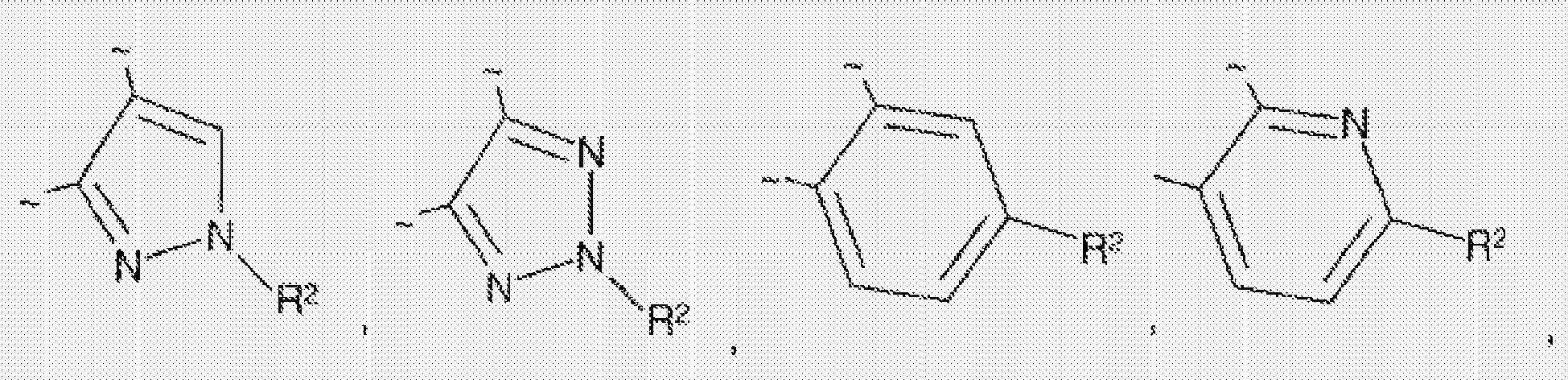
- Verbindung nach einem der Ansprüche 1 bis 6, worin


- Verbindung nach Anspruch 7, worin
Alk für (C1-C4)-Alkylen steht,
X für Sauerstoff steht,
R1 für Wasserstoff oder (C1-C6)-Alkyl steht,
R2 für Wasserstoff, (C1-C6)-Alkyl, (C1-C6)-Fluoralkyl, (C3-C6)-Cycloalkyl oder Halogen steht,
R3 für Wasserstoff oder (C1-C4)-Alkyl steht, und
Z1 und Z2 unabhängig aus Wasserstoff und Halogen ausgewählt sind. - Verbindung nach einem der Ansprüche 1 bis 6, worin


- Verbindung nach Anspruch 9, worin
Alk für (C1-C4)-Alkylen steht,
R1 für Wasserstoff oder (C1-C4)-Alkyl steht,
R2 für H, (C1-C6)-Alkyl, Halogen oder (C1-C6)-Fluoralkyl steht,
R3 für Wasserstoff, (C1-C4)-Alkyl, (C2-C6)-Alkenyl oder Phenyl steht, worin das (C1-C4)-Alkyl unsubstituiert oder durch eine Phenylgruppe substituiert ist, und
Z1 und Z2 unabhängig ausgewählt sind aus Wasserstoff und Halogen. - Verbindung nach einem der Ansprüche 1 bis 6, worin


- Verbindung nach Anspruch 11, worin
Alk für (C1-C4)-Alkylen steht,
X für Sauerstoff steht,
R1 für Wasserstoff, (C1-C6)-Fluoralkyl, (C3-C6)-Cycloalkyl oder (C1-C4)-Alkyl steht, worin das (C1-C4)-Alkyl unsubstituiert oder durch Hydroxy, Methoxy, Ethoxy oder -OCH2CH2OH substituiert ist,
R2 für H, (C1-C6)-Fluoralkyl, (C3-C6)-Cycloalkyl, -C(O)OR4 oder (C1-C6)-Alkyl steht, worin das (C1-C6)-Alkyl unsubstituiert oder durch eine Hydroxylgruppe substituiert ist,
R3 für Wasserstoff oder (C1-C4)-Alkyl steht,
R4 für Wasserstoff oder (C1-C6)-Alkyl steht, und
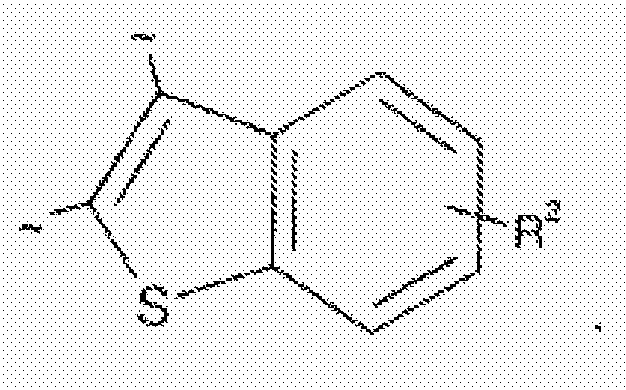
Z1 und Z2 für Wasserstoff stehen. - Verbindung nach einem der Ansprüche 1 bis 6, worin

- Verbindung nach Anspruch 13, worin
Alk für (C1-C4)-Alkylen steht,
X für Sauerstoff steht,
R1 für Wasserstoff oder (C1-C4)-Alkyl steht,
R2 für H steht,
R3 für (C1-C4)-Alkyl steht, und
Z1 und Z2 unabhängig ausgewählt sind aus der Gruppe, die besteht aus Wasserstoff, Halogen und (C1-C6)-Fluoralkyl. - Verbindung nach einem der Ansprüche 1 bis 14, worin die Stereokonfiguration S um das Kohlenstoffatom der Piperazingruppe ist, die an Alk gebunden ist.
- Verbindung nach einem der Ansprüche 1 bis 14, worin die Stereokonfiguration R um das Kohlenstoffatom der Piperazingruppe ist, die an Alk gebunden ist.
- Verbindung nach einem der Ansprüche 1 bis 14, worin Alk für -CH2-, -CH2CH2-, -CH2CH2CH2-, -CH2CH(CH3)- oder -CH2C(CH3)2- steht.
- Verbindung nach einem der Ansprüche 1 bis 14, worin X für O steht.
- Verbindung nach einem der Ansprüche 1 bis 14, worin R1 für (C1-C4)-Alkyl steht.
- Verbindung nach einem der Ansprüche 1 bis 14, worin R2 für (C1-C6)-Alkyl oder (C1-C6)-Fluoralkyl steht.
- Verbindung nach einem der Ansprüche 1 bis 14, worin R3 für (C1-C4)-Alkyl steht.
- Verbindung nach einem der Ansprüche 1 bis 14, worin Z1 und Z2 unabhängig ausgewählt sind aus Wasserstoff und Halogen.
- Pharmazeutische Zusammensetzung, umfassend eine wirksame Menge einer Verbindung nach einem der Ansprüche 1 bis 22 in Assoziation mit einem pharmazeutisch annehmbaren Träger, Verdünnungsmittel oder Exzipient.
- Verbindung nach einem der Ansprüche 1 bis 22 zur Verwendung für die Behandlung einer psychotischen Störung oder einer Stimmungsstörung.
- Verwendung einer Verbindung nach einem der Ansprüche 1 bis 22 zur Herstellung eines Arzneimittels für die Behandlung einer psychotischen Störung oder einer Stimmungsstörung.
Priority Applications (2)
| Application Number | Priority Date | Filing Date | Title |
|---|---|---|---|
| SI200330902T SI1546134T1 (sl) | 2002-08-05 | 2003-07-28 | S piperazinom substituirani arilni benzodiazepini |
| CY20071101030T CY1110382T1 (el) | 2002-08-05 | 2007-08-02 | Πυραζινο υποκατεστημενες αρυλοβενζοδιαζεπινες |
Applications Claiming Priority (3)
| Application Number | Priority Date | Filing Date | Title |
|---|---|---|---|
| US40129702P | 2002-08-05 | 2002-08-05 | |
| US401297P | 2002-08-05 | ||
| PCT/IB2003/003583 WO2004014895A1 (en) | 2002-08-05 | 2003-07-28 | Piperazine substituted aryl benzodiazepines |
Publications (2)
| Publication Number | Publication Date |
|---|---|
| EP1546134A1 EP1546134A1 (de) | 2005-06-29 |
| EP1546134B1 true EP1546134B1 (de) | 2007-05-02 |
Family
ID=31715704
Family Applications (1)
| Application Number | Title | Priority Date | Filing Date |
|---|---|---|---|
| EP03784411A Expired - Lifetime EP1546134B1 (de) | 2002-08-05 | 2003-07-28 | Piperazinsubstituierte arylbenzodiazepine |
Country Status (10)
| Country | Link |
|---|---|
| US (1) | US7384934B2 (de) |
| EP (1) | EP1546134B1 (de) |
| AT (1) | ATE361289T1 (de) |
| AU (1) | AU2003264915A1 (de) |
| CY (1) | CY1110382T1 (de) |
| DE (1) | DE60313634T2 (de) |
| DK (1) | DK1546134T3 (de) |
| ES (1) | ES2285227T3 (de) |
| PT (1) | PT1546134E (de) |
| WO (1) | WO2004014895A1 (de) |
Cited By (1)
| Publication number | Priority date | Publication date | Assignee | Title |
|---|---|---|---|---|
| US10154988B2 (en) | 2012-11-14 | 2018-12-18 | The Johns Hopkins University | Methods and compositions for treating schizophrenia |
Families Citing this family (36)
| Publication number | Priority date | Publication date | Assignee | Title |
|---|---|---|---|---|
| EP1243262B1 (de) | 2001-03-20 | 2006-05-31 | Schwarz Pharma Ag | Neue Verwendung von Peptidverbindungen bei der Behandlung von nicht-neuropathischem Entzündungsschmerz |
| DE60100055T2 (de) | 2001-03-21 | 2003-07-24 | Schwarz Pharma Ag | Neue Verwendung einer Klasse von Peptidverbindungen zur Behandlung von Allodynie oder andere Arten von chronischen oder Phantomschmerzen |
| EP1664063A1 (de) * | 2003-09-09 | 2006-06-07 | Eli Lilly And Company | Substituierte piperazine von azepinen, oxazepinen und thiazepinen |
| AR048272A1 (es) * | 2004-03-18 | 2006-04-12 | Lek Pharmaceuticals | Sintesis de 2 metil - 4- (4- metil -1- piperazinil) - 10 h- tieno ( 2,3-b) (1,5) benzodiazepina y sus sales, metodos para su preparacion, composiciones farmaceuticas que la contienen y su uso en la fabricacion de medicamentos para el tratamiento de enfermedades mentales. |
| WO2006021412A2 (en) | 2004-08-27 | 2006-03-02 | Schwarz Pharma Ag | Use of peptide compounds for treating bone cancer pain, chemotherapy-and nucleoside-induced pain |
| EP1642889A1 (de) * | 2004-10-02 | 2006-04-05 | Schwarz Pharma Ag | Verbessertes Syntheseschema für Lacosamid |
| MY147756A (en) | 2005-05-25 | 2013-01-15 | Theravance Inc | Benzimidazole-carboxamide compounds as 5-ht4 receptor agonists |
| US8735356B2 (en) | 2006-06-15 | 2014-05-27 | Ucb Pharma Gmbh | Anticonvulsant combination therapy |
| BRPI0808828A8 (pt) | 2007-03-15 | 2017-11-28 | Aryx Therapeutics Inc | Compostos de dibenzo[b,f][1,4]oxazapina |
| EP2245021B1 (de) * | 2008-01-31 | 2012-09-12 | Fermion Oy | Verfahren zur herstellung von quetiapin |
| PL395468A1 (pl) * | 2011-06-29 | 2013-01-07 | Adamed Spólka Z Ograniczona Odpowiedzialnoscia | Zwiazki amidoalkilopiperazynylowe do leczenia chorób osrodkowego ukladu nerwowego |
| CA2882454C (en) * | 2012-08-21 | 2020-08-11 | Matthew Garrett DONAHUE | Haptens of olanzapine |
| AU2013305930B2 (en) | 2012-08-21 | 2017-08-24 | Saladax Biomedical Inc. | Haptens of paliperidone |
| EP2888263B1 (de) | 2012-08-21 | 2018-05-09 | Janssen Pharmaceutica NV | Haptene aus risperidon und paliperidon |
| HK1211958A1 (en) | 2012-08-21 | 2016-06-03 | Ortho-Clinical Diagnostics, Inc. | Antibodies to paliperidone and use thereof |
| US20140057303A1 (en) | 2012-08-21 | 2014-02-27 | Janssen Pharmaceutica Nv | Antibodies to Olanzapine Haptens and Use Thereof |
| CN110054694B (zh) | 2012-08-21 | 2024-02-20 | 詹森药业有限公司 | 阿立哌唑半抗原的抗体及其用途 |
| CA2882489A1 (en) | 2012-08-21 | 2014-02-27 | Ortho-Clinical Diagnostics, Inc. | Antibodies to paliperidone haptens and use thereof |
| EP3305784B1 (de) | 2012-08-21 | 2020-08-12 | Janssen Pharmaceutica NV | Haptene von quetiapin zur verwendung bei immunoassays |
| PL3321254T3 (pl) | 2012-08-21 | 2021-01-11 | Janssen Pharmaceutica Nv | Hapteny arypiprazolu i ich zastosowanie w testach immunologicznych |
| PT3462173T (pt) | 2012-08-21 | 2021-04-28 | Janssen Pharmaceutica Nv | Anticorpos contra risperidona e utilização dos mesmos |
| AU2013305879B2 (en) | 2012-08-21 | 2017-10-12 | Saladax Biomedical Inc. | Antibodies to aripiprazole and use thereof |
| PL3663317T3 (pl) | 2012-08-21 | 2023-06-05 | Janssen Pharmaceutica Nv | Przeciwciała skierowane przeciwko haptenom kwetiapinowym i ich zastosowanie |
| PL3333195T3 (pl) | 2012-08-21 | 2021-02-22 | Janssen Pharmaceutica Nv | Przeciwciała względem kwetiapiny i ich zastosowania |
| JP6216926B2 (ja) | 2012-08-21 | 2017-10-25 | ヤンセン ファーマシューティカ エヌ.ベー. | オランザピンに対する抗体及びその使用 |
| WO2014031645A1 (en) | 2012-08-21 | 2014-02-27 | Ortho-Clinical Diagnostics, Inc | Antibodies to risperidone haptens and use thereof |
| CA2886973C (en) | 2012-10-15 | 2017-08-15 | Albemarle Corporation | Processes for the synthesis of 2-amino-4,6-dimethoxybenzamide and other benzamide compounds |
| RU2610169C2 (ru) | 2014-09-11 | 2017-02-08 | Общество С Ограниченной Ответственностью "Валентек" | ПРОИЗВОДНЫЕ 7-ФТОРО-8-ХЛОРО-5Н-ДИБЕНЗО[b, е][1, 4]ДИАЗЕПИНА И ИХ ПРИМЕНЕНИЕ |
| CN104530077A (zh) * | 2014-12-29 | 2015-04-22 | 杭州师范大学 | 一种奥氮平中间体的合成方法 |
| GB201510010D0 (en) | 2015-06-09 | 2015-07-22 | King S College London | PDD and BPD compounds |
| US20180339985A1 (en) | 2015-08-21 | 2018-11-29 | Femtogenix Limited | Pdd compounds |
| GB201514928D0 (en) | 2015-08-21 | 2015-10-07 | King S College London | PDD compounds |
| AU2016372069A1 (en) | 2015-12-17 | 2018-06-07 | Saladax Biomedical Inc. | Antibodies to risperidone and use thereof |
| WO2017106508A1 (en) | 2015-12-17 | 2017-06-22 | Janssen Pharmaceutica Nv | Antibodies to quetiapine and use thereof |
| RU2667954C2 (ru) | 2016-03-04 | 2018-09-25 | Общество С Ограниченной Ответственностью "Валентек" | Фармацевтическая композиция для лечения функциональных психических расстройств |
| CN110452183B (zh) * | 2019-09-04 | 2023-03-14 | 中国科学院上海有机化学研究所 | 一种手性杂环化合物的制备方法 |
Family Cites Families (6)
| Publication number | Priority date | Publication date | Assignee | Title |
|---|---|---|---|---|
| US4115568A (en) * | 1974-11-26 | 1978-09-19 | Lilly Industries Limited | Thieno[3,2-b]-[1,5]benzodiazepines |
| GB8819059D0 (en) * | 1988-08-11 | 1988-09-14 | Lilly Industries Ltd | Benzodiazepine compounds & their use as pharmaceuticals |
| US5602124A (en) * | 1994-12-12 | 1997-02-11 | Allelix Biopharmaceuticals, Inc. | 5-HT2 receptor ligands |
| US5602121A (en) * | 1994-12-12 | 1997-02-11 | Allelix Biopharmaceuticals, Inc. | Alkyl-substituted compounds having dopamine receptor affinity |
| US6271225B1 (en) * | 1997-09-02 | 2001-08-07 | Welfide Corporation | Fused thiophene compounds and medicinal use thereof |
| WO2003082877A1 (en) | 2002-03-28 | 2003-10-09 | Eli Lilly And Company | Piperazine substituted aryl benzodiazepines and their use as dopamine receptor antagonists for the treatment of psychotic disorders |
-
2003
- 2003-07-28 DK DK03784411T patent/DK1546134T3/da active
- 2003-07-28 US US10/523,147 patent/US7384934B2/en not_active Expired - Fee Related
- 2003-07-28 PT PT03784411T patent/PT1546134E/pt unknown
- 2003-07-28 DE DE60313634T patent/DE60313634T2/de not_active Expired - Lifetime
- 2003-07-28 ES ES03784411T patent/ES2285227T3/es not_active Expired - Lifetime
- 2003-07-28 AT AT03784411T patent/ATE361289T1/de active
- 2003-07-28 EP EP03784411A patent/EP1546134B1/de not_active Expired - Lifetime
- 2003-07-28 WO PCT/IB2003/003583 patent/WO2004014895A1/en not_active Ceased
- 2003-07-28 AU AU2003264915A patent/AU2003264915A1/en not_active Abandoned
-
2007
- 2007-08-02 CY CY20071101030T patent/CY1110382T1/el unknown
Non-Patent Citations (1)
| Title |
|---|
| None * |
Cited By (2)
| Publication number | Priority date | Publication date | Assignee | Title |
|---|---|---|---|---|
| US10154988B2 (en) | 2012-11-14 | 2018-12-18 | The Johns Hopkins University | Methods and compositions for treating schizophrenia |
| EP3610890A1 (de) | 2012-11-14 | 2020-02-19 | The Johns Hopkins University | Verfahren und zusammensetzungen zur behandlung von schizophrenie |
Also Published As
| Publication number | Publication date |
|---|---|
| EP1546134A1 (de) | 2005-06-29 |
| ES2285227T3 (es) | 2007-11-16 |
| AU2003264915A1 (en) | 2004-02-25 |
| US7384934B2 (en) | 2008-06-10 |
| US20060084643A1 (en) | 2006-04-20 |
| DE60313634D1 (de) | 2007-06-14 |
| CY1110382T1 (el) | 2015-04-29 |
| DK1546134T3 (da) | 2007-09-10 |
| WO2004014895A1 (en) | 2004-02-19 |
| ATE361289T1 (de) | 2007-05-15 |
| PT1546134E (pt) | 2007-08-10 |
| DE60313634T2 (de) | 2008-01-31 |
Similar Documents
| Publication | Publication Date | Title |
|---|---|---|
| EP1492794B1 (de) | Piperazine-substituierte aryl-benzodiazepinen und ihre verwendung als dopaminrezeptor-antagonisten zur behandlung von psychose | |
| US7384934B2 (en) | Piperazine substituted aryl benzodiazepines | |
| EP1848694B1 (de) | Heterocyclsche substituierte phenylmethanone als inhibitoren des glycintransporters 1 | |
| EP2522671B1 (de) | 5-HT-Rezeptor-Modulatoren und Verfahren zu ihrer Verwendung | |
| EP0292840B1 (de) | Neue cyclische Aminderivate, diese Verbindungen enthaltende Arzneimittel und Verfahren zu ihrer Herstellung | |
| EP1881827B1 (de) | Kondensierte thiazol-derivate als kinase-hemmer | |
| EP2298731A1 (de) | Amidverbindung | |
| EP1319004A2 (de) | Substituierte azepino[4,5-b]indolderivate | |
| EP1740579B1 (de) | Tricyclische pyrazole als kinaseinhibitoren | |
| EP1657238A1 (de) | Kondensiertes pyrimidinderivat und dessen verwendung | |
| WO2006131552A1 (de) | Alpha-carboline als cdk-1 inhibitoren | |
| EP3150607A1 (de) | 5-ht-rezeptor-modulatoren und verfahren zur verwendung davon | |
| EP1664063A1 (de) | Substituierte piperazine von azepinen, oxazepinen und thiazepinen | |
| EP1149106B1 (de) | 4,5-azolo-oxindole | |
| KR20020015079A (ko) | 중추신경계 질병 치료용 옥사지노카르바졸 | |
| CA2213197C (en) | Certain bridged 4-phenyl-2-aminomethylimidazoles; new dopamine receptor subtype specific ligands | |
| KR100826304B1 (ko) | 피롤로[2,1-b][1,3]벤조티아제핀 및 정신병 치료 활성을갖는 약제의 제조를 위한 그의 용도 | |
| HK1036793B (en) | Pyrrolo [2,1-b][1,3]benzothiazepines with atypical antipsychotic activity | |
| HK1036793A1 (en) | Pyrrolo [2,1-b][1,3]benzothiazepines with atypical antipsychotic activity | |
| CN101547927A (zh) | 8-磺酰基-1,3,4,8-四氢-2h-[1,4]氧氮杂并[6,7-e]吲哚衍生物和它们作为5-ht6受体配体的应用 | |
| HK1222856B (en) | New isoindoline or isoquinoline compounds, a process for their preparation and pharmaceutical compositions containing them |
Legal Events
| Date | Code | Title | Description |
|---|---|---|---|
| PUAI | Public reference made under article 153(3) epc to a published international application that has entered the european phase |
Free format text: ORIGINAL CODE: 0009012 |
|
| 17P | Request for examination filed |
Effective date: 20050307 |
|
| AK | Designated contracting states |
Kind code of ref document: A1 Designated state(s): AT BE BG CH CY CZ DE DK EE ES FI FR GB GR HU IE IT LI LU MC NL PT RO SE SI SK TR |
|
| AX | Request for extension of the european patent |
Extension state: AL LT LV MK |
|
| DAX | Request for extension of the european patent (deleted) | ||
| GRAP | Despatch of communication of intention to grant a patent |
Free format text: ORIGINAL CODE: EPIDOSNIGR1 |
|
| RIN1 | Information on inventor provided before grant (corrected) |
Inventor name: PINEIRO-NUNEZ, MARTA, MARIA Inventor name: CHEN, ZHAOGENHOUSE 10A, PHASE V. GREEN VILLA Inventor name: ROCCO, VINCENT, PATRICK Inventor name: AICHER, THOMAS, DANIEL Inventor name: MARTIN, FIONNA MITCHELLELI LILLY AND COMPANY LTD. Inventor name: RULEY, KEVIN, MICHAEL Inventor name: TUPPER, DAVID EDWARDELI LILLY AND COMPANY Inventor name: LE HUEROU, YVAN Inventor name: SPINAZZE, PATRICK, GIANPIETRO Inventor name: SCHAUS, JOHN, MEHNERT |
|
| GRAS | Grant fee paid |
Free format text: ORIGINAL CODE: EPIDOSNIGR3 |
|
| GRAA | (expected) grant |
Free format text: ORIGINAL CODE: 0009210 |
|
| AK | Designated contracting states |
Kind code of ref document: B1 Designated state(s): AT BE BG CH CY CZ DE DK EE ES FI FR GB GR HU IE IT LI LU MC NL PT RO SE SI SK TR |
|
| REG | Reference to a national code |
Ref country code: GB Ref legal event code: FG4D |
|
| REG | Reference to a national code |
Ref country code: CH Ref legal event code: EP |
|
| REG | Reference to a national code |
Ref country code: IE Ref legal event code: FG4D |
|
| REF | Corresponds to: |
Ref document number: 60313634 Country of ref document: DE Date of ref document: 20070614 Kind code of ref document: P |
|
| REG | Reference to a national code |
Ref country code: PT Ref legal event code: SC4A Free format text: AVAILABILITY OF NATIONAL TRANSLATION Effective date: 20070731 |
|
| REG | Reference to a national code |
Ref country code: CH Ref legal event code: NV Representative=s name: E. BLUM & CO. AG PATENT- UND MARKENANWAELTE VSP |
|
| REG | Reference to a national code |
Ref country code: SE Ref legal event code: TRGR |
|
| REG | Reference to a national code |
Ref country code: GR Ref legal event code: EP Ref document number: 20070402319 Country of ref document: GR |
|
| REG | Reference to a national code |
Ref country code: DK Ref legal event code: T3 |
|
| REG | Reference to a national code |
Ref country code: HU Ref legal event code: AG4A Ref document number: E001965 Country of ref document: HU |
|
| REG | Reference to a national code |
Ref country code: RO Ref legal event code: EPE |
|
| ET | Fr: translation filed | ||
| REG | Reference to a national code |
Ref country code: ES Ref legal event code: FG2A Ref document number: 2285227 Country of ref document: ES Kind code of ref document: T3 |
|
| REG | Reference to a national code |
Ref country code: EE Ref legal event code: FG4A Ref document number: E001517 Country of ref document: EE Effective date: 20071002 |
|
| PLBE | No opposition filed within time limit |
Free format text: ORIGINAL CODE: 0009261 |
|
| STAA | Information on the status of an ep patent application or granted ep patent |
Free format text: STATUS: NO OPPOSITION FILED WITHIN TIME LIMIT |
|
| 26N | No opposition filed |
Effective date: 20080205 |
|
| PG25 | Lapsed in a contracting state [announced via postgrant information from national office to epo] |
Ref country code: CY Free format text: LAPSE BECAUSE OF NON-PAYMENT OF DUE FEES Effective date: 20090728 |
|
| PGFP | Annual fee paid to national office [announced via postgrant information from national office to epo] |
Ref country code: CY Payment date: 20120727 Year of fee payment: 10 |
|
| PG25 | Lapsed in a contracting state [announced via postgrant information from national office to epo] |
Ref country code: CY Free format text: LAPSE BECAUSE OF NON-PAYMENT OF DUE FEES Effective date: 20130728 |
|
| REG | Reference to a national code |
Ref country code: FR Ref legal event code: PLFP Year of fee payment: 14 |
|
| REG | Reference to a national code |
Ref country code: FR Ref legal event code: PLFP Year of fee payment: 15 |
|
| REG | Reference to a national code |
Ref country code: FR Ref legal event code: PLFP Year of fee payment: 16 |
|
| PGFP | Annual fee paid to national office [announced via postgrant information from national office to epo] |
Ref country code: IE Payment date: 20180625 Year of fee payment: 16 Ref country code: CZ Payment date: 20180627 Year of fee payment: 16 Ref country code: MC Payment date: 20180627 Year of fee payment: 16 Ref country code: FI Payment date: 20180625 Year of fee payment: 16 Ref country code: NL Payment date: 20180627 Year of fee payment: 16 Ref country code: PT Payment date: 20180626 Year of fee payment: 16 Ref country code: SK Payment date: 20180625 Year of fee payment: 16 |
|
| PGFP | Annual fee paid to national office [announced via postgrant information from national office to epo] |
Ref country code: BG Payment date: 20180625 Year of fee payment: 16 Ref country code: RO Payment date: 20180626 Year of fee payment: 16 Ref country code: FR Payment date: 20180620 Year of fee payment: 16 Ref country code: LU Payment date: 20180709 Year of fee payment: 16 Ref country code: GR Payment date: 20180625 Year of fee payment: 16 |
|
| PGFP | Annual fee paid to national office [announced via postgrant information from national office to epo] |
Ref country code: DE Payment date: 20180618 Year of fee payment: 16 Ref country code: EE Payment date: 20180702 Year of fee payment: 16 Ref country code: ES Payment date: 20180801 Year of fee payment: 16 Ref country code: IT Payment date: 20180710 Year of fee payment: 16 Ref country code: GB Payment date: 20180625 Year of fee payment: 16 |
|
| PGFP | Annual fee paid to national office [announced via postgrant information from national office to epo] |
Ref country code: CH Payment date: 20180725 Year of fee payment: 16 Ref country code: TR Payment date: 20180705 Year of fee payment: 16 Ref country code: SE Payment date: 20180710 Year of fee payment: 16 Ref country code: AT Payment date: 20180625 Year of fee payment: 16 Ref country code: BE Payment date: 20180719 Year of fee payment: 16 Ref country code: DK Payment date: 20180626 Year of fee payment: 16 Ref country code: SI Payment date: 20180703 Year of fee payment: 16 Ref country code: HU Payment date: 20180622 Year of fee payment: 16 |
|
| REG | Reference to a national code |
Ref country code: DE Ref legal event code: R119 Ref document number: 60313634 Country of ref document: DE |
|
| REG | Reference to a national code |
Ref country code: EE Ref legal event code: MM4A Ref document number: E001517 Country of ref document: EE Effective date: 20190731 |
|
| REG | Reference to a national code |
Ref country code: DK Ref legal event code: EBP Effective date: 20190731 |
|
| REG | Reference to a national code |
Ref country code: FI Ref legal event code: MAE |
|
| PG25 | Lapsed in a contracting state [announced via postgrant information from national office to epo] |
Ref country code: MC Free format text: LAPSE BECAUSE OF NON-PAYMENT OF DUE FEES Effective date: 20190731 |
|
| REG | Reference to a national code |
Ref country code: CH Ref legal event code: PL |
|
| REG | Reference to a national code |
Ref country code: SE Ref legal event code: EUG |
|
| REG | Reference to a national code |
Ref country code: AT Ref legal event code: MM01 Ref document number: 361289 Country of ref document: AT Kind code of ref document: T Effective date: 20190728 |
|
| GBPC | Gb: european patent ceased through non-payment of renewal fee |
Effective date: 20190728 |
|
| REG | Reference to a national code |
Ref country code: SK Ref legal event code: MM4A Ref document number: E 2676 Country of ref document: SK Effective date: 20190728 |
|
| REG | Reference to a national code |
Ref country code: BE Ref legal event code: MM Effective date: 20190731 |
|
| REG | Reference to a national code |
Ref country code: SI Ref legal event code: KO00 Effective date: 20200310 |
|
| PG25 | Lapsed in a contracting state [announced via postgrant information from national office to epo] |
Ref country code: HU Free format text: LAPSE BECAUSE OF NON-PAYMENT OF DUE FEES Effective date: 20190729 Ref country code: BG Free format text: LAPSE BECAUSE OF NON-PAYMENT OF DUE FEES Effective date: 20200131 Ref country code: GR Free format text: LAPSE BECAUSE OF NON-PAYMENT OF DUE FEES Effective date: 20200206 Ref country code: EE Free format text: LAPSE BECAUSE OF NON-PAYMENT OF DUE FEES Effective date: 20190731 Ref country code: GB Free format text: LAPSE BECAUSE OF NON-PAYMENT OF DUE FEES Effective date: 20190728 Ref country code: AT Free format text: LAPSE BECAUSE OF NON-PAYMENT OF DUE FEES Effective date: 20190728 Ref country code: SE Free format text: LAPSE BECAUSE OF NON-PAYMENT OF DUE FEES Effective date: 20190729 Ref country code: RO Free format text: LAPSE BECAUSE OF NON-PAYMENT OF DUE FEES Effective date: 20190728 Ref country code: PT Free format text: LAPSE BECAUSE OF NON-PAYMENT OF DUE FEES Effective date: 20200128 Ref country code: NL Free format text: LAPSE BECAUSE OF NON-PAYMENT OF DUE FEES Effective date: 20190801 Ref country code: FI Free format text: LAPSE BECAUSE OF NON-PAYMENT OF DUE FEES Effective date: 20190728 Ref country code: DE Free format text: LAPSE BECAUSE OF NON-PAYMENT OF DUE FEES Effective date: 20200201 |
|
| REG | Reference to a national code |
Ref country code: NL Ref legal event code: MM Effective date: 20190801 |
|
| PG25 | Lapsed in a contracting state [announced via postgrant information from national office to epo] |
Ref country code: SI Free format text: LAPSE BECAUSE OF NON-PAYMENT OF DUE FEES Effective date: 20190729 Ref country code: BE Free format text: LAPSE BECAUSE OF NON-PAYMENT OF DUE FEES Effective date: 20190731 Ref country code: CZ Free format text: LAPSE BECAUSE OF NON-PAYMENT OF DUE FEES Effective date: 20190728 Ref country code: SK Free format text: LAPSE BECAUSE OF NON-PAYMENT OF DUE FEES Effective date: 20190728 Ref country code: LU Free format text: LAPSE BECAUSE OF NON-PAYMENT OF DUE FEES Effective date: 20190728 Ref country code: LI Free format text: LAPSE BECAUSE OF NON-PAYMENT OF DUE FEES Effective date: 20190731 Ref country code: CH Free format text: LAPSE BECAUSE OF NON-PAYMENT OF DUE FEES Effective date: 20190731 |
|
| PG25 | Lapsed in a contracting state [announced via postgrant information from national office to epo] |
Ref country code: FR Free format text: LAPSE BECAUSE OF NON-PAYMENT OF DUE FEES Effective date: 20190731 |
|
| PG25 | Lapsed in a contracting state [announced via postgrant information from national office to epo] |
Ref country code: IE Free format text: LAPSE BECAUSE OF NON-PAYMENT OF DUE FEES Effective date: 20190728 Ref country code: DK Free format text: LAPSE BECAUSE OF NON-PAYMENT OF DUE FEES Effective date: 20190731 |
|
| PG25 | Lapsed in a contracting state [announced via postgrant information from national office to epo] |
Ref country code: IT Free format text: LAPSE BECAUSE OF NON-PAYMENT OF DUE FEES Effective date: 20190728 |
|
| REG | Reference to a national code |
Ref country code: ES Ref legal event code: FD2A Effective date: 20201202 |
|
| PG25 | Lapsed in a contracting state [announced via postgrant information from national office to epo] |
Ref country code: ES Free format text: LAPSE BECAUSE OF NON-PAYMENT OF DUE FEES Effective date: 20190729 |
|
| PG25 | Lapsed in a contracting state [announced via postgrant information from national office to epo] |
Ref country code: TR Free format text: LAPSE BECAUSE OF NON-PAYMENT OF DUE FEES Effective date: 20190728 |