EP1582519A2 - Heteropolyzyklische Verbindungen und ihre Verwendung als Antagonisten von metabotropen Glutamatrezeptoren - Google Patents
Heteropolyzyklische Verbindungen und ihre Verwendung als Antagonisten von metabotropen Glutamatrezeptoren Download PDFInfo
- Publication number
- EP1582519A2 EP1582519A2 EP05014788A EP05014788A EP1582519A2 EP 1582519 A2 EP1582519 A2 EP 1582519A2 EP 05014788 A EP05014788 A EP 05014788A EP 05014788 A EP05014788 A EP 05014788A EP 1582519 A2 EP1582519 A2 EP 1582519A2
- Authority
- EP
- European Patent Office
- Prior art keywords
- pyridyl
- oxadiazole
- oxazole
- group
- cyanophenyl
- Prior art date
- Legal status (The legal status is an assumption and is not a legal conclusion. Google has not performed a legal analysis and makes no representation as to the accuracy of the status listed.)
- Withdrawn
Links
- 0 *C(**1)*C1[Al] Chemical compound *C(**1)*C1[Al] 0.000 description 2
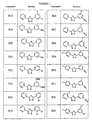
- HFGWLRAJYOVQAY-UHFFFAOYSA-N Brc1cc(-c2nc(-c3ncccc3)c[o]2)ccc1 Chemical compound Brc1cc(-c2nc(-c3ncccc3)c[o]2)ccc1 HFGWLRAJYOVQAY-UHFFFAOYSA-N 0.000 description 1
Images



Classifications
-
- C—CHEMISTRY; METALLURGY
- C07—ORGANIC CHEMISTRY
- C07D—HETEROCYCLIC COMPOUNDS
- C07D401/00—Heterocyclic compounds containing two or more hetero rings, having nitrogen atoms as the only ring hetero atoms, at least one ring being a six-membered ring with only one nitrogen atom
- C07D401/02—Heterocyclic compounds containing two or more hetero rings, having nitrogen atoms as the only ring hetero atoms, at least one ring being a six-membered ring with only one nitrogen atom containing two hetero rings
- C07D401/04—Heterocyclic compounds containing two or more hetero rings, having nitrogen atoms as the only ring hetero atoms, at least one ring being a six-membered ring with only one nitrogen atom containing two hetero rings directly linked by a ring-member-to-ring-member bond
-
- A—HUMAN NECESSITIES
- A61—MEDICAL OR VETERINARY SCIENCE; HYGIENE
- A61P—SPECIFIC THERAPEUTIC ACTIVITY OF CHEMICAL COMPOUNDS OR MEDICINAL PREPARATIONS
- A61P25/00—Drugs for disorders of the nervous system
-
- C—CHEMISTRY; METALLURGY
- C07—ORGANIC CHEMISTRY
- C07D—HETEROCYCLIC COMPOUNDS
- C07D413/00—Heterocyclic compounds containing two or more hetero rings, at least one ring having nitrogen and oxygen atoms as the only ring hetero atoms
- C07D413/02—Heterocyclic compounds containing two or more hetero rings, at least one ring having nitrogen and oxygen atoms as the only ring hetero atoms containing two hetero rings
- C07D413/04—Heterocyclic compounds containing two or more hetero rings, at least one ring having nitrogen and oxygen atoms as the only ring hetero atoms containing two hetero rings directly linked by a ring-member-to-ring-member bond
Definitions
- the invention provides compounds active at metabotropic glutamate receptors and that are useful for treating neurological and psychiatric diseases and disorders.
- metabotropic glutamate receptors Recent advances in the elucidation of the neurophysiological roles of metabotropic glutamate receptors have established these receptors as promising drug targets in the therapy of acute and chronic neurological and psychiatric disorders and diseases.
- metabotropic glutamate receptor subtype-selective compounds have been developed.
- Glutamate is the major excitatory neurotransmitter in the mammalian central nervous system (CNS). Glutamate produces its effects on central neurons by binding to and thereby activating cell surface receptors. These receptors have been divided into two major classes, the ionotropic and metabotropic glutamate receptors, based on the structural features of the receptor proteins, the means by which the receptors transduce signals into the cell, and pharmacological profiles.
- mGluRs metabotropic glutamate receptors
- PI phosphoinositide
- intracellular calcium release activation of phospholipase D
- activation or inhibition of adenyl cyclase increases or decreases in the formation of cyclic adenosine monophosphate (cAMP)
- activation of guanylyl cyclase increases in the formation of cyclic guanosine monophosphate (cGMP)
- phospholipase A 2 increases in arachidonic acid release; and increases or decreases in the activity of voltage- and ligand-gated ion channels.
- mGluR1 through mGluR8 Eight distinct mGluR subtypes, termed mGluR1 through mGluR8, have been identified by molecular cloning. See, for example, Nakanishi, Neuron 13 :1031 (1994); Pin et al ., Neuropharmacology 34 :1 (1995); Knopfel et al. , J. Med. Chem. 38 :1417 (1995). Further receptor diversity occurs via expression of alternatively spliced forms of certain mGluR subtypes. Pin et al ., PNAS 89 :10331 (1992); Minakami et al., BBRC 199 :1136 (1994); Joly et al ., J. Neurosci. 15 :3970 (1995).
- Metabotropic glutamate receptor subtypes may be subdivided into three groups, Group I, Group II, and Group III mGluRs, based on amino acid sequence homology, the second messenger systems utilized by the receptors, and by their pharmacological characteristics. Nakanishi, Neuron 13 :1031 (1994); Pin et al., Neuropharmacology 34 :1 (1995); Knopfel et al ., J. Med. Chem. 38 :1417 (1995).
- Group I mGluRs comprise mGluR1, mGluR5, and their alternatively spliced variants.
- the binding of agonists to these receptors results in the activation of phospholipase C and the subsequent mobilization of intracellular calcium.
- Electrophysiological measurements have been used to, demonstrate these effects, for example, in Xenopus oocytes that express recombinant mGluR1 receptors. See, for example, Masu et al., Nature 349 :760 (1991); Pin et al., PNAS 89 :10331 (1992). Similar results have been achieved with oocytes expressing recombinant mGluR5 receptors. Abe et al ., J. Biol. Chem .
- agonist activation of recombinant mGluR1 receptors expressed in Chinese hamster ovary (CHO) cells stimulates PI hydrolysis, cAMP formation, and arachidonic acid release as measured by standard biochemical assays. Aramori et al. , Neuron 8 :757 (1992).
- mGluR5 receptors By comparison, the activation of mGluR5 receptors, expressed in CHO cells, stimulates PI hydrolysis and subsequent intracellular calcium transients, but no stimulation of cAMP formation or arachidonic acid release is observed. Abe et al ., J. Biol. Chem . 267 :13361 (1992). However, activation of mGluR5 receptors expressed in LLC-PK1 cells results in PI hydrolysis and increased cAMP formation. Joly et al ., J. Neurosci. 15 :3970 (1995).
- Quisqualate is relatively selective for Group I receptors, as compared to Group II and Group III mGluRs, but it also is a potent activator of ionotropic AMPA receptors. Pin et al ., Neuropharmacology 34 :1, Knopfel et al. , J. Med. Chem. 38 :1417 (1995).
- Metabotropic glutamate receptors have been implicated in a number of normal processes in the mammalian CNS. Activation of mGluRs has been shown to be required for induction of hippocampal long-term potentiation and cerebellar long-term depression. Bashir et al ., Nature 363 :347 (1993); Bortolotto et al ., Nature 368 :740 (1994); Aiba et al ., Cell 79 :365 (1994); Aiba et al., Cell 79 :377 (1994). A role for mGluR activation in nociception and analgesia also has been demonstrated. Meller et al ., Neuroreport 4 : 879 (1993).
- mGluR activation has been suggested to play a modulatory role in a variety of other normal processes including synaptic transmission, neuronal development, apoptotic neuronal death, synaptic plasticity, spatial learning, olfactory memory, central control of cardiac activity, waking, motor control, and control of the vestibulo-ocular reflex.
- neuron 13 1031 (1994); Pin et al ., Neuropharmacology 34 :1; Knopfel et al ., J. Med. Chem. 38 :1417 (1995).
- Metabotropic glutamate receptors also have been suggested to play roles in a variety of pathophysiological processes and disease states affecting the CNS. These include stroke, head trauma, anoxic and ischemic injuries, hypoglycemia, epilepsy, and neurodegenerative diseases such as Alzheimer's disease. Schoepp et al. , Trends Pharmacol. Sci. 14 :13 (1993); Cunningham et al., Life Sci. 54 :135 (1994); Hollman et al., Ann. Rev. Neurosci . 17 :31 (1994); Pin et al ., Neuropharmacology 34 :1 (1995); Knopfel et al., J. Med. Chem. 38 :1417 (1995).
- Group I mGluRs appear to increase glutamate-mediated neuronal excitation via postsynaptic mechanisms and enhanced presynaptic glutamate release, their activation probably contributes to the pathology. Accordingly, selective antagonists of Group I mGluR receptors could be therapeutically beneficial, specifically as neuroprotective agents, analgesics, or anticonvulsants.
- mGluR agonists and antagonists have limited value, due to their lack of potency and selectivity.
- most currently available compounds are amino acids or amino acid derivatives that have limited bioavailabilities, thereby hampering in vivo studies to assess mGluR physiology, pharmacology and their therapeutic potential.
- Compounds that selectively inhibit activation of metabotropic glutamate receptor Group I subtypes should be useful for treatment of neurological disorders and diseases such as senile dementia, Parkinson's disease, Alzheimer's disease, Huntington's Chorea, pain, migraine headaches, epilepsy, head trauma, anoxic and ischemic injuries, psychiatric disorders such as schizophrenia, depression, and anxiety, ophthalmological disorders such as various retinopathies, for example, diabetic retinopathies, glaucoma, and neurological disorders of a auditory nature such as tinnitus, and neuropathic pain disorders, including neuropathic diseases states such as diabetic neuropathies, chemotherapy induced neuropathies, post-herpetic neuralgia, and trigeminal neuralgia.
- neurological disorders and diseases such as senile dementia, Parkinson's disease, Alzheimer's disease, Huntington's Chorea, pain, migraine headaches, epilepsy, head trauma, anoxic and ischemic injuries, psychiatric disorders such
- the present invention provides potent antagonists of Group I mGluRs, specifically, mGluR5.
- These antagonists may be represented by the formula I, Ar 1 -G-Ar 2 wherein Ar 1 is an optionally substituted heteroaromatic moiety and Ar 2 is an optionally substituted benzene ring.
- the G moiety is a group that not only covalently binds to the Ar 1 and Ar 2 moieties, and facilitates adoption of the correct spatial orientation of Ar 1 and Ar 2 , but also itself may interact with the protein, to effect receptor binding.
- Ar 1 is selected from the group consisting of phenyl, benzyl, naphthyl, fluorenyl, anthrenyl, indenyl, phenanthrenyl, and benzonaphthenyl
- Ar 2 is selected from the group consisting of thiazoyl, furyl, pyranyl, 2H-pyrrolyl, thienyl, pyrroyl, imidazoyl, pyrazoyl, pyridyl, pyrazinyl, pyrimidinyl, pyridazinyl, benzothiazole, benzimidazole, 3H-indolyl, indolyl, indazoyl, purinyl, quinolizinyl, isoquinolyl, quinolyl, phthalizinyl, naphthyridinyl, quinazolinyl, cinnolinyl, isothiazolyl, quinoxalin
- compounds of the present invention can be represented by formula II: wherein X, Y, and Z are independently selected from the group consisting of N, O, S, C, and CO wherein at least one of X, Y, and Z is a heteroatom; Ar 1 and Ar 2 are independently selected from the group consisting of a heterocyclic or fused heterocyclic moiety containing 1 to 4 heteroatoms selected from the group consisting of N, O, and S and an aromatic moiety selected from the group consisting of phenyl, benzyl, 1-naphthyl, 2-naphthyl, fluorenyl, anthrenyl, indenyl, phenanthrenyl, and benzonaphthenyl, wherein the Ar 1 and Ar 2 moieties are optionally substituted with one or more moieties selected from the group consisting of -F, -Cl, -Br, -I, -OR, -SR, -SOR, -SO 2
- heterocyclic or fused heterocylic moiety preferably is selected from the group consisting of quinolyl, quinazolyl, quinoxalyl, 2-pyrimidyl, 4-pyrimidyl, 5-pyrimidyl, 2-pyridyl, 3-pyridyl, 4-pyridyl, and pyrazyl.
- the compound is selected from the group consisting of 3-(2-pyridyl)-5-(3,5-dichlorophenyl)-1,2,4-oxadiazole, 3-(2-pyridyl)-5-(3-chlorophenyl)-1,2,4-oxadiazole, 3-(2-pyridyl)-5-(3-methoxyphenyl)-1,2,4-oxadiazole, 3-(2-pyridyl)-5-(2-chlorophenyl)-1,2,4-oxadiazole, 3-(2-pyridyl)-5-[3-(trifluoromethyl)phenyl]-1,2,4-oxadiazole, 3-(2-pyridyl)-5-(3-methylphenyl)-1,2,4-oxadiazole, 3-(2-pyridyl)-5-(1-naphthyl)-1,2,4-oxadiazole, 3-(2-pyridyl)-5-(1-na
- the compound is selected from the group consisting of 2-(3,5-dichlorophenyl)-4-(2-pyridyl)-1,3-oxazole, 2-(3-chlorophenyl)-4-(2-pyridyl)-1,3-oxazole, 2-(3-methoxyphenyl)-4-(2-pyridyl)-1,3-oxazole, 2-(2-chlorophenyl)-4-(2-pyridyl)-1,3-oxazole, 2-(3-trifluorophenyl)-4-(2-pyridyl)-1,3-oxazole, 2-(3-methylphenyl)-4-(2-pyridyl)-1,3-oxazole, 2-(1-naphthyl)-4-(2-pyridyl)-1,3-oxazole, 2-(3-trifluoromethoxyphenyl)-4-(2-pyridyl)-1,3-oxazole,
- a pharmaceutical composition comprising a compound as set forth above in Formula I and formula II, together with a pharmaceutically acceptable diluent or excipient.
- compounds of the invention generally can be prepared by formation of the G moiety between two precursor compounds containing suitable Ar 1 and Ar 2 moieties.
- the linker contains an 1,2,4-oxadiazole
- the heterocycle may be formed using well known techniques, such as reaction between an amidoxime and an acid chloride, or by the reaction of an amidoxime and an acylimidazole. An illustration of such a transformation is provided in Examples 3 through 6, below.
- Amidoximes can be prepared using well known techniques by the reaction of an Ar 1 substituted nitrile with hydroxylamine. An illustration of such a transformation is provided below in Example 1.
- the precursor Ar 2 carbonyl chlorides are readily available, or may be prepared using straightforward techniques of organic chemistry.
- carboxylic acids may be converted into the corresponding acid chlorides by reaction with, for example, thionyl chloride or oxalyl chloride.
- linker contains a 1,3-oxazole
- compounds were prepared from the procedure similar to that given by Kelly et al ., J. Org. Chem. 61 , 4623-4633 (1996).
- 3,5-Disubstituted-1,3-Oxazoles were prepared by reacting a haloketone with carboxamide in refluxing toluene for 3 days. The resulting mixture was allowed to cool to room temperature, the solvent was removed and the residue was purified.
- a method of inhibiting activation of an mGluR Group I receptor, specifically mGluR5, comprising treating a cell containing said mGluR Group I receptor with an effective amount of a compound as set forth above.
- a method of treating a disease or disorder associated with glutamate-induced neuronal damage or a method of treating a disease or disorder associated with Group I mGluR activation or amenable to therapeutic intervention with a mGluR Group I antagonist, comprising administering to a patient suffering from said disease or disorder an effective amount of a composition as set forth above, wherein said disease or disorder is selected from the group consisting of as senile dementia, Parkinson's disease, Alzheimer's disease, Huntington's Chorea, pain, migraine headaches, epilepsy, head trauma, anoxic and ischemic injuries, psychiatric disorders such as schizophrenia, depression, anxiety, diabetic retinopathies, glaucoma, tinnitus, diabetic neuropathies, chemotherapy induced neuropathies, post-herpetic neuralgia, and trigeminal neuralgia.
- the present invention provides compounds that are potent and selective antagonists of mGluR5.
- the compounds contemplated by the invention can be represented by the general formula I: Ar 1 -G-Ar 2 where Ar 1 is an optionally substituted heterocyclic moiety and Ar 2 is an optionally substituted carbocyclic moiety.
- the G moiety is a group that not only covalently binds to the Ar 1 and Ar 2 moieties and facilitates adoption of the correct spatial orientation of Ar 1 and-Ar 2 , but may itself interact with the protein to allow receptor binding.
- the Ar 1 moiety is generally defined as a heterocyclic moiety, and the Ar 2 moiety is generally defined as a carbocylic moiety.
- Ar 1 and Ar 2 can be monocyclic or fused bicyclic groups.
- Ar 2 is preferably defined as an aryl or alkaryl moiety.
- Ar 1 is preferably defined as a heterocyclic, heteroaryl or heteroarylalkyl moiety.
- the ring systems encompassed by Ar 1 can contain up to four heteroatoms, independently selected from the group consisting of N, S, and O. When Ar 1 is a heteroaryl ring or ring system, it preferably contains one or two heteroatoms. At least one of the heteroatoms preferably is nitrogen (N).
- heterocyclic or fused heterocylic moiety preferably is selected from the group consisting of quinolyl, quinazolyl, quinoxalyl, 2-pyrimidyl, 4-pyrimidyl, 5-pyrimidyl, 2-pyridyl, 3-pyridyl, 4-pyridyl, and pyrazyl.
- Monocyclic Ar 1 groups include, but are not limited to: thiazoyl, furyl, pyranyl, 2H-pyrrolyl, thienyl, pyrroyl, imidazoyl, pyrazoyl, pyridyl, pyrazinyl, pyrimidinyl, and pyridazinyl moieties.
- Monocyclic Ar 2 group include but are not limited to phenyl and benzyl.
- Fused bicyclic Ar 2 include, but are not limited to, naphthyl, fluorenyl, anthrenyl, indenyl, phenanthrenyl, and benzonaphthenyl.
- Ar 1 groups include, but are not limited to: benzothiazole, benzimidazole, 3H-indolyl, indolyl, indazoyl, purinyl, quinolizinyl, isoquinolyl, quinolyl, phthalizinyl, naphthyridinyl, quinazolinyl, cinnolinyl, isothiazolyl, quinoxalinyl indolizinyl, isoindolyl, benzothienyl, benzofuranyl, isobenzofuranyl, and chromenyl moieties.
- Ar 1 preferably is a 2-pyridyl moiety.
- Ar 2 preferably is a substituted phenyl moiety.
- the Ar 1 and Ar 2 moieties optionally may independently be substituted with one or more moieties selected from the group consisting of halogen, C 1 -C 3 alkyl, C 1 -C 3 O-alkyl, -OH, -OCF 3 , -COOR, -COR, -SOR, -SO 2 NRR', -NRR', -CN, -CF 3 , -CO-NRR', -A-(CH 2 ) n -NRR', wherein A is C, O, N, SO, SO 2 , and R and R' are independently selected from the group consisting of C 1 -C 3 alkyl, H , cycloalkyl, heterocycloalkyl, aryl, and n is 1, 2, 3, or 4.
- the G moiety is generally made up of 1-14 atoms. G can be independently selected from the group of atoms: C, H, N, O, and S.
- the G moiety can thus be made of a non-cyclic moiety.
- the atomic arrangement in the G moiety can also be made to form a five-membered ring.
- Several examples of these are cyclopentane, cyclopentadiene, furan, thiofuran, pyrrolidine, pyrrole, 2-imidazoline, 3-imidazoline, 4-imidazoline, imidazole, pyrazoline, pyrazolidine, imidazolidine, oxazole, 2-oxazole, thiazole, isoxazole, isothiazole, 1 H -1,2,4-triazole, 1 H -1,2,3-triazole, 1,2,4-oxathiazole, 1,3,4-oxathiazole, 1,4,2-dioxazole, 1,4,2-oxathiazole, 1,2,4-oxadiazole, 1,2,4-thiadiazole, 1,2,5-oxadiazole, 1,2,5-thiadiazole, 1,3,4-oxadiazole, 1,3,4-
- the atomic arrangement in the G moiety can also be made to form a six-membered ring.
- Several examples of these are cyclohexane, piperidine, tetrahydropyridine, 1,4-dihydropyridine, pyridine, benzene, tetrahydropyran, 3,4-dihydro-2 H -pyran, 2 H -pyran, 4 H -pyran, tetrahydrothiopyran, 3,4-dihydro-2 H -thiopyran, 2 H -thiin, 4 H -thiopyran, morpholine, thiomorpholine, piperazine, pyridazine, pyrimidine, pyrazine, 1,2,4-triazine, 1,2,3-triazine, 1,3,5-triazine, and 1,2,4,5-tetrazine, for example.
- the atomic arrangement in the G moiety can also be made to form a five- or six-membered ring containing one or more carbonyl groups.
- these are 2-azetidinone, 1,2-diazetidin-3-one, cyclopentanone, 2-cyclopentenone, 2-pyrrolidinone, 3-pyrrolin-2-one, succinimide, maleimide, 3-pyrazolidinone, 2-imidazolidone, 4-imidazolin-2-one, 2 H -imidazol-2-one, 4-imidazolinone, 3-pyrazolin-5-one, hydantoin, 1 H -imidazole-2,5-dione, 2-oxazoline-4-one, 2-oxazolidinone, 3-oxazolin-5-one, 3(2 H )-isoxazolone, 2,4-oxazolidinedione, 1,2,4-triazoline-3,5-dione, 2,4-dihydro-3 H
- G comprises a heterocyclic 5-membered ring system.
- G is an oxazole or an 1,2,4-oxadiazole ring.
- the G moiety may have either one of two-possible orientations with respect to the Ar 1 and Ar 2 groups.
- the invention prefers compounds having the configuration 4-(Ar 1 )-2-(Ar 2 )-oxazole or 3-(Ar 1 )-5-(Ar 2 )-1,2,4-oxadiazole.
- compounds of the present invention can be represented by formula II: wherein X, Y, and Z are independently selected from the group consisting of N, O, S, C, and CO wherein at least one of X, Y, and Z is a heteroatom; Ar 1 and Ar 2 are independently selected from the group consisting of a heterocyclic or fused heterocyclic moiety containing 1 to 4 heteroatoms selected from the group consisting of N, O, and S and an aromatic moiety selected from the group consisting of phenyl, benzyl, 1-naphthyl, 2-naphthyl, fluorenyl, anthrenyl, indenyl, phenanthrenyl, and benzonaphthenyl, wherein the Ar 1 and Ar 2 moieties are optionally substituted with one or more moieties selected from the group consisting of -F, -Cl, -Br, -I, -OR, -SR, -SOR, -SO 2
- the compound is selected from the group consisting of 3-(2-pyridyl)-5-(3,5-dichlorophenyl)-1,2,4-oxadiazole, 3-(2-pyridyl)-5-(3-chlorophenyl)-1,2,4-oxadiazole, 3-(2-pyridyl)-5-(3-methoxyphenyl)-1,2,4-oxadiazole, 3-(2-pyridyl)-5-(2-chlorophenyl)-1,2,4-oxadiazole, 3-(2-pyridyl)-5-[3-(trifluoromethyl)phenyl]-1,2,4-oxadiazole, 3-(2-pyridyl)-5-(3-methylphenyl)-1,2,4-oxadiazole, 3-(2-pyridyl)-5-(1-naphthyl)-1,2,4-oxadiazole, 3-(2-pyridyl)-5-(1-na
- the compound is selected from the group consisting of 2-(3,5-dichlorophenyl)-4-(2-pyridyl)-1,3-oxazole, 2-(3-chlorophenyl)-4-(2-pyridyl)-1,3-oxazole, 2-(3-methoxyphenyl)-4-(2-pyridyl)-1,3-oxazole, 2-(2-chlorophenyl)-4-(2-pyridyl)-1,3-oxazole, 2-(3-trifluorophenyl)-4-(2-pyridyl)-1,3-oxazole, 2-(3-methylphenyl)-4-(2-pyridyl)-1,3-oxazole, 2-(1-naphthyl)-4-(2-pyridyl)-1,3-oxazole, 2-(3-trifluoromethoxyphenyl)-4-(2-pyridyl)-1,3-oxazole,
- mGluR Group I antagonists can be prepared via methodology that is well known, using widely recognized techniques of organic chemistry. Suitable reactions are described in standard textbooks of organic chemistry. For example, see March, ADVANCED ORGANIC CHEMISTRY, 2d ed., McGraw Hill (1977).
- compounds of the invention generally can be prepared by formation of the G moiety between two precursor compounds containing suitable Ar 1 and Ar 2 moieties.
- the linker contains a 1,2,4-oxadiazole
- the heterocycle may be formed using well known techniques, such as reaction between an amidoxime and an acid chloride, or by the reaction of an amidoxime and an acylimidazole. An illustration of such a transformation is provided in Examples 3 through 6, below.
- Amidoximes can be prepared using well known techniques by the reaction of an Ar 1 substituted nitrile with hydroxylamine. An illustration of such a transformation is provided below in Example 1.
- the precursor Ar 2 acid chlorides are readily available, or may be prepared using straightforward techniques of organic chemistry.
- carboxylic acids may be converted into the corresponding acid chlorides by reaction with, for example, thionyl chloride or oxalyl chloride.
- the pharmacological properties of the compounds of the invention can be analyzed using standard assays for functional activity.
- glutamate receptor assays are well known in the art, for example, see Aramori et al ., Neuron 8:757 (1992); Tanabe et al., Neuron 8:169 (1992); Miller et al., J. Neuroscience 15: 6103 (1995); Balazs, et al., J. Neurochemistry 69:151 (1997).
- the methodology described in those publications is incorporated herein by reference.
- the compounds of the invention can be studied by means of an assay that measures the mobilization intracellular calcium, [Ca 2+ ] i in cells expressing mGluR5 that can bind the compounds.
- a well-known cell line which is suitable for this purpose is described in Miller et al ., J. Neuroscience 15: 6103 (1995), the contents of which are hereby incorporated by reference. It has been shown that exposure of rat astrocytes to the growth factors basic fibroblast growth factor, EGF, or transforming growth factor- ⁇ markedly increased the protein expression and functional activity of endogenous mGluR5 (Miller et al., J. Neuroscience, 15(9) : 6103-6109, 1995).
- astrocyte cultures were prepared from 3-5 day old Sprague-Dawley rat pups using a modification of Miller et al . and were plated on poly-L lysine coated flasks in Dulbecco's modified Eagle's medium (DMEM) containing fetal calf serum (FCS). For cuvette analysis, cultures were up-regulated with growth factors in flasks for 3-5 days, then harvested and prepared for measurement of [Ca 2+ ] i mobilization as previously described (Nemeth et al., 1998).
- DMEM Dulbecco's modified Eagle's medium
- FCS fetal calf serum
- FLIPR fluorescent imaging plate reader
- FLIPR experiments were carried out using a laser setting of 0.800 W and a 0.4 second CCD camera shutter speed. Each FLIPR experiment was initiated with 180 ⁇ L of buffer present in each well of the cell plate. After each addition of compound, the fluorescence signal was sampled 50 times at 1 second intervals followed by 3 samples at 5 second intervals. Responses were measured as the peak height of the response within the sample period.
- EC 50 and IC 50 determinations were made from data obtained from 8 point concentration response curves (CRC) performed in duplicate.
- Agonist CRC were generated by scaling all responses to the maximal response observed for the plate.
- Antagonist block of the agonist challenge was normalized to the average response of the agonist challenge in 14 control wells on the same plate.
- a detailed protocol for testing the compounds of the invention is provided below at Example 4.
- the compounds of the present invention are useful for treating neurological disorders or diseases. While these compounds typically will be used in therapy for human patients, they also can be used in veterinary medicine, to treat similar or identical diseases.
- the compounds of the invention can be formulated for a variety of modes of administration, including systemic and topical or localized administration. Techniques and formulations generally may be found in REMINGTON'S PHARMACEUTICAL SCIENCES (18th ed.), Mack Publishing Co. (1990).
- the compounds according to the invention are effective over a wide dosage range.
- dosages from about 0.01 to about 1000 mg per 60-70 kg adult, preferably from about 0.5 to about 100 mg per 60-70 kg adult, per [day] dose may be used.
- a more preferable dosage is about 2 mg to about 70 mg per 60-70 kg adult per [day] dose.
- the exact dosage will depend upon the route of administration, the form in which the compound is administered, the subject to be treated, the body weight of the subject to be treated, and the preference and experience of the attending physician.
- salts are generally well known to those of ordinary skill in the art, and may include, by way of example but not limitation, acetate, benzenesulfonate, besylate, benzoate, bicarbonate, bitartrate, bromide, calcium edetate, camsylate, carbonate, citrate, edetate, edisylate, estolate, esylate, fumarate, gluceptate, gluconate, glutamate, glycollylarsanilate, hexylresorcinate, hydrabamine, hydrobromide, hydrochloride, hydroxynaphthoate, iodide, isethionate, lactate, lactobionate, malate, maleate, mandelate, mesylate, mucate, napsylate, nitrate, pamoate (embonate), pantothenate, phosphate/disphosphate, polygalacturonate, salicylate, stea
- Preferred pharmaceutically acceptable salts include, for example, acetate, benzoate, bromide, carbonate, citrate, gluconate, hydrobromide, hydrochloride, maleate, mesylate, napsylate, pamoate (embonate), phosphate, salicylate, succinate, sulfate, or tartrate.
- agents may be formulated into liquid or solid dosage forms and administered systemically or locally.
- the agents may be delivered, for example, in a timed- or sustained-release form as is known to those skilled in the art. Techniques for formulation and administration may be found in REMINGTON'S PHARMACEUTICAL SCIENCES; (18th ed.), supra.
- Suitable routes may include oral, buccal, sublingual, rectal, transdermal, vaginal, transmucosal, nasal or intestinal administration; parenteral delivery, including intramuscular, subcutaneous, intramedullary injections, as well as intrathecal, direct intraventricular, intravenous, intraperitoneal, intranasal, or intraocular injections, inter alia.
- the agents of the invention may be formulated in aqueous solutions, preferably in physiologically compatible buffers such as Hank's solution, Ringer's solution, or physiological saline buffer.
- physiologically compatible buffers such as Hank's solution, Ringer's solution, or physiological saline buffer.
- penetrants appropriate to the barrier to be permeated are used in the formulation. Such penetrants generally are known in the art.
- compositions of the present invention in particular, those formulated as solutions, may be administered parenterally, such as by intravenous injection.
- the compounds can be formulated readily using pharmaceutically acceptable carriers well known in the art into dosages suitable for oral administration.
- Such carriers enable the compounds of the invention to be formulated as tablets, pills, capsules, liquids, gels, syrups, slurries, suspensions and the like, for oral ingestion by a patient to be treated.
- compositions suitable for use in the present invention include compositions wherein the active ingredients are contained in an effective amount to achieve its intended purpose. Determination of the effective amounts is well within the capability of those skilled in the art, especially in light of the detailed disclosure provided herein.
- these pharmaceutical compositions may contain suitable pharmaceutically acceptable carriers comprising excipients and auxiliaries which facilitate processing of the active compounds into preparations which can be used pharmaceutically.
- suitable pharmaceutically acceptable carriers comprising excipients and auxiliaries which facilitate processing of the active compounds into preparations which can be used pharmaceutically.
- the preparations formulated for oral administration may be in the form of tablets, dragees, capsules, or solutions.
- compositions for oral use can be obtained by combining the active compounds with solid excipients, optionally grinding a resulting mixture, and processing the mixture of granules, after adding suitable auxiliaries, if desired, to obtain tablets or dragee cores.
- suitable excipients are, in particular, fillers such as sugars, including lactose, sucrose, mannitol, or sorbitol; cellulose preparations, for example, maize starch, wheat starch, rice starch, potato starch, gelatin, gum tragacanth, methyl cellulose, hydroxypropylmethyl-cellulose, sodium carboxymethyl-cellulose (CMC), and/or polyvinylpyrrolidone (PVP: povidone).
- disintegrating agents may be added, such as the cross-linked polyvinylpyrrolidone, agar, or alginic acid or a salt thereof such as sodium alginate.
- Dragee cores are provided with suitable coatings.
- suitable coatings may be used, which may optionally contain gum arabic, talc, polyvinylpyrrolidone, carbopol gel, polyethylene glycol (PEG), and/or titanium dioxide, lacquer solutions, and suitable organic solvents or solvent mixtures.
- Dye-stuffs or pigments may be added to the tablets or dragee coatings for identification or to characterize different combinations of active compound doses.
- compositions which can be used orally include push-fit capsules made of gelatin, as well as soft, sealed capsules made of gelatin, and a plasticizer, such as glycerol or sorbitol.
- the push-fit capsules can contain the active ingredients in admixture with filler such as lactose, binders such as starches, and/or lubricants such as talc or magnesium stearate and, optionally, stabilizers.
- the active compounds may be dissolved or suspended in suitable liquids, such as fatty oils, liquid paraffin, or liquid polyethylene glycols (PEGs).
- PEGs liquid polyethylene glycols
- stabilizers may be added.
- Capillary gas chromatographic and mass spectral data were obtained using a Hewlett-Packard (HP) 5890 Series II Gas Chromatograph coupled to an HP 5971 Series Mass Selective Detector [Ultra-2 Ultra Performance Capillary Column (crosslinked 5% PhMe silicone); column length, 25 m; column i.d., 0.20 mm; helium flow rate, 60 mL/min; injector temp., 250 °C; temperature program, 20 °C/min from 125 to 325 °C for 10 min, then held constant at 325 °C for 6 min]. Thin-layer chromatography was performed using Analtech Uniplate 250- ⁇ m silica gel HF TLC plates.
- UV light sometimes in conjunction with ninhydrin and Dragendorff's spray reagents (Sigma Chemical Co.) were used for detecting compounds on the TLC plates.
- Most reagents used in reactions were purchased from the Aldrich Chemical Co. (Milwaukee, WI), Sigma Chemical Co. (Saint Louis, MO), Fluka Chemical Corp. (Milwaukee, WI), Fisher Scientific (Pittsburgh, PA), TCI America (Portland, OR), or Lancaster Synthesis (Windham, NH).
- the intermediate ester was treated with a solution of sodium hydroxide (7.5 mL of 4 N solution, 30 mmol) in methanol (50 mL) and stirred at ambient temperature for 18 hours. The solvent was removed in vacuo and the residue dissolved in ethyl acetate. The organic solution was washed with 5% HCl and brine. Removal of the solvent afforded 1.8 g (83 %) of 3-chloro-5-cyanobenzoic acid.
- 3,5-Disubstituted-1,2,4-oxadiazoles were typically made by adding an acylchloride to a solution of an amidoxime in pyridine after which the reaction mixture was either heated to reflux or placed in a sealed tube and heated.
- the oxadiazoles were isolated by precipitating with cold water and filtering or by extraction with an organic solvent. If necessary, the oxadiazoles were purified by chromatography or recrystallization.
- 3-Chloro-5-cyanobenzoic acid (0.82 g, 4.97 mmol ) was treated with a solution of oxalyl chloride (10 mL of 2.5 M in dichloromethane, 25 mmol) and a catalytic amount of N,N -dimethylformamide. The reaction was stirred at ambient temperature for 2.5 hours.-The excess oxalyl chloride was removed in vacuo to afford 3-chloro-5-cyanobenzoyl chloride.
- 3-Fluoro-5-cyanobenzoic acid (2.5 g, 15.14 mmol ) was treated with a solution of oxalyl chloride (30 mL of 2.5 M in dichloromethane, 75 mmol) and a catalytic amount of N,N -dimethylformamide. The reaction was stirred at ambient temperature for 2.5 hours. The excess oxalyl chloride was removed in vacuo to afford 3-fluoro-5-cyanobenzoyl chloride.
- 3-Chloro-5-fluorobenzoic acid 400 mg, 2.3 mmol was treated with a solution of oxalyl chloride (4.6 mL of 2.5 M in dichloromethane, 11.5 mmol) and a catalytic amount of N,N -dimethylformamide. The reaction was stirred at ambient temperature for 2.5 hours. The excess oxalyl chloride was removed in vacuo to afford 3-chloro-5-fluorobenzoyl chloride.
- 3-Fluoro-5-cyanobenzoic acid (1.0 g, 6 mmol) was treated with a solution of oxalyl chloride (12 mL of 2.5 M in dichloromethane, 30 mmol) and a catalytic amount of N,N -dimethylformamide. The reaction was stirred at ambient temperature for 2.5 hours. The excess oxalyl chloride was removed in vacuo to afford 3-fluoro-5-cyanbenzoyl chloride.
- 5-Chloro- O -anisic acid (187 mg, 1 mmol) was treated with a solution of oxalyl chloride (1.5 mL of 2 M in dichloromethane, 3 mmol) and a catalytic amount of N,N -dimethylformamide. The reaction was stirred at ambient temperature for 2 hours. The excess oxalyl chloride was removed in vacuo to afford 5-chloro-2-methoxybenzoyl chloride.
- 2,3-Dimethoxybenzoic acid (182 mg, 1 mmol) was treated with a solution of oxalyl chloride (1.5 mL of 2 M in dichloromethane, 3 mmol) and a catalytic amount of N,N -dimethylformamide. The reaction was stirred at ambient temperature for 2 hours. The excess oxalyl chloride was removed in vacuo to afford 2,3-dimethoxybenzoyl chloride.
- 3-Phenoxybenzoic acid (214 mg, 1.0 mmol) was treated with a solution of oxalyl chloride (1.5 mL of 2 M in dichloromethane, 3 mmol) and a catalytic amount of N,N -dimethylformamide. The reaction was stirred overnight at ambient temperature. The excess oxalyl chloride was removed in vacuo to afford 3-phenoxybenzoyl chloride.
- 3,4,5-Trifluorobenzoic acid (0.176 g, 1.0 mmol) in dichloromethane (1.5 mL) was treated with a solution of oxalyl chloride (1.5 mL of 2 M in dichloromethane, 3 mmol) and a catalytic amount of N,N -dimethylformamide. The reaction was stirred overnight at ambient temperature. The excess oxalyl chloride was removed in vacuo to afford 3,4,5-trifluorobenzoyl chloride.
- 2,5,6-Trifluorolbenzoic acid (176 mg, 1 mmol) was treated with a solution of oxalyl chloride (1.5 mL of 2 M in dichloromethane, 3 mmol) and a catalytic amount of N,N -dimethylformamide. The reaction was stirred at ambient temperature for 16 hours. The excess oxalyl chloride was removed in vacuo to afford 2,5,6-trifluorolbenzoyl chloride.
- astrocyte cultures were prepared from 3-5 day old Sprague-Dawley rat pups using a modification of Miller (Miller et al , J. Neuroscience, 15(9): 6103-6109, 1995). In brief, primary cultures were plated on poly-L lysine coated flasks in Dulbecco's modified Eagle's medium (DMEM) containing fetal calf serum (FCS). After 6 days, cell cultures were shaken over night at 280 rpm, then transferred to astrocyte-defined media (ADM) containing growth factors that up-regulate the expression of mGluR5 (Miller et al., 1995). For cuvette analysis, cultures were up-regulated with growth factors in flasks for 3-5 days, then harvested and prepared for measurement of [Ca 2+ ] i mobilization as previously described (Nemeth et al., 1998).
- DMEM Dulbecco's modified Eagle's medium
- FCS fetal calf serum
- FLIPR experiments were done using a laser setting of 0.800 W and a 0.4 second CCD camera shutter speed. Each FLIPR experiment was initiated with 180 ⁇ L of buffer present in each well of the cell plate. A 20 ⁇ L addition from the antagonist plate was followed by a 50 ⁇ L addition from the agonist plate. After each addition the fluorescence signal was sampled 50 times at 1 second intervals followed by 3 samples at 5 second intervals. Responses were measured as the peak height of the response within the sample period.
- EC 50 /IC 50 determinations were made from data obtained from 8 point concentration response curves (CRC) performed in duplicate. Agonist CRC were generated by scaling all responses to the maximal response observed for the plate. Antagonist block of the agonist challenge was normalized to the average response of the agonist challenge in 14 control wells on the same plate.
- HEK 293 cells expressing the chimeric CaR/mGluR5d receptor (clonal cell line hCaR/hmGluR5d_hek6) are plated 24 hours prior to assay at a density of 100,000 cells per well in Collagen I-coated 96-well black, clear bottom plates (Becton Dickenson) in DMEM supplemented with 10% FBS (Hyclone).
- the plate is loaded into a FLIPR robotic device (Molecular Devices) with the laser setting at 0.8 Watts.
- 40 ⁇ L of Assay Buffer containing 62.5 ⁇ M test substance and 2 % DMSO is added to the 160 ⁇ L of Assay Buffer in each well of the plate to yield a final concentration of 12 ⁇ M test substance and 0.4 % DMSO.
- 50 ⁇ L of Assay Buffer containing 6 mM CaCl 2 is added to the 200 ⁇ L present in each well to yield a final Ca 2+ concentration of 2.0 mM, and a final concentration of test substance of 10 nM.
- a 1,2,4-oxadiazole disclosed above designated “B21” (see Example 3), had an IC 50 value of 43 nM in relation to CaR/mGluR 5d and an IC 50 value of 121 nM on the native receptor, mGluR 5d .
- a corresponding 1,3 oxazole, designated “B52” (see Example 7) was found to be equipotent on the CaR/mGluR 5d chimera, with an IC 50 value of 45 nM, but displayed increased potency on the native mGluR 5d receptor, with an IC 50 value of 74 nM.
Landscapes
- Chemical & Material Sciences (AREA)
- Organic Chemistry (AREA)
- Health & Medical Sciences (AREA)
- Nuclear Medicine, Radiotherapy & Molecular Imaging (AREA)
- Pharmacology & Pharmacy (AREA)
- Neurosurgery (AREA)
- Biomedical Technology (AREA)
- Chemical Kinetics & Catalysis (AREA)
- General Chemical & Material Sciences (AREA)
- Medicinal Chemistry (AREA)
- Bioinformatics & Cheminformatics (AREA)
- Engineering & Computer Science (AREA)
- Neurology (AREA)
- Life Sciences & Earth Sciences (AREA)
- Animal Behavior & Ethology (AREA)
- General Health & Medical Sciences (AREA)
- Public Health (AREA)
- Veterinary Medicine (AREA)
- Pharmaceuticals Containing Other Organic And Inorganic Compounds (AREA)
- Thiazole And Isothizaole Compounds (AREA)
Applications Claiming Priority (3)
| Application Number | Priority Date | Filing Date | Title |
|---|---|---|---|
| US14946499P | 1999-08-19 | 1999-08-19 | |
| US149464P | 1999-08-19 | ||
| EP00955657A EP1210344B1 (de) | 1999-08-19 | 2000-08-18 | Heteropolycyclische verbindungen und ihre verwendung als antagonisten von metabotropen glutamatrezeptoren |
Related Parent Applications (2)
| Application Number | Title | Priority Date | Filing Date |
|---|---|---|---|
| EP00955657A Division EP1210344B1 (de) | 1999-08-19 | 2000-08-18 | Heteropolycyclische verbindungen und ihre verwendung als antagonisten von metabotropen glutamatrezeptoren |
| EP00955657.2 Division | 2000-08-18 |
Publications (2)
| Publication Number | Publication Date |
|---|---|
| EP1582519A2 true EP1582519A2 (de) | 2005-10-05 |
| EP1582519A3 EP1582519A3 (de) | 2005-12-21 |
Family
ID=34888875
Family Applications (1)
| Application Number | Title | Priority Date | Filing Date |
|---|---|---|---|
| EP05014788A Withdrawn EP1582519A3 (de) | 1999-08-19 | 2000-08-18 | Heteropolycyclische verbindungen und ihre verwendung als antagonisten von metabotropen glutamatrezeptoren |
Country Status (1)
| Country | Link |
|---|---|
| EP (1) | EP1582519A3 (de) |
Family Cites Families (9)
| Publication number | Priority date | Publication date | Assignee | Title |
|---|---|---|---|---|
| DE1149011B (de) * | 1960-04-05 | 1963-05-22 | Hoechst Ag | Verfahren zur Herstellung von 3, 5-disubstituierten 1, 2, 4-Oxdiazolen |
| IL31990A (en) * | 1968-04-26 | 1974-05-16 | Chinoin Gyogyszer Es Vegyeszet | Pyridyl 1,2,4-oxadiazole derivatives,process for the preparation thereof and pharmaceutical compositions containing same |
| US4003909A (en) * | 1974-07-22 | 1977-01-18 | E. R. Squibb & Sons, Inc. | [(1,2,4-Oxadiazol-3-yl)phenyl]carbamic or thiocarbamic acid esters |
| US4022901A (en) * | 1975-03-05 | 1977-05-10 | E. R. Squibb & Sons, Inc. | 3-Pyridinyl-5-isothiocyanophenyl oxadiazoles |
| US5554630A (en) * | 1993-03-24 | 1996-09-10 | Neurosearch A/S | Benzimidazole compounds |
| WO1994022846A1 (en) * | 1993-03-30 | 1994-10-13 | Pfizer Inc. | Compounds enhancing antitumor activity of other cytotoxic agents |
| AU6526896A (en) * | 1995-07-22 | 1997-02-18 | Rhone-Poulenc Rorer Limited | Substituted aromatic compounds and their pharmaceutical use |
| DE19643037A1 (de) * | 1996-10-18 | 1998-04-23 | Boehringer Ingelheim Kg | Neue Oxadiazole, Verfahren zu ihrer Herstellung sowie deren Verwendung als Arzneimittel |
| JP2001524468A (ja) * | 1997-11-21 | 2001-12-04 | エヌピーエス ファーマシューティカルズ インコーポレーテッド | 中枢神経系疾患を治療するための代謝調節型グルタミン酸受容体アンタゴニスト |
-
2000
- 2000-08-18 EP EP05014788A patent/EP1582519A3/de not_active Withdrawn
Also Published As
| Publication number | Publication date |
|---|---|
| EP1582519A3 (de) | 2005-12-21 |
Similar Documents
| Publication | Publication Date | Title |
|---|---|---|
| AU780191B2 (en) | Heteropolycyclic compounds and their use as metabotropic glutamate receptor antagonists | |
| ES2292830T3 (es) | Compuestos heteropoliciclicos y su uso como antagonistas del receptor metabotropico de glutamato. | |
| US6660753B2 (en) | Heteropolycyclic compounds and their use as metabotropic glutamate receptor antagonists | |
| AU2002306517A1 (en) | Heteropolycyclic compounds and their use as metabotropic glutamate receptor antagonists | |
| EP1582519A2 (de) | Heteropolyzyklische Verbindungen und ihre Verwendung als Antagonisten von metabotropen Glutamatrezeptoren | |
| RU2412181C2 (ru) | Гетероарилзамещенные амиды, содержащие насыщенную связывающую группу, и их применение в качестве фармацевтических средств | |
| US20060189661A1 (en) | Heteropolycyclic compounds and their use as metabotropic glutamate receptor antagonists | |
| HK1047929B (en) | Heteropolycyclic compounds and their use as metabotropic glutamate receptor antagonists | |
| HK1093734A (en) | Heteropolycyclic compounds and their use as metabotropic glutamate receptor antagonists | |
| HK1060559B (en) | Heteropolycyclic compounds and their use as metabotropic glutamate receptor antagonists | |
| JP2004155731A (ja) | 循環障害による疾病の治療剤 |
Legal Events
| Date | Code | Title | Description |
|---|---|---|---|
| PUAI | Public reference made under article 153(3) epc to a published international application that has entered the european phase |
Free format text: ORIGINAL CODE: 0009012 |
|
| 17P | Request for examination filed |
Effective date: 20050707 |
|
| AC | Divisional application: reference to earlier application |
Ref document number: 1210344 Country of ref document: EP Kind code of ref document: P |
|
| AK | Designated contracting states |
Kind code of ref document: A2 Designated state(s): AT BE CH CY DE DK ES FI FR GB GR IE IT LI LU MC NL PT SE |
|
| PUAL | Search report despatched |
Free format text: ORIGINAL CODE: 0009013 |
|
| AK | Designated contracting states |
Kind code of ref document: A3 Designated state(s): AT BE CH CY DE DK ES FI FR GB GR IE IT LI LU MC NL PT SE |
|
| RIN1 | Information on inventor provided before grant (corrected) |
Inventor name: ISAAC, METHVIN BENJAMIN Inventor name: MOE, SCOTT T. Inventor name: SMITH, DARYL L. Inventor name: STORMANN, THOMAS M. Inventor name: SHEEHAN, SUSAN M. Inventor name: VAN WAGENEN, BRADFORD C. Inventor name: MCLEOD, DONALD A. Inventor name: SLASSI, ABDELMALIK |
|
| RAP1 | Party data changed (applicant data changed or rights of an application transferred) |
Owner name: NPS PHARMACEUTICALS, INC. |
|
| RIN1 | Information on inventor provided before grant (corrected) |
Inventor name: STORMANN, THOMAS M. Inventor name: MOE, SCOTT T. Inventor name: SLASSI, ABDELMALIK Inventor name: SMITH, DARYL L. Inventor name: ISAAC, METHVIN BENJAMINC/O NPS ALLELIX CORP. Inventor name: SHEEHAN, SUSAN M. Inventor name: VAN WAGENEN, BRADFORD C. Inventor name: MCLEOD, DONALD A. |
|
| 17Q | First examination report despatched |
Effective date: 20060721 |
|
| AKX | Designation fees paid |
Designated state(s): AT BE CH CY DE DK ES FI FR GB GR IE IT LI LU MC NL PT SE |
|
| 17Q | First examination report despatched |
Effective date: 20060721 |
|
| RAP1 | Party data changed (applicant data changed or rights of an application transferred) |
Owner name: ASTRAZENECA AB |
|
| GRAP | Despatch of communication of intention to grant a patent |
Free format text: ORIGINAL CODE: EPIDOSNIGR1 |
|
| STAA | Information on the status of an ep patent application or granted ep patent |
Free format text: STATUS: THE APPLICATION IS DEEMED TO BE WITHDRAWN |
|
| 18D | Application deemed to be withdrawn |
Effective date: 20080826 |