EP1632248A1 - Anti-Interleukin-9 Antikörper oder Anti-Interleukin-9 Rezeptor Antikörper zur Behandlung von bronchialem Hyperreaktionsvermögen - Google Patents
Anti-Interleukin-9 Antikörper oder Anti-Interleukin-9 Rezeptor Antikörper zur Behandlung von bronchialem Hyperreaktionsvermögen Download PDFInfo
- Publication number
- EP1632248A1 EP1632248A1 EP05009688A EP05009688A EP1632248A1 EP 1632248 A1 EP1632248 A1 EP 1632248A1 EP 05009688 A EP05009688 A EP 05009688A EP 05009688 A EP05009688 A EP 05009688A EP 1632248 A1 EP1632248 A1 EP 1632248A1
- Authority
- EP
- European Patent Office
- Prior art keywords
- receptor
- interleukin
- asthma
- human
- cells
- Prior art date
- Legal status (The legal status is an assumption and is not a legal conclusion. Google has not performed a legal analysis and makes no representation as to the accuracy of the status listed.)
- Granted
Links
Images











Classifications
-
- A—HUMAN NECESSITIES
- A61—MEDICAL OR VETERINARY SCIENCE; HYGIENE
- A61K—PREPARATIONS FOR MEDICAL, DENTAL OR TOILETRY PURPOSES
- A61K31/00—Medicinal preparations containing organic active ingredients
- A61K31/13—Amines
-
- A—HUMAN NECESSITIES
- A61—MEDICAL OR VETERINARY SCIENCE; HYGIENE
- A61K—PREPARATIONS FOR MEDICAL, DENTAL OR TOILETRY PURPOSES
- A61K31/00—Medicinal preparations containing organic active ingredients
-
- A—HUMAN NECESSITIES
- A61—MEDICAL OR VETERINARY SCIENCE; HYGIENE
- A61K—PREPARATIONS FOR MEDICAL, DENTAL OR TOILETRY PURPOSES
- A61K31/00—Medicinal preparations containing organic active ingredients
- A61K31/13—Amines
- A61K31/145—Amines having sulfur, e.g. thiurams (>N—C(S)—S—C(S)—N< and >N—C(S)—S—S—C(S)—N<), Sulfinylamines (—N=SO), Sulfonylamines (—N=SO2)
-
- A—HUMAN NECESSITIES
- A61—MEDICAL OR VETERINARY SCIENCE; HYGIENE
- A61P—SPECIFIC THERAPEUTIC ACTIVITY OF CHEMICAL COMPOUNDS OR MEDICINAL PREPARATIONS
- A61P11/00—Drugs for disorders of the respiratory system
-
- A—HUMAN NECESSITIES
- A61—MEDICAL OR VETERINARY SCIENCE; HYGIENE
- A61P—SPECIFIC THERAPEUTIC ACTIVITY OF CHEMICAL COMPOUNDS OR MEDICINAL PREPARATIONS
- A61P11/00—Drugs for disorders of the respiratory system
- A61P11/06—Antiasthmatics
-
- C—CHEMISTRY; METALLURGY
- C07—ORGANIC CHEMISTRY
- C07K—PEPTIDES
- C07K14/00—Peptides having more than 20 amino acids; Gastrins; Somatostatins; Melanotropins; Derivatives thereof
- C07K14/435—Peptides having more than 20 amino acids; Gastrins; Somatostatins; Melanotropins; Derivatives thereof from animals; from humans
- C07K14/52—Cytokines; Lymphokines; Interferons
- C07K14/54—Interleukins [IL]
- C07K14/5425—IL-9
-
- C—CHEMISTRY; METALLURGY
- C07—ORGANIC CHEMISTRY
- C07K—PEPTIDES
- C07K14/00—Peptides having more than 20 amino acids; Gastrins; Somatostatins; Melanotropins; Derivatives thereof
- C07K14/435—Peptides having more than 20 amino acids; Gastrins; Somatostatins; Melanotropins; Derivatives thereof from animals; from humans
- C07K14/705—Receptors; Cell surface antigens; Cell surface determinants
- C07K14/715—Receptors; Cell surface antigens; Cell surface determinants for cytokines; for lymphokines; for interferons
- C07K14/7155—Receptors; Cell surface antigens; Cell surface determinants for cytokines; for lymphokines; for interferons for interleukins [IL]
-
- C—CHEMISTRY; METALLURGY
- C07—ORGANIC CHEMISTRY
- C07K—PEPTIDES
- C07K16/00—Immunoglobulins [IG], e.g. monoclonal or polyclonal antibodies
- C07K16/18—Immunoglobulins [IG], e.g. monoclonal or polyclonal antibodies against material from animals or humans
- C07K16/24—Immunoglobulins [IG], e.g. monoclonal or polyclonal antibodies against material from animals or humans against cytokines, lymphokines or interferons
- C07K16/244—Interleukins [IL]
-
- C—CHEMISTRY; METALLURGY
- C07—ORGANIC CHEMISTRY
- C07K—PEPTIDES
- C07K16/00—Immunoglobulins [IG], e.g. monoclonal or polyclonal antibodies
- C07K16/18—Immunoglobulins [IG], e.g. monoclonal or polyclonal antibodies against material from animals or humans
- C07K16/28—Immunoglobulins [IG], e.g. monoclonal or polyclonal antibodies against material from animals or humans against receptors, cell surface antigens or cell surface determinants
- C07K16/2866—Immunoglobulins [IG], e.g. monoclonal or polyclonal antibodies against material from animals or humans against receptors, cell surface antigens or cell surface determinants against receptors for cytokines, lymphokines, interferons
-
- A—HUMAN NECESSITIES
- A61—MEDICAL OR VETERINARY SCIENCE; HYGIENE
- A61K—PREPARATIONS FOR MEDICAL, DENTAL OR TOILETRY PURPOSES
- A61K39/00—Medicinal preparations containing antigens or antibodies
- A61K2039/505—Medicinal preparations containing antigens or antibodies comprising antibodies
-
- A—HUMAN NECESSITIES
- A61—MEDICAL OR VETERINARY SCIENCE; HYGIENE
- A61K—PREPARATIONS FOR MEDICAL, DENTAL OR TOILETRY PURPOSES
- A61K38/00—Medicinal preparations containing peptides
-
- C—CHEMISTRY; METALLURGY
- C07—ORGANIC CHEMISTRY
- C07K—PEPTIDES
- C07K2317/00—Immunoglobulins specific features
- C07K2317/30—Immunoglobulins specific features characterized by aspects of specificity or valency
- C07K2317/34—Identification of a linear epitope shorter than 20 amino acid residues or of a conformational epitope defined by amino acid residues
-
- C—CHEMISTRY; METALLURGY
- C07—ORGANIC CHEMISTRY
- C07K—PEPTIDES
- C07K2317/00—Immunoglobulins specific features
- C07K2317/70—Immunoglobulins specific features characterized by effect upon binding to a cell or to an antigen
- C07K2317/76—Antagonist effect on antigen, e.g. neutralization or inhibition of binding
Definitions
- This invention relates to regulating IL-9 activity and treating atopic allergies and related disorders like asthma, based upon the relationship between IL-9 and its receptor.
- Inflammation is a complex process in which the body's defense system combats foreign entities. While the battle against foreign entities may be necessary for the body's survival, some defense systems improperly respond to foreign entities, even innocuous ones, as dangerous and thereby damage surrounding tissue in the ensuing battle.
- Atopic allergy is an ecogenetic disorder, where genetic background dictates the response to environmental stimuli.
- the disorder is generally characterized by an increased ability of lymphocytes to produce IgE antibodies in response to ubiquitous antigens. Activation of the immune system by these antigens leads to allergic inflammation and may occur after ingestion, penetration through the skin, or after inhalation. When this immune activation occurs and pulmonary inflammation ensues this disorder is broadly characterized as asthma.
- Certain cells are critical to this inflammatory reaction and they include T cells and antigen presenting cells, B cells that produce IgE, and mast cells/basophils and eosinophils that bind IgE. These inflammatory cells accumulate at the site of allergic inflammation and the toxic products they release contribute to the tissue destruction related to the disorder.
- asthma is generally defined as an inflammatory disorder of the airways, clinical symptoms arise from intermittent air flow obstruction. It is a chronic disabling disorder that appears to be increasing in prevalence and severity 1 . It is estimated that 30-40% of the population suffer with atopic allergy, and 15% of children and 5% of adults in the population suffer from asthma. 1 Thus, an enormous burden is placed on our health care resources.
- atopy The mechanism of susceptibility to atopy and asthma remains unknown. Interestingly, while most individuals experience similar environmental exposures, only certain individuals develop atopic allergy and asthma. This hypersensitivity to environmental allergens known as "atopy" is often indicated by elevated serum IgE levels or abnormally great skin test response to allergens in atopic individuals as compared to nonatopics. 10 Strong evidence for a close relationship between atopic allergy and asthma is derived from the fact that most asthmatics have clinical and serologic evidence of atopy. 4-9 In particular, younger asthmatics have a high incidence of atopy. 10 In addition, immunologic factors associated with an increase in serum total IgE levels are very closely related to impaired pulmonary function. 3
- 65-66 Glycophorin A, 64 cyclosporin, 65 and a nonapeptide fragment of IL-2, 63 all inhibit interleukin-2 dependent T lymphocyte proliferation and therefore, IL-9 production, 51 however, they are known to have many other effects.
- cyclosporin is used as a immunosuppressant after organ transplantation. While these agents may represent alternatives to steroids in the treatment of asthmatics, 63-66 they inhibit interleukin-2 dependent T lymphocyte proliferation and potentially critical immune functions associated with homeostasis.
- this disorder is heterogeneous and may be difficult to define because it can take many forms, certain features are found in common among asthmatics. Examples of such traits include elevated serum IgE levels, abnormal skin test response to allergen challenge, bronchial hyperresponsiveness [BHR], bronchodilator reversibility, and airflow obstruction. 3-10 These expressions of these asthma related phenotypes may be studied as quantitative or qualitative measures.
- Elevated IgE levels are also closely correlated with BHR, a heightened bronchoconstrictor response to a variety of Stimuli.
- 4,6,8,9 BHR is believed to reflect the presence of airway inflammation, 6,8 and is considered a risk factor for asthma.
- 11-12 BHR is accompanied by bronchial inflammation and an allergic diathesis in asthmatic individuals. 13-21 Even in children with no symptoms of atopy and asthma, BHR is strongly associated with elevated IgE levels. 19
- the map includes the interleukin genes IL-4, IL-13, IL-5, and IL-3; CDC25, cell division cycle-25; CSF2, granulocyte-macrophage colony stimulating factor [GMCSF]; EGR1 early growth response gene-1; CD14, cell antigen 14; ADRB2, the ⁇ 2-adrenergic receptor; GRL1, lymphocyte-specific glucocorticoid receptor; PDGFR, platelet-derived growth factor receptor. Bands 5q31-q33 extend approximately from IL-4 to D5S410. The distances reported are sex-averaged recombination fractions.
- a maximal LOD of 2.71 at 6 0.0 was observed for D5S470 which is approximately 5cM telomeric, or away from IL-9, relative to D5S436.
- IL-9 or a gene nearby was suggested as likely to be important use atopy and asthma. 43
- the IL-9 suggestion was based on a strong correlation in a randomly ascertained population between log serum total IgE levels and alleles of a genetic marker in the IL-9 gene. 43 This type of association with one or more specific alleles of a marker is termed "linkage disequilibrium", and generally suggests that a nearby gene determines the biologic variability under study. 44
- the IL-9 gene has been mapped to the q31-q33 region of chromosome 5. 40 Only a single copy of the gene is found in the human genome. 45,46 Structural similarity has been observed for the human and murine IL-9 genes. 45,46 Each gene consists of five exons and four introns extending across approximately four Kb of DNA. Expression of the gene appears to be restricted to activated T cells. 45,46
- IL-9 serves as a T cell growth factor
- this cytokine is also known to mediate the growth of erythroid progenitors, B cells, mast cells, and fetal thymocytes.
- 45,46 IL-9 acts synergistically with IL-3 in causing mast cell activation and proliferation.
- This cytokine also potentiates the IL-4 induced production of IgE, IgG, and IgM by normal human E lymphocytes.
- 4 IL-9 also potentiates the IL-4 induced release of IgE and IgGl by murine B lymphocytes. 49 A critical role for IL-9 in the mucosal inflammatory response to parasitic infection has also been demonstrated. 50,51
- chromosome 5q bears numerous other gene candidates including IL-3, IRF1, EGR1, ITK, GRL1, ADRB2, CSF1R, FGFA, ITGA2,CD14, PDGFR, CDC25, CSF2, IL-4, IL-5, IL-12B, and IL-13. These may all be important in atopic allergy and as potential targets for therapeutic development. Moreover, the art lacks any knowledge regarding how the sequence of IL-9 or the function of IL-9 specifically correlates with atopic allergy, asthma, or bronchial hyperresponsiveness. Without such knowledge, artisans would not know how or whether to use IL-9 to either diagnose or treat these disorders.
- IL-9 is a novel cytokine having an apparent molecular weight of approximately between 20 to 30 kD as determined by sodium dodecyl sulfate polyacrylamide gel electrophoresis under reducing conditions. It is produced as a 144 amino acid protein, that is processed to a 126 amino acid glycoprotein. Yang et al. 85 disclose that the DNA sequence encoding IL-9 comprises approximately 630 nucleotides, with approximately 450 nucleotides in the proper reading frame for the protein.
- IL-9 protein isoforms which are formed by deletions of exons 2 and 3 or the regulatory functions exhibited by these truncated proteins. Specifically, their role in regulating the biological activity, namely, the down-regulation of IL-9 expression or activity is unclear. Moreover, the formation of such isoforms by alternative splicing has not been previously observed or used to provide variants of IL-9 which function as agonists or antagonists of the native cytokine.
- IL-9 binds to a specific receptor expressed on the surface of target cells. 46,52,53
- the receptor actually consists of two protein chains: one protein chain, known as the IL-9 receptor, binds specifically with IL-9 and the other protein chain is the chain, which is shared in common with the IL-2 receptor. 46
- the human IL-9 receptor cDNA has been cloned. 46,52,53 This cDNA encodes a 522 amino acid protein which exhibits significant homology to the murine IL-9 receptor.
- the extracellular region of the receptor is highly conserved, with 67% homology existing between the murine and human proteins.
- the cytoplasmic region of the receptor is less highly conserved.
- the human cytoplasmic domain is much larger than the corresponding region of the murine receptor. 46
- the IL-9 receptor gene has also been characterized. 53 It is thought to exist as a single copy in the mouse genome and is composed of nine exons and eight introns. 53 The human genome contains at least four IL-9 receptor pseudogenes. The human IL-9 receptor gene has been mapped to the 320 kb subtelomeric region of the sex chromosomes X and Y. 46 Nonetheless, despite these studies, the art lacks any knowledge of a relation between the IL-9 receptor and atopic allergy, asthma, or bronchial hyperresponsiveness.
- the art lacks any knowledge of how the IL-9 gene, its receptor, and their functions, are related to atopic allergy, asthma, bronchial hyperresponsiveness, and related disorders. Therefore, there is a specific need in the art for genetic information on atopic allergy, asthma, bronchial hyperresponsiveness, and for elucidation of the role of IL-9 in the etiology of these disorders. There is also a need for elucidation of the role of the IL-9 receptor and the IL-9 receptor gene in these disorders. Furthermore, most significantly,.based on this knowledge, there is a need for the identification of agents which are capable of regulating the interaction between IL-9 and its receptor for treating these disorders.
- IL-9 also known as Asthma Associated Factor 1, or AAFI
- AAFI Asthma Associated Factor 1
- Applicant has also demonstrated conserved linkage and synteny homologies between mice and humans for a gene that determines biologic variability in airway hyperresponsiveness. These relationships specifically identify IL-9 as a gene candidate.
- applicant has determined that IL-9 is critical to a number of antigen-induced responses in mice including bronchial hyperresponsiveness, eosinophilia and elevated cell counts in bronchial lavage, and elevated serum total IgE.
- a C to T nucleic acid variation at position 3365 in exon 5 of the human IL-9 gene produces the predicted amino acid substitution of a methionine for a threonine at codon 117 of IL-9.
- this substitution occurs in both alleles in one individual, it is associated with less evidence of atopic allergy including asthma, fewer abnormal skin test responses, and a lower serum total IgE.
- applicant has identified the existence of a nonasthmatic, nonatopic phenotype characterized by methionine at codon 117 when it occurs in both IL-9 gene products in one individual.
- the invention includes purified and isolated DNA molecules having such a sequence as well as the peptides encoded by such DNA.
- IL-9 functions can be interrupted or regulated by the interaction of IL-9 agonists or antagonists with IL-9 or its receptor. Down regulation, i.e. reduction of the functions controlled by IL-9, is achieved in a number of ways.
- Administering agonists or antagonists that can interrupt the binding of IL-9 to its receptor is one key mechanism and such agonists and antagonists are within the claimed invention. Examples include administration of polypeptide produces encoded by the DNA sequences of IL-9 or IL-9 receptor wherein the DNA sequences contain various mutations. These mutations may be point mutations, insertions, deletions, or spliced variants of IL-9 or its receptor.
- a further embodiment of this invention includes the regulation of the activity of IL-9 by administering "agonists and antagonists.”
- agonists and antagonists include the following: a nucleophilicity factor, adenosine triphosphate, adenosine triphosphate, and adenosine triphosphate.
- residues 43-60 and 71-90 of the mature protein appear to be important for receptor binding.
- Applicant has shown that peptides KP-16 (residues 43-60) and KP-20 (residues 71-90) act as receptor antagonists.
- these residues in the native IL-9 molecule are predicted to form anti-parallel helical structures.
- the three dimensional structure of the protein suggests that specifically serine 52 and/or glutamic acid 53 interact with lysine 85, serine 56 interacts with lysine 82, and threonine 59 interacts with valine 78.
- the three dimensional coordinates of these anti-parallel helices and the related functional groups represent the requisite 3-dimensional conformation critical for receptor binding and compounds which simulate these relationships are within the scope of this invention.
- the biological activity of the IL-9 receptor can also be modulated by using soluble IL-9 receptor molecules.
- a molecule prevents the binding of IL-9 to the cell-bound receptor and acts as an antagonist for IL-9, and is also within the scope of this invention.
- Polyclonal and monoclonal antibodies which block the binding of IL-9 to its receptor are also within the scope of this invention and are useful therapeutic agents in treating atopic allergy including asthma and related disorders.
- Another embodiment of this invention relates to the use of isolated DNA sequences containing various mutations such as point mutations, insertions, deletions, or spliced mutations of IL-9 or the IL-9 receptor in gene therapy.
- IL-9 and IL-9 receptor are also down-regulated by administering an effective amount of synthetic antisense oligonucleotide sequences.
- the oligonucleotide compounds of the invention bind to the mRNA coding for human IL-9 and IL-9 receptor thereby inhibiting expression of these molecules.
- this invention further includes small molecules tailored such that their structural conformation provides the residues essential for blocking the interaction of IL-9 with the IL-9 receptor. Such blockade results in modulation of the activity of the receptor and these molecules are, therefore, useful in treating atopic allergies.
- Another embodiment of this invention is directed to the regulation of downstream signaling pathways necessary for IL-9 function.
- IL-9 induces tyrosine phosphorylation of Stat3 which appears to be unique to the IL-9 signaling pathway 59 and is useful as a target for inhibitors.
- Specific and nonspecific inhibitors of tyrosine kinase such as tyrophostins are, therefore, useful in downstream regulation of the physiological activity of IL-9, and are part of the invention.
- aminosterol compounds are also useful in treating atopic allergies and related disorders because they are also involved in blocking signal transduction of the IL-9 signal transduction pathway.
- This invention also includes the truncated polypeptides encoded by the DNA molecules described above. These polypeptides are capable of regulating the interaction of IL-9 with the IL-9 receptor.
- applicant has identified the critical role of the IL-9 pathway in pathogenesis of atopic allergy, including bronchial hyperresponsiveness, asthma, and related disorders. More specifically, applicant has provided antagonists and methods of identifying antagonists that are capable of regulating the interaction between IL-9 and its receptor. Applicant also provides methods for regulating the activity of IL-9 by: 1) administering a compound having activity comparable to IL-9 containing methionine at codon 117 and the ability to bind to a receptor for IL-9 in an amount sufficient to down-regulate the activity of IL-9; and 2) by administering truncated protein products encoded by isolated nucleic acid sequences comprising deletions of any one or more of exons 1, 2, 3, 4, or 5.
- applicant Having identified the critical role of the IL-9 pathway in atopic allergy, bronchial hyperresponsiveness, and asthma, applicant also provides a method for the diagnosis of susceptibility to atopic allergy, asthma, and related disorders. Lastly, applicant provides a method for assaying the functions of IL-9 and its receptor to identify compounds or agents that may be administered in an amount sufficient to down-regulate either the expression or functions of IL-9 and the IL-9 receptor.
- Atopic allergy refers to atopy, and related disorders including asthma, bronchial hyperresponsiveness (BHR), rhinitis, urticaria, allergic inflammatory disorders of the bowel, and various forms of eczema.
- BHR refers to bronchial hyperresponsiveness, a heightened bronchoconstrictor response to a variety of stimuli.
- the IL-9 gene (also known as Asthma Associated Factor 1 or AAF1) refers to the genetic locus of interleukin-9, a cytokine exhibiting a variety of functions involving the regulation of human myeloid and lymphoid systems.
- AAF1 Asthma Associated Factor 1
- the IL-9 gene of the present invention is found in the q31-q33 region of human chromosome 5 and chromosome 13 in the mouse.
- locus By polymorphism, applicant means a change in a specific DNA sequence, termed a "locus", from the prevailing sequence.
- locus is defined as polymorphic when artisans have identified two or more alleles encompassing that locus and the least common allele exists at a frequency of 1% or more.
- the polymorphism of the present invention leads to an amino acid substitution at residue 117 of IL-9. Specifically, instead of the hydrophilic amino acid threonine, the IL-9 of the present invention exhibits the hydrophobic amino acid methionine (Met IL-9).
- the polymorphism of the present invention is a substitution of a thymine residue for a cytosine residue at nucleotide position 3365 in the human IL-9 gene as it is described by Renauld and colleagues(1990) [GenBank accession numbers M30135 and M30136], 54 or at the comparable nucleotide position 4244 of the human IL-9 gene sequence reported by Kelleher et al.,(1991) [GenBank accession number M86593]. 55
- Thr threonine
- Thr/Thr or Thr/Met threonine at amino acid 117 of IL-9 in either one or both of their alleles
- these genotypes are characterized by higher mean serum total IgE levels in the populations studied.
- those individuals with a methionine (Met) at codon 117 of IL-9 in both alleles exhibit a lack of asthma, fewer abnormal skin test responses, and a lower serum total IgE.
- Met/Met genotype of IL-9 appears to protect against asthma or atopic allergy.
- the invention provides a purified and isolated DNA molecule comprising a nucleotide sequence encoding human interleukin 9 containing methionine at position 117 (Met IL-9), or a fragment thereof.
- the invention also includes degenerate sequences of the DNA as well as sequences that are substantially homologous.
- the source of the IL-9 of the invention is human.
- the DNA or fragment thereof may be synthesized using methods known in the art. It is also possible to produce the compound by genetic engineering techniques, by constructing DNA by any accepted technique, cloning the DNA in an expression vehicle and transfecting the vehicle into a cell which will express the compound. See, for example, the methods set forth in Sambrook et al., MOLECULAR CLONING: A LABORATORY MANUAL , 2d ed. Cold Spring Harbor Laboratory Press [1985].
- Airway hyperresponsiveness is found in virtually all asthmatics and in some strains of inbred mice (DBA/2). 84 Airway hyperresponsiveness is a risk factor for the development of asthma in humans and is used in animal models of asthma as a physiologic measure to assess the efficacy of treatment for asthma.
- DBA/2(D2) mice differ from the C57BL/6(B6)hyporesponsive mice 84 in their expression of steady state levels of IL-9 (See Example 14, Figure 26).
- pretreatment with blocking antibodies to IL-9/IL-9 receptor can optionally provide complete protection from antigen induced airway hyperresponsiveness and inflammation in mice demonstrating a critical regulatory role for IL-9 in these immune responses.
- IL-9/IL-9R the same gene(s) that regulate this pathway.
- these observations confirm the critical role of IL-9 and the IL-9 receptor in airway hyperresponsiveness, asthma, and atopic allergy.
- agents of the convention which block the interaction of IL-9 with its receptor, protect against an antigen induced response such as those detailed above.
- IL-9 is critical to a number of antigen induced responses in mice.
- the functions of IL-9 are down regulated by antibody pretreatment prior to aerosol challenge with antigen, the animals can be completely protected from the antigen induced responses.
- These responses include: bronchial hyperresponsiveness, eosinophilia and elevated cell counts in bronchial lavage, histologic changes in lung associated with inflammation, and elevated serum total IgE.
- the treatment of such responses which are critical to the pathogenesis of atopic allergy and which characterize the allergic inflammation associated with asthma, by the down regulation of the functions of IL-9, are within the scope of this invention.
- Applicant also teaches the regulation of the activity of IL-9 by administering "agonists and antagonists" to the IL-9 receptor.
- agonists and antagonists The skilled artisan will readily recognize that all molecules containing the requisite 3-dimensional structural conformation and which contain the residues essential or critical for receptor binding are within the scope of this invention.
- Applicant has shown that peptides KP-16 (IL-9 residues 43-60) and KP-20 (IL-9 residues 71-90) (produced using standard peptide automated synthesis techniques, for example, the Applied Biosystems Model 431A Peptide Synthesizer) act as IL-9 antagonists.
- residues 43-60 and 71-90 of the mature protein appear to be important for receptor binding.
- these residues include most of exon 4 (amino acids 44-88) and are predicted to form anti-parallel helical structures.
- the three dimensional structure of the protein suggests that specifically serine 52 and/or glutamic acid 53 interact with lysine 85, serine 56 interacts with lysine 82, and threonine 59 interacts with valine 78.
- the three dimensional coordinates of these parallel helices and the related functional groups represent the requisite 3-dimensional conformation critical for receptor binding and compounds that simulate these relationships are within the scope of this invention.
- IL-9 sequence associated with an asthma-like phenotype indicates that the lungs' inflammatory response to antigen is dependent on IL-9, and therefore, that down regulating the function of IL-9 should protect against the antigen induced response. Furthermore, applicant also provides methods of diagnosing susceptibility to atopic allergy and related disorders and for treating these disorders based on the relationship between IL-9 and its receptor.
- a receptor is a soluble or membrane bound component that recognizes and binds to molecules
- the IL-9 receptor also known as Asthma Associated Factor 2 or AAF2
- AAF2 Asthma Associated Factor 2
- the functions of the IL-9 receptor consist of binding an IL-9-like molecule and propagating its regulatory signal in specific cells. 57-60 An interruption of that function will lead to a down regulation, i.e., reduction, of either the expression of IL-9 or of the functions controlled by IL-9. Accordingly, by virtue of this interaction between IL-9 and the IL-9 receptor, certain functions of the organism are modulated or controlled.
- One diagnostic embodiment involves the recognition of variations in the DNA sequence of IL-9.
- One method involves the introduction of a nucleic acid molecule (also known as a probe) having a sequence complementary to the IL-9 of the invention under sufficient hybridizing conditions, as would be understood by those in the art.
- the sequence will bind specifically to the Met117 IL-9 or to Thr117 IL-9, and in another embodiment will bind to both Met117 IL-9 and Thr117 IL-9.
- Another method of recognizing DNA sequence variation associated with these disorders is direct DNA sequence analysis by multiple methods well known in the art.
- Another embodiment involves the detection of DNA sequence variation in the IL-9 gene associated with these disorders.
- 73-77 These include the polymerase chain reaction, restriction fragment length polymorphism (RFLP) analysis and single stranded conformational analysis.
- RFLP restriction fragment length polymorphism
- applicant provides specifically for a method to recognize, on a genetic level, the polymorphism in IL-9 associated with the Thr and Met alleles using a StyI RFLP as described herein.
- Nla, Pfim1, PflM1, and Nco1 RFLPs may be used to distinguish these two alleles of IL-9 genes.
- Another embodiment involves treatment of atopic allergy and related disorders.
- the applicant provides a method of administering a compound having activity comparable to Met IL-9 and the ability to bind to an IL-9 receptor in an amount sufficient to down regulate the activity of IL-9.
- a compound having activity comparable to Met IL-9 is a compound that functions similarly but not necessarily identically. Thus, it may bind to the IL-9 receptor but without the same physiological effects. Examples include amino acid sequences of IL-9 containing various point mutations and/or deletions and sequences substantially homologous thereto. For example, such a compound may interrupt the binding of Thr IL-9 to the IL-9 receptor as measured by techniques known in the art.
- the invention also encompasses functionally effective fragments of the above amino acid sequences.
- the Thr IL-9 may be considered a "ligand" for the IL-9 receptor, and binding between the two may be assessed by ligand-binding assays which are well known in the art as set forth in Goodman and Gilman's The Pharmacologic Basis of Therapeutics (Seventh Edition, MacMillan Publishing Company, N.Y. USA, 1985).
- the compound may resemble the Met allele of IL-9 in structure.
- such a compound may incorporate a methionine in codon 117 of IL-9 or may incorporate another hydrophobic amino acid.
- IL-9 varients comprising substitutions of Thr at position 117 by amino acids selected from the group consisting of alanine, valine, leucine, isoleucine, proline, phenylalanine, tryptophan, and methionine.
- the compound of the invention may exist as a fragment of IL-9 with a structural composition similar to Met IL-9.
- the compound may retain functions comparable to Met IL-9, but may not resemble Met IL-9 in structure.
- composition of the compound may include molecules other than amino acids.
- This example is merely illustrative and one of ordinary skill in the art would readily recognize that other substitutions and/or deletion analogs of IL-9 resulting in effective antagonists are also within the scope of this invention.
- all molecules containing the requisite 3-dimensional structural conformation and which contain the residues essential or critical for receptor binding are within the scope of this invention.
- Specific assays may be based on IL-9's known regulation, in part, of the proliferation of T lymphocytes, IgE synthesis, and release from mast cells. 54-60 Another assay involves the ability of human IL-9 to specifically induce the rapid and transient tyrosine phosphorylation of multiple proteins in M07e cells. 57 Because this response is dependent on the expression and activation of the IL-9 receptor, it represents a simple method or assay for the characterization of potentially valuable compounds. The tyrosine phosphorylation of Stat3 transcriptional factor appears to be specifically related to the actions of IL-9, 58 and this response represents a simple method or assay for the characterization of compounds within the invention.
- Still another method to characterize the function of IL-9 and IL-9-like molecules involves the well known murine TS1 clone and the D10 clone available from ACC used to assess human IL-9 function with a cellular proliferation assay.
- the Met IL-9 that forms a part of the invention may be viewed as a "weak agonist" of the IL-9 receptor.
- weak agonists are another preferred embodiment of the invention.
- the term agonist includes compounds that mimic at least some of the effects of endogenous compounds by interacting or binding with a receptor. Agonists that interact or bind to the IL-9 receptor on the surface of certain cells initiate a series of biochemical and physiological changes that are characteristic of this cytokine's actions. 46-51,54- To identify other weak agonists of the invention, one may test for binding to tne IL-9 receptor or for IL-9-like functions as described herein and in the cited literature. 2,45-51,54-60
- the present invention also includes antagonists of IL-9 and its receptor.
- Antagonists are compounds that are themselves devoid of pharmacological activity but cause effects by preventing the action of an agonist.
- an antagonist of the invention one may test for competitive binding with a known agonist or for down-regulation of IL-9-like functions as described herein and in the cited literature. 2,45-51,54-60
- the binding of either the agonist or antagonist may involve all known types of interactions including ionic forces, hydrogen bonding, hydrophobic interactions, van der Waals forces, and covalent bonds. In many cases, bonds of multiple types are important in the interaction of an agonist or antagonist with a receptor.
- these compounds may be analogs of IL-9.
- IL-9 analogs may be produced by point mutations in the isolated DNA sequence for the gene, nucleotide substitutions, and/or deletions which can be created by methods that are all well described in the art.
- This invention also includes spliced variants of IL-9 and discloses isolated nucleic acid sequences of interleukin-9, which contain deletions of one or more of its five exons.
- the term "spliced variants" as used herein denotes a purified and isolated DNA molecule encoding human IL-9 comprising at least one exon. There is no evidence of naturally expressed spliced mutants in the art.
- the present invention provides an isolated nucleic acid containing exons 1, 4 and 5 of human IL-9.
- Other variants within the scope of this invention include sequences comprising exons 1, 2, 3, 4, and 5; exons 1, 2, 3, and 4; exons 1, 2, 4, and 5 and exons 1, 3, 4, and 5. It must be understood that these exons may contain various point mutations.
- antagonistic peptides derived from IL-9 include KP-16 (SEQ. ID No. 13) and KP-20 (SEQ. ID NO. 14) which are derived from exon 4. Exon 4 encodes 44 amino acids while the peptides mentioned above contain 16 and 20 amino acids respectively and they do not overlap. These peptides exhibit considerable inhibitory activity both individually and when assayed in combination. Additionally, KP-23 (SEQ ID NO. 15) and KP-24 (SEQ ID NO 16) are derived from exon 5 and also exhibit similar activity. Splice variants of IL-9 can be formed by deletion of any one or more of the IL-9 exons 1 through 5. As shown above, peptides derived from these exons show regulatory capability and, accordingly, are useful in treating atopic allergies, including asthma.
- the first or regulatory enzyme can be activated or inhibited by the end product of the multi-enzyme system.
- concentration of the end product increases over the steady state concentration, the end product will act as a specific activator or inhibitor of the regulatory enzyme in the sequence.
- Such feedback mechanism is also relevant to the IL-9 system and it is observed that the various polypeptides of this invention are capable of exerting such activation or inhibitory control on the activity of the IL-9 receptor and possibly the expression or function of other cytokines and their receptors that play a role in the pathogenesis of asthma.
- the invention also includes modifications of agonists or antagonists that can be made using knowledge that is routine to those in this art.
- affinity of a compound for a receptor is generally closely related to the chemical structure of the compound.
- structure-activity relationships may be used to modify the agonists and antagonists of the invention.
- the techniques of crystallography/X-ray diffraction and NMR may be used to make modifications of the invention.
- these compounds also may be used as dynamic probes for receptor structure and to develop receptor antagonists using IL-9 dependent cell lines.
- this invention also provides compounds that prevent the synthesis or reduce the biologic stability of IL-9 or the IL-9 receptor.
- Biologic stability is a measure of the time between the synthesis of the molecule and its degradation.
- the stability of a protein, peptide or peptide mimetic 89 therapeutic may be prolonged by using D-amino acids, or shortened by altering its sequence to make it more susceptible to enzymatic degradation.
- the agonists and antagonists of the invention are antibodies to IL-9 and the IL-9 receptor.
- the antibodies to IL-9 and its receptor may be either monoclonal or polyclonal made using standard techniques well known in the art (See Harlow & Lane's Antibodies - A Laboratory Manual (Cold Spring Harbor Laboratory, 1988). They can be used to block IL-9 from binding to the receptor.
- the antibodies interact with IL-9.
- the antibodies interact with the IL-9 receptor.
- the IL-9 used to elicit these antibodies can be any of the IL-9 varients discussed above.
- Antibodies are also produced from peptide sequences of IL-9 or the IL-9 receptor using standard techniques in the art (see Protocols in Immunology, Chapt. 9, Wiley).
- the peptide sequences from the murine IL-9 receptor that can be used to produce blocking antisera have been identified as: GGQKAGAFTC (residues 1-10)(SEQ ID NO:19); LSNSIYRIDCHWSAPELGQESR (residues 11-32)(SEQ ID NO:20); and CESYEDKTEGEYYKSHWSEWS (residues 184-203 with a Cys residue added to the N-terminus for coupling the peptide to the carrier protein)(SEQ ID NO:21).
- an epitope that binds to a blocking antibody directed to the human IL-9 receptor has been identified as residues 8-14 of the mature human IL-9 receptor.
- TCLTNNI TCLTNNI
- two epitopes that bind to blocking antibodies directed to human IL-9 have also been identified as residues 50-67 (CFSERLSQMTNTTMQTRY) (SEQ ID NO:23) and residues 99-116 (TAGNALTFLKSLLEIFQK) (SEQ ID NO:16)
- the human epitopes as well as the human peptides that correspond to the peptides that produce blocking antibodies in the murine sequences are most likely to be useful for the production of therapeutic antibodies.
- the compounds of the invention may be coupled to chemical moieties, including proteins that alter the functions or regulation of the IL-9 pathway for therapeutic benefit in atopic allergy and asthma.
- proteins may include in combination other cytokines and growth factors including 67 L-4, IL-5, IL-3, IL-2, IL-13, and IL-10 that may offer additional therapeutic benefit in atopic allergy and asthma.
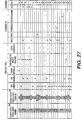
- the IL-9 of the invention may also be conjugated through phosphorylation and conjugated to biotinylate, thioate, acetylate, iodinate, and any of the crosslinking reagents shown in Figure 27 (Pierce).
- the invention includes the down regulation of IL-9 expression or function by administering soluble IL-9 receptor molecules that bind IL-9.
- Renauld et al. 59 have shown the existence of a soluble form of the IL-9 receptor. This molecule can be used to prevent the binding of IL-9 to cell bound receptor and act as an antagonist of IL-9.
- Soluble receptors have been used to bind cytokines or other ligands to regulate their function.
- a soluble receptor is a form of a membrane bound receptor that occurs in solution, or outside of the membrane. Soluble receptors may occur because the segment of the molecule which commonly associates with the membrane is absent.
- a soluble receptor may represent a fragment or an analog of a membrane bound receptor.
- the structure of the segment that associates with the membrane may be modified (e.g. DNA sequence polymorphism or mutation in the gene) so the receptor is not inserted into the membrane, or the receptor is inserted, but is not retained within the membrane.
- a soluble receptor in contrast to the corresponding membrane bound form, differs in one or more segments of the gene or receptor protein that are important to its association with the membrane.
- These compounds may be known forms of a soluble IL-9 receptor that act to bind IL-9.
- these compounds may resemble known forms of the IL-9 receptor, but may exist as fragments.
- the compound may retain functions comparable to soluble IL-9 receptor, but may not resemble soluble IL-9 receptor in composition.
- the composition of the compound may include molecules other than amino acids. Thus, these compounds will bind IL-9 and prevent IL-9 from acting at its cell surface receptor.
- a further embodiment of the invention relates to antisense or gene therapy. It is now known in the art that altered DNA molecules can be tailored to provide a specific selected effect, when provided as antisense or gene therapy.
- the native DNA segment coding for IL-9 receptor has, as do all other mammalian DNA strands, two strands; a sense strand and an antisense strand held together by hydrogen bonding.
- the mRNA coding for the receptor has a nucleotide sequence identical to the sense strand, with the expected substitution of thymidine by uridine.
- synthetic oligonucleotides can be synthesized. These oligonucleotides can bind to the DNA and RNA coding for the receptor.
- the active fragments of the invention which are complementary to mRNA and the coding strand of DNA, are usually at least about 15 nucleotides, more usually at least 20 nucleotides, preferably 30 nucleotides and more preferably may be 50 nucleotides or more.
- the binding strength between the sense and antisense strands is dependent upon the total hydrogen bonds. Therefore, based upon the total number of bases in the mRNA, the optimal length of the oligonucleotide sequence may be easily calculated by the skilled artisan.
- the sequence may be complementary to any portion of the sequence of the mRNA, i.e., it may be proximal to the 5'-terminus or capping site, or downstream from the capping site, between the capping site and the initiation codon and may cover all or only a portion of the non-coding region or the coding region.
- the particular site(s) to which the antisense sequence binds will vary depending upon the degree of inhibition desired, the uniqueness of the sequence, the stability of the antisense sequence, etc.
- IL-9 receptor expression of the IL-9 receptor is down-regulated by administering an effective amount of synthetic antisense oligonucleotide sequences described above.
- the oligonucleotide compounds of the invention bind to the mRNA coding for human IL-9 or IL-9 receptors thereby inhibiting expression (translation) of these proteins. See Gruss et al., "Interleukin 9 is expressed by primary and cultural Hodgkin and Reed-Sternberg cells.” Cancer Res. 52:1026-31 (Feb. 15, 1992)
- the isolated DNA sequences containing various mutations such as point mutations, insertions, deletions, or spliced mutations of IL-9 are useful in gene therapy as well.
- this invention also encompasses methods of downstream regulation which involve inhibition of signal transduction.
- a further embodiment of this invention is drawn to inhibition of tyrosine phosphorylation.
- kinases enzymes known as kinases.
- a kinase transfers phosphoryl groups between ATP and a metabolite.
- IL-9 induces tyrosine phosphorylation of multiple proteins; it is known in the art that in addition to the activation of JAK1 and JAK3 tyrosine kinases, IL-9 also induces tyrosine phosphorylation of Stat3.
- Phoshorylation of Stat3 is unique to the IL-9 signal transduction pathway and hence is a perfect target for inhibitors.
- This invention includes within its scope tyrphostins which are specific inhibitors of protein tyrosine kinases.
- tyrphostins obtained for example from Calbiochem
- other similar inhibitors of these kinases are useful in the modulation of signal transduction and are useful in the treatment of atopic allergies and asthma.
- aminosterol compounds are also useful in the inhibition of signal transduction due to IL-9 stimulation.
- Aminosterol compounds which are useful in this invention are described in U.S. Patent Application, Serial No. 08/290,826 and its related applications 08/416,883 and 08/478,763 as well as in 08/483,059 and its related application 08/483,057, 08/479,455, 08/479,457, 08/475,572, 08/476,855, 08/474,799 and 08/487,443, which are specifically incorporated herein by reference.
- the invention includes pharmaceutical compositions comprising the compounds of the invention together with a pharmaceutically acceptable carrier.
- Pharmaceutically acceptable carriers can be sterile liquids, such as water and oils, including those of petroleum, animal, vegetable or synthetic origin, such as peanut oil, soybean oil, mineral oil, sesame oil and the like. Water is a preferred carrier when the pharmaceutical composition is administered intravenously. Saline solutions and aqueous dextrose and glycerol solutions can also be employed as liquid carriers, particularly for injectionable solutions. Suitable pharmaceutical carriers are described in Martin, E.W., Remington's Pharmaceutical Sciences , specifically incorporated herein by reference.
- the compounds used in the method of treatment of this invention may be administered systemically or topically, depending on such considerations as the condition to be treated, need for site-specific treatment, quantity of drug to be administered, and similar considerations.
- Topical administration may be used. Any common topical formation such as a solution, suspension, gel, ointment, or salve and the like may be employed. Preparation of such topical formulations as are well described in the art of pharmaceutical formulations as exemplified, for example, by Remington's Pharmaceutical Science , Edition 17, Mack Publishing Company, Easton, Pa. For topical application, these compounds could also be administered as a powder or spray, particularly in aerosol form.
- the active ingredient may be administered in pharmaceutical compositions adapted for systemic administration. As is known, if a drug is to be a administered systemically, it may be confected as a powder, pill, tablets or the like, or as a syrup or elixir for oral administration.
- the compound For intravenous, intraperitoneal or intra-lesional administration, the compound will be prepared as a solution or suspension capable of being administered by injection. In certain cases, it may be useful to formulate these compounds in suppository form or as an extended release formulation for deposit under the skin or intermuscular injection. In a preferred embodiment, the compounds of this invention be administered by inhalation.
- the compound may be in a solution useful for administration by metered dose inhalers, or in a form suitable for a dry powder inhaler.
- an effective amount is that amount which will down regulate either the expression of IL-9 or the functions controlled by IL-9.
- a given effective amount will vary from condition to condition and in certain instances may vary with the severity of the condition being treated and the patient's susceptibility to treatment. Accordingly, a given effective amount will be best determined at the time and place through routine experimentation. However, it is anticipated that in the treatment of asthma-related disorders in accordance with the present invention, a formulation containing between 0.001 and 5 percent by weight, preferably about 0.01 to 1%, will usually constitute a therapeutically effective amount. When administered systemically, an amount between 0.01 and 100 mg per kg body weight per day, but preferably about 0.1 to 10 mg/kg, will effect a therapeutic result in most instances.
- Applicant also provides for a method to screen for the compounds that down regulate the expression of IL-9 or the functions controlled by IL-9.
- One may determine whether the functions expressed by IL-9 are down-regulated using techniques standard in the art.
- 57-60 In a specific embodiment, applicant provides for a method of identifying compounds with functions comparable to Met IL-9.
- serum total IgE may be measured using techniques well known in the art 42 to assess the efficacy of a compound in down regulating the functions of IL-9 in vivo.
- bronchial hyperresponsiveness, bronchoalveolar lavage, and eosinophilia may be measured using techniques well known in the art 42 to assess the efficacy of a compound in down regulating the functions of IL-9 in vivo.
- the functions of IL-9 may be assessed in vitro.
- human IL-9 specifically induces the rapid and transient tyrosine phosphorylation of multiple proteins in M07e cells.
- the tyrosine phosphorylation of Stat3 transcriptional factor appears to be specifically related to the actions of IL-9.
- Another method to characterize the function of IL-9 and IL-9-like molecules that depends on the "stable expression" of the IL-9 receptor uses the well known murine TS1 clones to assess human IL-9 function with a cellular proliferation assay. 59
- the invention also includes a simple screening assay for saturable and specific ligand binding based on cell lines that express the IL-9 receptor.
- the IL-9 receptor is expressed in on a wide variety of cell types, including K562, C8166-45,B cells, T cells, mast cells, neutrophils, megakaryocytes (UT-7 cells), 53 the human megakaryoblastic leukemia cell lines MO7e 57 , TF1, 59 macrophages, fetal thymocytes, the human kidney cell line 293, 53 and murine embryonic hippocampal progenitor cell lines.
- soluble IL-9 receptor may be used to evaluate ligand binding and potential receptor antagonists.
- the body's genetic material, or DNA is arranged on 46 chromosomes, which each comprises two arms joined by a centromere. Each chromosome is divided into segments designated p or q. The symbol p is used to identify the short arm of a chromosome, as measured from the centromere to the nearest telomere. The long arm of a chromosome is designated by the symbol q. Location on a chromosome is provided by the chromosome's number (i.e., chromosome 5) as well as the coordinates of the p or q region (i.e., q31-q33). In addition, the body bears the sex chromosomes, X and Y. During meiosis, the X and Y chromosomes exchange DNA sequence information in areas known as the pseudoautosomal regions.
- DNA deoxyribonucleic acid
- a sequential grouping of three nucleotides [a "codon”] codes for one amino acid.
- the three nucleotides CAG codes for the amino acid Glutamine.
- the 20 naturally occurring amino acids, and their one letter codes, are as follows: Alanine Ala A Arginine Arg R Asparagine Asn N Aspartic Acid Asp D Asparagine or Aspartic acid Asx B Cysteine Cys C Glutamine Gln Q Glutamine Acid Glu E Glutamine or Glutamic acid Glx Z Glycine Gly G Histidine His H Isoleucine Ile I Leucine Leu L Lysine Lys K Methionine Met M Phenylalanine Phe F Proline Pro P Serine Ser S Threonine Thr T Tryptophan Trp W Tyrosine Tyr Y Valine Val V
- Amino acids comprise proteins.
- Amino acids may be hydrophilic, i.e., displaying an affinity for water, or hydrophobic, i.e., having an aversion to water.
- the amino acids designated as G, A, V, L, I, P, F, Y, W, C and M are hydrophobic and the amino acids designated as S, Q, K, R, H, D, E, N and T are hydrophilic.
- the hydrophilic or hydrophobic nature of amino acids affects the folding of a peptide chain, and consequently the three dimensional structure of a protein.
- Genomic DNA comprises all the DNA sequences found in an organism's cell. It is “transcribed” into messenger RNA ["mRNA”].
- Complementary DNA ["cDNA”] is a complementary copy of mRNA made by reverse transcription of mRNA. Unlike genomic DNA, both mRNA and cDNA contain only the protein-encoding or polypeptide-encoding regions of the DNA, the so-called “exons.” Genomic DNA may also include "introns,” which do not encode proteins.
- eukaryotic genes are discontinuous with proteins encoded by them, consisting of exons interrupted by introns.
- the introns are removed by splicing to generate the mature messenger RNA (mRNA).
- mRNA messenger RNA
- the splice points between exons are typically determined by consensus sequences that act as signals for the splicing process.
- Splicing consists of a deletion of the intron from the primary RNA transcript and a joining or fusion of the ends of the remaining RNA on either side of the excised intron. Presence or absence of introns, the composition of introns, and number of introns per gene, may vary among strains of the same species, and among species having the same basic functional gene.
- introns are assumed to be nonessential and benign, their categorization is not absolute.
- an intron of one gene can represent an exon of another.
- alternate or different patterns of splicing can generate different proteins from the same single stretch of DNA.
- structural features of introns and the underlying splicing mechanisms form the basis for classification of different kinds of introns.
- exons these can correspond to discrete domains or motifs, as for example, functional domains, folding regions, or structural elements of a protein; or to short polypeptide sequences, such as reverse turns, loops, glycosylation signals and other signal sequences, or unstructured polypeptide linker regions.
- the exon modules of the present combinatorial method can comprise nucleic acid sequences corresponding to naturally occurring exon sequences or naturally occurring exon sequences which have been mutated (e.g. point mutations, truncations, fusions).
- DNA can be cut, spliced, and otherwise manipulated using "restriction enzymes” that cut DNA at certain known sites and DNA ligases that join DNA.
- restriction enzymes Such techniques are well known to those of ordinary skill in the art, as set forth in texts such as Sambrook, et al., MOLECULAR CLONING: A LABORATORY MANUAL , 2d ed. Cold Spring Harbor Laboratory Press [1985] or Ausubel et al., CURRENT PROTOCOLS IN MOLECULAR BIOLOGY , John Wiley & Sons, Inc. [1994].
- DNA of a specific size and sequence can then be inserted into a "replicon,” which is any genetic element, such as a plasmid, cosmid, or virus, that is capable of replication under its own control.
- a "recombinant vector” or “expression vector” is a replicon into which a DNA segment is inserted so as to allow for expression of the DNA, i.e., production of the protein encoded by the DNA.
- Expression vectors may be constructed in the laboratory, obtained from other laboratories, or purchased from commercial sources.
- the recombinant vector [known by various terms in the art] may be introduced into a host by a process generically known as "transformation.” Transformation means the transfer of an exogenous DNA segment by any of a number of methods, including infection, direct uptake, transduction, F-mating, microinjection, or electroporation into a host cell.
- Unicellular host cells known variously as recombinant host cells, cells, and cell culture, include bacteria, yeast, insect cells, plant cells, mammalian cells and human cells.
- the host cells include E.coli, Pseudonas, Bacillis, Streptomyces , Yeast, CHO, R1-1, B-W, LH, COS-J, COS-7, BSC1, BSC40, BMT10, and S69 cells.
- Yeast cells especially include Saccharomyces, Pichia, Candida, Hansenula , and Torulopis .
- the expression of the DNA segment by the host cell requires the appropriate regulatory sequences or elements.
- the regulatory sequences vary according to the host cell employed, but include, for example, in prokaryotes, a promoter, ribosomal binding site, and/or a transcription termination site. In eukaryotes, such regulatory sequences include a promoter and/or a transcription termination site.
- expression of the polypeptide may be enhanced, i.e., increased over the standard levels, by careful selection and placement of these regulatory sequences.
- promoters that may be used include the human cytomegalovies (CMV) promoter, tetracycline inducible promoter simian virus (SV40) promoter, moloney murine leuke long terminal repeat (LTR) promoter, glucocorticoid inducible murine mammary tumor virus (MMTV) promoter, Herpes thymidine kinase promoter, murine and human ⁇ -actin promoters, HTLV1 and HIV IL-9 5' flanking region, human and mouse IL-9 receptor 5' flanking region, bacterial tac promoter and drosophila heat shock scaffold attachment region (SAR) enhancer elements.
- CMV human cytomegalovies
- SV40 tetracycline inducible promoter simian virus
- LTR moloney murine leuke long terminal repeat
- MMTV glucocorticoid inducible murine mammary tumor virus
- the DNA may be expressed as a polypeptide of any length such as peptides, oligopeptides, and proteins. Polypeptides also include translational modifications such as glycosylations, acetylations, phosphorylations, and the like.
- Linkage analysis is an analytic method used to identify the chromosome or chromosomal region that correlates with a trait or disorder. 44 Chromosomes are the basic units of inheritance on which genes are organized. In addition to genes, artisans have identified “DNA markers” on chromosomes. DNA markers are known sequences of DNA whose identity and sequence can be readily determined. Linkage analysis methodology has been applied to the mapping of disease genes, for example, genes relating to susceptibility to asthma, to specific chromosomes. 42,44
- a third population of 74 individuals was ascertained randomly with respect to asthma and atopy from the East Coast of the United States.
- the frequency of the Met substitution at codon 117 was used as an unbiased estimate of the prevalence of this variant in the general population.
- a fourth population of 49 individuals was ascertained randomly with respect to asthma and atopy from the Philadelphia, Pennsylvania area. Total serum IgE were assayed by enzyme-linked immunosorbent test [ELISA, Genzyme, Cambridge, Massachusetts]. DNA was extracted from the WBC in peripheral blood from each individual. Analyses of genetic markers (genotyping) and candidate genes were performed on the genomic DNA extracted. Once again, the frequency of the Met substitution at codon 117 was used as an unbiased estimate of the prevalence of this variant in the general population.
- Oligonucleotide Primers Oligonucleotide Primers .
- Each exon was examined first by a single strand conformational polymorphism assay [SSCP].
- the primers for exon 5 produced a 160 bp product after polymerase chain reaction [PCR] amplification which was also examined by direct solid phase sequence analysis.
- the upper primer was synthesized with a 5' biotin label and, following amplification, the PCR product was captured by a streptavidin-linked paramagnetic bead [Dynal] and characterized by Sanger sequencing as described elsewhere.
- Sequence polymorphisms were distinguished from artifact by repeated analyses.
- SSCP a method for detection of polymorphisms on the basis of changes in migration of single-stranded DNA exposed to an electric field
- 71 was carried out as set forth in Schwengel et al., (1994) at room temperature with and without 10% glycerol using 6% polyacrylamide gel electrophoresis at a cross-linking monomer concentration of 2.67%.
- 77 Four ⁇ l of PCR product was mixed with 5 ⁇ l 2X stop buffer [95% formamide, 20 mM EDTA, 0.05% BPB, 0.05% xylene cyanol], and 1 ⁇ l 0.5% SDS and 50 ⁇ M EDTA, denatured at 85-90oC for 8 minutes, and then immediately placed on ice.
- Electrophoresis was carried out at 12 watts for approximately 24 hours for glycerol containing gels and 12 hours for non-glycerol gels. The gels were then dried and exposed to Kodak XAR® film.
- Direct DNA sequencing of the PCR products was accomplished using solid phase techniques after verifying the presence of the correct size PCR product on a 1% agarose gel stained with ethidium bromide as set forth in Schwengel et al., 1994. Twenty ⁇ l of PCR product was incubated with 40 ⁇ l of Dynabeads® m-280 [Dynal] for 15 minutes. The beads were washed and diluted as suggested by the manufacturer.
- Genomic DNA was available and extracted from peripheral leukocytes. Genomic DNA was diluted to a concentration of 200 ⁇ g/ml for amplification. 27,42 Simple sequence repeats [SSR] including DXYS154 were selected from the Genome Data Base [GDB; Welch library, Johns Hopkins University, Baltimore, MD]. Genotyping of the sKK-1 marker was carried out using the following primers sKK-1U [5' CAA ATC TGA AGA GCA AAC TAT 3'] and sKK-1L [5' TTA AAA AAT TCA TTT CAG TAT TCT 3'] which produce a 90 bp product. Each SSR product was amplified by PCR 72 and sized according to methods previously described. 27,42 Sample handling was carried out as described by Weber et al. with minor modifications. 71,27,42 Genotypes were determined from two independent readings of each autoradiograph. Individuals genotyping the families were blinded to the clinical data.
- a StyI restriction fragment length polymorphism [RFLP] was produced at position 52 of the IL-9 exon 5 PCR product.
- the lower primer from exon 5 was end-labeled prior to PCR amplification.
- the PCR product was then digested with StyI producing two fragments 108 bp [labeled] and 52 bp [unlabeled] in length.
- This RFLP was used along with SSCP to confirm the presence of this polymorphism in families and individuals.
- sib-pair analyses were performed using affected sib-pair methods [SIBPAL, S.A.G.E.], 76 an established approach for the investigation of the genetic basis of complex traits, such as BHR, atopy, and asthma.
- Affected sib-pairs are usually tested first, since a proportion of unaffected sib-pairs may still be gene carriers but do not express the trait.
- LOD score methods where the model of inheritance [dominant, recessive, etc.] must be specified exactly
- sib-pair analyses makes no explicit assumptions in this regard.
- sib-pair analyses the parents' clinical information is not used in testing for linkage. The pertinent observation in these methods is how often two affected offspring share copies of the same parental marker allele.
- Inbred animal models using recombinant inbred strains [BXD] can facilitate ongoing studies in humans to determine the number of genes regulating susceptibility to 3HR, the magnitude of their affect, and their precise chromosomal location.
- BXD recombinant inbred strains
- localizing in an animal model a gene determining susceptibility to a critical risk factor for asthma may aid in the positional cloning of this gene in humans.
- chromosome 5q31-q33 was known to be syntenic with portions of mouse chromosomes 11, 13, and 18.
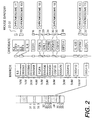
- Figure 2 illustrates the syntenic regions containing numerous positional candidates that may potentially play a role in airway inflammation associated with BHR, atopy, and asthma.
- the region of human chromosome 5q31-q33 demonstrating significant evidence for linkage with BHR is homologous to portions of mouse chromosomes 11, 13, and 18 which contain numerous candidate genes.
- IL-9 or a nearby gene have recently been suggested as likely candidates on the basis of linkage disequilibrium between log serum total IgE levels and a marker in this gene using a randomly ascertained population. 43
- Figure 3 provides the results. Specifically, Figure 3 sets forth the LOD score curve on mouse chromosome 13 for atracurium-induced airway responsiveness in 24 BXD RI strains which are derived from the hyporesponsive C57BL/6J and the hyperresponsive DBA/2J progenitor strains [solid line]. The LOD score curve resulting from the selective genotyping of 20 BXD strains is also shown [dashed line].
- BXD strains -2, -6, -18, and -32 were not used in the second analysis since they were intermediate in phenotype displaying a mean response greater than 1 standard deviation below the DBA/2 and above the C57BL/6 mean responses.
- the bronchoconstrictor response to atracurium 20 mg/kg given intravenously, was assessed by the change in peak inspiratory pressure integrated over time [4 min],termed the airway pressure time index [APTI].
- Atracurium-induced APTI was measured in 2-8 animals per RI strain. Marker data were obtained from the RWE data base in the Map Manager data analysis program. The genetic distance [cM] between markers is indicated on the abscissa. LOD scores were calculated by the MAPMAKER/QTL linkage program. A QTL was detected in this region and termed atracurium-induced bronchoconstriction-1 [ Aib1 ].
- Figure 3 indicates that this quantitative trait locus [QTL] is located on the midportion of murine chromosome 13 and attained this interval a maximum likelihood log of the odds [LOD] of 2.42. Forty-four percent of the total variance in atracurium-induced bronchoconstriction was explained at Aib1 when all of the markers in the BXD map were analyzed. The LOD for chromosome 13 increased to 2.85 when QTL analyses were run after excluding the four strains [BXD-2, -6, -18, and -32] that were intermediate responders to atracurium.
- the known positional candidates in the linked region of chromosome 13 include: D1 dopamine receptor [ Drd1 ], fibroblast growth factor receptor 4 [ Fgfr4 ], lymphocyte antigen-28 [ Ly28 ], thiopurine methyltransferase [ Tpmt ], and IL-9 .
- BHR in humans links to the region on chromosome 5q containing a number of growth factors and cytokines including the IL-9 gene and the Aib1 locus maps to the IL-9 region of murine chromosome 13.
- Exon 5 codes for this segment of the protein which is within the most highly conserved interval of human IL-9 as compared to the mouse IL-9 sequence (see Figure 4).
- Figure 6 illustrates the PCR amplification of the IL-9 simple sequence repeat polymorphism. This marker is compared with genotype for these individuals for the restriction fragment length polymorphism produced by the nucleotide polymorphism at position 3,365 as compared to the reported sequence [GenBank accession number M30136]. Two families are shown. The individuals in lanes 1 and 2 are the parents (Thr/Met) of individuals in lanes 3 (Met/Thr) and 4 (Met/Met); lanes 5 (Thr/Thr) and 6 (Met/Met) are parents for offspring in lanes 7 (Met/Thr) and 8 (Met/Thr).
- the smallest allele for the IL-9 simple sequence repeat polymorphism (the lowest band in each figure is 248 nucleotides in length) is in complete linkage disequilibrium with the Met117 allele (nucleotide substitution at position 3,365 as compared to the reported sequence [GenBank accession number M30136]) in these individuals and in all individuals from populations tested world wide. This was true in both the Italian and all random ascertained ethnically diverse individuals studied, and therefore, this marker may be used diagnostically to detect the presence of the Met117 allele. These data are most consistent with the hypothesis that this variant is widely distributed in populations worldwide and arose before many of these populations separated.
- K562 and MO7e cells are grown and resuspended at 30°C in 0.8ml of Dulbecco's modified Eagle's medium supplemented with 10% (vol/vol) fetal bovine serum, 50 mM 2-mercaptoethanol, 0.55 mM L-arginine, 0.24 mM L-asparagine, and 1.25 mM L-glutamine.
- K562 or M07e cells are used as is or after transfection with the IL-9 receptor gene as described below. Plasmid DNA containing the full length IL-9 receptor is cloned into pRC/RSV plasmid (In Vitrogen, San Diego) and purified by centrifugation through CsCl2.
- Plasmid DNA (50 micrograms) is added to the cells in 0.4 cm cuvettes just before electroporation. After a double electric pulse (750V/74 ohms/40 microFaradays and 100 V/74 ohms/2100 microFaradays) the cells are immediately diluted in fresh medium supplemented with IL-9. After 24 h the cells are washed and incubated in G418 (2.5 mg/ml, GIBCO) with either no ligand, or various concentrations of 125I-labeled ligand at 20°C for 3 h. An excess of unlabeled ligand is used in parallel experiments to estimate nonspecific binding. The cells are then washed, filtered, and collected for counting. Specific incorporation is calculated by Scatchard analysis. Similar competitive assays are run using 125I-labeled Thr117 IL-9 and various amounts of putative cold ligands to assess specific binding.
- Soluble IL-9 receptor including amino acids 44 to 270 was incubated with different forms of human recombinant IL-9. Varying amounts of FlagMet117 and FlagThr117 (described in Example 7) were incubated in PBS at room temperature for 30 minutes with 0.5 ⁇ gs of soluble receptor. EBC buffer (50 mM Tris pH 7.5; 0.1 M NaCl; 0.5% NP40) was added (300 ⁇ l) was added along with 1 ⁇ g of anti-FLAG monoclonal antibody (IBI) and incubated for 1 hour on ice. Forty microlitres of protein A sepharose solution was added to each sample and mixed for 1 hour at 4°C.
- EBC buffer 50 mM Tris pH 7.5; 0.1 M NaCl; 0.5% NP40
- IBI anti-FLAG monoclonal antibody
- Figure 25 demonstrates the binding of the IL-9 recombinant proteins soluble IL-9 receptor.
- Lane 1 is molecular weight markers
- lane 2 is the IL-9 FlagMet117 incubated with the receptor
- lane 3 is the IL-9 FlagThr117 incubated with the receptor.
- Thr117 IL-9, Met117 IL-9, and compounds potentially resembling Met IL-9 in structure or function were purified and prepared for use in Dulbecco's modified Eagle's medium.
- K562, C8166-45 or MO7e cells are used as is or after transfection with the IL-9 receptor gene as described in Example 3. After 24 h of deprivation from growth factors the cells are incubated without (control) or with variable amounts of purified Thr117 IL-9, Met117 IL-9, and compounds potentially resembling Met117 IL-9 in structure or function.
- Cellular proliferation is assessed by measuring acid phosphotase activity.
- PBMC ⁇ Human peripheral blood mononuclear cells ⁇ PBMC ⁇ were isolated from healthy donors by density gradient centrifugation using endotoxin tested Ficoll-Paque PLUS according to the manufacturer (Pharmacia Biotech, AB Uppsala Sweden). PBMC (5 x 10 6 ), mouse spleen cells (5 x 10 6 ), or 5 x 10 6 MO7e cells were cultured in 7 ml of RPMI-1640 (Bethesda Research Labs (BRL), Bethesda, MD) supplemented to a final concentration of 10% with either isogenic human serum or heat-inactivated FBS.
- RPMI-1640 Bethesda Research Labs (BRL), Bethesda, MD
- Cells were cultured for 24 hrs at 37°C either unstimulated, or stimulated with either PMA 5 ⁇ g/ml/ PHA 5 ⁇ g/ml, or PHA 5 ⁇ g/ml/rhIL2 50U (R&D Systems, Minneapolis, MN).
- RNA PCR corekit Perkin-Elmer Corp, Foster City, CA according to the supplier.
- RNA PCR corekit Perkin-Elmer Corp, Foster City, CA
- 50U of MuMLV Reverse Transcriptase 1U/ ⁇ l RNAse Inhibitor
- 2.5 mM oligo d(T)16 primer 1mM each of dATP, dCTP, dGTP, dTTP, 50 mM KCl, 10 mM Tris-HCL, pH 7.0, 25 mM MgCl2.
- the reaction mixture was pipetted into thermocycler tubes, placed in a PCR thermal cycler and subjected to 1 cycle (15 minutes at 42°C, 5 minutes at 99°C, and 5 minutes at 4°C).
- a mock reverse transcription reaction was used as a negative control.
- this mixture was added to a second tube containing 2 mM MgCl2, 50 mM KCl, 10 mM Tris-HCl, pH 7.0, 65.5 ⁇ l of DI water, 2.5U Amplitaq DNA polymerase, and 1 ⁇ l (20 ⁇ M) each of oligonucleotides representing human cDNA IL-9 exon 1 (forward) and exon 5 (reverse), for a final volume of 100 ⁇ l.
- the reaction mixture was subjected to the following PCR conditions: 120 seconds at 98°C, then 30 cycles at: 30 seconds at 94°C; 40 seconds at 55°C; 40 seconds at 72°C. Finally, the reaction mixture was cycled one time for 15 minutes at 72°C for extension.
- PCR products representing hIL-9 cDNA were subjected to gel electrophoresis through 1.5% agarose gels and visualized using ethidium bromide staining. Products of a mock reverse transcriptase reaction, in which H 2 O was substituted for RNA, and used as negative control amplification in all experiments.
- the PCR oligonucleotide primer pairs used in these experiments to amplify cDNA include: human interleukin 9 (hIL-9) exon 1 forward 5'- TCT CGA G CA GGG GTG TCC AAC CTT GGC G-3' (SEQ ID NO: 1) and exon 5 reverse 5' GCA GCT G GG ATA AAT AAT ATT TCA TCT TCA T-3' (SEQ ID NO: 2); mouse interleukin 9 (mIL-9) exon 1 forward 5'- TCT CGA G CA GAG ATG CAG CAC CAC ATG GGG C-3' (SEQ ID NO: 3) and mouse exon 5 reverse 5'- GCA GCT G GT AAC AGT TAT GGA GGG GAG GTT T-3' (SEQ ID NO: 4); XhoI and PvuII restriction enzyme recognition sequences are underlined in the human and mouse IL-9 primers.
- PCR products were subcloned into the TA Cloning vector (Invitrogen, San Diego, CA). Amplification of the mouse cDNA gave a 438 bp product and amplification of the human cDNA gave a 410 bp product.
- Complementary DNAs for human IL-9 and murine mIL-9 were generated and amplified by RT-PCR using IL-9 exon 1 and 5 specific primers containing digestion sites for XhoI and PvuII restriction endonucleases.
- Amplification products for hIL-9 and mIL-9 were isolated from 2.5% agarose gels using silica(Sambrook, J. et al. (1989) Molecular Cloning: A Laboratory Manual Cold Spring Harbor Laboratory Press, New York) (incorporated herein by reference in its entirety). After recovery, the cDNA products were ligated into the TA Cloning vector (Invitrogen Corp., San Diego, CA) and then used to transform INV ⁇ F' competent cells, according to the manufacturer's instructions.
- Plasmids containing hIL-9 and mIL-9 cDNA inserts were isolated by conventional techniques (Sambrook, J. et al. (1989) Molecular Cloning: A Laboratory Manual Cold Spring Harbor Laboratory Press, New York). After amplification the DNA sequence including and surrounding each insert was analyzed for PCR-induced or cloning-induced errors.
- hIL-9 and mIL-9 cDNA inserts were sequenced by the dideoxy-mediated chain termination method (Sanger et al. (1977) Proc. Natl. Acad. Sci. USA 74:5463), using the M13 (-20) forward primer (5'-GTA AAA CGA CGG CCA GT-3') (SEQ ID NO: 17) and Sequenase TM (USB), and analyzed by gel electrophoresis (Sambrook, J. et al. (1989) Molecular cloning: a laboratory manual Cold Spring Harbor Laboratory Press, New York).
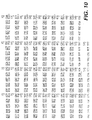
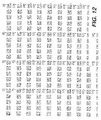
- hIL-9 and mIL-9 cDNA inserts without cloning and/or Taq polymerase-induced sequence errors were subcloned into expression vectors (see Figures 9-12) or used to create missense mutations and deletion mutants.
- hIL-9 was subcloned into procaryotic expression vectors.
- the TA2AAF1 met and thr vectors were digested by EcoRI and the 0.420 kB fragment (containing an XhoI site at the 5' end of the hIL9 cDNA) was cloned into the EcoRI site contained with the polylinker of pBluescript (PBS) (Stratagene).
- Clones in the sense orientation to the T3 promoter were then digested with XhoI (the fragment contained a 5' XhoI site from the IL-9 cDNA insert from TA vectors and a 3' XhoI site from the PBS polylinker) and inserts were subcloned into the XhoI sites of the procaryotic expression vectors pGEX and pFLAG.
- IL-9 cDNA inserts were subcloned into the XhoI site within the multiple cloning cassette of the 4.9 Kb pGEX-4T-1 glutathione s-transferase gene fusion vector (Pharmacia Biotech, Piscataway, NJ) by standard techniques. Briefly, TA clones containing intact IL-9 cDNA sequences, and the pGEX-4T-1 vector were digested for one hour at 37°C using XhoI and PvuII restriction endonuclease in the presence of 1x React 2 buffer (New England Biolabs, Beverly, MA) (total volume 50 ⁇ l).
- the slurry was then pelleted via microcentrifugation, washed 3 times in low-salt buffer and resuspended in 10 ⁇ l of DI H 2 O to elute the DNA from the silica. A final microcentrifugation provided the 10 ⁇ l solution containing purified DNA.
- telomere sequenced via the dideoxy-mediated chain termination method using the aforementioned mIL-9 and hIL-9 cDNA-specific oligonucleotides (exon 1 forward, exon 5 reverse primers).
- Recombinant fusion proteins were obtained from large scale cultures.
- the overnight culture of transformed E. coli (50 ml) was inoculated into fresh LB/amp broth.
- the culture was incubated for 4 hr at 37°C with vigorous shaking, isopropyl ⁇ -D-thiogalactopyranoside was then added to a final concentration of 1 mM, and the culture was incubated for an additional 1.5 h.
- the cells were harvested by centrifugation at 500 X g at 4°C and recombinant variants were purified by making use of affinity chromatography on glutathione-sepharose 4B column (Pharmacia) for GST-fusion proteins.
- solubilized components from the inclusion bodies were dialyzed stepwise against decreasing concentrations of urea (starting with 8, 6, 4 and 2 M of urea) in lysis buffer to allow for refolding of the denatured protein. Finally, the sample was dialyzed against 2 M urea and 2.5% ⁇ -mercaptoethanol ( ⁇ -ME) and centrifuged at 10,000g for 15 min. The fusion protein was finally dialyzed against 0.01 M Tris-Cl, pH 8.0. Fusion proteins expressed in pGEX-4T vector were cleaved with 100 U of Thrombin for 6 hr at 37°C and recovered in flow through fractions after chromatography on glutathione-Sepharose 4B column. Final purification was achieved by chromatography on Sephadex G-100 column (100x1.5 cm), packed and equiliberated with 0.05 M ammonium bicarbonate buffer.
- IL-9 cDNA inserts were subcloned into the Xho2 site of the multiple cloning site (XhoI) of the 5.37 Kb Flag vector.
- FLAG technology is centered on the fusion of a low molecular weight (1kD), hydrophilic, FLAG marker peptide to the N-Terminus of a recombinant protein expressed by the pFLAG-1TM Expression Vector(1) (obtained from IBI Kodak). Each bacterial colony was grown in LB broth containing 50 ⁇ g ampicillin per ml until the optical density at 590 nm reached O.6.
- IPTG was then added to a final concentration of 1 mM, and the cultures incubated for an additional 1 hr to induce protein synthesis.
- the cells were harvested by centrifugation, and the cell pellet was boiled in 50 ⁇ l of Laemmli buffer (Laemmli, 1970) for 10 min and electrophoresed on 10% polyacrylamide gels.
- the Anti-FLAGTM M1 monoclonal antibody was used for specific and efficient detection of the FLAG fusion protein on western (see Figure 13) slot or dot blots throughout its expression, affinity purification, and FLAG marker removal.
- the FLAG fusion protein was rapidly purified under mild, non-denaturing conditions in a single step by affinity chromatography with the murine Anti-FLAGTM IgG M1 monoclonal antibody covalently attached to agarose. Following affinity purification the fusion protein may be used after removal from the affinity column or the authentic protein may be recovered in biologically active form by specific and efficient proteolytic removal of the FLAG peptide with enterokinase. Final purification was achieved by chromatography on Sephadex G-100 column (100x1.5 cm), packed and equiliberated with 0.05 M ammonium bicarbonate buffer. The promoters described above in this example may also be used with FLAG technology.
- SDS-PAGE was performed by the method of Laemmli (Laemmli U.K. (1970) Nature 227, 680-685)(incorporated herein by reference in its entirety) by using a 12.5% polyacrylamide gel in a mini-gel system (SE 280 vertical gel unit, Hoefer).
- SE 280 vertical gel unit, Hoefer mini-gel system
- the proteins separated by SDS-PAGE were transferred to nitrocellulose membranes by using the TE 22 Mighty small transfer unit (Hoefer) in 25 mM Tris-glycine buffer, pH 8.3, containing 15% methanol (Towbin H., et al., (1979) Proc. Natl. Acad. Sci. U.S.A. 76, 4350-4354).
- the molecular mass of the purified proteins was confirmed by matrix assisted laser desorption mass spectrometry using Perceptive Biosystems Voyager Biospectrometry workstation. Amino acid analyses were performed after hydrolysis of the sample in 6N HCl at 110-C for 24h in evacuated sealed glass bulbs.
- the partial amino acid sequence of the purified proteins is determined by automated step-wise sequencing on an Applied Biosystems model 477A gas-phase sequencer with an on-line model 20A PTH analyzer.
- Human exon 2 and exon 3 deletions are created using ExSite PCR-based site-directed mutagenesis kit as suggested by the manufacturer (Stratagene, La Jolla, CA).
- the PCR primers are as follows: h9CD1U forward 5'-GTG ACC AGT TGT CTC TGT TTG-3' (SEQ ID NO: 5); h9CD1L reverse 5'-CTG CAT CTT GTT GAT GAG GAA-3' (SEQ ID NO: 6); h9CD2U forward 5'-GAC AAC TGC ACC AGA CCA TGC-3' (SEQ ID NO: 7); h9CD2L reverse 5'-ATT AGC ACT GCA GTG GCA CTT-3' (SEQ ID NO: 8).
- Exon 2 deletions are created by using the primer pair h9CD1L forward and h9CD1L reverse.
- Exon 3 deletions are created by using h9CD2U forward and h9CD2L reverse. Deletions that included exon 2 and exon 3 use the primer pair h9CD2U forward h9CD1L reverse.
- Mouse exon 2 and exon 3 deletions are created using ExSite PCR-based site-directed mutagenesis kit as suggested by the manufacturer (Stratagene, La Jolla, CA).
- the PCR primers are as follows: m9CD1U forward 5'-GTG ACC AGC TGC TTG TGT CTC-3' (SEQ ID NO: 9); m9CD1L reverse 5'-CTT CAG ATT TTC AAT AAG GTA-3' (SEQ ID NO: 10); m9CD2U forward 5'-GAT GAT TGT ACC ACA CCG TGC-3' (SEQ ID NO: 11); m9CD2L reverse 5'-GTT GCC GCT GCA GCT ACA TTT-3' (SEQ ID NO: 12).
- Exon 2 deletions are created by using the primer pair m9CD1U forward and m9CD1L reverse.
- Exon 3 deletions are created by using m9CD2U forward and m9CD2L reverse. Deletions that included exon 2 and exon 3 use the primer pair m9CD2U forward m9CD1L reverse.
- Mutagenized constructs of the hIL-9 and mIL-9 cDNA inserts are sequenced by the dideoxy-mediated chain termination method (Sanger et al. (1977) Proc. Natl. Acad. Sci. USA 74:5463) (incorporated herein by reference in its entirety), using the M13 (-20) forward primer (5'-GTAAAACGACGGCCAGT-3') (SEQ ID NO: 18) and SequenaseTM(USB), with analysis by gel electrophoresis (Sambrook, J. et al. (1989) Molecular cloning: a laboratory manual Cold Spring Harbor Laboratory Press, New York). Mutants that lack exon 2, exon 3, or both exon 2 and exon 3, and are without Taq polymerase-induced sequence errors can be used to create expression vectors.
- a true antagonistic response was differentiated from cellular toxicity by direct observation, trypan blue staining (a technique well known to one of normal skill in the art), and loss of acid phosphatase activity. Specificity was assessed for the antagonist by evaluating whether the activity was substantially expressed against other proliferative agents such as steel factor, interleukin 3, or interleukin 4.
- the MO7e line is a human megakaryoblastic cell line, cultured in RPMI 1640 (GIBCO/BRL, Gaithersburg, MD), 20% Fetal Bovine Serum (Hyclone) and 10 ng/ml IL-3 (R&D Systems, Minneapolis, MN).
- the MJ line is a cytokine independent human lymphcblastoid cell line grown in RPMI 1640 (GIBCO/BRL)
- K562 is a human erthroleukemia cell line, cultured in RPMI 1640 (GIBCO/BRL) and 10% fetal bovine serum (Hyclone).
- C8166-45 is a IL-9 receptor bearing line, cultured in RPMI 1640 GIBCO/BRL) and 10% Fetal bovine serum (Hyclone). All the cell lines respond to cytokines including IL-9. The cell lines are fed and reseeded at 2 X 10 5 cells/ml every 72 hours.
- the cells were centrifuged for 10 minutes at 2000 rpm and resuspended in RPMI 1640 with 0.5% Bovine Serum Albumin (GIBCO/BRL, Gaithersburg, MD) and insulin-transferrin-selenium (ITS) cofactors (GIBCO/BRL, Gaithersburg, MD). Cells were counted using a hemocytometer and diluted to a concentration of 1 X 10 5 cells/ml and plated in a 96-well microtiter plate. Each well contained 0.15 or 0.2 ml giving a final concentration of 2 x 10 4 cells per well.
- MO7e cells were stimulated with 50 ng/ml Stem Cell Factor (SCF) (R&D Systems, Minneapolis, MN) alone, 50 ng/ml SCF plus 50 ng/ml IL-3 (R&D Systems, Minneapolis, MN), or 50 ng/ml SCF plus 50 ng/ml IL-9.
- SCF Stem Cell Factor
- a control was included which contains cells and basal media only.
- Serial dilutions of test compounds i.e, recombinant IL-9 proteins, peptides, small molecules
- the MJ cell line was used as an independent control for nonspecific cytotoxicity. Cultures were incubated for 72-96 hours at 37°C in 5% CO 2 .
- Cell proliferation was assayed using the Abacus Cell Proliferation Kit (Clontech, Palo Alto, CA) which determines the amount of intracellular acid phosphatase present as an indication of cell number.
- the substrate p-nitrophenyl phosphate (pNPP) was converted by acid phosphatase to p-nitrophenol which was measured as an indicator of enzyme concentration.
- pNPP was added to each well and incubated at 37°C for one hour. 1N sodium hydroxide was then added to stop the enzymatic reaction, and the amount of p-nitrophenol was quantified using a Dynatech 2000 plate reader (Dynatech Laboratories, Chantilly, VA) at 410 nm wavelength. Standard curves that compare cell number with optical absorbance were used to determine the linear range of the assay. Assay results were only used when absorbance measurements are within the linear range of the assay.
- Figure 14 illustrates the amino acid sequence of three peptide antagonists of IL-9 function. Each peptide was incubated with M07e cells and inhibition of cellular growth induced by IL-9 was determined by comparison with control conditions (no peptide)(see Figures 15-17). There was no evidence for cytotoxicity with any of the peptides.
- Peptides KP-16 and KP-20 are predicted to lie within two anti-parallel alpha-helicies and define a critical IL-9 receptor binding domain for the IL-9 ligand.
- the protein polymorphism at codon 117 lies within KP-23 and KP-24 which also exhibited antagonistic properties, further demonstrating the importance of this region surrounding the site of genetic variation.
- Figure 18 illustrates the effect of tyrophostins (obtained from Calbiochem) on the IL-9 dependent growth of M07e cell in vitro.
- tyrophostins obtained from Calbiochem
- Each tyrophostin was incubated with MO7e cells and inhibition of cellular growth induced by IL-9 was determined by comparison with control conditions (no treatment). There was no evidence for cytotoxicity with any of the treatments.
- Tyrophostins B46 and B56 provided the greatest inhibition suggesting a common structure activity relationship.
- Figure 19 illustrates the effect of aminosterols isolated from the shark liver as set forth in U.S.S.N. 08/290,826, 08/416,883, 08/478,763, and/or 08/483,059, incorporated herein by reference on the IL-9 dependent growth of MO7e cell in vitro.
- Each aminosterol was incubated with MO7e cells at 20 ⁇ g/ml of the culture media and inhibition of cellular growth induced by IL-9 was determined by comparison with control conditions (no treatment). There was no evidence for cytotoxicity with any of the treatments. Aminosterols 3 and 6 consistently provided the greatest inhibition of growth.
- B cell lines can be used to assess the function of rIL-9 and recombinant mutant forms of these proteins as well as other IL-9 antagonists.
- the proliferation of IgE secreting cells is measured for rIL-9 and compared to other cytokines or variant forms of rIL-9.
- compounds are tested for their ability to antagonize the baseline proliferative response of IgE secreting cells to rIL-9. Once a baseline IgE response is established for a cytokine, a statistically significant (P ⁇ 0.05) loss of response in assays repeated three times in triplicate is considered evidence for antagonism.
- a true antagonistic response is differentiated from cellular toxicity by trypan blue staining (a technique well known to one of normal skill in the art).
- Peripheral blood lymphocytes are isolated from heparinized blood of healthy donors or by mincing the spleens of mice. Mononuclear cells are separated by centrifugation on Ficoll/Hypaque (Pharmacia, Uppsala, Sweden) gradients. Semi-purified human B lymphocytes are obtained by rosetting with neuraminidase (Behring, Marburg, FRG) - treated sheep red blood cells and plastic adherence for 1 hour at 37°C. B cells are also purified using paramagnetic separation with anti-CD20 coated magnetic beads (DYNAL) according to the manufacturer's recommendations.
- the relative proportion of B cells, T cells and monocytes is determined by flow cytometry using monoclonal antibodies specific for CD23, CD3 and CD14, respectively (Becton Dickinson, Mountain View, CA). Briefly, 10 6 cells/ml are incubated with a 1:1000 dilution of phycoerythrin conjugated anti-CD23 and fluorescein-conjugated anti-CD3 and anti-CD14 antibodies for 30 minutes at 4°C. After 3 spin washes with sterile PBS and 1% bovine serum albumin (Sigma) fluorescence is measured with a cytofluorograph (FACSTAR Plus, Becton Dickinson, Grenoble, France). Typically, there are 45% CD20+, 35% CD3+ and 10% CD14+ cells in a count of 5000 cells per sample.
- Cells are cultured at a density of 2x10 6 cells/ml RPM1 1640 supplemented with 10% heat-inactivated fetal calf serum (FCS), 2 mM glutamine, 100 U/ml penicillin, 100 ⁇ g/ml streptomycin and 20 mM HEPES (RPM1-FCS) at 37°C under a 5% CO2/95% air humidified atmosphere.
- Cultures are incubated with increasing concentrations of IL-4, rhIL-9, rmIL-9, or recombinant mutant forms of these proteins, alone, or in combination. Competition experiments are run with mixtures of one or more of these recombinant molecules or other IL-9 antagonists. The cultures are maintained for 9-13 days.
- the frequency of IgE-secreting human B cells in response to human or murine IL-9 is determined using an ELISA-spot assay (Dugas et al., 1993, Eur J Immunol 23:1687-1692; Renz, H. et al., 1990. J. Immunology. 145:3641.
- Nitrocellulose flat-bottomed 96-well plates are coated overnight at 4°C with purified goat antihuman IgE mAb diluted in 0.1 M NaHCO3 buffer (2.5 ⁇ g/ml). After one PBS-Tween 20 wash, plates are incubated for 1 hour with RPMI-FCS to saturate nonspecific binding sites.
- B cells obtained after 9-13 days of culture are collected, washed thrice and resuspended at 10 cells/ml RPMI-FCS, then transferred onto the anti-IgE-coated plates followed by an 18 hour incubation at 37°C.
- a peroxidase-conjugated mouse antihuman IgE mab at various dilutions is added for 2 hours at 37°C after washing. Spots are visualized after addition of diamino-benzidine diluted in 0.1 M Tris-HCl containing 0.03% H 2 O 2 . After 24 hours spots are counted with an inverted microscope at 25X magnification. Data are expressed as the number of IgE-secreting cells per 10 6 cells.
- Cells are isolated, prepared and stimulated as described above in Example 10.
- Flat bottom microtiter plates (Nunc) are coated with rabbit anti-human IgE (1:2000, final dilution; Serotec, Oxford, GB), in 200 ⁇ l of 10 mM bicarbonate buffer (pH 9.6). After overnight incubation at 4°C, the plates are washed four times with phosphate-buffered saline (PBS) containing 0.05% Tween (PBS-Tween; Merck, Hohenbrunn, FRG) and are incubated for 1 h at room temperature with RPMI-FCS to saturate nonspecific protein-binding sites.
- PBS phosphate-buffered saline
- PBS-Tween 0.05% Tween
- Merck Hohenbrunn, FRG
- mice Certified virus-free male mice ranging in age from 5 to 6 weeks were obtained from the Jackson Laboratory (Bar Harbor, ME). Animals were housed in high-efficiency particulate filtered air (HEPA) laminar flow hoods in a virus and antigen free facility and allowed free access to pelleted rodent chow and water for 3 to 7 days prior to experimental manipulation. The animal facilities.were maintained at 22° C and the light:dark cycle was automatically controlled (10:14 h light:dark). Male and female DBA/2 (D2), C57BL/6 (B6), and (B6D2)F1 (F1) mice 5 to 6 weeks of age were purchased from the Jackson Laboratory, Bar Harbor, ME, or the National Cancer Institute, Frederick, MD. BXD mice were purchased from the Jackson Laboratory, Bar Harbor, ME. Food and water were present ad libitum.
- HEPA particulate filtered air
- Airway responsiveness was measured to one or more of the following: 5-hydroxytryptamine (5HT) (sigma).
- An additional branch construction that can be used is acetylcholine (sigma), atracurium (Glaxo welcome).
- APTI Airway Pressure Time Index
- the APTI was assessed by the change in peak inspiratory pressure (Ppi) integrated from the time of injection till the peak pressure returned to baseline or plateaued.
- the APTI was comparable to airway resistance (Rrs), however, the APTI includes an additional component related to the recovery from bronchoconstriction.
- the strain distribution of bronchial responsiveness was identified in multiple inbred mouse strains in previous studies (Levitt RC, and Mitzner W, FASEB J 2:2605-2608 (1988); Levitt RC, and Mitzner W, J Appl Physiol 67(3): 1125-1132 (1989).
- the Rrs and/or APTI was determined in A/J, C3H/HeJ, DBA/2J, C57BL/6J mice.
- IgE serum samples were measured using an ELISA antibody-sandwich assay.
- Microtiter plates (Corning #2585096,Corning, NY) were coated, 50 ⁇ l per well, with rat anti-mouse IgE antibody (Southern Biotechnology #1130-01, Birmingham, AL) at a concentration of 2.5 ⁇ g/ml in coating buffer of sodium carbonate-sodium bicarbonate with sodium azide (Sigma #S-7795, #S-6014 and #S-8032, St Louis, MO). Plates were covered with plastic wrap and incubated at 4°C for 16 hours.
- the plates were washed three times with a wash buffer of 0.05% Tween-20 (Sigma #P-7949) in phosphate-buffered saline (BioFluids #313,Rockville, MD), incubating for five minutes for each wash. Blocking of nonspecific binding sites was accomplished by adding 200 ⁇ l per well 5% bovine serum albumin (Sigma #A-7888) in PBS, covering with plastic wrap and incubating for 2 hours at 37°C. After washing three times with wash buffer, duplicate 50 ⁇ l test samples were added to the wells. Test samples were assayed after being diluted 1:10, 1:50, and 1:100 with 5% BSA in wash buffer.
- a set of IgE standards (PharMingen #03121D, San Diego, CA) at concentrations from 0.8 ng/ml to 200 ng/ml in 5% BSA in wash buffer were assayed to generate a standard curve.
- a blank of no sample or standard was used to zero the plate reader (background).
- the plate was covered with plastic wrap and incubated for 2 hours at room temperature.
- 50 ul of second antibody rat anti-mouse IgE-horseradish peroxidase conjugate (PharMingen #02137E) was added at a concentration of 250 ng/ml in 5% BSA in wash buffer.
- the plate was covered with plastic wrap and incubated 2 hours at room temperature. After washing three times with wash buffer, 100 ul of the substrate 0.5 mg/ml O-phenylaminediamine (Sigma #P-1526) in 0.1 M citrate buffer (Sigma #C-8532) was added to every well. After 5-10 minutes the reaction was stopped with 50 ⁇ l of 12.5% H 2 SO 4 (VWR #3370-4, Bridgeport, NJ) and absorbance was measured at 490 nm on a Dynatech MR-5000 plate reader (Chantilly, VA). A standard curve was constructed from the standard IgE concentrations with antigen concentration on the x axis (log scale) and absorbance on the y- axis (linear scale). The concentration of IgE in the samples was interpolated from the standard curve.
- Example 12 Sensitization with turkey egg albumin (OVA) and aerosol challenge was carried out to assess the effect on BHR, BAL, and serum IgE.
- OVA turkey egg albumin
- Mice were challenged with OVA or saline aerosolization which was given once daily for 5 to 7 days starting on either day 13 or 14. Phenotypic measurements of serum IgE, BAL, and BHR was carried out on day 21.
- the effect of a 7 day OVA aerosol exposure on bronchoconstrictor challenge with 5-HT and acetylcholine were evaluated along with serum total IgE, BAL total cell counts and differential cell counts, and bronchial responsiveness.
- the effect of antibody (Ab) or saline pretreatment on saline aerosol or OVA aerosol induced lung inflammation was examined by measuring BHR, BAL, and serum IgE. Ab were administered I.P. 2-3 days prior to aerosolization of saline or OVA.
- Lung histology was carried out after the lungs are removed during deep anesthesia. Since prior instrumentation may introduce artifact, separate animals were used for these studies. Thus, a small group of animals was treated in parallel exactly the same as the cohort undergoing various pretreatments except these animals were not used for other tests aside from bronchial responsiveness testing. After bronchial responsiveness testing, the lungs were removed and submersed in liquid nitrogen. Cryosectioning and histologic examination were carried out in a routine fashion.
- Polyclonal neutralizing antibodies for murine IL-9 were purchased from R & D systems, Minneapolis, MN and blocking antibodies for murine IL-9 receptor were produced for Magainin Pharmaceuticals Inc. by Lampine Biological Labatories, Ottsville, PA using peptide conjugates produced at Magainin.
- the polyclonal antisera were prepared in rabbits against peptide sequences from the murine IL-9 receptor.
- the peptides used to produce the antisera were: GGQKAGAFTC ( residues 1-10) (SEQ ID NO:19); LSNSIYRIDCHWSAPELGQESR (residues 11-32)(SEQ ID NO:20); and CESYEDKTEGEYYKSHWSEWS (residues 184-203 with a Cys residue added to the N-terminus for coupling the peptide to the carrier protein)(SEQ ID NO:21).
- the antisera were generated using techniques described in Protocols in Immunology , Chapter 9, Wiley.
- the peptides were coupled to the carrier protein, Keyhole Limpet, hemocyanin, (Sigma) through the side chain of the Cys residue using the bifunctional cross-linking agent MBS(Pierce).
- Peptide conjugates were used to immunize rabbits with appropriate adjuvents and useful antisera was obtained after several booster injections of the peptide conjugate.
- the antibodies were used therapeutically to down regulate the functions of IL-9 and assess the importance of this pathway to baseline lung responsiveness, serum IgE, and BAL in the unsensitized mouse. After Ab pretreatment on baseline BHR, BAL, and serum IgE levels relative to controls was determined.
- recombinant human and murine IL-9 were administered I.P. 1 day before and daily during antigen sensitization (days 13-18). The animals were then phenotyped as described.
- Figure 20 panel 2 shows a representative animal from a group presensitized with OVA I.P on day zero and challenged with saline on days 14-20. These animals did not differ in their response to bronchoconstrictor, serum IgE, or BAL cell counts from the unsensitized mice ( Figure 7 top panel).
- Figure 20 panel 3 shows a representative animal from those presensitized with OVA I.P on day zero and challenged with antigen (OVA) on days 14-20. These animals developed bronchial hyperresponsiveness (approximately two to three-fold over controls), elevated serum IgE (nearly one thousand-fold over controls), and increased numbers of inflammatory cells in the airway as demonstrated by elevated BAL cell counts (approximately thirty-fold) as compared to controls ( Figure 20 top 2 panels). Most of the cells recruited to the airway as a result of this antigen challenge were eosinophils.
- Figure 20 panel 4 shows a representative animal from those presensitized with OVA I.P on day zero, pretreated with polyclonal neutralizing antibodies for murine IL-9 (approximately 200 ⁇ g/mouse I.P. in 0.5ml of PBS), and challenged with antigen (OVA) on days 14-20. These animals were protected from the response to antigen. They did not differ significantly in their bronchial responsiveness, serum IgE, or BAL cell counts from controls ( Figure 20 top 2 panels).
- Figure 21 illustrates the effect of antigen challenge to OVA (as described above) with and without pretreatment with polyclonal neutralizing antibodies to murine IL-9 I.P. three days prior in representative animals.
- the left figure (A1-2-1B) is a histologic section from the lungs of control animals (sensitized to OVA but exposed only to a saline aerosol challenge).
- the middle figure (A1-3-5) is a histologic section from the lungs of animals sensitized to OVA and exposed to an OVA aerosol challenge.
- the right figure (A1-4-5) is a histologic section from the lungs of animals sensitized to OVA and exposed to an OVA aerosol challenge who were pretreated three days prior with polyclonal neutralizing antibodies to murine IL-9.
- Pretreatment with neutralizing antibody produced histological confirmation of complete protection from antigen challenge.
- Figure 22 panel 1 shows a representative animal from mice presensitized with OVA I.P on day zero and challenged with antigen (OVA) on days 13-18. These animals developed bronchial hyperresponsiveness (approximately two to three-fold over controls), and increased numbers of inflammatory cells including eosinphils in the airways as demonstrated by elevated BAL cell counts as compared to controls ( Figure 20 top 2 panels). Many of the cells recruited to the airway as a result of this antigen challenge were eosinophils.
- Figure 22 panel 2 shows a representative animal from those presensitized with OVA I.P on day zero, pretreated with polyclonal neutralizing antibodies to the murine IL-9 receptor (approximately 1 mg/mouse I.P. in 0.5ml of PBS), and challenged with antigen (OVA) on days 13-18. This representative animal was protected from the response to antigen. This response did not differ significantly bronchial responsiveness, BAL cell counts from controls ( Figure 20 top 2 panels). These data demonstrate the potential effectiveness of treating atopic allergy with antibodies to the IL-9 receptor.
- mice were anesthetized and spleens were removed aseptically. Spleens were minced with scissors and gently passed through a wire mesh (autoclaved) [#60 sieve]. Cells were resuspended in 40 mls of RPMI-1640 [GIBCO, BRL, Rockville, MD], and spun for 5 min. at 250 X G twice. The pellet was resuspended in 10 mls of lysing butter to remove RBCs [4.15 gm NH4Cl, 0.5 gm KHCO3; 019 g EDTA to 500 mls with ddH20].
- RPMI-FCS RPMI-1640, 10% AFBS, 50 ⁇ M BME 2mM glutamine, containing penicillin and streptomycin]. These cells were spun again for 5 minutes at 250 X G and resuspended in 20 mls RPMI-FCS with or without 5 ⁇ g/ml of concanavalin A [Sigma #C5275]. IL-9 was assessed at 48 hours in untreated splenocytes and after concanavalin A stimulation from DBA/2J (D2) and C57BL/6J (B6) mice.
- IL-9 was amplified by RT-PCR (as set forth in Example 6), and probed with an IL-9 specific murine probe after Southern transfer.
- Southern blots were performed by "standard” techniques. Briefly, RT-PCR products were electrophoresed in 2% agarose gels. Gels were stained with ethidium bromide and photographed with a ruler to determine molecular weight of DNA in southern blot. Gels were then soaked in 0.5N NaOH for 30 minutes and neutralized in 0.5M Tris, pH 7.0 for 30 minutes. DNA was transferred to zetaprobe (BioRAD) nylon membrane by capillary transfer in 20X SSC overnight.
- BioRAD zetaprobe
- the membrane was air dried, baked at 80°C for 15 minutes and prehybridized in 6X SSC and 0.1% SDS for 1 hour at 42°C.
- a kinase end-labelled p32 oligonucleotide probe (5'-AATTACCTTATTGAAAATCTGAAG-3') was added to the hybridization solution plus 0.1 mg/ml sheared salmon sperm DNA and incubated overnight at 42°C.
- the filter was washed in 3X SSC and 0.1% SDS at 37°C for 30 minutes, and the filter was exposed to film for 1 hour.
- Figure 26 illustrates steady state levels of IL-9 after 48 hours from each strain of mice.
- IL-9 was observed in unstimulated D2 (D2-) splenocytes, whereas no IL-9 was detectable in B6 (B6-) mice. While there was a significant increase of IL-9 after concanavalin A stimulation in D2 (D2+) splenocytes, there was no detectable It-9 in B6 (B6+) mice despite concanavalin A treatment.
- Figure 24 demonstrates the expression of human IL-9 proteins from cultured PBMCs 48 hours after mitogen stimulation in individuals whose genotypes have been determined by genomic analysis of the IL-9 gene.
- Lane 1 is molecular weight markers
- lane 2 is a Met117 homozygote
- lane 3 is a heterozygote Met117/Thr117
- lane four is a Thr117 homozygote.
- a single product of the approximate expected size (14 kD) was seen in each individual PBMCs after mitogen stimulation.
Landscapes
- Health & Medical Sciences (AREA)
- Chemical & Material Sciences (AREA)
- Life Sciences & Earth Sciences (AREA)
- Organic Chemistry (AREA)
- Medicinal Chemistry (AREA)
- General Health & Medical Sciences (AREA)
- Pharmacology & Pharmacy (AREA)
- Animal Behavior & Ethology (AREA)
- Public Health (AREA)
- Veterinary Medicine (AREA)
- Biophysics (AREA)
- Biochemistry (AREA)
- Immunology (AREA)
- Genetics & Genomics (AREA)
- Molecular Biology (AREA)
- Proteomics, Peptides & Aminoacids (AREA)
- Epidemiology (AREA)
- Pulmonology (AREA)
- Zoology (AREA)
- Gastroenterology & Hepatology (AREA)
- Toxicology (AREA)
- Engineering & Computer Science (AREA)
- Bioinformatics & Cheminformatics (AREA)
- Chemical Kinetics & Catalysis (AREA)
- General Chemical & Material Sciences (AREA)
- Nuclear Medicine, Radiotherapy & Molecular Imaging (AREA)
- Cell Biology (AREA)
- Medicines That Contain Protein Lipid Enzymes And Other Medicines (AREA)
- Pharmaceuticals Containing Other Organic And Inorganic Compounds (AREA)
- Medicines Containing Antibodies Or Antigens For Use As Internal Diagnostic Agents (AREA)
- Peptides Or Proteins (AREA)
- Micro-Organisms Or Cultivation Processes Thereof (AREA)
- Measuring Or Testing Involving Enzymes Or Micro-Organisms (AREA)
- Medicines Containing Material From Animals Or Micro-Organisms (AREA)
- Preparation Of Compounds By Using Micro-Organisms (AREA)
- Medicines Containing Plant Substances (AREA)
Priority Applications (1)
| Application Number | Priority Date | Filing Date | Title |
|---|---|---|---|
| EP10004496A EP2241329A3 (de) | 1995-08-24 | 1996-08-23 | Anti-Interleukin-9 Antikörper oder Anti-Interleukin-9 Rezeptor Antikörper zur Behandlung von bronchialem Hyperreaktionsvermögen |
Applications Claiming Priority (3)
| Application Number | Priority Date | Filing Date | Title |
|---|---|---|---|
| US276595P | 1995-08-24 | 1995-08-24 | |
| US2380096P | 1996-08-06 | 1996-08-06 | |
| EP96929657A EP0846173B1 (de) | 1995-08-24 | 1996-08-23 | Verwendung eines anti-interleukin-9 antikörpers zur herstellung eines medikamentes zur behandlung von asthma |
Related Parent Applications (2)
| Application Number | Title | Priority Date | Filing Date |
|---|---|---|---|
| EP96929657A Division EP0846173B1 (de) | 1995-08-24 | 1996-08-23 | Verwendung eines anti-interleukin-9 antikörpers zur herstellung eines medikamentes zur behandlung von asthma |
| EP96929657.3 Division | 1997-03-06 |
Related Child Applications (1)
| Application Number | Title | Priority Date | Filing Date |
|---|---|---|---|
| EP10004496.5 Division-Into | 2010-04-28 |
Publications (3)
| Publication Number | Publication Date |
|---|---|
| EP1632248A1 true EP1632248A1 (de) | 2006-03-08 |
| EP1632248B1 EP1632248B1 (de) | 2010-10-13 |
| EP1632248B8 EP1632248B8 (de) | 2010-12-29 |
Family
ID=26670837
Family Applications (3)
| Application Number | Title | Priority Date | Filing Date |
|---|---|---|---|
| EP10004496A Withdrawn EP2241329A3 (de) | 1995-08-24 | 1996-08-23 | Anti-Interleukin-9 Antikörper oder Anti-Interleukin-9 Rezeptor Antikörper zur Behandlung von bronchialem Hyperreaktionsvermögen |
| EP05009688A Expired - Lifetime EP1632248B8 (de) | 1995-08-24 | 1996-08-23 | Anti-Interleukin-9 Antikörper oder Anti-Interleukin-9 Rezeptor Antikörper zur Behandlung von bronchialem Hyperreaktionsvermögen |
| EP96929657A Expired - Lifetime EP0846173B1 (de) | 1995-08-24 | 1996-08-23 | Verwendung eines anti-interleukin-9 antikörpers zur herstellung eines medikamentes zur behandlung von asthma |
Family Applications Before (1)
| Application Number | Title | Priority Date | Filing Date |
|---|---|---|---|
| EP10004496A Withdrawn EP2241329A3 (de) | 1995-08-24 | 1996-08-23 | Anti-Interleukin-9 Antikörper oder Anti-Interleukin-9 Rezeptor Antikörper zur Behandlung von bronchialem Hyperreaktionsvermögen |
Family Applications After (1)
| Application Number | Title | Priority Date | Filing Date |
|---|---|---|---|
| EP96929657A Expired - Lifetime EP0846173B1 (de) | 1995-08-24 | 1996-08-23 | Verwendung eines anti-interleukin-9 antikörpers zur herstellung eines medikamentes zur behandlung von asthma |
Country Status (10)
| Country | Link |
|---|---|
| EP (3) | EP2241329A3 (de) |
| JP (3) | JP3948495B2 (de) |
| AT (2) | ATE484294T1 (de) |
| AU (1) | AU6895696A (de) |
| CA (2) | CA2666298A1 (de) |
| DE (2) | DE69635305T2 (de) |
| DK (2) | DK1632248T3 (de) |
| ES (2) | ES2249786T3 (de) |
| PT (1) | PT1632248E (de) |
| WO (1) | WO1997008321A1 (de) |
Families Citing this family (16)
| Publication number | Priority date | Publication date | Assignee | Title |
|---|---|---|---|---|
| US5830454A (en) * | 1996-08-30 | 1998-11-03 | Ludwig Institute For Cancer Research | Method for treating cell mediated autoimmune disorders using interleukin-9 |
| CA2689842A1 (en) * | 1996-12-02 | 1998-06-11 | Genaera Corporation | Il-9 receptor variants, useful in treating and diagnosing atopic allergies including asthma and related disorders |
| ATE471982T1 (de) * | 1996-12-02 | 2010-07-15 | Genaera Corp | Biologische variabilität von asthma-assoziiertem faktor 2 aaf2 (il-9 rezeptor) nützlich für die behandlung und diagnose von atopischen allergien wie asthma und asthma-ähnlichen erkrankungen |
| WO1998027997A1 (en) * | 1996-12-20 | 1998-07-02 | Magainin Pharmaceuticals Inc. | A method for diagnosis and treatment of inflammatory bowel diseases including crohn's disease and chronic ulcerative colitis |
| CA2302782A1 (en) * | 1997-09-19 | 1999-03-25 | Magainin Pharmaceuticals, Inc. | Asthma associated factors as targets for treating atopic allergies including asthma and related disorders |
| CA2302936A1 (en) * | 1997-09-19 | 1999-04-01 | Magainin Pharmaceuticals, Inc. | Asthma associated factors as targets for treating atopic allergies including asthma and related disorders |
| JP2002542814A (ja) * | 1999-05-01 | 2002-12-17 | ジェネーラ コーポレーション | 喘息および関連する障害を含むアトピー性のアレルギーを処置するための標的としての喘息に関連する因子 |
| US20010034062A1 (en) * | 2000-02-09 | 2001-10-25 | Scott Koenig | Antibody gene therapy with adeno-associated viral vectors |
| EP1377826B1 (de) * | 2001-02-22 | 2010-06-09 | The Research Foundation Of State University Of New York | Opiatrezeptoren |
| EP1401497B1 (de) * | 2001-06-08 | 2012-01-11 | Genaera Corporation | Verfahren zur modulation von il-13 |
| JP2007526208A (ja) * | 2003-04-11 | 2007-09-13 | メディミューン,インコーポレーテッド | 呼吸器の症状を治療又は予防する方法 |
| EP1771565B1 (de) | 2004-07-20 | 2012-09-05 | The Feinstein Institute for Medical Research | Rage protein derivate |
| US7635754B2 (en) * | 2004-09-22 | 2009-12-22 | Aerovance, Inc. | Interleukin-9 and interleukin-4 chimeric antagonist muteins and methods of using same |
| EP1899376A2 (de) | 2005-06-16 | 2008-03-19 | The Feinstein Institute for Medical Research | Antikörper gegen hmgb 1 und fragmente davon |
| US8133859B2 (en) | 2006-09-27 | 2012-03-13 | The United States Of America As Represented By The Department Of Health And Human Services | SCGB3A2 as a growth factor and anti-apoptotic agent |
| JP5564167B2 (ja) * | 2008-05-22 | 2014-07-30 | 日本たばこ産業株式会社 | 苦味マスキング剤及び苦味低減方法 |
Citations (2)
| Publication number | Priority date | Publication date | Assignee | Title |
|---|---|---|---|---|
| EP0361284A2 (de) * | 1988-09-19 | 1990-04-04 | Ludwig Institute For Cancer Research | T-Zellen-Wachstumsfaktor |
| WO1992005698A1 (en) * | 1990-10-05 | 1992-04-16 | Ludwig Institute For Cancer Research | Regulation of immunoglobulin production by interleukin-9 |
Family Cites Families (2)
| Publication number | Priority date | Publication date | Assignee | Title |
|---|---|---|---|---|
| US5414071A (en) | 1989-05-23 | 1995-05-09 | Genetics Institute, Inc. | Human cytokine IL-9 |
| EP0775202A4 (de) | 1994-03-30 | 1999-07-14 | Univ Maryland | Humane interleukinvarianten durch alternatives spleissen |
-
1996
- 1996-08-23 EP EP10004496A patent/EP2241329A3/de not_active Withdrawn
- 1996-08-23 AT AT05009688T patent/ATE484294T1/de active
- 1996-08-23 CA CA002666298A patent/CA2666298A1/en not_active Abandoned
- 1996-08-23 EP EP05009688A patent/EP1632248B8/de not_active Expired - Lifetime
- 1996-08-23 DK DK05009688.2T patent/DK1632248T3/da active
- 1996-08-23 PT PT05009688T patent/PT1632248E/pt unknown
- 1996-08-23 CA CA002230240A patent/CA2230240C/en not_active Expired - Lifetime
- 1996-08-23 AT AT96929657T patent/ATE307203T1/de active
- 1996-08-23 JP JP51028397A patent/JP3948495B2/ja not_active Expired - Fee Related
- 1996-08-23 ES ES96929657T patent/ES2249786T3/es not_active Expired - Lifetime
- 1996-08-23 DK DK96929657T patent/DK0846173T3/da active
- 1996-08-23 ES ES05009688T patent/ES2354360T3/es not_active Expired - Lifetime
- 1996-08-23 WO PCT/US1996/012757 patent/WO1997008321A1/en not_active Ceased
- 1996-08-23 AU AU68956/96A patent/AU6895696A/en not_active Abandoned
- 1996-08-23 EP EP96929657A patent/EP0846173B1/de not_active Expired - Lifetime
- 1996-08-23 DE DE69635305T patent/DE69635305T2/de not_active Expired - Lifetime
- 1996-08-23 DE DE69638281T patent/DE69638281D1/de not_active Expired - Lifetime
-
2007
- 2007-01-09 JP JP2007001870A patent/JP4813380B2/ja not_active Expired - Fee Related
-
2011
- 2011-02-28 JP JP2011043283A patent/JP2011152135A/ja not_active Withdrawn
Patent Citations (2)
| Publication number | Priority date | Publication date | Assignee | Title |
|---|---|---|---|---|
| EP0361284A2 (de) * | 1988-09-19 | 1990-04-04 | Ludwig Institute For Cancer Research | T-Zellen-Wachstumsfaktor |
| WO1992005698A1 (en) * | 1990-10-05 | 1992-04-16 | Ludwig Institute For Cancer Research | Regulation of immunoglobulin production by interleukin-9 |
Non-Patent Citations (4)
| Title |
|---|
| HOLGATE S T: "GENETIC AND ENVIRONMENTAL INFLUENCES ON AIRWAY INFLAMMATION IN ASTHMA", INTERNATIONAL ARCHIVES OF ALLERGY AND IMMUNOLOGY, vol. 107, no. 1/3, 1 May 1995 (1995-05-01), pages 29 - 33, XP000616471, ISSN: 1018-2438 * |
| MEYERS D A ET AL: "EVIDENCE FOR A LOCUS REGULATING TOTAL SERUM IGE LEVELS MAPPING TO CHROMOSOME 5", GENOMICS, ACADEMIC PRESS, SAN DIEGO, US, vol. 23, no. 2, 15 September 1994 (1994-09-15), pages 464 - 470, XP000616442, ISSN: 0888-7543 * |
| RENAULD ET AL: "HUMAN P40/IL-9. EXPRESSION IN ACTIVATED CD4+ T CELLS, GENOMIC ORGANIZATION, AND COMPARISON WITH THE MOUSE GENE", JOURNAL OF IMMUNOLOGY, THE WILLIAMS AND WILKINS CO. BALTIMORE, US, vol. 144, no. 11, 1 June 1990 (1990-06-01), pages 4235 - 4241, XP002085431, ISSN: 0022-1767 * |
| RENAULD J-C ET AL: "EXPRESSION CLONING OF THE MURINE AND HUMAN INTERLEUKIN 9 RECEPTOR CDNAS", PROCEEDINGS OF THE NATIONAL ACADEMY OF SCIENCES OF USA, NATIONAL ACADEMY OF SCIENCE, WASHINGTON, DC, US, vol. 89, June 1992 (1992-06-01), pages 5690 - 5694, XP002065134, ISSN: 0027-8424 * |
Also Published As
| Publication number | Publication date |
|---|---|
| ES2249786T3 (es) | 2006-04-01 |
| ATE307203T1 (de) | 2005-11-15 |
| JP4813380B2 (ja) | 2011-11-09 |
| DE69638281D1 (de) | 2010-11-25 |
| EP0846173B1 (de) | 2005-10-19 |
| JP2007169287A (ja) | 2007-07-05 |
| WO1997008321A1 (en) | 1997-03-06 |
| EP1632248B1 (de) | 2010-10-13 |
| DK1632248T3 (da) | 2011-01-24 |
| EP0846173A1 (de) | 1998-06-10 |
| EP1632248B8 (de) | 2010-12-29 |
| JPH11514851A (ja) | 1999-12-21 |
| AU6895696A (en) | 1997-03-19 |
| CA2230240A1 (en) | 1997-03-06 |
| EP2241329A3 (de) | 2011-03-09 |
| CA2230240C (en) | 2009-08-18 |
| PT1632248E (pt) | 2010-12-28 |
| DE69635305T2 (de) | 2006-07-06 |
| CA2666298A1 (en) | 1997-03-06 |
| ES2354360T3 (es) | 2011-03-14 |
| EP2241329A2 (de) | 2010-10-20 |
| DK0846173T3 (da) | 2006-01-16 |
| ATE484294T1 (de) | 2010-10-15 |
| JP3948495B2 (ja) | 2007-07-25 |
| DE69635305D1 (de) | 2006-03-02 |
| JP2011152135A (ja) | 2011-08-11 |
Similar Documents
| Publication | Publication Date | Title |
|---|---|---|
| US6261559B1 (en) | Methods of treating asthma with interleukin-9 antibodies | |
| JP4813380B2 (ja) | 喘息および関連疾患を含むアトピー性アレルギーを治療するための標的としての喘息関連因子 | |
| US7704710B2 (en) | Interleukin-9 receptor mutants | |
| US20020156013A1 (en) | Asthma associated factors as targets for treating atopic allergies including asthma and related disorders | |
| AU760274B2 (en) | Asthma associated factors as targets for treating atopic allergies including asthma and related disorders | |
| AU752735B2 (en) | Asthma and related disorders | |
| AU2007202406B2 (en) | Asthma associated factors as targets for treating atopic allergies including asthma and related disorders | |
| AU2011265475A1 (en) | Asthma associated factors as targets for treating atopic allergies including asthma and related disorders | |
| EP1471144B1 (de) | Biologische Variabilität von Asthma-assoziiertem Faktor 2 AAF2 (IL-9 Rezeptor) nützlich für die Behandlung und Diagnose von atopischen Allergien wie Asthma und Asthma-ähnlichen Erkrankungen | |
| JP4552076B2 (ja) | 喘息および関連疾患を含むアトピー性アレルギーの治療および診断に有用なil−9受容体変異体 | |
| WO1998027997A1 (en) | A method for diagnosis and treatment of inflammatory bowel diseases including crohn's disease and chronic ulcerative colitis |
Legal Events
| Date | Code | Title | Description |
|---|---|---|---|
| PUAI | Public reference made under article 153(3) epc to a published international application that has entered the european phase |
Free format text: ORIGINAL CODE: 0009012 |
|
| 17P | Request for examination filed |
Effective date: 20050503 |
|
| AC | Divisional application: reference to earlier application |
Ref document number: 0846173 Country of ref document: EP Kind code of ref document: P |
|
| AK | Designated contracting states |
Kind code of ref document: A1 Designated state(s): AT BE CH DE DK ES FI FR GB GR IE IT LI LU MC NL PT SE |
|
| AKX | Designation fees paid |
Designated state(s): AT BE CH DE DK ES FI FR GB GR IE IT LI LU MC NL PT SE |
|
| 17Q | First examination report despatched |
Effective date: 20090112 |
|
| GRAP | Despatch of communication of intention to grant a patent |
Free format text: ORIGINAL CODE: EPIDOSNIGR1 |
|
| GRAS | Grant fee paid |
Free format text: ORIGINAL CODE: EPIDOSNIGR3 |
|
| GRAA | (expected) grant |
Free format text: ORIGINAL CODE: 0009210 |
|
| AC | Divisional application: reference to earlier application |
Ref document number: 0846173 Country of ref document: EP Kind code of ref document: P |
|
| AK | Designated contracting states |
Kind code of ref document: B1 Designated state(s): AT BE CH DE DK ES FI FR GB GR IE IT LI LU MC NL PT SE |
|
| REG | Reference to a national code |
Ref country code: GB Ref legal event code: FG4D |
|
| REG | Reference to a national code |
Ref country code: CH Ref legal event code: EP |
|
| REG | Reference to a national code |
Ref country code: IE Ref legal event code: FG4D |
|
| REF | Corresponds to: |
Ref document number: 69638281 Country of ref document: DE Date of ref document: 20101125 Kind code of ref document: P |
|
| RAP2 | Party data changed (patent owner data changed or rights of a patent transferred) |
Owner name: LIGAND PHARMACEUTICALS INCORPORATED |
|
| REG | Reference to a national code |
Ref country code: GB Ref legal event code: 732E Free format text: REGISTERED BETWEEN 20101118 AND 20101124 |
|
| REG | Reference to a national code |
Ref country code: PT Ref legal event code: SC4A Free format text: AVAILABILITY OF NATIONAL TRANSLATION Effective date: 20101220 |
|
| REG | Reference to a national code |
Ref country code: CH Ref legal event code: NV Representative=s name: PATENTANWALTSKANZLEI NUECKEL |
|
| REG | Reference to a national code |
Ref country code: SE Ref legal event code: TRGR |
|
| REG | Reference to a national code |
Ref country code: NL Ref legal event code: T3 |
|
| REG | Reference to a national code |
Ref country code: DK Ref legal event code: T3 |
|
| REG | Reference to a national code |
Ref country code: ES Ref legal event code: FG2A Effective date: 20110302 |
|
| PLBE | No opposition filed within time limit |
Free format text: ORIGINAL CODE: 0009261 |
|
| STAA | Information on the status of an ep patent application or granted ep patent |
Free format text: STATUS: NO OPPOSITION FILED WITHIN TIME LIMIT |
|
| 26N | No opposition filed |
Effective date: 20110714 |
|
| REG | Reference to a national code |
Ref country code: FR Ref legal event code: TP Owner name: LIGAND PHARMACEUTICALS INCORPORATED, US Effective date: 20110922 |
|
| REG | Reference to a national code |
Ref country code: DE Ref legal event code: R097 Ref document number: 69638281 Country of ref document: DE Effective date: 20110714 |
|
| PGFP | Annual fee paid to national office [announced via postgrant information from national office to epo] |
Ref country code: SE Payment date: 20110928 Year of fee payment: 16 Ref country code: GB Payment date: 20110926 Year of fee payment: 16 |
|
| PGFP | Annual fee paid to national office [announced via postgrant information from national office to epo] |
Ref country code: IE Payment date: 20111123 Year of fee payment: 16 |
|
| BERE | Be: lapsed |
Owner name: LIGAND PHARMACEUTICALS INCO. Effective date: 20110831 |
|
| REG | Reference to a national code |
Ref country code: NL Ref legal event code: V1 Effective date: 20120301 |
|
| PG25 | Lapsed in a contracting state [announced via postgrant information from national office to epo] |
Ref country code: MC Free format text: LAPSE BECAUSE OF NON-PAYMENT OF DUE FEES Effective date: 20110831 |
|
| REG | Reference to a national code |
Ref country code: CH Ref legal event code: PL |
|
| REG | Reference to a national code |
Ref country code: GR Ref legal event code: ML Ref document number: 20110400060 Country of ref document: GR Effective date: 20120302 |
|
| PG25 | Lapsed in a contracting state [announced via postgrant information from national office to epo] |
Ref country code: CH Free format text: LAPSE BECAUSE OF NON-PAYMENT OF DUE FEES Effective date: 20110831 Ref country code: LI Free format text: LAPSE BECAUSE OF NON-PAYMENT OF DUE FEES Effective date: 20110831 |
|
| REG | Reference to a national code |
Ref country code: DK Ref legal event code: EBP |
|
| REG | Reference to a national code |
Ref country code: FR Ref legal event code: ST Effective date: 20120430 |
|
| PG25 | Lapsed in a contracting state [announced via postgrant information from national office to epo] |
Ref country code: FI Free format text: LAPSE BECAUSE OF NON-PAYMENT OF DUE FEES Effective date: 20110823 Ref country code: GR Free format text: LAPSE BECAUSE OF NON-PAYMENT OF DUE FEES Effective date: 20120302 Ref country code: IT Free format text: LAPSE BECAUSE OF NON-PAYMENT OF DUE FEES Effective date: 20110823 Ref country code: NL Free format text: LAPSE BECAUSE OF NON-PAYMENT OF DUE FEES Effective date: 20120301 Ref country code: BE Free format text: LAPSE BECAUSE OF NON-PAYMENT OF DUE FEES Effective date: 20110831 |
|
| REG | Reference to a national code |
Ref country code: PT Ref legal event code: MM4A Free format text: LAPSE DUE TO NON-PAYMENT OF FEES Effective date: 20120523 |
|
| REG | Reference to a national code |
Ref country code: DE Ref legal event code: R119 Ref document number: 69638281 Country of ref document: DE Effective date: 20120301 |
|
| PG25 | Lapsed in a contracting state [announced via postgrant information from national office to epo] |
Ref country code: DK Free format text: LAPSE BECAUSE OF NON-PAYMENT OF DUE FEES Effective date: 20110831 |
|
| PG25 | Lapsed in a contracting state [announced via postgrant information from national office to epo] |
Ref country code: FR Free format text: LAPSE BECAUSE OF NON-PAYMENT OF DUE FEES Effective date: 20110831 Ref country code: PT Free format text: LAPSE BECAUSE OF NON-PAYMENT OF DUE FEES Effective date: 20120523 |
|
| REG | Reference to a national code |
Ref country code: AT Ref legal event code: MM01 Ref document number: 484294 Country of ref document: AT Kind code of ref document: T Effective date: 20110823 |
|
| PG25 | Lapsed in a contracting state [announced via postgrant information from national office to epo] |
Ref country code: AT Free format text: LAPSE BECAUSE OF NON-PAYMENT OF DUE FEES Effective date: 20110823 |
|
| REG | Reference to a national code |
Ref country code: SE Ref legal event code: EUG |
|
| REG | Reference to a national code |
Ref country code: ES Ref legal event code: FD2A Effective date: 20130418 |
|
| GBPC | Gb: european patent ceased through non-payment of renewal fee |
Effective date: 20120823 |
|
| PG25 | Lapsed in a contracting state [announced via postgrant information from national office to epo] |
Ref country code: SE Free format text: LAPSE BECAUSE OF NON-PAYMENT OF DUE FEES Effective date: 20120824 Ref country code: ES Free format text: LAPSE BECAUSE OF NON-PAYMENT OF DUE FEES Effective date: 20110824 |
|
| REG | Reference to a national code |
Ref country code: IE Ref legal event code: MM4A |
|
| PG25 | Lapsed in a contracting state [announced via postgrant information from national office to epo] |
Ref country code: LU Free format text: LAPSE BECAUSE OF NON-PAYMENT OF DUE FEES Effective date: 20110823 |
|
| PG25 | Lapsed in a contracting state [announced via postgrant information from national office to epo] |
Ref country code: DE Free format text: LAPSE BECAUSE OF NON-PAYMENT OF DUE FEES Effective date: 20120301 |
|
| PG25 | Lapsed in a contracting state [announced via postgrant information from national office to epo] |
Ref country code: GB Free format text: LAPSE BECAUSE OF NON-PAYMENT OF DUE FEES Effective date: 20120823 Ref country code: IE Free format text: LAPSE BECAUSE OF NON-PAYMENT OF DUE FEES Effective date: 20120823 |
|
| REG | Reference to a national code |
Ref country code: GR Ref legal event code: EP Ref document number: 20110400060 Country of ref document: GR Effective date: 20110218 |