EP1656947A1 - Agent preventif et/ou remede pour tumeur hematopoietique - Google Patents
Agent preventif et/ou remede pour tumeur hematopoietique Download PDFInfo
- Publication number
- EP1656947A1 EP1656947A1 EP04771259A EP04771259A EP1656947A1 EP 1656947 A1 EP1656947 A1 EP 1656947A1 EP 04771259 A EP04771259 A EP 04771259A EP 04771259 A EP04771259 A EP 04771259A EP 1656947 A1 EP1656947 A1 EP 1656947A1
- Authority
- EP
- European Patent Office
- Prior art keywords
- peptide
- seq
- hematologic malignancies
- preventing
- agent
- Prior art date
- Legal status (The legal status is an assumption and is not a legal conclusion. Google has not performed a legal analysis and makes no representation as to the accuracy of the status listed.)
- Withdrawn
Links
Images

Classifications
-
- A—HUMAN NECESSITIES
- A61—MEDICAL OR VETERINARY SCIENCE; HYGIENE
- A61K—PREPARATIONS FOR MEDICAL, DENTAL OR TOILETRY PURPOSES
- A61K38/00—Medicinal preparations containing peptides
- A61K38/04—Peptides having up to 20 amino acids in a fully defined sequence; Derivatives thereof
- A61K38/08—Peptides having 5 to 11 amino acids
-
- A—HUMAN NECESSITIES
- A61—MEDICAL OR VETERINARY SCIENCE; HYGIENE
- A61K—PREPARATIONS FOR MEDICAL, DENTAL OR TOILETRY PURPOSES
- A61K38/00—Medicinal preparations containing peptides
- A61K38/16—Peptides having more than 20 amino acids; Gastrins; Somatostatins; Melanotropins; Derivatives thereof
- A61K38/17—Peptides having more than 20 amino acids; Gastrins; Somatostatins; Melanotropins; Derivatives thereof from animals; from humans
-
- A—HUMAN NECESSITIES
- A61—MEDICAL OR VETERINARY SCIENCE; HYGIENE
- A61K—PREPARATIONS FOR MEDICAL, DENTAL OR TOILETRY PURPOSES
- A61K39/00—Medicinal preparations containing antigens or antibodies
- A61K39/0005—Vertebrate antigens
- A61K39/0011—Cancer antigens
-
- A—HUMAN NECESSITIES
- A61—MEDICAL OR VETERINARY SCIENCE; HYGIENE
- A61P—SPECIFIC THERAPEUTIC ACTIVITY OF CHEMICAL COMPOUNDS OR MEDICINAL PREPARATIONS
- A61P35/00—Antineoplastic agents
-
- A—HUMAN NECESSITIES
- A61—MEDICAL OR VETERINARY SCIENCE; HYGIENE
- A61P—SPECIFIC THERAPEUTIC ACTIVITY OF CHEMICAL COMPOUNDS OR MEDICINAL PREPARATIONS
- A61P35/00—Antineoplastic agents
- A61P35/02—Antineoplastic agents specific for leukemia
Definitions
- the present invention relates to an agent for preventing and/or treating hematologic malignancies which comprises a peptide as an active ingredient. More specifically, the present invention relates to an agent for preventing and/or treating hematologic malignancies which comprises as an active ingredient a peptide capable of inducing cytotoxic T lymphocytes. Further, the present invention relates to the aforementioned agent for preventing and/or treating hematologic malignancies which is used as a cancer vaccine for hematologic malignancies. Furthermore, the present invention also relates to a method for preventing and/or treating hematologic malignancies which comprises administering a peptide capable of inducing cytotoxic T lymphocytes.
- chemotherapies have the problem of accompanying adverse events, while allogeneic bone marrow transplantation and autologous peripheral blood stem cell transplantation have the problems of complications, graft rejection, and the difficulty of procuring donors. Further, these therapies are highly effective for younger people, but are not always effective for middle-aged and aged people whose generations are prone to cancers, because of the more possible side effects.
- molecular-targeting therapy which is based on the molecular mechanism of a malignant tumor has drawn attention as a therapy with fewer side effects.
- a molecular targeting agent can act selectively and efficiently to cancer cells and be less harmful to normal cells, so that the therapy often allows obtaining high efficacy with fewer side effects.
- the therapy can not always provide high efficacy because malignant cells may sometimes acquire resistance to the drug.
- Immunotherapy has been developed as one of therapies for malignant tumors.
- a specific immunotherapy using a tumor antigen peptide has been reported to be efficient against malignant tumors, especially malignant melanomas (Non-Patent References 1-6).
- cancer vaccine therapies are being developed which comprises activating cytotoxic T-lymphocytes inside the body of a cancer patient by administration of a tumor antigen, and melanoma specific tumor antigens have been reported to provide successful results in clinical trials.
- Non-Patent References 7 and 8 As an immunotherapy for hematologic malignancies, several treatment modalities have been proposed. For example, a vaccine therapy with irradiated autologous leukemia cells has been known. Further, Bcr/abl mutant antigen and PML/RAR ⁇ mutant antigen has been considered to be the targets in T-cell immunotherapy against chronic myelogenous leukemia (which may be abbreviated as CML) and acute promyelocytic leukemia respectively (Non-Patent References 7 and 8). Furthermore, an immunoglobulin-derived peptide that is derived from B-cell malignant cells has considered to be possible target in T-cell response against the malignant cells (Non-Patent References 1 and 9).
- Non-Patent Reference 10 Leukemia-related antigens such as proteinase 3 in CML (Non-Patent Reference 10), ALK in lymphoma, and Wilms' suppressor gene WT1 in leukemia have also been reported to be available for a specific immunotherapy (Non-Patent References 8 and 11).
- An object of the present invention is to identifying molecular targets useful in an immunotherapy for hematologic malignancies and to provide a method for preventing and/or treating hematologic malignancies.
- the present inventor has already identified and reported a series of epithelial cancer-related antigens and peptides derived from the antigens which can induce peptide-specific and tumor-reactive cytotoxic T lymphocytes from peripheral blood mononuclear cells (hereinafter abbreviated to PBMCs) of an epithelial cancer patient (Patent Reference1; Non-Patent References 3-6 and 12). Further, the inventor disclosed that vaccination using these peptides was effective in enhancing the immunocompetence of a variety of epithelial cancer patients and in achieving clinical efficacy (Non-Patent Reference 13).
- the present inventor strenuously conducted studies to solve the above-described problem and found that some of the epithelial cancer-related antigens reported previously are expressed in hematologic malignant cell lines, and that a peptide derived from the antigen can induce by vaccination thereof to a patient with hematologic malignancy a cytotoxic T lymphocyte being reactive to a malignant tumor cell, and thus completed the present invention.
- Non-Patent Reference 10 There is a report showing that a leukemia-related antigen induced a cytotoxic T lymphocyte from PBMCs derived from a patient with hematologic malignancy (Non-Patent Reference 10), but there is no report showing the induction of a cytotoxic T lymphocyte by an epithelial cancer-related antigen in a patient with hematologic malignancy and the efficacy of the peptide vaccine.
- the present invention relates to an agent for preventing and/or treating hematologic malignancies, which comprises as an active ingredient at least one peptide having an amino acid sequence selected from the group consisting of SEQ ID NOs: 1, 2, 3, 4, 5, 6, 7, 8, 9 and 10 in the sequence listing.
- the present invention further relates to an agent for preventing and/or treating hematologic malignancies, which comprises as an active ingredient at least one peptide having an amino acid sequence selected from the group consisting of SEQ ID NOs: 1, 2, 4, 5, 8 and 10 in the sequence listing.
- the present invention still further relates to an agent for preventing and/or treating hematologic malignancies, which comprises an agent for preventing and/or treating hematologic malignancies comprising as an active ingredient at least one peptide having an amino acid sequence selected from the group consisting of SEQ ID NOs: 1, 2, 4, 5, 8 and 10 in the sequence listing, and further comprises as an active ingredient at least one peptide having an amino acid sequence selected from the group consisting of SEQ ID NOs: 3, 6, 7 and 9 in the sequence listing,
- the present invention still further relates to an agent for preventing and/or treating hematologic malignancies, which comprises as an active ingredient at least one peptide having an amino acid sequence selected from the group consisting of SEQ ID NOs: 1, 2 and 4 in the
- the present invention still further relates to an agent for preventing and/or treating hematologic malignancies, comprising as an active ingredient at least one peptide having an amino acid sequence selected from the group consisting of SEQ ID NOs: 2, 4 and 10 in the
- the present invention still further relates to an agent for preventing and/or treating hematologic malignancies, comprising as an active ingredient at least one peptide having an amino acid sequence selected from the group consisting of SEQ ID NOs: 5 and 8 in the sequence listing.
- the present invention still further relates to the aforementioned agent for preventing and/or treating hematologic malignancies, which further comprises an adjuvant.
- the present invention still further relates the aforementioned preventing and/or treating agent, wherein the hematologic malignancies are hematologic malignancies having HLA-A24 molecules on their cell surface.
- the present invention still further relates to the aforementioned preventing and/or treating agent, wherein the hematologic malignancies are hematologic malignancies which have HLA-A24 molecules on their cell surface and express a protein containing the peptide that is an active ingredient for the preventing and/or treating agent.
- the present invention still further relates to the aforementioned agent for preventing and/or treating hematologic malignancies, wherein the agent is used as a cancer vaccine for the hematologic malignancies.
- the present invention still further relates to a medicament for preventing and/or treating hematologic malignancies having HLA-A24 molecules on their cell surface, which comprises at least one peptide having an amino acid sequence selected from the group consisting of SEQ ID NOs: 1, 2, 4, 5, 8 and 10 in the sequence listing and an adjuvant.
- the present invention still further relates to a method for preventing and/or treating hematologic malignancies that have HLA-A24 molecules on their cell surface, which comprises administering a therapeutically effective amount of at least one peptide having an amino acid sequence selected from the group consisting of SEQ ID NOs: 1, 2, 4, 5, 8 and 10 in the sequence listing together with an adjuvant.
- the present invention can provide an agent for preventing and/or treating hematologic malignancies comprising a peptide as an active ingredient which is derived from an epithelial cancer-related antigen.
- the agent for preventing and/or treating hematologic malignancies according to the present invention may be used as a cancer vaccine.
- the agent for preventing and/or treating hematologic malignancies according to the present invention can induce cytotoxic T lymphocytes targeting for tumor in a patient with hematologic malignancy, and thus may be used in a specific immunotherapy for hematologic malignancies.
- HLA-A24 positive hematologic malignancies and also HLA-A24 positive hematologic malignancies expressing a protein that contains the peptide being an active ingredient of the preventing and/or treating agent.
- the HLA-A24 allele is frequently found in many races. Approximately 60% of Asian population, approximately 20% of Caucasian, and approximately 40% of Hispanic and black are known to have this allele. Therefore, the present invention can be expected to be useful for many patients with hematologic malignancies. Moreover, no or few side effects are observed regarding the agent for preventing and/or treating hematologic malignancies according to the present invention. Thus, also from this point of view, the agent for preventing and/or treating hematologic malignancies according to the present invention may be effective as a preventing and/or treating means.
- One aspect of the present invention relates to an agent for preventing and/or treating hematologic malignancies which is characterized by the function of inducing anti-tumor immune responses against hematologic malignancy in a test subject.
- Hematologic malignancies are tumors developed in hematopoietic organs such as bone marrow and lymphoid tissues. Hematologic malignancies include malignant tumors such as acute myelogenous leukemia, acute lymphocytic leukemia, chronic myelogenous leukemia, chronic lymphocytic leukemia, malignant lymphoma, and multiple myeloma.
- Test subjects herein include patients with hematologic malignancies, bloods collected from patients with hematologic malignancies, and leukocyte fractions prepared from bloods of patients with hematologic malignancies.
- the anti-tumor immune responses mean immune responses caused against a tumor, which are primarily associated with cytotoxic T lymphocytes. Therefore, the present invention provides an agent for preventing and/or treating hematologic malignancies which is characterized by the function of inducing cytotoxic T lymphocytes against hematologic malignancies in a test subject.
- the agent for preventing and/or treating hematologic malignancies means, for example, a medicament having an effect to prevent the development or recurrence of hematologic malignancies, a medicament having an effect to inhibit the progression and aggravation of hematologic malignancies, and a medicament having an efficacy to improve or cure the disease condition of a hematologic malignancies such as the reduction of leukocyte count in blood.
- the agent for preventing and/or treating hematologic malignancies comprises as an active ingredient an effective amount of one or more peptides each of which has an amino acid sequence selected from the group consisting of SEQ ID NOs: 1, 2, 3, 4, 5, 6, 7, 8, 9 and 10. More preferably, it is an agent for preventing and/or treating hematologic malignancies comprising as an active ingredient an effective amount of one or more peptides each of which has an amino acid sequence selected from the group consisting of SEQ ID NOs: 1, 2, 4, 5, 8 and 10.
- Any peptide having each amino acid sequence set forth in SEQ ID NOs: 1, 2, 3, 4, 5, 6, 7, 8, 9 and 10 is a peptide derived from an epithelial cancer-related antigen (hereinafter, referred to as an epithelial cancer-related antigen peptide).
- the peptides having each amino acid sequence set forth in SEQ ID NOs: 1, 2 and 3 are p56 lck protein-derived peptides, and hereinafter may be referred to as Lck208, Lck488 and Lck486, respectively (Non-Patent Reference 12).
- the peptide having an amino acid sequence set forth in SEQ ID NO: 4 is a SART-1-derived peptide, and hereinafter may be referred to as SART-1 690 (Non-Patent Reference 3).
- the peptides having each amino acid sequence set forth in SEQ ID NOs: 5, 6 and 7 are SART-2-derived peptides, and hereinafter may be referred to as SART-2 93 , SART-2 161 and SART-2 899 , respectively (Non-Patent Reference 5).
- the peptides having each amino acid sequence set forth in SEQ ID NOs: 8 and 9 are SART-3-derived peptides, and hereinafter may be referred to as SART-3 109 and SART-3 315 , respectively (Non-Patent Reference 4).
- the peptide having an amino acid sequence set forth in SEQ ID NO: 10 is an ART-1-derived peptide, and hereinafter may be referred to as ART-1 170 (Non-Patent Reference 6).
- Each peptide is represented herein by both the name of the protein from which the peptide is derived and a number showing the position of the N-terminal amino acid residue of the peptide in the amino acid sequence of the protein.
- Lck208 means that it is an Lck protein-derived peptide and that the N-terminal amino acid residue of the peptide is an amino acid residue located at the 208 th position in the amino acid sequence of the protein.
- Vaccination with a peptide means the administration of a peptide for the purpose of inducing and/or enhancing peptide-specific immune responses in a subject to be vaccinated.
- to induce a peptide-specific cytotoxic T lymphocyte in an HLA-A24 restricted-manner means "to induce a cytotoxic T lymphocyte that recognizes a particular peptide presented by a human leukocyte antigen molecule, a major histocompatibility complex molecule, which is expressed on a cell surface, but scarcely or never recognizes the other peptide presented likewise, by a peptide presented by an HLA class I molecule of which HLA class I phenotype is A24".
- Example 6 In another clinical trial case (see Example 6) of a patient with chronic lymphocytic leukemia, vaccination was conducted with two kinds of vaccines prepared by mixing each of the peptides SART-2 93 (SEQ ID NO: 5) and SART-3 109 (SEQ ID NO: 8) with an adjuvant respectively.
- SART-2 93 SEQ ID NO: 5
- SART-3 109 SEQ ID NO: 8
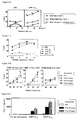
- cytotoxic T lymphocytes specific to each peptide increased in PBMCs of the patient, with the increasing number of peptide vaccination (see Figures 4-A and 4-B).
- cytotoxic T lymphocytes specific to each peptide increased even in a case of vaccination with combination of peptides, it is believed that even the vaccination with each peptide alone would induce peptide-specific cytotoxic T lymphocytes and further provide clinical efficacy likewise.
- the adjuvant contained in the vaccine together with the peptide in vaccination was used to enhance the induction of anti-tumor immune responses by the peptide.
- the peptides which are the active ingredients to induce anti-tumor immune responses, were able to induce cytotoxic T lymphocytes in vitro when used alone, which suggests that even a medicament consisting of only the peptide may be efficient as an agent for preventing and/or treating hematologic malignancies. Since an adjuvant contained together can provide better anti-tumor effects, the use of the adjuvant is recommended.
- Lck486 SEQ ID NO: 3
- SART-2 161 SEQ ID NO: 6
- SART-2 899 SEQ ID NO: 7
- SART-3 315 SEQ ID NO: 9
- a peptide having each amino acid sequence set forth in SEQ ID NOs: 3, 6, 7 and 9 can be used as an active ingredient for an agent for preventing and/or treating hematologic malignancies.
- a peptide having an amino acid sequence selected from the group consisting of SEQ ID NOs: 1, 2, 3, 4, 5, 6, 7, 8, 9 and 10 may be used either alone or in combination of two or more as an active ingredient of the agent for preventing and/or treating hematologic malignancies according to the present invention.
- the agent for preventing and/or treating hematologic malignancies according to the present invention may be used as a cancer vaccine.
- the cancer vaccine herein means a drug which induces and/or enhances immune responses specific to malignant cells; activates cytotoxic T lymphocytes in the body of a cancer patient; and then selectively damages malignant cells.
- vaccination can be conducted not only with a cancer vaccine that contains all of the selected several kind of peptides, but also with several cancer vaccines each of which contains each of the peptides respectively.
- the agent for preventing and/or treating hematologic malignancies according to the present invention may contain an adjunct that can enhance anti-tumor immune responses.
- an adjunct include interleukin-2 that is effective to expand cytotoxic T lymphocytes.
- the agent for preventing and/or treating hematologic malignancies according to the present invention which contains adjuncts such as adjuvants and carriers, may provide higher anti-tumor effects, when using as a cancer vaccine.
- An adjuvant may be used either alone or in combination of two or more.
- adjuvant examples include Freund's complete adjuvant, alum, lipid A, monophosphoryl lipid A, bacterial preparation such as BCG (Bacillus-Calmette-Guerrin) preparation, bacterial component preparation such as tuberculin preparation, natural polymer product such as keyhole limpet hemocyanin and yeast mannan, muramyl tripeptide, muramyl dipeptide or derivatives thereof, alum, non-ionic block copolymers. Montanide ISA-51 was used in the examples herein. Useful adjuvants are not limited to these specific examples, and any other material may be used as long as it can enhance anti-tumor immune responses.
- Carrier is not particularly limited as long as it is not harmful to human body and may lead an enhanced antigenicity, which is exemplified by cellulose, polymerized amino acid, and albumin.
- the agent for preventing and/or treating hematologic malignancies according to the present invention can be specifically exemplified by an agent for preventing and/or treating hematologic malignancies comprising one or more peptides each of which has an amino acid sequence selected from the group consisting of SEQ ID NOs: 1, 2, 4, 5, 8 and 10 in the sequence listing and an adjuvant.
- the agent for preventing and/or treating hematologic malignancies may comprise, besides the aforementioned peptides, an effective amount of the other anti-tumor peptide that can induce anti-tumor immune responses against hematologic malignancies.
- the other anti-tumor peptide for addition may be a peptide that can induce cytotoxic T lymphocytes in an HLA-A24 dependent manner or a peptide that can induce cytotoxic T lymphocytes in an HLA class I dependent manner which phenotype is other than HLA-A24.
- the other anti-tumor peptide is preferably an anti-tumor peptide that can induce peptide-specific cytotoxic T lymphocytes from PBMCs of a patient to whom the preventing and/or treating agent of the present invention is applied.
- Evaluation of specific cytotoxic T lymphocytes induction by a peptide can be carried out by culturing PBMCs with the peptide for a suitable period, and then reacting them with cells having an HLA class I molecule on their cell surface which are previously pulsed with the corresponding peptide, and finally measuring the amount of interferon- ⁇ (IFN- ⁇ ) production (see Example 3). For example, increased amount of IFN- ⁇ production in comparison with that from PBMCs cultured in the absence of the peptide indicates the induction of cytotoxic T lymphocytes.
- IFN- ⁇ interferon- ⁇
- the hematologic malignancies to which the agent for preventing and/or treating hematologic malignancies according to the present invention may be applied are preferably HLA-A24 positive hematologic malignancies, and more preferably hematologic malignancies that exhibit the expression of one or more kinds of protein containing the peptide that is an active ingredient of the agent, such as p56 lck protein, SART-1, SART-2, SART-3 and ART-1.
- HLA-A24 positive also referred to as HLA-A24 +
- a tumor is an autologous cell that has acquired abnormal proliferative activity for some reasons.
- HLA-A24 molecules are in most cases expressed on the surfaces of the cells, irrespective of the cells being normal or tumoral.
- the HLA class I phenotype may be determined in accordance with the well known methods using, for example, peripheral blood mononuclear cells or a part of the hematologic malignancy collected from a patient with hematologic malignancy (Non-Patent-Reference 5). Alternatively and simply, it can be determined by the conventional serological methods using blood that is collected from a patient with hematologic malignancy (Non-Patent-Reference 4).
- the expression of a protein in a various kinds of hematologic malignancy can be detected with a part of the hematologic malignancy collected from a patient with hematologic malignancy, for example, by the Western blot analysis using an antibody against a protein in interest to detect, or by the detection of the promoter transcript of a gene encoding a protein in interest by using the reverse transcription-polymerase chain reaction (RT-PCR).
- RT-PCR reverse transcription-polymerase chain reaction
- hematologic malignancies include adult T-cell leukemia (sometimes abbreviated as ATL); T-cell acute lymphocytic leukemia (sometimes abbreviated as T-ALL); T-cell lymphoma; myelogenous leukemia; multiple myeloma (sometimes abbreviated as MM); myelodysplastic syndrome (sometimes abbreviated as MDS); acute monocytic leukemia; B-cell acute lymphocytic leukemia (sometimes abbreviated as B-ALL); B-cell lymphoma; Burkitt lymphoma; chronic lymphocytic leukemia (sometimes abbreviated as CLL); mantle cell lymphoma (sometimes abbreviated as MCL); and non-Hodgkin's lymphoma (sometimes abbreviated as NHL), but are not limited to these specific examples.
- the agent for preventing and/or treating hematologic malignancies according to the present invention may be applied preferably to MM, MDS, ATL,
- the peptides may be produced by a common method for chemical synthesis of amino acids. Examples of the method for chemical synthesis include a peptide synthesis method using an ordinary liquid phase method and solid phase method, such as the Fmoc method. Alternatively, an amino acid synthesizer that is commercially available may also be used for the production. Further, the peptides may be obtained by using a genetic engineering technique. For example, the peptides may be produced by preparing a recombinant DNA (expression vector) that can express a gene encoding the peptide in interest in a host cell, transfecting it to a suitable host cell such as E. coli, culturing the transformant, and then collecting the peptide in interest from the resulting culture product.
- a recombinant DNA expression vector
- the agent for preventing and/or treating hematologic malignancies may contain adjuncts such as an adjuvant, besides the peptide that an active ingredient of the agent, and further it may contain one or more pharmaceutical acceptable carriers.
- a useful pharmaceutical carrier is exemplified by a stabilizer, bactericide, buffer, isotonic agent, chelating agent, pH adjuster, surfactant, fillers, extender, binder, wetting agent, disintegrant, lubricant, analgesic agent, diluent, excipient and the like which are suitably selected and used in accordance with the administration form of the preparation to be obtained.
- a preparation form may be selected according to an administration form.
- Typical examples of the preparation form include a liquid formulation, emulsion, liposome formulation, fat emulsion, clathrate like cyclodextrin, suspension, ointment formulation, cream formulation, transdermal absorption formulation, transmucosal absorption formulation, pills, tablets, pills, capsules, powder, powdered drug, fine granule, granule, syrup and the like, but are not limited to these examples.
- a liquid formulation also may be lyophilized so as to keep it in good state in preservation, which is then dissolved in water, a buffered solution containing physiological saline and the like, and so on to have a suitable concentration at the time of using.
- Injectable solutions can be prepared using a carrier comprising a salt solution, a glucose solution or a mixture of salt water and a glucose solution.
- Liposome formulation can be prepared in the following manner: by dissolving the substance of interest in a solvent (e.g., ethanol) to make a solution, adding a solution of phospholipids dissolved in an organic solvent (e.g., chloroform), removing the solvent by evaporation and adding a phosphate buffer thereto, agitating the solution and then subjecting it to sonication followed by centrifugation to obtain supernatant, and finally, filtrating the supernatant for recovering a liposome.
- a solvent e.g., ethanol
- an organic solvent e.g., chloroform
- Fat emulsion can be prepared in the following manner: by mixing the substance of interest, an oil ingredient (vegetable oil such as soybean oil, sesame oil, olive oil, or MCT), an emulsifier (such as phospholipid), and the like; heating the mixture to make a solution; adding water of a required quantity; and then emulsifying or homogenizing by use of an emulsifier (homogenizer, e.g., a high pressure jet type, an ultrasonic type, or the like).
- the fat emulsion may be also lyophilized.
- an auxiliary emulsifier may be added, and examples thereof include glycerin or saccharides (e.g., glucose, sorbitol, fructose, etc.).
- Inclusion into a cyclodextrin formulation may be carried out in the following manner: by dissolving the substance of interest in a solvent (e.g., ethanol); adding a solution of cyclodextrin dissolved in water under heating thereto; chilling the solution and filtering the precipitates; and drying under sterilization.
- a solvent e.g., ethanol
- the cyclodextrin to be used may be appropriately selected from among those having different void sizes ( ⁇ , ⁇ , or ⁇ type) in accordance with the bulkiness of the substance.
- a suspension can be prepared using water, saccharides such as sucrose, sorbitol, or fructose, glycols such as PEG, and oils.
- the other preparation forms may be prepared likewise by an ordinary method.
- the amount of an active ingredient contained in a formulation and the dose range thereof are not particularly limited, and can be determined according to the following: the efficacy of a peptide; administration form; the type of disease; the characteristics of the subject (e.g., body weight, age, symptomatic conditions and whether being taking other medicament); and the judgment of the physician in charge.
- a suitable dosage may fall, for example, within a range of about 0.01 ⁇ g to 100 mg per dose, preferably about 0.1 ⁇ g to 10 mg per dose, more preferably 1 ⁇ g to 1 mg per dose.
- a dosage may be altered using conventional experiments for optimization that are well known in the art.
- either local administration or systemic administration may be selected.
- suitable administration form may be selected in accordance with a disease, symptomatic conditions, or other factors.
- Systemic administration may be carried out, for example, by oral administration, intravenous administration and intraarterial administration.
- Local administration may be carried out, for example, by subcutaneous administration, intradermal administration and intramuscular administration.
- an effective anti-tumor effects can be obtained also by collecting a fraction of mononuclear cells from the peripheral blood of a patient, incubating them with the agent for preventing and/or treating hematologic malignancies of the present invention, and then returning the fraction of mononuclear cells in which induction of CTL and/or activation of CTL was observed, into the blood of the patient.
- Culture conditions such as mononuclear cell concentration, concentration of the agent for preventing and/or treating hematologic malignancies, culture time, and the like, can be determined by simply repeating experiments.
- a substance having a capability to enhance the growth of lymphocytes, such as interleukin-2, may be added during culturing.
- Vaccination may be preferably conducted by local administration by means of an intradermal injection, subcutaneous injection or intramuscular injection.
- the administration may be conducted by dividing the aforementioned dosage to administer once to several times a day.
- single administration may be conducted, but repeating administration to the same site or different sites is preferred. For example, periodic administration once every week or once every one to several months can be employed. More specifically, the administration may be conducted once every two weeks for a long period of one year or more.
- a cancer vaccine containing no adjuvant may be administered itself alone, but may be administered with administering an adjuvant at the same site.
- a cancer vaccine containing an adjuvant may be directly used for local administration.
- a suitable protocol for each case can be designed by taking account of dosage and administration period suitable for the symptoms of a test subject with observing the efficacy of vaccination.
- Another aspect of the present invention is a method for preventing and/or treating hematologic malignancies, comprising the administration of a therapeutically effective amount of one or more peptides each of which has an amino acid sequence selected from the group consisting of SEQ ID NOs: 1, 2, 3, 4, 5, 6, 7, 8, 9 and 10. More preferably, the peptide administered is a peptide each of which has an amino acid sequence selected from the group consisting of SEQ ID NOs: 1, 2, 4, 5, 8 and 10 in the sequence listing. More preferably, each of these peptides is administered together with an adjuvant. Further, two or more of these peptides may be administered in combination together with an adjuvant.
- the hematologic malignancies to which the method for preventing and/or treating hematologic malignancies according to the present invention may be applied are preferably HLA-A24 positive hematologic malignancies, and more preferably hematologic malignancies that exhibit the expression of one or more kinds of protein containing the peptide that is an active ingredient of the agent, such as p56 lck protein, SART-1, SART-2, SART-3 and ART-1.
- peptide preparation used for vaccination 1
- the peptides used in a clinical study were the followings: p56 lck protein-derived peptides Lck 208 (SEQ ID NO: 1) and Lck 488 (SEQ ID NO: 2); SART-1-derived peptides SART-1 690 (SEQ ID NO: 4); and ART-1-derived peptides ART-1 170 (SEQ ID NO: 10). These peptides were prepared under conditions of Good Manufacturing Practice by Multiple Peptide System Inc.
- Montanide ISA-51 adjuvant (Seppic, Inc.) was used.
- each peptide with sterile physiological saline added in a 1:1 volume to the Montanide ISA-51, and mixed in a Vortex mixer to prepare an emulsion.
- four kinds of emulsions were prepared, each of which contains Lck 208 (SEQ ID NO: 1), Lck 488 (SEQ ID NO: 2), SART-1 690 (SEQ ID NO: 4) or ART-1 170 (SEQ ID NO: 10).
- epithelial cancer-related antigens in hematologic malignancies
- epithelial cancer-related antigens p56 lck proteins, ART-1, SART-1, SART-2 and SART-3
- B-cell acute lymphocytic leukemia (B-ALL) cell lines (REH, HALL1, NALM6, NALM16, KOPN-K, BALM1-2 and BALL-1); T-cell acute lymphocytic leukemia (T-ALL) cell lines (KOPT, RPMI-8402, CCRF-CEM, HPB-ALL, MOLT-4, CCRF-HSB-2 and PEER); acute myelogenous leukemia cell lines (ML1, ML2, ML3 and KG1); acute monocytic leukemia cell lines (THP-1 and U-937); Burkitt lymphoma cell lines (RAJI and NAMALWA); chronic myelogenous leukemia cell lines (NALM1 and K562); multiple myeloma (MM) cell lines (ARH-77, U-266, KHM-11, MIK-1 and RPMI-8226); B-cell lymphoma cell line, T-cell lymphoma cell line and ery
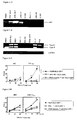
- p56 lck proteins, SART-1 and SART-2 in each cell line was detected by the Western blot analysis using anti-p56 lck protein monoclonal antibody (Lck3A5, Santa Cruz Biotec), anti-SART-1 polyclonal antibody and anti-SART-2 polyclonal antibody. Further, the expression of p56 lck protein and SART-3 was analyzed by flow cytometry using Cell Quest software (Becton Dickinson). Intracellular staining was conducted by pre-treating the cells with 4% paraformaldehyde and 0.1 % saponin, and then adding anti-p56 lck protein monoclonal antibody and anti-SART-3 monoclonal antibody. FITC-conjugated anti-mouse IgG antibody (ICN Biomedicals) was used as a secondary antibody.
- lck gene promoters The two different types of lck gene promoters are known, and the type I and the type II are primarily used in tumor cells and normal peripheral blood mononuclear cells, respectively (Non-Patent Reference 12). Then, two lck gene promoters were detected by RT-PCR using specific primer pairs in accordance with the conventional method (Non-Patent Reference 12).
- Total RNA used as a sample was extracted from cells using RNA-Bee (TEL-TEST).
- the cDNA was prepared using the Superscript first-strand synthesis systems (Invitrogen). PCR was conducted using Taq DNA polymerase in a DNA cycler (iCycler, Bio-Rad Laboratories) for 30 cycles (at 94°C for I min, at 60°C for 2 min and 72°C for 1 min).
- ART-1 gene was examined by Northern blot analysis in accordance with the conventional method (Non-Patent Reference 6).
- human ⁇ -actin cDNA (Clontech) was used as a control probe.
- SART-1, SART-2 and SART-3 were expressed in hematologic malignant cell lines tested, whereas the expression thereof was not observed in PBMCs.
- ART-1 was expressed in all tested hematologic malignant cell lines and PBMCs, however, the expression thereof in most cell lines was higher than that in PBMCs.
- the following peptides were used to induce cytotoxic T lymphocytes: p56 lck protein-derived peptides (Lck 208 (SEQ ID NO: 1), Lck 488 (SEQ ID NO: 2) and Lck 486 (SEQ ID NO: 3)); SART-1-derived peptide (SART-1 690 (SEQ ID NO: 4)); SART-2-derived peptides (SART-2 93 (SEQ ID NO: 5), SART-2 161 (SEQ ID NO: 6) and SART-2 899 (SEQ ID NO: 7)); SART-3-derived peptides (SART-3 109 (SEQ ID NO: 8) and SART-3 315 (SEQ ID NO: 9)); and ART-1-derived peptide (ART-1 170 (SEQ ID NO: 10)).
- Lck 208 SEQ ID NO: 1
- Lck 488 SEQ ID NO: 2
- Lck 486 SEQ ID NO: 3
- SART-1-derived peptide SART-1 6
- All of these peptides are the epithelial cancer-related antigen-derived peptides and have the ability to induce cytotoxic T lymphocytes from PBMCs of an epithelial cancer patient in an HLA-A24 dependent manner (Non-Patent References 3-6 and 12).
- a human immunodeficiency virus (HIV)-derived peptide (SEQ ID NO: 11) and Epstein-Barr virus (EBV)-derived peptide (SEQ ID NO: 12) were used respectively as a negative control peptide and positive control peptide both of which have an HLA-A24-binding motif. All peptides (> 95% purity) were purchased from Sawady Laboratory, and dissolved respectively in dimethyl sulfoxide at a concentration of 10 mg/ml for use.
- PBMCs were prepared from peripheral blood that was collected from a patient with hematologic malignancy using Ficoll-Conray density-gradient centrifugation.
- the expression of HLA-A24 molecules on PBMCs was determined using flow cytometry by a well known method (Non-Patent Reference 5).
- PBMCs (1 x 10 5 cells/well) were incubated with 10 ⁇ M of each peptide in 200 ⁇ l of culture medium in a U-bottom-type 96-well microculture plate (Nunc).
- the culture medium consisted of 45% RPMI-1640, 45% AIM-V (Invitrogen), 10% FCS, 100 U/ml of interleukin-2 (IL-2), and 0.1 mM MEM non-essential amino acid solution (Invitrogen).
- IL-2 interleukin-2
- 0.1 mM MEM non-essential amino acid solution Invitrogen
- the harvested cells were tested for their ability to produce IFN- ⁇ in response to HLA-A24-expressing C1R cells (referred to as CIR-A24) previously pulsed with a corresponding peptide or with an HIV-derived peptide (SEQ ID NO: 11) used as a negative control.
- CIR-A24 HLA-A24-expressing C1R cells
- SEQ ID NO: 11 HIV-derived peptide
- PBMCs of ten cases of HLA-A24 + patients with hematologic malignancies were tested for the induction of cytotoxic T lymphocytes using peptides that were derived from p56 lck protein, SART-1, SART-2, SART-3 and ART-1.
- the peptides used were the peptides that induced peptide-specific tumor-reactive cytotoxic T lymphocytes from PBMCs of an HLA-A24 + epithelial cancer patient, which are currently on clinical trials for use as vaccines for epithelial cancer patients.
- the PBMCs were stimulated with the peptide in vitro to measure the peptide-specific IFN- ⁇ production. The results are shown in Table 2.
- Lck 208 SEQ ID NO: 1
- Lck 486 SEQ ID NO: 3
- Lck 488 SEQ ID NO: 2
- Lck 208 SEQ ID NO: 1
- Lck 486 SEQ ID NO: 3
- Lck 488 SEQ ID NO: 2
- PBMCs in the aforementioned studies which showed the enhanced IFN- ⁇ production by the incubation with the peptide in response to CIR-A24 pulsed with the peptide were further incubated for two weeks in the presence of IL-2 (100 U/mL) alone. Then, the cytotoxicity against hematologic malignant cell lines was examined by a standard 51 Cr-release test (Non-Patent Reference 5). Specifically, the PBMCs obtained were used as an effector to mix with 51 Cr-labelled target cells (hereinafter referred to as targets) at an effector/target rate of 3, 10 or 30, and then incubated for six hours, followed by measuring the radioactivity of 51 Cr released in the supernatants.
- targets 51 Cr-labelled target cells
- the results obtained were indicated as % lysis which was calculated by regarding a radioactivity as 100% when the targets were completely dissolved.
- FIGS 2-A, 2-B and 2-C The representative results are shown in Figures 2-A, 2-B and 2-C.
- PBMCs which were stimulated with Lck 486 (SEQ ID NO: 3), SART-2 161 (SEQ ID NO: 6) or SART-2 899 (SEQ ID NO: 7) and further cultured in the presence of IL-2 (patient Nos. 8, 2, and 4 respectively in table 2), showed significant cytotoxic activity against an HLA-A24 + hematologic malignant line, but did not show cytotoxic activity against an HLA-A24 - hematologic malignant line and an HLA-A24 + PHA blastoid T-cells ( Figures 2-A, 2-B, and 2-C respectively).
- Such cytotoxic activity was not observed in PBMCs cultured with the HIV-derived peptide (SEQ ID NO: 11) or EBV derive peptides (SEQ ID NO: 12).
- Lck 486 SEQ ID NO: 3
- SART-2 161 SEQ ID NO: 6
- SART-2 899 SEQ ID NO: 7
- HLA-A24 molecules on CD38 + multiple myeloma cells (MM cells) that was derived from the patient's bone marrow was confirmed by flow cytometry with anti-HLA-A24 monoclonal antibody. Further, it was confirmed by the same way using anti-Lck antibody that these CD38 + MM cells expressed Lck protein.
- the peptides used in vaccination were Lck 488 (SEQ ID NO: 2), SART-1 690 (SEQ ID NO: 4) and ART-1 170 (SEQ ID NO: 10). These peptides had induced cytotoxic T lymphocytes in vitro from PBMCs derived from the pre-vaccinated patient. Therefore, it was believed that there existed in the patient's PBMCs peptide-specific cytotoxic T lymphocyte precursors reactive to these peptides.
- Three kinds of emulsions each of which contains each of these peptides respectively and an adjuvant were prepared according to the method described in Example 1, and vaccinated to the patient by injecting subcutaneously at different sites of the patient's lateral thigh.
- the vaccination was conducted after confirming by skin test that the patient showed no immediate hypersensitivity reaction against the peptides.
- the skin test was conducted by injecting intradermally the solution of 50 ⁇ g of each peptide in physiological saline and determining immediate-type or delayed-type hypersensitivity reaction at 20 minutes or 24 hours after the injection.
- the vaccinations were conducted seven times every two weeks using SART-1 690 (SEQ ID NO: 4), Lck 488 (SEQ ID NO: 2) and ART-1 170 (SEQ ID NO: 10).
- the cytotoxic activity of PBMCs acquired after the sixth vaccination was measured according to the in vitro test described in Example 3.
- the peptide-specific cytotoxic activity against SART-1 690 (SEQ ID NO: 4), Lck 488 (SEQ ID NO: 2) and Lck 208 (SEQ ID NO: 1) respectively was observed in the PBMCs.
- PBMCs derived from the patient were studied for their peptide-specific cytotoxic activity by 51 Cr-release test using C1R-A24 cells pulsed with the peptides used.
- PBMCs were collected after the 3 rd , 6 th and 9 th vaccination and tested for their cytotoxic activity against myeloma cell line, the PBMCs showed significant levels of cytotoxic activity against KHM-11 and MIK-1 both of which are HLA-A24 + myeloid cell lines (Figure 3-B).
- cytotoxic activity was extremely low against RPMI-8226 that is an HLA-A24 - myeloid cell line.
- the cytotoxic activity was inhibited significantly by anti-HLA class I antibody (W6/32, IgG2a), anti-CD8 antibody (Nu-Ts/c, IgG2a) or anti-HLA-A24 antibody (A11.1, IgG3), but not inhibited by anti-CD 14 antibody (JML-H14, IgG2a).
- the local reactions of vaccinations were observed only at the sites of administration (grade II) to such a level that no treatment was needed for them. Delayed-type hypersensitivity reaction was not observed against the peptides used in the vaccination. In this case, no symptom indicating autoimmune reactions was observed.
- HLA-A24 molecules on CD19 + chronic lymphocytic leukemia cells (CLL cells) that was derived from the patient's PBMCs was confirmed by flow cytometry with anti-HLA-A24 monoclonal antibody.
- ART-1 170 (SEQ ID NO: 10) induced cytotoxic T lymphocytes in vitro from PBMCs of the pre-vaccinated patient, however it caused immediate hypersensitivity reaction in skin test (see Example 4) conducted before vaccination. Therefore, SART-2 93 (SEQ ID NO: 5) and SART-3 109 (SEQ ID NO: 8) were used for vaccination. Since significant levels of Immunoglobulin G antibody reactive to these peptides were detected in a pre-vaccinated serum, it was suggested that humoral immunity against these peptides had been evoked in the patient before vaccination.
- Two kinds of emulsions prepared using these peptides according to the methods described in Example 5 were vaccinated to the patient by injecting subcutaneously at different sites of the patient's lateral thigh.
- PBMCs derived from the patient were studied for the peptide-specific cytotoxic T lymphocyte induction by measuring the amount of IFN- ⁇ production as an indicator against C1R-A24 cells pulsed with the peptides used (see Example 3).
- the IFN- ⁇ production from PBMCs was significantly inhibited by anti-CD8 antibody (Nu-Ts/c, IgG2a) or anti-HLA-A24 antibody (A11.1, IgG3), but was not inhibited by anti-CD14 antibody (JML-H14, IgG2a).
- 20 x 10 3 / ⁇ l of the lymphocyte counts in blood before the vaccination decreased significantly to 12.8 x 10 3 / ⁇ l after the sixth vaccination, although it was temporary.
- the platelet counts were low before the vaccination as it was 10 x 10 4 / ⁇ l, which increased after the sixth vaccination and was maintained within the normal ranges through the period of 17 vaccinations.
- the agent for preventing and/or treating hematologic malignancies according to the present invention is useful because it may be used for a specific immunotherapy of hematologic malignancies, and thus has a very high applicability in the pharmaceutical field.
Landscapes
- Health & Medical Sciences (AREA)
- Life Sciences & Earth Sciences (AREA)
- Animal Behavior & Ethology (AREA)
- Veterinary Medicine (AREA)
- Chemical & Material Sciences (AREA)
- Public Health (AREA)
- General Health & Medical Sciences (AREA)
- Medicinal Chemistry (AREA)
- Pharmacology & Pharmacy (AREA)
- Immunology (AREA)
- Epidemiology (AREA)
- Proteomics, Peptides & Aminoacids (AREA)
- Bioinformatics & Cheminformatics (AREA)
- Engineering & Computer Science (AREA)
- Gastroenterology & Hepatology (AREA)
- Oncology (AREA)
- Nuclear Medicine, Radiotherapy & Molecular Imaging (AREA)
- General Chemical & Material Sciences (AREA)
- Chemical Kinetics & Catalysis (AREA)
- Organic Chemistry (AREA)
- Zoology (AREA)
- Microbiology (AREA)
- Mycology (AREA)
- Hematology (AREA)
- Medicines Containing Antibodies Or Antigens For Use As Internal Diagnostic Agents (AREA)
- Medicines That Contain Protein Lipid Enzymes And Other Medicines (AREA)
- Peptides Or Proteins (AREA)
Applications Claiming Priority (2)
| Application Number | Priority Date | Filing Date | Title |
|---|---|---|---|
| JP2003287208 | 2003-08-05 | ||
| PCT/JP2004/011232 WO2005011723A1 (fr) | 2003-08-05 | 2004-08-05 | Agent preventif et/ou remede pour tumeur hematopoietique |
Publications (2)
| Publication Number | Publication Date |
|---|---|
| EP1656947A1 true EP1656947A1 (fr) | 2006-05-17 |
| EP1656947A4 EP1656947A4 (fr) | 2007-02-21 |
Family
ID=34114009
Family Applications (1)
| Application Number | Title | Priority Date | Filing Date |
|---|---|---|---|
| EP04771259A Withdrawn EP1656947A4 (fr) | 2003-08-05 | 2004-08-05 | Agent preventif et/ou remede pour tumeur hematopoietique |
Country Status (5)
| Country | Link |
|---|---|
| US (1) | US20060240026A1 (fr) |
| EP (1) | EP1656947A4 (fr) |
| JP (1) | JPWO2005011723A1 (fr) |
| CA (1) | CA2534461A1 (fr) |
| WO (1) | WO2005011723A1 (fr) |
Families Citing this family (4)
| Publication number | Priority date | Publication date | Assignee | Title |
|---|---|---|---|---|
| US20030220258A1 (en) | 2001-12-21 | 2003-11-27 | Robbert Benner | Treatment of ischemic events |
| JP4846799B2 (ja) * | 2005-07-05 | 2011-12-28 | バイオテンプト ベー.フェー. | 腫瘍の治療 |
| EP1864692A1 (fr) | 2006-06-07 | 2007-12-12 | Biotempt B.V. | Utilisation de peptides pour la protection contre les radiolésions |
| WO2012005161A1 (fr) * | 2010-07-07 | 2012-01-12 | 株式会社グリーンペプタイド | Vaccin peptidique contre le cancer |
Family Cites Families (6)
| Publication number | Priority date | Publication date | Assignee | Title |
|---|---|---|---|---|
| US6555652B1 (en) * | 1997-12-05 | 2003-04-29 | Kyogo Itoh | Tumor antigen peptide derivatives |
| US7521197B2 (en) * | 1998-06-05 | 2009-04-21 | Alexis Biotech Limited | Method for producing cytotoxic T-cells |
| EP1116791B1 (fr) * | 1998-08-28 | 2008-10-29 | Kyogo Itoh | Nouvelle proteine d'antigene tumoral sart-3 et peptide d'antigene tumoral de celle-ci |
| CN1334873A (zh) * | 1998-12-01 | 2002-02-06 | 伊东恭悟 | 新型肿瘤抗原蛋白art-1及其肿瘤抗原肽 |
| EP1207199B1 (fr) * | 1999-08-05 | 2010-04-14 | Green Peptide Co., Ltd. | Antigene de tumeur |
| CN1309417C (zh) * | 2001-02-15 | 2007-04-11 | 王荣福 | 穿细胞肽在产生抗肿瘤免疫力上的用途 |
-
2004
- 2004-08-05 EP EP04771259A patent/EP1656947A4/fr not_active Withdrawn
- 2004-08-05 JP JP2005512574A patent/JPWO2005011723A1/ja not_active Withdrawn
- 2004-08-05 CA CA002534461A patent/CA2534461A1/fr not_active Abandoned
- 2004-08-05 US US10/567,700 patent/US20060240026A1/en not_active Abandoned
- 2004-08-05 WO PCT/JP2004/011232 patent/WO2005011723A1/fr not_active Ceased
Also Published As
| Publication number | Publication date |
|---|---|
| CA2534461A1 (fr) | 2005-02-10 |
| WO2005011723A1 (fr) | 2005-02-10 |
| JPWO2005011723A1 (ja) | 2007-10-04 |
| US20060240026A1 (en) | 2006-10-26 |
| EP1656947A4 (fr) | 2007-02-21 |
Similar Documents
| Publication | Publication Date | Title |
|---|---|---|
| CN105816855B (zh) | 用于诱发单核细胞免疫应答的重组lag-3或其衍生物的应用 | |
| US9539299B2 (en) | Combination therapy with WT1 peptide vaccine and temozolomide | |
| EP2385117A1 (fr) | Peptide WT1 à restriction HLA-A*3303 et composition pharmaceutique le contenant | |
| WO2021108025A1 (fr) | Vaccins anticancéreux à base de cellules et thérapies anticancéreuses | |
| US20200000899A1 (en) | Pharmaceutical composition for use in the treatment of cancer | |
| CN107530432B (zh) | 药物 | |
| US20230233474A1 (en) | Use of mrnas encoding ox40l, il-23 and il-36gamma for treating cancer | |
| EP1656947A1 (fr) | Agent preventif et/ou remede pour tumeur hematopoietique | |
| EP2852612B1 (fr) | Nouveau peptide antigénique du mélanome et ses utilisations | |
| Santin et al. | Development and therapeutic effect of adoptively transferred T cells primed by tumor lysate-pulsed autologous dendritic cells in a patient with metastatic endometrial cancer | |
| CN109475549B (zh) | 药物组合物及其治疗自身免疫疾病的用途 | |
| EP2852611B1 (fr) | Nouveau peptide antigénique du mélanome et ses utilisations | |
| TWI359030B (en) | Treatment of cellular proliferative disorders | |
| AU2021262547A1 (en) | T cell therapy | |
| KR102732912B1 (ko) | K-ras 특이적 활성화 T 세포를 포함하는 폐 선암종의 예방 및 치료용 약제학적 조성물 및 이의 제조방법 | |
| KR102732913B1 (ko) | K-ras 특이적 활성화 T 세포를 포함하는 흑색종의 예방 및 치료용 약제학적 조성물 및 이의 제조방법 | |
| KR102732910B1 (ko) | K-ras 특이적 활성화 T 세포를 포함하는 대장암의 예방 및 치료용 약제학적 조성물 및 이의 제조방법 | |
| KR102732909B1 (ko) | K-ras 특이적 활성화 T 세포를 포함하는 폐 유두상 선암종의 예방 및 치료용 약제학적 조성물 및 이의 제조방법 | |
| KR102732911B1 (ko) | K-ras 특이적 활성화 T 세포를 포함하는 유방암의 예방 및 치료용 약제학적 조성물 및 이의 제조방법 | |
| WO2020077180A1 (fr) | Traitement de sujets immunodéprimés | |
| Ueda et al. | Mobilization of peripheral blood stem cells (PBSCs) after etoposide, adriamycin and cisplatin therapy, and a multimodal cell therapy approach with PBSCs in advanced gastric cancer | |
| Sato et al. | Phase I clinical study of anti-apoptosis protein survivin-derived peptide vaccination for patients with advanced or recurrent | |
| JP2018070469A (ja) | HLA−A24分子に結合でき、かつ細胞性免疫に認識されるHIF−1α由来ペプチド、及びそれを含む腎細胞癌ワクチン |
Legal Events
| Date | Code | Title | Description |
|---|---|---|---|
| PUAI | Public reference made under article 153(3) epc to a published international application that has entered the european phase |
Free format text: ORIGINAL CODE: 0009012 |
|
| 17P | Request for examination filed |
Effective date: 20060203 |
|
| AK | Designated contracting states |
Kind code of ref document: A1 Designated state(s): AT BE BG CH CY CZ DE DK EE ES FI FR GB GR HU IE IT LI LU MC NL PL PT RO SE SI SK TR |
|
| DAX | Request for extension of the european patent (deleted) | ||
| A4 | Supplementary search report drawn up and despatched |
Effective date: 20070119 |
|
| RIC1 | Information provided on ipc code assigned before grant |
Ipc: A61K 38/17 20060101ALI20070116BHEP Ipc: A61K 38/08 20060101AFI20050215BHEP Ipc: A61P 35/00 20060101ALI20070116BHEP Ipc: A61P 35/02 20060101ALI20070116BHEP |
|
| 17Q | First examination report despatched |
Effective date: 20070612 |
|
| STAA | Information on the status of an ep patent application or granted ep patent |
Free format text: STATUS: THE APPLICATION IS DEEMED TO BE WITHDRAWN |
|
| 18D | Application deemed to be withdrawn |
Effective date: 20071023 |