EP1671625B2 - Nanopartikel - Google Patents
Nanopartikel Download PDFInfo
- Publication number
- EP1671625B2 EP1671625B2 EP05026069.4A EP05026069A EP1671625B2 EP 1671625 B2 EP1671625 B2 EP 1671625B2 EP 05026069 A EP05026069 A EP 05026069A EP 1671625 B2 EP1671625 B2 EP 1671625B2
- Authority
- EP
- European Patent Office
- Prior art keywords
- nanoparticle
- nanoparticles
- ligand
- carbohydrate
- core
- Prior art date
- Legal status (The legal status is an assumption and is not a legal conclusion. Google has not performed a legal analysis and makes no representation as to the accuracy of the status listed.)
- Expired - Lifetime
Links
Images


Classifications
-
- G—PHYSICS
- G01—MEASURING; TESTING
- G01N—INVESTIGATING OR ANALYSING MATERIALS BY DETERMINING THEIR CHEMICAL OR PHYSICAL PROPERTIES
- G01N33/00—Investigating or analysing materials by specific methods not covered by groups G01N1/00 - G01N31/00
- G01N33/48—Biological material, e.g. blood, urine; Haemocytometers
- G01N33/50—Chemical analysis of biological material, e.g. blood, urine; Testing involving biospecific ligand binding methods; Immunological testing
- G01N33/53—Immunoassay; Biospecific binding assay; Materials therefor
- G01N33/543—Immunoassay; Biospecific binding assay; Materials therefor with an insoluble carrier for immobilising immunochemicals
- G01N33/54313—Immunoassay; Biospecific binding assay; Materials therefor with an insoluble carrier for immobilising immunochemicals the carrier being characterised by its particulate form
- G01N33/54346—Nanoparticles
-
- A—HUMAN NECESSITIES
- A61—MEDICAL OR VETERINARY SCIENCE; HYGIENE
- A61K—PREPARATIONS FOR MEDICAL, DENTAL OR TOILETRY PURPOSES
- A61K9/00—Medicinal preparations characterised by special physical form
- A61K9/48—Preparations in capsules, e.g. of gelatin, of chocolate
- A61K9/50—Microcapsules having a gas, liquid or semi-solid filling; Solid microparticles or pellets surrounded by a distinct coating layer, e.g. coated microspheres, coated drug crystals
- A61K9/51—Nanocapsules; Nanoparticles
- A61K9/5107—Excipients; Inactive ingredients
- A61K9/5115—Inorganic compounds
-
- A—HUMAN NECESSITIES
- A61—MEDICAL OR VETERINARY SCIENCE; HYGIENE
- A61K—PREPARATIONS FOR MEDICAL, DENTAL OR TOILETRY PURPOSES
- A61K47/00—Medicinal preparations characterised by the non-active ingredients used, e.g. carriers or inert additives; Targeting or modifying agents chemically bound to the active ingredient
- A61K47/50—Medicinal preparations characterised by the non-active ingredients used, e.g. carriers or inert additives; Targeting or modifying agents chemically bound to the active ingredient the non-active ingredient being chemically bound to the active ingredient, e.g. polymer-drug conjugates
- A61K47/69—Medicinal preparations characterised by the non-active ingredients used, e.g. carriers or inert additives; Targeting or modifying agents chemically bound to the active ingredient the non-active ingredient being chemically bound to the active ingredient, e.g. polymer-drug conjugates the conjugate being characterised by physical or galenical forms, e.g. emulsion, particle, inclusion complex, stent or kit
- A61K47/6921—Medicinal preparations characterised by the non-active ingredients used, e.g. carriers or inert additives; Targeting or modifying agents chemically bound to the active ingredient the non-active ingredient being chemically bound to the active ingredient, e.g. polymer-drug conjugates the conjugate being characterised by physical or galenical forms, e.g. emulsion, particle, inclusion complex, stent or kit the form being a particulate, a powder, an adsorbate, a bead or a sphere
- A61K47/6923—Medicinal preparations characterised by the non-active ingredients used, e.g. carriers or inert additives; Targeting or modifying agents chemically bound to the active ingredient the non-active ingredient being chemically bound to the active ingredient, e.g. polymer-drug conjugates the conjugate being characterised by physical or galenical forms, e.g. emulsion, particle, inclusion complex, stent or kit the form being a particulate, a powder, an adsorbate, a bead or a sphere the form being an inorganic particle, e.g. ceramic particles, silica particles, ferrite or synsorb
-
- A—HUMAN NECESSITIES
- A61—MEDICAL OR VETERINARY SCIENCE; HYGIENE
- A61P—SPECIFIC THERAPEUTIC ACTIVITY OF CHEMICAL COMPOUNDS OR MEDICINAL PREPARATIONS
- A61P1/00—Drugs for disorders of the alimentary tract or the digestive system
- A61P1/04—Drugs for disorders of the alimentary tract or the digestive system for ulcers, gastritis or reflux esophagitis, e.g. antacids, inhibitors of acid secretion, mucosal protectants
-
- A—HUMAN NECESSITIES
- A61—MEDICAL OR VETERINARY SCIENCE; HYGIENE
- A61P—SPECIFIC THERAPEUTIC ACTIVITY OF CHEMICAL COMPOUNDS OR MEDICINAL PREPARATIONS
- A61P29/00—Non-central analgesic, antipyretic or antiinflammatory agents, e.g. antirheumatic agents; Non-steroidal antiinflammatory drugs [NSAID]
-
- A—HUMAN NECESSITIES
- A61—MEDICAL OR VETERINARY SCIENCE; HYGIENE
- A61P—SPECIFIC THERAPEUTIC ACTIVITY OF CHEMICAL COMPOUNDS OR MEDICINAL PREPARATIONS
- A61P31/00—Antiinfectives, i.e. antibiotics, antiseptics, chemotherapeutics
- A61P31/04—Antibacterial agents
-
- A—HUMAN NECESSITIES
- A61—MEDICAL OR VETERINARY SCIENCE; HYGIENE
- A61P—SPECIFIC THERAPEUTIC ACTIVITY OF CHEMICAL COMPOUNDS OR MEDICINAL PREPARATIONS
- A61P31/00—Antiinfectives, i.e. antibiotics, antiseptics, chemotherapeutics
- A61P31/12—Antivirals
-
- A—HUMAN NECESSITIES
- A61—MEDICAL OR VETERINARY SCIENCE; HYGIENE
- A61P—SPECIFIC THERAPEUTIC ACTIVITY OF CHEMICAL COMPOUNDS OR MEDICINAL PREPARATIONS
- A61P35/00—Antineoplastic agents
-
- A—HUMAN NECESSITIES
- A61—MEDICAL OR VETERINARY SCIENCE; HYGIENE
- A61P—SPECIFIC THERAPEUTIC ACTIVITY OF CHEMICAL COMPOUNDS OR MEDICINAL PREPARATIONS
- A61P35/00—Antineoplastic agents
- A61P35/04—Antineoplastic agents specific for metastasis
-
- A—HUMAN NECESSITIES
- A61—MEDICAL OR VETERINARY SCIENCE; HYGIENE
- A61P—SPECIFIC THERAPEUTIC ACTIVITY OF CHEMICAL COMPOUNDS OR MEDICINAL PREPARATIONS
- A61P37/00—Drugs for immunological or allergic disorders
- A61P37/02—Immunomodulators
- A61P37/06—Immunosuppressants, e.g. drugs for graft rejection
-
- B—PERFORMING OPERATIONS; TRANSPORTING
- B82—NANOTECHNOLOGY
- B82Y—SPECIFIC USES OR APPLICATIONS OF NANOSTRUCTURES; MEASUREMENT OR ANALYSIS OF NANOSTRUCTURES; MANUFACTURE OR TREATMENT OF NANOSTRUCTURES
- B82Y10/00—Nanotechnology for information processing, storage or transmission, e.g. quantum computing or single electron logic
-
- B—PERFORMING OPERATIONS; TRANSPORTING
- B82—NANOTECHNOLOGY
- B82Y—SPECIFIC USES OR APPLICATIONS OF NANOSTRUCTURES; MEASUREMENT OR ANALYSIS OF NANOSTRUCTURES; MANUFACTURE OR TREATMENT OF NANOSTRUCTURES
- B82Y15/00—Nanotechnology for interacting, sensing or actuating, e.g. quantum dots as markers in protein assays or molecular motors
-
- B—PERFORMING OPERATIONS; TRANSPORTING
- B82—NANOTECHNOLOGY
- B82Y—SPECIFIC USES OR APPLICATIONS OF NANOSTRUCTURES; MEASUREMENT OR ANALYSIS OF NANOSTRUCTURES; MANUFACTURE OR TREATMENT OF NANOSTRUCTURES
- B82Y5/00—Nanobiotechnology or nanomedicine, e.g. protein engineering or drug delivery
-
- G—PHYSICS
- G01—MEASURING; TESTING
- G01N—INVESTIGATING OR ANALYSING MATERIALS BY DETERMINING THEIR CHEMICAL OR PHYSICAL PROPERTIES
- G01N33/00—Investigating or analysing materials by specific methods not covered by groups G01N1/00 - G01N31/00
- G01N33/48—Biological material, e.g. blood, urine; Haemocytometers
- G01N33/50—Chemical analysis of biological material, e.g. blood, urine; Testing involving biospecific ligand binding methods; Immunological testing
- G01N33/58—Chemical analysis of biological material, e.g. blood, urine; Testing involving biospecific ligand binding methods; Immunological testing involving labelled substances
- G01N33/588—Chemical analysis of biological material, e.g. blood, urine; Testing involving biospecific ligand binding methods; Immunological testing involving labelled substances with semiconductor nanocrystal label, e.g. quantum dots
-
- G—PHYSICS
- G01—MEASURING; TESTING
- G01N—INVESTIGATING OR ANALYSING MATERIALS BY DETERMINING THEIR CHEMICAL OR PHYSICAL PROPERTIES
- G01N33/00—Investigating or analysing materials by specific methods not covered by groups G01N1/00 - G01N31/00
- G01N33/48—Biological material, e.g. blood, urine; Haemocytometers
- G01N33/50—Chemical analysis of biological material, e.g. blood, urine; Testing involving biospecific ligand binding methods; Immunological testing
- G01N33/80—Chemical analysis of biological material, e.g. blood, urine; Testing involving biospecific ligand binding methods; Immunological testing involving blood groups or blood types or red blood cells
-
- Y—GENERAL TAGGING OF NEW TECHNOLOGICAL DEVELOPMENTS; GENERAL TAGGING OF CROSS-SECTIONAL TECHNOLOGIES SPANNING OVER SEVERAL SECTIONS OF THE IPC; TECHNICAL SUBJECTS COVERED BY FORMER USPC CROSS-REFERENCE ART COLLECTIONS [XRACs] AND DIGESTS
- Y10—TECHNICAL SUBJECTS COVERED BY FORMER USPC
- Y10T—TECHNICAL SUBJECTS COVERED BY FORMER US CLASSIFICATION
- Y10T436/00—Chemistry: analytical and immunological testing
- Y10T436/24—Nuclear magnetic resonance, electron spin resonance or other spin effects or mass spectrometry
Definitions
- the present invention relates to nanoparticles, and in particular to nanoparticles having immobilised ligands comprising carbohydrate groups and their use in studying the interaction of these ligands with other species.
- the present invention further relates to applications of the nanoparticles, for example for screening, diagnosis and therapy.
- carbohydrates and their interactions with other species are also extremely important biologically and have not been the subject of concerted study.
- the difficulty in studying carbohydrates and their interactions arises in view of the diversity of carbohydrate linkages and because there are no techniques analogous to cloning to amplify and modify carbohydrates.
- the complex multistep way in which carbohydrates are assembled in cells means that carbohydrates and associated glycoconjugates such as glycoproteins and glycolipids are characterised by a high degree of variability and are not trivial to synthesise or study.
- carbohydrate mediated interactions tend to be weak and polyvalent and are correspondingly difficult to detect. Thus, there are no satisfactory tools for doing this in the art.
- WO 99/61911A discloses functionalized nanometer sized particles comprising a core which comprises at least one metal or metal alloy.
- the present invention provides materials and methods for studying and modulating the interaction of carbohydrate-containing moieties with other species.
- the present invention provides nanoparticles as defined in the claims. These "nanoparticles" can then be used to study carbohydrate mediated interactions, e.g. with other carbohydrates or proteins, and as therapeutics and diagnostic reagents.
- the present invention provides a way of providing a spherical array of the ligand immobilised on a detectable particle.
- the particles have the further advantage-that they are soluble, e.g. in water and a range of organic solvents, and can be used in a variety of homogeneous application formats.
- the present invention provides a nanoparticle as defined in claim 1.
- the ligands may comprise the carbohydrate groups alone or in combination with peptides, protein domains, nucleic acid segments or fluorescent groups.
- the present invention provides compositions comprising populations of one or more of the above defined particles.
- the populations of nanoparticles may have different densities of the same or different ligands attached to the core.
- the present invention provides the above defined particles for use in a method of medical treatment.
- the present invention provides the use of the above defined particles for the preparation of a medicament for the treatment of a condition ameliorated by the administration of the ligand.
- this may occur as the ligand blocks a carbohydrate mediated interaction that would otherwise tend to lead to a pathology.
- the present invention has advantages over prior art approaches for treating conditions involving carbohydrate mediated interactions.
- the interactions are polyvalent whereas the agent used to treat the interactions are often only capable of modulating one or a few of the these interactions. This has the result that it is difficult to deliver an agent to the site of the interaction which is capable of reliably modulating the interaction for the desired therapeutic effect.
- the present invention provides agents having a plurality of ligands for modulating the carbohydrate mediated interactions, potentially overcoming the difficulty in modulating the polyvalent interactions.
- the mean diameter of the core preferably the metallic core, is between 0.5 and 100nm, more preferably between 1 and 50nm, and still more preferably between 1 and 20nm.
- the mean diameter can be measured using techniques well known in the art such as transmission electron microscopy.
- the core material is as defined in claim 1.
- the core material is a metal selected from Au, Ag or Cu.
- Nanoparticles cores formed from alloys have also been reported, including Au/Ag, Au/Cu, Au/Ag/Cu, Au/Pt, Au/Pd and Au/Ag/Cu/Pd, and may be used in the present invention.
- Preferred core materials are Au and Ag, with the most preferred material being Au. Where gold clusters are used, they will preferably have between about 100 and 500 gold atoms to provide core diameters in the nanometre range.
- Other particularly useful core materials are or are doped with one or more atoms that are NMR active, allowing the nanoparticles to be detected using NMR, both in vitro and in vivo. Examples of NMR active atoms include gadolinium and europium.
- the nanoparticles and the results of their interactions can be detected using a number of techniques well known in the art. These can range from detecting the aggregation that results when the nanoparticles bind to another species, e.g. by simple visual inspection or by using light scattering (transmittance of a solution containing the nanoparticles), to using sophisticated techniques such as transmission electron microscopy (TEM) or atomic force microscopy (AFM) to visualise the nanoparticles.
- TEM transmission electron microscopy
- a further method of detecting metal particles is to employ plasmon resonance, that is the excitation of electrons at the surface of a metal, usually caused by optical radiation.
- SPR surface plasmon resonance
- Nanoparticles can also be detected as described in [18] , using a system based on quantitative signal amplification using the nanoparticle-promoted reduction of silver (I) and using a flatbed scanner as a reader. Fluorescence spectroscopy can be used if the nanoparticles include ligands combining carbohydrate groups and fluorescent probes. Also, isotopic labelling of the carbohydrate can be used to facilitate their detection.
- the ligand linked to the core comprises one or more carbohydrate (saccharide) groups, e.g. comprising a polysaccharide, an oligosaccharide or a single saccharide group.
- the ligand may be also be a glycanoconjugate such as a glycolipid or a glycoprotein.
- the ligand may additionally comprises one or more of a peptide group, a protein domain, a nucleic acid molecule (e.g. a DNA segment) and/or a fluorescent probe.
- the particles of the present invention have more than one species of ligand immobilised thereon, e.g. 2, 3, 4, 5, 10, 20 or 100 different ligands.
- a plurality of different types of particles can be employed together.
- the mean number of ligands linked to an individual metallic core of the particle is at least 20 ligands, more preferably at least 50 ligands, and most preferably at least 100 ligands.
- Preferred densities of ligands are in the ranges of 70-100 ligands per 200 gold atoms as determined by elemental analysis.
- the ligands are attached covalently to the core of the particles. Protocols for carrying this out are known in the art, although the work described herein is the first report of the reactions being used to covalently bond carbohydrate ligands to the core of the particle. This may be carried out by reacting ligands with reductive end groups with gold under reducing conditions.
- a preferred method of producing the particles employs thiol derivatised carbohydrate moieties to couple the ligands to particles.
- the ligand is derivatised as a protected disulphide.
- the disulphide protected ligand in methanol can be added to an aqueous solution of tetrachloroauric acid.
- a preferred reducing agent is sodium borohydride.
- the present invention provides a way of presenting a spherical array of carbohydrate-containing ligands having advantages over other types of array proposed in the prior art.
- the nanoparticles are soluble in most organic solvents and especially water. This can be used in their purification and importantly means that they can be used in solution as macroarrays for presenting the ligand immobilised on the surface of the particle.
- the fact that the nanoparticles are soluble has the advantage of presenting the carbohydrates in a natural conformation.
- the nanoparticles are non-toxic, soluble and excreted in the urine.
- a range of different carbohydrate mediated interactions are known in the art and could be studied or modulated using the nanoparticles disclosed herein. These include leukocyte-endothelial cell adhesion, carbohydrate-antibody interactions, carbohydrate-protein bacterial and viral infection, immunological recognition of tumour cells, tumour cells-endothelial cells (e.g. to study metastasis) and foreign tissue and cell recognition.
- the following examples of application for the nanoparticles are provided by way of illustration and not limitation to support the wide applicability of the technologies described herein.
- two types of interaction can be identified.
- homophilic interactions identical carbohydrates interact with one another and could be detected by steadily increasing the concentration of particles having a single species of ligands immobilised on their surface until aggregation occurs. This may be detected by light scattering or electronic effects.
- Heterophilic interactions can be detected by mixing together two or more different nanoparticles and determining the aggregation state of the particles.
- the present invention provides a versatile platform for studying and modulating carbohydrate-mediated interactions.
- the particles could be used to detect anti-carbohydrate antibodies, detecting the binding of antibody to the ligands on the particle via light scattering to pick up aggregation of the particles, or electric field effects, such as surface plasmon resonance, which would be modified when the metal atoms in the particles cluster together.
- the nanoparticles can be employed to type blood groups, as commonly carried out in medicine to match compatible donors and recipients for blood transfusion.
- Blood groups arise as common gut bacteria bear carbohydrate antigens which are similar or identical to blood group antigens present on the surface of red blood cells, and these bacterial antigens stimulate the production of antibodies in individuals who do not bear the corresponding antigen on their own red blood cells.
- sera from an individual is tested for antibodies that agglutinate the red blood cells of the donor and vice versa in a cross-match test to detect the potentially harmful antibodies in the recipient.
- blood typing is carried out using these agglutination tests which are inconvenient and not readily susceptible to automation or high throughput.
- the blood group antigens are carbohydrates, e.g. for the common antigen:
- populations of nanoparticles can be made having blood group antigens immobilised on their surface.
- a sample contained sera capable of binding to the blood group antigen, then adding the nanoparticle to a sample from a patient would allow the blood type of donors and recipients to be determined.
- Another application of the nanoparticles is to modulate inflammation.
- members of the selectin family participate in the initial attachment of white blood cells (leukocytes) to endothelial cells during the process of leukocyte recruitment to inflammed tissues.
- L-selectin is expressed on leukocytes, P-selectin on platelets and E-selectin on endothelial cells.
- E-selectin and P-selectin are induced on endothelial cells in response to pro-inflammatory cytokines and bind to ELAM receptors on the surface of endothelial cells.
- L-selectin is constitutively expressed on circulating leukocytes and binds to glycoproteins uniquely expressed on the activated endothelium.
- Prior art approaches to employing selectins as therapeutic targets have been based on the fact that the selectins share a common calcium dependent lectin domain which can be targeted by carbohydrate based ligands.
- Prior art screening has found that all three selectins bind to the sialylated and fucosylated tetrasaccharide sialyl Lewis X (sLe x ) and that this molecule and analogues thereof can bind to selectin, albeit weakly.
- the prior art approaches suffer from the problem that the interaction of sLe x and selectin is weak and the interaction of the cells expressing the selectin is polyvalent.
- the present invention proposes a treatment of inflammation using nanoparticles having one or more selectin ligands immobilised thereon.
- selectin mediated inflammation and compounds that can be used to modulate the interaction is provided in [5b] .
- nanoparticles in which the carbohydrate (saccharide) group is an antigen can be for administration as a vaccine, e.g. ballistically, using a delivery gun to accelerate their transdermal passage through the outer layer of the epidermis.
- the nanoparticles can then be taken up, e.g. by dendritic cells, which mature as they migrate through the lymphatic system, resulting in modulation of the immune response and vaccination against the saccharide antigen, as described in [19] .
- cell surface carbohydrates act as ligands for viral or bacterial receptors (called adhesins) and that binding of the carbohydrates to the receptors is an event required during infection.
- Synthetic carbohydrates e.g. glycoconjugates, that are capable of modulating these interactions can be immobilised in the nanoparticles of the invention and used as reagents to study these interactions and as therapeutics to prevent viral or bacterial infection.
- H. pylori which causes chronic active gastritis, gastric and duodenal ulcers, gastric adenocarcinoma and mucosa-associated lymphoid tissue lymphoma in humans.
- H. pylori can occur via multiple carbohydrates including Lewis b antigen, sialylated oligosaccharides and sulphated mucin glycoproteins, nanoparticles capable of modulating (i.e. blocking) the different adhesin interactions could be used as treatments of the above conditions.
- viral infections mediated by carbohydrates include the influenza virus which infects cells via the multivalent binding of hemaglutinin molecules on the viral envelope to sialic acid terminated host glycoconjugates. Thus, by infection may be inhibited by disrupting this event.
- GalCer glycolipid galactosylceramide
- the present invention may be useful in the modulation of immune response, e.g. following transplantation.
- the immunological recognition of tissue begins with carbohydrate mediated interactions between surface carbohydrates present on transplanted tissue and the components of the host's immune system such as antibodies, so this can be targeted to ameliorate immune reactions that result from this interaction.
- the carbohydrate Gal ⁇ 1-3Gal ⁇ 1-4GlnAc (the ' ⁇ Gal' epitope) has been implicated as an important antigenic epitope involved in the rejection of transplanted tissue.
- modulation of the interaction of the ⁇ Gal epitope and the immune system may be a therapeutic target for the nanoparticles described herein.
- tumour associated antigens or tumour autocrine factors are carbohydrate based.
- the nanoparticles could be provided as vaccines prime the immune system to produce antibodies which are capable of attacking tumour cells presenting the carbohydrates on their surface.
- many tumour cells possess aberrant glycosylation patterns which may enable the immune response stimulated by nanoparticles to be directed specifically to tumour cells as opposed to normal, healthy cells.
- the nanoparticles can also be used to inhibit metastatis in cancer, e.g. through the migration of tumour cells through the endothelial cells.
- the nanoparticles can be used as carriers to raise antibodies capable of specifically binding the ligand. This is particularly advantageous as it can be a challenging problem in the art to raise antibodies against carbohydrates-containing moieties as they are often small and do not cause strong immune responses.
- the present invention provides a method of determining the presence in a sample of a substance capable of binding to a ligand comprising a carbohydrate ligand, the method comprising contacting the sample with nanoparticles linked to the ligand and determining whether binding takes place.
- the method may be used to determine the presence or amount of one or more analytes in a sample, e.g. for use in assisting the diagnosis of a disease state associated with the presence of the analyte.
- Figure 1 shows schematically the method used to synthesise nanoparticles.
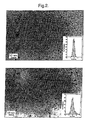
- Figure 2 shows transmission electron micrographs and core size distribution histograms (insets) of the lacto 2 -Au (top) and the Le x 3-Au (bottom) glyconanoparticles.
- Figure 3 shows 1 H NMR spectra of: (A) 2 -Au in D 2 O (a); 2 in D 2 O (b) and 2 in CD 3 OD (c) and (B) 3 -Au in D 2 O (a); 3 in D 2 O (b) and 3 in 70% CD 3 OD/D 2 O (c).
- the nanoparticles described herein or their derivatives can be formulated in pharmaceutical compositions, and administered to patients in a variety of forms, in particular to treat conditions ameliorated by the administration of the ligand.
- this may occur as the ligand blocks a carbohydrate mediated interaction that would otherwise tend to lead to a pathology.
- the nanoparticles may be used as medicament for modulating leukocyte-endothelial cell adhesion, carbohydrate-antibody interactions, carbohydrate-protein bacterial and viral infection, immunological recognition of tumour cells, the inhibition of metastatis and foreign tissue and cell recognition.
- compositions for oral administration may be in tablet, capsule, powder or liquid form.
- a tablet may include a solid carrier such as gelatin or an adjuvant or an inert diluent.
- Liquid pharmaceutical compositions generally include a liquid carrier such as water, petroleum, animal or vegetable oils, mineral oil or synthetic oil. Physiological saline solution, or glycols such as ethylene glycol, propylene glycol or polyethylene glycol may be included. Such compositions and preparations generally contain at least 0.1wt% of the compound.
- Parenteral administration includes administration by the following routes: intravenous, cutaneous or subcutaneous, nasal, intramuscular, intraocular, transepithelial, intraperitoneal and topical (including dermal, ocular, rectal, nasal, inhalation and aerosol), and rectal systemic routes.
- intravenous, cutaneous or subcutaneous injection, or injection at the site of affliction the active ingredient will be in the form of a parenterally acceptable aqueous solution which is pyrogen-free and has suitable pH, isotonicity and stability.
- suitable solutions using, for example, solutions of the compounds or a derivative thereof, e.g. in physiological saline, a dispersion prepared with glycerol, liquid polyethylene glycol or oils.
- compositions can comprise one or more of a pharmaceutically acceptable excipient, carrier, buffer, stabiliser, isotonicizing agent, preservative or antioxidant or other materials well known to those skilled in the art. Such materials should be non-toxic and should not interfere with the efficacy of the active ingredient.
- a pharmaceutically acceptable excipient e.g. orally or parenterally.
- Liquid pharmaceutical compositions are typically formulated to have a pH between about 3.0 and 9.0, more preferably between about 4.5 and 8.5 and still more preferably between about 5.0 and 8.0.
- the pH of a composition can be maintained by the use of a buffer such as acetate, citrate, phosphate, succinate, Tris or histidine, typically employed in the range from about 1 mM to 50 mM.
- the pH of compositions can otherwise be adjusted by using physiologically acceptable acids or bases.
- Preservatives are generally included in pharmaceutical compositions to retard microbial growth, extending the shelf life of the compositions and allowing multiple use packaging.
- preservatives include phenol, meta-cresol, benzyl alcohol, para-hydroxybenzoic acid and its esters, methyl paraben, propyl paraben, benzalconium chloride and benzethonium chloride.
- Preservatives are typically employed in the range of about 0.1 to 1.0 % (w/v).
- the pharmaceutically compositions are given to an individual in a "prophylactically effective amount” or a “therapeutically effective amount” (as the case may be, although prophylaxis may be considered therapy), this being sufficient to show benefit to the individual. Typically, this will be to cause a therapeutically useful activity providing benefit to the individual.
- the actual amount of the compounds administered, and rate and time-course of administration, will depend on the nature and severity of the condition being treated. Prescription of treatment, e.g. decisions on dosage etc, is within the responsibility of general practitioners and other medical doctors, and typically takes account of the disorder to be treated, the condition of the individual patient, the site of delivery, the method of administration and other factors known to practitioners.
- compositions are preferably administered to patients in dosages of between about 0.01 and 100mg of active compound per kg of body weight, and more preferably between about 0.5 and 10mg/kg of body weight.
- the nanoparticles may be used as carriers for raising antibody responses against the carbohydrate containing ligands linked to the core particles.
- These antibodies can be modified using techniques which are standard in the art. Antibodies similar to those exemplified for the first time here can also be produced using the teaching herein in conjunction with known methods. These methods of producing antibodies include immunising a mammal (e.g. mouse, rat, rabbit, horse, goat, sheep or monkey) with the nanoparticle(s). Antibodies may be obtained from immunised animals using any of a variety of techniques known in the art, and screened, preferably using binding of antibody to antigen of interest. Isolation of antibodies and/or antibody-producing cells from an animal may be accompanied by a step of sacrificing the animal.
- an antibody specific for the ligand and/or nanoparticle may be obtained from a recombinantly produced library of expressed immunoglobulin variable domains, e.g. using lambda bacteriophage or filamentous bacteriophage which display functional immunoglobulin binding domains on their surfaces; for instance see WO92/01047 .
- the library may be naive, that is constructed from sequences obtained from an organism which has not been immunised with any of the nanoparticles, or may be one constructed using sequences obtained from an organism which has been exposed to the antigen of interest.
- monoclonal antibody refers to an antibody obtained from a substantially homogenous population of antibodies, i.e. the individual antibodies comprising the population are identical apart from possible naturally occurring mutations that may be present in minor amounts.
- Monoclonal antibodies can be produced by the method first described by Kohler and Milstein, Nature, 256:495, 1975 or may be made by recombinant methods, see Cabilly et al, US Patent No. 4,816,567 , or Mage and Lamoyi in Monoclonal Antibody Production Techniques and Applications, pages 79-97, Marcel Dekker Inc, New York, 1987 .
- a mouse or other appropriate host animal is immunised with the antigen by subcutaneous, intraperitoneal, or intramuscular routes to elicit lymphocytes that produce or are capable of producing antibodies that will specifically bind to the nanoparticles used for immunisation.
- lymphocytes may be immunised in vitro. Lymphocytes then are fused with myeloma cells using a suitable fusing agent, such as polyethylene glycol, to form a hybridoma cell, see Goding, Monoclonal Antibodies: Principles and Practice, pp. 59-103 (Academic Press, 1986 )
- the hybridoma cells thus prepared can be seeded and grown in a suitable culture medium that preferably contains one or more substances that inhibit the growth or survival of the unfused, parental myeloma cells.
- a suitable culture medium that preferably contains one or more substances that inhibit the growth or survival of the unfused, parental myeloma cells.
- the culture medium for the hybridomas typically will include hypoxanthine, aminopterin, and thymidine (HAT medium), which substances prevent the growth of HGPRT-deficient cells.
- Preferred myeloma cells are those that fuse efficiently, support stable high level expression of antibody by the selected antibody producing cells, and are sensitive to a medium such as HAT medium.
- Culture medium in which hybridoma cells are growing is assayed for production of monoclonal antibodies directed against the nanoparticles/ligands.
- the binding specificity is determined by enzyme-linked immunoabsorbance assay (ELISA).
- ELISA enzyme-linked immunoabsorbance assay
- the monoclonal antibodies of the invention are those that specifically bind to the nanoparticles/ligands.
- the monoclonal antibody will have an affinity which is greater than micromolar or greater affinity (i.e. an affinity greater than 10 -6 mol) as determined, for example, by Scatchard analysis, see Munson & Pollard, Anal. Biochem., 107:220, 1980 .
- the clones can be subcloned by limiting dilution procedures and grown by standard methods. Suitable culture media for this purpose include Dulbecco's Modified Eagle's Medium or RPM1-1640 medium.
- the hybridoma cells may be grown in vivo as ascites tumours in an animal.
- the monoclonal antibodies secreted by the subclones are suitably separated from the culture medium, ascites fluid, or serum by conventional immunoglobulin purification procedures such as, for example, protein A-Sepharose, hydroxylapatite chromatography, gel electrophoresis, dialysis, or affinity chromatography.
- Nucleic acid encoding the monoclonal antibodies of the invention is readily isolated and sequenced using procedures well known in the art, e.g. by using oligonucleotide probes that are capable of binding specifically to genes encoding the heavy and light chains of murine antibodies.
- the hybridoma cells of the invention are a preferred source of nucleic acid encoding the antibodies or fragments thereof. Once isolated, the nucleic acid is ligated into expression or cloning vectors, which are then transfected into host cells, which can be cultured so that the monoclonal antibodies are produced in the recombinant host cell culture.
- Hybridomas capable of producing antibody with desired binding characteristics are within the scope of the present invention, as are host cells containing nucleic acid encoding antibodies (including antibody fragments) and capable of their expression.
- the invention also provides methods of production of the antibodies including growing a cell capable of producing the antibody under conditions in which the antibody is produced, and preferably secreted.
- Antibodies according to the present invention may be modified in a number of ways. Indeed the term “antibody” should be construed as covering any binding substance having a binding domain with the required specificity. Thus, the invention covers antibody fragments, derivatives, functional equivalents and homologues of antibodies, including synthetic molecules and molecules whose shape mimics that of an antibody enabling it to bind an antigen or epitope, here a carbohydrate ligand as defined herein.
- antibody fragments capable of binding an antigen or other binding partner, are the Fab fragment consisting of the VL, VH, C1 and CH1 domains; the Fd fragment consisting of the VH and CH1 domains; the Fv fragment consisting of the VL and VH domains of a single arm of an antibody; the dAb fragment which consists of a VH domain; isolated CDR regions and F(ab') 2 fragments, a bivalent fragment including two Fab fragments linked by a disulphide bridge at the hinge region. Single chain Fv fragments are also included.
- a hybridoma producing a monoclonal antibody according to the present invention may be subject to genetic mutation or other changes.
- a monoclonal antibody can be subjected to the techniques of recombinant DNA technology to produce other antibodies, humanised antibodies or chimeric molecules which retain the specificity of the original antibody.
- Such techniques may involve introducing DNA encoding the immunoglobulin variable region, or the complementarity determining regions (CDRs), of an antibody to the constant regions, or constant regions plus framework regions, of a different immunoglobulin. See, for instance, EP 0 184 187 A , GB 2 188 638 A or EP 0 239 400 A . Cloning and expression of chimeric antibodies are described in EP 0 120 694 A and EP 0 125 023 A .
- GSL glycosphingolipid
- the lacto and Le x protected glyconanoparticles provide a glycocalyx-like surface with chemically well defined synthetic matrix and globular shape. Moreover, this approach opens the way to tailor glyconanoparticles containing a variety of carbohydrate ligands as well as different surface density providing an under-control model for structure-function studies and for investigating carbohydrate clustering [9] and orientation effects at a surface.
- the lacto - and Le x functionalised nanoparticles will be our polyvalent model system to mimic GSL clustering in plasma membrane [11] and to investigate in solution the attractive and repulsive forces involved in cell aggregation via carbohydrate-to-carbohydrate interactions. Previous studies using synthetic receptors provided first solid evidence that stabilising interactions between lipophilic carbohydrate surfaces exist in water. [12]
- the water soluble glyconanoparticles 1 -Au, 2 -Au and 3 -Au were obtained in methanol following the procedure of House et al for the synthesis of monolayer protected gold nanoclusters.
- the lacto- Au and Le x -Au glyconanoparticles are water soluble, stable and can be manipulated as a water soluble biological macromolecules. They have been purified by dialysis and characterised by 1 H-NMR, UV and transmission electron microscopy (TEM).
- glyconanoparticles A solution of disulphide 1,2 , or 3 (0.012M, 5.5 eq) in MeOH was added to a solution of tetrachloroauric acid (0.025M, 1 eq) in water. NaBH 4 (1M, 22 eq) in water was added in small portions with rapid stirring. The black suspension that was formed was stirred for additional 2 hours and the solvent was then removed under vacuum. The crude of the reaction was washed with MeOH and was centrifuged for 10 minutes. The methanol was removed and the process was repeated several times until the starting material was not detected by TLC. The glyco-nanoparticles are completely insoluble in MeOH but quite soluble in water.
- TEM Transmission Electron Microscopy
- Figure 2 shows TEM images and core size distribution histograms for the 2 -Au and 3 -Au gold glyconanoparticles.
- the gold particles stabilized with the lactose show a narrower and more homogeneous particle size distribution than the particles stabilized with the Le x conjugate.
- a mean diameter of 1.8 nm was found in both samples for the gold core of the functionalized nanoparticles.
- Such a mean particle size corresponds, according to previous work, [15] to an average number of gold atoms per particles of ca. 200 and 70 protecting alkanethiolate glycoconjugates.
- the aqueous solutions of the nanoparticles were stable during months and no agglomeration was detected by TEM.
- the presentation of the carbohydrate molecules at the nanoparticles surface was then investigated.
- the molecular properties of the neoglycoconjugates 1, 2 and 3 suffer a differential change after attaching them to the gold surface.
- the lacto derivative 2 which is soluble in methanol and insoluble in water, gives glyconanoparticles 2 -Au insoluble in methanol but with good solubility in water.
- the Le x derivative 3 is soluble in methanol and water, its nanoparticle 3 -Au, however, is insoluble in methanol and very soluble in water.
- the 1 H-NMR spectra of the glyconanoparticles show clearly these differences ( Figure 3 ).
- the spectra of the lacto- nanoparticles 1 -Au and 2 -Au in D 2 O differ strongly from those of the lacto -disulfides 1 and 2 ( Figure 3A spectrum of 1 not shown) showing the line broadening of slowly rotating macromolecules in solution.
- the signal of the methylenes closest to the thiolate/Au interface completely disappears, as it occurs in the alkanethiol monolayer-protected gold nanoclusters.
- these differences are not founded in the case of the 3 -Au nanoparticles.
- the steric crowding of the carbohydrate moiety at the nanoparticle surfaces is also shown by the different behaviour of 1 and 2 and their corresponding nanoclusters 1 -Au and 2 -Au with ⁇ -glycosidases.
- the ⁇ -galactosidase of E . coli processes 1 and 2 at a level comparable to lactose itself (5-10% relative to the specific activity of GONP), while the hydrolysis by the enzyme under the same conditions of 1 -Au and 2 -Au nanoparticles was barely detected ( ⁇ 3% relative to the enzymatic activity with the free ligands 1 and 2 ).
Landscapes
- Health & Medical Sciences (AREA)
- Engineering & Computer Science (AREA)
- Chemical & Material Sciences (AREA)
- Life Sciences & Earth Sciences (AREA)
- General Health & Medical Sciences (AREA)
- Medicinal Chemistry (AREA)
- Nanotechnology (AREA)
- Immunology (AREA)
- Molecular Biology (AREA)
- Pharmacology & Pharmacy (AREA)
- Hematology (AREA)
- Biomedical Technology (AREA)
- Public Health (AREA)
- Bioinformatics & Cheminformatics (AREA)
- Veterinary Medicine (AREA)
- Animal Behavior & Ethology (AREA)
- Urology & Nephrology (AREA)
- Physics & Mathematics (AREA)
- Crystallography & Structural Chemistry (AREA)
- Biotechnology (AREA)
- Nuclear Medicine, Radiotherapy & Molecular Imaging (AREA)
- Organic Chemistry (AREA)
- General Chemical & Material Sciences (AREA)
- Chemical Kinetics & Catalysis (AREA)
- Cell Biology (AREA)
- Biochemistry (AREA)
- Pathology (AREA)
- Microbiology (AREA)
- Food Science & Technology (AREA)
- General Physics & Mathematics (AREA)
- Analytical Chemistry (AREA)
- Inorganic Chemistry (AREA)
- Epidemiology (AREA)
- Oncology (AREA)
- Communicable Diseases (AREA)
- Mathematical Physics (AREA)
- Optics & Photonics (AREA)
- Materials Engineering (AREA)
- Biophysics (AREA)
- General Engineering & Computer Science (AREA)
Claims (32)
- Nanoteilchen, umfassend einen Kern aus Metallatomen, die kovalent an zumindest 20 Liganden gebunden sind, die jeweils eine Kohlenhydratgruppe umfassen, worin das Nanoteilchen zwei oder mehr an den Kern gebundene Ligandenspezies aufweist.
- Nanoteilchen nach Anspruch 1, worin der Kern des Nanoteilchens kovalent an zumindest 50 Liganden gebunden ist, die jeweils eine Kohlenhydratgruppe umfassen.
- Nanoteilchen nach Anspruch 1 oder 2, worin der Kern des Nanoteilchens kovalent an zumindest 100 Liganden gebunden ist, die jeweils eine Kohlenhydratgruppe umfassen.
- Nanoteilchen nach einem der Ansprüche 1 bis 3, worin der Kern ein Metallkern ist.
- Nanoteilchen nach einem der vorangegangenen Ansprüche, worin der Kern des Nanoteilchens einen mittleren Durchmesser zwischen 0,5 und 100 nm aufweist.
- Nanoteilchen nach einem der vorangegangenen Ansprüche, worin der Kern des Nanoteilchens einen mittleren Durchmesser zwischen 1 und 20 nm aufweist.
- Nanoteilchen nach einem der Ansprüche 4 bis 6, worin der Metallkern Au, Ag oder Cu umfasst.
- Nanoteilchen nach einem der vorangegangenen Ansprüche, worin der Kern ein Atom umfasst, das NMR-aktiv ist.
- Nanoteilchen nach Anspruch 8, worin das NMR-aktive Atom Gadolinium und Europium ist.
- Nanoteilchen nach einem der vorangegangenen Ansprüche, worin der Kern ein Atom umfasst, das unter Einsatz von Oberflächenplasmonresonanz detektierbar ist.
- Nanoteilchen nach einem der vorangegangenen Ansprüche, worin das Nanoteilchen eine Markierung umfasst.
- Nanoteilchen nach Anspruch 11, worin die Markierung eine fluoreszierende Gruppe oder ein radioaktives isotop ist.
- Nanoteilchen nach einem der Ansprüche 7 bis 12, worin der Metallkern eine aus Au/Ag, Au/Cu, Au/Ag/Cu, Au/Pt, Au/Pd oder Au/Ag/Cu/Pd ausgewählte Legierung ist.
- Nanoteilchen nach einem der Ansprüche 7 bis 13, worin der Metallkern zwischen etwa 100 und 500 Au-Atome umfasst.
- Nanoteilchen nach einem der vorangegangenen Ansprüche, worin der eine Kohlenhydratgruppe umfassende Ligand weiters ein Peptid, eine Proteindomäne, ein Nucleinsäuresegment oder eine fluoreszierende Gruppe umfasst.
- Nanoteilchen nach einem der vorangegangenen Ansprüche, worin der eine Kohlenhydratgruppe umfassende Ligand eine Polysaccharid-, eine Oligosaccharidoder eine Monosaccharidgruppe umfasst.
- Nanoteilchen nach einem der vorangegangenen Ansprüche, worin der Ligand ein Glykanokonjugat umfasst.
- Nanoteilchen nach Anspruch 17, worin das Glykanokonjugat ein Glykolipid oder ein Glykoprotein ist.
- Nanoteilchen nach einem der vorangegangenen Ansprüche, worin die Kohlenhydratgruppe ein Selectinligand ist.
- Nanoteilchen nach einem der Ansprüche 1 bis 18, worin die Kohlenhydratgruppe ein Ligand für einen viralen oder bakteriellen Rezeptor ist.
- Nanoteilchen nach einem der Ansprüche 1 bis 18, worin die Kohlenhydratgruppe ein tumorassoziiertes Antigen oder ein autokriner Tumorfaktor ist.
- Nanoteilchen nach einem der Ansprüche 4 bis 21, worin der Ligand über eine Sulfidgruppe an den Metallkern gebunden ist.
- Nanoteilchen nach einem der vorangegangenen Ansprüche, worin das Nanoteilchen wasserlöslich ist.
- Zusammensetzung, umfassend eine Population eines oder mehrerer Nanoteilchen nach einem der Ansprüche 1 bis 23.
- Zusammensetzung nach Anspruch 24, die eine Vielzahl von Nanoteilchen mit verschiedenen Ligandengruppen umfasst.
- Zusammensetzung, umfassend eine Population eines oder mehrerer Nanoteilchen nach einem der Ansprüche 1 bis 23, zur therapeutischen oder diagnostischen Verwendung.
- Zusammensetzung, umfassend eine Population eines oder mehrerer Nanoteilchen nach einem der Ansprüche 1 bis 18 oder der Ansprüche 21 bis 23, worin die Kohlenhydratgruppe ein Antigen ist und worin die Zusammensetzung eine Vakzine ist.
- Verwendung eines Nanoteilchens nach einem der Ansprüche 1 bis 23 zur Herstellung eines Medikaments zur Behandlung eines Leidens, das durch die Verabreichung des Liganden gelindert wird.
- Verfahren zur Bestimmung des Vorhandenseins einer Substanz, die in der Lage ist, an einen eine Kohlenhydratgruppe umfassenden Liganden zu binden, in einer Probe, wobei das Verfahren (a) das Kontaktieren der Probe mit Nanoteilchen nach einem der Ansprüche 1 bis 23, sodass die Substanz an die Kohlenhydratgruppe der Nanoteilchen bindet, und (b) das Bestimmen, ob es zu einer Bindung kommt, umfasst.
- Verfahren nach Anspruch 29, das weiters den Schritt des Korrelierens des Vorliegens oder Nichtvorliegens von Bindung mit der Diagnose eines Erkrankungszustands, der mit dem Vorhandensein der Substanz in Zusammenhang steht, umfasst.
- Verfahren nach Anspruch 29 oder Anspruch 30, worin die Substanz ein Antikörper ist, der in der Lage ist, an die Kohlenhydratgruppe zu binden.
- Verwendung eines Nanoteilchens nach einem der Ansprüche 1 bis 23 zur Bildung und Isolierung von Antikörpern, die in der Lage sind, den Liganden spezifisch zu binden.
Applications Claiming Priority (2)
| Application Number | Priority Date | Filing Date | Title |
|---|---|---|---|
| GBGB0025414.4A GB0025414D0 (en) | 2000-10-16 | 2000-10-16 | Nanoparticles |
| EP01974554A EP1326589B1 (de) | 2000-10-16 | 2001-10-16 | Nanopartikel |
Related Parent Applications (2)
| Application Number | Title | Priority Date | Filing Date |
|---|---|---|---|
| EP01974554.6 Division | 2001-10-16 | ||
| EP01974554A Division EP1326589B1 (de) | 2000-10-16 | 2001-10-16 | Nanopartikel |
Publications (3)
| Publication Number | Publication Date |
|---|---|
| EP1671625A1 EP1671625A1 (de) | 2006-06-21 |
| EP1671625B1 EP1671625B1 (de) | 2010-05-19 |
| EP1671625B2 true EP1671625B2 (de) | 2013-12-25 |
Family
ID=9901442
Family Applications (2)
| Application Number | Title | Priority Date | Filing Date |
|---|---|---|---|
| EP01974554A Expired - Lifetime EP1326589B1 (de) | 2000-10-16 | 2001-10-16 | Nanopartikel |
| EP05026069.4A Expired - Lifetime EP1671625B2 (de) | 2000-10-16 | 2001-10-16 | Nanopartikel |
Family Applications Before (1)
| Application Number | Title | Priority Date | Filing Date |
|---|---|---|---|
| EP01974554A Expired - Lifetime EP1326589B1 (de) | 2000-10-16 | 2001-10-16 | Nanopartikel |
Country Status (10)
| Country | Link |
|---|---|
| US (3) | US7364919B2 (de) |
| EP (2) | EP1326589B1 (de) |
| JP (2) | JP4467882B2 (de) |
| AT (2) | ATE319436T1 (de) |
| AU (2) | AU9406801A (de) |
| CA (1) | CA2424734C (de) |
| DE (2) | DE60142192D1 (de) |
| ES (2) | ES2346319T5 (de) |
| GB (1) | GB0025414D0 (de) |
| WO (1) | WO2002032404A2 (de) |
Families Citing this family (133)
| Publication number | Priority date | Publication date | Assignee | Title |
|---|---|---|---|---|
| US7871597B2 (en) | 1999-04-09 | 2011-01-18 | Amag Pharmaceuticals, Inc. | Polyol and polyether iron oxide complexes as pharmacological and/or MRI contrast agents |
| GB0025414D0 (en) | 2000-10-16 | 2000-11-29 | Consejo Superior Investigacion | Nanoparticles |
| FI118061B (fi) * | 2001-09-24 | 2007-06-15 | Beanor Oy | Menetelmä ja bioanturi analyysiä varten |
| FI115166B (fi) * | 2001-12-31 | 2005-03-15 | Biofons Oy | Diagnostisia menetelmiä |
| WO2004038037A2 (en) | 2002-09-20 | 2004-05-06 | Intel Corporation | Controlled alignment of nano-barcodes encoding specific information for scanning probe microscopy (spm) reading |
| US7361821B2 (en) * | 2002-09-20 | 2008-04-22 | Intel Corporation | Controlled alignment of nanobarcodes encoding specific information for scanning probe microscopy (SPM) reading |
| US7695738B2 (en) * | 2003-02-19 | 2010-04-13 | Academia Sinica | Carbohydrate encapsulated nanoparticles |
| WO2005010481A2 (en) * | 2003-06-03 | 2005-02-03 | The Regents Of The University Of California | Preparation and use of gold glyconanoparticles |
| GB0313259D0 (en) * | 2003-06-09 | 2003-07-16 | Consejo Superior Investigacion | Magnetic nanoparticles |
| WO2005044861A1 (en) * | 2003-10-31 | 2005-05-19 | Wyeth Holdings Corporation | Polysaccharides of helicobacter pylori |
| EP1687024B1 (de) * | 2003-11-05 | 2011-10-19 | The Government Of The United States Of America, As Represented By The Secretary, Department Of Health And Human Services | Kohlenhydrat-antigen-nanoteilchen-konjugate und ihre verwendungen als antimetastatische mittel bei der behandlung von krebs |
| ES2242528B1 (es) * | 2004-03-25 | 2006-12-01 | Consejo Sup. Investig. Cientificas | Nanoparticulas magneticas de metales nobles. |
| EP1756289B1 (de) * | 2004-05-24 | 2015-01-14 | Midatech Ltd. | Rna-liganden umfassende nanopartikel |
| GB0411537D0 (en) * | 2004-05-24 | 2004-06-23 | Midatech Ltd | Nanoparticles comprising rna ligands |
| US20070249063A1 (en) * | 2004-08-30 | 2007-10-25 | Deshong Philip R | Biosensors |
| WO2006037979A2 (en) * | 2004-10-01 | 2006-04-13 | Midatech Limited | Nanoparticles comprising antigens and adjuvants and immunogenic structure |
| JP4550555B2 (ja) * | 2004-11-17 | 2010-09-22 | 国立大学法人 東京医科歯科大学 | 量子ドット(Qdot)−ナノゲル複合体の調製 |
| JP2006182673A (ja) * | 2004-12-27 | 2006-07-13 | Kenji Yamamoto | マーカー付き医薬 |
| JP4484151B2 (ja) * | 2005-03-28 | 2010-06-16 | 国立大学法人滋賀大学 | ヒト血液型試薬 |
| US9297092B2 (en) | 2005-06-05 | 2016-03-29 | Qd Vision, Inc. | Compositions, optical component, system including an optical component, devices, and other products |
| US8845927B2 (en) * | 2006-06-02 | 2014-09-30 | Qd Vision, Inc. | Functionalized nanoparticles and method |
| EP1922419A4 (de) * | 2005-06-10 | 2010-11-17 | Life Technologies Corp | Verfahren und system zur genetischen multiplex-analyse |
| WO2006138145A1 (en) | 2005-06-14 | 2006-12-28 | Northwestern University | Nucleic acid functionalized nanoparticles for therapeutic applications |
| EP1919507A2 (de) * | 2005-08-04 | 2008-05-14 | Thomas William Rademacher | Nanoteilchen mit antibakteriellen liganden |
| GB0517077D0 (en) * | 2005-08-19 | 2005-09-28 | Isis Innovation | Imaging agent |
| JP4670659B2 (ja) * | 2006-01-25 | 2011-04-13 | 住友電気工業株式会社 | 蛍光標識金属粉末、ならびに該蛍光標識金属粉末を含有する異方導電膜、実装品 |
| US8143072B2 (en) * | 2006-02-08 | 2012-03-27 | The University Of Toledo | System for detecting nanoparticles using modulated surface plasmon resonance |
| US8849087B2 (en) * | 2006-03-07 | 2014-09-30 | Qd Vision, Inc. | Compositions, optical component, system including an optical component, devices, and other products |
| TW200806315A (en) * | 2006-04-26 | 2008-02-01 | Wyeth Corp | Novel formulations which stabilize and inhibit precipitation of immunogenic compositions |
| US9212056B2 (en) | 2006-06-02 | 2015-12-15 | Qd Vision, Inc. | Nanoparticle including multi-functional ligand and method |
| US8329635B2 (en) * | 2006-06-20 | 2012-12-11 | Bracco Imaging S.P.A. | Method for the preparation of specific antibodies against saccharidic antigens |
| WO2008063662A2 (en) * | 2006-11-21 | 2008-05-29 | Black Lion Pharmaceuticals | Gold (iii) chloride compositions for cancer |
| US9239329B2 (en) | 2006-12-18 | 2016-01-19 | Japan Science And Technology Agency | Method of measuring interaction between biomaterial and sugar chain, method of evaluating biomaterial in sugar chain selectivity, method of screening biomaterial, method of patterning biomaterials, and kits for performing these methods |
| US20080317768A1 (en) | 2007-06-21 | 2008-12-25 | Boeing Company | Bioconjugated nanoparticles |
| ES2320837B1 (es) | 2007-07-26 | 2010-03-04 | Consejo Superior De Investigaciones Cientificas | Dispositivo de hipertermia y su utilizacion con nanoparticulas. |
| US9175015B2 (en) | 2007-08-22 | 2015-11-03 | Colorado School Of Mines | Gold nanoparticle conjugates and uses thereof |
| EP2033660A1 (de) * | 2007-09-05 | 2009-03-11 | Freie Universität Berlin | Funktionalisierte Nanopartikel zur Hemmung Selectin-vermittelter Zelladhäsion |
| GB0718843D0 (en) | 2007-09-26 | 2007-11-07 | Cancer Rec Tech Ltd | Materials and methods relating to modifying the binding of antibodies |
| DE102007055386B4 (de) * | 2007-11-20 | 2015-07-16 | Boehringer Ingelheim Vetmedica Gmbh | Verfahren zur Kalibrierung eines Sensorelements |
| US20100285994A1 (en) * | 2007-12-28 | 2010-11-11 | Shiga University Of Medical Science | Gold nanoparticle composition, dna chip, near infrared absorbent, drug carrier for drug delivery system (dds), coloring agent, biosensor, cosmetic, composition for in vivo diagnosis and composition for therapeutic use |
| RU2395268C2 (ru) * | 2008-01-15 | 2010-07-27 | Евгений Петрович Гребенников | Способ получения лекарственного средства |
| EP2123269A1 (de) * | 2008-05-21 | 2009-11-25 | Freie Universität Berlin | Mit sulfatierten Aminalkoholen funktionalisierte Nanopartikel zur Hemmung selectinvermittelter Zelladhäsion |
| WO2010096464A1 (en) * | 2009-02-18 | 2010-08-26 | Boyes Stephen G | Gold/lanthanide nanoparticle conjugates and uses thereof |
| WO2010087912A1 (en) * | 2009-01-30 | 2010-08-05 | University Of Utah Research Foundation | Hydrogels crosslinked with gold nanoparticles and methods of making and using thereof |
| WO2010138192A2 (en) | 2009-05-27 | 2010-12-02 | Selecta Biosciences, Inc. | Nanocarriers possessing components with different rates of release |
| EA023897B1 (ru) | 2009-08-26 | 2016-07-29 | Селекта Байосайенсиз, Инк. | Композиции, которые индуцируют хелперное действие т-клеток |
| EP2561072A4 (de) | 2010-04-20 | 2016-04-06 | Univ Florida | Nanozyme, verfahren zur herstellung von nanozymen und verfahren zur verwendung von nanozymen |
| US8962345B2 (en) * | 2010-05-21 | 2015-02-24 | The United States Of America As Represented By The Secretary Of Commerce | Method of characterizing glycans attached to glycoproteins |
| CN102905728B (zh) | 2010-05-26 | 2015-11-25 | 西莱克塔生物科技公司 | 具有不偶合的佐剂的纳米载体组合物 |
| CA2807271C (en) | 2010-06-10 | 2018-07-31 | Midatech Limited | Nanoparticle film delivery systems |
| AU2011263546B2 (en) | 2010-06-10 | 2015-01-22 | Midatech Limited | Peptide-carrying nanoparticles |
| EP2640190A4 (de) | 2010-11-05 | 2016-05-11 | Selecta Biosciences Inc | Modifizierte nikotinische verbindungen und zugehörige verfahren |
| KR20140041505A (ko) | 2011-04-29 | 2014-04-04 | 셀렉타 바이오사이언시즈, 인크. | 조절 b 세포 유도를 위한 관용원성 합성 나노운반체 |
| US20130028857A1 (en) | 2011-07-29 | 2013-01-31 | Selecta Biosciences, Inc. | Synthetic nanocarriers comprising polymers comprising multiple immunomodulatory agents |
| JP5754309B2 (ja) * | 2011-09-02 | 2015-07-29 | コニカミノルタ株式会社 | 表面プラズモン励起増強蛍光分光法を利用して蛍光量を測定する定量分析方法ならびにそれに用いられる定量分析用キットおよびアナライト解離抑制剤 |
| AU2012306243B2 (en) | 2011-09-07 | 2016-10-20 | Midatech Limited | Nanoparticle-peptide compositions |
| MX2014002764A (es) | 2011-09-07 | 2014-12-04 | Midatech Ltd | Vacunas en nanoparticulas para tumor. |
| US9772305B2 (en) | 2011-09-15 | 2017-09-26 | Arizona Board Of Regents On Behalf Of Arizona State University | System and method for small molecule detection |
| GB201301991D0 (en) | 2013-02-05 | 2013-03-20 | Midatech Ltd | Permeation enhanced active-carrying nanoparticles |
| GB201302427D0 (en) | 2013-02-12 | 2013-03-27 | Midatech Ltd | Nanoparticle delivery compositions |
| GB201303787D0 (en) | 2013-03-04 | 2013-04-17 | Midatech Ltd | Nanoparticle peptide compositions |
| GB201303771D0 (en) | 2013-03-04 | 2013-04-17 | Midatech Ltd | Nanoparticles peptide compositions |
| US9572815B2 (en) | 2013-03-15 | 2017-02-21 | St. Jude Children's Research Hospital | Methods and compositions of p27KIP1 transcriptional modulators |
| KR101329646B1 (ko) | 2013-05-02 | 2013-11-14 | 주식회사 지니스 | 표적지향증폭형 항암나노입자 및 이의 제조방법 |
| BR112015027291A8 (pt) * | 2013-05-03 | 2019-12-24 | Selecta Biosciences Inc | uso de um imunossupressor que têm uma vida eficaz farmacodinâmica especificada e composição compreendendo o referido imunossupressor |
| IL295392A (en) | 2013-06-04 | 2022-10-01 | Selecta Biosciences Inc | Repeated administration of non-immunosupressive antigen specific immunotherapeutics |
| TW201521762A (zh) | 2013-08-14 | 2015-06-16 | Univ Florida | 奈米酶、製備奈米酶的方法、以及使用奈米酶的方法 |
| US10266544B2 (en) | 2013-09-29 | 2019-04-23 | St. Jude Children's Research Hospital, Inc. | Aryl substituted aminomethyl spectinomycin analogs as antibacterial agents |
| GB201401706D0 (en) | 2014-01-31 | 2014-03-19 | Midatech Ltd | Nanoparticle-insulin and insulin analogue compositions |
| EP3131566B1 (de) | 2014-04-15 | 2022-10-05 | The Regents of the University of California | Bi-terminale pegylierte integrinbindende peptide und verfahren zur verwendung davon |
| US20150374815A1 (en) | 2014-06-25 | 2015-12-31 | Selecta Biosciences, Inc. | Methods and compositions for treatment with synthetic nanocarriers and immune checkpoint inhibitors |
| US9910035B1 (en) | 2014-07-16 | 2018-03-06 | Verily Life Sciences Llc | Polyvalent functionalized nanoparticle-based in vivo diagnostic system |
| WO2016037164A1 (en) | 2014-09-07 | 2016-03-10 | Selecta Biosciences, Inc. | Methods and compositions for attenuating gene expression modulating anti-viral transfer vector immune responses |
| EP3237016A1 (de) | 2014-12-23 | 2017-11-01 | Midatech Ltd | Nanopartikel und deren verwendung in der krebstherapie |
| KR102588589B1 (ko) * | 2015-05-18 | 2023-10-16 | 히데미 카키하라 | 항균 물질 및 액상 항균제 및 액상 항균제의 제조 방법 |
| CN112933094B (zh) | 2015-06-18 | 2024-07-26 | 听治疗有限责任公司 | 预防和治疗听力损失的方法和组合物 |
| GB2541166A (en) | 2015-07-24 | 2017-02-15 | Midatech Ltd | Nanoparticle-based liver-targeting therapy and imaging |
| US20170157215A1 (en) | 2015-12-04 | 2017-06-08 | Jomoco, Corp. | Compositions and methods to mitigate or prevent an immune response to an immunogenic therapeutic molecule in non-human primates |
| IL318183A (en) | 2016-03-11 | 2025-03-01 | Selecta Biosciences Inc | Formulations and doses of pegylated uricase |
| CA3021645A1 (en) | 2016-04-29 | 2017-11-02 | Icahn School Of Medicine At Mount Sinai | Targeting the innate immune system to induce long-term tolerance and to resolve macrophage accumulation in atherosclerosis |
| EP3518956A1 (de) | 2016-09-27 | 2019-08-07 | Selecta Biosciences, Inc. | Rekombinante immunotoxine zur verwendung bei der behandlung von krebs |
| AU2018206291A1 (en) | 2017-01-03 | 2019-07-25 | Emergex Vaccines Holding Limited | Universal influenza vaccine compositions |
| WO2018129268A1 (en) | 2017-01-07 | 2018-07-12 | Selecta Biosciences, Inc. | Patterned dosing of immunosuppressants coupled to synthetic nanocarriers |
| GB201701745D0 (en) | 2017-02-02 | 2017-03-22 | Midatech Ltd | Nanoparticle-based liver-targeting therapy and imaging |
| KR102753928B1 (ko) | 2017-03-11 | 2025-01-14 | 셀렉타 바이오사이언시즈, 인크. | 항염증제, 및 면역억제제를 포함하는 합성 나노담체를 사용한 조합 치료와 관련된 방법 및 조성물 |
| US10543231B2 (en) | 2017-05-19 | 2020-01-28 | Mayo Foundation For Medical Education And Research | Methods and materials for treating cancer |
| GB2563602B (en) | 2017-06-19 | 2022-06-08 | Middlesex Univ Higher Education Corporation | Method and apparatus for imaging |
| WO2019058133A2 (en) | 2017-09-21 | 2019-03-28 | Emergex Vaccines Holding Limited | MHC CLASS I ASSOCIATED PEPTIDES FOR THE PREVENTION AND TREATMENT OF ZIKA VIRUS |
| MX2020003838A (es) | 2017-10-13 | 2020-08-06 | Selecta Biosciences Inc | Metodos y composiciones para atenuar las respuestas de inmunoglobulina m del vector de transferencia antiviral. |
| US11690904B2 (en) | 2018-01-06 | 2023-07-04 | Emergex Vaccines Holding Limited | MHC class I associated peptides for prevention and treatment of multiple flavi virus |
| EP3773706A1 (de) | 2018-03-29 | 2021-02-17 | Emergex Vaccines Holdings Limited | Impfstoffzusammensetzungen |
| JP2021519762A (ja) | 2018-03-29 | 2021-08-12 | イマージェクス ヴァクシンズ ホールディング リミテッドEmergex Vaccines Holding Limited | ワクチン組成物 |
| MX2020012373A (es) | 2018-05-18 | 2021-02-09 | Emergex Vaccines Holding Ltd | Vacuna de peptido inverso. |
| JP2021531282A (ja) | 2018-07-16 | 2021-11-18 | セレクタ バイオサイエンシーズ インコーポレーテッドSelecta Biosciences, Inc. | Otcコンストラクトおよびベクターの方法および組成物 |
| EP3823676A1 (de) | 2018-07-16 | 2021-05-26 | Selecta Biosciences, Inc. | Verfahren und zusammensetzungen von mma-konstrukten und vektoren |
| GB201819430D0 (en) | 2018-11-29 | 2019-01-16 | Midatech Ltd | Therapeutic compounds, nanoparticles and uses thereof |
| GB201820471D0 (en) | 2018-12-14 | 2019-01-30 | Midatech Ltd | Nanoparticle-based therapy of inflammatory disorders |
| GB201820470D0 (en) | 2018-12-14 | 2019-01-30 | Midatech Ltd | Antifolate-carrying nanoparticles and their use in medicine |
| BR112021021566A2 (pt) | 2019-04-28 | 2022-04-19 | Selecta Biosciences Inc | Métodos para tratamento de indivíduos com imunidade preexistente a vetores de transferência viral |
| BR112021023594A2 (pt) | 2019-05-28 | 2022-02-08 | Selecta Biosciences Inc | Métodos e composições para resposta imune de vetor de transferência antiviral atenuada |
| EP3980784A1 (de) | 2019-06-04 | 2022-04-13 | Selecta Biosciences, Inc. | Formulierungen und dosen von pegylierter uricase |
| US11890299B2 (en) | 2019-06-27 | 2024-02-06 | Hologic, Inc. | Ablation agent and methods of use |
| EP4048269A1 (de) | 2019-10-21 | 2022-08-31 | Selecta Biosciences, Inc. | Verfahren und zusammensetzungen zum behandeln von lebererkrankungen und -störungen |
| CN110755640B (zh) * | 2019-10-21 | 2022-06-10 | 浙江师范大学 | 一种金铂复合纳米诊疗剂的制备方法及应用 |
| CN118384281A (zh) | 2019-11-08 | 2024-07-26 | 西莱克塔生物科技公司 | 聚乙二醇化尿酸酶的制剂和剂量 |
| CA3164781A1 (en) | 2019-12-18 | 2021-06-24 | F. Hoffmann-La Roche Ag | Methods of sequencing by synthesis using a consecutive labeling scheme |
| EP4110334A1 (de) | 2020-02-26 | 2023-01-04 | Selecta Biosciences, Inc. | Verfahren und zusammensetzungen mit synthetischen nanoträgern mit immunsuppressivum |
| US20230147052A1 (en) | 2020-04-14 | 2023-05-11 | Selecta Biosciences, Inc. | Methods and compositions for inducing autophagy |
| GB202008250D0 (en) | 2020-06-02 | 2020-07-15 | Emergex Vaccines Holding Ltd | Diagnosis, prevention and treatment of coronavirus infection |
| CN111590087B (zh) * | 2020-06-04 | 2023-04-18 | 安徽医科大学 | 荧光金纳米簇的制备方法、制得的荧光金纳米簇及其应用 |
| US20220133864A1 (en) | 2020-11-04 | 2022-05-05 | Selecta Biosciences, Inc. | Methods and compositions for reducing immune responses against immunoglobulin proteases |
| AU2022206197A1 (en) | 2021-01-05 | 2023-07-13 | Selecta Biosciences, Inc. | Viral vector dosing protocols |
| EP4294435A1 (de) | 2021-02-16 | 2023-12-27 | Emergex Vaccines Holding Limited | Reverse peptide aus coronavirus für immunogene zwecke |
| CN113059177A (zh) * | 2021-03-05 | 2021-07-02 | 江苏师范大学 | 一种金/银/金核壳结构的纳米粒子及其合成方法 |
| AU2022239614A1 (en) | 2021-03-19 | 2023-10-12 | Icahn School Of Medicine At Mount Sinai | Compounds for regulating trained immunity, and their methods of use |
| AU2022253064A1 (en) | 2021-04-09 | 2023-10-19 | Selecta Biosciences, Inc. | Synthetic nanocarriers comprising an immunosuppressant in combination with high affinity il-2 receptor agonists to enhance immune tolerance |
| WO2022253917A1 (en) | 2021-06-02 | 2022-12-08 | Emergex Vaccines Holding Limited | Human coronavirus 229e derived peptides |
| CN113500199B (zh) * | 2021-06-10 | 2022-11-08 | 浙江大学 | 一种基于金铂双金属活性氧自生成纳米材料的制备方法及其产品和应用 |
| JP2024539646A (ja) | 2021-10-12 | 2024-10-29 | カーティザン セラピューティクス,インコーポレーテッド | ウイルスベクター投薬プロトコル |
| US20230141563A1 (en) | 2021-10-12 | 2023-05-11 | Selecta Biosciences, Inc. | Methods and compositions for attenuating anti-viral transfer vector igm responses |
| WO2023064887A1 (en) | 2021-10-15 | 2023-04-20 | The Board Of Trustees Of The University Of Illinois | Mechanochemical dynamic therapy for focal cancer treatment |
| WO2023086615A1 (en) | 2021-11-14 | 2023-05-19 | Selecta Biosciences, Inc. | Multiple dosing with viral vectors |
| US20230263906A1 (en) | 2022-01-10 | 2023-08-24 | Selecta Biosciences, Inc. | High affinity il-2 receptor agonists and synthetic nanocarrier dose sparing |
| WO2023172628A1 (en) | 2022-03-09 | 2023-09-14 | Selecta Biosciences, Inc. | Immunosuppressant in combination with high affinity il-2 receptor agonists and related dosing |
| US20230357437A1 (en) | 2022-03-09 | 2023-11-09 | Selecta Biosciences, Inc. | Immunosuppressants in combination with anti-igm agents and related dosing |
| WO2023183568A1 (en) | 2022-03-25 | 2023-09-28 | Selecta Biosciences, Inc. | Synthetic nanocarriers comprising an immunosuppressant in combination with high affinity il-2 receptor agonists and anti-igm agents |
| US20230381277A1 (en) | 2022-04-08 | 2023-11-30 | Selecta Biosciences, Inc. | High affinity il-2 receptor agonists and immunosuppressants to enhance immune tolerance |
| CA3264659A1 (en) | 2022-08-11 | 2024-02-15 | Cartesian Therapeutics, Inc. | COMPOSITIONS AND PROCESSES ASSOCIATED WITH IMMUNOGLOBULIN PROTEASES AND FUSION THEREOF |
| WO2024107889A1 (en) | 2022-11-15 | 2024-05-23 | Selecta Biosciences, Inc. | Compositions and methods for treating primary biliary cholangitis |
| WO2024229370A1 (en) | 2023-05-03 | 2024-11-07 | Cartesian Therapeutics, Inc. | Compositions and methods for treating gvhd |
| WO2024229432A1 (en) | 2023-05-03 | 2024-11-07 | Cartesian Therapeutics, Inc. | Synthetic nanocarriers comprising an immunosuppressant in combination with high affinity il-2 receptor agonists to enhance immune tolerance |
| WO2024229380A1 (en) | 2023-05-03 | 2024-11-07 | Cartesian Therapeutics, Inc. | Immunosuppressant in combination with high affinity il-2 receptor agonists in autoimmune liver diseases |
| WO2024229350A1 (en) | 2023-05-03 | 2024-11-07 | Cartesian Therapeutics, Inc. | Immunosuppressant in combination with high affinity il-2 receptor agonists for diabetes |
Family Cites Families (12)
| Publication number | Priority date | Publication date | Assignee | Title |
|---|---|---|---|---|
| NL7807532A (nl) * | 1978-07-13 | 1980-01-15 | Akzo Nv | Metaal-immunotest. |
| WO1983000173A1 (en) | 1981-07-02 | 1983-01-20 | Eynon, David, Leslie | Flow box |
| WO1983001738A1 (en) * | 1981-11-12 | 1983-05-26 | SCHRÖDER, Ulf | Intravascularly administrable, magnetically responsive nanosphere or manoparticle, a process for the production thereof, and the use thereof |
| SE8704157L (sv) | 1987-10-26 | 1989-04-27 | Carbomatrix Ab C O Ulf Schroed | Superparamagnetiska partiklar och foerfarande foer framstaellning daerav samt anvaendning |
| US5178882A (en) | 1990-06-22 | 1993-01-12 | The Regents Of The University Of California | Viral decoy vaccine |
| US5248772A (en) * | 1992-01-29 | 1993-09-28 | Coulter Corporation | Formation of colloidal metal dispersions using aminodextrans as reductants and protective agents |
| US5766572A (en) * | 1992-08-05 | 1998-06-16 | Meito Sangyo Kabushiki Kaisha | Water-soluble carboxypolysaccharide-magnetic iron oxide complex having a small particle diameter |
| WO1995031220A1 (en) | 1994-05-12 | 1995-11-23 | Otsuka Pharmaceutical Co., Ltd. | Contrast medium for magnetic resonance imaging |
| FR2777193B1 (fr) | 1998-04-14 | 2001-06-08 | Coletica | Particule a groupement hydroxamique chelatante d'ions metalliques et leur utilisation en cosmetique ou en pharmacie |
| EP1073902A2 (de) * | 1998-04-20 | 2001-02-07 | University Of North Carolina At Chapel Hill | Naonometerpartikel mit reaktiver schicht |
| CA2402955C (en) | 2000-03-28 | 2010-03-09 | Nanosphere, Inc. | Nanoparticles having oligonucleotides attached thereto and uses therefor |
| GB0025414D0 (en) | 2000-10-16 | 2000-11-29 | Consejo Superior Investigacion | Nanoparticles |
-
2000
- 2000-10-16 GB GBGB0025414.4A patent/GB0025414D0/en not_active Ceased
-
2001
- 2001-10-16 ES ES05026069.4T patent/ES2346319T5/es not_active Expired - Lifetime
- 2001-10-16 AT AT01974554T patent/ATE319436T1/de active
- 2001-10-16 AU AU9406801A patent/AU9406801A/xx active Pending
- 2001-10-16 AU AU2001294068A patent/AU2001294068B2/en not_active Expired
- 2001-10-16 CA CA2424734A patent/CA2424734C/en not_active Expired - Lifetime
- 2001-10-16 DE DE60142192T patent/DE60142192D1/de not_active Expired - Lifetime
- 2001-10-16 ES ES01974554T patent/ES2262684T3/es not_active Expired - Lifetime
- 2001-10-16 WO PCT/GB2001/004633 patent/WO2002032404A2/en not_active Ceased
- 2001-10-16 AT AT05026069T patent/ATE468112T1/de active
- 2001-10-16 DE DE60117828T patent/DE60117828T2/de not_active Expired - Lifetime
- 2001-10-16 EP EP01974554A patent/EP1326589B1/de not_active Expired - Lifetime
- 2001-10-16 EP EP05026069.4A patent/EP1671625B2/de not_active Expired - Lifetime
- 2001-10-16 JP JP2002535642A patent/JP4467882B2/ja not_active Expired - Lifetime
- 2001-10-16 US US10/399,284 patent/US7364919B2/en not_active Expired - Lifetime
-
2008
- 2008-02-29 US US12/040,594 patent/US8080431B2/en not_active Expired - Fee Related
-
2009
- 2009-06-24 JP JP2009150219A patent/JP2009242418A/ja active Pending
-
2011
- 2011-11-29 US US13/306,924 patent/US8790934B2/en not_active Expired - Fee Related
Non-Patent Citations (1)
| Title |
|---|
| "Water-Soluble,Isolable.", 1999, article ALLEN C. TEMPLETON, pages: 66 - 76 † |
Also Published As
| Publication number | Publication date |
|---|---|
| US20120071443A1 (en) | 2012-03-22 |
| US20080145441A1 (en) | 2008-06-19 |
| ES2346319T5 (es) | 2014-03-18 |
| EP1671625A1 (de) | 2006-06-21 |
| DE60117828T2 (de) | 2006-11-16 |
| AU9406801A (en) | 2002-04-29 |
| ES2262684T3 (es) | 2006-12-01 |
| US20040052729A1 (en) | 2004-03-18 |
| JP2009242418A (ja) | 2009-10-22 |
| JP2004511511A (ja) | 2004-04-15 |
| ATE468112T1 (de) | 2010-06-15 |
| CA2424734C (en) | 2011-10-11 |
| CA2424734A1 (en) | 2002-04-25 |
| US8080431B2 (en) | 2011-12-20 |
| DE60142192D1 (de) | 2010-07-01 |
| EP1326589A2 (de) | 2003-07-16 |
| JP4467882B2 (ja) | 2010-05-26 |
| US8790934B2 (en) | 2014-07-29 |
| DE60117828D1 (de) | 2006-05-04 |
| AU2001294068B2 (en) | 2005-12-22 |
| GB0025414D0 (en) | 2000-11-29 |
| EP1671625B1 (de) | 2010-05-19 |
| WO2002032404A3 (en) | 2002-08-22 |
| ATE319436T1 (de) | 2006-03-15 |
| WO2002032404A2 (en) | 2002-04-25 |
| EP1326589B1 (de) | 2006-03-08 |
| US7364919B2 (en) | 2008-04-29 |
| ES2346319T3 (es) | 2010-10-14 |
Similar Documents
| Publication | Publication Date | Title |
|---|---|---|
| EP1671625B1 (de) | Nanopartikel | |
| AU2001294068A1 (en) | Nanoparticles | |
| EP1793863B1 (de) | Nanopartikel mit antigenen und adjuvanten, die t helferzellen aktivieren können | |
| EP1687024B1 (de) | Kohlenhydrat-antigen-nanoteilchen-konjugate und ihre verwendungen als antimetastatische mittel bei der behandlung von krebs | |
| JP5008977B2 (ja) | 磁性ナノ粒子 | |
| AU2021342497A1 (en) | Sialic-acid ligand decorated therapeutics | |
| Penades | Penades, Soledad; et al. | |
| Martin-Lomas | d) Patent Application Publication do Pub. No.: US 2004/0052729 A1 | |
| WO2022242763A1 (zh) | 一种偶联抗体脂质体 | |
| Clemente | Evaluation of the role of glycans of the biomolecular corona and development of well-characterised glyco-nanoparticles for biomedical applications | |
| AU2008202025B2 (en) | Magnetic nanoparticles | |
| Pace | Functionalization of water-soluble gold nanoparticles for biological applications |
Legal Events
| Date | Code | Title | Description |
|---|---|---|---|
| PUAI | Public reference made under article 153(3) epc to a published international application that has entered the european phase |
Free format text: ORIGINAL CODE: 0009012 |
|
| 17P | Request for examination filed |
Effective date: 20051219 |
|
| AC | Divisional application: reference to earlier application |
Ref document number: 1326589 Country of ref document: EP Kind code of ref document: P |
|
| AK | Designated contracting states |
Kind code of ref document: A1 Designated state(s): AT BE CH CY DE DK ES FI FR GB GR IE IT LI LU MC NL PT SE TR |
|
| 17Q | First examination report despatched |
Effective date: 20070118 |
|
| AKX | Designation fees paid |
Designated state(s): AT BE CH CY DE DK ES FI FR GB GR IE IT LI LU MC NL PT SE TR |
|
| GRAP | Despatch of communication of intention to grant a patent |
Free format text: ORIGINAL CODE: EPIDOSNIGR1 |
|
| GRAS | Grant fee paid |
Free format text: ORIGINAL CODE: EPIDOSNIGR3 |
|
| GRAA | (expected) grant |
Free format text: ORIGINAL CODE: 0009210 |
|
| AC | Divisional application: reference to earlier application |
Ref document number: 1326589 Country of ref document: EP Kind code of ref document: P |
|
| AK | Designated contracting states |
Kind code of ref document: B1 Designated state(s): AT BE CH CY DE DK ES FI FR GB GR IE IT LI LU MC NL PT SE TR |
|
| REG | Reference to a national code |
Ref country code: GB Ref legal event code: FG4D |
|
| REG | Reference to a national code |
Ref country code: CH Ref legal event code: EP |
|
| REG | Reference to a national code |
Ref country code: IE Ref legal event code: FG4D |
|
| REF | Corresponds to: |
Ref document number: 60142192 Country of ref document: DE Date of ref document: 20100701 Kind code of ref document: P |
|
| REG | Reference to a national code |
Ref country code: NL Ref legal event code: VDEP Effective date: 20100519 |
|
| REG | Reference to a national code |
Ref country code: ES Ref legal event code: FG2A Ref document number: 2346319 Country of ref document: ES Kind code of ref document: T3 |
|
| PG25 | Lapsed in a contracting state [announced via postgrant information from national office to epo] |
Ref country code: SE Free format text: LAPSE BECAUSE OF FAILURE TO SUBMIT A TRANSLATION OF THE DESCRIPTION OR TO PAY THE FEE WITHIN THE PRESCRIBED TIME-LIMIT Effective date: 20100519 |
|
| PG25 | Lapsed in a contracting state [announced via postgrant information from national office to epo] |
Ref country code: FI Free format text: LAPSE BECAUSE OF FAILURE TO SUBMIT A TRANSLATION OF THE DESCRIPTION OR TO PAY THE FEE WITHIN THE PRESCRIBED TIME-LIMIT Effective date: 20100519 |
|
| PG25 | Lapsed in a contracting state [announced via postgrant information from national office to epo] |
Ref country code: CY Free format text: LAPSE BECAUSE OF FAILURE TO SUBMIT A TRANSLATION OF THE DESCRIPTION OR TO PAY THE FEE WITHIN THE PRESCRIBED TIME-LIMIT Effective date: 20100519 Ref country code: GR Free format text: LAPSE BECAUSE OF FAILURE TO SUBMIT A TRANSLATION OF THE DESCRIPTION OR TO PAY THE FEE WITHIN THE PRESCRIBED TIME-LIMIT Effective date: 20100820 |
|
| PG25 | Lapsed in a contracting state [announced via postgrant information from national office to epo] |
Ref country code: DK Free format text: LAPSE BECAUSE OF FAILURE TO SUBMIT A TRANSLATION OF THE DESCRIPTION OR TO PAY THE FEE WITHIN THE PRESCRIBED TIME-LIMIT Effective date: 20100519 Ref country code: NL Free format text: LAPSE BECAUSE OF FAILURE TO SUBMIT A TRANSLATION OF THE DESCRIPTION OR TO PAY THE FEE WITHIN THE PRESCRIBED TIME-LIMIT Effective date: 20100519 Ref country code: PT Free format text: LAPSE BECAUSE OF FAILURE TO SUBMIT A TRANSLATION OF THE DESCRIPTION OR TO PAY THE FEE WITHIN THE PRESCRIBED TIME-LIMIT Effective date: 20100920 |
|
| PLBI | Opposition filed |
Free format text: ORIGINAL CODE: 0009260 |
|
| PLAX | Notice of opposition and request to file observation + time limit sent |
Free format text: ORIGINAL CODE: EPIDOSNOBS2 |
|
| 26 | Opposition filed |
Opponent name: LIFE TECHNOLOGIES CORPORATION Effective date: 20110218 |
|
| REG | Reference to a national code |
Ref country code: DE Ref legal event code: R026 Ref document number: 60142192 Country of ref document: DE Effective date: 20110218 |
|
| PG25 | Lapsed in a contracting state [announced via postgrant information from national office to epo] |
Ref country code: MC Free format text: LAPSE BECAUSE OF NON-PAYMENT OF DUE FEES Effective date: 20101031 |
|
| PLBB | Reply of patent proprietor to notice(s) of opposition received |
Free format text: ORIGINAL CODE: EPIDOSNOBS3 |
|
| PG25 | Lapsed in a contracting state [announced via postgrant information from national office to epo] |
Ref country code: LU Free format text: LAPSE BECAUSE OF NON-PAYMENT OF DUE FEES Effective date: 20101016 |
|
| PG25 | Lapsed in a contracting state [announced via postgrant information from national office to epo] |
Ref country code: TR Free format text: LAPSE BECAUSE OF FAILURE TO SUBMIT A TRANSLATION OF THE DESCRIPTION OR TO PAY THE FEE WITHIN THE PRESCRIBED TIME-LIMIT Effective date: 20100519 |
|
| APAH | Appeal reference modified |
Free format text: ORIGINAL CODE: EPIDOSCREFNO |
|
| APBM | Appeal reference recorded |
Free format text: ORIGINAL CODE: EPIDOSNREFNO |
|
| APBP | Date of receipt of notice of appeal recorded |
Free format text: ORIGINAL CODE: EPIDOSNNOA2O |
|
| APBU | Appeal procedure closed |
Free format text: ORIGINAL CODE: EPIDOSNNOA9O |
|
| PUAH | Patent maintained in amended form |
Free format text: ORIGINAL CODE: 0009272 |
|
| STAA | Information on the status of an ep patent application or granted ep patent |
Free format text: STATUS: PATENT MAINTAINED AS AMENDED |
|
| 27A | Patent maintained in amended form |
Effective date: 20131225 |
|
| AK | Designated contracting states |
Kind code of ref document: B2 Designated state(s): AT BE CH CY DE DK ES FI FR GB GR IE IT LI LU MC NL PT SE TR |
|
| REG | Reference to a national code |
Ref country code: CH Ref legal event code: AELC |
|
| REG | Reference to a national code |
Ref country code: DE Ref legal event code: R102 Ref document number: 60142192 Country of ref document: DE Effective date: 20131225 |
|
| REG | Reference to a national code |
Ref country code: ES Ref legal event code: DC2A Ref document number: 2346319 Country of ref document: ES Kind code of ref document: T5 Effective date: 20140318 |
|
| REG | Reference to a national code |
Ref country code: FR Ref legal event code: PLFP Year of fee payment: 16 |
|
| PGFP | Annual fee paid to national office [announced via postgrant information from national office to epo] |
Ref country code: IE Payment date: 20160825 Year of fee payment: 16 Ref country code: CH Payment date: 20160825 Year of fee payment: 16 |
|
| PGFP | Annual fee paid to national office [announced via postgrant information from national office to epo] |
Ref country code: BE Payment date: 20160831 Year of fee payment: 16 |
|
| PGFP | Annual fee paid to national office [announced via postgrant information from national office to epo] |
Ref country code: AT Payment date: 20160826 Year of fee payment: 16 |
|
| REG | Reference to a national code |
Ref country code: FR Ref legal event code: PLFP Year of fee payment: 17 |
|
| REG | Reference to a national code |
Ref country code: CH Ref legal event code: PL |
|
| REG | Reference to a national code |
Ref country code: AT Ref legal event code: MM01 Ref document number: 468112 Country of ref document: AT Kind code of ref document: T Effective date: 20171016 |
|
| REG | Reference to a national code |
Ref country code: IE Ref legal event code: MM4A |
|
| PG25 | Lapsed in a contracting state [announced via postgrant information from national office to epo] |
Ref country code: CH Free format text: LAPSE BECAUSE OF NON-PAYMENT OF DUE FEES Effective date: 20171031 Ref country code: LI Free format text: LAPSE BECAUSE OF NON-PAYMENT OF DUE FEES Effective date: 20171031 |
|
| REG | Reference to a national code |
Ref country code: BE Ref legal event code: MM Effective date: 20171031 |
|
| PG25 | Lapsed in a contracting state [announced via postgrant information from national office to epo] |
Ref country code: AT Free format text: LAPSE BECAUSE OF NON-PAYMENT OF DUE FEES Effective date: 20171016 Ref country code: BE Free format text: LAPSE BECAUSE OF NON-PAYMENT OF DUE FEES Effective date: 20171031 |
|
| REG | Reference to a national code |
Ref country code: FR Ref legal event code: PLFP Year of fee payment: 18 |
|
| PG25 | Lapsed in a contracting state [announced via postgrant information from national office to epo] |
Ref country code: IE Free format text: LAPSE BECAUSE OF NON-PAYMENT OF DUE FEES Effective date: 20171016 |
|
| PGFP | Annual fee paid to national office [announced via postgrant information from national office to epo] |
Ref country code: DE Payment date: 20201013 Year of fee payment: 20 Ref country code: FR Payment date: 20201026 Year of fee payment: 20 Ref country code: ES Payment date: 20201104 Year of fee payment: 20 Ref country code: GB Payment date: 20201014 Year of fee payment: 20 Ref country code: IT Payment date: 20201027 Year of fee payment: 20 |
|
| REG | Reference to a national code |
Ref country code: DE Ref legal event code: R071 Ref document number: 60142192 Country of ref document: DE |
|
| REG | Reference to a national code |
Ref country code: GB Ref legal event code: PE20 Expiry date: 20211015 |
|
| REG | Reference to a national code |
Ref country code: ES Ref legal event code: FD2A Effective date: 20220126 |
|
| PG25 | Lapsed in a contracting state [announced via postgrant information from national office to epo] |
Ref country code: GB Free format text: LAPSE BECAUSE OF EXPIRATION OF PROTECTION Effective date: 20211015 |
|
| PG25 | Lapsed in a contracting state [announced via postgrant information from national office to epo] |
Ref country code: ES Free format text: LAPSE BECAUSE OF EXPIRATION OF PROTECTION Effective date: 20211017 |