EP1700868A2 - Procede d'enlever anticorps du sang ou de plasma sanguin - Google Patents
Procede d'enlever anticorps du sang ou de plasma sanguin Download PDFInfo
- Publication number
- EP1700868A2 EP1700868A2 EP06075010A EP06075010A EP1700868A2 EP 1700868 A2 EP1700868 A2 EP 1700868A2 EP 06075010 A EP06075010 A EP 06075010A EP 06075010 A EP06075010 A EP 06075010A EP 1700868 A2 EP1700868 A2 EP 1700868A2
- Authority
- EP
- European Patent Office
- Prior art keywords
- fusion protein
- protein according
- antibodies
- human
- plasma
- Prior art date
- Legal status (The legal status is an assumption and is not a legal conclusion. Google has not performed a legal analysis and makes no representation as to the accuracy of the status listed.)
- Withdrawn
Links
Images


Classifications
-
- C—CHEMISTRY; METALLURGY
- C07—ORGANIC CHEMISTRY
- C07K—PEPTIDES
- C07K14/00—Peptides having more than 20 amino acids; Gastrins; Somatostatins; Melanotropins; Derivatives thereof
- C07K14/435—Peptides having more than 20 amino acids; Gastrins; Somatostatins; Melanotropins; Derivatives thereof from animals; from humans
- C07K14/46—Peptides having more than 20 amino acids; Gastrins; Somatostatins; Melanotropins; Derivatives thereof from animals; from humans from vertebrates
- C07K14/47—Peptides having more than 20 amino acids; Gastrins; Somatostatins; Melanotropins; Derivatives thereof from animals; from humans from vertebrates from mammals
-
- A—HUMAN NECESSITIES
- A61—MEDICAL OR VETERINARY SCIENCE; HYGIENE
- A61P—SPECIFIC THERAPEUTIC ACTIVITY OF CHEMICAL COMPOUNDS OR MEDICINAL PREPARATIONS
- A61P37/00—Drugs for immunological or allergic disorders
-
- A—HUMAN NECESSITIES
- A61—MEDICAL OR VETERINARY SCIENCE; HYGIENE
- A61P—SPECIFIC THERAPEUTIC ACTIVITY OF CHEMICAL COMPOUNDS OR MEDICINAL PREPARATIONS
- A61P37/00—Drugs for immunological or allergic disorders
- A61P37/02—Immunomodulators
- A61P37/06—Immunosuppressants, e.g. drugs for graft rejection
-
- C—CHEMISTRY; METALLURGY
- C07—ORGANIC CHEMISTRY
- C07K—PEPTIDES
- C07K14/00—Peptides having more than 20 amino acids; Gastrins; Somatostatins; Melanotropins; Derivatives thereof
- C07K14/435—Peptides having more than 20 amino acids; Gastrins; Somatostatins; Melanotropins; Derivatives thereof from animals; from humans
- C07K14/46—Peptides having more than 20 amino acids; Gastrins; Somatostatins; Melanotropins; Derivatives thereof from animals; from humans from vertebrates
- C07K14/47—Peptides having more than 20 amino acids; Gastrins; Somatostatins; Melanotropins; Derivatives thereof from animals; from humans from vertebrates from mammals
- C07K14/4701—Peptides having more than 20 amino acids; Gastrins; Somatostatins; Melanotropins; Derivatives thereof from animals; from humans from vertebrates from mammals not used
- C07K14/4727—Mucins, e.g. human intestinal mucin
-
- C—CHEMISTRY; METALLURGY
- C07—ORGANIC CHEMISTRY
- C07K—PEPTIDES
- C07K2319/00—Fusion polypeptide
- C07K2319/30—Non-immunoglobulin-derived peptide or protein having an immunoglobulin constant or Fc region, or a fragment thereof, attached thereto
-
- C—CHEMISTRY; METALLURGY
- C07—ORGANIC CHEMISTRY
- C07K—PEPTIDES
- C07K2319/00—Fusion polypeptide
- C07K2319/40—Fusion polypeptide containing a tag for immunodetection, or an epitope for immunisation
Definitions
- the present invention relates to antigenic fusionproteins carrying multiple Galal ,3Gal-epitopes for the removal of foreign antibodies, such as xenoreactive human anti-pig antibodies, by absorption.
- HAR hyperacute rejection
- the HAR is caused by preformed, natural antibodies in the receiving species reacting with antigens on the endothelium in donor organs, an interaction which leads to complement and endothelial cell activation, thrombosis, extravasation of white blood cells and, eventually, rejection.
- Pig antigens reacting with human, natural antibodies have turned out to be carbohydrates ( 7-10 ); the major one being the Galal,3Gal epitope which is not expressed in old world monkeys, apes and humans due to an inactivation of the ⁇ 1,3 galactosyltransferase (GT) ( 10-12 ).
- GT galactosyltransferase
- Plasmapheresis has also been proposed for a non-specific removal of naturally occurring antibodies, whereby the graft survival is prolonged (e.g. Cairns et al, Rydberg et al).
- conventional plasmapheresis, or plasma exchange results in loss of blood volume, which in turn may require a volume replacement with pooled preparations of fresh frozen plasma, human albumin, immunoglobulin etc.
- coagulation factors, platelets and antithrombotic factors must also be replaced.
- Such a treatment carries not only the risk of virus transfer, such as HIV, but also the risk of an anaphylactic reaction to foreign substances.
- Other negative side effects of plasmapheresis are recipient sensitization and activation of the complement and clotting system. Accordingly, plasmapheresis does not appear to be either practical or safe.
- Protein A a major component of the cell wall of S. aureus, has a high affinity for a portion of the Fc-region of sub-classes 1, 2 and 4 of immunoglobulin G (IgGI, IgG2, IgG4) and has been used for the non-specific removal of anti-HLA antibodies from hypersensitized patients in need of kidney transplants.
- IgGI, IgG2, IgG4 immunoglobulin G
- the efficacy of the Protein A column treatment after kidney transplantation have been reported (Dantal J.,et al , New England J. Med. 550: 7-14, 1994; Nilsson, I.M.
- Leventhal et al propose a method of preventing or ameliorating a hyperacute reaction occurring after transplantation of a pig organ to a primate recipient, including a human.
- the method involves passing the recipients plasma over a column with a coupled protein, which binds to and thereby removes immunoglobulin therefrom.
- the protein is selected from a group consisting of Staphylococcus aureus protein A, Streptococcus protein G and anti-human immunoglobulin antibodies. This method suffers from the same drawbacks as depicted above for the protein A column.
- Gal1,3Gal-derivatized columns have been used to specifically remove anti-pig activity from human serum (22), free Gal ⁇ 1,3Gal disaccharides have been shown to prevent binding of anti-pig antibodies to porcine cells, including endothelium (23), and so has porcine stomach mucin (24).
- organic synthesis of saccharides is a very laborious and expensive method, which in addition is rather slow, and accordingly, has not found any wide spread applicability.
- DXR delayed xenograft rejection
- the present invention provides an antigenic fusionprotein, which carries multiple Gal ⁇ 1,3Gal epitopes.
- the fusionprotein according to the present invention is comprised of a heavily glycosylated mucin part, which may mediate binding to the selectins, and a part conferring immunoglobulin properties.
- the fusionprotein according to the invention carries a multitude of Gal ⁇ 1,3Gal epitopes, that effectively absorbs foreign antibodies, such as anti-pig antibodies, involved in antibody-dependent, complement-mediated killing and ADCC of endothelial cells, such as porcine cells.
- the present invention relates to an antigenic fusionprotein, which carries multiple Gal ⁇ 1,3Gal epitopes.
- the antigenic fusionprotein according to the present invention is capable of binding preformed antobodies as well as antibodies produced as a response to a transplanted tissue or organ originating from the species in which the Gal ⁇ 1,3 epitopes are expressed, said species preferably being a species different from the antibody producing species.
- the antibody producing species is a human being producing antibodies against a foreign transplant, e.g. a pig organ, in which case the Gal ⁇ 1,3 epitopes are synthesized by a ⁇ 1,3 galactosyltransferase of pig origin.
- the transplant may be an organ such as a liver, a kidney, a heart etc, or tissue thereof.
- the antigenic fusionprotein carries multiple Galal,3Gal epitopes synthesized by a ⁇ 1,3 galactosyltransferase derived from a porcine species.
- the fusionprotein according to the present invention may be prepared by the culture of genetically manipulated cells, such as COS cells, it is both cheaper and easier to produce than the previously saccharides produced by organic synthesis. Even though a COS cell expressing the Gal ⁇ 1,3Gal epitope on its surface has been described (12), the present invention is the first proposal of a recombinant fusionprotein, which carries multiple such epitopes.
- the fusionprotein according to the invention can easily be designed to include other peptides and parts, which may be advantageous for a particular application. Examples of other components of the fusionprotein according to the invention will be described more detailed below.
- the antigenic fusionprotein according to the invention further comprises a part, which mediates binding to selectin, such as P-selectin.
- Said part is preferably a highly glycosylated protein, such as a protein of mucin type.
- the mucins are due to their high content of O-linked carbohydrates especially advantageous together with the Gal ⁇ 1,3Gal epitope in the fusionprotein according to the invention, as the antigenic properties in the present context thereby are greatly improved.
- it has been shown that the binding of antibodies which are reactive with the Gal ⁇ 1,3Gal epitope is even more efficient if said epitope is presented by a protein of mucin type, which indicates that the binding in fact may involve more than said epitope alone.
- the part that mediates binding to selectin is the P-selectin glycoprotein ligand-1 (PSGL-1) or an essential part thereof.
- PSGL-1 P-selectin glycoprotein ligand-1
- other cell membrane-anchored proteins containing mucin-type domains have been characterized and may be used in the fusionprotein according to the invention as appropriate, such as CD34, CD43, GlyCAM-1, PSGL-1, MAdCAM, CD96, CD45 and RBC glycophorins.
- PSGL-1 P-selectin glycoprotein ligand-1
- the anti-pig antibody repertoire may recognize the Gal ⁇ 1,3Gal epitope in various structural contexts determined by the core saccharide presenting the epitope, neighbouring branching points, and the proximity to other sugar residues such as fucose and sialic acid ( 31-33 ). If Gal ⁇ 1,3Gal disaccharides or Gai ⁇ 1,3Gal ⁇ 1,4GlcNAc trisaccharides are used as absorbers some specificities of the repertoire might not be efficiently absorbed.
- the antigenic fusionprotein according the present invention further comprises a part which confers immunoglobulin properties.
- the immunoglobulin parts are advantageous for the design of an efficient and simple method of coupling the fusionprotein according to the invention to a solid support to be used for purifying plasma from a recipient of a xenotransplant from antibodies against said transplant.
- An immunoglobulin part can also be included in the fusion protein according to the invention in the preferred case, where the fusionprotein is produced in a cell which secretes it, whereafter the immunoglobulin part is used for the purification of said secreted fusionprotein from the culture.
- the part that confers immunoglobulin properties is an immunoglobulin or a part thereof, such as IgG or a part thereof.
- said part that confers immunoglobulin properties is the Fc part of an immunoglobulin, preferably of IgG, or an essential part thereof.
- said immunoglobulin property conferring part is IgG 2b , preferably the Fc part thereof.
- said part that confers immunoglobulin properties is of non-human origin, and is preferably derived from mouse. However, for certain applications said part might more preferably be of human origin.
- the fusionprotein according to the present invention is preferably a recombinant fusionprotein. It may have been produced in a recombinant cell line, preferably an eukaryotic cell line, e.g. a COS cell line, following cotransfection of the cDNA for the mucin/immunoglobulin fusion protein and the cDNA for the porcine ⁇ 1,3 galactosyltransferase.
- a recombinant cell line preferably an eukaryotic cell line, e.g. a COS cell line
- the fusionprotein according to the present invention may for example be used as an absorber for elimination of antibodies from blood plasma.
- the use is dicussed in more detail below, in the section "Discussion”.
- cDNA molecule which comprises a cDNA sequence coding for a fusionprotein as defined above or a derivative or variant thereof.
- Yet another aspect of the present invention is a vector, which comprises the cDNA molecule as described above together with appropriate control sequences, such as primers etc.
- appropriate control sequences such as primers etc.
- the skilled in the art can easily choose appropriate elements for this end.
- the cell line is preferably eukaryotic, e.g. a COS cell line.
- said cells are secreting the fusionprotein according to the invention into the culture medium, which makes the recovery thereof easier and, accordingly, cheaper than corresponding methods for synthesis thereof would be.
- Another aspect of the invention is an absorber comprised of a fusionprotein according to the present invention coupled to a solid support.
- the absorber according to the invention is used in a pretransplant extracorporeal immunoabsorption set up to remove anti-pig antibodies involved in antibody dependent, complement- as well as cell-mediated cytotoxicity of pig endothelial cells.
- a last aspect of the invention is a method of purifying blood plasma from foreign antibodies, e.g. elimination of anti-pig antibodies from human blood plasma.
- the method involves withdrawal of plasma from a patient, such as a patient who is to receive a transplant of porcine origin, bringing said plasma in contact with a fusionprotein according to the invention to bind anti-pig antibodies thereto, whereby the anti-pig antibodies are eliminated from the plasma, and thereafter reinfusing the plasma into the patient.
- the method according to the invention has been shown to be more efficient than the previously known methods in the prevention of HAR, possibly thanks to the large amount of carbohydrate in the fusionprotein. Indeed, it is feasable that the present method also contributes in a prevention of delayed xenograft rejection (DXR), as the spectra of antibodies eliminated by the fusionprotein according to the invention presumably is broader than in the prior methods.
- DXR delayed xenograft rejection
- COS-7 m6 cells 35
- PEC-A the SV40 Large T antigen immortalized porcine aortic endothelial cell line, PEC-A ( 36 )
- DMEM Dulbecco's modified Eagle's medium
- FBS fetal bovine serum
- the human erythroleukemic cell line, K562, and the Burkitt's lymphoma cell line, Raji were obtained from ATCC and cultured in HEPES-buffered RPMI 1640 with 10% FBS, 100 IU/ml penicillin and 100 ⁇ g/ml streptomycin.
- the porcine ⁇ 1,3 GT (37-39) was PCR amplified off pig spleen cDNA using a forward primer having six codons of complementarity to the 5' end of the coding sequence, a Kozak translational initiation concensus sequence and a Hind3 restriction site, and a reverse primer with six codons of complementarity to the 3' end of the coding sequence, a translational stop and a Not1 restriction site.
- the amplified ⁇ 1,3GT cDNA was cloned into the polylinker of CDM8 using Hind3 and Not1 ( 35 ).
- the P-selectin glycoprotein ligand-1 (PSGL-1) - a highly glycosylated mucin-type protein mediating binding to P-selectin ( 40 ) - coding sequence was obtained by PCR off an HL-60 cDNA library, cloned into CDM8 with Hind3 and Not1, and confirmed by DNA sequencing.
- the mucin/immunoglobulin expression plasmid was constructed by fusing the PCR-amplified cDNA of the extracellular part of PSGL-1 in frame via a BamH1 site, to the Fc part (hinge, CH2 and CH3) of mouse IgG 2b carried as an expression casette in CDM7 (Seed, B. et al, unpublished).
- COS m6 cell were transfected using the DEAE-dextran protocol and 1 ⁇ g of CsCl-gradient purified plasmid DNA per ml transfection cocktail. COS cells were transfected at approximately 70 % confluency with empty vector (CDM8), the PSGL1/mIgG 2b plasmid alone or in combination with the ⁇ 1,3GT encoding plasmid. Transfected cells were trypsinized and transferred to new flasks the day after transfection.
- CDM8 empty vector
- Transfected cells were trypsinized and transferred to new flasks the day after transfection.
- the medium was discarded, the cells washed with phosphate buffered saline (PBS), and subsequently incubated another 7 days in serum-free, AIM-V medium (cat.nr. 12030, Life technologies Inc.). After incubation, supernatants were collected, debris spun down (1400 x g, 20 minutes), and NaN 3 added to 0.02%.
- PSGL1/mIgG 2b fusion protein was purified on goat anti-mouse IgG agarose beads (A-6531, Sigma) by rolling head over tail, over night at 4 °C. The beads were washed in PBS and subsequently used for SDS-PAGE and Western blot analysis, or for absorption of human AB serum and purified human immunoglobulins.
- Human IgG, IgM and IgA were purified from human AB serum - pooled from more than 20 healthy blood donors - using goat anti-human IgG (Fc specific; A-3316, Sigma), IgM ( ⁇ -chain specific; A-9935, Sigma), and IgA ( ⁇ -chain specific; A-2691, Sigma) agarose beads. Briefly, 5 ml of slurry (2.5 ml packed beads) were poured into a column of 10 mm diameter and washed with PBS.
- SDS-PAGE and Western blotting were run by the method of Leammli with a 5 % stacking gel and a 6 or 10 % resolving gel using a vertical Mini-PROTEAN II electrophoresis system (Bio-Rad, Herculus, CA) (41). Separated proteins were electrophoretically blotted onto HybondTM-C extra membranes (Amersham) using a Mini Trans-Blot electrophoretic transfer cell (Bio-Rad, Herculus, CA) (42). Protein gels were stained using a silver staining kit according to the manufacturer's instructions (Bio-Rad, Herculus, CA).
- the membranes were probed for 2 hrs in room temperature with peroxidase-conjugated Bandereia simplicifolia isolectin B 4 (L-5391, Sigma) diluted to a concentration of 1 ⁇ g/ml in PBS, pH 6.8 containing 0.2 mM CaCl 2 .
- the membranes were washed 5 times with PBS, pH 6.8, and bound lectin was visualized by chemiluminescens using the ECLTM kit according to the instructions of the manufacturer (Amersham).
- Quantification of PSGL1/mIgG 2b by anti-mouse IgG Fc ELISA The concentration of fusion protein in cell culture supernatants before and after absorption was determined by a 96-well ELISA assay, in which fusion proteins were captured with an affinity purified, polyclonal goat anti-mouse IgG Fc antibody (cat.nr. 55482, Cappel/Organon Teknika, Durham, NC). Following blocking with 3 % BSA in PBS, the fusion proteins were captured and detected with a peroxidase-conjugated, affinity purified, polyclonal anti-mouse IgG Fc antibody (cat.nr.
- Porcine aortic endothelial cell ELISA Porcine aortic endothelial cell ELISA.
- PEC-A cells were seeded at a density of 15 000 cells/well in gelatin-coated 96-well plates (Nunclon, Denmark) and cultured for 48 hrs in AIM V serum-free medium. The plate was washed 5 times in 0.15 M NaCl containing 0.02 % Tween 20 and incubated for I hr in room temperature with 50 ⁇ l/well of purified human IgG, IgM, and IgA in PBS, starting at a concentration of 8, 1, and 2 mg/ml, respectively.
- the plate was washed again as above, and 50 ⁇ l of alkaline phosphatase-conjugated goat anti-human IgG ( ⁇ -chain specific; A3312, Sigma), IgM ( ⁇ -chain specific; A1067, Sigma) and IgA ( ⁇ -chain specific; A3062, Sigma) F(ab)' 2 fragments diluted 1:200 in PBS were added and incubated for I hr at room temperature.
- the plate was washed as above, incubated with the substrate p- nitrophenyl phosphate (Sigma 104-105), and read at 405 nm.
- Porcine aortic endothelial cell cytotoxicity assay PEC-A cells were seeded and cultured in 96-well plates as described for the PEC-A ELISA. Following 48 hrs of culture, the cells were loaded for 1 hr at 37 °C with Na 2 51 CrO 4 (cat.nr. CJS4, Amersham), 1 ⁇ Ci/well, and washed 3 times with AIM V medium. Fifty microliter of serially diluted, absorbed or non-absorbed human AB serum or purified human IgG, IgA, or IgM antibodies were added together with 50 ⁇ l of rabbit serum (Cat. no. 439665, Biotest AG, Dreieich, Germany) as a source of complement.
- rabbit serum Cat. no. 439665, Biotest AG, Dreieich, Germany
- the supernatants were harvested using a Skatron supernatant collection system (Skatro Instruments, Norway) and analyzed in a ⁇ -counter (1282 Compugamma, LKB Wallac). Each serum and Ig sample were analyzed in triplicate. The percent killing was calculated as the measured minus the spontaneous release divided by the difference between the maximum and the spontaneous release.
- ADCC Antibody-dependent cellular cytotoxicity
- Human PBMC were isolated from fresh buffy coats prepared from healthy donors at the Blood bank of the South hospital, Sweden. Six milliliter of buffy coat was mixed in a 50 ml polypropylene tube with 15 ml of PBS containing 1 mg/ml BSA and 3.35 mg/ml EDTA. Following centrifugation at 500 x g for 10 minutes, the platelet rich supernatant was discarded, and 6 ml of the lower phase was mixed with 6 ml of Hank's balanced salt solution (HBSS), and underlayered with 6 ml of LymphoprepTM (Nycomed Pharma AS).
- HBSS Hank's balanced salt solution
- the interface was transferred to a new tube, washed three times in HBSS, and resuspended in serum-free AIM V medium.
- the final step in the effector cell preparation was to transfer the PBMC to tissue culture flasks that were incubated for 1 hr at 37 °C and 5 % CO 2 to remove plastic-adherent cells.
- Target cells were K562 and Raji cells kept as described above, or PEC-A cells that had been trypsinized the day before the assay and subsequently cultured in AIM V serum-free medium to prevent readhesion to the plastic surface. At the time for the assay the PEC-A cells were washed off the bottom of the flask.
- Target cells were loaded with Na 2 51 CrO 4 , 100 ⁇ Ci/1 x 10 6 cells, for 1 hr at 37 °C, washed 3 times in HBSS and resuspended in AIM V to a final concentration of 5 x 10 4 /ml.
- Five thousand target cells were added to each well with effector cells in 200 ul AIM V medium with and without 10 % heat-inactivated, human AB serum at an effector (E):target (T) ratio ranging from 50:1 in two-fold dilutions to 6.25:1.
- Spontaneous release was read in wells with 5 000 target cells incubated in 200 ⁇ l AIM V medium without effector cells and maximum release was read in wells where 5 000 target cells in 100 ⁇ l AIM V were incubated with 100 ⁇ l 5 % Triton X-100. Each E:T ratio was analyzed in triplicate. Following incubation at 37 °C for 4 hrs, the supernatants were harvested using a Skatron supernatant collection system (Skatro Instruments, Norway) and analyzed in a ⁇ -counter (LKB Wallac). The percent killing was calculated as the measured minus the spontaneous release divided by the difference between the maximum and the spontaneous release.
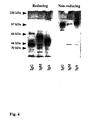
- the fusion protein migrated under reducing conditions as a broad band with an apparent molecular weight of 145 kDa that stained relatively poorly with silver.
- the heterogeneity in size, approximately 125 to 165 kDa, and poor stainability is in concordance with previous observations with respect to the behavior of highly glycosylated, mucin-type proteins ( 43 , 44 ).
- the fusion protein is most likely produced as a homodimer because SDS-PAGE under non-reducing conditions revealed a double-band of an apparent molecular weight of more than 250 kDa.
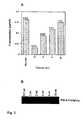
- the concentration of fusion protein in the supernatant from such a transfection, as well as in different volumes of supernatant following absorption on 100 ⁇ l gel slurry of anti-mouse IgG agarose beads (corresponding to 50 ⁇ l packed beads) was determined by an ELISA calibrated with purified mouse IgG Fc fragments (Fig. 2).
- the concentration of PSGL1/mIgG 2b in the supernatants ranged from 150 to 200 ng/ ⁇ l, and in this particular experiment it was approximately 160 ng/ ⁇ l (Fig. 2 A, the non-absorbed column).
- the concentration of PSGL1/mIgG 2b remaining in 2, 4 and 8 ml of supernatant following absorption on 50 ⁇ l packed anti-mouse IgG agarose beads was 32, 89 and 117 ng/ ⁇ l, respectively. This corresponds to 260, 290 and 360 ng of PSGL1/mIgG 2b being absorbed onto 50 ⁇ l packed anti-mouse IgG agarose beads from 2, 4 and 8 ml of supernatant, respectively.
- Western blot analysis with the B was
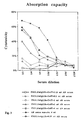
- the absorption capacity of immobilized, Gal ⁇ 1,3Gal-substituted PSGL1/mIgG 2b was mixed with 500 ⁇ l gel slurry of anti-mouse IgG agarose beads each. Following extensive washing the beads were aliquoted such that 100 ⁇ l of gel slurry (50 ⁇ l packed beads) were mixed with 0.25, 0.5, 1.0, 2.0 and 4.0 ml of pooled, complement-depleted, human AB serum, and rolled head over tail at 4 °C for 4 hrs.
- the killing rate decreases to levels slightly lower than those seen under serum-free conditions.
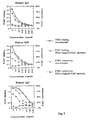
- the PSGL1/mIgG 2b fusion protein itself without Gal ⁇ 1,3Gal epitopes could not absorb out what caused the increased killing rate in the presence of human AB serum (Fig. 6 B).
- Pretransplant pig organ perfusion ( 46 ), plasmapheresis ( 13, 14 , 20), immunoabsorption ( 13 , 14, 17), and absorption on synthetically made Gal ⁇ 1,3Gal-containing oligosaccharides coupled to a solid phase ( 22 ) have been used to remove anti-pig antibodies.
- oligosaccharides derived from pig gastric mucin were shown to efficiently remove anti-Gal ⁇ 1,3Ga1-specific antibodies and thereby anti-pig cytotoxicity ( 24 ). Injection of free saccharides to block anti-pig antibodies in the circulation is an alternative route used to prevent HAR.
- Intravenous carbohydrate therapy was used successfully in an ABO incompatible, heterotopic cardiac allograft model in the baboon ( 47 ) and in neonates with ABO hemolytic disease ( 48 ) .
- No deleterious effects were noticed in recipient baboons upon injection of free blood group trisaccharides at rates corresponding to 500 mg/hr following a bolus injection of 4 g of the trisaccharide ( 47 ).
- Free Gal ⁇ 1,3Gal-containing saccharides have been used in vitro to neutralize anti-pig antibodies ( 23 ), but synthetic Gal ⁇ 1,3Gal-containing oligosaccharides in sufficient quantities for use in pig to primate xenotransplantation models are not yet available.
- Peptides mimicking the Gal ⁇ 1,3Gal structure ( 50, 51 ) and murine monoclonal anti-idiotypic antibodies directed against common idiotopes on naturally occurring human anti-pig antibodies ( 52 ), are new reagents that may be used to absorb or block anti-pig antibodies.
- anti- ⁇ chain antibodies have been used in a guinea pig to rat xenotransplantation model to deplete xenoreactive IgM antibodies in vivo ( 15, 16 ) - a strategy that warrants further investigation in the pig to primate combination.
- Cobra venom factor ( 20 ) and soluble complement receptor type 1 ( 21 ) have been used to perturb complement activation and thereby to prolong xenograft survival in pig to non-human primate transplantations.
- Transgenic pigs have been made in which cDNAs encoding human sequences of the species-restricted complement-regulatory proteins, CD55 and CD59, are expressed in porcine endothelium ( 53-55 ).
- Organs from transgenic pigs have been shown to be less prone to HAR following organ perfusion with human blood or transplantation into non-human primates ( 56-59 ).
- Mucins are the main constituents of mucus, which is the gel covering all mucous membranes. The physical characteristics of mucins are due to their high content of O-linked carbohydrates (usually more than 60 % of the MW).
- Several cell membrane-anchored proteins containing mucin-type domains have been characterized: CD34, CD43, GIyCAM-l, PSGL-1, MAdCAM, CD96, CD45, and RBC glycophorins among others ( 43 , 44 ).
- PSGL-1 is not only a functional ligand for E-selectin, but is the hitherto only identified protein scaffold known to present sialyl-Le x to P-selectin ( 61 ) . So, if one were to make a fusion protein expressing sialyl-Le x in order to inhibit P- and E-selectin-mediated adhesion, this should contain the PSGL-1 extracellular part.
- the recipient could be prepared by extracorporeal immunoabsorption to remove anti-pig antibodies thereby preventing HAR.
- Alternative strategies could be chosen (se above), but a specific removal of anti-pig antibodies would leave the patient in a more favourable state with regard to the humoral immunity as compared to plasmapheresis and protein A absorption. Therefore, immunoabsorption media containing the epitopes recognized by the anti-pig antibodies themselves would be ideal.
- the production of Gal ⁇ 1,3Gal-containing di- and trisaccharides is laborious and costly, although a combination of organic and enzymatic synthesis have simplified the procedure and made it more cheap (34).
- Human IgG, IgM and IgA were purified from pooled human AB serum (Fig. 4) in order to investigate their binding to, and cytotoxicity for, porcine aortic endothelial cells, and to evaluate the Ig class-specific absorption efficacy of the fusion protein (Fig. 5).
- the PAEC cytotoxicity of human IgG at 8 mg/ml and IgM at 1 mg/ml was completely removed by Gal ⁇ 1,3Gal-substituted PSGL1/mIgG 2b .
- the binding was not completely abolished as estimated in a PAEC ELISA using aliquots of the same antibody preparations as in the cytotoxicity assay.
- IgA clearly binds PAEC and may be involved in pig xenograft rejection through other effector mechanisms mediated by, for instance, Fc receptor binding on macrophages and neutrophils ( 63, 64 ). This emphasizes the importance of using absorbers that remove all anti-pig Ig classes, something which protein A and anti- ⁇ chain antibody absorptions do not.
Landscapes
- Health & Medical Sciences (AREA)
- Chemical & Material Sciences (AREA)
- Life Sciences & Earth Sciences (AREA)
- Organic Chemistry (AREA)
- General Health & Medical Sciences (AREA)
- Medicinal Chemistry (AREA)
- Biochemistry (AREA)
- Biophysics (AREA)
- Immunology (AREA)
- Genetics & Genomics (AREA)
- Gastroenterology & Hepatology (AREA)
- Molecular Biology (AREA)
- Proteomics, Peptides & Aminoacids (AREA)
- Zoology (AREA)
- Toxicology (AREA)
- Engineering & Computer Science (AREA)
- Bioinformatics & Cheminformatics (AREA)
- Animal Behavior & Ethology (AREA)
- Veterinary Medicine (AREA)
- General Chemical & Material Sciences (AREA)
- Nuclear Medicine, Radiotherapy & Molecular Imaging (AREA)
- Pharmacology & Pharmacy (AREA)
- Chemical Kinetics & Catalysis (AREA)
- Public Health (AREA)
- Transplantation (AREA)
- Peptides Or Proteins (AREA)
- Micro-Organisms Or Cultivation Processes Thereof (AREA)
- Preparation Of Compounds By Using Micro-Organisms (AREA)
- Medicines Containing Antibodies Or Antigens For Use As Internal Diagnostic Agents (AREA)
- Medicines That Contain Protein Lipid Enzymes And Other Medicines (AREA)
- Medicines Containing Material From Animals Or Micro-Organisms (AREA)
Applications Claiming Priority (2)
| Application Number | Priority Date | Filing Date | Title |
|---|---|---|---|
| SE9701127A SE9701127D0 (sv) | 1997-03-26 | 1997-03-26 | Antigenic fusionprotein carrying GALal, 3GAL epitopes |
| EP98912863A EP0923606B1 (fr) | 1997-03-26 | 1998-03-26 | Proteine de fusion antigenique porteuse d'epitopes gal-alpha-1,3gal |
Related Parent Applications (1)
| Application Number | Title | Priority Date | Filing Date |
|---|---|---|---|
| EP98912863A Division EP0923606B1 (fr) | 1997-03-26 | 1998-03-26 | Proteine de fusion antigenique porteuse d'epitopes gal-alpha-1,3gal |
Publications (2)
| Publication Number | Publication Date |
|---|---|
| EP1700868A2 true EP1700868A2 (fr) | 2006-09-13 |
| EP1700868A3 EP1700868A3 (fr) | 2007-12-12 |
Family
ID=20406335
Family Applications (2)
| Application Number | Title | Priority Date | Filing Date |
|---|---|---|---|
| EP98912863A Expired - Lifetime EP0923606B1 (fr) | 1997-03-26 | 1998-03-26 | Proteine de fusion antigenique porteuse d'epitopes gal-alpha-1,3gal |
| EP06075010A Withdrawn EP1700868A3 (fr) | 1997-03-26 | 1998-03-26 | Procede d'enlever anticorps du sang ou de plasma sanguin |
Family Applications Before (1)
| Application Number | Title | Priority Date | Filing Date |
|---|---|---|---|
| EP98912863A Expired - Lifetime EP0923606B1 (fr) | 1997-03-26 | 1998-03-26 | Proteine de fusion antigenique porteuse d'epitopes gal-alpha-1,3gal |
Country Status (12)
| Country | Link |
|---|---|
| US (3) | US6943239B2 (fr) |
| EP (2) | EP0923606B1 (fr) |
| JP (1) | JP4099239B2 (fr) |
| AT (1) | ATE315047T1 (fr) |
| AU (1) | AU751760B2 (fr) |
| BR (1) | BR9804826A (fr) |
| CA (1) | CA2255765A1 (fr) |
| DE (1) | DE69833106T2 (fr) |
| DK (1) | DK0923606T3 (fr) |
| ES (1) | ES2258297T3 (fr) |
| SE (1) | SE9701127D0 (fr) |
| WO (1) | WO1998042750A1 (fr) |
Families Citing this family (43)
| Publication number | Priority date | Publication date | Assignee | Title |
|---|---|---|---|---|
| JP4421894B2 (ja) * | 2001-07-20 | 2010-02-24 | アブソーバー アクチボラゲット | 血液型抗原融合ポリペプチドおよびその使用方法 |
| WO2003089450A2 (fr) * | 2002-04-22 | 2003-10-30 | Recopharma Ab | Compositions et procedes d'inhibition de l'adherence microbienne |
| JP2005530493A (ja) * | 2002-04-22 | 2005-10-13 | レコファーマ アーベー | ムチン融合ポリペプチドワクチン、組成物およびそれらの使用方法 |
| JP5183010B2 (ja) * | 2002-05-16 | 2013-04-17 | グリコミメティクス, インコーポレイテッド | セレクチンによって媒介される機能を阻害するための化合物および方法 |
| CA2490703A1 (fr) * | 2002-07-03 | 2004-01-15 | Glycomimetics, Inc. | Compositions et methodes permettant le diagnostic et le traitement d'etats pathologiques impliquant l'angiogenese |
| EP1534748A2 (fr) * | 2002-08-09 | 2005-06-01 | Recopharma AB | Proteines hybrides et procedes de fabrication |
| US20050076759A1 (en) * | 2003-10-08 | 2005-04-14 | Brian Westfall | Linear saw with stab-cut bevel capability |
| US20040219158A1 (en) * | 2003-05-02 | 2004-11-04 | Glycomimetics, Inc. | Compositions and methods for diagnosis and therapy of medical conditions involving infection with pseudomonas bacteria |
| WO2005047320A2 (fr) * | 2003-11-12 | 2005-05-26 | Wisconsin Alumni Research Foundation | Ligand 1 de glycoproteine de p-selectine equine et utilisations de celle-ci |
| US20050187171A1 (en) * | 2003-11-19 | 2005-08-25 | Glycomimetics, Inc. | Glycomimetic antagonists for both E-and P-selectins |
| WO2005051920A2 (fr) * | 2003-11-19 | 2005-06-09 | Glycomimetics, Inc. | Antagoniste specifique pour e-selectines et p-selectines |
| WO2006001348A1 (fr) * | 2004-06-23 | 2006-01-05 | Japan Science And Technology Agency | Inhibition d'infiltration et agent tuant des cellules |
| US8201377B2 (en) * | 2004-11-05 | 2012-06-19 | Faus Group, Inc. | Flooring system having multiple alignment points |
| US20090036386A1 (en) * | 2005-05-25 | 2009-02-05 | Glycomimetics, Inc | Heterobifunctional compounds for selectin inhibition |
| EP1928892B1 (fr) * | 2005-08-09 | 2011-10-12 | GlycoMimetics, Inc. | Inhibiteurs glycomimetiques de lectine pa-il ou de lectine pa-iil, ou lectines pa-il et pa-iil provenant de pseudomonas |
| SI2264043T1 (en) | 2005-09-02 | 2018-01-31 | Glycomimetics, Inc. | HETEROBIFUNCTIONAL PAN-SELECTINE INHIBITORS |
| US20070113297A1 (en) * | 2005-09-13 | 2007-05-17 | Yongguang Yang | Methods and compositions for inhibition of immune responses |
| EP2264060B1 (fr) * | 2006-01-26 | 2014-04-23 | Recopharma AB | Compositions et méthodes pour l'inhibition de l'adhésion virale. |
| US20070178447A1 (en) * | 2006-01-31 | 2007-08-02 | Bethyl Laboratories, Inc. | Method for decreasing interference in results of immunochemical methods |
| WO2007143052A1 (fr) * | 2006-06-01 | 2007-12-13 | Glycomimetics, Inc. | Galactosides et thiodigalactosides en tant qu'inhibiteurs de la lectine pa-il de pseudomonas |
| WO2008060378A2 (fr) | 2006-10-12 | 2008-05-22 | Glycomimetics, Inc. | Replacements glycomimétiques pour des hexoses et des n-acétylhexosamines |
| US7998486B2 (en) | 2006-10-25 | 2011-08-16 | Newlink Genetics Corporation | Enhanced immunogenicity of tumor associated antigens by addition of alphaGal epitopes |
| AU2008216794A1 (en) * | 2007-02-09 | 2008-08-21 | Glycomimetics, Inc. | Methods of use of glycomimetics with replacements for hexoses and N-acetyl hexosamines |
| US8039442B2 (en) * | 2007-07-18 | 2011-10-18 | Glycomimetics, Inc. | Compounds and methods for treatment of sickle cell disease or complications associated therewith |
| WO2009126556A1 (fr) * | 2008-04-08 | 2009-10-15 | Glycomimetics, Inc. | Inhibiteur de pan-sélectine avec activité pharmacocinétique améliorée |
| CN102088983B (zh) * | 2008-06-13 | 2013-01-30 | 糖模拟物有限公司 | 利用选择的糖模拟化合物的血液癌症的治疗 |
| WO2010126888A1 (fr) | 2009-05-01 | 2010-11-04 | Glycomimetics, Inc. | Inhibiteurs hétérobifonctionnels d'e-sélectines et de récepteurs aux chimiokines cxcr4 |
| US9420770B2 (en) | 2009-12-01 | 2016-08-23 | Indiana University Research & Technology Corporation | Methods of modulating thrombocytopenia and modified transgenic pigs |
| US8921328B2 (en) | 2010-09-14 | 2014-12-30 | Glycomimetics, Inc. | E-selectin antagonists |
| JP2014501748A (ja) * | 2010-12-21 | 2014-01-23 | リコファーマ アーベー | 涙代用物 |
| PT2794626T (pt) | 2011-12-22 | 2018-01-12 | Glycomimetics Inc | Compostos de antagonistas de e-selectina |
| CA2891514C (fr) | 2012-12-07 | 2020-08-25 | Glycomimetics, Inc. | Composes, compositions et procedes utilisant des antagonistes d'e-selectine pour la mobilisation de cellules hematopoietiques |
| ES2754549T3 (es) | 2014-12-03 | 2020-04-20 | Glycomimetics Inc | Inhibidores heterobifuncionales de E-selectinas y receptores de quimioquinas CXCR4 |
| JP2019502727A (ja) | 2016-01-22 | 2019-01-31 | グリコミメティクス, インコーポレイテッド | Pa−ilおよび/またはpa−iilレクチンの糖模倣体阻害剤 |
| WO2017151708A1 (fr) | 2016-03-02 | 2017-09-08 | Glycomimetics, Inc. | Méthodes pour le traitement et/ou à la prévention de maladies cardiovasculaires par inhibition de la sélectine e |
| EP3497131B1 (fr) | 2016-08-08 | 2022-03-09 | GlycoMimetics, Inc. | Combinaison d'inhibiteurs des points de contrôle des lymphocytes t avec des inhibiteurs de e-sélectine ou de cxcr4, ou avec des inhibiteurs hétérobifonctionnels de e-sélectine et de cxcr4 |
| US11072625B2 (en) | 2016-10-07 | 2021-07-27 | Glycomimetics, Inc. | Highly potent multimeric e-selectin antagonists |
| CA3054605A1 (fr) | 2017-03-15 | 2018-09-20 | Glycomimetics, Inc. | Derives de galactopyranosyle-cyclohexyle utilises en tant qu'antagonistes d'e-selectine |
| WO2019108750A1 (fr) | 2017-11-30 | 2019-06-06 | Glycomimetics, Inc. | Méthodes de mobilisation de lymphocytes infiltrant la moelle et leurs utilisations |
| CN111566117A (zh) | 2017-12-29 | 2020-08-21 | 糖模拟物有限公司 | E-选择蛋白和半乳凝素-3的异双功能抑制剂 |
| WO2019173229A1 (fr) | 2018-03-05 | 2019-09-12 | Glycomimetics, Inc. | Méthodes de traitement de la leucémie aiguë myéloïde et d'états pathologiques associés |
| WO2019241386A1 (fr) * | 2018-06-12 | 2019-12-19 | Rush University Medical Center | Procédés d'endothélialisation améliorée d'un matériau implanté |
| US11845771B2 (en) | 2018-12-27 | 2023-12-19 | Glycomimetics, Inc. | Heterobifunctional inhibitors of E-selectin and galectin-3 |
Family Cites Families (4)
| Publication number | Priority date | Publication date | Assignee | Title |
|---|---|---|---|---|
| DE69226871T3 (de) * | 1991-06-27 | 2009-09-24 | Bristol-Myers Squibb Co. | CTL4A-Rezeptor, ihn enthaltenden Fusionsproteine und deren Verwendung |
| DE69333346T2 (de) * | 1992-10-23 | 2004-10-07 | Inst Genetics Llc | Neuartiges p- selectin ligandenprotein |
| JP4038236B2 (ja) * | 1993-03-16 | 2008-01-23 | オースチン・リサーチ・インスティテュート | 異種移植治療におけるブタGa1α(1,3)ガラクトシルトランスフェラーゼの使用 |
| GB9517758D0 (en) * | 1995-08-31 | 1995-11-01 | Imutran Ltd | Compositions and their uses |
-
1997
- 1997-03-26 SE SE9701127A patent/SE9701127D0/xx unknown
-
1998
- 1998-03-26 AU AU67551/98A patent/AU751760B2/en not_active Ceased
- 1998-03-26 AT AT98912863T patent/ATE315047T1/de not_active IP Right Cessation
- 1998-03-26 EP EP98912863A patent/EP0923606B1/fr not_active Expired - Lifetime
- 1998-03-26 US US09/194,396 patent/US6943239B2/en not_active Expired - Fee Related
- 1998-03-26 ES ES98912863T patent/ES2258297T3/es not_active Expired - Lifetime
- 1998-03-26 DE DE69833106T patent/DE69833106T2/de not_active Expired - Lifetime
- 1998-03-26 EP EP06075010A patent/EP1700868A3/fr not_active Withdrawn
- 1998-03-26 BR BR9804826-0A patent/BR9804826A/pt not_active Application Discontinuation
- 1998-03-26 WO PCT/SE1998/000555 patent/WO1998042750A1/fr not_active Ceased
- 1998-03-26 JP JP54556998A patent/JP4099239B2/ja not_active Expired - Fee Related
- 1998-03-26 CA CA002255765A patent/CA2255765A1/fr not_active Abandoned
- 1998-03-26 DK DK98912863T patent/DK0923606T3/da active
-
2005
- 2005-06-15 US US11/153,082 patent/US20050255099A1/en not_active Abandoned
-
2009
- 2009-07-22 US US12/507,626 patent/US20090286963A1/en not_active Abandoned
Also Published As
| Publication number | Publication date |
|---|---|
| BR9804826A (pt) | 2000-01-25 |
| JP2000511782A (ja) | 2000-09-12 |
| EP1700868A3 (fr) | 2007-12-12 |
| EP0923606B1 (fr) | 2006-01-04 |
| US20050255099A1 (en) | 2005-11-17 |
| CA2255765A1 (fr) | 1998-10-01 |
| US6943239B2 (en) | 2005-09-13 |
| DE69833106D1 (de) | 2006-03-30 |
| WO1998042750A1 (fr) | 1998-10-01 |
| US20020028205A1 (en) | 2002-03-07 |
| EP0923606A1 (fr) | 1999-06-23 |
| DK0923606T3 (da) | 2006-05-22 |
| US20090286963A1 (en) | 2009-11-19 |
| ATE315047T1 (de) | 2006-02-15 |
| DE69833106T2 (de) | 2006-08-31 |
| AU751760B2 (en) | 2002-08-29 |
| AU6755198A (en) | 1998-10-20 |
| JP4099239B2 (ja) | 2008-06-11 |
| SE9701127D0 (sv) | 1997-03-26 |
| ES2258297T3 (es) | 2006-08-16 |
Similar Documents
| Publication | Publication Date | Title |
|---|---|---|
| EP0923606B1 (fr) | Proteine de fusion antigenique porteuse d'epitopes gal-alpha-1,3gal | |
| AU656934B2 (en) | Inhibition of cell adhesion protein-carbohydrate interactions | |
| Liu et al. | REMOVAL OF XENOREACTIVE HUMAN ANTI-PIG ANTIBODIES BY ABSORPTION ON RECOMBINANT MUCIN-CONTAINING GLYCOPROTEINS CARRYING THE GALα1, 3GAL EPITOPE1 | |
| US20080319173A1 (en) | Blood group antigen fusion polypeptides and methods of use thereof | |
| EP0714912B1 (fr) | ligand de GMP-140 | |
| JP2010235614A (ja) | ムチン−免疫グロブリン融合タンパク質 | |
| AU2002321760A1 (en) | Blood group antigen fusion polypeptides and methods of use thereof | |
| JP2005535699A5 (fr) | ||
| MXPA98009875A (en) | ANTIGENIC FUSIONPROTEIN CARRYING GAL&agr;1,3GAL EPITOPES | |
| Takahashi et al. | Recent advances in the immunology of xenotransplantation |
Legal Events
| Date | Code | Title | Description |
|---|---|---|---|
| PUAI | Public reference made under article 153(3) epc to a published international application that has entered the european phase |
Free format text: ORIGINAL CODE: 0009012 |
|
| AC | Divisional application: reference to earlier application |
Ref document number: 0923606 Country of ref document: EP Kind code of ref document: P |
|
| AK | Designated contracting states |
Kind code of ref document: A2 Designated state(s): AT BE CH DE DK ES FI FR GB GR IE IT LI LU MC NL PT SE |
|
| PUAL | Search report despatched |
Free format text: ORIGINAL CODE: 0009013 |
|
| AK | Designated contracting states |
Kind code of ref document: A3 Designated state(s): AT BE CH DE DK ES FI FR GB GR IE IT LI LU MC NL PT SE |
|
| 17P | Request for examination filed |
Effective date: 20080612 |
|
| 17Q | First examination report despatched |
Effective date: 20080711 |
|
| AKX | Designation fees paid |
Designated state(s): AT BE CH DE DK ES FI FR GB GR IE IT LI LU MC NL PT SE |
|
| STAA | Information on the status of an ep patent application or granted ep patent |
Free format text: STATUS: THE APPLICATION IS DEEMED TO BE WITHDRAWN |
|
| 18D | Application deemed to be withdrawn |
Effective date: 20081022 |