EP1704228B1 - Immunokinases - Google Patents
Immunokinases Download PDFInfo
- Publication number
- EP1704228B1 EP1704228B1 EP05716585A EP05716585A EP1704228B1 EP 1704228 B1 EP1704228 B1 EP 1704228B1 EP 05716585 A EP05716585 A EP 05716585A EP 05716585 A EP05716585 A EP 05716585A EP 1704228 B1 EP1704228 B1 EP 1704228B1
- Authority
- EP
- European Patent Office
- Prior art keywords
- kinase
- component
- complex
- cell
- antibodies
- Prior art date
- Legal status (The legal status is an assumption and is not a legal conclusion. Google has not performed a legal analysis and makes no representation as to the accuracy of the status listed.)
- Expired - Lifetime
Links
Images







Classifications
-
- C—CHEMISTRY; METALLURGY
- C12—BIOCHEMISTRY; BEER; SPIRITS; WINE; VINEGAR; MICROBIOLOGY; ENZYMOLOGY; MUTATION OR GENETIC ENGINEERING
- C12N—MICROORGANISMS OR ENZYMES; COMPOSITIONS THEREOF; PROPAGATING, PRESERVING, OR MAINTAINING MICROORGANISMS; MUTATION OR GENETIC ENGINEERING; CULTURE MEDIA
- C12N9/00—Enzymes; Proenzymes; Compositions thereof; Processes for preparing, activating, inhibiting, separating or purifying enzymes
- C12N9/10—Transferases (2.)
- C12N9/12—Transferases (2.) transferring phosphorus containing groups, e.g. kinases (2.7)
-
- A—HUMAN NECESSITIES
- A61—MEDICAL OR VETERINARY SCIENCE; HYGIENE
- A61P—SPECIFIC THERAPEUTIC ACTIVITY OF CHEMICAL COMPOUNDS OR MEDICINAL PREPARATIONS
- A61P35/00—Antineoplastic agents
-
- C—CHEMISTRY; METALLURGY
- C12—BIOCHEMISTRY; BEER; SPIRITS; WINE; VINEGAR; MICROBIOLOGY; ENZYMOLOGY; MUTATION OR GENETIC ENGINEERING
- C12N—MICROORGANISMS OR ENZYMES; COMPOSITIONS THEREOF; PROPAGATING, PRESERVING, OR MAINTAINING MICROORGANISMS; MUTATION OR GENETIC ENGINEERING; CULTURE MEDIA
- C12N15/00—Mutation or genetic engineering; DNA or RNA concerning genetic engineering, vectors, e.g. plasmids, or their isolation, preparation or purification; Use of hosts therefor
- C12N15/09—Recombinant DNA-technology
- C12N15/11—DNA or RNA fragments; Modified forms thereof; Non-coding nucleic acids having a biological activity
- C12N15/62—DNA sequences coding for fusion proteins
-
- C—CHEMISTRY; METALLURGY
- C07—ORGANIC CHEMISTRY
- C07K—PEPTIDES
- C07K2319/00—Fusion polypeptide
- C07K2319/01—Fusion polypeptide containing a localisation/targetting motif
Definitions
- the present invention relates to a synthetic, soluble, endogenous complex formed from at least one component A and at least one component B, whereby component A comprises a binding domain for extra-cellular surface structures that internalize upon binding of component A of said complex, and component B has a constitutive catalytic kinase activity and effects cell biosynthesis/signalling including cell death after internalization through phosphorylation.
- the present invention also relates to nucleic acids and/or vectors coding for such a complex.
- the present invention furthermore provides a method for influencing the cell growth and/or the physiology of cells to which said complex, nucleic acids or vectors have been targeted.
- the invention further relates to cells, or cell lines or non-human organisms, such as plants including algae and/or microorganisms, including yeast and fungi, producing the complex of the present invention.
- the present invention also concerns a kit comprising said complex, nucleic acids, vectors and/or cells.
- the present invention relates to the use of said complex, nucleic acids, vectors, cells or kit for the manufacturing of a medicament for the treatment of proliferative diseases, allergies, autoimmune diseases and/or chronic inflammation.
- the present invention further relates to the use of said complex, nucleic acids or vectors, cells and/or kit for targeted modulation of cellular signalling pathways, in order to effect the gene expression, and/or the viability of the target cell in a therapeutic manner.
- Medications currently available for proliferative diseases such as chemotherapeutic agents, have the disadvantage of inducing considerable side effects due to their relative non-specificity. It has been attempted to moderate these by various therapeutic concepts.
- One potential approach is the use of immunotherapeutic agents to increase the specificity of medication. This approach has been especially useful for the treatment of tumors.
- An anti-immunoconjugate comprises a structure relevant to pathogenesis or a fragment thereof, which is coupled to a toxin component.
- Anti-immunoconjugates are used for the treatment of autoimmne diseases, tissue reactions or allergies.
- Coding regions of immunoglobulin light and heavy chain variable regions are joined together by a synthetic linker (e.g. (Gly 4 Ser) 3 ) (SEQ ID NO: 7).
- the resulting single chain fragment of variable region genes is then genetically fused to a coding region of a catalytically active enzyme including cytotoxically active proteins or polypeptides (3).
- the peptidic cell poisons which have been mostly used to date and thus best, characterized are the bacterial toxins diphtheria toxin (DT), Pseudomonas exotoxin A (PE), and the plant-derived Ricin-A (4).
- DT diphtheria toxin
- PE Pseudomonas exotoxin A
- Ricin-A the plant-derived Ricin-A (4).
- the mechanism of cytotoxic activity is essentially the same in all of these toxins despite of their different evolutionary backgrounds.
- the catalytic domain inhibits protein biosynthesis by direct modification of the elongation factor 2 (EF-2), which is important to translation, or by inactivation of the EF-2 binding site at the 28S-rRNA subunit of ribosomes.
- EF-2 elongation factor 2
- the systemic application of immunotoxins results in more or less severe side effects.
- thrombocytopenia In addition to the "vascular leak" syndrome, thrombocytopenia, hemolysis, renal insufficiency and sickness also occur, depending on the construct employed and the applied dosage (4).
- Dose-dependent liver damage was also observed (5).
- the immunogenicity of the constructs is one of the key problems of immunotherapy. This applies, in particular, to the humoral defense against the catalytic domains employed, such as Ricin (HARA), PE, or DT (2). Theoretically, all non-human structures can provoke an immune response. Thus, the repeated administration of immunotoxins and immunoconjugates is limited. A logical consequence of these problems is the development of human immunotoxins.
- toxins used in immunotoxins have in most of all cases been selected from ribonucleases (6). Since human RNases are present in extracellular fluids, plasma and tissues, they are considered less immunogenic when used in immunotoxins.
- Angiogenin (ANG) a 14 kDa protein having a 64% sequence homology with RNase A, was first isolated from a tumor-cell-conditioned medium, where it was discovered due to its capability of inducing angiogenesis (7). It was shown that the t-RNA-specific RNase activity of Angiogenin has a cytotoxic potential. In accordance with that, chemically conjugated immunotoxins subsequently exhibited a cell-specific toxic activity.
- EDN eosinophilic neurotoxin
- proteases like granzyme B or derivatives thereof can efficiently fulfill the effector function of immunotoxins ( WO - A - 01/80880 ).
- Protein phosphorylation is one of the most important mechanisms by which extracellular signals are transformed into biological responses in cells. Activation of protein kinases is the most common mode of signal transduction in biological systems.
- the three basic components of the phosphorylation systems are: 1) phosphoproteins that alter their properties by phosphorylation and dephosphorylation; 2) protein kinases that transfer a phosphate group from donor substrates, such as ATP and GTP, to serine, threonine, tyrosine or histidine residues; and 3) protein phosphatases that dephoshorylate phosphorylated proteins, thereby restoring the particular protein phosphorylation system to its basal stage.
- eukaryotic protein kinases represent the largest superfamily of homologous proteins that are involved in the regulation of intracellular signaling pathways. These kinases phosphorylate amino acid (aa) residues located in the loops or turns of their substrates. To regulate signal transduction pathways, there are approximately 2000 kinases and 500 protein phosphatases encoded within the human genome (10). A large number of these kinases are encoded by oncogenes and tumor-suppressor genes. The primary structures of hundreds of these enzymes are known, and all contain a conserved catalytic core of about 250-300 aa residues. The conserved structural features of the catalytic domain have been found from yeast, lower eukaryotes to mammals.
- the catalytic domain of a kinase domain is further divided into 12 smaller subdomains, defined as regions uninterrupted by large insertions and containing characteristic, highly conserved aa residues.
- Subdomain I-IV located at the amino-terminus of the catalytic domain, is involved in anchoring and orienting the nucleotide ATP.
- Subdomains VI-IX form a large lobe structure at the carboxy-terminus of the catalytic domain and are involved in the binding of substrates and catalyzing the phospho-transfer reaction.
- the pattern of aa residues found within subdomain VIB (HRD motif), VIII (A/SPE motif), and IX (DXWXXG motif (SEQ ID NO. 9) are highly conserved among different protein kinases.
- the eukaryotic protein kinases make up a large superfamily of homologous proteins (11).
- a classification scheme is founded on a catalytic domain phylogeny, which reveals fam ilies of enzymes that have related substrate specificities and modes of regulation according to the scheme of Hanks and Hunter (12).
- Most protein kinases contain a conserved catalytic domain belonging to the eukaryotic protein kinase (ePK) superfamily (all other protein kinases are classified as atypical protein kinases (aPKs)).
- ePK' s are classified into seven major groups, and are subdivided into families, and subfamilies, based on the sequence of their ePK domains:
- Free calcium is a major second messenger in all cell types.
- One mechanism by which calcium ions exert their effects is by binding to a 17-kDa protein, calmodulin (CaM).
- CaM calmodulin
- the binding of four calcium ions to calmodulin changes its conformation and promotes its interaction with a number of other proteins, including several classes of protein kinases that are activated by the calcium/CaM complex (14).
- Classifying the calcium/CaM-dependent protein kinases is based on their substrate specificity. Some of these enzymes have only one substrate, and are designed as " dedicated " calcium/CaM-dependent protein kinases, while others have broad substrate specificity and are termed " multifunctional " kinases.
- the dedicated calcium/CaM-dependent protein kinases comprise three enzymes.
- Multifunctional calcium/CaM-dependent protein kinases comprise four enzymes referred to as CaM-kinases I, II, IV and pro-apoptotic serine/threonine death protein kinases.
- DAPk DAP-kinase
- NK Band
- DAPk ZIP(DIk)-kinase and DRP-1, also named DAPk2
- DAPk2 are the closest family members, as their catalytic domains share approximately 80% identity to that of DAPk.
- DAPk-related proteins Two more distant DAPk-related proteins are DRAK1 and DRAK2. Both the pro-apoptotic and tumor-suppressive functions of DAPk depend on its kinase catalytic activity.
- the CaM-regulatory segment of DAPk possesses an autoinhibitory effect on the catalytic activity, and is relieved by binding to Ca2+ -activated CaM.
- Eukaryotic elongation factor-2 kinase belongs to the alpha kinases and is distinct from the main family of protein kinases with which they share no sequence similarity (18).
- the activity of eukaryotic elongation factor-2 (eEF-2) is crucial for the elongation step of mRNA translation.
- eEF-2 activity is regulated by phosphorylation.
- eEF-2 To be active, eEF-2 must be dephosphorylated, since phosphorylation at Thr-56 and 58 causes inactivation, resulting in the term ination of mRNA translation. Phosphorylation of eEF-2 at Thr-56 and 58 by the highly specific calcium/CaM-dependent eEF-2k results in eEF-2 inactivation and, therefore, may regulate the global rate of protein synthesis at the elongation stage in animal cells. eEF-2k is itself regulated both negatively and positively by phosphorylation on at least five different serine residues, probably mediated by seven or more protein kinases. Very recently, it has been shown, that a point mutation at Ser-499, eEF-2K S499D, transforms the kinase into a constitutively active form (19).
- Protein phosphorylation is implicated in cellular processes such as proliferation, differentiation, secretion, invasion, angiogenesis, metastasis and apoptosis. Protein kinases and phosphatases play key roles in regulating these processes. Changes in the level, subcellular location and activity of kinases and phosphatases have consequences on normal cell function and maintenance of cellular homeostasis. Dysfunction in activities of protein kinases may lead to severe pathological states. In cancer, as well as in other proliferative diseases, deregulated cell proliferation, differentiation and survival frequently results from abnormal protein phosphorylation.
- Protein kinase inhibitors mainly bind at the active site of the enzyme, in competition with ATP+, and whether such inhibitors could ever be used for the long-term treatment of chronic conditions, such as rheumatoid arthritis, is still questionable.
- Ligand-kinase fusion proteins were constructed to influence T-cell behaviour after transfection ( US-A-5,670,324 ): after transformation of T-cells with a vector coding for a chimeric CD4-kinase fusion, the expressed chimeric membrane-bound molecules may be used to identify drugs that block T cell activation or low level self-antigens.
- Chimeric kinase-based receptors were also constructed to redirect immune effector cells.
- Human immune effector cells transformed with a vector encoding for a membrane-bound ligand-kinase fusion proteins may be able to specifically target cells via their extracellular ligand and may initiate killing of the target cells by activity of the fused kinase acticity triggering activation of the transformed immune effector cell ( US 2002/0176851 A1 ).
- CDKs Cyclin dependent kinases
- Other kinase-based fusion proteins, in particular scFv-kinase fusion proteins were constructed for the indirect identification of protein-protein interactions inside living cells after their transformation with two different vectors ( US 2002/0151684 A1 ).
- US-A-6,015,556 discloses a compound which comprises a target cell-specific portion, such as an antibody specific to tumor cell antigens, and an inactivating portion, such as an enzyme, capable of converting a substance which in its native state is able to inhibit the effect of a cytotoxic agent into a substance which has less effect against said cytotoxic agent.
- a target cell-specific portion such as an antibody specific to tumor cell antigens
- an inactivating portion such as an enzyme
- the kinases of this family that have been suggested to play a role in apoptosis are the mitogen-activated protein kinase (MAPK) family, specifically p42/44 ERK, p38 MAPK and c-Jun N-terminal kinase (JNK), cyclic AMP-dependent protein kinase (PKA), protein kinase B (PKB), or Akt and protein kinase C (PKC).
- MAPK mitogen-activated protein kinase
- JNK c-Jun N-terminal kinase
- PKA cyclic AMP-dependent protein kinase
- PBB protein kinase B
- Akt and protein kinase C PLC
- the present invention concerns a synthetic complex according to claims 1 to 5.
- the present invention discloses also a synthetic complex formed from at least one component A and at least one component B, whereby component A comprises a binding domain for extra-cellular surface structures that internalize upon binding of component A of said complex, and component B has constitutivly a catalytic kinase activity, said complex is soluble and effects cell death after internalization.
- the component A may also be selected from the group of passively binding structures consisting of allergens, peptidic allergens, recombinant allergens, allergen-idiotypical antibodies, autoimmune-provoking structures, tissue-rejection-inducing structures, immunuglobulin constant regions and their derivatives, mutants or combinations thereof.
- the present invention discloses that the complex is directed by its component A to a target cell comprising a binding partner for the above listed binding structures of A.
- the component A of the complex has a higher valency by comprising two or more identical and/or different binding structures.
- the disclosed complex also comprises a component B which is at least one kinase selected from the following three classes of kinases: 1.
- eukaryotic protein kinase eukaryotic protein kinase (ePK) superfamily, 2. histidine protein kinase (HPK) superfamily or 3, atypical protein kinase (aPK) superfamily.
- the component B is a human kinase or a non-human kinase.
- a further disclosure of the invention is a complex wherein the ePK is selected from the group of calcium/calmodulin-regulated (CaM) death-promoting kinases, consisting of death-associated protein kinase (DAP-kinase, DAPk), DAP kinase-related protein kinase 1 (DRP-1), also named DARkinase 2 (DAPk2), DAP like kinase/Zipper Interacting protein kinase (DIk/ZIP-kinase), also named DAP-kinase 3 (DAPK3) and DAP kinase related apoptosis-inducing kinase (DRAK1 and DRAK2) families, the group of Group of calcium/calmodulin-regulated (CaM) death-promoting kinases-like (CAMKL) family, consisting of at least 49 subfamilies, protein kinase AMP-activated alpha 1 catalytic subunit (PRKAA1)
- kinases were selected because they maintain their activity in a soluble complex. Further disclosed is a complex wherein the kinase activity of component B directly activates or inactivates components of cell-regulatory pathways through phosphorylation, acetylation, methylation, prenylation, and sulfation, altering the function, gene expression, or viability of a target cell, whereby a target cell is defined by the ability of component A to bind to the cell.
- the component B activates or inactivates components of cell-regulatory pathways, through phosphorylation.
- component B of the complex is DAPK2 or EF-2K. Those two kinases were found to be particular effective in a complex according to the present invention.
- the present invention also concerns cells and non-human organisms synthesizing complete complexes or individual components thereof after having been transformed or transfected with nucleic acid molecules coding for said complexes of the present invention, or in vitro translation systems synthesizing complete complexes or individual components thereof. Further disclosed embodiments are also an organism and/or a cell transformed or transfected with the nucleic acid molecule or vector encoding said complex or components thereof, whereby said organism is either a prokaryote, such as E coli, B. subtilis, S. carnosus, S.
- a prokaryote such as E coli, B. subtilis, S. carnosus, S.
- nucleic acid molecules, and/or vectors, and/or the cells and/or prokaryotes and/or lower eukaryotes transfected or transformed with said nucleic acid molecule and/or the kit for the preparation of a medicament for the treatment of proliferative diseases, such as cancerous or non-cancerous proliferative diseases, allergies, autoimmune diseases and/or chronic inflammation.
- proliferative diseases such as cancerous or non-cancerous proliferative diseases, allergies, autoimmune diseases and/or chronic inflammation.
- a further embodiment is a medicament comprising the complex of the invention according to claim 11 or 12.
- nucleic acid molecules and/or vectors and/or or cells or organisms synthesising the complex of present invention for treating proliferative diseases, such as cancerous or non-cancerous proliferative diseases, allergies, autoimmune reactions, chronic inflammation reactions or tissue rejection reactions.
- proliferative diseases such as cancerous or non-cancerous proliferative diseases, allergies, autoimmune reactions, chronic inflammation reactions or tissue rejection reactions.
- a further embodiment is the ex vivo, in vivo or in vitro use of the complex, and/or the nucleic acid molecule and/or the vector, and/or the cells and/or the organisms synthesising the complex and/or the kit, for the targeted modulation of cellular signaling pathways.
- a further embodiment is the use of the complex, and/or the nucleic acid molecule and/or the vector, and/or the cells and/or organisms synthesising the complex and/or the kit for prognostic, diagnostic, and/or analytic kinase assays, and/or for the the development of such assays.
- a further embodiment is the use of the complex of the invention for treatment of proliferative diseases, such as cancerous or non-cancerous proliferative diseases, allergies, autoimmune diseases, and/or chronic inflammation.
- the complex according to the invention is a recombinant heterologous complex comprising at least two domains, i.e. one effector domain and at least one cell-specific binding domain.
- the complex according to the invention is usable for diagnosis and therapy of diseases.
- the term "immunotoxin” refers to chimeric molecules in which a cell-binding monoclonal antibody or fragments thereof are chemically coupled or genetically fused to toxins or their subunits.
- the toxin portion of the immunotoxin can be derived form various sources, such as plants, animals, higher and lower microorganisms such as bacteria and fungi, and in particular if the toxin is a catalytic enzyme, the enzyme can be of human origin.
- the toxin can also be a synthetic drug. Immunotoxins as well their constructions are reviewed above and are well known to the person skilled in the art.
- immunokinase refers to chimeric molecules in which a cell-binding monoclonal antibody or fragments thereof are coupled or fused to kinases or their subunits harboring the kinase activity.
- im m unokinase is a synonym for the complex of the present invention.
- component A of the complex represents the actively binding structure of the complex of present invention.
- the component A is selected from the group of actively binding structures consisting of antibodies, synthetic peptides such as scFv, mimotopes.
- chemical molecules such as carbohydrates, lipids, nucleic acids, peptides, vitamins, etc., and/or small molecules with up to 100 atoms with receptor-binding activity like ligands, in particular single atoms, peptidic molecules, non-peptidic molecules, etc., and/or cell surface carbohydrate binding proteins and their ligands such as lectins, in particular calnexins, type lectins, l-type lectins, m-type lectins, p-type lectins, r-type lectins, galectins and their derivatives, and/or receptor binding molecules such as natural ligands to the cluster of differentiation (CD) antigens, like CD30, CD40, etc.,
- CD cluster of differentiation
- component A may also be selected from the group of passively binding structures consisting of allergens, peptidic allergens, recombinant allergens, allergen-idiotypical antibodies, autoimmune-provoking structures, tissue-rejection-inducing structures, immunoglobulin constant regions and their derivatives, mutants or combinations thereof.
- a component A with higher valency may be generated by combining at least two identical or different binding structures selected from the above mentioned groups.
- antibody refers to polyclonal antibodies, monoclonal antibodies, humanized antibodies, single-chain antibodies, and fragments thereof such as Fab, F(ab')2, Fv, and other fragments which retain the antigen binding function and specificity of the parent antibody.
- human antibodies means that the framework regions of an immunoglobulin are derived from human immunoglobulin sequences.
- single chain antibody fragments refers to antibodies prepared by determining the binding domains (both heavy and light chains) of a binding antibody, and supplying a linking moiety, which permits preservation of the binding function. This forms, in essence, a radically abbreviated antibody, having only that part of the variable domain necessary for binding to the antigen. Determination and construction of single chain antibodies are described in U.S. Pat. No. 4.946,778 to Ladner et al .
- the “component B” disclosed by the present invention represents the "targeted kinase” moiety of the immunokinase of the present invention and may be selected from any kinase known in the art.
- kinase known in the art.
- the human genome appears to encode 510 protein kinases in addition to many pseudo-protein kinase genes, and these have been subclassified into over 57 families. There may well be additional protein kinases that remain to be identified (http://www.kinexus.ca/kinases.htm).
- component B is chosen from the following three classes of kinases, which are all known to be active In humans and to retain their kinase activity in a soluble complex, 1.
- the eukaryotic protein kinase (ePK) superfamily 2. the histidine protein kinase (HPK) superfamily, or 3. the atypical protein kinase (aPK) superfamily.
- ePK eukaryotic protein kinase
- HPK histidine protein kinase
- aPK atypical protein kinase
- component B is chosen from the ePK superfamily, namely from the group of calcium/calmodulin-regulated (CaM) death-promoting kinases, consisting of death-associated protein kinase (DAP-kinase, DAPk), DAP kinase-related protein kinase 1 (DRP-1), also named DAP-kinase 2 (DAPk2).
- DAP-kinase DAPk
- DAP kinase-related protein kinase 1 DAP-1
- DAP-kinase 2 DAP-kinase 2
- DAP like kinase/Zipper interacting protein kinase also named DAP kinase 3 (DAPK3) and DAP kinase related apoptosis-inducing kinase (DRAK1 and DRAK2) families
- DAP kinase 3 also named DAP kinase 3 (DAPK3) and DAP kinase related apoptosis-inducing kinase (DRAK1 and DRAK2) families
- CaM calcium/calmodulin -regulated
- CAMKL calcium/calmodulin -regulated family
- PRKAA1 protein kinase AMP-activated alpha 1 catalytic subunit
- PRKAA2 protein kinase AMP-activated alpha 2 catalytic subunit
- CHEK1 checkpoint homologue CHEK1
- CHEK1 hormonally upregulated Neu-associated kinase
- HUNK serine/threonine kinase 11
- CaM kinase III (eEF-2k) is also one embodiment of component B of the invention. Further disclosed is the group of mitogen-activated protein kinase (MAPK) family, consisting of extracellular signal-regutated kinases (ERK), c-JUN NH2-terminal protein kinases (JNK), nemo-like kinase (NLK) and p38 kinase subfamilies, the group of cyclin-dependent kinase (CDK) family, consisting of the subfamilies, cell cycle related kinase (CCRK), cell division cycle 2 (CDC2), cyclin-dependent kinases (CDK) 1-11, PCTAIRE protein kinase (PCTK) 1-3, PFTAIRE protein kinase (PFTK) 1-2 and cell division cycle 2-like 1 (PITSLRE proteins), the group of eukaryotic translation initiation factor 2-alpha kinase 3 (EI F2AK3) family,
- component B chosen from the HPK superfamily, namely selected from the group of at least eleven families HPK 1-11.
- component B is chosen from the aPK superfamily, namely of eukaryotic elongation factor-2 kinase (eEF-2k).
- myosin heavy chain kinase MHC-kinase
- E2K1 eukaryotic translation initiation factor 2 alpha kinase 1
- Chak1 and Chak2 channel kinase
- FASTK Fas-activated s/t kinase
- A6 protein tyrosine kinase 9
- PAK p21-activated protein kinases
- target cell and or “target tissue” refers to cells or tissues carrying an extracellular surface structure to which the component A of the complex actively or passively binds.
- Target cells and target tissues are thus cells and tissues to which the component A of the complex can bind.
- the target cells and target tissues are further characterized by their ability to internalize the complex according to the present invention upon binding of component A.
- soluble refers to the ability of the complex to stay in solution when recombinantly expressed, in particular during protein purification, enabling high yields.
- soluble also refers to the state of the complex in fluidic systems inside an organism, until specifically attached to the target cell/tissue.
- the term also refers to the state of the complex inside a cell upon release from any kind of incorporation vesicles.
- endogenous refers to the localization of the complex in the surrounding/environment of a given target cell/tissue.
- recombinant refers to the preparation of molecules, in particular the covalent joining of molecules from different sources, by any one of the known methods of molecular biology.
- the term “recombinant” refers in particular to the fusion of the antibody part to the toxin part by any one of the known methods of molecular biology, such as through production of single chain antibodies.
- the recombinant DNA molecule encoding the recombinant fusion protein comprising the antibody part and the toxin part are recombinantly expressed.
- Recombinant immunotoxin produced in this way may be isolated by any technique known in the field of recombinant DNA expression technology suitable for this purpose.
- derivative refers to a mutated or modified protein which has retained its characterizing activity, i.e. binding activity or kinase activity. Particular preferred are constitutively active derivatives.
- derivative comprises proteins which carry at least one amino acid substitution, deletion, addition, a swapping of a single domain or at least one modification of at least one amino acid. Preferred are derivatives which carry 20 such changes, more preferred are those with 10 such changes and most preferred are those with 1 to 5 such changes. Modifications, which can occur, are phosphorylation, acetylation, methylation, prenylation and sulfation.
- vector comprises DNA and RNA forms of a plasmid, a cosmid, a phage, phagemid, derivatives of them, or a virus.
- a vector comprises control sequences and coding sequences.
- expression of the recombinant genes encoding the recombinant complex refers to the transformation and/or transfection of a host cell with a nucleic acid or vector encoding such a complex, and culturing said host cells selected from the group of bacteria, such as E. coli, and / or in yeast, such as in S.
- the term "expression of the recombinant genes encoding the recombinant complex”, comprises the following steps:
- the expression “killing of antigen-expressing cells” refers to the inhibition of protein synthesis or induction of apoptosis, resulting in elimination or death of these cells.
- supplementary components S refers to an additional component of the complex comprising A and B.
- the supplementary com ponent S contributes features and properties to the complex which allow efficient preparation and/or modify the effectiveness of the complex:
- the component S is selected from the group of inducible promoters, leader sequences, affinity tags, His tags, translocation domain, amphiphatic sequences and synthetic pro-granzyme B.
- the invention also relates to nucleic acid molecules, such as DNA and/or RNA, or vectors, which code for the complex of the present invention or for individual components for preparing the complex.
- nucleic acid molecules such as DNA and/or RNA, or vectors, which code for the complex of the present invention or for individual components for preparing the complex.
- the feasability of the expression of the nucleic acids encoding a recombinant complex in eukaryotic cells of human origin is successfully documented here, as well as the feasibility to use the complex as an specific apoptotic agents in eukaryotic cells of human origin. This suggests the suitability of nucleic acids coding for a complex according to the invention also for non germ line gene-therapeutic approaches.
- a person skilled in the art is capable of recognizing the various aspects and possibilities of gene-therapeutic interventions In connection with the various diseases to be treated.
- a systemic application with modified target-cell-specific vectors will also become possible in the near future.
- Complexes and nucleic acid molecules and/or vectors coding for the complexes of present invention are used for the preparation of medicaments for non-germ line gene therapeutic interventions, for the local or systemic application.
- An interesting alternative to systemic application are the well-aimed ex vivo transfection of defined cell populations and their return into the organism, or the use of the ex vivo transfected defined cell populations for the preparation of a medicament for the treatment of diseases associated with these cell populations.
- cells or in vitro translation systems which synthesize complete complexes according to the invention or individual components thereof, after transformation and/or transfection with, or addition of the nucleic acid molecules or vectors according to the invention.
- Cells or organisms according to the invention are either of prokaryotic origin, especially from E. coli, B. subtilis, S. carnosus, S. coelicolor, Marinococcus sp., or eukaryotic origin, especially from Saccharomyces sp., Aspergillus sp., Spodoptera sp., P. pastoris, primary or cultivated mammalian cells, eukaryotic cell lines (e.g., CHO, Cos or 293) or plants (e.g. N. tabacum ).
- prokaryotic origin especially from E. coli, B. subtilis, S. carnosus, S. coelicolor, Marinococcus sp.
- eukaryotic origin especially from Saccharomyces sp., Aspergillus sp., Spodoptera sp., P. pastoris
- primary or cultivated mammalian cells eukaryotic cell lines (e.g., CHO, Co
- the invention also relates to medicaments comprising the complex according to the present invention.
- the complexes according to the invention are administered in physiologically acceptable dosage forms. These include, for example, Tris, NaCl, phosphate buffers and all approved buffer systems, especially including buffer systems, which are characterized by the addition of approved protein stabilizers.
- the administration is effected, in particular, by parenteral, Intravenous, subcutaneous, intramuscular, intratumoral, transnasal administrations, and by transmucosal application.
- the dosage of the complexes according to the invention to be administered must be established for each application in each disease to be newly treated by clinical phase I studies (dose-escalation studies).
- Nucleic acids or vectors which code for a complex according to the invention, are advantageously administered in physiologically acceptable dosage forms. These include, for example, Tris, NaCl, phosphate buffers and all approved buffer systems, especially including buffer systems, which are characterized by the addition of approved stabilizers for the nucleic acids and/or vectors to be used.
- the administration is effected, in particular, by parenteral, intravenous, subcutaneous, intramuscular, intratumoral, transnasal administrations, and by transmucosal application.
- nucleic acid molecules coding therefore and/or cells or in vitro translation systems can be used for the preparation of a medicament for treating tumor diseases, allergies, autoimmune diseases, and chronic/acute inflammation reactions.
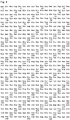
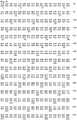
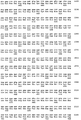
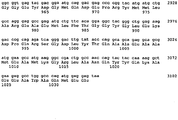
- PCR-amplified DAPK2' DNA ( FIG. 1 ) was directionally cloned into the ampicillin-resistant pMS-(L-ANG-Ki-4)-III/G eukaryotic expression vector containing a Igk -leader (L) sequence at the N-terminus, Ki-4(scFv) (component A) and a tandem Myc- and His-Tag epitope at the C-terminus of the expression cassette ( Fig. 2 )
- Successful cloning was verified by DNA sequence analysis.
- recombinant E.coli BL21 StarTM (DE3) clones were cultivated under osmotic stress conditions in the presence of compatible solutes.
- the recombinant complex (immunokinase) was directed into the periplasmic space and the functional pMT-Ki-4(scFv)-eEF-2K ( M r ⁇ 113,000) protein directly purified by combination of IMAC and SEC to >90% purity.
- At least 1 mg of purified pMT-Ki-4(scFv)-eEF-2K protein was routinely prepared from 1 liter of bacterial shaking cultures.
- the intact recombinant complex (immunokinase) was secreted to the periplasmic compartment, as visualized by immunoblot using mouse-anti-penta-His monoclonal antibody.
- the proliferation of different target cells was evaluated after incubation with different amounts of the recombinant complexes (immunokinases) pMS-(L-DAPk2-Ki-4)-III/G and pMT-Ki-4(scFv)-eEF-2K, respectively.
- Growth inhibition of the CD30-positive cell lines L540Cy and HL60 were documented by a XTT-based colorimetric assay.
- E.coli XL1-blue (supE44 hsdR17 recA1 endA1 gyr A46 thi relA1 IacF'[pro AB + lacl q lacZ ?M15 Tn10(tet r )]) were used for the propagation of plasmids, and E.coli BL21 StarTM (DE3) (F - ompT hsdS B (r B - m B - ) gal dcm rne131 DE3) as host for synthesis of recombinant immunokinases. Synthetic oligonucleotides were synthesized by MWG Biotech (Ebersberg, Germany).
- the bacterial expression vector pBM-Ki-4 is derived from the pET27b plasmid (Novagen, Madison, USA), and is used for the expression of the C-terminal fusion of Not I/Blp I-kinase domains to the anti-CD30 scFv (Klimka, A. et al., 1999).
- the eukaryotic expression vectors pMSKAngII and pMSLAngKIII are derived from the pSecTag plasmid (Invitrogen, Carlsbad, USA) and are used for N- or C-terminal fusion of Xbal/Blpl-kinase domains to the Ki-4(scFv) (Stöcker, M.
- All cell lines including the CD30-positive cell lines L540Cy (Kapp, U. et al., 1992) and HL-60 (Thepen, T. Utrecht, The Netherlands) the CD30-negative cell lines Ramos (ATCC, VA, USA) and 8701-BC (Minafra, S. et al., 1989) and the producer cell line 293T (ATCC) were cultivated in complex medium (RPMI 1640) supplemented with 10% (v/v) heat-inactivated fetal calf serum, 50 ⁇ g/ml penicillin, 100 ⁇ g/ml streptomycin and 2 mM L-glutamine. All cells were cultured at 37°C in a 5% CO 2 in air atmosphere. For the selection of transfected cells, Zeocin (Invitrogen) was added to a final concentration of 100 ⁇ g/ml.
- DAPk2 N- or C-terminal DAP-kinase 2 (DAPk2)-fusions
- DAPk2 was PCR amplified to introduce the restriction sites XbaI and BlpI. After XbaI / BlpI -digestion, the PCR-product was cloned into the eukaryotic expression vector pMS-(L-ANG-Ki-4)-III/G and pMS-(Ki-4-ANG)-II/G respectively, digested with the same restriction enzymes.
- the eukaryotic elongation factor-2 kinase (eEF-2k) was amplified by PCR to introduce the restriction sites NotI and BlpI. After NotI / BlpI -digestion, the PCR-fragment was cloned into the bacterial expression vector pBM-Ki-4, digested with the same restriction enzymes. The resulting recombinant construct pMT-Ki-4(scFv)-eEF-2K (SEQ ID NO: 5) was verified by DNA sequence analysis.
- the bacterial pellet was resuspended in sonication-buffer (75 mM Tris/HCl (pH 8), 300 mM NaCl, 1 capsule of protease inhibitors/ 50 ml (CompleteTM, Roche Diagnostics, Mannheim, Germany), 5 mM DTT, 10 mM EDTA, 10% (v/v) glycerol) at 4°C and sonicated 6 times for 30 s at 200 W.
- sonication-buffer 75 mM Tris/HCl (pH 8), 300 mM NaCl, 1 capsule of protease inhibitors/ 50 ml (CompleteTM, Roche Diagnostics, Mannheim, Germany), 5 mM DTT, 10 mM EDTA, 10% (v/v) glycerol
- the m22(scFv)-ETA' fusion proteins were enriched by IMAC (immobilized metal-ion affinity chromatography) using nickel-nitriloacetic chelating Sepharose (Qiagen) and SEC (size exclusion chromatography) with Bio-Prep SE-100/17 (Biorad, Ober, Germany) columns according to the manufacturer's instructions.
- Recombinant Protein was eluted with PBS (pH 7.4) and 1 M NaCl, analyzed by Sodium dodecyl sulfate/polyacrylamide gel electrophoresis (SOS-PAGE), quantified by densitometry (GS-700 Imaging Densitometer; Biorad) after Coomassie staining in comparison with BSA standards and verified by Bradford assays (Biorad).
- recombinant complexes were determined by CM-ELISA using biological active membranes of tumor cells as described recently by Tur, MK. et al., 2003. Briefly, ELI SA Maxisorp-Plates (Nalge Nunc International, Roskilde, Denmark) were coated with 100 ⁇ l ( ⁇ 0.9 mg protein/ml) freshly prepared membrane fractions of CD30-positive L540Cy/HL60 cells and Ramos/8701-BC as control in 0.02 M bicarbonate buffer, pH 9.6, overnight at 4°C. Plates were washed five times with PBS (pH 7.4) containing 0.2% .Tween 20 (TPBS) and blocked with 200 ⁇ l 2% BSA in PBS.
- PBS pH 7.4
- TPBS 0.2% .Tween 20
- Bound antibodies were visualized after addition of 100 ⁇ l 2', 2'-azino-bis(3-ethylbenzthiazoline-6-sulphonic acid) (ABTS) solution (Roche Molecular Biochemical's, Mannheim, Germany) by measuring the extinction at 415 nm with an ELISA-Reader (MWG Biotech).
- ABTS 2', 2'-azino-bis(3-ethylbenzthiazoline-6-sulphonic acid
- recombinant complexes expressed in E.coli BL21 StarTM (DE3) was evaluated using a FACSCalibur flow cytometry Instrument and CellQuest software (Becton Dickinson, Heidelberg, Germany). Cells were stained with recombinant protein as described (25). Briefly, ten thousand events were collected for each sample, and analyses of intact cells were performed using appropriate scatter gates to exclude cellular debris and aggregates. 5 x 10 5 cells were incubated for 1 h on ice with 50 ⁇ l of bacterial protein extract at a concentration of 30-40 ⁇ g/ml or 100 ⁇ l of the immunokinase containing supernatants respectively.
- the cells were washed with PBS buffer containing 0.2% w/v BSA and 0.05% w/v sodium azide (PBA) and then incubated for 30 min with anti-penta-His moab (Qiagen) diluted 1:2 in PBA buffer. Cells were washed and incubated with fluorescein-isothiocyanate (FITC)-labeled goat-anti-mouse IgG (DAKO Diagnostica, Hamburg, Germany) for 1h at 4°C. After a final wash, the cells were treated with 2 ⁇ l 6.25 mg/ml propidiumiodide and subsequently analyzed on a FACScalibur (Becton Dickison, Heidelberg, Germany).
- FITC fluorescein-isothiocyanate
- the cell cultures were pulsed with 100 ⁇ l fresh culture medium supplemented with XTT/PMS (final concentrations of 0.3 mg and 0.383 ng respectively) for 4 h.
- the spectrophotometrical absorbances of the samples were measured at 450 and 650 nm (reference wavelength) with an ELISA reader (MWG Biotech).
- the concentration required to achieve a 50% reduction of protein synthesis (IC 50 ) relative to untreated control cells and to 1% Triton X treated positive controls was calculated graphically via Excel generated diagrams. All measurements were done in triplicate.
Landscapes
- Health & Medical Sciences (AREA)
- Life Sciences & Earth Sciences (AREA)
- Genetics & Genomics (AREA)
- Engineering & Computer Science (AREA)
- Chemical & Material Sciences (AREA)
- Organic Chemistry (AREA)
- Wood Science & Technology (AREA)
- Zoology (AREA)
- Bioinformatics & Cheminformatics (AREA)
- Biomedical Technology (AREA)
- Biotechnology (AREA)
- Molecular Biology (AREA)
- General Engineering & Computer Science (AREA)
- General Health & Medical Sciences (AREA)
- Microbiology (AREA)
- Biochemistry (AREA)
- Medicinal Chemistry (AREA)
- Physics & Mathematics (AREA)
- Biophysics (AREA)
- Plant Pathology (AREA)
- General Chemical & Material Sciences (AREA)
- Chemical Kinetics & Catalysis (AREA)
- Nuclear Medicine, Radiotherapy & Molecular Imaging (AREA)
- Pharmacology & Pharmacy (AREA)
- Animal Behavior & Ethology (AREA)
- Public Health (AREA)
- Veterinary Medicine (AREA)
- Medicines That Contain Protein Lipid Enzymes And Other Medicines (AREA)
- Peptides Or Proteins (AREA)
- Micro-Organisms Or Cultivation Processes Thereof (AREA)
- Enzymes And Modification Thereof (AREA)
- Pharmaceuticals Containing Other Organic And Inorganic Compounds (AREA)
Claims (12)
- Complexe endogène soluble synthétique formé d'au moins un composant A et d'au moins un composant B qui sont chimiquement couplés ou génétiquement fusionnés l'un à l'autre, dans lequel le composant A comprend des anticorps en tant que domaine de liaison pour des structures de surface extracellulaires qui s'internalisent lors d'une liaison du composant A dudit complexe, et des kinases favorisant la mort, constituées de la protéine kinase associée à la mort (DAP-kinase, DAPk) ou la kinase de facteur 2 d'allongement eucaryote (eEF-2k) en tant que composant B, qui a une activité de kinase catalytique constitutive et réalise une biosynthèse/signalisation cellulaire comprenant une mort cellulaire après internalisation.
- Complexe selon la revendication 1, dans lequel les anticorps sont des anticorps polyclonaux, des anticorps monoclonaux, des anticorps humanisés, des anticorps à une seule chaîne, Fab, F(ab')2, Fv et d'autres fragments qui conservent la fonction de liaison à l'antigène et à spécificité de l'anticorps parent.
- Complexe selon la revendication 1 ou 2, dans lequel le composant B comprend la DAP-kinase 2 (DAPk2).
- Complexe selon les revendications 1 à 3, comprenant un ou plusieurs composants supplémentaires S qui régulent la biosynthèse de protéine au niveau transcription et/ou traduction et/ou permettent une purification et/ou une détection du complexe et/ou facilitent une translocation d'au moins le composant B dans la cellule cible, et une séparation et/ou une activation intracellulaire du composant B, dans lequel le composant S est choisi dans le groupe des promoteurs inductibles, des séquences de tête, des étiquettes d'affinité, des étiquettes His, d'un domaine de translocation, de séquences amphipathiques et d'une pro-granzyme B synthétique.
- Complexe selon l'une quelconque des revendications 1 à 4, ayant les séquences d'acides aminés de SEQ ID NO : 2 ou SEQ ID NO : 4 et SEQ ID NO : 6.
- Molécule d'acide nucléique codant pour le complexe selon l'une quelconque des revendications 1 à 5, ou pour des composants individuels de celui-ci dans la préparation d'un tel complexe et/ou un vecteur comprenant ladite molécule d'acide nucléique.
- Cellule ou organisme non humain après avoir été transformé ou transfecté avec la molécule d'acide nucléique ou le vecteur selon la revendication 6, et/ou un système de traduction in vitro synthétisant le complexe complet selon l'une quelconque des revendications 1 à 5 ou des composants individuels de celui-ci.
- Organisme ou cellule selon la revendication 7, dans lequel l'organisme est un procaryote, un eucaryote inférieur ou un eucaryote non humain supérieur, et la cellule est une cellule de mammifère primaire ou cultivée, telle qu'une cellule humaine fraichement isolée à l'exception des cellules embryonnaires humaines, ou une lignée cellulaire eucaryote.
- Utilisation d'un complexe endogène soluble synthétique formé d'au moins un composant A et d'au moins un composant B, dans lequel le composant A comprend des anticorps en tant que domaine de liaison pour des structures de surface extracellulaires qui s'internalisent lors d'une liaison du composant A dudit complexe, et des kinases favorisant la mort, constituées de la protéine kinase associée à la mort (DAP-kinase, DAPk) ou la kinase de facteur 2 d'allongement eucaryote (eEF-2k) en tant que composant B, qui a une activité de kinase catalytique constitutive et réalise une biosynthèse/signalisation cellulaire comprenant une mort cellulaire après internalisation, pour la préparation d'un médicament destiné au traitement de maladies prolifératives, telles que des maladies prolifératives cancéreuses ou non cancéreuses, des allergies, des maladies auto-immunes et/ou une inflammation chronique.
- Utilisation selon la revendication 9, dans laquelle les anticorps sont des anticorps polyclonaux, des anticorps monoclonaux, des anticorps humanisés, des anticorps à une seule chaîne, Fab, F(ab')2, Fv et d'autres fragments qui conservent la fonction de liaison à l'antigène et la spécificité de l'anticorps parent.
- Médicament comprenant un complexe endogène soluble synthétique formé d'au moins un composant A et d'au moins un composant B, dans lequel le composant A comprend des anticorps en tant que domaine de liaison pour des structures de surface extracellulaires qui s'internalisent lors d'une liaison du composant A dudit complexe, et des kinases favorisant la mort, constituées de la protéine kinase associée à la mort (DAP-kinase, DAPk) ou la kinase de facteur 2 d'allongement eucaryote (eEF-2k) en tant que composant B, qui a une activité de kinase catalytique constitutive et réalise une biosynthèse/signalisation cellulaire comprenant une mort cellulaire après internalisation.
- Médicament selon la revendication 11, dans lequel les anticorps sont des anticorps polyclonaux, des anticorps monoclonaux, des anticorps humanisés, des anticorps à une seule chaîne, Fab, F(ab')2, Fv et d'autres fragments qui conservent la fonction de liaison à l'antigène et la spécificité de l'anticorps parent.
Priority Applications (1)
| Application Number | Priority Date | Filing Date | Title |
|---|---|---|---|
| EP05716585A EP1704228B1 (fr) | 2004-01-16 | 2005-01-13 | Immunokinases |
Applications Claiming Priority (4)
| Application Number | Priority Date | Filing Date | Title |
|---|---|---|---|
| EP04000847 | 2004-01-16 | ||
| EP04017928 | 2004-07-29 | ||
| PCT/EP2005/050131 WO2005068616A2 (fr) | 2004-01-16 | 2005-01-13 | Immunokinases |
| EP05716585A EP1704228B1 (fr) | 2004-01-16 | 2005-01-13 | Immunokinases |
Publications (2)
| Publication Number | Publication Date |
|---|---|
| EP1704228A2 EP1704228A2 (fr) | 2006-09-27 |
| EP1704228B1 true EP1704228B1 (fr) | 2012-04-11 |
Family
ID=34796697
Family Applications (1)
| Application Number | Title | Priority Date | Filing Date |
|---|---|---|---|
| EP05716585A Expired - Lifetime EP1704228B1 (fr) | 2004-01-16 | 2005-01-13 | Immunokinases |
Country Status (6)
| Country | Link |
|---|---|
| US (1) | US9045739B2 (fr) |
| EP (1) | EP1704228B1 (fr) |
| AT (1) | ATE553189T1 (fr) |
| CA (1) | CA2553261C (fr) |
| ES (1) | ES2384940T3 (fr) |
| WO (1) | WO2005068616A2 (fr) |
Families Citing this family (11)
| Publication number | Priority date | Publication date | Assignee | Title |
|---|---|---|---|---|
| US6136311A (en) | 1996-05-06 | 2000-10-24 | Cornell Research Foundation, Inc. | Treatment and diagnosis of cancer |
| CA2646329C (fr) | 2006-03-20 | 2018-07-03 | The Regents Of The University Of California | Anticorps modifies diriges contre l'antigene de cellules souches prostatiques servant a cibler le cancer |
| WO2009032949A2 (fr) | 2007-09-04 | 2009-03-12 | The Regents Of The University Of California | Anticorps d'antigène de cellule souche anti-prostate (psca) à haute affinité pour un ciblage et une détection de cancer |
| CA2700410C (fr) * | 2007-10-03 | 2020-10-06 | Cornell University | Traitement de troubles de proliferation a l'aide d'anticorps du psma |
| ES2712732T3 (es) | 2009-02-17 | 2019-05-14 | Cornell Res Foundation Inc | Métodos y kits para el diagnóstico de cáncer y la predicción de valor terapéutico |
| US20120301463A1 (en) | 2009-09-30 | 2012-11-29 | President And Fellows Of Harvard College | Methods for Modulation of Autophagy Through the Modulation of Autophagy-Enhancing Gene Products |
| AU2010325969B2 (en) | 2009-12-02 | 2016-10-20 | Imaginab, Inc. | J591 minibodies and cys-diabodies for targeting human prostate specific membrane antigen |
| JP6243919B2 (ja) * | 2012-10-24 | 2017-12-06 | フラウンホーファ−ゲゼルシャフト ツァー フォルデルング デア アンゲバンデン フォルシュンク エー. ファオ.Fraunhofer−Gesellschaft Zur Forderung Der Angewandten Forschung E. V. | 微小管修飾化合物 |
| US11254744B2 (en) | 2015-08-07 | 2022-02-22 | Imaginab, Inc. | Antigen binding constructs to target molecules |
| US11266745B2 (en) | 2017-02-08 | 2022-03-08 | Imaginab, Inc. | Extension sequences for diabodies |
| EP3836944A4 (fr) * | 2018-08-16 | 2022-05-11 | Memorial Sloan Kettering Cancer Center | Compositions à base de fermeture à glissière à leucine et méthodes d'utilisation |
Family Cites Families (37)
| Publication number | Priority date | Publication date | Assignee | Title |
|---|---|---|---|---|
| US4946778A (en) * | 1987-09-21 | 1990-08-07 | Genex Corporation | Single polypeptide chain binding molecules |
| CA2078118C (fr) * | 1990-04-25 | 1999-11-16 | Paul A. Aristoff | Analogues de cc-1065 |
| US5912170A (en) * | 1991-03-07 | 1999-06-15 | The General Hospital Corporation | Redirection of cellular immunity by protein-tyrosine kinase chimeras |
| GB9200417D0 (en) * | 1992-01-09 | 1992-02-26 | Bagshawe Kenneth D | Cytotoxic drug therapy |
| US5439819A (en) * | 1993-08-27 | 1995-08-08 | The Regents Of The University Of California | Chimeric protein tyrosine kinases |
| US5583034A (en) * | 1994-02-22 | 1996-12-10 | La Jolla Institute For Allergy And Immunology | Enhancement of adoptosis using antisense oligonucleotides |
| JP3317121B2 (ja) * | 1996-01-25 | 2002-08-26 | 株式会社日立製作所 | エバポシステムおよびその診断方法 |
| US5935835A (en) * | 1996-10-11 | 1999-08-10 | Smithkline Beecham Corporation | Polynucleotide encoding human Myt-1 kinase clone |
| CA2283636A1 (fr) | 1997-03-20 | 1998-09-24 | Variagenics, Inc. | Genes cibles pour medicaments specifiques d'alleles |
| US6346406B1 (en) * | 1997-08-20 | 2002-02-12 | University Of Medicine & Dentistry Of New Jersey | Elongation factor-2 kinase (EF-2 kinase), and methods of use therefor |
| US7138103B2 (en) * | 1998-06-22 | 2006-11-21 | Immunomedics, Inc. | Use of bi-specific antibodies for pre-targeting diagnosis and therapy |
| WO2001001137A1 (fr) * | 1999-06-30 | 2001-01-04 | Children's Medical Center Corporation | Proteine hybride et ses utilisations |
| EP1272222A2 (fr) * | 2000-04-12 | 2003-01-08 | Implyx Ltd. | Composition pour administration de medicament |
| ATE372130T1 (de) * | 2000-04-22 | 2007-09-15 | Pharmedartis Gmbh | Apoptotika |
| US7109165B2 (en) * | 2001-05-18 | 2006-09-19 | Sirna Therapeutics, Inc. | Conjugates and compositions for cellular delivery |
| US20050159381A1 (en) * | 2001-05-18 | 2005-07-21 | Sirna Therapeutics, Inc. | RNA interference mediated inhibition of chromosome translocation gene expression using short interfering nucleic acid (siNA) |
| US20050176024A1 (en) * | 2001-05-18 | 2005-08-11 | Sirna Therapeutics, Inc. | RNA interference mediated inhibition of epidermal growth factor receptor (EGFR) gene expression using short interfering nucleic acid (siNA) |
| US20050176025A1 (en) * | 2001-05-18 | 2005-08-11 | Sirna Therapeutics, Inc. | RNA interference mediated inhibition of B-cell CLL/Lymphoma-2 (BCL-2) gene expression using short interfering nucleic acid (siNA) |
| US20050153915A1 (en) * | 2001-05-18 | 2005-07-14 | Sirna Therapeutics, Inc. | RNA interference mediated inhibition of early growth response gene expression using short interfering nucleic acid (siNA) |
| EP2415486B1 (fr) | 2001-05-18 | 2017-02-22 | Sirna Therapeutics, Inc. | Conjugués et compositions pour la fourniture cellulaire |
| WO2003007889A2 (fr) * | 2001-07-17 | 2003-01-30 | Research Development Foundation | Agents therapeutiques contenant des proteines pro-apoptotiques |
| EP1487995A4 (fr) * | 2002-02-13 | 2006-08-02 | Medbridge Inc | Systeme de vecteur proteique pour des oligonucleotides therapeutiques |
| EP1741781A3 (fr) | 2002-02-20 | 2007-06-06 | Sirna Therapeutics, Inc. | Traitement de la maladie d'Alzheimer médié par l'interférence par l'ARN dans lequel il est fait appel à de petits fragments d'acides nucléiques interférants (siNA) |
| CN1717496A (zh) | 2002-10-03 | 2006-01-04 | 洛桑生态综合技术联合公司 | 用o6-烷基鸟嘌呤-dna烷基转移酶标记蛋白 |
| AU2003295389A1 (en) | 2002-11-05 | 2004-06-03 | Isis Pharmaceuticals, Inc. | Conjugated oligomeric compounds and their use in gene modulation |
| EP1585756B1 (fr) * | 2002-11-26 | 2010-04-21 | University of Massachusetts | Administration de sirnas |
| WO2004078215A2 (fr) | 2003-02-28 | 2004-09-16 | The Board Of Trustees Of The University Of Illinois | Utilisation d'enzymes specifiquement mises au point pour renforcer l'efficacite de promedicaments |
| JP2007509608A (ja) | 2003-05-23 | 2007-04-19 | ウペエフエル・エコル・ポリテクニック・フェデラル・ドゥ・ローザンヌ | アシル担体タンパク質に基づくタンパク質をラベルするための方法 |
| WO2005044981A2 (fr) | 2003-10-23 | 2005-05-19 | Sirna Therapeutics, Inc. | Inhibition a mediation d'interference d'arn de l'expression genetique a l'aide d'acide nucleique d'interference court (sina) |
| US20050148535A1 (en) | 2003-10-30 | 2005-07-07 | Lacasse Eric | IAP nucleobase oligomers and oligomeric complexes and uses thereof |
| JP2007513968A (ja) | 2003-12-12 | 2007-05-31 | ウイスコンシン アラムニ リサーチ ファンデーション | 哺乳動物神経細胞へのsiRNAのデリバリー |
| EP1730298B1 (fr) | 2004-03-02 | 2015-11-11 | EPFL Ecole Polytechnique Fédérale de Lausanne | Substrats de o6-alkylguanine-adn-alkyltransferase |
| EP1737879B1 (fr) * | 2004-04-19 | 2012-10-10 | Archemix LLC | Delivrance intracellulaire oligonucleotides therapeutiques mediee par des aptameres |
| WO2006021553A1 (fr) | 2004-08-23 | 2006-03-02 | Covalys Biosciences Ag | Procédé pour la purification de protéines et marquage basé sur une réaction chimiosélective |
| US8178314B2 (en) | 2005-04-27 | 2012-05-15 | Covalys Biosciences Ag | Pyrimidines reacting with O6-alkylguanine-DNA alkyltransferase fusion protein and method for detecting protein |
| CA2628113A1 (fr) | 2005-11-04 | 2007-05-18 | Nastech Pharmaceutical Company Inc. | Conjugues de peptide-arn substrat dicer utilises comme excipients d'administration pour arnsi |
| EP1882688A1 (fr) | 2006-07-25 | 2008-01-30 | EPFL Ecole Polytechnique Fédérale de Lausanne | Marquage de protéines de fusion avec sondes synthétiques |
-
2005
- 2005-01-13 CA CA2553261A patent/CA2553261C/fr not_active Expired - Fee Related
- 2005-01-13 EP EP05716585A patent/EP1704228B1/fr not_active Expired - Lifetime
- 2005-01-13 AT AT05716585T patent/ATE553189T1/de active
- 2005-01-13 WO PCT/EP2005/050131 patent/WO2005068616A2/fr not_active Ceased
- 2005-01-13 ES ES05716585T patent/ES2384940T3/es not_active Expired - Lifetime
- 2005-01-13 US US10/586,111 patent/US9045739B2/en active Active
Also Published As
| Publication number | Publication date |
|---|---|
| EP1704228A2 (fr) | 2006-09-27 |
| WO2005068616A2 (fr) | 2005-07-28 |
| US9045739B2 (en) | 2015-06-02 |
| CA2553261C (fr) | 2014-03-18 |
| ATE553189T1 (de) | 2012-04-15 |
| US20090136475A1 (en) | 2009-05-28 |
| ES2384940T3 (es) | 2012-07-16 |
| CA2553261A1 (fr) | 2005-07-28 |
| WO2005068616A3 (fr) | 2005-10-27 |
Similar Documents
| Publication | Publication Date | Title |
|---|---|---|
| EP1704228B1 (fr) | Immunokinases | |
| EP3377103B1 (fr) | Complémentation de fragment d'anticorps fonctionnel pour un système à deux composants pour la destruction redirigée de cellules indésirables | |
| Stöcker et al. | Secretion of functional anti-CD30-angiogenin immunotoxins into the supernatant of transfected 293T-cells | |
| Amoury et al. | Granzyme B-based cytolytic fusion protein targeting EpCAM specifically kills triple negative breast cancer cells in vitro and inhibits tumor growth in a subcutaneous mouse tumor model | |
| Hetzel et al. | Small cleavable adapters enhance the specific cytotoxicity of a humanized immunotoxin directed against CD64-positive cells | |
| Cizeau et al. | Engineering and biological characterization of VB6-845, an anti-EpCAM immunotoxin containing a T-cell epitope-depleted variant of the plant toxin bouganin | |
| Andrady et al. | Antibody–enzyme fusion proteins for cancer therapy | |
| Matthey et al. | A new series of pET-derived vectors for high efficiency expression of Pseudomonas exotoxin-based fusion proteins | |
| JP2008536479A (ja) | ジスルフィド架橋を有するタンパク質の発現法 | |
| US8968727B2 (en) | Telomerase activity inhibiting peptide and manufacturing method and application thereof | |
| Van Der Wel et al. | Molecular Cloning and Expression of a UDP-N-acetylglucosamine (GlcNAc): Hydroxyproline Polypeptide GlcNAc-transferase That Modifies Skp1 in the Cytoplasm ofDictyostelium | |
| ES2358022T3 (es) | Inmunotoxinas anti-cd64-eta¿recombinantes. | |
| Westermann et al. | Identification of CfNek, a novel member of the NIMA family of cell cycle regulators, as a polypeptide copurifying with tubulin polyglutamylation activity in Crithidia | |
| US20230310557A1 (en) | Recombinant immunotoxin comprising a ribotoxin or rnase | |
| Zhu et al. | A new recombinant immunotoxin hscFv-ETA’demonstrates specific cytotoxicity against chronic myeloid leukemia cells in vitro | |
| Riccio et al. | A novel human antitumor dimeric immunoRNase | |
| US20250387478A1 (en) | Recombinant immunotoxin comprising a ribosome inactivating protein | |
| Mesri et al. | Ribonuclease‐Based Immunotoxins as Anticancer Agents | |
| GB2442553A (en) | Single chain variable region antibodies for tNox | |
| HK40063961A (en) | Functional antibody fragment complementation for a two-components system for redirected killing of unwanted cells | |
| CN119303120A (zh) | 免疫抑制受试者中的抗Trop2抗体 | |
| KR20150080463A (ko) | 신규 펩티드 태그, 에피토프 태깅용 항체, 하이브리도마 세포주 및 이들의 용도 | |
| Malavez | Mechanisms of Caspase-3 Regulation in the Execution of Cell Death | |
| LU et al. | REKOMBINANTE ANTI-CD64-ETA’IMMUNOTOXINE IMMUNOTOXINES ANTI-CD64-ETA’RECOMBINANTES | |
| KR20150002563A (ko) | 에피토프 태깅용 항체 및 하이브리도마 세포주 |
Legal Events
| Date | Code | Title | Description |
|---|---|---|---|
| PUAI | Public reference made under article 153(3) epc to a published international application that has entered the european phase |
Free format text: ORIGINAL CODE: 0009012 |
|
| 17P | Request for examination filed |
Effective date: 20060707 |
|
| AK | Designated contracting states |
Kind code of ref document: A2 Designated state(s): AT BE BG CH CY CZ DE DK EE ES FI FR GB GR HU IE IS IT LI LT LU MC NL PL PT RO SE SI SK TR |
|
| 17Q | First examination report despatched |
Effective date: 20061031 |
|
| RAP1 | Party data changed (applicant data changed or rights of an application transferred) |
Owner name: FRAUNHOFER-GESELLSCHAFT ZUR FOERDERUNG DER ANGEWAN |
|
| DAX | Request for extension of the european patent (deleted) | ||
| GRAP | Despatch of communication of intention to grant a patent |
Free format text: ORIGINAL CODE: EPIDOSNIGR1 |
|
| GRAS | Grant fee paid |
Free format text: ORIGINAL CODE: EPIDOSNIGR3 |
|
| GRAA | (expected) grant |
Free format text: ORIGINAL CODE: 0009210 |
|
| AK | Designated contracting states |
Kind code of ref document: B1 Designated state(s): AT BE BG CH CY CZ DE DK EE ES FI FR GB GR HU IE IS IT LI LT LU MC NL PL PT RO SE SI SK TR |
|
| REG | Reference to a national code |
Ref country code: GB Ref legal event code: FG4D |
|
| REG | Reference to a national code |
Ref country code: CH Ref legal event code: EP |
|
| REG | Reference to a national code |
Ref country code: AT Ref legal event code: REF Ref document number: 553189 Country of ref document: AT Kind code of ref document: T Effective date: 20120415 |
|
| REG | Reference to a national code |
Ref country code: IE Ref legal event code: FG4D |
|
| REG | Reference to a national code |
Ref country code: CH Ref legal event code: NV Representative=s name: ALDO ROEMPLER PATENTANWALT |
|
| REG | Reference to a national code |
Ref country code: DE Ref legal event code: R096 Ref document number: 602005033602 Country of ref document: DE Effective date: 20120606 |
|
| REG | Reference to a national code |
Ref country code: NL Ref legal event code: T3 |
|
| REG | Reference to a national code |
Ref country code: ES Ref legal event code: FG2A Ref document number: 2384940 Country of ref document: ES Kind code of ref document: T3 Effective date: 20120716 |
|
| REG | Reference to a national code |
Ref country code: AT Ref legal event code: MK05 Ref document number: 553189 Country of ref document: AT Kind code of ref document: T Effective date: 20120411 |
|
| LTIE | Lt: invalidation of european patent or patent extension |
Effective date: 20120411 |
|
| PG25 | Lapsed in a contracting state [announced via postgrant information from national office to epo] |
Ref country code: SE Free format text: LAPSE BECAUSE OF FAILURE TO SUBMIT A TRANSLATION OF THE DESCRIPTION OR TO PAY THE FEE WITHIN THE PRESCRIBED TIME-LIMIT Effective date: 20120411 Ref country code: PL Free format text: LAPSE BECAUSE OF FAILURE TO SUBMIT A TRANSLATION OF THE DESCRIPTION OR TO PAY THE FEE WITHIN THE PRESCRIBED TIME-LIMIT Effective date: 20120411 Ref country code: CY Free format text: LAPSE BECAUSE OF FAILURE TO SUBMIT A TRANSLATION OF THE DESCRIPTION OR TO PAY THE FEE WITHIN THE PRESCRIBED TIME-LIMIT Effective date: 20120411 Ref country code: LT Free format text: LAPSE BECAUSE OF FAILURE TO SUBMIT A TRANSLATION OF THE DESCRIPTION OR TO PAY THE FEE WITHIN THE PRESCRIBED TIME-LIMIT Effective date: 20120411 Ref country code: FI Free format text: LAPSE BECAUSE OF FAILURE TO SUBMIT A TRANSLATION OF THE DESCRIPTION OR TO PAY THE FEE WITHIN THE PRESCRIBED TIME-LIMIT Effective date: 20120411 Ref country code: IS Free format text: LAPSE BECAUSE OF FAILURE TO SUBMIT A TRANSLATION OF THE DESCRIPTION OR TO PAY THE FEE WITHIN THE PRESCRIBED TIME-LIMIT Effective date: 20120811 |
|
| PG25 | Lapsed in a contracting state [announced via postgrant information from national office to epo] |
Ref country code: GR Free format text: LAPSE BECAUSE OF FAILURE TO SUBMIT A TRANSLATION OF THE DESCRIPTION OR TO PAY THE FEE WITHIN THE PRESCRIBED TIME-LIMIT Effective date: 20120712 Ref country code: SI Free format text: LAPSE BECAUSE OF FAILURE TO SUBMIT A TRANSLATION OF THE DESCRIPTION OR TO PAY THE FEE WITHIN THE PRESCRIBED TIME-LIMIT Effective date: 20120411 Ref country code: PT Free format text: LAPSE BECAUSE OF FAILURE TO SUBMIT A TRANSLATION OF THE DESCRIPTION OR TO PAY THE FEE WITHIN THE PRESCRIBED TIME-LIMIT Effective date: 20120813 |
|
| PG25 | Lapsed in a contracting state [announced via postgrant information from national office to epo] |
Ref country code: BE Free format text: LAPSE BECAUSE OF FAILURE TO SUBMIT A TRANSLATION OF THE DESCRIPTION OR TO PAY THE FEE WITHIN THE PRESCRIBED TIME-LIMIT Effective date: 20120411 |
|
| PG25 | Lapsed in a contracting state [announced via postgrant information from national office to epo] |
Ref country code: EE Free format text: LAPSE BECAUSE OF FAILURE TO SUBMIT A TRANSLATION OF THE DESCRIPTION OR TO PAY THE FEE WITHIN THE PRESCRIBED TIME-LIMIT Effective date: 20120411 Ref country code: DK Free format text: LAPSE BECAUSE OF FAILURE TO SUBMIT A TRANSLATION OF THE DESCRIPTION OR TO PAY THE FEE WITHIN THE PRESCRIBED TIME-LIMIT Effective date: 20120411 Ref country code: AT Free format text: LAPSE BECAUSE OF FAILURE TO SUBMIT A TRANSLATION OF THE DESCRIPTION OR TO PAY THE FEE WITHIN THE PRESCRIBED TIME-LIMIT Effective date: 20120411 Ref country code: CZ Free format text: LAPSE BECAUSE OF FAILURE TO SUBMIT A TRANSLATION OF THE DESCRIPTION OR TO PAY THE FEE WITHIN THE PRESCRIBED TIME-LIMIT Effective date: 20120411 Ref country code: SK Free format text: LAPSE BECAUSE OF FAILURE TO SUBMIT A TRANSLATION OF THE DESCRIPTION OR TO PAY THE FEE WITHIN THE PRESCRIBED TIME-LIMIT Effective date: 20120411 Ref country code: RO Free format text: LAPSE BECAUSE OF FAILURE TO SUBMIT A TRANSLATION OF THE DESCRIPTION OR TO PAY THE FEE WITHIN THE PRESCRIBED TIME-LIMIT Effective date: 20120411 |
|
| PLBE | No opposition filed within time limit |
Free format text: ORIGINAL CODE: 0009261 |
|
| STAA | Information on the status of an ep patent application or granted ep patent |
Free format text: STATUS: NO OPPOSITION FILED WITHIN TIME LIMIT |
|
| 26N | No opposition filed |
Effective date: 20130114 |
|
| REG | Reference to a national code |
Ref country code: DE Ref legal event code: R097 Ref document number: 602005033602 Country of ref document: DE Effective date: 20130114 |
|
| PG25 | Lapsed in a contracting state [announced via postgrant information from national office to epo] |
Ref country code: BG Free format text: LAPSE BECAUSE OF FAILURE TO SUBMIT A TRANSLATION OF THE DESCRIPTION OR TO PAY THE FEE WITHIN THE PRESCRIBED TIME-LIMIT Effective date: 20120711 |
|
| PG25 | Lapsed in a contracting state [announced via postgrant information from national office to epo] |
Ref country code: MC Free format text: LAPSE BECAUSE OF NON-PAYMENT OF DUE FEES Effective date: 20130131 |
|
| REG | Reference to a national code |
Ref country code: IE Ref legal event code: MM4A |
|
| PG25 | Lapsed in a contracting state [announced via postgrant information from national office to epo] |
Ref country code: IE Free format text: LAPSE BECAUSE OF NON-PAYMENT OF DUE FEES Effective date: 20130113 |
|
| PG25 | Lapsed in a contracting state [announced via postgrant information from national office to epo] |
Ref country code: TR Free format text: LAPSE BECAUSE OF FAILURE TO SUBMIT A TRANSLATION OF THE DESCRIPTION OR TO PAY THE FEE WITHIN THE PRESCRIBED TIME-LIMIT Effective date: 20120411 |
|
| PG25 | Lapsed in a contracting state [announced via postgrant information from national office to epo] |
Ref country code: LU Free format text: LAPSE BECAUSE OF NON-PAYMENT OF DUE FEES Effective date: 20130113 Ref country code: HU Free format text: LAPSE BECAUSE OF FAILURE TO SUBMIT A TRANSLATION OF THE DESCRIPTION OR TO PAY THE FEE WITHIN THE PRESCRIBED TIME-LIMIT; INVALID AB INITIO Effective date: 20050113 |
|
| REG | Reference to a national code |
Ref country code: FR Ref legal event code: PLFP Year of fee payment: 12 |
|
| PGFP | Annual fee paid to national office [announced via postgrant information from national office to epo] |
Ref country code: NL Payment date: 20160121 Year of fee payment: 12 |
|
| PGFP | Annual fee paid to national office [announced via postgrant information from national office to epo] |
Ref country code: ES Payment date: 20160122 Year of fee payment: 12 |
|
| REG | Reference to a national code |
Ref country code: FR Ref legal event code: PLFP Year of fee payment: 13 |
|
| REG | Reference to a national code |
Ref country code: NL Ref legal event code: MM Effective date: 20170201 |
|
| PG25 | Lapsed in a contracting state [announced via postgrant information from national office to epo] |
Ref country code: NL Free format text: LAPSE BECAUSE OF NON-PAYMENT OF DUE FEES Effective date: 20170201 |
|
| REG | Reference to a national code |
Ref country code: FR Ref legal event code: PLFP Year of fee payment: 14 |
|
| PG25 | Lapsed in a contracting state [announced via postgrant information from national office to epo] |
Ref country code: ES Free format text: LAPSE BECAUSE OF NON-PAYMENT OF DUE FEES Effective date: 20170114 |
|
| REG | Reference to a national code |
Ref country code: ES Ref legal event code: FD2A Effective date: 20181116 |
|
| PGFP | Annual fee paid to national office [announced via postgrant information from national office to epo] |
Ref country code: GB Payment date: 20220125 Year of fee payment: 18 Ref country code: DE Payment date: 20220120 Year of fee payment: 18 Ref country code: CH Payment date: 20220125 Year of fee payment: 18 |
|
| PGFP | Annual fee paid to national office [announced via postgrant information from national office to epo] |
Ref country code: IT Payment date: 20220124 Year of fee payment: 18 Ref country code: FR Payment date: 20220120 Year of fee payment: 18 |
|
| P01 | Opt-out of the competence of the unified patent court (upc) registered |
Effective date: 20230524 |
|
| REG | Reference to a national code |
Ref country code: DE Ref legal event code: R119 Ref document number: 602005033602 Country of ref document: DE |
|
| REG | Reference to a national code |
Ref country code: CH Ref legal event code: PL |
|
| GBPC | Gb: european patent ceased through non-payment of renewal fee |
Effective date: 20230113 |
|
| PG25 | Lapsed in a contracting state [announced via postgrant information from national office to epo] |
Ref country code: LI Free format text: LAPSE BECAUSE OF NON-PAYMENT OF DUE FEES Effective date: 20230131 Ref country code: GB Free format text: LAPSE BECAUSE OF NON-PAYMENT OF DUE FEES Effective date: 20230113 Ref country code: DE Free format text: LAPSE BECAUSE OF NON-PAYMENT OF DUE FEES Effective date: 20230801 Ref country code: CH Free format text: LAPSE BECAUSE OF NON-PAYMENT OF DUE FEES Effective date: 20230131 |
|
| PG25 | Lapsed in a contracting state [announced via postgrant information from national office to epo] |
Ref country code: FR Free format text: LAPSE BECAUSE OF NON-PAYMENT OF DUE FEES Effective date: 20230131 |
|
| PG25 | Lapsed in a contracting state [announced via postgrant information from national office to epo] |
Ref country code: IT Free format text: LAPSE BECAUSE OF NON-PAYMENT OF DUE FEES Effective date: 20230113 |