EP1724354A2 - Irkuläres DNA Molekül mit einem abhängigen Replikationsursprung, seine Herstellungsverfahren und seine Verwendung in der Gentherapie - Google Patents
Irkuläres DNA Molekül mit einem abhängigen Replikationsursprung, seine Herstellungsverfahren und seine Verwendung in der Gentherapie Download PDFInfo
- Publication number
- EP1724354A2 EP1724354A2 EP06017245A EP06017245A EP1724354A2 EP 1724354 A2 EP1724354 A2 EP 1724354A2 EP 06017245 A EP06017245 A EP 06017245A EP 06017245 A EP06017245 A EP 06017245A EP 1724354 A2 EP1724354 A2 EP 1724354A2
- Authority
- EP
- European Patent Office
- Prior art keywords
- gene
- replication
- cell according
- host
- recombinant
- Prior art date
- Legal status (The legal status is an assumption and is not a legal conclusion. Google has not performed a legal analysis and makes no representation as to the accuracy of the status listed.)
- Granted
Links
Images




Classifications
-
- C—CHEMISTRY; METALLURGY
- C12—BIOCHEMISTRY; BEER; SPIRITS; WINE; VINEGAR; MICROBIOLOGY; ENZYMOLOGY; MUTATION OR GENETIC ENGINEERING
- C12N—MICROORGANISMS OR ENZYMES; COMPOSITIONS THEREOF; PROPAGATING, PRESERVING, OR MAINTAINING MICROORGANISMS; MUTATION OR GENETIC ENGINEERING; CULTURE MEDIA
- C12N15/00—Mutation or genetic engineering; DNA or RNA concerning genetic engineering, vectors, e.g. plasmids, or their isolation, preparation or purification; Use of hosts therefor
- C12N15/09—Recombinant DNA-technology
- C12N15/63—Introduction of foreign genetic material using vectors; Vectors; Use of hosts therefor; Regulation of expression
- C12N15/70—Vectors or expression systems specially adapted for E. coli
-
- A—HUMAN NECESSITIES
- A61—MEDICAL OR VETERINARY SCIENCE; HYGIENE
- A61K—PREPARATIONS FOR MEDICAL, DENTAL OR TOILETRY PURPOSES
- A61K31/00—Medicinal preparations containing organic active ingredients
- A61K31/70—Carbohydrates; Sugars; Derivatives thereof
-
- A—HUMAN NECESSITIES
- A61—MEDICAL OR VETERINARY SCIENCE; HYGIENE
- A61P—SPECIFIC THERAPEUTIC ACTIVITY OF CHEMICAL COMPOUNDS OR MEDICINAL PREPARATIONS
- A61P21/00—Drugs for disorders of the muscular or neuromuscular system
-
- A—HUMAN NECESSITIES
- A61—MEDICAL OR VETERINARY SCIENCE; HYGIENE
- A61P—SPECIFIC THERAPEUTIC ACTIVITY OF CHEMICAL COMPOUNDS OR MEDICINAL PREPARATIONS
- A61P21/00—Drugs for disorders of the muscular or neuromuscular system
- A61P21/02—Muscle relaxants, e.g. for tetanus or cramps
-
- A—HUMAN NECESSITIES
- A61—MEDICAL OR VETERINARY SCIENCE; HYGIENE
- A61P—SPECIFIC THERAPEUTIC ACTIVITY OF CHEMICAL COMPOUNDS OR MEDICINAL PREPARATIONS
- A61P21/00—Drugs for disorders of the muscular or neuromuscular system
- A61P21/04—Drugs for disorders of the muscular or neuromuscular system for myasthenia gravis
-
- A—HUMAN NECESSITIES
- A61—MEDICAL OR VETERINARY SCIENCE; HYGIENE
- A61P—SPECIFIC THERAPEUTIC ACTIVITY OF CHEMICAL COMPOUNDS OR MEDICINAL PREPARATIONS
- A61P25/00—Drugs for disorders of the nervous system
-
- A—HUMAN NECESSITIES
- A61—MEDICAL OR VETERINARY SCIENCE; HYGIENE
- A61P—SPECIFIC THERAPEUTIC ACTIVITY OF CHEMICAL COMPOUNDS OR MEDICINAL PREPARATIONS
- A61P25/00—Drugs for disorders of the nervous system
- A61P25/14—Drugs for disorders of the nervous system for treating abnormal movements, e.g. chorea, dyskinesia
- A61P25/16—Anti-Parkinson drugs
-
- A—HUMAN NECESSITIES
- A61—MEDICAL OR VETERINARY SCIENCE; HYGIENE
- A61P—SPECIFIC THERAPEUTIC ACTIVITY OF CHEMICAL COMPOUNDS OR MEDICINAL PREPARATIONS
- A61P25/00—Drugs for disorders of the nervous system
- A61P25/28—Drugs for disorders of the nervous system for treating neurodegenerative disorders of the central nervous system, e.g. nootropic agents, cognition enhancers, drugs for treating Alzheimer's disease or other forms of dementia
-
- A—HUMAN NECESSITIES
- A61—MEDICAL OR VETERINARY SCIENCE; HYGIENE
- A61P—SPECIFIC THERAPEUTIC ACTIVITY OF CHEMICAL COMPOUNDS OR MEDICINAL PREPARATIONS
- A61P3/00—Drugs for disorders of the metabolism
- A61P3/06—Antihyperlipidemics
-
- A—HUMAN NECESSITIES
- A61—MEDICAL OR VETERINARY SCIENCE; HYGIENE
- A61P—SPECIFIC THERAPEUTIC ACTIVITY OF CHEMICAL COMPOUNDS OR MEDICINAL PREPARATIONS
- A61P31/00—Antiinfectives, i.e. antibiotics, antiseptics, chemotherapeutics
- A61P31/12—Antivirals
-
- A—HUMAN NECESSITIES
- A61—MEDICAL OR VETERINARY SCIENCE; HYGIENE
- A61P—SPECIFIC THERAPEUTIC ACTIVITY OF CHEMICAL COMPOUNDS OR MEDICINAL PREPARATIONS
- A61P31/00—Antiinfectives, i.e. antibiotics, antiseptics, chemotherapeutics
- A61P31/12—Antivirals
- A61P31/14—Antivirals for RNA viruses
- A61P31/18—Antivirals for RNA viruses for HIV
-
- A—HUMAN NECESSITIES
- A61—MEDICAL OR VETERINARY SCIENCE; HYGIENE
- A61P—SPECIFIC THERAPEUTIC ACTIVITY OF CHEMICAL COMPOUNDS OR MEDICINAL PREPARATIONS
- A61P35/00—Antineoplastic agents
-
- A—HUMAN NECESSITIES
- A61—MEDICAL OR VETERINARY SCIENCE; HYGIENE
- A61P—SPECIFIC THERAPEUTIC ACTIVITY OF CHEMICAL COMPOUNDS OR MEDICINAL PREPARATIONS
- A61P43/00—Drugs for specific purposes, not provided for in groups A61P1/00-A61P41/00
-
- A—HUMAN NECESSITIES
- A61—MEDICAL OR VETERINARY SCIENCE; HYGIENE
- A61P—SPECIFIC THERAPEUTIC ACTIVITY OF CHEMICAL COMPOUNDS OR MEDICINAL PREPARATIONS
- A61P7/00—Drugs for disorders of the blood or the extracellular fluid
- A61P7/02—Antithrombotic agents; Anticoagulants; Platelet aggregation inhibitors
-
- C—CHEMISTRY; METALLURGY
- C07—ORGANIC CHEMISTRY
- C07K—PEPTIDES
- C07K14/00—Peptides having more than 20 amino acids; Gastrins; Somatostatins; Melanotropins; Derivatives thereof
- C07K14/435—Peptides having more than 20 amino acids; Gastrins; Somatostatins; Melanotropins; Derivatives thereof from animals; from humans
- C07K14/475—Growth factors; Growth regulators
- C07K14/50—Fibroblast growth factor [FGF]
- C07K14/501—Fibroblast growth factor [FGF] acidic FGF [aFGF]
-
- C—CHEMISTRY; METALLURGY
- C07—ORGANIC CHEMISTRY
- C07K—PEPTIDES
- C07K14/00—Peptides having more than 20 amino acids; Gastrins; Somatostatins; Melanotropins; Derivatives thereof
- C07K14/82—Translation products from oncogenes
-
- C—CHEMISTRY; METALLURGY
- C12—BIOCHEMISTRY; BEER; SPIRITS; WINE; VINEGAR; MICROBIOLOGY; ENZYMOLOGY; MUTATION OR GENETIC ENGINEERING
- C12N—MICROORGANISMS OR ENZYMES; COMPOSITIONS THEREOF; PROPAGATING, PRESERVING, OR MAINTAINING MICROORGANISMS; MUTATION OR GENETIC ENGINEERING; CULTURE MEDIA
- C12N1/00—Microorganisms; Compositions thereof; Processes of propagating, maintaining or preserving microorganisms or compositions thereof; Processes of preparing or isolating a composition containing a microorganism; Culture media therefor
- C12N1/20—Bacteria; Culture media therefor
-
- C—CHEMISTRY; METALLURGY
- C12—BIOCHEMISTRY; BEER; SPIRITS; WINE; VINEGAR; MICROBIOLOGY; ENZYMOLOGY; MUTATION OR GENETIC ENGINEERING
- C12N—MICROORGANISMS OR ENZYMES; COMPOSITIONS THEREOF; PROPAGATING, PRESERVING, OR MAINTAINING MICROORGANISMS; MUTATION OR GENETIC ENGINEERING; CULTURE MEDIA
- C12N15/00—Mutation or genetic engineering; DNA or RNA concerning genetic engineering, vectors, e.g. plasmids, or their isolation, preparation or purification; Use of hosts therefor
- C12N15/09—Recombinant DNA-technology
- C12N15/63—Introduction of foreign genetic material using vectors; Vectors; Use of hosts therefor; Regulation of expression
- C12N15/67—General methods for enhancing the expression
- C12N15/69—Increasing the copy number of the vector
-
- A—HUMAN NECESSITIES
- A61—MEDICAL OR VETERINARY SCIENCE; HYGIENE
- A61K—PREPARATIONS FOR MEDICAL, DENTAL OR TOILETRY PURPOSES
- A61K48/00—Medicinal preparations containing genetic material which is inserted into cells of the living body to treat genetic diseases; Gene therapy
Definitions
- the present invention relates to a novel conditional replication DNA molecule for use in gene therapy or for the production of recombinant proteins.
- Gene therapy involves correcting a deficiency or abnormality by introducing genetic information into the affected cell or organ.
- This information can be introduced either in vitro into a cell extracted from the organ and then reinjected into the body, or in vivo , directly into the target tissue.
- the DNA Being a molecule of high molecular weight and negative charge, the DNA has difficulties to spontaneously cross the phospholipid cell membranes.
- Different vectors are therefore used to allow gene transfer: viral vectors on the one hand, chemical and / or biochemical vectors, natural or synthetic, on the other hand.
- Viral vectors are very effective, especially for the passage of membranes, but have a number of risks such as pathogenicity, recombination, replication, immunogenicity, ...
- Chemical and / or biochemical vectors help to avoid these risks (for reviews, see Behr, 1993, Cotten and Wagner, 1993). These are for example cations (calcium phosphate, DEAE-dextran ”) that act by forming precipitates with DNA, which can be "phagocytzed” by the cells. It can also be liposomes in which the DNA is incorporated and which fuse with the plasma membrane.
- the synthetic gene transfer vectors are generally lipids or cationic polymers that complex the DNA and form with it a particle bearing positive surface charges.
- dioctadecylamidoglycylspermine DOGS, Transfectam TM
- DOTMA N- [1- (2,3-dioleyloxy) propyl] -N, N, N-trimethylammonium chloride
- plasmids of bacterial origin are used.
- the plasmids generally used in gene therapy carry (i) an origin of replication, (ii) a marker gene such as an antibiotic resistance gene (kanamycin, ampicillin, etc.) and (iii) one or more transgenes with sequences necessary for their expression (enhancer (s), promoter (s), polyadenylation sequences ).
- a bacterium present in the body can, at a low frequency, receive this plasmid. This is all the more likely to happen if it is an in vivo gene therapy treatment in which the DNA can be disseminated in the patient's body and may be in contact with bacteria that infect this patient or bacteria commensal flora. If the recipient bacterium of the plasmid is an enterobacteria, such as E. coli . coli , this plasmid can replicate. Such an event then leads to the dissemination of the therapeutic gene.
- the therapeutic genes used in gene therapy treatments can encode, for example, a lymphokine, growth factor, antionogen, or a protein whose function is lacking in the host and thus makes it possible to correct a genetic defect.
- the spread of some of these genes could have unpredictable and preoccupying effects (for example, if a pathogenic bacterium acquires the gene for a human growth factor).
- the plasmids generally used in non-viral gene therapy also have a marker of resistance to an antibiotic (ampicillin, kanamycin ).
- the bacterium acquiring such a plasmid therefore has a selective advantage undeniable since any antibiotic treatment, using an antibiotic of the same family as that selecting the plasmid resistance gene, will lead to the selection of the plasmid in question.
- ampicillin is one of the ⁇ -lactams which is the most widely used family of antibiotics in the world.
- the use of selection markers in bacteria that are not genes for antibiotic resistance would therefore be particularly advantageous. It would avoid the selection of bacteria that could have received a plasmid carrying such a marker.
- the object of the present invention is precisely to propose new DNA molecules that can be used in gene therapy or for the production of recombinant proteins in vitro, replicating only in cells that can complement certain functions of these non-viral vectors.
- the invention also relates to a particularly effective method for the preparation of these DNA molecules.
- the claimed DNA molecules have the advantage of eliminating the risks associated with plasmid dissemination, such as (1) replication and dissemination, which may result in uncontrolled overexpression of the therapeutic gene, (2) dissemination and expression of resistance genes.
- the genetic information contained in the DNA molecules according to the invention in fact comprises the therapeutic gene (s) and the signaling signals of its (their) expression, a conditional functional origin of replication limiting very strongly the cellular host spectrum of this plasmid, a selection marker of reduced size preferably different from a gene conferring resistance to an antibiotic and, where appropriate, a DNA fragment allowing the resolution of plasmid multimers.
- the probability that these molecules (and therefore the genetic information they contain) are transferred to a microorganism, and maintained stably, is very limited.
- the vectors according to the invention also called miniplasmides because of their circular structure, their reduced size and their supercoiled shape, have the following additional advantages: Because of their reduced size compared with the ColE1-derived plasmids conventionally used, DNA molecules according to the invention have potentially better bioavailability in vivo . In particular, they have improved cell penetration and delivery capabilities. Thus, it is recognized that the diffusion coefficient in tissues is inversely proportional to molecular weight (Jain, 1987). Similarly, at the cellular level, the high molecular weight molecules have a lower permeability across the plasma membrane.
- the high molecular weight is also a disadvantage, the nuclear pores imposing a size limit for diffusion to the nucleus (Landford et al ., 1986).
- the reduction of the size of the non-therapeutic parts of the DNA molecule (origin of replication and selection gene in particular) according to the invention also makes it possible to reduce the size of the DNA molecules.
- the part allowing the replication and the selection of this plasmid in the bacteria (1.1 kb) is decreased by a factor of 3, counting for example 3 kb for the origin of replication and the resistance marker vector part.
- This reduction (i) in molecular weight and (ii) negative charge, confers on the molecules of the invention improved capabilities of tissue, cell and nuclear diffusion and bioavailability.
- the present invention relates to a DNA molecule in circular form, useful in gene therapy, comprising at least one nucleic sequence of interest, characterized in that the region allowing its replication comprises an origin of replication whose functionality in a host cell requires the presence of at least one specific protein foreign to said host cell.
- This DNA molecule may be in mono or double-stranded form and advantageously has a supercoiled form.
- the host cells used may be of various origins. They may be eukaryotic or prokaryotic cells. According to a preferred embodiment of the invention, these are prokaryotic cells.
- the replication of the bacterial plasmids requires the presence of at least one protein encoded by the cellular host of the RNA polymerase, Rnase or DNA polymerase type.
- the functionality of the origin of replication of the DNA molecule according to the invention requires the presence of a specific protein foreign to the host cell. This feature has the advantage of reducing the host spectrum of the claimed plasmid to specific strains expressing this initiator protein.
- the DNA molecule developed in the context of the present invention, therefore advantageously has a so-called conditional origin of replication.
- conditional origin of replication implemented according to the present invention can originate from plasmids or bacteriophages, sharing the following characteristics: they contain, in their origin of replication, repeated sequences, or iterates and they encode at least one protein that initiates replication (Rep) which is specific to them.
- Rep initiates replication
- plasmids and bacteriophages plasmid or bacteriophage specific initiator protein RK2 (Stalker et al. , 1981) TRFA R 1 (Ryder et al. , 1981) RepA pSC101 (Vocke and Bastia, 1983) RepA F (Murotsu et al.
- the origin of replication implemented in the claimed DNA molecules is derived from a natural plasmid of E. coli called R6K.
- the replication functions of R6K are grouped in a 5.5 kbp DNA fragment (FIG. 1) comprising 3 replication origins a, ⁇ and ⁇ ( ⁇ and ⁇ ensuring 90% of replication) and an operon coding for the replication-initiating proteins x and protein Bis.
- the minimal genetic information required to maintain this plasmid at its characteristic number of copies (15 copies per genome) is contained in two elements: the 400 pdb of ori ⁇ and the pir gene , whose product is the ⁇ initiating protein. .
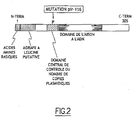
- the ori ⁇ can be divided into two functional parts: the core part and the activator element ( Figure 1).
- the core-part, essential for replication, contains the iterates (7 direct repeats of 22 bp) in which the ⁇ protein represented in SEQ ID No. 1 is bound, and flanking, host protein target segments (IHF, DnaA ).
- the origin of replication of the claimed vector is constituted in whole or in part by this origin of replication ⁇ of plasmid R6k and more preferably in whole or in part by SEQ ID No. 1 or one of its derivatives.
- the term “derivative” designates any sequence that is different from the sequence in question because of a degeneracy of the genetic code, obtained by one or more modifications of genetic and / or chemical nature, as well as any sequence hybridizing with these sequences. or fragments thereof and whose product has the indicated activity with respect to the replication-initiating protein, ⁇ .
- modification of genetic and / or chemical nature it can be understood any mutation, substitution, deletion, addition and / or modification of one or more residues.
- the term “derivative” also includes the sequences homologous to the sequence in question, originating from other cellular sources and in particular from cells of human origin, or from other organisms, and having an activity of the same type.
- hybridizations can be performed from nucleic acid libraries, using as a probe the native sequence or a fragment thereof, under conventional stringency conditions (Maniatis et al., general molecular biology techniques), or, preferably, under high stringency conditions.
- the origin of replication described above which has the advantage of being of very limited size, is functional only in the presence of a specific initiating protein, the Pi protein, which produces the pir gene (SEQ ID No. 2). Since this protein can act in trans, it is possible to physically dissociate the ori gamma from the pir gene, which can be introduced into the genome of the cell chosen as the specific host of these plasmids. Mutations in ⁇ can alter its inhibitory functions (Inuzuka and Wada, 1985) and lead to an increase in the copy number of R6K derivatives, up to more than 10 times the initial copy number. These substitutions are all within a range of 40 amino acids, which seems to be responsible for controlling the number of plasmid copies by ⁇ (FIG. 2).
- the ⁇ protein, expressed in the host cell results from the expression of the gene represented in SEQ ID No. 2 or one of its derivatives as defined above and more particularly pir gene 116 which comprises a mutation with respect to the pir gene.
- This mutation corresponds to the substitution of a proline by a leucine.
- the number of copies of R6K derivatives is of the order of 250 copies per genome.
- the claimed DNA molecules contain a region comprising one (or more) gene (s) for ensuring the selection of the DNA molecule in the chosen host.
- It may be a conventional antibiotic resistance-conferring gene marker, such as kanamycin, ampicillin, chloramphenicol, streptomycin, spectinomycin, lividomycin or others.
- this region contains an expression cassette of a gene coding for a specific codon suppressor tRNA.
- a specific codon suppressor tRNA This may be chosen in particular from those coding for the bases Phenylalanine, Cysteine, Proline, Alanine and Histidine. It is more preferably an amber codon suppressor tRNA (TAG).
- TAG amber codon suppressor tRNA
- the system used to select, in cell hosts, the subject DNA molecules of the present invention has two elements: 1) on the DNA molecule, a gene coding for a codon suppressor transfer RNA amber (TAG) which constitutes the selection marker, called gene (sup) and 2) a specific host which one of the genes, essential under certain culture conditions, contains an amber codon TAG.
- TAG codon suppressor transfer RNA amber
- This cell can grow under the culture conditions for which the gene product containing the TAG codon is essential, only if the plasmid allowing expression of sup is present in the cell. The culture conditions therefore constitute the selection pressure of the DNA molecule.
- the sup genes used can be of natural origin (Glass et al. , 1982) or come from synthetic constructs (Normanly et al. , 1986; Kleina et al. , 1990).
- Such a system offers great flexibility in that, depending on the gene having an amber mutation, it is possible to determine different selective media.
- the amber codon is located in a purine biosynthesis gene. This allows the selection of the plasmid carrying the gene coding for the suppressor tRNA when the bacteria multiply in the milk.
- Such a marker has the advantage of being of very small size and not to contain "foreign" sequences, originating from phages or transposons.
- the DNA molecule further comprises a DNA fragment, target site-specific recombinases, which allows the resolution of plasmid multimers.
- such a fragment introduced on a circular DNA molecule and whose origin of replication is, for example, ori gamma makes it possible to solve the multimers of such a plasmid.
- Such multimers are especially observed when the DNA molecule is prepared in a strain bearing a mutated allele of pir which makes it possible to increase the number of copies of the R6K derivatives, such as pir-116 .
- the site-specific recombination of the invention is obtained by means of specific intramolecular recombination sequences which are capable of recombining with each other in the presence of specific proteins, generally referred to as recombinase.
- recombinase these are XerC and XerD recombinases.
- the DNA molecules according to the invention generally further comprise a sequence allowing this specific site recombination.
- the specific recombination system present in the genetic constructs according to the invention (recombinases and specific recognition site) can be of different origins.
- the specific sequences and the recombinases used may belong to different structural classes, and in particular to the Tn 3 transposon resolvase family or the bacteriophage lambda fintegrase family.
- the recombinases belonging to the Tn 3 transposon family mention may be made in particular of the transposon Tn 3 resolvase or of the transposons, Tn 21 and Tn 522 (Stark et al ., 1992); the mu bacteriophage Gin invertase or the plasmid resolvases, such as that of the fragment by RP4 ( Abert et al., Mol. Microbiol. 12 (1994) 131 ).
- Cre integrase of phage P1 the integrase of plasmid pSAM2 ( EP 350,341 or the FLP recombinase of the 2 ⁇ plasmid and the XerC and XerD recombinases of E. coli.
- the DNA molecules that are the subject of the present invention contain the cer fragment of the natural E. coli ColE1 plasmid.
- the cer fragment used is a 382 bp HpaII fragment of ColE1 that has been shown to permit the resolution of plasmid multimers in cis (Summers et al. , 1984, Leung et al. , 1985). It is also possible to use a smaller HpaII-TaqI fragment (280 bp) or a smaller fragment (about 220 bp), included in the HpaII fragment, which have the same properties (Summers and Sherratt, 1988). .
- the DNA molecules of the invention may further comprise a sequence capable of specifically interacting with a ligand.
- This sequence thus makes it possible to purify the molecules of the invention by selective hybridization with a complementary oligonucleotide immobilized on a support (see the application WO96 / 18744 ).
- the sequence can be positioned at any site of the DNA molecule of the invention, since it does not affect the functionality of the gene of interest and the origin of replication.
- the term derivative is understood to mean any construct derived from pXL2774 and comprising one or more genes of interest other than the luciferase gene.
- plasmids pXL3029 and 3030 comprising a therapeutic gene expression cassette and a sequence capable of specifically interacting with a ligand.
- the present invention also relates to the development of a method, specific cell host constructs, particularly effective for the production of these therapeutic DNA molecules.
- Another subject of the present invention relates to a process for producing a circular DNA molecule characterized in that a host cell containing at least one DNA molecule as defined above and a protein expressed in situ is cultured. or not, conditioning the functionality of the origin of replication of said DNA molecule, specific and foreign to said host cell, under conditions allowing the selection of the host cells transformed by said DNA molecules.
- the protein conditioning the functionality of the origin of replication of the DNA molecule is expressed in situ from a corresponding gene.
- the gene coding for the replication-initiating protein may be carried by an annex replicon, compatible with the derivatives of the conditional origin of replication used or introduced into the genome of the host cell by recombination, by means of a transposon, a bacteriophage or any other vector.
- the gene expressing the protein is placed on an annex replicon, the latter also contains a functional transcription promoter region in the cell, as well as a 3 'region, and which specifies a transcriptional end signal. .
- the promoter region may be a promoter region naturally responsible for the expression of the gene when it is likely to function in the cell. It can also be regions of different origin (responsible for the expression of other proteins, or even synthetic). In particular, they may be promoter sequences for prokaryotic or bacteriophage genes. For example, they may be promoter sequences derived from the genome of the cell.
- genes coding for the replication-initiating protein it will be possible to use either the wild-type genes or mutated alleles making it possible to obtain an increased number of copies of the plasmids (or derivatives) specific for the protein. initiator conditioning the functionality of the origin of replication implemented in the DNA molecule.
- the initiator protein is or is derived from the ⁇ protein of this same plasmid. It is particularly advantageous to express a mutated form of this protein capable of significantly increasing the number of initial copies.
- the integrated gene at the level of the host cell is preferably represented by all or part of the sequence shown in SEQ ID No. 2 or one of its derivatives and more preferably by the pir116 gene.
- the associated mutation corresponds to the substitution of a proline by a leucine. According to a particular embodiment of the invention, this pir116 gene is directly incorporated into the genome of the host cell.
- one of the genes of the specific cellular host which is indispensable under the chosen culture conditions, contains a specific codon recognizable by the suppressor tRNA selected at the level of the DNA molecule.
- a specific codon recognizable by the suppressor tRNA selected at the level of the DNA molecule is an amber codon TAG.
- the cell will grow under the culture conditions for which the gene product containing the TAG codon is essential, only if the plasmid allowing expression of sup is present in the host cell. The culture conditions therefore constitute the selection pressure of the DNA molecule.
- the gene comprising the amber codon is a gene involved in the biosynthesis of an amino acid, arginine.
- This gene, argE codes for an N-acetylornithinase (Meinnel et al. , 1992) and in this case comprises a TAG codon corresponding to a point mutation Gln-53 (CAG) ⁇ TAG; the selection pressure of the plasmid carrying the sup gene is then ensured by culture in medium minimum M9 (Maniatis et al. , 1989).
- it could also be, for example, a gene for biosynthesis of a vitamin, a nucleic base or a gene making it possible to use a particular source of carbon or nitrogen or any other gene whose functionality is essential to cell viability under the chosen culture conditions.
- the host cell is preferably chosen from E. coli strains and is more preferably represented by the strain E. coli XAC-1.
- the host cell used in the claimed method is a cell of the E. coli strain XAC-1, comprising in its genome the pir gene 116 and transformed with the plasmid pXL2774 or the one of its derivatives.
- the host cell used in the claimed method is a prokaryotic cell in which the endA1 gene or a homologous gene is inactivated.
- the endA gene codes for endonuclease I of E. coli .
- This periplasmic enzyme has a nonspecific cleavage activity of double-stranded DNA ( Lehman, IR, GG Roussos and EA Pratt (1962) J. Biol. Chem. 237: 819-828 ; Wright M. (1971) J. Bacteriol. 107: 87-94 ).
- the quality of the plasmid DNA preparations is therefore affected by any contamination by this endonuclease (degradation of the DNA in the more or less long term).
- the deletion or mutation of the endA gene can be considered without any problem insofar as the mutants no longer exhibiting this endonuclease activity behave overall like wild-type bacteria ( Dürwald, H. and H. Hoffmann-Berling (1968) J. Mol. Biol. 34: 331-346 ).
- the endA1 gene can be inactivated by mutation, total or partial deletion, disruption, etc.
- the inactivation of the endA gene of the E. coli strain chosen to produce the pCOR plasmids may more particularly be carried out by transferring, using the bacteriophage P1, the ⁇ endA :: Tc R deletion described by Cherepanov and Wackernagel ( Cherepanov, PP and W. Wackernagel. 1995. Gene disruption in Escherichia coli: TcR and KmR cassettes with the option of F1p-catalyzed excision of the antibiotic-determining resistance.
- the invention also relates to any recombinant cell containing a DNA molecule as defined above. It can be cells of various origins, eukaryotic, prokaryotic ....
- These cells are obtained by any technique known to those skilled in the art for introducing said plasmid into a given cell. This may include transformation, electroporation, conjugation, protoplast fusion or any other technique known to those skilled in the art.
- the DNA molecules according to the invention can be used in any application of vaccination or gene and cell therapy, for the transfer of a gene to a given organism, tissue or cell, or for the production of recombinant proteins in vitro. vitro.
- they can be used for direct administration in vivo , or for cell modification in vitro or ex vivo , for implantation in a patient.
- another subject of the present invention relates to any pharmaceutical composition
- a pharmaceutical composition comprising at least one DNA molecule as defined above.
- This molecule may or may not be associated with a chemical and / or biochemical transfection vector. It may be in particular cations (calcium phosphate, DEAE-dextran, ..), liposomes.
- the synthetic vectors associated may be lipids or cationic polymers. Examples of such vectors are DOGS (Transfectam TM) or DOTMA (lipofectin TM).
- compositions according to the invention can be formulated for administration by the topical, oral, parenteral, intranasal, intravenous, intramuscular, subcutaneous, intraocular, transdermal, etc. routes.
- the claimed plasmid is used in an injectable form or in application, it can be mixed with any pharmaceutically acceptable vehicle for an injectable formulation, in particular for a direct injection at the site to be treated.
- any pharmaceutically acceptable vehicle for an injectable formulation in particular for a direct injection at the site to be treated.
- It may be in particular sterile solutions, isotonic, or dry compositions, including freeze-dried, which, by the addition of sterilized water or saline, allow the constitution of injectable solutions. This may be especially Tris or PBS buffers diluted in glucose or sodium chloride.
- Direct injection into the affected area of the patient is interesting because it allows the therapeutic effect to be concentrated at the level of the affected tissues.
- the doses used may be adapted according to different parameters, and in particular according to the gene, the vector, the mode of administration used, the pathology concerned or the duration of the desired treatment.
- the DNA molecules of the invention may comprise one or more genes of interest, that is to say one or more nucleic acids (cDNA, gDNA, synthetic or semi-synthetic DNA, etc.) whose transcription and possibly the translation into the target cell generate products with therapeutic, vaccinal, agronomic or veterinary value.
- genes of interest that is to say one or more nucleic acids (cDNA, gDNA, synthetic or semi-synthetic DNA, etc.) whose transcription and possibly the translation into the target cell generate products with therapeutic, vaccinal, agronomic or veterinary value.
- genes of therapeutic interest mention may be made more particularly of genes coding for enzymes, blood derivatives, hormones, lymphokines: interleukins, interferons, TNF, etc. ( FR 9203120 ), growth factors, neurotransmitters or their precursors or synthetic enzymes, trophic factors: BDNF, CNTF, NGF, IGF, GMF, aFGF, bFGF, NT3, NT5, etc .; apolipoproteins: ApoAI, ApoAIV, ApoE, etc.
- dystrophin or a minidystrophin FR 9111947
- tumor suppressor genes p53, Rb, Rap1A, DCC, k-rev, etc.
- the genes encoding factors involved in coagulation Factors VII, VIII, IX, etc.
- the suicide genes Thymidine kinase, cytosine deaminase, etc .; or all or part of a natural or artificial immunoglobulin (Fab, ScFv, etc.), a ligand RNA ( WO91 / 19813 etc.
- the therapeutic gene may also be an antisense gene or sequence whose expression in the target cell makes it possible to control the expression of genes or the transcription of cellular mRNAs.
- Such sequences may for example be transcribed in the target cell to RNA complementary to cellular mRNAs and thus block their translation into protein, according to the technique described in the patent. EP 140,308 .
- the gene of interest may also be a vaccinating gene, that is to say a gene encoding an antigenic peptide, capable of generating in humans or animals an immune response, for the purpose of producing vaccines. It can be in particular antigenic peptides specific for the epstein-barr virus, the HIV virus, the hepatitis B virus ( EP 185,573 ), pseudo-rabies virus, or specific tumors ( EP 259,212 ).
- the gene of therapeutic, vaccinal, agronomic or veterinary interest also contains a promoter region of functional transcription in the target cell or organism, as well as a region located in 3 ', and which specifies a transcriptional end signal and a polyadenylation site.
- the promoter region it may be a promoter region naturally responsible for the expression of the gene considered when it is likely to work in the cell or organization concerned. It can also be regions of different origin (responsible for the expression of other proteins, or even synthetic).
- they may be promoter sequences of eukaryotic or viral genes.
- they may be promoter sequences derived from the genome of the target cell.
- promoters it is possible to use any promoter or derived sequence stimulating or repressing the transcription of a gene, specifically or not, inducible or otherwise, high or low. It may be in particular ubiquitous promoters (promoter of HPRT genes, PGK, ⁇ -actin, tubulin, etc.), promoters of intermediate filaments (promoter of GFAP genes, desmin, vimentin, neurofilaments, keratin, etc.), therapeutic gene promoters (e.g., MDR gene promoter, CFTR, Factor VIII, ApoAI, etc.), tissue-specific promoters (pyruvate kinase gene promoter, villin, intestinal fatty acid binding protein, muscle ⁇ -actin smooth, etc.) or promoters responding to a stimulus (steroid hormone receptor, retinoic acid receptor, etc.).
- ubiquitous promoters promoter of HPRT genes, PGK, ⁇ -actin, tubulin, etc.
- promoters of intermediate filaments promoter of
- promoter sequences derived from the genome of a virus such as, for example, the promoters of the adenovirus E1A and MLP genes, the early CMV promoter, or the RSV LTR promoter, etc.
- these promoter regions can be modified by adding activating sequences, regulating, or allowing tissue-specific or majority expression.
- the gene of interest may also comprise a signal sequence directing the product synthesized in the secretory pathways of the target cell.
- This signal sequence may be the natural signal sequence of the synthesized product, but it may also be any other functional signal sequence, or an artificial signal sequence.
- the DNA molecules of the invention can be used for the treatment or the prevention of numerous pathologies, including genetic diseases (dystrophy, cystic fibrosis, etc.), neurodegenerative diseases (Alzheimer's, Parkinson's disease, ALS, etc.), cancers, pathologies related to coagulation disorders or dyslipoproteinemias, pathologies related to viral infections (hepatitis, AIDS, etc.), or in the agronomic and veterinary fields, etc.
- genetic diseases distrophy, cystic fibrosis, etc.
- neurodegenerative diseases Alzheimer's, Parkinson's disease, ALS, etc.
- cancers pathologies related to coagulation disorders or dyslipoproteinemias
- pathologies related to viral infections hepatitis, AIDS, etc.
- pathologies related to viral infections hepatitis, AIDS, etc.
- viral infections hepatitis, AIDS, etc.
- agronomic and veterinary fields etc.
- the present invention also relates to the use of conditionally replicating DNA molecules for the production of recombinant proteins.
- the bacteria can be used to produce proteins of various origins, eukaryotic or prokaryotic.
- E. coli is the organism of choice for the expression of heterologous genes because of its easy handling, the large number of available expression systems, and the large amounts of protein that can be obtained.
- the system of the invention is usable in other organisms, the tropism being determined by the nature of the origin of replication, as indicated above.
- the nucleic sequence of interest comprises a coding region under the control of expression signals appropriate to the selected host, particularly a prokaryotic host.
- the nucleic acid sequence of interest may be any sequence coding for a protein of interest in the fields of pharmacy, agri-food, chemistry or agrochemistry. It can be a structural gene, a complementary DNA sequence, a synthetic or semi-synthetic sequence, etc.
- the expression cassette can be introduced onto the subject-state replication-replicated vector, thus constituting a conditionally replicating vector for the expression of proteins of interest in E. Coli.
- This vector has several advantages: no antibiotic use to select it in the bacterium (lower cost, no need for study as to the presence in the finished product of antibiotic or potentially toxic byproducts), practically probability no dissemination of the plasmid in nature (origin of conditional replication), fermentation possible in a totally defined medium.
- the examples presented show the advantageous properties of these conditional vectors for the production of recombinant proteins.
- Complete media LB, 2XTY and SOC, the minimum medium M9 (Maniatis et al., 1989) were used.
- the agar media were obtained by addition of 15 g of Difco agar. In addition, if necessary, these media have been supplemented with antibiotics, ampicillin or kanamycin, at concentrations of 100 mg / l and 50 mg / l, respectively.
- X-Gal and X-Gluc chromogenic substrates were used at a concentration of 40 mg / l.
- E. coli the plasmids and bacteriophages used are respectively identified in the examples below.
- the DNA size markers used for electrophoresis are: 1 kbp scale (BRL) for linear fragments and the supercoiled DNA marker (Stratagene) for undigested plasmids.
- the sequencing was carried out according to the Sanger technique (Sanger et al., 1977) adapted to the automated method using fluorescent dideoxynucleotides and the Taq DNA polymerase (PRISM Ready Reaction DyeDideoxy Terminator Cycle Sequencing Kit, Applied Biosystems).
- oligodeoxynucleotides used (designated “seq + n °", see below) were synthesized on the "Applied Biosystems 394 DNA / RNA Synthesizer” synthesizer by the phosphoramidite method, using ⁇ -cyanoethyl protecting groups (Sinha et al. 1984). After synthesis, the protective groups are removed by treatment with ammonia. Two butanol precipitations serve to purify and concentrate the oligonucleotide (Sawadogo et al., 1991).
- the PCR reactions (Saiki et al., 1985) were carried out under the following conditions, in a total volume of 100 ⁇ l.
- the reaction mixture comprises 150 ng of genomic DNA of the strain to be studied, 1 ⁇ g of each of the 2 oligonucleotide-primers (24-mer), 10 ⁇ l of 10XPCR buffer, the composition of which is "500 mM KCl, 0, 1% gelatin, 20 mM MgCl 2 , 100 mM Tris-HCl pH 7.5 ", and 2.5 units of Taq DNA polymerase (Amplitaq Perkin-Elmer).
- the PCR conditions on the Perkin-Elmer Cetus DNA Thermal Cycler, are as follows: 2 min at 91 ° C., 30 successive denaturation cycles (1 min at 91 ° C.), hybridization (2 min at 42 ° C.). ° C) and elongation (3 min at 72 ° C), and finally 5 min at 72 ° C.
- the cells used are NIH 3T3 murine fibroblasts, seeded the previous day in 24-well plates at a density of 50,000 cells per well.
- the culture medium used is the DMEM medium, containing 4.5 g / l of glucose, supplemented with 10% of fetal calf serum and 1% of the 200 mM glutamine solutions and antibiotics (streptomycin 5.10 3 u / ml, penicillin 5.10 3 ⁇ g / ml) (Gibco).
- the plasmid DNA (1 ⁇ g in 25 ⁇ l of 9% NaCl) is mixed, volume to volume, with a suspension of lipofectant.
- Lipofectant charges / DNA charges are tested: 0, 3, 6 and 9.
- Luciferase catalyzes the oxidation of luciferin, in the presence of ATP, Mg 2+ and O 2 , with production concomitant with a photon. The total emission of light, measured by a luminometer, is proportional to the luciferase activity of the sample.
- the reagents used are supplied by Promega (Luciferase assay system) and used according to the recommended protocol. After lysis of the cells, the insoluble fraction of each extract is removed by centrifugation. The assay is performed on 5 .mu.l of supernatant, diluted or not in the lysis buffer of the cells.
- the strain used is the E. coli strain XAC-1 (Normanly et al., 1980.
- the argE gene of this strain contains a Glutamine-53 (CAG) mutation in amber codon (TAG) (Meinnel et al. 1992)
- the argE gene belongs to the argECBH divergent operon and codes for an arginine biosynthesis enzyme, N-acetylornithinase, so XAC-1 can not synthesize arginine and, consequently, grow in minimal medium.
- This gene can be inactivated without problems since it is not essential for growth in conventional synthetic media, in which ⁇ -glucuronides are not used.
- the ⁇ -glucuronidase activity can be followed by a chromogenic substrate, X-Gluc, whose hydrolysis releases a blue pigrnent.
- Phage M13mp10 (Messing and Vieira, 1982) has been used as a suicide vector (Blum et al., 1989).
- the BamHI cassette of 3.8 kbp containing the gene for resistance to kanamycin from Tn 5 and _uidA :: pir or pir-116, were purified respectively from M13wm34 and 33 (Metcalf et al 1994). They were cloned in M13mp10 linearized by Bam HI. The recombinant clones were selected by plating on LB + Km agar medium after electroporation in TG1 of the ligation mixtures. The conformity of the clones obtained was shown by restriction profile analysis and by sequencing the region corresponding to the pir-116 mutation .
- the XAC-1 strain was electroporated with 10, 100 or 2000 ng of each RF (mp10- uidA :: pir or pir-116 ). One-third of each expression mixture was plated on LB dishes containing kanamycin and incubated overnight at 37 ° C. Phages mp10 -_uidA :: pir or pir-116 can not replicate in strain XAC-1 ( sup +). The Km R marker can therefore only be maintained by integration into the genome of the bacterium, via homologous recombination with the wild-type copy of the uidA gene . The results of the electroporations of XAC-1 are shown in Table 1.
- the second recombination event will then be selected by the resistance of the deoxycholate strains (Doc R ).
- Doc R the resistance of the deoxycholate strains
- 5 integrants of each construct were cultured in 2XTY medium supplemented with 0.2% sodium deoxycholate. Two distinct populations appeared. Some clones give a noticeable cloudiness after about 8 hours at 37 ° C (two clones for pir construction and three for pir-116 construction). The other clones gave a dense culture only after dark at 37 ° C. They were almost all Km S , as expected. For each of the electroporants studied, 50 Km S descendants were streaked on LB supplemented with X-Gluc.
- Each pair of oligonucleotides consists of an oligonucleotide corresponding to an inner region of pir and a second oligonucleotide corresponding to a region, close to chromosomal uidA , but not included in the fragment that was used for recombination.
- the sequence of this latter oligonucleotide was determined using the Genbank ECOUIDAA sequence (accession number: M14641). We were able to verify the exact positioning of the pir gene in the genome of the bacteria. Nature amplified fragments, the size of which is as expected, was confirmed by Mlu I digestion.
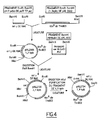
- the kanamycin resistance gene is from pUC4K (Vieira et messing, 1982) and the origin of replication, contained in a 417 bp Eco RI- Bam HI fragment, is derived from the suicide vector.
- pUT-T7pol (Herrero et al; 1990) ( Figure 4).
- the transfer of pXL2666 into strains BW19094 and 19610 (Metcalf et al; 1994) showed that the amount of plasmid was increased in a pir - 116 strain , relative to the same plasmid in a pir strain.
- the electrophoretic analysis of the various plasmids constructed made it possible to demonstrate various plasmid species, which vary according to the strains used.
- the size of the undigested plasmids was evaluated relative to the supercoiled DNA marker.
- the plasmids pXL2666, 2754 and 2730 are almost entirely in monomeric form.
- the bands above each main band correspond to different topoisomers, slightly less supercoiled, as confirmed by the profile observed after the action of DNA gyrase with pXL2730.
- the profiles are different: one observes with the plasmids pXL2666 and 2754 different species ranging from monomer to multimers (2, 3 or 4 units), the majority form being the dimer. After digestion with Eco RI, there are only the linear plasmid DNA; these plasmid species correspond either to plasmid multimers or to various topoisomers. However, the size of the forms determined from the supercoiled DNA marker being an entire product of that of the monomeric plasmid, it is very likely that they are multimers.
- each plasmid preparation was subjected to the action of DNA topoisomerases.
- the activities of the different enzymes under the experimental conditions are as follows: release of the DNA for E. coli DNA topoisomerase I , negative superposition of the DNA released for E. coli DNA gyrase , and disentanglement of interlaced DNA and relaxation of supercoiled DNA by topoisomerase IV DNA of S. aureus.
- the action of the DNA topoisomerase IV made it possible to show that the plasmid forms of high molecular weight did not result from the entanglement of several plasmid molecules; in this case, they would then have been converted into the monomeric species.
- the functionality of the enzyme was of course controlled on a kinetoplast DNA preparation composed of entangled DNA molecules (not shown). The release activity is also visible since less migrating species are obtained than in untreated controls.
- the action of DNA gyrase made it possible to convert the slightly loosened topoisomers into the most supercoiled species extracted from the bacterium (mainly monomer or dimer). In addition, it made it possible to verify that the prepared DNAs are mostly in supercoiled form.
- the different subcloning was done in XAC-1.
- the functionality of the expression cassette of the suppressor tRNA is thus controlled thanks to the ⁇ -galactosidase activity of this strain, which exists only if the amber codon of the lacZ gene u118am is deleted.
- the last step is the introduction of the sup Phe expression cassette on pXL2730.
- the results obtained with the cer fragment (B- 1- b ) made us choose this plasmid rather than pXL2666.
- a reporter gene usable in eukaryotic cells.
- luc gene coding for photinus pyralis luciferase because the bioluminescence measurement test is very sensitive, linear over a wide range and the background noise due to the endogenous activity of eukaryotic cells is very low.
- the luc gene is under control of the promoter-amplifying sequences of a human cytomegalovirus early gene (CMV promoter) that allows high-rate expression.
- CMV promoter human cytomegalovirus early gene
- 3 luc is an untranslated region, derived from SV40 virus, which contains the polyadenylation signal (poly (A) +).
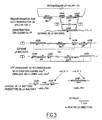
- the cassette "CMV- luc- poly (A) + promoter" is introduced on the minimal vector ori- ⁇ - cer-sup Phe (pXL2760) in place of the Km R marker. .
- the resulting plasmid was named pXL2774.
- Figure 6 brings together the various steps of cloning.
- the ligation mixtures were electroporated into XAC - 1 pir-116.
- the incubation allowing the bacteria to express the selection markers is carried out in a rich medium (SOC medium); it was therefore necessary to wash the cells twice with M9 medium before spreading This eliminated the residual medium which would have caused a minimum background culture background.
- the medium chosen to display the electrophoretic cells is the minimum medium M9, which makes it possible to select the bacteria expressing a suppressor tRNA and therefore the presence of our plasmids.
- the addition of X-Gal allows, by the blue color, to visualize the expression of the suppressor tRNA.
- the dishes are analyzed after about 20 hours at 37 ° C. The absence of colonies on the non-DNA control ensures that selection is correct even with dense seeding. All the clones examined by restriction (8) do indeed carry a plasmid corresponding to the expected profile.
- the plasmid thus constructed was prepared from a clone cultured in one liter of M9 liquid medium (approximately 18 hours at 37 ° C.), using a technique involving inter alia ion exchange (Promega kit). , MegaPreps). The amount of DNA collected is 2 mg.
- the ability of pXL2774 to transfect eukaryotic cells and to allow expression of luciferase is assessed by transfection in murine NIH 3T3 fibroblasts.
- the vector chosen as reference is the plasmid pXL2622 (it is the Promega plasmid pGL2 whose SV40 promoter has been replaced by the CMV promoter) which carries the same luciferase expression cassette as pXL2774, but on a different replicon. It is a 6.2 kbp ColE1 derivative that carries the ampicillin resistance gene. This plasmid serves us as a control. Luciferase activities (expressed in RLU, or relative units of luminescence) are shown in Table 3.
- plasmids derived from pCOR-type R6K were verified by an electroporation experiment in E. coli JM109 (Yanisch-Perron et al., 1985) of pUC4K plasmids (ori CoIEI-KmR, (Vieira and Messing, 1982). )) and pXL2730 (R6K-KmR gamma ori, see Example 2).
- the electroporator used is the Gene Pulser Biorad and electrocompetent JM109 cells are prepared and used according to the manufacturer's protocol (Bacterial electro-transformation and pulse controller instruction manual catalog number 165-2098).
- the electrotransformed cells were plated on LB medium supplemented with kanamycin (50 mg / l) and incubated overnight at 37 ° C. The results obtained are presented below.
- the pH was monitored and adjusted automatically between 6.9 and 7.0 with 10% (w / v) ammonia; the temperature is maintained at 37 ° C; the aeration was set at 75 l / h ((1.1 vvm) at a pressure of 0.2 bar and the dissolved oxygen was controlled at (40% of the air saturation by feedback on the stirring speed and, if necessary, by enrichment with pure oxygen.
- the basic composition of the feed medium is as follows: carbon source 50%, magnesium sulfate 0.7%, thiamine 0.02%; for the complex environment, yeast extract has been added at a concentration of preferably 5 to 10%.
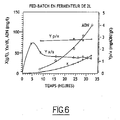
- inoculum I in stirred Erlenmeyer flask and inoculum II in a 2-liter fermentor (cultures in vitro). batch), followed by a production culture fed-batch, fermentor 7 liters.
- the maximum oxygen demand at the end of culture was set at 2.5-3 mM / min. For this, the growth rate of the microorganism has been reduced, if necessary, by acting on the feed rate of the additional charge.
- Plasmid pXL2784 was used as a control. It contains the same eukaryotic expression cassette (CMV-luciferase-polyA promoter) as pXL2774 but it is a 6.4kb ColE1 derivative that includes the gene conferring kanamycin resistance in E. coli.
- the cells tested are the following: cells Type Ref Atcc / ref. Biblio 3LL Mouse lung carcinoma NIH 3T3 Mouse embryo fibroblasts CCL92 293 Renal cells of human embryo transformed with adenovirus type 5 CRL1573 HeLa Human carcinoma of the cervix of the uterus CCL2 Caco-2 Human colon adenocarcinoma HTB37 H460 Human carcinoma of the non-small cell lung HTB177 ECV 304 Human umbilical cord endothelial cells Takahashi et al., 1990
- the naked plasmid DNA in solution in "5% glucose, 150 mM NaCl", is injected into the cranial tibial muscle of OF1 mice.
- the muscles are removed 7 days after injection, chopped, homogenized in 750 .mu.l of lysis buffer (Promega Cell Lysis Buffer E153A) and then centrifuged at 20,000 yg for 10 minutes.
- lysis buffer Promega Cell Lysis Buffer E153A
- the luciferase activity assay is performed on 10 .mu.l supernatant after addition of 50 .mu.l of reagent (Promega Luciferase Assay Substrate). The reading is carried out on the luminometer Lumat LB9501 (Berthold) with a duration of integration of 10 seconds.
- a conditionally replicating plasmid such as pXL2774 is capable of transfecting mouse muscle cells in vivo with an efficiency comparable to or even greater than that of a "classical" plasmid derived from ColE1, which carries the same expression cassette of the luciferase gene.
- Model 2 tumor model 3T3 HER2
- the resulting activity is expressed in RLU (Relative Lights Units) estimated in the totality of the tumor lysis supernatant.
- a conditionally replicating plasmid such as pXL2774, is capable of transfecting mouse tumor cells in vivo with an efficiency at least comparable to that of a "classical" plasmid, derived from ColE1, which carries the same expression cassette of the luciferase gene.
- pXL3056 The construction of pXL3056 is shown in Fig. 8.
- the EcoRI-BglII fragment of pXL2434 (1.1kb) containing the aFGF expression cassette is cloned into the conditionally replicating vector pXL.2979 (1.1 kb purified fragment). ) at the BglII and EcoRI sites to generate pXL3056.
- pXL2979 results from the ligation of 3 fragments: i) AccI-XbaI fragment of pXL2730 (0.8kb, which gives ori gamma and cer) ii) NarI-SalI fragment of pXL2755 (0.18 kb, which brings the sup Phe gene) iii) SalI-SpeI fragment of pXL2660 (1.5 kb which provides the gene conferring resistance to kanamycin).
- pXL2660 results from the cloning of the 1.2 kb PstI fragment of pUC4K (Vieira and Messing, 1982) into pMTL22 (Chambers et al., 1988) linearized with PstI.
- the plasmid pXL3056 is introduced by transformation into the XAC-1pir-116 strain.
- the resulting strain is then transformed with plasmid PT7po123 (Mertens et al., 1995) at 30 ° C.
- the bacterium In order to express the gene of interest under the control of the T7 promoter, the bacterium must contain, in its genome, on a plasmid or a bacteriophage, a cassette allowing the expression of bacteriophage T7 RNA polymerase.
- the XAC-1pir-116 strain (pXL3056 + PT7po123) is cultured at 30 ° C., in a minimum M9 medium supplemented with 0.2% casamino acids (DIFCO) and kanamycin (25 ⁇ g / ml), up to an optical density at 600 nm of 0.6-1. Half of the culture is then placed at 42 ° C (induction of T7 RNA polymerase) while the other half remains at 30 ° C (negative control). The same experiment is carried out with the strain XAC-1pir-116 (pXL3056 + pUC4K) which constitutes a control of expression of the aFGF in the absence of T7 RNA polymerase.
- DIFCO casamino acids
- kanamycin 25 ⁇ g / ml
- FIG. 9 show that aFGF production is comparable to or greater than that observed with BL21 (DE3) (pXL2434) ( WO96 / 08572 ) which shows the potential of conditional replication plasmids for the expression of recombinant proteins in vitro, especially in E. coli.
- This example describes the construction of conditionally replicating vectors according to the invention containing a nucleic acid encoding a p53 protein. These vectors can be used to restore a p53-type activity in deficient (mutated, deleted) cells, such as, in particular, tumor cells.
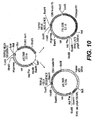
- PXL2988 is identical to pXL2979 (Example 7.1.) Except for the presence of an additional element. , a sequence capable of forming a triple DNA helix composed of 17 times the vynucleotide GAA, placed next to the origin of gamma replication.
- the resulting plasmids are named pXL3029 and 3030 ( Figure 10).
Landscapes
- Health & Medical Sciences (AREA)
- Life Sciences & Earth Sciences (AREA)
- Chemical & Material Sciences (AREA)
- Organic Chemistry (AREA)
- Engineering & Computer Science (AREA)
- Genetics & Genomics (AREA)
- General Health & Medical Sciences (AREA)
- Bioinformatics & Cheminformatics (AREA)
- Medicinal Chemistry (AREA)
- Biomedical Technology (AREA)
- Zoology (AREA)
- Public Health (AREA)
- Animal Behavior & Ethology (AREA)
- Veterinary Medicine (AREA)
- Pharmacology & Pharmacy (AREA)
- General Chemical & Material Sciences (AREA)
- Nuclear Medicine, Radiotherapy & Molecular Imaging (AREA)
- Wood Science & Technology (AREA)
- Chemical Kinetics & Catalysis (AREA)
- Molecular Biology (AREA)
- Biotechnology (AREA)
- Biochemistry (AREA)
- General Engineering & Computer Science (AREA)
- Biophysics (AREA)
- Neurology (AREA)
- Microbiology (AREA)
- Oncology (AREA)
- Proteomics, Peptides & Aminoacids (AREA)
- Gastroenterology & Hepatology (AREA)
- Plant Pathology (AREA)
- Neurosurgery (AREA)
- Physics & Mathematics (AREA)
- Virology (AREA)
- Orthopedic Medicine & Surgery (AREA)
- Physical Education & Sports Medicine (AREA)
- Tropical Medicine & Parasitology (AREA)
- Hematology (AREA)
- Toxicology (AREA)
- Diabetes (AREA)
- Communicable Diseases (AREA)
Applications Claiming Priority (3)
| Application Number | Priority Date | Filing Date | Title |
|---|---|---|---|
| FR9510825A FR2738842B1 (fr) | 1995-09-15 | 1995-09-15 | Molecule d'adn circulaire a origine de replication conditionnelle, leur procede de preparation et leur utilisation en therapie genique |
| EP96931124A EP0850310B1 (de) | 1995-09-15 | 1996-09-13 | Zirkuläres dna molekül mit einem abhängigen replikationsursprung, seine herstellungsverfahren und seine verwendung in der gentherapie |
| EP04016978A EP1508620B1 (de) | 1995-09-15 | 1996-09-13 | Zirkuläres DNA Molekül mit einem abhängigen Replikationsursprung, seine Herstellungsverfahren und seine Verwendung in der Gentherapie |
Related Parent Applications (3)
| Application Number | Title | Priority Date | Filing Date |
|---|---|---|---|
| EP04016978A Division EP1508620B1 (de) | 1995-09-15 | 1996-09-13 | Zirkuläres DNA Molekül mit einem abhängigen Replikationsursprung, seine Herstellungsverfahren und seine Verwendung in der Gentherapie |
| EP96931124.0 Division | 1997-03-20 | ||
| EP04016978.1 Division | 2004-07-19 |
Publications (3)
| Publication Number | Publication Date |
|---|---|
| EP1724354A2 true EP1724354A2 (de) | 2006-11-22 |
| EP1724354A3 EP1724354A3 (de) | 2008-10-29 |
| EP1724354B1 EP1724354B1 (de) | 2010-12-22 |
Family
ID=9482580
Family Applications (3)
| Application Number | Title | Priority Date | Filing Date |
|---|---|---|---|
| EP96931124A Expired - Lifetime EP0850310B1 (de) | 1995-09-15 | 1996-09-13 | Zirkuläres dna molekül mit einem abhängigen replikationsursprung, seine herstellungsverfahren und seine verwendung in der gentherapie |
| EP04016978A Expired - Lifetime EP1508620B1 (de) | 1995-09-15 | 1996-09-13 | Zirkuläres DNA Molekül mit einem abhängigen Replikationsursprung, seine Herstellungsverfahren und seine Verwendung in der Gentherapie |
| EP06017245A Expired - Lifetime EP1724354B1 (de) | 1995-09-15 | 1996-09-13 | Zirkuläres DNA Molekül mit einem abhängigen Replikationsursprung, seine Herstellungsverfahren und seine Verwendung in der Gentherapie |
Family Applications Before (2)
| Application Number | Title | Priority Date | Filing Date |
|---|---|---|---|
| EP96931124A Expired - Lifetime EP0850310B1 (de) | 1995-09-15 | 1996-09-13 | Zirkuläres dna molekül mit einem abhängigen replikationsursprung, seine herstellungsverfahren und seine verwendung in der gentherapie |
| EP04016978A Expired - Lifetime EP1508620B1 (de) | 1995-09-15 | 1996-09-13 | Zirkuläres DNA Molekül mit einem abhängigen Replikationsursprung, seine Herstellungsverfahren und seine Verwendung in der Gentherapie |
Country Status (20)
| Country | Link |
|---|---|
| US (3) | US6977174B2 (de) |
| EP (3) | EP0850310B1 (de) |
| JP (3) | JP3818665B2 (de) |
| KR (1) | KR100522369B1 (de) |
| AT (3) | ATE284966T1 (de) |
| BR (1) | BRPI9610511B8 (de) |
| CA (1) | CA2229307C (de) |
| CZ (1) | CZ294525B6 (de) |
| DE (3) | DE69636878T2 (de) |
| DK (3) | DK1724354T3 (de) |
| ES (3) | ES2281721T3 (de) |
| FR (1) | FR2738842B1 (de) |
| HU (1) | HU224400B1 (de) |
| IL (4) | IL123641A0 (de) |
| NO (1) | NO323975B1 (de) |
| PT (3) | PT850310E (de) |
| SK (1) | SK285317B6 (de) |
| TW (1) | TWI231826B (de) |
| WO (1) | WO1997010343A1 (de) |
| ZA (1) | ZA967640B (de) |
Families Citing this family (40)
| Publication number | Priority date | Publication date | Assignee | Title |
|---|---|---|---|---|
| US7038026B2 (en) * | 2000-05-26 | 2006-05-02 | Centelion | Purification of a triple heli formation with an immobilized oligonucleotide |
| FR2738842B1 (fr) * | 1995-09-15 | 1997-10-31 | Rhone Poulenc Rorer Sa | Molecule d'adn circulaire a origine de replication conditionnelle, leur procede de preparation et leur utilisation en therapie genique |
| US7279313B2 (en) * | 1995-09-15 | 2007-10-09 | Centelion | Circular DNA molecule having a conditional origin of replication, process for their preparation and their use in gene therapy |
| US6156574A (en) | 1997-06-23 | 2000-12-05 | The Rockefeller University | Methods of performing gene trapping in bacterial and bacteriophage-derived artificial chromosomes and use thereof |
| US6821759B1 (en) | 1997-06-23 | 2004-11-23 | The Rockefeller University | Methods of performing homologous recombination based modification of nucleic acids in recombination deficient cells and use of the modified nucleic acid products thereof |
| DE69826124T3 (de) | 1997-06-30 | 2007-10-11 | Institut Gustave Roussy | Verabreichung der nukleinsäure in den quergestreiften muskel |
| US6022716A (en) * | 1998-04-10 | 2000-02-08 | Genset Sa | High throughput DNA sequencing vector |
| CA2336590A1 (en) * | 1999-06-07 | 2000-12-14 | Cell Genesys, Inc. | Hybrid yeast-bacteria cloning system and uses thereof |
| AU6229800A (en) * | 1999-07-20 | 2001-02-05 | Rockefeller University, The | Conditional homologous recombination of large genomic vector inserts |
| FR2821855B1 (fr) † | 2001-03-09 | 2004-04-02 | Cayla | Genes synthetiques et plasmides bacteriens depourvus de cpg |
| FR2822476B1 (fr) * | 2001-03-23 | 2004-04-02 | Aventis Pharma Sa | Procedes de purification et de detection de sequences cibles d'adn double brin par interaction triple helice |
| WO2003004088A2 (en) | 2001-07-05 | 2003-01-16 | Aventis Pharma S.A. | Method of administration of a gene of interest to the heart and vasculature |
| US7049121B2 (en) | 2001-12-20 | 2006-05-23 | Applied Molecular Evolution | Butyrylcholinesterase variant polypeptides with increased catalytic efficiency and methods of use |
| US6989261B2 (en) * | 2001-12-20 | 2006-01-24 | Eli Lilly And Company | Butyrylcholinesterase variant polypeptides with increased catalytic efficiency and methods of use |
| FI116068B (fi) | 2003-09-15 | 2005-09-15 | Fit Biotech Oyj Plc | Uusi selektiojärjestelmä, siinä käyttökelpoinen vektori, bakteerisolukantoja sekä menetelmä solujen valikoimiseksi |
| JP4581851B2 (ja) * | 2004-07-27 | 2010-11-17 | セイコーエプソン株式会社 | 電気光学装置の駆動回路及び駆動方法、電気光学装置並びに電子機器 |
| AU2006246975B2 (en) * | 2005-05-17 | 2011-08-11 | Ozgene Pty Ltd | Sequential cloning system |
| WO2007030588A1 (en) * | 2005-09-07 | 2007-03-15 | The Government Of The United States Of America As Represented By The Secretary Of The Department Of Health And Human Services | Use of replicators to prevent gene silencing |
| EP2386564B1 (de) * | 2005-10-01 | 2014-07-16 | Charles Stout | Regulierbare Fusionspromoter |
| GB0606190D0 (en) | 2006-03-28 | 2006-05-10 | Isis Innovation | Construct |
| DK2310500T3 (en) * | 2008-07-18 | 2015-05-11 | Maxcyte Inc | Process for optimizing electroporation |
| EP2221066A1 (de) | 2009-02-18 | 2010-08-25 | Sanofi-Aventis | Verwendung des VgII3-Aktivitätsmodulators zur Modulierung von Adipogenese |
| CA2792696C (en) | 2010-03-17 | 2020-01-07 | Association Institut De Myologie | Modified u7 snrnas for treatment of neuromuscular diseases |
| EP2643343A1 (de) | 2010-11-26 | 2013-10-02 | Institut Pasteur | Identifizierung eines menschlichen gyrovirus und anwendungen |
| EP2788477A2 (de) | 2011-12-07 | 2014-10-15 | Institut Pasteur | Identifizierung des porcinen parecho-like virus und anwendungen |
| AU2013309488A1 (en) | 2012-08-29 | 2015-03-05 | Nature Technology Corporation | DNA plasmids with improved expression |
| WO2014077863A1 (en) | 2012-11-19 | 2014-05-22 | Nature Technology Corporation | Replicative minicircle vectors with improved expression |
| EP2967078B1 (de) * | 2013-03-14 | 2018-10-17 | GenVivo, Inc. | Thymidinkinase-diagnosetest für gentherapieanwendungen |
| WO2019057774A1 (en) | 2017-09-19 | 2019-03-28 | Deutsches Krebsforschungszentrum | NON-INTEGRATING DNA VECTORS FOR THE GENETIC MODIFICATION OF CELLS |
| FI3456821T4 (fi) | 2017-09-19 | 2024-04-24 | Deutsches Krebsforsch | Ei-integroituvia DNA-vektoreita solujen geneettistä muokkausta varten |
| AU2019240068B2 (en) | 2018-03-21 | 2025-03-13 | Aldevron, L.L.C. | Viral and non-viral nanoplasmid vectors with improved production |
| US12582726B1 (en) | 2019-04-05 | 2026-03-24 | Earli Inc. | Synthetic cancer-specific promoters |
| CA3132338A1 (en) | 2019-04-05 | 2020-10-08 | David Suhy | Improved methods and compositions for synthetic biomarkers |
| EP4538378A4 (de) * | 2022-06-13 | 2025-11-05 | Nanjing Genscript Biotech Co Ltd | Wildtyp-mutante ? expressionssystem, das in der lage ist, die effizienz der herstellung eines plasmids ohne screening-tag zu erhöhen |
| EP4558637A2 (de) * | 2022-07-19 | 2025-05-28 | Rampart Bioscience, Inc. | Nicht immunogene zirkuläre, nichtvirale dna-vektoren |
| WO2025042847A1 (en) * | 2023-08-18 | 2025-02-27 | Dna Twopointo, Inc. | Plasmid-host systems |
| WO2025160245A1 (en) | 2024-01-25 | 2025-07-31 | Aldevron, L.L.C. | Viral and non-viral nanoplasmid vectors with improved production |
| TR2024004346A2 (tr) * | 2024-04-05 | 2024-05-21 | Yildiz Teknik Ueniversitesi Doener Sermaye Isletme Mued | Fotodönüştürülebilir floresan gen ihtiva eden antimikrobiyal aktivite tayin kiti. |
| WO2025231315A2 (en) | 2024-05-03 | 2025-11-06 | Aldevron, L.L.C. | Bacterial host strains |
| WO2026076187A1 (en) | 2024-10-03 | 2026-04-09 | Aldevron, L.L.C. | Compositions and methods for microbial production of antibiotic-free closed-ended linear dna |
Family Cites Families (32)
| Publication number | Priority date | Publication date | Assignee | Title |
|---|---|---|---|---|
| US4190495A (en) * | 1976-09-27 | 1980-02-26 | Research Corporation | Modified microorganisms and method of preparing and using same |
| US4342832A (en) * | 1979-07-05 | 1982-08-03 | Genentech, Inc. | Method of constructing a replicable cloning vehicle having quasi-synthetic genes |
| US4727028A (en) * | 1981-06-22 | 1988-02-23 | Eli Lilly And Company | Recombinant DNA cloning vectors and the eukaryotic and prokaryotic transformants thereof |
| US4654307A (en) * | 1983-02-17 | 1987-03-31 | The Research Foundation Of State University Of New York | Novel bacteria containing a plasmid having a tRNA code |
| US4761367A (en) * | 1984-11-07 | 1988-08-02 | The University Of North Carolina At Chapel Hill | Vectors suitable for detection of eukaryotic DNA regulatory sequences |
| US5859208A (en) * | 1988-07-06 | 1999-01-12 | Fiddes; John C. | Human basic fibroblast growth factor analog |
| US5198343A (en) * | 1986-08-05 | 1993-03-30 | Transgene, S.A. | Method for expressing a heterologous protein in a dapD- mutant of E. coli and the strain obtained |
| US5591632A (en) * | 1987-03-02 | 1997-01-07 | Beth Israel Hospital | Recombinant BCG |
| US5510099A (en) * | 1987-05-01 | 1996-04-23 | Stratagene | Mutagenesis testing using transgenic non-human animals carrying test DNA sequences |
| US5024939A (en) * | 1987-07-09 | 1991-06-18 | Genentech, Inc. | Transient expression system for producing recombinant protein |
| US5693622A (en) * | 1989-03-21 | 1997-12-02 | Vical Incorporated | Expression of exogenous polynucleotide sequences cardiac muscle of a mammal |
| JPH03187383A (ja) * | 1989-09-04 | 1991-08-15 | Takeda Chem Ind Ltd | 発現プラスミドおよびその用途 |
| EP0485701A1 (de) * | 1990-09-28 | 1992-05-20 | American Cyanamid Company | Einfügen von DNS mittels abgewandelter Transposons |
| TW201794B (de) * | 1991-05-03 | 1993-03-11 | American Cyanamid Co | |
| US5714323A (en) * | 1991-08-30 | 1998-02-03 | The University Of Medecine And Dentistry Of New Jersey | Over expression of single-stranded molecules |
| US5444149A (en) * | 1992-05-11 | 1995-08-22 | Duke University | Methods and compositions useful in the recognition, binding and expression of ribonucleic acids involved in cell growth, neoplasia and immunoregulation |
| US5434065A (en) * | 1993-05-06 | 1995-07-18 | President And Fellows Of Harvard College | In vivo selection of microbial virulence genes |
| SG48813A1 (en) * | 1993-08-12 | 1998-05-18 | Cytotherapeutics Inc | Improved composition and methods for the delivery of biologically active molecules using genetically altered cells contained in biocompatible immunoisolatory capsules |
| US5679647A (en) * | 1993-08-26 | 1997-10-21 | The Regents Of The University Of California | Methods and devices for immunizing a host against tumor-associated antigens through administration of naked polynucleotides which encode tumor-associated antigenic peptides |
| US5700657A (en) * | 1993-12-13 | 1997-12-23 | Genzyme Corporation | Vectors and vector systems including genes encoding tumor suppressor proteins and producer cells transformed thereby |
| IL109558A (en) * | 1994-05-04 | 2004-08-31 | Yissum Res Dev Co | DNA structures Derived from the SV40 virus that include DNA sequences External |
| WO1996001899A1 (en) * | 1994-07-08 | 1996-01-25 | Schering Corporation | METHOD FOR IDENTIFYING NUCLEIC ACIDS ENCODING c-fos PROMOTER ACTIVATING PROTEINS |
| DE4428402A1 (de) * | 1994-08-11 | 1996-02-15 | Boehringer Mannheim Gmbh | Gentherapeutisches Verfahren unter Verwendung von DNA-Vektoren ohne Selektionsmarker-Gen |
| US5792647A (en) * | 1995-02-13 | 1998-08-11 | The Johns Hopkins University | Bacterial catabolism of chitin |
| US6254874B1 (en) * | 1995-04-13 | 2001-07-03 | President And Fellows Of Harvard College | Attenuated auxotrophic microorganisms having a combination of non-attenuating mutations and method for making same |
| US5763270A (en) * | 1995-06-07 | 1998-06-09 | Genemedicine, Inc. | Plasmid for delivery of nucleic acids to cells and methods of use |
| FR2738842B1 (fr) * | 1995-09-15 | 1997-10-31 | Rhone Poulenc Rorer Sa | Molecule d'adn circulaire a origine de replication conditionnelle, leur procede de preparation et leur utilisation en therapie genique |
| US7279313B2 (en) * | 1995-09-15 | 2007-10-09 | Centelion | Circular DNA molecule having a conditional origin of replication, process for their preparation and their use in gene therapy |
| US7364894B2 (en) * | 1995-09-15 | 2008-04-29 | Centelion | Circular DNA molecule having a conditional origin of replication, process for their preparation and their use in gene therapy |
| US5830879A (en) * | 1995-10-02 | 1998-11-03 | St. Elizabeth's Medical Center Of Boston, Inc. | Treatment of vascular injury using vascular endothelial growth factor |
| US5851808A (en) * | 1997-02-28 | 1998-12-22 | Baylor College Of Medicine | Rapid subcloning using site-specific recombination |
| US5874259A (en) * | 1997-11-21 | 1999-02-23 | Wisconsin Alumni Research Foundation | Conditionally amplifiable BAC vector |
-
1995
- 1995-09-15 FR FR9510825A patent/FR2738842B1/fr not_active Expired - Lifetime
-
1996
- 1996-09-10 ZA ZA967640A patent/ZA967640B/xx unknown
- 1996-09-13 EP EP96931124A patent/EP0850310B1/de not_active Expired - Lifetime
- 1996-09-13 DE DE69636878T patent/DE69636878T2/de not_active Expired - Lifetime
- 1996-09-13 CZ CZ1998788A patent/CZ294525B6/cs not_active IP Right Cessation
- 1996-09-13 DE DE69634043T patent/DE69634043T2/de not_active Expired - Lifetime
- 1996-09-13 PT PT96931124T patent/PT850310E/pt unknown
- 1996-09-13 JP JP51171697A patent/JP3818665B2/ja not_active Expired - Fee Related
- 1996-09-13 PT PT04016978T patent/PT1508620E/pt unknown
- 1996-09-13 US US09/043,193 patent/US6977174B2/en not_active Expired - Lifetime
- 1996-09-13 AT AT96931124T patent/ATE284966T1/de active
- 1996-09-13 HU HU9900018A patent/HU224400B1/hu not_active IP Right Cessation
- 1996-09-13 DK DK06017245.9T patent/DK1724354T3/da active
- 1996-09-13 WO PCT/FR1996/001414 patent/WO1997010343A1/fr not_active Ceased
- 1996-09-13 SK SK347-98A patent/SK285317B6/sk not_active IP Right Cessation
- 1996-09-13 BR BRPI9610511A patent/BRPI9610511B8/pt not_active IP Right Cessation
- 1996-09-13 EP EP04016978A patent/EP1508620B1/de not_active Expired - Lifetime
- 1996-09-13 ES ES04016978T patent/ES2281721T3/es not_active Expired - Lifetime
- 1996-09-13 PT PT06017245T patent/PT1724354E/pt unknown
- 1996-09-13 CA CA2229307A patent/CA2229307C/fr not_active Expired - Fee Related
- 1996-09-13 DK DK04016978T patent/DK1508620T3/da active
- 1996-09-13 ES ES06017245T patent/ES2357098T3/es not_active Expired - Lifetime
- 1996-09-13 KR KR1019980701938A patent/KR100522369B1/ko not_active Expired - Fee Related
- 1996-09-13 IL IL12364196A patent/IL123641A0/xx active IP Right Grant
- 1996-09-13 AT AT06017245T patent/ATE492642T1/de active
- 1996-09-13 EP EP06017245A patent/EP1724354B1/de not_active Expired - Lifetime
- 1996-09-13 ES ES96931124T patent/ES2233975T3/es not_active Expired - Lifetime
- 1996-09-13 DK DK96931124T patent/DK0850310T3/da active
- 1996-09-13 DE DE69638314T patent/DE69638314D1/de not_active Expired - Lifetime
- 1996-09-13 AT AT04016978T patent/ATE352630T1/de active
- 1996-09-14 TW TW090120803A patent/TWI231826B/zh not_active IP Right Cessation
-
1998
- 1998-03-10 NO NO19981044A patent/NO323975B1/no not_active IP Right Cessation
- 1998-03-11 IL IL123641A patent/IL123641A/en not_active IP Right Cessation
-
2005
- 2005-12-02 JP JP2005348779A patent/JP4585435B2/ja not_active Expired - Fee Related
-
2006
- 2006-01-26 IL IL173399A patent/IL173399A/en not_active IP Right Cessation
-
2007
- 2007-08-07 JP JP2007205143A patent/JP4756014B2/ja not_active Expired - Fee Related
- 2007-10-30 US US11/978,614 patent/US20090130674A1/en not_active Abandoned
-
2008
- 2008-05-27 US US12/153,881 patent/US20090149406A1/en not_active Abandoned
-
2010
- 2010-08-02 IL IL207348A patent/IL207348A0/en unknown
Non-Patent Citations (1)
| Title |
|---|
| None |
Also Published As
Similar Documents
| Publication | Publication Date | Title |
|---|---|---|
| EP1724354B1 (de) | Zirkuläres DNA Molekül mit einem abhängigen Replikationsursprung, seine Herstellungsverfahren und seine Verwendung in der Gentherapie | |
| JP4750203B2 (ja) | 条件複製起点をもつ環状dna分子、それらの製造方法、及び、遺伝子治療におけるそれらの使用 | |
| US7364894B2 (en) | Circular DNA molecule having a conditional origin of replication, process for their preparation and their use in gene therapy | |
| HK1086297B (en) | Circular dna molecule having a conditional origin of replication and process for preparation |
Legal Events
| Date | Code | Title | Description |
|---|---|---|---|
| PUAI | Public reference made under article 153(3) epc to a published international application that has entered the european phase |
Free format text: ORIGINAL CODE: 0009012 |
|
| AC | Divisional application: reference to earlier application |
Ref document number: 1508620 Country of ref document: EP Kind code of ref document: P Ref document number: 0850310 Country of ref document: EP Kind code of ref document: P |
|
| AK | Designated contracting states |
Kind code of ref document: A2 Designated state(s): AT BE CH DE DK ES FI FR GB GR IE IT LI LU NL PT SE |
|
| PUAL | Search report despatched |
Free format text: ORIGINAL CODE: 0009013 |
|
| AK | Designated contracting states |
Kind code of ref document: A3 Designated state(s): AT BE CH DE DK ES FI FR GB GR IE IT LI LU NL PT SE |
|
| 17P | Request for examination filed |
Effective date: 20090429 |
|
| AKX | Designation fees paid |
Designated state(s): AT BE CH DE DK ES FI FR GB GR IE IT LI LU NL PT SE |
|
| 17Q | First examination report despatched |
Effective date: 20090617 |
|
| GRAP | Despatch of communication of intention to grant a patent |
Free format text: ORIGINAL CODE: EPIDOSNIGR1 |
|
| GRAS | Grant fee paid |
Free format text: ORIGINAL CODE: EPIDOSNIGR3 |
|
| GRAA | (expected) grant |
Free format text: ORIGINAL CODE: 0009210 |
|
| AC | Divisional application: reference to earlier application |
Ref document number: 0850310 Country of ref document: EP Kind code of ref document: P Ref document number: 1508620 Country of ref document: EP Kind code of ref document: P |
|
| AK | Designated contracting states |
Kind code of ref document: B1 Designated state(s): AT BE CH DE DK ES FI FR GB GR IE IT LI LU NL PT SE |
|
| REG | Reference to a national code |
Ref country code: GB Ref legal event code: FG4D Free format text: NOT ENGLISH |
|
| REG | Reference to a national code |
Ref country code: CH Ref legal event code: EP |
|
| REG | Reference to a national code |
Ref country code: IE Ref legal event code: FG4D |
|
| REF | Corresponds to: |
Ref document number: 69638314 Country of ref document: DE Date of ref document: 20110203 Kind code of ref document: P |
|
| REG | Reference to a national code |
Ref country code: DE Ref legal event code: R096 Ref document number: 69638314 Country of ref document: DE Effective date: 20110203 |
|
| REG | Reference to a national code |
Ref country code: PT Ref legal event code: SC4A Free format text: AVAILABILITY OF NATIONAL TRANSLATION Effective date: 20110301 |
|
| REG | Reference to a national code |
Ref country code: NL Ref legal event code: T3 |
|
| REG | Reference to a national code |
Ref country code: DK Ref legal event code: T3 |
|
| REG | Reference to a national code |
Ref country code: SE Ref legal event code: TRGR |
|
| REG | Reference to a national code |
Ref country code: ES Ref legal event code: FG2A Ref document number: 2357098 Country of ref document: ES Kind code of ref document: T3 Effective date: 20110418 |
|
| REG | Reference to a national code |
Ref country code: SE Ref legal event code: RPOT |
|
| REG | Reference to a national code |
Ref country code: GR Ref legal event code: EP Ref document number: 20110400630 Country of ref document: GR Effective date: 20110412 |
|
| PLBE | No opposition filed within time limit |
Free format text: ORIGINAL CODE: 0009261 |
|
| STAA | Information on the status of an ep patent application or granted ep patent |
Free format text: STATUS: NO OPPOSITION FILED WITHIN TIME LIMIT |
|
| 26N | No opposition filed |
Effective date: 20110923 |
|
| REG | Reference to a national code |
Ref country code: DE Ref legal event code: R097 Ref document number: 69638314 Country of ref document: DE Effective date: 20110923 |
|
| PGFP | Annual fee paid to national office [announced via postgrant information from national office to epo] |
Ref country code: SE Payment date: 20130911 Year of fee payment: 18 Ref country code: FI Payment date: 20130910 Year of fee payment: 18 Ref country code: CH Payment date: 20130912 Year of fee payment: 18 Ref country code: LU Payment date: 20130913 Year of fee payment: 18 Ref country code: DK Payment date: 20130910 Year of fee payment: 18 Ref country code: IE Payment date: 20130910 Year of fee payment: 18 Ref country code: NL Payment date: 20130910 Year of fee payment: 18 |
|
| PGFP | Annual fee paid to national office [announced via postgrant information from national office to epo] |
Ref country code: BE Payment date: 20130912 Year of fee payment: 18 |
|
| PGFP | Annual fee paid to national office [announced via postgrant information from national office to epo] |
Ref country code: GR Payment date: 20140814 Year of fee payment: 19 Ref country code: DE Payment date: 20140911 Year of fee payment: 19 |
|
| PGFP | Annual fee paid to national office [announced via postgrant information from national office to epo] |
Ref country code: GB Payment date: 20140910 Year of fee payment: 19 Ref country code: AT Payment date: 20140827 Year of fee payment: 19 |
|
| PGFP | Annual fee paid to national office [announced via postgrant information from national office to epo] |
Ref country code: PT Payment date: 20140314 Year of fee payment: 19 |
|
| REG | Reference to a national code |
Ref country code: DK Ref legal event code: EBP Effective date: 20140930 |
|
| PG25 | Lapsed in a contracting state [announced via postgrant information from national office to epo] |
Ref country code: LU Free format text: LAPSE BECAUSE OF NON-PAYMENT OF DUE FEES Effective date: 20140913 Ref country code: FI Free format text: LAPSE BECAUSE OF NON-PAYMENT OF DUE FEES Effective date: 20140913 |
|
| REG | Reference to a national code |
Ref country code: CH Ref legal event code: PL |
|
| REG | Reference to a national code |
Ref country code: SE Ref legal event code: EUG |
|
| PG25 | Lapsed in a contracting state [announced via postgrant information from national office to epo] |
Ref country code: SE Free format text: LAPSE BECAUSE OF NON-PAYMENT OF DUE FEES Effective date: 20140914 |
|
| REG | Reference to a national code |
Ref country code: IE Ref legal event code: MM4A |
|
| REG | Reference to a national code |
Ref country code: FR Ref legal event code: PLFP Year of fee payment: 20 |
|
| PG25 | Lapsed in a contracting state [announced via postgrant information from national office to epo] |
Ref country code: BE Free format text: LAPSE BECAUSE OF NON-PAYMENT OF DUE FEES Effective date: 20140930 Ref country code: NL Free format text: LAPSE BECAUSE OF NON-PAYMENT OF DUE FEES Effective date: 20150401 |
|
| PG25 | Lapsed in a contracting state [announced via postgrant information from national office to epo] |
Ref country code: CH Free format text: LAPSE BECAUSE OF NON-PAYMENT OF DUE FEES Effective date: 20140930 Ref country code: LI Free format text: LAPSE BECAUSE OF NON-PAYMENT OF DUE FEES Effective date: 20140930 |
|
| PG25 | Lapsed in a contracting state [announced via postgrant information from national office to epo] |
Ref country code: IE Free format text: LAPSE BECAUSE OF NON-PAYMENT OF DUE FEES Effective date: 20140913 |
|
| PG25 | Lapsed in a contracting state [announced via postgrant information from national office to epo] |
Ref country code: DK Free format text: LAPSE BECAUSE OF NON-PAYMENT OF DUE FEES Effective date: 20140930 |
|
| PGFP | Annual fee paid to national office [announced via postgrant information from national office to epo] |
Ref country code: ES Payment date: 20150810 Year of fee payment: 20 |
|
| PGFP | Annual fee paid to national office [announced via postgrant information from national office to epo] |
Ref country code: FR Payment date: 20150629 Year of fee payment: 20 |
|
| PGFP | Annual fee paid to national office [announced via postgrant information from national office to epo] |
Ref country code: IT Payment date: 20150925 Year of fee payment: 20 |
|
| REG | Reference to a national code |
Ref country code: PT Ref legal event code: MM4A Free format text: LAPSE DUE TO NON-PAYMENT OF FEES Effective date: 20160314 |
|
| REG | Reference to a national code |
Ref country code: DE Ref legal event code: R119 Ref document number: 69638314 Country of ref document: DE |
|
| REG | Reference to a national code |
Ref country code: AT Ref legal event code: MM01 Ref document number: 492642 Country of ref document: AT Kind code of ref document: T Effective date: 20150913 |
|
| GBPC | Gb: european patent ceased through non-payment of renewal fee |
Effective date: 20150913 |
|
| PG25 | Lapsed in a contracting state [announced via postgrant information from national office to epo] |
Ref country code: PT Free format text: LAPSE BECAUSE OF NON-PAYMENT OF DUE FEES Effective date: 20160314 |
|
| REG | Reference to a national code |
Ref country code: GR Ref legal event code: ML Ref document number: 20110400630 Country of ref document: GR Effective date: 20160405 |
|
| PG25 | Lapsed in a contracting state [announced via postgrant information from national office to epo] |
Ref country code: GB Free format text: LAPSE BECAUSE OF NON-PAYMENT OF DUE FEES Effective date: 20150913 Ref country code: GR Free format text: LAPSE BECAUSE OF NON-PAYMENT OF DUE FEES Effective date: 20160405 Ref country code: DE Free format text: LAPSE BECAUSE OF NON-PAYMENT OF DUE FEES Effective date: 20160401 |
|
| PG25 | Lapsed in a contracting state [announced via postgrant information from national office to epo] |
Ref country code: AT Free format text: LAPSE BECAUSE OF NON-PAYMENT OF DUE FEES Effective date: 20150913 |
|
| PG25 | Lapsed in a contracting state [announced via postgrant information from national office to epo] |
Ref country code: PT Free format text: LAPSE BECAUSE OF EXPIRATION OF PROTECTION Effective date: 20160921 |
|
| REG | Reference to a national code |
Ref country code: ES Ref legal event code: FD2A Effective date: 20161227 |
|
| PG25 | Lapsed in a contracting state [announced via postgrant information from national office to epo] |
Ref country code: ES Free format text: LAPSE BECAUSE OF EXPIRATION OF PROTECTION Effective date: 20160914 |