EP1725668B1 - Plantes genetiquement modifiees et leurs applications en phytoremediation - Google Patents
Plantes genetiquement modifiees et leurs applications en phytoremediation Download PDFInfo
- Publication number
- EP1725668B1 EP1725668B1 EP05718425A EP05718425A EP1725668B1 EP 1725668 B1 EP1725668 B1 EP 1725668B1 EP 05718425 A EP05718425 A EP 05718425A EP 05718425 A EP05718425 A EP 05718425A EP 1725668 B1 EP1725668 B1 EP 1725668B1
- Authority
- EP
- European Patent Office
- Prior art keywords
- plant
- genetically modified
- athma4
- modified plants
- plants
- Prior art date
- Legal status (The legal status is an assumption and is not a legal conclusion. Google has not performed a legal analysis and makes no representation as to the accuracy of the status listed.)
- Expired - Lifetime
Links
- 229910001385 heavy metal Inorganic materials 0.000 claims abstract description 66
- 108091006112 ATPases Proteins 0.000 claims abstract description 45
- 102000057290 Adenosine Triphosphatases Human genes 0.000 claims abstract description 45
- 238000000034 method Methods 0.000 claims abstract description 42
- 241000196324 Embryophyta Species 0.000 claims description 155
- 229910052751 metal Inorganic materials 0.000 claims description 56
- 239000002184 metal Substances 0.000 claims description 56
- 239000013598 vector Substances 0.000 claims description 47
- 229910052793 cadmium Inorganic materials 0.000 claims description 28
- 239000002689 soil Substances 0.000 claims description 28
- 101710120355 Uncharacterized membrane protein ycf78 Proteins 0.000 claims description 26
- 101150087642 HMA3 gene Proteins 0.000 claims description 18
- 101150023460 HMA4 gene Proteins 0.000 claims description 18
- PTFCDOFLOPIGGS-UHFFFAOYSA-N Zinc dication Chemical compound [Zn+2] PTFCDOFLOPIGGS-UHFFFAOYSA-N 0.000 claims description 18
- 229910052725 zinc Inorganic materials 0.000 claims description 15
- 108010078791 Carrier Proteins Proteins 0.000 claims description 14
- 229910052745 lead Inorganic materials 0.000 claims description 13
- 102000004190 Enzymes Human genes 0.000 claims description 11
- 108090000790 Enzymes Proteins 0.000 claims description 11
- 230000001105 regulatory effect Effects 0.000 claims description 10
- 101100178178 Arabidopsis thaliana HMA1 gene Proteins 0.000 claims description 8
- 241000219195 Arabidopsis thaliana Species 0.000 claims description 7
- 230000009920 chelation Effects 0.000 claims description 7
- 101150003048 HMA2 gene Proteins 0.000 claims description 6
- 238000000605 extraction Methods 0.000 claims description 5
- 238000013518 transcription Methods 0.000 claims description 5
- 230000035897 transcription Effects 0.000 claims description 5
- 229960003180 glutathione Drugs 0.000 claims description 4
- 235000003969 glutathione Nutrition 0.000 claims description 4
- 238000013519 translation Methods 0.000 claims description 4
- 235000002637 Nicotiana tabacum Nutrition 0.000 claims description 3
- 230000001131 transforming effect Effects 0.000 claims description 3
- 108010006533 ATP-Binding Cassette Transporters Proteins 0.000 claims description 2
- 102000005416 ATP-Binding Cassette Transporters Human genes 0.000 claims description 2
- 244000178993 Brassica juncea Species 0.000 claims description 2
- 235000011332 Brassica juncea Nutrition 0.000 claims description 2
- 235000014700 Brassica juncea var napiformis Nutrition 0.000 claims description 2
- 235000002918 Fraxinus excelsior Nutrition 0.000 claims description 2
- 102000003960 Ligases Human genes 0.000 claims description 2
- 108090000364 Ligases Proteins 0.000 claims description 2
- 244000061176 Nicotiana tabacum Species 0.000 claims description 2
- 241000219000 Populus Species 0.000 claims description 2
- 239000002956 ash Substances 0.000 claims description 2
- 108010054010 glutathione gamma-glutamylcysteinyltransferase Proteins 0.000 claims description 2
- 239000011701 zinc Substances 0.000 description 45
- 239000011133 lead Substances 0.000 description 37
- 240000004808 Saccharomyces cerevisiae Species 0.000 description 34
- 235000014680 Saccharomyces cerevisiae Nutrition 0.000 description 33
- 108090000623 proteins and genes Proteins 0.000 description 33
- 230000014509 gene expression Effects 0.000 description 31
- 108020004414 DNA Proteins 0.000 description 28
- 239000002299 complementary DNA Substances 0.000 description 26
- 239000012634 fragment Substances 0.000 description 24
- 238000003757 reverse transcription PCR Methods 0.000 description 24
- 210000001519 tissue Anatomy 0.000 description 23
- 235000018102 proteins Nutrition 0.000 description 22
- 102000004169 proteins and genes Human genes 0.000 description 22
- 230000001965 increasing effect Effects 0.000 description 19
- 238000002474 experimental method Methods 0.000 description 18
- 239000002609 medium Substances 0.000 description 18
- 150000002739 metals Chemical class 0.000 description 18
- 108091032973 (ribonucleotides)n+m Proteins 0.000 description 17
- 108010048367 enhanced green fluorescent protein Proteins 0.000 description 15
- 210000004027 cell Anatomy 0.000 description 14
- 238000010186 staining Methods 0.000 description 14
- 230000032258 transport Effects 0.000 description 13
- 210000005253 yeast cell Anatomy 0.000 description 13
- BDOSMKKIYDKNTQ-UHFFFAOYSA-N cadmium atom Chemical compound [Cd] BDOSMKKIYDKNTQ-UHFFFAOYSA-N 0.000 description 12
- 239000007787 solid Substances 0.000 description 12
- 241000219194 Arabidopsis Species 0.000 description 11
- 102000003697 P-type ATPases Human genes 0.000 description 10
- 108090000069 P-type ATPases Proteins 0.000 description 10
- 230000003321 amplification Effects 0.000 description 10
- 238000003199 nucleic acid amplification method Methods 0.000 description 10
- 230000008569 process Effects 0.000 description 10
- 239000010949 copper Substances 0.000 description 9
- 230000002950 deficient Effects 0.000 description 9
- 229940088598 enzyme Drugs 0.000 description 9
- 230000012010 growth Effects 0.000 description 9
- 230000004927 fusion Effects 0.000 description 8
- 238000003780 insertion Methods 0.000 description 8
- 230000037431 insertion Effects 0.000 description 8
- 210000000170 cell membrane Anatomy 0.000 description 7
- 238000006243 chemical reaction Methods 0.000 description 7
- 238000001784 detoxification Methods 0.000 description 7
- 230000000694 effects Effects 0.000 description 7
- 230000006870 function Effects 0.000 description 7
- LFQSCWFLJHTTHZ-UHFFFAOYSA-N Ethanol Chemical compound CCO LFQSCWFLJHTTHZ-UHFFFAOYSA-N 0.000 description 6
- PEDCQBHIVMGVHV-UHFFFAOYSA-N Glycerine Chemical compound OCC(O)CO PEDCQBHIVMGVHV-UHFFFAOYSA-N 0.000 description 6
- PXHVJJICTQNCMI-UHFFFAOYSA-N Nickel Chemical compound [Ni] PXHVJJICTQNCMI-UHFFFAOYSA-N 0.000 description 6
- YKYOUMDCQGMQQO-UHFFFAOYSA-L cadmium dichloride Chemical compound Cl[Cd]Cl YKYOUMDCQGMQQO-UHFFFAOYSA-L 0.000 description 6
- 238000012217 deletion Methods 0.000 description 6
- 230000037430 deletion Effects 0.000 description 6
- 230000002018 overexpression Effects 0.000 description 6
- 239000000243 solution Substances 0.000 description 6
- 238000012360 testing method Methods 0.000 description 6
- 210000003934 vacuole Anatomy 0.000 description 6
- 108020003589 5' Untranslated Regions Proteins 0.000 description 5
- 241000588724 Escherichia coli Species 0.000 description 5
- KJQFBVYMGADDTQ-CVSPRKDYSA-N L-buthionine-(S,R)-sulfoximine Chemical compound CCCCS(=N)(=O)CC[C@H](N)C(O)=O KJQFBVYMGADDTQ-CVSPRKDYSA-N 0.000 description 5
- 230000008859 change Effects 0.000 description 5
- 238000010367 cloning Methods 0.000 description 5
- 238000011109 contamination Methods 0.000 description 5
- 229910052802 copper Inorganic materials 0.000 description 5
- 239000000284 extract Substances 0.000 description 5
- 238000005259 measurement Methods 0.000 description 5
- 239000012528 membrane Substances 0.000 description 5
- 230000003228 microsomal effect Effects 0.000 description 5
- 235000015097 nutrients Nutrition 0.000 description 5
- 230000005945 translocation Effects 0.000 description 5
- QKNYBSVHEMOAJP-UHFFFAOYSA-N 2-amino-2-(hydroxymethyl)propane-1,3-diol;hydron;chloride Chemical compound Cl.OCC(N)(CO)CO QKNYBSVHEMOAJP-UHFFFAOYSA-N 0.000 description 4
- KCXVZYZYPLLWCC-UHFFFAOYSA-N EDTA Chemical compound OC(=O)CN(CC(O)=O)CCN(CC(O)=O)CC(O)=O KCXVZYZYPLLWCC-UHFFFAOYSA-N 0.000 description 4
- ISAKRJDGNUQOIC-UHFFFAOYSA-N Uracil Chemical compound O=C1C=CNC(=O)N1 ISAKRJDGNUQOIC-UHFFFAOYSA-N 0.000 description 4
- 238000009825 accumulation Methods 0.000 description 4
- 150000001413 amino acids Chemical group 0.000 description 4
- 230000033228 biological regulation Effects 0.000 description 4
- 210000004899 c-terminal region Anatomy 0.000 description 4
- 238000005119 centrifugation Methods 0.000 description 4
- 239000000356 contaminant Substances 0.000 description 4
- 230000035784 germination Effects 0.000 description 4
- RWSXRVCMGQZWBV-WDSKDSINSA-N glutathione Chemical compound OC(=O)[C@@H](N)CCC(=O)N[C@@H](CS)C(=O)NCC(O)=O RWSXRVCMGQZWBV-WDSKDSINSA-N 0.000 description 4
- XEEYBQQBJWHFJM-UHFFFAOYSA-N iron Substances [Fe] XEEYBQQBJWHFJM-UHFFFAOYSA-N 0.000 description 4
- 229910052759 nickel Inorganic materials 0.000 description 4
- 210000000056 organ Anatomy 0.000 description 4
- 229920002704 polyhistidine Polymers 0.000 description 4
- 239000000047 product Substances 0.000 description 4
- 231100000419 toxicity Toxicity 0.000 description 4
- 230000001988 toxicity Effects 0.000 description 4
- 230000009261 transgenic effect Effects 0.000 description 4
- 238000011282 treatment Methods 0.000 description 4
- 238000011144 upstream manufacturing Methods 0.000 description 4
- 101710197649 Actin-8 Proteins 0.000 description 3
- 241000589155 Agrobacterium tumefaciens Species 0.000 description 3
- RYGMFSIKBFXOCR-UHFFFAOYSA-N Copper Chemical compound [Cu] RYGMFSIKBFXOCR-UHFFFAOYSA-N 0.000 description 3
- 108700024394 Exon Proteins 0.000 description 3
- WQZGKKKJIJFFOK-GASJEMHNSA-N Glucose Natural products OC[C@H]1OC(O)[C@H](O)[C@@H](O)[C@@H]1O WQZGKKKJIJFFOK-GASJEMHNSA-N 0.000 description 3
- 108010001336 Horseradish Peroxidase Proteins 0.000 description 3
- 108091034117 Oligonucleotide Proteins 0.000 description 3
- HCHKCACWOHOZIP-UHFFFAOYSA-N Zinc Chemical compound [Zn] HCHKCACWOHOZIP-UHFFFAOYSA-N 0.000 description 3
- 230000027455 binding Effects 0.000 description 3
- 238000004624 confocal microscopy Methods 0.000 description 3
- 238000010276 construction Methods 0.000 description 3
- 230000007423 decrease Effects 0.000 description 3
- 239000008121 dextrose Substances 0.000 description 3
- 230000029087 digestion Effects 0.000 description 3
- 108020001507 fusion proteins Proteins 0.000 description 3
- 102000037865 fusion proteins Human genes 0.000 description 3
- 101150054900 gus gene Proteins 0.000 description 3
- 238000009396 hybridization Methods 0.000 description 3
- 230000001976 improved effect Effects 0.000 description 3
- 230000006698 induction Effects 0.000 description 3
- 238000002354 inductively-coupled plasma atomic emission spectroscopy Methods 0.000 description 3
- 239000000463 material Substances 0.000 description 3
- 108020004999 messenger RNA Proteins 0.000 description 3
- 238000007857 nested PCR Methods 0.000 description 3
- 150000007523 nucleic acids Chemical class 0.000 description 3
- 238000012163 sequencing technique Methods 0.000 description 3
- 238000002415 sodium dodecyl sulfate polyacrylamide gel electrophoresis Methods 0.000 description 3
- 239000000758 substrate Substances 0.000 description 3
- 231100000331 toxic Toxicity 0.000 description 3
- 230000002588 toxic effect Effects 0.000 description 3
- 230000009466 transformation Effects 0.000 description 3
- 230000002792 vascular Effects 0.000 description 3
- XLYOFNOQVPJJNP-UHFFFAOYSA-N water Substances O XLYOFNOQVPJJNP-UHFFFAOYSA-N 0.000 description 3
- 101150067550 zntA gene Proteins 0.000 description 3
- 229920001817 Agar Polymers 0.000 description 2
- XKRFYHLGVUSROY-UHFFFAOYSA-N Argon Chemical compound [Ar] XKRFYHLGVUSROY-UHFFFAOYSA-N 0.000 description 2
- IJGRMHOSHXDMSA-UHFFFAOYSA-N Atomic nitrogen Chemical compound N#N IJGRMHOSHXDMSA-UHFFFAOYSA-N 0.000 description 2
- 101150050425 CCC2 gene Proteins 0.000 description 2
- 108091026890 Coding region Proteins 0.000 description 2
- 102000020856 Copper Transport Proteins Human genes 0.000 description 2
- 108091004554 Copper Transport Proteins Proteins 0.000 description 2
- 108010036281 Cyclic Nucleotide-Gated Cation Channels Proteins 0.000 description 2
- 102000012003 Cyclic Nucleotide-Gated Cation Channels Human genes 0.000 description 2
- 108010024636 Glutathione Proteins 0.000 description 2
- 108010052285 Membrane Proteins Proteins 0.000 description 2
- 101000926003 Mycobacterium tuberculosis (strain ATCC 25618 / H37Rv) Glutamate-cysteine ligase EgtA Proteins 0.000 description 2
- JOCBASBOOFNAJA-UHFFFAOYSA-N N-tris(hydroxymethyl)methyl-2-aminoethanesulfonic acid Chemical compound OCC(CO)(CO)NCCS(O)(=O)=O JOCBASBOOFNAJA-UHFFFAOYSA-N 0.000 description 2
- 101100384865 Neurospora crassa (strain ATCC 24698 / 74-OR23-1A / CBS 708.71 / DSM 1257 / FGSC 987) cot-1 gene Proteins 0.000 description 2
- 239000000020 Nitrocellulose Substances 0.000 description 2
- 240000007594 Oryza sativa Species 0.000 description 2
- 235000007164 Oryza sativa Nutrition 0.000 description 2
- MUPFEKGTMRGPLJ-RMMQSMQOSA-N Raffinose Natural products O(C[C@H]1[C@@H](O)[C@H](O)[C@@H](O)[C@@H](O[C@@]2(CO)[C@H](O)[C@@H](O)[C@@H](CO)O2)O1)[C@@H]1[C@H](O)[C@@H](O)[C@@H](O)[C@@H](CO)O1 MUPFEKGTMRGPLJ-RMMQSMQOSA-N 0.000 description 2
- 102000003673 Symporters Human genes 0.000 description 2
- 108090000088 Symporters Proteins 0.000 description 2
- 239000007994 TES buffer Substances 0.000 description 2
- MUPFEKGTMRGPLJ-UHFFFAOYSA-N UNPD196149 Natural products OC1C(O)C(CO)OC1(CO)OC1C(O)C(O)C(O)C(COC2C(C(O)C(O)C(CO)O2)O)O1 MUPFEKGTMRGPLJ-UHFFFAOYSA-N 0.000 description 2
- 101710184055 Zinc-transporting ATPase Proteins 0.000 description 2
- 239000008272 agar Substances 0.000 description 2
- 235000001014 amino acid Nutrition 0.000 description 2
- 238000003556 assay Methods 0.000 description 2
- 230000001580 bacterial effect Effects 0.000 description 2
- 239000011324 bead Substances 0.000 description 2
- 239000000872 buffer Substances 0.000 description 2
- 238000010804 cDNA synthesis Methods 0.000 description 2
- 150000001768 cations Chemical class 0.000 description 2
- 238000012512 characterization method Methods 0.000 description 2
- 229910017052 cobalt Inorganic materials 0.000 description 2
- 239000010941 cobalt Substances 0.000 description 2
- GUTLYIVDDKVIGB-UHFFFAOYSA-N cobalt atom Chemical compound [Co] GUTLYIVDDKVIGB-UHFFFAOYSA-N 0.000 description 2
- 230000008878 coupling Effects 0.000 description 2
- 238000010168 coupling process Methods 0.000 description 2
- 238000005859 coupling reaction Methods 0.000 description 2
- 244000038559 crop plants Species 0.000 description 2
- 230000001086 cytosolic effect Effects 0.000 description 2
- 230000003247 decreasing effect Effects 0.000 description 2
- 238000011161 development Methods 0.000 description 2
- 230000018109 developmental process Effects 0.000 description 2
- 230000007613 environmental effect Effects 0.000 description 2
- 239000000446 fuel Substances 0.000 description 2
- 239000011521 glass Substances 0.000 description 2
- 238000006460 hydrolysis reaction Methods 0.000 description 2
- 230000009610 hypersensitivity Effects 0.000 description 2
- 230000001771 impaired effect Effects 0.000 description 2
- 238000000338 in vitro Methods 0.000 description 2
- 239000003112 inhibitor Substances 0.000 description 2
- 229910052742 iron Inorganic materials 0.000 description 2
- 238000009630 liquid culture Methods 0.000 description 2
- 238000011068 loading method Methods 0.000 description 2
- 230000004807 localization Effects 0.000 description 2
- 229920001220 nitrocellulos Polymers 0.000 description 2
- 239000008188 pellet Substances 0.000 description 2
- BASFCYQUMIYNBI-UHFFFAOYSA-N platinum Chemical compound [Pt] BASFCYQUMIYNBI-UHFFFAOYSA-N 0.000 description 2
- 238000005086 pumping Methods 0.000 description 2
- MUPFEKGTMRGPLJ-ZQSKZDJDSA-N raffinose Chemical compound O[C@H]1[C@H](O)[C@@H](CO)O[C@@]1(CO)O[C@@H]1[C@H](O)[C@@H](O)[C@H](O)[C@@H](CO[C@@H]2[C@@H]([C@@H](O)[C@@H](O)[C@@H](CO)O2)O)O1 MUPFEKGTMRGPLJ-ZQSKZDJDSA-N 0.000 description 2
- 238000010839 reverse transcription Methods 0.000 description 2
- 239000000523 sample Substances 0.000 description 2
- 230000009919 sequestration Effects 0.000 description 2
- 238000002741 site-directed mutagenesis Methods 0.000 description 2
- 229940035893 uracil Drugs 0.000 description 2
- 238000001262 western blot Methods 0.000 description 2
- NWONKYPBYAMBJT-UHFFFAOYSA-L zinc sulfate Chemical compound [Zn+2].[O-]S([O-])(=O)=O NWONKYPBYAMBJT-UHFFFAOYSA-L 0.000 description 2
- 229910000368 zinc sulfate Inorganic materials 0.000 description 2
- 239000011686 zinc sulphate Substances 0.000 description 2
- DGVVWUTYPXICAM-UHFFFAOYSA-N β‐Mercaptoethanol Chemical compound OCCS DGVVWUTYPXICAM-UHFFFAOYSA-N 0.000 description 2
- DHJFFLKPAYHPHU-BYNIDDHOSA-N 5-bromo-4-chloro-3-indolyl beta-D-glucuronide Chemical compound O1[C@H](C(O)=O)[C@@H](O)[C@H](O)[C@@H](O)[C@@H]1OC1=CNC2=CC=C(Br)C(Cl)=C12 DHJFFLKPAYHPHU-BYNIDDHOSA-N 0.000 description 1
- ACNXXUCYLYKAPB-UHFFFAOYSA-N 5-bromo-6-pyrrolidin-1-yl-1h-pyrimidine-2,4-dione Chemical compound OC1=NC(O)=C(Br)C(N2CCCC2)=N1 ACNXXUCYLYKAPB-UHFFFAOYSA-N 0.000 description 1
- JXCKZXHCJOVIAV-UHFFFAOYSA-N 6-[(5-bromo-4-chloro-1h-indol-3-yl)oxy]-3,4,5-trihydroxyoxane-2-carboxylic acid;cyclohexanamine Chemical compound [NH3+]C1CCCCC1.O1C(C([O-])=O)C(O)C(O)C(O)C1OC1=CNC2=CC=C(Br)C(Cl)=C12 JXCKZXHCJOVIAV-UHFFFAOYSA-N 0.000 description 1
- 101150073246 AGL1 gene Proteins 0.000 description 1
- QTBSBXVTEAMEQO-UHFFFAOYSA-M Acetate Chemical compound CC([O-])=O QTBSBXVTEAMEQO-UHFFFAOYSA-M 0.000 description 1
- 241000589158 Agrobacterium Species 0.000 description 1
- 101000771081 Arabidopsis thaliana Cyclic nucleotide-gated ion channel 1 Proteins 0.000 description 1
- 241000203069 Archaea Species 0.000 description 1
- 244000063299 Bacillus subtilis Species 0.000 description 1
- 235000014469 Bacillus subtilis Nutrition 0.000 description 1
- 238000009010 Bradford assay Methods 0.000 description 1
- 241000222122 Candida albicans Species 0.000 description 1
- 102000014914 Carrier Proteins Human genes 0.000 description 1
- 241000761389 Copa Species 0.000 description 1
- 108091006566 Copper transporters Proteins 0.000 description 1
- 108010022637 Copper-Transporting ATPases Proteins 0.000 description 1
- 102100027591 Copper-transporting ATPase 2 Human genes 0.000 description 1
- FBPFZTCFMRRESA-FSIIMWSLSA-N D-Glucitol Natural products OC[C@H](O)[C@H](O)[C@@H](O)[C@H](O)CO FBPFZTCFMRRESA-FSIIMWSLSA-N 0.000 description 1
- 241000206602 Eukaryota Species 0.000 description 1
- 241000606790 Haemophilus Species 0.000 description 1
- 241000282412 Homo Species 0.000 description 1
- 101000936280 Homo sapiens Copper-transporting ATPase 2 Proteins 0.000 description 1
- 101000812677 Homo sapiens Nucleotide pyrophosphatase Proteins 0.000 description 1
- GRRNUXAQVGOGFE-UHFFFAOYSA-N Hygromycin-B Natural products OC1C(NC)CC(N)C(O)C1OC1C2OC3(C(C(O)C(O)C(C(N)CO)O3)O)OC2C(O)C(CO)O1 GRRNUXAQVGOGFE-UHFFFAOYSA-N 0.000 description 1
- 206010020751 Hypersensitivity Diseases 0.000 description 1
- 102100034343 Integrase Human genes 0.000 description 1
- QNAYBMKLOCPYGJ-REOHCLBHSA-N L-alanine Chemical compound C[C@H](N)C(O)=O QNAYBMKLOCPYGJ-REOHCLBHSA-N 0.000 description 1
- 241001465754 Metazoa Species 0.000 description 1
- 108010006519 Molecular Chaperones Proteins 0.000 description 1
- 241000186362 Mycobacterium leprae Species 0.000 description 1
- 239000007832 Na2SO4 Substances 0.000 description 1
- 241000208125 Nicotiana Species 0.000 description 1
- GRYLNZFGIOXLOG-UHFFFAOYSA-N Nitric acid Chemical compound O[N+]([O-])=O GRYLNZFGIOXLOG-UHFFFAOYSA-N 0.000 description 1
- 101710163270 Nuclease Proteins 0.000 description 1
- 102100039306 Nucleotide pyrophosphatase Human genes 0.000 description 1
- 241000209094 Oryza Species 0.000 description 1
- 101150033824 PAA1 gene Proteins 0.000 description 1
- 238000012408 PCR amplification Methods 0.000 description 1
- 238000010222 PCR analysis Methods 0.000 description 1
- 239000001888 Peptone Substances 0.000 description 1
- 108010080698 Peptones Proteins 0.000 description 1
- 229940124158 Protease/peptidase inhibitor Drugs 0.000 description 1
- 101150069124 RAN1 gene Proteins 0.000 description 1
- 238000002123 RNA extraction Methods 0.000 description 1
- 108010092799 RNA-directed DNA polymerase Proteins 0.000 description 1
- 101710192640 Ribulose bisphosphate carboxylase/oxygenase activase Proteins 0.000 description 1
- 101710153769 Ribulose bisphosphate carboxylase/oxygenase activase, chloroplastic Proteins 0.000 description 1
- 101100355633 Salmo salar ran gene Proteins 0.000 description 1
- BUGBHKTXTAQXES-UHFFFAOYSA-N Selenium Chemical compound [Se] BUGBHKTXTAQXES-UHFFFAOYSA-N 0.000 description 1
- 238000012300 Sequence Analysis Methods 0.000 description 1
- 238000003723 Smelting Methods 0.000 description 1
- PMZURENOXWZQFD-UHFFFAOYSA-L Sodium Sulfate Chemical compound [Na+].[Na+].[O-]S([O-])(=O)=O PMZURENOXWZQFD-UHFFFAOYSA-L 0.000 description 1
- 238000002105 Southern blotting Methods 0.000 description 1
- 229930006000 Sucrose Natural products 0.000 description 1
- CZMRCDWAGMRECN-UGDNZRGBSA-N Sucrose Chemical compound O[C@H]1[C@H](O)[C@@H](CO)O[C@@]1(CO)O[C@@H]1[C@H](O)[C@@H](O)[C@H](O)[C@@H](CO)O1 CZMRCDWAGMRECN-UGDNZRGBSA-N 0.000 description 1
- 102000019197 Superoxide Dismutase Human genes 0.000 description 1
- 108010012715 Superoxide dismutase Proteins 0.000 description 1
- 101150057615 Syn gene Proteins 0.000 description 1
- 239000008049 TAE buffer Substances 0.000 description 1
- 229920004890 Triton X-100 Polymers 0.000 description 1
- 241000282487 Vulpes Species 0.000 description 1
- JLCPHMBAVCMARE-UHFFFAOYSA-N [3-[[3-[[3-[[3-[[3-[[3-[[3-[[3-[[3-[[3-[[3-[[5-(2-amino-6-oxo-1H-purin-9-yl)-3-[[3-[[3-[[3-[[3-[[3-[[5-(2-amino-6-oxo-1H-purin-9-yl)-3-[[5-(2-amino-6-oxo-1H-purin-9-yl)-3-hydroxyoxolan-2-yl]methoxy-hydroxyphosphoryl]oxyoxolan-2-yl]methoxy-hydroxyphosphoryl]oxy-5-(5-methyl-2,4-dioxopyrimidin-1-yl)oxolan-2-yl]methoxy-hydroxyphosphoryl]oxy-5-(6-aminopurin-9-yl)oxolan-2-yl]methoxy-hydroxyphosphoryl]oxy-5-(6-aminopurin-9-yl)oxolan-2-yl]methoxy-hydroxyphosphoryl]oxy-5-(6-aminopurin-9-yl)oxolan-2-yl]methoxy-hydroxyphosphoryl]oxy-5-(6-aminopurin-9-yl)oxolan-2-yl]methoxy-hydroxyphosphoryl]oxyoxolan-2-yl]methoxy-hydroxyphosphoryl]oxy-5-(5-methyl-2,4-dioxopyrimidin-1-yl)oxolan-2-yl]methoxy-hydroxyphosphoryl]oxy-5-(4-amino-2-oxopyrimidin-1-yl)oxolan-2-yl]methoxy-hydroxyphosphoryl]oxy-5-(5-methyl-2,4-dioxopyrimidin-1-yl)oxolan-2-yl]methoxy-hydroxyphosphoryl]oxy-5-(5-methyl-2,4-dioxopyrimidin-1-yl)oxolan-2-yl]methoxy-hydroxyphosphoryl]oxy-5-(6-aminopurin-9-yl)oxolan-2-yl]methoxy-hydroxyphosphoryl]oxy-5-(6-aminopurin-9-yl)oxolan-2-yl]methoxy-hydroxyphosphoryl]oxy-5-(4-amino-2-oxopyrimidin-1-yl)oxolan-2-yl]methoxy-hydroxyphosphoryl]oxy-5-(4-amino-2-oxopyrimidin-1-yl)oxolan-2-yl]methoxy-hydroxyphosphoryl]oxy-5-(4-amino-2-oxopyrimidin-1-yl)oxolan-2-yl]methoxy-hydroxyphosphoryl]oxy-5-(6-aminopurin-9-yl)oxolan-2-yl]methoxy-hydroxyphosphoryl]oxy-5-(4-amino-2-oxopyrimidin-1-yl)oxolan-2-yl]methyl [5-(6-aminopurin-9-yl)-2-(hydroxymethyl)oxolan-3-yl] hydrogen phosphate Polymers Cc1cn(C2CC(OP(O)(=O)OCC3OC(CC3OP(O)(=O)OCC3OC(CC3O)n3cnc4c3nc(N)[nH]c4=O)n3cnc4c3nc(N)[nH]c4=O)C(COP(O)(=O)OC3CC(OC3COP(O)(=O)OC3CC(OC3COP(O)(=O)OC3CC(OC3COP(O)(=O)OC3CC(OC3COP(O)(=O)OC3CC(OC3COP(O)(=O)OC3CC(OC3COP(O)(=O)OC3CC(OC3COP(O)(=O)OC3CC(OC3COP(O)(=O)OC3CC(OC3COP(O)(=O)OC3CC(OC3COP(O)(=O)OC3CC(OC3COP(O)(=O)OC3CC(OC3COP(O)(=O)OC3CC(OC3COP(O)(=O)OC3CC(OC3COP(O)(=O)OC3CC(OC3COP(O)(=O)OC3CC(OC3COP(O)(=O)OC3CC(OC3CO)n3cnc4c(N)ncnc34)n3ccc(N)nc3=O)n3cnc4c(N)ncnc34)n3ccc(N)nc3=O)n3ccc(N)nc3=O)n3ccc(N)nc3=O)n3cnc4c(N)ncnc34)n3cnc4c(N)ncnc34)n3cc(C)c(=O)[nH]c3=O)n3cc(C)c(=O)[nH]c3=O)n3ccc(N)nc3=O)n3cc(C)c(=O)[nH]c3=O)n3cnc4c3nc(N)[nH]c4=O)n3cnc4c(N)ncnc34)n3cnc4c(N)ncnc34)n3cnc4c(N)ncnc34)n3cnc4c(N)ncnc34)O2)c(=O)[nH]c1=O JLCPHMBAVCMARE-UHFFFAOYSA-N 0.000 description 1
- 238000010521 absorption reaction Methods 0.000 description 1
- HGEVZDLYZYVYHD-UHFFFAOYSA-N acetic acid;2-amino-2-(hydroxymethyl)propane-1,3-diol;2-[2-[bis(carboxymethyl)amino]ethyl-(carboxymethyl)amino]acetic acid Chemical compound CC(O)=O.OCC(N)(CO)CO.OC(=O)CN(CC(O)=O)CCN(CC(O)=O)CC(O)=O HGEVZDLYZYVYHD-UHFFFAOYSA-N 0.000 description 1
- 239000011543 agarose gel Substances 0.000 description 1
- 235000004279 alanine Nutrition 0.000 description 1
- 208000026935 allergic disease Diseases 0.000 description 1
- 238000004458 analytical method Methods 0.000 description 1
- 150000001450 anions Chemical class 0.000 description 1
- 238000000137 annealing Methods 0.000 description 1
- 229910052786 argon Inorganic materials 0.000 description 1
- 230000008901 benefit Effects 0.000 description 1
- 230000005540 biological transmission Effects 0.000 description 1
- 230000033558 biomineral tissue development Effects 0.000 description 1
- UDSAIICHUKSCKT-UHFFFAOYSA-N bromophenol blue Chemical compound C1=C(Br)C(O)=C(Br)C=C1C1(C=2C=C(Br)C(O)=C(Br)C=2)C2=CC=CC=C2S(=O)(=O)O1 UDSAIICHUKSCKT-UHFFFAOYSA-N 0.000 description 1
- 238000009933 burial Methods 0.000 description 1
- QCUOBSQYDGUHHT-UHFFFAOYSA-L cadmium sulfate Chemical compound [Cd+2].[O-]S([O-])(=O)=O QCUOBSQYDGUHHT-UHFFFAOYSA-L 0.000 description 1
- 229910000369 cadmium(II) sulfate Inorganic materials 0.000 description 1
- 230000000711 cancerogenic effect Effects 0.000 description 1
- 229940095731 candida albicans Drugs 0.000 description 1
- 229940041514 candida albicans extract Drugs 0.000 description 1
- 231100000315 carcinogenic Toxicity 0.000 description 1
- 230000003197 catalytic effect Effects 0.000 description 1
- 239000003795 chemical substances by application Substances 0.000 description 1
- 230000004186 co-expression Effects 0.000 description 1
- 230000000295 complement effect Effects 0.000 description 1
- 238000001218 confocal laser scanning microscopy Methods 0.000 description 1
- 235000018417 cysteine Nutrition 0.000 description 1
- XUJNEKJLAYXESH-UHFFFAOYSA-N cysteine Natural products SCC(N)C(O)=O XUJNEKJLAYXESH-UHFFFAOYSA-N 0.000 description 1
- 239000013578 denaturing buffer Substances 0.000 description 1
- 238000001514 detection method Methods 0.000 description 1
- 230000003292 diminished effect Effects 0.000 description 1
- 238000009826 distribution Methods 0.000 description 1
- 230000003828 downregulation Effects 0.000 description 1
- 238000009713 electroplating Methods 0.000 description 1
- 238000004520 electroporation Methods 0.000 description 1
- 238000005516 engineering process Methods 0.000 description 1
- 238000003920 environmental process Methods 0.000 description 1
- ZMMJGEGLRURXTF-UHFFFAOYSA-N ethidium bromide Chemical compound [Br-].C12=CC(N)=CC=C2C2=CC=C(N)C=C2[N+](CC)=C1C1=CC=CC=C1 ZMMJGEGLRURXTF-UHFFFAOYSA-N 0.000 description 1
- 229960005542 ethidium bromide Drugs 0.000 description 1
- 108091054761 ethylene receptor family Proteins 0.000 description 1
- 230000005284 excitation Effects 0.000 description 1
- 238000010195 expression analysis Methods 0.000 description 1
- 239000013604 expression vector Substances 0.000 description 1
- 238000002073 fluorescence micrograph Methods 0.000 description 1
- 238000000799 fluorescence microscopy Methods 0.000 description 1
- 229930182830 galactose Natural products 0.000 description 1
- 210000002288 golgi apparatus Anatomy 0.000 description 1
- 239000003673 groundwater Substances 0.000 description 1
- 239000001963 growth medium Substances 0.000 description 1
- 230000036541 health Effects 0.000 description 1
- 230000005802 health problem Effects 0.000 description 1
- 235000003642 hunger Nutrition 0.000 description 1
- 230000007062 hydrolysis Effects 0.000 description 1
- GRRNUXAQVGOGFE-NZSRVPFOSA-N hygromycin B Chemical compound O[C@@H]1[C@@H](NC)C[C@@H](N)[C@H](O)[C@H]1O[C@H]1[C@H]2O[C@@]3([C@@H]([C@@H](O)[C@@H](O)[C@@H](C(N)CO)O3)O)O[C@H]2[C@@H](O)[C@@H](CO)O1 GRRNUXAQVGOGFE-NZSRVPFOSA-N 0.000 description 1
- 229940097277 hygromycin b Drugs 0.000 description 1
- 208000006278 hypochromic anemia Diseases 0.000 description 1
- 238000007654 immersion Methods 0.000 description 1
- 238000003119 immunoblot Methods 0.000 description 1
- 238000011534 incubation Methods 0.000 description 1
- 238000002955 isolation Methods 0.000 description 1
- 229910052743 krypton Inorganic materials 0.000 description 1
- DNNSSWSSYDEUBZ-UHFFFAOYSA-N krypton atom Chemical compound [Kr] DNNSSWSSYDEUBZ-UHFFFAOYSA-N 0.000 description 1
- 239000007788 liquid Substances 0.000 description 1
- 238000012423 maintenance Methods 0.000 description 1
- 239000011572 manganese Substances 0.000 description 1
- WPBNNNQJVZRUHP-UHFFFAOYSA-L manganese(2+);methyl n-[[2-(methoxycarbonylcarbamothioylamino)phenyl]carbamothioyl]carbamate;n-[2-(sulfidocarbothioylamino)ethyl]carbamodithioate Chemical compound [Mn+2].[S-]C(=S)NCCNC([S-])=S.COC(=O)NC(=S)NC1=CC=CC=C1NC(=S)NC(=O)OC WPBNNNQJVZRUHP-UHFFFAOYSA-L 0.000 description 1
- 238000004519 manufacturing process Methods 0.000 description 1
- 230000001404 mediated effect Effects 0.000 description 1
- 231100000783 metal toxicity Toxicity 0.000 description 1
- 238000005065 mining Methods 0.000 description 1
- 238000002156 mixing Methods 0.000 description 1
- 230000035772 mutation Effects 0.000 description 1
- 229910017604 nitric acid Inorganic materials 0.000 description 1
- 229910052757 nitrogen Inorganic materials 0.000 description 1
- 108020004707 nucleic acids Proteins 0.000 description 1
- 102000039446 nucleic acids Human genes 0.000 description 1
- 238000000059 patterning Methods 0.000 description 1
- 239000000137 peptide hydrolase inhibitor Substances 0.000 description 1
- 235000019319 peptone Nutrition 0.000 description 1
- 230000026731 phosphorylation Effects 0.000 description 1
- 238000006366 phosphorylation reaction Methods 0.000 description 1
- 239000000049 pigment Substances 0.000 description 1
- 230000008121 plant development Effects 0.000 description 1
- 230000008635 plant growth Effects 0.000 description 1
- 239000013612 plasmid Substances 0.000 description 1
- 229910052697 platinum Inorganic materials 0.000 description 1
- 231100000572 poisoning Toxicity 0.000 description 1
- 230000000607 poisoning effect Effects 0.000 description 1
- 238000002360 preparation method Methods 0.000 description 1
- 238000000746 purification Methods 0.000 description 1
- 238000005067 remediation Methods 0.000 description 1
- 238000011160 research Methods 0.000 description 1
- 239000011347 resin Substances 0.000 description 1
- 229920005989 resin Polymers 0.000 description 1
- 238000012552 review Methods 0.000 description 1
- 235000009566 rice Nutrition 0.000 description 1
- 230000000630 rising effect Effects 0.000 description 1
- 230000021749 root development Effects 0.000 description 1
- 230000002786 root growth Effects 0.000 description 1
- 150000003839 salts Chemical class 0.000 description 1
- 239000004576 sand Substances 0.000 description 1
- 229920006395 saturated elastomer Polymers 0.000 description 1
- 229910052711 selenium Inorganic materials 0.000 description 1
- 239000011669 selenium Substances 0.000 description 1
- 230000035945 sensitivity Effects 0.000 description 1
- 238000002864 sequence alignment Methods 0.000 description 1
- 238000013207 serial dilution Methods 0.000 description 1
- 239000013605 shuttle vector Substances 0.000 description 1
- 229910052709 silver Inorganic materials 0.000 description 1
- 239000010944 silver (metal) Substances 0.000 description 1
- 239000010802 sludge Substances 0.000 description 1
- 229910052938 sodium sulfate Inorganic materials 0.000 description 1
- 239000000600 sorbitol Substances 0.000 description 1
- 241000894007 species Species 0.000 description 1
- 230000006641 stabilisation Effects 0.000 description 1
- 238000011105 stabilization Methods 0.000 description 1
- 239000012192 staining solution Substances 0.000 description 1
- 230000037351 starvation Effects 0.000 description 1
- 238000006467 substitution reaction Methods 0.000 description 1
- 239000005720 sucrose Substances 0.000 description 1
- 239000006228 supernatant Substances 0.000 description 1
- 230000008093 supporting effect Effects 0.000 description 1
- 230000002195 synergetic effect Effects 0.000 description 1
- 231100000816 toxic dose Toxicity 0.000 description 1
- 238000012546 transfer Methods 0.000 description 1
- 230000003827 upregulation Effects 0.000 description 1
- 230000026338 vacuolar sequestering Effects 0.000 description 1
- 230000017260 vegetative to reproductive phase transition of meristem Effects 0.000 description 1
- 231100000925 very toxic Toxicity 0.000 description 1
- 238000005406 washing Methods 0.000 description 1
- 239000012138 yeast extract Substances 0.000 description 1
- 239000007222 ypd medium Substances 0.000 description 1
Images





Classifications
-
- C—CHEMISTRY; METALLURGY
- C12—BIOCHEMISTRY; BEER; SPIRITS; WINE; VINEGAR; MICROBIOLOGY; ENZYMOLOGY; MUTATION OR GENETIC ENGINEERING
- C12N—MICROORGANISMS OR ENZYMES; COMPOSITIONS THEREOF; PROPAGATING, PRESERVING, OR MAINTAINING MICROORGANISMS; MUTATION OR GENETIC ENGINEERING; CULTURE MEDIA
- C12N15/00—Mutation or genetic engineering; DNA or RNA concerning genetic engineering, vectors, e.g. plasmids, or their isolation, preparation or purification; Use of hosts therefor
- C12N15/09—Recombinant DNA-technology
- C12N15/63—Introduction of foreign genetic material using vectors; Vectors; Use of hosts therefor; Regulation of expression
- C12N15/79—Vectors or expression systems specially adapted for eukaryotic hosts
- C12N15/82—Vectors or expression systems specially adapted for eukaryotic hosts for plant cells, e.g. plant artificial chromosomes (PACs)
- C12N15/8241—Phenotypically and genetically modified plants via recombinant DNA technology
- C12N15/8242—Phenotypically and genetically modified plants via recombinant DNA technology with non-agronomic quality (output) traits, e.g. for industrial processing; Value added, non-agronomic traits
- C12N15/8259—Phytoremediation
-
- Y—GENERAL TAGGING OF NEW TECHNOLOGICAL DEVELOPMENTS; GENERAL TAGGING OF CROSS-SECTIONAL TECHNOLOGIES SPANNING OVER SEVERAL SECTIONS OF THE IPC; TECHNICAL SUBJECTS COVERED BY FORMER USPC CROSS-REFERENCE ART COLLECTIONS [XRACs] AND DIGESTS
- Y02—TECHNOLOGIES OR APPLICATIONS FOR MITIGATION OR ADAPTATION AGAINST CLIMATE CHANGE
- Y02P—CLIMATE CHANGE MITIGATION TECHNOLOGIES IN THE PRODUCTION OR PROCESSING OF GOODS
- Y02P60/00—Technologies relating to agriculture, livestock or agroalimentary industries
- Y02P60/20—Reduction of greenhouse gas [GHG] emissions in agriculture, e.g. CO2
Definitions
- the instant invention relates generally to the field of phytoremediation. More particularly the invention relates to genetically modified plants able to accumulate heavy metals in shoots and to methods of removing and possibly recovering said heavy metals, using said genetically modified plants.
- phytoremediation which uses plants to scavenge organic and inorganic contaminants from the soil.
- Phytoremediation may be divided into phytoextraction, rhizofiltration and phytostabilization:
- Certain plants have been found to accumulate nickel, cobalt, copper, lead, zinc, cadmium and selenium. Accumulators of nickel are by far the most common amongst the hyper accumulators discovered to date. The more rarely absorbed heavy metals include manganese, cadmium and lead, with lead being particularly hard to absorb as well as being very difficult to translocate from plant roots into plant stems after it is absorbed.
- the P 1B -ATPases are transporters that use the energy liberated in the exergonic ATP hydrolysis reaction to translocate positively charged substrates across membranes (Inesi, 1985). P 1B -ATPases are found in all living organisms, from archaea to humans and are thought to transport soft metal cations. They are referred to as HMAs (Axelsen and Palmgren, 2001; Williams et al., 2000) or CPx-type ATPases (Solioz and Vulpe, 1996; Rensing et al., 1997; Williams et al., 2000).
- AtHMA7 has been identified as a copper transporter to ethylene receptors (Hirayama et al., 1999; Woeste and Kieber, 2000).
- AtHMA6 (PAA1) has been characterised as a Cu transporter, participating in the translocation of this metal to chloroplastic copper proteins (Shikanai et al., 2003). Also, all eukaryotic HMAs characterised so far belong to this Cu/Ag subgroup.
- the aim of the transgenic plants described in these two documents is not phytoremediation; thus the transgenic plants proposed in said documents cannot be used for phytoremediation and more specifically for phytoextraction, as defined here above.
- AtHMA4 is mainly expressed in roots of Arabidopsis and that it could function in planta as a detoxification system in epidermal root cells, existing at the plasma membrane to pump excess metals such as Zn or Cd into the rhizosphere. Therefore, they propose to use plants containing AtHMA4 for rhizofiltration.
- the Inventors have found that, unexpectedly, plants overexpressing at least one P 1B -ATPase of the subfamily or subclass of the Zn 2+ /Co 2+ /Cd 2+ /Pb 2+ transporters are good candidates for their use in a method of phytoremediation using the phytoextraction process, knowing that such genetically modified plants translocate efficiently the heavy metals in the shoots.
- genetically modified plants which are able to accumulate heavy metals and translocate them to the shoots and more specifically to the stems and the leaves.
- the preferred embodiments of this aspect of the invention include genetically modified plants, characterized in that they overexpress one or more than one copy of at least a sequence encoding a higher plant-origin P 1B -type ATPase of the Zn 2+ /Co 2+ /Cd 2+ /Pb 2+ subclass.
- overexpress one or more than one copy of at least a sequence encoding a P 1B -type ATPase means that said genetically modified plants overexpress at least one additional copy of the sequence encoding said ATPase.
- the plants are homozygous, and therefore contain an even number of copies of the added sequence (at least two). As described in the examples below, the homozygous plants can be obtained by self-crossing of transformed plants.
- said P 1B -type ATPase is selected amongst HMA1, HMA2, HMA3 and HMA4.
- HMA gene(s) When the wild-type plant to be genetically modified for phytoremediation possesses HMA gene(s), additional copies of at least one of said endogenous gene(s) is (are) preferably introduced into said plant genome, in order of overexpress said endogenous gene(s).
- said P 1B -type ATPase can be selected from the group consisting of heavy metal ATPase HMA1 to HMA4 of Arabidopsis thaliana ( i.e., AtHMA1, AtHMA2, AtHMA3 and AtHMA4), whatever the ecotype, or from another plant species.
- the corresponding sequences of Arabidopsis thaliana are available on the following websites: http://mips.gsf.de or http://biobase.dk/ ⁇ axe/Patbase.html.
- the invention includes also the use of corresponding sequences of other wild ecotypes of Arabidopsis thaliana.
- the skilled artisan may easily retrieve said equivalent sequences to the ones specified hereabove (AtHMA1-4) by appropriate alignment with said sequences.
- said genetically modified plant overexpress one or more than one copy of at least two different sequences encoding two different higher plant-origin P 1B -type ATPases of the Zn 2+ /Co 2+ /Cd 2+ /Pb 2+ subclass.
- the genetically modified plant preferably overexpresses at least both HMA3 and HMA4.
- said genetically modified plant overexpress one or more than one copy of a sequence encoding a higher plant-origin P 1B -type ATPase of the Zn 2+ /Co 2+ /Cd 2+ /Pb 2+ subclass and at least another sequence selected among sequences encoding (1) an enzyme involved in metal chelation (for example, phytochelatin synthase, glutathion synthetase or gamma-glutamylcystein synthase) or (2) another metal transporter such as YCF1 or other ABC transporters.
- an enzyme involved in metal chelation for example, phytochelatin synthase, glutathion synthetase or gamma-glutamylcystein synthase
- another metal transporter such as YCF1 or other ABC transporters.
- Said AtHMA sequence can be inserted in an appropriate vector, said AtHMA sequence being operably linked to and under the regulatory control of a plant-expressible transcription and translation regulatory sequence, such as a plant specific promoter and more preferably the CaMV35S promoter, and said vector is introduced in the selected plants with known methods.
- Said vector is advantageously an Agrobacterium /plant shuttle vector.
- said vector may be introduced in plants, such vector allowing the transformation of plants with the Agrobacterium tumefaciens technology. Transformed plants can then be self-crossed for obtaining homozygous stable lines.
- the plants to be used are selected in the group consisting of Brassica juncea, Poplar, Nicotiana tabacum.
- the instant invention also relates to a recombinant vector able to transform plants, characterized in that said vector includes one or more than one copy of at least a sequence encoding a higher plant-origin P 1B -type ATPase of the Zn 2+ /Co 2+ /Cd 2+ /Pb 2+ subclass (heavy metal pumping ATPases) in view that said transformed plants overexpress at least one of said P 1B -type ATPase of the Zn 2+ /Co 2+ /Cd 2+ /Pb 2+ subclass.
- said vector includes one or more than one copy of at least a sequence encoding a higher plant-origin P 1B -type ATPase of the Zn 2+ /Co 2+ /Cd 2+ /Pb 2+ subclass (heavy metal pumping ATPases) in view that said transformed plants overexpress at least one of said P 1B -type ATPase of the Zn 2
- ATPase encoded by the sequence introduced in a vector according to the invention is chosen so that it is able to accumulate heavy metals and translocate them to the shoots of a plant when expressed in said plant.
- ZntA is not an appropriate ATPase for use according to the invention.
- ATPases that can be advantageously used are eukaryotic P 1B -ATPases HMA1, HMA2, HMA3 and HMA4, especially those originating from plants close to the plants that are used for phytoremediation.
- said coding sequences are operably linked to and under the regulatory control of a plant-expressible transcription and translation regulatory sequence, such as a plant specific promoter.
- the recombinant vector according to the invention comprises a first sequence encoding HMA3, and a second sequence encoding HMA4.
- these two ATPases act synergistically to accumulate heavy metals - especially Co, Pb and Cd - in the shoot.
- the invention thus also relates to a set of recombinant vectors as described above, comprising at least a first vector encoding HMA3, and a second vector encoding HMA4.
- the invention also relates to genetically transformed plant cells or plants overexpressing at least one higher plant-origin P 1B -type ATPase of the Zn 2+ /Co 2+ /Cd 2+ /Pb 2+ subclass, obtainable by transforming plant cells or plants with said vector or set of vectors.
- the instant invention also relates to a method of producing genetically modified plants which overexpress at least a P 1B -type ATPase of the Zn 2+ /Co 2+ /Cd 2+ /Pb 2+ subclass, comprising:
- An additional step of self-crossing may be performed to obtain homozygous lines.
- the genetically modified plants as described above are used for extracting heavy metals from the environment (i.e ., soil, water, etc., in particular a contaminated soil).
- plants overexpressing both HMA3 and HMA4 are used for phytoextraction of Co, Cd or Pb from an environment contaminated with said metal(s). Therefore, the instant invention also relates to a method of phytoremediation of heavy metals from soil, characterized in that it includes:
- the preferred embodiments of this aspect of the invention involve the extraction of at least one of the following heavy metals: Zn, Co, Cd or Pb, from soil.
- Zn heavy metals
- HMA3 and HMA4 are used, it is noted that the synergistic effect of this co-expression is achieved for Co, Cd and Pb, but that the remediation capacity of said plant concerning Zn is not significantly improved by the overexpression of HMA3.
- the entire plant might be removed after it has been allowed to grow on metal-containing environment (i.e ., soil, water, etc .), thereby incorporating those metals into its tissues.
- metal-containing environment i.e ., soil, water, etc .
- said genetically modified plants are planted in contaminated soil and allowed to grow and scavenge the cited metals from the soil.
- the metal containing tissues and more preferably leaves and possibly branches are removed from the plant, allowing the remaining plant tissues to survive.
- the collected plant tissues are removed from the growing area and properly disposed, so that the metal containing tissues are not allowed to reassimilate in the soil.
- said heavy metals may be extracted in the M n+ state from said plant tissues by known methods.
- said heavy metals are extracted from ashes obtained after having burnt the collected metal containing tissues, said metal being in the M 0 state.
- the burning operation is made under controlled environmental process.
- the heavy metals, obtained in a M 0 state, may be, advantageously, directly recycled.
- Plants were grown in a controlled-environment (8 h photoperiod of 300 ⁇ mol.m -2 .s -1 , 22 °C and 70 % relative humidity), in Murashige and Skoog medium which consisted of a 1 ⁇ 2 strength (MS/2) nutrient solution (Murashige and Skoog, 1962), plus 1 % (w/v) sucrose, and 0.7 % (w/v) Bacto agar to produce a solid medium. Germination of surface-sterilized seeds of Arabidopsis thaliana, ecotypes Wassiliewskija (Ws), Columbia (Col-0) and Landsberg erecta (Ler) occurred on the solid medium.
- the two successive semi-nested PCR were carried out using the Expand High-Fidelity System (Roche, Mannheim, Germany) with the primers Rev5HMA4 (GGCTTTGGCAAGAATCGGATAG-3') (SEQ ID NO:2) and Rev4HMA4 (5'-GCGGCAACTGCTGCCACGGCGAGCC-3') (SEQ ID NO:3), respectively.
- Reaction conditions were 3 min at 94 °C, and then 35 cycles for 30 sec at 94 °C, 30 sec at 53 °C or 67°C, 1 min at 68 °C. The last cycle was followed by an extended elongation step of 5 min at 68 °C.
- the amplification fragments were cloned in pGEM-T ® Easy vector (Promega, Madison, WI).
- the second round of 5' RACE was performed as described above.
- the different primers used were Rev3HMA4 (5'-CTTCTTCACTTTCTTTTTCTCTTCTTC -3) (SEQ ID NO:4) for the cDNA amplification, Rev2HMA4 (5'-GTAGCAAAAGGAAGAAGCCGATG-3') (SEQ ID NO:5) and Rev1HMA4 (5'-CTGGTTTGGTGCGATCAGATAAAGG-3') (SEQ ID NO:6) were used in the two successive semi-nested PCR, with annealing temperature of 55 °C and 58°C, respectively.
- First-strand full-size cDNA synthesis was performed with the ThermoScriptTM RT-PCR system (InvitrogenTM, Carlsbad, CA) according to the manufacturer's instructions using 4 ⁇ g of total leaf RNA and an oligo (dT) 20 primer. PCR was then carried out with Platinum ® Pfx (InvitrogenTM) with primers corresponding to the 5'-UTR and 3' end of the predicted coding sequence present in the BAC clone (5'-end primer 1HMA4 (5'-CACTTCTCTCAACCTTTATCTGAT-3') (SEQ ID NO:7) and 3'-end primer Rev14HMA4 (5'-GTTATTCAATCAATCTCCATCAAG-3') (SEQ ID NO:8)).
- ThermoScriptTM RT-PCR system InvitrogenTM, Carlsbad, CA
- PCR was then carried out with Platinum ® Pfx (InvitrogenTM) with primers corresponding to the 5'-UTR and 3' end of the
- the PCR reaction conditions were as described above, except the hybridization temperature (50 °C) and the final elongation step (10 min).
- the amplification fragment of 3.6 kb was directly cloned in the pCR ® -XL-TOPO vector (InvitrogenTM).
- the same procedure was used for the cloning of the cDNA of the alternative spliced form ( AtHMA4as ).
- the CaMV35S cassette was subcloned in the Eco RV / Stu I sites of the pGreen0179 binary vector.
- a Sma I site was added at the 3'-end of AtHMA4 by cloning the reverse-complement primer pairs TopoFV1for (SEQ ID NO:9)/rev (SEQ ID NO:22) in the Not I site of the pCR ® XL-TOPO vector.
- the cDNA of AtHMA4 was then extracted by Bam HI / Sma I digestion and cloned at the same sites in the pGreen-CaMV35S vector. This construction was introduced by electroporation in AGL1 cells of A. tumefaciens. The agrotransformation of plants was carried out by the floral dip method (Clough and Bent, 1998). The transformant plants were selected on solid medium supplemented with hygromycin B 30 ⁇ g / ml.
- the DNA fragments were electrophoresed on 1 % (w/v) agarose gels prepared in TAE buffer in the presence of ethidium bromide (Sambrook et al., 1989).
- the DNA was visualised under UV light using a GeneGenius GG-X apparatus (Syngene, Cambridge, UK). Extraction and purification of DNA fragments were obtained with the NucleoSpin ® Extract kit (Macherey-Nagel, Düren, Germany).
- RNA extractions and first-strand cDNA synthesis were carried out as described above. The same amount of RNA (4 ⁇ g) from all the organs analysed was used for RT-PCR with an oligo(dT) 20 primer.
- Primers HMA4For230 (5'-CGCAGCTTGCTTTACTGGGTATCAAGTGTTGAAAG-3') (SEQ ID NO:10) and Rev2bisHMA4 (5'-CATCTAAAACATTCCCTAGCTGTTCTTGAGC-3') (SEQ ID NO:11) were used for PCR performed in the same conditions as described above, except the hybridization temperature (65 °C) and the number of cycles (26 cycles), which was chosen to be in the mid-log phase of amplification yield.
- PCR of actin8 gene was carried out on the same cDNA samples using the primers Actin8F (5'-GTGGTCGTACAACCGGTATTGTGTTGGACTCTGGTG-3') (SEQ ID NO:12) and Actin8R (5'-ACGCTGTAACCGGAAAGTTTCTCACATAGTGCACAAATGAC-3') (SEQ ID NO:13). These primers were added to the PCR reaction tubes 5 cycles later. The experiment was repeated 3 times on independently isolated material. Three RT-PCR were carried out, to control the Rm396 mutant line, with primer pairs located upstream, on both sides and downstream relative to the T-DNA insertion position.
- the RT was carried out with the gene specific primer Rev6HMA4 (SEQ ID NO:1) for the first one; the first strand cDNA was used in PCR reaction with the primers 1HMA4 (SEQ ID NO:7) and Rev6HMA4 (SEQ ID NO:1).
- PCR reactions for the other two were performed with oligo(dT) 20 cDNA using primer pairs 1HMA4 (SEQ ID NO:7)/ Rev18HMA4 (5'-GCCTTTTGTGGAGCTAAGCTC-3') (SEQ ID NO:14) and 10HMA4/ Rev8HMA4 (5'-ATGGAGGCAGCAGCAGTTGTGTTCC-3' (SEQ ID NO:15)/ 5'-GGGACAACCACTGACTAACACAAC-3' (SEQ ID NO:16)), respectively.
- PCR of the actin8 gene was carried out on the same cDNA samples as described above.
- GUS activity Plants or organs at different stage of their development were examined for GUS activity according to the procedure described by Jefferson et al., 1987.
- the samples were immersed in the GUS staining solution (50 mM NaPO 4 , pH 7.0, 0.01 % (w/v) Triton-X100, 1 mM K 3 Fe(CN) 6 , 1 mM K 4 Fe(CN) 6 and 1 mg.ml -1 5-bromo-4-chloro-3-indolyl- ⁇ -D-glucuronide (X-Gluc)), vacuum-infiltrated and incubated at 37 °C for 6 hours.
- GUS staining solution 50 mM NaPO 4 , pH 7.0, 0.01 % (w/v) Triton-X100, 1 mM K 3 Fe(CN) 6 , 1 mM K 4 Fe(CN) 6 and 1 mg.ml -1 5-bromo-4-chloro-3-indolyl- ⁇ -D-glu
- Pigments were then washed out by incubation of stained sample in 2-3 changes of 70 % (v/v) ethanol at 60 °C for 2 h. Plantlet roots were desiccated by successive ethanol baths of rising concentrations, for 30 min each and then fixed in resin, before transverse sections were cut.
- the S. cerevisiae reference strain BY4741 ( MATa; his3 ⁇ 1; leu2 ⁇ 0; meta15 ⁇ 0 ; ura3 ⁇ 0 ), and mutant strains ⁇ ycf1 (like BY4741 except YDR135c: : kanMX4), ⁇ zcr1 (like BY4741 except YMR243c::kanMX4 ) and ⁇ cot1 (strain BY4742: MATa; his3 ⁇ 1; leu2 ⁇ 0; lys2 ⁇ 0; ura3 ⁇ 0; YOR316c::kanMX4) were provided from Euroscarf (Frankfurt, Germany).
- yeast strains were grown in YPD medium (1 % (w/v) yeast extract, 2 % (w/v) peptone, 2 % (w/v) dextrose).
- Synthetic complete (SC) minimal medium lacking uracil was used for the selection and maintenance of yeast strains transformed with plasmid (0.67 % (w/v) yeast nitrogen base, 0.19 % (w/v) drop-out without uracil, 2 % (w/v) dextrose) (all products from Sigma, St Louis, MO).
- AtHMA4 and the alternative spliced form were cloned into the Not I site of the yeast expression vector pYES2 under a galactose-inducible promoter.
- a truncated version of AtHMA4 lacking the C-terminal His 11 stretch was constructed.
- yeast strains were transformed with pYES2 alone or with AtHMA4-, Athma4D401A-; Athma4as-, Athma4 ⁇ His-; AtHMA4::GFP-, Athma4D401A::GFP-, Athma4as::GFP- or Athma4 ⁇ His::GFP -pYES2, according to the manufacturer instructions (InvitrogenTM).
- O.D. 600nm 0.4 for 24 h (in same minimal medium except that 1 % (w/v) raffinose and 2 % (w/v) galactose were added).
- solid media 2 % (w/v) agar was added.
- the different metal solutions were added to the liquid or solid media at the concentrations indicated in the figure legends.
- For the drop-tests on solid media 2 ⁇ L of the yeast cultures at O.D.
- the different transformant yeast strains were observed for GFP fluorescence using a confocal laser scanning microscope (CLSM, Fluoview Olympus, France) fitted with a krypton/argon laser. Fluorescence excitation was achieved with a dichroic filter (488 nm) and recording performed at 510 - 550 nm. Observations were carried out with an objective lens (UplanApo) at a magnification of x 100 / 1.35 na, under oil immersion.
- CLSM confocal laser scanning microscope
- UplanApo objective lens
- Yeast cells were grown in the same conditions as described for metal tolerance assays. After 48 h of growth in 15 mL of induction medium supplemented with heavy metals, the OD 600nm was determined. The cells were collected by centrifugation, then washed three times with 10 mM EDTA, pH 7.5, and finally with water. The washed pellet was dried overnight at 80 °C and then mixed with nitric acid for mineralization using a MARS X microwave apparatus (CEM, Matthews, NC). Finally, heavy metals contents were determined using an ICP-AES Vista MPX apparatus (Varian, San Diego, CA).
- the pellet was suspended in 2 mL TES buffer (50 mM Tris HCl pH 7.5, 1 mM EDTA, 0.6 M sorbitol, 1% (w/v) BSA, 2mM ⁇ -mercaptoethanol, 10 mM Na 2 SO 4 , and a "Complete" protease inhibitor cocktail (Roche Diagnostics)).
- TES buffer 50 mM Tris HCl pH 7.5, 1 mM EDTA, 0.6 M sorbitol, 1% (w/v) BSA, 2mM ⁇ -mercaptoethanol, 10 mM Na 2 SO 4 , and a "Complete" protease inhibitor cocktail (Roche Diagnostics)
- Cells were then broken by vigorous mixing with acid-washed glass beads (425-600 ⁇ m, Sigma). The glass beads were washed four times with TES buffer, the washing fractions pooled and then centrifuged for 15 min at 8,000 rpm.
- the supernatant was ultracentrifuged for 45 min at 100,000 g and the microsomal fraction was suspended in 500 ⁇ l TEG buffer (50 mM Tris HCl pH 7.5, 1mM EDTA, 30% (v/v) glycerol). Protein concentrations were measured with the Bradford method (Sigma).
- Protein samples (50 ⁇ g) were rapidly thawed and mixed with denaturing buffer (1/4; v/v) containing 20 mM Tris HCl pH 8.0, 2% SDS (w/v), 10% ⁇ -mercaptoethanol (v/v), 20% glycerol (v/v), and bromophenol blue. Samples were heated at 60 °C for 30 min, cooled, and then loaded on a 8% SDS-PAGE. After electrotransfer of the proteins onto a nitrocellulose membrane (BioRad, Hercules, CA), the blot was incubated with a primary monoclonal antibody raised against the EGFP diluted to 1/1000 (v/v) (Clontech, Palo Alto, CA).
- the second round of 5'RACE did not enable another upstream transcription fragment to be obtained indicating that the 5' end of the mRNA of AtHMA4 was determined.
- the full-length cDNA (3618 bp) was then obtained by a two steps RT-PCR in a unique fragment, cloned in the pCR ® -XL-TOPO vector and sequenced (Genbank accession number AF412407) ( Fig. 1 ).
- the spliced product was obtained in which a 84 bp fragment, between positions 1652 and 1735 of the nucleic sequence, was absent ( Fig. 1 , bases in square brackets and highlighted amino acids).
- the canonical limits of intron (5'-begin GT, 3'-end AG) were present at both sides of this fragment but different software for exon/intron prediction (GeneFinder, GeneScan) did not indicate this sequence as a potential intron.
- the reading frame was conserved.
- the full-size cDNA corresponding to this spliced form was amplified, cloned in the pCR ® -XL-TOPO vector, and called Athma4as.
- Athma4as Such spliced form of the cDNA was never observed with RNA extracted from the Landsberg erecta or Columbia ecotypes ( Fig. 2 ), although the nucleic acid sequences around the splicing sites were identical for Col-0 and Ws.
- AtHMA4 Athma4D401A and both truncated forms, Athma4as and Athma4 ⁇ His, were subcloned in the pYES2 vector and expressed in the Saccharomyces cerevisiae wild-type yeast strain, BY4741.
- AtHMA4 To localise AtHMA4, a C-ter fusion of the different forms were also cloned in the pYES2 vector and expressed in the wild-type yeast strain BY4741.
- Fig. 3A By Western blot using anti-EGFP horseradish peroxidase antibodies, the expression of the different chimeric proteins were controlled ( Fig. 3A ).
- the fusion proteins were observed in the microsomal fraction. Only one hybridization band which is in the range of the theoretical molecular masses of the fusion proteins (150-155 kDa) was found. No signal was observed with the microsomal fraction when the empty vector pYES2 was used, nor with AtHMA4 without EGFP, or in the soluble fraction.
- AtHMA4::EGFP appeared as a punctuated staining, typical of vesicles containing membrane proteins from the late Golgi apparatus, a pattern similar to the one described for CCC2 from S. cerevisiae and Candida albicans, respectively (Yuan et al., 1997; Weissman et al., 2002) ( Fig. 3B ). A similar pattern was observed with the 3 other forms of Athma4::EGFP. In contrast, cells transformed with EGFP alone presented a diffused cytoplasmic fluorescence.
- Athma4D401A The two truncated forms Athma4as and Athma4 ⁇ His were unable to complement the ycf1 mutant strain ( Fig. 4A ).
- a D401 A mutant of AtHMA4 was generated.
- Asp-401 belongs to the strictly conserved motif in all P-ATPases, DKTGT, and is predicted to be the invariant residue phosphorylated in the activated enzyme. Thus the transport function must be impaired in the Athma4D401 A mutant.
- this mutant did not present any increased tolerance to Cd nor complementation of the ycf1 mutant strain ( Fig. 4A ).
- This experiment clearly demonstrates that the detoxification process of yeast cells by AtHMA4 is grounded to a transport function.
- Liquid culture experiments carried out in the same range of cadmium concentrations used in drop-tests confirmed the results obtained on plates. Similar experiments were carried out at 70 ⁇ M cadmium but in the presence of 5 mM buthionine sulfoximine (BSO), a known inhibitor of the ⁇ -glutamylcysteine synthase (Griffith and Meister, 1979).
- BSO buthionine sulfoximine
- AtHMA4 expression in the yeast S. cerevisiae induces an increased tolerance to Cd ( Fig. 4A ) as previously described by Mills et al. (2003).
- Cd Fig. 4A
- the growth of the wild-type strain was rapidly impaired, whereas AtHMA4 -transformants were still able to grow. It was no more the case when Asp-401 was replaced by Ala in AtHMA4.
- Asp-401 belongs to the phosphorylation consensus domain DKTGT and such mutation impairs for the transport function of P-type ATPases (Moller et al., 1996).
- AtHMA4D401A does no longer confer an increased tolerance to Cd nor a phenotypic complementation of the ycf1 mutant strain.
- This observation invalidates a chelation-based detoxification process and demonstrates a strong coupling between metal tolerance conferred by AtHMA4 and hydrolysis.
- YCF1 in the Cd detoxification process has been clearly demonstrated (Li et al., 1997).
- This protein a member of the ATP-binding cassette family, is involved in the transport of glutathione S-conjugated Cd to the vacuole. In accordance with this activity is that the sensitivity of the ycf1 mutant strain to Cd is strongly enhanced.
- AtHMA4-transformants were slightly more resistant to Zn, up to a concentration of 25 mM, than the wild-type strain. Such increased tolerance was not observed for strains expressing Athma4as and Athma4 ⁇ His.
- AtHMA4 was also able to rescue zrc 1, a deletion mutant of the zinc vacuolar transporter belonging to the CDF family. As already described, this mutant strain was extremely sensitive to Zn (MacDiarmid et al., 2003). AtHMA4-transformants of this strain, but not Athma4as nor Athma4 ⁇ His ones, exhibited a wild-type resistance to Zn.
- AtHMA4 was able to confer a tolerance to Cd, Pb and Zn concentrations, such a phenomenon was not observed in the presence of Co.
- the cot1 mutant, defective for the corresponding CDF vacuolar transporter, is known to be very sensitive to Co (Conklin et al., 1992). However, AtHMA4 expression in this mutant strain was unable to restore the Co tolerance.
- NtCBP4 which belongs to the cyclic nucleotide-gated ion channel (CNGC) family
- CNGC cyclic nucleotide-gated ion channel
- AtHMA4 also confers an increased Zn tolerance (up to 25 mM) and a partial complementation of the defective mutant strain zrc1 ( Fig. 6 ).
- This last observation is in contradiction with previous results from Mills et al. (2003) who failed to observe any change in Zn resistance for this yeast strain transformed with AtHMA4.
- these authors observed a functional complementation of zntA, an E. coli strain defective for the Zn/Cd P-type ATPase efflux pump.
- the different experimental procedures and / or the range of Zn concentrations used could explain these discrepancies.
- AtHMA4 was found unable to induce an increased tolerance nor to restore growth of the yeast defective mutant cot1 (a Co transporter belonging to the CDF family; Conklin et al., 1992).
- CadA from Bacillus subtilis confers a moderate tolerance to Co (Gaballa and Helmann, 2003). It is worthy to note that CadA possesses in its N-terminal part the CxxC motif, which could be the binding site of Co, while such a motif is absent in AtHMA4.
- the Cd contents in the wild-type strain and the complemented strains were determined by ICP-AES.
- the level of Cd accumulated by the yeast was found to be approximately similar for the pYES2-only transformants and the pYES2-YCF1-complemented ycf1 ( Fig. 7 ).
- AtHMA4 was expressed in the wild-type strain, the Cd content was drastically diminished compared to the level found in pYES2-only transformants (a fall of 50 and 62 % of the Cd content for yeast grown in the presence of 40 and 80 ⁇ M Cd, respectively).
- AtHMA4 was introduced into the ycf1 context, the fall in Cd content of the yeast cells was even more pronounced (80 and 83 % compared to ycf1, for yeast grown in the presence of 40 and 80 ⁇ M Cd respectively).
- AtHMA4 could participate in i) Cd efflux processes at the yeast plasma membrane ii) Cd transport to the vacuole iii) Cd chelation aim to the large polyhistidine motif at the C-terminal part of the protein.
- the results obtained with either AtHAM4D401A and the spliced form of AtHMA4 let us to turn down this last hypothesis. Indeed, a simple chelation process seems unlikely since these forms of the protein exhibit the polyhistidine stretch but failed to modify yeast Cd tolerance and content.
- the deletion in the alternative spliced form is located in the central part of the protein corresponding to the large cytosolic loop, near the strongly conserved motifs MLTGDN and GDGVNDAP.
- AtHMA4 ⁇ His form of the protein was found non functional in metal tolerance experiments, suggesting that the polyhistidine motif is essential in the binding and / or translocation of metal.
- the His-rich domain in the N-ter part of the Cu,Zn superoxide dismutase has been shown to initially bind the metals to be delivered to the active site (Battistoni et al. (2001).
- the polyhistidine stretch at the C-terminal part of AtHMA4 could play a similar role of "self chaperone".
- AtHMA4 The level of expression of AtHMA4 in various organs of Ws ecotype was investigated by RT-PCR with part of the ACTIN8 gene as a control. A 442 bp fragment in the full version of the cDNA and a 358 bp product in the case of the Athma4as transcript were amplified. The AtHMA4 transcript was detected in all tissues analysed with higher expression levels in roots, stems and flowers ( Fig. 8 ). Expression of Athma4as was observed in all organs studied though to a lesser extent compared to AtHMA4.
- a T-DNA is inserted in the 3 rd intron ( Fig. 9A ).
- Southern hybridization with a probe corresponding to a fragment of the GUS gene showed that this insertion was unique; PCR analysis, using primers designed on AtHMA4 (9HMA4 : 5'-CCATTAAAAGGCCTAGGATCGACATC-3' (SEQ ID NO:21)) and the T-DNA, demonstrated that the mutant line Rm396 was homozygote for the insertion.
- the absence of an AtHMA4 transcript was controlled by RT-PCR, using 3 different oligonucleotide pairs positioned upstream, downstream and on both sides of the insertion, respectively.
- FIG. 9B shows a RT-PCR using a primer pair located upstream of the insertion.
- the reverse transcription reaction was realised with the gene specific primer Rev6HMA4 (SEQ ID NO:1).
- Rev6HMA4 SEQ ID NO:1
- An amplification fragment was observed with Ws and Rm396 RNA, confirming the existence of a transcript corresponding to the first two exons of AtHMA4 and the GUS gene. This fusion allows detection of GUS activity under the control of the AtHMA4 promoter.
- GUS staining was observed in roots, around the phloem and xylem vessels, whatever the state of development of the plant (from 4 days after germination until 8 weeks-old plant) ( Fig. 10a ). At the level of the roots, GUS expression was particularly intense in pericycle and cambium cells ( Fig. 10b ). A GUS staining was also observed in the vascular tissues, under the shoot apical meristem, in the stamens and at the bases of cauline leaves ( Fig. 10c-e ). These results are in good agreement with those obtained by RT-PCR ( Fig. 8 ).
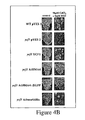
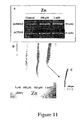
- Fig. 11A When plants were exposed for 24 h to Zn concentrations up to 1 mM, a rise in the expression level of AtHMA4 was observed in the roots ( Fig. 11A ). Such an up-regulation of the expression level of AtHMA4 by Zn has been reported by Mills et al. (2003) using RT-PCR with RNA extracts from the Col-0 ecotype. Depending on the Zn concentration applied, a change in the GUS staining intensity and pattern was observed ( Fig. 11B ). Strikingly, when plants were grown at a high Zn concentration (1 mM), the GUS staining was strictly limited to the elongation zone of the roots ( Fig. 11C ).
- Rm396 was characterized as a knock-out mutant for AtHMA4, it was searched for a phenotype associated with metal uptake or metal toxicity. Young plants of Ws ecotype and line Rm396 were grown in vitro in the presence of a range of metal concentrations from starvation to toxicity (Cd, Zn, Co, Pb, Cu, Ni, Fe). No significant differences were observed in germination levels and plant development between the wild-type and the mutant line whatever the metals studied (data not shown). Additionally, the analysis of phenotypic characters linked to Cd toxicity (decrease in fresh weight, leaf chlorosis and Cd accumulation in roots and leaves) gave no significant differences between the wild-type and the Rm396 line.
- AtHMA4 is expressed in all major tissues in the Ws ecotype ( Fig. 8 ), in accordance with observations in the Col-0 ecotype.
- the expression pattern of AtHMA4 was studied in details by GUS staining, using the T-DNA insertional mutant from the INRA Victoria collection. GUS staining was mostly observed in roots in the region of the pericycle and cambium cells ( Fig. 10 ). GUS staining was also associated with vascular tissues located near the shoot apical meristem, the stamens and at the bases of cauline leaves. Such localization strongly suggests that AtHMA4 could be involved in substrate transfer to or from the vascular tissues.
- FCA transcript alternative splicing which is involved in flowering regulation (Macknight et al ., 1997 and 2002).
- flowering regulation Macknight et al ., 1997 and 2002.
- the view cannot be excluded that this truncated protein plays a physiological role apart metal detoxification.
- AtHMA4 is a putative Zn/Cd/Pb/Co transporter
- the effects of such metals on its expression level and patterning were analysed using RT-PCR experiments and GUS staining.
- AtHMA4 expression was up-regulated in roots by Zn for a concentration range up to 1 mM ( Fig. 11 ), in accordance with RT-PCR experiments in the present study and Mills et al. (2003).
- Zn concentration 1 mM
- a strong GUS staining was observed but restricted to the root elongation region. Strikingly, RT-PCR and GUS staining experiments did not indicate any regulation of AtHMA4 expression by Cd or Pb, which is in contrast to previous results from Mills et al .(2003).
- AtHMA4 does not exhibit any specific phenotype under normal or metal excess conditions and such an absence of phenotype could result from the presence of other transporters, belonging to the same (such as AtHMA2 and AtHMA3) or to other protein families, and supporting redundant functions. This is illustrated in the yeast since some AtHMA4 properties were only observed in a mutant context.
- AtHMA4 In Arabidopsis, plants ectopically overexpressing this gene were generated.
- the AtHMA4 cDNA was cloned under the strong constitutive CaMV35S promoter and introduced in Arabidopsis through Agrobacterium tumefaciens -mediated transformation.
- Two independent lines with elevated AtHMA4 mRNA levels ( Fig. 12A ) carrying single T-DNA insertion were selected and self-crossed to obtain stable homozygous lines.
- the Zn content of shoot from overexpressing plants, hydroponically grown on nutrient solution (3 ⁇ M Zn) was measured by ICP-AES.
- AtHMA4 leaves from overexpressing plants accumulated 61 % more Zn than the control ( Fig. 12B ).
- AtHMA4 participates in the loading of heavy metal in the xylem, allowing their translocation to the shoot.
- AtHMA3 belongs to the same P 1B sub-group of ATPases as AtHMA4. This enzyme is not present in all the wild-type Arabidosis thaliana ecotypes. In particular, AtHMA3 is expressed in the Wassilewskija ecotype, whereas it is absent in the Columbia ecotype.
- AtHMA3 transports cadmium, cobalt and lead, but probably not zinc. AtHMA3 is localized at the vacuole and carries out sequestration of metals in this organite, in yeast ( Gravot et al, FEBS Lett. 2004 ).
- AtHMA3 is also localised at the vacuole membrane, and detoxifies cells by sequestrating toxic metals in the vacuole.
- these two enzymes act synergistically: HMA4 enhances translocation of heavy metals from the roots to the upper parts of the plant, whereas HMA3 favours vacuolar sequestration.
- HMA4 enhances translocation of heavy metals from the roots to the upper parts of the plant
- HMA3 favours vacuolar sequestration.
- the plants tolerate toxic concentration of heavy metals during a longer period, hence enabling a stronger extraction of said metals from contaminated soils.
Landscapes
- Genetics & Genomics (AREA)
- Health & Medical Sciences (AREA)
- Life Sciences & Earth Sciences (AREA)
- Engineering & Computer Science (AREA)
- Bioinformatics & Cheminformatics (AREA)
- Wood Science & Technology (AREA)
- Organic Chemistry (AREA)
- Biomedical Technology (AREA)
- Chemical & Material Sciences (AREA)
- Biotechnology (AREA)
- General Engineering & Computer Science (AREA)
- Zoology (AREA)
- Molecular Biology (AREA)
- Microbiology (AREA)
- Physics & Mathematics (AREA)
- Plant Pathology (AREA)
- Biophysics (AREA)
- Biochemistry (AREA)
- General Health & Medical Sciences (AREA)
- Cell Biology (AREA)
- Breeding Of Plants And Reproduction By Means Of Culturing (AREA)
- Micro-Organisms Or Cultivation Processes Thereof (AREA)
- Enzymes And Modification Thereof (AREA)
- Processing Of Solid Wastes (AREA)
Claims (27)
- Plantes génétiquement modifiées, caractérisées en ce qu'elles surexpriment une ou plus d'une copie d'au moins une séquence codant pour une ATPase de type P1B d'origine végétale supérieure de la sous-classe Zn2+ / Co2+ / Cd2+ / Pb2+ et en ce qu'elles sont capables d'accumuler des métaux lourds et de les transloquer vers leurs parties aériennes.
- Plantes génétiquement modifiées selon la revendication 1, caractérisées en ce que ladite ATPase de type P1B est choisie dans le groupe comprenant les ATPases à métaux lourds HMA1, HMA2, HMA3 et HMA4.
- Plantes génétiquement modifiées selon la revendication 2, caractérisées en ce que ladite ATPase de type P1B est choisie dans le groupe comprenant les ATPases endogènes HMA1, HMA2, HMA3 et HMA4.
- Plantes génétiquement modifiées selon la revendication 2, caractérisées en ce que ladite ATPase de type P1B est choisie dans le groupe comprenant les ATPases à métaux lourds HMA1, HMA2, HMA3 et HMA4 d'Arabidopsis thaliana.
- Plantes génétiquement modifiées selon l'une quelconque des revendications 1 à 4, caractérisées en ce que lesdites plantes génétiquement modifiées surexpriment une ou plus d'une copie d'au moins deux séquences différentes codant pour deux ATPase de type P1B d'origine végétale supérieure différentes de la sous-classe Zn2+ / Co2+ /Cd2+ /Pb2+.
- Plantes génétiquement modifiées selon la revendication 5, caractérisées en ce que lesdites plantes génétiquement modifiées surexpriment une ou plus d'une copie parmi au moins HMA3 et HMA4.
- Plantes génétiquement modifiées selon l'une quelconque des revendications 1 à 6, caractérisées en ce qu'elles surexpriment une ou plus d'une copie d'une séquence codant pour au moins une ATPase de type P1B d'eucaryote de la sous-classe Zn2+ / Co2+ / Cd2+ /Pb2+ et d'au moins une autre séquence choisie parmi les séquences codant (1) pour une enzyme impliquée dans la chélation des métaux ou (2) pour un autre transporteur de métaux tel que le YCF1 ou d'autres transporteurs ABC.
- Plantes génétiquement modifiées selon la revendication 7, caractérisées en ce que ladite enzyme impliquée dans la chélation des métaux est choisie dans le groupe comprenant la phytochélatine synthase, la glutathion synthétase et la gamma-glutamylcystéine synthase.
- Vecteur recombinant capable de transformer des plantes, caractérisé en ce que ledit vecteur comprend une ou plus d'une copie parmi au moins une séquence codant pour une ATPase de type P1B d'origine végétale supérieure de la sous-classe Zn2+ / Co2+ / Cd2+ /Pb2+, ladite ATPase étant capable d'accumuler des métaux lourds et de les transloquer vers les parties aériennes d'une plante lorsqu'elle est exprimée dans ladite plante.
- Vecteur recombinant selon la revendication 9, dans lequel ladite ATPase est choisie dans le groupe comprenant les ATPase HMA1, HMA2, HMA3 et HMA4.
- Vecteur recombinant selon la revendication 9 ou la revendication 10, caractérisé en ce que lesdites séquences codantes sont liées de manière fonctionnelle à et sous le contrôle régulateur d'une séquence régulatrice de la transcription et de la traduction pouvant être exprimée dans une plante, telle qu'un promoteur spécifique d'une plante.
- Vecteur recombinant selon l'une quelconque des revendications 9 à 11, caractérisé en ce qu'il comprend une première séquence codant pour la HMA3, et une seconde séquence codant pour la HMA4.
- Ensemble de vecteurs recombinants selon l'une quelconque des revendications 9 à 11, caractérisé en ce qu'il comprend au moins un premier vecteur codant pour la HMA3 et un second vecteur codant pour la HMA4.
- Plantes génétiquement modifiées surexprimant au moins une ATPase de type P1B d'origine végétale supérieure de la sous-classe Zn2+ / Co2+ /Cd2+ /Pb2+, pouvant être obtenue en transformant des plantes à l'aide d'un vecteur recombinant selon l'une quelconque des revendications 9 à 12, ou à l'aide d'un ensemble de vecteurs selon la revendication 13.
- Plantes génétiquement modifiées, selon l'une quelconque des revendications 1 à 8 et 14, caractérisées en ce que lesdites plantes sont choisies dans le groupe comprenant Brassica juncea, Populus, Nicotiana tabacum.
- Cellules végétales génétiquement modifiées surexprimant au moins une ATPase de type P1B d'origine végétale supérieure de la sous-classe Zn2+ / Co2+ / Cd2+ /Pb2+, pouvant être obtenues en transformant des cellules végétales à l'aide d'un vecteur recombinant selon l'une quelconque des revendications 9 à 12, ou à l'aide d'un ensemble de vecteurs selon la revendication 13.
- Utilisation de plantes génétiquement modifiées selon l'une quelconque des revendications 1 à 8, 14 ou 15, pour la phyto-extraction du Zn, Co, Cd ou Pb, à partir d'un environnement contaminé.
- Utilisation de plantes génétiquement modifiées selon la revendication 6, pour la phyto-extraction du Co, Cd ou Pb, à partir d'un environnement contaminé.
- Procédé de production de plantes génétiquement modifiées selon les revendications 1 à 8, 14 ou 15, qui surexpriment au moins une ATPase de type P1B de la sous-classe Zn2+ / Co2+ / Cd2+ / Pb2+, ledit procédé comprenant les étapes suivantes :- préparer au moins un vecteur recombinant selon l'une quelconque des revendications 9 à 12, et- introduire ledit au moins un vecteur recombinant à l'intérieur d'une cellule végétale ou de tissus végétaux afin de produire une cellule végétale génétiquement modifiée ou des tissus végétaux génétiquement modifiés.
- Procédé de phyto-remédiation de métaux lourds à partir du sol, caractérisé en ce qu'il comprend :- une étape consistant à planter des plantes génétiquement modifiées selon l'une quelconque des revendications 1 à 8, 14 ou 15, dans une zone contenant un sol contaminé par au moins un métal lourd et- une étape consistant à collecter et à éliminer des tissus végétaux provenant desdites plantes génétiquement modifiées à des intervalles de temps appropriés.
- Procédé de phyto-remédiation selon la revendication 20, caractérisé en ce qu'il comprend l'extraction d'au moins un des métaux lourds suivants : Zn, Co, Cd ou Pb, à partir du sol.
- Procédé de phyto-remédiation selon la revendication 20 ou la revendication 21, caractérisé en ce que la plante entière est éliminée après qu'elle ait été laissée croître sur le sol contenant les métaux.
- Procédé de phyto-remédiation selon la revendication 20 ou la revendication 21, caractérisé en ce que, à des intervalles de temps appropriés, les tissus contenant les métaux sont éliminés de la plante, ladite plante étant gardée vivante.
- Procédé selon la revendication 23, dans lequel des feuilles et éventuellement des branches sont éliminées.
- Procédé de phyto-remédiation selon la revendication 23 ou la revendication 24, caractérisé en ce que les tissus végétaux collectés sont éliminés de la zone de croissance et détruits de manière appropriée, de sorte que les tissus contenant les métaux ne sont pas admis à être réassimilés dans le sol.
- Procédé de phyto-remédiation selon la revendication 23 ou la revendication 24, caractérisé en ce que lesdits métaux lourds peuvent être extraits, à l'état Mn+, à partir desdits tissus végétaux.
- Procédé de phyto-remédiation selon la revendication 23 ou la revendication 24, caractérisé en ce que lesdits métaux lourds sont extraits des cendres obtenues après avoir brûlé les tissus collectés contenant les métaux, lesdits métaux étant à l'état M0.
Priority Applications (1)
| Application Number | Priority Date | Filing Date | Title |
|---|---|---|---|
| PL05718425T PL1725668T3 (pl) | 2004-03-18 | 2005-03-18 | Genetycznie modyfikowane rośliny i ich zastosowania w fitoremediacji |
Applications Claiming Priority (2)
| Application Number | Priority Date | Filing Date | Title |
|---|---|---|---|
| PCT/IB2004/001271 WO2005093078A1 (fr) | 2004-03-18 | 2004-03-18 | Plantes genetiquement modifiees et leurs applications en phytoremediation. |
| PCT/IB2005/000961 WO2005090583A1 (fr) | 2004-03-18 | 2005-03-18 | Plantes genetiquement modifiees et leurs applications en phytotherapie |
Publications (2)
| Publication Number | Publication Date |
|---|---|
| EP1725668A1 EP1725668A1 (fr) | 2006-11-29 |
| EP1725668B1 true EP1725668B1 (fr) | 2010-12-15 |
Family
ID=34957250
Family Applications (1)
| Application Number | Title | Priority Date | Filing Date |
|---|---|---|---|
| EP05718425A Expired - Lifetime EP1725668B1 (fr) | 2004-03-18 | 2005-03-18 | Plantes genetiquement modifiees et leurs applications en phytoremediation |
Country Status (9)
| Country | Link |
|---|---|
| US (1) | US20090155911A1 (fr) |
| EP (1) | EP1725668B1 (fr) |
| JP (1) | JP2007529217A (fr) |
| AT (1) | ATE491796T1 (fr) |
| CA (1) | CA2560220A1 (fr) |
| DE (1) | DE602005025317D1 (fr) |
| DK (1) | DK1725668T3 (fr) |
| PL (1) | PL1725668T3 (fr) |
| WO (2) | WO2005093078A1 (fr) |
Families Citing this family (7)
| Publication number | Priority date | Publication date | Assignee | Title |
|---|---|---|---|---|
| JP2006204209A (ja) * | 2005-01-28 | 2006-08-10 | Nitta Ind Corp | 酵母カドミウムファクター1をコードする遺伝子(Ycf1)又はその改変遺伝子で形質転換された植物、及び、該植物を用いたカドミウム汚染土壌の浄化方法。 |
| EP2559766B1 (fr) * | 2007-12-13 | 2017-10-18 | Philip Morris Products S.A. | Plantes modifiées pour un transport de cadmium réduit, produits dérivés et procédés apparentés |
| WO2009138449A2 (fr) * | 2008-05-15 | 2009-11-19 | Romeral Cabeza, Angel | Cellule recombinée transformée par une séquence athma1 de la famille des atpases de l’arabidopsis thaliana, apte à retirer des métaux lourds dans des solutions aqueuses, son utilisation et procédé de décontamination d’un milieu liquide par élimination des métaux lourds |
| PL2622081T3 (pl) * | 2010-09-30 | 2016-09-30 | Tytoń o zmniejszonej zawartości kadmu | |
| CL2011000826A1 (es) | 2011-04-13 | 2014-07-04 | Univ Santiago Chile | Metodo para la recuperacion de sustratos mineros con desechos industriales, que comprende seleccionar especies vegetales, realizar un ensayo de tolerancia con dichas especies vegetales, reproducir vegetativamente las especies, aclimatar e instalar en terreno dichas especies vegeales. |
| CN111733167B (zh) * | 2020-06-22 | 2023-05-23 | 中国水稻研究所 | 水稻铜高积累突变体hc1的突变基因OsHMA4及其应用 |
| CN120731270A (zh) * | 2022-12-20 | 2025-09-30 | 淡马锡生命科学实验室有限公司 | 通过在水稻actin1启动子调控下过表达ospcs1、osabcc1和oshma3基因来产生低砷低镉水稻 |
Family Cites Families (2)
| Publication number | Priority date | Publication date | Assignee | Title |
|---|---|---|---|---|
| US5711784A (en) * | 1995-06-06 | 1998-01-27 | University Of Maryland At College Park | Method for phytomining of nickel, cobalt and other metals from soil |
| US7173163B2 (en) * | 2001-04-04 | 2007-02-06 | Posco | Methods for producing transgenic plants with enhanced resistance and decreased uptake of heavy metals |
-
2004
- 2004-03-18 WO PCT/IB2004/001271 patent/WO2005093078A1/fr not_active Ceased
-
2005
- 2005-03-18 DE DE602005025317T patent/DE602005025317D1/de not_active Expired - Lifetime
- 2005-03-18 JP JP2007503445A patent/JP2007529217A/ja active Pending
- 2005-03-18 DK DK05718425.1T patent/DK1725668T3/da active
- 2005-03-18 EP EP05718425A patent/EP1725668B1/fr not_active Expired - Lifetime
- 2005-03-18 PL PL05718425T patent/PL1725668T3/pl unknown
- 2005-03-18 AT AT05718425T patent/ATE491796T1/de not_active IP Right Cessation
- 2005-03-18 WO PCT/IB2005/000961 patent/WO2005090583A1/fr not_active Ceased
- 2005-03-18 CA CA002560220A patent/CA2560220A1/fr not_active Abandoned
- 2005-03-18 US US10/593,265 patent/US20090155911A1/en not_active Abandoned
Also Published As
| Publication number | Publication date |
|---|---|
| WO2005093078A1 (fr) | 2005-10-06 |
| US20090155911A1 (en) | 2009-06-18 |
| ATE491796T1 (de) | 2011-01-15 |
| JP2007529217A (ja) | 2007-10-25 |
| EP1725668A1 (fr) | 2006-11-29 |
| CA2560220A1 (fr) | 2005-09-29 |
| DK1725668T3 (da) | 2011-04-04 |
| DE602005025317D1 (de) | 2011-01-27 |
| PL1725668T3 (pl) | 2011-05-31 |
| WO2005090583A1 (fr) | 2005-09-29 |
Similar Documents
| Publication | Publication Date | Title |
|---|---|---|
| Walter et al. | Bean ribonuclease‐like pathogenesis‐related protein genes (Ypr10) display complex patterns of developmental, dark‐induced and exogenous‐stimulus‐dependent expression | |
| CN101367001B (zh) | 在植物修复中使用表达源自植物酰基辅酶a结合蛋白的转化植物的方法 | |
| Sekhar et al. | Metallothionein 1 (CcMT1) of pigeonpea (Cajanus cajan, L.) confers enhanced tolerance to copper and cadmium in Escherichia coli and Arabidopsis thaliana | |
| EP2231862B1 (fr) | Plantes génétiquement modifiées à accumulation réduite de cadmium | |
| EP1100940A2 (fr) | Genes jouant un role dans la tolerance au stress de l'environnement | |
| Yamchi et al. | Proline accumulation in transgenic tobacco as a result of expression of Arabidopsis Δ1-pyrroline-5-carboxylate synthetase (P5CS) during osmotic stress | |
| EP2241624A2 (fr) | Molécules d'acides nucléiques et utilisation de celles-ci dans la stérilite des végétaux | |
| EP1725668B1 (fr) | Plantes genetiquement modifiees et leurs applications en phytoremediation | |
| WO2012126347A1 (fr) | Gène de tolérance au sel et ses utilisations | |
| Iqbal et al. | Expression of HMA4 cDNAs of the zinc hyperaccumulator Noccaea caerulescens from endogenous NcHMA4 promoters does not complement the zinc-deficiency phenotype of the Arabidopsis thaliana hma2hma4 double mutant | |
| US8569580B2 (en) | Transformed plants or algae with highly expressed chloroplast protein BPG2 | |
| KR100845279B1 (ko) | 중금속이나 염 축적성, 또는 중금속, 염 또는 건조에 대한내성을 변화시키는 유전자 및 이들을 이용하여 제조한형질전환체 | |
| EP1373523B1 (fr) | Modification genetique de vegetaux pour une amelioration de la resistance aux metaux lourds et une diminution de l'assimilation desdits metaux | |
| Zhou et al. | CHB2, a member of the SWI3 gene family, is a global regulator in Arabidopsis | |
| CN101548013B (zh) | Gmrd22-样基因及其保护抵御非生物应激的应用 | |
| CN100471953C (zh) | 新的CkNHX基因及其剪切修饰基因CkNHXn,以及培育耐逆植物的方法 | |
| US7442852B2 (en) | High salt plants and uses for bioremediation | |
| WO2008103350A1 (fr) | Plantes résistantes aux métaux, leurs procédés de fabrication et leurs procédés d'utilisation | |
| CN111732645A (zh) | 盐角草SeEXPB蛋白及其编码基因及应用 | |
| CN107176983B (zh) | 蛋白质PpLEA3-3在调控植物抗逆性中的应用 | |
| KR100515520B1 (ko) | 중금속 내성이 향상되고 흡수가 저하된 형질전환체 제조방법 | |
| CN121472262B (zh) | 一种来源于油橄榄的脂肪酸去饱和酶基因及其在提高植物低温抗性中的应用 | |
| Zorzi | Analysis of the role of MTP1, NRAMP4 and ZNT1 metal transporters in Ni hypertolerance and hyperaccumulation in Noccaea caerulescens and Identification of miRNAs involved in response to Zn excess in Arabidopsis species | |
| Talukdar | Functional characterisation of three zinc transporters in Thlaspi caerulescens | |
| Lu | The Sahma2h Transporter Promotes Zn/Cd Transport From Root to Stem In Zn/Cd Hyperaccumulator Sedum Alfredii Hance |
Legal Events
| Date | Code | Title | Description |
|---|---|---|---|
| PUAI | Public reference made under article 153(3) epc to a published international application that has entered the european phase |
Free format text: ORIGINAL CODE: 0009012 |
|
| 17P | Request for examination filed |
Effective date: 20061009 |
|
| AK | Designated contracting states |
Kind code of ref document: A1 Designated state(s): AT BE BG CH CY CZ DE DK EE ES FI FR GB GR HU IE IS IT LI LT LU MC NL PL PT RO SE SI SK TR |
|
| RIN1 | Information on inventor provided before grant (corrected) |
Inventor name: VERRET, FREDERIC Inventor name: RICHAUD, PIERRE Inventor name: VAVASSEUR, ALAIN Inventor name: GRAVOT, ANTOINE Inventor name: AUROY, PASCALINE |
|
| DAX | Request for extension of the european patent (deleted) | ||
| 17Q | First examination report despatched |
Effective date: 20070810 |
|
| RAP1 | Party data changed (applicant data changed or rights of an application transferred) |
Owner name: COMMISSARIAT A L'ENERGIE ATOMIQUE ET AUX ENERGIES |
|
| GRAP | Despatch of communication of intention to grant a patent |
Free format text: ORIGINAL CODE: EPIDOSNIGR1 |
|
| GRAS | Grant fee paid |
Free format text: ORIGINAL CODE: EPIDOSNIGR3 |
|
| GRAA | (expected) grant |
Free format text: ORIGINAL CODE: 0009210 |
|
| AK | Designated contracting states |
Kind code of ref document: B1 Designated state(s): AT BE BG CH CY CZ DE DK EE ES FI FR GB GR HU IE IS IT LI LT LU MC NL PL PT RO SE SI SK TR |
|
| REG | Reference to a national code |
Ref country code: CH Ref legal event code: EP Ref country code: GB Ref legal event code: FG4D |
|
| REG | Reference to a national code |
Ref country code: IE Ref legal event code: FG4D |
|
| REF | Corresponds to: |
Ref document number: 602005025317 Country of ref document: DE Date of ref document: 20110127 Kind code of ref document: P |
|
| REG | Reference to a national code |
Ref country code: CH Ref legal event code: NV Representative=s name: ISLER & PEDRAZZINI AG |
|
| REG | Reference to a national code |
Ref country code: NL Ref legal event code: T3 |
|
| REG | Reference to a national code |
Ref country code: DK Ref legal event code: T3 |
|
| PG25 | Lapsed in a contracting state [announced via postgrant information from national office to epo] |
Ref country code: LT Free format text: LAPSE BECAUSE OF FAILURE TO SUBMIT A TRANSLATION OF THE DESCRIPTION OR TO PAY THE FEE WITHIN THE PRESCRIBED TIME-LIMIT Effective date: 20101215 |
|
| LTIE | Lt: invalidation of european patent or patent extension |
Effective date: 20101215 |
|
| PG25 | Lapsed in a contracting state [announced via postgrant information from national office to epo] |
Ref country code: BG Free format text: LAPSE BECAUSE OF FAILURE TO SUBMIT A TRANSLATION OF THE DESCRIPTION OR TO PAY THE FEE WITHIN THE PRESCRIBED TIME-LIMIT Effective date: 20110315 Ref country code: AT Free format text: LAPSE BECAUSE OF FAILURE TO SUBMIT A TRANSLATION OF THE DESCRIPTION OR TO PAY THE FEE WITHIN THE PRESCRIBED TIME-LIMIT Effective date: 20101215 Ref country code: SE Free format text: LAPSE BECAUSE OF FAILURE TO SUBMIT A TRANSLATION OF THE DESCRIPTION OR TO PAY THE FEE WITHIN THE PRESCRIBED TIME-LIMIT Effective date: 20101215 Ref country code: FI Free format text: LAPSE BECAUSE OF FAILURE TO SUBMIT A TRANSLATION OF THE DESCRIPTION OR TO PAY THE FEE WITHIN THE PRESCRIBED TIME-LIMIT Effective date: 20101215 Ref country code: SI Free format text: LAPSE BECAUSE OF FAILURE TO SUBMIT A TRANSLATION OF THE DESCRIPTION OR TO PAY THE FEE WITHIN THE PRESCRIBED TIME-LIMIT Effective date: 20101215 Ref country code: CY Free format text: LAPSE BECAUSE OF FAILURE TO SUBMIT A TRANSLATION OF THE DESCRIPTION OR TO PAY THE FEE WITHIN THE PRESCRIBED TIME-LIMIT Effective date: 20101215 |
|
| REG | Reference to a national code |
Ref country code: PL Ref legal event code: T3 |
|
| PG25 | Lapsed in a contracting state [announced via postgrant information from national office to epo] |
Ref country code: GR Free format text: LAPSE BECAUSE OF FAILURE TO SUBMIT A TRANSLATION OF THE DESCRIPTION OR TO PAY THE FEE WITHIN THE PRESCRIBED TIME-LIMIT Effective date: 20110316 Ref country code: PT Free format text: LAPSE BECAUSE OF FAILURE TO SUBMIT A TRANSLATION OF THE DESCRIPTION OR TO PAY THE FEE WITHIN THE PRESCRIBED TIME-LIMIT Effective date: 20110415 Ref country code: EE Free format text: LAPSE BECAUSE OF FAILURE TO SUBMIT A TRANSLATION OF THE DESCRIPTION OR TO PAY THE FEE WITHIN THE PRESCRIBED TIME-LIMIT Effective date: 20101215 Ref country code: CZ Free format text: LAPSE BECAUSE OF FAILURE TO SUBMIT A TRANSLATION OF THE DESCRIPTION OR TO PAY THE FEE WITHIN THE PRESCRIBED TIME-LIMIT Effective date: 20101215 Ref country code: ES Free format text: LAPSE BECAUSE OF FAILURE TO SUBMIT A TRANSLATION OF THE DESCRIPTION OR TO PAY THE FEE WITHIN THE PRESCRIBED TIME-LIMIT Effective date: 20110326 Ref country code: IS Free format text: LAPSE BECAUSE OF FAILURE TO SUBMIT A TRANSLATION OF THE DESCRIPTION OR TO PAY THE FEE WITHIN THE PRESCRIBED TIME-LIMIT Effective date: 20110415 |
|
| PG25 | Lapsed in a contracting state [announced via postgrant information from national office to epo] |
Ref country code: SK Free format text: LAPSE BECAUSE OF FAILURE TO SUBMIT A TRANSLATION OF THE DESCRIPTION OR TO PAY THE FEE WITHIN THE PRESCRIBED TIME-LIMIT Effective date: 20101215 Ref country code: RO Free format text: LAPSE BECAUSE OF FAILURE TO SUBMIT A TRANSLATION OF THE DESCRIPTION OR TO PAY THE FEE WITHIN THE PRESCRIBED TIME-LIMIT Effective date: 20101215 |
|
| PLBE | No opposition filed within time limit |
Free format text: ORIGINAL CODE: 0009261 |
|
| STAA | Information on the status of an ep patent application or granted ep patent |
Free format text: STATUS: NO OPPOSITION FILED WITHIN TIME LIMIT |
|
| PG25 | Lapsed in a contracting state [announced via postgrant information from national office to epo] |
Ref country code: MC Free format text: LAPSE BECAUSE OF NON-PAYMENT OF DUE FEES Effective date: 20110331 |
|
| 26N | No opposition filed |
Effective date: 20110916 |
|
| PG25 | Lapsed in a contracting state [announced via postgrant information from national office to epo] |
Ref country code: IT Free format text: LAPSE BECAUSE OF FAILURE TO SUBMIT A TRANSLATION OF THE DESCRIPTION OR TO PAY THE FEE WITHIN THE PRESCRIBED TIME-LIMIT Effective date: 20101215 |
|
| REG | Reference to a national code |
Ref country code: IE Ref legal event code: MM4A |
|
| REG | Reference to a national code |
Ref country code: DE Ref legal event code: R097 Ref document number: 602005025317 Country of ref document: DE Effective date: 20110916 |
|
| PG25 | Lapsed in a contracting state [announced via postgrant information from national office to epo] |
Ref country code: IE Free format text: LAPSE BECAUSE OF NON-PAYMENT OF DUE FEES Effective date: 20110318 |
|
| PG25 | Lapsed in a contracting state [announced via postgrant information from national office to epo] |
Ref country code: LU Free format text: LAPSE BECAUSE OF NON-PAYMENT OF DUE FEES Effective date: 20110318 |
|
| PG25 | Lapsed in a contracting state [announced via postgrant information from national office to epo] |
Ref country code: TR Free format text: LAPSE BECAUSE OF FAILURE TO SUBMIT A TRANSLATION OF THE DESCRIPTION OR TO PAY THE FEE WITHIN THE PRESCRIBED TIME-LIMIT Effective date: 20101215 |
|
| PG25 | Lapsed in a contracting state [announced via postgrant information from national office to epo] |
Ref country code: HU Free format text: LAPSE BECAUSE OF FAILURE TO SUBMIT A TRANSLATION OF THE DESCRIPTION OR TO PAY THE FEE WITHIN THE PRESCRIBED TIME-LIMIT Effective date: 20101215 |
|
| PGFP | Annual fee paid to national office [announced via postgrant information from national office to epo] |
Ref country code: DK Payment date: 20140219 Year of fee payment: 10 Ref country code: CH Payment date: 20140313 Year of fee payment: 10 Ref country code: DE Payment date: 20140311 Year of fee payment: 10 Ref country code: NL Payment date: 20140224 Year of fee payment: 10 |
|
| PGFP | Annual fee paid to national office [announced via postgrant information from national office to epo] |
Ref country code: PL Payment date: 20140218 Year of fee payment: 10 |
|
| PGFP | Annual fee paid to national office [announced via postgrant information from national office to epo] |
Ref country code: GB Payment date: 20140317 Year of fee payment: 10 |
|
| PGFP | Annual fee paid to national office [announced via postgrant information from national office to epo] |
Ref country code: BE Payment date: 20140327 Year of fee payment: 10 |
|
| PGFP | Annual fee paid to national office [announced via postgrant information from national office to epo] |
Ref country code: FR Payment date: 20140331 Year of fee payment: 10 |
|
| REG | Reference to a national code |
Ref country code: DE Ref legal event code: R119 Ref document number: 602005025317 Country of ref document: DE |
|
| REG | Reference to a national code |
Ref country code: DK Ref legal event code: EBP Effective date: 20150331 |
|
| REG | Reference to a national code |
Ref country code: CH Ref legal event code: PL |
|
| GBPC | Gb: european patent ceased through non-payment of renewal fee |
Effective date: 20150318 |
|
| REG | Reference to a national code |
Ref country code: NL Ref legal event code: MM Effective date: 20150401 |
|
| REG | Reference to a national code |
Ref country code: FR Ref legal event code: ST Effective date: 20151130 |
|
| PG25 | Lapsed in a contracting state [announced via postgrant information from national office to epo] |
Ref country code: DE Free format text: LAPSE BECAUSE OF NON-PAYMENT OF DUE FEES Effective date: 20151001 Ref country code: CH Free format text: LAPSE BECAUSE OF NON-PAYMENT OF DUE FEES Effective date: 20150331 Ref country code: GB Free format text: LAPSE BECAUSE OF NON-PAYMENT OF DUE FEES Effective date: 20150318 Ref country code: LI Free format text: LAPSE BECAUSE OF NON-PAYMENT OF DUE FEES Effective date: 20150331 |
|
| PG25 | Lapsed in a contracting state [announced via postgrant information from national office to epo] |
Ref country code: FR Free format text: LAPSE BECAUSE OF NON-PAYMENT OF DUE FEES Effective date: 20150331 |
|
| PG25 | Lapsed in a contracting state [announced via postgrant information from national office to epo] |
Ref country code: DK Free format text: LAPSE BECAUSE OF NON-PAYMENT OF DUE FEES Effective date: 20150331 |
|
| PG25 | Lapsed in a contracting state [announced via postgrant information from national office to epo] |
Ref country code: PL Free format text: LAPSE BECAUSE OF NON-PAYMENT OF DUE FEES Effective date: 20150318 |
|
| PG25 | Lapsed in a contracting state [announced via postgrant information from national office to epo] |
Ref country code: NL Free format text: LAPSE BECAUSE OF NON-PAYMENT OF DUE FEES Effective date: 20150401 |
|
| PG25 | Lapsed in a contracting state [announced via postgrant information from national office to epo] |
Ref country code: BE Free format text: LAPSE BECAUSE OF NON-PAYMENT OF DUE FEES Effective date: 20150331 |