EP1730135B1 - Quinolin-4-ones utilises comme inhibiteurs de l'integrase retrovirale pour le traitement du vih, du sida et du syndrome apparente au sida (arc) - Google Patents
Quinolin-4-ones utilises comme inhibiteurs de l'integrase retrovirale pour le traitement du vih, du sida et du syndrome apparente au sida (arc) Download PDFInfo
- Publication number
- EP1730135B1 EP1730135B1 EP05732020A EP05732020A EP1730135B1 EP 1730135 B1 EP1730135 B1 EP 1730135B1 EP 05732020 A EP05732020 A EP 05732020A EP 05732020 A EP05732020 A EP 05732020A EP 1730135 B1 EP1730135 B1 EP 1730135B1
- Authority
- EP
- European Patent Office
- Prior art keywords
- quinolinone
- compound
- fluorophenylmethyl
- rds
- substituted
- Prior art date
- Legal status (The legal status is an assumption and is not a legal conclusion. Google has not performed a legal analysis and makes no representation as to the accuracy of the status listed.)
- Expired - Lifetime
Links
Images

Classifications
-
- C—CHEMISTRY; METALLURGY
- C07—ORGANIC CHEMISTRY
- C07D—HETEROCYCLIC COMPOUNDS
- C07D403/00—Heterocyclic compounds containing two or more hetero rings, having nitrogen atoms as the only ring hetero atoms, not provided for by group C07D401/00
- C07D403/02—Heterocyclic compounds containing two or more hetero rings, having nitrogen atoms as the only ring hetero atoms, not provided for by group C07D401/00 containing two hetero rings
- C07D403/04—Heterocyclic compounds containing two or more hetero rings, having nitrogen atoms as the only ring hetero atoms, not provided for by group C07D401/00 containing two hetero rings directly linked by a ring-member-to-ring-member bond
-
- A—HUMAN NECESSITIES
- A61—MEDICAL OR VETERINARY SCIENCE; HYGIENE
- A61P—SPECIFIC THERAPEUTIC ACTIVITY OF CHEMICAL COMPOUNDS OR MEDICINAL PREPARATIONS
- A61P31/00—Antiinfectives, i.e. antibiotics, antiseptics, chemotherapeutics
- A61P31/12—Antivirals
- A61P31/14—Antivirals for RNA viruses
- A61P31/18—Antivirals for RNA viruses for HIV
-
- C—CHEMISTRY; METALLURGY
- C07—ORGANIC CHEMISTRY
- C07D—HETEROCYCLIC COMPOUNDS
- C07D215/00—Heterocyclic compounds containing quinoline or hydrogenated quinoline ring systems
- C07D215/02—Heterocyclic compounds containing quinoline or hydrogenated quinoline ring systems having no bond between the ring nitrogen atom and a non-ring member or having only hydrogen atoms or carbon atoms directly attached to the ring nitrogen atom
- C07D215/16—Heterocyclic compounds containing quinoline or hydrogenated quinoline ring systems having no bond between the ring nitrogen atom and a non-ring member or having only hydrogen atoms or carbon atoms directly attached to the ring nitrogen atom with hetero atoms or with carbon atoms having three bonds to hetero atoms with at the most one bond to halogen, e.g. ester or nitrile radicals, directly attached to ring carbon atoms
- C07D215/20—Oxygen atoms
- C07D215/22—Oxygen atoms attached in position 2 or 4
- C07D215/233—Oxygen atoms attached in position 2 or 4 only one oxygen atom which is attached in position 4
-
- C—CHEMISTRY; METALLURGY
- C07—ORGANIC CHEMISTRY
- C07D—HETEROCYCLIC COMPOUNDS
- C07D215/00—Heterocyclic compounds containing quinoline or hydrogenated quinoline ring systems
- C07D215/02—Heterocyclic compounds containing quinoline or hydrogenated quinoline ring systems having no bond between the ring nitrogen atom and a non-ring member or having only hydrogen atoms or carbon atoms directly attached to the ring nitrogen atom
- C07D215/16—Heterocyclic compounds containing quinoline or hydrogenated quinoline ring systems having no bond between the ring nitrogen atom and a non-ring member or having only hydrogen atoms or carbon atoms directly attached to the ring nitrogen atom with hetero atoms or with carbon atoms having three bonds to hetero atoms with at the most one bond to halogen, e.g. ester or nitrile radicals, directly attached to ring carbon atoms
- C07D215/48—Carbon atoms having three bonds to hetero atoms with at the most one bond to halogen
- C07D215/54—Carbon atoms having three bonds to hetero atoms with at the most one bond to halogen attached in position 3
- C07D215/56—Carbon atoms having three bonds to hetero atoms with at the most one bond to halogen attached in position 3 with oxygen atoms in position 4
-
- C—CHEMISTRY; METALLURGY
- C07—ORGANIC CHEMISTRY
- C07D—HETEROCYCLIC COMPOUNDS
- C07D401/00—Heterocyclic compounds containing two or more hetero rings, having nitrogen atoms as the only ring hetero atoms, at least one ring being a six-membered ring with only one nitrogen atom
- C07D401/02—Heterocyclic compounds containing two or more hetero rings, having nitrogen atoms as the only ring hetero atoms, at least one ring being a six-membered ring with only one nitrogen atom containing two hetero rings
- C07D401/06—Heterocyclic compounds containing two or more hetero rings, having nitrogen atoms as the only ring hetero atoms, at least one ring being a six-membered ring with only one nitrogen atom containing two hetero rings linked by a carbon chain containing only aliphatic carbon atoms
-
- C—CHEMISTRY; METALLURGY
- C12—BIOCHEMISTRY; BEER; SPIRITS; WINE; VINEGAR; MICROBIOLOGY; ENZYMOLOGY; MUTATION OR GENETIC ENGINEERING
- C12N—MICROORGANISMS OR ENZYMES; COMPOSITIONS THEREOF; PROPAGATING, PRESERVING, OR MAINTAINING MICROORGANISMS; MUTATION OR GENETIC ENGINEERING; CULTURE MEDIA
- C12N9/00—Enzymes; Proenzymes; Compositions thereof; Processes for preparing, activating, inhibiting, separating or purifying enzymes
- C12N9/99—Enzyme inactivation by chemical treatment
-
- G—PHYSICS
- G01—MEASURING; TESTING
- G01N—INVESTIGATING OR ANALYSING MATERIALS BY DETERMINING THEIR CHEMICAL OR PHYSICAL PROPERTIES
- G01N33/00—Investigating or analysing materials by specific methods not covered by groups G01N1/00 - G01N31/00
- G01N33/48—Biological material, e.g. blood, urine; Haemocytometers
- G01N33/50—Chemical analysis of biological material, e.g. blood, urine; Testing involving biospecific ligand binding methods; Immunological testing
- G01N33/53—Immunoassay; Biospecific binding assay; Materials therefor
- G01N33/569—Immunoassay; Biospecific binding assay; Materials therefor for microorganisms, e.g. protozoa, bacteria, viruses
- G01N33/56983—Viruses
- G01N33/56988—HIV or HTLV
-
- G—PHYSICS
- G01—MEASURING; TESTING
- G01N—INVESTIGATING OR ANALYSING MATERIALS BY DETERMINING THEIR CHEMICAL OR PHYSICAL PROPERTIES
- G01N2333/00—Assays involving biological materials from specific organisms or of a specific nature
- G01N2333/005—Assays involving biological materials from specific organisms or of a specific nature from viruses
- G01N2333/08—RNA viruses
- G01N2333/15—Retroviridae, e.g. bovine leukaemia virus, feline leukaemia virus, feline leukaemia virus, human T-cell leukaemia-lymphoma virus
- G01N2333/155—Lentiviridae, e.g. visna-maedi virus, equine infectious virus, FIV, SIV
- G01N2333/16—HIV-1, HIV-2
- G01N2333/161—HIV-1, HIV-2 gag-pol, e.g. p55, p24/25, p17/18, p.7, p6, p66/68, p51/52, p31/34, p32, p40
-
- G—PHYSICS
- G01—MEASURING; TESTING
- G01N—INVESTIGATING OR ANALYSING MATERIALS BY DETERMINING THEIR CHEMICAL OR PHYSICAL PROPERTIES
- G01N2500/00—Screening for compounds of potential therapeutic value
Definitions
- novel compounds as well as methods and pharmaceutical compositions for treating or preventing retrovirus infection, particularly human immunodeficiency virus (HIV) infection, in a subject.
- retrovirus infection particularly human immunodeficiency virus (HIV) infection
- HIV is a retrovirus that causes immunosuppression in humans, and leads to a disease complex known as acquired immunodeficiency syndrome (AIDS). HIV disease is characterized by progressive functional deterioration of the immune system.
- the treatment of HIV disease has been significantly advanced by the recognition that combining different drugs with specific activities against different biochemical functions of the virus can help reduce the rapid development of drug resistant viruses that were seen in response to single drug treatment.
- multi-drug resistant strains of the virus have emerged. There is therefore a continuing need for the development of new anti-retroviral drugs that act specifically at different steps of the viral infection and replication cycle:
- the integrase (IN) enzyme is an example of such a specific target.
- This enzyme catalyzes the insertion by virally-encoded integrase of proviral DNA into the host cell genome, which is the mechanism by which HIV and other retroviruses are introduced into human T-lymphoid cells.
- this process is mediated by a 32 kD virally encoded integrase, having conserved sequences in the HIV long terminal repeats (LTR). Integration is believed to be mediated by integrase in three steps. The first, assembly, produces a stable nucleoprotein complex with viral DNA sequences via reverse-transcription in the cytoplasm of infected cells.
- Integrase then cleaves two nucleotides from each of the 3' termini of the linear viral DNA ends which contain a highly conserved CA motif.
- the third step, strand transfer involves covalently joining the recessed 3' OH termini of the viral DNA at a staggered cut made at the host target site.
- the cleaved DNA migrates to the nucleus as a part of a large nucleoprotein complex, where the integrase catalyzes the insertion of viral DNA into a host chromosome by a direct transesterification reaction.
- WO 99/62520 discloses a large number of six-membered aromatic and heteroaromatic diketo acid derivatives. The compounds are claimed to be potent inhibitors of HIV integrase and useful in the treatment of AIDS or HIV infection.
- composition that includes the formula (I) compound and a pharmaceutically acceptable carrier.
- the formula (I) compounds or pharmaceutical compositions disclosed herein can be used in a method of treating or preventing AIDS or HIV infection in a subject that involves administering to the subject a therapeutically effective amount of the formula (I) compound or pharmaceutical composition.
- the formula (I) compounds also can be used in a method of inhibiting a retroviral integrase that involves exposing the HIV integrase to an integrase inhibiting amount of the formula (I) compound.
- This disclosure also includes a method of screening for an anti-HIV integrase drug that includes providing an assay of HIV integrase inhibition, and using the assay to screen for drugs comprising analogs or derivatives of any of the formula (I) compounds.
- An analog is a molecule that differs in chemical structure from a parent compound, for example a homolog (differing by an increment in the chemical structure, such as a difference in the length of an alkyl chain), a molecular fragment, a structure that differs by one or more functional groups, or a change in ionization.
- Structural analogs are often found using quantitative structure activity relationships (QSAR), with techniques such as those disclosed in Remington: The Science and Practice of Pharmacology, 19th Edition (1995 ), chapter 28.
- a derivative is a biologically active molecule derived from the base structure.
- novel compounds having the structure of formula (I) include both an oxoquinoline ring structure and a diketo ring substituent.
- the compounds disclosed herein are diketo compounds in the sense that in formula (I) the Z substituent and/or at least one of R 3 , R 4 , R 5 and R 6 is a diketo group having the formula (II)
- the compounds may contain geometric or optical isomers as well as tautomers. It should be recognized that the presently described diketo-acid/ester compounds can exist as tautomers in which the same compound can also be depicted as having a structure as shown in formula (III) By naming and referring to a compound of formula (I) and tautomers thereof, it is understood that the tautomers of formulae (II) and (III) are intended.
- R 7 is independently selected from pyridyl, thienyl, naphthyl or phenyl, wherein the phenyl is unsubstituted or independently substituted on a carbon atom by at least one substituent selected from halogen, -CH 3 ,-OR 2 , or -NO 2 .
- R 1 is -H or a halogen-substituted arylalkyl.
- Z is particularly -C(O)CH 2 C(O)C(O)OR 2 wherein R 2 is -H, methyl or ethyl ("Et").
- R 3 and R 6 are each individually -H or -halogen.
- At least one of R 3 , R 4 , R 5 and R 6 is a 5 or 6-membered heteroalicyclic ring containing 1 or 2 nitrogen heteroatoms.
- Z and R 4 are each -C(O)CH 2 C(O)C(O)OR 2 wherein R 2 is -H, methyl or ethyl ("Et").
- Compound RDS 2107 has the structure of formula (I) wherein R 3 , R 4 and R 5 are each H, R 6 is F, R 1 is 4-fluorophenylmethyl, and Z is -C(O)CH 2 C(O)C(O)OEt.
- Compound RDS 2108 has the structure of formula (I) wherein R 3 , R 4 and R 5 are each H, R 6 is F, R 1 is 4-fluorophenylmethyl, and Z is -C(O)CH 2 C(O)C(O)OH.
- RDS 2111 has the structure of formula (I) wherein R 3 , R 4 and R 5 are each H, R 6 is Cl, R 1 is 4-fluorophenylmethyl, and Z is -C(O)CH 2 C(O)C(O)OEt.
- RDS 2112 has the structure of formula (I) wherein R 3 , R 4 and R 5 are each H, R 6 is F, R 1 is 4-fluorophenylmethyl, and Z is -C(O)CH 2 C(O)C(O)OH.
- the diketo substituent is located at a 3-position on the oxoquinoline ring relative to the 1 position nitrogen heteroatom.
- the presence of the oxo group at the 4-position on the oxoquinoline ring permits the synthesis of compounds having a diketo substituent at the 3-position and a substituent (e.g., a benzyl group) at the nitrogen atom.
- the diketo substituent is located on the ring that does not contain the nitrogen heteroatom.
- 3-acetyl-quinoline-4-ones were alkylated (at 60-120°C, 0.5-24 hrs.) in the 1-position with an appropriate alkyl halide (e.g., 4-fluorobenzylbromide, 4-F-benzylchloride, 4-F-benzyliodide) in alkaline medium (e.g., K 2 CO 3 , Na 2 CO 3 , NaH, NaNH 2 ) to obtain the N-substituted derivatives.
- alkyl halide e.g., 4-fluorobenzylbromide, 4-F-benzylchloride, 4-F-benzyliodide
- alkaline medium e.g., K 2 CO 3 , Na 2 CO 3 , NaH, NaNH 2
- N-substituted derivatives were condensed (at room temp -60°C, 0.5-48 hrs.) with a dialkyl oxalate (e.g., diethyl oxalate) in presence of an alkali compound (e.g., sodium ethoxide, alkylONa, NaH, NaNH 2 ) to give quinolin-3-yl-diketo esters.
- a dialkyl oxalate e.g., diethyl oxalate
- an alkali compound e.g., sodium ethoxide, alkylONa, NaH, NaNH 2
- the quinolin-3-yl-diketo esters could then be hydrolyzed (at room temp.-60°C, 0-5-48 hrs.) to provide the corresponding acids in the presence of a suitable medium such as, for example, THF/H 2 O, CH 3 OH/H 2 O or C 2 H 5 OH/H 2 O.
- a suitable medium such as, for example, THF/H 2 O, CH 3 OH/H 2 O or C 2 H 5 OH/H 2 O.
- a suitable medium such as, for example, THF/H 2 O, CH 3 OH/H 2 O or C 2 H 5 OH/H 2 O.
- a suitable medium such as, for example, THF/H 2 O, CH 3 OH/H 2 O or C 2 H 5 OH/H 2 O.
- Illustrative hydrolysis reagents include KOH, Ca(OH) 2 and Ba(OH) 2 .
- quinolin-4-ones having a diketo substituent in the 6-position were obtained as follows: 6-acetylquinolin-4-one-3-carboxylic esters underwent N-alkylation with an alkyl halide in the presence of anhydrous K 2 CO 3 to provide the 1-substituted derivatives, which were condensated with diethyl oxalate, using sodium ethoxide as a catalyst, to obtain diketoesters. The diketoesters could then be easily hydrolyzed to provide the corresponding dicarboxylic acids.
- the reaction scheme for the 6-position diketo compounds can use the same reagent and reaction conditions as for the 3-position diketo compounds.
- the presently described compounds, and pharmaceutically acceptable salts thereof, are useful for the manufacture of medicaments for treating humans or animals suffering from a condition characterized by a replication or integration of a retrovirus and for helping to prevent or delay the onset of such a condition.
- the compounds are useful for treating infection by HIV, AIDS, or AIDS related complex (ARC).
- ARC AIDS related complex
- the compounds can either be used individually or in combination, as is best for the patient.
- the compounds and pharmaceutical compositions can be used for the manufacture of medicaments for the treatment of a variety of retroviral diseases caused by infection with retroviruses that require integrase activity for infection and viral replication.
- retroviral diseases include HIV-1, HIV-2, simian immunodeficiency virus (SIV), feline immunodeficiency virus (FIV), HTLV-1, HTLV-2, spumavirus (human foamy virus) and feline infectious leukemia.
- the compounds and pharmaceutical compositions are especially useful for the manufacture of medicaments for the inhibition of HIV integrase, the prevention or treatment of infection by human immunodeficiency virus (HIV) and the treatment of consequent pathological conditions such as AIDS.
- Treating AIDS or preventing or treating infection by HIV is defined as including, but not limited to, treating a wide range of states of HIV infection: AIDS, ARC (AIDS related complex), both symptomatic and asymptomatic, and actual or potential exposure to HIV.
- the medicaments are useful in treating infection by HIV after suspected past exposure to HIV by e.g., blood transfusion, exchange of body fluids, bites, accidental needle stick, or exposure to patient blood during surgery.
- treating means that the medicaments can be used in humans with at least a tentative diagnosis of disease.
- the medicaments will delay or slow the progression of the disease thereby giving the individual a more useful life span.
- preventing means that the medicaments are useful when administered to a patient who has not been diagnosed as possibly having the disease at the time of administration, but who would normally be expected to develop the disease or be at increased risk for the disease.
- the medicaments will slow the development of disease symptoms, delay the onset of the disease, or prevent the individual from developing the disease at all.
- the medicaments are administered in a therapeutically effective amount.
- the therapeutically effective amount will vary depending on the particular compound used and the route of administration, as is well known.
- a physician may administer a medicament immediately and continue administration indefinitely, as needed.
- administration of the medicaments may be started before symptoms appear, and treatment may be continued indefinitely to prevent or delay the onset of disease.
- the compounds are useful in the preparation and execution of screening assays for antiviral compounds.
- the compounds are useful for isolating enzyme mutants, which are excellent screening tools for more powerful antiviral compounds.
- the compounds are useful in establishing or determining the binding site of other antivirals to HIV integrase, e.g., by competitive inhibition.
- methods of screening for an anti-HIV integrase drug by providing an assay of HIV integrase inhibition, and using the assay to screen for drugs that are analogs or derivatives of any of the disclosed compounds, and which inhibit HIV integrase.
- the assay detects a diketo oxoquinoline compound that inhibits HIV-1 integrase.
- the medicament may be administered orally, parenterally (including subcutaneous injections (SQ and depo SQ), intravenous (IV), intramuscular (1M and depo-IM), intrasternal injection or infusion techniques), sublingually, intranasally (inhalation), intrathecally, topically, opthalmically or rectally, in dosage unit formulations containing conventional non-toxic pharmaceutically-acceptable carriers, adjuvants and vehicles. Dosage forms known to those of skill in the art are suitable for delivery of the medicament.
- compositions that contain therapeutically effective amounts of the presently described compounds.
- the compounds are preferably formulated into suitable pharmaceutical preparations such as tablets, capsules, or elixirs for oral administration or in sterile solutions or suspensions for parenteral administration.
- suitable pharmaceutical preparations such as tablets, capsules, or elixirs for oral administration or in sterile solutions or suspensions for parenteral administration.
- the compounds described above are formulated into pharmaceutical compositions using techniques and procedures well known in the art.
- compositions are preferably formulated in a unit dosage form, each dosage containing from about 2 to about 100 mg, more preferably about 10 to about 30 mg of the active ingredient.
- unit dosage form refers to physically discrete units suitable as unitary dosages for human subjects and other mammals, each unit containing a predetermined quantity of active material calculated to produce the desired therapeutic effect, in association with a suitable pharmaceutical excipient.
- compositions one or more compounds are mixed or combined with a suitable pharmaceutically acceptable carrier.
- a suitable pharmaceutically acceptable carrier Upon mixing or addition of the compound(s), the resulting mixture may be a solution, suspension, emulsion, or the like.
- Liposomal suspensions may also be suitable as pharmaceutically acceptable carriers. These may be prepared according to methods known to those skilled in the art. The form of the resulting mixture depends upon a number of factors, including the intended mode of administration and the solubility of the compound in the selected carrier or vehicle. The effective concentration is sufficient for lessening or ameliorating at least one symptom of the disease, disorder, or condition treated and may be empirically determined.
- compositions suitable for administration of the compounds provided herein include any such carriers known to be suitable for the particular mode of administration.
- the active materials can also be mixed with other active materials that do not impair the desired action, or with materials that supplement the desired action, or have another action.
- the compounds may be formulated as the sole pharmaceutically active ingredient in the composition or may be combined with other active ingredients.
- solubilizing may be used. Such methods are known and include, but are not limited to, using cosolvents such as dimethylsulfoxide (DMSO), using surfactants such as Tween®, and dissolution in aqueous sodium bicarbonate. Derivatives of the compounds, such as salts or prodrugs may also be used in formulating effective pharmaceutical compositions.
- cosolvents such as dimethylsulfoxide (DMSO)
- surfactants such as Tween®
- the compounds may be prepared with carriers that protect them against rapid elimination from the body, such as time-release formulations or coatings.
- Such carriers include controlled release formulations, such as, but not limited to, microencapsulated delivery systems.
- the active compound is included in the pharmaceutically acceptable carrier in an amount sufficient to exert a therapeutically useful effect in the absence of undesirable side effects on the patient treated.
- the therapeutically effective concentration may be determined empirically by testing the compounds in known in vitro and in vivo model systems for the treated disorder.
- the compounds and compositions can be enclosed in multiple or single dose containers.
- the enclosed compounds and compositions can be provided in kits, for example, including component parts that can be assembled for use.
- a compound inhibitor in lyophilized form and a suitable diluent may be provided as separated components for combination prior to use.
- a kit may include a compound inhibitor and a second therapeutic agent for co-administration.
- the inhibitor and second therapeutic agent may be provided as separate component parts.
- a kit may include a plurality of containers, each container holding one or more unit dose of the compound.
- the containers are preferably adapted for the desired mode of administration, including, but not limited to tablets, gel capsules, sustained-release capsules, and the like for oral administration; depot products, pre-filled syringes, ampoules, vials, and the like for parenteral administration; and patches, medipads, creams, and the like for topical administration.
- the concentration of the compound is effective for delivery of an amount upon administration that lessens or ameliorates at least one symptom of the disorder for which the compound is administered.
- the compositions are formulated for single dosage administration.
- concentration of active compound in the drug composition will depend on absorption, inactivation, and excretion rates of the active compound, the dosage schedule, and amount administered as well as other factors known to those of skill in the art.
- the active ingredient may be administered at once, or may be divided into a number of smaller doses to be administered at intervals of time. It is understood that the precise dosage and duration of treatment is a function of the disease being treated and may be determined empirically using known testing protocols or by extrapolation from in vivo or in vitro test data. It is to be noted that concentrations and dosage values may also vary with the severity of the condition to be alleviated. It is to be further understood that for any particular subject, specific dosage regimens should be adjusted over time according to the individual need and the professional judgment of the person administering or supervising the administration of the compositions, and that the concentration ranges set forth herein are exemplary only.
- compositions may be in a form acceptable for oral (suspensions or tablets for example), parenteral (including subcutaneous injections (SQ and depo SQ), intravenous (IV), intramuscular (IM and depo-IM), intrasternal injection or infusion techniques), sublingual, intranasal (nasal spray for example), intrathecal, topical (ointment), rectal (suppository), or through implant administration, for example.
- parenteral including subcutaneous injections (SQ and depo SQ), intravenous (IV), intramuscular (IM and depo-IM), intrasternal injection or infusion techniques
- sublingual intranasal
- nasal spray for example
- intrathecal topical
- topical ointment
- rectal rectal
- implant administration for example.
- these compositions When administered orally as a suspension, these compositions are prepared according to techniques well known in the art of pharmaceutical formulation and may contain microcrystalline cellulose for imparting bulk, alginic acid or sodium alginate as a suspending agent, methylcellulose as a viscosity enhancer, and sweeteners/flavoring agents. As immediate release tablets, these compositions may contain microcrystalline cellulose, dicalcium phosphate, starch, magnesium stearate and lactose and/or other excipients, binders, extenders, disintegrants, diluents and lubricants.
- the compound should be provided in a composition that protects it from the acidic environment of the stomach.
- the composition can be formulated in an enteric coating that maintains its integrity in the stomach and releases the active compound in the intestine.
- the composition may also be formulated in combination with an antacid or other such ingredient.
- Oral compositions will generally include an inert diluent or an edible carrier and may be compressed into tablets or enclosed in gelatin capsules.
- the active compound or compounds can be incorporated with excipients and used in the form of tablets, capsules, or troches.
- Pharmaceutically compatible binding agents and adjuvant materials can be included as part of the composition.
- the tablets, pills, capsules, troches, and the like can contain any of the following ingredients or compounds of a similar nature: a binder such as, but not limited to, gum tragacanth, acacia, corn starch, or gelatin; an excipient such as microcrystalline cellulose, starch, or lactose; a disintegrating agent such as, but not limited to, alginic acid and com starch; a lubricant such as, but not limited to, magnesium stearate; a gildant, such as, but not limited to, colloidal silicon dioxide; a sweetening agent such as sucrose or saccharin; and a flavoring agent such as peppermint, methyl salicylate, or fruit flavoring.
- a binder such as, but not limited to, gum tragacanth, acacia, corn starch, or gelatin
- an excipient such as microcrystalline cellulose, starch, or lactose
- a disintegrating agent such as, but not limited to, al
- dosage unit form When the dosage unit form is a capsule, it can contain, in addition to material of the above type, a liquid carrier such as a fatty oil.
- dosage unit forms can contain various other materials, which modify the physical form of the dosage unit, for example, coatings of sugar and other enteric agents.
- the compounds can also be administered as a component of an elixir, suspension, syrup, wafer, chewing gum or the like.
- a syrup may contain, in addition to the active compounds, sucrose as a sweetening agent and certain preservatives, dyes and colorings, and flavors.
- the active materials can also be mixed with other active materials that do not impair the desired action, or with materials that supplement the desired action.
- the compounds When administered orally, the compounds can be administered in usual dosage forms for oral administration.
- dosage forms include the usual solid unit dosage forms of tablets and capsules as well as liquid dosage forms such as solutions, suspensions, and elixirs.
- solid dosage forms it is preferred that they be of the sustained release type so that the compounds need to be administered only once or twice daily.
- the oral dosage forms are administered to the patient 1, 2, 3, or 4 times daily. It is preferred that the compounds be administered either three or fewer times, more preferably once or twice daily. It is preferred that whatever oral dosage form is used, that it be designed so as to protect the compounds from the acidic environment of the stomach. Enteric coated tablets are well known to those skilled in the art. In addition, capsules filled with small spheres, each coated to protect from the acidic stomach, are also well known to those skilled in the art.
- an administered amount therapeutically effective to inhibit retroviral integrase activity, to inhibit retroviral integrase mediated strand transfer, to inhibit retroviral mediated incorporation of a donor DNA into a receiving DNA, to inhibit HIV replication, to inhibit, prevent, or treat HIV infection, to treat or prevent AIDS is from about 0.1 mg/day to about 1,000 mg/day.
- the oral dosage is from about 1 mg/day to about 100 mg/day. In yet other examples, the oral dosage is from about 5 mg/day to about 50 mg/day. It is understood that while a patient may be started at one dose, that dose may be varied over time as the patient's condition changes.
- the compounds can be administered orally to humans in a dosage range of 1 to 1000 mg/kg body weight in single or divided doses.
- One illustrative dosage range is 0.1 to 200 mg/kg body weight orally in single or divided doses.
- Another illustrative dosage range is 0.5 to 100 mg/kg body weight orally in single or divided doses.
- the compositions may be provided in the form of tablets containing 1.0 to 1000 milligrams of the active ingredient, particularly 1.0, 5,0.
- Injectable solutions or suspensions may be formulated, using suitable non-toxic, parenterally-acceptable diluents or solvents, such as mannitol, 1,3-butanediol, water, Ringer's solution or isotonic sodium chloride solution, or suitable dispersing or wetting and suspending agents, such as sterile, bland, fixed oils, including synthetic mono- or diglycerides, and fatty acids, including oleic acid.
- suitable non-toxic, parenterally-acceptable diluents or solvents such as mannitol, 1,3-butanediol, water, Ringer's solution or isotonic sodium chloride solution, or suitable dispersing or wetting and suspending agents, such as sterile, bland, fixed oils, including synthetic mono- or diglycerides, and fatty acids, including oleic acid.
- Solutions or suspensions used for parenteral, intradermal, subcutaneous, or topical application can include any of the following components: a sterile diluent such as water for injection, saline solution, fixed oil, a naturally occurring vegetable oil such as sesame oil, coconut oil, peanut oil, cottonseed oil, and the like, or a synthetic fatty vehicle such as ethyl oleate, and the like, polyethylene glycol, glycerine, propylene glycol, or other synthetic solvent; antimicrobial agents such as benzyl alcohol and methyl parabens; antioxidants such as ascorbic acid and sodium bisulfite; chelating agents such as ethylenediaminetetraacetic acid (EDTA); buffers such as acetates, citrates, and phosphates; and agents for the adjustment of tonicity such as sodium chloride and dextrose.
- Parenteral preparations can be enclosed in ampoules, disposable syringes, or multiple dose vials made of glass,
- suitable carriers include physiological saline, phosphate buffered saline (PBS), and solutions containing thickening and solubilizing agents such as glucose, polyethylene glycol, polypropyleneglycol, and mixtures thereof.
- PBS phosphate buffered saline
- suitable carriers include physiological saline, phosphate buffered saline (PBS), and solutions containing thickening and solubilizing agents such as glucose, polyethylene glycol, polypropyleneglycol, and mixtures thereof.
- Liposomal suspensions including tissue-targeted liposomes may also be suitable as pharmaceutically acceptable carriers.
- the compounds can be administered parenterally, for example, by IV, IM, depo-IM, SC, or depo-SC.
- a therapeutically effective amount of about 0.5 to about 100 mg/day, more particularly from about 5 to about 50 mg daily should be delivered.
- the dose may be about 0.5 mg/day to about 50 mg/day, or a monthly dose of from about 15 mg to about 1,500 mg.
- the compounds can be administered sublingually. When given sublingually, the compounds should be given one to four times daily in the amounts described above for IM administration.
- the compounds can be administered intranasally.
- the appropriate dosage forms are a nasal spray or dry powder.
- the dosage of the compounds for intranasal administration is the amount described above for IM administration.
- compositions When administered by nasal aerosol or inhalation, these compositions may be prepared according to techniques well known in the art of pharmaceutical formulation and may be prepared as solutions in saline, employing benzyl alcohol or other suitable preservatives, absorption promoters to enhance bioavailability, fluorocarbons, and/or other solubilizing or dispersing agents.
- the compounds can be administered intrathecally.
- the appropriate dosage form can be a parenteral dosage form.
- the dosage of the compounds for intrathecal administration is the amount described above for IM administration.
- the compounds can be administered topically.
- the appropriate dosage form is a cream, ointment, or patch.
- an illustrative dosage is from about 0.5 mg/day to about 200 mg/day. Because the amount that can be delivered by a patch is limited, two or more patches may be used.
- the compounds can be administered rectally by suppository. When administered by suppository, an illustrative therapeutically effective amount may range from about 0.5 mg to about 500 mg.
- compositions When rectally administered in the form of suppositories, these compositions may be prepared by mixing the drug with a suitable non-irritating excipient, such as cocoa butter, synthetic glyceride esters of polyethylene glycols, which are solid at ordinary temperatures, but liquefy and/or dissolve in the rectal cavity to release the drug.
- a suitable non-irritating excipient such as cocoa butter, synthetic glyceride esters of polyethylene glycols, which are solid at ordinary temperatures, but liquefy and/or dissolve in the rectal cavity to release the drug.
- the compounds can be administered by implants.
- the therapeutically effective amount is the amount described above for depot administration.
- the compounds may be used in the same manner, by the same routes of administration, using the same pharmaceutical dosage forms, and at the same dosing schedule as described above, for preventing disease or treating patients with HIV infection, AIDS, or ARC.
- the presently described compounds may also be used in combination with a therapeutically effective amount of an AIDS treatment agent such as nucleoside analog reverse transcriptase inhibitors, non-nucleoside reverse transcriptase inhibitors, protease inhibitors, other antivirals, immunomodulators, anti-infectives, other antibiotics, or other medicines useful against HIV infection, AIDS, or ARC.
- an AIDS treatment agent such as nucleoside analog reverse transcriptase inhibitors, non-nucleoside reverse transcriptase inhibitors, protease inhibitors, other antivirals, immunomodulators, anti-infectives, other antibiotics, or other medicines useful against HIV infection, AIDS, or ARC.
- Suitable antivirals of all categories include Amprenivir, Abacavir, Acyclovir, Adefovir dipivoxil, Alpha Interferon, Retrovir, Ansamycin, beta-fluoro-ddA, Cidofovir, Curdlan sulfate, Cytovene, Ganciclovir, Delaviridine, Dideoxycytidine, Dideoxyinosine, Efavirenz, Famciclovir, Hypericin, Interferon Beta, Interferon alfa-n3, Indinavir, Lamivudine, Lobucavir, Nelfinavir, Nevirapine, Novapren, Phosphonoformate, Probucol, Ritonavir, Saquinavir, Didehydrodeoxythymidine, Valaciclovir, Virazole, Ribavirin, Zalcitabine, and Zidovudine (AZT).
- Suitable immunomodulators include Bropirimine, Acemannan, interferons such as gamma interferon and alpha interferon, tumor necrosis factor, granulocyte macrophage colony stimulating factor, interleukin-2, recombinant or soluble CD4.
- Suitable anti-infectives include Clindamycin, Primaquine, Fluconazole, Pastille, Nystatin Pastille, Ornidyl, Eflornithine, Pentamidine, Isethionate, Trimethoprim, Trimethoprim/sulfa, Piritrexim, Pentamidine, Spiramycin, Trimetrexate.
- combination therapy are simultaneous or alternating treatments with a presently described compound and an inhibitor of HIV protease and/or a non-nucleoside inhibitor of HIV reverse transcriptase.
- An optional fourth component in the combination is a nucleoside inhibitor of HIV reverse transcriptase, such as AZT, 3TC, ddC or ddI.
- Suitable HIV protease inhibitors include indinavir, nelfinavir, ritonavir, and saquinavir.
- Suitable non-nucleoside inhibitors of HIV reverse transcriptase include nevirapine and efavirenz.
- the compounds and other active agents may be administered separately or in conjunction.
- the administration of one element may be prior to, concurrent to, or subsequent to the administration of other agent(s).
- assays for measuring activities of retroviral integrase are known.
- assays for the strand transfer activity of integrase can be conducted according to Wolfe et al., J. Virol. 70:1424, 1996 , and Farnet et al., Cell 88:483, 1997 , for recombinant integrase and preintegration complexes.
- assays for the inhibition of acute HIV infection of T-lymphoid cells can be conducted according to Vacca et al., Proc. Natl. Acad. Sci. USA 91:4906, 1994 .
- Scheme 1 shows an illustrative chemical pathway for the synthesis of the compounds described above in Table 1.
- the 3-acetyl-4(1H)-quinolinones 1 that were used as starting materials were prepared according to Sinsky et al., Journal of Heterocyclic Chemistry 21:759-76, 1984 , by reacting the desired anilines with 3-butyn-2-one, followed by cyclization with methanolic sodium methoxide.
- reaction (i.e., alkylation) of compound 1 with 4-fluorophenylmethylbromide gave the N-arylmethylquinolinones 2 that were then condensed with diethyl oxalate in the presence of sodium ethoxide to provide 4-[1,4-dihydro-(4-fluorophenyl)methyl-4-oxoquinolin-3-yl]-2,4-dioxobutanoic acid ethyl esters 3 .
- RDS 1606 ( 10 ) 4-[3-carboxyethyl-1,4-dihydro-1-(4-fluorophenyl)methyl-4-oxoquinolin-6-yl]-2,4-dioxobutanoic acid, ethyl ester and RDS 1607 ( 11 ) 4-[3-carboxyethyl-1,4-dihydro-1-(4-fluorophenyl)methyl-4-oxoquinolin-6-yl]-2,4-dioxobutanoic acid
- 1,4-Dihydro-3-acetyl-4-oxoquinoline ( 1a ).
- Compound 1a was obtained as a white solid according to Sinsky et al., supra; mp 242 -244 °C (acetone).
- Compound 1b 29% yield; mp > 300 °C (ethanol); compound 1c : 96% yield; mp > 300 °C (ethanol).
- oligonucleotide *A 5'-end-labeled annealed to oligonucleotide B; see Fig. 1 a 21-mer double-stranded DNA oligonucleotide (oligonucleotide *A 5'-end-labeled annealed to oligonucleotide B; see Fig. 1 ), corresponding to the last 21 bases of the U5 viral LTR, is used to follow both the 3'-processing and the 3'-end joining (strand transfer) steps of the integration reaction.
- Oligonucleotide A is 5'-end-labeled by T4-Polynucleotide Kinase (Gibco BRL / Life Technologies, Rockville, MD).
- oligonucleotide A 10 pmoles of oligonucleotide A is incubated at 37°C for 30 minutes in 50 ⁇ l of 1X kinase buffer containing 10 ⁇ Ci of ⁇ -ATP (Amersham Pharmacia Biotech, Piscataway, NJ) and 10 units of kinase.
- the labeling solution is then applied to the top of a G25 Quick Spin column (Boehringer Mannheim, Indianapolis, IN) and the filtrate annealed with 20 pmoles of oligonucleotide B (complementary strand) for 5 minutes at 95°C and 30 minutes at 37°C.
- integrase liberates a GT dinucleotide at the 3'-end of the labeled strand resulting in the generation of a 19-mer labeled product.
- the strand transfer (3'-end joining) reaction consists in the insertion of a 3'-processed oligonucleotide into another DNA target. This strand transfer step leads to higher and lower molecular weight species migrating slower and faster respectively, than the original 21-mer substrate ( Fig. 2 ).
- the higher molecular weight species (STP) are generally used to evaluate strand transfer (integration).
- a DNA-enzyme complex is preformed by mixing 500 nM of HIV-1 integrase and 5 nM of 5'-labeled double-stranded DNA template (*A/B) in a buffer containing 50 mM MOPS, pH 7.2, 7.5 mM MgCl 2 and 14.3 mM ⁇ -mercaptoethanol for 15 minutes on ice.
- the integration reaction is then initiated by addition of the drug and continued in a total volume of 10 ⁇ l for 30 minutes at 37°C.
- the reaction is stopped by adding the same volume of electrophoresis denaturing dye containing 99% formamide (Sigma-Aldrich, Milwaukee, WI), 1% SDS, 0.2 mg/ml bromophenol blue (Sigma-Aldrich, Milwaukee, WI) and 0.2 mg/ml xylene cyanol blue (Sigma-Aldrich, Milwaukee, WI).
- Samples are loaded on 20% 19/1 acrylamide denaturing gel Accugel (National Diagnostics, Atlanta, GA) containing 7 M urea (Gibco BRL / Life Technologies, Rockville, MD) in 1 X TBE (Gibco BRL / Life Technologies, Rockville, MD). Gels were exposed overnight and analyzed using a Molecular Dynamics Phosphorimager (Sunnyvale, CA).
- the diketo acid derivative RDS1625 is the most potent compound against HIV-1 integrase in vitro with an IC 50 value of approximately 50 nM for strand transfer.
- Table 3 In vitro inhibition of HIV-1 integrase Compound IC50 3'-Processing IC50 Strand transfer ( ⁇ M) ( ⁇ M) RDS1624 >12.3 1.757 RDS1625 1.8 0.047 RDS1787 6.4 0.403 RDS1792 4.0 0.110 RDS1675 >100 >100 RDS1680 >100 >100 RDS1754 >100 >100 RDS1786 >100 >100 RDS1793 >1000 >1000 RDS1794 >100 >100 RDS2077 >37 0.49 RDS2078 2.9 0.047 RDS1755 >100 >100 RDS1787 28.7 0.124 RDS2021 25 1.9 RDS2022 1.9 0.042 RDS1788 >100 >100 RDS1792 14 0.0210 RDS1996 40 0.34 RDS1997 0.
- MT-4, C8166, H9/III B cells were grown at 37°C in a 5% CO 2 atmosphere in RPMI 1640 medium, supplemented with 10% fetal calf serum (FCS), 100 IU/mL penicillin G and 100 ⁇ g/mL streptomycin. Cell cultures were checked periodically for the absence of mycoplasma contamination with a MycoTect Kit (Gibco). Human immunodeficiency viruses type-1 (HIV-1, III B strain) were obtained from supernatants of persistently infected H9/III B .
- HIV-1 stock solutions had titres of 4.5x10 6 50% cell culture infectious dose (CCID 50 )/mL. Titration of HIV-1 was performed in C8166 cells by the standard limiting dilution method (dilution 1:2, four replica wells/dilution) in 96-well plates. The infectious virus titer was determined by light microscope scoring of cytopathicity after 4 days of incubation and the virus titers were expressed as CCID 50 /mL.
- Activity of the compounds against HIV-1 multiplication in acutely infected cells was based on the inhibition of virus-induced cytopathicity in MT-4 cells. Briefly, 50 ⁇ L of culture medium containing 1 x 10 4 cells were added to each well of flat-bottom microtiter trays containing 50 ⁇ L of culture medium with or without various concentrations of the test compounds. Then 20 ⁇ L of an HIV-1 suspension containing 100 CCID 50 was added.
- the number of viable cells was determined by the 3-(4,5-dimethylthiazol-1-yl)-2,5-diphenyltetrazolium bromide (MTT) method ( Pauwels, R.; Balzarini, J.; Baba, M.; Snoeck, R; Schols, D.; Herdewijn, P.; Desmyster, J.; De Clercq, E. J. Virol. Methods 1988, 20, 309-321 ). Cytotoxicity of the compounds was evaluated in parallel with their antiviral activity, and was based on the viability of mock-infected cells, as monitored by the MTT method.
- the 50% effective concentration value (EC 50 ) values for the compounds were as follows: RDS1625 was 40 ⁇ M; RDS1624 was 3.5 ⁇ M; and RDS1755 was 5 ⁇ M.
Landscapes
- Chemical & Material Sciences (AREA)
- Organic Chemistry (AREA)
- Health & Medical Sciences (AREA)
- Life Sciences & Earth Sciences (AREA)
- Engineering & Computer Science (AREA)
- Molecular Biology (AREA)
- Biomedical Technology (AREA)
- Virology (AREA)
- Immunology (AREA)
- Medicinal Chemistry (AREA)
- General Health & Medical Sciences (AREA)
- Biochemistry (AREA)
- Bioinformatics & Cheminformatics (AREA)
- Zoology (AREA)
- Wood Science & Technology (AREA)
- Genetics & Genomics (AREA)
- Urology & Nephrology (AREA)
- Microbiology (AREA)
- Hematology (AREA)
- Biotechnology (AREA)
- AIDS & HIV (AREA)
- Tropical Medicine & Parasitology (AREA)
- General Chemical & Material Sciences (AREA)
- General Engineering & Computer Science (AREA)
- Cell Biology (AREA)
- Pathology (AREA)
- General Physics & Mathematics (AREA)
- Food Science & Technology (AREA)
- Physics & Mathematics (AREA)
- Analytical Chemistry (AREA)
- Public Health (AREA)
- Chemical Kinetics & Catalysis (AREA)
- Communicable Diseases (AREA)
- Veterinary Medicine (AREA)
- Animal Behavior & Ethology (AREA)
- Pharmacology & Pharmacy (AREA)
- Nuclear Medicine, Radiotherapy & Molecular Imaging (AREA)
- Oncology (AREA)
- Pharmaceuticals Containing Other Organic And Inorganic Compounds (AREA)
- Medicines That Contain Protein Lipid Enzymes And Other Medicines (AREA)
Claims (25)
- Composé de formule suivante (I), ou un tautomère ou un sel pharmaceutiquement acceptable de celui-ci :
 où R1 est choisi parmi -H, alkyle en C1-6 ou alkyle en C1-6 substitué par R7 ;Z est -C(O)CH2C(O)C(O)OR2 ;R2 est choisi parmi -H ou alkyle en C1-6 ;R3, R4, R5 et R6 sont chacun indépendamment choisis parmi - H, -halogène, alkyloxy en C1-6, -N(R8)(R9), -C(O)CH3, -S(O)n-R10 où n est indépendamment choisi parmi 0, 1 et 2, cyano, benzoyle, 2-pyridyle, 2-furyle, cycloalkyle, cycloalkyle substitué dans lequel un ou plusieurs atomes d'hydrogène sont remplacés par un halogène, aryle, alcoxy, aryloxy, amino et les combinaisons de ceux-ci, hétérocycloalkyle, hétérocycloalkyle substitué dans lequel un ou plusieurs atomes d'hydrogène sont remplacés par un halogène, aryle, alcoxy, aryloxy, amino et les combinaisons de ceux-ci, aryle, aryle substitué dans lequel un ou plusieurs atomes d'hydrogène sont remplacés par un ou plusieurs groupes fonctionnels tels qu'alkyle, cycloalkyle, hétérocycloalkyle, halogène, haloalkyle, hydroxy, amino, alcoxy et thio, hétéroaryle ou hétéroaryle substitué dans lequel un ou plusieurs atomes d'hydrogène sont remplacés par un ou plusieurs groupes fonctionnels tels qu'alkyle, cycloalkyle, hétérocycloalkyle, halogène, haloalkyle, hydroxy, amino, alcoxy et thio ;R7 est indépendamment choisi parmi cyano, benzoyle, 2-pyridyle, 2-furyle, cycloalkyle, cycloalkyle substitué dans lequel un ou plusieurs atomes d'hydrogène sont remplacés par un halogène, aryle, alcoxy, aryloxy, amino et les combinaisons de ceux-ci, hétérocycloalkyle, hétérocycloalkyle substitué dans lequel un ou plusieurs atomes d'hydrogène sont remplacés par un halogène, aryle, alcoxy, aryloxy, amino et les combinaisons de ceux-ci, aryle, aryle substitué dans lequel un ou plusieurs atomes d'hydrogène sont remplacés par un ou plusieurs groupes fonctionnels tels qu'alkyle, cycloalkyle, hétérocycloalkyle, halogène, haloalkyle, hydroxy, amino, alcoxy et thio, hétéroaryle ou hétéroaryle substitué dans lequel un ou plusieurs atomes d'hydrogène sont remplacés par un ou plusieurs groupes fonctionnels tels qu'alkyle, cycloalkyle, hétérocycloalkyle, halogène, haloalkyle, hydroxy, amino, alcoxy et thio ;chaque R8 et R9 est indépendamment choisi parmi -H ou alkyle en C1-2 ; etchaque R10 est indépendamment choisi parmi alkyle en C1-6, pyridyle ou phényle, le phényle étant non substitué ou substitué sur un atome de carbone par au moins un substituant choisi parmi halogène, -CH3, -OR2, ou -NO2.
 - Composé selon la revendication 1, dans lequelR3, R4, R5 et R6 sont chacun indépendamment choisis parmi - H, -halogène, alkyloxy en C1-6, -N(R8)(R9), -C(O)CH3, -S(O)n-R10 où n est indépendamment choisi parmi 0, 1 et 2, cyano, benzoyle, 2-pyridyle, 2-furyle, cycloalkyle, hétérocycloalkyle, aryle ou hétéroaryle ;R7 est indépendamment choisi parmi cyano, benzoyle, 2-pyridyle, 2-furyle, cycloalkyle, hétérocycloalkyle, aryle ou hétéroaryle.
- Composé selon la revendication 1, dans lequel R2 est -H ou éthyle ; R3 et R6 sont chacun -H ; R4 et R5 sont chacun indépendamment -H ou -halo ; et R1 est 4-fluorophénylméthyle.
- Composé selon la revendication 1, dans lequel R2 est -H ou alkyle ; et R1 est 4-fluorophénylméthyle.
- Composé selon la revendication 1, dans lequel R7 est indépendamment choisi parmi pyridyle, thiényle, naphtyle ou phényle, le phényle étant non substitué ou indépendamment substitué sur un atome de carbone par au moins un substituant choisi parmi halogène, -CH3, -OR2 ou - NO2.
- Composé selon la revendication 3, dans lequel R2, R4 et R5 sont chacun -H.
- Composé selon la revendication 3, dans lequel R2 est -H et R4 et R5 sont chacun -H ou -Cl, au moins l'un de R4 ou R5 étant -Cl.
- Composé selon l'une quelconque des revendications 1, 2, 4 à 7, dans lequel au moins l'un parmi R3, R4, R5 et R6 est un noyau hétérocyclique à 5 ou 6 chaînons contenant 1 ou 2 hétéroatomes d'azote.
- Composé selon la revendication 8, dans lequel exactement un desdits R3, R4, R5 et R6 est un noyau hétérocyclique à 5 ou 6 chaînons, à savoir R5.
- Composé selon la revendication 9, dans lequel R3 et R6 sont -H.
- Composé selon l'une quelconque des revendications précédentes, dans lequel R1 est alkyle en C1-6, ou alkyle en C1-6 substitué par R7.
- Composé selon la revendication 11, dans lequel R1 est un arylalkyle substitué par un halogène.
- Composé selon la revendication 1, dans lequel R1 est le 4-fluorophénylméthyle, R2 est -H ou - CH2CH3, R3, R4 et R6 sont chacun -H et R5 est le 1-pyrrolidinyle.
- Composé selon la revendication 1, dans lequel R3 et R6 sont -H, et R1, R2, R4 et R5 sont :
R4 R5 R2 R1 H H H 4-fluorophénylméthyle H H Et 4-fluorophénylméthyle Cl H H 4-fluorophénylméthyle Cl H Et 4-fluorophénylméthyle H Cl H 4-fluorophénylméthyle H Cl Et 4-fluorophénylméthyle H H H H H H Et H Cl H H H Cl H Et H H Cl H H H Cl Et H H H Et 
H H H 
H H Et 
H H H 
H H Et 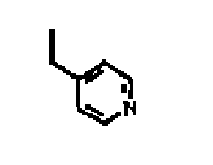
H H H 
H H Et 
H H H 
F H Et 4-fluorophénylméthyle F H H 4-fluorophénylméthyle Cl H Et 4-fluorophénylméthyle Cl H H 4-fluorophénylméthyle H F Et 4-fluorophénylméthyle H F H 4-fluorophénylméthyle H Cl Et 4-fluorophénylméthyle H Cl H 4-fluorophénylméthyle H 1-pyrrolidinyle Et 4-fluorophénylméthyle H 1-pyrrolidinyle H 4-fluorophénylméthyle F F Et 4-fluorophénylméthyle F F H 4-fluorophénylméthyle Cl Cl Et 4-fluorophénylméthyle Cl Cl H 4-fluorophénylméthyle - Composition pharmaceutique comprenant un composé selon l'une quelconque des revendications précédentes, et un support pharmaceutiquement acceptable.
- Utilisation d'au moins un composé selon l'une quelconque des revendications 1 à 14 pour la fabrication d'un médicament pour traiter ou prévenir une infection par le SIDA ou le VIH.
- Utilisation selon la revendication 16, dans laquelle le médicament est destiné à traiter une infection par le VIH dans un sujet.
- Utilisation selon la revendication 16, dans laquelle le médicament est destiné à aider à prévenir ou à retarder le déclenchement d'une infection par le VIH.
- Utilisation selon l'une quelconque des revendications 16 à 18, dans laquelle le médicament est destiné à une administration orale.
- Utilisation selon l'une quelconque des revendications 16 à 18 dans laquelle le médicament est destiné à une administration parentérale, sublinguale, intranasale, intrathécale, topique, ophtalmique ou rectale.
- Utilisation selon l'une quelconque des revendications 16 à 20, dans laquelle le composé de formule (I) comprend un composé dans lequel R4 est - C(O)CH2C(O)C(O)OR2, R2 est -H ou éthyle, et R1 est le 4-fluorophénylméthyle.
- Procédé, autre qu'un procédé de traitement du corps humain ou animal par thérapie, d'inhibition d'une intégrase rétrovirale, le procédé comprenant l'exposition de l'intégrase du VIH à une quantité inhibitrice d'intégrase d'au moins un composé de formule (I) selon l'une quelconque des revendications 1 à 14 ou tel que défini à la revendication 21.
- Procédé selon la revendication 22, comprenant l'inhibition d'une intégrase du VIH.
- Procédé selon la revendication 22, comprenant l'inhibition du transfert de brin catalysé par une intégrase du VIH.
- Procédé selon la revendication 22, comprenant l'inhibition de l'incorporation d'un ADN de brin donneur dans un ADN de brin récepteur.
Applications Claiming Priority (2)
| Application Number | Priority Date | Filing Date | Title |
|---|---|---|---|
| US55242304P | 2004-03-10 | 2004-03-10 | |
| PCT/US2005/008202 WO2005087759A1 (fr) | 2004-03-10 | 2005-03-09 | Quinolin-4-ones utilises comme inhibiteurs de l'integrase retrovirale pour le traitement du vih, du sida et du syndrome apparente au sida (arc) |
Publications (2)
| Publication Number | Publication Date |
|---|---|
| EP1730135A1 EP1730135A1 (fr) | 2006-12-13 |
| EP1730135B1 true EP1730135B1 (fr) | 2010-09-22 |
Family
ID=34964698
Family Applications (1)
| Application Number | Title | Priority Date | Filing Date |
|---|---|---|---|
| EP05732020A Expired - Lifetime EP1730135B1 (fr) | 2004-03-10 | 2005-03-09 | Quinolin-4-ones utilises comme inhibiteurs de l'integrase retrovirale pour le traitement du vih, du sida et du syndrome apparente au sida (arc) |
Country Status (5)
| Country | Link |
|---|---|
| US (1) | US7776883B2 (fr) |
| EP (1) | EP1730135B1 (fr) |
| AT (1) | ATE482208T1 (fr) |
| DE (1) | DE602005023717D1 (fr) |
| WO (1) | WO2005087759A1 (fr) |
Families Citing this family (5)
| Publication number | Priority date | Publication date | Assignee | Title |
|---|---|---|---|---|
| JP5192389B2 (ja) | 2005-12-05 | 2013-05-08 | メルク・シャープ・エンド・ドーム・コーポレイション | キノロンm1レセプター陽性アロステリックモジュレータ |
| TW200811153A (en) | 2006-06-23 | 2008-03-01 | Japan Tobacco Inc | 6-(heterocyclyl-substituted benzyl)-4-oxoquinoline compound and use thereof as HIV integrase inhibitor |
| RU2399616C1 (ru) * | 2006-06-23 | 2010-09-20 | Джапан Тобакко Инк. | Производное 6-(гетероциклзамещенный бензил)-4-оксохинолина и его применение в качестве ингибитора интегразы вич |
| EP2046328A4 (fr) * | 2006-07-19 | 2009-10-28 | Univ Georgia Res Found | Dicétoacides de pyridinone : inhibiteurs de la réplication du vih dans une thérapie combinée |
| AP2013006706A0 (en) * | 2010-07-02 | 2013-02-28 | Gilead Sciences Inc | Napht-2-ylacetic acid derivatives to treat AIDS |
Family Cites Families (14)
| Publication number | Priority date | Publication date | Assignee | Title |
|---|---|---|---|---|
| JPS56100784A (en) | 1980-01-16 | 1981-08-12 | Yoshitomi Pharmaceut Ind Ltd | Indolizine derivative |
| DE3934082A1 (de) | 1989-10-12 | 1991-04-18 | Bayer Ag | Chinoloncarbonsaeurederivate, verfahren zu ihrer herstellung sowie ihre verwendung als antivirale mittel |
| NO304832B1 (no) | 1992-05-27 | 1999-02-22 | Ube Industries | Aminokinolonderivater samt middel mot HIV |
| CA2245179A1 (fr) * | 1996-01-31 | 1997-08-07 | Ube Industries Limited | Medicaments pour prevenir ou soigner le sida |
| PL343249A1 (en) | 1998-03-26 | 2001-07-30 | Shionogi & Co | Indole derivatives with antiviral activity |
| WO1999062520A1 (fr) | 1998-06-03 | 1999-12-09 | Merck & Co., Inc. | Inhibiteurs de vih integrase |
| EP1086091A4 (fr) | 1998-06-03 | 2001-10-10 | Merck & Co Inc | Inhibiteurs de vih integrase |
| WO1999062513A1 (fr) * | 1998-06-03 | 1999-12-09 | Merck & Co., Inc. | Inhibiteurs de vih integrase |
| AU756627B2 (en) | 1998-07-27 | 2003-01-16 | Istituto Di Ricerche Di Biologia Molecolare P. Angeletti S.P.A. | Diketoacid-derivatives as inhibitors of polymerases |
| JP2003503386A (ja) | 1999-06-25 | 2003-01-28 | メルク エンド カムパニー インコーポレーテッド | 1−(芳香族またはヘテロ芳香族置換)−3−(ヘテロ芳香族置換)−1,3−プロパンジオン類およびそれの使用 |
| CN1239472C (zh) | 2000-06-16 | 2006-02-01 | 布里斯托尔-迈尔斯斯奎布公司 | Hiv整合酶抑制剂 |
| AU2002329842B2 (en) * | 2001-08-29 | 2006-09-14 | Umd, Inc. | Vaginal delivery of chemotherapeutic agents and inhibitors of membrane efflux systems for cancer therapy |
| US20060063938A1 (en) | 2001-12-07 | 2006-03-23 | Burke Terrence R | Compounds to treat hiv infection and aids |
| EP2161258A3 (fr) * | 2002-11-20 | 2010-04-07 | Japan Tabacco Inc. | Composé d'oxoquinoline 4 et utilisation associée en tant qu'inhibiteur contre l'intégrase du HIV |
-
2005
- 2005-03-09 DE DE602005023717T patent/DE602005023717D1/de not_active Expired - Lifetime
- 2005-03-09 AT AT05732020T patent/ATE482208T1/de not_active IP Right Cessation
- 2005-03-09 US US10/591,679 patent/US7776883B2/en not_active Expired - Fee Related
- 2005-03-09 EP EP05732020A patent/EP1730135B1/fr not_active Expired - Lifetime
- 2005-03-09 WO PCT/US2005/008202 patent/WO2005087759A1/fr not_active Ceased
Also Published As
| Publication number | Publication date |
|---|---|
| EP1730135A1 (fr) | 2006-12-13 |
| WO2005087759A1 (fr) | 2005-09-22 |
| DE602005023717D1 (de) | 2010-11-04 |
| US7776883B2 (en) | 2010-08-17 |
| US20070219242A1 (en) | 2007-09-20 |
| ATE482208T1 (de) | 2010-10-15 |
Similar Documents
| Publication | Publication Date | Title |
|---|---|---|
| TWI518084B (zh) | 哌喃酮與吡啶酮衍生物之製造方法 | |
| JP5514810B2 (ja) | ピリドキシンに由来するhivインテグラーゼ阻害剤 | |
| JP7086942B2 (ja) | Gpr120モジュレーターとして有用な単環式化合物 | |
| JPH04300834A (ja) | Hiv逆転写酵素阻害剤の相乗作用 | |
| JP2016128465A (ja) | インダノン誘導体、その薬学的に許容される塩又は光学異性体、その調製方法及びそれを活性成分として含有するウイルス疾患の予防又は治療用の医薬組成物 | |
| JP2601008B2 (ja) | ナフチルオキサゾリドン誘導体、その製法及びその合成中間体 | |
| KR100578478B1 (ko) | 치환된 6-벤질-4-옥소피리미딘, 그의 제조방법 및 그를함유하는 약제학적 조성물 | |
| CN105418609B (zh) | 4‑(1,2,3‑三氮唑取代苯胺基)‑吡啶骈嘧啶酮衍生物及其制备方法与应用 | |
| JP7760513B2 (ja) | 抗炎症活性を有する低分子slc15a4阻害剤 | |
| EP1730135B1 (fr) | Quinolin-4-ones utilises comme inhibiteurs de l'integrase retrovirale pour le traitement du vih, du sida et du syndrome apparente au sida (arc) | |
| CN112920208B (zh) | 一种含硼酸的吲哚芳基砜类衍生物及其制备方法与应用 | |
| WO2013016441A1 (fr) | Oxoisoindoline sulfonamides inhibiteurs de l'intégrase du vih | |
| CN108299428B (zh) | 8-胺基-7-甲酸甲酯-吡嗪骈吡啶酮衍生物及其制备方法与应用 | |
| CN109369623A (zh) | 一种取代1,2,3三氮唑类二芳基嘧啶衍生物及其制备方法与应用 | |
| EP2196453A1 (fr) | Nouveaux dérivés aryle substitués, leur procédé de préparation et leurs utilisations thérapeutiques en tant qu'agents anti-VIH | |
| JPH05117273A (ja) | 医薬化合物 | |
| US20060063938A1 (en) | Compounds to treat hiv infection and aids | |
| US7064133B2 (en) | Quinoline derivatives process of synthesis and medicaments containing these derivatives | |
| Lusardi et al. | Antiprotozoal activity of highly substituted pyrazole and pyrimidine derivatives | |
| WO2023085392A1 (fr) | Médicament contre le sars-cov-2 | |
| AU2021301444A1 (en) | Quinazolinones derivatives for treatment of non-alcoholic fatty liver disease, preparation and use thereof | |
| US7553967B2 (en) | 1,2-Dihydroquinoline derivatives and method for using the same to treat HIV infections | |
| EP0579695A1 (fr) | Composes reissert utilises comme agents anti-hiv | |
| CN101775007B (zh) | 具有hiv拮抗活性的三环烯类化合物及其制备方法与应用 | |
| CN115260081B (zh) | 一种磺酰胺类吲哚芳基砜衍生物及其制备方法与应用 |
Legal Events
| Date | Code | Title | Description |
|---|---|---|---|
| PUAI | Public reference made under article 153(3) epc to a published international application that has entered the european phase |
Free format text: ORIGINAL CODE: 0009012 |
|
| 17P | Request for examination filed |
Effective date: 20061003 |
|
| AK | Designated contracting states |
Kind code of ref document: A1 Designated state(s): AT BE BG CH CY CZ DE DK EE ES FI FR GB GR HU IE IS IT LI LT LU MC NL PL PT RO SE SI SK TR |
|
| 17Q | First examination report despatched |
Effective date: 20070307 |
|
| DAX | Request for extension of the european patent (deleted) | ||
| GRAP | Despatch of communication of intention to grant a patent |
Free format text: ORIGINAL CODE: EPIDOSNIGR1 |
|
| GRAS | Grant fee paid |
Free format text: ORIGINAL CODE: EPIDOSNIGR3 |
|
| GRAA | (expected) grant |
Free format text: ORIGINAL CODE: 0009210 |
|
| AK | Designated contracting states |
Kind code of ref document: B1 Designated state(s): AT BE BG CH CY CZ DE DK EE ES FI FR GB GR HU IE IS IT LI LT LU MC NL PL PT RO SE SI SK TR |
|
| REG | Reference to a national code |
Ref country code: GB Ref legal event code: FG4D |
|
| REG | Reference to a national code |
Ref country code: CH Ref legal event code: EP |
|
| REG | Reference to a national code |
Ref country code: IE Ref legal event code: FG4D |
|
| REF | Corresponds to: |
Ref document number: 602005023717 Country of ref document: DE Date of ref document: 20101104 Kind code of ref document: P |
|
| REG | Reference to a national code |
Ref country code: CH Ref legal event code: NV Representative=s name: REUTELER & CIE S.A. |
|
| PG25 | Lapsed in a contracting state [announced via postgrant information from national office to epo] |
Ref country code: AT Free format text: LAPSE BECAUSE OF FAILURE TO SUBMIT A TRANSLATION OF THE DESCRIPTION OR TO PAY THE FEE WITHIN THE PRESCRIBED TIME-LIMIT Effective date: 20100922 Ref country code: FI Free format text: LAPSE BECAUSE OF FAILURE TO SUBMIT A TRANSLATION OF THE DESCRIPTION OR TO PAY THE FEE WITHIN THE PRESCRIBED TIME-LIMIT Effective date: 20100922 Ref country code: LT Free format text: LAPSE BECAUSE OF FAILURE TO SUBMIT A TRANSLATION OF THE DESCRIPTION OR TO PAY THE FEE WITHIN THE PRESCRIBED TIME-LIMIT Effective date: 20100922 |
|
| REG | Reference to a national code |
Ref country code: NL Ref legal event code: VDEP Effective date: 20100922 |
|
| LTIE | Lt: invalidation of european patent or patent extension |
Effective date: 20100922 |
|
| PG25 | Lapsed in a contracting state [announced via postgrant information from national office to epo] |
Ref country code: PL Free format text: LAPSE BECAUSE OF FAILURE TO SUBMIT A TRANSLATION OF THE DESCRIPTION OR TO PAY THE FEE WITHIN THE PRESCRIBED TIME-LIMIT Effective date: 20100922 Ref country code: SI Free format text: LAPSE BECAUSE OF FAILURE TO SUBMIT A TRANSLATION OF THE DESCRIPTION OR TO PAY THE FEE WITHIN THE PRESCRIBED TIME-LIMIT Effective date: 20100922 |
|
| PG25 | Lapsed in a contracting state [announced via postgrant information from national office to epo] |
Ref country code: SE Free format text: LAPSE BECAUSE OF FAILURE TO SUBMIT A TRANSLATION OF THE DESCRIPTION OR TO PAY THE FEE WITHIN THE PRESCRIBED TIME-LIMIT Effective date: 20100922 Ref country code: GR Free format text: LAPSE BECAUSE OF FAILURE TO SUBMIT A TRANSLATION OF THE DESCRIPTION OR TO PAY THE FEE WITHIN THE PRESCRIBED TIME-LIMIT Effective date: 20101223 |
|
| PG25 | Lapsed in a contracting state [announced via postgrant information from national office to epo] |
Ref country code: RO Free format text: LAPSE BECAUSE OF FAILURE TO SUBMIT A TRANSLATION OF THE DESCRIPTION OR TO PAY THE FEE WITHIN THE PRESCRIBED TIME-LIMIT Effective date: 20100922 Ref country code: IT Free format text: LAPSE BECAUSE OF FAILURE TO SUBMIT A TRANSLATION OF THE DESCRIPTION OR TO PAY THE FEE WITHIN THE PRESCRIBED TIME-LIMIT Effective date: 20100922 Ref country code: CZ Free format text: LAPSE BECAUSE OF FAILURE TO SUBMIT A TRANSLATION OF THE DESCRIPTION OR TO PAY THE FEE WITHIN THE PRESCRIBED TIME-LIMIT Effective date: 20100922 Ref country code: PT Free format text: LAPSE BECAUSE OF FAILURE TO SUBMIT A TRANSLATION OF THE DESCRIPTION OR TO PAY THE FEE WITHIN THE PRESCRIBED TIME-LIMIT Effective date: 20110124 Ref country code: SK Free format text: LAPSE BECAUSE OF FAILURE TO SUBMIT A TRANSLATION OF THE DESCRIPTION OR TO PAY THE FEE WITHIN THE PRESCRIBED TIME-LIMIT Effective date: 20100922 Ref country code: IS Free format text: LAPSE BECAUSE OF FAILURE TO SUBMIT A TRANSLATION OF THE DESCRIPTION OR TO PAY THE FEE WITHIN THE PRESCRIBED TIME-LIMIT Effective date: 20110122 Ref country code: NL Free format text: LAPSE BECAUSE OF FAILURE TO SUBMIT A TRANSLATION OF THE DESCRIPTION OR TO PAY THE FEE WITHIN THE PRESCRIBED TIME-LIMIT Effective date: 20100922 Ref country code: EE Free format text: LAPSE BECAUSE OF FAILURE TO SUBMIT A TRANSLATION OF THE DESCRIPTION OR TO PAY THE FEE WITHIN THE PRESCRIBED TIME-LIMIT Effective date: 20100922 |
|
| PG25 | Lapsed in a contracting state [announced via postgrant information from national office to epo] |
Ref country code: BE Free format text: LAPSE BECAUSE OF FAILURE TO SUBMIT A TRANSLATION OF THE DESCRIPTION OR TO PAY THE FEE WITHIN THE PRESCRIBED TIME-LIMIT Effective date: 20100922 |
|
| PG25 | Lapsed in a contracting state [announced via postgrant information from national office to epo] |
Ref country code: ES Free format text: LAPSE BECAUSE OF FAILURE TO SUBMIT A TRANSLATION OF THE DESCRIPTION OR TO PAY THE FEE WITHIN THE PRESCRIBED TIME-LIMIT Effective date: 20110102 |
|
| PLBE | No opposition filed within time limit |
Free format text: ORIGINAL CODE: 0009261 |
|
| STAA | Information on the status of an ep patent application or granted ep patent |
Free format text: STATUS: NO OPPOSITION FILED WITHIN TIME LIMIT |
|
| 26N | No opposition filed |
Effective date: 20110623 |
|
| PG25 | Lapsed in a contracting state [announced via postgrant information from national office to epo] |
Ref country code: DK Free format text: LAPSE BECAUSE OF FAILURE TO SUBMIT A TRANSLATION OF THE DESCRIPTION OR TO PAY THE FEE WITHIN THE PRESCRIBED TIME-LIMIT Effective date: 20100922 |
|
| REG | Reference to a national code |
Ref country code: DE Ref legal event code: R097 Ref document number: 602005023717 Country of ref document: DE Effective date: 20110623 |
|
| PG25 | Lapsed in a contracting state [announced via postgrant information from national office to epo] |
Ref country code: MC Free format text: LAPSE BECAUSE OF NON-PAYMENT OF DUE FEES Effective date: 20110331 |
|
| PG25 | Lapsed in a contracting state [announced via postgrant information from national office to epo] |
Ref country code: CY Free format text: LAPSE BECAUSE OF FAILURE TO SUBMIT A TRANSLATION OF THE DESCRIPTION OR TO PAY THE FEE WITHIN THE PRESCRIBED TIME-LIMIT Effective date: 20100922 Ref country code: LU Free format text: LAPSE BECAUSE OF NON-PAYMENT OF DUE FEES Effective date: 20110309 |
|
| PG25 | Lapsed in a contracting state [announced via postgrant information from national office to epo] |
Ref country code: TR Free format text: LAPSE BECAUSE OF FAILURE TO SUBMIT A TRANSLATION OF THE DESCRIPTION OR TO PAY THE FEE WITHIN THE PRESCRIBED TIME-LIMIT Effective date: 20100922 Ref country code: BG Free format text: LAPSE BECAUSE OF FAILURE TO SUBMIT A TRANSLATION OF THE DESCRIPTION OR TO PAY THE FEE WITHIN THE PRESCRIBED TIME-LIMIT Effective date: 20101222 |
|
| PG25 | Lapsed in a contracting state [announced via postgrant information from national office to epo] |
Ref country code: HU Free format text: LAPSE BECAUSE OF FAILURE TO SUBMIT A TRANSLATION OF THE DESCRIPTION OR TO PAY THE FEE WITHIN THE PRESCRIBED TIME-LIMIT Effective date: 20100922 |
|
| REG | Reference to a national code |
Ref country code: FR Ref legal event code: PLFP Year of fee payment: 11 |
|
| PGFP | Annual fee paid to national office [announced via postgrant information from national office to epo] |
Ref country code: CH Payment date: 20150327 Year of fee payment: 11 Ref country code: DE Payment date: 20150327 Year of fee payment: 11 Ref country code: IE Payment date: 20150327 Year of fee payment: 11 |
|
| PGFP | Annual fee paid to national office [announced via postgrant information from national office to epo] |
Ref country code: FR Payment date: 20150317 Year of fee payment: 11 Ref country code: GB Payment date: 20150327 Year of fee payment: 11 |
|
| REG | Reference to a national code |
Ref country code: DE Ref legal event code: R119 Ref document number: 602005023717 Country of ref document: DE |
|
| REG | Reference to a national code |
Ref country code: CH Ref legal event code: PL |
|
| GBPC | Gb: european patent ceased through non-payment of renewal fee |
Effective date: 20160309 |
|
| REG | Reference to a national code |
Ref country code: IE Ref legal event code: MM4A |
|
| REG | Reference to a national code |
Ref country code: FR Ref legal event code: ST Effective date: 20161130 |
|
| PG25 | Lapsed in a contracting state [announced via postgrant information from national office to epo] |
Ref country code: FR Free format text: LAPSE BECAUSE OF NON-PAYMENT OF DUE FEES Effective date: 20160331 Ref country code: IE Free format text: LAPSE BECAUSE OF NON-PAYMENT OF DUE FEES Effective date: 20160309 Ref country code: GB Free format text: LAPSE BECAUSE OF NON-PAYMENT OF DUE FEES Effective date: 20160309 Ref country code: DE Free format text: LAPSE BECAUSE OF NON-PAYMENT OF DUE FEES Effective date: 20161001 Ref country code: LI Free format text: LAPSE BECAUSE OF NON-PAYMENT OF DUE FEES Effective date: 20160331 Ref country code: CH Free format text: LAPSE BECAUSE OF NON-PAYMENT OF DUE FEES Effective date: 20160331 |