EP1774003B1 - Eine methode zur steigerung der pathogenresistenz in pflanzen - Google Patents
Eine methode zur steigerung der pathogenresistenz in pflanzen Download PDFInfo
- Publication number
- EP1774003B1 EP1774003B1 EP05769115.6A EP05769115A EP1774003B1 EP 1774003 B1 EP1774003 B1 EP 1774003B1 EP 05769115 A EP05769115 A EP 05769115A EP 1774003 B1 EP1774003 B1 EP 1774003B1
- Authority
- EP
- European Patent Office
- Prior art keywords
- rks4
- plant
- plants
- receptor
- resistance
- Prior art date
- Legal status (The legal status is an assumption and is not a legal conclusion. Google has not performed a legal analysis and makes no representation as to the accuracy of the status listed.)
- Expired - Lifetime
Links
Images



Classifications
-
- C—CHEMISTRY; METALLURGY
- C12—BIOCHEMISTRY; BEER; SPIRITS; WINE; VINEGAR; MICROBIOLOGY; ENZYMOLOGY; MUTATION OR GENETIC ENGINEERING
- C12N—MICROORGANISMS OR ENZYMES; COMPOSITIONS THEREOF; PROPAGATING, PRESERVING, OR MAINTAINING MICROORGANISMS; MUTATION OR GENETIC ENGINEERING; CULTURE MEDIA
- C12N15/00—Mutation or genetic engineering; DNA or RNA concerning genetic engineering, vectors, e.g. plasmids, or their isolation, preparation or purification; Use of hosts therefor
- C12N15/09—Recombinant DNA-technology
- C12N15/63—Introduction of foreign genetic material using vectors; Vectors; Use of hosts therefor; Regulation of expression
- C12N15/79—Vectors or expression systems specially adapted for eukaryotic hosts
- C12N15/82—Vectors or expression systems specially adapted for eukaryotic hosts for plant cells, e.g. plant artificial chromosomes (PACs)
- C12N15/8241—Phenotypically and genetically modified plants via recombinant DNA technology
- C12N15/8261—Phenotypically and genetically modified plants via recombinant DNA technology with agronomic (input) traits, e.g. crop yield
- C12N15/8271—Phenotypically and genetically modified plants via recombinant DNA technology with agronomic (input) traits, e.g. crop yield for stress resistance, e.g. heavy metal resistance
- C12N15/8279—Phenotypically and genetically modified plants via recombinant DNA technology with agronomic (input) traits, e.g. crop yield for stress resistance, e.g. heavy metal resistance for biotic stress resistance, pathogen resistance, disease resistance
-
- C—CHEMISTRY; METALLURGY
- C12—BIOCHEMISTRY; BEER; SPIRITS; WINE; VINEGAR; MICROBIOLOGY; ENZYMOLOGY; MUTATION OR GENETIC ENGINEERING
- C12N—MICROORGANISMS OR ENZYMES; COMPOSITIONS THEREOF; PROPAGATING, PRESERVING, OR MAINTAINING MICROORGANISMS; MUTATION OR GENETIC ENGINEERING; CULTURE MEDIA
- C12N15/00—Mutation or genetic engineering; DNA or RNA concerning genetic engineering, vectors, e.g. plasmids, or their isolation, preparation or purification; Use of hosts therefor
- C12N15/09—Recombinant DNA-technology
- C12N15/63—Introduction of foreign genetic material using vectors; Vectors; Use of hosts therefor; Regulation of expression
- C12N15/79—Vectors or expression systems specially adapted for eukaryotic hosts
- C12N15/82—Vectors or expression systems specially adapted for eukaryotic hosts for plant cells, e.g. plant artificial chromosomes (PACs)
- C12N15/8241—Phenotypically and genetically modified plants via recombinant DNA technology
- C12N15/8261—Phenotypically and genetically modified plants via recombinant DNA technology with agronomic (input) traits, e.g. crop yield
-
- C—CHEMISTRY; METALLURGY
- C12—BIOCHEMISTRY; BEER; SPIRITS; WINE; VINEGAR; MICROBIOLOGY; ENZYMOLOGY; MUTATION OR GENETIC ENGINEERING
- C12N—MICROORGANISMS OR ENZYMES; COMPOSITIONS THEREOF; PROPAGATING, PRESERVING, OR MAINTAINING MICROORGANISMS; MUTATION OR GENETIC ENGINEERING; CULTURE MEDIA
- C12N15/00—Mutation or genetic engineering; DNA or RNA concerning genetic engineering, vectors, e.g. plasmids, or their isolation, preparation or purification; Use of hosts therefor
- C12N15/09—Recombinant DNA-technology
- C12N15/63—Introduction of foreign genetic material using vectors; Vectors; Use of hosts therefor; Regulation of expression
- C12N15/79—Vectors or expression systems specially adapted for eukaryotic hosts
- C12N15/82—Vectors or expression systems specially adapted for eukaryotic hosts for plant cells, e.g. plant artificial chromosomes (PACs)
- C12N15/8241—Phenotypically and genetically modified plants via recombinant DNA technology
- C12N15/8261—Phenotypically and genetically modified plants via recombinant DNA technology with agronomic (input) traits, e.g. crop yield
- C12N15/8262—Phenotypically and genetically modified plants via recombinant DNA technology with agronomic (input) traits, e.g. crop yield involving plant development
- C12N15/827—Flower development or morphology, e.g. flowering promoting factor [FPF]
-
- C—CHEMISTRY; METALLURGY
- C12—BIOCHEMISTRY; BEER; SPIRITS; WINE; VINEGAR; MICROBIOLOGY; ENZYMOLOGY; MUTATION OR GENETIC ENGINEERING
- C12N—MICROORGANISMS OR ENZYMES; COMPOSITIONS THEREOF; PROPAGATING, PRESERVING, OR MAINTAINING MICROORGANISMS; MUTATION OR GENETIC ENGINEERING; CULTURE MEDIA
- C12N15/00—Mutation or genetic engineering; DNA or RNA concerning genetic engineering, vectors, e.g. plasmids, or their isolation, preparation or purification; Use of hosts therefor
- C12N15/09—Recombinant DNA-technology
- C12N15/63—Introduction of foreign genetic material using vectors; Vectors; Use of hosts therefor; Regulation of expression
- C12N15/79—Vectors or expression systems specially adapted for eukaryotic hosts
- C12N15/82—Vectors or expression systems specially adapted for eukaryotic hosts for plant cells, e.g. plant artificial chromosomes (PACs)
- C12N15/8241—Phenotypically and genetically modified plants via recombinant DNA technology
- C12N15/8261—Phenotypically and genetically modified plants via recombinant DNA technology with agronomic (input) traits, e.g. crop yield
- C12N15/8271—Phenotypically and genetically modified plants via recombinant DNA technology with agronomic (input) traits, e.g. crop yield for stress resistance, e.g. heavy metal resistance
- C12N15/8279—Phenotypically and genetically modified plants via recombinant DNA technology with agronomic (input) traits, e.g. crop yield for stress resistance, e.g. heavy metal resistance for biotic stress resistance, pathogen resistance, disease resistance
- C12N15/8281—Phenotypically and genetically modified plants via recombinant DNA technology with agronomic (input) traits, e.g. crop yield for stress resistance, e.g. heavy metal resistance for biotic stress resistance, pathogen resistance, disease resistance for bacterial resistance
-
- C—CHEMISTRY; METALLURGY
- C12—BIOCHEMISTRY; BEER; SPIRITS; WINE; VINEGAR; MICROBIOLOGY; ENZYMOLOGY; MUTATION OR GENETIC ENGINEERING
- C12N—MICROORGANISMS OR ENZYMES; COMPOSITIONS THEREOF; PROPAGATING, PRESERVING, OR MAINTAINING MICROORGANISMS; MUTATION OR GENETIC ENGINEERING; CULTURE MEDIA
- C12N15/00—Mutation or genetic engineering; DNA or RNA concerning genetic engineering, vectors, e.g. plasmids, or their isolation, preparation or purification; Use of hosts therefor
- C12N15/09—Recombinant DNA-technology
- C12N15/63—Introduction of foreign genetic material using vectors; Vectors; Use of hosts therefor; Regulation of expression
- C12N15/79—Vectors or expression systems specially adapted for eukaryotic hosts
- C12N15/82—Vectors or expression systems specially adapted for eukaryotic hosts for plant cells, e.g. plant artificial chromosomes (PACs)
- C12N15/8241—Phenotypically and genetically modified plants via recombinant DNA technology
- C12N15/8261—Phenotypically and genetically modified plants via recombinant DNA technology with agronomic (input) traits, e.g. crop yield
- C12N15/8271—Phenotypically and genetically modified plants via recombinant DNA technology with agronomic (input) traits, e.g. crop yield for stress resistance, e.g. heavy metal resistance
- C12N15/8279—Phenotypically and genetically modified plants via recombinant DNA technology with agronomic (input) traits, e.g. crop yield for stress resistance, e.g. heavy metal resistance for biotic stress resistance, pathogen resistance, disease resistance
- C12N15/8282—Phenotypically and genetically modified plants via recombinant DNA technology with agronomic (input) traits, e.g. crop yield for stress resistance, e.g. heavy metal resistance for biotic stress resistance, pathogen resistance, disease resistance for fungal resistance
-
- Y—GENERAL TAGGING OF NEW TECHNOLOGICAL DEVELOPMENTS; GENERAL TAGGING OF CROSS-SECTIONAL TECHNOLOGIES SPANNING OVER SEVERAL SECTIONS OF THE IPC; TECHNICAL SUBJECTS COVERED BY FORMER USPC CROSS-REFERENCE ART COLLECTIONS [XRACs] AND DIGESTS
- Y02—TECHNOLOGIES OR APPLICATIONS FOR MITIGATION OR ADAPTATION AGAINST CLIMATE CHANGE
- Y02A—TECHNOLOGIES FOR ADAPTATION TO CLIMATE CHANGE
- Y02A40/00—Adaptation technologies in agriculture, forestry, livestock or agroalimentary production
- Y02A40/10—Adaptation technologies in agriculture, forestry, livestock or agroalimentary production in agriculture
- Y02A40/146—Genetically Modified [GMO] plants, e.g. transgenic plants
Definitions
- Perception of the alarm signals and downstream processing that yield to the activated resistance are processes which can be different among the various alarm signals.
- Jasmonate signalling mediated by jasmonic acid (JA) and a number of derivative molecules, is also known to play an important role in plant resistance as well as in developmental processes like fruit ripening, senescence, and embryo- and pollen development ( The Plant Cell, 2002, 14, S153-S164 ).
- JA is involved in mediating ubiquination pathways, through the action of F-Box proteins like COI1. Perception of JA might be mediated by gene products like those encoded by the J24I-1 locus ( PNAS, 2002, 99, 6416-6422 ) or by receptors yet to be identified.
- One method in which the farmer takes advantage of the plant's natural defence mechanism is by priming the defence response by administration of signalling compounds such as salicylic acid.
- signalling compounds such as salicylic acid.
- These signalling compounds can be applied within the environment (soil additive, spraying, dusting, etc.).
- the disadvantage of this approach is that the signalling compounds, while they need to be administered in high doses to compensate for losses of spraying and losses during uptake by the plant, at least in the concentration in which they have to be used to induce ISR, are partly toxic and/or environmentally unfriendly.
- Using the plant's own machinery offers an alternative through an increased endogenous production of the signalling compounds by the plant itself.
- a specific embodiment is formed by a method wherein the DNA sequence coding for the receptor is under control of a tissue specific promoter (like promoters specifically expressed in fruits, seeds, or flowers) or an inducible promoter, like pathogen inducible promoters, detergent inducible promoters (TWEEN20; Hunzicker, G.M., et al. (2004) Proceedings for the 4th International Crop Science Congress, Brisbane, Australia, 26 September-1 October 2004 ), heat shock inducible promoters ( Biochem Biophys Res Commun., 200, 321, 364-369 ), steroid inducible promoters (either animal steroids (e.g. Plant J., 2005, 41, 899-918 ) or plant steroids (e.g. promoter of At2g14560), tetracyclin-repressor-based promoter systems ( Plant J., 2000, 21, 579-588 ) etc.
- tissue specific promoter like promoters specifically expressed in fruits, seeds, or flowers
- an inducible promoter like pathogen
- RKS receptors of which RKS1, RKS4, RKS7, RKS11 and RKS14 are the most preferred receptors (see e.g. WO 04/007712 ). Most of these receptors and their respective coding sequences have been isolated from Arabidopsis. However, orthologous receptors from other plants and the coding sequences for these receptors, which have not yet been isolated, can be used as well. It is believed that these coding sequences will be homologous to the sequences disclosed in the above mentioned references. Thus, in principle any nucleotide sequence, which is homologous to said sequences and which codes for a protein that at least functions as a systemic signal compound receptor would be useful. These nucleotide sequences can be isolated from plants expressing orthologous receptors, however, these nucleotide sequences can also be made by modifying existing nucleotide sequences, which then would code for muteins of the already known receptors.
- all, or a great part of the intermediates between the mutein and the protein depicted in the sequence listing should be capable of being induced by systemic signalling compounds.
- a great part would mean 30% or more of the intermediates, preferably 40% of more, more preferably 50% or more, more preferably 60% or more, more preferably 70% or more, more preferably 80% or more, more preferably 90% or more, more preferably 95% or more, more preferably 99% or more.
- nucleotide sequences will need to be expressed in the plant(s) into which they are transformed.
- a genetic construct expression cassette
- the expression of the nucleotide sequence depends on the operational elements contained in such a construct, such as a promoter, a terminator, and enhancing elements.
- promoter is intended to mean a short DNA sequence to which RNA polymerase and/or other transcription initiation factors bind prior to transcription of the DNA to which the promoter is functionally connected, allowing transcription to take place.
- the promoter is usually situated upstream (5') of the coding sequence.
- promoter includes the RNA polymerase binding site as well as regulatory sequence elements located within several hundreds of base pairs, occasionally even further away, from the transcription start site. Such regulatory sequences are, e.g. sequences that are involved in the binding of protein factors that control the effectiveness of transcription initiation in response to physiological conditions.
- the promoter region should be functional in the host cell and preferably corresponds to the natural promoter region of the receptor protein.
- any heterologous promoter region can be used as long as it is functional in the host cell where expression is desired.
- the heterologous promoter can be either constitutive, tissue or developmental specific or regulable.
- a constitutive promoter such as the CaMV 35S promoter or T-DNA promoters, all well known to those skilled in the art, are promoters, which are subjected to substantially no regulation such as induction or repression, but which allows for a steady and substantially unchanged transcription of the DNA sequence to which it is functionally bound in all or most of the active cells of the organism provided that other requirements for the transcription to take place are fulfilled.
- a tissue-specific promoter is a promoter, which restricts the expression of the coding sequence to a limited part of the plant, i.e.
- a regulable or inducible promoter is a promoter of which the function is regulated by one or more factors, either internally present or externally added ( Trends in biotechnology 2005, 23, 283-290 ). In the absence of an inducer, the DNA sequence will either not be transcribed or will be transcribed at a reduced level relative to transcription levels in the presence of an inducer. In certain instances, a factor may bind specifically to an inducible promoter to activate transcription, said factor being present in an inactive form and convertible (either directly or indirectly) to an active form by the inducer.
- the inducer may be a chemical/biochemical agent, such as a protein, metabolite (sugar, alcohol, etc.) a growth regulator, a herbicide, or a phenolic compound.
- the inducer may be a directly imposed physiological stress (for example, heat, salt, wounding, toxic elements, etc.) or an indirectly imposed physiological stress (for example, the action of a pathogen or disease agent, such as a virus).
- a plant cell containing an inducible promoter may be exposed to an inducer by external application of the inducer to the cell such as by spraying, watering, heating, or similar methods.
- inducible promoters include the inducible 70 kD heat shock promoter of Drosophila melanogaster ( Ann. Rev.
- a terminator is a short piece of DNA that serves to terminate the transcription of the DNA into RNA and is preferably selected from the group consisting of plant transcription terminator sequences, bacterial transcription terminator sequences and plant virus terminator sequences known to those skilled in the art.
- Enhancing elements such as the 35S enhancer and other elements like scaffold attachment regions (SARs) can be used to increase expression of the genes of the invention. It is also possible to boost expression by introducing an intron (e.g. the Adh-intron) in the open reading frame or to use viral enhancer sequences.
- an intron e.g. the Adh-intron
- the term "gene” is used to indicate a DNA sequence, which is involved in producing a polypeptide chain and which includes regions preceding and following the coding region (5'-upstream and 3'-downstream sequences) as well as intervening sequences, the so-called introns, which are placed between individual coding segments (so-called exons) or in the 5'-upstream or 3'-downstream region.
- the 5'-upstream region may comprise a regulatory sequence that controls the expression of the gene, typically a promoter.
- the 3'-downstream region may comprise sequences, which are involved in termination of transcription of the gene and optionally sequences responsible for polyadenylation of the transcript and the 3' untranslated region.
- the open reading frame In order for the open reading frame to be maintained in a host cell it will usually be provided in the form of a replicon comprising said open reading frame according to the invention linked to DNA, which is recognised and replicated by the chosen host cell. Accordingly, the selection of the replicon is determined largely by the host cell of choice. Such principles as govern the selection of suitable replicons for a particular chosen host are well within the realm of the ordinary skilled person in the art.
- a special type of replicon is one capable of transferring itself, or a part thereof, to another host cell, such as a plant cell, thereby co-transferring the open reading frame according to the invention to said plant cell.
- Replicons with such capability are herein referred to as vectors.
- An example of such vector is a Ti-plasmid vector, which, when present in a suitable host, such as Agrobacterium tumefaciens, is capable of transferring part of itself, the so-called T-region, to a plant cell.
- Ti-plasmid vectors are now routinely being used to transfer DNA sequences into plant cells, or protoplasts, from which new plants may be generated which stably incorporate said DNA in their genomes.
- a particularly preferred form of Ti-plasmid vectors are the so-called binary vectors (as claimed in EP 0 120 516 B1 and US 4,940,838 ).
- Other suitable vectors which may be used to introduce DNA according to the invention into a plant host, may be selected from the viral vectors, e.g. non-integrative plant viral vectors, such as derivable from the double stranded plant viruses (e.g. CaMV) and single stranded viruses, Gemini viruses and the like.
- the use of such vectors may be advantageous, particularly when it is difficult to stably transform the plant host. Such may be the case with woody species, especially trees and vines.
- Transformation of plant species is now routine for an impressive number of plant species, including both the Dicotyledonous as well as the Monocotyledonous.
- any transformation method may be used to introduce chimeric DNA according to the invention into a suitable ancestor cell, as long as the cells are capable of being regenerated into whole plants.
- Methods may suitably be selected from the calcium/polyethylene glycol method for protoplasts (, Nature, 1982, 296, 72-74 ; Plant Mol. Biol., 1987, 8, 363-373 ), electroporation of protoplasts ( Bio/Technol., 1985, 3, 1099-1102 ), microinjection into plant material ( Mol. Gen.
- monocotyledonous plants are amenable to transformation and fertile transgenic plants can be regenerated from transformed cells or embryos, or other plant material.
- preferred methods for transformation of monocots are microprojectile bombardment of embryos, explants or suspension cells, and direct DNA uptake or electroporation ( Shimamoto, et al, 1989, Nature 338, 274-276 ).
- Monocotyledonous plants including commercially important crops such as rice and corn are also amenable to DNA transfer by Agrobacterium strains (vide WO 94/00977 ; EP 0 159 418 B1 ; Plant. Physiol., 1991, 95, 426-434 ; The Plant J., 1994, 6, 271-282 ).
- putatively transformed plants may be evaluated, for instance using Southern analysis, for the presence of the DNA according to the invention, copy number and/or genomic, organization. After the initial analysis, transformed plants showing the desired copy number and expression level of the newly introduced DNA according to the invention may be tested for resistance levels against a pathogen.
- the transformed plants may be grown directly, but usually they may be used as parental lines in the breeding of new (inbred) varieties or in the creation of hybrids and the like.
- Plants or edible parts thereof may be used for animal feed or human consumption, or may be processed for food, feed or other purposes in any form of agriculture or industry.
- Agriculture shall mean to include horticulture, arboriculture, flower culture, and the like.
- Industries which may benefit from plant material according to the invention include but are not limited to the pharmaceutical industry, the paper and pulp manufacturing industry, sugar manufacturing industry, feed and food industry, enzyme manufacturers and the like.
- One of the goals of the invention is to provide an enhanced pathogen resistance, while maintaining fitness and yield of the plants. It has been shown (see e.g. WO 04/007712 ) that introduction of an RKS receptor induced phenotypical changes in a plant. However, the changes that are induced by overexpression of RKS receptor molecules appear not to lower fitness and yield, but they appear to enhance fitness and yield. Thus, an additional advantage of inducing an enhanced pathogen resistance by providing a plant with a gene construct coding for a RKS receptor, is that overexpression of such a receptor also increases yield and/or overall fitness of the plants.
- the receptor molecules tissue specifically, i.e. only in those tissues which are (most) susceptible to pathogen infection.
- tissue also depends on the pathogen for which protection is sought: some of the pathogens will only infect e.g. the roots of the plant, while other pathogens are specific for the green parts or only the leaf or the stem. It will be understandable that expression of the receptor only in a limited part of the plant will not greatly harm the fitness of the plant, and in the meantime will be sufficient to give the plant an enhanced resistance against disease.
- the transgenic plants by themselves, will show an increased susceptibility to brassinosteroids which will be produced by those same plants systemically on a basis level or in larger amounts after pathogen attack, it is part of the invention to induce an enhanced induced resistance by applying a systemic signal compound which is recognised by the receptor(s) for which the plant is transgenic.
- a systemic signal compound which is recognised by the receptor(s) for which the plant is transgenic.
- the brassinosteroids are applied by spraying.
- spraying For most crop plants it is known when they are most vulnerable to pathogen infection, or when the pathogens, which use such plants as host, are most pathogenic. In order to optimally protect these plants against disease it is advisable to spray these plants at a time point, which allows the induced resistance to build up, before pathogen attack is expected.
- the Agrobacterium culture After incubation of the bacteria with acetosyringon or any other phenolic compound that is known to enhance Agrobacterium T-DNA transfer, 1 ml of the Agrobacterium culture is infiltrated in situ into a plant by injection after which the plants are placed in a greenhouse. After 2-5 days the leaves can be sprayed with brassinosteroid and the following day they can be tested for pathogen resistance, either by applying a pathogen directly on the leaves, or by using the leaves in the well-known detached leaf assay. It is also possible to not actively spray with the brassinosteroid , but to use the plant's own signalling system to test for increased resistance of not directly affected plant parts.
- An alternative test for detecting the level of resistance is by assaying for resistance markers, i.e. molecules that indicate an increased resistance to pathogens.
- Markers which can be used in this respect, are PR-1, which is a marker for salicylic acid induction; At2g14560, which is a marker for brassinosteroid and salicylic acid induction, but not for auxin induction, and which is under direct transcriptional control of NPR1 ( Plant Physiology 2005, 137, 1147-1159 ; Science 2005, 308, 1036-1040 ).
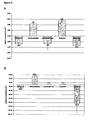
- the zinc finger protein ZAT7 (At3g46090); and At2g32200, encoding an extracellular peptide signalling molecule represent other markers for SAR-mediated resistance responses (see Figure 6 , 9 and 10 ).
- Other genes with modified expression upon overexpression of RKS4 may also be used as marker. Abundance of these markers when compared to wild-type controls indicates an enhanced pathogen resistance in the plant.
- Ligand molecules or signal compounds which would be applicable for spraying, are known to the person skilled in the art. Brassinosteroids are compounds which are produced in bulk and which are readily available. The concentration of the compounds to be applied depends on the characteristics of the compound itself, the density of endogenous and transgenic receptors present in the plant tissue to be treated and the way in which the compound is to be applied (e.g. by spraying, through nutrient or water-uptake, etc.).
- brassinosteroids with optimised function, and antagonists of brassinosteroid signalling, interfering with normal binding of active brassinosteroids could be further optimised based on molecular reporter systems based on detecting quantitatively and qualitatively the intracellular responses to brassinosteroid agonists and antagonists.
- Optimised detection of enhanced resistance responses could be determined in different genetic backgrounds of model plants, or in plants mutated for certain signalling pathways.
- a second construct coding for one or more of the downstream intermediates of such a processor could enlarge the resistance enhancing effects.
- Compounds which would qualify for this approach are either represented by gene products transmitting the signalling cascade downstream from the receptor, or gene products activated upon receptor activation.
- An example of direct signal transmission is provided by the NHL and the SPL gene products, which have been shown to interact directly as two-hybrid protein partners with RKS proteins.
- Recombination into ectopic binary expression vectors is e.g. performed by gateway recombination.
- PCR amplification of the expression cassettes alone and subsequent particle bombardment using e.g. the T/R marker free transformation technology ( WO 01/29240 ) might subsequently be performed for routine transformation of plant species with the desired gene product.
- a specific inducible system for expression may be performed in the same gateway cloning vector where inducible promoters like for example the Tween 20 inducible 1200 bp OPR1 promoter from Arabidopsis thaliana ( Plant Mol Biol. 2001 Nov;47(5):595-605 ) or tissue or stage inducible promoters like e.g.
- Chimaeric receptors might be constructed using RT-PCR production of the different receptor domains. Subsequent cloning (as described in Science, 2000, 288, 2360-2363 ) and expression of the resulting chimaeric receptors may again be performed using the gateway cloning and expression system.
- Results showed that, two days after spraying the mock and, Brassinosteroid mix, the plants sprayed with brassinosteroids were elongated but after six days they looked almost the same as the mock, only treated with 0.01%Silwett-L77 in water (just slightly more elongated. Also some of the cotyledons had turned upside-down. Col-0 and Ws-0 plants sprayed with brassinosteroids showed less sporulation of Waco9 compared to the mock control, thus indicating induction of resistance by the application of brassinosteroids.
- RKS4 Overexpression of RKS genes results in modified responses towards different concentrations of brassinosteroids in a root reponse bioassay ( Cell 2002, 110 203-112 & 213-222 ).
- Figure 3 shows that both RKS10-OX and RKS4-OX lines show an increased sensitivity to different concentrations of brassinosteroids.
- RKS4 controls both the cell elongation and the cellular division rate in several plant organs (see Figure 8 ). Its restricted expression in meristematic cells indicates an important function for the RKS4 gene product in growth, depending on receptor and hormone concentrations.
- RKS4 full-length cDNA was ectopically expressed in Arabidopsis Ws-0 plants under the control of the CaMV 35S promoter and we looked for T-DNA insertion lines in the SALK collection (Alonso et al., 2003 available from NASC the European Arabidopsis seed-stock center).
- Two insertion lines, SALK_066568 and SALK_071166, renamed rks4-1 and rks4-2 respectively were studied along with overexpression lines (RKS4-OX).
- N-terminal protein product the tomato LRP protein (homologous of the ELS gene products very similar to the RKS extracellular domain) has been described previously as being associated with viroid infection.
- This LRP protein is processed during pathogenesis by subtilisins ( Plant Journal 1996, 10, 315-330 ). These specific endoproteinases are involved in modulating the responses of the plant towards pathogen invasion by the specific modification of regulatory gene products within the cell wall. The resulting shifts in resistance as monitored indicate a role for the N-terminal domain of RKS-like gene products in the activation of the induced resistance within the plant as described below.
- RKS gene products have been shown to be involved in viral resistance, mediating resistance to a broad-spectrum of Geminiviruses ( Genes and Development 2004, 18, 2545-2556 ).
- the endogenous function of RKS 7, 14 and 1 has been studied with respect to their effect on viral infection.
- Successful plant infection proved to depend on the suppression of these RKS receptors by a viral virulence factor NSP.
- the NSP virulence protein interacts directly with the RKS protein, resulting in the suppression of antiviral responses ( Virology 2004, 318, 24-31 ).
- Our data are in agreement with a role of this subclass of RKS receptors since plants for which RKS4 expression has been modulated show an increased level of resistance.
- At2g14560 In RKS4 overexpressing plants the At2g14560 gene product, a marker for brassinosteroid induction but not for auxin induction, is upregulated (see Fig. 9 and 10 )
- the marker At2g14560 is under direct transcriptional control of NPR1, and is strongly induced by SA application ( Plant Physiology 2005, 137, 1147-1159 ; Science 2005, 308, 1036-1040 ).
- cotyledons are larger in the KO lines mainly due to an increase in cell division (15% for rks4-1 and 10.7% for rks4-2).
- cell division is actually decreased by 15.5% (RKS4-OX1) and 4.9% (RKS4-OX2) and larger cotyledons are therefore only the result of an extreme increase in cell elongation (plus 91.3% and 43.9%, respectively).
- RKS gene products are involved in brassinosteroid perception. Modulation of these receptors results in elevated levels of resistance against different pathogens like Pseudomonas bacteria and viruses. Plants with modified levels of RKS show not only broad-spectrum disease resistance, but also show induced fitness characteristics.
Landscapes
- Health & Medical Sciences (AREA)
- Genetics & Genomics (AREA)
- Life Sciences & Earth Sciences (AREA)
- Engineering & Computer Science (AREA)
- Zoology (AREA)
- Chemical & Material Sciences (AREA)
- Bioinformatics & Cheminformatics (AREA)
- Molecular Biology (AREA)
- Biomedical Technology (AREA)
- Wood Science & Technology (AREA)
- Biotechnology (AREA)
- General Engineering & Computer Science (AREA)
- Organic Chemistry (AREA)
- Plant Pathology (AREA)
- Microbiology (AREA)
- Biophysics (AREA)
- Physics & Mathematics (AREA)
- Cell Biology (AREA)
- Biochemistry (AREA)
- General Health & Medical Sciences (AREA)
- Physiology (AREA)
- Breeding Of Plants And Reproduction By Means Of Culturing (AREA)
- Peptides Or Proteins (AREA)
- Measuring Or Testing Involving Enzymes Or Micro-Organisms (AREA)
- Investigating Or Analysing Biological Materials (AREA)
- Agricultural Chemicals And Associated Chemicals (AREA)
Claims (10)
- Verfahren zur Steigerung der Pathogenresistenz in Pflanzen in Bezug auf das Niveau, das durch das endogene Niveau der Signalisierungsverbindung in den Pflanzen durch Überexpression eines RKS-Rezeptors erreicht wird, indem diese Pflanzen mit einem Genkonstrukt, umfassend eine DNS-Sequenz kodierend für den RKS-Rezeptor, ausgewählt aus Arabidopsis-Genen von RKS0, RKS1, RKS2, RKS3, RKS4, RKS5, RKS6, RKS7, RKS8, RKS10, RKS11, RKS12, RKS13 und RKS14, wie in WO 2004/007712 offenbart, oder orthologen Rezeptoren von anderen Pflanzen, versehen werden.
- Verfahren nach Anspruch 1, indem pro Zelle die Anzahl der Rezeptormoleküle erhöht wird.
- Verfahren nach Anspruch 1 oder 2, wobei die DNS-Sequenz kodierend für den Rezeptor unter der Kontrolle eines Gewebe- oder eines entwicklungsspezifischen Rezeptors oder eines regulierbaren (induzierbaren) Promoters ist.
- Verfahren nach den Ansprüchen 1-3, wobei der Rezeptor ausgewählt ist aus der Gruppe bestehend aus RKS1, RKS4, RKS7 und RKS14..
- Verfahren nach einem der Ansprüche 1-4, wobei die Pflanzen mit dem RKS-Rezeptor und einem oder mehreren Rezeptoren, ausgewählt aus der Gruppe bestehend aus dem Jasmonsäurerezeptor (eventuell kodiert durch das JAI-1-Gen), und dem Salizylsäurerezeptor (eventuell kodiert durch COX2-homologe Pflanzengene), versehen werden.
- Verfahren nach Anspruch 1, wobei die DNS-Sequenz für den N-terminalen Teil (extrazelluläre Domäne) eines RKS-Rezeptors kodiert.
- Verfahren nach Anspruch 6, wobei der N-terminale Teil durch einen trunkierten Rezeptor durch Anwenden (entweder endogen oder durch externe Anwendung) einer extrazellulären Protease produziert wird.
- Verfahren nach Anspruch 7, wobei die extrazelluläre Protease ein Subtilisin ist.
- Pflanze, hergestellt durch ein Verfahren nach Anspruch 6-7 und Abkömmling davon, wobei der Abkömmling noch die gesteigerte Sensitivität für eine induzierte Resistenz enthält.
- Verfahren zum Induzieren einer Pathogenresistenz in einer Pflanze, die mit einem RKS-Rezeptor, ausgewählt aus Arabidopsis-Genen von RKS0, RKS1, RKS2, RKS3, RKS4, RKS5, RKS6, RKS7, RKS8, RKS10, RKS11, RKS12, RKS13 und RKS14, wie in WO 2004/007712 offenbart, oder orthologen Rezeptoren von anderen Pflanzen, durch Besprühen einer solchen Pflanze mit einem Brassinosteroid, versehen ist.
Priority Applications (1)
| Application Number | Priority Date | Filing Date | Title |
|---|---|---|---|
| EP05769115.6A EP1774003B1 (de) | 2004-07-28 | 2005-07-25 | Eine methode zur steigerung der pathogenresistenz in pflanzen |
Applications Claiming Priority (3)
| Application Number | Priority Date | Filing Date | Title |
|---|---|---|---|
| EP04077173A EP1621629A1 (de) | 2004-07-28 | 2004-07-28 | Eine Methode zur Steigerung der Pathogenresistenz in Pflanzen |
| PCT/NL2005/000540 WO2006011788A1 (en) | 2004-07-28 | 2005-07-25 | A method to increase pathogen resistance in plants |
| EP05769115.6A EP1774003B1 (de) | 2004-07-28 | 2005-07-25 | Eine methode zur steigerung der pathogenresistenz in pflanzen |
Publications (2)
| Publication Number | Publication Date |
|---|---|
| EP1774003A1 EP1774003A1 (de) | 2007-04-18 |
| EP1774003B1 true EP1774003B1 (de) | 2014-03-26 |
Family
ID=34928412
Family Applications (2)
| Application Number | Title | Priority Date | Filing Date |
|---|---|---|---|
| EP04077173A Withdrawn EP1621629A1 (de) | 2004-07-28 | 2004-07-28 | Eine Methode zur Steigerung der Pathogenresistenz in Pflanzen |
| EP05769115.6A Expired - Lifetime EP1774003B1 (de) | 2004-07-28 | 2005-07-25 | Eine methode zur steigerung der pathogenresistenz in pflanzen |
Family Applications Before (1)
| Application Number | Title | Priority Date | Filing Date |
|---|---|---|---|
| EP04077173A Withdrawn EP1621629A1 (de) | 2004-07-28 | 2004-07-28 | Eine Methode zur Steigerung der Pathogenresistenz in Pflanzen |
Country Status (16)
| Country | Link |
|---|---|
| US (2) | US8642837B2 (de) |
| EP (2) | EP1621629A1 (de) |
| JP (1) | JP2008507969A (de) |
| CN (1) | CN101027400A (de) |
| AR (1) | AR049742A1 (de) |
| AU (1) | AU2005267648B2 (de) |
| BR (1) | BRPI0513832A (de) |
| CA (1) | CA2575426C (de) |
| DK (1) | DK1774003T3 (de) |
| ES (1) | ES2468190T3 (de) |
| IL (1) | IL180976A0 (de) |
| MX (1) | MX2007001090A (de) |
| NZ (1) | NZ552982A (de) |
| RU (1) | RU2380419C2 (de) |
| WO (1) | WO2006011788A1 (de) |
| ZA (1) | ZA200701085B (de) |
Families Citing this family (15)
| Publication number | Priority date | Publication date | Assignee | Title |
|---|---|---|---|---|
| EP1621629A1 (de) * | 2004-07-28 | 2006-02-01 | Expressive Research B.V. | Eine Methode zur Steigerung der Pathogenresistenz in Pflanzen |
| DE602007010976D1 (de) * | 2006-10-12 | 2011-01-13 | Univ Gent | Nichtsteroides brassinosteroid-mimetikum |
| EP2000539A1 (de) | 2007-06-05 | 2008-12-10 | Expressive Research B.V. | Resistenz gegen abiotischen Stress bei Pflanzen |
| WO2011068261A1 (ko) * | 2009-12-03 | 2011-06-09 | 서울대학교산학협력단 | 식물 병원균에 대한 저항성을 증진시키는 유전자 및 이의 용도 |
| WO2012029539A1 (en) | 2010-08-31 | 2012-03-08 | Tokyo University Of Science Educational Foundation Administrative Organization | Method of screening for plant defense activators, plant defense activators, and method of enhancing immune response |
| CU23949B1 (es) * | 2011-02-28 | 2013-10-29 | Ct De Ingeniería Genética Y Biotecnología | Método para la prevención o tratamiento de la enfermedad huanglongbing |
| AR080686A1 (es) * | 2011-03-16 | 2012-05-02 | Univ Nac De Tucuman Unt | Polipeptido que tiene actividad inductora de la defensa contra estres biotico en plantas, secuencia de nucleotidos que lo codifica, microorganismo composiciones y metodos |
| US20160009769A1 (en) * | 2013-03-01 | 2016-01-14 | Neopro Labs, Llc | Processes for isolating salicyclic acid receptors |
| JP6103607B2 (ja) * | 2014-07-31 | 2017-03-29 | 岡山県 | 高密度植栽に好適な植物体およびその利用 |
| CN104878095B (zh) * | 2015-04-30 | 2018-10-26 | 北京大北农科技集团股份有限公司 | 用于检测除草剂耐受性玉米植物dbn9858的核酸序列及其检测方法 |
| WO2017181127A1 (en) * | 2016-04-15 | 2017-10-19 | The Regents Of The University Of California | Robotic plant care systems and methods |
| CN110592137B (zh) * | 2019-10-12 | 2021-02-23 | 中国科学院昆明植物研究所 | 拟南芥at5g10290基因及其突变体在提高植物耐旱性的应用 |
| CN112852827B (zh) * | 2019-11-12 | 2022-06-28 | 江苏师范大学 | 拟南芥转录因子at3g46090基因在培育抗病性转基因植物中的应用 |
| CN112940135B (zh) * | 2019-12-11 | 2025-06-27 | 四川农业大学 | 融合蛋白、其氨基酸序列、编码核苷酸序列、制备方法和应用 |
| CN114277014B (zh) * | 2021-12-27 | 2023-09-12 | 中国科学院昆明植物研究所 | 拟南芥at5g10290基因在调控植物生长中的应用 |
Family Cites Families (12)
| Publication number | Priority date | Publication date | Assignee | Title |
|---|---|---|---|---|
| US5859339A (en) * | 1995-01-17 | 1999-01-12 | The Reagents Of The University Of California | Nucleic acids, from oryza sativa, which encode leucine-rich repeat polypeptides and enhance xanthomonas resistance in plants |
| GB9610044D0 (en) * | 1996-05-14 | 1996-07-17 | Sandoz Ltd | Improvements in or relating to organic compounds |
| US5986082A (en) * | 1996-12-13 | 1999-11-16 | Novartis Ag | Altered forms of the NIM1 gene conferring disease resistance in plants |
| US6245969B1 (en) * | 1997-06-24 | 2001-06-12 | Joanne Chory | Receptor kinase, Bin1 |
| US6452068B1 (en) * | 1998-01-28 | 2002-09-17 | The Rockefeller University | Chemical inducible promoters used to obtain transgenic plants with a silent marker |
| GB9823098D0 (en) * | 1998-10-22 | 1998-12-16 | Novartis Ag | Organic compounds |
| EP1094113A1 (de) * | 1999-10-22 | 2001-04-25 | Genetwister Technologies B.V. | Regeneration |
| AU2000266120A1 (en) * | 2000-07-28 | 2002-02-13 | The Salk Institute For Biological Studies | Chimeric receptors and their uses |
| WO2003016551A2 (en) * | 2001-08-16 | 2003-02-27 | Boyce Thompson Institute For Plant Research, Inc. | Novel salicylic acid-binding protein encoding nucleic acid, sabp2, and methods of use thereof |
| EP1382682A3 (de) * | 2002-07-17 | 2004-06-30 | Expressive Research B.V. | Modulation von Entwicklungswegen in Pflanzen |
| EP1621629A1 (de) | 2004-07-28 | 2006-02-01 | Expressive Research B.V. | Eine Methode zur Steigerung der Pathogenresistenz in Pflanzen |
| CN101189342B (zh) * | 2005-06-08 | 2013-04-03 | 克罗普迪塞恩股份有限公司 | 具有改良生长特性的植物及其制备方法 |
-
2004
- 2004-07-28 EP EP04077173A patent/EP1621629A1/de not_active Withdrawn
-
2005
- 2005-07-25 CN CNA2005800324118A patent/CN101027400A/zh active Pending
- 2005-07-25 BR BRPI0513832-9A patent/BRPI0513832A/pt not_active IP Right Cessation
- 2005-07-25 DK DK05769115.6T patent/DK1774003T3/da active
- 2005-07-25 MX MX2007001090A patent/MX2007001090A/es not_active Application Discontinuation
- 2005-07-25 AU AU2005267648A patent/AU2005267648B2/en not_active Ceased
- 2005-07-25 EP EP05769115.6A patent/EP1774003B1/de not_active Expired - Lifetime
- 2005-07-25 NZ NZ552982A patent/NZ552982A/en not_active IP Right Cessation
- 2005-07-25 CA CA2575426A patent/CA2575426C/en not_active Expired - Fee Related
- 2005-07-25 WO PCT/NL2005/000540 patent/WO2006011788A1/en not_active Ceased
- 2005-07-25 JP JP2007523499A patent/JP2008507969A/ja active Pending
- 2005-07-25 ES ES05769115.6T patent/ES2468190T3/es not_active Expired - Lifetime
- 2005-07-25 RU RU2007107392/13A patent/RU2380419C2/ru not_active IP Right Cessation
- 2005-07-28 AR ARP050103147A patent/AR049742A1/es unknown
-
2007
- 2007-01-25 IL IL180976A patent/IL180976A0/en unknown
- 2007-01-29 US US11/699,401 patent/US8642837B2/en not_active Expired - Fee Related
- 2007-02-06 ZA ZA200701085A patent/ZA200701085B/xx unknown
-
2008
- 2008-01-14 US US12/013,831 patent/US8680367B2/en not_active Expired - Fee Related
Non-Patent Citations (2)
| Title |
|---|
| SCHMIDT E D L ET AL: "A LEUCINE-RICH REPEAT CONTAINING RECEPTOR-LIKE KINASE MARKS SOMATICPLANT CELLS COMPETENT TO FORM EMBRYOS", DEVELOPMENT, COMPANY OF BIOLOGISTS, CAMBRIDGE, GB, vol. 124, no. 10, 1 January 1997 (1997-01-01), pages 2049 - 2062, XP002040869, ISSN: 0950-1991 * |
| SHIU SHIN-HAN ET AL: "Expansion of the receptor-like kinase/pelle gene family and receptor-like proteins in Arabidopsis.", PLANT PHYSIOLOGY (ROCKVILLE), vol. 132, no. 2, June 2003 (2003-06-01), pages 530 - 543, ISSN: 0032-0889 * |
Also Published As
| Publication number | Publication date |
|---|---|
| NZ552982A (en) | 2009-11-27 |
| EP1621629A1 (de) | 2006-02-01 |
| DK1774003T3 (da) | 2014-05-26 |
| BRPI0513832A (pt) | 2008-05-20 |
| EP1774003A1 (de) | 2007-04-18 |
| CA2575426A1 (en) | 2006-02-02 |
| CA2575426C (en) | 2014-09-16 |
| CN101027400A (zh) | 2007-08-29 |
| US8680367B2 (en) | 2014-03-25 |
| AU2005267648A1 (en) | 2006-02-02 |
| RU2380419C2 (ru) | 2010-01-27 |
| ZA200701085B (en) | 2008-10-29 |
| US20080307544A1 (en) | 2008-12-11 |
| RU2007107392A (ru) | 2008-09-10 |
| AR049742A1 (es) | 2006-08-30 |
| US8642837B2 (en) | 2014-02-04 |
| US20080220971A1 (en) | 2008-09-11 |
| WO2006011788A1 (en) | 2006-02-02 |
| ES2468190T3 (es) | 2014-06-16 |
| MX2007001090A (es) | 2007-07-09 |
| IL180976A0 (en) | 2007-07-04 |
| JP2008507969A (ja) | 2008-03-21 |
| AU2005267648B2 (en) | 2009-09-17 |
Similar Documents
| Publication | Publication Date | Title |
|---|---|---|
| US8642837B2 (en) | Method to increase pathogen resistance in plants | |
| EP2465933B1 (de) | Krankheitsinduzierbare Promotoren | |
| AbuQamar et al. | Tomato protein kinase 1b mediates signaling of plant responses to necrotrophic fungi and insect herbivory | |
| Donaldson et al. | Soybean plants expressing an active oligomeric oxalate oxidase from the wheat gf-2.8 (germin) gene are resistant to the oxalate-secreting pathogen Sclerotina sclerotiorum | |
| EP2069504B1 (de) | Pflanzen mit verbesserten eigenschaften bezüglich des samenertrags und verfahren zu ihrer herstellung | |
| ES2390919T3 (es) | Plantas que tienen rasgos relacionados con el rendimiento mejorados y un método para elaborar las mismas | |
| US7868224B2 (en) | Compositions and methods for increasing plant tolerance to high population density | |
| Roy et al. | Transformation of tomato cultivar ‘Pusa Ruby’with bspA gene from Populus tremula for drought tolerance | |
| JP2010538670A (ja) | 増強された収穫高関連形質を有する植物およびその作製方法 | |
| CN102257142A (zh) | 具有增强的产量相关性状的植物及其制备方法 | |
| JP2023538571A (ja) | 植物の抵抗性遺伝子およびその同定手段 | |
| WO2008155139A2 (en) | Methods and means for the production of plants with improved stress resistance | |
| ES2544249T3 (es) | Plantas que tienen rasgos relacionados con un rendimiento de semilla mejorado y un procedimiento de producción de las mismas | |
| CN103298943A (zh) | 产量相关性状增强的植物及其制备方法 | |
| KR102555522B1 (ko) | CaGIR1 유전자 및 이를 이용한 식물체의 건조 스트레스 저항성 증진방법 | |
| US20110179520A1 (en) | Tissue-enhanced promoters | |
| US20040172685A1 (en) | Method of using MAPK4 and orthologues thereof to control plant disease resistance and plant growth | |
| EA048343B1 (ru) | Ген устойчивости растений и средства его идентификации | |
| Chu | Ning Li, Lingguang Kong, Wenhui Zhou, Xia Zhang, Shutong Wei, Xinhua Ding & |
Legal Events
| Date | Code | Title | Description |
|---|---|---|---|
| PUAI | Public reference made under article 153(3) epc to a published international application that has entered the european phase |
Free format text: ORIGINAL CODE: 0009012 |
|
| 17P | Request for examination filed |
Effective date: 20070226 |
|
| AK | Designated contracting states |
Kind code of ref document: A1 Designated state(s): AT BE BG CH CY CZ DE DK EE ES FI FR GB GR HU IE IS IT LI LT LU LV MC NL PL PT RO SE SI SK TR |
|
| DAX | Request for extension of the european patent (deleted) | ||
| 17Q | First examination report despatched |
Effective date: 20100119 |
|
| GRAP | Despatch of communication of intention to grant a patent |
Free format text: ORIGINAL CODE: EPIDOSNIGR1 |
|
| INTG | Intention to grant announced |
Effective date: 20131018 |
|
| GRAS | Grant fee paid |
Free format text: ORIGINAL CODE: EPIDOSNIGR3 |
|
| GRAA | (expected) grant |
Free format text: ORIGINAL CODE: 0009210 |
|
| AK | Designated contracting states |
Kind code of ref document: B1 Designated state(s): AT BE BG CH CY CZ DE DK EE ES FI FR GB GR HU IE IS IT LI LT LU LV MC NL PL PT RO SE SI SK TR |
|
| REG | Reference to a national code |
Ref country code: GB Ref legal event code: FG4D |
|
| REG | Reference to a national code |
Ref country code: CH Ref legal event code: EP |
|
| REG | Reference to a national code |
Ref country code: AT Ref legal event code: REF Ref document number: 659042 Country of ref document: AT Kind code of ref document: T Effective date: 20140415 |
|
| REG | Reference to a national code |
Ref country code: IE Ref legal event code: FG4D |
|
| REG | Reference to a national code |
Ref country code: DE Ref legal event code: R096 Ref document number: 602005043096 Country of ref document: DE Effective date: 20140508 |
|
| REG | Reference to a national code |
Ref country code: DK Ref legal event code: T3 Effective date: 20140520 |
|
| REG | Reference to a national code |
Ref country code: NL Ref legal event code: T3 |
|
| REG | Reference to a national code |
Ref country code: ES Ref legal event code: FG2A Ref document number: 2468190 Country of ref document: ES Kind code of ref document: T3 Effective date: 20140616 |
|
| REG | Reference to a national code |
Ref country code: SE Ref legal event code: TRGR |
|
| PG25 | Lapsed in a contracting state [announced via postgrant information from national office to epo] |
Ref country code: LT Free format text: LAPSE BECAUSE OF FAILURE TO SUBMIT A TRANSLATION OF THE DESCRIPTION OR TO PAY THE FEE WITHIN THE PRESCRIBED TIME-LIMIT Effective date: 20140326 |
|
| REG | Reference to a national code |
Ref country code: AT Ref legal event code: MK05 Ref document number: 659042 Country of ref document: AT Kind code of ref document: T Effective date: 20140326 |
|
| REG | Reference to a national code |
Ref country code: LT Ref legal event code: MG4D |
|
| PG25 | Lapsed in a contracting state [announced via postgrant information from national office to epo] |
Ref country code: FI Free format text: LAPSE BECAUSE OF FAILURE TO SUBMIT A TRANSLATION OF THE DESCRIPTION OR TO PAY THE FEE WITHIN THE PRESCRIBED TIME-LIMIT Effective date: 20140326 |
|
| PG25 | Lapsed in a contracting state [announced via postgrant information from national office to epo] |
Ref country code: LV Free format text: LAPSE BECAUSE OF FAILURE TO SUBMIT A TRANSLATION OF THE DESCRIPTION OR TO PAY THE FEE WITHIN THE PRESCRIBED TIME-LIMIT Effective date: 20140326 |
|
| PG25 | Lapsed in a contracting state [announced via postgrant information from national office to epo] |
Ref country code: BG Free format text: LAPSE BECAUSE OF FAILURE TO SUBMIT A TRANSLATION OF THE DESCRIPTION OR TO PAY THE FEE WITHIN THE PRESCRIBED TIME-LIMIT Effective date: 20140626 Ref country code: IS Free format text: LAPSE BECAUSE OF FAILURE TO SUBMIT A TRANSLATION OF THE DESCRIPTION OR TO PAY THE FEE WITHIN THE PRESCRIBED TIME-LIMIT Effective date: 20140726 Ref country code: EE Free format text: LAPSE BECAUSE OF FAILURE TO SUBMIT A TRANSLATION OF THE DESCRIPTION OR TO PAY THE FEE WITHIN THE PRESCRIBED TIME-LIMIT Effective date: 20140326 Ref country code: CY Free format text: LAPSE BECAUSE OF FAILURE TO SUBMIT A TRANSLATION OF THE DESCRIPTION OR TO PAY THE FEE WITHIN THE PRESCRIBED TIME-LIMIT Effective date: 20140326 Ref country code: CZ Free format text: LAPSE BECAUSE OF FAILURE TO SUBMIT A TRANSLATION OF THE DESCRIPTION OR TO PAY THE FEE WITHIN THE PRESCRIBED TIME-LIMIT Effective date: 20140326 Ref country code: RO Free format text: LAPSE BECAUSE OF FAILURE TO SUBMIT A TRANSLATION OF THE DESCRIPTION OR TO PAY THE FEE WITHIN THE PRESCRIBED TIME-LIMIT Effective date: 20140326 |
|
| PGFP | Annual fee paid to national office [announced via postgrant information from national office to epo] |
Ref country code: DK Payment date: 20140721 Year of fee payment: 10 Ref country code: CH Payment date: 20140721 Year of fee payment: 10 Ref country code: NL Payment date: 20140630 Year of fee payment: 10 Ref country code: DE Payment date: 20140721 Year of fee payment: 10 |
|
| PG25 | Lapsed in a contracting state [announced via postgrant information from national office to epo] |
Ref country code: SK Free format text: LAPSE BECAUSE OF FAILURE TO SUBMIT A TRANSLATION OF THE DESCRIPTION OR TO PAY THE FEE WITHIN THE PRESCRIBED TIME-LIMIT Effective date: 20140326 Ref country code: AT Free format text: LAPSE BECAUSE OF FAILURE TO SUBMIT A TRANSLATION OF THE DESCRIPTION OR TO PAY THE FEE WITHIN THE PRESCRIBED TIME-LIMIT Effective date: 20140326 Ref country code: PL Free format text: LAPSE BECAUSE OF FAILURE TO SUBMIT A TRANSLATION OF THE DESCRIPTION OR TO PAY THE FEE WITHIN THE PRESCRIBED TIME-LIMIT Effective date: 20140326 |
|
| PGFP | Annual fee paid to national office [announced via postgrant information from national office to epo] |
Ref country code: ES Payment date: 20140728 Year of fee payment: 10 Ref country code: SE Payment date: 20140721 Year of fee payment: 10 Ref country code: FR Payment date: 20140721 Year of fee payment: 10 Ref country code: GB Payment date: 20140721 Year of fee payment: 10 |
|
| PG25 | Lapsed in a contracting state [announced via postgrant information from national office to epo] |
Ref country code: PT Free format text: LAPSE BECAUSE OF FAILURE TO SUBMIT A TRANSLATION OF THE DESCRIPTION OR TO PAY THE FEE WITHIN THE PRESCRIBED TIME-LIMIT Effective date: 20140728 |
|
| PGFP | Annual fee paid to national office [announced via postgrant information from national office to epo] |
Ref country code: IT Payment date: 20140723 Year of fee payment: 10 |
|
| REG | Reference to a national code |
Ref country code: DE Ref legal event code: R097 Ref document number: 602005043096 Country of ref document: DE |
|
| PGFP | Annual fee paid to national office [announced via postgrant information from national office to epo] |
Ref country code: BE Payment date: 20140722 Year of fee payment: 10 |
|
| PLBE | No opposition filed within time limit |
Free format text: ORIGINAL CODE: 0009261 |
|
| STAA | Information on the status of an ep patent application or granted ep patent |
Free format text: STATUS: NO OPPOSITION FILED WITHIN TIME LIMIT |
|
| PG25 | Lapsed in a contracting state [announced via postgrant information from national office to epo] |
Ref country code: LU Free format text: LAPSE BECAUSE OF FAILURE TO SUBMIT A TRANSLATION OF THE DESCRIPTION OR TO PAY THE FEE WITHIN THE PRESCRIBED TIME-LIMIT Effective date: 20140725 |
|
| 26N | No opposition filed |
Effective date: 20150106 |
|
| REG | Reference to a national code |
Ref country code: DE Ref legal event code: R097 Ref document number: 602005043096 Country of ref document: DE Effective date: 20150106 |
|
| REG | Reference to a national code |
Ref country code: IE Ref legal event code: MM4A |
|
| PG25 | Lapsed in a contracting state [announced via postgrant information from national office to epo] |
Ref country code: SI Free format text: LAPSE BECAUSE OF FAILURE TO SUBMIT A TRANSLATION OF THE DESCRIPTION OR TO PAY THE FEE WITHIN THE PRESCRIBED TIME-LIMIT Effective date: 20140326 |
|
| PG25 | Lapsed in a contracting state [announced via postgrant information from national office to epo] |
Ref country code: IE Free format text: LAPSE BECAUSE OF NON-PAYMENT OF DUE FEES Effective date: 20140725 |
|
| REG | Reference to a national code |
Ref country code: DE Ref legal event code: R119 Ref document number: 602005043096 Country of ref document: DE |
|
| REG | Reference to a national code |
Ref country code: DK Ref legal event code: EBP Effective date: 20150731 |
|
| REG | Reference to a national code |
Ref country code: CH Ref legal event code: PL |
|
| REG | Reference to a national code |
Ref country code: SE Ref legal event code: EUG |
|
| GBPC | Gb: european patent ceased through non-payment of renewal fee |
Effective date: 20150725 |
|
| REG | Reference to a national code |
Ref country code: NL Ref legal event code: MM Effective date: 20150801 |
|
| PG25 | Lapsed in a contracting state [announced via postgrant information from national office to epo] |
Ref country code: DE Free format text: LAPSE BECAUSE OF NON-PAYMENT OF DUE FEES Effective date: 20160202 Ref country code: CH Free format text: LAPSE BECAUSE OF NON-PAYMENT OF DUE FEES Effective date: 20150731 Ref country code: GB Free format text: LAPSE BECAUSE OF NON-PAYMENT OF DUE FEES Effective date: 20150725 Ref country code: IT Free format text: LAPSE BECAUSE OF NON-PAYMENT OF DUE FEES Effective date: 20150725 Ref country code: MC Free format text: LAPSE BECAUSE OF FAILURE TO SUBMIT A TRANSLATION OF THE DESCRIPTION OR TO PAY THE FEE WITHIN THE PRESCRIBED TIME-LIMIT Effective date: 20140326 Ref country code: LI Free format text: LAPSE BECAUSE OF NON-PAYMENT OF DUE FEES Effective date: 20150731 |
|
| REG | Reference to a national code |
Ref country code: FR Ref legal event code: ST Effective date: 20160331 |
|
| PG25 | Lapsed in a contracting state [announced via postgrant information from national office to epo] |
Ref country code: SE Free format text: LAPSE BECAUSE OF NON-PAYMENT OF DUE FEES Effective date: 20150726 Ref country code: NL Free format text: LAPSE BECAUSE OF NON-PAYMENT OF DUE FEES Effective date: 20150801 Ref country code: FR Free format text: LAPSE BECAUSE OF NON-PAYMENT OF DUE FEES Effective date: 20150731 |
|
| PG25 | Lapsed in a contracting state [announced via postgrant information from national office to epo] |
Ref country code: GR Free format text: LAPSE BECAUSE OF FAILURE TO SUBMIT A TRANSLATION OF THE DESCRIPTION OR TO PAY THE FEE WITHIN THE PRESCRIBED TIME-LIMIT Effective date: 20140627 |
|
| PG25 | Lapsed in a contracting state [announced via postgrant information from national office to epo] |
Ref country code: TR Free format text: LAPSE BECAUSE OF FAILURE TO SUBMIT A TRANSLATION OF THE DESCRIPTION OR TO PAY THE FEE WITHIN THE PRESCRIBED TIME-LIMIT Effective date: 20140326 Ref country code: HU Free format text: LAPSE BECAUSE OF FAILURE TO SUBMIT A TRANSLATION OF THE DESCRIPTION OR TO PAY THE FEE WITHIN THE PRESCRIBED TIME-LIMIT; INVALID AB INITIO Effective date: 20050725 |
|
| REG | Reference to a national code |
Ref country code: ES Ref legal event code: FD2A Effective date: 20160826 |
|
| PG25 | Lapsed in a contracting state [announced via postgrant information from national office to epo] |
Ref country code: DK Free format text: LAPSE BECAUSE OF NON-PAYMENT OF DUE FEES Effective date: 20150731 |
|
| PG25 | Lapsed in a contracting state [announced via postgrant information from national office to epo] |
Ref country code: ES Free format text: LAPSE BECAUSE OF NON-PAYMENT OF DUE FEES Effective date: 20150726 |
|
| PG25 | Lapsed in a contracting state [announced via postgrant information from national office to epo] |
Ref country code: BE Free format text: LAPSE BECAUSE OF NON-PAYMENT OF DUE FEES Effective date: 20150731 |