EP1800690A2 - Verwendung eines immunomodulatorischen Proteins aus Pilzen - Google Patents
Verwendung eines immunomodulatorischen Proteins aus Pilzen Download PDFInfo
- Publication number
- EP1800690A2 EP1800690A2 EP06017781A EP06017781A EP1800690A2 EP 1800690 A2 EP1800690 A2 EP 1800690A2 EP 06017781 A EP06017781 A EP 06017781A EP 06017781 A EP06017781 A EP 06017781A EP 1800690 A2 EP1800690 A2 EP 1800690A2
- Authority
- EP
- European Patent Office
- Prior art keywords
- cells
- fip
- gts
- treated
- cell
- Prior art date
- Legal status (The legal status is an assumption and is not a legal conclusion. Google has not performed a legal analysis and makes no representation as to the accuracy of the status listed.)
- Withdrawn
Links
Images



Classifications
-
- A—HUMAN NECESSITIES
- A61—MEDICAL OR VETERINARY SCIENCE; HYGIENE
- A61K—PREPARATIONS FOR MEDICAL, DENTAL OR TOILETRY PURPOSES
- A61K38/00—Medicinal preparations containing peptides
- A61K38/16—Peptides having more than 20 amino acids; Gastrins; Somatostatins; Melanotropins; Derivatives thereof
-
- A—HUMAN NECESSITIES
- A61—MEDICAL OR VETERINARY SCIENCE; HYGIENE
- A61K—PREPARATIONS FOR MEDICAL, DENTAL OR TOILETRY PURPOSES
- A61K36/00—Medicinal preparations of undetermined constitution containing material from algae, lichens, fungi or plants, or derivatives thereof, e.g. traditional herbal medicines
- A61K36/06—Fungi, e.g. yeasts
-
- A—HUMAN NECESSITIES
- A61—MEDICAL OR VETERINARY SCIENCE; HYGIENE
- A61P—SPECIFIC THERAPEUTIC ACTIVITY OF CHEMICAL COMPOUNDS OR MEDICINAL PREPARATIONS
- A61P3/00—Drugs for disorders of the metabolism
- A61P3/08—Drugs for disorders of the metabolism for glucose homeostasis
- A61P3/10—Drugs for disorders of the metabolism for glucose homeostasis for hyperglycaemia, e.g. antidiabetics
-
- A—HUMAN NECESSITIES
- A61—MEDICAL OR VETERINARY SCIENCE; HYGIENE
- A61P—SPECIFIC THERAPEUTIC ACTIVITY OF CHEMICAL COMPOUNDS OR MEDICINAL PREPARATIONS
- A61P35/00—Antineoplastic agents
-
- A—HUMAN NECESSITIES
- A61—MEDICAL OR VETERINARY SCIENCE; HYGIENE
- A61P—SPECIFIC THERAPEUTIC ACTIVITY OF CHEMICAL COMPOUNDS OR MEDICINAL PREPARATIONS
- A61P35/00—Antineoplastic agents
- A61P35/04—Antineoplastic agents specific for metastasis
-
- A—HUMAN NECESSITIES
- A61—MEDICAL OR VETERINARY SCIENCE; HYGIENE
- A61P—SPECIFIC THERAPEUTIC ACTIVITY OF CHEMICAL COMPOUNDS OR MEDICINAL PREPARATIONS
- A61P37/00—Drugs for immunological or allergic disorders
- A61P37/02—Immunomodulators
-
- A—HUMAN NECESSITIES
- A61—MEDICAL OR VETERINARY SCIENCE; HYGIENE
- A61P—SPECIFIC THERAPEUTIC ACTIVITY OF CHEMICAL COMPOUNDS OR MEDICINAL PREPARATIONS
- A61P37/00—Drugs for immunological or allergic disorders
- A61P37/02—Immunomodulators
- A61P37/04—Immunostimulants
-
- C—CHEMISTRY; METALLURGY
- C07—ORGANIC CHEMISTRY
- C07K—PEPTIDES
- C07K14/00—Peptides having more than 20 amino acids; Gastrins; Somatostatins; Melanotropins; Derivatives thereof
- C07K14/37—Peptides having more than 20 amino acids; Gastrins; Somatostatins; Melanotropins; Derivatives thereof from fungi
- C07K14/375—Peptides having more than 20 amino acids; Gastrins; Somatostatins; Melanotropins; Derivatives thereof from fungi from Basidiomycetes
-
- G—PHYSICS
- G01—MEASURING; TESTING
- G01N—INVESTIGATING OR ANALYSING MATERIALS BY DETERMINING THEIR CHEMICAL OR PHYSICAL PROPERTIES
- G01N33/00—Investigating or analysing materials by specific methods not covered by groups G01N1/00 - G01N31/00
- G01N33/48—Biological material, e.g. blood, urine; Haemocytometers
- G01N33/50—Chemical analysis of biological material, e.g. blood, urine; Testing involving biospecific ligand binding methods; Immunological testing
- G01N33/53—Immunoassay; Biospecific binding assay; Materials therefor
- G01N33/575—Immunoassay; Biospecific binding assay; Materials therefor for cancer
- G01N33/57557—Immunoassay; Biospecific binding assay; Materials therefor for cancer of other specific parts of the body, e.g. brain
-
- G—PHYSICS
- G01—MEASURING; TESTING
- G01N—INVESTIGATING OR ANALYSING MATERIALS BY DETERMINING THEIR CHEMICAL OR PHYSICAL PROPERTIES
- G01N2333/00—Assays involving biological materials from specific organisms or of a specific nature
- G01N2333/37—Assays involving biological materials from specific organisms or of a specific nature from fungi
-
- G—PHYSICS
- G01—MEASURING; TESTING
- G01N—INVESTIGATING OR ANALYSING MATERIALS BY DETERMINING THEIR CHEMICAL OR PHYSICAL PROPERTIES
- G01N2333/00—Assays involving biological materials from specific organisms or of a specific nature
- G01N2333/90—Enzymes; Proenzymes
- G01N2333/91—Transferases (2.)
- G01N2333/912—Transferases (2.) transferring phosphorus containing groups, e.g. kinases (2.7)
- G01N2333/91205—Phosphotransferases in general
- G01N2333/91245—Nucleotidyltransferases (2.7.7)
- G01N2333/9125—Nucleotidyltransferases (2.7.7) with a definite EC number (2.7.7.-)
-
- Y—GENERAL TAGGING OF NEW TECHNOLOGICAL DEVELOPMENTS; GENERAL TAGGING OF CROSS-SECTIONAL TECHNOLOGIES SPANNING OVER SEVERAL SECTIONS OF THE IPC; TECHNICAL SUBJECTS COVERED BY FORMER USPC CROSS-REFERENCE ART COLLECTIONS [XRACs] AND DIGESTS
- Y02—TECHNOLOGIES OR APPLICATIONS FOR MITIGATION OR ADAPTATION AGAINST CLIMATE CHANGE
- Y02A—TECHNOLOGIES FOR ADAPTATION TO CLIMATE CHANGE
- Y02A50/00—TECHNOLOGIES FOR ADAPTATION TO CLIMATE CHANGE in human health protection, e.g. against extreme weather
- Y02A50/30—Against vector-borne diseases, e.g. mosquito-borne, fly-borne, tick-borne or waterborne diseases whose impact is exacerbated by climate change
Definitions
- This present invention relates to the use of fungal immunomodulatory proteins in immunotherapy.
- Ganoderma is a rare and valuable herb in Chinese medicine. It has been known in China for over 5,000 years as "Ling Zhi”. There are a variety of ganodermas, including G lucidum (red), G applanatum (brown), G tsugae (red), G sinense (black), and G. oregonense (dark brown).
- Ling Zhi has anti-allergy ( Chen H.Y et al., J. Med. Mycol. 1992; 33:505-512 ), hepatoprotective ( Lin J.M. et al., Am J Chin Med. 1993; 21(1):59-69 ) and anti-tumor effects ( Wasser SP, Crit Rev Immunol 1999. 19:65-96 ) and immune advantages ( Kino, J Biol. Chem. 1989. 264(1) : 472-8 ).
- Ling Zhi is used restrictedly in the form of extract of raw material ( Homer W.E. et al., Allergy 1993; 48:110-116 ) or small molecules ( Kawagishi H., et al., Phytochemistry 1993; 32: 239-241 ).
- Lin et al. have purified an immunomodulatory protein from the mycelium of Ganoderma tsugae, named FIP- gts ( Lin, W.H., et al., J Biol Chem. 1997. 272, 20044-20048 .).
- the FIP- gts found in the fruit body of Ganoderma tsugae has no immunomodulatory effect; only the protein found in the mycelium has the effect.
- the DNA sequence of FIP- gts was found to be identical to the sequence of LZ-8 in Ganoderma lucidium . Both proteins exhibited the same immunoactivity, demonstrating that they are the same protein.
- FIP- gts was predicted to have two ⁇ -helices, seven ⁇ -sheets and one ⁇ -turn.
- the molecular weight of FIP- gts was determined to be 13 kD using SDS-PAGE analysis. Connecting the amino acids with 20 ⁇ M glutaraldegyde (protein conjugate), FIP- gts was found to form a 26 kD homodimer.
- BFSA Blast-formation stimulatory activity assay
- Natural Killer (NK) cells are yet another type of lethal lymphocyte. Like cytotoxic T cells, they contain granules filled with potent chemicals. They are called “natural” killers because they, unlike cytotoxic T cells, do not need to recognize a specific antigen before swinging into action. They target tumor cells and protect against a wide variety of infectious microbes. In several immunodeficiency diseases, including AIDS, natural killer cell function is abnormal. Natural killer cells may also contribute to immunoregulation by secreting high levels of influential lymphokines.
- the killer binds to its target, aims its weapons, and then delivers a lethal burst of chemicals that produces holes in the target cell's membrane. Fluids seep in and leak out, and the cell bursts.
- immuno-anti-cancer therapy consisted of three forms: operations, chemotherapy, or radiation. In all these forms, however, resulting side effects were frequent and harmful. Thus, these three forms are not the best way for cancer patients, especially those people in the end stages of cancer. Overdoses of chemotherapy and radiation, for example, could actually prove harmful and shorten lives.
- NK cells constitute an important component of the innate immune system, providing surveillance against certain viruses, intracellular bacteria and transformed cells ( Trinchieri G. Adv Immunol 1989; 47:187- 376 .; French AR, Yokoyama WM. Curr Opin Immunol 2003; 15:45 - 51 .; Smyth MJ et al., Nat Immunol 2001; 2:293 - 9 .).
- NK cells exert cell-mediated cytotoxicity and stand as a bridge between innate and adaptive immune responses through the release of various cytokines (such as IFNg, GM-CSF and TNF-h) and chemokines (e.g. MIP-1 family and RANTES) ( Biron CA.
- NK cell killing of virus-infected or malignant transformed cells do not need pre-sensitization and is independent of MHC restriction, thus NK cells are considered as promising candidates for adoptive transfer treatment of malignant tumors, especially those of the haematopoietic origin ( Robertson MJ, Ritz J. Blood 1990; 76:2421 - 38 .).
- malignant cells often have developed strategies that counteract immune surveillance of the hosts, including down-regulation of MHC class I molecules to avoid immune recognition, increased expression of Fas-L to kill responsive lymphocytes and production of suppressive cytokines such as TGF-h ( Garcia-Lora A et al., J Cell Physiol 2003; 195:346-55 .; Kim R et al., Cancer 2004; 100:2281 - 91 .). Therefore, mobilizing NK cells is important to increase the capacity of the host to limit the development of malignant tumors while adaptive immunity is at the states of "anergy" or "tolerance".
- ADCC antibody-dependent cellular cytotoxicity
- G. lucidum has polysaccharides which, through an immune-modulatory mechanism, have in vitro and in vivo anticancer effects ( Wang SY, et al., Int J Cancer 1997; 70(6):699-705 .).
- Telomerase is a cellular reverse transcriptase that catalyzes the synthesis and extension of telomeric DNA ( Greider CW, et al., Nature 1989; 337(6205):331-337 .). This enzyme is specifically activated in most malignant tumors but is usually inactive in normal somatic cells, with the result that telomeres are progressively shortened during cell division in normal cells ( Kim NW, et al., Science 1994; 266(5193):2011-2015 .).
- telomere activation may therefore be a rate-limiting or critical step in cellular immortalization and oncogenesis ( Harley CB, et al., Curr Opin Genet Dev 1995; 5(2):249-255 .), as more than 90% of human cancer cells in vivo show the presence of telomerase activity.
- telomerase As a ribonucleoprotein complex, telomerase in humans consists of two major subunits. These are the RNA template and the reverse transcriptase subunit, encoded by hTR and hTERT genes, respectively.
- telomerase activity is an important prognostic factor in lung cancer patients.
- the present invention is directed to an use of the fungal immunomodulatory protein for immunotherapy, wherein the protein having the amino acid sequence of SEQ ID No:1 MSDTALIFRLAWDVKKLSFDYTPNWGRGNPNNFIDTVTFPKVLTDKAYTYRV AVSGRNLGVKPSYAVESDGSQKVNFLEYNSGYGIADTNTIQVFVVDPDTNND FIIAQWN or SEQ ID No:3 SATSLTFQLAYLVKKIDFDYTPNWGRGTPSSYIDNLTFPKVLTDKKYSYRVVV NGSDLGVESNFAVTPSGGQTINFLQYNKGYGVADTKTIQVFVVIPDTGNSEEYI IAEWKKT.
- the present invention is provided an use of the fungal immunomodulatory protein for immunotherapy, wherein the protein having the amino acid sequence of SEQ ID No: 1 MSDTALIFRLAWDVKKLSFDYTPNWGRGNPNNFIDTVTFPKVLTDKAYTYRV AVSGRNLGVKPSYAVESDGSQKVNFLEYNSGYGIADTNTIQVFVVDPDTNND FIIAQWN or SEQ ID No:3 SATSLTFQLAYLVKKIDFDYTPNWGRGTPSSYIDNLTFPKVLTDKKYSYRVVV NGSDLGVESNFAVTPSGGQTINFLQYNKGYGVADTKTIQVFVVIPDTGNSEEYI IAEWKKT.
- Ganoderma species Flammulina velutipes or a recombinant microorganism (such as recombinant Escherichia coli or Yeast).
- the preferred embodiment of Ganoderma species is Ganoderma tsugae.
- the use of the present invention could be applied as adjuvant for alleviating the pain or side effects of a patient suffering cancer.
- the use of the present invention for immunotherapy is directed to stimulate or activate immunological function.
- the immunological function of the present invention is made by the mechanism selecting from the group consist of activation of natural killer cells, activation of macrophages and multiplication of serum antibodies.
- the preferred embodiment of the function of the present invention is made by activation of natural killer cells and inhibition of telomerase.
- the fungal immunomodulatory protein of the present invention can be designed as the following dosage forms consisting of oral solution, oral sachet, oral tablet or oral pellet, which is administered orally.
- FIP- gts of the present invention of which cDNA sequence is identical to LZ-8 (SEQ ID NO: 1), exhibited anti-cancer effect. It was also disclosed that cancer cells treated with FIP- gts showed reduced viability, demonstrating the utility of FIP- gts as an anticancer agent.
- MMP-2 is an important enzyme involved in the tumor cell metastasis. Suppression of MMP-2 is a sign of FIP- gts suppressing the tumor cell metastasis.
- immunotherapy is not limited but to stimulate or activate immunological function (such as activate natural killer cells and macrophages or increase production of cytokines, serum IgG or IgM antibody).
- Cancers the fungal immunomodulatory protein of the invention could treat are selected from the group consisting of lung cancer, bone cancer, breast cancer, hepatocellular carcinomas, non-small lung cell cancer, ovarian cancer and gastrointestinal cancer.
- the FIP- gts according to the invention could be fused to an antitumor agent or a detectable label.
- the FIP- gts is suitable for use in a method of treatment of the human or animal body by chemotherapy or surgery (e.g. radioimmunoguided surgery, RIGS), or in a method of diagnosis practiced on the human or animal body.
- the FIP- gts is suitable for use in treatment by surgery or therapy of a tumor, or in diagnosis of a tumor.
- the antitumor agent linked to the FIP- gts may be any agent that destroys or damages a tumor to which the FIP- gts has bound or in the environment of the cell to which the FIP- gts has bound.
- the antitumor agent may be a toxic agent such as a chemotherapeutic agent or a radioisotope, an enzyme that activates a prodrug or a cytokine.
- chemotherapeutic agents include anthracyclines (e.g. daunomycin and doxorubicin), methotrexate, vindesine, neocarzinostatin, cis-platinum, chlorambucil, cytosine arabinoside, 5-fluorouridine, melphalan, ricin and calicheamicin.
- Suitable radioisotopes for use as anti-virus agents are also known to those skilled in the art.
- the antitumor agent that is attached to the FIP- gts may also be an enzyme that activates a prodrug. This allows activation of an inactive prodrug to its active, cytotoxic form at the directed site.
- the FIP- gts -enzyme conjugate can be administered to the patient and allowed to localize in the region of the tumor to be treated. The prodrug is then administered to the patient so that conversion to the cytotoxic drug is localized in the region of the tumor cells to be treated under the influence of the localized enzyme.
- the present invention also provides a method for use in immunotherapy in a patient in need of such treatment, comprising administering to said patient an effective amount of the polypeptide variant or fragment of the present invention.
- the detectable label attached to the FIP- gts may be an imaging agent for site imaging such as a short-lived radioisotope, for example 111 In, 125 I or 99 mTc.
- the FIP- gts according to the invention containing a detectable label is useful for RIGS in addition to being useful for diagnosis.
- RIGS comprises administering a labeled protein to a patient and thereafter surgically removing any tissue to which the protein binds.
- the labeled FIP- gts guides the surgeon towards tissue.
- telomerase inhibition research focuses on (1) direct targeting of core telomerase components ( Kondo S, et al., Oncogene 1998; 16(25):3323-3330 .; Hahn WC, et al., Nat Med 1999; 5(10):1164-1170 .); (2) telomere targeting ( Rezler EM, et al., Curr Opin Pharmacol 2002; 2(4):415-423 .; Zhang RG, et al., Cell Res 2002; 12(1):55-62 .); (3) natural compounds and small molecules as telomerase inhibitors ( Lyu SY, et al., Arch Pharm Res 2002; 25(1):93-101 .; Naasani I, et al., Biochem Biophys Res Commun 1998; 249(2):391-396 .) and (4) interference with regulatory mechanisms of telomerase ( Kawagoe J, et al., J Biol Chem 2003;278(44):43363-43372 .
- the subjects or patients, to which these methods are directed can be any vertebrate animals, most preferred patients are humans having cancer or at risk for cancer. Nonetheless, the utility of the methods toward any vertebrate can be determined without undue experimentation by administering the composition comprising FIP- gts to a cultured cancer cell specific to the vertebrate in question and performing a simple cellular invasion assay, heal wounded assay described in the example.
- composition comprising FIP- gts may be administered to a vertebrate by any suitable route known in the art including, for example, intravenous, subcutaneous, intratumoral, intramuscular, transdermal, intrathecal, or intracerebral. Administration can be either rapid as by injection, or over a period of time as by slow infusion or administration of a slow release formulation.
- compositions comprising FIP- gts are usually employed in the form of pharmaceutical preparations.
- Such preparations are made in a manner well known in the pharmaceutical art.
- One preferred preparation utilizes a vehicle of physiological saline solution; it is contemplated that other pharmaceutically acceptable carriers such as physiological concentrations of other non-toxic salts or compounds, 5% aqueous glucose solution, sterile water or the like may also be used. It may also be desirable that a suitable buffer be present in the composition.
- Such solutions can, if desired, be lyophilized and stored in a sterile ampoule ready for reconstitution by the addition of sterile water for ready injection.
- the primary solvent can be aqueous or alternatively non-aqueous.
- the carrier can also contain other pharmaceutically-acceptable excipients for modifying or maintaining the pH, osmolarity, viscosity, clarity, color, sterility, stability, rate of dissolution, or odor of the formulation.
- the carrier may contain still other pharmaceutically-acceptable excipients for modifying or maintaining release or absorption or penetration across the blood-brain barrier.
- excipients are those substances usually and customarily employed to formulate dosages for parenteral administration in either unit dosage or multi-dose form or for direct infusion by continuous or periodic infusion.
- compositions that comprises FIP- gts are to be administered orally.
- Such formulations are preferably formulated with suitable carriers, excipients, lubricants, emulsifying agents, suspending agents, sweetening agents, flavor agents, preserving agents and pressed as tablet or encapsulated as solid capsule or soft capsule.
- suitable carriers excipients, lubricants, emulsifying agents, suspending agents, sweetening agents, flavor agents, preserving agents and pressed as tablet or encapsulated as solid capsule or soft capsule.
- such formulations are designed as following dosage forms, either oral solution, or oral sachet, or oral pellet.
- such formulations are designed as enema, or suppository, or implant, or patch, or cream, or ointment dosage forms.
- suitable carriers include lactose, dextrose, sucrose, sorbitol, mannitol, starches, gum acacia, calcium phosphate, alginates, calcium silicate, microcrystalline cellulose, polyvinylpyrrolidone, cellulose, gelatin, syrup, methyl cellulose, methyl- and propylhydroxybenzoates, talc, magnesium, stearate, water, mineral oil, and the like.
- the formulations can additionally include lubricating agents, wetting agents, emulsifying and suspending agents, preserving agents, sweetening agents or flavoring agents.
- compositions may be formulated so as to provide rapid, sustained, or delayed release of the active ingredients after administration to the patient by employing procedures well known in the art.
- the formulations can also contain substances that diminish proteolytic, nucleic acid and other degradation and/or substances that promote absorption such as, for example, surface active agents.
- Compositions may be complexed with polyethylene glycol (i.e., PEGylated), albumin or the like to help promote stability in the bloodstream.
- compositions comprising FIP- gts are administered to vertebrates in an amount effective to decrease the growth or metastasis of a tumor within the vertebrate.
- the specific dose is calculated according to the approximate body weight or body surface area of the patient or the volume of body space to be occupied.
- the dose will also be calculated dependent upon the particular route of administration selected. Further refinement of the calculations necessary to determine the appropriate dosage for treatment is routinely made by those of ordinary skill in the art. Such calculations can be made without undue experimentation by one skilled in the art in light of the activity disclosed herein, i.e., the gelatin-zymography assay.
- the amount of the composition actually administered will be determined by a practitioner, in the light of the relevant circumstances including the condition or conditions to be treated, the choice of composition to be administered, the age, weight, and response of the individual patient, the severity of the patient's symptoms, and the chosen route of administration. Dose administration can be repeated depending upon the pharmacokinetic parameters of the dosage formulation and the route of administration used.
- compositions comprising FIP- gts are fed to BALB/c mice to examine the effect on natural killer activity, macrophage activity, cytokines and serum antibody production. As compared with various dosage groups, it demonstrates that FIP- gts promotes the activities of natural killer cells, macrophage activity, cytokines and serum antibody production.
- Human pulmonary epithelial cancer cell A549 was a highly vicious pulmonary cancer cell line with high migratory capability.
- A549 cells as the model system was applied t o examine the effect of treating or preventing cancer cells with FIP- gts.
- Trypan blue was used to examine cell viability.
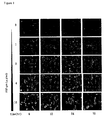
- the same concentration of FIP- gts in Example 1 was used to treat A549 cells. After treating cells with FIP- gts for 48 hours, trypan blue was added. Live cells could repel the trypan blue; therefore, the number of viable cells was measured by the number of cells not labeled by trypan blue.
- H1355 and A549 cells were inoculated to 6 cm culture dishes.
- H1355 cell line was a common cellular model for studying metastasis. Cells were grown at 37°C for 16 hours. Medium was removed and FIP- gts at the concentrations of 0, 2, 4 and 10 ⁇ g/ml were treated.
- Cells were collected at 48 hours after FIP- gts treatment. Cells were collected by removing the old culture medium into 15 ml centrifuge tube. Cells were washed with 1 ⁇ PBS twice. Cells were resuspended in 0.5 ml TE buffer after centrifugation at room temperature for 1 min. The solution was neutralized by adding the original culture medium. Cells were transferred to a 15 ml centrifugation tube, and centrifuged at 800 rpm for 5 min. Supernatant was then discarded and cells were dispersed with 0.5 ml 1 ⁇ PBS. 20 ⁇ l of cell culture was added with 5 ⁇ l Trypan blue solution. Cell numbers were counted with cell counters.
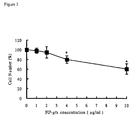
- the survival rate of cells treated with 0 ⁇ g/ml FIP- gts for 48 hours was considered 100 %, and the survival rate of cells treated with 1, 2, 4 and 10 ⁇ g/ml FIP- gts for 48 hours were 98.2 %, 94.8 %, 80.0 % and 60.3 %, respectively ( Figure 3).
- the result was consistent with the observation of the MTS assay (described below).
- the purpose of the present experiment was to examine the cytotoxicity of FIP- gts by colony formation assay.
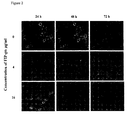
- A549 or A375 cells were treated with 0, 0.4, 2 and 10 ⁇ g/ml FIP- gts for 24 hours. And then 400 cells/60 mm dishes were grown for 12 days.
- A549 or A375 cells were inoculated into 60 mm culture dish.
- Cells were grown at 37°C for 16 hr.
- FIP- gts at the concentrations of 0.4, 1, 2 and 10 ⁇ g/ml were treated to A549 cells ( Figure 4).
- 1ml TE buffer was added and culture was let aside at 37°C for 1 min to distach the cell. Cell numbers were counted and series cell dilution was performed with the original culture medium. 400 cells/plate cells were inoculated into 6 cm culture plates. Cells were grown in 37°C incubators for 12 days.
- the survival rate of A549 cells treated with 0 ⁇ g/ml FIP- gts was considered 100 %, and the survival rate of cells treated with 0.4, 1, 2 and 10 ⁇ g/ml FIP- gts were 97.3 %, 91.5 %, 69.6 % and 39.0 %, respectively ( Figure 4A, 4B). All experiment groups except cells treated with 1 ⁇ g/ml FIP- gts showed significant decrease of survival rate (analyzed by student T test, p ⁇ 0.05). It proved that FIP- gts showed cytotoxicity to A549 cells and suppressed colony formation.
- Cells were distributed into 60 mm culture dish, 5 ⁇ 10 5 cells/dish with 5 ml culture medium, grown at 37°C for 16 hours. Old culture medium was discarded and washed twice with 1 ⁇ PBS. Cells were treated with different concentrations of FIP- gts (0, 2, 4 and 10 ⁇ g/ml) at different time interval (24 hours and 48 hours). Cells were collected by the following procedures:
- FACS Fluorescence-Activated Cell Sorter
- the cells arrested at G 1 phase also increased as the time of FIP- gts treatment increased.
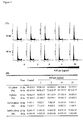
- A549 cells treated with the same concentrations of FIP- gts as described above for 48 hours showed a proportion of 60.2 %, 68.8 %, 72.6 %, 76.1 % and 82.1 % at their G 1 phase, respectively, and the same cells showed an even lower proportion of cells at their S phase, respectively 31.8 %, 25.1 %, 23.0 %, 20.0 % and 13.8 %.
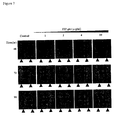
- FIP- gts caused A549 cells to arrest at G 1 phase ( Figures 5A and 5B).
- p53 further activated other downstream genes including p21.
- p21 was the major checkpoint protein of the G1 phase in cell cycle ( Zhong, X. et al, 2004. Int. J. Cancer ). Using western blot, it has been found that the expression of p53 protein was induced after treating cells with FIP- gts for 48 hours. Gene p21 was also induced, demonstrating that FIP- gts caused cells to arrest at G1 phase by activating p21.
- A549 5 ⁇ 10 5 cells/plate were inoculated to 60 mm culture dish. Cells were grown at 37 °C for 16 hours. Cells were treated with 0, 2, 4 and 10 ⁇ g/ml FIP- gts and grown at 37 °C incubator for 48 hours. Cells were first washed twice with PBS.
- the reaction was left on ice and cells were homogenized using ultrasonice homogenizer at 4 °C two times with an interval more than 10 minutes. Cells were centrifuged again at 12000 rpm, 4°C for 20 min. Supernatant was carefully moved to another sterilized 1.5 mlmicron and the protein content was quantified.
- 2X SDS sample buffer 200 mM Tris pH6.8, 8 % SDS, 40 % Glycerol, 2.86 M 2-mercaptoethenol and appropiate amount of bromophenol blue
- Bio-Rad solution was applied to quantify protein concentration.
- First Bio-Rad reagent was diluted with dd H 2 O 4:1, this was the Bio-Rad protein detection reagent.
- the sample, the supernatant of the cell culture 2 ⁇ l and the diluted Bio-Rad protein detection reagent 498 ⁇ l was mixed.
- Sample was reacted in 1.5 ml micron at 37°C for 20 min.
- the absorbance peak was measured by spectrophotometer at 595 nm and compared with the absorbance peack of standard sample bovine serum albumin (BSA) to get the protein quantity ( ⁇ g/ ⁇ l).
- BSA standard sample bovine serum albumin
- the standard BSA quantity was measured by adding 2 ⁇ g, 4 ⁇ g, 6 ⁇ g, 8 ⁇ g and 10 ⁇ g BSA into diluted Bio-Rad protein detection reagent 498 ⁇ l, 496 ⁇ l, 494 ⁇ l, 492 ⁇ l and 490 ⁇ l, respectively. Sample was reacted in 1.5 ml micron at 37 °C for 20 min. The sample absorbance peak at 595 nm was also measured. The BSA measurement was measured to obtain the standard ccorrelation of protein quantity with peak absorbance. The protein quantity of the sample protein thus could be determined by putting in the peak absorbacnce of the sample.
- the running gel was prepared as follows: 15 % 12.5 % 10 % dd H 2 O 6.3 ml 7.6 ml 8.8 ml 1.5M Tris pH 8.8 5 ml 5 ml 5 ml (38.67:1.33)Acrymide:Bis 7.5 ml 6.2 ml 5 ml 10% SDS 0.2 ml 0.2 ml 0.2 ml APS(10 mg/ml) 1 ml 1 ml 1 ml ml TEMED 10 ⁇ l 10 ⁇ l 10 ⁇ l Total Volume 20 ml 20 ml 20 ml 20 ml 20 ml Table 2 The 3% stacking gel was prepared as follows: dd H 2 O 3.54 ml 0.5M Tris pH 8.8 1.5 ml (38.67:1.33)Acrymide:Bis 0.45 ml 10% SDS 0.06 ml APS(10 mg/ml) 0.3 ml TEMED 15 ⁇ l Total Volume 6
- the sample was run on SDS-PAGE, and Hybond-P membrane (Pharmacia) was prepared 20 minutes before electrophoresis finishes.
- the membrane was wet with methanol for 15 second, washed with ddH 2 O for 10 min, and then the membrane was transferred to the transfer buffer (20 % methanol, 192 mM Glycine, 25 mM Tris-HCl, pH 9.2) for at least 10 min.
- the gel was carefully taken off after electrophoresis and transferred to Hoefer Semiphor following standard protocol.
- the transferred-membrane was blocked in shaking TTBS buffer (50 mM Tris, 0.2 % Tween 20, 150 mM NaCl, pH 7.5) with 5% nonfat milk powder for 1 hour.
- Anti-rabbit IgG-HRP (1 : 5000, Cell Signaling #7074) or anti-mouse IgG-HRP secondary antibody (1 : 10000, Chemicon AP124P) was diluted with 1X TTBS buffer with 3 % nonfat milk powder. Sample was shaken at room temperature for 1 hour. The washing procedure was repeated once. E.C.L. color development reagent (NEN, NEL105) was mixed 1 : 1 with Enhanced luminol reagent and Oxidizing reagent. The membrane was put face up into the container with color development reagent and let react for 5 min to develop the HRP color. The fluorescence was exposed on X-ray film for 3 ⁇ 5 min, and then developed and fixed the image.
- procaspase-3 was decreased when cells were treated with 10 ⁇ g/ml FIP- gts ( Figure 6).
- procaspase-3 was activated into caspase-3 when cells were treated with FIP- gts, causing cells to undergo apoptosis.
- the decrease of cells was not a result of enhanced apoptosis, but the result of suppression of proliferation.
- MMP-2 and MMP-9 were highly expressed in many vicious cancers ( Johnsen, M., et al., Curr Opin Cell Biol, 1998. 10, 667-671 ). Therefore the expression of MMP-2 and MMP-9 and the metastasis of cancer cells were highly correlated ( Curran, S. and Murray, G.I. Eur J Cancer, 2000. 36, 1621-1630 ., Liabakk, N.B., et al., Cancer Res, 1996. 56, 190-196 .).
- A549 cells were grown 1 ⁇ 10 5 cells/well in 24 well plate. Serum-free medium 200 ⁇ l/well were added the other day and cells were treated with 0, 2, 4 and 10 ⁇ g/ml FIP- gts for 24 hours. Medium was removed and cells were washed with 1X PBS. Cells were collected with CE buffer and proteins were quantified using Bio-Rad. 2 % gelatin was prepared by dissolving 2 g Gelatin /100 ml ddH 2 O at 55°C.
- the gel was prepared as described in the western blot experiment. Gel was put in electrohporesis chamber with electrophoresis buffer. Culture media was loaded with 5X dye (0.1% SDS, 104 mM Tris-HCl pH 6.8, 50 % Glycerol (or 25 g sucrose), 0.125% bromophenol blue) into the gel and perform electrophoresis.
- 5X dye (0.1% SDS, 104 mM Tris-HCl pH 6.8, 50 % Glycerol (or 25 g sucrose), 0.125% bromophenol blue
- RT-PCR was applied to measure the mRNA expression of TIMP-1 (Tissue inhibitor of metalloproteinases), the inhibitor of metalloproteinases, after treating cells with FIP- gts. It has been found that the mRNA expression of TIMP-1 and PAI increased when cells were treated with FIP- gts 0, 2, 4 and 10 ⁇ g/ml for 24 hours. It also found that the mRNA expression of MMP-2 decreased but the expression of TIMP-2 was not affected.
- TIMP-1 tissue inhibitor of metalloproteinases
- RT-PCR was performed by using Promega RT-PCR kit as follows:
- RNA 1 ⁇ g total RNA was heated at 70°C. After 10 minutes, the heated RNA was cooled in ice bath. Then, 25mM MgCl 2 4 ⁇ l, 5 ⁇ MMLV buffer 4 ⁇ l, 10mM dNTP Mixture 2 ⁇ l, Recombinant RNasin Ribonuclease inhibitor 0.5 ⁇ l, MMLV Reverse transcriptase 1 ⁇ l, Oligo (dT) 15 Primer 1 ⁇ l and Nuclease-Free Water were added until the final volume was 20 ⁇ l.
- Example 9 Increased cytokine expression.
- PBMCs Human peripheral blood mononuclear cells
- FIP- gts Human peripheral blood mononuclear cells
- mice 4- to 5-week-old, were purchased from National Laboratory Animal Center in Taiwan.
- Lower dosage 200 microgram /kg/day; higher dosage: 600 microgram/kg/day; positive dosage (a commercial Ling-Zhi powder purchased from Taiwan, Department of Health, Health Food Accredited No.A00003): 300 milligram/kg/day.
- Negative control Distilled water.
- the higher dosage of FIP- gts was formulated. Then, the lower dosage groups were diluted from the higher dosage group. From the first day for test, each group was fed with test materials by oral route once a day over 6 weeks.
- Macrophages activity non-specific immunomodulation function test
- mice After sacrificed, the splenocytes of mice were taken from to proceed with assay of natural killer cells activity. To compare with negative control group, each group showed no statistical significance under the ratio of Effector/ Target (E/T ratio) was 12.5. To compare with negative control group, higher dosage group and positive control group showed significant differences under E/T ratio was 25.0. To compare with negative control group, lower dosage group, higher dosage group and positive control group showed significant differences under E/T ratio was 50. It appeared that FIP- gts promoted the activity of natural killer cells (Table 7).
- Macrophage Activity non-specific immunomodulation test
- This test is directed to macrophage phagocytosis identified by flowcytometry.
- the symbol (*) indicates statistical significance, as compared with negative control group.
- MOI means multiplicity of infection.
- A means negative control group.
- B means lower dosage group.
- C means higher dosage group.
- D means positive control group.
- IL-2 secretion in lower dose group of FIP- gts was significantly higher than that in negative control group.
- OVA stimulation interleukin-2 (IL-2) secretion in each dose and positive group were significantly higher than that in negative control group.
- tumor necrosis factor-alpha (TNF- ⁇ ) secretion in each group and positive group were significantly higher than that in negative control group.
- TNF- ⁇ tumor necrosis factor-alpha
- IFN- ⁇ interferon-gamma
- anti-OVA immunoglobulin G IgG
- anti-OVA immunoglobulin M IgM
- anti-OVA immunoglobulin E IgE
- anti-OVA IgG production in each dose of FIP- gts and positive group was significantly higher than that in negative control group.
- Anti-OVA IgM production in higher dose of FIP- gts and positive group was significantly higher than that in negative control group. There was no significant difference between each group in anti-OVA IgE.
Landscapes
- Health & Medical Sciences (AREA)
- Life Sciences & Earth Sciences (AREA)
- Chemical & Material Sciences (AREA)
- Medicinal Chemistry (AREA)
- Immunology (AREA)
- Engineering & Computer Science (AREA)
- General Health & Medical Sciences (AREA)
- Animal Behavior & Ethology (AREA)
- Organic Chemistry (AREA)
- Pharmacology & Pharmacy (AREA)
- Public Health (AREA)
- Veterinary Medicine (AREA)
- Mycology (AREA)
- Molecular Biology (AREA)
- Nuclear Medicine, Radiotherapy & Molecular Imaging (AREA)
- General Chemical & Material Sciences (AREA)
- Chemical Kinetics & Catalysis (AREA)
- Bioinformatics & Cheminformatics (AREA)
- Hematology (AREA)
- Biomedical Technology (AREA)
- Epidemiology (AREA)
- Natural Medicines & Medicinal Plants (AREA)
- Biotechnology (AREA)
- Urology & Nephrology (AREA)
- Gastroenterology & Hepatology (AREA)
- Microbiology (AREA)
- Proteomics, Peptides & Aminoacids (AREA)
- Biochemistry (AREA)
- Diabetes (AREA)
- Analytical Chemistry (AREA)
- Botany (AREA)
- Pathology (AREA)
- General Physics & Mathematics (AREA)
- Biophysics (AREA)
- Genetics & Genomics (AREA)
- Alternative & Traditional Medicine (AREA)
- Medical Informatics (AREA)
- Cell Biology (AREA)
- Physics & Mathematics (AREA)
- Food Science & Technology (AREA)
Priority Applications (1)
| Application Number | Priority Date | Filing Date | Title |
|---|---|---|---|
| EP14150952.1A EP2759304B1 (de) | 2005-09-23 | 2006-08-25 | Immunomodulatorischen Proteins aus Pilzen zur Verwendung bei der Krebsbehandlung |
Applications Claiming Priority (1)
| Application Number | Priority Date | Filing Date | Title |
|---|---|---|---|
| US11/233,364 US20070071766A1 (en) | 2005-09-23 | 2005-09-23 | Compositions comprising fungal immunomodulatory protein and use thereof |
Related Child Applications (1)
| Application Number | Title | Priority Date | Filing Date |
|---|---|---|---|
| EP14150952.1A Division EP2759304B1 (de) | 2005-09-23 | 2006-08-25 | Immunomodulatorischen Proteins aus Pilzen zur Verwendung bei der Krebsbehandlung |
Publications (2)
| Publication Number | Publication Date |
|---|---|
| EP1800690A2 true EP1800690A2 (de) | 2007-06-27 |
| EP1800690A3 EP1800690A3 (de) | 2007-07-04 |
Family
ID=37894299
Family Applications (2)
| Application Number | Title | Priority Date | Filing Date |
|---|---|---|---|
| EP06017781A Withdrawn EP1800690A3 (de) | 2005-09-23 | 2006-08-25 | Verwendung eines immunomodulatorischen Proteins aus Pilzen |
| EP14150952.1A Ceased EP2759304B1 (de) | 2005-09-23 | 2006-08-25 | Immunomodulatorischen Proteins aus Pilzen zur Verwendung bei der Krebsbehandlung |
Family Applications After (1)
| Application Number | Title | Priority Date | Filing Date |
|---|---|---|---|
| EP14150952.1A Ceased EP2759304B1 (de) | 2005-09-23 | 2006-08-25 | Immunomodulatorischen Proteins aus Pilzen zur Verwendung bei der Krebsbehandlung |
Country Status (4)
| Country | Link |
|---|---|
| US (1) | US20070071766A1 (de) |
| EP (2) | EP1800690A3 (de) |
| JP (2) | JP5117696B2 (de) |
| CN (3) | CN1939532B (de) |
Cited By (2)
| Publication number | Priority date | Publication date | Assignee | Title |
|---|---|---|---|---|
| CN104212828A (zh) * | 2013-06-03 | 2014-12-17 | 怀化学院 | 一种重组茯苓免疫调节蛋白wcfip1及其抗体的生产方法 |
| EP2246064B1 (de) * | 2008-01-03 | 2018-08-08 | Fei Sun | Rekombinantes immunmodulationsprotein (rlz-8) aus ganoderma lucidium und verwendungen davon |
Families Citing this family (18)
| Publication number | Priority date | Publication date | Assignee | Title |
|---|---|---|---|---|
| US8628785B2 (en) | 2008-05-16 | 2014-01-14 | Yeastern Biotech Co., Ltd | Method for augmenting the immunogenicity of an antigen |
| TWI459955B (zh) * | 2008-05-16 | 2014-11-11 | Yeastern Biotech Co Ltd | 一種活化樹突狀細胞和巨噬細胞的醫藥組合物 |
| TWI606835B (zh) * | 2010-04-23 | 2017-12-01 | 中央研究院 | 基於靈芝多醣之組合物及治療癌症之方法 |
| CN102199202B (zh) * | 2011-03-22 | 2013-05-01 | 上海交通大学 | 灵芝属间的重组真菌免疫调节蛋白基因、该基因编码的蛋白及其应用 |
| CN102199201B (zh) * | 2011-03-22 | 2013-05-01 | 上海交通大学 | 灵芝属内重组的真菌免疫调节蛋白基因、该基因编码的蛋白及其应用 |
| CN102241751B (zh) * | 2011-04-20 | 2013-06-26 | 中国农业科学院饲料研究所 | 一种具有抗肿瘤活性的新型真菌免疫调节蛋白fip-nha及其基因 |
| CN103243116B (zh) * | 2013-05-08 | 2015-05-27 | 上海交通大学 | 一种属内重组真菌免疫调节蛋白的制备方法及其应用 |
| CN103417953B (zh) * | 2013-08-16 | 2015-06-17 | 张喜田 | 重组灵芝免疫调节蛋白(rLZ-8)在制备治疗黑色素瘤药物中的应用 |
| CN103739684B (zh) * | 2014-01-09 | 2016-10-05 | 上海交通大学 | 黑灵芝真菌免疫调节蛋白的制备方法及其应用 |
| TWI608846B (zh) * | 2014-03-13 | 2017-12-21 | 益生生技開發股份有限公司 | 用於改善化學治療所造成之不良副作用的組合療法 |
| CN104001154B (zh) * | 2014-06-10 | 2015-07-01 | 张喜田 | 重组灵芝免疫调节蛋白在制备治疗雄激素性脱发药物中的应用 |
| TWI657821B (zh) * | 2014-09-02 | 2019-05-01 | 益生生技開發股份有限公司 | 用於治療c-met相關性癌症的方法和組成物 |
| CN107287166B (zh) * | 2016-04-13 | 2021-04-09 | 蘑法生物科技股份有限公司 | 抗蕈类免疫调节蛋白的单株抗体及其应用 |
| TWI702292B (zh) * | 2018-12-28 | 2020-08-21 | 薩摩亞商康多富國際有限公司 | 個人化新陳代謝疾病保健食品組合的決定方法及非暫態電腦可讀取儲存媒體 |
| US11141458B2 (en) * | 2019-07-17 | 2021-10-12 | Mycomagic Biotechnology Co., Ltd. | Composition and methods for promoting and treating chronic wound healing |
| CN112646009B (zh) * | 2019-08-27 | 2022-02-08 | 上海交通大学 | 灵芝免疫调节蛋白突变体及应用 |
| CN113893337A (zh) * | 2021-08-31 | 2022-01-07 | 中山大学 | Dtx2蛋白在制备调控端粒酶活性的制剂中的应用 |
| CN113768812A (zh) * | 2021-09-08 | 2021-12-10 | 上海交通大学 | 重组真菌免疫调节蛋白rFIP-glu的应用 |
Family Cites Families (5)
| Publication number | Priority date | Publication date | Assignee | Title |
|---|---|---|---|---|
| JP2000270713A (ja) * | 1999-03-23 | 2000-10-03 | Kennetto:Kk | 糖尿病態モデル動物及びその製造方法並びに糖尿病態モデル動物の選定方法 |
| GB0308988D0 (en) * | 2003-04-17 | 2003-05-28 | Univ Singapore | Molecule |
| CA2528669A1 (en) * | 2003-06-09 | 2005-01-20 | The Regents Of The University Of Michigan | Compositions and methods for treating and diagnosing cancer |
| TWI328038B (en) * | 2003-09-17 | 2010-08-01 | Yeastern Biotech Co Ltd | Fungal immunomodulatory protein (fip) prepared by microorganisms and uses thereof |
| JP2005224205A (ja) * | 2004-02-16 | 2005-08-25 | Hokko Chem Ind Co Ltd | 健康食品 |
-
2005
- 2005-09-23 US US11/233,364 patent/US20070071766A1/en not_active Abandoned
-
2006
- 2006-08-25 EP EP06017781A patent/EP1800690A3/de not_active Withdrawn
- 2006-08-25 EP EP14150952.1A patent/EP2759304B1/de not_active Ceased
- 2006-09-21 CN CN2006101270427A patent/CN1939532B/zh not_active Expired - Fee Related
- 2006-09-21 CN CN2010101120159A patent/CN101926979B/zh not_active Expired - Fee Related
- 2006-09-21 CN CN2009101376694A patent/CN101628110B/zh not_active Expired - Fee Related
- 2006-09-21 JP JP2006256232A patent/JP5117696B2/ja not_active Expired - Fee Related
-
2012
- 2012-09-10 JP JP2012198201A patent/JP5512769B2/ja not_active Expired - Fee Related
Non-Patent Citations (3)
| Title |
|---|
| DAVID S PISETSKY: "Mechanisms of immune stimulation by bacterial DNA", SPRINGER SEMINARS IN IMMUNOPATHOLOGY, SPRINGER, BERLIN, DE, vol. 22, no. 1-2, 1 March 2000 (2000-03-01), pages 21 - 33, XP019708262, ISSN: 1432-2196 * |
| HARDMAN, GOODMAN GILMAN, LIMBIRD: "Goodman and Gilman's The Pharmacological Basis of Therapeutics", 1996, MCGRAW HILL, pages: 1304 - 1305 * |
| SCHOLL I ET AL: "Review of novel particulate antigen delivery systems with special focus on treatment of type I allergy", JOURNAL OF CONTROLLED RELEASE, ELSEVIER, AMSTERDAM, NL LNKD- DOI:10.1016/J.JCONREL.2004.12.020, vol. 104, no. 1, 5 May 2005 (2005-05-05), pages 1 - 27, XP004872697, ISSN: 0168-3659 * |
Cited By (2)
| Publication number | Priority date | Publication date | Assignee | Title |
|---|---|---|---|---|
| EP2246064B1 (de) * | 2008-01-03 | 2018-08-08 | Fei Sun | Rekombinantes immunmodulationsprotein (rlz-8) aus ganoderma lucidium und verwendungen davon |
| CN104212828A (zh) * | 2013-06-03 | 2014-12-17 | 怀化学院 | 一种重组茯苓免疫调节蛋白wcfip1及其抗体的生产方法 |
Also Published As
| Publication number | Publication date |
|---|---|
| JP5117696B2 (ja) | 2013-01-16 |
| HK1144373A1 (en) | 2011-02-18 |
| JP5512769B2 (ja) | 2014-06-04 |
| CN101926979B (zh) | 2012-09-26 |
| EP2759304A1 (de) | 2014-07-30 |
| US20070071766A1 (en) | 2007-03-29 |
| CN1939532B (zh) | 2012-10-31 |
| JP2012250991A (ja) | 2012-12-20 |
| CN101628110B (zh) | 2012-09-12 |
| CN101628110A (zh) | 2010-01-20 |
| JP2007084547A (ja) | 2007-04-05 |
| EP1800690A3 (de) | 2007-07-04 |
| CN1939532A (zh) | 2007-04-04 |
| EP2759304B1 (de) | 2016-09-21 |
| CN101926979A (zh) | 2010-12-29 |
Similar Documents
| Publication | Publication Date | Title |
|---|---|---|
| EP2759304B1 (de) | Immunomodulatorischen Proteins aus Pilzen zur Verwendung bei der Krebsbehandlung | |
| Wong et al. | Mushroom extracts and compounds with suppressive action on breast cancer: evidence from studies using cultured cancer cells, tumor-bearing animals, and clinical trials | |
| Wachtel-Galor et al. | Ganoderma lucidum (Lingzhi or Reishi): a medicinal mushroom | |
| JP4881536B2 (ja) | 細胞死を調節する細胞障害性因子 | |
| KR20050105435A (ko) | 신규한 오가피 및 오가피 열매, 가시오가피 다당체, 그제조방법 및 그를 활성성분으로 함유하는 항암제 조성물 | |
| Shin et al. | Immunostimulatory effects of cordycepin‐enriched WIB‐801CE from Cordyceps militaris in splenocytes and cyclophosphamide‐induced immunosuppressed mice | |
| Feng et al. | Enhancement of the immune responses to foot-and-mouth disease vaccination in mice by oral administration of a novel polysaccharide from the roots of Radix Cyathulae officinalis Kuan (RC) | |
| KR20170054310A (ko) | 텔로머라제 유래 펩티드를 포함하는 수지상세포 치료제 및 면역 치료제, 및 이를 사용하는 치료방법 | |
| US8629096B2 (en) | Compositions comprising fungal immunomodulatory protein and use thereof | |
| US20100009915A1 (en) | Compositions comprising fungal immunomodulatory protein and use thereof | |
| Walter et al. | Mining parasites for their potential as novel therapeutic agents against cancer | |
| Cao et al. | The effects of telocinobufagin isolated from Chan Su on the activation and cytokine secretion of immunocytes in vitro | |
| Jeong et al. | Studies on immunopotentiating activities of antitumor polysaccharide from aerial parts of Taraxacum platycarpum | |
| Yap et al. | The medicinal benefits of lentinan (β-1, 3-D glucan) from Lentinus edodes (Berk.) Singer (shiitake mushroom) through oral administration | |
| KR20110121072A (ko) | 인체 내 암세포주에 대한 증식억제활성으로 피부암, 폐암, 자궁암 및 위암에 대해 항암효과를 갖는 조성물의 개발 | |
| KR100607907B1 (ko) | 암의 간전이억제와 면역조절효과를 갖는 상황버섯추출물을 함유하는 약학적 조성물 | |
| Ha et al. | Effects of Cordyceps militaris extract on tumor immunity | |
| KR101266527B1 (ko) | 동충하초 균사체 추출물을 유효성분으로 함유하는 면역 억제용 조성물 | |
| HK1144373B (en) | Use of fungal immunomodulatory protein | |
| Pathak et al. | A review on Ganoderma lucidum: an important medicinal mushroom | |
| TW201206461A (en) | Compositions comprising fungal immunomodulatory protein and use thereof | |
| WO2000032212A1 (en) | Lak activity potentiator orginating in shiitake mushroom hyphae extract and lak activity potentiating preparations containing the same | |
| KR100848211B1 (ko) | 펠리누스린테우스 균사체에서 추출한 다당류 및 테아닌의 혼합 조성물 | |
| KR20190057599A (ko) | 선천 면역 증강용 조성물 | |
| JPWO2006038527A1 (ja) | たもぎ茸抽出物を有効成分とする抗腫瘍性免疫賦活剤 |
Legal Events
| Date | Code | Title | Description |
|---|---|---|---|
| PUAI | Public reference made under article 153(3) epc to a published international application that has entered the european phase |
Free format text: ORIGINAL CODE: 0009012 |
|
| PUAL | Search report despatched |
Free format text: ORIGINAL CODE: 0009013 |
|
| AK | Designated contracting states |
Kind code of ref document: A2 Designated state(s): AT BE BG CH CY CZ DE DK EE ES FI FR GB GR HU IE IS IT LI LT LU LV MC NL PL PT RO SE SI SK TR |
|
| AX | Request for extension of the european patent |
Extension state: AL BA HR MK YU |
|
| AK | Designated contracting states |
Kind code of ref document: A3 Designated state(s): AT BE BG CH CY CZ DE DK EE ES FI FR GB GR HU IE IS IT LI LT LU LV MC NL PL PT RO SE SI SK TR |
|
| AX | Request for extension of the european patent |
Extension state: AL BA HR MK YU |
|
| 17P | Request for examination filed |
Effective date: 20070723 |
|
| 17Q | First examination report despatched |
Effective date: 20070818 |
|
| AKX | Designation fees paid |
Designated state(s): AT BE BG CH CY CZ DE DK EE ES FI FR GB GR HU IE IS IT LI LT LU LV MC NL PL PT RO SE SI SK TR |
|
| STAA | Information on the status of an ep patent application or granted ep patent |
Free format text: STATUS: THE APPLICATION IS DEEMED TO BE WITHDRAWN |
|
| 18D | Application deemed to be withdrawn |
Effective date: 20131123 |