EP1806131A2 - Verwendung von Sex-Steroid-Funktionsmodulatoren zur Behandlung von Wunden und fibrotischen Erkrankungen - Google Patents
Verwendung von Sex-Steroid-Funktionsmodulatoren zur Behandlung von Wunden und fibrotischen Erkrankungen Download PDFInfo
- Publication number
- EP1806131A2 EP1806131A2 EP07075206A EP07075206A EP1806131A2 EP 1806131 A2 EP1806131 A2 EP 1806131A2 EP 07075206 A EP07075206 A EP 07075206A EP 07075206 A EP07075206 A EP 07075206A EP 1806131 A2 EP1806131 A2 EP 1806131A2
- Authority
- EP
- European Patent Office
- Prior art keywords
- wound
- oestrogen
- wounds
- compound
- scarring
- Prior art date
- Legal status (The legal status is an assumption and is not a legal conclusion. Google has not performed a legal analysis and makes no representation as to the accuracy of the status listed.)
- Withdrawn
Links
Images




Classifications
-
- A—HUMAN NECESSITIES
- A61—MEDICAL OR VETERINARY SCIENCE; HYGIENE
- A61K—PREPARATIONS FOR MEDICAL, DENTAL OR TOILETRY PURPOSES
- A61K31/00—Medicinal preparations containing organic active ingredients
- A61K31/56—Compounds containing cyclopenta[a]hydrophenanthrene ring systems; Derivatives thereof, e.g. steroids
- A61K31/57—Compounds containing cyclopenta[a]hydrophenanthrene ring systems; Derivatives thereof, e.g. steroids substituted in position 17 beta by a chain of two carbon atoms, e.g. pregnane or progesterone
- A61K31/573—Compounds containing cyclopenta[a]hydrophenanthrene ring systems; Derivatives thereof, e.g. steroids substituted in position 17 beta by a chain of two carbon atoms, e.g. pregnane or progesterone substituted in position 21, e.g. cortisone, dexamethasone, prednisone or aldosterone
-
- A—HUMAN NECESSITIES
- A61—MEDICAL OR VETERINARY SCIENCE; HYGIENE
- A61K—PREPARATIONS FOR MEDICAL, DENTAL OR TOILETRY PURPOSES
- A61K31/00—Medicinal preparations containing organic active ingredients
- A61K31/045—Hydroxy compounds, e.g. alcohols; Salts thereof, e.g. alcoholates
- A61K31/05—Phenols
-
- A—HUMAN NECESSITIES
- A61—MEDICAL OR VETERINARY SCIENCE; HYGIENE
- A61K—PREPARATIONS FOR MEDICAL, DENTAL OR TOILETRY PURPOSES
- A61K31/00—Medicinal preparations containing organic active ingredients
- A61K31/13—Amines
- A61K31/135—Amines having aromatic rings, e.g. ketamine, nortriptyline
-
- A—HUMAN NECESSITIES
- A61—MEDICAL OR VETERINARY SCIENCE; HYGIENE
- A61K—PREPARATIONS FOR MEDICAL, DENTAL OR TOILETRY PURPOSES
- A61K31/00—Medicinal preparations containing organic active ingredients
- A61K31/13—Amines
- A61K31/135—Amines having aromatic rings, e.g. ketamine, nortriptyline
- A61K31/138—Aryloxyalkylamines, e.g. propranolol, tamoxifen, phenoxybenzamine
-
- A—HUMAN NECESSITIES
- A61—MEDICAL OR VETERINARY SCIENCE; HYGIENE
- A61K—PREPARATIONS FOR MEDICAL, DENTAL OR TOILETRY PURPOSES
- A61K31/00—Medicinal preparations containing organic active ingredients
- A61K31/16—Amides, e.g. hydroxamic acids
- A61K31/165—Amides, e.g. hydroxamic acids having aromatic rings, e.g. colchicine, atenolol, progabide
- A61K31/167—Amides, e.g. hydroxamic acids having aromatic rings, e.g. colchicine, atenolol, progabide having the nitrogen of a carboxamide group directly attached to the aromatic ring, e.g. lidocaine, paracetamol
-
- A—HUMAN NECESSITIES
- A61—MEDICAL OR VETERINARY SCIENCE; HYGIENE
- A61K—PREPARATIONS FOR MEDICAL, DENTAL OR TOILETRY PURPOSES
- A61K31/00—Medicinal preparations containing organic active ingredients
- A61K31/21—Esters, e.g. nitroglycerine, selenocyanates
- A61K31/215—Esters, e.g. nitroglycerine, selenocyanates of carboxylic acids
- A61K31/22—Esters, e.g. nitroglycerine, selenocyanates of carboxylic acids of acyclic acids, e.g. pravastatin
- A61K31/222—Esters, e.g. nitroglycerine, selenocyanates of carboxylic acids of acyclic acids, e.g. pravastatin with compounds having aromatic groups, e.g. dipivefrine, ibopamine
-
- A—HUMAN NECESSITIES
- A61—MEDICAL OR VETERINARY SCIENCE; HYGIENE
- A61K—PREPARATIONS FOR MEDICAL, DENTAL OR TOILETRY PURPOSES
- A61K31/00—Medicinal preparations containing organic active ingredients
- A61K31/33—Heterocyclic compounds
- A61K31/395—Heterocyclic compounds having nitrogen as a ring hetero atom, e.g. guanethidine or rifamycins
- A61K31/41—Heterocyclic compounds having nitrogen as a ring hetero atom, e.g. guanethidine or rifamycins having five-membered rings with two or more ring hetero atoms, at least one of which being nitrogen, e.g. tetrazole
- A61K31/4164—1,3-Diazoles
- A61K31/4184—1,3-Diazoles condensed with carbocyclic rings, e.g. benzimidazoles
-
- A—HUMAN NECESSITIES
- A61—MEDICAL OR VETERINARY SCIENCE; HYGIENE
- A61K—PREPARATIONS FOR MEDICAL, DENTAL OR TOILETRY PURPOSES
- A61K31/00—Medicinal preparations containing organic active ingredients
- A61K31/33—Heterocyclic compounds
- A61K31/395—Heterocyclic compounds having nitrogen as a ring hetero atom, e.g. guanethidine or rifamycins
- A61K31/41—Heterocyclic compounds having nitrogen as a ring hetero atom, e.g. guanethidine or rifamycins having five-membered rings with two or more ring hetero atoms, at least one of which being nitrogen, e.g. tetrazole
- A61K31/4196—1,2,4-Triazoles
-
- A—HUMAN NECESSITIES
- A61—MEDICAL OR VETERINARY SCIENCE; HYGIENE
- A61K—PREPARATIONS FOR MEDICAL, DENTAL OR TOILETRY PURPOSES
- A61K31/00—Medicinal preparations containing organic active ingredients
- A61K31/56—Compounds containing cyclopenta[a]hydrophenanthrene ring systems; Derivatives thereof, e.g. steroids
-
- A—HUMAN NECESSITIES
- A61—MEDICAL OR VETERINARY SCIENCE; HYGIENE
- A61K—PREPARATIONS FOR MEDICAL, DENTAL OR TOILETRY PURPOSES
- A61K31/00—Medicinal preparations containing organic active ingredients
- A61K31/56—Compounds containing cyclopenta[a]hydrophenanthrene ring systems; Derivatives thereof, e.g. steroids
- A61K31/565—Compounds containing cyclopenta[a]hydrophenanthrene ring systems; Derivatives thereof, e.g. steroids not substituted in position 17 beta by a carbon atom, e.g. estrane, estradiol
-
- A—HUMAN NECESSITIES
- A61—MEDICAL OR VETERINARY SCIENCE; HYGIENE
- A61K—PREPARATIONS FOR MEDICAL, DENTAL OR TOILETRY PURPOSES
- A61K31/00—Medicinal preparations containing organic active ingredients
- A61K31/56—Compounds containing cyclopenta[a]hydrophenanthrene ring systems; Derivatives thereof, e.g. steroids
- A61K31/565—Compounds containing cyclopenta[a]hydrophenanthrene ring systems; Derivatives thereof, e.g. steroids not substituted in position 17 beta by a carbon atom, e.g. estrane, estradiol
- A61K31/566—Compounds containing cyclopenta[a]hydrophenanthrene ring systems; Derivatives thereof, e.g. steroids not substituted in position 17 beta by a carbon atom, e.g. estrane, estradiol having an oxo group in position 17, e.g. estrone
-
- A—HUMAN NECESSITIES
- A61—MEDICAL OR VETERINARY SCIENCE; HYGIENE
- A61K—PREPARATIONS FOR MEDICAL, DENTAL OR TOILETRY PURPOSES
- A61K31/00—Medicinal preparations containing organic active ingredients
- A61K31/56—Compounds containing cyclopenta[a]hydrophenanthrene ring systems; Derivatives thereof, e.g. steroids
- A61K31/565—Compounds containing cyclopenta[a]hydrophenanthrene ring systems; Derivatives thereof, e.g. steroids not substituted in position 17 beta by a carbon atom, e.g. estrane, estradiol
- A61K31/567—Compounds containing cyclopenta[a]hydrophenanthrene ring systems; Derivatives thereof, e.g. steroids not substituted in position 17 beta by a carbon atom, e.g. estrane, estradiol substituted in position 17 alpha, e.g. mestranol, norethandrolone
-
- A—HUMAN NECESSITIES
- A61—MEDICAL OR VETERINARY SCIENCE; HYGIENE
- A61K—PREPARATIONS FOR MEDICAL, DENTAL OR TOILETRY PURPOSES
- A61K31/00—Medicinal preparations containing organic active ingredients
- A61K31/56—Compounds containing cyclopenta[a]hydrophenanthrene ring systems; Derivatives thereof, e.g. steroids
- A61K31/565—Compounds containing cyclopenta[a]hydrophenanthrene ring systems; Derivatives thereof, e.g. steroids not substituted in position 17 beta by a carbon atom, e.g. estrane, estradiol
- A61K31/568—Compounds containing cyclopenta[a]hydrophenanthrene ring systems; Derivatives thereof, e.g. steroids not substituted in position 17 beta by a carbon atom, e.g. estrane, estradiol substituted in positions 10 and 13 by a chain having at least one carbon atom, e.g. androstanes, e.g. testosterone
-
- A—HUMAN NECESSITIES
- A61—MEDICAL OR VETERINARY SCIENCE; HYGIENE
- A61K—PREPARATIONS FOR MEDICAL, DENTAL OR TOILETRY PURPOSES
- A61K31/00—Medicinal preparations containing organic active ingredients
- A61K31/56—Compounds containing cyclopenta[a]hydrophenanthrene ring systems; Derivatives thereof, e.g. steroids
- A61K31/565—Compounds containing cyclopenta[a]hydrophenanthrene ring systems; Derivatives thereof, e.g. steroids not substituted in position 17 beta by a carbon atom, e.g. estrane, estradiol
- A61K31/568—Compounds containing cyclopenta[a]hydrophenanthrene ring systems; Derivatives thereof, e.g. steroids not substituted in position 17 beta by a carbon atom, e.g. estrane, estradiol substituted in positions 10 and 13 by a chain having at least one carbon atom, e.g. androstanes, e.g. testosterone
- A61K31/5685—Compounds containing cyclopenta[a]hydrophenanthrene ring systems; Derivatives thereof, e.g. steroids not substituted in position 17 beta by a carbon atom, e.g. estrane, estradiol substituted in positions 10 and 13 by a chain having at least one carbon atom, e.g. androstanes, e.g. testosterone having an oxo group in position 17, e.g. androsterone
-
- A—HUMAN NECESSITIES
- A61—MEDICAL OR VETERINARY SCIENCE; HYGIENE
- A61K—PREPARATIONS FOR MEDICAL, DENTAL OR TOILETRY PURPOSES
- A61K31/00—Medicinal preparations containing organic active ingredients
- A61K31/56—Compounds containing cyclopenta[a]hydrophenanthrene ring systems; Derivatives thereof, e.g. steroids
- A61K31/565—Compounds containing cyclopenta[a]hydrophenanthrene ring systems; Derivatives thereof, e.g. steroids not substituted in position 17 beta by a carbon atom, e.g. estrane, estradiol
- A61K31/568—Compounds containing cyclopenta[a]hydrophenanthrene ring systems; Derivatives thereof, e.g. steroids not substituted in position 17 beta by a carbon atom, e.g. estrane, estradiol substituted in positions 10 and 13 by a chain having at least one carbon atom, e.g. androstanes, e.g. testosterone
- A61K31/569—Compounds containing cyclopenta[a]hydrophenanthrene ring systems; Derivatives thereof, e.g. steroids not substituted in position 17 beta by a carbon atom, e.g. estrane, estradiol substituted in positions 10 and 13 by a chain having at least one carbon atom, e.g. androstanes, e.g. testosterone substituted in position 17 alpha, e.g. ethisterone
-
- A—HUMAN NECESSITIES
- A61—MEDICAL OR VETERINARY SCIENCE; HYGIENE
- A61K—PREPARATIONS FOR MEDICAL, DENTAL OR TOILETRY PURPOSES
- A61K31/00—Medicinal preparations containing organic active ingredients
- A61K31/56—Compounds containing cyclopenta[a]hydrophenanthrene ring systems; Derivatives thereof, e.g. steroids
- A61K31/57—Compounds containing cyclopenta[a]hydrophenanthrene ring systems; Derivatives thereof, e.g. steroids substituted in position 17 beta by a chain of two carbon atoms, e.g. pregnane or progesterone
-
- A—HUMAN NECESSITIES
- A61—MEDICAL OR VETERINARY SCIENCE; HYGIENE
- A61K—PREPARATIONS FOR MEDICAL, DENTAL OR TOILETRY PURPOSES
- A61K31/00—Medicinal preparations containing organic active ingredients
- A61K31/56—Compounds containing cyclopenta[a]hydrophenanthrene ring systems; Derivatives thereof, e.g. steroids
- A61K31/575—Compounds containing cyclopenta[a]hydrophenanthrene ring systems; Derivatives thereof, e.g. steroids substituted in position 17 beta by a chain of three or more carbon atoms, e.g. cholane, cholestane, ergosterol, sitosterol
-
- A—HUMAN NECESSITIES
- A61—MEDICAL OR VETERINARY SCIENCE; HYGIENE
- A61K—PREPARATIONS FOR MEDICAL, DENTAL OR TOILETRY PURPOSES
- A61K31/00—Medicinal preparations containing organic active ingredients
- A61K31/56—Compounds containing cyclopenta[a]hydrophenanthrene ring systems; Derivatives thereof, e.g. steroids
- A61K31/58—Compounds containing cyclopenta[a]hydrophenanthrene ring systems; Derivatives thereof, e.g. steroids containing heterocyclic rings, e.g. danazol, stanozolol, pancuronium or digitogenin
-
- A—HUMAN NECESSITIES
- A61—MEDICAL OR VETERINARY SCIENCE; HYGIENE
- A61P—SPECIFIC THERAPEUTIC ACTIVITY OF CHEMICAL COMPOUNDS OR MEDICINAL PREPARATIONS
- A61P1/00—Drugs for disorders of the alimentary tract or the digestive system
- A61P1/16—Drugs for disorders of the alimentary tract or the digestive system for liver or gallbladder disorders, e.g. hepatoprotective agents, cholagogues, litholytics
-
- A—HUMAN NECESSITIES
- A61—MEDICAL OR VETERINARY SCIENCE; HYGIENE
- A61P—SPECIFIC THERAPEUTIC ACTIVITY OF CHEMICAL COMPOUNDS OR MEDICINAL PREPARATIONS
- A61P11/00—Drugs for disorders of the respiratory system
-
- A—HUMAN NECESSITIES
- A61—MEDICAL OR VETERINARY SCIENCE; HYGIENE
- A61P—SPECIFIC THERAPEUTIC ACTIVITY OF CHEMICAL COMPOUNDS OR MEDICINAL PREPARATIONS
- A61P13/00—Drugs for disorders of the urinary system
- A61P13/12—Drugs for disorders of the urinary system of the kidneys
-
- A—HUMAN NECESSITIES
- A61—MEDICAL OR VETERINARY SCIENCE; HYGIENE
- A61P—SPECIFIC THERAPEUTIC ACTIVITY OF CHEMICAL COMPOUNDS OR MEDICINAL PREPARATIONS
- A61P15/00—Drugs for genital or sexual disorders; Contraceptives
- A61P15/08—Drugs for genital or sexual disorders; Contraceptives for gonadal disorders or for enhancing fertility, e.g. inducers of ovulation or of spermatogenesis
-
- A—HUMAN NECESSITIES
- A61—MEDICAL OR VETERINARY SCIENCE; HYGIENE
- A61P—SPECIFIC THERAPEUTIC ACTIVITY OF CHEMICAL COMPOUNDS OR MEDICINAL PREPARATIONS
- A61P17/00—Drugs for dermatological disorders
-
- A—HUMAN NECESSITIES
- A61—MEDICAL OR VETERINARY SCIENCE; HYGIENE
- A61P—SPECIFIC THERAPEUTIC ACTIVITY OF CHEMICAL COMPOUNDS OR MEDICINAL PREPARATIONS
- A61P17/00—Drugs for dermatological disorders
- A61P17/02—Drugs for dermatological disorders for treating wounds, ulcers, burns, scars, keloids, or the like
-
- A—HUMAN NECESSITIES
- A61—MEDICAL OR VETERINARY SCIENCE; HYGIENE
- A61P—SPECIFIC THERAPEUTIC ACTIVITY OF CHEMICAL COMPOUNDS OR MEDICINAL PREPARATIONS
- A61P19/00—Drugs for skeletal disorders
- A61P19/02—Drugs for skeletal disorders for joint disorders, e.g. arthritis, arthrosis
-
- A—HUMAN NECESSITIES
- A61—MEDICAL OR VETERINARY SCIENCE; HYGIENE
- A61P—SPECIFIC THERAPEUTIC ACTIVITY OF CHEMICAL COMPOUNDS OR MEDICINAL PREPARATIONS
- A61P19/00—Drugs for skeletal disorders
- A61P19/04—Drugs for skeletal disorders for non-specific disorders of the connective tissue
-
- A—HUMAN NECESSITIES
- A61—MEDICAL OR VETERINARY SCIENCE; HYGIENE
- A61P—SPECIFIC THERAPEUTIC ACTIVITY OF CHEMICAL COMPOUNDS OR MEDICINAL PREPARATIONS
- A61P21/00—Drugs for disorders of the muscular or neuromuscular system
-
- A—HUMAN NECESSITIES
- A61—MEDICAL OR VETERINARY SCIENCE; HYGIENE
- A61P—SPECIFIC THERAPEUTIC ACTIVITY OF CHEMICAL COMPOUNDS OR MEDICINAL PREPARATIONS
- A61P25/00—Drugs for disorders of the nervous system
-
- A—HUMAN NECESSITIES
- A61—MEDICAL OR VETERINARY SCIENCE; HYGIENE
- A61P—SPECIFIC THERAPEUTIC ACTIVITY OF CHEMICAL COMPOUNDS OR MEDICINAL PREPARATIONS
- A61P25/00—Drugs for disorders of the nervous system
- A61P25/28—Drugs for disorders of the nervous system for treating neurodegenerative disorders of the central nervous system, e.g. nootropic agents, cognition enhancers, drugs for treating Alzheimer's disease or other forms of dementia
-
- A—HUMAN NECESSITIES
- A61—MEDICAL OR VETERINARY SCIENCE; HYGIENE
- A61P—SPECIFIC THERAPEUTIC ACTIVITY OF CHEMICAL COMPOUNDS OR MEDICINAL PREPARATIONS
- A61P27/00—Drugs for disorders of the senses
- A61P27/02—Ophthalmic agents
-
- A—HUMAN NECESSITIES
- A61—MEDICAL OR VETERINARY SCIENCE; HYGIENE
- A61P—SPECIFIC THERAPEUTIC ACTIVITY OF CHEMICAL COMPOUNDS OR MEDICINAL PREPARATIONS
- A61P27/00—Drugs for disorders of the senses
- A61P27/02—Ophthalmic agents
- A61P27/06—Antiglaucoma agents or miotics
-
- A—HUMAN NECESSITIES
- A61—MEDICAL OR VETERINARY SCIENCE; HYGIENE
- A61P—SPECIFIC THERAPEUTIC ACTIVITY OF CHEMICAL COMPOUNDS OR MEDICINAL PREPARATIONS
- A61P41/00—Drugs used in surgical methods, e.g. surgery adjuvants for preventing adhesion or for vitreum substitution
-
- A—HUMAN NECESSITIES
- A61—MEDICAL OR VETERINARY SCIENCE; HYGIENE
- A61P—SPECIFIC THERAPEUTIC ACTIVITY OF CHEMICAL COMPOUNDS OR MEDICINAL PREPARATIONS
- A61P43/00—Drugs for specific purposes, not provided for in groups A61P1/00-A61P41/00
-
- A—HUMAN NECESSITIES
- A61—MEDICAL OR VETERINARY SCIENCE; HYGIENE
- A61P—SPECIFIC THERAPEUTIC ACTIVITY OF CHEMICAL COMPOUNDS OR MEDICINAL PREPARATIONS
- A61P7/00—Drugs for disorders of the blood or the extracellular fluid
-
- A—HUMAN NECESSITIES
- A61—MEDICAL OR VETERINARY SCIENCE; HYGIENE
- A61P—SPECIFIC THERAPEUTIC ACTIVITY OF CHEMICAL COMPOUNDS OR MEDICINAL PREPARATIONS
- A61P9/00—Drugs for disorders of the cardiovascular system
-
- A—HUMAN NECESSITIES
- A61—MEDICAL OR VETERINARY SCIENCE; HYGIENE
- A61P—SPECIFIC THERAPEUTIC ACTIVITY OF CHEMICAL COMPOUNDS OR MEDICINAL PREPARATIONS
- A61P9/00—Drugs for disorders of the cardiovascular system
- A61P9/04—Inotropic agents, i.e. stimulants of cardiac contraction; Drugs for heart failure
Definitions
- the present invention relates to wound healing and also to regulating fibrosis in the treatment of conditions in which fibrosis is a major mechanism of tissue repair or where excessive fibrosis leads to pathological derangement and malfunctioning of tissue.
- Wound healing in adults is a complicated reparative process.
- the healing process begins with the recruitment of a variety of specialised cells to the site of the wound and involves extracellular matrix and basement membrane deposition, angiogenesis, selective protease activity and re-epithelialisation.
- An important component of the healing process in adult mammals is the stimulation of fibroblasts to generate the extracellular matrix. This extracellular matrix constitutes a major component of the connective tissue which develops to repair the wound area.
- connective tissue that forms during the healing process is often fibrous in nature and commonly forms into a connective tissue scar (a process known as fibrosis).
- Fibrotic disorders are characterised by the accumulation of fibrous tissue (predominately collagens) in an abnormal fashion within the tissue. Accumulation of such fibrous tissues may result from a variety of disease processes. These diseases do not necessarily have to be caused by surgery, traumatic injury or wounding. Fibrotic disorders are usually chronic.
- fibrotic disorders include cirrhosis of the liver, liver fibrosis, glomerulonephritis, pulmonary fibrosis, scleroderma, myocardial fibrosis, fibrosis following myocardial infarction, central nervous system fibrosis fallowing a stroke or neuro-degenerative disorders (e.g. Alzheimer's Discase), proliferative vitreoretinopathy (PVR) and arthritis.
- PVR proliferative vitreoretinopathy
- GB-A-2,288,118 discloses the use of specific antibodies generated against growth factors that improve healing by potentiating the actions of said growth factors.
- Mannose-6-phosphate for use in treating fibrotic disorders associated with accumulation of extracellular matrix and with elevated levels of Transforming Growth Factors ⁇ 1 or ⁇ 2 ( GB-A-2,265,310 ).
- Mannose-6-phosphate is believed to interfere with the conversion of latent forms of these Transforming Growth Factors into their active form.
- a method of treating wounds or fibrotic disorders comprising providing at the site of the wound or fibrotic disorder a therapeutically effective amount of a compound which influences the sex hormone system.
- a healing composition which comprises an amount of a compound that influences the sex hormone system which is therapeutically effective for treating wounds or fibrotic disorders and a pharmaceutically acceptable vehicle.
- the inventors have established that compounds which influence the sex hormone system may be used for the treatment of wounds and fibrotic disorders. Depending on the compound used, various regulating effects may be provided for the treatment of wounds or fibrotic disorders and these are discussed more fully below.
- the invention has been based on our studies which have shown that the rate of wound healing declines with the age of subject in terms of re-epithelialisation, extracellular matrix and basement membrane deposition.
- aged females heal more quickly than aged males. In females this was associated with aa increased number of wound fibroblasts, Transforming Growth Factor ⁇ 1 (TGF- ⁇ 1) levels and increased proteolytic activity compared to aged males but decreased compared to young males and females. It was also noticed that in young males there is less scarring compared to that seen in young females which we associate with differences between TGF- ⁇ 1 levels observed in the two sexes. Another difference between the sexes was that healing of wounds in females is generally associated with greater levels of elastin and angiogenesis than in males.
- Preferred compounds which influence the sex hormone system are hormones (or biologically active derivatives thereof) and agonists and antagonists of hormonal receptors. It is most preferred that the compound is a steroid sex hormone (such as oestrogen, progesterone or testosterone) or an agonist or antagonist of sex steroid hormonal receptors.
- Examples of compounds which may be used to promote oestrogenic activity include oestrogens, oestrogen receptor agonists (such as ethinyloestradiol, dienoestrol, mestranol, oestradiol, oestriol, conjugated oestrogens, piperazine oestrone sulphate, stilboestrol, fosfesterol tetrasodium, polyestradial phosphate, tibolone), inhibitors of oestrogen or oestrogen receptor agonist breakdown, phytoestrogens or even modulators of luteinising hormone, follicle stimulating hormone and chorionic gonadotrophin.
- oestrogens such as ethinyloestradiol, dienoestrol, mestranol, oestradiol, oestriol, conjugated oestrogens, piperazine oestrone sulphate, stilboestrol, fosfest
- promoters of androgenic activity it is possible in accordance with the first embodiment of the invention, to use promoters of androgenic activity.
- Preferred promoters of androgenic activity include androgen hormones (such as testosterone, dihydrotestosterone. 5 ⁇ -androstanediol), androgen receptor agonists (such as testosterone undecanoate, testosterone enanthate, testosterone esters, testosterone proprionate, mesterolone, danazol and gestrinone), inhibitors of androgen or androgen receptor agonist breakdown (such as aminoglutethamide), modulators of luteinising hormone and follicle stimulating hormone, anabolic steroids (such as nandrolone or stanozolol).
- androgen hormones such as testosterone, dihydrotestosterone. 5 ⁇ -androstanediol
- androgen receptor agonists such as testosterone undecanoate, testosterone enanthate, testosterone esters, testosterone proprionate, mesterolone, danazol and gestrinone
- inhibitors of androgen or androgen receptor agonist breakdown such as aminoglutethamide
- Examples of compounds for use in accordance with the second embodiment of the invention include promoters of progesterone activity such as progesterone and other progesterone receptor agonists (such as allyoestrenol, desogestrel, dydrogesterone, ethynodiol diacetate, gestodene, gestranol hexanoate, hydroxyprogesterone hexanoate, levonorgestrel, megestrol acetate, medroxyprogesterone acetate, norethisterone, norethisterone acetate, norethisterone enanthate, norgestimate or norgesterel), inhibitors of progesterone or progesterone receptor agonist breakdown and modulators of luteinising hormone and/or follicle stimulating hormone.
- progesterone and other progesterone receptor agonists such as allyoestrenol, desogestrel, dydrogesterone, eth
- the compound used in the second embodiment of the invention may be an inhibitor of oestrogenic activity.
- Preferred inhibitors of oestrogenic activity include oestrogen receptor antagonists (such as tamoxifen, clomiphene citrate or cyclofenil), inhibitors of oestrogen production (such as anastrozole, 4-hydroxy androstenedione, exemestane, oestrone-3-O-sulphate, fadrazole hydrochloride or formestane) and phytoestrogens. Tamoxifcn is particularly useful for use according to the second embodiment of the invention.
- the compound used in the second embodiment of the invention may be an inhibitor of androgenic activity.
- Preferred inhibitors of androgenic activity include androgen receptor antagonists (such as cyproterone acetate or flutamidc) and inhibitors of androgen production.
- a progesterone receptor agonist and an oestrogen receptor antagonist may be combined to maximise the effect on scarring and/or a fibrotic condition.
- oestrogen receptor agonist and a progesterone receptor agonist may be used for this purpose.
- compounds of the invention may be given sequentially.
- an oestrogen agonist may be given pre-operatively (or peri-operatively) to promote the healing of a subsequent surgical incision. Later, while a patient is recovering from the surgery, a progesterone agonist may he given to reduce scarring.
- Preferred treatment regimes contemplated by the present invention arc non-systemic treatments since systemic application of compounds influencing the sex endocrine system may have undesirable effects, such as influencing secondary sexual characteristics whereas non-systemic administration (e.g. topical application to the skin) only has a local action and therefore does not have such undesirable effects.
- non-systemic administration e.g. topical application to the skin
- systemic applications are useful.
- compositions of the invention may take a number of different forms depending, in particular on the manner in which the composition is to be used.
- the composition may he in the form of a liquid, ointment, cream, gel, hydrogel, powder or aerosol.
- vehicle of the composition of the invention should be one which is well tolerated by the patient and allows release of the active compound to the wound.
- Such a vehicle is preferably biodegradeable, bioresolveable and/or non-inflammatory.
- composition of the invention may be used in a number of ways.
- a composition in accordance with the first or second embodiment of the invention may be applied in and/or around a wound of a patient to provide the desired regulation of wound healing.
- the pharmaceutically acceptable vehicle will be one which does not cause an inflammatory response or is toxic to the tissue.
- compositions in accordance with the invention are used as a prophylactic.
- a compound which influences the sex hormone system for regulation of healing of the subsequently formed surgical wound so as to increase the rate of wound healing (according to the first embodiment of the invention) or to reduce scarring and/or traet a fibrotic disorder (according to the second embodiment of the invention) as appropriate.
- the vehicle of the composition will need to be one capable of delivering the compound to the target site.
- the vehicle may need to be suitable for carrying the compound across the keratinous layer of the skin.
- suitable vehicles for this purpose include dimethyl sulphoxide and acetic acid.
- Composition may be provided on a sterile dressing or patch which may be used to cover or even pack a wound to be treated.
- conventional Hormone Replacement Therapy patches may be suitably used for treating wounds and/or fibrotic disorders.
- compositions in accordance with the first embodiment of the invention may be used to provide scarring (as well as increase the rate of healing) between the sclera and retina when it is desired to repair a tear in the latter.
- the composition of the invention may be an injectable solution.
- a composition in accordance with the second embodiment of the invention may be used to reduce or control scarring resulting from surgical operations on the eye, e.g. laser surgery on the cornea.
- the composition of the invention may be in the form of an eye drop.
- compositions when used to treat existing wounds or fibrotic disorders the compound should be administered as soon as the wound has occurred or the disorder has been diagnosed. Therapy with the composition should continue until the wound has healed to a clinicians satisfaction or, in the case of a fibrotic disorder, the risk or cause of abnormal fibrous tissue formation has been removed.
- compositions which modulate scarring and/or fibrotic disorders according to the second embodiment of the invention should also be applied to a wound as soon as possible after the wound has formed.
- fibrosis can develop over days or even weeks. Therefore the subject being treated may well benefit by administration of a compound (such as progesterone or tamoxifen) even if the composition is administered days or even weeks after the wound occurred or the disorder developed (or was diagnosed).
- a compound such as progesterone or tamoxifen
- compositions When used as a prophylactic (e.g. before surgery or when there is a risk of developing a fibrotic disorder) the compositions should be administered as soon as the risk of undesirable fibrosis or a potential for a poor rate of wound healing has been recognised (as may be the case in elderly subjects).
- a cream or ointment containing 17 ⁇ -oestradiol may be applied to a site on the skin of subject where elective surgery is to be performed and an increased rate of wound heating is subsequently desired.
- the composition may be applied during the preoperative preparation of the subject or it may even be desirable to apply the composition in the hours or days preceding the surgery (depending upon the health status and age of subject as well as the size of the wound to be formed).
- compositions in accordance with the invention will contain 0.001% to 4% by weight of the compound which influences the sex hormone system.
- a composition containing between 0.005% and 1% by weight of oestriol, oestradiol, ethinyloestradiol or testosterone is suitable for application to an existing (i.e. "open") wound.
- composition which is to be used preoperatively as a prophylactic may contain between 0.01% and 2% by weight of oestriol, oestradiol, ethinyloestradiol or testosterone to have the desired effect on wound healing.
- a preferred composition for use in the present invention comprises a maximum of 1% (e.g. between 0.005% and 1%) of 17 ⁇ -Oestradiol.
- a suitable daily dose of a compound which influences the sex hormone system will depend upon the factors discussed above as well as upon the size of the wound to be treated. Typically the amount of a compound required for the treatment of wounds or fibrotic disorders will be within the range of 1ng to 100g of the active compound/24hours depending upon the size of the wound or extent of fibrosis amongst several other factors.
- 0.5 - 500 ⁇ g/24hrs of 17 ⁇ -oestradiol is a suitable dose for treating a wound (to increase the rate of healing) made by a 4mm punch biopsy of the skin, more preferably 10 - 100 ⁇ g/24hrs of 17 ⁇ -oestradiol is used and most preferably 25 ⁇ g/24hrs of 17 ⁇ -oestradiol is used.
- a preferred means of using protein or peptide compounds which influence the sex hormone system is to deliver the compound to the wound by means of gene therapy.
- gene therapy could be used to increase expression of peptide ligands for chorionic gonadotrophin receptors, follicle stimulating hormone receptors or luteinising hormone receptors.
- gene therapy may be used to modulate the expression of an enzyme involved in the synthesis of steroid sex hormones (e.g. oestrogens, androgens or progesterone).
- a delivery system for use in a gene therapy technique, said delivery system comprising a DNA molecule encoding for a protein which directly or indirectly modulates wound healing and/or modulates fibrosis or scarring by influencing the sex hormone system, said DNA molecule being capable of being transcribed to lead to the expression of said protein.
- a delivery system as defined in the preceding paragraph for use in the manufacture of a medicament for use in wound healing and/or modulation of fibrosis or scarring.
- a method of treating a wound and/or modulating fibrosis or scarring comprising administering to a patient in need of treatment a therapeutically effective amount of a delivery system as defined for the fourth aspect of the invention.
- the delivery system of the invention may be used to provide the DNA molecule (and thereby the protein which is an active therapeutic agent) without the need to use conventional pharmaceutical vehicles such as those required in ointments or creams that are contacted with the wound.
- conventional pharmaceutical vehicles such as those required in ointments or creams that are contacted with the wound.
- This is particularly beneficial as it can often be difficult to provide a satisfactory vehicle for a compound for use in wound healing (which are required to be non-inflammatory, biocompatible. bioresorbable and must not degrade or inactivate the active agent (in storage or in use)).
- the delivery system is such that the DNA molecule is capable of being expressed (when the delivery system is administered to a patient) to produce a protein which directly or indirectly has activity for wound healing and/or treatment of fibrosis or scarring.
- directly we mean that the product of gene expression per se has the required activity for wound healing and/or regulating fibrosis or scarring.
- indirectly we mean that the product of gene expression undergoes or mediates (e.g. as an enzyme) at least one further reaction to provide an agent effective for wound healing and/or regulating fibrosis or scarring.
- the DNA molecule may be contained within a suitable vector to form a recombinant vector.
- the vector may for example be a plasmid, cosmid or phage.
- Such recombinant vectors are highly useful in the delivery systems of the invention for transforming cells with the DNA molecule.
- Recombinant vectors may also include other functional elements.
- recombinant vectors can be designed such that the vector will autonomously replicate in the nucleus of the cell. In this case, elements which induce DNA replication may be required in the recombinant vector.
- the recombinant vector may be designed such that the vector and recombinant DNA molecule integrates into the genome of a cell. In this case DNA sequences which favour targeted integration (e.g. by homologous recombination) are desirable.
- Recombinant vectors may also have DNA coding for genes that may be used as selectable markers in the cloning process.
- the DNA molecule may (but not necessarily) be one which becomes incorporated in the DNA of cells of the subject being treated. Undifferentiated cells may be stably transformed leading to the production of genetically modified daughter cells (in which case regulation of expression in the subject may be required e.g. with specific transcription factors or gene activators). Alternatively, the delivery system may be designed to favour unstable or transient transformation of differentiated cells in the subject being treated. When this is the case, regulation of expression may he less important because expression of the DNA molecule will stop when the transformed cells die or stop expressing the protein (ideally when the wound, fibrosis or scarring has been treated or prevented).
- the DNA molecule may be transferred to the cells of a subject to be treated by transfection, infection, microinjection, cell fusion, protoplast fusion or ballistic bombardment, for example, transfer may be by ballistic transfection with coated gold particles, liposomes containing the DNA molecule, viral vectors (e.g. adenovirus) and means of providing direct DNA uptake (e.g. endocytosis) by application of plasmid DNA directly to the wounded area topically or by injection.
- viral vectors e.g. adenovirus
- means of providing direct DNA uptake e.g. endocytosis
- wound healing, scarring and fibrosis can also be problematic in other animals (especially domestic animals such as horses, dogs, cats etc).
- other animals especially domestic animals such as horses, dogs, cats etc.
- abdominal wounds or adhesions are a major reason for having to put down horses, as are tendon and ligament damage leading to scarring or fibrosis.
- the compounds, compositions and delivery systems discussed above are suitable for use in the healing of such animals.
- Group 1A were ovariectomised (OVX) 18 days prior to wounding to allow circulating sex hormone levels to be eliminated.
- Group 1B (control) were untreated and Group 1C had the same operative procedure as the OVX (Group 1 A), but without the removal of the ovaries, to ensure that the OVX operative procedure had no effect on the wounding studies (sham).
- 17 ⁇ -oestradiol (Sigma) was prepared as sterile 0.1% and 1% solutions in phosphate buffered saline (PBS) containing 0.1% and 1% 2-hydroxypropyl- ⁇ -cyclodextrin respectively.
- PBS phosphate buffered saline
- 2-liydroxypropyl- ⁇ -cyclodextrin is used in preparations as a carrier molecule to increase the water solubility of ⁇ -oestradiol.
- PBS/cyclodextrin was used as a vehicle control.
- Animals from Groups 1A, 1B and 1C were given 4x 1 cm length full thickness incisional wounds at 4.5-5.5 cm and 7.5-8.5 cm below the base of the skull. 1 cm either side of the midline. A single 100 ⁇ l intradermal injection was then given at each of the four wound sites. Each of the wounds (a total of 36 wounds on 9 rats in each group) received either 100 ⁇ l of oestradiol (0.1% or 1%). 100 ⁇ l of vehicle control (0.1% or 1% cyclodextrin) or was left unmanipulated (no injection).
- the wounds were allowed to heal for 7 days after which the wounded tissue was excised for histological analysis.
- Cyclodextrin (vehicle controls) has an adverse effect on the wounds at the highest dose of 1%. In all three groups the wounds were wide and cellular with little new collagen. These effects were not noticeable with 0.1% cyclodextrin, where wounds were similar to control PBS wounds which had fewer cells and had laid down some new collagen.
- Hormone Replacement therapy i.e. oestrogen supplementation
- the wounds were covered with a Multisorb dry gauze dressing (Smith & Nephew, UK) for 24 hours and then left uncovered.
- a Multisorb dry gauze dressing (Smith & Nephew, UK) for 24 hours and then left uncovered.
- the left upper inner arm was cleaned with isopropyl alcohol, elliptical excisions of the wounds were made following 1% lignocaine infiltration and two sutures were used to close the gap.
- Each wound was bisected and processed as described above (2.1.2).
- biopsies were used for molecular analysis. Micro-dissection of these wounds was undertaken to ensure that there was no contamination from normal skin.
- the microscopic appearance of healing wounds was assessed using the following scoring system:
- Fibroblasts were extracted from the first biopsy samples of Groups 2A, 2B and 2C and cultured in order to measure TGF- ⁇ expression from the cells.
- Fibroblasts Human dermal fibroblasts were explanted from the 4mm punch biopsy specimens of normal skin. Fibroblasts used in the study were cultured at 37°C in 95% air: 5% CO 2 at 100% relative humidity, in phenol red-free DMEM (Gibco), 100 U/ml penicillin, 100mg/ml streptomycin. 1 mM sodium pyruvate, 2mM L-glutamine, non-essential amino acids and charcoal-stripped 10% FCS (Gibco, UK) (to remove endogenous steroids).
- Cultured cells at passage 3-5 were seeded overnight in 24-well plates at a density of 2 x 10 5 cells per well in serum free media. The following morning oestrogen or progesterone (made soluble by the incorporation of the carrier cyclodextrin; Sigma, Poole), ranging from 1 pM to 1 mM doses, were added to the medium for 24hrs. All samples were assessed in triplicate. The media was removed after the 24hr incubation. 1 mg/ml of aprotinin, leupeptin and pepstatin A was then added to the media which was used immediately in a TGF- ⁇ assay (see below). Controls included cyclodextrin at the appropriate concentration, and serum-free medium alone.
- the cells were then incubated with [ 3 H] thymidine in scrum-free medium (0.5 ⁇ Ci/ well) to assess the effect of oestrogen or progesterone on fibroblast proliferation.
- the thymidine solution was aspirated and replaced by 10% TCA for 4 hrs at 4°C.
- the TCA was replaced by 250 ⁇ ls 1 M NaOH solution for 18hrs.
- Two 100 ⁇ l aliquots from each well were measured for radioactivity in a scintillation counter.
- the effect of hormones/ controls on protein synthesis was investigated by the addition of 20 ⁇ g/ml cycloheximide (to inhibit protein translation) for 15mins prior to the 24hr incubation period.
- TGF- ⁇ levels in the media were determined using a mink lung growth inhibition assay as described by Danielpour et al. (J Cell Physiol. 138 p79-86 ) Briefly, mink lung epithelial cells (MLECs) were maintained in DMEM and 10% FCS at 37°C in 10% CO 2 .
- MLECs mink lung epithelial cells
- Subconfluent cells were trypsinized, resuspended in 10% FCS, pelleted at 500g for 5min, washed with 10ml of assay buffer (DMEM, 2% FCS, 10mM HEPES pH 7.4, penicillin 25U/ml, streptomycin 25 ⁇ g/ml), resuspended in assay buffer and seeded at 10 5 cells/well in a 24-well Costar plate. After 1hr conditioned media or control media (with varying concentrations of hormones ranging from 1pM-1mM or cyclodextrin alone) were added.
- assay buffer DMEM, 2% FCS, 10mM HEPES pH 7.4, penicillin 25U/ml, streptomycin 25 ⁇ g/ml
- Quantitative RT-PCR was used to determine the steady-state levels of TGF- ⁇ 1 mRNA in the acute wound and in 10 5 cells from the fibroblast in vitro studies (2.1.5)
- Cellular RNA was isolated from specimens using the method of Chomcynski and Sacchi (Anal. Biochem. 162 p156-159 (1987) ). Purity of extraction was assessed using the A 260/280 ratio spectrophotometrically, which in all cases was above 1.75. No significant difference were observed in total RNA content/ ⁇ g wet weight tissue between individuals at each time-point. Quantitative RT-PCR was performed as described by Tamuzzer et al.
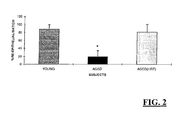
- Intrinsic ageing (Group 2B) was associated with a delay in the rate of wound healing in terms of re-epithelialisation at day 7 post-wounding (Fig 2), and reduced matrix collagen deposition at days 7 and 84.
- the HRT group (2A) showed a marked acceleration of the rate of re-epithelialisation at day 7, similar to that observed in the young group (2C) (Fig 2).
- the HRT group had markedly increased levels of collagen deposition (which approached the levels observed in the young group, 2C) at days 7 and 84 compared to the aged group.
- the H&E staining shows collagen deposition ( CO ) in the wounds of groups 2A and 2C ( c and a )
- the granulation tissue ( G ) is immature with absent staining for collagen.
- Re-epithelialisation is complete in a (2C) and c (2A) with neo-epidermis ( E ) completely covering the wound (arrows indicating the basal layer of the epidermis).
- the arrow points to the migrating neo-epidermis which is present only at the wound edge.
- C clot.
- Scale bar 100 ⁇ m.
- TGF- ⁇ 1 immunostaining and mRNA levels.
- Fig 5. The differences between mRNA levels at day 7 between the different groups is illustrated in Fig 5.
- the increased macrophage infiltration observed in the wounds of the HRT group compared to the aged group may have important consequences for the wound healing process: in addition to their role in phagocytosis, macrophages also produce a variety of cytokines, including TGF- ⁇ 1. which is important in stimulating cell migration, proliferation and matrix production.
- Oestrogen at doses ranging from 1pM to 1mM inhibited the proliferation of fibroblasts from both young and aged subjects (compared to cyclodextrin controls) (Fig 6).
- the degree of inhibition of proliferation was similar for fibroblasts from both young and aged females.
- Progesterone inhibited fibroblast proliferation at doses of 1pM to 1mM in all subjects, and to a significantly greater degree than oestrogen at 1 mM (p ⁇ 0.05).
- mink lung cell assay Using the mink lung cell assay (2.1.5.2), conditioned media from baseline control fibroblast cultures from young female subjects (Group 2C) treated only with serum-free media (without hormones or cyclodextrin carrier) exhibited significantly greater inhibition of mink lung epithelial cell (MLEC) proliferation compared to old female fibroblasts (Groups 2A or 2B) (p ⁇ 0.05, Table II). Pre-incubation of media for 30mins with a neutralising antibody to TGF- ⁇ 1 prior to addition to the MLECs completely reversed the hormone effect, indicating that the inhibition of MLEC proliferation was dependent upon TGF- ⁇ 1.
- MLEC mink lung epithelial cell
- TGF- ⁇ 1 levels in the heat-activated conditioned media were increased following 24hr of oestrogen treatment in all subjects tested, with a maximal increase of TGF- ⁇ 1 at the mM oestrogen dose (compared to controls), with a 4-fold mean increase in levels for young cells (2C), and a 12-fold increase for cells from aged subjects (2A and 2B) (Table II).
- Progesterone treatment of fibroblasts had no significant effect on TGF- ⁇ 1 production (compared to controls) for young fibroblasts (Group 2C), however there was a significant 2-fold increase in levels at the nM and ⁇ M doses for the fibroblasts from the aged subjects (2A or 2B).
- the left upper inner arm was cleaned with isopropyl alcohol, elliptical excisions of the wounds were made following 1% lignocaine infiltration and two sutures were used to close the gap.
- Each wound was bisected and processed as described above (3.1.3).
- biopsies were used for molecular analysis and micro-dissection of the wound was undertaken to ensure that there was no contamination from normal skin.
- the wound stiffness at day 80 was determined using the non-disruptive Dimensional Analysis System (Das). Previous studies have correlated wound breaking strength values (ultimate pressure at failure) to wound stiffness using this system.
- the system applies a multiaxial load (negative pressure) to the wound and measures the deformation due to the load of two reflective targets placed at the wound edges, using a high resolution camera and video processor. Pressure was applied to a maximum of 100mmHg and then released. Stiffness was measured between 20 and 80mmHg.
- the gels were washed twice with 2.5% Triton-X100 for 1hr to remove SDS.
- the gels were briefly washed with double distilled water and incubated for 18h at 37°C in developing buffer containing 50mM Tris/HCl, 150mM NaCl and 5mM CaCl 2 , pH 7.4.
- the gels were stained with 0.5% Coomassie brilliant blue and destained. Areas of protease activity appeared as clear zones against a dark blue background.
- Duplicate gels were incubated with either the addition of 10mM metalloprotease inhibitor, EDTA (BDH, Poole) or 1.7mM serine protease inhibitor, aminoethylbenzenesulfonylfluoride (AEBSF; Sigma). Broad range pre-stained molecular weight standards (Bio-rad) were used as molecular weight markers. Separate lanes were loadcd with 500ng and 50ng of human neutrophil elastase (ICN).
- 10mM metalloprotease inhibitor BDH, Poole
- AEBSF aminoethylbenzenesulfonylfluoride
- Protein samples (20 ⁇ g dry wt) extracted as described above were subjected to electrophoresis on a 12% acrylamide gel. Parallel fibronectin zymograms were run simultaneously.
- polypeptides were transferred to nitrocellulose paper (0.45 ⁇ m pore size, Bio-Rad) by electrophoresis at 20V for 30 min (Bio-Rad Semi dry transfer blot apparatus) in transfer buffer (25 mM Tris/HCl, 192 mM glycine, 10% methanol, pH 8.3).
- transfer buffer 25 mM Tris/HCl, 192 mM glycine, 10% methanol, pH 8.3
- Tissue samples (20 ⁇ g dry wt) and human neutrophil elastase (0.0)-0.3 ⁇ g/ml) were incubated for up to 1h at 37°C in 200 ⁇ l of 0.1M Hepes buffer, pH 7.5, containing 0.5M NaCl, 10% dimethylsulfoxide and 0.1mM elastase substrate (methoxysuccinyl-ala-ala-pro-val-p-nitroanilide; Calbiochem Co;). Substrate degradation was determined by measuring OD 410 (Dynatech MR5000). A standard curve for degradation was prepared from the elastase data. Results were expressed as ng/ml elastase activity/20 ⁇ g dry wt.
- Tissue extracts from day 7 acute wounds all degraded fibronectin showing a major band at approximately 30kd, but consistently less degradation occurred in the oestrogen-treated groups (3A and 3C).
- the 30kd fibronectin-specific protease activity in all the samples was abolished by incubation with the broad range serine protease inhibitor, AEBSF, but not by the metalloprotease inhibitor, EDTA. suggesting the major fibronectin degradation activity was due to a serine protease, which co-migrated with commercial neutrophil elastase.
- Immunoblotting confirmed the 30kd protease activity seen on fibronectin zymograms was elastase.
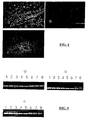
- Figs 7 and 8 illustrate the effect of oestrogen (e) on scarring (microscopcally and macroscopically respectively) as determined in 2.1.4.2.
- Oestrogen treatment was associated with an inferior quality of wound (which may be correlated with TGF- ⁇ levels). This indicates that an oestrogen antagonist is associated with a superior quality of scar (and decreased TGF- ⁇ levels) and may be used according to the second embodiment of the invention to treat or prevent scarring and/or fibrotic disorders.
- Figs 7 and 8 also show that progesterone treatment (p) is associated with superior scarring and therefore progesterone is a suitable compound for use according to the second embodiment of the invention.
Landscapes
- Health & Medical Sciences (AREA)
- Animal Behavior & Ethology (AREA)
- Chemical & Material Sciences (AREA)
- Veterinary Medicine (AREA)
- Public Health (AREA)
- Life Sciences & Earth Sciences (AREA)
- Medicinal Chemistry (AREA)
- Pharmacology & Pharmacy (AREA)
- General Health & Medical Sciences (AREA)
- Epidemiology (AREA)
- Engineering & Computer Science (AREA)
- Bioinformatics & Cheminformatics (AREA)
- Chemical Kinetics & Catalysis (AREA)
- Nuclear Medicine, Radiotherapy & Molecular Imaging (AREA)
- General Chemical & Material Sciences (AREA)
- Organic Chemistry (AREA)
- Neurology (AREA)
- Biomedical Technology (AREA)
- Physical Education & Sports Medicine (AREA)
- Cardiology (AREA)
- Neurosurgery (AREA)
- Ophthalmology & Optometry (AREA)
- Hospice & Palliative Care (AREA)
- Emergency Medicine (AREA)
- Reproductive Health (AREA)
- Orthopedic Medicine & Surgery (AREA)
- Dermatology (AREA)
- Heart & Thoracic Surgery (AREA)
- Pain & Pain Management (AREA)
- Immunology (AREA)
- Urology & Nephrology (AREA)
- Surgery (AREA)
- Psychiatry (AREA)
- Rheumatology (AREA)
- Gynecology & Obstetrics (AREA)
- Pregnancy & Childbirth (AREA)
- Hematology (AREA)
- Endocrinology (AREA)
- Gastroenterology & Hepatology (AREA)
- Pulmonology (AREA)
Applications Claiming Priority (4)
| Application Number | Priority Date | Filing Date | Title |
|---|---|---|---|
| GB9615348A GB9615348D0 (en) | 1996-07-22 | 1996-07-22 | Wound healing |
| GB9701600A GB9701600D0 (en) | 1997-01-27 | 1997-01-27 | Wound healing |
| EP97932922A EP0930876B2 (de) | 1996-07-22 | 1997-07-22 | Verwendung von substanzen, die die östrogen wirkung fördern, zur beschleunigung der heilung von hautwunden |
| EP04077420A EP1506775A1 (de) | 1996-07-22 | 1997-07-22 | Verwendung von Modulatoren der Sex-Steroid-Funktion zur Behandlung von Wunden und fibrotischen Erkrankungen |
Related Parent Applications (1)
| Application Number | Title | Priority Date | Filing Date |
|---|---|---|---|
| EP04077420A Division EP1506775A1 (de) | 1996-07-22 | 1997-07-22 | Verwendung von Modulatoren der Sex-Steroid-Funktion zur Behandlung von Wunden und fibrotischen Erkrankungen |
Publications (2)
| Publication Number | Publication Date |
|---|---|
| EP1806131A2 true EP1806131A2 (de) | 2007-07-11 |
| EP1806131A3 EP1806131A3 (de) | 2007-08-01 |
Family
ID=26309734
Family Applications (3)
| Application Number | Title | Priority Date | Filing Date |
|---|---|---|---|
| EP07075206A Withdrawn EP1806131A3 (de) | 1996-07-22 | 1997-07-22 | Verwendung von Sex-Steroid-Funktionsmodulatoren zur Behandlung von Wunden und fibrotischen Erkrankungen |
| EP04077420A Withdrawn EP1506775A1 (de) | 1996-07-22 | 1997-07-22 | Verwendung von Modulatoren der Sex-Steroid-Funktion zur Behandlung von Wunden und fibrotischen Erkrankungen |
| EP97932922A Expired - Lifetime EP0930876B2 (de) | 1996-07-22 | 1997-07-22 | Verwendung von substanzen, die die östrogen wirkung fördern, zur beschleunigung der heilung von hautwunden |
Family Applications After (2)
| Application Number | Title | Priority Date | Filing Date |
|---|---|---|---|
| EP04077420A Withdrawn EP1506775A1 (de) | 1996-07-22 | 1997-07-22 | Verwendung von Modulatoren der Sex-Steroid-Funktion zur Behandlung von Wunden und fibrotischen Erkrankungen |
| EP97932922A Expired - Lifetime EP0930876B2 (de) | 1996-07-22 | 1997-07-22 | Verwendung von substanzen, die die östrogen wirkung fördern, zur beschleunigung der heilung von hautwunden |
Country Status (11)
| Country | Link |
|---|---|
| US (3) | US6696433B2 (de) |
| EP (3) | EP1806131A3 (de) |
| JP (3) | JP2000515523A (de) |
| AT (1) | ATE279916T1 (de) |
| AU (1) | AU734465B2 (de) |
| CA (2) | CA2632790A1 (de) |
| DE (1) | DE69731302T3 (de) |
| DK (1) | DK0930876T3 (de) |
| ES (1) | ES2229376T5 (de) |
| PT (1) | PT930876E (de) |
| WO (1) | WO1998003180A2 (de) |
Families Citing this family (87)
| Publication number | Priority date | Publication date | Assignee | Title |
|---|---|---|---|---|
| US5660835A (en) * | 1995-02-24 | 1997-08-26 | East Carolina University | Method of treating adenosine depletion |
| US20020032160A1 (en) * | 1995-02-24 | 2002-03-14 | Nyce Jonathan W. | Compositions & formulations with an epiandrosterone or a ubiquinone & kits & their use for treatment of asthma symptoms & for reducing adenosine/adenosine receptor levels |
| US6653297B1 (en) * | 1997-07-03 | 2003-11-25 | Medical College Of Hampton Roads | Control of selective estrogen receptor modulators |
| EP0943333A1 (de) * | 1998-03-18 | 1999-09-22 | S.W. Patentverwertungs GmbH | Medikament zur Prophylaxe und/oder Behandlung des Mammakarzinoms enthaltend einen Hemmer der Bildung von Oestrogenen |
| GB9923076D0 (en) | 1999-09-29 | 1999-12-01 | Phytopharm Plc | Sapogenin derivatives and their use |
| WO2000009070A2 (en) * | 1998-08-13 | 2000-02-24 | Hadasit Medical Research Services And Development Company Ltd. | Inhibition of pathogenic processes related to tissue trauma |
| HUP0301335A3 (en) * | 2000-04-12 | 2006-02-28 | Novartis Ag | Combination of organic compounds |
| AU2001271162A1 (en) * | 2000-07-05 | 2002-01-14 | Astrazeneca Ab | Pharmaceutical combination of an anti-androgen and letrozole for providing an anit-androgenic effect and aromatase inhibition |
| WO2002002099A1 (en) * | 2000-07-05 | 2002-01-10 | Astrazeneca Ab | Pharmaceutical combination of an anti-androgen and tamoxifen for providing an anti-androgenic effect and aromatase inhibition |
| WO2002002112A1 (en) * | 2000-07-05 | 2002-01-10 | Astrazeneca Ab | Pharmaceutical combination of an anti-androgen and anastrozole for providing an antiandrogenic effect and aromatase inhibition |
| JP2004269356A (ja) * | 2000-12-27 | 2004-09-30 | Ajinomoto Co Inc | 創傷部癒着防止剤 |
| US6559177B2 (en) | 2001-04-19 | 2003-05-06 | Wyeth | 5, 11-Dioxa-benzo[b]fluoren-10-one and 5-oxa-11-thia-benzo[b]fluoren-10-ones as estrogenic agents |
| WO2002085297A2 (en) * | 2001-04-24 | 2002-10-31 | East Carolina University | Compositions & formulations with a non-glucocorticoid steroid &/or a ubiquinone & kit for treatment of respiratory & lung disease |
| US20050070487A1 (en) * | 2001-04-24 | 2005-03-31 | Nyce Jonathan W. | Composition, formulations and kit for treatment of respiratory and lung disease with non-glucocorticoid steroids and/or ubiquinone and a bronchodilating agent |
| US6589980B2 (en) | 2001-05-17 | 2003-07-08 | Wyeth | Substituted 10,11-benzo[b]fluoren-10-ones as estrogenic agents |
| CN1638732A (zh) | 2002-03-04 | 2005-07-13 | 研究及应用科学协会股份有限公司 | 含载体肽的缓释药物制剂 |
| US7405207B2 (en) | 2002-06-17 | 2008-07-29 | Epigenesis Pharmaceuticals, Inc. | Nebulizer formulations of dehydroepiandrosterone and methods of treating asthma or chronic obstructive pulmonary disease using compositions thereof |
| EP1553954A4 (de) * | 2002-06-17 | 2009-12-23 | Epigenesis Pharmaceuticals Llc | Dihydrat-dehydroepiandrosteron und verfahren zur behandlung von asthma oder chronisch obstruktiver lungenerkrankung mit zusammensetzungen daraus |
| EP1621199B8 (de) * | 2003-04-18 | 2011-01-19 | Advanced Medicine Research Institute | Mittel zur behanldung von krankheiten zur aufbringung auf das auge |
| ATE353653T1 (de) * | 2003-07-29 | 2007-03-15 | Acme Srl | Verwendung von stanozolol zur herstellung von entzündungshemmenden und antidegenerativen arzneimitteln |
| US20050026881A1 (en) * | 2003-07-31 | 2005-02-03 | Robinson Cynthia B. | Combination of dehydroepiandrosterone or dehydroepiandrosterone-sulfate with an anti-IgE antibody for treatment of asthma or chronic obstructive pulmonary disease |
| US20110209699A1 (en) * | 2003-07-31 | 2011-09-01 | Robinson Cynthia B | Combination of dehydroepiandrosterone or dehydroepiandrosterone-sulfate with a lipoxygenase inhibitor for treatment of asthma or chronic obstructive pulmonary disease |
| US20050026883A1 (en) * | 2003-07-31 | 2005-02-03 | Robinson Cynthia B. | Combination of dehydroepiandrosterone or dehydroepiandrosterone-sulfate with a PDE-4 inhibitor for treatment of asthma or chronic obstructive pulmonary disease |
| US20050113318A1 (en) * | 2003-07-31 | 2005-05-26 | Robinson Cynthia B. | Combination of dehydroepiandrosterone or dehydroepiandrosterone-sulfate with a beta-agonist bronchodilator for treatment of asthma or chronic obstructive pulmonary disease |
| US20050026848A1 (en) * | 2003-07-31 | 2005-02-03 | Robinson Cynthia B. | Combination of dehydroepiandrosterone or dehydroepiandrosterone-sulfate with a methylxanthine derivative for treatment of asthma or chronic obstructive pulmonary disease |
| US20050026884A1 (en) * | 2003-07-31 | 2005-02-03 | Robinson Cynthia B. | Combination of dehydroepiandrosterone or dehydroepiandrosterone-sulfate with a beta-agonist bronchodilator for treatment of asthma or chronic obstructive pulmonary disease |
| US20050026882A1 (en) * | 2003-07-31 | 2005-02-03 | Robinson Cynthia B. | Combination of dehydroepiandrosterone or dehydroepiandrosterone-sulfate with a leukotriene receptor antagonist for treatment of asthma or chronic obstructive pulmonary disease |
| US20090274676A1 (en) * | 2003-07-31 | 2009-11-05 | Robinson Cynthia B | Combination of dehydroepiandrosterone or dehydroepiandrosterone-sulfate with a pde-4 inhibitor for treatment of asthma or chronic obstructive pulmonary disease |
| US20050026880A1 (en) * | 2003-07-31 | 2005-02-03 | Robinson Cynthia B. | Combination of dehydroepiandrosterone or dehydroepiandrosterone-sulfate with a cromone for treatment of asthma or chronic obstructive pulmonary disease |
| US20050101545A1 (en) * | 2003-07-31 | 2005-05-12 | Robinson Cynthia B. | Combination of dehydroepiandrosterone or dehydroepiandrosterone-sulfate with an anticholinergic bronchodilator for treatment of asthma or chronic obstructive pulmonary disease |
| US20050026890A1 (en) * | 2003-07-31 | 2005-02-03 | Robinson Cynthia B. | Combination of dehydroepiandrosterone or dehydroepiandrosterone-sulfate with an antihistamine for treatment of asthma or chronic obstructive pulmonary disease |
| US20050085430A1 (en) * | 2003-07-31 | 2005-04-21 | Robinson Cynthia B. | Combination of dehydroepiandrosterone or dehydroepiandrosterone-sulfate with a PDE-4 inhibitor for treatment of asthma or chronic obstructive pulmonary disease |
| US20050043282A1 (en) * | 2003-07-31 | 2005-02-24 | Robinson Cynthia B. | Combination of dehydroepiandrosterone or dehydroepiandrosterone-sulfate with a lipoxygenase inhibitor for treatment of asthma or chronic obstructive pulmonary disease |
| US20090285899A1 (en) * | 2003-07-31 | 2009-11-19 | Robinson Cynthia B | Combination of dehydroepiandrosterone or dehydroepiandrosterone-sulfate with a methylxanthine derivative for treatment of asthma or chronic obstructive pulmonary disease |
| US20050038004A1 (en) * | 2003-07-31 | 2005-02-17 | Robinson Cynthia B. | Combination of dehydroepiandrosterone or dehydroepiandrosterone-sulfate with an anticholinergic bronchodilator for treatment of asthma or chronic obstructive pulmonary disease |
| US20050026879A1 (en) * | 2003-07-31 | 2005-02-03 | Robinson Cynthia B. | Combination of dehydroepiandrosterone or dehydroepiandrosterone-sulfate with a tyrosine kinase inhibitor, delta opioid receptor antagonist, neurokinin receptor antagonist, or VCAM inhibitor for treatment of asthma or chronic obstructive pulmonary disease |
| US20090285900A1 (en) * | 2003-07-31 | 2009-11-19 | Robinson Cynthia B | Combination of dehydroepiandrosterone or dehydroepiandrosterone-sulfate with a beta-agonist bronchodilator for treatment of asthma or chronic obstructive pulmonary disease |
| US20090263381A1 (en) * | 2003-07-31 | 2009-10-22 | Robinson Cynthia B | Combination of dehydroepiandrosterone or dehydroepiandrosterone-sulfate with an anti-ige antibody for treatment of asthma or chronic obstructive pulmonary disease |
| CA2572223C (en) * | 2004-06-25 | 2014-08-12 | The Johns Hopkins University | Angiogenesis inhibitors |
| CA2587090C (en) * | 2004-09-21 | 2016-10-25 | Diapedia, L.L.C. | Method for design and manufacture of insoles |
| US20060189909A1 (en) * | 2005-02-24 | 2006-08-24 | Hurley Timothy B | Load relieving wound dressing |
| US20070009470A1 (en) * | 2005-07-06 | 2007-01-11 | Kin Jung | Topical/on-the-skin estrogen cream, lotion, ointment, hair tonic, shampoo and wound healing powder |
| ITMI20051516A1 (it) | 2005-08-02 | 2007-02-03 | Prime Europ Therapeuticals | Derivati 17 alfa-sostituti dell'estradiolo ad attivita' cicatrizzante |
| US20070163147A1 (en) * | 2005-09-21 | 2007-07-19 | Cavanagh Peter R | Method for Design and Manufacture of Insoles |
| EP2091557A2 (de) | 2006-11-15 | 2009-08-26 | Coda Therapeutics, INC. | Verbesserte verfahren und zusammensetzungen zur wundheilung |
| US20080132475A1 (en) * | 2006-12-05 | 2008-06-05 | Charles Gerald Connor | Treatment for dry eye |
| GB0625962D0 (en) * | 2006-12-23 | 2007-02-07 | Renovo Ltd | Medicaments and methods for wound healing |
| WO2008078073A1 (en) * | 2006-12-23 | 2008-07-03 | Renovo Limited | Medicaments and methods comprising a compound that promotes oestrogenic activity for wound healing |
| WO2008078074A1 (en) * | 2006-12-23 | 2008-07-03 | Renovo Limited | Promotion of wound contraction with a compound that promotes oestrogenic activity |
| US20100016264A1 (en) * | 2007-12-05 | 2010-01-21 | Connor Charles G | Treatment for dry eye using testosterone and progestagen |
| GB0724231D0 (en) * | 2007-12-12 | 2008-01-30 | Renono Ltd | Methods for inhibiting scarring |
| CA2710375A1 (en) * | 2007-12-21 | 2009-07-09 | Coda Therapeutics, Inc. | Treatment of orthopedic conditions |
| JP2011507599A (ja) | 2007-12-21 | 2011-03-10 | コーダ セラピューティクス, インコーポレイテッド | 改良医療デバイス |
| US10279007B2 (en) | 2010-11-15 | 2019-05-07 | Oxygenetix Institute, Inc. | Topical treatment method for healing wounds, disinfecting, covering and concealing the wound until healing occurs |
| MX369385B (es) * | 2011-09-13 | 2019-11-07 | Univ Brigham Young | Productos para cicatrizar heridas tisulares. |
| US9301920B2 (en) | 2012-06-18 | 2016-04-05 | Therapeuticsmd, Inc. | Natural combination hormone replacement formulations and therapies |
| US8633178B2 (en) | 2011-11-23 | 2014-01-21 | Therapeuticsmd, Inc. | Natural combination hormone replacement formulations and therapies |
| ES2691070T3 (es) | 2012-05-11 | 2018-11-23 | Kael-Gemvax Co.,Ltd | Péptidos antiinflamatorios y composición que comprende los mismos |
| WO2013169060A1 (ko) | 2012-05-11 | 2013-11-14 | 주식회사 카엘젬백스 | 패혈증 예방 또는 치료용 조성물 |
| US10806740B2 (en) | 2012-06-18 | 2020-10-20 | Therapeuticsmd, Inc. | Natural combination hormone replacement formulations and therapies |
| US20130338122A1 (en) | 2012-06-18 | 2013-12-19 | Therapeuticsmd, Inc. | Transdermal hormone replacement therapies |
| US10806697B2 (en) | 2012-12-21 | 2020-10-20 | Therapeuticsmd, Inc. | Vaginal inserted estradiol pharmaceutical compositions and methods |
| US20150196640A1 (en) | 2012-06-18 | 2015-07-16 | Therapeuticsmd, Inc. | Progesterone formulations having a desirable pk profile |
| ES2981865T3 (es) | 2012-07-11 | 2024-10-10 | Gemvax & Kael Co Ltd | Conjugado que comprende un péptido de penetración celular y composiciones que comprenden el mismo |
| US10568891B2 (en) | 2012-12-21 | 2020-02-25 | Therapeuticsmd, Inc. | Vaginal inserted estradiol pharmaceutical compositions and methods |
| US11266661B2 (en) | 2012-12-21 | 2022-03-08 | Therapeuticsmd, Inc. | Vaginal inserted estradiol pharmaceutical compositions and methods |
| US10471072B2 (en) | 2012-12-21 | 2019-11-12 | Therapeuticsmd, Inc. | Vaginal inserted estradiol pharmaceutical compositions and methods |
| US10537581B2 (en) | 2012-12-21 | 2020-01-21 | Therapeuticsmd, Inc. | Vaginal inserted estradiol pharmaceutical compositions and methods |
| US9180091B2 (en) | 2012-12-21 | 2015-11-10 | Therapeuticsmd, Inc. | Soluble estradiol capsule for vaginal insertion |
| US11246875B2 (en) | 2012-12-21 | 2022-02-15 | Therapeuticsmd, Inc. | Vaginal inserted estradiol pharmaceutical compositions and methods |
| RU2677277C2 (ru) | 2013-06-07 | 2019-01-16 | Джемвакс Энд Каэл Ко., Лтд. | Биологические маркеры, которые могут быть использованы в иммунотерапии рака |
| TWI539960B (zh) | 2013-06-21 | 2016-07-01 | 凱爾傑姆維克斯有限公司 | 激素分泌調節劑、包括其的組成物以及其用途 |
| EP3072519B1 (de) | 2013-11-22 | 2020-08-19 | Gemvax & Kael Co., Ltd. | Peptid mit angiogenesehemmender wirkung und zusammensetzung damit |
| ES2809251T3 (es) | 2013-12-17 | 2021-03-03 | Gemvax & Kael Co Ltd | Composición para tratar cáncer de próstata |
| JP6420459B2 (ja) | 2014-04-11 | 2018-11-07 | ジェムバックス アンド カエル カンパニー,リミティド | 線維症抑制活性を有するペプチド及びこれを含む組成物 |
| US10662223B2 (en) | 2014-04-30 | 2020-05-26 | Gemvax & Kael Co., Ltd. | Composition for organ, tissue, or cell transplantation, kit, and transplantation method |
| EP3145489A1 (de) | 2014-05-22 | 2017-03-29 | TherapeuticsMD, Inc. | Natürliche kombinierte hormonersatzformulierungen und therapien |
| US10465188B2 (en) | 2014-08-22 | 2019-11-05 | Auckland Uniservices Limited | Channel modulators |
| KR102413243B1 (ko) | 2014-12-23 | 2022-06-27 | 주식회사 젬백스앤카엘 | 안질환 치료 펩티드 및 이를 포함하는 안질환 치료용 조성물 |
| KR102636129B1 (ko) | 2015-02-27 | 2024-02-14 | 주식회사 젬백스앤카엘 | 청력 손상 방어용 펩타이드 및 이를 포함하는 조성물 |
| EP3318265B1 (de) | 2015-07-02 | 2021-08-18 | Gemvax & Kael Co., Ltd. | Peptid mit antiviraler wirkung und zusammensetzung damit |
| US10328087B2 (en) | 2015-07-23 | 2019-06-25 | Therapeuticsmd, Inc. | Formulations for solubilizing hormones |
| WO2017173071A1 (en) | 2016-04-01 | 2017-10-05 | Therapeuticsmd, Inc. | Steroid hormone pharmaceutical composition |
| WO2017173044A1 (en) | 2016-04-01 | 2017-10-05 | Therapeuticsmd Inc. | Steroid hormone compositions in medium chain oils |
| EP4272829A3 (de) | 2016-04-07 | 2024-01-17 | Gemvax & Kael Co., Ltd. | Peptid mit wirkung zur erhöhung der telomeraseaktivität und telomerextension und zusammensetzung damit |
| WO2020160225A1 (en) * | 2019-01-30 | 2020-08-06 | Ohio State Innovation Foundation | ESTROGEN RECEPTOR BETA (ERβ) AGONISTS FOR THE TREATMENT OF FIBROTIC CONDITIONS |
| KR102842907B1 (ko) | 2019-09-27 | 2025-08-07 | (주)아모레퍼시픽 | 신규 진세노사이드를 포함하는 갱년기 증상의 예방 또는 개선용 조성물 |
Family Cites Families (20)
| Publication number | Priority date | Publication date | Assignee | Title |
|---|---|---|---|---|
| US4150128A (en) | 1976-03-15 | 1979-04-17 | Jasionowski Edward A | Method of treating atrophic vulvar dystrophy |
| FR2515041A1 (fr) | 1981-10-26 | 1983-04-29 | Besins Jean | Medicament a base de progesterone pour le traitement des affections mammaires |
| IL65184A0 (en) | 1982-03-05 | 1982-05-31 | Yissum Res Dev Co | Preparation for the treatment of oral diseases,comprising glycyrrhizin |
| EP0155934B1 (de) | 1983-07-29 | 1989-12-06 | Duke University | Pharmazeutische Zusammensetzungen zur Behandlung von Störungen, bedingt durch Humanendrogen |
| SE8305864D0 (sv) | 1983-10-25 | 1983-10-25 | L E Medical | Ogondroppar |
| US4684635A (en) | 1984-05-11 | 1987-08-04 | Norman Orentreich | Compositions and methods for inhibiting the action of androgens |
| JPS61137820A (ja) | 1984-12-07 | 1986-06-25 | Yoshiaki Oshima | 塗布用男性ホルモン混和剤 |
| US5276022A (en) * | 1987-09-24 | 1994-01-04 | Jencap Research Ltd. | Hormone preparation and method |
| US4950483A (en) * | 1988-06-30 | 1990-08-21 | Collagen Corporation | Collagen wound healing matrices and process for their production |
| US5569678A (en) * | 1989-07-31 | 1996-10-29 | Massachusetts Institute Of Technology | Control of wound scar production |
| JP3273430B2 (ja) | 1989-12-28 | 2002-04-08 | 日東電工株式会社 | エストロゲン含有ゲル製剤 |
| EP1236470A3 (de) | 1991-11-22 | 2004-09-01 | Alcon Laboratories, Inc. | Angiostatische Steroide |
| WO1994002130A1 (en) * | 1992-07-20 | 1994-02-03 | Massachusetts Institute Of Technology | Control of wound scar production with calcium antagonists alone or in a combination with a steroid |
| US5639743A (en) * | 1992-11-13 | 1997-06-17 | University Of Georgia Research Foundation | Compositions and methods for treating exocrine gland atrophy |
| US5552162A (en) | 1993-02-09 | 1996-09-03 | Arch Development Corporation | Method for improvement of scar size and appearance |
| US5504074A (en) * | 1993-08-06 | 1996-04-02 | Children's Medical Center Corporation | Estrogenic compounds as anti-angiogenic agents |
| AU1942995A (en) * | 1994-03-15 | 1995-10-03 | K.U. Leuven Research & Development | New use of growth hormone |
| US5656450A (en) | 1994-05-27 | 1997-08-12 | Board Of Regents, The University Of Texas System | Activation of latent transforming growth factor β by matrix vesicles |
| AU1970197A (en) | 1996-05-09 | 1997-11-26 | Alcon Laboratories, Inc. | Use of steroid compounds to prevent non-cancerous tissue growth |
| US6117911A (en) * | 1997-04-11 | 2000-09-12 | Neorx Corporation | Compounds and therapies for the prevention of vascular and non-vascular pathologies |
-
1997
- 1997-07-22 EP EP07075206A patent/EP1806131A3/de not_active Withdrawn
- 1997-07-22 PT PT97932922T patent/PT930876E/pt unknown
- 1997-07-22 DK DK97932922T patent/DK0930876T3/da active
- 1997-07-22 AT AT97932922T patent/ATE279916T1/de not_active IP Right Cessation
- 1997-07-22 ES ES97932922T patent/ES2229376T5/es not_active Expired - Lifetime
- 1997-07-22 EP EP04077420A patent/EP1506775A1/de not_active Withdrawn
- 1997-07-22 CA CA002632790A patent/CA2632790A1/en not_active Abandoned
- 1997-07-22 DE DE69731302T patent/DE69731302T3/de not_active Expired - Lifetime
- 1997-07-22 WO PCT/GB1997/001973 patent/WO1998003180A2/en not_active Ceased
- 1997-07-22 CA CA002261263A patent/CA2261263C/en not_active Expired - Fee Related
- 1997-07-22 JP JP10506706A patent/JP2000515523A/ja active Pending
- 1997-07-22 AU AU36288/97A patent/AU734465B2/en not_active Ceased
- 1997-07-22 EP EP97932922A patent/EP0930876B2/de not_active Expired - Lifetime
-
2001
- 2001-08-28 US US09/939,611 patent/US6696433B2/en not_active Expired - Fee Related
-
2003
- 2003-12-22 US US10/740,525 patent/US20040132701A1/en not_active Abandoned
-
2007
- 2007-04-05 US US11/730,991 patent/US20070185068A1/en not_active Abandoned
-
2008
- 2008-02-21 JP JP2008039816A patent/JP2008174566A/ja active Pending
- 2008-09-04 JP JP2008227122A patent/JP2009051844A/ja not_active Withdrawn
Non-Patent Citations (3)
| Title |
|---|
| BROWN G L ET AL: "ENHANCEMENT OF WOUND HEALING BY TOPICAL TREATMENT WITH EPIDERMAL GROWTH FACTOR", NEW ENGLAND JOURNAL OF MEDICINE, vol. 321, no. 2, 1989, pages 76 - 79, XP000946887, ISSN: 0028-4793 * |
| IGAR-TROWBRIDGE DIANE M ET AL: "Cross talk between peptide growth factor and estrogen receptor signaling systems", ENVIRONMENTAL HEALTH PERSPECTIVES, vol. 103, no. SUPPL. 7, 1995, pages 35 - 38, XP009133710, ISSN: 0091-6765 * |
| SCHMIDT J B ET AL: "Skin effects of estriol - Clinical, hormonal and sebum-parameters in female patients with acne", H+G ZEITSCHRIFT FUR HAUTKRANKHEITEN 1983 DE, vol. 58, no. 17, 1983, pages 1228 - 1241, ISSN: 0301-0481 * |
Also Published As
| Publication number | Publication date |
|---|---|
| WO1998003180A3 (en) | 1998-06-04 |
| WO1998003180A2 (en) | 1998-01-29 |
| AU734465B2 (en) | 2001-06-14 |
| EP0930876A2 (de) | 1999-07-28 |
| EP1506775A1 (de) | 2005-02-16 |
| AU3628897A (en) | 1998-02-10 |
| HK1021319A1 (en) | 2000-06-09 |
| US20040132701A1 (en) | 2004-07-08 |
| JP2008174566A (ja) | 2008-07-31 |
| DE69731302T3 (de) | 2011-01-20 |
| CA2632790A1 (en) | 1998-01-29 |
| ES2229376T3 (es) | 2005-04-16 |
| US20020042401A1 (en) | 2002-04-11 |
| ES2229376T5 (es) | 2010-10-25 |
| EP0930876B1 (de) | 2004-10-20 |
| EP1806131A3 (de) | 2007-08-01 |
| PT930876E (pt) | 2005-01-31 |
| ATE279916T1 (de) | 2004-11-15 |
| CA2261263C (en) | 2008-10-07 |
| CA2261263A1 (en) | 1998-01-29 |
| DK0930876T3 (da) | 2005-02-14 |
| JP2000515523A (ja) | 2000-11-21 |
| JP2009051844A (ja) | 2009-03-12 |
| EP0930876B2 (de) | 2010-07-07 |
| DE69731302D1 (de) | 2004-11-25 |
| US6696433B2 (en) | 2004-02-24 |
| US20070185068A1 (en) | 2007-08-09 |
| DE69731302T2 (de) | 2006-02-16 |
Similar Documents
| Publication | Publication Date | Title |
|---|---|---|
| US6696433B2 (en) | Use of sex steroids function modulators to treat wounds and fibrotic disorders | |
| Ashcroft et al. | Topical estrogen accelerates cutaneous wound healing in aged humans associated with an altered inflammatory response | |
| US4310523A (en) | Combined antiestrogens and antigonadotropically effective antiandrogens for the prophylaxis and therapy of hyperplasia of the prostate | |
| Simoncini et al. | Raloxifene acutely stimulates nitric oxide release from human endothelial cells via an activation of endothelial nitric oxide synthase | |
| CA2394165C (en) | Drospirenone for hormone replacement therapy | |
| US5811416A (en) | Endothelin antagonist and/or endothelin synthase inhibitor in combination with a progestin, an estrogen, a cyclooxygenase inhibitor, or a nitric acid donor or substrate | |
| EP1003522B1 (de) | Verwendung von estrogen zur verhütung oder kontrolle von katarakt | |
| US20040009960A1 (en) | Drospirenone for hormone replacement therapy | |
| US20040198671A1 (en) | Pharmaceutical composition for use in hormone replacement therapy | |
| EP2078032B1 (de) | Zusammensetzungen und verfahren zum unterdrücken der endometrialen proliferation | |
| LT4072B (en) | Use of a cross-linked polycarboxylic polymer and progesterone for manufacture of medicinal preparations | |
| WO2002080906A1 (en) | Prevention and treatment of endometriosis with aryl hydrocarbon receptor binding ligands | |
| KR100434238B1 (ko) | 경관팽창및신장조절을위한산화질소공여체또는산화질소억제제의용도 | |
| AU755438B2 (en) | Use of sex steroid function modulators to treat wounds and fibrotic disorders | |
| HK1100064A (en) | Use of sex steroid function modulators to treat wounds and fibrotic disorders | |
| HK1069114A (en) | Use of sex steroid function modulators to treat wounds and fibrotic disorders | |
| HK1021319B (en) | Use of compounds that promote oestrogenic activity to treat wounds | |
| Menchini et al. | Epidermolysis bullosa | |
| CN1178463A (zh) | 抗雌激素在男性节育中的应用 | |
| MXPA97008577A (en) | Endothelin antagonists and inhibitors of endothelin synthesis for the prevention and treatment of uterine contractility disorders, preeclampsia, vascular aterosclerotic diseases, hypertension and for replacement therapy |
Legal Events
| Date | Code | Title | Description |
|---|---|---|---|
| PUAI | Public reference made under article 153(3) epc to a published international application that has entered the european phase |
Free format text: ORIGINAL CODE: 0009012 |
|
| PUAL | Search report despatched |
Free format text: ORIGINAL CODE: 0009013 |
|
| AC | Divisional application: reference to earlier application |
Ref document number: 0930876 Country of ref document: EP Kind code of ref document: P Ref document number: 1506775 Country of ref document: EP Kind code of ref document: P |
|
| AK | Designated contracting states |
Kind code of ref document: A2 Designated state(s): AT BE CH DE DK ES FI FR GB GR IE IT LI LU MC NL PT SE |
|
| AX | Request for extension of the european patent |
Extension state: AL LT LV RO SI |
|
| AK | Designated contracting states |
Kind code of ref document: A3 Designated state(s): AT BE CH DE DK ES FI FR GB GR IE IT LI LU MC NL PT SE |
|
| AX | Request for extension of the european patent |
Extension state: AL LT LV RO SI |
|
| RTI1 | Title (correction) |
Free format text: USE OF SEX STEROID FUNCTION MODULATORS TO TREAT WOUNDS AND FIBROTIC DISORDERS |
|
| REG | Reference to a national code |
Ref country code: HK Ref legal event code: DE Ref document number: 1100064 Country of ref document: HK |
|
| 17P | Request for examination filed |
Effective date: 20080109 |
|
| 17Q | First examination report despatched |
Effective date: 20080206 |
|
| AKX | Designation fees paid |
Designated state(s): AT BE CH DE DK ES FI FR GB GR IE IT LI LU MC NL PT SE |
|
| STAA | Information on the status of an ep patent application or granted ep patent |
Free format text: STATUS: THE APPLICATION IS DEEMED TO BE WITHDRAWN |
|
| 18D | Application deemed to be withdrawn |
Effective date: 20101011 |
|
| REG | Reference to a national code |
Ref country code: HK Ref legal event code: WD Ref document number: 1100064 Country of ref document: HK |