EP1840209A2 - Adeno-assoziierten Virusvektoren und deren Verwendung. - Google Patents
Adeno-assoziierten Virusvektoren und deren Verwendung. Download PDFInfo
- Publication number
- EP1840209A2 EP1840209A2 EP07075029A EP07075029A EP1840209A2 EP 1840209 A2 EP1840209 A2 EP 1840209A2 EP 07075029 A EP07075029 A EP 07075029A EP 07075029 A EP07075029 A EP 07075029A EP 1840209 A2 EP1840209 A2 EP 1840209A2
- Authority
- EP
- European Patent Office
- Prior art keywords
- virus
- htlv
- alvac
- nyvac
- vaccinia
- Prior art date
- Legal status (The legal status is an assumption and is not a legal conclusion. Google has not performed a legal analysis and makes no representation as to the accuracy of the status listed.)
- Withdrawn
Links
Images






Classifications
-
- C—CHEMISTRY; METALLURGY
- C12—BIOCHEMISTRY; BEER; SPIRITS; WINE; VINEGAR; MICROBIOLOGY; ENZYMOLOGY; MUTATION OR GENETIC ENGINEERING
- C12N—MICROORGANISMS OR ENZYMES; COMPOSITIONS THEREOF; PROPAGATING, PRESERVING, OR MAINTAINING MICROORGANISMS; MUTATION OR GENETIC ENGINEERING; CULTURE MEDIA
- C12N7/00—Viruses; Bacteriophages; Compositions thereof; Preparation or purification thereof
-
- A—HUMAN NECESSITIES
- A61—MEDICAL OR VETERINARY SCIENCE; HYGIENE
- A61K—PREPARATIONS FOR MEDICAL, DENTAL OR TOILETRY PURPOSES
- A61K39/00—Medicinal preparations containing antigens or antibodies
- A61K39/12—Viral antigens
-
- A—HUMAN NECESSITIES
- A61—MEDICAL OR VETERINARY SCIENCE; HYGIENE
- A61K—PREPARATIONS FOR MEDICAL, DENTAL OR TOILETRY PURPOSES
- A61K39/00—Medicinal preparations containing antigens or antibodies
- A61K39/12—Viral antigens
- A61K39/205—Rhabdoviridae, e.g. rabies virus
-
- A—HUMAN NECESSITIES
- A61—MEDICAL OR VETERINARY SCIENCE; HYGIENE
- A61K—PREPARATIONS FOR MEDICAL, DENTAL OR TOILETRY PURPOSES
- A61K39/00—Medicinal preparations containing antigens or antibodies
- A61K39/12—Viral antigens
- A61K39/21—Retroviridae, e.g. equine infectious anemia virus
-
- A—HUMAN NECESSITIES
- A61—MEDICAL OR VETERINARY SCIENCE; HYGIENE
- A61P—SPECIFIC THERAPEUTIC ACTIVITY OF CHEMICAL COMPOUNDS OR MEDICINAL PREPARATIONS
- A61P31/00—Antiinfectives, i.e. antibiotics, antiseptics, chemotherapeutics
- A61P31/12—Antivirals
-
- C—CHEMISTRY; METALLURGY
- C07—ORGANIC CHEMISTRY
- C07K—PEPTIDES
- C07K14/00—Peptides having more than 20 amino acids; Gastrins; Somatostatins; Melanotropins; Derivatives thereof
- C07K14/005—Peptides having more than 20 amino acids; Gastrins; Somatostatins; Melanotropins; Derivatives thereof from viruses
-
- C—CHEMISTRY; METALLURGY
- C12—BIOCHEMISTRY; BEER; SPIRITS; WINE; VINEGAR; MICROBIOLOGY; ENZYMOLOGY; MUTATION OR GENETIC ENGINEERING
- C12N—MICROORGANISMS OR ENZYMES; COMPOSITIONS THEREOF; PROPAGATING, PRESERVING, OR MAINTAINING MICROORGANISMS; MUTATION OR GENETIC ENGINEERING; CULTURE MEDIA
- C12N15/00—Mutation or genetic engineering; DNA or RNA concerning genetic engineering, vectors, e.g. plasmids, or their isolation, preparation or purification; Use of hosts therefor
- C12N15/09—Recombinant DNA-technology
- C12N15/63—Introduction of foreign genetic material using vectors; Vectors; Use of hosts therefor; Regulation of expression
- C12N15/79—Vectors or expression systems specially adapted for eukaryotic hosts
- C12N15/85—Vectors or expression systems specially adapted for eukaryotic hosts for animal cells
- C12N15/86—Viral vectors
-
- A—HUMAN NECESSITIES
- A61—MEDICAL OR VETERINARY SCIENCE; HYGIENE
- A61K—PREPARATIONS FOR MEDICAL, DENTAL OR TOILETRY PURPOSES
- A61K39/00—Medicinal preparations containing antigens or antibodies
- A61K2039/51—Medicinal preparations containing antigens or antibodies comprising whole cells, viruses or DNA/RNA
- A61K2039/525—Virus
- A61K2039/5256—Virus expressing foreign proteins
-
- A—HUMAN NECESSITIES
- A61—MEDICAL OR VETERINARY SCIENCE; HYGIENE
- A61K—PREPARATIONS FOR MEDICAL, DENTAL OR TOILETRY PURPOSES
- A61K39/00—Medicinal preparations containing antigens or antibodies
- A61K2039/54—Medicinal preparations containing antigens or antibodies characterised by the route of administration
-
- A—HUMAN NECESSITIES
- A61—MEDICAL OR VETERINARY SCIENCE; HYGIENE
- A61K—PREPARATIONS FOR MEDICAL, DENTAL OR TOILETRY PURPOSES
- A61K39/00—Medicinal preparations containing antigens or antibodies
- A61K2039/545—Medicinal preparations containing antigens or antibodies characterised by the dose, timing or administration schedule
-
- A—HUMAN NECESSITIES
- A61—MEDICAL OR VETERINARY SCIENCE; HYGIENE
- A61K—PREPARATIONS FOR MEDICAL, DENTAL OR TOILETRY PURPOSES
- A61K39/00—Medicinal preparations containing antigens or antibodies
-
- C—CHEMISTRY; METALLURGY
- C12—BIOCHEMISTRY; BEER; SPIRITS; WINE; VINEGAR; MICROBIOLOGY; ENZYMOLOGY; MUTATION OR GENETIC ENGINEERING
- C12N—MICROORGANISMS OR ENZYMES; COMPOSITIONS THEREOF; PROPAGATING, PRESERVING, OR MAINTAINING MICROORGANISMS; MUTATION OR GENETIC ENGINEERING; CULTURE MEDIA
- C12N2710/00—MICROORGANISMS OR ENZYMES; COMPOSITIONS THEREOF; PROPAGATING, PRESERVING, OR MAINTAINING MICROORGANISMS; MUTATION OR GENETIC ENGINEERING; CULTURE MEDIA dsDNA viruses
- C12N2710/00011—Details
- C12N2710/24011—Poxviridae
- C12N2710/24041—Use of virus, viral particle or viral elements as a vector
- C12N2710/24043—Use of virus, viral particle or viral elements as a vector viral genome or elements thereof as genetic vector
-
- C—CHEMISTRY; METALLURGY
- C12—BIOCHEMISTRY; BEER; SPIRITS; WINE; VINEGAR; MICROBIOLOGY; ENZYMOLOGY; MUTATION OR GENETIC ENGINEERING
- C12N—MICROORGANISMS OR ENZYMES; COMPOSITIONS THEREOF; PROPAGATING, PRESERVING, OR MAINTAINING MICROORGANISMS; MUTATION OR GENETIC ENGINEERING; CULTURE MEDIA
- C12N2710/00—MICROORGANISMS OR ENZYMES; COMPOSITIONS THEREOF; PROPAGATING, PRESERVING, OR MAINTAINING MICROORGANISMS; MUTATION OR GENETIC ENGINEERING; CULTURE MEDIA dsDNA viruses
- C12N2710/00011—Details
- C12N2710/24011—Poxviridae
- C12N2710/24111—Orthopoxvirus, e.g. vaccinia virus, variola
- C12N2710/24141—Use of virus, viral particle or viral elements as a vector
- C12N2710/24143—Use of virus, viral particle or viral elements as a vector viral genome or elements thereof as genetic vector
-
- C—CHEMISTRY; METALLURGY
- C12—BIOCHEMISTRY; BEER; SPIRITS; WINE; VINEGAR; MICROBIOLOGY; ENZYMOLOGY; MUTATION OR GENETIC ENGINEERING
- C12N—MICROORGANISMS OR ENZYMES; COMPOSITIONS THEREOF; PROPAGATING, PRESERVING, OR MAINTAINING MICROORGANISMS; MUTATION OR GENETIC ENGINEERING; CULTURE MEDIA
- C12N2740/00—Reverse transcribing RNA viruses
- C12N2740/00011—Details
- C12N2740/10011—Retroviridae
- C12N2740/14011—Deltaretrovirus, e.g. bovine leukeamia virus
- C12N2740/14022—New viral proteins or individual genes, new structural or functional aspects of known viral proteins or genes
-
- C—CHEMISTRY; METALLURGY
- C12—BIOCHEMISTRY; BEER; SPIRITS; WINE; VINEGAR; MICROBIOLOGY; ENZYMOLOGY; MUTATION OR GENETIC ENGINEERING
- C12N—MICROORGANISMS OR ENZYMES; COMPOSITIONS THEREOF; PROPAGATING, PRESERVING, OR MAINTAINING MICROORGANISMS; MUTATION OR GENETIC ENGINEERING; CULTURE MEDIA
- C12N2740/00—Reverse transcribing RNA viruses
- C12N2740/00011—Details
- C12N2740/10011—Retroviridae
- C12N2740/14011—Deltaretrovirus, e.g. bovine leukeamia virus
- C12N2740/14034—Use of virus or viral component as vaccine, e.g. live-attenuated or inactivated virus, VLP, viral protein
-
- C—CHEMISTRY; METALLURGY
- C12—BIOCHEMISTRY; BEER; SPIRITS; WINE; VINEGAR; MICROBIOLOGY; ENZYMOLOGY; MUTATION OR GENETIC ENGINEERING
- C12N—MICROORGANISMS OR ENZYMES; COMPOSITIONS THEREOF; PROPAGATING, PRESERVING, OR MAINTAINING MICROORGANISMS; MUTATION OR GENETIC ENGINEERING; CULTURE MEDIA
- C12N2760/00—MICROORGANISMS OR ENZYMES; COMPOSITIONS THEREOF; PROPAGATING, PRESERVING, OR MAINTAINING MICROORGANISMS; MUTATION OR GENETIC ENGINEERING; CULTURE MEDIA ssRNA viruses negative-sense
- C12N2760/00011—Details
- C12N2760/20011—Rhabdoviridae
- C12N2760/20111—Lyssavirus, e.g. rabies virus
- C12N2760/20122—New viral proteins or individual genes, new structural or functional aspects of known viral proteins or genes
-
- C—CHEMISTRY; METALLURGY
- C12—BIOCHEMISTRY; BEER; SPIRITS; WINE; VINEGAR; MICROBIOLOGY; ENZYMOLOGY; MUTATION OR GENETIC ENGINEERING
- C12N—MICROORGANISMS OR ENZYMES; COMPOSITIONS THEREOF; PROPAGATING, PRESERVING, OR MAINTAINING MICROORGANISMS; MUTATION OR GENETIC ENGINEERING; CULTURE MEDIA
- C12N2760/00—MICROORGANISMS OR ENZYMES; COMPOSITIONS THEREOF; PROPAGATING, PRESERVING, OR MAINTAINING MICROORGANISMS; MUTATION OR GENETIC ENGINEERING; CULTURE MEDIA ssRNA viruses negative-sense
- C12N2760/00011—Details
- C12N2760/20011—Rhabdoviridae
- C12N2760/20111—Lyssavirus, e.g. rabies virus
- C12N2760/20134—Use of virus or viral component as vaccine, e.g. live-attenuated or inactivated virus, VLP, viral protein
Definitions
- the present invention relates to a modified poxvirus and to methods of making and using the same; for instance, a vaccinia virus or avipox (e.g. canarypox or fowlpox), e.g., ("HTLV") modified recombinant poxvirus-human T-cell leukemia virus, such as an attenuated recombinant, especially a NYVAC or ALVAC HTLV recombinant. More in particular, the invention relates to improved vectors for the insertion and expression of foreign genes for use as safe immunization vehicles to elicit an immune response against HTLV virus.
- a vaccinia virus or avipox e.g. canarypox or fowlpox
- HTLV modified recombinant poxvirus-human T-cell leukemia virus
- the invention relates to improved vectors for the insertion and expression of foreign genes for use as safe immunization vehicles to elicit an immune response against HTLV
- the invention relates to a recombinant poxvirus, which virus expresses gene products of HTLV and to immunogenic compositions which induce an immunological response against HTLV infections when administered to a host, or in vitro (e.g., ex vivo modalities) as well as to the products of expression of the poxvirus which by themselves are useful for eliciting an immune response e.g., raising antibodies, which antibodies are useful against HTLV infection, in either seropositive or seronegative individuals, or which expression products or antibodies elicited thereby, isolated from an animal or human or cell culture as the case may be, are useful for preparing a diagnostic kit, test or assay for the detection of the virus, or of infected cells, or, of the expression of the antigens or products in other systems.
- the isolated expression products are especially useful in kits, tests or assays for detection of antibodies in a system, host, serum or sample, or for generation of antibodies.
- Vaccinia virus and more recently other poxviruses have been used for the insertion and expression of foreign genes.
- the basic technique of inserting foreign genes into live infectious poxvirus involves recombination between pox DNA sequences flanking a foreign genetic element in a donor plasmid and homologous sequences present in the rescuing poxvirus (Piccini et al., 1987).
- the recombinant poxviruses are constructed in two steps known in the art and analogous to the methods for creating synthetic recombinants of poxviruses such as the vaccinia virus and avipox virus described in U.S. Patent Nos. 4,769,330 , 4,772,848 , 4,603,112 , 5,100,587 , and 5,179,993 , the disclosures of which are incorporated herein by reference.
- the DNA gene sequence to be inserted into the virus is placed into an E . coli plasmid construct into which DNA homologous to a section of DNA of the poxvirus has been inserted.
- the DNA gene sequence to be inserted is ligated to a promoter.
- the promoter-gene linkage is positioned in the plasmid construct so that the promoter-gene linkage is flanked on both ends by DNA homologous to a DNA sequence flanking a region of pox DNA containing a nonessential locus.
- the resulting plasmid construct is then amplified by growth within E. coli bacteria (Clewell, 1972) and isolated (Clewell et al., 1969; Maniatis et al., 1982).
- the isolated plasmid containing the DNA gene sequence to be inserted is transfected into a cell culture, e.g. chick embryo fibroblasts, along with the poxvirus.
- a cell culture e.g. chick embryo fibroblasts
- Recombination between homologous pox DNA in the plasmid and the viral genome respectively gives a poxvirus modified by the presence, in a nonessential region of its genome, of foreign DNA sequences.
- the term. "foreign" DNA designates exogenous DNA, particularly DNA from a non-pox source, that codes for gene products not ordinarily produced by the genome into which the exogenous DNA is placed.
- RNA may replace DNA.
- homologous sections of nucleic acid are sections of nucleic acid (DNA or RNA) which have the same sequence of nucleotide bases.
- Genetic recombination may take place naturally during the replication or manufacture of new viral genomes within the infected host cell.
- genetic recombination between viral genes may occur during the viral replication cycle that takes place in a host cell which is co-infected with two or more different viruses or other genetic constructs.
- a section of DNA from a first genome is used interchangeably in constructing the section of the genome of a second co-infecting virus in which the DNA is homologous with that of the first viral genome.
- recombination can also take place between sections of DNA in different genomes that are not perfectly homologous. If one such section is from a first genome homologous with a section of another genome except for the presence within the first section of, for example, a genetic marker or a gene coding for an antigenic determinant inserted into a portion of the homologous DNA, recombination can still take place and the products of that recombination are then detectable by the presence of that genetic marker or gene in the recombinant viral genome. Additional strategies have recently been reported for generating recombinant vaccinia virus.
- Successful expression of the inserted DNA genetic sequence by the modified infectious virus requires two conditions. First, the insertion must be into a nonessential region of the virus in order that the modified virus remain viable.
- the second condition for expression of inserted DNA is the presence of a promoter in the proper relationship to the inserted DNA. The promoter must be placed so that it is located upstream from the DNA sequence to be expressed.
- Vaccinia virus has been used successfully to immunize against smallpox, culminating in the worldwide eradication of smallpox in 1980.
- many strains of vaccinia have arisen. These different strains demonstrate varying immunogenicity and are implicated to varying degrees with potential complications, the most serious of which are post-vaccinial encephalitis and generalized vaccinia (Behbehani, 1983).
- the genetic background of the vaccinia vector has been shown to affect the protective efficacy of the expressed foreign immunogen.
- EBV Epstein Barr Virus
- expression of Epstein Barr Virus (EBV) gp340 in the Wyeth vaccine strain of vaccinia virus did not protect cottontop tamarins against EBV virus induced lymphoma, while expression of the same gene in the WR laboratory strain of vaccinia virus was protective (Morgan et al., 1988).
- a fine balance between the efficacy and the safety of a vaccinia virus-based recombinant vaccine candidate is extremely important.
- the recombinant virus must present the immunogen(s) in a manner that elicits a protective immune response in the vaccinated animal but lacks any significant pathogenic properties. Therefore attenuation of the vector strain would be a highly desirable advance over the current state of technology.
- vaccinia genes have been identified which are non-essential for growth of the virus in tissue culture and whose deletion or inactivation reduces virulence in a variety of animal systems.
- TK thymidine kinase
- herpes simplex virus type 2 It has been shown for herpes simplex virus type 2 that intravaginal inoculation of guinea pigs with TK - virus resulted in significantly lower virus titers in the spinal cord than did inoculation with TK + virus (Stanberry et al., 1985). It has been demonstrated that herpesvirus encoded TK activity in vitro was not important for virus growth in actively metabolizing cells, but was required for virus growth in quiescent cells (Jamieson et al., 1974).
- TK- vaccinia Attenuation of TK- vaccinia has been shown in mice inoculated by the intracerebral and intraperitoneal routes (Buller et al., 1985). Attenuation was observed both for the WR neurovirulent laboratory strain and for the Wyeth vaccine strain. In mice inoculated by the intradermal route, TK - recombinant vaccinia generated equivalent anti-vaccinia neutralizing antibodies as compared with the parental TK + vaccinia virus, indicating that in this test system the loss of TK function does not significantly decrease immunogenicity of the vaccinia virus vector.
- mice with TK - and TK + recombinant vaccinia virus Following intranasal inoculation of mice with TK - and TK + recombinant vaccinia virus (WR strain), significantly less dissemination of virus to other locations, including the brain, has been found (Taylor et al., 1991a).
- ribonucleotide reductase Another enzyme involved with nucleotide metabolism is ribonucleotide reductase. Loss of virally encoded ribonucleotide reductase activity in herpes simplex virus (HSV) by deletion of the gene encoding the large subunit was shown to have no effect on viral growth and DNA synthesis in dividing cells in vitro, but severely compromised the ability of the virus to grow on serum starved cells (Goldstein et al., 1988).
- HSV herpes simplex virus
- the vaccinia virus hemagglutinin gene has been mapped and sequenced (Shida, 1986).
- the HA gene of vaccinia virus is nonessential for growth in tissue culture (Ichihashi et al., 1971). Inactivation of the HA gene of vaccinia virus results in reduced neurovirulence in rabbits inoculated by the intracranial route and smaller lesions in rabbits at the site of intradermal inoculation (Shida et al., 1988).
- the HA locus was used for the insertion of foreign genes in the WR strain (Shida et al., 1987), derivatives of the Lister strain (Shida et al., 1988) and the Copenhagen strain (Guo et al., 1989) of vaccinia virus.
- Recombinant RA - vaccinia virus expressing foreign genes have been shown to be immunogenic (Guo et al., 1989; Itamura et al., 1990; Shida et al., 1988; Shida et al., 1987) and protective against challenge by the relevant pathogen (Guo et al., 1989; Shida et al., 1987).
- Cowpox virus (Brighton red strain) produces red (hemorrhagic) pocks on the chorioallantoic membrane of chicken eggs. Spontaneous deletions within the cowpox genome generate mutants which produce white pocks (Pickup et al., 1984).
- the hemorrhagic function ( u ) maps to a 38 kDa protein encoded by an early gene (Pickup et al., 1986). This gene, which has homology to serine protease inhibitors, has been shown to inhibit the host inflammatory response to cowpox virus (Palumbo et al., 1989) and is an inhibitor of blood coagulation.
- the u gene is present in WR strain of vaccinia virus (Kotwal et al., 1989b). Mice inoculated with a WR vaccinia virus recombinant in which the u region has been inactivated by insertion of a foreign gene produce higher antibody levels to the foreign gene product compared to mice inoculated with a similar recombinant vaccinia virus in which the u gene is intact (Zhou et al., 1990). The u region is present in a defective nonfunctional form in Copenhagen strain of vaccinia virus (open reading frames B13 and B14 by the terminology reported in Goebel et al., 1990a,b).
- Cowpox virus is localized in infected cells in cytoplasmic A type inclusion bodies (ATI) (Kato et al., 1959).
- the function of ATI is thought to be the protection of cowpox virus virions during dissemination from animal to animal (Bergoin et al., 1971).
- the ATI region of the cowpox genome encodes a 160 kDa protein which forms the matrix of the ATI bodies (Funahashi et al., 1988; Patel et al., 1987).
- Vaccinia virus though containing a homologous region in its genome, generally does not produce ATI.
- a WR strain of vaccinia virus with a 10 kb spontaneous deletion (Moss et al., 1981; Panicali et al., 1981) was shown to be attenuated by intracranial inoculation in mice (Buller et al., 1985). This deletion was later shown to include 17 potential ORFs (Kotwal et al., 1988b). Specific genes within the deleted region include the virokine N1L and a 35 kDa protein (C3L, by the terminology reported in Goebel et al., 1990a,b). Insertional inactivation of N1L reduces virulence by intracranial inoculation for both normal and nude mice (Kotwal et al., 1989a).
- the 35 kDa protein is secreted like N1L into the medium of vaccinia virus infected cells.
- the protein contains homology to the family of complement control proteins, particularly the complement 4B binding protein (C4bp) (Kotwal et al., 1988a).
- C4bp complement 4B binding protein
- the vaccinia 35 kDa protein binds the fourth component of complement and inhibits the classical complement cascade (Kotwal et al., 1990).
- the vaccinia 35 kDa protein appears to be involved in aiding the virus in evading host defense mechanisms.
- the left end of the vaccinia genome includes two genes which have been identified as host range genes, K1L (Gillard et al., 1986) and C7L (Perkus et al., 1990). Deletion of both of these genes reduces the ability of vaccinia virus to grow on a variety of human cell lines (Perkus et al., 1990).
- avipox viruses Two additional vaccine vector systems involve the use of naturally host-restricted poxviruses, avipox viruses. Both fowlpoxvirus (FPV) and canarypoxvirus (CPV) have been engineered to express foreign gene products.
- Fowlpox virus (FPV) is the prototypic virus of the Avipox genus of the Poxvirus family. The virus causes an economically important disease of poultry which has been well controlled since the 1920's by the use of live attenuated vaccines.
- Replication of the avipox viruses is limited to avian species (Matthews, 1982) and there are no reports in the literature of avipoxvirus causing a productive infection in any non-avian species including man. This host restriction provides an inherent safety barrier to transmission of the virus to other species and makes use of avipoxvirus based vaccine vectors in veterinary and human applications an attractive proposition.
- FPV has been used advantageously as a vector expressing antigens from poultry pathogens.
- the hemagglutinin protein of a virulent avian influenza virus was expressed in an FPV recombinant (Taylor et al., 1988a).
- an immune response was induced which was protective against either a homologous or a heterologous virulent influenza virus challenge (Taylor et al., 1988a).
- FPV recombinants expressing the surface glycoproteins of Newcastle Disease Virus have also been developed (Taylor et al., 1990; Edbauer et al., 1990).
- recombinants derived from these viruses were found to express extrinsic proteins in cells of nonavian origin. Further, such recombinant viruses were shown to elicit immunological responses directed towards the foreign gene product and where appropriate were shown to afford protection from challenge against the corresponding pathogen (Tartaglia et al., 1993a,b; Taylor et al., 1992; 1991b; 1988b).
- HTLV-I Human T-cell leukemia/lymphoma virus type I
- HAV human immunodeficiency virus
- retroviruses which causes adult T-cell leukemia (ATL) and tropical spastic paraparesis/HTLV-I-associated myelopathy (TSP/HAM), and acquired immunodeficiency syndrome (Gallo, 1987; Poiesz, 1980; Hinuma, 1981; Barre-Siniussi, 1983; Popovic, 1984; Gallo, 1986), respectively, are transmitted by close contact (e.g., sexual intercourse, mother-to-child) and transfusion of blood or blood products.
- close contact e.g., sexual intercourse, mother-to-child
- HTLV-I is genetically more complex than other animal oncornavirus and is the only human oncornavirus known in addition to HTLV-II (Kalyanaraman, 1982). The genetic complexity of HTLV-I more closely resembles that of HIV (Gallo, 1986).
- HTLVs and HIVs share regulatory proteins with similar function (tax/tat, rex/rev) and a number of auxiliary genes [vpf, vif, nef, vpu for HIV-1 (Haseltine, 1989), P12 I, p13 II , p30 II and p21 rex (Kiyokawa, 1985; Koralnik, 1993) for HTLV-I], which may be involved in adaptation of these pathogens for infecting human T-cells. Both viruses infect CD4 + T-cells in vivo and in vitro (6, 13, 14), but the HTLVs also infect other T-cell subtypes.
- HTLV-I products would be beneficial, for instance, as an immunological composition or vaccine composition, or as a means to prepare such compositions, or for preparing HTLV-I products or antibodies thereto for assays, kits or tests, especially considering areas of the world where HTLV-I is endemic, such as parts of Japan, the Caribbean, parts of Africa and South America.
- a highly attenuated poxvirus HTLV-I env alone or in combination with a subunit boost of the purified HTLV-I precursor envelope protein (gp63) would be useful as an immunological or vaccine composition or to prepare antigens or antibodies for assays, kits or tests.
- Rabbits are very sensitive to HTLV-I infection but do not develop diseases resembling human ATL or TSP/HAM (Miyoshi, 1985). However, HTLV-I infection of rabbits represents an economical and efficient animal model for vaccine studies.
- HTLV recombinant poxvirus and of compositions and products therefrom particularly NYVAC or ALVAC based HTLV recombinants and compositions and products therefrom, especially such recombinants containing coding for any or all of HTLV env , and compositions and products therefrom would be a highly desirable advance over the current state of technology.
- the present invention relates to a modified recombinant virus having inactivated virus-encoded genetic functions so that the recombinant virus has attenuated virulence and enhanced safety.
- the functions can be non-essential, or associated with virulence.
- the virus is advantageously a poxvirus, particularly a vaccinia virus or an avipox virus, such as fowlpox virus and canarypox virus.
- the modified recombinant virus can include, within a non-essential region of the virus genome, a heterologous DNA sequence which encodes an antigen or epitope derived from HTLV such as HTLV env .
- the present invention relates to an antigenic, immunological or vaccine composition or a therapeutic composition for inducing an antigenic or immunological response in a host animal inoculated with the composition, said vaccine including a carrier and a modified recombinant virus having inactivated nonessential virus-encoded genetic functions so that the recombinant virus has attenuated virulence and enhanced safety.
- the virus used in the composition according to the present invention is advantageously a poxvirus, particularly a vaccinia virus or an avipox virus, such as fowlpox virus and canarypox virus.
- the modified recombinant virus can include, within a non-essential region of the virus genome, a heterologous DNA sequence which encodes an antigenic protein, e.g., derived from HTLV, such as HTLV env ⁇
- the present invention relates to an immunogenic composition containing a modified recombinant virus having inactivated nonessential virus-encoded genetic functions so that the recombinant virus has attenuated virulence and enhanced safety.
- the modified recombinant virus includes, within a non-essential region of the virus genome, a heterologous DNA sequence which encodes an antigenic protein (e.g., derived from HTLV, such as HTLV env ) wherein the composition, when administered to a host, is capable of inducing an immunological response specific to the antigen.
- an antigenic protein e.g., derived from HTLV, such as HTLV env
- the present invention relates to a method for expressing a gene product in a cell in vitro by introducing into the cell a modified recombinant virus having attenuated virulence and enhanced safety.
- the modified recombinant virus can include, within a nonessential region of the virus genome, a heterologous DNA sequence which encodes an antigenic protein, e.g. derived from HTLV such as HTLV env .
- the cells can then be reinfused directly into the individual or used to amplify specific reactivities for reinfusion ( Ex vivo therapy).
- the present invention relates to a method for expressing a gene product in a cell cultured in vitro by introducing into the cell a modified recombinant virus having attenuated virulence and enhanced safety.
- the modified recombinant virus can include, within a non-essential region of the virus genome, a heterologous DNA sequence which encodes an antigenic protein, e.g., derived from HTLV such as HTLV env .
- the product can then be administered to individuals or animals to stimulate an immune response.
- the antibodies raised can be useful in individuals for the prevention or treatment of HTLV and, the antibodies from individuals or animals or the isolated in vitro expression products can be used in diagnostic kits, assays or tests to determine the presence or absence in a sample such as sera of HTLV or antigens therefrom or antibodies thereto (and therefore the absence or presence of the virus or of the products, or of an immune response to the virus or antigens).
- the present invention relates to a modified recombinant virus having nonessential virus-encoded genetic functions inactivated therein so that the virus has attenuated virulence, and wherein the modified recombinant virus further contains DNA from a heterologous source in a nonessential region of the virus genome.
- the DNA can code for HTLV such as HTLV env ⁇
- the genetic functions are inactivated by deleting an open reading frame encoding a virulence factor or by utilizing naturally host restricted viruses.
- the virus used according to the present invention is advantageously a poxvirus, particularly a vaccinia virus or an avipox virus, such as fowlpox virus and canarypox virus.
- the open reading frame is selected from the group consisting of J2R, B13R + B14R, A26L, A56R, C7L - K1L, and I4L (by the terminology reported in Goebel et al., 1990a,b); and, the combination thereof.
- the open reading frame comprises a thymidine kinase gene, a hemorrhagic region, an A type inclusion body region, a hemagglutinin gene, a host range gene region or a large subunit, ribonucleotide reductase; or, the combination thereof.
- a suitable modified Copenhagen strain of vaccinia virus is identified as NYVAC (Tartaglia et al., 1992), or a vaccinia virus from which has been deleted J2R, B13R+B14R, A26L, A56R, C7L-K11 and I4L or a thymidine kinase gene, a hemorrhagic region, an A type inclusion body region, a hemagglutinin gene, a host range region, and a large subunit, ribonucleotide reductase ( See also U.S. Patent No. 5, 364, 773 ).
- a suitable poxvirus is an ALVAC or, a canarypox virus (Rentschler vaccine strain) which was attenuated, for instance, through more than 200 serial passages on chick embryo fibroblasts, a master seed therefrom was subjected to four successive plaque purifications under agar from which a plaque clone was amplified through five additional passages.
- the invention in yet a further aspect relates to the product of expression of the inventive recombinant poxvirus and uses therefor, such as to form antigenic, immunological or vaccine compositions for treatment, prevention, diagnosis or testing.
- deletion loci were also engineered as recipient loci for the insertion of foreign genes.
- NYVAC is a genetically engineered vaccinia virus strain that was generated by the specific deletion of eighteen open reading frames encoding gene products associated with virulence and host range. NYVAC is highly attenuated by a number of criteria including i) decreased virulence after intracerebral inoculation in newborn mice, ii) inocuity in genetically ( nu + / nu + ) or chemically (cyclophosphamide) immunocompromised mice, iii) failure to cause disseminated infection in immunocompromised mice, iv) lack of significant induration and ulceration on rabbit skin, v) rapid clearance from the site of inoculation, and vi) greatly reduced replication competency on a number of tissue culture cell lines including those of human origin. Nevertheless, NYVAC based vectors induce excellent responses to extrinsic immunogens and provided protective immunity.
- TROVAC refers to an attenuated fowlpox that was a plaque-cloned isolate derived from the FP-1 vaccine strain of fowlpoxvirus which is licensed for vaccination of 1 day old chicks.
- ALVAC is an attenuated canarypox virus-based vector that was a plaque-cloned derivative of the licensed canarypox vaccine, Kanapox (Tartaglia et al., 1992).
- Kanapox canarypox
- ALVAC has some general properties which are the same as some general properties of Kanapox.
- ALVAC-based recombinant viruses expressing extrinsic immunogens have also been demonstrated efficacious as vaccine vectors (Tartaglia et al., 1993 a,b).
- This avipox vector is restricted to avian species for productive replication.
- canarypox virus replication is aborted early in the viral replication cycle prior to viral DNA synthesis.
- authentic expression and processing is observed in vitro in mammalian cells and inoculation into numerous mammalian species induces antibody and cellular immune responses to the extrinsic immunogen and provides protection against challenge with the cognate pathogen (Taylor et al., 1992; Taylor et al., 1991).
- NYVAC, ALVAC and TROVAC have also been recognized as unique among all poxviruses in that the National Institutes of Health ("NIH")(U.S. Public Health Service), Recombinant DNA Advisory Committee, which issues guidelines for the physical containment of genetic material such as viruses and vectors, i.e., guidelines for safety procedures for the use of such viruses and vectors which are based upon the pathogenicity of the particular virus or vector, granted a reduction in physical containment level: from BSL2 to BSL1. No other poxvirus has a BSL1 physical containment level. Even the Copenhagen strain of vaccinia virus - the common smallpox vaccine - has a higher physical containment level; namely, BSL2. Accordingly, the art has recognized that NYVAC, ALVAC and TROVAC have a lower pathogenicity than any other poxvirus.
- NASH National Institutes of Health
- TROVAC Recombinant DNA Advisory Committee
- HTLV-I human T-cell leukemia/lymphoma virus type I 1711 , obtained from the DNA of a West African healthy HTLV-I-infected patient, was expressed in the highly attenuated poxvirus vaccine vectors ALVAC and NYVAC.
- the poxvirus/HTLV-I env expression cassette was constructed by fusing the env sequences in a precise ATG for ATG configuration with the vaccinia virus early/immediate I3L promoter.
- Insertion plasmid pMAW018 was generated by inserting the I3L/HTLV-I env expression cassette into the generic insertion plasmid pSPHA6.
- Plasmid pMAWO18 was used in in vitro recombination assays with NYVAC (vP866) as the rescuing virus to yield NYVAC HTLV-I env (vP1181). Recombination with this plasmid inserted the I3L/HTLV-I env expression cassette into the NYVAC HA locus.
- Insertion plasmid pMAW107 was generated by inserting the I3L/HTLV-I env expression cassette into the generic insertion plasmid pVQC5LSP6. Plasmid pMAW017 was used in standard in vitro recombination assays with ALVAC (vCPpp) as rescue virus to yield ALVAC HTLV-I env (vCP203). This insertion placed the 13L/HTLV-I env expression cassette into the ALVAC C5 locus.
- Immunization regimens included inoculation of the poxvirus recombinant alone as well as prime-boost protocols using gp63 HTLV-I envelope precursor protein in Alum as the subunit boost.
- gp63 HTLV envelope precursor can also be administered with or after the inventive recombinants.
- All animals were exposed to a HTLV-I cell-associated challenge (5 x 10 4 cells) from a primary culture of the HTLV-I BOU isolate. The results indicated that two inoculations of 10 7 pfu of the ALVAC-based HTLV-I env vaccine candidate protected animals against viral challenge 5 months following the last immunization.
- compositions of the invention such as immunological, antigenic or vaccine compositions or therapeutic compositions can be via a parenteral route (intradermal, intramuscular or subcutaneous). Such an administration enables a systemic immune response.
- compositions containing the poxvirus recombinants of the invention can be prepared in accordance with standard techniques well known to those skilled in the pharmaceutical art. Such compositions can be administered in dosages and by techniques well known to those skilled in the medical arts taking into consideration such factors as the age, sex, weight, and condition of the particular patient, and the route of administration.
- the compositions can be administered alone, or can be co-administered or sequentially administered with compositions of the invention or with other immunological, antigenic or vaccine or therapeutic compositions in seropositive individuals.
- compositions can be administered alone, or can be co-administered or sequentially administered with compositions of the invention or with other antigenic, immunological, vaccine or therapeutic compositions in seronegative individuals.
- Such other compositions can include purified antigens from HTLV or from the expression of such antigens by a recombinant poxvirus or other vector system or, such other compositions can include a recombinant poxvirus which expresses other HTLV antigens or biological response modifiers again taking into consideration such factors as the age, sex, weight, and condition of the particular patient, and, the route of administration.
- compositions of the invention include liquid preparations for orifice, e.g., oral, nasal, anal, vaginal, etc., administration such as suspensions, syrups or elixirs; and, preparations for parenteral, subcutaneous, intradermal, intramuscular or intravenous administration (e.g., injectable administration) such as sterile suspensions or emulsions.
- parenteral, subcutaneous, intradermal, intramuscular or intravenous administration e.g., injectable administration
- sterile suspensions or emulsions e.g., injectable administration
- the recombinant poxvirus may be in admixture with a suitable carrier, diluent, or excipient such as sterile water, physiological saline, glucose or the like.
- the products of expression of the inventive recombinant poxviruses can be used directly to stimulate an immune response in either seronegative or seropositive individuals or in animals.
- the expression products can be used in compositions of the invention instead or in addition to the inventive recombinant poxvirus in the aforementioned compositions.
- the inventive recombinant poxvirus and the expression products therefrom stimulate an immune or antibody response in humans and animals and therefore those products are antigens.
- monoclonal antibodies can be prepared and, those monoclonal antibodies or the antigens, can be employed in well known antibody binding assays, diagnostic kits or tests to determine the presence or absence of particular HTLV antigen(s) and therefore the presence or absence of the virus or expression of the antigen(s) (in HTLV or other systems), or to determine whether an immune response to the virus or antigen(s) has simply been stimulated.
- Those monoclonal antibodies or the antigens can also be employed in immunoadsorption chromatography to recover or isolate HTLV or expression products of the inventive recombinant poxvirus.
- inventive recombinants and compositions have numerous utilities, including:
- the products of expression of the inventive recombinant poxvirus can be used directly to stimulate an immune response in either seronegative or seropositive individuals or in animals.
- the expression products can be used in compositions of the invention instead of or in addition to the inventive recombinant poxvirus.
- inventive recombinant poxvirus and the expression products therefrom stimulate an immune or antibody response in humans and animals.
- monoclonal antibodies can be prepared and, those monoclonal antibodies or the expression products of the inventive poxvirus and composition can be employed in well known antibody binding assays, diagnostic kits or tests to determine the presence or absence of particular HTLV antigen(s) or antibody(ies) and therefore the presence or absence of the virus, or to determine whether an immune response to the virus or antigen(s) has simply been stimulated.
- Those monoclonal antibodies can also be employed in immunoadsorption chromatography to recover, isolate or detect HTLV or expression products of the inventive recombinant poxvirus.
- Methods for producing monoclonal antibodies and for uses of monoclonal antibodies, and, of uses and methods for HTLV antigens - the expression products of the inventive poxvirus and composition - are well known to those of ordinary skill in the art. They can be used in diagnostic methods, kits, tests or assays, as well as to recover materials by immunoadsorption chromatography or by immunoprecipitation.
- Monoclonal antibodies are immunoglobulins produced by hybridoma cells.
- a monoclonal antibody reacts with a single antigenic determinant and provides greater specificity than a conventional, serum-derived antibody. Furthermore, screening a large number of monoclonal antibodies makes it possible to select an individual antibody with desired specificity, avidity and isotype.
- Hybridoma cell lines provide a constant, inexpensive source of chemically identical antibodies and preparations of such antibodies can be easily standardized. Methods for producing monoclonal antibodies are well known to those of ordinary skill in the art, e.g., Koprowski, H. et al., U.S. Patent No. 4,196,265, issued April 1, 1989 , incorporated herein by reference.
- monoclonal antibodies Uses of monoclonal antibodies are known. One such use is in diagnostic methods, e.g., David, G. and Greene, H. U.S. Patent No. 4,376,110, issued March 8, 1983 ; incorporated herein by reference. Monoclonal antibodies have also been used to recover materials by immunoadsorption chromatography, e.g., Milstein, C. 1980, Scientific American 243:66, 70 , incorporated herein by reference.
- inventive recombinant poxvirus or expression products therefrom can be used to stimulate a response in cells in vitro or ex vivo for subsequent reinfusion into a patient.
- the reinfusion is to stimulate an immune response, e.g., an immunological or antigenic response such as active immunization.
- the reinfusion is to stimulate or boost the immune system against HTLV.
- the inventive recombinant poxvirus has several utilities: In antigenic, immunological or vaccine compositions such as for administration to seronegative individuals. In therapeutic compositions in seropositive individuals in need of therapy to stimulate or boost the immune system against HTLV. In vitro to produce antigens which can be further used in antigenic, immunological or vaccine compositions or in therapeutic compositions.
- antibodies either by direct administration or by administration of an expression product of the inventive recombinant poxvirus
- expression products or antigens which can be further used: in diagnosis, tests or kits to ascertain the presence or absence of antigens in a sample such as sera, for instance, to ascertain the presence or absence of HTLV in a sample such as sera or, to determine whether an immune response has elicited to the virus or, to particular antigen(s); or, in immunoadsorption chromatography, immunoprecipitation and the like.
- diagnosis, tests or kits to ascertain the presence or absence of antigens in a sample such as sera, for instance, to ascertain the presence or absence of HTLV in a sample such as sera or, to determine whether an immune response has elicited to the virus or, to particular antigen(s); or, in immunoadsorption chromatography, immunoprecipitation and the like.
- Plasmids were constructed, screened and grown by standard procedures (Maniatis et al., 1982; Perkus et al., 1985; Piccini et al., 1987). Restriction endonucleases were obtained from Bethesda Research Laboratories, Gaithersburg, MD, New England Biolabs, Beverly, MA; and Boehringer Mannheim Biochemicals, Indianapolis, IN. Klenow fragment of E. coli polymerase was obtained from Boehringer Mannheim Biochemicals. BAL-31 exonuclease and phage T4 DNA ligase were obtained from New England Biolabs. The reagents were used as specified by the various suppliers.
- Synthetic oligodeoxyribonucleotides were prepared on a Biosearch 8750 or Applied Biosystems 380B DNA synthesizer as previously described (Perkus et al., 1989). DNA sequencing was performed by the dideoxy-chain termination method (Sanger et al., 1977) using Sequenase (Tabor et al., 1987) as previously described (Guo et al., 1989).
- PCR polymerase chain reaction
- GeneAmp DNA amplification Reagent Kit Perkin Elmer Cetus, Norwalk, CT
- Excess DNA sequences were deleted from plasmids by restriction endonuclease digestion followed by limited digestion by BAL-31 exonuclease and mutagenesis (Mandecki, 1986) using synthetic oligonucleotides.
- the parental canarypox virus (Rentschler strain) is a vaccinal strain for canaries.
- the vaccine strain was obtained from a wild type isolate and attenuated through more than 200 serial passages on chick embryo fibroblasts.
- a master viral seed was subjected to four successive plaque purifications under agar and one plaque clone was amplified through five additional passages after which the stock virus was used as the parental virus in in vitro recombination tests.
- the plaque purified canarypox isolate is designated ALVAC.
- the strain of fowlpox virus (FPV) designated FP-1 has been described previously (Taylor et al., 1988a). It is an attenuated vaccine strain useful in vaccination of day old chickens.
- the parental virus strain Duvette was obtained in France as a fowlpox scab from a chicken. The virus was attenuated by approximately 50 serial passages in chicken embryonated eggs followed by 25 passages on chicken embryo fibroblast cells. The virus was subjected to four successive plaque purifications. One plaque isolate was further amplified in primary CEF cells and a stock virus, designated as TROVAC, established.
- NYVAC, ALVAC and TROVAC viral vectors and their derivatives were propagated as described previously (Piccini et al., 1987; Taylor et al., 1988a,b). Vero cells and chick embryo fibroblasts (CEF) were propagated as described previously (Taylor et al., 1988a,b).
- plasmid pSD406 contains vaccinia Hin dIII J (pos. 83359 - 88377) cloned into pUC8.
- pSD406 was cut with Hin dIII and Pvu II, and the 1.7 kb fragment from the left side of Hin dIII J cloned into pUC8 cut with Hin dIII/ Sma I, forming pSD447.
- pSD447 contains the entire gene for J2R (pos. 83855 - 84385).
- the initiation codon is contained within an Nla III site and the termination codon is contained within an Ssp I site.
- Direction of transcription is indicated by an arrow in FIG. 1.
- a 0.8 kb Hin dIII/ Eco RI fragment was isolated from pSD447, then digested with Nla III and a 0.5 kb Hin dIII/ Nla III fragment isolated.
- Annealed synthetic oligonucleotides MPSYN43/MPSYN44 (SEQ ID NO:1/SEQ ID NO:2) were ligated with the 0.5 kb Hin dIII/ Nla III fragment into pUC18 vector plasmid cut with Hin dIII/ Eco RI, generating plasmid pSD449.
- pSD447 was cut with Ssp I (partial) within vaccinia sequences and Hin dIII at the pUC/vaccinia junction, and a 2.9 kb vector fragment isolated.
- This vector fragment was ligated with annealed synthetic oligonucleotides MPSYN45/MPSYN46 (SEQ ID NO:3/SEQ ID NO:4) generating pSD459.
- pSD460 was used as donor plasmid for recombination with wild type parental vaccinia virus Copenhagen strain VC-2.
- 32 P labelled probe was synthesized by primer extension using MPSYN45 (SEQ ID NO:3) as template and the complementary 20mer oligonucleotide MPSYN47 (SEQ ID NO:5) (5' TTAGTTAATTAGGCGGCCGC 3') as primer.
- Recombinant virus vP410 was identified by plaque hybridization.
- plasmid pSD419 contains vaccinia Sal I G (pos. 160,744-173,351) cloned into pUC8.
- pSD422 contains the contiguous vaccinia Sal I fragment to the right, Sal I J (pos. 173,351-182,746) cloned into pUC8.
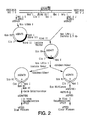
- u , B13R - B14R pos. 172,549 - 173,552
- pSD419 was used as the source for the left flanking arm and pSD422 was used as the source of the right flanking arm.
- the direction of transcription for the u region is indicated by an arrow in FIG. 2.
- sequences to the left of the Nco I site were removed by digestion of pSD419 with Nco I/ Sma I followed by blunt ending with Klenow fragment of E. coli polymerase and ligation generating plasmid pSD476.
- a vaccinia right flanking arm was obtained by digestion of pSD422 with Hpa I at the termination codon of B14R and by digestion with Nru I 0.3 kb to the right. This 0.3 kb fragment was isolated and ligated with a 3.4 kb Hin cII vector fragment isolated from pSD476, generating plasmid pSD477.
- pSD477 contains an initiation codon (underlined) followed by a Bam HI site. To place E.
- Beta-galactosidase in the B13-B14 ( u ) deletion locus under the control of the u promoter a 3.2 kb Bam HI fragment containing the Beta-galactosidase gene (Shapira et al., 1983) was inserted into the Bam HI site of pSD479, generating pSD479BG.
- pSD479BG was used as donor plasmid for recombination with vaccinia virus vP410.
- Recombinant vaccinia virus vP533 was isolated as a blue plaque in the presence of chromogenic substrate X-gal.
- the B13R-B14R region is deleted and is replaced by Beta-galactosidase.
- plasmid pSD486 a derivative of pSD477 containing a polylinker region but no initiation codon at the u deletion junction, was utilized.
- Cla I/ Hpa I vector fragment from pSD477 referred to above was ligated with annealed synthetic oligonucleotides SD42mer/SD40mer (SEQ ID NO:8/SEQ ID NO:9) generating plasmid pSD478.
- the Eco RI site at the pUC/vaccinia junction was destroyed by digestion of pSD478 with Eco RI followed by blunt ending with Klenow fragment of E.
- pSD478E - was digested with Bam HI and Hpa I and ligated with annealed synthetic oligonucleotides HEM5/HEM6 (SEQ ID NO:10/SEQ ID NO:11) generating plasmid pSD486.
- pSD486 was used as donor plasmid for recombination with recombinant vaccinia virus vP533, generating vP553, which was isolated as a clear plaque in the presence of X-gal.
- pSD414 contains Sal I B cloned into pUC8.
- pSD414 was cut with Xba I within vaccinia sequences (pos. 137,079) and with Hin dIII at the pUC/vaccinia junction, then blunt ended with Klenow fragment of E . coli polymerase and ligated, resulting in plasmid pSD483.
- pSD483 was cut with Eco RI (pos. 140,665 and at the pUC/vaccinia junction) and ligated, forming plasmid pSD484.
- pSD484 was cut with Nde I (partial) slightly upstream from the A26L ORF (pos. 139,004) and with Hpa I (pos. 137,889) slightly downstream from the A26L ORF.
- the 5.2 kb vector fragment was isolated and ligated with annealed synthetic oligonucleotides ATI3/ATI4 (SEQ ID NO:12/SEQ ID NO:13) reconstructing the region upstream from A26L and replacing the A26L ORF with a short polylinker region containing the restriction sites Bgl II, Eco RI and Hpa I, as indicated above.
- the resulting plasmid was designated pSD485.
- Bgl II and Eco RI sites in the polylinker region of pSD485 are not unique, unwanted Bgl II and Eco RI sites were removed from plasmid pSD483 (described above) by digestion with Bgl II (pos. 140,136) and with Eco RI at the pUC/vaccinia junction, followed by blunt ending with Klenow fragment of E. coli polymerase and ligation.
- the resulting plasmid was designated pSD489.
- plasmid pSD492 was deleted by mutagenesis (Mandecki, 1986) using synthetic oligonucleotide MPSYN177 (SEQ ID NO:14) (5' AAAATGGGCGTGGATTGTTAACTTTATATAACTTATTTTTTGAATATAC 3').
- MPSYN177 SEQ ID NO:14
- vaccinia DNA encompassing positions [137,889 - 138,937], including the entire A26L ORF is deleted.
- vaccinia Sal I G restriction fragment (pos. 160,744-173,351) crosses the Hin dIII A/B junction (pos. 162,539).
- pSD419 contains vaccinia Sal I G cloned into pUC8.
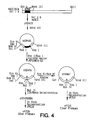
- the direction of transcription for the hemagglutinin (HA) gene is indicated by an arrow in FIG. 4.
- Vaccinia sequences derived from Hin dIII B were removed by digestion of pSD419 with Hin dIII within vaccinia sequences and at the pUC/vaccinia junction followed by ligation.
- the resulting plasmid, pSD456, contains the HA gene, A56R, flanked by 0.4 kb of vaccinia sequences to the left and 0.4 kb of vaccinia sequences to the right.
- A56R coding sequences were removed by cutting pSD456 with Rsa I (partial; pos. 161,090) upstream from A56R coding sequences, and with Eag I (pos. 162,054) near the end of the gene.
- the 3.6 kb Rsa I/ Eag I vector fragment from pSD456 was isolated and ligated with annealed synthetic oligonucleotides MPSYN59 (SEQ ID NO:15), MPSYN62 (SEQ ID NO:16), MPSYN60 (SEQ ID NO:17), and MPSYN61 (SEQ ID NO:18) reconstructing the DNA sequences upstream from the A56R ORF and replacing the A56R ORF with a polylinker region as indicated above.
- the resulting plasmid is pSD466.
- the vaccinia deletion in pSD466 encompasses positions [161,185-162,053].
- the site of the deletion in pSD466 is indicated by a triangle in FIG. 4.
- Beta-galactosidase sequences were deleted from vP708 using donor plasmid pSD467.
- pSD467 is identical to pSD466, except that Eco RI, Sma I and Bam HI sites were removed from the pUC/vaccinia junction by digestion of pSD466 with Eco RI/ Bam HI followed by blunt ending with Klenow fragment of E . coli polymerase and ligation.
- Recombination between vP708 and pSD467 resulted in recombinant vaccinia deletion mutant, vP723, which was isolated as a clear plaque in the presence of X-gal.
- pSD420 is Sal I H cloned into pUC8.
- pSD435 is Kpn I F cloned into pUC18.
- pSD435 was cut with Sph I and religated, forming pSD451.
- DNA sequences to the left of the Sph I site (pos. 27,416) in Hin dIII M are removed (Perkus et al., 1990).
- pSD409 is Hin dIII M cloned into pUC8.
- E. coli Beta-galactosidase was first inserted into the vaccinia M2L deletion locus (Guo et al., 1990) as follows. To eliminate the Bgl II site in pSD409, the plasmid was cut with Bgl II in vaccinia sequences (pos. 28,212) and with Bam HI at the pUC/vaccinia junction, then ligated to form plasmid pMP409B. pMP409B was cut at the unique Sph I site (pos. 27,416).
- M2L coding sequences were removed by mutagenesis (Guo et al., 1990; Mandecki, 1986) using synthetic oligonucleotide
- the resulting plasmid, pMP409D contains a unique Bgl II site inserted into the M2L deletion locus as indicated above.
- a 3.2 kb Bam HI (partial)/ Bgl II cassette containing the E. coli Beta-galactosidase gene (Shapira et al., 1983) under the control of the 11 kDa promoter (Bertholet et al., 1985) was inserted into pMP409D cut with Bgl II.
- pMP409DBG The resulting plasmid, pMP409DBG (Guo et al., 1990), was used as donor plasmid for recombination with rescuing vaccinia virus vP723.
- a plasmid deleted for vaccinia genes [C7L-K1L] was assembled in pUC8 cut with Sma I, Hin dIII and blunt ended with Klenow fragment of E. coli polymerase.
- the left flanking arm consisting of vaccinia Hin dIII C sequences was obtained by digestion of pSD420 with Xba I (pos. 18,628) followed by blunt ending with Klenow fragment of E. coli polymerase and digestion with Bgl II (pos. 19,706).
- the right flanking arm consisting of vaccinia Hin dIII K sequences was obtained by digestion of pSD451 with Bal II (pos. 29,062) and Eco RV (pos. 29,778).
- the resulting plasmid, pMP581CK is deleted for vaccinia sequences between the Bgl II site (pos. 19,706) in Hin dIII C and the Bgl II site (pos. 29,062) in Hin dIII K.
- the site of the deletion of vaccinia sequences in plasmid pMP581CK is indicated by a triangle in FIG. 5.
- plasmid pMP581CK was cut at the Nco I sites within vaccinia sequences (pos. 18,811; 19,655), treated with Bal-31 exonuclease and subjected to mutagenesis (Mandecki, 1986) using synthetic oligonucleotide MPSYN233 (SEQ ID NO:20) 5'-TGTCATTTAACACTATACTCATATTAATAAAAATAATATTTATT-3'.
- the resulting plasmid, pMPCSK1 ⁇ is deleted for vaccinia sequences positions 18,805-29,108, encompassing 12 vaccinia open reading frames [C7L - K1L].
- plasmid pSD405 contains vaccinia Hin dIII I (pos. 63,875-70,367) cloned in pUC8.
- pSD405 was digested with Eco RV within vaccinia sequences (pos. 67,933) and with Sma I at the pUC/vaccinia junction, and ligated, forming plasmid pSD518.
- pSD518 was used as the source of all the vaccinia restriction fragments used in the construction of pSD548.
- the vaccinia I4L gene extends from position 67,371-65,059. Direction of transcription for I4L is indicated by an arrow in FIG. 6.
- pSD518 was digested with Bam HI (pos. 65,381) and Hpa I (pos. 67,001) and blunt ended using Klenow fragment of E. coli polymerase. This 4.8 kb vector fragment was ligated with a 3.2 kb Sma I cassette containing the E.
- coli Beta-galactosidase gene (Shapira et al., 1983) under the control of the vaccinia 11 kDa promoter (Bertholet et al., 1985; Perkus et al., 1990), resulting in plasmid pSD524KBG.
- pSD524KBG was used as donor plasmid for recombination with vaccinia virus vP804.
- Recombinant vaccinia virus, vP855, containing Beta-galactosidase in a partial deletion of the I4L gene was isolated as a blue plaque in the presence of X-gal.
- deletion plasmid pSD548 was constructed.
- the left and right vaccinia flanking arms were assembled separately in pUC8 as detailed below and presented schematically in FIG. 6.
- pUC8 was cut with Bam HI/ Eco RI and ligated with annealed synthetic oligonucleotides 518A1/518A2 (SEQ ID NO:21/SEQ ID NO:22) forming plasmid pSD531.
- pSD531 was cut with Rsa I (partial) and Bam HI and a 2.7 kb vector fragment isolated.
- pSD518 was cut with Bgl II (pos. 64,459)/ Rsa I (pos. 64,994) and a 0.5 kb fragment isolated. The two fragments were ligated together, forming pSD537, which contains the complete vaccinia flanking arm left of the I4L coding sequences.
- pUC8 was cut with Bam HI/ Eco RI and ligated with annealed synthetic oligonucleotides 518B1/518B2 (SEQ ID NO:23/SEQ ID NO:24) forming plasmid pSD532.
- pSD532 was cut with Rsa I (partial)/ Eco RI and a 2.7 kb vector fragment isolated.
- pSD518 was cut with Rsa I within vaccinia sequences (pos. 67,436) and Eco RI at the vaccinia/pUC junction, and a 0.6 kb fragment isolated. The two fragments were ligated together, forming pSD538, which contains the complete vaccinia flanking arm to the right of I4L coding sequences.
- the right vaccinia flanking arm was isolated as a 0.6 kb Eco RI/ Bgl II fragment from pSD538 and ligated into pSD537 vector plasmid cut with Eco RI/ Bgl II.
- the I4L ORF pos. 65,047-67,386
- a polylinker region which is flanked by 0.6 kb vaccinia DNA to the left and 0.6 kb vaccinia DNA to the right, all in a pUC background.
- the site of deletion within vaccinia sequences is indicated by a triangle in FIG. 6.
- the vaccinia I4L deletion cassette was moved from pSD539 into pRC11, a pUC derivative from which all Beta-galactosidase sequences have been removed and replaced with a polylinker region (Colinas et al., 1990).
- pSD539 was cut with Eco RI /Pst I and the 1.2 kb fragment isolated.
- pSD548 This fragment was ligated into pRC11 cut with Eco RI/ Pst I (2.35 kb), forming pSD548. Recombination between pSD548 and the Beta-galactosidase containing vaccinia recombinant, vP855, resulted in vaccinia deletion mutant vP866, which was isolated as a clear plaque in the presence of X-gal.
- DNA from recombinant vaccinia virus vP866 was analyzed by restriction digests followed by electrophoresis on an agarose gel. The restriction patterns were as expected. Polymerase chain reactions (PCR) (Engelke et al., 1988) using vP866 as template and primers flanking the six deletion loci detailed above produced DNA fragments of the expected sizes. Sequence analysis of the PCR generated fragments around the areas of the deletion junctions confirmed that the junctions were as expected. Recombinant vaccinia virus vP866, containing the six engineered deletions as described above, was designated vaccinia vaccine strain "NYVAC.”
- telomere sequence under the control of the vaccinia H6 promoter (Taylor et al., 1988a,b) was inserted into TK deletion plasmid pSD513.
- pSD513 is identical to plasmid pSD460 (FIG. 1) except for the presence of a polylinker region.
- the polylinker region was inserted by cutting pSD460 with Sma I and ligating the plasmid vector with annealed synthetic oligonucleotides VQ1A/VQ1B (SEQ ID NO:25/SEQ ID NO:26) to form vector plasmid pSD513.
- pSD513 was cut with Sma I and ligated with a Sma I ended 1.8 kb cassette containing the gene encoding the rabies glycoprotein G gene under the control of the vaccinia H6 promoter (Taylor et al., 1988a,b).
- the resulting plasmid was designated pRW842.
- pRW842 was used as donor plasmid for recombination with NYVAC rescuing virus (vP866).
- Recombinant vaccinia virus vP879 was identified by plaque hybridization using 32 P-labelled DNA probe to rabies glycoprotein G coding sequences.
- the modified recombinant viruses of the present invention provide advantages as recombinant vaccine vectors.
- the attenuated virulence of the vector advantageously reduces the opportunity for the possibility of a runaway infection due to vaccination in the vaccinated individual and also diminishes transmission from vaccinated to unvaccinated individuals or contamination of the environment.
- the modified recombinant viruses are also advantageously used in a method for expressing a gene product in a cell cultured in vitro by introducing into the cell the modified recombinant virus having foreign DNA which codes for and expresses gene products in the cell.
- This example describes the development of ALVAC, a canarypox virus vector and, of a canarypox-rabies recombinant designated as ALVAC-RG (vCP65) and its safety and efficacy.
- the parental canarypox virus (Rentschler strain) is a vaccinal strain for canaries.
- the vaccine strain was obtained from a wild type isolate and attenuated through more than 200 serial passages on chick embryo fibroblasts.
- a master viral seed was subjected to four successive plaque purifications under agar and one plaque clone was amplified through five additional passages after which the stock virus was used as the parental virus in in vitro recombination tests.
- the plaque purified canarypox isolate is designated ALVAC.
- This replacement sequence contains Hin dIII, Sma I and Eco RI insertion sites followed by translation stops and a transcription termination signal recognized by vaccinia virus RNA polymerase (Yuen et al., 1987). Deletion of the C5 ORF was performed as described below. Plasmid pRW764.5 was partially cut with Rsa I and the linear product was isolated. The Rsa I linear fragment was recut with Bgl II and the pRW764.5 fragment now with a Rsa I to Bgl II deletion from position 156 to position 462 was isolated and used as a vector for the following synthetic oligonucleotides:
- Oligonucleotides A through E which overlap the translation initiation codon of the H6 promoter with the ATG of rabies G, were cloned into pUC9 as pRW737. Oligonucleotides A through E contain the H6 promoter, starting at Nru I, through the Hin dIII site of rabies G followed by Bgl II. Sequences of oligonucleotides A through E ((SEQ ID NO:31)-(SEQ ID NO:35)) are: The diagram of annealed oligonucleotides A through E is as follows:
- Oligonucleotides A through E were kinased, annealed (95°C for 5 minutes, then cooled to room temperature), and inserted between the Pvu II sites of pUC9.
- the resulting plasmid, pRW737 was cut with Hin dIII and Bgl II and used as a vector for the 1.6 kbp Hin dIII- Bgl II fragment of ptg155PRO (Kieny et al., 1984) generating pRW739.
- the ptg155PRO Hin dIII site is 86 bp downstream of the rabies G translation initiation codon.
- Bgl II is downstream of the rabies G translation stop codon in ptg155PRO.
- pRW739 was partially cut with Nru I, completely cut with Bgl II, and a 1.7 kbp Nru I- Bgl II fragment, containing the 3' end of the H6 promoter previously described (Taylor et al., 1988a,b; Guo et al., 1989; Perkus et al., 1989) through the entire rabies G gene, was inserted between the Nru I and Bam HI sites of pRW824. The resulting plasmid is designated pRW832. Insertion into pRW824 added the H6 promoter 5' of Nru I.
- pRW824 sequence of Bam HI followed by Sma I is (SEQ ID NO:36): GGATCCCCGGG.
- pRW824 is a plasmid that contains a nonpertinent gene linked precisely to the vaccinia virus H6 promoter. Digestion with Nru I and Bam HI completely excised this nonpertinent gene.
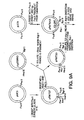
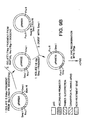
- Plasmid pRW838 was transfected into ALVAC infected primary CEF cells by using the calcium phosphate precipitation method previously described (Panicali et al., 1982; Piccini et al., 1987). Positive plaques were selected on the basis of hybridization to a specific rabies G probe and subjected to 6 sequential rounds of plaque purification until a pure population was achieved. One representative plaque was then amplified and the resulting ALVAC recombinant was designated ALVAC-RG (vCP65) ( see also Figs. 9A and 9B). The correct insertion of the rabies G gene into the ALVAC genome without subsequent mutation was confirmed by sequence analysis.
- Immunofluorescence During the final stages of assembly of mature rabies virus particles, the glycoprotein component is transported from the golgi apparatus to the plasma membrane where it accumulates with the carboxy terminus extending into the cytoplasm and the bulk of the protein on the external surface of the cell membrane.
- immunofluorescence was performed on primary CEF cells infected with ALVAC or ALVAC-RG. Immunofluorescence was performed as previously described (Taylor et al., 1990) using a rabies G monoclonal antibody. Strong surface fluorescence was detected on CEF cells infected with ALVAC-RG but not with the parental ALVAC.
- Immunoprecipitation Preformed monolayers of primary CEF, Vero (a line of African Green monkey kidney cells ATCC # CCL81) and MRC-5 cells (a fibroblast-like cell line derived from normal human fetal lung tissue ATCC # CCL171) were inoculated at 10 pfu per cell with parental virus ALVAC and recombinant virus ALVAC-RG in the presence of radiolabelled 35 S-methionine and treated as previously described (Taylor et al., 1990). Immunoprecipitation reactions were performed using a rabies G specific monoclonal antibody.
- sample t7 of each cell substrate was inoculated undiluted onto three dishes of the same cell substrate (to provide samples to, t7 and t7A) and onto one dish of primary CEF cells. Samples to, t7 and t7A were treated as for passage one. The additional inoculation on CEF cells was included to provide an amplification step for more sensitive detection of virus which might be present in the non-avian cells.
- Virus yield in each sample was then determined by plaque titration on CEF monolayers under agarose. Summarized results of the experiment are shown in Tables 1 and 2.
- mice Inoculation of Mice .
- Groups of mice were inoculated with 50 to 100 ⁇ l of a range of dilutions of different batches of vCP65. Mice were inoculated in the footpad. On day 14, mice were challenged by intracranial inoculation of from 15 to 43 mouse LD 50 of the virulent CVS strain of rabies virus. Survival of mice was monitored and a protective dose 50% (PD 50 ) calculated at 28 days post-inoculation.
- PD 50 protective dose 50%
- Chicken embryo fibroblast cells produced from 11 day old white leghorn embryos were included as a positive control. All inoculations were performed on preformed monolayers of 2 ⁇ 10 6 cells as discussed below.
- Each sample of 2 X 10 6 cells was resuspended in 0.5 ml phosphate buffered saline (PBS) containing 40 mM EDTA and incubated for 5 minutes at 37°C.
- An equal volume of 1.5% agarose prewarmed at 42°C and containing 120 mM EDTA was added to the cell suspension and gently mixed. The suspension was transferred to an agarose plug mold and allowed to harden for at least 15 min.
- the agarose plugs were then removed and incubated for 12-16 hours at 50°C in a volume of lysis buffer (1% sarkosyl, 100 ⁇ g/ml proteinase K, 10 mM Tris HCl pH 7.5, 200 mM EDTA) that completely covers the plug.
- the lysis buffer was then replaced with 5.0 ml sterile 0.5 X TBE (44.5 mM Tris-borate, 44.5 mM boric acid, 0.5 mM EDTA) and equilibrated at 4°C for 6 hours with 3 changes of TBE buffer.
- the viral DNA within the plug was fractionated from cellular RNA and DNA using a pulse field electrophoresis system.
- Electrophoresis was performed for 20 hours at 180 V with a ramp of 50-90 sec at 15°C in 0.5 X TBE.
- the DNA was run with lambda DNA molecular weight standards. After electrophoresis the viral DNA band was visualized by staining with ethidium bromide.
- the DNA was then transferred to a nitrocellulose membrane and probed with a radiolabelled probe prepared from purified ALVAC genomic DNA.
- Dishes were inoculated exactly as described above, with the exception that input multiplicity was 0.1 pfu/cell. At 72 hours post infection, cells were lysed by three successive cycles of freezing and thawing. Virus yield was assessed by plaque titration on CEF monolayers.
- Dishes were inoculated with recombinant or parental virus at a multiplicity of 10 pfu/cell, allowing an additional dish as an uninfected virus control. After a one hour absorption period, the medium was removed and replaced with methionine free medium. After a 30 minute period, this medium was replaced with methionine-free medium containing 25 uCi/ml of 35 S-Methionine. Infected cells were labelled overnight (approximately 16 hours), then lysed by the addition of buffer A lysis buffer. Immunoprecipitation was performed as previously described (Taylor et al., 1990) using a rabies G specific monoclonal antibody.
- Results Estimation of Viral Yield .
- the results of titration for yield at 72 hours after inoculation at 0.1 pfu per cell are shown in Table 5. The results indicate that while a productive infection can be attained in the avian cells, no increase in virus yield can be detected by this method in the four non-avian cell systems.
- DNA from the cell lysates was fractionated by electrophoresis, transferred to nitrocellulose and probed for the presence of viral specific DNA.
- ALVAC-RG infected CEF cells at 72 hours post-infection exhibited a strong band in the region of approximately 350 kbp representing ALVAC-specific viral DNA accumulation. No such band is detectable when the culture is incubated in the presence of the DNA synthesis inhibitor, cytosine arabinoside.
- Equivalent samples produced in Vero cells showed a very faint band at approximately 350 kbp in the ALVAC-RG infected Vero cells at time zero. This level represented residual virus. The intensity of the band was amplified at 72 hours post-infection indicating that some level of viral specific DNA replication had occurred in Vero cells which had not resulted in an increase in viral progeny.
- results of this experiment indicated that in the human cell lines analyzed, although the ALVAC-RG recombinant was able to initiate an infection and express a foreign gene product under the transcriptional control of the H6 early/late vaccinia virus promoter, the replication did not proceed through DNA replication, nor was there any detectable viral progeny produced. In the Vero cells, although some level of ALVAC-RG specific DNA accumulation was observed, no viral progeny was detected by these methods. These results would indicate that in the human cell lines analyzed the block to viral replication occurs prior to the onset of DNA replication, while in Vero cells, the block occurs following the onset of viral DNA replication.
- mice were challenged 14 days later by the intracranial route with 300 ⁇ l of the CVS strain of rabies virus containing from 15 to 43 mouse LD 50 as determined by lethality titration in a control group of mice. Potency, expressed as the PD 50 (Protective dose 50%), was calculated at 14 days post-challenge. The results of the experiment are shown in Table 6. The results indicated that ALVAC-RG was consistently able to protect mice against rabies virus challenge with a PD 50 value ranging from 3.33 to 4.56 with a mean value of 3.73 (STD 0.48).
- mice were inoculated intracranially with 50 ⁇ l of virus containing 6.0 log 10 TCID 50 of ALVAC-RG or with an equivalent volume of an uninfected cell suspension. Mice were sacrificed on days 1, 3 and 6 post-inoculation and their brains removed, fixed and sectioned. Histopathological examination showed no evidence for neurovirulence of ALVAC-RG in mice.
- the immunological response of HIV-2 seropositive macaques to inoculation with ALVAC-RG was assessed. Animals were inoculated as described above and the presence of anti-rabies serum neutralizing antibody assessed in an RFFI test. The results, shown in Table 9, indicated that HIV-2 positive animals inoculated by the subcutaneous route developed anti-rabies antibody by 11 days after one inoculation. An anamnestic response was detected after a booster inoculation given approximately three months after the first inoculation. No response was detected in animals receiving the recombinant by the oral route. In addition, a series of six animals were inoculated with decreasing doses of ALVAC-RG given by either the intra-muscular or subcutaneous routes. Five of the six animals inoculated responded by 14 days post-vaccination with no significant difference in antibody titer.
- N.D. N.D. t7A 3.8 N.D. N.D. Pass 4 Sample to 5.2 N.D. N.D. t7 7.1 N.D. N.D. t7A 3.9 N.D. N.D. a: This sample was harvested at zero time and represents the residual input virus. The titer is expressed as log 10 pfu per ml. b: This sample was harvested at 7 days post-infection. c: This sample was inoculated in the presence of 40 ⁇ g/ml of Cytosine arabinoside and harvested at 7 days post infection. d: Not detectable Table 2.
- N.D a This sample was harvested at zero time and represents the residual input virus. The titer is expressed as log 10 pfu per ml.
- b This sample was harvested at 7 days post-infection.
- c This sample was inoculated in the presence of 40 ⁇ g/ml of Cytosine arabinoside and harvested at 7 days post-infection.
- d Not detectable. Table 3. Amplification of residual virus by passage in CEF cells CEF Vero MRC-5 a) ALVAC Pass 2 a 7.0 b 6.0 5.2 3 7.5 4.1 4.9 4 7.5 N.D. c N.D. 5 7.1 N.D. N.D.
- ALVAC-RG Pass 2 a 7.2 5.5 5.5 3 7.2 5.0 5.1 4 7.2 N.D. N.D. 5 7.2 N.D. N.D. a: Pass 2 represents the amplification in CEF cells of the 7 day sample from Pass 1.
- b Titer expressed as log 10 pfu per ml
- c Not Detectable Table 4.
- a Antibody at day 29 post inoculation expressed as the geometric mean titer in International Units.
- b Expressed as a ratio of survivors over animals challenged Table 8. Anti-rabies serological response of Squirrel monkeys inoculated with canarypox recombinants Monkey # Previous Exposure -196 b Rabies serum-neutralizing antibody a 0 3 7 11 21 28 22 ALVAC c NT g ⁇ 1.2 ⁇ 1.2 ⁇ 1.2 2.1 2.2 51 ALVAC c NT ⁇ 1.2 ⁇ 1.2 1.7 2.2 2.2 2.2 39 vCP37 d NT ⁇ 1.2 ⁇ 1.2 1.7 2.1 2.2 N.T.
- b Animals 176L and 185L received 8.0 log 10 pfu by the oral route in 5 ml Tang. Animal 187L received 7.0 log 10 pfu by oral route not in Tang.
- c Day of re-vaccination for animals 176L, 185L, 177L and 186L by S.C. route, and primary vaccination for animals 178L, 182L, 179L, 183L, 180L, 184L and 187L.
- d Titers expressed as reciprocal of last dilution showing inhibition of fluorescence In an RFFI test. Table 10. Inoculation of chimpanzees with ALVAC-RG Weeks post-Inoculation Animal 431 I.M. Animal 457 S.C.
- ALVAC-RG (vCP65) was generated as described in Example 9 and FIGS. 9A and 9B.
- ALVAC-RG (vCP65) was grown in primary CEF derived from specified pathogen free eggs. Cells were infected at a multiplicity of 0.1 and incubated at 37°C for three days.
- the vaccine virus suspension was obtained by ultrasonic disruption in serum free medium of the infected cells; cell debris were then removed by centrifugation and filtration.
- the resulting clarified suspension was supplemented with lyophilization stabilizer (mixture of amino-acids), dispensed in single dose vials and freeze dried.
- Three batches of decreasing titer were prepared by ten-fold serial dilutions of the virus suspension in a mixture of serum free medium and lyophilization stabilizer, prior to lyophilization.
- ALVAC-RG vCP65
- canaries chickens, ducks, geese, laboratory rodents (suckling and adult mice), hamsters, guinea-pigs, rabbits, cats and dogs, squirrel monkeys, rhesus macaques and chimpanzees
- hamsters guinea-pigs
- rabbits rabbits
- cats and dogs squirrel monkeys
- rhesus macaques and chimpanzees were inoculated with doses ranging from 10 5 to 10 8 pfu.
- routes were used, most commonly subcutaneous, intramuscular and intradermal but also oral (monkeys and mice) and intracerebral (mice).
- ALVAC-RG (vCP65) caused a "take" lesion at the site of scarification with no indication of disease or death. Intradermal inoculation of rabbits resulted in a typical poxvirus inoculation reaction which did not spread and healed in seven to ten days. There was no adverse side effects due to canarypox in any of the animal tests. Immunogenicity was documented by the development of anti-rabies antibodies following inoculation of ALVAC-RG (vCP65) in rodents, dogs, cats, and primates, as measured by Rapid Fluorescent Focus Inhibition Test (RFFIT). Protection was also demonstrated by rabies virus challenge experiments in mice, dogs, and cats immunized with ALVAC-RG (vCP65).
- RFFIT Rapid Fluorescent Focus Inhibition Test
- Volunteers Twenty-five healthy adults aged 20-45 with no previous history of rabies immunization were enrolled. Their health status was assessed by complete medical histories, physical examinations, hematological and blood chemistry analyses. Exclusion criteria included pregnancy, allergies, immune depression of any kind, chronic debilitating disease, cancer, injection of immune globins in the past three months, and seropositivity to human immunodeficiency virus (HIV) or to hepatitis B virus surface antigen.
- HIV human immunodeficiency virus
- the trial was designated as a dose escalation study.
- Three batches of experimental ALVAC-RG (vCP65) vaccine were used sequentially in three groups of volunteers (Groups A, B and C) with two week intervals between each step.
- the concentration of the three batches was 10 3.5 , 10 4.5 10 5 ⁇ 5 Tissue Culture Infectious Dose (TCID 50 ) per dose, respectively.
- the nature of the injected vaccine was not known by the participants at the time of the first injection but was known by the investigator.
- the volunteers of Group B allocated to the medium dose of experimental vaccine were injected 1 h previously with the lower dose and those allocated to the higher dose (Group C) received successively the lower and the medium dose at hourly intervals.
- ALVAC-RG (vCP65) (Group C) and HDC vaccine were offered a third dose of vaccine; they were then randomized to receive either the same vaccine as previously or the alternate vaccine.
- four groups were formed corresponding to the following immunization scheme: 1. HDC, HDC - HDC; 2. HDC, HDC - ALVAC-RG (vCP65); 3. ALVAC-RG (vCP65), ALVAC-RG (vCP65) - HDC; 4. ALVAC-RG (vCP65), ALVAC-RG (vCP65), ALVAC-RG (vCP65).
- Antibody assays were performed seven days prior to the first injection and at days 7, 28, 35, 56, 173, 187 and 208 of the study.
- the levels of neutralizing antibodies to rabies were determined using the Rapid Fluorescent Focus Inhibition test (RFFIT) (Smith et al., 1973).
- Canarypox antibodies were measured by direct ELISA.
- the antigen a suspension of purified canarypox virus disrupted with 0.1% Triton X100, was coated in microplates. Fixed dilutions of the sera were reacted for two hours at room temperature and reacting antibodies were revealed with a peroxidase labelled anti-human IgG goat serum. The results are expressed as the optical density read at 490nm.
- Tenderness was the most common symptoms and was always mild. Other local symptoms included redness and induration which were also mild and transient. All symptoms usually subsided within 24 hours and never lasted more than 72 hours.
- protective titers were achieved in 0/3 of Group A, 2/3 of Group B and 9/9 of Group C recipients of ALVAC-RG (vCP65) vaccine and persisted in all 10 HDC recipients.
- the rabies antibody titers had substantially decreased in all subjects but remained above the minimum protective titer of 0.5 IU/ml in 5/10 HCD recipients and in 5/9 ALVAC-RG (vCP65) recipients; the geometric mean titers were 0.51 and 0.45 IU/ml in groups HCD and C, respectively.
- Booster Iniection The vaccine was similarly well tolerated six months later, at the time of the booster injection: fever was noted in 2/9 HDC booster recipients and in 1/10 ALVAC-RG (vCP65) booster recipients. Local reactions were present in 5/9 recipients of HDC booster and in 6/10 recipients of the ALVAC-RG (vCP65) booster.
- Figs. 11A-11D show graphs of rabies neutralizing antibody titers (Rapid Fluorescent Focus Inhibition Test or RFFIT, IU/ml): Booster effect of HDC and vCP65 (10 5.5 TCID 50 ) in volunteers previously immunized with either the same or the alternate vaccine. Vaccines were given at days 0, 28 and 180. Antibody titers were measured at days 0, 7, 28, 35, 56, 173, and 187 and 208.
- RFFIT Rapid Fluorescent Focus Inhibition Test
- the booster dose given resulted in a further increase in rabies antibody titers in every subject whatever the immunization scheme.
- the ALVAC-RG (vCP65) booster globally elicited lower immune responses than the HDC booster and the ALVAC-RG (vCP65), ALVAC-RG (vCP65) - ALVAC-RG (vCP65) group had significantly lower titers than the three other groups.
- the ALVAC-RG (vCP65) booster injection resulted in an increase in canarypox antibody titers in 3/5 subjects who had previously received the HDC vaccine and in all five subjects previously immunized with ALVAC-RG (vCP65).
- Rabies neutralizing antibodies were assayed with the Rapid Fluorescent Focus Inhibition Test (RFFIT) which is known to correlate well with the sero neutralization test in mice. Of 9 recipients of 10 5.5 TCID 50 , five had low level responses after the first dose. Protective titers of rabies antibodies were obtained after the second injection in all recipients of the highest dose tested and even in 2 of the 3 recipients of the medium dose. In this study, both vaccines were given subcutaneously as usually recommended for live vaccines, but not for the inactivated HDC vaccine.
- RFFIT Rapid Fluorescent Focus Inhibition Test
- this Example clearly demonstrates that a non-replicating poxvirus can serve as an immunizing vector in humans, with all of the advantages that replicating agents confer on the immune response, but without the safety problem created by a fully permissive virus.
- suitable dosages and modes or routes for administration or immunization of recombinants containing either rabies or other coding, or expression products thereof are within the ambit of the skilled artisan as well modes for in vitro expression.
- TABLE 11 Reactions in the 5 days following vaccination vCP65 dosage (TCID50) 10 3.5 10 4.5 10 5.5 H D C control Injection 1st 2nd 1st 2nd 1st 2nd 1st 2nd No.
- mice Male outbred Swiss Webster mice were purchased from Taconic Farms (Germantown, NY) and maintained on mouse chow and water ad libitum until use at 3 weeks of age ("normal" mice). Newborn outbred Swiss Webster mice were of both sexes and were obtained following timed pregnancies performed by Taconic Farms. All newborn mice used were delivered within a two day period.
- ALVAC was derived by plaque purification of a canarypox virus population and was prepared in primary chick embryo fibroblast cells (CEF). Following purification by centrifugation over sucrose density gradients, ALVAC was enumerated for plaque forming units in CEF cells.
- the WR(L) variant of vaccinia virus was derived by selection of large plaque phenotypes of WR (Panicali et al., 1981).
- the Wyeth New York State Board of Health vaccine strain of vaccinia virus was obtained from Pharmaceuticals Calf Lymph Type vaccine Dryvax, control number 302001B.
- Copenhagen strain vaccinia virus VC-2 was obtained from Institut Merieux, France.
- Vaccinia virus strain NYVAC was derived from Copenhagen VC-2. All vaccinia virus strains except the Wyeth strain were cultivated in Vero African green monkey kidney cells, purified by sucrose gradient density centrifugation and enumerated for plaque forming units on Vero cells. The Wyeth strain was grown in CEF cells and enumerated for plaque forming units in CEF cells.
- mice were inoculated intracranially (ic) with 0.05 ml of one of several dilutions of virus prepared by 10-fold serially diluting the stock preparations in sterile phosphate-buffered saline. In some instances, undiluted stock virus preparation was used for inoculation.
- mice Groups of 10 newborn mice, 1 to 2 days old, were inoculated ic similarly to the normal mice except that an injection volume of 0.03 ml was used.
- mice All mice were observed daily for mortality for a period of 14 days (newborn mice) or 21 days (normal mice) after inoculation. Mice found dead the morning following inoculation were excluded due to potential death by trauma.
- the lethal dose required to produce mortality for 50% of the experimental population was determined by the proportional method of Reed and Muench.
- Preformed monolayers of avian or non-avian cells were inoculated with 10 pfu per cell of parental NYVAC (vP866) or NYVAC-RG (vP879) virus.
- the inoculation was performed in EMEM free of methionine and supplemented with 2% dialyzed fetal bovine serum. After a one hour incubation, the inoculum was removed and the medium replaced with EMEM (methionine free) containing 20 ⁇ Ci/ml of 35 S-methionine.
- Protein A Sepharose CL-48 obtained from Pharmacia LKB Biotechnology Inc., Piscataway, New Jersey, was used as a support matrix. Immunoprecipitates were fractionated on 10% polyacrylamide gels according to the method of Dreyfuss et. al. (1984). Gels were fixed, treated for fluorography with 1M Na-salicylate for one hour, and exposed to Kodak XAR-2 film to visualize the immunoprecipitated protein species.
- New Zealand White rabbits were obtained from Hare-Marland (Hewitt, New Jersey).
- Three week old male Swiss Webster outbred mice, timed pregnant female Swiss Webster outbred mice, and four week old Swiss Webster nude (nu + nu + ) mice were obtained from Taconic Farms, Inc. (Germantown, New York). All animals were maintained according to NIH guidelines. All animal protocols were approved by the institutional IACUC. When deemed necessary, mice which were obviously terminally ill were euthanized.
- Virus Recovery from Inoculation Sites A single rabbit was inoculated intradermally at multiple sites of 0/1 ml of PBS containing 10 6 , 10 7 , or 10 8 pfu of each test virus or with PBS alone. After 11 days, the rabbit was euthanized and skin biopsy specimens taken from each of the inoculation sites were aseptically prepared by mechanical disruption and indirect sonication for virus recovery. Infectious virus was assayed by plaque titration on CEF monolayers.
- mice Virulence in Mice .
- Groups of ten mice, or five in the nude mice experiment were inoculated ip with one of several dilutions of virus in 0.5 ml of sterile PBS.
- LD 50 The lethal dose required to produce 50% mortality (LD 50 ) was determined by the proportional method of Reed and Muench (Reed and Muench 1938).
- mice Potency Testing of NYVAC-RG in Mice .
- Four to six week old mice were inoculated in the footpad with 50 to 100 ⁇ l of a range of dilutions (2.0 - 8.0 log 10 tissue culture infective dose 50% (TCID 50 )) of either VV-RG (Kieny et al., 1984), ALVAC-RG (Taylor et al., 1991b), or the NYVAC-RG.
- TCID 50 tissue culture infective dose 50%
- Each group consisted of eight mice. At 14 days post-vaccination, the mice were challenged by intracranial inoculation with 15 LD 50 of the rabies virus CVS strain (0.03 ml). On day 28, surviving mice were counted and protective does 50% (PD 50 ) calculated.
- FIG. 10 schematically depicts the ORFs deleted to generate NYVAC. At the top of FIG. 10 is depicted the HindIII restriction map of the vaccinia virus genome (VC-2 plaque isolate, COPENHAGEN strain).
- NYVAC The replication potential of NYVAC in a number of human derived cells are shown in Table 16. Both VC-2 and NYVAC are capable of productive replication in CEF cells, although NYVAC with slightly reduced yields. VC-2 is also capable of productive replication in the six human derived cell lines tested with comparable yields except in the EBV transformed lymphoblastoid cell line JT-1 (human lymphoblastoid cell line transformed with Epstein-Barr virus, see Rickinson et al., 1984). In contrast, NYVAC is highly attenuated in its ability to productively replicate in any of the human derived cell lines tested.
- MRC-5 and DETROIT 532 Consistent with the low levels of virus yields obtained in the human-derived cell lines, MRC-5 and DETROIT 532, detectable but reduced levels of NYVAC-specific DNA accumulation were noted.
- NYVAC-specific viral DNA accumulation was not observed in any of the other human-derived cells.
- Sites inoculated with NYVAC or control PBS displayed no induration or ulceration.
- skin samples from the sites of inoculation were excised, mechanically disrupted, and virus was titrated on CEF cells. The results are shown in Table 18. In no case was more virus recovered at this timepoint than was administered.
- Recovery of vaccinia strain, WR was approximately 10 6 pfu of virus at each site irrespective of amount of virus administered.
- Recovery of vaccinia strains WYETH and VC-2 was 10 3 to 10 4 pfu regardless of amount administered. No infectious virus was recovered from sites inoculated with NYVAC.
- mice inoculated with WR (10 3 to 10 4 pfu), WYETH (5 x 10 7 or 5 x 10 8 pfu) or VC-2 (10 4 to 10 9 pfu) displayed disseminated lesions typical of poxviruses first on the toes, then on the tail, followed by severe orchitis in some animals.
- WR 10 3 to 10 4 pfu
- WYETH 5 x 10 7 or 5 x 10 8 pfu
- VC-2 (10 4 to 10 9 pfu) displayed disseminated lesions typical of poxviruses first on the toes, then on the tail, followed by severe orchitis in some animals.
- WR or WYETH the appearance of disseminated lesions generally led to eventual death, whereas most mice infected with VC-2 eventually recovered.
- Calculated LD 50 values are given in Table 19.
- mice inoculated with VC-2 began to display lesions on their toes (red papules) and 1 to 2 days later on the tail. These lesions occurred between 11 and 13 days post-inoculation (pi) in mice given the highest doses (10 9 , 10 8 , 10 7 and 10 6 pfu), on day 16 pi in mice given 10 5 pfu and on day 21 pi in mice given 10 4 pfu. No lesions were observed in mice inoculated with 10 3 and 10 2 pfu during the 100 day observation period. Orchitis was noticed on day 23 pi in mice given 10 9 and 10 8 pfu, and approximately 7 days later in the other groups (10 7 to 10 4 pfu).
- Orchitis was especially intense in the 10 9 and 10 8 pfu groups and, although receding, was observed until the end of the 100 day observation period. Some pox-like lesions were noticed on the skin of a few mice, occurring around 30-35 days pi. Most pox lesions healed normally between 60-90 days pi. Only one mouse died in the group inoculated with 10 9 pfu (Day 34 pi) and one mouse died in the group inoculated with 10 8 pfu (Day 94 pi). No other deaths were observed in the VC-2 inoculated mice.
- mice inoculated with 10 4 pfu of the WR strain of vaccinia started to display pox lesions on Day 17 pi. These lesions appeared identical to the lesions displayed by the VC-2 injected mice (swollen toes, tail). Mice inoculated with 10 3 pfu of the WR strain did not develop lesions until 34 days pi. Orchitis was noticed only in the mice inoculated with the highest dose of WR (10 4 pfu). During the latter stages of the observation period, lesions appeared around the mouth and the mice stopped eating. All mice inoculated with 10 4 pfu of WR died or were euthanized when deemed necessary between 21 days and 31 days pi.
- mice injected with 10 3 pfu of WR died or were euthanized when deemed necessary between 35 days and 57 days pi. No deaths were observed in mice inoculated with lower doses of WR (1 to 100 pfu).
- CY-treated mice provided a more sensitive model for assaying poxvirus virulence than did nude mice.
- LD 50 values for the WR, WYETH, and VC-2 vaccinia virus strains were significantly lower in this model system than in the nude mouse model.
- CY-treated mice injected with NYVAC or ALVAC did not develop lesions. However, unlike nude mice, some deaths were observed in CY-treated mice challenged with NYVAC or ALVAC, regardless of the dose. These random incidences are suspect as to the cause of death.
- mice injected with all doses of WYETH displayed pox lesions on their tail and/or on their toes between 7 and 15 days pi. In addition, the tails and toes were swollen. Evolution of lesions on the tail was typical of pox lesions with formation of a papule, ulceration and finally formation of a scab.
- Mice inoculated with all doses of VC-2 (1.65 x 10 5 to 1.65 x 10 9 ) also developed pox lesions on their tails and/or their toes analogous to those of WYETH injected mice. These lesions were observed between 7-12 days post inoculation. No lesions were observed on mice injected with lower doses of WR virus, although deaths occurred in these groups.
- Table 20 demonstrates that the PD 50 values obtained with the highly attenuated NYVAC vector are identical to those obtained using a COPENHAGEN-based recombinant containing the rabies glycoprotein gene in the tk locus (Kieny et al., 1984) and similar to PD 50 values obtained with ALVAC-RG, a canarypox based vector restricted to replication to avian species.
- NYVAC deleted of known virulence genes and having restricted in vitro growth characteristics, was analyzed in animal model systems to assess its attenuation characteristics. These studies were performed in comparison with the neurovirulent vaccinia virus laboratory strain, WR, two vaccinia virus vaccine strains, WYETH (New York City Board of Health) and COPENHAGEN (VC-2), as well as with a canarypox virus strain, ALVAC ( See also Example 11).
- viruses provided a spectrum of relative pathogenic potentials in the mouse challenge model and the rabbit skin model, with WR being the most virulent strain, WYETH and COPENHAGEN (VC-2) providing previously utilized attenuated vaccine strains with documented characteristics, and ALVAC providing an example of a poxvirus whose replication is restricted to avian species.
- Results from these in vivo analyses clearly demonstrate the highly attenuated properties of NYVAC relative to the vaccinia virus strains, WR, WYETH and COPENHAGEN (VC-2) (Tables 14-20).
- the LD 50 values for NYVAC were comparable to those observed with the avian host restricted avipoxvirus, ALVAC.
- Example 10 demonstrate the highly attenuated nature of NYVAC relative to WR, and the previously utilized vaccinia virus vaccine strains, WYETH and COPENHAGEN.
- the pathogenic profile of NYVAC, in the animal model systems tested was similar to that of ALVAC, a poxvirus known to productively replicate only in avian species.
- NYVAC-based vaccine candidates have been shown to be efficacious.
- NYVAC recombinants expressing foreign gene products from a number of pathogens have elicited immunological responses towards the foreign gene products in several animal species, including primates.
- a NYVAC-based recombinant expressing the rabies glycoprotein was able to protect mice against a lethal rabies challenge.
- the potency of the NYVAC-based rabies glycoprotein recombinant was comparable to the PD 50 value for a COPENHAGEN-based recombinant containing the rabies glycoprotein in the tk locus (Table 20).
- NYVAC-based recombinants have also been shown to elicit measles virus neutralizing antibodies in rabbits and protection against pseudorabies virus and Japanese encephalitis virus challenge in swine.
- the highly attenuated NYVAC strain confers safety advantages with human, animal, medical and veterinary applications (Tartaglia et al., 1992).
- the use of NYVAC as a general laboratory expression vector system may greatly reduce the biological hazards associated with using vaccinia virus.
- Example 10 shows NYVAC to be highly attenuated: a) no detectable induration or ulceration at site of inoculation (rabbit skin); b) rapid clearance of infectious virus from intradermal site of inoculation (rabbit skin); c) absence of testicular inflammation (nude mice); d) greatly reduced virulence (intracranial challenge, both three-week old and newborn mice); e) greatly reduced pathogenicity and failure to disseminate in immunodeficient subjects (nude and cyclophosphamide treated mice); and f) dramatically reduced ability to replicate on a variety of human tissue culture cells.
- b Titer expressed as LOG 50 pfu per ml.
- c Sample was incubated in the presence of 40 ⁇ g/ml of cytosine arabinoside.
- d Not determined. *: ATCC #CCL25 Human amnionic cells. Table 17.
- mice Recombinant PD 50 a W-RG 3.74 ALVAC-RG 3.86 NYVAC-RG 3.70 a Four to six week old mice were inoculated in the footpad with 50-100 ⁇ l of a range of dilutions (2.0 - 8.0 log 10 tissue culture infection dose 50% (TCID 50 ) of either the W-RG (Kieny et al., 1984), ALVAC-RG (vCP65) or NYVAC-RG (vP879).
- mice of each group were challenged by intracranial inoculation of 30 ⁇ l of a live CVS strain rabies virus corresponding to 15 lethal dose 50% (LD 50 ) per mouse.
- LD 50 lethal dose 50%
- NYVAC and ALVAC HTLV-I envelope recombinant vaccines were constructed using plasmid DNA from the HTLV-I 1711 molecular clone obtained from a culture of primary cells of a West African patient (Cardoso, 1989).
- Phylogenetically HTLV-I 1711 belongs to the cosmopolitan family of HTLV-I (Gudin, 1992).
- a donor plasmid containing the I3L-promoted human T-cell lymphotropic virus type I (HTLV-I) envelope gene was generated by the following procedure.
- a 1,600 bp PCR fragment, PCR-HTLV24, containing the I3L-promoted envelope gene, was generated by using the PCR fragments, PCR-HTLV18 and PCR-HTLV21, as templates in a PCR reaction with the oligonucleotide primers, MW093 (SEQ ID NO:37) and MW116 (SEQ ID NO:40).
- the I3L-promoted envelope gene was then cloned into pBSK. This was accomplished in 3 steps. 1) The 13L promoter and the 5'-end of the envelope gene was cloned into pBSK.
- the I3L-promoted envelope gene was then cloned between canarypox C5 flanking arms. This was accomplished by cloning the 1,600 bp partial Kpn I- Xba I fragment of pMAW16, containing the I3L-promoted envelope gene, into the 4,800 bp Kpn I- Xba I fragment of pVQC5LSP6. The plasmid generated by this manipulation is called pMAW017.
- pC5LSP was digested with Bam HI and ligated to annealed oligonucleotides CP32 (SEQ ID NO:41) (5'-GATCTTAATTAATTAGTCATCAGGCAGGGCGAGAACGA GACTATCTGCTCGTTAATTAATTAGGTCGACG-3') and CP33 (SEQ ID NO:42) (5'-GATCCGTCGACCTAATTAATTAACGAGCACATAGTCTCGTTCTCGCC CTGCCTGATGACTAATTAATTAA-3') to generate pVQC5LSP6.
- CP32 SEQ ID NO:41
- CP33 5'-GATCCGTCGACCTAATTAATTAACGAGCACATAGTCTCGTTCTCGCC CTGCCTGATGACTAATTAATTAA-3'
- pC5L was digested within the polylinker with Asp 718 and Not I, treated with alkaline phosphatase and ligated to kinased and annealed oligonucleotides CP26 (SEQ ID NO:43) (5'- GTACGTGACTAATTAGCTATAAAAAGGATCCGGTACCCTCGAGTCTAGAATC GATCCCGGGTTTTTATGACTAGTTAATCAC -3') and CP27 (SEQ ID NO:44) (5'- GGCCGTGATTAACTAGTCATAAAAACCCGGGATCGATTCTAGACTCGAGGGT ACCGGATCCTTTTTATAGCTAATTAGTCAC -3') (containing a disabled Asp 718 site, translation stop codons in six reading frames, vaccinia early transcription termination signal (Yuen and Moss, 1987), Bam HI, Kpn I, Xho I, Xba I, Cla I, and Sma I restriction sites, vaccinia early transcription termination signal,
- the C5L insertion plasmid was derived as follows. Using the cosmid vector pVK102 (Knauf and Nester, 1982), a genomic library for vCP65 (ALVAC-based rabies G recombinant with rabies in C5 locus) was constructed. This library was probed with the 0.9 kb Pvu II canarypoxvirus genomic fragment contained within pRW764.5 (C5 locus). These canarypox DNA sequences contain the original insertion locus. A clone containing a 29 kb insert was grown up and designated pHCOS1. From this cosmid containing C5 sequences, a 3.3 kb Cla fragment was subcloned. Sequence analysis from this Cla I fragment was used to extend the map of the C5 locus from 1-1372.
- the C5 insertion vector, pC5L was constructed in two steps.
- the 1535 bp left arm was generated by PCR amplification using oligonucleotides C5A (SEQ ID NO:45) (5'-ATCATCGAATTCTGAATGTTAAATGTTATACTTTG) and C5B (SEQ ID NO:46) (GGGGGTACCTTTGAGAGTACCACTTCAG-3').
- the template DNA was vCP65 genomic DNA. This fragment was cloned into Eco RI/ Sma I digested pUC8. The sequence was confirmed by standard sequencing protocols.
- the 404 bp right arm was generated by PCR amplification using oligonucleotides C5C (SEQ ID NO:47) (5'-ATCATCCTGCAGGTATTCTAAACTAGGAATAGATG-3') and C5DA (SEQ ID NO:48) (5'-ATCATCCTGCAGGTATTC TAAACTAGGAATAGATG-3'). This fragment was then cloned into the vector previously generated containing the left arm digested with Sma I/ Pst I. The entire construct was confirmed by standard sequence analysis and designated pC5L. This insertion plasmid enables the insertion of foreign genes into the C5 locus.
- the I3L-promoted envelope gene was then cloned between vaccinia HA flanking arms. This was accomplished by cloning the 1,600 bp partial Kpn I- Xba I fragment of pMAW017, containing the I3L-promoted envelope gene, into the 3,600 bp Kpn I- Xba I fragment of pSPHAH6.
- the plasmid generated by this manipulation is called pMAWO18.
- Plasmid pSPHAH6 was derived as follows. Plasmid pMP2VCL (containing a polylinker region within vaccinia sequences upstream of the K1L host range gene) was digested within the polylinker with Hin dIII and Xho I and ligated to annealed oligonucleotides SPHPRHA A through D (SPHPRHA A (SEQ ID NO:49) 5'-AGCTTCTTTATTC TATACTTAAAAAGTGAAAATAAATACAAAGGTTCTTGAGGGT-3' SPHPRHA B (SEQ ID NO:50) 5'-TGTGTTAAATTGAAAGCGAGAAATAATCAT AAATTATTTCATTATCGCGATATCCGTTAAGTTTGTATCGTAC-3' SPHPRHA C (SEQ ID NO:51) 3'-TTATTAGTATTTAATAAAGTAATAGCG CTATAGGCAATTCAAACATAGCATGAGCT-5' SPHPRHA D (SEQ ID NO:52) 3'-AG
- Plasmid pSD544 (containing vaccinia sequences surrounding the site of the HA gene replaced with a polylinker region and translation termination codons in six reading frames) was digested with Xho I within the polylinker, filled in with the Klenow fragment of DNA polymerase I and treated with alkaline phosphatase. SP126 was digested with Hin dIII, treated with Klenow and the H6 promoter isolated by digestion with Sma I. Ligation of the H6 promoter fragment to pSD544 generated pSPHAH6 which contained the H6 promoter in the polylinker region (in the direction of HA transcription). This insertion plasmid enables the replacement of the vaccinia HA gene (A56; Goebel et al., 1990a,b) with foreign genetic material.
- pMAW018 was used in in vitro recombination experiments with NYVAC as the rescuing virus to yield vP1181.
- pMAWO17 obtained as described in Example 12, was used in in vitro recombination experiments with ALVAC as the rescuing virus to yield vCP203.
- EXAMPLE 14 - ANALYSIS OF ALVAC AND NYVAC RECOMBINANTS EXPRESSING ENTIRE HTLV, 1171 ENVELOPE (gP 46, gp21)
- the HTLV-I cell-associated challenge was prepared using a short-term coculture of human cord blood cells infected with HTLV-I BOU , a West Indican isolate which also belongs to the cosmopolitan HTLV type (Gassain, 1992).
- Four rabbit pairs were inoculated with 8x10 4 , 4x10 4 , 2x10 4 and 1x10 4 HTLV-I BOU -infected human cells by the intravenous (I.V.) route as indicated in Table 22.
- virus isolation was performed several times from purified peripheral blood mononuclear cells (PBMC) either by direct culture or by cocultivation with human cord blood cells.
- PBMC peripheral blood mononuclear cells
- each pair of rabbits inoculated with 8 or 4x10 4 cells become infected after viral exposure. Only one of two animals were infected using 2x10 4 cells whereas none of the rabbits were infected using 1x10 4 as judged by virus isolation and polymerase chain reaction (PCR). Thus, a dose of 5x10 4 cells was chosen to challenge the vaccinated animals. Since only 30% of the HTLV-I BOU -infected human cells used in the in vitro titration study were stained by a monoclonal antibody against the HTLV-I p19 gag antigen in an immunofluorescence assay, the challenge does correspond to approximately 1.5x10 4 cells expressing virus.
- Fig. 12 Detection of antibodies against HTLV-I in the sera of animals in the ALVAC env prime boost protocol is shown in Fig. 12.
- the upper portion of Fig. 12 represents the vaccination protocol for each animal group.
- the numbers represent the time (months) of each inoculation.
- the Western blot was performed using strips from Cellular Products (Buffalo, NY) and the sera from the immunized animals are as follows: A, 1 week after the first ALVAC boost; B, after the second protein boost; C, at time of challenge; and D, 4 months after live virus challenge.
- Fig. 13 Serological response in the NYVAC env vaccinated and challenged animals is shown in Fig. 13.
- the outline of the vaccination protocol is displayed at the top of Fig. 13.
- the numbers represent the time (months) of each inoculation.
- the sera tested in Western blot were obtained at the following times: A, before immunization; B, 1 weeks after the first boost; and C, 4 months after challenge.
- Rabbit blood was used as challenged rather than human cells infected with HTLV-I BOU to avoid a readout of the experimental results due to an immune response directed against human cells.
- Four naive animals were used as controls.
- Viral isolation and PCR analysis revealed that all the vaccinated animals, as well as the control animals, became infected by this HTLV-I challenge exposure (Tables 21 and 23).
- Neutralizing antibodies were measured in all the ALVAC and NYVAC recombinants vaccinated animals, as well as in the controls using a syncytium inhibition assay with C91/PL and 8166 cells as previously described (Benson, 1994). A consistent pattern was observed inasmuch as neutralizing antibodies were not detectable in all animals before viral challenge and only the animals that became infected (as judged by virus isolation and PCR) developed detectable HTLV-I specific neutralizing antibodies.
- the efficacy of the NYVAC and ALVAC HTLV recombinants is not affected by the more highly attenuated and safer nature of the NYVAC and ALVAC poxvirus vectors employed in the HTLV recombinants.
Landscapes
- Health & Medical Sciences (AREA)
- Life Sciences & Earth Sciences (AREA)
- Chemical & Material Sciences (AREA)
- Virology (AREA)
- Organic Chemistry (AREA)
- General Health & Medical Sciences (AREA)
- Genetics & Genomics (AREA)
- Medicinal Chemistry (AREA)
- Microbiology (AREA)
- Engineering & Computer Science (AREA)
- Wood Science & Technology (AREA)
- Pharmacology & Pharmacy (AREA)
- Animal Behavior & Ethology (AREA)
- Bioinformatics & Cheminformatics (AREA)
- Public Health (AREA)
- Veterinary Medicine (AREA)
- Zoology (AREA)
- Immunology (AREA)
- Epidemiology (AREA)
- Biomedical Technology (AREA)
- General Engineering & Computer Science (AREA)
- Biochemistry (AREA)
- Mycology (AREA)
- Biotechnology (AREA)
- Communicable Diseases (AREA)
- Biophysics (AREA)
- Molecular Biology (AREA)
- Nuclear Medicine, Radiotherapy & Molecular Imaging (AREA)
- Oncology (AREA)
- Physics & Mathematics (AREA)
- Proteomics, Peptides & Aminoacids (AREA)
- Gastroenterology & Hepatology (AREA)
- Plant Pathology (AREA)
- Chemical Kinetics & Catalysis (AREA)
- General Chemical & Material Sciences (AREA)
- Hematology (AREA)
- Tropical Medicine & Parasitology (AREA)
- Medicines Containing Antibodies Or Antigens For Use As Internal Diagnostic Agents (AREA)
- Micro-Organisms Or Cultivation Processes Thereof (AREA)
- Peptides Or Proteins (AREA)
Applications Claiming Priority (2)
| Application Number | Priority Date | Filing Date | Title |
|---|---|---|---|
| US37266495A | 1995-01-13 | 1995-01-13 | |
| EP96902688A EP0805854A4 (de) | 1995-01-13 | 1996-01-16 | Immunogene zusammensetzungen welche rekombinant abgeschwächte pockenviren enthalten, die ein htlv antigen expremieren |
Related Parent Applications (1)
| Application Number | Title | Priority Date | Filing Date |
|---|---|---|---|
| EP96902688A Division EP0805854A4 (de) | 1995-01-13 | 1996-01-16 | Immunogene zusammensetzungen welche rekombinant abgeschwächte pockenviren enthalten, die ein htlv antigen expremieren |
Publications (2)
| Publication Number | Publication Date |
|---|---|
| EP1840209A2 true EP1840209A2 (de) | 2007-10-03 |
| EP1840209A3 EP1840209A3 (de) | 2008-03-05 |
Family
ID=23469144
Family Applications (2)
| Application Number | Title | Priority Date | Filing Date |
|---|---|---|---|
| EP07075029A Withdrawn EP1840209A3 (de) | 1995-01-13 | 1996-01-16 | Adeno-assoziierten Virusvektoren und deren Verwendung. |
| EP96902688A Withdrawn EP0805854A4 (de) | 1995-01-13 | 1996-01-16 | Immunogene zusammensetzungen welche rekombinant abgeschwächte pockenviren enthalten, die ein htlv antigen expremieren |
Family Applications After (1)
| Application Number | Title | Priority Date | Filing Date |
|---|---|---|---|
| EP96902688A Withdrawn EP0805854A4 (de) | 1995-01-13 | 1996-01-16 | Immunogene zusammensetzungen welche rekombinant abgeschwächte pockenviren enthalten, die ein htlv antigen expremieren |
Country Status (4)
| Country | Link |
|---|---|
| EP (2) | EP1840209A3 (de) |
| JP (2) | JPH10512151A (de) |
| CA (1) | CA2210294C (de) |
| WO (1) | WO1996021727A1 (de) |
Families Citing this family (8)
| Publication number | Priority date | Publication date | Assignee | Title |
|---|---|---|---|---|
| US7374768B1 (en) | 1990-09-25 | 2008-05-20 | Xenova Research Limited | Viral vaccines |
| DE69229390T2 (de) * | 1991-08-26 | 1999-11-11 | Immuno Ag, Wien | Direkt molekuläre Klonierung eines modifizierten Genoms eines Chordopocken-Virus |
| ATE298370T1 (de) * | 1994-04-29 | 2005-07-15 | Baxter Healthcare Sa | Rekombinante poxviren mit fremdenpolynukleotiden in wichtigen regionen |
| US5990091A (en) * | 1997-03-12 | 1999-11-23 | Virogenetics Corporation | Vectors having enhanced expression, and methods of making and uses thereof |
| ES2740827T3 (es) | 2003-05-02 | 2020-02-06 | Centre Nat Rech Scient | GLUT-1 como receptor de envolturas del HTLV y sus usos |
| US9777044B2 (en) | 2003-05-02 | 2017-10-03 | Centre National De La Recherche Scientifique (Cnrs) | GLUT-1 as a receptor for HTLV envelopes and its uses |
| JP5624994B2 (ja) | 2009-01-09 | 2014-11-12 | サントル ナショナル ドゥ ラ ルシェルシュ シアンティフィク | 新たなレセプター結合性リガンド、生物学的対象の細胞の検出におけるその使用 |
| US20220056481A1 (en) * | 2018-12-28 | 2022-02-24 | Transgene | M2-defective poxvirus |
Family Cites Families (1)
| Publication number | Priority date | Publication date | Assignee | Title |
|---|---|---|---|---|
| US5833975A (en) * | 1989-03-08 | 1998-11-10 | Virogenetics Corporation | Canarypox virus expressing cytokine and/or tumor-associated antigen DNA sequence |
-
1996
- 1996-01-16 EP EP07075029A patent/EP1840209A3/de not_active Withdrawn
- 1996-01-16 WO PCT/US1996/000547 patent/WO1996021727A1/en not_active Ceased
- 1996-01-16 JP JP8521863A patent/JPH10512151A/ja active Pending
- 1996-01-16 EP EP96902688A patent/EP0805854A4/de not_active Withdrawn
- 1996-01-16 CA CA002210294A patent/CA2210294C/en not_active Expired - Fee Related
-
2007
- 2007-06-22 JP JP2007165148A patent/JP2007254489A/ja not_active Abandoned
Also Published As
| Publication number | Publication date |
|---|---|
| EP0805854A1 (de) | 1997-11-12 |
| EP1840209A3 (de) | 2008-03-05 |
| EP0805854A4 (de) | 2000-06-07 |
| CA2210294C (en) | 2003-11-11 |
| JPH10512151A (ja) | 1998-11-24 |
| WO1996021727A1 (en) | 1996-07-18 |
| CA2210294A1 (en) | 1996-07-18 |
| JP2007254489A (ja) | 2007-10-04 |
Similar Documents
| Publication | Publication Date | Title |
|---|---|---|
| EP0835133B1 (de) | Rekombinierte pockenvirus-tollwut zusammensetzung und kombinierte zusammensetzungen und deren verwendung | |
| EP0752887B1 (de) | Rekombinanter immunschwächepoxvirus | |
| US5756102A (en) | Poxvirus-canine distemper virus (CDV) recombinants and compositions and methods employing the recombinants | |
| EP0837928B1 (de) | Rekombinante poxvirus-cytomegalovirus zusammensetzungen und ihre verwendung | |
| US6309647B1 (en) | Poxvirus—canine dispemper virus (CDV) or measles virus recombinants and compositions and methods employing the recombinants | |
| DE69434581T2 (de) | Immuntherapie durch rekombinanten virus | |
| EP0831899B1 (de) | Rekombinante poxvirus-calicivirus zusammensetzungen und anwendungen | |
| JP2007254489A (ja) | Htlv抗原を発現する組換え弱毒化ポックスウイルスを含有する免疫原性組成物 | |
| WO1996039177A9 (en) | Recombinant poxvirus-calicivirus [rabbit hemorrhagic disease virus (rhdv)] compositions and uses | |
| AU717809B2 (en) | Immunogenic compositions containing recombinant attenuated poxviruses expressing HTLV antigens | |
| AU2002300582B2 (en) | Immunodeficiency Recombinant Poxvirus | |
| CA2187207C (en) | Poxvirus-canine distemper virus (cdv) recombinants and compositions and methods employing the recombinants | |
| AU702634B2 (en) | Immunodeficiency recombinant poxvirus | |
| CA2153336C (en) | Recombinant virus immunotherapy | |
| AU747139B2 (en) | Immunodeficiency recombinant poxvirus | |
| AU720448B2 (en) | Poxvirus-canine distemper virus (CDV) recombinants and compositions and methods employing the recombinants | |
| AU2006201066A1 (en) | Immunodeficiency recombinant poxvirus | |
| AU6247000A (en) | Recombinant poxvirus-calicivirus (rabbit hemorrhagic disease virus (RHDV)) compositions and uses |
Legal Events
| Date | Code | Title | Description |
|---|---|---|---|
| PUAI | Public reference made under article 153(3) epc to a published international application that has entered the european phase |
Free format text: ORIGINAL CODE: 0009012 |
|
| 17P | Request for examination filed |
Effective date: 20070112 |
|
| AC | Divisional application: reference to earlier application |
Ref document number: 0805854 Country of ref document: EP Kind code of ref document: P |
|
| AK | Designated contracting states |
Kind code of ref document: A2 Designated state(s): AT BE CH DE DK ES FR GB GR IE IT LI LU MC NL PT SE |
|
| PUAL | Search report despatched |
Free format text: ORIGINAL CODE: 0009013 |
|
| AK | Designated contracting states |
Kind code of ref document: A3 Designated state(s): AT BE CH DE DK ES FR GB GR IE IT LI LU MC NL PT SE |
|
| AKX | Designation fees paid |
Designated state(s): AT BE CH DE DK ES FR GB GR IE IT LI LU MC NL PT SE |
|
| STAA | Information on the status of an ep patent application or granted ep patent |
Free format text: STATUS: THE APPLICATION IS DEEMED TO BE WITHDRAWN |
|
| 18D | Application deemed to be withdrawn |
Effective date: 20080908 |