EP1852503A1 - Inhibiteur de production d il-13 - Google Patents
Inhibiteur de production d il-13 Download PDFInfo
- Publication number
- EP1852503A1 EP1852503A1 EP06714239A EP06714239A EP1852503A1 EP 1852503 A1 EP1852503 A1 EP 1852503A1 EP 06714239 A EP06714239 A EP 06714239A EP 06714239 A EP06714239 A EP 06714239A EP 1852503 A1 EP1852503 A1 EP 1852503A1
- Authority
- EP
- European Patent Office
- Prior art keywords
- amino acid
- acid sequence
- present
- salt
- protein
- Prior art date
- Legal status (The legal status is an assumption and is not a legal conclusion. Google has not performed a legal analysis and makes no representation as to the accuracy of the status listed.)
- Withdrawn
Links
- 239000003112 inhibitor Substances 0.000 title claims abstract description 96
- 230000018711 interleukin-13 production Effects 0.000 title claims abstract description 40
- 238000000034 method Methods 0.000 claims abstract description 189
- 108090000623 proteins and genes Proteins 0.000 claims abstract description 186
- 108090000765 processed proteins & peptides Proteins 0.000 claims abstract description 173
- 150000003839 salts Chemical class 0.000 claims abstract description 168
- 102000004169 proteins and genes Human genes 0.000 claims abstract description 150
- 230000036961 partial effect Effects 0.000 claims abstract description 133
- 238000012216 screening Methods 0.000 claims abstract description 123
- 239000003814 drug Substances 0.000 claims abstract description 26
- 230000000069 prophylactic effect Effects 0.000 claims abstract description 23
- 229940124597 therapeutic agent Drugs 0.000 claims abstract description 23
- 208000023504 respiratory system disease Diseases 0.000 claims abstract description 10
- 125000003275 alpha amino acid group Chemical group 0.000 claims abstract 59
- 210000004027 cell Anatomy 0.000 claims description 252
- 150000001875 compounds Chemical class 0.000 claims description 231
- 230000000694 effects Effects 0.000 claims description 124
- 125000004435 hydrogen atom Chemical group [H]* 0.000 claims description 88
- 210000003630 histaminocyte Anatomy 0.000 claims description 75
- 125000002252 acyl group Chemical group 0.000 claims description 62
- 102000040430 polynucleotide Human genes 0.000 claims description 56
- 108091033319 polynucleotide Proteins 0.000 claims description 56
- 239000002157 polynucleotide Substances 0.000 claims description 56
- 125000001183 hydrocarbyl group Chemical group 0.000 claims description 51
- 238000004519 manufacturing process Methods 0.000 claims description 47
- 150000002066 eicosanoids Chemical class 0.000 claims description 35
- ZPDQFUYPBVXUKS-YADHBBJMSA-N 1-stearoyl-sn-glycero-3-phosphoserine Chemical compound CCCCCCCCCCCCCCCCCC(=O)OC[C@@H](O)COP(O)(=O)OC[C@H](N)C(O)=O ZPDQFUYPBVXUKS-YADHBBJMSA-N 0.000 claims description 33
- 208000037265 diseases, disorders, signs and symptoms Diseases 0.000 claims description 33
- 230000002401 inhibitory effect Effects 0.000 claims description 33
- 230000000295 complement effect Effects 0.000 claims description 32
- 229910052739 hydrogen Inorganic materials 0.000 claims description 23
- 239000001257 hydrogen Substances 0.000 claims description 23
- 230000004936 stimulating effect Effects 0.000 claims description 22
- 101710165567 Extracellular signal-regulated kinase 1 Proteins 0.000 claims description 20
- 101710165576 Extracellular signal-regulated kinase 2 Proteins 0.000 claims description 20
- 102100024193 Mitogen-activated protein kinase 1 Human genes 0.000 claims description 20
- 102100024192 Mitogen-activated protein kinase 3 Human genes 0.000 claims description 20
- 239000000556 agonist Substances 0.000 claims description 18
- 230000004913 activation Effects 0.000 claims description 17
- 230000001404 mediated effect Effects 0.000 claims description 13
- 201000010099 disease Diseases 0.000 claims description 10
- 208000026278 immune system disease Diseases 0.000 claims description 10
- 230000010261 cell growth Effects 0.000 claims description 9
- 208000014001 urinary system disease Diseases 0.000 claims description 9
- 108091027967 Small hairpin RNA Proteins 0.000 claims description 8
- 108020004459 Small interfering RNA Proteins 0.000 claims description 8
- 239000004055 small Interfering RNA Substances 0.000 claims description 8
- 208000012931 Urologic disease Diseases 0.000 claims description 7
- 230000024245 cell differentiation Effects 0.000 claims description 3
- 239000003446 ligand Substances 0.000 abstract description 247
- 230000027455 binding Effects 0.000 abstract description 66
- 238000009739 binding Methods 0.000 abstract description 60
- -1 ether phospholipids Chemical class 0.000 description 479
- 108020003175 receptors Proteins 0.000 description 290
- 102000005962 receptors Human genes 0.000 description 285
- 150000001413 amino acids Chemical group 0.000 description 171
- 235000018102 proteins Nutrition 0.000 description 99
- 238000012360 testing method Methods 0.000 description 82
- 108020004414 DNA Proteins 0.000 description 79
- 239000002585 base Substances 0.000 description 54
- 229940024606 amino acid Drugs 0.000 description 49
- 235000001014 amino acid Nutrition 0.000 description 49
- 239000000126 substance Substances 0.000 description 47
- 102000004196 processed proteins & peptides Human genes 0.000 description 35
- 239000002609 medium Substances 0.000 description 31
- 239000013598 vector Substances 0.000 description 30
- 125000004448 alkyl carbonyl group Chemical group 0.000 description 29
- 230000014509 gene expression Effects 0.000 description 29
- 230000003834 intracellular effect Effects 0.000 description 29
- 240000004808 Saccharomyces cerevisiae Species 0.000 description 28
- 235000014680 Saccharomyces cerevisiae Nutrition 0.000 description 28
- 125000005090 alkenylcarbonyl group Chemical group 0.000 description 27
- 238000006243 chemical reaction Methods 0.000 description 27
- 125000001124 arachidoyl group Chemical group O=C([*])C([H])([H])C([H])([H])C([H])([H])C([H])([H])C([H])([H])C([H])([H])C([H])([H])C([H])([H])C([H])([H])C([H])([H])C([H])([H])C([H])([H])C([H])([H])C([H])([H])C([H])([H])C([H])([H])C([H])([H])C([H])([H])C([H])([H])[H] 0.000 description 24
- 125000003910 behenoyl group Chemical group O=C([*])C([H])([H])C([H])([H])C([H])([H])C([H])([H])C([H])([H])C([H])([H])C([H])([H])C([H])([H])C([H])([H])C([H])([H])C([H])([H])C([H])([H])C([H])([H])C([H])([H])C([H])([H])C([H])([H])C([H])([H])C([H])([H])C([H])([H])C([H])([H])C([H])([H])[H] 0.000 description 24
- 125000003312 cerotoyl group Chemical group O=C([*])C([H])([H])C([H])([H])C([H])([H])C([H])([H])C([H])([H])C([H])([H])C([H])([H])C([H])([H])C([H])([H])C([H])([H])C([H])([H])C([H])([H])C([H])([H])C([H])([H])C([H])([H])C([H])([H])C([H])([H])C([H])([H])C([H])([H])C([H])([H])C([H])([H])C([H])([H])C([H])([H])C([H])([H])C([H])([H])[H] 0.000 description 24
- 230000006957 competitive inhibition Effects 0.000 description 24
- 125000003074 decanoyl group Chemical group [H]C([H])([H])C([H])([H])C([H])([H])C([H])([H])C([H])([H])C([H])([H])C([H])([H])C([H])([H])C([H])([H])C(*)=O 0.000 description 24
- 125000000400 lauroyl group Chemical group O=C([*])C([H])([H])C([H])([H])C([H])([H])C([H])([H])C([H])([H])C([H])([H])C([H])([H])C([H])([H])C([H])([H])C([H])([H])C([H])([H])[H] 0.000 description 24
- 125000000403 lignoceroyl group Chemical group O=C([*])C([H])([H])C([H])([H])C([H])([H])C([H])([H])C([H])([H])C([H])([H])C([H])([H])C([H])([H])C([H])([H])C([H])([H])C([H])([H])C([H])([H])C([H])([H])C([H])([H])C([H])([H])C([H])([H])C([H])([H])C([H])([H])C([H])([H])C([H])([H])C([H])([H])C([H])([H])C([H])([H])[H] 0.000 description 24
- 125000002320 montanoyl group Chemical group O=C([*])C([H])([H])C([H])([H])C([H])([H])C([H])([H])C([H])([H])C([H])([H])C([H])([H])C([H])([H])C([H])([H])C([H])([H])C([H])([H])C([H])([H])C([H])([H])C([H])([H])C([H])([H])C([H])([H])C([H])([H])C([H])([H])C([H])([H])C([H])([H])C([H])([H])C([H])([H])C([H])([H])C([H])([H])C([H])([H])C([H])([H])C([H])([H])[H] 0.000 description 24
- 125000001419 myristoyl group Chemical group O=C([*])C([H])([H])C([H])([H])C([H])([H])C([H])([H])C([H])([H])C([H])([H])C([H])([H])C([H])([H])C([H])([H])C([H])([H])C([H])([H])C([H])([H])C([H])([H])[H] 0.000 description 24
- 125000001312 palmitoyl group Chemical group O=C([*])C([H])([H])C([H])([H])C([H])([H])C([H])([H])C([H])([H])C([H])([H])C([H])([H])C([H])([H])C([H])([H])C([H])([H])C([H])([H])C([H])([H])C([H])([H])C([H])([H])C([H])([H])[H] 0.000 description 24
- 229920001184 polypeptide Polymers 0.000 description 24
- 125000003696 stearoyl group Chemical group O=C([*])C([H])([H])C([H])([H])C([H])([H])C([H])([H])C([H])([H])C([H])([H])C([H])([H])C([H])([H])C([H])([H])C([H])([H])C([H])([H])C([H])([H])C([H])([H])C([H])([H])C([H])([H])C([H])([H])C([H])([H])[H] 0.000 description 24
- 208000035475 disorder Diseases 0.000 description 23
- 230000000638 stimulation Effects 0.000 description 23
- 210000004379 membrane Anatomy 0.000 description 22
- 239000012528 membrane Substances 0.000 description 22
- 102000043136 MAP kinase family Human genes 0.000 description 21
- 108091054455 MAP kinase family Proteins 0.000 description 21
- 102000039446 nucleic acids Human genes 0.000 description 21
- 108020004707 nucleic acids Proteins 0.000 description 21
- 150000007523 nucleic acids Chemical class 0.000 description 21
- 101001009552 Homo sapiens Probable G-protein coupled receptor 34 Proteins 0.000 description 20
- 102100030263 Probable G-protein coupled receptor 34 Human genes 0.000 description 20
- 108700008625 Reporter Genes Proteins 0.000 description 20
- 230000001965 increasing effect Effects 0.000 description 20
- 230000000692 anti-sense effect Effects 0.000 description 19
- YZXBAPSDXZZRGB-DOFZRALJSA-N arachidonic acid Chemical compound CCCCC\C=C/C\C=C/C\C=C/C\C=C/CCCC(O)=O YZXBAPSDXZZRGB-DOFZRALJSA-N 0.000 description 19
- 108091032973 (ribonucleotides)n+m Proteins 0.000 description 18
- 241000894006 Bacteria Species 0.000 description 18
- 102000004190 Enzymes Human genes 0.000 description 18
- 108090000790 Enzymes Proteins 0.000 description 18
- OHCQJHSOBUTRHG-KGGHGJDLSA-N FORSKOLIN Chemical compound O=C([C@@]12O)C[C@](C)(C=C)O[C@]1(C)[C@@H](OC(=O)C)[C@@H](O)[C@@H]1[C@]2(C)[C@@H](O)CCC1(C)C OHCQJHSOBUTRHG-KGGHGJDLSA-N 0.000 description 18
- IQFYYKKMVGJFEH-XLPZGREQSA-N Thymidine Chemical compound O=C1NC(=O)C(C)=CN1[C@@H]1O[C@H](CO)[C@@H](O)C1 IQFYYKKMVGJFEH-XLPZGREQSA-N 0.000 description 18
- 210000000170 cell membrane Anatomy 0.000 description 18
- 229940088598 enzyme Drugs 0.000 description 18
- 238000012986 modification Methods 0.000 description 18
- 230000004048 modification Effects 0.000 description 18
- 229920005989 resin Polymers 0.000 description 18
- 239000011347 resin Substances 0.000 description 18
- 125000001424 substituent group Chemical group 0.000 description 18
- XOFLBQFBSOEHOG-UUOKFMHZSA-N γS-GTP Chemical compound C1=2NC(N)=NC(=O)C=2N=CN1[C@@H]1O[C@H](COP(O)(=O)OP(O)(=O)OP(O)(O)=S)[C@@H](O)[C@H]1O XOFLBQFBSOEHOG-UUOKFMHZSA-N 0.000 description 18
- 230000001737 promoting effect Effects 0.000 description 17
- 125000006239 protecting group Chemical group 0.000 description 17
- 125000003729 nucleotide group Chemical group 0.000 description 16
- 241001465754 Metazoa Species 0.000 description 15
- 125000000217 alkyl group Chemical group 0.000 description 15
- 210000001519 tissue Anatomy 0.000 description 15
- NBIIXXVUZAFLBC-UHFFFAOYSA-N Phosphoric acid Chemical compound OP(O)(O)=O NBIIXXVUZAFLBC-UHFFFAOYSA-N 0.000 description 14
- 230000003491 cAMP production Effects 0.000 description 14
- 230000012010 growth Effects 0.000 description 14
- 230000002025 microglial effect Effects 0.000 description 14
- 239000002773 nucleotide Substances 0.000 description 14
- 238000000746 purification Methods 0.000 description 14
- 239000011535 reaction buffer Substances 0.000 description 14
- 238000003556 assay Methods 0.000 description 13
- 208000024827 Alzheimer disease Diseases 0.000 description 12
- 108060001084 Luciferase Proteins 0.000 description 12
- 108010076504 Protein Sorting Signals Proteins 0.000 description 12
- 241000700159 Rattus Species 0.000 description 12
- 125000003178 carboxy group Chemical group [H]OC(*)=O 0.000 description 11
- 239000007788 liquid Substances 0.000 description 11
- 239000000203 mixture Substances 0.000 description 11
- 239000000243 solution Substances 0.000 description 11
- FWMNVWWHGCHHJJ-SKKKGAJSSA-N 4-amino-1-[(2r)-6-amino-2-[[(2r)-2-[[(2r)-2-[[(2r)-2-amino-3-phenylpropanoyl]amino]-3-phenylpropanoyl]amino]-4-methylpentanoyl]amino]hexanoyl]piperidine-4-carboxylic acid Chemical compound C([C@H](C(=O)N[C@H](CC(C)C)C(=O)N[C@H](CCCCN)C(=O)N1CCC(N)(CC1)C(O)=O)NC(=O)[C@H](N)CC=1C=CC=CC=1)C1=CC=CC=C1 FWMNVWWHGCHHJJ-SKKKGAJSSA-N 0.000 description 10
- 241000238631 Hexapoda Species 0.000 description 10
- 102000003816 Interleukin-13 Human genes 0.000 description 10
- 108090000176 Interleukin-13 Proteins 0.000 description 10
- 239000005089 Luciferase Substances 0.000 description 10
- 241000699666 Mus <mouse, genus> Species 0.000 description 10
- 210000004102 animal cell Anatomy 0.000 description 10
- 239000000872 buffer Substances 0.000 description 10
- 150000002148 esters Chemical class 0.000 description 10
- 150000002327 glycerophospholipids Chemical class 0.000 description 10
- 229940104230 thymidine Drugs 0.000 description 10
- QTBSBXVTEAMEQO-UHFFFAOYSA-N Acetic acid Chemical compound CC(O)=O QTBSBXVTEAMEQO-UHFFFAOYSA-N 0.000 description 9
- DWRXFEITVBNRMK-UHFFFAOYSA-N Beta-D-1-Arabinofuranosylthymine Natural products O=C1NC(=O)C(C)=CN1C1C(O)C(O)C(CO)O1 DWRXFEITVBNRMK-UHFFFAOYSA-N 0.000 description 9
- 239000004215 Carbon black (E152) Substances 0.000 description 9
- SUZLHDUTVMZSEV-UHFFFAOYSA-N Deoxycoleonol Natural products C12C(=O)CC(C)(C=C)OC2(C)C(OC(=O)C)C(O)C2C1(C)C(O)CCC2(C)C SUZLHDUTVMZSEV-UHFFFAOYSA-N 0.000 description 9
- LFQSCWFLJHTTHZ-UHFFFAOYSA-N Ethanol Chemical compound CCO LFQSCWFLJHTTHZ-UHFFFAOYSA-N 0.000 description 9
- MUBZPKHOEPUJKR-UHFFFAOYSA-N Oxalic acid Chemical compound OC(=O)C(O)=O MUBZPKHOEPUJKR-UHFFFAOYSA-N 0.000 description 9
- IQFYYKKMVGJFEH-UHFFFAOYSA-N beta-L-thymidine Natural products O=C1NC(=O)C(C)=CN1C1OC(CO)C(O)C1 IQFYYKKMVGJFEH-UHFFFAOYSA-N 0.000 description 9
- KRKNYBCHXYNGOX-UHFFFAOYSA-N citric acid Chemical compound OC(=O)CC(O)(C(O)=O)CC(O)=O KRKNYBCHXYNGOX-UHFFFAOYSA-N 0.000 description 9
- OHCQJHSOBUTRHG-UHFFFAOYSA-N colforsin Natural products OC12C(=O)CC(C)(C=C)OC1(C)C(OC(=O)C)C(O)C1C2(C)C(O)CCC1(C)C OHCQJHSOBUTRHG-UHFFFAOYSA-N 0.000 description 9
- 238000009833 condensation Methods 0.000 description 9
- 230000005494 condensation Effects 0.000 description 9
- 230000006870 function Effects 0.000 description 9
- 229930195733 hydrocarbon Natural products 0.000 description 9
- 150000002430 hydrocarbons Chemical group 0.000 description 9
- 238000004020 luminiscence type Methods 0.000 description 9
- 230000026731 phosphorylation Effects 0.000 description 9
- 238000006366 phosphorylation reaction Methods 0.000 description 9
- 108020004491 Antisense DNA Proteins 0.000 description 8
- 241000588722 Escherichia Species 0.000 description 8
- AFVFQIVMOAPDHO-UHFFFAOYSA-N Methanesulfonic acid Chemical compound CS(O)(=O)=O AFVFQIVMOAPDHO-UHFFFAOYSA-N 0.000 description 8
- 208000026935 allergic disease Diseases 0.000 description 8
- 239000005557 antagonist Substances 0.000 description 8
- 125000003118 aryl group Chemical group 0.000 description 8
- 230000015572 biosynthetic process Effects 0.000 description 8
- 239000011575 calcium Substances 0.000 description 8
- 239000003795 chemical substances by application Substances 0.000 description 8
- 125000002485 formyl group Chemical group [H]C(*)=O 0.000 description 8
- 239000000047 product Substances 0.000 description 8
- 238000000926 separation method Methods 0.000 description 8
- 239000006228 supernatant Substances 0.000 description 8
- 125000004169 (C1-C6) alkyl group Chemical group 0.000 description 7
- GOJUJUVQIVIZAV-UHFFFAOYSA-N 2-amino-4,6-dichloropyrimidine-5-carbaldehyde Chemical group NC1=NC(Cl)=C(C=O)C(Cl)=N1 GOJUJUVQIVIZAV-UHFFFAOYSA-N 0.000 description 7
- 241000193830 Bacillus <bacterium> Species 0.000 description 7
- 102100031181 Glyceraldehyde-3-phosphate dehydrogenase Human genes 0.000 description 7
- 102000044589 Mitogen-Activated Protein Kinase 1 Human genes 0.000 description 7
- 102000046795 Mitogen-Activated Protein Kinase 3 Human genes 0.000 description 7
- 108700027649 Mitogen-Activated Protein Kinase 3 Proteins 0.000 description 7
- 108700015928 Mitogen-activated protein kinase 13 Proteins 0.000 description 7
- MMWCIQZXVOZEGG-HOZKJCLWSA-N [(1S,2R,3S,4S,5R,6S)-2,3,5-trihydroxy-4,6-diphosphonooxycyclohexyl] dihydrogen phosphate Chemical compound O[C@H]1[C@@H](O)[C@H](OP(O)(O)=O)[C@@H](OP(O)(O)=O)[C@H](O)[C@H]1OP(O)(O)=O MMWCIQZXVOZEGG-HOZKJCLWSA-N 0.000 description 7
- 239000002253 acid Substances 0.000 description 7
- 230000009471 action Effects 0.000 description 7
- 229910000147 aluminium phosphate Inorganic materials 0.000 description 7
- 150000001408 amides Chemical class 0.000 description 7
- 210000004978 chinese hamster ovary cell Anatomy 0.000 description 7
- RTZKZFJDLAIYFH-UHFFFAOYSA-N ether Substances CCOCC RTZKZFJDLAIYFH-UHFFFAOYSA-N 0.000 description 7
- 239000000284 extract Substances 0.000 description 7
- 108020004445 glyceraldehyde-3-phosphate dehydrogenase Proteins 0.000 description 7
- 238000009396 hybridization Methods 0.000 description 7
- 210000004408 hybridoma Anatomy 0.000 description 7
- 125000002887 hydroxy group Chemical group [H]O* 0.000 description 7
- 238000011534 incubation Methods 0.000 description 7
- 230000009871 nonspecific binding Effects 0.000 description 7
- 125000000999 tert-butyl group Chemical group [H]C([H])([H])C(*)(C([H])([H])[H])C([H])([H])[H] 0.000 description 7
- 108010035563 Chloramphenicol O-acetyltransferase Proteins 0.000 description 6
- VZCYOOQTPOCHFL-OWOJBTEDSA-N Fumaric acid Chemical compound OC(=O)\C=C\C(O)=O VZCYOOQTPOCHFL-OWOJBTEDSA-N 0.000 description 6
- 239000012981 Hank's balanced salt solution Substances 0.000 description 6
- NTYJJOPFIAHURM-UHFFFAOYSA-N Histamine Chemical compound NCCC1=CN=CN1 NTYJJOPFIAHURM-UHFFFAOYSA-N 0.000 description 6
- VEXZGXHMUGYJMC-UHFFFAOYSA-N Hydrochloric acid Chemical compound Cl VEXZGXHMUGYJMC-UHFFFAOYSA-N 0.000 description 6
- 206010020751 Hypersensitivity Diseases 0.000 description 6
- TWRXJAOTZQYOKJ-UHFFFAOYSA-L Magnesium chloride Chemical compound [Mg+2].[Cl-].[Cl-] TWRXJAOTZQYOKJ-UHFFFAOYSA-L 0.000 description 6
- 108010081690 Pertussis Toxin Proteins 0.000 description 6
- JUJWROOIHBZHMG-UHFFFAOYSA-N Pyridine Chemical group C1=CC=NC=C1 JUJWROOIHBZHMG-UHFFFAOYSA-N 0.000 description 6
- HEMHJVSKTPXQMS-UHFFFAOYSA-M Sodium hydroxide Chemical compound [OH-].[Na+] HEMHJVSKTPXQMS-UHFFFAOYSA-M 0.000 description 6
- QAOWNCQODCNURD-UHFFFAOYSA-N Sulfuric acid Chemical compound OS(O)(=O)=O QAOWNCQODCNURD-UHFFFAOYSA-N 0.000 description 6
- ZMANZCXQSJIPKH-UHFFFAOYSA-N Triethylamine Chemical compound CCN(CC)CC ZMANZCXQSJIPKH-UHFFFAOYSA-N 0.000 description 6
- 239000000427 antigen Substances 0.000 description 6
- 108091007433 antigens Proteins 0.000 description 6
- 102000036639 antigens Human genes 0.000 description 6
- 239000003816 antisense DNA Substances 0.000 description 6
- 229940114079 arachidonic acid Drugs 0.000 description 6
- 235000021342 arachidonic acid Nutrition 0.000 description 6
- 230000008859 change Effects 0.000 description 6
- 238000012258 culturing Methods 0.000 description 6
- 230000032050 esterification Effects 0.000 description 6
- 238000005886 esterification reaction Methods 0.000 description 6
- 125000001495 ethyl group Chemical group [H]C([H])([H])C([H])([H])* 0.000 description 6
- 125000000524 functional group Chemical group 0.000 description 6
- HNDVDQJCIGZPNO-UHFFFAOYSA-N histidine Natural products OC(=O)C(N)CC1=CN=CN1 HNDVDQJCIGZPNO-UHFFFAOYSA-N 0.000 description 6
- RAXXELZNTBOGNW-UHFFFAOYSA-N imidazole Chemical group C1=CNC=N1 RAXXELZNTBOGNW-UHFFFAOYSA-N 0.000 description 6
- BDAGIHXWWSANSR-UHFFFAOYSA-N methanoic acid Natural products OC=O BDAGIHXWWSANSR-UHFFFAOYSA-N 0.000 description 6
- 125000002496 methyl group Chemical group [H]C([H])([H])* 0.000 description 6
- 238000010647 peptide synthesis reaction Methods 0.000 description 6
- 229920001223 polyethylene glycol Polymers 0.000 description 6
- 238000002360 preparation method Methods 0.000 description 6
- 125000001436 propyl group Chemical group [H]C([*])([H])C([H])([H])C([H])([H])[H] 0.000 description 6
- 230000003578 releasing effect Effects 0.000 description 6
- 239000002904 solvent Substances 0.000 description 6
- 125000000547 substituted alkyl group Chemical group 0.000 description 6
- 125000005346 substituted cycloalkyl group Chemical group 0.000 description 6
- 238000003786 synthesis reaction Methods 0.000 description 6
- VZCYOOQTPOCHFL-UHFFFAOYSA-N trans-butenedioic acid Natural products OC(=O)C=CC(O)=O VZCYOOQTPOCHFL-UHFFFAOYSA-N 0.000 description 6
- 238000011282 treatment Methods 0.000 description 6
- MTCFGRXMJLQNBG-REOHCLBHSA-N (2S)-2-Amino-3-hydroxypropansäure Chemical compound OC[C@H](N)C(O)=O MTCFGRXMJLQNBG-REOHCLBHSA-N 0.000 description 5
- JKMHFZQWWAIEOD-UHFFFAOYSA-N 2-[4-(2-hydroxyethyl)piperazin-1-yl]ethanesulfonic acid Chemical compound OCC[NH+]1CCN(CCS([O-])(=O)=O)CC1 JKMHFZQWWAIEOD-UHFFFAOYSA-N 0.000 description 5
- 125000000022 2-aminoethyl group Chemical group [H]C([*])([H])C([H])([H])N([H])[H] 0.000 description 5
- KDCGOANMDULRCW-UHFFFAOYSA-N 7H-purine Chemical group N1=CNC2=NC=NC2=C1 KDCGOANMDULRCW-UHFFFAOYSA-N 0.000 description 5
- 239000007995 HEPES buffer Substances 0.000 description 5
- 241000699670 Mus sp. Species 0.000 description 5
- 239000002202 Polyethylene glycol Substances 0.000 description 5
- 125000002777 acetyl group Chemical group [H]C([H])([H])C(*)=O 0.000 description 5
- 150000007513 acids Chemical class 0.000 description 5
- 125000003342 alkenyl group Chemical group 0.000 description 5
- 125000003277 amino group Chemical group 0.000 description 5
- 238000003149 assay kit Methods 0.000 description 5
- 125000000484 butyl group Chemical group [H]C([*])([H])C([H])([H])C([H])([H])C([H])([H])[H] 0.000 description 5
- 229910052791 calcium Inorganic materials 0.000 description 5
- 229910001424 calcium ion Inorganic materials 0.000 description 5
- 208000026106 cerebrovascular disease Diseases 0.000 description 5
- 125000000113 cyclohexyl group Chemical group [H]C1([H])C([H])([H])C([H])([H])C([H])(*)C([H])([H])C1([H])[H] 0.000 description 5
- 125000001511 cyclopentyl group Chemical group [H]C1([H])C([H])([H])C([H])([H])C([H])(*)C1([H])[H] 0.000 description 5
- 239000013604 expression vector Substances 0.000 description 5
- 239000003966 growth inhibitor Substances 0.000 description 5
- YZXBAPSDXZZRGB-UHFFFAOYSA-N icosa-5,8,11,14-tetraenoic acid Chemical compound CCCCCC=CCC=CCC=CCC=CCCCC(O)=O YZXBAPSDXZZRGB-UHFFFAOYSA-N 0.000 description 5
- 238000001727 in vivo Methods 0.000 description 5
- 230000031261 interleukin-10 production Effects 0.000 description 5
- 230000017306 interleukin-6 production Effects 0.000 description 5
- 150000002500 ions Chemical class 0.000 description 5
- 229910052751 metal Inorganic materials 0.000 description 5
- 239000002184 metal Substances 0.000 description 5
- 150000007522 mineralic acids Chemical class 0.000 description 5
- 229910052757 nitrogen Inorganic materials 0.000 description 5
- 150000007524 organic acids Chemical class 0.000 description 5
- 235000005985 organic acids Nutrition 0.000 description 5
- 125000000913 palmityl group Chemical group [H]C([*])([H])C([H])([H])C([H])([H])C([H])([H])C([H])([H])C([H])([H])C([H])([H])C([H])([H])C([H])([H])C([H])([H])C([H])([H])C([H])([H])C([H])([H])C([H])([H])C([H])([H])C([H])([H])[H] 0.000 description 5
- 150000003904 phospholipids Chemical class 0.000 description 5
- 230000004044 response Effects 0.000 description 5
- 230000019491 signal transduction Effects 0.000 description 5
- 239000007790 solid phase Substances 0.000 description 5
- 150000003408 sphingolipids Chemical class 0.000 description 5
- 125000004079 stearyl group Chemical group [H]C([*])([H])C([H])([H])C([H])([H])C([H])([H])C([H])([H])C([H])([H])C([H])([H])C([H])([H])C([H])([H])C([H])([H])C([H])([H])C([H])([H])C([H])([H])C([H])([H])C([H])([H])C([H])([H])C([H])([H])C([H])([H])[H] 0.000 description 5
- 229910052717 sulfur Inorganic materials 0.000 description 5
- 230000001629 suppression Effects 0.000 description 5
- 230000006433 tumor necrosis factor production Effects 0.000 description 5
- TZCPCKNHXULUIY-RGULYWFUSA-N 1,2-distearoyl-sn-glycero-3-phosphoserine Chemical compound CCCCCCCCCCCCCCCCCC(=O)OC[C@H](COP(O)(=O)OC[C@H](N)C(O)=O)OC(=O)CCCCCCCCCCCCCCCCC TZCPCKNHXULUIY-RGULYWFUSA-N 0.000 description 4
- HZAXFHJVJLSVMW-UHFFFAOYSA-N 2-Aminoethan-1-ol Chemical compound NCCO HZAXFHJVJLSVMW-UHFFFAOYSA-N 0.000 description 4
- 229920001817 Agar Polymers 0.000 description 4
- 102000002260 Alkaline Phosphatase Human genes 0.000 description 4
- 108020004774 Alkaline Phosphatase Proteins 0.000 description 4
- 206010002198 Anaphylactic reaction Diseases 0.000 description 4
- IJGRMHOSHXDMSA-UHFFFAOYSA-N Atomic nitrogen Chemical compound N#N IJGRMHOSHXDMSA-UHFFFAOYSA-N 0.000 description 4
- 108091003079 Bovine Serum Albumin Proteins 0.000 description 4
- OYPRJOBELJOOCE-UHFFFAOYSA-N Calcium Chemical compound [Ca] OYPRJOBELJOOCE-UHFFFAOYSA-N 0.000 description 4
- 241000282693 Cercopithecidae Species 0.000 description 4
- 241000701022 Cytomegalovirus Species 0.000 description 4
- 101150074155 DHFR gene Proteins 0.000 description 4
- 108091006027 G proteins Proteins 0.000 description 4
- 102000030782 GTP binding Human genes 0.000 description 4
- 108091000058 GTP-Binding Proteins 0.000 description 4
- ZWZWYGMENQVNFU-UHFFFAOYSA-N Glycerophosphorylserin Natural products OC(=O)C(N)COP(O)(=O)OCC(O)CO ZWZWYGMENQVNFU-UHFFFAOYSA-N 0.000 description 4
- SQUHHTBVTRBESD-UHFFFAOYSA-N Hexa-Ac-myo-Inositol Natural products CC(=O)OC1C(OC(C)=O)C(OC(C)=O)C(OC(C)=O)C(OC(C)=O)C1OC(C)=O SQUHHTBVTRBESD-UHFFFAOYSA-N 0.000 description 4
- 206010020601 Hyperchlorhydria Diseases 0.000 description 4
- SIKJAQJRHWYJAI-UHFFFAOYSA-N Indole Chemical group C1=CC=C2NC=CC2=C1 SIKJAQJRHWYJAI-UHFFFAOYSA-N 0.000 description 4
- 101710163270 Nuclease Proteins 0.000 description 4
- 208000008469 Peptic Ulcer Diseases 0.000 description 4
- GLUUGHFHXGJENI-UHFFFAOYSA-N Piperazine Chemical compound C1CNCCN1 GLUUGHFHXGJENI-UHFFFAOYSA-N 0.000 description 4
- NQRYJNQNLNOLGT-UHFFFAOYSA-N Piperidine Chemical compound C1CCNCC1 NQRYJNQNLNOLGT-UHFFFAOYSA-N 0.000 description 4
- 206010035226 Plasma cell myeloma Diseases 0.000 description 4
- FAPWRFPIFSIZLT-UHFFFAOYSA-M Sodium chloride Chemical compound [Na+].[Cl-] FAPWRFPIFSIZLT-UHFFFAOYSA-M 0.000 description 4
- DTQVDTLACAAQTR-UHFFFAOYSA-N Trifluoroacetic acid Chemical compound OC(=O)C(F)(F)F DTQVDTLACAAQTR-UHFFFAOYSA-N 0.000 description 4
- YZCKVEUIGOORGS-NJFSPNSNSA-N Tritium Chemical compound [3H] YZCKVEUIGOORGS-NJFSPNSNSA-N 0.000 description 4
- 208000025865 Ulcer Diseases 0.000 description 4
- 238000010306 acid treatment Methods 0.000 description 4
- 230000002378 acidificating effect Effects 0.000 description 4
- DZBUGLKDJFMEHC-UHFFFAOYSA-N acridine Chemical compound C1=CC=CC2=CC3=CC=CC=C3N=C21 DZBUGLKDJFMEHC-UHFFFAOYSA-N 0.000 description 4
- 239000002671 adjuvant Substances 0.000 description 4
- 239000008272 agar Substances 0.000 description 4
- 125000000304 alkynyl group Chemical group 0.000 description 4
- 230000036783 anaphylactic response Effects 0.000 description 4
- 208000003455 anaphylaxis Diseases 0.000 description 4
- 210000000628 antibody-producing cell Anatomy 0.000 description 4
- 208000006673 asthma Diseases 0.000 description 4
- 102000005936 beta-Galactosidase Human genes 0.000 description 4
- 108010005774 beta-Galactosidase Proteins 0.000 description 4
- 210000001185 bone marrow Anatomy 0.000 description 4
- 230000006037 cell lysis Effects 0.000 description 4
- 239000002299 complementary DNA Substances 0.000 description 4
- 125000000753 cycloalkyl group Chemical group 0.000 description 4
- 230000002950 deficient Effects 0.000 description 4
- 201000006549 dyspepsia Diseases 0.000 description 4
- 208000025688 early-onset autosomal dominant Alzheimer disease Diseases 0.000 description 4
- 208000015756 familial Alzheimer disease Diseases 0.000 description 4
- 125000000623 heterocyclic group Chemical group 0.000 description 4
- 125000004051 hexyl group Chemical group [H]C([H])([H])C([H])([H])C([H])([H])C([H])([H])C([H])([H])C([H])([H])* 0.000 description 4
- 230000009610 hypersensitivity Effects 0.000 description 4
- CDAISMWEOUEBRE-GPIVLXJGSA-N inositol Chemical compound O[C@H]1[C@H](O)[C@@H](O)[C@H](O)[C@H](O)[C@@H]1O CDAISMWEOUEBRE-GPIVLXJGSA-N 0.000 description 4
- 229960000367 inositol Drugs 0.000 description 4
- 125000000959 isobutyl group Chemical group [H]C([H])([H])C([H])(C([H])([H])[H])C([H])([H])* 0.000 description 4
- 125000001449 isopropyl group Chemical group [H]C([H])([H])C([H])(*)C([H])([H])[H] 0.000 description 4
- 230000000366 juvenile effect Effects 0.000 description 4
- 150000002617 leukotrienes Chemical class 0.000 description 4
- 150000002632 lipids Chemical class 0.000 description 4
- 229940098779 methanesulfonic acid Drugs 0.000 description 4
- 201000000050 myeloid neoplasm Diseases 0.000 description 4
- 230000004770 neurodegeneration Effects 0.000 description 4
- 208000015122 neurodegenerative disease Diseases 0.000 description 4
- 125000001147 pentyl group Chemical group C(CCCC)* 0.000 description 4
- VLTRZXGMWDSKGL-UHFFFAOYSA-N perchloric acid Chemical compound OCl(=O)(=O)=O VLTRZXGMWDSKGL-UHFFFAOYSA-N 0.000 description 4
- 150000003010 phosphonosphingolipids Chemical class 0.000 description 4
- XNGIFLGASWRNHJ-UHFFFAOYSA-N phthalic acid Chemical compound OC(=O)C1=CC=CC=C1C(O)=O XNGIFLGASWRNHJ-UHFFFAOYSA-N 0.000 description 4
- 239000013612 plasmid Substances 0.000 description 4
- 229920000642 polymer Polymers 0.000 description 4
- 239000000018 receptor agonist Substances 0.000 description 4
- 229940044601 receptor agonist Drugs 0.000 description 4
- CDAISMWEOUEBRE-UHFFFAOYSA-N scyllo-inosotol Natural products OC1C(O)C(O)C(O)C(O)C1O CDAISMWEOUEBRE-UHFFFAOYSA-N 0.000 description 4
- 125000002914 sec-butyl group Chemical group [H]C([H])([H])C([H])([H])C([H])(*)C([H])([H])[H] 0.000 description 4
- 229960001153 serine Drugs 0.000 description 4
- 239000007858 starting material Substances 0.000 description 4
- 235000000346 sugar Nutrition 0.000 description 4
- JOXIMZWYDAKGHI-UHFFFAOYSA-N toluene-4-sulfonic acid Chemical compound CC1=CC=C(S(O)(=O)=O)C=C1 JOXIMZWYDAKGHI-UHFFFAOYSA-N 0.000 description 4
- 230000014616 translation Effects 0.000 description 4
- 229910052722 tritium Inorganic materials 0.000 description 4
- 231100000397 ulcer Toxicity 0.000 description 4
- 238000011144 upstream manufacturing Methods 0.000 description 4
- 125000005913 (C3-C6) cycloalkyl group Chemical group 0.000 description 3
- 125000004214 1-pyrrolidinyl group Chemical group [H]C1([H])N(*)C([H])([H])C([H])([H])C1([H])[H] 0.000 description 3
- OISVCGZHLKNMSJ-UHFFFAOYSA-N 2,6-dimethylpyridine Chemical compound CC1=CC=CC(C)=N1 OISVCGZHLKNMSJ-UHFFFAOYSA-N 0.000 description 3
- 125000004105 2-pyridyl group Chemical group N1=C([*])C([H])=C([H])C([H])=C1[H] 0.000 description 3
- 125000000175 2-thienyl group Chemical group S1C([*])=C([H])C([H])=C1[H] 0.000 description 3
- BMYNFMYTOJXKLE-UHFFFAOYSA-N 3-azaniumyl-2-hydroxypropanoate Chemical compound NCC(O)C(O)=O BMYNFMYTOJXKLE-UHFFFAOYSA-N 0.000 description 3
- 125000003349 3-pyridyl group Chemical group N1=C([H])C([*])=C([H])C([H])=C1[H] 0.000 description 3
- 125000001541 3-thienyl group Chemical group S1C([H])=C([*])C([H])=C1[H] 0.000 description 3
- OSWFIVFLDKOXQC-UHFFFAOYSA-N 4-(3-methoxyphenyl)aniline Chemical compound COC1=CC=CC(C=2C=CC(N)=CC=2)=C1 OSWFIVFLDKOXQC-UHFFFAOYSA-N 0.000 description 3
- 125000000339 4-pyridyl group Chemical group N1=C([H])C([H])=C([*])C([H])=C1[H] 0.000 description 3
- WFDIJRYMOXRFFG-UHFFFAOYSA-N Acetic anhydride Chemical compound CC(=O)OC(C)=O WFDIJRYMOXRFFG-UHFFFAOYSA-N 0.000 description 3
- WEVYAHXRMPXWCK-UHFFFAOYSA-N Acetonitrile Chemical compound CC#N WEVYAHXRMPXWCK-UHFFFAOYSA-N 0.000 description 3
- QGZKDVFQNNGYKY-UHFFFAOYSA-N Ammonia Chemical compound N QGZKDVFQNNGYKY-UHFFFAOYSA-N 0.000 description 3
- 208000019901 Anxiety disease Diseases 0.000 description 3
- 208000006096 Attention Deficit Disorder with Hyperactivity Diseases 0.000 description 3
- 244000063299 Bacillus subtilis Species 0.000 description 3
- 235000014469 Bacillus subtilis Nutrition 0.000 description 3
- 208000020925 Bipolar disease Diseases 0.000 description 3
- 102000014914 Carrier Proteins Human genes 0.000 description 3
- 108010078791 Carrier Proteins Proteins 0.000 description 3
- 206010008088 Cerebral artery embolism Diseases 0.000 description 3
- 206010008132 Cerebral thrombosis Diseases 0.000 description 3
- 206010009900 Colitis ulcerative Diseases 0.000 description 3
- 206010009944 Colon cancer Diseases 0.000 description 3
- 208000020406 Creutzfeldt Jacob disease Diseases 0.000 description 3
- 208000003407 Creutzfeldt-Jakob Syndrome Diseases 0.000 description 3
- 208000010859 Creutzfeldt-Jakob disease Diseases 0.000 description 3
- 241000699802 Cricetulus griseus Species 0.000 description 3
- 206010012438 Dermatitis atopic Diseases 0.000 description 3
- FEWJPZIEWOKRBE-JCYAYHJZSA-N Dextrotartaric acid Chemical compound OC(=O)[C@H](O)[C@@H](O)C(O)=O FEWJPZIEWOKRBE-JCYAYHJZSA-N 0.000 description 3
- 208000032131 Diabetic Neuropathies Diseases 0.000 description 3
- YMWUJEATGCHHMB-UHFFFAOYSA-N Dichloromethane Chemical compound ClCCl YMWUJEATGCHHMB-UHFFFAOYSA-N 0.000 description 3
- QMMFVYPAHWMCMS-UHFFFAOYSA-N Dimethyl sulfide Chemical compound CSC QMMFVYPAHWMCMS-UHFFFAOYSA-N 0.000 description 3
- 201000010374 Down Syndrome Diseases 0.000 description 3
- XEKOWRVHYACXOJ-UHFFFAOYSA-N Ethyl acetate Chemical compound CCOC(C)=O XEKOWRVHYACXOJ-UHFFFAOYSA-N 0.000 description 3
- YLQBMQCUIZJEEH-UHFFFAOYSA-N Furan Chemical group C=1C=COC=1 YLQBMQCUIZJEEH-UHFFFAOYSA-N 0.000 description 3
- 101150102561 GPA1 gene Proteins 0.000 description 3
- WQZGKKKJIJFFOK-GASJEMHNSA-N Glucose Natural products OC[C@H]1OC(O)[C@H](O)[C@@H](O)[C@@H]1O WQZGKKKJIJFFOK-GASJEMHNSA-N 0.000 description 3
- PEDCQBHIVMGVHV-UHFFFAOYSA-N Glycerine Chemical compound OCC(O)CO PEDCQBHIVMGVHV-UHFFFAOYSA-N 0.000 description 3
- 206010018691 Granuloma Diseases 0.000 description 3
- 208000017604 Hodgkin disease Diseases 0.000 description 3
- 208000010747 Hodgkins lymphoma Diseases 0.000 description 3
- 208000023105 Huntington disease Diseases 0.000 description 3
- DGAQECJNVWCQMB-PUAWFVPOSA-M Ilexoside XXIX Chemical compound C[C@@H]1CC[C@@]2(CC[C@@]3(C(=CC[C@H]4[C@]3(CC[C@@H]5[C@@]4(CC[C@@H](C5(C)C)OS(=O)(=O)[O-])C)C)[C@@H]2[C@]1(C)O)C)C(=O)O[C@H]6[C@@H]([C@H]([C@@H]([C@H](O6)CO)O)O)O.[Na+] DGAQECJNVWCQMB-PUAWFVPOSA-M 0.000 description 3
- 108060003951 Immunoglobulin Proteins 0.000 description 3
- 201000001429 Intracranial Thrombosis Diseases 0.000 description 3
- OKKJLVBELUTLKV-UHFFFAOYSA-N Methanol Chemical compound OC OKKJLVBELUTLKV-UHFFFAOYSA-N 0.000 description 3
- ZMXDDKWLCZADIW-UHFFFAOYSA-N N,N-Dimethylformamide Chemical compound CN(C)C=O ZMXDDKWLCZADIW-UHFFFAOYSA-N 0.000 description 3
- 206010028980 Neoplasm Diseases 0.000 description 3
- 241000283973 Oryctolagus cuniculus Species 0.000 description 3
- 208000018737 Parkinson disease Diseases 0.000 description 3
- 108091000080 Phosphotransferase Proteins 0.000 description 3
- 208000024777 Prion disease Diseases 0.000 description 3
- OFOBLEOULBTSOW-UHFFFAOYSA-N Propanedioic acid Natural products OC(=O)CC(O)=O OFOBLEOULBTSOW-UHFFFAOYSA-N 0.000 description 3
- 102000001253 Protein Kinase Human genes 0.000 description 3
- 102100027584 Protein c-Fos Human genes 0.000 description 3
- CZPWVGJYEJSRLH-UHFFFAOYSA-N Pyrimidine Chemical group C1=CN=CN=C1 CZPWVGJYEJSRLH-UHFFFAOYSA-N 0.000 description 3
- RWRDLPDLKQPQOW-UHFFFAOYSA-N Pyrrolidine Chemical compound C1CCNC1 RWRDLPDLKQPQOW-UHFFFAOYSA-N 0.000 description 3
- 239000012980 RPMI-1640 medium Substances 0.000 description 3
- 206010039085 Rhinitis allergic Diseases 0.000 description 3
- MTCFGRXMJLQNBG-UHFFFAOYSA-N Serine Natural products OCC(N)C(O)=O MTCFGRXMJLQNBG-UHFFFAOYSA-N 0.000 description 3
- 108091081024 Start codon Proteins 0.000 description 3
- KDYFGRWQOYBRFD-UHFFFAOYSA-N Succinic acid Natural products OC(=O)CCC(O)=O KDYFGRWQOYBRFD-UHFFFAOYSA-N 0.000 description 3
- 210000001744 T-lymphocyte Anatomy 0.000 description 3
- FEWJPZIEWOKRBE-UHFFFAOYSA-N Tartaric acid Natural products [H+].[H+].[O-]C(=O)C(O)C(O)C([O-])=O FEWJPZIEWOKRBE-UHFFFAOYSA-N 0.000 description 3
- 108020005038 Terminator Codon Proteins 0.000 description 3
- 208000032109 Transient ischaemic attack Diseases 0.000 description 3
- 206010044688 Trisomy 21 Diseases 0.000 description 3
- 201000006704 Ulcerative Colitis Diseases 0.000 description 3
- 241000269368 Xenopus laevis Species 0.000 description 3
- INAPMGSXUVUWAF-GCVPSNMTSA-N [(2r,3s,5r,6r)-2,3,4,5,6-pentahydroxycyclohexyl] dihydrogen phosphate Chemical compound OC1[C@H](O)[C@@H](O)C(OP(O)(O)=O)[C@H](O)[C@@H]1O INAPMGSXUVUWAF-GCVPSNMTSA-N 0.000 description 3
- 235000011054 acetic acid Nutrition 0.000 description 3
- 229910052783 alkali metal Inorganic materials 0.000 description 3
- 201000010105 allergic rhinitis Diseases 0.000 description 3
- 150000003863 ammonium salts Chemical class 0.000 description 3
- 206010002026 amyotrophic lateral sclerosis Diseases 0.000 description 3
- 201000008937 atopic dermatitis Diseases 0.000 description 3
- XSCHRSMBECNVNS-UHFFFAOYSA-N benzopyrazine Natural products N1=CC=NC2=CC=CC=C21 XSCHRSMBECNVNS-UHFFFAOYSA-N 0.000 description 3
- 125000001584 benzyloxycarbonyl group Chemical group C(=O)(OCC1=CC=CC=C1)* 0.000 description 3
- KDYFGRWQOYBRFD-NUQCWPJISA-N butanedioic acid Chemical compound O[14C](=O)CC[14C](O)=O KDYFGRWQOYBRFD-NUQCWPJISA-N 0.000 description 3
- 201000011510 cancer Diseases 0.000 description 3
- 150000001718 carbodiimides Chemical class 0.000 description 3
- 125000004432 carbon atom Chemical group C* 0.000 description 3
- 230000015556 catabolic process Effects 0.000 description 3
- 239000013592 cell lysate Substances 0.000 description 3
- 210000003169 central nervous system Anatomy 0.000 description 3
- 238000005119 centrifugation Methods 0.000 description 3
- 239000003153 chemical reaction reagent Substances 0.000 description 3
- 230000001684 chronic effect Effects 0.000 description 3
- 235000015165 citric acid Nutrition 0.000 description 3
- 238000006482 condensation reaction Methods 0.000 description 3
- 125000001995 cyclobutyl group Chemical group [H]C1([H])C([H])([H])C([H])(*)C1([H])[H] 0.000 description 3
- 125000001559 cyclopropyl group Chemical group [H]C1([H])C([H])([H])C1([H])* 0.000 description 3
- 238000006731 degradation reaction Methods 0.000 description 3
- 238000010790 dilution Methods 0.000 description 3
- 239000012895 dilution Substances 0.000 description 3
- 108010067755 dinitrophenyl-bovine serum albumin Proteins 0.000 description 3
- LOKCTEFSRHRXRJ-UHFFFAOYSA-I dipotassium trisodium dihydrogen phosphate hydrogen phosphate dichloride Chemical compound P(=O)(O)(O)[O-].[K+].P(=O)(O)([O-])[O-].[Na+].[Na+].[Cl-].[K+].[Cl-].[Na+] LOKCTEFSRHRXRJ-UHFFFAOYSA-I 0.000 description 3
- 230000008030 elimination Effects 0.000 description 3
- 238000003379 elimination reaction Methods 0.000 description 3
- 239000003623 enhancer Substances 0.000 description 3
- 210000003979 eosinophil Anatomy 0.000 description 3
- 238000002474 experimental method Methods 0.000 description 3
- 239000012091 fetal bovine serum Substances 0.000 description 3
- GNBHRKFJIUUOQI-UHFFFAOYSA-N fluorescein Chemical compound O1C(=O)C2=CC=CC=C2C21C1=CC=C(O)C=C1OC1=CC(O)=CC=C21 GNBHRKFJIUUOQI-UHFFFAOYSA-N 0.000 description 3
- 235000019253 formic acid Nutrition 0.000 description 3
- 238000005194 fractionation Methods 0.000 description 3
- 239000012634 fragment Substances 0.000 description 3
- 239000001530 fumaric acid Substances 0.000 description 3
- 235000011087 fumaric acid Nutrition 0.000 description 3
- 239000003365 glass fiber Substances 0.000 description 3
- 239000008103 glucose Substances 0.000 description 3
- 239000001963 growth medium Substances 0.000 description 3
- 125000005842 heteroatom Chemical group 0.000 description 3
- 229960001340 histamine Drugs 0.000 description 3
- 230000002209 hydrophobic effect Effects 0.000 description 3
- NPZTUJOABDZTLV-UHFFFAOYSA-N hydroxybenzotriazole Substances O=C1C=CC=C2NNN=C12 NPZTUJOABDZTLV-UHFFFAOYSA-N 0.000 description 3
- 230000002163 immunogen Effects 0.000 description 3
- 102000018358 immunoglobulin Human genes 0.000 description 3
- 238000000338 in vitro Methods 0.000 description 3
- 239000011147 inorganic material Substances 0.000 description 3
- 201000010849 intracranial embolism Diseases 0.000 description 3
- 229910052747 lanthanoid Inorganic materials 0.000 description 3
- 150000002602 lanthanoids Chemical class 0.000 description 3
- 239000006166 lysate Substances 0.000 description 3
- 229910001629 magnesium chloride Inorganic materials 0.000 description 3
- VZCYOOQTPOCHFL-UPHRSURJSA-N maleic acid Chemical compound OC(=O)\C=C/C(O)=O VZCYOOQTPOCHFL-UPHRSURJSA-N 0.000 description 3
- 239000011976 maleic acid Substances 0.000 description 3
- 125000002960 margaryl group Chemical group [H]C([*])([H])C([H])([H])C([H])([H])C([H])([H])C([H])([H])C([H])([H])C([H])([H])C([H])([H])C([H])([H])C([H])([H])C([H])([H])C([H])([H])C([H])([H])C([H])([H])C([H])([H])C([H])([H])C([H])([H])[H] 0.000 description 3
- 239000003550 marker Substances 0.000 description 3
- 150000002739 metals Chemical class 0.000 description 3
- 238000012544 monitoring process Methods 0.000 description 3
- 150000002772 monosaccharides Chemical class 0.000 description 3
- 201000006417 multiple sclerosis Diseases 0.000 description 3
- 125000001421 myristyl group Chemical group [H]C([*])([H])C([H])([H])C([H])([H])C([H])([H])C([H])([H])C([H])([H])C([H])([H])C([H])([H])C([H])([H])C([H])([H])C([H])([H])C([H])([H])C([H])([H])C([H])([H])[H] 0.000 description 3
- 210000002850 nasal mucosa Anatomy 0.000 description 3
- 125000004433 nitrogen atom Chemical group N* 0.000 description 3
- 125000001196 nonadecyl group Chemical group [H]C([*])([H])C([H])([H])C([H])([H])C([H])([H])C([H])([H])C([H])([H])C([H])([H])C([H])([H])C([H])([H])C([H])([H])C([H])([H])C([H])([H])C([H])([H])C([H])([H])C([H])([H])C([H])([H])C([H])([H])C([H])([H])C([H])([H])[H] 0.000 description 3
- 235000006408 oxalic acid Nutrition 0.000 description 3
- 125000004430 oxygen atom Chemical group O* 0.000 description 3
- 208000019906 panic disease Diseases 0.000 description 3
- 125000002958 pentadecyl group Chemical group [H]C([*])([H])C([H])([H])C([H])([H])C([H])([H])C([H])([H])C([H])([H])C([H])([H])C([H])([H])C([H])([H])C([H])([H])C([H])([H])C([H])([H])C([H])([H])C([H])([H])C([H])([H])[H] 0.000 description 3
- ISWSIDIOOBJBQZ-UHFFFAOYSA-N phenol group Chemical group C1(=CC=CC=C1)O ISWSIDIOOBJBQZ-UHFFFAOYSA-N 0.000 description 3
- 125000001997 phenyl group Chemical group [H]C1=C([H])C([H])=C(*)C([H])=C1[H] 0.000 description 3
- 239000002953 phosphate buffered saline Substances 0.000 description 3
- 102000020233 phosphotransferase Human genes 0.000 description 3
- 229920002401 polyacrylamide Polymers 0.000 description 3
- 230000003389 potentiating effect Effects 0.000 description 3
- 238000001556 precipitation Methods 0.000 description 3
- 125000002924 primary amino group Chemical group [H]N([H])* 0.000 description 3
- 150000003180 prostaglandins Chemical class 0.000 description 3
- 108060006633 protein kinase Proteins 0.000 description 3
- 208000020016 psychiatric disease Diseases 0.000 description 3
- 208000005069 pulmonary fibrosis Diseases 0.000 description 3
- UMJSCPRVCHMLSP-UHFFFAOYSA-N pyridine Chemical group COC1=CC=CN=C1 UMJSCPRVCHMLSP-UHFFFAOYSA-N 0.000 description 3
- 230000002285 radioactive effect Effects 0.000 description 3
- 239000011541 reaction mixture Substances 0.000 description 3
- 201000000980 schizophrenia Diseases 0.000 description 3
- 239000011734 sodium Substances 0.000 description 3
- 229910052708 sodium Inorganic materials 0.000 description 3
- 125000004434 sulfur atom Chemical group 0.000 description 3
- 239000011975 tartaric acid Substances 0.000 description 3
- 235000002906 tartaric acid Nutrition 0.000 description 3
- RMVRSNDYEFQCLF-UHFFFAOYSA-N thiophenol Chemical compound SC1=CC=CC=C1 RMVRSNDYEFQCLF-UHFFFAOYSA-N 0.000 description 3
- 201000010875 transient cerebral ischemia Diseases 0.000 description 3
- 238000013519 translation Methods 0.000 description 3
- 125000002889 tridecyl group Chemical group [H]C([*])([H])C([H])([H])C([H])([H])C([H])([H])C([H])([H])C([H])([H])C([H])([H])C([H])([H])C([H])([H])C([H])([H])C([H])([H])C([H])([H])C([H])([H])[H] 0.000 description 3
- YBJHBAHKTGYVGT-ZKWXMUAHSA-N (+)-Biotin Chemical compound N1C(=O)N[C@@H]2[C@H](CCCCC(=O)O)SC[C@@H]21 YBJHBAHKTGYVGT-ZKWXMUAHSA-N 0.000 description 2
- 125000006526 (C1-C2) alkyl group Chemical group 0.000 description 2
- 125000000923 (C1-C30) alkyl group Chemical group 0.000 description 2
- 125000006592 (C2-C3) alkenyl group Chemical group 0.000 description 2
- BJEPYKJPYRNKOW-REOHCLBHSA-N (S)-malic acid Chemical compound OC(=O)[C@@H](O)CC(O)=O BJEPYKJPYRNKOW-REOHCLBHSA-N 0.000 description 2
- 125000003088 (fluoren-9-ylmethoxy)carbonyl group Chemical group 0.000 description 2
- 102000040650 (ribonucleotides)n+m Human genes 0.000 description 2
- VYMPLPIFKRHAAC-UHFFFAOYSA-N 1,2-ethanedithiol Chemical compound SCCS VYMPLPIFKRHAAC-UHFFFAOYSA-N 0.000 description 2
- IANQTJSKSUMEQM-UHFFFAOYSA-N 1-benzofuran Chemical group C1=CC=C2OC=CC2=C1 IANQTJSKSUMEQM-UHFFFAOYSA-N 0.000 description 2
- FCEHBMOGCRZNNI-UHFFFAOYSA-N 1-benzothiophene Chemical group C1=CC=C2SC=CC2=C1 FCEHBMOGCRZNNI-UHFFFAOYSA-N 0.000 description 2
- 125000001917 2,4-dinitrophenyl group Chemical group [H]C1=C([H])C(=C([H])C(=C1*)[N+]([O-])=O)[N+]([O-])=O 0.000 description 2
- 125000002941 2-furyl group Chemical group O1C([*])=C([H])C([H])=C1[H] 0.000 description 2
- 125000004485 2-pyrrolidinyl group Chemical group [H]N1C([H])([H])C([H])([H])C([H])([H])C1([H])* 0.000 description 2
- APIXJSLKIYYUKG-UHFFFAOYSA-N 3 Isobutyl 1 methylxanthine Chemical compound O=C1N(C)C(=O)N(CC(C)C)C2=C1N=CN2 APIXJSLKIYYUKG-UHFFFAOYSA-N 0.000 description 2
- ZOOGRGPOEVQQDX-UUOKFMHZSA-N 3',5'-cyclic GMP Chemical compound C([C@H]1O2)OP(O)(=O)O[C@H]1[C@@H](O)[C@@H]2N1C(N=C(NC2=O)N)=C2N=C1 ZOOGRGPOEVQQDX-UUOKFMHZSA-N 0.000 description 2
- UMCMPZBLKLEWAF-BCTGSCMUSA-N 3-[(3-cholamidopropyl)dimethylammonio]propane-1-sulfonate Chemical compound C([C@H]1C[C@H]2O)[C@H](O)CC[C@]1(C)[C@@H]1[C@@H]2[C@@H]2CC[C@H]([C@@H](CCC(=O)NCCC[N+](C)(C)CCCS([O-])(=O)=O)C)[C@@]2(C)[C@@H](O)C1 UMCMPZBLKLEWAF-BCTGSCMUSA-N 0.000 description 2
- 125000003682 3-furyl group Chemical group O1C([H])=C([*])C([H])=C1[H] 0.000 description 2
- 125000004575 3-pyrrolidinyl group Chemical group [H]N1C([H])([H])C([H])([H])C([H])(*)C1([H])[H] 0.000 description 2
- 125000001397 3-pyrrolyl group Chemical group [H]N1C([H])=C([*])C([H])=C1[H] 0.000 description 2
- 125000002373 5 membered heterocyclic group Chemical group 0.000 description 2
- KKJUPNGICOCCDW-UHFFFAOYSA-N 7-N,N-Dimethylamino-1,2,3,4,5-pentathiocyclooctane Chemical compound CN(C)C1CSSSSSC1 KKJUPNGICOCCDW-UHFFFAOYSA-N 0.000 description 2
- UJOBWOGCFQCDNV-UHFFFAOYSA-N 9H-carbazole Chemical compound C1=CC=C2C3=CC=CC=C3NC2=C1 UJOBWOGCFQCDNV-UHFFFAOYSA-N 0.000 description 2
- 208000004476 Acute Coronary Syndrome Diseases 0.000 description 2
- 208000009304 Acute Kidney Injury Diseases 0.000 description 2
- 108010000239 Aequorin Proteins 0.000 description 2
- 208000035285 Allergic Seasonal Rhinitis Diseases 0.000 description 2
- 206010051394 Allergic cystitis Diseases 0.000 description 2
- 206010002383 Angina Pectoris Diseases 0.000 description 2
- 206010003210 Arteriosclerosis Diseases 0.000 description 2
- 206010003645 Atopy Diseases 0.000 description 2
- 208000023328 Basedow disease Diseases 0.000 description 2
- 206010005003 Bladder cancer Diseases 0.000 description 2
- 241000255789 Bombyx mori Species 0.000 description 2
- 241000283690 Bos taurus Species 0.000 description 2
- 206010006187 Breast cancer Diseases 0.000 description 2
- 208000026310 Breast neoplasm Diseases 0.000 description 2
- 206010006458 Bronchitis chronic Diseases 0.000 description 2
- 102000055006 Calcitonin Human genes 0.000 description 2
- 108060001064 Calcitonin Proteins 0.000 description 2
- 241000283707 Capra Species 0.000 description 2
- OKTJSMMVPCPJKN-UHFFFAOYSA-N Carbon Chemical compound [C] OKTJSMMVPCPJKN-UHFFFAOYSA-N 0.000 description 2
- 241000700198 Cavia Species 0.000 description 2
- 206010008342 Cervix carcinoma Diseases 0.000 description 2
- HEDRZPFGACZZDS-UHFFFAOYSA-N Chloroform Chemical compound ClC(Cl)Cl HEDRZPFGACZZDS-UHFFFAOYSA-N 0.000 description 2
- 208000006545 Chronic Obstructive Pulmonary Disease Diseases 0.000 description 2
- 206010010744 Conjunctivitis allergic Diseases 0.000 description 2
- 208000011231 Crohn disease Diseases 0.000 description 2
- 102000008130 Cyclic AMP-Dependent Protein Kinases Human genes 0.000 description 2
- 108010049894 Cyclic AMP-Dependent Protein Kinases Proteins 0.000 description 2
- 102000004654 Cyclic GMP-Dependent Protein Kinases Human genes 0.000 description 2
- 108010003591 Cyclic GMP-Dependent Protein Kinases Proteins 0.000 description 2
- 201000003883 Cystic fibrosis Diseases 0.000 description 2
- 102000004127 Cytokines Human genes 0.000 description 2
- 108090000695 Cytokines Proteins 0.000 description 2
- 102000053602 DNA Human genes 0.000 description 2
- 206010051055 Deep vein thrombosis Diseases 0.000 description 2
- 206010012442 Dermatitis contact Diseases 0.000 description 2
- IAZDPXIOMUYVGZ-UHFFFAOYSA-N Dimethylsulphoxide Chemical compound CS(C)=O IAZDPXIOMUYVGZ-UHFFFAOYSA-N 0.000 description 2
- SNRUBQQJIBEYMU-UHFFFAOYSA-N Dodecane Natural products CCCCCCCCCCCC SNRUBQQJIBEYMU-UHFFFAOYSA-N 0.000 description 2
- 208000003556 Dry Eye Syndromes Diseases 0.000 description 2
- 206010013774 Dry eye Diseases 0.000 description 2
- 206010014561 Emphysema Diseases 0.000 description 2
- 206010014733 Endometrial cancer Diseases 0.000 description 2
- 206010014759 Endometrial neoplasm Diseases 0.000 description 2
- 208000004232 Enteritis Diseases 0.000 description 2
- 206010015226 Erythema nodosum Diseases 0.000 description 2
- 241000588724 Escherichia coli Species 0.000 description 2
- 206010016654 Fibrosis Diseases 0.000 description 2
- 208000004262 Food Hypersensitivity Diseases 0.000 description 2
- 206010016946 Food allergy Diseases 0.000 description 2
- WSFSSNUMVMOOMR-UHFFFAOYSA-N Formaldehyde Chemical compound O=C WSFSSNUMVMOOMR-UHFFFAOYSA-N 0.000 description 2
- 208000007882 Gastritis Diseases 0.000 description 2
- 206010018364 Glomerulonephritis Diseases 0.000 description 2
- SXRSQZLOMIGNAQ-UHFFFAOYSA-N Glutaraldehyde Chemical compound O=CCCCC=O SXRSQZLOMIGNAQ-UHFFFAOYSA-N 0.000 description 2
- 206010019280 Heart failures Diseases 0.000 description 2
- 101000950687 Homo sapiens Mitogen-activated protein kinase 7 Proteins 0.000 description 2
- 101000950669 Homo sapiens Mitogen-activated protein kinase 9 Proteins 0.000 description 2
- 101001061518 Homo sapiens RNA-binding protein FUS Proteins 0.000 description 2
- 101000659267 Homo sapiens Tumor suppressor candidate 2 Proteins 0.000 description 2
- 201000003838 Idiopathic interstitial pneumonia Diseases 0.000 description 2
- 206010022491 Insulin resistant diabetes Diseases 0.000 description 2
- 208000005615 Interstitial Cystitis Diseases 0.000 description 2
- KFZMGEQAYNKOFK-UHFFFAOYSA-N Isopropanol Chemical compound CC(C)O KFZMGEQAYNKOFK-UHFFFAOYSA-N 0.000 description 2
- 108010055717 JNK Mitogen-Activated Protein Kinases Proteins 0.000 description 2
- 102000019145 JUN kinase activity proteins Human genes 0.000 description 2
- 208000007766 Kaposi sarcoma Diseases 0.000 description 2
- 208000008839 Kidney Neoplasms Diseases 0.000 description 2
- FBOZXECLQNJBKD-ZDUSSCGKSA-N L-methotrexate Chemical compound C=1N=C2N=C(N)N=C(N)C2=NC=1CN(C)C1=CC=C(C(=O)N[C@@H](CCC(O)=O)C(O)=O)C=C1 FBOZXECLQNJBKD-ZDUSSCGKSA-N 0.000 description 2
- OUYCCCASQSFEME-QMMMGPOBSA-N L-tyrosine Chemical compound OC(=O)[C@@H](N)CC1=CC=C(O)C=C1 OUYCCCASQSFEME-QMMMGPOBSA-N 0.000 description 2
- 206010058467 Lung neoplasm malignant Diseases 0.000 description 2
- 208000027530 Meniere disease Diseases 0.000 description 2
- 108010020004 Microtubule-Associated Proteins Proteins 0.000 description 2
- 102000009664 Microtubule-Associated Proteins Human genes 0.000 description 2
- 102000014171 Milk Proteins Human genes 0.000 description 2
- 108010011756 Milk Proteins Proteins 0.000 description 2
- 102100037805 Mitogen-activated protein kinase 7 Human genes 0.000 description 2
- 102100037809 Mitogen-activated protein kinase 9 Human genes 0.000 description 2
- YNAVUWVOSKDBBP-UHFFFAOYSA-N Morpholine Chemical compound C1COCCN1 YNAVUWVOSKDBBP-UHFFFAOYSA-N 0.000 description 2
- 208000003926 Myelitis Diseases 0.000 description 2
- JGFZNNIVVJXRND-UHFFFAOYSA-N N,N-Diisopropylethylamine (DIPEA) Chemical compound CCN(C(C)C)C(C)C JGFZNNIVVJXRND-UHFFFAOYSA-N 0.000 description 2
- 108010025020 Nerve Growth Factor Proteins 0.000 description 2
- 102000015336 Nerve Growth Factor Human genes 0.000 description 2
- 201000004404 Neurofibroma Diseases 0.000 description 2
- GRYLNZFGIOXLOG-UHFFFAOYSA-N Nitric acid Chemical compound O[N+]([O-])=O GRYLNZFGIOXLOG-UHFFFAOYSA-N 0.000 description 2
- 208000008589 Obesity Diseases 0.000 description 2
- 206010030113 Oedema Diseases 0.000 description 2
- 206010033078 Otitis media Diseases 0.000 description 2
- 206010033128 Ovarian cancer Diseases 0.000 description 2
- 206010061535 Ovarian neoplasm Diseases 0.000 description 2
- 206010061902 Pancreatic neoplasm Diseases 0.000 description 2
- 206010033701 Papillary thyroid cancer Diseases 0.000 description 2
- 241001494479 Pecora Species 0.000 description 2
- 102000035195 Peptidases Human genes 0.000 description 2
- 108091005804 Peptidases Proteins 0.000 description 2
- 102000003992 Peroxidases Human genes 0.000 description 2
- PCNDJXKNXGMECE-UHFFFAOYSA-N Phenazine Chemical group C1=CC=CC2=NC3=CC=CC=C3N=C21 PCNDJXKNXGMECE-UHFFFAOYSA-N 0.000 description 2
- 208000007913 Pituitary Neoplasms Diseases 0.000 description 2
- 102000004257 Potassium Channel Human genes 0.000 description 2
- 206010036774 Proctitis Diseases 0.000 description 2
- 206010060862 Prostate cancer Diseases 0.000 description 2
- 208000000236 Prostatic Neoplasms Diseases 0.000 description 2
- 108010071563 Proto-Oncogene Proteins c-fos Proteins 0.000 description 2
- 201000002154 Pterygium Diseases 0.000 description 2
- KYQCOXFCLRTKLS-UHFFFAOYSA-N Pyrazine Chemical group C1=CN=CC=N1 KYQCOXFCLRTKLS-UHFFFAOYSA-N 0.000 description 2
- KAESVJOAVNADME-UHFFFAOYSA-N Pyrrole Chemical group C=1C=CNC=1 KAESVJOAVNADME-UHFFFAOYSA-N 0.000 description 2
- SMWDFEZZVXVKRB-UHFFFAOYSA-N Quinoline Chemical compound N1=CC=CC2=CC=CC=C21 SMWDFEZZVXVKRB-UHFFFAOYSA-N 0.000 description 2
- 102100028469 RNA-binding protein FUS Human genes 0.000 description 2
- 208000015634 Rectal Neoplasms Diseases 0.000 description 2
- 206010038389 Renal cancer Diseases 0.000 description 2
- 208000033626 Renal failure acute Diseases 0.000 description 2
- 108091027981 Response element Proteins 0.000 description 2
- 101150006985 STE2 gene Proteins 0.000 description 2
- 206010048908 Seasonal allergy Diseases 0.000 description 2
- 239000000877 Sex Attractant Substances 0.000 description 2
- 208000021386 Sjogren Syndrome Diseases 0.000 description 2
- 229940124269 Somatostatin receptor 2 agonist Drugs 0.000 description 2
- 102100023802 Somatostatin receptor type 2 Human genes 0.000 description 2
- 208000005718 Stomach Neoplasms Diseases 0.000 description 2
- 208000007107 Stomach Ulcer Diseases 0.000 description 2
- NINIDFKCEFEMDL-UHFFFAOYSA-N Sulfur Chemical compound [S] NINIDFKCEFEMDL-UHFFFAOYSA-N 0.000 description 2
- WYURNTSHIVDZCO-UHFFFAOYSA-N Tetrahydrofuran Chemical compound C1CCOC1 WYURNTSHIVDZCO-UHFFFAOYSA-N 0.000 description 2
- YTPLMLYBLZKORZ-UHFFFAOYSA-N Thiophene Chemical group C=1C=CSC=1 YTPLMLYBLZKORZ-UHFFFAOYSA-N 0.000 description 2
- RYYWUUFWQRZTIU-UHFFFAOYSA-N Thiophosphoric acid Chemical class OP(O)(S)=O RYYWUUFWQRZTIU-UHFFFAOYSA-N 0.000 description 2
- 241000255993 Trichoplusia ni Species 0.000 description 2
- 239000007983 Tris buffer Substances 0.000 description 2
- XSQUKJJJFZCRTK-UHFFFAOYSA-N Urea Chemical compound NC(N)=O XSQUKJJJFZCRTK-UHFFFAOYSA-N 0.000 description 2
- 208000007097 Urinary Bladder Neoplasms Diseases 0.000 description 2
- 208000026723 Urinary tract disease Diseases 0.000 description 2
- 208000024780 Urticaria Diseases 0.000 description 2
- 208000006105 Uterine Cervical Neoplasms Diseases 0.000 description 2
- 206010047249 Venous thrombosis Diseases 0.000 description 2
- 241000700605 Viruses Species 0.000 description 2
- 208000027418 Wounds and injury Diseases 0.000 description 2
- 201000008629 Zollinger-Ellison syndrome Diseases 0.000 description 2
- 230000005856 abnormality Effects 0.000 description 2
- OIPILFWXSMYKGL-UHFFFAOYSA-N acetylcholine Chemical compound CC(=O)OCC[N+](C)(C)C OIPILFWXSMYKGL-UHFFFAOYSA-N 0.000 description 2
- 229960004373 acetylcholine Drugs 0.000 description 2
- AMJRSUWJSRKGNO-UHFFFAOYSA-N acetyloxymethyl 2-[n-[2-(acetyloxymethoxy)-2-oxoethyl]-2-[2-[2-[bis[2-(acetyloxymethoxy)-2-oxoethyl]amino]-5-(2,7-dichloro-3-hydroxy-6-oxoxanthen-9-yl)phenoxy]ethoxy]-4-methylanilino]acetate Chemical compound CC(=O)OCOC(=O)CN(CC(=O)OCOC(C)=O)C1=CC=C(C)C=C1OCCOC1=CC(C2=C3C=C(Cl)C(=O)C=C3OC3=CC(O)=C(Cl)C=C32)=CC=C1N(CC(=O)OCOC(C)=O)CC(=O)OCOC(C)=O AMJRSUWJSRKGNO-UHFFFAOYSA-N 0.000 description 2
- 150000008065 acid anhydrides Chemical class 0.000 description 2
- 201000011040 acute kidney failure Diseases 0.000 description 2
- 208000012998 acute renal failure Diseases 0.000 description 2
- 150000001298 alcohols Chemical class 0.000 description 2
- PYMYPHUHKUWMLA-LMVFSUKVSA-N aldehydo-D-ribose Chemical compound OC[C@@H](O)[C@@H](O)[C@@H](O)C=O PYMYPHUHKUWMLA-LMVFSUKVSA-N 0.000 description 2
- 125000005115 alkyl carbamoyl group Chemical group 0.000 description 2
- 208000002205 allergic conjunctivitis Diseases 0.000 description 2
- 230000000172 allergic effect Effects 0.000 description 2
- 230000007815 allergy Effects 0.000 description 2
- BJEPYKJPYRNKOW-UHFFFAOYSA-N alpha-hydroxysuccinic acid Natural products OC(=O)C(O)CC(O)=O BJEPYKJPYRNKOW-UHFFFAOYSA-N 0.000 description 2
- VZTDIZULWFCMLS-UHFFFAOYSA-N ammonium formate Chemical compound [NH4+].[O-]C=O VZTDIZULWFCMLS-UHFFFAOYSA-N 0.000 description 2
- RDOXTESZEPMUJZ-UHFFFAOYSA-N anisole Chemical compound COC1=CC=CC=C1 RDOXTESZEPMUJZ-UHFFFAOYSA-N 0.000 description 2
- 230000003110 anti-inflammatory effect Effects 0.000 description 2
- 230000007503 antigenic stimulation Effects 0.000 description 2
- 208000007474 aortic aneurysm Diseases 0.000 description 2
- 125000001204 arachidyl group Chemical group [H]C([*])([H])C([H])([H])C([H])([H])C([H])([H])C([H])([H])C([H])([H])C([H])([H])C([H])([H])C([H])([H])C([H])([H])C([H])([H])C([H])([H])C([H])([H])C([H])([H])C([H])([H])C([H])([H])C([H])([H])C([H])([H])C([H])([H])C([H])([H])[H] 0.000 description 2
- 206010003119 arrhythmia Diseases 0.000 description 2
- 230000006793 arrhythmia Effects 0.000 description 2
- 208000011775 arteriosclerosis disease Diseases 0.000 description 2
- 125000003710 aryl alkyl group Chemical group 0.000 description 2
- 125000001769 aryl amino group Chemical group 0.000 description 2
- 230000003143 atherosclerotic effect Effects 0.000 description 2
- 208000024998 atopic conjunctivitis Diseases 0.000 description 2
- 208000010668 atopic eczema Diseases 0.000 description 2
- 239000005441 aurora Substances 0.000 description 2
- 159000000009 barium salts Chemical class 0.000 description 2
- 125000002511 behenyl group Chemical group [H]C([*])([H])C([H])([H])C([H])([H])C([H])([H])C([H])([H])C([H])([H])C([H])([H])C([H])([H])C([H])([H])C([H])([H])C([H])([H])C([H])([H])C([H])([H])C([H])([H])C([H])([H])C([H])([H])C([H])([H])C([H])([H])C([H])([H])C([H])([H])C([H])([H])C([H])([H])[H] 0.000 description 2
- SRSXLGNVWSONIS-UHFFFAOYSA-N benzenesulfonic acid Chemical compound OS(=O)(=O)C1=CC=CC=C1 SRSXLGNVWSONIS-UHFFFAOYSA-N 0.000 description 2
- 229940092714 benzenesulfonic acid Drugs 0.000 description 2
- WPYMKLBDIGXBTP-UHFFFAOYSA-N benzoic acid Chemical compound OC(=O)C1=CC=CC=C1 WPYMKLBDIGXBTP-UHFFFAOYSA-N 0.000 description 2
- IOJUPLGTWVMSFF-UHFFFAOYSA-N benzothiazole Chemical group C1=CC=C2SC=NC2=C1 IOJUPLGTWVMSFF-UHFFFAOYSA-N 0.000 description 2
- 125000003236 benzoyl group Chemical group [H]C1=C([H])C([H])=C(C([H])=C1[H])C(*)=O 0.000 description 2
- 125000001797 benzyl group Chemical group [H]C1=C([H])C([H])=C(C([H])=C1[H])C([H])([H])* 0.000 description 2
- 125000002619 bicyclic group Chemical group 0.000 description 2
- 210000004369 blood Anatomy 0.000 description 2
- 239000008280 blood Substances 0.000 description 2
- 210000004556 brain Anatomy 0.000 description 2
- 206010006451 bronchitis Diseases 0.000 description 2
- SMTOKHQOVJRXLK-UHFFFAOYSA-N butane-1,4-dithiol Chemical compound SCCCCS SMTOKHQOVJRXLK-UHFFFAOYSA-N 0.000 description 2
- 210000004899 c-terminal region Anatomy 0.000 description 2
- BBBFJLBPOGFECG-VJVYQDLKSA-N calcitonin Chemical compound N([C@H](C(=O)N[C@@H](CC(C)C)C(=O)NCC(=O)N[C@@H](CCCCN)C(=O)N[C@@H](CC(C)C)C(=O)N[C@@H](CO)C(=O)N[C@@H](CCC(N)=O)C(=O)N[C@@H](CCC(O)=O)C(=O)N[C@@H](CC(C)C)C(=O)N[C@@H](CC=1NC=NC=1)C(=O)N[C@@H](CCCCN)C(=O)N[C@@H](CC(C)C)C(=O)N[C@@H](CCC(N)=O)C(=O)N[C@@H]([C@@H](C)O)C(=O)N[C@@H](CC=1C=CC(O)=CC=1)C(=O)N1[C@@H](CCC1)C(=O)N[C@@H](CCCNC(N)=N)C(=O)N[C@@H]([C@@H](C)O)C(=O)N[C@@H](CC(N)=O)C(=O)N[C@@H]([C@@H](C)O)C(=O)NCC(=O)N[C@@H](CO)C(=O)NCC(=O)N[C@@H]([C@@H](C)O)C(=O)N1[C@@H](CCC1)C(N)=O)C(C)C)C(=O)[C@@H]1CSSC[C@H](N)C(=O)N[C@@H](CO)C(=O)N[C@@H](CC(N)=O)C(=O)N[C@@H](CC(C)C)C(=O)N[C@@H](CO)C(=O)N[C@@H]([C@@H](C)O)C(=O)N1 BBBFJLBPOGFECG-VJVYQDLKSA-N 0.000 description 2
- 229960004015 calcitonin Drugs 0.000 description 2
- 159000000007 calcium salts Chemical class 0.000 description 2
- 229910052799 carbon Inorganic materials 0.000 description 2
- 150000007942 carboxylates Chemical class 0.000 description 2
- 230000000747 cardiac effect Effects 0.000 description 2
- 239000000969 carrier Substances 0.000 description 2
- 230000025084 cell cycle arrest Effects 0.000 description 2
- 230000007910 cell fusion Effects 0.000 description 2
- 206010008118 cerebral infarction Diseases 0.000 description 2
- 201000010881 cervical cancer Diseases 0.000 description 2
- 125000003901 ceryl group Chemical group [H]C([*])([H])C([H])([H])C([H])([H])C([H])([H])C([H])([H])C([H])([H])C([H])([H])C([H])([H])C([H])([H])C([H])([H])C([H])([H])C([H])([H])C([H])([H])C([H])([H])C([H])([H])C([H])([H])C([H])([H])C([H])([H])C([H])([H])C([H])([H])C([H])([H])C([H])([H])C([H])([H])C([H])([H])C([H])([H])C([H])([H])[H] 0.000 description 2
- 125000004218 chloromethyl group Chemical group [H]C([H])(Cl)* 0.000 description 2
- 235000012000 cholesterol Nutrition 0.000 description 2
- 150000001841 cholesterols Chemical class 0.000 description 2
- 208000007451 chronic bronchitis Diseases 0.000 description 2
- 208000029742 colonic neoplasm Diseases 0.000 description 2
- 208000010247 contact dermatitis Diseases 0.000 description 2
- 230000001276 controlling effect Effects 0.000 description 2
- 230000008878 coupling Effects 0.000 description 2
- 238000010168 coupling process Methods 0.000 description 2
- 238000005859 coupling reaction Methods 0.000 description 2
- 239000006059 cover glass Substances 0.000 description 2
- PAFZNILMFXTMIY-UHFFFAOYSA-N cyclohexylamine Chemical compound NC1CCCCC1 PAFZNILMFXTMIY-UHFFFAOYSA-N 0.000 description 2
- 230000006378 damage Effects 0.000 description 2
- 125000002704 decyl group Chemical group [H]C([H])([H])C([H])([H])C([H])([H])C([H])([H])C([H])([H])C([H])([H])C([H])([H])C([H])([H])C([H])([H])C([H])([H])* 0.000 description 2
- 230000000593 degrading effect Effects 0.000 description 2
- 230000001419 dependent effect Effects 0.000 description 2
- 206010012601 diabetes mellitus Diseases 0.000 description 2
- 206010062952 diffuse panbronchiolitis Diseases 0.000 description 2
- 230000029087 digestion Effects 0.000 description 2
- 230000001079 digestive effect Effects 0.000 description 2
- 239000003085 diluting agent Substances 0.000 description 2
- XBDQKXXYIPTUBI-UHFFFAOYSA-N dimethylselenoniopropionate Natural products CCC(O)=O XBDQKXXYIPTUBI-UHFFFAOYSA-N 0.000 description 2
- PMMYEEVYMWASQN-UHFFFAOYSA-N dl-hydroxyproline Natural products OC1C[NH2+]C(C([O-])=O)C1 PMMYEEVYMWASQN-UHFFFAOYSA-N 0.000 description 2
- 125000003438 dodecyl group Chemical group [H]C([H])([H])C([H])([H])C([H])([H])C([H])([H])C([H])([H])C([H])([H])C([H])([H])C([H])([H])C([H])([H])C([H])([H])C([H])([H])C([H])([H])* 0.000 description 2
- 229940000406 drug candidate Drugs 0.000 description 2
- 208000000718 duodenal ulcer Diseases 0.000 description 2
- 238000001962 electrophoresis Methods 0.000 description 2
- 201000006828 endometrial hyperplasia Diseases 0.000 description 2
- 210000002919 epithelial cell Anatomy 0.000 description 2
- 125000004185 ester group Chemical group 0.000 description 2
- 238000006266 etherification reaction Methods 0.000 description 2
- 150000002170 ethers Chemical class 0.000 description 2
- 125000003754 ethoxycarbonyl group Chemical group C(=O)(OCC)* 0.000 description 2
- 201000005577 familial hyperlipidemia Diseases 0.000 description 2
- 238000000855 fermentation Methods 0.000 description 2
- 230000004151 fermentation Effects 0.000 description 2
- 230000004761 fibrosis Effects 0.000 description 2
- 238000001914 filtration Methods 0.000 description 2
- 235000020932 food allergy Nutrition 0.000 description 2
- 230000004927 fusion Effects 0.000 description 2
- 206010017758 gastric cancer Diseases 0.000 description 2
- 208000017215 gastric mucosa-associated lymphoid tissue lymphoma Diseases 0.000 description 2
- 201000005917 gastric ulcer Diseases 0.000 description 2
- 201000000052 gastrinoma Diseases 0.000 description 2
- 208000021302 gastroesophageal reflux disease Diseases 0.000 description 2
- 238000002523 gelfiltration Methods 0.000 description 2
- 125000005843 halogen group Chemical group 0.000 description 2
- 125000000755 henicosyl group Chemical group [H]C([*])([H])C([H])([H])C([H])([H])C([H])([H])C([H])([H])C([H])([H])C([H])([H])C([H])([H])C([H])([H])C([H])([H])C([H])([H])C([H])([H])C([H])([H])C([H])([H])C([H])([H])C([H])([H])C([H])([H])C([H])([H])C([H])([H])C([H])([H])C([H])([H])[H] 0.000 description 2
- 210000003494 hepatocyte Anatomy 0.000 description 2
- 125000002818 heptacosyl group Chemical group [H]C([*])([H])C([H])([H])C([H])([H])C([H])([H])C([H])([H])C([H])([H])C([H])([H])C([H])([H])C([H])([H])C([H])([H])C([H])([H])C([H])([H])C([H])([H])C([H])([H])C([H])([H])C([H])([H])C([H])([H])C([H])([H])C([H])([H])C([H])([H])C([H])([H])C([H])([H])C([H])([H])C([H])([H])C([H])([H])C([H])([H])C([H])([H])[H] 0.000 description 2
- 125000003187 heptyl group Chemical group [H]C([*])([H])C([H])([H])C([H])([H])C([H])([H])C([H])([H])C([H])([H])C([H])([H])[H] 0.000 description 2
- 150000002431 hydrogen Chemical group 0.000 description 2
- FDGQSTZJBFJUBT-UHFFFAOYSA-N hypoxanthine Chemical compound O=C1NC=NC2=C1NC=N2 FDGQSTZJBFJUBT-UHFFFAOYSA-N 0.000 description 2
- 125000002883 imidazolyl group Chemical group 0.000 description 2
- 229940072221 immunoglobulins Drugs 0.000 description 2
- PZOUSPYUWWUPPK-UHFFFAOYSA-N indole Chemical group CC1=CC=CC2=C1C=CN2 PZOUSPYUWWUPPK-UHFFFAOYSA-N 0.000 description 2
- RKJUIXBNRJVNHR-UHFFFAOYSA-N indolenine Chemical group C1=CC=C2CC=NC2=C1 RKJUIXBNRJVNHR-UHFFFAOYSA-N 0.000 description 2
- 208000027866 inflammatory disease Diseases 0.000 description 2
- 208000030603 inherited susceptibility to asthma Diseases 0.000 description 2
- 208000014674 injury Diseases 0.000 description 2
- 229910010272 inorganic material Inorganic materials 0.000 description 2
- NOESYZHRGYRDHS-UHFFFAOYSA-N insulin Chemical group N1C(=O)C(NC(=O)C(CCC(N)=O)NC(=O)C(CCC(O)=O)NC(=O)C(C(C)C)NC(=O)C(NC(=O)CN)C(C)CC)CSSCC(C(NC(CO)C(=O)NC(CC(C)C)C(=O)NC(CC=2C=CC(O)=CC=2)C(=O)NC(CCC(N)=O)C(=O)NC(CC(C)C)C(=O)NC(CCC(O)=O)C(=O)NC(CC(N)=O)C(=O)NC(CC=2C=CC(O)=CC=2)C(=O)NC(CSSCC(NC(=O)C(C(C)C)NC(=O)C(CC(C)C)NC(=O)C(CC=2C=CC(O)=CC=2)NC(=O)C(CC(C)C)NC(=O)C(C)NC(=O)C(CCC(O)=O)NC(=O)C(C(C)C)NC(=O)C(CC(C)C)NC(=O)C(CC=2NC=NC=2)NC(=O)C(CO)NC(=O)CNC2=O)C(=O)NCC(=O)NC(CCC(O)=O)C(=O)NC(CCCNC(N)=N)C(=O)NCC(=O)NC(CC=3C=CC=CC=3)C(=O)NC(CC=3C=CC=CC=3)C(=O)NC(CC=3C=CC(O)=CC=3)C(=O)NC(C(C)O)C(=O)N3C(CCC3)C(=O)NC(CCCCN)C(=O)NC(C)C(O)=O)C(=O)NC(CC(N)=O)C(O)=O)=O)NC(=O)C(C(C)CC)NC(=O)C(CO)NC(=O)C(C(C)O)NC(=O)C1CSSCC2NC(=O)C(CC(C)C)NC(=O)C(NC(=O)C(CCC(N)=O)NC(=O)C(CC(N)=O)NC(=O)C(NC(=O)C(N)CC=1C=CC=CC=1)C(C)C)CC1=CN=CN1 NOESYZHRGYRDHS-UHFFFAOYSA-N 0.000 description 2
- 230000003993 interaction Effects 0.000 description 2
- 238000004255 ion exchange chromatography Methods 0.000 description 2
- AWJUIBRHMBBTKR-UHFFFAOYSA-N isoquinoline Chemical compound C1=NC=CC2=CC=CC=C21 AWJUIBRHMBBTKR-UHFFFAOYSA-N 0.000 description 2
- 201000010982 kidney cancer Diseases 0.000 description 2
- 238000002372 labelling Methods 0.000 description 2
- 210000000265 leukocyte Anatomy 0.000 description 2
- 125000002463 lignoceryl group Chemical group [H]C([*])([H])C([H])([H])C([H])([H])C([H])([H])C([H])([H])C([H])([H])C([H])([H])C([H])([H])C([H])([H])C([H])([H])C([H])([H])C([H])([H])C([H])([H])C([H])([H])C([H])([H])C([H])([H])C([H])([H])C([H])([H])C([H])([H])C([H])([H])C([H])([H])C([H])([H])C([H])([H])C([H])([H])[H] 0.000 description 2
- 201000007270 liver cancer Diseases 0.000 description 2
- 208000019423 liver disease Diseases 0.000 description 2
- 208000014018 liver neoplasm Diseases 0.000 description 2
- HWYHZTIRURJOHG-UHFFFAOYSA-N luminol Chemical compound O=C1NNC(=O)C2=C1C(N)=CC=C2 HWYHZTIRURJOHG-UHFFFAOYSA-N 0.000 description 2
- 201000005202 lung cancer Diseases 0.000 description 2
- 208000020816 lung neoplasm Diseases 0.000 description 2
- RLSSMJSEOOYNOY-UHFFFAOYSA-N m-cresol Chemical compound CC1=CC=CC(O)=C1 RLSSMJSEOOYNOY-UHFFFAOYSA-N 0.000 description 2
- 159000000003 magnesium salts Chemical class 0.000 description 2
- 239000001630 malic acid Substances 0.000 description 2
- 235000011090 malic acid Nutrition 0.000 description 2
- 208000015486 malignant pancreatic neoplasm Diseases 0.000 description 2
- 201000006512 mast cell neoplasm Diseases 0.000 description 2
- 208000006971 mastocytoma Diseases 0.000 description 2
- 238000005259 measurement Methods 0.000 description 2
- 108020004999 messenger RNA Proteins 0.000 description 2
- 201000005299 metal allergy Diseases 0.000 description 2
- 235000021239 milk protein Nutrition 0.000 description 2
- 238000010369 molecular cloning Methods 0.000 description 2
- 125000002950 monocyclic group Chemical group 0.000 description 2
- 125000002819 montanyl group Chemical group [H]C([*])([H])C([H])([H])C([H])([H])C([H])([H])C([H])([H])C([H])([H])C([H])([H])C([H])([H])C([H])([H])C([H])([H])C([H])([H])C([H])([H])C([H])([H])C([H])([H])C([H])([H])C([H])([H])C([H])([H])C([H])([H])C([H])([H])C([H])([H])C([H])([H])C([H])([H])C([H])([H])C([H])([H])C([H])([H])C([H])([H])C([H])([H])C([H])([H])[H] 0.000 description 2
- 206010028417 myasthenia gravis Diseases 0.000 description 2
- 208000010125 myocardial infarction Diseases 0.000 description 2
- 125000001802 myricyl group Chemical group [H]C([*])([H])C([H])([H])C([H])([H])C([H])([H])C([H])([H])C([H])([H])C([H])([H])C([H])([H])C([H])([H])C([H])([H])C([H])([H])C([H])([H])C([H])([H])C([H])([H])C([H])([H])C([H])([H])C([H])([H])C([H])([H])C([H])([H])C([H])([H])C([H])([H])C([H])([H])C([H])([H])C([H])([H])C([H])([H])C([H])([H])C([H])([H])C([H])([H])C([H])([H])C([H])([H])[H] 0.000 description 2
- 210000004897 n-terminal region Anatomy 0.000 description 2
- 201000009240 nasopharyngitis Diseases 0.000 description 2
- 229910017604 nitric acid Inorganic materials 0.000 description 2
- 208000002154 non-small cell lung carcinoma Diseases 0.000 description 2
- 239000000041 non-steroidal anti-inflammatory agent Substances 0.000 description 2
- 229940021182 non-steroidal anti-inflammatory drug Drugs 0.000 description 2
- 125000002465 nonacosyl group Chemical group [H]C([*])([H])C([H])([H])C([H])([H])C([H])([H])C([H])([H])C([H])([H])C([H])([H])C([H])([H])C([H])([H])C([H])([H])C([H])([H])C([H])([H])C([H])([H])C([H])([H])C([H])([H])C([H])([H])C([H])([H])C([H])([H])C([H])([H])C([H])([H])C([H])([H])C([H])([H])C([H])([H])C([H])([H])C([H])([H])C([H])([H])C([H])([H])C([H])([H])C([H])([H])[H] 0.000 description 2
- 125000001400 nonyl group Chemical group [H]C([*])([H])C([H])([H])C([H])([H])C([H])([H])C([H])([H])C([H])([H])C([H])([H])C([H])([H])C([H])([H])[H] 0.000 description 2
- 239000002777 nucleoside Substances 0.000 description 2
- 150000003833 nucleoside derivatives Chemical class 0.000 description 2
- 235000020824 obesity Nutrition 0.000 description 2
- 125000002347 octyl group Chemical group [H]C([*])([H])C([H])([H])C([H])([H])C([H])([H])C([H])([H])C([H])([H])C([H])([H])C([H])([H])[H] 0.000 description 2
- 210000000287 oocyte Anatomy 0.000 description 2
- 150000007530 organic bases Chemical class 0.000 description 2
- IWDCLRJOBJJRNH-UHFFFAOYSA-N p-cresol Chemical compound CC1=CC=C(O)C=C1 IWDCLRJOBJJRNH-UHFFFAOYSA-N 0.000 description 2
- NOOLISFMXDJSKH-UHFFFAOYSA-N p-menthan-3-ol Chemical compound CC(C)C1CCC(C)CC1O NOOLISFMXDJSKH-UHFFFAOYSA-N 0.000 description 2
- 108010068338 p38 Mitogen-Activated Protein Kinases Proteins 0.000 description 2
- 102000002574 p38 Mitogen-Activated Protein Kinases Human genes 0.000 description 2
- 230000020477 pH reduction Effects 0.000 description 2
- 210000000496 pancreas Anatomy 0.000 description 2
- 201000002528 pancreatic cancer Diseases 0.000 description 2
- 208000008443 pancreatic carcinoma Diseases 0.000 description 2
- IZUPBVBPLAPZRR-UHFFFAOYSA-N pentachlorophenol Chemical compound OC1=C(Cl)C(Cl)=C(Cl)C(Cl)=C1Cl IZUPBVBPLAPZRR-UHFFFAOYSA-N 0.000 description 2
- 125000002460 pentacosyl group Chemical group [H]C([*])([H])C([H])([H])C([H])([H])C([H])([H])C([H])([H])C([H])([H])C([H])([H])C([H])([H])C([H])([H])C([H])([H])C([H])([H])C([H])([H])C([H])([H])C([H])([H])C([H])([H])C([H])([H])C([H])([H])C([H])([H])C([H])([H])C([H])([H])C([H])([H])C([H])([H])C([H])([H])C([H])([H])C([H])([H])[H] 0.000 description 2
- 208000000689 peptic esophagitis Diseases 0.000 description 2
- 208000011906 peptic ulcer disease Diseases 0.000 description 2
- 206010034674 peritonitis Diseases 0.000 description 2
- 108040007629 peroxidase activity proteins Proteins 0.000 description 2
- RDOWQLZANAYVLL-UHFFFAOYSA-N phenanthridine Chemical compound C1=CC=C2C3=CC=CC=C3C=NC2=C1 RDOWQLZANAYVLL-UHFFFAOYSA-N 0.000 description 2
- 239000013034 phenoxy resin Substances 0.000 description 2
- 229920006287 phenoxy resin Polymers 0.000 description 2
- YBYRMVIVWMBXKQ-UHFFFAOYSA-N phenylmethanesulfonyl fluoride Chemical compound FS(=O)(=O)CC1=CC=CC=C1 YBYRMVIVWMBXKQ-UHFFFAOYSA-N 0.000 description 2
- UYWQUFXKFGHYNT-UHFFFAOYSA-N phenylmethyl ester of formic acid Natural products O=COCC1=CC=CC=C1 UYWQUFXKFGHYNT-UHFFFAOYSA-N 0.000 description 2
- 150000008106 phosphatidylserines Chemical class 0.000 description 2
- 208000010916 pituitary tumor Diseases 0.000 description 2
- 230000002980 postoperative effect Effects 0.000 description 2
- 108020001213 potassium channel Proteins 0.000 description 2
- 159000000001 potassium salts Chemical class 0.000 description 2
- ZCCUUQDIBDJBTK-UHFFFAOYSA-N psoralen Chemical compound C1=C2OC(=O)C=CC2=CC2=C1OC=C2 ZCCUUQDIBDJBTK-UHFFFAOYSA-N 0.000 description 2
- 150000003212 purines Chemical class 0.000 description 2
- 125000003373 pyrazinyl group Chemical group 0.000 description 2
- 125000002206 pyridazin-3-yl group Chemical group [H]C1=C([H])C([H])=C(*)N=N1 0.000 description 2
- 125000000246 pyrimidin-2-yl group Chemical group [H]C1=NC(*)=NC([H])=C1[H] 0.000 description 2
- 150000003230 pyrimidines Chemical class 0.000 description 2
- 238000011002 quantification Methods 0.000 description 2
- 239000000941 radioactive substance Substances 0.000 description 2
- 238000001525 receptor binding assay Methods 0.000 description 2
- 206010038038 rectal cancer Diseases 0.000 description 2
- 201000001275 rectum cancer Diseases 0.000 description 2
- 238000010992 reflux Methods 0.000 description 2
- 230000001105 regulatory effect Effects 0.000 description 2
- 238000011160 research Methods 0.000 description 2
- 208000037803 restenosis Diseases 0.000 description 2
- 206010039073 rheumatoid arthritis Diseases 0.000 description 2
- FGDZQCVHDSGLHJ-UHFFFAOYSA-M rubidium chloride Inorganic materials [Cl-].[Rb+] FGDZQCVHDSGLHJ-UHFFFAOYSA-M 0.000 description 2
- 229910001419 rubidium ion Inorganic materials 0.000 description 2
- 238000005185 salting out Methods 0.000 description 2
- 238000002821 scintillation proximity assay Methods 0.000 description 2
- 230000035945 sensitivity Effects 0.000 description 2
- QZAYGJVTTNCVMB-UHFFFAOYSA-N serotonin Chemical compound C1=C(O)C=C2C(CCN)=CNC2=C1 QZAYGJVTTNCVMB-UHFFFAOYSA-N 0.000 description 2
- 239000012679 serum free medium Substances 0.000 description 2
- 239000011780 sodium chloride Substances 0.000 description 2
- 159000000000 sodium salts Chemical class 0.000 description 2
- 108090000586 somatostatin receptor 2 Proteins 0.000 description 2
- 210000000952 spleen Anatomy 0.000 description 2
- 201000011549 stomach cancer Diseases 0.000 description 2
- 239000000758 substrate Substances 0.000 description 2
- 150000005846 sugar alcohols Chemical class 0.000 description 2
- 239000011593 sulfur Substances 0.000 description 2
- 239000004094 surface-active agent Substances 0.000 description 2
- 201000000596 systemic lupus erythematosus Diseases 0.000 description 2
- 125000003396 thiol group Chemical class [H]S* 0.000 description 2
- 208000030045 thyroid gland papillary carcinoma Diseases 0.000 description 2
- 206010043778 thyroiditis Diseases 0.000 description 2
- 230000014621 translational initiation Effects 0.000 description 2
- 125000002469 tricosyl group Chemical group [H]C([*])([H])C([H])([H])C([H])([H])C([H])([H])C([H])([H])C([H])([H])C([H])([H])C([H])([H])C([H])([H])C([H])([H])C([H])([H])C([H])([H])C([H])([H])C([H])([H])C([H])([H])C([H])([H])C([H])([H])C([H])([H])C([H])([H])C([H])([H])C([H])([H])C([H])([H])C([H])([H])[H] 0.000 description 2
- GETQZCLCWQTVFV-UHFFFAOYSA-N trimethylamine Chemical compound CN(C)C GETQZCLCWQTVFV-UHFFFAOYSA-N 0.000 description 2
- LENZDBCJOHFCAS-UHFFFAOYSA-N tris Chemical compound OCC(N)(CO)CO LENZDBCJOHFCAS-UHFFFAOYSA-N 0.000 description 2
- 208000029729 tumor suppressor gene on chromosome 11 Diseases 0.000 description 2
- OUYCCCASQSFEME-UHFFFAOYSA-N tyrosine Natural products OC(=O)C(N)CC1=CC=C(O)C=C1 OUYCCCASQSFEME-UHFFFAOYSA-N 0.000 description 2
- 238000002525 ultrasonication Methods 0.000 description 2
- 125000002948 undecyl group Chemical group [H]C([*])([H])C([H])([H])C([H])([H])C([H])([H])C([H])([H])C([H])([H])C([H])([H])C([H])([H])C([H])([H])C([H])([H])C([H])([H])[H] 0.000 description 2
- 241001515965 unidentified phage Species 0.000 description 2
- 201000005112 urinary bladder cancer Diseases 0.000 description 2
- 238000005406 washing Methods 0.000 description 2
- XLYOFNOQVPJJNP-UHFFFAOYSA-N water Chemical compound O XLYOFNOQVPJJNP-UHFFFAOYSA-N 0.000 description 2
- AIFRHYZBTHREPW-UHFFFAOYSA-N β-carboline Chemical compound N1=CC=C2C3=CC=CC=C3NC2=C1 AIFRHYZBTHREPW-UHFFFAOYSA-N 0.000 description 2
- BJBUEDPLEOHJGE-UHFFFAOYSA-N (2R,3S)-3-Hydroxy-2-pyrolidinecarboxylic acid Natural products OC1CCNC1C(O)=O BJBUEDPLEOHJGE-UHFFFAOYSA-N 0.000 description 1
- SBKVPJHMSUXZTA-MEJXFZFPSA-N (2S)-2-[[(2S)-2-[[(2S)-1-[(2S)-5-amino-2-[[2-[[(2S)-1-[(2S)-6-amino-2-[[(2S)-2-[[(2S)-5-amino-2-[[(2S)-2-[[(2S)-2-[[(2S)-2-[[(2S)-2-amino-3-(1H-indol-3-yl)propanoyl]amino]-3-(1H-imidazol-4-yl)propanoyl]amino]-3-(1H-indol-3-yl)propanoyl]amino]-4-methylpentanoyl]amino]-5-oxopentanoyl]amino]-4-methylpentanoyl]amino]hexanoyl]pyrrolidine-2-carbonyl]amino]acetyl]amino]-5-oxopentanoyl]pyrrolidine-2-carbonyl]amino]-4-methylsulfanylbutanoyl]amino]-3-(4-hydroxyphenyl)propanoic acid Chemical compound C([C@@H](C(=O)N[C@@H](CC=1C2=CC=CC=C2NC=1)C(=O)N[C@@H](CC(C)C)C(=O)N[C@@H](CCC(N)=O)C(=O)N[C@@H](CC(C)C)C(=O)N[C@@H](CCCCN)C(=O)N1CCC[C@H]1C(=O)NCC(=O)N[C@@H](CCC(N)=O)C(=O)N1CCC[C@H]1C(=O)N[C@@H](CCSC)C(=O)N[C@@H](CC=1C=CC(O)=CC=1)C(O)=O)NC(=O)[C@@H](N)CC=1C2=CC=CC=C2NC=1)C1=CNC=N1 SBKVPJHMSUXZTA-MEJXFZFPSA-N 0.000 description 1
- XNRRDBJRLNJVMF-GKAPJAKFSA-N (2s)-3-(dimethylamino)-n-(ethyliminomethylidene)pyrrolidine-2-carboxamide Chemical compound CCN=C=NC(=O)[C@H]1NCCC1N(C)C XNRRDBJRLNJVMF-GKAPJAKFSA-N 0.000 description 1
- BHQCQFFYRZLCQQ-UHFFFAOYSA-N (3alpha,5alpha,7alpha,12alpha)-3,7,12-trihydroxy-cholan-24-oic acid Natural products OC1CC2CC(O)CCC2(C)C2C1C1CCC(C(CCC(O)=O)C)C1(C)C(O)C2 BHQCQFFYRZLCQQ-UHFFFAOYSA-N 0.000 description 1
- UHPQFNXOFFPHJW-UHFFFAOYSA-N (4-methylphenyl)-phenylmethanamine Chemical compound C1=CC(C)=CC=C1C(N)C1=CC=CC=C1 UHPQFNXOFFPHJW-UHFFFAOYSA-N 0.000 description 1
- 125000004454 (C1-C6) alkoxycarbonyl group Chemical group 0.000 description 1
- 125000006624 (C1-C6) alkoxycarbonylamino group Chemical group 0.000 description 1
- 125000004916 (C1-C6) alkylcarbonyl group Chemical group 0.000 description 1
- 125000004739 (C1-C6) alkylsulfonyl group Chemical group 0.000 description 1
- 125000004845 (C1-C6) alkylsulfonylamino group Chemical group 0.000 description 1
- 125000006700 (C1-C6) alkylthio group Chemical group 0.000 description 1
- 125000006552 (C3-C8) cycloalkyl group Chemical group 0.000 description 1
- UKAUYVFTDYCKQA-UHFFFAOYSA-N -2-Amino-4-hydroxybutanoic acid Natural products OC(=O)C(N)CCO UKAUYVFTDYCKQA-UHFFFAOYSA-N 0.000 description 1
- CSNIZNHTOVFARY-UHFFFAOYSA-N 1,2-benzothiazole Chemical group C1=CC=C2C=NSC2=C1 CSNIZNHTOVFARY-UHFFFAOYSA-N 0.000 description 1
- BCMCBBGGLRIHSE-UHFFFAOYSA-N 1,3-benzoxazole Chemical group C1=CC=C2OC=NC2=C1 BCMCBBGGLRIHSE-UHFFFAOYSA-N 0.000 description 1
- BDNKZNFMNDZQMI-UHFFFAOYSA-N 1,3-diisopropylcarbodiimide Chemical compound CC(C)N=C=NC(C)C BDNKZNFMNDZQMI-UHFFFAOYSA-N 0.000 description 1
- RYHBNJHYFVUHQT-UHFFFAOYSA-N 1,4-Dioxane Chemical compound C1COCCO1 RYHBNJHYFVUHQT-UHFFFAOYSA-N 0.000 description 1
- JZWNYZVVZXZRRH-YFKVPUFHSA-N 1-O-oleoyl-sn-glycero-3-phosphoserine Chemical compound CCCCCCCC\C=C/CCCCCCCC(=O)OC[C@@H](O)COP(O)(=O)OC[C@H](N)C(O)=O JZWNYZVVZXZRRH-YFKVPUFHSA-N 0.000 description 1
- RYCNUMLMNKHWPZ-SNVBAGLBSA-N 1-acetyl-sn-glycero-3-phosphocholine Chemical class CC(=O)OC[C@@H](O)COP([O-])(=O)OCC[N+](C)(C)C RYCNUMLMNKHWPZ-SNVBAGLBSA-N 0.000 description 1
- 125000004973 1-butenyl group Chemical group C(=CCC)* 0.000 description 1
- 125000004972 1-butynyl group Chemical group [H]C([H])([H])C([H])([H])C#C* 0.000 description 1
- 125000006021 1-methyl-2-propenyl group Chemical group 0.000 description 1
- 125000001088 1-naphthoyl group Chemical group C1(=CC=CC2=CC=CC=C12)C(=O)* 0.000 description 1
- 125000001637 1-naphthyl group Chemical group [H]C1=C([H])C([H])=C2C(*)=C([H])C([H])=C([H])C2=C1[H] 0.000 description 1
- WJFKNYWRSNBZNX-UHFFFAOYSA-N 10H-phenothiazine Chemical compound C1=CC=C2NC3=CC=CC=C3SC2=C1 WJFKNYWRSNBZNX-UHFFFAOYSA-N 0.000 description 1
- TZMSYXZUNZXBOL-UHFFFAOYSA-N 10H-phenoxazine Chemical compound C1=CC=C2NC3=CC=CC=C3OC2=C1 TZMSYXZUNZXBOL-UHFFFAOYSA-N 0.000 description 1
- HYZJCKYKOHLVJF-UHFFFAOYSA-N 1H-benzimidazole Chemical group C1=CC=C2NC=NC2=C1 HYZJCKYKOHLVJF-UHFFFAOYSA-N 0.000 description 1
- BAXOFTOLAUCFNW-UHFFFAOYSA-N 1H-indazole Chemical group C1=CC=C2C=NNC2=C1 BAXOFTOLAUCFNW-UHFFFAOYSA-N 0.000 description 1
- 125000004206 2,2,2-trifluoroethyl group Chemical group [H]C([H])(*)C(F)(F)F 0.000 description 1
- RZQQXRVPPOOCQR-UHFFFAOYSA-N 2,3-dihydro-1,3,4-oxadiazole Chemical compound C1NN=CO1 RZQQXRVPPOOCQR-UHFFFAOYSA-N 0.000 description 1
- VEPOHXYIFQMVHW-XOZOLZJESA-N 2,3-dihydroxybutanedioic acid (2S,3S)-3,4-dimethyl-2-phenylmorpholine Chemical compound OC(C(O)C(O)=O)C(O)=O.C[C@H]1[C@@H](OCCN1C)c1ccccc1 VEPOHXYIFQMVHW-XOZOLZJESA-N 0.000 description 1
- LHJGJYXLEPZJPM-UHFFFAOYSA-N 2,4,5-trichlorophenol Chemical compound OC1=CC(Cl)=C(Cl)C=C1Cl LHJGJYXLEPZJPM-UHFFFAOYSA-N 0.000 description 1
- UFBJCMHMOXMLKC-UHFFFAOYSA-N 2,4-dinitrophenol Chemical compound OC1=CC=C([N+]([O-])=O)C=C1[N+]([O-])=O UFBJCMHMOXMLKC-UHFFFAOYSA-N 0.000 description 1
- HVAUUPRFYPCOCA-AREMUKBSSA-N 2-O-acetyl-1-O-hexadecyl-sn-glycero-3-phosphocholine Chemical compound CCCCCCCCCCCCCCCCOC[C@@H](OC(C)=O)COP([O-])(=O)OCC[N+](C)(C)C HVAUUPRFYPCOCA-AREMUKBSSA-N 0.000 description 1
- LRYZPFWEZHSTHD-HEFFAWAOSA-O 2-[[(e,2s,3r)-2-formamido-3-hydroxyoctadec-4-enoxy]-hydroxyphosphoryl]oxyethyl-trimethylazanium Chemical class CCCCCCCCCCCCC\C=C\[C@@H](O)[C@@H](NC=O)COP(O)(=O)OCC[N+](C)(C)C LRYZPFWEZHSTHD-HEFFAWAOSA-O 0.000 description 1
- QKNYBSVHEMOAJP-UHFFFAOYSA-N 2-amino-2-(hydroxymethyl)propane-1,3-diol;hydron;chloride Chemical compound Cl.OCC(N)(CO)CO QKNYBSVHEMOAJP-UHFFFAOYSA-N 0.000 description 1
- 125000005999 2-bromoethyl group Chemical group 0.000 description 1
- 125000004974 2-butenyl group Chemical group C(C=CC)* 0.000 description 1
- 125000000069 2-butynyl group Chemical group [H]C([H])([H])C#CC([H])([H])* 0.000 description 1
- ASJSAQIRZKANQN-CRCLSJGQSA-N 2-deoxy-D-ribose Chemical compound OC[C@@H](O)[C@@H](O)CC=O ASJSAQIRZKANQN-CRCLSJGQSA-N 0.000 description 1
- BFSVOASYOCHEOV-UHFFFAOYSA-N 2-diethylaminoethanol Chemical compound CCN(CC)CCO BFSVOASYOCHEOV-UHFFFAOYSA-N 0.000 description 1
- CFMZSMGAMPBRBE-UHFFFAOYSA-N 2-hydroxyisoindole-1,3-dione Chemical compound C1=CC=C2C(=O)N(O)C(=O)C2=C1 CFMZSMGAMPBRBE-UHFFFAOYSA-N 0.000 description 1
- 125000006020 2-methyl-1-propenyl group Chemical group 0.000 description 1
- 125000006022 2-methyl-2-propenyl group Chemical group 0.000 description 1
- XWKFPIODWVPXLX-UHFFFAOYSA-N 2-methyl-5-methylpyridine Natural products CC1=CC=C(C)N=C1 XWKFPIODWVPXLX-UHFFFAOYSA-N 0.000 description 1
- BSKHPKMHTQYZBB-UHFFFAOYSA-N 2-methylpyridine Chemical compound CC1=CC=CC=N1 BSKHPKMHTQYZBB-UHFFFAOYSA-N 0.000 description 1
- 125000001216 2-naphthoyl group Chemical group C1=C(C=CC2=CC=CC=C12)C(=O)* 0.000 description 1
- 125000001622 2-naphthyl group Chemical group [H]C1=C([H])C([H])=C2C([H])=C(*)C([H])=C([H])C2=C1[H] 0.000 description 1
- 125000000094 2-phenylethyl group Chemical group [H]C1=C([H])C([H])=C(C([H])=C1[H])C([H])([H])C([H])([H])* 0.000 description 1
- 125000003903 2-propenyl group Chemical group [H]C([*])([H])C([H])=C([H])[H] 0.000 description 1
- 125000001494 2-propynyl group Chemical group [H]C#CC([H])([H])* 0.000 description 1
- VHMICKWLTGFITH-UHFFFAOYSA-N 2H-isoindole Chemical group C1=CC=CC2=CNC=C21 VHMICKWLTGFITH-UHFFFAOYSA-N 0.000 description 1
- 108020005345 3' Untranslated Regions Proteins 0.000 description 1
- AZKSAVLVSZKNRD-UHFFFAOYSA-M 3-(4,5-dimethylthiazol-2-yl)-2,5-diphenyltetrazolium bromide Chemical compound [Br-].S1C(C)=C(C)N=C1[N+]1=NC(C=2C=CC=CC=2)=NN1C1=CC=CC=C1 AZKSAVLVSZKNRD-UHFFFAOYSA-M 0.000 description 1
- 125000004975 3-butenyl group Chemical group C(CC=C)* 0.000 description 1
- 125000000474 3-butynyl group Chemical group [H]C#CC([H])([H])C([H])([H])* 0.000 description 1
- BWCDLEQTELFBAW-UHFFFAOYSA-N 3h-dioxazole Chemical compound N1OOC=C1 BWCDLEQTELFBAW-UHFFFAOYSA-N 0.000 description 1
- UNTNRNUQVKDIPV-UHFFFAOYSA-N 3h-dithiazole Chemical compound N1SSC=C1 UNTNRNUQVKDIPV-UHFFFAOYSA-N 0.000 description 1
- VXGRJERITKFWPL-UHFFFAOYSA-N 4',5'-Dihydropsoralen Natural products C1=C2OC(=O)C=CC2=CC2=C1OCC2 VXGRJERITKFWPL-UHFFFAOYSA-N 0.000 description 1
- WEDKTMOIKOKBSH-UHFFFAOYSA-N 4,5-dihydrothiadiazole Chemical compound C1CN=NS1 WEDKTMOIKOKBSH-UHFFFAOYSA-N 0.000 description 1
- OEBIVOHKFYSBPE-UHFFFAOYSA-N 4-Benzyloxybenzyl alcohol Chemical compound C1=CC(CO)=CC=C1OCC1=CC=CC=C1 OEBIVOHKFYSBPE-UHFFFAOYSA-N 0.000 description 1
- TVZGACDUOSZQKY-LBPRGKRZSA-N 4-aminofolic acid Chemical compound C1=NC2=NC(N)=NC(N)=C2N=C1CNC1=CC=C(C(=O)N[C@@H](CCC(O)=O)C(O)=O)C=C1 TVZGACDUOSZQKY-LBPRGKRZSA-N 0.000 description 1
- BTJIUGUIPKRLHP-UHFFFAOYSA-N 4-nitrophenol Chemical compound OC1=CC=C([N+]([O-])=O)C=C1 BTJIUGUIPKRLHP-UHFFFAOYSA-N 0.000 description 1
- 125000006618 5- to 10-membered aromatic heterocyclic group Chemical group 0.000 description 1
- SNZSSCZJMVIOCR-UHFFFAOYSA-N 7-azabicyclo[2.2.1]heptane Chemical compound C1CC2CCC1N2 SNZSSCZJMVIOCR-UHFFFAOYSA-N 0.000 description 1
- 239000004475 Arginine Substances 0.000 description 1
- 206010003445 Ascites Diseases 0.000 description 1
- 208000036864 Attention deficit/hyperactivity disease Diseases 0.000 description 1
- 108010028006 B-Cell Activating Factor Proteins 0.000 description 1
- 102000016605 B-Cell Activating Factor Human genes 0.000 description 1
- 239000005711 Benzoic acid Substances 0.000 description 1
- 241000409811 Bombyx mori nucleopolyhedrovirus Species 0.000 description 1
- ZOXJGFHDIHLPTG-UHFFFAOYSA-N Boron Chemical compound [B] ZOXJGFHDIHLPTG-UHFFFAOYSA-N 0.000 description 1
- 101000800130 Bos taurus Thyroglobulin Proteins 0.000 description 1
- WKBOTKDWSSQWDR-UHFFFAOYSA-N Bromine atom Chemical compound [Br] WKBOTKDWSSQWDR-UHFFFAOYSA-N 0.000 description 1
- ZYUZLEUJKZZXNN-UHFFFAOYSA-N C1=CC(CC(N)C(O)=O)=CC=C1OS(=O)(=O)C1=CC=C(C=CC=C2)C2=C1 Chemical group C1=CC(CC(N)C(O)=O)=CC=C1OS(=O)(=O)C1=CC=C(C=CC=C2)C2=C1 ZYUZLEUJKZZXNN-UHFFFAOYSA-N 0.000 description 1
- 125000000739 C2-C30 alkenyl group Chemical group 0.000 description 1
- 125000000882 C2-C6 alkenyl group Chemical group 0.000 description 1
- 125000003601 C2-C6 alkynyl group Chemical group 0.000 description 1
- 125000005915 C6-C14 aryl group Chemical group 0.000 description 1
- 125000005974 C6-C14 arylcarbonyl group Chemical group 0.000 description 1
- 125000005914 C6-C14 aryloxy group Chemical group 0.000 description 1
- QCMYYKRYFNMIEC-UHFFFAOYSA-N COP(O)=O Chemical class COP(O)=O QCMYYKRYFNMIEC-UHFFFAOYSA-N 0.000 description 1
- UXVMQQNJUSDDNG-UHFFFAOYSA-L Calcium chloride Chemical compound [Cl-].[Cl-].[Ca+2] UXVMQQNJUSDDNG-UHFFFAOYSA-L 0.000 description 1
- 241000282472 Canis lupus familiaris Species 0.000 description 1
- CURLTUGMZLYLDI-UHFFFAOYSA-N Carbon dioxide Chemical compound O=C=O CURLTUGMZLYLDI-UHFFFAOYSA-N 0.000 description 1
- 108090000994 Catalytic RNA Proteins 0.000 description 1
- 102000053642 Catalytic RNA Human genes 0.000 description 1
- 241000700199 Cavia porcellus Species 0.000 description 1
- VEXZGXHMUGYJMC-UHFFFAOYSA-M Chloride anion Chemical compound [Cl-] VEXZGXHMUGYJMC-UHFFFAOYSA-M 0.000 description 1
- 239000004380 Cholic acid Substances 0.000 description 1
- 108090000317 Chymotrypsin Proteins 0.000 description 1
- 108010062580 Concanavalin A Proteins 0.000 description 1
- NBSCHQHZLSJFNQ-GASJEMHNSA-N D-Glucose 6-phosphate Chemical compound OC1O[C@H](COP(O)(O)=O)[C@@H](O)[C@H](O)[C@H]1O NBSCHQHZLSJFNQ-GASJEMHNSA-N 0.000 description 1
- 108020001019 DNA Primers Proteins 0.000 description 1
- 239000003155 DNA primer Substances 0.000 description 1
- 239000004375 Dextrin Substances 0.000 description 1
- 229920001353 Dextrin Polymers 0.000 description 1
- XBPCUCUWBYBCDP-UHFFFAOYSA-N Dicyclohexylamine Chemical compound C1CCCCC1NC1CCCCC1 XBPCUCUWBYBCDP-UHFFFAOYSA-N 0.000 description 1
- QOSSAOTZNIDXMA-UHFFFAOYSA-N Dicylcohexylcarbodiimide Chemical compound C1CCCCC1N=C=NC1CCCCC1 QOSSAOTZNIDXMA-UHFFFAOYSA-N 0.000 description 1
- QRLVDLBMBULFAL-UHFFFAOYSA-N Digitonin Natural products CC1CCC2(OC1)OC3C(O)C4C5CCC6CC(OC7OC(CO)C(OC8OC(CO)C(O)C(OC9OCC(O)C(O)C9OC%10OC(CO)C(O)C(OC%11OC(CO)C(O)C(O)C%11O)C%10O)C8O)C(O)C7O)C(O)CC6(C)C5CCC4(C)C3C2C QRLVDLBMBULFAL-UHFFFAOYSA-N 0.000 description 1
- 239000006144 Dulbecco’s modified Eagle's medium Substances 0.000 description 1
- LTLYEAJONXGNFG-DCAQKATOSA-N E64 Chemical compound NC(=N)NCCCCNC(=O)[C@H](CC(C)C)NC(=O)[C@H]1O[C@@H]1C(O)=O LTLYEAJONXGNFG-DCAQKATOSA-N 0.000 description 1
- 238000011891 EIA kit Methods 0.000 description 1
- 241001646716 Escherichia coli K-12 Species 0.000 description 1
- 241000701959 Escherichia virus Lambda Species 0.000 description 1
- LYCAIKOWRPUZTN-UHFFFAOYSA-N Ethylene glycol Chemical compound OCCO LYCAIKOWRPUZTN-UHFFFAOYSA-N 0.000 description 1
- 108060002716 Exonuclease Proteins 0.000 description 1
- 101150106375 Far1 gene Proteins 0.000 description 1
- KRHYYFGTRYWZRS-UHFFFAOYSA-N Fluorane Chemical compound F KRHYYFGTRYWZRS-UHFFFAOYSA-N 0.000 description 1
- PXGOKWXKJXAPGV-UHFFFAOYSA-N Fluorine Chemical compound FF PXGOKWXKJXAPGV-UHFFFAOYSA-N 0.000 description 1
- VFRROHXSMXFLSN-UHFFFAOYSA-N Glc6P Natural products OP(=O)(O)OCC(O)C(O)C(O)C(O)C=O VFRROHXSMXFLSN-UHFFFAOYSA-N 0.000 description 1
- WHUUTDBJXJRKMK-UHFFFAOYSA-N Glutamic acid Natural products OC(=O)C(N)CCC(O)=O WHUUTDBJXJRKMK-UHFFFAOYSA-N 0.000 description 1
- 244000068988 Glycine max Species 0.000 description 1
- 235000010469 Glycine max Nutrition 0.000 description 1
- 102000003886 Glycoproteins Human genes 0.000 description 1
- 108090000288 Glycoproteins Proteins 0.000 description 1
- 102000005744 Glycoside Hydrolases Human genes 0.000 description 1
- 108010031186 Glycoside Hydrolases Proteins 0.000 description 1
- 101150009006 HIS3 gene Proteins 0.000 description 1
- UFHFLCQGNIYNRP-UHFFFAOYSA-N Hydrogen Chemical compound [H][H] UFHFLCQGNIYNRP-UHFFFAOYSA-N 0.000 description 1
- 102000004157 Hydrolases Human genes 0.000 description 1
- 108090000604 Hydrolases Proteins 0.000 description 1
- AVXURJPOCDRRFD-UHFFFAOYSA-N Hydroxylamine Chemical compound ON AVXURJPOCDRRFD-UHFFFAOYSA-N 0.000 description 1
- LCWXJXMHJVIJFK-UHFFFAOYSA-N Hydroxylysine Natural products NCC(O)CC(N)CC(O)=O LCWXJXMHJVIJFK-UHFFFAOYSA-N 0.000 description 1
- PMMYEEVYMWASQN-DMTCNVIQSA-N Hydroxyproline Chemical compound O[C@H]1CN[C@H](C(O)=O)C1 PMMYEEVYMWASQN-DMTCNVIQSA-N 0.000 description 1
- 206010062767 Hypophysitis Diseases 0.000 description 1
- UGQMRVRMYYASKQ-UHFFFAOYSA-N Hypoxanthine nucleoside Natural products OC1C(O)C(CO)OC1N1C(NC=NC2=O)=C2N=C1 UGQMRVRMYYASKQ-UHFFFAOYSA-N 0.000 description 1
- 102000004877 Insulin Human genes 0.000 description 1
- 108090001061 Insulin Proteins 0.000 description 1
- 108010047761 Interferon-alpha Proteins 0.000 description 1
- 102000006992 Interferon-alpha Human genes 0.000 description 1
- 108090000978 Interleukin-4 Proteins 0.000 description 1
- 241000235058 Komagataella pastoris Species 0.000 description 1
- 238000012218 Kunkel's method Methods 0.000 description 1
- AHLPHDHHMVZTML-BYPYZUCNSA-N L-Ornithine Chemical compound NCCC[C@H](N)C(O)=O AHLPHDHHMVZTML-BYPYZUCNSA-N 0.000 description 1
- ODKSFYDXXFIFQN-BYPYZUCNSA-P L-argininium(2+) Chemical compound NC(=[NH2+])NCCC[C@H]([NH3+])C(O)=O ODKSFYDXXFIFQN-BYPYZUCNSA-P 0.000 description 1
- CKLJMWTZIZZHCS-REOHCLBHSA-N L-aspartic acid Chemical compound OC(=O)[C@@H](N)CC(O)=O CKLJMWTZIZZHCS-REOHCLBHSA-N 0.000 description 1
- WHUUTDBJXJRKMK-VKHMYHEASA-N L-glutamic acid Chemical compound OC(=O)[C@@H](N)CCC(O)=O WHUUTDBJXJRKMK-VKHMYHEASA-N 0.000 description 1
- UKAUYVFTDYCKQA-VKHMYHEASA-N L-homoserine Chemical compound OC(=O)[C@@H](N)CCO UKAUYVFTDYCKQA-VKHMYHEASA-N 0.000 description 1
- KDXKERNSBIXSRK-YFKPBYRVSA-N L-lysine Chemical compound NCCCC[C@H](N)C(O)=O KDXKERNSBIXSRK-YFKPBYRVSA-N 0.000 description 1
- AYFVYJQAPQTCCC-GBXIJSLDSA-N L-threonine Chemical compound C[C@@H](O)[C@H](N)C(O)=O AYFVYJQAPQTCCC-GBXIJSLDSA-N 0.000 description 1
- QIVBCDIJIAJPQS-VIFPVBQESA-N L-tryptophane Chemical compound C1=CC=C2C(C[C@H](N)C(O)=O)=CNC2=C1 QIVBCDIJIAJPQS-VIFPVBQESA-N 0.000 description 1
- 208000030514 Leukocyte adhesion deficiency type II Diseases 0.000 description 1
- GDBQQVLCIARPGH-UHFFFAOYSA-N Leupeptin Natural products CC(C)CC(NC(C)=O)C(=O)NC(CC(C)C)C(=O)NC(C=O)CCCN=C(N)N GDBQQVLCIARPGH-UHFFFAOYSA-N 0.000 description 1
- 239000004472 Lysine Substances 0.000 description 1
- KDXKERNSBIXSRK-UHFFFAOYSA-N Lysine Natural products NCCCCC(N)C(O)=O KDXKERNSBIXSRK-UHFFFAOYSA-N 0.000 description 1
- PEEHTFAAVSWFBL-UHFFFAOYSA-N Maleimide Chemical compound O=C1NC(=O)C=C1 PEEHTFAAVSWFBL-UHFFFAOYSA-N 0.000 description 1
- 241000555303 Mamestra brassicae Species 0.000 description 1
- 108010038049 Mating Factor Proteins 0.000 description 1
- 108010052285 Membrane Proteins Proteins 0.000 description 1
- 102000016943 Muramidase Human genes 0.000 description 1
- 108010014251 Muramidase Proteins 0.000 description 1
- 241000711408 Murine respirovirus Species 0.000 description 1
- 101100018717 Mus musculus Il1rl1 gene Proteins 0.000 description 1
- 210000004460 N cell Anatomy 0.000 description 1
- FXHOOIRPVKKKFG-UHFFFAOYSA-N N,N-Dimethylacetamide Chemical compound CN(C)C(C)=O FXHOOIRPVKKKFG-UHFFFAOYSA-N 0.000 description 1
- 108010062010 N-Acetylmuramoyl-L-alanine Amidase Proteins 0.000 description 1
- SECXISVLQFMRJM-UHFFFAOYSA-N N-Methylpyrrolidone Chemical compound CN1CCCC1=O SECXISVLQFMRJM-UHFFFAOYSA-N 0.000 description 1
- VIHYIVKEECZGOU-UHFFFAOYSA-N N-acetylimidazole Chemical compound CC(=O)N1C=CN=C1 VIHYIVKEECZGOU-UHFFFAOYSA-N 0.000 description 1
- 229930182474 N-glycoside Natural products 0.000 description 1
- 125000000729 N-terminal amino-acid group Chemical group 0.000 description 1
- 229930193140 Neomycin Natural products 0.000 description 1
- 108700020675 O-deacetyl platelet activating factor Proteins 0.000 description 1
- 108010079246 OMPA outer membrane proteins Proteins 0.000 description 1
- 108700026244 Open Reading Frames Proteins 0.000 description 1
- AHLPHDHHMVZTML-UHFFFAOYSA-N Orn-delta-NH2 Natural products NCCCC(N)C(O)=O AHLPHDHHMVZTML-UHFFFAOYSA-N 0.000 description 1
- UTJLXEIPEHZYQJ-UHFFFAOYSA-N Ornithine Natural products OC(=O)C(C)CCCN UTJLXEIPEHZYQJ-UHFFFAOYSA-N 0.000 description 1
- 239000008118 PEG 6000 Substances 0.000 description 1
- 101150012394 PHO5 gene Proteins 0.000 description 1
- 229910019142 PO4 Inorganic materials 0.000 description 1
- XIVOBOJQPNEUSC-UXHICEINSA-N PS(16:0/0:0) Chemical compound CCCCCCCCCCCCCCCC(=O)OC[C@@H](O)COP(O)(=O)OC[C@H](N)C(O)=O XIVOBOJQPNEUSC-UXHICEINSA-N 0.000 description 1
- 239000001888 Peptone Substances 0.000 description 1
- 108010080698 Peptones Proteins 0.000 description 1
- 108010002724 Pheromone Receptors Proteins 0.000 description 1
- 108010003541 Platelet Activating Factor Proteins 0.000 description 1
- 241000276498 Pollachius virens Species 0.000 description 1
- 229920002584 Polyethylene Glycol 6000 Polymers 0.000 description 1
- 101710182846 Polyhedrin Proteins 0.000 description 1
- 108010039918 Polylysine Proteins 0.000 description 1
- 239000004793 Polystyrene Substances 0.000 description 1
- XBDQKXXYIPTUBI-UHFFFAOYSA-M Propionate Chemical compound CCC([O-])=O XBDQKXXYIPTUBI-UHFFFAOYSA-M 0.000 description 1
- 239000004365 Protease Substances 0.000 description 1
- 229940124158 Protease/peptidase inhibitor Drugs 0.000 description 1
- WTKZEGDFNFYCGP-UHFFFAOYSA-N Pyrazole Chemical group C=1C=NNC=1 WTKZEGDFNFYCGP-UHFFFAOYSA-N 0.000 description 1
- 238000010240 RT-PCR analysis Methods 0.000 description 1
- 101001076395 Rattus norvegicus Interleukin-13 Proteins 0.000 description 1
- 108020005091 Replication Origin Proteins 0.000 description 1
- 208000002200 Respiratory Hypersensitivity Diseases 0.000 description 1
- 101100394989 Rhodopseudomonas palustris (strain ATCC BAA-98 / CGA009) hisI gene Proteins 0.000 description 1
- 102000006382 Ribonucleases Human genes 0.000 description 1
- 108010083644 Ribonucleases Proteins 0.000 description 1
- 229910003797 SPO1 Inorganic materials 0.000 description 1
- 229910003798 SPO2 Inorganic materials 0.000 description 1
- 101150011438 SST gene Proteins 0.000 description 1
- 101150014136 SUC2 gene Proteins 0.000 description 1
- 241000235070 Saccharomyces Species 0.000 description 1
- 101100150136 Saccharomyces cerevisiae (strain ATCC 204508 / S288c) SPO1 gene Proteins 0.000 description 1
- 241000235347 Schizosaccharomyces pombe Species 0.000 description 1
- 101100478210 Schizosaccharomyces pombe (strain 972 / ATCC 24843) spo2 gene Proteins 0.000 description 1
- 108091081021 Sense strand Proteins 0.000 description 1
- 206010070834 Sensitisation Diseases 0.000 description 1
- 108020004682 Single-Stranded DNA Proteins 0.000 description 1
- 244000061456 Solanum tuberosum Species 0.000 description 1
- 235000002595 Solanum tuberosum Nutrition 0.000 description 1
- 241000256251 Spodoptera frugiperda Species 0.000 description 1
- 229920002472 Starch Polymers 0.000 description 1
- 108090000787 Subtilisin Proteins 0.000 description 1
- CZMRCDWAGMRECN-UGDNZRGBSA-N Sucrose Chemical compound O[C@H]1[C@H](O)[C@@H](CO)O[C@@]1(CO)O[C@@H]1[C@H](O)[C@@H](O)[C@H](O)[C@@H](CO)O1 CZMRCDWAGMRECN-UGDNZRGBSA-N 0.000 description 1
- 229930006000 Sucrose Natural products 0.000 description 1
- 241000282898 Sus scrofa Species 0.000 description 1
- 241000473945 Theria <moth genus> Species 0.000 description 1
- FZWLAAWBMGSTSO-UHFFFAOYSA-N Thiazole Chemical compound C1=CSC=N1 FZWLAAWBMGSTSO-UHFFFAOYSA-N 0.000 description 1
- AYFVYJQAPQTCCC-UHFFFAOYSA-N Threonine Natural products CC(O)C(N)C(O)=O AYFVYJQAPQTCCC-UHFFFAOYSA-N 0.000 description 1
- 239000004473 Threonine Substances 0.000 description 1
- 108010022394 Threonine synthase Proteins 0.000 description 1
- 101710120037 Toxin CcdB Proteins 0.000 description 1
- GSEJCLTVZPLZKY-UHFFFAOYSA-N Triethanolamine Chemical compound OCCN(CCO)CCO GSEJCLTVZPLZKY-UHFFFAOYSA-N 0.000 description 1
- RHQDFWAXVIIEBN-UHFFFAOYSA-N Trifluoroethanol Chemical compound OCC(F)(F)F RHQDFWAXVIIEBN-UHFFFAOYSA-N 0.000 description 1
- 108090000631 Trypsin Proteins 0.000 description 1
- 102000004142 Trypsin Human genes 0.000 description 1
- QIVBCDIJIAJPQS-UHFFFAOYSA-N Tryptophan Natural products C1=CC=C2C(CC(N)C(O)=O)=CNC2=C1 QIVBCDIJIAJPQS-UHFFFAOYSA-N 0.000 description 1
- 108091023045 Untranslated Region Proteins 0.000 description 1
- 241000700618 Vaccinia virus Species 0.000 description 1
- 102100038344 Vomeronasal type-1 receptor 2 Human genes 0.000 description 1
- 101100020289 Xenopus laevis koza gene Proteins 0.000 description 1
- 240000008042 Zea mays Species 0.000 description 1
- 235000005824 Zea mays ssp. parviglumis Nutrition 0.000 description 1
- 235000002017 Zea mays subsp mays Nutrition 0.000 description 1
- QNEPTKZEXBPDLF-JDTILAPWSA-N [(3s,8s,9s,10r,13r,14s,17r)-10,13-dimethyl-17-[(2r)-6-methylheptan-2-yl]-2,3,4,7,8,9,11,12,14,15,16,17-dodecahydro-1h-cyclopenta[a]phenanthren-3-yl] carbonochloridate Chemical compound C1C=C2C[C@@H](OC(Cl)=O)CC[C@]2(C)[C@@H]2[C@@H]1[C@@H]1CC[C@H]([C@H](C)CCCC(C)C)[C@@]1(C)CC2 QNEPTKZEXBPDLF-JDTILAPWSA-N 0.000 description 1
- JLCPHMBAVCMARE-UHFFFAOYSA-N [3-[[3-[[3-[[3-[[3-[[3-[[3-[[3-[[3-[[3-[[3-[[5-(2-amino-6-oxo-1H-purin-9-yl)-3-[[3-[[3-[[3-[[3-[[3-[[5-(2-amino-6-oxo-1H-purin-9-yl)-3-[[5-(2-amino-6-oxo-1H-purin-9-yl)-3-hydroxyoxolan-2-yl]methoxy-hydroxyphosphoryl]oxyoxolan-2-yl]methoxy-hydroxyphosphoryl]oxy-5-(5-methyl-2,4-dioxopyrimidin-1-yl)oxolan-2-yl]methoxy-hydroxyphosphoryl]oxy-5-(6-aminopurin-9-yl)oxolan-2-yl]methoxy-hydroxyphosphoryl]oxy-5-(6-aminopurin-9-yl)oxolan-2-yl]methoxy-hydroxyphosphoryl]oxy-5-(6-aminopurin-9-yl)oxolan-2-yl]methoxy-hydroxyphosphoryl]oxy-5-(6-aminopurin-9-yl)oxolan-2-yl]methoxy-hydroxyphosphoryl]oxyoxolan-2-yl]methoxy-hydroxyphosphoryl]oxy-5-(5-methyl-2,4-dioxopyrimidin-1-yl)oxolan-2-yl]methoxy-hydroxyphosphoryl]oxy-5-(4-amino-2-oxopyrimidin-1-yl)oxolan-2-yl]methoxy-hydroxyphosphoryl]oxy-5-(5-methyl-2,4-dioxopyrimidin-1-yl)oxolan-2-yl]methoxy-hydroxyphosphoryl]oxy-5-(5-methyl-2,4-dioxopyrimidin-1-yl)oxolan-2-yl]methoxy-hydroxyphosphoryl]oxy-5-(6-aminopurin-9-yl)oxolan-2-yl]methoxy-hydroxyphosphoryl]oxy-5-(6-aminopurin-9-yl)oxolan-2-yl]methoxy-hydroxyphosphoryl]oxy-5-(4-amino-2-oxopyrimidin-1-yl)oxolan-2-yl]methoxy-hydroxyphosphoryl]oxy-5-(4-amino-2-oxopyrimidin-1-yl)oxolan-2-yl]methoxy-hydroxyphosphoryl]oxy-5-(4-amino-2-oxopyrimidin-1-yl)oxolan-2-yl]methoxy-hydroxyphosphoryl]oxy-5-(6-aminopurin-9-yl)oxolan-2-yl]methoxy-hydroxyphosphoryl]oxy-5-(4-amino-2-oxopyrimidin-1-yl)oxolan-2-yl]methyl [5-(6-aminopurin-9-yl)-2-(hydroxymethyl)oxolan-3-yl] hydrogen phosphate Chemical class Cc1cn(C2CC(OP(O)(=O)OCC3OC(CC3OP(O)(=O)OCC3OC(CC3O)n3cnc4c3nc(N)[nH]c4=O)n3cnc4c3nc(N)[nH]c4=O)C(COP(O)(=O)OC3CC(OC3COP(O)(=O)OC3CC(OC3COP(O)(=O)OC3CC(OC3COP(O)(=O)OC3CC(OC3COP(O)(=O)OC3CC(OC3COP(O)(=O)OC3CC(OC3COP(O)(=O)OC3CC(OC3COP(O)(=O)OC3CC(OC3COP(O)(=O)OC3CC(OC3COP(O)(=O)OC3CC(OC3COP(O)(=O)OC3CC(OC3COP(O)(=O)OC3CC(OC3COP(O)(=O)OC3CC(OC3COP(O)(=O)OC3CC(OC3COP(O)(=O)OC3CC(OC3COP(O)(=O)OC3CC(OC3COP(O)(=O)OC3CC(OC3CO)n3cnc4c(N)ncnc34)n3ccc(N)nc3=O)n3cnc4c(N)ncnc34)n3ccc(N)nc3=O)n3ccc(N)nc3=O)n3ccc(N)nc3=O)n3cnc4c(N)ncnc34)n3cnc4c(N)ncnc34)n3cc(C)c(=O)[nH]c3=O)n3cc(C)c(=O)[nH]c3=O)n3ccc(N)nc3=O)n3cc(C)c(=O)[nH]c3=O)n3cnc4c3nc(N)[nH]c4=O)n3cnc4c(N)ncnc34)n3cnc4c(N)ncnc34)n3cnc4c(N)ncnc34)n3cnc4c(N)ncnc34)O2)c(=O)[nH]c1=O JLCPHMBAVCMARE-UHFFFAOYSA-N 0.000 description 1
- XAKBSHICSHRJCL-UHFFFAOYSA-N [CH2]C(=O)C1=CC=CC=C1 Chemical group [CH2]C(=O)C1=CC=CC=C1 XAKBSHICSHRJCL-UHFFFAOYSA-N 0.000 description 1
- ZKHQWZAMYRWXGA-KNYAHOBESA-N [[(2r,3s,4r,5r)-5-(6-aminopurin-9-yl)-3,4-dihydroxyoxolan-2-yl]methoxy-hydroxyphosphoryl] dihydroxyphosphoryl hydrogen phosphate Chemical compound C1=NC=2C(N)=NC=NC=2N1[C@@H]1O[C@H](COP(O)(=O)OP(O)(=O)O[32P](O)(O)=O)[C@@H](O)[C@H]1O ZKHQWZAMYRWXGA-KNYAHOBESA-N 0.000 description 1
- 238000010521 absorption reaction Methods 0.000 description 1
- 125000000738 acetamido group Chemical group [H]C([H])([H])C(=O)N([H])[*] 0.000 description 1
- KXKVLQRXCPHEJC-UHFFFAOYSA-N acetic acid trimethyl ester Natural products COC(C)=O KXKVLQRXCPHEJC-UHFFFAOYSA-N 0.000 description 1
- 230000003213 activating effect Effects 0.000 description 1
- 239000007825 activation reagent Substances 0.000 description 1
- 239000012190 activator Substances 0.000 description 1
- 125000003670 adamantan-2-yl group Chemical group [H]C1([H])C(C2([H])[H])([H])C([H])([H])C3([H])C([*])([H])C1([H])C([H])([H])C2([H])C3([H])[H] 0.000 description 1
- 125000005076 adamantyloxycarbonyl group Chemical group C12(CC3CC(CC(C1)C3)C2)OC(=O)* 0.000 description 1
- 239000000654 additive Substances 0.000 description 1
- 230000000996 additive effect Effects 0.000 description 1
- 210000001789 adipocyte Anatomy 0.000 description 1
- 210000004100 adrenal gland Anatomy 0.000 description 1
- 239000003463 adsorbent Substances 0.000 description 1
- 238000001042 affinity chromatography Methods 0.000 description 1
- 210000001552 airway epithelial cell Anatomy 0.000 description 1
- 230000010085 airway hyperresponsiveness Effects 0.000 description 1
- 125000001931 aliphatic group Chemical group 0.000 description 1
- 239000003513 alkali Substances 0.000 description 1
- 229910052784 alkaline earth metal Inorganic materials 0.000 description 1
- 125000003545 alkoxy group Chemical group 0.000 description 1
- 125000005194 alkoxycarbonyloxy group Chemical group 0.000 description 1
- 125000003806 alkyl carbonyl amino group Chemical group 0.000 description 1
- 125000005196 alkyl carbonyloxy group Chemical group 0.000 description 1
- 239000002168 alkylating agent Substances 0.000 description 1
- 229940100198 alkylating agent Drugs 0.000 description 1
- 125000005530 alkylenedioxy group Chemical group 0.000 description 1
- 102000004139 alpha-Amylases Human genes 0.000 description 1
- 108090000637 alpha-Amylases Proteins 0.000 description 1
- HXXFSFRBOHSIMQ-VFUOTHLCSA-N alpha-D-glucose 1-phosphate Chemical compound OC[C@H]1O[C@H](OP(O)(O)=O)[C@H](O)[C@@H](O)[C@@H]1O HXXFSFRBOHSIMQ-VFUOTHLCSA-N 0.000 description 1
- HSFWRNGVRCDJHI-UHFFFAOYSA-N alpha-acetylene Natural products C#C HSFWRNGVRCDJHI-UHFFFAOYSA-N 0.000 description 1
- 229940024171 alpha-amylase Drugs 0.000 description 1
- AZDRQVAHHNSJOQ-UHFFFAOYSA-N alumane Chemical class [AlH3] AZDRQVAHHNSJOQ-UHFFFAOYSA-N 0.000 description 1
- 230000009435 amidation Effects 0.000 description 1
- 238000007112 amidation reaction Methods 0.000 description 1
- 150000001412 amines Chemical group 0.000 description 1
- 150000003862 amino acid derivatives Chemical class 0.000 description 1
- 125000004202 aminomethyl group Chemical group [H]N([H])C([H])([H])* 0.000 description 1
- 229960003896 aminopterin Drugs 0.000 description 1
- 229910021529 ammonia Inorganic materials 0.000 description 1
- AVKUERGKIZMTKX-NJBDSQKTSA-N ampicillin Chemical compound C1([C@@H](N)C(=O)N[C@H]2[C@H]3SC([C@@H](N3C2=O)C(O)=O)(C)C)=CC=CC=C1 AVKUERGKIZMTKX-NJBDSQKTSA-N 0.000 description 1
- 229960000723 ampicillin Drugs 0.000 description 1
- 238000004458 analytical method Methods 0.000 description 1
- 210000001557 animal structure Anatomy 0.000 description 1
- 230000003042 antagnostic effect Effects 0.000 description 1
- 125000000748 anthracen-2-yl group Chemical group [H]C1=C([H])C([H])=C2C([H])=C3C([H])=C([*])C([H])=C([H])C3=C([H])C2=C1[H] 0.000 description 1
- PYMYPHUHKUWMLA-UHFFFAOYSA-N arabinose Natural products OCC(O)C(O)C(O)C=O PYMYPHUHKUWMLA-UHFFFAOYSA-N 0.000 description 1
- ODKSFYDXXFIFQN-UHFFFAOYSA-N arginine Natural products OC(=O)C(N)CCCNC(N)=N ODKSFYDXXFIFQN-UHFFFAOYSA-N 0.000 description 1
- 108010030518 arginine endopeptidase Proteins 0.000 description 1
- KBZOIRJILGZLEJ-LGYYRGKSSA-N argipressin Chemical compound C([C@H]1C(=O)N[C@@H](CCC(N)=O)C(=O)N[C@@H](CC(N)=O)C(=O)N[C@@H](CSSC[C@@H](C(N[C@@H](CC=2C=CC(O)=CC=2)C(=O)N1)=O)N)C(=O)N1[C@@H](CCC1)C(=O)N[C@@H](CCCN=C(N)N)C(=O)NCC(N)=O)C1=CC=CC=C1 KBZOIRJILGZLEJ-LGYYRGKSSA-N 0.000 description 1
- 125000006615 aromatic heterocyclic group Chemical group 0.000 description 1
- 125000003435 aroyl group Chemical group 0.000 description 1
- 125000005098 aryl alkoxy carbonyl group Chemical group 0.000 description 1
- 125000005099 aryl alkyl carbonyl group Chemical group 0.000 description 1
- 125000004659 aryl alkyl thio group Chemical group 0.000 description 1
- 125000002102 aryl alkyloxo group Chemical group 0.000 description 1
- 125000005116 aryl carbamoyl group Chemical group 0.000 description 1
- 125000004658 aryl carbonyl amino group Chemical group 0.000 description 1
- 125000005199 aryl carbonyloxy group Chemical group 0.000 description 1
- 125000005161 aryl oxy carbonyl group Chemical group 0.000 description 1
- 125000004657 aryl sulfonyl amino group Chemical group 0.000 description 1
- 125000004391 aryl sulfonyl group Chemical group 0.000 description 1
- 125000005110 aryl thio group Chemical group 0.000 description 1
- 235000003704 aspartic acid Nutrition 0.000 description 1
- 208000010216 atopic IgE responsiveness Diseases 0.000 description 1
- 208000015802 attention deficit-hyperactivity disease Diseases 0.000 description 1
- 150000001540 azides Chemical class 0.000 description 1
- 210000003719 b-lymphocyte Anatomy 0.000 description 1
- 210000004227 basal ganglia Anatomy 0.000 description 1
- 210000003651 basophil Anatomy 0.000 description 1
- 210000000227 basophil cell of anterior lobe of hypophysis Anatomy 0.000 description 1
- 239000011324 bead Substances 0.000 description 1
- JUHORIMYRDESRB-UHFFFAOYSA-N benzathine Chemical compound C=1C=CC=CC=1CNCCNCC1=CC=CC=C1 JUHORIMYRDESRB-UHFFFAOYSA-N 0.000 description 1
- CYKIHIBNSFRKQP-UHFFFAOYSA-N benzo[f][1]benzothiole Chemical group C1=CC=C2C=C(SC=C3)C3=CC2=C1 CYKIHIBNSFRKQP-UHFFFAOYSA-N 0.000 description 1
- 235000010233 benzoic acid Nutrition 0.000 description 1
- SRBFZHDQGSBBOR-UHFFFAOYSA-N beta-D-Pyranose-Lyxose Natural products OC1COC(O)C(O)C1O SRBFZHDQGSBBOR-UHFFFAOYSA-N 0.000 description 1
- OQFSQFPPLPISGP-UHFFFAOYSA-N beta-carboxyaspartic acid Natural products OC(=O)C(N)C(C(O)=O)C(O)=O OQFSQFPPLPISGP-UHFFFAOYSA-N 0.000 description 1
- 229960002685 biotin Drugs 0.000 description 1
- 235000020958 biotin Nutrition 0.000 description 1
- 239000011616 biotin Substances 0.000 description 1
- 210000004204 blood vessel Anatomy 0.000 description 1
- 238000006664 bond formation reaction Methods 0.000 description 1
- 210000000988 bone and bone Anatomy 0.000 description 1
- 210000002449 bone cell Anatomy 0.000 description 1
- 210000002798 bone marrow cell Anatomy 0.000 description 1
- 229910052796 boron Inorganic materials 0.000 description 1
- 239000012888 bovine serum Substances 0.000 description 1
- 229940098773 bovine serum albumin Drugs 0.000 description 1
- GDTBXPJZTBHREO-UHFFFAOYSA-N bromine Substances BrBr GDTBXPJZTBHREO-UHFFFAOYSA-N 0.000 description 1
- 229910052794 bromium Inorganic materials 0.000 description 1
- 210000000424 bronchial epithelial cell Anatomy 0.000 description 1
- 239000001110 calcium chloride Substances 0.000 description 1
- 229910001628 calcium chloride Inorganic materials 0.000 description 1
- 239000002775 capsule Substances 0.000 description 1
- 150000004657 carbamic acid derivatives Chemical class 0.000 description 1
- 239000004202 carbamide Substances 0.000 description 1
- 125000003917 carbamoyl group Chemical group [H]N([H])C(*)=O 0.000 description 1
- 150000001720 carbohydrates Chemical class 0.000 description 1
- BVKZGUZCCUSVTD-UHFFFAOYSA-N carbonic acid Chemical compound OC(O)=O BVKZGUZCCUSVTD-UHFFFAOYSA-N 0.000 description 1
- 239000005018 casein Substances 0.000 description 1
- BECPQYXYKAMYBN-UHFFFAOYSA-N casein, tech. Chemical compound NCCCCC(C(O)=O)N=C(O)C(CC(O)=O)N=C(O)C(CCC(O)=N)N=C(O)C(CC(C)C)N=C(O)C(CCC(O)=O)N=C(O)C(CC(O)=O)N=C(O)C(CCC(O)=O)N=C(O)C(C(C)O)N=C(O)C(CCC(O)=N)N=C(O)C(CCC(O)=N)N=C(O)C(CCC(O)=N)N=C(O)C(CCC(O)=O)N=C(O)C(CCC(O)=O)N=C(O)C(COP(O)(O)=O)N=C(O)C(CCC(O)=N)N=C(O)C(N)CC1=CC=CC=C1 BECPQYXYKAMYBN-UHFFFAOYSA-N 0.000 description 1
- 235000021240 caseins Nutrition 0.000 description 1
- 239000003054 catalyst Substances 0.000 description 1
- 238000010531 catalytic reduction reaction Methods 0.000 description 1
- 150000001768 cations Chemical class 0.000 description 1
- 230000001413 cellular effect Effects 0.000 description 1
- 229940106189 ceramide Drugs 0.000 description 1
- 150000001783 ceramides Chemical class 0.000 description 1
- 210000001638 cerebellum Anatomy 0.000 description 1
- 210000003710 cerebral cortex Anatomy 0.000 description 1
- 239000002738 chelating agent Substances 0.000 description 1
- 235000019416 cholic acid Nutrition 0.000 description 1
- BHQCQFFYRZLCQQ-OELDTZBJSA-N cholic acid Chemical compound C([C@H]1C[C@H]2O)[C@H](O)CC[C@]1(C)[C@@H]1[C@@H]2[C@@H]2CC[C@H]([C@@H](CCC(O)=O)C)[C@@]2(C)[C@@H](O)C1 BHQCQFFYRZLCQQ-OELDTZBJSA-N 0.000 description 1
- 229960002471 cholic acid Drugs 0.000 description 1
- 229960001231 choline Drugs 0.000 description 1
- OEYIOHPDSNJKLS-UHFFFAOYSA-N choline Chemical compound C[N+](C)(C)CCO OEYIOHPDSNJKLS-UHFFFAOYSA-N 0.000 description 1
- 210000001612 chondrocyte Anatomy 0.000 description 1
- 238000004587 chromatography analysis Methods 0.000 description 1
- 229960002376 chymotrypsin Drugs 0.000 description 1
- WCZVZNOTHYJIEI-UHFFFAOYSA-N cinnoline Chemical compound N1=NC=CC2=CC=CC=C21 WCZVZNOTHYJIEI-UHFFFAOYSA-N 0.000 description 1
- 238000010367 cloning Methods 0.000 description 1
- 238000004440 column chromatography Methods 0.000 description 1
- 239000007859 condensation product Substances 0.000 description 1
- 235000005822 corn Nutrition 0.000 description 1
- 238000004132 cross linking Methods 0.000 description 1
- 239000000287 crude extract Substances 0.000 description 1
- 239000012228 culture supernatant Substances 0.000 description 1
- 210000004748 cultured cell Anatomy 0.000 description 1
- 125000004093 cyano group Chemical group *C#N 0.000 description 1
- 230000001351 cycling effect Effects 0.000 description 1
- 125000006254 cycloalkyl carbonyl group Chemical group 0.000 description 1
- 125000000582 cycloheptyl group Chemical group [H]C1([H])C([H])([H])C([H])([H])C([H])([H])C([H])(*)C([H])([H])C1([H])[H] 0.000 description 1
- 125000006639 cyclohexyl carbonyl group Chemical group 0.000 description 1
- 125000000640 cyclooctyl group Chemical group [H]C1([H])C([H])([H])C([H])([H])C([H])([H])C([H])(*)C([H])([H])C([H])([H])C1([H])[H] 0.000 description 1
- 125000006638 cyclopentyl carbonyl group Chemical group 0.000 description 1
- 125000006255 cyclopropyl carbonyl group Chemical group [H]C1([H])C([H])([H])C1([H])C(*)=O 0.000 description 1
- 125000003493 decenyl group Chemical group [H]C([*])=C([H])C([H])([H])C([H])([H])C([H])([H])C([H])([H])C([H])([H])C([H])([H])C([H])([H])C([H])([H])[H] 0.000 description 1
- YSMODUONRAFBET-UHFFFAOYSA-N delta-DL-hydroxylysine Natural products NCC(O)CCC(N)C(O)=O YSMODUONRAFBET-UHFFFAOYSA-N 0.000 description 1
- 238000000432 density-gradient centrifugation Methods 0.000 description 1
- 229940009976 deoxycholate Drugs 0.000 description 1
- KXGVEGMKQFWNSR-LLQZFEROSA-N deoxycholic acid Chemical compound C([C@H]1CC2)[C@H](O)CC[C@]1(C)[C@@H]1[C@@H]2[C@@H]2CC[C@H]([C@@H](CCC(O)=O)C)[C@@]2(C)[C@@H](O)C1 KXGVEGMKQFWNSR-LLQZFEROSA-N 0.000 description 1
- KXGVEGMKQFWNSR-UHFFFAOYSA-N deoxycholic acid Natural products C1CC2CC(O)CCC2(C)C2C1C1CCC(C(CCC(O)=O)C)C1(C)C(O)C2 KXGVEGMKQFWNSR-UHFFFAOYSA-N 0.000 description 1
- 238000013461 design Methods 0.000 description 1
- 238000003795 desorption Methods 0.000 description 1
- 238000011161 development Methods 0.000 description 1
- 230000018109 developmental process Effects 0.000 description 1
- 235000019425 dextrin Nutrition 0.000 description 1
- 238000003745 diagnosis Methods 0.000 description 1
- 238000000502 dialysis Methods 0.000 description 1
- ZBCBWPMODOFKDW-UHFFFAOYSA-N diethanolamine Chemical compound OCCNCCO ZBCBWPMODOFKDW-UHFFFAOYSA-N 0.000 description 1
- 230000004069 differentiation Effects 0.000 description 1
- 125000001028 difluoromethyl group Chemical group [H]C(F)(F)* 0.000 description 1
- UVYVLBIGDKGWPX-KUAJCENISA-N digitonin Chemical compound O([C@@H]1[C@@H]([C@]2(CC[C@@H]3[C@@]4(C)C[C@@H](O)[C@H](O[C@H]5[C@@H]([C@@H](O)[C@@H](O[C@H]6[C@@H]([C@@H](O[C@H]7[C@@H]([C@@H](O)[C@H](O)CO7)O)[C@H](O)[C@@H](CO)O6)O[C@H]6[C@@H]([C@@H](O[C@H]7[C@@H]([C@@H](O)[C@H](O)[C@@H](CO)O7)O)[C@@H](O)[C@@H](CO)O6)O)[C@@H](CO)O5)O)C[C@@H]4CC[C@H]3[C@@H]2[C@@H]1O)C)[C@@H]1C)[C@]11CC[C@@H](C)CO1 UVYVLBIGDKGWPX-KUAJCENISA-N 0.000 description 1
- UVYVLBIGDKGWPX-UHFFFAOYSA-N digitonine Natural products CC1C(C2(CCC3C4(C)CC(O)C(OC5C(C(O)C(OC6C(C(OC7C(C(O)C(O)CO7)O)C(O)C(CO)O6)OC6C(C(OC7C(C(O)C(O)C(CO)O7)O)C(O)C(CO)O6)O)C(CO)O5)O)CC4CCC3C2C2O)C)C2OC11CCC(C)CO1 UVYVLBIGDKGWPX-UHFFFAOYSA-N 0.000 description 1
- 102000004419 dihydrofolate reductase Human genes 0.000 description 1
- MGHPNCMVUAKAIE-UHFFFAOYSA-N diphenylmethanamine Chemical compound C=1C=CC=CC=1C(N)C1=CC=CC=C1 MGHPNCMVUAKAIE-UHFFFAOYSA-N 0.000 description 1
- 239000001177 diphosphate Substances 0.000 description 1
- XPPKVPWEQAFLFU-UHFFFAOYSA-J diphosphate(4-) Chemical compound [O-]P([O-])(=O)OP([O-])([O-])=O XPPKVPWEQAFLFU-UHFFFAOYSA-J 0.000 description 1
- 235000011180 diphosphates Nutrition 0.000 description 1
- XPPKVPWEQAFLFU-UHFFFAOYSA-N diphosphoric acid Chemical class OP(O)(=O)OP(O)(O)=O XPPKVPWEQAFLFU-UHFFFAOYSA-N 0.000 description 1
- UQGFMSUEHSUPRD-UHFFFAOYSA-N disodium;3,7-dioxido-2,4,6,8,9-pentaoxa-1,3,5,7-tetraborabicyclo[3.3.1]nonane Chemical compound [Na+].[Na+].O1B([O-])OB2OB([O-])OB1O2 UQGFMSUEHSUPRD-UHFFFAOYSA-N 0.000 description 1
- 238000010494 dissociation reaction Methods 0.000 description 1
- 230000005593 dissociations Effects 0.000 description 1
- 238000004821 distillation Methods 0.000 description 1
- 239000012153 distilled water Substances 0.000 description 1
- NAGJZTKCGNOGPW-UHFFFAOYSA-N dithiophosphoric acid Chemical class OP(O)(S)=S NAGJZTKCGNOGPW-UHFFFAOYSA-N 0.000 description 1
- 125000005414 dithiopyridyl group Chemical group 0.000 description 1
- 125000005066 dodecenyl group Chemical group C(=CCCCCCCCCCC)* 0.000 description 1
- 229940079593 drug Drugs 0.000 description 1
- 210000002889 endothelial cell Anatomy 0.000 description 1
- 238000005516 engineering process Methods 0.000 description 1
- 230000002708 enhancing effect Effects 0.000 description 1
- YSMODUONRAFBET-UHNVWZDZSA-N erythro-5-hydroxy-L-lysine Chemical compound NC[C@H](O)CC[C@H](N)C(O)=O YSMODUONRAFBET-UHNVWZDZSA-N 0.000 description 1
- 125000006125 ethylsulfonyl group Chemical group 0.000 description 1
- 125000002534 ethynyl group Chemical group [H]C#C* 0.000 description 1
- 102000013165 exonuclease Human genes 0.000 description 1
- 210000002950 fibroblast Anatomy 0.000 description 1
- 210000000630 fibrocyte Anatomy 0.000 description 1
- 239000012530 fluid Substances 0.000 description 1
- 229910052731 fluorine Inorganic materials 0.000 description 1
- 239000011737 fluorine Substances 0.000 description 1
- 238000004108 freeze drying Methods 0.000 description 1
- 239000012737 fresh medium Substances 0.000 description 1
- YFHXZQPUBCBNIP-UHFFFAOYSA-N fura-2 Chemical compound CC1=CC=C(N(CC(O)=O)CC(O)=O)C(OCCOC=2C(=CC=3OC(=CC=3C=2)C=2OC(=CN=2)C(O)=O)N(CC(O)=O)CC(O)=O)=C1 YFHXZQPUBCBNIP-UHFFFAOYSA-N 0.000 description 1
- VPSRLGDRGCKUTK-UHFFFAOYSA-N fura-2-acetoxymethyl ester Chemical compound CC(=O)OCOC(=O)CN(CC(=O)OCOC(C)=O)C1=CC=C(C)C=C1OCCOC(C(=C1)N(CC(=O)OCOC(C)=O)CC(=O)OCOC(C)=O)=CC2=C1OC(C=1OC(=CN=1)C(=O)OCOC(C)=O)=C2 VPSRLGDRGCKUTK-UHFFFAOYSA-N 0.000 description 1
- JKFAIQOWCVVSKC-UHFFFAOYSA-N furazan Chemical compound C=1C=NON=1 JKFAIQOWCVVSKC-UHFFFAOYSA-N 0.000 description 1
- 210000000232 gallbladder Anatomy 0.000 description 1
- 210000001035 gastrointestinal tract Anatomy 0.000 description 1
- 239000000499 gel Substances 0.000 description 1
- 238000001415 gene therapy Methods 0.000 description 1
- 230000002068 genetic effect Effects 0.000 description 1
- 229950010772 glucose-1-phosphate Drugs 0.000 description 1
- 235000013922 glutamic acid Nutrition 0.000 description 1
- 239000004220 glutamic acid Substances 0.000 description 1
- 125000000291 glutamic acid group Chemical group N[C@@H](CCC(O)=O)C(=O)* 0.000 description 1
- 150000002334 glycols Chemical class 0.000 description 1
- 210000002149 gonad Anatomy 0.000 description 1
- 239000006451 grace's insect medium Substances 0.000 description 1
- 229960000789 guanidine hydrochloride Drugs 0.000 description 1
- PJJJBBJSCAKJQF-UHFFFAOYSA-N guanidinium chloride Chemical compound [Cl-].NC(N)=[NH2+] PJJJBBJSCAKJQF-UHFFFAOYSA-N 0.000 description 1
- 125000002795 guanidino group Chemical group C(N)(=N)N* 0.000 description 1
- 150000008282 halocarbons Chemical class 0.000 description 1
- 210000002216 heart Anatomy 0.000 description 1
- 108060003552 hemocyanin Proteins 0.000 description 1
- 210000003677 hemocyte Anatomy 0.000 description 1
- 229940000351 hemocyte Drugs 0.000 description 1
- 125000006038 hexenyl group Chemical group 0.000 description 1
- 210000001320 hippocampus Anatomy 0.000 description 1
- 235000003642 hunger Nutrition 0.000 description 1
- 229910000040 hydrogen fluoride Inorganic materials 0.000 description 1
- 230000007062 hydrolysis Effects 0.000 description 1
- 238000006460 hydrolysis reaction Methods 0.000 description 1
- QJHBJHUKURJDLG-UHFFFAOYSA-N hydroxy-L-lysine Natural products NCCCCC(NO)C(O)=O QJHBJHUKURJDLG-UHFFFAOYSA-N 0.000 description 1
- 125000004029 hydroxymethyl group Chemical group [H]OC([H])([H])* 0.000 description 1
- 229960002591 hydroxyproline Drugs 0.000 description 1
- 210000003016 hypothalamus Anatomy 0.000 description 1
- MTNDZQHUAFNZQY-UHFFFAOYSA-N imidazoline Chemical compound C1CN=CN1 MTNDZQHUAFNZQY-UHFFFAOYSA-N 0.000 description 1
- 210000001822 immobilized cell Anatomy 0.000 description 1
- 210000002865 immune cell Anatomy 0.000 description 1
- 230000003053 immunization Effects 0.000 description 1
- 238000002649 immunization Methods 0.000 description 1
- 238000001114 immunoprecipitation Methods 0.000 description 1
- 125000001041 indolyl group Chemical group 0.000 description 1
- 230000001939 inductive effect Effects 0.000 description 1
- 229940125396 insulin Drugs 0.000 description 1
- 210000002570 interstitial cell Anatomy 0.000 description 1
- 230000031146 intracellular signal transduction Effects 0.000 description 1
- 238000011835 investigation Methods 0.000 description 1
- PNDPGZBMCMUPRI-UHFFFAOYSA-N iodine Chemical compound II PNDPGZBMCMUPRI-UHFFFAOYSA-N 0.000 description 1
- 125000001972 isopentyl group Chemical group [H]C([H])([H])C([H])(C([H])([H])[H])C([H])([H])C([H])([H])* 0.000 description 1
- 125000000555 isopropenyl group Chemical group [H]\C([H])=C(\*)C([H])([H])[H] 0.000 description 1
- ZLTPDFXIESTBQG-UHFFFAOYSA-N isothiazole Chemical compound C=1C=NSC=1 ZLTPDFXIESTBQG-UHFFFAOYSA-N 0.000 description 1
- CTAPFRYPJLPFDF-UHFFFAOYSA-N isoxazole Chemical compound C=1C=NOC=1 CTAPFRYPJLPFDF-UHFFFAOYSA-N 0.000 description 1
- 210000003734 kidney Anatomy 0.000 description 1
- 238000000021 kinase assay Methods 0.000 description 1
- 210000002664 langerhans' cell Anatomy 0.000 description 1
- 210000002429 large intestine Anatomy 0.000 description 1
- 230000003902 lesion Effects 0.000 description 1
- GDBQQVLCIARPGH-ULQDDVLXSA-N leupeptin Chemical compound CC(C)C[C@H](NC(C)=O)C(=O)N[C@@H](CC(C)C)C(=O)N[C@H](C=O)CCCN=C(N)N GDBQQVLCIARPGH-ULQDDVLXSA-N 0.000 description 1
- 108010052968 leupeptin Proteins 0.000 description 1
- 125000003473 lipid group Chemical group 0.000 description 1
- 239000002502 liposome Substances 0.000 description 1
- 238000004811 liquid chromatography Methods 0.000 description 1
- 239000007791 liquid phase Substances 0.000 description 1
- 210000004185 liver Anatomy 0.000 description 1
- 210000004072 lung Anatomy 0.000 description 1
- 210000001165 lymph node Anatomy 0.000 description 1
- VLBPIWYTPAXCFJ-XMMPIXPASA-N lysophosphatidylcholine O-16:0/0:0 Chemical compound CCCCCCCCCCCCCCCCOC[C@@H](O)COP([O-])(=O)OCC[N+](C)(C)C VLBPIWYTPAXCFJ-XMMPIXPASA-N 0.000 description 1
- 239000004325 lysozyme Substances 0.000 description 1
- 229960000274 lysozyme Drugs 0.000 description 1
- 235000010335 lysozyme Nutrition 0.000 description 1
- 210000002540 macrophage Anatomy 0.000 description 1
- 210000005075 mammary gland Anatomy 0.000 description 1
- 239000000463 material Substances 0.000 description 1
- 230000013011 mating Effects 0.000 description 1
- 235000012054 meals Nutrition 0.000 description 1
- 235000013372 meat Nutrition 0.000 description 1
- 210000001767 medulla oblongata Anatomy 0.000 description 1
- 210000003593 megakaryocyte Anatomy 0.000 description 1
- 210000003584 mesangial cell Anatomy 0.000 description 1
- UKVIEHSSVKSQBA-UHFFFAOYSA-N methane;palladium Chemical compound C.[Pd] UKVIEHSSVKSQBA-UHFFFAOYSA-N 0.000 description 1
- 125000001360 methionine group Chemical group N[C@@H](CCSC)C(=O)* 0.000 description 1
- 229960000485 methotrexate Drugs 0.000 description 1
- UZKWTJUDCOPSNM-UHFFFAOYSA-N methoxybenzene Substances CCCCOC=C UZKWTJUDCOPSNM-UHFFFAOYSA-N 0.000 description 1
- 125000001160 methoxycarbonyl group Chemical group [H]C([H])([H])OC(*)=O 0.000 description 1
- YACKEPLHDIMKIO-UHFFFAOYSA-N methylphosphonic acid Chemical compound CP(O)(O)=O YACKEPLHDIMKIO-UHFFFAOYSA-N 0.000 description 1
- 125000004170 methylsulfonyl group Chemical group [H]C([H])([H])S(*)(=O)=O 0.000 description 1
- 238000000386 microscopy Methods 0.000 description 1
- 239000004005 microsphere Substances 0.000 description 1
- 238000002156 mixing Methods 0.000 description 1
- 239000003607 modifier Substances 0.000 description 1
- 210000001616 monocyte Anatomy 0.000 description 1
- 229910000403 monosodium phosphate Inorganic materials 0.000 description 1
- 235000019799 monosodium phosphate Nutrition 0.000 description 1
- 125000006518 morpholino carbonyl group Chemical group [H]C1([H])OC([H])([H])C([H])([H])N(C(*)=O)C1([H])[H] 0.000 description 1
- 230000003843 mucus production Effects 0.000 description 1
- 210000003205 muscle Anatomy 0.000 description 1
- 210000000107 myocyte Anatomy 0.000 description 1
- VMGAPWLDMVPYIA-HIDZBRGKSA-N n'-amino-n-iminomethanimidamide Chemical compound N\N=C\N=N VMGAPWLDMVPYIA-HIDZBRGKSA-N 0.000 description 1
- 125000004108 n-butyl group Chemical group [H]C([H])([H])C([H])([H])C([H])([H])C([H])([H])* 0.000 description 1
- ZUSSTQCWRDLYJA-UHFFFAOYSA-N n-hydroxy-5-norbornene-2,3-dicarboximide Chemical compound C1=CC2CC1C1C2C(=O)N(O)C1=O ZUSSTQCWRDLYJA-UHFFFAOYSA-N 0.000 description 1
- 125000004123 n-propyl group Chemical group [H]C([H])([H])C([H])([H])C([H])([H])* 0.000 description 1
- 210000000822 natural killer cell Anatomy 0.000 description 1
- 229960004927 neomycin Drugs 0.000 description 1
- 125000001971 neopentyl group Chemical group [H]C([*])([H])C(C([H])([H])[H])(C([H])([H])[H])C([H])([H])[H] 0.000 description 1
- 229940053128 nerve growth factor Drugs 0.000 description 1
- 210000004498 neuroglial cell Anatomy 0.000 description 1
- 210000002569 neuron Anatomy 0.000 description 1
- 210000000440 neutrophil Anatomy 0.000 description 1
- FEMOMIGRRWSMCU-UHFFFAOYSA-N ninhydrin Chemical compound C1=CC=C2C(=O)C(O)(O)C(=O)C2=C1 FEMOMIGRRWSMCU-UHFFFAOYSA-N 0.000 description 1
- 150000002823 nitrates Chemical class 0.000 description 1
- 150000002825 nitriles Chemical class 0.000 description 1
- 125000000449 nitro group Chemical group [O-][N+](*)=O 0.000 description 1
- 231100000065 noncytotoxic Toxicity 0.000 description 1
- 230000002020 noncytotoxic effect Effects 0.000 description 1
- 125000005187 nonenyl group Chemical group C(=CCCCCCCC)* 0.000 description 1
- 210000004940 nucleus Anatomy 0.000 description 1
- 125000005064 octadecenyl group Chemical group C(=CCCCCCCCCCCCCCCCC)* 0.000 description 1
- 125000004365 octenyl group Chemical group C(=CCCCCCC)* 0.000 description 1
- 210000000956 olfactory bulb Anatomy 0.000 description 1
- 210000000056 organ Anatomy 0.000 description 1
- 239000011368 organic material Substances 0.000 description 1
- 229960003104 ornithine Drugs 0.000 description 1
- 210000000963 osteoblast Anatomy 0.000 description 1
- 210000002997 osteoclast Anatomy 0.000 description 1
- 210000001672 ovary Anatomy 0.000 description 1
- 230000001590 oxidative effect Effects 0.000 description 1
- 230000007170 pathology Effects 0.000 description 1
- 101150019841 penP gene Proteins 0.000 description 1
- 125000006340 pentafluoro ethyl group Chemical group FC(F)(F)C(F)(F)* 0.000 description 1
- 229950000964 pepstatin Drugs 0.000 description 1
- 108010091212 pepstatin Proteins 0.000 description 1
- FAXGPCHRFPCXOO-LXTPJMTPSA-N pepstatin A Chemical compound OC(=O)C[C@H](O)[C@H](CC(C)C)NC(=O)[C@H](C)NC(=O)C[C@H](O)[C@H](CC(C)C)NC(=O)[C@H](C(C)C)NC(=O)[C@H](C(C)C)NC(=O)CC(C)C FAXGPCHRFPCXOO-LXTPJMTPSA-N 0.000 description 1
- 239000000137 peptide hydrolase inhibitor Substances 0.000 description 1
- 235000019319 peptone Nutrition 0.000 description 1
- 210000005259 peripheral blood Anatomy 0.000 description 1
- 239000011886 peripheral blood Substances 0.000 description 1
- 230000035699 permeability Effects 0.000 description 1
- 229950000688 phenothiazine Drugs 0.000 description 1
- 125000006678 phenoxycarbonyl group Chemical group 0.000 description 1
- 125000003170 phenylsulfonyl group Chemical group C1(=CC=CC=C1)S(=O)(=O)* 0.000 description 1
- NBIIXXVUZAFLBC-UHFFFAOYSA-K phosphate Chemical compound [O-]P([O-])([O-])=O NBIIXXVUZAFLBC-UHFFFAOYSA-K 0.000 description 1
- 239000010452 phosphate Substances 0.000 description 1
- 239000008363 phosphate buffer Substances 0.000 description 1
- 125000002467 phosphate group Chemical group [H]OP(=O)(O[H])O[*] 0.000 description 1
- 150000008103 phosphatidic acids Chemical class 0.000 description 1
- 150000008105 phosphatidylcholines Chemical class 0.000 description 1
- 229940067605 phosphatidylethanolamines Drugs 0.000 description 1
- 150000008104 phosphatidylethanolamines Chemical class 0.000 description 1
- 229940067626 phosphatidylinositols Drugs 0.000 description 1
- 150000003905 phosphatidylinositols Chemical class 0.000 description 1
- 125000001476 phosphono group Chemical group [H]OP(*)(=O)O[H] 0.000 description 1
- 150000008298 phosphoramidates Chemical class 0.000 description 1
- PTMHPRAIXMAOOB-UHFFFAOYSA-N phosphoramidic acid Chemical class NP(O)(O)=O PTMHPRAIXMAOOB-UHFFFAOYSA-N 0.000 description 1
- LFSXCDWNBUNEEM-UHFFFAOYSA-N phthalazine Chemical compound C1=NN=CC2=CC=CC=C21 LFSXCDWNBUNEEM-UHFFFAOYSA-N 0.000 description 1
- 125000000612 phthaloyl group Chemical group C(C=1C(C(=O)*)=CC=CC1)(=O)* 0.000 description 1
- 210000002826 placenta Anatomy 0.000 description 1
- 239000000419 plant extract Substances 0.000 description 1
- 238000007747 plating Methods 0.000 description 1
- 229920000729 poly(L-lysine) polymer Polymers 0.000 description 1
- 239000004417 polycarbonate Substances 0.000 description 1
- 229920002523 polyethylene Glycol 1000 Polymers 0.000 description 1
- 229920000656 polylysine Polymers 0.000 description 1
- 239000002244 precipitate Substances 0.000 description 1
- 239000002243 precursor Substances 0.000 description 1
- 230000003449 preventive effect Effects 0.000 description 1
- 230000008569 process Effects 0.000 description 1
- 235000019260 propionic acid Nutrition 0.000 description 1
- FVSKHRXBFJPNKK-UHFFFAOYSA-N propionitrile Chemical compound CCC#N FVSKHRXBFJPNKK-UHFFFAOYSA-N 0.000 description 1
- 125000001501 propionyl group Chemical group O=C([*])C([H])([H])C([H])([H])[H] 0.000 description 1
- 125000004742 propyloxycarbonyl group Chemical group 0.000 description 1
- 210000002307 prostate Anatomy 0.000 description 1
- 235000019833 protease Nutrition 0.000 description 1
- 235000019419 proteases Nutrition 0.000 description 1
- IGFXRKMLLMBKSA-UHFFFAOYSA-N purine Chemical compound N1=C[N]C2=NC=NC2=C1 IGFXRKMLLMBKSA-UHFFFAOYSA-N 0.000 description 1
- USPWKWBDZOARPV-UHFFFAOYSA-N pyrazolidine Chemical compound C1CNNC1 USPWKWBDZOARPV-UHFFFAOYSA-N 0.000 description 1
- DNXIASIHZYFFRO-UHFFFAOYSA-N pyrazoline Chemical compound C1CN=NC1 DNXIASIHZYFFRO-UHFFFAOYSA-N 0.000 description 1
- PBMFSQRYOILNGV-UHFFFAOYSA-N pyridazine Chemical group C1=CC=NN=C1 PBMFSQRYOILNGV-UHFFFAOYSA-N 0.000 description 1
- 125000004527 pyrimidin-4-yl group Chemical group N1=CN=C(C=C1)* 0.000 description 1
- JWVCLYRUEFBMGU-UHFFFAOYSA-N quinazoline Chemical compound N1=CN=CC2=CC=CC=C21 JWVCLYRUEFBMGU-UHFFFAOYSA-N 0.000 description 1
- IUVKMZGDUIUOCP-BTNSXGMBSA-N quinbolone Chemical compound O([C@H]1CC[C@H]2[C@H]3[C@@H]([C@]4(C=CC(=O)C=C4CC3)C)CC[C@@]21C)C1=CCCC1 IUVKMZGDUIUOCP-BTNSXGMBSA-N 0.000 description 1
- SBYHFKPVCBCYGV-UHFFFAOYSA-N quinuclidine Chemical compound C1CC2CCN1CC2 SBYHFKPVCBCYGV-UHFFFAOYSA-N 0.000 description 1
- 230000006340 racemization Effects 0.000 description 1
- 239000002516 radical scavenger Substances 0.000 description 1
- 101150079601 recA gene Proteins 0.000 description 1
- 238000001953 recrystallisation Methods 0.000 description 1
- 230000009467 reduction Effects 0.000 description 1
- 238000006722 reduction reaction Methods 0.000 description 1
- BOLDJAUMGUJJKM-LSDHHAIUSA-N renifolin D Natural products CC(=C)[C@@H]1Cc2c(O)c(O)ccc2[C@H]1CC(=O)c3ccc(O)cc3O BOLDJAUMGUJJKM-LSDHHAIUSA-N 0.000 description 1
- 230000010076 replication Effects 0.000 description 1
- 230000000241 respiratory effect Effects 0.000 description 1
- 108091008146 restriction endonucleases Proteins 0.000 description 1
- 210000001525 retina Anatomy 0.000 description 1
- 230000002207 retinal effect Effects 0.000 description 1
- 238000004366 reverse phase liquid chromatography Methods 0.000 description 1
- 238000003757 reverse transcription PCR Methods 0.000 description 1
- 238000004007 reversed phase HPLC Methods 0.000 description 1
- 108091092562 ribozyme Proteins 0.000 description 1
- 244000195895 saibo Species 0.000 description 1
- 230000008313 sensitization Effects 0.000 description 1
- UQDJGEHQDNVPGU-UHFFFAOYSA-N serine phosphoethanolamine Chemical compound [NH3+]CCOP([O-])(=O)OCC([NH3+])C([O-])=O UQDJGEHQDNVPGU-UHFFFAOYSA-N 0.000 description 1
- 229940076279 serotonin Drugs 0.000 description 1
- 210000002966 serum Anatomy 0.000 description 1
- 210000002027 skeletal muscle Anatomy 0.000 description 1
- 210000003491 skin Anatomy 0.000 description 1
- 210000000813 small intestine Anatomy 0.000 description 1
- 210000002460 smooth muscle Anatomy 0.000 description 1
- AWUCVROLDVIAJX-GSVOUGTGSA-N sn-glycerol 3-phosphate Chemical compound OC[C@@H](O)COP(O)(O)=O AWUCVROLDVIAJX-GSVOUGTGSA-N 0.000 description 1
- AJPJDKMHJJGVTQ-UHFFFAOYSA-M sodium dihydrogen phosphate Chemical compound [Na+].OP(O)([O-])=O AJPJDKMHJJGVTQ-UHFFFAOYSA-M 0.000 description 1
- 238000002415 sodium dodecyl sulfate polyacrylamide gel electrophoresis Methods 0.000 description 1
- 238000010532 solid phase synthesis reaction Methods 0.000 description 1
- 238000000638 solvent extraction Methods 0.000 description 1
- 238000001179 sorption measurement Methods 0.000 description 1
- 230000009870 specific binding Effects 0.000 description 1
- 150000003410 sphingosines Chemical class 0.000 description 1
- 210000000278 spinal cord Anatomy 0.000 description 1
- 210000004989 spleen cell Anatomy 0.000 description 1
- 210000004988 splenocyte Anatomy 0.000 description 1
- 238000005507 spraying Methods 0.000 description 1
- 239000008107 starch Substances 0.000 description 1
- 235000019698 starch Nutrition 0.000 description 1
- 230000037351 starvation Effects 0.000 description 1
- 210000000130 stem cell Anatomy 0.000 description 1
- 210000002784 stomach Anatomy 0.000 description 1
- 210000001913 submandibular gland Anatomy 0.000 description 1
- 238000006467 substitution reaction Methods 0.000 description 1
- 239000005720 sucrose Substances 0.000 description 1
- 150000008163 sugars Chemical class 0.000 description 1
- 125000000020 sulfo group Chemical group O=S(=O)([*])O[H] 0.000 description 1
- 150000003462 sulfoxides Chemical class 0.000 description 1
- 239000000725 suspension Substances 0.000 description 1
- 210000002437 synoviocyte Anatomy 0.000 description 1
- 125000005931 tert-butyloxycarbonyl group Chemical group [H]C([H])([H])C(OC(*)=O)(C([H])([H])[H])C([H])([H])[H] 0.000 description 1
- 210000001550 testis Anatomy 0.000 description 1
- 125000005063 tetradecenyl group Chemical group C(=CCCCCCCCCCCCC)* 0.000 description 1
- UWHCKJMYHZGTIT-UHFFFAOYSA-N tetraethylene glycol Chemical compound OCCOCCOCCOCCO UWHCKJMYHZGTIT-UHFFFAOYSA-N 0.000 description 1
- 125000001412 tetrahydropyranyl group Chemical group 0.000 description 1
- 210000001103 thalamus Anatomy 0.000 description 1
- VLLMWSRANPNYQX-UHFFFAOYSA-N thiadiazole Chemical compound C1=CSN=N1.C1=CSN=N1 VLLMWSRANPNYQX-UHFFFAOYSA-N 0.000 description 1
- HNKJADCVZUBCPG-UHFFFAOYSA-N thioanisole Chemical compound CSC1=CC=CC=C1 HNKJADCVZUBCPG-UHFFFAOYSA-N 0.000 description 1
- BRNULMACUQOKMR-UHFFFAOYSA-N thiomorpholine Chemical compound C1CSCCN1 BRNULMACUQOKMR-UHFFFAOYSA-N 0.000 description 1
- 229930192474 thiophene Natural products 0.000 description 1
- RYYWUUFWQRZTIU-UHFFFAOYSA-K thiophosphate Chemical group [O-]P([O-])([O-])=S RYYWUUFWQRZTIU-UHFFFAOYSA-K 0.000 description 1
- 210000001541 thymus gland Anatomy 0.000 description 1
- 210000001685 thyroid gland Anatomy 0.000 description 1
- 231100000419 toxicity Toxicity 0.000 description 1
- 230000001988 toxicity Effects 0.000 description 1
- 239000003053 toxin Substances 0.000 description 1
- 231100000765 toxin Toxicity 0.000 description 1
- 108700012359 toxins Proteins 0.000 description 1
- BJBUEDPLEOHJGE-IMJSIDKUSA-N trans-3-hydroxy-L-proline Chemical compound O[C@H]1CC[NH2+][C@@H]1C([O-])=O BJBUEDPLEOHJGE-IMJSIDKUSA-N 0.000 description 1
- 238000013518 transcription Methods 0.000 description 1
- 230000035897 transcription Effects 0.000 description 1
- YNJBWRMUSHSURL-UHFFFAOYSA-N trichloroacetic acid Chemical compound OC(=O)C(Cl)(Cl)Cl YNJBWRMUSHSURL-UHFFFAOYSA-N 0.000 description 1
- 125000003866 trichloromethyl group Chemical group ClC(Cl)(Cl)* 0.000 description 1
- 125000005040 tridecenyl group Chemical group C(=CCCCCCCCCCCC)* 0.000 description 1
- ITMCEJHCFYSIIV-UHFFFAOYSA-N triflic acid Chemical compound OS(=O)(=O)C(F)(F)F ITMCEJHCFYSIIV-UHFFFAOYSA-N 0.000 description 1
- 125000004044 trifluoroacetyl group Chemical group FC(C(=O)*)(F)F 0.000 description 1
- 125000002023 trifluoromethyl group Chemical group FC(F)(F)* 0.000 description 1
- GPRLSGONYQIRFK-MNYXATJNSA-N triton Chemical compound [3H+] GPRLSGONYQIRFK-MNYXATJNSA-N 0.000 description 1
- 125000002221 trityl group Chemical group [H]C1=C([H])C([H])=C([H])C([H])=C1C([*])(C1=C(C(=C(C(=C1[H])[H])[H])[H])[H])C1=C([H])C([H])=C([H])C([H])=C1[H] 0.000 description 1
- 239000012588 trypsin Substances 0.000 description 1
- 238000000108 ultra-filtration Methods 0.000 description 1
- 238000005199 ultracentrifugation Methods 0.000 description 1
- 125000005065 undecenyl group Chemical group C(=CCCCCCCCCC)* 0.000 description 1
- 241000701447 unidentified baculovirus Species 0.000 description 1
- 241001430294 unidentified retrovirus Species 0.000 description 1
- 210000004291 uterus Anatomy 0.000 description 1
- 125000000391 vinyl group Chemical group [H]C([*])=C([H])[H] 0.000 description 1
- 229920002554 vinyl polymer Polymers 0.000 description 1
- 229940088594 vitamin Drugs 0.000 description 1
- 239000011782 vitamin Substances 0.000 description 1
- 235000013343 vitamin Nutrition 0.000 description 1
- 229930003231 vitamin Natural products 0.000 description 1
- 239000011534 wash buffer Substances 0.000 description 1
- 239000012138 yeast extract Substances 0.000 description 1
Images
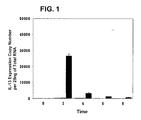
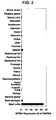


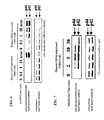


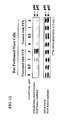
Classifications
-
- G—PHYSICS
- G01—MEASURING; TESTING
- G01N—INVESTIGATING OR ANALYSING MATERIALS BY DETERMINING THEIR CHEMICAL OR PHYSICAL PROPERTIES
- G01N33/00—Investigating or analysing materials by specific methods not covered by groups G01N1/00 - G01N31/00
- G01N33/48—Biological material, e.g. blood, urine; Haemocytometers
- G01N33/50—Chemical analysis of biological material, e.g. blood, urine; Testing involving biospecific ligand binding methods; Immunological testing
- G01N33/68—Chemical analysis of biological material, e.g. blood, urine; Testing involving biospecific ligand binding methods; Immunological testing involving proteins, peptides or amino acids
- G01N33/6863—Cytokines, i.e. immune system proteins modifying a biological response such as cell growth proliferation or differentiation, e.g. TNF, CNF, GM-CSF, lymphotoxin, MIF or their receptors
- G01N33/6869—Interleukin
-
- A—HUMAN NECESSITIES
- A61—MEDICAL OR VETERINARY SCIENCE; HYGIENE
- A61K—PREPARATIONS FOR MEDICAL, DENTAL OR TOILETRY PURPOSES
- A61K31/00—Medicinal preparations containing organic active ingredients
- A61K31/70—Carbohydrates; Sugars; Derivatives thereof
- A61K31/7088—Compounds having three or more nucleosides or nucleotides
-
- A—HUMAN NECESSITIES
- A61—MEDICAL OR VETERINARY SCIENCE; HYGIENE
- A61P—SPECIFIC THERAPEUTIC ACTIVITY OF CHEMICAL COMPOUNDS OR MEDICINAL PREPARATIONS
- A61P1/00—Drugs for disorders of the alimentary tract or the digestive system
-
- A—HUMAN NECESSITIES
- A61—MEDICAL OR VETERINARY SCIENCE; HYGIENE
- A61P—SPECIFIC THERAPEUTIC ACTIVITY OF CHEMICAL COMPOUNDS OR MEDICINAL PREPARATIONS
- A61P1/00—Drugs for disorders of the alimentary tract or the digestive system
- A61P1/04—Drugs for disorders of the alimentary tract or the digestive system for ulcers, gastritis or reflux esophagitis, e.g. antacids, inhibitors of acid secretion, mucosal protectants
-
- A—HUMAN NECESSITIES
- A61—MEDICAL OR VETERINARY SCIENCE; HYGIENE
- A61P—SPECIFIC THERAPEUTIC ACTIVITY OF CHEMICAL COMPOUNDS OR MEDICINAL PREPARATIONS
- A61P1/00—Drugs for disorders of the alimentary tract or the digestive system
- A61P1/16—Drugs for disorders of the alimentary tract or the digestive system for liver or gallbladder disorders, e.g. hepatoprotective agents, cholagogues, litholytics
-
- A—HUMAN NECESSITIES
- A61—MEDICAL OR VETERINARY SCIENCE; HYGIENE
- A61P—SPECIFIC THERAPEUTIC ACTIVITY OF CHEMICAL COMPOUNDS OR MEDICINAL PREPARATIONS
- A61P11/00—Drugs for disorders of the respiratory system
-
- A—HUMAN NECESSITIES
- A61—MEDICAL OR VETERINARY SCIENCE; HYGIENE
- A61P—SPECIFIC THERAPEUTIC ACTIVITY OF CHEMICAL COMPOUNDS OR MEDICINAL PREPARATIONS
- A61P11/00—Drugs for disorders of the respiratory system
- A61P11/06—Antiasthmatics
-
- A—HUMAN NECESSITIES
- A61—MEDICAL OR VETERINARY SCIENCE; HYGIENE
- A61P—SPECIFIC THERAPEUTIC ACTIVITY OF CHEMICAL COMPOUNDS OR MEDICINAL PREPARATIONS
- A61P13/00—Drugs for disorders of the urinary system
-
- A—HUMAN NECESSITIES
- A61—MEDICAL OR VETERINARY SCIENCE; HYGIENE
- A61P—SPECIFIC THERAPEUTIC ACTIVITY OF CHEMICAL COMPOUNDS OR MEDICINAL PREPARATIONS
- A61P13/00—Drugs for disorders of the urinary system
- A61P13/12—Drugs for disorders of the urinary system of the kidneys
-
- A—HUMAN NECESSITIES
- A61—MEDICAL OR VETERINARY SCIENCE; HYGIENE
- A61P—SPECIFIC THERAPEUTIC ACTIVITY OF CHEMICAL COMPOUNDS OR MEDICINAL PREPARATIONS
- A61P15/00—Drugs for genital or sexual disorders; Contraceptives
-
- A—HUMAN NECESSITIES
- A61—MEDICAL OR VETERINARY SCIENCE; HYGIENE
- A61P—SPECIFIC THERAPEUTIC ACTIVITY OF CHEMICAL COMPOUNDS OR MEDICINAL PREPARATIONS
- A61P17/00—Drugs for dermatological disorders
-
- A—HUMAN NECESSITIES
- A61—MEDICAL OR VETERINARY SCIENCE; HYGIENE
- A61P—SPECIFIC THERAPEUTIC ACTIVITY OF CHEMICAL COMPOUNDS OR MEDICINAL PREPARATIONS
- A61P19/00—Drugs for skeletal disorders
- A61P19/02—Drugs for skeletal disorders for joint disorders, e.g. arthritis, arthrosis
-
- A—HUMAN NECESSITIES
- A61—MEDICAL OR VETERINARY SCIENCE; HYGIENE
- A61P—SPECIFIC THERAPEUTIC ACTIVITY OF CHEMICAL COMPOUNDS OR MEDICINAL PREPARATIONS
- A61P21/00—Drugs for disorders of the muscular or neuromuscular system
- A61P21/04—Drugs for disorders of the muscular or neuromuscular system for myasthenia gravis
-
- A—HUMAN NECESSITIES
- A61—MEDICAL OR VETERINARY SCIENCE; HYGIENE
- A61P—SPECIFIC THERAPEUTIC ACTIVITY OF CHEMICAL COMPOUNDS OR MEDICINAL PREPARATIONS
- A61P27/00—Drugs for disorders of the senses
- A61P27/16—Otologicals
-
- A—HUMAN NECESSITIES
- A61—MEDICAL OR VETERINARY SCIENCE; HYGIENE
- A61P—SPECIFIC THERAPEUTIC ACTIVITY OF CHEMICAL COMPOUNDS OR MEDICINAL PREPARATIONS
- A61P29/00—Non-central analgesic, antipyretic or antiinflammatory agents, e.g. antirheumatic agents; Non-steroidal antiinflammatory drugs [NSAID]
-
- A—HUMAN NECESSITIES
- A61—MEDICAL OR VETERINARY SCIENCE; HYGIENE
- A61P—SPECIFIC THERAPEUTIC ACTIVITY OF CHEMICAL COMPOUNDS OR MEDICINAL PREPARATIONS
- A61P3/00—Drugs for disorders of the metabolism
- A61P3/04—Anorexiants; Antiobesity agents
-
- A—HUMAN NECESSITIES
- A61—MEDICAL OR VETERINARY SCIENCE; HYGIENE
- A61P—SPECIFIC THERAPEUTIC ACTIVITY OF CHEMICAL COMPOUNDS OR MEDICINAL PREPARATIONS
- A61P3/00—Drugs for disorders of the metabolism
- A61P3/06—Antihyperlipidemics
-
- A—HUMAN NECESSITIES
- A61—MEDICAL OR VETERINARY SCIENCE; HYGIENE
- A61P—SPECIFIC THERAPEUTIC ACTIVITY OF CHEMICAL COMPOUNDS OR MEDICINAL PREPARATIONS
- A61P3/00—Drugs for disorders of the metabolism
- A61P3/08—Drugs for disorders of the metabolism for glucose homeostasis
- A61P3/10—Drugs for disorders of the metabolism for glucose homeostasis for hyperglycaemia, e.g. antidiabetics
-
- A—HUMAN NECESSITIES
- A61—MEDICAL OR VETERINARY SCIENCE; HYGIENE
- A61P—SPECIFIC THERAPEUTIC ACTIVITY OF CHEMICAL COMPOUNDS OR MEDICINAL PREPARATIONS
- A61P35/00—Antineoplastic agents
-
- A—HUMAN NECESSITIES
- A61—MEDICAL OR VETERINARY SCIENCE; HYGIENE
- A61P—SPECIFIC THERAPEUTIC ACTIVITY OF CHEMICAL COMPOUNDS OR MEDICINAL PREPARATIONS
- A61P37/00—Drugs for immunological or allergic disorders
- A61P37/02—Immunomodulators
-
- A—HUMAN NECESSITIES
- A61—MEDICAL OR VETERINARY SCIENCE; HYGIENE
- A61P—SPECIFIC THERAPEUTIC ACTIVITY OF CHEMICAL COMPOUNDS OR MEDICINAL PREPARATIONS
- A61P37/00—Drugs for immunological or allergic disorders
- A61P37/08—Antiallergic agents
-
- A—HUMAN NECESSITIES
- A61—MEDICAL OR VETERINARY SCIENCE; HYGIENE
- A61P—SPECIFIC THERAPEUTIC ACTIVITY OF CHEMICAL COMPOUNDS OR MEDICINAL PREPARATIONS
- A61P43/00—Drugs for specific purposes, not provided for in groups A61P1/00-A61P41/00
-
- A—HUMAN NECESSITIES
- A61—MEDICAL OR VETERINARY SCIENCE; HYGIENE
- A61P—SPECIFIC THERAPEUTIC ACTIVITY OF CHEMICAL COMPOUNDS OR MEDICINAL PREPARATIONS
- A61P9/00—Drugs for disorders of the cardiovascular system
-
- A—HUMAN NECESSITIES
- A61—MEDICAL OR VETERINARY SCIENCE; HYGIENE
- A61P—SPECIFIC THERAPEUTIC ACTIVITY OF CHEMICAL COMPOUNDS OR MEDICINAL PREPARATIONS
- A61P9/00—Drugs for disorders of the cardiovascular system
- A61P9/04—Inotropic agents, i.e. stimulants of cardiac contraction; Drugs for heart failure
-
- A—HUMAN NECESSITIES
- A61—MEDICAL OR VETERINARY SCIENCE; HYGIENE
- A61P—SPECIFIC THERAPEUTIC ACTIVITY OF CHEMICAL COMPOUNDS OR MEDICINAL PREPARATIONS
- A61P9/00—Drugs for disorders of the cardiovascular system
- A61P9/06—Antiarrhythmics
-
- A—HUMAN NECESSITIES
- A61—MEDICAL OR VETERINARY SCIENCE; HYGIENE
- A61P—SPECIFIC THERAPEUTIC ACTIVITY OF CHEMICAL COMPOUNDS OR MEDICINAL PREPARATIONS
- A61P9/00—Drugs for disorders of the cardiovascular system
- A61P9/10—Drugs for disorders of the cardiovascular system for treating ischaemic or atherosclerotic diseases, e.g. antianginal drugs, coronary vasodilators, drugs for myocardial infarction, retinopathy, cerebrovascula insufficiency, renal arteriosclerosis
-
- C—CHEMISTRY; METALLURGY
- C12—BIOCHEMISTRY; BEER; SPIRITS; WINE; VINEGAR; MICROBIOLOGY; ENZYMOLOGY; MUTATION OR GENETIC ENGINEERING
- C12Q—MEASURING OR TESTING PROCESSES INVOLVING ENZYMES, NUCLEIC ACIDS OR MICROORGANISMS; COMPOSITIONS OR TEST PAPERS THEREFOR; PROCESSES OF PREPARING SUCH COMPOSITIONS; CONDITION-RESPONSIVE CONTROL IN MICROBIOLOGICAL OR ENZYMOLOGICAL PROCESSES
- C12Q1/00—Measuring or testing processes involving enzymes, nucleic acids or microorganisms; Compositions therefor; Processes of preparing such compositions
- C12Q1/48—Measuring or testing processes involving enzymes, nucleic acids or microorganisms; Compositions therefor; Processes of preparing such compositions involving transferase
- C12Q1/485—Measuring or testing processes involving enzymes, nucleic acids or microorganisms; Compositions therefor; Processes of preparing such compositions involving transferase involving kinase
-
- G—PHYSICS
- G01—MEASURING; TESTING
- G01N—INVESTIGATING OR ANALYSING MATERIALS BY DETERMINING THEIR CHEMICAL OR PHYSICAL PROPERTIES
- G01N33/00—Investigating or analysing materials by specific methods not covered by groups G01N1/00 - G01N31/00
- G01N33/48—Biological material, e.g. blood, urine; Haemocytometers
- G01N33/50—Chemical analysis of biological material, e.g. blood, urine; Testing involving biospecific ligand binding methods; Immunological testing
- G01N33/74—Chemical analysis of biological material, e.g. blood, urine; Testing involving biospecific ligand binding methods; Immunological testing involving hormones or other non-cytokine intercellular protein regulatory factors such as growth factors, including receptors to hormones and growth factors
-
- G—PHYSICS
- G01—MEASURING; TESTING
- G01N—INVESTIGATING OR ANALYSING MATERIALS BY DETERMINING THEIR CHEMICAL OR PHYSICAL PROPERTIES
- G01N2333/00—Assays involving biological materials from specific organisms or of a specific nature
- G01N2333/435—Assays involving biological materials from specific organisms or of a specific nature from animals; from humans
- G01N2333/705—Assays involving receptors, cell surface antigens or cell surface determinants
- G01N2333/72—Assays involving receptors, cell surface antigens or cell surface determinants for hormones
- G01N2333/726—G protein coupled receptor, e.g. TSHR-thyrotropin-receptor, LH/hCG receptor, FSH
-
- G—PHYSICS
- G01—MEASURING; TESTING
- G01N—INVESTIGATING OR ANALYSING MATERIALS BY DETERMINING THEIR CHEMICAL OR PHYSICAL PROPERTIES
- G01N2500/00—Screening for compounds of potential therapeutic value
Definitions
- the present invention relates to screening methods and screening kits for interleukin-13 production inhibitors, etc., using GPR34 or mast cells and ligands of GPR34; interleukin-13 production inhibitors which are obtainable using the screening methods or kits, and so on.
- the present invention also relates to screening methods and screening kits for eicosanoid production inhibitors, mast cell degranulation inhibitors, mast cell growth inhibitors, etc., using GPR34 or mast cells and the ligands of GPR34; eicosanoid production inhibitors, mast cell degranulation inhibitors or mast cell growth inhibitors, which are obtainable using the screening methods or kits, and so on.
- the present invention further relates to screening methods and screening kits for prophylactic/therapeutic agents for central nervous disorders, using microglial cells and ligands of GPR34; prophylactic/therapeutic agents for central nervous disorders, which are obtainable using the screening methods or kits, and so on.
- lipids e.g., ether phospholipids, phosphonoether lipids, glycerophospholipids, phosphonoglycerolipids, sphingolipids, sphingophospholipids, phosphonosphingolipids, etc.
- lipids e.g., ether phospholipids, phosphonoether lipids, glycerophospholipids, phosphonoglycerolipids, sphingolipids, sphingophospholipids, phosphonosphingolipids, etc.
- lysophosphatidylserine which is one of glycerophospholipids (hereinafter sometimes referred to as lyso-PS) has the histamine release activity on rat mast cells stimulated by an antigen or concanavalin A ( Nature, 279, 250-252, 1979 ; FEBS Lett., 105, 58-62, 1979 ), the activity of releasing histamine by synergistically acting on rat mast cells together with nerve growth factor ( FEBS Lett., 138, 190-192, 1982 ), the growth regulating activity on human T cells ( FEBS Lett., 316, 1-4, 1993 ), and the activity of potentiating the differentiation-inducing ability of NGF on PC 12 cells ( Neurosci. Lett., 248, 77-80, 1998 ).
- mast cells cause degranulation by antigenic stimulation after sensitization with an antibody to release chemical mediators such as histamine, leukotriene, serotonin, etc., and are deeply involved in type I hypersensitivity reaction.
- chemical mediators such as histamine, leukotriene, serotonin, etc.
- mast cells secrete various cytokines after antigenic stimulation to affect the functions of T cells and eosinophils and are important as immune regulatory cells.
- interleukin-13 which is one of cytokines, plays a more important role than IL-4 in the pathology of allergic diseases.
- IL-13 mRNA is expressed in local areas such as the lichenified lesion of a patient with atopic dermatitis, the airway epithelial cells of a patient with bronchial asthma, the nasal mucosa of a patient with chronic allergic rhinitis, etc. and is considered to relate to IgE production.
- eosinophils and mast cells are accumulated in respiratory submucosal tissues or epithelial cells.
- IL-13 expressed therein may be produced mainly by mast cells, clearly indicating that IL-13 acts directly on bronchial epithelial cells or smooth muscle to cause airway hyperresponsiveness or increased mucus production. Also, IL-13 draws attention as a cause not only for allergic disease but for Hodgkin's disease, ulcerative colitis, pulmonary fibrosis, granuloma, etc.
- the present inventors have made extensive studies to solve the foregoing problems and as a result, found that GPR34 is abundantly expressed in mast cells, stimulation of mast cells with lysoPS increases IL-13 expression and lysoPS promotes degranulation reaction via GPR34, and also found novel guinea pig GPR34 and monkey GPR34. The present inventors further found that GPR34 is expressed in microglial cells in the central nervous system to exert its anti-inflammatory action through lysoPS stimulation.
- GPR34 antagonists act as IL-13 production inhibitors and provide simple methods for screening the IL-13 production inhibitors, and that screening methods using mast cells and ligands of GPR34 are useful for screening eicosanoid production inhibitors, mast cell degranulation inhibitors, mast cell growth inhibitors, etc., and further that microglial cells and the ligands of GPR34 are effective for screening prophylactic/therapeutic agents for central nervous disorders, and so on.
- the present invention has come to be accomplished.
- the present invention relates to the following features, and so on.
- the present invention further provides the following features, and so on.
- the compound e.g., the antagonist of the receptor of the present invention
- that inhibits the activity/function of the protein comprising the same or substantially the same amino acid sequence as the amino acid sequence represented by SEQ ID NO: 1, or its partial peptides, or salts thereof (the receptor of the present invention) or the ligands capable of specifically binding to the receptor of the present invention (the ligands of the present invention) are useful as low-toxic and safe IL-13 production inhibitors, mast cell degranulation inhibitors, eicosanoid (e.g., leukotriene, prostaglandin, etc.) production inhibitors, mast cell growth inhibitors, etc., as prophylactic/therapeutic agents for, e.g., immune disorders [e.g., inflammatory diseases (pituitary tumor, thyroiditis, peritonitis, Crohn's disease, ulcerative colitis, erythema nodosum, chronic rheumatoid arthritis, systemic lupus erythematosus,
- the screening method or screening kit using the receptor of the present invention and the ligand of the present invention the compound or its salt having the IL-13 production inhibitory action, mast cell degranulation inhibitory action, eicosanoid production inhibitory action, mast cell growth inhibitory action, etc. can be efficiently obtained.
- the receptor of the present invention and the ligand of the present invention are used to assay the activity of extracellular signal-regulated kinase 1 (ERK1) and/or extracellular signal-regulated kinase 2 (ERK2) mediated by the receptor of the present invention, and the compound or its salt that promotes or inhibits the activation of the receptor of the present invention can be efficiently screened by using the activity as an indicator.
- the compound is useful as a mast cell growth or differentiation inhibitor.
- prophylactic/therapeutic agents for central nervous disorders can be screened by the screening method or the screening kit using microglial cells and the ligand of the present invention.
- the term "protein comprising the same or substantially the same amino acid sequence as the amino acid sequence represented by SEQ ID NO: 1, its partial peptide, or its salt” is sometimes referred to as “the receptor of the present invention.”
- the term “ligand capable of specifically binding to the receptor of the present invention” is sometimes referred to as “the ligand of the present invention”.
- the protein having the same or substantially the same amino acid sequence as the amino acid sequence represented by SEQ ID NO: 1 may be any protein derived from any cells of human and warm-blooded animals (e.g., guinea pigs, rats, mice, fowl, rabbits, swine, sheep, bovine, monkeys, etc.) (e.g., retinal cells, hepatocytes, splenocytes, nerve cells, glial cells, ⁇ cells of pancreas, bone marrow cells, mesangial cells, Langerhans' cells, epidermic cells, epithelial cells, endothelial cells, fibroblasts, fibrocytes, myocytes, fat cells, immune cells (e.g., macrophage, T cells, B cells, natural killer cells, mast cells, neutrophils, basophils, eosinophils, monocytes), megakaryocytes, synovial cells, chondrocytes, bone cells, osteoblasts, osteoclasts, ma
- the amino acid sequence having substantially the same amino acid sequence as that represented by SEQ ID NO: 1 includes amino acid sequences having at least about 70% homology, preferably at least about 80% homology, more preferably at least about 90% homology, to the amino acid sequence shown by SEQ ID NO: 1; and so on.
- Examples of the protein comprising substantially the same amino acid sequence as the amino acid sequence represented by SEQ ID NO: 1 include proteins having substantially the same amino acid sequence as the amino acid sequence represented by SEQ ID NO: 1 and having an activity of substantially the same property as that of the protein having the amino acid sequence represented by SEQ ID NO: 1, etc.
- the amino acid sequence which is substantially the same as the amino acid sequence represented by SEQ ID NO: 1 includes e.g., an amino acid sequence represented by SEQ ID NO: 19, SEQ ID NO: 22, SEQ ID NO: 31, SEQ ID NO: 35, etc.
- substantially equivalent activity examples include a ligand binding activity, a signal transduction activity, etc.
- the term substantially equivalent is used to mean that the activities are the same in nature. Therefore, it is preferred that activities such as the ligand binding and signal transduction activities, etc. are equivalent (e.g., about 0.01 to 100 times, preferably about 0.5 to 20 times, more preferably 0.5 to 2 times), but differences in degree such as a level of these activities, quantitative factors such as a molecular weight of the protein may be present and allowable.
- the activities such as ligand binding and signal transduction activities or the like can be determined according to publicly known methods with some modifications thereof.
- the activities can be assayed in accordance with the methods of determining ligands or screening methods which will be later described.
- proteins of the present invention include those having the following amino acid sequences: (i) the amino acid sequence represented by SEQ ID NO: 1, wherein at least 1 or 2 amino acids (e.g., approximately 1 to 100 amino acids, preferably approximately 1 to 50 amino acids, preferably approximately 1 to 30 amino acids, more preferably approximately 1 to 10 amino acids, and most preferably several (1 to 5) amino acids) are deleted; (ii) the amino acid sequence represented by SEQ ID NO: 1, to which at least 1 or 2 amino acids (e.g., approximately 1 to 100 amino acids, preferably approximately 1 to 50 amino acids, preferably approximately 1 to 30 amino acids, more preferably approximately 1 to 10 amino acids, most preferably several (1 to 5) amino acids) are added; (iii) the amino acid sequence represented by SEQ ID NO: 1, in which at least 1 or 2 amino acids (e.g., approximately 1 to 100 amino acids, preferably approximately 1 to 50 amino acids, more preferably approximately 1 to 30 amino acids, much more preferably approximately 1 to 10 amino acids, and most preferably several (1 to 5) amino
- the partial peptide of the receptor of the present invention may be any partial peptide so long as it is a partial peptide which can be used for the methods of screening medicaments later described.
- the protein molecules of the present invention for example, those having the site exposed to the outside of a cell membrane and retaining substantially the same ligand binding activity, etc. may be employed.
- the partial peptide of receptor protein having the amino acid sequence represented by SEQ ID NO: 1 is a peptide containing the portion analyzed to be an extracellular domain (hydrophilic domain) in the hydrophobic plotting analysis.
- a peptide containing a hydrophobic domain in part can be used as well.
- the peptide may contain each domain separately or a plurality of domains together.
- substantially equivalent activity is intended to mean the same significance as defined above.
- the “substantially equivalent activity” can be assayed in the same way as described above.
- the partial peptide of the present invention may contain amino acid sequences, (i) wherein at least 1 or 2 amino acids (preferably approximately 1 to 10 amino acids, and more preferably several (1 to 5) amino acids) are deleted; (ii) wherein at least 1 or 2 amino acids (preferably approximately 1 to 20 amino acids, more preferably approximately 1 to 10 amino acids, and most preferably several (1 to 5) amino acids) are added; or, (iii) wherein at least 1 or 2 amino acids (preferably approximately 1 to 10 amino acids, more preferably several and most preferably approximately 1 to 5 amino acids) are substituted by other amino acids.
- the receptor of the present invention and the partial peptide of the present invention are represented in accordance with the conventional way of describing peptides that is, the N-terminus (amino terminus) at the left hand and the C-terminus (carboxyl terminus) at the right hand.
- the C-terminus may be in any form of a carboxyl group (-COOH), a carboxylate (-COO-), an amide (-CONH 2 ) or an ester (-COOR).
- examples of the ester group shown by R include a C 1-6 alkyl group such as methyl, ethyl, n-propyl, isopropyl, n-butyl, etc.; a C 3-8 cycloalkyl group such as cyclopentyl, cyclohexyl, etc.; a C 6-12 aryl group such as phenyl, ⁇ -naphthyl, etc.; a C 7-14 aralkyl such as a phenyl-C 1-2 alkyl group, e.g., benzyl, phenethyl, etc.; an ⁇ -naphthyl-C 1-2 alkyl group such as ⁇ -naphthylmethyl, etc.; pivaloyloxymethyl and the like.
- a C 1-6 alkyl group such as methyl, ethyl, n-propyl, isopropyl, n-butyl, etc.
- the carboxyl group may be amidated or esterified and such an amide or ester is also included within the receptor of the present invention or the partial peptide of the present invention.
- the ester group in this case may be the C-terminal esters described above, etc.
- examples of the receptor of the present invention and the partial peptide of the present invention include variants wherein the amino group at the N-terminal amino acid residues (e.g., methionine residue) is protected with a protecting group (e.g., a C 1-6 acyl group such as a C 1-6 alkanoyl group, e.g., formyl group, acetyl group, etc.); those wherein the N-terminal region is cleaved in vivo and the glutamyl group thus formed is pyroglutaminated; those wherein a substituent (e.g., -OH, -SH, amino group, imidazole group, indole group, guanidino group, etc.) on the side chain of an amino acid in the molecule is protected with a suitable protecting group (e.g., a C 1-6 acyl group such as a C 1-6 alkanoyl group, e.g., formyl group, acetyl
- salts of the receptor of the present invention or the partial peptide of the present invention salts with physiologically acceptable acids (e.g., inorganic acids or organic acids) or bases (e.g., alkali metal salts) may be employed, preferably in the form of physiologically acceptable acid addition salts.
- physiologically acceptable acids e.g., inorganic acids or organic acids
- bases e.g., alkali metal salts
- salts include salts with inorganic acids (e.g., hydrochloric acid, phosphoric acid, hydrobromic acid, sulfuric acid), salts with organic acids (e.g., acetic acid, formic acid, propionic acid, fumaric acid, maleic acid, succinic acid, tartaric acid, citric acid, malic acid, oxalic acid, benzoic acid, methanesulfonic acid, benzenesulfonic acid) and the like.
- inorganic acids e.g., hydrochloric acid, phosphoric acid, hydrobromic acid, sulfuric acid
- organic acids e.g., acetic acid, formic acid, propionic acid, fumaric acid, maleic acid, succinic acid, tartaric acid, citric acid, malic acid, oxalic acid, benzoic acid, methanesulfonic acid, benzenesulfonic acid
- Examples of the ligand of the present invention can be any ligand so long as the ligand specifically binds to the receptor of the present invention.
- Examples of the ligand are those having a dissociation constant in binding to the protein or its salt of 10 ⁇ M or less, preferably not greater than 2 ⁇ M, more preferably not greater than 1 ⁇ M, much more preferably not greater than 200 nM, and most preferably not greater than 100 nM, and the like.
- the ligands of the present invention used include, for example, lipids, etc.
- phospholipids such as phosphonolipid, etc. are used as well.
- ether phospholipid, phosphono-ether lipid, glycerophospholipid, phosphonoglycerolipid, sphingolipid, sphingophospholipid, phosphonosphingolipid, etc. are used.
- ether phospholipid, phosphono-ether lipid, glycerophospholipid and phosphonoglycerolipid are preferred.
- Glycerophospholipid is more preferred.
- the ligands of the present invention further include mixtures of two or more members selected from ether phospholipid, phosphono-ether lipid, glycerophospholipid, phosphonoglycerolipid, sphingolipid, sphingophospholipid, phosphonosphingolipid, and the like.
- the ether phospholipid, phosphono-ether lipid, glycerophospholipid and phosphonoglycerolipid are shown by, e.g., Compound (I), etc.
- Compound (I) includes compounds represented by the formula below or their salts. wherein all symbols have the same significance as defined above.
- Comopund (I) includes compounds represented by the formula below or their salts. wherein all symbols have the same significance as defined above.
- Comopund (I) includes compounds represented by the formula below or their salts. wherein all symbols have the same significance as defined above.
- the "hydrocarbon group" in the “optionally substituted hydrocarbon group” shown by R 1 , R 2 or R 3 includes, for example, alkyl, alkenyl, alkynyl, cycloalkyl, etc.
- the number of carbons is preferably 1 to 30.
- alkyl examples include a C 1-30 alkyl (e.g., methyl, ethyl, propyl, isopropyl, butyl, isobutyl, sec-butyl, tert-butyl, pentyl, hexyl, heptyl, octyl, nonyl, decyl, undecyl, dodecyl, tridecyl, tetradecyl, pentadecyl, hexadecyl, heptadecyl, octadecyl, nonadecyl, icosyl, henicosyl, docosyl, tricosyl, tetracosyl, pentacosyl, hexacosyl, heptacosyl, octacosyl, nonacosyl, triacontyl, etc.), and the like; preferably a C 9-30 alkyl, etc., and
- alkenyl examples include a C 2-30 alkenyl (e.g., vinyl, allyl, isopropenyl, 1-butenyl, 2-butenyl, 3-butenyl, 2-methyl-2-propenyl, 1-methyl-2-propenyl, 2-methyl-1-propenyl, hexenyl, heptenyl, octenyl, nonenyl, decenyl, undecenyl, dodecenyl, tridecenyl, tetradecenyl, tetradecadienyl, pentadecenyl, pentadecadienyl, hexadecenyl, hexadecadienyl, heptadecenyl, heptadecadienyl, heptadecatrienyl, octadecenyl, octadecadienyl, nonadecenyl
- alkynyl examples include a C 2-30 alkynyl (e.g., ethynyl, propargyl, 1-butynyl, 2-butynyl, 3-butynyl, 1-hexynyl, tetradecynyl, pentadecynyl, hexadecynyl, heptadecynyl, octadecynyl, nonadecynyl, icosynyl, henicosynyl, docosynyl, tricosynyl, tetracosynyl, pentacosynyl, hexacosynyl, heptacosynyl, octacosynyl, nonacosynyl, triacontynyl, etc.), and the like; preferably a C 15-17 alkynyl.
- alkynyl e.g., ethyn
- cycloalkyl examples include a C 3-6 cycloalkyl (e.g., cyclopropyl, cyclobutyl, cyclopentyl, cyclohexyl, etc.), and the like.
- hydrocarbon group in “the optionally substituted hydrocarbon group,” which is represented by R 8 or R 10 , includes the above-described “hydrocarbon group” shown by R 1 , R 2 or R 3 .
- examples of the "substituent(s)" include a halogen atom (e.g., fluorine, chloride, bromine, iodine, etc.), a C 1-3 alkylenedioxy (e.g., methylenedioxy, ethylenedioxy, etc.), nitro, cyano, an optionally halogenated C 1-6 alkyl (e.g., methyl, chloromethyl, difluoromethyl, trichloromethyl, trifluoromethyl, ethyl, 2-bromoethyl, 2,2,2-trifluoroethyl, pentafluoroethyl, propyl, 3,3,3-trifluoropropyl, isopropyl, butyl, 4,4,4-trifluorobutyl, isobutyl, sec-butyl, tert-butyl, pentyl, isopentyl, n
- halogen atom e.g., fluor
- the "hydrocarbon group” may have, e.g., 1 to 5, preferably 1 to 3, of the substituents described above at substitutable positions. Where the number of substituents is 2 or more, the respective substituents may be the same or different.
- heterocylic group in the “optionally substituted heterocylic group,” which is represented by R 8 or R 10 , includes monovalent groups formed by removing one optional hydrogen atom from a 5- to 14-membered (monocyclic, dicyclic or tricyclic) hetero-ring containing, e.g., 1 or 2 members and 1 to 4 hetero atoms selected from nitrogen atom, sulfur atom and oxygen atom, in addition to carbon atoms, preferably (i) a 5- to 14-membered (preferably 5- to 10-membered) aromatic hetero-ring, (ii) a 5- to 10-membered non-aromatic hetero-ring or (iii) a 7- to 10-membered bridged hetero-ring; etc.
- Examples of the "5- to 14-membered (preferably 5- to 10-membered) aromatic hetero-ring” include aromatic hetero-rings such as thiophene, benzo[b]thiophene, benzo[b]furan, benzimidazole, benzoxazole, benzothiazole, benzisothiazole, naphtho[2,3-b]thiophene, furan, pyrrole, imidazole, pyrazole, pyridine, pyrazine, pyrimidine, pyridazine, indole, isoindole, 1H-indazole, purine, 4H-quinolidine, isoquinoline, quinoline, phthalazine, naphthylidine, quinoxaline, quinazoline, cinnoline, carbazole, ⁇ -carboline, phenanthridine, acridine, phenazine, thiazole, isothiazole, pheno
- Examples of the "5- to 10-membered non-aromatic hetero-ring" described above include pyrrolidine, imidazoline, pyrazolidine, pyrazoline, piperidine, piperazine, morpholine, thiomorpholine, dioxazole, oxadiazoline, thiadiazoline, triazoline, thiadiazole, dithiazole, etc.
- Examples of the "7- to 10-membered bridged hetero-ring” include quinuclidine, 7-azabicyclo[2.2.1]heptane, etc.
- the "heterocylic group” is preferably a 5- to 14-membered (preferably 5- to 10-membered) (and monocyclic or bicyclic) heterocylic group containing, in addition to carbon atoms, 1 or 2 members selected from nitrogen atom, sulfur atom and oxygen atom, preferably 1 to 4 hetero atoms.
- aromatic heterocyclic groups such as 2-thienyl, 3-thienyl, 2-furyl, 3-furyl, 2-pyridyl, 3-pyridyl, 4-pyridyl, 2-quinolyl, 3-quinolyl, 4-quinolyl, 5-quinolyl, 8-quinolyl, 1-isoquinolyl, 3-isoquinolyl, 4-isoquinolyl, 5-isoquinolyl, pyrazinyl, 2-pyrimidinyl, 4-pyrimidinyl, 3-pyrrolyl, 2-imidazolyl, 3-pyridazinyl, 3-isothiazolyl, 3-isoxazolyl, 1-indolyl, 2-indolyl, 3-indolyl, 2-benzothiazolyl, 2-benzo[b]thienyl, 3-benzo[b]thienyl, 2-benzo[b]furanyl, 3-benzo[b]furanyl, etc.; non-aromatic heterocylic groups such as 1-pyrrol
- 5- or 6-membered heterocylic groups containing, in addition to carbon atoms, e.g., 1 to 3 hetero atoms selected from nitrogen atom, sulfur atom and oxygen atom; etc.
- Specific examples are 2-thienyl, 3-thienyl, 2-pyridyl, 3-pyridyl, 4-pyridyl, 2-furyl, 3-furyl, pyrazinyl, 2-pyrimidinyl, 3-pyrrolyl, 3-pyridazinyl, 3-isothiazolyl, 3-isoxazolyl, 1-pyrrolidinyl, 2-pyrrolidinyl, 3-pyrrolidinyl, 2-imidazolinyl, 4-imidazolinyl, 2-pyrazolidinyl, 3-pyrazolidinyl, 4-pyrazolidinyl, piperidino, 2-piperidyl, 3-piperidyl, 4-piperidyl, 1-piperazinyl, 2-piperazinyl, morpholin
- the "heterocylic group” may have, e.g., 1 to 5, preferably 1 to 3, of the substituents described above at substitutable positions. Where the number of substituents is 2 or more, the respective substituents may be the same or different.
- C 1-6 alkyl represented by R 9 include a C 1-6 alkyl such as methyl, ethyl, propyl, isopropyl, butyl, isobutyl, sec-butyl, tert-butyl, pentyl, hexyl, etc.
- alkyl in the "optionally substituted alkyl” shown by R 6 includes, for example, a C 1-30 alkyl (e.g., methyl, ethyl, propyl, propyl, butyl, isobutyl, sec-butyl, tert-butyl, pentyl, hexyl, heptyl, octyl, nonyl, decyl, undecyl, dodecyl, tridecyl, tetradecyl, pentadecyl, hexadecyl, heptadecyl, octadecyl, nonadecyl, icosyl, henicosyl, docosyl, tricosyl, tetracosyl, pentacosyl, hexacosyl, heptacosyl, octacosyl, nonacosyl, triacontyl, etc.), and the like;
- substituted alkyl includes, for example, hydroxy, carboxy, amino, an alkylammonio (e.g., trimethylammonio, etc.) and the like, in 1 to 30 substituents.
- alkylammonio e.g., trimethylammonio, etc.
- cycloalkyl in the “optionally substituted cycloalkyl” shown by R 6 includes, for example, a C 3-6 cycloalkyl (e.g., cyclopropyl, cyclobutyl, cyclopentyl, cyclohexyl, etc.), and the like.
- substituted cycloalkyl shown by R 6 includes, for example, hydroxy, carboxy, amino, an alkylammonio (e.g., trimethylammonio, etc.), and the like, which may optionally have phosphono, in 1 to 30 substituents.
- alkylammonio e.g., trimethylammonio, etc.
- R 6 are cases in which compounds represented by R 6 -OH, for example, an alcohol (e.g., a C 1-6 alcohol such as ethanol, etc.), a polyvalent alcohol (e.g., a trivalent alcohol such as glycerol, etc.), a polyvalent alcohol-phosphoric acid adduct (e.g., glycerol-3-phosphate, etc.), an aminoalcohol (e.g., a C 1-6 alcoholamine such as ethanolamine, etc.), an alkylammonioalcohol (e.g., choline, etc.), an amino acid having hydroxy (e.g., serine, threonine, homoserine, 3-hydroxyproline, 4-hydroxyproline, hydroxylysine, tyrosine, etc.; preferably serine), a sugar alcohol (e.g., inositol, etc.), a sugar alcohol phosphoric acid adduct (e.g., inositol monophosphat
- amino acids having hydroxy etc.
- L-form is preferred, most preferably, L-serine, etc.
- Each of R 1 and R 2 is preferably a hydrogen atom, an alkyl (e.g., a C 14-18 alkyl, etc.), an alkenyl (e.g., a C 2-3 alkenyl, etc.), an acyl (e.g., a C 1-30 alkyl-carbonyl, a C 2-30 alkenyl-carbonyl, etc.), and the like. More preferred are an acyl such as a C 1-30 alkyl-carbonyl, a C 2-30 alkenyl-carbonyl, etc.
- R 3 is preferably Group (III).
- R 6 is preferably (a) a hydrogen atom or (b) an alkyl or cycloalkyl, which may optionally have a substituent(s) selected from hydroxy, carboxy, amino and an alkylammonio, respectively. Specific examples are a C 1-6 alkyl, dihydroxypropyl, aminoethyl, trimethylammonioethyl, 2-amino2-carboxyethyl, hexahydroxycyclohexyl, etc.
- Ether phospholipids such as:
- preferred compounds include:
- R 1 and R 2 are preferably a hydrogen atom, an alkyl (e.g., a C 14-18 alkyl, etc.), an alkenyl (e.g., a C 2-3 alkenyl, etc.), or an acyl (e.g., a C 1-30 alkyl-carbonyl, a C 2-30 alkenyl-carbonyl, etc.), and the like.
- an alkyl e.g., a C 14-18 alkyl, etc.
- an alkenyl e.g., a C 2-3 alkenyl, etc.
- an acyl e.g., a C 1-30 alkyl-carbonyl, a C 2-30 alkenyl-carbonyl, etc.
- R 1 is preferably a C 1-30 alkyl-carbonyl, etc.
- R 2 is preferably a hydrogen atom.
- Preferred combination of R 1 and R 2 includes the cases wherein R 1 is a hydrogen atom and R 2 is preferably a C 1-30 alkyl-carbonyl, etc.
- Specific examples include 1-stearoyl-sn-glycero-3-phospho-L-serine, 1-palmitoyl-sn-glycero-3-phospho-L-serine, or 1-oleoyl-sn-glycero-3-phospho-L-serine, 2-arachidonyl-sn-glycero-3-phospho-L-serine, 2-linoleyl-sn-glycero-3-phospho-L-serine, etc.
- sphingolipids sphingophospholipids and phosphono-sphingolipids
- sphingophospholipids there are, for example, Compound (II) and the like.
- Compound (II) is preferably the compound represented by the formula below, or their salts: [wherein each symbol has the same significance as defined above].
- the "acyl” shown by R 4 is the same as the aforesaid "acyl” represented by R 1 , R 2 or R 3 .
- R 5 is the same as those given for the aforesaid "hydrocarbon group which may optionally have a substituent(s)" represented by R 1 , R 2 or R 3 .
- the "acyl” shown by R 5 is the same as the aforesaid "acyl” represented by R 1 , R 2 or R 3 .
- R 4 is preferably a hydrogen atom, an acyl (e.g., a C 1-30 alkyl-carbonyl, a C 2-30 alkenyl-carbonyl, etc.), and the like.
- an acyl e.g., a C 1-30 alkyl-carbonyl, a C 2-30 alkenyl-carbonyl, etc.
- R 5 is preferably a hydrogen atom or Group (IV), etc.
- R 7 is preferably an alkyl, etc., which may optionally have amino.
- n 1 is preferred.
- Sphingolipids such as:
- the labeling agent includes radioisotopes (e.g., [ 3 H], [ 125 I], [ 14 C], [ 32 P], [ 33 P], [ 35 S], etc.), fluorescent substances (e.g., fluorescein, etc.), luminescent substances (e.g., luminol, etc.), enzymes (e.g., a peroxidase, etc.), a lanthanide, etc.
- radioisotopes are preferred, with particular preference of tritium.
- the labeled ligand is preferably the compound represented by formula (I) or salts thereof, which are labeled with radioisotopes, more preferably glycerophospholipids labeled with a radioisotope, much more preferably lysophosphatidylserine or phosphatidylserine labeled with a radioisotope (preferably tritium), and much more preferably lysophosphatidylserine labeled with tritium, etc.
- radioisotopes more preferably glycerophospholipids labeled with a radioisotope, much more preferably lysophosphatidylserine or phosphatidylserine labeled with a radioisotope (preferably tritium), and much more preferably lysophosphatidylserine labeled with tritium, etc.
- tritium-labeled lysophosphatidylserine examples include 1-[9,10 3 H 2] -stearoyl-sn-glycero-3-phospho-L-serine represented by the formula below, etc.
- the labeled ligand is 1-[9(S),10(R)- 3 H 2 ]-stearoyl-sn-glycero-3-phospho-L-serine shown by the formula below: or 1-[9(R),10(S)- 3 H 2 ]-stearoyl-sn-glycero-3-phospho-L-serine shown by the formula below, etc.
- salts of the compounds represented by formula (I) and salts of the compounds represented by formula (II) there are, for example, metal salts, ammonium salts, salts with organic bases, salts with inorganic acids, salts with organic acids, salts with basic or acidic amino acids, etc.
- metal salts include alkali metal salts such as sodium salts, potassium salts, etc.; alkaline earth meal salts such as calcium salts, magnesium salts, barium salts, etc.; aluminum salts, etc.
- Preferred examples of the salts with organic bases include salts with trimethylamine, triethylamine, pyridine, picoline, 2,6-lutidine, ethanolamine, diethanolamine, triethanolamine, cyclohexylamine, dicyclohexylamine, N,N'-dibenzylethylenediamine, etc.
- Preferred examples of the salts with inorganic acids include salts with hydrochloric acid, hydrobromic acid, nitric acid, sulfuric acid, phosphoric acid, etc.
- Preferred examples of the salts with organic acids include salts with formic acid, acetic acid, trifluoroacetic acid, phthalic acid, fumaric acid, oxalic acid, tartaric acid, maleic acid, citric acid, succinic acid, malic acid, methanesulfonic acid, benzenesulfonic acid, p-toluenesulfonic acid, etc.
- Preferred examples of the salts with basic amino acids include salts with arginine, lysine, ornithine, etc.
- preferred examples of the salts with acidic amino acids include salts with aspartic acid, glutamic acid, etc.
- examples include inorganic salts such as alkali metal salts (e.g., sodium salts, potassium salts, etc.), alkaline earth metal salts (e.g., calcium salts, magnesium salts, barium salts, etc.), ammonium salts, etc.
- examples include salts with inorganic acids such as hydrobromic acid, nitric acid, sulfuric acid, phosphoric acid, etc., salts with organic acids such as acetic acid, phthalic acid, fumaric acid, oxalic acid, tartaric acid, maleic acid, citric acid, succinic acid, methanesulfonic acid, p-toluenesulfonic acid, etc.
- the receptor of the present invention and the partial peptide of the present invention can be manufactured from the aforesaid human or warm-blooded animal cells or tissues by publicly known methods for purification of polypeptides, or can also be manufactured by culturing transformants transformed by DNAs encoding the polypeptides. In addition, they can also be manufactured by modifications of peptide synthesis.
- the receptor and partial peptide can also be manufactured by the methods described in, e.g., Genomics, 56, 12-21, 1999 , Biochim. Biophys. Acta, 1446, 57-70, 1999 , etc., or by modifications of these methods.
- receptor and partial peptide of the present invention are manufactured from human or mammalian tissues or cells
- human or mammalian tissues or cells are homogenized, then extracted with an acid or the like, and the extract is isolated and purified by a combination of chromatography techniques such as reverse phase chromatography, ion exchange chromatography, and the like.
- resins that are used for polypeptide synthesis may be used.
- resins include chloromethyl resin, hydroxymethyl resin, benzhydrylamine resin, aminomethyl resin, 4-benzyloxybenzyl alcohol resin, 4-methylbenzhydrylamine resin, PAM resin, 4-hydroxymethylmehtylphenyl acetamidomethyl resin, polyacrylamide resin, 4-(2',4'-dimethoxyphenylhydroxymethyl)phenoxy resin, 4-(2',4'-dimethoxyphenyl-Fmoc-aminoethyl) phenoxy resin, etc.
- amino acids in which ⁇ -amino groups and functional groups on the side chains are appropriately protected are condensed on the resin in the order of the sequence of the objective polypeptide according to various condensation methods publicly known in the art.
- the polypeptide is cut out from the resin and at the same time, the protecting groups are removed.
- intramolecular disulfide bond-forming reaction is performed in a highly diluted solution to obtain the objective polypeptide, receptor, partial peptide or its amides.
- carbodiimides are particularly preferable.
- carbodiimides include DCC, N,N'-diisopropylcarbodiimide, N-ethyl-N'-(3-dimethylaminoprolyl)carbodiimide, etc.
- the protected amino acids in combination with a racemization inhibitor e.g., HOBt, HOOBt
- a racemization inhibitor e.g., HOBt, HOOBt
- the protected amino acids are previously activated in the form of symmetric acid anhydrides, HOBt esters or HOOBt esters, followed by adding the thus activated protected amino acids to the resin.
- Solvents suitable for use to activate the protected amino acids or condense with the resin may be chosen from solvents known to be usable for polypeptide condensation reactions.
- solvents include acid amides such as N,N-dimethylformamide, N,N-dimethylacetamide, N-methylpyrrolidone, etc.; halogenated hydrocarbons such as methylene chloride, chloroform, etc.; alcohols such as trifluoroethanol, etc.; sulfoxides such as dimethylsulfoxide, etc.; ethers such as pyridine, dioxane, tetrahydrofuran, etc.; nitriles such as acetonitrile, propionitrile, etc.; esters such as methyl acetate, ethyl acetate, etc.; and appropriate mixtures of these solvents.
- the reaction temperature is appropriately chosen from the range known to be applicable to polypeptide binding reactions and is usually selected in the range of approximately -20°C to 50°C.
- the activated amino acid derivatives are used generally in an excess of 1.5 to 4 times.
- the condensation is examined by a test using the ninhydrin reaction; when the condensation is insufficient, the condensation can be completed by repeating the condensation reaction without removal of the protecting groups. When the condensation is yet insufficient even after repeating the reaction, unreacted amino acids are acetylated with acetic anhydride or acetylimidazole.
- Examples of the protecting groups used to protect the amino groups of the starting compounds include Z, Boc, t-pentyloxycarbonyl, isobornyloxycarbonyl, 4-methoxybenzyloxycarbonyl, Cl-Z, Br-Z, adamantyloxycarbonyl, trifluoroacetyl, phthaloyl, formyl, 2-nitrophenylsulphenyl, diphenylphosphinothioyl, Fmoc, etc.
- a carboxyl group can be protected by, e.g., alkyl esterification (in the form of linear, branched or cyclic alkyl esters of the alkyl moiety such as methyl, ethyl, propyl, butyl, t-butyl, cyclopentyl, cyclohexyl, cycloheptyl, cyclooctyl, 2-adamantyl, etc.), aralkyl esterification (e.g., esterification in the form of benzyl ester, 4-nitrobenzyl ester, 4-methoxybenzyl ester, 4-chlorobenzyl ester, benzhydryl ester, etc.), phenacyl esterification, benzyloxycarbonyl hydrazidation, t-butoxycarbonyl hydrazidation, trityl hydrazidation, or the like.
- alkyl esterification in the form of linear, branched
- the hydroxyl group of serine can be protected through, for example, its esterification or etherification.
- groups appropriately used for the esterification include a lower (C 1-6 ) alkanoyl group, such as acetyl group, an aroyl group such as benzoyl group, and a group derived from carbonic acid such as benzyloxycarbonyl group, ethoxycarbonyl group, etc.
- groups appropriately used for the etherification include benzyl group, tetrahydropyranyl group, t-butyl group, etc.
- Examples of groups for protecting the phenolic hydroxyl group of tyrosine include Bzl, Cl 2 -Bzl, 2-nitrobenzyl, Br-Z, t-butyl, etc.
- Examples of groups used to protect the imidazole moiety of histidine include Tos, 4-methoxy-2,3,6-trimethylbenzenesulfonyl, DNP, benzyloxymethyl, Bum, Boc, Trt, Fmoc, etc.
- activated carboxyl groups used in the starting compounds include the corresponding acid anhydrides, azides, activated esters [esters with alcohols (e.g., pentachlorophenol, 2,4,5-trichlorophenol, 2,4-dinitrophenol, cyanomethyl alcohol, p-nitrophenol, HONB, N-hydroxysuccimide, N-hydroxyphthalimide, HOBt)], etc.
- activated amino acids in which the amino groups are activated in the starting material, for example, the corresponding phosphoric amides are employed.
- the protecting groups there are used catalytic reduction under hydrogen gas flow in the presence of a catalyst such as Pd-black, Pd-carbon, etc.; an acid treatment with anhydrous hydrogen fluoride, methanesulfonic acid, trifluoromethane-sulfonic acid or trifluoroacetic acid, or a mixture solution of these acids; a treatment with a base such as diisopropylethylamine, triethylamine, piperidine, piperazine, etc.; and reduction with sodium in liquid ammonia.
- the elimination of the protecting group by the acid treatment described above is carried out generally at a temperature of approximately -20°C to 40°C.
- a cation scavenger such as anisole, phenol, thioanisole, m-cresol, p-cresol, dimethylsulfide, 1,4-butanedithiol, 1,2-ethanedithiol, etc.
- 2,4-dinitrophenyl group known as the protecting group for the imidazole of histidine is removed by a treatment with thiophenol.
- Formyl group used as the protecting group of the indole of tryptophan is eliminated by the aforesaid acid treatment in the presence of 1,2-ethanedithiol, 1,4-butanedithiol, etc. as well as by a treatment with an alkali such as a dilute sodium hydroxide solution, dilute ammonia, etc.
- Protection of the functional groups that should not be involved in the reaction of the starting materials, protecting groups, elimination of the protecting groups, activation of functional groups involved in the reaction, or the like may be appropriately chosen from publicly known groups and publicly known means.
- the ⁇ -carboxyl group of the carboxy terminal amino acid is first protected by amidation; the peptide (polypeptide) chain is then extended from the amino group side to a desired length. Thereafter, a polypeptide in which only the protecting group of the N-terminal ⁇ -amino group in the peptide chain has been eliminated from the polypeptide and a polypeptide in which only the protecting group of the C-terminal carboxyl group has been eliminated are prepared.
- the two polypeptides are condensed in a mixture of the solvents described above. The details of the condensation reaction are the same as described above.
- esterified receptor of the present invention or partial peptides or salts thereof, for example, the ⁇ -carboxyl group of the carboxy terminal amino acid is condensed with a desired alcohol to prepare the amino acid ester, which is followed by procedures similar to the preparation of the amidated receptor or partial peptide above to give the desired esterified receptor or partial peptide.
- the receptor or partial peptide of the present invention can be prepared by publicly known methods for peptide synthesis, or the partial peptide of the receptor can be prepared by cleaving the receptor with an appropriate peptidase.
- the methods for peptide synthesis for example, either solid phase synthesis or liquid phase synthesis may be used. That is, the partial peptide or amino acids that can constitute the receptor or partial peptide of the present invention are condensed with the remaining part. Where the product contains protecting groups, these protecting groups are removed to give the desired peptide.
- Publicly known methods for condensation and elimination of the protecting groups are described in (i) - (v) below.
- the product may be purified and isolated by a combination of conventional purification methods such as solvent extraction, distillation, column chromatography, liquid chromatography and recrystallization to give the receptor or partial peptide of the present invention.
- the receptor or partial peptide obtained by the above methods is in a free form, the receptor or partial peptide can be converted into an appropriate salt by a publicly known method or its modification; conversely when the receptor or partial peptide is obtained in a salt form, it can be converted into a free form or other different salt form by a publicly known method or its modifications.
- the polynucleotide encoding the receptor or partial peptide of the present invention may be any polynucleotide so long as it contains the base sequence encoding the receptor or partial peptide of the present invention described above.
- the polynucleotide is a DNA.
- the DNA may also be any one of genomic DNA, genomic DNA library, cDNA derived from the cells or tissues described above, cDNA library derived from the cells or tissues described above and synthetic DNA.
- the vector used for the library may be any of bacteriophage, plasmid, cosmid, phagemid and the like.
- the DNA can be amplified by reverse transcriptase polymerase chain reaction (hereinafter abbreviated as RT-PCR) with total RNA or mRNA fraction prepared from the above-described cells or tissues.
- RT-PCR reverse transcriptase polymerase chain reaction
- the DNA encoding the receptor of the present invention may be any one of, for example, a DNA containing the base sequence represented by SEQ ID NO: 2, or any DNA containing a base sequence hybridizable to the base sequence represented by SEQ ID NO: 2 under high stringent conditions and encoding the receptor which has the properties of substantially equivalent to those of the protein containing the amino acid sequence represented by SEQ ID NO: 1.
- Examples of the DNA that is hybridizable to the base sequence represented by SEQ ID NO: 2 under high stringent conditions include DNAs having at least about 70% homology, preferably at least about 80% homology, more preferably at least about 90% homology, much more preferably at least about 95% homology, to the base sequence represented by SEQ ID NO: 2; and the like.
- the hybridization can be carried out by publicly known methods or by a modification thereof, for example, according to the method described in Molecular Cloning, 2nd. (J. Sambrook et al., Cold Spring Harbor Lab. Press, 1989 ). A commercially available library can also be used according to the instructions of the attached manufacturer's protocol.
- the hybridization can be carried out preferably under high stringent conditions.
- the high stringent conditions used herein are, for example, those in a sodium concentration at about 19 to 40 mM, preferably about 19 to 20 mM at a temperature of about 50 to 70°C, preferably about 60 to 65°C.
- hybridization conditions in a sodium concentration at about 19 mM at a temperature of about 65°C are most preferred.
- DNA encoding the receptor containing the amino acid sequence represented by SEQ ID NO: 1 there may be employed a DNA containing the base sequence represented by SEQ ID NO: 2, etc., as the DNA encoding the receptor containing the amino acid sequence represented by SEQ ID NO: 19, there may be employed a DNA containing the base sequence represented by SEQ ID NO: 20, etc., as the DNA encoding the receptor containing the amino acid sequence represented by SEQ ID NO: 22, there may be employed a DNA containing the base sequence represented by SEQ ID NO: 23, etc., as the DNA encoding the receptor containing the amino acid sequence represented by SEQ ID NO: 31, there may be employed a DNA containing the base sequence represented by SEQ ID NO: 32, etc., as the DNA encoding the receptor containing the amino acid sequence represented by SEQ ID NO: 35, there may be employed a DNA containing the base sequence represented by SEQ ID NO: 36, etc.
- DNA encoding the partial peptide of the present invention may be any DNA so long as it contains the base sequence encoding the partial peptide of the receptor of the present invention.
- the DNA may also be any one of genomic DNA, genomic DNA library, cDNA derived from the cells or tissues described above, cDNA library derived from the cells or tissues described above and synthetic DNA.
- the DNA hybridizable to the base sequence represented by SEQ ID NO: 2 has the same significance as described above.
- the polynucleotide e.g., DNA
- the labeled agents include radioisotopes, fluorescent substances (e.g., fluorescein, etc.), luminescent substances, enzymes, biotin, lanthanides, or the like.
- the DNA can be either amplified by PCR using synthetic DNA primers containing a part of the base sequence of the receptor or partial peptide of the present invention, or the DNA inserted into an appropriate vector can be selected by hybridization with a labeled DNA fragment or synthetic DNA that encodes a part or entire region of the receptor or partial peptide of the present invention.
- the hybridization can be carried out, for example, according to the method described in Molecular Cloning, 2nd (J. Sambrook et al., Cold Spring Harbor Lab. Press, 1989 ). Where the hybridization is carried out using commercially available library, the procedures may be conducted in accordance with the protocol described in the attached instructions.
- Conversion of the base sequence of DNA can be effected by publicly known methods such as the ODA-LA PCR method, the Gapped duplex method, the Kunkel method, etc., or its modification, using a publicly known kit, e.g., MutanTM-super Express Km (Takara Shuzo Co., Ltd.) or MutanTM-K (Takara Shuzo Co., Ltd.), etc.
- a publicly known kit e.g., MutanTM-super Express Km (Takara Shuzo Co., Ltd.) or MutanTM-K (Takara Shuzo Co., Ltd.), etc.
- the cloned DNA encoding the receptor can be used as it is, depending upon purpose or, if desired, after digestion with a restriction enzyme or after addition of a linker thereto.
- the DNA may contain ATG as a translation initiation codon at the 5' end thereof and TAA, TGA or TAG as a translation termination codon at the 3' end thereof. These translation initiation and termination codons may also be added by using an appropriate synthetic DNA adapter.
- the expression vector for the receptor or partial peptide of the present invention can be manufactured, for example, by (a) excising the desired DNA fragment from the DNA encoding the receptor or partial peptide of the present invention, and then (b) ligating the DNA fragment with an appropriate expression vector downstream a promoter in the vector.
- Examples of the vector include plasmids derived form E. coli (e.g., pBR322, pBR325, pUC12, pUC13), plasmids derived from Bacillus subtilis (e.g., pUB110, pTP5, pC194), plasmids derived from yeast (e.g., pSH19, pSH15), bacteriophages such as ⁇ phage, etc., animal viruses such as retrovirus, vaccinia virus, baculovirus, etc. as well as pA1-11, pXT1, pRc/CMV, pRc/RSV, pcDNA I/Neo, etc.
- E. coli e.g., pBR322, pBR325, pUC12, pUC13
- Bacillus subtilis e.g., pUB110, pTP5, pC194
- yeast e.g., pSH19,
- the promoter used in the present invention may be any promoter if it matches well with a host to be used for gene expression.
- examples of the promoter include SR ⁇ promoter, SV40 promoter, LTR promoter, CMV promoter, HSV-TK promoter, etc.
- CMV cytomegalovirus
- SR ⁇ promoter cytomegalovirus
- preferred examples of the promoter include trp promoter, lac promoter, recA promoter, ⁇ P L promoter, lpp promoter, T7 promoter, etc.
- preferred example of the promoter are SPO1 promoter, SPO2 promoter, penP promoter, etc.
- preferred examples of the promoter are PHO5 promoter, PGK promoter, GAP promoter, ADH promoter, etc.
- preferred examples of the promoter include polyhedrin prompter, P10 promoter, etc.
- the expression vector may further optionally contain an enhancer, a splicing signal, a poly A addition signal, a selection marker, SV40 replication origin (hereinafter sometimes abbreviated as SV40ori), etc.
- the selection marker include dihydrofolate reductase (hereinafter sometimes abbreviated as dhfr) gene [methotrexate (MTX) resistance], ampicillin resistant gene (hereinafter sometimes abbreviated as Amp r ), neomycin resistant gene (hereinafter sometimes abbreviated as Neo r , G418 resistance), etc.
- dhfr gene when dhfr gene is used as the selection marker using dhfr gene-deficient Chinese hamster cells, selection can also be made on a thymidine free medium.
- a signal sequence that matches with a host is added to the N-terminus of the receptor of the present invention.
- the signal sequence that can be used are PhoA signal sequence, OmpA signal sequence, etc. when bacteria of the genus Escherichia is used as the host; ⁇ -amylase signal sequence, subtilisin signal sequence, etc. when bacteria of the genus Bacillus is used as the host; MF ⁇ signal sequence, SUC2 signal sequence, etc. when yeast is used as the host; and insulin signal sequence, ⁇ -interferon signal sequence, antibody molecule signal sequence, etc. when animal cells are used as the host, respectively.
- transformants can be manufactured.
- Examples of the host which may be employed, are bacteria belonging to the genus Escherichia, bacteria belonging to the genus Bacillus, yeast, insect cells, insects, animal cells, etc.
- bacteria belonging to the genus Escherichia include Escherichia coli K12 DH1 [ Proc. Natl. Acad. Sci. U.S.A., 60, 160 (1968 )], JM103 [ Nucleic Acids Research, 9, 309 (1981 )], JA221 [ Journal of Molecular Biology, 120, 517 (1978 )], HB101 [ Journal of Molecular Biology, 41, 459 (1969 )], C600 [ Genetics, 39, 440 (1954 )], etc.
- Bacillus subtilis MI114 Gene, 24, 255 (1983 )], 207-21 [ Journal of Biochemistry, 95, 87 (1984 )], etc.
- yeast examples include Saccharomyces cereviseae AH22, AH22R-, NA87-11A, DKD-5D, 20B-12, Schizosaccharomyces pombe NCYC1913, NCYC2036, Pichia pastoris KM71, etc.
- insect cells examples include, for the virus AcNPV, Spodoptera frugiperda cell (Sf cell), MG1 cell derived from mid-intestine of Trichoplusia ni, High Five TM cell derived from egg of Trichoplusia ni, cells derived from Mamestra brassicae, cells derived from Estigmena acrea, etc.; and for the virus BmNPV, Bombyx mori N cell (BmN cell), etc. is used.
- Sf cell which can be used are Sf9 cell (ATCC CRL1711), Sf21 cell (both cells are described in Vaughn, J. L. et al., In Vivo, 13, 213-217 (1977 )), etc.
- a larva of Bombyx mori can be used [ Maeda et al., Nature, 315, 592 (1985 )].
- animal cells examples include monkey cell COS-7, Vero, Chinese hamster cell CHO (hereinafter referred to as CHO cell), dhfr gene-deficient Chinese hamster cell CHO (hereinafter simply referred to as CHO (dhfr - ) cell), mouse L cell, mouse AtT-20, mouse myeloma cell, mouse ATDC5 cell, rat GH3, human FL cell, etc.
- CHO cell Chinese hamster cell CHO
- dhfr gene-deficient Chinese hamster cell CHO hereinafter simply referred to as CHO (dhfr - ) cell
- mouse L cell mouse AtT-20
- mouse myeloma cell mouse ATDC5 cell
- rat GH3, human FL cell etc.
- Bacteria belonging to the genus Escherichia can be transformed, for example, by the method described in Proc. Natl. Acad. Sci. U.S.A., 69, 2110 (1972 ), Gene, 17, 107 (1982 ), etc.
- Bacteria belonging to the genus Bacillus can be transformed, for example, by the method described in Molecular & General Genetics, 168, 111 (1979 ), etc.
- Yeast can be transformed, for example, by the method described in Methods in Enzymology, 194, 182-187 (1991) , Proc. Natl. Acad. Sci. U.S.A., 75, 1929 (1978 ), etc.
- Insect cells or insects can be transformed, for example, according to the method described in Bio/Technology, 6, 47-55 (1988 ), etc.
- Animal cells can be transformed, for example, according to the method described in Saibo Kogaku (Cell Engineering), extra issue 8, Shin Saibo Kogaku Jikken Protocol (New Cell Engineering Experimental Protocol), 263-267 (1995 ) (published by Shujunsha), or Virology, 52, 456 (1973 ).
- the transformants transformed with the expression vectors containing the DNAs encoding the receptor or partial peptide can be obtained.
- the transformant can be appropriately cultured in a liquid medium, which contains materials required for growth of the transformant such as carbon sources, nitrogen sources, inorganic materials, and the like.
- materials required for growth of the transformant such as carbon sources, nitrogen sources, inorganic materials, and the like.
- the carbon sources include glucose, dextrin, soluble starch, sucrose, etc.
- the nitrogen sources include inorganic or organic materials such as ammonium salts, nitrate salts, corn steep liquor, peptone, casein, meat extract, soybean cake, potato extract, etc.
- examples of the inorganic materials are calcium chloride, sodium dihydrogenphosphate, magnesium chloride, etc.
- yeast extracts, vitamins, growth promoting factors etc. may also be added to the medium.
- pH of the medium is adjusted to about 5 to about 8.
- a preferred example of the medium for culturing the bacteria belonging to the genus Escherichia is M9 medium supplemented with glucose and Casamino acids [ Miller, Journal of Experiments in Molecular Genetics, 431-433, Cold Spring Harbor Laboratory, New York, 1972 ]. If necessary, a chemical such as 3 ⁇ -indolylacrylic acid can be added to the medium thereby to activate the promoter efficiently.
- the transformant is usually cultivated at about 15 to 43°C for about 3 to 24 hours. If necessary, the culture may be aerated or agitated.
- the transformant is cultured generally at about 30 to 40°C for about 6 to 24 hours. If necessary, the culture can be aerated or agitated.
- the transformant is cultivated, for example, in Burkholder's minimal medium [ Bostian, K. L. et al., Proc. Natl. Acad. Sci. U.S.A., 77, 4505 (1980 )] or in SD medium supplemented with 0.5% Casamino acids [ Bitter, G. A. et al., Proc. Natl. Acad. Sci. U.S.A., 81, 5330 (1984 )].
- pH of the medium is adjusted to about 5 to 8.
- the transformant is cultivated at about 20 to 35°C for about 24 to 72 hours. If necessary, the culture can be aerated or agitated.
- the transformant is cultivated in, for example, Grace's Insect Medium (Grace, T. C. C., Nature, 195, 788 (1962)) to which an appropriate additive such as immobilized 10% bovine serum is added.
- pH of the medium is adjusted to about 6.2 to about 6.4.
- the transformant is cultivated at about 27°C for about 3 days to about 5 days and, if necessary, the culture can be aerated or agitated.
- the transformant is cultured in, for example, MEM medium containing about 5 to 20% fetal bovine serum [ Science, 122, 501 (1952 )], DMEM medium [ Virology, 8, 396 (1959 )], RPMI 1640 medium [ The Journal of the American Medical Association, 199, 519 (1967 )], 199 medium [ Proceeding of the Society for the Biological Medicine, 73, 1 (1950 )], etc.
- pH of the medium is adjusted to about 6 to about 8.
- the transformant is usually cultivated at about 30°C to about 40°C for about 15 to 60 hours and, if necessary, the culture can be aerated or agitated.
- the receptor or partial peptide of the present invention can be produced in the transformant, in the cell membrane of the transformant, or outside of the transformant.
- the receptor or partial peptide of the present invention can be separated and purified from the culture described above by the following procedures.
- the bacteria or cell is collected after culturing by a publicly known method and suspended in an appropriate buffer.
- the bacteria or cell is then disrupted by publicly known methods such as ultrasonication, a treatment with lysozyme and/or freeze-thaw cycling, followed by centrifugation, filtration, etc to produce crude extract of the polypeptide.
- the buffer may contain a protein modifier such as urea or guanidine hydrochloride, or a surfactant such as Triton X-100TM, etc.
- the receptor or partial peptide contained in the supernatant or the extract thus obtained can be purified by appropriately combining the publicly known methods for separation and purification.
- Such publicly known methods for separation and purification include a method utilizing difference in solubility such as salting out, solvent precipitation, etc.; a method mainly utilizing difference in molecular weight such as dialysis, ultrafiltration, gel filtration, SDS-polyacrylamide gel electrophoresis, etc.; a method utilizing difference in electric charge such as ion exchange chromatography, etc.; a method utilizing difference in specific affinity such as affinity chromatography, etc.; a method utilizing difference in hydrophobicity such as reverse phase high performance liquid chromatography, etc.; a method utilizing difference in isoelectric point such as isoelectrofocusing electrophoresis; and the like.
- the receptor or partial peptide thus obtained is in a free form
- the receptor or partial peptide can be converted into the salt by publicly known methods or modifications thereof.
- the receptor or partial peptide when the receptor or partial peptide is obtained in the form of a salt, it can be converted into the free form or in the form of a different salt by publicly known methods or modifications thereof.
- the receptor or partial peptide produced by the recombinant can be treated, prior to or after the purification, with an appropriate protein-modifying enzyme so that the receptor or partial peptide can be appropriately modified to partially remove the polypeptide.
- an appropriate protein-modifying enzyme include trypsin, chymotrypsin, arginyl endopeptidase, protein kinase, glycosidase and the like.
- the ligand capable of specifically binding to the receptor of the present invention can be used as it is when commercially available, or can be extracted or manufactured by publicly known methods or its modifications.
- the antibodies to the protein comprising the same or substantially the same amino acid sequence as the amino acid sequence represented by SEQ ID NO: 1, its partial peptide or a salt thereof (hereinafter sometimes collectively referred to as the antibody of the present invention) may be either polyclonal antibodies or monoclonal antibodies, as long as they are antibodies capable of recognizing antibodies against the receptor of the present invention.
- the antibodies against the receptor of the present invention include the antibodies that inactivate the signal transduction of the receptor, antibodies that activate the signal transduction of the receptor, etc.
- the antibodies to the receptor of the present invention can be produced by a publicly known method of producing an antibody or antiserum, using the receptor of the present invention as an antigen.
- the receptor of the present invention is administered to warm-blooded animals either solely or together with carriers or diluents to the site where the production of antibody is possible by the administration.
- complete Freund's adjuvants or incomplete Freund's adjuvants may be administered.
- the administration is usually carried out once every about 2 to about 6 weeks and about 2 to about 10 times in total.
- Examples of the applicable warm-blooded animals are monkeys, rabbits, dogs, guinea pigs, mice, rats, sheep, goats and fowl, with the use of mice and rats being preferred.
- a warm-blooded animal e.g., mouse
- immunized with an antigen wherein the antibody titer is noted is selected, then spleen or lymph node is collected after 2 to 5 days from the final immunization and antibody-producing cells contained therein are fused with myeloma cells from homozoic or heterozoic animal to give monoclonal antibody-producing hybridomas.
- Measurement of the antibody titer in antisera may be carried out, for example, by reacting a labeled polypeptide, which will be described later, with the antiserum followed by assaying the binding activity of the labeling agent bound to the antibody.
- the fusion may be carried out, for example, by the known method by Koehler and Milstein [Nature, 256, 495, (1975 )].
- the fusion accelerator are polyethylene glycol (PEG), Sendai virus, etc., of which PEG is preferably employed.
- Examples of the myeloma cells are those collected from warm-blooded animals such as NS-1, P3U1, SP2/0, AP-1, etc.
- P3U1 is preferably employed.
- a preferred ratio of the count of the antibody-producing cells used (spleen cells) to the count of myeloma cells is within a range of approximately 1:1 to 20:1.
- PEG preferably, PEG 1000 to PEG 6000
- PEG preferably, PEG 1000 to PEG 6000
- an efficient cell fusion can be carried out.
- Various methods can be used for screening of monoclonal antibody-producing hybridomas.
- examples of such methods include a method which comprises adding the supernatant of a hybridoma to a solid phase (e.g., a microplate) adsorbed with the polypeptide (protein) as an antigen directly or together with a carrier, adding an anti-immunoglobulin antibody (where mouse cells are used for the cell fusion, anti-mouse immunoglobulin antibody is used) labeled with a radioactive substance or an enzyme or Protein A and detecting the monoclonal antibody bound to the solid phase, and a method which comprises adding the supernatant of hybridoma to a solid phase adsorbed with an anti-immunoglobulin antibody or Protein A, adding the polypeptide labeled with a radioactive substance or an enzyme and detecting the monoclonal antibody bound to the solid phase, or the like.
- the monoclonal antibody can be screened according to publicly known methods or their modifications.
- the screening can be performed in a medium for animal cells supplemented with HAT (hypoxanthine, aminopterin and thymidine).
- HAT hyperxanthine, aminopterin and thymidine
- Any screening and growth medium can be employed as far as the hybridoma can grow there.
- RPMI 1640 medium containing 1 to 20%, preferably 10 to 20% fetal bovine serum, GIT medium (Wako Pure Chemical Industries, Ltd.) containing 1 to 10% fetal bovine serum, a serum free medium for cultivation of a hybridoma (SFM-101, Nissui Seiyaku Co., Ltd.) and the like, can be used for the screening and growth medium.
- the culture is carried out generally at 20 to 40°C, preferably at 37°C, for about 5 days to about 3 weeks, preferably 1 to 2 weeks, normally in 5% CO 2 .
- the antibody titer of the culture supernatant of a hybridoma can be determined as in the assay for the antibody titer in antisera described above.
- Separation and purification of a monoclonal antibody can be carried out by publicly known methods, such as separation and purification of immunoglobulins [for example, salting-out, alcohol precipitation, isoelectric point precipitation, electrophoresis, adsorption and desorption with ion exchangers (e.g., DEAE), ultracentrifugation, gel filtration, or a specific purification method which comprises collecting only an antibody with an activated adsorbent such as an antigen-binding solid phase, Protein A or Protein G and dissociating the binding to obtain the antibody.]
- an activated adsorbent such as an antigen-binding solid phase, Protein A or Protein G
- the polyclonal antibody of the present invention can be manufactured by publicly known methods or modifications thereof.
- a warm-blooded animal is immunized with an immunogen (polypeptide antigen) per se, or a complex of immunogen and a carrier protein is formed and the animal is immunized with the complex in a manner similar to the method described above for the manufacture of monoclonal antibodies.
- the product containing the antibody to the receptor of the present invention is collected from the immunized animal followed by separation and purification of the antibody.
- the type of carrier protein and the mixing ratio of carrier to hapten may be any type and in any ratio, as long as the antibody is efficiently produced to the hapten immunized by crosslinking to the carrier.
- bovine serum albumin, bovine thyroglobulin or hemocyanin is coupled to hapten in a carrier-to-hapten weight ratio of approximately 0.1 to 20, preferably about 1 to 5.
- condensation agents can be used for the coupling of carrier to hapten.
- Glutaraldehyde, carbodiimide, maleimide activated ester and activated ester reagents containing thiol group or dithiopyridyl group are used for the coupling.
- the condensation product is administered to warm-blooded animals either solely or together with carriers or diluents to the site that can produce the antibody by the administration.
- complete Freund's adjuvant or incomplete Freund's adjuvant may be administered.
- the administration is usually made once every about 2 to 6 weeks and about 3 to 10 times in total.
- the polyclonal antibody can be collected from the blood, ascites, etc., preferably from the blood of warm-blooded animal immunized by the method described above.
- the polyclonal antibody titer in antiserum can be assayed by the same procedure as that for the determination of serum antibody titer described above.
- the separation and purification of the polyclonal antibody can be carried out, following the method for the separation and purification of immunoglobulins performed as in the separation and purification of monoclonal antibodies described hereinabove.
- the polynucleotide containing a complementary or substantially complementary base sequence to the polynucleotide (e.g., DNA) or a part thereof encoding the protein containing the same or substantially the same amino acid sequences as the amino acid sequence represented by SEQ ID NO: 1 or SEQ ID NO: 19, as its partial peptide or as its salt
- polynucleotide examples include antisense DNAs (hereinafter these DNAs are sometimes simply referred to as the antisense DNA) having a base sequence complementary or substantially complementary to polynucleotides (e.g., DNAs) encoding the receptor of the present invention (hereinafter these DNAs are sometimes briefly referred to as the DNA of the present invention) or a part of the base sequence, and can be any antisense DNA, so long as it contains the complementary or substantially complementary base sequence to the DNA of the present invention, or a part of the base sequence and capable of suppressing expression of the DNA.
- the base sequence substantially complementary to the DNA of the present invention may include, for example, a base sequence having at least about 70% homology, preferably at least about 80% homology, more preferably at least about 90% homology and most preferably at least about 95% homology, to the entire base sequence or to its partial base sequence (i.e., complementary strand to the DNA of the present invention), and the like.
- an antisense DNA having at least about 70% homology, preferably at least about 80% homology, more preferably at least about 90% homology and most preferably at least about 95% homology, to the complementary strand of the base sequence which encodes the N-terminal region of the receptor of the present invention (e.g., the base sequence around the initiation codon).
- These antisense DNAs can be prepared using publicly known DNA synthesizer.
- an antisense polynucleotide containing the entire or part of a base sequence complementary or substantially complementary to a base sequence of DNA containing the base sequence represented by SEQ ID NO: 2 preferably an antisense polynucleotide containing the entire or part of a base sequence complementary to a base sequence of DNA containing the base sequence represented by SEQ ID NO: 2, etc.
- the antisense polynucleotide is generally constituted by bases of about 10 to about 40, preferably about 15 to about 30.
- each nucleotide that constitutes the antisense DNA may be substituted with chemically modified phosphoric acid residues, e.g., phosphorothioate, methyl phosphonate, phosphorodithionate, etc.
- chemically modified phosphoric acid residues e.g., phosphorothioate, methyl phosphonate, phosphorodithionate, etc.
- the antisense polynucleotide capable of inhibiting the replication or expression of a gene for the receptor of the present invention can be designed and synthesized based on the base sequence information of cloned or identified protein-encoding DNA.
- a polynucleotide is hybridizable to RNA of a gene for the receptor of the present invention to inhibit the synthesis or function of said RNA or is capable of modulating and/or controlling the expression of a gene for the receptor of the present invention via interaction with RNA associated with the receptor of the present invention.
- Polynucleotides complementary to the selected sequences of RNA associated with the receptor of the present invention and polynucleotides specifically hybridizable to RNA associated with the receptor of the present invention are useful in modulating and/or controlling the in vivo and in vitro expression of the receptor gene of the present invention, and are useful for the treatment or diagnosis of diseases, etc.
- the term "corresponding" is used to mean homologous to or complementary to a particular sequence of the nucleotide including the gene, base sequence or nucleic acid.
- nucleotides, base sequences or nucleic acids and peptides usually refer to amino acids of a peptide (protein) under the order derived from the sequence of nucleotides (nucleic acids) or their complements.
- the 5' end hairpin loop, 5' end 6-base-pair repeats, 5' end untranslated region, protein translation initiation codon, protein coding region, ORF translation termination codon, 3' end untranslated region, 3' end palindrome region, and 3' end hairpin loop may be selected as preferred target regions, though any other region may be selected as a target in the protein genes.
- the relationship between the targeted nucleic acids and the polynucleotides complementary to at least a part of the target region can be denoted to be "antisense.”
- antisense polynucleotides include polynucleotides containing 2-deoxy-D-ribose, polynucleotides containing D-ribose, any other type of polynucleotides which are N-glycosides of a purine or pyrimidine base, or other polymers containing non-nucleotide backbones (e.g., commercially available protein nucleic acids and synthetic sequence-specific nucleic acid polymers) or other polymers containing nonstandard linkages (provided that the polymers contain nucleotides having such a configuration that allows base pairing or base stacking, as is found in DNA or RNA), etc.
- the antisense polynucleotides may be double-stranded DNA, single-stranded DNA, double-stranded RNA, single-stranded RNA or a DNA:RNA hybrid, and may further include unmodified polynucleotides (or unmodified oligonucleotides), those with publicly known types of modifications, for example, those with labels known in the art, those with caps, methylated polynucleotides, those with substitution of one or more naturally occurring nucleotides by their analogue, those with intramolecular modifications of nucleotides such as those with uncharged linkages (e.g., methyl phosphonates, phosphotriesters, phosphoramidates, carbamates, etc.) and those with charged linkages or sulfur-containing linkages (e.g., phosphorothioates, phosphorodithioates, etc.), those having side chain groups such as proteins (nucleases, nuclease inhibitors, toxins, antibodies, signal peptid
- nucleoside refers to moieties that contain not only the purine and pyrimidine bases, but also other heterocyclic bases, which have been modified. Such modifications may include methylated purines and pyrimidines, acylated purines and pyrimidines and other heterocyclic rings. Modified nucleotides and modified nucleotides also include modifications on the sugar moiety, wherein, for example, one or more hydroxyl groups may optionally be substituted with a halogen atom(s), an aliphatic group(s), etc., or may be converted into the corresponding functional groups such as ethers, amines, or the like.
- the antisense polynucleotide (nucleic acid) of the present invention is RNA, DNA or a modified nucleic acid (RNA, DNA).
- modified nucleic acid are, but not limited to, sulfur and thiophosphate derivatives of nucleic acids and those resistant to degradation of polynucleoside amides or oligonucleoside amides.
- the antisense nucleotide of the present invention can be modified preferably based on the following design, that is, by increasing the intracellular stability of the antisense nucleotide, enhancing the cell permeability of the antisense nucleotide, increasing the affinity of the nucleic acid to the targeted sense strand to a higher level, or minimizing the toxicity, if any, of the antisense nucleotide.
- the antisense polynucleotide of the present invention may contain altered or modified sugars, bases or linkages.
- the antisense polynucleotide may also be provided in a specialized form such as liposomes, microspheres, or may be applied to gene therapy, or may be provided in combination with attached moieties.
- attached moieties include polycations such as polylysine that act as charge neutralizers of the phosphate backbone, or hydrophobic moieties such as lipids (e.g., phospholipids, cholesterols, etc.) that enhance the interaction with cell membranes or increase uptake of the nucleic acid.
- lipids to be attached are cholesterols or derivatives thereof (e.g., cholesteryl chloroformate, cholic acid, etc.). These moieties may be attached to the nucleic acid at the 3' or 5' ends thereof and may also be attached thereto through a base, sugar, or intramolecular nucleoside linkage. Other moieties may be capping groups specifically placed at the 3' or 5' ends of the nucleic acid to prevent degradation by nucleases such as exonuclease, RNase, etc. Such capping groups include, but are not limited to, hydroxyl protecting groups known in the art, including glycols such as polyethylene glycol, tetraethylene glycol and the like.
- the inhibitory action of the antisense nucleotide can be examined using the transformant of the present invention, the gene expression system of the present invention in vivo and in vitro, or the translation system for the receptor of the present invention in vivo and in vitro.
- the nucleic acid can be applied to cells by a variety of publicly known methods.
- the receptor of the present invention (i) the polynucleotide encoding the receptor of the present invention (the polynucleotide of the present invention), (iii) the antibody to the receptor of the present invention (the antibody of the present invention) (iv) the antisense polynucleotide of the receptor of the present invention (e.g., the antisense DNA of the present invention), (v) the ligand capable of specifically binding to the receptor of the present invention (the ligand of the present invention), etc. are described in terms of their applications.
- the ligand of the present invention has the IL-13 production promoting activity in mast cells, mast cell degranulation-promoting action, eicosanoid (e.g., leukotriene, prostaglandin, etc.) production promoting action on mast cells, and the IL-10 production promoting action, IL-6 production inhibitory action and TNF- ⁇ production inhibitory action on microglial cells, and so on.
- eicosanoid e.g., leukotriene, prostaglandin, etc.
- the compound or its salt which inhibits the function/activity e.g., the IL-13 production promoting activity, degranulation-promoting action, eicosanoid production promoting action and growth promoting action on mast cells, and the IL-10 production promoting action, IL-6 production inhibitory action and TNF- ⁇ production inhibitory action on microglial cells
- the ligand of the present invention or the receptor of the present invention is useful as the IL-13 production inhibitor, mast cell degranulation-inhibitor, eicosanoid production inhibitor, mast cell growth inhibitor, IL-10 production inhibitor, IL-6 production promoter, TNF- ⁇ production promoter, etc.
- immune disorders e.g., inflammatory diseases (pituitary tumor, thyroiditis, peritonitis, Crohn's disease, ulcerative colitis, erythema nodosum, chronic rheumatoid arthritis, systemic lupus erythematosus, etc.), allergy (e.g., allergic conjunctivitis, allergic rhinitis, pollinosis, metal allergy, etc.), asthma, exudative otitis media, Meniere's disease, contact dermatitis, anaphylaxis, urticaria, myasthenia gravis, glomerulonephritis, Sjögren's syndrome, Basedow's disease, insulin resistant diabetes, atopic dermatitis, leukocyte abnormality, etc.], respiratory disorders [e.g., chronic obstructive pulmonary disease (e.g., chronic bronchitis, pulmonary emphysema), chronic obstructive pulmonary disease (e.g.,
- the "compound that inhibits the function/activity of the ligand of the present invention” includes, for example, a protein which binds to the ligand of the present invention, an antibody which specifically binds to the ligand of the present invention, etc.
- the “compound that inhibits the function/activity of the receptor of the present invention” includes, for example, an antagonist of the receptor of the present invention, a compound which inhibits the binding of the receptor of the present invention to the ligand of the present invention, an antibody which specifically binds to the receptor of the present invention, a compound which inhibits the expression of the receptor of the present invention (protein, gene) (e.g., double-stranded RNA comprising a part of an RNA encoding the receptor of the present invention [siRNA or shRNA to the receptor of the present invention], a ribozyme comprising a part of an RNA encoding the receptor of the present invention, an antisense DNA to a DNA encoding the receptor of the present invention), etc.
- Preferred examples of the IL-13 production inhibitor include prophylactic/therapeutic agents for respiratory diseases, etc.
- Preferred examples of the mast cell degranulation inhibitor include prophylactic/therapeutic agents for immune diseases, urologic diseases, circulatory diseases, etc.
- Preferred examples of the eicosanoid production inhibitor include prophylactic/therapeutic agents for immune diseases, etc.
- the compound or its salt that promotes the function/activity of the ligand of the present invention or the receptor of the present invention can promote the function/activity of the ligand or receptor in the central nervous system (e.g., the IL-10 production promoting activity, IL-6 production inhibitory activity and TNF- ⁇ production inhibitory activity on microglial cells, etc.), and is thus useful as, e.g., an IL-10 production promoter, an IL-6 production inhibitor, a TNF- ⁇ production inhibitor, etc.
- the compound or its salt can be used as an agent for preventing/treating, for example, central nervous disorders [e.g., neurodegenerative disease (e.g., Alzheimer's disease (familial Alzheimer's disease, juvenile Alzheimer's disease, sporadic Alzheimer's disease, etc.), Parkinson's disease, Down's syndrome, amyotrophic lateral sclerosis, prion disease (Creutzfeldt-Jakob disease), Huntington's chorea, diabetic neuropathy, multiple sclerosis, etc.), mental disorders (e.g., schizophrenia, depression, bipolar disorder, anxiety disorder, attention deficit hyperactivity disorder, panic disorder, etc.), cerebrovascular disorder (e.g., cerebral thrombosis, cerebral embolism, transient ischemic attack, etc.), etc.].
- central nervous disorders e.g., neurodegenerative disease (e.g., Alzheimer's disease (familial Alzheimer's disease, juvenile Alzheimer's disease, sporadic Alzheimer's disease, etc.), Parkinson's disease,
- the receptor of the present invention By using the receptor of the present invention or by using the ligand-receptor assay system using the expression system of the receptor of the present invention in its recombinant form, compounds (e.g., peptides, proteins, non-peptide compounds, synthetic compounds, fermentation products, etc.) or salts thereof that change the binding properties of the receptor of the present invention to the ligand of the present invention can be efficiently screened.
- compounds e.g., peptides, proteins, non-peptide compounds, synthetic compounds, fermentation products, etc.
- the compounds or salts thereof include (i) compounds having the cell stimulating activities (for example, the activities that promote arachidonic acid release, acetylcholine release, intracellular Ca 2+ release, intracellular cAMP production, intracellular cAMP production suppression, intracellular cGMP production, inositol phosphate production, change in cell membrane potential, phosphorylation of intracellular proteins, activation of c-fos, pH reduction, GTP ⁇ S binding activity, activation of cAMP-dependent protein kinase, activation of cGMP-dependent protein kinase, activation of phospholipid-dependent protein kinase, activation of microtubule-associated protein kinase (MAP kinase) (e.g., ERK1/2 (p42/44 MAP kinase), p38 MAPK, JNK/SAPK, ERK5, etc.), etc.) mediated by the receptor of the present invention (agonists), (ii) compounds that do not have the cell
- comparison is made between (i) when the ligand of the present invention is brought in contact with the receptor of the present invention and (ii) when the ligand of the present invention and a test compound are brought in contact with the receptor of the present invention.
- the comparison is made, e.g., by assaying, for example, the binding amount of the ligand of the present invention to the receptor of the present invention, the cell stimulating activities, or the like.
- screening method of the present invention include:
- the screening method of the present invention is specifically described below.
- membrane fractions from human or warm-blooded animal organs are preferably employed.
- the aforesaid methods for producing the receptor of the present invention, etc. are applied.
- these cells or membrane fractions may be prepared according to the procedures later described.
- the cells containing the receptor of the present invention may be fixed using glutaraldehyde, formalin, etc.
- the fixation can be made by publicly known methods.
- the cells containing the receptor of the present invention refer to host cells where the receptor of the present invention is expressed, and such host cells include Escherichia coli, Bacillus subtilis, yeast, insect cells, animal cells, etc. described above.
- the host cells can be prepared in a manner similar to the method described above.
- the cell membrane fraction is used to mean a fraction abundant in cell membrane obtained by cell disruption and subsequent fractionation by publicly known methods.
- the cell disruption methods include cell squashing using a Potter-Elvehjem homogenizer, disruption using a Waring blender or Polytron (manufactured by Kinematica Inc.), disruption by ultrasonication, disruption by cell spraying through thin nozzles under an increased pressure using a French press, and the like.
- Cell membrane fractionation is effected mainly by fractionation using a centrifugal force, such as fractional centrifugation, density gradient centrifugation, etc.
- cell disruption fluid is centrifuged at a low speed (500 rpm to 3,000 rpm) for a short period of time (normally about 1 to about 10 minutes), the resulting supernatant is then centrifuged at a higher speed (15,000 rpm to 30,000 rpm) normally for 30 minutes to 2 hours.
- the precipitate thus obtained is used as the membrane fraction.
- the membrane fraction is rich in the receptor of the present invention expressed and membrane components such as cell-derived phospholipids, membrane proteins, etc.
- the amount of the receptor of the present invention in the cells or cell membrane fractions containing the receptor of the present invention is preferably 10 3 to 10 8 molecules, more preferably 10 5 to 10 7 molecules, per cell.
- the ligand binding activity per unit of the membrane fraction increases so that not only the highly sensitive screening system can be constructed but also large quantities of samples can be assayed on the same lot.
- a fraction of the receptor of the present invention and a labeled form of the ligand of the present invention e.g., a labeled form of the ligand of the present invention
- a fraction from naturally occurring type of the receptor of the present invention or a fraction from recombinant type of the receptor of the present invention having an activity equivalent thereto, or the like are desirable.
- the equivalent activity is used to mean an equivalent ligand binding activity, etc.
- ligands labeled with e.g., radioisotope (e.g., [ 3 H], [ 125 I], [ 14 C], [ 32 P], [ 33 P], [ 35 S], etc.), fluorescent substances (e.g., fluorescein, etc.), luminescent substances (e.g., luminol, etc.), enzymes (e.g., peroxidase, etc.), lanthanide, or the like.
- radioisotope e.g., [ 3 H], [ 125 I], [ 14 C], [ 32 P], [ 33 P], [ 35 S], etc.
- fluorescent substances e.g., fluorescein, etc.
- luminescent substances e.g., luminol, etc.
- enzymes e.g., peroxidase, etc.
- lanthanide e.g., peroxidase, etc.
- a receptor preparation is prepared by suspending cells containing the receptor of the present invention or their membrane fractions in a buffer appropriate for screening.
- a buffer appropriate for screening. Any buffer can be used so long as it does not interfere with ligand-receptor binding, such buffer including a phosphate buffer, a Tris-HCl buffer, etc. having pH of 4 to 10 (desirably pH of 6 to 8).
- a surfactant such as CHAPS, Tween-80TM (manufactured by Kao-Atlas Inc.), digitonin, deoxycholate, etc. may be added to the buffer.
- a protease inhibitor such as PMSF, leupeptin, E-64 (manufactured by Peptide Institute, Inc.), pepstatin, etc. may also be added.
- a given quantity (5,000 cpm to 500,000 cpm) of a labeled form of the ligand of the present invention is added to 0.01 ml to 10 ml of the receptor solution, and at the same time, 10 -10 to 10 -7 ⁇ M of a test compound is allowed to be co-present.
- NBS non-specific binding
- the reaction is carried out at 0°C to 50°C, preferably about 4°C to 37°C for 20 minutes to 24 hours, preferably 30 minutes to 3 hours.
- the reaction mixture is filtrated through glass fiber filter paper, etc. and washed with an appropriate volume of the same buffer.
- the residual radioactivity in the glass fiber filter paper is then measured by means of a liquid scintillation counter or a ⁇ -counter.
- a test compound having the specific binding (B - NSB) of, e.g., 50% or less, can be selected as a candidate substance capable of competitive inhibition.
- the compounds which bind to the receptor of the present invention can also be screened by utilizing the surface plasmon sensor technique.
- the receptor of the present invention is immobilized on the sensor chip surface of Biacore 3000 (Biacore, Inc.), and then the solution of a test compound in phosphate-buffered saline (PBS), etc. is applied onto the chip surface.
- PBS phosphate-buffered saline
- the test compound bound to the receptor of the present invention is screened.
- the test compound which gives the measurement data of 5 resonance units or more in the changes at the surface plasmon, is screened as a substance having the binding properties to the receptor of the present invention.
- the cell-stimulating activities mediated by the receptor of the present invention e.g., the activity that promotes or suppresses arachidonic acid release, acetylcholine release, intracellular Ca 2+ release, intracellular cAMP production, intracellular cAMP production suppression intracellular cGMP production, inositol phosphate production, change in cell membrane potential, phosphorylation of intracellular proteins, activation of c-fos, pH reduction, GTP ⁇ S binding activity, activation of cAMP-dependent protein kinase, activation of cGMP-dependent protein kinase, activation of phospholipid-dependent protein kinase, activation of microtubule-associated protein kinase (MAP kinase) (e.g., ERK1/2 (p42/44 MAP kinase), p38 MAPK, JNK/SAPK, ERK5, etc.), etc.) may be ass
- the cells containing the receptor of the present invention are first cultured on a multi-well plate, etc. Prior to screening, the medium is replaced with a fresh medium or with an appropriate non-cytotoxic buffer, and a test compound or the like is added thereto, followed by culturing for a given period of time. Subsequently, the cells are extracted or the supernatant is recovered and the resulting product is quantified by the respective methods. Where it is difficult to detect the production of an indicator substance for the cell stimulating activities (e.g., arachidonic acid, etc.) due to a degrading enzyme contained in the cells, an inhibitor against such a degrading enzyme may be added prior to the assay. For detecting activities such as the cAMP production suppressing activity, the baseline production in the cells is increased by forskolin or the like and the suppressing effect on the increased baseline production can be detected.
- an indicator substance for the cell stimulating activities e.g., arachidonic acid, etc.
- an inhibitor against such a degrading enzyme may be added prior
- cells in which an appropriate form of the receptor of the present invention is expressed are required.
- an aforesaid cell line where the receptor of the present invention is expressed, etc. are desirable.
- test compound examples include peptides, proteins, antibodies, non-peptide compounds, synthetic compounds, fermentation products, cell extracts, plant extracts, animal tissue extracts, and the like.
- the compound that changes the binding properties of the ligand of the present invention to the receptor of the present invention can be screened by assaying the stimulating activities of the ligand of the present invention on the cells where the receptor of the present invention is expressed.
- This method is carried out using the membrane fraction containing the receptor of the present invention.
- the substance showing the activity of promoting the binding of GTP ⁇ S to the membrane fraction containing the receptor of the present invention is an agonist.
- the compound that changes the binding properties of the ligand of the present invention to the receptor of the present invention can be screened by assaying the GTP ⁇ S binding promoting activities on the membrane fraction containing the receptor of the present invention in the presence of labeled GTP ⁇ S, when the ligand of the present invention is brought in contact with the membrane fraction containing the receptor of the present invention and when the ligand of the present invention and a test compound are brought in contact with the membrane fraction containing the receptor of the present invention; and comparing the activities.
- test compound showing the activity of suppressing the GTP ⁇ S binding promoting activity by the ligand of the present invention against the membrane fraction containing the receptor of the present invention can be selected as a candidate substance capable of competitive inhibition.
- the agonist when a test compound alone is brought into contact with the cell membrane fraction of the receptor of the present invention, the agonist can be screened as well by assaying the GTP ⁇ S binding-promoting activities in the cell membrane fraction containing the receptor of the present invention.
- the membrane fraction containing the receptor of the present invention which is prepared by a modification of publicly known methods, is diluted with a buffer for membrane dilution (50 mM Tris, 5 mM MgCl 2 , 150 mM NaCl, 1 ⁇ M GDP, 0.1% BSA, pH 7.4).
- a degree of dilution varies depending upon the amount of a receptor expressed.
- the dilution is dispensed by 0.2 ml each in Falcon 2053, to which the ligand of the present invention or the ligand of the present invention and a test compound is/are added, and [ 35 S]GTP ⁇ S is further added to the mixture in a final concentration of 200 pM.
- the radioactivity in the experimental zone added with the ligand of the present invention alone is defined as 100% and the radioactivity in the experimental zone not added with the ligand of the present invention is defined as 0%
- an effect of the test compound on the GTP ⁇ S binding promoting activity by the ligand of the present invention is worked out.
- the test compound showing the GTP ⁇ S binding promoting activity of, for example, 50% or less can be selected as a candidate compound capable of competitive inhibition.
- the compound that changes the binding properties of the ligand of the present invention to the receptor of the present invention can be screened by assaying intracellular cAMP production suppressing activities on the cells in the presence of a substance capable of increasing the intracellular cAMP level, when the ligand of the present invention is brought in contact with the cells where the receptor of the present invention is expressed and when the ligand of the present invention and a test compound are brought in contact with the cells where the receptor of the present invention is expressed; and comparing the activities.
- the substance capable of increasing the intracellular cAMP level there are employed, e.g., forskolin, calcitonin, etc.
- the amount of cAMP produced in the cells where the receptor of the present invention is expressed can be assayed by the RIA system using an anti-cAMP antibody, whose antibody is obtained from immunized mouse, rat, rabbit, goat, bovine, etc., and [ 125 I]-labeled cAMP (both commercially available) or by the EIA system using an anti-cAMP antibody and labeled cAMP in combination.
- Quantification by the SPA (Scintillation Proximity Assay) method is also available, using beads, which contain scintillants bearing anti-cAMP antibodies immobilized using protein A or antibodies to IgG, etc. of animal used to produce the anti-cAMP antibodies, and [ 125 I]-labeled cAMP (the kit manufactured by Amersham Pharmacia Biotech, Inc. is used).
- test compound showing the activity of inhibiting the cAMP production suppressing activity by the ligand of the present invention against the cells wherein the receptor of the present invention is expressed can be selected as a candidate substance capable of competitive inhibition.
- a test compound alone is brought into contact with the cells where the receptor of the present invention is expressed, a compound showing an agonist activity can be screened by inspecting the cAMP production suppressing activity.
- the cells where the receptor of the present invention is expressed are plated on a 24-well plate in 5 x 10 4 cells/well followed by cultivation for 48 hours.
- the cells are washed with Hanks' balanced salt solution (pH 7.4) containing 0.2 mM 3-isobutyl-methylxanthine, 0.05% BSA and 20 mM HEPES (hereinafter simply referred to as a reaction buffer).
- a reaction buffer 0.2 mM 3-isobutyl-methylxanthine, 0.05% BSA and 20 mM HEPES
- 0.5 ml of the reaction buffer is added to the cells and the mixture is kept warm in the medium for 30 minutes.
- the reaction buffer is removed and 0.25 ml of a fresh reaction buffer is added to the cells.
- a 2 ⁇ M forskolin-containing reaction buffer in which 1 ⁇ M of the ligand of the present invention or 1 ⁇ M of the ligand of the present invention and a test compound is/are incorporated, is added to the cells, followed by reacting at 37°C for 24 minutes.
- the reaction is terminated by adding 100 ⁇ l of 20% perchloric acid.
- the reaction mixture is then put on ice for an hour to extract intracellular cAMP.
- the amount of cAMP in the extract is measured using a cAMP EIA kit (Amersham Pharmacia Biotech).
- test compound that inhibits the activity of the ligand of the present invention to increase the cAMP producing activity e.g., to 50% or more, can be selected as a candidate substance capable of competitive inhibition.
- the compound that changes the binding properties of the ligand of the present invention to the receptor of the present invention can be screened by assaying the intracellular cAMP production promoting activities on the cells, when the ligand of the present invention is brought in contact with the cells where the receptor of the present invention is expressed and when the ligand of the present invention and a test compound are brought in contact with the cells where the receptor of the present invention is expressed; and comparing the activities.
- test compound showing the activity of inhibiting the cAMP production promoting activity by the ligand of the present invention against the cells where the receptor of the present invention is expressed can be selected as a candidate substance capable of competitive inhibition.
- a test compound alone is brought into contact with the cell where the receptor of the present invention is expressed, a compound showing an agonist activity can be screened by monitoring the cAMP producing activity.
- the cAMP production promoting activity is assayed by the method described above, through quantification of cAMP produced by adding the ligand of the present invention or the ligand of the present invention and a test compound to the cell where the receptor of the present invention is expressed, without adding forskolin in the screening method described above.
- a DNA containing CRE (cAMP response element) is inserted into a vector upstream the reporter gene to acquire CRE-reporter gene vector.
- CRE cAMP response element
- stimulation accompanied by increased cAMP induces expression of the reporter gene mediated by CRE and subsequent production of the gene product (protein) of the reporter gene. That is, changes in the amount of cAMP in the CRE-reporter gene vector-transfected cells can be detected by assaying the enzyme activity of the reporter gene protein.
- the compound that changes the binding properties of the ligand of the present invention to the receptor of the present invention can be screened by assaying the enzyme activities of the reporter gene protein on the cells in the presence of a substance capable of increasing the intracellular cAMP level, when the ligand of the present invention is brought in contact with the CRE-reporter gene vector-transfected cells where the receptor of the present invention is expressed and when the ligand of the present invention and a test compound are brought in contact with the CRE-reporter gene vector-transfected cells where the receptor of the present invention is expressed; and comparing the activities.
- the substance capable of increasing the intracellular cAMP level there are employed, e.g., forskolin, calcitonin, etc.
- the vector there may be employed, e.g., PicaGene Basic Vector, PicaGene Enhancer Vector (Toyo Ink Mfg. Co., Ltd.), and the like.
- a CRE-containing DNA is inserted into the vector described above at the multicloning site upstream the reporter gene, e.g., luciferase gene, which is made a CRE-reporter gene vector.
- a test compound which recovers the enzyme activity suppression of the reporter gene protein by the ligand of the present invention can be selected as a candidate substance capable of competitive inhibition.
- the agonist can be screened as well by contacting a test compound alone with the cell where the receptor of the present invention is expressed and assaying the suppression of luminescence level increased by forskolin stimulation as in the ligand of the present invention.
- the CRE-reporter gene (luciferase)-transfected cells where the receptor of the present invention is expressed are plated on a 24-well plate in 5 x 10 3 cells/well followed by cultivation for 48 hours.
- the cells are washed with Hanks' balanced salt solution (pH 7.4) containing 0.2 mM 3isobutyl-methylxanthine, 0.05% BSA and 20 mM HEPES (hereinafter merely referred to as a reaction buffer). Thereafter, 0.5 ml of the reaction buffer is added to the cells and the mixture is kept warm in the medium for 30 minutes. The reaction buffer is removed and 0.25 ml of a fresh reaction buffer is added to the cells.
- 1 ⁇ M of the ligand of the present invention or 1 ⁇ M of the ligand of the present invention and a test compound is/are added to 0.25 ml of the reaction buffer containing 2 ⁇ M forskolin, which is added to the cells.
- the reaction is then carried out at 37°C for 24 minutes.
- the cells are dissolved in a cell lysis agent for PicaGene (Toyo Ink Mfg. Co., Ltd.) and a luminescent substrate (Toyo Ink Mfg. Co., Ltd.) is added to the lysate.
- Luminescence by luciferase is measured with a luminometer, a liquid scintillation counter or a top counter. The levels of luminescence by luciferase are measured when only the ligand of the present invention is added and when 1 ⁇ M of the ligand of the present invention and a test compound are added, and compared therebetween.
- the ligand of the present invention suppresses the increase in luminescent level by luciferase, based on forskolin stimulation.
- the compound that recovers the suppression can be selected as a candidate substance capable of competitive inhibition.
- reporter gene there may be employed genes, e.g., alkaline phosphatase, chloramphenicol acetyltransferase, ⁇ -galactosidase, etc.
- alkaline phosphatase e.g., alkaline phosphatase, chloramphenicol acetyltransferase, ⁇ -galactosidase, etc.
- the enzyme activities of these reporter gene proteins are assayed in accordance with methods publicly know, or using commercially available assay kits.
- the alkaline phosphatase activity can be assayed by using, e.g., Lumi-Phos 530 manufactured by Wako Pure Chemical Industries, Ltd.; the chloramphenicol acetyltransferase activity by using, e.g., FAST CAT chloramphenicol Acetyltransferase Assay Kit manufactured by Wako Pure Chemical Industries, Ltd.; and the ⁇ -galactosidase activity by using, e.g., Aurora Gal-XE manufactured by Wako Pure Chemical Industries, Ltd.
- Labeled arachidonic acid is previously taken up into the cell where the receptor of the present invention is expressed.
- the arachidonic acid metabolite releasing activity can be assayed by measuring the labeled arachidonic acid metabolite released at the outside of the cell.
- the compound that changes the binding properties of the ligand of the present invention to the receptor of the present invention can be screened by assaying arachidonic acid metabolite-releasing activities, when the ligand of the present invention is brought in contact with the labeled arachidonic acid-containing cells where the receptor of the present invention is expressed and when the ligand of the present invention and a test compound are brought in contact with the labeled arachidonic acid-containing cells where the receptor of the present invention is expressed; and comparing the activities.
- test compound that inhibits the arachidonic acid metabolite-releasing activity by the ligand of the present invention can be selected as a candidate substance capable of competitive inhibition.
- test compound alone is brought into contact with the cell where the receptor of the present invention is expressed and the arachidonic acid metabolite-releasing activity in the cell where the receptor of the present invention is expressed is examined by publicly known methods.
- the compound showing the agonist activity can be screened as well.
- the cells where the receptor of the present invention is expressed are plated on a 24-well plate in 5 x 10 4 cells/well. After cultivation for 24 hours, [ 3 H] arachidonic acid is added to the cells in 0.25 ⁇ Ci/well. Sixteen hours later, the cells are washed with Hanks' balanced salt solution (pH 7.4) containing 0.05% BSA and 20 mM HEPES (hereinafter simply referred to as a reaction buffer). To each well is added 500 ⁇ l of the reaction buffer containing the ligand of the present invention in the final concentration of 10 ⁇ M, or the ligand of the present invention in the final concentration of 10 ⁇ M and a test compound. After incubation at 37°C for 60 minutes, 400 ⁇ l of the reaction solution is charged in a scintillator and the amount of [ 3 H] arachidonic acid metabolites released in the reaction solution is measured using a scintillation counter.
- the compound showing the arachidonic acid metabolite-releasing activity of, e.g., 50% or less, can be selected as a candidate substance capable of competitive inhibition.
- the compound that changes the binding properties of the ligand of the present invention to the receptor of the present invention is screened by assaying the intracellular calcium level increasing activities when the ligand of the present invention is brought in contact with the cells where the receptor of the present invention is expressed (e.g., microglial cells) and when the ligand of the present invention and a test compound are brought in contact with the cells where the receptor of the present invention is expressed; and comparing the activities.
- the assay is carried out in accordance with methods publicly known.
- test compound that suppresses the intracellular calcium level increasing activity by the ligand of the present invention can be selected as a candidate substance capable of competitive inhibition.
- the agonist can be screened as well by assaying an increase of fluorescence intensity by the addition of a test compound alone.
- the cells where the receptor of the present invention is expressed are plated on a sterilized cover glass for microscopy. Two days after, the culture medium is replaced by HBSS in which 4 mM Fura-2 AM (Dojin Chemical Laboratory) is suspended, followed by allowing to stand at room temperature for 2 hours and 30 minutes. After washing with HBSS, the cover glass is set on a cuvette, and an increased ratio of fluorescence intensity at 505 nm is measured with a fluorescence spectrophotometer at excited wavelengths of 340 nm and 380 nm, when the ligand of the present invention or the ligand of the present invention and a test compound is/are added, and comparison is made.
- HBSS 4 mM Fura-2 AM (Dojin Chemical Laboratory)
- FLIPR manufactured by Molecular Device
- Fluo-3 AM manufactured by Dojin Kagaku Kenkyusho
- the ligand of the present invention or the ligand of the present invention and a test compound is/are added thereto.
- a fluorescence spectrophotometer an increase in the ratio of fluorescence intensity is measured and comparison is made, as in Fura-2.
- the compound that changes the binding properties of the ligand of the present invention to the receptor of the present invention can also be screened by co-expressing a gene (e.g., aequorin, etc.) for the protein that emits light in response to increased Ca ions in the cells where the receptor of the present invention is expressed, and utilizing the luminescence emitted by conformational switch of the gene protein (e.g., aequorin,. etc.) to the Ca-bound protein.
- a gene e.g., aequorin, etc.
- the cells where the receptor of the present invention is expressed and the gene of protein capable of emitting light by increasing the intracellular Ca ions is co-expressed, are plated on a 96-well plate.
- the ligand of the present invention or the ligand of the present invention and a test compound is/are added thereto and using a fluorescence spectrophotometer, an increase in the ratio of fluorescence intensities is measured and comparison is made as described above.
- test compound that suppresses the increase in fluorescence intensity by the ligand of the present invention can be selected as a candidate substance capable of competitive inhibition.
- the receptor of the present invention is expressed in microglial cells in the central nervous system and shows anti-inflammatory effects by stimulation with lysoPS (see EXAMPLE 15 described later), and the screening method using microglial cells is useful for screening preventive/treatment of central nervous disorders.
- the compound that changes the binding properties of the ligand of the present invention to the receptor of the present invention is screened by assaying the inositol triphosphate producing activities in the presence of labeled inositol, when the ligand of the present invention is brought in contact with the cells where the receptor of the present invention is expressed and when the ligand of the present invention and a test compound are brought in contact with the cells where the receptor of the present invention is expressed; and comparing the activities.
- the assay is carried out in accordance with methods publicly known.
- test compound that suppresses the inositol triphosphate producing activities can be selected as a candidate substance capable of competitive inhibition.
- an agonist can also be screened by contacting a test compound alone with the cells where the receptor of the present invention is expressed and measuring an increase in the inositol triphosphate production.
- the cells wherein the receptor of the present invention is expressed are plated on a 24-well plate and cultured for a day. Then, the cells are cultured for a day in medium supplemented with myo-[2- 3 H] inositol (2.5 ⁇ Ci/well). The cells are thoroughly washed with radioactive inositol-free medium. After the ligand of the present invention or the ligand of the present invention and a test compound is/are added to the cells, 10% perchloric acid is added to terminate the reaction. The reaction mixture is neutralized with 1.5 M KOH and 60 mM HEPES solution and then passed through a column packed with 0.5 ml of AG1 x 8 resin (Bio-Rad).
- the radioactivity eluted with 1M ammonium formate and 0.1 M formic acid is assayed with a liquid scintillation counter.
- the radioactivity without adding the ligand of the present invention is made 0% and the radioactivity when the ligand of the present invention is added is made 100%, an effect of the test compound on the binding of the ligand of the present invention to the receptor of the present invention is calculated.
- test compound which reduces the inositol triphosphate production activity to, e.g., 50% or less, can be selected as a candidate substance capable of competitive inhibition.
- a DNA containing TRE (TPA response element) is inserted into a vector upstream the reporter gene to acquire a TRE-reporter gene vector.
- TPA response element TAA response element
- stimulation accompanied by an increase of the intracellular Ca level induces expression of TRE-mediated reporter gene and production of the reporter gene product (protein) subsequent thereto. That is, changes in the calcium level in the TRE-reporter gene vector-transfected cells can be detected by assaying the enzyme activity of the reporter gene protein.
- the compound that changes the binding properties of the ligand of the present invention to the receptor of the present invention is screened by assaying the enzyme activities of the reporter gene protein, when the ligand of the present invention is brought in contact with the TRE-reporter gene vector-transfected cells where the receptor of the present invention is expressed and when the ligand of the present invention and a test compound are brought in contact with the TRE-reporter gene vector-transfected cells where the receptor of the present invention is expressed; and comparing the activities.
- the vector there may be employed, e.g., PicaGene Basic Vector, PicaGene Enhancer Vector (Toyo Ink Mfg. Co., Ltd.), and the like.
- a DNA containing TRE is inserted into the vector described above at the multicloning site upstream the reporter gene, e.g., luciferase gene, which is made a TRE-reporter gene vector.
- test compound that suppresses the enzyme activity of the reporter gene protein by the ligand of the present invention can be selected as a candidate substance capable of competitive inhibition.
- the agonist can be screened as well by contacting a test compound alone with the TRE-reporter gene vector-transfected cells where the receptor of the present invention is expressed and measuring the increased luminescence level as in the ligand of the present invention.
- the TRE-reporter gene (luciferase)-transfected cells where the receptor of the present invention is expressed are plated on a 24-well plate in 5 x 10 3 cells/well followed by cultivation for 48 hours. After the cells are washed with Hanks' balanced salt solution (pH 7.4) containing 0.05% BSA and 20 mM HEPES, 10 nM of the ligand of the present invention or 10 nM of the ligand of the present invention and a test compound is/are added to the cells, followed by reacting at 37°C for 60 minutes. The cells are dissolved in a cell lysis agent for PicaGene (Toyo Ink Mfg. Co., Ltd.) and a luminescence substrate (Toyo Ink Mfg.
- the luminescence by luciferase is measured by a luminometer, a liquid scintillation counter or a top counter.
- the amounts of luminescence by luciferase are measured when the ligand of the present invention is added and when 10 nM of the ligand of the present invention and a test compound are added, and compared therebetween.
- the amount of luminescence by luciferase increases.
- the compound that suppresses the increase can be selected as a candidate substance capable of competitive inhibition.
- reporter gene there may be employed genes, e.g., alkaline phosphatase, chloramphenicol acetyltransferase, ⁇ -galactosidase, etc.
- the enzyme activities of these reporter gene proteins are assayed in accordance with methods publicly known, or by using assay kits commercially available.
- the alkaline phosphatase activity can be assayed by using, e.g., Lumi-Phos 530 manufactured by Wako Pure Chemical Industries, Ltd.; the chloramphenicol acetyltransferase activity using, e.g., FAST CAT chloramphenicol Acetyltransferase Assay Kit manufactured by Wako Pure Chemical Industries, Ltd.; and the ⁇ -galactosidase activity using, e.g., Aurora Gal-XE manufactured by Wako Pure Chemical Industries, Ltd.
- the compound that changes the binding properties of the ligand of the present invention to the receptor of the present invention, the compound that promotes or inhibits the activation of the receptor of the present invention, etc. is screened by assaying the cell growth, when the ligand of the present invention is brought in contact with the cells where the receptor of the present invention is expressed and when the ligand of the present invention and a test compound are brought in contact with the cells where the receptor of the present invention is expressed; and comparing the cell growth.
- the growth of the cells where the receptor of the present invention is expressed may be determined by assaying, e.g., the MAP kinase activity (e.g., ERK1, ERK2, etc.), the thymidine uptake activity, the cell count, etc.
- the MAP kinase activity e.g., ERK1, ERK2, etc.
- the thymidine uptake activity e.g., the cell count, etc.
- the MAP kinase activity is assayed as follows.
- the ligand of the present invention or the ligand of the present invention and a test compound is/are added to the cell where the receptor of the present invention is expressed; immunoprecipitation is carried out using an anti-MAP kinase antibody to obtain a MAP kinase fraction from a cell lysate; then using, e.g., MAP Kinase Assay Kit manufactured by Wako Pure Chemical Industries, Ltd. and ⁇ -[ 32 P]-ATP, the MAP kinase activity is assayed; and comparison is made.
- the ligand of the present invention and a test compound image analyzer are added to the cells where the receptor of the present invention is expressed, to obtain the cell lysate.
- the cell lysate is separated by known methods, e.g., using polyacrylamide gel, and transferred to a filter.
- the MAP kinase activity is detected by an image analyzer, etc. using a MAP kinase-specific antibody and chemiluminescent reagents, and intensities of chemiluminescence are compared.
- the thymidine uptake activity can be assayed by plating on a 24-well plate the cell where the receptor of the present invention is expressed, followed by incubation. After the ligand of the present invention or the ligand of the present invention and a test compound is/are added to the cells, and radioactively labeled thymidine (e.g., [methyl- 3 H]-thymidine, etc.) is added thereto. Then the cells are lysed and by counting the radioactivity of the labeled thymidine taken up into the cells with a liquid scintillation counter, the thymidine uptake activity is assayed and comparison is made.
- radioactively labeled thymidine e.g., [methyl- 3 H]-thymidine, etc.
- the cells where the receptor of the present invention is expressed are plated on a 24-well plate, followed by incubation.
- the ligand of the present invention or the ligand of the present invention and a test compound is/are added to the cells, and MTT (3-(4,5-dimethyl-2-thiazolyl)-2,5-diphenyl-2H-tetrazolium bromide) is further added thereto.
- MTT taken up into the cells changes to MTT formazan, which absorption is measured at 570 nm, after cell lysis with an aqueous isopropanol solution rendered acidic with hydrochloric acid. Then, comparison is made.
- test compound that suppresses the growth of the cells where the receptor of the present invention is expressed can be selected as a candidate substance capable of competitive inhibition.
- the agonist may be screened as well by contacting a test compound alone with the cells where the receptor of the present invention is expressed and assaying the cell growth activity as in the ligand of the present invention.
- the cells where the receptor of the present invention is expressed are plated on a 24-well plate in 5000 cells/well followed by incubation for one day. Next, the cells are incubated in a serum-free medium for 2 days to bring the cells under starvation.
- the ligand of the present invention or the ligand of the present invention and a test compound is/are added to the cells. After incubation for 24 hours, [methyl- 3 H] thymidine is added in 0.015 MBq/well, followed by incubation for 6 hours. After the cells are washed with PBS, methanol is added to the cells. The mixture is allowed to stand for 10 minutes. Next, 5% trichloroacetic acid is added and the mixture is allowed to stand for 15 minutes. The immobilized cells are washed 4 times with distilled water. After cell lysis with a 0.3 N sodium hydroxide solution, the radioactivity in the lysate is assayed with a liquid scintillation counter.
- the compound that suppresses the increase in radioactivity by the addition of the ligand of the present invention can be selected as a candidate substance capable of competitive inhibition.
- Rb ions rubberidium ions
- Rb ions in the related elements to K ions flow out of the cells through the potassium channel without being discriminated from K ions.
- radioactive isotope Rb [ 86 Rb]
- efflux activity the efflux of 86 Rb that flows out in response to stimulation by the ligand of the present invention
- the compound that changes the binding properties of the ligand of the present invention to the receptor of the present invention is screened by assaying 86 Rb efflux activities in the presence of 86 Rb, when the ligand of the present invention is brought in contact with the cells where the receptor of the present invention is expressed and when the ligand of the present invention and a test compound are brought in contact with the cells where the receptor of the present invention is expressed; and comparing the activities.
- test compound that suppresses the increase of the 86 Rb efflux activities associated with stimulation by the ligand of the present invention can be selected as a candidate substance capable of competitive inhibition.
- the agonist can be screened as well by contacting a test compound alone with the cell where the receptor of the present invention is expressed and measuring the increase in the efflux activity of 86 Rb.
- the cells where the receptor of the present invention is expressed are plated on a 24-well plate and cultured for 2 days. Thereafter, the cells are kept warm for 2 hours in a medium containing 1 mCi/ml of 86 RbCl. The medium is thoroughly washed to completely remove 86 RbCl in the outer liquid.
- the ligand of the present invention or the ligand of the present invention and a test compound is/are added to the cells. After the outer liquid is recovered 30 minutes after, the radioactivity is measured with a ⁇ counter, and comparison is made.
- test compound which suppresses the increase in the efflux activity of 86 Rb by stimulation of the ligand of the present invention can be selected as a candidate substance capable of competitive inhibition.
- the compound that changes the binding properties of the ligand of the present invention to the receptor of the present invention is screened by measuring changes in extracellular pH, when the ligand of the present invention is brought in contact with the cells where the receptor of the present invention is expressed and when the ligand of the present invention and a test compound are brought in contact with the cells where the receptor of the present invention is expressed; and comparing the changes.
- the extracellular pH change is determined using, e.g., Cytosensor Device (Molecular Device, Inc.).
- test compound that suppresses the extracellular pH change by the ligand of the present invention can be selected as a candidate substance capable of competitive inhibition.
- the agonist can be screened as well by contacting a test compound alone with the cell where the receptor of the present invention is expressed and measuring the extracellular pH changes, as in the ligand of the present invention.
- the cells where the receptor of the present invention is expressed are cultured overnight in a capsule for Cytosensor Device, which is set in a chamber of the device to reflux 0.1% BSA-containing RPMI 1640 medium (manufactured by Molecular Device, Inc.) until the extracellular pH becomes stable. After the pH becomes stable, a medium containing the ligand of the present invention or the ligand of the present invention and a test compound is refluxed onto the cells. The pH changes in the medium caused by reflux are measured and compared.
- the compound that suppresses the extracellular pH change by the ligand of the present invention can be selected as a candidate substance capable of competitive inhibition.
- Gpa1 Ste2 in MAT ⁇ yeast and the gene encoding Gpa1 are removed and instead, a gene for the receptor of the present invention and a gene encoding the Gpa1-Gai2 fused protein are introduced.
- the gene encoding Far is removed to cause no cell-cycle arrest and the gene encoding Sst is removed to increase the sensitivity in response to the ligand of the present invention.
- FUS1-HIS3 gene which is FUS1 ligated with histidine biosynthesis gene HIS3, is introduced.
- the foregoing genetic recombinant engineering can be carried out by the method described in, e.g., Molecular and Cellular Biology, 15, 6188-6195, 1995 , using the receptor of the present invention in place of somatostatin receptor type 2 (SSTR2) gene.
- SSTR2 somatostatin receptor type 2
- the thus constructed transformant yeast is responsive to the ligand of the present invention with a high sensitivity so that MAP kinase is activated to cause synthesis of histidine biosynthesis enzyme.
- the transformant becomes capable of growing in a histidine-deficient medium.
- the compound that changes the binding properties of the ligand of the present invention to the receptor of the present invention can be screened by incubating the yeast described above where the receptor of the present invention is expressed (MAT ⁇ yeast wherein Ste2 gene and Gpa1 gene are removed, the receptor gene of the present invention and the Gpa-Gai2 fused protein-encoding gene, Far gene and Sst gene are removed, and S1-HIS3 gene is transfected) in a histidine-deficient medium, contacting the ligand of the present invention or the ligand of the present invention and a test compound with the yeast, assaying growth of the yeast, and comparing the growth.
- MAT ⁇ yeast wherein Ste2 gene and Gpa1 gene are removed, the receptor gene of the present invention and the Gpa-Gai2 fused protein-encoding gene, Far gene and Sst gene are removed, and S1-HIS3 gene is transfected
- test compound that suppresses growth of the yeast can be selected as a candidate substance capable of competitive inhibition.
- the agonist can be screened as well by contacting a test compound alone with the yeast where the receptor of the present invention is expressed and assaying growth of the yeast as in the ligand of the present invention.
- the yeast described above where the receptor of the present invention is expressed thus produced is incubated overnight in a complete synthesis liquid medium and then added to a histidine-free, dissolved agar medium in a concentration of 2 x 10 4 cells/ml. Then, the yeast is plated on a square Petri dish of 9 x 9 cm. After the agar is solidified, a sterilized filter paper impregnated with the ligand of the present invention or the ligand of the present invention and a test compound is put on the agar surface, which is incubated at 30°C for 3 days.
- the assay can be made by previously adding the ligand of the present invention to a histidine-free agar medium, impregnating the sterilized, filter paper with a test compound alone to incubate the yeast and monitoring that growth of the yeast over the entire surface of the Petri dish is affected at the periphery of the filter paper.
- the compound that suppresses growth of the yeast can be selected as a candidate substance capable of competitive inhibition.
- the compound that changes the binding properties of the ligand of the present invention to the receptor of the present invention can be screened by assaying changes in cell membrane potential, when the ligand of the present invention is brought in contact with Xenopus laevis oocytes where the receptor gene RNA of the present invention is transfected and when the ligand of the present invention and a test compound are brought in contact with Xenopus laevis oocytes where the receptor gene RNA of the present invention is transfected; and comparing the changes.
- test compound that suppresses the changes in cell membrane potential can be selected as a candidate substance capable of competitive inhibition.
- the agonist can be screened as well by contacting a test compound alone with Xenopus laevis oocytes where the receptor gene RNA of the present invention is transfected and assaying the changes in cell membrane potential as in the ligand of the present invention.
- a female individual of Xenopus laevis anesthetized by immersing in ice water is anatomized to withdraw oocytes.
- the oocyte clusters are treated with collagenase (0.5 mg/ml) dissolved in an MBS solution (88 mM NaCl, 1 mM KCl, 0.41 mM CaCl 2 , 0.33 mM Ca(NO 3 ) 2 , 0.82 mM MgSO 4 , 2.4 mM NaHCO 3 , 10 mM HEPES; pH 7.4) at 19°C for 1 to 6 hours at 150 rpm, until the oocytes are loosen. Washing is performed 3 times by replacing the outer liquid by the MBS solution followed by microinjection of the receptor gene of the present invention or poly A-added cRNA (50 ng/50 nl) with a micromanipulator.
- the receptor gene mRNA of the present invention may be prepared from tissues or cells, or may be transcribed from plasmids in vitro.
- the receptor gene mRNA of the present invention is incubated in the MBS solution at 20°C for 3 days.
- the oocytes are placed in a hole of a voltage clamp device, which is continuously perfused with Ringer's solution, and impaled into the cells with glass microelectrodes for voltage clamp and glass microelectrodes for potential recording, in which (-) electrode is placed outside the oocytes.
- Ringer's solution containing the ligand of the present invention or the ligand of the present invention and a test compound is perfused to record a change in potential.
- An effect of the compound can be determined by comparing a change in cell membrane potential of the Xenopus laevis oocytes where the receptor gene RNA of the present invention is transfected with the case when the Ringer's solution containing the ligand of the present invention alone is perfused.
- the compound that suppresses the changes in cell membrane potential can be selected as a candidate substance capable of competitive inhibition.
- the changes in potential can be monitored more easily when the variations in potential increase. Therefore, polyA-added RNA of various G protein genes may be introduced. Also, the amount of luminescence, not the changes in membrane potential, can be measured by co-injecting polyA-added RNA of a gene for the protein (e.g., aequorin, etc.) that emits light in the presence of calcium.
- aequorin e.g., aequorin, etc.
- mast cells including mast cell lines, adipose tissues, etc.
- mammal preferably, human, guinea pig, rat, mouse
- compounds having the IL-13 production inhibitory action, mast cell degranulation inhibitory action, eicosanoid production inhibitory action, mast cell growth inhibitory action, etc. can be screened.
- costimulation may be given to mast cells before and after addition of the ligand.
- concanabalin A lectins such as wheat germ lectin, lentil lectin, kidney bean lectin, pokeweed lectin, Datura stramonium lectin, etc., neuropeptide, neurotropic factor, stem cell growth factor, etc. Where mast cells are sensitized by an antibody, its antigen may also be used.
- the kit for screening the compound or its salt that changes the binding properties of the ligand of the present invention to the receptor of the present invention comprises the receptor of the present invention or the cell or cell membrane fraction containing the receptor of the present invention, and the ligand of the present invention.
- the solution is sterilized by filtration through a 0.45 ⁇ m filter, and stored at 4°C or may be prepared at use.
- CHO cells where the receptor of the present invention is expressed are subcultured on a 12-well plate at a density of 5 x 10 5 cells/well and cultured at 37°C under 5% CO 2 and 95% air for 2 days.
- the ligand of the present invention labeled with radioisotope such as [ 3 H], [ 125 I], [ 14 C], [ 32 P], [ 33 P], [ 35 S], etc.
- a solution of the ligand dissolved in an appropriate solvent or buffer is stored at 4°C or -20°C and upon use, diluted to 1 ⁇ M with the assay buffer.
- the ligand of the present invention is dissolved in PBS containing 0.1% bovine serum albumin (manufactured by Sigma Co.) in a volume of 1 mM, and the solution is stored at -20°C.
- the compound or its salt which is obtainable by using the screening methods or the screening kits of the present invention, is the compound that changes the binding of the ligand of the present invention to the receptor of the present invention, or the compound that promotes or inhibits the activity of the receptor of the present invention and specifically, includes (i) the compound or its salt having the cell stimulating activities mediated by the receptor of the present invention (an agonist to the receptor of the present invention); (ii) the compound having no stimulating activity (an antagonist to the receptor of the present invention); (iii) the compound that promotes the binding affinity of the receptor of the present invention and the ligand of the present invention; (iv) the compound that inhibits the binding affinity of the receptor of the present invention and the ligand of the present invention; or the like.
- these compounds include those selected from peptides, proteins, non-peptide compounds, synthetic compounds, fermentation products, cell extracts, plant extracts, animal tissue extracts, blood plasma, etc. These compounds may be novel or publicly known compounds.
- Evaluation of whether the compound is the receptor agonist or antagonist of the present invention described above is determined by, e.g., (i) or (ii) below.
- the receptor antagonist of the present invention can suppress the physiological activities (e.g., IL-13 production promoting activities, mast cell degranulation promoting activities, eicosanoid (e.g., leukotriene, prostaglandin, etc.) promoting activities, mast cell growth promoting activities, etc.) possessed by the ligand of the present invention and thus can be used as a low-toxic and safe IL-13 production inhibitor, mast cell degranulation inhibitor or eicosanoid (e.g., leukotriene, prostaglandin, etc.) production inhibitor as an agent for preventing/treating, for example, immune disorders [e.g., inflammatory diseases (pituitary tumor, thyroiditis, peritonitis, Crohn's disease, ulcerative colitis, erythema nodosum, chronic rheumatoid arthritis, systemic lupus erythematosus, etc.), allergy (e.g., allergic conjunctivitis, allergic rhinitis,
- the compound that inhibits the binding affinity of the receptor of the present invention to the ligand of the present invention is used as in the receptor antagonist of the present invention.
- the compound that promotes the binding affinity of the receptor of the present invention to the ligand of the present invention is used as in the receptor agonist of the present invention.
- the present invention provides the method of screening the compound or its salt that promotes or inhibits the expression of a gene for the receptor of the present invention, which comprises using the polynucleotide of the present invention encoding the receptor of the present invention, etc.
- the compound or its salt that promotes or inhibits the expression of a gene for the receptor of the present invention is screened by comparing the case (i) where a cell capable of producing the receptor of the present invention is cultured, with the case (ii) where a mixture of the cell capable of producing the receptor of the present invention and a test compound is cultured.
- the expression level of the receptor gene of the present invention (specifically, the amount of the receptor of the present invention or the amount of mRNA encoding the receptor of the present invention, etc.) is measured in the cases (i) and (ii), and comparison is made.
- test compound examples include peptides, proteins, antibodies, non-peptide compounds, synthetic compounds, fermentation products, cell extracts, plant extracts, animal tissue extracts, blood plasma, and the like. These compounds may be novel or publicly known compounds.
- the cells capable of producing the polypeptide of the present invention or the receptor of the present invention are suspended in a buffer suitable for the screening, and the suspension is prepared.
- a buffer suitable for the screening Any buffer can be used so long as it does not interfere the activities of the receptor of the present invention, including a phosphate buffer or a borate buffer, having pH of about 4 to about 10 (preferably pH of about 6 to about 8), etc.
- the cells capable of producing the receptor of the present invention there are used, for example, a host (transformant) transformed with a vector containing the DNA encoding the receptor of the present invention.
- a host transformed with a vector containing the DNA encoding the receptor of the present invention.
- animal cells such as CHO cells, etc. are used as the host.
- the transformant in which the receptor of the present invention has been secreted extracellularly by culturing through the procedures described above, is preferably employed.
- the protein level of the receptor of the present invention can be determined by publicly known methods, e.g., by measuring the polypeptide or receptor present in the cell extract, etc., using an antibody of the present invention, in accordance with methods like western blot analysis, ELISA, etc., or their modifications.
- the expression level of the gene for the receptor of the present invention can be determined by publicly known methods, e.g., in accordance with methods including Northern blotting, reverse transcription-polymerase chain reaction (RT-PCR), real time PCR monitoring system (manufactured by ABI, TaqMan polymerase chain reaction), etc., or their modifications.
- RT-PCR reverse transcription-polymerase chain reaction
- PCR monitoring system manufactured by ABI, TaqMan polymerase chain reaction
- test compound when a test compound promotes the expression of the gene for the receptor in the case (ii) described above by at least about 20%, preferably at least 30% and more preferably at least about 50%, as compared to the case (i) above, the test compound can be selected as the compound or its salts that promote the expression of the gene for the receptor of the present invention.
- test compound when a test compound inhibits the expression of the gene for the receptor of the present invention in the case (ii) described above by at least about 20%, preferably at least 30% and more preferably at least about 50%, as compared to the case (i) above, the test compound can be selected to be the compound or its salts that inhibit the expression of the gene for the receptor of the present invention.
- the compound or its salt that inhibits the expression of a gene for the receptor of the present invention is used as in the receptor antagonist of the present invention.
- the compound or its salt that promotes the expression (increases the expression level) of a gene for the receptor of the present invention is used as in the receptor agonist of the present invention.
- the compound or its salt which is obtained using the screening method or screening kit of the present invention, is the compound selected from, for example, peptides, proteins, non-peptide compounds, synthetic compounds, fermentation products, cell extracts, plant extracts, animal tissue extracts, blood plasma, etc.
- the salts of the compound used are those given above as the salts of the peptide of the present invention, and the compound that changes the binding properties of the receptor of the present invention to the ligand of the present invention, the compound that promotes or inhibits the activities or functions of the receptor of the present invention, the compound that promotes or inhibits the expression (increase or decrease the expression level) of the gene for the receptor of the present invention, etc.
- the use can be performed in a conventional manner.
- the compound or its salt can be administered orally, for example, in the form of tablets which may be sugar coated, if necessary, capsules, elixirs, microcapsules etc., or parenterally in the form of injections such as sterile solutions or suspensions in water or in pharmaceutically acceptable solutions other than water.
- the compound or its salts can be mixed with carriers, flavoring agents, excipients, vehicles, preservatives, stabilizers, binders, etc. in a unit dosage form generally accepted.
- the active ingredient in the preparation is controlled in such a dose that an appropriate dose is obtained within the specified range given.
- Additives miscible with tablets, capsules, etc. include a binder such as gelatin, corn starch, tragacanth and gum arabic, an excipient such as crystalline cellulose, a swelling agent such as corn starch, gelatin and alginic acid, a lubricant such as magnesium stearate, a sweetening agent such as sucrose, lactose and saccharin, a flavoring agent such as peppermint, akamono oil and cherry, etc.
- a binder such as gelatin, corn starch, tragacanth and gum arabic
- an excipient such as crystalline cellulose
- a swelling agent such as corn starch, gelatin and alginic acid
- a lubricant such as magnesium stearate
- a sweetening agent such as sucrose, lactose and saccharin
- a flavoring agent such as peppermint, akamono oil and cherry, etc.
- liquid carriers such as oils and fats may further be used together with
- a sterile composition for injection may be formulated in a conventional manner used to make pharmaceutical preparations, e.g., by dissolving or suspending the active ingredients in a vehicle such as water for injection with a naturally occurring vegetable oil such as sesame oil and coconut oil, etc. to prepare the pharmaceutical preparations.
- an aqueous medium for injection examples include physiological saline and an isotonic solution containing glucose and other auxiliary agents (e.g., D-sorbitol, D-mannitol, sodium chloride, etc.), etc. and may be used in combination with an appropriate dissolution aid such as an alcohol (e.g., ethanol, etc.), a polyalcohol (e.g., propylene glycol and polyethylene glycol, etc.), a nonionic surfactant (e.g., polysorbate 80TM, HCO-50, etc.), etc.
- an alcohol e.g., ethanol, etc.
- a polyalcohol e.g., propylene glycol and polyethylene glycol, etc.
- a nonionic surfactant e.g., polysorbate 80TM, HCO-50, etc.
- the oily medium examples include sesame oil, soybean oil, etc., which may also be used in combination with a dissolution aid such as benzyl benzoate,
- the compound or its salt may further be formulated together with a buffer (e.g., phosphate buffer, sodium acetate buffer, etc.), a soothing agent (e.g., benzalkonium chloride, procaine hydrochloride, etc.), a stabilizer (e.g., human serum albumin, polyethylene glycol, etc.), a preservative (e.g., benzyl alcohol, phenol, etc.), an antioxidant, etc.
- a buffer e.g., phosphate buffer, sodium acetate buffer, etc.
- a soothing agent e.g., benzalkonium chloride, procaine hydrochloride, etc.
- a stabilizer e.g., human serum albumin, polyethylene glycol, etc.
- a preservative e.g., benzyl alcohol, phenol, etc.
- an antioxidant e.g., benzyl alcohol, phenol, etc.
- the pharmaceutical preparation thus obtained is safe and low toxic, it can be administered to human or other warm-blooded animal (e.g., mouse, rat, rabbit, sheep, swine, bovine, horse, fowl, cat, dog, monkey, chimpanzee, etc.).
- human or other warm-blooded animal e.g., mouse, rat, rabbit, sheep, swine, bovine, horse, fowl, cat, dog, monkey, chimpanzee, etc.
- the dose of the compound or its salt may vary depending upon the action, target disease, subject to be administered, route of administration, etc.
- the antagonist in oral administration, is administered to the patient (as 60 kg body weight) with interstitial cystitis normally in a dose of about 0.1 to about 100 mg, preferably about 1.0 to about 50 mg, more preferably about 1.0 to about 20 mg per day.
- the antagonist is parenterally administered to the patient (as 60 kg body weight) with, e.g., interstitial cystitis in the form of an injection, it is advantageous to administer the antagonist intravenously at a daily dose of about 0.01 to about 30 mg, preferably about 0.1 to about 20 mg, more preferably about 0.1 to about 10 mg.
- the corresponding dose as converted per 60 kg weight can be administered.
- the antibody against the receptor of the present invention (hereinafter sometimes briefly referred to as the antibody of the present invention) can specifically recognize the receptor of the present invention. Therefore, the antibody can be used to quantify the receptor of the present invention in a test fluid, especially for quantification by the sandwich immunoassay, etc.
- the present invention provides, for example, the following methods of quantification:
- one antibody is capable of recognizing the N-terminal region in the receptor of the present invention, while another antibody is capable of reacting with the C-terminal region in the receptor of the present invention.
- the receptor of the present invention can be assayed and can further be detected by tissue staining, or the like.
- the antibody molecule itself may be used, or F(ab') 2 , Fab' or Fab fractions of the antibody molecule may be used as well.
- the method of quantifying the receptor of the present invention using the antibody of the present invention is not particularly limited, and any method may be used, so long as the amount of antibody, antigen, or antibody-antigen complex in response to the amount of antigen (e.g., the amount of the polypeptide) in a test fluid can be detected by chemical or physical means and can be calculated from a standard curve prepared from standard solutions containing known amounts of the antigen.
- Advantageously used are, for example, nephrometry, competitive method, immunometric method and sandwich method; in terms of sensitivity and specificity, the sandwich method, which will be described later, is particularly preferred.
- labeling agents which are employed for the assay method using the same are radioisotopes, enzymes, fluorescent substances, luminescent substances, etc.
- radioisotopes employed are [ 125 I], [ 131 I], [ 3 H], [ 14 C], etc.
- enzymes described above stable enzymes with a high specific activity are preferred; for example, ⁇ -galactosidase, ⁇ -glucosidase, alkaline phosphatase, peroxidase, malate dehydrogenase and the like are used.
- fluorescent substance used are fluorescamine, fluorescein isothiocyanate and the like.
- the luminescent substances there are employed, for example, luminol, luminol derivatives, luciferin, lucigenin and the like.
- the biotin-avidin system may also be used for binding an antibody or antigen to the label.
- the carrier include insoluble polysaccharides such as agarose, dextran, cellulose, etc.; synthetic resins such as polystyrene, polyacrylamide, silicone, etc.; or glass; and the like.
- the immobilized monoclonal antibody of the present invention is reacted with a test fluid (primary reaction), then with a labeled form of another monoclonal antibody of the present invention (secondary reaction), and the activity of the labeling agent on the immobilizing carrier is assayed, whereby the amount of the receptor in the test fluid can be quantified.
- the order of the primary and secondary reactions may be reversed, and the reactions may be performed simultaneously or with some time intervals.
- the methods of labeling and immobilization can be performed by modifications of those methods described above.
- the antibody used for immobilized or labeled antibody is not necessarily from one species, but a mixture of two or more species of antibodies may be used to increase the measurement sensitivity.
- antibodies that bind to different sites of the receptor of the present invention are preferably used as the monoclonal antibodies of the present invention for the primary and secondary reactions. That is, in the antibodies used for the primary and secondary reactions, for example, when the antibody used in the secondary reaction recognizes the C-terminal region of the receptor of the present invention, it is preferable to use the antibody capable of recognizing the region other than the C-terminal region for the primary reaction, e.g., the antibody capable of recognizing the N-terminal region.
- the monoclonal antibody of the present invention can be used for the assay systems other than the sandwich method, for example, the competitive method, immunometric method, nephrometry, etc.
- an antigen in a test fluid and a labeled antigen are competitively reacted with an antibody, and the unreacted labeled antigen (F) and the labeled antigen bound to the antibody (B) are separated (B/F separation).
- the amount of the labeling agent in B or F is measured, and the amount of the antigen in the test fluid is quantified.
- This reaction method includes a liquid phase method using a soluble antibody as an antibody, polyethylene glycol for B/F separation and a secondary antibody, etc. to the soluble antibody, and an immobilized method either using an immobilized antibody as the primary antibody, or using a soluble antibody as the primary antibody and an immobilized antibody as the secondary antibody.
- an antigen in a test fluid and an immobilized antigen are competitively reacted with a definite amount of labeled antibody, the immobilized phase is separated from the liquid phase, or an antigen in a test fluid is reacted with an excess amount of labeled antibody, the immobilized antigen is then added to bind the unreacted labeled antibody to the immobilized phase, and the immobilized phase is separated from the liquid phase. Then, the amount of the labeling agent in either phase is measured to quantify the antigen in the test fluid.
- any particular conditions or procedures are not required.
- the assay systems for the receptor of the present invention may be constructed by adding ordinary technical consideration in the art to conventional conditions and procedures in the respective methods. For the details of these general technical means, reference can be made to the following reviews and texts.
- the receptor of the present invention can be quantified with high sensitivity, by using the antibody of the present invention.
- an increased level of the receptor of the present invention is detected by quantifying the level of the receptor of the present invention using the antibody of the present invention, for example, the IL-13 production promoting activity, mast cell degranulation promoting activity, eicosanoid production promoting activity or mast cell growth promoting activity is enhanced.
- immune disorders e.g., inflammatory diseases (pituitary tumor, thyroiditis, peritonitis, Crohn's disease, ulcerative colitis, erythema nodosum, chronic rheumatoid arthritis, systemic lupus erythematosus, etc.), allergy (e.g., allergic conjunctivitis, allergic rhinitis, pollinosis, metal allergy, etc.), asthma, exudative otitis media, Meniere's disease, contact dermatitis, anaphylaxis, urticaria, myasthenia gravis, glomerulonephritis, Sjögren's syndrome, Basedow's disease, insulin resistant diabetes, atopic dermatitis, leukocyte abnormality, etc.], respiratory disorders [e.g., chronic obstructive pulmonary disease (e.g., chronic bronchitis, pulmonary emphy
- the antibody of the present invention can be used for detecting the receptor of the present invention present in test samples such as body fluids, tissues, etc.
- the antibody can also be used for preparation of antibody columns used to purify the receptor of the present invention, for detection of the receptor of the present invention in each fraction upon purification, for analysis of the behavior of the receptor of the present invention in test cells; etc.
- the polynucleotide (DNA) of the present invention By using the polynucleotide (DNA) of the present invention, e.g., as a probe, an abnormality (gene abnormality) of the DNA or mRNA encoding the receptor of the present invention in human or other warm-blooded animal (e.g., rat, mouse, guinea pig, rabbit, fowl, sheep, swine, bovine, horse, cat, dog, monkey, etc.) can be detected. Therefore, the polynucleotide (DNA) of the present invention is useful as a gene diagnostic agent for damages to the DNA or mRNA, its mutation or decreased expression or increased expression, or overexpression of the DNA or mRNA.
- an abnormality gene abnormality of the DNA or mRNA encoding the receptor of the present invention in human or other warm-blooded animal (e.g., rat, mouse, guinea pig, rabbit, fowl, sheep, swine, bovine, horse, cat
- the gene diagnosis described above using the DNA of the present invention can be performed by, for example, publicly known Northern hybridization or PCR-SSCP assay ( Genomics, 5, 874-879 (1989) ; Proceedings of the National Academy of Sciences of the United States of America, 86, 2766-2770 (1989) ), DNA microarray, etc.
- the IL-13 production promoting activity, mast cell degranulation promoting activity, eicosanoid production promoting activity or mast cell growth promoting activity is enhanced.
- diseases in the future such as immune disorders [e.g., inflammatory diseases (pituitary tumor, thyroiditis, peritonitis, Crohn's disease, ulcerative colitis, erythema nodosum, chronic rheumatoid arthritis, systemic lupus erythematosus, etc.), allergy (e.g., allergic conjunctivitis, allergic rhinitis, pollinosis, metal allergy, etc.), asthma, exudative otitis media, Meniere's disease, contact dermatitis, anaphylaxis, urticaria, myasthenia gravis, glomerulonephritis, Sjögren's syndrome, Basedow's disease, insulin
- compositions comprising antisense polynucleotide (e.g., DNA)
- antisense polynucleotide e.g., DNA
- the antisense polynucleotide that can bind complementarily to the polynucleotide (e.g., DNA) of the present invention to suppress the expression of the polynucleotide (e.g., DNA) is useful as, e.g., an IL-13 production inhibitor, a mast cell degranulation inhibitor, an eicosanoid (e.g., leukotriene, prostaglandin, etc.) production inhibitor, a mast cell growth inhibitor, etc., for a low toxic and safe medicament such as a prophylactic/therapeutic agent for diseases such as immune disorders [e.g., inflammatory diseases (pituitary tumor, thyroiditis, peritonitis, Crohn's disease, ulcerative colitis, erythema nodosum, chronic rheumatoid arthritis, systemic lupus erythematosus, etc.), allergy (e.g., allergic conjunctivitis, allergic
- the antisense DNA is administered solely, or the antisense DNA is inserted into an appropriate vector such as retrovirus vector, adenovirus vector, adenovirus-associated virus vector, etc., which is then administered in a conventional manner.
- the antisense DNA may be administered in an intact form, or may be prepared into a dosage form together with a physiologically acceptable carrier to increase its uptake and administered by gene gun or through a catheter such as a catheter with a hydrogel.
- antisense DNA may also be employed as an oligonucleotide probe for diagnosis to examine the presence of the DNA of the present invention in tissues or cells and the conditions of its expression.
- the double-stranded RNA e.g., siRNA (small (short) interfering RNA), shRNA (small (short) hairpin RNA) to the receptor of the present invention
- the double-stranded RNA e.g., siRNA (small (short) interfering RNA), shRNA (small (short) hairpin RNA) to the receptor of the present invention
- the double-stranded RNA containing a part of the RNA encoding the receptor of the present invention, the ribozyme containing a part of the RNA encoding the receptor of the present invention, etc.
- IL-13 production inhibitors e.g., IL-13 production inhibitors, mast cell degranulation inhibitors, eicosanoid (e.g., leukotriene, prostaglandin, etc.) production inhibitors, mast cell growth inhibitors, etc.
- eicosanoid e.g., leukotriene, prostaglandin, etc.
- the double-stranded RNA can be manufactured by designing the same based on the sequence of the polynucleotide of the present invention, by publicly known methods (e.g., Nature, 411 , 494, 2001) with a modification.
- the ribozyme can be manufactured by designing the same based on the sequence of the polynucleotide of the present invention, by a modification of publicly known methods (e.g., TRENDS in Molecular Medicine, 7, 221, 2001).
- the ribozyme designing the same based on the sequence of the polynucleotide of the present invention can be manufactured by ligating a publicly known ribozyme to a part of the RNA encoding the receptor of the present invention.
- the part of the RNA encoding the receptor of the present invention includes a contiguous part (RNA fragment) to the cleavage site on the RNA of the present invention, which can be cleaved by a publicly known ribozyme.
- the RNA or ribozyme described above can be prepared into pharmaceutical preparations, which are provided for administration, as in the antisense polynucleotide.
- the antibody to the receptor of the present invention is useful as e.g., the IL-13 production inhibitor, mast cell degranulation inhibitor, eicosanoid (e.g., leukotriene, prostaglandin, etc.) production inhibitor, mast cell growth inhibitor, etc., for a low toxic and safe medicament such as an agent for the prevention/treatment of, for example, immune disorders [e.g., inflammatory diseases (pituitary tumor, thyroiditis, peritonitis, Crohn's disease, ulcerative colitis, erythema nodosum, chronic rheumatoid arthritis, systemic lupus erythematosus, etc.), allergy (e.g., allergic conjunctivitis, allergic rhinitis, pollinosis, metal allergy, etc.), asthma, exudative otitis media, Meniere's disease, contact
- the medicaments comprising the antibody of the present invention described above can be administered to human or other warm-blooded animal (e.g., rats, rabbits, sheep, swine, bovine, cats, dogs, monkeys, etc.) orally or parenterally, directly as a liquid preparation, or as a pharmaceutical composition in an appropriate preparation form.
- the dose may vary depending upon subject to be administered, target disease, conditions, route of administration, etc.
- the antibody of the present invention when used to treating/prevent interstitial cystitis in an adult patient, it is advantageous to administer the antibody in the form of intravenous injection normally in a single dose of about 0.01 to about 20 mg/kg body weight, preferably about 0.1 to about 10 mg/kg body weight, and more preferably about 0.1 to about 5 mg/kg body weight, approximately 1 to 5 times per day preferably approximately 1 to 3 times per day.
- the antibody can be administered in a dose corresponding to the dose given above. When the condition is especially severe, the dose may be increased according to the condition.
- the antibody of the present invention may be administered directly as it is or as an appropriate pharmaceutical composition.
- the pharmaceutical composition used for the administration described above contains a pharmacologically acceptable carrier with the aforesaid compounds or salts thereof, a diluent or excipient. Such a composition is provided in the preparation suitable for oral or parenteral administration.
- examples of the composition for oral administration include solid or liquid preparations, specifically, tablets (including dragees and film-coated tablets), pills, granules, powdery preparations, capsules (including soft capsules), syrup, emulsions, suspensions, etc.
- Such a composition is manufactured by publicly known methods and contains a vehicle, a diluent or an excipient conventionally used in the field of pharmaceutical preparations.
- the vehicle or excipient for tablets are lactose, starch, sucrose, magnesium stearate, etc.
- injectable preparations examples include injectable preparations, suppositories, vaccine, etc.
- the injectable preparations may include dosage forms such as intravenous, subcutaneous, intracutaneous and intramuscular injections, drip infusions, etc. These injectable preparations may be prepared by methods publicly known.
- the injectable preparations may be prepared, e.g., by dissolving, suspending or emulsifying the antibody or its salt described above in a sterile aqueous medium or an oily medium conventionally used for injections.
- aqueous medium for injections there are, for example, physiological saline, an isotonic solution containing glucose and other auxiliary agents, etc., which may be used in combination with an appropriate solubilizing agent such as an alcohol (e.g., ethanol), a polyalcohol (e.g., propylene glycol, polyethylene glycol), a nonionic surfactant [e.g., polysorbate 80, HCO-50 (polyoxyethylene (50 mols) adduct of hydrogenated castor oil)], etc.
- an alcohol e.g., ethanol
- a polyalcohol e.g., propylene glycol, polyethylene glycol
- a nonionic surfactant e.g., polysorbate 80, HCO-50 (polyoxyethylene (50 mols) adduct of hydrogenated castor oil)
- the oily medium there are employed, e.g., sesame oil, soybean oil, etc., which may be used in combination with a solubilizing agent such as benzyl benzoate, benzyl alcohol, etc.
- a solubilizing agent such as benzyl benzoate, benzyl alcohol, etc.
- the injection thus prepared is preferably filled in an appropriate ampoule.
- the suppository used for rectal administration may be prepared by blending the aforesaid antibody or its salt with conventional bases for suppositories.
- the pharmaceutical compositions for oral or parenteral use described above are prepared into pharmaceutical preparations in a unit dose suited to fit a dose of the active ingredients.
- unit dose preparations include, for example, tablets, pills, capsules, injections (ampoules), suppositories, etc.
- the amount of the aforesaid antibody contained is generally about 5 to 500 mg per dosage unit form; especially in the form of injection, it is preferred that the aforesaid antibody is contained in about 5 to 100 mg and in about 10 to 250 mg for the other forms.
- composition described above may further contain other active components unless formulation causes any adverse interaction with the antibody described above.
- the present invention provides a non-human mammal bearing DNA encoding the receptor of the present invention, which is exogenous (hereinafter abbreviated as the exogenous DNA of the present invention) or its variant DNA (sometimes simply referred to as the exogenous variant DNA of the present invention).
- the present invention provides:
- the non-human mammal bearing the exogenous DNA of the present invention or its variant DNA can be prepared by transfecting a desired DNA into an unfertilized egg, a fertilized egg, a spermatozoon, a germinal cell containing a primordial germinal cell thereof, or the like, preferably in the embryogenic stage in the development of a non-human mammal (more preferably in the single cell or fertilized cell stage and generally before the 8-cell phase), by standard means, such as the calcium phosphate method, the electric pulse method, the lipofection method, the agglutination method, the microinjection method, the particle gun method, the DEAE-dextran method, etc.
- standard means such as the calcium phosphate method, the electric pulse method, the lipofection method, the agglutination method, the microinjection method, the particle gun method, the DEAE-dextran method, etc.
- the exogenous DNA of the present invention into a somatic cell, a living organ, a tissue cell, or the like by the DNA transfection methods, and utilize the transformant for cell culture, tissue culture, etc.
- these cells may be fused with the above-described germinal cell by a publicly known cell fusion method to prepare the DNA transgenic animal of the present invention.
- mice examples include bovine, swine, sheep, goat, rabbits, dogs, cats, guinea pigs, hamsters, mice, rats, etc.
- rodents especially mice (e.g., C57B1/6 strain, DBA2 strain, etc. for a pure line and for a cross line, B6C3F 1 strain, BDF 1 strain B6D2F 1 strain, BALB/c strain, ICR strain, etc.), rats (Wistar, SD, etc.) or the like, since they are relatively short in ontogeny and life cycle from a standpoint of creating model animals for disease.
- mammals in a recombinant vector that can be expressed in the mammals include the aforesaid non-human mammals, human, etc.
- the exogenous DNA of the present invention refers to the DNA of the present invention that is once isolated/extracted from mammals, not the DNA of the present invention inherently possessed by the non-human mammals.
- the mutant DNA of the present invention includes mutants resulting from variation (e.g., mutation, etc.) in the base sequence of the original DNA of the present invention, specifically DNAs resulting from base addition, deletion, substitution with other bases, etc. and further including abnormal DNA.
- variation e.g., mutation, etc.
- the abnormal DNA is intended to mean such a DNA that expresses the receptor of the present invention which is abnormal and exemplified by the DNA, etc. that expresses a polypeptide to suppress the functions of the receptor of the present invention which is normal.
- the exogenous DNA of the present invention may be any one of those derived from a mammal of the same species as, or a different species from, the mammal as the target animal.
- transfecting the DNA of the present invention into the target animal it is generally advantageous to use the DNA as a DNA construct in which the DNA is ligated downstream a promoter capable of expressing the DNA in the target animal.
- a DNA transgenic mammal that expresses the DNA of the present invention to a high level can be prepared by microinjecting a DNA construct (e.g., vector, etc.) ligated with the human DNA of the present invention into a fertilized egg of the target mammal, e.g., a mouse fertilized egg, downstream various promoters which are capable of expressing the DNA derived from various mammals (e.g., rabbits, dogs, cats, guinea pigs, hamsters, rats, mice, etc.) bearing the DNA of the present invention highly homologous to the human DNA.
- a DNA construct e.g., vector, etc.
- a fertilized egg of the target mammal e.g., a mouse fertilized egg
- various promoters which are capable of expressing the DNA derived from various mammals (e.g., rabbits, dogs, cats, guinea pigs, hamsters, rats, mice, etc.) bearing the DNA of the present invention highly homologous
- Escherichia coli-derived plasmids there are Escherichia coli-derived plasmids, Bacillus subtilis-derived plasmids, yeast-derived plasmids, bacteriophages such as ⁇ phage, retroviruses such as Moloney leukemia virus, etc., and animal viruses such as vaccinia virus, baculovirus, etc.
- Escherichia coli-derived plasmids, Bacillus subtilis-derived plasmids, or yeast-derived plasmids, etc. are preferably used.
- promoters for regulating the DNA expression described above include (i) promoters for DNA derived from viruses (e.g., simian virus, cytomegalovirus, Moloney leukemia virus, JC virus, breast cancer virus, poliovirus, etc.), and (ii) promoters derived from various mammals (human, rabbits, dogs, cats, guinea pigs, hamsters, rats, mice, etc.), for example, promoters of albumin, insulin II, uroplakin II, elastase, erythropoietin, endothelin, muscular creatine kinase, glial fibrillary acidic protein, glutathione S-transferase, platelet-derived growth factor ⁇ , keratins K1, K10 and K14, collagen types I and II, cyclic AMP-dependent protein kinase ⁇ I subunit, dystrophin, tartarate-resistant alkaline phosphatase, atrial
- the vectors described above have a sequence that terminates the transcription of the desired messenger RNA in the DNA transgenic animal (generally termed a terminator); for example, a sequence of each DNA derived from viruses and various mammals, and SV40 terminator of the simian virus and the like are preferably used.
- a terminator for example, a sequence of each DNA derived from viruses and various mammals, and SV40 terminator of the simian virus and the like are preferably used.
- the splicing signal and enhancer region of each DNA, a portion of the intron of an eukaryotic DNA may also be ligated at the 5' upstream of the promoter region, or between the promoter region and the translational region, or at the 3' downstream of the translational region, depending upon purposes.
- the translational region for the normal receptor of the present invention can be obtained using as a starting material the entire genomic DNA or its portion of liver, kidney, thyroid cell or fibroblast origin from human or various mammals (e.g., rabbits, dogs, cats, guinea pigs, hamsters, rats, mice, etc.) or of various commercially available genomic DNA libraries, or using cDNA prepared by a publicly known method from RNA of liver, kidney, thyroid cell or fibroblast origin as a starting material.
- an exogenous abnormal DNA can produce the translational region through variation of the translational region of normal polypeptide obtained from the cells or tissues described above by point mutagenesis.
- the translational region can be prepared by a conventional DNA engineering technique, in which the DNA is ligated downstream the aforesaid promoter and if desired, upstream the translation termination site, as a DNA construct capable of being expressed in the transgenic animal.
- the exogenous DNA of the present invention is transfected at the fertilized egg cell stage in a manner such that the DNA is certainly present in all the germinal cells and somatic cells of the target mammal.
- the fact that the exogenous DNA of the present invention is present in the germinal cells of the animal prepared by DNA transfection means that all offspring of the prepared animal will maintain the exogenous DNA of the present invention in all of the germinal cells and somatic cells thereof.
- the offspring of the animal that inherits the exogenous DNA of the present invention also have the exogenous DNA of the present invention in all of the germinal cells and somatic cells thereof.
- the non-human mammal in which the normal exogenous DNA of the present invention has been transfected can be passaged as the DNA-bearing animal under ordinary rearing environment, by confirming that the exogenous DNA is stably retained by crossing.
- the DNA is retained to be excess in all of the germinal and somatic cells.
- the fact that the exogenous DNA of the present invention is excessively present in the germinal cells of the prepared animal after transfection means that the DNA of the present invention is excessively present in all of the germinal cells and somatic cells thereof.
- the offspring of the animal that inherits the exogenous DNA of the present invention have excessively the DNA of the present invention in all of the germinal cells and somatic cells thereof.
- the normal DNA of the present invention has expressed at a high level, and may eventually develop hyperfunction in the function of the receptor of the present invention by accelerating the function of endogenous normal DNA. Therefore, the animal can be utilized as a pathologic model animal for such a disease. For example, using the normal DNA transgenic animal of the present invention, it is possible to elucidate the mechanism of hyperfunction in the function of the receptor of the present invention and the pathological mechanism of the disease associated with the receptor of the present invention and to investigate how to treat these diseases.
- a mammal transfected with the exogenous normal DNA of the present invention exhibits an increasing symptom of the receptor of the present invention librated, and can be used as, e.g., the IL-13 production inhibitor, mast cell degranulation inhibitor, eicosanoid (e.g., leukotriene, prostaglandin, etc.) production inhibitor, mast cell growth inhibitor, etc., in screening tests of agents for the prevention/treatment of, for example, immune disorders [e.g., inflammatory diseases (pituitary tumor, thyroiditis, peritonitis, Crohn's disease, ulcerative colitis, erythema nodosum, chronic rheumatoid arthritis, systemic lupus erythematosus, etc.), allergy (e.g., allergic conjunctivitis, allergic rhinitis, pollinosis, metal allergy, etc.), asthma, exudative otitis media, Meniere's disease, contact dermatitis, anaphyl
- a non-human mammal having the exogenous abnormal DNA of the present invention can be passaged under normal breeding conditions as the DNA-bearing animal by confirming stable retention of the exogenous DNA via crossing.
- the exogenous DNA of interest can be utilized as a starting material by inserting the DNA into the plasmid described above.
- the DNA construct with a promoter can be prepared by conventional DNA engineering techniques. The transfection of the abnormal DNA of the present invention at the fertilized egg cell stage is preserved to be present in all of the germinal and somatic cells of the target mammal.
- the fact that the abnormal DNA of the present invention is present in the germinal cells of the animal after DNA transfection means that all of the offspring of the prepared animal have the abnormal DNA of the present invention in all of the germinal and somatic cells.
- Such an offspring that passaged the exogenous DNA of the present invention will have the abnormal DNA of the present invention in all of the germinal and somatic cells.
- a homozygous animal having the introduced DNA on both of homologous chromosomes can be acquired, and by crossing these male and female animals, all the offspring can be bred to retain the DNA.
- the abnormal DNA of the present invention has expressed to a high level, and may eventually develop the function inactive type inadaptability to the receptor of the present invention by inhibiting the functions of endogenous normal DNA. Therefore, the animal can be utilized as a pathologic model animal for such a disease. For example, using the abnormal DNA transgenic animal of the present invention, it is possible to elucidate the mechanism of the function inactive type inadaptability to the receptor of the present invention and to investigate how to treat the disease.
- the transgenic animal of the present invention expressing the abnormal DNA of the present invention at a high level is expected to serve as an experimental model to elucidate the mechanism of the functional inhibition (dominant negative effect) of a normal polypeptide or receptor by the abnormal polypeptide of the present invention or receptor of the present invention in the function inactive type inadaptability of the receptor of the present invention.
- a mammal bearing the abnormal exogenous DNA of the present invention is also expected to serve for screening a candidate drug for the treatment of the function inactive type inadaptability to the receptor of the present invention, since the receptor of the present invention is increased in such an animal in its free form.
- a disease associated wit the receptor of the present invention [neurodegenerative disease (e.g., Alzheimer's disease, Parkinson's disease, Down's syndrome, amyotrophic lateral sclerosis, prion disease, Creutzfeldt-Jakob disease, Huntington's chorea, diabetic neuropathy, multiple sclerosis, malignant schwannoma, etc.), etc.], including the function inactive type inadaptability to the receptor of the present invention can be determined by using the DNA transgenic animal of the present invention. Also, pathological findings on each organ in a disease model associated with the receptor of the present invention can be obtained in more detail, leading to the development of a new method for treatment as well as the research and therapy of any secondary diseases associated with the disease.
- neurodegenerative disease e.g., Alzheimer's disease, Parkinson's disease, Down's syndrome, amyotrophic lateral sclerosis, prion disease, Creutzfeldt-Jakob disease, Huntington's chorea, diabetic neuropathy, multiple sclerosis,
- DNA transgenic animal of the present invention can serve to identify cells capable of producing the receptor of the present invention, and to study in association with apoptosis, differentiation or proliferation or on the mechanism of signal transduction in these properties to inspect any abnormality therein. Accordingly, the DNA transgenic animal can provide an effective research material to elucidate the receptor of the present invention and its function and effect.
- an effective and rapid method for screening can be provided by using the method for inspection and the method for quantification, etc. described above. It is also possible to investigate and develop a method for DNA therapy for the treatment of diseases associated with the receptor of the present invention, using the DNA transgenic animal of the present invention or a vector capable of expressing the exogenous DNA of the present invention.
- sequence identification numbers in the sequence listing of the specification indicate the following sequences.
- FAM (6-carboxy-fluorescein) was labeled at the 5' end as a reporter dye and TAMRA (6-carboxy-tetramethyl-rhodamine) at the 3' end as a quencher.
- Reagents used are those manufactured by Wako Pure Chemical Industries, Ltd., unless otherwise indicated. Centrifugation was performed at 4°C, unless otherwise indicated. Wistar rats (male, 12 weeks old) were purchased from Japan SLC, Inc.
- Rat peritoneal mast cells (hereinafter RPMC) were prepared as follows. Ice-chilled mast cell medium (hereinafter MCM; 150 mM NaCl, 3.7 mM KCl, 3.0 mM NaH 2 PO 4 , 3.5 mM KH 2 PO 4 , 5.6 mM (D)-Glucose, 0.1% bovine serum albumin (hereinafter BSA), 0.1% gelatin, 10 U/ml heparin, pH 6.8) was injected into the peritoneal cavity in about 40 ml/animal. After some massage of the rat abdominal region for about 2 minutes, the peritoneal cavity was opened along the median line to drain the ascitic fluid.
- MCM Ice-chilled mast cell medium
- BSA bovine serum albumin
- gelatin 10 U/ml heparin
- the ascetic fluid prepared was filtered through a cell strainer (Becton Dickinson) and centrifuged at 50 x g for 7 minutes.
- the cells precipitated were suspended in MCM and centrifuged again at 50 x g for 7 minutes.
- the suspension was layered on 2 ml of 32% (w/v) BSA solution (dissolved in 0.9% NaCl), which was allowed to stand at room temperature for 20 minutes.
- BSA solution dissolved in 0.9% NaCl
- the precipitated cells were suspended in assay buffer (RPMI 1640 medium (Invitrogen), 0.1% BSA) and the cells were provided for the following experiment. When a part of the thus prepared cells was taken and stained in an Alcian blue solution, 95% of the cells or more were found to be RPMC. RPMC was activated as follows. RPMC was suspended in assay buffer and 10 ⁇ g/ml of monoclonal mouse antibody DNP-IgE (Yamasa) was added thereto. The mixture was allowed to stand for 30 minutes on ice for passive sensitization. After centrifugation at x 300 g for 5 minutes, the precipitated cells were washed 3 times with assay buffer.
- assay buffer RPMI 1640 medium (Invitrogen), 0.1% BSA
- RPMC suspended in assay buffer was dispensed into a 96 well V-bottomed plate in 2 x 10 5 /well.
- lysoPS Sigma
- DNP-BSA Carbiochem
- rIL-13-tF SEQ ID NO: 24
- rIL-13-tR SEQ ID NO: 25
- rIL-13-tP SEQ ID NO: 26
- rIL-13-tP SEQ ID NO: 26
- rGAPDH standard
- the reaction solution was composed of 900 nM primers, 250 nM probe and 1/2 volume (equivalent to 100 ng of template RNA) of TaqMan Universal PCR Master Mix (Applied Systems).
- the reaction and analysis were performed using ABI PRISM 7700 Sequence Detection System (Applied Systems).
- the reaction was carried out, after maintaining at 50°C for 2 minutes and then at 95°C for 10 minutes, by repeating 40 times the cycle set to include 95°C for 15 seconds and 60°C for 1 minute.
- the gene expression level was determined by analysis of a standard curve to set Y-Slope at 38.5-41.5 and correlation coefficients at 0.995 or more.
- the expression level of IL-13 was not changed without any stimulation or when stimulated by the antigen alone, but a marked increase in expression was observed when stimulated by the antigen + lysoPS.
- the expression level of IL-13 was, after GAPDH correction, about 27 times higher compared to the level without any stimulation and about 36 times when stimulated by the antigen alone, 4 hours after the stimulation, whereas 6 after the stimulation, the expression level of IL-13 was about 13 times higher compared to the level without any stimulation and about 19 times when stimulated by the antigen alone.
- the expression level of IL-13 was, after GAPDH correction, about 13 times higher compared to the level without any stimulation and about 27 times when stimulated by the antigen alone, 8 hours after the stimulation.
- mast cell medium 150 mM NaCl, 3.7 mM KCl, 3.0 mM disodium phosphate, 3.5 mM monopotassium phosphate, 5.6 mM glucose, 0.1% gelatin and 0.1% bovine serum albumin, pH 6.8
- peritoneal exudate cells were recovered. While the cell fraction was kept warm in Petri dish at 37°C for an hour, total RNA was prepared from macrophages adhered and 1 ⁇ g of the total RNA was reverse transcribed using random 9mer according to the protocol of SuperScript II ReverseTranscriptase. The reaction was carried out at temperatures of 30°C for 10 minutes, 42°C for 60 minutes, 51°C for 30 minutes and 70°C for 15 minutes.
- primer 1 SEQ ID NO: 29
- primer 2 SEQ ID NO: 30
- PCR was carried out in a volume of 20 ⁇ l using as a template the reverse-transcribed cDNA in the amount equivalent to 10 ng of the total RNA.
- the reaction solution was prepared by adding 0.5 ⁇ M of the primers, 0.2 mM dNTP and 0.5 units of Z-Taq (Takara) to the buffer attached.
- the reaction was performed by repeating 35 times the cycle set to include 98°C for 1 second, 55°C for 15 seconds and 72°C for 15 seconds. Thereafter, the mixture was kept at 72°C for 10 minutes.
- the reaction product was electrophoresed through 1.2% Seakem GTG Agarose (Takara Shuzo). The band around 1400 bp, which was observed when stained with ethidium bromide, was extracted using a GeneClean Spin kit (BIO 101), subcloned into plasmid vector pCR4-TOPO using a TOPO TA cloning kit for sequencing (Invitrogen) and then transfected to Escherichia coli TOP10.
- the plasmid DNA was purified from the resulting transformants using QIAwell 8 Ultra Plasmid Kit (Qiagen).
- the reaction for base sequencing was carried out using BigDye Terminator Cycle Sequence Ready Reaction Kit (Perkinson Elmer), followed by analysis using ABI PRISM 377 fluorescent automated sequencer.
- the base sequence SEQ ID NO: 32
- Escherichia coli TOP10 was transfected to give Escherichia coli TOP10/pcr4-caviaGPR34.
- the homology in amino acid sequence was 90.2% between guinea pig GPR34 and human GPR34.
- PolyA+ RNA was prepared from the hypothalamus of cynomolgus monkey following the protocol of ISOGEN (Nippon Gene), and 2 ⁇ g was reverse transcribed using random 9mer in accordance with the protocol of SuperScript II ReverseTranscriptase. The reaction was carried out at 30°C for 10 minutes, 42°C for 60 minutes, 51°C for 30 minutes and 70°C for 15 minutes.
- primer 1 SEQ ID NO: 33
- primer 2 SEQ ID NO: 34
- PCR was carried out in a volume of 20 ⁇ l using as a template the reverse-transcribed cDNA in the amount equivalent to 10 ng of polyA+ RNA.
- the reaction solution was prepared by adding 0.5 ⁇ M each of the primers, 0.2 mM dNTP and 0.5 units of Z-Taq (Takara) to the buffer attached.
- the reaction was performed by repeating 35 times the cycle set to include 98°C for 1 second, 55°C for 15 seconds and 72°C for 15 seconds. Thereafter, the mixture was kept at 72°C for 10 minutes.
- the reaction product was electrophoresed through 1.2% Seakem GTG Agarose (Takara Shuzo).
- the plasmid DNA was purified from the resulting transformants using QIAwell 8 Ultra Plasmid Kit (Qiagen).
- the reaction for base sequencing was carried out using BigDye Terminator Cycle Sequence Ready Reaction Kit (Perkinson Elmer), followed by analysis using ABI PRISM 377 fluorescent automated sequencer.
- the base sequence (SEQ ID NO: 36) encoding cynomolgus monkey GPR34 (SEQ ID NO: 35) was contained.
- Escherichia coli TOP10 was transfected to give Escherichia coli TOP10/pcr4-monGPR34.
- the homology in amino acid sequence was 98.7% between cynomolgus monkey GPR34 and human GPR34.
- RNA fractions were prepared using RNeasy (Qiagen). The RNA obtained was digested with proteinase K (Invitrogen) to cleave RNase and then genomic DNA was digested with DNase I using a Message Clean Kit (GenHunter).
- PCR was performed in 25 ⁇ l of the reaction mixture containing the amount equivalent to 25 ng total RNA of the reverse transcription product obtained or standard cDNA prepared as later described, 1 x Universal PCR Master Mix (Applied Biosystems), 100 nM each of primer 1 shown by SEQ ID NO: 37 and primer 2 shown by SEQ ID NO: 38 and 100 nM TaqMan probe shown by SEQ ID NO: 39.
- PCR was carried out, after heating at 50°C for 2 minutes and 95°C for 10 minutes, by repeating 40 times the cycle set to include 95°C for 15 seconds and 60°C for 60 seconds.
- Standard cDNA was prepared as follows. Using as a template 50 pg of plasmid pcr2.1-ratGPR34 having the full-length rat GPR34, PCR was carried out in a volume of 200 ⁇ l using primer 1 and primer 2 (SEQ ID NO: 37 and SEQ ID NO: 38). The reaction mixture was composed of 0.5 ⁇ M each of primers 1 and 2, 2.5 mM MgCl 2 , 0.2 mM dNTP, 1/100 volume of AmpliTaq Gold (Applied Biosystems) and 1/10 volume of 10-fold concentrated AmpliTaq Gold Buffer.
- the reaction was carried out, after keeping at 95°C for 10 minutes; by repeating 40 times the cycle set to include 95°C for 15 seconds, 60°C for 15 seconds and 72°C for 10 seconds.
- the amplified product was purified from the reaction solution and absorbance was measured at 260 nm to calculate the concentration and determine the accurate copy number.
- the product was then diluted in distilled water and a solution of 1 x 10 7 copies of standard cDNA was prepared from one copy.
- the probe and primers for TaqMan PCR were designed using Primer Express (Version 1.0) (Applied Biosystems).
- the expression level was computed by ABI PRISM 7700 SDS software. The cycle number at the moment when the fluorescence intensity of the reporter reached the given value was taken on the ordinate and the logarithmic value of the initial concentration of standard cDNA was taken on the abscissa to prepare the standard curve. The initial concentration of each reverse transcription product was calculated from the standard curve to determine the expression level of rat GPR34 gene per 25 ng of total RNA in various sites.
- the expression level of rat GAPDH gene in each sample was determined by TaqMan PCR using rodent GAPDH assay kit (Applied Biosystems) in a manner similar to the analysis of rat GPR34 gene expression level to correct the expression level of rat GPR34 gene.
- the expression level of rat GPR34 gene against rat GAPDH gene showed 0.65% in the whole brain, 0.59% in the hypophysis, 1.14% in the spinal cord, 0.32% in the stomach, 0.39% in the duodenum, 0.38% in the jejunum, 0.69% in the ileum, 1.00% in the cecum, 0.32% in the colon, 0.09% in the liver, 0.84% in the thymus, 3.02% in the spleen, 0.64% in the periabdominal fat, 0.81 % in the perirenal fat, 1.35% in the peritesticular fat, 1.13% in the prostate gland, 0.74% in the testis, 0.45% in the ovary, 0.83% in the uterus; 0.81% in the spermatophore, 0.08% in the heart, 0.01 % in the back muscle, 0.67% in the lung, 0.11 % in the kidney, 0.26% in the adrenal gland, 2.80% in the peritoneal macrophag
- RNA fraction was prepared using RNeasy (Qiagen).
- Total RNA was prepared also from WEHI-3, BAF/3 and MC3T3-E1cells.
- the RNA obtained was digested with proteinase K (Invitrogen) to cleave RNase and genomic DNA was then digested with DNase I using a Message Clean Kit (GenHunter).
- PCR was performed in 25 ⁇ l of the reaction mixture containing the amount equivalent to 25 ng total RNA of the reverse transcription product obtained or standard cDNA prepared as later described, 1 x Universal PCR Master Mix (Applied Biosystems), 100 nM each of primer 1 shown by SEQ ID NO: 37 and primer 4 shown by SEQ ID NO: 40 and 100 nM TaqMan probe shown by SEQ ID NO: 39.
- PCR was carried out, after heating at 50°C for 2 minutes and 95°C for 10 minutes, by repeating 40 times the cycle set to include 95°C for 15 seconds and 60°C for 60 seconds.
- Standard cDNA was prepared as follows. Using as a template 50 pg of plasmid pcr2.1-mouseGPR34 obtained based on the sequence of NCBI Accession No. NM_011823, PCR was carried out in a volume of 200 ⁇ l using primer 1 and primer 4 (SEQ ID NO: 37 and SEQ ID NO: 40). The reaction mixture was composed of 0.5 ⁇ M each of primers 1 and 4, 2.5 mM MgCl 2 , 0.2 mM dNTP, 1/100 volume of AmpliTaq Gold (Applied Biosystems) and 1/10 volume of 10-fold concentrated AmpliTaq Gold Buffer.
- the reaction was carried out, after keeping at 95°C for 10 minutes, by repeating 40 times the cycle set to include 95°C for 15 seconds, 60°C for 15 seconds and 72°C for 10 seconds.
- the amplified product was purified from the reaction solution and absorbance was measured at 260 nm to calculate the concentration and determine the accurate copy number.
- the product was then diluted in distilled water and a solution of 1 x 10 7 copies of standard cDNA was prepared from one copy.
- the probe and primers for TaqMan PCR were designed using Primer Express (Version 1.0) (Applied Biosystems).
- the expression level was computed by ABI PRISM 7700 SDS software. The cycle number at the moment when the fluorescence intensity of the reporter reached the given value was taken on the ordinate and the logarithmic value of the initial concentration of standard cDNA was taken on the abscissa to prepare the standard curve. The initial concentration of each reverse transcription product was calculated from the standard curve to determine the expression level of mouse GPR34 gene per 25 ng of total RNA in various sites.
- the expression level of mouse GAPDH gene in each sample was determined by TaqMan PCR using rodent GAPDH assay kit (Applied Biosystems) in a manner similar to the analysis of mouse GPR34 gene expression level to correct the expression level of mouse GPR34 gene.
- mouse GPR34 gene against mouse GAPDH gene showed 2.58% in the brain, 2.00% in the stomach, 2.28% in the small intestine, 0.27% in the liver, 0.49% in the prostate gland, 0.97% in the heart, 3.81 % in the lung, 0.63% in the kidney, 4.60% in the spleen, 2.71 % in the spleen B cells, 0.95% in the spleen T cells, 0.79% in the macrophages, 1.23% in the bone marrow, 0.008% in the MC3T3-E1 cells, 0.05% in the WEHI-3 cells, 0.16% in the BAF/3 cells, 4.73% in the MC/9 cells, 8.65% in the IC-2 cells and 37.1% in the bone marrow-derived mast cells.
- mouse GPR34 gene is abundantly expressed especially in mouse bone marrow-derived mast cells (FIG. 3).
- rat peritoneal mast cells obtained by the procedure described in EXAMPLE 1 were subjected to passive sensitization for 30 minutes on ice using DNP IgE (Yamasa, 10 ⁇ g/ml), washed and plated on a 96-well plate in a final cell concentration of 100,000 cells/well in the reaction solution.
- RPMC was stimulated by lysoPS and DNP-BSA (Carbiochem) and the plate was centrifuged 20 minutes after.
- the ⁇ -hexosaminidase activity in the supernatant of the reaction solution was assayed using the degradation activity of 4-methylumbeliferryl-2-acetamido-2-deoxy- ⁇ -D-glucopyranoside (Wako Pure Chemicals) as an indicator.
- the human GPR34-expressed CHO cells prepared by the procedure as described in REFERENCE EXAMPLE 1 were plated at a cell density of 20,000 cells/well on a 96-well plate charged with serum-free medium. The cells were allowed to stand for 4 hours, 0, 0.1, 0.3, 1 and 3 ⁇ M lysoPS was added thereto, respectively, followed by incubation for 16 hours. After 1 ⁇ Ci/well of tritium-labeled thymidine (Amersham, TRK120) was added to achieve labeling for 4 hours, fixation was performed in 10% trichloroacetic acid. Solubilization in an aqueous sodium hydroxide solution was followed by neutralization in trichloroacetic acid to collect DNA with a cell harvester. The radioactivity on the filter was taken as DNA synthesis activity.
- the DNA synthesis activity of human GPR34-expressed CHO cells was increased 1.1 times when 0.1 ⁇ M lysoPS was added, 1.2 times when 0.3 ⁇ M lysoPS was added, 2.0 times when 1 ⁇ M lysoPS was added, and 3.2 times when 3 ⁇ M lysoPS was added, respectively. These results reveal that DNA synthesis activity of human GPR34-expressed CHO cells was increased dependently on the concentration of lysoPS.
- the human mast cell line LAD2 cells obtained from National Institute of Health in US were subjected to passive sensitization overnight using DNP IgE (Yamasa, 1 ⁇ g/ml), washed and plated on a 96-well plate in a final cell concentration of 100,000 cells/well in the reaction solution.
- LAD2 cells were stimulated by lysoPS and DNP-BSA and the plate was centrifuged 20 minutes after. The leukotriene in the supernatant of the reaction solution was assayed using Leukotriene EIA Kit (Amersham).
- leukotriene production of LAD 2 cells by stimulation with 300 ng/ml of DNP-BSA was 218 pg/ml.
- the leukotriene production by stimulation with 300 ng/ml of DNP-BSA was 382 pg/ml when 0.1 ⁇ M lysoPS was added simultaneously, 529 pg/ml when 0.3 ⁇ M lysoPS was added simultaneously, 638 pg/ml when 1 ⁇ M lysoPS was added simultaneously, 750 pg/ml when 3 ⁇ M lysoPS was added simultaneously, lysoPS, and 792 pg/ml when 10 ⁇ M lysoPS was added simultaneously.
- Human cDNA panel was purchased from Clontech, Inc.
- the total RNA fraction was prepared from the human mast cell line LAD2 cells obtained from National Institute of Health in US using a set of RNeasy and DNase I (Qiagen).
- RNeasy and DNase I Qiagen
- reverse transcription was performed with SuperScript II ReverseTranscriptase (Invitrogen) using random primers in accordance with the manual attached to prepare cDNA.
- PCR was performed in 25 ⁇ l of the reaction mixture containing the amount equivalent to 25 ng total RNA of the reverse transcription product obtained or standard cDNA prepared as later described, 1 x Universal PCR Master Mix (Applied Biosystems), 100 nM each of primer 1 (SEQ ID NO: 41) and primer 2 (SEQ ID NO: 42) and 100 nM TaqMan probe (SEQ ID NO: 43). PCR was carried out, after heating at 50°C for 2 minutes and 95°C for 10 minutes, by repeating 40 times the cycle set to include 95°C for 15 seconds and 60°C for 60 seconds.
- Standard cDNA was prepared as follows. Using as a template 50 pg of plasmid pAKKO-hGPR34 having the full-length human GPR34 prepared by the procedure described in REFERENCE EXAMPLE 1, PCR was carried out in a total volume of 200 ⁇ l using primer 1 (SEQ ID NO: 41) and primer 2 (SEQ ID NO: 42). The reaction mixture was composed of 0.5 ⁇ M each of primers 1 and 2, 2.5 mM MgCl 2 , 0.2 mM dNTP, 1/100 volume of AmpliTaq Gold (Applied Biosystems) and 1/10 volume of 10-fold concentrated AmpliTaq Gold Buffer.
- the reaction was carried out, after keeping at 95°C for 10 minutes, by repeating 40 times the cycle set to include 95°C for 15 seconds, 60°C for 15 seconds and 72°C for 10 seconds.
- the amplified product was purified from the reaction solution and absorbance was measured at 260 nm to calculate the concentration and determine the accurate copy number.
- the product was then diluted in distilled water and a solution of 1 x 10 7 copies of standard cDNA was prepared from one copy.
- the probe and primers for TaqMan PCR were designed using Primer Express (Version 1.0) (Applied Biosystems).
- the expression level was computed by ABI PRISM 7700 SDS software. The cycle number at the moment when the fluorescence intensity of the reporter reached the given value was taken on the ordinate and the logarithmic value of the initial concentration of standard cDNA was taken on the abscissa to prepare the standard curve. The initial concentration of each reverse transcription product was calculated from the standard curve to determine the expression level of human GPR34 gene per 25 ng of total RNA in various sites.
- the expression level of human GAPDH gene in each sample was determined by TaqMan PCR using human GAPDH assay kit (Applied Biosystems) in a manner similar to the analysis of human GPR34 gene expression level to correct the expression level of human GPR34 gene.
- the expression level of human GPR34 gene against human GAPDH gene showed 0.8% in the whole brain, 0.31% in the heart, 0.33% in the kidney, 0.59% in the liver, 1.32% in the lung, 0.88% in the pancreas, 5.05% in the placenta, 0.01% in the skeletal muscle, 3.61% in the spleen, 2.69% in the thymus, 0.57% in the prostate gland, 0.56% in the testis, 1.86% in the ovary, 0.75% in the small intestine, 0.54% in the large intestine, 0.58% in the leukocytes, and 14.1% in the mast cell line LAD 2 cells.
- lysoPS lysophosphatidylserine
- the cells were prepared as described below. Human GPR34-expressed CHO cells were scraped off with 0.05% trypsin-EDTA (GIBCO) and suspended in a medium (MEM- ⁇ (GIBCO), supplemented with 10% FBS (GIBCO) and penicillin/streptomycin (BIOWHITTAKER)). After centrifugation, the cells precipitated were suspended in the medium in 2 x 10 5 cells/ml and a 1 mL aliquot was plated on a 35 mm cell culture dish. After incubation overnight in a CO 2 incubator, the medium was aspirated and washed in PBS.
- PTX pertussis toxin
- the cells were activated as follows. The medium was aspirated and washed in PBS. Thereafter, 500 ⁇ L of assay buffer (HBSS (GIBCO), 10 mM HEPES (Dojin Chemical Laboratory)) was added to perform preincubation for 15 minutes at 37°C. The lysoPS solution and 500 ⁇ L of ⁇ ECGF ( ⁇ -endothelial cell growth factor) solution as a positive control were added. After the mixture was incubated at 37°C, the reaction was terminated by quenching. The assay buffer was aspirated and washed in PBS. Then, 1 x SDS sample buffer/DTT was added to the cells to recover the cells. After ultrasonication for 15 seconds, heating at 95°C for 5 minutes was followed by quenching.
- HBSS assay buffer
- ⁇ ECGF ⁇ -endothelial cell growth factor
- Detection by SDS-PAGE and western blotting were performed as follows. After separation using 10% Bis-Tris gel (Invitrogen), the gel was transferred to Immuno-Blot PVDF Membrane (Bio-Rad). The membrane was blocked with Block Ace (Dai-Nippon Pharmaceutical) and incubated at room temperature for an hour with a primary antibody (Phospho-p42/p44 MAP Kinase (Thr202/Thr204) Antibody (CST) or p42/p44 MAP Kinase Antibody (CST)) and further incubated at room temperature for an hour using a secondary antibody (Anti-rabbit IgG (CST)). The membrane after the antibody reaction was visualized by chemiluminescence using ECL PLUS (Amersham Biosciences). Detection and image analysis were performed using LAS 1000 (FUJI FILM).
- BMMC mouse bone marrow-derived mast cells
- BMMC was established by collecting bone marrow fluid from the femur of male BALB/c mouse (Japan SLC), rinsing in RPMI1640 (Nikken Bio Medical Laboratory) and then incubating in a medium (RPMI1640, 50% WEHI-3 culture supernatant, 10% FBS (GIBCO), penicillin/streptomycin (BIOWHITTAKER), Non-Essential amino acids (GIBCO)) for 4 weeks. The cells were incubated in a CO 2 incubator immediately before assay. Pertussis toxin (hereinafter PTX) was added to the cells in a final concentration of 0.1 ⁇ g/mL 4 hours before assay.
- PTX Pertussis toxin
- BMMC was washed in ice-chilled assay buffer (Tyrode Buffer, 0.01% fatty acid free-BSA (SIGMA), 1 mM CaCl 2 , 1 mM MgCl 2 ), and suspended in 2 x 10 6 cells/ml.
- the suspension was dispensed in a 1.5 mL tube followed by preincubation for 15 minutes at 37°C.
- the lysoPS solution and A23187 solution (Wako Pure Chemicals) as a positive control were added in equimolar amounts. After incubation at 37°C, the reaction was terminated by quenching. The cells were precipitated by centrifugation and the assay buffer was aspirated. After washing in PBS, 1 x SDS sample buffer/DTT was added to the cells to lyse the cells. After ultrasonication for 15 seconds, the sample was heated at 95°C for 5 minutes followed by quenching.
- Detection by SDS-PAGE and western blotting were performed as follows. After separation using 10% Bis-Tris gel (Invitrogen), the gel was transferred to Immuno-Blot PVDF Membrane (BIO-RAD). The membrane was blocked with Block Ace (Dai-Nippon Pharmaceutical) and incubated at 4°C overnight with a primary antibody (Phospho-p42/p44 MAP Kinase (Thr202/Thr204) Antibody (CST) or p42/p44 MAP Kinase Antibody (CST)) and further incubated at room temperature for an hour using a secondary antibody (Anti-rabbit IgG (CST)). The membrane after the antibody reaction was visualized by chemiluminescence using ECL PLUS (Amersham Biosciences). Detection and image analysis were performed using LAS 1000 (FUJI FILM).
- RPMC rat peritoneal mast cells
- PTX Pertussis toxin
- the cells were precipitated by centrifugation and the assay buffer was aspirated. After washing in PBS, 1 x SDS sample buffer/DTT was added to the cells to lyse the cells. After ultrasonication for 15 seconds, heating at 95°C for 5 minutes was followed by quenching.
- Detection by SDS-PAGE and western blotting were performed as follows. After separation using 10% Bis-Tris gel (Invitrogen), the gel was transferred to Immuno-Blot PVDF Membrane (BIO-RAD). The membrane was blocked with Block Ace (Dai-Nippon Pharmaceutical) and incubated at 4°C overnight with a primary antibody (Phospho-p42/p44 MAP Kinase (Thr202/Thr204) Antibody (CST) or p42/p44 MAP Kinase Antibody (CST)) and further incubated at room temperature for an hour with a secondary antibody (Anti-rabbit IgG (CST)). The membrane after the antibody reaction was visualized by chemiluminescence using ECL PLUS (Amersham Biosciences). Detection and image analysis were performed using LAS 1000 (FUJI FILM).
- PCR was carried out.
- 100 ng of the genome described above was used as a template and the reaction solution comprised of 2.5 U of Pfu Turbo DNA Polymerase (STRATAGENE), 1.0 ⁇ M each of primer 1 (SEQ ID NO: 3) and primer 2(SEQ ID NO: 4), 200 ⁇ M of dNTPs, and 25 ⁇ l of 2 x GC Buffer I (Takara Shuzo) was added to the enzyme to make the volume 50 ⁇ l.
- STRATAGENE Pfu Turbo DNA Polymerase
- 1.0 ⁇ M each of primer 1 (SEQ ID NO: 3) and primer 2(SEQ ID NO: 4) 200 ⁇ M of dNTPs
- 25 ⁇ l of 2 x GC Buffer I was added to the enzyme to make the volume 50 ⁇ l.
- PCR was carried out, after maintaining at 94°C for 1 minute, by repeating 38 times the cycle set to include 94°C for 30 seconds, 54°C for 15 seconds and 72°C for 1.5 minutes.
- the PCR product was purified using PCR Purification Kit (Qiagen). Elution was performed in 30 ⁇ l of Buffer EB attached to the kit, and 10 ⁇ l of the eluate was digested with restriction enzymes SalII and SpeI. After agarose gel electrophoresis, the restriction enzyme reaction product was excised from the agarose gel and recovered using Gel Extraction Kit (Qiagen).
- the reaction product was added to vector plasmid pAKKO-111H for animal cell expression (the same vector plasmid as pAKKO1.11H described in Biochim. Biophys. Acta, 1219, 251-259, 1994 ), which was digested with SalI and SpeI, followed by ligation using DNA Ligation Kit Ver. 2 (Takara Shuzo).
- the digestion product was transfected to Escherichia coli TOP10 (Invitrogen) and clones bearing cDNA of GPR34 were selected in LB agar medium containing ampicillin.
- Escherichia coli bearing the plasmid (which was named pAKKO-GPR34) containing the base sequence (SEQ ID NO: 2) of cDNA encoding GPR34 (SEQ ID NO: 1) was obtained.
- Escherichia coli TOP10 transfected by this pAKKO-GPR34 was incubated, plasmid DNA of pAKKO-GPR34 was prepared using Plasmid Miniprep Kit (BIORAD).
- the amino acid sequence of GPR34 obtained coincided with the amino acid sequence of GPR34 described in Genomics, 56, 12-21, 1999 , and the 181st amino acid in the amino acid sequence was Leu.
- the 181 st amino acid in the amino acid sequence of GPR34 described in Biochim. Biophys. Acta, 1446, 57-70, 1999 is Val.
- Hamster CHO/dhfr - cells were plated on a Falcon dish (3.5 cm in diameter) with ⁇ -MEM medium (GIBCO Cat. No. 12571) containing 10% cow fetal serum in 1 x 10 5 , followed by incubation at 37°C in a 5% CO 2 incubator.
- ⁇ -MEM medium GIBCO Cat. No. 12571
- FuGENE6 Transfection Reagent FuGENE6 (Roche)
- 2 ⁇ g of the expression plasmid pAKKO-GPR34 obtained in (1-1) described above was transfected according to the method described in the instructions attached. After incubation for 18 hours, the medium was replaced by a fresh growth medium. Incubation was continued for further 10 hours.
- the transfected cells were collected by trypsin-EDTA treatment and plated on a flat-bottomed 96-well plate with selective medium ( ⁇ -MEM medium containing 10% fetal calf serum (GIBCO Cat. No. 12561)). While exchanging the selective medium every 3 to 4 days, incubation was continued to acquire 76 clones of DHFR + cells grown in colonies 2 to 3 weeks after.
- selective medium ⁇ -MEM medium containing 10% fetal calf serum (GIBCO Cat. No. 12561
- the expression level was computed by ABI PRISM 7700 SDS software. The cycle number at the moment when the fluorescence intensity of the reporter reached the given value was taken on the ordinate and the logarithmic value of the initial concentration of standard cDNA was taken on the abscissa to prepare the standard curve. The copy numbers of each reverse transcription product and the total RNA without reverse transcription were calculated from the standard curve. By subtracting the value obtained from the PCR product without reverse transcription from the value obtained from the PCR product with reverse transcription, the expression level of GPR34 gene per 1 ng of total RNA in each clone was determined. As a result, 12 clones of the CHO cell line with high GPR34 expression were selected and cultured on a 24-well plate.
- the expression level of GPR34 was reexamined on these cells. After the total RNA was prepared using RNeasy Mini Kit (Qiagen), reverse transcription was performed as described above to determine the expression level of GPR34 gene in each clone per 1 ng of the total RNA by TaqMan PCR. As a result, the GPR34-expressed CHO cell line clones #1-5 and #1-9 were found to show high expression levels.
- the GPR34-expressed CHO cells prepared in (1-2) described above and selected in (1-3) described above were plated on a 24-well plate in 6 x 10 4 cells/well followed by incubation for 48 hours.
- the cells were washed with ⁇ MEM medium (pH 7.5) containing 0.2 mM 3-isobutylmethylxanthine, 0.05% BSA and 20 mM HEPES (hereinafter ⁇ MEM medium (pH 7.5) containing 0.2 mM 3-isobutylmethylxanthine, 0.05% BSA and 20 mM HEPES is referred to as the reaction buffer).
- ⁇ MEM medium (pH 7.5) containing 0.2 mM 3-isobutylmethylxanthine, 0.05% BSA and 20 mM HEPES is referred to as the reaction buffer).
- the amino acid sequence of GPR34 is known to have low homology to the amino acid sequence of the platelet-activating factor receptor or the uridine diphosphate glycoside.
- various compounds including platelet-activating factor and uridine diphosphate glycoside, which are ligands to the receptors showing homology to GPR34 were administered to the GPR34-expressed CHO cells to examine the cAMP production inhibitory activity of these compounds on the GPR34-expressed CHO cells by the method shown in (1-4) described above.
- FIG. 4 shows the cAMP production inhibitory activities when lyso-phosphatidylserine and phosphatidylserine in various concentrations were administered to the GPR34-expressed CHO cells.
- the GPR34-expressed CHO cells prepared in (1-2) described above and selected in (1-3) described above were plated on a 24-well plate in 1 x 10 5 cells/well followed by incubation for 24 hours.
- the cells were washed with ⁇ MEM medium (pH 7.5) containing 0.2 mM 3-isobutylmethylxanthine and 20 mM HEPES (hereinafter ⁇ MEM medium (pH 7.5) containing 0.2 mM 3-isobutylmethylxanthine and 20 mM HEPES is referred to as the reaction buffer).
- ⁇ MEM medium (pH 7.5) containing 0.2 mM 3-isobutylmethylxanthine and 20 mM HEPES is referred to as the reaction buffer.
- reaction buffer was removed and 0.25 mL of fresh reaction buffer was replenished to the cells. Then, (a) 0.25 mL of the reaction buffer containing 2.5 ⁇ M forskolin with addition of 1 ⁇ M lysophosphatidylserine or 10 ⁇ M phosphatidylserine or (b) 0.25 mL of the reaction buffer containing 2 ⁇ M forskolin with addition of 1 ⁇ M lysophosphatidylserine or 10 ⁇ M phosphatidylserine and a test compound, was added to the cells, followed by reacting at 37°C for 30 minutes.
- the reaction solution was removed and 0.5 mL of the cell lysis solution attached to cAMP EIA kit (Applied Biosystems) to extract cAMP in the cells.
- the cAMP level in the extract was quantified using the same kit.
- the cAMP production inhibitory activity was calculated based on the equation shown below and expressed in terms of percentage to the control group.
- Effects of the test compound on the cAMP production inhibitory activity by lysophosphatidylserine or phosphatidylserine were examined by comparing the cAMP production inhibitory activity when lysophosphatidylserine or phosphatidylserine was added to the cells and the cAMP production inhibitory activity when lysophosphatidylserine or phosphatidylserine and the test compound were added to the cells.
- test compound that attenuates the cAMP production inhibitory activity by lysophosphatidylserine or phosphatidylserine is selected to be a candidate substance capable of competitive inhibition; and the test compound that potentiates the cAMP production inhibitory activity by lysophosphatidylserine or phosphatidylserine is selected to be a candidate substance capable of promoting the binding (binding of lysophosphatidylserine or phosphatidylserine to GPR34).
- PCR was carried out using primer 1 (SEQ ID NO: 8) and primer 2 (SEQ ID NO: 9) designed based on the consensus sequence between human GPR34 and mouse GPR34.
- the solution for PCR was made up to a volume of 20 ⁇ l and was composed of 1 ⁇ l of rat whole brain Marathon ready cDNA (Clontech) as a template, 0.2 ⁇ M each of the primers, 0.2 mM dNTP, 0.5 M GC-Melt, 1/50 volume of Advantage-GC 2 Polymerase Mix (Clontech) and 1/5 volume of 5-fold condensed buffer.
- the cycle for amplification was performed by maintaining at 96°C for 2 minutes, repeating 35 times one cycle set to include 96°C for 30 seconds, 54°C for 30 seconds and 72°C for 1 minute, and then maintaining at 72°C for 10 minutes.
- TOPO TA cloning kit Invitrogen
- the reaction solution was subcloned to plasmid vector pCR2.1-TOPO and transfected to Escherichia coli DH5 ⁇ -T1.
- the plasmid DNA was purified using QIAwell 8 Ultra Plasmid Kit (Qiagen).
- the reaction for base sequencing was carried out using BigDye Terminator Cycle Sequence Ready Reaction Kit (Perkin-Elmer).
- SEQ ID NO: 10 is the sequence of cDNA fragment encoding a part of rat-derived G protein-coupled receptor protein GPR34, was obtained.
- Rat whole brain Marathon ready cDNA (CLONTECH) was used as a template for 3' RACE.
- the primer set used for RACE PCR was the adaptor primer 1 attached to the kit and primer 1 (SEQ ID NO: 11) for the first PCR, and the adaptor primer 2 attached to the kit and primer 2 (SEQ ID NO: 12) for the second PCR, respectively.
- the PCR solution was made up to a volume of 50 ⁇ l and composed of 5 ⁇ l of template cDNA, 0.2 ⁇ M each of the primers, 0.2 mM dNTP, 1/50 volume of Advantage 2 Polymerase Mix (CLONTECH), and 1/10 volume of 10-fold condensed buffer.
- the cycle for amplification was performed by maintaining at 94°C for 2 minutes, then repeating 30 times one cycle set to include 94°C for 30 seconds and 68°C for 2 minutes and maintaining at 72°C for 10 minutes.
- the volume of the PCR solution was made 50 ⁇ l and the composition was as follows: 5 ⁇ l of a 10-fold dilution of the first PCR reaction solution as a template, 0.2 ⁇ M each of the primers, 0.2 mM dNTP, 1/50 volume of Advantage 2 Polymerase Mix and 1/10 volume of 10-fold condensed buffer.
- the cycle for amplification was performed by maintaining at 94°C for 2 minutes, then repeating 20 times one cycle set to include 94°C for 30 seconds and 69°C for 2 minutes and maintaining at 72°C for 10 minutes.
- the reaction product was electrophoresed on 0.8% Seakem LE Agarose (TaKaRa Shuzo Co., Ltd.).
- a band around 800 bp observed when stained with ethidium bromide was extracted with QIAquick Gel Extraction Kit (Qiagen), subcloned to plasmid vector pCR2.1-TOPO using TOPO TA cloning kit (Invitrogen), and transfected to Escherichia coli DH5 ⁇ -T1.
- the plasmid DNA was purified from the resulting transformant using QIAwell 8 Ultra Plasmid Kit (Qiagen).
- the reaction for base sequencing was carried out using BigDye Terminator Cycle Sequence Ready Reaction Kit (Perkin-Elmer).
- SEQ ID NO: 13 is the partial sequence of cDNA at the 3' end, encoding rat-derived G protein-coupled receptor protein GPR34, was obtained.
- Rat spleen Marathon ready cDNA (CLONTECH) was used as a template for 5' RACE.
- the primer set used for RACE PCR was the adaptor primer 1 attached to the kit and primer 1 (SEQ ID NO: 14) for the first PCR, and the adaptor primer 2 attached to the kit and primer 2 (SEQ ID NO: 15) for the second PCR, respectively.
- the volume of the PCR solution was made up to a volume of 50 ⁇ l and the composition was as follows: 5 ⁇ l of template cDNA, 0.2 ⁇ M each of the primers, 0.2 mM dNTP, 1/50 volume of Advantage 2 Polymerase Mix (CLONTECH), and 1/10 volume of 10-fold condensed buffer.
- the cycle for amplification was performed by maintaining at 94°C for 30 seconds, then repeating 5 times one cycle set to include 94°C for 5 seconds and 72°C for 3 minutes, 5 times 94°C for 5 seconds and 70°C for 3 minutes and 25 times one cycle set to include 94°C for 5 seconds and 68°C for 3 minutes, and maintaining at 72°C for 10 minutes.
- the PCR solution was made up to a volume of 50 ⁇ l and the composition was as follows: 5 ⁇ l of a 1 0-fold dilution of the first PCR reaction solution as a template, 0.2 ⁇ M each of the primers, 0.2 mM dNTP, 1/50 volume of Advantage 2 Polymerase Mix and 1/10 volume of 10-fold condensed buffer.
- the cycle for amplification was performed by maintaining at 94°C for 2 minutes, then repeating 30 times one cycle set to include 94°C for 30 seconds and 69°C for 2 minutes and maintaining at 72°C for 10 minutes.
- the reaction solution was subcloned to plasmid vector pCR2.1-TOPO using TOPO TA cloning kit (Invitrogen) and transfected to Escherichia coli DH5 ⁇ -T1.
- the plasmid DNA was purified from the resulting transformant using QIAwell 8 Ultra Plasmid Kit (Qiagen).
- the reaction for base sequencing was carried out using BigDye Terminator Cycle Sequence Ready Reaction Kit (Perkin-Elmer).
- SEQ ID NO: 16 is the partial sequence of cDNA at the 5' end, encoding rat-derived G protein-coupled receptor protein GPR34, was obtained.
- primer 1 SEQ ID NO: 17
- primer 2 SEQ ID NO: 18
- the solution for PCR was made up to a volume of 50 ⁇ l and was composed of 3 ⁇ l of rat spleen Marathon Ready cDNA (CLONTECH) as a template, 0.2 ⁇ M each of the primers, 0.2 mM dNTP, 0.5 M GC-Melt, 1/50 volume of Advantage-GC 2 Polymerase Mix (CLONTECH) and 1/5 volume of 5-fold condensed buffer.
- the cycle for amplification was performed by maintaining at 96°C for 2 minutes, repeating 35 times one cycle set to include 96°C for 30 seconds, 54°C for 30 seconds and 72°C for 60 seconds, and then maintaining at 72°C for 10 minutes.
- TOPO TA cloning kit Invitrogen
- the reaction solution was subcloned to plasmid vector pCR2.1-TOPO and transfected to Escherichia coli DH5 ⁇ -T1. From the resulting transformant, the plasmid DNA was purified using QIAwell 8 Ultra Plasmid Kit (Qiagen).
- the reaction for base sequencing was performed using BigDye Terminator Cycle Sequence Ready Reaction Kit (Perkin-Elmer).
- SEQ ID NO: 21 the base sequence represented by SEQ ID NO: 21 was obtained.
- This sequence contained the base sequence (SEQ ID NO: 20) of cDNA encoding the full-length amino acid sequence (SEQ ID NO: 19) of rat-derived G protein-coupled receptor protein GPR34.
- Escherichia coli DH5 ⁇ -T1 was transfected to acquire Escherichia coli DH5 ⁇ -T1/pCR2.1-TOPO-ratGPR34.
- Chemotaxis assay was conducted using a 96-well chemotaxis chamber (Neuro Probe). Polycarbonate frame filter (Neuro Probe) with a pore size of 5 ⁇ m was immersed in 10 ⁇ g/ml of bovine fibronectin (Yagai Research Center) diluted with PBS at room temperature for 10 minutes and then air-dried for pre-treatment. Human GPR34-expressed CHO cells were scraped off by trypsin-EDTA (GIBCO), the medium was replaced by DMEM (Nikken Seibutsu Kagaku Kenkyusho) and the cells were resuspended to prepare 1 x 10 6 cells/ml of cell suspension.
- DMEM Nekken Seibutsu Kagaku Kenkyusho
- a lower chamber of 96-well chemotaxis chamber 37 ⁇ l of lysophosphatidylserine solutions with various concentrations in DMEM were charged, and the human-derived GPR34-expressed CHO cell suspension prepared in 1 x 10 6 cells/ml was charged in an upper chamber in 200 ⁇ l/well (2 x 10 5 cells/well). After incubation for 5 hours in a CO 2 incubator, the cells which that did not migrate from the top of the filter were scraped with Kimwipe (CRECIA) and the CHO cells that migrated to the bottom of the filter were immobilized and stained with Diff-Quick (International Reagents Corp.). Absorbance at 595 nm was measured with a plate reader.
- FIG. 5 shows the chemotaxis stimulating activity of lysophosphatidylserine on human-derived GPR34-expressed CHO cells in concentrations of 0, 0.3, 1, 3 and 10 ⁇ M, in terms of absorbance at 595 nm.
- the chemotaxis activity was confirmed with 1 ⁇ M or higher, increased dependently on the concentration of lysophosphatidylserine and showed the maximum chemotaxis activity in 10 ⁇ M.
- the EC 50 value of the chemotaxis activity was about 2.5 ⁇ M.
- 3 H-labeled lysophosphatidylserine was synthesized as follows.
- 1-oleoyl-sn-glycero-3-phospho-L-serine (1-oleoyl-lysophosphatidylserine) having double bond was prepared for 3 H labeling by catalytic hydrogenation.
- Human-derived GPR34-expressed CHO cells prepared by a modification of the procedure described in REFERENCE EXAMPLE 1 were incubated. Then, 10 ml of homogenate buffer (10 mM NaHCO 3 , 5 mM EDTA (ethylenediaminetetraacetate), 0.5 mM PMSF (phenylmethanesulfonyl fluoride), 1 ⁇ g/ml pepstatin, 4 ⁇ g/ml E64, 20 ⁇ g/ml leupeptin) was added to 1 x 10 8 of the cells, followed by homogenization using a polytron (12,000 rpm, 1 minute). The cell homogenate was centrifuged (1,000 g, 15 minutes) to give the supernatant. Next, the supernatant was subjected to ultracentrifugation (Beckman type 30 rotor, 30,000 rpm, 1 hour) to give human-derived GPR34-expressed CHO cell membrane fraction as precipitates.
- homogenate buffer 10
- the cell membrane fraction prepared in (7-2) described above was diluted to various concentrations in assay buffer (25 mM Tris-HCl, 5 mM EDTA, 0.05% CHAPS (3-[(3-cholamidopropyl)dimethylammonio]-1-propanesulfat- e), 0.1% BSA, 0.5 mM PMSF, 1 ⁇ g/ml pepstatin, 20 ⁇ g/ml leupeptin, 4 ⁇ g/ml E-64, pH 7.4) and a 200 ⁇ l aliquot of the dilution was dispensed in a polypropylene-made test tube (Falcon 2053).
- the reaction solution was suction filtered using Whatman glass filter (GF-F) treated with polyethyleneimine and the filter was further washed twice with 1.5 ml of wash buffer (25 mM Tris-HCl, 5 mM EDTA, 0.05% CHAPS, 0.1% BSA, pH 7.4). After filtration, the radioactivity remained on the filter paper was measured with a scintillation counter. The specific binding (SB) was estimated by subtracting the radioactivity of the non-specific binding from the radioactivity (TB) for the maximum binding.
- wash buffer 25 mM Tris-HCl, 5 mM EDTA, 0.05% CHAPS, 0.1% BSA, pH 7.4
- the 50% inhibitory concentration (IC 50 value) can be determined by assaying the binding inhibitory activity using the test compounds prepared in various concentrations.
- the compound which give a lower IC 50 value are selected as compounds which inhibit the binding of GPR34 to lysophosphatidylserine more potently.
- the compounds which give negative values in the binding inhibitory activity are selected as the compounds that promote the binding of GPR34 to lysophosphatidylserine.
- GPR34 cRNA probe and frozen sections of the brain/spinal cord were prepared and processed for in situ hybridization (ISH).
- ISH in situ hybridization
- GPR34 cRNA probe was prepared as follows. Full length rat GPR34 was cloned into plasmid (pGEM-9Zf(-), Promega) with a dual promoter by TA cloning. It was confirmed that the inserts were all inserted in a reverse direction. Using Advantage cDNA PCR-Kit (Clontech), the insert bearing Sp6/T7 promoter was amplified by PCR with M13 primer and purified by ethanol precipitation.
- the brain/spinal cord was sliced on Cryostat CM3050 (Leica) MAS-coated slide glass (Matsunami) to prepare the frozen section of 12 ⁇ m.
- the frozen section prepared was fixed in 1/15M phosphate buffer, pH 7.4 (Wako Pure Chemicals) containing 4% PFA. After washing 3 times in PBS, the section was immersed in 0.1M triethanolamine containing 0.25% acetic anhydride at room temperature for 10 minutes.
- DIG-1 100 mM Tris-HCl, pH 9.5, 100 mM NaCl, 50 mM MgCl 2
- DIG-3 100 mM Tris-HCl, pH 9.5, 100 mM NaCl, 50 mM MgCl 2
- color-forming reaction overnight at room temperature in 3% polyvinyl alcohol (Wako Pure Chemicals, #165-17915) containing 0.63 ⁇ g/ml 5-bromo-4- chloro-3-indolyl-phosphate (BCIP) and 1.53 ⁇ g/ml 4-nitroblue tetrazolium (NBT).
- BCIP 5-bromo-4- chloro-3-indolyl-phosphate
- NBT 4-nitroblue tetrazolium
- the GPR34 positive cells were sporadically present with about 50 ⁇ m spacing and observed also in the molecular layer of brain or the white matter of spinal cord where no neuron was present. It is thus considered that the positive cells would be microglia.
- Wistar newborn rats (1-2 days after birth) (Charles River Japan) were decapitated and from the brain removed meninges were stripped under stereomicroscope while ice-cooling in PBS(-).
- the brain was minced with scissors.
- the minced brain was transferred to a 50 mL Falcon tube/PBS(-) (Invitrogen 14190-144) and pipetted with a 10 mL pipette until no mass was observed, followed by straining through a cell strainer (Falcon 352360). After centrifugation (1000 rpm, 10 mins.), the supernatant was removed and culture medium was added thereto. The mixture was gently pipetted.
- the culture medium was made up in a final concentration of 10% of FCS (Invitrogen 16140-071) by adding 1/100 volume of penicillin-streptomycin (Invitrogen) to DMEM (Invitrogen 11995-073).
- FCS Invitrogen 16140-071
- DMEM Invitrogen 11995-073
- the culture medium was dispensed into 75 cm2 pol-D-Lysin Coat Flask (Falcon 356537) in 2 brain/20 mL/flask, followed by incubating at 37°C in 5% CO 2 incubator for 10 to 20 days. The medium was exchanged every about 3 days.
- RNA extraction or assay After 10 to 20 days the flask was tapped gently, and the culture medium containing the liberated cells was transferred to a 50 mL Falcon tube and centrifuged (1000 rpm, 10 mins.) to collect the cells (collect them again every 3 days). The cell number was counted and plated on a 24-well plate (Falcon 353047) at 5E + 5 cells/well. The supernatant was removed 30 minutes after and the culture medium was added thereto (to retain highly adherent microglia). After incubation in an O/N medium, the cells were used for RNA extraction or assay. Using RNeasy Mini Kit (Qiagen), total RNA was extracted from the obtained cells according to the protocol attached.
- RNA obtained was concentrated using Ethachinmate and dissolved in RNase-free H 2 O in accordance with the protocol attached.
- reverse transcription was performed using SuperScript II ReverseTranscriptase (Invitrogen) by the following procedure to prepare single-stranded cDNA.
- 0.05 ⁇ g of random primer (Invitrogen) and RNase-free H2O were added to make the total volume 11 ⁇ L and the mixture was incubated at 70°C for 10 minutes followed by ice cooling for 1 minute.
- Primers (SEQ ID NOS: 37 and 38) for quantification of GPR34 and standard (SEQ ID NO: 39) were used in TaqMan PCR.
- the reaction solution was composed of 900 nM primers, 250 nM probe and 1/2 volume (equivalent to 100 ng of the template RNA) of TaqMan Universal PCR Master Mix (Applied Systems).
- the reaction and analysis were performed using ABI PRISM 7700 Sequence Detection System (Applied Systems).
- the reaction was carried out, after maintaining at 50°C for 2 minutes and then at 95°C for 10 minutes, by repeating 40 times the cycle set to include 95°C for 15 seconds and 60°C for 1 minute.
- the gene expression level was determined by analysis of a standard curve to set Y-Slope at 38-42 and correlation coefficients at 0.995 or more.
- PMGC primary culture microglial cells
- DMEM Invitrogen
- 10% calf fetal serum Invitrogen
- PMGC which was prepared from the brain of rat of one day old one day before assay, was plated on a Black walled 96-well plate (Costar) at 5.0 x 10 4 cells/well, and incubated overnight at 37°C in a CO 2 incubator adjusted to 5% CO 2 .
- lysoPS was added to the PMGC, changes of intracellular calcium levels in this case were assayed using FLIPR (Molecular Device).
- an assay buffer was prepared to incorporate fluorescent dye Fluo-3AM (DOJIN) in the cells or wash the cells immediately before the FLIPR assay.
- DOJIN fluorescent dye Fluo-3AM
- HBSS/HEPES solution 1000 ml of HBSS (Invitrogen)
- the resulting solution was used as an assay buffer.
- Fluo-3AM was dissolved in 21 ⁇ l of DMSO (DOJIN) and an equal volume of 20% Pluronic acid (Molecular Device) was further mixed therewith.
- the resulting mixture was 10.6 ml of the assay buffer supplemented with 105 ⁇ l of calf fetal serum to prepare the fluorescent dye solution.
- the medium of PMGC which underwent transfection treatment was removed and 100 ⁇ l each/well of the fluorescent dye solution was dispensed in a 96-well plate, followed by incubating in a CO 2 incubator for an hour to incorporate the fluorescent dye into the cells.
- the cells after incubation were washed in the assay buffer described above and set in FLIPR.
- Test samples added to PMGC were prepared using the assay buffer and set in FLIPR at the same time. Following the foregoing pretreatment, changes in intracellular calcium levels after addition of various test samples were assayed on FLIP.
- RNA was prepared as in the procedure described in EXAMPLE 4 for 2 and 8 hours after addition or without addition of LPS and lysoPS (5 ⁇ M).
- the sequencing information of the primers, probe and standard used for TaqMan are as described above.
- the cytokine production was compared by TaqMan PCR in terms of changes in expression levels of cytokine genes.
- the present invention provides a screening method and screening kit for interleukin-13 production inhibitors, etc. using GPR34 or mast cells and a ligand of GPR34; interleukin-13 production inhibitors, etc., which are obtainable using the screening method or kit.
- the IL-13 production inhibitors which are obtainable by screening of the present invention are useful as prophylactic/therapeutic agents for, e.g., respiratory diseases, etc.
- the present invention further provide a screening method or screening kit for eicosanoid production inhibitors, degranulation inhibitors of mast cells, growth inhibitors of mast cells, etc., using GPR34 or mast cells and the ligand of GPR34; eicosanoid production inhibitors, degranulation inhibitors of mast cells, growth inhibitors of mast cells, etc., which are obtainable using the screening method or kit.
- the present invention also provides a screening method or screening kit for prophylactic/therapeutic agents for central nervous disorders, using microglial cells and the ligand of GPR34, prophylactic/therapeutic agents for central nervous disorders, etc., which are obtainable by the screening method or kit.
Landscapes
- Health & Medical Sciences (AREA)
- Life Sciences & Earth Sciences (AREA)
- Chemical & Material Sciences (AREA)
- Engineering & Computer Science (AREA)
- General Health & Medical Sciences (AREA)
- Medicinal Chemistry (AREA)
- Organic Chemistry (AREA)
- Animal Behavior & Ethology (AREA)
- Pharmacology & Pharmacy (AREA)
- Bioinformatics & Cheminformatics (AREA)
- Public Health (AREA)
- Veterinary Medicine (AREA)
- General Chemical & Material Sciences (AREA)
- Chemical Kinetics & Catalysis (AREA)
- Nuclear Medicine, Radiotherapy & Molecular Imaging (AREA)
- Molecular Biology (AREA)
- Immunology (AREA)
- Hematology (AREA)
- Urology & Nephrology (AREA)
- Biomedical Technology (AREA)
- Cell Biology (AREA)
- Proteomics, Peptides & Aminoacids (AREA)
- Biochemistry (AREA)
- Analytical Chemistry (AREA)
- Physics & Mathematics (AREA)
- Microbiology (AREA)
- Biotechnology (AREA)
- Diabetes (AREA)
- Cardiology (AREA)
- Heart & Thoracic Surgery (AREA)
- General Physics & Mathematics (AREA)
- Zoology (AREA)
- Wood Science & Technology (AREA)
- Endocrinology (AREA)
- Pathology (AREA)
- Food Science & Technology (AREA)
- Pulmonology (AREA)
- Obesity (AREA)
- Physical Education & Sports Medicine (AREA)
- Biophysics (AREA)
Applications Claiming Priority (2)
| Application Number | Priority Date | Filing Date | Title |
|---|---|---|---|
| JP2005038859 | 2005-02-16 | ||
| PCT/JP2006/303099 WO2006088219A1 (fr) | 2005-02-16 | 2006-02-15 | Inhibiteur de production d’il-13 |
Publications (2)
| Publication Number | Publication Date |
|---|---|
| EP1852503A1 true EP1852503A1 (fr) | 2007-11-07 |
| EP1852503A4 EP1852503A4 (fr) | 2010-04-07 |
Family
ID=36916614
Family Applications (1)
| Application Number | Title | Priority Date | Filing Date |
|---|---|---|---|
| EP06714239A Withdrawn EP1852503A4 (fr) | 2005-02-16 | 2006-02-15 | Inhibiteur de production d il-13 |
Country Status (4)
| Country | Link |
|---|---|
| US (1) | US7951548B2 (fr) |
| EP (1) | EP1852503A4 (fr) |
| JP (1) | JPWO2006088219A1 (fr) |
| WO (1) | WO2006088219A1 (fr) |
Cited By (1)
| Publication number | Priority date | Publication date | Assignee | Title |
|---|---|---|---|---|
| WO2017162604A1 (fr) | 2016-03-21 | 2017-09-28 | INSERM (Institut National de la Santé et de la Recherche Médicale) | Procédés de diagnostic et de traitement de lentigos séniles |
Families Citing this family (1)
| Publication number | Priority date | Publication date | Assignee | Title |
|---|---|---|---|---|
| EP3124980A1 (fr) * | 2009-10-01 | 2017-02-01 | Phenomenome Discoveries Inc. | Méthode de masse spectrophotométrique pour diagnostiquer le cancer pancréatique |
Family Cites Families (3)
| Publication number | Priority date | Publication date | Assignee | Title |
|---|---|---|---|---|
| AU2002354247A1 (en) | 2001-12-14 | 2003-06-30 | Takeda Chemical Industries, Ltd. | Screening method |
| JPWO2005028667A1 (ja) | 2003-09-19 | 2006-11-30 | 独立行政法人理化学研究所 | ヒト肥満細胞で発現するg蛋白質共役型受容体を標的とした薬剤およびそのスクリーニング方法 |
| JP2005325055A (ja) | 2004-05-14 | 2005-11-24 | Peptide Door Co Ltd | リガンド結合タンパク質含有複合体及びリガンド結合タンパク質に結合する物質のスクリーニング方法 |
-
2006
- 2006-02-15 US US11/884,259 patent/US7951548B2/en not_active Expired - Fee Related
- 2006-02-15 WO PCT/JP2006/303099 patent/WO2006088219A1/fr not_active Ceased
- 2006-02-15 EP EP06714239A patent/EP1852503A4/fr not_active Withdrawn
- 2006-02-15 JP JP2007503796A patent/JPWO2006088219A1/ja active Pending
Cited By (1)
| Publication number | Priority date | Publication date | Assignee | Title |
|---|---|---|---|---|
| WO2017162604A1 (fr) | 2016-03-21 | 2017-09-28 | INSERM (Institut National de la Santé et de la Recherche Médicale) | Procédés de diagnostic et de traitement de lentigos séniles |
Also Published As
| Publication number | Publication date |
|---|---|
| EP1852503A4 (fr) | 2010-04-07 |
| US20090170116A1 (en) | 2009-07-02 |
| WO2006088219A1 (fr) | 2006-08-24 |
| US7951548B2 (en) | 2011-05-31 |
| JPWO2006088219A1 (ja) | 2008-07-10 |
Similar Documents
| Publication | Publication Date | Title |
|---|---|---|
| EP1424392B1 (fr) | Peptides-RF comme ligands pour récepteurs couplés aux protéines G | |
| US7919260B2 (en) | Screening methods using GPR52 | |
| EP1741792A1 (fr) | Nouveau ligand de protéine de récepteur conjuguée à une protéine g et utilisation de celui-ci | |
| EP1666880B1 (fr) | Methode de criblage | |
| EP1403281B1 (fr) | Nouveau ligand et son adn | |
| US7951548B2 (en) | IL-13 production inhibitor | |
| US7202040B2 (en) | Method for screening compounds which change the binding properties of a protein with a ligand | |
| EP1584925B1 (fr) | Nouveau procede de criblage | |
| EP1422524A1 (fr) | Procede de criblage | |
| US8057990B2 (en) | Screening method | |
| US20100068208A1 (en) | Degranulation inhibitor | |
| EP1788390B1 (fr) | Methode de criblage | |
| US7927821B2 (en) | Methods of screening for compounds which bind G protein-coupled receptors | |
| EP1797898A1 (fr) | Médicament prophylactique/thérapeutique de l"artériosclérose | |
| JP4378083B2 (ja) | スクリーニング方法 | |
| EP1559721A1 (fr) | Nouveaux ligands fprl1 et utilisations de ceux-ci | |
| EP1473303B1 (fr) | Transporteur d'acide biliaire dépendant de sodium et son utilisation | |
| JP4799837B2 (ja) | スクリーニング方法 | |
| EP1602666A1 (fr) | Nouvelle proteine et son adn | |
| EP1536011A1 (fr) | Agents de prevention/remedes pour maladies neurodegeneratives |
Legal Events
| Date | Code | Title | Description |
|---|---|---|---|
| PUAI | Public reference made under article 153(3) epc to a published international application that has entered the european phase |
Free format text: ORIGINAL CODE: 0009012 |
|
| 17P | Request for examination filed |
Effective date: 20070814 |
|
| AK | Designated contracting states |
Kind code of ref document: A1 Designated state(s): AT BE BG CH CY CZ DE DK EE ES FI FR GB GR HU IE IS IT LI LT LU LV MC NL PL PT RO SE SI SK TR |
|
| DAX | Request for extension of the european patent (deleted) | ||
| A4 | Supplementary search report drawn up and despatched |
Effective date: 20100304 |
|
| 17Q | First examination report despatched |
Effective date: 20100903 |
|
| GRAP | Despatch of communication of intention to grant a patent |
Free format text: ORIGINAL CODE: EPIDOSNIGR1 |
|
| INTG | Intention to grant announced |
Effective date: 20140521 |
|
| STAA | Information on the status of an ep patent application or granted ep patent |
Free format text: STATUS: THE APPLICATION IS DEEMED TO BE WITHDRAWN |
|
| 18D | Application deemed to be withdrawn |
Effective date: 20140902 |