EP1852702A1 - Verfahren zur Quantifizierung einer bestimmten Zellpopulation in einer menschlichen Blutprobe - Google Patents
Verfahren zur Quantifizierung einer bestimmten Zellpopulation in einer menschlichen Blutprobe Download PDFInfo
- Publication number
- EP1852702A1 EP1852702A1 EP06009364A EP06009364A EP1852702A1 EP 1852702 A1 EP1852702 A1 EP 1852702A1 EP 06009364 A EP06009364 A EP 06009364A EP 06009364 A EP06009364 A EP 06009364A EP 1852702 A1 EP1852702 A1 EP 1852702A1
- Authority
- EP
- European Patent Office
- Prior art keywords
- cell population
- antibody
- human
- cells
- derivative
- Prior art date
- Legal status (The legal status is an assumption and is not a legal conclusion. Google has not performed a legal analysis and makes no representation as to the accuracy of the status listed.)
- Granted
Links
Images
Classifications
-
- C—CHEMISTRY; METALLURGY
- C12—BIOCHEMISTRY; BEER; SPIRITS; WINE; VINEGAR; MICROBIOLOGY; ENZYMOLOGY; MUTATION OR GENETIC ENGINEERING
- C12N—MICROORGANISMS OR ENZYMES; COMPOSITIONS THEREOF; PROPAGATING, PRESERVING, OR MAINTAINING MICROORGANISMS; MUTATION OR GENETIC ENGINEERING; CULTURE MEDIA
- C12N5/00—Undifferentiated human, animal or plant cells, e.g. cell lines; Tissues; Cultivation or maintenance thereof; Culture media therefor
- C12N5/0081—Purging biological preparations of unwanted cells
- C12N5/0087—Purging against subsets of blood cells, e.g. purging alloreactive T cells
-
- C—CHEMISTRY; METALLURGY
- C12—BIOCHEMISTRY; BEER; SPIRITS; WINE; VINEGAR; MICROBIOLOGY; ENZYMOLOGY; MUTATION OR GENETIC ENGINEERING
- C12N—MICROORGANISMS OR ENZYMES; COMPOSITIONS THEREOF; PROPAGATING, PRESERVING, OR MAINTAINING MICROORGANISMS; MUTATION OR GENETIC ENGINEERING; CULTURE MEDIA
- C12N5/00—Undifferentiated human, animal or plant cells, e.g. cell lines; Tissues; Cultivation or maintenance thereof; Culture media therefor
- C12N5/0081—Purging biological preparations of unwanted cells
-
- G—PHYSICS
- G01—MEASURING; TESTING
- G01N—INVESTIGATING OR ANALYSING MATERIALS BY DETERMINING THEIR CHEMICAL OR PHYSICAL PROPERTIES
- G01N33/00—Investigating or analysing materials by specific methods not covered by groups G01N1/00 - G01N31/00
- G01N33/48—Biological material, e.g. blood, urine; Haemocytometers
- G01N33/50—Chemical analysis of biological material, e.g. blood, urine; Testing involving biospecific ligand binding methods; Immunological testing
- G01N33/53—Immunoassay; Biospecific binding assay; Materials therefor
- G01N33/569—Immunoassay; Biospecific binding assay; Materials therefor for microorganisms, e.g. protozoa, bacteria, viruses
- G01N33/56966—Animal cells
Definitions
- the present invention relates to a method for quantifying a cell population of interest contained in a human blood sample, comprising the steps of: contacting a sample of human blood with a cocktail comprising a first component, comprising at least one non-human antibody, antibody fragment or derivative thereof, capable of specifically binding to an antigen expressed on the surface of a first cell population distinct from a second cell population, said second cell population being the cell population of interest and being devoid of said antigen, complexed to a second component, comprising at least one non-human antibody, antibody fragment or derivative thereof, capable of specifically binding to the surface of human erythrocytes; separating antibody-labelled from unlabelled cells contained in the blood sample; collecting the supernatant comprising the second cell population; concentrating the second cell population contained in the supernatant and resuspending said cell population in a liquid capable of selectively lysing erythrocytes; concentrating the obtained cells, essentially removing all supernatant and resuspending said cells in a defined volume of physiological buffer;
- Counts of various types of blood cells are often indicative of a disease.
- B cells in the blood can indicate a B cell lymphoma such as Non-Hodgkin-lymphoma.
- Leukocytosis especially of neutrophile granulocytes
- acidocytosis can indicate scarlet fever, measles, gonorrhea, leprosy, dysentery or allergy or worms
- lymphocytosis can indicate pertussis, rubella, mumps.
- CD4 count serves as the major clinical indicator of immunocompetence in patients with HIV infection (U.S.Department of Health and Human Services 2005), because the CD4 + T-cell is the natural target host for the HIV-virus. It is considered to be the best surrogate marker for the monitoring of the clinical course of the infection with HIV, as these cells are the natural host to the virus.
- the CD4 count is used for the assessment of the degree of immune deterioration and the speed of progression towards AIDS, furthermore to decide when to initiate antiretroviral therapy (ART) and opportunistic infection prophylaxis (Ol), and also for the monitoring of the immunologic response to ART when viral load measurements are unavailable (World Health Organization 2005).
- ART antiretroviral therapy
- Ol opportunistic infection prophylaxis
- the technical problem underlying the present invention was to provide means and methods for the improvement of the analysis of cell populations in samples taken from a subject, in particular in terms of costs and handling in resource-limited situations.
- the present invention relates to a method for quantifying a cell population of interest contained in a human blood sample, comprising the steps of:
- non-human antibody defines in the context of the invention an antibody which is originated from an organism other than human.
- a non-human antibody originates from mice, rat, goat or rabbit.
- a corresponding antibody can be, for example, polyclonal or monoclonal. The mentioned derivatives or fragments thereof still retain the binding specificity of the antibody they are derived from.
- Techniques for the production of antibodies are well known in the art and described, e.g. in Harlow and Lane “Antibodies, A Laboratory Manual”, Cold Spring Harbor Laboratory Press, 1988 and Harlow and Lane “Using Antibodies: A Laboratory Manual” Cold Spring Harbor Laboratory Press, 1999 .
- antibody, antibody fragment or derivative thereof also includes embodiments such as chimeric and single chain antibodies, as well as antibody fragments, like, inter alia, Fab fragments.
- Antibody fragments or derivatives further comprise F(ab') 2 , Fv or scFv fragments; see, for example, Harlow and Lane (1988) and (1999), loc. cit.
- F(ab') 2 , Fv or scFv fragments see, for example, Harlow and Lane (1988) and (1999), loc. cit.
- Various procedures are known in the art and may be used for the production of such antibodies and/or fragments/derivatives.
- the (antibody) derivatives can be produced by peptidomimetics.
- single chain antibodies can be adapted to produce single chain antibodies specific for polypeptide(s) and fusion proteins of this invention.
- transgenic animals may be used to express antibodies specific for the desired cell surface antigens.
- the antibody/antibodies is/are (a) monoclonal antibody/antibodies.
- any technique which provides antibodies produced by continuous cell line cultures can be used.
- Examples for such techniques include the hybridoma technique ( Köhler and Milstein Nature 256 (1975), 495-497 ), the trioma technique, the human B-cell hybridoma technique ( Kozbor, Immunology Today 4 (1983), 72 ) and the EBV-hybridoma technique to produce human monoclonal antibodies ( Cole et al., Monoclonal Antibodies and Cancer Therapy, Alan R. Liss, Inc. (1985), 77-96 ).
- Surface plasmon resonance as employed in the BlAcore system can be used to increase the efficiency of phage antibodies which bind to an epitope of an polypeptide of the invention ( Schier, Human Antibodies Hybridomas 7 (1996), 97-105 ; Malmborg, J. Immunol.
- antibody, antibody fragment or derivative thereof' comprises antibody constructs which may be expressed in cells, e.g. antibody constructs which may be transfected and/or transduced via, inter alia, viruses or plasmid vectors.
- the antibody, antibody fragment or derivative thereof described in the context of the invention is capable to specifically bind/interact with an epitope on the surface of cells contained in a human blood sample.
- the term "specifically binding/interacting with” as used in accordance with the present invention means that the antibody, antibody fragment or derivative thereof does not or essentially does not cross-react with an epitope of similar structure.
- Cross-reactivity of a panel of antibodies under investigation may be tested, for example, by assessing binding of said panel of antibodies under conventional conditions to the epitope of interest as well as to a number of more or less (structurally and/or functionally) closely related epitopes. Only those antibodies that bind to the epitope of interest in its relevant context (e.g.
- the antibody, antibody fragment or derivative thereof specifically binds to/interacts with conformational or continuous epitopes which are unique for the polypeptides or fusion protein of the invention.
- a conformational or discontinuous epitope is characterized for polypeptide antigens by the presence of two or more discrete amino acid residues which are separated in the primary sequence, but come together on the surface of the molecule when the polypeptide folds into the native protein/antigen to form the epitope ( Sela, (1969) Science 166, 1365 and Laver, (1990) Cell 61, 553-6 ).
- a continuous or linear epitope consists of two or more discrete amino acid residues which are present in a single linear segment of a polypeptide chain.
- condition that allow labeling of antigens with their cognate antibody describes conditions that allow a specific binding of the antibody, fragment or derivative thereof with the antigen on the surface of the target cell to occur. Further, under these conditions, a coagulation of the cells in the blood sample is inhibited. These conditions can, for example, be achieved by the additions of suitable agents. Examples for such agents, which can be supplemented to the sample in order to inhibit or avoid the coagulation are described herein below.
- density centrifugation relates in the context of the invention to a well known method of isolating a specific population of cells from a sample by specific physical characteristics of the specific population. Since it is known in the art that different cells of the immune system have inherently differing densities and sizes, one can utilize these parameters to fractionate the individual subpopulations. As cells of differing sizes will have different sedimentation rates, to some extent they can be fractionated by density centrifugation. On the other hand, cells of equivalent size, but differing densities can be fractionated by employing a density gradient centrifugation. By carefully selecting the densities of the media, one can generate highly purified subpopulations of cells from complex mixtures (e.g. lymphocytes).
- complex mixtures e.g. lymphocytes
- the density gradient centrifugation is employed to separate the cells of the blood sample.
- the cells expressing the antigen bound by the at least one antibody, antibody fragment or derivative thereof accumulate in a pellet.
- the supernatant consists of the serum phase, the phase of the medium used for the density centrifugation and an interphase between the two phases.
- the interphase the erythrocytes (RBC) and the second cell population accumulate.
- the collection of the supernatant in step (c) of the invention comprises the essential recovery of theses two phases and the interphase.
- a “physiological buffer” in accordance with the invention is a buffer with a pH between 7.0 and 7.60 and a salt concentration of approximately 0.85% to 0.9 %.
- a preferred example of a physiological buffer is phosphate buffered saline (PBS).
- PBS phosphate buffered saline
- the serum is added in order to cover unspecific binding sites (blocking agent).
- PBS is preferably supplemented with approximately 5 % non-human serum, more preferably with 3 % non-human serum and most preferably with 2 % non-human serum.
- Non-limiting examples of non-human serum comprise fetal calf serum (FCS), bovine serum, mouse serum, rat serum or goat serum. It is particularly preferred that the non-human serum is FCS.
- the number of different non-human antibodies, antibody fragments or derivatives thereof, which may be comprised in the first component of the cocktail recited in step (a) determines the homogeneity or the heterogeneity of the second cell population.
- the first component of the cocktail determines the homogeneity or the heterogeneity of the second cell population.
- only one type of antibodies, antibody fragments or derivatives thereof with one specificity is comprised in the first component of the cocktail
- only a binding component for a single antigen is contacted with the sample of human blood.
- the isolated second cell population comprises in this case all types of cells originally comprised in the blood sample except for the erythrocytes and the cell population which expressed the specific antigen of the first-component-antibody, antibody fragment or derivative thereof on the cell surface.
- certain cocktails comprising antibodies, antibody fragments or derivatives thereof with different specificities allows the isolation of a homogenous or essentially homologous second cell population (i.e. a population having more than 90%, such as more than 95% or more than 98% or even more than 99% such as 100% of one cell type). This is achieved by selecting antibodies, antibody fragments or derivatives thereof with a specificity for antigens characteristic for each of the (undesired) cell populations comprised in the sample with the exception of the second cell population/cell population of interest.
- Such alternatives comprise approaches using ELISA (e.g. with peroxidase or alkaline phosphatase as active enzyme), assays using colloidal gold, assays measuring a pellet size using a scaled capillary, the manual counting in a hematocytometer (e.g. Neubauer-type) under light microscope, automatic counting in a hematocytometer (e.g. Sysmex-type) or electronic cell-counter (e.g. casy-type).
- ELISA e.g. with peroxidase or alkaline phosphatase as active enzyme
- assays using colloidal gold assays measuring a pellet size using a scaled capillary
- the manual counting in a hematocytometer e.g. Neubauer-type
- automatic counting in a hematocytometer e.g. Sysmex-type
- electronic cell-counter e.g. casy-type
- the method of the invention can be used with a limited requirement of laboratory equipment and reduced costs compared to well known experimental approaches for the determination of the number of cells of a specific cell population in a blood sample.
- the determination of the number of a selected cell population or the ratio between different selected cell populations is of specific interest in the diagnosis of diseases and for the staging of diseases.
- a preferred example of a disease which can be analyzed by the method of the invention is a HIV-infection.
- the present invention provides a simple manual and low-cost technique for the quantitation of specific cell populations such as CD4 + T-cells in a blood sample taken from human subjects, e.g. HIV-infected individuals.
- the method of the invention is developed to be operable in resource-limited settings.
- the negative-selection-method known in the art was designed as a qualitative technique for high purity cell enrichment. Until today, it is used only as a qualitative assay (Busch et al. 2004; Bischoff et al. 2002). According to the manufacturer, this technique shows a very good purity (90 5%) but poor recovery (59 ⁇ 24%), so that it could not be used as a quantitative assay. Furthermore, the manufacturer recommends to use rather high amounts of blood (1-15 mL), which accordingly require high amounts of antibody cocktail (50 - 750 ⁇ L), thus making the method relatively expensive (5 - 70 € / sample).
- the newly developed "modified negative selection" (MNS) technique provides recovery rates and reduce reagent amounts to the effect that it can be used e.g. as a quantitative assay for the determination of CD4 counts.
- the incubation time is increased compared to the protocol of the manufacture from 20 to 30 minutes to ensure a complete depletion of all unwanted cells.
- the entire supernatant is transferred after gradient centrifugation, thus ensuring that all enriched CD4 + T-cells are harvested.
- a lysing step is added in order to remove remaining RBCs (red blood cells).
- the remaining liquid is removed (preferably completely) from the microtube. This may be achieved e.g. by using a cotton bud. The preferred complete removal of the remaining liquid avoids an incorrect dilution when the enriched cells (here CD4 + T-cells) are resuspended.
- the mean difference of 15.35 ⁇ 12.45% represents an acceptable deviation for the analysis of the amount of specific cell populations in a sample.
- the recovery rates in the exemplifying embodiment of isolating CD4 + T-cells is further improved by transferring the entire supernatant containing the desired CD4 + T-cells into a fresh microtube after gradient centrifugation to harvest all CD4 + T-cells. Accordingly, in a further preferred embodiment of the invention essentially the entire supernatant containing the second cell population is collected/recovered in step (c) of the method.
- the term "essentially entire” describes the collection/recovery of more than 90% of the supernatant, such as more than 95% or more than 98% or even more than 99% such as 100% of the supernatant. This will also apply for other embodiments of the method.
- the invention allows in a preferred embodiment the harvest of all cells of interest. According to the teaching of the invention it is not profitable to collect enriched cells only from the interphase e.g. between plasma and Ficoll ® when working with microtubes and small reagent amounts. Thus, e.g.
- the recovery is improved by the method of the invention from originally 59 ⁇ 24% up to 79.36 ⁇ 19.13%, purity slightly deteriorated from 90 5% down to 81.10 ⁇ 10.78%.
- this specific cocktail is not suitable to deplete all unwanted cells from any blood sample, particularly from pathological blood (which may comprises e.g. an increased numbers of NK-cells, ⁇ -lymphocytes, monocytes).
- the cocktail can be easily be replaced by a different one, better adapted to the purpose of the present invention. Further, it is known in the art that these cells are sometimes hard to distinguish from CD4 + T-cells under a light microscope and could be miscounted as false positive. This aspect explains several other phenomenons:
- the first one is the transfer of the (entire) supernatant following gradient centrifugation.
- the accurate performance of this transfer is of high importance, since it has impact on both purity and recovery: If the supernatant is not transferred completely, the recovery rate will decrease; if the RBC pellet is mixed up, purity will diminish.
- Another critical step is the removal of the supernatant in step (f) of the method of the invention.
- the efficiency of the removal can have influence on the recovery of the cells of interest (e.g. the CD4 + T-cells).
- the cell pellet must not be damaged when drying the pellet, e.g. by use of a cotton bud, otherwise the recovery of the cells of interest may decrease, leading to inaccurate results.
- the sample is favorably vortexed thoroughly to avoid a decrease in recovery.
- the "visual gating" during manual counting can be easily carried out by the person skilled in the art. It is preferred that the method of the invention is carried out a short time after the drawing of the human blood sample, preferably within 24 hours after blood drawing, more preferably within 12 hours after blood drawing, even more preferably within 8, 6, 4 or 2 hours.
- a further advantage of the method of the invention over methods known in the art results from the fact that only few pieces of equipment are required: e.g. light optical microscope (preferably with a 40x objective), a counting chamber (e.g. a Neubauer type haemocytometer), a microcentrifuge and a vortexer.
- negative selection describes in accordance with its meaning in the art a selection approach which results in the accumulation/isolation of cells from a sample by specific depletion of the undesired cells.
- the MNS-method shows e.g. sufficient accuracy for giving a reliable CD4 count to the attending physician, enabling him to make decisions as to the initiation of ART or opportunistic infection prophylaxis.
- r 0.91, p ⁇ 0.0001
- CD4 + T-cell enumeration method Being a reliable, simple and inexpensive CD4 + T-cell enumeration method, it represents a very attractive alternative to flow cytometry, particularly for small laboratories in resource-limited settings.
- washing steps are performed during the different steps according to the method of the invention. It is particularly preferred that the method comprises a step (c') subsequent to step (c) and prior to step (d): (c') washing the cells obtained in step (c) in a physiological buffer.
- said second cell population is selected from the group consisting of the CD4 + cell population, the CD8 + cell population, the CD14 + cell population and the CD19 + cell population. More preferably the cell population of interest is the CD4 + or the CD8 + cell population.
- said first component comprises
- the antibody, antibody fragment or derivative thereof is capable of specifically binding to the surface of human erythrocytes.
- the invention relates to a method for diagnosing or staging a disease related to the number of a cell population of interest in blood, the method comprising the steps of the method of the invention for quantifying a cell population of interest, and determining on the basis of the specific number of cells of the second cell population (cell population of interest)
- the disease which is staged by the method of the invention is an infection with HIV.
- a classification (i.e. diagnosis) especially of HIV disease can be undertaken for several purposes and should be distinguished from disease staging.
- Staging is disease classification that aims primarily at making groupings that have different prognosis and can be used in guiding treatment decisions. Stages attempt to classify disease in a progressive sequence from least to most severe, each higher stage having a poorer prognosis or different medical management than the preceding stage.
- the progression of a disease e.g. from the different stages of an HIV infection to the manifestation of AIDS can be assessed by the method of the invention.
- the well known criteria of the WHO may be used for the staging of an HIV infection.
- the cell population of interest is the CD4 + cell population or the CD8 + /CD38 + cell population.
- the blood is blood having been treated with an agent capable of inhibiting coagulation.
- agents comprise, but are not limited to citrate, EDTA and heparin.
- the density medium is selected from sucrose-based density media or iodixanol.
- sucrose-based density media which are particularly preferred comprise Ficoll ® and PercollTM.
- the liquid capable of selectively lysing erythrocytes in step (d) is selected from the group consiting of BD FACS lysing solution, aqua destillata and NH 4 Cl-solution.
- the NH 4 Cl-solution is characterized as follows: pH 7,3; 8,29g NH 4 Cl; 0,037g disodium-EDTA-2-hydrate; 0,839g NaHCO 3 or 1,0g KHCO 3 ; H 2 O aqua destillata ad 1 litre.
- steps of the method may be carried out in any soluble volume of liquid. It is additionally preferred for the method of the invention that the defined volume of step (f) is up to 100 ⁇ l.
- the physiological buffer is phosphate buffered saline containing at least 5 % non-human serum.
- PBS is preferably a solution as follows: pH 7,4; 8,77g NaCl; 1,57g Na 2 HPO 4 x 2H 2 O; 0,163g KH 2 PO 4; H 2 O aqua destillata ad 1 litre.
- concentrations for FCS have been described herein above.
- the PBS is preferably supplemented with approximately 5 % non-human serum, more preferably with 3 % non-human serum and most preferably with 2 % non-human serum.
- Non-limiting examples of non-human serum comprise fetal calf serum (FCS), bovine serum, mouse serum, rat serum or goat serum. It is particularly preferred that the non-human serum is FCS.
- a method is preferred, wherein the number of the cells of interest is determined by staining and/or counting the cells.
- Methods for staining and/or counting the cells comprise but are not limited to approaches using ELISA (e.g. with peroxidase or alkaline phosphatase as active enzyme), immune-chromatographic methods (e.g. using colloidal gold or colloidal carbon), measuring a pellet size using a scaled capillary, the manual counting in a hematocytometer (e.g. Neubauer-type) under light microscope, automatic counting in a hematocytometer (e.g. Sysmex-type) or electronic cell-counter (e.g. casy-type).
- ELISA e.g. with peroxidase or alkaline phosphatase as active enzyme
- immune-chromatographic methods e.g. using colloidal gold or colloidal carbon
- measuring a pellet size using a scaled capillary the manual counting in a hematocytometer (e.g
- the method of the invention comprises an additional step (f') subsequent to step (f) and prior to step (g):
- the second cell population (cell population of interest) is the CD8 + cell population, and the additional non-human antibody, antibody fragment or derivative thereof specifically binds CD38.
- CD8 + /CD38 + are isolated from the human blood sample.
- the determination of the number of the CD8 + /CD38 + double positive cells (CD8 + /CD38 + counts) is commonly used in the regular antiretroviral therapy as surrogate marker.
- the activation marker CD38 on CD8 + cytotoxic T cells is down regulated subsequent to a decrease of the virus load. Such a downregulation is an indicator for the reduction to the T cell activation induced by virus infected circulating cells.
- the invention relates to a kit for performing a method according to the invention, the kit comprising
- the kit of the invention is a kit, wherein said first component comprises
- kit of the invention further comprises
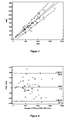
- Figure 1 Correlation plot for CD4 + T-cell counts as determined by flow cytometry (FACS) and by the MNS-technique. Data on 51 samples obtained from 23 HIV-patients and 28 healthy blood donors. The correlation coefficient (r) was 0.91 (p ⁇ 0.0001). The continuous blue line is the regression line, the red dotted line shows 100% correlation.
- Figure 3 "Visual gating" Unwanted cells were visually excluded during manual counting. From left to right: overall picture, lymphocyte, eosinophile granulocyte, red blood cell, debris.
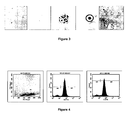
- FIG. 4 CD4 + T-cell purity after MNS as determinded by flow cytometry.
- the scatter gate (R1) includes all lymphocytes and excludes granulocytes, monocytes, red blood cells and debris.
- Middle Histogram plot for the CD4 + purity in the whole sample (no gate). Overall no-gate-purity was 72.56 15.72 %
- Right Histogram plot for the CD4 + purity inside the lymphocyte gate (R1). Overall lymphocyte-gate-purity was 81.10 10.79 %.
- the study consisted of a dual CD4 T-Lymphocyte enumeration by both the modified negative selection protocol (MNS) and flow cytometry (FCM). It was conducted in the City of Leipzig between August and October 2005 with the main objective of comparing MNS with FCM, particularly in view of precision and cost of both methods. Study participants included 25 patients infected with HIV and 29 healthy donors. Patient age ranged from 20 to 71 years (mean 41.79 15.11 years). The HIV-patients regularly attended the AIDS consultation hours at the Clinic for Dermatology and Venereal Diseases or at the Clinic for Infectious and Tropical Diseases in Amsterdam. All were asymptomatic patients with CD4 counts between 96 and 1037 cells/ ⁇ L, with or without a history of antiretroviral therapy.
- MNS modified negative selection protocol
- FCM flow cytometry
- the healthy donors were official blood donors with CD4 counts between 429 and 1696 cells/ ⁇ L.
- Peripheral venous blood was drawn into small Monovettes (Sarstedt, Nümbrecht, Germany,) with ethyl diamine tetraacetate (EDTA) as anticoagulant, and was processed within 8 hours. The study was conducted in a blinded manner and according to the rules of the Ethic Committee on Human Research of the University of Amsterdam.
- CD4 + T-lymphocytes were enumerated for each specimen with a 4-colour, two-platform flow cytometer (FACSCaliburTM; Becton Dickinson Immunocytometry Systems, Heidelberg, Germany), following our in-house laboratory instructions.
- FACSCaliburTM Becton Dickinson Immunocytometry Systems, Heidelberg, Germany
- 100 ⁇ L of EDTA-anticoagulated whole peripheral blood were incubated with 2 ⁇ L of anti-CD4-PE (Immunotech; Beckman-Coulter, Krefeld, Germany) for 15 minutes at room temperature (RT).
- Erythrocytes were removed by incubation with 2 mL of BD Lysing Solution (BD Biosciences, Heidelberg, Germany) for 10 minutes at room temperature.
- the cells were washed with 3 mL of PBS, centrifuged again (5 minutes at 250xg, RT) and resuspended in 250 ⁇ L of PBS / 1% Formaldehyde (FA). The cells were subsequently sorted for CD4 + T-cells on FACSCaliburTM. Finally, the absolute CD4 count was calculated from the percentage of CD4 + cells within all lymphocytes as determined by FACSCaliburTM and the TLC obtained by a routine haemocytometer (Sysmex®, Norderstedt, Germany).
- CD4 + T-cells were performed by a modified density-based negative selection protocol (RosetteSepTM; CellSystems, St. Katharinen, Germany), which uses a special antibody-cocktail for the enrichment of cells from whole blood.
- the "RosetteSepTM Human CD4 + T Cell Enrichment Cocktail” consists of mouse IgG1 antibodies to human lineage antigens (CD8, CD16, CD19, CD36 and CD56), crosslinked to mouse IgG1 anti-human glycophorin antibodies by means of rat anti-mouse IgG1 secondary antibodies, thus forming bi-specific tetrameric antibody complexes (TACs).
- TACs crosslink all unwanted nucleated cells (NC) to multiple red blood cells (RBC) by forming RBC rosettes around the targeted NC, thus increasing the density of the unwanted (rosetted) cells, such that they pellet along with the free RBC when centrifuged over a density medium.
- NC nucleated cells
- RBC red blood cells
- the desired CD4 + T-cells remain unlabeled with antibody and can be collected as enriched population at the interface between the plasma and the density medium (StemCell Technologies Inc. 2005).
- a 1.5 mL microtube was used to add 5 ⁇ L of cocktail to 100 ⁇ L of EDTA-anticoagulated venous whole blood. The sample was diluted with 100 ⁇ L of PBS / 2% FCS, vortexed gently and then rocked for 30 minutes, RT.
- the mixture was underlayered with 150 ⁇ L of Ficoll-Paque® PLUS density medium (CellSystems, St. Katharinen, Germany) and centrifuged (1000 x g, 5 min, RT) in a microcentrifuge (Eppendorf, Hamburg, Germany). To ensure that all CD4 + T-cells are harvested, the entire supernatant was transferred into a fresh microtube, taking great care not to mix up the RBC pellet containing the unwanted cells.
- Ficoll-Paque® PLUS density medium CellSystems, St. Katharinen, Germany
- the transferred supernatant was washed with 1 mL of PBS / 2% FCS, centrifuged again (5 minutes at 1200 x g, RT) and incubated with 100 ⁇ L of FACS lysing buffer (BD Biosciences, Heidelberg, Germany) to eliminate remaining erythrocytes.
- the mixture was rocked gently for 10 minutes, RT, followed by washing with 1 mL PBS / 2% FCS and centrifugation (5 minutes at 1200 x g, RT). To obtain a dry cell pellet, all remaining liquid was carefully removed from the microtube using a cotton bud, taking care not to damage the cell pellet.
- the purity of each specimen assayed by the MNS-technique was assessed by analyzing the enriched CD4 + T-cells on FACSCaliburTM flow cytometer (Becton Dickinson Immunocytometry Systems, Heidelberg, Germany) after staining with anti-CD4-PE (Immunotech; Beckman-Coulter, Krefeld, Germany).
- FACSCaliburTM flow cytometer Becton Dickinson Immunocytometry Systems, Heidelberg, Germany
- anti-CD4-PE Immunotech; Beckman-Coulter, Krefeld, Germany.
- We assessed two CD4 + T-cell purity values for each specimen a) the percentage of CD4 + cells in a scatter gate that included lymphocytes and excluded granulocytes, monocytes, red blood cells and debris, and b ) the percentage of CD4 + cells of all cells in the sample (no gate; see figure 4, right panel).
- the percentages of non-CD4 + T-cells remaining after MNS were assessed by analyzing a twofold assayed blood sample (1x with 2 ⁇ L and 1x with 5 ⁇ L of antibody-cocktail) on FACSCaliburTM (Becton-Dickinson, Heidelberg, Germany) after counterstaining with fluorescent dye (Immunotech; Beckman-Coulter, Krefeld, Germany).
- Figure 1 depicts the correlation plot for the two methods for all the data analyzed.
- the correlation coefficient (r) was 0.91 (p ⁇ 0.000 1) for all the data analyzed, 0.86 (p ⁇ 0.0001) for HIV-patients and 0.90 (p ⁇ 0.0001) for non-H IV-patients.
- CD4 + purity was 84.35 ⁇ 5.10 % (median: 85.3 8%, range 46.23% - 92.51 %; inside lymphocyte gate) and 76.68 ⁇ 12.51 % (median: 78,65%, range 27.27% - 90.19%; no gate).
- CD4 + purity was 76.31 ⁇ 14.53% (median: 79.93%, range 38.64 - 95.55%; inside lymphocyte gate) and 66.50 ⁇ 17.86% (median: 71.03%, range 24.97% - 91.11 %; no gate).
- Recovery of CD4 + T-cells was 86.61% ⁇ 12.44% (median: 86.25%, range: 60.4% - 111.30%) for healthy donor blood and 68.68 ⁇ 22.04% (median: 63.47%, range: 38.94% - 125.27%) for HIV-patient blood.
- the reproducibility of the MNS-technique was assessed in a specific set of experiments in which 5 duplicate samples (2 HIV-samples and 3 healthy-donor-samples) were assayed twice using the MNS-technique.
- the coefficient of variation was 4.05 %.
- the impact of the delay in sample handling was assessed in 5 samples (2 HIV-samples and 3 healthy-donor-samples) that were assayed by the MNS-method at hours 2, 8, 12 and 24 after drawing the blood.
- the median values were 590 cells/ ⁇ L at time 2, 590 cells/ ⁇ L at time 8, 560 cells/ ⁇ L at time 12 and 640 cells/ ⁇ L at hour 24.
- Mean values were 520 cells/ ⁇ L at time 2, 528 cells/ ⁇ L at time 8, 520 cells/ ⁇ L at time 12 and 604 cells/ ⁇ L at hour 24. The mean and median variations within 12h were insignificant.
- the method of the invention can be adjusted for CD4 + quantitation from infant blood, since more and more patients with HIV infection are reported to be children.
- the mMNS-method can easily be adapted for the targeting of other cells (e.g. CD8 + or CD19 + ), and for other immunodiagnostic purposes. It may be necessary to determine regional specificities of cell compositions in HIV-blood for a further improvement of the cocktail to patient populations in Africa, India and Europe.
Landscapes
- Health & Medical Sciences (AREA)
- Life Sciences & Earth Sciences (AREA)
- Engineering & Computer Science (AREA)
- Chemical & Material Sciences (AREA)
- Biomedical Technology (AREA)
- Biotechnology (AREA)
- Zoology (AREA)
- Wood Science & Technology (AREA)
- Genetics & Genomics (AREA)
- Bioinformatics & Cheminformatics (AREA)
- Cell Biology (AREA)
- Molecular Biology (AREA)
- Organic Chemistry (AREA)
- Microbiology (AREA)
- Immunology (AREA)
- Biochemistry (AREA)
- General Health & Medical Sciences (AREA)
- Hematology (AREA)
- General Engineering & Computer Science (AREA)
- Urology & Nephrology (AREA)
- Virology (AREA)
- Tropical Medicine & Parasitology (AREA)
- Food Science & Technology (AREA)
- Medicinal Chemistry (AREA)
- Physics & Mathematics (AREA)
- Analytical Chemistry (AREA)
- General Physics & Mathematics (AREA)
- Pathology (AREA)
- Investigating Or Analysing Biological Materials (AREA)
- Micro-Organisms Or Cultivation Processes Thereof (AREA)
- Measuring Or Testing Involving Enzymes Or Micro-Organisms (AREA)
Priority Applications (6)
| Application Number | Priority Date | Filing Date | Title |
|---|---|---|---|
| DE602006010518T DE602006010518D1 (de) | 2006-05-05 | 2006-05-05 | Verfahren zur Quantifizierung einer bestimmten Zellpopulation in einer menschlichen Blutprobe |
| EP06009364A EP1852702B1 (de) | 2006-05-05 | 2006-05-05 | Verfahren zur Quantifizierung einer bestimmten Zellpopulation in einer menschlichen Blutprobe |
| AT06009364T ATE449341T1 (de) | 2006-05-05 | 2006-05-05 | Verfahren zur quantifizierung einer bestimmten zellpopulation in einer menschlichen blutprobe |
| US12/299,573 US20090317789A1 (en) | 2006-05-05 | 2007-05-07 | Method for quantifying a cell population of interest contained in a human blood sample |
| PCT/EP2007/004015 WO2007128549A1 (en) | 2006-05-05 | 2007-05-07 | Method for quantifying a cell population of interest contained in a human blood sample |
| CNA2007800161942A CN101438164A (zh) | 2006-05-05 | 2007-05-07 | 量化在人血样中包含的目标细胞群的方法 |
Applications Claiming Priority (1)
| Application Number | Priority Date | Filing Date | Title |
|---|---|---|---|
| EP06009364A EP1852702B1 (de) | 2006-05-05 | 2006-05-05 | Verfahren zur Quantifizierung einer bestimmten Zellpopulation in einer menschlichen Blutprobe |
Publications (2)
| Publication Number | Publication Date |
|---|---|
| EP1852702A1 true EP1852702A1 (de) | 2007-11-07 |
| EP1852702B1 EP1852702B1 (de) | 2009-11-18 |
Family
ID=37398771
Family Applications (1)
| Application Number | Title | Priority Date | Filing Date |
|---|---|---|---|
| EP06009364A Expired - Lifetime EP1852702B1 (de) | 2006-05-05 | 2006-05-05 | Verfahren zur Quantifizierung einer bestimmten Zellpopulation in einer menschlichen Blutprobe |
Country Status (6)
| Country | Link |
|---|---|
| US (1) | US20090317789A1 (de) |
| EP (1) | EP1852702B1 (de) |
| CN (1) | CN101438164A (de) |
| AT (1) | ATE449341T1 (de) |
| DE (1) | DE602006010518D1 (de) |
| WO (1) | WO2007128549A1 (de) |
Cited By (2)
| Publication number | Priority date | Publication date | Assignee | Title |
|---|---|---|---|---|
| WO2009114496A1 (en) * | 2008-03-11 | 2009-09-17 | Becton, Dickinson And Company | Density-based cell detection system |
| CN105223360A (zh) * | 2015-08-28 | 2016-01-06 | 北京大学人民医院 | 鉴别检测正常浆细胞和克隆性浆细胞的试剂盒及其应用 |
Families Citing this family (5)
| Publication number | Priority date | Publication date | Assignee | Title |
|---|---|---|---|---|
| US20180238876A1 (en) * | 2015-07-23 | 2018-08-23 | Gentian Diagnostics As | Method For Assessing Cell Surface Receptors of Blood Cells |
| CN108351347A (zh) * | 2015-09-22 | 2018-07-31 | 普渡研究基金会 | 稀有细胞的无离心机分离和检测 |
| US11981915B2 (en) * | 2016-12-22 | 2024-05-14 | Avectas Limited | Vector-free intracellular delivery by reversible permeabilization |
| SG11202010398RA (en) * | 2018-05-09 | 2020-11-27 | Hoffmann La Roche | Devices and methods for determining particle concentration in a sample |
| CN115287260A (zh) * | 2022-06-30 | 2022-11-04 | 江苏汇先医药技术有限公司 | 一种t细胞的富集方法 |
Citations (2)
| Publication number | Priority date | Publication date | Assignee | Title |
|---|---|---|---|---|
| US5840502A (en) * | 1994-08-31 | 1998-11-24 | Activated Cell Therapy, Inc. | Methods for enriching specific cell-types by density gradient centrifugation |
| US20030147886A1 (en) * | 1995-06-16 | 2003-08-07 | Stemcell Technologies Inc. | Novel antibody compositions for preparing enriched dendritic cell preparations |
-
2006
- 2006-05-05 AT AT06009364T patent/ATE449341T1/de not_active IP Right Cessation
- 2006-05-05 DE DE602006010518T patent/DE602006010518D1/de not_active Expired - Lifetime
- 2006-05-05 EP EP06009364A patent/EP1852702B1/de not_active Expired - Lifetime
-
2007
- 2007-05-07 US US12/299,573 patent/US20090317789A1/en not_active Abandoned
- 2007-05-07 WO PCT/EP2007/004015 patent/WO2007128549A1/en not_active Ceased
- 2007-05-07 CN CNA2007800161942A patent/CN101438164A/zh active Pending
Patent Citations (2)
| Publication number | Priority date | Publication date | Assignee | Title |
|---|---|---|---|---|
| US5840502A (en) * | 1994-08-31 | 1998-11-24 | Activated Cell Therapy, Inc. | Methods for enriching specific cell-types by density gradient centrifugation |
| US20030147886A1 (en) * | 1995-06-16 | 2003-08-07 | Stemcell Technologies Inc. | Novel antibody compositions for preparing enriched dendritic cell preparations |
Non-Patent Citations (3)
| Title |
|---|
| AVENT N D: "HUMAN ERYTHROCYTE ANTIGEN EXPRESSION: ITS MOLECULAR BASES", BRITISH JOURNAL OF BIOMEDICAL SCIENCE, ROYAL SOCIETY OF MEDICINE SERVICES, LONDON, GB, vol. 54, no. 1, March 1997 (1997-03-01), pages 16 - 37, XP001118159, ISSN: 0967-4845 * |
| XP002408216, Retrieved from the Internet <URL:http://www.stemcell.com/technical/15022_15062-PIS.pdf> * |
| XP002408217, Retrieved from the Internet <URL:http://www.stemcell.com/technical/15023_15063-PIS.pdf> * |
Cited By (3)
| Publication number | Priority date | Publication date | Assignee | Title |
|---|---|---|---|---|
| WO2009114496A1 (en) * | 2008-03-11 | 2009-09-17 | Becton, Dickinson And Company | Density-based cell detection system |
| US8679764B2 (en) | 2008-03-11 | 2014-03-25 | Becton, Dickinson And Company | Density-based cell detection system |
| CN105223360A (zh) * | 2015-08-28 | 2016-01-06 | 北京大学人民医院 | 鉴别检测正常浆细胞和克隆性浆细胞的试剂盒及其应用 |
Also Published As
| Publication number | Publication date |
|---|---|
| WO2007128549A1 (en) | 2007-11-15 |
| DE602006010518D1 (de) | 2009-12-31 |
| ATE449341T1 (de) | 2009-12-15 |
| CN101438164A (zh) | 2009-05-20 |
| EP1852702B1 (de) | 2009-11-18 |
| US20090317789A1 (en) | 2009-12-24 |
Similar Documents
| Publication | Publication Date | Title |
|---|---|---|
| JPH06505332A (ja) | 総白血球表面抗原を用いた治療法及び診断法 | |
| US20090317789A1 (en) | Method for quantifying a cell population of interest contained in a human blood sample | |
| US20110318749A1 (en) | Method for identifying regulatory t cells | |
| EP1891437B1 (de) | Verfahren zur reinigung einer zellpopulation | |
| JPH08506421A (ja) | 細胞関連分子を検出し、その量を測定するための方法および器具 | |
| EP2084508B1 (de) | Präparationsverfahren | |
| Badiane et al. | Sensitivity and specificity for malaria classification of febrile persons by rapid diagnostic test, microscopy, parasite DNA, histidine-rich protein 2, and IgG: Dakar, Senegal 2015 | |
| CA2248792C (en) | Methods for measurement of lymphocyte function | |
| CA2124319A1 (en) | Method and kit for the detection of antibodies directed against a virus | |
| WO2014079946A1 (en) | Methods for determining the risk of acute graft versus host disease | |
| Hussein et al. | Phenotypical changes of hematopoietic stem and progenitor cells in COVID-19 patients: Correlation with disease status | |
| JP2012122954A (ja) | Pnh型白血球の検出方法 | |
| WO1997020217A1 (en) | Method for diagnosing autoimmune diseases | |
| WO2013107826A2 (en) | Use of cellular biomarkers expression to diagnose sepsis among intensive care patients | |
| JP2002525580A (ja) | 好塩基球及び好酸球の検出又は定量のための方法 | |
| Pliyev et al. | Circulating CD35−/CD49d+ neutrophils in influenza virus infection patients | |
| Schlaf et al. | Novel solid phase-based ELISA assays contribute to an improved detection of anti-HLA antibodies and to an increased reliability of pre-and post-transplant crossmatching | |
| JP3759412B2 (ja) | 好塩基球および/もしくはマスト細胞、ならびに/またはこれらの前駆体細胞、ならびに/またはこれらの表面構造の検出および/または定量および/または単離のための抗体の使用 | |
| US20230028910A1 (en) | Method for diagnosing cutaneous t-cell lymphoma diseases | |
| KR102576597B1 (ko) | 면역 노화 평가용 조성물 및 키트 | |
| AU2006275302B2 (en) | Method for identifying regulatory T cells | |
| JP2025506852A (ja) | 芽球化単核細胞の顕微鏡的検出法 | |
| JP2024091166A (ja) | 間質性肺炎又は肺非結核性抗酸菌症の評価方法及び検査キット | |
| Issiaga et al. | Performance evaluation of the Hemotype SCTM rapid test for the diagnosis of sickle cell disease | |
| Ngwengi et al. | Predictive values of haematological parameters in Plasmodium falciparum infection in immunocompetent adults at an urban hospital in Douala |
Legal Events
| Date | Code | Title | Description |
|---|---|---|---|
| PUAI | Public reference made under article 153(3) epc to a published international application that has entered the european phase |
Free format text: ORIGINAL CODE: 0009012 |
|
| AK | Designated contracting states |
Kind code of ref document: A1 Designated state(s): AT BE BG CH CY CZ DE DK EE ES FI FR GB GR HU IE IS IT LI LT LU LV MC NL PL PT RO SE SI SK TR |
|
| AX | Request for extension of the european patent |
Extension state: AL BA HR MK YU |
|
| 17P | Request for examination filed |
Effective date: 20080307 |
|
| 17Q | First examination report despatched |
Effective date: 20080404 |
|
| AKX | Designation fees paid |
Designated state(s): AT BE BG CH CY CZ DE DK EE ES FI FR GB GR HU IE IS IT LI LT LU LV MC NL PL PT RO SE SI SK TR |
|
| GRAP | Despatch of communication of intention to grant a patent |
Free format text: ORIGINAL CODE: EPIDOSNIGR1 |
|
| GRAS | Grant fee paid |
Free format text: ORIGINAL CODE: EPIDOSNIGR3 |
|
| GRAA | (expected) grant |
Free format text: ORIGINAL CODE: 0009210 |
|
| AK | Designated contracting states |
Kind code of ref document: B1 Designated state(s): AT BE BG CH CY CZ DE DK EE ES FI FR GB GR HU IE IS IT LI LT LU LV MC NL PL PT RO SE SI SK TR |
|
| REG | Reference to a national code |
Ref country code: GB Ref legal event code: FG4D |
|
| REG | Reference to a national code |
Ref country code: CH Ref legal event code: EP |
|
| REG | Reference to a national code |
Ref country code: IE Ref legal event code: FG4D |
|
| REG | Reference to a national code |
Ref country code: CH Ref legal event code: NV Representative=s name: VOSSIUS & PARTNER |
|
| REF | Corresponds to: |
Ref document number: 602006010518 Country of ref document: DE Date of ref document: 20091231 Kind code of ref document: P |
|
| REG | Reference to a national code |
Ref country code: NL Ref legal event code: VDEP Effective date: 20091118 |
|
| LTIE | Lt: invalidation of european patent or patent extension |
Effective date: 20091118 |
|
| PG25 | Lapsed in a contracting state [announced via postgrant information from national office to epo] |
Ref country code: LT Free format text: LAPSE BECAUSE OF FAILURE TO SUBMIT A TRANSLATION OF THE DESCRIPTION OR TO PAY THE FEE WITHIN THE PRESCRIBED TIME-LIMIT Effective date: 20091118 Ref country code: IS Free format text: LAPSE BECAUSE OF FAILURE TO SUBMIT A TRANSLATION OF THE DESCRIPTION OR TO PAY THE FEE WITHIN THE PRESCRIBED TIME-LIMIT Effective date: 20100318 Ref country code: SE Free format text: LAPSE BECAUSE OF FAILURE TO SUBMIT A TRANSLATION OF THE DESCRIPTION OR TO PAY THE FEE WITHIN THE PRESCRIBED TIME-LIMIT Effective date: 20091118 Ref country code: FI Free format text: LAPSE BECAUSE OF FAILURE TO SUBMIT A TRANSLATION OF THE DESCRIPTION OR TO PAY THE FEE WITHIN THE PRESCRIBED TIME-LIMIT Effective date: 20091118 Ref country code: PT Free format text: LAPSE BECAUSE OF FAILURE TO SUBMIT A TRANSLATION OF THE DESCRIPTION OR TO PAY THE FEE WITHIN THE PRESCRIBED TIME-LIMIT Effective date: 20100318 Ref country code: ES Free format text: LAPSE BECAUSE OF FAILURE TO SUBMIT A TRANSLATION OF THE DESCRIPTION OR TO PAY THE FEE WITHIN THE PRESCRIBED TIME-LIMIT Effective date: 20100228 |
|
| PG25 | Lapsed in a contracting state [announced via postgrant information from national office to epo] |
Ref country code: CY Free format text: LAPSE BECAUSE OF FAILURE TO SUBMIT A TRANSLATION OF THE DESCRIPTION OR TO PAY THE FEE WITHIN THE PRESCRIBED TIME-LIMIT Effective date: 20091118 Ref country code: SI Free format text: LAPSE BECAUSE OF FAILURE TO SUBMIT A TRANSLATION OF THE DESCRIPTION OR TO PAY THE FEE WITHIN THE PRESCRIBED TIME-LIMIT Effective date: 20091118 Ref country code: LV Free format text: LAPSE BECAUSE OF FAILURE TO SUBMIT A TRANSLATION OF THE DESCRIPTION OR TO PAY THE FEE WITHIN THE PRESCRIBED TIME-LIMIT Effective date: 20091118 Ref country code: PL Free format text: LAPSE BECAUSE OF FAILURE TO SUBMIT A TRANSLATION OF THE DESCRIPTION OR TO PAY THE FEE WITHIN THE PRESCRIBED TIME-LIMIT Effective date: 20091118 |
|
| PG25 | Lapsed in a contracting state [announced via postgrant information from national office to epo] |
Ref country code: BE Free format text: LAPSE BECAUSE OF FAILURE TO SUBMIT A TRANSLATION OF THE DESCRIPTION OR TO PAY THE FEE WITHIN THE PRESCRIBED TIME-LIMIT Effective date: 20091118 Ref country code: AT Free format text: LAPSE BECAUSE OF FAILURE TO SUBMIT A TRANSLATION OF THE DESCRIPTION OR TO PAY THE FEE WITHIN THE PRESCRIBED TIME-LIMIT Effective date: 20091118 |
|
| PG25 | Lapsed in a contracting state [announced via postgrant information from national office to epo] |
Ref country code: DK Free format text: LAPSE BECAUSE OF FAILURE TO SUBMIT A TRANSLATION OF THE DESCRIPTION OR TO PAY THE FEE WITHIN THE PRESCRIBED TIME-LIMIT Effective date: 20091118 Ref country code: RO Free format text: LAPSE BECAUSE OF FAILURE TO SUBMIT A TRANSLATION OF THE DESCRIPTION OR TO PAY THE FEE WITHIN THE PRESCRIBED TIME-LIMIT Effective date: 20091118 Ref country code: EE Free format text: LAPSE BECAUSE OF FAILURE TO SUBMIT A TRANSLATION OF THE DESCRIPTION OR TO PAY THE FEE WITHIN THE PRESCRIBED TIME-LIMIT Effective date: 20091118 Ref country code: NL Free format text: LAPSE BECAUSE OF FAILURE TO SUBMIT A TRANSLATION OF THE DESCRIPTION OR TO PAY THE FEE WITHIN THE PRESCRIBED TIME-LIMIT Effective date: 20091118 Ref country code: BG Free format text: LAPSE BECAUSE OF FAILURE TO SUBMIT A TRANSLATION OF THE DESCRIPTION OR TO PAY THE FEE WITHIN THE PRESCRIBED TIME-LIMIT Effective date: 20100218 |
|
| PG25 | Lapsed in a contracting state [announced via postgrant information from national office to epo] |
Ref country code: SK Free format text: LAPSE BECAUSE OF FAILURE TO SUBMIT A TRANSLATION OF THE DESCRIPTION OR TO PAY THE FEE WITHIN THE PRESCRIBED TIME-LIMIT Effective date: 20091118 Ref country code: CZ Free format text: LAPSE BECAUSE OF FAILURE TO SUBMIT A TRANSLATION OF THE DESCRIPTION OR TO PAY THE FEE WITHIN THE PRESCRIBED TIME-LIMIT Effective date: 20091118 |
|
| PLBE | No opposition filed within time limit |
Free format text: ORIGINAL CODE: 0009261 |
|
| STAA | Information on the status of an ep patent application or granted ep patent |
Free format text: STATUS: NO OPPOSITION FILED WITHIN TIME LIMIT |
|
| 26N | No opposition filed |
Effective date: 20100819 |
|
| PG25 | Lapsed in a contracting state [announced via postgrant information from national office to epo] |
Ref country code: GR Free format text: LAPSE BECAUSE OF FAILURE TO SUBMIT A TRANSLATION OF THE DESCRIPTION OR TO PAY THE FEE WITHIN THE PRESCRIBED TIME-LIMIT Effective date: 20100219 |
|
| PG25 | Lapsed in a contracting state [announced via postgrant information from national office to epo] |
Ref country code: MC Free format text: LAPSE BECAUSE OF NON-PAYMENT OF DUE FEES Effective date: 20100531 |
|
| PG25 | Lapsed in a contracting state [announced via postgrant information from national office to epo] |
Ref country code: IT Free format text: LAPSE BECAUSE OF FAILURE TO SUBMIT A TRANSLATION OF THE DESCRIPTION OR TO PAY THE FEE WITHIN THE PRESCRIBED TIME-LIMIT Effective date: 20091118 |
|
| PG25 | Lapsed in a contracting state [announced via postgrant information from national office to epo] |
Ref country code: IE Free format text: LAPSE BECAUSE OF NON-PAYMENT OF DUE FEES Effective date: 20100505 |
|
| PGFP | Annual fee paid to national office [announced via postgrant information from national office to epo] |
Ref country code: CH Payment date: 20120522 Year of fee payment: 7 |
|
| PGFP | Annual fee paid to national office [announced via postgrant information from national office to epo] |
Ref country code: GB Payment date: 20120522 Year of fee payment: 7 Ref country code: FR Payment date: 20120608 Year of fee payment: 7 |
|
| PG25 | Lapsed in a contracting state [announced via postgrant information from national office to epo] |
Ref country code: LU Free format text: LAPSE BECAUSE OF NON-PAYMENT OF DUE FEES Effective date: 20100505 Ref country code: HU Free format text: LAPSE BECAUSE OF FAILURE TO SUBMIT A TRANSLATION OF THE DESCRIPTION OR TO PAY THE FEE WITHIN THE PRESCRIBED TIME-LIMIT Effective date: 20100519 |
|
| PG25 | Lapsed in a contracting state [announced via postgrant information from national office to epo] |
Ref country code: TR Free format text: LAPSE BECAUSE OF FAILURE TO SUBMIT A TRANSLATION OF THE DESCRIPTION OR TO PAY THE FEE WITHIN THE PRESCRIBED TIME-LIMIT Effective date: 20091118 |
|
| PGFP | Annual fee paid to national office [announced via postgrant information from national office to epo] |
Ref country code: DE Payment date: 20120725 Year of fee payment: 7 |
|
| REG | Reference to a national code |
Ref country code: CH Ref legal event code: PL |
|
| GBPC | Gb: european patent ceased through non-payment of renewal fee |
Effective date: 20130505 |
|
| PG25 | Lapsed in a contracting state [announced via postgrant information from national office to epo] |
Ref country code: DE Free format text: LAPSE BECAUSE OF NON-PAYMENT OF DUE FEES Effective date: 20131203 Ref country code: CH Free format text: LAPSE BECAUSE OF NON-PAYMENT OF DUE FEES Effective date: 20130531 Ref country code: LI Free format text: LAPSE BECAUSE OF NON-PAYMENT OF DUE FEES Effective date: 20130531 |
|
| REG | Reference to a national code |
Ref country code: DE Ref legal event code: R119 Ref document number: 602006010518 Country of ref document: DE Effective date: 20131203 |
|
| REG | Reference to a national code |
Ref country code: FR Ref legal event code: ST Effective date: 20140131 |
|
| PG25 | Lapsed in a contracting state [announced via postgrant information from national office to epo] |
Ref country code: GB Free format text: LAPSE BECAUSE OF NON-PAYMENT OF DUE FEES Effective date: 20130505 |
|
| PG25 | Lapsed in a contracting state [announced via postgrant information from national office to epo] |
Ref country code: FR Free format text: LAPSE BECAUSE OF NON-PAYMENT OF DUE FEES Effective date: 20130531 |