EP1854889A1 - Genetisch modifizierte Cyanobakterien zur Herstellung von Ethanol - Google Patents
Genetisch modifizierte Cyanobakterien zur Herstellung von Ethanol Download PDFInfo
- Publication number
- EP1854889A1 EP1854889A1 EP07007335A EP07007335A EP1854889A1 EP 1854889 A1 EP1854889 A1 EP 1854889A1 EP 07007335 A EP07007335 A EP 07007335A EP 07007335 A EP07007335 A EP 07007335A EP 1854889 A1 EP1854889 A1 EP 1854889A1
- Authority
- EP
- European Patent Office
- Prior art keywords
- cyanobacteria
- construct
- pdc
- pcb4
- ethanol
- Prior art date
- Legal status (The legal status is an assumption and is not a legal conclusion. Google has not performed a legal analysis and makes no representation as to the accuracy of the status listed.)
- Withdrawn
Links
- LFQSCWFLJHTTHZ-UHFFFAOYSA-N Ethanol Chemical compound CCO LFQSCWFLJHTTHZ-UHFFFAOYSA-N 0.000 title claims description 251
- 241000192700 Cyanobacteria Species 0.000 title claims description 73
- 238000004519 manufacturing process Methods 0.000 title description 17
- 101150067366 adh gene Proteins 0.000 claims description 57
- 102000004190 Enzymes Human genes 0.000 claims description 49
- 108090000790 Enzymes Proteins 0.000 claims description 49
- 108090000623 proteins and genes Proteins 0.000 claims description 36
- 239000013612 plasmid Substances 0.000 claims description 34
- 108020004414 DNA Proteins 0.000 claims description 29
- 241000192707 Synechococcus Species 0.000 claims description 26
- 239000012634 fragment Substances 0.000 claims description 25
- 241000192589 Synechococcus elongatus PCC 7942 Species 0.000 claims description 24
- 241000588902 Zymomonas mobilis Species 0.000 claims description 24
- 230000001939 inductive effect Effects 0.000 claims description 17
- 238000000034 method Methods 0.000 claims description 16
- 241000588724 Escherichia coli Species 0.000 claims description 15
- 230000014509 gene expression Effects 0.000 claims description 15
- 230000008569 process Effects 0.000 claims description 14
- AVKUERGKIZMTKX-NJBDSQKTSA-N ampicillin Chemical compound C1([C@@H](N)C(=O)N[C@H]2[C@H]3SC([C@@H](N3C2=O)C(O)=O)(C)C)=CC=CC=C1 AVKUERGKIZMTKX-NJBDSQKTSA-N 0.000 claims description 8
- 229960000723 ampicillin Drugs 0.000 claims description 8
- 230000012010 growth Effects 0.000 claims description 8
- 229930002875 chlorophyll Natural products 0.000 claims description 7
- 235000019804 chlorophyll Nutrition 0.000 claims description 7
- ATNHDLDRLWWWCB-AENOIHSZSA-M chlorophyll a Chemical compound C1([C@@H](C(=O)OC)C(=O)C2=C3C)=C2N2C3=CC(C(CC)=C3C)=[N+]4C3=CC3=C(C=C)C(C)=C5N3[Mg-2]42[N+]2=C1[C@@H](CCC(=O)OC\C=C(/C)CCC[C@H](C)CCC[C@H](C)CCCC(C)C)[C@H](C)C2=C5 ATNHDLDRLWWWCB-AENOIHSZSA-M 0.000 claims description 7
- 101150066555 lacZ gene Proteins 0.000 claims description 7
- 108010011939 Pyruvate Decarboxylase Proteins 0.000 claims description 6
- 239000001963 growth medium Substances 0.000 claims description 6
- 108010021809 Alcohol dehydrogenase Proteins 0.000 claims description 5
- 102000007698 Alcohol dehydrogenase Human genes 0.000 claims description 5
- 238000010367 cloning Methods 0.000 claims description 5
- 241000894006 Bacteria Species 0.000 claims description 4
- 238000007747 plating Methods 0.000 claims description 3
- 108091028043 Nucleic acid sequence Proteins 0.000 claims description 2
- 238000012258 culturing Methods 0.000 claims description 2
- 238000003306 harvesting Methods 0.000 claims description 2
- 230000001131 transforming effect Effects 0.000 claims description 2
- 210000004027 cell Anatomy 0.000 description 23
- 230000015572 biosynthetic process Effects 0.000 description 18
- 238000003786 synthesis reaction Methods 0.000 description 17
- 230000000694 effects Effects 0.000 description 14
- 244000005700 microbiome Species 0.000 description 11
- 239000013598 vector Substances 0.000 description 11
- 150000001720 carbohydrates Chemical class 0.000 description 10
- 235000014633 carbohydrates Nutrition 0.000 description 10
- 230000000243 photosynthetic effect Effects 0.000 description 9
- 101100084627 Neurospora crassa (strain ATCC 24698 / 74-OR23-1A / CBS 708.71 / DSM 1257 / FGSC 987) pcb-4 gene Proteins 0.000 description 8
- 238000003752 polymerase chain reaction Methods 0.000 description 8
- LCTONWCANYUPML-UHFFFAOYSA-M Pyruvate Chemical compound CC(=O)C([O-])=O LCTONWCANYUPML-UHFFFAOYSA-M 0.000 description 7
- 229940076788 pyruvate Drugs 0.000 description 7
- 235000000346 sugar Nutrition 0.000 description 7
- 239000013605 shuttle vector Substances 0.000 description 6
- 239000000758 substrate Substances 0.000 description 6
- 230000004927 fusion Effects 0.000 description 5
- 239000002609 medium Substances 0.000 description 5
- 230000029553 photosynthesis Effects 0.000 description 5
- 238000010672 photosynthesis Methods 0.000 description 5
- 102000004169 proteins and genes Human genes 0.000 description 5
- 238000013519 translation Methods 0.000 description 5
- OSJPPGNTCRNQQC-UWTATZPHSA-N 3-phospho-D-glyceric acid Chemical compound OC(=O)[C@H](O)COP(O)(O)=O OSJPPGNTCRNQQC-UWTATZPHSA-N 0.000 description 4
- IKHGUXGNUITLKF-UHFFFAOYSA-N Acetaldehyde Chemical compound CC=O IKHGUXGNUITLKF-UHFFFAOYSA-N 0.000 description 4
- 108020004705 Codon Proteins 0.000 description 4
- 229920002527 Glycogen Polymers 0.000 description 4
- 108091081024 Start codon Proteins 0.000 description 4
- 230000001580 bacterial effect Effects 0.000 description 4
- 238000010353 genetic engineering Methods 0.000 description 4
- 229940096919 glycogen Drugs 0.000 description 4
- 230000034659 glycolysis Effects 0.000 description 4
- 230000037361 pathway Effects 0.000 description 4
- OKTJSMMVPCPJKN-UHFFFAOYSA-N Carbon Chemical compound [C] OKTJSMMVPCPJKN-UHFFFAOYSA-N 0.000 description 3
- 102000004594 DNA Polymerase I Human genes 0.000 description 3
- 108010017826 DNA Polymerase I Proteins 0.000 description 3
- 108700039691 Genetic Promoter Regions Proteins 0.000 description 3
- 241000192560 Synechococcus sp. Species 0.000 description 3
- 229910052799 carbon Inorganic materials 0.000 description 3
- 238000006243 chemical reaction Methods 0.000 description 3
- 230000001419 dependent effect Effects 0.000 description 3
- 230000029087 digestion Effects 0.000 description 3
- 230000004048 modification Effects 0.000 description 3
- 238000012986 modification Methods 0.000 description 3
- 238000013518 transcription Methods 0.000 description 3
- 230000035897 transcription Effects 0.000 description 3
- 108010029692 Bisphosphoglycerate mutase Proteins 0.000 description 2
- 241001464430 Cyanobacterium Species 0.000 description 2
- 102000004163 DNA-directed RNA polymerases Human genes 0.000 description 2
- 108090000626 DNA-directed RNA polymerases Proteins 0.000 description 2
- 241000701959 Escherichia virus Lambda Species 0.000 description 2
- TWRXJAOTZQYOKJ-UHFFFAOYSA-L Magnesium chloride Chemical compound [Mg+2].[Cl-].[Cl-] TWRXJAOTZQYOKJ-UHFFFAOYSA-L 0.000 description 2
- 102000011025 Phosphoglycerate Mutase Human genes 0.000 description 2
- 102000012288 Phosphopyruvate Hydratase Human genes 0.000 description 2
- 108010022181 Phosphopyruvate Hydratase Proteins 0.000 description 2
- 102000013009 Pyruvate Kinase Human genes 0.000 description 2
- 108020005115 Pyruvate Kinase Proteins 0.000 description 2
- LCTONWCANYUPML-UHFFFAOYSA-N Pyruvic acid Chemical compound CC(=O)C(O)=O LCTONWCANYUPML-UHFFFAOYSA-N 0.000 description 2
- 241000235070 Saccharomyces Species 0.000 description 2
- 240000004808 Saccharomyces cerevisiae Species 0.000 description 2
- 241000588901 Zymomonas Species 0.000 description 2
- HXXFSFRBOHSIMQ-VFUOTHLCSA-N alpha-D-glucose 1-phosphate Chemical compound OC[C@H]1O[C@H](OP(O)(O)=O)[C@H](O)[C@@H](O)[C@@H]1O HXXFSFRBOHSIMQ-VFUOTHLCSA-N 0.000 description 2
- 229940024606 amino acid Drugs 0.000 description 2
- 235000001014 amino acid Nutrition 0.000 description 2
- 150000001413 amino acids Chemical class 0.000 description 2
- 238000004113 cell culture Methods 0.000 description 2
- 230000010261 cell growth Effects 0.000 description 2
- 229920002678 cellulose Polymers 0.000 description 2
- 239000001913 cellulose Substances 0.000 description 2
- 150000001875 compounds Chemical class 0.000 description 2
- 238000000855 fermentation Methods 0.000 description 2
- 230000004151 fermentation Effects 0.000 description 2
- 238000012239 gene modification Methods 0.000 description 2
- 230000002068 genetic effect Effects 0.000 description 2
- 230000005017 genetic modification Effects 0.000 description 2
- 235000013617 genetically modified food Nutrition 0.000 description 2
- 229950010772 glucose-1-phosphate Drugs 0.000 description 2
- 238000011534 incubation Methods 0.000 description 2
- 230000006698 induction Effects 0.000 description 2
- 239000007788 liquid Substances 0.000 description 2
- 230000037353 metabolic pathway Effects 0.000 description 2
- 230000002231 mosquitocidal effect Effects 0.000 description 2
- 239000002773 nucleotide Substances 0.000 description 2
- 125000003729 nucleotide group Chemical group 0.000 description 2
- 101150074945 rbcL gene Proteins 0.000 description 2
- 239000011541 reaction mixture Substances 0.000 description 2
- 150000008163 sugars Chemical class 0.000 description 2
- NDVRKEKNSBMTAX-BTVCFUMJSA-N (2r,3s,4r,5r)-2,3,4,5,6-pentahydroxyhexanal;phosphoric acid Chemical compound OP(O)(O)=O.OC[C@@H](O)[C@@H](O)[C@H](O)[C@@H](O)C=O NDVRKEKNSBMTAX-BTVCFUMJSA-N 0.000 description 1
- NFBQIWJDUKFHJP-SQOUGZDYSA-N (2r,3s,4r,5r)-3,4,5,6-tetrahydroxy-2-phosphonooxyhexanoic acid Chemical compound OC[C@@H](O)[C@@H](O)[C@H](O)[C@H](C(O)=O)OP(O)(O)=O NFBQIWJDUKFHJP-SQOUGZDYSA-N 0.000 description 1
- LXJXRIRHZLFYRP-VKHMYHEASA-L (R)-2-Hydroxy-3-(phosphonooxy)-propanal Natural products O=C[C@H](O)COP([O-])([O-])=O LXJXRIRHZLFYRP-VKHMYHEASA-L 0.000 description 1
- QKNYBSVHEMOAJP-UHFFFAOYSA-N 2-amino-2-(hydroxymethyl)propane-1,3-diol;hydron;chloride Chemical compound Cl.OCC(N)(CO)CO QKNYBSVHEMOAJP-UHFFFAOYSA-N 0.000 description 1
- GXIURPTVHJPJLF-UWTATZPHSA-N 2-phosphoglycerate Natural products OC[C@H](C(O)=O)OP(O)(O)=O GXIURPTVHJPJLF-UWTATZPHSA-N 0.000 description 1
- GXIURPTVHJPJLF-UHFFFAOYSA-N 2-phosphoglyceric acid Chemical compound OCC(C(O)=O)OP(O)(O)=O GXIURPTVHJPJLF-UHFFFAOYSA-N 0.000 description 1
- 101100301006 Allochromatium vinosum (strain ATCC 17899 / DSM 180 / NBRC 103801 / NCIMB 10441 / D) cbbL2 gene Proteins 0.000 description 1
- DCXYFEDJOCDNAF-UHFFFAOYSA-N Asparagine Natural products OC(=O)C(N)CC(N)=O DCXYFEDJOCDNAF-UHFFFAOYSA-N 0.000 description 1
- 0 CCC=*[C@@](CCCCC=C)Cl Chemical compound CCC=*[C@@](CCCCC=C)Cl 0.000 description 1
- 108091026890 Coding region Proteins 0.000 description 1
- 241000195493 Cryptophyta Species 0.000 description 1
- GUBGYTABKSRVRQ-CUHNMECISA-N D-Cellobiose Chemical compound O[C@@H]1[C@@H](O)[C@H](O)[C@@H](CO)O[C@H]1O[C@@H]1[C@@H](CO)OC(O)[C@H](O)[C@H]1O GUBGYTABKSRVRQ-CUHNMECISA-N 0.000 description 1
- GSXOAOHZAIYLCY-UHFFFAOYSA-N D-F6P Natural products OCC(=O)C(O)C(O)C(O)COP(O)(O)=O GSXOAOHZAIYLCY-UHFFFAOYSA-N 0.000 description 1
- NBSCHQHZLSJFNQ-GASJEMHNSA-N D-Glucose 6-phosphate Chemical compound OC1O[C@H](COP(O)(O)=O)[C@@H](O)[C@H](O)[C@H]1O NBSCHQHZLSJFNQ-GASJEMHNSA-N 0.000 description 1
- XPYBSIWDXQFNMH-UHFFFAOYSA-N D-fructose 1,6-bisphosphate Natural products OP(=O)(O)OCC(O)C(O)C(O)C(=O)COP(O)(O)=O XPYBSIWDXQFNMH-UHFFFAOYSA-N 0.000 description 1
- LXJXRIRHZLFYRP-VKHMYHEASA-N D-glyceraldehyde 3-phosphate Chemical compound O=C[C@H](O)COP(O)(O)=O LXJXRIRHZLFYRP-VKHMYHEASA-N 0.000 description 1
- YAHZABJORDUQGO-NQXXGFSBSA-N D-ribulose 1,5-bisphosphate Chemical compound OP(=O)(O)OC[C@@H](O)[C@@H](O)C(=O)COP(O)(O)=O YAHZABJORDUQGO-NQXXGFSBSA-N 0.000 description 1
- 241000588722 Escherichia Species 0.000 description 1
- 102000001390 Fructose-Bisphosphate Aldolase Human genes 0.000 description 1
- 108010068561 Fructose-Bisphosphate Aldolase Proteins 0.000 description 1
- VFRROHXSMXFLSN-UHFFFAOYSA-N Glc6P Natural products OP(=O)(O)OCC(O)C(O)C(O)C(O)C=O VFRROHXSMXFLSN-UHFFFAOYSA-N 0.000 description 1
- 102000007390 Glycogen Phosphorylase Human genes 0.000 description 1
- 108010046163 Glycogen Phosphorylase Proteins 0.000 description 1
- DCXYFEDJOCDNAF-REOHCLBHSA-N L-asparagine Chemical compound OC(=O)[C@@H](N)CC(N)=O DCXYFEDJOCDNAF-REOHCLBHSA-N 0.000 description 1
- 102000003855 L-lactate dehydrogenase Human genes 0.000 description 1
- 108700023483 L-lactate dehydrogenases Proteins 0.000 description 1
- JVTAAEKCZFNVCJ-UHFFFAOYSA-M Lactate Chemical compound CC(O)C([O-])=O JVTAAEKCZFNVCJ-UHFFFAOYSA-M 0.000 description 1
- BAWFJGJZGIEFAR-NNYOXOHSSA-O NAD(+) Chemical compound NC(=O)C1=CC=C[N+]([C@H]2[C@@H]([C@H](O)[C@@H](COP(O)(=O)OP(O)(=O)OC[C@@H]3[C@H]([C@@H](O)[C@@H](O3)N3C4=NC=NC(N)=C4N=C3)O)O2)O)=C1 BAWFJGJZGIEFAR-NNYOXOHSSA-O 0.000 description 1
- 108700026244 Open Reading Frames Proteins 0.000 description 1
- 101150034686 PDC gene Proteins 0.000 description 1
- 102000001105 Phosphofructokinases Human genes 0.000 description 1
- 108010069341 Phosphofructokinases Proteins 0.000 description 1
- 102000009569 Phosphoglucomutase Human genes 0.000 description 1
- 102000011755 Phosphoglycerate Kinase Human genes 0.000 description 1
- 101150076840 PolI gene Proteins 0.000 description 1
- 238000012300 Sequence Analysis Methods 0.000 description 1
- MTCFGRXMJLQNBG-UHFFFAOYSA-N Serine Natural products OCC(N)C(O)=O MTCFGRXMJLQNBG-UHFFFAOYSA-N 0.000 description 1
- 229920002472 Starch Polymers 0.000 description 1
- 241000135402 Synechococcus elongatus PCC 6301 Species 0.000 description 1
- 101001099217 Thermotoga maritima (strain ATCC 43589 / DSM 3109 / JCM 10099 / NBRC 100826 / MSB8) Triosephosphate isomerase Proteins 0.000 description 1
- 108700009124 Transcription Initiation Site Proteins 0.000 description 1
- 102000005924 Triose-Phosphate Isomerase Human genes 0.000 description 1
- 108700015934 Triose-phosphate isomerases Proteins 0.000 description 1
- 229920004890 Triton X-100 Polymers 0.000 description 1
- 239000013504 Triton X-100 Substances 0.000 description 1
- 230000009471 action Effects 0.000 description 1
- 238000005273 aeration Methods 0.000 description 1
- RNBGYGVWRKECFJ-ZXXMMSQZSA-N alpha-D-fructofuranose 1,6-bisphosphate Chemical compound O[C@H]1[C@H](O)[C@](O)(COP(O)(O)=O)O[C@@H]1COP(O)(O)=O RNBGYGVWRKECFJ-ZXXMMSQZSA-N 0.000 description 1
- 230000004075 alteration Effects 0.000 description 1
- BFNBIHQBYMNNAN-UHFFFAOYSA-N ammonium sulfate Chemical compound N.N.OS(O)(=O)=O BFNBIHQBYMNNAN-UHFFFAOYSA-N 0.000 description 1
- 229910052921 ammonium sulfate Inorganic materials 0.000 description 1
- 229960001230 asparagine Drugs 0.000 description 1
- 235000009582 asparagine Nutrition 0.000 description 1
- 238000003556 assay Methods 0.000 description 1
- 238000003149 assay kit Methods 0.000 description 1
- QVGXLLKOCUKJST-UHFFFAOYSA-N atomic oxygen Chemical compound [O] QVGXLLKOCUKJST-UHFFFAOYSA-N 0.000 description 1
- 230000037358 bacterial metabolism Effects 0.000 description 1
- 230000009286 beneficial effect Effects 0.000 description 1
- BGWGXPAPYGQALX-ARQDHWQXSA-N beta-D-fructofuranose 6-phosphate Chemical compound OC[C@@]1(O)O[C@H](COP(O)(O)=O)[C@@H](O)[C@@H]1O BGWGXPAPYGQALX-ARQDHWQXSA-N 0.000 description 1
- 230000005587 bubbling Effects 0.000 description 1
- 230000015556 catabolic process Effects 0.000 description 1
- 101150004101 cbbL gene Proteins 0.000 description 1
- 210000002421 cell wall Anatomy 0.000 description 1
- 238000005119 centrifugation Methods 0.000 description 1
- 210000000349 chromosome Anatomy 0.000 description 1
- 238000010924 continuous production Methods 0.000 description 1
- 230000008878 coupling Effects 0.000 description 1
- 238000010168 coupling process Methods 0.000 description 1
- 238000005859 coupling reaction Methods 0.000 description 1
- 238000006731 degradation reaction Methods 0.000 description 1
- 230000004907 flux Effects 0.000 description 1
- 239000012737 fresh medium Substances 0.000 description 1
- RNBGYGVWRKECFJ-UHFFFAOYSA-N fructose-1,6-phosphate Natural products OC1C(O)C(O)(COP(O)(O)=O)OC1COP(O)(O)=O RNBGYGVWRKECFJ-UHFFFAOYSA-N 0.000 description 1
- 239000000446 fuel Substances 0.000 description 1
- 102000006602 glyceraldehyde-3-phosphate dehydrogenase Human genes 0.000 description 1
- 108020004445 glyceraldehyde-3-phosphate dehydrogenase Proteins 0.000 description 1
- 239000008187 granular material Substances 0.000 description 1
- 238000001727 in vivo Methods 0.000 description 1
- 238000010348 incorporation Methods 0.000 description 1
- 230000000977 initiatory effect Effects 0.000 description 1
- 238000003780 insertion Methods 0.000 description 1
- 230000037431 insertion Effects 0.000 description 1
- 239000000543 intermediate Substances 0.000 description 1
- 229910001629 magnesium chloride Inorganic materials 0.000 description 1
- 230000004060 metabolic process Effects 0.000 description 1
- 230000000813 microbial effect Effects 0.000 description 1
- 150000007522 mineralic acids Chemical class 0.000 description 1
- 238000010369 molecular cloning Methods 0.000 description 1
- 230000035772 mutation Effects 0.000 description 1
- 229930027945 nicotinamide-adenine dinucleotide Natural products 0.000 description 1
- BOPGDPNILDQYTO-NNYOXOHSSA-N nicotinamide-adenine dinucleotide Chemical compound C1=CCC(C(=O)N)=CN1[C@H]1[C@H](O)[C@H](O)[C@@H](COP(O)(=O)OP(O)(=O)OC[C@@H]2[C@H]([C@@H](O)[C@@H](O2)N2C3=NC=NC(N)=C3N=C2)O)O1 BOPGDPNILDQYTO-NNYOXOHSSA-N 0.000 description 1
- 235000015097 nutrients Nutrition 0.000 description 1
- 230000003647 oxidation Effects 0.000 description 1
- 238000007254 oxidation reaction Methods 0.000 description 1
- 229910052760 oxygen Inorganic materials 0.000 description 1
- 239000001301 oxygen Substances 0.000 description 1
- 239000002245 particle Substances 0.000 description 1
- 230000004108 pentose phosphate pathway Effects 0.000 description 1
- 150000002972 pentoses Chemical class 0.000 description 1
- 239000003208 petroleum Substances 0.000 description 1
- 229930029653 phosphoenolpyruvate Natural products 0.000 description 1
- DTBNBXWJWCWCIK-UHFFFAOYSA-N phosphoenolpyruvic acid Chemical compound OC(=O)C(=C)OP(O)(O)=O DTBNBXWJWCWCIK-UHFFFAOYSA-N 0.000 description 1
- 108091000115 phosphomannomutase Proteins 0.000 description 1
- 229920001282 polysaccharide Polymers 0.000 description 1
- 235000018102 proteins Nutrition 0.000 description 1
- 229940107700 pyruvic acid Drugs 0.000 description 1
- 239000011535 reaction buffer Substances 0.000 description 1
- 230000009467 reduction Effects 0.000 description 1
- 238000011160 research Methods 0.000 description 1
- 238000013341 scale-up Methods 0.000 description 1
- 239000002002 slurry Substances 0.000 description 1
- 239000000243 solution Substances 0.000 description 1
- 235000019698 starch Nutrition 0.000 description 1
- 239000008107 starch Substances 0.000 description 1
- 239000000126 substance Substances 0.000 description 1
- 230000004083 survival effect Effects 0.000 description 1
- 238000012360 testing method Methods 0.000 description 1
- 230000004102 tricarboxylic acid cycle Effects 0.000 description 1
- 239000002699 waste material Substances 0.000 description 1
- XLYOFNOQVPJJNP-UHFFFAOYSA-N water Substances O XLYOFNOQVPJJNP-UHFFFAOYSA-N 0.000 description 1
Images






Classifications
-
- C—CHEMISTRY; METALLURGY
- C12—BIOCHEMISTRY; BEER; SPIRITS; WINE; VINEGAR; MICROBIOLOGY; ENZYMOLOGY; MUTATION OR GENETIC ENGINEERING
- C12P—FERMENTATION OR ENZYME-USING PROCESSES TO SYNTHESISE A DESIRED CHEMICAL COMPOUND OR COMPOSITION OR TO SEPARATE OPTICAL ISOMERS FROM A RACEMIC MIXTURE
- C12P7/00—Preparation of oxygen-containing organic compounds
- C12P7/02—Preparation of oxygen-containing organic compounds containing a hydroxy group
- C12P7/04—Preparation of oxygen-containing organic compounds containing a hydroxy group acyclic
- C12P7/06—Ethanol, i.e. non-beverage
- C12P7/065—Ethanol, i.e. non-beverage with microorganisms other than yeasts
-
- A—HUMAN NECESSITIES
- A01—AGRICULTURE; FORESTRY; ANIMAL HUSBANDRY; HUNTING; TRAPPING; FISHING
- A01H—NEW PLANTS OR NON-TRANSGENIC PROCESSES FOR OBTAINING THEM; PLANT REPRODUCTION BY TISSUE CULTURE TECHNIQUES
- A01H13/00—Algae
-
- Y—GENERAL TAGGING OF NEW TECHNOLOGICAL DEVELOPMENTS; GENERAL TAGGING OF CROSS-SECTIONAL TECHNOLOGIES SPANNING OVER SEVERAL SECTIONS OF THE IPC; TECHNICAL SUBJECTS COVERED BY FORMER USPC CROSS-REFERENCE ART COLLECTIONS [XRACs] AND DIGESTS
- Y02—TECHNOLOGIES OR APPLICATIONS FOR MITIGATION OR ADAPTATION AGAINST CLIMATE CHANGE
- Y02E—REDUCTION OF GREENHOUSE GAS [GHG] EMISSIONS, RELATED TO ENERGY GENERATION, TRANSMISSION OR DISTRIBUTION
- Y02E50/00—Technologies for the production of fuel of non-fossil origin
- Y02E50/10—Biofuels, e.g. bio-diesel
Definitions
- This invention relates to the genetic modification of Cyanobacteria for the production of ethanol.
- this invention relates to the genetic modification of Synechococcus by incorporating the genetic information encoding for pyruvate decarboxylase ( pdc ) and alcohol dehydrogenase ( adh ).
- Ethanol is an energy source which is particularly attractive because it can be utilized with little waste.
- ethanol derived from living organisms is an attractive alternative to petroleum based fuels because it is a renewable resource.
- ethanol by microorganisms has, in large part, been investigated using the yeast Saccharomyces and bacteria Zymomonas, which is a facultative anaerobic. Both of these microorganisms contain the genetic information to produce enzymes pdc and adh, which enzymes are used to produce ethanol from pyruvate, a product of the glycolytic pathway.
- U.S. Patent 4,242,455 to Muller et al. describes a continuous process in which an aqueous slurry of carbohydrate polymer particles, such as starch granules and/or cellulose chips, fibres, etc., are acidified with a strong inorganic acid to form a fermentable sugar. The fermentable sugar is then fermented to ethanol with at least two strains of Saccaromyces.
- U.S. Patent 4,350,765 to Chibata et al. describes a method of producing ethanol in a high concentration by using an immobilized Saccharomyces or Zymomonas and a nutrient culture broth containing a fermentative sugar.
- U.S. Patent 4,413,058 to Arcuri et al. describes a new strain of Zymomonas mobilis which is used to produce ethanol by placing the microorganism in a continuous reactor column and passing a stream of aqueous sugar through said column.
- PCT Application WO/88/09379 to Hartley et al. describes the use of facultative anaerobic thermophilic bacteria strains which produce ethanol by fermenting a wide range of sugars, including cellobiose and pentoses. These bacteria strains contain a mutation in lactate dehydrogenase. As a result, these strains which would normally produce lactate under anaerobic conditions, produce ethanol instead.
- Escherichia coli has been genetically altered to produce ethanol by inserting the genetic material encoding for the adh and pdc enzymes using the pLOI295 plasmid.
- the genetic material encoding the pdc enzyme was isolated from Zymomonas mobilis. This altered Escherichia coli produces ethanol; however, it still requires a variety of organic substrates for bacterial metabolism and growth. ( Ingram, et al. (1987), "Genetic Engineering of Ethanol Production in Escherichia coli" (Appl. Environ Microbiol. 53: 2420-2425 )
- a genetically modified photosynthetic Cyanobacteria which are capable of producing ethanol.
- the Cyanobacteria are genetically modified by the insertion of DNA fragments encoding the enzymes pdc and adh. Consequently, the enzymes pdc and adh are produced in vivo by the genetically modified Cyanobacteria; which enzymes convert pyruvate to acetaldehyde and acetaldehyde to ethanol, respectively.
- Synechococcus is a preferred Cyanobacteria of the present invention.
- transformed Synechococcus produce ethanol in recoverable quantities of at least 1.7 ⁇ mol of ethanol per mg of chlorophyll per hour.
- genetically modified Cyanobacteria which contain constructs comprising a temperature inducible gene so that the ethanol is produced only once a particular temperature is reached.
- the construct comprises the CI857 temperature inducible gene.
- the CI857 temperature inducible gene maybe used in the form of the CI-PL promoter, EMBL Accessive No. L05669, SEQ. ID. No. 7.
- the Cyanobacteria is Synechococcus PCC 7942 or other transformable strains capable of producing ethanol when a construct comprising DNA fragments encoding pdc and adh enzymes from the pLOI295 plasmid is transformed into the Synechococcus.
- genetically modified Cyanobacteria containing constructs comprising DNA fragments from the Zymomonas mobilis plasmid pLOI295 encoding the pdc and adh enzymes wherein the DNA fragment encoding the pdc enzyme is listed in the European Molecular Biology Laboratories ("EMBL") as Accession No. M15393 and as described in Conway et al (1987) J. Bacterial 169: 949-954 SEQ. ID. No. 5, or a gene sequence that encodes the pdc enzyme and is capable of expression in Cyanobacteria.
- EBL European Molecular Biology Laboratories
- Cyanobacteria containing constructs comprising DNA fragments from the Zymomonas mobilis plasmid pLOI295 encoding the pdc and adh enzymes wherein the DNA fragment encoding the adh enzyme is adh II listed in the EMBL as Accession No. M15394 and as described in Conway et al. (1987) J. Bacterial 169: 2591-2597 , SEQ. ID. No. 6 or a gene sequence that encodes the adh enzyme and that is capable of expression in Cyanobacteria.
- the modified Cyanobacteria is a modified Synechococcus PCC 7942.
- Constructs produced according to these steps include constructs selected from the group consisting of pCB4-Rpa, pCB4-LRpa and pCB4-LR(TF)pa.
- a construct comprising a promoter from Synechococcus operatively linked to genes encoding pdc and adh enzymes from the Zymomonas mobilis pLOI295 plasmid.
- the promoter comprises an rbcLS operon of Synechococcus.
- the promoter further comprises a lacZ operon of Escherichia coli.
- constructs encoding the pdc and adh enzymes wherein the constructs include a temperature inducible gene CI857.
- a promoter capable of being used in a construct encoding pdc and adh enzymes obtained from Zymomonas mobilis, wherein the promoter comprises a rbcLS operon of Synechococcus.
- a promoter capable of being used in a construct encoding the pdc and adh enzymes obtained from Zymomonas mobilis, wherein the promoter comprises a rbcLS operon of Synechococcus and a lacZ operon of Escherichia coli.
- a CI-PL promoter which is temperature inducible and is capable of being used in a construct encoding pdc and adh enzymes obtained from Zymomonas mobilis wherein said promoter is activated only once a particular temperature is reached.
- a process for producing ethanol using genetically modified Cyanobacteria which comprises the steps of: culturing in a culture medium Cyanobacteria, wherein the Cyanobacteria contains a construct comprising DNA fragments encoding pdc and adh enzymes obtained from the Zymomonas mobiles pL0I295 and accumulating ethanol in the culture medium.
- the process for producing ethanol includes a construct which comprises a temperature inducible gene and the process comprises the further step of increasing the temperature of the culture medium to induce expression of the pdc and adh genes.
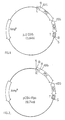
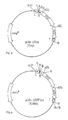
- AMP R ampicillin resistant
- PDC pyruvate decarboxylase
- ADH alcohol dehydrogenase
- ATG start codon
- L lacZ promoter
- R rbcLS promoter
- R' EcoR I
- B Bam HI
- S Sal I
- X Xba I
- X/P Xba I/ Pvu II fusion
- Xh/B Xho I/ Bam HI fusion
- T transcription terminator
- CI-PL temperature inducible gene and bacterial phage left-ward promoter
- Cyanobacteria are photosynthetic bacteria which require light, inorganic elements, water and a carbon source, generally CO 2 , to metabolise and grow.
- Cyanobacteria are photosynthetic procaryotes which carry out oxygenic photosynthesis.
- the main product of the metabolic pathway of Cyanobacteria during aerobic conditions is oxygen and carbohydrate reserves.
- 3-phosphoglycerate is used in the Calvin Cycle to regenerate ribulose-1,5-biphosphate, which is the acceptor of CO 2 .
- ribulose-1,5-biphosphate which is the acceptor of CO 2 .
- fructose-6-phosphate is converted into glucose-6-phosphate and glucose-phosphate, which are the substrates for the pentose phosphate pathway, the synthesis of cellulose (a major component of the cell wall) and the synthesis of glycogen (the major form of carbohydrate reserve).
- 3-phosphoglycerate is converted into 2-phosphoglycerate, phosphoenolpyruvate and pyruvate in a sequence of reactions catalysed by phosphoglycerate mutase, enolase and pyruvate kinase, respectively.
- Pyruvate is directed to the partial TCA cycle for the synthesis of amino acids, nucleotides, etc. in aerobic conditions. Pyruvate is also the substrate for ethanol synthesis.
- the carbohydrate reserves must be diverted to the glycolytic pathway.
- the presumed pathway for carbohydrate reserve metabolism in Cyanobacteria is through both the glycolytic pathway and the phosphogluconate pathway.
- the glycolytic pathway is of primary importance.
- glycogen is presumed to be metabolized into glucose 1 - phosphate by a combination of glycogen phosphorylase and a 1,6-glycosidase.
- Phosphoglucomutase, phosphoglucoisomerase and phosphofructokinase convert glucose 1-phosphate into a molecule of fructose 1,6-bisphosphate.
- This compound is cleaved by the action of aldolase and triose phosphate isomerase into two molecules of glyceraldehyde 3-phosphate.
- This compound is converted into pyruvate through sequential series of reactions catalysed by glyceraldehyde 3-phosphate dehydrogenase, phosphoglycerate kinase, phosphoglycerate mutase, enolase and pyruvate kinase, respectively.
- ethanol synthesis is not coupled with photosynthesis and can actually be inhibited by photosynthesis.
- Cyanobacteria do not utilize CO 2 to produce ethanol. Furthermore, there are no known photosynthetic microorganisms, including genetically engineered photosynthetic microorganisms, which produce ethanol in relatively substantial amounts. A further complication is that some photosynthetic organisms have been shown to be inhibited by ethanol such that the addition of ethanol to the culture medium inhibits the expression of genes involved in photosynthesis.
- Cyanobacteria can be successfully genetically engineered to utilize a direct flux of carbon from CO 2 to 3-phosphoglycerate, and to pyruvate, to produce a quantifiable amount of ethanol as opposed to utilizing a glycogen reserve as is done under anaerobic and dark conditions.
- Cyanobacteria can be genetically modified by introducing genes encoding for the enzymes pdc and adh to produce ethanol.
- a pathway for ethanol synthesis has been created in Synechococcus PCC 7942, and this pathway is directly coupled with photosynthesis.
- a Synechococcus capable of producing ethanol is created. It was surprisingly found that pdc and adh enzymes from an obligate anaerobe, Z . mobilis, could be successfully inserted, expressed and be fully functional in Synechoccocus. Although pdc and adh enzymes from Z . mobilis had been transformed into E . coli. As described in Ingram, et al. (1987), "Genetic Engineering of Ethanol Production in Escherichia coli" (Appl. Environ Microbiol. 53: 2420-2425 ), E.
- E coli is a facultative anaerobic, it has an inducible adh gene and it is grown in a carbohydrate medium and said carbohydrates are used to produce ethanol.
- Cyanobacteria are photosynthetic organisms and are recalcitrant to taking up organic substances for any purpose, including growth or ethanol production.
- E . coli is a very different system than Cyanobacteria.
- E. coli is more like Z . mobilis which depends on feed stock for growth and ethanol production.
- ethanol synthesis may compete with cell growth for the use of carbon. Therefore, it would be beneficial to have an inducible system for ethanol synthesis so that cell growth and ethanol synthesis could be carried out in two phases.
- Cyanobacteria cells are cultured under non-induced conditions, so that the cell culture can reach a high density and accumulate a large amount of carbohydrates. Ethanol synthesis is then induced in the second phase.
- a temperature inducible system could be successfully developed to induce the production of ethanol in Cyanobacteria.
- a pdc-adh operon with the bacterial phage left-ward promoter (P L ) and a temperature sensitive repressor gene CI857 were employed to produce a temperature inducible system for producing ethanol in Cyanobacteria.
- RNA polymerase can initiate the transcription of the pdc-adh gene.
- the DNA segment excised from the pLOI295 plasmid includes the pdc sequence starting at -46bp (relative to the transcription start site) to a position +27 bp after the translation stop codon and is listed in EMBL as Accession No. M15393 and the DNA adh sequence starting from -31 bp up from the ATG initiation codon to +164 bp after the translation stop codon, which is listed in EMBL as Accession No. M 15394.
- the pCB4-Rpa construct is driven by a promoter obtained from the rbcLS operon of the cyanobacterium Synechococcus PCC 7942.
- the promoter sequence from the rbcLS operon was amplified from Synechococcus PCC 7942 by the polymerase chain reaction (PCR) using the forward primer identified as SEQ ID No. 1 (containing a Bam HI site) and the reverse primer identified as SEQ ID No. 2 (containing an Eco RI site). These primers were designed according to the rbcL gene sequence obtained from the cyanobacterium Anacystis nidulan 6301, a strain genetically similar to Synechococcus PCC 7942. ( Shinozaki K.
- the PCR reaction mixture (100 ⁇ l) contained 0.5 ⁇ M of each primer, 0.4 mM dNTP, 10 ng genomic DNA from Synechococcus sp.
- PCC 7942 and 2 units of Vent R DNA plolymerase (New England Biolabs) in 1 x reaction buffer: 10mM KC1, 10mM (NH 4 ) 2 SO 4 , 20mM Tris-HCl (pH 8.8 at 25°C), 2mM MgCl 2 and 0.1% Triton X-100.
- PCR reactions were carried out in PTC-100TM Programmable Thermal Controller (MJ Research, Inc.) by using the temperature cycles as follows: 93°C/3 min; 30 cycles of 93°C/l min, 62°C/1.5 min, 72°C/0.5 min; 72°C/5.
- the PCR product of expected size was cloned into the Bam HI- Eco RI sites of the plasmid pBlueScript SK (Stratagene Inc.) to generate a plasmid designated pRBCp.
- a 3.2 kbp Eco RI -Sal I DNA fragment containing the pdc-adh sequence from Zymomonas mobilis was isolated from the pLOI295 plasmid and ligated into the corresponding sites of pRBCp to generate the plasmid pRpa.
- the pLOI295 plasmid map is illustrated in the map in Figure 1.
- a 3.6 kbp Bam HI DNA fragment containing the rbcLS promoter region and the pdc-adh sequences were then excised from pRpa and ligated into the Bam HI site of the shuttle vector pCB4 ( Gendel et al., (1983) "Shuttle Cloning Vectors for the Cyanobacterium Anacystis Nidulans", J. Bacteriol, 156: 148-154 ) resulting in the vector construct pCB4-Rpa.
- the shuttle vector pCB4 contains genes encoding ampicillan resistance.
- the vector construct pCB4-Rpa is illustrated in Figure 2.
- a 3.6 kbp Bam HI DNA fragment from pRpa was ligated into a modified version of pCB4.
- the modified version of pCB4 is constructed by ligating a 220 bp P ⁇ u II -Bam HI DNA fragment from the plasmid pBS (Stratagene Inc., 11011 North Torrey Pines Road, La Jolla, California, U.S.A. 92037), which fragment contains the lacZ promoter region from Escherichia coli, into the modified XbaI-BamHI sites of the pCB4 multi-cloning site. ( Soltes-Rak E et al.
- the pdc-adh coding region is driven by a combination of the rbcLS and lacZ promoter regions, as in pCB4-LRpa, but in this construct the Zymomonas mobilis pdc ribosome binding site and start codon have been removed and replaced with the corresponding DNA region of the rbcL sequence from Synechococcus PCC 7942 to generate a translation fusion product.
- the pdc-adh DNA segment in pLOI295 plasmid is amplified and modified by PCR using the forward primer identified as SEQ ID No. 3 (containing an Eco RI site) and reverse primer identified as SEQ ID No. 4 (containing Bam HI and Xho I sites ).
- the PCR reaction mixture was as described above for Example 1.
- the temperature cycles were as follows: 93°C/5 min; 4 cycles of 93°C/l min, 56°C/1.5 min, 72°C/3.5 min; 30 cycles of 93°C/l min, 65°C/1.5°C, 72°C/3.5 min; 72°C/5 min.
- the 3.1 kbp PCR product was then ligated into pRBCp at the EcoRI - XhoI sites (double - cut) to generate plasmid pR(TF)pa (TF as in Translation Fusion).
- the cloning for translation fusion generated an extra codon AAT (asparagine) immediately after the initiation codon and the original second codon, AGT in pdc open reading frame was replaced by TCT to code the same amino acid (serine).
- This new plasmid was digested with Xho I , the cut sites blunt ended with Klenow fragment from DNA pol I , and then digested with Xba I.
- the vector pCB4-Rpa was digested with XbaI, end-filled with Klenow fragment of DNA polymerase I and re-digested with EcoRI to delete the rbcLS promoter.
- the vector was then ligated to a PstI-EcoRI fragment containing the CI857 repressor gene and P L promoter sequence, collectively termed the cI-PL gene sequence (EMBL Accession No. L05669; Sanger et al. Nucleotide sequence of the bacteriophage lambda DNA. 1982, J. Mole. Biol. 162: 729-773 ) and identified as SEQ. ID. No. 7.
- the P L promoter had been isolated from the plasmid pHUB2-CI857 ( Gruber et al. (1991)) "Escherichia coli-Anacystis nidulans plasmid shuttle vectors containing the PL promoter from bacteriophage lambda.” Curr. Microbio. 22:15-19 ). The vector was litigated by digestion with PstI, end-filling with Klenow and a second digestion with EcoRI. The recombinant plasmid is designated as pCB4-CPpa.
- ml -1 Cells are incubated in the dark for 8 hours followed by a 16 h light incubation prior to plating on BG-11 plates containing 1 ⁇ g.ml -1 ampicillin. Plates are incubated under the standard growth conditions (30°C. light intensity of 100 ⁇ mol photons. m -2 .s -1 ). Ampicillin resistant colonies were visible in 7-10 days.
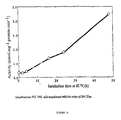
- Figures 6 and 7 illustrate the pdc activity and adh expression, respectively, for Example 4.
- the activity of pdc was measured by determining the rate of pyruvic acid dependent reduction of NAD + with yeast with adh as the coupling enzyme as previously described in Conway et al., J. Bacteriology 169:2591-2597 (1987) .
- Adh was measured for Examples 1, 2 and 3 by determining the rate of ethanol dependent NADH oxidation as described in Neale et al., Eur. J. Biochem. 154: 119-124 (1986) .
- Ethanol was assayed using a standard Ethanol Assay kit obtained from Boehringer Mannheim Canada, Laval, Quebec.
- Table 1 Constructs PDC Activity nmol.min. -1 .mg -1 SP 1 ADH Activity nmol.min. -1 .mg -1 SP Ethanol Conc. in medium ( ⁇ M) 3 Ethanol Conc. in ⁇ moL.mg -1 Chlorophyll pCB4 4 ND 2 ND ND ND pCB4-Rpa 130 168 1370 274 pCB4-LRpa 136 168 1540 308 pCB4-LR(TF)pa 234 168 1710 342 1 SP, soluble protein. 2 ND, not detectable.
- Synechococcus PCC 7942 cells were transformed with the vector pCB4-CPpa.
- the transformed cells were first grown at 30 degrees Celsius as set out above and then transferred to 42 degrees Celsius for 48 hours. Cells were harvested at intervals to assay pdc activity. As shown in Figure 6, pdc activity was induced at 42 degrees, reaching a 20-fold increase at 48 hours after the temperature shift. Surprisingly, the pdc activity induced at 42 degrees Celsius with the pCB4-CPpa vector after 48 hours was approximately 2000 nmol.min.
Landscapes
- Life Sciences & Earth Sciences (AREA)
- Chemical & Material Sciences (AREA)
- Engineering & Computer Science (AREA)
- Organic Chemistry (AREA)
- Zoology (AREA)
- Biotechnology (AREA)
- Health & Medical Sciences (AREA)
- Microbiology (AREA)
- Wood Science & Technology (AREA)
- General Chemical & Material Sciences (AREA)
- Chemical Kinetics & Catalysis (AREA)
- Biochemistry (AREA)
- Bioinformatics & Cheminformatics (AREA)
- General Engineering & Computer Science (AREA)
- General Health & Medical Sciences (AREA)
- Genetics & Genomics (AREA)
- Natural Medicines & Medicinal Plants (AREA)
- Botany (AREA)
- Developmental Biology & Embryology (AREA)
- Environmental Sciences (AREA)
- Micro-Organisms Or Cultivation Processes Thereof (AREA)
- Preparation Of Compounds By Using Micro-Organisms (AREA)
Applications Claiming Priority (2)
| Application Number | Priority Date | Filing Date | Title |
|---|---|---|---|
| US80133197A | 1997-02-19 | 1997-02-19 | |
| EP98903956A EP0963439B1 (de) | 1997-02-19 | 1998-02-19 | Genetisch modifizierte cyanobakterien für die produktion von äthanol |
Related Parent Applications (1)
| Application Number | Title | Priority Date | Filing Date |
|---|---|---|---|
| EP98903956A Division EP0963439B1 (de) | 1997-02-19 | 1998-02-19 | Genetisch modifizierte cyanobakterien für die produktion von äthanol |
Publications (1)
| Publication Number | Publication Date |
|---|---|
| EP1854889A1 true EP1854889A1 (de) | 2007-11-14 |
Family
ID=25180826
Family Applications (2)
| Application Number | Title | Priority Date | Filing Date |
|---|---|---|---|
| EP07007335A Withdrawn EP1854889A1 (de) | 1997-02-19 | 1998-02-19 | Genetisch modifizierte Cyanobakterien zur Herstellung von Ethanol |
| EP98903956A Expired - Lifetime EP0963439B1 (de) | 1997-02-19 | 1998-02-19 | Genetisch modifizierte cyanobakterien für die produktion von äthanol |
Family Applications After (1)
| Application Number | Title | Priority Date | Filing Date |
|---|---|---|---|
| EP98903956A Expired - Lifetime EP0963439B1 (de) | 1997-02-19 | 1998-02-19 | Genetisch modifizierte cyanobakterien für die produktion von äthanol |
Country Status (10)
| Country | Link |
|---|---|
| US (2) | US6306639B1 (de) |
| EP (2) | EP1854889A1 (de) |
| AT (1) | ATE359371T1 (de) |
| AU (1) | AU6201498A (de) |
| CA (1) | CA2281953C (de) |
| DE (1) | DE69837531T2 (de) |
| DK (1) | DK0963439T3 (de) |
| ES (1) | ES2285759T3 (de) |
| PT (1) | PT963439E (de) |
| WO (1) | WO1998039457A1 (de) |
Cited By (5)
| Publication number | Priority date | Publication date | Assignee | Title |
|---|---|---|---|---|
| WO2009098089A3 (en) * | 2008-02-08 | 2010-01-07 | Algenol Biofuels Inc. | Genetically modified photoautotrophic ethanol producing host cells, method for producing the host cells, constructs for the transformation of the host cells, method for testing a photoautotrophic strain for a desired growth property and method of producing ethanol using the host cells |
| US8404466B2 (en) | 2009-08-13 | 2013-03-26 | Algenol Biofuels Inc. | Metabolically enhanced photoautotrophic ethanol producing host cells, method for producing the host cells, constructs for the transformation of the host cells, and method of producing ethanol using the host cells |
| US12252513B2 (en) | 2018-07-16 | 2025-03-18 | Lumen Bioscience, Inc. | Thermostable phycobiliproteins produced from recombinant arthrospira |
| US12447202B2 (en) | 2018-05-17 | 2025-10-21 | Lumen Bioscience, Inc. | Arthrospira platensis oral vaccine delivery platform |
| US12503682B2 (en) | 2019-07-03 | 2025-12-23 | Lumen Bioscience, Inc. | Arthrospira platensis non-parenteral therapeutic delivery platform |
Families Citing this family (77)
| Publication number | Priority date | Publication date | Assignee | Title |
|---|---|---|---|---|
| WO2000006715A1 (en) * | 1998-07-27 | 2000-02-10 | Genotypes Inc. | Automatic eukaryotic artificial chromosome vector |
| US6780318B2 (en) * | 2000-10-30 | 2004-08-24 | Jerome Jay Fife | Method for recovering a disposal trench with a biomat slime, and method for operating a waste treatment vessel |
| MXPA03009877A (es) | 2001-05-04 | 2005-07-15 | Univ Florida | Clonacion y secuenciamiento de genes de piruvato decarboxilasa (pdc) a partir de bacterias y usos de los mismos. |
| WO2007035579A2 (en) * | 2005-09-15 | 2007-03-29 | The Regents Of The University Of California | Methods and compositions for production of methane gas |
| US8372613B2 (en) | 2006-01-13 | 2013-02-12 | Algenol Biofuels Inc. | Methods and compositions for ethanol producing cyanobacteria |
| US7527941B1 (en) | 2006-05-24 | 2009-05-05 | Clear Water Technologies, Inc. | Process for producing ethyl alcohol from cellulosic materials |
| MX2009000712A (es) | 2006-07-21 | 2009-03-23 | Xyleco Inc | Sistemas para conversion de biomasa. |
| US20080085341A1 (en) * | 2006-08-31 | 2008-04-10 | Battelle Memorial Institute | Methods and microorganisms for forming fermentation products and fixing carbon dioxide |
| WO2008039450A2 (en) * | 2006-09-25 | 2008-04-03 | James Weifu Lee | Designer organisms for photosynthetic production of ethanol from carbon dioxide and water |
| US7803601B2 (en) * | 2006-10-04 | 2010-09-28 | Board Of Regents, The University Of Texas | Production and secretion of glucose in photosynthetic prokaryotes (cyanobacteria) |
| US20080124767A1 (en) * | 2006-10-04 | 2008-05-29 | Board Of Regents, The University Of Texas At Austin | Production and Secretion of Sucrose in Photosynthetic Prokaryotes (Cyanobacteria) |
| US20080085536A1 (en) * | 2006-10-04 | 2008-04-10 | Board Of Regents, The University Of Texas System | Production of Cellulose in Halophilic Photosynthetic Prokaryotes (Cyanobacteria) |
| US20080113413A1 (en) * | 2006-10-04 | 2008-05-15 | Board Of Regents, The University Of Texas System | Expression of Foreign Cellulose Synthase Genes in Photosynthetic Prokaryotes (Cyanobacteria) |
| WO2008048513A2 (en) * | 2006-10-13 | 2008-04-24 | Rowan University | Ethanol resistant and furfural resistant strains of e. coli fbr5 for production of ethanol from cellulosic biomass |
| KR20090114352A (ko) * | 2006-10-20 | 2009-11-03 | 아리조나 보드 오브 리젠츠 퍼 앤 온 비하프 오브 아리조나 스테이트 유니버시티 | 광합성 세포를 성장시키기 위한 시스템 및 방법 |
| MX2009004221A (es) | 2006-10-20 | 2009-09-10 | Univ Arizona State | Cianobacterias modificadas. |
| AU2007313669B2 (en) * | 2006-11-02 | 2013-03-07 | Algenol Biofuels Switzerland GmbH | Closed photobioreactor system for production of ethanol |
| US8323958B2 (en) | 2006-11-02 | 2012-12-04 | Algenol Biofuels Switzerland GmbH | Closed photobioreactor system for continued daily in situ production of ethanol from genetically enhanced photosynthetic organisms with means for separation and removal of ethanol |
| CN103298942A (zh) * | 2007-04-03 | 2013-09-11 | 桌面能源公司 | 用于转化真核藻类的方法 |
| CN101372669B (zh) * | 2007-08-23 | 2011-12-28 | 旭利尔生物技术有限公司 | 基因工程改造的蓝细菌及其生产乙醇的用途 |
| US20090191599A1 (en) * | 2007-09-10 | 2009-07-30 | Joule Biotechnologies, Inc. | Engineered light-harvesting organisms |
| US7785861B2 (en) * | 2007-11-10 | 2010-08-31 | Joule Unlimited, Inc. | Hyperphotosynthetic organisms |
| AU2008335089B2 (en) | 2007-12-11 | 2014-06-26 | Synthetic Genomics, Inc. | Secretion of fatty acids by photosynthetic microorganisms |
| CN101918539A (zh) | 2007-12-17 | 2010-12-15 | 阿姆斯特丹大学 | 包含发酵基因卡盒的自养生物进行光驱动的co2还原生成有机化合物以用作燃料或用作工业半成品 |
| ES2578522T3 (es) | 2008-01-03 | 2016-07-27 | Proterro, Inc | Microorganismos fotosintéticos transgénicos y fotobiorreactor |
| US9259662B2 (en) | 2008-02-22 | 2016-02-16 | James Weifu Lee | Photovoltaic panel-interfaced solar-greenhouse distillation systems |
| US10093552B2 (en) | 2008-02-22 | 2018-10-09 | James Weifu Lee | Photovoltaic panel-interfaced solar-greenhouse distillation systems |
| WO2009105714A2 (en) * | 2008-02-22 | 2009-08-27 | James Weifu Lee | Designer oxyphotobacteria and greehouse distillation for photobiological ethanol phoduction from carbon dioxide and water |
| PL2250276T3 (pl) | 2008-02-23 | 2017-07-31 | James Weifu Lee | Organizmy zaprojektowane do fotobiologicznego wytwarzania butanolu z ditlenku węgla i wody |
| US8986963B2 (en) * | 2008-02-23 | 2015-03-24 | James Weifu Lee | Designer calvin-cycle-channeled production of butanol and related higher alcohols |
| CA2728285A1 (en) * | 2008-03-03 | 2009-09-11 | Joule Unlimited, Inc. | Engineered co2 fixing microorganisms producing carbon-based products of interest |
| US8048654B2 (en) | 2010-06-09 | 2011-11-01 | Joule Unlimited Technologies, Inc. | Methods and compositions for the recombinant biosynthesis of fatty acids and esters |
| US20120094338A1 (en) * | 2008-07-22 | 2012-04-19 | Li zhong kui | Continuous production and excretion of waxy products from photosynthetic organisms |
| US20100068721A1 (en) * | 2008-09-09 | 2010-03-18 | TransAlgae Ltd | Method and system for protection and cross protection of algae and cyanobacteria from virus an bacteriophage infections |
| CN103725717A (zh) | 2008-10-17 | 2014-04-16 | 焦耳无限科技公司 | 微生物的乙醇生产 |
| US8394621B2 (en) * | 2008-10-23 | 2013-03-12 | Matrix Genetrics, LLC | Modified photosynthetic microorganisms for producing triglycerides |
| WO2010062707A1 (en) * | 2008-10-30 | 2010-06-03 | Joule Unlimited, Inc. | Methods and compositions for producing carbon-based products of interest in micro-organisms |
| CN102245754A (zh) * | 2008-12-11 | 2011-11-16 | 焦耳无限公司 | 太阳能生物工厂、光生物反应器、被动热调节系统以及用于生产产品的方法 |
| EP2379706A1 (de) | 2008-12-23 | 2011-10-26 | Targeted Growth, Inc. | Modifizierte photosynthese-mikroorganismen mit reduziertem glykogen und deren verwendung bei der herstellung von produkten auf kohlenstoffbasis |
| KR100913825B1 (ko) * | 2009-02-23 | 2009-08-26 | 강원대학교산학협력단 | 담수에 서식하는 남조류를 이용한 에탄올 생산방법 |
| RU2548809C2 (ru) | 2009-05-22 | 2015-04-20 | Мериал Лимитед | Плазмида без устойчивости к антибиотику |
| FR2948125B1 (fr) | 2009-07-17 | 2011-08-26 | Zoran Dermanovic | Procedes d'etablissement de symbioses |
| WO2011011464A2 (en) * | 2009-07-20 | 2011-01-27 | Joule Unlimited, Inc. | Constructs and methods for efficient transformation of micro-organisms for production of carbon-based products of interest |
| ES2557317T3 (es) | 2009-09-07 | 2016-01-25 | Council Of Scientific&Industrial Research (An Indian Registered Body Incorporated Under The Registration Of Societies Act (Act Xxxi Of 1860) | Procedimiento de producción integrada de etanol y savia de algas marinas a partir de Kappaphycus alvarezii |
| TW201118170A (en) * | 2009-11-20 | 2011-06-01 | Ind Tech Res Inst | Expression vector for expressing recombinant protein in cyanobacterium |
| MX2012009419A (es) | 2010-02-17 | 2013-05-01 | Algenol Biofuels Inc | Agotamiento con vapor de comresiones de vapor. |
| WO2011127069A1 (en) | 2010-04-06 | 2011-10-13 | Targeted Growth, Inc. | Modified photosynthetic microorganisms for producing lipids |
| US20140004580A1 (en) | 2010-12-20 | 2014-01-02 | Matrix Genetics, Llc | Modified photosynthetic microorganisms for producing lipids |
| AU2011349463B2 (en) | 2010-12-20 | 2016-10-27 | Lumen Bioscience, Inc. | Modified photosynthetic microorganisms for producing lipids |
| WO2012116345A2 (en) | 2011-02-24 | 2012-08-30 | South Dakota State University | Genetically engineered cyanobacteria |
| MX2013009620A (es) * | 2011-02-25 | 2014-05-27 | Algenol Biofuels Inc | Sistema magneticamente acoplado para mezclado. |
| WO2013029027A1 (en) * | 2011-08-24 | 2013-02-28 | Algenol Biofuels Inc. | Separation of productive biomass from non-productive biomass in bioreactors and methods thereof |
| AU2012360934A1 (en) | 2011-12-30 | 2014-07-31 | Algenol Biofuels Inc. | Genetically enhanced cyanobacteria for the production of a first chemical compound harbouring Zn2+, Co2+ or Ni2+ -inducible promoters |
| CN103361375B (zh) * | 2012-04-05 | 2018-02-09 | 中国科学院青岛生物能源与过程研究所 | 蓝细菌生物合成乙醇的构建体、菌株与方法 |
| JP6298458B2 (ja) | 2012-06-15 | 2018-03-20 | マイクロヴァイ・バイオテック・インコーポレイテッド | 新規生体触媒組成物および使用のための方法 |
| JP2015530116A (ja) | 2012-09-28 | 2015-10-15 | ザ・リージェンツ・オブ・ザ・ユニバーシティ・オブ・カリフォルニアThe Regents of the University of California | 光合成微生物を使用してアセトインおよび2,3−ブタンジオールを生産する方法 |
| WO2014092562A1 (en) * | 2012-12-11 | 2014-06-19 | Photanol B.V. | Synthesis of acetoin, 2,3-butanediol and 2-butanol by cyanobacteria by heterologous expression of a catabolic pathway |
| US9157101B2 (en) * | 2012-12-21 | 2015-10-13 | Algenol Biotech LLC | Cyanobacterium sp. for production of compounds |
| US8846369B2 (en) | 2012-12-21 | 2014-09-30 | Algenol Biofuels Inc. | Cyanobacterium sp. host cell and vector for production of chemical compounds in cyanobacterial cultures |
| WO2014100798A1 (en) * | 2012-12-21 | 2014-06-26 | Algenol Biofuels, Inc. | Novel shuttle vector capable of transforming multiple genera of cyanobacteria |
| WO2014164566A2 (en) | 2013-03-13 | 2014-10-09 | Matrix Genetics, Llc | Cyanobacteria having improved photosynthetic activity |
| WO2014164232A1 (en) | 2013-03-13 | 2014-10-09 | Matrix Genetics, Llc | Cyanobacteria that produce lipid packaging proteins |
| US20140273132A1 (en) | 2013-03-15 | 2014-09-18 | Algenol Biofuels Inc. | Process for Inoculating a Bioreactor with Cyanobacteria |
| DE102013208227A1 (de) | 2013-05-06 | 2014-11-06 | Siemens Aktiengesellschaft | Photobioreaktor für immobilisierte Mikroorganismen |
| DE102013208228A1 (de) | 2013-05-06 | 2014-11-06 | Siemens Aktiengesellschaft | Verfahren zum Kultivieren eines Mikroorganismus in einer in vitro Kultur und Verfahren zum Herstellen eines Sekundärmetabolits |
| WO2014198964A2 (en) | 2013-06-14 | 2014-12-18 | Algenol Biofuels Inc. | Metabolically enhanced cyanobacterial cell for the production of ethanol |
| WO2015090422A1 (en) | 2013-12-19 | 2015-06-25 | Algenol Biofuels Inc. | Chlorogloeopsis sp. host cell for producing ethanol and method for producing ethanol using the same |
| WO2015147644A1 (en) | 2014-03-27 | 2015-10-01 | Photanol B.V. | Erythritol production in cyanobacteria |
| WO2015166387A1 (en) * | 2014-04-27 | 2015-11-05 | Reliance Industries Limited | Method for increasing biomass synthesis capacity of microorganisms and modified microorganisms therefrom |
| CN107208043A (zh) | 2014-09-15 | 2017-09-26 | 瑞来斯控股美国公司 | 具有改进的光合活性的蓝细菌 |
| MX2017008289A (es) | 2014-12-23 | 2017-10-02 | Algenol Biotech LLC | Metodos para aumentar la estabilidad de la produccion de compuestos en celulas huesped microbianas. |
| FR3053358A1 (fr) | 2016-06-30 | 2018-01-05 | Metabolium | Utilisation d'au moins un compose selenie pour augmenter la teneur en ethanol d'une composition et procede de fermentation alcoolique utilisant un compose selenie particulier |
| US10138489B2 (en) | 2016-10-20 | 2018-11-27 | Algenol Biotech LLC | Cyanobacterial strains capable of utilizing phosphite |
| WO2019097049A1 (en) | 2017-11-20 | 2019-05-23 | Axxence Holding B.V. | Production of a flavour compound in a host cell |
| CN108504764A (zh) * | 2018-05-30 | 2018-09-07 | 中国科学院城市环境研究所 | 一种基于等温扩增技术的检测蓝藻的试剂盒及其方法 |
| WO2020231426A1 (en) | 2019-05-15 | 2020-11-19 | Algenol Biotech LLC | Production of mycosporine-like amino acids employing enhanced production strains and novel enzymes |
| WO2025032068A1 (en) | 2023-08-07 | 2025-02-13 | Photanol B.V. | Propylene production in cyanobacteria |
Citations (3)
| Publication number | Priority date | Publication date | Assignee | Title |
|---|---|---|---|---|
| US5270175A (en) * | 1991-07-12 | 1993-12-14 | Dna Plant Technology Corporation | Methods and compositions for producing metabolic products for algae |
| JPH0779782A (ja) * | 1993-06-18 | 1995-03-28 | Kansai Electric Power Co Inc:The | シネココッカスpcc7002由来ルビスコ(リブロース 1,5−ビスホスフェート カルボキシラーゼ/オキシゲナーゼ)遺伝子のプロモーター配列 |
| WO1995027064A1 (en) * | 1994-03-30 | 1995-10-12 | The University Of Florida | Ethanol production by transformation of gram-positive microbes |
Family Cites Families (3)
| Publication number | Priority date | Publication date | Assignee | Title |
|---|---|---|---|---|
| US4778759A (en) * | 1982-07-09 | 1988-10-18 | Boyce, Thompson Institute For Plant Research, Inc. | Genetic engineering in cyanobacteria |
| US5000000A (en) * | 1988-08-31 | 1991-03-19 | University Of Florida | Ethanol production by Escherichia coli strains co-expressing Zymomonas PDC and ADH genes |
| US5028539A (en) | 1988-08-31 | 1991-07-02 | The University Of Florida | Ethanol production using engineered mutant E. coli |
-
1998
- 1998-02-19 WO PCT/CA1998/000118 patent/WO1998039457A1/en not_active Ceased
- 1998-02-19 DE DE69837531T patent/DE69837531T2/de not_active Expired - Lifetime
- 1998-02-19 EP EP07007335A patent/EP1854889A1/de not_active Withdrawn
- 1998-02-19 DK DK98903956T patent/DK0963439T3/da active
- 1998-02-19 ES ES98903956T patent/ES2285759T3/es not_active Expired - Lifetime
- 1998-02-19 EP EP98903956A patent/EP0963439B1/de not_active Expired - Lifetime
- 1998-02-19 AT AT98903956T patent/ATE359371T1/de not_active IP Right Cessation
- 1998-02-19 AU AU62014/98A patent/AU6201498A/en not_active Abandoned
- 1998-02-19 PT PT98903956T patent/PT963439E/pt unknown
- 1998-02-19 CA CA2281953A patent/CA2281953C/en not_active Expired - Fee Related
- 1998-02-20 US US09/026,845 patent/US6306639B1/en not_active Expired - Lifetime
-
2001
- 2001-05-21 US US09/861,819 patent/US6699696B2/en not_active Expired - Lifetime
Patent Citations (3)
| Publication number | Priority date | Publication date | Assignee | Title |
|---|---|---|---|---|
| US5270175A (en) * | 1991-07-12 | 1993-12-14 | Dna Plant Technology Corporation | Methods and compositions for producing metabolic products for algae |
| JPH0779782A (ja) * | 1993-06-18 | 1995-03-28 | Kansai Electric Power Co Inc:The | シネココッカスpcc7002由来ルビスコ(リブロース 1,5−ビスホスフェート カルボキシラーゼ/オキシゲナーゼ)遺伝子のプロモーター配列 |
| WO1995027064A1 (en) * | 1994-03-30 | 1995-10-12 | The University Of Florida | Ethanol production by transformation of gram-positive microbes |
Non-Patent Citations (3)
| Title |
|---|
| INGRAM L O ET AL: "GENETIC ENGINEERING OF ETHANOL PRODUCTION IN ESCHERICHIA COLI", APPLIED AND ENVIRONMENTAL MICROBIOLOGY, vol. 53, no. 10, 1 October 1987 (1987-10-01), pages 2420 - 2425, XP000106563 * |
| MERMET-BOUVIER P. & CHAUVAT F.: "A conditional expression vector for the cyanobacteria Synechocystis sp. strains PCC6803 and PCC6714 or Synechococcus sp. strains PCC7942 and PCC6301.", CURRENT MICROBIOLOGY, vol. 28, no. 3, March 1994 (1994-03-01), pages 145 - 148, XP002067945 * |
| PATENT ABSTRACTS OF JAPAN vol. 095, no. 006 31 July 1995 (1995-07-31) * |
Cited By (6)
| Publication number | Priority date | Publication date | Assignee | Title |
|---|---|---|---|---|
| WO2009098089A3 (en) * | 2008-02-08 | 2010-01-07 | Algenol Biofuels Inc. | Genetically modified photoautotrophic ethanol producing host cells, method for producing the host cells, constructs for the transformation of the host cells, method for testing a photoautotrophic strain for a desired growth property and method of producing ethanol using the host cells |
| US9650642B2 (en) | 2008-02-08 | 2017-05-16 | Algenol Biotech LLC | Genetically modified cyanobacteria for the production of ethanol |
| US8404466B2 (en) | 2009-08-13 | 2013-03-26 | Algenol Biofuels Inc. | Metabolically enhanced photoautotrophic ethanol producing host cells, method for producing the host cells, constructs for the transformation of the host cells, and method of producing ethanol using the host cells |
| US12447202B2 (en) | 2018-05-17 | 2025-10-21 | Lumen Bioscience, Inc. | Arthrospira platensis oral vaccine delivery platform |
| US12252513B2 (en) | 2018-07-16 | 2025-03-18 | Lumen Bioscience, Inc. | Thermostable phycobiliproteins produced from recombinant arthrospira |
| US12503682B2 (en) | 2019-07-03 | 2025-12-23 | Lumen Bioscience, Inc. | Arthrospira platensis non-parenteral therapeutic delivery platform |
Also Published As
| Publication number | Publication date |
|---|---|
| ES2285759T3 (es) | 2007-11-16 |
| DE69837531T2 (de) | 2007-12-27 |
| AU6201498A (en) | 1998-09-22 |
| US6699696B2 (en) | 2004-03-02 |
| EP0963439A1 (de) | 1999-12-15 |
| DE69837531D1 (de) | 2007-05-24 |
| US20020042111A1 (en) | 2002-04-11 |
| DK0963439T3 (da) | 2007-09-03 |
| EP0963439B1 (de) | 2007-04-11 |
| CA2281953A1 (en) | 1998-09-11 |
| US6306639B1 (en) | 2001-10-23 |
| WO1998039457A1 (en) | 1998-09-11 |
| ATE359371T1 (de) | 2007-05-15 |
| PT963439E (pt) | 2007-06-22 |
| CA2281953C (en) | 2012-11-27 |
Similar Documents
| Publication | Publication Date | Title |
|---|---|---|
| EP0963439B1 (de) | Genetisch modifizierte cyanobakterien für die produktion von äthanol | |
| JP5346808B2 (ja) | エタノール産生のためのキシロース資化性ザイモモナス(Zymomonas)のキシリトール合成変異体 | |
| JP5232156B2 (ja) | 糖アルコールの存在下でキシロースを含有する混合糖類の発酵における改善されたエタノール産生 | |
| JP5185940B2 (ja) | キシロース資化性ザイモモナス(Zymomonas)のキシリトール合成変異体を使用するエタノール産生 | |
| US5482846A (en) | Ethanol production in Gram-positive microbes | |
| EP1979481B1 (de) | Verfahren und zusammensetzungen für ethanolproduzierende cyanobakterien | |
| US6102690A (en) | Recombinant organisms capable of fermenting cellobiose | |
| EP2657196B1 (de) | Energieerzeugung mithilfe hyperthermophiler Organismen | |
| CN102421890B (zh) | 用于生产乙醇的重组细菌及其应用 | |
| EP0431047A1 (de) | Ethanolherstellung mittels genetisch erzeugter escherichia coli-stämme | |
| BRPI0618074A2 (pt) | organismos termofìlicos para conversão de biomassa lignocelulósica em etanol | |
| EP2007897B1 (de) | Verbesserung mikrobieller ethanolproduktion | |
| EA019482B1 (ru) | Клетка, ферментирующая сахар-пентозу | |
| CN107709540A (zh) | 新型库德里阿兹威氏毕赤酵母菌种ng7及其用途 | |
| CN103429751A (zh) | 经工程化以发酵木糖的遗传修饰的热纤梭菌 | |
| US9309540B2 (en) | Increased ethanol production by genetic engineering of microorganisms to express hemoglobin | |
| CN115851569A (zh) | 利用非粮生物质联产乳酸和乙醇的运动发酵单胞菌及应用 | |
| MX2011000716A (es) | Produccion de etanol incrementada en bacterias recombinantes. | |
| JP2009502191A (ja) | 遺伝子組み換え酵母におけるキシロース能動輸送体の発現 | |
| JP2005507255A (ja) | バイオテクノロジープロセスを実施する能力が増強された真菌微生物 | |
| US20050158836A1 (en) | Ethanol production in gram-positive microbes | |
| CN102732426A (zh) | 利用光合作用生产替代能源的基因工程蓝藻 | |
| CN102994392A (zh) | 一种生产乙醇的光合微生物 | |
| EP2397556A1 (de) | Thermophile Organismen zur Umwandlung von Lignozellulose-Biomasse in Ethanol | |
| CN114015634B (zh) | 高产琥珀酸的重组大肠杆菌及其构建方法和应用 |
Legal Events
| Date | Code | Title | Description |
|---|---|---|---|
| PUAI | Public reference made under article 153(3) epc to a published international application that has entered the european phase |
Free format text: ORIGINAL CODE: 0009012 |
|
| AC | Divisional application: reference to earlier application |
Ref document number: 0963439 Country of ref document: EP Kind code of ref document: P |
|
| AK | Designated contracting states |
Kind code of ref document: A1 Designated state(s): AT BE CH CY DE DK ES FI FR GB GR IE IT LI LU MC NL PT SE |
|
| 17P | Request for examination filed |
Effective date: 20080514 |
|
| AKX | Designation fees paid |
Designated state(s): AT BE CH CY DE DK ES FI FR GB GR IE IT LI LU MC NL PT SE |
|
| 17Q | First examination report despatched |
Effective date: 20090416 |
|
| RBV | Designated contracting states (corrected) |
Designated state(s): AT BE CH DE DK ES FI FR GB GR IE IT LI LU MC NL PT SE |
|
| RAP1 | Party data changed (applicant data changed or rights of an application transferred) |
Owner name: ALGENOL BIOFUELS CANADA INC. |
|
| STAA | Information on the status of an ep patent application or granted ep patent |
Free format text: STATUS: THE APPLICATION IS DEEMED TO BE WITHDRAWN |
|
| 18D | Application deemed to be withdrawn |
Effective date: 20150219 |