EP1870452A1 - Processus de production de cellule t régulatrice - Google Patents
Processus de production de cellule t régulatrice Download PDFInfo
- Publication number
- EP1870452A1 EP1870452A1 EP06731342A EP06731342A EP1870452A1 EP 1870452 A1 EP1870452 A1 EP 1870452A1 EP 06731342 A EP06731342 A EP 06731342A EP 06731342 A EP06731342 A EP 06731342A EP 1870452 A1 EP1870452 A1 EP 1870452A1
- Authority
- EP
- European Patent Office
- Prior art keywords
- cell
- regulatory
- cd45ra
- antigen
- phenotype
- Prior art date
- Legal status (The legal status is an assumption and is not a legal conclusion. Google has not performed a legal analysis and makes no representation as to the accuracy of the status listed.)
- Withdrawn
Links
- 210000003289 regulatory T cell Anatomy 0.000 title claims abstract description 119
- 238000000034 method Methods 0.000 title claims abstract description 84
- 238000004519 manufacturing process Methods 0.000 title claims description 10
- 210000001744 T-lymphocyte Anatomy 0.000 claims abstract description 238
- 239000000427 antigen Substances 0.000 claims abstract description 73
- 108091007433 antigens Proteins 0.000 claims abstract description 73
- 102000036639 antigens Human genes 0.000 claims abstract description 73
- 230000002093 peripheral effect Effects 0.000 claims abstract description 41
- 239000002955 immunomodulating agent Substances 0.000 claims abstract description 23
- 229940121354 immunomodulator Drugs 0.000 claims abstract description 23
- 230000002584 immunomodulator Effects 0.000 claims abstract description 23
- 238000012258 culturing Methods 0.000 claims abstract description 7
- 101001057504 Homo sapiens Interferon-stimulated gene 20 kDa protein Proteins 0.000 claims abstract 10
- 101001055144 Homo sapiens Interleukin-2 receptor subunit alpha Proteins 0.000 claims abstract 10
- 102100026878 Interleukin-2 receptor subunit alpha Human genes 0.000 claims abstract 10
- 210000004027 cell Anatomy 0.000 claims description 129
- 230000006058 immune tolerance Effects 0.000 claims description 19
- 229940045513 CTLA4 antagonist Drugs 0.000 claims description 12
- 108010002350 Interleukin-2 Proteins 0.000 claims description 12
- 102000000588 Interleukin-2 Human genes 0.000 claims description 12
- 102000008203 CTLA-4 Antigen Human genes 0.000 claims description 11
- 108010021064 CTLA-4 Antigen Proteins 0.000 claims description 11
- 101000801234 Homo sapiens Tumor necrosis factor receptor superfamily member 18 Proteins 0.000 claims description 9
- 102100033728 Tumor necrosis factor receptor superfamily member 18 Human genes 0.000 claims description 9
- 101710187830 Tumor necrosis factor receptor superfamily member 1B Proteins 0.000 claims description 9
- 102100033733 Tumor necrosis factor receptor superfamily member 1B Human genes 0.000 claims description 9
- 239000003153 chemical reaction reagent Substances 0.000 claims description 8
- 230000003834 intracellular effect Effects 0.000 claims description 8
- 102100031585 ADP-ribosyl cyclase/cyclic ADP-ribose hydrolase 1 Human genes 0.000 claims description 6
- 101000777636 Homo sapiens ADP-ribosyl cyclase/cyclic ADP-ribose hydrolase 1 Proteins 0.000 claims description 6
- 230000001939 inductive effect Effects 0.000 claims description 6
- 241000288906 Primates Species 0.000 claims description 5
- 239000003795 chemical substances by application Substances 0.000 claims description 5
- 239000003937 drug carrier Substances 0.000 claims description 5
- 239000000203 mixture Substances 0.000 claims description 5
- 239000004480 active ingredient Substances 0.000 claims description 4
- 230000003832 immune regulation Effects 0.000 claims description 4
- 230000001105 regulatory effect Effects 0.000 claims description 4
- 238000002156 mixing Methods 0.000 claims description 3
- 230000036039 immunity Effects 0.000 claims description 2
- 230000006698 induction Effects 0.000 claims description 2
- 238000002054 transplantation Methods 0.000 abstract description 21
- 210000000056 organ Anatomy 0.000 abstract description 13
- 230000000638 stimulation Effects 0.000 abstract description 12
- 208000023275 Autoimmune disease Diseases 0.000 abstract description 9
- 208000009329 Graft vs Host Disease Diseases 0.000 abstract description 8
- 208000026935 allergic disease Diseases 0.000 abstract description 8
- 238000006243 chemical reaction Methods 0.000 abstract description 8
- 208000024908 graft versus host disease Diseases 0.000 abstract description 8
- 238000000338 in vitro Methods 0.000 abstract description 8
- 238000011282 treatment Methods 0.000 abstract description 7
- 208000000509 infertility Diseases 0.000 abstract description 5
- 230000036512 infertility Effects 0.000 abstract description 5
- 231100000535 infertility Toxicity 0.000 abstract description 5
- 238000011321 prophylaxis Methods 0.000 abstract description 4
- 210000003819 peripheral blood mononuclear cell Anatomy 0.000 description 45
- 241000282414 Homo sapiens Species 0.000 description 20
- 239000003550 marker Substances 0.000 description 16
- 230000001270 agonistic effect Effects 0.000 description 15
- 230000035755 proliferation Effects 0.000 description 14
- 230000001506 immunosuppresive effect Effects 0.000 description 13
- 210000001541 thymus gland Anatomy 0.000 description 13
- 210000005259 peripheral blood Anatomy 0.000 description 11
- 239000011886 peripheral blood Substances 0.000 description 11
- 210000002966 serum Anatomy 0.000 description 10
- 230000004043 responsiveness Effects 0.000 description 9
- 241000124008 Mammalia Species 0.000 description 8
- 238000004458 analytical method Methods 0.000 description 8
- 238000002955 isolation Methods 0.000 description 8
- 239000002609 medium Substances 0.000 description 8
- 210000001519 tissue Anatomy 0.000 description 8
- 108010004469 allophycocyanin Proteins 0.000 description 7
- 238000002360 preparation method Methods 0.000 description 7
- 239000000126 substance Substances 0.000 description 7
- 102000017420 CD3 protein, epsilon/gamma/delta subunit Human genes 0.000 description 6
- 210000000612 antigen-presenting cell Anatomy 0.000 description 6
- 210000004369 blood Anatomy 0.000 description 6
- 239000008280 blood Substances 0.000 description 6
- 230000000694 effects Effects 0.000 description 6
- 108020004999 messenger RNA Proteins 0.000 description 6
- 230000002062 proliferating effect Effects 0.000 description 6
- 238000012360 testing method Methods 0.000 description 6
- 102000006306 Antigen Receptors Human genes 0.000 description 5
- 108010083359 Antigen Receptors Proteins 0.000 description 5
- 241001465754 Metazoa Species 0.000 description 5
- 230000004913 activation Effects 0.000 description 5
- 230000000961 alloantigen Effects 0.000 description 5
- 210000004700 fetal blood Anatomy 0.000 description 5
- 239000001963 growth medium Substances 0.000 description 5
- 230000036046 immunoreaction Effects 0.000 description 5
- 102100027581 Forkhead box protein P3 Human genes 0.000 description 4
- 101000861452 Homo sapiens Forkhead box protein P3 Proteins 0.000 description 4
- 101000914514 Homo sapiens T-cell-specific surface glycoprotein CD28 Proteins 0.000 description 4
- NWIBSHFKIJFRCO-WUDYKRTCSA-N Mytomycin Chemical compound C1N2C(C(C(C)=C(N)C3=O)=O)=C3[C@@H](COC(N)=O)[C@@]2(OC)[C@@H]2[C@H]1N2 NWIBSHFKIJFRCO-WUDYKRTCSA-N 0.000 description 4
- 108010004729 Phycoerythrin Proteins 0.000 description 4
- 108091008874 T cell receptors Proteins 0.000 description 4
- 102000016266 T-Cell Antigen Receptors Human genes 0.000 description 4
- 102100027213 T-cell-specific surface glycoprotein CD28 Human genes 0.000 description 4
- IQFYYKKMVGJFEH-XLPZGREQSA-N Thymidine Chemical compound O=C1NC(=O)C(C)=CN1[C@@H]1O[C@H](CO)[C@@H](O)C1 IQFYYKKMVGJFEH-XLPZGREQSA-N 0.000 description 4
- 239000000654 additive Substances 0.000 description 4
- 229960003444 immunosuppressant agent Drugs 0.000 description 4
- 239000003018 immunosuppressive agent Substances 0.000 description 4
- 238000001727 in vivo Methods 0.000 description 4
- 230000001404 mediated effect Effects 0.000 description 4
- 230000003278 mimic effect Effects 0.000 description 4
- DAEPDZWVDSPTHF-UHFFFAOYSA-M sodium pyruvate Chemical compound [Na+].CC(=O)C([O-])=O DAEPDZWVDSPTHF-UHFFFAOYSA-M 0.000 description 4
- 101001018097 Homo sapiens L-selectin Proteins 0.000 description 3
- 206010020751 Hypersensitivity Diseases 0.000 description 3
- 102100033467 L-selectin Human genes 0.000 description 3
- 102000004887 Transforming Growth Factor beta Human genes 0.000 description 3
- 108090001012 Transforming Growth Factor beta Proteins 0.000 description 3
- 230000000996 additive effect Effects 0.000 description 3
- 239000000872 buffer Substances 0.000 description 3
- 239000000470 constituent Substances 0.000 description 3
- 238000002474 experimental method Methods 0.000 description 3
- 238000000684 flow cytometry Methods 0.000 description 3
- MHMNJMPURVTYEJ-UHFFFAOYSA-N fluorescein-5-isothiocyanate Chemical compound O1C(=O)C2=CC(N=C=S)=CC=C2C21C1=CC=C(O)C=C1OC1=CC(O)=CC=C21 MHMNJMPURVTYEJ-UHFFFAOYSA-N 0.000 description 3
- 238000001943 fluorescence-activated cell sorting Methods 0.000 description 3
- 235000013305 food Nutrition 0.000 description 3
- 238000009169 immunotherapy Methods 0.000 description 3
- 108040006870 interleukin-10 receptor activity proteins Proteins 0.000 description 3
- 210000004185 liver Anatomy 0.000 description 3
- 210000005087 mononuclear cell Anatomy 0.000 description 3
- 108090000623 proteins and genes Proteins 0.000 description 3
- ZRKFYGHZFMAOKI-QMGMOQQFSA-N tgfbeta Chemical compound C([C@H](NC(=O)[C@H](C(C)C)NC(=O)CNC(=O)[C@H](CCC(O)=O)NC(=O)[C@H](CCCNC(N)=N)NC(=O)[C@H](CC(N)=O)NC(=O)[C@H](CC(C)C)NC(=O)[C@H]([C@@H](C)O)NC(=O)[C@H](CCC(O)=O)NC(=O)[C@H]([C@@H](C)O)NC(=O)[C@H](CC(C)C)NC(=O)CNC(=O)[C@H](C)NC(=O)[C@H](CO)NC(=O)[C@H](CCC(N)=O)NC(=O)[C@@H](NC(=O)[C@H](C)NC(=O)[C@H](C)NC(=O)[C@@H](NC(=O)[C@H](CC(C)C)NC(=O)[C@@H](N)CCSC)C(C)C)[C@@H](C)CC)C(=O)N[C@@H]([C@@H](C)O)C(=O)N[C@@H](C(C)C)C(=O)N[C@@H](CC=1C=CC=CC=1)C(=O)N[C@@H](C)C(=O)N1[C@@H](CCC1)C(=O)N[C@@H]([C@@H](C)O)C(=O)N[C@@H](CC(N)=O)C(=O)N[C@@H](CCC(O)=O)C(=O)N[C@@H](C)C(=O)N[C@@H](CC=1C=CC=CC=1)C(=O)N[C@@H](CCCNC(N)=N)C(=O)N[C@@H](C)C(=O)N[C@@H](CC(C)C)C(=O)N1[C@@H](CCC1)C(=O)N1[C@@H](CCC1)C(=O)N[C@@H](CCCNC(N)=N)C(=O)N[C@@H](CCC(O)=O)C(=O)N[C@@H](CCCNC(N)=N)C(=O)N[C@@H](CO)C(=O)N[C@@H](CCCNC(N)=N)C(=O)N[C@@H](CC(C)C)C(=O)N[C@@H](CC(C)C)C(O)=O)C1=CC=C(O)C=C1 ZRKFYGHZFMAOKI-QMGMOQQFSA-N 0.000 description 3
- DGVVWUTYPXICAM-UHFFFAOYSA-N β‐Mercaptoethanol Chemical compound OCCS DGVVWUTYPXICAM-UHFFFAOYSA-N 0.000 description 3
- YBJHBAHKTGYVGT-ZKWXMUAHSA-N (+)-Biotin Chemical compound N1C(=O)N[C@@H]2[C@H](CCCCC(=O)O)SC[C@@H]21 YBJHBAHKTGYVGT-ZKWXMUAHSA-N 0.000 description 2
- JKMHFZQWWAIEOD-UHFFFAOYSA-N 2-[4-(2-hydroxyethyl)piperazin-1-yl]ethanesulfonic acid Chemical compound OCC[NH+]1CCN(CCS([O-])(=O)=O)CC1 JKMHFZQWWAIEOD-UHFFFAOYSA-N 0.000 description 2
- HVCOBJNICQPDBP-UHFFFAOYSA-N 3-[3-[3,5-dihydroxy-6-methyl-4-(3,4,5-trihydroxy-6-methyloxan-2-yl)oxyoxan-2-yl]oxydecanoyloxy]decanoic acid;hydrate Chemical compound O.OC1C(OC(CC(=O)OC(CCCCCCC)CC(O)=O)CCCCCCC)OC(C)C(O)C1OC1C(O)C(O)C(O)C(C)O1 HVCOBJNICQPDBP-UHFFFAOYSA-N 0.000 description 2
- 102100023990 60S ribosomal protein L17 Human genes 0.000 description 2
- 241000283690 Bos taurus Species 0.000 description 2
- 102000004127 Cytokines Human genes 0.000 description 2
- 108090000695 Cytokines Proteins 0.000 description 2
- FBPFZTCFMRRESA-KVTDHHQDSA-N D-Mannitol Chemical compound OC[C@@H](O)[C@@H](O)[C@H](O)[C@H](O)CO FBPFZTCFMRRESA-KVTDHHQDSA-N 0.000 description 2
- 208000004262 Food Hypersensitivity Diseases 0.000 description 2
- 206010016946 Food allergy Diseases 0.000 description 2
- 229930186217 Glycolipid Natural products 0.000 description 2
- 239000007995 HEPES buffer Substances 0.000 description 2
- 208000005176 Hepatitis C Diseases 0.000 description 2
- 108010091358 Hypoxanthine Phosphoribosyltransferase Proteins 0.000 description 2
- 102100029098 Hypoxanthine-guanine phosphoribosyltransferase Human genes 0.000 description 2
- ZDXPYRJPNDTMRX-VKHMYHEASA-N L-glutamine Chemical compound OC(=O)[C@@H](N)CCC(N)=O ZDXPYRJPNDTMRX-VKHMYHEASA-N 0.000 description 2
- 229930182816 L-glutamine Natural products 0.000 description 2
- -1 L-glutamine etc.) Chemical class 0.000 description 2
- 101000686985 Mouse mammary tumor virus (strain C3H) Protein PR73 Proteins 0.000 description 2
- 101710089372 Programmed cell death protein 1 Proteins 0.000 description 2
- 239000012980 RPMI-1640 medium Substances 0.000 description 2
- FAPWRFPIFSIZLT-UHFFFAOYSA-M Sodium chloride Chemical compound [Na+].[Cl-] FAPWRFPIFSIZLT-UHFFFAOYSA-M 0.000 description 2
- 230000007815 allergy Effects 0.000 description 2
- 239000002246 antineoplastic agent Substances 0.000 description 2
- 238000004113 cell culture Methods 0.000 description 2
- 230000000139 costimulatory effect Effects 0.000 description 2
- 230000003247 decreasing effect Effects 0.000 description 2
- 238000000432 density-gradient centrifugation Methods 0.000 description 2
- 230000001419 dependent effect Effects 0.000 description 2
- 201000010099 disease Diseases 0.000 description 2
- 208000037265 diseases, disorders, signs and symptoms Diseases 0.000 description 2
- 230000007613 environmental effect Effects 0.000 description 2
- 210000003754 fetus Anatomy 0.000 description 2
- 235000013312 flour Nutrition 0.000 description 2
- 238000002825 functional assay Methods 0.000 description 2
- 230000002538 fungal effect Effects 0.000 description 2
- 230000005251 gamma ray Effects 0.000 description 2
- 208000015181 infectious disease Diseases 0.000 description 2
- 239000007924 injection Substances 0.000 description 2
- 238000002347 injection Methods 0.000 description 2
- 150000002632 lipids Chemical class 0.000 description 2
- 210000004698 lymphocyte Anatomy 0.000 description 2
- 238000007898 magnetic cell sorting Methods 0.000 description 2
- 238000012423 maintenance Methods 0.000 description 2
- 210000003071 memory t lymphocyte Anatomy 0.000 description 2
- 229960004857 mitomycin Drugs 0.000 description 2
- 238000006386 neutralization reaction Methods 0.000 description 2
- 239000008177 pharmaceutical agent Substances 0.000 description 2
- 108090000765 processed proteins & peptides Proteins 0.000 description 2
- 102000004169 proteins and genes Human genes 0.000 description 2
- 238000000746 purification Methods 0.000 description 2
- 230000005855 radiation Effects 0.000 description 2
- 230000003252 repetitive effect Effects 0.000 description 2
- 238000003757 reverse transcription PCR Methods 0.000 description 2
- 239000000523 sample Substances 0.000 description 2
- 238000000926 separation method Methods 0.000 description 2
- 229940054269 sodium pyruvate Drugs 0.000 description 2
- 239000000243 solution Substances 0.000 description 2
- 210000000952 spleen Anatomy 0.000 description 2
- UCSJYZPVAKXKNQ-HZYVHMACSA-N streptomycin Chemical compound CN[C@H]1[C@H](O)[C@@H](O)[C@H](CO)O[C@H]1O[C@@H]1[C@](C=O)(O)[C@H](C)O[C@H]1O[C@@H]1[C@@H](NC(N)=N)[C@H](O)[C@@H](NC(N)=N)[C@H](O)[C@H]1O UCSJYZPVAKXKNQ-HZYVHMACSA-N 0.000 description 2
- 231100000617 superantigen Toxicity 0.000 description 2
- 238000001356 surgical procedure Methods 0.000 description 2
- 108091032973 (ribonucleotides)n+m Proteins 0.000 description 1
- 208000035285 Allergic Seasonal Rhinitis Diseases 0.000 description 1
- 241000223600 Alternaria Species 0.000 description 1
- 244000036975 Ambrosia artemisiifolia Species 0.000 description 1
- 235000003129 Ambrosia artemisiifolia var elatior Nutrition 0.000 description 1
- 241000228212 Aspergillus Species 0.000 description 1
- 206010003827 Autoimmune hepatitis Diseases 0.000 description 1
- 208000035143 Bacterial infection Diseases 0.000 description 1
- 241000222120 Candida <Saccharomycetales> Species 0.000 description 1
- 241000283707 Capra Species 0.000 description 1
- 241000700199 Cavia porcellus Species 0.000 description 1
- 241000282693 Cercopithecidae Species 0.000 description 1
- 241000222290 Cladosporium Species 0.000 description 1
- 206010009900 Colitis ulcerative Diseases 0.000 description 1
- 208000002330 Congenital Heart Defects Diseases 0.000 description 1
- 206010010744 Conjunctivitis allergic Diseases 0.000 description 1
- 241000699800 Cricetinae Species 0.000 description 1
- 208000011231 Crohn disease Diseases 0.000 description 1
- 240000005109 Cryptomeria japonica Species 0.000 description 1
- FBPFZTCFMRRESA-FSIIMWSLSA-N D-Glucitol Natural products OC[C@H](O)[C@H](O)[C@@H](O)[C@H](O)CO FBPFZTCFMRRESA-FSIIMWSLSA-N 0.000 description 1
- FBPFZTCFMRRESA-JGWLITMVSA-N D-glucitol Chemical compound OC[C@H](O)[C@@H](O)[C@H](O)[C@H](O)CO FBPFZTCFMRRESA-JGWLITMVSA-N 0.000 description 1
- 241000238557 Decapoda Species 0.000 description 1
- 201000004624 Dermatitis Diseases 0.000 description 1
- 206010012438 Dermatitis atopic Diseases 0.000 description 1
- 206010013700 Drug hypersensitivity Diseases 0.000 description 1
- 239000006144 Dulbecco’s modified Eagle's medium Substances 0.000 description 1
- 239000006145 Eagle's minimal essential medium Substances 0.000 description 1
- 241000283073 Equus caballus Species 0.000 description 1
- 108700039887 Essential Genes Proteins 0.000 description 1
- 240000008620 Fagopyrum esculentum Species 0.000 description 1
- 235000009419 Fagopyrum esculentum Nutrition 0.000 description 1
- 241000282326 Felis catus Species 0.000 description 1
- 238000012413 Fluorescence activated cell sorting analysis Methods 0.000 description 1
- 241000287828 Gallus gallus Species 0.000 description 1
- 229930182566 Gentamicin Natural products 0.000 description 1
- CEAZRRDELHUEMR-URQXQFDESA-N Gentamicin Chemical compound O1[C@H](C(C)NC)CC[C@@H](N)[C@H]1O[C@H]1[C@H](O)[C@@H](O[C@@H]2[C@@H]([C@@H](NC)[C@@](C)(O)CO2)O)[C@H](N)C[C@@H]1N CEAZRRDELHUEMR-URQXQFDESA-N 0.000 description 1
- WQZGKKKJIJFFOK-GASJEMHNSA-N Glucose Natural products OC[C@H]1OC(O)[C@H](O)[C@@H](O)[C@@H]1O WQZGKKKJIJFFOK-GASJEMHNSA-N 0.000 description 1
- 244000068988 Glycine max Species 0.000 description 1
- 235000010469 Glycine max Nutrition 0.000 description 1
- 101001002657 Homo sapiens Interleukin-2 Proteins 0.000 description 1
- 102000008100 Human Serum Albumin Human genes 0.000 description 1
- 108091006905 Human Serum Albumin Proteins 0.000 description 1
- 102100034343 Integrase Human genes 0.000 description 1
- 102100037850 Interferon gamma Human genes 0.000 description 1
- 108010074328 Interferon-gamma Proteins 0.000 description 1
- 108090000978 Interleukin-4 Proteins 0.000 description 1
- 241000282567 Macaca fascicularis Species 0.000 description 1
- 241000282560 Macaca mulatta Species 0.000 description 1
- 241000699666 Mus <mouse, genus> Species 0.000 description 1
- 241000772415 Neovison vison Species 0.000 description 1
- 241000283973 Oryctolagus cuniculus Species 0.000 description 1
- 238000009004 PCR Kit Methods 0.000 description 1
- 241000282577 Pan troglodytes Species 0.000 description 1
- 241001494479 Pecora Species 0.000 description 1
- 229930182555 Penicillin Natural products 0.000 description 1
- JGSARLDLIJGVTE-MBNYWOFBSA-N Penicillin G Chemical compound N([C@H]1[C@H]2SC([C@@H](N2C1=O)C(O)=O)(C)C)C(=O)CC1=CC=CC=C1 JGSARLDLIJGVTE-MBNYWOFBSA-N 0.000 description 1
- 241000228143 Penicillium Species 0.000 description 1
- 239000002202 Polyethylene glycol Substances 0.000 description 1
- 241000282405 Pongo abelii Species 0.000 description 1
- HCBIBCJNVBAKAB-UHFFFAOYSA-N Procaine hydrochloride Chemical compound Cl.CCN(CC)CCOC(=O)C1=CC=C(N)C=C1 HCBIBCJNVBAKAB-UHFFFAOYSA-N 0.000 description 1
- 201000004681 Psoriasis Diseases 0.000 description 1
- 108010092799 RNA-directed DNA polymerase Proteins 0.000 description 1
- 241000700159 Rattus Species 0.000 description 1
- 206010039085 Rhinitis allergic Diseases 0.000 description 1
- 101710141795 Ribonuclease inhibitor Proteins 0.000 description 1
- 229940122208 Ribonuclease inhibitor Drugs 0.000 description 1
- 102100037968 Ribonuclease inhibitor Human genes 0.000 description 1
- 241000283984 Rodentia Species 0.000 description 1
- 241001125046 Sardina pilchardus Species 0.000 description 1
- 241000269821 Scombridae Species 0.000 description 1
- 206010048908 Seasonal allergy Diseases 0.000 description 1
- 241000282898 Sus scrofa Species 0.000 description 1
- 201000009594 Systemic Scleroderma Diseases 0.000 description 1
- 206010042953 Systemic sclerosis Diseases 0.000 description 1
- 241001504592 Trachurus trachurus Species 0.000 description 1
- 206010067584 Type 1 diabetes mellitus Diseases 0.000 description 1
- 201000006704 Ulcerative Colitis Diseases 0.000 description 1
- 208000024780 Urticaria Diseases 0.000 description 1
- 208000036142 Viral infection Diseases 0.000 description 1
- 208000002205 allergic conjunctivitis Diseases 0.000 description 1
- 208000030961 allergic reaction Diseases 0.000 description 1
- 201000010105 allergic rhinitis Diseases 0.000 description 1
- 150000001413 amino acids Chemical class 0.000 description 1
- 238000010171 animal model Methods 0.000 description 1
- 235000003484 annual ragweed Nutrition 0.000 description 1
- 239000003242 anti bacterial agent Substances 0.000 description 1
- 230000002924 anti-infective effect Effects 0.000 description 1
- 230000030741 antigen processing and presentation Effects 0.000 description 1
- 230000000890 antigenic effect Effects 0.000 description 1
- 239000002543 antimycotic Substances 0.000 description 1
- 239000003963 antioxidant agent Substances 0.000 description 1
- 238000002617 apheresis Methods 0.000 description 1
- 239000007864 aqueous solution Substances 0.000 description 1
- 238000003556 assay Methods 0.000 description 1
- 208000006673 asthma Diseases 0.000 description 1
- 208000024998 atopic conjunctivitis Diseases 0.000 description 1
- 201000008937 atopic dermatitis Diseases 0.000 description 1
- 208000010668 atopic eczema Diseases 0.000 description 1
- 230000001363 autoimmune Effects 0.000 description 1
- 239000012752 auxiliary agent Substances 0.000 description 1
- 230000001580 bacterial effect Effects 0.000 description 1
- 208000022362 bacterial infectious disease Diseases 0.000 description 1
- 239000007640 basal medium Substances 0.000 description 1
- 239000011324 bead Substances 0.000 description 1
- 235000015278 beef Nutrition 0.000 description 1
- 229960000686 benzalkonium chloride Drugs 0.000 description 1
- CADWTSSKOVRVJC-UHFFFAOYSA-N benzyl(dimethyl)azanium;chloride Chemical compound [Cl-].C[NH+](C)CC1=CC=CC=C1 CADWTSSKOVRVJC-UHFFFAOYSA-N 0.000 description 1
- 230000003115 biocidal effect Effects 0.000 description 1
- 229960002685 biotin Drugs 0.000 description 1
- 235000020958 biotin Nutrition 0.000 description 1
- 239000011616 biotin Substances 0.000 description 1
- 230000037396 body weight Effects 0.000 description 1
- 235000006263 bur ragweed Nutrition 0.000 description 1
- 230000004663 cell proliferation Effects 0.000 description 1
- 239000003638 chemical reducing agent Substances 0.000 description 1
- 235000013330 chicken meat Nutrition 0.000 description 1
- 230000001684 chronic effect Effects 0.000 description 1
- 235000003488 common ragweed Nutrition 0.000 description 1
- 239000002299 complementary DNA Substances 0.000 description 1
- 208000028831 congenital heart disease Diseases 0.000 description 1
- 238000007796 conventional method Methods 0.000 description 1
- 210000004748 cultured cell Anatomy 0.000 description 1
- 208000004921 cutaneous lupus erythematosus Diseases 0.000 description 1
- 210000004443 dendritic cell Anatomy 0.000 description 1
- 238000001514 detection method Methods 0.000 description 1
- 230000004069 differentiation Effects 0.000 description 1
- 231100000673 dose–response relationship Toxicity 0.000 description 1
- 201000005311 drug allergy Diseases 0.000 description 1
- 239000000428 dust Substances 0.000 description 1
- 230000007717 exclusion Effects 0.000 description 1
- 230000001605 fetal effect Effects 0.000 description 1
- 239000007850 fluorescent dye Substances 0.000 description 1
- 235000020932 food allergy Nutrition 0.000 description 1
- 230000006870 function Effects 0.000 description 1
- 230000002068 genetic effect Effects 0.000 description 1
- 229960002518 gentamicin Drugs 0.000 description 1
- 239000008103 glucose Substances 0.000 description 1
- 238000010438 heat treatment Methods 0.000 description 1
- 210000005260 human cell Anatomy 0.000 description 1
- 230000028993 immune response Effects 0.000 description 1
- 230000001861 immunosuppressant effect Effects 0.000 description 1
- 230000006872 improvement Effects 0.000 description 1
- 238000001802 infusion Methods 0.000 description 1
- 210000000936 intestine Anatomy 0.000 description 1
- 238000010212 intracellular staining Methods 0.000 description 1
- 239000000644 isotonic solution Substances 0.000 description 1
- 230000007774 longterm Effects 0.000 description 1
- 210000001165 lymph node Anatomy 0.000 description 1
- 235000020640 mackerel Nutrition 0.000 description 1
- 235000010355 mannitol Nutrition 0.000 description 1
- 241001515942 marmosets Species 0.000 description 1
- 239000000463 material Substances 0.000 description 1
- 230000007246 mechanism Effects 0.000 description 1
- 239000011325 microbead Substances 0.000 description 1
- 235000013336 milk Nutrition 0.000 description 1
- 239000008267 milk Substances 0.000 description 1
- 210000004080 milk Anatomy 0.000 description 1
- 239000007758 minimum essential medium Substances 0.000 description 1
- 238000007799 mixed lymphocyte reaction assay Methods 0.000 description 1
- 239000011259 mixed solution Substances 0.000 description 1
- 201000006417 multiple sclerosis Diseases 0.000 description 1
- 239000000082 organ preservation Substances 0.000 description 1
- 150000007524 organic acids Chemical class 0.000 description 1
- 238000007911 parenteral administration Methods 0.000 description 1
- 230000035515 penetration Effects 0.000 description 1
- 229940049954 penicillin Drugs 0.000 description 1
- 239000008363 phosphate buffer Substances 0.000 description 1
- 239000002504 physiological saline solution Substances 0.000 description 1
- 229920001223 polyethylene glycol Polymers 0.000 description 1
- 208000005987 polymyositis Diseases 0.000 description 1
- 235000015277 pork Nutrition 0.000 description 1
- 230000035935 pregnancy Effects 0.000 description 1
- 239000003755 preservative agent Substances 0.000 description 1
- 229960001309 procaine hydrochloride Drugs 0.000 description 1
- 235000009736 ragweed Nutrition 0.000 description 1
- 238000003753 real-time PCR Methods 0.000 description 1
- 102000005962 receptors Human genes 0.000 description 1
- 108020003175 receptors Proteins 0.000 description 1
- 230000000306 recurrent effect Effects 0.000 description 1
- 239000003161 ribonuclease inhibitor Substances 0.000 description 1
- 238000011808 rodent model Methods 0.000 description 1
- 235000019512 sardine Nutrition 0.000 description 1
- 239000007974 sodium acetate buffer Substances 0.000 description 1
- 239000011780 sodium chloride Substances 0.000 description 1
- 229960002920 sorbitol Drugs 0.000 description 1
- 239000003381 stabilizer Substances 0.000 description 1
- 238000010186 staining Methods 0.000 description 1
- 229960005322 streptomycin Drugs 0.000 description 1
- 239000000725 suspension Substances 0.000 description 1
- 208000024891 symptom Diseases 0.000 description 1
- 201000000596 systemic lupus erythematosus Diseases 0.000 description 1
- 231100000331 toxic Toxicity 0.000 description 1
- 230000002588 toxic effect Effects 0.000 description 1
- 238000011269 treatment regimen Methods 0.000 description 1
- 230000009385 viral infection Effects 0.000 description 1
Images



Classifications
-
- C—CHEMISTRY; METALLURGY
- C12—BIOCHEMISTRY; BEER; SPIRITS; WINE; VINEGAR; MICROBIOLOGY; ENZYMOLOGY; MUTATION OR GENETIC ENGINEERING
- C12N—MICROORGANISMS OR ENZYMES; COMPOSITIONS THEREOF; PROPAGATING, PRESERVING, OR MAINTAINING MICROORGANISMS; MUTATION OR GENETIC ENGINEERING; CULTURE MEDIA
- C12N5/00—Undifferentiated human, animal or plant cells, e.g. cell lines; Tissues; Cultivation or maintenance thereof; Culture media therefor
- C12N5/06—Animal cells or tissues; Human cells or tissues
- C12N5/0602—Vertebrate cells
- C12N5/0634—Cells from the blood or the immune system
- C12N5/0636—T lymphocytes
-
- A—HUMAN NECESSITIES
- A61—MEDICAL OR VETERINARY SCIENCE; HYGIENE
- A61K—PREPARATIONS FOR MEDICAL, DENTAL OR TOILETRY PURPOSES
- A61K40/00—Cellular immunotherapy
- A61K40/10—Cellular immunotherapy characterised by the cell type used
- A61K40/11—T-cells, e.g. tumour infiltrating lymphocytes [TIL] or regulatory T [Treg] cells; Lymphokine-activated killer [LAK] cells
-
- A—HUMAN NECESSITIES
- A61—MEDICAL OR VETERINARY SCIENCE; HYGIENE
- A61K—PREPARATIONS FOR MEDICAL, DENTAL OR TOILETRY PURPOSES
- A61K40/00—Cellular immunotherapy
- A61K40/20—Cellular immunotherapy characterised by the effect or the function of the cells
- A61K40/22—Immunosuppressive or immunotolerising
-
- A—HUMAN NECESSITIES
- A61—MEDICAL OR VETERINARY SCIENCE; HYGIENE
- A61K—PREPARATIONS FOR MEDICAL, DENTAL OR TOILETRY PURPOSES
- A61K40/00—Cellular immunotherapy
- A61K40/40—Cellular immunotherapy characterised by antigens that are targeted or presented by cells of the immune system
- A61K40/41—Vertebrate antigens
- A61K40/418—Antigens related to induction of tolerance to non-self
-
- A—HUMAN NECESSITIES
- A61—MEDICAL OR VETERINARY SCIENCE; HYGIENE
- A61P—SPECIFIC THERAPEUTIC ACTIVITY OF CHEMICAL COMPOUNDS OR MEDICINAL PREPARATIONS
- A61P1/00—Drugs for disorders of the alimentary tract or the digestive system
- A61P1/04—Drugs for disorders of the alimentary tract or the digestive system for ulcers, gastritis or reflux esophagitis, e.g. antacids, inhibitors of acid secretion, mucosal protectants
-
- A—HUMAN NECESSITIES
- A61—MEDICAL OR VETERINARY SCIENCE; HYGIENE
- A61P—SPECIFIC THERAPEUTIC ACTIVITY OF CHEMICAL COMPOUNDS OR MEDICINAL PREPARATIONS
- A61P1/00—Drugs for disorders of the alimentary tract or the digestive system
- A61P1/16—Drugs for disorders of the alimentary tract or the digestive system for liver or gallbladder disorders, e.g. hepatoprotective agents, cholagogues, litholytics
-
- A—HUMAN NECESSITIES
- A61—MEDICAL OR VETERINARY SCIENCE; HYGIENE
- A61P—SPECIFIC THERAPEUTIC ACTIVITY OF CHEMICAL COMPOUNDS OR MEDICINAL PREPARATIONS
- A61P11/00—Drugs for disorders of the respiratory system
- A61P11/06—Antiasthmatics
-
- A—HUMAN NECESSITIES
- A61—MEDICAL OR VETERINARY SCIENCE; HYGIENE
- A61P—SPECIFIC THERAPEUTIC ACTIVITY OF CHEMICAL COMPOUNDS OR MEDICINAL PREPARATIONS
- A61P15/00—Drugs for genital or sexual disorders; Contraceptives
- A61P15/08—Drugs for genital or sexual disorders; Contraceptives for gonadal disorders or for enhancing fertility, e.g. inducers of ovulation or of spermatogenesis
-
- A—HUMAN NECESSITIES
- A61—MEDICAL OR VETERINARY SCIENCE; HYGIENE
- A61P—SPECIFIC THERAPEUTIC ACTIVITY OF CHEMICAL COMPOUNDS OR MEDICINAL PREPARATIONS
- A61P17/00—Drugs for dermatological disorders
-
- A—HUMAN NECESSITIES
- A61—MEDICAL OR VETERINARY SCIENCE; HYGIENE
- A61P—SPECIFIC THERAPEUTIC ACTIVITY OF CHEMICAL COMPOUNDS OR MEDICINAL PREPARATIONS
- A61P21/00—Drugs for disorders of the muscular or neuromuscular system
-
- A—HUMAN NECESSITIES
- A61—MEDICAL OR VETERINARY SCIENCE; HYGIENE
- A61P—SPECIFIC THERAPEUTIC ACTIVITY OF CHEMICAL COMPOUNDS OR MEDICINAL PREPARATIONS
- A61P25/00—Drugs for disorders of the nervous system
-
- A—HUMAN NECESSITIES
- A61—MEDICAL OR VETERINARY SCIENCE; HYGIENE
- A61P—SPECIFIC THERAPEUTIC ACTIVITY OF CHEMICAL COMPOUNDS OR MEDICINAL PREPARATIONS
- A61P27/00—Drugs for disorders of the senses
- A61P27/02—Ophthalmic agents
-
- A—HUMAN NECESSITIES
- A61—MEDICAL OR VETERINARY SCIENCE; HYGIENE
- A61P—SPECIFIC THERAPEUTIC ACTIVITY OF CHEMICAL COMPOUNDS OR MEDICINAL PREPARATIONS
- A61P27/00—Drugs for disorders of the senses
- A61P27/16—Otologicals
-
- A—HUMAN NECESSITIES
- A61—MEDICAL OR VETERINARY SCIENCE; HYGIENE
- A61P—SPECIFIC THERAPEUTIC ACTIVITY OF CHEMICAL COMPOUNDS OR MEDICINAL PREPARATIONS
- A61P29/00—Non-central analgesic, antipyretic or antiinflammatory agents, e.g. antirheumatic agents; Non-steroidal antiinflammatory drugs [NSAID]
-
- A—HUMAN NECESSITIES
- A61—MEDICAL OR VETERINARY SCIENCE; HYGIENE
- A61P—SPECIFIC THERAPEUTIC ACTIVITY OF CHEMICAL COMPOUNDS OR MEDICINAL PREPARATIONS
- A61P3/00—Drugs for disorders of the metabolism
- A61P3/08—Drugs for disorders of the metabolism for glucose homeostasis
- A61P3/10—Drugs for disorders of the metabolism for glucose homeostasis for hyperglycaemia, e.g. antidiabetics
-
- A—HUMAN NECESSITIES
- A61—MEDICAL OR VETERINARY SCIENCE; HYGIENE
- A61P—SPECIFIC THERAPEUTIC ACTIVITY OF CHEMICAL COMPOUNDS OR MEDICINAL PREPARATIONS
- A61P37/00—Drugs for immunological or allergic disorders
- A61P37/02—Immunomodulators
-
- A—HUMAN NECESSITIES
- A61—MEDICAL OR VETERINARY SCIENCE; HYGIENE
- A61P—SPECIFIC THERAPEUTIC ACTIVITY OF CHEMICAL COMPOUNDS OR MEDICINAL PREPARATIONS
- A61P37/00—Drugs for immunological or allergic disorders
- A61P37/02—Immunomodulators
- A61P37/06—Immunosuppressants, e.g. drugs for graft rejection
-
- A—HUMAN NECESSITIES
- A61—MEDICAL OR VETERINARY SCIENCE; HYGIENE
- A61P—SPECIFIC THERAPEUTIC ACTIVITY OF CHEMICAL COMPOUNDS OR MEDICINAL PREPARATIONS
- A61P37/00—Drugs for immunological or allergic disorders
- A61P37/08—Antiallergic agents
-
- C—CHEMISTRY; METALLURGY
- C12—BIOCHEMISTRY; BEER; SPIRITS; WINE; VINEGAR; MICROBIOLOGY; ENZYMOLOGY; MUTATION OR GENETIC ENGINEERING
- C12N—MICROORGANISMS OR ENZYMES; COMPOSITIONS THEREOF; PROPAGATING, PRESERVING, OR MAINTAINING MICROORGANISMS; MUTATION OR GENETIC ENGINEERING; CULTURE MEDIA
- C12N2501/00—Active agents used in cell culture processes, e.g. differentation
- C12N2501/20—Cytokines; Chemokines
- C12N2501/23—Interleukins [IL]
Definitions
- the present invention relates to a method of producing a regulatory T cell, a regulatory T cell produced by the method, an immunomodulator comprising the regulatory T cell as an active ingredient, a method of producing the immunomodulator, a kit for the production of a regulatory T cell and the like.
- CD25 + CD4 + regulatory T cell (regulatory T cell(s) is sometimes referred to as Treg(s)) plays an important role in the immune tolerance after organ transplantation.
- the present inventors have confirmed that this cell grows in patients with naturally established immune tolerance after living liver transplantation ( Am J Transpl, 4, 2118, 2004 ).
- the present inventors have also shown that a skin graft is not rejected in the mouse system by employing a method including once separating regulatory T cells, culturing the cells in vitro in a donor antigen-specific manner and returning them into the body, a so-called cell adoptive immunotherapy ( Int Immunol., 16, 1189-1201, 2004 ).
- human Tregs are characterized by memory phenotype-CD45RO + in addition to the property of the cell surface CD4 + and CD25 high+ , Foxp3 expression, intracellular CTLA-4, cell surface GITR, TNFRII, and non-responsiveness/immunosuppressive ability to autoantigen and alloantigen and the like ( J Immunol., 167, 1245-1253, 2001 , J Exp Med., 193, 1285-1294, 2001 , J Exp Med., 193, 1295-1302, 2001 , Blood, 98, 2736-2744, 2001 , Eur J Immunol., 32, 1621-1630, 2002 , Int Immunol., 16, 1643-1656, 2004 , Exp Hematol., 32, 622-629, 2004 ).
- Tregs seem to be derived from thymus, emigrate toward periphery, and contribute to the establishment of peripheral immune tolerance.
- CD25 + CD4 + T cell in human thymus expresses Foxp3 and exhibits the feature of non-responsiveness/immunosuppressive ability, it has a naive cell phenotype, CD45RA, instead of CD45RO ( Blood, 102, 4107-4114, 2003 , Eur J Immunol., 35, 383-390, 2005 , Eur J Immunol., 31, 1247-1254, 2001 , J Exp Med, 196, 379-387, 2002 , Immunology, 106, 190-199, 2002 ).
- peripheral Treg and intrathymic CD25 + CD4 + T cell have different phenotypes. Accordingly, Treg with a naive phenotype derived from thymus should be developed from Treg with a memory phenotype. However, the differentiation cascade of peripheral Treg remains to be elucidated in both animal model and human. Thus, questions arise as to how and where the thymus-derived "naive type: immature Treg" acquires the properties of "memory type: mature Treg".
- CD45RA + CD25 + CD4 + T cell in peripheral blood have heretofore been considered different from Tregs. This is because this population does not exhibit non-responsiveness and suppressive ability, but rather, proliferates on stimulation with alloantigen and agonistic anti-CD3 antibody ( Int Immunol., 16, 1643-1656, 2004 ). In periphery, instead, CD45RA - CD25 + CD4 + T cell having the feature of non-responsiveness/immunosuppressive ability represent Tregs. However, the following points are interesting.
- the present invention aims at provision of a new method of producing a regulatory T cell in mammal, particularly a primate such as human and the like.
- the present inventors have focused on the properties of CD45RA + CD25 + CD4 + T cell in peripheral blood and conducted intensive studies in an attempt to achieve the above-mentioned object, and found the following.
- CD45RA + CD25 + CD4 + T cell have many naive phenotypes, and the frequency gradually decreased in an age-dependent manner.
- this population expressed Foxp3 at a very high level, and expressed, like Tregs, CLTA-4 in the cell and TNFRII on the cell surface.
- this population did not exhibit the features of non-responsiveness and immunosuppressive ability, but rather, proliferated against an alloantigen in the presence of an agonistic anti-CD3 antibody.
- the population acquired the features of non-responsiveness/antigen-specific immunosuppressive ability, possessed by Tregs, after cultivation and proliferation with the alloantigen.
- the present inventors completed the present invention. Accordingly, the present invention relates to the following.
- a mammalian regulatory T cell can be efficiently produced in vitro, and an antigen-specific regulatory T cell can also be produced.
- the regulatory T cell produced by the method can be used as an immunomodulator for the prophylaxis or treatment of the rejection in organ transplantation, an allergic disease, an autoimmune disease, a graft-versus-host disease (GVHD), infertility and the like.
- GVHD graft-versus-host disease
- Fig. 1 shows the analysis results of CD45PA + CD25 + CD4 + T cell.
- A shows FACS profiles of CD45RA + CD25 + CD4 + T cell fractions in different generations wherein a representative FACS profile of each CD45RA + CD25 + CD4 + T cell fraction is shown (4 months old: upper left, 10 years old: upper right, 22 years old: lower left, and 35 years old: lower right).
- B is a graph showing the correlation between age (X axis) and the proportion of CD45RA + CD25 + CD4 + T cell (Y axis).
- (C) shows the definitions of (a) CD45RA + CD25 + CD4 + T cell, (b) CD45RA - CD25 high+ CD4 + T cell, (c) CD45RA - CD25 low+ CD4 + T cell, (d) CD45RA - CD25 - CD4 + T cell and (e) CD45RA + CD25 - CD4 + T cell.
- (D) is a graph showing the FOXP3 expression level in each cell fraction.
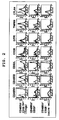
- Fig. 2 shows the histogram analysis of naive/memory and Treg-specific phenotype of CD45RA + CD25 + CD4 + , CD45RA - CD25 high+ CD4 + and CD45RA + CD25 - CD4 + cell fractions.
- the analysis results using specific antibodies against the indicated antigens are shown with a solid line.
- the isotype control for each phenotype is shown with a dotted line.
- Fig. 3 shows comparison of functional properties of CD45RA + CD25 + CD4 + T cell fraction and CD45RA - CD25 high+ CD4 + T cell fraction at the time point of isolation from peripheral blood.
- the vertical axis shows [ 3 H] thymidine uptake (cpm (x 10 ⁇ 3)), the black columns show CD45RA + CD25 + CD4 + T cell, and white columns show CD45RA - CD25 high+ CD4 + T cell.
- (A) shows the effect of CD45RA + CD25 + CD4 + T cell and CD45RA - CD25 high+ CD4 + T cell on the proliferation of all-CD4 + T cell in the presence of an agonistic anti-CD3 antibody.
- Lane 1 allogenic PBMC alone
- lane 2 CD4: allogenic PBMC + all CD4 + T cell
- lane 3 CD25: allogenic PBMC + CD45RA + CD25 + CD4 + T cell or CD45RA - CD25 high+ CD4 + T cell
- lane 4 (1/1): allogenic PBMC + all CD4 + T cell + CD45RA + CD25 + CD4 + T cell or CD45RA - CD25 high+ CD4 + T cell.
- B shows the effect of CD45RA + CD25 + CD4 + T cell and CD45RA - CD25 high+ CD4 + T cell on the proliferation of all CD4 + T cell in the absence of an agonistic anti-CD3 antibody.
- Lane 1 allogenic PBMC alone
- lane 2 allogenic PBMC + all CD4 + T cell
- lane 3 allogenic PBMC + CD45RA + CD25 + CD4 + T cell or CD45RA - CD25 high+ CD4 + T cell
- lanes 4 - 7 allogenic PBMC + all CD4 + T cell + CD45RA + CD25 + CD4 + T cell or CD45RA - CD25 high+ CD4 + T cell (CD45RA + CD25 + CD4 + T cell or CD45RA - CD25 high+ CD4 + T cell are added in the number of the indicated proportion (proportion relative to the number of all CD4 + T cell)).
- Fig. 4 shows the analysis results of functional properties of CD45RA + CD25 + CD4 + T cell line.
- A shows proliferation of CD45RA + CD25 + CD4 + T cell line.
- the vertical axis shows the number of cells as a relative value when the number of cells at the start of the cultivation is 1, and the transverse axis shows the number of days after the start of the cultivation.
- B shows the effect of CD45RA + CD25 + CD4 + T cell line on the proliferation of all CD4 + T cell in the presence of an agonistic anti-CD3 antibody.
- Lane 1 allogenic PBMC alone
- lane 2 allogenic PBMC + all CD4 + T cell
- lane 3 allogenic PBMC + CD45RA + CD25 + CD4 + T cell line
- lanes 4 - 8 allogenic PBMC + all CD4 + T cell + CD45RA + CD25 + CD4 + T cell line
- CD45RA + CD25 + CD4 + T cell lines are added in the number of the indicated proportion (proportion relative to the number of all CD4 + T cell)
- C shows antigen-specific suppressive property of CD45RA + CD25 + CD4 + T cell line.
- Lane 1 allogenic PBMC alone
- lane 2 allogenic PBMC + all CD4 + T cell
- lane 3 allogenic PBMC + CD45RA + CD25 + CD4 + T cell line
- lanes 4 - 8 allogenic PBMC + all CD4 + T cell + CD45RA + CD25 + CD4 + T cell line (CD45RA + CD25 + CD4 + T cell lines are added in the number of the indicated proportion (proportion relative to the number of all CD4 + T cell)).
- Black column shows the same allogenic PBMC as allogenic PBMC used for the proliferative cultivation
- white column shows allogenic PBMC different from allogenic PBMC used for the proliferative cultivation (outsider PBMC).
- (D) shows the effect of an antibody against IL-10R, TGF- ⁇ , CTLA-4 or PD-1 on the suppressive property of CD45RA + CD25 + CD4 + T cell line.
- (E) shows the effect of cell-cell contact avoidance on the suppressive property of CD45RA + CD25 + CD4 + T cell line.
- APC shows allogenic PBMC
- CD4 shows all CD4 + T cell
- Line shows CD45RA + CD25 + CD4 + T cell line. The cells enclosed in a rectangle are placed in the upper compartment of the transwell chamber.
- Fig. 5 shows histogram analysis of Tregs-specific phenotype of CD45RA + CD25 + CD4 + T cell line and CD45RA + CD25 - CD4 + T cell line.
- the analysis results using specific antibodies against the indicated antigens are shown with a solid line.
- the isotype control for each phenotype is shown with a dotted line.
- the present invention provides a method of producing a regulatory T cell, which comprises culturing peripheral CD25 + CD4 + T cell of a naive phenotype to give the regulatory T cell.
- the regulatory T cell means a T cell having an ability (immunosuppressive ability) to inhibit activation (proliferation, production of cytokine etc.) of reactive T cell (e.g., all CD4 + T cell, CD25 - CD4 + T cell etc.) when it is cultivated with the reactive T cell under the conditions allowing cell contact and subjected to T cell receptor-mediated stimulation.
- reactive T cell e.g., all CD4 + T cell, CD25 - CD4 + T cell etc.
- the regulatory T cell is generally present in a CD25 + CD4 + T cell fraction.
- the regulatory T cell itself does not show a substantial proliferative reaction on T cell receptor-mediated stimulation, and can be non-responsive.
- a peripheral CD25 + CD4 + T cell of a naive phenotype is provided first.
- the cell can be derived from a mammal. While the mammal is not particularly limited as long as it can produce a regulatory T cell according to the method of the present invention, for example, experiment animals such as rodents (e.g., mouse, rat, hamster, guinea pig and the like), rabbit and the like; domestic animals such as swine, bovine, goat, horse, sheep, mink and the like; pets such as dog, cat and the like; and primates such as human, monkey, rhesus monkey, marmoset, orangutan, chimpanzee, cynomolgus monkey and the like can be mentioned.
- the mammal is preferably a primate, more preferably human.
- the CD25 + CD4 + T cell to be applied to the method of the present invention is “peripheral” CD25 + CD4 + T cell.
- the "peripheral” means "extrathymic” and “other than cord blood”.
- the CD25 + CD4 + T cell to be applied to the present invention is not particularly limited as long as it is present in a peripheral tissue (tissue other than thymus and cord blood: e.g., peripheral blood, spleen, lymph node, intestine, liver etc.). In consideration of easy preparation, a cell in peripheral blood or spleen can be used.
- the CD25 + CD4 + T cell to be applied to the method of the present invention is of a naive phenotype.
- the "naive phenotype” refers to a phenotype of a T cell (naive T cell), which emigrates from thymus and is free of stimulation with an antigen.
- the naive phenotype of human cell includes, but is not limited to, phenotypes such as CD45RA-positive (CD45RA + ), CD45RO-low positive or CD45RO-negative (CD45RO low+ or CD45RO - ), CD45RB-highly positive (CD45RB high+ ), CD62L-highly positive (CD62L high+ ), CD38-positive (CD38 + ) and the like.
- phenotypes such as CD45RA-positive (CD45RA + ), CD45RO-low positive or CD45RO-negative (CD45RO low+ or CD45RO - ), CD45RB-highly positive (CD45RB high+ ), CD62L-highly positive (CD62L high+ ), CD38-positive (CD38 + ) and the like.
- the CD25 + CD4 + T cell to be applied to the method of the present invention can preferably be of at least one naive phenotype, more preferably all naive phenotypes, selected from the group consisting of CD45RA + , CD45RO low+ , CD45RB high+ , CD62L high+ and CD38 + .
- the phenotype may be the same as that of human.
- interspecies difference may be taken into consideration, such as exclusion of the phenotype from the analysis and the like.
- the phenotype of a cell when the phenotype of a cell is represented by the presence or absence or the level of marker molecule (antigen) expression, unless otherwise specified, the phenotype is indicated by the presence or absence or the level of specific bond between an antibody and the marker molecule.
- the phenotype of a cell is generally determined by the presence or absence or the level of marker molecule expression by flow cytometric analysis and the like using an antibody specific to the marker molecule and the like.
- the "positive" expression of a marker molecule means that the marker molecule is expressed on the cell surface (or in the cell), and that a specific bond of an antibody against the marker molecule can be confirmed.
- the "highly positive” means that the level of expression of a marker molecule is relatively high, a cell population with a high level of expression of a marker molecule is present in a relatively large number, the rate of cell populations expressing a marker molecule is relatively large, and the like, as compared to other cells (or cell population) to be a control for comparison.
- the "low positive” means that the level of expression of a marker molecule is relatively low, cell populations with a low level of expression of a marker molecule is present in a relatively large number, the rate of cell populations expressing a marker molecule is relatively small, and the like, as compared to other cells (or cell population) to be a control for comparison.
- CD45RO-low positive CD45RO low+
- CD45RB-highly positive CD45RB high+
- CD62L-highly positive CD62L high+
- memory T cell T cell that emigrated from thymus, was subjected to stimulation with an antigen and still alive
- CD45RA - CD25 high+ CD4 + T cell e.g., T cell contained in the region gated by b in Fig. 1C, etc.
- the peripheral CD25 + CD4 + T cell of a naive phenotype which is to be applied to the method of the present invention, can be of at least one phenotype selected from the group consisting of Foxp3-positive (Foxp3 + ), intracellular CTLA-4 positive (CTLA-4 + ) and cell surface TNFRII + .
- These phenotypes can be the phenotype of the aforementioned regulatory T cell (e.g., CD45RA - CD25 high+ CD4 + T cell etc.).
- the CD25 + CD4 + T cell to be used for the method of the present invention may exhibit the intensity of Foxp3 expression of an equivalent (about 0.5 - 2.0 times) or above expression level as compared to that of CD45RA - CD25 high+ CD4 + T cell, based on the expression level of mRNA.
- the phenotype can be analyzed using Foxp3, generally by measuring the expression level of mRNA by RT-PCR and the like.
- the peripheral CD25 + CD4 + T cell of a naive phenotype which is to be applied to the method of the present invention, can be of a phenotype of regulatory T cell, as mentioned above.
- regulatory T cell i.e., non-responsiveness and immunosuppressive ability (or the properties are extremely weak), but rather, proliferates on a stimulation with an antigen in the presence of an agonistic anti-CD3 antibody.
- a peripheral CD25 + CD4 + T cell of a naive phenotype has different properties than those reported so far for a CD25 + CD4 + T cell of a naive phenotype in thymus or cord blood.
- the peripheral CD25 + CD4 + T cell of a naive phenotype to be applied to the method of the present invention is preferably after isolation and purification.
- the cell can be isolated and purified from the aforementioned mammalian peripheral tissue (tissue other than thymus and cord blood) by a method known per se based on the aforementioned phenotype and the like.
- a mononuclear cell fraction is prepared first from a peripheral tissue (e.g., peripheral blood etc.).
- the mononuclear cell fraction is prepared, for example, by density gradient centrifugation using Ficoll-Hypaque (Amersham Biosciences-Uppsala) and the like, apheresis and the like.
- the mononuclear cell fraction is stained with an antibody labeled with a fluorescence dye, magnetic beads or the like, which is specific to an antigen (CD25, CD4, the aforementioned naive phenotype marker antigen (CD45RA etc.) etc.) specifically expressed on the cell surface of the intended cell, and the intended fraction is isolated and purified using a cell sorter, a magnetic column or the like.
- the cell sorter is preferably used to achieve a high level of purification.
- peripheral CD25 + CD4 + T cell of a naive phenotype is cultured.
- the cultivation conditions generally used for lymphocyte cultivation technique can be used.
- the cultivation temperature is generally within the range of about 30 - 40°C, preferably about 37°C.
- the CO 2 concentration is generally within the range of about 1 - 10%, preferably about 5%.
- the humidity is generally within the range of about 70 - 100%, preferably about 95 - 100%.
- a medium known per se can be used and is not particularly limited as long as a regulatory T cell can be produced by the method of the present invention.
- DMEM, EMEM, RPMI-1640, ⁇ -MEM, F-12, F-10, M-199, HAM and the like can be mentioned.
- a modified medium for lymphocyte cultivation and the like can also be used, and a mixture of the above-mentioned basal media can also be used.
- the medium may contain an additive known per se. While the additive is not particularly limited as long as a regulatory T cell can be produced by the method of the present invention, for example, an organic acid (e.g., sodium pyruvate etc.), an amino acid (e.g., L-glutamine etc.), a reducing agent (e.g., 2-mercaptoethanol etc.), a buffer (e.g., HEPES etc.), an antibiotic (e.g., streptomycin, penicillin, gentamicin etc.) and the like can be mentioned.
- an organic acid e.g., sodium pyruvate etc.
- an amino acid e.g., L-glutamine etc.
- a reducing agent e.g., 2-mercaptoethanol etc.
- a buffer e.g., HEPES etc.
- an antibiotic e.g., streptomycin, penicillin, gentamicin etc.
- the medium may also contain a serum.
- the serum is not particularly limited as long as it is derived from mammal and a regulatory T cell can be produced by the method of the present invention. It is preferably a serum derived from the above-mentioned mammal (e.g., bovine fetal serum, human serum etc.). An alternative additive of serum (e.g., Knockout Serum Replacement (KSR) (manufactured by Invitrogen) etc.) can also be used. While the concentration of the serum is not particularly limited as long as a regulatory T cells can be produced by the method of the present invention, it is generally within the range of 0.1 - 30 (v/v) %.
- KSR Knockout Serum Replacement
- a peripheral CD25 + CD4 + T cell of a naive phenotype can be cultured in the presence of a T cell growth factor.
- the T cell growth factor is not particularly limited as long as a regulatory T cell can be produced by the method of the present invention, for example, IL-2, IFN- ⁇ and the like can be mentioned.
- the concentration of the T cell growth factor to be added to the medium is not particularly limited as long as a regulatory T cell can be produced by the method of the present invention.
- the concentration is generally about 0.1 - 10000 U/ml, for example, 1 - 5000 U/ml, preferably 10 - 2500 U/ml.
- a peripheral CD25 + CD4 + T cell of a naive phenotype can be cultured in the presence of an antigen.
- a regulatory T cell specific to the antigen can be produced by cultivation in the presence of the antigen.
- the antigen comprehensively means a substance that can be recognized by an antigen receptor on a cultured cell (e.g., T cell receptor) and can stimulate the cell via the receptor.
- the antigen includes, for example, not only an antigenic molecule such as peptide, protein, lipid, glycolipid and the like, but also an antigen mimic such as immunologically non-autologous cell, an agonistic antibody (e.g., OKT-3, which is anti-human CD3 antibody etc.), which recognizes a constituent molecule of an antigen receptor (CD3, TCR ⁇ , TCR ⁇ etc.) or a costimulatory molecule (CD28 etc.), superantigen and the like.
- the immunologically non-autologous cell refers to a cell other than syngenic cell, and allogenic cell and xenogenic cell can be mentioned.
- the immunologically non-autologous cell is preferably an allogenic cell.
- antigen to be used for stimulation with an antigen one desirable for the object can be selected.
- a peripheral CD25 + CD4 + T cell of a naive phenotype is cultured in the presence of the immunologically non-autologous cell.
- the immunologically non-autologous cell is preferably inactivated by a method known per se, for example, radiation (gamma-ray etc.), a treatment with an anticancer agent (mitomycin C etc.) and the like.
- the kind of the immunologically non-autologous cell is not particularly limited, and a cell derived from a desired tissue (e.g., peripheral blood mononuclear cell (PBMC) etc.) can be used.
- PBMC peripheral blood mononuclear cell
- a regulatory T cell for a recipient specific to an allogenic donor-derived cell is to be produced before transplantation from the donor, for example, a recipient-derived peripheral CD25 + CD4 + T cell of a naive phenotype is cultured in the presence of the donor-derived cell.
- the donor-derived cell may be derived from the organ to be transplanted, or from a different tissue.
- a peripheral CD25 + CD4 + T cell of a naive phenotype is cultured in the presence of the antigen molecule.
- the antigen molecule includes, for example, cell- or tissue-derived antigen such as histocompatibility antigen and the like, a causative antigen of an allergic disease or a causative antigen of an autoimmune disease (a food-derived antigen, a pharmaceutical agent expected to exhibit antigenicity or a substance combined in a preparation, or an artificial organ-associated substance, or a denatured substance thereof (e.g., a thermally-denatured substance etc.)) and the like can be mentioned.
- a causative antigen of an allergic disease or a causative antigen of an autoimmune disease a food-derived antigen, a pharmaceutical agent expected to exhibit antigenicity or a substance combined in a preparation, or an artificial organ-associated substance, or a denatured substance thereof (e.g., a thermally-denatured substance etc.)
- MHC antigen major histocompatibility antigen
- non-major histocompatibility antigen can be mentioned.
- the causative substance of allergy includes environmental or pollen antigen, fungal antigen, food antigen, artificial antigen and the like.
- environmental or pollen antigen mite, house dust, Japanese cedar pollen, ragweed and the like can be mentioned.
- fungal antigen Candida, Alternaria, Aspergillus, cladosporium, Penicillium and the like can be mentioned.
- food antigen albumen, milk, soybean, flour, buckwheat flour, mackerel, sardine, Japanese horse mackerel, shrimp, crab, pork, beef, chicken and the like can be mentioned.
- artificial antigen a pharmaceutical agent, an artificial organ and the like can be mentioned.
- a corresponding antigen to an autoantibody causing the disease, and the like can be mentioned.
- the CD25 + CD4 + T cell may be cultured in the presence of an antigen-presenting cell in order to certainly accomplish antigen presentation to the cell.
- the antigen-presenting cell is not particularly limited as long as a regulatory T cell can be produced by the method of the present invention
- a antigen-presenting cell syngenic with the peripheral CD25 + CD4 + T cell of a naive phenotype to be cultivated e.g., antigen-presenting cell obtained from the individual from which the CD25 + CD4 + T cell is derived
- antigen-presenting cell obtained from the individual from which the CD25 + CD4 + T cell is derived is generally used.
- the kind of the antigen-presenting cell is not particularly limited as long as it has an antigen-presenting ability and can produce a regulatory T cell by the method of the present invention, for example, PBMC, dendritic cell and the like can be used.
- the antigen-presenting cell is preferably inactivated by a method known per se, for example, radiation (gamma-ray etc.), a treatment with an anticancer agent (mitomycin C etc.) and the like.
- the CD25 + CD4 + T cell is cultured under a stimulation with an antigen mimic such as an agonistic antibody (e.g., OKT-3, which is an anti-human CD3 antibody etc.), which recognizes a constituent molecule of an antigen receptor (CD3, TCR ⁇ , TCR ⁇ etc.), an agonistic antibody (e.g., anti-human CD28 antibody), which recognizes a costimulatory molecule (CD28 etc.), a superantigen and the like ( Blood, 104, p.
- an agonistic antibody e.g., OKT-3, which is an anti-human CD3 antibody etc.
- an agonistic antibody e.g., anti-human CD28 antibody
- CD28 etc. e.g., anti-human CD28 antibody
- Plural kinds of the antigen mimic can be used in combination and, for example, a combination of an agonistic antibody recognizing CD3 and an agonistic antibody recognizing CD28 and the like can be used.
- regulatory T cell populations having variety can be produced.
- plural kinds of antigens can also be used in combination and, for example, a combination of an immunologically non-autologous cell and an agonistic antibody recognizing a constituent molecule of an antigen receptor (combination of allogenic cell and anti-CD3 antibody etc.) can be used.
- peripheral CD25 + CD4 + T cells of a naive phenotype in a culture are proliferated, and can be proliferated to 100-fold or more in number over a long term of 80 days or more.
- a regulatory T cell can be obtained in the culture.
- the cells that can be obtained by the method of the present invention acquire the ability to inhibit activation of reactive T cell (immunosuppressive ability) when they are cultured with reactive T cell under the conditions allowing cell contact and subjected to a T cell receptor-mediated stimulation. Furthermore, the obtained cell can also have the feature of non-responsiveness.
- the obtainable regulatory T cell can be specific to the antigen used for the cultivation.
- the obtained cell is cultured with a reactive T cell (e.g., all-CD4 + T cell) under the conditions allowing cell contact and stimulated with an antigen, after which activation of the reactive T cell is determined.
- a reactive T cell e.g., all-CD4 + T cell
- cell proliferation e.g., [ 3 H]-thymidine uptake
- production of cytokine IL-2, IL-4, IFN ⁇ etc.
- the obtained cell can be concluded to be functional as a regulatory T cell.
- an antigen to be used for stimulation a combination of the same antigen as the antigen used in the production process of regulatory T cell and an antigen different from the antigen, whether or not the produced regulatory T cell is specific to the antigen can be confirmed.
- a regulatory T cell to be produced by the method of the present invention is of a CD25 + CD4 + phenotype
- the phenotype may be different from that of a naturally-occurring regulatory T cell in the periphery (e.g., human CD45RA - CD25 high+ CD4 + T cell etc.).
- a regulatory T cell to be produced by the method of the present invention can express CD45RO, which is in an intermediate level between peripheral CD25 + CD4 + T cell of a naive phenotype and naturally-occurring regulatory T cell in the periphery (i.e., CD45RO mid+ ).
- the CD45RO expression level of human regulatory T cell to be produced by the method of the present invention is generally about 2- to 10-fold (e.g., about 5- to 8-fold) as compared to peripheral CD25 + CD4 + T cell of a naive phenotype, and generally about 1/20- to 1/2-fold (e.g., about 1/6- to 1/3-fold) as compared to CD45RA - CD25 high+ CD4 + T cell.
- the expression level is compared by a flow cytometric analysis based on the comparison of the expression intensity at the peaks in a histogram in a graph wherein the vertical axis shows the number of cells, and the transverse axis shows the intensity of expression (fluorescence intensity).
- the regulatory T cell to be produced by the method of the present invention expresses CD62L more weakly (CD62L-low positive (CD62L low+ ) as compared to CD45RA - CD25 high+ CD4 + T cell: expression level is generally about 1/3- to 1/30-fold of CD45RA - CD25 high+ CD4 + T cell), and can be of a phenotype of GITR positive (GITR + ).
- Regulatory T cell to be produced by the method of the present invention expresses CD45RB more strongly (CD45RB-highly positive (CD45RB high+ )) as compared to CD45RA - CD25 high+ CD4 + T cell, and the expression level may be generally about 1.5-to 8-fold (e.g., 2.5- to 4.5-fold) of CD45RA - CD25 high+ CD4 + T cell.
- the present invention provides CD25 + CD4 + regulatory T cell of at least one phenotype selected from the group consisting of CD45RO mid+ , CD45RB high+ , CD62L low+ and GITR + .
- the regulatory T cell to be produced by the method of the present invention has a strong immunosuppressive ability. Therefore, when an immunoreaction is abnormally promoted in vivo for some reason, when an undesirable immunoreaction is ongoing in vivo, or when an undesirable immune response is predicted to occur in the future, or the like, the regulatory T cell is administered to a patient, whereby, in the body of patient, an abnormally-promoted immunoreaction can be suppressed, an undesirable immunoreaction can be suppressed, or an undesirable immunoreaction can be avoided.
- a recipient-derived peripheral CD25 + CD4 + T cell of a naive phenotype is cultured in the presence of a donor-derived cell to give a regulatory T cell specific to the donor-derived cell. Then, the regulatory T cell is administered to a recipient before and after the transplantation to induce immune tolerance to a graft, whereby rejection reaction to the graft can be avoided and engraftment of the graft can be promoted. Accordingly, the immunomodulator of the present invention can avoid side effects caused by the existing immunosuppressants, bacterial or viral infection, particularly, recurrent hepatitis C after liver transplantation in hepatitis C patients.
- a patient-derived peripheral CD25 + CD4 + T cell of a naive phenotype is cultured in the presence of a causative antigen of the autoimmune disease, whereby a regulatory T cell specific to the causative antigen is produced.
- the regulatory T cell By administration of the regulatory T cell to the patient, the autoimmune reaction can be suppressed.
- a patient-derived peripheral CD25 + CD4 + T cell of a naive phenotype is cultured in the presence of a causative antigen of the allergy, whereby a regulatory T cell specific to the causative antigen is produced.
- the allergic reaction can be suppressed.
- a patient-derived peripheral CD25 + CD4 + T cell of a naive phenotype is cultured in the presence of a partner-derived cell, whereby a regulatory T cell specific to the partner-derived cell (or antigen) is produced.
- a regulatory T cell specific to the partner-derived cell (or antigen) is produced.
- the present invention provides an immunomodulator containing the regulatory T cell to be produced by the above-mentioned method as an active ingredient.
- the immunomodulator of the present invention can be used for the prophylaxis or treatment of the rejection of organ transplantation, allergic diseases (pollinosis, food allergy, drug allergy, asthma, atopic dermatitis, eczema, food hypersensitivity, urticaria, allergic rhinitis, allergic conjunctivitis), autoimmune diseases (polymyositis, chronic rheumatism, systemic lupus erythematosus, systemic sclerosis, bullous diseases, cutaneous lupus erythematosus, psoriasis, Crohn's disease, ulcerative colitis, autoimmune hepatitis, multiple sclerosis, type 1 diabetes etc.), graft-versus-host disease (GVHD), infertility and the like.
- allergic diseases pollinosis, food allergy, drug allergy, asthma, atopic derma
- the immunomodulator of the present invention can be produced as an oral/parenteral preparation by mixing the effective amount of the above-mentioned regulatory T cell with a pharmaceutically acceptable carrier, and the like, according to a conventional method.
- the immunomodulator of the present invention is generally produced as a parenteral preparation such as injection, suspension, drip infusion and the like.
- a parenteral preparation such as injection, suspension, drip infusion and the like.
- an aqueous solution for injection such as physiological saline, isotonic solution containing glucose or other auxiliary agents (e.g., D-sorbitol, D-mannitol, sodium chloride and the like) and the like can be mentioned.
- the immunomodulator of the present invention may be blended with, for example, buffers (e.g., phosphate buffer, sodium acetate buffer), soothing agents (e.g., benzalkonium chloride, procaine hydrochloride and the like), stabilizers (e.g., human serum albumin, polyethylene glycol and the like), preservatives, antioxidants and the like.
- buffers e.g., phosphate buffer, sodium acetate buffer
- soothing agents e.g., benzalkonium chloride, procaine hydrochloride and the like
- stabilizers e.g., human serum albumin, polyethylene glycol and the like
- preservatives e.g., antioxidants and the like.
- the preparation obtained in this manner is safe and low toxic. Therefore, it can be administered, for example, to the aforementioned mammals such as human and the like.
- the dose of the regulatory T cell of the present invention varies depending on the subject of administration, target organ, symptom, administration method and the like, for example, in the case of parenteral administration to an adult patient (body weight 60 Kg), an effective amount with the upper limit being about 6 x 10 9 a day is generally administered conveniently. For other animals, an amount converted based on the amount per 60 kg can be administered.
- the present invention also provides a kit for producing a regulatory T cell, which comprises a reagent for providing a peripheral CD25 + CD4 + T cell of a naive phenotype.
- a reagent for providing a peripheral CD25 + CD4 + T cell of a naive phenotype As the reagent, various reagents (e.g., CD25, CD4, labeled antibody against marker antigen of a naive phenotype etc.) for providing a peripheral CD25 + CD4 + T cell of a naive phenotype by the aforementioned method may be contained.
- the kit may further contain various reagents usable for the aforementioned methods (reagent for providing antigen, T cell growth factor, medium, reaction container, instruction sheet describing test protocol, and the like). Using the kit, a regulatory T cell can be conveniently produced according to the aforementioned method.
- PBMC Peripheral blood mononuclear cell
- the cells were stained with allophycocyanin (APC)-conjugated anti-CD4 monoclonal antibody (mAb), phycoerythrin (PE)-conjugated anti-CD25 mAb, and fluorescein isothiocyanate (FITC)-conjugated anti-CD45RA mAb for 30 min at 4°C in the dark, after which the following six different cell fractions were isolated using a BD FACSAria cell sorter (Becton Dickinson)(see Fig.1).
- APC allophycocyanin
- PE phycoerythrin
- FITC fluorescein isothiocyanate
- CD4 + cell after removing the cells bound to a plate were positively isolated using anti-CD4 mAb microbeads and magnetic cell sorting (MACS) system magnetic columns (Miltenyi Biotec GmbH). The purity of the CD4 + cell was >95%.
- PBMC derived from the subjects, or proliferated T cell line were incubated with various antibodies for 30 min at 4°C in the dark, washed, and analyzed using a BD FACSAria cell sorter and a FACSDiVA software (Becton Dickinson).
- the antibodies used included perCP-conjugated anti-CD4 mAb, biotin-conjugated anti-CD25 mAb, FITC-conjugated anti-CD45RA mAb, PE-conjugated anti-CD45RB mAb, anti-CD45RO mAb, anti-CD62L mAb, anti-CD38 mAb, anti-GITR mAb, and anti-TNFRII mAb.
- CTLA-4 For intracellular staining with CTLA-4, the cells were subjected to cell surface staining, fixation, and penetration treatment with Cytofix/Cytoperm solution (Becton Dickinson), and then intracellularly stained with PE-conjugated anti-CTLA-4.
- CD45RA + CD25 + CD4 + or CD45RA + CD25 - CD4 + T cell separated with a cell sorter as mentioned above (1 x 10 ⁇ 5 cells/well) were stimulated with irradiated (40 Gy) allogenic PBMC at 2 x 10 ⁇ 5 cells/well in growth medium (RPMI-1640 supplemented with 10% (V/V) FBS or human AB-type serum, HEPES, sodium pyruvate, L-glutamine, 2-ME, and antibiotics-antimycotics) in the presence of 200 U/ml human IL-2 in a 96-well plate at 130 ⁇ l/well. Half of the medium was replaced with fresh growth medium containing IL-2 every 3-4 days.
- the cells were separated, and restimulated with allogenic PBMC repeatedly every 7-10 days.
- the cells were recovered, and cultured (0.5 x 10 ⁇ 5 cells/well) in a 48-well plate together with irradiated allogenic PBMC (1 x 10 ⁇ 6 cells/well). Proliferated T cell line was washed three times, and then used for functional assays.
- MLR mixed lymphocyte reaction
- CD45RA - CD25 high+ CD4 + T cell immediately after isolation, CD45RA + CD25 + CD4 + T cell, or proliferated T cell line were each stimulated with 5 x 10 ⁇ 4 cells of isolated CD4 + T cell and 1 x 10 ⁇ 5 cells of irradiated (40 Gy) allogenic PBMC, and with or without 0.5 ⁇ g/ml of anti-human CD3 antibody (OKT-3), in growth medium containing 10% (V/V) FBS in a round-bottom 96-well microplate.
- a neutralization antibody against IL-10R (5 ⁇ g/ml), TGF- ⁇ (0.5 ⁇ g/ml), CTLA-4 (5 ⁇ g/ml), or PD-1 (5 ⁇ g/ml) was added.
- a transwell test an equal number of, CD4 + T cell immediately after isolation and 1 x 10 ⁇ 6 T cell line were cocultured, or CD4 + T cell and T cell line were cultured separately with allogenic PBMC (3 x 10 ⁇ 6 cells) on the bottom and the upper side of a chamber, respectively. The cultures were incubated for 5 or 7 days (each with or without OKT-3), and labeled with [ 3 H]-thymidine during the final 16 hr. The cultures were recovered, and [ 3 H]-thymidine uptake was measured by 1450 Microbeta TriLux (Wallac).
- Isogen reagent Nippon Gene
- FOXP3 mRNA The expression level of FOXP3 mRNA was quantified by real-time PCR using ABI/PRISM7700 sequence detection system (Applied Biosystems) and QuantiTect Probe PCR kit (Quiagen). FOXP3-specific primers and intrinsic fluorescent Taqman probe were designed as described earlier (see Int Immunol., 16, 1643-1656, 2004 ). A mixed solution of 20x primers and a probe for HPRT was purchased from Applied Biosystems. The expression level of FOXP3 mRNA was normalized against that of mRNA of a house-keeping gene HPRT. The data is expressed with average values from triplicate-wells. The standard deviation was ⁇ 5%.
- Fig. 1A shows representative FACS profiles of the CD45RA + CD25 + CD4 + T cell fraction.
- the CD45RA + CD25 + CD4 + T cell fraction showed large and dense clusters (Fig. 1A; upper left and upper right), while in adults above 20 years old, it showed smaller and less dense clusters of the same cells as compared to those of children (Fig. 1A; lower left and lower right).
- CD45RA + CD25 + CD4 + T cell shows high expression level of Foxp3 mRNA
- CD45RA - CD25 high+ CD4 + (b) and CD45RA + CD25 + CD4 + (a) T cell fraction showed higher expression levels of Foxp3 as compared to CD45RA - CD25 low+ CD4 + (c), CD45RA - CD25 - CD4 + (d), CD45RA + CD25 - CD4 + (e), and all-CD4 + (f) T cell fraction (Fig. 1D).
- CD45RA + CD25 + CD4 + cell fraction had been considered to differ from Tregs, it showed a higher expression level of Foxp3 than even that of CD45RA - CD25 high+ CD4 + cell fraction. Two or more tests were run for different individuals, and similar results were obtained.
- CD45RA + CD25 + CD4 + T cell is naive in phenotype, but shows expression of intracellular CTLR-4 and cell-surface TNFRII
- CD45RA + CD25 + CD4 + (a), CD45RA - CD25 high+ CD4 + (b), and CD45RA + CD25 - CD4 + (e) T cell were investigated as to naive/memory cell phenotype, and intracellular CTLR-4 and TNFRII (Fig.2).
- CD45RA - CD25 high+ CD4 + (b) T cell showed CD45RO + , CD45RB low+ , CD62L low+ , and CD38 - . This suggests CD45RA - CD25 high+ CD4 + T cell is memory-type in phenotype.
- the opposite tendency was observed in CD45RA + CD25 + CD4 + (a) T cell as a whole.
- CD45RA + CD25 + CD4 + T cell were CD45RO low+ , CD45RB high+ , CD62L high+ , and CD38 + .
- CD45RA + CD25 + CD4 + T cell is naive in phenotype.
- These four naive/memory cell phenotypes of CD45RA + CD25 + CD4 + T cell were equivalent to those of CD45RA + CD25 - CD4 + T cell(e), which was a typical naive cell.
- CD45RA + CD25 + CD4 + T cell was naive in phenotype, but this cell showed intracellular CTLR-4 and cell-surface TNFRII, which were specific to Tregs (which correspond to CD45RA - CD25 high+ CD4 + cell). Unlike these two cell fractions, CD45RA + CD25 - CD4 + cell, which is a typical naive cell, did not show intracellular CTLA-4 and cell-surface TNFRII. Two or more tests were run for different individuals, and similar results were obtained.
- CD45RA + CD25 + CD4 + T cell fraction at the time of isolation from PBMC was investigated in detail (Fig. 3).
- Fig. 3A In the presence of allogenic PBMC and agonistic anti-CD3 antibody (Fig. 3A, lane 3, black column), separated CD45RA + CD25 + CD4 + T cell were proliferative rather than non-responsive.
- CD45RA - CD25 high+ CD4 + T cell was clearly non-responsive at the time of isolation of the fraction (Fig. 3A, lane 3, white column).
- CD45RA + CD25 + CD4 + T cell hardly suppressed proliferation of syngeneic CD4 + T cell which was cocultured at a ratio of 1:1 in the presence of an alloantigen (Fig. 3A, lane 4, black column).
- CD45RA - CD25 high+ CD4 + T cell markedly suppressed the proliferation of all-CD4 + T cell as compared to MLR with all-CD4 + T cell alone (Fig. 3A, lane 2) to show immunosuppressive ability (Fig. 3A, lane 4, white column).
- CD45RA + CD25 + CD4 + T cell was proliferated not less than 100-fold in 40 days by repetitive stimulation with allogenic PBMC in the presence of IL-2 in growth medium containing 10% (V/V) FBS. The number of cells increased about 100-fold in 80 days by cultivation of this fraction using growth medium containing 10% (V/V) human serum (Fig. 4A).
- the proliferated cell line obtained from the CD45RA + CD25 + CD4 + T cell fraction (to be referred to as CD45RA + CD25 + CD4 + T cell line) showed non-responsiveness and suppressive property.
- the proliferated cell line suppressed proliferation of syngeneic all-CD4 + T cell stimulated with allogenic PBMC used for the proliferative cultivation, in a dose-dependent manner (Fig. 4B).
- syngeneic all-CD4 + T cell was cocultured with the CD45RA + CD25 + CD4 + T cell line at a ratio of 5:1 in the presence of allogenic PBMC (which was used for the proliferative cultivation), and an antibody against IL-10R, TGF- ⁇ , CTLA-4, or PD-1 was added to the coculture.
- PBMC which was used for the proliferative cultivation
- an antibody against IL-10R, TGF- ⁇ , CTLA-4, or PD-1 was added to the coculture.
- none of the antibodies cancelled the immunosuppressive ability of CD45RA + CD25 + CD4 + T cell line (Fig. 4D).
- Phenotype was analyzed for the proliferated cell line originated from CD45RA + CD25 - CD4 + T cell (which is typical naive cell) fraction or CD45RA + CD25 + CD4 + T cell fraction (Fig. 5).
- the intensity of CD25, GITR, and CTLA-4 on CD45RA + CD25 + CD4 + T cell line was clearly higher than that on CD45RA + CD25 - CD4 + T cell line.
- the intensity of CD62L on CD45RA + CD25 + CD4 + T cell was also substantially high. This forms a contrast with the absence of CD62L on CD45RA + CD25 - CD4 + T cell. Accordingly, it was suggested that the phenotype property of CD45RA + CD25 + CD4 + T cell line was similar to that of Tregs, but different from that of naive T cells.
- CD45RO in CD45RA + CD25 + CD4 + T cell line increased to approximately 6.7-fold as compared to that in peripheral CD45RA + CD25 + CD4 + T cell before cultivation, the expression level was lower as compared to that of Tregs (CD45RA - CD25 high+ CD4 + T cells) inartificially present in peripheral blood and was approximately 0.2-fold thereof.
- the expression level of CD45RB in CD45RA + CD25 + CD4 + T cell line was higher as compared to that of Tregs (CD45RA - CD25 high+ CD4 + T cell) inartificially present in the periphery and was approximately 3.6-fold thereof.
- the comparisons of expression levels were performed by comparing the expression intensities at peaks of the histograms in the graphs with the cell number on the vertical axis and the expression intensity (fluorescence intensity) on the transverse axis.
- CD45RA + CD25 + CD4 + T cell line satisfies functional requirements of regulatory T cell, but is different in phenotype from Treg inartificially present in peripheral blood.
- a mammalian regulatory T cell can be efficiently produced in vitro, and an antigen-specific regulatory T cell can also be produced.
- the regulatory T cell produced by the method is useful as an immunomodulator for the prophylaxis or treatment of rejection reaction in organ transplantation, allergic disease, autoimmune disease, graft-versus-host disease (GVHD), infertility and the like.
Landscapes
- Health & Medical Sciences (AREA)
- Life Sciences & Earth Sciences (AREA)
- Engineering & Computer Science (AREA)
- General Health & Medical Sciences (AREA)
- Veterinary Medicine (AREA)
- Public Health (AREA)
- Animal Behavior & Ethology (AREA)
- Organic Chemistry (AREA)
- Bioinformatics & Cheminformatics (AREA)
- Chemical & Material Sciences (AREA)
- Chemical Kinetics & Catalysis (AREA)
- Nuclear Medicine, Radiotherapy & Molecular Imaging (AREA)
- Medicinal Chemistry (AREA)
- General Chemical & Material Sciences (AREA)
- Pharmacology & Pharmacy (AREA)
- Immunology (AREA)
- Biomedical Technology (AREA)
- Epidemiology (AREA)
- Zoology (AREA)
- Genetics & Genomics (AREA)
- Biotechnology (AREA)
- Wood Science & Technology (AREA)
- Diabetes (AREA)
- Pulmonology (AREA)
- Hematology (AREA)
- Endocrinology (AREA)
- Reproductive Health (AREA)
- General Engineering & Computer Science (AREA)
- Biochemistry (AREA)
- Microbiology (AREA)
- Cell Biology (AREA)
- Neurology (AREA)
- Obesity (AREA)
- Rheumatology (AREA)
- Gynecology & Obstetrics (AREA)
- Dermatology (AREA)
- Gastroenterology & Hepatology (AREA)
- Emergency Medicine (AREA)
- Physical Education & Sports Medicine (AREA)
- Pregnancy & Childbirth (AREA)
Applications Claiming Priority (2)
| Application Number | Priority Date | Filing Date | Title |
|---|---|---|---|
| JP2005106887A JP2006280307A (ja) | 2005-04-01 | 2005-04-01 | 制御性t細胞の製造方法 |
| PCT/JP2006/307394 WO2006107101A1 (fr) | 2005-04-01 | 2006-03-31 | Processus de production de cellule t regulatrice |
Publications (2)
| Publication Number | Publication Date |
|---|---|
| EP1870452A1 true EP1870452A1 (fr) | 2007-12-26 |
| EP1870452A4 EP1870452A4 (fr) | 2008-12-24 |
Family
ID=37073634
Family Applications (1)
| Application Number | Title | Priority Date | Filing Date |
|---|---|---|---|
| EP06731342A Withdrawn EP1870452A4 (fr) | 2005-04-01 | 2006-03-31 | Processus de production de cellule t régulatrice |
Country Status (4)
| Country | Link |
|---|---|
| US (1) | US20090297539A1 (fr) |
| EP (1) | EP1870452A4 (fr) |
| JP (1) | JP2006280307A (fr) |
| WO (1) | WO2006107101A1 (fr) |
Cited By (4)
| Publication number | Priority date | Publication date | Assignee | Title |
|---|---|---|---|---|
| US8658159B2 (en) | 2008-06-30 | 2014-02-25 | Versitech Limited | Method to induce and expand therapeutic alloantigen-specific human regulatory T cells in large-scale |
| US9969976B2 (en) | 2009-10-23 | 2018-05-15 | Cellerix, S.A. | Cell populations having immunoregulatory activity, methods for the preparation and uses thereof |
| EP4039260A1 (fr) * | 2017-02-07 | 2022-08-10 | Saitama Medical University | Cellules t cd62llow cd4+ pour traiter ou prévenir le cancer |
| US12442820B2 (en) | 2019-02-20 | 2025-10-14 | Saitama Medical University | Peripheral blood biomarker for evaluating anti-tumor immune effect of radiation therapy |
Families Citing this family (9)
| Publication number | Priority date | Publication date | Assignee | Title |
|---|---|---|---|---|
| JPWO2007037544A1 (ja) * | 2005-09-30 | 2009-04-16 | 国立大学法人京都大学 | 制御性t細胞の製造を向上させる薬剤のスクリーニング方法の開発、及び免疫抑制性のマクロライド系抗生剤を用いる制御性t細胞の製造方法 |
| JP5464641B2 (ja) * | 2008-01-21 | 2014-04-09 | 国立大学法人 東京大学 | 制御性t細胞製造方法及び制御性t細胞増幅装置 |
| WO2010042433A1 (fr) | 2008-10-06 | 2010-04-15 | Bristol-Myers Squibb Company | Combinaison d'anticorps cd137 et d'anticorps ctla-4 pour le traitement de maladies prolifératives |
| EP2221364A1 (fr) * | 2009-02-23 | 2010-08-25 | TXCell | Compositions pour le traitement d'une condition allergique ou asthmatique |
| WO2012096376A1 (fr) * | 2011-01-14 | 2012-07-19 | タカラバイオ株式会社 | Procédé d'obtention de lymphocytes t régulateurs |
| PL218400B1 (pl) * | 2012-06-06 | 2014-11-28 | Gdański Univ Medyczny | Szczepionka do leczenia cukrzycy typu 1 u dzieci, zastosowanie sortera komórek oraz sposób namnażania komórek Treg in vitro do wytwarzania szczepionki do leczenia cukrzycy typu 1 |
| WO2014004677A1 (fr) * | 2012-06-27 | 2014-01-03 | Memorial Sloan-Kettering Cancer Center | Procédé de réduction du risque de complications de la gestation |
| US10092597B2 (en) | 2014-01-14 | 2018-10-09 | The University Of Hong Kong | Human CD8+ regulatory T cells inhibit GVHD and preserve general immunity in humanized mice |
| JP2023019830A (ja) * | 2021-07-29 | 2023-02-09 | 国立大学法人北海道大学 | iPS細胞に対する免疫反応を評価する方法 |
Family Cites Families (1)
| Publication number | Priority date | Publication date | Assignee | Title |
|---|---|---|---|---|
| US20030157057A1 (en) * | 1999-05-05 | 2003-08-21 | Horwitz David A. | Methods for the induction of professional and cytokine-producing regulatory T cells |
-
2005
- 2005-04-01 JP JP2005106887A patent/JP2006280307A/ja not_active Ceased
-
2006
- 2006-03-31 US US11/910,294 patent/US20090297539A1/en not_active Abandoned
- 2006-03-31 EP EP06731342A patent/EP1870452A4/fr not_active Withdrawn
- 2006-03-31 WO PCT/JP2006/307394 patent/WO2006107101A1/fr not_active Ceased
Non-Patent Citations (4)
| Title |
|---|
| NISHIMURA E ET AL: "Induction of antigen-specific immunologic tolerance by in vivo and in vitro antigen-specific expansion of naturally arising Foxp3+CD25+CD4+ regulatory t cells" INTERNATIONAL IMMUNOLOGY, OXFORD UNIVERSITY PRESS, GB, vol. 16, no. 8, 5 July 2004 (2004-07-05), pages 1189-1201, XP003005849 ISSN: 0953-8178 * |
| See also references of WO2006107101A1 * |
| TSAKNARIDIS LAURA ET AL: "Functional assay for human CD4+CD25+ Treg cells reveals an age-dependent loss of suppressive activity." JOURNAL OF NEUROSCIENCE RESEARCH, vol. 74, no. 2, 15 October 2003 (2003-10-15), pages 296-308, XP002503653 ISSN: 0360-4012 * |
| VALMORI DANILA ET AL: "A peripheral circulating compartment of natural naive CD4(+) Tregs" JOURNAL OF CLINICAL INVESTIGATION, vol. 115, no. 7, July 2005 (2005-07), pages 1953-1962, XP002503654 ISSN: 0021-9738 * |
Cited By (6)
| Publication number | Priority date | Publication date | Assignee | Title |
|---|---|---|---|---|
| US8658159B2 (en) | 2008-06-30 | 2014-02-25 | Versitech Limited | Method to induce and expand therapeutic alloantigen-specific human regulatory T cells in large-scale |
| US9480715B2 (en) | 2008-06-30 | 2016-11-01 | Versitech Limited | Method to induce and expand therapeutic alloantigen-specific human regulatory T cells in large-scale |
| US9969976B2 (en) | 2009-10-23 | 2018-05-15 | Cellerix, S.A. | Cell populations having immunoregulatory activity, methods for the preparation and uses thereof |
| EP4039260A1 (fr) * | 2017-02-07 | 2022-08-10 | Saitama Medical University | Cellules t cd62llow cd4+ pour traiter ou prévenir le cancer |
| US12298311B2 (en) | 2017-02-07 | 2025-05-13 | Saitama Medical University | Immunological biomarker for predicting clinical effect of cancer |
| US12442820B2 (en) | 2019-02-20 | 2025-10-14 | Saitama Medical University | Peripheral blood biomarker for evaluating anti-tumor immune effect of radiation therapy |
Also Published As
| Publication number | Publication date |
|---|---|
| US20090297539A1 (en) | 2009-12-03 |
| JP2006280307A (ja) | 2006-10-19 |
| EP1870452A4 (fr) | 2008-12-24 |
| WO2006107101A1 (fr) | 2006-10-12 |
Similar Documents
| Publication | Publication Date | Title |
|---|---|---|
| JP7001575B2 (ja) | B細胞の増加及び評価方法並びに疾患治療のための増加b細胞の使用方法 | |
| US10577586B2 (en) | Compositions and methods for modulating an immune response | |
| Lombardi et al. | CD8α+ β− and CD8α+ β+ plasmacytoid dendritic cells induce Foxp3+ regulatory T cells and prevent the induction of airway hyper-reactivity | |
| Lerret et al. | Donor-specific CD8+ Foxp3+ T cells protect skin allografts and facilitate induction of conventional CD4+ Foxp3+ regulatory T cells | |
| Arpinati et al. | Role of plasmacytoid dendritic cells in immunity and tolerance after allogeneic hematopoietic stem cell transplantation | |
| KR102768442B1 (ko) | CD8+CD45RClow TREGS의 신규한 아집단 및 이들의 용도 | |
| JP2005516581A (ja) | 自己免疫およびアレルギー疾患を処置するための非−腫瘍抗原に特異的な細胞傷害性リンパ球を生産するためのエクス−ビボプライミング | |
| JP2023030114A (ja) | 新しい免疫調節細胞およびその製造方法 | |
| EP1870452A1 (fr) | Processus de production de cellule t régulatrice | |
| JP6592551B2 (ja) | 免疫調節活性を有する細胞集団、その調製方法、及び、その使用 | |
| Adnan et al. | Human tolerogenic dendritic cells generated with protein kinase C inhibitor are optimal for functional regulatory T cell induction—a comparative study | |
| US20090246212A1 (en) | Development of method for screening for drug capable of improving production of regulatory t cells and method for producing regulatory t cells using immunosuppressive macrolide antibiotic | |
| Steiner et al. | The potential for Treg-enhancing therapies in transplantation | |
| JP5549014B2 (ja) | 免疫調節剤及びその利用 | |
| KR20130093083A (ko) | Il-13 생산 tr1-유사 세포 및 그의 용도 | |
| US12037606B2 (en) | Methods of T cell expansion and activation | |
| US20070292431A1 (en) | 4-1Bb Receptors are Expressed on Regulatory T-Cells | |
| Lee et al. | Identification of a unique double‐negative regulatory T‐cell population | |
| Streeter et al. | CD25 expression distinguishes functionally distinct alloreactive CD4+ CD134+ (OX40+) T-cell subsets in acute graft-versus-host disease | |
| RU2766691C9 (ru) | НОВАЯ СУБПОПУЛЯЦИЯ CD8+CD45RClow КЛЕТОК TREG И ЕЕ ПРИМЕНЕНИЯ | |
| Musarrat | Modulation of IL-10 production by CD3/CD55 induced Type 1 regulatory (Tr1) T-cells | |
| Achita | Expansion and Characterization of Human Double Negative Regulatory T Cells | |
| Romano | In vitro characterisation and expansion of human regulatory T cells for their in vivo application in the induction of tolerance in haematopoietic stem cell and solid organ transplantation | |
| Rigby | Intestinal dendritic cells: Characterisation of the colonic dendritic cell population and identification of potential precursors | |
| Sarvaria | The differential role of regulatory B cells in cancer and allo-immunity |
Legal Events
| Date | Code | Title | Description |
|---|---|---|---|
| PUAI | Public reference made under article 153(3) epc to a published international application that has entered the european phase |
Free format text: ORIGINAL CODE: 0009012 |
|
| 17P | Request for examination filed |
Effective date: 20071016 |
|
| AK | Designated contracting states |
Kind code of ref document: A1 Designated state(s): CH DE GB LI |
|
| RBV | Designated contracting states (corrected) |
Designated state(s): CH DE GB LI |
|
| DAX | Request for extension of the european patent (deleted) | ||
| A4 | Supplementary search report drawn up and despatched |
Effective date: 20081126 |
|
| 17Q | First examination report despatched |
Effective date: 20090305 |
|
| RAP1 | Party data changed (applicant data changed or rights of an application transferred) |
Owner name: KOSHIBA, TAKAAKI |
|
| STAA | Information on the status of an ep patent application or granted ep patent |
Free format text: STATUS: THE APPLICATION IS DEEMED TO BE WITHDRAWN |
|
| 18D | Application deemed to be withdrawn |
Effective date: 20120424 |