EP1903109A1 - Menschliche protein phosphatase mit EF-hände-1 (PPEF-1)- ähnliches genvariant assoziert mit T-zellen lymphoblastisches Lymphom - Google Patents
Menschliche protein phosphatase mit EF-hände-1 (PPEF-1)- ähnliches genvariant assoziert mit T-zellen lymphoblastisches Lymphom Download PDFInfo
- Publication number
- EP1903109A1 EP1903109A1 EP06019930A EP06019930A EP1903109A1 EP 1903109 A1 EP1903109 A1 EP 1903109A1 EP 06019930 A EP06019930 A EP 06019930A EP 06019930 A EP06019930 A EP 06019930A EP 1903109 A1 EP1903109 A1 EP 1903109A1
- Authority
- EP
- European Patent Office
- Prior art keywords
- ppef
- cell
- nucleic acid
- polypeptide
- antibody
- Prior art date
- Legal status (The legal status is an assumption and is not a legal conclusion. Google has not performed a legal analysis and makes no representation as to the accuracy of the status listed.)
- Granted
Links
Images










Classifications
-
- C—CHEMISTRY; METALLURGY
- C12—BIOCHEMISTRY; BEER; SPIRITS; WINE; VINEGAR; MICROBIOLOGY; ENZYMOLOGY; MUTATION OR GENETIC ENGINEERING
- C12N—MICROORGANISMS OR ENZYMES; COMPOSITIONS THEREOF; PROPAGATING, PRESERVING, OR MAINTAINING MICROORGANISMS; MUTATION OR GENETIC ENGINEERING; CULTURE MEDIA
- C12N9/00—Enzymes; Proenzymes; Compositions thereof; Processes for preparing, activating, inhibiting, separating or purifying enzymes
- C12N9/14—Hydrolases (3)
- C12N9/16—Hydrolases (3) acting on ester bonds (3.1)
Definitions
- the invention relates to the nucleic acid and polypeptide sequences of a novel human protein phosphatase with EF-hands-1 (PPEF-1)-related gene variant, preparation process thereof, and uses of the same in diagnosing T-cell lymphoma, in particular, T-cell lymphoblastic lymphoma.
- PPEF-1 EF-hands-1
- Cancer is one of the major causes of death in the world. According to the report from the WHO Fact Sheet-Cancer (2003), cancer accounts for 7.1 million (12.6% of the global total) deaths annually and new cancer cases are expected to increase from 10 million people in 2000 to 15 million people by 2020. Lymphomas are cancers originated in the lymphatic system. The lymphomas are divided into Hodgkin lymphoma and non-Hodgkin lymphomas. In the United States, non-Hodgkin lymphoma with a 2.7% increase in incidence is the fifth and sixth most common cancer among females and males, respectively (The Leukemia & Lymphoma Society). In recent years, progress has been made toward understanding the molecular and cellular biology of non-Hodgkin lymphomas.
- non-Hodgkin lymphomas Many important contributions have been made by the identification of several key genetic factors associated with non-Hodgkin lymphomas. However, the treatments of non-Hodgkin lymphomas still mainly depend on chemotherapy and radiotherapy because the molecular mechanisms underlying the pathogenesis of non-Hodgkin lymphomas remain largely unclear.
- PPEF-1 may play a role in the development of T-cell lymphoma.
- the discovery of gene variants for PPEF-1 may be an important goal for the development of diagnostic markers of T-cell lymphoma.
- the present invention provides one PPEF-1-related gene variant located in human T-cell lymphoma.
- the nucleotide sequence of the gene variant and polypeptide sequence encoded thereby can be used for the diagnosis of any diseases associated with this gene variant or T-cell lymphoma, in particular, the T-cell lymphoblastic lymphoma.
- the invention further provides an expression vector and a host cell for expressing the variant.
- the invention also provides a method for producing the variant.
- the invention further provides an antibody that specifically binds to the variant.
- an antibody that specifically binds to the variant.
- an antibody may be generated that binds to one of the variants and not to PPEF-1.
- peptide antigens are at least 17 amino acid long. But in some cases smaller peptides such as 10mers, 12mers, or 15mers may suffice. Longer peptides, such as 20mers, 50mers, hundred-mers (and those therebetween) and even up to full length proteins may also be used.
- the invention also provides methods for detecting the presence of the variant in a mammal.
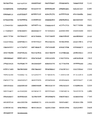
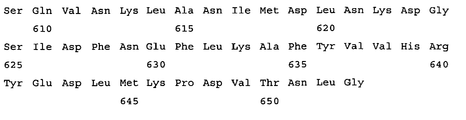
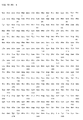
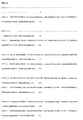
- FIG. 1 shows the nucleic acid sequence (SEQ ID NO:1), amino acid sequence (SEQ ID NO:2) and nucleic acid with corresponding amino acid sequence (SEQ ID NO:1&2) of PPEF-1.
- FIG. 2 shows the nucleic acid sequence (SEQ ID NO:3), amino acid sequence (SEQ ID NO:4) and nucleic acid with corresponding amino acid sequence (SEQ ID NO:3&4) of PPEF-1V.
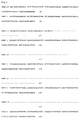
- FIG. 3 shows the nucleotide sequence alignment between the human PPEF-1 gene and its related gene variant (PPEF-1V).
- FIG. 4 shows the amino acid sequence alignment between the human PPEF-1 protein and its related gene variant (PPEF-1V).
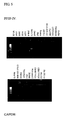
- FIG. 5 shows the expression pattern of PPEF-1V in human cell lines.
- antibody used herein denotes intact molecules (a polypeptide or group of polypeptides) as well as fragments thereof, such as Fab, R(ab') 2 , and Fv fragments, which are capable of binding the epitopes.
- Antibodies are produced by specialized B cells after stimulation by an antigen. Structurally, antibody consists of four subunits including two heavy chains and two light chains. The internal surface shape and charge distribution of the antibody binding domain is complementary to the features of an antigen. Thus, antibody can specifically act against the antigen in an immune response.
- base pair (bp) denotes nucleotides composed of a purine on one strand of DNA which can be hydrogen bonded to a pyrimidine on the other strand. Thymine (or uracil) and adenine residues are linked by two hydrogen bonds. Cytosine and guanine residues are linked by three hydrogen bonds.
- BLAST Basic Local Alignment Search Tool
- BLASTN compares a nucleotide query sequence against a nucleotide sequence database
- BLASTX compares the six-frame conceptual translation products of a query nucleotide sequence against a protein sequence database
- TBLASTN compares a query protein sequence against a nucleotide sequence database translated in all six reading frames
- TBLASTX compares the six-frame translations of a nucleotide query sequence against the six-frame translations of a nucleotide sequence database.
- cDNA used herein denotes nucleic acids that synthesized from a mRNA template using reverse transcriptase.
- cDNA library used herein denotes a library composed of complementary DNAs which are reverse-transcribed from mRNAs.
- complement denotes a polynucleotide sequence capable of forming base pairing with another polynucleotide sequence.
- sequence 5'-ATGGACTTACT-3' binds to the complementary sequence 5'- AGTAAGTCCAT-3'.
- deletion denotes a removal of a portion of one or more amino acid residues/nucleotides from a gene.
- ESTs expressed sequence tags
- expression vector denotes nucleic acid constructs which contain a cloning site for introducing the DNA into vector, one or more selectable markers for selecting vectors containing the DNA, an origin of replication for replicating the vector whenever the host cell divides, a terminator sequence, a polyadenylation signal, and a suitable control sequence which can effectively express the DNA in a suitable host.
- the suitable control sequence may include promoter, enhancer and other regulatory sequences necessary for directing polymerases to transcribe the DNA.
- host cell used herein denotes a cell which is used to receive, maintain, and allow the reproduction of an expression vector comprising DNA.
- Host cells are transformed or transfected with suitable vectors constructed using recombinant DNA methods. The recombinant DNA introduced with the vector is replicated whenever the cell divides.
- insertion or “addition” used herein denotes the addition of a portion of one or more amino acid residues/nucleotides to a gene.
- in silico denotes a process of using computational methods (e.g., BLAST) to analyze DNA sequences.
- PCR polymerase chain reaction
- nucleotide or "nucleic acid sequence”used herein denotes a sequence of nucleotide (guanine, cytosine, thymine or adenine) in a specific order that can be a natural or synthesized fragment of DNA or RNA. It may be single-stranded or double-stranded.
- protein or "polypeptide” used herein denotes a sequence of amino acids in a specific order that can be encoded by a gene or by a recombinant DNA. It can also be chemically synthesized.
- RNA interference used herein denotes an introduction of homologous double stranded RNA (dsRNA) into a cell to specifically inhibit the expression of a gene.
- RT-PCR reverse transcriptase-polymerase chain reaction
- transformation denotes a process describing the uptake, incorporation, and expression of exogenous DNA by prokaryotic host cells.
- transfection denotes a process describing the uptake, incorporation, and expression of exogenous DNA by eukaryotic host cells.
- variant denotes a fragment of sequence (nucleotide or amino acid) inserted or deleted by one or more nucleotides/amino acids.
- polypeptides of one novel human PPEF-1-related gene variant and the nucleic acid sequences encoding the same are provided.
- human PPEF-1 cDNA sequence was used to query the human EST databases using BLAST program to search for PPEF-1-related gene variants.
- One human cDNA partial sequences i.e., EST
- EST human cDNA partial sequences similar to PPEF-1 was identified from ESTs deposited in a cDNA database constructed using a SUP-T1 (T-cell lymophoblastic lymphoma) cell line.
- SUP-T1 T-cell lymophoblastic lymphoma
- the cDNA clone, named PPEF-1V (PPEF-1 variant) was then isolated from the SUP-T1 cDNA library and sequenced.
- FIG. 2 shows the nucleic acid sequences (SEQ ID NOs:3) of PPEF-1V and its corresponding amino acid sequences (SEQ ID NOs:4) encoded thereby.
- the full-length of the PPEF-1V cDNA is a 2130bp clone containing a 1503bp open reading frame (ORF) extending from nucleotides 188 to 1690, which corresponds to an encoded protein of 501 amino acid residues with a predicted molecular mass of 57.8 kDa.
- ORF open reading frame
- the initiation ATG sequence of PPEF-1V is located at nucleotides 188-190bp.
- an alignment of PPEF-1 nucleotide/amino acid sequence with PPEF-1V was performed (FIGs. 3 and 4).
- the PPEF-1V protein contains a 152 amino acid N-terminal deletion comparing to the PPEF-1 protein.
- PPEF-1V protein contains, however, only three EF-hand calcium-binding domain sites (331-366aa, 414-449aa, and 454-489aa). It has been reported that IQ motif of PPEF-1 is a calmodulin-binding site ( Kutuzov et al. (2002) Biochem Biophys Res Commun. 293:1047-52 ). The lacking of IQ motif in PPEF-1V suggests that the function of PPEF-1V may be independent calmodulin binding.
- any nucleotide fragments comprising the immediately upstream and downstream sequences of the 350bp deleted region (128-477bp) of PPEF-1V are the "gene targets" and may be used as probes to determine the presence of PPEF-1V under high stringency conditions.
- any set of primers for amplifying the fragment containing the immediately upstream and downstream sequences of the 350bp deleted region (128-477bp) of PPEF-1V are the "gene targets" and may be used to determine the presence of the variant.
- the polypeptides of the human PPEF-1V and its fragments thereof may be produced via genetic engineering techniques. In this case, they are produced by appropriate host cells which have been transformed by DNAs that code for the polypeptides or fragments thereof.
- the nucleotide sequence encoding the polypeptide of the human PPEF-1V or their fragments thereof is inserted into an appropriate expression vector, i.e., a vector which contains the necessary elements for the transcription and translation of the inserted coding sequence in a suitable host.
- the nucleic acid sequence is inserted into the vector where the sequence will be expressed under appropriate conditions (e.g., in proper orientation and correct reading frame and with appropriate expression sequences, including an RNA polymerase binding sequence and a ribosomal binding sequence).
- Any method that is known to those skilled in the art may be used to construct expression vectors containing sequences encoding the polypeptides of the human PPEF-1V and appropriate transcriptional/translational control elements. These methods may include in vitro recombinant DNA and synthetic techniques, and in vivo genetic recombinants.
- a variety of expression vector/host systems may be utilized to express the polypeptide-coding sequence. These include, but not limited to, microorganisms such as bacteria transformed with recombinant bacteriophage, plasmid, or cosmid DNA expression vector; yeast transformed with yeast expression vector; insect cell systems infected with virus (e.g., baculovirus); plant cell system transformed with viral expression vector (e.g., cauliflower mosaic virus, CaMV, or tobacco mosaic virus, TMV); or animal cell system infected with virus (e.g., vaccina virus, adenovirus, etc.).
- the host cell is a bacterium, and most preferably, the bacterium is E . coli.
- Polypeptides of the human PPEF-1V or fragments thereof may be synthesized using chemical methods.
- peptide synthesis can be performed using various solid-phase techniques. Automated synthesis may be achieved using the ABI 431A peptide synthesizer (Perkin-Elmer).
- the fragments of the polypeptides and nucleic acid sequences of the human PPEF-1V are used as immunogens, primers or probes.
- the purified fragments of the human PPEF-1V are used.
- the fragments may be produced by enzyme digestion, chemical cleavage of isolated or purified polypeptide or nucleic acid sequences, or chemical synthesis. The fragment then may be isolated or purified. Such isolated or purified fragments of the polypeptides and nucleic acid sequences can be used as immunogens, primers or probes.
- the present invention further provides the antibodies which specifically bind one or more out-surface epitopes of the polypeptides of the human PPEF-1V.
- immunization of mammals such as humans, rabbits, rats, mice, sheep, goats, cows, or horses with immunogens described herin is performed using procedures well known to those skilled in the art, for the purpose of obtaining antisera containing polyclonal antibodies or hybridoma lines secreting monoclonal antibodies.
- Monoclonal antibodies can be prepared by standard techniques, given the teachings contained herein. Such techniques are disclosed, for example, in U.S. patent number 4,271,145 and U.S. patent number 4,196,265 . Briefly, an animal is immunized with the immunogen. Hybridomas are prepared by fusing spleen cells from the immunized animal with myeloma cells. The fused products are screened for those producing antibodies that specifically bind to the immunogen. The positive hybridoma clones are isolated, and the monoclonal antibodies are recovered from those clones.
- Immunization regimens for production of both polyclonal and monoclonal antibodies are well-known in the art.
- the immunogen may be injected by any route, including subcutaneous, intravenous, intraperitoneal, intradermal, intramuscular, mucosal, or a combination thereof.
- the immunogen may be injected in soluble form, aggregate form, attached to a physical carrier, or mixed with an adjuvant.
- the antisera and antibodies may be purified using column chromatography methods.
- antibody fragments which contain specific binding sites for the polypeptides or fragments thereof may also be generated.
- fragments include, but are not limited to, F(ab') 2 fragments made by pepsin digestion of the antibody molecule or Fab fragments generated by reducing the disulfide bridges of the F(ab') 2 fragments.
- the subject invention also provides methods for diagnosing the diseases associated with PPEF-1V or T-cell lymphoma, more preferably, the T-cell lymphoblastic lymphoma, by utilizing the nucleic acid sequences, the polypeptide of the human PPEF-1V, or fragments thereof, and the antibodies against the polypeptides.
- the expression level of PPEF-1V relative to PPEF-1 may be a useful indicator to screen patients suspected of having T-cell lymphoma or more specifically the T-cell lymphoblastic lymphoma.
- the index of relative expression level (mRNA or protein) may confer an increased susceptibility to T-cell lymphoma, more preferably, the T-cell lymphoblastic lymphoma.
- Fragments of PPEF-1V transcripts (mRNAs) may be detected by RT-PCR approach.
- Polypeptides of PPEF-1V may be determined by the binding of antibodies to these polypeptides.
- RNAi RNA interference
- RNA interference RNA interference
- the double stranded short nucleic acid molecules containing the immediately upstream and downstream sequences of the 350bp deleted region (128-477bp) of PPEF-1V may be used to interfere and degrade PPEF-1V mRNA.
- the decreased transcripts or polypeptides may be used to determine the presence of PPEF-1V mRNA.
- the expression of these gene variant mRNAs may be determined by, but not limited to, RT-PCR.
- RT-PCR Using TRIZOL reagents (Life Technology), total RNA may be isolated from patient samples. Tissue samples (e.g., biopsy samples) are powdered under liquid nitrogen before homogenization. RNA purity and integrity are assessed by absorbance at 260/280 nm and by agarose gel electrophoresis.
- a set of primers can be designed to amplify the expected size of specific PCR fragments of PPEF-1V.
- one of the primers is a fragment of the sequences (A fragment) or a fragment complementary to the sequences (B fragment) containing the gene targets: nucleotides 127-128 of PPEF-1V; the other is a fragment of the PPEF-1V sequences designed at any location upstream of "B fragment” or a fragment complementary to the PPEF-1V sequences designed at any location downstream of "A fragment".
- one primer is designed at any location upstream of nucleotide 127 of PPEF-1V and the other is designed at any location complementary to a portion downstream of nucleotide 128 of PPEF-1V.
- the length of the PCR fragment from PPEF-1V will be 350bp shorter than that from PPEF-1.
- PCR fragments are analyzed on a 1% agarose gel using five microliters (10%) of the amplified products.
- the intensity of the signals may be determined by using the Molecular Analyst program (version 1.4.1; Bio-Rad).
- the index of relative expression levels for each co-amplified PCR products may be calculated based on the signal intensities.
- the RT-PCR experiment may be performed according to the manufacturer instructions (Boehringer Mannheim).
- a 50 ⁇ l reaction mixture containing 2 ⁇ l total RNA (0.1 ⁇ g/ ⁇ l), 1 ⁇ l each primer (20 pM), 1 ⁇ l each dNTP (10 mM), 2.5 ⁇ l DTT solution (100 mM), 10 ⁇ l 5X RT-PCR buffer, 1 ⁇ l enzyme mixture, and 28.5 ⁇ l sterile distilled water may be subjected to the conditions such as reverse transcription at 60°C for 30 minutes followed by 35 cycles of denaturation at 94°C for 2 minutes, annealing at 60°C for 2 minutes, and extension at 68°C for 2 minutes.
- the RT-PCR analysis may be repeated twice to ensure reproducibility, for a total of three independent experiments.
- the expression of gene variants can also be analyzed using Northern Blot hybridization approach.
- Specific fragment of the PPEF-1V may be amplified by polymerase chain reaction (PCR) using primer set designed for RT-PCR.
- the amplified PCR fragment may be labeled and served as a probe to hybridize the membranes containing total RNAs extracted from the samples under the conditions of 55°C in a suitable hybridization solution for 3 hours.
- Blots may be washed twice in 2 x SSC, 0.1% SDS at room temperature for 15 minutes each, followed by two washes in 0.1 x SSC and 0.1% SDS at 65°C for 20 minutes each. After these washes, blot may be rinsed briefly in suitable washing buffer and incubated in blocking solution for 30 minutes.
- the blot may be incubated in suitable antibody solution for 30 minutes. Blots may be washed in washing buffer for 30 minutes and equilibrated in suitable detection buffer before detecting the signals.
- the presence of gene variants cDNAs or PCR
- the cDNAs or PCR products corresponding to the nucleotide sequences of the present invention may be immobilized on a suitable substrate such as a glass slide. Hybridization can be preformed using the labeled mRNAs extracted from samples. After hybridization, nonhybridized mRNAs are removed. The relative abundance of each labeled transcript, hybridizing to a cDNA/PCR product immobilized on the microarray, can be determined by analyzing the scanned images.
- the presence of the polypeptide of PPEF-1V may be determined by, but not limited to, the immunoassay which uses the antibody that specifically binds to the polypeptide.
- the polypeptides of the gene variants may be expressed in prokaryotic cells by using suitable prokaryotic expression vectors.
- the cDNA fragments of PPEF-1V gene may be PCR amplified using primer set A with restriction enzyme digestion sites incorporated in the 5' and 3' ends, respectively. The PCR products can then be enzyme digested, purified, and inserted into the corresponding sites of prokaryotic expression vector in-frame to generate recombinant plasmids. Sequence fidelity of this recombinant DNA can be verified by sequencing.
- the prokaryotic recombinant plasmids may be transformed into host cells (e.g., E. coli BL21 (DE3)). Recombinant protein synthesis may be stimulated by the addition of 0.4 mM isopropylthiogalactoside (IPTG) for 3 hours. The bacterially-expressed proteins may be purified.
- host cells e.g., E. coli BL21 (DE3)
- IPTG isopropylthiogalactoside
- the polypeptide of the gene variant may be expressed in animal cells by using eukaryotic expression vectors.
- Cells may be maintained in Dulbecco's modified Eagle's medium (DMEM) supplemented with 10% fetal bovine serum (FBS; Gibco BRL) at 37°C in a humidified 5% CO 2 atmosphere.
- DMEM Dulbecco's modified Eagle's medium
- FBS fetal bovine serum
- FBS fetal bovine serum
- the nucleotide sequence of each of the gene variant may be amplified with PCR primers containing restriction enzyme digestion sites and ligated into the corresponding sites of eukaryotic expression vector in-frame. Sequence fidelity of this recombinant DNA can be verified by sequencing.
- the cells may be plated in 12-well plates one day before transfection at a density of 5 x 10 4 cells per well.
- Transfections may be carried out using Lipofectaminutese Plus transfection reagent according to the manufacturer's instructions (Gibco BRL). Three hours following transfection, the medium containing the complexes may be replaced with fresh medium. Forty-eight hours after incubation, the cells may be scraped into lysis buffer (0.1 M Tris HCl, pH 8.0, 0.1% Triton X-100) for purification of expressed proteins. After these proteins are purified, monoclonal antibodies against these purified proteins (PPEF-1V) may be generated using hybridoma technique according to the conventional methods ( de StGroth and Scheidegger, (1980) J Immunol Methods 35:1-21 ; Cote et al. (1983) Proc Natl Acad Sci U S A 80: 2026-30 ; and Kozbor et al. (1985) J Immunol Methods 81:31-42 ).
- the presence of the polypeptides of PPEF-1 V in samples of T-cell lymphoblastic lymphoma may be determined by, but not limited to, Western blot analysis.
- Proteins extracted from samples may be separated by SDS-PAGE and transferred to suitable membranes such as polyvinylidene difluoride (PVDF) in transfer buffer (25 mM Tris-HCl, pH 8.3, 192 mM glycine, 20% methanol) with a Trans-Blot apparatus for 1 hour at 100 V (e.g., Bio-Rad).
- PVDF polyvinylidene difluoride
- transfer buffer 25 mM Tris-HCl, pH 8.3, 192 mM glycine, 20% methanol
- Trans-Blot apparatus for 1 hour at 100 V (e.g., Bio-Rad).
- the proteins can be immunoblotted with specific antibodies.
- membrane blotted with extracted proteins may be blocked with suitable buffers such as 3% solution of BSA or 3% solution of nonfat milk powder in TBST buffer (10 mM Tris-HCl, pH 8.0, 150 mM NaCl, 0.1 % Tween 20) and incubated with monoclonal antibody directed against the polypeptides of gene variants. Unbound antibody is removed by washing with TBST for 5 X 1 minutes. Bound antibody may be detected using commercial ECL Western blotting detecting reagents.
- suitable buffers such as 3% solution of BSA or 3% solution of nonfat milk powder in TBST buffer (10 mM Tris-HCl, pH 8.0, 150 mM NaCl, 0.1 % Tween 20) and incubated with monoclonal antibody directed against the polypeptides of gene variants. Unbound antibody is removed by washing with TBST for 5 X 1 minutes. Bound antibody may be detected using commercial ECL Western blotting detecting reagents.
- ESTs Expressed sequence tags (ESTs) generated from the large-scale PCR-based sequencing of the 5'-end of human T-cell lymphoblastic lymphoma cDNA clones were compiled and served as EST databases. Sequence comparisons against the nonredundant nucleotide and protein databases were performed using BLASTN and BLASTX programs, at the National Center for Biotechnology Information (NCBI) with a significance cutoff of p ⁇ 10 -10 . ESTs representing putative PPEF-1V gene were identified during the course of EST generation.
- NCBI National Center for Biotechnology Information
- PPEF-1V One cDNA clone exhibiting EST sequence similar to the PPEF-1 gene was isolated from the T-cell lymphoblastic lymphoma cDNA library and named PPEF-1V.
- the inserts of these clones were subsequently excised in vivo from the ⁇ ZAP Express vector using the ExAssist/XLOLR helper phage system (Stratagene). Phagemid particles were excised by coinfecting XL1-BLUE MRF' cells with ExAssist helper phage. The excised pBluescript phagemids were used to infect E. coli XLOLR cells, which lack the amber suppressor necessary for ExAssist phage replication.
- Infected XLOLR cells were selected using kanamycin resistance. Resultant colonies contained the double stranded phagemid vector with the cloned cDNA insert. A single colony was grown overnight in LB-kanamycin, and DNA was purified using a Qiagen plasmid purification kit.
- Phagemid DNA was sequenced using the Taq dye-deoxy terminator cycle sequencing kit for the Applied Biosystems 377 sequencing system (PerkinElmer Life Sciences). Using the primer-walking approach, full-length sequence was determined. Nucleotide and protein searches were performed using BLAST against the non-redundant database of NCBI.
- the coding sequence for each cDNA clones was searched against the dbEST sequence database using the BLAST algorithm at the NCBI website. ESTs derived from each tissue were used as a source of information for transcript tissue expression analysis. Tissue distribution for each isolated cDNA clone was determined by ESTs matching to that particular sequence variants (insertions or deletions) with a significance cutoff of p ⁇ 10 -10 .
- the expression pattern of PPEF-1V was conducted in human cell lines using RT-PCR.
- the human cell lines were WI38 (Lung, fetus); A549 (Lung adenocarcinoma); H661 (Large cell carcinoma, lung); H520 (Squamous cell carcinoma, lung); H209 (Small cell carcinoma, lung); JHH-4 (Hepatoma); SUP-T1 (T-cell lymophoblastic lymphoma); Daudi (Burkitt's lymophoma); Ramos (Burkitt's lymophoma); RAJI (Burkitt's lymophoma); ZR75-1 (Breast carcinoma); MDA-MB-231 (Breast adenocarcinoma); Hs 578T (Breast carcinoma); G5T/VGH (Glioblastoma multiforme); TSGH9201 (Gastric carcinoma); Ca Ski (Cervix epidermoi
- RNA extracted from each of the cell lines were assessed by absorbance at 260/280 nm and by agarose gel electrophoresis.
- the forward and reverse primers for PPEF-1V were: 5'-CTGACACATATACTTCATGCCC-3' and 5'-CACACAGGATCATTAGGATCTC-3'.
- the expected sizes of PPEF-1V PCR fragments was 265bp.
- Glyceraldehyde-3-phosphate dehydrogenase accession No. M33197 was used for internal control.
- the forward and reverse primers for GAPDH were: 5'-TGGGTGTGAACCATGAGAAG-3' and 5'-GTGTCGCTGTTGAAGTCAGA-3'.
- the expected sizes of GAPDH PCR fragments was 472 bp.
- a 50 ⁇ l reaction mixture containing 2 ⁇ l total RNA (0.1 ⁇ .g/ ⁇ l), 1 ⁇ l each primer (20 pM), 1 ⁇ l each dNTP (10 mM), 2.5 ⁇ l DTT solution (100 mM), 10 ⁇ l 5X RT-PCR buffer, 1 ⁇ l enzyme mixture and 28.5 ⁇ l sterile redistilled water were subjected to reverse transcription at 60°C for 30 minutes followed by 35 cycles of denaturation at 94°C for 2 minutes, annealing at 60°C for 2 minutes, and extension at 68°C for 2 minutes.
Landscapes
- Life Sciences & Earth Sciences (AREA)
- Chemical & Material Sciences (AREA)
- Health & Medical Sciences (AREA)
- Genetics & Genomics (AREA)
- Organic Chemistry (AREA)
- Zoology (AREA)
- Engineering & Computer Science (AREA)
- Bioinformatics & Cheminformatics (AREA)
- Wood Science & Technology (AREA)
- Microbiology (AREA)
- Biotechnology (AREA)
- Biomedical Technology (AREA)
- Molecular Biology (AREA)
- Biochemistry (AREA)
- General Engineering & Computer Science (AREA)
- General Health & Medical Sciences (AREA)
- Medicinal Chemistry (AREA)
- Peptides Or Proteins (AREA)
- Measuring Or Testing Involving Enzymes Or Micro-Organisms (AREA)
- Enzymes And Modification Thereof (AREA)
Priority Applications (4)
| Application Number | Priority Date | Filing Date | Title |
|---|---|---|---|
| DE602006012840T DE602006012840D1 (de) | 2006-09-22 | 2006-09-22 | Menschliche protein phosphatase mit EF-hände-1 (PPEF-1)- ähnliches genvariant assoziert mit T-zellen lymphoblastisches Lymphom |
| AT06019930T ATE460476T1 (de) | 2006-09-22 | 2006-09-22 | Menschliche protein phosphatase mit ef-hände-1 (ppef-1)- ähnliches genvariant assoziert mit t- zellen lymphoblastisches lymphom |
| EP06019930A EP1903109B8 (de) | 2006-09-22 | 2006-09-22 | Menschliche Protein Phosphatase mit EF-Hände-1 (PPEF-1)- betreffende Genvariante assoziert mit dem T-Zellen lymphoblastischen Lymphom |
| ES06019930T ES2342482T3 (es) | 2006-09-22 | 2006-09-22 | Variante genetica relacionada con fosfatasa de proteina humana con manos ef-1 (ppef-1) asociada con linfoma linfoblastico de celulas t. |
Applications Claiming Priority (1)
| Application Number | Priority Date | Filing Date | Title |
|---|---|---|---|
| EP06019930A EP1903109B8 (de) | 2006-09-22 | 2006-09-22 | Menschliche Protein Phosphatase mit EF-Hände-1 (PPEF-1)- betreffende Genvariante assoziert mit dem T-Zellen lymphoblastischen Lymphom |
Publications (3)
| Publication Number | Publication Date |
|---|---|
| EP1903109A1 true EP1903109A1 (de) | 2008-03-26 |
| EP1903109B1 EP1903109B1 (de) | 2010-03-10 |
| EP1903109B8 EP1903109B8 (de) | 2010-12-15 |
Family
ID=37726781
Family Applications (1)
| Application Number | Title | Priority Date | Filing Date |
|---|---|---|---|
| EP06019930A Active EP1903109B8 (de) | 2006-09-22 | 2006-09-22 | Menschliche Protein Phosphatase mit EF-Hände-1 (PPEF-1)- betreffende Genvariante assoziert mit dem T-Zellen lymphoblastischen Lymphom |
Country Status (4)
| Country | Link |
|---|---|
| EP (1) | EP1903109B8 (de) |
| AT (1) | ATE460476T1 (de) |
| DE (1) | DE602006012840D1 (de) |
| ES (1) | ES2342482T3 (de) |
Cited By (1)
| Publication number | Priority date | Publication date | Assignee | Title |
|---|---|---|---|---|
| EP2853596A1 (de) | 2013-09-30 | 2015-04-01 | IKBT (Institut für Klinische Biomedizinische Forschung Thurgau) | Proteinphosphatasehemmer |
Citations (1)
| Publication number | Priority date | Publication date | Assignee | Title |
|---|---|---|---|---|
| WO2004070383A2 (de) * | 2003-02-05 | 2004-08-19 | Grünenthal GmbH | Identifizierung schmerzegulierter gene im drg nach cfa-arthritits |
-
2006
- 2006-09-22 DE DE602006012840T patent/DE602006012840D1/de active Active
- 2006-09-22 EP EP06019930A patent/EP1903109B8/de active Active
- 2006-09-22 ES ES06019930T patent/ES2342482T3/es active Active
- 2006-09-22 AT AT06019930T patent/ATE460476T1/de not_active IP Right Cessation
Patent Citations (1)
| Publication number | Priority date | Publication date | Assignee | Title |
|---|---|---|---|---|
| WO2004070383A2 (de) * | 2003-02-05 | 2004-08-19 | Grünenthal GmbH | Identifizierung schmerzegulierter gene im drg nach cfa-arthritits |
Non-Patent Citations (5)
| Title |
|---|
| HUANG X ET AL: "Molecular cloning, expression, and characterization of a novel human serine/threonine protein phosphatase, PP7, that is homologous to Drosophila retinal degeneration C gene product (rdgC)", JOURNAL OF BIOLOGICAL CHEMISTRY, AMERICAN SOCIETY OF BIOLOCHEMICAL BIOLOGISTS, BIRMINGHAM,, US, vol. 273, no. 3, 16 January 1998 (1998-01-16), pages 1462 - 1468, XP002304437, ISSN: 0021-9258 * |
| HUOPANIEMI LAURA ET AL: "Characterization of two unusual RS1 gene deletions segregating in Danish retinoschisis families", HUMAN MUTATION, vol. 16, no. 4, 2000, pages 307 - 314, XP002420624, ISSN: 1059-7794 * |
| KUTUZOV M A ET AL: "Expression and characterization of PP7, a novel plant protein Ser/Thr phosphatase distantly related to RdgC/PPEF and PP5", FEBS LETTERS, ELSEVIER, AMSTERDAM, NL, vol. 440, no. 1-2, 27 November 1998 (1998-11-27), pages 147 - 152, XP004463517, ISSN: 0014-5793 * |
| MONTINI E ET AL: "A novel human serine-threonine phosphatase related to the Drosophila retinal degeneration C (rdgC) gene is selectively expressed in sensory neurons of neural crest origin", HUMAN MOLECULAR GENETICS, OXFORD UNIVERSITY PRESS, SURREY, GB, vol. 6, no. 7, 1997, pages 1137 - 1145, XP002304435, ISSN: 0964-6906 * |
| SHERMAN P M ET AL: "Identification and characterization of a conserved family of protein serine/threonine phosphatases homologous to Drosophila retinal degeneration C (rdgC)", PROCEEDINGS OF THE NATIONAL ACADEMY OF SCIENCES OF USA, NATIONAL ACADEMY OF SCIENCE, WASHINGTON, DC, US, vol. 94, no. 21, October 1997 (1997-10-01), pages 11639 - 11644, XP002304436, ISSN: 0027-8424 * |
Cited By (2)
| Publication number | Priority date | Publication date | Assignee | Title |
|---|---|---|---|---|
| EP2853596A1 (de) | 2013-09-30 | 2015-04-01 | IKBT (Institut für Klinische Biomedizinische Forschung Thurgau) | Proteinphosphatasehemmer |
| WO2015043764A2 (en) | 2013-09-30 | 2015-04-02 | Institut Für Klinische Biomedizinische Forschung (Ikbt) Laboratories | Protein phosphatase inhibitor |
Also Published As
| Publication number | Publication date |
|---|---|
| DE602006012840D1 (de) | 2010-04-22 |
| EP1903109B8 (de) | 2010-12-15 |
| ATE460476T1 (de) | 2010-03-15 |
| EP1903109B1 (de) | 2010-03-10 |
| ES2342482T3 (es) | 2010-07-07 |
Similar Documents
| Publication | Publication Date | Title |
|---|---|---|
| US7977470B2 (en) | Human Ron-related gene variant associated with cancers | |
| EP1903109B1 (de) | Menschliche protein phosphatase mit EF-hände-1 (PPEF-1)- ähnliches genvariant assoziert mit T-zellen lymphoblastisches Lymphom | |
| JPH09509319A (ja) | Rna修正酵素およびその使用方法 | |
| EP1892291B1 (de) | Mit Krebs assoziierte menschliche RON verwandte Genvariante | |
| US20080076124A1 (en) | Human Protein Phosphatase With EF-Hands-1(PPEF-1)-Related Gene Variant Associated With T-Cell Lymphoblastic Lymphoma | |
| US7087733B2 (en) | Human ARL-related gene variants associated with cancers | |
| US20030186241A1 (en) | Human choline/ethanolamine kinase (HCEK)-related gene variant associated with lung cancers | |
| US20030190622A1 (en) | Human kinase interacting protein 2 (KIP2)-related gene variant associated with lung cancers | |
| EP1895004A1 (de) | Eine Variante des menschlichen Hippocalcingens, die mit Krebs assoziiert ist | |
| US6908755B2 (en) | Human megakaryocyte-associated tyrosine kinase (MATK)-related gene variant associated with lung cancers | |
| CA2480276C (en) | Compositions and methods for detection and treatment of proliferative abnormalities associated with overexpression of human transketolase like-1 gene | |
| US20050013817A1 (en) | Human SMAPK3-related gene variants associated with cancers | |
| EP1728799B1 (de) | Human Kinase interacting Protein 2 (KIP2)-related gene variant (KIP2V1) im Zusammenhang mit Prostatakrebs | |
| US7186537B2 (en) | Human GAK-related gene variants associated with lung cancer | |
| US7342109B2 (en) | Human kinase interacting protein 2 (KIP2)-related gene variant associated with cancers | |
| US20030180727A1 (en) | Human RPS6KA6-related gene variant associated with lung cancers | |
| US20030207274A1 (en) | Human NjmuR1-related gene variant associated with lung cancers | |
| US20050048502A1 (en) | Human SACH-related gene variants associated with cancers | |
| US20050048504A1 (en) | Human SGII-related gene variants associated with cancers | |
| US20030190621A1 (en) | Human CrkRS-related gene variant associated with lung cancers | |
| US20040116658A1 (en) | Human KAP/Cdi1-related gene variant associated with small cell lung cancer | |
| US20060263788A1 (en) | Human kinase interacting protein 2 (KIP2)-related gene variant (KIP2V1) associated with prostate cancer | |
| US20040023214A1 (en) | Human PHKA1-related gene variant associated with cancers | |
| US20050266446A1 (en) | Human ITPase-related gene variants associated with lung cancers | |
| US20030120036A1 (en) | Human NOC2-related gene variants associated with lung cancer |
Legal Events
| Date | Code | Title | Description |
|---|---|---|---|
| PUAI | Public reference made under article 153(3) epc to a published international application that has entered the european phase |
Free format text: ORIGINAL CODE: 0009012 |
|
| AK | Designated contracting states |
Kind code of ref document: A1 Designated state(s): AT BE BG CH CY CZ DE DK EE ES FI FR GB GR HU IE IS IT LI LT LU LV MC NL PL PT RO SE SI SK TR |
|
| AX | Request for extension of the european patent |
Extension state: AL BA HR MK YU |
|
| 17P | Request for examination filed |
Effective date: 20080819 |
|
| 17Q | First examination report despatched |
Effective date: 20081022 |
|
| AKX | Designation fees paid |
Designated state(s): AT BE BG CH CY CZ DE DK EE ES FI FR GB GR HU IE IS IT LI LT LU LV MC NL PL PT RO SE SI SK TR |
|
| GRAP | Despatch of communication of intention to grant a patent |
Free format text: ORIGINAL CODE: EPIDOSNIGR1 |
|
| GRAS | Grant fee paid |
Free format text: ORIGINAL CODE: EPIDOSNIGR3 |
|
| GRAA | (expected) grant |
Free format text: ORIGINAL CODE: 0009210 |
|
| AK | Designated contracting states |
Kind code of ref document: B1 Designated state(s): AT BE BG CH CY CZ DE DK EE ES FI FR GB GR HU IE IS IT LI LT LU LV MC NL PL PT RO SE SI SK TR |
|
| REG | Reference to a national code |
Ref country code: GB Ref legal event code: FG4D |
|
| REG | Reference to a national code |
Ref country code: CH Ref legal event code: EP |
|
| REG | Reference to a national code |
Ref country code: IE Ref legal event code: FG4D |
|
| REF | Corresponds to: |
Ref document number: 602006012840 Country of ref document: DE Date of ref document: 20100422 Kind code of ref document: P |
|
| REG | Reference to a national code |
Ref country code: NL Ref legal event code: T3 |
|
| REG | Reference to a national code |
Ref country code: ES Ref legal event code: FG2A Ref document number: 2342482 Country of ref document: ES Kind code of ref document: T3 |
|
| PG25 | Lapsed in a contracting state [announced via postgrant information from national office to epo] |
Ref country code: LT Free format text: LAPSE BECAUSE OF FAILURE TO SUBMIT A TRANSLATION OF THE DESCRIPTION OR TO PAY THE FEE WITHIN THE PRESCRIBED TIME-LIMIT Effective date: 20100310 |
|
| LTIE | Lt: invalidation of european patent or patent extension |
Effective date: 20100310 |
|
| PG25 | Lapsed in a contracting state [announced via postgrant information from national office to epo] |
Ref country code: PL Free format text: LAPSE BECAUSE OF FAILURE TO SUBMIT A TRANSLATION OF THE DESCRIPTION OR TO PAY THE FEE WITHIN THE PRESCRIBED TIME-LIMIT Effective date: 20100310 Ref country code: LV Free format text: LAPSE BECAUSE OF FAILURE TO SUBMIT A TRANSLATION OF THE DESCRIPTION OR TO PAY THE FEE WITHIN THE PRESCRIBED TIME-LIMIT Effective date: 20100310 Ref country code: AT Free format text: LAPSE BECAUSE OF FAILURE TO SUBMIT A TRANSLATION OF THE DESCRIPTION OR TO PAY THE FEE WITHIN THE PRESCRIBED TIME-LIMIT Effective date: 20100310 Ref country code: SI Free format text: LAPSE BECAUSE OF FAILURE TO SUBMIT A TRANSLATION OF THE DESCRIPTION OR TO PAY THE FEE WITHIN THE PRESCRIBED TIME-LIMIT Effective date: 20100310 Ref country code: FI Free format text: LAPSE BECAUSE OF FAILURE TO SUBMIT A TRANSLATION OF THE DESCRIPTION OR TO PAY THE FEE WITHIN THE PRESCRIBED TIME-LIMIT Effective date: 20100310 |
|
| PG25 | Lapsed in a contracting state [announced via postgrant information from national office to epo] |
Ref country code: CY Free format text: LAPSE BECAUSE OF FAILURE TO SUBMIT A TRANSLATION OF THE DESCRIPTION OR TO PAY THE FEE WITHIN THE PRESCRIBED TIME-LIMIT Effective date: 20100310 Ref country code: SE Free format text: LAPSE BECAUSE OF FAILURE TO SUBMIT A TRANSLATION OF THE DESCRIPTION OR TO PAY THE FEE WITHIN THE PRESCRIBED TIME-LIMIT Effective date: 20100310 Ref country code: RO Free format text: LAPSE BECAUSE OF FAILURE TO SUBMIT A TRANSLATION OF THE DESCRIPTION OR TO PAY THE FEE WITHIN THE PRESCRIBED TIME-LIMIT Effective date: 20100310 Ref country code: GR Free format text: LAPSE BECAUSE OF FAILURE TO SUBMIT A TRANSLATION OF THE DESCRIPTION OR TO PAY THE FEE WITHIN THE PRESCRIBED TIME-LIMIT Effective date: 20100611 Ref country code: BE Free format text: LAPSE BECAUSE OF FAILURE TO SUBMIT A TRANSLATION OF THE DESCRIPTION OR TO PAY THE FEE WITHIN THE PRESCRIBED TIME-LIMIT Effective date: 20100310 Ref country code: EE Free format text: LAPSE BECAUSE OF FAILURE TO SUBMIT A TRANSLATION OF THE DESCRIPTION OR TO PAY THE FEE WITHIN THE PRESCRIBED TIME-LIMIT Effective date: 20100310 |
|
| PG25 | Lapsed in a contracting state [announced via postgrant information from national office to epo] |
Ref country code: CZ Free format text: LAPSE BECAUSE OF FAILURE TO SUBMIT A TRANSLATION OF THE DESCRIPTION OR TO PAY THE FEE WITHIN THE PRESCRIBED TIME-LIMIT Effective date: 20100310 Ref country code: BG Free format text: LAPSE BECAUSE OF FAILURE TO SUBMIT A TRANSLATION OF THE DESCRIPTION OR TO PAY THE FEE WITHIN THE PRESCRIBED TIME-LIMIT Effective date: 20100610 Ref country code: SK Free format text: LAPSE BECAUSE OF FAILURE TO SUBMIT A TRANSLATION OF THE DESCRIPTION OR TO PAY THE FEE WITHIN THE PRESCRIBED TIME-LIMIT Effective date: 20100310 Ref country code: IS Free format text: LAPSE BECAUSE OF FAILURE TO SUBMIT A TRANSLATION OF THE DESCRIPTION OR TO PAY THE FEE WITHIN THE PRESCRIBED TIME-LIMIT Effective date: 20100710 |
|
| PLBE | No opposition filed within time limit |
Free format text: ORIGINAL CODE: 0009261 |
|
| STAA | Information on the status of an ep patent application or granted ep patent |
Free format text: STATUS: NO OPPOSITION FILED WITHIN TIME LIMIT |
|
| PG25 | Lapsed in a contracting state [announced via postgrant information from national office to epo] |
Ref country code: DK Free format text: LAPSE BECAUSE OF FAILURE TO SUBMIT A TRANSLATION OF THE DESCRIPTION OR TO PAY THE FEE WITHIN THE PRESCRIBED TIME-LIMIT Effective date: 20100310 Ref country code: PT Free format text: LAPSE BECAUSE OF FAILURE TO SUBMIT A TRANSLATION OF THE DESCRIPTION OR TO PAY THE FEE WITHIN THE PRESCRIBED TIME-LIMIT Effective date: 20100712 |
|
| 26N | No opposition filed |
Effective date: 20101213 |
|
| PG25 | Lapsed in a contracting state [announced via postgrant information from national office to epo] |
Ref country code: MC Free format text: LAPSE BECAUSE OF NON-PAYMENT OF DUE FEES Effective date: 20100930 |
|
| REG | Reference to a national code |
Ref country code: CH Ref legal event code: PL |
|
| PG25 | Lapsed in a contracting state [announced via postgrant information from national office to epo] |
Ref country code: IE Free format text: LAPSE BECAUSE OF NON-PAYMENT OF DUE FEES Effective date: 20100922 Ref country code: CH Free format text: LAPSE BECAUSE OF NON-PAYMENT OF DUE FEES Effective date: 20100930 Ref country code: LI Free format text: LAPSE BECAUSE OF NON-PAYMENT OF DUE FEES Effective date: 20100930 |
|
| PG25 | Lapsed in a contracting state [announced via postgrant information from national office to epo] |
Ref country code: LU Free format text: LAPSE BECAUSE OF NON-PAYMENT OF DUE FEES Effective date: 20100922 Ref country code: HU Free format text: LAPSE BECAUSE OF FAILURE TO SUBMIT A TRANSLATION OF THE DESCRIPTION OR TO PAY THE FEE WITHIN THE PRESCRIBED TIME-LIMIT Effective date: 20100911 |
|
| PG25 | Lapsed in a contracting state [announced via postgrant information from national office to epo] |
Ref country code: TR Free format text: LAPSE BECAUSE OF FAILURE TO SUBMIT A TRANSLATION OF THE DESCRIPTION OR TO PAY THE FEE WITHIN THE PRESCRIBED TIME-LIMIT Effective date: 20100310 |
|
| REG | Reference to a national code |
Ref country code: FR Ref legal event code: PLFP Year of fee payment: 11 |
|
| REG | Reference to a national code |
Ref country code: FR Ref legal event code: PLFP Year of fee payment: 12 |
|
| REG | Reference to a national code |
Ref country code: FR Ref legal event code: PLFP Year of fee payment: 13 |
|
| PGFP | Annual fee paid to national office [announced via postgrant information from national office to epo] |
Ref country code: DE Payment date: 20240926 Year of fee payment: 19 |
|
| PGFP | Annual fee paid to national office [announced via postgrant information from national office to epo] |
Ref country code: GB Payment date: 20240923 Year of fee payment: 19 |
|
| PGFP | Annual fee paid to national office [announced via postgrant information from national office to epo] |
Ref country code: FR Payment date: 20240924 Year of fee payment: 19 |
|
| PGFP | Annual fee paid to national office [announced via postgrant information from national office to epo] |
Ref country code: NL Payment date: 20240920 Year of fee payment: 19 |
|
| PGFP | Annual fee paid to national office [announced via postgrant information from national office to epo] |
Ref country code: IT Payment date: 20240930 Year of fee payment: 19 Ref country code: ES Payment date: 20241018 Year of fee payment: 19 |
|
| REG | Reference to a national code |
Ref country code: NL Ref legal event code: MM Effective date: 20251001 |