EP1908833A1 - Nouveau gène temporel et son application - Google Patents
Nouveau gène temporel et son application Download PDFInfo
- Publication number
- EP1908833A1 EP1908833A1 EP06756940A EP06756940A EP1908833A1 EP 1908833 A1 EP1908833 A1 EP 1908833A1 EP 06756940 A EP06756940 A EP 06756940A EP 06756940 A EP06756940 A EP 06756940A EP 1908833 A1 EP1908833 A1 EP 1908833A1
- Authority
- EP
- European Patent Office
- Prior art keywords
- gene
- dna
- base sequence
- novel gene
- seq
- Prior art date
- Legal status (The legal status is an assumption and is not a legal conclusion. Google has not performed a legal analysis and makes no representation as to the accuracy of the status listed.)
- Withdrawn
Links
- 108090000623 proteins and genes Proteins 0.000 title claims abstract description 235
- 230000002123 temporal effect Effects 0.000 title 1
- 108020004414 DNA Proteins 0.000 claims abstract description 52
- 102000004169 proteins and genes Human genes 0.000 claims abstract description 37
- 108010088547 ARNTL Transcription Factors Proteins 0.000 claims abstract description 17
- 102000008867 ARNTL Transcription Factors Human genes 0.000 claims abstract description 17
- 238000007792 addition Methods 0.000 claims abstract description 13
- 238000012217 deletion Methods 0.000 claims abstract description 12
- 230000037430 deletion Effects 0.000 claims abstract description 12
- 238000006467 substitution reaction Methods 0.000 claims abstract description 12
- 230000000295 complement effect Effects 0.000 claims abstract description 8
- 108020004459 Small interfering RNA Proteins 0.000 claims description 68
- 239000000523 sample Substances 0.000 claims description 34
- 238000000034 method Methods 0.000 claims description 29
- 239000002246 antineoplastic agent Substances 0.000 claims description 24
- 241001465754 Metazoa Species 0.000 claims description 20
- 241000282414 Homo sapiens Species 0.000 claims description 19
- 230000033764 rhythmic process Effects 0.000 claims description 16
- 102000040430 polynucleotide Human genes 0.000 claims description 15
- 108091033319 polynucleotide Proteins 0.000 claims description 15
- 239000002157 polynucleotide Substances 0.000 claims description 15
- 125000003275 alpha amino acid group Chemical group 0.000 claims description 13
- 238000012360 testing method Methods 0.000 claims description 12
- 241000124008 Mammalia Species 0.000 claims description 9
- 238000009396 hybridization Methods 0.000 claims description 8
- 239000012634 fragment Substances 0.000 claims description 7
- 206010033128 Ovarian cancer Diseases 0.000 claims description 6
- 206010061535 Ovarian neoplasm Diseases 0.000 claims description 6
- 239000003550 marker Substances 0.000 claims description 6
- 241000283973 Oryctolagus cuniculus Species 0.000 claims description 5
- 241000282898 Sus scrofa Species 0.000 claims description 4
- 238000003745 diagnosis Methods 0.000 claims description 4
- 210000004027 cell Anatomy 0.000 description 23
- 230000014509 gene expression Effects 0.000 description 21
- 210000004556 brain Anatomy 0.000 description 16
- 230000009368 gene silencing by RNA Effects 0.000 description 15
- 108091030071 RNAI Proteins 0.000 description 14
- 102100036946 Nck-associated protein 5 Human genes 0.000 description 11
- 238000003556 assay Methods 0.000 description 11
- 210000002919 epithelial cell Anatomy 0.000 description 11
- 108091032973 (ribonucleotides)n+m Proteins 0.000 description 9
- 150000001413 amino acids Chemical class 0.000 description 8
- 238000001890 transfection Methods 0.000 description 8
- 101100240103 Homo sapiens NCKAP5 gene Proteins 0.000 description 7
- 210000000056 organ Anatomy 0.000 description 7
- 239000013598 vector Substances 0.000 description 7
- 230000001605 fetal effect Effects 0.000 description 6
- 238000012216 screening Methods 0.000 description 6
- 210000003556 vascular endothelial cell Anatomy 0.000 description 6
- 210000003734 kidney Anatomy 0.000 description 5
- 210000004072 lung Anatomy 0.000 description 5
- 239000002609 medium Substances 0.000 description 5
- 108090000765 processed proteins & peptides Proteins 0.000 description 5
- 230000008685 targeting Effects 0.000 description 5
- 101150032765 ARNTL gene Proteins 0.000 description 4
- 101150038243 CLOCK gene Proteins 0.000 description 4
- 101001024703 Homo sapiens Nck-associated protein 5 Proteins 0.000 description 4
- 108091081021 Sense strand Proteins 0.000 description 4
- ISAKRJDGNUQOIC-UHFFFAOYSA-N Uracil Chemical compound O=C1C=CNC(=O)N1 ISAKRJDGNUQOIC-UHFFFAOYSA-N 0.000 description 4
- 230000000692 anti-sense effect Effects 0.000 description 4
- 101150024767 arnT gene Proteins 0.000 description 4
- 230000000694 effects Effects 0.000 description 4
- 230000004927 fusion Effects 0.000 description 4
- UYTPUPDQBNUYGX-UHFFFAOYSA-N guanine Chemical compound O=C1NC(N)=NC2=C1N=CN2 UYTPUPDQBNUYGX-UHFFFAOYSA-N 0.000 description 4
- 230000003993 interaction Effects 0.000 description 4
- 210000004185 liver Anatomy 0.000 description 4
- 102000004196 processed proteins & peptides Human genes 0.000 description 4
- 241000894007 species Species 0.000 description 4
- 210000001550 testis Anatomy 0.000 description 4
- RWQNBRDOKXIBIV-UHFFFAOYSA-N thymine Chemical compound CC1=CNC(=O)NC1=O RWQNBRDOKXIBIV-UHFFFAOYSA-N 0.000 description 4
- 101150084750 1 gene Proteins 0.000 description 3
- 102100021661 Aryl hydrocarbon receptor nuclear translocator-like protein 2 Human genes 0.000 description 3
- 101150088236 CYC gene Proteins 0.000 description 3
- 101000896221 Homo sapiens Aryl hydrocarbon receptor nuclear translocator-like protein 2 Proteins 0.000 description 3
- 229960000643 adenine Drugs 0.000 description 3
- 102000015736 beta 2-Microglobulin Human genes 0.000 description 3
- 108010081355 beta 2-Microglobulin Proteins 0.000 description 3
- 102000023732 binding proteins Human genes 0.000 description 3
- 108091008324 binding proteins Proteins 0.000 description 3
- 210000001185 bone marrow Anatomy 0.000 description 3
- 210000001638 cerebellum Anatomy 0.000 description 3
- 238000012937 correction Methods 0.000 description 3
- 230000001054 cortical effect Effects 0.000 description 3
- 238000001514 detection method Methods 0.000 description 3
- 230000001747 exhibiting effect Effects 0.000 description 3
- 210000004408 hybridoma Anatomy 0.000 description 3
- 239000013612 plasmid Substances 0.000 description 3
- 229920001184 polypeptide Polymers 0.000 description 3
- 238000007920 subcutaneous administration Methods 0.000 description 3
- 229940113082 thymine Drugs 0.000 description 3
- 108700026220 vif Genes Proteins 0.000 description 3
- 101000937544 Homo sapiens Beta-2-microglobulin Proteins 0.000 description 2
- 101100082892 Mus musculus Per1 gene Proteins 0.000 description 2
- 240000004808 Saccharomyces cerevisiae Species 0.000 description 2
- 230000005856 abnormality Effects 0.000 description 2
- 210000004100 adrenal gland Anatomy 0.000 description 2
- WQZGKKKJIJFFOK-FPRJBGLDSA-N beta-D-galactose Chemical compound OC[C@H]1O[C@@H](O)[C@H](O)[C@@H](O)[C@H]1O WQZGKKKJIJFFOK-FPRJBGLDSA-N 0.000 description 2
- 108010005774 beta-Galactosidase Proteins 0.000 description 2
- 238000004364 calculation method Methods 0.000 description 2
- 230000002060 circadian Effects 0.000 description 2
- 230000027288 circadian rhythm Effects 0.000 description 2
- 238000005352 clarification Methods 0.000 description 2
- OPTASPLRGRRNAP-UHFFFAOYSA-N cytosine Chemical compound NC=1C=CNC(=O)N=1 OPTASPLRGRRNAP-UHFFFAOYSA-N 0.000 description 2
- 238000002474 experimental method Methods 0.000 description 2
- 238000003197 gene knockdown Methods 0.000 description 2
- 102000047279 human B2M Human genes 0.000 description 2
- 230000003053 immunization Effects 0.000 description 2
- 238000002649 immunization Methods 0.000 description 2
- 238000000338 in vitro Methods 0.000 description 2
- 238000003780 insertion Methods 0.000 description 2
- 230000037431 insertion Effects 0.000 description 2
- 238000007912 intraperitoneal administration Methods 0.000 description 2
- 238000001990 intravenous administration Methods 0.000 description 2
- 230000002262 irrigation Effects 0.000 description 2
- 238000003973 irrigation Methods 0.000 description 2
- 230000007246 mechanism Effects 0.000 description 2
- 230000009456 molecular mechanism Effects 0.000 description 2
- 125000003729 nucleotide group Chemical group 0.000 description 2
- 210000002826 placenta Anatomy 0.000 description 2
- 238000003127 radioimmunoassay Methods 0.000 description 2
- 125000002652 ribonucleotide group Chemical group 0.000 description 2
- 230000035945 sensitivity Effects 0.000 description 2
- 210000002966 serum Anatomy 0.000 description 2
- 239000000126 substance Substances 0.000 description 2
- 238000013518 transcription Methods 0.000 description 2
- 230000035897 transcription Effects 0.000 description 2
- 238000010396 two-hybrid screening Methods 0.000 description 2
- 229940035893 uracil Drugs 0.000 description 2
- 230000035899 viability Effects 0.000 description 2
- FWMNVWWHGCHHJJ-SKKKGAJSSA-N 4-amino-1-[(2r)-6-amino-2-[[(2r)-2-[[(2r)-2-[[(2r)-2-amino-3-phenylpropanoyl]amino]-3-phenylpropanoyl]amino]-4-methylpentanoyl]amino]hexanoyl]piperidine-4-carboxylic acid Chemical compound C([C@H](C(=O)N[C@H](CC(C)C)C(=O)N[C@H](CCCCN)C(=O)N1CCC(N)(CC1)C(O)=O)NC(=O)[C@H](N)CC=1C=CC=CC=1)C1=CC=CC=C1 FWMNVWWHGCHHJJ-SKKKGAJSSA-N 0.000 description 1
- GFFGJBXGBJISGV-UHFFFAOYSA-N Adenine Chemical compound NC1=NC=NC2=C1N=CN2 GFFGJBXGBJISGV-UHFFFAOYSA-N 0.000 description 1
- 229930024421 Adenine Natural products 0.000 description 1
- 241000269328 Amphibia Species 0.000 description 1
- 241000272525 Anas platyrhynchos Species 0.000 description 1
- 102100030907 Aryl hydrocarbon receptor nuclear translocator Human genes 0.000 description 1
- 206010003445 Ascites Diseases 0.000 description 1
- 241000972773 Aulopiformes Species 0.000 description 1
- 241000271566 Aves Species 0.000 description 1
- 102000008025 CLOCK Proteins Human genes 0.000 description 1
- 108010075228 CLOCK Proteins Proteins 0.000 description 1
- 101000690445 Caenorhabditis elegans Aryl hydrocarbon receptor nuclear translocator homolog Proteins 0.000 description 1
- 241000283707 Capra Species 0.000 description 1
- 241000700199 Cavia porcellus Species 0.000 description 1
- 241000282693 Cercopithecidae Species 0.000 description 1
- 241000272201 Columbiformes Species 0.000 description 1
- 102000052510 DNA-Binding Proteins Human genes 0.000 description 1
- 101710096438 DNA-binding protein Proteins 0.000 description 1
- 108090000790 Enzymes Proteins 0.000 description 1
- 102000004190 Enzymes Human genes 0.000 description 1
- 102100039556 Galectin-4 Human genes 0.000 description 1
- 241000287828 Gallus gallus Species 0.000 description 1
- 208000032843 Hemorrhage Diseases 0.000 description 1
- 101000793115 Homo sapiens Aryl hydrocarbon receptor nuclear translocator Proteins 0.000 description 1
- 101000608765 Homo sapiens Galectin-4 Proteins 0.000 description 1
- 101001066129 Homo sapiens Glyceraldehyde-3-phosphate dehydrogenase Proteins 0.000 description 1
- 108060003951 Immunoglobulin Proteins 0.000 description 1
- 241000500891 Insecta Species 0.000 description 1
- 101000831245 Mus musculus Protein timeless homolog Proteins 0.000 description 1
- 206010028980 Neoplasm Diseases 0.000 description 1
- 238000002944 PCR assay Methods 0.000 description 1
- 241001494479 Pecora Species 0.000 description 1
- 241000286209 Phasianidae Species 0.000 description 1
- 206010035226 Plasma cell myeloma Diseases 0.000 description 1
- 238000012228 RNA interference-mediated gene silencing Methods 0.000 description 1
- 108091028664 Ribonucleotide Proteins 0.000 description 1
- 230000009471 action Effects 0.000 description 1
- 230000004913 activation Effects 0.000 description 1
- 230000002411 adverse Effects 0.000 description 1
- 238000001042 affinity chromatography Methods 0.000 description 1
- 210000001552 airway epithelial cell Anatomy 0.000 description 1
- 238000004458 analytical method Methods 0.000 description 1
- 210000000628 antibody-producing cell Anatomy 0.000 description 1
- 210000001130 astrocyte Anatomy 0.000 description 1
- 230000027455 binding Effects 0.000 description 1
- 230000000740 bleeding effect Effects 0.000 description 1
- 210000004204 blood vessel Anatomy 0.000 description 1
- 201000011510 cancer Diseases 0.000 description 1
- 239000006143 cell culture medium Substances 0.000 description 1
- 230000003833 cell viability Effects 0.000 description 1
- 230000008859 change Effects 0.000 description 1
- 239000003153 chemical reaction reagent Substances 0.000 description 1
- 239000003795 chemical substances by application Substances 0.000 description 1
- 230000008632 circadian clock Effects 0.000 description 1
- 238000010367 cloning Methods 0.000 description 1
- 239000002299 complementary DNA Substances 0.000 description 1
- 238000011109 contamination Methods 0.000 description 1
- 229940104302 cytosine Drugs 0.000 description 1
- 239000005547 deoxyribonucleotide Substances 0.000 description 1
- 125000002637 deoxyribonucleotide group Chemical group 0.000 description 1
- 238000000502 dialysis Methods 0.000 description 1
- 201000010099 disease Diseases 0.000 description 1
- 208000037265 diseases, disorders, signs and symptoms Diseases 0.000 description 1
- 239000003814 drug Substances 0.000 description 1
- 238000001962 electrophoresis Methods 0.000 description 1
- 108010002082 endometriosis protein-1 Proteins 0.000 description 1
- 210000002889 endothelial cell Anatomy 0.000 description 1
- 210000002950 fibroblast Anatomy 0.000 description 1
- 239000012530 fluid Substances 0.000 description 1
- 108020001507 fusion proteins Proteins 0.000 description 1
- 102000037865 fusion proteins Human genes 0.000 description 1
- 238000010363 gene targeting Methods 0.000 description 1
- 230000002068 genetic effect Effects 0.000 description 1
- 210000002216 heart Anatomy 0.000 description 1
- 102000047486 human GAPDH Human genes 0.000 description 1
- 210000005260 human cell Anatomy 0.000 description 1
- 230000036039 immunity Effects 0.000 description 1
- 238000003018 immunoassay Methods 0.000 description 1
- 102000018358 immunoglobulin Human genes 0.000 description 1
- 238000001727 in vivo Methods 0.000 description 1
- 238000011534 incubation Methods 0.000 description 1
- 238000007918 intramuscular administration Methods 0.000 description 1
- 238000004255 ion exchange chromatography Methods 0.000 description 1
- 230000007794 irritation Effects 0.000 description 1
- 238000004519 manufacturing process Methods 0.000 description 1
- 238000002493 microarray Methods 0.000 description 1
- 239000000203 mixture Substances 0.000 description 1
- 210000003205 muscle Anatomy 0.000 description 1
- 201000000050 myeloid neoplasm Diseases 0.000 description 1
- 239000013642 negative control Substances 0.000 description 1
- 102000039446 nucleic acids Human genes 0.000 description 1
- 108020004707 nucleic acids Proteins 0.000 description 1
- 150000007523 nucleic acids Chemical class 0.000 description 1
- 239000002773 nucleotide Substances 0.000 description 1
- DWAFYCQODLXJNR-BNTLRKBRSA-L oxaliplatin Chemical compound O1C(=O)C(=O)O[Pt]11N[C@@H]2CCCC[C@H]2N1 DWAFYCQODLXJNR-BNTLRKBRSA-L 0.000 description 1
- 229960001756 oxaliplatin Drugs 0.000 description 1
- 230000002093 peripheral effect Effects 0.000 description 1
- 210000002307 prostate Anatomy 0.000 description 1
- 210000001147 pulmonary artery Anatomy 0.000 description 1
- 238000000746 purification Methods 0.000 description 1
- 238000003753 real-time PCR Methods 0.000 description 1
- 239000002336 ribonucleotide Substances 0.000 description 1
- 210000003079 salivary gland Anatomy 0.000 description 1
- 235000019515 salmon Nutrition 0.000 description 1
- 238000005185 salting out Methods 0.000 description 1
- 238000012163 sequencing technique Methods 0.000 description 1
- 210000002027 skeletal muscle Anatomy 0.000 description 1
- 239000002904 solvent Substances 0.000 description 1
- 210000000278 spinal cord Anatomy 0.000 description 1
- 210000004989 spleen cell Anatomy 0.000 description 1
- 239000007858 starting material Substances 0.000 description 1
- 210000000221 suprachiasmatic nucleus Anatomy 0.000 description 1
- 239000000725 suspension Substances 0.000 description 1
- 238000003786 synthesis reaction Methods 0.000 description 1
- 210000001541 thymus gland Anatomy 0.000 description 1
- 210000001685 thyroid gland Anatomy 0.000 description 1
- 210000003437 trachea Anatomy 0.000 description 1
- 230000002103 transcriptional effect Effects 0.000 description 1
- 239000012096 transfection reagent Substances 0.000 description 1
- 238000003160 two-hybrid assay Methods 0.000 description 1
- 238000011144 upstream manufacturing Methods 0.000 description 1
- 210000004291 uterus Anatomy 0.000 description 1
- 238000003158 yeast two-hybrid assay Methods 0.000 description 1
- 238000001086 yeast two-hybrid system Methods 0.000 description 1
Images





Classifications
-
- C—CHEMISTRY; METALLURGY
- C07—ORGANIC CHEMISTRY
- C07K—PEPTIDES
- C07K14/00—Peptides having more than 20 amino acids; Gastrins; Somatostatins; Melanotropins; Derivatives thereof
- C07K14/435—Peptides having more than 20 amino acids; Gastrins; Somatostatins; Melanotropins; Derivatives thereof from animals; from humans
- C07K14/46—Peptides having more than 20 amino acids; Gastrins; Somatostatins; Melanotropins; Derivatives thereof from animals; from humans from vertebrates
- C07K14/47—Peptides having more than 20 amino acids; Gastrins; Somatostatins; Melanotropins; Derivatives thereof from animals; from humans from vertebrates from mammals
- C07K14/4701—Peptides having more than 20 amino acids; Gastrins; Somatostatins; Melanotropins; Derivatives thereof from animals; from humans from vertebrates from mammals not used
- C07K14/4702—Regulators; Modulating activity
-
- A—HUMAN NECESSITIES
- A61—MEDICAL OR VETERINARY SCIENCE; HYGIENE
- A61P—SPECIFIC THERAPEUTIC ACTIVITY OF CHEMICAL COMPOUNDS OR MEDICINAL PREPARATIONS
- A61P35/00—Antineoplastic agents
-
- A—HUMAN NECESSITIES
- A61—MEDICAL OR VETERINARY SCIENCE; HYGIENE
- A61P—SPECIFIC THERAPEUTIC ACTIVITY OF CHEMICAL COMPOUNDS OR MEDICINAL PREPARATIONS
- A61P43/00—Drugs for specific purposes, not provided for in groups A61P1/00-A61P41/00
Definitions
- the present invention relates to a novel gene for encoding a new protein to interact with a BMAL2 protein encoded by a Bmal2 gene as a clock gene. Furthermore, the present invention relates to a primer of the gene and a probe, a method using thereof for detecting the novel gene, a marker gene for diagnosing a biological rhythm disturbance, and a biological rhythm disturbance model animal.
- rhythms are of circadian (one day), circatrigintan (one month), circannual (one year) and the like.
- a biological clock indicates, in general, a circadian rhythm as a vital phenomenon that fluctuates in a daily (24 hours) cycle.
- a human has a cycle of about 25 hours. For a rat, it is about 24.5 hours, and for a mouse, about 23.5 hours. Though there are some differences among the species, the cycle is approximately 24 hours and considered as being reserved as genes in many species.
- genes relating to the function of the biological clocks per (period) gene, tim (timeless) gene, Clk (clock) gene, Bmal (brain and muscle Arnt-like) 1 gene, and cyc gene derived from a fly as a homologue of the Bmal1 gene derived from a mammal are known, for example.
- tim timeless
- Clk clock
- Bmal brain and muscle Arnt-like
- cyc gene derived from a fly as a homologue of the Bmal1 gene derived from a mammal for example.
- proteins encoded by these genes for example, it has been known that the partner for a CLOCK protein is a BMAL1 protein, and that these proteins activate transcription of the per gene.
- cyc genes are reserved among various species.
- the cyc gene has been reserved among the fly and the mouse.
- dbt double-time gene family (dbt), cry (cyptochrome) gene family (cry, mCry1, mCry2) and the like have been reported. It is also reported that the Bmal2 gene is identical to the Arnt.
- the Bmal2 gene belonging to the Bmal1 family is called also a Clif (cycle-like factor) gene (see Non-patent document 3). This is because, as this gene is the Arnt gene itself, functions of the periphery gene are considered to exist certainly.
- Another object of the present invention is to provide a novel clock gene encoding novel protein that interacts with a BMAL2 protein. Another object of the present invention is to provide a primer and a probe that can be used for detecting the gene, a method of gene assay using the primer and the probe, a marker gene for diagnosing a biological rhythm disturbance, and a biological rhythm disturbance model animal.
- the novel clock gene of the present invention is a novel gene comprising any one of the following DNAs (a) to (e):
- the primer of the present invention is a primer for amplifying a polynucleotide comprising the novel gene of the present invention or the partial sequence, and the polynucleotide comprises a partial sequence of the novel gene of the present invention.
- the probe of the present invention is a probe for hybridizing with the novel gene of the present invention, and the probe is a polynucleotide comprising the novel gene of the present invention or the partial sequence.
- the method of the present invention for analyzing a novel gene includes the following two kinds of assays. That is, the first assay includes a step of performing PCR with respect to a test sample by using the primer of the present invention and a step of investigating the existence of the novel gene depending on the existence of a PCR amplified fragment.
- the second assay includes a step of incubating a test sample and the probe of the present invention, and a step of investigating the existence of the novel gene by detecting hybridization of the test sample and the probe.
- the diagnostic marker gene of the present invention is used for diagnosing a biological rhythm disturbance.
- the gene is the novel gene of the present invention, and the model animal of the present invention is a biological rhythm disturbance model animal in which the novel gene of the present invention is inactivated or overexpressed.
- An antibody of the present invention is a polyclonal antibody or a monoclonal antibody with respect to a protein encoded by the novel gene of the present invention or the partial sequence.
- a siRNA of the present invention is a double strand siRNA of 21 bases comprising 19 base pairs and 2-base 3' overhang, wherein the sequences of the 19 base pairs are any of the SEQ ID NOS: 26 to 28 of the Sequence Listing.
- the inventors have identified the novel gene (Erih gene) of the present invention, which encodes a novel protein that interacts with the BMAL2 protein through a two-hybrid assay.
- the protein encoded by the novel Erih gene of the present invention is called "novel ERIH protein”.
- the novel ERIH protein encoded by the novel Erih gene of the present invention is associated with the BMAL2 protein on the basis of the affinity. From this fact, it is suggested that the ERIH protein controls the transcriptive activity of the BMAL2 protein through the interaction with the BMAL2 protein. Therefore, by using the novel gene of the present invention, for example, the molecular mechanism of the biological clock relating to the association between the BMAL2 protein and the ERIH protein can be clarified further. In addition to that, by detecting the novel Erih gene of the present invention with use of the primer and the probe of the present invention, for example, a genetic biological rhythm disturbance can be diagnosed. Further, since abnormality in the biological rhythm affects adversely the body, the diagnostic marker gene and the model mouse of the present invention are useful for the diagnosis and the clarification of the mechanism.
- novel gene of the present invention comprises any one of the DNAs of (a) to (e) below:
- the number of bases that can be deleted, substituted or added is 1 to 6 with respect to 50 bases, for example.
- the stringent conditions for hybridization can be the standard conditions in the field, for example.
- the temperature condition is preferably ⁇ 5°C from the Tm value of the base sequence represented by the respective SEQ ID NOS, more preferably ⁇ 2°C, and further preferably ⁇ 1°C.
- a specific example of the conditions is: 5 x SSC solution; 10 x Denhardt solution; 100 ⁇ g/ml salmon sperm DNA; and, hybridization in a 1% SDS at 65°C; irrigation (twice) in a 0.2 x SSC and 1% SDS at 65°C for 30 minutes; and subsequently irrigation (twice) in a 0.2 x SSC and 0.1% SDS at 65°C for 30 minutes.
- the homology in the above DNA (d) is at least 90% for example, preferably at least 95%, and more preferably at least 97.5%.
- the novel gene of the present invention has a base sequence represented by SEQ ID NO: 5. It is also preferable that the novel gene includes a polynucleotide comprising a base sequence that encodes an amino acid represented by SEQ ID NO: 6 or a polynucleotide comprising a base sequence complementary thereto.
- the amino acid sequence represented by SEQ ID NO: 6 is encoded by the base sequence represented by SEQ ID NO: 5, for example.
- the novel gene of the present invention is, for example, a gene derived from a mammal such as a human, a mouse, a rabbit, a dog, a cow and a swine.
- the genes represented by SEQ ID NOS: 1 and 2 are derived from the human, and the genes represented by SEQ ID NOS: 3 and 4 are derived from the mouse.
- proteins (ERIH protein) encoded by the novel genes of the present invention include:
- the primer of the present invention is a primer for amplifying the polynucleotide comprising the novel Erih gene of the present invention or the partial sequence, and the primer comprises the partial sequence of the novel gene of the present invention. It is also possible, with application of the PCR using the primer for example, to detect the existence of the novel hErih gene in the test sample or to obtain genes corresponding to the novel hErih gene of the present invention from various living organisms, particularly from mammals.
- the length of the primer is not limited particularly, and can be set to a typical length for a primer, for example, in a range of 10 to 35 bases.
- the probe of the present invention is hybridizable with the novel Erih gene of the present invention, and the probe is a polynucleotide comprising either the novel Erih gene of the present invention or the partial sequence.
- the methods of detecting the novel Erih gene of the present invention include a method of using the primer or the probe of the present invention.
- the detection method using the primer includes a step of performing PCR by using the primer of the present invention with respect to a test sample, and a step of investigating the existence of the novel Erih gene depending on the existence of a PCR amplified fragment.
- the detection method using the probe includes a step of incubating the test sample and the probe of the present invention, and a step of investigating the existence of the novel Erih gene by detecting the hybridization of the test sample and the probe.
- the assay according to the present invention is characterized in use of the primer and the probe of the present invention, and the specific operation and the condition can correspond to conventionally known PCR methods or any of various hybridization methods.
- the diagnostic marker gene of the present invention is used for the diagnosis of the biological rhythm disturbance, and characterized in that the gene is the novel Erih gene of the present invention.
- a disease model animal of the present invention is a model animal for a biological rhythm disturbance, and the model animal is either an animal (knockout animal) in which the novel Erih gene of the present invention is inactivated or an animal in which the Erih gene is overexpressed.
- the examples include a non-human animal like a mouse (for example, a mammal other than a human).
- the knockout animal or the like can be prepared by any of the conventionally known methods such as gene-targeting, without any particular limitations.
- the antibody of the present invention is a polyclonal antibody or a monoclonal antibody with respect to a protein (ERIH protein) encoded by the novel Erih gene of the present invention or the partial sequence.
- the partial sequence include a polypeptide comprising an amino acid sequence represented by SEQ ID NO: 6 and the partial sequence.
- the polyclonal antibody and the monoclonal antibody can be prepared by a conventionally known method of producing an antibody by immunization to an animal.
- the kind of the host animal to be immunized Mammals other than a human, for example, a rabbit, a rat, a mouse, a goat, a sheep, a horse, a swine, and a guinea pig; and birds such as a chicken, a pigeon, a duck and a quail can be used.
- the method of administering the antibody is not limited particularly, and examples of applicable methods include the intracutaneous administration, the subcutaneous administration, the intraperitoneal administration, the intravenous administration and the intramuscular administration.
- Preferable methods include the subcutaneous administration, the intraperitoneal administration, and the intravenous administration.
- a further preferable method is the subcutaneous administration.
- an antibody (ERIH protein or the peptide) is administered to any of the above-mentioned host animals for immunization. Then, the blood serum, ascites fluid or the like are collected, from which the antibody can be isolated and purified.
- the monoclonal antibody can be prepared by, for example, fusing a myeloma cell and an antibody-producing cell such as a spleen cell or a lymphoidocyte in the immunized host animal so as to prepare a hybridoma, bleeding the hybridoma, and isolating a hybridoma cell that produces an antibody with specificity.
- Purification can be performed by any of conventionally known methods such as the salting-out, the dialysis, the ion-exchange chromatography, the affinity chromatography, and the electrophoresis.
- the thus obtained antibody has an immunoglobulin class of IgM or IgG.
- the thus obtained antibody molecules can be used directly as an antibody.
- an active fragment of the antibody such as Fab, Fab', and F(ab') 2 that can be obtained by enzymegenation can be used as an antibody of the present invention.
- the siRNA of the present invention is a double strand siRNA targeting the novel Erih gene of the present invention.
- sequence of the siRNA of the present invention is not limited particularly as long as the target is the novel Erih gene, for example, it is a double strand siRNA of 21 bases comprising 19 base pairs and 2-base 3' overhang, and the sequences of the 19 base pairs are represented by any of SEQ ID NOS: 26 to 28 of the
- siRNA denotes a RNA molecule of a short strand that can mediate RNAi, and in general, a double strand low-molecular RNA comprising 21 to 27 bases.
- Examples of the double strand siRNA of the present invention include a double strand siRNA targeting both the Erih1 gene and the Erih2 gene, a double strand siRNA targeting the Erih1 gene, and a double strand siRNA targeting the Erih2 gene.
- Each of these siRNA is a double strand siRNA comprising 19 base pairs and 2-base 3' overhang.
- An example of sequences of 19 base pairs excepting the overhang in a double strand siRNA targeting both the Erih1 gene and the Erih2 gene is indicated below.
- These siRNA can be used alone or two or more kinds of siRNA can be used together. In the sequences below, "T” can be recited as "U”.
- the 3' overhang denotes parts of 2mer of 3' end protruding from both ends of the 19 base pairs when two RNA strands (whose 19 bases are complementary sequences) anneal from the 5' end so as to form the double strand.
- the sequence of the 2-base 3' overhang is not limited particularly, but the examples include TT (-thymine ⁇ thymine), AU (-adenine ⁇ uracil), and AG (-adenine ⁇ guanine).
- the overhang parts in the sense strand and the antisense strand of the siRNA can have the same or different base sequences.
- the overhang of the sense strand can be AG and the overhang of the antisense strand can be AU.
- the overhang of the sense strand can be AU and the overhang of the antisense strand can be AG.
- sequences of the 2-base 3' overhang are not limited to this example.
- An arbitrary natural nucleic-acid bases (adenine, guanine, thymine, cytosine, uracil), and natural/artificial known modified bases can be used in a range not imposing any substantial influences on the RNAi effect.
- a ribonucleotide can be used for the nucleotide at the 3' overhang part, but it is not the sole example.
- a deoxyribonucleotide, a modified ribonucleotide, and any other known nucleotide analogs can be used in a range not imposing substantial influences on the RNAi effect.
- the double strand siRNA of the present invention can have a 5' overhang in place of the 3' overhang.
- double strand siRNA of the present invention include a double strand siRNA where one or several bases are modified, substituted, added or deleted in the sequences represented by SEQ ID NOS: 26 to 28 of the Sequence Listing, and which induces the RNA interference specific to the novel Erih gene.
- 'several' denotes 2, 3, or 4, for example.
- the double strand siRNA of the present invention can be synthesized chemically or enzymatically in vitro; it can be synthesized in vivo, without any particular limitations.
- the double strand siRNA is produced through a chemical synthesis by a conventionally-known method.
- the concentration can be adjusted in a simple manner, and contamination can be prevented easily, and thus there are advantages from the viewpoint of safety.
- an RNA strand prepared by adding an overhang of 2 bases to the 3' end of the sequence represented by SEQ ID NO: 26 and also an RNA strand prepared by adding an overhang of 2 bases to the 3' end of a sequence complementary with the sequence represented by SEQ ID NO: 26 are synthesized chemically respectively.
- the RNA strands are allowed to anneal under a certain condition so as to obtain an overhang double strand siRNA. It is preferable in a practical use that the double strand siRNA is purified suitably by a conventionally known method as required.
- a resistance alleviator of the present invention is a medicine for alleviating the cell's resistance to the anticancer agent, and it is characterized in including the double strand siRNA of the present invention. Even for a case of a cancer cell that exhibits resistance to the anticancer agent, the above-mentioned siRNA of the present invention is useful in alleviating the resistance and improving the sensitivity. For this reason, the resistance alleviator including the siRNA of the present invention can be used also in a medical treatment of cells exhibiting resistance to an anticancer agent for example in order to improve the effect of the anticancer agent.
- the cells to be applied with the agent are not limited particularly, the examples include ovarian cancer cells and the like. Above all, due to the capability of alleviating the resistance to the anticancer agent, the resistance alleviator of the present invention can be used favorably with respect to cells exhibiting resistance to the anticancer agent.
- the cells can be human cells, or can be cells of any mammals other than human beings.
- a BMAL2 protein is used as a decoy protein (bait) so as to screen a novel protein (prey) that interacts with the BMAL2 protein, thereby determining the gene sequence of the novel gene to be a partner of the Bmal2 gene.
- hBmal2 Invitrogen Clone ID 3445178
- a hBmal2 clone was obtained through a PCR cloning.
- a BD fusion vector for expressing a fusion protein of a DNA binding protein (BD) and a hBMAL2 protein was prepared.
- Three kinds of bait insertion fragments for the vector were prepared.
- the sequences encode respectively the 1 st to the 56 th (bait 1), the 193 rd to the 283 rd (bait 2), and the 125 th to 422 nd (bait 3) of the amino acids of the hBMAL2 protein (SEQ ID NO: 7). It has been confirmed that the base sequences of the respective bait insertion fragments correspond to the sequences of Invitrogen Clone ID 3445178, and that the respective baits do not have self-activation abilities so that they are effective for screening.
- a vector formed by binding cDNA of a human vascular endothelial cell and a GAL4 transcription activation domain (AD) was determined as a selection library vector (AD fusion vector).
- a transformant of a yeast in which the above-mentioned three kinds of BD fusion vectors were introduced and a transformant of yeast in which the above-mentioned AD fusion vectors were introduced were connected by a filter-mating method, and a positive colony was selected (two-hybrid primary screening). As a result, a positive clone was obtained through a screening using the bait 3.
- Plasmid was extracted from the thus obtained colony, and the interaction between the bait and prey due to the third promoter-reporter gene system was checked by using a ⁇ -gal assay so that the interaction was confirmed. Similarly, the interaction between a bait for a specificity test and the prey was checked by using the ⁇ -gal assay so that the high specificity of the prey was confirmed.
- a 5' one-pass sequencing was carried out to find that a fragment of a human novel protein not registered in the GenBank is encoded.
- the thus determined partial base sequence is represented by SEQ ID NO: 5
- the amino acid sequence encoded by the partial base sequence is represented by SEQ ID NO: 6.
- a protein specifically interacting with the hBMAL2 protein is called "hERIH protein”
- hErih gene a gene encoding this protein
- sequences determined in the above paragraph (1) denote sequences of sites of hERIH protein specifically interacts with hBMAL2 protein, and the sites are for reacting with the hBMAL2 protein. Therefore, further the sequences at the 5' side and the 3' side of the hErih protein were determined. Moreover, the entire base sequences were determined, and according to the base sequences, the entire amino acid sequences of the hERIH protein were determined. In the determination of the base sequences, first, the conventionally known 5'RACE method and 3'RACE method were used. Further, based on the information of the partial base sequences in the above (1), genes analogous with the hErih gene were retrieved by use of the computer.
- the gene was analogous partially with a mouse hypothetical protein XP#358333/NP#766072
- the full-length sequence of the hErih gene was determined based on the result and by using PCR and the sequence.
- two kinds of base sequences (SEQ ID NOS: 1 and 2) including the above-mentioned sequence represented by SEQ ID NO: 5 were determined.
- the relatively short gene represented by SEQ ID NO: 1 was named as hErih1 (human Erih1)(endo1)
- the relatively long gene represented by SEQ ID NO: 2 was named as hErih2 (human Erih2)(endo2).
- exon 11 and exon 12 of the hErih2 gene did not exist in the hErih1 gene.
- primers suitable for the realtime PCR represented by SEQ ID NOS: 8 to 13 were prepared regarding the Bmal2 gene (ARANT/Bmal2/Clif NM#020183), the hErih1 gene and the hErih2 gene.
- Clontech total RNA Master Panel II Clontech total RNA Master Panel II (Clontech)
- the kinds of organs were 20 in total: adrenal gland, bone marrow, brain cerebellum, brain (whole), fetal brain, fetal liver, heart, kidney, liver, lung (whole), placenta, prostate, salivary gland, skeletal muscle, testis, thymus, thyroid gland, trachea, uterus, and spinal cord.
- the standard curve was formed with plasmid, and the template was cDNA1 ⁇ l (Total RNA: 50 ng chemical equivalent).
- hErih1 gene SEQ ID NO: 8 Forward primer: 5'- GGGAAGAACCTCAGGAAAAGG-3' SEQ ID NO: 9 Reverse primer: 5'- CGATCCCACTGTCCAATGTTC-3' hErih2 gene SEQ ID NO: 10 Forward primer: 5'- CAGCCCTGTTGCATGTTCA-3' SEQ ID NO: 11 Reverse primer: 5'- GCCCTGAGAACTGCCCTTTA-3' Bmal2 gene SEQ ID NO: 12 Forward primer: 5'- GTGAGCCTGGAGAAGCATCA-3' SEQ ID NO: 13 Reverse primer: 5'- CCAGCACCAAGTACTGTTCCA-3'
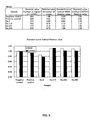
- FIG. 1 shows the result for the hErih1 gene
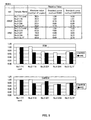
- FIG. 2 shows the result for the hErih2 gene
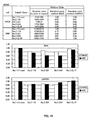
- FIG. 3 shows the result for the Bmal2 gene.
- the relative values were calculated on the basis of the expression (1.0) of the adrenal gland. As shown in these tables and graphs, a large amount of expression was observed in the brain, the liver and the kidney.
- Human B2M beta-2-microglobulin
- Bmal2 gene expression bone marrow ⁇ placenta ⁇ brain cerebellum ⁇ testis ⁇ brain (whole) ⁇ fetal brain Erih1 gene expression: kidney ⁇ brain (whole) ⁇ lung ⁇ testis ⁇ fetal liver ⁇ fetal brain Erih2 gene expression: bone marrow ⁇ lung ⁇ testis ⁇ brain cerebellum ⁇ brain (whole) ⁇ fetal brain
- peptides to provide an immunity source were prepared.
- polypeptides were encoded by the common/specific region of the hErih1 gene and the hErih2 gene, the common/specific region of the mErih1 gene and the mErih2 gene, and the common/specific region of the hErih1 gene and the mErih1 gene.
- the respective base sequences, amino acid sequences and the estimated molecular weights are recited.
- the cultivated cells used in this example were derived from the vascular endothelial cell in Example 1 and from the organs (brain, lung and kidney) where more hErih genes were expressed in Example 2.
- siRNA regarding the Bmal2 gene or siRNA regarding the hErih gene was added to knock down the Bmal2 gene, the hErih1 gene or the hErih2 gene, and to confirm the changes in the expressions of the Bmal2 gene, the Erih1 gene and the Erih2 gene.
- _changes in the expressions of the other genes were checked by a microarray.
- HPAEC pulmonary artery endothelial cell
- vascular endothelial cell vascular endothelial cell
- an astrocyte was used for the brain
- NHBE bronchial/tracheal epithelial cell
- SAEC small airway epithelial cell
- HRCE renal cortex epithelial cell
- HRE renal epithelial cell
- the results for HPAEC are shown in FIGs. 4-6
- the results for NHBE are shown in FIGs. 7-8
- the results for HRCE and HRE are shown in FIGs. 9-11 respectively.
- the controls were not substituted to the knockdown by the siRNA.
- the expression of the negative control was set as "1.0" on which the calculation was based.
- the expression of the control was set as "1.0", on which the calculation was based.
- CLIF siRNA of Bmal2 gene (#3)
- TT 3'-end 2 bases
- an anticancer-agent-sensitive ovarian cancer cell strain KF and an anticancer-agent-resistant ovarian cancer cell strain KFR isolated from the KF were used to see whether a change to an anticancer-agent sensitivity is observed as a result of addition of siRNA of the Erih gene.
- Oxaliplatin L-OHP
- Diplatin aliplatin solution
- an L-OHP solution and a Diplatin solution as anticancer agent solutions.
- a siRNA transfection to cells was carried out using a RNAi Starter kit of QIAGEN and in accordance with its protocol.
- the cells were suspended in a medium, and 0.5 ml of the suspension was sprayed on 24 well plates and cultivated in a 5% CO 2 atmosphere.
- RNAiFect Transfection Reagent 6 ⁇ l
- the mixture solution was incubated at room temperature for 10 to 15 minutes in order to form a transfection complex. Meanwhile, the medium was aspirated from the well of the plates cultivating the cells, and a 300 ⁇ l of new medium was added as the substitute.
- the transfection complex (one drop) obtained by the incubation and also the anticancer agent solution were added to the cells in the well, and the plates were rotated gently to homogenize the distribution of the transfection complex and the anticancer agent solution. And the cells were incubated with the transfection complex in the 5% CO 2 atmosphere. The viabilities of the cells were checked in the following manner.
- siRNAs were used alone or in combination with one or two of the other kinds of siRNAs. When two or more kinds of siRNAs were combined, siRNAs of 1 ⁇ g in total were diluted in the medium to 100 ⁇ l.
- a control (non-treated) was prepared by cultivation in the same manner except that the transfection complex and the anticancer agent solution were not added.
- the viability (%) was set as a relative percentage when the percentage of the living cells of the control was 100%.
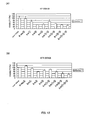
- the results are shown in FIG. 12 .
- the numerical figures in the X-axis denote the numbers of siRNAindicated in the above Table 4.
- the concentration of the anticancer agent in FIG. 12 denotes the final concentration in the treatment.
- FIG. 12 includes graphs for showing the cell viabilities when L-OHP was used as the anticancer agent.
- FIG. 12(A) shows the result for the sensitive strain KF
- FIG. 12(B) shows the result for the resistant strain KFR.
- both the anticancer-agent-sensitive strain KF or the anticancer-agent-resistant strain KFR failed to exhibit any significant decrease in the resistance to the anticancer agent.
- RNAi of the Erih gene was added.
- the novel Erih gene of the present invention encodes a novel protein that interacts with the BMAL2 protein. Therefore, use of the gene of the present invention and the detection method allow further clarification of the mechanism of the clock gene to which the Bmal2 refers. Furthermore, a diagnosis and an assay of a biological rhythm disturbance can be carried out effectively.
Landscapes
- Health & Medical Sciences (AREA)
- Chemical & Material Sciences (AREA)
- Organic Chemistry (AREA)
- Life Sciences & Earth Sciences (AREA)
- General Health & Medical Sciences (AREA)
- Medicinal Chemistry (AREA)
- Veterinary Medicine (AREA)
- Biophysics (AREA)
- Nuclear Medicine, Radiotherapy & Molecular Imaging (AREA)
- Animal Behavior & Ethology (AREA)
- General Chemical & Material Sciences (AREA)
- Public Health (AREA)
- Chemical Kinetics & Catalysis (AREA)
- Toxicology (AREA)
- Zoology (AREA)
- Gastroenterology & Hepatology (AREA)
- Biochemistry (AREA)
- Pharmacology & Pharmacy (AREA)
- Genetics & Genomics (AREA)
- Molecular Biology (AREA)
- Proteomics, Peptides & Aminoacids (AREA)
- Engineering & Computer Science (AREA)
- Bioinformatics & Cheminformatics (AREA)
- Measuring Or Testing Involving Enzymes Or Micro-Organisms (AREA)
- Medicines That Contain Protein Lipid Enzymes And Other Medicines (AREA)
- Peptides Or Proteins (AREA)
- Pharmaceuticals Containing Other Organic And Inorganic Compounds (AREA)
Applications Claiming Priority (2)
| Application Number | Priority Date | Filing Date | Title |
|---|---|---|---|
| JP2005162943 | 2005-06-02 | ||
| PCT/JP2006/311119 WO2006129803A1 (fr) | 2005-06-02 | 2006-06-02 | Nouveau gene temporel et son application |
Publications (2)
| Publication Number | Publication Date |
|---|---|
| EP1908833A1 true EP1908833A1 (fr) | 2008-04-09 |
| EP1908833A4 EP1908833A4 (fr) | 2009-08-05 |
Family
ID=37481730
Family Applications (1)
| Application Number | Title | Priority Date | Filing Date |
|---|---|---|---|
| EP06756940A Withdrawn EP1908833A4 (fr) | 2005-06-02 | 2006-06-02 | Nouveau gène temporel et son application |
Country Status (4)
| Country | Link |
|---|---|
| US (1) | US20090038021A1 (fr) |
| EP (1) | EP1908833A4 (fr) |
| JP (1) | JP4931247B2 (fr) |
| WO (1) | WO2006129803A1 (fr) |
Family Cites Families (1)
| Publication number | Priority date | Publication date | Assignee | Title |
|---|---|---|---|---|
| US5474796A (en) * | 1991-09-04 | 1995-12-12 | Protogene Laboratories, Inc. | Method and apparatus for conducting an array of chemical reactions on a support surface |
-
2006
- 2006-06-02 US US11/921,334 patent/US20090038021A1/en not_active Abandoned
- 2006-06-02 JP JP2007519091A patent/JP4931247B2/ja not_active Expired - Fee Related
- 2006-06-02 EP EP06756940A patent/EP1908833A4/fr not_active Withdrawn
- 2006-06-02 WO PCT/JP2006/311119 patent/WO2006129803A1/fr not_active Ceased
Non-Patent Citations (6)
| Title |
|---|
| DATABASE EMBL 2 August 2004 (2004-08-02), XP002532398 Database accession no. CQ841592 * |
| DATABASE EMBL 2 July 2004 (2004-07-02), XP002532399 Database accession no. BP762242 * |
| DATABASE UniProt 16 April 2002 (2002-04-16), XP002532400 Database accession no. O14513 * |
| DATABASE UniProt 5 July 2004 (2004-07-05), XP002532501 Database accession no. Q6NZK2 * |
| HASEGAWA M, ET AL.: "POST-TRANSCRIPTIONAL REGULATION OF CIRCADIAN CLOCK COMPONENTS: BMAL1 AND BMAL2 DESTABILIZE CLOCK PROTEINS" SOCIETY FOR NEUROSCIENCE ABSTRACT 2001, vol. 27, no. 1, 2001, page 479, XP009118383 * |
| See also references of WO2006129803A1 * |
Also Published As
| Publication number | Publication date |
|---|---|
| US20090038021A1 (en) | 2009-02-05 |
| JPWO2006129803A1 (ja) | 2009-01-08 |
| WO2006129803A1 (fr) | 2006-12-07 |
| EP1908833A4 (fr) | 2009-08-05 |
| JP4931247B2 (ja) | 2012-05-16 |
Similar Documents
| Publication | Publication Date | Title |
|---|---|---|
| US6284882B1 (en) | Myostatin gene promoter and inhibition of activation thereof | |
| US20100017897A1 (en) | Prrg4-associated compositions and methods of use thereof in methods of tumor diagnosis | |
| US20060003959A1 (en) | Methods and agents for maintaining muscle mass and for preventing muscle atrophy and biomarkers for monitoring same | |
| JP2006518214A (ja) | 神経障害および疾患の診断および処置のための遺伝子マーカー、組成物およびその利用 | |
| WO2006095559A1 (fr) | UTILISATION DE Fgf21 EN TANT QUE FACTEUR HEMATOPOIETIQUE | |
| JP2003334088A (ja) | ヒト由来の新規Klotho様タンパク質及びその遺伝子 | |
| EA008252B1 (ru) | Антитело или антигенсвязывающий домен, специфически связывающиеся с полипептидом потенциалзависимого воротного ионного канала | |
| US20090038021A1 (en) | Novel clock gene and application of the same | |
| US20130095107A1 (en) | Biomarker specific to brain/nerve or specific to neuronal differentiation | |
| JP2018194299A (ja) | 解糖系代謝制御物質のスクリーニング方法及び解糖系代謝制御剤 | |
| US7575857B2 (en) | Screening method for identifying protective substances for treating neurodegenerative and/or ischemic disorders | |
| US20040213738A1 (en) | CIRL3-Like proteins, nucleic acids, and methods of modulating CIRL3-L-mediated activity | |
| US8309687B2 (en) | Biomarker specific for cancer | |
| EP4454663A1 (fr) | Agent thérapeutique ou prophylactique pour la crise cardiaque, la fibrose cardiaque ou l'insuffisance cardiaque, dans lequel htra3 est la cible thérapeutique | |
| US20230141187A1 (en) | Non-human animal secretome models | |
| JP4592352B2 (ja) | 神経成長円錐局在分子Shootin1もしくはそのスプライシングバリアントを利用した神経軸索の形成・伸長と神経再生への応用 | |
| JP4606766B2 (ja) | 糖代謝関連疾患の治療剤又は予防剤 | |
| JP2002233383A (ja) | ニューロトニンおよびその利用 | |
| JP4375960B2 (ja) | 生体代謝の修飾 | |
| JP4471803B2 (ja) | 全身性エリテマトーデス患者血液細胞で発現亢進している遺伝子群、およびその利用 | |
| Merheb | Understanding the Pathogenesis of Pol III-related Leukodystrophy | |
| US20050203283A1 (en) | ISOFORMS OF NUCLEAR RECEPTOR RXR a | |
| JP2007006800A (ja) | 正常ヒト肝臓細胞特異的遺伝子群 | |
| EP1630174A1 (fr) | Proteine mutante d'epissage du recepteur alpha du foie, gene correspondant et leur utilisation | |
| JP2006320201A (ja) | 気分障害又は関連障害による疾患症状を改善させる方法 |
Legal Events
| Date | Code | Title | Description |
|---|---|---|---|
| PUAI | Public reference made under article 153(3) epc to a published international application that has entered the european phase |
Free format text: ORIGINAL CODE: 0009012 |
|
| 17P | Request for examination filed |
Effective date: 20071227 |
|
| AK | Designated contracting states |
Kind code of ref document: A1 Designated state(s): AT BE BG CH CY CZ DE DK EE ES FI FR GB GR HU IE IS IT LI LT LU LV MC NL PL PT RO SE SI SK TR |
|
| DAX | Request for extension of the european patent (deleted) | ||
| A4 | Supplementary search report drawn up and despatched |
Effective date: 20090706 |
|
| 17Q | First examination report despatched |
Effective date: 20091028 |
|
| STAA | Information on the status of an ep patent application or granted ep patent |
Free format text: STATUS: THE APPLICATION IS DEEMED TO BE WITHDRAWN |
|
| 18D | Application deemed to be withdrawn |
Effective date: 20100309 |