EP1929862A1 - Procédé de purification de tissu d'allogreffe pour nettoyer l'os - Google Patents
Procédé de purification de tissu d'allogreffe pour nettoyer l'os Download PDFInfo
- Publication number
- EP1929862A1 EP1929862A1 EP08151955A EP08151955A EP1929862A1 EP 1929862 A1 EP1929862 A1 EP 1929862A1 EP 08151955 A EP08151955 A EP 08151955A EP 08151955 A EP08151955 A EP 08151955A EP 1929862 A1 EP1929862 A1 EP 1929862A1
- Authority
- EP
- European Patent Office
- Prior art keywords
- bone graft
- sonicating
- bone
- ranging
- temperature
- Prior art date
- Legal status (The legal status is an assumption and is not a legal conclusion. Google has not performed a legal analysis and makes no representation as to the accuracy of the status listed.)
- Withdrawn
Links
Images
Classifications
-
- A—HUMAN NECESSITIES
- A61—MEDICAL OR VETERINARY SCIENCE; HYGIENE
- A61L—METHODS OR APPARATUS FOR STERILISING MATERIALS OR OBJECTS IN GENERAL; DISINFECTION, STERILISATION OR DEODORISATION OF AIR; CHEMICAL ASPECTS OF BANDAGES, DRESSINGS, ABSORBENT PADS OR SURGICAL ARTICLES; MATERIALS FOR BANDAGES, DRESSINGS, ABSORBENT PADS OR SURGICAL ARTICLES
- A61L27/00—Materials for grafts or prostheses or for coating grafts or prostheses
- A61L27/36—Materials for grafts or prostheses or for coating grafts or prostheses containing ingredients of undetermined constitution or reaction products thereof, e.g. transplant tissue, natural bone, extracellular matrix
- A61L27/3641—Materials for grafts or prostheses or for coating grafts or prostheses containing ingredients of undetermined constitution or reaction products thereof, e.g. transplant tissue, natural bone, extracellular matrix characterised by the site of application in the body
- A61L27/3645—Connective tissue
- A61L27/365—Bones
-
- A—HUMAN NECESSITIES
- A61—MEDICAL OR VETERINARY SCIENCE; HYGIENE
- A61F—FILTERS IMPLANTABLE INTO BLOOD VESSELS; PROSTHESES; DEVICES PROVIDING PATENCY TO, OR PREVENTING COLLAPSING OF, TUBULAR STRUCTURES OF THE BODY, e.g. STENTS; ORTHOPAEDIC, NURSING OR CONTRACEPTIVE DEVICES; FOMENTATION; TREATMENT OR PROTECTION OF EYES OR EARS; BANDAGES, DRESSINGS OR ABSORBENT PADS; FIRST-AID KITS
- A61F2/00—Filters implantable into blood vessels; Prostheses, i.e. artificial substitutes or replacements for parts of the body; Appliances for connecting them with the body; Devices providing patency to, or preventing collapsing of, tubular structures of the body, e.g. stents
- A61F2/02—Prostheses implantable into the body
- A61F2/30—Joints
- A61F2/46—Special tools for implanting artificial joints
- A61F2/4644—Preparation of bone graft, bone plugs or bone dowels, e.g. grinding or milling bone material
-
- A—HUMAN NECESSITIES
- A61—MEDICAL OR VETERINARY SCIENCE; HYGIENE
- A61L—METHODS OR APPARATUS FOR STERILISING MATERIALS OR OBJECTS IN GENERAL; DISINFECTION, STERILISATION OR DEODORISATION OF AIR; CHEMICAL ASPECTS OF BANDAGES, DRESSINGS, ABSORBENT PADS OR SURGICAL ARTICLES; MATERIALS FOR BANDAGES, DRESSINGS, ABSORBENT PADS OR SURGICAL ARTICLES
- A61L2/00—Disinfection or sterilisation of materials or objects, in general; Accessories therefor
- A61L2/02—Disinfection or sterilisation of materials or objects, in general; Accessories therefor using physical processes
-
- A—HUMAN NECESSITIES
- A61—MEDICAL OR VETERINARY SCIENCE; HYGIENE
- A61L—METHODS OR APPARATUS FOR STERILISING MATERIALS OR OBJECTS IN GENERAL; DISINFECTION, STERILISATION OR DEODORISATION OF AIR; CHEMICAL ASPECTS OF BANDAGES, DRESSINGS, ABSORBENT PADS OR SURGICAL ARTICLES; MATERIALS FOR BANDAGES, DRESSINGS, ABSORBENT PADS OR SURGICAL ARTICLES
- A61L2/00—Disinfection or sterilisation of materials or objects, in general; Accessories therefor
- A61L2/16—Disinfection or sterilisation of materials or objects, in general; Accessories therefor using chemical substances
- A61L2/18—Liquid substances
-
- A—HUMAN NECESSITIES
- A61—MEDICAL OR VETERINARY SCIENCE; HYGIENE
- A61L—METHODS OR APPARATUS FOR STERILISING MATERIALS OR OBJECTS IN GENERAL; DISINFECTION, STERILISATION OR DEODORISATION OF AIR; CHEMICAL ASPECTS OF BANDAGES, DRESSINGS, ABSORBENT PADS OR SURGICAL ARTICLES; MATERIALS FOR BANDAGES, DRESSINGS, ABSORBENT PADS OR SURGICAL ARTICLES
- A61L27/00—Materials for grafts or prostheses or for coating grafts or prostheses
- A61L27/36—Materials for grafts or prostheses or for coating grafts or prostheses containing ingredients of undetermined constitution or reaction products thereof, e.g. transplant tissue, natural bone, extracellular matrix
- A61L27/3604—Materials for grafts or prostheses or for coating grafts or prostheses containing ingredients of undetermined constitution or reaction products thereof, e.g. transplant tissue, natural bone, extracellular matrix characterised by the human or animal origin of the biological material, e.g. hair, fascia, fish scales, silk, shellac, pericardium, pleura, renal tissue, amniotic membrane, parenchymal tissue, fetal tissue, muscle tissue, fat tissue, enamel
- A61L27/3608—Bone, e.g. demineralised bone matrix [DBM], bone powder
-
- A—HUMAN NECESSITIES
- A61—MEDICAL OR VETERINARY SCIENCE; HYGIENE
- A61L—METHODS OR APPARATUS FOR STERILISING MATERIALS OR OBJECTS IN GENERAL; DISINFECTION, STERILISATION OR DEODORISATION OF AIR; CHEMICAL ASPECTS OF BANDAGES, DRESSINGS, ABSORBENT PADS OR SURGICAL ARTICLES; MATERIALS FOR BANDAGES, DRESSINGS, ABSORBENT PADS OR SURGICAL ARTICLES
- A61L27/00—Materials for grafts or prostheses or for coating grafts or prostheses
- A61L27/36—Materials for grafts or prostheses or for coating grafts or prostheses containing ingredients of undetermined constitution or reaction products thereof, e.g. transplant tissue, natural bone, extracellular matrix
- A61L27/3683—Materials for grafts or prostheses or for coating grafts or prostheses containing ingredients of undetermined constitution or reaction products thereof, e.g. transplant tissue, natural bone, extracellular matrix subjected to a specific treatment prior to implantation, e.g. decellularising, demineralising, grinding, cellular disruption/non-collagenous protein removal, anti-calcification, crosslinking, supercritical fluid extraction, enzyme treatment
-
- A—HUMAN NECESSITIES
- A61—MEDICAL OR VETERINARY SCIENCE; HYGIENE
- A61F—FILTERS IMPLANTABLE INTO BLOOD VESSELS; PROSTHESES; DEVICES PROVIDING PATENCY TO, OR PREVENTING COLLAPSING OF, TUBULAR STRUCTURES OF THE BODY, e.g. STENTS; ORTHOPAEDIC, NURSING OR CONTRACEPTIVE DEVICES; FOMENTATION; TREATMENT OR PROTECTION OF EYES OR EARS; BANDAGES, DRESSINGS OR ABSORBENT PADS; FIRST-AID KITS
- A61F2/00—Filters implantable into blood vessels; Prostheses, i.e. artificial substitutes or replacements for parts of the body; Appliances for connecting them with the body; Devices providing patency to, or preventing collapsing of, tubular structures of the body, e.g. stents
- A61F2/02—Prostheses implantable into the body
- A61F2/28—Bones
- A61F2002/2835—Bone graft implants for filling a bony defect or an endoprosthesis cavity, e.g. by synthetic material or biological material
-
- A—HUMAN NECESSITIES
- A61—MEDICAL OR VETERINARY SCIENCE; HYGIENE
- A61F—FILTERS IMPLANTABLE INTO BLOOD VESSELS; PROSTHESES; DEVICES PROVIDING PATENCY TO, OR PREVENTING COLLAPSING OF, TUBULAR STRUCTURES OF THE BODY, e.g. STENTS; ORTHOPAEDIC, NURSING OR CONTRACEPTIVE DEVICES; FOMENTATION; TREATMENT OR PROTECTION OF EYES OR EARS; BANDAGES, DRESSINGS OR ABSORBENT PADS; FIRST-AID KITS
- A61F2/00—Filters implantable into blood vessels; Prostheses, i.e. artificial substitutes or replacements for parts of the body; Appliances for connecting them with the body; Devices providing patency to, or preventing collapsing of, tubular structures of the body, e.g. stents
- A61F2/02—Prostheses implantable into the body
- A61F2/30—Joints
- A61F2/46—Special tools for implanting artificial joints
- A61F2/4644—Preparation of bone graft, bone plugs or bone dowels, e.g. grinding or milling bone material
- A61F2002/4646—Devices for cleaning bone graft
-
- A—HUMAN NECESSITIES
- A61—MEDICAL OR VETERINARY SCIENCE; HYGIENE
- A61L—METHODS OR APPARATUS FOR STERILISING MATERIALS OR OBJECTS IN GENERAL; DISINFECTION, STERILISATION OR DEODORISATION OF AIR; CHEMICAL ASPECTS OF BANDAGES, DRESSINGS, ABSORBENT PADS OR SURGICAL ARTICLES; MATERIALS FOR BANDAGES, DRESSINGS, ABSORBENT PADS OR SURGICAL ARTICLES
- A61L2103/00—Materials or objects being the target of disinfection or sterilisation
- A61L2103/05—Living organisms or biological materials
-
- A—HUMAN NECESSITIES
- A61—MEDICAL OR VETERINARY SCIENCE; HYGIENE
- A61L—METHODS OR APPARATUS FOR STERILISING MATERIALS OR OBJECTS IN GENERAL; DISINFECTION, STERILISATION OR DEODORISATION OF AIR; CHEMICAL ASPECTS OF BANDAGES, DRESSINGS, ABSORBENT PADS OR SURGICAL ARTICLES; MATERIALS FOR BANDAGES, DRESSINGS, ABSORBENT PADS OR SURGICAL ARTICLES
- A61L2430/00—Materials or treatment for tissue regeneration
- A61L2430/02—Materials or treatment for tissue regeneration for reconstruction of bones; weight-bearing implants
Definitions
- the present invention generally relates to a method for cleaning bones to produce bone grafts suitable for transplantation into a human.
- the process more specifically involves the use of ultrasonic cleaning in the removal of bone marrow, tissue, bacteria and viruses by causing ultrasonic cavitation in sequential detergent, hydrogen peroxide and alcohol solutions.
- Allografts are vital for bone stock deficiencies that occur during orthopaedic trauma, joint reconstruction, or other reconstructive procedures.
- the main criteria for an orthopaedic allograft are the retention of strength, the retention of biologic factors, and the reduction of risk of disease transmission. The first two should not be affected by processing, while processing should eliminate the risk for disease transmission.
- Human bone obtained from cadaveric donors is typically procured under sterile conditions in an operating suite environment of local hospitals. The bone is stored frozen until it is further processed into small grafts under similar sterile conditions, or under clean-room conditions.
- Procurement and processing of human tissues is typically performed by groups certified by the American Association ofTissue Banks under standard operating procedures for the processing of each specific bone graft. Large bones such as the femur are thawed and debrided ofexcess tissue prior to being cut into smaller grafts. Processing ofthe smaller grafts includes cleaning ofbone marrow from the cancellous bone spaces. Cleaning of bone marrow and tissue from small bone grafts has been described in the scientific literature and in brochures and documents made public by groups involved in the procurement and processing of human tissues.
- Osteotech, Inc. describes a bone graft cleaning process called Permein.TM. ("a combination of ethanol and non-ionic detergent" which involves the use of a solution of ethanol and detergent to clean bone grafts.
- micellar structures are amphophil compounds which facilitate solubilization of relatively insoluble lipids present in, for example, bone marrow, yet at higher concentrations tend to form micellar structures ( Helenius, A. and Simons, K. Solubilization of Membranes by Detergents, Biochim. Biophys. Acta 415 (1975) 29-79 ).
- the formation of micellar structures tend to limit the effective concentration range for detergent solutions and thus soaking of bone in a given volume of detergent solution may not be totally effective in that the absolute amount of detergent present is limited and if the amount oflipid material to be solubilized exceeds the solubilization capability of the detergent present, lipid solubilization will not be complete.
- Ultrasonic cleaners are extensively used in cleaning glass tubes, metal instruments, filters, etc. Ultrasound is sound transmitted at frequencies beyond the range of human hearing. Ultrasonic energy in liquid generated by piezoelectric or other types of transducers creates cavitation, which is the mechanism for ultrasonic cleaning. Cavitation consists of the formation and collapse of countless tiny cavities, or vacuum bubbles, in the liquid. The energy produces alternating high and low pressure waves within the liquid of a tank. The liquid is compressed during the high pressure phase of the wave cycle, then pulled apart during the low pressure phase. As the pressure in the liquid is reduced during the low pressure phase, cavities grow from microscopic nuclei to a maximum critical diameter. During the subsequent high pressure phase they are compressed and implode.
- the energy is powerful, but safe for parts because it is localized at the microscopic, i.e., cellular, scale.
- Factors affecting the strength of cavitation are temperature, surface tension, detergents or other agents which reduce surface tension are optimal, viscosity (medium vapor pressure is most conducive to ultrasound activity), and density (where high density creates intense cavitation with greater implosive force).
- processing of the smaller grafts includes cleaning of bone marrow from the cancellous bone spaces using mechanical means, soaking, sonication, and/or lavage with pulsatile water flow under pressure.
- This cleaning may use reduced or elevated temperatures, for example 4o C to 65o C, and may also include the use of detergents, alcohol, organic solvents or similar solutes or combination of solutes designed to facilitate solubilization of the bone marrow.
- the bone was lyophilized and treated with ethanol.
- the lyophilized tissue had soft tissue removed, followed by treatment with two antibiotics (Step 2), irrigation with sterile water, packaging and refreezing and lyophilization to a residual moisture content of less than 5%.
- the ethanol treated tissue underwent ultrasonic cleaning in 30% ethanol (Step 1), removal of marrow by water lavage and brief treatment in 100% ethanol (Step 3).
- the article states in part: "Bone preserved by freeze-drying was first thawed, and followed by removal of extraneous soft tissue. It was then placed in the ultrasonic cleanser in 30% ethanol solution. All marrow elements were removed by pulsating water lavage, followed by 15 minutes in 100% ethanol and brief irrigation with bacitracin and polymyxin B sulfate solution. These tissues were then washed and packaged in glass containers and refrozen.”
- U.S. Patent Number 5,095,925 issued March 17,1992 is directed toward a bone cleaning device using ultrasonics which removes gross tissue from bone to prepare the same for transplant and use in surgery.
- the bone is subjected to a positive pressure stream of sterile water, ultrasonically cleaning the same in a detergent followed by rinsing and soaking and reintroduced to the ultrasonic process if necessary within a preferred working temperature range of 27o C to 33o C.
- U.S. Patent Number 5,509,968 issued April 26, 1996 is directed toward cleaning used orthopaedic implants which are decontaminated and made available for reuse by a three step process for removal of protein tissue, bone tissue and lipids.
- the '968 patent uses a process to clean then implant in the following manner:
- the implant is suspended in an aqueous bath of detergent suitable for emulsifying lipids at elevated temperatures, such as 40o C to 60o C, and is typically treated for about 1 to 45 minutes by the use of an ultrasonic cleaning system.
- the solution in the treating container is discarded and the container and implant are washed with clean water.
- a container is filled with a dilute acid capable of dissolving bone salts (e.g., calcium phosphate minerals that are deposited in the collagen matrix of the bone).
- the implant is added to the container, and subjected to ultrasonic treatment for approximately the same time. After treatment, the solution containing dissolved bone salts is discarded and the implant and container are again rinsed with clean water.
- the implant is then subjected to a bath of an aqueous solution sodium hypochlorite of a concentration as sold for general cleaning purposes, (household bleach). This step removes any remaining organic bone tissue as well as protein. An ultrasonic cleaning system is again used for the same time and temperature. When this step is completed, the solution is discarded and both the implant and container rinsed with water.
- a high pressure wash is used to clean bone.
- the bone is cleaned with a high pressure detergent solution such as TritonX-100 and Tween 80 preferably from 37o C to 80o C. Following the washing, the solution is changed. Sterile water or biologically acceptable alcohol is used to remove the detergent and it is removed by rinsing with sterile water.
- the bone may be further decontaminated by exposing it to 3% hydrogen peroxide solution from 5 to 120 minutes (preferably 5 to 60 minutes) after which the residual hydrogen peroxide is removed by washing with sterile water. After cleaning, the bone is finally decontaminated by contacting the bone with a global decontaminate for 30 to 60 minutes.
- Patent Number 5,797,871 issued August 25,1998 is also directed toward a bone cleaning pro cess using ultrasonics in which the bone is sonicated in a solution of several detergents within a temperature range of 37o C to 50o C to produce bone grafts essentially free from bone marrow and detectable fungal and viral contamination.
- the present invention is directed toward a process for cleaning bones to remove tissue, bone marrow, bacteria, fungi and viruses by sonicating the bone in anonionic detergent solution, draining the detergent solution and respectively soaking and sonicating the bone in a purified water bath to remove the detergent, draining the water bath and adding a hydrogen peroxide solution in which the bone is sonicated.
- the hydrogen peroxide is drained and the bone is soaked and sonicated in purified water to remove hydrogen peroxide and soaking and sonicating the bone in an alcohol solution, draining the same and soaking and sonicating the bone in purified water to remove the alcohol.
- the process arrives at a bone which has a viral clearance of at least two logs and retains its osteoinductivity.
- An object ofthe present invention is to provide a means of removing bone marrow from the luminal and cancellous bone spaces in essentially intact bone grafts and small machined, shaped bone grafts.
- Another object of this invention is to use detergent and hydrogen peroxide solutions in the processing of bone grafts.
- Hydrogen peroxide and detergents have been demonstrated to be virucidal towards viruses such as HIV and hepatitis and certain bacteria, and to enhance cavitation associated with ultrasonic cleaners.
- Alcohol and detergent solutions also offer advantages of enhancing solubilization of bone marrow, reducing surface tension properties of aqueous solutions, and inactivating viruses and bacteria.
- Still another object is to use ultrasonic cleaners which offer advantages of cavitation events which facilitate disruption and breakdown of soft tissues at the microscopic level.
- the present invention has particular utilization in the medical field where the article being cleaned is a surgical device for allograft, autograft, xenograft and artificial transplants.
- the needs filled by said system on a broad scale will be a unification of procedure and protocol for allograft tissue preparation, consistent performance and results of tissue processing centers, reduced detrimental effects oftoxic chemicals and radiation now used by several processors in the bone banking community, increase in the quality of allograft materials produced, decreased post-operative infection and transmission of disease, negation of local environmental factors such as toxic and pollutants and quicker functional incorporation of transplanted allografts.
- Bone Graft any bone obtained from a cadaver donor, for example any shaped bone part and/or any small cut pieces of bone.
- cleaning container is intended for the purpose of the present invention any container of a size sufficient to contain the bone graft beingprocessed.
- the cleaning container used was a 4 liter stainless steel container with wire mesh to support the bone graft.
- Detergent any agent which through a surface action that depends on it possessing both hydrophilic and hydrophobic properties and/or exerts oil-dissolving (cleansing) and/or antibacterial and/or antiviral effects.
- Ultrasonic Cleaner is intended any ultrasonic cleaning device capable of operating from 20 kHz to 1000 kHz, preferably at about 40 kHz with an energy level ranging from 10-180W/sq.in., and includes, for example, but not by way of limitation, a Branson 8000 Ultrasonic Cleaner Model Numbers: 84540-18 or any similar ultrasonic cleaner.
- Bone Marrow is intended for the purposes of the present invention the highly cellular hematopoietic connective tissue filling the medullary cavities and spongy epiphyses of bones which may harbor bacterial and/or viral particles and/or fungal particles.
- solvent is intended for the purposes ofthe present invention, a liquid cleaning composition capable of: facilitating the solubilization of lipid, facilitating bone marrow removal, inactivating viral and/or bacterial particles, and/or disrupting cell membranes, which may contain, but is not limited to, one or more ofthe following: sterile water; saline; a detergent; an alcohol, for example, ethanol and/or isopropanol or a combination of same, solvents, a combination of solutes desired to facilitate solubilization ofbone marrow, for example, chelating agent; virucidal agent; bacteriocidal agent; antimycotic agent; sodium hydroxide or similar strong base, organic and/or inorganic acid and hydrogen peroxide.
- the present invention is directed toward the cleaning and processing of bone grafts using a nonionic detergent soak (see Table 1), a hydrogen peroxide soak, and 70% alcohol (ethanol and isopropanol) soak, and frequent intermittent purified water washes, all under temperature controlled sonication.
- a nonionic detergent soak see Table 1
- a hydrogen peroxide soak a hydrogen peroxide soak
- 70% alcohol ethanol and isopropanol
- ACF anterior cervical fusion
- Osteoinductivity Cortical bone from three donors (37M, 49M, 58F) was processed using a control process, 0 hour H 2 O 2 with no sonication, a treatment process with 1 hour, 3 hours, and 5 hours of H 2 O 2 treatment, and a negative control. After processing, the bone was ground, demineralized, and prepared into 32% Demineralized Bone Matrix in a hyaluronan carrier. Samples (15 mg) were implanted bilaterally into the hamstring muscle in an athymic mouse model, approved by the University of Medicine and Dentistry of New Jersey animal care and use committee. Implants were evaluated histologically after 28 days.
- Viral Clearance Cortical bone samples were processed with a 1-hour H 2 O 2 step. Samples were subjected to the previous steps of the process. For each of six representative viruses, for each step of the process, samples were spiked with a virus suspension, and subjected to the given treatment step, while a control was subjected to an inert, zero-time, but equal-volume version of the same step. Supernatant was recovered from these samples, neutralized (where appropriate), and assayed for viral activity, using plaque and similar assays.
- Viral reduction for each virus for each step was calculated as the difference between the viral titer of the control, and the viral titer of the test sample at the full cycle time for the given treatment step-Results are the sum of the log reductions for all treatment steps for each virus.
- Bacteriological Sterility Cortical bone samples were subjected to the previous steps of the process. For each of six representative bacteria, for each step ofthe process, sample surfaces were treated at designated protocol bacteria concentration and subjected to a one quarter time increment of the preferred treatment step and a full time increment of the preferred treatment, while a control was subjected to an inert, zero-time, but equal-volume version of preferred treatment step. The samples were assayed for bacteria activity, using standard assays. Bacteria reduction for each ofthe bacteria was calculated as the difference between the organism titer of the control; and the organism titer of the test sample at one quarter cycle time (t 1 Chart 2) and the full cycle time (t 2 Chart 2) for the given treatment step. Results are the sum of the log reductions for all treatment steps for each bacteria.
- Osteoinductivity Hydrogen peroxide cleaning had a statistically significant effect on osteoinductivity, giving a linear decrease with increasing peroxide time (Chart 1).
- the mean (SD) osteoinductivity scores were 3.65 (0.49) for 0 hours, 3.04 (0.97) for 1 hour, 2.57 (1.36) for 3 hours, 1.47 (1.10) for 5 hours H 2 O 2 treatment times.
- the negative control score was zero.
- Viral Clearance The results of the viral clearance study demonstrate that processing the cortical bone allografts in a nonionic detergent, H 2 O 2 , and alcohol gives viral reductions greater than six logs in all cases except the PPV virus (Table 3). Under FDA definitions, viruses can be listed as cleared at two logs or better. It should be specifically noted that in the present invention, HIV virus is reduced one quadrillion times (10 15 ).
- Bacteriological Sterility The results ofthe bacteriological sterility study demonstrate that processing the cortical bone allografts in a nonionic detergent, H 2 O 2 , and alcohol soaks gives bacteria reductions greater than ten logs. Under FDA definitions, bacteriological reduction for a single step is considered effective at two logs or better. It should be noted that one bacteria Clostridium Sporogenes was not tested under an acceptable protocol and thus is not listed in Chart 2 below.
- the bacteria Candida albicans, Staphylococcus aureus, Staphylococcus epidermidis, Escherichia coli, Pseudomonas aeruginosa, and Bacillus subtilis were all reduced after complete treatment at least ten logs.
- the bacteriological sterility result verifies that the risk for disease transmission from bacteria can be greatly reduced or eliminated by processing, beyond standard donor testing and screening procedures.
- Table 1 List of Non-ionic Detergents N, N-Dimethyldodecylamino-N-oxide Octylglucoside Polyoxyethylene (PEG) alcohols Polyoxyethylene-p-t-octylphenol Polyoxyethylene nonylphenol Polyoxyethylene sorbitol esters Polyoxy-propylene-polyoxyethylene esters p-isoOctylpolyoxy-ethylene-phenol formaldehyde polymer
- Table 2 Compression maximum stress data (MPa) comparing the control groups to the 5-hour H 2 O 2 treatment test groups Storage Donor Info Tissue Orientation Longitudinal Transverse Control Test Pr(F) Control Test Pr(F) Frozen 39m 164 (7) 159 (9) 0.25 128 (9) 119 (10) 0.07 61f
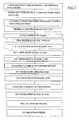
- cortical bones are taken from the normal bone recovery process where they have been frozen and shipped or stored for processing.
- the bone tissue was thawed in a Gentamicin soak (3.1g Gentamicin in 4000 ml water) for 15 minutes to 2 hours.
- a debridement process was performed, gross cleaning the bone sample with a wire wheel or scalpel for 30 minutes.
- Condyles were cut from the long bones and cortical and cancelleous tissue was separated. Processing was begun on the cortical tissue whereby the medullary canal was manually cleaned for 30 minutes.
- the cortical tissue was cut in appropriate rough bone part shapes, a step which lasted anywhere from 30 minutes to 3 hours, depending on the donor and bone part shape. After rough cutting, the next step involved final machining and part assembly of the control tissue, taking anywhere from 5 minutes to 5 hours depending on the bone part being machined.
- Each bone part was then subjected to an ultrasonic bath of a nonionic detergent consisting of greater than or about 0.1 wt.% Triton X-100 for 30 minutes at 34o C, plus or minus 1o C.
- This ultrasonic bath can also use Tween 80 or if desired, another nonionic detergent such as N, N-Dimethyldodecylamino-N-oxide, Octylglucoside, Polyoxyethylene (PEG) alcohols, Polyoxyethylene-p-t-octylphenol, Polyoxyethylene nonylphenol, Polyoxyethylene sorbitol esters, Polyoxy-propylene-polyoxyethylene esters, p-isoOctylpolyoxy-ethylene-phenol formaldehyde polymer can be used.
- PEG Polyoxyethylene
- An ionic detergent will degrade proteins and effect o steoinductivity ofthe bone graft.
- the detergent was drained and the bone graft part was subjected to a 5 minute ultrasonic soak of USP purified water at 34o C, plus or minus 1o C.
- the water soak was emptied and repeated, totaling 2 separate soaks to remove the detergent and a final water soak was instituted comprising a 30 minute continuous ultrasonic soak in USP purified water at 34o C, plus or minus 1o C.
- the cortical bone part sample was ultrasonically cleaned in 3% hydrogen peroxide at 34o C, plus or minus 1o C for 15 minutes to 2 hours, preferably 1 hour.
- the hydrogen peroxide concentration can range from 1.5% to 30% depending on the time and temperature used.
- the bone part is again subjected to a 5 minute ultrasonic soak of USP purified water at 34o C, plus or minus 1o C.
- the soak was emptied and repeated for a total of 2 soaks, drained and followed with a 30 minute continuous ultrasonic soak in USP purified water at 34o C, plus or minus 1o C.
- the cortical bone sample part was ultrasonically soaked in an alcohol solution SDA-3C (70% EtOH/IPA) at 34o C, plus or minus 1o C for 30 minutes to 2 hours, preferably 1 hour, drained and followed by another ultrasonic soak in USP purified water at 34o C, plus or minus 1o C for 5 minutes.
- SDA-3C 70% EtOH/IPA
- the purified water soak was emptied and repeated a total of 2 soaks to remove the alcohol and the sample part removed.
- the sample part was then measured, swabbed and packaged. The package containing the sample undergoes lyophilization or freezing and then undergoes quality assurance.
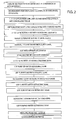
- cortical bones are taken from the normal bone recovery process where they have been frozen and shipped or stored for processing.
- the bone tissue was thawed in a Gentamicin soak (3.1 g Gentamicin in 4000 ml water) for 15 minutes to 2 hours.
- a debridement process was performed, gross cleaning the bone sample with a wire wheel or scalpel for 30 minutes.
- Condyles were cut from the long bones and cortical and cancelleous tissue was separated. Processing was begun on the cortical tissue whereby the medullary canal was manually cleaned for 30 minutes.
- the cortical tissue was cut in appropriate rough bone part shapes, a step which lasted anywhere from 30 minutes to 3 hours, depending on the donor and bone part shape. After rough cutting, the next step involved final machining and part assembly of the control tissue, taking anywhere from 5 minutes to 5 hours depending on the bone part being machined.
- the vertical bone shaft is subjected to ultrasonic cleaning in 0.1 wt.% Triton X-100 for 1 to 3 hours at 34oC, plus or minus 1o C.
- the vertical bone shaft is subjected to a pressurized rinse with purified water for up to 1 hour and drained. This cleaning detergent bath of 0.1 wt.% Triton X-100 and rinse is repeated with sonication until clean.
- Each bone part was then subjected to an ultrasonic bath of a nonionic detergent consisting of greater than or about 0.1 wt.% Triton X-100 for 30 minutes at 34o C, plus or minus 1o C.
- This ultrasonic bath can also use Tween 80 or if desired, another nonionic detergent such as N, N-Dimethyldodecylamino-N-oxide, Octylglucoside, Polyoxyethylene (PEG) alcohols, Polyoxyethylene-p-t-octylphenol, Polyoxyethylene nonylphenol, Polyoxyethylene sorbitol esters, Polyoxy-propylene-polyoxyethylene esters, p-isoOetylpolyoxy-ethylene-phenol formaldehyde polymer can be used.
- PEG Polyoxyethylene
- Anionic detergent will degrade proteins and effect osteoinductivity of the bone graft.
- the detergent was drained and the bone graft part was subjected to a 5 minute ultrasonic soak of USP purified water at 34o C, plus or minus 1o C.
- the water soak was emptied and repeated, totaling 2 separate soaks to remove the detergent and a final water soak was instituted comprising a 30 minute continuous ultrasonic soak in USP purified water at 34o C, plus or minus 1o C.
- the cortical bone part sample was ultrasonically cleaned in 3% hydrogen peroxide at 34o C, plus or minus 1o C for 15 minutes to 2 hours, preferably 1 hour.
- the hydrogen peroxide concentration can range from 1.5% to 30% depending on the time and temperature used.
- the bone part is again subjected to a 5 minute ultrasonic soak of USP purified water at 34o C, plus or minus 1o C.
- the soak was emptied and repeated for a total of 2 soaks, drained and followed with a 30 minute continuous ultrasonic soak in USP purified water at 34o C, plus or minus 1o C.
- the cortical bone sample part was ultrasonically soaked in an alcohol solution SDA-3C (70% ETOHIIPA) at 34o C, plus or minus 1o C for 30 minutes to 2 hours, preferably 1 hour, drained and followed by another ultrasonic soak in USP purified water at 34o C, plus or minus 1o C for 5 minutes.
- SDA-3C 70% ETOHIIPA
- USP purified water at 34o C, plus or minus 1o C for 5 minutes.
- the purified water soak was emptied and repeated a total of 2 soaks to remove the alcohol and the sample part removed.
- the sample part was then measured, swabbed and packaged. The package containing the sample undergoes lyophilization or freezing and then undergoes quality assurance.
Landscapes
- Health & Medical Sciences (AREA)
- Life Sciences & Earth Sciences (AREA)
- Chemical & Material Sciences (AREA)
- Biomedical Technology (AREA)
- Engineering & Computer Science (AREA)
- Animal Behavior & Ethology (AREA)
- General Health & Medical Sciences (AREA)
- Public Health (AREA)
- Veterinary Medicine (AREA)
- Transplantation (AREA)
- Epidemiology (AREA)
- Oral & Maxillofacial Surgery (AREA)
- Orthopedic Medicine & Surgery (AREA)
- Chemical Kinetics & Catalysis (AREA)
- Botany (AREA)
- Dermatology (AREA)
- Medicinal Chemistry (AREA)
- Molecular Biology (AREA)
- Vascular Medicine (AREA)
- Zoology (AREA)
- General Chemical & Material Sciences (AREA)
- Physical Education & Sports Medicine (AREA)
- Cardiology (AREA)
- Heart & Thoracic Surgery (AREA)
- Urology & Nephrology (AREA)
- Prostheses (AREA)
- Materials For Medical Uses (AREA)
Applications Claiming Priority (2)
| Application Number | Priority Date | Filing Date | Title |
|---|---|---|---|
| US10/226,214 US20040037735A1 (en) | 2002-08-23 | 2002-08-23 | Allograft tissue purification process for cleaning bone |
| EP03792993A EP1530419A4 (fr) | 2002-08-23 | 2003-08-18 | Procede de purification de tissu d'allogreffe permettant de nettoyer l'os |
Related Parent Applications (1)
| Application Number | Title | Priority Date | Filing Date |
|---|---|---|---|
| EP03792993A Division EP1530419A4 (fr) | 2002-08-23 | 2003-08-18 | Procede de purification de tissu d'allogreffe permettant de nettoyer l'os |
Publications (1)
| Publication Number | Publication Date |
|---|---|
| EP1929862A1 true EP1929862A1 (fr) | 2008-06-11 |
Family
ID=31887184
Family Applications (2)
| Application Number | Title | Priority Date | Filing Date |
|---|---|---|---|
| EP08151955A Withdrawn EP1929862A1 (fr) | 2002-08-23 | 2003-08-18 | Procédé de purification de tissu d'allogreffe pour nettoyer l'os |
| EP03792993A Withdrawn EP1530419A4 (fr) | 2002-08-23 | 2003-08-18 | Procede de purification de tissu d'allogreffe permettant de nettoyer l'os |
Family Applications After (1)
| Application Number | Title | Priority Date | Filing Date |
|---|---|---|---|
| EP03792993A Withdrawn EP1530419A4 (fr) | 2002-08-23 | 2003-08-18 | Procede de purification de tissu d'allogreffe permettant de nettoyer l'os |
Country Status (5)
| Country | Link |
|---|---|
| US (2) | US20040037735A1 (fr) |
| EP (2) | EP1929862A1 (fr) |
| AU (1) | AU2003261247A1 (fr) |
| CA (1) | CA2459860A1 (fr) |
| WO (1) | WO2004017731A1 (fr) |
Cited By (1)
| Publication number | Priority date | Publication date | Assignee | Title |
|---|---|---|---|---|
| PL441220A1 (pl) * | 2022-05-18 | 2023-11-20 | Regionalne Centrum Krwiodawstwa I Krwiolecznictwa W Katowicach | Sposób otrzymywania przestrzennego przeszczepu kostnego o zdefiniowanym kształcie, oraz kostny przeszczep przestrzenny |
Families Citing this family (45)
| Publication number | Priority date | Publication date | Assignee | Title |
|---|---|---|---|---|
| US6293970B1 (en) | 1998-06-30 | 2001-09-25 | Lifenet | Plasticized bone and soft tissue grafts and methods of making and using same |
| US8563232B2 (en) | 2000-09-12 | 2013-10-22 | Lifenet Health | Process for devitalizing soft-tissue engineered medical implants, and devitalized soft-tissue medical implants produced |
| WO2003032735A1 (fr) * | 2001-10-18 | 2003-04-24 | Lifecell Corporation | Remodelage de tissus et d'organes |
| FR2848856B1 (fr) * | 2002-12-24 | 2007-05-25 | Cadorel Catherine | Materiau a usage medical ou veterinaire, son procede d'obtention et ses applications |
| US20040161362A1 (en) * | 2002-12-27 | 2004-08-19 | Bogert David L. | Audible range acoustic cleaning process for implants |
| WO2006046955A1 (fr) | 2003-10-28 | 2006-05-04 | Allosource | Procedes de detection de contamination microbienne dans des produits d'allogreffes |
| US7678385B2 (en) * | 2004-04-28 | 2010-03-16 | Biomet Manufacturing Corp. | Irradiated implantable bone material |
| US7658888B2 (en) * | 2006-01-10 | 2010-02-09 | Allosource | Apparatus for treating allograft products |
| US7776291B2 (en) * | 2006-01-10 | 2010-08-17 | Allosource, Inc. | Apparatus for treating allograft products |
| US20070248575A1 (en) * | 2006-04-19 | 2007-10-25 | Jerome Connor | Bone graft composition |
| US20080294270A1 (en) * | 2007-05-24 | 2008-11-27 | Zimmer Orthobiologics, Inc. | Differentially processed tissue and processing methods thereof |
| US20090024224A1 (en) | 2007-07-16 | 2009-01-22 | Chen Silvia S | Implantation of cartilage |
| KR100978562B1 (ko) | 2008-12-31 | 2010-08-27 | 주식회사 코리아본뱅크 | 스폰지형 골 이식재 및 이를 제조하는 방법 |
| US8469779B1 (en) | 2009-01-02 | 2013-06-25 | Lifecell Corporation | Method for debristling animal skin |
| US9150318B1 (en) | 2009-01-02 | 2015-10-06 | Lifecell Corporation | Method for sterilizing an acellular tissue matrix |
| US8486344B2 (en) | 2009-05-22 | 2013-07-16 | Allosource, Inc. | Apparatus and methods for treating allograft products |
| WO2011031642A2 (fr) | 2009-09-08 | 2011-03-17 | Musculoskeletal Transplant Foundation Inc. | Composition pour réparation de ménisque à base d'une technique de tissu |
| US20110059178A1 (en) * | 2009-09-08 | 2011-03-10 | Musculoskeletal Transplant Foundation Inc. | Tissue Engineered Meniscus Repair Composition |
| CA2791158C (fr) | 2010-02-26 | 2020-07-21 | Decell Technologies Inc. | Procede de decellularisation de tissu |
| US8435305B2 (en) | 2010-08-31 | 2013-05-07 | Zimmer, Inc. | Osteochondral graft delivery device and uses thereof |
| KR101163594B1 (ko) | 2010-10-27 | 2012-07-06 | 이윤진 | 치아 골 이식재 제조방법 및 그로 인해 제조된 골 이식재 |
| EP2696908B1 (fr) | 2011-04-14 | 2015-03-11 | Lifecell Corporation | Matériaux régénératifs |
| US9089523B2 (en) | 2011-07-28 | 2015-07-28 | Lifecell Corporation | Natural tissue scaffolds as tissue fillers |
| EP3842078A1 (fr) | 2011-12-20 | 2021-06-30 | LifeCell Corporation | Produits de tissu en feuille |
| US9549805B2 (en) | 2011-12-20 | 2017-01-24 | Lifecell Corporation | Flowable tissue products |
| KR101175051B1 (ko) * | 2012-01-17 | 2012-08-17 | 조성용 | 치아 블록골 이식재 및 그 제조방법 |
| EP2806907B1 (fr) | 2012-01-24 | 2018-11-21 | LifeCell Corporation | Matrices tissulaires allongées |
| BR112014026090A8 (pt) | 2012-04-24 | 2019-08-27 | Lifecell Corp | composição de matriz tecidual apta a fluir |
| US11090338B2 (en) | 2012-07-13 | 2021-08-17 | Lifecell Corporation | Methods for improved treatment of adipose tissue |
| EP3332816B1 (fr) | 2012-09-26 | 2020-11-04 | LifeCell Corporation | Tissu adipeux traité |
| EP3659633A1 (fr) | 2013-02-06 | 2020-06-03 | LifeCell Corporation | Procédés pour modification localisée de produits tissulaires |
| WO2015066668A1 (fr) | 2013-11-04 | 2015-05-07 | Lifecell Corporation | Procédé d'élimination d'alpha-galactose |
| KR101527770B1 (ko) * | 2013-11-07 | 2015-06-12 | 주식회사 메가젠임플란트 | 올인원 세정기 |
| US10004819B2 (en) | 2014-06-10 | 2018-06-26 | Vivex Biomedical, Inc. | Tissue allograft sterilization method |
| US10792394B2 (en) | 2016-06-03 | 2020-10-06 | Lifecell Corporation | Methods for localized modification of tissue products |
| RU2629664C1 (ru) * | 2016-06-14 | 2017-08-31 | Павел Николаевич Ляшенко | Способ механической обработки костных образцов in vitro |
| EP3558405A1 (fr) | 2016-12-22 | 2019-10-30 | LifeCell Corporation | Dispositifs et procédés de cryobroyage de tissu |
| CN115252910A (zh) | 2017-10-18 | 2022-11-01 | 生命细胞公司 | 脂肪组织产品以及产生方法 |
| US11123375B2 (en) | 2017-10-18 | 2021-09-21 | Lifecell Corporation | Methods of treating tissue voids following removal of implantable infusion ports using adipose tissue products |
| US11246994B2 (en) | 2017-10-19 | 2022-02-15 | Lifecell Corporation | Methods for introduction of flowable acellular tissue matrix products into a hand |
| WO2019079672A1 (fr) | 2017-10-19 | 2019-04-25 | Lifecell Corporation | Produits de matrice tissulaire acellulaire fluides et procédés de production |
| MX2021014654A (es) | 2019-05-30 | 2022-03-11 | Lifecell Corp | Implante de mama biologico. |
| RU2732427C1 (ru) * | 2019-12-06 | 2020-09-16 | Федеральное государственное бюджетное научное учреждение Всероссийский научно-исследовательский институт лекарственных и ароматических растений (ФГБНУ ВИЛАР) | Способ получения костного имплантата с деминерализованным поверхностным слоем |
| CN114601971B (zh) * | 2022-01-24 | 2023-02-03 | 武汉理工大学 | 一种诱导骨再生的天然复合骨填充材料及其制备方法和用途 |
| US20240245831A1 (en) * | 2023-01-19 | 2024-07-25 | University Of Sharjah | Development of decellularized bovine bone graft |
Citations (8)
| Publication number | Priority date | Publication date | Assignee | Title |
|---|---|---|---|---|
| GB964545A (en) * | 1961-03-15 | 1964-07-22 | Olin Mathieson | Improvements in or relating to the treatment and preservation of animal tissue |
| US5095925A (en) | 1989-03-13 | 1992-03-17 | Elledge David M | Aseptic cleaning apparatus |
| US5333626A (en) | 1991-12-31 | 1994-08-02 | Cryolife, Inc. | Preparation of bone for transplantation |
| US5509968A (en) | 1994-02-03 | 1996-04-23 | New York Society For The Ruptured And Crippled Maintaining The Hospital For Special Surgery | Decontamination of orthopaedic implants |
| US5556379A (en) | 1994-08-19 | 1996-09-17 | Lifenet Research Foundation | Process for cleaning large bone grafts and bone grafts produced thereby |
| US5797871A (en) | 1994-08-19 | 1998-08-25 | Lifenet Research Foundation | Ultrasonic cleaning of allograft bone |
| US5977432A (en) * | 1997-06-09 | 1999-11-02 | Life Net Research Foundation | Process for cleaning bone grafts using centrifugal force and bone grafts produced thereby |
| US5976104A (en) | 1994-08-19 | 1999-11-02 | Lifenet Research Foundation | Recirculation method for cleaning essentially intact bone grafts using pressure mediated flow of solutions and bone grafts produced thereby |
-
2002
- 2002-08-23 US US10/226,214 patent/US20040037735A1/en not_active Abandoned
-
2003
- 2003-08-18 WO PCT/US2003/023272 patent/WO2004017731A1/fr not_active Ceased
- 2003-08-18 CA CA002459860A patent/CA2459860A1/fr not_active Abandoned
- 2003-08-18 AU AU2003261247A patent/AU2003261247A1/en not_active Abandoned
- 2003-08-18 EP EP08151955A patent/EP1929862A1/fr not_active Withdrawn
- 2003-08-18 EP EP03792993A patent/EP1530419A4/fr not_active Withdrawn
-
2008
- 2008-02-25 US US12/072,152 patent/US20080188939A1/en not_active Abandoned
Patent Citations (8)
| Publication number | Priority date | Publication date | Assignee | Title |
|---|---|---|---|---|
| GB964545A (en) * | 1961-03-15 | 1964-07-22 | Olin Mathieson | Improvements in or relating to the treatment and preservation of animal tissue |
| US5095925A (en) | 1989-03-13 | 1992-03-17 | Elledge David M | Aseptic cleaning apparatus |
| US5333626A (en) | 1991-12-31 | 1994-08-02 | Cryolife, Inc. | Preparation of bone for transplantation |
| US5509968A (en) | 1994-02-03 | 1996-04-23 | New York Society For The Ruptured And Crippled Maintaining The Hospital For Special Surgery | Decontamination of orthopaedic implants |
| US5556379A (en) | 1994-08-19 | 1996-09-17 | Lifenet Research Foundation | Process for cleaning large bone grafts and bone grafts produced thereby |
| US5797871A (en) | 1994-08-19 | 1998-08-25 | Lifenet Research Foundation | Ultrasonic cleaning of allograft bone |
| US5976104A (en) | 1994-08-19 | 1999-11-02 | Lifenet Research Foundation | Recirculation method for cleaning essentially intact bone grafts using pressure mediated flow of solutions and bone grafts produced thereby |
| US5977432A (en) * | 1997-06-09 | 1999-11-02 | Life Net Research Foundation | Process for cleaning bone grafts using centrifugal force and bone grafts produced thereby |
Non-Patent Citations (3)
| Title |
|---|
| "Transmission of the Human Immunodeficiency Virus", AMERICAN JOURNAL OF SPORTS MEDICINE, vol. 21, no. 2, 1993 |
| HELENIUS, A.; SIMONS, K.: "Solubilization of Membranes by Detergents", BIOCHIM. BIOPHYS. ACTA, vol. 415, 1975, pages 29 - 79, XP025785996, DOI: doi:10.1016/0304-4157(75)90016-7 |
| NEW ENGLAND JOURNAL OF MEDICINE, 12 March 1992 (1992-03-12), pages 726 |
Cited By (2)
| Publication number | Priority date | Publication date | Assignee | Title |
|---|---|---|---|---|
| PL441220A1 (pl) * | 2022-05-18 | 2023-11-20 | Regionalne Centrum Krwiodawstwa I Krwiolecznictwa W Katowicach | Sposób otrzymywania przestrzennego przeszczepu kostnego o zdefiniowanym kształcie, oraz kostny przeszczep przestrzenny |
| PL248549B1 (pl) * | 2022-05-18 | 2025-12-22 | Henryk Bursig | Sposób otrzymywania przestrzennego przeszczepu kostnego o zdefiniowanym kształcie |
Also Published As
| Publication number | Publication date |
|---|---|
| EP1530419A1 (fr) | 2005-05-18 |
| CA2459860A1 (fr) | 2004-03-04 |
| EP1530419A4 (fr) | 2007-09-05 |
| AU2003261247A1 (en) | 2004-03-11 |
| WO2004017731A1 (fr) | 2004-03-04 |
| US20040037735A1 (en) | 2004-02-26 |
| US20080188939A1 (en) | 2008-08-07 |
Similar Documents
| Publication | Publication Date | Title |
|---|---|---|
| EP1929862A1 (fr) | Procédé de purification de tissu d'allogreffe pour nettoyer l'os | |
| US6652818B1 (en) | Implant sterilization apparatus | |
| AU770935B2 (en) | Tissue pooling process | |
| US6482584B1 (en) | Cyclic implant perfusion cleaning and passivation process | |
| CA2180447C (fr) | Preparation d'os destine a une transplantation | |
| US5797871A (en) | Ultrasonic cleaning of allograft bone | |
| EP0619722B1 (fr) | Preparation d'os destine a la transplantation | |
| EP3597200A1 (fr) | Matrice biologique biorésorbable pour remplacer des défauts de tissus osseux et procédé de production | |
| US20180264148A1 (en) | Tissue allograft sterilization method | |
| CN111686303A (zh) | 一种同种异体或异种肌腱及骨腱复合体的制备方法 | |
| MXPA96002719A (en) | Preparation of bone for transplantac | |
| HK1011605B (en) | Preparation of bone for transplantation |
Legal Events
| Date | Code | Title | Description |
|---|---|---|---|
| PUAI | Public reference made under article 153(3) epc to a published international application that has entered the european phase |
Free format text: ORIGINAL CODE: 0009012 |
|
| AC | Divisional application: reference to earlier application |
Ref document number: 1530419 Country of ref document: EP Kind code of ref document: P |
|
| AK | Designated contracting states |
Kind code of ref document: A1 Designated state(s): AT BE BG CH CY CZ DE DK EE ES FI FR GB GR HU IE IT LI LU MC NL PT RO SE SI SK TR |
|
| RIN1 | Information on inventor provided before grant (corrected) |
Inventor name: MAHONY, DEVIN JOSHUA Inventor name: GERTZMAN, ARTHUR A. Inventor name: SUNWOO, MOON HAE Inventor name: DEPAULA, CARL ALEXANDER |
|
| AKX | Designation fees paid | ||
| REG | Reference to a national code |
Ref country code: DE Ref legal event code: 8566 |
|
| STAA | Information on the status of an ep patent application or granted ep patent |
Free format text: STATUS: THE APPLICATION IS DEEMED TO BE WITHDRAWN |
|
| 18D | Application deemed to be withdrawn |
Effective date: 20081212 |