EP1981144A2 - Energiemanagementsystem - Google Patents
Energiemanagementsystem Download PDFInfo
- Publication number
- EP1981144A2 EP1981144A2 EP20080251315 EP08251315A EP1981144A2 EP 1981144 A2 EP1981144 A2 EP 1981144A2 EP 20080251315 EP20080251315 EP 20080251315 EP 08251315 A EP08251315 A EP 08251315A EP 1981144 A2 EP1981144 A2 EP 1981144A2
- Authority
- EP
- European Patent Office
- Prior art keywords
- energy
- class
- controller
- energy consuming
- consuming device
- Prior art date
- Legal status (The legal status is an assumption and is not a legal conclusion. Google has not performed a legal analysis and makes no representation as to the accuracy of the status listed.)
- Withdrawn
Links
Images



Classifications
-
- H—ELECTRICITY
- H02—GENERATION; CONVERSION OR DISTRIBUTION OF ELECTRIC POWER
- H02J—ELECTRIC POWER NETWORKS; CIRCUIT ARRANGEMENTS OR SYSTEMS FOR SUPPLYING OR DISTRIBUTING ELECTRIC POWER; SYSTEMS FOR STORING ELECTRIC ENERGY
- H02J3/00—Circuit arrangements for AC mains or AC distribution networks
- H02J3/12—Arrangements for adjusting voltage in AC networks by changing a characteristic of the network load
- H02J3/14—Arrangements for adjusting voltage in AC networks by changing a characteristic of the network load by switching loads on to, or off from, the networks, e.g. progressively balanced loading
-
- H—ELECTRICITY
- H02—GENERATION; CONVERSION OR DISTRIBUTION OF ELECTRIC POWER
- H02J—ELECTRIC POWER NETWORKS; CIRCUIT ARRANGEMENTS OR SYSTEMS FOR SUPPLYING OR DISTRIBUTING ELECTRIC POWER; SYSTEMS FOR STORING ELECTRIC ENERGY
- H02J2105/00—Networks for supplying or distributing electric power characterised by their spatial reach or by the load
- H02J2105/40—Networks for supplying or distributing electric power characterised by their spatial reach or by the load characterised by the loads connecting to the networks or being supplied by the networks
- H02J2105/42—Home appliances
-
- H—ELECTRICITY
- H02—GENERATION; CONVERSION OR DISTRIBUTION OF ELECTRIC POWER
- H02J—ELECTRIC POWER NETWORKS; CIRCUIT ARRANGEMENTS OR SYSTEMS FOR SUPPLYING OR DISTRIBUTING ELECTRIC POWER; SYSTEMS FOR STORING ELECTRIC ENERGY
- H02J2105/00—Networks for supplying or distributing electric power characterised by their spatial reach or by the load
- H02J2105/50—Networks for supplying or distributing electric power characterised by their spatial reach or by the load for selectively controlling the operation of the loads
- H02J2105/54—Networks for supplying or distributing electric power characterised by their spatial reach or by the load for selectively controlling the operation of the loads according to a non-electrical condition, e.g. temperature
- H02J2105/55—Networks for supplying or distributing electric power characterised by their spatial reach or by the load for selectively controlling the operation of the loads according to a non-electrical condition, e.g. temperature according to an economic condition, e.g. tariff-based load management
-
- Y—GENERAL TAGGING OF NEW TECHNOLOGICAL DEVELOPMENTS; GENERAL TAGGING OF CROSS-SECTIONAL TECHNOLOGIES SPANNING OVER SEVERAL SECTIONS OF THE IPC; TECHNICAL SUBJECTS COVERED BY FORMER USPC CROSS-REFERENCE ART COLLECTIONS [XRACs] AND DIGESTS
- Y02—TECHNOLOGIES OR APPLICATIONS FOR MITIGATION OR ADAPTATION AGAINST CLIMATE CHANGE
- Y02B—CLIMATE CHANGE MITIGATION TECHNOLOGIES RELATED TO BUILDINGS, e.g. HOUSING, HOUSE APPLIANCES OR RELATED END-USER APPLICATIONS
- Y02B70/00—Technologies for an efficient end-user side electric power management and consumption
- Y02B70/30—Systems integrating technologies related to power network operation and communication or information technologies for improving the carbon footprint of the management of residential or tertiary loads, i.e. smart grids as climate change mitigation technology in the buildings sector, including also the last stages of power distribution and the control, monitoring or operating management systems at local level
-
- Y—GENERAL TAGGING OF NEW TECHNOLOGICAL DEVELOPMENTS; GENERAL TAGGING OF CROSS-SECTIONAL TECHNOLOGIES SPANNING OVER SEVERAL SECTIONS OF THE IPC; TECHNICAL SUBJECTS COVERED BY FORMER USPC CROSS-REFERENCE ART COLLECTIONS [XRACs] AND DIGESTS
- Y02—TECHNOLOGIES OR APPLICATIONS FOR MITIGATION OR ADAPTATION AGAINST CLIMATE CHANGE
- Y02B—CLIMATE CHANGE MITIGATION TECHNOLOGIES RELATED TO BUILDINGS, e.g. HOUSING, HOUSE APPLIANCES OR RELATED END-USER APPLICATIONS
- Y02B70/00—Technologies for an efficient end-user side electric power management and consumption
- Y02B70/30—Systems integrating technologies related to power network operation and communication or information technologies for improving the carbon footprint of the management of residential or tertiary loads, i.e. smart grids as climate change mitigation technology in the buildings sector, including also the last stages of power distribution and the control, monitoring or operating management systems at local level
- Y02B70/3225—Demand response systems, e.g. load shedding, peak shaving
-
- Y—GENERAL TAGGING OF NEW TECHNOLOGICAL DEVELOPMENTS; GENERAL TAGGING OF CROSS-SECTIONAL TECHNOLOGIES SPANNING OVER SEVERAL SECTIONS OF THE IPC; TECHNICAL SUBJECTS COVERED BY FORMER USPC CROSS-REFERENCE ART COLLECTIONS [XRACs] AND DIGESTS
- Y04—INFORMATION OR COMMUNICATION TECHNOLOGIES HAVING AN IMPACT ON OTHER TECHNOLOGY AREAS
- Y04S—SYSTEMS INTEGRATING TECHNOLOGIES RELATED TO POWER NETWORK OPERATION, COMMUNICATION OR INFORMATION TECHNOLOGIES FOR IMPROVING THE ELECTRICAL POWER GENERATION, TRANSMISSION, DISTRIBUTION, MANAGEMENT OR USAGE, i.e. SMART GRIDS
- Y04S20/00—Management or operation of end-user stationary applications or the last stages of power distribution; Controlling, monitoring or operating thereof
- Y04S20/20—End-user application control systems
- Y04S20/222—Demand response systems, e.g. load shedding, peak shaving
-
- Y—GENERAL TAGGING OF NEW TECHNOLOGICAL DEVELOPMENTS; GENERAL TAGGING OF CROSS-SECTIONAL TECHNOLOGIES SPANNING OVER SEVERAL SECTIONS OF THE IPC; TECHNICAL SUBJECTS COVERED BY FORMER USPC CROSS-REFERENCE ART COLLECTIONS [XRACs] AND DIGESTS
- Y04—INFORMATION OR COMMUNICATION TECHNOLOGIES HAVING AN IMPACT ON OTHER TECHNOLOGY AREAS
- Y04S—SYSTEMS INTEGRATING TECHNOLOGIES RELATED TO POWER NETWORK OPERATION, COMMUNICATION OR INFORMATION TECHNOLOGIES FOR IMPROVING THE ELECTRICAL POWER GENERATION, TRANSMISSION, DISTRIBUTION, MANAGEMENT OR USAGE, i.e. SMART GRIDS
- Y04S20/00—Management or operation of end-user stationary applications or the last stages of power distribution; Controlling, monitoring or operating thereof
- Y04S20/20—End-user application control systems
- Y04S20/242—Home appliances
-
- Y—GENERAL TAGGING OF NEW TECHNOLOGICAL DEVELOPMENTS; GENERAL TAGGING OF CROSS-SECTIONAL TECHNOLOGIES SPANNING OVER SEVERAL SECTIONS OF THE IPC; TECHNICAL SUBJECTS COVERED BY FORMER USPC CROSS-REFERENCE ART COLLECTIONS [XRACs] AND DIGESTS
- Y04—INFORMATION OR COMMUNICATION TECHNOLOGIES HAVING AN IMPACT ON OTHER TECHNOLOGY AREAS
- Y04S—SYSTEMS INTEGRATING TECHNOLOGIES RELATED TO POWER NETWORK OPERATION, COMMUNICATION OR INFORMATION TECHNOLOGIES FOR IMPROVING THE ELECTRICAL POWER GENERATION, TRANSMISSION, DISTRIBUTION, MANAGEMENT OR USAGE, i.e. SMART GRIDS
- Y04S50/00—Market activities related to the operation of systems integrating technologies related to power network operation or related to communication or information technologies
- Y04S50/10—Energy trading, including energy flowing from end-user application to grid
Definitions
- the invention relates to an energy management system and method for managing the supply of energy to one or more energy consuming devices in response to an energy over-consumption condition.
- An energy management system comprises at least one energy consuming device and an energy controller supplying energy to the at least one energy consuming device and configured to transmit a class-specific energy curtailment signal for a predetermined class of energy consuming device in response to an energy over-consumption condition.
- the at least one energy consuming device comprises a device controller coupled to the energy controller to receive the class-specific curtailment signal and determine whether to curtail energy consumption in response to the class-specific energy curtailment signal.
- An energy management system comprises at least one energy consuming device and an energy controller supplying energy to the at least one energy consuming device and configured to transmit an energy curtailment signal in response to an energy over-consumption condition.
- the at least one energy consuming device comprises a device controller coupled to the energy controller to receive the curtailment signal, determine whether to curtail energy consumption in response to the energy curtailment signal, and curtail energy supplied to the energy consuming device if the energy over-consumption condition exists following transmission of the energy curtailment signal.
- a power strip comprises an inlet electrical connector configured to be plugged into a wall socket to receive an input of electricity; a plurality of outlet electrical connectors coupled to the inlet electrical connector for receiving the electricity and configured to receive an electrical plug of an energy consuming device for transmission of the electricity from the inlet electrical connector to the energy consuming device; and a controller controlling the input of electricity from the inlet electrical connector to the outlet electrical connectors and configured to transmit, in response to an energy over-consumption condition, a class-specific energy curtailment signal for a predetermined class of energy consuming device to the outlet electrical connectors and thereby any energy consuming devices plugged into the outlet electrical connectors.
- a first aspect of the invention provides an energy management system comprising: at least one energy consuming device; and an energy controller supplying energy to the at least one energy consuming device and configured to transmit a class-specific energy curtailment signal for a predetermined class of energy consuming device in response to an energy over-consumption condition; wherein the at least one energy consuming device comprises a device controller coupled to the energy controller to receive the class-specific energy curtailment signal and determine whether to curtail energy consumption in response to the class-specific energy curtailment signal. The device controller may further determine whether the at least one energy consuming device is in the predetermined class of the class-specific curtailment signal.
- the predetermined class may be one of a plurality of device classes that depend on a degree of user interaction with the energy consuming device during operation of the energy consuming device, such as: a non-interactive class corresponding to energy consuming devices with which the user does not interact during operation of the energy consuming device; an interactive class corresponding to energy consuming devices with which the user interacts during operation of the energy consuming device; or a semi-interactive class corresponding to energy consuming devices with which the interaction of the user with the energy consuming device depends on an operation state of the energy consuming device.
- the plurality of device classes may comprise a non-interruptible class corresponding to energy consuming devices that are configured to not act in response to the energy curtailment signal.
- the predetermined class may be one of a plurality of device classes each having a class priority, and the energy controller be further configured to transmit the class-specific energy curtailment signal according to the priority of the device classes whereby the class associated with the energy curtailment signal changes to a higher priority class if the energy controller re-transmits the energy curtailment signal due to continued presence of the energy over-consumption condition.
- the energy controller may be further configured to curtail energy supplied to the energy consuming device if the energy over-consumption condition exists following transmission of the class-specific energy curtailment signal.
- the energy management system may further comprise a plurality of the energy consuming devices, each belonging to at least one class of a plurality of device classes and comprising a device controller coupled to the energy controller to receive the class-specific curtailment signal and determine whether to curtail energy consumption in response to the class-specific curtailment signal.
- the energy controller may be further configured to curtail energy supplied to the energy consuming device if the energy over-consumption condition exists following transmission of the class-specific energy curtailment signal for the highest priority device class.
- the predetermined class may be one of a plurality of dynamic device classes that depend on an operating state of the energy consuming device.
- the class-specific energy curtailment signal may function as an energy curtailment notification for a device class other than the predetermined class of energy consuming device.
- the energy management system may further comprise an external source coupled to the energy controller and transmitting an external energy curtailment signal to the energy controller in response to the energy over-consumption condition.
- Another aspect of the invention provides a power strip comprising:
- Figure 1 is a schematic view of an energy management system according to one embodiment of the invention comprising an energy controller and an energy consuming device.
- Figure 2 is a schematic view of the energy management system of Figure 1 comprising a plurality of the energy consuming devices.
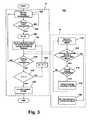
- FIG 3 is a flowchart of a method of operating the energy management system of Figures 1 and 2 according to one embodiment of the invention.
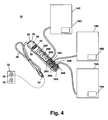
- FIG 4 is a schematic view of an implementation of the energy management system of Figures 1 and 2 , wherein the energy controller is in the form of a power strip.
- Figure 5 is a perspective view of the energy controller of Figure 4 in the form of a first alternative power strip according to another embodiment of the invention.
- Figure 6 is a perspective view of the energy controller of Figure 4 in the form of a second alternative power strip according to another embodiment of the invention.
- An energy management system comprises an energy controller to manage the supply of energy to one or more energy consuming devices in response to an energy over-consumption condition.
- the energy controller transmits an energy curtailment signal, which can be a signal directed to a specific class of energy consuming devices.
- the energy consuming devices determine whether to curtail energy consumption in response to the curtailment signal.
- the energy controller has the ability to curtail the energy supply if the over-consumption condition exists following transmission of the energy curtailment signal.
- the energy management system and method reduces instantaneous demand for resources and can be employed in conjunction with any type of device that consumes a resource such as electricity, water, or gas.
- a resource such as electricity, water, or gas.
- the energy management system and method are described below with respect to the management of electricity, with it being understood that the energy management system and method can be applied to other resources.
- Fig. 1 is a schematic view of an energy management system 10 according to one embodiment of the invention comprising an energy controller 12 and an energy consuming device 14.
- the energy consuming device 14 includes a device controller 16 operatively coupled to one or more components 18 for controlling the operation of the components 18 and thereby the operation of the energy consuming device 14.
- the energy consuming device can be any suitable device that consumes energy during the operation of the device.
- the energy consuming device include, but are not limited to, household appliances, such as a washing machine, a clothes dryer, a clothes refreshing and/or revitalizing machine, an iron, a steamer, an oven, a range, a cooktop, a microwave oven, a dishwasher, a refrigerator, a freezer, a hot water heater, a thermostat, a motor, a pump, a heating/ventilation/cooling infrastructure, or other similar devices; audio-video devices, such as a television, a VCR, a DVD player, a receiver, a DVR, a CD player, or other similar devices; and computer devices and accessories.
- Other examples of energy consuming devices are described in U.S. Patent Application No. 11/323,125, filed December 30, 2005 , which is incorporated herein by reference in its entirety.
- the components can be any functioning component in the energy consuming device.
- components in a household appliance include, but are not limited to, compressors, motors, valves, motor driven components, lighting components, heating components, cooling components, water consuming components, and gas consuming components.
- the energy management system 10 can comprise the single energy consuming device 14, as illustrated in Fig. 1 , or a plurality of the energy consuming devices 14A, 14B, 14C, 14D, as shown in Fig. 2 .
- the following description of the energy management system 10 is presented with respect to the plurality of the energy consuming devices 14A-14D, with it being understood that the energy management system 10 can comprise any suitable number of energy consuming devices.
- the energy controller 12 is operatively coupled to the energy consuming devices 14A-14D.
- the energy controller 12 can be operatively coupled to the device controllers 16A-16D of the corresponding energy consuming devices 14A-14D.
- the energy controller 12 can be configured to monitor energy consumption of the energy consuming devices 14A-14D, such as by monitoring a total current draw from the energy consuming devices 14A-14D, and to send an energy curtailment signal, such as via a power line carrier signal or a wireless signal, to the energy consuming devices 14A-14D if the energy consumption exceeds a predetermined threshold or if an energy over-consumption condition is otherwise detected.
- the energy over-consumption condition corresponds to a condition where power consumption approaches or exceeds the available power.
- the manner in which the curtailment signal is sent is not germane to the invention. Any suitable method can be used.
- the energy curtailment signal can be directed to all of the energy consuming devices 14A-14D coupled to the energy controller 12 or to a specific class of energy consuming devices.
- the device classes can be defined in any desired manner, and, in one embodiment, the device classes can be based on user interaction with the energy consuming device during operation of the energy consuming device.
- the operation of the energy consuming device comprises the operation of the energy consuming device after the user has entered desired operating parameters, if applicable, and initiated the operating process, if applicable.
- Examples of device classes based on user interaction include non-interactive, interactive, and semi-interactive classes.
- the non-interactive class includes energy consuming devices with which the user does not generally interact during normal operation. Because the user does not interact with the energy consuming device during normal operation, the user does not notice or is not negatively affected by changes or interruptions in the operation of the energy consuming device.
- Examples of home appliances in the non-interactive class include a clothes dryer and a water heater.
- the interactive class includes energy consuming devices with which the consumer interacts throughout its useful operation. Interruptions or changes in operation of the interactive energy consuming devices have a high likelihood of being noticed by the user.
- Examples of home appliances in the interactive class include an iron and a hair dryer.
- the semi-interactive class includes energy consuming devices with which the user interacts depending on the operational state of the energy consuming device.
- the user would be affected by an interruption or change in operation of the energy consuming device if the interruption or change occurs while the user interacts with the energy consuming device.
- Examples of home appliances in the semi-interactive class include an oven, a microwave oven, and a clothes washer.
- the device classes can include a non-interruptible class, which can include energy consuming devices that are essential for security or for which an interruption or change in operation would cause damage to the energy consuming device.
- a non-interruptible class can include energy consuming devices that are essential for security or for which an interruption or change in operation would cause damage to the energy consuming device.
- An example of energy consuming devices in the non-interruptible class is a home security system.
- the device classes can be static, where the device class for the energy consuming device does not change, or dynamic, where the device class changes depending on a current operational state of the energy consuming device.
- the energy consuming device can be assigned to a particular device class, such as the non-interactive, interactive, semi-interactive, and non-interruptible device classes, based on typical user interaction with the energy consuming device during operation of the energy consuming device, and the assigned device class can be static, i.e., does not change, during actual operation of the energy consuming device.
- the device class can be dynamic, i.e., changes, during the actual operation of the energy consuming device.
- the device class of the energy consuming device can change from one of the device classes to another of the device classes during the actual operation of the energy consuming device depending on whether the energy consuming device is in an operational state during which the user interacts with the energy consuming device and/or the degree of user interaction with the energy consuming device during the operational state. If the energy consuming device is in an operational state during which the user interacts with the energy consuming device, then the device class can change to a device class corresponding to a higher level of user interaction. Similarly, if the energy consuming device is in an operational state during which the user does not interact with the energy consuming device, then the device class can change to a device class corresponding to a lower level of user interaction.
- the class-specific energy curtailment signal can be transmitted by the energy controller 12 based on a priority of the classes. For example, the energy controller 12, upon detection of the over-consumption condition, can transmit the class-specific energy curtailment signal for the lowest priority device class. If the over-consumption condition remains following transmission of the class-specific energy curtailment signal for the lowest priority class, then the energy controller 12 can transmit the class-specific energy curtailment signal for the next lowest priority class, and so on.
- the exemplary device classes described above can be prioritized from lowest to highest as non-interactive class, semi-interactive class, and interactive class to avoid or reduce negative effects of energy curtailment on the user.
- the energy consuming device 14A-14D can be a smart energy consuming device.
- the energy consuming devices 14A-14D can each have intelligence to determine whether the class-specific energy curtailment signal for a predetermined class is directed to the corresponding class of the particular energy consuming device 14A-14D. If the energy consuming device 14A-14D, particularly the device controller 16A-16D, determines that the class-specific energy curtailment signal is directed to the class of the energy consuming device 14A-14D, then the energy consuming device 14A-14D, particularly the device controller 16A-16D, can determine whether the energy consuming device 14A-14D will curtail its energy consumption in response to the class-specific energy curtailment signal.
- a selection of curtailing the energy consumption results in an energy curtailment action that reduces energy consumption, such a by changing an operating state (e.g., high to low or on to off) of one or more of the components of the energy consuming device, or eliminates energy consumption, such as by stopping or pausing operation of the energy consuming device.
- a selection of not curtailing the energy consumption results in no action by the energy consuming device to reduce or eliminate energy consumption.
- the decision of whether to curtail the energy consumption can be based on any suitable factor.
- the energy consuming device 14A-14D can choose not to curtail energy if the curtailment would potentially cause damage to user content in the energy consuming device 14A-14D or to the energy consuming device 14A-14D itself.
- Another exemplary reason for not responding with an energy curtailment action is if the curtailment action would cause the energy consuming device 14A-14D to fail to perform its intended function, such as a complete drying of the clothes in a dryer, complete cooking of food in a cooking appliance or complete cleaning of clothes in a washing machine.
- the energy consuming device 14A-14D can make the determination of whether to curtail the energy consumption without notifying the energy controller 12 of the determination or, alternatively, with notifying the energy controller 12 of the determination. In the former case, the energy controller 12 can observe whether any of the energy consuming devices 14A-14D has curtailed energy consumption by monitoring the energy consumption and observing any changes in the energy consumption.
- the energy controller 10 can transmit the class-specific energy curtailment signal to all of the energy consuming devices 14A-14D, and each of the energy consuming devices 14A-14D determines whether the class-specific energy curtailment signal is intended for the energy consuming device 14A-14D.
- the energy consuming device 14A-14D can communicate to the energy controller 12 the device class of the corresponding energy consuming device 14A-14D, such as when the energy consuming device 14A-14D couples with the energy controller 12, and the energy controller 12 can thereafter transmit the class-specific energy curtailment signal only to the device class associated with the class-specific energy curtailment signal.
- the energy consuming devices 14A-14D determine whether the class-specific energy curtailment signal is directed to the device class of the energy consuming devices 14A-14D and make the determination of whether to curtail the energy consumption without notifying the energy controller 12 of the determination
- communication between the energy controller 12 and the energy consuming devices 14A-14D is substantially one-way or unidirectional from the energy controller 12 to the energy consuming devices 14A-14D.
- the energy controller 12 can be manufactured with less intelligence and a reduced cost.
- the energy consuming devices 14A-14D can optionally determine whether the class-specific energy curtailment signal is intended for the device class of the respective energy consuming devices 14A-14D and, if the class-specific energy curtailment signal is intended for the device class of the respective energy consuming devices 14A-14D, determine whether to curtail energy consumption.
- the energy consuming devices 14A-14D can have the ability to determine whether to curtail energy consumption when the class-specific energy curtailment signal is intended for a device class other than the device class of the respective energy consuming devices 14A-14D.
- an "interactive" or “semi-interactive” energy consuming device can receive the energy curtailment signal intended for the "non-interactive" energy consuming devices, and in response, the interactive or semi-interactive energy consuming device can determine whether to curtail the energy consumption to aid in relieving the energy over-consumption condition even though the energy curtailment signal is not specifically intended for interactive or semi-interactive energy consuming device.
- the interactive or semi-interactive energy consuming device for example, can determine which components are not critical or least critical to interaction with the user and shut down or reduce energy consumption (e.g., dim lighting) of these components.
- the energy curtailment signal to one of the device classes can be considered an energy curtailment notification, partial energy curtailment signal, or alternative energy curtailment signal to the other device classes.
- the energy curtailment notification can be a notice to energy consuming devices having device classes other than the device class of the class-specific energy curtailment signal that the energy over-consumption condition exists so that the energy consuming devices having the other device classes can optionally reduce energy consumption to aid in alleviating the energy over-consumption condition.
- the energy management system 10 can also include dumb or unintelligent energy consuming devices, or devices that are not capable of receiving and responding to the class-specific energy curtailment signal.
- dumb energy consuming devices Upon transmission of the energy curtailment signal, the dumb energy consuming devices would not perform an energy curtailment action, and the energy controller 10, therefore, would not detect energy curtailment and would treat the dumb energy consuming device similar to a smart energy consuming device that has chosen not to respond to the energy curtailment signal.
- the energy controller 12 can further have the capability of curtailing energy supply if the energy over-consumption condition remains following transmission of the energy curtailment signal.
- the curtailing of the energy supply corresponds to the energy controller 12 reducing or eliminating energy supply to one or more of the energy consuming devices 14A-14D so that the energy consumption falls below a level corresponding to the energy over-consumption condition.
- the curtailing of the energy supply can optionally be executed according to the priority of the device classes.
- the energy controller 12 can curtail the energy supply in any desired manner, such as by reducing the energy supply to one energy consuming device, a set of energy consuming devices, such as a set of energy consuming devices belonging to the same device class, or all of the energy consuming devices; eliminating the energy supply to one energy consuming device, a set of energy consuming devices, such as a set of energy consuming devices belonging to the same device class, or all of the energy consuming devices; or a combination thereof.
- the energy controller 12 can include uncontrolled or priority electrical connectors, which can be coupled to the energy consuming devices belonging to the non-interruptible class.
- the energy controller 12 does not have the ability to curtail the energy supply to the uncontrolled electrical connectors.
- the energy supply to the uncontrolled electrical connectors can only be curtailed in the event of a tripped circuit breaker or other event, such as a power outage, outside the control of the energy controller 12.
- the energy controller 12 determines the presence of the energy over-consumption condition and transmits the energy curtailment signal in response to the energy over-consumption condition.
- the energy management system 10 may optionally include an external source 19, as shown by dashed lines in Fig. 2 , coupled to the energy controller 12 for communicating to the energy controller 12 an external energy curtailment signal instead of or in addition to the energy controller 12 determining the presence of the energy over-consumption condition.
- the external energy curtailment signal can be transmitted to the energy controller 12 by the external source 19 in response to the external source 19 detecting an energy over-consumption condition.
- the energy controller 12 Upon receiving the external energy curtailment signal from the external source 19, the energy controller 12 can proceed with transmitting the energy curtailment signal to the energy consuming devices 14A-14D as described above.
- An example of the external source 19 is a power utility.
- the external source 19 need not be external to the household corresponding to the energy consuming devices 14A-14D; the external source 19 is described as "external" as it is external to the energy controller 12.
- FIG. 3 A flowchart of an exemplary method 100 of operating the energy management system 10 of Figs. 1 and 2 according to one embodiment of the invention is presented in Fig. 3 .
- the exemplary method 100 is provided for illustrative purposes only and is not intended to limit the invention in any manner.
- a portion of the method 100 executed by the energy controller 12 is identified by a box labeled A, and a portion of the method executed by the energy consuming devices 14A-14D is identified by a box labeled B.
- the method 100 begins in box A with a step 102 of the energy controller 12 monitoring the energy consumption of the energy consuming devices 14A-14D of the energy management system 10.
- the monitoring of the energy consumption can be a continuous process or can occur at periodic time intervals.
- the energy controller 12 determines if the energy over-consumption condition exists in step 104, which can also be a continuous process or can occur at predetermined time intervals. If the over-consumption condition exists, then the energy controller proceeds to step 106 to set a priority value N equal to a priority value corresponding to a lowest priority device class.
- the priority value N would be set equal to 3 in the step 106.
- the energy controller 12 then transmits the energy curtailment signal for the device class N in step 108 to the energy consuming devices 14A-14D.
- the energy consuming devices 14A-14D receive the energy curtailment signal in step 100 and determine, in step 112, whether the energy consuming device 14A-14D belongs to the class corresponding to the energy curtailment signal. If the energy consuming device 14A-14D does not belong to the class corresponding to the energy curtailment signal, then the energy consuming device 14A-14D proceeds to step 118 and does not response to the energy curtailment signal. On the other hand, if the energy consuming device 14A-14D does belong to the class corresponding to the energy curtailment signal, then the energy consuming device 14A-14D proceeds to step 114 and determines whether to curtail energy consumption.
- the method 100 returns to box A; however, if the energy consuming device 14A-14D chooses to respond the energy curtailment signal, then the energy consuming device 14A-14D proceeds to step 116 and performs an energy curtailment action before the method 100 returns to box A.
- the energy controller 12 determines in step 120 whether the energy over-consumption condition still exists. If the energy over-consumption condition no longer remains, likely due to energy curtailment actions taken by the energy consuming devices 14A-14D, then the method 100 returns to the step 102 and restarts.
- the energy controller determines in step 122 whether the priority value N is equal to the priority value of the highest priority class, which, in the exemplary embodiment, has a value of 1. If the priority value N is not equal to the priority value N of the highest priority class, then the energy controller 12 in step 124 increments the priority value N to the next highest class, which, in the exemplary embodiment, can be executed by subtracting 1 from the priority value N to redefine the priority value N.
- the method then returns to the step 108, and the energy controller 12 transmits an energy curtailment signal to the device class having the redefined priority value N.
- This process continues until either the energy over-consumption condition no longer exists when evaluated at the step 120, in which case the method 100 returns to the step 102, or until the energy controller 12 determines in the step 122 that the priority value N corresponds to the highest priority device class.
- the energy controller 12 has transmitted the energy curtailment signal to all of the device classes, and the energy consuming devices 14A-14D did not respond to the energy curtailment signal or the energy curtailment actions of the energy consuming devices 14A-14D collectively were not sufficient to bring the energy consumption below the energy over-consumption level.
- the energy controller 12 curtails the energy supply to the energy consuming devices 14A-14D, as described above, in step 126.
- the energy controller 12 can, for example, eliminate or reduce power supply to one, a set, or all of the energy consuming devices 14A-14D.
- the energy controller 12 can sequentially curtail the energy supplied to the energy consuming devices 14A-14D according to the device class priority.
- the energy controller 12 can assume any suitable form and can be internal to the energy consuming device 14A-14D or external to the energy consuming device 14A-14D.
- One exemplary form for the energy controller 12 is a power strip 20.
- An exemplary embodiment of the power strip 20 is illustrated in Fig. 4 .
- the power strip 20 includes a housing 22, an inlet electrical connector 24, and a plurality of outlet electrical connectors 26A-26F.
- a cord 28 couples the inlet electrical connector 24 to the housing 22.
- the inlet electrical connector 24 can be configured as a plug for receipt within a socket 30 of a conventional electrical wall socket assembly 32 or other electrical device with a socket, such as an extension cord, for receiving an input of electricity from an energy source.
- the outlet electrical connectors 26A-26F can be configured as sockets for receiving corresponding plugs 34A-34C of the energy consuming devices 14A-14C and supplying energy or electricity to the energy consuming devices 14A-14C. Furthermore, the outlet electrical connectors 26A-26F can comprise all controlled outlets or a combination of controlled and uncontrolled outlets.
- the power strip 20 further includes a controller 36 in operative communication with the controllers 16A-16C of the energy consuming devices 14A-14C plugged into the outlet electrical connectors 26A-26C.
- the controller 36 controls the input of electricity from the inlet electrical connector 24 to the outlet electrical connectors 26A-26F and can be mounted within the housing 22 or can be located external to the housing 22.
- the power strip 20 also comprises a manual power switch 38 and a circuit breaker 40, as is common in conventional power strips.
- FIG. 4 illustrates three of the energy consuming devices 14A-14C coupled to three of the six outlet electrical connectors 26A-26F, it is within the scope of the invention for any number of energy consuming devices 14A-14C to be coupled to the outlet electrical connectors 26A-26F and for the power strip 20 to have any suitable number of the outlet electrical connectors 26A-26F.
- the power strip 20 can function in the same manner as described above for the energy management system 10 of Fig. 2 , with the power strip controller 36 executing the functions of the energy controller 12 to monitor energy consumption, transmit energy curtailment signals when the energy over-consumption condition exists, and curtailing the energy supply when the energy over-consumption condition remains after transmission of the energy curtailment signals. Further, the energy curtailment signal can be class-specific as described above.
- Figs. 5 and 6 illustrate other embodiments of exemplary power strips 20', 20" that can function as energy controllers.
- elements similar to those of the power strip in Fig. 4 are identified with the same reference numeral bearing a prime (') or double prime (") symbol, respectfully.
- the power strip 20' is identical to the power strip 20, except that the housing is circular rather than rectangular.
- the power strip 20" is also identical to the power strip 20, except that the housing 22" is irregularly shaped, and the outlet electrical connectors 26A"-26E" are coupled to the housing by cords 42A-42E rather than being integrated into the housing 22".
- the energy controller 12 in the form of the power strip is not limited to a strip-shaped housing; rather, the term power "strip" has used been herein as it is the term commonly used to describe single input, multiple output electrical devices.
- the energy management system described herein can be scaled up or down, depending on the application of the energy controller.
- the energy controller can be employed in relationship with a single appliance, wherein the energy controller can be considered an appliance energy controller, with multiple appliances in a single household, wherein the energy controller can be considered a home energy controller, and with multiple households in a community, wherein the energy controller can be considered a community energy controller.
- the energy consuming devices can be considered, respectively, components of a single appliance, multiple appliances in a home, or multiple homes in a community.
- the energy controller is the community energy controller for managing the energy for the homes
- the individual homes can each include the home energy controller for managing the energy for the appliances in the home, and so on.
Landscapes
- Engineering & Computer Science (AREA)
- Power Engineering (AREA)
- Remote Monitoring And Control Of Power-Distribution Networks (AREA)
Applications Claiming Priority (1)
| Application Number | Priority Date | Filing Date | Title |
|---|---|---|---|
| US11/733,385 US7705484B2 (en) | 2007-04-10 | 2007-04-10 | Energy management system and method |
Publications (2)
| Publication Number | Publication Date |
|---|---|
| EP1981144A2 true EP1981144A2 (de) | 2008-10-15 |
| EP1981144A3 EP1981144A3 (de) | 2014-04-30 |
Family
ID=39689011
Family Applications (1)
| Application Number | Title | Priority Date | Filing Date |
|---|---|---|---|
| EP20080251315 Withdrawn EP1981144A3 (de) | 2007-04-10 | 2008-04-04 | Energiemanagementsystem |
Country Status (3)
| Country | Link |
|---|---|
| US (1) | US7705484B2 (de) |
| EP (1) | EP1981144A3 (de) |
| CA (1) | CA2628640A1 (de) |
Cited By (1)
| Publication number | Priority date | Publication date | Assignee | Title |
|---|---|---|---|---|
| EP2625465A2 (de) * | 2010-10-08 | 2013-08-14 | BSH Bosch und Siemens Hausgeräte GmbH | Hausgerätevorrichtung |
Families Citing this family (36)
| Publication number | Priority date | Publication date | Assignee | Title |
|---|---|---|---|---|
| US7530851B2 (en) * | 2007-02-12 | 2009-05-12 | Check Corporation | Vehicle accessory control system |
| US8094034B2 (en) | 2007-09-18 | 2012-01-10 | Georgia Tech Research Corporation | Detecting actuation of electrical devices using electrical noise over a power line |
| JP4309445B2 (ja) * | 2007-10-31 | 2009-08-05 | 株式会社東芝 | 遠隔電力制御システムおよび電源タップ |
| US10296987B2 (en) * | 2008-09-11 | 2019-05-21 | International Business Machines Corporation | Policy-based energy management |
| TW201025213A (en) * | 2008-12-31 | 2010-07-01 | Powertech Ind Ltd | Wireless controlled apparatus with power save mode |
| US8178997B2 (en) * | 2009-06-15 | 2012-05-15 | Google Inc. | Supplying grid ancillary services using controllable loads |
| DE102009027800A1 (de) * | 2009-07-17 | 2011-01-27 | BSH Bosch und Siemens Hausgeräte GmbH | Haushaltsgerät mit einer Kommunikationseinrichtung, Gerätesystem und Verfahren zum Betreiben eines Haushaltsgeräts |
| US9766277B2 (en) | 2009-09-25 | 2017-09-19 | Belkin International, Inc. | Self-calibrating contactless power consumption sensing |
| US20110213510A1 (en) * | 2010-03-01 | 2011-09-01 | Koorosh Mozayeny | Smart power strip |
| US20110209765A1 (en) * | 2010-03-01 | 2011-09-01 | Koorosh Mozayeny | Water flow regulation system |
| US20110213332A1 (en) * | 2010-03-01 | 2011-09-01 | Koorosh Mozayeny | Medication delivery system |
| EP2564221A2 (de) | 2010-04-26 | 2013-03-06 | Belkin International, Inc. | Vorrichtung zur erkennung von stromereignissen und verfahren zur erkennung und klassifizierung eines stromverbrauchs |
| MX2013000238A (es) | 2010-07-02 | 2013-12-02 | Belkin International Inc | Sistemas y metodos para medir el uso de energia electrica en una estructura y sistemas y metodos para calibrarlo. |
| US9291694B2 (en) | 2010-07-02 | 2016-03-22 | Belkin International, Inc. | System and method for monitoring electrical power usage in an electrical power infrastructure of a building |
| US8335596B2 (en) * | 2010-07-16 | 2012-12-18 | Verizon Patent And Licensing Inc. | Remote energy management using persistent smart grid network context |
| JP5603730B2 (ja) * | 2010-10-14 | 2014-10-08 | アズビル株式会社 | エネルギー総量管理装置および方法 |
| US20120101646A1 (en) * | 2010-10-20 | 2012-04-26 | Nydegger Neil K | Interactive system for price-point control of power consumption |
| JP5304764B2 (ja) * | 2010-10-25 | 2013-10-02 | 日本電気株式会社 | 設備電力管理システム |
| US8825215B2 (en) * | 2010-11-17 | 2014-09-02 | General Electric Company | Power consumption compliance monitoring system and method |
| EP2649696B1 (de) * | 2010-12-07 | 2018-02-21 | Siemens Aktiengesellschaft | Leitsystem |
| USD672666S1 (en) | 2011-01-12 | 2012-12-18 | Emerson Electric Co. | Thermostat |
| US8761944B2 (en) * | 2011-01-12 | 2014-06-24 | Emerson Electric Co. | Apparatus and method for determining load of energy consuming appliances within a premises |
| US8423194B2 (en) * | 2011-03-08 | 2013-04-16 | General Electric Company | Generator demand response behavior |
| DE102011052467B4 (de) * | 2011-08-08 | 2014-12-04 | tado GmbH | Nutzer-zustand und -verhalten basiertes steuerungssystem und -verfahren für gebäudetechnische systeme und komponenten |
| US9009500B1 (en) | 2012-01-18 | 2015-04-14 | Google Inc. | Method of correlating power in a data center by fitting a function to a plurality of pairs of actual power draw values and estimated power draw values determined from monitored CPU utilization of a statistical sample of computers in the data center |
| US20150012147A1 (en) * | 2012-01-20 | 2015-01-08 | Energy Aware Technology Inc. | System and method of compiling and organizing power consumption data and converting such data into one or more user actionable formats |
| US9140576B2 (en) * | 2012-01-23 | 2015-09-22 | General Electric Company | Demand response without Time-of-Use metering |
| US10209751B2 (en) | 2012-02-14 | 2019-02-19 | Emerson Electric Co. | Relay switch control and related methods |
| CA2774407C (en) | 2012-04-17 | 2013-06-25 | Renewable Environmental Energy Services Inc. | Rate based power management device |
| KR20140050204A (ko) * | 2012-10-18 | 2014-04-29 | 한국전자통신연구원 | 홈 에너지 관리 서비스 프로비저닝 방법 및 장치 |
| US9188967B2 (en) | 2012-10-23 | 2015-11-17 | International Business Machines Corporation | Enforcing fine-grained demand management in smart grids |
| US9489701B2 (en) | 2012-11-06 | 2016-11-08 | Ali Emadi | Adaptive energy management system |
| US20150046703A1 (en) * | 2013-08-06 | 2015-02-12 | Texas Instruments Incorporated | Target directed joining algorithm for multi-pan networks |
| EP3627728A1 (de) | 2014-09-04 | 2020-03-25 | University of Washington | Erkennung benutzergesteuerter betriebszustände elektronischer vorrichtungen über einen einzigen erfassungspunkt |
| US9914548B1 (en) | 2017-02-22 | 2018-03-13 | Imagik International Corporation | USB power management and load distribution system |
| US20230259086A1 (en) * | 2022-02-14 | 2023-08-17 | Eaton Intelligent Power Limited | Adaptive Knowledge-Based Energy Management System and Method |
Citations (2)
| Publication number | Priority date | Publication date | Assignee | Title |
|---|---|---|---|---|
| US5696695A (en) * | 1995-01-05 | 1997-12-09 | Tecom Inc. | System for rate-related control of electrical loads |
| US20060130535A1 (en) | 2000-07-25 | 2006-06-22 | Sunshine Richard A | Modular laundry system with horizontal modules |
Family Cites Families (105)
| Publication number | Priority date | Publication date | Assignee | Title |
|---|---|---|---|---|
| IT1289679B1 (it) | 1996-11-25 | 1998-10-16 | Merloni Elettrodomestici Spa | Sistema di controllo dei consumi di un elettrodomestico. |
| US3925680A (en) | 1975-04-04 | 1975-12-09 | William A Dixon | Method and system for regulating peak residential power demand |
| US4090088A (en) | 1977-02-17 | 1978-05-16 | Encon Systems, Inc. | Power management system |
| US4168491A (en) | 1977-09-29 | 1979-09-18 | Phillips Control Corp. | Energy demand controller and method therefor |
| US4336462A (en) | 1978-05-26 | 1982-06-22 | Cyborex Laboratories, Inc. | Electrical load restoration system |
| US4247786A (en) | 1979-03-15 | 1981-01-27 | Cyborex Laboratories, Inc. | Energy management method using utility-generated signals |
| US4293915A (en) | 1979-04-16 | 1981-10-06 | Pacific Technology, Inc. | Programmable electronic real-time load controller |
| GB2095879A (en) | 1981-02-20 | 1982-10-06 | Group Nh Ltd | Cost display device |
| US4472640A (en) | 1983-02-16 | 1984-09-18 | Elmer Bayard W | Peak load limiting |
| US4476398A (en) | 1983-03-08 | 1984-10-09 | Hallam William R | Home demand controller |
| US4612619A (en) | 1984-08-06 | 1986-09-16 | Honeywell Inc. | Energy management load leveling |
| FR2584542B1 (fr) | 1985-07-05 | 1987-10-23 | Cahors App Elec | Adaptateur de puissance pour installations electriques, notamment domestiques |
| DE3539581A1 (de) | 1985-11-08 | 1987-05-21 | Philips Patentverwaltung | Verfahren zum steuern mehrerer elektrischer lasten |
| FR2600466B1 (fr) * | 1986-06-20 | 1994-03-18 | Cahors Manuf Appareillage Electr | Adaptateur de puissance pour installations electriques, notamment domestiques, a commande dite par courants porteurs |
| US4847782A (en) | 1986-09-23 | 1989-07-11 | Associated Data Consultants, Inc. | Energy management system with responder unit having an override |
| US4847781A (en) | 1986-09-23 | 1989-07-11 | Associated Data Consoltants | Energy management system |
| US4819180A (en) | 1987-02-13 | 1989-04-04 | Dencor Energy Cost Controls, Inc. | Variable-limit demand controller for metering electrical energy |
| US4998024A (en) | 1988-04-01 | 1991-03-05 | Vaughn Manufacturing Corporation | Energy controlling system for time shifting electric power use |
| US5017799A (en) | 1989-06-30 | 1991-05-21 | At&T Bell Laboratories | Automatic power supply load shedding techniques |
| AU3150493A (en) | 1989-09-07 | 1994-06-22 | Lexington Power Management Corporation | Subscriber electric power load control system |
| US5168170A (en) | 1989-09-07 | 1992-12-01 | Lexington Power Management Corporation | Subscriber electric power load control system |
| US5359540A (en) | 1990-07-23 | 1994-10-25 | Hugo Ortiz | Computer assisted electric power management |
| US5272585A (en) | 1991-06-27 | 1993-12-21 | Gibbs John H | System to prevent electrical shorts by a microprocessor breaker box |
| US5506790A (en) | 1992-01-15 | 1996-04-09 | Nguyen; Sanh K. | Single-chip microcomputer programmable power distributor |
| US5481140A (en) * | 1992-03-10 | 1996-01-02 | Mitsubishi Denki Kabushiki Kaisha | Demand control apparatus and power distribution control system |
| US5544036A (en) | 1992-03-25 | 1996-08-06 | Brown, Jr.; Robert J. | Energy management and home automation system |
| US5761083A (en) | 1992-03-25 | 1998-06-02 | Brown, Jr.; Robert J. | Energy management and home automation system |
| US5436510A (en) | 1992-07-03 | 1995-07-25 | Euro Cp S.A.R.L. | Method and a system for globally managing electric power in a network within a dwelling or the like |
| CA2110626C (en) | 1992-12-10 | 2003-10-21 | Mihoji Tsumura | Billing system for radio communications |
| US5543667A (en) | 1992-12-29 | 1996-08-06 | Honeywell Inc. | Load control for partially increasing/decreasing power usage |
| US5424903A (en) | 1993-01-12 | 1995-06-13 | Tandy Corporation | Intelligent power switcher |
| US5483656A (en) | 1993-01-14 | 1996-01-09 | Apple Computer, Inc. | System for managing power consumption of devices coupled to a common bus |
| IT1268517B1 (it) | 1993-04-15 | 1997-03-04 | Zeltron Spa | Sistema per la gestione di carichi elettrici domestici |
| US6751562B1 (en) | 2000-11-28 | 2004-06-15 | Power Measurement Ltd. | Communications architecture for intelligent electronic devices |
| US6487509B1 (en) | 1996-02-20 | 2002-11-26 | Wrap Spa | Method for the energy management in a domestic environment |
| US5659601A (en) | 1995-05-09 | 1997-08-19 | Motorola, Inc. | Method of selecting a cost effective service plan |
| US5581132A (en) | 1995-08-04 | 1996-12-03 | Chadwick; Jon D. | Peak demand limiter and sequencer |
| US6178393B1 (en) | 1995-08-23 | 2001-01-23 | William A. Irvin | Pump station control system and method |
| US5579201A (en) | 1995-08-23 | 1996-11-26 | Karageozian; Vicken H. | Modified electrical strip for energizing/de-energizing secondary devices simultaneously with a main device |
| US5831345A (en) | 1995-10-18 | 1998-11-03 | Erie Manufacturing Company | Priority relay circuit with timer |
| DE19541869C1 (de) | 1995-11-09 | 1997-01-16 | Siemens Ag | Verfahren zur Ansteuerung von elektrischen Verbrauchern, insbesondere Heizwiderständen |
| US6028977A (en) | 1995-11-13 | 2000-02-22 | Moriah Technologies, Inc. | All-optical, flat-panel display system |
| US5754445A (en) | 1995-12-20 | 1998-05-19 | Primex Technologies, Inc. | Load distribution and management system |
| US6195018B1 (en) | 1996-02-07 | 2001-02-27 | Cellnet Data Systems, Inc. | Metering system |
| JP3402953B2 (ja) | 1996-09-13 | 2003-05-06 | 株式会社東芝 | 通信方法、通信システムおよび通信装置 |
| US5880677A (en) | 1996-10-15 | 1999-03-09 | Lestician; Guy J. | System for monitoring and controlling electrical consumption, including transceiver communicator control apparatus and alternating current control apparatus |
| US6150955A (en) | 1996-10-28 | 2000-11-21 | Tracy Corporation Ii | Apparatus and method for transmitting data via a digital control channel of a digital wireless network |
| US5844326A (en) | 1997-06-23 | 1998-12-01 | Cruising Equipment Company, Inc. | Managed electrical outlet for providing rank-ordered over-current protection |
| JPH11136858A (ja) | 1997-10-28 | 1999-05-21 | Konica Corp | 省電力モードを有する機器の電源装置、省電力制御装置及び画像形成装置 |
| US5924486A (en) | 1997-10-29 | 1999-07-20 | Tecom, Inc. | Environmental condition control and energy management system and method |
| US6329616B1 (en) | 1998-02-10 | 2001-12-11 | Jae Ha Lee | Power control apparatus |
| JP2956681B2 (ja) | 1998-02-27 | 1999-10-04 | 富士電機株式会社 | スイッチング電源の切換運転回路 |
| US6181985B1 (en) | 1998-04-29 | 2001-01-30 | The Detroit Edison Company | Rate-based load shed module |
| US6122603A (en) | 1998-05-29 | 2000-09-19 | Powerweb, Inc. | Multi-utility energy control system with dashboard |
| DE19824168A1 (de) | 1998-05-29 | 1999-12-02 | Bsh Bosch Siemens Hausgeraete | Elektrische Anschlußverteilerschaltung |
| KR20000026987A (ko) | 1998-10-22 | 2000-05-15 | 구자홍 | 절전모드 제어장치 및 방법 |
| DE19850496A1 (de) | 1998-11-02 | 2000-05-04 | Deutsche Telekom Ag | Verfahren zur tarifabhängigen Steuerung von Verbrauchern an Elektrizitätsnetzen |
| DE59908887D1 (de) | 1998-12-15 | 2004-04-22 | Bosch Gmbh Robert | Verfahren zur ein- bzw. abschaltung von verbrauchern |
| EP1181759A1 (de) | 1999-04-16 | 2002-02-27 | Manning Tronics, Inc. | Elektrischer Höchstbelastungverteiler |
| IT1308762B1 (it) * | 1999-06-28 | 2002-01-10 | Merloni Elettrodomestici Spa | Metodo di gestione del consumo di energia da parte di apparecchielettrodomestici. |
| US6734806B1 (en) | 1999-07-15 | 2004-05-11 | Cratsley, Iii Charles W. | Method and system for signaling utility usage |
| US6779016B1 (en) | 1999-08-23 | 2004-08-17 | Terraspring, Inc. | Extensible computing system |
| US6931003B2 (en) | 2000-02-09 | 2005-08-16 | Bookline Flolmstead Llc | Packet prioritization protocol for a large-scale, high speed computer network |
| US6583521B1 (en) | 2000-03-21 | 2003-06-24 | Martin Lagod | Energy management system which includes on-site energy supply |
| US20020120519A1 (en) | 2000-05-23 | 2002-08-29 | Martin Jeffrey W. | Distributed information methods and systems used to collect and correlate user information and preferences with products and services |
| US6891478B2 (en) | 2000-06-09 | 2005-05-10 | Jay Warren Gardner | Methods and apparatus for controlling electric appliances during reduced power conditions |
| WO2001096645A2 (en) | 2000-06-12 | 2001-12-20 | The Procter & Gamble Company | Method and system for optimizing performance of consumer appliances |
| US6519509B1 (en) | 2000-06-22 | 2003-02-11 | Stonewater Software, Inc. | System and method for monitoring and controlling energy distribution |
| WO2002007365A2 (en) | 2000-07-13 | 2002-01-24 | Nxegen | System and method for monitoring and controlling energy usage |
| US20020019802A1 (en) | 2000-08-07 | 2002-02-14 | Ross Malme | System and methods for aggregation and liquidation of curtailment energy resources |
| US20020019758A1 (en) | 2000-08-08 | 2002-02-14 | Scarpelli Peter C. | Load management dispatch system and methods |
| IT1320622B1 (it) * | 2000-09-05 | 2003-12-10 | Wrap Spa | Sistema e dispositivo per il monitoraggio di almeno una utenzaelettrica domestica, in particolare un elettrodomestico. |
| US6868293B1 (en) | 2000-09-28 | 2005-03-15 | Itron, Inc. | System and method for energy usage curtailment |
| US6741442B1 (en) | 2000-10-13 | 2004-05-25 | American Power Conversion Corporation | Intelligent power distribution system |
| US6621179B1 (en) | 2001-04-05 | 2003-09-16 | John E. Howard | Device for curtailing electric demand |
| US7280893B2 (en) | 2001-05-10 | 2007-10-09 | Siemens Power Generation, Inc. | Business management system and method for a deregulated electric power market |
| US20030055776A1 (en) | 2001-05-15 | 2003-03-20 | Ralph Samuelson | Method and apparatus for bundling transmission rights and energy for trading |
| US6624532B1 (en) | 2001-05-18 | 2003-09-23 | Power Wan, Inc. | System and method for utility network load control |
| US6622097B2 (en) | 2001-06-28 | 2003-09-16 | Robert R. Hunter | Method and apparatus for reading and controlling electric power consumption |
| US7039532B2 (en) | 2001-06-28 | 2006-05-02 | Hunter Robert R | Method and apparatus for reading and controlling utility consumption |
| US7324876B2 (en) | 2001-07-10 | 2008-01-29 | Yingco Electronic Inc. | System for remotely controlling energy distribution at local sites |
| US6671586B2 (en) | 2001-08-15 | 2003-12-30 | Statsignal Systems, Inc. | System and method for controlling power demand over an integrated wireless network |
| US6745106B2 (en) | 2001-09-04 | 2004-06-01 | Emware, Inc. | Tone generating electronic device with paging module for verification of energy curtailment |
| US6839717B1 (en) | 2001-10-15 | 2005-01-04 | Ricoh Company, Ltd. | Method and system of remote monitoring and support of devices, extracting data from different types of email messages, and storing data according to data structures determined by the message types |
| WO2003070351A1 (en) | 2002-02-15 | 2003-08-28 | Cuno Incorporated | System for monitoring the performance of fluid treatment cartridges |
| US7638042B2 (en) | 2002-02-15 | 2009-12-29 | 3M Innovative Properties Company | System for monitoring the performance of fluid treatment cartridges |
| US7110832B2 (en) | 2002-03-22 | 2006-09-19 | Whirlpool Corporation | Energy management system for an appliance |
| US6631622B1 (en) | 2002-03-22 | 2003-10-14 | Whirlpool Corporation | Demand side management of freezer systems |
| US6861621B2 (en) | 2002-03-22 | 2005-03-01 | Whirlpool Corporation | Demand side management of water heater systems |
| CN1656661A (zh) | 2002-03-28 | 2005-08-17 | 罗伯绍控制器公司 | 能源管理系统和方法 |
| US7069117B2 (en) | 2002-04-01 | 2006-06-27 | Programmable Control Services, Inc. | Electrical power distribution control systems and processes |
| US20050280969A1 (en) | 2004-06-16 | 2005-12-22 | Cyber Switching, Inc. | Current protection apparatus and method |
| US20050280970A1 (en) | 2004-06-16 | 2005-12-22 | Cyber Switching, Inc. | Current protection apparatus and method |
| EP1372238B1 (de) * | 2002-06-13 | 2018-06-06 | Whirlpool Corporation | Gesamtsystem für Hausenergiemanagement |
| US20040043754A1 (en) | 2002-08-29 | 2004-03-04 | Whewell Jean E. | Cellular telephone billing method |
| US20040235451A1 (en) | 2002-08-29 | 2004-11-25 | Whewell Jean E. | Variable rate billing methods |
| US6940272B2 (en) | 2002-10-10 | 2005-09-06 | Green Socket Ltd. | Electric socket control device |
| US20040083112A1 (en) | 2002-10-25 | 2004-04-29 | Horst Gale R. | Method and apparatus for managing resources of utility providers |
| US7058524B2 (en) | 2002-10-25 | 2006-06-06 | Hudson Bay Wireless, Llc | Electrical power metering system |
| US6961642B2 (en) | 2002-11-15 | 2005-11-01 | Whirlpool Corporation | System and method for reducing an instantaneous load in an appliance |
| ES2538484T3 (es) | 2003-01-21 | 2015-06-22 | Whirlpool Corporation | Un proceso para gestionar y reducir la demanda de potencia de electrodomésticos y componentes de los mismos, y sistema que utiliza dicho proceso |
| WO2004107589A2 (en) | 2003-05-30 | 2004-12-09 | Lg Electronics, Inc. | Home network system |
| US6988375B2 (en) | 2003-06-09 | 2006-01-24 | Whirlpool Corporation | System and method for remote appliance monitoring |
| US7151327B2 (en) | 2003-06-20 | 2006-12-19 | Bruce Merdjan | System and method for supply distribution |
| KR100550556B1 (ko) * | 2003-11-11 | 2006-02-10 | 엘지전자 주식회사 | 에어컨의 중앙제어 시스템 및 그 동작방법 |
-
2007
- 2007-04-10 US US11/733,385 patent/US7705484B2/en active Active
-
2008
- 2008-04-04 EP EP20080251315 patent/EP1981144A3/de not_active Withdrawn
- 2008-04-09 CA CA 2628640 patent/CA2628640A1/en not_active Abandoned
Patent Citations (2)
| Publication number | Priority date | Publication date | Assignee | Title |
|---|---|---|---|---|
| US5696695A (en) * | 1995-01-05 | 1997-12-09 | Tecom Inc. | System for rate-related control of electrical loads |
| US20060130535A1 (en) | 2000-07-25 | 2006-06-22 | Sunshine Richard A | Modular laundry system with horizontal modules |
Cited By (1)
| Publication number | Priority date | Publication date | Assignee | Title |
|---|---|---|---|---|
| EP2625465A2 (de) * | 2010-10-08 | 2013-08-14 | BSH Bosch und Siemens Hausgeräte GmbH | Hausgerätevorrichtung |
Also Published As
| Publication number | Publication date |
|---|---|
| EP1981144A3 (de) | 2014-04-30 |
| CA2628640A1 (en) | 2008-10-10 |
| US7705484B2 (en) | 2010-04-27 |
| US20080252141A1 (en) | 2008-10-16 |
Similar Documents
| Publication | Publication Date | Title |
|---|---|---|
| US7705484B2 (en) | Energy management system and method | |
| US6961642B2 (en) | System and method for reducing an instantaneous load in an appliance | |
| EP2721778B1 (de) | System und verfahren zum betrieb von haushaltsgeräten | |
| RU2264020C2 (ru) | Система для осуществления текущего контроля и управления набором бытовых электроприборов | |
| JP4257057B2 (ja) | 家庭用電気器具をモニタするための装置、システムおよび方法 | |
| US9270115B2 (en) | Domestic appliance comprising a communication unit, system of appliances and method for operating a domestic appliance | |
| US9791877B2 (en) | Electrical household appliance system | |
| US20120296489A1 (en) | Network system for a component | |
| US20180152769A1 (en) | Smart grid appliance control | |
| EP2587727B2 (de) | Netzwerksystem | |
| US20130245841A1 (en) | Method for controlling component for network system | |
| EP2888795B1 (de) | Elektrohaushaltsgerätesystem | |
| CN104317346A (zh) | 一种功率控制的方法及系统 | |
| EP2587732B1 (de) | Netzwerksystem | |
| Peruzzini et al. | Smart home information management system for energy-efficient networks | |
| CN117968206A (zh) | 空调器的节能控制方法、装置及空调器 | |
| US9696773B2 (en) | Consumption unit for effectively managing energy sources | |
| CN108549266A (zh) | 变频家电的控制方法、功率控制模块和可读存储介质 | |
| CN103155484A (zh) | 用于网络系统的要素 | |
| Castro et al. | Exploration of Potential Energy Savings from Smart Appliances | |
| KR20150043658A (ko) | 무선단말기를 이용한 대기전력 제어방법 | |
| US20130226361A1 (en) | Component for network system |
Legal Events
| Date | Code | Title | Description |
|---|---|---|---|
| PUAI | Public reference made under article 153(3) epc to a published international application that has entered the european phase |
Free format text: ORIGINAL CODE: 0009012 |
|
| AK | Designated contracting states |
Kind code of ref document: A2 Designated state(s): AT BE BG CH CY CZ DE DK EE ES FI FR GB GR HR HU IE IS IT LI LT LU LV MC MT NL NO PL PT RO SE SI SK TR |
|
| AX | Request for extension of the european patent |
Extension state: AL BA MK RS |
|
| PUAL | Search report despatched |
Free format text: ORIGINAL CODE: 0009013 |
|
| AK | Designated contracting states |
Kind code of ref document: A3 Designated state(s): AT BE BG CH CY CZ DE DK EE ES FI FR GB GR HR HU IE IS IT LI LT LU LV MC MT NL NO PL PT RO SE SI SK TR |
|
| AX | Request for extension of the european patent |
Extension state: AL BA MK RS |
|
| RIC1 | Information provided on ipc code assigned before grant |
Ipc: H02J 3/14 20060101AFI20140325BHEP |
|
| 17P | Request for examination filed |
Effective date: 20140808 |
|
| RBV | Designated contracting states (corrected) |
Designated state(s): AT BE BG CH CY CZ DE DK EE ES FI FR GB GR HR HU IE IS IT LI LT LU LV MC MT NL NO PL PT RO SE SI SK TR |
|
| AKX | Designation fees paid |
Designated state(s): DE FR GB IT PL |
|
| AXX | Extension fees paid |
Extension state: AL Extension state: RS Extension state: BA Extension state: MK |
|
| 17Q | First examination report despatched |
Effective date: 20150105 |
|
| STAA | Information on the status of an ep patent application or granted ep patent |
Free format text: STATUS: EXAMINATION IS IN PROGRESS |
|
| STAA | Information on the status of an ep patent application or granted ep patent |
Free format text: STATUS: THE APPLICATION IS DEEMED TO BE WITHDRAWN |
|
| 18D | Application deemed to be withdrawn |
Effective date: 20190115 |