EP1990461A2 - Contrôle de synchronisation et cycle de lavage synchronisé pour machine à laver automatique - Google Patents
Contrôle de synchronisation et cycle de lavage synchronisé pour machine à laver automatique Download PDFInfo
- Publication number
- EP1990461A2 EP1990461A2 EP20080251590 EP08251590A EP1990461A2 EP 1990461 A2 EP1990461 A2 EP 1990461A2 EP 20080251590 EP20080251590 EP 20080251590 EP 08251590 A EP08251590 A EP 08251590A EP 1990461 A2 EP1990461 A2 EP 1990461A2
- Authority
- EP
- European Patent Office
- Prior art keywords
- wash
- stain
- control
- cycle
- wash liquor
- Prior art date
- Legal status (The legal status is an assumption and is not a legal conclusion. Google has not performed a legal analysis and makes no representation as to the accuracy of the status listed.)
- Withdrawn
Links
Images





Classifications
-
- D—TEXTILES; PAPER
- D06—TREATMENT OF TEXTILES OR THE LIKE; LAUNDERING; FLEXIBLE MATERIALS NOT OTHERWISE PROVIDED FOR
- D06F—LAUNDERING, DRYING, IRONING, PRESSING OR FOLDING TEXTILE ARTICLES
- D06F33/00—Control of operations performed in washing machines or washer-dryers
- D06F33/30—Control of washing machines characterised by the purpose or target of the control
- D06F33/32—Control of operational steps, e.g. optimisation or improvement of operational steps depending on the condition of the laundry
- D06F33/37—Control of operational steps, e.g. optimisation or improvement of operational steps depending on the condition of the laundry of metering of detergents or additives
-
- D—TEXTILES; PAPER
- D06—TREATMENT OF TEXTILES OR THE LIKE; LAUNDERING; FLEXIBLE MATERIALS NOT OTHERWISE PROVIDED FOR
- D06F—LAUNDERING, DRYING, IRONING, PRESSING OR FOLDING TEXTILE ARTICLES
- D06F34/00—Details of control systems for washing machines, washer-dryers or laundry dryers
- D06F34/08—Control circuits or arrangements thereof
-
- D—TEXTILES; PAPER
- D06—TREATMENT OF TEXTILES OR THE LIKE; LAUNDERING; FLEXIBLE MATERIALS NOT OTHERWISE PROVIDED FOR
- D06F—LAUNDERING, DRYING, IRONING, PRESSING OR FOLDING TEXTILE ARTICLES
- D06F2103/00—Parameters monitored or detected for the control of domestic laundry washing machines, washer-dryers or laundry dryers
-
- D—TEXTILES; PAPER
- D06—TREATMENT OF TEXTILES OR THE LIKE; LAUNDERING; FLEXIBLE MATERIALS NOT OTHERWISE PROVIDED FOR
- D06F—LAUNDERING, DRYING, IRONING, PRESSING OR FOLDING TEXTILE ARTICLES
- D06F2105/00—Systems or parameters controlled or affected by the control systems of washing machines, washer-dryers or laundry dryers
- D06F2105/42—Detergent or additive supply
-
- D—TEXTILES; PAPER
- D06—TREATMENT OF TEXTILES OR THE LIKE; LAUNDERING; FLEXIBLE MATERIALS NOT OTHERWISE PROVIDED FOR
- D06F—LAUNDERING, DRYING, IRONING, PRESSING OR FOLDING TEXTILE ARTICLES
- D06F35/00—Washing machines, apparatus, or methods not otherwise provided for
- D06F35/005—Methods for washing, rinsing or spin-drying
- D06F35/008—Methods for washing, rinsing or spin-drying for disinfecting the tub or the drum
-
- D—TEXTILES; PAPER
- D06—TREATMENT OF TEXTILES OR THE LIKE; LAUNDERING; FLEXIBLE MATERIALS NOT OTHERWISE PROVIDED FOR
- D06F—LAUNDERING, DRYING, IRONING, PRESSING OR FOLDING TEXTILE ARTICLES
- D06F39/00—Details of washing machines not specific to a single type of machines covered by groups D06F9/00 - D06F27/00
- D06F39/02—Devices for adding soap or other washing agents
-
- Y—GENERAL TAGGING OF NEW TECHNOLOGICAL DEVELOPMENTS; GENERAL TAGGING OF CROSS-SECTIONAL TECHNOLOGIES SPANNING OVER SEVERAL SECTIONS OF THE IPC; TECHNICAL SUBJECTS COVERED BY FORMER USPC CROSS-REFERENCE ART COLLECTIONS [XRACs] AND DIGESTS
- Y10—TECHNICAL SUBJECTS COVERED BY FORMER USPC
- Y10T—TECHNICAL SUBJECTS COVERED BY FORMER US CLASSIFICATION
- Y10T137/00—Fluid handling
- Y10T137/8593—Systems
- Y10T137/86187—Plural tanks or compartments connected for serial flow
Definitions
- the present invention relates to washer controls, wash cycles and automatic washers.
- appliances that are used to treat various substrates, such as laundry appliances that treat fabrics and dishwashers that treat dishware
- different chemistries are added to the appliance during different treatment cycles or at different times during a given treatment cycle, depending on the treatment function to be performed, and depending on the item being treated, for example.
- a control is provided for an automatic washer to operate the washer through a wash cycle determined based upon a range of conditions of the fabric load to be washed with a wash liquor in a wash zone of the washer.
- the control includes a plurality of stain/soil type entrées, which can be at least one of selected and detected, and cleaned with a particular wash cycle.
- the control also has a timing mechanism, a dispensing control over at least one wash liquor additive and a user input to permit the user to customize the operation of the control with regard to the dispensing of the various wash liquor additives.
- the control operates the particular wash cycles using the dispensing control to dispense additives to the wash liquor at determined times during the wash cycle.
- control includes a stain component sensor located in the wash zone to detect a particular type of stain on the substrate load to be cleaned.
- control includes a plurality of predetermined wash cycles stored in a memory of the control, for use in operating the washer based upon a detected stain.
- control includes a plurality of predetermined wash cycles stored in a memory of the control, for use in operating the washer based upon a user selected stain.
- the timing mechanism includes a timer used to dispense particular wash liquor additives at specific times during a particular wash cycle.
- the timing mechanism comprises a sensor used to determine when a particular stain or soil is present and requires a particular wash liquor additive to be dispensed to remove that particular stain or soil.
- the user input permits the user to elect whether to or not to dispense a particular type of wash liquor additive for a particular wash cycle.
- the user input permits the user to determine a time for releasing a particular wash liquor additive during a particular wash cycle.
- the user input comprises an electromechanical dial with multiple user selectable positions.
- the stains to be cleaned are identified in the control as one of proteins, fats, semisolids, complex, particular, soil, enzyme sensitive, pH sensitive and surfactant sensitive.
- the stain/soil type entrées are selected from the group consisting of grass, blood, coffee, tea, red wine, tomato-based, fruit juices, cocoa, carbon, perspiration, dirt, pigments, colors, foods, mud and oily stains and soils.
- a wash cycle which includes the steps of:
- the selecting step includes a user inputting a stain/soil type into a control of the washer.
- the first predetermined time is based on a selection made by the user.
- the predetermined time following the dispensing of the first wash liquor additive is dependent upon one of the type of stain/soil in the substrate load and the temperature of the wash liquor.
- a substrate treating appliance utilizing a plurality of different chemistries for different cycles or different wash loads and having a control for operating the appliance.
- the appliance includes a wash zone for receiving a substrate load to be washed through contact with a wash liquor.
- the control includes a plurality of stain/soil type entrées, which can be at least one of selected and detected, and cleaned with a particular wash cycle.
- the control also has a timing mechanism, a dispensing control over at least one wash liquor additive and a user input to permit the user to customize the operation of the control with regard to the dispensing of the various wash liquor additives.
- the control operates the particular wash cycles using the dispensing control to dispense additives to the wash liquor at determined times during the wash cycle.
- the user input permits selection of a wash liquor temperature.
- the user input permits selection of a stain/soil type.
- the user input permits selection of a delay period for dispensing the first wash liquor additive.
- the user input permits selection of a particular additive to be added or not added to the wash liquor.
- FIG. 1 is a schematic illustration of a control for an automatic washer.
- FIG. 2 is a schematic illustration of an automatic washer
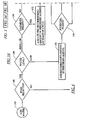
- FIG. 3 is a flow chart diagram of a wash cycle embodying the principles of the present invention.
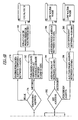
- FIG. 4 is a flow chart diagram of a wash cycle embodying the principles of the present invention.
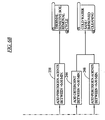
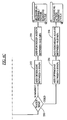
- FIG. 5 is a flow chart diagram of a wash cycle embodying the principles of the present invention.
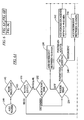
- FIG. 6 is a flow chart diagram of a wash cycle embodying the principles of the present invention.
- the present invention provides a control 20 for an automatic washer appliance 22 to operate the washer through a wash cycle determined based various soils or stains in the materials or substrates 24 to be cleaned.
- the washer 22 can be used to clean fabrics, such as a clothes washer or clothes refresher, could be used to clean dishware, such as a dishwasher, or could be used to clean other substrates.
- the fabric load 24 is arranged to be washed with a wash liquor after the fabric load has been introduced to a wash zone 26 of the washer.
- the wash liquor generally is a fluid, and may be a liquid, a gas, a vapor, a foam, or some combination of these states and may be an aqueous or non-aqueous solution or mixture.
- the control 20 includes a plurality of stain/soil type entrées 30, which can be at least selected or detected, and then used to clean the fabric load with a particular wash cycle.
- the control 20 may include a user interface 32 where a user can enter or select the type of soil or stain that is present in the fabric load 24, from a list of stain/soil entrées, or by entering information to identify a type of stain or soil.
- the user interface 32 could include switches or buttons dedicated to particular stains or soils, or there could be an electronic display with a drop down menu listing a variety of stain/soil entrées.
- a keypad may be provided to allow a user to type in or otherwise choose a particular stain or soil, and the control may then use that information to look up information about that particular stain or soil, from an internal database or memory store, whether that memory is part of software, firmware or is hard wired, or from an external database or memory store, including accessing a remote database or memory store on a local area network, a wide area network or a world wide network, such as the internet.
- the user interface 32 could also allow the user to select a temperature range for the wash liquor, input information regarding the substrates making up the load, such as the type of fabrics that are to be cleaned, for example, whites, colored fabrics, delicate fabrics, etc.
- the interface could also allow the user to select a time for the wash cycle, such as normal, short or extended, as well as to select or prevent certain wash additives from being introduced to the wash liquor for that particular wash cycle.
- the user could select to advance or delay the timing for adding various wash liquor additives, and could also select an energy saving mode for the wash cycle.
- control 20 could include an electronic input for receiving a signal on line 34 indicative of at least one of the stain type entrées.
- the stain types could be selected based upon a detection of the stains present prior to or during the wash cycle, such as by a reflectivity or emissivity reading of the fabric load, or a sensing of the presence of particular stain attributes during the wash cycle, such as the presence of proteins being released into the wash liquor.
- the stains/soils to be removed may be identified in the control 20 as one of proteins, fats, semisolids, complex, particular, soil, enzyme sensitive, pH sensitive and surfactant sensitive. Each of these categories may have one or more specific wash cycles associated with it. For example, a particular soil/stain type could have several different cycles associated with it depending on the particular wash temperature a user has selected, based on the particular type of substrate involved, such as permanent press, delicate, or colored fabrics, or based on other input factors provided on the control.
- the stain/soil type entrées may include grass, blood, coffee, tea, red wine, fruit juices, cocoa, tomato-based, carbon, perspiration, pigments, colors, foods, dirt, mud and oily stains or soils, which might be accessed directly or by first selecting a category or stains/soils.
- the control 20 has dispensing control over various wash liquor additives 36 including detergents, chlorine bleaches, color safe bleaches, cleaning boosters, oxidizing agents, pre-wash stain removers, pre-wash chemistries, switchable or tunable surfactants, wrinkle guard, color finishes, water repellency, stain guard, functional finishes, fabric softeners, water softeners, fragrances, anti-static agents, drying aids, de-wrinkling chemistries, deodorizers, surfactants, emulsifiers, enzyme activated stain removers, sudsing agents, builders, anti-redeposition polymers, in-wash stain removers, water conditioning agents and perfumes.
- detergents chlorine bleaches, color safe bleaches, cleaning boosters, oxidizing agents, pre-wash stain removers, pre-wash chemistries, switchable or tunable surfactants, wrinkle guard, color finishes, water repellency, stain guard, functional finishes, fabric softeners, water softeners, fragrances,
- the oxidizing agents which may be used as additives include active oxygen releasing compounds, e.g., peroxides (peroxygen compounds) such as perborate, percarbonates, perphosphates, persilicates, persulfates, their sodium, ammonium, potassium and lithium analogs, calcium peroxide, zinc peroxide, sodium peroxide, carbamide peroxide, hydrogen peroxide, and the like.
- peroxides peroxygen compounds
- these agents also include peroxy acids and organic peroxides and various mixtures thereof.
- a peroxy acid is an acid in which an acidic -OH group has been replaced by an -OOH group. They are formed chiefly by elements in groups 14, 15 and 16 of the periodic table, but boron and certain transition elements are also known to form peroxy acids. Sulfur and phosphorus form the largest range of peroxy acids, including some condensed forms such as peroxydiphosphoric acid, H 4 P 2 O 8 and peroxydisulfuric acid, H 2 S 2 O 8 . This term also includes compounds such as peroxy-carboxylic acids and meta- chloroperoxybenzoic acid (mCPBA).
- mCPBA meta- chloroperoxybenzoic acid
- Organic peroxides are organic compounds containing the peroxide functional group (ROOR'). If the R' is hydrogen, the compound is called an organic hydroperoxide.
- Peresters have general structure RC(O)OOR. The O-O bond easily breaks and forms free radicals of the form RO ⁇ . This makes organic peroxides useful for cleaning purposes.
- oxidizing agent product composition based on concentration. "Ultra concentrated” means that 80 to 100% of the bleach is active. “Concentrated” means that 40 to 79% of the bleach is active. “Bleach with additive” means that 20-40 % of the bleach is active. “Cleaning product with bleach” means that less than 25% of the bleach is active.
- Oxidizing agents may be combined within a mixture that has a selection of other additive material, such as one or more of the following: builders, surfactants, enzymes, bleach activators, bleach catalysts, bleach boosters, alkalinity sources, antibacterial agents, colorants, perfumes, pro-perfumes, finishing aids, lime soap dispersants, composition malodor control agents, odor neutralizers, polymeric dye transfer inhibiting agents, crystal growth inhibitors, photobleaches, heavy metal ion sequestrants, anti-tarnishing agents, anti-microbial agents, anti-oxidants, linkers, anti-redeposition agents, electrolytes, pH modifiers, thickeners, abrasives, divalent or trivalent ions, metal ion salts, enzyme stabilizers, corrosion inhibitors, diamines or polyamines and/or their alkoxylates, suds stabilizing polymers, solvents, process aids, fabric softening agents, optical brighteners, hydrotropes, suds or foam suppressors, suds or foam
- a particular oxidizing agent to be added to form the oxidizing agent wash liquor could comprise a combination of water with one or more of sodium carbonate, sodium percarbonate, surfactants and enzymes.
- wash liquor additives 36 may be stored internal or external to a cabinet 38 of the washer, such as in one or more internal containers 40 or external containers 42, or may be generated at or near the washer at the time they are needed for a particular wash cycle.
- Precursor chemicals may be stored at the washer, to be combined or acted upon at the time of need for a particular additive, so that unstable additives can be utilized by being generated just prior to their use.
- Oxidizing agents such as hydrogen peroxide could be generated by electrolysis at a time of need, as could ozone and other additives.
- the additives 36 may be in the form of solids, liquids, gases, gels, foams and vapors, as well as in the form of electromagnetic radiation, such as UV.
- a mixing chamber 44 could also be provided wherein one or more of the additives or chemistries could be introduced to a portion of the wash liquor, and diluted therein, before being introduced to the fabric load 24.
- the control 20 has operational control over activators and deactivators 48 for various of the additives.
- the activators and deactivators 48 may include thermal, biological, chemical, electromagnetic and mechanical actions.
- the biological activators and deactivators may include the use of enzymes and microbes.
- the chemical activators and deactivators may include the use of pH control, precious/noble metals, ionization, switchable surfactants, catalytic agents, anti-suds materials, and ozone.
- the electromagnetic activators and deactivators may include the use of UV, microwaves, electromagnetic radiation, electrolysis, visible light, electric shock and magnetic fields.
- the mechanical action activators and deactivators may include the use of tumbling, impelling, nutating, agitating, flexing of the fabric load, sonic, acoustics, megasonics, cradle, spinning and ultrasound.
- the deactivators 48 may include removing or rendering ineffective an activator or the result of an activator. For example, if metal ions are used to catalyze an activation of an oxidizing agent, the metal ions may be captured or removed from the wash liquor prior to the wash liquor being disposed.
- the control 20 has operational control over the particular wash cycles 50 using the dispensing control to dispense additives 36 to the wash liquor at selected times during the wash cycle and operating the activators and deactivators 48 at selected times during the wash cycle 50.
- the activators and deactivators 48 may be operated during different portions of the wash cycle 50 such as soak, pre-wash, standard wash, pre-rinse, rinse, fluid recovery and pre-drain.
- the activation and deactivation 48 may be carried out in a single stage, a dual stage or in multiple stages. Several methods could be used in combination or in parallel to activate. For example, an oxidizing agent, such as hydrogen peroxide could be added, activating the hydrogen peroxide with a temperature increase, adding a catalyst, further temperature adjustment and then adding ozone.
- an oxidizing agent such as hydrogen peroxide could be added, activating the hydrogen peroxide with a temperature increase, adding a catalyst, further temperature adjustment and then adding ozone.
- the solvent could be controlled, for example by pH, light, acoustics or the introduction of gases.
- a goal could be the prevention of suds lock which can be achieved by increasing surface tension.
- a goal could be improving extraction efficiency which can be achieved by decreasing surface tension.
- a goal could be a clean rinse with no suds which can be achieved by increasing surface tension.
- the pH could be neutralized.
- the desired effect would be the curing of the additive onto the fabric or other substrate itself, such as is done with wrinkle guard or stain guard, color finishes, water repellency, functional finishes. This could be accomplished through nano-curing. With these finishes, extreme conditions such as very high temperature or very high pH are required. However, an activation method (such as UV or pH) could be used to overcome these conditions.
- the additives 36 could be stored or introduced to the wash liquor in a variety of locations including a sump 52, the storage/holding container 42 or a line 54 from a dispenser 44 to a drum 56 defining the wash zone 26.
- sodium diborate Na4B2O5
- a solution can be prepared with a combination of sodium diborate and hydrogen peroxide, with activation by one or more lasers 58 operating in the 320 to 390 nm wavelength range.
- the control 20 operates the dedicated wash cycles, as selected, using both the detergent and the oxidizing agent, however, the detergent and the oxidizing agent may be dispensed in different orders and at different times and in different amounts, as detailed below, depending on the stain type selected.
- the control 20 may also have dispensing control over other types of chemistries including pre-wash chemistries, fabric softeners, water softeners, fragrances, anti-static agents, drying aids, de-wrinkling chemistries, deodorizers, etc.
- control 20 could also include selectable water level entrées or wash liquor entrées.
- control 20 would have dispensing control over hot water and cold water inlet valves or other inlet valves for dispensing a wash liquor into the wash zone 26.
- the water level or wash liquor entrées could comprise high, low and regular levels.
- a sensor in the wash tub, or in the inlet lines could be used to determine the volume of water or wash liquor that had been introduced into the wash zone 26.
- control 20 could also include a selection for recirculation of the wash liquor. This selection could be made by the user through the control interface, or could be selected automatically by the control 20 based on other selected parameters or based on sensed parameters of the fabric load 24.
- control 20 could also include selectable agitation time entrées.
- the control 20 could include a timer for controlling the agitation times as well as other aspects of the wash cycle, including the dispensing of various additives.
- the agitation time entrées could comprise short, extended and regular agitation times. These selections could be made by the user through the control interface, or could be selected automatically by the control 20 based on other selected parameters or based on sensed parameters of the fabric load 24.
- control 20 could also include selectable water temperature entrées.
- the water temperature entrées could comprise hot, warm, cold, tap cold and any temperature. These selections could be made by the user through the control interface, or could be selected automatically by the control 20 based on other selected parameters or based on sensed parameters of the fabric load 24.
- control 20 could be arranged to dispense the oxidizing agent either instantaneously in bulk or at a controlled rate.
- This control feature could be selected by the user through the control interface, or could be selected automatically by the control based on other selected parameters or based on sensed parameters of the fabric load 24.
- step 140 water is added by controlling the water inlet valves.
- step 142 a determination is made as to whether a soaking operation has been selected. If that determination is yes, then a determination is made in step 144 regarding the selected water level. If the selected water level is regular, then a determination is made in step 146 regarding whether a fabric load 24 is present. If that determination is no, then the control 20 opens the hot water inlet valve to admit hot water, and also dispenses an oxidizing agent in step 148. The mixture of the oxidizing agent and the hot water in the wash zone sanitizes the wash zone.
- the drum defining the wash zone is then spun in step 150, to assure that all portions of the machine normally having contact with the wash liquor will be subjected to the sanitizing mixture of the oxidizing agent and water.
- This cycle helps to prevent and remove biofilms from surfaces in the washer. This cycle works best when the water temperature is > 60°C.
- the elevated temperature in this step, and in other steps can be achieved by admitting hot water, or by utilizing a heating element to heat the wash liquor after it is already in the wash zone, or as it is being prepared to be introduced into the wash zone, such as in a mixing chamber.
- step 146 If in step 146 it is determined that a fabric load 24 is present, then the control dispenses an oxidizing agent in step 152 in an amount of 1 to 2 times the recommended amount and the fabric load is permitted to soak in the mixture of the oxidizing agent and water, in step 154, for a time period, such as up to about 80 minutes.
- the soaking step 154 can be carried out in a range of temperatures and is intended to be a prewash cycle, to be followed by one of the other wash cycles.
- step 144 If in step 144 the selected water level is determined to be low, then in step 156 a recommended amount of oxidizing agent is added by the control 20. A determination is then made in step 158 regarding the phase that the wash liquor (here water and oxidizing agent) is to be applied to the fabric load 24.
- the wash liquor could be applied in a foam phase, as shown in step 160, a steam phase as shown in step 162, or a concentrated wash liquor phase (low water volume) as shown in step 164.
- the fabric load 24 is then permitted to soak in the wash liquor, in step 166, for a time period, such as up to about 80 minutes.
- the soaking step 166 can be carried out in a range of temperatures and is intended to be a prewash cycle, to be followed by one of the other wash cycles. This particular soaking cycle requires less water than the previously described soaking cycle, and thus consumes less water resources.
- step 140 there are illustrated several wash cycles based on low water levels.
- step 142 As water is added in step 140, and a determination is made in step 142 that soaking has not been selected, then a determination is made in step 170 with regard to a selected water level. If a low level has been selected, then in step 172, a determination is made regarding whether the wash liquor is to be recirculated through the fabric load 24. If recirculation is selected, then the control 20 operates the dispensing of the detergent to dispense the detergent into the wash liquor during an initial time period, ranging between 0 and 10 minutes from the start of this wash cycle, depending on the stain and soil types indicated.
- a prewetting with just water could be provided, prior to adding the detergent to the wash liquor, for certain types of stains.
- a pre-wash step could be undertaken, in this cycle, and in any of the following cycles, in which no detergent is added to the wash liquor, however other additives, such as activated oxidizers, ozone, enzymes or water conditioning agents are added.
- the water conditioning agents can be used to remove hardness or change the pH, ORP or conductivity of the wash liquor. For other types of stains and soiling, it is more desirable to add the detergent sooner, or at the beginning of the wash cycle.
- the wash liquor is then applied against the fabric load 24 via a spray or other known introduction methods including via a waterfall, through perforations in a wall of the wash zone, etc., in the recirculation mode, during step 180.
- step 182 the oxidizing agents are dispensed by the control 20 at a controlled rate during the second time period. For some types of stains or oxidizing agents, it is preferable to meter the oxidizing agent into the wash liquor over time, rather than dispensing it in bulk. Again, the wash liquor is then applied against the fabric load 24 by spraying in the recirculation mode, in step 180.
- step 184 a determination is made in step 184 regarding the phase that the wash liquor is to be applied to the fabric load 24.
- the wash liquor could be applied in a foam phase, as shown in step 186, a steam phase as shown in step 188, or a concentrated wash liquor phase (low water volume) as shown in step 190.
- step 194 the control 20 causes the detergent to be dispensed into the wash liquor during a first time period, ranging between 0 and 10 minutes from the start of this wash cycle, depending on the stain and soil types indicated as described above with respect to step 174.
- step 196 ranging between 0 and 20 minutes from the start of this wash cycle, the oxidizing agents are dispensed into the wash liquor. This cycle provides a low water usage wash cycle.
- step 198 the control 20 causes the oxidizing agent to be dispensed into the wash liquor during a first time period, ranging between 0 and 10 minutes from the start of this wash cycle, depending on the stain and soil types. For some types of stains, it is more effective to first apply a wash liquor and oxidizing agent before introducing a detergent.
- step 200 ranging between 0 and 20 minutes from the start of this wash cycle, the detergent is dispensed into the wash liquor. This cycle also provides a low water wash cycle which can be performed through a wide range of water temperatures.
- a stain booster cycle may be provided as a generic cycle to remove all types of stains, with an emphasis on stains like background soil, blood, grass, chocolate, cooking oil, dirt, red wine, tomato, fruit juice, tea/coffee.
- the user could select either a hot wash liquor, above 60C, a warm wash liquor of about 40C or a cold wash liquor of less than 20C.
- an oxidizing agent or an enzyme-containing booster would be added to the wash liquor in a high concentration level.
- a wash liquor without detergent such as only water, or water with water softening conditioners, could be introduced to the substrate load, with mechanical action applied to the substrate load.
- a detergent After a first time period, for example 5 minutes, a detergent would be added to the wash liquor and mechanical action would continue. Alternatively, the detergent could be added immediately. After a second time period, for example, another 5 to 10 minutes, an oxidizing agent would be added to the wash liquor, with mechanical action continuing. The substrate load would remain exposed to the wash liquor, with the oxidizing agent, for a third time period to complete the washing portion of the wash cycle.
- the timing of the introduction and total cycle length could be dependent on temperature, stains, load size, and other wash parameters.
- a wash liquor without detergent such as only water, or with activated oxidizers, ozone, enzymes or water conditioning agents could be introduced to the substrate load, with mechanical action applied to the substrate load.
- Water conditioning agents can be used to remove hardness, change the pH, ORP or conductivity of the wash liquor.
- an oxidizing agent After a first time period, for example 5 minutes, an oxidizing agent would be added to the wash liquor and mechanical action would continue. Alternatively, the oxidizing agent could be added immediately. After a second time period, for example, another 5 minutes, an oxidizing agent would be added to the wash liquor, with mechanical action continuing. The substrate load would remain exposed to the wash liquor, with the detergent, for a third time period to complete the washing portion of the wash cycle.
- the timing of the introduction and total cycle length could be dependent on temperature, stains, load size, and other wash parameters.
- Another slightly different stain booster cycle may be provided for bleach sensitive stains, such as chocolate, red wine, fruit juices, tea/coffee, ring around the collar.
- This cycle would be similar to the generic stain booster cycles described above, however the addition of the second chemistry, the oxidizing agent in the first cycle, or the detergent in the second described cycle, would occur sooner, that is, less than 5 minutes after the introduction of the first chemistry, to allow the oxidizing agent to have more time to act on the stain. The total cycle time could be extended longer as well.
- step 140 there are illustrated several wash cycles based on regular water levels and short or regular agitation times.
- step 142 a determination is made in step 170 with regard to a selected water level. If a regular level has been selected, then in step 202, a determination is made regarding the length of the agitation time. If a short agitation time is selected, a determination is then made in step 204 regarding the first additive to be dispensed into the wash liquor.
- step 206 the control 20 causes the detergent to be dispensed into the wash liquor during a first time period, ranging between 0 and 10 minutes from the start of this wash cycle, depending on the stain and soil types indicated as described above with respect to step 174.
- step 208 ranging between 0 and 15 minutes from the start of this wash cycle, the oxidizing agents are dispensed into the wash liquor. This cycle provides a quick wash cycle.
- step 210 the control 20 causes the oxidizing agent to be dispensed into the wash liquor during a first time period, ranging between 0 and 10 minutes from the start of this wash cycle, depending on the stain and soil types.
- step 212 ranging between 0 and 15 minutes from the start of this wash cycle, the detergent is dispensed into the wash liquor. This cycle also provides a quick wash cycle.
- step 214 a determination is then made in step 214 regarding a temperature for the wash liquor. If any temperature other than specifically cold is selected, then in step 216 is made regarding the first additive to be dispensed into the wash liquor. If the determination is to first add the oxidizing agent, then in step 218, the control 20 causes the oxidizing agent to be dispensed into the wash liquor during a first time period, ranging between 0 and 10 minutes from the start of this wash cycle, depending on the stain and soil types. During a second time period in step 220, ranging between 0 and 20 minutes from the start of this wash cycle, the detergent is dispensed into the wash liquor. This cycle provides a wash cycle particularly suited to remove oily soils and protein stains, such as blood or grass stains.
- step 216 the first additive is determined to be a detergent
- step 222 the control 20 causes the detergent to be dispensed into the wash liquor during a first time period, ranging between 0 and 10 minutes from the start of this wash cycle, depending on the stain and soil types.
- a determination is then made in step 224 whether the oxidizing agent is to be dispensed early or later. If the determination is early, then during a second time period in step 226, ranging between 0 and 15 minutes from the start of this wash cycle, the oxidizing agent is dispensed into the wash liquor. This cycle is suited for color safe bleachable soil removal.
- a slightly different stain booster cycle may be provided for enzyme sensitive stains, such as blood, grass, chocolate and cooking oil.
- This cycle would be similar to the generic stain booster cycles described above, however the addition of the second chemistry, the oxidizing agent in the first cycle, or the detergent in the second described cycle, would be delayed to occur between 10 and 20 minutes after the introduction of the first chemistry, to allow the first chemistry sufficient time to act on the stain.
- the total cycle time could be extended longer as well. With cold wash liquor washes, the time could also be determined by the detergent that is used, such that the delayed time of introduction of the oxidizing agent, following the introduction of the detergent, could be 10 minutes if the detergent is a cold water formulated detergent and 20 minutes if the detergent has standard enzymes.
- step 224 a determination is made in step 224 to add the oxidizing agent later, then during a second time period in step 228, ranging between 0 and 20 minutes from the start of this wash cycle, the oxidizing agent is dispensed into the wash liquor.
- This cycle is suited for removing enzyme sensitive soils, which is why the oxidizing agent is dispensed into the wash liquor later, to allow the enzyme based detergent a longer contact time with the fabric load 24.
- a low resource cycle could be provided in which the wash liquor temperature would be cold, that is, below 20C.
- the length of time that each chemistry is exposed to the substrate load would be increased due to the reduced temperature. The entire cycle time would therefore be lengthened.
- This cycle provides a lower energy usage cycle.
- step 214 a determination is made in step 214 specifically for a cold wash temperature. Then in step 216, the control 20 causes the detergent to be dispensed into the wash liquor during a first time period, ranging between 0 and 10 minutes from the start of this wash cycle, depending on the stain and soil types indicated as described above with respect to step 174. During a second time period in step 232, ranging between 0 and 20 minutes from the start of this wash cycle, the oxidizing agents are dispensed into the wash liquor.
- This cycle provides a cold water wash cycle (reduced energy usage). It has been determined, using cleaning scores, that a wash cycle using detergent and an oxidizing agent, at temperatures between 15 and 25C provides results as good as or better than a wash cycle using only a detergent at 40C.
- An extra low resource cycle could be provided in which the wash liquor temperature would be cold, that is, below 20C, the length of the cycle in greatly increased, to about 4 to 7 hours, with the intent that this cycle be performed overnight, taking advantage of lower nighttime electricity rates.
- the addition of the second chemistry would occur substantially later, such as 30 minutes to an hour or more after the addition of the first chemistry.
- the length of time that each chemistry is exposed to the substrate load would be increased due to the reduced temperature and the cycle would include long periods of soaking the substrate load in the wash liquor with intermittent periods of mechanical action against the substrate load, such as spraying, tumbling or agitating.
- This cycle cold provide significant energy cost savings.
- step 6 there are illustrated several wash cycles based on a regular water level and an extended agitation time or a high water level.
- a determination is made in step 170 for a regular water level and in step 202 a determination is made for an extended agitation time, a determination is made in step 234 regarding a wash temperature. If hot temperatures have been selected, then in step 236, the control 20 causes the detergent to be dispensed into the wash liquor during a first time period, ranging between 0 and 10 minutes from the start of this wash cycle, depending on the stain and soil types indicated as described above with respect to step 174.
- step 2348 During a second time period in step 238, ranging between 0 and 30 minutes from the start of this wash cycle, the oxidizing agents are dispensed into the wash liquor.
- This cycle provides a wash cycle for removing thermally sensitive soils, such as oily soils.
- a cold sanitization cycle could be provided to kill bacterial on all types of substrates without damage to the substrate that might otherwise occur at an elevated temperature.
- the wash liquor is generally maintained below 60C, and could be around 40C for a warm cycle, or around 20C for a cold cycle.
- an oxidizing agent and a detergent would be added to the wash liquor, relatively simultaneously, and in a concentration amount greater than normal.
- the lower the temperature the greater the concentration level should be for the additives.
- the substrate is to remain exposed to the additives for a time period that is longer than typically required for a high temperature sanitization cycle.
- Usually such a cycle with a wash liquor temperature of 70 C requires a 10 minute exposure period.
- the time period should be in the range of 20 to 120 minutes. Such a cycle requires less energy usage due to the lower temperatures.
- the cold sanitization cycle begins if the temperature selected in step 234 is warm or cold. Then in step 240 a determination is made regarding the first additive to be dispensed into the wash liquor. If the determination is to first add the oxidizing agent, then in step 242, the control 20 causes the oxidizing agent to be dispensed into the wash liquor during a first time period, ranging between 0 and 10 minutes from the start of this wash cycle, depending on the stain and soil types. During a second time period in step 244, ranging between 0 and 30 minutes from the start of this wash cycle, the detergent is dispensed into the wash liquor. This cycle provides a wash cycle that sanitizes and provides improved cleaning due to the extended period of time the fabric load is exposed to oxidizing agents.
- step 240 the first additive is determined to be a detergent
- step 248 the control 20 causes the detergent to be dispensed into the wash liquor during a first time period, ranging between 0 and 10 minutes from the start of this wash cycle, depending on the stain and soil types.
- the oxidizing agent is dispensed into the wash liquor.
- This cycle also provides a wash cycle that sanitizes and provides improved cleaning due to the extended period of time the fabric load is exposed to oxidizing agents.
- step 250 a determination is made in step 250 regarding a wash temperature. If warm or hot temperatures have been selected, then in step 252, the control 20 causes the detergent to be dispensed into the wash liquor during a first time period, ranging between 0 and 10 minutes from the start of this wash cycle, depending on the stain and soil types indicated as described above with respect to step 174. During a second time period in step 254, ranging between 0 and 20 minutes from the start of this wash cycle, the oxidizing agents are dispensed into the wash liquor. This cycle provides a mechanical/thermal/enzyme sensitive wash cycle which is particularly suited for removing carbon and cocoa based soils and stains.
- step 256 the control 20 causes the detergent to be dispensed into the wash liquor during a first time period, ranging between 0 and 10 minutes from the start of this wash cycle, depending on the stain and soil types.
- step 258 ranging between 0 and 20 minutes from the start of this wash cycle, the oxidizing agent is dispensed into the wash liquor.
- This cycle provides a mechanical action sensitive cycle (high water volume) with a lower energy usage (due to the cold water selection) than the previous wash cycle.
- a whitening cycle could be provided in which the overall whitening of the substrate is improved through removal of background soil and bleaching.
- the user could select any temperature for this wash cycle.
- a normal concentration of detergent would be used, but a higher concentration of an oxidizing agent or and enzyme-containing booster would be added.
- control 20 and washer 22 have been described which may be incorporated singly or in various combinations into a desired system, even though only certain combinations are described herein.
- the above-described combinations should not be viewed in a limiting way, but only as illustrative examples of particular possible combinations of features.
- the invention is susceptible of being embodied with various alterations and modifications which may differ particularly from those that have been described in the preceding specification and description within the scope of the appended claims.
Landscapes
- Engineering & Computer Science (AREA)
- Textile Engineering (AREA)
- Detergent Compositions (AREA)
- Control Of Washing Machine And Dryer (AREA)
- Cleaning By Liquid Or Steam (AREA)
Applications Claiming Priority (1)
| Application Number | Priority Date | Filing Date | Title |
|---|---|---|---|
| US11/745,088 US8490440B2 (en) | 2007-05-07 | 2007-05-07 | Timing control and timed wash cycle for an automatic washer |
Publications (2)
| Publication Number | Publication Date |
|---|---|
| EP1990461A2 true EP1990461A2 (fr) | 2008-11-12 |
| EP1990461A3 EP1990461A3 (fr) | 2012-01-18 |
Family
ID=39712627
Family Applications (1)
| Application Number | Title | Priority Date | Filing Date |
|---|---|---|---|
| EP20080251590 Withdrawn EP1990461A3 (fr) | 2007-05-07 | 2008-05-01 | Contrôle de synchronisation et cycle de lavage synchronisé pour machine à laver automatique |
Country Status (7)
| Country | Link |
|---|---|
| US (2) | US8490440B2 (fr) |
| EP (1) | EP1990461A3 (fr) |
| CN (1) | CN101302700A (fr) |
| AU (1) | AU2008200590A1 (fr) |
| BR (1) | BRPI0801466A2 (fr) |
| CA (1) | CA2621823A1 (fr) |
| MX (1) | MX2008005890A (fr) |
Cited By (12)
| Publication number | Priority date | Publication date | Assignee | Title |
|---|---|---|---|---|
| EP2690210A1 (fr) * | 2012-07-27 | 2014-01-29 | Whirlpool Corporation | Procédé de lavage de vêtements colorés dans une machine à laver domestique |
| EP3075896A1 (fr) * | 2015-04-01 | 2016-10-05 | Herbert Kannegiesser GmbH | Procede et dispositif de post-traitement de linge |
| US9624615B2 (en) | 2013-03-15 | 2017-04-18 | Whirlpool Corporation | Methods and compositions for treating laundry items |
| US9702074B2 (en) | 2013-03-15 | 2017-07-11 | Whirlpool Corporation | Methods and compositions for treating laundry items |
| WO2017211701A1 (fr) * | 2016-06-09 | 2017-12-14 | Unilever Plc | Fourniture d'un produit de blanchisserie |
| WO2018011174A1 (fr) * | 2016-07-15 | 2018-01-18 | Henkel Ag & Co. Kgaa | Procédé et dispositif permettant de déterminer des salissures |
| WO2018134098A1 (fr) * | 2017-01-20 | 2018-07-26 | Unilever Plc | Appareil pour fournir des compositions de détergent de blanchisserie et d'agent bénéfique de cycle de rinçage |
| WO2019068472A1 (fr) * | 2017-10-05 | 2019-04-11 | Unilever Plc | Procédés et dispositifs pour la lessive individualisée |
| US10982373B2 (en) | 2016-06-09 | 2021-04-20 | Conopco, Inc. | Laundry liquid mixing apparatus |
| CN112779725A (zh) * | 2020-12-28 | 2021-05-11 | 珠海格力电器股份有限公司 | 一种洗涤剂盒液位检测方法及具有其的衣物处理设备 |
| US11131055B2 (en) | 2018-02-26 | 2021-09-28 | Conopco, Inc. | Methods and system for monitoring and replenishing one or more laundry components |
| US12060669B2 (en) | 2021-02-05 | 2024-08-13 | Haier Us Appliance Solutions, Inc. | Laundry treatment appliance incorporating a detergent replenishment method |
Families Citing this family (60)
| Publication number | Priority date | Publication date | Assignee | Title |
|---|---|---|---|---|
| US9091010B2 (en) * | 2007-05-07 | 2015-07-28 | Whirlpool Corporation | Washer and washer control with cycles for laundry additives and color safe bleaches/in-wash stain removers |
| US7904985B2 (en) | 2007-05-07 | 2011-03-15 | Whirlpool Corporation | Wash cycles using oxidizing agents and sensors |
| US8056747B2 (en) * | 2007-10-12 | 2011-11-15 | General Electric Company | Removable tank for laundry bulk dispenser system |
| US8056374B2 (en) * | 2007-10-12 | 2011-11-15 | General Electric Company | Multiple compartments wash additives auto-dispenser in washer or dryer pedestal |
| US7802335B2 (en) * | 2007-10-12 | 2010-09-28 | General Electric Company | Bulk dispense user adjustable controls |
| DE102007052332A1 (de) * | 2007-10-31 | 2009-05-07 | Miele & Cie. Kg | Geschirrspüler mit einem Trübungssensor |
| AU2009242311B2 (en) * | 2008-05-02 | 2014-08-14 | Arcelik Anonim Sirketi | A dishwasher |
| US20110173536A1 (en) * | 2010-01-12 | 2011-07-14 | Mark Allan Payne | System and method for facilitating on-site stain removal |
| US9265398B2 (en) * | 2010-03-08 | 2016-02-23 | Whirlpool Corporation | Dishwasher with separate sump for concentrated fluid supply |
| US8337631B2 (en) * | 2010-03-08 | 2012-12-25 | Whirlpool Corporation | Dishwasher with separate sump for concentrated fluid supply |
| GB201006076D0 (en) | 2010-04-12 | 2010-05-26 | Xeros Ltd | Novel cleaning apparatus and method |
| US20110271984A1 (en) | 2010-05-06 | 2011-11-10 | Whirlpool Corporation | Adapting dishwasher operation to external factors |
| US20120031445A1 (en) * | 2010-08-09 | 2012-02-09 | Darrell Prevail | Cleaning Apparatus For Use With Dentures And Other Dental Appliances |
| RU2013114297A (ru) * | 2010-08-30 | 2014-10-10 | Новозимс А/С | Стирка с двумя замачиваниями |
| GB201015277D0 (en) | 2010-09-14 | 2010-10-27 | Xeros Ltd | Novel cleaning method |
| GB201100627D0 (en) | 2011-01-14 | 2011-03-02 | Xeros Ltd | Improved cleaning method |
| US10905305B2 (en) | 2011-05-20 | 2021-02-02 | Ecolab Usa Inc. | Automated cleaning method and apparatus |
| US20130000053A1 (en) * | 2011-06-28 | 2013-01-03 | Whirlpool Corporation | Laundry treating appliance with method to reduce drum excursions |
| US9534336B2 (en) | 2011-10-06 | 2017-01-03 | Whirlpool Corporation | Dispensing treating chemistry in a laundry treating appliance |
| KR101362786B1 (ko) * | 2011-10-24 | 2014-02-12 | 엘지전자 주식회사 | 건조기 |
| CN102720034B (zh) * | 2012-06-26 | 2014-01-29 | 无锡小天鹅股份有限公司 | 一种用于洗衣机的识别衣物污渍种类的方法 |
| GB201212098D0 (en) | 2012-07-06 | 2012-08-22 | Xeros Ltd | New cleaning material |
| ITTO20121108A1 (it) * | 2012-12-19 | 2014-06-20 | Indesit Co Spa | Metodo di controllo di una macchina lavabiancheria per il lavaggio di capi particolari |
| GB201319782D0 (en) | 2013-11-08 | 2013-12-25 | Xeros Ltd | Cleaning method and apparatus |
| CN104727101B (zh) * | 2013-12-19 | 2017-02-01 | 北京联合大学生物化学工程学院 | 洗衣机漂洗水收集与使用装置及其中收集水的方法 |
| AU2013409579B2 (en) * | 2013-12-30 | 2019-09-12 | Electrolux Appliances Aktiebolag | Laundry washing machine and method for controlling a laundry washing machine |
| US10494751B2 (en) | 2013-12-30 | 2019-12-03 | Electrolux Appliances Aktiebolag | Laundry washing machine with water softening system and method for controlling a laundry washing machine |
| US10563339B2 (en) | 2013-12-30 | 2020-02-18 | Electrolux Appliances Aktiebolag | Laundry washing machine and method for controlling a laundry washing machine |
| AU2013409580B2 (en) | 2013-12-30 | 2019-01-17 | Electrolux Appliances Aktiebolag | Laundry washing machine with water softening system and method for controlling a laundry washing machine |
| US9410280B2 (en) * | 2014-01-20 | 2016-08-09 | Haier Us Appliance Solutions, Inc. | Washing machine appliances and methods for operating the same |
| KR101661965B1 (ko) * | 2015-01-30 | 2016-10-04 | 엘지전자 주식회사 | 세탁기 |
| US20170022649A1 (en) * | 2015-07-22 | 2017-01-26 | General Electric Company | Washing machine appliances and methods for washing articles therein |
| US20170022648A1 (en) * | 2015-07-22 | 2017-01-26 | General Electric Company | Washing machine appliances and methods for washing articles therein |
| BR112018075525B1 (pt) * | 2016-06-09 | 2022-11-29 | Unilever Ip Holdings B.V. | Dispositivo para fornecer uma dose do produto para lavagem de tecidos |
| DE102016111821A1 (de) * | 2016-06-28 | 2017-12-28 | Miele & Cie. Kg | Verfahren zum Betreiben einer Waschmaschine mit einer automatischen Dosiereinrichtung und Waschmaschine |
| DE102016212984A1 (de) * | 2016-07-15 | 2018-01-18 | Henkel Ag & Co. Kgaa | Prüfen auf potentiell unerwünschte Wäschestücke |
| CN107780153A (zh) * | 2016-08-29 | 2018-03-09 | 青岛海尔滚筒洗衣机有限公司 | 一种洗衣机投放盒的设置方法及洗衣机 |
| DE102016217031A1 (de) * | 2016-09-07 | 2018-03-08 | BSH Hausgeräte GmbH | Verfahren zum Betrieb einer Waschmaschine oder eines Waschtrockners mit verbesserter Steuerung sowie hierzu geeignete Waschmaschine oder geeigneter Waschtrockner |
| CN110291183B (zh) * | 2017-02-15 | 2021-11-09 | 雷克特本克斯尔万尼施公司 | 自动洗衣机中的洗涤方法和配置用于该方法的机器 |
| US10422069B2 (en) | 2017-06-27 | 2019-09-24 | Whirlpool Corporation | Fabric treating appliance comprising a bulk dispenser |
| US10612175B2 (en) * | 2017-09-28 | 2020-04-07 | Midea Group Co., Ltd. | Automatic color composition detection for laundry washing machine |
| CA177871S (en) * | 2017-10-31 | 2018-07-20 | Rowley Dean | Combination pry bar and scraper |
| CN109778488B (zh) * | 2017-11-13 | 2022-07-08 | 天津海尔洗涤电器有限公司 | 一种洗涤控制方法和洗衣机 |
| CN108320100B (zh) * | 2018-02-02 | 2021-07-30 | 潘路希 | 居家智能保洁仪及其居家保洁建议输出方法 |
| WO2019170313A1 (fr) * | 2018-03-09 | 2019-09-12 | Henkel Ag & Co. Kgaa | Procédé de réglage du moment de libération d'un agent de nettoyage pendant un cycle de nettoyage dans un appareil électroménager |
| WO2020208052A1 (fr) | 2019-04-12 | 2020-10-15 | Basf Se | Procédé de distribution contrôlée de lessive et lave-linge et kit de lessive |
| US11280039B2 (en) | 2019-06-04 | 2022-03-22 | Haier Us Appliance Solutions, Inc. | Cold temperature sanitizing rinse in a washing machine appliance |
| CN113891967B (zh) * | 2019-06-11 | 2024-04-05 | 雷克特本克斯尔(品牌)有限公司 | 操作含水家用电器的方法和含水家用电器 |
| CN114630934A (zh) | 2019-11-01 | 2022-06-14 | 联合利华知识产权控股有限公司 | 可回收自动定量配给容器 |
| CN113818196B (zh) * | 2020-06-18 | 2023-11-03 | 云米互联科技(广东)有限公司 | 洗涤剂添加方法、系统、存储介质及洗涤装置 |
| US20220010480A1 (en) * | 2020-07-10 | 2022-01-13 | Bob Barker Company, Inc. | Tag Identification System |
| CN112438675B (zh) * | 2020-11-04 | 2022-09-13 | 华帝股份有限公司 | 一种亮碟剂智能投放控制方法及系统 |
| US11773524B2 (en) | 2020-12-18 | 2023-10-03 | Midea Group Co., Ltd. | Laundry washing machine color composition analysis during loading |
| US11866868B2 (en) | 2020-12-18 | 2024-01-09 | Midea Group Co., Ltd. | Laundry washing machine color composition analysis with article alerts |
| US11898289B2 (en) | 2020-12-18 | 2024-02-13 | Midea Group Co., Ltd. | Laundry washing machine calibration |
| CN112704449B (zh) * | 2020-12-31 | 2022-04-15 | 佛山市顺德区美的洗涤电器制造有限公司 | 用于洗碗机的清洗方法、装置及洗碗机 |
| WO2022225898A1 (fr) * | 2021-04-19 | 2022-10-27 | Decon Water Technologies, LLC | Systèmes et procédés de blanchisserie industrielle |
| CN117814690A (zh) * | 2021-11-11 | 2024-04-05 | 追觅创新科技(苏州)有限公司 | 清洁设备的控制方法、设备及存储介质 |
| DE102023202069A1 (de) * | 2023-03-08 | 2024-09-12 | BSH Hausgeräte GmbH | Wäschepflegegerät mit einer Steuerung |
| US12516461B2 (en) | 2023-05-02 | 2026-01-06 | Haier Us Appliance Solutions, Inc. | Sanitizing rinse in a washing machine appliance |
Citations (4)
| Publication number | Priority date | Publication date | Assignee | Title |
|---|---|---|---|---|
| US4110075A (en) | 1975-12-04 | 1978-08-29 | Bosch-Siemens Hausgerate Gmbh | Process for washing textiles in an automatic washing machine, working substances and apparatus for its performance |
| JPH09182896A (ja) * | 1995-12-28 | 1997-07-15 | Matsushita Electric Ind Co Ltd | 電気衣類洗濯機 |
| US20010049846A1 (en) * | 2000-06-12 | 2001-12-13 | Guzzi Brian Daniel | Method and system for optimizing performance of consumer appliances |
| US20030154560A1 (en) | 2000-12-21 | 2003-08-21 | Behrens Jan D. | Laundry appliance having automatic start feature based on selected stain |
Family Cites Families (76)
| Publication number | Priority date | Publication date | Assignee | Title |
|---|---|---|---|---|
| US2323993A (en) * | 1940-08-14 | 1943-07-13 | Leo M Harvey | Washing machine |
| US2430668A (en) * | 1941-06-16 | 1947-11-11 | American Machine & Metals | Washing machine and automatic control mechanism therefor |
| US2371720A (en) * | 1943-08-09 | 1945-03-20 | Turco Products Inc | Admixing and dispensing method and device |
| US2431040A (en) * | 1944-08-12 | 1947-11-18 | Leo M Harvey | Washing machine having premixing means |
| US2540431A (en) * | 1945-07-25 | 1951-02-06 | Prosperity Co Inc | Laundry washing apparatus |
| US2612034A (en) * | 1948-06-09 | 1952-09-30 | Avco Mfg Corp | Automatic washing machine with detergent injector |
| US2762527A (en) * | 1954-01-13 | 1956-09-11 | Bill Glover Inc | Automatic feeder for washing machines |
| US3095722A (en) * | 1961-06-02 | 1963-07-02 | Donald L Fox | Device for dispensing water or fabric conditioning substances in clothes washers |
| DE1460951A1 (de) | 1962-11-30 | 1969-04-24 | Home Appliance Establishment | Arbeitsverfahren und Anordnung zur Laugenpruefung bei Waschmaschinen |
| US3268120A (en) * | 1964-06-25 | 1966-08-23 | Lever Brothers Ltd | Dispenser |
| FR1457677A (fr) * | 1965-09-23 | 1966-01-24 | Colgate Palmolive Co | Procédé de lavage du linge |
| US3347066A (en) * | 1966-09-15 | 1967-10-17 | Alvin S Klausner | Washing machine or the like with adjustable programming controls |
| US3567076A (en) * | 1967-05-20 | 1971-03-02 | Zanussi A Spa Industrie | Rotary distributor assembly for washing machines |
| US3740975A (en) * | 1970-09-30 | 1973-06-26 | G Cornelius | Rotary radial action washing machine |
| US3702069A (en) * | 1971-07-01 | 1972-11-07 | Gen Motors Corp | Apparatus for sanitizing a domestic clothes washer |
| US3736773A (en) * | 1971-10-12 | 1973-06-05 | Gen Electric | Additive dispenser for automatic washing machine |
| US3982666A (en) * | 1971-12-22 | 1976-09-28 | Economics Laboratory, Inc. | Fine timing apparatus for electronic detergent dispensing system |
| US3988908A (en) * | 1975-07-24 | 1976-11-02 | Fedders Corporation | Detergent dispensing apparatus for washing machine |
| US4188807A (en) * | 1975-12-04 | 1980-02-19 | Bosch-Siemens Hausgerate Gmbh | Automatic washing machine for textiles having separate containers for washing substances, meters and common pre-mix channel for metered substances |
| US4120650A (en) * | 1977-12-05 | 1978-10-17 | Basf Wyandotte Corporation | Laundering process for dual bleaching stained fabrics |
| JPS6020034B2 (ja) | 1978-02-21 | 1985-05-20 | 株式会社日立製作所 | 全自動洗濯機 |
| DE2917859C2 (de) | 1979-05-03 | 1990-11-15 | Licentia Patent-Verwaltungs-Gmbh, 6000 Frankfurt | Verfahren zum Überwachen und Steuern des Programmablaufes, insbesondere des Wasserzulaufs und/oder der Wasch- bzw. Spülmittelzugabe bei automatischen Wasch- und Geschirrspülmaschinen |
| US4503575A (en) * | 1982-12-02 | 1985-03-12 | Whirlpool Corporation | Automatic liquid control system for a clothes washing machine |
| GB2179683A (en) | 1985-10-22 | 1987-03-11 | Unilever Plc | Clothes washing process |
| JPS63318997A (ja) | 1987-06-24 | 1988-12-27 | 花王株式会社 | 洗浄剤自動投入機 |
| US4867193A (en) * | 1988-02-02 | 1989-09-19 | Sanyo Electric Co., Ltd. | Apparatus for controlling a soap concentration in cleaning solvent |
| DE3901218A1 (de) | 1989-01-17 | 1990-07-19 | Bosch Siemens Hausgeraete | Einrichtung zum befuellen von behaeltern zum bevorraten von mehr als einem pumpbaren wirkstoff, vorzugsweise wasch- oder spuelmittelwirkstoff |
| US5014211A (en) * | 1989-06-16 | 1991-05-07 | Diversey Corporation | Microprocessor controlled liquid chemical delivery system and method |
| JP2607758B2 (ja) | 1991-02-20 | 1997-05-07 | シャープ株式会社 | ドラム式洗濯機 |
| IT1250379B (it) | 1991-02-27 | 1995-04-07 | Zanussi Elettrodomestici | Dispositivo di controllo dell'introduzione del detersivo per macchine lavatrici |
| JP2635836B2 (ja) * | 1991-02-28 | 1997-07-30 | 株式会社東芝 | 全自動洗濯機 |
| JPH05345090A (ja) | 1992-06-16 | 1993-12-27 | Matsushita Electric Ind Co Ltd | 電気洗濯機 |
| JPH06261995A (ja) | 1993-03-15 | 1994-09-20 | Toshiba Corp | 洗濯機 |
| US5297307A (en) * | 1993-04-16 | 1994-03-29 | Goldstar Co., Ltd. | Washing machine and method of controlling such |
| JP3125637B2 (ja) | 1995-08-18 | 2001-01-22 | 株式会社日立製作所 | 全自動洗濯機並びに全自動洗濯機の運転方法 |
| JPH0994372A (ja) | 1995-09-29 | 1997-04-08 | Hitachi Ltd | 全自動洗濯機の運転制御方法 |
| US5870906A (en) | 1996-04-03 | 1999-02-16 | Denisar; Richard A. | Automatic dispensing device |
| US6055831A (en) * | 1997-05-31 | 2000-05-02 | Barbe; David J. | Pressure sensor control of chemical delivery system |
| JP3286571B2 (ja) | 1997-07-30 | 2002-05-27 | 三洋電機株式会社 | 洗濯機 |
| US5897671A (en) * | 1997-11-07 | 1999-04-27 | Diversey Lever, Inc. | System and method for washing machine cycle identification and chemical dosing identification |
| JP2001008881A (ja) | 1998-05-07 | 2001-01-16 | Toto Ltd | 食器洗い機 |
| US6263708B1 (en) * | 1998-10-22 | 2001-07-24 | Steven E. Yarmosky | Pressure pretreating of stains on fabrics |
| JP2000157775A (ja) | 1998-11-30 | 2000-06-13 | Toshiba Corp | 洗濯機 |
| US6463611B1 (en) * | 1999-04-02 | 2002-10-15 | Ecolab, Inc. | Apparatus for dispensing incompatible chemicals to a common utilization point |
| US6269666B1 (en) * | 1999-06-22 | 2001-08-07 | Whirlpool Corporation | Control for an automatic washer with spray pretreatment |
| DE19934593C2 (de) * | 1999-07-23 | 2003-10-23 | Benckiser Nv | Vorrichtung zur Aufnahme und dosierten Abgabe mindestens einer aktiven Zusammensetzung in eine Waschmaschine, einen Wäschetrockner oder eine Geschirrspülmaschine |
| US6557732B2 (en) * | 2000-07-19 | 2003-05-06 | The Procter & Gamble Company | Detergent pack |
| WO2002020893A1 (fr) | 2000-09-04 | 2002-03-14 | Arçelik A.S. | Machine a laver avec cartouche a detergent extractible |
| US6789404B2 (en) * | 2000-09-20 | 2004-09-14 | Samsung Electronics Co., Ltd | Washing machine and controlling method therof |
| JP2002102582A (ja) | 2000-10-02 | 2002-04-09 | Matsushita Electric Ind Co Ltd | 洗濯機 |
| US6671916B2 (en) * | 2001-08-02 | 2004-01-06 | Maytag Corporation | Laundry appliance having automatic start feature |
| US6502265B2 (en) * | 2000-12-21 | 2003-01-07 | Maytag Corporation | Interactive control system for a laundry appliance |
| US6553594B2 (en) * | 2001-09-20 | 2003-04-29 | Maytag Corporation | Control system for clothes washing machine incorporating heater |
| US20030116177A1 (en) * | 2001-12-07 | 2003-06-26 | Unilever Home & Personal Care Usa, Division Of Conopco, Inc. | Automatic dispensing system |
| GB0129668D0 (en) * | 2001-12-12 | 2002-01-30 | Procter & Gamble | Method for cleaning a soiled article |
| JP4197893B2 (ja) * | 2001-12-28 | 2008-12-17 | 株式会社オメガ | 洗濯・洗浄殺菌水の生成方法とその装置 |
| US6792637B2 (en) * | 2002-01-08 | 2004-09-21 | U.S. Chemical Corporation | Automatic detergent dispensing system for a warewasher |
| US20050188731A1 (en) * | 2002-02-13 | 2005-09-01 | Aouad Yousef G. | Systems, dispensers and methods for laundry additives |
| US7036176B2 (en) * | 2002-02-13 | 2006-05-02 | The Procter & Gamble Company | Sequential dispensing of laundry additives during automatic machine laundering of fabrics |
| US6955067B2 (en) * | 2002-03-28 | 2005-10-18 | The Procter & Gamble Company | Smart dosing device |
| US20030213505A1 (en) * | 2002-05-17 | 2003-11-20 | Price Kenneth Nathan | Energy-efficient automatic dishwashing appliances |
| US7337634B2 (en) * | 2003-01-09 | 2008-03-04 | General Electric Company | Washer/dryer touch sensitive graphical user interface |
| US20040148708A1 (en) * | 2003-01-30 | 2004-08-05 | Steven Stoessel | Methods and compositions for cleaning articles |
| US20050022314A1 (en) * | 2003-07-30 | 2005-02-03 | Hal Ambuter | Processes |
| KR100720574B1 (ko) * | 2003-10-17 | 2007-05-22 | 엘지전자 주식회사 | 세탁기 |
| WO2005059226A1 (fr) * | 2003-12-11 | 2005-06-30 | Unilever N.V. | Procede pour laver du linge |
| DE10358969A1 (de) | 2003-12-16 | 2005-07-21 | BSH Bosch und Siemens Hausgeräte GmbH | Geschirrspülmaschine mit einer Dosiervorrichtung für Zuschlagmittel und zugehöriges Verfahren |
| US20050144737A1 (en) * | 2003-12-30 | 2005-07-07 | Roepke Jon A. | Clothes washer additive dispenser apparatus and method |
| KR20050118895A (ko) * | 2004-06-15 | 2005-12-20 | 삼성전자주식회사 | 세제공급장치를 갖는 세탁기 |
| US7113280B2 (en) * | 2004-07-09 | 2006-09-26 | Avago Technologies Ecbu Ip (Singapore) Pte. Ltd. | Dye detection method and apparatus |
| CA2577953A1 (fr) | 2004-08-23 | 2006-03-02 | Reckitt Benckiser N.V. | Dispositif de distribution de detergent |
| GB2417492A (en) | 2004-08-23 | 2006-03-01 | Reckitt Benckiser Nv | Detergent dispensing device for an automatic washing machine |
| US7398787B2 (en) * | 2004-10-18 | 2008-07-15 | Unilever Home & Personal Care Usa Division Of Conopco, Inc. | Automatic dispensing device for laundry care composition |
| US7481081B2 (en) * | 2004-11-23 | 2009-01-27 | Unilever Home & Personal Care Usa Division Of Conopco, Inc. | Automatic stand-alone dispensing device for laundry care composition |
| US7904985B2 (en) * | 2007-05-07 | 2011-03-15 | Whirlpool Corporation | Wash cycles using oxidizing agents and sensors |
| US9091010B2 (en) * | 2007-05-07 | 2015-07-28 | Whirlpool Corporation | Washer and washer control with cycles for laundry additives and color safe bleaches/in-wash stain removers |
-
2007
- 2007-05-07 US US11/745,088 patent/US8490440B2/en not_active Expired - Fee Related
-
2008
- 2008-02-08 AU AU2008200590A patent/AU2008200590A1/en not_active Abandoned
- 2008-02-19 CA CA 2621823 patent/CA2621823A1/fr not_active Abandoned
- 2008-04-30 CN CNA2008100958388A patent/CN101302700A/zh active Pending
- 2008-05-01 EP EP20080251590 patent/EP1990461A3/fr not_active Withdrawn
- 2008-05-06 MX MX2008005890A patent/MX2008005890A/es not_active Application Discontinuation
- 2008-05-06 BR BRPI0801466-3A patent/BRPI0801466A2/pt not_active IP Right Cessation
-
2013
- 2013-06-13 US US13/917,087 patent/US20130263387A1/en not_active Abandoned
Patent Citations (4)
| Publication number | Priority date | Publication date | Assignee | Title |
|---|---|---|---|---|
| US4110075A (en) | 1975-12-04 | 1978-08-29 | Bosch-Siemens Hausgerate Gmbh | Process for washing textiles in an automatic washing machine, working substances and apparatus for its performance |
| JPH09182896A (ja) * | 1995-12-28 | 1997-07-15 | Matsushita Electric Ind Co Ltd | 電気衣類洗濯機 |
| US20010049846A1 (en) * | 2000-06-12 | 2001-12-13 | Guzzi Brian Daniel | Method and system for optimizing performance of consumer appliances |
| US20030154560A1 (en) | 2000-12-21 | 2003-08-21 | Behrens Jan D. | Laundry appliance having automatic start feature based on selected stain |
Cited By (23)
| Publication number | Priority date | Publication date | Assignee | Title |
|---|---|---|---|---|
| EP2690210A1 (fr) * | 2012-07-27 | 2014-01-29 | Whirlpool Corporation | Procédé de lavage de vêtements colorés dans une machine à laver domestique |
| US9689101B2 (en) | 2013-03-15 | 2017-06-27 | Whirlpool Corporation | Methods and compositions for treating laundry items |
| US9758914B2 (en) | 2013-03-15 | 2017-09-12 | Whirlpool Corporation | Methods and compositions for treating laundry items |
| US9624615B2 (en) | 2013-03-15 | 2017-04-18 | Whirlpool Corporation | Methods and compositions for treating laundry items |
| US9631310B2 (en) | 2013-03-15 | 2017-04-25 | Whirlpool Corporation | Methods and compositions for treating laundry items |
| US9644301B2 (en) | 2013-03-15 | 2017-05-09 | Whirlpool Corporation | Methods and compositions for treating laundry items |
| US10266981B2 (en) | 2013-03-15 | 2019-04-23 | Whirlpool Corporation | Methods and compositions for treating laundry items |
| US9702074B2 (en) | 2013-03-15 | 2017-07-11 | Whirlpool Corporation | Methods and compositions for treating laundry items |
| US10072373B2 (en) | 2013-03-15 | 2018-09-11 | Whirlpool Corporation | Methods and compositions for treating laundry items |
| US10017893B2 (en) | 2013-03-15 | 2018-07-10 | Whirlpool Corporation | Methods and compositions for treating laundry items |
| US10011935B2 (en) * | 2013-03-15 | 2018-07-03 | Whirlpool Corporation | Methods and compositions for treating laundry items |
| EP3075896A1 (fr) * | 2015-04-01 | 2016-10-05 | Herbert Kannegiesser GmbH | Procede et dispositif de post-traitement de linge |
| DE102015004168A1 (de) * | 2015-04-01 | 2016-10-06 | Herbert Kannegiesser Gmbh | Verfahren und Vorrichtung zum Nachbehandeln von Wäschestücken |
| WO2017211701A1 (fr) * | 2016-06-09 | 2017-12-14 | Unilever Plc | Fourniture d'un produit de blanchisserie |
| US10982373B2 (en) | 2016-06-09 | 2021-04-20 | Conopco, Inc. | Laundry liquid mixing apparatus |
| WO2018011174A1 (fr) * | 2016-07-15 | 2018-01-18 | Henkel Ag & Co. Kgaa | Procédé et dispositif permettant de déterminer des salissures |
| WO2018134098A1 (fr) * | 2017-01-20 | 2018-07-26 | Unilever Plc | Appareil pour fournir des compositions de détergent de blanchisserie et d'agent bénéfique de cycle de rinçage |
| WO2019068472A1 (fr) * | 2017-10-05 | 2019-04-11 | Unilever Plc | Procédés et dispositifs pour la lessive individualisée |
| US11807974B2 (en) | 2017-10-05 | 2023-11-07 | Conopco, Inc. | Methods and devices for individualized laundry |
| US11131055B2 (en) | 2018-02-26 | 2021-09-28 | Conopco, Inc. | Methods and system for monitoring and replenishing one or more laundry components |
| CN112779725A (zh) * | 2020-12-28 | 2021-05-11 | 珠海格力电器股份有限公司 | 一种洗涤剂盒液位检测方法及具有其的衣物处理设备 |
| CN112779725B (zh) * | 2020-12-28 | 2022-03-29 | 珠海格力电器股份有限公司 | 一种洗涤剂盒液位检测方法及具有其的衣物处理设备 |
| US12060669B2 (en) | 2021-02-05 | 2024-08-13 | Haier Us Appliance Solutions, Inc. | Laundry treatment appliance incorporating a detergent replenishment method |
Also Published As
| Publication number | Publication date |
|---|---|
| EP1990461A3 (fr) | 2012-01-18 |
| US20130263387A1 (en) | 2013-10-10 |
| MX2008005890A (es) | 2009-03-03 |
| CN101302700A (zh) | 2008-11-12 |
| US8490440B2 (en) | 2013-07-23 |
| AU2008200590A1 (en) | 2008-11-27 |
| BRPI0801466A2 (pt) | 2008-12-30 |
| US20080276965A1 (en) | 2008-11-13 |
| CA2621823A1 (fr) | 2008-11-07 |
Similar Documents
| Publication | Publication Date | Title |
|---|---|---|
| US8490440B2 (en) | Timing control and timed wash cycle for an automatic washer | |
| US8281439B2 (en) | Control and wash cycle for activation and deactivation of chemistry in the wash bath of an automatic washer | |
| US11098428B2 (en) | Washer and washer control with cycles for laundry additives and color safe bleaches/in-wash stain removers | |
| US11993886B2 (en) | Method for controlling a household washing machine | |
| EP2006435B1 (fr) | Cycles de lavage utilisant des agents oxydants et des capteurs | |
| US8528139B2 (en) | Laundry treating appliance with biofilm treating cycle | |
| US8844082B2 (en) | Laundry treating appliance with biofilm treating cycle | |
| US20170022649A1 (en) | Washing machine appliances and methods for washing articles therein | |
| US20170022648A1 (en) | Washing machine appliances and methods for washing articles therein |
Legal Events
| Date | Code | Title | Description |
|---|---|---|---|
| PUAI | Public reference made under article 153(3) epc to a published international application that has entered the european phase |
Free format text: ORIGINAL CODE: 0009012 |
|
| AK | Designated contracting states |
Kind code of ref document: A2 Designated state(s): AT BE BG CH CY CZ DE DK EE ES FI FR GB GR HR HU IE IS IT LI LT LU LV MC MT NL NO PL PT RO SE SI SK TR |
|
| AX | Request for extension of the european patent |
Extension state: AL BA MK RS |
|
| PUAL | Search report despatched |
Free format text: ORIGINAL CODE: 0009013 |
|
| AK | Designated contracting states |
Kind code of ref document: A3 Designated state(s): AT BE BG CH CY CZ DE DK EE ES FI FR GB GR HR HU IE IS IT LI LT LU LV MC MT NL NO PL PT RO SE SI SK TR |
|
| AX | Request for extension of the european patent |
Extension state: AL BA MK RS |
|
| RIC1 | Information provided on ipc code assigned before grant |
Ipc: D06F 39/02 20060101AFI20111214BHEP |
|
| 17P | Request for examination filed |
Effective date: 20120718 |
|
| AKX | Designation fees paid |
Designated state(s): DE |
|
| 17Q | First examination report despatched |
Effective date: 20160929 |
|
| STAA | Information on the status of an ep patent application or granted ep patent |
Free format text: STATUS: EXAMINATION IS IN PROGRESS |
|
| STAA | Information on the status of an ep patent application or granted ep patent |
Free format text: STATUS: THE APPLICATION IS DEEMED TO BE WITHDRAWN |
|
| 18D | Application deemed to be withdrawn |
Effective date: 20190618 |