EP2020448A1 - Jeu d'amorce destiné à la détection d'une levure dekkera ou d'une levure brettanomyces - Google Patents
Jeu d'amorce destiné à la détection d'une levure dekkera ou d'une levure brettanomyces Download PDFInfo
- Publication number
- EP2020448A1 EP2020448A1 EP07738578A EP07738578A EP2020448A1 EP 2020448 A1 EP2020448 A1 EP 2020448A1 EP 07738578 A EP07738578 A EP 07738578A EP 07738578 A EP07738578 A EP 07738578A EP 2020448 A1 EP2020448 A1 EP 2020448A1
- Authority
- EP
- European Patent Office
- Prior art keywords
- polynucleotide
- base sequence
- seq
- bases
- primer set
- Prior art date
- Legal status (The legal status is an assumption and is not a legal conclusion. Google has not performed a legal analysis and makes no representation as to the accuracy of the status listed.)
- Withdrawn
Links
Images

Classifications
-
- C—CHEMISTRY; METALLURGY
- C12—BIOCHEMISTRY; BEER; SPIRITS; WINE; VINEGAR; MICROBIOLOGY; ENZYMOLOGY; MUTATION OR GENETIC ENGINEERING
- C12Q—MEASURING OR TESTING PROCESSES INVOLVING ENZYMES, NUCLEIC ACIDS OR MICROORGANISMS; COMPOSITIONS OR TEST PAPERS THEREFOR; PROCESSES OF PREPARING SUCH COMPOSITIONS; CONDITION-RESPONSIVE CONTROL IN MICROBIOLOGICAL OR ENZYMOLOGICAL PROCESSES
- C12Q1/00—Measuring or testing processes involving enzymes, nucleic acids or microorganisms; Compositions therefor; Processes of preparing such compositions
- C12Q1/68—Measuring or testing processes involving enzymes, nucleic acids or microorganisms; Compositions therefor; Processes of preparing such compositions involving nucleic acids
- C12Q1/6876—Nucleic acid products used in the analysis of nucleic acids, e.g. primers or probes
- C12Q1/6888—Nucleic acid products used in the analysis of nucleic acids, e.g. primers or probes for detection or identification of organisms
- C12Q1/6895—Nucleic acid products used in the analysis of nucleic acids, e.g. primers or probes for detection or identification of organisms for plants, fungi or algae
-
- C—CHEMISTRY; METALLURGY
- C12—BIOCHEMISTRY; BEER; SPIRITS; WINE; VINEGAR; MICROBIOLOGY; ENZYMOLOGY; MUTATION OR GENETIC ENGINEERING
- C12Q—MEASURING OR TESTING PROCESSES INVOLVING ENZYMES, NUCLEIC ACIDS OR MICROORGANISMS; COMPOSITIONS OR TEST PAPERS THEREFOR; PROCESSES OF PREPARING SUCH COMPOSITIONS; CONDITION-RESPONSIVE CONTROL IN MICROBIOLOGICAL OR ENZYMOLOGICAL PROCESSES
- C12Q2600/00—Oligonucleotides characterized by their use
- C12Q2600/16—Primer sets for multiplex assays
Definitions
- the present invention relates to a primer set for use in the detection of a yeast of genus Dekkera and a yeast of genus Brettanomyrces , which are relevant to a decrease in the quality of alcoholic beverages or soft drinks. Further, the present invention relates to a method for detecting and quantifying the yeast of genus Dekkera and the yeast of genus Brettanomyces , using this primer set.
- the yeast of genus Dekkera In beer manufacturing industry, the yeast of genus Dekkera generates acetic acid or acetates when it proliferates in ordinary beer, so that it causes damage to the quality of beer ( Back, W.: Farbatlas und Handbuch der Geraenkebiologie, Mol I, 1994, Verlag Hans Carl, Nuernberg , European Brewery Convention: ANALYTICA-MICROBIOLOGICA-EBC, 2nd ed. 2005 fraverlag Hans Carl, Nuernberg ). In wine manufacturing industry, the yeast of genus Dekkera generates phenol odor substances such as 4-ethylphenol, amines, acetic acid, etc.
- the yeast of genus Dekkera In soft drink manufacturing industry, the yeast of genus Dekkera generates a large amount of acid such as acetic acid from glucose or other carbon sources, and such acid brings on unique odor caused by acetate or the like ( Back, W.: Farbatias und Handbuch der Geraenkebiologie, Mol II, 1999, Verlag Hans Carl, Nuernberg ). Thus, when the yeast of genus Dekkera proliferates in a product or during a production process, it has a great influence on the industry. Accordingly, a technique of rapidly detecting and/or identifying such a yeast is important for the control of quality.
- acid such as acetic acid from glucose or other carbon sources
- a traditional method for detecting a wild-type yeast is a culture method.
- a selective medium, to which cycloheximide has been added is used, and such culture generally requires approximately 1 to 2 weeks.
- a method for biochemically identifying this yeast requires 3 to 4 weeks, and the results are often unclear ( Phister et al: Applied and Environmental Microbiology, 2003, Vol. 69, 7430-7434 , Silva et al.: Am. J. Enol. Vitic., 2004, Vol. 55, 65-72 ).
- Egli et al. (Am. J. Enol. Vitic., 2001, Vol. 52, 241-247 ) have amplified by PCR two internal transcribed spacer (ITS) regions sandwiched by ribosome RNA genes of the yeast of genus Dekkera and a 5.8S rRNA gene existing between the two regions, and they have then distinguished them based on the diversity of patterns of fragments obtained by a restriction enzyme treatment.
- ITS internal transcribed spacer
- the PCR method since the PCR method, the real-time PCR method, and the fluorescence in situ hybridization method require high-level temperature control and fluorescence observation, these methods need expensive apparatuses.
- the two-step PCR method, the RAPD PCR method, the treatment of an amplified product with restriction enzymes, and the DGGE method require a long period of time and complicated operations. Thus, these methods have been problematic when they have been carried out in daily microorganism tests.
- a nucleic acid amplification technique known as a LAMP (loop mediated isothermal amplification) method is characterized in that the reaction progresses at an equal temperature, in that the method has high specificity because it uses 4 types of primers that recognize 6 regions, in that the method has high amplification efficiency and thus it enables amplification in a short time, and in that the method provides a large amount of amplification product and it is suitable for simple detection ( WO00/28082 and T. Notomi et al.: Nucleic Acids research, 2000, 28(12), e63 ). Tsuchiya et al.
- the present inventors have succeeded in producing a primer set for use in a LAMP method, which can accurately identify the yeast of genus Dekkera and the yeast of genus Brettanomyces and which can also quantify them.
- an invention relating to the detection of Dekkera anomala is defined as a first embodiment
- an invention relating to the detection of Dekkera bruxellensis is defined as a second embodiment
- an invention relating to the detection of Dekkera custersiana is defined as a third embodiment
- an invention relating to the detection of Brettanomyces naardenensis is defined as a fourth embodiment.
- a LAMP primer set for use in the detection of Dekkera anomala (hereinafter referred to as the "primer set of the first embodiment"), which comprises the following polynucleotides:
- a method for detecting Dekkera anomala which comprises performing a nucleic acid amplification reaction by a LAMP method using a primer set consisting of polynucleotides 1, 2, 3 and 4.
- a LAMP primer set for use in the detection of Dekkera bruxellensis (hereinafter also referred to as the "primer set of the second embodiment"), which comprises the following polynucleotides:
- a method for detecting Dekkera bruxellensis which comprises performing a nucleic acid amplification reaction by a LAMP method using a primer set consisting of polynucleotides 7, 8, 9 and 10.
- a LAMP primer set for use in the detection of Dekkera custersiana (hereinafter referred to as the "primer set of the third embodiment"), which comprises the following polynucleotides:
- a method for detecting Dekkera custersiana which comprises performing a nucleic acid amplification reaction by a LAMP method using a primer set consisting of polynucleotides 12, 13, 14 and 15.
- a LAMP primer set for use in the detection of Brettanomyces naardenensis (hereinafter referred to as the "primer set of the fourth embodiment"), which comprises the following polynucleotides:
- a method for detecting Brettanomyces naardenensis which comprises performing a nucleic acid amplification reaction by a LAMP method using a primer set consisting of polynucleotides 17, 18, 19 and 20.
- the yeast of genus Dekkera and the yeast of genus Brettanomyces can be accurately identified at a species level with extremely high detection sensitivity, and also, the yeast of genus Dekkera and the yeast of genus Brettanomyces can be detected with high sensitivity.
- the primer sets according to the present invention can be used in a nucleic acid amplification reaction by a LAMP method, and in a detection of a target species based on the presence or absence of an amplified product.
- the yeast of genus Dekkera and the yeast of genus Brettanomyces can be accurately, rapidly and simply indentified at a species level.
- the number of cells of the yeast of genus Dekkera and the yeast of genus Brettanomyces contained in a sample can be measured.
- the yeast of genus Dekkera and the yeast of genus Brettanomyces can be accurately quantified.
- the yeast of genus Dekkera and the yeast of genus Brettanomyces are yeast species that cloud various types of beverages such as alcoholic beverages and soft drinks. Thus, the presence or absence of these yeast species may be used as an indicator of the quality control of various types of beverages. Accordingly, the primer sets according to the present invention is useful for the quality control of various types of beverages (for example, alcoholic beverages and soft drinks, and particularly, beer, low-malt beer (happoshu), and wine) and the examination of environmental samples.
- beverages for example, alcoholic beverages and soft drinks, and particularly, beer, low-malt beer (happoshu), and wine
- the primer set according to the present invention consists of 4 types of primers, namely, FIP, F3, BIP and B3. These primers correspond to 6 regions on a target nucleotide sequence. Specifically, regions F3c, F2c, F1c, B1, B2 and B3 are determined in this order from the 3-terminal side to the 5'-terminal side on the target base sequence. Thereafter, 4 types of primers, namely, FIP, F3, BIP and B3 are produced with respect to the 6 regions.
- regions complementary to the regions F3c, F2c and F1c are F3, F2 and F1, respectively.
- regions complementary to the regions B1, B2 and B3 are B1c, B2c and B3c, respectively.
- FIP is a primer produced in such a way that it has an F2 region complementary to the F2c region of the target sequence on the 3'-terminal side and that it has the same sequence as the F1c region of the target gene on the 5'-terminal side. If necessary, a restriction enzyme site may be introduced into the portion between F1c and F2 of the FIP primer.
- F3 is a primer produced in such a way that it has an F3 region complementary to the F3c region of the target gene.
- BIP is a primer produced in such a way that it has a B2 region complementary to the B2c region of the target sequence on the 3'-terminal side and that it has the same sequence as the B1c region of the target gene on the 5'-terminal side. If necessary, a restriction enzyme site may be introduced into the portion between B1c and B2 of the BIP primer.
- B3 is a primer produced in such a way that it has a B3 region complementary to the B3c region of the target gene.
- restriction enzyme sites are contained in the FIP and BIP primers
- an amplified product is treated with restriction enzymes after completion of the nucleic acid amplification reaction by the LAMP method, so that it can be observed that a single band is formed after performing electrophoresis.
- the target sequence contains a restriction enzyme site, it may not be necessary to artificially introduce such a restriction enzyme site into the primers.
- Loop primers an LF primer or an LB primer
- a Loop primer is designed such that it is annealed to a region between F1 and F2 or a region between B1 and B2, and it is then added to the LAMP reaction system.
- these primers bind to loop portions that are not used in the nucleic acid amplification process, so that a nucleic acid reaction can be promoted using all the loop portions as origins, and so that the nucleic acid amplification reaction can be thereby accelerated (e.g. Japanese Patent Laid-Open Publication No. 2002-345499 ).
- the primer set of the first embodiment may further comprise, as a loop primer(s), any one or both of the following polynucleotides: a polynucleotide (LF) having the base sequence of SEQ ID NO: 5, or a polynucleotide consisting of at least 10 bases, which hybridizes with a polynucleotide having a sequence complementary to the base sequence (polynucleotide 5); and a polynucleotide (LB) having the base sequence of SEQ ID NO: 6, or a polynucleotide consisting of at least 10 bases, which hybridizes with a polynucleotide having a sequence complementary to the base sequence (polynucleotide 6).
- LF polynucleotide
- LB polynucleotide having the base sequence of SEQ ID NO: 6
- LB polynucleotide consisting of at least 10 bases
- the primer set of the second embodiment may further comprise, as a loop primer, a polynucleotide (LF) having the base sequence of (SEQ ID NO: 11, or a polynucleotide consisting of at least 10 bases, which hybridizes with a polynucleotide having a sequence complementary to the base sequence (polynucleotide 11).
- LF polynucleotide
- SEQ ID NO: 11 a polynucleotide having the base sequence of (SEQ ID NO: 11)
- the primer set of the third embodiment may further comprise, as a loop primer, a polynucleotide (LB) having the base sequence of SEQ ID NO: 16, or a polynucleotide consisting of at least 10 bases, which hybridizes with a polynucleotide having a sequence complementary to the base sequence (polynucleotide 16).
- LB polynucleotide
- polynucleotide 16 having the base sequence of SEQ ID NO: 16
- the primer set of the fourth embodiment may further comprise, as a loop primer, a polynucleotide (LF) having the base sequence of SEQ ID NO: 21, or a polynucleotide consisting of at least 10 bases, which hybridizes with a polynucleotide having a sequence complementary to the base sequence (polynucleotides 21).
- LF polynucleotide
- polynucleotides having the base sequences of SEQ ID NOS: 1 to 21 can be used as LAMP primers.
- hybridize is used in the present specification to mean that a certain polynucleotide hybridizes with a target polynucleotide, but that it does not substantially hybridize with polynucleotides other than the target polynucleotide.
- Such hybridization can be carried out under stringent conditions.
- stringent conditions can be determined depending on the Tm(°C) of a double strand of a primer sequence and a complementary strand thereof, a necessary salt concentration, etc.
- a technique of selecting a sequence used as a probe and then determining stringent conditions suitable therefor is well known to persons skilled in the art. (Refer to e.g. J. Sambrook, E. F. Frisch, T.
- a hybridization reaction is carried out at a temperature slightly lower than the Tm determined based on a nucleotide sequence (for example, a temperature that is approximately 0°C to 5°C lower than the Tm), in a suitable buffer solution commonly used in hybridization.
- washing after the hybridization reaction is carried out in a high concentration of low-salt-concentration solution.
- Examples of such stringent conditions include washing conditions wherein washing is carried out in a 6 x SSC/0.05% sodium pyrophosphate solution at temperatures of 37°C (for an oligonucleotide consisting of approximately 14 bases), 48°C (for an oligonucleotide consisting of approximately 17 bases), 55°C (for an oligonucleotide consisting of approximately 20 bases) and 60°C (for an oligonucleotide consisting of approximately 23 bases).
- the nucleotide length of a homologous polynucleotide is at least 10 bases.
- the nucleotide length of each of the homologous polynucleotides of FIP and BIP may be preferably at least 30 bases (for example 30 to 60 bases), and more preferably at least 39 bases (for example, 39 to 52 bases).
- the nucleotide length of the homologous polynucleotide of FIP may be particularly preferably at least 39 bases (for example, 39 to 46 bases).
- the nucleotide length of the homologous polynucleotide of BIP may be particularly preferably at least 46 bases (for example, 46 to 52 bases).
- the nucleotide length of each of the homologous polynucleotides of F3, B3, LF and LB may be preferably at least 12 bases (for example 12 to 30 bases), and more preferably at least 16 bases (for example, 16 to 25 bases).
- the nucleotide length of the homologous polynucleotide of F3 may be particularly preferably at least 16 bases (for example, 16 to 20 bases and 16 to 25 bases).
- the nucleotide length of the homologous polynucleotide of B3 may be particularly preferably at least 19 bases (for example, 19 to 22 bases and 19 to 25 bases).
- the nucleotide length of each of the homologous polynucleotides of LF and LB may be particularly preferably at least 19 bases (for example, 19 to 22 bases and 19 to 25 bases).
- Such a homologous polynucleotide may be a polynucleotide comprising at least 10, preferably at least 15, more preferably at least 18, and particularly preferably at least 20 contiguous nucleotides of the corresponding base sequence.
- polynucleotides homologous to the polynucleotides having the base sequences of SEQ ID NOS: 1 to 21 are as follows.
- Such a homologous polynucleotide may be a polynucleotide having at least 90% and preferably at least 95% identity with each corresponding base sequence.
- the numerical value of identity can be calculated in accordance with the algorithm well known in the art field. For example, the numerical value of identity can be calculated using BLAST (http://www.ddbj.nig.ac.jp/search/blast-j.html).
- the homologous polynucleotide may be a polynucleotide that consists of a modified base sequence in which one or several mutations are introduced with respect to each of the base sequences of SEQ ID NOS: 1 to 21, and hybridizes with a polynucleotide having a sequence complementary to each of the base sequences of SEQ ID NOS: 1 to 21.
- mutations may be selected from a substitution, a deletion, an insertion and an addition. Such mutation may be preferably selected from “one base substitution” in which a certain base is substituted with another base, “one base deletion” in which a certain base is deleted, “one base insertion” in which a certain base is inserted, and “one base addiction” in which a certain base is added.
- the number of mutations may be 1 to 6 bases, 1, 2, 3 or 4 bases, 1 or 2 bases, or 1 base.
- polynucleotide means to include DNA, RNA and PNA (peptide nucleic acid).
- a polynucleotide that constitutes the primer set according to the present invention may be prepared by the chemical synthesis of a nucleic acid according to an ordinary method such as a phosphate triester method (Hunkapiller, M. et al., Nature, 310, 105, 1984). Otherwise, the total DNA of a strain as a detection target may be obtained, and a DNA fragment containing a nucleotide sequence of interest may be then obtained, as appropriate, by the PCR method or the like, based on the nucleotide sequences disclosed in the present specification.
- an ordinary method such as a phosphate triester method (Hunkapiller, M. et al., Nature, 310, 105, 1984).
- a DNA fragment containing a nucleotide sequence of interest may be then obtained, as appropriate, by the PCR method or the like, based on the nucleotide sequences disclosed in the present specification.
- More specific embodiments of the detection method according to the present invention may include methods for detecting the yeast of genus Dekkera and the yeast of genus Brettanomyces, which comprise performing a nucleic acid amplification reaction on a nucleic acid sample by a LAMP method and then detecting the presence or absence of a nucleic acid amplification product. Specifically, there are provided the following methods.
- a method for detecting Dekkera anomala which comprises:
- a sample subjected to the nucleic acid amplification process by the LAMP method may be prepared in such a way that cells contained in the sample are cultured, and a nucleic acid is extracted from the cultured cells, or such a nucleic acid is extracted without such a culture process.
- the preparation of a nucleic acid sample, such as the culture of cells, the extraction of a nucleic acid will be described later.
- nucleic acid amplification process by the LAMP method an amplification reaction is performed on a nucleic acid contained in a sample. Such a nucleic acid amplification reaction by the LAMP method will be described later.
- a detection target species exists in a sample
- a specific region as a target is amplified, and an amplification product is generated.
- a sample solution subjected to a nucleic acid amplification reaction becomes clouded.
- the turbidity can be measured using a commercially available end point turbidity measurement apparatus (e.g. LA-100 manufactured by Teramecs Co., Ltd.) or a real-time turbidity measurement apparatus (e.g. LA-200 manufactured by Teramecs Co., Ltd.).
- a time required until a sample solution reaches a certain turbidity is measured, so as to determine the number of cells contained in a test sample.
- a method for quantifying the yeast of genus Dekkera and the yeast of genus Brettanomyces which comprises performing a nucleic acid amplification reaction on a nucleic acid sample by the LAMP method, and at the same time, measuring a time required from the initiation of the nucleic acid amplification reaction until a sample solution reaches a certain turbidity and obtaining the number of cells contained in the sample from the measured time.
- the quantification method of the present invention is specifically as follows.
- a method for quantifying Dekkera anomala which comprises:
- a method for quantifying Dekkera bruxellensis which comprises:
- a method for quantifying Dekkera custersiana which comprises:
- a method for quantifying Brettanomyces naardenensis which comprises:
- a calibration curve has previously been produced using the number of cells and a time required until a sample solution reaches a certain turbidity. Thereafter, the number of cells contained in the sample can be obtained from the measured time based on the calibration curve.
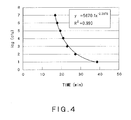
- the calibration curve can be produced, for example, by preparing samples by stepwisely diluting cells, then performing a nucleic acid amplification method on each sample according to the LAMP method, and then plotting a time required from the initiation of the nucleic amplification reaction until the turbidity becomes 0.1 with respect to the logarithm of the colony formation number of cells.
- a Loop primer(s) (LF and/or LB) may be added to a primer set consisting of FIP, F3, BIP and B3, and a nucleic acid amplification reaction may be then carried out by the LAMP method.
- any one or both of polynucleotide 5 and polynucleotide 6 may be added as Loop primer(s) and may be used.
- polynucleotide 11 may be added as a Loop primer and may be used.
- polynucleotide 16 may be added as a Loop primer and may be used.
- polynucleotide 21 may be added as a Loop primer and may be used.
- the primer set according to the present invention can be provided in the form of a kit, singly or in combination.
- a kit for detecting the yeast of genus Dekkera and/or the yeast of genus Brettanomyces which comprises a primer set selected from the group consisting of the primer set of the first embodiment; the primer set of the second embodiment; the primer set of the third embodiment; the primer set of the fourth embodiment; and a combination of these primer sets.
- the kit according to the present invention may comprise reagents (for example, Bst DNA polymerase, a reagent mixed solution for reaction) and apparatuses (for example, a reaction tube), which are necessary for the implementation of the nucleic acid amplification reaction by the LAMP method.
- reagents for example, Bst DNA polymerase, a reagent mixed solution for reaction
- apparatuses for example, a reaction tube
- the yeast of genus Dekkera and the yeast of genus Brettanomyces which cause a decrease in the quality of alcoholic beverages or soft drinks, can be accurately identified at a species level, and at the same time, these yeasts can be detected with high sensitivity.
- the primer set and kit according to the present invention can be used in the quality control of alcoholic beverages (for example, beer, low-malt beer, wine, fruit wine) and/or soft drinks (for example, nonalcoholic sparkling drinks such as lemon soda and carbonated water) the examination of an environmental sample (for example, raw material water).
- Dekkera anomala Dekkera bruxellensis and Dekkera custersiana
- the primer set of the first embodiment, the primer set of the second embodiment, the primer set of the third embodiment, the combined use thereof, detection and quantification methods using any one of these primers, and a kit comprising any one of these primer sets can be preferably used in the quality control of beer and low-malt beer.
- Dekkera bruxellensis may be found as a yeast species causing quality deterioration in a wine production process or in the final product thereof. Therefore, the primer set of the second embodiment, detection and quantification methods using this primer set, and a kit comprising this primer set can be preferably used in the quality control of wine.
- the primer set of the fourth embodiment, detection and quantification methods using this primer set, and a kit comprising this primer set can be preferably used in the quality control of soft drinks (in particular, soda water and lemonade).
- the primer set according to the present invention can be used as primers for a nucleic acid amplification reaction by a LAMP method.
- the primer set according to the present invention can also be used as primers not only for the nucleic acid amplification reaction by the LAMP method, but also for a nucleic acid amplification reaction by a modified LAMP method.
- the principle of the LAMP method and a nucleic acid amplification method utilizing it are well known.
- descriptions disclosed in WO00/28082 , and Notomi T. et al., Nucleic Acids Research, 28(12), e63(2000 ) can be used as references.
- the nucleic acid amplification reaction by the LAMP method can be carried out using a commercially available LAMP method gene amplification reagent kit.
- the nucleic acid amplification reaction can be carried out, for example, by mixing sample DNA, a primer solution, and reagents included with a commercially available LAMP method gene amplification reagent kit (for example, a Loopamp DNA amplification kit manufactured by Eiken Chemical Co., Ltd.) in accordance with instructions included with the kit, and then retaining the obtained mixture at a certain temperature (60°C to 65°C) so as to react it for a certain period of time (in general, 1 hour).
- a commercially available LAMP method gene amplification reagent kit for example, a Loopamp DNA amplification kit manufactured by Eiken Chemical Co., Ltd.
- the nucleic acid amplification reaction by the LAMP method can be carried out via the following processes.
- the primer set according to the present invention brings on the synthesis of a DNA strand at a temperature of approximately 60°C to approximately 65°C (for example, 65°C), as well as annealing.
- a reaction is carried out for approximately 1 hour via the annealing reaction and the DNA strand synthesis, so that a nucleic acid can be amplified by 10 9 to 10 10 times.
- the primer set according to the present invention is allowed to react with a sample nucleic acid under conditions for the nucleic acid amplification reaction by the LAMP method, a target region in the ITS region of a strain as a detection target is amplified.
- a reaction solution becomes clouded due to the influence of magnesium pyrophosphate formed as a by-product.
- the presence or absence of amplification can be determined by visual observation.
- the presence or absence of amplification may also be determined by optically measuring the turbidity using a turbidity measurement apparatus.
- agarose gel electrophoresis or the like may be applies to confirm and detect the presence or absence of a DNA fragment.
- nucleic acid amplification it means that a target gene is present, indicating that the strain as a detection target of the primer set is positive (+). To the contrary, if such nucleic acid amplification is not observed, it means that a target gene is absent, indicating that the strain as a detection target of the primer set is negative (-).
- Examples of a sample used as a detection target of the primer set and kit according to the present invention include: alcoholic beverages such as beer, low-malt beer and wine; soft drinks such as cider, lemon soda and carbonated water; environmental samples such as water collected for use as a raw material; and half-finished products collected from the production process of alcoholic beverages, soft drinks, etc.
- operations such as the concentration, separation and culture of cells existing in the sample, the separation of a nucleic acid from the cells, and the concentration of the nucleic acid may be carried out as pre-treatments.
- Methods for concentration and separation of cells existing in the sample include filtration and centrifugation, and such methods can be selected, as appropriate.
- the cells concentrated and separated from the sample may be further cultured, so as to increase the number of the cells.
- an agar solid medium or a liquid medium which is suitable for the proliferation of the target yeast strain, may be used.
- an agent such as cycloheximide may be added.
- a method using a commercially available kit or a method of treating cells with an alkali solution and then heating the cells at 100°C to release a nucleic acid from them can be selected, for example.
- the nucleic acid may be purified by a phenol/chloroform treatment, ethanol precipitation, centrifugation, etc., and the purified nucleic acid may be finally re-dissolved in a TE buffer or the like, so that it may be used as template DNA in tests ( European Brewery Convention: ANALYTICA-MICROBIOLOGICA-EBC, 2nd ed.
- the detection of the yeast of genus Dekkera and the yeast of genus Brettanomyces using the primer set and kit according to the present invention can be carried out as follows, for example.
- the yeast of genus Dekkera and the yeast of genus Brettanomsrces that are considered to exist in a sample are cultured in a suitable medium.
- DNA is separated from a colony formed on the agar medium, and the LAMP method using the primer set according to the present invention is then applied to the DNA, so as to amplify the specific gene regions of the yeast of genus Dekkera and the yeast of genus Brettanomyces.
- the obtained gene amplification product indicates the presence of a strain as a target of the primer set.
- the "genus Dekkera” is a designation of the sexual generation of the "genus Brettanomyces .” In taxonomy, it is possible that a single type of yeast has different designations for its sexual generation and asexual generation, and thus the two designations are consistent with each other. That is, needless to say, the primer sets of the first, second and third embodiments of the present invention can also be used in the detection of the strain of the corresponding genus Brettanomyces , and the primer set of the fourth embodiment of the present invention can be used in the detection of the strain of the corresponding genus Dekkera.
- Example 1 Detection of east of genus Dekkera and yeast of genus Brettanomyces
- Primers for use in 4 types of yeast strains of genus Dekkera as described below were chemically synthesized using eGenome Order (http://genome.e-mp.jp/index.html) manufactured by Fujitsu System Solutions Ltd., and they were then dissolved in a TE buffer (pH 8.0), resulting in a concentration of 100 ⁇ M. These solutions were mixed so that they had each predetermined concentrations (FIP and BIP primers: 16 ⁇ M; F3 and B3 primers: 2 ⁇ M; and LF and LB primers: 8 ⁇ M), and they were then diluted.
- FIP primers 16 ⁇ M
- F3 and B3 primers 2 ⁇ M
- LF and LB primers 8 ⁇ M
- a Loopamp DNA amplification kit manufactured by Eiken Chemical Co., Ltd. was used as a gene amplification reagent kit for the LAMP method.
- 2.5 ⁇ l of a genomic DNA solution, 2.5 ⁇ l of a primer solution, 12.5 ⁇ l of a 2-times concentration reaction buffer, 1 ⁇ l of Bst DNA polymerase, and 6.5 ⁇ l of sterilized water were added to a reaction tube, and a reaction solution in a total amount of 25 ⁇ l was thereby prepared.
- a real-time turbidimeter LA-200 manufactured by Teramecs Co., Ltd. was used for a LAMP reaction.
- a reaction tube was set, and the reaction solution was allowed to react at a constant temperature of 65°C (bonnet: 75°C), and a change in turbidity during the reaction was measured every 6 seconds.
- the reaction solution whose turbidity was increased was defined as positive, and the reaction solution whose turbidity was not increased was defined as negative.
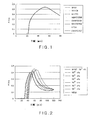
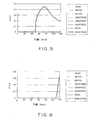
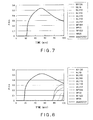
- Figure 1 shows a process in which when a primer reacted with a strain as a detection target, amplification took place within 60 minutes after the initiation of the reaction, and the turbidity in the reaction tube was increased.
- each primer was evaluated using various types of standard yeast strains, yeast strains for use in brewing, wild-type yeast strains separated at a brewery, and wild-type yeast strains separated from wine. As a result, it was found that almost no amplification was observed from strains other than a strain used as an examination target of each primer, and that the specificity of each primer for a yeast strain as a target was extremely high (Tables 1 to 4).
- Table 1 Evaluation of primers using various types of yeast strains of genus Dekkera (the number in each cell of the table: reaction time required until amplification took place; -: no amplification occurred within 60 minutes after the reaction) [Table 1] Detection target yeast Separation source DA1LF1LB1 DB1LF1 DC2LB1 BN1LF1 Dekkera anomala DSM70727 Stout beer 20 min - - - D. anomala ATCC56868 Cider 20 min - - - D. anomala ATCC58984 Deteriorated soft drink 20min - - - D. bruxellensis DSM70001 Lambic beer - 30 min - - D.
- bruxellensis ATCC64276 Deteriorated red wine - 30 min - - D. custersiana DSM70736 Brewery - - 40 min - Brettanomyces naardenensis NBRC1588 Lemonade - - - 40 min B. naardenensis ATCC56870 Carbonated water - - - 30 min D. bruxellensis WY96 Brewery - 30 min - - D. bruxellensis WY97 Brewery - 30 min - - D. bruxellensis WY98 Brewery - 30 min - - -
- Table 2 Evaluation of primers using various types of standard yeast strains (the number in each cell of the table: reaction time required until amplification took place; -: no amplification occurred within 60 minutes after the reaction) [Table 2] Standard yeast strain DA1LF1LB1 DBLLF1 DC2LB1 BN1LF1 Saccharomyces cerevisiae NBRC10217 - - - - S. bayanus NBRC11022 - - - - S. pastorianus CBS1538 - - - - S. pastorianus NBRC11023 - - - - S. pastorianus NBRC10610 - - - - S. diastaticus DSM70487 - - - - S.
- Table 3 Evaluation of primers using various types of yeast strains for use in brewing and wild-type yeast strains separated at brewery (the number in each cell of the table: reaction time required until amplification took place; -: no amplification occurred within 60 minutes after the reaction)
- [Table 3] Brewing yeast and wild-type beer yeast DA1LF1LB1 DB1LF1 DC2LB1 BN1LF1 Bottom fermentation yeast BY61 - - - - Bottom fermentation yeast BFY70 - - - - Bottom fermentation yeast BFY84 - - - - Top fermentation yeast TFY3 - - - - Top fermentation yeast TFY23 - - - - Trichosporon cutaneum WY54 - - - - C.
- Table 4 Evaluation of primers using yeast strains separated from various types of wines (the number in each cell of the table: reaction time required until amplification took place; -: no amplification occurred within 60 minutes after the reaction) [Table 4] Wild-type wine yeast DA1LF1LB1 DB1LF1 DC2LB1 BN1LF1 Z. bailii WLY9 - - - - S. cerevisiae WLY10 - - - - P.
- primer sets according to the present invention produced for the 4 types of yeast strains are able to accurately detect the yeast of genus Dekkera and the yeast of genus Brettanomyces at a species level.
- the cells of Dekkera bruxellensis WY97 cultured on an agar plate medium were stepwisely diluted, and DNA was then extracted by the aforementioned method.
- the extracted DNA was subjected to the LAMP method and the PCR method.
- Sense primer GATAAAAATACATTAAATTTATTTAGTT (SEQ ID NO: 22)
- Antisense primer GAACGGCCGAAACCTTAAATC (SEQ ID NO: 23)
- the antisense primer of this primer set has the same region as the sequence used to design the LAMP primer. Sequences specific for yeast strains used in the present specification can also be used in other gene amplification techniques. These reagents were mixed in accordance with the instruction of the Ex Taq manufactured by Takara Bio Inc., and the mixture was then set in a thermal cycler, A temperature program of 94°C-30 seconds, 50°C-30 seconds, and 72°C-1 minute was repeated 25 times, so as to carry out a PCR reaction.
- the detection limit of each primer in the case of suspending cells in sterilized water is as follows.
- the yeast of genus Dekkera and the yeast of genus Brettanomyces contained in a sample can be quantitatively measured within the range from 1 ⁇ 10 1 cfu to 1 ⁇ 10 7 cfu.
- Dekkera bruxellensis (ATCC64276) was cultured on a malt agar medium. Thereafter, the resultant cells were suspended in red wine sterilized with a filter, and they were then stepwisely diluted using the same red wine. This diluted solution of cells and red wine was centrifuged, and a supernatant was then discarded to obtain a precipitate. An alkali solution was added to this precipitate by the method of the aforementioned example, and DNA was then extracted. From this extract, a phenomenon whereby amplification did not occur in the LAMP reaction or a time required for the initiation of amplification was retarded for 10 minutes or more took place. It was considered that red wine remaining in the centrifuge tube inhibited the LAMP reaction.
- the cell-red wine diluted solution prepared in the same above manner was centrifuged, and a supernatant was discarded. 1 ml of sterilized water was added thereto to wash the precipitate. Thereafter, a precipitate was obtained by centrifugation again, and DNA was then extracted. As a result, it became possible to detect cells by the LAMP reaction. Thus, it was found that when the presence of cells was directly detected from beverages such as wine by the LAMP reaction, the collection and washing of the cells were necessary. It was found that when the cells were collected and washed, the detection limit of the cells suspended in wine was at the same level as that when the cells were suspended in sterilized water. Moreover, when Dekkera bruxellensis WY97 was suspended in beer as well, a similar detection limit was obtained.
- a yeast of genus Saccharomyces used as a wine yeast is added to fruit juice for fermentation. Since the yeast of genus Dekkera contaminates fruit juice from outside, the number of yeast cells of genus Dekkera is significantly smaller than that of the yeast of genus Saccharomyces . However, even if the number of cells is small, if the yeast of genus Dekkera exists, such yeast of genus Dekkera proliferates in the second half of fermentation and during storage, so that it influences on the quality of wine. Accordingly, early detection of the yeast of genus Dekkera is important.
- the detection limit of Dekkera bruxellensis in the case of adding the yeast of genus Saccharomyces to each of wine and beer is as follows.
- a primer set for use in the detection of Dekkera custersiana (DC2) and a control primer set (DC1) as mentioned below were chemically synthesized in the same manner as that of Example 1(b), and at the same time, primer solutions for use in the LAMP method were prepared.
- the control primer set (DC1) targeted for an ITS region (ITS1) that was different from the ITS region (ITS2) as a target of the primer set according to the present invention (DC2).
- ITS2 corresponds to a region between a 5.8S rRNA gene and a 26S rRNA gene (large subunit).
- the primer set according to the present invention has extremely high detection reactivity.
- a primer set for use in the detection of Dekkera anomala (DA1LF1LB1) and a control primer set (DA2LF1LB1) as mentioned below were chemically synthesized according to an ordinary method, and primer solutions for use in the LAMP method were prepared in the same manner as that of Example 1(b).
- FIP, F3 and LF of the control primer set (DA2LF1LB1) were the same as those of the primer set according to the present invention (DA1LF1LB1).
- the designing positions of BIP, B3 and LB were somewhat different from those of the primer set according to the present invention (DA1LF1LB1).
- the primer set according to the present invention has specificity significantly higher than that of a primer set in which a target position has been slightly changed, and that the primer set according to the present invention is able to accurately detect a target yeast strain.
Landscapes
- Chemical & Material Sciences (AREA)
- Life Sciences & Earth Sciences (AREA)
- Analytical Chemistry (AREA)
- Engineering & Computer Science (AREA)
- Organic Chemistry (AREA)
- Proteomics, Peptides & Aminoacids (AREA)
- Health & Medical Sciences (AREA)
- Biotechnology (AREA)
- Zoology (AREA)
- Wood Science & Technology (AREA)
- Immunology (AREA)
- Mycology (AREA)
- Microbiology (AREA)
- Molecular Biology (AREA)
- Botany (AREA)
- Biophysics (AREA)
- Physics & Mathematics (AREA)
- Biochemistry (AREA)
- Bioinformatics & Cheminformatics (AREA)
- General Engineering & Computer Science (AREA)
- General Health & Medical Sciences (AREA)
- Genetics & Genomics (AREA)
- Measuring Or Testing Involving Enzymes Or Micro-Organisms (AREA)
Applications Claiming Priority (2)
| Application Number | Priority Date | Filing Date | Title |
|---|---|---|---|
| JP2006136810 | 2006-05-16 | ||
| PCT/JP2007/055108 WO2007132589A1 (fr) | 2006-05-16 | 2007-03-14 | Jeu d'amorce destiné à la détection d'une levure dekkera ou d'une levure brettanomyces |
Publications (2)
| Publication Number | Publication Date |
|---|---|
| EP2020448A1 true EP2020448A1 (fr) | 2009-02-04 |
| EP2020448A4 EP2020448A4 (fr) | 2010-08-04 |
Family
ID=38693691
Family Applications (1)
| Application Number | Title | Priority Date | Filing Date |
|---|---|---|---|
| EP07738578A Withdrawn EP2020448A4 (fr) | 2006-05-16 | 2007-03-14 | Jeu d'amorce destiné à la détection d'une levure dekkera ou d'une levure brettanomyces |
Country Status (7)
| Country | Link |
|---|---|
| US (1) | US20100047781A1 (fr) |
| EP (1) | EP2020448A4 (fr) |
| JP (1) | JPWO2007132589A1 (fr) |
| CN (1) | CN101490278A (fr) |
| AU (1) | AU2007251096A1 (fr) |
| RU (1) | RU2404255C2 (fr) |
| WO (1) | WO2007132589A1 (fr) |
Cited By (2)
| Publication number | Priority date | Publication date | Assignee | Title |
|---|---|---|---|---|
| WO2013044336A1 (fr) * | 2011-09-26 | 2013-04-04 | Empresa Brasileira De Pesquisa Agropecuária - Embrapa | Oligonucléotides, utilisation, méthode et trousse pour la détection d'une contamination d'échantillons par des levures |
| FR3042507A1 (fr) * | 2015-10-20 | 2017-04-21 | Univ Bordeaux | Procede d'analyse d'un echantillon pour la presence de levures de l'espece brettanomyces bruxellensis resistantes aux sulfites et kit pour sa mise en œuvre |
Families Citing this family (3)
| Publication number | Priority date | Publication date | Assignee | Title |
|---|---|---|---|---|
| CN106071554B (zh) * | 2016-06-24 | 2019-08-20 | 江南大学 | 一种功能性银杏发酵饮料的制备方法 |
| CN106434954A (zh) * | 2016-10-27 | 2017-02-22 | 上海出入境检验检疫局动植物与食品检验检疫技术中心 | 一种用于布鲁塞尔酒香酵母快速检测试剂盒 |
| RU2769572C1 (ru) * | 2021-05-14 | 2022-04-04 | Общество с ограниченной ответственностью «Система-БиоТех» | Тест-система для выявления специфических нуклеотидных последовательностей, характерных для выявляемых микроорганизмов или вирусов, способ применения тест-системы (варианты) |
Family Cites Families (10)
| Publication number | Priority date | Publication date | Assignee | Title |
|---|---|---|---|---|
| US6025132A (en) * | 1994-06-24 | 2000-02-15 | Innogenetics N.V. | Probes targeted to rRNA spacer regions, methods and kits for using said probes, for the detection of respiratory tract pathogens |
| US5763169A (en) * | 1995-01-13 | 1998-06-09 | Chiron Diagnostics Corporation | Nucleic acid probes for the detection and identification of fungi |
| US5707802A (en) * | 1995-01-13 | 1998-01-13 | Ciba Corning Diagnostics Corp. | Nucleic acid probes for the detection and identification of fungi |
| US5961693A (en) * | 1997-04-10 | 1999-10-05 | Electric Power Research Institute, Incorporated | Electrostatic separator for separating solid particles from a gas stream |
| AU733810B2 (en) * | 1997-05-02 | 2001-05-24 | Government Of The United States Of America, As Represented By The Secretary Of The Department Of Health And Human Services, The | Nucleic acids for detecting (aspergillus) species and other filamentous fungi |
| EP1020534B2 (fr) | 1998-11-09 | 2011-01-05 | Eiken Kagaku Kabushiki Kaisha | Procede de synthese d'acide nucleique |
| WO2000077259A1 (fr) * | 1999-06-15 | 2000-12-21 | Boston Probes, Inc. | Sondes, ensemble de sondes, procedes et kits relatifs a la detection, identification et/ou quantification de levures; particulierement dans le vin |
| JP2002345499A (ja) * | 2001-05-29 | 2002-12-03 | Eiken Chem Co Ltd | 核酸配列を検出する方法及びその方法に使用するキット |
| JPWO2005093059A1 (ja) | 2004-03-25 | 2008-02-14 | サッポロビール株式会社 | 酵母、乳酸菌及び偏性嫌気性菌検出・識別のためのプライマー及びプライマーセット並びにそれらを用いた検出・識別方法 |
| JP2006061134A (ja) * | 2004-08-24 | 2006-03-09 | Hideyo Yamaguchi | 結核菌検出のためのプライマーおよび検出同定法 |
-
2007
- 2007-03-14 CN CNA2007800262303A patent/CN101490278A/zh active Pending
- 2007-03-14 EP EP07738578A patent/EP2020448A4/fr not_active Withdrawn
- 2007-03-14 JP JP2008515449A patent/JPWO2007132589A1/ja active Pending
- 2007-03-14 AU AU2007251096A patent/AU2007251096A1/en not_active Abandoned
- 2007-03-14 US US12/301,037 patent/US20100047781A1/en not_active Abandoned
- 2007-03-14 WO PCT/JP2007/055108 patent/WO2007132589A1/fr not_active Ceased
- 2007-03-14 RU RU2008149510/10A patent/RU2404255C2/ru not_active IP Right Cessation
Cited By (3)
| Publication number | Priority date | Publication date | Assignee | Title |
|---|---|---|---|---|
| WO2013044336A1 (fr) * | 2011-09-26 | 2013-04-04 | Empresa Brasileira De Pesquisa Agropecuária - Embrapa | Oligonucléotides, utilisation, méthode et trousse pour la détection d'une contamination d'échantillons par des levures |
| FR3042507A1 (fr) * | 2015-10-20 | 2017-04-21 | Univ Bordeaux | Procede d'analyse d'un echantillon pour la presence de levures de l'espece brettanomyces bruxellensis resistantes aux sulfites et kit pour sa mise en œuvre |
| WO2017068284A1 (fr) * | 2015-10-20 | 2017-04-27 | Universite de Bordeaux | Procédé d'analyse d'un échantillon pour la présence de levures de l'espèce brettanomyces bruxellensis résistantes aux sulfites et kit pour sa mise en œuvre |
Also Published As
| Publication number | Publication date |
|---|---|
| US20100047781A1 (en) | 2010-02-25 |
| JPWO2007132589A1 (ja) | 2009-09-24 |
| CN101490278A (zh) | 2009-07-22 |
| RU2404255C2 (ru) | 2010-11-20 |
| WO2007132589A1 (fr) | 2007-11-22 |
| AU2007251096A1 (en) | 2007-11-22 |
| EP2020448A4 (fr) | 2010-08-04 |
| RU2008149510A (ru) | 2010-06-27 |
Similar Documents
| Publication | Publication Date | Title |
|---|---|---|
| Hayashi et al. | Detection and identification of Brettanomyces/Dekkera sp. yeasts with a loop-mediated isothermal amplification method | |
| AU752516B2 (en) | Detection of fermentation-related microorganisms | |
| EP2020448A1 (fr) | Jeu d'amorce destiné à la détection d'une levure dekkera ou d'une levure brettanomyces | |
| US20040166492A1 (en) | Quantitative detection of dekkera and saccharomyces | |
| US6287779B1 (en) | Detection of fermentation-related microorganisms | |
| WO2020255587A1 (fr) | Procédé de préparation de banque d'adn | |
| JP5654265B2 (ja) | ビソクラミス属に属する菌類の検出方法 | |
| US20100216127A1 (en) | Primer set for use in detection of yeast of genus saccharomyces | |
| CN101548021A (zh) | 用于检测酵母属酵母菌的引物组 | |
| US20070292852A1 (en) | Method of Detecting and Identifying Lactic Acid Bacterium | |
| JPWO2005093059A1 (ja) | 酵母、乳酸菌及び偏性嫌気性菌検出・識別のためのプライマー及びプライマーセット並びにそれらを用いた検出・識別方法 | |
| Zara et al. | Detection, quantification, and identification of yeast in winemaking | |
| JP2010081935A (ja) | ペディオコッカス・ダムノサスの検出用プライマーおよびプローブ | |
| JP2008263971A (ja) | ラクトバチラス属乳酸菌の検出用プライマーおよびプローブ | |
| JP2011125280A (ja) | デッケラ・アノマラおよび/またはデッケラ・ブルクセレンシスの検出用プライマーおよびプローブ | |
| EP1721975A1 (fr) | Procede de detection et d'identification d' une bacterie anaerobie obligative a gram negatif | |
| JP2008295419A (ja) | サッカロミセス・パラドクサスの検出用プライマー | |
| JP2008161187A (ja) | サッカロミセス属酵母の検出用プライマーセットおよびその組合せ | |
| TWI464177B (zh) | 用於檢測德克酵母菌菌株的核酸分子、檢驗套組、生物晶片以及方法 | |
| JP2008259454A (ja) | サッカロミセス・パストリアヌスの検出用プライマーセット | |
| JP2009027951A (ja) | 澱粉分解能を持つサッカロミセス・セレビシェの検出用プライマー | |
| JP2008054632A (ja) | ビール混濁乳酸菌検出のためのプライマーおよびそれを用いた検出法 |
Legal Events
| Date | Code | Title | Description |
|---|---|---|---|
| PUAI | Public reference made under article 153(3) epc to a published international application that has entered the european phase |
Free format text: ORIGINAL CODE: 0009012 |
|
| 17P | Request for examination filed |
Effective date: 20081125 |
|
| AK | Designated contracting states |
Kind code of ref document: A1 Designated state(s): AT BE BG CH CY CZ DE DK EE ES FI FR GB GR HU IE IS IT LI LT LU LV MC MT NL PL PT RO SE SI SK TR |
|
| AX | Request for extension of the european patent |
Extension state: AL BA HR MK RS |
|
| DAX | Request for extension of the european patent (deleted) | ||
| RBV | Designated contracting states (corrected) |
Designated state(s): FR |
|
| REG | Reference to a national code |
Ref country code: DE Ref legal event code: 8566 |
|
| A4 | Supplementary search report drawn up and despatched |
Effective date: 20100706 |
|
| 17Q | First examination report despatched |
Effective date: 20110503 |
|
| STAA | Information on the status of an ep patent application or granted ep patent |
Free format text: STATUS: THE APPLICATION IS DEEMED TO BE WITHDRAWN |
|
| 18D | Application deemed to be withdrawn |
Effective date: 20121002 |