EP2090304A2 - Verwendung von Zuckerphosphaten, Zuckerphosphatanalogen, Aminosäuren und/oder Aminosäureanalogen zur Modulation des Glykose-Enzym-Komplexes, des Malat Aspartat Shuttles und/oder der Transaminasen - Google Patents
Verwendung von Zuckerphosphaten, Zuckerphosphatanalogen, Aminosäuren und/oder Aminosäureanalogen zur Modulation des Glykose-Enzym-Komplexes, des Malat Aspartat Shuttles und/oder der Transaminasen Download PDFInfo
- Publication number
- EP2090304A2 EP2090304A2 EP09075090A EP09075090A EP2090304A2 EP 2090304 A2 EP2090304 A2 EP 2090304A2 EP 09075090 A EP09075090 A EP 09075090A EP 09075090 A EP09075090 A EP 09075090A EP 2090304 A2 EP2090304 A2 EP 2090304A2
- Authority
- EP
- European Patent Office
- Prior art keywords
- analogues
- sugar
- enzyme complex
- tumor
- amino acid
- Prior art date
- Legal status (The legal status is an assumption and is not a legal conclusion. Google has not performed a legal analysis and makes no representation as to the accuracy of the status listed.)
- Withdrawn
Links
- 150000001413 amino acids Chemical class 0.000 title claims abstract description 19
- 235000000346 sugar Nutrition 0.000 title claims abstract description 15
- 102000003929 Transaminases Human genes 0.000 title claims abstract description 9
- 108090000340 Transaminases Proteins 0.000 title claims abstract description 9
- 229910019142 PO4 Inorganic materials 0.000 title claims abstract description 8
- 235000021317 phosphate Nutrition 0.000 title claims abstract description 8
- 229940024606 amino acid Drugs 0.000 title claims description 18
- 230000005565 malate-aspartate shuttle Effects 0.000 title description 3
- 125000002467 phosphate group Chemical class [H]OP(=O)(O[H])O[*] 0.000 title description 3
- 206010028980 Neoplasm Diseases 0.000 claims abstract description 38
- 235000001014 amino acid Nutrition 0.000 claims abstract description 17
- 150000001875 compounds Chemical class 0.000 claims abstract description 16
- 150000003013 phosphoric acid derivatives Chemical class 0.000 claims abstract description 11
- 230000034659 glycolysis Effects 0.000 claims abstract description 10
- 102000004190 Enzymes Human genes 0.000 claims abstract description 8
- 108090000790 Enzymes Proteins 0.000 claims abstract description 8
- 102000013460 Malate Dehydrogenase Human genes 0.000 claims abstract description 7
- 108010026217 Malate Dehydrogenase Proteins 0.000 claims abstract description 7
- 230000001506 immunosuppresive effect Effects 0.000 claims abstract description 4
- 206010062016 Immunosuppression Diseases 0.000 claims abstract description 3
- 206010040047 Sepsis Diseases 0.000 claims abstract description 3
- 239000000126 substance Substances 0.000 claims description 15
- -1 chba Chemical compound 0.000 claims description 8
- NQRKYASMKDDGHT-UHFFFAOYSA-M (aminooxy)acetate Chemical compound NOCC([O-])=O NQRKYASMKDDGHT-UHFFFAOYSA-M 0.000 claims description 7
- 239000000203 mixture Substances 0.000 claims description 6
- 239000008194 pharmaceutical composition Substances 0.000 claims description 6
- 238000002360 preparation method Methods 0.000 claims description 6
- XPYBSIWDXQFNMH-UHFFFAOYSA-N D-fructose 1,6-bisphosphate Natural products OP(=O)(O)OCC(O)C(O)C(O)C(=O)COP(O)(O)=O XPYBSIWDXQFNMH-UHFFFAOYSA-N 0.000 claims description 4
- RNBGYGVWRKECFJ-ZXXMMSQZSA-N alpha-D-fructofuranose 1,6-bisphosphate Chemical compound O[C@H]1[C@H](O)[C@](O)(COP(O)(O)=O)O[C@@H]1COP(O)(O)=O RNBGYGVWRKECFJ-ZXXMMSQZSA-N 0.000 claims description 4
- 125000003178 carboxy group Chemical group [H]OC(*)=O 0.000 claims description 4
- RNBGYGVWRKECFJ-UHFFFAOYSA-N fructose-1,6-phosphate Natural products OC1C(O)C(O)(COP(O)(O)=O)OC1COP(O)(O)=O RNBGYGVWRKECFJ-UHFFFAOYSA-N 0.000 claims description 4
- DYDCUQKUCUHJBH-UHFFFAOYSA-N D-Cycloserine Natural products NC1CONC1=O DYDCUQKUCUHJBH-UHFFFAOYSA-N 0.000 claims description 3
- DYDCUQKUCUHJBH-UWTATZPHSA-N D-Cycloserine Chemical compound N[C@@H]1CONC1=O DYDCUQKUCUHJBH-UWTATZPHSA-N 0.000 claims description 3
- ROHFNLRQFUQHCH-YFKPBYRVSA-N L-leucine Chemical compound CC(C)C[C@H](N)C(O)=O ROHFNLRQFUQHCH-YFKPBYRVSA-N 0.000 claims description 3
- ROHFNLRQFUQHCH-UHFFFAOYSA-N Leucine Natural products CC(C)CC(N)C(O)=O ROHFNLRQFUQHCH-UHFFFAOYSA-N 0.000 claims description 3
- 125000003118 aryl group Chemical group 0.000 claims description 3
- 230000037396 body weight Effects 0.000 claims description 3
- 229960003077 cycloserine Drugs 0.000 claims description 3
- MTCFGRXMJLQNBG-REOHCLBHSA-N (2S)-2-Amino-3-hydroxypropansäure Chemical compound OC[C@H](N)C(O)=O MTCFGRXMJLQNBG-REOHCLBHSA-N 0.000 claims description 2
- OSJPPGNTCRNQQC-UHFFFAOYSA-N 3-phosphoglyceric acid Chemical compound OC(=O)C(O)COP(O)(O)=O OSJPPGNTCRNQQC-UHFFFAOYSA-N 0.000 claims description 2
- YAHZABJORDUQGO-NQXXGFSBSA-N D-ribulose 1,5-bisphosphate Chemical compound OP(=O)(O)OC[C@@H](O)[C@@H](O)C(=O)COP(O)(O)=O YAHZABJORDUQGO-NQXXGFSBSA-N 0.000 claims description 2
- XUJNEKJLAYXESH-REOHCLBHSA-N L-Cysteine Chemical compound SC[C@H](N)C(O)=O XUJNEKJLAYXESH-REOHCLBHSA-N 0.000 claims description 2
- ONIBWKKTOPOVIA-BYPYZUCNSA-N L-Proline Chemical compound OC(=O)[C@@H]1CCCN1 ONIBWKKTOPOVIA-BYPYZUCNSA-N 0.000 claims description 2
- AGPKZVBTJJNPAG-WHFBIAKZSA-N L-isoleucine Chemical compound CC[C@H](C)[C@H](N)C(O)=O AGPKZVBTJJNPAG-WHFBIAKZSA-N 0.000 claims description 2
- FFEARJCKVFRZRR-BYPYZUCNSA-N L-methionine Chemical compound CSCC[C@H](N)C(O)=O FFEARJCKVFRZRR-BYPYZUCNSA-N 0.000 claims description 2
- KZSNJWFQEVHDMF-BYPYZUCNSA-N L-valine Chemical compound CC(C)[C@H](N)C(O)=O KZSNJWFQEVHDMF-BYPYZUCNSA-N 0.000 claims description 2
- ONIBWKKTOPOVIA-UHFFFAOYSA-N Proline Natural products OC(=O)C1CCCN1 ONIBWKKTOPOVIA-UHFFFAOYSA-N 0.000 claims description 2
- MTCFGRXMJLQNBG-UHFFFAOYSA-N Serine Natural products OCC(N)C(O)=O MTCFGRXMJLQNBG-UHFFFAOYSA-N 0.000 claims description 2
- KZSNJWFQEVHDMF-UHFFFAOYSA-N Valine Natural products CC(C)C(N)C(O)=O KZSNJWFQEVHDMF-UHFFFAOYSA-N 0.000 claims description 2
- AAAFZMYJJHWUPN-TXICZTDVSA-N alpha-D-ribose 1,5-bisphosphate Chemical compound O[C@H]1[C@@H](O)[C@@H](OP(O)(O)=O)O[C@@H]1COP(O)(O)=O AAAFZMYJJHWUPN-TXICZTDVSA-N 0.000 claims description 2
- LLQIKSJTBKCTPV-UHFFFAOYSA-N amino 2-methylpropanoate Chemical compound CC(C)C(=O)ON LLQIKSJTBKCTPV-UHFFFAOYSA-N 0.000 claims description 2
- 125000000539 amino acid group Chemical group 0.000 claims description 2
- 235000018417 cysteine Nutrition 0.000 claims description 2
- XUJNEKJLAYXESH-UHFFFAOYSA-N cysteine Natural products SCC(N)C(O)=O XUJNEKJLAYXESH-UHFFFAOYSA-N 0.000 claims description 2
- 230000002401 inhibitory effect Effects 0.000 claims description 2
- 229960000310 isoleucine Drugs 0.000 claims description 2
- AGPKZVBTJJNPAG-UHFFFAOYSA-N isoleucine Natural products CCC(C)C(N)C(O)=O AGPKZVBTJJNPAG-UHFFFAOYSA-N 0.000 claims description 2
- 229930182817 methionine Natural products 0.000 claims description 2
- 239000004474 valine Substances 0.000 claims description 2
- 125000006702 (C1-C18) alkyl group Chemical group 0.000 claims 1
- 125000003710 aryl alkyl group Chemical group 0.000 claims 1
- 230000005764 inhibitory process Effects 0.000 abstract description 10
- 241000700159 Rattus Species 0.000 abstract description 9
- 208000010454 Experimental Liver Neoplasms Diseases 0.000 abstract description 6
- 230000000694 effects Effects 0.000 abstract description 5
- 230000004614 tumor growth Effects 0.000 abstract description 5
- 238000004090 dissolution Methods 0.000 abstract description 2
- 239000002380 aminotransferase inhibitor Substances 0.000 abstract 1
- 230000000844 anti-bacterial effect Effects 0.000 abstract 1
- 230000003110 anti-inflammatory effect Effects 0.000 abstract 1
- 239000000824 cytostatic agent Substances 0.000 abstract 1
- 230000001085 cytostatic effect Effects 0.000 abstract 1
- 230000010534 mechanism of action Effects 0.000 abstract 1
- SOWBFZRMHSNYGE-UHFFFAOYSA-N oxamic acid Chemical compound NC(=O)C(O)=O SOWBFZRMHSNYGE-UHFFFAOYSA-N 0.000 abstract 1
- 210000004027 cell Anatomy 0.000 description 16
- 241001465754 Metazoa Species 0.000 description 13
- 239000004480 active ingredient Substances 0.000 description 11
- 210000001519 tissue Anatomy 0.000 description 10
- 210000004881 tumor cell Anatomy 0.000 description 10
- 238000001802 infusion Methods 0.000 description 6
- 102000013009 Pyruvate Kinase Human genes 0.000 description 5
- 108020005115 Pyruvate Kinase Proteins 0.000 description 5
- 201000011510 cancer Diseases 0.000 description 5
- 230000035755 proliferation Effects 0.000 description 5
- 108091003079 Bovine Serum Albumin Proteins 0.000 description 4
- WQZGKKKJIJFFOK-GASJEMHNSA-N Glucose Natural products OC[C@H]1OC(O)[C@H](O)[C@@H](O)[C@@H]1O WQZGKKKJIJFFOK-GASJEMHNSA-N 0.000 description 4
- LCTONWCANYUPML-UHFFFAOYSA-M Pyruvate Chemical compound CC(=O)C([O-])=O LCTONWCANYUPML-UHFFFAOYSA-M 0.000 description 4
- 239000012894 fetal calf serum Substances 0.000 description 4
- 239000008103 glucose Substances 0.000 description 4
- 230000002414 glycolytic effect Effects 0.000 description 4
- 238000000034 method Methods 0.000 description 4
- 239000008188 pellet Substances 0.000 description 4
- 238000002560 therapeutic procedure Methods 0.000 description 4
- XFXPMWWXUTWYJX-UHFFFAOYSA-N Cyanide Chemical group N#[C-] XFXPMWWXUTWYJX-UHFFFAOYSA-N 0.000 description 3
- IAZDPXIOMUYVGZ-UHFFFAOYSA-N Dimethylsulphoxide Chemical compound CS(C)=O IAZDPXIOMUYVGZ-UHFFFAOYSA-N 0.000 description 3
- 239000012981 Hank's balanced salt solution Substances 0.000 description 3
- 239000013543 active substance Substances 0.000 description 3
- 230000006907 apoptotic process Effects 0.000 description 3
- 238000005119 centrifugation Methods 0.000 description 3
- 238000006243 chemical reaction Methods 0.000 description 3
- 239000003814 drug Substances 0.000 description 3
- ZDXPYRJPNDTMRX-UHFFFAOYSA-N glutamine Natural products OC(=O)C(N)CCC(N)=O ZDXPYRJPNDTMRX-UHFFFAOYSA-N 0.000 description 3
- 230000004060 metabolic process Effects 0.000 description 3
- 230000002438 mitochondrial effect Effects 0.000 description 3
- 230000008569 process Effects 0.000 description 3
- 239000002904 solvent Substances 0.000 description 3
- 239000006228 supernatant Substances 0.000 description 3
- 239000000725 suspension Substances 0.000 description 3
- XLYOFNOQVPJJNP-UHFFFAOYSA-N water Chemical compound O XLYOFNOQVPJJNP-UHFFFAOYSA-N 0.000 description 3
- IJGRMHOSHXDMSA-UHFFFAOYSA-N Atomic nitrogen Chemical compound N#N IJGRMHOSHXDMSA-UHFFFAOYSA-N 0.000 description 2
- 208000005623 Carcinogenesis Diseases 0.000 description 2
- HEDRZPFGACZZDS-UHFFFAOYSA-N Chloroform Chemical compound ClC(Cl)Cl HEDRZPFGACZZDS-UHFFFAOYSA-N 0.000 description 2
- RTZKZFJDLAIYFH-UHFFFAOYSA-N Diethyl ether Chemical compound CCOCC RTZKZFJDLAIYFH-UHFFFAOYSA-N 0.000 description 2
- PEDCQBHIVMGVHV-UHFFFAOYSA-N Glycerine Chemical compound OCC(O)CO PEDCQBHIVMGVHV-UHFFFAOYSA-N 0.000 description 2
- 206010019695 Hepatic neoplasm Diseases 0.000 description 2
- 206010021143 Hypoxia Diseases 0.000 description 2
- 108010044467 Isoenzymes Proteins 0.000 description 2
- JVTAAEKCZFNVCJ-UHFFFAOYSA-M Lactate Chemical compound CC(O)C([O-])=O JVTAAEKCZFNVCJ-UHFFFAOYSA-M 0.000 description 2
- 239000004698 Polyethylene Substances 0.000 description 2
- 101710098398 Probable alanine aminotransferase, mitochondrial Proteins 0.000 description 2
- FAPWRFPIFSIZLT-UHFFFAOYSA-M Sodium chloride Chemical compound [Na+].[Cl-] FAPWRFPIFSIZLT-UHFFFAOYSA-M 0.000 description 2
- GWEVSGVZZGPLCZ-UHFFFAOYSA-N Titan oxide Chemical compound O=[Ti]=O GWEVSGVZZGPLCZ-UHFFFAOYSA-N 0.000 description 2
- 150000004716 alpha keto acids Chemical class 0.000 description 2
- QVGXLLKOCUKJST-UHFFFAOYSA-N atomic oxygen Chemical compound [O] QVGXLLKOCUKJST-UHFFFAOYSA-N 0.000 description 2
- 230000015572 biosynthetic process Effects 0.000 description 2
- 239000008280 blood Substances 0.000 description 2
- 210000004369 blood Anatomy 0.000 description 2
- 230000036952 cancer formation Effects 0.000 description 2
- 239000002775 capsule Substances 0.000 description 2
- 231100000504 carcinogenesis Toxicity 0.000 description 2
- 239000006285 cell suspension Substances 0.000 description 2
- 230000008859 change Effects 0.000 description 2
- 230000009918 complex formation Effects 0.000 description 2
- 210000000172 cytosol Anatomy 0.000 description 2
- 238000010908 decantation Methods 0.000 description 2
- 239000002552 dosage form Substances 0.000 description 2
- 239000008298 dragée Substances 0.000 description 2
- 229960004207 fentanyl citrate Drugs 0.000 description 2
- IVLVTNPOHDFFCJ-UHFFFAOYSA-N fentanyl citrate Chemical compound OC(=O)CC(O)(C(O)=O)CC(O)=O.C=1C=CC=CC=1N(C(=O)CC)C(CC1)CCN1CCC1=CC=CC=C1 IVLVTNPOHDFFCJ-UHFFFAOYSA-N 0.000 description 2
- 239000012595 freezing medium Substances 0.000 description 2
- 230000012010 growth Effects 0.000 description 2
- 229910052739 hydrogen Inorganic materials 0.000 description 2
- NOESYZHRGYRDHS-UHFFFAOYSA-N insulin Chemical compound N1C(=O)C(NC(=O)C(CCC(N)=O)NC(=O)C(CCC(O)=O)NC(=O)C(C(C)C)NC(=O)C(NC(=O)CN)C(C)CC)CSSCC(C(NC(CO)C(=O)NC(CC(C)C)C(=O)NC(CC=2C=CC(O)=CC=2)C(=O)NC(CCC(N)=O)C(=O)NC(CC(C)C)C(=O)NC(CCC(O)=O)C(=O)NC(CC(N)=O)C(=O)NC(CC=2C=CC(O)=CC=2)C(=O)NC(CSSCC(NC(=O)C(C(C)C)NC(=O)C(CC(C)C)NC(=O)C(CC=2C=CC(O)=CC=2)NC(=O)C(CC(C)C)NC(=O)C(C)NC(=O)C(CCC(O)=O)NC(=O)C(C(C)C)NC(=O)C(CC(C)C)NC(=O)C(CC=2NC=NC=2)NC(=O)C(CO)NC(=O)CNC2=O)C(=O)NCC(=O)NC(CCC(O)=O)C(=O)NC(CCCNC(N)=N)C(=O)NCC(=O)NC(CC=3C=CC=CC=3)C(=O)NC(CC=3C=CC=CC=3)C(=O)NC(CC=3C=CC(O)=CC=3)C(=O)NC(C(C)O)C(=O)N3C(CCC3)C(=O)NC(CCCCN)C(=O)NC(C)C(O)=O)C(=O)NC(CC(N)=O)C(O)=O)=O)NC(=O)C(C(C)CC)NC(=O)C(CO)NC(=O)C(C(C)O)NC(=O)C1CSSCC2NC(=O)C(CC(C)C)NC(=O)C(NC(=O)C(CCC(N)=O)NC(=O)C(CC(N)=O)NC(=O)C(NC(=O)C(N)CC=1C=CC=CC=1)C(C)C)CC1=CN=CN1 NOESYZHRGYRDHS-UHFFFAOYSA-N 0.000 description 2
- 238000001990 intravenous administration Methods 0.000 description 2
- 239000007788 liquid Substances 0.000 description 2
- 208000014018 liver neoplasm Diseases 0.000 description 2
- 239000000314 lubricant Substances 0.000 description 2
- 230000036210 malignancy Effects 0.000 description 2
- 238000004519 manufacturing process Methods 0.000 description 2
- 230000007246 mechanism Effects 0.000 description 2
- 230000002503 metabolic effect Effects 0.000 description 2
- 238000001668 nucleic acid synthesis Methods 0.000 description 2
- 239000001301 oxygen Substances 0.000 description 2
- 229910052760 oxygen Inorganic materials 0.000 description 2
- 239000000546 pharmaceutical excipient Substances 0.000 description 2
- 229920001296 polysiloxane Polymers 0.000 description 2
- 239000002243 precursor Substances 0.000 description 2
- 108090000623 proteins and genes Proteins 0.000 description 2
- NGVDGCNFYWLIFO-UHFFFAOYSA-N pyridoxal 5'-phosphate Chemical compound CC1=NC=C(COP(O)(O)=O)C(C=O)=C1O NGVDGCNFYWLIFO-UHFFFAOYSA-N 0.000 description 2
- 238000012552 review Methods 0.000 description 2
- 239000007787 solid Substances 0.000 description 2
- 239000000243 solution Substances 0.000 description 2
- 150000008163 sugars Chemical class 0.000 description 2
- 239000000829 suppository Substances 0.000 description 2
- 239000003826 tablet Substances 0.000 description 2
- 238000005891 transamination reaction Methods 0.000 description 2
- 108091032973 (ribonucleotides)n+m Proteins 0.000 description 1
- UGBLISDIHDMHJX-UHFFFAOYSA-N 1-(4-fluorophenyl)-4-[4-(2-methoxyphenyl)piperazin-1-yl]butan-1-one;hydrochloride Chemical compound [Cl-].COC1=CC=CC=C1N1CC[NH+](CCCC(=O)C=2C=CC(F)=CC=2)CC1 UGBLISDIHDMHJX-UHFFFAOYSA-N 0.000 description 1
- YBYIRNPNPLQARY-UHFFFAOYSA-N 1H-indene Natural products C1=CC=C2CC=CC2=C1 YBYIRNPNPLQARY-UHFFFAOYSA-N 0.000 description 1
- GOJUJUVQIVIZAV-UHFFFAOYSA-N 2-amino-4,6-dichloropyrimidine-5-carbaldehyde Chemical group NC1=NC(Cl)=C(C=O)C(Cl)=N1 GOJUJUVQIVIZAV-UHFFFAOYSA-N 0.000 description 1
- JCYPECIVGRXBMO-UHFFFAOYSA-N 4-(dimethylamino)azobenzene Chemical compound C1=CC(N(C)C)=CC=C1N=NC1=CC=CC=C1 JCYPECIVGRXBMO-UHFFFAOYSA-N 0.000 description 1
- 101150019464 ARAF gene Proteins 0.000 description 1
- 230000002407 ATP formation Effects 0.000 description 1
- 108020000543 Adenylate kinase Proteins 0.000 description 1
- 102000002281 Adenylate kinase Human genes 0.000 description 1
- GUBGYTABKSRVRQ-XLOQQCSPSA-N Alpha-Lactose Chemical compound O[C@@H]1[C@@H](O)[C@@H](O)[C@@H](CO)O[C@H]1O[C@@H]1[C@@H](CO)O[C@H](O)[C@H](O)[C@H]1O GUBGYTABKSRVRQ-XLOQQCSPSA-N 0.000 description 1
- 244000105624 Arachis hypogaea Species 0.000 description 1
- 206010003445 Ascites Diseases 0.000 description 1
- 208000023275 Autoimmune disease Diseases 0.000 description 1
- FBPFZTCFMRRESA-KVTDHHQDSA-N D-Mannitol Chemical compound OC[C@@H](O)[C@@H](O)[C@H](O)[C@H](O)CO FBPFZTCFMRRESA-KVTDHHQDSA-N 0.000 description 1
- RBNPOMFGQQGHHO-UWTATZPHSA-N D-glyceric acid Chemical compound OC[C@@H](O)C(O)=O RBNPOMFGQQGHHO-UWTATZPHSA-N 0.000 description 1
- LFQSCWFLJHTTHZ-UHFFFAOYSA-N Ethanol Chemical compound CCO LFQSCWFLJHTTHZ-UHFFFAOYSA-N 0.000 description 1
- 108010010803 Gelatin Proteins 0.000 description 1
- 102000000587 Glycerolphosphate Dehydrogenase Human genes 0.000 description 1
- 108010041921 Glycerolphosphate Dehydrogenase Proteins 0.000 description 1
- 206010059766 Haemorrhagic ascites Diseases 0.000 description 1
- 244000020551 Helianthus annuus Species 0.000 description 1
- UFHFLCQGNIYNRP-UHFFFAOYSA-N Hydrogen Chemical compound [H][H] UFHFLCQGNIYNRP-UHFFFAOYSA-N 0.000 description 1
- 206010050808 Hyperchromasia Diseases 0.000 description 1
- 206010061218 Inflammation Diseases 0.000 description 1
- 102000004877 Insulin Human genes 0.000 description 1
- 108090001061 Insulin Proteins 0.000 description 1
- QNAYBMKLOCPYGJ-REOHCLBHSA-N L-alanine Chemical compound C[C@H](N)C(O)=O QNAYBMKLOCPYGJ-REOHCLBHSA-N 0.000 description 1
- GUBGYTABKSRVRQ-QKKXKWKRSA-N Lactose Natural products OC[C@H]1O[C@@H](O[C@H]2[C@H](O)[C@@H](O)C(O)O[C@@H]2CO)[C@H](O)[C@@H](O)[C@H]1O GUBGYTABKSRVRQ-QKKXKWKRSA-N 0.000 description 1
- 229930195725 Mannitol Natural products 0.000 description 1
- 102000014171 Milk Proteins Human genes 0.000 description 1
- 108010011756 Milk Proteins Proteins 0.000 description 1
- 108700023477 Nucleoside diphosphate kinases Proteins 0.000 description 1
- 235000019483 Peanut oil Nutrition 0.000 description 1
- 102000007982 Phosphoproteins Human genes 0.000 description 1
- 108010089430 Phosphoproteins Proteins 0.000 description 1
- 108010029485 Protein Isoforms Proteins 0.000 description 1
- 102000001708 Protein Isoforms Human genes 0.000 description 1
- 102000001253 Protein Kinase Human genes 0.000 description 1
- 241000700157 Rattus norvegicus Species 0.000 description 1
- 206010040070 Septic Shock Diseases 0.000 description 1
- 229920002472 Starch Polymers 0.000 description 1
- 235000019486 Sunflower oil Nutrition 0.000 description 1
- 102000004357 Transferases Human genes 0.000 description 1
- 108090000992 Transferases Proteins 0.000 description 1
- 206010052779 Transplant rejections Diseases 0.000 description 1
- OHVGNSMTLSKTGN-BTVCFUMJSA-N [C].OC[C@@H](O)[C@@H](O)[C@H](O)[C@@H](O)C=O Chemical group [C].OC[C@@H](O)[C@@H](O)[C@H](O)[C@@H](O)C=O OHVGNSMTLSKTGN-BTVCFUMJSA-N 0.000 description 1
- 239000002253 acid Substances 0.000 description 1
- 230000004913 activation Effects 0.000 description 1
- 230000001154 acute effect Effects 0.000 description 1
- 230000006978 adaptation Effects 0.000 description 1
- 239000000654 additive Substances 0.000 description 1
- 235000004279 alanine Nutrition 0.000 description 1
- 125000003277 amino group Chemical group 0.000 description 1
- 239000003708 ampul Substances 0.000 description 1
- 238000010171 animal model Methods 0.000 description 1
- 239000010775 animal oil Substances 0.000 description 1
- 230000001093 anti-cancer Effects 0.000 description 1
- 238000013459 approach Methods 0.000 description 1
- 230000001363 autoimmune Effects 0.000 description 1
- 125000004541 benzoxazolyl group Chemical group O1C(=NC2=C1C=CC=C2)* 0.000 description 1
- 239000011230 binding agent Substances 0.000 description 1
- 210000004204 blood vessel Anatomy 0.000 description 1
- 238000009395 breeding Methods 0.000 description 1
- 230000001488 breeding effect Effects 0.000 description 1
- 235000014121 butter Nutrition 0.000 description 1
- 229910052799 carbon Inorganic materials 0.000 description 1
- 239000000969 carrier Substances 0.000 description 1
- 230000015556 catabolic process Effects 0.000 description 1
- 230000019522 cellular metabolic process Effects 0.000 description 1
- 239000001913 cellulose Substances 0.000 description 1
- 235000010980 cellulose Nutrition 0.000 description 1
- 229920002678 cellulose Polymers 0.000 description 1
- 238000004532 chromating Methods 0.000 description 1
- 230000001684 chronic effect Effects 0.000 description 1
- 238000000576 coating method Methods 0.000 description 1
- 235000012716 cod liver oil Nutrition 0.000 description 1
- 239000003026 cod liver oil Substances 0.000 description 1
- 125000000753 cycloalkyl group Chemical group 0.000 description 1
- PAFZNILMFXTMIY-UHFFFAOYSA-O cyclohexylammonium Chemical compound [NH3+]C1CCCCC1 PAFZNILMFXTMIY-UHFFFAOYSA-O 0.000 description 1
- 230000001086 cytosolic effect Effects 0.000 description 1
- 230000034994 death Effects 0.000 description 1
- 238000006731 degradation reaction Methods 0.000 description 1
- 238000007357 dehydrogenase reaction Methods 0.000 description 1
- 230000001419 dependent effect Effects 0.000 description 1
- 235000005911 diet Nutrition 0.000 description 1
- 230000037213 diet Effects 0.000 description 1
- 238000006471 dimerization reaction Methods 0.000 description 1
- 230000008034 disappearance Effects 0.000 description 1
- 201000010099 disease Diseases 0.000 description 1
- 208000037265 diseases, disorders, signs and symptoms Diseases 0.000 description 1
- 239000006196 drop Substances 0.000 description 1
- 239000000839 emulsion Substances 0.000 description 1
- IINNWAYUJNWZRM-UHFFFAOYSA-L erythrosin B Chemical compound [Na+].[Na+].[O-]C(=O)C1=CC=CC=C1C1=C2C=C(I)C(=O)C(I)=C2OC2=C(I)C([O-])=C(I)C=C21 IINNWAYUJNWZRM-UHFFFAOYSA-L 0.000 description 1
- 238000002474 experimental method Methods 0.000 description 1
- 239000002360 explosive Substances 0.000 description 1
- 239000000796 flavoring agent Substances 0.000 description 1
- 235000013355 food flavoring agent Nutrition 0.000 description 1
- 235000003599 food sweetener Nutrition 0.000 description 1
- 235000011389 fruit/vegetable juice Nutrition 0.000 description 1
- 125000002541 furyl group Chemical group 0.000 description 1
- 239000008273 gelatin Substances 0.000 description 1
- 229920000159 gelatin Polymers 0.000 description 1
- 235000019322 gelatine Nutrition 0.000 description 1
- 235000011852 gelatine desserts Nutrition 0.000 description 1
- 231100000024 genotoxic Toxicity 0.000 description 1
- 230000001738 genotoxic effect Effects 0.000 description 1
- 150000002303 glucose derivatives Chemical class 0.000 description 1
- 102000006602 glyceraldehyde-3-phosphate dehydrogenase Human genes 0.000 description 1
- 108020004445 glyceraldehyde-3-phosphate dehydrogenase Proteins 0.000 description 1
- 235000011187 glycerol Nutrition 0.000 description 1
- 230000006692 glycolytic flux Effects 0.000 description 1
- 239000008187 granular material Substances 0.000 description 1
- 206010073071 hepatocellular carcinoma Diseases 0.000 description 1
- 231100000844 hepatocellular carcinoma Toxicity 0.000 description 1
- 125000000623 heterocyclic group Chemical group 0.000 description 1
- 239000001257 hydrogen Substances 0.000 description 1
- 125000004435 hydrogen atom Chemical group [H]* 0.000 description 1
- 230000007954 hypoxia Effects 0.000 description 1
- 230000001146 hypoxic effect Effects 0.000 description 1
- 210000000987 immune system Anatomy 0.000 description 1
- 125000003454 indenyl group Chemical group C1(C=CC2=CC=CC=C12)* 0.000 description 1
- 125000001041 indolyl group Chemical group 0.000 description 1
- 208000027866 inflammatory disease Diseases 0.000 description 1
- 230000004054 inflammatory process Effects 0.000 description 1
- 239000003112 inhibitor Substances 0.000 description 1
- 239000007924 injection Substances 0.000 description 1
- 238000002347 injection Methods 0.000 description 1
- 229940125396 insulin Drugs 0.000 description 1
- 238000010255 intramuscular injection Methods 0.000 description 1
- 239000007927 intramuscular injection Substances 0.000 description 1
- 150000008040 ionic compounds Chemical class 0.000 description 1
- 230000001788 irregular Effects 0.000 description 1
- 125000005438 isoindazolyl group Chemical group 0.000 description 1
- 125000001786 isothiazolyl group Chemical group 0.000 description 1
- 210000004731 jugular vein Anatomy 0.000 description 1
- 150000004715 keto acids Chemical class 0.000 description 1
- 239000008101 lactose Substances 0.000 description 1
- 230000007774 longterm Effects 0.000 description 1
- ZLNQQNXFFQJAID-UHFFFAOYSA-L magnesium carbonate Chemical compound [Mg+2].[O-]C([O-])=O ZLNQQNXFFQJAID-UHFFFAOYSA-L 0.000 description 1
- 239000001095 magnesium carbonate Substances 0.000 description 1
- 229910000021 magnesium carbonate Inorganic materials 0.000 description 1
- 229940049920 malate Drugs 0.000 description 1
- 239000000594 mannitol Substances 0.000 description 1
- 235000010355 mannitol Nutrition 0.000 description 1
- 238000005259 measurement Methods 0.000 description 1
- 239000002609 medium Substances 0.000 description 1
- 229910052751 metal Inorganic materials 0.000 description 1
- 239000002184 metal Substances 0.000 description 1
- 235000021239 milk protein Nutrition 0.000 description 1
- 210000003470 mitochondria Anatomy 0.000 description 1
- 230000000394 mitotic effect Effects 0.000 description 1
- 239000005445 natural material Substances 0.000 description 1
- 230000001613 neoplastic effect Effects 0.000 description 1
- 239000002547 new drug Substances 0.000 description 1
- 229910052757 nitrogen Inorganic materials 0.000 description 1
- 231100001083 no cytotoxicity Toxicity 0.000 description 1
- 231100000065 noncytotoxic Toxicity 0.000 description 1
- 238000011580 nude mouse model Methods 0.000 description 1
- 230000002018 overexpression Effects 0.000 description 1
- 125000002971 oxazolyl group Chemical group 0.000 description 1
- 230000010627 oxidative phosphorylation Effects 0.000 description 1
- 206010033675 panniculitis Diseases 0.000 description 1
- 239000000312 peanut oil Substances 0.000 description 1
- 239000000825 pharmaceutical preparation Substances 0.000 description 1
- 229930029653 phosphoenolpyruvate Natural products 0.000 description 1
- DTBNBXWJWCWCIK-UHFFFAOYSA-N phosphoenolpyruvic acid Chemical compound OC(=O)C(=C)OP(O)(O)=O DTBNBXWJWCWCIK-UHFFFAOYSA-N 0.000 description 1
- 125000004193 piperazinyl group Chemical group 0.000 description 1
- 229920000573 polyethylene Polymers 0.000 description 1
- 229920001223 polyethylene glycol Polymers 0.000 description 1
- 239000000843 powder Substances 0.000 description 1
- 230000002062 proliferating effect Effects 0.000 description 1
- 108060006633 protein kinase Proteins 0.000 description 1
- 235000018102 proteins Nutrition 0.000 description 1
- 102000004169 proteins and genes Human genes 0.000 description 1
- 125000003373 pyrazinyl group Chemical group 0.000 description 1
- 125000003226 pyrazolyl group Chemical group 0.000 description 1
- 125000002098 pyridazinyl group Chemical group 0.000 description 1
- 235000007682 pyridoxal 5'-phosphate Nutrition 0.000 description 1
- 239000011589 pyridoxal 5'-phosphate Substances 0.000 description 1
- 229960001327 pyridoxal phosphate Drugs 0.000 description 1
- 125000004076 pyridyl group Chemical group 0.000 description 1
- 125000000714 pyrimidinyl group Chemical group 0.000 description 1
- 125000000168 pyrrolyl group Chemical group 0.000 description 1
- 230000001105 regulatory effect Effects 0.000 description 1
- 230000000717 retained effect Effects 0.000 description 1
- 230000036303 septic shock Effects 0.000 description 1
- 239000008159 sesame oil Substances 0.000 description 1
- 235000011803 sesame oil Nutrition 0.000 description 1
- 229920000260 silastic Polymers 0.000 description 1
- 239000011780 sodium chloride Substances 0.000 description 1
- 210000004872 soft tissue Anatomy 0.000 description 1
- 238000013223 sprague-dawley female rat Methods 0.000 description 1
- 238000012453 sprague-dawley rat model Methods 0.000 description 1
- 238000010186 staining Methods 0.000 description 1
- 239000008107 starch Substances 0.000 description 1
- 235000019698 starch Nutrition 0.000 description 1
- 239000008223 sterile water Substances 0.000 description 1
- 210000004304 subcutaneous tissue Anatomy 0.000 description 1
- 150000005846 sugar alcohols Polymers 0.000 description 1
- 239000002600 sunflower oil Substances 0.000 description 1
- 239000003765 sweetening agent Substances 0.000 description 1
- 230000008961 swelling Effects 0.000 description 1
- 238000003786 synthesis reaction Methods 0.000 description 1
- 239000006188 syrup Substances 0.000 description 1
- 235000020357 syrup Nutrition 0.000 description 1
- 239000000454 talc Substances 0.000 description 1
- 235000012222 talc Nutrition 0.000 description 1
- 229910052623 talc Inorganic materials 0.000 description 1
- 238000010257 thawing Methods 0.000 description 1
- 230000001225 therapeutic effect Effects 0.000 description 1
- 125000000335 thiazolyl group Chemical group 0.000 description 1
- 125000001544 thienyl group Chemical group 0.000 description 1
- 239000004408 titanium dioxide Substances 0.000 description 1
- 238000012546 transfer Methods 0.000 description 1
- 230000009466 transformation Effects 0.000 description 1
- 230000007704 transition Effects 0.000 description 1
- 125000004306 triazinyl group Chemical group 0.000 description 1
- 125000001425 triazolyl group Chemical group 0.000 description 1
- 230000007306 turnover Effects 0.000 description 1
- 235000015112 vegetable and seed oil Nutrition 0.000 description 1
- 239000008158 vegetable oil Substances 0.000 description 1
- 238000000207 volumetry Methods 0.000 description 1
- 238000005406 washing Methods 0.000 description 1
- 238000005303 weighing Methods 0.000 description 1
Images



Classifications
-
- A—HUMAN NECESSITIES
- A61—MEDICAL OR VETERINARY SCIENCE; HYGIENE
- A61K—PREPARATIONS FOR MEDICAL, DENTAL OR TOILETRY PURPOSES
- A61K31/00—Medicinal preparations containing organic active ingredients
- A61K31/70—Carbohydrates; Sugars; Derivatives thereof
-
- A—HUMAN NECESSITIES
- A61—MEDICAL OR VETERINARY SCIENCE; HYGIENE
- A61K—PREPARATIONS FOR MEDICAL, DENTAL OR TOILETRY PURPOSES
- A61K31/00—Medicinal preparations containing organic active ingredients
- A61K31/185—Acids; Anhydrides, halides or salts thereof, e.g. sulfur acids, imidic, hydrazonic or hydroximic acids
- A61K31/19—Carboxylic acids, e.g. valproic acid
- A61K31/195—Carboxylic acids, e.g. valproic acid having an amino group
- A61K31/197—Carboxylic acids, e.g. valproic acid having an amino group the amino and the carboxyl groups being attached to the same acyclic carbon chain, e.g. gamma-aminobutyric acid [GABA], beta-alanine, epsilon-aminocaproic acid or pantothenic acid
-
- A—HUMAN NECESSITIES
- A61—MEDICAL OR VETERINARY SCIENCE; HYGIENE
- A61K—PREPARATIONS FOR MEDICAL, DENTAL OR TOILETRY PURPOSES
- A61K31/00—Medicinal preparations containing organic active ingredients
- A61K31/185—Acids; Anhydrides, halides or salts thereof, e.g. sulfur acids, imidic, hydrazonic or hydroximic acids
- A61K31/19—Carboxylic acids, e.g. valproic acid
- A61K31/195—Carboxylic acids, e.g. valproic acid having an amino group
- A61K31/197—Carboxylic acids, e.g. valproic acid having an amino group the amino and the carboxyl groups being attached to the same acyclic carbon chain, e.g. gamma-aminobutyric acid [GABA], beta-alanine, epsilon-aminocaproic acid or pantothenic acid
- A61K31/198—Alpha-amino acids, e.g. alanine or edetic acid [EDTA]
-
- A—HUMAN NECESSITIES
- A61—MEDICAL OR VETERINARY SCIENCE; HYGIENE
- A61K—PREPARATIONS FOR MEDICAL, DENTAL OR TOILETRY PURPOSES
- A61K31/00—Medicinal preparations containing organic active ingredients
- A61K31/33—Heterocyclic compounds
- A61K31/335—Heterocyclic compounds having oxygen as the only ring hetero atom, e.g. fungichromin
- A61K31/365—Lactones
-
- A—HUMAN NECESSITIES
- A61—MEDICAL OR VETERINARY SCIENCE; HYGIENE
- A61K—PREPARATIONS FOR MEDICAL, DENTAL OR TOILETRY PURPOSES
- A61K31/00—Medicinal preparations containing organic active ingredients
- A61K31/33—Heterocyclic compounds
- A61K31/395—Heterocyclic compounds having nitrogen as a ring hetero atom, e.g. guanethidine or rifamycins
- A61K31/40—Heterocyclic compounds having nitrogen as a ring hetero atom, e.g. guanethidine or rifamycins having five-membered rings with one nitrogen as the only ring hetero atom, e.g. sulpiride, succinimide, tolmetin, buflomedil
- A61K31/401—Proline; Derivatives thereof, e.g. captopril
-
- A—HUMAN NECESSITIES
- A61—MEDICAL OR VETERINARY SCIENCE; HYGIENE
- A61K—PREPARATIONS FOR MEDICAL, DENTAL OR TOILETRY PURPOSES
- A61K31/00—Medicinal preparations containing organic active ingredients
- A61K31/66—Phosphorus compounds
- A61K31/661—Phosphorus acids or esters thereof not having P—C bonds, e.g. fosfosal, dichlorvos, malathion or mevinphos
-
- A—HUMAN NECESSITIES
- A61—MEDICAL OR VETERINARY SCIENCE; HYGIENE
- A61K—PREPARATIONS FOR MEDICAL, DENTAL OR TOILETRY PURPOSES
- A61K31/00—Medicinal preparations containing organic active ingredients
- A61K31/66—Phosphorus compounds
- A61K31/661—Phosphorus acids or esters thereof not having P—C bonds, e.g. fosfosal, dichlorvos, malathion or mevinphos
- A61K31/6615—Compounds having two or more esterified phosphorus acid groups, e.g. inositol triphosphate, phytic acid
-
- A—HUMAN NECESSITIES
- A61—MEDICAL OR VETERINARY SCIENCE; HYGIENE
- A61K—PREPARATIONS FOR MEDICAL, DENTAL OR TOILETRY PURPOSES
- A61K31/00—Medicinal preparations containing organic active ingredients
- A61K31/70—Carbohydrates; Sugars; Derivatives thereof
- A61K31/7024—Esters of saccharides
-
- A—HUMAN NECESSITIES
- A61—MEDICAL OR VETERINARY SCIENCE; HYGIENE
- A61P—SPECIFIC THERAPEUTIC ACTIVITY OF CHEMICAL COMPOUNDS OR MEDICINAL PREPARATIONS
- A61P29/00—Non-central analgesic, antipyretic or antiinflammatory agents, e.g. antirheumatic agents; Non-steroidal antiinflammatory drugs [NSAID]
-
- A—HUMAN NECESSITIES
- A61—MEDICAL OR VETERINARY SCIENCE; HYGIENE
- A61P—SPECIFIC THERAPEUTIC ACTIVITY OF CHEMICAL COMPOUNDS OR MEDICINAL PREPARATIONS
- A61P35/00—Antineoplastic agents
-
- A—HUMAN NECESSITIES
- A61—MEDICAL OR VETERINARY SCIENCE; HYGIENE
- A61P—SPECIFIC THERAPEUTIC ACTIVITY OF CHEMICAL COMPOUNDS OR MEDICINAL PREPARATIONS
- A61P37/00—Drugs for immunological or allergic disorders
- A61P37/02—Immunomodulators
- A61P37/04—Immunostimulants
-
- A—HUMAN NECESSITIES
- A61—MEDICAL OR VETERINARY SCIENCE; HYGIENE
- A61P—SPECIFIC THERAPEUTIC ACTIVITY OF CHEMICAL COMPOUNDS OR MEDICINAL PREPARATIONS
- A61P37/00—Drugs for immunological or allergic disorders
- A61P37/02—Immunomodulators
- A61P37/06—Immunosuppressants, e.g. drugs for graft rejection
-
- A—HUMAN NECESSITIES
- A61—MEDICAL OR VETERINARY SCIENCE; HYGIENE
- A61P—SPECIFIC THERAPEUTIC ACTIVITY OF CHEMICAL COMPOUNDS OR MEDICINAL PREPARATIONS
- A61P43/00—Drugs for specific purposes, not provided for in groups A61P1/00-A61P41/00
Definitions
- the invention relates to uses of sugar phosphates, sugar phosphate analogues, amino acids and / or amino acid analogues for the modulation of metabolic processes.
- tumor tissue energy production proceeds at least in part via mechanisms other than healthy tissue.
- These tumor-specific mechanisms are starting points for tumor therapies that have a specific effect on the tumor tissue and have relatively low side effects. It selectively inhibits tumor growth and / or initiates apoptosis of tumor cells.
- PK Pyruvate kinase
- M2-PK is the embryonic form and replaces all other forms in proliferating cells and tumor cells (see GEJ Staal et al., Biochemical and Molecular Aspects of Selected Cancers, TG Pretlow et al., Eds., Academic Press Inc., San Diego, 1, pp. 313-337, 1991 , such as U. Brinck et al., Virchows Archiv 424, pages 177-185, 1994 ).
- Rat's M2-PK protein consists of 530 amino acids and differs only in a residue of human M2-PK (see T. Noguchi et al., J. Biol. Chem., 261, pp. 13807-13812, 1986 , such as K.
- M2-PK is a glycolytic enzyme, which can be in a highly active tetrameric and a less active dimeric form. Only the highly active tetrameric form is associated in the glycolysis-enzyme complex.
- the Gylcolyse-Enzyme Complex is an association of glycolysis enzymes, NDPK, adenylate kinase, RNA, A-raf and components of the protein kinase cascade. The transition between both forms of M2-PK ultimately regulates the glycolytic turnover in tumor cells (see Mazurek et al .: J. Cell. Physiol.
- M2-PK The activity of M2-PK thus controls the transit of the glycolytic pathway. If the M2-PK is in the dimeric form, the glucose carbon atoms are introduced into branching synthesis processes. If the M2-PK is present as a tetrameric and in the glycolysis-enzyme complex associated form, the glucose is very effectively converted into pyruvate and lactate with energy. Overexpression of M2-PK allows cells to survive in low oxygen level conditions since oxidative phosphorylation is not needed for the production of ATP by PK. Generally, an increased amount of M2-PK is found in malignant tumors and in the blood of tumor patients.
- Transaminases are enzymes that, upon transamination, transfer amino groups from 2-amino acids to 2-keto acids. It is a subgroup of transferases. The prosthetic group is pyridoxal phosphate. An inhibition of transaminases leads to an increase of the amino acids. From the literature Eigenbrodt et al., Biochemical to Molecular Aspects of Selected Cancers, Vol. 2, p. 311 et seq., 1994 It is known that aminooxyacetate and cycloserine can inhibit glutamate pyruvate transaminase and inhibit the proliferation of cells.
- the present invention is based on the technical problem of providing active ingredients which are able to inhibit the proliferation of cancer cells and thus the growth of neoplastic tumors, as well as excessive defensive reactions of the body, e.g. to inhibit septic shock, autoimmune diseases, transplant rejection, and acute and chronic inflammatory reactions with, at the same time, little to no cytotoxicity to normal cells of the blood, immune system, and normal tissue cells.
- the invention teaches the use of a substance selected from the group consisting of "amino acids, amino acid analogues, sugar phosphates, sugar phosphate analogues and mixtures of such substances" for the preparation of a pharmaceutical composition for the treatment of tumors and / or for immunosuppression and / or sepsis by modulating the association of the glycolysis enzyme complex / M2-PK and / or by inhibiting transaminases and / or by dissolving the binding of the (mitochondrial) malate dehydrogenase to p36.
- the invention is based initially on the finding that the ratio of tetrameric and dimeric M2-PK in tumor cells is about 50:50. Subsequently, it was recognized that a change in this ratio, ie a shift to one of the two forms for which tumor therapy is suitable. Thus, it has been found that upon complete tetramerization of the M2-PK, nucleic acid synthesis and hence proliferation is inhibited. On the other hand, full dimerization results in an inhibition of energy production from glucose with the consequence of apoptosis, an equally positive therapeutic effect. Surprisingly, therefore, both effects can be used for tumor therapy. No cytotoxic effects are to be expected since this metabolic state is tumor tissue-specific.
- mitochondrial malate dehydrogenase An important component of the malate-aspartate shuttle is the precursor of mitochondrial malate dehydrogenase, which is retained in the cytosol by binding to the phosphoprotein p36. The binding of mitochondrial malate dehydrogenase to p36 in the cytosol can be abolished by amino acids and by sugar phosphates and analogues.
- glutamate-pyruvate transaminase glutamate-oxaloacetate tranaminase, glutamate-3-hydroxypyruvate transaminase and other branched-chain ⁇ -ketocarboxylic acid transaminases can be inhibited by substances used according to the invention.
- analogues refers to compounds which are structurally derived from, ie different from, natural amino acids or sugars, but which have the same or even greater modulation of the glycolysis-enzyme complex / M2-PK association, transaminase inhibition and / or cause dissolution of the p36-malate dehydrogenase bond, as the underlying natural substance.
- an analog can be a derivative, ie a naturally occurring group or an H atom can be replaced by another, non-naturally occurring group. This concerns both side chains and the core structure; Thus, the carboxyl group of an amino acid may be replaced in particular by a cyanide group.
- amino acid analogues are also the precursors of the amino acids, the ⁇ -keto acids, as well as those ⁇ -keto acids in which the -COOH group is replaced by a cyanide group (-CN).
- a pharmaceutical composition according to the invention may contain several different compounds used according to the invention.
- a pharmaceutical composition according to the invention may additionally contain an active substance different from an active ingredient used according to the invention. Then it is a combination preparation.
- the various active ingredients used can be prepared in a single dosage form, ie. the active ingredients are mixed in the dosage form.
- the substance is selected from the group consisting of "serine, cycloserine, valine, leucine, isoleucine, proline, methionine, cysteine, aminoisobutyrate, aminooxyacetate, Chba, fructose-1,6-bisphosphate, Glycerate-2,3-bisphosphate, glycerate-3-phosphate, ribose-1,5-bisphosphate, ribulose-1,5-bisphosphate, analogs of such compounds and mixtures of such substances.
- These particularly preferred substances are typically 2- or ⁇ -oxonitriles or keto acids (optionally esterified). These substances are high-potency amino acid analogues.
- heterocyclic groups are: furanyl, thiophenyl, pyrrolyl, isopyrrolyl, 3-isopyrrolyl, pyrazolyl, 2-isoimidazolyl, triazolyl, oxazolyl, isoaxazolyl, thiazolyl, isothiazolyl, pyridyl, pyrazinyl, pyrimidinyl, pyridazinyl, piperazinyl, triazinyl, oxazinyl, indenyl, Benzofurnyl, benzothiofuranyl, indolyl, isoindazolyl, benzoxazolyl, wherein said groups may be partially hydrogenated.
- Suitable counterions for ionic compounds of the formula I are, for example, Na + , K + , Li + , and / or cyclohexylammonium.
- the medicaments produced by the compounds of the invention may be administered orally, intramuscularly, periarticularly, intraarticularly, intravenously, intraperitoneally, subcutaneously or rectally.
- intravenous administration is particularly preferred, especially in the case of Chba, aminooxyacetate (NH 2 -CO-COOH) or sugar phosphates or sugar phosphate analogues.
- the invention further teaches a process for the preparation of a medicament which is characterized in that at least one compound used according to the invention is mixed with a pharmaceutically suitable and physiologically acceptable carrier and optionally other suitable active ingredients, additives or excipients and prepared to the desired administration form.
- Suitable solid or liquid pharmaceutical preparation forms are, for example, granules, powders, dragees, tablets, (micro) capsules, suppositories, syrups, juices, suspensions, emulsions, drops or injectable solutions as well as preparations with protracted release of active ingredient, customary auxiliaries such as carriers Explosives, binders, coatings, swelling, lubricants or lubricants, flavoring agents, sweeteners and solubilizers.
- excipients may be magnesium carbonate, titanium dioxide, lactose, mannitol and other sugars, talc, milk protein, gelatin, starch, cellulose and its derivatives, animal and vegetable oils such as cod liver oil, sunflower, peanut or sesame oil, polyethylene glycols and solvents such as sterile water and monohydric or polyhydric alcohols, eg Glycerin, called.
- the medicaments are prepared and administered in dosage units, each unit containing as active ingredient a particular dose of the compound of formula I according to the invention.
- this dose may be 1 to 5000 mg, preferably 50 to 1000 mg, and for injection solutions in ampoule form 1 to 5000 mg, preferably 50 to 2000 mg, intramuscular injection or 1 to 100 mmol , preferably 10 to 100 mmol, when administered intraperitoneally.
- injection solutions in ampoule form 1 to 5000 mg, preferably 50 to 2000 mg, intramuscular injection or 1 to 100 mmol , preferably 10 to 100 mmol, when administered intraperitoneally.
- appropriate doses but preferably by a factor of 0.5 to 0.1 lowered, can be used.
- daily doses For the treatment of an adult patient weighing 50 to 100 kg, for example 70 kg, daily doses of 20 to 5000 mg of active ingredient, preferably 500 to 3000 mg, are indicated. However, higher or lower daily doses may be appropriate.
- the administration of the daily dose can be carried out by single administration in the form of a single unit dose or several smaller dosage units as well as by multiple subdivided doses at specific intervals.
- the immunocompetent adult rat was used, which is treated by i.v. infusion. This is a model more similar to human therapy than the non-immunocompetent nude mouse that is commonly used.
- the animal experiments were approved in accordance with ⁇ 8 Abs. 1 of the German Animal Welfare Act and were carried out according to the recommendations of the Veterinary Association for Animal Protection e.V.
- Male inbred rats Male inbred rats (Sprague-Dawley, 200-250 g, Charles River, Sulzfeld, Germany) were used as tumor recipients.
- Novikoff hepatoma As tumor cells the Novikoff hepatoma was used. Among several experimentally generated tumors tested, the Novikoff hepatoma best meets the requirements of a solid tumor that exhibits all signs of malignancy and is morphologically similar to human hepatocellular carcinoma.
- the Novikoff hepatoma was induced by Alex B. Novikoff in 1951 by feeding a diet with 0.06% 4-dimethylazobenzene (butter yellow) to female Sprague-Dawley rats [ Novikoff B. A transplantable rat liver tumor induced by 4-dimethylaminoazobenzene. Cancer Res 1951; 17: 1010 ].
- This liver tumor which grows both as an ascitic tumor and as a solid tumor, shows the typical malignancy criteria such as hyperchromasia, polymorphism, increased mitotic rate and a core-plasma relation shifted in favor of the nucleus.
- the chromating scaffold appears irregular and the nuclei lobed, round or oval.
- the Novikoff hepatoma cells were provided by the German Cancer Research Center in Heidelberg. The cells were taken up in Hank's solution and injected intraperitoneally into a Sprague-Dawley rat for passage. Within one week about 50 ml of haemorrhagic ascites, which was taken sterile. Preparation of the pellets formed after centrifugation at 1300 rpm for five minutes in a Falcon tube was carried out to further purify the cells of other ascites components by washing with 50 ml of Dulbecco's MEM (Gibco BRL, Eggenstein) and centrifuging at 1300 rpm for five minutes.
- Dulbecco's MEM Gibco BRL, Eggenstein
- the supernatant was decanted and the pellet mixed in Dulbecco's + 40% fetal calf serum (FCS). Now each 0.7 ml of cell suspension and 0.7 ml of freezing medium were filled in Nunc tubes, hermetically sealed, pre-cooled for five minutes at -20 ° C and for 12 hours at -80 ° C and then deep-frozen in liquid nitrogen.
- the freezing medium consisted of 40% Dulbecco's, 40% FCS and 20% DMSO.
- the cells were prepared as follows: after thawing, the pellet was placed in a Falcon tube with 50 ml of a 37 ° C preheated medium (Dulbecco's + 40% FCS) and centrifuged for five minutes at 1300 rpm. The supernatant was discarded, the process repeated again.
- a 37 ° C preheated medium Dulbecco's + 40% FCS
- the pellet was filled with HBSS, 100 microliters removed with an Eppendorf pipette and counted to determine the number of vital cells after vital staining with erythrosin (BioMed, Kunststoff, Germany) in a Neubauer counting chamber. After centrifugation and decantation, the cell suspension was diluted with HBSS until the suspension contained 5 ⁇ 10 6 vital cells per ml. 1 ml of this suspension was taken in an insulin syringe and the rat injected subcutaneously in the back.
- a shaved and 70% alcohol-depleted skin fold of the ether anesthetized animal was raised and pierced with a cannula no. 14 longitudinally from caudal to cranial and the tumor cells injected subcutaneously.
- Tumor size was determined by CT-assisted volumetry. For this, rats were injected with 0.315 mg fentanyl citrate / kg body weight i.m. (Hypnorm®, Janssen, Beersee, Belgium). With a Somatom Plus 4 scanner (Siemens, Erlangen, Germany) a spiral CT with a layer thickness of 2 mm, a pitch of 1.5 and 2mm increment was performed at 120 kVp with 320 mAs. A soft tissue algorithm was used.
- a silicone tube (Silastic R 0.012 inch x 0.025 inch, No. 602-105 HH 061999, Dow Corning Corp., Midland, Mich., USA) was slipped onto the end of a 5 cm long piece of PE 10 (polyethylene) catheter (Clay Adams, Parsippany, NJ, USA) using chloroform. The opposite end was fused with a 30 cm piece of PE 20 catheter. The piece of silicone was placed in the left jugular vein of the recipient and secured with a ligature as described previously [ Weeks JR. Long term intravenous infusion. In: Meyers RD (eds.) Methods in Psychobiology, Academic Press 1972; 2: 155 ].
- the helical catheter portion came to lie in the subcutaneous tissue and provided the extra length needed to avoid catheter dislocation when the animal moved its head.
- the other end was passed outward through the skin of the back, protected in a metal spiral tube attached to the animal via a bodice, and connected to an infusion pump that allowed for a body weight-adapted continuous infusion.
- the animals were in a metabolic cage during infusion.
- FIG. 1 shows the results obtained. While the control animals had tumor of considerable size, with Chba, or aminooxyacetate a considerable inhibition of tumor growth could be found. At the beginning of treatment with relatively small tumor size, even a virtually complete inhibition of tumor growth, even apoptosis, could be observed.
- Novikoff hepatoma cells were cultured in the usual way for the measurements.
- the control group received solvent without active substance.
- the other groups received different doses of each compound.
- the cell density was determined in the usual way.
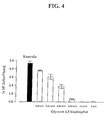
- FIG. 2 is the dose-dependency of the obtained cell densities for aminooxyacetate, in FIG. 3 for Chba, in the FIG. 4 for glycerate 2,3-bisphosphate and in the FIG. 5 for fructose-1,6-bis-phosphate. It can be seen in all cases, a virtually complete inhibition at least at higher doses.
Landscapes
- Health & Medical Sciences (AREA)
- Life Sciences & Earth Sciences (AREA)
- General Health & Medical Sciences (AREA)
- Veterinary Medicine (AREA)
- Chemical & Material Sciences (AREA)
- Animal Behavior & Ethology (AREA)
- Medicinal Chemistry (AREA)
- Pharmacology & Pharmacy (AREA)
- Public Health (AREA)
- Epidemiology (AREA)
- Immunology (AREA)
- General Chemical & Material Sciences (AREA)
- Chemical Kinetics & Catalysis (AREA)
- Organic Chemistry (AREA)
- Nuclear Medicine, Radiotherapy & Molecular Imaging (AREA)
- Engineering & Computer Science (AREA)
- Molecular Biology (AREA)
- Bioinformatics & Cheminformatics (AREA)
- Transplantation (AREA)
- Pain & Pain Management (AREA)
- Rheumatology (AREA)
- Pharmaceuticals Containing Other Organic And Inorganic Compounds (AREA)
- Acyclic And Carbocyclic Compounds In Medicinal Compositions (AREA)
- Saccharide Compounds (AREA)
- Enzymes And Modification Thereof (AREA)
- Medicines That Contain Protein Lipid Enzymes And Other Medicines (AREA)
Abstract
Description
- Die Erfindung betrifft Verwendungen von Zuckerphosphaten, Zuckerphosphatanalogen, Aminosäuren und/oder Aminosäureanalogen zur Modulation von Stoffwechselprozessen.
- Hintergrund der Erfindung.
- Verschiedene Erkrankungen gehen einher mit Veränderungen des Zellstoffwechsels. Insbesondere in Tumorgewebe verläuft die Energieerzeugung zumindest zum Teil über andere Mechanismen als bei gesundem Gewebe. Diese tumorspezifischen Mechanismen sind Ansatzpunkte für Tumortherapien, die spezifisch auf das Tumorgewebe wirken, und vergleichsweise geringe Nebenwirkungen haben. Dabei wird selektiv das Tumorwachstum gehemmt und/oder Apoptose von Tumorzellen eingeleitet.
- Es ist bekannt, daß Tumore einem veränderten Metabolismus unterliegen. Dieser veränderte Stoffwechsel führt dazu, daß die Glucose vorrangig für die Nukleinsäuresynthese verwendet wird. Gleichzeitig wird eine neue Energiequelle, die Aminosäure Glutamin, erschlossen. Glutamin Kommt in allen Geweben in hohen Konzentrationen vor. Typischerweise weist Tumorgewebe eine ausgeprägte Hypoxie, i.e. Mangel an Sauerstoff, auf aufgrund des in der Regel desorganisierten Wachstums von Blutgefäßen in dem Tumorgewebe. Dies macht deutlich, daß ein Anpassung an hypoxische Bedingungen ein wesentlicher Schritt im Tumorwachstum ist. Der anaerobe Umsatz von Glukose zwecks Energieerzeugung durch Glykolyse ist daher ein gemeinsames Merkmal der meisten Tumorgewebeaggregate. Bezüglich allgemeiner weiterführender Literatur hierzu wird auf die Literaturstelle C.V. Dang et al., TIBS 24:68-72, 1999, verwiesen. Die Pyruvatkinase (PK) ist ein Schlüsselenzym der Glykolyse und katalysiert die energieliefernde Umwandlung von Phosphoenolpyruvat in Pyruvat. Vier gewebespezifische Isoformen sind bekannt, PK Typ L, R, M1 und M2 (siehe E. Eigenbrodt et al., Critical Reviews in Oncogenesis, Vol. 3, M. Perucho, Ed., CRC-Press, Boca Raton, Florida, Seiten 91 - 115, 1992). M2-PK ist die embryonale Form und ersetzt alle anderen Formen in proliferierenden Zellen und Tumorzellen (siehe G.E.J Staal et al., Biochemical and Molecular Aspects of Selected Cancers, T.G. Pretlow et al., Eds., Academic Press Inc., San Diego, 1, Seiten 313 - 337, 1991, sowie U. Brinck et al., Virchows Archiv 424, Seiten 177 - 185, 1994). M2-PK Protein der Ratte besteht aus 530 Aminosäuren und unterscheidet sich nur in einem Rest von humaner M2-PK (siehe T. Noguchi et al., J. Biol. Chem., 261, Seiten 13807 - 13812, 1986, sowie K. Tani et al, Gene, 73, Seiten 509 - 516, 1988). M2-PK ist ein glykolytisches Emzym, welches in einer hochaktiven tetrameren und einer wenig aktiven dimeren Form vorliegen kann. Nur die hochaktive tetramere Form ist im Glycolyse-Enzym-Komplex assoziiert. Der Gylcolyse-Enzym-Komplex ist eine Assoziation von Glycolyse-Enzymen, NDPK, Adenylatkinase, RNA, A-raf und Komponenten der Proteinkinasekaskade. Der Übergang zwischen beiden Formen der M2-PK reguliert letztendlich den glykolytischen Umsatz in Tumorzellen (siehe S. Mazurek et al.: J. Cell. Physiol. (1996) 167:238-250; S. Mazurek et al.: Anticancer Res. (1998) 18:3275-3282; S. Mazurek et al., J. Bioenerg. Biomembr., 29, Seiten 315-330, 1997). Die Aktivität von M2-PK kontrolliert also den Transit des glykolytischen Pfades. Liegt die M2-PK in der dimeren Form vor, werden die Glucose-Kohlenstoffatome in abzweigende Syntheseprozesse eingeschleust. Liegt die M2-PK als tetramere und im Glycolyse-Enzym-Komplex assoziierter Form vor, wird die Glucose sehr effektiv unter Energiegewinnung zu Pyruvat und Lactat umgesetzt. Die Überexpression von M2-PK erlaubt Zellen das Überleben unter Bedingungen mit niedrigem Sauerstofflevel, da oxidative Phosphorylisierung für die Produktion von ATP durch PK nicht benötigt wird. Generell wird in bösartigen Tumoren und in dem Blut von Tumorpatienten eine erhöhte Menge an M2-PK gefunden.
- Aus der Literaturstelle E. Eigenbrodt et al., Biochemical an Molecular Aspects of Selected Cancers, Vol. 2, S. 311 ff., 1994, ist es bekannt, zur Hemmung der Glycolyse Glucoseanaloge einzusetzen. Andere hieraus bekannte Ansätze sind der Einsatz von Inhibitoren glycolytischer Isoenzyme, beispielsweise durch geeignete Komplexbildung oder Inhibierung von Komplexbildungen. Im Ergebnis werden Tumorzellen gleichsam ausgehungert. Problematisch bei den vorstehenden Verbindungen ist, daß viele davon geneotoxisch und/oder nicht hinreichend spezifisch für Tumorzellen sind.
- Aus der Literaturstelle Eigenbrodt et al. in Critical Reviews in Oncogenesis (1992) (Perucho, M. ed.) CRC-Press, Boca Raton, Florida; 3:91-115, ist es bekannt, daß Fructose-1,6-bisphosphat zu einer Verschiebung zur hochaktiven tetrameren Form der M2-PK führt, wodurch der glycolytische Flux in Tumorzellen reguliert werden kann. Aus dieser Literaturstelle ist weiterhin bekannt, daß Alanin und Leucin M2-PK inhibieren.
- Im Zusammenhang mit einem neuen Wirkstoff gegen inflammatorischen Erkrankungen sowie gegen Autoimmunreaktionen ist es aus der Literaturstelle U. Mangold et al., Eur. J. Biochem., 266:1-9, 1999, bekannt, daß 2-Cyano-3-hydroxyl-but-2-[4-triflouromethyl-phenyl]-amid (folgend Chba) in die Glykolyse eingreift.
- Transaminasen sind Enzyme, die bei der Transaminierung Aminogruppen von 2-Aminosäuren auf 2-Ketosäuren übertragen. Es handelt sich um eine Untergruppe der Transferasen. Die prosthetische Gruppe ist Pyridoxalphosphat. Eine Hemmung von Transaminasen führt zu einem Anstieg der Aminosäuren. Aus der Literaturstelle E. Eigenbrodt et al., Biochemical an Molecular Aspects of Selected Cancers, Vol. 2, S. 311 ff., 1994, ist es bekannt, daß Aminooxyacetat und Cycloserin die Glutamat-Pyruvat-Transaminase inhibieren und die Proliferation von Zellen hemmen können.
- Technisches Problem der Erfindung.
- Der vorliegenden Erfindung liegt das technische Problem zu Grunde, Wirkstoffe anzugeben, welche in der Lage sind, die Proliferation von Krebszellen und somit das Wachstum neoplastischer Tumore zu hemmen sowie überschießende Abwehrreaktionen des Körpers, wie z.B. septischer Schock, Autoimmunerkrankungen, Transplantatabstoßungen sowie akute und chronische Entzündungsreaktionen zu inhibieren, und zwar bei gleichzeitig lediglich geringfügiger bis keiner Zytotoxizität gegenüber normalen Zellen des Blutes, des Immunsystems und normaler Gewebszellen.
- Grundzüge der Erfindung.
- Zur Lösung dieses technischen Problems lehrt die Erfindung die Verwendung einer Substanz ausgewählt aus der Gruppe bestehend aus "Aminosäuren, Aminosäureanaloge, Zuckerphosphate, Zuckerphosphatanaloge und Mischungen solcher Substanzen" zur Herstellung einer pharmazeutischen Zusammensetzung zur Behandlung von Tumoren und/oder zur Immunsuppression und/oder der Sepsis durch Modulation der Assoziation des Glycolyse-Enzym-Komplexes/M2-PK und/oder durch Hemmung von Transaminasen und/oder durch Auflösung der Bindung der (mitochondralen) Malat Dehydrogenase an p36.
- Die Erfindung beruht zunächst auf der Erkenntnis, daß in Tumorzellen das Verhältnis tetramerer und dimerer M2-PK ca. 50 : 50 beträgt. Hieran anschließend wurde erkannt, daß eine Veränderung dieses Verhältnisses, also eine Verschiebung zu einer der beiden Formen, für die Tumortherapie geeignet ist. So wurde gefunden, daß bei einer vollständigen Tetramerisierung der M2-PK die Nukleinsäuresynthese und folglich die Proliferation gehemmt wird. Bei einer vollständigen Dimerisierung kommt es dagegen zu einer Hemmung der Energiegewinnung aus Glucose mit der Folge von Apoptose, ein ebenso positiver therapeutischer Effekt. Überraschenderweise können also beide Effekte für eine Tumortherapie genutzt werden. Dabei sind keine zytotoxische Wirkungen zu erwarten, da dieser Stoffwechselzustand tumorgewebespezifisch ist.
- Neben der Veränderung bei der Pyruvat-Kinase-Isoenzym-Ausstattung kommt es bei der Tumorentstehung zu einem Verschwinden der NAD-abhängigen cytosolischen Glycerol 3-Phosphat Dehydrogenase. Dies führt dazu, daß der Wasserstoff aus der glycolytischen Glycerinaldehyd 3-Phosphat Dehydrogenase-Reaktion über den Malat-Aspartat-Shuttle in die Mitochondrien transportiert werden muß. Dies führt zur Aktivierung des Abbaus von Glutamin zu Pyruvat und Lactat (Glutaminolyse). Die Glutaminolyse sichert die Pyruvat- und Energiebereitstellung unter Bedingungen, in der die M2-PK inaktiviert ist. Ein wichtiger Bestandteil des Malat-Aspartat-Shuttles ist die Vorstufe der mitochondrialen Malat Dehydrogenase, die im Cytosol durch die Bindung an das Phosphoprotein p36 gehalten wird. Die Bindung der mitochondrialen Malat Dehydrogenase an p36 im Cytosol kann durch Aminosäuren und durch Zuckerphosphate sowie Analoge hierzu aufgehoben werden.
- Es wurde also weiterhin erkannt, daß eine Modulation der Assoziation Glycolyse-Enzym-Komplex/M2-PK auch indirekt, i.e. ohne direkte Bindung eines Wirkstoffes an M2-PK, erfolgen kann. Wenn nämlich die Transaminierung gehemmt wird, und/oder die Bindung der Malat Dehydrogenase an p36 aufgehoben wird, so führt dies wiederum zu einem Anstieg oder Abfall an Aminosäuren, welche ihrerseits mit M2-PK in Wechselwirkung treten und folglich die Assoziation modulieren.
- Mit erfindungsgemäß eingesetzten Substanzen lassen sich neben der Glutamat-Pyruvat-Transaminase die Glutamat-Oxalacetat-Tranaminase, die Glutamat-3-Hydroxypyruvat-Transaminase und andere verzweigtkettige α-Ketocarbonsäure-Transaminasen inhibieren.
- Der Begriff der Analoge bezeichnet Verbindungen, welche sich strukturell aus natürlichen Aminosäuren bzw. Zuckern herleiten lassen, i.e. von diesen verschieden sind, welche jedoch die gleiche oder eine noch stärkere Modulation der Glycolyse-Enzym-Komplex /M2-PK Assoziation, eine Transaminase-Inhibition und/oder eine Auflösung der p36-Malat Dehydrogenase Bindung bewirken, als die zugrundeliegende natürliche Substanz. Ein Analog kann insbesondere ein Derivat darstellen, i.e. eine natürlicherweise vorliegende Gruppe oder ein H-Atom können durch eine andere, nicht-natürlicherweise vorkommende Gruppe ersetzt sein. Dies betrifft sowohl Seitenketten als auch die Kernstruktur; so kann die Carboxylgruppe einer Aminosäure insbesondere durch eine Cyanidgruppe ersetzt sein. Im Falle der Zuckerphosphate kann eine oder mehrere Phosphatgruppen durch eine Cyanidgruppe ersetzt sein. Aminosäurenanaloge sind insbesondere auch die Vorläufer der Aminosäuren, die α-Ketosäuren, sowie solche α-Ketosäuren, bei welchen die -COOH Gruppe durch eine Cyanidgruppe (-CN) ersetzt ist.
- Bevorzugte Ausführungsformen der Erfindung.
- Im Rahmen der Erfindung sind diverse, nicht beschränkende Ausführungsformen möglich. So kann eine erfindungsgemäße pharmazeutische Zusammensetzung mehrere verschiedene erfindungsgemäß eingesetzte Verbindungen enthalten. Weiterhin kann eine erfindungsgemäße pharmazeutische Zusammensetzung zusätzlich einen von einem erfindungsgemäß eingesetzten Wirkstoff verschiedenen Wirkstoff enthalten. Dann handelt es sich um ein Kombinationspräparat. Dabei können die verschiedenen eingesetzten Wirkstoffe in einer einzigen Darreichungsform präpariert sein, i.e. die Wirkstoffe sind in der Darreichungsform gemischt. Es ist aber auch möglich, die verschiedenen Wirkstoffe in räumlich getrennten Darreichungsformen gleicher oder verschiedener Art herzurichten.
- Hinsichtlich des erfindungsgemäß eingesetzten Wirkstoffes ist es möglich, daß die Substanz ausgewählt ist aus der Gruppe bestehend aus "Serin, Cycloserin, Valin, Leucin, Isoleucin, Prolin, Methionin, Cystein, Aminoisobutyrat, Aminooxyacetat, Chba, Fructose-1,6-bisphosphat, Glycerat-2,3-bisphosphat, Glycerat-3-phosphat, Ribose-1,5-bisphosphat, Ribulose-1,5-bisphosphat, Analoge solcher Verbindungen und Mischungen solcher Substanzen.
- Die Substanz ist bevorzugterweise ausgewählt aus der Gruppe bestehend aus Verbindungen der Formel I und Mischungen solcher Verbindungen,

- Es handelt sich bei diesen besonders bevorzugten Stoffen typischerweise um 2- bzw. α-Oxonitrile bzw. Ketosäuren (ggf. verestert). Diese Substanzen sind Aminosäureanaloge mit hoher Wirksamkeit.
- Im Zusammenhang mit Cycloalkyl- und Aryl-Gruppen ist anzumerken, daß hiermit sowohl homo- als auch heteroatomare aromatische Gruppen bezeichnet sind. Beispiele für heterocyclische Gruppen sind: Furanyl, Thiophenyl, Pyrrolyl, Isopyrrolyl, 3-Isopyrrolyl, Pyrazolyl, 2-Isoimidazolyl, Triazolyl, Oxazolyl, Isoaxazolyl, Thiazolyl, Isothiazolyl, Pyridyl, Pyrazinyl, Pyrimidinyl, Pyridazinyl, Piperazinyl, Triazinyl, Oxazinyl, Indenyl, Benzofurnyl, Benzothiofuranyl, Indolyl, Isoindazolyl, Benzoxazolyl, wobei die genannten Gruppen teilweise hydriert sein können.
- Folgend werden beispielhafte Verbindungen angegeben.






- Als Gegenionen für ionische Verbindungen nach Formel I kommen beispielsweise Na+, K+, Li+, und/oder Cyclohexylammonium in Frage.
- Die mit erfindungsgemäß verwendeten Verbindungen hergestellten Arzneimittel können oral, intramuskulär, periartikulär, intraartikulär, intravenös, intraperitoneal, subkutan oder rektal verabreicht werden. Besonders bevorzugt ist jedoch die intravenöse Verabreichung, insbesondere im Falle vom Chba, Aminooxyacetat (NH2-CO-COOH) oder Zuckerphosphaten bzw. Zuckerphosphatanalogen.
- Die Erfindung lehrt weiterhin ein Verfahren zur Herstellung eines Arzneimittels, das dadurch gekennzeichnet ist, daß mindestens eine erfindungsgemäß verwendete Verbindung mit einem pharmazeutisch geeigneten und physiologisch verträglichen Träger und gegebenenfalls weiteren geeigneten Wirk-, Zusatz- oder Hilfsstoffen mischt und zu der gewünschen Darreichungsform herrichtet.
- Geeignete feste oder flüssige galenische Zubereitungsformen sind beispielsweise Granulate, Pulver, Dragees, Tabletten, (Mikro) Kapseln, Suppositorien, Sirupe, Säfte, Suspensionen, Emulsionen, Tropfen oder injizierbare Lösungen sowie Präparate mit protrahierter Wirkstoff-Freigabe, bei deren Herstellung übliche Hilfsmittel wie Trägerstoffe, Spreng-, Binde-, Überzugs-, Quellungs-, Gleit- oder Schmiermittel, Geschmacksstoffe, Süßungsmittel und Lösungsvermittler, Verwendung finden.
- Als Hilfsstoffe seien Magnesiumcarbonat, Titandioxid, Laktose, Mannit und andere Zucker, Talkum, Milcheiweiß, Gelatine, Stärke, Cellulose und ihre Derivate, tierische und pflanzliche Öle wie Lebertran, Sonnenblumen-, Erdnuß-oder Sesamöl, Polyethylenglykole und Lösungsmittel, wie etwa steriles Wasser und ein- oder mehrwertige Alkohole, z.B. Glycerin, genannt.
- Vorzugsweise werden die Arzneimittel in Dosierungseinheiten hergestellt und verabreicht, wobei jede Einheit als aktiven Bestandteil eine bestimmte Dosis der erfindungsgemäßen Verbindung gemäß Formel I enthält. Bei festen Dosierungseinheiten wie Tabletten, Kapseln, Dragees oder Suppositorien kann diese Dosis 1 bis 5000 mg, bevorzugt 50 bis 1000 mg, und bei Injektionslösungen in Ampullenform 1 bis 5000 mg, vorzugsweise 50 bis 2000 mg, bei intramuskulärer Injektion bzw. 1 bis 100 mMol, vorzugsweise 10 bis 100 mMol, bei intraperitonealer Injektion betragen. Für die i.v. Applikation sind entsprechende Dosen, vorzugsweise allerdings um einen Faktor 0,5 bis 0,1 erniedrigt, einsetzbar.
- Für die Behandlung eines erwachsenen, 50 bis 100 kg schweren, beispielsweise 70 kg schweren, Patienten sind Tagesdosen von 20 bis 5000 mg Wirkstoff, vorzugsweise 500 bis 3000 mg, indiziert. Unter Umständen können jedoch auch höhere oder niedrigere Tagesdosen angebracht sein. Die Verabreichung der Tagesdosis kann sowohl durch Einmalgabe in Form einer einzelnen Dosierungseinheit oder aber mehrerer kleinerer Dosierungseinheiten als auch durch Mehrfachgabe unterteilter Dosen in bestimmten Intervallen erfolgen.
- Im Foglenden wird die Erfindung anhand von lediglich Ausführungsformen darstellenden Beispielen näher erläutert.
- Als Tumormodell wurde die immunkompetente erwachsene Ratte verwendet, die durch i.v.-Infusion therapiert wird. Dies ist ein der Therapie beim Menschen ähnlicheres Modell als die nicht immunkompetente Nacktmaus, die üblicherweise eingesetzt wird. Die Tierversuche waren gemäß §8 Abs. 1 des Deutschen Tierschutzgesetzes genehmigt und wurden entsprechend den Empfehlungen der Tierärztlichen Vereinigung für Tierschutz e.V. durchgeführt. Als Tumorempfänger wurden männliche Inzuchtratten (Sprague-Dawley, 200-250 g, Charles River, Sulzfeld, Deutschland) eingesetzt.
- Als Tumorzellen wurde das Novikoff-Hepatom eingesetzt. Unter mehreren getesteten experimentell erzeugten Tumoren erfüllt das Novikoff-Hepatom die Voraussetzungen eines soliden Tumors, der alle Zeichen der Malignität aufweist und morphologisch dem hepatozellulären Karzinom des Menschen ähnelt, am besten. Das Novikoff-Hepatom wurde von Alex B. Novikoff 1951 durch Fütterung einer Diät mit 0,06% 4-Dimethylazobenzol (Buttergelb) auf weiblichen Sprague-Dawley-Ratten induziert [Novikoff B. A transplantatble rat liver tumor induced by 4-dimethylaminoazobenzene. Cancer Res 1951; 17:1010]. Dieser Lebertumor, der sowohl als Aszitestumor als auch als solider Tumor wächst, zeigt die typischen Malignitätskriterien wie Hyperchromasie, Polymorphie, erhöhte Mitoserate und eine zugunsten des Kerns verschobene Kern-Plasma-Relation. In den Tumorzellen erscheint das Chromatingerüst unregelmäßig und die Kerne gelappt, rund oder oval.
- Die Novikoff-Hepatom-Zellen wurden vom Deutschen Krebsforschungszentrum in Heidelberg zur Verfügung gestellt. Die Zellen wurden in Hank's Lösung aufgenommen und steril einer Sprague-Dawley-Ratte zur Passagierung intraperitoneal injiziert. Innerhalb einer Woche bildete sich ca. 50 ml hämorrhagischer Aszites, der steril entnommen wurde. Die Aufbereitung des nach Zentrifugieren bei 1300 U/min für fünf Minuten in einem Falcon-Röhrchen entstandenen Pellets erfolgte zur weiteren Reinigung der Zellen von anderen Aszitesbestandteilen durch Waschen mit 50 ml Dulbecco's MEM (Gibco BRL, Eggenstein) und Zentrifugation bei 1300 U/min für fünf Minuten. Der Überstand wurde dekantiert und das Pellet in Dulbecco's + 40% fötalem Kälberserum (FKS) gemischt. Nun wurden je 0,7 ml Zellsuspension und 0,7 ml Einfriermedium in Nunc-Röhrchen gefüllt, luftdicht verschlossen, für fünf Minuten bei -20°C und für 12 Stunden bei -80°C vorgekühlt und anschließend in flüssigem Stickstoff tiefgefroren. Das Einfriermedium bestand aus 40% Dulbecco's, 40% FKS und 20% DMSO.
- Für die Applikation wurden die Zellen folgendermaßen vorbereitet: nach dem Auftauen wurde das Pellet in einem Falcon-Röhrchen mit 50 ml eines auf 37°C vorgewärmten Mediums (Dulbecco's + 40% FKS) versetzt und für fünf Minuten bei 1300 U/min zentrifugiert. Der Überstand wurde verworfen, der Vorgang nochmals wiederholt.
- Nach Zentrifugation und Dekantieren des Überstandes wurde das Pellet mit HBSS aufgefüllt, 100 Mikroliter mit einer Eppendorf-Pipette entnommen und zur Bestimmung der Zahl vitaler Zellen nach Vitalfärbung mit Erythrosin (Fa. BioMed, München, Deutschland) in einer Neubauer-Zählkammer ausgezählt. Die Zellsuspension wurde nach Zentrifugierung und Dekantierung so lange mit HBSS verdünnt, bis die Suspension 5 x 10⁶ vitale Zellen pro ml enthielt. 1 ml dieser Suspension wurde in einer Insulinspritze aufgenommen und der Ratte am Rücken subkutan injiziert.
- Hierzu wurde eine rasierte und mit 70%-igem Alkohol desinfizierte Hautfalte des mit Äther narkotiserten Tieres angehoben und mit einer Kanüle Nr. 14 in Längsrichtung von kaudal nach kranial durchstochen und die Tumorzellen subkutan injiziert.
- Die Infusion der Versuchstiere mit erfindungsgemäßen Substanzen begann, sobald der Tumor ein Volumen von 1 ml erreichte. Die Tumorgröße wurde durch CT-gestützte Volumimetrie bestimmt. Hierfür wurden die Ratten mit 0,315 mg Fentanylzitrat/kg Körpergewicht i.m. (Hypnorm®, Janssen, Beersee, Belgien) betäubt. Mit einem Somatom Plus 4-Scanner (Siemens, Erlangen, Deutschland) wurde ein Spiral-CT mit einer Schichtdicke von 2 mm, einem Pitch von 1,5 und 2mm Inkrement bei 120 kVp mit 320 mAs durchgeführt. Ein Weichgewebsalgorithmus wurde verwendet.
- Bei einer zu behandelnden Ratte wurde ein Silikonschlauch (SilasticR 0,012 inch x 0,025 inch, Nr.602-105 HH 061999, Dow Corning Corp., Midland, Mich., USA) mit Hilfe von Chloroform auf das Ende eines 5 cm langen spiralförmigen Stückes PE 10 (Polyäthylen)-Katheter (Clay Adams, Parsippany, NJ, USA) aufgeschoben. Das gegenüberliegende Ende wurde mit einem 30 cm langen Stück PE 20-Katheter verschmolzen. Das Silikonstück wurde in die linke Jugularvene des Empfängers eingebracht und mit einer Ligatur gesichert, wie vormals beschrieben [Weeks JR. Long term intravenous infusion. In: Meyers RD (Hrsg.) Methods in Psychobiology, Academic Press 1972;2:155]. Der spiralförmige Katheteranteil kam im Subkutangewebe zu liegen und sorgte für die notwendige Extralänge, um bei Kopfbewegungen des Tieres eine Katheterdislokation zu vermeiden. Das andere Ende wurde durch die Haut des Rückens nach außen geleitet, in einem Metallspiralschlauch, der über ein Mieder am Tier befestigt wurde, geschützt und mit einer Infusionspumpe verbunden, die eine körpergewichtsadaptierte kontinuierliche Infusion ermöglichte. Die Tiere befanden sich während der Infusion in einem metabolischen Käfig.
- Jeweils 10 randomisierten Tieren pro Gruppe wurden ab einem Tumorvolumen von 1 ml kontinuierlich über 10 Tage mit der jeweiligen Substanz (1.25mM Aminooxyacetat oder 10 µM Chba) appliziert. Kontrolltiere erhielten eine isovolumische Menge an NaCl. Alle Tiere hatten freien Zugang zu Wasser und R3-EWOS-ALAB-Zuchtfutter (ALAB, Sollentuna, Schweden). Nach 10 Tagen wurden die Tiere mit 0,315 mg Fentanylzitrat/kg Körpergewicht i.m. (HypnormR, Janssen, Beersee, Belgien) betäubt, der Tumor entnommen und sein Volumen an Hand der verdrängten Wassermenge bestimmt.
- Die
Figur 1 zeigt die erhaltenen Ergebnisse. Während die Kontrolltiere Tumor von beachtlicher Größe aufwiesen, konnte mit Chba, bzw. Aminooxyacetat eine beachtliche Hemmung des Tumorwachstums festgestellt werden. Bei Behandlungsbeginn mit relativ kleiner Tumorgröße konnte sogar eine praktisch vollständige Hemmung des Tumorwachstums, sogar Apoptose, beobachtet werden. - In diesem Beispiel wird die Dosisabhängigkeit der Proliferationshemmung für verschiedene erfindungsgemäß eingesetzte Verbindungen dargestellt.
- Für die Messungen wurden Novikoff-Hepätomzellen auf übliche Weise kultiviert. Die Kontrollgruppe erhielt Lösungsmittel ohne Wirksubstanz. Die weiteren Gruppen erhielten verschiedene Dosen der jeweiligen Verbindung. Nach vier Kultivierungstagen mit bzw. ohne Wirkstoff wurden die Zelldichte auf übliche Weise bestimmt. In der
Figur 2 ist die Dosisabhängigkeit der erhaltenen Zelldichten für Aminooxyacetat, in derFigur 3 für Chba, in derFigur 4 für Glycerat 2,3-bisphosphat und in derFigur 5 für Fructose-1,6-bis- phosphat dargestellt. Man erkennt in allen Fällen eine praktisch vollständige Hemmung jedenfalls bei höheren Dosen.
Claims (5)
- Verwendung einer Substanz ausgewählt aus der Gruppe bestehend aus "Aminosäuren, Aminosäureanaloge, Zuckerphosphate, Zuckerphosphatanaloge und Mischungen solcher Substanzen" zur Herstellung einer pharmazeutischen Zusammensetzung zur Behandlung von Tumoren und/oder zur Immunsuppression und/oder der Sepsis durch Modulation der Assoziation des Glycolyse-Enzym-Komplexes/M2-PK und/oder durch Hemmung von Transaminasen und/oder durch Auflösung der Bindung der Malat Dehydrogenase an p36.
- Verwendung nach Anspruch 1, wobei die Substanz ausgewählt ist aus der Gruppe bestehend aus "Serin, Cycloserin, Valin, Leucin, Isoleucin, Prolin, Methionin, Cystein, Aminoisobutyrat, Aminooxyacetat, Chba, Fructose-1,6-bisphosphat, Glycerat-2,3-bisphosphat, Glycerat-3-Phosphat, Ribose-1,5-bisphosphat, Ribulose-1,5-bisphosphat, Analoge solcher Verbindungen und Mischungen solcher Substanzen".
- Verwendung nach Anspruch 1, wobei die Substanz ausgewählt ist aus der Gruppe bestehend aus Verbindungen der Formel I und Mischungen solcher Verbindungen,

wobei R2 = -COOH, -CN oder -NR4R5,
wobei R4 und R5 gleich oder verschieden und H, C1-C18-Alkyl, -Aryl, oder -Aralkyl, ggf. substituiert mit -J, -C1, und/oder -F, sein können, und
wobei R3 = =O, - Verwendung nach einem der Ansprüche 1 bis 3, wobei die pharmazeutische Zusammensetzung zur i.v. Applikation hergerichtet ist.
- Verwendung nach einem der Ansprüche 1 bis 4, wobei die pharmazeutische Zusammensetzung für Darreichung in einer Tagesdosis von 0,1 bis 80 mg je kg Körpergewicht hergerichtet ist.
Applications Claiming Priority (2)
| Application Number | Priority Date | Filing Date | Title |
|---|---|---|---|
| DE10112926A DE10112926B4 (de) | 2001-03-13 | 2001-03-13 | Verwendung von Aminooxyacetat zur Tumorbehandlung |
| EP02704608A EP1368018A2 (de) | 2001-03-13 | 2002-01-17 | Verwendung von aninosäuren, aminosäureanaloge, zuckerphosphate und zuckerphosphatanaloge zur behandlung von tumoren, sepsis und zur immunsuppression |
Related Parent Applications (2)
| Application Number | Title | Priority Date | Filing Date |
|---|---|---|---|
| EP02704608.5 Division | 2002-01-17 | ||
| EP02704608A Division EP1368018A2 (de) | 2001-03-13 | 2002-01-17 | Verwendung von aninosäuren, aminosäureanaloge, zuckerphosphate und zuckerphosphatanaloge zur behandlung von tumoren, sepsis und zur immunsuppression |
Publications (2)
| Publication Number | Publication Date |
|---|---|
| EP2090304A2 true EP2090304A2 (de) | 2009-08-19 |
| EP2090304A3 EP2090304A3 (de) | 2010-07-21 |
Family
ID=7677850
Family Applications (2)
| Application Number | Title | Priority Date | Filing Date |
|---|---|---|---|
| EP09075090A Withdrawn EP2090304A3 (de) | 2001-03-13 | 2002-01-17 | Verwendung von Zuckerphosphaten, Zuckerphosphatanalogen, Aminosäuren und/oder Aminosäureanalogen zur Modulation des Glykose-Enzym-Komplexes, des Malat Aspartat Shuttles und/oder der Transaminasen |
| EP02704608A Withdrawn EP1368018A2 (de) | 2001-03-13 | 2002-01-17 | Verwendung von aninosäuren, aminosäureanaloge, zuckerphosphate und zuckerphosphatanaloge zur behandlung von tumoren, sepsis und zur immunsuppression |
Family Applications After (1)
| Application Number | Title | Priority Date | Filing Date |
|---|---|---|---|
| EP02704608A Withdrawn EP1368018A2 (de) | 2001-03-13 | 2002-01-17 | Verwendung von aninosäuren, aminosäureanaloge, zuckerphosphate und zuckerphosphatanaloge zur behandlung von tumoren, sepsis und zur immunsuppression |
Country Status (7)
| Country | Link |
|---|---|
| US (2) | US20040235755A1 (de) |
| EP (2) | EP2090304A3 (de) |
| JP (1) | JP2004524326A (de) |
| AU (1) | AU2002238390A1 (de) |
| CA (1) | CA2457192A1 (de) |
| DE (2) | DE10112926B4 (de) |
| WO (1) | WO2002072077A2 (de) |
Families Citing this family (20)
| Publication number | Priority date | Publication date | Assignee | Title |
|---|---|---|---|---|
| DE10112925A1 (de) * | 2001-03-13 | 2002-10-02 | Erich Eigenbrodt | Verwendung von Zuckerphosphaten, Zuckerphosphatanalogen, Aminosäuren, Aminosäureanalogen zur Modulation von Transaminasen und/oder der Assoziation p36/Malat Dehydrogenase |
| WO2004016646A2 (en) * | 2002-08-12 | 2004-02-26 | Amynon Bio Tech Gmbh | Peptide modulators of tumour specific pyruvate kinase subtype m2 (m2-pk) |
| DE10357301A1 (de) * | 2003-12-05 | 2005-07-07 | Schebo Biotech Ag | Verbindungen zur Modulation des Glykolyse-Enzym- und/oder Transaminase-Komplexes |
| EP1595957A1 (de) * | 2004-05-12 | 2005-11-16 | Erich Eigenbrodt | Phosphoglyceratmutasen und Enzymprodukte |
| WO2006024492A2 (en) * | 2004-08-30 | 2006-03-09 | Interstitial Therapeutics | Medical implant provided with inhibitors of atp synthesis |
| JP2009520957A (ja) * | 2005-12-21 | 2009-05-28 | エフ.ホフマン−ラ ロシュ アーゲー | 便試料中のヘモグロビンおよびm2−pkを測定することによる結腸直腸癌の評価方法 |
| CA2659956C (en) | 2006-08-04 | 2016-01-05 | Lewis C. Cantley | Inhibitors of pyruvate kinase and methods of treating disease |
| WO2009025781A1 (en) * | 2007-08-16 | 2009-02-26 | Beth Israel Deaconess Medical Center | Activators of pyruvate kinase m2 and methods of treating disease |
| EP2387396B8 (de) * | 2009-01-14 | 2017-12-20 | Novigo GmbH & Co. KG | Mittel zur vorbeugung und behandlung der pityriasis versicolor |
| CA2758071C (en) | 2009-04-06 | 2018-01-09 | Agios Pharmaceuticals, Inc. | Pyruvate kinase m2 modulators, therapeutic compositions and related methods of use |
| DK2427441T3 (en) | 2009-05-04 | 2017-03-20 | Agios Pharmaceuticals Inc | PKM2 Activators for use in the treatment of cancer |
| ES2618630T3 (es) | 2009-06-29 | 2017-06-21 | Agios Pharmaceuticals, Inc. | Composiciones terapéuticas y métodos de uso relacionados |
| TWI598337B (zh) | 2009-06-29 | 2017-09-11 | 阿吉歐斯製藥公司 | 治療化合物及組成物 |
| WO2012064286A1 (en) * | 2010-11-11 | 2012-05-18 | Agency For Science, Technology And Research | Targeting metabolic enzymes in human cancer |
| WO2012083246A1 (en) | 2010-12-17 | 2012-06-21 | Agios Pharmaceuticals, Inc. | Novel n- (4- (azetidine - 1 - carbonyl) phenyl) - (hetero - ) arylsulfonamide derivatives as pyruvate kinase m2 (pmk2) modulators |
| ES2569712T3 (es) | 2010-12-21 | 2016-05-12 | Agios Pharmaceuticals, Inc. | Activadores de PKM2 bicíclicos |
| TWI549947B (zh) | 2010-12-29 | 2016-09-21 | 阿吉歐斯製藥公司 | 治療化合物及組成物 |
| SMT202400081T1 (it) | 2011-05-03 | 2024-03-13 | Agios Pharmaceuticals Inc | Attivatori della piruvato chinasi per uso in terapia |
| CA2989111C (en) | 2015-06-11 | 2023-10-03 | Agios Pharmaceuticals, Inc. | Methods of using pyruvate kinase activators |
| US11241455B2 (en) | 2016-01-15 | 2022-02-08 | The J. David Gladstone Institutes, A Testamentary Trust Established Under The Will Of J. David Gladstone | Methods of treating disease by metabolic control of T-cell differentiation |
Family Cites Families (15)
| Publication number | Priority date | Publication date | Assignee | Title |
|---|---|---|---|---|
| DE3279834D1 (en) * | 1981-12-31 | 1989-08-31 | Asta Pharma Ag | 4-sulfido-oxaza phosphorines and their use in the treatment of cancer, and in immunosuppression |
| DE3329253A1 (de) * | 1983-08-12 | 1985-02-21 | Milupa Ag, 6382 Friedrichsdorf | Verwendung eines aminosaeuregemisches zur bekaempfung insbesondere von lymphadenomen |
| DE3440090A1 (de) * | 1984-11-02 | 1986-05-07 | Novo-Med AG, Appenzell | Aminosaeureloesungen enthaltendes arzneimittel zur therapie von krebserkrankungen und verfahren zu seiner herstellung |
| IT1204764B (it) * | 1986-01-17 | 1989-03-10 | Foscama Biomed Chim Farma | Utilizzazione terapeutica del fruttosio-1,6-difosfato per la protezione nei confronti della tossicita' indotta da somministrazione di antitumorali antraciclinici |
| DE3707127C2 (de) * | 1987-03-05 | 1996-06-20 | Zambon Spa | Verwendung von Methionin zur Behandlung von Immun-Schwächeerkrankungen bei Virusinfektionen und/oder bei Tumorerkrankungen |
| DE3823735A1 (de) * | 1988-07-13 | 1989-03-02 | Ernst Hajek | Verwendung von d-leucin (rechtsdrehende (alpha)-amino-isocapronsaeure) als wirkstoff zur bekaempfung maligner tumoren des schleimhautepithels des gesamten intestinaltraktes einschliesslich pankreas und gallenblase |
| US5972628A (en) * | 1989-11-17 | 1999-10-26 | Schebo Tech Medizinisch-Biologische Forschungsgesellschaft M.B.H. | Pyruvatekinase-iosenzyme typ-M2 (Tumor-M2-PK)-specific antibody/process for the preparation and use thereof |
| US5543396A (en) * | 1994-04-28 | 1996-08-06 | Georgia Tech Research Corp. | Proline phosphonate derivatives |
| DE19547648A1 (de) * | 1995-12-20 | 1997-06-26 | Hoechst Ag | Zubereitung, enthaltend High Density Lipoproteine und Crotonsäureamidderivate |
| DE19654483A1 (de) * | 1996-06-28 | 1998-01-02 | Merck Patent Gmbh | Phenylalanin-Derivate |
| US6355678B1 (en) * | 1998-06-29 | 2002-03-12 | Parker Hughes Institute | Inhibitors of the EGF-receptor tyrosine kinase and methods for their use |
| FR2780974B1 (fr) * | 1998-07-08 | 2001-09-28 | Sod Conseils Rech Applic | Utilisation de derives d'imidazopyrazines pour preparer un medicament destine a traiter les pathologies qui resultent de la formation de la proteine g heterotrimetrique |
| EP1002535A1 (de) * | 1998-10-28 | 2000-05-24 | Hrissanthi Ikonomidou | Neue Verwendung von Glutamat-Antagonisten zur Behandlung von Krebs |
| US6495677B1 (en) * | 2000-02-15 | 2002-12-17 | Kanda S. Ramasamy | Nucleoside compounds |
| US6670330B1 (en) * | 2000-05-01 | 2003-12-30 | Theodore J. Lampidis | Cancer chemotherapy with 2-deoxy-D-glucose |
-
2001
- 2001-03-13 DE DE10112926A patent/DE10112926B4/de not_active Expired - Fee Related
- 2001-03-13 DE DE10164711A patent/DE10164711A1/de not_active Withdrawn
-
2002
- 2002-01-17 EP EP09075090A patent/EP2090304A3/de not_active Withdrawn
- 2002-01-17 AU AU2002238390A patent/AU2002238390A1/en not_active Abandoned
- 2002-01-17 CA CA002457192A patent/CA2457192A1/en not_active Abandoned
- 2002-01-17 EP EP02704608A patent/EP1368018A2/de not_active Withdrawn
- 2002-01-17 WO PCT/DE2002/000212 patent/WO2002072077A2/de not_active Ceased
- 2002-01-17 US US10/471,705 patent/US20040235755A1/en not_active Abandoned
- 2002-01-17 JP JP2002571036A patent/JP2004524326A/ja not_active Withdrawn
-
2008
- 2008-12-16 US US12/336,450 patent/US20090163591A1/en not_active Abandoned
Non-Patent Citations (15)
| Title |
|---|
| C.V. DANG ET AL., TIBS, vol. 24, 1999, pages 68 - 72 |
| E. EIGENBRODT ET AL., BIOCHEMICAL AN MOLECULAR ASPECTS OF SELECTED CANCER, vol. 2, 1994, pages 311 |
| E. EIGENBRODT ET AL.: "Critical Reviews in Oncogenesis", vol. 3, 1992, CRC-PRESS, pages: 91 - 115 |
| EIGENBRODT ET AL., BIOCHEMICAL AN MOLECULAR ASPECTS OF SELECTED CANCERS, vol. 2, 1994, pages 311 |
| EIGENBRODT ET AL.: "Critical Reviews in Oncogenesis", vol. 3, 1992, CRC-PRESS, pages: 91 - 115 |
| G.E.J STAAL ET AL.: "Biochemical and Molecular Aspects of Selected Cancers", vol. 1, 1991, ACADEMIC PRESS INC., pages: 313 - 337 |
| K. TANI ET AL., GENE, vol. 73, 1988, pages 509 - 516 |
| MANGOLD ET AL., EUR. J. BIOCHEM., vol. 266, 1999, pages 1 - 9 |
| NOVIKOFF B. A: "transplantatble rat liver tumor induced by 4-dimethylaminoazobenzene", CANCER RES, vol. 17, 1951, pages 1010 |
| S. MAZUREK ET AL., ANTICANCER RES., vol. 18, 1998, pages 3275 - 3282 |
| S. MAZUREK ET AL., J. BIOENERG. BIOMEMBR., vol. 29, 1997, pages 315 - 330 |
| S. MAZUREK ET AL., J. CELL. PHYSIOL., vol. 167, 1996, pages 238 - 250 |
| T. NOGUCHI ET AL., J. BIOL. CHEM., vol. 261, 1986, pages 13807 - 13812 |
| U. BRINCK ET AL., VIRCHOWS ARCHIV, vol. 424, 1994, pages 177 - 185 |
| WEEKS JR.: "Meyers RD (Hrsg.) Methods in Psychobiology", vol. 2, 1972, ACADEMIC PRESS, article "Long term intravenous infusion", pages: 155 |
Also Published As
| Publication number | Publication date |
|---|---|
| US20040235755A1 (en) | 2004-11-25 |
| CA2457192A1 (en) | 2003-09-19 |
| DE10112926A1 (de) | 2002-10-02 |
| EP1368018A2 (de) | 2003-12-10 |
| DE10112926B4 (de) | 2005-11-10 |
| DE10164711A1 (de) | 2002-10-17 |
| WO2002072077A2 (de) | 2002-09-19 |
| WO2002072077A3 (de) | 2002-12-27 |
| AU2002238390A1 (en) | 2002-09-24 |
| US20090163591A1 (en) | 2009-06-25 |
| EP2090304A3 (de) | 2010-07-21 |
| JP2004524326A (ja) | 2004-08-12 |
Similar Documents
| Publication | Publication Date | Title |
|---|---|---|
| DE10112926B4 (de) | Verwendung von Aminooxyacetat zur Tumorbehandlung | |
| DE60130023T2 (de) | Behandlung der nebenwirkungen von statinen | |
| DE69310065T2 (de) | Verwendung von 2-(3,4-Dimethoxycinnamoyl)aminobenzoesäure zur Herstellung eines Arzeimittels zur Behandlung der Restenose | |
| DE3505359A1 (de) | Arzneimittel zur behandlung von akuter, myocardialer ischaemie | |
| DE3119460A1 (de) | Pharmazeutische zusammensetzung aus l-karnitin und/oder l-acylkarnitin und verwendung der zusammensetzung gegen diabetes mellitus bei jugendlichen | |
| DE69413090T2 (de) | Verwendung von 5-Amino-Phthaloylhydrazid als antihypoxisches und defensives Mittel | |
| DE3390114T1 (de) | Verbesserte analgetische und antiinflammatorische, Ibuprofen enthaltende Zubereitungen und Verfahren zu ihrer Herstellung | |
| DE3511609C2 (de) | ||
| US4027017A (en) | Method of treating alcoholism | |
| DE2900203A1 (de) | Krebshemmendes und krebsmetastasen verhinderndes arzneimittel | |
| DE2530862C2 (de) | Verwendung von Uridin-5'-diphosphat zur Verhütung und Behandlung von Alkoholismus | |
| DE3726945A1 (de) | L-carnitinderivate der valproinsaeure und diese enthaltende arzneimittel | |
| WO2023280238A1 (zh) | 一种包含绿原酸的药物组合物在制备治疗早期阿尔茨海默病的药物中的用途 | |
| DE2932747A1 (de) | Arzneimittel zur behandlung von auf dopaminmangel beruhenden erkrankungen des zentralnervensystems | |
| DE2712777A1 (de) | Arzneimittel zur foerderung der proteinsynthese und zur konservierung des stickstoffs im koerper | |
| DE19711053C2 (de) | Kombinationspräparat aus 2-Methyl-thiazolidin-2,4-dicarbonsäure und Paracetamol | |
| DE19537494C2 (de) | Kreatin zum Schutz von neuralem Gewebe | |
| JPS62263130A (ja) | 新陳代謝活性を有する薬学的組成物 | |
| DE3213579C2 (de) | ||
| Rezende et al. | Protein-caloric dietary restriction inhibits mossy fiber sprouting in the pilocarpine model of TLE without significantly altering seizure phenotype | |
| DE3229956A1 (de) | Arzneimittel mit cytostatischer wirkung | |
| US2775539A (en) | Process of and compositions for combating epileptic seizures with atrolactamide | |
| DE2314387C3 (de) | Arzneimittel zur Behandlung bösartiger Neubildungen | |
| RU2813928C1 (ru) | Антиоксидантный препарат для лечения и профилактики неврологических патологий у животных | |
| DE2401449A1 (de) | Pharmazeutische zusammensetzung zur linderung von hautproliferationserkrankungen |
Legal Events
| Date | Code | Title | Description |
|---|---|---|---|
| PUAI | Public reference made under article 153(3) epc to a published international application that has entered the european phase |
Free format text: ORIGINAL CODE: 0009012 |
|
| AC | Divisional application: reference to earlier application |
Ref document number: 1368018 Country of ref document: EP Kind code of ref document: P |
|
| AK | Designated contracting states |
Kind code of ref document: A2 Designated state(s): AT BE CH CY DE DK ES FI FR GB GR IE IT LI LU MC NL PT SE TR |
|
| AX | Request for extension of the european patent |
Extension state: AL LT LV MK RO SI |
|
| PUAL | Search report despatched |
Free format text: ORIGINAL CODE: 0009013 |
|
| AK | Designated contracting states |
Kind code of ref document: A3 Designated state(s): AT BE CH CY DE DK ES FI FR GB GR IE IT LI LU MC NL PT SE TR |
|
| AX | Request for extension of the european patent |
Extension state: AL LT LV MK RO SI |
|
| AKY | No designation fees paid | ||
| AXX | Extension fees paid |
Extension state: MK Payment date: 20090227 Extension state: AL Payment date: 20090227 |
|
| STAA | Information on the status of an ep patent application or granted ep patent |
Free format text: STATUS: THE APPLICATION IS DEEMED TO BE WITHDRAWN |
|
| 18D | Application deemed to be withdrawn |
Effective date: 20110122 |